
Latest

Varnashram Dharma Vs. Attma Dharma
Gauḍīya Goṣṭhī Pati Śrī Śrīla Bhakti Siddhanta Sarasvatī Gosvāmī Ṭhākura Prabhupāda was given the responsibility by Śrīla Saccidananda Bhaktivinod Ṭhākura for the installation of daiva varṇāśrama in our society in a very effective way to avoid disorder and disrespect visible in our society in the name of varṇāśrama-dharma. Some misconceptions can be there about this system, but some misuse of this subject matter can also be seen going on purposely.
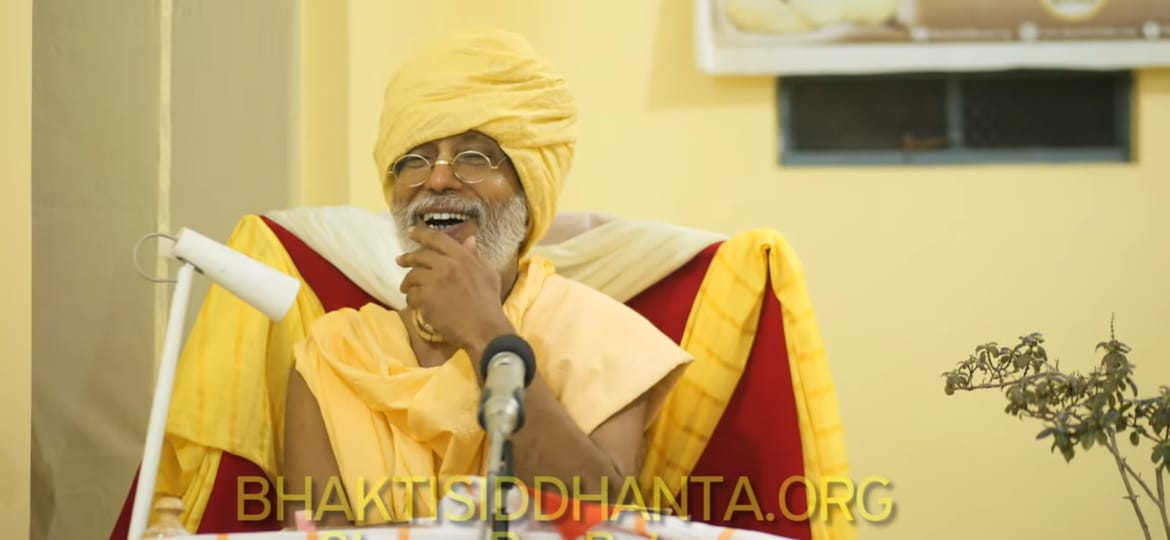
Smriti and vi-smriti (Memory and loss of memory)
“Smriti and vismriti” (memory & lost of memory) these two are the most vital points to be considered in the way of sādhana-bhajana. Smriti is sādhana and is the vitals of sādhya (The attainable object in the way of our bhajana) and vi-smriti is nothing but the deviation from that. All different kinds of vidhi and niṣedhāḥ belong to these two words; again all rāga or priti and virāga or repulsion– these two factors are dependent on these two words.
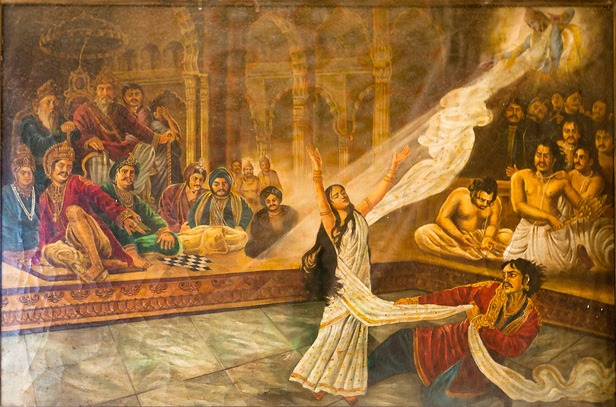
Sat & Asat saṅga
Almost in all śāstras such judgment of sat and asat can be found. Not only those Vaiṣṇavas or paramartik group, but also any religious sampradāya, they all thinking about the judgment of sat and asat, even those general ethical sampradāyas—they also thinking about the judgment of sat and asat. But there is a havoc difference of view which can be found on this topic of sat and asat among them. Why? That is the vital question. What is sat? What is asat?
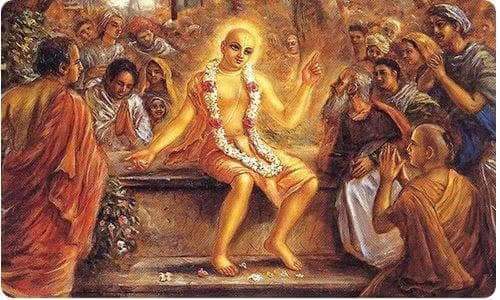
“Saṅga & Smriti” (Association and memory)
Who is having more paṇḍitya or who is more geniuses, who can live on by storing air inside the body or who can stay naked or who can bear the pressure of hot and cold to undergo tapasyā or who is brahmacārī or who is gṛhastha or who is sannyāsī or who is from a high family race or who is very healthy or who is very good looking?—By those judgments the variation of bhagavat-bhaktas cannot be calculated. Who is having more attention about the loveful memory of Śrī Śrī Gurudeva or more strong desire to search out the best possible way to give full satisfaction to Śrī Śrī Hari-Guru-Vaiṣṇava or alternative way we can say that—Who is trying how much more to arrange the loveful seva satisfaction of Śrī Śrī Hari-Guru-Vaiṣṇava?– Based on that factor the variation of bhagavat-bhaktas can be calculated or can be understood.
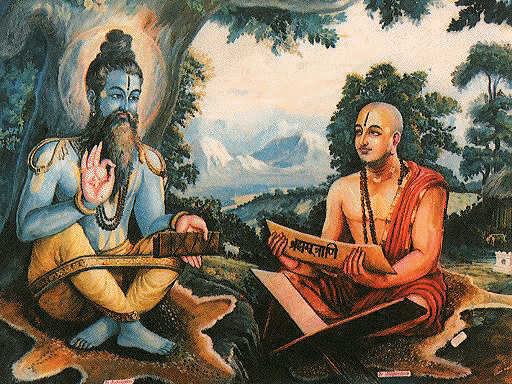
Shree Madhvacharyya
If the jeeva wants to serve Godhead according to his own judgment his inclination is nothing less than a form of unwillingness to serve at all. Because he must know very well that the guidance of the Plenary Potency is identical with that of Godhead Himself. It is; therefore, imperatively necessary to prevent any possible misconception of the difference that separates the jeeva from Godhead and His Proper Agent in Her Benign Undeluding Aspect. The jeeva is no servant of Godhead except by permission which has to be earned by a disposition of active loyalty in obeying unconditionally the Guidance of the Spiritual Potency.
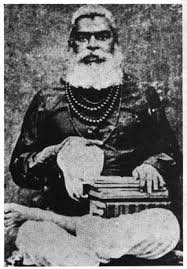
Śrī harināma (a speech by Śrīla Saccidananda Bhaktivinod Thakur)
Without kṛpā (mercy) of Parameswara no other way to cross over this impassible material ocean. Though superior to inert object (matter) still the jīvas are very weak and subjugated. Only Supreme Lord is the ultimate controller and caretaker. The jīva is anu Caitanya, so as a result is under the control of Parama Caitanya and is His servant. Parama Caitanya Bhagavan is the shelter of the jīva. This material world is made up of māyā. The presence of the jīva in this material world is only like a prisoner to suffer punishment for punishable criminal activity. The Bhagavat aversive mood of jīva is the cause of this māyā trap. Without Bhagavat seva mood no other way out for jīva to get rid of māyā. Bhagavat aversive jīva is but –māyā baddha. The jīva, who has a submissive mood towards Bhagavan is mukta.

Accharan is the most vital thing for a sādhu, even thousands of lectures cannot stand in front of that.
He, who is following perfect accharan, even when he is not going to speak anything, still his exclusive unique and excellent pure perfect accharan can speak hari-kathā by the help of his accharan, just as if crores of tongues are engaged in hari-kathā. On reaching the proximity of accharansil personality with a positive mood of sevā, immediately someone can feel shy of his anyābhilās present inside his heart and those can get become curbed to leave his heart.

Aṣṭakāla-līlā smaraṇa
Those who are going to spread the most secret rāgānugā bhajan topics here and there or in the name of anushilan (practice), they try to satisfy sense gratification (passive kāma), –they are surely prākṛta-sahajiyā. They can never get entry into kṛṣṇa-līlā.

Don’t fear, try to jump into the ocean of guru-vaiṣṇava sevā ananda
Śrīla Prabhupāda wanted to point out our poor condition because we want to maintain all our personal comforts, and never like to jump into guru-vaiṣṇava-sevā-ananda. Life is very unstable, any moment we can leave this world. So we must do guru-vaiṣṇava-sevā .

“Paraṁ vijāyate-śrī-kṛṣṇa-sankīrtanam” is the only slogan of Śrī Gauḍīya Maṭha
What is the main duty of those members of Gauḍīya Maṭha? All the members of Gauḍīya Maṭha must be ready to sacrifice their life for the saṅkīrtan-yajña- agni enlightened by Śrīman Mahaprabhu at Śrīvas Angan. Śrīman Mahaprabhu is saṅkīrtan- pitha, so to give Him full satisfaction, nama-saṅkīrtan-yajña- agni is the best possible way. It is our main duty to add more and more fuel (ghee) to the saṅkīrtan–yajña- agni. Ghee means our honest effort or sacrifice to do nonstop harinam-saṅkīrtan for the complete satisfaction of the saṅkīrtan-pitha-śrī- gaura -hari.