
Latest

The inner meaning of–“Trinad api Sunicena” Bhava
“Tṛṇād api sunīcena” bhāva means everywhere guru darśana. Always everywhere our guru darśana naturally can help us to get established in this “tṛṇād api sunīcena” bhāva. So, in that case naturally we can show respect even to others, without expecting any honor for our self.

The inner meaning of the word “Liberty”
“Liberty means curtailment of our own fanciful rights for the sake of others, so that mutual interest can be protected, and final goal can be attended as a whole.”

Why this kind of unusual situation prevailing everywhere that one cannot recognize the actual honor of other devotees?
So long as we can protect and preserve the flame of saṅkīrtana-yajña agni enlightened by the saṅkīrtana pita Śrī Kṛṣṇa Caitanya Mahāprabhu in Śrī Dham Mayapur- Śrīvas Angan, up to that point we can find some harmony among each other, otherwise we can start finding faults with each other or we can start competition with each other for ‘lābha’, ‘pūjā’, ‘pratiṣṭhā etc.
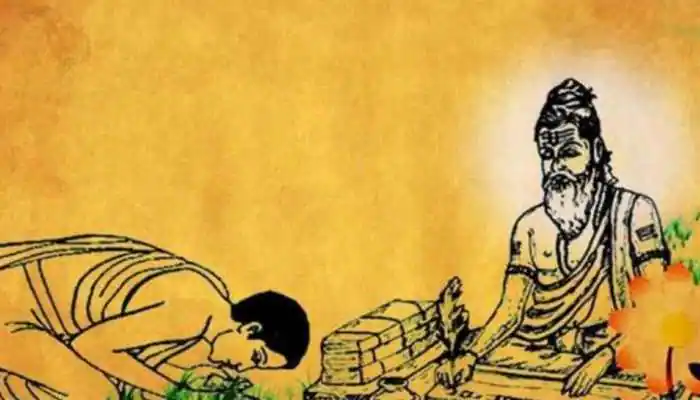
Diksa is related to our atma not the body
This kind of result of Guru-Vaiṣṇava-Bhagavan sevā can never leave us, even after we leave our body we can get the result of that sevā. At least one is sure to have a chance in the next life of being born again as a human being, either in the family of a great cultured brahmaṇa or in a rich aristocratic family that will give one a further chance for the elevation of consciousness.

Our duty as Gauḍīya Maṭha devotees
Just like a real physician, quite often the real spiritual masters and saintly persons also dissect some of the knots in the obstinate mind of living entities by way of apparently distasteful injunctions and instructions varying on the degrees of entanglement. But the suffering entity is hardly inclined to agree with such injunctions and instead, misapply a lot of harsh words to those saintly persons blaspheming them as their enemies and extremely merciless executioners.

Prajapati Brahma, Indra and Virovana
By Śrī Śrīmad Bhaktivedānta Vāmana Gosvāmī Mahārāja The guru of the universe, Prajāpati Brahmā, once said: “The ātma, or soul, is beyond piety and impiety, old age and death, lamentation, hunger and thirst, and acceptance and rejection. Only he who...
Sambandha. Abhidheya & Prayojana
In His instructions to Śrīla Sanātana Gosvāmī (sanātana-śikṣā), Śrī Caitanya Mahāprabhu has said, “The Veda discusses sambandha (the relationship between the living entity and the Supreme Entity), abhidheya (the means for attaining the object of pursuit) and prayojana (the very object of pursuit). Śrī Kṛṣṇa, whose service is to be attained, is the person with whom we are to have sambandha.
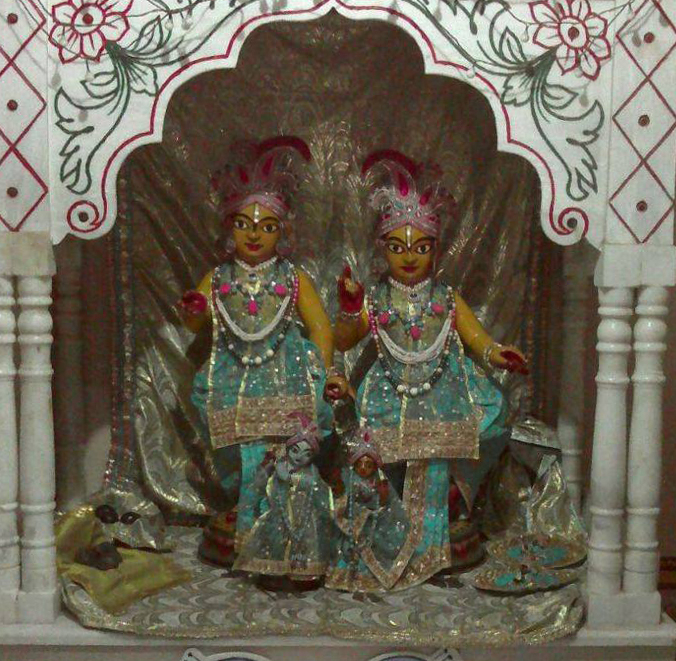
Pisi Ma and Gopeshvara Goswami
There is a small Gaura-Nitai temple right across the street from Bankandhi Mahadev temple in Vrindavan. The temple looks more like double story house, but its humble facade hides the glorious pastimes and history of the Gaura-Nitai deities inside. First worshipped by...

Those sahajiyā proclaim–“We should not follow Gaudiya Matha”
“Nowadays even brand new devotees are reading Kṛṣṇa-karṇāmṛtam and saying, ‘Oh, very good’. They also reading Govinda-līlāmṛta and thinking that—“The Gauḍīya Maṭha Devotees they know nothing about rasa-tattva. Oh, we are always in excellent rasa.” We should not follow them (Gauḍīya devotees) their strict siddhanta-vichar.

Two types of mukti
In many scriptures like Śiva Purāṇa, Vedas etc. it is written that those who leave body in Vārāṇasī they can attain mukti (liberation), but there is a question that what type of mukti? We know that it is written in śāstra “kasi maranat mukti”, and it is surely not wrong, but what type of muki is meant here in this case, that is the main question.