
Latest
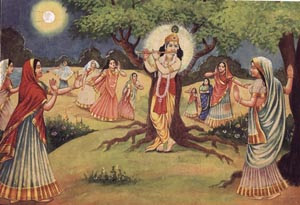
Kṛṣṇa līlā is the source of pure love which knows no boundaries
All glories to Śrī Śrī Guru-Gaurāṅga Date—03.05.25 Gauḍīya Goṣṭhi Pati Śrī Śrīla Bhakti Siddhānta Sarasvatī Gosvami Ṭhākura Prabhupāda said that—" Still today those south Indian people they have wrong conception about the aprākṛta-līlā-vilās of Śrī Śrī Rādhā-Govinda,...

Arcā-bhoga-ceṣṭā (Attempt to enjoy Dieties of Lord)
What the worldly marketplace of so-called religion refers to as bhakti, is often nothing but a veiled enterprise of ārcā-bhoga—a pursuit of sense gratification under the disguise of diety worship: “I shall adorn Ṭhākur (the Deity), and by doing so, I shall fulfill the longings of my own senses, and provide visual delight for others too. People will exclaim, ‘Ah! How exquisite is the attire and ornamentation of this gentleman’s Ṭhākur!’” — Such a motive, rooted in hidden self-enjoyment, transforms the act of decorating the Lord into a gesture of bhoga (enjoyment) rather than sevā (service).

Editor’s response to Sree Vyasa-Puja Adresses
This response to the Sree Vyasa Puja (1936) by Srila Prabhupada Bhaktisiddhanta Sarasvati Thakur was published in The Harmonist or Sajjana Toshani March 19, 1936.

Prārthanā Rasa–Vivritti(প্রার্থনা রস–বিবৃত্তি)
The prayers of Śrīla Narottama Dāsa Ṭhākura are particularly precious for those who tread the path of rāgānugā-bhakti, as they embody the raw, unfiltered longing for divine service that characterizes the highest expressions of devotion. His words are not mere poetic compositions but the outcry of a heart consumed by the flames of separation, yearning for entrance into the eternal, loving pastimes of the Divine Couple in Vṛndāvana.

A Lecture on Śrī Nityānanda Trayodaśī
This talk by Śrīla Bhaktisiddhānta Sarasvatī Ṭhākura Prabhupāda was given on the evening of Śrī Nityānanda Trayodaśī at the Yogapīṭha in Śrīdhāma Māyāpura on 5th February, 1936. It was first published in The Gauḍīya, Vol. 16, issue 39.

All glories to the divine flow of aprākṛta vāṇī coming either from the pen of The Prabhupāda or from his Lotus mouth
All glories to Śrī Śrī Guru Gaurāṅga Śrī Śyāma Dāsa Bābā nikhila-bhuvana-maya-chinnavicchinna-karttrivibudha-bahula-mrgya-mukti-mohanta-dhattrisithilita-vidhi-rāga-radhya-radhesa-dhanivilasatu hrdi nityam bhaktisiddhānta-vāṇī With his first step, He...

Upadeshamrita of Śrīla Bhaktisiddhant Saraswati Gosvami Thakur Prabhupada
Question 1—Is kīrtana the best limb of devotional service? Answer—Among all the limbs of devotional service (bhakti), kṛṣṇasaṅkīrtana is the most prominent and essential limb. One receives the qualification to advance in the life of paramārtha (devotional service)...

Śrī Gauḍīya Patrikā
By stealing Hari-kathā ,true Hari-kathā can never be spoken —Śrīla Bhaktisiddhānta Sarasvatī Gosvami Ṭhākura Prabhupāda (Hari-kathā at Bāguḍā) One cannot steal from the house of bhāva (divine sentiment) and expect to speak the transcendental narrations of the...

Scriptural quotes to prove that it is sahajiyaism to approach Rādhā Kṛṣṇa and Harinama directly without constantly remembering Gaur–Nitai first
Is shajiyaism harmful for normal devotees? (1) Śrīla Bhaktivinoda Ṭhākura writes in Prema Pradipa Tenth Ray: ei rupa sabhaa ami taha vyakti karile anadhikarir pakse visesa amangala haite pare / ucchisthita satya-samuha ucchapadasta na haile labhya hay na / yemata...

Raga-katha is high, but in our small mouth it doesn’t look nice
In the following letters, appearing in the book Prabhupader Patravali, Śrīla Bhaktisiddhānta Sarasvati Ṭhākura Prabhupāda clearly defines the qualification of raganuga bhakti.