
Latest

Those material languages cannot help us to reach Vaikuṇṭha-jagad, but when svarūpa śakti of Bhagavān can enter into someone then any language can work like magic, or even without any language – Part 5
Unfortunately, it is obvious that from time-to-time scriptures always have become the target of unqualified individuals (who even may act as ācāryas or spiritual leaders) who try to pollute the pure siddhānta vichars with their own concocted material ideas. And that is for why the descend of pure devotees like Śrīla Saccidananda Bhaktivinod Ṭhākura and Paramahaṁsa Jagad Guru Śrī Śrīla Bhakti Siddhānta Sarasvatī Gosvāmī Ṭhākura is absolutely necessary, because otherwise the whole devotional field becomes corrupted and disordered. That is why Śrīla Prabhupāda used to say that— “The only duty of an effective ācārya is to protect and preserve siddhānta vāṇī vaibhava”.

Those material languages cannot help us to reach Vaikuṇṭha-jagad, but when svarūpa śakti of Bhagavān can enter into someone then any language can work like magic, or even without any language – Part 4
All glories to Śrī Śrī Guru-Gauranga By Śrīla Śyāma Dāsa Bābā Date: 07.06.2025 (continuation of the third part) Śrīla Jīva Gosvāmīpad putting the most vital question in his Sandarbas about – How and where to get absolute knowledge? His answer is that there are...

Those material languages cannot help us to reach Vaikuṇṭha jagad, but when svarūpa-śakti of Bhagavān can enter into someone then any language can work like magic, or even without any language. (Part 3)
Every word of śabda-brahma possesses its own independent form. Kṛṣṇa-nāma also has a very beautiful form (svarūpa); It has ears, a nose, a mouth, eyes, feet, arms, a head and so on. It eats, walks, engages in mutual exchanges, rests, gives pleasure and also tastes happiness, and devotees therefore refer to kṛṣṇa-nāma as a personality: Śrī Nāma Prabhu. With this understanding, one of our guru-vargas, Śrī Bhagavān dāsa Bābājī Mahārāja of Kālanā, used to serve Śrī Nāma Prabhu as one would a Deity (vigraha) by offering bhoga, offering pūjā, putting Him to sleep and so forth.

Our insincere attitude always keeping us away from the absolute teachings given by The Prabhupāda
(By sampradāya-saṁrakṣaka Śrī Śyām Dās Babajī Mahārāja) Without absolute sincerity unto the Lotus Feet of The Prabhupāda we are going to be deprived from that Absolute truth Gauḍīya Goṣṭhī Patiḥ Śrī Śrīla Bhakti Siddhānta Sarasvatī Gosvāmī Ṭhākura Prabhupāda very...

Those material languages cannot help us to reach Vaikuntha-jagad, but when svarup shakti of Bhagavan can enter into someone then any language can work like magic, or even without any language – Part 2
All glories to Śrī Śrī Guru-Gauranga By Śrīla Śyāma Dāsa Bābā Date: 27.05.2025 (...continuation of the previous article from Part 1) We have no right to touch or change any divine writings of any mahājana, but any divine personality can give a sweet touch in the...

Those material languages cannot help us to reach Vaikuntha-jagad, but when svarup shakti of Bhagavan can enter into someone then any language can work like magic, or even without any language – Part 1
All glories to Śrī Śrī Guru-Gauranga By Śrīla Śyāma Dāsa Bābā Date: 21.05.2025 Gauḍīya Goṣṭhī Pati Śrī Śrīla Bhakti Siddhānta Sarasvatī Gosvāmī Ṭhākura Prabhupāda said that— “Logical interpretation cannot stand in the way of the Absolute Truth.” According to the...

Cheating and preaching implies almost the same meaning at present
Śrīla Jīva Gosvāmīpada wrote in the Sandharbas that there are two types of vaktās (speakers), “vaktā saraga niraga divido parikīrtitā” means there are two types of speakers of hari-kathā. One such devotee is “saraga.” He still has some kama, lust, or etc. in his heart but can still speak hari-kathā. The other kind is “niraga.” This personality has no material desires remaining in his heart. The vyāsāsana should only be occupied by a niraga vaktā who has no demand for name, fame, position, money, honor and etc.) we should not allow a saraga vaktā to sit on the vyāsāsana to speak hari-kathā because he is contaminated. Śrīla Jīva Gosvāmī gave clear instructions that we should not allow a preacher with such mundane desires to sit on the vyāsāsana. Of course those who want to be cheated will be cheated very easily by them.

Bhagavān surely cannot accept any kind of impure bhakti.
By Śrīla Śyāma Dāsa...
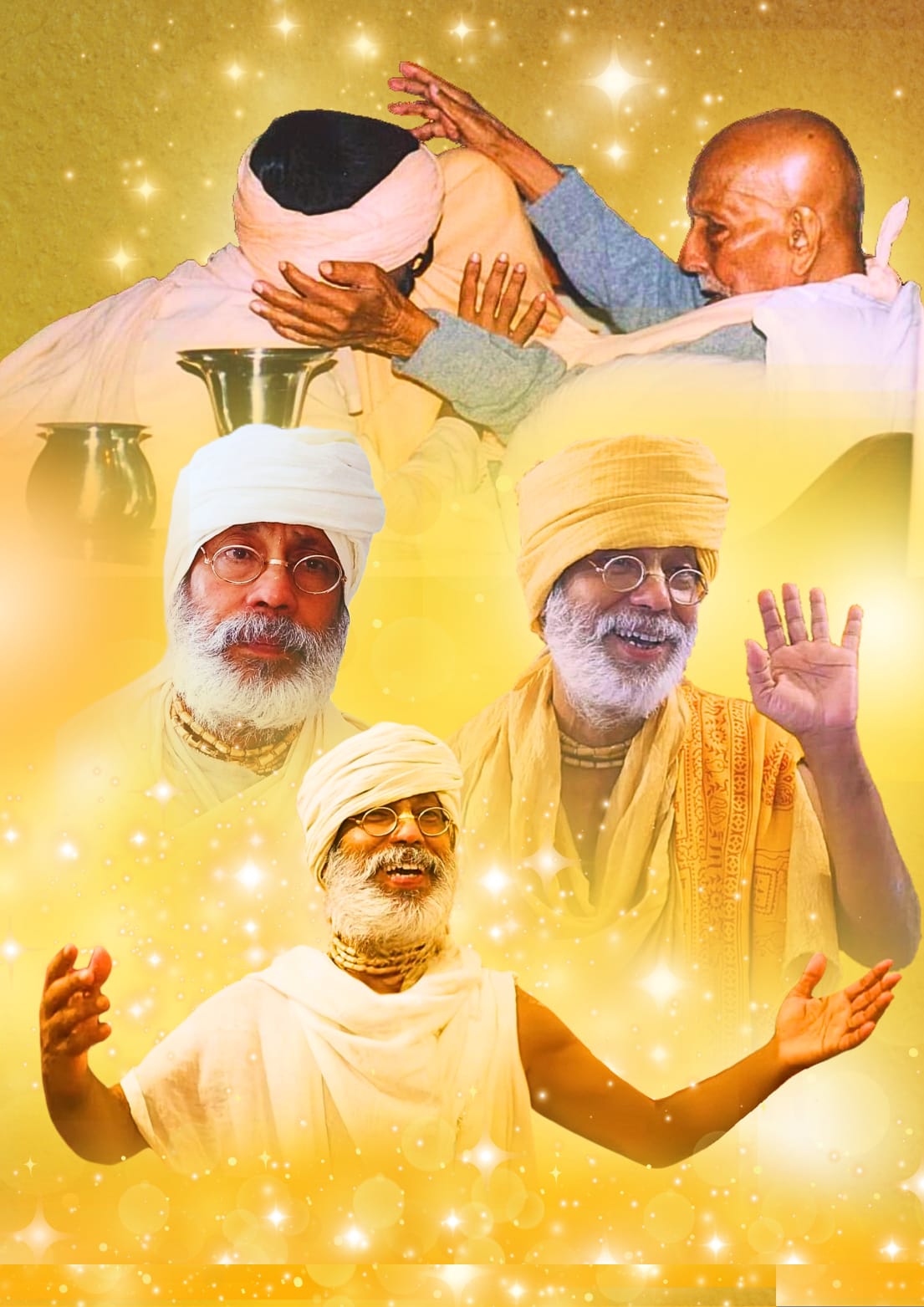
Vaishnavi pratistha-tattva
By Śrīla Śyāma Dāsa Bābā Date—03.05.2025 Age is not a big factor, educational Qualification is not a big factor, so called previous bhajana background is not a big factor, money power is not a big factor, massive name fame or popularity is not a big factor, because...

People feeling lazy only when there is the question of ātmā maṅgala is concerned
Date 03.05.2025 nidrālasya hata, sukārye virata, akārye udyogī āmi pratiṣṭha lāgiyā, śāṭhya-ācaraṇa, lobha-hata sadā...