
Latest
Slow and Steady
amāninā mānadena kīrtanīyaḥ sadā hariḥ We should take resort to kīrtan always, but Mahāprabhu recommends that our attitude should be such: tṛṇād api sunīcha, taror api sahiṣṇu, amānī mānada. It is generally upwards, all towards high. Our attitude will be humble,...
God-realization
To err is human. However learned and intelligent a man may be, he is prone to error and evil. The greatest philosopher should always remember that human nature is apt to make various errors at every moment, especially when we try to judge that which is spiritual and eternal using our empiric knowledge.
“Pleasing Śrīla Gurudeva Gives Me Life”
"Many of the disciples of our Śrīla Gurudeva, jagad-guruparamārādhyatama Śrī Śrīla Prabhupāda, gave their bodies, minds, words and wealth to assist in fulfilling his heart’s deepest ambitions. Although he was immensely pleased by their service, or anuśīlana, it is...
The Lotus feet of Sri Guru
If in order to carry out the command of the Vaishnava guru I have to be arrogant, to be brutish, to suffer eternal perdition, I am prepared to welcome such eternal damnation and even sign a pact to that effect. I will not listen to the words of other malicious persons in lieu of the command of the gurudeva
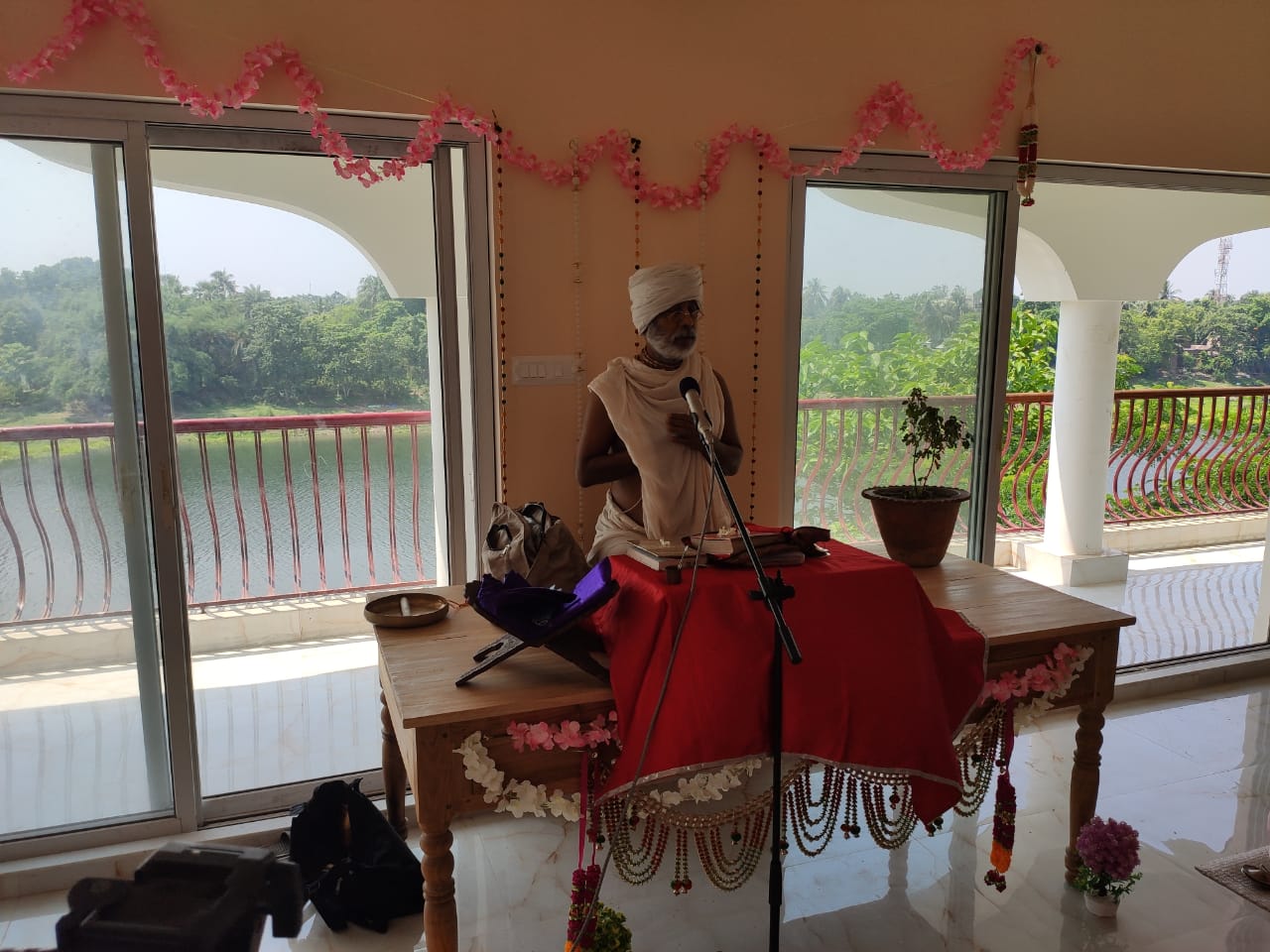
Bhaktivinod –Gaura –Sarasvati Vani Seva Center already have started Nama Sankirtan Yagya on the eve of Akshaya Tritiya tithi
The ceremony of the Nama Sankirtan Yagya together with Harinam Japa Yagya was observed at the Bhaktivinod –Gaura- Sarasvati Vani Seva Center on the auspicious occasion of Aksaya Tritiya tithi with full enthusiasm (It was éclat success). A lecture on the subject—“Sankirtan yagya in Kali Yuga” was delivered there by His Holiness Srila Shyam Das Babaji Maharaja. Srila Maharaj started with the sloka
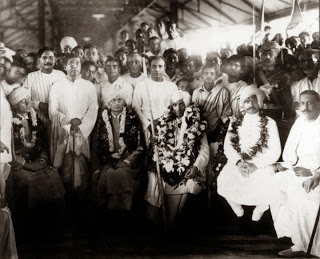
Society – Community – Math
The principle of a religious community is based on a form of sublimated selfishness covered under the mask of “love” for one’s “Godbrother” or even for “God”. But is it possible at all to call an attitude of expecting reward for some pseudo-renunciation of some selfish interests by the name of “love”? Practically everything is done on payment. Even religions that contain some hint at the implicit truth of nature of the spiritual Subject, objects and their relation, follow this method of ethical and emotional materialism in their practices. We are expecting material profit and are strengthened in the tendency by the injunctions of the Scriptures of these religions.
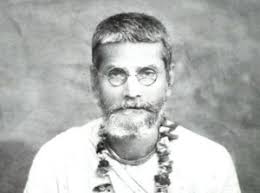
One Must Correctly Identify a Vaishnava
It is insufficient merely to dwell on how much the Vaishnavas love us or consider us to be their own. This is because the personal satisfaction that comes from thinking we are loved by the Vaishnavas is nothing but an external symptom of the desire for sense gratification, which lurks in the deepest region of our hearts. If, instead, we begin to measure how much we have become bound in affection to the Vaishnavas, it indicates that we are on our way to attaining the very perfection of all desires. Until we can identify Vaishnavas and develop an intimacy with them in which we regard them as our bosom friends, we will be unable to realise the true nature of their affection for us.
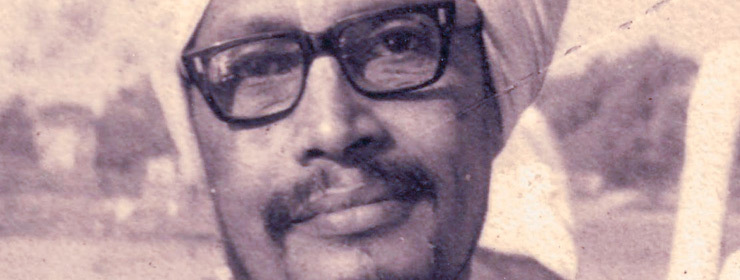
At present, there is a dearth of love, affection, and goodness
By 𝑺́𝒓𝒊̄ 𝑺́𝒓𝒊̄𝒎𝒂𝒅 𝑩𝒉𝒂𝒌𝒕𝒊𝒗𝒆𝒅𝒂̄𝒏𝒕𝒂 𝑽𝒂̄𝒎𝒂𝒏𝒂 𝑮𝒐𝒔𝒗𝒂̄𝒎𝒊̄ 𝑴𝒂𝒉𝒂̄𝒓𝒂̄𝒋𝒂 “To tell the truth, seeing the present state [of the world] I do not have the desire to go anywhere anymore. Man’s heart is extremely polluted. No one is accustomed to seeing the good in others. Hatred,...

Akṣaya Trītīyā and Candana-yātrā
If one seeks wealth and performs charity on this tithi [with this motivation], one will never experience any deficiency of wealth in his whole life. His wealth will become inexhaustible; but it does not mean he will attain Vaikuṇṭha. With respect to the example above, the term ‘akṣaya’ implies that such an individual will never experience any deficit of wealth in this life.
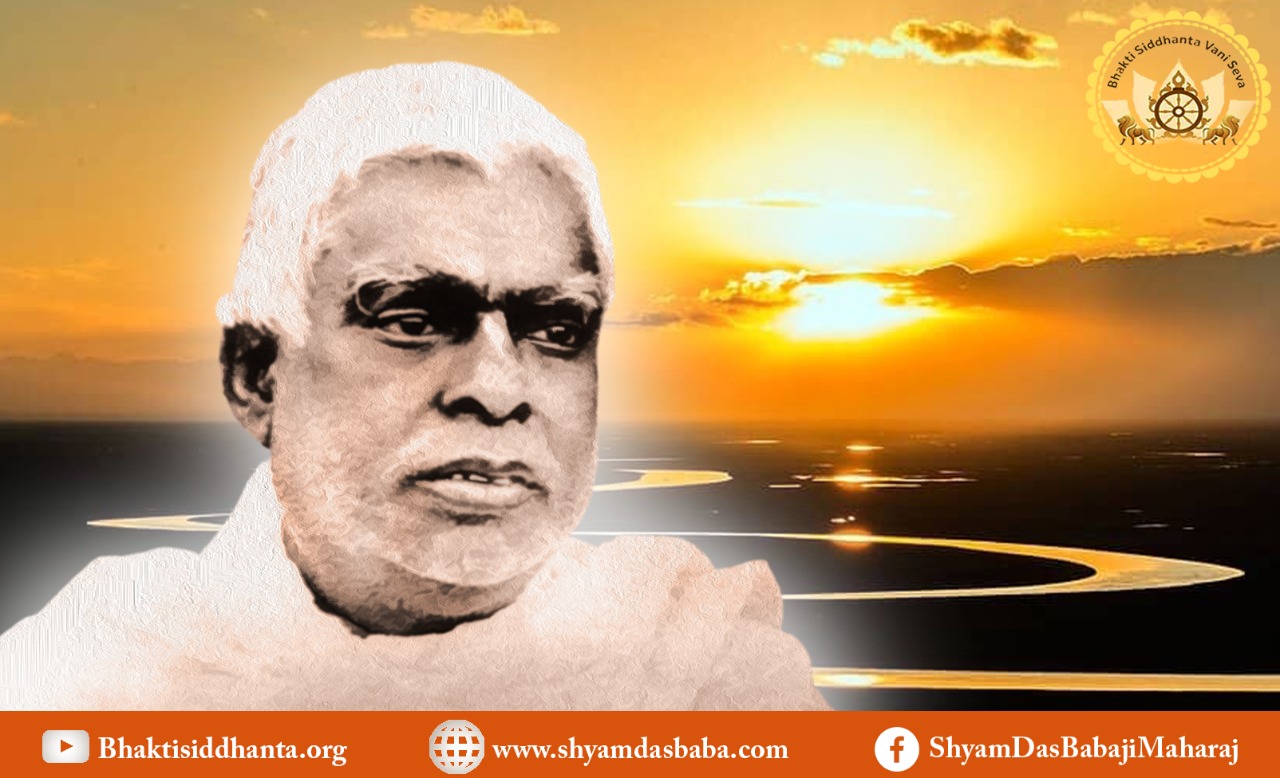
Try to understand the difference between Bhaktivinoda-dhara and Non-Bhaktivinod-dhara
The day we can realize the difference between Bhaktivinod-dhara and Non-Bhaktivinod-dhara, that day must be a green signal for us. This I can promise you blindly by touching the Lotus Feet of Srila Prabhupada and Bhaktivinod Thakur. Be sure that I am not going to speak anything out of Prabhupada. I am always going to speak what Prabhupada told, so there is no place to fight with me unnecessarily.