
Latest

Upamanyu – The Ideal Guru-sevaka
The disciple who follows his guru’s orders and teachings, rather than imitating his actions and practices, will never be deprived of his guru’s mercy. Rather than taking the Āṣvinī Kumāra’s advice to imitate the actions of his guru, Upamanyu followed his guru’s order. He refused to eat the healing cake without his guru’spermission.

The evil effect of the association of Dharma Dvaji–(The flag holders of Bhagavat Dharma)
Gauḍīya Goṣṭhī Pathi Śrī Śrīla Bhakti Siddhanta Sarasvatī Gosvāmī Ṭhākura Prabhupāda told that—"Those who are the flag holder of Bhagavat Dharma, their acharan can lead all bonded soul into more and more bonded condition." Śrīla Saccidānanda Bhaktivinod Thākura...

Only and only the authentic source of Hari-kathā can save us from Maya, nothing else.
Do not hear hari-kathā from a man having no acharan. If you all have shortage of acharan, then do not go for hari-kathā preaching, just close the door to preach hari-kathā in front of yourself.

Associating with Sādhus
Those who have direct darśana often risk a misunderstanding. The proverb “Too much familiarity breeds contempt” is proof of that. Though proximity to śrī guru and Vaiṣṇavas has not been forbidden because of this, the statement “vando muĩ...

The Nature of True Devotees
The devotees are ever engaged in the service of God. No tendency towards anything else, no other thought or deed besides that service, finds any opportunity to cast its shadow over the souls of those bhakti-yogīs, who are incessantly communing with God and are entirely dedicated to Him.

Two kind of darshan can be there, one is Guru darshan and the other is laghu darshan
Guru darshan means to realize each and everything meant for Guru-puja not for our sensual enjoyment. Whereas laghu darshan means to watch everthing with enjoying mood. The term “Darshan” is not the perfect translation of the word Philosophy because Philosophy the...
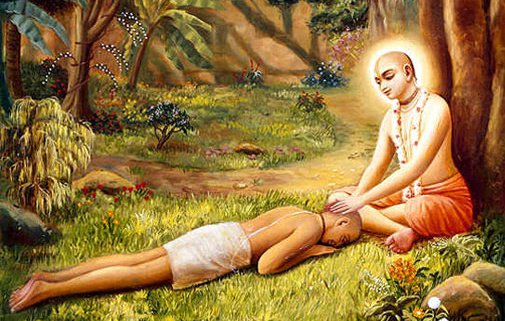
Who is ready to sell his own head unto the lotus feet of the paramahaṁsa sād-guru, to attain absolute success?
Who is suggesting that with anarthas Haribhajan is possible?
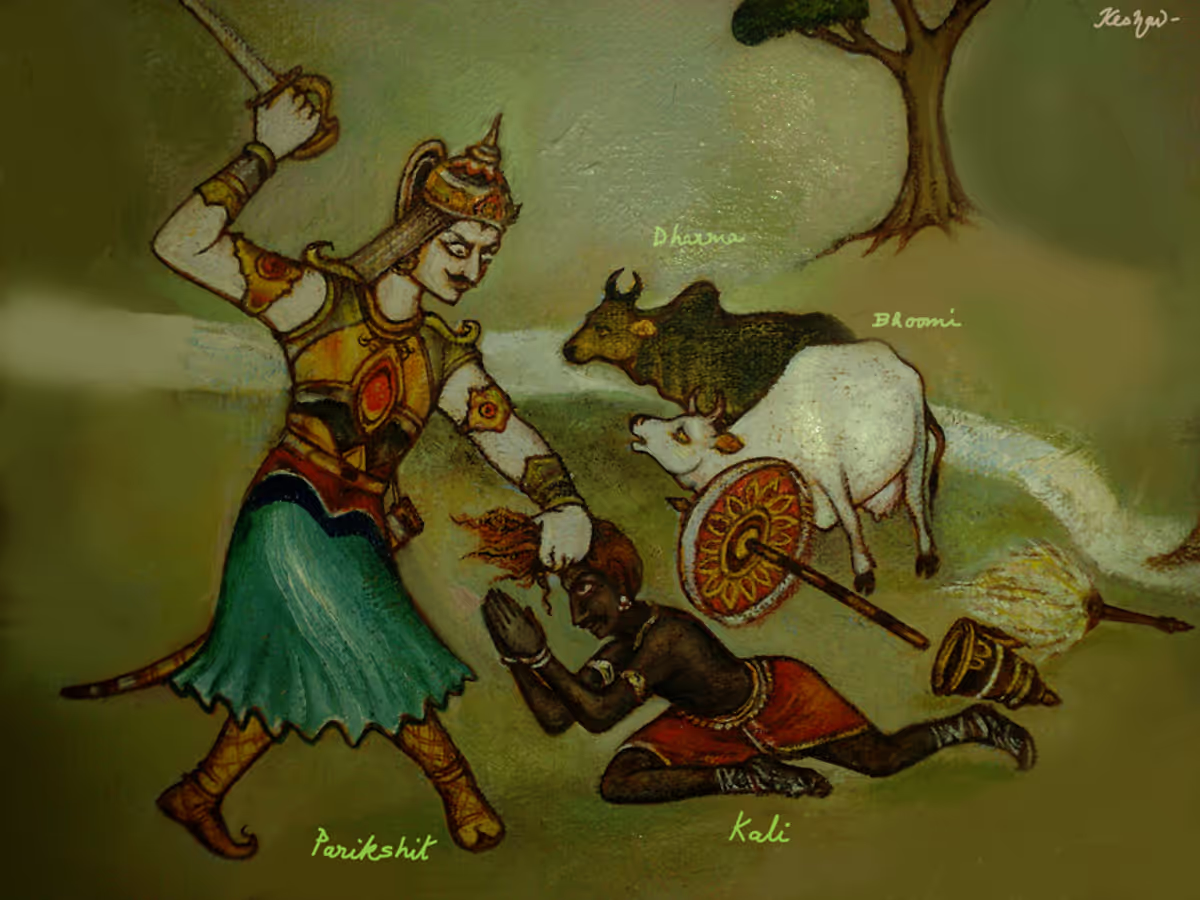
Kali is an ocean of faults but simply by hari-kīrtana one can attain perfection
If we like to get one drop of honey, and if we are given the facility to grind and paste all flowers, will it be possible for us to get one drop of honey? All our Paramhasa Guruvarga, they are all like honey bees, because they can collect the essence from different scriptural analyses for us, which is surely not possible for us. From Srimad Bhagavatam we know…
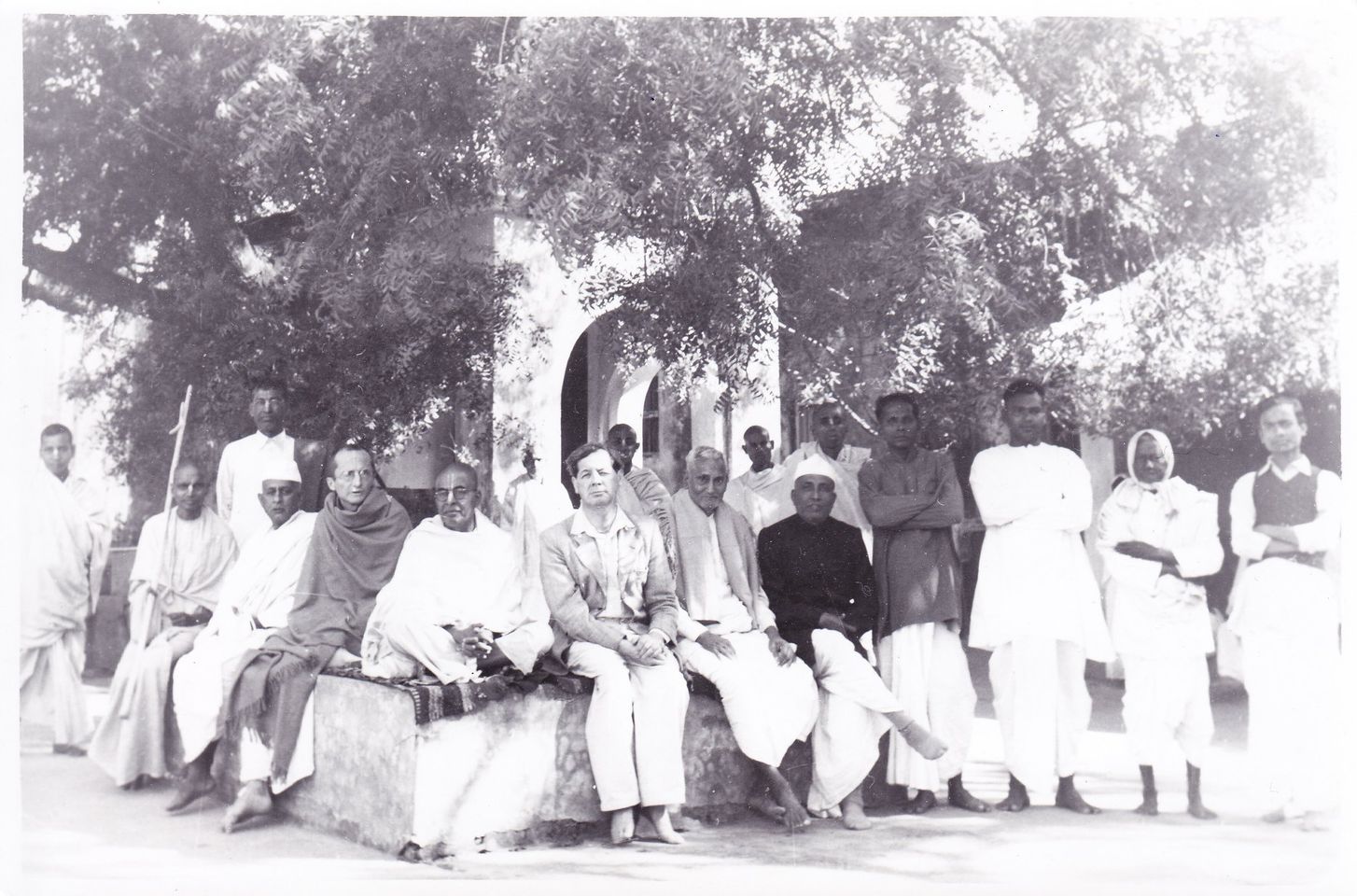
Trap of Emotion
Nothing can be gained by running away from the unpleasant world in which
we live, by diving and plunging into the bliss of realization. Our spiritual
happiness is quite unimportant, rather an impediment. Her and His happiness is everything. Even with the greatest enthusiasm and inspite of all trances of bliss we must go step by step, otherwise we believe we are on a high stage but are only on an emotional, mind made stage.
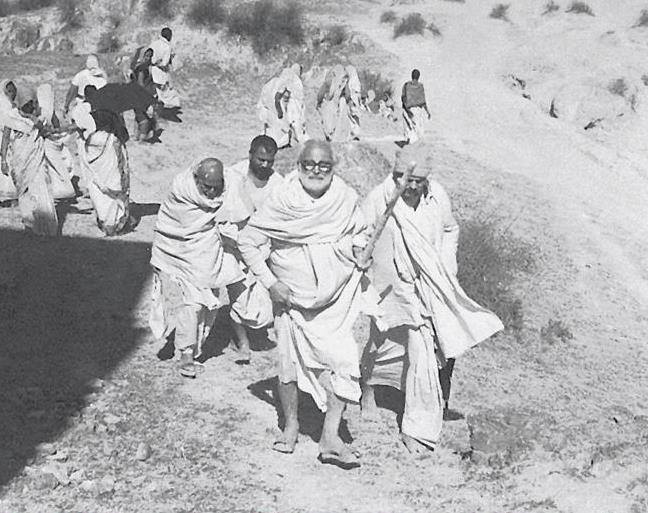
Circumambulation of Sree Nabadwipdham
One who undertakes the pilgrimage of Sree Nabadwipdham with the conviction and in pursuance of the method of the empiric historian and antiquarian, will certainly enrich the range of his worldly experience which he values. But he will miss the spiritual end which is declared by the Scriptures to be attainable by the performance of the journey under the guidance of the sadhus.