
Latest

Nothing more important than hari-kathā
Gauḍīya Goṣṭhī Pati Śrī Śrīla Bhakti Siddhānta Sarasvatī Gosvāmī Ṭhākura Prabhupāda Paramahaṁsa Jagat Guru said that – “Nothing more important than hari-kathā, somebody speaking that I have no time to hear hari-kathā—this is called māyā.”
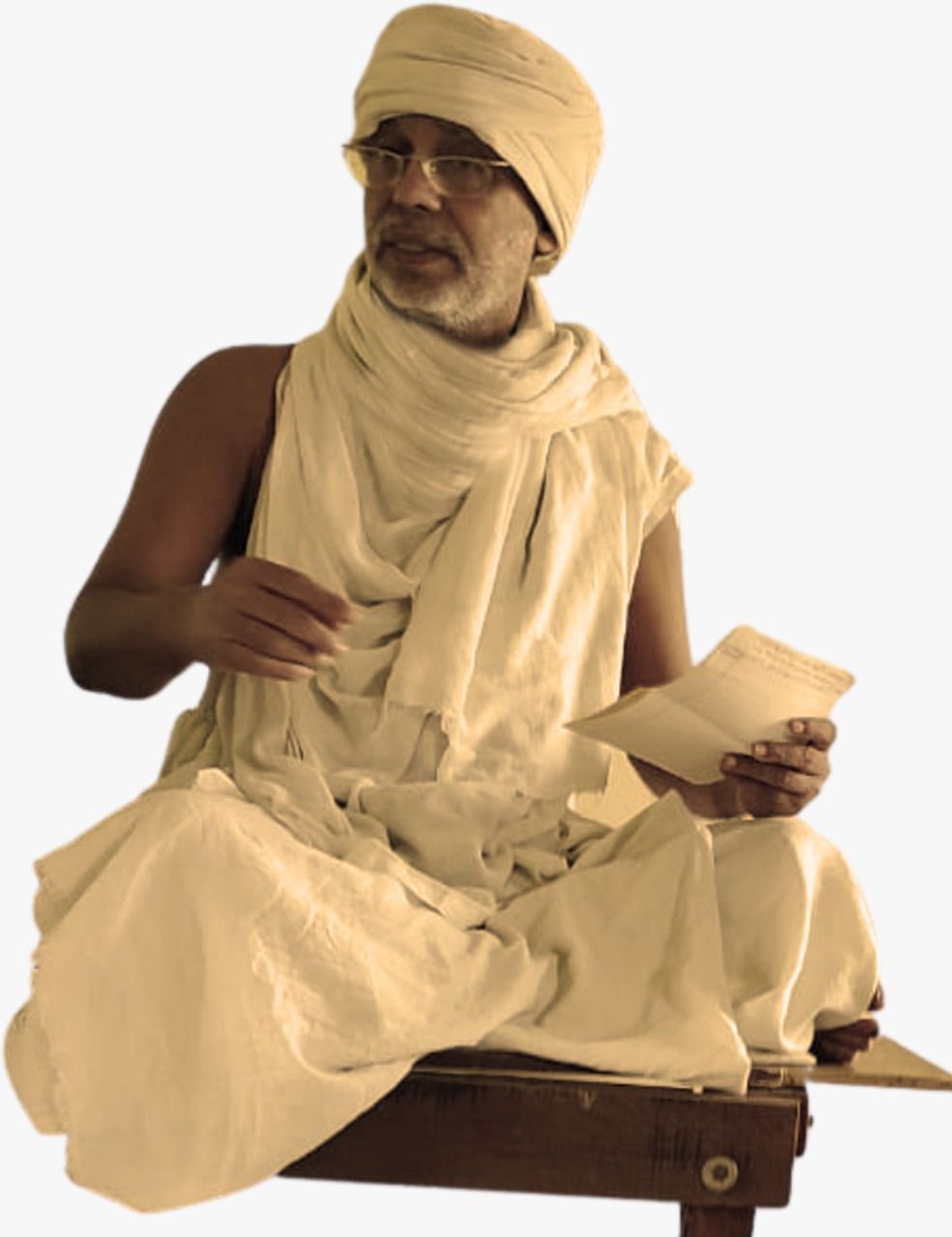
Those mātājis they cannot act as ācārya to give dikṣā or sannyāsa but can give śikṣā if at all they are tattva –vettvi-viduṣi realised souls (Part 1)
150 years ago Śrīla Ṭhākura has written so many things for us but who is going to care! He has written many many important points regarding fanciful moods expressed by those so called ācāryas, because they always want to express new new vichar to establish their own position and honor. It is their dirty nature to misguide the whole world to procure and protect their own lābha-pūjā-pratiṣṭhā. What to speak more about it also at present we are just upset to discover the fanciful system adopted by some society’s to allow and appoint mātājis to take the post of Ācāryahip so that they can give dīkṣā and sannyāsa to somebody—which is really a heart rending news, because our authentic śāstras never approved this kind of new system which can bring about a total destructive evolution in our bhajan field.

Śrīmati Rādhārāṇī is beyond human comprehension, so there is every possibility to misunderstand her sevā mood
Somehow the topic of Lakṣmī Devī or Sītā Devī can be understood by some groups there in the western world, but it is far away from them to realize the topics of Śrīmati Rādhārāṇī. The conception of those prākṛta-sahajiyās about Rādhārāṇī is surely not the concept of Śrī Rūpa Raguṇatha´s īśvarī.
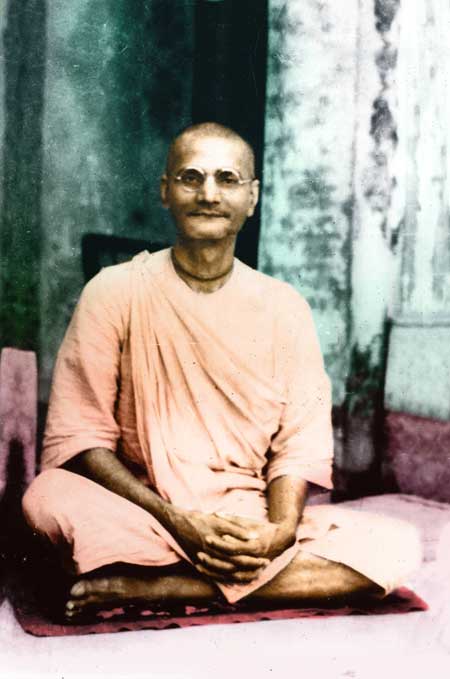
Śrī Guru-pūjā can never be done material way
Śrīla Prabhupāda preṣṭha Śrī Śrīla Acharya Keshari- Bhakti Prajñāna Keśava Gosvāmī Mahārāja said that— “By the help of material principle or material idealism aprākṛta vastu can never be attended. “

How sahajiyā vichar can be accepted in our Sarasvat Gauḍīya sampradāya ?
So, the most vital point is that – rasa-līlā etc. are strictly prohibited for those jivas who are full of anārthas, I mean what to speak about their śravaṇaṁ-kīrtanaṁ etc., even mental speculation or thinking also prohibited, here this kind of meaning is very clear. Those jivas with anārthas—they only can go with śravaṇaṁ-kīrtanaṁ of some suitable śrī-kṛṣṇa-līlās under the guidance of suddha guru-varga (those who are rāgānugā), to cut off their anārthas. Otherwise, they can simply invite great danger in their life´s instead of maṅgal (good).

Appreciate His Success and Rejoice
His loving devotion to Sri Krishna, his dedication to Sri Gaura-Nityananda’s marvellous Pastimes, His self-manifest faith in the devotional siddhanta of the best of the Rupanugas—Srila Bhakti Vinod and Srila Saraswati Thakur, His joy in the sadhu’s association, his mad endeavours to serve Sri Guru, his unconquerable conviction to serve, his lightning bolt-like firmness towards the wicked, his flower-like gentleness towards the good-natured, his sincere behaviour, his impeccable moral life, his melted-hearted compassion for the unfortunate, his natural courage, his eloquence in the assemblies of sadhus—this great soul’s unlimited qualities, having assembled within his supramundane character, are brightening and blessing this world, the field of his campaign.
Śrīla Prabhupāda´s Advice to us at Śrī Mathurā Dham before starting Braja-maṇḍala parikramā
Gauḍīya Goṣṭhī Pati Śrī Śrīla Bhakti Siddhanta Sarasvatī Gosvāmī Ṭhākura has said that –“Up to now we never allowed līlā-kirtana song openly in front of all. Because those are our very secret property. Surely that is our ultimate sadya vastu. But somehow you all can reserve the right to misunderstand me that I am against that (braja madhur rasa), so I wanted to indicate those aṣṭa-kāla-līlā-kirtanas, otherwise you all may think that anartha nivṛtti (to cut off anartha) is our goal, and that we never need to step into artha pravṛtti (rāgānugā bhajan rasa). At present you all have not achieved the stage to hear such kirtanas. But you all must have the information about the fact that there is such a real aprākṛta Idealism in the way of gauḍīya-bhajan, for which anartha nivṛtti should be given first priority.”

Without tattva-vit Maha-purusa (suddha Guru-Vaishnava) nobody can give us tattva jnana
Tattva vadi means those who can speak about tattva siddhanta nicely without having direct realization about that. But those tattva vit puruṣas—they can speak about all those tattva vijñāna topics out of their direct realization power.

To clean our dirty heart –Apprakrita Harikatha hearing is best way
According to the ratio of hearing of hari-kathā from genuine source (authentic source) one can clean heart to see all super fine objects relating to that aprākṛta jagat, just like by the application of Ayurvedic black medicine into eyes one can develop eyesight.

Aprakrita Vastu is beyond our material limit
“Anything transcendental, which is beyond material nature (limit) is called inconceivable, whereas arguments are all mundane. Since mundane arguments cannot touch transcendental subject matters, so one should not try to understand transcendental subjects through mundane arguments.”