
From 1897, Śrī Siddhānta Sarasvatī began to observe Cātur-māsya. Although this four-month vow of austerity is enjoined for all followers of the Vedic path, Gauḍīyas had been neglecting it, largely due to erroneous propaganda of certain prākṛta-sahajiyās that it was merely karmakāṇḍīya. Taking inspiration from Śrīla Jagannātha dāsa Bābājī Mahārāja, who rigidly followed Cātur-māsya, Śrīla Bhaktivinoda Ṭhākura had reintroduced the vow according to the directions of Hari-bhakti-vilāsa and other śāstrīya rules meant for curtailing sense gratification during this period. Although śāstra gives allowance for partial observance of Cātur-māsya, Śrī Siddhānta Sarasvatī undertook the vow strictly, punctiliously following all its details.
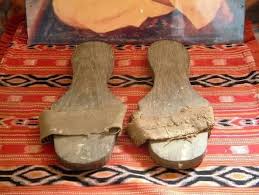
Once daily, before sunset, he would take only rice cooked by his own hand, with just a touch of ghee but no salt or spices, by the method known as go-grāsa (feeding like a cow)—eating directly from the ground, with no plate, by sitting and leaning forward and not using the hands, and eating no more after once rising from that position. He forswore shaving and paring nails, and slept minimally, on the bare earthen floor of his hut, without bedding, pillow, or even a straw mat. By such severe austerity he became emaciated. Although by such willful neglect of bodily demands he sometimes became very sick, still he would not consult a doctor. But after Śrīla Bhaktivinoda Ṭhākura reproved him, asserting that such self-denial was unnecessary, Śrī Siddhānta Sarasvatī desisted from such rigorous practice of Cātur-māsya.
Although for many years Śrīla Sarasvatī Ṭhākura Prabhupad had assiduously accepted many austerities during Cātur-māsya, after founding Śrī Caitanya Maṭha and focusing on preaching he ceased doing so. He then followed only minor rules of Cātur-māsya: refraining from food forbidden for that period, eating only once a day, and shaving only on Viśvarūpa Mahotsava, which falls exactly in the middle of the four-month observance. He continued to execute Ūrja-vrata each year, residing in one place during Kārtika and practicing the directions given in Hari-bhaktivilāsa. Yet some of his disciples, mostly maṭha-vāsīs less active in outside preaching, continued to perform Cātur-māsya in all details.
In 1935 Śrīla Bhakti Siddhānta Sarasvatī Ṭhākura Prabhupad observed Kārtika-vrata at Rādhā-kuṇḍa. During brāhma-muhūrta his accompanying śiṣyas would approach him to offer daṇḍavat and receive blessings. Then, headed by the sannyasis, they would circumambulate Śrī Rādhā-kuṇḍa three times while performing kīrtana. Returning to the lotus feet of Śrīla Bhakti Siddhānta Sarasvatī at Vraja Svānanda-sukhada-kuñja, for his transcendental pleasure they would sing yama-kīrtana and other songs according to his indication. On the first day, Śrīla Bhakti Siddhānta Sarasvatī spoke on the glories of Śrī Rādhā-kuṇḍa, and from the second day he lectured three times daily: in the morning on the Upaniṣads, during early afternoon from Śrī Caitanya-caritāmṛta, Madhya-līlā, chapter nineteen (“Rūpa-śikṣā,” Śrī Caitanya Mahāprabhu’s instructions to Śrīla Rūpa Gosvāmī), and in the evening on Śrīmad Bhāgavatam. In this way each day was spent intensively hearing and chanting about Kṛṣṇa. Yet as ever, his bhajana was permeated with concern for rectifying the world situation by broadcasting Kṛṣṇa-bhakti. During one Hari-kathā he declared that the foremost duty of persons desirous of being identified as Gauḍīya Vaiṣṇavas, or at least claiming to have faith in Gauḍīya Vaiṣṇava dharma, was to rescue that dharma from the hands of unscrupulous misinterpreters, that this duty must be fulfilled even at the expense of personal bhajana, and that the Gauḍīya Maṭha’s preaching would destroy non-Gauḍīyas in the same manner that Agha, Baka, and Pūtanā had been vanquished.
Once during Cātur-māsya, some produce from the garden at Śrī Caitanya Maṭha, including vegetables proscribed during that period, was sent to Śrī Puruṣottama Maṭha in Purī. Yet Śrīla Sarasvatī Ṭhākura ordered that the proscribed items be cooked, offered, and honored, explaining that their originating from the holy dhāma of Māyāpur overrode Cātur-māsya restrictions. Śrīla Bhakti Siddhānta Sarasvatī’s lifelong practice, imbibed in childhood from Śrīla Bhaktivinoda Ṭhākura, was to adhere to the prescription of Hari-bhakti-vilāsa to fast on important festival days such as Janmāṣṭamī and Rādhāṣṭamī. And although he never stipulated that his disciples do so, as per his example and the injunctions of śāstra these praxes were adopted within the Gauḍīya Maṭha canon.
Gaura Hari Hari Bol
(Taken from Sri Bhakti Siddhanta Vani Vaibhava Vol 1)