
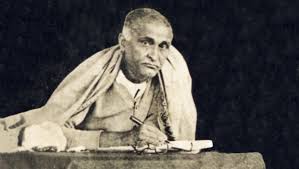
Śrīla Bhaktisiddhānta Sarasvatī Gosvāmī Ṭhākura Prabhupāda
It is painful to see people wasting their valuable time in no better work than mischievous, ill-conceived criticisms of others’ conduct. They excel only in giving advice to others. Their damned mind is, no doubt, responsible for this. So, every morning, on rising from bed, they should make their wicked mind hear the following immortal bhajana of Ṭhākura Bhaktivinoda:
bhaja re bhaja re āmāra mana ati manda
(bhaja) vraja-vane rādhā-kṛṣṇa-caraṇāravinda
(bhaja) gaura-gadādhara advaita guru-nityānanda
(smara) śrīnivāsa haridāsa murāri mukunda
(smara) rūpa-sanātana-jīva-raghunātha-dvandva
(smara) rāghava-gopāla bhaṭṭa-svarūpa-rāmānanda
(smara) goṣṭhī-saha karṇapūra sena śivānanda
(smara) rūpānuga sādhu-jana bhajana-ānanda.
In this bhajana, the mind is asked, first of all, to hold bhajana of Rādhā-Kṛṣṇa (in Their joyful activity) in the sacred woodland of Vraja. In comparative view, the degrees of excellence of the five rasas, from mādhurya (consorthood) to śānta (the state in which active service is wanting), are gradually lowering. A servitor in the last-mentioned position (i.e., śānta-rasa) is neither actively engaged in bhajana nor against it. He will neither oppose bhajana nor actively hold it. Now, bhajana or bhakti may be of different kinds. There is such a thing as michā-bhakti, false bhakti, as opposed to śuddha-bhakti, unalloyed bhakti. The adherents of karma, who are followers of smṛti, take recourse to the former. In Prema-bhakti-candrikā 6.18, Ṭhākura Narottama Dāsa warns us against such false bhakti by saying: karmī, jñānī, michā-bhakta, nā habe tāte anurakta, śuddha-bhajanete kara mana. Don’t absorb your thoughts in the fruitive worker, the philosopher, or the hypocritical devotee. Fix your mind in pure bhajana. The cult of the so-called social reformers (or society makers) of the past or present age is quite different from the ideas and principles of bhaktas. The followers of the former are engaged, at present, in various movements relating to personal advantages and self-enjoyment. Those agitators who, leaving aside all considerations of bhakti, are busily engaged in movements for temporal advantages only are doing harm to themselves. And their failure to serve Kṛṣṇa, who is the emporium, or rather effigy, of all endless, immeasurable nectar of love, joys and pleasures, bespeaks simply of their ignorance of the real state of affairs. Such desistance of service to Kṛṣṇa gradually turns a man into an upholder of nirviśeṣa-vāda, the doctrine of the unspecifiedness of the Absolute Truth. What can be more deplorable than such misfortune of mankind? To counteract the aforesaid tendencies in us, we should sing, every morning, advising our wicked mind to hold bhajana, which is impossible if we are unmindful of the dictum:
trinād api su-nīcena taror iva sahiṣṇunā
amāninā māna-dena kīrtanīyaḥ sadā hariḥ
Which means that hari-kīrtana should be continued ceaselessly and with the humility of one lower than grass. What is the object of our bhajana? It is only the holy feet of Rādhā-Kṛṣṇa, roaming about freely in the woodland of Vraja. And what should be our line of conduct in holding bhajana? Mahāprabhu’s advice to Śrīla Dāsa Gosvāmī [Cc. Antya 6.236–237], in this connection, is as follows:
grāmya-kathā nā śunibe, grāmya-vārtā nā kahibe
bhāla nā khāibe āra bhāla nā paribe
amānī mānada hañā kṛṣṇa-nāma sadā la’be
vraje rādhā-kṛṣṇa-sevā mānase karibe
Have no worldly talk, nor pay heed to it. Wear no good clothes, nor rich food eat. Have kṛṣṇa-nāma always, humbly, on your tongue. Serve Rādhā-Kṛṣṇa in the mind. In the aforesaid verse, the first two advices are in the negative and the remaining two are in the affirmative. By “Vraja-sevā,” Mahāprabhu meant service to Kṛṣṇa by one who has a transcendental body and whose self-realization is complete. People ignorant of this generally turn into mental speculators and cannot rightly understand the teachings of the Gauḍīya Maṭha.
(From an evening lecture at the Calcutta Gauḍīya Maṭha, 12 July 1936)