
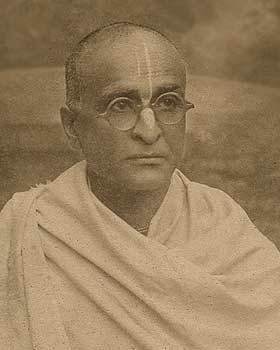
On Ekādaśī, Śrīla Bhakti Siddhānta Sarasvatī Gosvāmī Ṭhākura Prabhupāda would fast until around four o´clock in the afternoon and then take a little fruit, and at night just a glass of milk. Although some disciples were inclined to observe Ekādaśī strictly, by total abstinence from both food and drink or by taking only water, Śrīla Bhakti Siddhānta Sarasvatī Ṭhākura emphasized that doing the needful for preaching was more important than such rigid fasting. On one Ekādaśī most devotees remained at the Maṭha to observe fasting, but Śrīpāda Āśrama Mahārāja took anukalpa-prasāda and went out to preach. Śrīla Sarasvatī Ṭhākura commented, “He has understood the principle of the Gauḍīya Maṭha”. On another Ekādaśī, Hayagrīva Brahmacārī (later Śrīla Bhakti Dayita Mādhava Gosvāmī Mahārāja) was supposed to attend a speaking engagement, yet because he was feeling unwell, he opted to skip the program and join the other Maṭha devotees in observing full fasting. When Śrīla Sarasvatī Ṭhākura was informed of this he said, “Let him immediately eat and go.” One year, just prior to Janmāṣṭamī, Śrīla Bhakti Siddhānta Sarasvatī Gosvāmī Ṭhākura Prabhupāda decided that he would visit Mathurā shortly thereafter. He selected Hayagrīva Brahmacārī to go on Janmāṣṭamī day to rent a suitable house and make other arrangements. Considering the long and strenuous journey his disciple would have to undergo, he asked his own cook to feed Hayagrīva Prabhu a meal including rice, even though Janmāṣṭamī is to be observed strictly, by full fasting. But both the cook and Hayagrīva Prabhu hesitated. Hayagrīva Prabhu was prepared to travel even though fasting, yet to honor his guru-mahārāja’s order he took anukalpa-prasāda instead of rice. Initiated devotees followed the scriptural rule that if Ekādaśī fasting was not broken within the specified time on Dvādaśī, then the transgressor should continue fasting throughout that day.
Śrīla Sarasvatī Ṭhākura once chastised a sannyāsī disciple for taking a rāsagullā on Ekādaśī, as rāsagullās are made with a slight admixture of flour. Śrīla Bhakti Siddhānta Sarasvatī Ṭhākura opposed the smārta misconception prominent in Bengal that among women only widows should observe Ekādaśī fasting, and that for married women to do so would cause inauspiciousness for their husbands. And he rebutted the idea that in Purī it is acceptable to take the mahā-prasāda grains of Lord Jagannātha on Ekādaśī.
(An excerpt taken from the book “Śrī Bhakti Siddhānta Vaibhava Vol1”)