
Hari Katha
| Title | Audio | |||
|---|---|---|---|---|
| The Art of Spiritual inquiry and reply (part 2) | ||||
| Bhagavat kṛpā can drop on us through śuddha Guru-Vaiṣṇava sevā |
Gauḍīya-Goṣṭhīpati Śrī Śrīla Bhakti Siddhānta Sarasvatī Gosvāmī Ṭhākura Prabhupāda Paramahaṁsa Jagat-Guru said that, — “If you are enjoying the kṛpā of any śuddha Guru-Vaiṣṇava, then be sure that you are enjoying the kṛpā of Bhagavān Himself, no doubt in it.” Bhāgavata-kṛpā coming to us through śuddha Guru-Vaiṣṇavas, not directly. Through Guru-Vaiṣṇava-sevā, one can very easily satisfy Bhagavān. It is an automatic procedure. Paramahaṁsa Gurupādapadma used to give one very easy example for our easy understanding in the following way, that— one cowherd boy who was completely failure to bring back his Go-Mātā in his gośālā from the pasturing field. Even after putting so much energy & time, he was failure to do so. By chance one sādhu (paṇḍita) was passing through that place & by watching the painful condition of that cowherd boy who was just failure to bring the Go-Mātā back to his own gośālā, he (that sādhu paṇḍita) suggested that cowherd boy that— “why not you take calf in your lap to go forward (or to move forward) towards your gośālā to see the Go-Mātā itself moving very smoothly towards the gośālā without any trouble? By following that tricking suggestion of that sādhu paṇḍita, he was really successful to bring back the Go-mātā to his gośālā very easily without any trouble. Similarly by serving śuddha Guru-Vaiṣṇavas, one can conquer the heart of Bhagavān very easily. Śrī Gurupādapadma Paramahaṁsa Ācāryavarya Jagat-Guru Śrī Śrīla Bhakti Pramoda Purī Gosvāmī Mahārāja wrote one book named ‘Heart of Kṛṣṇa’ (the Bengali name of the book was ‘Vaiṣṇava Aparādha’). | |||
| Śrī Kṛṣṇa Caitanya Deva & His Nāma is no other than svayam-rūpa Śrī Kṛṣṇa & His Nāma respectively— they are all the same |
Śrī Śrīla Shyām Dās Bābā Mahārāja There is a long standing argument going on in different quarters of our so-called Vaiṣṇava society, that Hari-Nāma Mahāmantra and Śrī Kṛṣṇa Caitanya Nāma both are not one and the same. Śrīla Nāmācārya Haridāsa Ṭhākura used to chant 3 lakhs of Hari-Nāma daily without any fail throughout his life up to the last day of his life, but at the last moment, while leaving his body, he suddenly spoke out Śrī Kṛṣṇa Caitanya Nāma. In fact this was his resolution in front of Śrīman Mahāprabhu, before leaving this material body. This was his absolute appeal in front of Śrīman Mahāprabhu, that at the last moment of his life, while leaving his body he wanted to place the lotus feet of Śrīman Mahāprabhu on his chest together with his full concentration on the lotus face of Śrīman Mahāprabhu followed by the pronunciation of ‘Śrī Kṛṣṇa Caitanya’-Nāma on his tongue which was fulfilled by Śrīman Mahāprabhu. So it is very clear that Śrī Hari-Nāma Mahāmantra & Śrī Kṛṣṇa Caitanya Nāma— both are one & the same. This is known to us from Śrīmad Bhagavad-Gītā, that the instruction of Bhagavān Śrī Kṛṣṇa to Arjuna was like the following, — yaṁ yaṁ vāpi smaran bhāvaṁ tyajatyante kalevaram taṁ tam evaiti kaunteya sadā tad-bhāva-bhāvitaḥ (BG 8.6) [Translation : Whoever passes away, meditating on a particular being or thing at the time of his death, attains or goes forth to that being or thing, because of his constant contemplation on the same. [It may be said, therefore, that the present life of a being is a resultant of the thoughts and ideas of his past life, that were predominant at the time of his death. The case of Mahātmā Bharata is an apt illustration].] “sādhane sādhibe jāhā, siddhite pāibe tāhā. . . . . . . ” [Śrīla Narottama Dāsa Ṭhākura] [Translation : “At the time of sādhana what a sādhaka concentrates upon, surely he is going to attain that bhāva at the time of siddhi”.] So, as per your opinion, surely the brain of Nāmācārya Śrīla Haridāsa Ṭhākura gone out of order, isn’t it ? Śrīla Saccidānanda Bhaktivinoda Ṭhākura has written with full confirmation on the basis of all authentic scriptural analysis that, to worship Śrī Kṛṣṇa Caitanyadeva (Śrī Gaurāṅgadeva) by the help of Śrī Kṛṣṇa Mantra and to worship Śrī Kṛṣṇa with the help of Śrī Gaura Mantra— all are the same, no doubt in it. Countless evidences from all different authentic śāstras like Veda, Vedānta, Upaniṣads, or Purāṇas like Śrīmad-Bhāgavatam, Viṣṇu Purāṇa, etc. all can prove that, Śrī Gaurāṅgadeva— The Golden Avatāra, Who is none other than Śrī Śrī Rādhā-Govinda in a combined form. Those owlish personalities— they cannot see anything else except blood & flesh. What all absolutely divine līlās done by Śrī Śrī Rādhā-Govinda apparently seems to be very unusual and unauthentic, but be sure that Śrī Kṛṣṇa Caitanya-līlā is the absolutely divine complete interpretation or explanation of Śrī Kṛṣṇa-līlā (together with Śrīmatī Rādhārāṇī). | |||
| The Absolute Siddhānta vicāra can never make any mistake with Mahā-Bhāgavata Śrīla Parīkṣit Mahārāja |
By Śrī Śrīla Shyām Dās Bābā Mahārāja Some so-called ācāryas explain wrong way to establish that, — the gold crown of Śrīla Parīkṣita Mahārāja was a place where Kali entered because Kali was given a place to stay in gold by he himself, at the time of chastising Kali, so they claim that by the influence of Kali, the brain of Śrīla Parīkṣita Mahārāja went out of order. First of all we must try to understand the history about the crown which was there on his (Parīkṣita Mahārāja) head. Where from this crown came, we must know this fact. Actually that invaluable crown was originally on the head of King Jarāsandha and after his death was collected by Bhagavān Śrī Kṛṣṇa Himself to put on the head of Śrīla Yudhiṣṭhira Mahārāja at the time of his mahā-rājya-abhiṣeka (during the arrangement of Rājasūya-yajña by him which was approved by Śrī Kṛṣṇa) by Śrī Kṛṣṇa Himself to announce him as the topmost king in this whole world—who can enjoy the complete sovereignty of the whole world and subsequently through the succession of that royal dynasty this crown was given to Śrīla Parīkṣita Mahārāja as the king of the Kuru dynasty. So how this can be possible at all for Kali to enter into the crown which was personally approved by Śrī Kṛṣṇa Himself. This can be treated as the prasādam of Bhagavān Śrī Kṛṣṇa. Also another very spectacular point should be considered very carefully that, Śrīla Parīkṣita Mahārāja is known as Mahā-Bhāgavata already declared by Śrīmad-Bhāgavatam. So by keeping this point in mind, how one can pass this kind of hasty wrong conclusion? Do you know what all are those symptoms of one Mahā-Bhāgavata Vaiṣṇava like Parīkṣita Mahārāja? | |||
| How can we measure our progress in the way of bhakti? |
All glories to Śrī Śrī Guru Gaurāṅga. By Śrī Śrīla Shyām Dās Bābā Mahārāja (Date – 28.09.2026) Gaudīya Goṣṭhī Pati Śrī Śrīla Bhakti Siddhānta Sarasvatī Gosvāmī Ṭhākura Prabhupāda said that – “We are put to test as a trial run in this material world, and only those who attend the kīrtana by those pure devotees can succeed. In this world of Māyā — aversive to the Lord, full of trials and tribulations, only patience, humility and respect for others are our friends for Hari-bhajana.” Many devotees are coming to me and asking – How can I understand that I am making progress on the path of bhakti? I say — If you have love for pure guru-vaiṣṇava-bhagavān which is in increasing order than be sure you are on the right track. If that is not the case then be sure there must be some hidden anyābhilāṣa, anartha, aparādha etc. inside heart. The Prabhupāda used to say –“Those who are engaged in Haribhajana 24 hours, than be sure they are Vaiṣṇavas .” Actual sevā and so-called sevā surely not the same When Bhagavān appeared as Śrī Vāmanadeva, He played the līlā as the younger brother of Indra. We can see that externally Indra rendered service to the Lord in various ways, but inside his heart another purpose was nourished. He thought — “By serving the Lord in this manner, I shall secure my position as the king of heaven. My enjoyment will become permanent, and I shall never again be deprived of my desired objects.” Such service, though externally appearing to be devotional, but still contaminated by the desire for personal gain can never be called actual seva. This is the dirty nature of our mind in devotional life. Those who are not sincere they always try to employ Bhakti Devi for the gratification of their separate self-interest. Such a person can get engaged in the various limbs of devotional service like hearing Hari-kathā, chanting Harinama or going for parikrama etc., and even they may appear to be greatly enthusiastic in the service of the Lord, but if their secret motive is to seek lābha-pūjā-pratiṣṭhā etc. then such service can never be effective. A sincere servant can never have any separate desire. So naturally to serve guru-vaiṣṇava-bhagavān without any smell of self-interest can be appreciated in devotional life. A sincere bhakta never utilize Bhakti Devi as a means for establishing himself. He never thinks that– “Through my seva, I can establish myself as a great personality.” Rather, he prays that, “Let me just become a humble instrument in the hands of Guru and Kṛṣṇa.” Therefore, the true testing of sincerity is not the quantity of our external devotional activities, but the purity of the motive behind them. Bhakti is not meant to decorate the false ego; it is meant to destroy the false ego inside our heart. Until and unless our heart becomes free from selfish ambition and the desire to take undue advantage of devotional service rendered by us till then our false ego can never go away from our heart. One of the most practical questions in the way of devotional life is that – How can we realise that whether we are making any progress or not? Śrīla Saccidānanda Bhaktivinoda Ṭhākura used to say that – “Every Ekādaśī, we should consider how much advancement in our bhajana we have made since the last Ekādaśī. If it is seen that we have made no advancement, or if at all there has been some deterioration, then we should understand that bad association must be the cause for that and we should try to give that up.” Śrīla Bhakti Vaibhava Purī Mahārāja used to say that –“Sit alone, concentrate your mind, don’t talk to anybody, repeat Nāma. Then you will understand. Nobody can come and tell you what is ānanda. You can understand it if you follow the method. Service to Guru must be there and his advice must be followed. But if the disciple does not follow, what can the Guru do? If the disciple complains, “My mind is not present during my practice. Or even if my mind is present I am not getting any good result. I am not happy.” This means that there is some disturbance in his sādhana and he cannot obtain perfection in his practice. But we must work hard. If one works hard, Kṛṣṇa will help him, but if one is lazy, Kṛṣṇa will never help him. He is there to help us and we always need His help. Only by His grace we can progress. Still we must always check ourselves and see how much we have advanced from the last Ekādaśī, how much we have proceeded until now in our march toward Goloka. We can detect if we have made any progress and if not what is the cause, only we can say, nobody else can tell us. This is the method. We must look after ourselves. This is called pratyak-ātmā. Now if I consider how far I have progressed in this line, then I can be able to solve some problems, but if I am parāk-ātmā, I am always thinking about the activities of others. Actually this is not my position, I should just think about myself, about my progress, because who can really think about others? Only the Lord can. He is taking care of all jīvas. So we must just think on how to proceed, we must perform harināma without any offences. Because if we perform Nāma and we don’t progress, there must be some offences. With self-introspection we can detect what is the defect in us. The example is Mahāprabhu who one day said, “Why is My mind not happy today? There must be some cause. I have associated with some materialistic people and because I have discussed with them, now I don’t feel happy.” Then the day after Mahāprabhu avoided meeting with those atheists. In this way bhajana will start. Individually one must progress. People want to disturb you in your sādhana, because they never want to cultivate it seriously. So we must see if something is impeding our sādhana, then we must give it up. This is the duty of a sādhaka. The mahātmās, the great souls, their duty is to help others. But we are beginners. We are at the bottom of bhakti. We have not climbed the tree. We must work and try hard to reach the top of the tree where the fruit is. The prema-phala is there on the top. So how can we, standing on the ground, be able to pick that fruit? We cannot imagine it. We can say that there is a fruit, but how to reach it? We must receive it, taste it, we should hold it in our hands. But how will it come? We must cultivate such a method by which we can reach there. This sort of advice is always given in the śāstras: kīrtanīyaḥ sadā hariḥ. Mahāprabhu is saying, “Always do kīrtana! Repeat Nāma! There is no way other than Nāma.” You don’t have to sit erect or take only a particular quantity of food. These restrictions are not there in bhakti. In the bhakti cult you may or may not do penances, you may be in any position, but the main thing is that you must have faith in bhakti and the teachings of śāstras and Guru. You have to cultivate according to their dictations and then you will reach the goal easily. They say that bhakti is easy. You just have to hear the sound “Hare Kṛṣṇa” with concentration. This is sādhana. You don’t require money or any physical abilities. Only the tongue can repeat Nāma. And if you feel tired in repeating Nāma you can just hear. Day and night you can hear. Hearing is very easy. You just have to open your ears and hear. You can hear while sitting, walking or doing other activities. One thing though, you should not talk while hearing, because one sound is already coming in your ears. With the other indriyas you can do some work, but not with your tongue. If you talk you will not pay attention to Nāma. You cannot do both. Our duty is to repeat Nāma, everyday one lakha Nāma. Gosvāmīs have instructed that we should always perform saṅkīrtana.” We may attend many programs, or can read many books, or can chant many rounds of Harinama, or can perform many sevās and also can acquire knowledge, but none of these, by themselves, are sufficient proof of spiritual progress. Śrīla Rūpa Gosvāmīpad has given us a very scientific map for the development of bhakti. He never wanted to present devotional life like something vague or sentimental, but as a progressive transformation of our consciousness level. ādau śraddhā tataḥ sādhu-saṅgo ’tha bhajana-kriyā tato ’nartha-nivṛttiḥ syāt tato niṣṭhā tato rucis athāsaktis tato bhāvas tataḥ premābhyudañcati (BRS — Verse 1.4.16) “In the beginning one must have a preliminary desire for self-realization. This will bring one to the stage of trying to associate with persons who are spiritually elevated. In the next stage one becomes initiated by an elevated spiritual master, and under his instruction the neophyte devotee begins the process of devotional service. By execution of devotional service under the guidance of the spiritual master, one becomes free from all material attachment, attains steadiness in self-realization, and acquires a taste for hearing about the Absolute Personality of Godhead, Śrī Kṛṣṇa. This taste leads one further forward to attachment for Kṛṣṇa consciousness, which is matured in bhāva, or the preliminary stage of transcendental love of God. Real love for God is called prema, the highest perfectional stage of life.” If genuine bhakti is being properly cultivated under the guidance of sādhu-guru-vaiṣṇava, then there must be some gradually transformation of heart. If years of devotional practice under the guidance of a sat-guru are not eliminating anarthas or no improvement seen regarding ācāra-ācaraṇa, or if no genuine taste found in Harināma, Hari-kathā etc., then we should honestly examine our sincerity, or our association or the quality of our sādhana. Śrīla Rūpa Gosvāmīpad has given us another very important guideline regarding our progress in devotional life– vāco vegaṁ manasaḥ krodha-vegaṁ jihvā-vegam udaropastha-vegam etān vegān yo viṣaheta dhīraḥ sarvām apīmāṁ pṛthivīṁ sa śiṣyāt (Upadeśāmṛta verse 1) “A dhīra or an absolutely self-controlled person, who can have the controlling over those urges like the urge to speak, the agitation of the mind, the onset of anger, the vehemence of the tongue, the urge of the belly and the agitation of the genitals can instruct the entire world. In other words, such a person is a sannyāsī with his body, mind & speech (can be treated as genuine tridanḍī sannyāsī), I mean he can be treated as Jagat-Guru in true sense.” In this way we can have a survey about our controlling over our sense organs and mind. Also inside Bhagavad-gītā we can find many ways to check our progress in our devotional life. In the verses below Śrī Kṛṣṇa has given Arjuna the list of daivī-sampat, divine qualities, which all should be there inside a devotee. abhayaṁ sattva-saṁśuddhir jñāna-yoga-vyavasthitiḥ dānaṁ damaś ca yajñaś ca svādhyāyas tapa ārjavam ahiṁsā satyam akrodhas tyāgaḥ śāntir apaiśunam dayā bhūteṣv aloluptvaṁ mārdavaṁ hrīr acāpalam tejaḥ kṣamā dhṛtiḥ śaucam adroho nātimānitā bhavanti sampadaṁ daivīm abhijātasya bhārata (Bhagavad-gītā 16.1–3) Abhayam — fearlessness; sattva-saṁśuddhiḥ — Purity of heart and consciousness; jñāna-yoga-vyavasthitiḥ — firm establishment in spiritual knowledge; dānam — the spirit of giving; damaḥ — control of the senses; yajñaḥ — sacrifice; svādhyāyaḥ — study of the Vedic scriptures; tapaḥ — austerity; ārjavam — simplicity and straightforwardness; ahiṁsā — nonviolence; satyam — truthfulness; akrodhaḥ — freedom from anger; tyāgaḥ — renunciation; śāntiḥ — peacefulness; apaiśunam — aversion to fault-finding; dayā bhūteṣu — compassion for all living beings; aloluptvam — freedom from greed; mārdavam — gentleness; hrīḥ — modesty; acāpalam —freedom from fickleness; tejaḥ — vigor; kṣamā — forgiveness; dhṛtiḥ — determination and fortitude; śaucam — cleanliness and purity; adrohaḥ — freedom from envy and hostility; nāti-mānitā — absence of excessive pride; These qualities, O Bhārata, belong to one who is born with the divine nature. All those symptoms are not merely some moral decorations, rather they can give us another way of testing whether our consciousness is becoming more divine or not. And immediately after that Śrī Kṛṣṇa has described just the opposite of what spoken above. dambho darpo ’bhimānaś ca krodhaḥ pāruṣyam eva ca ajñānaṁ cābhijātasya pārtha sampadam āsurīm (Bhagavad-gītā 16.4) Dambhaḥ — hypocrisy; darpaḥ — arrogance; abhimānaḥ — pride and false identification with oneself; krodhaḥ — anger; pāruṣyam — harshness and cruelty; ajñānam — ignorance. These are the qualities of one who is born with the demoniac nature, O Pārtha. So the question we can ask ourselves is — Am I gradually moving toward the qualities of the divine nature, or am I merely becoming more sophisticated in displaying so called devotional activities while all those lower demoniac qualities are still there? Bhakti is not a cosmetic covering placed over the old ego. Bhakti means a gradual transformation of heart, and nothing else. Also, in Chapter 12 of the Bhagavad-gītā, which is the chapter about Bhakti-yoga, we can find many ślokas mentioning what is dear to Śrī Kṛṣṇa. adveṣṭā sarva-bhūtānāṁ maitraḥ karuṇa eva ca nirmamo nirahaṅkāraḥ sama-duḥkha-sukhaḥ kṣamī santuṣṭaḥ satataṁ yogī yatātmā dṛḍha-niścayaḥ mayy arpita-mano-buddhir yo mad-bhaktaḥ sa me priyaḥ (Bg. 12.13-14) My devotee, who is non-envious, compassionate and friendly toward all living beings, free from feelings of possessiveness for sons and family members, devoid of false ego and even-minded in both happiness and distress, who is forgiving, ever-content, endowed with bhakti-yoga, in control of his senses, resolute in determination and dedicated to Me in both mind and intelligence, is very dear to Me. yasmān nodvijate loko lokān nodvijate ca yaḥ harṣāmarṣa-bhayodvegair mukto yaḥ sa ca me priyaḥ (Bg. 12.15) He who neither disturbs anyone nor is himself disturbed by others, and who is free from mundane happiness, intolerance, fear and anxiety, is certainly dear to Me. anapekṣaḥ śucir dakṣa udāsīno gata-vyathaḥ sarvārambha-parityāgī yo mad-bhaktaḥ sa me priyaḥ (Bg. 12.16) Dear to Me is that devotee who is not dependent on mundane or social activities, who is pure, expert, detached, free from all agitation and careful to avoid any activity unfavourable to bhakti. yo na hṛṣyati na dveṣṭi na śocati na kāṅkṣati śubhāśubha-parityāgī bhaktimān yaḥ sa me priyaḥ (Bg. 12.17) He who neither delights upon attaining that which is pleasing to the materialists nor detests attaining something undesirable, who neither laments for the loss of anything dear to him nor hankers to attain something he does not have, who renounces pious and impious activities, and who has devotion to Me, that devotee is indeed dear to Me. samaḥ śatrau ca mitre ca tathā mānāpamānayoḥ śītoṣṇa-sukha-duḥkheṣu samaḥ saṅga-vivarjitaḥ tulya-nindā-stutir maunī santuṣṭo yena kenacit aniketaḥ sthira-matir bhaktimān me priyo naraḥ (Bg. 12.18-19) Being blessed with My bhakti, he who looks equally upon friends and enemies, who is equipoised in honour and dishonour, heat and cold, joy and anguish, who does not take any kind of mundane association, who is equal in both praise and criticism, who speaks nothing but bhagavat-kathā, who remains satisfied with whatever comes to him by the desire of the Lord for the maintenance of the body, be it to his taste or otherwise, who has no fixed place of residence and who has unflinching faith in the conclusions of spiritual matters – such a devotee is dear to Me. ye tu dharmāmṛtam idaṁ yathoktaṁ paryupāsate śraddadhānā mat-paramā bhaktās te ’tīva me priyāḥ (Bg. 12.20) Certainly, those devotees who engage in exclusive devotion to Me with firm faith and who worship this nectarean religion that I have described are exceedingly dear to Me. From all these ślokas given by Bhagavān Śrī Kṛṣṇa Himself, we can have a very clear picture with regard to our progress in our devotional line. Are we moving towards all those qualities mentioned above or rather we are doing the opposite? Our progress in devotional life is always in relation to Guru-Vaiṣṇava-Bhagavān, because it is only when they are satisfied with us that we can move forward. So to get the satisfaction of Guru-Vaiṣṇava-Bhagavān we must try our best to develop all those divine qualities mentioned by Śrī Kṛṣṇa Himself. Below Srila Rūpa Gosvāmīpad has given us the definition of uttamā-bhakti: anyābhilāṣitā-śūnyaṁ “The cultivation of activities that are meant exclusively for the pleasure of Śrī Kṛṣṇa, or in other words the uninterrupted flow of service to Śrī Kṛṣṇa, performed through all endeavours of the body, mind and speech, and through the expression of various spiritual sentiments (bhāvas), which is not covered by jñāna (knowledge aimed at impersonal liberation) and karma (reward-seeking activity), and which is devoid of all desires other than the aspiration to bring happiness to Śrī Kṛṣṇa, is called uttama–bhakti, pure devotional service.” Also in Śrī Caitanya-caritāmṛta we can find the following sloka— sarvopādhi-vinirmuktaṁ tat-paratvena nirmalam hṛṣīkeṇa hṛṣīkeśa- sevanaṁ bhaktir ucyate (Śrī Caitanya-caritāmṛta, Madhya 19.170) “Bhakti is the engagement of the senses in the service of Hṛṣīkeśa, the Lord and master of all the senses. This service is performed by one who has become completely free from all material designations and whose consciousness has been purified by becoming wholly devoted and exclusively dedicated to the Supreme Lord.” Pure devotion begins with becoming free from all material designations. The living being is eternally a servant of the Supreme Lord, but due to identification with the material body, one accepts numerous temporary identities—“I am a man,” “I am a woman,” “I am Indian,” “I am American,” “I am rich,” “I am poor,” “I am learned,” “I am powerful,” “I am the doer,” and so forth. These bodily and material identities are called upādhi, or designations. To become sarvopādhi-vinirmuktam means to become free from the false conception that these temporary designations constitute our real identity. If we engage ourselves free from all these false designations in the Lords service then gradually Bhakti Devi can enter our heart. Bhakti means using our purified senses in the service of the Lord, who is their ultimate master. It is just like an iron rod placed into fire. At first the iron is cold and black, but gradually it becomes hot, luminous and fire-like. Similarly, when bhakti enters into our life, it gradually penetrates the whole system and all our sense organs become spiritualized. The Śrīmad-Bhāgavatam gives us perhaps one of the best ways to check our progress in bhakti. bhaktiḥ pareśānubhavo viraktir anyatra caiṣa trika eka-kālaḥ prapadyamānasya yathāśnataḥ syus tuṣṭiḥ puṣṭiḥ kṣud-apāyo ’nu-ghāsam (Śrīmad-Bhāgavatam 11.2.42) “Devotion, direct experience of the Supreme Lord, and detachment from other things—these three occur simultaneously for one who has taken shelter of the Supreme Personality of Godhead, just as satisfaction, nourishment and relief from hunger occur increasingly with every bite of food.” This is a very practical analogy. If I am eating, I should gradually become satisfied, nourished and my hunger should diminish. Similarly, if I am genuinely cultivating bhakti, three things should gradually become visible — bhakti increases, realization of the Lord will take place and attachment to other material things decreases. You cannot measure the health of a tree simply by counting how many hours somebody has watered it. Rather one has to check its leaves, the strength of the branches, the flowers and finally the fruit. Similarly, our sādhana like hearing and chanting can be compared to the watering of the bhakti-latā-bīja and our character is the visible growth, our taste for the sevā of guru-vaiṣṇava-bhagavān is the flower; and finally prema appears as the fruit. But if we are watering the tree every day and still become increasingly angry, proud, envious, restless and attached to material things, then we must understand that surely something went wrong. Also we would like to remind you about the following śloka from Śrī Caitanya-caritāmṛta — kṣāntir avyartha-kālatvaṁ viraktir māna-śūnyatā āśā-bandhaḥ samutkaṇṭhā nāma-gāne sadā ruciḥ āsaktis tad-guṇākhyāne prītis tad-vasati-sthale ity-ādayo ’nubhāvāḥ syur jāta-bhāvāṅkure jane (CC Madhya 23.18-19) Kṣāntiḥ — tolerance and patience; avyartha-kālatvam — utilizing every moment in devotional service without wasting time; viraktiḥ — detachment from material enjoyment; māna-śūnyatā — absence of pride and desire for honor; āśā-bandhaḥ — firm hope in the Lord’s mercy; samutkaṇṭhā — intense longing for the attainment of the Lord’s service; nāma-gāne sadā ruciḥ — always having a taste for chanting the holy name; āsaktiḥ tad-guṇākhyāne — attachment to hearing and speaking about the Lord’s qualities; prītiḥ tad-vasati-sthale — affection for the places where the Lord resides. These and similar symptoms are the natural manifestations found in a person in whom the seed of bhāva has sprouted. So surely all those scriptural evidences can give us absolute guidance in the way of our Hari-bhajana, no doubt in it. Śrīla Bhakti Pramoda Purī Gosvāmī Mahārāja used to say that –“It is to be stressed that the main ingredient for advancement is the mercy of the spiritual master, which is in turn automatically obtained by unconditional surrender to his lotus feet.” — The Essence of Pure Devotion Gaura Hari Hari Bol! | |||
| ISSUE — 24 | ||||
| Mahārāja Bali |
(Taken from Upākhyāne Upadeśa — Vol. 2, Instructive Stories with Purports by Śrīla Bhaktisiddhānta Sarasvatī Ṭhākura Prabhupada) In the house of sage Kaśyapa, in the lap of Śrī Aditi-devī, the lotus-eyed Śrī Hari descended in the twelfth lunar day of the month of śrāvaṇa wearing yellow garments and holding a conch, disk, mace and a lotus. This twelfth lunar day is well-known as Vijaya. Immediately after appearing, the Lord revealed himself as a dwarf in front of Aditi and Kaśyapa. Great sages performed the birth ceremony for the dwarf brāhmaṇa son. At the time of the thread-giving ceremony of the Lord, Śrī Vāmanadeva, the sun-God personally uttered the Gāyatrī mantra. Bṛhaspati offered the sacred thread, and Kaśyapa Muni offered a straw belt. Mother earth gave Him a deerskin, and the demigod of the moon, who is the king of the forest, gave Him a brahma-daṇḍa. His mother, Aditi, gave Him cloth for underwear, and the deity presiding over the heavenly kingdom offered Him an umbrella. Lord Brahmā offered a waterpot; the seven sages offered Him kuśa grass, and mother Sarasvatī gave Him a string of rudrākṣa beads. Kuvera gave Him a pot for begging alms, and mother Satī gave Him His first alms. Elsewhere, Bali—the grandson of best of the devotees Prahlāda Mahārāja—was performing aśvamedha-yajña on the north bank of river Narmadā in a field called Bhṛgukaccha. The brāhmaṇas performing the sacrifice were from the esteemed lineage of Bhṛgu. Lord Vāmanadeva appeared in that place of sacrifice. The brāhmaṇas welcomed Lord Vāmana and Bali Mahārāja provided a sitting place to Him, washed His lotus feet, and worshiped him with various religious services. Lord Śiva, the best of the demigods, who carries the emblem of the moon on his forehead, receives on his head with great devotion the Ganges water emanating from the toe of Viṣṇu. Bali Mahārāja also effortlessly got the great fortune of placing that same water that washed the Lord’s lotus feet on his head. Bali offered prayers to Lord Vāmanadeva and said, “Since You have mercifully appeared in my house, my forefathers are now satisfied. Due to Your presence, my dynasty has now been purified and the sacrifice we are performing has been perfected. I can see a begging bowl on your hand. It seems like You have come here to ask for something. Please accept from me whatever it is that You like.” Hearing Bali’s words, Śrī Vāmanadeva said, “On material subject matters, you have instructions from authorities like Śukrācārya, and on spiritual subject matters, you have Prahlāda Mahārāja as your instructing authority. So far, no such miserly persons have taken birth in your dynasty who have rejected a brāhmaṇa beggar or denied charity after promising one. Your father gave his life in response to the prayers of the demigods, even though he knew them as his enemy. You have taken birth in such a family. All I am asking from you is three pieces of land measured by my own feet. Even though you are broad-minded and capable of giving many things in charity, I am not going to ask for anything else from you since it is improper for a wise person to ask for more than what is necessary.” Since Lord Vāmana only asked for three pieces of land measured only by his own small feet, Bali Mahārāja repeatedly requested Lord Vāmana to ask for more. Śrī Vāmanadeva said, “Whatever dear things exist in the three worlds cannot fulfill the desire for a person whose senses are not controlled. If I am unsatisfied even after receiving the land spanning three paces of my feet, then my desire will remain strong. Even if I get one island with nine varṇas, I will still desire to get the seven islands. Even though kings like Pṛthu, Gayā, and others got sovereignty over the seven islands, they could not find the end of thirst for wealth, things and desire. Our duty is to be satisfied by whatever we get as per the manifestation of the result of our previous actions. Only then will we be peaceful at heart. A dissatisfied person without any control over his senses cannot be happy even after getting the three worlds. For a living entity dissatisfaction with wealth and lust is the cause of existence in this material world.” King Bali prepared to offer the requested land in charity to Lord Vāmana, saying with a smile, “Please accept whatever you desire.” With this intention, Mahārāja Bali accepted the water pot. However, prudent Śukrācārya could understand the intention of Lord Vāmana. He said to his disciple, Mahārāja Bali, “Without knowing his deceptive intentions, you have promised to give land in charity to him. I do not think this is good. This deceptive celibate will take away your kingdom, riches, beauty, effulgence, fame, and knowledge. After taking everything, he will give it to Indra. He is going to embezzle everything that belongs to you. You are a crass fool. How will you maintain your livelihood if you give everything to Viṣṇu? A charity which endangers one’s own occupation is not appreciated in the scriptures. In order to maintain religion, respect, wealth , material desire, and relative, wise persons divide their wealth in five parts. This way, they live happily in this world and in the next. If you give everything to Lord Viṣṇu, what other means will you have to be able to do the other activities? Can any dutiful householder see their family relatives suffering due to starvation or taking up a begging bowl in hand? You have promised to give charity to Viṣṇu. However, only that which is promised along with words like ‘om’ is true; promises made with words like ‘No’ is not true. In this world, even truth cannot exist without a little bit of falsity. One cannot live life by rejecting falsity completely. When the root of a tree is uprooted, the tree becomes dry and falls to the ground. Similarly, when falsity is destroyed, the body immediately becomes dry. Scriptures dealing with logic say, ‘False words are not blameworthy if they are used to subdue ladies, as a joke, in marriage, for the purpose of one’s livelihood, in a crisis of life, for the benefit of the cow and brāhmaṇas, or if somebody is exposed to violence.’” Instructing in this way, the priest of the demoniac family, the great logician Śukrācārya, tried to prevent King Bali from serving Lord Viṣṇu. For a moment, Bali remained silent and weighed the advice of the family priest in his mind. Then, he spoke to his spiritual master, “I consider whatever you have stated as the duty of a householder to be true. However, as the grandson of the great Prahlāda Mahārāja, how can I act like a deceptive person and deny that which I have already promised? Great souls like Dadhīci, Lord Śiva, and others have offered their life to benefit others. Even if one becomes bereft of everything in trying to fulfill the desire of great personalities—who are knowers of the Supreme Truth—that is also beneficial to the soul. Therefore, I will definitely fulfill the desire of this Vāmanadeva.” Seeing that his disciple was intent on acting against his instructions, the priest of the demoniac family, Śukrācārya, cursed his disciple Bali, “You are very proud of your scholarship; you are not humble and have become disobedient to the orders of the family priest! You will very soon lose all your opulence.” Despite being thus cursed by the family priest, Bali Mahārāja did not hesitate to keep his promise and worshiping Lord Vāmana, offered Him the promised land. At that time, there was a shower of flowers from the sky on Bali Mahārāja. Anantadeva Lord Hari, in the form of Lord Vāmana, then, started growing in size. His form was so gigantic that by His first step, He covered the whole earth; with His body He covered the sky; and with His arms, He covered all directions! With His second step, He covered the heavenly realm, including Satyaloka. After the second step, there was no space remaining that King Bali could offer for Him to place His third step. Meanwhile, the demons witnessing this entire affair, became very anxious to see all the land and property of Bali being robbed by this deceptive person. They thought that it is their duty and an appropriate service to their master to take the life of Lord Viṣṇu, who was in the form of Vāmana. Against the will of Bali Mahārāja, the demons—armed with their weapons—charged forward to kill Lord Vāmanadeva. The associates of Lord Viṣṇu forbade them from taking such actions, but they paid no heed. The associates of Lord Viṣṇu eventually destroyed the demons. Understanding the desire of his master, Garuḍa, the associate of Lord Viṣṇu, bound King Bali with the ropes of Varuṇa. By the influence of Śukrācārya’s curse, the greatly powerful Bali appeared as though he was bereft of all opulence. A pure devotee who has surrendered everything in the service of Śrī Hari, even if he is in apparent danger or becomes bound, his intelligence remains uncorrupted; his attachment towards the service of the Lord does not diminish by the slightest. He passes the test the Lord has orchestrated and gets engaged in the service of the Lord with a higher level of attachment. Lord Vāmanadeva said to the Varuṇa rope-bound Bali Mahārāja, “You promised to offer me three pieces of land. All the land has been covered by my first two steps. Please oblige and provide for me the land on which to place my third step. If you are not able to offer the promised charity, the scriptures dictate that you should remain in the pātāla realm. Your spiritual master Śukrācārya also advised you similarly. You should enter the realm of pātāla. You were proud to consider yourself very rich. Now, you have deprived me after promising charity to me. You will have to suffer the reaction of this false statement for one year.” From a common man’s perspective, it may seem that Lord Vāmana acted very cruelly towards Bali. However, Bali remained undisturbed in his mind and engaged his body, mind, and words for the pleasure of Lord Viṣṇu. King Bali said to Vāmanadeva, “Bhagavān! Please kindly bless me by placing Your third step on my head! The punishment not provisioned by mother, father, brother or friends, dear worshippable Lord, I consider that punishment sanctioned by You to be most commendable for a living entity. You accomplish many activities by doing just one activity. My worshippable grandfather Prahlāda—one of Your devotees—took Your shelter, despite being continually harassed by Hiraṇyakaśipu in different ways. What is the need for such a body which leaves the living entity at the end of life? What is the need for service to the robbers in the guise of relatives, who are thieves of the wealth of devotional service? What is the fruit of association with a wife who is the cause of household life? What is the use of such a house where nothing but one’s lifespan is reduced; what is the use of such household life? Due to being engrossed in materialistic intelligence, a living entity cannot understand the temporary nature of life. Now, I have been brought to Your lotus feet, being forcefully dislodged from that material wealth, by Your divine intervention.” While Mahārāja Bali was speaking these words to Lord Vāmana, Prahlāda Mahārāja who was very dear to the Lord, appeared on the scene. Since he was still bound by the ropes of Varuṇa, Bali could not show appropriate respect to his grandfather he would normally do before. With tears in his eyes, he still paid obeisances with his head. Prahlāda bowed down to the lotus feet of Vāmanadeva and said, “You awarded the position of Indra to this Bali and again today, You have taken it away. By doing so, you have shown great mercy to Bali. Learned persons, although they may be controlled in their senses, get deviated from the path of auspiciousness if there is madness about wealth.” The wife of Bali, Vindhyāvali, with her palms folded prayed to Lord Vāmanadeva and said that only the Lord is auspicious. Those who are under illusion try to apply their intelligence in enjoying the things belonging to the Lord. Brahmā prayed to Vāmanadeva, “Non-deceptive persons attain the best of destinations just by offering water and buds of durba (a kind of small grass) to the lotus feet of the Lord. Therefore, why should this Bali who has offered the three worlds unto Your lotus feet without any hesitation, suffer the sorrow of being bound?” In order to teach all living entities of the world, Śrī Bhagavān said to Brahmā, “Being mad with pride of wealth and coming under the influence of materialistic thought process, human beings ignore the three worlds, and even Me, who am the maintainer of all living entities. They forget about their eternal benefit. Therefore, I take away that kind of wealth from one to whom I bestow my mercy. After travelling through millions of species, birth after birth, one becomes fortunate enough to get a rare human birth. In this human life, if one does not become proud of one’s high birth, occupation, youth, beauty, knowledge, opulence, wealth etc., then that is my mercy to the living entity. However, there is also a reason behind My giving wealth to devotees like Dhruva and others. When I do this, I am demonstrating that despite having a high birth, knowledge, and wealth—which are counterproductive to all auspiciousness and are the root cause pride and lack of humility—My unalloyed devotees are not enamored by these things. King Bali has won over the unconquerable māyā. Even after being deprived of wealth, he did not deviate from the path of eternal good. Bali did not deviate from the truth and remained fixed in his vow even when being bereft of wealth, followers, and position; even after being insulted by his enemies and rejected by the elderly and his relatives; even while suffering the pain of being tightly bound by Varuṇa, and even after being criticized and cursed by his spiritual master. Despite some deceptive religious principles suggested to him, Bali still remained fixed on his vow.” The main teaching from the character of Bali is full surrender. Without any condition whatsoever, he was causelessly offering himself unto the lotus feet of Śrī Bhagavān. Bali has taught the principle that even if the Lord deceives or deprives, one should not feel deprived by that but should sacrifice oneself on the lotus feet of the Lord. Even though Śrī Bhagavān may apparently put us in different kinds of dangers, deprive us of opulence, deprive us of wealth and beauty, bind us in ropes, take everything away, or from a materialistic point of view even show the extreme limit of cruelty, we should endeavor to follow in the footsteps of His pure servants, like Bali who sacrificed himself in the service of Śrī Bhagavān without getting evenly slightly disturbed such obstacles. The family priest’s mindset was averse to the Lord, even though he may have been a very capable and great logician. Even if such apparently great personalities create different kinds of obstacle in offering everything onto the lotus feet of Lord Viṣṇu—even to the extent of cursing and depriving one of material wealth—a pure devotee would still offer everything onto the lotus feet of Lord Viṣṇu without getting perturbed. A spiritual master should not be called a spiritual master if he does not offer everything of his disciple’s in the service of Viṣṇu, who is the only enjoyer. Even though such persons may be revered as a family priest from a worldly perspective, one should leave aside his ill advice and serve a bona fide spiritual master who instructs us on offering everything on the lotus feet of Śrī Viṣṇu. Even if Śrī Viṣṇu may usurpt everything of the living entity’s, that is in fact ultimately beneficial for him. Bali Mahārāja is the emblem of an uncontaminated heart offered onto the lotus feet of Śrī Bhagavān. Extra–The Prabhupāda further also wrote that– With our lips we may all pray for guileless mercy. Yet if hidden within the recesses of our hearts there remain ulterior motives and secret material ambitions, then at the time of receiving results we become enveloped by Kṛṣṇa-śakti’s deceptive mercy. We become bewildered by gain, worship, prestige, influence, followers, and worldly success, mistaking these for divine favour. Therefore, every person who truly desires the welfare of the soul should ceaselessly pray from the deepest chamber of the heart at the lotus feet of Śrī Hari, Śrī Guru, and the Vaiṣṇavas: “Let whatever misfortunes, reversals, humiliations, losses, or sufferings may come upon me; but may I never become deceived by Your deceptive mercy. If my spiritual welfare must be delayed, then let it be delayed. Yet may I become qualified to receive Your amāyāya dayā (Your guileless, causeless mercy).” To our beginningless outward-facing vision, that amāyāya dayā may appear harsh, merciless, severe, or even cruel. We may be utterly unfit to receive it. Nevertheless, this alone should remain our prayer at the lotus feet of Hari, Guru, and Vaiṣṇavas: “Even if it takes birth after birth, may I someday become harmonized with that supremely auspicious, guileless mercy. May my life be properly adjusted to its current.” “May I never be deceived by Your deceptive mercy, but may I attain Your amāyāya dayā.” (Excerpt from Gauḍīya Prabandha-mālā, Volume 1) | |||
| The only way to go out of māyā is to hear Śrīmad-Bhāgavatam from a pure Guru-Vaiṣṇava |
Śrī Śrīla Shyām Dās Bābā Mahārāja Gauḍīya Goṣṭhi Pati Paramahaṁsācārya Varya Śrī Śrīla Bhakti Siddhānta Sarasvatī Gosvāmī Ṭhākur Prabhupāda said that—“So long we are living in this world we must try to understand what is the ultimate goal of our life.” We must inquire about this material body which is made of flesh and blood and bones etc. to get understanding whether there is something else beyond that or not?” Why we are here? Where will we go after death? Though the mind in this material condition is full of material contamination, and it is extremely difficult to gain control over it, the mind can be purified through hearing Bhāgavata-kathā from the lotus mouth of a śuddha-bhakta. This is sādhana. Śrī Kṛṣṇa speaking to Arjuna in the Bhagavad-gītā— asaṁśayaṁ mahā-bāho mano durnigrahaṁ calam abhyāsena tu kaunteya vairāgyeṇa ca gṛhyate (Bg. 6.35) O mighty-armed son of Kuntī, the mind is indeed restless and difficult to restrain yet it can surely be controlled through steadfast practice and detached determination. There exists an absolutely transcendental reality — the spiritual world but this material world is nothing but only a distorted reflection of that transcendental world. The kind of pain & pleasures or enjoyment or any kind of experiences we can gather here in this material world—all are temporary, but the spiritual realm is eternally present which is full of ānanda. Therefore one should use this unstable human life to search out that absolute truth. From Śrīmad-Bhāgavatam we know the following śloka— labdhvā su-durlabham idaṁ bahu-sambhavānte mānuṣyam arthadam anityam apīha dhīraḥ tūrṇaṁ yateta na pated anumṛtyu yāvan niḥśreyasāya viṣayaḥ khalu sarvataḥ syāt (ŚB 11.9.29) Having attained this rare and precious human birth—granted only after countless lifetimes—and though it is temporary, it offers the unique chance to achieve life’s highest perfection. Therefore, a wise person should strive earnestly and without delay for spiritual realization before death arrives. Material pleasures are easily found even among the lowest forms of life, but the awakening of divine consciousness is the true purpose and treasure of human existence. Śrī Kṛṣṇa teaches Arjuna that all material pleasures have a beginning and an end. Those who are truly intelligent do not chase after temporary enjoyments, for they ultimately lead to suffering and bondage. ye hi saṁsparśa-jā bhogā duḥkha-yonaya eva te ādy-antavantaḥ kaunteya na teṣu ramate budhaḥ (Bg. 5.22) An intelligent person does not seek enjoyment in the fleeting pleasures born of contact with the material senses. O son of Kuntī, such enjoyments arise and disappear from time to time — they carry the seed of suffering within them. Nobody (no father, mother, or friend, or any relative etc.) can save us from eminent death. So anyway we are bound to follow willingly or unwillingly the cycle of birth & death. Only the realized souls, the dear associates of Bhagavān, can guide us to the true meaning and goal of life. That is for why Srila Prabhupada used to say that — “If I seek the path leading to that Absolute Truth, then I must ignore the countless voices of popular wisdom and listen only to that of the realised soul.” King Parīkṣit asked Śukadeva Gosvāmī the most important question on behalf of us all: “What is the actual duty of a person who is about to die?” Such inquiry, Śukadeva said, is rare and precious—a sign of true intelligence. In Srimad Bhagavatam it is written that– atho pṛcchāmi saṁsiddhiṁ yogināṁ paramaṁ gurum puruṣasya iha yat kāryaṁ mṛtyu-kāle ’pi cānuśam (SB 1.19.24) You are the absolute guru among of all those yogīs (even among those bhakti-yogīs), so I would like to inquire from you about the absolute procedure of bhajana to attain the absolute maṅgala out of all different lucrative offers offered in different śāstras for those mortal beings. Even those most powerful and wealthy persons can become helpless in front of time and death. That is for why instead of wasting time in sense gratification, one should seek immortality—the eternal life of the soul—by drinking the amṛta — bhakti to Śrī Kṛṣṇa Bhagavān. Granta Rāja Śrīmad-Bhāgavatam is the fruit of all the Vedas where this most relevant Q&A between Śrīla Parīkṣit Mahārāj and Śrīla Śukadeva Gosvāmī have been recorded in great detail for all times and ages. The Śrīmad-Bhāgavatam is the ripened fruit of the Vedas. nigama-kalpa-taror galitaṁ phalaṁ śuka-mukhād amṛta-drava-saṁyutam pibata bhāgavataṁ rasaṁ ālayam muhur aho rasikā bhuvi bhāvukāḥ (SB 1.1.3) O expert and thoughtful men, relish Śrīmad-Bhāgavatam, the mature fruit of the desire tree of Vedic literatures. It has become even more tasteful, having emanated from the lips of Śrī Śukadeva Gosvāmī. Therefore, O thoughtful souls on earth, repeatedly drink this juice, the very nectar of immortality, until you are finally liberated. śrīmad-bhāgavatam purāṇam amalam yad vaiṣṇavānāṁ priyaṁ yasmin pāramahaṁsyam ekam amalaṁ jñānaṁ paraṁ gīyate tatra jñāna-virāga-bhakti-sahitaṁ naiṣkarmyam āviṣkṛtaṁ tac chṛṇvan su-pāṭhan vicāraṇa-paro bhaktyā vimucyen naraḥ (ŚB 12.13.18) The Śrīmad-Bhāgavatam—the spotless crest-jewel among the Purāṇas—is most dear to the Vaiṣṇavas. Within its sacred verses shines the pure and supreme wisdom of the paramahaṁsas—knowledge untouched by asat (material), adorned with detachment, devotion, and divine realization. One who hears and reflects upon it with devotion is sure to attain liberation from bondage. If we hear Śrīmad-Bhāgavatam under the guidance of śuddha Guru-Vaiṣṇava in a very humble and surrendered mood than there can be no doubt that we can get absolute maṅgala in our life. Śrīla Prabhupāda said that—“So long we are living in this world we must try to understand what is the ultimate goal of this life.” yāha, bhāgavata paḍa vaiṣṇavera sthāne ekānta āśraya kara caitanya-caraṇe (Caitanya-caritāmṛta, Antya-līlā 5.131) “Go and hear the Śrīmad-Bhāgavatam from a self-realized Vaiṣṇava, while taking exclusive shelter at the lotus feet of Śrī Caitanya Mahāprabhu.” Gaura Hari Hari Bol | |||
| The Art of Spiritual inquiry and reply (part 1) | ||||
| ISSUE — 23 | ||||
| The eternal purpose of Cāturmāsya vrata |
All glories to Śrī Śrī Guru-Gaurāṅga By Śrī Śrīla Shyām Dās Bābā Mahārāja Date – 01.09.2026 Gaudiya Goṣṭhī Pati Śrī Śrīla Bhakti Siddhānta Sarasvatī Gosvāmī Ṭhākura Prabhupāda Paramahaṁsa Guru said that: “Bhagavān is vibhu vastu, how can a tiny jīva get in contact with Ananta Deva?” Out of His causeless mercy Bhagavān has arranged guruvaiṣṇava-śāstra-nāma etc. — all kind of festival like Janmāṣṭamī, Gaura Pūrṇimā etc. etc. Also for the upliftment of the conditioned souls, He has arranged the sacred observance of Cāturmāsya vrata. Just as He has given Ekādaśī to purify our senses, the Holy Name to awaken our dormant prīti for Him, Tulasī-devī to engage us in devotion, the holy dhāmas to purify our lives, and the association of pure Vaiṣṇavas to illuminate our devotional path, so He has also given us these four sacred months as a special opportunity to convert our dirty lifestyle. Śrī Kṛṣṇa Caitanya Mahāprabhu, who has appeared to teach us the highest idealism of devotional service, has shown us by His absolutely illustrious personality about how to observe this most sacred Cāturmāsya vrata. sadopāsyaḥ śrīmān dhṛta-manuja-kāyaiḥ praṇayitāṁ vahadbhir gīr-vāṇair giriśa-parameṣṭhi-prabhṛtibhiḥ sva-bhaktebhyaḥ śuddhāṁ nija-bhajana-mudrām upadiśan sa caitanyaḥ kiṁ me punar api dṛśor yāsyati padam (Prathama Caitanyastaka) “Lord Caitanya Mahāprabhu is always the most worshipable Deity of the demigods, including Lord Śiva and Lord Brahmā, who came in the guise of an ordinary human being bearing absolute love for the Supreme Lord. He wanted to instruct His own pure devotional service to His own devotees. Aho! When will He again become an absolute object of my darśana?” During His South India trip, He accepted the loving request of the great devotee Śrī Veṅkaṭa Bhaṭṭa to stay there in their house at Śrī Raṅgam Kṣetra to observe the vrata of Cāturmāsya. Externally, He was in the renounced order and was travelling continuously to distribute the Holy Name throughout Bhārata-varṣa, but especially at the time of Cāturmāsya, He remained in one place. Especially during those four months, Śrī Kṛṣṇa Caitanya Mahāprabhu used to become absorbed in Hari-kathā and Nāma-saṅkīrtana with His devotees. Because of the staying of Śrīman Mahāprabhu there, the house of Veṅkaṭa Bhaṭṭa was just like Vaikuṇṭha–jagad, filled with the current of divine love, and all the members of that house received the causeless mercy of Śrīman Mahāprabhu. Also during His pastimes at Śrī Jagannātha Purī (Sri Nilachal Ksetra) it was the system set by Him to observe Cāturmāsya vrata flawlessly with full enthusiastic mood together with all of His devotees or followers. Every year, before the time of Lord Jagannātha’s Ratha-yātrā, a deep longing would arise within the hearts of the devotees of Navadvīpa-dhāma to meet with their heart, Śrī Kṛṣṇa Caitanya Mahāprabhu. It was the system established by Śrīman Mahāprabhu that these devotees would come from different parts of Bāṅglā, especially from Navadvīpa-dhāma, and stay there for the four months of Cāturmāsya–vrata. Śrī Kṛṣṇadāsa Kavirāja Gosvāmī has writen: tabe gauḍa-deśa haite bhakta-gaṇa saba viśeṣe navadvīpa haite āilā bahu jana (Śrī Caitanya-caritāmṛta, Madhya-līlā 1.125) “Then all the devotees from Gauḍa-deśa came, especially many from Navadvīpa.” Led by Śrī Śivānanda Sena, the devotees travelled together in joyful saṅkīrtana. Advaita Ācārya, Śrīvāsa Paṇḍita, Murāri Gupta, Vāsudeva Datta, Rāghava Paṇḍita, Vakreśvara Paṇḍita, Haridāsa Ṭhākura, and many other intimate associates walked the long road to Purī. The journey was difficult, but love made every hardship insignificant. Every step brought them closer to the Lord of their hearts — Sri Gauranga Deva. When the news reached Mahāprabhu that His beloved devotees had arrived, His own heart overflowed with great joy. pāche prabhura nikaṭa āilā bhakta-gaṇa gauḍa haite bhakta āise — kaila nivedana (Śrī Caitanya-caritāmṛta, Madhya-līlā 11.64) “The devotees approached the Lord and informed Him, ‘The devotees from Gauḍa have already arrived.’” Even before meeting them, Mahāprabhu sent flower garlands along with chandan and Lord Jagannātha’s mahā-prasāda to welcome them. Such was His unconditional affection that He could hardly wait to see them. Then came the long-awaited meeting. Vṛndāvana dāsa Ṭhākura describes in Śrī Caitanya-bhāgavata that when Mahāprabhu and His devotees finally saw one another, the pain of an entire year’s separation vanished in an instant. They embraced again and again. Tears streamed from their eyes, voices choked with emotion, and the Holy Name filled the air all around. Some laughed, some cried, some trembled, and others stood speechless, overwhelmed by prema. Śrī Caitanya-caritāmṛta simply summarizes that sacred moment: navadvīpa-vāsī ādi yata bhakta-gaṇa sabāre sammāna kari’ balilā vacana (Śrī Caitanya-caritāmṛta, Madhya-līlā 3.188) “The Lord lovingly welcomed all the devotees from Navadvīpa and the other places, honouring each of them.” For the next four months, they lived together in Puruṣottama-dhāma. They danced before Lord Jagannātha during Ratha-yātrā, chanted the Holy Name, honoured mahā-prasāda, listened to Harikathā from Mahāprabhu, and in this way they worshipped every fraction of a second of their stay there, simply to obtain the absolutely holy association of the Supreme Lord, Śrī Kṛṣṇa Caitanya Mahāprabhu, who was their very life and soul. The devotees of Navadvīpa surely did not travel all the way to Purī merely to attend the Ratha-yātrā festival. Rather, they willingly took the trouble to walk such a great distance, to Śrī Nīlācala Kṣetra, in order to meet their heart, Śrīman Mahāprabhu, without whom they felt just like a dead body. Their annual journey was not simply a pilgrimage — it was an absolutely loveful, emotional sevā, which became possible only by the power of Śrī Nāmasaṅkīrtana, and ultimately they would receive the great fortune of embracing the Golden Avatāra. The Cāturmāsya period also has a practical reason. During the rainy season, most of the roads throughout India became flooded, rivers overflowed their banks, and travelling from village to village became very difficult. Those sādhus therefore took the decision to remain in one place until the rainy season was over. In this way, what appeared to be a natural calamity could actually give them a golden opportunity to become engaged more and more in Hari–kathā, kīrtana, and sādhu-saṅga. Today, those muddy roads have almost disappeared, because modern civilisation has built highways where there were once narrow footpaths. Rivers are crossed by bridges, and long distances have become very easy to travel by train, vehicle, flight, etc. It is true that somehow we are now in a position to overcome all those different kinds of external obstacles, but in this modern world, Māyā-devī is creating more and more difficulties in the form of modern scientific development. From morning to night, our minds are constantly engaged with countless distractions, mainly through the invention of the internet, iPhone, social media systems, etc. One interruption follows another. One unnecessary curiosity leads to the next. Our attention becomes scattered over hundreds of insignificant subjects. The mind’s attention span has become almost nil. Our mind is like a monkey — so restless, jumping from one subject to another. In such a condition, if we try our best to sit in one āsana and chant Harināma on our japamālā, we can sometimes feel completely disappointed. That is why this Cāturmāsya–vrata is so important. By observing Cāturmāsyavrata, at least we can develop some divine qualities and prepare ourselves to attain eternal sevā in the eternal dhāma. During this time, one should voluntarily set boundaries around oneself, not allowing unnecessary things to enter and disturb one’s bhajana. In this way, during Cāturmāsya–vrata, Bhagavān invites us to engage our mind more and more in Hari–kathā, kīrtana, sādhu-saṅga, and devotional practices. This is the actual meaning and spirit of Cāturmāsya. We should always remember that a scattered mind can never become successful in spiritual life. Lord Kṛṣṇa says in the Bhagavad-gītā: vyavasāyātmikā buddhir ekeha kuru-nandana bahu-śākhā hy anantāś ca buddhayo ’vyavasāyinām (Śrīmad Bhagavad-gītā 2.41) “Those who are on the path of spiritual development must have a pakka resolution. Their aim must be one-pointed. But those who are guided by māyā and allow their attention to be scattered among countless objects of attraction and repulsion cannot concentrate their mind upon one particular object. O beloved descendant in the dynasty of Kurus, the intelligence of those who are irresolute are having many-branches.” Modern society is almost afraid of making any sort of commitment, because no one can keep the commitment. There is a well-known proverb, “Those who commit themselves to nothing become distracted by everything.” These few words describe the tragedy of modern life. A person without a fixed spiritual determination becomes the servant of every passing attraction. Today one ambition captures the mind; tomorrow another takes its place. New interests arise, old enthusiasms disappear, and life quietly slips away while the real purpose of human birth remains unattended. The observation of Cāturmāsya vrata is something more than following strictly the regulation regarding what to take and what not to take. It is the causeless kripa of Bhagavān that He is always thinking about us and how to regulate our reckless lifestyle. It is a sacred opportunity to say to the restless mind: “For these four months I shall listen more Harikatha than before. I shall chant with greater attention than before. I shall waste less time than before. I shall absorb the words of the ācāryas more carefully than before. I shall guard my speech, purify my thoughts and increase my service to Śrī Guru and the Vaiṣṇavas.” Such strong resolutions are absolutely necessary for any devotional progress. A river changes its course not by one great wave, but by the steady flow of water. Similarly, the heart is transformed not by occasional enthusiasm, but by repeated and sincere effort in devotional activities. Cāturmāsya–vrata teaches us that genuine progress in bhakti is built upon regular and steady practice, performed under the guidance of Guru-Vaiṣṇavas and śāstra. So, the ultimate goal of observing Cāturmāsya–vrata is to develop unalloyed bhakti unto the lotus feet of the Supreme Lord, Bhagavān Śrī Kṛṣṇa, or Śrī Kṛṣṇa Caitanya Mahāprabhu. For this reason, all our previous ācāryas never wanted us to focus on hard austerities and penances simply as an exhibition. Every regulation in the way of bhakti-yoga should give nourishment to our constant remembrance of Bhagavān. The external vow may help us gain control over our restless senses and mind, but the continuous remembrance of Hari–Guru–Vaiṣṇava is the most vital point which we should search for in our life. When, however, only the external skeleton of the vrata remains and the internal purpose is lost, then the vrata can have no real meaning at all. Gaura Hari Hari Bol | |||
| Nirapekṣatā (Impartiality or Neutrality or Freedom from Worldly Dependence) |
Where there is an absence of nirapekṣatā (freedom from dependence upon worldly expectations) , there reside lust, anger, greed, delusion, and pride. These five enemies (kāma, krodha, lobha, moha, and mada) exercise their mighty dominion over the conditioned souls. Those who do not become exclusively devoted to the service of Bhagavān, being bound by the thread of allegiance to these five masters, are themselves asat and envious. Nirapekṣatā means to remain free from selfish expectation or dependence upon any position, circumstance, or particular person within this world, and to repose one’s sole expectation and dependence exclusively at the lotus feet of Śrī Kṛṣṇa. Generally, even when we clearly observe genuinely blameworthy or offensive conduct in those who are close to us, we nevertheless take their side. By doing so, we are in fact causing them spiritual harm. But we act in this manner because of our own self-interest, motivated by the expectation of obtaining some benefit from them. In this way, we remain under the control of these five enemies because we have not yet accepted Śrī Hari and Śrī Guru as our sole shelter. We think: “If I do not take their side [ wrong people] , they may harm me in the future. They may not help me obtain the things I desire. When I myself am at fault, they may not support me.” Thus, forgetting Śrī Bhagavān and Śrī Guru, who are our original and ultimate shelter, we become attached to asat-saṅga. We then display envy toward those impartial sādhus who are established exclusively upon the śrauta-panthā bestowed by Śrī Guru. Why? Because they alone are truly nirapekṣa (free from worldly expectation) and, for the sake of our ultimate welfare, they strike at our narrow, contemptible, enjoyment-oriented mentality. Yet it is toward such persons that we display envy. Taking the side of worldly-minded associates and asat-saṅgīs, we thus bring about our own complete ruin. A pure Guru or Vaiṣṇava can never be a flatterer. — Śrīla Bhaktisiddhānta Sarasvatī Gosvami Ṭhākura Prabhupāda | |||
| Kali’s Plan to Destroy the Entire Devotional Field and the Absolutely Pure and Divine Siddhānta-vicāra of Śrīla Prabhupāda |
All glories to Śrī Śrī Guru–Gaurāṅga By Sampradāya-saṁrakṣaka Śrī Śyām Dās Bābā Mahārāj Date 31.08.2026 “Śrī Gauḍīya Goṣṭhī-pati, Oṁ Viṣṇupāda Paramahaṁsa Parivrājakācārya-varya Śrī Śrīmad Bhaktisiddhānta Sarasvatī Gosvāmī Ṭhākura Prabhupāda said that—When a great disturbance arising within the field of devotion—when all the true standards are being destroyed, when all wrong conceptions are spreading everywhere—then either Bhagavān Himself appears or He sends His own pārṣada to rectify the situation to restore the current flow of pure bhakti. When everything in the devotional field starts to become diluted and the original track of the pure siddhānta gets lost, when there is absolutely no ācāra-ādarśa etc., then in that case it is the standing commitment of Bhagavān Śrī Kṛṣṇa Himself to come either in the form of Bhagavad-avatāra or in the form of a pure bhakta. In Śrīmad Bhagavad-gītā Bhagavān Śrī Kṛṣṇa told that— yadā yadā hi dharmasya glānir bhavati bhārata abhyutthānam adharmasya tadātmānaṁ sṛjāmy aham (Bg. 4.7) “Whenever and wherever the current of the absolute dharma is broken—when genuine śuddha-bhakti-dharma becomes totally covered up by adharma, then at such a moment, I will personally appear to re-establish the absolute and pure dharma and to crush down the waves of irreligion that seek to overshadow the Absolute Truth.” paritrāṇāya sādhūnāṁ vināśāya ca duṣkṛtām dharma-saṁsthāpanārthāya sambhavāmi yuge yuge (Bg. 4.8) “For the nourishment and protection of those who are surrendered to śuddha-bhakti, and for the destruction of the miscreants, especially those so called flag holders of dharma, I descend again and again in every yuga to re-establish the eternal principles.” When the devotional field is completely opposite and demons act out of their own dirty self-interest in the name of devotion—then Bhagavān is bound to intervene, either as a Bhagavāta-avatāra or Bhagavāt bhakta. The Supreme Lord Himself is not bound to come personally to start or to establish the system of paraṁparā, because that can be done easily through any of His deputed devotees (His own pārṣada-bhakta). All the different kind of problems arising only from one single point. What is that? — Our forgetfulness of our real self. ‘Who am I in true sense’ –that is the main question. If there is any mistake in that judgment then naturally countless problems must follow. One problem leads to another and nobody can stop it. So the main thing is how to maintain a continuous flow of remembrance (dhruvānusmṛti) of Bhagavān. A sādhu can be identified by his continues remembrance of Bhagavan — how exclusively he is in touch with Bhagavān all the time. Kali gradually will take over the devotional field As soon Śrī Kṛṣṇa Bhagavān left this world, Kali entered and influenced everybody gradually. Yudhiṣṭhira Mahārāja himself could witness the changes after Śrī Kṛṣṇa gone from this world. Suddenly after Kṛṣṇa’s disappearance līlā he could see big changes among the public. Honest people started to cheat others, chaste ladies started to grow illicit relationships etc. etc. One rich man who used to live outside the village allowed some farmer to cultivate his own land because it was lying without any care. One day that poor farmer discovered one golden coin while ploughing that land. Curious, he started to dig further and finally he discovered a huge amount of gold coins lying there. Later on, the message went up to the king. The king took decision to ask the owner of the land about the discovery. The owner of the land told that—“I have given the responsibility to the farmer to cultivate my land because I am staying outside, so I cannot take care of the land. Anyway, he has discovered the treasure, so I think he has the right over that treasure.” In this way the case was solved very easily. But after Kali had entered and Kṛṣṇa gone to His own abode, the same owner of that piece of land returned in a very aggressive mood to take control over that treasure which was found by that farmer before by saying that—“Give me my property back—it is my land.” In this way, due to the influence of Kali, many sudden ugly changes started occurring. That is the reason for why, I mean due to the influence of Kali, it is almost impossible to do Hari-bhajan sincerely nowadays, but if at all some positive bhajan visible in somebody, then that must be a great miracle. The Prabhupāda used to say that—“At the time of Śrī Caitanya Mahāprabhu, those faithful to Him kept apart from non-devotees to avoid contamination. Seeing this, the personality of Kali sent his representatives in disguise to pollute the Vaiṣṇava sampradāya. Posing as Vaiṣṇavas, they spread their wicked doctrines and appeared so intelligent and devoted that only pure devotees could detect their real identity. Most devotees (not only the most neophyte) were enchanted by their tricks. In this way Kali’s agents expertly introduced karma, jñāna, and anyābhilāṣa in the Vaiṣṇava sampradāya and caused śuddha-bhakti to vanish from this world.” Gauḍīya Goṣṭhī-pati Śrī Śrīla Bhakti Siddhānta Sarasvatī Gosvāmī Ṭhākura Prabhupāda repeatedly warned his followers about the subtle yet powerful influence of Kali. He described how Kali entered the community of Vaiṣṇavas, not by showing open hostility, but by the trick of deception. In this way at present it is a great confusion to realize who is Vaiṣṇava and who is not Vaiṣṇava, because Kali has a big network to expose non-Vaiṣṇavas as Vaiṣṇavas. His warning is just like an unbearable alarm bell, but at present the noise of false preaching is so loud that nobody can even hear that alarm bell. During the manifesting līlā of Śrī Caitanya Mahāprabhu, the faithful followers of the Lord maintained strict boundaries all around the pure area of the pure devotional field to avoid any possibility of contamination with non-devotees & those sahajiyās. They could realize that the intimacy with those who are indifferent to śuddha-bhakti or even having hostile attitude against those pure devotees can only create confusion or problem in the devotional field. By avoiding such contact, they were successful to preserve the purity of śuddha-bhakti. Kali, however, is very cunning, so by watching that those associates or the followers of Śrīman Mahāprabhu cannot allow my direct entry, then Kali started making a new plan or strategy to bring all those Māyāvādīs or karmīs or wayward devotees to join into the society of Śrī Gaurāṅga (Śrī Gaurāṅga samāja) to create great confusion inside the devotional field so that nobody can get śuddha-bhakti to cross over the limit of strong Māyā. That is the reason for why in the name of the preaching of Caitanya Vāṇī almost everybody running for lābha-pūjā-pratiṣṭhā or kāminī-kāñcana etc. He has been sending his own agents in this world in the guise of devotees dressed in the uniform of ācāryas or sannyāsīs or brahmacārīs, because through them—their external exhibition of devotional practice Kali can cheat those common public in the best possible way which is impossible otherwise. Those imposters externally appearing as very gentle and learned, people can come in their trap very easily by watching their very sweet behaviour etc. Their actual motive can never be detected by those foolish common people. That is the advantage that Kali always likes to use for the propagation of his influential field. Only those most realized and pure devotees can arrest them red-handed. Gaura Hari Hari Bol | |||
| Sri Bhakti Sāraṅga Prabhu [ A Genuine Gosvāmī] |
—Śrī Śrīla Bhakti Siddhānta Sarasvatī Gosvāmī Ṭhākura Prabhupāda The Overview of the article: From Śrīmad Bhāgavat Jī Mahā-Purāṇa, we can see that Paramahaṃsa Ācārya Śrī Śrīla Śukadeva Gosvāmīpada started highly appreciating his disciple Śrīla Parīkṣit Mahārāja in the following way— śrī-śuka uvāca varīyān eṣa te praśnaḥ kṛto loka-hitaṁ nṛpa ātmavit-sammataḥ puṁsāṁ śrotavyādiṣu yaḥ paraḥ Translation—In the previous chapter, King Parīkṣit asked Śrī Śukadeva: “What is the duty of a dying person to attain svarūpa-siddhi? What is the subject which can be the object of bhajana—that should be heard, chanted, remembered, and worshipped, and what actions should not be performed?” In reply, Śrī Śukadeva said—“O King! The noble question you have asked is beneficial for all people and free from material defects, because this question is approved even by those ātmavit-muktakula [assembly of those who are established in ātma-tattva & are absolutely liberated] present in your court.” When Śrī Sat-Guru becomes completely satisfied with Sat-Śiṣya, then pari-pūrṇa Bhagavata kṛpā can be attained by the disciple concerned. Paramahaṃsa Sat-Guru never can think himself as guru, rather, as per his divine darśana, śiṣya can be treated by him as Guru. So, THE PRABHUPĀDA started glorifying Śrīman Atula Candra Vandyopādhyāya Bhakti Sāraṅga [ who is known to us by the name — Śrī Śrīla Bhakti Sāraṅga Gosvāmī Mahārāja]—one of his loyal sincere Guru-devatātmā disciple—as a genuine Gosvāmī for the following absolute reason as given below, to show us his divine qualities as a matter of our lesson. A wonderful aprākṛta pleasure can appear when Śrī Sat-Guru and Sat-Śiṣya can grow oneness with each other. This article was first published in the ‘Daily Nadiyā Prakāśa’—3rd Year, 283rd Issue from Śrī Caitanya Maṭha on 25th Māgha 1335 Bengali Era, 7th February 1929, Thursday—under the Editorship of Pratna-vidyā-alaṅkāra Śrī Śrī Pramoda Bhuśaṇa Cakravarttī (or Śrīpāda Prāṇavānanda Brahmacārī or Śrī Śrīla Bhakti Pramoda Puri Gosvāmī Mahārāja). In the great land of Bhārata-varṣa, from the distant Kāśmīra region near the high peaks of the Himālayas extended up to the banks of the Indian Ocean, who does not know Bhakti Sāraṅga Prabhu? Although he is the head of the editorial group of the ‘Gauḍīya’ periodical magazine, still he is not an ordinary paid servant. He is the topmost magnanimous personality and the topmost Brāhmaṇa in the hereditary flow of Śrī Nityānanda Prabhu—who never depended upon any bhikṣā from any śūdra. Just like at present, there is a kind of contamination found to be involved in those different branches of Śrī Nityānanda with those śūdras in the way of social behavioural aspect; but in the hereditary flow of Śrī Bhakti Sāraṅga Prabhu—there cannot be found any degraded status, nor were they ever found to be touched by any unusual thing which could go against their divine aristocracy till date. But still, he never wanted to establish his own supremacy as the superior-most personality in the smārta society, which is against śuddha Bhakti. His divine aristocracy and the superiority of his family lineage could not displace him from the path of Bhakti to make him a follower of the path of sense gratification (eating & sleeping). In the assembly of those so-called brāhmaṇas of Kāśī, he didn’t think it necessary to participate in that assembly to blaspheme those Vaiṣṇavas together with them in the same tune, knowing that it would be nothing but only an anti-paramārtha activity. The causeless effort of Śrī Bhakti Sāraṅga Prabhu is not at all unknown to those readers of ‘Gauḍīya’ periodical—his effort to clean the heart of some paṇḍita of Bhaṭṭa-pallī who had developed a wrong conception about Śrī Kṛṣṇa-Caitanya Deva out of unnecessary envy & blasphemy towards Śrī Gaurasundara, Who is the worshipable object of Śrī Bhakti Sāraṅga Prabhu and more beloved to him than his own heart. Śrī Bhakti Sāraṅga Prabhu is the brightest jewel in the lineage of Śrī Nityānanda Prabhu. His vairāgya is the absolute manifestation of the path preached by Śrī Nityānanda Prabhu. Although he is established in the gṛhastha dharma as is prescribed in those śāstras, still, he is an aprākṛta (genuine) Gosvāmī and naturally detached from anything which is having [or which has] no connection with Kṛṣṇa. All those sevakas of Śrī Caitanya Maṭha and its twenty-eight branches headed by Śrī Gauḍīya Maṭha accept Bhakti Sāraṅga Prabhu’s divine guṇas [attributes] and are absolutely faithful to him. Everybody—be it a regular reader of ‘Gauḍīya’ periodical or a supporter of those tridaṇḍi preachers—knows about the kind of capability of Śrī Bhakti Sāraṅga Prabhu in Sanskrit, English & Bengali; so many people throughout both Ārya-avartta & Dākṣiṇātya—which means from those great Himālayas up to the oceans—are aware of his vagmitā [eloquence]. Those fortunate residents of Gauḍa-deśa [Bengal] have, more or less, witnessed his absolutely pure character, the absolutely spotless bhāva of his heart, his aikāntikatā [exclusive bhāva] for Kṛṣṇa, and his unending love for Śrī Gaurasundara. From the pre-dawn hours till the late night, his absolute enthusiastic mood is only for the absolute Gauḍīya Vaiṣṇava society; through his unparalleled spirit of dedication unto Kṛṣṇa and Kāṛṣṇas (Kṛṣṇa Devotees), he is justifying his name ‘Atula’ [‘unparalleled’]. He has wiped away the root cause of those stains of the moon, and in place of those stains [kalaṅka], he is absolutely enriched in the ekāyana-channel of Kṛṣṇa-Prema-Kalaṅkinī [Śrīmatī Rādhārāṇī]. For this reason, even the stains attributed to the moon that distributes soothing moonlight have found the true success of his (the moon god) own quality in Atula ‘Candra’, who is completely dedicated to Gauracandra. He is the upādhyāya [preceptor] of those vandya [revered] Vaiṣṇavas. He is the only saviour of ṛṣi-nīti [idealism of the great ṛṣis]. His heartly endeavours are the enlivening energy of Śrī Caitanya Maṭha’s Parā-Vidyāpiṭha [School of Absolute Education]. He is Gosvāmī-kula-dhurandhara [the stalwart personality in the lineage of those Gosvāmīs], and he himself is an aprākṛta [genuine] Gosvāmī. Because he is Bhakti-sāra [who is capable of taking the essence of bhakti] and Parama-pāradarśī [most efficient], those pure devotees have heard the nirghoṣa [powerful declaration] of the divine name Bhakti Sāraṅga as the designation expressing his divine svarūpa. The pure Vaiṣṇava society is mesmerized upon watching the beauty of the divine lotus feet of this pāramārthika-pravara [most prominent amongst those pāramārthika personalities]. He is a foremost secretary of the Śrī Viśva Vaiṣṇava Rāja Sabhā. He is one of the two editors of Śrī Gauḍīya Maṭha’s Śrīmad Bhāgavatam. He is the foremost amongst those ideal personalities of the pure Vaiṣṇava community and is always in line of those Śrī Rūpānuga Vaiṣṇavas, therefore he is worshipable to the whole world. | |||
| The Life and Example of Śrīmatī Kṛṣṇamayī Devī |
Overview Dhīra Lalitā Dāsī discusses examples of famous Vaiṣṇavīs in Gauḍīya Vaiṣṇava history, and in particular describes the life and example of Śrīmatī Kṛṣṇamayī Devī, one of the foremost disciples of Śrīla Śrīdhara Mahārāja. (The following article is based upon information from www.bhaktiyoga.org.uk) Women Saints in Gauḍīya Vaiṣṇavism It is a fact that stalwart Vaiṣṇavas never seem to falter – they just persevere, no matter what kind of hardships they have to endure. Śrīmatī Kṛṣṇamayī Devī was one such Vaiṣṇavī. Great women Vaiṣṇavīs have existed throughout the ages, showing that the qualities of leadership, scholarship, intelligence, wisdom and devotion are an affair of the heart, not gender. There are many examples of such women – even so, they are still very rare. The first woman to distinguish herself as the superlative Vaiṣṇavī five hundred years ago was unquestionably Śacī Devī, who appeared in Bengal in the mid Fifteenth Century. Playing the role of a perfect mother and wife, she was glorified as the mother of Śrī Caitanya and the wife of Jagannatha Misra. Indeed, if Śacī Devī was the perfect mother, Viṣṇupriyā was the perfect wife. Viṣṇupriyā spent as much time with the Holy Name as she did with her beloved mother-in -law. And her reputation as a prominent ascetic soon grew. It is said that she would set aside one grain of rice for every Name she chanted in one day. When her utterances of nama-bhajana were completed at the end of the day, she would boil that amount of rice and take that as her meal. She is still glorified today for her dual role as an ideal chaste wife and an ascetic of the Vaiṣṇava tradition. One of the more prominent woman gurus was Jāhnavā Devī, the consort of Nityānanda Prabhu (Śrī Caitanya’s intimate associate and plenary expansion). Her devotion was so intense that it endeared her to the pious and impious alike, and by her personal example she showed how to perform temple worship and how to devote one’s life to spiritual pursuits. She even presided over large Vaiṣṇava festivals and gave initiation to men and women alike. It was Jāhnavā Devī who had the insight to keep close contact with the Gosvāmīs of Vṛndāvana. In this way she sought to keep solidarity and unification between the Gauḍīya Vaiṣṇavas in Bengal and in Vṛndāvana. Śrīmatī Kṛṣṇamayī Devī was also such a Vaiṣṇavī – but despite so many good qualities and capabilities, she remained quiet and humble in the shadow of her guru, Śrīla Bhakti Rakṣaka Śrīdhara Deva Gosvāmī Mahārāja – the illustrious disciple of Śrīla Bhaktisiddhānta Sarasvatī Ṭhākura. When she was recently widowed, she decided to devote the remainder of her life to guru and Kṛṣṇa. She surrendered at the lotus feet of that great Vaiṣṇava with body and soul. Śrīmatī Kṛṣṇamayī Devī epitomized that kind of surrender. She served in the maṭha as a cook for thirty plus years before she was incapacitated by arthritis. Her life When asked what made her move into the maṭha. She replied simply, “Because I liked it there”. But her service attitude and her personal bhajana indicated a much deeper commitment than that. Her sobriety for proper implementation impressed Śrīla Śrīdhara Mahārāja so much that, when he had to go on preaching tours leaving the maṭha, he would leave her as maṭha-in-charge until his return. So much faith he had in her capacity to stick to the siddhānta that in his earlier will, he named her as a successor several times, before she became physically incapacitated. She herself was a preacher of uncommon attributes as can be attested by her poetic Bengali composition on the “Auspicious Birth of Guru Mahārāja” which is now inscribed in marble on the south wall of Śrīla Śrīdhara Mahārāja’s samādhi-mandira and the same poem was included in many Bengali publications during Śrīla Śrīdhara Mahārāja’s time. According to literary Bengali, this poem is written in an erudite fashion of the old Bengali language using the classical style. In this way we can more appreciate Kṛṣṇamayī Devī’s uncommon humility in the face of her extraordinary capacities including that most difficult of all traits, tolerance. Many devotees, including Śrīla Śrīdhara Mahārāja, considered her a śuddha-bhakta, a pure devotee of Lord Kṛṣṇa. She appeared in Nagpur in December 1898 on Pūrṇīmā. Her family were high Smārta brāhmaṇas and they later settled in Tegharipāḍā in Navadvīpa. Her father was a lecturer at the local college and she was educated in the scriptures from an early age. Her husband was a chief auditor for the Indian Railways. They had a daughter but before they could have a son her husband died. She later adopted a boy by the name of Satya Hari who was also from a brāhmaṇa family. Satya Hari also worked on the railways and he later started his own business. She was educated in Calcutta in her childhood. She proved early on to be of exceptional intellect. At only 11 years of age, she obtained excellence in many subjects because of her capabilities. She was accorded gold medals and honours from the famous Judge Sir Ashutosh Mukherji. Living in Navadvīpa, she was destined to meet Śrīdhara Mahārāja and become his disciple. When she became 40 years of age, she was fortunate to meet her spiritual master. Shortly thereafter, she received both hari-nāma and mantra initiations simultaneously from him and dedicated her life to the service of Śrī Guru and Śrī Gaurāṅga. Śrīmatī Kṛṣṇamayī used to take her daily bath in the Ganges and she traveled there via the same route each day. However, when she heard of Śrīdhara Mahārāja she changed her route to the Ganga so that she could regularly listen to his hari-kathā. She would offer him flowers and Ganga water. This went on for about two and half years and then she then took hari-nāma initiation from him. She was about 37 years old at the time. When her daughter had finished her studies and her adopted son had become financially self-sufficient, she gave up family life and went to live in the maṭha. At that time, she donated her property and money to Śrīdhara Mahārāja’s mission. This property included houses and land and was of significant value. Kṛṣṇamayī was wealthy and had given all she had for the service of Śrī Kṛṣṇa. Her agricultural land yielded a plentiful supply of rice and vegetables and the money she donated enabled building work to start so that other devotees could stay. Because she was from a respected brāhmaṇa-parivāra in Navadvīpa, her initiation from a Vaiṣṇava guru caused a scandal in her family. As Smārtas they had always been opposed to the Gauḍīya Maṭha and their beloved daughter was leaving everything to enter the āśrama of her guru to serve him with all her heart. When interviewed about this she told that, “I came to the maṭha without telling my family members because there would have been an objection. They would have prevented me from coming. I came to live in the maṭha because I liked it. I asked an uncle for permission and he said, “Yes, there is a genuine holy man there.” My father did not approve of it so I had to come without his knowledge.” At the maṭha she was given the responsibility to look after all the ladies, making garlands for the Deities, managing Śrīdhara Mahārāja’s room and preparing the type of water he liked to drink. Śrīdhara Mahārāja always had special affection for her due to her unalloyed devotion, honesty and dedication. He also appreciated her writings and poetry. He, himself, wrote a brief Sanskrit poem glorifying and describing her life. He included this in his Bengali rendition of Bhagavad-gītā, which she helped to finance. The Sanskrit poem composed by Śrīla Śrīdhara Mahārāja is as follows: (1) “Born in Teghari district of the holy land of Navadvīpa, in the family of brāhmaṇas, valuing honour as his only wealth, Śrī Vaidyanātha Śarma was firm in dharma and dear to all.” (2) “His honourable daughter, whose happiness was in performing virtuous deeds, was yearning whole-hearted for dharma – renounced from all mundane, she dedicated herself to her husband, being very wise, and fulfilling all religious vows.” (3-4) kalikata-nagaryaṁ yaḥ talapalli-nivāsakaḥ “Having faith in God, the brāhmaṇas and Śrī Guru, worshiping that One who is highly worthy of worship, she was named Śrī Kiraṇamayī (Kṛṣṇamayī’s birth name which means “radiant like the sun”). She was inseparably related with God, as well as her husband who was from the village of Talapalli in Kalikata. She was learned and appreciated by learned men; she was decorated with beauty herself, and high-born.” (5-6) śrīman makhana-lālas ca vandya-vaṁśa-vibhūṣaṇaḥ “Śrīman Makhana Lāla (Kṛṣṇamayī’s husband) was the worshippable ornament of his family. He had sacred knowledge and was also able to teach it; full of devotion and prudence, self-sacrificing and deep in understanding, Loved by all, their family was blooming, up to her husband’s sudden departure to his eternal abode.” (7) “And then, although filled with maternal love, by the call of spiritual life, she abandoned everything she owned. To the lotus feet of Guru and Kṛṣṇa, she devoted herself, showing the way by engaging in different kinds of service in Their temple for Their pleasure.” (8) “Now she is publishing the Bhagavad-gītā, which is the essence of all Vedic knowledge. For the joy of the sādhus we present this example of her saintly life, with a desire to achieve the same saintly aim.” Śrīdhara Mahārāja stated that, “Kṛṣṇamayī Didi is a special devotee and we must always look after all her needs”. She recalls about her life in the maṭha, “I prepared foodstuffs in the kitchen of the maṭha and also I offered pūjā. Only the ground floor had been constructed when I first came there. On one of my earlier visits, I had a quarter of a Rupee with me which I donated. I commented to Śrīla Guru Mahārāja that I would like to have given more – a full Rupee if only I had one. Śrīla Guru Mahārāja replied that it was not easy to give in full.” She narrates that at that time, she was requested to perform a most memorable service for her Gurudeva. The temple had been recently established in Navadvīpa-dhāma town itself in an area known as Kolardvīpa where Jagāi and Mādhāi had their famous pastimes with Lord Nityānanda. Śrīla Śrīdhara Mahārāja had made arrangements with a Jaipur mūrtiwālā to prepare Rādhā-Kṛṣṇa Deities for the newly constructed temple. When the Deities of Śrī-Śrī Gāndharvikā-Govindasundara were completed, They were brought from Jaipur by Kṛṣṇamayī Devī and Govinda Mahārāja. When the Deities arrived, Kṛṣṇamayī Devī felt very blessed to have been instrumental in escorting Them to the holy dhāma and her Guru Mahārāja’s temple. But wonder of wonders, just as she thought that the service was done, she witnessed a most inspiring happening as Śrīdhara Mahārāja and his exalted God-brother, Śrīla Bhakti Dayita Mādhava Mahārāja began the installation of the Deities. The two godbrothers performed a roaring kīrtana of immense proportions which culminated in the two dancing wildly and loudly chanting for the pleasure of Their Lordships. Kṛṣṇamayī Devī was astounded and as a witness to this most ecstatic event, her heart became filled with the mercy of Their Lordships and she reports that she actually envisioned at that instance that Śrī-Śrī Gaura-Nitāi were in fact, dancing before Śrī-Śrī Gandharvika-Govindasundara. After witnessing this other-worldly event, she told that her commitment to the service of the Supreme Lord deepened through Śrī Guru and His Grace. When Śrīla Śrīdhara Mahārāja went on pilgrimage to Badarikāśrama, Kṛṣṇamayī Devī went with him and some of his other followers. She also went to Rāmeśvara with him one year although she was advised not to go because her son-in-law was very ill and it was feared he might leave his body. Still, it was her heartfelt desire to go on pilgrimage with her Guru Mahārāja so she did that. When she returned, amazingly, her son-in-law was still alive. The Tegharipāḍā area of Navadvīpa used to be famous for its abundant supply of followers of Tantra. They were very entrenched in their tantric way of life but, despite this, Kṛṣṇamayī preached to them and converted them to Vaiṣṇavīsm. Śrīdhara Mahārāja greatly appreciated this. At this time, he proclaimed that she was a āuddha-bhakta, a pure devotee of the Lord. When interviewed, she said, ”I do remember receiving my Guru Mahārāja’s genuine love and blessings. “ Despite her obvious great qualities and intellectual abilities she humbly remained in the service of cooking for the Deities. It was also her practice that she usually would not return daṇḍavat-praṇāmas from a brahmacārī. Some misinterpreted that as some seniority complex but they were sorely misled by their speculation. On the contrary, she herself felt unworthy to receive daṇḍavats from an ascetic because she was a woman. Naturally she was far beyond such bodily distinctions. The departure of her Guru Mahārāja was very painful for her. She felt great separation for the rest of her life. After his departure She took shelter in another āśrama in the Tegharipāḍā district of Navadvīpa. Later her pain of separation from Śrīla Śrīdhara Mahārāja increased so much that she moved to the Gopīnātha Gauḍīya Maṭha in Māyāpura to have the close association of his stalwart godbrother, Śrīla Bhakti Pramoda Purī Mahārāja. Here she spent much time in her deep bhajana. In her old age She was lovingly cared for by Jāhnavā Devī Dāsī and a surrendered soul named Gaura Kṛṣṇa Dāsa who served her just like they had served Śrīla Śrīdhara Mahārāja. They took Kṛṣṇamayī Devī to Rādhā-kuṇḍa for a glimpse at that holy place before she left this world. They carried out this service with great until her very last moment in this world. Conclusion Actually genuine humility, determination and purity are great qualities rarely found in anyone, what to speak of a lady. Externally women may appear humbler than men, but is that really true humility? Would any of those “humble” ladies be capable of living an entire life of dedication simply cooking for the Deities and serving other Vaiṣṇavas, without any special recognition, or any special titles for their entire lives? Surely not. This type of humility is not so cheap. Such an attitude of profound humility requires the realization that one’s position is simply due to Kṛṣṇa’s mercy at all times. In the Mahābhārata we find the example of the princess Ambā who was kidnapped by Bhīṣma for his half-brother, Vicitravīrya. When Bhīṣma refused to marry her and she was later rejected by king Śālva, Ambā became extremely bitter. She then performed severe austerities to exact revenge upon Bhīṣma – thus Amba embodies the worldly feminine aspect of mercilessness. She could not forgive those that she considered as offenders. Had Ambā been a Vaiṣṇavī, she would have tolerated her situation, taking it as the mercy of the Lord. In stark contrast to Ambā’s mundane feminine nature, Śrīmatī Kṛṣṇamayī Devī tolerated so much in her life without protest, always taking the humble position and never putting herself forward. She accepted everything as Kṛṣṇa’s mercy and dedicated her life to Śrī Guru, never thinking of her own comfort or reputation even for a moment. She is an inspiration, not only to all aspiring Vaiṣṇavīs, but to any devotee irrespective of gender, āśrama or position. ………………………………………………………. Pure Conception of WomenBy Śrīla Bhakti Rakṣak Śrīdhar Dev-Goswāmī Mahārāj) Devotee: Mahārāj, we know the injunctions forbidding sannyāsīs and brahmacārīs specifically from mixing with ladies, but what should be the general overall vision of the male section of devotees as we are serving Mahāprabhu’s mission together with our godsisters? Śrīla Bhakti Rakṣak Śrīdhar Mahārāj: According to the varṇāśrama system, generally the śūdras (labouring class) and ladies are not allowed direct participation in the higher religious functions. Only indirect participation is allowed for them, and they also do not get the sacred thread. Yet a brāhmaṇa boy can be found touching the feet of his mother! The mother will not touch the Deity of Nārāyaṇa, but her son who is worshipping Nārāyaṇa is touching her feet and taking her feet-dust. Such a position is there in the varṇāśrama system. Women are generally considered unfit or below the standard of engaging in direct service to the Lord, but in the Vaiṣṇava conception there is no such strictness about that. In my youth, some sort of disregard grew in my mind about the lady section: “I must keep far away from them. They are untouchable.” But that notion was amended by my aunt in this way: she noted my nature, my conduct, and once affectionately remarked to me, “Oh, don’t you know that ladies represent Lakṣmī Devī? They belong to the same section, and in them the qualities of sacrifice and submission are very clearly visible, so they should be respected. They should be respected, and the aggressive male nature is to be viewed unfavourably. The feminine ego-conception is an ideal of a very noble type wherein sacrifice, the devotional aspect, is very prominent. Ladies are not aggressors; they are sacrifice personified. Whereas the male nature, that is aggressive.” Gradually that idea came to me, and I learned to appreciate Sītā, Draupadī, and so many others, especially the supreme example shown by the gopīs. The standard established by the gopīs has shown that self-forgetfulness, self-sacrifice, and self-surrendering reaches its zenith, its highest conception, in the lady-aspect. The passive aspect holds the highest position. That viewpoint came gradually and caused a turnabout within my mind. Madhura-rasa, consorthood, is the highest position, and within Śrīmatī Rādhārāṇī we find the greatest degree of sacrifice and affection. The males are the aggressors; they are responsible for all the difficulties and troubles, not the ladies. That we possess the aggressive nature of a male is the disease in us. Gradually, that perception developed from inside, and ultimately I found that when the female nature is pure and in connection with the supreme līlā of vātsalya-rasa and madhura-rasa, it holds the highest position in the topmost realm. And our aspiration is for engagement in the service of Śrīmatī Rādhārāṇī. The position of Śrī Rādhā is that of the highest service to Kṛṣṇa, and Rādhā-dāsyam has been considered by Mahāprabhu to be the highest attainment. Vāsudev Ghoṣ says: yadi gaura na hata tabe ki ha-ita “Who could disclose this holy, divine fact if Śrī Gaurāṅga did not personally appear on this earth? Who could let us know, who could inform us, that the highest servitor is Rādhārāṇī?” But Gaurāṅga did come, and He clearly showed that the highest conception of service is to be engaged in the service of that highest, negative potency. Source: Golden Staircase | |||
| Bhakti under the Higher Agent only |
— Śrīla Bhakti Rakṣaka Śrīdhara Dev Gosvāmī Mahārāja When I joined the mission, I wanted to read the books of the mission, including Bhāgavatam, but I did not find any encouragement from the authority. The real thing, the real requirement is to use our energy for the service of the Lord. By that process only may we go up, not by satisfying our intellectual necessities. Jñāna-śūnya-bhakti, an illiterate man may achieve a higher position in the realm of devotion than a literate man. By the command of the Lord’s agent we may engage in literary culture, even as Mahāprabhu instructed Rūpa and Sanātana Gosvāmīs. Of course, they had acquired their knowledge to utilize it in the service of the sampradāya, the Gauḍīya disciplic succession. He also asked Raghunātha Bhaṭṭa to hear the Bhāgavatam from one who knew its real purport. Jīva Gosvāmī was the only exception. Mahāprabhu asked him to study independently before he joined the Vṛndāvana party. He left his home and went to Benares, the center of all sorts of learning at that time. He studied different śāstras and then joined the others in Vṛndāvana. There, under the direction of Rūpa and Sanātana, he utilized his previously acquired knowledge in the service of the sampradāya. When we get inspiration from above to study, that study is devotion. Otherwise a whim to study, to acquire scholarship, may not be bhakti proper, śuddha-bhakti. The higher agent, the Vaiṣṇava, must utilize my energy. This energy must be spent to satisfy the higher world. Then it will be bhakti, it will be devotion. My mental imagination may bring sukṛti, but it won’t be śuddha-bhakti if I have a mind to help the sampradāya in a scholarly way. At my own risk I must go on with my study. It is accepted that when one is connected with the higher agent, then it will be considered devotion; otherwise it is not. It is an empirical attempt with some sort of good imagination. But this is not pure bhakti, pure devotion. Pure devotion is to carry out the orders descending from above, from the higher agent. The waves are coming; catch them and then act accordingly. Our Godbrother Niśikānta Sānyāl said that when we are requested by a Vaiṣṇava to write or read any book, then that constitutes devotion. But when of our own accord we read any devotional book, that won’t give us devotion. That will be karma or jñāna. To surrender unconditionally to the instruction coming down to us, that is bhakti. All else is imitation. We find this warning everywhere. This we should understand. Even reading the scriptures is not devotion unless done on the order of the Vaiṣṇava. Independent reading is only knowledge-seeking. By following the Vaiṣṇava, our bond with the Lord is guaranteed. Sādhu-saṅge Kṛṣṇa-nāma: in the company of the devotees, chanting the Name or whatever service we render is guaranteed to reach Him. And what is the guarantee of that? The reply will be, “His agent is saying so, and I am therefore engaged. I am not my master; I am his servant.” Such consciousness must be genuine, as far as possible. Success depends on this principle. If we are appointed to preach, to do relief work here, we will execute that duty solely under the appointment of, and in the interest of, that higher plane, without any vanity. We should think, “I must put myself wholly at the disposal of the higher plane, and I shall not be eager to become an ācārya, a spiritual master. Otherwise, there is the danger of committing nāma-aparādha, offense against the Lord’s Name.” Aśraddadhāne vimukhe ‘py aśṛṇvati, yaś copadeśaḥ śiva-nāmāparādhaḥ. It is an offense to give the Holy Name to the faithless. It betrays the motivation to gain a position in the higher sphere. This is a type of mundane attachment, a spiritual commerce, as is the habit of caste gosvāmīs and other spurious lines. Rather, the healthy attitude should be, “If I am appointed from above, then I shall serve as appointed, and that too, only for the interest of those who have appointed me. I am entering that rank solely for the interest of that higher land.” That is the pure and perfect approach. Śrīla Śrīdhara Svāmī, the renowned commentator of Śrīmad-Bhāgavatam, has stated, sa cārpitā eva satī yadi kriyeta, na tu kṛtā satī paścād arpyeta: “Devotional service must be first offered to the Lord, then performed; not performed and offered afterwards.” We should already be committed when we come to serve. We should not collect capital and later try to utilize it in the service of the Lord. The commitment is to Him, to Kṛṣṇa. We have come to know about Him for Him, not for our sake or for anyone else. We preach only because of the instruction from above. Only if we receive an instruction from that higher quarter, “Go and preach,” shall we do so. Only then will our preaching be service, and never if it is done for name and fame. We must have engagement from the higher office, and only on their behalf we shall preach; then it will be genuine preaching. Otherwise, it will be trading. Na sa bhṛtyaḥ sa vai vaṇik: Prahlāda Mahārāja has warned us against this trading mentality in the name of spiritual truth. Devotion is a separate and distinct plane where we live only for the center. We aspire to live and move only as agents of the center, never disconnected from the center. This is Kṛṣṇa consciousness. Reality is for Itself, and we must strictly abide by this rule. He is for Himself, everything is for Him, we are for Him. Whatever we do must also be for Him. We must strictly adhere to this conception, and always examine whether what we are doing is for Him or for any other part, however important we may think it to be. ………………………………………….. The Best Service is What Pleases the Master From the life of Śrīla Rāmānujācārya Once a Brāhmaṇa came to Śrīla Rāmānujācārya and said, “I wish to purify myself by serving you, for you are the best of devotees. By such service I shall be freed from the influence of material nature.” Yatirāja [Rāmānuja, the best of sannyāsīs] accepted the request, saying, “What you have said is correct, for one can be liberated only by service. If you wish to serve me, then you must stay here and do whatever I ask of you.” The Brāhmaṇa was very pleased by this reply, and said eagerly, “O master, tell me what is your desire. I will do anything you ask of me.” Seeing the man’s sincerity, Rāmānuja then told him, “O Brāhmaṇa, I have resolved to purify myself by taking daily the water which has washed the feet of a pure-hearted Brāhmaṇa. Now, by the grace of the Lord, you have come here. My order is that you stay here, and every day give me the water that has washed your feet. Only if you do this will you be able to render real service to me.” Although a very humble person by nature, the Brāhmaṇa could not refuse this direct order. From that time on, every day when Yatirāja returned from taking his noon bath in the Kāverī, he would take upon his head some of the water that had washed the Brāhmaṇa’s feet. One day, Rāmānuja was invited to take prasāda at the home of one of his householder disciples, and he went there directly after bathing in the river. After they had eaten, all the devotees began to discuss the glories of Lord Nārāyaṇa, putting various questions to Rāmānujācārya and listening intently to the explanations he gave. So sweet were these discussions that the devotees became unaware of the passage of time. Thus, by the time Yatirāja rose to leave the house, it was very late at night. When they arrived back at the āśrama, they found that the only person still awake was the pious Brāhmaṇa. “Why have you waited up so long for me?” asked Yatirāja. “Have you eaten yet?” “How could I think of eating,” replied the Brāhmaṇa, smiling, “when I have not yet rendered my service to you?” At this, Yatirāja smiled broadly and embraced the man, saying, “You are a wonderful devotee, the perfect servant of the Lord. By being absorbed only in thoughts of service, you have attained perfection.” Then he drank the water that had washed the Brāhmaṇa’s feet and offered it to all his other disciples. — From chapter 8 of The Life of Rāmānujācārya, by Naimiṣāraṇya Dāsa. Rasbihari Lal & Sons. Vṛndāvana. 2005 …………………………………………. Sevā means to seek the satisfaction of Gurudeva Once, a gṛhastha bhakta was receiving my Gurudeva in the month of December and it was very cold that time. That disciple instinctively arranged some nice hot water to wash Gurudeva’s Lotusfeet which were feeling cold due to the weather. After that, they put Gurudeva in a chair and gave him a garland and so on. One foolish person was watching all of this. The misguided observer saw how the gṛhastha made the hot water and all of the other arrangements. Then, after a long time, Gurudeva also went to that person’s house. That so-called devotee received Gurudeva, but this time it was during the hot season. He nonetheless still planned to put hot water on Gurudeva’s Lotusfeet just as he had previously seen done. Gurudeva shouted, “What are you doing!? Are you foolish!?” The host responded, “I thought this was the rule, so I just followed.” He thought he was doing sevā but this is not sevā. Sevā means to seek the satisfaction of Guru and Vaiṣṇava. It is not according to your whimsical attitude. Please, wherever you go, you must speak about this siddhānta so that other people can also learn this kind of truth and nourish it in their hearts. Śrī Śrīla Shyām Dās Bābā Mahārāja …………………………………………. The Subtleties of True Sevā By Śrīla Bhakti Vijñāna Bhāratī Gosvāmī Mahārāja What is to be understood before serving yaḥ śāstra-vidhim utsṛjya Śrīmad Bhagavad-gīta (16.23) He who discards the injunctions of the scriptures and acts according to his whimsical desires, attains neither perfection, happiness, nor the supreme destination. A person who renders service in a completely independent mood without accepting any guidance does not render true service to the Vaiṣṇavas or Bhagavān; rather, he endeavors only to gratify his own senses. Such a person is known as svecchācāri, or a person who acts only according to his own desires. Before beginning any service, one must understand the moods and desires of the sevya (object of service). It is only after gaining such an understanding that one’sservice can truly please the sevya and even be called sevā. Otherwise, one’s service is simply svecchācāritā (an act of independence). It is often seen that a person repeatedly insists that a Vaiṣṇava accepts his service. Although this person’s service may not be pleasing to the Vaiṣṇava, the Vaiṣṇava allows him to continue performing it, so that the person can fulfill his desire and the Vaiṣṇava can avoid any further disturbance. The person may gain some feeling of acceptance and the chance to perform his desired activity, but this activity can never be considered true service. Independent activities lead to great disturbances śruti-smṛti-purāṇādi- Bhakti-rasāmṛta-sindhu (1.2.101) A person creates only disturbances by disregarding the regulations given in the Śruti, Smṛti, Purāṇas and Nārada-pañcarātra, even if his service is one-pointed to Śrī Hari. Ekāntika-bhakti (single-pointed devotion) by definition means to render service in a manner pleasing to one’s most worshipful object of service. Therefore, only activities pleasing to the sevya can be designated as service. One activity, two categories: labor and sevā Bhagavān Ācārya and Mādhavī-devī are the eternal associates of Śrī Caitanya Mahāprabhu. Once, on the instructions of Bhagavān Ācārya, Choṭa Haridāsa carried a bag of rice on his head from Purī to the house of Mādhavī devī at Ālālanātha, and in exchange brought rice from her house back to the home of Bhagavān Ācārya, who later cooked that rice and offered it to Śrīman Mahāprabhu. As soon as Śrīman Mahāprabhu took the rice, he inquired about its source. When Bhagavān Ācārya told Him Choṭa Haridāsa had brought it from the house of Mādhavī-devī, He praised the rice and externally appeared untroubled, but internally was highly displeased. Upon returning to His residence, He immediately instructed His personal servant, Govinda Prabhu, to bar Choṭa Haridāsa from visiting Him. That is why Śrī Jagadānanda Paṇḍita has mentioned in Prema-vivarta (8.7), “gopanete atyācāra gorā dhare curi—even if you misbehave in secret, Gaura will catch you.” A person may be able to hide his immoral behavior from the whole world, but Gaurāṅga Mahāprabhu will surely catch him, because He is omniscient. At first glance, Choṭa Haridāsa’s carrying rice on his head all the way from Purī to Ālālanātha and back appears to be an act of service. But because this activity was unpleasing to Śrīman Mahāprabhu, it was not even considered karma; rather, it was merely physical labor. Had Mahāprabhu been pleased with this activity, it would have been considered bhakti. Displeasing the object of service is the result of mixing service with prohibited activities. What then was Choṭa Haridāsa’s mistake? Without mentioning any details, Śrī Caitanya Mahāprabhu made it very clear that Choṭa Haridāsa had done something against the prescribed rules and regulations of his āśrama: prabhu kahe—vairāgī kare prakṛti sambhāṣaṇa Śrī Caitanya Mahāprabhu said, “I cannot see the face of a renunciate who [with lust] speaks to women. durvāra indriya kare viṣaya-grahaṇa Śrī Caitanya-caritāmṛta (Antya-līlā 2.117-118) “It is so difficult to check the senses from grasping objects of enjoyment, that a wooden statue of a woman steals the mind of even a saintly person.” kṣudra-jīva saba markaṭa-vairāgya kariyā Śrī Caitanya-caritāmṛta (Antya-līlā 2.120) “There are many persons with little in their possession who accept the renounced order of life like monkeys. They go here and there engaging in sense gratification and speaking intimately with women.” prabhu kahe,—“mora vaśa nahe mora mana Śrī Caitanya-caritāmṛta (Antya-līlā 2.124) He further said “My mind is not under My control. It does not like to see anyone in the renounced order who talks intimately with women.” ‘haridāsa kā̃hā?’ ĵadi śrīvāsa puchilā When Śrīvāsa Paṇḍita inquired from Śrī Caitanya Mahāprabhu, “Where is Choṭa Haridāsa?” The Lord replied, “A person is sure to achieve the results of his karma.” tabe śrīvāsa tāra vṛttānta kahila Śrīvāsa Paṇḍita then related the details of Haridāsa’s decision and his entering the waters at the confluence of the Gaṅgā, Yamunā and Sarasvatī. śuni’ prabhu hāsi’ kahe suprasanna citta Śrī Caitanya-caritāmṛta (Antya-līlā 2.163-165) When Śrī Caitanya Mahāprabhu heard these details, He smiled in a pleased mood and said, “If with sensual intentions one looks at women, this is the only process of atonement.” Although the details have not mentioned by any of our previous ācāryas, Śrīla Prabhupāda Bhaktisiddhānta Sarasvatī Ṭhākura—who is an ācārya in the true line of Śrīla Kṛṣṇadāsa Kavirāja Gosvāmī and who is an eternal associate of Śrīman Mahāprabhu, and thereby omniscient like Him—explained in detail why Śrī Caitanya Mahāprabhu externally rejected Choṭa Haridāsa. Śrīla Prabhupāda showed in his Sat-śikṣā Pradarśanī (spiritual education exhibition) that Mādhavī-devī, an elderly devotee advanced in devotional service and one among the three-and-a-half associates of Śrīman Mahāprabhu, had a young maidservant in her home. It was this maidservant with whom Choṭa Haridāsa had glanced upon with lusty eyes, through which he ‘spoke’ intimately. Restrictions in accepting service Through this pastime, Śrī Caitanya Mahāprabhu has clearly demonstrated how the mere touch of a sense enjoyer effects the sādhaka. If even uncooked grains carry the sentiment and consciousness of those who touch them, then what can be said of offerings cooked by a non-devotee or by persons with material desires? It is for this reason that our ācāryas have advised us to remain very careful about what we accept from others. In Hindi it is said, “jaisā khāyoge anna, vaisā banega mana—one develops the consciousness present in the grains he eats.” Elsewhere, Śrī Caitanya Mahāprabhu also mentioned: viṣayīra anna khāile malina haya mana Śrī Caitanya-caritāmṛta (Antya-līlā 6.278) If eaten, the grains of a materialist contaminate the mind. A contaminated mind cannot remember Kṛṣṇa. Śrīman Mahāprabhu was so sensitive to these subtle points that He could immediately recognize the mood present in the rice offering. Although an ordinary person may not be so advanced that he can identify the subtle consciousness present in an offering made by a materialistic person, the effect does in fact exist, and one must certainly bear the reactions. Therefore, if we truly wish to remain sincere in our efforts in bhakti, we should simply follow the teachings of our guru-vargas while recognizing our inability to properly understand the consciousness of those offering us food. A lesson about the proper consciousness for service Śrīla Kṛṣṇadāsa Kavirāja Gosvāmī has mentioned that Choṭa Haridāsa is not to be considered a person with lusty desires. In fact, he is an eternal associate of Śrī Caitanya Mahāprabhu and through him, Śrīman Mahāprabhu imparted several useful teachings to us, as mentioned in the pastime above. mahāprabhu—kṛpā-sindhu, ke pāre bujhite? Śrī Caitanya-catirāmṛta (Antya-līlā 2.143) Śrīman Mahāprabhu is an ocean of mercy. Who can understand Him? In chastising His dear devotees, He establishes dharma. ……………………………………………………….. Bhagavān, in His form of Vāmanadeva, manifested pastimes as the younger brother of Indra. Externally, Indra seemed to serve the Lord in so many ways, but in his heart, he thought, “By serving like this, my position as the king of heaven will be made permanent. I will be able to enjoy more and more, and I shall never again go wanting.” This is an example of insincerity. A sincere person has no desire other than the service of Śrī Kṛṣṇa and His devotees. Although a person may follow all the limbs of bhakti and ceaselessly hear hari-kathā, he cannot be considered to be sincere until he is free from all selfish desires and contaminations. By Śrīla Bhakti Vijñāna Bhāratī Gosvāmī Mahārāja | |||
| Dīkṣā is related to our ātmā not to our body |
Śrī Śrīla Shyām Dās Bābā Mahārāja Date – 20.08.2026 Gauḍīya Goṣṭhī Pati Śrī Śrīla Bhakti Siddhānta Sarasvatī Gosvāmī Ṭhākura Prabhupāda said that –“We are all infinite small jīvātmās and Bhagavān is vibhū vastu, so how can we get in contact with Bhagavān?” Only and only after perfect dīkṣā we can grow the power to catch and digest hari-kathā perfectly. Sometimes we can find some exceptional cases like Śrīla Bhakti Vedānta Vāmana Gosvāmī Mahārāja. When he came to the maṭha, then already in young age he could understood perfectly what he was hearing from the Lotus mouth of The Prabhupāda and his pārṣadas and also was in a position to apply all those scriptural instructions perfectly in his own life, but that is very special case. So one reason can be there that some devotee already took shelter unto the Lotus feet of a Sad Guru in his previous life, but maybe somehow he was not successful, that’s why again in this life he got the chance to take birth in such a special situation so that he can continue his bhajana from the point where he stopped before in his previous life. In this condition that devotee can have a natural inclination and understanding about all those siddhānta vicāras presented in authentic śāstra. But the usual rule is that only after taking shelter unto the Lotus feet of a Sad Guru in this life, one can realize and digest perfectly all those siddhānta vicāras of śāstras and also can feel disgusted with those material activities. Actually the inner meaning of śāstras can only get manifested inside the heart of one sat-śiṣya. ācāryo ’raṇir ādyaḥ syād ante-vāsy uttarāraṇiḥ tat-sandhānaṁ pravacanaṁ vidyā-sandhiḥ sukhāvahaḥ (ŚB 11.10.12) The spiritual master can be compared to the lower dry wooden piece, and the disciple can be compared with the upper dry wooden piece, and the instruction given by the guru can be compared with the sudden appearance of fire (I mean the enlightenment of divya jñāna). The transcendental knowledge communicated from guru to the disciple concerned can be compared to the fire arising from the friction of the two dry wooden pieces, which can erase the darkness of ignorance to bring a great evolution, I mean to develop divine happiness. In today’s society of so called devotees many try to learn about spiritual life through books, internet etc. But Śrīla Gaura Kiśore Dāsa Bābājī used to say that – Yes some people can go to the market to buy some books to learn something about devotional life, maybe they have sufficient money in their pocket, but from where can they get actual realizations ? Without having a firing example in front of us it is almost impossible to make advancement in bhajana life. That is why in this context we can find the above quoted śloka from Śrīmad Bhāgavatam to justify the point properly. Just by realizing this single śloka one can get a very clear understanding about Guru-tattva-Vaiṣṇava-tattva etc. Without the lower araṇi—the firm foundation of the realized ācārya—the fire can never start. One may gather information from all across the globe, memorize some ślokas, and become a so-called big big paṇḍit, but transcendental knowledge can never arise from information alone. The inner meaning of śāstra can only awaken inside the heart of one sat-śiṣya. Anubhava or actual Realization is only born out of akaitava guru-sevā. That is why my Gurudev told to me –“Never try to pass lecture in front of public because nobody has time to hear any lecture from you. Who cares to hear your lecture? Only if possible you can maintain your absolute ācāra-ādārśa then people can come to you automatically without being invited, just like honeybees are coming to any flower to collect honey from it, because only through your continuous guru sevā you can develop direct realisation about that aprākṛta jagat, only and only then you can speak Harikathā.” Such words alone have the power to ignite the saṅkīrtana agni and sevā bhāva in the hearts of others, and at the same time can burn down all the ignorance inside our dirty heart into ashes, so that finally pure devotion can awaken inside our heart. Perfect sevā mood of Śrī Guru-Vaiṣṇava-Bhagavān can help us to cut material bondage very easily and to reach the goal of śuddha-bhakti. This kind of result of Guru-Vaiṣṇava-Bhagavān sevā can never deprive us, even after we leave our body we can get the result of that sevā. At least one can have the chance to start Hari bhajana again in the next life. That is the excellent facility one can get by being engaged in the sevā of the Lord. In Bhagavad-gītā we can find the following śloka— nehābhikrama-nāśo ’sti pratyavāyo na vidyate sv-alpam apy asya dharmasya trāyate mahato bhayāt (Bg. 2.40) In this endeavour there can be no loss or diminution, and a little advancement on this path can protect one from the most dangerous type of fear of death. So the divine procedure — dīkṣā is related to our atma and not to the body and mind. It is only and only by the help of caitya-guru that we can realise hari-kathā in true sense, and also feel it necessary to take shelter at the Lotus feet of Sad-Guru. Without Guru kṛpā it is impossible to realise bhagavat-tattva-vijñāna. So we must remember always – “guru-kṛpā hi kevalam.” True avoidance of asat-saṅga means surely that you are interested to get sat-saṅga in true sense all the time. We should only be interested in hearing from our Gurudeva, from Śrīla Bhaktivinoda Ṭhākura, from Śrīla Bhaktisiddhānta Sarasvatī Ṭhākura Prabhupada and all our Sarasvat Guadiya Guruvarga, then we can get real power to cut doubts and confusion inside of our heart about what is called actual dīkṣā or what is actually called devotional life. But your tendency to hear mixed hari-kathā from different sources can put you in great danger. Gaura Hari Hari Bol | |||
| The best utilization of our time is to get engaged in paramārtha — the highest goal of life |
Śrī Śrīla Shyām Dās Bābā Mahārāja (Date –18.08.2026) Gauḍīya Goṣṭhī Pati Śrī Śrīla Bhakti Siddhānta Sarasvatī Gosvāmī Ṭhākura Prabhupāda said that –“By the magic spell of Māyā Devī nobody can understand that behind the screen of this material world there lies another realm which is eternal and full of ānanda” māyā-javanikācchannam Being beyond the range of limited sense perception, You are the eternally irreproachable factor covered by the curtain of deluding energy. You are invisible to the foolish observer, exactly as an actor dressed as a player is not recognized. People have their eyes, but what they can see with these material eyes? Only blood, flesh, stool and urine, nothing else. Only those who by the kṛpā of Guru-Vaiṣṇava can clean their dirty material darśana, they will be able to understand something about that Supreme eternal abode. The Prabhupāda used to say that 99.99% even if not more – all are leather man, busy with skin (body & flesh) only. They only believe in their temporary material relationships with mother, wife, children, nation, etc., and all their thoughts, desires, and fleeting pleasures are only related to this physical covering. Even though the ātmā is pure and totally beyond matter, still through the influence of the three modes of material nature, the ātmā identifies with the temporary body & mind complex provided by Māyā Devī. Just think for a moment about this life? Every century the stage of the world is swept clean. All new new generations are coming. Empires rise and fall, names once adorned in gold letters disappear just like bubbles in the ocean. All dissolves beneath the wheel of time. Even the day will come when the sun itself and all galaxies perish. If we measure existence only by its visible form, then the naked truth is that all Generations appear for some time, struggle for some time, have relationships for some time, and finally die. If we think from now onwards, in about hundredth years this generation of humans will be flushed away by the uncompromising factor of time, and in this way making room for another cycle of ambitious dreamers. Be it the President of America or a street beggar, a religious leader or a thief — all are washed away by the uncompromising force of time. If this is the conclusion of life, then everything would seem meaningless, so surely there must be another side of the coin. What is that? The problem is not that all things perish, but that man identifies himself with what perishes. The people seek permanent shelter in that which is by nature temporary— the body, the mind, name, fame, or nation etc. — and in this way they meet only with painful amaṅgala. Yamarāja once asked Mahārāja Yudhiṣṭhira, “What is the most wonderful thing within this world?” Mahārāja Yudhiṣṭhira replied ahany ahani bhūtāni gacchantīha yamālayam śeṣāḥ sthāvaram icchanti kim āścaryam ataḥ param (Mahābhārata, Vana-parva 313.116) Hundreds and thousands of living entities meet death at every moment, but a foolish living being nonetheless thinks himself that he will never die. This is the most astonishing thing in this world. Everyone has to die because everyone is fully under the control of material nature, yet everyone thinks that he is independent, that whatever he likes he can do, that he will never meet death but live forever. From the Bhagavad-gītā we also know the following śloka— ā-brahma-bhuvanāl lokāḥ punar āvartino ’rjuna mām upetya tu kaunteya punar janma na vidyate (Bg. 8.16) From the highest planet in this material universe down to the lowest, all are realms of suffering marked by repeated birth and death. But one who reaches My abode, O son of Kuntī, never takes birth again. When we reduce our life as humans or even the life of Lord Brahmā to a single measurable unity — called time, then we have to admit that from the moment of birth to the moment of death, every second ticks already away, like a fixed countdown, be it the life span of Lord Brahmā or the life span of an ant, everything will finally come to an end. This realization exposes the naked truth that all endeavours in this fourteen planetary systems, however great they may be according to our material calculation, are all temporary. That is the reason why the best utilization of our time is to invest it in paramārtha—the highest goal of life. The Upaniṣads are shouting — uttiṣṭhata jāgrata prāpya varān nibodhata kṣurasya dhārā niśitā duratyayā durgaṁ pathas tat kavayo vadanti (Kaṭha Upaniṣad 1.3.14) “Arise! Awake! Approach the great souls and learn the truth. The path is sharp like the edge of a razor — difficult to traverse — so say the wise.” This verse is spoken by Yama (the Lord of Death) to Naciketā, urging him to awaken from the material slumber. But at the same time it is an urgent call to all the jīvas to leave behind the disease of material enjoyment and approach guru-vaishnava-Bhagavan for transcendental enlightenment so that finally we can discover our eternal relationship with the Supreme Lord. The Upanishads are saying –“Wake up— uttiṣṭhata jāgrata! — and approach those who have realized the truth”. For how long we want to remain in the land of death? The jīvas are eternal parts and parcels (aṁśas) of Śrī Bhagavān. By their very constitution, their natural function (svarūpa-dharma) is to serve Him — just as each limb naturally serves the body, or each cell supports the life of the organism. However, when a jīva turns away from that service mood (sevā-bhāva), being attracted by the false promise of independent enjoyment (bhoga-vāsanā), he becomes like a diseased parasitic cell within the universal body of the Lord’s creation. Instead of harmonizing with the divine whole, he begins to exploit the resources of this material world for his own selfish end. Forgetfulness of Kṛṣṇa and His devotees is the main disease, and the remembrance of Krsna and his devotees is the only remedy (medicine). smartavyo nityaśaḥ viṣṇuḥ vismartavyo na jātu cit sarve vidhi-niṣedhāḥ syur etayor eva kiṅkarāḥ — Padma Purāṇa, Uttara-khaṇḍa 71.27 “One should always remember Viṣṇu and never forget Him at any time. All the rules and prohibitions of scripture are servants of these two principles.” This establishes the mūla-vidhi (root injunction) of all devotional practice — constant remembrance of Viṣṇu (smaraṇa) and constant avoidance of forgetfulness (vismaraṇa). All other rules (vidhi) and prohibitions (niṣedha) are merely assistants (kiṅkarāḥ — servants) to these two. Gaura Hari Hari Bol | |||
| Amāra Prabhura Kathā |
(About my Prabhu) Date –17.08.2026 — Śrīla Bhakti Siddhānta Sarasvatī Gosvāmī Ṭhākura Prabhupāda An overview : THE PRABHUPĀDA used to say that,— “Guru-Vaiṣṇavas are the transparent & transcendental media through which we can see what is what there in Vaikunṭha jagat.” To develop deep loveful relationship with Śrī Guru-pāda-padma is the only way to get entry into the Vaikunṭha jagat. Śrī Caitanya mana-abhīstha means Śrī Guru-Gauḍīya mana-abhīstha. Externally that was a great evolution when the topmost pandita of this whole world— Śrīla Prabhupāda took shelter unto the lotus feet of Śrīla Gaura Kiśora Dāsa Bābājī Mahārāja — who was externally not educated. Śrīla Prabhupāda was very proud of his Paramahaṃsa Guru-pāda-padma Śrīla Gaura Kiśora Dāsa Bābājī Mahārāja in whom he saw the complete reflection of Śrī Śrīla Raghunātha Dāsa Gosvāmīpāda and his absolute vairāgya. Śrīla Prabhupāda always wanted to point out the exclusive remarkable divine detachment of Śrī Śrīla Bābājī Mahārāja and he used to glorify all divine qualities of his Guru-pāda-padma. This article was written by Śrī Śrīla Prabhupāda in the separation of his Prabhu Śrīla Bābājī Mahārāja in which he specially very secretly wanted to show the absolute vicāra that Śrīla Bhakti Vinoda Ṭhākura and Śrīla Gaura Kiśora Bābā both of them are same to each other, though externally different. This article was published in the Sajjana Toṣaṇī (19th Year, 5th & 6th issue) magazine, originally in Bengali, now translated into English by the mercy of Paramahaṃsa Jagat-Guru Śrīla Prabhupāda. Even the best person among those materialists is unqualified to become a Guru I am a bonded jīva; therefore I am influenced by countless dissatisfactions. To fulfil those I was busy attaining many objects coming within the range of the abode of Brahma up to a tiny insignificant piece of grass [it means from the greatest up to the tiniest]. I used to think that just by getting viṣaya (material possessions) my dissatisfactions could be fulfilled. Sometimes I achieved many rare & extraordinary viṣayas, but still could not overcome my dissatisfactions. I met many greatly-charactered personalities; but by watching various dissatisfactions even in them, I could not honour them. Accepting Śrīla Gaura Kiśora Dāsa Bābājī as the idealism in my life by the indication & direction of Śrīla Bhakti Vinoda Ṭhākura In such a difficult time, by watching my painful condition, the absolutely merciful Śrī Gaura-sundara allowed two of His dearest associates to be graceful upon me. I had lost my own maṅgala by getting intoxicated with worldly ego and by indulging in material self-glorification. But due to some past sukṛti, I got the opportunity to meet Śrīla Ṭhākura Bhakti Vinoda as my benevolent well-wisher. Often my Prabhu [Śrīla Gaura Kiśora Bābā] used to come to him [Ṭhākura Bhakti Vinoda at Svānanda Sukhada Kuñja] and also often he use to stay with him. Being moved by compassion for me, Śrīla Ṭhākura Bhakti Vinoda, as my benevolent well-wisher, introduced my Prabhu (Srila Gaura Kisora Dasa Babaji Maharaja) to me. From the time I saw my Prabhu for the first time—from then onwards my false ego started going on in decreasing order. I used to believe previously that by taking human form everybody is inferior and worthless like me. But after observing the supramundane character of my Prabhu, gradually I could realize that ideal Vaiṣṇavas can exist in this world, even today. By the compassion of my Prabhu, gradually, I became adherently devoted to the supramundane character of Śrīla Bhakti Vinoda Ṭhākura. Śrīla Gaura Kiśora Dāsa, Gurudeva of Śrīla Prabhupāda, his viraha tithi (disappearance day) and beginning of the discussion of his life In this world, my Prabhu was known by the name ‘Śrī Gaura Kiśora Dāsa’. Last year, at the end of the Cāturmāsya, on the day of Utthāna Ekādaśī, he left for the aprākṛta Gaura-Dhāma. In this world, human-beings can be known by those chronological activities carried out by them. But in this case, we would not be able to collect the chronological biography of my Prabhu. Still, here, by noting down all of his activities which I successfully witnessed and whatever I heard about him, I am writing a few words about that Paramahaṃsa Bābājī Mahāsaya—who is an absolutely loved one of Śrī Gaura-Hari and who was non-different from Śrīla Bhakti Vinoda Ṭhākura. Whatsoever about this Mahā-mahodaya is unknown to me, if anybody having any information about him then kindly let me know—I will be ever grateful for that. Absolute maṅgala can appear by the discussion of the Vākya (spoken words) & Acaraṇa (idealism) of a Sādhu By the careful observation of those vākyas and anuṣṭhānas (divine activities) of those Sādhus, those unsatisfied & unsaturated jīvas like me can get benefitted in many ways. Simply by listening to the divine character and those activities of a Sādhu, also the hearts of many asādhu [wicked] people can get purified. Moved by this particular belief [faith], let me write a few words about Paramahaṃsa Bābājī Mahārāja. Some information about the birth, family background and the gṛhastha (household) life of Paramahaṃsa Śrīla Gaura Kiśora Dāsa Bābājī Mahārāja I heard that he appeared in a very lowly vaiśya family in a densely populated village on the banks of the river Padmāvatī in the district of Farida-pura [at present Bangladesh]. He appeared in this world more or less 80 years ago. His name given by his father was Vamsī Dāsa. This Mahātmā stayed for 29 years at home after his entering household life. Leaving home and staying in various Dhāmas He, in his gṛhastha life, received pāñca-rātrika mantra dīkṣā in the line of Śrī Advaita Ācārya Prabhu. After the passing away of his wife, by leaving the grain-dealership business, he accepted kaupīna from Śrīmad Bhāgavata Dāsa Bābājī—a veśa disciple of Śrī Jagannātha Dāsa Bābājī, an extremely celebrated devotee. After accepting veśa, for a period of almost 30 years, he absorbingly did bhajana by staying in different villages of Śrī Vraja-maṇḍala. During this time, sometimes he travelled to various tīrthas located in North India like Sri Vrindavan etc. and specially in Gauḍa-mandal [the province of undivided Bengal]. He also had the chance to meet and associate with Śrī Svarūpa Dāsa Bābājī of Śrī-Kśetra, Śrī Bhagavān Dāsa Bābājī of Kālna and Śrī Caitanya Dāsa Bābājī of Kuliā. Apart from them, he specially knew all those Mahā-ātmās of Vraja-maṇḍala. Despite having such acquaintances, he would never support or encourage anybody’s efforts to collect viṣaya (material possessions). He himself, being alone and by avoiding asat-saṅga, utilized his time in doing pure bhajana. Arrival of Śrī Bābājī Mahārāja at Navadvīpa from Vraja In the year 1486 February 18, (the 23rd day of Phalguna, 1407 Sakabda) when Gaura-Hari manifested at Śrī Māyāpura, which means in the month of Phālaguna of the bengali year 1300, this Mahā-ātma, by the order of Śrīla Jagannātha Dāsa Bābājī Mahāśaya, arrived at Śrī Gauḍa-manḍala from Śrī Vraja-maṇḍala and lived in various places in Śrī Dhāma Navadvīpa till he went for his mahā-prasthāna. Since the year 1311 (bengali era) we have been witnessing the weakness of his vision power (eyesight). From the year 1312 onwards, by avoiding travelling mood which is usually found in those yāyāvaras [itinerants], he accepted a kuṭīra for staying at one place. Before that, he used to collect mādhukarī from different villages of Śrī Dhāma and carry out all of his personal chores on his own. Nobody ever got the opportunity to serve him. Śrīla Bābājī Mahāraja’s idealism of vairāgya By hearing all about his strict vairāgya, a jīva can remember about Bhagavata-pārṣada Śrīla Raghunātha Dāsa Gosvāmī Prabhu. The Vairāgya (or the kind of absolute detachment) from anything which is not in favour of Kṛṣṇa-sevā itself was absolutely blessed by attaining a place in the heart of Paramahaṃsa Bābājī Mahāśaya as his shelter. And those who really had the chance to witness all of his exclusive activities driven by such a kind of vairāgya, definitely, more or less, they got the chance to develop vairāgya (detachment) from those viṣayas— those having no connection with Kṛṣṇa-sevā—this is an immutable truth. Such a kind of vairāgya which was present in him can melt even the heart of an extremely merciless, stone-hearted person. That is why we desire to get blessed by speaking about such a Mahā-puruṣa and endeavour to increase the bliss of all the audience. A few instances of the life of Śrīla Bābājī Mahārāja I saw a Tulasī-mālā [Tulasī wood neckbeads] in his neck and in his hand a Tulasī-mālā [Tulasī wood japa beads] for keeping the count of Hari-Nāma & a few books written in Bengali. At times, we saw no Tulasī-mālā in his neck at all, or instead of Tulasī japa mala in his hand we saw only an old cloth strip having knots for keeping the count of Hari-Nāma— or having no kaupīna, almost naked body, a bhāva of detestation without any reason, and a disgusted mood for nothing. Even after watching him, many immature or so-called clever intelligent people, small boys or old men, those scholars or idiots, and those who are having false ego as devotee—they could not realise him in true sense. This is the usual supernatural power of a Kṛṣṇa-Bhakta. This is true that countless anyābhilāṣīs (those people having anyābhilāṣas) received different kinds of advices related to their anyābhilāṣas from him, but those advices were simply his deceptive attitude and nothing else. Countless people can accept the guise of a Sādhu, they all can act like a Sādhu, but in true sense, they are far away—deviated from the track of a Sādhu. My Prabhu was not such a cheater like them. Unalloyed mood is the most important thing in the way of Hari-bhajana—this was very accurately expressed in his divine activities. Those who are having false pride as highly knowledgeable personalities in sāṣtras—though my Prabhu was not like them—but still, he was completely versed in the essence of all sāṣtras. Because of his unalloyed (spontaneous) Śrī Kṛṣṇa-sevā, naturally he developed the power of being sarvajña [omniscient]. It is not the purpose of this writing to describe all about his vibhūtis [which all are the by-products of his genuine bhajana], but his unalloyed affection was unparalleled, which can give someone a feeling of the futility of those kinds of vibhutis. The niṣkiñcana-bhāva, amānī-mānada nature and indifferent mood of Śrīla Bābājī Mahārāja This Paramahaṃsa-deva used to remain absorbed in Kṛṣṇa-Bhakti uninterruptedly. He was niṣkiñcana, so the desire for getting pratiṣṭhā could never touch his heart. He did not have any kind of distasteful attitude towards his competitors—who all were against him. Even he did not show any kind of grace externally to those who were recipients of his kṛpā. He used to say that, — “In this world, nobody is the recipient of neither my affection nor my dislike. Everyone is respectable to me.” Another spectacular thing about him is that many material people—who are against pure Bhakti and are engaged in those so-called dharmas—they, without realizing anything, use to stay around him always and by considering themselves as the near & dear ones of such a Sādhu, they always use to remain intoxicated in all dirty matters. But he neither externally threw them away nor accepted them in any way. If those kapaṭ people could at all be accepted by him, then we could feel blessed ourselves by watching their progress in the way of aprākṛta Bhāgavata-Dharma. If they were successful to receive the ‘amāyāy dayā’ (or ‘unalloyed kṛpā’), as spoken by Ṭhākura Vṛndāvana Dāsa, then surely they could attain genuine maṅgala, their bonded condition would have gone and they could attain Kṛṣṇa-Prema. The Absolute neutral position of both Śrīla Gaura Kiśora & Śrīla Bhakti Vinoda Ṭhākura and the goal of both of them were same What is the actual meaning of ‘neutral position’—that was clearly visible in the aprākṛta caritra of Śrīla Saccidānanda Bhakti Vinoda Ṭhākura and my Prabhu. Due to material concentration (or attachment), if someone is not able to attain a neutral platform, then one cannot realize the Excellency of those Vaiṣṇavas, those who are beyond material limits. By standing on absolute neutral position, we can clearly see that both of the above mentioned Sādhus—who belong to the ‘same’ nature—are engaging the whole world in Hari-bhajana by manifesting externally two different types of līlas by the absolute will of the ‘same’ Prabhu [I mean the one and the same— Śrī Gaura-sundara]. Some incidents related to Śrīla Bābājī Mahārāja I have already written some things about him before, and also below I am going to jot down some special incidents related to him — 1. Teaching a lesson to a man who, out of material conception, was interested to procure a piece of land at Śrī Navadvīpa Dhāma A new kaupīna-holder, by coming and going to Bābājī Mahāśaya for a few days, collected 5 kaṭhās [land measuring unit] of land at Kuliyā-Navadvīpa from a staff member working under the estate of the queen of Rāṇī-corā—the landlady. On hearing this, my Prabhu replied that, — “Śrī Navadvīpa Dhāma is aprākṛta, therefore, how could that landlord procure land there, so that the landlord could afford giving 5 kāṭhās of land to that new kaupīna-holder? Even if the whole treasure of this brahmāṇḍa can be gathered together at a time and given in exchange of that piece of land, still it can never become equivalent even to a dust particle of this aprākṛta Navadvīpa Dhāma; so where from can any Zamindar (landlord) arrange so much money so that he can have the right to distribute a piece of land at Śrī Navadvīpa Dhāma? And at the same time, the new kaupīna-holder—how much bhajana-bala (power) can he have so that in exchange of that bhajana power he can collect this huge amount of land? One who is going to develop material ideas in aprākṛta-tattva can then be declared a ‘sahajiyā’ by those tattva-jñānīs.” 2. Rejecting the invitation of Mahārāja Manindra Candra Nandī Once, a very famous prominent landlord of Bengal, out of his own Bhakti-power, invited my Prabhu to participate in the devotional assembly arranged in his palace which resembled the palace of Indra [the king of heaven], by considering my Prabhu as the topmost Vaiṣṇava. On being moved by the craving prayers of that Vaiṣṇava king, Bābājī Mahāśaya invited him (that king) to reside at the banks of Gaṅgā with him to do absolute Kṛṣṇa-bhajana by arranging a straw hut and to collect mādhukarī door to door. My Prabhu further said to him that by handing over all those material transactions into the hands of his gomastas [or those appointed servants who all are taking care of all the land & property under his control], when he can get free of all those hazards of handling material things, only then he can become a Vaiṣṇava; then my Prabhu can accept the cordial invitation by him to get a place at his courtyard. At all, if by the invitation of that Vaiṣṇava King, my Prabhu had to go to the palace of that king from the aprākṛta Gaura-Dhāma, then there could be every possibility of feeling attraction for those majestic arrangements already there in his palace to develop unusual desire, like the king already have, to collect huge amount of land & property within a short period of time. As a result, within a short period of time, his Kṛṣṇa-bhajana would be finally converted into material attachment to make him the target of jealousy of that Vaiṣṇava King. But on the contrary, if the king could take the trouble to come up to Śrī Navadvīpa Dhāma to stay with my Prabhu, just beside his bhajana-kuṭīra, by arranging another kuṭīra over there, and if he can live on mādhukarī bhikṣā to lead his bhajana-life, then surely he need not lose his loveful friendship with my Prabhu and can avoid making him the target of his jealousy, anyhow. At all, if the Vaiṣṇava friend — the King, likes to show kṛpā upon him [my Prabhu], then he can do so by accepting the same lifestyle like my Prabhu is habituated to. 3. To teach those sahajiyās, strī-saṅgī (yōṣit-saṅgī) of Kuliyā, līlā of acceptance of gṛhastha-dress by Śrīla Bābājī Mahārāja By watching the secret, dirty character of some renowned scholarly bābājī, who was a very clever so-called kaupīna-holder, a resident of Kuliyā-Navadvīpa, and by getting deeply hurt by that, my Prabhu, leaving kaupīna & bahirvāsa, manifested the līlā of wearing unusual cloth etc. in a very majestic way – like super-fine dhoti with a black border on both sides, with a premium, luxurious cadara (shawl) on the shoulder and came in front of Śrīmad Bhakti Vinoda Ṭhākura at Śrī Svānanda Sukhada Kuñja. By watching this kind of sudden unexpected change in the veśa of Bābājī Mahāśaya, out of great curiosity, Bhakti Vinoda Ṭhākura asked the reason for that. We are not feeling shy even in accepting the wives of others by wearing the dress of Śrī Kṛṣṇa-Caitanya Mahaprabhu by taking shelter of kapaṭ bhāva. So, by accepting the majestic dress of a Vṛṣali-pati having enjoying mood, at least the Absolute Truth can be protected. Such a kind of tactful protesting behaviour of Bābājī Mahāśaya can yield a positive result against those characterless groups [in our Gauḍīya bhajana field]. 4. Those jāti-gosvāmīs—their Bhāgavat-paṭha is nothing but only money, money & money and no question of Bhakti at all. Once, upon hearing about a gosvāmī who was externally well versed in Bhāgavatam, his strong affinity for money and his thirsty mood for collecting disciples very tactfully, he [Bābājī Mahārāja] wanted to know all in details about his activities regarding the preaching of Bhakti. By hearing from a foolish singer about how that honorable gosvāmī allows many people to utter “Gaura! Gaura!” and his technique to collect countless disciples tactfully, he said that surely that gosvāmī descendent did not at all explained Gosvāmī sāṣtras; rather, he was explaining indriya (sense-gratification) sāṣtras, and he never spoke “Gaura! Gaura!” rather he shouted like “Money! Money! My Money!” That can never be Hari-bhajana; rather, this is nothing but only covering of the Satya-Dharma, by the help of which the maṅgala of the whole world cannot be attained; rather, amaṅgala can only grasp the whole world. 5. Bābājī Mahārāja’s līlā of entering into public latrine and considering material transactions as stool & urine is also one kind of exemplary teaching for all of us. Many such so-called devotees, with the excuse of Bhagavat-Bhakti Dharma, going to make a show off those sadācāras (Vaiṣṇava-etiquette) as is prescribed in śāstras in front of the public externally, but they are usually busy to gather their material interests secretly. To show their material efforts as comparable with stool & urine—as is found in those Gosvāmī sāṣtras—my Prabhu stayed there in the common public latrine of the Dharmashala for six months, where the common public used to pass stool & urine. By exhibiting the external show of following sacred teachings of Śrī Kṛṣṇa-Caitanya Deva, those who are interested to collect material possessions, which are like stool & urine, they are actually preaching only the bad smell of pratiṣṭhā-viṣṭhā already there inside them; by exhibiting the idealism of the same teachings, they are actually showing behaviour like one sweeper who is cleaning stool & urine. These people, being unable to realize the actual theme of Vaisnava Dharma, are only inviting material possessions in the guise of a Vaiṣṇava, whereas this has to be rejected completely—this he has shown to all of us through his ideal bhajana life. 6. Complete detachment from any material objects like money, clothes etc. Many gṛhastha Vaiṣṇavas time to time used to offer money, clothes, or costly shawls, etc. By accepting some money from somebody, he used to show great care to protect that donation by arranging two or five knots in the cloth and keeping that money somewhere here & there; he used to exhibit great hankering after money. Those foolish materialistic people having great attachment for money used to think that Śrīla Bābājī Mahārāja had great attachment for money like them. By accepting costly clothes from any donor, he used to appreciate him for this kind of rare costly clothes and, at the same time, used to point out the worthlessness of those costly items [for a Sādhu]. | |||
| Weep for Kṛṣṇa |
Śrīla Bhakti Ballabh Tīrtha Gosvāmī Mahārāj The great Vaiṣṇava saint, Vaṁśī Dāsa Bābājī Mahārāja, was no ordinary sādhu. Outwardly, he had his advent in what is now known as Bangladesh, in Majidpur Village, Maimansingh district, near Jamalpur. But later, he came to Navadvīpa-dhāma, accepted the bābājī order and performed his bhajana under a tree. The order of sannyāsa is given for preaching, but a bābājī will perform bhajana in a holy, secluded place. A bābājī will not go outside for pracāra (preaching). Many people would come to Bābājī Mahārāja and offer to build him a cottage, but he chose to remain always beneath a banyan tree. He would not move from there. He was surcharged with Kṛṣṇa-prema. He was a very tall figure. He never shaved, but remained like a madman. Many people would offer him various things, but he would pay them no attention. Whatever he might receive, he would distribute to others. He was an anchorite. Nobody could understand his behavior. He had only two big cloth bags—he had no temple. In one cloth bag was Gaura-Nitāi and, in the other, Rādhā-Kṛṣṇa. Sometimes, he would take the Deities out and perform pūjā. So, is his bhakti less because he had just small Deities, and ours greater because we have a big temple? Gaura-Nityānanda were most satisfied by his service. Our Paramapūjyapāda Bhaktisiddhānta Sarasvatī Ṭhākura Prabhupada used to bow down to him from a distance. He prohibited his disciples from visiting Bābājī Mahārāja. His disciples asked, “Shall we not have darśana of the sādhus?” But Śrīla Bhaktisiddhānta Sarasvatī Ṭhākura replied, “You will not be able to understand his behavior and you will commit offenses. He is not within this world, but is moving in the transcendental realm. If I commit an offense, it will be anti-devotional. For this reason, I am bowing down to him from a distance. Only a śuddha-bhakta can understand his wonderful behavior. An ordinary novice of bhajana will be unable to understand, so he should not go there. Bābājī Mahārāja is always surcharged with Kṛṣṇa-prema!” There was a person from Navadvīpa-dhāma who used to come to Bābājī Mahārāja. One day, he thought, “I have the desire to obtain the Supreme Lord. How can I get Bhagavān?” He was only murmuring, speaking to himself, so Bābājī Mahārāja did not reply. This person came back repeatedly to see Bābājī Mahārāja. Finally, one day, he approached Mahārāja directly. “What do you want?” Bābājī Mahārāja asked him. “I want to see Bhagavān,” the man said. Bābājī Mahārāja replied with only one word: “Weep!” We might supply so much scriptural evidence to try to explain, in so many ways, how to obtain the Supreme Lord, but what did Vaṁśī Dāsa Bābājī Mahārāja say? “Weep for Him!” If you can weep for Him, then you can get Him. If there is want for Him, then He will come. We are uttering His Names, but we do not want Him. So, we are uttering the Names of Kṛṣṇa—“Hare Kṛṣṇa, Hare Kṛṣṇa, Kṛṣṇa Kṛṣṇa, Hare Hare, Kṛṣṇa Rāma, Hare Rāma, Rāma Rāma, Hare Hare”—and Kṛṣṇa appears before us. He says to us, “Come along!” We say to Him, “No, I cannot go now. Right now I require a million dollars to save my business. I have my children. I have just bought a building. I cannot go now.” “So, why have you called Me?” Kṛṣṇa asks. “I have called You to give me a million dollars,” we reply. “Remove my difficulties. I do not have time to go now.” From where are we uttering the Name? Not from the heart! We are chanting, “Hare Kṛṣṇa,” but, if Kṛṣṇa were to come, we would be unable to go. A certain Svāmījī gave an illustration. It is an illustration involving the ordinary day-to-day life of a householder but, nonetheless, there is something very impressive about this illustration. In a town in Bengal, there was a man who worked in an office. He lived with his wife and two children. One of the children was only three or four months old and the other was seven years old. One day, the man told his wife, “You will have to prepare breakfast early today because I have to go into the office early. After I eat, I shall leave right away.” When the wife went to cook, she first put the baby on the bed and then went into the kitchen. But, whenever she would enter the kitchen, the child would cry. She thought, “With the child in my lap, how will I be able to cook? It is very difficult.” She was thinking what she should do. Then she thought of a way she could manage. She called the seven-year-old child. “Darling, come here!” she called. “Do you know that red toy in the shop?” “Yes, I know it,” the child answered. “Go and buy that toy, but be sure that it makes a nice jingling sound.” The child took some money and went off to buy the toy. He brought it home and gave it to the mother. The mother laid the baby down on the bed and hung the red-colored toy with the jingling sound above him, at the end of a rope. The baby saw the toy and immediately started to play with it, hitting it from side to side. The child was most delighted as he continued to slap the toy and hear the jingling sound. For one hour he played like that, and the mother went to do her cooking. After that, the child started to feel hungry. For the entire time that the child was playing, he did not remember his mother. But, now that he felt hungry, he thought, “Oh, where is my mother?” But his mother did not come. Then, he started crying, signifying, “I am hungry! Come!” He could not speak, so he beckoned his mother by crying. “Come to me and suckle me! I am hungry!” His mother, however, was busy cooking. “No,” she thought, “let the child cry.” After some time, the child stopped crying and went back to playing with the toy—jingle, jingle, jingle. After playing like that for a while, the pangs of hunger returned. His hunger increased and increased and he became more and more unhappy. He began to cry for his mother even more loudly than before. His mother heard the crying of the baby, but thought that she should first finish her cooking. Finally, the hunger became unbearable for the child. The child thought, “I don’t want toys!” All he could think about was his mother. His crying became louder and louder until he was screaming. He started to throw his arms about and kick his legs, in a tantrum. Then the mother thought, “Oh, I cannot stay away any longer!” The mother ran toward the child, embraced him and suckled him. Like this, the Supreme Lord has given us toys—the toy of a wife or husband, toys of children, toys of buildings, toys of radios, toys of videos, toys of computers. Seeing this, Kṛṣṇa thinks, “They are absorbed in their toys! I have no worries. I am engaged in My pastimes in the transcendental realm. They do not want this. They want those things instead. Here, take this computer! Take that video! Take this! Take that!” Upon the awakening of his real self (ātmā), a man feels the want of the sweetest affection of the Supreme Lord. He cries, “Oh Supreme Lord! In this world, nothing gives me happiness. Everything is temporary. Everyone is selfish. You are my most beloved! Where are You? I have forgotten You! Come! Come! I am in a furnace! Come! Come!” Weeping, he calls, but Kṛṣṇa does not come. “I am engaged in My pastimes,” Kṛṣṇa says. For some time, the man then becomes absorbed in the affairs of his family and relatives, and forgets Kṛṣṇa. Time passes and he cries again, “Where is My beloved Supreme Lord? Where is He?” Crying, crying. But, the Supreme Lord still does not come. Ultimately, he shouts, “I do not want a house! I do not want anything! Nobody is mine—You are mine! Oh beloved Supreme Lord! Come! Come! Come!” He cries and weeps, tossing his arms and legs about. Then Kṛṣṇa cries, “Oh!” and comes to him. This sort of perturbation of the heart, extreme eagerness for getting Bhagavān, must be there. Vaṁśī Dāsa Bābājī Mahārāja said only one word: “Weep!” But that single word has great significance. When we associate with the śuddha-bhakta who is crying for Kṛṣṇa, then the eternal nature of ātmā will be awakened. You have love for God. Love is there in your soul. It exists, but it is presently enveloped by the external potency of the Supreme Lord and you have become averse to Śrī Kṛṣṇa. Passing through different species, our minds have become enveloped by so many evil desires. (Excerpt from the book ‘A taste of Transcendence’ by Śrīla Bhakti Ballabh Tīrtha Gosvāmī Mahārāj) Gaura Hari Hari Bol | |||
| What do you mean by marriage (Pati-Vrata-Dharma)? |
Marriage means nothing but one kind of mirage (or illusion). At present marriage is one kind of game, even for those in India, what to speak outside. One Philosopher says that “Marriage is nothing but friendship between two human souls having two different material bodies.” At the time of marriage some mantras are there in Ṛg Veda, one is supposed to utter them, “Your heart and my heart are submerged,” No more reservation of any personal desire, that is called “Pati-vrata dharma”—A chaste lady always wants to prove her chastity by this pati-vrata dharma, just like Gāndhārī, Kuntī, Sītā, Draupadī etc., even in dream they never think about other man. In Caitanya-caritāmṛta we can find the story of the wife and the brāhmaṇa having leprosy disease. kuṣṭhī-viprera ramaṇī, pativratā-śiromaṇi, pati lāgi’ kailā veśyāra sevā stambhila sūryera gati, jīyāila mṛta pati, tuṣṭa kaila mukhya tina-devā (C.C Antya-līlā 20.56) “The wife of a brāhmaṇa who was suffering from leprosy manifested herself as the topmost of all chaste women by serving a prostitute to satisfy her husband to fulfil the desire of her husband to get the association of a very beautiful pros. Thus she was able to stop seven the movement of the sun god, and was successful to bring her dead husband back to life and satisfied the three principal demigods [Brahmā, Viṣṇu and Maheśvara]. By Śrī Śrīla Shyām Dās Bābā Mahārāja | |||
| The nature of healthy independence |
By Śrīla Bhakti Rakṣaka Śrīdhara Dev-Gosvāmī Mahārāja We have fallen prey to our senses, so we are not independent. What we experience now is not fit to be called independence. It is a diseased thing, a diseased form of independence. In Sanskrit and Bengali, the word for independence is svādhīnatā, which means submission to one’s own soul; it does not mean slavery to the senses. Lust draws us towards something, anger draws us towards another thing, and greed draws us towards another thing. In this way, the senses are our masters, and as they are quarrel with each other, our condition is hopeless. We are not independent. Our senses and so many different inclinations draw us in different directions, and we are their slave. We are helpless. Independence proper must be understood. A part cannot claim the independence of the whole. So, independence has its jurisdiction. If I desire independence, then I can think that everyone desires independence. But if one independent person approaches another and attacks or consumes them, then the other’s independence is checked. When one person’s independence has encroached on the independence of another, then that type of independence is a diseased form of independence; it is not healthy independence. Healthy independence has limitations and means we must work together with others; it means we must have connection with a higher harmony. When we seek independence, do we seek to encroach on the independence of others? Is freedom to destroy the independence of others independence proper? It can’t be. What we conceive of at present as independence—independence to harm others—is diseased independence. Does having more opportunity to exploit mean we have more independence? That is not independence proper. I want independence, you want independence, he wants independence, everyone wants independence. Then, there must also be harmony. There must be cooperation amongst us for there to be healthy independence for us all. Independence and rowdiness are not one and the same. We should be educated to aspire for real independence. So, what we think to be independence—to lord it over others, to acquire mastery—is not independence proper. Independence does not mean to increase one’s capacity, or have more power, to exploit others. There must be harmonious movement, and our aspiration must be towards harmony. So, we need to understand what is independence proper. In Kṛṣṇa consciousness, independence ends in slavery. You are to conceive this. The Māyāvādīs have much reverence for independence, and they seek to merge into the non-differentiated area. Their idea is, “We don’t want anything, but we can’t give our independence to anyone. Rather, we shall sleep. We shall die. We can’t give our independence to anyone.” The Vaiṣṇava conception is that independence is slavery to the highest infinite. There, we will get the maximum. We will get the maximum when we come to realise the truth that I am a part of the whole, not a master of the whole. That is mania, madness, and that is not independence. We are to understand the concrete truth that we are a part of the whole. So, our independence must be part of the independence of the whole. Consequently, I must utilise my independence in accordance with the harmony of the whole. That is healthy independence. The reactionary school is Māyāvād: “We can’t give our independence to anyone. Rather, we shall commit suicide in Brahmaloka.” Seekers of independence are exploiters in this mundane world of action and reaction, and in withdrawal from that in Brahmaloka, one has no existence of one’s own, what to speak of independence. The concrete and realistic view of independence, that I am independent, you are independent, he is independent, and all others are independent, is that our independence should be that of a part within the independence of the whole, the independence of the Absolute. So, we must cooperate with others and submit to the supreme independent being. That is a normal, healthy, wholesome thing. Otherwise, what we seek is only for a madman: what is not, what cannot be the fact. We are after phantasmagoria: in the name of independence, we will be the master of the whole. This is impossible. We must come to a realistic way of thinking. So, many with independence must live together, and it is possible that all will enjoy independence if they are in a common harmony. Who is representing that common harmony? We should be a slave to Him. By submission to Him, the centre, we get the maximum independence. Source— | |||
| True Freedom |
(Śrīla Bhakti Rakṣak Śrīdhara Goswāmī Mahārāj explains the difference between worldly and spiritual freedom) I lived through two world wars. During the first great war while I was studying in college, a man asked an astrologer whether India would become free after the war. The astrologer said that India would not become free after the war but that after the present war there would be a pause in fighting followed by another larger world war and some years after that second world war India would become free. And that is what happened. I am a witness to it. The first world war ended and India could not immediately attain freedom, but another larger world war came that ended in 1945 and India attained freedom in 1947. We consider that British rule, however, was better than our present situation because the condition of the present government is anarchical. Śrīla Bhakti Vinod Ṭhākur recommended British rule very much because during the British period everyone had the right to go on with their own religion very safely; there was no interference in religious feelings, sentiments, preaching, or anything. So, Bhakti Vinod Ṭhākur liked British rule. What liberty have we got with the independence of India? I was in the camp of Gandhi for his first movement. There were three movements led by Gandhi, the first movement non-cooperation, the second civil disobedience, and the third do or die. In the first movement, I was with them, but in the second, I was in the Maṭh and I had to fight against those with whom I worked. I said to them, “What is this world? It is a prison house. You are fighting for freedom for the senses, but the real fight must be to conquer the senses, to attain freedom from the senses. That is the real fight, the fight with māyā.” Māyā is our enemy, and we must fight with māyā. India may be independent or not. What of that? I shall be born again as a jackal in the jungle of Africa, and you also may have such a chance. So, what is the benefit of a free country? Are the people in a free country necessarily happy? There too, men are dying, suffering from disease, and facing so many difficulties. So, being in a free country is not freedom proper. Now, we are slaves of the senses, but we must be controlled by our own self, the ātma, by our real self-interest. The ātma must have control over our field (body) and take the power out of the hands of the senses. That is real freedom. In Sanskrit, the word for freedom is svādhīnatā, which means adhīnatā, to acquire control, of sva, the self. Now, we are slaves and under the control of foreign temptation, material temptation. The whole fight must be to attain real freedom inside. That is necessary. Svādhīnatā means to get back self-control, not physical control of the physical environment. That is not freedom proper. Sva means the self, and what is the self? Svarūpeṇa vyavasthitiḥ: the real position of the self in connection with the whole universe, with the Absolute, is that of Kṛṣṇa-dāsya, service to Kṛṣṇa. That is svādhīnatā. So, slavery to Kṛṣṇa is freedom proper. jīvera svarūpa haya kṛṣṇera nitya-dāsa (Śrī Chaitanya-charitāmṛta: Madhya-līlā, 20.108) When we can think and come to the real fact that we are a part of the whole and that we are to be in proper harmony with the whole, then we are free. No other freedom can be thought to be real. Freedom proper is when we realise our proper position, our proper function, in consonance with the environment. Freedom for the senses, freedom for the mind, freedom for the group, freedom for a particular forged culture—all these things are slavery to mania. Surrender to the truth is real freedom. Serving various forms of mania is simply slavery. What is natural? Reality is for itself and we are for Him, and to live according to this concrete fact is natural. But we have come to ignore what is concrete. That is our position. We are part of the potency of the Absolute Whole, and we must submit to that. We must accept that in an unmiserly way. Then, we will be free in our own position, and otherwise, we will fight with each other. When everyone has local interests, provincial interests, then there is a clash and fighting. Only accepting our proper position in the harmonious movement of the whole, the Absolute, is freedom. jīvera svarūpa haya kṛṣṇera nitya-dāsa So, freedom means slavery, slavery to the absolute good, absolute knowledge, absolute judgement, absolute friendship, absolute love. We must surrender to that. That is proper freedom. There are Hegelian expressions that are very favourable for me: “die to live” and “reality is by itself and for itself”. These formulas are a good basis for Vaiṣṇavism. Freedom is to do away with all our manias of different types and return back to our real position of so-called slavery. And what does that mean? Thereby, we can have the whole represented in a person, Kṛṣṇa, as our friend. That is the highest attainment of a speck, of a point, within the whole: to get the whole as one’s sincere friend: bhoktāraṁ yajña-tapasāṁ sarva-loka-maheśvaram suhṛdaṁ sarva-bhūtānāṁ jñātvā māṁ śāntim ṛchchhati (Śrīmad Bhagavad-gītā: 5.29) You are to acquire the controller of all that be as your friend. That is your best position. And what freedom is there? With freedom in the land of love, everyone is out to give, to help others. That is more than freedom. Freely, what can you do? What can you acquire? You can get more when you live amongst guardians. There, all are your well-wishers. That is more than freedom. Spoken 29 September 1982 | |||
| Śaraṇāgati |
by Śrīla Bhakti Raksaka Śrīdhara Deva Gosvami Mahārāja We must try to cast ourselves at the divine feet of the Lord saying, “I am the lowest of the low. I am willing to believe that I am the most helpless. I want the shelter of your lotus feet. Please take charge of me. I am unfit to take any responsibility for my own good.” This should be our humble attitude. We should feel that, “I can’t tolerate this life of independence any longer. I can’t go on. I am disgusted with my life of independence. I want slavery, jīvera svarūpa haya kṛṣṇera nitya dāsa. Others may think themselves fit, but I do not think myself sufficiently developed to take responsibility for myself. I am the most reckless, mean, worthless and useless. Please accept me and give me any service at your feet. I can no longer rely on myself. I have come to take shelter of your holy feet. You are my Guardian.” This is śaraṇāgati, to accept Kṛṣṇa as one’s absolute Guardian. No process of service can be perfect without śaraṇāgati, and certainly there can be no entrance into the higher domain. As such, śaraṇāgati is the very life and essence of devotion. It must be present in every form of service. Without śaraṇāgati our devotion will only be an imitation of service, not devotion proper. It will only be a lifeless activity. Therefore śaraṇāgati is the first condition. If one is unable or does not have the opportunity to perform different types of service in the beginning, but he has only śaraṇāgati, he will get everything in the near future. Śaraṇāgati will give us everything. It is the most basic and fundamental substance in the devotional world. The whole structure of devotional service is based on śaraṇāgati. Prahlada Maharaja says that the whole of Vedic knowledge is based on ātma-nivedanam. You must give yourself wholly. You must give yourself to the Lord. The substance of all devotional activity is to give yourself in surrender. Śrīdhara Svāmī in his commentary about śravaṇam kīrtanam viṣṇu smaraṇam has said, that if everything is dedicated to Him then all these things can be recognized as bhakti, otherwise it is all bogus. If I hear, chant, etc. to fulfill my own purposes then it is no longer bhakti. Whatever I shall do, it is for Him. Then whatever will be done will be accepted as bhakti. It is the foundation on which bhakti stands. Without śaraṇāgati all karma, jñāna, yoga will not be bhakti. Bhakti means that the result will go to the Lord. I am a slave to my Lord. I have got no independent personality to keep any independent property. I am wholly His servant. Whatever I shall acquire, everything I own is His. He has got the right to do anything with me that He likes, according to His sweet will. With this feeling, whenever we perform kīrtan, or smaraṇam, etc. that will be devotional activity. When that is withdrawn, everything will go to hell. Just as when the stage, where the dancing is performed, is drawn away, then the whole thing comes down. Śaraṇāgati means self-dedication. Then the activity of the dedicated self will be bhakti. He must do everything on behalf of Kṛṣṇa, keeping Kṛṣṇa in sight, having no separate interest. Consciousness of separate interest has made us separate from Kṛṣṇa. Only when the common interest of everything is with Kṛṣṇa, then it will be bhakti. Śravaṇam, kīrtanam, etc. are mere forms, not life. In order to have a living devotion śaraṇāgati must be there. Exclusive connection with Kṛṣṇa means exclusive identification with the interest of Kṛṣṇa. Since Kṛṣṇa is not seen there must be connection with guru and vaiṣṇava. First there must be self-abnegation to the extreme and then, according to the degree of surrender one will be benefited. There are particular characteristics of each level of surrender according to the different rasas such as śānta, dāsya, sakhya, etc. And in each of these there will also be subdivisions. But without śaraṇāgati all are mere formal activities, devoid of the very life therein, and they will be something other than bhakti, other than self-dedication. The land of dedication is what we want, not the plane of exploitation or renunciation. The criterion is found in the śāstra that if we satisfy our Gurudeva we will satisfy Kṛṣṇa. And if Gurudeva is dissatisfied with me then Kṛṣṇa is surely dissatisfied. In Purāṇas we find a good example written there. Lord Kṛṣṇa is the sun, the lotus is the disciple, and guru is the water around the lotus. If the guru withdraws then the sun will dry and burn the lotus. The lotus will be happy as long as the water is supporting and protecting the lotus. The sun’s rays will cheer the lotus, help it grow and give vitality to it. So the position of Gurudeva has been depicted nicely here. The guru may be seen in different rasas of different types, but not much should be made of the differentiations. According to the situation of my heart his infinite potency may be seen in changing moods, figures, etc. Guru is always there, my guide to the absolute. Kṛṣṇa is there within Nārāyaṇa, but there is a difference in their functions. Similarly Guru is there but with a different function. Thus in Nārāyaṇa, Lakṣmī, gopīs, etc. we find distinction and non-distinction. The gopīs when they are in the form of Lakṣmī they serve Nārāyaṇa. And Lakṣmī, in her inner heart, has got the position of the gopīs who are serving Kṛṣṇa in a particular way. So there is a continual connection between them all, distinction and non-distinction. Both should be maintained simultaneously. We should have respect for the differences, but we must not ignore the inner substance. The relative and the absolute must be taken together, in this way we always have to harmonize both these great teachings: sarva dharmān parityajya and sva dharma nidhanam śreyaḥ. Gaura Hari bol! Gaura Hari bol! | |||
| Only the pure devotees of the Lord can experience true happiness (ānanda) |
Śrī Śrīla Shyām Dās Bābā Mahārāja (Date 11.08.2026) Gauḍīya Goṣṭhī Pati Śrī Śrīla Bhakti Siddhānta Sarasvatī Gosvāmī Ṭhākura Prabhupāda Paramahaṁsa Jagad Guru said that –“The only duty in our life is to do Hari-bhajana and nothing else.” Each and everyone in this world is running after happiness, but how many of them can really find it? Śrīla Bhakti Prajñāna Keśava Gosvami Mahārāja told that—“You have no idea about the address of absolute maṅgala, whereas you are searching for maṅgala, but be sure that there is no maṅgala at all.”The so called Happiness which is available on the surface of this material world can never satisfy the ātmā in true sense. We are eternal servants of the Lord, but without realizing our sambandha-jñāna with the Lord, we can go on wasting life after life without any reason. That’s why the Śrīmad-Bhāgavatam says: tasyai va hetoḥ prayateta kovido Those who are truly thoughtful and wise should strive only for that supreme purpose — the attainment of the Lord — which cannot be achieved even after wandering through all the worlds, from the highest Brahmaloka down to the lowest Pātāla. Happiness born of sense enjoyment need not be sought, for it comes of its own accord in time, just as suffering also comes uninvited. Therefore, let one’s effort be directed solely toward that rarest goal, which time, karma etc. cannot bestow — loving service unto the Supreme Lord. From Brahmaloka to the lowest region called Patala nobody can be happy in true sense. From The glorification of the Śrīmad-Bhāgavatam we know the following sloka– na cendrasyā sukhaṁ kiñcit na sukhaṁ cakravartinaḥ sukham asi viraktasya muner kānta jīvinaḥ “There is no real happiness even for Indra — the king of heaven, or for the emperor of the earth who is enjoying full Sovereignty all over the world. True happiness belongs only to the sādhu who is enjoying complete detachment— the one whose life is only dedicated to the Lord.” We usually thinking that the king of heaven must be very happy, but actually it is not at all so. Indra once committed a great offense unto the lotus feet of his Gurudeva Bṛhaspati (devaguru) by not standing up to give honour to his guru. By watching the false ego of disciple Indra he was really annoyed with him and so he took decision to go into invisible stage. Being unable to continue all of his ritualistic activities without guru, finally he took decision to approach Viśvarūpa, who was the son of Tvaṣṭā to accept him as the priest of some yajña. Viśvarūpa, however, secretly started supporting those demons by sharing the offerings to them, which led to a great conflict. Finally Viśvarūpa was beheaded by Indra. This act of killing of a brāhmaṇa can bring brahma-hatyā-pāpa in his life, even though Viśvarūpa was supporting those demons secretly as mother side relative. By doing so Indra was in a very dreadful condition because he was bound to accept the brahma-hatyā-pāpa, whereas on the other side Tvaṣṭā the father of Visvaraupa was so angry that immediately he took decision to take revenge against Indra by opening one fire sacrifice by some very powerful personalities (Brahmanas), but due to mistake done by them in the pronunciation of mantra the result was just opposite of what he wanted to do. He wanted to get a powerful demon to come out of the fire sacrifice who can kill Indra, but due to that mistake in pronunciation of mantra just the opposite of what he wanted to do happened, I mean Vṛtrāsura appeared from the fire sacrifice who was finally killed by Indra. He was bound to take refuge in the stem of a lotus flower growing in Mānasa-sarovara, because Lakṣmī-devī staying there, to avoid the reaction supposed to come for the brahma-hatyā-pāpa already done by him by killing Vṛtrāsura who was brāhmaṇa origin, and finally all those big big muni-ṛṣis they wanted to find some way out to make Indra Mahārāja free of brahma-hatyā-pāpa, so by distributing the brahma-hatyā-pāpa among earth, water, trees, and women respectively to neutralize the reaction which was supposed to come to contaminate Indra Mahārāja. During that time, when the seat of Indra Mahārāja was vacant then for the time being Nahuṣa Mahārāja was given the chance to rule the heaven, but he also due to his unjustified demand on the wife of Indra Mahārāja received a big reaction like curse given by those brahma-ṛṣis to fall down on the earth from the heaven as a python snake. avaśyam eva bhoktavyaṁ kṛta karma śubhāśubham nābhuktaṁ kṣīyate karma kalpa-koṭi-śatair api (Nārada Purāṇa) “One must experience the results of the actions one has performed, whether auspicious or inauspicious. Karma does not perish without being suffered, even after hundreds of millions of kalpas.” So the result of karmic reaction can never make you free from bondage, so the only solution is to do Hari-bhajana from heart without any duplicity. Gaura Hari Hari Bol | |||
| Are we tasting the nectar or merely smelling the pot from outside in which the nectar is kept secretly–(The absolute necessity of taking dīkṣā) |
Śrī Śrīla Shyām Dās Bābā Mahārāja (Date 10.08.2026) Gauḍīya Goṣṭhī Pati Śrī Śrīla Bhaktisiddhānta Sarasvatī Gosvāmī Ṭhākura Prabhupāda once said–“Those who, after staying for a long time with pure Guru and Vaiṣṇavas, and still do not feel the necessity to take initiation (dīkṣā), are surely kapaṭa (not sincere).” It is a fact that if someone hearing absolute Hari-kathā from an absolute source, but still not feeling any positive reaction inside heart to take shelter unto the Lotus feet of a sat-guru with the resolution to dedicate his/her life for the absolute sevā of Guru-Vaiṣṇava-Bhagavān then he/she must be a kapaṭa. If one can truly realize ātmā-tattva through hearing absolute Hari-kathā with full attention to realize that everything is unstable in this world, always changeable and destructive by nature in course of time, then his/her heart naturally can feel the necessity for taking real eternal shelter (āśraya) unto the Lotus feet of śuddha Guru-Vaiṣṇava. Even Mārkaṇḍeya Ṛṣi who was granted with the lifespan of seven kalpas, still he cannot give any guarantee about the stability of his life. After experiencing the first pralaya (devastation of the universe) he started thinking himself as a foolish for the benediction accepted by him from Shiv Ji, because he had to suffer so much. After long time drifting helplessly in the cosmic waters, he finally felt the soft touch of a cow. That cow was Surabhī Go-mātā, who resides eternally in Godrumadvīpa. Mārkaṇḍeya Ṛṣi immediately took shelter of her. Surabhī Go-mātā lifted him from the water of pralaya and brought him to the island of Godrumadvīpa, a place which is never touched by the annihilation of the material universe, where he finally got relief. The same way the jīvātmā is also floating since time immemorial in the ocean of material saṁsāra, suffering his or her own karmic reactions, but if somehow one jīva can come in touch with pure Guru-Vaiṣṇavas — who are staying on the safe ground beyond the influence of material influence — I mean in Vaikuṇṭha-jagat, and can take finally shelter, then can discover all problems are over. To illustrate this scenario of taking shelter further we would like to give another very nice example — Once, in a village in North Bengal, a massive dam broke down during the night time, then all those flood waters started flowing in a very destructive crazy mood to inundate all the villages and towns all around. In this way everybody was helpless to protect themselves from flood water. Small babies were found detached from mothers or husbands were found detached from their wife’s etc. etc. How destructive the nature of the flood was visible, even we cannot imagine in dream. Somehow a few of them had the good fortune to meet with a banyan tree to grasp the branches with all their strength to protect themselves from the strong current of the flood water. This is the example just fitting for those who are floating in the current of māyā. If we can feel from heart the danger of this material ocean where countless waves disturb us in the form of lust, pride, envy, deceit and to compel us to run through countless birth and death cycles, then in that case we can feel the absolute necessity to grasp the lotus feet of a powerful sat-guru to get absolute protection, because only such kind of shelter can deliver us from our helpless condition. But by taking shelter of a false guru or kapaṭa guru this kind of absolute protection can never be ensured. A person or any so called devotee may perform many religious activities with material interest, but until and unless one not going to take shelter of śuddha guru-vaishnava with unconditional-mood, cannot save himself or herself. It is just like a foolish effort of watering the desert before planting the seed. Without the absolute connection with a very powerful Sat-Guru true bhakti is like a castle in the sky. The Prabhupāda wanted to clarify us that — merely visiting maṭha-mandir is not sufficient. One may participate in kīrtana, or can offer daṇḍavats to the Deities in the temple or to Guru-Vaiṣṇavas, or can listen Hari-kathā from a genuine sādhu, or even can participate apparently in various sevās — but if not at all feeling the urgency to take dīkṣā from a sat-guru, then his sincere attitude to become a devotee can never be proved. Without saṁbandha jñāna even devotional life cannot start — that is the absolute siddhānta shown by the The Prabhupāda. Dīkṣā certainly is not only a ritualistic function. Dīkṣā is the divine process through which someone can develop absolute sambandha-jñāna to get established in Bhāgavata-sevā. In this way Śrīla Bhaktisiddhānta Sarasvatī Gosvami Ṭhākura Prabhupāda wanted to protect people from self-deception and also he wanted to cut off all anarthas in the form of so called religion which is called mano-dharma, deha-dharma or chala-dharma etc. to guide us towards śuddha-bhakti. Sometimes we can hear people saying that only harināma is enough, no need of taking dīkṣā. This is not at all the vicāra of sāstra. That may be true but this is very rare and exceptional. For example, Śrīla Parīkṣit Mahārāja did not take formal dīkṣā from Śukadeva Gosvāmī. Śukadeva Gosvāmī himself also did not take dīkṣā from anyone. Also in the case of Prahlāda Mahārāja we can see the same thing. But surely these are not at all normal or usual cases. For example in the case of Parīkṣit Mahārāja, Kṛṣṇa personally entered the womb of Uttarā mataji to protect him from the brahmāstra launched by Aśvatthāmā to destroy the seed of Pāṇḍava dynasty. So naturally there cannot be any doubt about him who got the darshan of Bhagavān while remaining inside the womb of mother. Also in Śrīmad-Bhāgavatam we can see that Śrīla Parīkṣit Mahārāja already described as a mahā-bhāgavata many times, and we also know that through the hearing of Śrīmad-Bhāgavatam from Śrīla Śukadeva Gosvāmī — the topmost Paramahaṁsa, sambandha-jñāna naturally arose within him. Śrīmad-Bhāgavatam can give us all like sambandha–abhideya-prayojan– everything. Therefore, there was no need of any formal initiation ceremony. The Prabhupada already confirm this point many times. Also we can find one very important sloka written by Śrīla Viśvanātha Cakravartī Ṭhākura which can clarify any doubt inside us – ārādhyo bhagavān vrajeśa-tanayas tad-dhāma vṛndāvanam ramyā kācid upāsanā vraja-vadhū- vargena yā kalpitā śrīmad-bhāgavataṁ pramāṇam amalaṁ premā pumartho mahān śrī-caitanya-mahāprabhor matam idaṁ tatrādaro naḥ paraḥ (Caitanya-mañjuṣā —Śrīla Viśvanātha Cakravartī Ṭhākura) Vrajendra-nandana Śrī Kṛṣṇa is our exclusive object of worship and love. In the same way that He is worshipful, so is His transcendental abode, Śrī Vṛndāvana Dhāma. The mood in which the young brides of Vraja [the gopīs, headed by Śrīmatī Rādhikā] worship Him is the highest and ultimate form of love of God. Śrīmad-Bhāgavatam alone is the immaculate scriptural evidence of this. Kṛṣṇa-prema is the supreme objective of life [beyond mundane religiosity, economic development, sense gratification and impersonal liberation]. This is the conception of Śrī Caitanya Mahāprabhu (gaura-vāṇī). We hold this conclusion (siddhānta) in supreme regard [and have no inclination or respect for any other conclusion or cheating opinions]. In the case of Śrīla Śukadeva Gosvāmī, we know it for sure that he was already ātmārāma by birth, fully established in brahma-jñāna. By hearing the glorification of the Supreme Lord Śrī Kṛṣṇa in the form of absolute description about the absolute beauty and mercy of Śrī Kṛṣṇa he was totally surprised to jump into the ocean of nectarine Bhagavat katha. In this way according to his own declaration he was absorbed in Kṛṣṇa prema. pariniṣṭhito ’pi nairguṇya “Although I was fully situated in the transcendental position, I became attracted by the pastimes of the Supreme Personality of Godhead, who is celebrated by sublime poetry. Thus, O saintly King, my mind became captivated by the narration of His pastimes.” Another very important point is that the Supreme Lord Himself came in the form of Śukadeva Gosvāmī to teach us the absolute Bhāgavata-dharma. Similarly, in the case of sādhana-siddha Nārada we can see that by the help of sat-saṅga in the form of hearing Hari-kathā etc. during the period of Cāturmāsya-vrata he was successful to attain the highest goal in course of time. In this way he was given siddha deha by the Supreme Lord without any formal dīkṣā. Again Hanumān ji Maharaj, or Ajāmila, or Yajñika-vipra-patnīs and others also did not go through formal initiation. bahavo mat-padaṁ prāptās tvāṣṭra-kāyādhavādayaḥ vṛṣaparvā balir bāṇo māyāś cātha vibhīṣaṇaḥ (ŚB 11.12.5) In every yuga many living entities entangled in the modes of passion and ignorance gained the association of My devotees. Thus, such living entities as the Daityas, Rākṣasas, birds, beasts, Gandharvas, Apsarās, Nāgas, Siddhas, Cāraṇas, Guhyakas and Vidyādharas, as well as such lower-class human beings as the vaiśyas, śūdras, women and others, were able to achieve My supreme abode. Vṛtrāsura, Prahlāda Mahārāja and others like them also achieved My abode by association with My devotees, as did personalities such as Vṛṣaparvā, Bali Mahārāja, Bāṇāsura, Maya, Vibhīṣaṇa, Sugrīva, Hanumān, Jāmbavān, Gajendra, Jaṭāyu, Tulādhāra, Dharma-vyādha, Kubjā, the gopīs in Vṛndāvana and the wives of the brāhmaṇas who were performing sacrifice. Either through the direct association of Bhagavān or through the association of His pure devotees, they naturally developed sambandha-jñāna without external dīkṣā. Śrīla Saccidananda Bhaktivinoda Ṭhākura also said that if someone already having absolute sukriti to develop one hundred percent faith in harināma mahā-mantra, then in that case the person concerned need not take any dīkṣā because his Harinam taken (form any Mahapurush) from any pure Vaiṣṇava can give the complete result in the form of Kṛṣṇa-prema-prāpti. However, in general case for us all dīkṣā is a must, because that will help us to cut the strong relationship with māyā. Śrīla Raghunātha dāsa Gosvāmī has written: gurau goṣṭhe goṣṭhālayiṣu sujane bhū-sura-gaṇe “O my brother mind, with these gentle words I grasp your feet and beg you—always give up pride and develop deep, unparalleled attachment to the guru, to the holy land of Vraja, to the residents of Vraja, to the devotees, to the brāhmaṇas, to one’s mantra, to the Holy Name, and to the shelter of the ever-youthful Divine Couple of Vraja.” Gaura Hari Hari Bol | |||
| Kavacas, Astrology and different kind of preaching strategies |
Below you can find some very interesting interviews covering topics and questions that are frequently discussed among devotees—such as the protective role of kavacas, astrology, and different approaches and strategies for preaching. Śrīla Guru Mahārāja, in the Ganesh-kanda section of Brahma-vaivarta Purana, the history of Sri Paraśurāma is related. I read there that Lord Śiva gave to Paraśurāma a protective mantra, a kavaca: Kṛṣṇa-kavaca. But one devotee told me that in this Age, Kali-yuga, the only kavaca which is really potent is Nṛsiṁha-kavaca, so that is the only one it is possible to accept. My question is: what is true about these kavacas? Is it possible in the present day for anyone to be given, or to accept, these kavacas which appear in the ancient scriptures? Is it necessary, or practical? Śrīla Sridhar Mahārāja: The use of kavacas is, on the whole, an external affair. The Mantram (Gāyatrī) and the Nāma (Hare Kṛṣṇa) they are all-useful and all-powerful, and using the kavaca to help externally, is a thing of minor importance. The nāma, the Lord’s Name, and the Lord whose Name it is, they are one and the same; and that is enough. It is sufficient, complete. Here in the mundane world, to help us, we can sometimes accept the kavacas but that is not a thing of very great importance. Either kṛṣṇa-kavaca, or nṛsiṁha-kavaca, we may accept, to help our bhajan (worship); but not at the cost of faith in the divine Name, nāma-bhajana, that is the best of all; even the (Gāyatrī) mantram is to help nāma-bhajana. krsna-mantra haite habe samsara-mocana krsna- nāma haite pabe krsnera carana (Cc. Ādi-līlā 7.73) “Simply by chanting the Holy Name of Kṛṣṇa one can obtain freedom from material existence. Indeed, simply by chanting the Hare Kṛṣṇa mantra one will be able to see the lotus feet of the Lord”. The worship of the Name, nāma-bhajana, is the highest, and with our whole concentration, we shall stick to that. And to see or to look for other things to help it, may be allowed to a certain extent. But not much attention should be given to those external things; they are only something like a varna, a kind of dress, a covering, for protection. So, there is not much harm if we take kṛṣṇa-kavaca or nṛsiṁha-kavaca, with the intention: “It has come to help my nāma-bhajana life”. If meant in this way, it may be allowed, but it is not the highest standard. The purpose of using the kavaca is, generally, that external difficulty may not come to us; it is to protect us from the external difficulties, superficial difficulties. But the pure devotees, the extreme devotees of Kṛṣṇa, they won’t be afraid of any external difficulties. Rather, they may invite them, like Kuntī devi, Queen Kuntī, who told: “External dangers let them come and attack me. I don’t care for them; I shall go on with my service.” In using the kavaca there is some karmana, some karmic connection, but if that is to help the good, then its use may be acceptable. Still, in the highest form of bhajan, everything is depending on His will: the devotee thinks, “Whether I may be in danger or in happiness, I shall go on with my nāma-bhajana uncaring, without any care for the external conditions that may come to me according to my previous karma. I may be in hell, or I may be in heaven, or anywhere else; I won’t waste my energy going to any other direction, but I will go on with nāma-bhajana.” Bhajan done in this mood is of the higher quality. Do you follow? Student: Yes. Śrīla Sridhar Mahārāja: In Prahlāda Mahārāja, and others, we see such an attitude: “Dangers may come, at their wish, with their extreme power to disturb me; I don’t care.” So, pasu-pakhi haya tabe wherever my karma may take me, even to the body of bird or beast, I won’t pray to Kṛṣṇa for favourable circumstances. I shall utilise my energy best only if it is towards Him; and I shall only want from Him, that: “Your sweet will may be victorious. You can make or mar; You can kill me, or save me. If it is necessary for Your sweet enjoyment to kill me, You can do that. I am a slave; You have got every right over me, to do anything and everything.” With this conception in the background we have to make our approach towards Him, and that will be of the highest quality. Our bhajan should be in this line. In our worship we are not seeking any comfort from anything outside, or from Him, also. We won’t pray: “O Kṛṣṇa, You please create protection. I am going towards You, so please create protection for me, please manage for my protection”. Our bhajan should be of this purest type: “You may do whatever you like; I want your service. I want only that Your sweet will may be satisfied by me.” There is to be such self-forgetfulness, total self-forgetfulness in the service of Kṛṣṇa. The whole concentration will be: “How can I satisfy You?” And whatever troubles may come upon us on the way, we must not deviate our attention from that main purpose to any of those external things, for then the quality of our bhajan will be less. Its quality and also its intensity will be less, if we are very eager to maintain our safety as we are going on in the path of our devotional life, as we are proceeding to our destination. Such concerns should be uncared for, as much as possible, and our only concern will be: “I want Your satisfaction”. And in that attempt, one must be self-forgetful, as much as possible. But according to their adhikāra, capacity, the practitioners may sometimes take the help of some protection on their way, and that may be tolerated. It may be tolerated, but it is not the highest ideal. To seek protection on the path in this way, is not the ideal. “I am going to You, please protect me on my way, please manage for me, for my protection” our fundamental attitude should not be such. But rather, we should think: “Whatever comes to me, it is Your sweet will; I won’t pray for protection.” 𝐆𝐈𝐅𝐓𝐈𝐍𝐆 𝐌𝐄 𝐀 𝐍𝐑𝐒𝐈𝐌𝐇𝐀-𝐊𝐀𝐕𝐀𝐂𝐀 (A short excerpt from the book “My Beloved Masters” by Śrī Śrīmad Bhakti Vijñāna Bhāratī Gosvāmī Mahārāja) One day, during the time I was dealing with a lawsuit to remove the tenants illegally occupying the appearance place of Śrīla Prabhupāda in Purī, Śrīla Siddhāntī Gosvāmī Mahārāja approached me with concern for my wellbeing. With the affection of a guardian, he said, “I will have a nṛsiṁha-kavaca made for your protection. You must wear it at all times. You have no idea what harm these people might do to you.” Sure enough, some days later he brought me a nṛsiṁha-kavaca prepared by his godbrother, Śrīpāda Kṛṣṇa-keśava Brahmacārī. When he gave it to me, he showed me his arm, which bore a nṛsiṁha-kavaca, and said, “Look, I too wear one.” Although I accepted the nṛsiṁha-kavaca he gave me, I faced an internal dilemma about whether I should wear it. I thought it over and concluded that if I were truly surrendered and if all my efforts were intended purely for the service of Bhagavān, then indeed, no one would be able to cause me the least bit of harm or even so much as bruise me as long as He wishes to accept my service. Furthermore, since Bhagavān is the one accepting my service, the responsibility of my protection lies with Him alone. Why should I independently endeavor to protect myself? For these reasons, I was unenthusiastic about wearing the nṛsiṁha-kavaca. However, since it was affectionately given to me by Śrīla Siddhāntī Gosvāmī Mahārāja, I always kept it with me. To this day, it is stored safely in my closet. When we eventually won the lawsuit, Śrīla Siddhāntī Gosvāmī Mahārāja told me, “You have snatched this meal right out of the tiger’s mouth.” “Mahārāja,” I replied, “what capacity do I possess to snatch a meal from the jaws of a tiger? It is by the power of Śrīla Prabhupāda’s disciples such as yourself- by your good wishes and mercy- that we have become instruments in fulfilling our gurupāda-padma’s desire.” Śrīla Mahārāja then said, “Maintaining this kind of submissiveness is the key to gain rightful and eternal entry into vaiṣṇava-dharma.” Under the guidance of Guru Mahārāja, a huge festival was organized at Śrīla Prabhupāda’s appearance place in 1978 to commemorate his vyāsa-pūjā. At that time, Śrīla Siddhāntī Gosvāmī Mahārāja was the first to donate toward the construction of a maṭha there. As he handed me one thousand rupees, he expressed his happiness and bestowed many instructive blessings upon me. 𝐑𝐞𝐠𝐚𝐫𝐝𝐢𝐧𝐠 𝐕𝐞𝐝𝐢𝐜 𝐚𝐬𝐭𝐫𝐨𝐥𝐨𝐠𝐲 Student: I have another question, in this connection. I am now studying Indian astrology, Vedic astrology. In my studies I have made some astrological charts for devotees. I see the natal chart is like a photograph of the karma of the person. So my question is: what is the use of astrology for a devotee, or in devotional service? It has some use, or not? Śrīla Sridhar Mahārāja: Just as general education, money, learning, physical health and other things are necessary for the purpose of preaching, so in a particular situation knowledge of astrology may be, also. But all such items are subsidiary, they are not the all-important thing. Generally, the public is attracted by the astrological statement, so it may be used like bait to capture people, so as to gradually convert them. Just as one devotee when asked by Śrīla Swami Mahārāja Prabhupada to go to China, to preach, told him: “I shall go there and open a hostel; in this way, men will come, and I shall capture them, for Kṛṣṇa’s service!” This is, in itself, not śuddha-bhakti, pure devotion, but it is ānukūlyasya-saṅkalpa: it may be favourable for the cause. Nāmacarya Haridas Thakur used to give sweets to the children, and then ask them, “Take the Name, the Name of the Lord, Kṛṣṇa. Say ‘Kṛṣṇa’!” First he is distributing sweets and then telling them “Say ‘Kṛṣṇa’!” It is a kind of strategy like that. So, astrology may be utilised to create some confidence in the general public, that they will think: “This man is super-class, so I should be as a disciple to him”; and in this way gradually they may be taken towards the real path. Such an approach is ānukūlyasya-saṅkalpa it may be anukūla, favourable, a favourable step towards devotion proper. But pure devotion, śuddha-bhakti, is not dependent on any such things. Even jñāna, knowledge, and also vairāgya abnegation, indifference, renunciation, the renouncing nature they are also not a part of real devotion: jñāna-vairāgyādi bhaktira kabhu nahe ‘anga’ (Cc.Madhya 22:145). Vairāgya means abnegation, “I don’t want anything”, to have no taste for all the things of this world. For example, someone may be taking food only once in a day; or even he may not be using any dress, any clothes, in all such matters he is indifferent. ‘Virāga’ means indifference, indifference to everything in this world; but that also is not intrinsically a part of devotion. And it is so also with jñāna, knowledge: na jñānam na ca vairāgyam, prayah sreyo bhaved iha (S.Bhag. 2:32-33). Both jñāna and vairāgya, which are the real property of the Jñānī and Yogī Schools, are not a part and parcel of devotion; then what to speak of other things. vasudeve bhagavati bhakti-yoga prayojitah janayaty asu vairāgyam jñānam ca yad ahaitukam (Srimad Bhāgavatam 1:2:27) Here it is told that real jñāna and vairāgya will come as the consequence of bhakti. As a result of devotion, the proper abnegation and proper knowledge will come. Otherwise, through the empirical method, ordinary knowledge and ordinary apathy towards worldly things cannot create devotion proper. “By trying, by my self-abnegation, or by my learning all these worldly things, gradually I shall attain bhakti” it is not so. But, bhaktyā sañjātayā bhaktyā bhakti is the cause of bhakti. Devotion is its own cause. When I get devotion proper, the real vairāgya, self-abnegation, and real knowledge, will come in its retinue, naturally; that is natural, it is normal. Otherwise, neither ordinary self-abnegation, the mood or tendency of renunciation, nor knowledge of the worldly matters, can produce devotion proper, real devotion. So the knowledge of astronomy, or astrology, or mathematics, or all the great achievements of science, like those of Einstein, they may be utilised to capture the ordinary people who may then be introduced to pure devotion to Kṛṣṇa. They are a kind of bait, like laddu, sweets: by distributing the sweets one may attract the person, and then tell him, who is the Lord, who is Kṛṣṇa: “The sweetest thing is Kṛṣṇa!” That is in the line of ānukūlyasya-saṅkalpa, favourability to the cause. And this should not be misinterpreted to mean that we should try to acquire some special power, like the knowledge of hypnotism, and whoever will come, we will hypnotise them, and then give them the mantram that is all artificial, it is a misunderstanding. But to capture the mind of the other party with such attractions like astrology, and thereby to defeat their mental pride, to crush their vanity, and then to help them to come forward with surrender, so the true thing can be distributed to them in this way, such knowledge may be utilised. Is it clear? Student: Very clear, Mahārāja. There is something else I would ask. I have now passed three years of sannyāsa, three years in the sannyāsa ashram. So I want to ask, to pray to your Divine Grace for some instruction, some practical advice about sannyāsa life. Śrīla Sridhar Mahārāja: Keep the association of the higher Vaiṣṇava, and go on with your duty. Always keep in association with the higher Vaiṣṇava, the Vaiṣṇava of higher plane, in order to keep yourself healthy, to supply yourself vitality. Whatever you do whether it is preaching, or any other service you may do all-important is to keep the vitality within you, and that can come from the different ‘dynamos’, the Vaiṣṇavas, from their association. That is the main idea: to keep your life intact, and then go on with work. Because if the vitality diminishes, then everything will go, it will be lost. So most important is the spiritual vitality, and its supply; and the source of that supply, the dynamo, is the Vaiṣṇava. And when the Vaiṣṇava is absent, we can receive nourishment from the scripture the Gītā, the Bhāgavatam, and other books, and the writings of Gurudeva. Student: I am very satisfied, hearing from your Divine Grace. Śrīla Sridhar Mahārāja: I consider myself fortunate, if I can render some service to you in this way. Student: No, no, I consider myself to be fortunate to sit at your feet. I cannot express my satisfaction… Śrīla Sridhar Mahārāja: So, I think you are genuine, a sincere person; you have got connection with that which is unlimited, of infinite character. That is your fortune. Student: I would like to ask another question if I may. In my country I have contact with a very influential man, he is President of a Karate Association and himself a very expert martial artist. He likes Kṛṣṇa Consciousness and wants to be a devotee but he is not so much of a brahminical type, he likes the kṣatriya dharma. Also, he is attracted to mystic powers and apparently he has them, also. What is your Divine Grace’s view of these things? What instruction would you give to your Mission about dealing with, or accomodating them? Perhaps you could give some advice as to what way I should introduce Kṛṣṇa Consciousness to this person. What would be your Divine Grace’s guidance in this case, to help a person of such nature? Śrīla Sridhar Mahārāja: Just as you have already asked, regarding the learning of jyotiṣa, astrology, so it may be in this case also. It is of a very lower order to take physical strength, to utilise physical strength to fulfil our purpose. It is of a lower order. Mahāprabhu did not accept that. Śrīla Swami Mahārāja also, when his Math here in Māyāpura, Sri Candradoya Mandir, was attacked by a party of gundas, gangsters, did not oppose them with physical force. He was inside the building at the time, and he sent a kīrtana party out: “Go, and offer yourself to be prey of those gundas.” Those ruffians had come, entered the compound, and created some disturbance; Swami Mahārāja asked his devotees, “Go out and challenge them, with kīrtana; without any weapon, unarmed, go with the kīrtana party, and offer yourself to be prey of the gundas.” And thereby, that danger subsided. So Mahāprabhu’s weapon is passive resistance. Not physical attack, offensive for offensive, but to show a passive attitude in order to conquer the offensive thing that will be better, and that is the policy of Mahāprabhu. But when that is not possible, for one in a lower stage of realisation, one can take physical help for his protection, self-protection. And sometimes, if we see that the Deity or the Vaiṣṇava is going to be prey to the rowdies, if They are being attacked, or are going to be demolished, then we are justified in using any measure against them the stick, or even the gun, or any other weapon available to us. At that time, whatever force possible we can assert. But generally, such measures we may not use for ourself; for our own protection, we depend fully on Kṛṣṇa, rakṣiṣyatīti-viśvāso: “He will protect me”. But in the case of Vaiṣṇava, Guru, or Deity, we can assert ourselves as far as possible, and with all our resources; and we will be ready to give our own life, also. If sincerity of purpose is there, then in extreme cases such use of physical force may be accepted. But it is question of realisation; according to one’s own realisation, the proper adjustment in understanding and applying these principles will come. | |||
| Medicine for the Mind |
Without taking medicine nobody can be cured. Without doing anything positively, we cannot get effective result. In spite of our evil desires imbibed in the mind through cycles of births and deaths, we should not stop our bhajana. Question to Śrīla Bhakti Ballabha Tīrtha Gosvāmī Mahārāja – (1) My mind is filled with many unwanted desires and it oscillates making me feel good and at times bad about me. I cannot control my senses and I am afraid of spiritual fall. In theory, I know the goal of life but my actions are not consistent with the goal. I also feel bogged down with everyday problems. I know only pure devotion is the solution to all my problems but how can I receive mercy from pure devotees with my undesirable wants! (2) I am praying to you for some kind of service by which I can engage my mind and by which my other desires will go away so that I can get devotion and harmonise my life and become a good practitioner of bhakti-yoga. Controlling MindReceived your letter dated and noted the contents. You have expressed your heart openly in your letter. Whatever you have written is the problem of all conditioned souls of the world, at least those who are aspirants—votaries. I have the opportunity, in this context, to remember the teachings of the Supreme Lord Śrī Kṛṣṇa in His reply to the question of Śrī Arjuna in the Gītā (6.34): cancalaṁ hi manaḥ kṛṣṇa Purport of the verse with two implications: — Śrī Arjuna said: (1) “O Lord Kṛṣṇa! You have already instructed me that by the discriminating power of intelligence between good and evil, right and wrong one should restrain or regulate the mind. But I fear that mind has the power even to crush our conscience or discriminating capability. Therefore, it seems extremely difficult for me to control the mind, which may be compared with the useless endeavour to restrain the velocity of the wind.” (2) “O Lord Kṛṣṇa! You have already instructed me to attain maintenance of balance; he who realises joy and sorrows equally with all living beings in this world is a best yogī. But in spite of that, I fear my mind has got the power even to crush the maintenance of balance. Therefore, it appears extremely difficult for me to control the mind as it is compared with the difficulty to restrain the velocity of wind.” sri-bhagavān uvāca asaṁśayaṁ mahā-bāho (Bhagavad-gītā 6.35) “O mahā-bāho (chief of heroes)! I admit whatever you have stated is true but it is the special instruction of yoga-śāstra that the restless mind, which is difficult to resist, can be brought under control gradually by repeated devotional practice as well as non-attachment to worldly (non-eternal) objects.” The Sanskrit word vairāgya has got two implications—(1) non-attachment to worldly non-eternal objects and (2) positive significance, attachment to the Supreme Lord: viśiṣṭe parama-puruṣe rāgaḥ, tasya bhāvaḥ vairāgyam. As much attachment as a votary shall have for the Supreme Lord, so much detachment he will obtain from non-eternal objects of the world. When a child tries to stand up and to walk, he falls on the ground a hundred times, yet when he does not stop trying ultimately he succeeds. If a child, after trying several times, stops trying further, he will never be able to stand up and walk. One who wants unfailing positive eternal welfare should go through the instruction of the following verse of the Kaṭhopaniṣad very carefully: śreyas ca preyas ca manuṣyam etas (Kaṭhopaniṣad 1.2.2) Quality is Better than QuantityKaṭhopaniṣad ascertains two paths – (1) path for eternal welfare and (2) path for hedonism (belief in worldly pleasure as the proper aim). These two paths only exist in the human species. The wise human beings after knowing the proper implications of these two paths consider the path of eternal welfare as the cause of emancipation and the other path of hedonism as the cause of bondage. They adore the path of eternal welfare relinquishing the path of hedonism. But unfortunate and unscrupulous persons lacking in conscience, accepting the path of hedonism, engage all their energy only to accumulate material wealth and preserve wealth and property thus acquired only to get immediate benefit of sense enjoyments without thinking about its consequence. More than ninety-nine percent of people in this world are supporters of hedonism. It seems like nectar at the time of sensuous pleasure but its consequence is deadly poison. In the path of eternal welfare, at the time of spiritual practice, it appears to be like poison because the votary has to control his sense organs and has to restrict his evil propensities but the consequence of such austerities and self-discipline is ambrosia. Sincere devotees of such a path of eternal welfare are very rare in this world, which is like a prison house. Devotees in the highest degree are less in number. We are not to give importance to increase numbers. One person of good character can do good to numerous persons but millions of characterless persons cannot do any good even to a single person in this world. If we are very particular to increase the quantity, we are to sacrifice quality. By that what actual benefit we shall get? A pure devotee—śuddha-bhakta—is very rare in this world. (From the divine letters of Śrīla Bhakti Ballabha Tīrtha Gosvāmī Mahārāja — ‘Affectionately Yours’) | |||
| Alone nobody wants to live; saṅga is a must. But what type of saṅga should we have? That is the main question. |
Gauḍīya Goṣṭhī-pati Śrī Śrīla Bhakti Siddhānta Sarasvatī Gosvāmī Ṭhākura Prabhupāda used to say that– “The kind of association I have received from my Gurupādapadma, Śrīla Gaura Kiśora dāsa Bābājī Mahārāja, is the highest association that I could get, so I don’t need to look for some other kind of association anymore.” Saṅga is a must. The conditioned jīva always needs to have some kind of saṅga. Alone, nobody wants to live. That is why once The Prabhupāda was asked by a group of devotees, “You always tell us, ‘Don’t go there, don’t go there,’ but can you tell us some place where we can go?” Then The Prabhupāda answered, “You can go where there is at least no Nāmāparādha.” So we have to think over again and again before hearing kīrtana or Hari-kathā from any source, or having any kind of exchange, such as prasādam, etc., because surely every kind of saṅga will have its particular influence on us, whether good or bad. saṅgo yaḥ saṁsṛter hetur asatsu vihito ’dhiyā sa eva sādhuṣu kṛto niḥsaṅgatvāya kalpate (ŚB 3.23.55) Association for sense enjoyment binds the jīva to saṁsāra. But that very same association, when offered to a sādhu, becomes the doorway to liberation — even when done without knowledge. Association that is centred on sense gratification is certainly the path of bondage. It drags the poor jīva deeper into the net of forgetfulness. But that very same saṅga with pure guru-vaishnvava —even unknowingly—becomes the cause of mukti. By the mercy of the Vaiṣṇava, the knot of material attachment becomes loosened, and the heart slowly can turn toward śuddha–bhakti. Everybody is driven by their respective saṁskāras created in this life and in past lives. Also, everybody has to suffer or enjoy their karma-phala. No father and no mother can take it away from us. Every action has its equal and opposite reaction. The whole cycle of material saṁsāra has actually nothing to do with the jīva. It is only due to our attraction to matter that we are bound to the cycle of material saṁsāra. If we are really intelligent, then immediately we should stop it and sacrifice our life unto the lotus feet of Prabhupāda. Otherwise, it is an endless cycle, never ending. As Śaṅkarācārya said— punar api jananaṁ punar api maraṇaṁ punar api jananī–jaṭhare śayanam iha saṁsāre bahu dustāre kṛpayā’pāre pāhi murāre (from Bhaja Govindam, verse 21) “Again birth, again death, again lying in the womb of a mother…This endless saṁsāra is very difficult to cross. O Murāri, please protect me with Your boundless mercy.” As long as the jīva is associating with asat, she can never become free from this material saṁsāra. Everything in this material world is asat; only Guru-Vaiṣṇava-Bhagavān is sat. Therefore, our association should revolve only around Guru-Vaiṣṇava-Bhagavān. Then the doorway to liberation becomes open for us. In this material world if just one of our sense organs for one fraction of second is attracted to dirty matter, then immediately we are in bondage, but at the same time one fraction divided by eleven then already it is more than enough to become liberated. ‘sādhu-saṅga’, ‘sādhu-saṅga’ — sarva-śāstre kaya lava-mātra sādhu-saṅge sarva-siddhi haya CC Madhya 22.54 “The verdict of all revealed scriptures is that by even a moment’s association with a pure devotee, one can attain all success. Here siddhi includes kṛṣṇa-prema. It does not matter how pure one has become by his own efforts, without the contact of a pure devotee who is having śuddha-bhakti in his heart, one can never come out successful. Only if we can keep Guru and Vaiṣṇava inside the heart, then all other problems can disappear. Those cannot stand in front of guru-vaiṣṇava. But divine help cannot come to us as long we are passive. One who wants to perform hari-bhajana, then cannot indulge in physical comforts. Too much attention to physical body and devotion to Kṛṣṇa cannot go simultaneously. As soon as the desire to serve Kṛṣṇa increases, the engrossment in the material body decreases. If listening and chanting are performed properly, physical idleness will diminish. To think himself as an enjoyer is the greatest impediment in the way devotion. Only when Guru and Vaiṣṇava watching that we are going to avoid everything (all material comfort, all material enjoyment) for the sake of aprākṛta-seva of the Supreme Lord, then we can enjoy Their divine help, otherwise not. If guru-vaiṣṇava going to bestow their merciful glance than that is more than sufficient, because that is called bhagavat- kṛpā. | |||
| How can I say ‘My Gurupādapadma’? |
Gauḍīya Goṣṭhī-pati Śrī Śrīla Bhakti Siddhānta Sarasvatī Gosvāmī Ṭhākura Prabhupāda said that—“Most possibly I have given trouble to many people. Some of them might have thought about me that I am their enemy because I was obliged to speak the Absolute Truth for the absolute benefit of their bhajana. I was bound to put them in trouble for their absolute benefit. I hope that they can understand this point someday in the future, in some life. I wanted to engage them in unalloyed devotional service, so they misunderstood me.” The Prabhupāda further said that—“Everybody is saying that today is the tirobhāva of my Gurupādapadma, but actually I think today is the āvirbhāva-tithi of my Gurupādapadma.” It is only because of my cheating tendency that Gurupādapadma disappeared from this world. Due to my desire for kāminī-kāñcana, lābha-pūjā-pratiṣṭhā, he wanted to disappear from this world to cheat me. Even though Śrīmān Mahāprabhu and all our Guruvarga came to this world to distribute an ocean of nectar, still, due to my kapaṭa-bhāva, I could not receive even one drop. Śrīla Locana dāsa Ṭhākura expressed this in a wonderful bhajana— e’lo gaura-rasa-nadī kādambinī ha’ye bhāsāilô gauḓa-deśa prema-bṛṣṭi diye The river of gaura-rasa (the ecstatic mood of Lord Caitanya) came as a bank of rain clouds (kādambinī), flooding the land of Gauḍa (Bengal) with a shower of prema (divine love). nityānanda rāya tāhe māruta sahāya yā̃hā nāhi prema-bṛṣṭi tā̃hā la’ye yāya Nityānanda Rāya assisted as the wind (māruta), blowing that shower of prema to those places where the rain of love had not yet fallen. huḓ huḓ-śabde āilô śrī advaita-candra jala-rasa-dhārā tāhe rāya rāmānanda Śrī Advaita-candra came as thunderclaps, and Rāmānanda Rāya came as rain, letting loose a stream of rasa (spiritual mellows). cauṣaṭṭi mahānta āilô meghe śobhā kôri’ śrī rūpa-sanātana tāhe hôilô bijuri The sixty-four great saints came, beautifying that cloud bank, and Śrī Rūpa-Sanātana flashed as its lightning (bijuri). kṛṣṇadāsa kavirāja rasera bhāṇḍār ĵatane rākhilô prema hema-kumbha bhôri’ Kṛṣṇadāsa Kavirāja became the storekeeper (bhāṇḍārī) of that rasa. He collected that prema and kept it carefully, filling a golden pot. ebe sei prema la’ye jaga-jane dilô e-dāsa locana bhāgye bindu nā mililô They distributed this prema to the people of the world, but due to his misfortune, this Locana dāsa (the author) did not receive a single drop. Also Śrīla Prabodhānanda Sarasvatī Ṭhākura expresses the same mood out of his extreme dainya-bhāva— prasārita-mahā-prema-pīyūṣa-rasa-sāgare caitanya-candre prakaṭe yo dīno dīna eva saḥ With the rising of the moon (Caitanya) the ocean of prema rasa expands in all directions. Those wretched unfortunate souls who deny to drink this nectar, are truly condemn. How can I say ‘My Gurupādapadma’? How much dedication and sacrifice do I have unto the lotus feet of Gurupādapadma? I can only use the word “my” when Gurupādapadma has become my only worshipable object—I mean my very life and soul. When I feel that I am almost dying without him, then and only then is it possible to use the word “my.” Just as a fish feels complete suffocation when taken out of the water and cannot survive any longer, similarly, a sat-śiṣya cannot survive without Gurupādapadma. If all my possessions, words, deeds, and actions are meant only for the service of Gurupādapadma, without the slightest smell of lābha-pūjā-pratiṣṭhā, then and only then can I say, “My Gurupādapadma.” sarirarm vasu vijnanam vasah karma gunan asun gurv-artham dharayed yas tu sa sisyo netarah smrtah One whose body, wealth, knowledge, possessions, activities, qualities, and very life are maintained only for the sake of his guru is a genuine disciple, and not others. But what is our condition when it comes to serve Guru-Vaishnava? Śrī Śrīmad Bhaktivedānta Vāmana Gosvāmī Mahārāja usd to say that –“It is not possible for someone to obtain knowledge of the Absolute Truth from Śrī Gurudeva if he does not offer him all that he possesses and, indeed, his very self. It is not possible to obtain Śrī Gurudeva’s mercy simply by offering him material objects. Someone qualifies as a true disciple only if he becomes niṣkiñcana (without material possessions) by offering Śrīla Gurudeva everything he has, including his own self. If I simply declare, ‘O Gurudeva, everything belongs to you alone!’ but I ‘keep the keys to my safe with me’, then I am revealing that I do not trust him, which is not at all indicative of the most elevated stage of genuine service to Śrī Guru (guru-sevā). When the disciple surrenders from within and keeps nothing as his own, then Śrīla Gurudeva considers that intimate and loving disciple (viśrambha-snigdha śiṣya) as his own.” Also we can find the following śloka in theUpaniṣads— etad akṣaraṁ gārgī aviditvā asmāt lokāt poiti sa kṛpaṇa ya etad akṣaraṁ gārgī viditvā asmāt lokāt poiti sa bramanaha (From Bṛhadāraṇyaka Upaniṣad 3.9.10) Yājñavalkya giving advice to Gārgī that without realizing that absolute akṣara brahma, if somebody going away from this material world then he is surely kṛpaṇa (miser). He who going to leave this world after realizing that absolute akṣara brahma, then he is surely a brāhmaṇa. From Srimad Bhagavatam we can also remember the following sloka– daridro yas tv asantuṣṭaḥ kṛpaṇo yo ’jitendriyaḥ guṇeṣv asakta-dhīr īśo guṇa-saṅgo viparyayaḥ (ŚB 11.19.44) My dear friend Uddhava, one who is enriched with good qualities is actually said to be rich, and one who is unsatisfied in life is actually poor. A wretched person is one who cannot control his senses, whereas one who is not attached to sense gratification is a real controller. One who attaches himself to sense gratification is the opposite, a slave. Gauḍīya Goṣṭhī Pati Śrī Śrīla Bhakti Siddhānta Sarasvatī Gosvāmī Ṭhākura Prabhupāda said that —“ when my eyes are going to reject material darśana, when my speech going to reject speaking all material things, when my ears are going to reject to hear all material thing, and when my mind going to reject all material thoughts in the form of wealth, woman, position, then we can think about kṛṣṇa bhajana and approach one Sad-Guru . Not before that.” In Śrīmad Bhagavatam Śrī Kṛṣṇa Bhagavan speaks to Uddhava Ji Maharaj— “daridro yas tv asantuṣṭaḥ kṛpaṇo yo ’jitendriyaḥ ” which means that those who have no control over their senses, they are kṛpaṇa (miser). Common people think if one is not spending his money then he is miser, but the actually meaning of miser (kṛpaṇa) is, if we are not spending our energy for the service of Kṛṣṇa (hari bhajana). For example, when my eyes are not under my control, then i am losing energy by looking here and there. But if I can look at Śrī Guru-Vaiṣṇava-Bhagavan then it is not a misuse of my looking energy (vision power). Similarly, if I use my ears for listening to some material sounds then it is also the misuse of my hearing organ, because I use my hearing energy to listen something material, but if I use my ears for hearing absolute Harikatha then my ears are properly engaged. So in this way we can see that all our sense organs are running different direction, and it is our duty to engage them properly, so that we can get eternal maṅgala (benefit). akṣṇoḥ phalaṁ tvādṛśa-darśanaṁ hi tanoḥ phalaṁ tvādṛśa-gātra-saṅgaḥ jihvā-phalaṁ tvādṛśa-kīrtanaṁ hi su-durlabhā bhāgavatā hi loke (Cc Madhya 20.61) “‘My dear Vaiṣṇava, seeing a person like you is the perfection of one’s eyesight, touching your lotus feet is the perfection of the sense of touch, and glorifying your good qualities is the tongue’s real activity, for in the material world it is very difficult to find a pure devotee of the Lord.’ ” tad eva ramyaṁ ruciraṁ navaṁ navaṁ tad eva śaśvan manaso mahotsavam tad eva śokārṇava-śoṣaṇaṁ nṛṇāṁ yad uttamaḥśloka-yaśo ’nugīyate (ŚB 12.12.50) Those words describing the glories of the all-famous Personality of Godhead are attractive, relishable, and ever-fresh. Indeed, such words are a perpetual festival for the mind, and they dry up the ocean of misery. na yad vacaś citra-padaṁ harer yaśo jagat-pavitraṁ pragṛṇīta karhicit tad dhvāṅkṣa-tīrthaṁ na tu haṁsa-sevitaṁ yatrācyutas tatra hi sādhavo ’malāḥ (ŚB 12.12.51) Those words that do not describe the glories of the Lord, who alone can sanctify the atmosphere of the whole universe, are considered to be like a place of pilgrimage for crows and are never resorted to by those situated in transcendental knowledge. The pure and saintly devotees take interest only in topics glorifying the infallible Supreme Lord. tad vāg-visargo janatāgha-samplavo yasmin prati-ślokam abaddhavaty api nāmāny anantasya yaśo ’ṅkitāni yat śṛṇvanti gāyanti gṛṇanti sādhavaḥ (ŚB 12.12.52) On the other hand, that literature which is full of descriptions of the transcendental glories of the name, fame, forms, pastimes and so on of the unlimited Supreme Lord is a different creation, full of transcendental words directed toward bringing about a revolution in the impious lives of this world’s misdirected civilization. Such transcendental literatures, even though imperfectly composed, are heard, sung, and accepted by purified men who are thoroughly honest. ascaryam etad dhi manushya-loke sudhām parityajya visham pibanti nāmāni nārāyaṇa-gocarani tyaktvānya -vacaḥ kuhakah paṭhanti (Mukunda Mala Stotra) The greatest wonder in human society is this: People are so incorrigible that they reject the life-giving nectar of Lord Nārāyaṇa’s names and instead drink poison by speaking everything else. Real auspiciousness of the living entity is when he completely dedicates his senses together with the mind in the seva and glorification of Śrī Guru-Vaiṣṇava-Bhagavan. The entire life is meant to act practically towards awakening our eternal good fortune (śreyācāraṇa). Gaura Hari Hari Bol | |||
| ISSUE — 22 | ||||
| The Temple of Jagannātha at Purī |
In this article, Śrīla Bhaktivinoda Ṭhākura reveals that the Temple of Jagannātha is not merely an ancient place of worship but a profound expression of Vedic philosophy. He explains the spiritual meaning behind Jagannātha and His associates, showing that true religion is founded on loving devotion to God rather than ritual, sectarianism, or dry intellectualism. While appreciating the temple’s eternal spiritual significance, he also fearlessly exposes the corruption and commercialism that had grown around it. (The Temple of Jagannath at Puri was an English essay written by Bhaktivinoda Ṭhākura in 1871) There is not a Hindu who has not heard the name of this temple. The old and the young, the male and the female, the Rajah and the ryot, and the weak and the stout, all visit this temple out of a religious curiosity. Three hundred and one miles south-west of the Vice-Regal palace at Calcutta, stands this famous temple close to the seashore affording an object for a telescopic observation to the new-comer on board the ship bound for Bengal. It stands on a platform measuring 20 cubits in height from the level of water. The platform itself is 375 cubits by 400 cubits made of huge stone cemented with a mortar composed of lime and sand. The temple itself is 92 cubits in height of a structure purely Indian. The pilgrim sees its towering head from the distance of 7 miles where the shrewd Panda takes a rupee from him by showing him the holy Chakra. This temple was erected by Raja Ananga Bhimdeb about 800 years ago in place of another one, then in state of dilapidation. In old accounts we find this temple styled Niladri or the blue hill. From this it appears that the former temple which was probably raised by the emigrating Rajah Indradyumna was a blue or dark coloured one. Otherwise we cannot account for the name Nilachala unless we take it for granted that the name was after the Nilgiri Hills, a small range which runs through this Province from one end to the other. The Utkalakhanda in the Puranas, the Niladri Mahodadhi, and the Matla Panjee (an account regularly kept by the temple officers) declare that Jagannath is a very ancient institution amongst the Hindus. Whatever may be the value of the authorities quoted, we are inclined to believe that Puri was considered sacred even at the time when the Puranas were written, because we find in Wilson’s copy of the Vishnu Purana that one Kandu Rishi resorted to a place called Purushottama for the purpose of divine contemplation. At all events Rajah Indradyumna, to whom the whole affair is generally ascribed, lived a long time before Rajah Vikramaditya, the contemporary of Augustus Caesar of Rome. We are sure, that Puri is not so old as Benares and Gaya, of which repeated mention is made in all the Puranas and the Mahabharata, yet it is not a place of recent origin created after the commencement of the Christian Era. We cannot believe that the institution originated in pure stupidity of the religious sentiment; for we cannot but observe a great deal of wisdom in the man with whom the idea of Jagannath first originated. We do not profess to belong to any of the sects of religion under the sun, we believe the absolute Faith, founded upon instinctive love of God, natural in all human souls. There are two great sects of religion all over the world who fight with each other without any advantage whatever. One of them holds that it is absolutely necessary to believe that God is without any form whatever and believers in the form are but, idolatrous. The other class maintains that God has out of kindness shown His form to the pious in order to be worshipped by them. Both of them are wrong, because both of them fight on a purely material point. The most unsectarian view of the point is, that God is neither a form nor a formless object but is purely spiritual. Matter alone can embrace the idea of form; consequently, all positive and negative assertions with regard to it must naturally be material. Those who worship the form and those who describe God as formless, are both idolatrous and superstitious, and consequently can never form an idea of the spiritual Deity. Sectarians of the same class are expected to hate each other, but those who have nothing in common with them, have no reason for hatred. We therefore cannot, like the fanatics of the formless class consider all idols as unsacred and hold the worship of a formless Deity (identifying Him with something like space and eternity) to be the natural worship of God. We go so far as to maintain that the worshipper of the spiritual God in an idol is infinitely superior to a mere believer in a formless existence who considers that formlessness is one of the attributes of the Spirit. Spirit is not exactly the opposite of matter, but it is certainly something different from it. it is difficult indeed to decide what is the exact relation of the Spirit to matter, space and time, and it is not given to us to know. It would indeed be the height of error to conceive that all the opposite qualities of matter, space and time are in Spirit. Hence we must look to some other attributes for Spirit. Love and wisdom are certainly spiritual attributes which are not opposite qualities of matter. Man must be wise and love God. This is the religion of the soul. All debates about the essence of God (e.g. God is formless or with a form) are but sectarian. Now we allow men to love God wisely, i.e. spiritually while their eyes are on idol as well as while they are contemplating an Infinite thing like the space. When the soul worships, the mind also finds an employment. The mind can never conceive of anything that is not material. It is therefore exceedingly difficult for man in his present state to separate himself from idolatry. What man is obliged to do, is his lot and hence we must put off the meaning of idolatry to some other process. We therefore conclude that he that worships the idol as God (whether the idol be formless or form) is idolatrous, but he that worships the spirit in wise love (however near he may be to an idol of form or of no form) is a worshipper of Spirit. But we go further to tolerate all these classes if they be sincere. God accepts the worship of all those who worship their highest ideal, whether it is form, formless or Spirit, and it is under some regular processes that the idea of God becomes purer and purer in every soul and not by fits and starts. That man has no heart for his brother and consequently for God also, who sneer at the highest ideal of another behind him, is idolatrous. A war against the idol worshippers either in words or action is not a crusade but a fit of rash, loveless and ambitious fanaticism of a very unphilanthropic character. We therefore, with all our due attempts at the spiritual reformation of our erring brothers, tolerate all classes of idolatry from the worshippers of formlessness to the worshippers of man, or matter as God. We are opposed to the atheists alone who live and enjoy for themselves. Those who are anxious for the blessing of God are our brothers in faith, whatever error there may be in their ideas and forms of worship. Love of God, however misdirected it may be, does by force of its own natural strength, rise higher and higher in the scale of spiritual progress. Its want is the degradation of the soul alone. Those who do not love God have an opposite course from us and are objects of pity with all classes of theists. God save them. We were led to these remarks by a desire to show that we are candid examiners of the institution of Jagannath without that hatred to the idolatrous (who are not prepared to understand the philosophy of Purushottam Tatwa) which is perceivable in the short sighted and rash reformers of our country. The system of Jagannath is viewed in two different ways. The superstitious and the ignorant take it as a system of idolatry by worshipping the idols in the temple as God Almighty appearing in the shape of a carved wood for the salvation of the Urias. But the Saragrahi Vaishnavas find the idols as emblems of some eternal truth which has been explained in the Vedanta Sutras of Vyasa. Within the temples in which are to be found the idols of Bimala, Shiva, Ganesha and Surya, the big, towering temple of Jagannath stands in the middle of the compound. Those who examined the system of Hindu Theology with a philosophic eye, are well aware that there are five different forms of faith comprised therein. The first form of faith is Shaktaism or the worship of nature as God. The second is the worship of Surya or the sun which is identified with heat; the only active element in lifeless matter. The third teaches one to worship the Spirit in its most unsatisfactory form of development in the lower animals. In this form, the elephant-man or Ganesha is the object of worship. Man is the object of worship in fourth stage of Hinduism. The soul, well developed as it is in the man, is worshipped in Shiva in whom the human soul is said to be observed after salvation. In the fifth stage alone, the Infinite God distinct from the human soul, is perceived and worshipped. Here commences Vaishnavism. In these five stages are shown the whole history of Hindu Theology, nay, the whole history of Theology in general. All sorts of creeds that have come to existence since the creation of man, are included in these five stages. Name any system of faith that man has discovered and we will find no difficulty in classing it with any one of the five, viz. Materialism, Elementalism, Fetishism, Man worship and God worship. This is a summing up of all systems of faith philosophically and not instructing people to believe in any one of them except the last. The visitor of the temple of Jagannath will find a similar display of these systems in their proper places. Consequently, we find the temple of Jagannath in the middle of the compound, and our remarks will now relate to Jagannath exclusively. We have several times entered the shrine of Jagannath, and, approaching the sandal bolts, have observed in the middle room an elevated seat on which stand four different forms viz. Jagannath, Balaram, Subhadra and Sudarsana. According to the Vedanta, God is without a second, but He has infinite energies and attributes which are not fully known to man. But then man perceives only three energies in God, because he has no other corresponding sides to understand the other powers. From one of the energies proceeds matter in all its different forms and properties and this energy is styled Maya Shakti of God. From the second energy proceeds all spiritual creation, in all its relations and phases. This power is entitled the Jiva Shakti of God. The third energy perceivable by man is the energy of Will, which is called Cit Shakti. God moving in creation is what is meant by this infinite energy. Jagannath is the emblem of God having no other form than the eyes and the hands. They mean to show that God sees and knows and creates. Balaram is the source of Jiva Shakti of God; Subhadra, the Maya Shakti; and Sudarsana is the energy of Will. We cannot form any ideas of these energies and hence it is worship of Jagannath the depends upon the collection of these four forms on the same platform. Here we see God analysed in the shape of forms for the sake of those who want to conceive of Him. It is the same thing to see Jagannath as to study the Vedanta in all its Branches. The temple and its institution appear to me to be a book for those who can read it, to the foolish the institution is useless except as a means of reminding them of the Deity who created the world. There is one more thing in the temple which explains the philosophical superiority of Jagannath over all other Hindu institutions. We mean the Mahaprasad system. Rice dedicated to Jagannath is sold in the Bazaar to all pilgrims. Brahmins and the Khettries, Vaishnavas and Shaktas, the Sanyasis and the Grihasthas, all accept it without any hesitation whatever. Brahminical aristocracy has no rule in the temple. This shows that when people get wise, they need not obey the foolish dictates of the Brahmins which are mainly intended for those who are unable to chalk out ways for themselves. When man admits the superiority of Love to God to all other systems of rule and ethics, he is not bound to work according to the Shastras intended for lower order of men. The common bonds of the inferior Dharma Shastras of Manu and Jagnyabalkya have no influence on the free Vaishnavas who are God’s own soldiers in the crusade against evil. The system of Mahaprasada is not only emblematic of the superior life of the Vaishnavas, but it is a part of the worship which ordinary theists cannot fully understand. The ordinary men are very much inclined to preserve the superiority of Reason over intuitive feelings of man towards the God of Love. We must now proceed to show with healthy arguments that our intuitive feelings want us to offer everything we eat to the God of our heart. We must first examine the arguments of the antagonist. The Rationalists holds that God is infinite and without wants, and consequently it is foolish to offer eatables to such Being. It is sacrilege to offer created things to the Creator and thereby degrade the Divinity of God into humanity. These are reasonable arguments indeed, and one who has heard them will certainly be inclined to declare to others, “Down with the Mahaprasad.” These conclusions, however reasonable, are dry and destructive. They tend to separate us from all connections with God in the form of worship. When you say that the infinite want nothing, you forbid all contemplation and prayer. The Infinite does not want your grateful expressions or, in other words, flattery. Utter a word to the Unconditioned and you are sure to degrade Him into a conditioned Being. Hymns, prayers and sermons are all over! Shut your temple door and the church gates, because our Rationalist has advised you to do so. Believe a creating principle and you have done your duty! Oh! What a shame! What a dreadful fall! Theists, beware of these degrading principles! Now the Rationalists appears in another shape and admits prayers, sermons, psalms and church going, saying that these things are wanted for the improvement of the soul, but Got does not want them at all. We are glad that the Rationalists has come towards us and will make further approaches in course of time. Yes, the progressive Rationalists has admitted a very broad principle in Theology, viz. whatever we do towards God is for our own benefit and not for the benefit of God, who is not in want of any such thing. But the Rationalists is a Rationalists still and will continue to be so, as long as he will seek self-interest. We know for certain that religion promises to give eternal felicity to man and it is impossible to conceive of any religion which has not at its bottom self-interest. This view however, smells of Utilitarianism and can never claim to be theistic. We must love God for God’s sake however unreasonable our action may be. Our love must be without any object whatever that concerns ourselves. This must be a natural emotion to the Deity as our Lover without inference or experience. Salvation, dear as it is, should not be the object of this love: what then about other shapes of felicity? “Love of God” is its own reward. Salvation as a concomitant consequence, must be a hard-maid of Love, but we must not look on it as its main object. If Rationalist be prepared to believe this, he becomes a Theist of the Vaishnava class; but the mere assuming of the name is of no consequence. Though fully aware that the unconditioned has no conditions whatever, yet our holy and sweet principle of love take a quite different view of the matter. Reason says one thing but Love prescribes its contrary. Reason tell me that God has no sorrow, but Love sees God in tears for those of His sons that are misled to evil. Reason tells me that the strict laws of God reward and punish me in a cold manner, but Love reveals that God slackens His laws to the repentant soul! Reason tells me that with all his improvements, man will never touch the Absolute God; but Love preaches that on the conversion of the soul into state of spiritual womanhood, God, the unconditioned as He is, accepts an eternal marriage with the conditioned soul of man! Reason tells me that God is in infinite space and time, but Love describes that the all-beautiful God is sitting before us like a respected relative and enjoying all the pleasures of society. As a father in his amusements with his young children, God is spreading all sorts of delicious food all over the earth and expecting that His sons should gather all the scattered blessings and, without the exercise of reason in consequence of a strong feeling of love, offer all the blessing to the Father whom they love more than their lives. The Father again, in reply to their kind feelings, gives back the blessings to the children and tells them these kindlier words, “O! My children! These blessings intended for you! Out of your natural love you bring them to me for my enjoyment; but I have naturally no wants to supply. But then I have accepted that part of your offering which corresponds with me, viz. your unmixed love and disinterested affections for which alone I am exceedingly anxious. Take back these sweet things and enjoy them.” This process of disinterested love, which dry reason can never brook, sanctifies the food we take, and leaves us to harmless enjoyment for all the days of our natural life! This is the system of sincere worship which theists of a higher class alone can act upon. We cannot express the joy we often felt when we took the holy Mahaprasada in the temple! The holiness we attach to it is its sweetness and often pray that all men may enjoy it. To the Saragrahi Vaishnava, the temple has such thrilling charms which the ordinary Rationalist can never understand. We do not mean to say that Reason is a foolish principle. On the contrary we do not find better admirers of Reason than our humble selves. We hold that man’s superiority amongst all created beings consist in man’s possessing the noble gift of Reason. What we maintain in this, that independent of this noble principle there is another higher gift in man which goes by the name of Love. Reason helps Love to maintain its proper bounds in the Spiritual world. Love often tends to degrade itself by exercising its functions on objects other than God and converts itself into lust for woman, wine, meat and gold. Here Reason advises her to rise higher till she reaches her proper sphere above. Thus we find that the object of Reason is to help Love and not to create it. Reason may be properly styled as the servant of Love and must always be subject to her in all her hopes, aspirations and holy works. The Rationalist on the contrary considers Reason as all in all. This is degradation of humanity. The progressive Rationalist, on the other hand, believes in the principle of love, but attempts to make her the maid-servant of Reason. This is another error. He makes spiritual love sometimes a prisoner in the Jails of Reason. Love want to soar on her spiritual wings to a realm where the Jailer (Reason) cannot go and the latter is sure to tie up her wings for fear lest she goes to an unworthy place. Love utters sounds of a spiritual character peculiar to herself, but Reason, having no previous experience of it, mistakes it for a disease and administers medicines for her cure. Thus it is that the natural strength of the Queen of our Soul is crippled by artificial administrations of the dry principle of Reason and she rests in us as if a bird taken in a cage. Oh. What a havoc doth Reason commit by abuse of his power. Oh. Shame to the Rationalist. God, help the man. Theists take care of those amongst you who mix with you only by assuming the name of Theist but are in fact Rationalists of very dry character. They are divisible into two classes viz. the designing and the dupe. The designing Theist is he who is in fact a Rationalist but by assuming the name of a Theist want to degrade the sincere by his bad influence. He that calls himself a Theist in order to get rid of the name of a Rationalist but still holds Love in subjection to Reason is a dupe because he is unable to find out his own position. The sincere theist should however take care of both of them and preserve the sovereignty of Love over Reason and his comrades. We will now show that others, who have allowed their Love to degrade without caring for the proper instructions of Reason on the other hand, have gone down to a gross idolatry and superstition. The Temple of Jagannath is under the superintendence of the local Rajah of Puri whom the foolish men worship as an incarnation of the Deity. Under his superintendence there are 36 classes of servants at the temple who are styled the Chhatrisha Niyoga. There are six hundred families of Suars (Soopakars) or cooks in the temple. It is needless here to enumerate all these classes of servants. Several Pandas, Pariharis, Pashupals and Suars send their servants to different parts of India to collect pilgrims to the temple. These agents or Gomasthas (as they are called) visit the gentleman of the places they go to and give some sweetmeat Mahaprasad proposing that they are ready to take pilgrims to Puri under their care. By this means, the agents collect a large number of souls (amongst whom the greatest number are woman of an advanced age) and march on with the sound of Haribol. We must admit that the Pandas and their Gomasthas (generally of the Kayastha class) take a great deal of trouble for the sake of their pilgrims and sometimes advance money for their expenses on the road. The Bengal Jattris generally visit Puri at the Snana Jattra and the Ratha Jattra festivals but the upcountry men come to Puri at all times in the year. When the pilgrims arrive at Puri, the Panda, whose agent brought them, visit them with some Mahaprasad near the Narendra Tank at the approach of the town. The pilgrims see Jagannath on the very day that they arrive and perform the ceremony of Pancha Tirtha on the following day or the day after that. By Pancha Tirtha is meant the business of bathing in the Tanks of Markandeya and Indradyoomna and in the sea and, after performing Sradha in those three places, seeing the emblems of Jagannath and Balaram in the temple. The Panda all along keeps silent, but on the last day he is sure to take everything that the pilgrim has and sometimes to take a bond for an amount according to the circumstances of the pilgrim. That day the Panda with all his usual gravity takes the pilgrim to an elevated roof in the northern part of the temple called Koila Baikoontha and there utters his Mahabakya and Shufala in order to persuade the pilgrim to pay whatever he or she has with him or her. Thus the pilgrim returns to his native place without anything but a patara of sweetmeat Mahaprasada and a few slips of Jagannath’s likeness in rude paintings! In fact, the temple servants, one, and all, are not a bit a better than Brahminical priests who deal with the next world as a means of gain. They are rude in the extreme and quite ignorant of Hindu Theology. They never attempt to teach or learn, but often rove in quest of money. Most of them are fond of drinking a liquor prepared from Bhang and hence they have (nearly all of them) a swelling of their legs sometimes coming up to the stage of disease called elephantiasis. With all their gains, the temple servants can never store wealth because they are very careless. Besides the temple they generally keep a place called an Akhra where they meet together for the purpose of drinking Bhang and seeing the dance of young boys clad in the dress of females! We will try to give you an account of all the Akhras in Puri in my next paper, and as this paper has become much longer than we at first intended, we take leave of you for the present. (The Temple of Jagannath at Puri was an English essay written by Bhaktivinoda Ṭhākura in 1871) | |||
| In Glorification of Śrīla Gadādhara Paṇḍita and Śrīla Saccidānanda Bhaktivinoda Ṭhākura on Their Holy Disappearance Day |
From the book Heart and Halo By His Divine Grace Śrīla Bhakti Rakṣaka Śrīdhara Deva-Goswāmī Mahārāja “In Gaura-līlā, Gadādhara Paṇḍita is holding the helm. Everything belongs to him, still he has to admit he’s dispossessed, that Gaurāṅga has taken everything! He is exhaustively dedicated to Gaurāṅga. So Śrīla Kavirāja Goswāmī says, ‘Teṅho Lakṣmī-rūpa, tāṅra sama keha nāi’: he represents the main potency of Gaurāṅga, and no one is to be compared with him. This is the conclusion of Śrīla Kavirāja Goswāmī about Śrī Gadādhara. He is Gaura-prema-maya, the embodiment of Śrī Gaura’s love. Gadādhara Dāsa represents the halo of Rādhārāṇī, but Gadādhara Paṇḍita represents Her mood, Her nature—Her heart. It is as if Mahāprabhu has taken away Gadādhara Paṇḍita’s soul, and the body is still standing! That is the position of Gadādhara Paṇḍita. He is quite empty, and following Mahāprabhu. He is not full in himself. Something, the most important thing, his heart, has been taken by Mahāprabhu, so he has no other alternative but to follow Him. He is wholly given to Mahāprabhu. Gadādhara Paṇḍita’s position, the part he played, was something like that of Rādhārāṇī, Her heart stolen by Kṛṣṇa, the empty body still standing. Rādhā-bhāva-dyuti-suvalitaṁ naumi Kṛṣṇa-svarūpam: He was fully engrossed in the conception of Śrī Gaurāṅga. Gaurāṅga had taken everything from him, so he had no other alternative. He was fully engrossed, captured completely by Him. We find his activity throughout his whole life was like this. Of the other devotees, some were ordered to go to Vṛndāvana, and some were allowed to go there, but though Gadādhara Paṇḍita wanted to visit Vṛndāvana with Mahāprabhu Himself, he was denied: “No, you won’t go.” When Jagadānanda Paṇḍita asked to go there, Mahāprabhu, with hesitation, granted him permission, “Yes, go there, but move always under the guidance of Rūpa and Sanātana.” He also gave him some special instructions: “Do this, and this, and don’t do that.” But Gadādhara Paṇḍita was not allowed to go there. He was the representation of Śrīmatī Rādhārāṇī Herself, yet his peculiar position was such: the Queen of Vṛndāvana, but now transferred to Navadvīpa. His position had become just the opposite; he could not enter Vṛndāvana! He prayed for permission, but Mahāprabhu did not give it. He said, “No, stay and live here.” And he had to do so. Śrī Gadādhara Paṇḍita represents the predominated moiety of the Whole. The Whole consists of predominating and predominated moieties, and he represents the predominated half. He is one half of the Absolute Truth. In the teachings of Śrīla Bhaktivinoda Ṭhākura, whose preaching was inspired by Śrī Gadādhara Paṇḍita and Śrīmān Mahāprabhu, we also find all the substance that is present in that plane of vibration. These two personalities, Śrī Gadādhara Paṇḍita and Śrīla Bhaktivinoda Ṭhākura, are our great Gurus, our guides, and by offering our worship to them we can sow the seed of our highest benefit. By the grace of that great Guru Mahārāja, Bhakti Siddhānta Sarasvatī Goswāmī Prabhupāda, we have been able to understand this. And Bhaktivinoda Ṭhākura, though generally he has his own position, as understood from the consideration of the disciple, Prabhupāda Bhakti Siddhānta Sarasvatī Ṭhākura has seen Śrīmatī Rādhārāṇī in him: a “relative” vision. He once said that Rādhārāṇī represents the full play of aṣṭa-nāyikā, the eight characteristics of the heroine, and we see that they are all perfectly represented in Her. In other places we may find partial representations of them, but we find them fully manifest only in Her. He said, “I see my Gurudeva as Guṇa Mañjarī, and in that mañjarī form he has some partial representation of Rādhārāṇī. But if I attempt to look more deeply, I find him identified fully with Her. The eight kinds of qualities displayed in the service of Kṛṣṇa (aṣṭa-nāyikā) are to be found there. If I look at him with my head a little more erect, I can see that he is one with Rādhārāṇī. Ācāryaṁ māṁ vijānīyāt: know the Ācārya as Myself. If I give more attention to this śāstric rule and try to search out the meaning, I find that Rādhārāṇī comes to take Her place there, in the position of my Gurudeva.” In this way he has seen in Bhaktivinoda Ṭhākura the fullest representation of the cult of Śrī Gaurāṅga. This realization is expressed in his poem where he says that he saw Svarūpa Dāmodara Goswāmī in Gaura Kiśora Dāsa Bābājī, and Śrī Gadādhara Paṇḍita in Śrīla Bhaktivinoda Ṭhākura. In one place he has written, “Gadādhara-dina dhari’ pāiyāchche Gaurahari.” He has accepted the day of the disappearance of Śrīla Bhaktivinoda Ṭhākura to be identified with that of Śrī Gadādhara Paṇḍita. In another place, in his poem at the conclusion of his Śrī Caitanya-caritāmṛta commentary, he has written: “Here, in Navadvīpa Dhāma, the eternal Pastimes are going on continuously. Only those who have got that deep vision can perceive it. gadādhara mitra-vara, śrī svarūpa dāmodara śrī-gaura-icchāya dui, mahimā ki kaba mui He says, “It is very difficult to perceive the sweet will of Śrī Gaurāṅga, but if we can lift ourselves to that level, we see that Svarūpa Dāmodara Goswāmī and Śrī Gadādhara Paṇḍita are always engaged in their service here in Navadvīpa. Sometimes it is suppressed, and sometimes it is appearing on the surface. In that plane all is going on by the sweet will of Śrī Gaurāṅga, without any restriction. But now I find that those two have appeared on the surface as Śrīla Gaura Kiśora Dāsa Bābājī and Śrīla Bhaktivinoda Ṭhākura. I have seen it with my own eye of divine service, but this is not to be advertised, not to be given publicity anywhere and everywhere. People will laugh at it. But this is my heartfelt conclusion.” He has written this in his poem concluding Śrī Caitanya-caritāmṛta. So Gadādhara Paṇḍita was identified with Śrīla Bhaktivinoda Ṭhākura. That was the vision of our Gurudeva, Śrīla Bhakti Siddhānta Sarasvatī Ṭhākura. He could see in them the same identity. He considered śikṣā-guru-paramparā to be the most substantial thing. Eliminating the sahajiyāvāda, which gives much importance to the outer cover, try to look within, and see things more deeply. Try to understand the deeper vibrations of the outside environment, and see within yourself also. Dive deep, and you will find the plane of the finest vibration which will carry that news to you, and you will see that truth.” | |||
| Sat-jana— is Kṛpālu (Absolutely Merciful) |
An overview : According to Śrī Caitanya Caritamṛta (Madhya līlā, 22.75-77), Parāt-para Akhileśvara Bhagavān Śrī Kṛṣṇa Caitanya Mahāprabhu in course of establishing His aprākṛta śikṣā inside the heart of Śrī Śrīla Sanātana Gosvāmī Prabhu, is speaking about 26 different divine qualities of a Sat-jana or a Vaiṣṇava or a Sādhu. Gauḍīya Goṣṭīpati Śrī Śrīla Bhakti Siddhānta Sarasvatī Gosvāmī Ṭhākura Prabhupāda Paramahaṃsa Jagat-Guru has explained each one of these 26 divine qualities through 26 different articles. Here in this one Śrīla Prabhupāda is explaining the 1st divine quality which is ‘Kṛpālu’. The other 25 articles can be published gradually in the upcoming days. Here in this article ‘Sajjana—is Kṛpālu [Merciful]’, Śrīla Prabhupāda has explained analytically the ‘amanda-udaya dayā’ of Śrīman Mahāprabhu as spoken by Śrīla Svarūpa Dāmodara Gosvāmī Prabhu, which can distribute 9 different kinds of absolute blessings and the absolute gravity of preaching The Absolute Truth in The Absolute Way by the backing of The Absolute Acaraṇa. He also has exposed the kapaṭ-bhāva and all those malpractices of those prākṛta sahajiyās who all are completely against Śrīman Mahāprabhu in true sense. Those bonded jīvas, having aversive mood towards Lord Hari, — they sometimes cannot realize the symptoms of those Sat-janas (Sādhus or Vaiṣṇava). They according to their respective darsanas— full of anarthas, try to misinterpret the word ‘Sat-jana’. But according to those teachings of Śrīman Mahāprabhu to Śrī Sanātana Gosvāmī, those symptoms of a Sat-jana are as follows,— 1) kṛpālu [absolutely merciful] 2) akṛta-droha [devoid of envy] 3) satya-sāra [having full faith in The Absolute Truth] 4) sama [having absolute equal vision] 5) nirdoṣa [absolutely flawless] 6) vadānya [absolutely magnanious] 7) mṛdu [absolutely softhearted] 8) śuci [absolutely pure] 9) akiñcana [having Bhagavān as the only property of life] 10) sarvopakāraka [having the mood to arrange absolute maṅgala for all jīvas] 11) śānta [free of material attachment] 12) kṛṣṇaikaśaraṇa [absolutely surrendered only unto the lotus feet of Śrī Kṛṣṇa] 13) akāma [devoid of material kāma] 14) nirīha [absolutely engaged in Bhāgavata Dharma] 14) sthira [absolutely stable] 15) vijita ṣaḍa-guṇa [having control over those six urges] 16) 16) mita-bhuka [habituated in honouring only mahaprasāda without any greed for more or less] 17) apramatta [absolutely conscious about ātma-maṅgala or Kṛṣṇa sevā] 18) mānada [always ready to give honor to others] 19) amānī [no desire to get any honor or respect] 20) gambhīra [absolutely absorbed in own feeling beyond body-mind conception] 21) karuṇa [feeling pain by watching the suffering of other jīvas] 22) maitra [absolute friendship with all jīvas in relationship to Śrī Kṛṣṇa] 23) kavi [having perception power of past, present & future] 24) maunī [less interested to speak except topics relating to Bhagavān], dakṣa [Absolutely efficient to give satisfaction to Bhagavān]. The first symptom of a Vaiṣṇava is that, he is kṛpālu (or merciful). Śrī Gaura-Hari is the worshippable Lord of those Sat-janas and is the original source of all kṛpālus and is the original Puruṣa. Those who are averse to Lord Gaura — they can never become kṛpālu in true sense or cannot attain the rest of those twenty-five divine qualities. Śrīmad Bhāgavatam (5.18.12) saying,— yasyāsti bhaktir bhagavati akiñcana sarvair guṇais tatra samāsate surāḥ harāv abhaktasya kuto mahad-guṇā manorathenāsato dhāvato bahiḥ He who is having aprakṛta Bhakti or sevā temperament unto the lotus feet of Bhagavān, he is the possessor of all divine qualities. He who is devoid of Hari-Sevā, how can he have any divine quality. The chariot like mind (heart) of such a person is always running towards all those unstable material enjoyments to give indulgence in sensual gratification other than the topics of Lord Hari so, if at all some such qualities [like those divine qualities found in those Vaiṣṇavas] are found in those avaiṣṇavas [those who are aversive to Śrī Hari], it seems that, those are divine qualities but not at all so because those qualities are unstable in nature and in the course those qualities even can get a turn into disqualifications. Dayā-nidhi [The ocean of compassion] Gaura-Hari is the ocean of kṛpā (mercy). The symptom of kṛpālutā [mercifulness] can only be there within His pure sevakas [servitors] and there in other people though the shadow of kṛpālutā may be seen, but actually it is nothing other than heartlessness [or brutality] only, in true sense. Gaura-sundara being the ocean of dayā (compassion), have bestowed dayā upon those different jīvas in nine different ways. Upon receiving the dayā from the ocean of dayā [Śrīman Mahāprabhu], Śrī Dāmodara Svarūpa Gosvāmī has given a divine shape to those [nine fold dayās] in the form of a śloka. The kind of dayā shown by Gaura-Hari is the embodiment of aprākṛta– pūrṇa [absolutely complete] – nitya [eternal] – śuddha [absolutely pure] – mukta [absolutely liberated] — caitanya [cit-maya]-rasa, therefore such a kind of dayā cannot yield any evil effect [manda] for a jīva. 1. Bonded jīvas having the covering of anyābhilāṣas, karma & jñāna— being contaminated by these three types of dust, have forgotten the absolute way of maṅgala by ignoring the absolute shelter of the lotus feet of Śrī Gaura-Hari so, they have become aversive to Him. But Śrī Gaura Hari — the ocean of dayā by bestowing absolute compassion upon them, has very easily blown away the dust like threefold miseries, namely ādidaivika, ādibhautika & ādhyātmika, and by doing so He has bestowed sevā of His own lotus feet which is the destroyer of those above burning miseries. 2. Those bonded jīvas are containing those three types of dirt, namely— anyābhilāṣas, karma & jñāna. Those who are externally dressed up as celebrated ‘Mahājanas’ (?) or ‘ideal personalities’ (?) in this material world — all of them are the carriers of those above mentioned three kinds of dirt ; they by being very much brutal to those bonded jīvas are throwing those three kinds of dirts on jīvas to put them into imminent danger. Under the leadership of such so called ‘celebrated personalities’ — all those śāstras (?) or teachers (?), who have successfully captured those bonded jīvas in their clutches, they out of their skill of critical judgement are making the hearts of those jīvas restless by injecting various contradictions within them, making their heart covered up with their respective conservative material conceptions. Dayā-nidhi Gaura Hari has declared the uselessness & insignificance of all those contradictions of all those sāṣtras & teachers related to those sāṣtras in the way of paramārtha. Being always engaged in those contradictory issues of those sāṣtras, a jīva can never show justice to herself regarding the question of dayā in true sense [ātma-maṅgala]. Only by realising this point that Śrī Gaura-Hari is ‘Dayanidhi’, all different kinds of contradictions relating to sastras can come to an end. 3. O bonded jīvas ! You all take shelter of śuddha Bhakti by which you can attain ātma-prasāda. Only Kṛṣṇa-sevā can give vimala-ānanda [absolutely pure bliss] to those jīvas. If the serving temperament is applied in the case of material objects, then it becomes jñāna, karma or anyābhilāṣas. The absolute advice to avoid all those unwanted things [karma, etc.] is— the only dayā of Śrī Gaura Hari. In order to attain paramārtha there is no other way except Bhakti, the complete effort of giving an absolute explanation of this fact is called ‘amanda-udaya-dayā’ (such kind of compassion without any negative outcome). 4. Only by doing Kṛṣṇa-sevā a jīvātmā becomes free from material mala (dirt) and can become nirmala (absolutely stainless). 5. When a jīva by avoiding the sevā of māyā, realizing it as asat-saṅga, can get engaged in the sevā of Kṛṣṇa along with those Sat-janas, then that jīva can easily get rid of material rasa and attain aprākṛta Rasa. 6. Material rasa is always running towards material enjoyment, when a bhakta (devotee) becomes devoid of such kind of rasa, then because of arising of the Kṛṣṇa-Bhakti-Rasa inside his heart, then his samadṛk (equal visioned) darsana can get satisfied within his heart. 7. The kheda-dhūli (or dust of sorrows) arising [or accumulating] out of the feeling of missing Kṛṣṇa [in life], when such kheda-dhūli is blown away, then that absolutely stainless pure sevaka [jīva] can go on attaining more & more aprākṛta ānanda [pleasure] by the mercy of Hlādinī Śakti. 8. In the life of a jīva when all those contradictions and altercations related to śāstras can get cooled down absolutely, then by the manifestation of Kṛṣṇa-Rasa by the kripa of Hlādinī Śakti that jīva can go mad out of that absolute ānanda. 9. In course of going on doing the aprākṛta sevā of Kṛṣṇa, that jīva can become devoid of envious mood and by watching each & everything in relation to Śrī Kṛṣṇa and can get established in the Kṛṣṇa-mādhurya maryāda [the absolute dignity of Śrī Kṛṣṇa mādhurya rasa]. Those dāsas (servitors) of Śrī Gaurāṅga are such kṛpāmaya only because they themselves have attained these nine types of dayās from their beloved Mahāprabhu — Who is the ocean of dayā, so those Bhaktas by nature they are kṛpālu. If they are at all devoid of any kṛpā, then Lord Gaura — the ocean of dayā can never accept them as His personal associates. Now, some people out of their heartless mood may think that why Śrī Gaura-Hari without accepting those anyābhilāṣīs, karmīs or jñānīs as the topmost, has shown dayā only to those pure sevakas of Hari? Why did He never approved the misbehaviour of those people who all are devoid of Bhakti? Is it not so, that by such an attitude His ‘dayānidhi’ name is proven to be false [or not effective] ? Those prākṛta sahajiyās, who all are busy in protecting & propagating their material interest with selfish mood by the backing of their kapaṭ-bhāva, are projecting themselves as surrendered unto the lotus feet of dayānidhi-Gaura or dayāla-Nityananda, or daya-arnava-Thakura Narottama or Vaiṣṇava Thakura— the embodiment of dayā — Why are they not successful to receive those above mentioned nine fold dayās? In answer to all these above mentioned questions, this can be said that those who are putting such questions (purva-pakṣa) — all of them are not at all ready to confess [accept] that Bhagavān & His Bhaktas are Kṛpā-maya. By the word ‘dayā’, such people can only understand that those seemingly pleasant sense-gratificational interests are all in all in their life. According to their material feeling, those who are going to create even a little bit of disturbance in the way of their such sense gratificational interest, they are completely devoid of mercy, so cannot be accepted as Bhagavān or His Bhaktas. Their mentally concocted Gaura-Hari is not at all Bhagavān, but only is an instrument to grant their sensual gratification or in other words — a mere puppet doll. But those Sat-janas are kṛpālu. Those Sat-janas by avoiding asat-saṅga have been showing dayā towards themselves in true sense. Out of material conception, those who are feeling material compassion— they are busy in the gratification of their material sense organs and with the desire of material pratisṭhā , out of kapaṭ-bhāva— they are going to preach this material saṃsāra which is full of material enjoyment to be favorable for Hari-sevā infront of those foolish people— they are never kṛpālu. Those Sat-janas are kṛpālu in true sense. Those who are interested to strengthen the material attachment of those weak jīvas— having inclination towards sense gratification- by hiding the Satya-Dharma (Bhāgavata-Dharma) from them— they never want to become unsocial in front of anybody by speaking the seemingly unpleasant Absolute Truth and want to become hero in front of useless public, — such people, they can never become Sat-janas. In order to become dayālu [compassionate in true sense], one should never hide The Absolute Truth at any cost. By verbally claiming oneself as a śuddha-sevaka and by breaking the dignity of those Vaiṣṇava Ṭhākuras, to follow (apply in personal life) & preach evil siddhānta-vicāras, this can certainly prove to be lack of dayā. Those Sat-janas are always dayālu. | |||
| The triple bhikṣus, tridaṇḍi-sannyāsīs, are the living mṛdaṅga drums of Sri Chaitanya |
Those nations to whom you are going for the propagation of the chant of Hari are mounted on the summit of proficiency in all affairs of this world. They are practiced in the exercise of their rational judgment and are endowed with the quality of good manners. This should maintain our hope unshaken that they will prove to be the worthiest recipients of the heard transcendental voice, if we unlock to them the gates of the natural exhibition of abiding argument and enduring judgment. If we unpack our baggage of the genuine discourse of Hari by relying on the qualities of forbearance, it will certainly receive the garland of welcome from the hearts of nations gifted with keen intelligence. We have not been actuated by any attempt of rivalry or hostility in undertaking this propaganda. This should always be borne in mind. We should call at the door of every seeker of the truth, bearing on our heads the baggage of the real truth to be offered to them. It is no business of ours to be elated or discouraged by the praise or neglect of any person. We must be constantly alive to the duty of enhancing the pleasure of our Master by serving Him with perfect sincerity. We must not look at the world by being weighed down with the mentality that is oppressed with the sense of deficiency or otherwise, by the poverty or otherwise, of the display of worldly erudition, rank, etc., by any particular person. This is the state of forgetfulness of our real selves. All persons of this world are superior to us in every way as far as this world is concerned. Such material matters are not commodities that are to be coveted by us. We are merely beggars carrying the triple staff of renunciation and devoted to the chanting of the words of Sri Chaitanya. We have no more, nor any higher desirable object than the pleasure of serving śrī-hari-guru-vaiṣṇavas. We are not the operators of the instruments. We are only the instruments. We must always bear this in mind. The triple bhikṣus, tridaṇḍi-sannyāsīs, are the living mṛdaṅga drums of Sri Chaitanya. We must constantly give forth our music at the lotus feet of Sri Guru. We should practice the function of the peripatetic preacher, parivrājakācārya, of carrying aloft the victorious banner of the commands of the divine Sri Gaurasundara by constant submission to Sri Guru and the vaiṣṇavas, fixing our eye on the pole-star of the heard transcendental voice. We must always bear in mind that we have been initiated in the vow of peripatetic preacher for the sole purpose of promulgating the heart’s desire of Sri Guru & Gauranga. If we are constantly inspired with the duty of discoursing about the truth under the guidance of Sri Guru, then no hankering after traveling, nor any veiled form of desire other than the chanting of hari-nāma, will ever strike any terror in our hearts. The vowed service of the name, the transcendental abode, and the desire of Sri Gaurasundara, is our only eternal function. We are bhikṣus of the triple-staff. The in-gathering of the smallest alms, even such as are gathered by the bees, is our only means for serving the manifestation of the manifestive divine form of Sri Chaitanya Math all over the world. We are neither enjoyers nor abnegators of mundane entities. We recognize as our highest objective the desire for carrying with veneration the shoes of the order of the paramahaṁsas. It will be our only duty to proclaim to all the people that complete reliance on the transcendental absolute truth is by far the highest form of freedom. That freedom is infinitely superior to the partial independent mastery over the distorted reflected entity in the shape of this mundane world. By holding the straw between our teeth in supplication, we shall carry aloft the banner of that real freedom to all persons. We should be constantly engaged in chanting the exhilarating name of Sri Hari by adopting as our fundamental enlightening principle that the highest path is the path of submission, endorsed by Sri Rupa, with the further exhortation to cherish the unwavering faith that He will always protect us. — Lecture given in Madras, 18 March 1933. From Śrī Caitanya’s Teachings, pages 383–384. Śrī Gauḍīya Maṭha. Madras. 1989. | |||
| As soon as I like to apply argument or logic, then Guru-tattva can get vanished from me |
Gauḍīya Goṣṭhī-pati Śrī Śrīla Bhakti Siddhānta Sarasvatī Gosvāmī Ṭhākura Paramahaṁsa Guru said that—“As soon as I like to apply argument or logic, then Guru-tattva can get vanished, and one can find only a man made of flesh and blood sitting in front of him.” We know the following śloka from Śrīmad Bhāgavatam— yasya sākṣād bhagavati jñāna-dīpa-prade gurau martyāsad-dhīḥ śrutaṁ tasya sarvaṁ kuñjara-śaucavat (S.B. 7.15.26) The spiritual master should be considered to be directly the Supreme Lord because he gives transcendental knowledge for enlightenment. Consequently, for one who maintains the material conception that the spiritual master is an ordinary human being, everything is frustrated. His enlightenment and his Vedic studies and knowledge are like the bathing of an elephant. When there is no question of Guru-darśana, then from where the question of Bhāgavata-darśana can arise? Any contamination inside our heart regarding pure guru-vaishnava can only lead us up to Māyāvāda-vicāra. In true sense, more or less, we are all Māyāvādīs. The Māyāvādīs take great pride in their renunciation and jñāna. Śrīla Prabhupāda used to say that they imagine themselves free from yoṣit-saṅga, but in reality they are the biggest yoshit sangis, because they desire to occupy the seat of Brahmā himself. If there is even the slightest smell of pratiṣṭhā inside heart, then it is impossible to speak actual Harikatha. At best, one may can try to remember something in a mechanical way, but absolute nonstop Bhagavad smriti will never be possible to be maintained in this way. Many people ask me, “How do you speak hari-kathā three or four times a day?” I think they carry some material conception about me; otherwise, why would they ask such a question? They think I am memorizing all shastra. But I have no time even to die so how can I sit and memorize all shastra? I always depend upon Gurudpadapadma and The Prabhupada so that both of them can appear inside my heart to help me speak Harikatha smoothly without any disturbance. In this way a stream of continuous Harikatha is coming automatically inside my heart. The Prabhupada used to say that –“Baddha-jīva can never speak actual hari-kathā.” Sometimes we try to imitate Guru-Vaiṣṇava. We think we possess authenticity, but we cannot understand that we are full of faults. This imitation is one of the most subtle forms of deceit. Without absolute surrender actual Harikatha is impossible. Who will care to hear your lecture? Only if you have genuine realization born out of hari-bhajana in course of guru-sevā then we may can sell our mind, intellect & ears etc., unto the lotus feet of such a exalted devotee, otherwise there is no need to hear such lectures. Lecturing without qualification brings nothing but danger in our life—danger both to the speaker and to the listener. Even a single germ of pratiṣṭhā is enough to destroy our whole spiritual life. Śrīla Gaura Kiśora dāsa Bābājī Mahārāja once said, “No one in this world will accept your siddhānta. Why do you trouble yourself? Simply sit here with me and chant Harināma.” But being unable to tolerate the suffering of the conditioned souls and by watching the distortion of pure devotional vichar, The Prabhupada wanted to protect the whole world by preaching about the absolute siddhanta vichar of Gauranga Mahaprabhu intact way without any compromise, even though he was facing countless of obstacles. What kind of sacrifice was there in his life that we cannot even imagine in dream. Gaura Hari Bol | |||
| Bhakti-siddhānta-vāṇī can only be preached by a genuine sādhu who is enjoying the full backing of the ācāra & ācaraṇa shown by Śrīmān Mahāprabhu (or The Prabhupāda) |
All glories to Śrī Śrī Guru-Gaurāṅga Śrī Śrīla Shyām Dās Bābā Mahārāja Gauḍīya Goṣṭhī Pati Śrī Śrīla Bhakti Siddhānta Sarasvatī Gosvāmī Ṭhākura Prabhupāda Paramahaṁsa Jagad-guru said that – “Just as the power of an arrow is calculated by the prowess of an archer, similarly the power and effect of one’s Bhakti-siddhānta-vāṇī preaching depends upon how much devotional strength he possesses. Therefore there is a gulf of difference between the preaching of so called ordinary devotees and the preaching of a powerful authentic devotee. Powerful devotees are referred to as “the living source.” Those who can experience such persons in their own lives are certainly fortunate.” – From Śrīla Prabhupāda’s Upadeśāmṛta When King Janaka arranged the svayaṁvara-sabhā for Sītā-devī then countless kings and heroes assembled. Everyone was confident about his own strength. Everyone thought, “Surely I can lift & break the bow.” But one after another failed. The bow could not be moved even slightly. Only when Lord Rāmacandra came forward by the order of Śrī Viśvāmitra Muni, that impossible task was possible for Śrī Rāmacandra. Śrī Bhaktisiddhānta-vāṇī is very much like that bow. Many wish to carry it. Many wish to speak it. Many wish to become teachers of others. But who can actually bear its weight? The teachings of Śrīla Prabhupāda Bhaktisiddhānta Sarasvatī Ṭhākura Prabhupāda are not ordinary teachings. They are thunderbolts directed against false ego, hypocrisy, imitation, mundane religiosity, and the desire for personal prestige. That is why our previous ācāryas never approved a preacher without proper ācaraṇa. Nowadays we find many speakers, but very few who follow what they preach. Many who externally worship Śrīla Bhaktisiddhānta Sarasvatī Ṭhākura Prabhupāda, but how many are actually prepared to follow him in true sense? Everyone feel like lion in their respective Helem, but who likes his renunciation? Who likes his uncompromising neutrality? Who likes his complete indifferent mood towards lābha-pūjā-pratiṣṭhā? It is easy to glorify the lion but it is much more difficult to walk in his footsteps. Sometimes we think that because we can repeat the words of the ācāryas we have understood them. But our understanding can never be measured by our memory. Understanding is measured by transformation. Gauḍa vāṇī is an unlimited treasure-house. Within it are jewels & jewels. One may spend entire lifetime to search out but never can reach the endpoint. Those material jewels can decorate a body made of blood and flesh which will become the food of dogs and jackals. But the jewels in the form of guru-vāṇī can give eternal life. Śrīla Saccidānanda Bhaktivinoda Ṭhākura repeatedly wrote about genuine preaching which can arise from realization (anubhava) developed out of sincere bhajana. Preaching without proper ācaraṇa is nothing else than hypocrisy. A preacher who is completely devoid of proper ācaraṇa only can create some problem in the society, and nothing else. Śrīla Bhakti Pramode Purī Gosvāmī Mahārāja used to say that—“Offenses are incurred by ignoring the instructions of those great sādhu-guru-vaiṣṇavas. Simply by giving instructions to others having no background of ācaraṇa can only increase the false ego of the preacher. In fact nobody can cheat guru-vaiṣṇava-Bhagavān. The desire of Lord Gaurahari is that the task of preaching should go side by side with one’s personal character and example. pratyaha kara tina-lakṣa nāma-saṅkīrtana sabāra āge kara nāmera mahimā kathana āpane ācāre keha, nā kare pracāra pracāra kareṇa keha, nā karena ācāra ‘ācāra’, ‘pracāra’—nāmere karaha ‘dui’ kārya tumi—sarva-guru, tumi jagatera ārya (Cc. Antya 4.101–103) “You are the great ācāraṇa-śīla personality who is doing three lakhs of Harināma-saṅkīrtana daily infallible way, in front of everyone you are always trying your best to glorify Śrī Harināma. Someone can follow pure strict ācāraṇa in his own bhajana life but not going for preaching, yet some other can go for preaching without the backing of perfect ācāra-ācaraṇa. You are following both ācāra & pracāra—both simultaneously without any compromise, so you are Jagad Guru and your divine position is above all.” Śrīman Mahāprabhu’s famous declaration: āpani karinu bhakta-bhāva aṅgīkāre āpani ācari’ bhakti śikhāinu sabāre āpane nā kaile dharma śikhāna nā yāya ei ta’ siddhānta gītā-bhāgavate gāya (Cc. Ādi 3.20–21) “Just I can play the role of a devotee with absolute practicing mood, and only then I can teach to others about what is called devotional service. Unless one practices devotional service himself, he cannot teach it to others. This conclusion is indeed confirmed throughout the Gītā and Bhāgavatam.” Therefore, not everyone can carry the bow and arrows of Bhaktisiddhānta-vāṇī. First of all one must possess guru-bala and only after that one can go for preaching in true sense. Even Lord Rāmacandra who is the Supreme Lord Himself always used to show perfect anugatya of Viśvāmitra Muni. We know from Śāstra that “Guru-kṛpā hi kevalam”. Only according to the degree of submission one can achieve guru-kṛpā. Only then can one safely handle this most exclusive devotional power of (Bhakti-śakti) — Bhakti-siddhānta-vāṇī. At present we can discover that all over the world many so called devotees are feeling busy to go for preaching to destroy the whole world whiteout having the perfect backing of ācaraṇa. The original Bhakti-siddhānta-vāṇī and the shadow of the original Bhakti-siddhānta-vāṇī both are not the same. Those false preachers always like to preach the shadow of that original Bhakti-siddhānta-vāṇī to protect their dirty self-interest and even they are always ready to hide the Absolute Truth. To make a mentally concocted new style of the representation of Bhakti-siddhānta-vāṇī is not at all authentic, on the contrary this can be treated as a great offence unto the lotus feet of Bhakti-siddhānta-vāṇī-sevā. Apparently it seems that Bhakti-siddhānta-vāṇī-sevā preaching increasing, but at the same time we must be very careful about the authenticity of those preaching. When all those absolute Vaiṣṇava ācaraṇas can be seen in applied form in our life then and only then we can go for preaching and not before that. That is the reason for why Śrīla Saccidānanda Bhaktivinoda Ṭhākura expressed his great concern almost 160 years back about the false preaching of Bhakti-siddhānta-vāṇī (gifted by Śrīmān Mahāprabhu Himself) what is going on at present. Especially nowadays, it is very easy to share countless quotations, lectures, and vāṇī-vaibhava of our Gauḍīya Guruvarga, but unfortunately the irony is that we are less interested to follow the track of śrauta-vāṇī. In true sense nobody interested to follow the exact track shown by The Prabhupāda in the whole Gauḍīya devotional field. Where is the genuine demand inside our heart to give absolute honour to those great elevated Gauḍīya sādhus, those who are always trying to project the Absolute Truth intact way and where is our absolute effort to go in the preaching field to represent The Prabhupāda in toto? Gaura Hari Hari Bol | |||
| ISSUE — 21 | ||||
| ISSUE — 20 | ||||
| Different varieties of bhakti — āropa-siddhā-bhakti, saṅga-siddhā-bhakti, and svarūpa-siddhā-bhakti |
All glories to Śrī Śrī Guru-Gaurāṅga Different varieties of bhakti — āropa-siddhā-bhakti, saṅga-siddhā-bhakti, and svarūpa-siddhā-bhakti By Sampradāya-saṁrakṣaka Śrī Śrīla Shyām Dās Bābā Mahārāj Date 15.05.2026 From śāstra we know that the supreme dharma is bhakti to Adhokṣaja. sa vai puṁsāṁ paro dharmo yato bhaktir adhokṣaje ahaituky apratihatā yayātmā suprasīdati (SB 1.2.6) The highest duty of all living beings is to awaken ahaitukī apratihatā bhakti unto Adhokṣaja—pure devotion that is causeless and uninterrupted. By such exclusive service, the jīva attains true fulfilment, for only in loving service to the Supreme Lord does the soul find its eternal satisfaction. There are many varieties of bhakti, but the śāstra and the ācāryas explain that they can be understood in three principal categories – –āropa-siddhā-bhakti –saṅga-siddhā-bhakti —svarūpa-siddhā-bhakti If one cannot understand clearly the distinctions between these three, then even after being far away from that one may think that “I am practicing śuddha-bhakti.” That is the reason for why our first duty is to discover our own position. Śrīla Prabhupāda used to say that –“It is really dangerous to think oneself as siddha while in sādhana stage.” I can give one simple example to clarify that point. If an airplane crash down in a dense forests, and if somehow someone can survive, then maybe in one sense he is lucky, but his problem is not over. Why? Because first of all he has no information about his own position. Being in such a helpless condition he is almost lost. Only proper information can give him some hope for his life. If by some good fortune he can understand his actual position, then he may can understand where to go where not to go. In the same way, in our devotional life, to discover our own position should be given the first priority. Most people in devotional life are unable to identify properly their own position, and that is why they become very confused, so their progress become very slow. That’s why it is absolute necessary to be under the strict guidance of śuddha guru-vaiṣṇava, because only by their kṛpā jīva actually can understand her position and then that jīva can proceed safely on the path of bhakti. Only if we know our own position then our next step can be perfect. Now let us try to understand the difference between āropa-siddhā-bhakti, saṅga-siddhā-bhakti, and svarūpa-siddhā-bhakti. If we have no adhikāra (right) then our miss preaching can destroy the devotional world. All that glitters are not gold – this proverb going on in society. Svāmī Sadananda Dāsa used to say that—“To walk the path of bhakti, it is not enough to merely believe that God exists and that what the Śāstrams say about Him is true. There is only one criterion for admission: a strong conviction coupled with a firm determination to act accordingly that serving Bhagavan is the eternal purpose of life; serving those who serve Him; serving as a means and as an end, irrespective of one’s own happiness or sorrow. To turn to God with the desire to serve Him as the aim and centre of all thought and action – that is true liberation from the iron fetters of selfishness, liberation from being a slave to one’s own desires.” He further said that –“Neither God nor the avatara ever wanted to turn the world or even India into a paradise, but they wanted society to be set up in such a way that it would be possible for man to rise above the beast [in him]. People, however, prefer to remain beasts and consequently the society is not arranged according to God’s principles. God, the avatara and the bhaktas taught and practised true love for God, which only one or two among millions can have. Teaching about the Absolute for those who want to remain beast is like casting pearls before swine.” (Letter 1955) Pure devotion is so rare so rare that we cannot even imagine. manuṣyāṇāṁ sahasreṣu kaścid yatati siddhaye yatatām api siddhānāṁ kaścin māṁ vetti tattvataḥ (Bg. 7.3) Out of many thousands among men, one may endeavour for perfection, and of those who have achieved perfection, hardly one knows Me in truth. bahūnāṁ janmanām ante jñānavān māṁ prapadyate vāsudevaḥ sarvam iti sa mahātmā su-durlabhaḥ (Bg. 7.19) After many births and deaths, he who is actually in knowledge surrenders unto Me, knowing Me to be the cause of all causes and all that is. Such a great soul is very rare. Now let’s consider Āropa-siddhā-bhakti which actually means imposed nature of bhakti or devotion. The word āropa refers to superimposing an idea upon something which does not exist at all. One may perform any activity like—business or maintaining a garden or earning money etc.—and then can offer the result to Kṛṣṇa by thinking that– “This is pure bhakti.” However, this is not at all pure bhakti because if any activity itself is driven by material motivation, then the offering become secondary, so this can never come under the category of pure bhakti. Saṅga-siddhā-bhakti means as the word ‘sanga’ already indicates – to associate with something or somebody. Here, bhakti is present, but only as a subordinate factor, not as the principal factor. One may understand that without the backing of bhakti no activity never can bear any fruit, and therefore one can take shelter of devotional practices. However if the intention remaining self-centred then one surely using bhakti like a servant (or instrument) to get something done by Her. Even the association of those pure Guru-Vaiṣṇavas may be treated that way. The Prabhupada used to say that– “We always like to misuse guru-vaishnavas-shastra-bhagavan-nama for our personal benefit.” But in this way surely we will be cheated of our absolute mangal. Bhakti Devi can ultimately disappear from our heart. In saṅga-siddhā-bhakti, bhakti backing is there but it cannot be seen as the real means to attain the absolute goal of life. Śrīla Rūpa Gosvāmīpad writes— anyabhilasita-sunyam jnana-karmadyanavrtam Sri Bhakti-rasamrta-sindhu (1.1.11) Perpetual, ardent endeavour meant exclusively for Sri Krsna and performed out of genuine love to Him, when neither prone to any selfish, ulterior desires nor eclipsed by impersonal knowledge, fruitive work, or any other occupation, is known as uttama-bhakti. Pure devotion means that all the activities by the help of the senses, mind, and intelligence are engaged favourably for the pleasure of Śrī Kṛṣṇa, which must be free of all other desires, surely not and not covered up karma or jñāna etc. This kind of engagement must be continuous (uninterrupted). In svarūpa-siddhā-bhakti one must engage all his senses in devotional activities such as śravaṇam, kīrtanam, smaraṇam etc. which are the main limbs of navadhā-bhakti. These are the most prominent limbs of bhakti. Without these essential limbs, devotion can never be considered svarūpa-siddhā–bhakti. But even here in this stage the propensity of cheating still can be there, that is for why svarūpa-siddhā-bhakti can be divided into sakaitava svarūpa-siddhā-bhakti or akaitava svarūpa-siddhā-bhakti. If one performs these pure devotional activities with some hidden motives (lābha-pūjā-pratiṣṭhā or kanaka & kāminī) —then it becomes sakaitava svarūpa-siddhā-bhakti. Such practice may give some material benefit only, but nothing more than that. It is said that guru-vaiṣṇava-bhagavān always like to cheat us. If one approaches guru-vaiṣṇava-bhagavān with duplicity, then surely they can cheat us. Therefore absolute maṅgala is only possible through akaitava svarūpa-siddhā-bhakti—pure devotion or bhakti which is completely free from any smell of selfish desire. Here, bhakti is not covered up by karma or jñāna (anāvṛta), nor Bhakti Devī treated here as a servant. The foundation of this pure devotion can bring realization about the true identity of jīvātmā: jīvera svarūpa haya—kṛṣṇera nitya-dāsa—the living entity is the eternal servant of Kṛṣṇa. Here it is important to notice that it is written ‘kṛṣṇa nitya dāsa’ and not ‘kṛṣṇa nitya bhakta.’ It is only when we can realize that we are ‘kṛṣṇa nitya dāsa’ that finally by the kṛpā of Guru-vaiṣṇava we can become ‘kṛṣṇa nitya bhakta.’ Svāmī Sadananda Dāsa writes that—“It is completely wrong to say that ‘the love for God slumbers in every heart’. To his nature the ātmā is meant to serve God, but he is not a servant of God by nature. He becomes what he is meant to be only when he has received bhakti, which is not present in him, but comes to him through the grace of the bhakta.” We also know the following śloka– bhaktis tu bhagavad-bhakta-saṅgena parijāyate (Bṛhan-nāradīya Purāṇa, 4.33) “Bhakti becomes manifested by the association of the Lord’s devotees. The association of devotees is obtained by previous accumulated piety.” The process to be adopted is of the gradual promotional procedure of purification. When one become more and more free from anarthas, then deep realization can naturally awaken— but not by artificial effort, only by divine kṛpā of guru-vaiṣṇava-bhagavān. One must first realize oneself as the servant of Kṛṣṇa, and after onwards higher realisations may come. In our present condition however, we are filled up with all different kinds of material desires, that’s why it is not possible to practice pure svarūpa-siddhā-bhakti. But if we can practices under the guidance of pure Guru-Vaiṣṇava and can sincerely follow all their instructions, then quickly we can progress toward that idealism. The essence of all those teachings of our Gauḍīya Guru varga is to understand the gradations of bhakti. Not that which all looks like bhakti is bhakti. One may sit whole day to chant Harināma, which appears externally like bhakti, but this is not bhakti, as long some ulterior motives are hidden inside heart in the name of Harināma-japa. On the other hand pure devotees like Śrīla Bhakti Prajñāna Keśava Gosvāmī Mahārāja may go for Kṛṣṇa sevā to court — which externally looks like material activity, but still this can be counted as pure bhakti. That is why Śrīla Bhakti Pramoda Purī Gosvāmī Mahārāja used to say that –“It takes lifetimes to understand what is bhakti and what is not bhakti.” | |||
| The so-called present bhakti samāja is intoxicated in supporting to those mixed conceptions of bhakti |
Date—14.05.2026 Nirviśeṣa (nirviśeṣavādī) Rāmacandra Purī was more interested to rectify others than to rectify himself. Those nirviśeṣavādīs, they in course of doing vaiṣṇava-nindā, gradually become so dangerous demons, that ultimately, they lose their balance of conduct about what to do and what not to do. But a Vaiṣṇava never thinks that way. A Vaiṣṇava only writing for the teachings of his own mind. Śrī Rūpa, Raghunātha, Ṭhākura Bhakti Vinoda, Śrīla Prabhupāda—they all wanted to follow the same idealism to chastise their disciples, but they never expressed any audacity to chastise those Vaiṣṇavas. Śrīmān Mahāprabhu wanted to chastise Choṭa Haridāsa for the teachings of us all. Śrī Paramānanda Prabhu or Śrī Svarūpa Dāmodara never shown such audacity. Those nirviśeṣavādīs, they want to become guru of those Vaiṣṇavas, whereas those Vaiṣṇavas, they always want to become disciple of Vaiṣṇava. Śrī Rāmānujācārya saying that— “Bhaktāṅghri-reṇu is my nitya-siddha Gurudeva. Dust particle from his lotus feet is my life and soul.” Ācārya Śrī Viṣṇu Svāmī saying that— “Śrī Bilvamaṅgala Ṭhākura is my absolute Gurupādapadma.” That heartless personality, who out of his ferocious envious mood criticizes the ever-stainless character of Śrī Gurupādapadma, those passengers of Naraka, their useless wrong siddhānta-vicāras should never be heard. We need to grow more and more unalloyed faith unto the lotus feet of Śrī Gurupādapadma by being unmindful to their heartlessness. Śrīla Prabhupāda used to say that— “Devotees are so great that they can make urine on those hundreds of so-called documents represented by those sahajiyās to make crores of oceans. Those false documents can be floated into the deep ocean by taking shelter of the lotus feet of Guru-Vaiṣṇavas which can be compared with a compact boat to cross over the ocean of Māyā. So the way shown by those previous ācāryas is to be worshipped.”
| |||
| Śṛṣṭi-tattva in Gauḍīya Vaiṣṇava Vedānta |
All glories to Śrī Śrī Guru-Gaurāṅga Śṛṣṭi-tattva in Gauḍīya Vaiṣṇava Vedānta Creation According to Śrīmad Bhāgavatam, Vedānta, and our Sarasvat Gauḍīya Ācāryas By Sampradāya-saṁrakṣaka Śrī Śrīla Shyām Dās Bābā Mahārāj Date 14.05.2026 Gauḍīya Goṣṭhī Pati Śrī Śrīla Bhakti Siddhānta Sarasvatī Gosvāmī Ṭhākura Prabhupāda used to say that— “Logical interpretation cannot stand in the way of that Absolute Truth. If I seek the path leading towards the ultimate good, then I must ignore the countless voices of popular wisdom, and listen only to that of the realized soul.” To understand all those most essential and important topics in regard to sṛṣṭi-tattva (creation), there is only one way open before us all that is — we must fully depend upon guru-vaiṣṇavas, because they only are in a position to extract the essential meaning from the vast volume of Vedic literature. Though everything is recorded in the Vedas, but it still is next to impossible for ordinary jivas to understand properly the inner meaning merely by using intellectual power. First of all it is important to understand that the Vedas belong to the category of apauruṣeya— which means that Vedas are not the products of the human brain. Regarding creation or sṛṣṭi-līlā we can find all detailed information in Vedānta, as well as Śrīmad Bhāgavatam which is the supreme Purāṇa. artho ’yaṁ brahma-sūtrāṇāṁ purāṇānāṁ sāma-rūpaḥ ‘The meaning of the Vedānta-sūtra can be found in applied form in Śrīmad-Bhāgavatam. The commentary of the Brahma-gāyatrī is also there and Srimad Bhagavatam is absolutely approved by Sriman Mahaprabhu. Srimad Bhagavatam is the complete explanation of Vedanta. Śrīmad-Bhāgavatam is the supreme Maha Purāṇa, and it was compiled by the Supreme Personality of Godhead in His incarnation as Vyāsadeva. There are twelve cantos, 335 chapters and eighteen thousand verses.’ Also we can find many commentaries on Śrīmad Bhāgavatam by Śrīla Śrīdhara Svāmīpāda, by Śrīla Mādhavācārya, Śrīla Vijay Rāghava, Śrīla Viśvanātha Cakravartī Ṭhākura etc., and also from our Gauḍīya Guruvarga like Śrīla Jīva Gosvāmī, Śrīla Baladeva Vidyābhūṣaṇa, Śrīla Saccidānanda Bhaktivinoda Ṭhākura, Śrīla Bhakti Siddhānta Sarasvatī Gosvāmī Ṭhākura Prabhupāda etc. etc., but still even by going through all those siddhānta vicāras which all are mercifully given to us by all those prominent ācāryas, most of us cannot be able to enter into all those deep siddhānta vicāras without receiving full kṛpā of Guru-Vaiṣṇava. Our realisations in regard to śṛṣṭi-līlā-tattva can only appear inside our heart through our absolute lovful serving mood unto the lotus feet of pure Guru-Vaiṣṇava. All these siddhānta vicāras aparently seem to be very hard, but actually it is not so. It is important to understand that śṛṣṭi-tattva — which is not only theoretical knowledge, rather it is a deep secret which can only be realized by those surrendered souls. siddhānta baliyā citte nā kara alasa ihā ha-ite kṛṣṇe lāge sudṛḍha mānasa (CC Ādi 2.117) We should not show lethargy in the way of realizing all śāstra-siddhānta-vicāra, considering them as hard labour, because such discussions strengthen the mind, and in this way one’s mind becomes firmly attached unto the Lotus feet of Śrī Kṛṣṇa. All śabda śāstras are like an endless ocean —anantaḥ param kila śabda-śāstra—, so how tiny jiva can understand all those intricate matters? For all those baddha-jīvas, śabda śāstras are like Salt Ocean, not possible to drink and digest. One may stand before such an ocean, but it is impossible to drink from it directly. The vast conclusions of śāstra can never be digested by those conditioned souls through their independent study or speculations. We always have to depend upon pure Guru-Vaishnava. Guru-Vaiṣṇavas mercifully acting as the Sun god. The Sun god absorbing the salty water of the ocean and that become transformed into clouds, so as a result we are going to get a shower of sweet water. In this way, Guru-Vaiṣṇavas can churn the ocean of śāstra to get cream for us. Śṛṣṭi-tattva according to Gauḍīya-siddhānta-vicāra The Absolute Truth can never be realized by searching the chain of material causes and effects. By the ascending process (āroha-panthā), one may attain partial or indirect realizations, but aprakṛta-dhāma remains beyond reach for him forever. To realize that Absolute Truth, one must depend exclusively upon the avaroha-panthā—the descending process of divine revelation, because by the development of sambandha-jñāna one can discover our eternal relationship with the Supreme Lord. athāpi te deva padāmbuja-dvaya- My Lord, if one is favoured by even a slight trace of the mercy of Your lotus feet, he can understand the greatness of Your personality. But those who speculate to understand the Supreme Personality of Godhead are unable to know You, even though they continue to study the Vedas for many years. In the first sloka from Śrīmad Bhāgavatam it is said that — janmādy asya yato ’nvayād itarataś cārtheṣv abhijñaḥ svarāṭ tene brahma hṛdā ya ādi-kavaye muhyanti yat sūrayaḥ tejo-vāri-mṛdāṁ yathā vinimayo yatra tri-sargo ’mṛṣā dhāmnā svena sadā nirasta-kuhakaṁ satyaṁ paraṁ dhīmahi (ŚB 1.1.1) Let us meditate unto the Lotus Feet of that Absolute tattva, who is the Absolute Truth—The primeval cause of all causes (be it prakṛta or aprakṛta), by whom all creation-maintenance and destruction taking place. Who is directly and indirectly conscious of all manifestations simultaneously at a time—wherever whatever happening, and who is the Supreme authority of everything (I mean He need not depend upon anybody or anything), He is absolutely independent because there is no other cause beyond Him. It is He only who first imparted the aprakṛta jñāna (all the knowledge of relationship about Who is He, about How is He and His līlā etc.) into the heart of Brahmājī who is the original living being in this creation. Even those great sages and those demigods are put into a bewildering condition by His illusionary potency like assuming water in fire, or assuming land in water (like the mirage in the desert developed due to hot sunlight where someone can be in confusion that water can be found within certain distance, but this is nothing but one kind of fallacy created by the hot sunlight or teja because the adjacent air near the sand ground become hot and then the light air going up and the dense cool water from upcoming down towards the ground surface sand. In this way naturally one kind of illusion can be visible which is not at all true). Only because of Him do the material universes, temporarily manifested by the reactions of the three modes of nature, appear factual, although they are unreal (all temporary – not eternally present). We therefore meditate unto the Lotus Feet of the Supreme Lord who is eternally present in the transcendental abode, in this way we can become free forever from the illusory representations of the material world. Let us all meditate upon Him, for He is the Absolute Truth. According to Gauḍīya Vedānta vichar, creation does not occur through the transformation of Bhagavān Himself. On the contrary it takes place through the transformation of the śakti of the Supreme Lord. Bhagavān and His śakti are inseparable (śakti-śaktimator abheda). The simultaneous oneness and difference is known as acintya-bhedābheda tattva. Śakti and Śaktimān are non-different from each other, but still we must understand that change occurs only within śakti, never in Bhagavān Himself. That is why Gauḍīya Vaiṣṇavas reject both the Advaitic doctrine of illusory manifestation (vivarta-vāda) and the idea that Supreme undergoes material transformation. Śrīla Saccidānanda Bhaktivinoda Ṭhākura has written in his Dāsa-mūla-tattva– parākhyaiva śakter apṛthag api sa sve mahimāni (Dāsa-mūla-tattva 3) Although Śrī Bhagavān is non-different from His inconceivable transcendental potency (parā-śakti), He has His own independent nature and desires. His parā-śakti consists of three aspects – cit-śakti (spiritual potency), jīva-śakti (marginal potency), and māyā-śakti (external potency) – and He always inspires them to engage in their respective functions. That para-tattva (Supreme Absolute Truth), even after performing all these activities, still can remain immutable because he is eternally situated in the transcendental svarūpa of His own glory. hareḥ śakteḥ sarvaṁ cid-acid akhilaṁ syāt pariṇatiḥ (Dāsa-mūla-tattva 8) The entire spiritual and material creation is a transformation of Śrī Kṛṣṇa’s śakti. The impersonal philosophy of illusion (vivarta-vāda) is not true. It is one kind of confusion that has been produced in this Kali-yuga, and is surely contrary to the teachings of the Vedas. Vedas concluding acintya-bhedābheda-tattva (which is inconceivable oneness and difference) as the pure and absolute doctrine, and one can attain perfect love for the Eternal Absolute when he accepts this principle. There are three principal energies of the Supreme Lord. The internal energy (antaraṅga-śakti) constitutes the spiritual realm and the Lord’s own divine pastimes. The marginal energy (taṭastha-śakti) consists of all the jīvas. And the external energy, known as māyā-śakti or prakṛti, is the field in which creation takes place. The material creation belongs exclusively to this external potency, but still even māyā cannot act independently without the instruction of the Supreme Lord. Śrīla Bhaktivinoda Ṭhākura explaining that māyā can never act independently, for she remains eternally under the control of the Supreme Lord. In this way we can say only this much that prakṛti can be activated in this way. In the Bhagavad-gītā we find the following sloka— ahaṁ sarvasya prabhavo “I am the source of all spiritual and material worlds. Everything emanates from Me. The wise who perfectly understand this engage in My devotional service and worship Me with all their hearts.” Those ignorant people, being bewildered by the illusory energy (māyā) of the Supreme Lord, arrogantly claim themselves to be competent in the way of that Absolute truth on the basis of their speculative power. But the absolute truth is always descending through the divine paramparā, which can establish the fact that the supreme authority is Śrī Kṛṣṇa Himself, Who is the cause of all that exists—both spiritual and material. īśvaraḥ paramaḥ kṛṣṇaḥ Kṛṣṇa who is known as Govinda is the Supreme Godhead. He has an eternal blissful spiritual body. He is the origin of all. He has no other origin and He is the prime cause of all causes. The transcendental realm, Śrī Goloka Vṛndāvana, is not a product of mundane imagination, nor it is effected by the defects of material perception. It is the supreme abode of the Absolute Truth, wherein Śrī Kṛṣṇa eternally manifests His inconceivable pastimes. From that divine plane radiates the brahmajyoti, and by considering that effulgence as the ultimate reality those Māyāvādīs (impersonalists) get deprived by Māyā. Within that effulgence there are hidden all those Vaikuṇṭha planets. Those are the eternal abodes of different svarūpas of Bhagavān. yasyaika-niśvasita-kālam athāvalambya (Śrī Brahma-saṁhitā 5.48) Brahmā and other lords of the mundane worlds, appearing from the pores of hair of Mahā-Viṣṇu, remain alive as long as the duration of one exhalation of the latter [Mahā-Viṣṇu]. I adore the primeval Lord Govinda of whose subjective personality Mahā-Viṣṇu is the portion of portion. Then Mahā Viṣṇu entering into each and every Universe to sleep in Garbhodaka water and within each universe, the Lord again expands Himself as Garbhodakaśāyī Viṣṇu, Who is establishing the foundation for the cosmic manifestation of this Universe. From Him arises the mahat-tattva, the primordial substance that includes the ingredients of material nature along with time (kāla), the driving force of transformation. In this way all creation is not an accidental occurrence, nor the product of blind material forces, but is a deliberate and controlled manifestation of the Lord’s external energies. Those who, out of false ego (avidyā) try to express audacity to deny this divine arrangement of creation of the Supreme Lord, they can be in the trap of impersonalism or materialism. Only those who can submissively receive this knowledge through the bona fide disciplic succession can transcend illusion and can understand that the ultimate purpose of this creation is not meant for the purpose of exploitation, rather to give us the golden opportunity to serve the Supreme Lord by the help of all items all around us. Mahā-Viṣṇu and the Beginning of Creation Śrī Kṛṣṇa – the Supreme Lord never coming into the direct contact with māyā. The process of creation begins through Mahā-Viṣṇu, who lies in the Causal Ocean. From His breathing innumerable universes are emanating as it is mentioned in the above śloka from Brahma Saṁhitā. With a single exhalation of Mahā-Viṣṇu, countless universes come into being, but He Himself remains untouched, unchanged, and complete. The glance of Mahā-Viṣṇu carries all the jīvas into the womb of Māyādevī (prakṛti). In this way those jīvas are placed within the womb of prakṛti to take different shape and design according to their respective karma-phala. After entering into each and every universe He is going to take shelter in the Garbhodaka water who is known as Garbhodakaśāyī Viṣṇu. After that one divine Lotus sprout out of His navel portion on which Lord Brahmā can discover himself. In this way the secondary face of creation taking place. Those jīvas are accepting their respective bodies according to their karma-phala. At the time of dissolution, the material elements are gradually withdrawn in reverse order, but still Bhagavān always remaining unchanged at any cost. And those jīvas are fed with their karma-phala and waiting for the next creation to come. In this way creation and destruction going on, so we can realize that material life is very unstable. Here for your clear understanding some material analogies are given. The comparison of the potter and clay is one such instructive example, though it is not complete example, still we can use it in this case. In this analogy, Śrī Viṣṇu is the supreme controller, just as the potter is the conscious agent behind the formation of pots. The mahat-tattva, the aggregate of material ingredients, is like clay—without independent capacity to get organized itself. The factor of time (kāla), compared to the potter’s wheel, provides the dynamic force for transformation. The jīvas are like some invisible activating binding force by the help of which this whole creation can get some meaning, because just like water inside the complete pot jīvātmās are not externally visible in this creation. mamaivāṁśo jīva-loke jīva-bhūtaḥ sanātanaḥ manaḥ-ṣaṣṭhānīndriyāṇi prakṛti-sthāni karṣati (Bg. 15.7) The living entities in this conditioned world are My eternal fragmental parts. Due to conditioned life, they are struggling very hard with the six senses, which include the mind. īśā vāsyam idaṃ sarvaṃ yat kiñca jagatyāṃ jagat tena tyaktena bhuñjīthā mā gṛdhaḥ kasya sviddhanam (Śrī Īśopaniṣad 1) In the Lord is to be veiled all this—whatsoever moves on earth. Through such renunciation do thou save (thyself); be not greedy, for whose is wealth? Brahmā, the secondary creator, acts as the engineer of the universe, just as an assistant potter shapes the clay into various forms. However, neither the clay, nor the wheel, nor the water, nor even the assistant possesses independent potency. All get operated under the supreme will of the Lord. It is just like one big factory where all the raw materials are present, all the machines are perfectly installed, and all the workers are ready to perform their respective duties —but still, nothing can move without one special help. Why? Because there is no electricity. Without electricity (which is invisible to us), everything can become useless. In the same way, this material world may appear complete—with its elements, living beings, and systems—but without the activating glance and sanction of the Supreme Lord, nothing can function. It is only by His divine energy that everything becomes animated and purposeful. The foolish empiricists cannot understand to realise the most basic point that all those matters as a whole cannot get organized automatically. The pot cannot be created automatically from clay without the conscious direction of the potter. Similarly, the cosmos cannot manifest from inert matter without the glance (sṛṣṭi-dṛṣṭi) of the Supreme Lord. Those who advocate material causation or impersonal transformation (vivarta-vāda) are thus exposed as victims of Kali-yuga’s contamination, mistaking subordinate instruments for the ultimate cause. Such doctrines deny the supremacy of Bhagavān and thereby that can become the main obstruction for them on the path of pure bhakti. Therefore, one must reject all speculative interpretations and accept the conclusion of the Vedas — that the Supreme Personality of Godhead, Śrī Kṛṣṇa, through His expansions such as Śrī Viṣṇu, is the ultimate cause, controller, and maintainer of all manifestations. Only by accepting this truth through the guidance of a bona fide spiritual master can one transcend illusion and engage in one’s eternal function—loving service (sevā) to the Supreme Lord. Gaura Hari Hari Bol | |||
| Śaraṇāgati |
by Śrīla Bhakti Rakṣaka Śrīdhara Dev Gosvami Mahārāja We must try to cast ourselves at the divine feet of the Lord saying, “I am the lowest of the low, I am willing to believe that I am the most helpless. I want the shelter of your lotus feet. Please take charge of me. I am unfit to take any responsibility for my own good. This should be our humble attitude. We should feel that, “I can’t tolerate this life of independence any longer. I can’t go on. I am disgusted with my life of independence. I want slavery. I want slavery dāsa. Others may think themselves fit, but I do not think myself sufficiently developed to take responsibility for myself. I am the most reckless, mean, worthless and useless. Please accept me and give me any service at your feet. I can no longer rely on myself. I have come to take shelter of your holy feet. You are my guardian.” This is śaraṇāgati, to accept Kṛṣṇa as one’s absolute guardian. No process of service can be perfect without śaraṇāgati, and certainly there can be no entrance into the higher domain. As such, śaraṇāgati is the very life and essence of devotion. It must be present in every form of service. Without śaraṇāgati our devotion will only be an imitation of service, not devotion proper. It will only be a lifeless activity. Therefore śaraṇāgati is the first condition. If one is unable or does not have the opportunity to perform different types of service in the beginning, but he has only śaraṇāgati, he will get everything in the near future. Śaraṇāgati will give us everything. It is the most basic and fundamental substance in the devotional world. The whole structure of devotional service is based on śaraṇāgati. Prahlāda Mahārāja says that the whole of Vedic knowledge is based on ātma-nivedanam. You must give yourself wholly. You must give yourself to the Lord. The substance of all devotional activity is to give yourself in surrender. Śrīdhara Svāmī in his commentary about śaraṇāgati mentions that everything is dedicated to Him then all these things can be recognized as bhakti, otherwise it is all bogus. If I hear, chant, etc., to fulfill my own purposes then it is no longer bhakti. Whatever I shall do, it is for Him. Then whatever will be done will be accepted as bhakti. It is the foundation on which bhakti stands. Without śaraṇāgati all karma, jñāna, yoga will not be bhakti. Bhakti means that the result will go to the Lord. I am a slave to my Lord. I have got no independent personality to keep any independent property. I am wholly His servant. Whatever I shall acquire, everything is His. He has got the right to do anything with me that He likes, according to His sweet will. With this feeling if we perform any karma or smaraṇam, etc., that will be devotional activity. When that is withdrawn, everything will go to hell. Just as when the stage, where the dancing is performed, is drawn away, then the whole thing comes down. Śaraṇāgati means self-dedication. Then the activity of the dedicated self will be bhakti. He must do everything on behalf of Kṛṣṇa, keeping Kṛṣṇa in sight, having no separate interest. Consciousness of separate interest has made us separate from Kṛṣṇa. Only when the common interest of everything is with Kṛṣṇa, then it will be bhakti. Śravaṇam, kīrtanam, etc., are mere forms, not life. In order to have a living devotion śaraṇāgati must be there. Exclusive connection with Kṛṣṇa means exclusive identification with the interest of Kṛṣṇa. Since Kṛṣṇa is not seen there must be connection with guru and vaiṣṇava. First there must be self-abnegation to the degree of surrender, then the positive side will come and we shall be considered such as santa, dāsya, sakhya, etc. And in each of these there will also be subdivisions. But without śaraṇāgati all are mere formal activities, devoid of the very life therein, and they will be something other than bhakti, or rather self-dedication. The land of dedication is what we want, not the plane of exploitation or renunciation. There is a sound in the śāstra that if we satisfy our Gurudeva we will satisfy Kṛṣṇa. And if Gurudeva is dissatisfied with me then Kṛṣṇa is surely dissatisfied. In Purāṇas we find a good example written there. Lord Kṛṣṇa is the sun, the lotus is the disciple, and guru is the water around the lotus. If the guru withdraws then the sun will destroy the lotus. If the guru is happy as long as the water is supplying the lotus, the sun’s rays will cheer the lotus. So the position of Gurudeva has been depicted nicely here. The guru may be seen in different rasas of different types, but not much should be made of the differentiations. According to the situations there may be seen in changing moods, figures, etc. In so many ways the guru may be seen in Kṛṣṇa is the one with many waterways there, my guide to the absolute. Kṛṣṇa is one but there is a difference in their functions. Similarly Guru is there with different function. Thus in Nārāyaṇa, Lakṣmī, gopīs, etc. we find distinction and non-distinction. The gopīs when they are in the form of Lakṣmī they serve Nārāyaṇa in a particular way, so her inner heart has got the function of serving Kṛṣṇa in a particular way. So maintained simultaneously, we should have distinction and non-distinction. Both should be there. We should have respect for the differences, but we must not make them absolute, otherwise it will hamper the real devotion in the inner substance. The relative and absolute should go in the way we always have to harmonize both these great teachings: sarva dharmān parityajya and sva dharma. Gaura Hari bol! Gaura Hari bol! | |||
| The actual meaning of compassion according to our Sarasvat Gauḍīya Guruvarga |
(By Sampradāya-saṁrakṣaka Śrī Śrīla Shyām Dās Bābā Mahārāj) Date 08.05.2026 Gauḍīya Goṣṭhī-pati Śrī Śrīla Bhaktisiddhānta Sarasvatī Gosvāmī Ṭhākura Prabhupāda Paramahaṁsa Jagad-guru said that –“That type of kindness which does not give rise to manda (evil) is termed amandodayā dayā. As for example, if a sick man is allowed to eat tamarind or a drunkard is helped to proceed to a liquor shop, kindness is indeed shown, but in the sequel it turns out to be productive of harm to the person who is the recipient of kindness. If the sick man is placed under medical treatment against his will and inclination, if the drunkard is protected from his evil course, amandodayā dayā (non-harm-producing kindness) is shown. Preventing floods and famines, nursing the sick, pleasing or displeasing anybody, or stultifying the faculty consciousness of any one— every one of these is an instance of mandodayā dayā (harm-producing-kindness). Man cannot understand it until he realises his true position. By such acts the jīva is not really benefited. Cutting the root of misery is doing real good to others; the treatment that allows the gangrene of sensual desires to remain does no real good to the patient—neither is it a proof of great wisdom to lead the sick man out of spite to sensual desires by holding out the prospect of mukti (salvation) as complete and permanent cure.” svayaṁ niḥśreyasaṁ vidvān na vakty ajñāya karmma hi na rāti rogiṇo’pathyaṁ vāñchato’pi bhiṣaktamaḥ (SB 6.9.49) “Just as a good physician, even if the patient evinces a desire for unwholesome food, does not allow it, in like manner he who is himself aware of niḥśreyaḥ (the highest good) never advises an ignorant person to do karma (work).” The Gauḍīya Maṭh says — “All men of the world without exception are our kin—all birds and beasts, grass and shrubs, are our kindred; whatsoever conscious being, wheresoever existing, belongs to our Lord; we shall conduct our kindred from out of the spells of the enchantress towards home. By enabling those who have fallen into the snares of the enchantress to get more deeply entangled, we shall not be showing, for the time being, sweet sympathy for them. Even if under the spell of the enchantress they fill heaven and earth with their loud protestations against our endeavours, we will still proclaim the message of the amṛta to them. Even if it be contrary to the current of thoughts of the religious or religiously minded people, as that term is understood by the world, or appears strange or wonderful to them, we will still for ever practise and proclaim those religious works, the Sanātana dharmma made by God, the tidings of which are unknown to any of the Ṛṣis, gods, siddhas and men, —the dharmma which, although it happens to be hidden, pure, and difficult to understand, alone enables us to attain the amṛta,—the dharmma that is the supreme dharmma of the jīva, the dharmma to which all jīvas without exception have a claim, the dharmma to which everyone in the universe may become the heir. That dharmma alone is the object as well as the method of our endeavours. The current that is sweeping the world, the flood on which it is adrift—the famine by which it is distressed—the want, fear, sorrow, delusion by which it is mastered, oppressed, and tortured—can be prevented, can be pulled up by root, by the method of moving Homeward, of self-surrender at the holy feet of the sorrowless and fearless amṛta. So long as we shall stay in the foreign land—the greater the distance and the speed with which we shall continue to run towards foreign lands and away from the direction of Home—so long and to the same extent sorrow, fear, and delusion will not leave us; they will, on the contrary, mock at us like the delusive deer by their further and steady increase.” If we follow strict rules and regulations in the beginning and get habituated, then in future it will be very easy. Don’t lose your level; try to maintain the standard. If we love Prabhupada, we cannot say Prabhupada is too tough, where is his compassion? Love means all in all. If I love Prabhupada then there cannot be any compromise. Even in the material world, I can give one example, there was one girl and she was coming from a very rich family, but she fell in love with one poor motor mechanic. Then the father of the girl was bound to say, “I cannot accept you as my daughter if you marry that guy.” Then that girl said, “Love is love. I cannot throw him away simply because he is poor. I can leave you and go away if the situation demands so.” Then she went away even leaving her father. She was never habituated to live life in poverty but still it was possible for her to make a total adjustment for her husband. Why? Simply because she was in love with her husband. Also, our Guruvarga came from high families but when they found the nectar of Śrīla Prabhupada, they were ready to give up their whole life and belongings. The unique love affair of Śrīmatī Rādhā Rāṇī was so strong that no impediment could stand in the way of Her love for Kṛṣṇa. That is the mystery of a great love affair. What we often accept as compassion in this world may not be acknowledged as such in the vision of our Gauḍīya Guruvarga. To illustrate this we want to give one very nice example. Once there was a plain-hearted boy who used to come daily to the Maṭha to get engaged in sevā —sweeping, assisting or hearing hari-kathā etc. But like someday, some of his relatives started thinking that he (the boy) wasting time in the Maṭha. He started thinking about the future of the boy. What he can gain there? It is more practical for him to earn money. With such apparent good mood the relative offered a loan to him so that he can start a business of betel leaves. The boy was very innocent and accepted the advice from his relative. But gradually the business began to grow, so naturally, no more he can give enough time for maṭha sevā. When the devotees of the Maṭha asked him with affection — “Why you are not coming?” he replied, “Now I have this business to maintain, that’s why I have no time to come.” In this way, in the way of getting ‘so called help’ and ‘compassion’ from his relative he was slowly drawn away from the association of sādhu or the path of bhakti. What was apparently an act of kindness became the cause of his misfortune. How dangerous is the influence of māyā in fine form! What most of the people can accept as compassion in this world may deprive us of our highest maṅgala. All countless varieties of so-called compassion can disconnected us from the service of the Absolute Truth. Through Śrī Caitanya Vāṇī distribution absolute maṅgala can be propagated in true sense. To get engaged in the service of the vāṇī-sevā of Śrī Caitanya Mahāprabhu—this can bring absolute compassion to all jīvas. One who become an instrument of that divine sevā as a postman can bring absolute maṅgala for the whole world. Those who are dedicated to the absolute service of Caitanya Vāṇī, they are the real benefactors of this world, because they are not only trying to find temporary solution of body & mind, rather they always trying their best to awaken the lost relationship of jīva with Śrī Kṛṣṇa. The more one can harmonise this life with the teachings and conduct of our Gauḍīya Guruvarga, the more he can help bonded souls to get established in Hari-bhajan. If self maṅgala is ensured, then the question of arrangement of maṅgala for others can come. On the other side the more we harmonise with common society, the more we will be cheated because worldly compassion may appear more practical in the beginning, but ultimately this can prove to be like poison for bonded souls. It is just like the Trojan horse— which externally comes as a gift, but at the end can kill us. Our Sarasvat Gauḍīya Guruvarga surely not wanted to flatter the minds of those conditioned souls, rather they apply the sharp knife to cut the knot of avidyā (ignorance). In this way, true compassion can never be measured by how pleasant it feels. Gauḍīya Goṣṭhī Pati Śrī Śrīla Bhakti Siddhānta Sarasvatī Gosvāmī Ṭhākura Prabhupāda wanted to clarify the most vital point that –“A flattering personality can never become a preaching personality.” So it is very clear that to establish Hari bhakti inside the heart of the bonded jīva – if need to apply apparent heavy treatment still should be done, because to support bonded souls with their dirty saṁskāras of enjoying mood is not at all showing compassion to them, rather it is called extreme jīva-hiṁsā. Gaura Hari Haribol Extra– By His Divine Grace Śrīla Bhaktivinod Ṭhākur ― “There are three types of compassion. Kindness towards the gross body of the jīva is counted amongst pious deeds. Giving food to hungry jīvas, giving medicine to sick jīvas, giving water to thirsty jīvas, covering up a jīva who feels cold – all these are derived from kindness to the body. But mercy to the jīva in relation to the ātmā is above all. From such kindness, care is taken to save the jīvas from worldy miseries through kṛṣṇa-bhakti. Compassion for all living beings is certainly one of the great qualities of a Vaiṣṇava which will arise as bhakti manifests. But not all devotees can show mercy in different ways. Those who are rich and strong amongst the devotees can show kindness to the body and mind. But those devotees who do not have any wealth other than the treasure of kṛṣṇa-bhakti are always engaged in helping to end a jīva’s material life so they can achieve kṛṣṇa-bhakti. This is why they perform loud saṅkīrtana in the cities. By preaching, all other divisions of bhakti are accomplished. This type of mercy is eternal. The other two kinds of mercy are temporary. Pure devotees often see the degradation of the jīvas and care for their welfare as much as possible. Those persons who follow karma-kaṇḍa do not investigate the eternal well-being of the jīva, and only consider kindness in relation to the body and mind to be the most auspicious. Those persons following jñāna-kaṇḍa are more fond of mental compassion. Pure devotees strive for the eternal well-being of the jīvas by propagating bhakti. However, mercy is never different from bhakti. Their fundamental tendency is prema. If that prema is directed towards Kṛṣṇa, it is bhakti. If it is directed towards pious jīvas, it is friendship. If it is directed towards those jīvas who have achieved inauspiciousness, it is kindness. In the case of those who are extremely envious, which means they are fixed in their wickedness, then such persons are ignored.” (‘Parahiṁsā u dayā – Violence and Mercy’ by Śrīla Bhaktivinoda Ṭhākura was first published in Sajjana Toṣaṇī Vol.9, issue 9 in 1897. This was translated into English by Swami B.V. Giri) | |||
| ISSUE — 19 | ||||
| The difference between temporary duty and our eternal dharma |
Gauḍīya Goṣṭhī-pati Śrī Śrīla Bhaktisiddhānta Sarasvatī Gosvāmī Ṭhākura Prabhupāda said that – “We have no other duty than Kṛṣṇa-sevā.” But unfortunately, bonded jīvas discover countless other duties in their life, which are not at all related to their eternal svarūpa as nitya Kṛṣṇa-dāsa. jīvera ‘svarūpa’ haya — kṛṣṇera ‘nitya-dāsa’ sūryāṁśa-kiraṇa, yaiche agni-jvālā-caya (CC Madhya 20.108-109) “It is the living entity’s constitutional position to be an eternal servant of Kṛṣṇa because she is the marginal energy of Kṛṣṇa and a manifestation simultaneously one with and different from the Lord, like a molecular particle of sunshine or fire. Kṛṣṇa has three varieties of energy. At the time of India’s struggle for independence & political freedom, leaders like Netaji Subhas Chandra Bose and Mahatma Gandhi inspired many people to sacrifice their lives for the mission. Also around that same time another mission founded its roots in Bharat. It was the divine mission of Gauḍīya Maṭha. It was Gauḍīya Goṣṭhī-pati Śrī Śrīla Prabhupāda Bhaktisiddhanta Sarasvati Ṭhākura Prabhupāda who at the same time started to preach about absolute freedom and not just some temporary freedom as is proclaimed by those political leaders all the time. bhidyate hṛdaya-granthiś chidyante sarva-saṁśayāḥ kṣīyante cāsya karmāṇi mayi dṛṣṭe ’khilātmani (ŚB 11.20.30) When the Supreme Lord, the all-pervading Self, is directly realized within the heart, the tightly bound knot of material attachment (hṛdaya-granthi) is cut asunder. All doubts (saṁśaya) are completely dispelled, and the chain of karmic reactions (karma-bandhana) is destroyed. In that divine vision of the Lord present everywhere (akhilātmani), the conditioned soul becomes freed from illusion and firmly situated in eternal service. Śrīla Prabhupāda came to awaken the eternal constitution of the jivas. To remind all of us that the true suffering of the living entity lies not in solving any kind of political problem or social problem, but in the forgetfulness of Bhagavān. vipado naiva vipadaḥ sampado naiva sampadaḥ vipadaḥ vismaran viṣnoḥ sampadam nārāyana smṛtiḥ (What we consider as) “danger” is actually not a danger, and (what we consider as) “prosperity” is actually not prosperity. Real danger is to forget Kṛṣṇa, and real prosperity is remembrance of Kṛṣṇa. It is within this historical and philosophical background that the following remarkable meeting took place—a meeting that reveals, with absolute clarity, the difference between temporary duty and our eternal dharma (Sanatan dharma). Gauḍīya Maṭha and the Freedom movement of the 1920s (Excerpt from the book Prabhupāda Sarasvatī Ṭhākura, published by Mandala) That fire that was burning in the hearts of the masses of India was the desire for freedom. On one hand was Mahatma Gandhi’s nonviolent movement for freedom. On the other hand was the more radical guerrilla group. There were little pockets of guerrilla resistance everywhere in India. The British government, which was very reluctant to give up India, “the jewel of the crown of the British empire,” was intimidated by both groups. In Bengal one of the groups of guerrilla freedom fighters was called the “Anusilan Samiti” (Organization for the Cultivation of Freedom). Actually, “anusilan” means cultivation, but what was to be cultivated was not specified, for obvious reasons. Hundreds and thousands of young, educated, and talented men, with the support of their mothers, sisters, and wives, gave up their education, family life, and profession, and risked their lives to join one of these two movements: Mahatma Gandhi’s nonviolent movement or the guerrilla movement. If there was one desire that was shared by the whole nation, it was the desire for freedom from the British. But Śrīla Prabhupāda wanted to preach about another kind of freedom which transcends any freedom of the mundane world: the freedom of the soul. While nationalistic leaders were preaching that it is the birthright of a nation to have freedom and sovereignty, Śrīla Prabhupāda was preaching that it is the birthright of every soul to seek freedom from material bondage and find its rightful place in the realm of eternity. The nationalistic leaders would argue that could wait, but Śrīla Prabhupāda insisted one should not waste one minute while reaching for the supreme goal of human life, because it can end at any moment. “Srila Prabhupāda said—“First of all we have to know who we are. After that it will become very easy to find out what our foremost duty is. The only path to our eternal welfare is to serve the Lord and have His grace. The human birth is the root of devotional service. It is not possible to render devotional service in animal life. We all have to become free. But the state of freedom is nothing other than the state of cultivating Kṛṣṇa consciousness with the support of all our senses, being fixed in our real identity.” (Upadeśāmṛta by Srila Prabhupāda ) As one can imagine, it is easier to arouse the oppressed masses to seek political freedom than to arouse the soul to look for its eternal prospect. Yet many young men gave up the nationalistic movement and came to Śrīla Prabhupāda’s spiritual movement. Śrīpād Vinoda Vihāri Prabhu was formerly a member of the secret organization called the Anusilan Samiti. He gave up his affiliation with it and joined Śrīla Prabhupāda’s movement, and so did a few others. But the British police remained very suspicious of their activities. So they sent undercover agents to the Gauḍīya Maṭh to spy on the activities of its members. One such undercover agent listened to Śrīla Prabhupāda’s lectures with rapt attention, and gave up his profession to become Śrīla Prabhupāda’s disciple. Before begging for Śrīla Prabhupāda’s mercy, he disclosed that he had come as a spy. He became Śrīpād Gaurendu Brahmachāri (later Śrīmad Bhakti Vardhana Sāgara Mahārāja). After this incident, in 1924 or 1925, another very learned gentleman, Śrī Rāmenḍra Chandra Bhaṭṭācārya, who was not known to any of the devotees, began coming to the maṭh regularly. He would silently listen to Śrīla Prabhupāda’s lectures with rapt attention. One day Śrīpāda Pranavānanda Brahmacārī was giving a lecture when he arrived. One devotee, Śrīpāda Kīrtanānanda Brahmacārī, cautioned Śrīpāda Pranavānanda Prabhu about this gentleman. He said, “I have noticed that he does not ask anything, but listens to every word with rapt attention. He must be a spy.” Śrīpāda Kīrtanānanda Prabhu started keeping an eye on this gentleman. But it so happened that very soon Śrī Rāmenḍra Chandra Bhaṭṭācārya attracted Śrīla Prabhupāda’s attention. It was discovered that he was no spy, but in fact was formerly in Mahātmā Gandhi’s freedom movement. Śrīla Prabhupāda gave him initiation, and later named him Śrī Rāmananda Dāsa Brahmacārī. Within a few years he gave him sannyāsa, naming him Śrīmad Bhakti Rakṣak Śrīdhara Dev Goswāmī Mahārāja. Śrīla Prabhupāda was very fond of him, and so were his other disciples. Śrīmad Bhakti Rakṣaka Śrīdhara Dev Mahārāja was known for his extraordinary scholarship, his poetic talent, his powerful preaching, his saintly character, and his wholehearted dedication to serving his gurudeva. Many distinguished citizens of Calcutta admired Śrīla Prabhupāda’s unprecedented and extraordinary contribution to the Vaiṣṇava movement of Bengal. But not everyone shared their sentiment. The famous Bengali leader of the freedom movement, Netaji Subhāṣ Chandra Bose, complained to Śrīla Prabhupāda that he was diverting the attention of the youth from the freedom movement to his devotional mission. Śrīla Prabhupāda appeased him by saying, “These men are not so physically strong. They will not be of much use to you.” Of course, he did not think that Netāji would be interested in the concept of spiritual freedom at that moment. Śrī Śrīmad Bhakti Vijñāna Bhāratī Gosvāmī Mahārāja also remembers— My śikṣā-guru, Śrī Śrīmad Bhakti Śaraṇa Trivikrama Gosvāmī Mahārāja once related to me the account of when Śrī Subhas Chandra Bose, the famous freedom fighter of India, came to Śrī Gauḍīya Maṭha along with many distinguished personalities to meet Śrīla Prabhupāda Bhaktisiddhānta Sarasvatī Ṭhākura. During their meeting, Śrī Subhas Chandra Bose told Śrīla Prabhupāda, “Having taken a vow to free our motherland from foreign rule, I have declared a slogan throughout the country: ‘Give me your blood and I promise you freedom.’ I have recently come to know that many young men have taken your shelter. Please entrust some of these men to me, so that they may fight for the freedom of this country.” In reply, Śrīla Prabhupāda asked him, “Have you read Śrīmad Bhagavad-gītā?” Śrī Subhas Chandra Bose replied, “Yes, I have.” Śrīla Prabhupāda further inquired, “Do you remember this verse: yaṁ yaṁ vāpi smaran bhāvaṁ Śrīmad Bhagavad-gītā (8.6) O son of Kuntī, without fail, a person attains the state of being he remembers at the time he gives up the body. “Yes, certainly.” “Then you must definitely believe in reincarnation.” “Of course I do,” Śrī Subhas Chandra Bose answered. “Which Hindu in this world does not believe in reincarnation?” Śrīla Prabhupāda then asked him, “If incidentally you happen to die today and are born in England in your next life, will you continue to fight for India’s freedom, or will you fight to maintain dominance over India?” Śrī Subhas Chandra Bose replied, “I understand your point, but we must certainly think about the freedom of our motherland.” To this, Śrīla Prabhupāda said, “You are concerned merely for the temporary, worldly freedom and liberation of a few persons who at the moment happen to possess the material designation of being Indian. I, however, am concerned about the liberation of not only the whole human race, but of every living entity in this world from the bondage of this material world.” Śrī Subhas Chandra Bose replied, “I have never heard anything like this before. Before meeting you, nobody had ever described to me such meaningful explanations of the teachings of the Gītā. But I fear I have come a bit too far in my struggle for freedom to look back.” Saying this, Śrī Subhas Chandra Bose left the maṭha without making any further requests for Śrīla Prabhupāda to provide him with men to fight for India’s independence. (Excerpts taken from Viśuddha Caitanya Vāṇī) In this way we can clearly see the contrast between deha-dharma and ātmā-dharma. Srila Prabhupāda wanted to clarify this point in front of Netaji Subhas Chandra Bose. What is the real value of freedom that can finish with the body, whereas the soul remains in bonded condition and forgeting Bhagavān? All our body dharma, social dharma, etc. changes like the seasons during the year, no stability at all. That’s why at each and every step we must always ask ourselves — Are we actually seeking the ultimate mangal of our soul, or seeking only some external change in the circumstances in which we are put into in this temporary material world? Srila Sadananda Svami used to say that—“Many are allured by the charming picture of an utopian society, each member of which wants to serve the other – in reality to secure the proper means of the utmost degrees of aversion to the service of Krishna consisting in the desire to make this ephemeral world, at least temporarily, a place of enjoyment by the maximum elimination of the obstacles which stand in the way of such enjoyment. It is Maya in her most deluding form who comes to make men believe that it is worthwhile to fight for a homely samsara.” (Excerpt from the article –‘The Bhakta in the Age of Discord’) Below you can find one Excerpt from the book Viśuddha Caitanya Vāṇī by Śrī Śrīmad Bhakti Vijñāna Bhāratī Gosvāmī Mahārāja — In symbolically addressing his own mind in Manaḥ-śikṣā (7), Śrīla Raghunātha dāsaGosvāmī has advised us to always render sincere devotional service to the most beloved commanders of the army of Śrīman Mahāprabhu: pratiṣṭhāśā dhṛṣṭā śvapaca-ramaṇī me hṛdi naṭet O mind, how can pure divine love appear in my heart as long as the shameless dog-eating, outcaste woman of the desire for prestige is audaciously dancing there? Therefore, always remember and serve the immeasurably powerful commanders of the army of Śrī Kṛṣṇa, the beloved devotees of the Lord. They will at once banish this outcaste woman and initiate the flow of immaculate vraja-prema in your heart. Those intimate associates of Śrīman Mahāprabhu consider the Lord to be extremely dear like their own heart, more so than their own lives. The depth of their faith in His words and instructions have a magical effect in their life that they live strictly according to the principles He practiced and preached. Śrīman Mahāprabhu personally sent those great personalities to this planet, specifically for the absolute mangal of those fallen conditioned souls like us. At Śrī Navadvīpa-dhāma, Śrīman Mahāprabhu gave His first marching orders to His commanders Śrī Nityānanda Prabhu and Śrīla Haridāsa Ṭhākura: śunô śunô nityānanda, śunô haridāsa prati ghare ghare giyā karô ei bhikṣā ihā bai āra nā bôlibā, bôlāi Śrī Caitanya-bhāgavata (Madhya-khaṇḍa 13.8-10) The Lord said, “O Nityānanda! O Haridāsa!Listen. Make My command known everywhere. Go from house to house and beg from all the residents in the following way: ‘Chant Kṛṣṇa’s name, serve Kṛṣṇa, and learn about Kṛṣṇa!’ ” Here, ‘learn about Kṛṣṇa’ refers to the teachings spoken by Śrī Kṛṣṇa to Arjuna, Uddhava, the Vrajavāsīs and others, as well as the words spoken about Kṛṣṇa by Śrī Brahmā, Śukadeva Gosvāmī, Bilvamaṅgala Ṭhākura, Jayadeva Gosvāmī and others. Śrīman Mahāprabhu continued, “Do not speak or cause anyone to speak about anything other than Kṛṣṇa. At the end of the day, return here and report to Me all that happened.” Just like a king, Śrīman Mahāprabhu wanted to expand His kingdom, and He therefore expressed his desire to His commanders Śrī Nityānanda Prabhu and Śrī Haridāsa Ṭhākura to conquer the empire of māyā, or the illusory potency of Bhagavān, and to make those residents of this jagat free of Maya. It is the duty of an army commander to defeat the enemy to protect and expand the boundaries of the country concerned. Śrī Nityānanda Prabhu, the foremost commander of Śrīman Mahāprabhu’s army group, who was always ready to take life risk for the propagation of the divine message of Sriman Mahaprabhu to deliver all those fallen souls even if they are most sinful persons like the drunkards Jagāī and Mādhāī. It was the divine feeling of Śrī Nityānanda Prabhu that I must carry out the order of my prabhu according to His instruction to deliver all fallen souls. Why should they be left out? Śrīla Raghunātha dāsa Gosvāmī has referred to these commanders of Śrīman Mahāprabhu as atulam, or incomparable. They possess unparalleled powers and can exhibit a supreme might that can transform even the most sinful persons into not only ordinary devotees, but into a mahā-bhāgavatas, or the topmost self-realized devotees of the Lord, fully capable of rendering the highest welfare to other living entities. It is only by the causeless mercy of Śrī Nityānanda Prabhu that Jagāī and Madhāī received the mercy of Śrīman Mahāprabhu: brahmāra durlabha āji e dõhāre dibô e dui-paraśe ĵe kôrilô gaṅgā-snāna nityānanda-pratijñā anyathā nāhi haya Śrī Caitanya-bhāgavata (Madhya khaṇḍa 13.232-34) Śrī Caitanya Mahāprabhu said to the assembled devotees, “Today I shall reward Jagāī and Mādhāī with a benediction that is rare even for Śrī Brahmā to attain. I shall make them the most honorable devotees in the world. All those who would normally take bath in the Gaṅgā after touching them, will now say that these two men are as pure as the Gaṅgā herself. A promise or vow made by Śrī Nityānanda Prabhu can never go unfulfilled. Please know for certain that all this has happened solely because of Śrī Nityānanda’s desire.” Those soldiers they are able to tolerate any kind of hardships for the protection of their country. They perform their duties even in the midst of most hostile conditions, such as freezing cold regions covered in snow. Sometimes they lack adequate food supplies and also they can feel separation from their loved ones. In the same manner, the army group of Śrīman Mahāprabhu can accept all different problems and can face any kind of eventualities to fulfil His most cherished desire to propagate Nama-sankirtan all over the world to arrange full protection of śuddha-bhakti to nullify the attack of those dangerous demons. Gaura Hari Hari Bol | |||
| The position of Madhavendra Puri |
As published in The Harmonist (Sree Sajjanatoshani) Edited by Paramahamsa Paribrajakacharyya Sri Srimad Bhakti Siddhanta Saraswati Goswami Maharaj FEBRUARY 14, 1935 Sri Madhavendra Puri is said to be the sprout of the great tree of devotional love represented by Sri Chaitanya Dev to the world. He comes of the line of Sri Madhwa, the Acharya of the pure Dwaita (Dualistic) philosophy. It is well known to a student of religious literature that pure Dualism is one of the four Theistic Vaishnava Schools of ancient India. As Brahma, the creator himself, has been mentioned to be the pioneer of the Faith, the school is also known as ‘Brahma Sampradaya’. The line of succession of the Acharyas from Brahma to Madhwa shows variation. Some count it as Brahma, Sanakas, Durbasa, Achyutapreksha, Madhwa, while a sober section holds to the line as Brahma, Narada, Vyasa and Madhwa. Because though Sri Madhwa took his ascetic order formally from Achyutapreksha, he is found all along to be in severe opposition to the professed creed of this formal Guru both before and after the acceptance of such order. Besides, Madhwa’s propaganda before he met Sri Vyasa, was clearly limited to a destructive line of vanquishing Mayavada, and it is only after he came under the Divine Feet of Vyasa Deva–the great world-teacher of Theism–that he took up the constructive side of regular preaching, and made converts and commentaries as an authorised Acharya. Achyutapreksha, his former Guru, then submitted to him and was converted fully to Transcendental Dualism from the Mayavada of Sankara. Therefore, that Sri Madhwa, as an Acharya preaching the positive principle of Transcendental Dualism comes in the line of Sri Vyasa is considered more valid and is accepted by the wiser section. Sripad Madhavendra Puri was an Acharya of the Madhwa school and is considered to be the connecting link between Madhwa and Gaudiya Sampradaya. This is accepted both by the Madhwa as well as by the Madhwa Gaudiya-Sampradayas. The author of Sri Sri Gaur-Ganoddesa-Dipika, Sri Baladeva Vidyabhusan and others have left authentic records to that effect. But some suspicion may arise in a modern empiric mind as to how ‘Puri’ can possibly come of the Madhwa Sampradaya where the Sanyasins go by the general title of ‘Tirtha’. In answer to that, a section in the Madhwa community wants to say that though ‘Tirtha’, having its sacred association with ‘Ananda Tirtha’–Madhwa himself, found special favour in the school and got prominence as a general title of the sanyasins of the community, yet ‘Puri’ and other titles were not absent altogether. It asserts that Madhwacharya himself as well as his successors converted many sanyasins of Sankara school and allowed the retention of their former titles to demonstrate their victories over Mayavada, and thus Madhavendra Puri must either be a disciple of such a convert or a direct convert. But as this section cannot show any authentic record, sufficient to prove their statement, we do not find any reason to accept mere assertion. The other section, however, holds that Sripad Madhavendra Puri, as a Guru of the Doctrine of Transcendental Love, must have accepted his Diksha (Divine Initiation) from the bona fide line of Transcendental Dualism of Madhwacharya though he might have taken his sanyasa (formal ascetic order) from any other community. The section attaches the real importance to Diksha and points out the remarkable indifference with which a Vaishnava Acharya treats the formal taking of an ascetic order. This party draws our attention to Madhwacharya himself who took his sanyasa from Achyutapreksha of the Mayavada school only to refute the professing faith of the very Guru. The fact that the Vaishnava school does not attach much importance to this external formality of ascetic order, but considers it merely as an ostentatious advantage for propaganda work, is also maintained by Sri Ramanuja’s example of going through the order himself without the help of any Guru of any sect whatsoever. On the other hand the same Ramanujacharya was seen perseveringly trying for the Grace (in the form of Mantra Diksha) from a Vaishnava Guru, times without number. Later on Lord Chaitanya too, showing His anxiety for Sanyasa, took it at once from the immediate available Kesava Bharati of Sankara school after giving him necessary instructions for the same, and is seen mentioning in modest sportive expression at times this Mayavada connection which an adventurous and interested critic often misreads and very prudently gives his decree to count Him as one in the Mayavada fold. So it is not definitely known whether Sripad Madhavendra Puri had his ascetic order from Madhwa Sampradaya. But it is sure that he was an Acharya of the very Sampradaya. It is also sure that he was not a mere convert too, from any other sect. Because his faith and love to Sri Krishna and His service was far too sublime and soaring to keep him even within the bounds of Madhwa school itself, what to speak of Mayavada theory which propounds God soul and service as all illusion. In fact Madhavendra Puri was not sadhana-siddhwa i.e. not one who had to realise his goal in this life, but nitya-siddhwa or eternally self-realised one. Trouble, however, arises again as to the adjustment of several names in the pontifical list from Madhwa to Madhavendra Puri. Empiric enquiry, ignorant of the real nature and object of spiritual lineage, finds itself in a blind lane while meddling with matter beyond its scope, and tries to break through the walls with animal wrath. How the four direct disciples of Sri Madhwa-Padmanabha, Narahari, Madhava and Akshobhya-could come in a line of pontifical succession and how they could occupy the same seat of the principal Acharya of the same institution, each for seven, nine, seventeen and seventeen successive years respectively,-are congenial although essentially trivial problems to these pedants of intellect. Then again the history shows a very small span of time between Sri Chaitanya and Vyasaraya Swami. So how can a long list of so many Acharyas be possibly accommodated within this short period of time? A puzzle it is, indeed to a critic of foreign experience. One may hope to be excused to draw the attention of these rationalistic speculators to the list of royal succession of the present Cochin State, of course granted that they are not conversant with the special method of inheritance of that particular State, when these friends will simply become stupefied to find that even more than a dozen successive ruling princes are very often contemporaries. Therefore, the correct reading of pontifical line depends on our sound knowledge of Sampradayarahasya (Esoteric Techniques of spiritual society). And, when really blessed with such light alone, we can find that sometimes names of remarkable contemporaries are retained and sometimes names that are not very prominent are omitted from the pontifical list. But the greatness and importance of Sri Madhavendra Puri, however, does not lie so much in his being a mere bona fide member of the Madhwa community, as in his being the pioneer of the Faith of Transcendental Love to Sri Krishna, to proclaim which the Great Lord Sri Chaitanya Deva descended on Earth. The first effective start of Madhura-rasa Upasana or Consort-service to the Youthful Krishna, was really given by Sri Madhavendra Puri. Although the services of Krishna as the Gopees rendered them in Brindavan, were not unknown in Madhwa Maths, yet the Object of their services being Bala Gopala the mode of service can naturally be only in Batsalya-rasa or Parental-affection. The famous poems of Sripad Madhavendra Goswami beginning with ‘Oyi Deena Dayadra Natha etc.’ ‘Kamprati Kathaitumese etc.’, ‘Shyamameva Param Rupam etc.’, not only indicate the highest achievement of the author, but prove that even men of high religious culture of the time were quite strangers to the sublime thought of deep Consort-love to Ever-Youthful Krishna, Reality-the Beautiful. There is also a hint in his poem of the Advent of a Great Apostle of an extensive and organised propaganda of this blossoming doctrine of sweet Consort-service to the Youthful and Beautiful Supreme Person- Sri Krishna, the All-love, and it is not difficult to see the meaning in the Great Lord Chaitanya Deva and His overflowing distribution of the nectarine treasure of Love-service to the Supreme Krishna. Sri Nityananda, Sri Adwaitacharya, Sri Ishwara Puri, Sri Ranga Puri, Raghupati Upadhyaya and many other towering personalities of great religious and social importance of the time, have been mentioned to express their high reverence and spiritual indebtedness to this great saint and saviour of mankind. | |||
| The Fallacy proclaimed by those Māyāvādīs in regard to the jīva’s Absolute Identity |
By Śrī Śrīla Shyām Dās Bābā Mahārāj Another point which the followers of Mayavadis proclaim is that beyond waking (jāgrat), dreaming (svapna), and deep sleep (suṣupti), there exists a fourth condition—turīya— in this case the conception of duality can get dissolved and a feeling of oneness can develop with the Brahman. From this, they hastily conclude: “I am everything. I am the Absolute, ahaṁ brahmāsmi.” This conclusion is nothing else but foolishness. To become free from material labels doesn’t mean that one becomes the supreme Lord (brahman) himself. In the Bhagavad-gita it is very clearly spoken by Lord Sri Krishna — the Supreme Lord Himself that– idaṁ śarīraṁ kaunteya kṣetram ity abhidhīyate etad yo vetti taṁ prāhuḥ kṣetrajña iti tad-vidaḥ (Bhagavad-gītā 13.2) The Supreme Divine Lord said: O Arjun, this body is termed as kṣhetra (the field of activities), and the one who knows this body is called kṣhetrajña (the knower of the field) by the sages who discern the truth about both. kṣetrajñaṁ cāpi māṁ viddhi sarva-kṣetreṣu bhārata kṣetra-kṣetrajñayor jñānaṁ yat taj jñānaṁ mataṁ mama (Bhagavad-gītā 13.2) O scion of Bharat, I am also the knower of all the individual fields of activity. The understanding of the body as the field of activities, and the soul and God as the knowers of the field, this I hold to be true knowledge. “I am also the knower in all fields.” This single statement dismantles the impersonal conclusion entirely. If all selves were one undifferentiated consciousness, then the distinction between the individual knower and the Supreme Knower would be meaningless. But the Lord maintains both. Srila Ramanujacharya, in his Gītā-bhāṣya (13.2), explains that the jīva is the knower of his own body alone, whereas the Supreme Lord is the knower of all bodies, possessing unrestricted and independent knowledge. Srila Madhvacharya, in his Gītā-tātparya, emphatically establishes that the distinction between the individual self and the Supreme is eternal, and that the Lord alone is the universal knower (sarva-kṣetrajña), never the jīva. Similarly, Srila Baladeva Vidyabhushana, in his Gītā-bhūṣaṇa, clarifies that the Lord exists as Paramātmā in all beings as the all-pervading knower, while the jīva’s consciousness remains confined and limited. These authoritative explanations, coming through the authentic disciplic succession, leave no room for the speculative conclusion that the jīva becomes the Supreme Lord (brahman). The living entity (jīva) is conscious, but limited. He knows only one body. His awareness is fragmentary. He is subject to illusion. If by realization he becomes the Supreme, then why does ignorance arise at the first place, how is it possible for the Absolute to fall under illusion? If it would be like that, then illusion (or maya) is more powerful than the Supreme Lord Himself. Such contradictions expose the defect of impersonal doctrine. The finite cannot become infinite by mere denying misconception. The Supreme Lord alone is the knower of all bodies, the witness of all actions, and the controller of material nature. This is the position of Paramātmā—never attained by the jīva through any process of mental speculation or meditative abstraction. The jīva may realize his spiritual nature, but he never becomes the all-pervading overseer. Śrī Caitanya Mahāprabhu has made this point very clear in the form of acintya-bhedābheda-tattva. According to Śrī Caitanya Mahāprabhu the jīva is one with the Absolute in quality (cit-svarūpa), yet different in quantity—atomic, dependent, and subordinate. He is not matter, yet he is never the Supreme Controller. This understanding alone reconciles all scriptural statements without distortion. The doctrine “I am everything” (ahaṁ brahmāsmi) is nothing but dangerous and harmful philosophical conception, because it is nothing but something like suicidal squad. It does not extinguish the false ego; rather, it nourishes it, just like when a spark of fire going to get in touch with petrol, as petrol thrown upon a spark causes it to blaze forth with greater intensity. Under the deceptive garb of so-called liberation, it is in truth a rejection of divine service (bhagavat-sevā) and an offense at the lotus feet of the Supreme Personality of Godhead. The genuine seeker does not aspire to become God. Rather, he realizes: “I am infinitesimal, dependent, and prone to illusion. The Lord alone is infinite, all-knowing, and independent.” From this realization arises true humility, and from humility one drop of bhakti may arise. The claim that realization of turīya avasta results in becoming the Absolute Whole is never supported by any authentic śāstra. The living entity is eternally a conscious unit, a knower of a limited field, and a servant of the Supreme Knower. The conclusions of the Bhagavad-gītā are further illuminated and firmly established by Jiva Goswami, the foremost theologian of the Gauḍīya sampradāya, in his Ṣaṭ-sandarbhas, especially the Paramātma-sandarbha and Bhagavat-sandarbha. He systematically demonstrates that the living entity (jīva) is intrinsically atomic (aṇu), as confirmed by the śruti—jīvasya aṇutvaṁ śruteḥ—and therefore possesses only infinitesimal consciousness (aṇu-caitanya), in contrast to Bhagavān, who is infinite, all-pervading consciousness (vibhu-caitanya). From this ontological foundation, he establishes an eternal and irreducible distinction between the jīva and the Supreme. The jīva is the localized experiencer, the knower of a single body (eka-deha-kṣetrajña), whereas the Supreme Lord, as Paramātmā, is present in all beings as the universal knower (sarva-kṣetrajña). Thus, the direct teaching of the Bhagavad-gītā—that the Lord alone knows all fields—is not metaphorical but ontologically precise. Furthermore, in his analysis of statements of oneness found in the Upaniṣads and other śāstras, Jīva Gosvāmī clarifies that such declarations do not establish absolute identity in all respects, but rather indicate qualitative similarity (svarūpa-sāmya) between the jīva and Brahman. The jīva is indeed of the nature of consciousness (cit), yet he is never the infinite whole. If absolute identity were accepted without qualification, then bondage itself would become inexplicable, for the Absolute cannot be overcome by ignorance, nor can the Absolute ever fall into illusion. Therefore, the very existence of the conditioned experience proves that the jīva is not the Supreme in totality. In this way, Srila Jīva Gosvāmī conclusively refutes the notion that liberation culminates in becoming the all-pervading Absolute. Rather, the jīva remains eternally a finite conscious entity—dependent, limited in knowledge, and distinct—while Bhagavān alone is infinite, independent, and all-knowing. This understanding preserves both the reality of spiritual oneness and the eternal distinction necessary for devotion, and it forms the essential theological foundation of the Gauḍīya conception of acintya-bhedābheda-tattva. The impersonal doctrine propagated under Advaita Vedānta rests upon a fundamental assertion: that Brahman alone exists, that the individuality of the living entity is merely a superimposition born of ignorance, and that the jīva is in truth identical with the Absolute. From this premise arises the claim that bondage is illusory and that liberation consists merely in the removal of ignorance. However, this assertion immediately gives rise to an unavoidable and fatal question—who, then, is subject to ignorance? If it is said that the jīva is ignorant, then since the jīva is declared to be non-different from Brahman, ignorance must be attributed to Brahman itself. But Brahman, being defined as pure, self-luminous consciousness, free from all defect and limitation, cannot be subject to ignorance without forfeiting its very status as the Absolute. If, on the other hand, it is proposed that ignorance exists separately from Brahman, then a second principle is admitted, and non-dualism has no meaning any more. To avoid this, ignorance is described as anirvacanīya, neither real nor unreal; yet such a position is not a solution but an evasion, for it neither explains the origin of bondage nor preserves logical consistency. If ignorance is real, then duality cannot stand, and if ignorance is unreal, then bondage and liberation alike become meaningless illusions, and all scriptural injunctions are rendered purposeless. Thus their so called doctrine is full of its own contradictions. The Gauḍīya siddhanta vichar always establishes that the jīva is a real, a atomic conscious being, distinct but dependent, whose ignorance is factual but not intrinsic, while the Supreme Lord remains eternally omniscient and untouched by illusion. In this way, individuality, bondage, and liberation are all preserved as meaningful realities, and the Absolute remains truly absolute. Gaura Hari Hari Bol ………………………………………………………. THE FIVE STAGES OF KNOWLEDGE — Śrīla Bhakti Rakṣak Śrīdhar Dev-Goswāmī Mahārāj “Knowledge has been classified under five headings. The lowest is knowledge acquired through one’s own sense experience: pratyaksa—what we have experienced through our senses. That is the first stage. The next higher stage is knowledge we have not experienced with our own senses, but have gathered from the experience of others (paroksa), just as the scientists have their experience, and we have gathered some knowledge from their inventions and discoveries. The third stage is above the stage of human experience (aparoksa). It is something like deep sleep. When we awaken, we say, “I slept very happily; I slept a very good, sound sleep.” But when in deep, dreamless sleep, we have no consciousness of that state. When we return from a deep dreamless sleep, we express some awareness of that experience, but it is hazy. Aparoksa is a sort of hazy experience which is indistinct, where the subject and material object come together, and the material object vanishes in the subject. Sankar Acharya, the great proponent of impersonalism, explains the gradation of consciousness up to this point. On the other hand, the great devotee-scholar Ramanuja Acharya, as well as other Vaisnava Acharyas, are of the opinion that there is a fourth stage beyond this. That plane is called adhoksaja, transcendental, or that which exists beyond the scope of the senses, whether gross or subtle. It is a plane that we can experience only when, by its sweet will, it comes down to our gross plane of understanding. If it withdraws, we are helpless; we can’t find it. We cannot say that the Absolute Truth is under the control of our knowledge. We can’t measure it like that. It is independent. By its sweet will it may come down and we may experience that higher realm, but if it withdraws, we are quite helpless; we can do nothing. We may cry or we may pray, but we can’t enter there forcibly by dint of our own power. This is the fourth plane of consciousness, and it is grand, all-powerful, and awe-inspiring. Only if it reveals itself to us can we have some experience of that plane known as Vaikuntha, the unlimited spiritual region of awe and power. That is the adhoksaja plane. So, there is pratyaksa, direct experience through sense perception, then paroksa, learning through the experience of others, then aparoksa, the negative plane of indistinct consciousness, and then the fourth dimension: adhoksaja. We are underground. Real knowledge is above, on the surface, beyond our experience. If we can pierce through the thick coverings walling up our experience, we can come in connection with another plane of consciousness: that is adhoksaja. Adhokrtam indriyajam jnanam: adhoksaja means the superior knowledge which can force down our knowledge of the experience of this world. That transcendental, supramental knowledge is the fourth stage of knowledge. That plane is different in every way. It is not similar to this world. But through Srimad Bhagavatam and Sri Chaitanya Mahaprabhu, we come to know that there is a fifth stage of knowledge which is very similar to this mundane world, yet is not mundane. It is called aprakrta. That is Goloka, the full-fledged theistic conception which is only found in Krishna’s domain. Central knowledge of the Absolute must have a connection with even the lowest level of mundane creation; it must be able to harmonise the worst portion of the illusory world. This is known as aprakrta, supramundane. To enter that highest realm is possible only through divine love. Everything can be compensated only through love. There is a saying that a loving mother thinks that her blind child has beautiful lotus eyes. She is blinded by affection. So, what is mean and low can only be compensated by love—that shines very beautifully. That is prema, or divine love. Through mercy, through pity, through grace, a king can come to play with a boy on the street. Affection can make it possible. The difference between high and low disappears at such a stage.” By Śrīla Bhakti Rakṣak Śrīdhar Dev-Gosvāmī Mahārāj Source: The Golden Volcano Of Divine Love | |||
| Māyāvādīs and Their So-Called Guru-pūjā |
All glories to Śrī Guru & Gaurāṅga By Śrī Śrīla Shyām Dās Bābā Mahārāj What we can observe in the name of guru-pūjā among those Māyāvādīs is nothing else but an external show—an exhibition of great pomp & decoration. There may be big big arrangements, thousands of people may gather, and abundant prasāda(?) may be distributed, but the most essential or vital substance is completely absent. What is that? Genuine faith in Śrī Guru. According to the teachings of those Mayavadis, the ultimate conclusion is that the individual self is identical with impersonal Brahman—ahaṁ brahmāsmi. If one truly accepts this, then where is the utility for guru-tattva at all? If guru going to get dissolved in undifferentiated Brahman, devoid of individuality, then who remains to instruct, to guide, or to bestow the feeling of Brahma–tattva in true sense? Such a conception is absolute ridiculous. If all distinctions are false, then the Guru, the disciple, and instructions —all become illusory. By this conclusion, guru-pūjā becomes nothing else than self-worship in the guise of Guru puja. According to their conception, Guru is concluded as something like impersonal figure (?)—almost like a ghost, without form, without function etc., which is devoid of any reality. By following the conclusion attributed to Adi Shankaracharya, they say that one who has realized Brahman can no longer act as Guru, for his individuality is lost now. Then what left? Who will instruct? Who will guide? Who will deliver the fallen soul? According to their conception the only possibility which remains is that one must accept a non-realized — a conditioned being as Guru. How funny that is! Yes, Śrīla Prabhupāda has declared that Gurupādapadma is brahma-vastu—but not inert, impersonal abstraction of Māyāvādīs. Guru is the living current flow of divine revelation, the transparent medium of the transcendental world. To conclude Guru as an impersonal conception is to commit violence against guru-tattva, which is a great offense. How strange — Māyāvādis decorating the seat of Guru, but at the same time they also remove Guru from that seat. They offer flowers outwardly, but inwardly they deny the eternal individuality and function of Sri Guru. This is not Guru puja—this is a great contradiction. This is not worship—this is guru-aparādha in the guise of guru puja. Sri Vyasa Deva — the very embodiment of guru-tattva, has given Vedas, Vedānta, Upanishads or Bhāgavata etc. to establish the eternal reality of Bhagavān and His devotees. But Māyāvādī proclaim that Sri Vyāsa Deva is misled, He is wrong. In this way they deny the authenticity of Sri Vyāsa Deva who is no other than Bhagavan Sri Krsna Himself. To seek liberation by dissolving individuality into Brahman is nothing but only a suicidal squad. It is just like a man approaching an important minister with a plan to kill him — with an apparently honest mood of providing a garland to him (as if with great respect), which is fitted with a dangerous explosive bomb hidden inside the garland. In the same way, under the pretense of liberation, one destroys both self and the possibility of getting eternal service. In this way we can solemnly say that where there is lack of faith in Guru-tattva itself, then there cannot be any possibility of guru-pūjā at all. | |||
| The root cause of all the countless problems is lying within the conception that the phenomenal world is false, in this way we are automatically disconnected from from Kṛṣṇa |
By Śrī Śrīla Shyām Dās Bābā Mahārāj Date –22.04.2026 In the present age of confusion all kinds of speculative tendencies have almost covered up all the pure siddhānta-vicāras given in authentic śāstras. Without hearing from an authentic source with submissive mood–it is impossible to realise the real meaning of śāstra. Many teachings of Upaniṣad, are often misunderstood by those who all are inclined toward impersonal Brahma. The examples like clay converted into pots, gold converted into ornaments, and salt dissolved in water are often misused by all those Māyāvādīs. When in Upaniṣad it is explained that — by knowing a lump made up of clay, we must understand that all things are nothing but clay. This does not mean that the pot is false. The pot is there, but the existence of the pot entirely depends upon clay. It has some form or function and has some practical utility, but surely that pot has no liberty. In the same way, this world is not illusion; it is the transformation of the external energy (śakti) of the Supreme, and also resting upon Him and at the same time controlled by Himself. To declare the material world to be false is to deny the potency of the Absolute Personality of Godhead. Similarly, the example of gold and ornaments as is often found in Upanishad can show that although gold can appear in different forms like—rings, necklaces, bracelets but the substance is nothing but gold, but anyway those forms are not false (or unreal). Each of those items has its own identity or existence. Unity does not exclude diversity, and diversity does not exclude unity. This can establish the reality. What is that? – The absolute truth is simultaneously different and non-different from this material creation (whatever visible or non-visible). If the whole world and all the diversity visible in this creation can be declared (or treated) as illusion, then that can be a blunder mistake on the part of Mayavadis, because in that case they are going to declare openly that Krsna and His eternal form, name, and pastimes are all illusion, which is deadly unacceptable and offensive. The most frequently used example by those Mayavadis is – niścităyāṁ yathā rajjvāṁ vikalpo vinivartate | rajjur eva cidātmanam tadvad ātmaviniścayaḥ || 18 || (Mandukya Karika, verse 2.18) When the real nature of the rope is ascertained all illusions about it disappear and there arises the conviction that it is one (unchanged) rope and nothing else; even so is the nature of the conviction regarding Ātman. Shankara Bhashya (commentary) When the real nature of the rope is ascertained all illusions about it disappear and there arises the conviction that it is one rope and nothing else; even so is the nature of the conviction regarding Ātman. Sankara’s commentary: When it is determined that it is nothing but one rope alone, then all illusions regarding the rope disappear and the non-dual knowledge that there exists nothing else but the rope becomes firmly established. Similar is the knowledge—like the sun by the negative scriptural statements which deny all produced phenomenal attributes (in Ātman)—statements like “Not this”, “Not this”, etc., leading to the knowledge of the real nature of Ātman, as: “All this is verily Ātman”, “(It is) without cause and effect, without internality and externality”, “(It is) ever without and within and beginningless”, “(It is) without decay and death, immortal, fearless, one and without a second.” From the standpoint of Gauḍīya siddhānta, the famous rajju-sarpa nyāya (rope–snake analogy), often presented by Advaita teachers in the line of Adi Shankaracharya, is accepted only in a limited sense—as an example of misperception, not as a proof that the entire world is false (mithyā). The Māyāvādī argument is that just as a rope is mistaken for a snake due to ignorance (avidyā), similarly this world is superimposed upon Brahman and ultimately unreal. However, this conclusion can never be accepted by those who are in the line of Sri Chaitanya Mahaprabhu and His followers. In the rope-snake example, three things are present: a real substratum (the rope), a false appearance (the snake), and a real observer who is deluded. But if one extends this analogy to the entire cosmos and claims that everything—including the observer—is ultimately Brahman, then a serious contradiction appears: who is being illusioned? If the jīva is identical with Brahman, then ignorance must cover Brahman itself. But this is impossible, because Brahman is self-luminous (svayam-prakāśa) and beyond ignorance. As Śrīla Jīva Gosvāmī establishes — avidyā can never truly veil the Absolute; it only affects the conditioned jīva. Therefore illusion cannot be an ultimate ontological principle—it is a subjective misperception, not the nature of reality itself. The conclusion of Gauḍīya Vedānta given by Śrī Kṛṣṇa Caitanya Himself is acintya-bhedābheda-tattva—the inconceivable simultaneous oneness and difference between Bhagavān and His energies. The world is neither absolutely separate from the Lord nor identical with Him in all respects, rather it is part of His bahiraṅgā-śakti (external energy). Just as heat is inseparable from fire, or sunlight from the sun, so this world exists as a transformation of the external potency of the Lord not completely false. To call it mithyā is to misunderstand its relationship with the Absolute. Furthermore, tattva-vid sādhu Śrīla Bhaktisiddhānta Sarasvatī Ṭhākura Prabhupāda strongly rejected vivarta-vāda (the doctrine of illusory transformation) by emphasizing on the subject matter that the denial of the reality of the Lord’s creation means to reject His śakti. Similarly, Śrīla Baladeva Vidyābhūṣaṇa wanted to clarify that the world is asat only in the sense of being temporary, not in the sense of being false. The creation and destruction going on and all different kinds of forms and design visible here cannot exist forever. Ultimately, the rope-snake example illustrates only an error in perception, not an error in existence. The Gauḍīya siddhānta can show us that the real problem is not lying with the fact that the material world is visible in existence. But those Māyāvādīs like to declare that all these material existence is just like a dream and there is no reality in it. But as per Gauḍīya siddhānta this material world is surely temporary but not at all false. The real illusion is not the existence of the world, but our misidentification (bhoga-darśana). And the true awakening of the heart surely doesn’t mean to deny the existence of the world, but to awaken bhakti inside heart. Bhakti is the natural function of the soul as per the evidence of Śrīmad-Bhāgavatam. sa vai puṁsāṁ paro dharmo yato bhaktir adhokṣaje ahaituky apratihatā yayātmā su-prasīdati (Śrīmad Bhāgavatam 1.2.6) The most perfect occupation for all humankind is what is conducive to the attainment of devotional service of transcendence to the Supreme Lord. Such devotional service must be unmotivated and undeterred so that the same shall completely satisfy the self. | |||
| International Relationship |
(The Harmonist — Sree Sajjanatoshani VOL XXXI, April 29, 1935, No. 17) Religion has a regulation to offer towards international aspirations of humanity, as in other fields. The ideas of the brotherhood and natural equality of man as bases of international intercourse require to be scrutinised from the standpoint of spiritual requirements. The gospel of the French Revolution continues to be the limit of the liberal outlook in political association. Liberty, equality and fraternity seem at first sight to envisage a satisfactory ideal of international intercourse. These principles are being put to the acid test in the discussions in the committees of the League of Nations over disarmament and territorial delimitation of the frontiers of States. The administration of Dependencies and Mandated areas is another vexed question which it has hardly been possible to bring within the above principles of association. The relation between the Macrocosm and the Microcosm, as elicited by Evolutionist thought, does not march with the notion of the unprogressive validity of the status quo or the unviolable sanctity of unrighteous treaties. Why is Germany so anxious to revert to the condition of armed equality with the greatest military Power ? What will happen to the spiritual object of the League of Nations if, instead of disarming, the demands for rearmament on the post-war scale obtain a new lease of life as the basis of international organisation ? Can the world bear the burden of these post-war armaments for any long period ? As regards the other vexed question of the Minorities, their protection by an external power against the Majorities strikes at the root of all democratic activity and offers a fruitful source of international jealousies. But do not the Minorities sometimes certainly require to be helped within definable limits? In the field of Commerce and Industry, present international policy has an appearance of being based on the principle of the survival of the fittest. It says in effect, “Let everybody help himself to the largest possible share of the limited good things of this world !” In these circumstances number, organisation and unscrupulousness naturally count a great deal for eventual success. It is also the worship of the status quo. But the whole world is organising for claiming special and opposed advantages. Liberty is in revolt against morality. Advocates of equality are helping uncontrolled dictatorship for the prevention of unconquerable lethargy and impending reaction. Fraternity is often professed as a convenient method of deceiving the unwary victims of the exploiter. Even thinking has learnt to pride itself on its uncompromising particularisms, on its advocacy of the status quo. It is become inane and merely analytic. Its dynamics, if any, does not make for progress, nor even for hope. This state of a vicious stalemate has to be recognised and actively countered by the invocation of spiritual thinking. The economic point of view should be brought under a truly harmonising programme of international activities. We have been always emphasising the spiritual fact that the affairs of the mundane world are bound to remain unintelligible and full of active discord if they are not sought to be understood in their relation to the laws of spiritual governance. This world offers a sectional and perverted view of the reality. To seek to learn the synthetic truth from the available experience of this world is, therefore, as futile as the chasing of phantasmagoria or the mirage of the desert. The quest for truth is not the quest of any final worldly position, for the simple reason that such a consummation would be and can be only stagnation and death. All consolidating worldly attempts are frustrated sooner or later by the working of a higher power which never comes within the purview of our mundane constructive endeavours. Why should this be so? Man cannot continue to be satisfied by the endless practice of heartless and unwholesome competitive worldliness. International politics should come into its own as an organised attempt for improving the present outlook of the world. It must not merely back up any and every existing organisation on its own respective unsatisfactory and narrow selfish line. Spiritual governance means the rule of the Absolute Person Who is All-existence, All-knowledge and All-bliss. In the Absolute Person alone these principles have at once their Source and the Goal of their functionings. Any activity that makes towards the Absolute is lifted to the realm of life and harmony. Anything that wilfully moves away from its Source and Support brings forth death, ignorance and misery. Statesmanship, which looks away from the Absolute, is also bound to be ephemeral, blundering and mischievous. The Governance of the Absolute includes and explain the governance of this world. It is quite possible for the governance of this world to seek to cut itself off from its relationship of conscious dependence on Divine Governance. This is being done at the present moment under the impression that it is neither possible nor necessary to practise such allegiance to the Absolute in the affairs of this world. Religion is out of court. Experience, that is carefully limited to this world, is quite illogically assumed to be both final and sufficient for all ‘practical’ purposes. This is not merely irrational, it is wicked and suicidal. It is opposed to our higher nature. For this reason it has become imperative to seek for further spiritual enlightenment and to be prepared to add to the stock of our spiritual experience. It has become necessary to be supplied with a truly workable spiritual experience. The experience of the Absolute Truth can alone enable us to find our way to the ever progressive, eternal life of the individual and the aggregate. But we should not also expect the actual discovery of the path of such solution. We must learn to move consciously towards the Absolute in obedience to the discovered spiritual law. The religious experience of India should be of supreme importance to the world for this purpose. The central and relevant fact of that experience is supplied by the doctrine of Divine Descent. It is possible for every individual to bring about the Descent of the Absolute by the practice of His loving service. He is always coming down in this manner to the plane of our mundane experience in the form of the Transcendental Sound or Name. It is necessary to experience His Descent for being enabled to have access to the living, indivisible Truth on His transcendental plane. This is the unanimous teaching of the vast spiritual literatures of India. The spiritual Macrocosm can be served only by the release of the serving energy of the spiritual microcosm. But the Macrocosm itself may and does oppose the liberation of the energy of the microcosm. This is being done, consciously or unconsciously, by all those organisations that happen to be based on the undiluted worldly outlook. Till there is a change of heart, by the Descent of the Absolute in response to the offer of pure service by individuals and aggregates, the impending destruction of humanity, that is being contrived by the ruthless exercise of its worldly wisdom, cannot be averted. The Absolute Truth, even when He chooses to manifest His Descent to mortal view, reserves in tact His Right of not being exposed to the mundane senses. He can only be approached by the method of unconditional, willing submission. He never brooks the domination of any rival entity. The Right of Domination belongs only to the Absolute. If we wish to have access to Him we must give up our aggressive ineligibilities, scientific and otherwise, in approaching the Divine Sound appearing on the lips of His pure servitors, for making the acquaintance of the Absolute. This is the sum and substance of the Message of the spiritual Scriptures of India. She is again awaking to the necessity of following the teaching of her own Scriptures and making the same available to mankind by the method of a truly magnanimous propaganda on a world-wide scale. | |||
| Sri Siddhanta Sarasvati Sisu Mangala Asrama & Sri Shyam Go Dham (at Śrī Rādhā-Kuṇḍa) |
Kali is the age of controversy and confusion, where all living entities are always under the strong pressure of māyā (avidyā and anartha). Only and only Bhakti-vinoda Dhara can save us. The absolute and divine mission of Śrī Śrīla Bhakti Siddhānta Sarasvatī Gosvāmī Ṭhākura Prabhupāda wanted to distribute Bhakti-vinoda Dhara flow in each and every corner of the world. Any Gauḍīya Temple or Maṭha without the current flow of Bhakti-vinoda Dhara is nothing but a graveyard. That is why The Prabhupāda repeatedly told us that — “I wanted to make living temples.” Those who can represent the mission of Śrī Kṛṣṇa Caitanya Mahāprabhu with the backing of perfect ācāra and ādarśa. Specially The Prabhupāda wanted to confirm that from bālya-avasthā—I mean from the very beginning of life—everyone must be guided by some tattva-vid sat-guru in a very absolute way so that they can develop absolute consciousness to show the same light of knowledge they have received from sat-guru-paramparā, then and only then they can come out successful in their devotional life. The absolute reason for why our ultimate target is to keep the lamp of śuddha-bhakti glowing in full form which was enlightened by Śrīmān Mahāprabhu at Śrīvāsa-aṅgana and which was protected and preserved very carefuly by Śrī Śrīla Saccidānanda Bhakti Vinoda Ṭhākura, Śrī Śrīla Bhakti Siddhānta Sarasvatī Gosvāmī Ṭhākura Prabhupāda, and our śuddha Gauḍīya guru-varga—those who are in the line of śrauta-pantha. In the form of establishment of an ideal paramārthika āśrama to train up those innocent small boys up to the level of Kṛṣṇa consciousness for their absolute benefit is surely an absolute project, no doubt in it. In this way surely we can seek the highest benefit of the future generation flow of our Sārasvata Gauḍīya Vaiṣṇava Sampradāya, because no other suitable alternative is left with us except this flawless secret program to maintain the same flow in future. The great Mahājana Śrīla Prahlāda Mahārāja also wanted to advocate the same procedure to help those small boys to grow their Kṛṣṇa consciousness. From Śrīmad Bhāgavatam, we know the following ślokas spoken by Śrīla Prahlāda Mahārāja in front of those demon boys of gurukula— śrī-prahrāda uvāca kaumāra ācaret prājño dharmān bhāgavatān iha durlabhaṁ mānuṣaṁ janma tad apy adhruvam arthadam (ŚB 7.6.1) Prahlāda Mahārāja said: One who is sufficiently intelligent should use the human form of body from the very beginning of life—in other words, from the tender age of childhood—to practice the activities of devotional service, giving up all other engagements. The human body is most rarely achieved, and although temporary like other bodies, it is meaningful because in human life one can perform devotional service. Even a slight amount of sincere devotional service can help ultimately to attain complete perfection. sukham aindriyakaṁ daityā deha-yogena dehinām sarvatra labhyate daivād yathā duḥkham ayatnataḥ (SB 7.6.3) Prahlāda Mahārāja continued: “My dear friends born in demoniac families, the happiness that arises from sense enjoyment is not something to be separately endeavoured for. According to one’s previous fruitive activities, such happiness comes of its own accord in any form of life—just as distress also comes without being invited. Therefore, it is not wise to waste one’s valuable human life simply chasing sense pleasure. Rather, one should engage in bhakti, for that alone is the true purpose of life and the only means to attain eternal welfare.” We are, every one of us, fully under the control of material nature or māyā. We have put ourselves, in different bodies, fully under the control of material nature. There is no question of independence. In the śāstra it is described, just like a horse or a bull is bound up in the nose, it has to go according to the pushes and pulls on the rope by the driver. There is no independence. So, our so-called declaration of independence — “There is no God. There is no control. Whatever we like we can do”, this means ignorance. And in ignorance we commit so many mistakes, and that is sinful activity. Keeping in mind the prevailing horrible dirty present situation all over the world and also by watching the fearful situation going to be developed in near future—we all the honest and sincere members of Sri Bhakti Siddhanta Vani Seva Trust (Regd.) have taken an absolute decision to make such an ideal project as was already proposed by Śrīla Bābā Mahārāja from heart long ago. At the sacred land of Śrī Rādhā-kuṇḍa, which is worshipped as the highest plane of the absolute divine loveful sevā of Śrī Śrī Rādhā-Govinda Jīu, our divine effort can take the most intimate and effective form through this divine project plan— Our Divine Vision — From innocence up to the divine sevā A child’s heart is not meant for planting the seeds of all kinds of material aspirations which ultimately can give no maṅgala to that jīva at all, rather the tender field (heart) of those young children should be prepared to receive the divine seed of bhakti, so that they can become great devotees. If, from the early stage of their life, they can get nourished by aprākṛta hari-kathā, nāma-saṅkīrtana, simple-natural living in the association of Sādhu-Guru-Vaiṣṇavas and those Go-mātās (go-sevā) and dhāma sevā, then their dormant bhakti-latā-bīja can naturally sprout. This āśrama we are going to establish is especially meant to protect that tender creeper of bhakti in the most possible way, so that ultimately all those beautiful flowers can be offered to Śrī Kṛṣṇa. Curriculum of the āśrama Those boys can receive the golden opportunity to gain the knowledge of those languages like Sankrit, Hindi, Bengali and English which can assist them to study those pure śāstra-siddhāntas with realization under the guidance of those Guru-Vaiṣṇavas to develop divya-jñāna ultimately. We are very much interested in publishing all the details about the curriculum in a very scientific and analytical way on time. Go-Dhāma — The symbol of Simplicity Actually the heart of Go-mata is free of any kind of duplicity. The presence of those Go-mātās is not ornamental—rather it is the most essential focus. Through Go-sevā, those children naturally can develop humility, responsibility, and affection for all. Those Go-mātās can teach us tolerance, internal nourishment and we can get motherly affection. In serving Go-vaṁśa, our heart can become soft, peaceful, and also we can become fit to receive the Absolute Truth. Simple living and higher thinking is the divine teaching we have received from our ancient Vaidika culture backed by those ṛṣi-munis and mahājanas. A Prayerful Conclusion O guardians of the future, O well-wishers of all jīvas, let us not deprive those children of their absolute wealth of bhakti. The world can teach them how to start competition or how to exploit others and how to forget the absolute kṛpā and love of the Supreme Lord. Then who can teach them how to serve the Supreme Lord and His devotees? Who can remind them of their eternal identity? Let this Sisu Mangala Asrama at Śrī Rādhā-kuṇḍa stand as a lamp in the deep darkness of ignorance. This is the place where innocent boys can be protected and also where the lifestyle can be simple and natural, and where even every breath can be dedicated for the sevā of the Supreme Lord. May the dust particles of this aprākṛta dhāma bestow the causeless mercy of Yugala-Sarkāra in the way of their divine journey towards that eternal Goloka Dhāma—Vṛndāvana. In this way you all are cordially invited to extend all your helpful hands towards this divine goal to implement the desire of Śrīmān Mahāprabhu and our Gauḍīya guru-varga. Let us all together make an endeavour to make this project successful which is named as “Sri Shyam Go Dham and Sri Siddhanta Sarasvati Sisu Mangala Asrama” in Śrī Rādhā-Kuṇḍa. Gauḍīya Goṣṭhīpati Śrī Śrīla Bhakti Siddhānta Sarasvatī Gosvāmī Ṭhākura Prabhupāda Paramahaṁsa Jagat-Guru said that— “To do Dhāma-sevā and to serve Hari is all the same. There is no difference between Them.” So let us all contribute step by step to make this possible. All our combined efforts can make this aprākṛta sevā project successful. Thanks a lot Truly yours in the service of Śrī Śrī Guru Gaurāṅga & Go-Mātā All the members of our Bhakti Siddhanta Vani Seva Trust | |||
| War on Maya |
Source: Encounters with Divinity, by Śrīla Bhakti Rakṣaka Śrīdhara Dev Gosvāmī Mahārāja Yāre dekho tāre kaha kṛṣṇa upadeśa. Once I went to Kṛṣṇanagara court. There the lawyers put to me, “Why do all you sādhus come to court? It is very awkward that sādhus come to court. Are you not ashamed?” I told him that, “You have a bad conception of sādhu. You think the sādhu must retire to Haridvāra or the jungle and there he will go on with his practices. That is the conception of the sādhu in your court. But you have not seen such a sādhu as the founder of Gauḍīya Maṭha. He is not afraid of the māyā. He wants to attack the whole system of māyā and destroy it.” Prabhupāda wanted to attack and be in war with māyā. Our Guru Mahārāja declared that we will capture all the centers of activities and paralyze them. “We want to take the bhāgavata-kathā there. Nothing should be eliminated. We are not afraid of māyā. We want to conquer it, defeat it, to capture all the centers. Why this court should be eliminated from that. We are sādhus of that type. We are not afraid of māyā, that we shall run away to the jungle and enter into a cave and there we will go on with hari-nāma. Hari will stand and all these other things must vanish,” I told him. Gaudiya Matha is not afraid of anything. A Vaiṣṇava who loved the solitary life of bhajana once asked our Guru Mahārāja, “Why do you stay in Calcutta? That is the place of Satan, where fighting for selfish interest is so acute. Leave that and come to the holy dhāma.” But Śrīla Bhaktisiddhānta Sarasvatī Ṭhākura especially chose that place, saying, “I prefer to represent Śrī Caitanya Mahāprabhu’s creed in an extremely contaminated place.” For this reason, he wanted to send men to the West. “The East is captured by the glamour of Western civilization,” he said, “So Western civilization must first be crushed. Then, its glamour will vanish and the whole world will come to join the campaign of divine love of Śrī Caitanya Mahāprabhu.” This was the same spirit with which Nityānanda Prabhu canvassed the fallen souls of this world in His attempt to take them to the lotus feet of Śrī Caitanya Mahāprabhu. No recognition of the jāti-brāhmaṇas, jāti-gosvāmīs, these bābājīs, the Ramakrishna Mission—all foes, no friend! This is Gaudiya Matha. Single-handed they are fighting with everyone existing in the name of religion or non-religion or hodge-podge religion. Single-handed! Our Guru Mahārāja, on the basis of Bhaktivinoda Ṭhākura’s findings, took the sword and declared war against the whole world. That was his characteristic. So that was the idea of the general, Prabhupāda. I must capture all the important points from māyā wherever I see it. Go on chanting the Name of Kṛṣṇa. Make service to Kṛṣṇa. One day in Allahabad, perhaps that very year Swami Mahārāja was initiated, in a park our Guru Mahārāja gave a challenge, “I issue a challenge.” As wrestlers challenge anyone to wrestle, in a meadow, two fighters face-off—just as that one who became a Mohammedan from Christian—Mohammed Ali, challenged the world. “I am ready to fight with any person to show that the highest position is occupied by my Gurudeva, Bhaktivinoda Ṭhākura, Gaura-kiśora Dāsa Bābājī, Mahāprabhu. Let anyone come to fight with me to decide—I’m ready!” That he told. “I am ready to challenge anybody and everybody. Let them come and fight with me. I want to establish my Gurudeva on a throne, in the highest place.” With so much force he came. Just as river comes from the hill very forcibly, the current is very fierce when it comes. So Prabhupāda began such wholesome pracāra (preaching). Let the enemies come with all their points of argument and we shall dissolve all that. Say what you have to say. From the lowest atheist to the so-called theist, all come! Only Kṛṣṇa is the highest, and His bhajana in divine love, that is the highest. We shall stand for that, we shall occupy it with that. That is the idea. Deep Knowledge of Bhagavatam Our Guru Mahārāja wanted to conquer the whole territory of māyā. That was his spirit, to attack from different directions. One of the moderate leaders of the time, a pro-Hindu, when he came to the Calcutta maṭha, he appeared to have some knowledge of the scriptures and also of Bhāgavatam. When he heard our Guru Mahārāja speak, he asked many questions and said that, “I can’t imagine these two things that I find here—such deep knowledge of the Bhāgavatam and such appreciation at every stage of argument—reciting and giving quotations from the Bhāgavata. Whatever the subject matter of discussion, a Bhāgavata śloka is given in support of that—so much deep knowledge of Bhāgavatam I have never seen before nor conceived. “And another thing, a daily religious paper, I can’t conceive that daily a religious paper is published.” Prabhupāda answered that, “We are talking about Vaikuṇṭha—that unlimited world. And this world is māyā, which means the limited world. So many daily newspapers are going on with the subject of this limited world. In the unlimited world there is only one daily newspaper and that is inconceivable to you? There is so much news.” Influenced by the discussion of our Guru Mahārāja that man started publishing books in his own way, but he was not successful in that matter. The books of the Gauḍīya Maṭha however are of a different kind. They are based on scientific principles with hari-nāma. It is mentioned in the śāstra that the smallest amount of Kṛṣṇa consciousness can purify remaining anarthas—it is so powerful and disinfecting that the least connection of Kṛṣṇa consciousness can purify miraculously. But it must be proper Kṛṣṇa consciousness to purify—the nirguṇa, the highest class of nirguṇa conception. Like a small homeopathic dose can work miraculous cures immediately—instantly, any man from the lowest class may be fit for the highest duty of a brāhmaṇa. If there is sat-saṅga, with the association of the sādhus, by their combined force any bold attempt may be taken up. Friends to Help Me Preach We heard from our Prabhupāda: “So many friends have come to me to help me in the discharge of my duty. I should do all these things myself, but because I am not fit for that, Kṛṣṇa has sent so many friends to help me in that action.” This is the real conception of a Vaiṣṇava in our guru-varga. We are told to see things in this way. When we look to the real plane we find that everyone has a separate soul—by nature everyone belongs to Kṛṣṇa only and none else. So each has come to help under a different garb—in a different color they have come to do the service of their Lord. The svarūpa-śakti is engaging those of different status to help in the discharge of Her duty to serve kṛṣṇa-līlā—to be used in līlā. Everything is for Himself, in Hegelian language, for Itself. Everything is for Himself. So that is sacrifice—to sacrifice everything for His satisfaction. That is the main current of thought and purity. The highest type of purity is there—surrender to the Autocrat. When the Autocrat is the absolute good, beauty, love, and harmony—don’t be a miser dealing with Him. Wholesale giving, realizing that we are His property, He is our Master, to make or mar—He is in a position to do anything He likes with us—such a Master. Surrender of such quality can save us, give us eternal life and healthy life. We must live and breathe in such an atmosphere where He has full right over us to make or mar—we belong to Him. This realization must be of such a degree of purity that the degree of holiness will also increase accordingly—purity and holiness are of the same order. Ordinary purity is not purity proper, it must come to the standard of holiness, divinity. Tat-paratvena nirmalam—purity is nirmala. Tat-paratvena nirmalam—as much as we realize that we are meant for Him, according to that degree the purity will increase. Sarvopādhi-vinirmuktam—what is otherwise, that must be removed. Tat-paratvena nirmalam—an innermost understanding that we fully belong to Him—a type of slave. The purity is there—as much as we have faith in Him, that is the standard of purity—so much it is pure and divine and holy. It does not mean that that realized position is an abstract one. Hṛṣīkeṇa hṛṣīkeśa-sevanam bhakti-yogyate—all the constituent parts of your spiritual body will be utilized. They are not your enemy—the enemy is in the nature of engagement, not in those that are doing some function, not there. They should not be eliminated at all. But only the nature should be changed. Everything will be gold. From iron it will be converted into gold—from mud it will be converted into gold. But everything will be retained. Only the nature is to be changed. The dreadfulness of danger is only with a conception of a secondary interest—a conception of separate interest from that of the absolute center of absolute good. That is to be eliminated, nothing else. Everything will be kept intact and utilized to its fullest satisfaction and fulfillment. Everything has its real and highest fulfillment, only the connection should be established. | |||
| All those disturbances which all we can witness time to time in this material world should be considered as the grace of the Lord and nothing else |
Śrīla Shyam Dāsa Bābājī Mahārāja Gaudiya Gosthi Pati Sri Srila Bhakti Siddhanat Sarasvati Gosvami Thakur Prabhupada said that—“Mahaprabhu may release all the misfortunes of the universe upon me millions of times so that I will worship Him. I am ready for that with all my senses. Accepting those calamities, I surrender to His feet, thinking He is protecting me, drawing me toward His lotus feet. He is most merciful to remove my duplicity. He is not allowing me to enjoy my senses. He is making me understand that other than His lotus feet, there is no eternal object of which to take refuge in this world. I am bearing the heavy weight of karmic reactions due to my past actions. If I endure these with a little sufferance and take refuge in my eternal Lord, I will find actual benefit. If I belong to the enjoying category, then when my enjoyment is interrupted I become angry. On the other hand, the renunciant will say that it is proper to give up enjoyment. The devotees of Śrī Gaurāṅga do not tell anyone either to indulge in or renounce enjoyment. They say, “Let the jīva imbibe his natural tendency for real, spiritual objects.” If one accepts all three types of misery, which come upon him in full force, it is of no benefit, and if one wants to artificially renounce attachment, he cannot. But one who performs daṇḍavat to the Lord’s feet with body, mind, and words is the rightful heir to liberation. Whatever drawback may come, he will accept it as the Lord manifesting in the form of mercy. It defies description how much Śrī Caitanya has arranged for our welfare. We are on the path of material enjoyment. To open our eyes He orchestrates that certain obstacles appear, stage by stage, among the objects of attachment. He gave me bad health and step by step gave me accidents. He gave a specific transitory nature to all things, to help put us on the spiritual path.” (Source—Genuine & False Gaura-bhajan) Also Śrīla Bhakti Rakṣaka Śrīdhara Dev Gosvāmī Mahārāja –“Within this world there is always a fire burning; but there is no necessity of extinguishing the fire, because we have nothing to do with the world that will be burned into ashes by the fire. All our inner demands can be met only in connection with Krishna. All other things are unnecessary. They may be burned into ashes or devoured by flood. We have no real concern with any of those things. Rather, those material attachments are dragging us back towards the wrong thing. And as a result, we can’t allow our mind to be attracted to Krishna. The things of this world, or attachments, are all negative; these things are all our enemy. The whole universe may be burned to ashes, but we will not be affected in any way. The world may be devastated – the Earth, the sun, the moon, the stars – everything may vanish, but still we remain. The soul is eternal. And if we can have a connection with Krishna, the things of this world are all unnecessary for us and for everyone else. Why should we come to live in the mortal world, erroneously identifying ourselves with flesh and blood? We only think that we are being born and dying. But it is a false notion. Everything is conscious.” (Source–Subjective Evolution of Consciousness.) As Srila Bhakti Rakṣak Śrīdhar Dev Gosvāmī Mahārāja says that — “This world is full of struggle. War, competition, exploitation—these are going on. But this is not our concern. Our concern is to transcend all these.” What we call war is nothing else than the outburst of our insatiable urge for domination and enjoyment in this material world or after this material life. Almost everybody in this material world is completely hijacked by the ṣaḍ–ripus—kāma, krodha, lobha, moha, mada, and mātsarya. That’s why the real disease is something which is lying deep inside our heart – this is due to the false identification in relation to this material body & mind (ahaṅkāra). If we look carefully into this matter, then we can see that even if there is no fighting, no war visible in this material world but still the conflicting mind always putting me in trouble. Why? Because the root cause has not been addressed. That root is within us. Śrī Śrīmad Bhakti Dayita Mādhava Gosvāmī Mahārāja’s used to say that—“Material lust invokes anger, violence and animosity, both individually as well as collectively. This lust is nothing but an attempt by each and every individual of this world, despite caste or creed, to gratify their material senses. Therefore, lust is a cause for igniting anger, violence and other objectionable attributes among individuals, castes and all common persons of this world. Śrī caitnaya-vāṇī, on the other hand, being the most benevolent incarnation of Bhagavān, who is the embodiment of pure transcendental love, thoroughly spreads true auspiciousness among all living entities of the world, irrespective of caste or community. As śrī caitanya-vāṇī enters my ears, it cleanses my heart, where it then seats itself. By completely dispelling all the accumulated filth in my heart, it has provided me with the opportunity to escape the blazing forest fire of material existence.” Therefore, the Gauḍīya Matha directs our attention away from the battlefield of nations to the battlefield of the heart. There, a constant and subtle conflict is taking place. Srila B.R. Śrīdhar Mahārāja states clearly, “Within us there is a constant struggle between the higher and lower tendencies. This is the real war” (Subjective Evolution of Consciousness). On one side stands the higher call of the soul—the longing for truth, service, and divine connection. On the other side stands the lower pull of illusion—the tendencies toward selfish enjoyment, control, and forgetfulness of our true identity. In this war, the enemy is not another human being. It is not a nation, nor an ideology, because the true enemy is avidyā—ignorance, misconception, and the false ego (ahaṅkāra) that binds us to a distorted sense of self. That is for why the mission of Sri Gauḍīya Matha declared war against māya — against illusion, misconception, and exploitation. This declaration is not a call for physical or mental violence, rather it is a call for inner revolution, aimed not to destroy others, but for dismantling the illusions & negative tendencies which all are going to put our real self into the prison of māya. Srila Śrīdhar Mahārāja said that — “The fighting spirit is there, but it must be engaged properly—against ignorance, not against others.” When properly directed, this same fighting spirit becomes a force for transformation. It becomes determination in sādhana. If we look at it in this way then even the analogy of a soldier takes on a new meaning. Just as a soldier is prepared to give everything for a temporary cause, the devotee is called to offer everything for the eternal cause of divine service. sarvasva tomār, caraṇe saḿpiyā, poḍechi tomāra ghare tumi to’ ṭhākur, tomāra kukur, boliyā jānaho more Having surrendered everything at Your lotus feet, I remain prostrated at your house. You are my Lord. Kindly accept me as your dog. In this way we can solemnly say that yes war is real indeed which is unavoidable, but its actual field is lying inside our heart in hidden form, which cannot be traced out by physical effort. External wars may come and go and can give a new shape in the book of history of the world, but the inner war determines the destiny of the soul. Therefore, in this age filled with the noise of conflict, the sincere seeker must take a pause and reflect. While the whole world looks outward in fear and agitation, we are called to look inward with honesty and courage. Let others engage in the wars of illusion, but our duty is something else which material people cannot understand. We must take up the inner struggle, guided by the teachings of the great ācāryas, and strive to overcome the darkness within. Only then eternal peace can arise in true sense but surely not by the arrangement of any political leader who is shouting externally for peace and prosperity. The Harmonist says that –“A politician must be God-loving first. God-less politics is sure to sow seeds of unrest everywhere.” Śrī Śrīmad Bhakti Dayita Mādhava Gosvāmī Mahārāja said that –“Śrī caitnaya-vāṇī is the word of love. Only love can establish true happiness and unity between individuals and between communities. I can say with the utmost confidence that besides love, there exists no worldly policy—whether economic, societal, national or religious—that can succeed in establishing peace among the members of a particular family, community or country, what to speak of the whole world. Therefore, on this very auspicious day, I earnestly pray unto the lotus feet of śrī caitnaya-vāṇī, so that it may sprinkle its mercy throughout the whole world: “O śrī caitanya-vāṇī! Mercifully engage me and all the people of this world in Your service and thereby reveal Your unparalleled mercy for everyone.” All glories to śrī caitanya-vāṇī! All glories to its servitors and all gentlemen respectful of its existence! May all the people of this world engage in hearing and speaking śrī caitanya-vāṇī, and thereby march forward on the path of true auspiciousness. Gaura Hari Hari Bol | |||
| The World-Peace |
ATTEMPTS are made from time to time to make the Kingdom of Heaven descend on earth. They are of different characters. One set of such attempts is being constantly directed to effect the world-peace. Peace is a most blessed thing. There are none who do not desire it and yet there are few who get it. Peace-makers have been hailed at different times. The political history of the world has seen many such. They come at an opportune moment. Their extraordinary qualities of head and heart at once call them to a power where in the circle of the great they are still more heightened by the frequent clash of forces. This enables them to hold sway over the minds of millions who, in their extreme eagerness to have peace, come clustering round them ready to work under their dictation. Very soon these redoubtable personalities succeed in inaugurating an era of a world-peace. But ere long the people have settled in their conviction they find that they are deceived. The peace which they have got is but the seed of another unrest of still greater intensity, ready to germinate at any moment. The halo of the great names of these peace-makers soon becomes tarnished and obscure. They are compelled to abdicate their unique position. Somebody else is then pushed up to their position only to share their lot. Such is the fate of every human conception of peace. It promises much but gives little. Peace enforced by arms is as futile as that enforced by law. Social and moral conventions too count for very little. In every such case a party’s interest has been safeguarded. Laws, arms, conventions can hardly be trusted as corrective. They can keep the sword in the scabbard and hide the intention in the heart, but cannot affect the motive that calls for their action. Temporal suspension of hostilities should not beguile us as peace. The holding back of an evil design should not pass as love. Again, the arms strengthen the hands of a protector, as the laws strengthen those of the ruler. But what is there to prevent their abuse? Do we not very often hear of the lawless law and the oppression by arms? What conventions are there that will promise protection from a miscreant ready to violate them? Hence we talk of peace but we do not get it. We find it neither in the political life nor in the social. It is a commodity hardly to be found in this world of ours. But is it really so? Is it not in the lot a human being to enjoy it? Can we not make the Kingdom of Heaven descend on earth? We can enjoy peace. Hitherto we have failed to get it simply because of the fact that we employed wrong methods to obtain it. It is a heavenly thing and it must be secured by a heavenly method. Our body and mind are not heavenly and hence the peace dictated by the body as well as that dictated by the mind is not peace. We must hear the dictation of the soul in this matter. Soul is all love, and hence peace inaugurated on the principles of soul is what is real peace. The soul loving God loves all. It is all-accommodating. Teachers of this Love Divine are generally misunderstood; people unaccustomed to study things without their reference to flesh and blood, trace disturbance of all social and moral conventions in their teachings. Addressing such an assembly Christ said, “Think not that I am come to send peace on earth. I am come to set a man at variance against his father, and the daughter against her mother, and the daughter-in-law against her mother-in-law.” He meant to say thereby that love contracted on the strength of blood-relationship is no love. A God-loving son is sure to go against his father who does not love God. In such a going away from one’s father there is peace. There is peace in the rebellion against all social and moral conventions, if that is prompted by Divine Love. There is peace when Prahlad disobeyed his father Hiranyakashipu who entreated him not to worship Lord Krishna. There is peace when Arjuna commanded by Lord Krishna, killed in the battle of Kurukshetra his relatives including Bhishma, his own grandfather’s step-brother. There is peace when Christ crucified alive, prayed to God saying, “Father, forgive them, for they know not what they are doing.” There is peace when you turn your right cheek to him who smites you on the left, he being your brother. There is peace in peace as well as in its disturbance. God knows how to maintain peace and His ways, although contradictory and apparently detrimental to its cause, conduce to it. In Śrīmad Bhāgabat a beautiful passage occurs equally denouncing all ties of love and friendship made on the strength of flesh and blood. It is as follows:— Guide is not he nor he the relative, Those who do not know God, cannot claim our friendship. Our attachment to them in reference to our mundane relation is but transitory and most uncertain. Then who is my father, who is my mother and who are my relatives whom I can trust for eternal and unbreakable love? In the language of the Bible we say, “Behold my mother and my brethren!” For whosoever shall do the will of my Father which is in heaven, the same is my brother, sister, and mother. Hence the divine love must be looked upon as the only cementing material capable of keeping us together. The differences that exist between one nation and another will automatically get adjusted if reference is made to it. The world-peace is possible only when we cease to become of the world, when the good of the world ceases to become our good. The local interests that drive us asunder and always bring us in collision with others, cannot hold their own, when the divine love as the interest of interests becomes the object of our pursuit. The soul—not the body and the mind—perceives everything in relation to God. It is only by submitting to the dictates of the soul that we can aspire to attain the world-peace. The world-peace has not hitherto been possible only because the politicians have not either cared for or only shown lip-deep loyalty to the dictates of the soul that remain recorded in our scriptures. A politician must be God-loving first. God-less politics is sure to sow seeds of unrest everywhere. | |||
| Today is the Disapperance day of Srila Krsna Das Babaji |
Jay Srila Krishna-Das-Babaji-Maharaj Fully Satisfied, Fully Surrendered Śrīla Bhakti Rakṣak Śrīdhar Dev-Goswāmī Mahārāj remembers his dear friend Śrīpād Kṛṣṇa Dās Bābājī Mahārāj. We know that Kṛṣṇa Dās Bābājī Mahārāj has left this world. We would like to remember his life and activities as much as possible. I first met him in 1926 or so. I found him shortly after I joined Gauḍīya Maṭh. He returned from a preaching tour with Bhāratī Mahārāj at that time. He was young, smart, beautiful, jolly, and very firm in his principles, especially towards Nām-bhajan. He came from a respectable, high family from Dacca, [Munchi Ganga?], which at present is in Bangladesh. At that time it was all part of Bengal in British India. I next saw him when he came back with a preaching party from Naimiṣāraṇya and western parts of India with Bon Mahārāj. Some natural friendship grew between us. Perhaps our similar high social rank, similar education, similar simplicity, and similar earnestness for Kṛṣṇa consciousness brought us together, gradually and intimately. I had closer connection with him in the later part of ’27 in New Delhi. For a few weeks we were allowed to work together there and our intimacy grew. Then, towards ‘29 or so, he was in [Bali Hati?] in Bengal in a village Maṭh going on with his Nām-bhajan. I made a request to Prabhupād, “He is an educated young man. His service may be very useful at present for preaching in New Delhi. If you allow, I will ask him to come and join me in my activities.” I was then Maṭh commander in New Delhi; through me the Maṭh was founded there. Prabhupād gladly gave his consent: “If you can take him and engage him in preaching service for Mahāprabhu, then you will do the work of a great, a real, friend to him.” Then Kṛṣṇa Dās Bābājī Mahārāj, at that time he was Sādhikānanda Brahmachārī, came to me in New Delhi. For a long time we had a very intimate friendship and worked together. He had much appreciation for me, and I also had appreciation for him in his sincere search after Kṛṣṇa consciousness. He had mostly a scriptural nature. What he found to be the advice of the scriptures, he tried his best to adhere to that. But about the application of scriptural advices into practical life, as our Guru Mahārāj wanted us to do, there he was a little miserly. tāra madhye sarva-śreṣṭha nāma-saṅkīrtana [“Amongst all forms of devotional practice, Nām-saṅkīrtan is the best.”] This is clear scriptural advice from Mahāprabhu, and he tried his best to stick to that. Always, to his last day, he maintained his pure, moral, social, educated character. He was a very good man and very strict. He was firm in his practice, very sincere, and very jolly. He tried to be satisfied under any circumstances. When there were differences amongst the trustees in some way or other, and we could not stay in the Mission, I left and he also did at the same time. I went to Vṛndāvan, and after staying there for a month, I came back here [to Nabadwīp] to live permanently by the grace of Nityānanda Prabhu and Mahāprabhu. He decided to live in Nanda Grām at that very time. We both retired from the missionary life, and I chose this place for the last days of my life, and he chose Nanda Grām. There is a place called Nanda Bagicha a little way from Nanda Grām towards Yāvaṭa and Kadamb Kandi. He wrote a letter to me from there. I found in his language that he was very satisfied, that he had attained full satisfaction in his present life. It was very conspicuous to me that he was now very happy—fully surrendered. What he was searching for, he got that, and he was fully satisfied. I found this in his letter. I was then here in a rented house for two rupees a month and living alone. After a long time, only two or three years ago [after about forty years later], he suddenly told me, “In my whole life, I had the greatest satisfaction when I lived in Nanda Bagicha.” He lived there at the beginning of ’41, and after so many years of bhajan, he appreciated his life there as the highest satisfaction. I could detect that from here then through his letter, that he had found full satisfaction in his life. I could feel it. I could feel he was śuddha-sattva: completely surrendered, detached from everything, and wholly dependent on Kṛṣṇa—his life was wholly dependent on Kṛṣṇa’s will. No worry, no aims, no objects in life. As though completely vacant and there only for Kṛṣṇa to approach. He came to approach fully prepared for that. No prejudice, even prejudice, thoughts, and suggestions of one’s own design to acquire Kṛṣṇa consciousness. Not even that. Full surrender, “Whatever He likes, He may do. I am prepared for that.” Such attitude. Generally we find in the scripture that śaraṇāgati, surrender, is the basis, the foundation on which so many variegated structures may be constructed for the service of Kṛṣṇa. This is said in general, but I have also noted another remarkable thing, “Simply śaraṇāgati can give us everything, even without taking the form of a devotional activity.” His letter and example reminded me of that type of śaraṇāgati. It is also mentioned in my Prapanna-jīvanamṛta that simply śaraṇāgati can give us the highest desired result, even without śravaṇ, kīrtan, smaraṇ, vandan, and so many other forms. Mere śaraṇāgati. Śaraṇāgati means surrender, and there are different types of surrender. If we can examine closely the qualities of surrender, we may find even the element of different rasas. The highest type of śaraṇāgati is possible in the highest type of rasa (service), and that is madhura-rasa. Madhura-rasa has been accepted as being able to open up the fullest śaraṇāgati. Every atom of one’s spiritual body cries for the corresponding atoms of the spiritual body of the Lord. This is not possible in any other rasa. It has been expressed in a Bengali verse by one of the great devotees, prati aṅga lāge kānde prati aṅga mora “Every part of every one of my limbs is crying for the corresponding part of the limbs of the Lord.” Śaraṇāgati means preparedness for this sort of service to the autocratic Lord. No rhyme, no reason, no room for any aspiration—good or bad. Simply śaraṇāgati proper can satisfy our desired end. This ideal of surrendered life I saw in Bābājī Mahārāj beginning in Nanda Grām, Nanda Bagicha, and he expressed in that in his letter, “I feel very happy that I have taken the right course and am in the right position in my life: I have given myself exclusively to the Lord, surrendered at the sweet will of the Lord.” After that time, he passed so many years, so many nights on Ekādaśī staying awake and going on with his Nām-bhajan and scriptural discussion. He very deeply engaged himself in all the forms of bhajan, but his remark lastly was, “I felt the highest blissfulness in my life when I was in Nanda Bagicha at the beginning of 1941.” Śaraṇāgati. He was fond of sakhya-rasa, though he used to read all types of śāstra and rasa. He also used to hear all types kīrtan and representation, even sahajiyā kīrtan. But they could not make him sahajiyā, though he attended the sahajiyā school. So firm was his faith in Kṛṣṇa consciousness proper. yaḥ kaumāra-haraḥ sa eva hi varas tā eva chaitra-kṣapās Mahāprabhu says, vana dekhi’ bhrama haya ei vṛndāvana śaila dekhi’ mane haya ei govardhana (Śrī Chaitanya-charitāmṛta: Madhya-līlā, 17.55) “Whose aim is firmly established, who is very earnest, very sincere, about realisation of Kṛṣṇa consciousness, his association with objectionable things cannot attract him to the black way, but make some contribution towards his own direction.” Mahāprabhu said about Nityānanda Prabhu, madirā yavanī yadi nityānanda dhare tathāpi brahmāra vandya kahila tomare (Śrī Chaitanya-bhāgavat: Antya-līlā, 6.123) “If Nityānanda Prabhu is seen to visit the house of a wine shopkeeper and seen to enter the house of a prostitute, still you must know for certain that He is worshippable to Brahmā and Siva himself. If He goes there, He is not going to take anything, but to give to those fallen souls, to deliver them from their position. He is not going to take anything from them.” So, Kṛṣṇa Dās Bābājī, although he mixed apparently with the so-called sahajiyā section, he did not deviate from the real conception of Kṛṣṇa consciousness of the Āchārya of the Gauḍīya Maṭh and what he came to give to us. Lastly also, with firmness, we saw him stick to his faith. He made his final selection for shelter in Nanda Grām, Pāvan Sarovar, near the bhajan-kuṭir of Sanātan Goswāmī. And there, from the visible world to the invisible, he entered surely into the invisible aspect of Vṛndāvan. He told plainly that he had much attraction to sakhya-rasa. He considered his leader, his next guide, to be Subal, who has connection with madhura-rasa. Amongst all the friends of Kṛṣṇa, Subal is considered to be the highest because of his intimate connection with madhura-rasa. So, he considered his guide in the form of Subal. He had a very liberal heart, and he used to mix with all the contending parties of Gauḍīya Maṭh. He went almost everywhere, and with his smiling face, he used to mix and associate. But still he had some special attraction for a particular quarter. He was an intimate friend of mine as I have already told. He had much appreciation, especially for my Sanskrit poems. I once asked him, “Why do you have such special affection for me?” “Your poems are the cause. I am captured by the ideas, the language, and the style of your poems.” He was very strict, and not a man who would submit to anyone and everyone by the pressure of circumstances. He was not of that type. That was also one of his characteristics. So, he used to sing the poems of the goswāmins about Kṛṣṇa-līlā, not ordinary ones, selected ones. But his affection towards me was such that when he used to chant on the night of Ekādaśī here, there, and everywhere, he preferred to chant my more modern verses. So, in heart-to-heart relation, he was very intimate to me. Today’s function is also showing something of that. It was not predesigned, but still I have been entangled with [engaged in] some such function in his connection by divine arrangement. So, our connection was something above the conscious area of our experience; it was a causeless connection. In many other ways also, we had many things in common. Sometimes also, I myself dealt with him in a rough way. But he did not mind that. His friendship for me was so deep that he did not care. Such happenings also took place here. So, today, I pray to him, “Whatever wrongs I might have done to him, may he forgive them all and accept me as his sincere friend, with the help of you all.” Source Spoken 30 April 1982. (Sri Gaudiya Darshan) | |||
| ISSUE– 18 | ||||
| ISSUE — 17 | ||||
| Yoga–Māyā and Mahā–Māyā |
by His Divine Grace Śrīla Bhakti Promode Puri Gosvami Maharaj Mahārāja Śrīla Bhaktivinoda Thakur has written of the principle of energy. The three modes of material nature are material energy called Mahā–Māyā and are responsible for the material activities like creation and destruction. As long as the living entity is engrossed in sense gratification, till then he comes under this influence of illusory energy. He is able to escape from this abominable material energy only on realization of his innate blissful spiritual identity in relation with transcendence. The question is asked: do the devotees come under any energy at all? The answer is yes. We are part of the material energy but having escaped the realm of material energy, we are now under the safe protection of the spiritual energy. The opposition sometimes raises this question: “So are you all the worshippers of the female personification of Divine energy (Śākta)?” The answer is “yes,” we are under the shelter of the personification of spiritual energy, Śrīmatī Rādhārāṇī. We are practicing devotion entirely under Her direction. We can compare ourselves in this sense as Śāktas and are therefore non-different from the devotees (Vaiṣṇavas). On the contrary, those not taking shelter of this spiritual potency but only having attraction for the material aspect are not considered devotees but are simply sense enjoyers. In Nārada Pañcarātra, Durgā Devī says: “I am Your loving partner in Your delightful Vṛndāvana pastimes in the form of Your internal pleasure potency.” We perceive from the statement of Durgā Devī that this energy is non-dual. In the transcendental feature, this energy is present as Śrīmatī Rādhikā and in the material form manifests as the material energy. The question is sometimes raised by the opposition that the smārta brāhmaṇas say that the energy of Lord Śiva is the foremost energy (śakti). Why is this? Śrīla Bhaktivinoda replies: The material nature is composed of the three modes: goodness, passion and ignorance. The brāhmaṇas who are oriented in goodness worship the demigod in that material mode of goodness; those in passion worship the demigod in passion; while those in the mode of ignorance worship “material nature” without knowledge. In actual fact, there is no separate energy called material energy and “Māyā” is just a transformation of the spiritual potency. It is but the shadow energy of the pure spiritual potency of the Lord. The material energy is mainly responsible for the conditioning of the living entity as a form of punishment due to his forgetfulness of his relationship with the Supreme Lord. The living entity, on regaining his lost relationship with the Lord, becomes surcharged with knowledge and bliss. However, if the material energy becomes predominant, it makes the living entities in their forgetfulness refer to this illusory energy (Māyā) as all in all. This explains the worship of material nature (Śākta). Gradually, the bewildered living entity, by long accumulation of pious merit, can be impelled into the position of acquiring divine knowledge (Vaiṣṇava). The question is raised again: do we sometimes compare Durgā Devī to be a transcendental associate within the precincts of Gokula? The answer given by Śrīla Bhaktivinoda Ṭhākura is: yes. In the spiritual world Durgā Devī is called Yoga–Māyā. She is present as the seed-form in the changes of the spiritual energy. For this reason, she considers herself non-different from the original internal energy of the spiritual world. Yoga–Māyā also can be transformed into material energy, or shadow potency. The material goddess Durgā Devī is the servitor of the spiritual aspect of the same Durgā Devī. The spiritual Durgā Devī plays an important part in Lord Kṛṣṇa’s variegated pastimes as Yoga–Māyā. The Śrīmad–Bhāgavatam (10.29.20) describes how the Lord takes shelter of His own internal potency in the love-sports of the gopīs (yogamāyām upāśritaḥ). The internal energy which nourishes such divine pastimes may look like ignorance but in reality is an essential ingredient in the blossoming of these transcendental sports. The opposition then raises the query: if so, why do the devotees not honor the remnants of Goddess Durgā and other demigods? Why specifically Viṣṇu prasādam? The answer is: Lord Kṛṣṇa is the sole Supreme Lord and all the demigods are His loyal servants. The leavings of the pure devotees, if partaken, give rise to pure devotion. The remnants of food partaken by the pure devotees, the dust of their lotus feet and the water that washes their feet are highest and most conducive to devotion. The fact is, the impersonalists make a show of worshipping the Deity and offer foodstuffs to them, but the demigods neither appreciate their worship nor accept such foodstuffs, seeing their ignorance by the verdict of scriptures. Ultimately, worship of the demigods is a form of impersonalism. To accept foodstuff from such impersonalists is detrimental to pure devotion and the Goddess of Devotion becomes offended by this action. On the other hand, if a pure devotee offers remnants of foodstuffs of Lord Kṛṣṇa (Kṛṣṇa–prasādam) to the demigods, then they all dance in joy. These remnants of the demigods are then partaken with relish by the devotees (mahā–prasādam). In the yoga scriptures, one should never accept the remnants of any demigod. Here the sole reason for such refusal is that they are able to remain steadfast in their meditations in doing so and not in any way wanting to be offensive to the demigods. Usually, in the practice of devotion, remaining loyal and unalloyed to one’s worshipable Deity is beneficial, while partaking of the remnants of the foodstuffs of other Deities does not contribute to the practice of such devout or loyal worship of one’s beloved Deity. In conclusion, there is no question of offense involved in such practices; to obtain spiritual advancement one has to follow scriptural injunctions verbatim. Lord Kṛṣṇa has an eternally youthful form and He is the Undivided Absolute Truth. He exhibits Supreme Majesty and uncommonness in His prabhāva and vaibhava forms. Again, His expansions are two-fold: direct expansions (aṁśa) and empowered incarnations (śaktyāveśa). Further, His childhood and youthful pastimes are of different contrast and moods. Even though He performs His pastimes in these six different ways, He remains the sole Absolute Supreme Being unchanged in any way. He is the possessor of directly opposing qualities, characteristics of only the Supreme Power in the spiritual dimension. In Him are present all fame, opulence, knowledge, wealth, renunciation and beauty to the highest degree, unraveling His extraordinary sweetness. His spiritual energy is called the internal energy and all divine spiritual planets have manifested as a result of this energy. The marginal energy gives rise to the innumerable living entities together with the liberated souls. The external material energy helps to create the different material universes. Śrīla Bhaktivinoda Ṭhākura comments on the prabhāva and vaibhava pastimes: that which has the four-handed form of Lord Hari in existence, knowledge and bliss is the prabhāva form, and when it differs slightly from the actual four-handed form then it is termed vaibhava. Prabhāva signifies predominance of Lordship or mastery and vaibhava denotes mysticism or uncommonness. Prabhāva expansions are of two categories: one type occurs at the end of yugas and is only for a brief period like Mohinī, Haṁsa and Śukla, etc. The other type is not so common, like Dhanvantari, Ṛṣabha, Vyāsadeva, Dattātreya and Kapiladeva. The category of vaibhava expansions include Kūrma, Matsya, Nara–Nārāyaṇa, Varāha, Pṛśnigarbha, Yajña, Vibhu, Hari, Vāmana, Viśvaksena, and all the fourteen Manus in their different manvantaras. That one Supreme Lord, whose energies are beyond this mundane material world, is present in four distinct features as stated by Śrīla Jīva Gosvāmī in his Bhāgavata–Sandarbha. These features are His transcendental and original form, His splendor consisting of the spiritual worlds, the living entity and inert material nature. As an analogy, these four features can be compared to the sun whose different aspects are the form of the sun’s effulgence, the sun globe, the sun’s rays and the reflection of the sun’s rays or its shadows. Similarly, the energies of the Supreme Lord are permeated throughout the universe though He is situated in one place in the spiritual world, as verified by Viṣṇu–Purāṇa. The Śrutis describe the Supreme Lord whose tiny rays of effulgence are the myriad living entities. Inconceivably, the source of energy can be equal to its diverse energies. These inconceivable energies are threefold in division: the internal, marginal and external potency. It is inconceivable because it can make impossible things happen. The internal spiritual potency has resulted in the transcendental form of the Supreme Lord plus the colossal spiritual worlds like Goloka and Vaikuṇṭha which are manifestations of this energy. The marginal energy consists of the many living entities which are but rays of the Supreme, while the material energy gives rise to the gross and subtle material coverings in this universe, or in turn the shadow potency of the original spiritual energy. These three different energies are described in Viṣṇu–Purāṇa. The material energy is in charge of deluding the minute sparks (jīva–soul) with ignorance which causes them to work with desires for fruits of work. The external material energy is inferior by nature; still it has the power of bewildering the marginally situated superior living entity. The living entity, by origin being transcendental but by identifying with the three modes of material nature, becomes entangled. The effects of the material energy manifest in varying degrees depending on the position of Lord Brahmā down to the non-moving living entities. Thus the original spiritual spark in its ignorance is compelled to suffer the bad effects of this material energy. In Śrīmad–Bhāgavatam (1.7.5), it is explained that the only way to escape the effects of this insurmountable material energy is to practice constant and unmotivated devotional service to the Supreme Lord and not otherwise. In the Bhagavad–Gītā (7.13–14): tribhir guṇa-mayair bhāvair ebhiḥ sarvam idaṁ jagat Śrīla Cakravartīpāda has commented on this third verse “daivī hy eṣā…” that the fallen living entities, due to the desire to extract enjoyment from material nature, have become bewildered by the demigods. Śrī Rāmānujācārya has defined the word daivī as that created for the sport of the demigods or that which is instigated by the demigods. Śrīla Baladeva Vidyābhūṣaṇa has commented that daivī means not of this world, or very extraordinary material energy and for the conditioned souls extremely unsurpassable. Those who surrender to My divine form can cross over this ocean of material existence. Śrīla Bhaktivinoda Ṭhākura writes: “The Supreme Lord is the storehouse and controller of all energies. All these energies, internal, marginal and material are His maidservants. Simply by His sweet will, He sets into motion all these varieties of energies. The tiny infinitesimal living speck, though possessing in minute measure the qualities of the Supreme Lord, can be deluded by this strong material nature. Mīyate anayā iti māyā — that which can be measured is called Māyā. However, this illusory energy serves as a yardstick to identify the different worlds like the material world, living entities and the spiritual world. Lord Kṛṣṇa is the master of this material energy while the living entity can be subjugated by this material energy.” The Śvetāśvatara–Śruti (4.9–20): yasman māyī sṛjate viśvam etat tasmin ca anyo māyayā sanniruddhaḥ The Lord creates this universe from material elements and the living entity, being influenced by the material energy, becomes entangled by it. The controller of the material nature is the Supreme Lord who pervades the whole cosmic manifestation. The word māyī refers to Lord Kṛṣṇa who is the powerful ruler of all energies. The minute living entity, even on liberation, cannot equal this state, for the Supreme Autocrat creates the entire material world plus the spiritual worlds. His material creation is done through the agency of Lord Brahmā. In Brahma–Sūtra (4.4.19), learned scholars confirm there is an eternal gulf of difference between the living entity and the Lord. What is the difference between the illusory energy (Māyā) and ignorance (avidyā)? The illusory energy is the energy of Śrī Kṛṣṇa and with this He creates the entire material worlds, and these energies that have been unleashed also serve the purpose of rectifying the fallen entities. Material energy has two functions: (1) avidyā or ignorance, (2) pradhāna or existing material nature in inert condition. Ignorance (avidyā) causes the binding of the living entity while the existing inert material nature evolves as the whole material universe under impulse; while avidyā is the cause of the unwanted desires of the living entities, the inert material nature leads after stimulus to become the cosmic material creation. Material energy too has two categories: (1) knowledge, (2) ignorance. The knowledge aspect is that which enlightens the living entity to liberation while the ignorant aspect binds the living entity. When the action of the knowledge feature springs into motion, one becomes inclined to the devotional service of the Lord, and when one forgets Śrī Kṛṣṇa, that is the play of ignorance (avidyā). The knowledge of the Absolute Truth is all included under this action of knowledge. At the start, this entails intelligent discrimination and proper effort to cultivate such knowledge. In Śrīmad–Bhāgavatam, Lord Kapila Deva’s teachings state that the Supreme Lord is the master of the three modes of nature. Śrī Ramanujacharya has written in his Gītā–Bhāṣya of “Māyā,” which is stated as when the actual identity of the Supreme Lord becomes covered in one’s vision and one’s own self becomes enmeshed in the selfish enjoying mentality, this is the work of “Māyā.” Due to this form of delusive energy, the whole world cannot fathom the blissful Supreme Controller. The only solution is complete surrender to the lotus feet of the Lord. Śrīla Rāmānuja explains: “One who is endowed with right thought, compassionate, equal to all beings without distinction and surrendered to the Supreme Lord can hope to cross over this ocean of material existence. One should, by worshipping Him, completely give up ‘Māyā,’ illusory energy.” In the writings of Śrī Baladeva Vidyabhushana we see: The Supreme Lord is very affectionate to His devotees and those who are surrendered to Him will easily be able to cross over material existence. This material existence is compared to a huge ocean which can instantly be reduced to a hoof-print of a cow by such surrender. The word “mām eva” means one who is exclusively surrendered to Śrī Kṛṣṇa and not anyone else, for surrender to other demigods like Lord Śiva does not entail liberation. The Śrutis say that those who know the Supreme Lord in truth can become immortal. Once the demigods had informed King Mucukunda: “O King, may good fortune be upon you! Whatever you may desire other than complete liberation can be awarded by us, but only Lord Viṣṇu can bestow liberation.” Śrīdhara Svāmī writes: “Pure devotion with surrender is required to overcome the three modes of nature. The word ‘eva’ is used to demonstrate single-pointed devotion to the Supreme Lord. Bereft of this process of devotion, by the influence of this divine material energy, one may have to wander through countless wombs due to ignorance or pray to different demigods and thus end up rotating up and down this universe. All this is the snare of ‘Māyā,’ and the incredible effects of this energy have been described in detail in the Mārkaṇḍeya–Purāṇa.” The next question is: what is the nature and position of the living entity? Śrīla Bhaktivinoda Thakur quotes from the Gītā: bhumir āpo ’nalo vāyuḥ khaṁ mano buddhir eva ca Meaning: Earth, water, fire, ether, mind, intelligence and false ego—these eight are the components of My inferior material nature. Above this material nature is My superior nature which is composed of living entities. The Gītā confirms that the living entity is superior to material nature but inferior to the transcendental spiritual potency. This is described by Śrīla Krishnadasa Kaviraja in Caitanya–Caritāmṛta: jīvera svarūpa haya kṛṣṇera nitya-dāsa The living entity is the eternal servant of the Supreme Lord and His marginal potency. He is equal in quality, not in quantity, and is a ray of the Supreme Lord. Just as the sun radiates light, similarly the living entities emanate from the Supreme. In Viṣṇu–Purāṇa the superior (parā), marginal (kṣetra), and material (avidyā) energies are discussed. kṛṣṇa bhuli’ sei jīva anādi–bahirmukha The living entity has been covered by illusion for a long time and has been suffering countless miseries, but by receiving the mercy of the pure devotees he takes to devotional service of the Lord which frees him from the effects of illusory energy. Seeing the bewilderment of the living entity, the compassionate Lord reveals the scriptures. Consequently, by the utility of scripture, with the help of the external spiritual master and internal caitya–guru (the Supreme Lord in the heart), he uncovers his real spiritual identity. This according to stages is the process of knowledge of Śrī Kṛṣṇa (sambandha), the devotional practice (abhidheya), and finally pure devotion (prayojana). It has already been mentioned that the Lord is the controller of material energy while the living entity can be subjugated by material energy. The Śvetāśvatara–Upaniṣad mentions: bālāgra–śata–bhāgasya śatadhā kalpitasya ca The living entity is compared to one ten-thousandth of the tip of a hair. Nevertheless, that same living entity can be qualified for liberation. The Vedānta–Sūtra (2.3.18) describes how the living entity, being very tiny, can be overcome by tendencies toward sinful or pious activities. Muṇḍaka–Śruti (3.1.9) describes: eṣo ’ṇur ātmā cetasā veditavyaḥ—the minute living soul must attain purified consciousness. Śrīmad–Bhāgavatam (1.7.4–5) states: bhakti–yogena manasi samyak praṇihite ’male Śrīla Vyāsadeva, by devotional service, saw the Supreme Lord Śrī Kṛṣṇa and also perceived the material energy situated behind Him. This material energy is the shadow of His internal potency and functions in two ways: the āvaraṇātmikā–śakti (covering potency), which hides the living entity’s original identity, and the vikṣepātmikā–śakti (throwing potency), which bewilders mind and intelligence. Thus the living entity becomes bound in the three modes and develops false ego. From Bṛhad–Āraṇyaka–Śruti (2.1.20): yathāgneḥ kṣudrā visphuliṅgā vyuccaranti Just as sparks emanate from a blazing fire, similarly countless living entities emanate from the Supreme Lord. The living entity stands in the taṭasthā (marginal) position between material and spiritual worlds. By proper cultivation he becomes spiritualized; by ignorance he falls into material existence. Without association of pure devotees, he cannot be freed. In Caitanya–Caritāmṛta: advaya–jñāna–tattva kṛṣṇa svayaṁ bhagavān Lord Kṛṣṇa is the non-dual Absolute Truth. His energies are equal to Him in quality but not independent. The insurmountable material energy must be overcome, not worshipped. Śrīmad–Bhāgavatam (2.5.13): vilajjamānayā yasya sthātum īkṣā–pathe ’muyā The material energy, ashamed before the Lord, bewilders the living entities into thinking “me” and “mine.” In the nectarean pastimes of Śrī Hari, contrasting mellows nourish His līlā. One should not reject recommended practices in the name of higher moods. Scriptures like Bhagavad–Gītā give proper direction for overcoming material nature. Without saintly association, their purports cannot be understood. In Bhagavad–Gītā, the Lord concludes with: man–manā bhava mad–bhakto… These verses reveal pure devotional service as the supreme goal. Śrīmān Mahāprabhu instructed Śrīla Svarūpa Dāmodara: yāhā bhāgavata paḍe vaiṣṇavera sthāne One must study Śrīmad–Bhāgavatam in association of pure Vaiṣṇavas to cross the ocean of conflicting conclusions. In this way one becomes free from Mahā–Māyā and takes shelter of Śrī Kṛṣṇa. Finally, shelter of Śrīla Gurudeva is essential to receive the mercy of Yoga–Māyā and be freed from the effects of Mahā–Māyā. | |||
| False Ego –The root obstacle on the path of devotion |
All glories to Śrī Śrī Guru-Gaurāṅga By Śrī Śrīla Shyām Dās Bābā Mahārāja In Jaiva-dharma Śrīla Saccidānanda Bhaktivinod Thakur has repeatedly identified the ahaṅkāra as the root cause of all material bondage. It is only when the jīva forgets his eternal identity as kṛṣṇa-dāsa then he has to accept a false identity given by Māyā Devī. From this false “I & My” conception, the sense of “mine” (mamatā) arises, and in this way one starts to think that everything in this material world is for my sensual enjoyment. ‘I am the doer’, ‘I am the enjoyer’—this is called Māyā. Under the spell of Māyā, the jīva forgets his true identity as an eternal servant of Kṛṣṇa and so always tries to imitate the Supreme Lord Śrī Kṛṣṇa—who is the sole enjoyer. When the jīva turns away from the Lord, then ahaṅkāra overpowers the citta and in this way the natural tendency to serve Bhagavān becomes covered up and the jīva starts to think in terms of “Me” and “mine.” ahańkāre matta hoiyā, nitāi-pada pāsariyā asatyere satya kori māni nitāiyer koruṇā habe, braje rādhā-kṛṣṇa pābe dharo nitāi-caraṇa du’khāni (Kīrtana by Narottama dāsa Ṭhākura — Nitāi Pada Kamala) “Being maddened by the false prestige and identification with the body, one is thinking, oh, who is Nityānanda? What can He do for me? I don’t care. The result is that he is accepting something false to be truth. If you actually want to realise the divine mutual relationship of Rādhā-Kṛṣṇa, then you must first achieve the mercy of Lord Nityānanda. When He is merciful toward you, then you will be able to approach the level of highly sensitive Rādhā-Kṛṣṇa līlā-vilāsa. Therefore you should firmly grasp the lotus feet of Lord Nityānanda.” Maya Devi has two very powerful forces which are the main factors for the bonded jiva’s illusion— First of all the jīvas are covered up by the material energy which is called — āvaraṇātmikā-māyā, and secondly, the jī- vas are thrown out of their centre which is called vikṣepātmikā-māyā. In this way the forgetfulness of the bonded jīvas is caused by āvaraṇātmikā-māyā, the covering potency of Bhagavan which is called material nature, which covers the soul’s eternal identity — Kṛṣṇa-dāsa. When this covering covers the citta, the jīva can no longer remember that she is an eternal servant of the Lord and, instead of that, accepts the temporary body and mind as the self. And when the original constitutional identity of the jīva is covered up by ignorance, then māyā manifests her second most powerful potency, which is called vikṣepātmikā-māyā — the power of distraction. By this energy the conditioned soul is forcibly driven towards the external world, always searching for happiness outside. In this bewildered condition the jīva wanders restlessly throughout the material world, seeking satisfaction whereas it can never truly be found. This condition is similar to that of a deer who is charmed by the sweet fragrance of musk and runs here and there in the forest, always trying to find out the original source. The deer cannot realize that the fragrance for which it is running after – is coming from its own body. According to Gauḍīya Vaiṣṇava siddhanta, the antaḥkaraṇa is composed of citta, buddhi, manas, and ahaṅkāra. These four functions are under the supervision of various presiding deities within this Bhagavān’s cosmic arrangement. The citta, which stores impressions and remembrance, remains under the shelter of Viṣṇu (Acyuta). The buddhi, the faculty of discrimination and determination, operates under the influence of Brahmā. The manas, which accepts or rejects sense impressions, is regulated by Candra — the moon-god. Ahaṅkāra, the principle of false ego by which the jīva identifies himself as the doer and enjoyer, is administered under Śiva–tattva. All these devatās act solely as empowered servants of Bhagavān. When the jīva turns away from Kṛṣṇa, these internal faculties become instruments for bondage under the influence of Māyā. It is only when they are again purified through the power of bhakti and used for the absolute service of the Supreme Lord, then the same citta, buddhi, manas, and ahaṅkāra become purified and restored to their respective functions properly and can be used in devotional service. Under the influence of ahaṅkāra, which is under the jurisdiction of Śivājī Bhagavān, who presides over this principle, especially in its tāmas aspect. The jīva repeatedly thinks, “I can enjoy this world.” Lord Śiva is the administrator over that ahankara tattva by which the soul is allowed to experience the consequences of his desire to enjoy separately from Kṛṣṇa. Śiva alone can come in contact with prakṛti without being affected (bound) by prakṛti. As the pṛthag-bhāva-tattva (a separate distinct tattva — neither jīva-tattva nor Viṣṇu-tattva) he comes in contact with material nature, yet remains untouched, but the jīvas who are trying to imitate his Supreme position will become totally entangled by Maya. In this way prakṛta ahaṅkāra is the root cause of the obstacle on the path of pure devotion, covering the jīva’s eternal identity and forcibly diverting him outward through āvaraṇātmikā and vikṣepātmikā-māyā. Under the administration of Śivājī Bhagavān the false ego allows the soul to experience the consequences of his desire to enjoy independently like Kṛṣṇa. It is Lord Śiva alone who can associate with prakṛti without being bound by it. All those conditioned jīvas who attempt to imitate Lord Shiva, they just become helplessly entangled in Māyā by imitating Lord Śiva. It is only by taking shelter at the lotus feet of Śrī Nityānanda-Balaram and Lord Śiva that this chain of ahaṅkāra can be cut into pieces so that ultimately the soul can come back to her natural position as the humble servant of Śrī Śrī Rādhā-Kṛṣṇa. Unless our ahaṅkāra or vanity undergoes radical transformation, it is not possible for us to truly engage in the service of Sri Kṛṣṇa. Any service mood cultivated on the basis of one’s false ego is bound to be mundane. Until we transcend this barrier of illusion, we cannot cultivate service of the Supreme Soul (Paramātmā). naitat samācarej jātu manasāpi hy anīśvaraḥ vinaśyaty ācaran mauḍhyād yathārudro ’bdhi-jaṁ viṣam (Śrīmad Bhāgavatam 10.33.30) “One who is not a great controller should never imitate the behavior of ruling personalities, even mentally. If out of foolishness an ordinary person does imitate such behavior, he will simply destroy himself, just as a person who is not Rudra would destroy himself if he tried to drink an ocean of poison.” Gaura Hari Hari Bol | |||
| First of all it is our duty to cultivate our heart in such a way so that we can receive the full kripa from Guru and Vaiṣṇava |
Śrī Śrīla Shyām Dās Bābā Mahārāj We have heard from our guruvarga that even during the prakaṭa-līlā (manifesting līlā) of Śrīla Prabhupāda, some left his anugatya, some of them developed loose character, and again some of them fell into worldly entanglements, etc., etc. But surely that does not mean that The Prabhupāda was weak. One may think that– “In the presence of The Prabhupāda how can one fall down?” Even in the presence of the sun-god a blind man can see nothing. The doctor cannot help a patient if the medicine is refused by the patient. Śrīla Bhaktisiddhānta Sarasvatī Ṭhākura Prabhupāda once gave the example of a man fallen into a well. A rope was provided down into the well for him to catch and come out. The rope was strong enough and also the rescue team was capable, but if the man in the well is not going to grasp the rope firmly, how can he be lifted out? Can we blame the rope? Can we accuse the rescue team? The descending mercy of Guru-Vaiṣṇava is like that strong rope — empowered by the Supreme Lord Himself, fully capable of rescuing all those bonded souls who are already fallen into the well of saṁsāra. In this way we can solemnly say that the fall-down of a disciple can never imply that a Sad Guru is incapable to deliver that bonded soul, rather this can prove the disciple is not at all sincere having no saranagati. Guru-Vaiṣṇava can extend their merciful hand to any fallen soul to give valuable instruction to bestow divine kripa on that fallen soul. So anyway any bonded soul never like to use free will power properly, and at the same time Guru-Vaiṣṇava also never like to interfere with the free will given to a jīva by the Supreme Lord. Bhakti can never come inside anybody by the application of external force, because this is the natural instinct of any jīva which the following sloka can prove— matir na kṛṣṇe parataḥ svato vā mitho ’bhipadyeta gṛha-vratānām adānta-gobhir viśatāṁ tamisraṁ punaḥ punaś carvita-carvaṇānām (ŚB 7.5.30) Prahlāda Mahārāja replied: Because of their uncontrolled senses, those people who are too much addicted to materialistic life can allow them towards hellish condition to chew the same thing (I mean the same material enjoyment) which has already been chewed. They can never develop any inclination unto the Lotus feet of Sri Kṛṣṇa either by the instructions of others or by their own efforts, or by the combination of both. Therefore, instead of putting a question about the power of any elevated ācārya, we should always question our own degree of śaraṇāgati. Everything depends upon our niṣkapaṭa-bhāva. There is one proverb that goes — “God helps those who help themselves first.” | |||
| A Vaiṣṇava never leaves his service |
Śrī Śrīla Shyām Dās Bābā Mahārāj Once, a brāhmacārī was admitted to a hospital. When treatment was going on, a nurse approached him to give him some injection as per the order of the doctor concerned, but out of angry attitude that brāhmacārī provided a kick on her chest. But since she was not doing anything for her own, so she had to suffer that kick with selfless serving mood. Her duty was just to carry out the order of the doctor. Similarly those great exalted Vaiṣṇavas they also tolerate all the kicks in the form of disrespect or criticism etc. from all those bonded jīvas (even maybe they are in the uniform of sadhu). They are always ready to provide a kick on the chest of Guru-Vaishnava. As soon as the divine instructions of Guru-Vaishnava going to destroy their false ego, then they just cannot bear it, but still a Vaiṣṇava can never leave his jīve dayā sevā. Guru-Vaiṣṇavas coming in this material world by the order of the Supreme Lord. They are not coming to this material world to collect lābha-pūjā-pratiṣṭhā or kanaka-kāminī. They are always doing sevā under the strict guidance of Guru-Vaiṣṇava. Their divine mission is never dependent upon the flickering approval of those ignorant people. | |||
| A serving temperament means the capacity to tolerate |
Śrī Śrīla Shyām Dās Bābā Mahārāj One who truly wants to be engaged in Guru-Vaishnava sevā must cultivate nirapekṣatā (neutrality), saralatā (simplicity and honesty of heart), and dhīratā (steadiness and patience). By the cultivation of these qualities one becomes a fit candidate to receive the causeless mercy to render actual service to Śrī Guru-Vaiṣṇava-Bhagavān. From the Bhagavad-gītā we clearly can understand that one must tolerate all different treatments coming from this material world — good or bad. If someone criticizes me, I have to bear it. There is no question of revenge. By tolerating aversive situations we can develop more and more devotional power. As Śrīmān Mahāprabhu told in Śikṣāṣṭakam— tṛṇād api sunīcena “One who is humbler than a blade of grass, more forbearing than a tree who gives due honour to others without desiring honour for himself is qualified to always chant the Holy Name of Kṛṣṇa.” As long as we remain humbler than a blade of grass, we will be able to perform hari-kirtana. The moment we try to become “bigger” or “greater,” we will have to say goodbye to kirtana. As soon as we lose our patience and become angry, everything is lost, because anger is like fire. In Nīti-śāstra anger is compared to a blazing fire which burns everything, including all the pious merit one has accumulated. Guru and Vaiṣṇavas are never under the influence of material anger. Many people are in confusion about anger and tejas (the emanating power of their bhajana). Anger arises from unfulfilled kāma, but pure Guru-Vaiṣṇavas are completely free from selfish desire; therefore such kind of anger can never arise in them. kṛṣṇa-bhakta — niṣkāma, ataeva ‘śānta’ bhukti-mukti-siddhi-kāmī — sakali ‘aśānta’ (CC Madhya 19.149) “Because a devotee of Lord Kṛṣṇa is desireless, he is peaceful. Fruitive workers desire material enjoyment, jñānīs desire liberation, and yogīs desire material opulence; therefore they are all lusty and cannot be peaceful. Vaiṣṇavas — their hearts are always pure and devoid of any kind of self-interest. They may correct others heavily, but only for the sake of truth and protection of that Absolute Dharma. Only those who are in ignorance can think that Vaiṣṇavas become angry. It is actually utmost compassion on the part of Guru-Vaiṣṇava that they can provide a kick on our false ego. A Vaiṣṇava never becomes disturbed by personal insults or whatever it maybe. But if someone blasphemes Guru-Vaiṣṇava, then they become like a blazing fire. Bimala Prasāda even in young age already has shown all such Vaishnava qualities. Once a so-called guru wanted to place his foot on the head of Śrīla Saccidananda Bhaktivinoda Ṭhākura, but the small boy immediately protested: “Do you think that you have the power to place your foot upon his head?” That was not childish anger; it was pure devotion defending the honour & dignity of pure Guru-Vaishnava. First of all we must get control over our whimsical mind. As long as kāma, anyābhilāṣa, and selfish desire remain within the heart, anger is bound to arise. It is only when all these garbage are kicked out from the heart that actual bhajana can start. Without conquering the lower impulses, one cannot enter the path of steady uninterrupted seva. In Bhakti-rasāmṛta-sindhu (1.2.115) Śrīla Rūpa Gosvāmipāda says— sokamarsadibhir bhavair akrantam yasya manasam | katham tatra mukundasya sphurti-sambhavana bhavet ||1.2.115||| How can Lord Sri Krsna who is ever joyful and ever-smiling like pearl-white Kunda-flower appear in the heart of a person, which is governed by emotions of bereavement, sorrow, anger, etc.? Gaura Hari Hari Bol | |||
| Most people like to select guru-vaiṣṇava as if to be selected from catalogue |
All glories to Śrī Śrī Guru-Gaurāṅga. Most people like to select guru-vaiṣṇava as if to be selected from catalogue Date 09.02.2025 By Sampradāya-saṁrakṣaka Śrī Śyām Dās Bābā Mahārāj Gauḍīya-goṣṭhī-pati Śrī Śrīla Bhaktisiddhānta Sarasvatī Gosvāmī Ṭhākura Prabhupāda has said that that–“When we want to apply material logical interpretation, then Guru-Vaiṣṇava tattva becomes vanished.” Svāmī Sadananda Dāsa used to say that–“Often, used in a purely negative sense, māyā is another term for enchantment or mental confusion, ignorance (moha). Māyā gives the impression that the world she supplies is independent, that there is nothing beyond her. She makes the living being believe that it is his true nature to strive for happiness, either by intensifying his ‘I’ or by radically dissolving it. In this sense she is thus the tendency, the attitude of measuring — anayā mīyate iti māyā. She is the power through which the living being measures and estimates everything he meets — internally or externally — by the measure of its potential to sustain and to intensify the happiness of his selfish ‘I’; the attitude that deprives everything in this world — the inner and outer — of its own nature, and makes it an object of his own valuation and his own enjoyment.” The Prabhupāda said that – “We must first go out of the influence of material attraction or repulsion.” Within this material plane, all conditioned souls are entangled in Maya. We are feeling attraction for any particular object (or for any man or woman), whereas feeling repulsion for the other object (or for any man or woman). What is attractive for me, – maybe someone can feel repulsion for that. This entire question of likes and dislikes is nothing but the reaction of one’s previous saṁskāras. Bhagavān has arranged all different varieties within this material world. Those who are having sattva-guṇa as a predominating factor in their lives – naturally they are seeking sāttvik-accosiation. Similarly the case is applicable for rajo-guṇa or tamo-guṇa also. rajas-tamaḥ-prakṛtayaḥ sama-śīlā bhajanti vai pitṛ-bhūta-prajeśādīn śriyaiśvarya-prajepsavaḥ (SB. 1.2.27) Those who are desirous of progeny, dominion, and hoarded wealth—being driven by the lower currents of rajas and tamas—resort to worship befitting their own polluted inclinations. Thus they bow before the pitṛs, before Śiva, before Brahmā and others, each in correspondence with their contaminated aspiration. It is only those who are either knowingly or unknowingly have accumulated a lot of sukriti in their previous life or in this life, they can transcend the defective calculations of mundane attraction and repulsion. All three guṇas (sattva, rajas, tamas) are nothing but the illusory play of the material world. Therefore Śrī Kṛṣṇa revealsin the Gītā that beyond these flickering stages of the material energy, there lies a superior principle — His own higher energy. bhūmir āpo ’nalo vāyuḥ “Earth, water, fire, air, ether, mind, intelligence and false ego — all together these eight constitute My separated material energies.” This is the inferior manifestation, the aparā-prakṛti. But Sri Kṛṣṇa does not end here. He makes the distinction clear: apareyam itas tv anyāṁ “Besides these, O mighty-armed Arjuna, there is another, superior energy of Mine — the living entities themselves, who are sustaining and exploiting the resources of this material, inferior nature.” Thus, the jīva is not a product of prakṛti’s deluding modes of nature. The jīva belongs to the parā-prakriti (taṭasthā-śakti) of the Supreme Lord. But by falsely identifying herself driven by sattva-rajas-tamas, the jiva is dragged into bondage and misled to imagine herself a citizen of this material word. Although Śrī Kṛṣṇa declares that jīvas are part of His superior nature, it is extremely rare within this world to find a person who is truly free from the bondage of māyā. Until & unless we ascend to the plane of viśuddha-sattva—which is completely beyond the three modes of material nature—we become compelled to see or measure everything through the distorted lenses provided by māyā devi, driven by the three modes of nature — sattva, rajas, or tamas. Therefore, even when a pure sādhu descends into this material world, our experience about him is filtered through the contaminated state of our own consciousness — based on sattva, rajas or tamas. It is for this reason sādhu-guru-śāstra repeatedly cautions us – ‘Never try to judge guru-vaiṣṇava by the help of your material senses’. Śrīla Prabhupāda many times told that–“We cannot give the responsibility of the judgment of who is a vaiṣṇava and who is not into the hands of those demons (materially motivated people).” Vaiṣṇavas cannot be measured through the scales of mundane virtue or worldly recognition, because pure guru-vaiṣṇavas they are beyond material limit. Until & unless we are ready to throw away our calculative mood (I mean logical interpretation) and instead surrender completely to pure guru-vaiṣṇavas, we shall remain blind forever. Srila Prabhupada very often used to say—“Guru-Vaishnava can reserve the right of not being exposed to our material sense organs.” Srila Prabhupāda used to say that there are different kinds of gurus—”The guru of the demons, Śukrācārya, was the guru of the material senses. Those who are in the service of the senses are like demons. The guru of the demigods is Bṛhaspati, the guru of the intellect. But only Kṛṣṇa is the guru of the pure soul, for He alone is the guru of the transcendental world.” Here Prabhupāda is saying that Śukrācārya represents that type of guru who puts more fuel to the senses and material desires of his so-called disciples. Śukrācārya disciples are all demons looking after power and enjoyment, and his guidance was aligned with those goals. And Bṛhaspati represents the guru of the intellect; in this way he guides all towards piety and heavenly pleasures. But Sri Kṛṣṇa is the Jagad-guru, the guru of the entire universe, who alone can guide the pure soul toward its eternal relationship with the Supreme. Most of the people like to select guru-vaiṣṇava as if to be selected from catalogue. They always like to choice Guru-Vaisnava according their whimsical nature. A person dominated by rajas can feel attraction for such a guru of the same nature. One may be inclined toward social affairs, so naturally he can prefer to accept such a guru who is having this kind of nature. A sāttvik person naturally prefers a guru who is leading peaceful sāttvik life. Again if one searches for a Guru through the lens of tamas, then for him such a guru who is indulging in all tamasik activities like intoxication, or illicit relationships may appear suitable. For all these reasons, it is never possible for anyone enwrapped in the snares of the three guṇas to pass a clear judgment about pure Guru-Vaiṣṇava. Only a pure Vaiṣṇava can truly recognize another pure Vaiṣṇava. It is only when one looks through the lens (eyeglasses) provided by pure Guru-Vaiṣṇava, that he can see the Vani- svarupa. That is the reason for why Śrīla Prabhupāda repeatedly wanted to advise us in the following way– “Guru-Vaiṣṇavas are the transcendental medium through which we can see what is what in the transcendental world.” Everything should start with service mood backed by hearing mood, so that – ultimately that hearing mood can be converted into bhakti. And after that through bhakti-śakti we can get entry into apprakrita visaya. Śrīla Sadananda Svāmī wrote that—“Never forget that it is impossible to experience Kṛṣṇa through the eyes. He must come into the heart through the ear. First we must listen—and bhakti only is the power to hear and understand the meaning of what one hears. And the first we hear is that God by no means is what our mentality expects. He is totally different! He completely withdraws when we have the slightest tinge of the wish to experience from our side, but He becomes completely submissive when we only want His sevā without being the least aware of our own selves.” (Letter 1955) Only by hearing without sevā mood bhakti-devī can never be attracted. So śravaṇam kirtan and sevā both should go parallel. Śrīla Bhakti Vijñān Bharati Gosvāmī Mahārāj used to give one nice example. He used to say that any Āyurvedic medicine works best only when it is complemented with the recommended anupāna. He used to tell the following story—“Once, the Nawāb of Ḍhākā was suffering with an extreme condition in which his whole body was burning like fire. He tried all allopathic medicines to no avail. So he came to consult Śyāmadāsa Kavirāja in Kolkata. The kavirāja felt his pulse and said, “I cannot treat you because it is difficult to find the specific anupāna.” He was very disappointed and was returning by the boat in which he had travelled there when he noticed a poisonous snake drinking rainwater that had collected in a skull. As his companions were asleep, he stepped out to drink the water from the skull [thinking, ‘Even if I die by drinking this, it doesn’t matter. It is better to die than suffer like this.’]. But soon, he felt some relief from the burning sensation in his body. So he returned to the kavirāja, who told him, “Now I can treat you and you can be cured because you have taken the appropriate anupāna. If any poisonous snake drinks rainwater accumulated in the skull of a man who has recently passed away, and if such leftover water is consumed, only then my medicine will work [for your specific health condition].” That Nawāb of Ḍhākā was eventually cured and he built a two-storied house for Śyāmadāsa Kavirāja and cited how effective his treatment was. He also instituted a hospital by the name – Aṣṭāṅga Āyurvedic Hospital.” Also Śrīla Sadananda Svāmī somewhere else wrote that—“One must have the truly genuine love for God, the will to serve, and then only, and to the degree one has this love, one becomes capable of understanding the secret meaning of the līlā; consequently, the exact opposite of a mere romantic wallowing in emotions, where one tries to exploit God and His līlā for the sake of one’s own joy. It is obvious that this ecstatic, loving service is completely spiritual [cit], because Kṛṣṇa has already said that the very first stage of the will to serve, śraddhā, the firm conviction that serving God is the eternal meaning of life, is transcendent. One simply cannot read the Bhāgavatam or the works of the Gosvāmīs like one reads a mundane poem, with the same māyīc-selfish attitude – the only difference being that God is the subject. It is more than a coincidence that the word ‘sūśrūṣu’ means the following two things: ‘To be willing to listen and to serve’. To listen does not mean merely to hear, but to obey-sevā; both inseparably united. But all of you want to hear – not obey, not let yourself be instructed by the śāstras, not put aside what you think of God, the world and bhakti, etc. You want to adhere to what you feel and think, based on what you keep in your māyīc hearts. You want to keep this. Why does Kṛṣṇa forbid Uddhava and Arjuna to pass on the instructions they have got to non-bhaktas, to those who don’t want to serve? For selfish reasons? – No, because those who don’t want to serve are incapable of understanding what is said, actually cannot hear what is said at all.” So in this way, it is only that divine combination of śravaṇam and sevā that gradually one can understand the inner meaning of śāstra-Guru-Vaiṣṇava. Gaura Hari Hari Bol | |||
| No Enmity, Only Solutions – Part II | ||||
| Bhagavān Alone Is the Ultimate Protector |
— Śrī Śrīla Shyām Dās Bābā Mahārāj Bhagavān alone is the only protector of us all. When all material arrangements for our protection become failure, then His mercy alone can become our shelter. I want to give two examples in regard to this. Once, the major general belonging to Hitler’s military group was inside the fighting jet plane up in the sky to fight with enemy and suddenly the plane was attacked by the opponents and started falling down. He could realize that today is my last day of my life because the plane was about to crash down in the area of the enemy. Then he started praying cravingly from heart in the following way– “If at all there is any Supreme Divinity, please save me now in this dangerous condition.” By some divine arrangement the plane crashed on the German side, which was really almost impossible to happen, because it was supposed to fall on the English side, which would have created a far more dangerous situation for him. The man remained in a coma for several weeks. When he finally regained consciousness then his first question was — “Where am I at present?” He was assured about his safe landing in his motherland when the plane crushed down. In this way we can see that his life was protected by the divine arrangement by the Supreme Lord. This way we can keep faith that Bhagavān can protect us if we have hundredth percent surrender unto His Lotus Feet. Here in this context we can give another example which happened long ago (appeared in Newspaper). Once, a large ship capsized in the middle of the ocean. Among all the passengers there was one man who was feeling helpless to get support because he was not a good swimmer, but somehow the man remembered Kūrma-deva and prayed sincerely for self-protection. Really a miracle happened suddenly, a huge turtle appeared on the surface to protect that man, and finally he was protected by taking shelter of that tortoise. Again we can remind you about the recent plane crash took place at Ahmedabad (India), there in spite of the complete plane crash only one passenger was saved by the Supreme divinity. Such incidents clearly show that when all material strength, intelligence, and support etc. all become useless, then only we can depend upon Bhagavān for His causeless mercy to get protection. Those who sincerely remember Him, even in helplessness, are never abandoned. tasmin praviṣṭe ’sura-kūṭa-karmajā māyā vineśur mahinā mahīyasaḥ svapno yathā hi pratibodha āgate hari-smṛtiḥ sarva-vipad-vimokṣaṇam (ŚB 8.10.55) Just as the dangers experienced in a dream disappear when the dreamer awakens, the illusions created by the jugglery of the demons were destroyed by the transcendental prowess of the Supreme Personality of Godhead as soon as He entered the battlefield. Indeed, by simply remembering the Supreme Personality of Godhead, one becomes freed from all dangers. | |||
| The Noble Ideal of Cāṇakya Paṇḍita |
— Śrī Śrīla Shyām Dās Bābā Mahārāj Śāstra always teaches us that ācāran is the most vital thing in our life. In this connection the exemplary life of Cāṇakya Paṇḍita (although he was not Vaishnava) stands as a shining instruction for all of us. One time a learned paṇḍita came to visit Cāṇakya Paṇḍita to inquire about some points. With simplicity and respect Cāṇakya Paṇḍita invited him to sit. However, to the astonishment of the visiting paṇḍita, Cāṇakya Paṇḍita extinguished the oil lamp that was already burning at that time and immediately lit another one. Seeing this, the visitor humbly asked the reason behind such an action. Cāṇakya Paṇḍita replied with great gravity: “This lamp burns with oil supplied by the rājā. I use it only for matters connected with the king and public service. Now that you have come for a personal discussion, I must light my own private lamp.” By this simple action of Cāṇakya Paṇḍita it was clearly demonstrated the topmost honesty of his life which is really rare at present. Under no circumstances he wanted to misuse even the smallest facility given by the king. Such absolute honesty is extremely rare at present. Even in our devotional society we can see that for one’s personal interest some so called devotees can go more and more down than beast level to fulfil their dirty selfish end. Degradation of humanity is really very painful. | |||
| Preaching is not a matter of joke, always try to remember this point |
— Śrī Śrīla Shyām Dās Bābā Mahārāj Those who are always busy with foreign preaching, be sure that in most of the cases there can be some hidden motive behind it. Very often it is seen that all those whose heart is full of self-interest, they are very eager to go to foreign lands in the name of preaching. To be frank it is very easy to preach there for the simple reason that nobody will question one’s conduct. Wrong siddhānta is easily accepted by all those innocent common people, because they have no discrimination, and that’s why almost everything can be accepted by them. But if you go for preaching here (Bhārata-varṣa) then even a slight deviation in conduct can immediately be detected. Here a so called ācārya cannot hid himself for long because he will be immediately exposed by those pure Guru–Vaiṣṇavas. Therefore, one who feels pride merely because he preaches in foreign countries is a fool No.1. Such pride is absurd. Real preaching is not measured by how many foreign trips one has done or how many subscribers one has on You Tube, the only thing that counts is ones ācāra and pracāra, all other things are not so important in the way of passing judgment about one sādhu. Truly preaching is only possible when one can pass the test arranged by Śrī Svarūpa Gosvāmī (or The Prabhupāda), who is the sole authority of all the Gauḍīya Vaiṣṇavas about all absolute siddhānta-vicāras or etiquette etc., as declared by Śrīman Mahāprabhu Himself. Preaching is not a matter of joke, always try to remember this point. | |||
| ISSUE — 16 | ||||
| Ākāra Guru-tattva Śrī Bālā Dau Jī Mahārāja – Ananta Deva serving Śrī Kṛṣṇa in all countless different ways (directly & indirectly) to satisfy Him. The sole right of all pratiṣṭhā resting unto His Lotus Feet. |
All glories to Śrī Śrī Guru-Gaurāṅga Ākāra Guru-tattva Śrī Bālā Dau Jī Mahārāja – Ananta Deva serving Śrī Kṛṣṇa in all countless different ways (directly & indirectly) to satisfy Him. The sole right of all pratiṣṭhā resting unto His Lotus Feet. By Sampradāya-saṁrakṣaka Śrī Śrīla Shyām Dās Bābā Mahārāj Date 02.02.2026 yeṣāṁ sa eṣa bhagavān dayayed anantaḥ sarvātmanāśrita-pado yadi nirvyalīkam te dustarām atitaranti ca deva-māyāṁ naiṣāṁ mamāham iti dhīḥ śva-śṛgāla-bhakṣye (SB 2.7.42) Those – who are enjoying the special kṛpā of Ananta Deva –and whole heartedly taking shelter unto His lotus feet without any duplicity — they can cross over this material ocean which is otherwise impossible to cross over — which is full of deva-māyāṁ, they never develop ‘Me & Mine’ conception with this material body which is eatable for dogs and jackals. Gauḍīya Goṣṭhīpati Śrī Śrīla Bhakti Siddhānta Sarasvatī Gosvāmī Ṭhākura Prabhupāda Paramahaṁsa Jagad Guru told that – “Ākāra Guru-tattva Bāldāujī Mahārāja the first expansion of Bhagavān Śrī Kṛṣṇa Himself manifesting in this material world in the form of different sad-gurus (from all four sampradāyas).” Bālā Dau Jī Mahārāja making one network, where he can catch all those fish like jīvas (cancal jīvātmās) who are moving around in this material world and trying to enjoy their material lives. How to catch them to send them to the aprākṛta jagad to engage them in eternal sevā is the sole duty of Bālā Dau Jī Mahārāja and His parṣadas. We know also one short kīrtana by Śrīla Saccidānanda Bhaktivinoda Ṭhākura where he expressed exactly the illusionary position of bonded jīva in this material world, and how to come out of it. ār keno māyā-jāle poḍitecho, jīva-mīn nāhi jāno baddha ho’ye ro’be tumi ciro-din O fish like jīvātmā, why you are unnecessarily going to run a risk to get involved in the network of Māyā? Why don’t you understood that being bound up by those nets you will have to remain in this material world for so long time. ati tuccha bhoga-āśe, bandī ho’ye māyā-pāśe rohile vikṛta-bhāve daṇḍya jathā parādhīn After being captivated in Māyā’s snare due to your enjoying mood for those insignificant dirty material enjoyments, you are going to remain transformed in a spiritually diseased condition, lying just like a stick having no personal opinion good or bad. ekhona bhakati-bale, kṛṣṇa-prema-sindhu-jale krīḍā kori’ anāyāse thāko tumi kṛṣṇaādhīna Now at present, by the power of bhakti, always try to remain completely surrendered unto the Lotus feet of Śrī Kṛṣṇa, very easily you can try swimming and frolicking freely in the nectarine ocean of Kṛṣṇa-prema without any trouble. This way Śrīla Saccidānanda Bhaktivinoda Ṭhākura asking all of us, why you losing this golden opportunity, why you are running after all the fleeting pleasure in this material world which is available in any yoni (birth). Why you are not surrendering yourself completely to Śrīman Mahāprabhu. If a thief raises his hands, then the police will not shoot at him, similarly if we surrender to Guru and Vaiṣṇava Māyā Devī cannot attack us. Full surrender means to give up all our own plans and program. Śrīla Bhakti Rakṣak Śrīdhar Dev Gosvāmī Mahārāja often used to give one example of a powerful military analogy to explain the concept of complete surrender (śaraṇāgati) to Kṛṣṇa. He said that Kṛṣṇa is like a supreme commander who wants to land in our heart, but He needs a completely clear landing strip. Just as an army commander won’t land his forces on a field filled with obstacles and enemy soldiers, Kṛṣṇa will not fully enter a heart that is still occupied by your own ego and plans. Our part of surrender is to prepare that landing strip by the help of Bālā Dau Jī (Guru-tattva)—to remove all our own will and desires—so that Kṛṣṇa can land and take full command of our heart without any resistance. In his commentary on the description of guṇḍicā-mandira-marjana-līlā found in the twelfth chapter of Śrī Caitanya-caritāmṛta’s Madhya-līlā, Śrīla Prabhupāda Bhaktisiddhānta Sarasvatī Ṭhākura has revealed the hidden, deep meanings of this pastime. There, he has described the various types of ‘dirt’ found within the heart of a sādhaka, as well as the process of purification a sādhaka must follow if, being inspired by the association of sādhus, if at all he desires to invite the Lord to get seated inside his heart. Śrīla Prabhupāda has written that the real ‘dirt’ in a sādhaka’s heart is the desire to obtain dharma, artha, kāma and mokṣa, and that it must be thoroughly cleaned before the Lord can be seated there. Those who falsely teach that one can become purified by pursuing these objectives and by following yoga-mārga, jñāna-mārga, tapa-mārga, siddhi-mārga or any other path, do so with the utmost matsaratā (hostility). This matsaratā is directed not only toward others, but toward themselves as well. Śrī Caitanya Mahāprabhu has very clearly explained that the heart is cleansed only through bhakti, or performing loving devotional service to Bhagavān and His devotees. There is no other way open for us. So before Śrī Kṛṣṇa can sit in our heart Balārāma has to come. That is also the secret reason why Bālā Dau Jī first appeard in Devakī Mā’s whomb. Śrīla Narottama Ṭhākura Mahāśaya has sung this prayer in the beginning of his Prārthanā: āra kabe nitāi-cāṅda karuṇā karibe saṁsāra vāsanā mora kabe tuccha habe viṣaya chāṛiyā kabe śuddha habe mana kabe āma heribo śrī vṛndāvana “When will Nitāi-cāṅda show His mercy to me? When will I feel the desire for material life to be insignificant? When will my mind be purified by rejecting material things? When will I be able to see Śrī Vṛndāvana dham?” Śrī Baladeva is the very personification of the sandhinī-śakti that expands spiritual consciousness everywhere. Being non-different from his personal manifestation, in the form of Śrī Guru, He delivers the message of Kṛṣṇa for the aural reception of the living entities to purify their consciousness and free them from material contamination. Until this happens, the living entity will not develop eagerness to have darśana of the spiritual Vṛndāvana-dhāma and the lotus feet of Kṛṣṇa, the master of Sri Vrindavan dhāma. guru-kṛpā-jale nibhai viṣaya anala “By the application of kripa water of Śrī Guru I am able to extinguish the fire of material existence.” (Gītāvalī 5.2) The sermons of pure devotional principles coming forth from the mouth of Śrī Guru will extinguish the fire of material existence and simultaneously urge the core of the heart to cry out, “Where is my Vṛndāvana? Where are the lotus feet of Rādhikā? Where is the treasure of the life of Rādhā, the life of the gopikas, Śyāmasundara, the son of Yaśodā?” When the mind is still contaminated by the filth of material desires, this kind of craving prayer does not arise inside the heart. Until and unless we are hankering after that absolute seva mood by shedding tears continuously to develop that kind of seva saubhagya (the absolute luck to be engaged in this kind of seva) under the shelter of Śrīman Mahāprabhu who wanted to show the exact vipralambha bhava. kāhā kṛṣṇa prāṇa-nātha muralī-vadana kāhā jāo kāhā pāo vrajendra-nandana “Where is Kṛṣṇa, the Lord of my life, the one who plays the flute? What can I do to find him? Where is the son of Nanda?” (Cc. Madhya 2.15). Material Prathista — the last kick of Maya Devi! Gauḍīya Goṣṭhi Pati Paramahaṃsācārya Varya Śrī Śrīla Bhakti Siddhānta Sarasvatī Gosvāmī Ṭhākur Prabhupāda told that—“It is not our target to collect a huge amount of money because then we can try to insult Guru-Vaiṣṇava-Bhagavān. Bless me so that I need not see the faces of those who are collecting money to secure their personal labha-puja-pratiṣṭhā for the rest of my life.” To speak nice nice philosophy is very easy, but to avoid material pratiṣṭhā from heart is very difficult. Śrīla Prabhupāda used to say that the actual meaning of ‘tṛṇād api sunīcena’ bhāva is to establish the honour and interest of Gauḍīya guru-varga and to ignore personal labha-puja-pratiṣṭhā (personal interest). Usually, those who are always trying to protect and preserve the interest of Gauḍīya guru-paramparā, they are not going to be honoured by those jealous people or so-called devotees; this way the whole system of Gauḍīya bhajana going to collapse down. If we trace back the root cause of every fighting taking place in this material world, then we can solemnly say that pratiṣṭhā is the main root cause for all infighting, violence, jealousy, anger etc. Even in heaven Indra and the other devatās fighting for pratiṣṭhā. What to speak more, even people are speaking Harikathā to get pratiṣṭhā, people doing austerity and penances to get pratiṣṭhā, people donating lakhs of rupees to get pratiṣṭhā. Even they make sure that after their death their name and fame can be spread far and wide. But pure Guru-Vaiṣṇava they never do anything to get pratiṣṭhā. Vaiṣṇavī pratiṣṭhā that is a different thing. Vaiṣṇavī pratiṣṭhā is such a unique thing that a sādhu cannot avoid, because this is arranged by the Supreme Lord Himself. Though Śrīla Madhavendra Purīpāda wanted to avoid pratiṣṭhā but that special Vaiṣṇavī pratiṣṭhā was arranged by Śrī Gopināth Himself, so naturally he was bound to accept that pratiṣṭhā ultimately. Śrīla Prabhupāda also used to say that — “In course of Hari Bhajana automatically labha–puja–pratiṣṭhā (or kāminī–kañcan) can come in our life, do not be busy with all those things. Such labha-puja-pratiṣṭhā all should be passed away unto the Lotus Feet of Sad Gurudeva to avoid self- destruction”. The chastity of all pratiṣṭhā resting unto the Lotus Feet of Ākāra Guru-tattva Śrī Nityānanda Balārām, we have no right to rob all those things in the midway. Unfortunately we can see at present that so called Ācāryas they are selling all the Vāṇī Vaibhava of our Gauḍīya Sampradāya (all the treasures of Vāṇī Vaibhava of Gauḍīya Math), just to smear their body with stool & urine. They are ready to come down to any level to get just the slightest drop of pratiṣṭhā poison. To get pratiṣṭhā is the sole target nowadays, for which everyone is fighting for. In this regard we can remember one very practical story—One day a small bird was flying over a village, and found a small piece of meat. The small bird excitedly grabbed the meat in its beak and flew away, but as soon as the other birds in the sky saw the piece of meat, they began to chase and harass the small bird. The small bird with the piece of meat was constantly attacked from all sides until finally he dropped that piece of meat. After that immediately the bigger birds changed its course and flew to catch that piece of meat. After that the small bird could realise that actually they were not chasing me, but that piece of meat was the original reason for why they wanted to attack me as their enemy. In this way each and everyone in this world somehow or other running after labha-puja-pratiṣṭhā (anyhow directly or indirectly). They can kill, they can cheat, they can try to play all kinds of foul games, just to ensure a little bit pratiṣṭhā. That is the reason for why Śrīla Saccidānanda Bhaktivinod Ṭhākura wrote so many nice nice kīrtans, so that we can rectify our dirty mood. For example he wrote in his bhajana—Amar Jīvan (from Śaraṇāgati) (1)
Śrīla Bhakti Rakṣak Śrīdhar Dev Gosvāmī Mahārāja used to say that we must do this kīrtana, so that we can realizes our fallen stage. Many of the kīrtans written by Śrīla Bhaktivinoda Ṭhākura drawing the exact picture of conditioned jīvas bound by Māyā Devī. Actually this is fact. The Prabhupāda also used to give the reference of His Guru—Paramahaṃsa Śrīla Gaura Kiśore dās Bābājī Mahārāja who used to say that—“The first thing what we have to do in the morning time is to beat our mind with wooden capāla hundredth times”. Nothing can be more dangerous than having some jealousy inside our heart against those elevated Gauḍīya sādhus —Who are already enjoying vaiṣṇavī-pratiṣṭhā by the grace of Śrīla Bhakti Siddhānta Sarasvatī Prabhupāda. Their position is so high, their standard is so excellent that any kind of false allegations against them by any demonic ācārya cannot even touch the aprākṛta stool and urine passed by them. This will be just a laughing stroke, nothing else, so let them criticize, what it concerns to us. Specially Parātpara Akhileśvara Śrīman Mahāprabhu can never excuse them. Because Śrīman Mahāprabhu was very strict in regard of these most dangerous and fearful vaiṣṇava-aparādha. Whenever we can see dirty comments against Gauḍīya Maṭha or Mission or against those highly exalted Gauḍīya Vaiṣṇavas, then immediately we can remember the case of wicked Duryodhana, who in front of the Universal Guru Śrī Baladeva Bhagavān started speaking all rubbish against Supreme Lord Śrī Kṛṣṇa or against Yadu-vaṁśa (destiny) as a whole. When out of our personal achieved self-pratiṣṭhā-intoxication, we forget that life is very unstable then we become a puppet on a chain, or become totally controlled by Mahāmāyā, then naturally we can express tremendous audacity to insult and criticize those exalted sādhu-guru-vaiṣṇavas. Fallen jīva cannot digest such unexpected huge material pratiṣṭhā-bistha (stool), that is why they can ignore or insult sādhu-guru-vaiṣṇava. Genuine guru-vaiṣṇava, they are always getting vaiṣṇavī-pratiṣṭhā, so they never feel false ego. Baladeva Bhagavān was really speechless by hearing all those rubbish dirty comments by wicked Duryodhana. Ultimately, He took decision to destroy the whole Hastināpura together with Duryodhana by quoting the following śloka: nūnaṁ nānā-madonnaddhāḥ śāntiṁ necchanty asādhavaḥ teṣāṁ hi praśamo daṇḍaḥ paśūnāṁ laguḍo yathā (SB. 10.68.31) [Lord Balarāma said:] “Clearly the many passions of these scoundrels have made them so proud that they do not want peace. Then let them be pacified by physical punishment, as animals are with a stick. Comparatively Māyāvādīs—their condition is more dangerous than prākṛta-sahajiyās, also comparatively Viṣṇu-Vaiṣṇava apparādhīs—their condition is still more dangerous than Māyāvādīs. Now you can understand the painful fallen condition of those who want to criticise Gauḍīya guru-varga or Gauḍīya Maṭha-Mission to protect and preserve their own pratiṣṭhā. Nowadays highly elevated positions in our Vedic culture like the Brahmacārī āśrama, saṃnyāsī āśrama or even the post of an Ācārya have become so cheap, so cheap, so cheap that we cannot even imagine. The sannyāsī āśrama or post as an Ācārya is so sacred, so sacred, so sacred that blindly we can take shelter there. But at present we have to be more aware than ever so that we don’t fall in the trap of so called sannyāsīs or so called ācāryas, if their only aim of life is to collect huge amount of labha-puja-pratiṣṭhā. So we cannot blindly trust each and everyone just by watching saffron dress or huge opulence’s or excellent orator ship etc. There is a very nice story which can highlight the crookedness of our Vaiṣṇava society at present. Once a learned and compassionate brāhmaṇa was walking through the forest. Suddenly he came across a cage inside which one tiger was in trap. The tiger pleaded with the brāhmaṇa, “O noble one, I am dying of hunger and thirst. Please be merciful and release me. I promise on my life that I will not harm you.” The brāhmaṇa was hesitant. He knew the nature of a tiger. “If I let you out, you will surely eat me,” he said. The tiger insisted, “A tiger may be a wild beast, but I am not ungrateful. I have learned my lesson in this cage. I promise that I will not betray the one who saves me. My heart has changed.” Moved by the tiger’s words and his own compassionate nature, the brāhmaṇa opened the cage. The tiger, now free, stretched its powerful limbs. A wicked glint came into its eyes as it turned to the brāhmaṇa and roared, “Now I will eat you! A promise made out of desperation is not a real promise. I am a tiger, and this is my nature.” The brāhmaṇa was horrified. “But you promised!” he cried. The tiger laughed at his naivety. “Promises are for men, not for me. My hunger is my only law.” Just then a jackal known for its cunning was passing through that forest. He saw the angry tiger and the terrified brāhmaṇa and askedabout the situation. The brāhmaṇa explained the situation, begging the jackal to help. The jackal, after hearing both sides, scratched his head. “I am a simple animal,” he said, “and I find this difficult to believe. Maybe brāhmaṇa you are speaking lie, because how to believe! The cage is so small, and my uncle (tiger) is so large, I cannot understand how my uncle could ever fit inside that cage. Surely you are speaking lie.” The tiger, wanting to prove his story was true, growled, “Of course I fit, I can show you!” The jackal said, “Please, show me how you were trapped. I must see it to believe it.” Driven by pride, the tiger foolishly re-entered the cage. The moment the tiger was back inside, the jackal quickly slammed the door shut and fastened the lock. He turned to the tiger and said, “It is the nature of a tiger to eat. But it is the nature of a jackal to be clever. And now you have to stay inside the trap.” The brāhmaṇa was overjoyed and thanked the jackal profusely. The jackal then said something profound: “My uncle the tiger can promise falsely, but his nature never changes. One must be careful while trusting a beast.” In this way the whole world running to sacrifice their lives unto the feet of those demons. That’s why The Prabhupāda used to say that –“I will sacrifice my life only unto the Lotus feet of such a Guru who can give me 100 % maṅgala.” Many such material people in the guise of Vaiṣṇavas can come and cheat us. Those foolish and innocent society always busy with apparent sweet bhāvas and glamour or positions etc. The only result of such foolish trust will be that both the Guru and the disciple will go to hell forever. Śrī Śaṅkara Bhagavān speaking to Devī— guravo bahavaḥ santi śiṣya-vittāpahārakaḥ sat guror durlabhaṁ devī śiṣya-santāpa-hārakah There are so many gurus in this world, but they only steal away the wealth of their disciples. But a real guru is one who steals away the miseries of the disciple and such a genuine guru is very very rare. In this way we have to be aware of tiger and jackal like Vaiṣṇavas. Jackals are very clever (according to their own estimation), they are the politicians of the forest, they know how to ultimately get their desires fulfilled. Similarly those jackal like Vaiṣṇavas in our Vaiṣṇava society, they are also very expert in trying to manipulate the whole system, but one thing they always forget. What is that? Maybe they can cheat the public, but surely they cannot cheat Nityānanda Balārām. This way the sole right of all pratiṣṭhā resting unto the Lotus Feet of Nityānanda Balārām. We like to see stainless Guru-paramparā, otherwise we cannot cross over this material world. Guru-tattva is always more and more merciful than Bhagavat-tattva Actually, the Supreme Lord Himself is coming in this material world to deliver all those fallen souls who are burning day and night, in the form of the most merciful Incarnation of Śrī Gurudeva. Even we cannot have any estimation about his fathomless ocean of kṛpā. Though Guru-tattva is non-different from the Supreme Lord, still a great specialty is there. We can have countless such examples from different śāstras about his inconceivable causeless mercy. Duryodhana was the incarnation of Kali, still he was enjoying so much affection and kṛpā of Bala Dau Jī Mahārāja, but because of his tremendous false ego, he couldn’t digest this kṛpā. Duryodhana took club fighting technique from Bala Dau Jī Mahārāja. Even when we can see that Bhagavān Śrī Kṛṣṇa is also going to avoid him, still Bala Dau Jī Mahārāja never wanted to throw out the wicked fallen soul Duryodhana. In Bhāgavata Jī Mahāpurāṇa, we can find evidence that Bala Dau Jī Mahārāja was always in favor of that fallen soul to protect him. Bala Dau Jī Mahārāja wanted to arrange the marriage of his own sister Subhadrā Jī with Duryodhana. Also at the time of the last club fighting between Duryodhana and Bhīmsen, Śrīla Bala Dau Jī Mahārāja was in favor of that fallen soul. Not only that but also he was very angry with Bhīmsen when he was bound to ignore some strict rules and regulations of club fighting to strike on the thigh of Duryodhana according to the gesture of Kṛṣṇa. Baladeva appears to give us knowledge of Bhagavān Baladeva is prakāśa-vigraha—He appears to give us knowledge of Bhagavān and explain who Bhagavān is. Balarāma holds a plough and a mace in His hands. Just as a field is tilled with a plough to sow seeds for the crops to grow, Baladeva ploughs the field of our hearts to prepare it to receive the seed of bhakti, and by His mace He subdues the opposing tendencies to help us surrender unto Bhagavān. That is why He is Guru-tattva. Gaura Hari Hari Bol | |||
| Śrīla Saccidānanda Bhakti Vinoda Ṭhākura is the heart and soul of Śrī Gauḍīya Maṭh |
All glories to Śrī Śrī Guru-Gaurāṅga By Sampradāya-saṁrakṣaka Śrī Śrīla Shyām Dās Bābā Mahārāj Date 13.01.2026 Gauḍīya Goṣṭhī-pati Śrī Śrīla Bhakti Siddhānta Sarasvatī Gosvāmī Ṭhākura Prabhupāda said that —“Whenever I look at the lotus feet of Śrīla Saccidānanda Bhaktivinoda Ṭhākura, then I can see the complete beauty of the lotus feet of Śrīmatī Rādhārāṇī.” This is the aprakṛta darśana of Śrīla Prabhupāda towards such a great Vaiṣṇava like Śrīla Saccidānanda Bhaktivinoda Ṭhākura. But our darśana is material darśana, I mean māyā darśana. When we look at any Guru-Vaiṣṇava, only we can develop blood and flesh conception and nothing else. This our material darśana which can throw us again and again into the ocean of doubt and suspicion. The Prabhupāda very often used to say that—“To test us whether we want guru-vaiṣṇava-Bhagavān or not, Māyādevī creating different kind of adverse situations all around us to create doubts and suspicion inside our mind.” We never heard that Śrīla Prabhupāda considered Śrīla Saccidānanda Bhaktivinoda Ṭhākura as his father, and also Śrīla Saccidānanda Bhaktivinoda Ṭhākura never considered Bimala Prasāda to be his son. The conception of worldly relationship was completely absent in both of them. Pure guru-vaiṣṇavas are always beyond the limitations of material bondage, but still we always trying to place them on the same material platform on which we are standing. From the very beginning, Śrīla Saccidānanda Bhaktivinoda Ṭhākura could realize that Bimala Prasāda has come down on this earth planet for some most excellent and divine purposes. That is why he wrote in one of his kīrtanas— “sarasvatī kṛṣṇapriyā , kṛṣṇabhakti tā’ra hiyā, vinodera sei se vaibhava” [Sarasvatī is the darling of Kṛṣṇa, devotion to Kṛṣṇa is her (his) heart, She (he) is the vaibhava of Vinoda.] In spite of that – people like to continue to develop materialistic conceptions about guru-vaiṣṇava. Śrīla Saccidānanda Bhaktivinoda Ṭhākura himself wrote in his autobiography that he took birth in a śākta family (worshipers of Śakti). This, however, can create doubts and suspicions inside the hearts of worldly-minded people or so-called devotees about his eternal svarūpa. Bhagavān and His devotees are always ready to test us or even can deceive us, especially when we are kapaṭa (deceitful). Without being tested, Kṛṣṇa cannot accept us. Guru-Vaiṣṇava-Bhagavān always reserve the right of not being exposed to our material sense organs. Only through our humble submission unto the lotus feet of guru-vaiṣṇava-bhagavān, they can reveal their true svarūpa in front of us. From śāstra we can see that “Vaiṣṇavera cinite nāre devatā-śakti”, so really it is impossible even for those demigods to properly recognize a Vaiṣṇava. How then so it can be possible at all for a helpless and feeble jīvas —, those who are absorbingly busy with worldly affairs to understand pure guru-vaiṣṇava, or to pass any remark about them? So long as we are devoid of aprākṛta-sambandha-jñāna –I mean unable to discover our eternal relationship with Śrī Kṛṣṇa due to lack of vaiṣṇava kripa, till then we cannot come out successful to break our bondage to reach the lotus feet of the Supreme Lord. Śrīla Prabhupāda often used to say that — “We Gauḍīyas — are actually śāktas.” He used to explain that Śrīmatī Rādhārāṇī is the internal potency (svarūpa-śakti) of Śrī Kṛṣṇa, and for this reason Gauḍīya Vaiṣṇavas consider Śrīmatī Rādhārāṇī to be the mūla-śakti-tattva. This is the reason for why the path of Gauḍīya bhajan is to serve Sri Kṛṣṇa through Srimati Rādhārāṇī, and it is for this reason that Śrīla Prabhupāda used to say that we are actual śāktas. “syamac chavalam prapadye, śavalac chyamam prapadye” (Nārāyaṇa-valli) “Through Śyāma (the dark Lord), I take refuge in Śavalā (the fair Goddess); through Śavalā, I take refuge in Śyāma.” Guru-bhakti is the Backbone of Our Devotional Life Guru-bhakti is the very backbone of our devotional life. Just as a snake without a backbone slithers about aimlessly and hides in a hole, so we also without genuine guru-bhakti may externally display so-called tṛṇād api bhāva but this way we can never come out successful in our bhajan life, then what to speak about any kapat Acharya who is devoid of Sad Guru kripa. Śrīla Prabhupāda used to say that true humility does not mean to keep silent when guru-vaiṣṇavas are being insulted, rather to protest heavily with full confidence against all those offenders and antagonists those who are always ready to protect and preserve their very cheap lābha-pūjā-pratiṣṭhā is called bhakti. They are always ready to destroy the divine dignity of our Gauḍīya-sampradāya. The Prabhupāda also used to say that—“We must fearlessly speak out the absolute truth without deceiving anyone. We will have to speak the absolute truth for the benefit of all, though it is apparently our unpleasant duty. This cannot be treated as giving anxiety to others. We have to search for the reality. We have to think about the maṅgala for all people in the world. With great determination, we have to do what is beneficial for ourselves and others. Unless we speak the truth boldly we cannot please Guru and Gaurāṅga. The more determined one is in devotional service, the bolder and more courageous he will be as a preacher. If I fail to speak the unalloyed truth because I might become unpopular, I have certainly abandoned the path of my disciplic succession and accepted an unauthorized path. In the end I will either find myself cheated or will become an atheist.” (from Upadeśāmṛta) Who has the honest Courage to face the Absolute truth?Who among those present-day ācāryas in our sampradāya truly having the courage or devotional power to protest against those dirty criticisms or offensive remarks by those antagonists? They have been circulating all those offensive remarks and writings openly to stop the flow of pure devotional field (I mean śuddha Bhaktivinoda Dhāra)? Who can tolerate the shameless audacity of those demoniac people who all are openly insulting our exalted Gauḍīya Guruvarga like Śrīla Saccidānanda Bhaktivinoda Ṭhākura or Jagad-Guru Śrīla Bhaktisiddhānta Sarasvatī Gosvami Ṭhākura Prabhupāda etc.? Who can tolerate seeing poisonous chemicals are being poured into the pure — life-giving flow of Bhaktivinoda-dhārā? Today even those so-called “world-famous” ācāryas they themselves indulge in this kind of offensive practice through vaiṣṇava-aparādha, sampradāya-aparādha, or through the representation of the distorted version of vaiṣṇava-siddhānta vichar. Such offenses can never be excused. They are like poisonous snakes, destroying the devotional field as a whole. The most vital question at present in front of us is that — Who among us is ready to sacrifice his very life for the absolute cause of sampradāyika dignity— I mean the honour of the whole Gauḍīya sampradāya? Absolute anugatya is the backbone of our devotional life, because Śrīla Saccidānanda Bhaktivinoda Ṭhākura has written that—‘śikhāya śaraṇāgati bhaktatera prāṇa’. To have a backbone means to have complete guru-niṣṭhā, sampradāya-niṣṭhā, or unwavering faith in vāṇī-vaibhava (which means absolute śaraṇāgati). Even the slightest weakness developed out of some injury inside backbone can lead up to total corruption and collapse. Our disbelief in Guru-Vaiṣṇava, or sampradāya can render the complete destruction of the function of the backbone, so that even we can become unable to protest boldly against any corruption indulged by anybody. Why those pure guru-vaiṣṇavas are so powerful? This is because they have cent percent śaraṇāgati unto the Lotus feet of Śrīman Nityānanda Prabhu and Gaudiya guruvarga. By the power of Sad-guru one can do Hari-bhajana in true sense. If someone is sincere enough to take shelter of a powerful Sad-guru, then by the kṛpā of guru one can get strength in Hari-bhajana. The baby of a lion is also lion and surely not a cat. No guru-niṣṭhā, no sampradāya-niṣṭhā means that the man concerned is completely cut off from the source of all power—coming from Śrī Nityānanda-Balarāma. Maybe one can pass some lectures on the basis of his strong memory power—but we are less interested to hear any lecture from anybody? What we are waiting for is to hear the direct realizations of a sadhu who is the living source of guru-sevā. Speaking from books is very easy, anyone can do it, but to speak about the direct realization out of guru-vaiṣṇava seva – is not a matter of joke. We can realise from the jīvan-līlā of Śrīla Prabhupāda, about what kind of massive divine power he revealed through his spotless acra – ācaraṇa, especially he was like a thunderbolt in front of those so-called sahajiyas who all wanted to snatch the aprakṛta body of paramahaṁsa-ācārya Śrīla Gaura Kiśora dāsa Bābājī Mahārāja to fulfil their personal dirty ends. Then at that moment Śrīla Prabhupāda expressed his lion like mood to destroy their dirty plan and declared — “I am the only disciple of this paramahaṁsa Bābājī Mahārāja. Even though I have not accepted sannyāsa, I am a celibate brahmacārī, and by the grace of Bābājī Mahārāja I am not secretly addicted to abominable habits, nor am I involved in fornication like some monkey-like men. If there is anyone among those present who is a renunciate of stainless character, then he may take charge of Bābājī Mahārāja’s samādhi. We have no objection to that. Whoever here has remained without illicit connection with a woman—not only in the last year, or not in the last six months, or not in the last three months, or not in the last month, or not even last week, or not within the last three days, or not even the last night, he alone may touch this aprakṛta body. If anyone else dares to touch, then he will be completely ruined.” By hearing Śrīla Prabhupāda speaking this way, someone may very easily think that he was extremely arrogant — “How can he declare, ‘I am the only disciple’?” But the truth is that if Prabhupāda did not have genuine tṛṇād api bhāva within his heart, he could never have spoken like this. For most of the people this is really confusing. They think tṛṇād api bhāva simply means to say, “Oh, daṇḍavat, prabhu,” as an external show of humility. But it is not like that. Actual tṛṇād api bhāva means to completely surrender one’s entire being at the lotus feet of śrī guru and the guruvarga—free from even the slightest smell of lābha–pūjā–pratiṣṭhā within the heart. What is the difference between Bhaktivinod-dhārā and non-Bhaktivinod-dhārā?Śrīla Prabhupāda used to say: “To understand the basic difference between Bhaktivinod-dhārā and non-Bhaktivinod-dhārā is itself called bhakti. Because by understanding this fundamental difference, one need not get his name registered in the list of those cheaters, then he need not learn something else in the name of bhakti.” Specially all those demons in the disguise of sādhu-guru-vaiṣṇava always try to misguide people away from the original track of Bhaktivinod-dhārā. Śrīla Bhaktivinoda Ṭhākura is also known as the Bhagīratha of the śuddha-bhakti-maṇḍākinī-dhārā—the one who brought down the pure stream of devotion. The divine current that flodded (inundated) the whole world on behalf of Śrī Gaudiya Maṭh, still even today we can find the pure flow of that Bhaktivinoda-dhārā very secretly through pure guru-vaiṣṇava, but not openly, because of the demoniac activities of those antagonists in the guise of devotees or ācāryas. Just as Mother Gaṅgā has changed her course again and again over centuries and millennia, so similarly somehow the pure stream of Bhaktivinoda-dhārā always can maintain her flow through śuddha-guru-vaiṣṇava to distribute pure śabda-brahma through our Sarasvat Gauḍīya Guruvarga. Although at present I confess that it is almost impossible to clearly recognize that stream of Bhaktivinoda-dhārā because of too much miss-preaching, still we have the assurance of Śrīla Prabhupāda himself that the current of Bhaktivinoda-dhārā can never be stopped. That is why we can never become hopeless. Pure Guru-Vaishnava can detect immediately — who is a cheater and who is not!Śrīla Bhaktivinoda Ṭhākura and Bimalā Prasāda, both of them, one time went to Dakṣiṇeśvara (north Kolkata part) with great curiosity to visit a so-called sādhu who, by that time, earned the name as advaya-jñāna siddha puruṣa. So they went there to meet the sādhu who was enjoying honour and respect of public for his external strict vow of renunciation. This sādhu had a rigid rule: he would never touch money or any worldly possessions, considering them to be mere māyā (illusion). To arrest the fault of that so called sadhu red handed, to prove his very cheap philosophy to be useless, Srila Bhaktivinoda Ṭhākura himself purposely offered him some money for his services. As expected, the sādhu refused, declaring that as a true renunciat, he could not contaminate himself by touching such a material object like money etc. Śrīla Bhaktivinoda Ṭhākura then asked him, “If you truly believe that all is Brahman and all is spiritual, why do you see a difference between your hand and a piece of money? If everything is Brahma, then whence can this kind of fearful mood of disparity develop? How can money contaminate you, whereas money is also Brahma like you, not that?” The so-called sadhu was speechless to give any answer to Śrīla Saccidānanda Bhaktivinod Ṭhākura. Then Śrīla Bhaktivinoda Ṭhākura offered him a stick and suggested him to pick up the money with the stick. The so-called sadhu readily took the money. In this way with this simple test, Srila Bhaktivinoda Ṭhākura exposed the contradiction in the sādhu’s philosophy. The sādhu claimed to have advaita-jñāna-tattva, the philosophical principle of non-duality, but his actions proved something else. Advaita-jñāna dictates that everything is non-different from Brahman. If the sādhu truly had this feeling, he would not have any distinction between his body and the money. His refusal to touch the money with his hand, but his mood to touch it with a stick, proved he was still remaining under the influence of the dualistic conception of this material world. Because he was still ready to be considered himself to be pure and stainless and the money to be impure. This philosophical lesson made a profound impact on the young Bimalā Prasāda. It taught him the difference between phalgū-vairāgya (false renunciation, which superficially rejects this material world) and yukta-vairāgya (which is nothing but the true renunciation for the absolute satisfaction of the Supreme Lord). This principle became a milestone of siddhānta-vicāra in the life of Śrīla Bimalā Sarasvatī (Śrīla Bhaktisiddhānta Sarasvatī Ṭhākura). On another occasion there was a grand assembly where many respected personalities of society gathered to speak on the Absolute Truth. Śrīla Kumud Śānta Mahārāja was appointed as the chairman of that assembly. In course of time when he went on inviting one speaker after another, then he was supposed to invite one so called professor who was present on the dais as an honourable guest to speak something on the subject matter already proposed by the assembly. This man began to deliver a long discourse on advaita-siddhi, declaring repeatedly that “everything is Brahman—sarvaṁ khalv idaṁ brahma.” After his allotted time was over, Śrīla Śānta Mahārāja took the opportunity to give a direct lesson to everyone to prove the professor is an idiot. So without speaking anything, suddenly he simply took his own daṇḍa and made a show to beat him with a stick. At once, the man recoiled in fear, shrinking back like a terrified dog. Śānta Mahārāja then remarked with cutting humour–“I thought you are Brahman, this stick is also Brahman, and I am also Brahman—so what wrong in it? Why are you afraid of the stick, whereas as per your proclamation you are also Brahman!” Immediately the entire assembly busted into laughter. In that moment everyone could perceive the folly of Māyāvāda reasoning. Such so-called philosophers may try to misguide the public, but when they can face a pure Vaiṣṇava like Śrīla Śānta Mahārāja—whom I proudly honour as my Guruvarga—their illusory doctrines collapse like a house of cards. I can give one nice example by which you can understand what advaita-siddhi means. One very powerful yogī named Trailanga Swami (who was originally from Maharashtra) would sometimes sit unclothed in public, absorbed in samādhi. The public considered this improper and decided to call the police to give punish to him. Then when Trailanga Swami was put in jail in Vārāṇasī, the guards mocked him and wanted to test his holiness. Out of ridicule, they brought him a pot filled with human stool instead of food. To their utter astonishment, Trailanga Swami ate it as if it were the most delicious meal. Witnesses reported that he ate without any sign of disgust. Even more amazingly, after eating, he showed no ill effect on his health. The onlookers were stunned and began to realize that Trailanga Swami was not an ordinary man. He had transcended the body’s dualities of purity and impurity. Also, after a short time in jail, to everyone’s astonishment, he was seen walking freely on the streets of Benares as if nothing had happened. The guards rushed back to check and found the jail cell still locked from outside—yet empty. Convinced of his supernatural powers and flawless, the officials could do nothing. From then on, most people, including the authorities, regarded him with reverence rather than opposition. Advaita-siddhi is not such a cheap thing that just by marking the forehead with tilaka one can be called a siddha mahātmā. It is the realized state of one who has truly transcended the bodily platform and rests beyond all dualities. In this connection, we can also remember the pastime of Nimai eating from the dirty pots, described in the Caitanya-bhāgavata, Ādi-khaṇḍa, Chapter 8– When Nimai was a small boy, one day Mother Śacī suddenly found Him sitting on the ground and putting handfuls of dirt into His mouth. Shocked, she rushed to stop Him and scolded–“What are You doing, my child? Dirt is filthy and impure! You should not eat it. I will give You delicious sweets and rice, but don’t eat mud!” Little Nimai, however, looked at her with complete innocence and replied with the logic of a great wise personality–“Mother, what is the difference? Food (koi & sandesh) is also nothing but mud. Rice, sweets, and vegetables etc. all coming from the earth. When one eats cooked food, one is only eating transformed mud. So why do you forbid Me from eating it directly?” Śacī-devī was amazed at His clever words (tattva – siddhānta-vicāra). She then explained sweetly–“Yes, everything comes from the earth, but food grains are first offered to Kṛṣṇa, and by His mercy they become nourishing and pure. Eating raw dirt brings no benefit, but food offered to the Lord brings health and devotion.” Hearing this, Nimai smiled, as if satisfied with her reasoning, and stopped eating the dirt. Srila Saccidananda Bhaktivinod Thakur under the Covering of YogamāyāSome persons—those who wanted to criticise Śrīla Saccidananda Bhaktivinoda Ṭhākura to bring some defame in his devotional life—spread some scandal in his name about his previous unusual activities as a śākta. But such arguments are baseless and offensive. Even if some external activities of some great eternal Bhagavat parshad like Śrīla Saccidananda Bhaktivinoda Ṭhākura are pointed out by those miscreants, they cannot even touch the eternal, spotless nature of a pure devotee like him, because they are always under the protection of Yogamāyā externally exhibiting something else which can create confusion among those demons or so called devotees. We must understand this principle: Yogamāyā sometimes arranges circumstances in which great devotees appear to act in a worldly way, but this is only to bewilder the faithless and to test the sincere. The same Yogamāyā is also known as Durgā, Kālī, and various other forms—externally she may manifest frightening, bewildering, or tamasic appearances, but internally she is the eternal maidservant of Kṛṣṇa, arranging His līlā and protecting His devotees. Also we can remember Śiva. He is the topmost Vaiṣṇava—vaiṣṇavānāṁ yathā śambhuḥ—yet outwardly he smears ashes, staying at cremation grounds, and externally he is staying with all those ghosts around him. This external behaviour is only a disguise; inwardly, he is fully absorbed in ananda glorifying the Supreme Lord. Similarly, Kālī may appear surrounded by blood and skulls, but she is none other than Yogamāyā, whose only purpose is to protect the devotees and bewilder the non-devotees. Therefore, even if there is some external appearance of non-devotional conduct in the lives of great personalities like Śrīla Bhaktivinoda Ṭhākura, it can never be judged by material eyes. Śrīla Bhaktivinoda Ṭhākura is not a conditioned soul bound by karma. He is the Bhagīratha of the śuddha-bhakti-maṇḍākinī-dhārā, the one who brought down the pure current of Kṛṣṇa-bhakti in this age. To measure him by the yardstick of material behaviour is not only foolishness but—it is most offensive. Śrīla Bhaktivinoda Ṭhākura is the personified śākti of Śrī Gaura’s mercy– śrī-gaura-karuṇā-śakti-vigrahāya namo ’stu te “I offer my respectful obeisance’s unto Śrīla Saccidānanda Bhaktivinoda Ṭhākura, who is the personified energy of Śrī Gaura’s mercy, always engaged in preaching the message of Lord Gaurāṅga, who purifies the flowing current of the Ganges of pure devotion, and who is the beloved nourisher of the Sarasvata devotees.” If Yogamāyā can cover even the actions of Kṛṣṇa Himself—who steals butter, who dances with the wives of others—then what difficulty is there for her to arrange that ordinary people may be confused about the early life of a devotee? But those pure guru-vaiṣṇava understand that — externally there may be a show of tamas or worldly life, yet internally, the current of devotion is untouched, pure, and ever-flowing. Therefore, to repeat such dirty gossip about Śrīla Bhaktivinoda Ṭhākura is to be stuck from head to toe in Māyā’s illusion. The sincere devotee must instead take shelter of the current of Bhaktivinod-dhārā and receive the pure gift of śuddha-bhakti that he has mercifully brought into this world. Gaura Hari Hari Bol | |||
| To become the dust particle of the lotus feet of Śrīla Rūpa Gosvāmīpāda is the absolute target in our life we—Gauḍīyas |
All glories to Śrī Śrī Guru Gaurāṅga By sampradāya-samrakṣaka Śrī Śrīla Shyām Dās Bābā Mahārāja (Date 13.01.2026) Gauḍīya Goṣṭhī Pati Śrī Śrīla Bhakti Siddhānta Sarasvatī Gosvāmī Ṭhākura Prabhupāda Paramahaṁsa Jagad Guru said that—“That sanctified place upon which the foot of Śrī Rūpa Gosvāmī has trodden is rare and unattainable even for Brahmā and the other devatās. And yet we, mere ordinary jīvas, dare to nourish the audacious hope of bearing upon our heads the dust of that transcendental land. The debt we owe to the lotus feet of Śrī Rūpa Gosvāmī is such that even in innumerable millions of lifetimes we could not repay a fraction of a fraction of it.” ādadānas tṛṇaṁ dantair idaṁ yāche punaḥ punaḥ | śrīmad rūpa-padāmbhoja-dhūliḥ syāṁ janma-janmani || (Muktā-caritam) [Raghunātha Dāsa Gosvāmī:] “Taking a blade of grass between my teeth, I pray again and again, ‘May I be a speck of dust at the lotus feet of Śrīmad Rūpa birth after birth.” Śrīla Prabhupāda further said that—“If we can become a genuine Rūpānuga, then all the bhāva of Śrīman Mahāprabhu can flourish inside our heart immediately.” To become a dust particle at the Lotus Feet of Śrīla Rūpa Gosvāmī is the highest attainable position in our Gauḍīya bhajana field. Even Śrīla Sanātana Gosvāmī, who is the Guru of Śrīla Rūpa Gosvāmīpāda, also wanted to become Rūpānuga. All other Gosvāmīs also wanted to express the same mood. Nowadays most of those so-called Gauḍīya devotees are habituated to give only verbal honour to Śrīla Rūpa Gosvāmīpāda. At present almost everywhere it is visible that so-called Gauḍīya devotees like to memorize all the Gauḍīya darśana compiled by Śrīla Rūpa Gosvāmī to speak in front of the public to collect lābha-pūjā-pratiṣṭhā. But the Prabhupāda many times used to say that—“What is not there in your direct realization—you have no right to speak about that.” That is the reason why Śrīla Prabhupāda wrote in his Vaiṣṇava-ke that—only those who are having life (complete śaraṇāgati), only they can go for preaching, because actual preaching means to distribute the kṛpā of Śrī Caitanya Mahāprabhu. vraja-bāsī-gaṇa prācāraka dhana The most valuable treasures amongst the Lord’s preachers are the eternal personalities residing in Vraja-dhāma. They never occupy themselves with begging for worthless material reputation, which is cherished only by a living dead body. The vraja-vāsīs are truly infused with life, and therefore they preach in order to give life to the walking corpses of the mundane world. All the songs that the vraja-vāsīs sing about the glories of Lord Kṛṣṇa are devoid of any tinge of desire for fame. Śrīla Saccidānanda Bhaktivinoda Ṭhākura wanted to clarify this point in the following way—‘śikhyā śaraṇāgati bhakatera prāṇa’—(taken from Śaraṇāgati-kīrtana), which means absolute śaraṇāgati is the life and soul of devotional life. Especially at present it has become a ridiculous common fashion to open gopī-making factories here and there illegally in the name of Rūpānuga-bhajana. Almost in each and every corner in the Gauḍīya devotional field those so-called devotees at present like to speak about those very elevated or secret topics relating to Rādhā-Govinda-līlā, like selling potato in the open market. Only by going through such books like Ujjvala-nīlamaṇi, Vilāpa-kusumāñjali, Vidagdha-mādhava, Govinda-līlāmṛta etc. cannot give any result to become gopī overnight, rather in this way the reader can become characterless. Śrīla Bhakti Kumuda Śānta Mahārāja very often used to speak in a very rude language that—“Yes come to me, I can make you a gopī overnight without any trouble.” The Prabhupāda said that—“Go on speaking about all the topics of Rūpa & Raghunātha-kathā with full enthusiastic mood, don’t break up by watching that most of the people are not at all ready to accept those absolute topics.” The Prabhupāda one day declared that those who are under the shelter of Śrī Gauḍīya Maṭha—they can be saved in the following way by citing the example of the breakdown of one hanging veranda of one old building while crossing the road at Kolkata (Bidhān Sarasī and College Street road crossing), because just a fraction of a second after crossing the road Śrīla Prabhupāda saw the hanging veranda collapse down just behind him. People can start competition with Guru-Vaiṣṇava to misguide people in the name of actual Gauḍīya bhajana (Rūpānuga-bhajana), but anyway they can get heavy punishment birth after birth for that great offence. Śrīla Rūpa Gosvāmīpāda has written in Upadeśāmṛta, 1st śloka — vāco vegaṁ manasaḥ krodha-vegaṁ jihvā-vegam udaropastha-vegam etān vegān yo viṣaheta dhīraḥ sarvām apīmāṁ pṛthivīṁ sa śiṣyāt “A sober person who can tolerate the urge to speak, the mind’s demands, the actions of anger and the urges of the tongue, belly and genitals is qualified to make disciples all over the world.” This can clearly indicate the position of a great exalted Vaiṣṇava who can teach the whole world. varaṁ huta-vaha-jvālā- pañjarāntar-vyavasthitiḥ na śauri-cintā-vimukha- jana-saṁvāsa-vaiśasam (CC Madhya 22.91) “It is better to accept the miseries of being encaged within bars and surrounded by burning flames than to associate with those bereft of Kṛṣṇa consciousness. Such association is a very great hardship.” Śrīla Rūpa Gosvāmīpāda praying in front of the Supreme Lord Śrī Kṛṣṇa that—Oh Bhagavān! It is far better to stay inside a cage surrounded by burning flames than to stay with all those demonic people having no devotional mood (false ācāryas and so-called devotees). Only those who are capable to see the excellent aprakṛta beauty of the Lotus Feet of Śrīla Rūpa Gosvāmīpāda, only they can realize the divine secret love affair of Śrī Śrī Rādhā-Govinda-Yugala and nobody else. Only they can spit on material enjoyment. We should remember this most vital point. Oh! prākṛta-sahajiyās be careful about this most vital point. They like to lead their life like a perfect niṣkiñcana-bhakta. Their only property is their Iṣṭa-deva, so one kaupīna and one water pot is more than sufficient for them. They are the real niṣkiñcana devotees. That is why also Śrīla Vaṁśīdāsa Bābājī Mahārāja told when once being asked by somebody about why he is not using bahirvāsa—“Why do you not wear bahirvāsa (external cloth)?” Also wecan remember the following sloka from Ṣaḍ-Gosvāmy-aṣṭakam— saṅkhyā-pūrvaka-nāma-gāna-natibhiḥ kālāvasānī-kṛtau I offer my respectful obeisances unto the six Gosvāmīs, namely Śrī Rūpa Gosvāmī, Śrī Sanātana Gosvāmī, Śrī Raghunātha Bhaṭṭa Gosvāmī, Śrī Raghunātha dāsa Gosvāmī, Śrī Jīva Gosvāmī, and Śrī Gopāla Bhaṭṭa Gosvāmī, who were engaged in chanting the holy names of the Lord and bowing down in a scheduled measurement. In this way they utilized their valuable lives, and in executing these devotional activities they conquered eating and sleeping and were always meek and humble, enchanted by remembering the transcendental qualities of the Lord. A platform speaker can give lecture on the basis of all those exclusive dārśanika-siddhānta-vicāras compiled by Śrīla Rūpa Gosvāmīpāda, but where from they can get the direct realization? Śrīla Gaura Kiśora dāsa Bābājī Mahārāja used to say that—“Yes, you have enough money, so you can go to the market and buy all those rasa-tattva books to read and memorize, but from where do you get realizations?” We know that absolute feeling is not sold in the market; this is completely reserved by those Rūpānuga-mahājanas. Maybe those sahajiyās can become angry by hearing this kind of absolute vicāra, but anyway they could get absolute benefit by realizing the fact mentioned above. That’s why Śrīla Prabhupāda always used to say that—“If the whole world is going against me still, I will not stop speaking about the Absolute Truth.” Really so, if we can make a comb operation all over the world to search out some eligible personalities who can be called Rūpānuga in true sense, then we can see that the outcome is very, very poor—even not to speak about. Only and only through Śrīla Saccidānanda Bhaktivinoda Ṭhākura and The Prabhupāda one can get the golden opportunity to enter into Rūpānuga-dhārā. Śrīla Sadananda Svāmī also said that—“Neither God nor the avatāra ever wanted to turn the world or even India into a paradise, but they wanted society to be set up in such a way that it would be possible for man to rise above the beast [in him]. People, however, prefer to remain beasts, and consequently society is not arranged according to God’s principles. God, the avatāra and the bhaktas taught and practised true love for God, which only one or two among millions can have. Teaching about the Absolute for those who want to remain beasts is like casting pearls before swine.” He further used to say that—“In the Gītā and the Bhāgavatam you hear how few bhaktas there are even of Nārāyaṇa. Then you can imagine how few bhaktas there are of this wildly exhilarated playful God of loveliness. In India it is hard to find even bhakti to Nārāyaṇa. Where is real bhakti to Kṛṣṇa to be found then?” Śrīla Rūpa Gosvāmīpāda was successful to establish all the bhāva of Śrīman Mahāprabhu— śrī-caitanya-mano-’bhīṣṭaṁ sthāpituṁ yena bhū-tale (Śrī Rūpa praṇāma mantra) When will Śrīla Rūpa Gosvāmī Prabhupāda, who has established within this material world the mission to fulfil the desire of Lord Caitanya, give me shelter under his lotus feet? Śrīman Mahāprabhu manifesting the mood of Śrī Rādhā while dancing in front of Jagannātha’s chariot and ecstatically reciting a verse from a seemingly mundane poem: yaḥ kaumāra-haraḥ sa eva hi varaḥ tā eva caitra-kṣapās Śrī Caitanya-caritāmṛta (Madhya-līlā 13.121) He who has stolen away my youth is now my husband. These are the same moonlit nights in the month of Caitra, when we first met in our youth. The same breezes from the kadamba forest are blowing the same light, sweet fragrance from the blossoming mālatī flowers. In our intimate relationship, I am also the same lover. Nonetheless, my heart is longing for the amorous, love-laden play of our first meeting at the foot of the vetasī tree on the bank of the river Revā. Śrīla Rūpa Gosvāmī understanding the exact feeling of Śrīman Mahāprabhu composed another verse— priyaḥ so ’yaṁ kṛṣṇaḥ sahacari kuru-kṣetra-militaḥ Śrī Caitanya-caritāmṛta (Madhya-līlā 1.76) My dear friend, in this Kurukṣetra is that very same Śrī Kṛṣṇa who had secretly engaged in amorous pastimes with Me in Vṛndāvana. I am also the same Rādhā, and the happiness of our meeting is still the same. But nonetheless, My heart is yearning for that very forest of Vṛndāvana, situated on the banks of the Yamunā, where Śrī Kṛṣṇa used to continuously engage in pastimes and play the fifth note of His charming muralī flute. When Śrīman Mahāprabhu by chance found that palm leaf which was kept secretly attached on the upper ceiling of the bhajana-kuṭīra by Śrīla Rūpa Gosvāmī then He started asking to Svarūpa Gosāī about how Rūpa could realize My heart so that he is successful to transcribe My heart by the help of the śloka (which is already quoted up). Then Śrīla Svarūpa Gosāī started speaking that this is the evidence that he is enjoying Your full kṛpā. Then Caitanya Mahāprabhu started appreciating Śrīla Rūpa Gosvāmī in front of Śrīla Svarūpa Gosāī in the following way—“Yes, when I met him in Prayāga then I saw that he is the competent personality (pātra) to receive all this confidential rasa-tattva, so I gave him My full blessings.” Further He gave advice to Śrīla Svarūpa Gosāī that—“You also can speak to him all those secret rasa-tattva-siddhānta-vicāra.” In this way it is the absolute evidence that rasa-tattva cannot be discussed here and there without any restrictions—already shown by Śrīman Mahāprabhu or by all of our Gauḍīya guruvarga. All those are the absolute evidence established by Śrī Kṛṣṇa Caitanya Mahāprabhu can prove that Śrīla Svarūpa Dāmodara Gosāī was given the sole authority to reveal all those confidential secrets of rasa-tattva to Raghunātha Dāsa Gosvāmī, recognizing him as a qualified recipient for such elevated knowledge. The Prabhupāda told that—“Just as a body bereft of life has no value, in the same way the essential nature (svarūpa) of the jīva has no meaning without the shelter of Rūpānugatya—the loving service under Śrī Rūpa’s guidance. If one truly aspires to relish the sweetness and magnanimity (mādhurya–audārya) of Śrī Gaura-Nityānanda, one must accept the association and guidance of the followers of Śrī Rūpa. Without such allegiance to Śrī Rūpa Gosvāmī, the qualification for yugala-sevā—service to the Divine Couple—can never be attained.” Gaura Hari Hari Bol | |||
| How ‘much’ I serve Guru-Vaiṣṇava is not so much important than ‘how’ to serve Guru-Vaiṣṇava |
All glories to Śrī Śrī Guru Gaurāṅga By Śrīla Śyāma Dāsa Bābā Date: 28.05.2025 Gauḍīya Goṣṭhī Pati Śrī Śrīla Bhakti Siddhānta Sarasvatī Gosvāmī Ṭhākura used to say that— “ In the hearts of those who harbor anyābhilāṣa—worldly desires—whether they be karmīs, jñānīs, yogīs, or even pseudo-devotees, the chāṇḍālinī in the form of prestige is ever engaged in her seductive dance. This is because none of them are truly established in vaiṣṇavī-pratiṣṭhā—that divine and humble position which is grounded in pure servitude. The innate identity of “I am Kṛṣṇa-dāsa”, the genuine self-conception of a servant of Kṛṣṇa, is absent in them.” It is the fact that most of the time baddha jīvas they want to prove themselves superior to others instead of focusing on actual guru-sevā without any duplicity. So called guru-sevā and actual guru-sevā are surely not the same. So called guru-sevā can be detected when our material ego is the center point of our life, but actual guru-sevā means to serve Gurudeva on the platform of the real self (attma). Competition in devotional field only can take place if we are in illusion about our real self. If we think that we are this material mind and body then naturally this creates dirty competition which is the worst enemy in our bhajan field. That is why the Śrīmad-Bhāgavatam clearly states in the second śloka— dharmaḥ projjhita-kaitavo ’tra paramo nirmatsarāṇāṁ satāṁ vedyaṁ vāstavam atra vastu śivadaṁ tāpa-trayonmūlanam śrīmad-bhāgavate mahā-muni-kṛte kiṁ vā parair īśvaraḥ sadyo hṛdy avarudhyate ’tra kṛtibhiḥ śuśrūṣubhis tat-kṣaṇāt (ŚB 1.1.2) Completely rejecting all religious activities which are materially motivated, this Bhāgavata-purāṇa propounds the highest truth, which is understandable by those devotees who are totally free from any matsaratā. The highest truth is reality distinguished from illusion for the welfare of all. Such truth uproots the threefold miseries. This beautiful Bhāgavatam, compiled by the great sage Vyāsadeva [in his maturity], is sufficient in itself for God realization. What is the need of any other scripture? As soon as one attentively and submissively hears the message of Bhāgavatam, by this culture of knowledge the Supreme Lord is established within his heart. Gauḍīya Goṣṭhī Pati Śrī Śrīla Bhakti Siddhānta Sarasvatī Gosvāmī Ṭhākura Prabhupāda used to say that— “Bhakti is the natural function of our soul”. It is only bhakti śakti (or svarūpa-śakti) which can allow us to do some actual sevā, and it is only when we can recognize this bhakti–śakti (or svarūpa-śakti) in others that we can give proper honor and respect to each other, and only then it will be possible for us to serve jointly together in harmony under the strict guidance (ānugatya) of Śrī Guru. Śrīla Sadananda Svami, the first western adherent to Gauḍīya Vaiṣṇava philosophy in the 20th century (the most intimate disciple of Śrīla Bhakti Siddhānta Sarasvatī Gosvāmī Ṭhākura Prabhupāda) used to say that: “The true Upaniṣads, like God’s Word Revelation as a whole, are eternal living presence, and as such they cannot be written, or printed, or read, or uttered. They are expressions of svarūpa-śakti, of which God, His realm, the idea, the thing, and the real Word consists. This is why a Name of God, for example, never can be heard, read or expressed in its essence by someone who does not have svarūpa-śakti. It is the svarūpa-śakti itself which hears in the ātmā of the person who listens and sits before the guru, just as it is the svarūpa-śakti which speaks in the guru’s ātmā.” But from the view point of the material ego which is always colored with the mood of doership, one will be unable to realize that everything is actually done by Śrī Guru, and that we are just like puppets in the hand of Śrīla Gurudeva. Sometimes we think that Gurudeva is one old man who is lying on bed unable to serve anymore. But this is not guru-darśana! Only Gurudeva making fool of us. In reality everything is done by Sad Gurudeva. To illustrate this we would like to give the following example— One day Hayagriva Brahmachari and Aprakrita Prabhu approached Śrīla Prabhupāda after coming back from bhikṣā–sevā. Both of them declared in front of Śrīla Prabhupāda that from today onwards no more we can do this sevā. Even though Śrīla Prabhupāda could realize everything, still he started asking the reason for why “You are speaking like this”. Then both of them said that— “We are collecting so much money for sevā by traveling here and there, and at the end of the day we are giving everything to the Maṭha in charge, but actually we have no idea about what he is doing with that amount.” Then Prabhupāda became very harsh and said— “Do you think I don’t know who is doing what! Everybody coming with different different purpose in front of guru, if someone like to collect money or misuse, then let him do so, what it concerns to you? Why you want to leave your bhajana? Do your own sevā. What will go or come if someone going to misuse money?” The very next morning both of them again went for bhikṣā, but they could not collect even one paisā. They could realize their own fault. On coming back to Maṭha both of them went in front of Śrīla Prabhupāda and begged for pardon. They said— “Today we could not collect anything.” Then Śrīla Prabhupāda in a loud voice started to say that— “Do you think that you are doing bhikṣā? Actually, I am doing.” Then both of them were completely shocked after hearing those powerful declaration by Prabhupāda. Even though Śrīla Aprakrita Prabhu and Haigriva Brahmāchari both of them are eternal pārṣadas of Śrīla Prabhupāda, but still they done such līlā for the benefit of common people like us to teach us the gravity of guru-tattva. Another such powerful illustration we can find in Śrīla Prabhupāda’s ‘Upakhyane Upadesa’— Once there was a fierce battle between the legions of the demigods and the demons. The demigods were extremely enthusiastic to defeat the demons. They succeeded in defeating the demons only by the influence of the power of Bhagavān (God). However, the demigods forgot about Bhagavān’s mercy and accredited the victory to their own physical strength and military expertise. Thus, the demigods became swollen with pride and basked in the respect and praise of the public. To dispel this foolishness and hypocrisy, Bhagavān changed His form and became visible at a short distance from the demigods. They were unable to recognize this disguised form of the Supreme Lord, so they said to Agni (the demigod of fire), “Who is this worshipful person who has appeared before us? Go and investigate.” As soon as Agni approached Him, that great personality asked, “Who are you? Agni replied, “I am Agni—I am the famous jāta-vedāḥ!” Bhagavān inquired, “What power do you have?” Agni boldly asserted, “I can burn the whole earth to ashes in an instant.” Then Bhagavān placed a dry straw in front of Agni and requested, “Demonstrate your power by burning this piece of straw.” Agni approached the piece of straw but, even after exerting his whole might, the straw remained intact. Then Agni returned to the demigods and informed them, “I could not recognize that exalted person.” When Agni failed, the demigods decided to send Vāyu (the wind demigod) to discover the identity of that Mahā-puruṣa (great person). The demigod Vāyu set off and approached Bhagavān. Bhagavān asked, “Who are you?” Vāyu replied, “I am Mātariśvā (the wind-god).” Bhagavān asked, “What power do you have?” Vāyu said, “I can blow away everything on the face of the earth.” Then Bhagavān placed a piece of straw in front of Vāyu and asked him to move it. Even after applying all his power, Vāyu could not move that insignificant piece of straw even a tiny bit. Crestfallen, Vāyu returned to the demigods and reported, “I could not recognize that great being.” Finally, the demigods appointed Devaraja Indra, the king of the demigods, to solve the mystery. As soon as Indra approached that great person, He disappeared from view. At that moment, Indra saw the exquisitely beautiful goddess Uma Devi, the consort of Śiva, appear in the sky. Approaching Uma Devi, Indra asked, “Who is this Mahā-puruṣah?” Uma Devi informed him, “This is Brahma, the Absolute Truth. You demigods became glorious only by His victory. Your power is manifest only by His power. When He withdraws His power, you do not have any power of your own. The original owner of your power (kṣamatā), expertise (dakṣatā), heroism (virata), and prowess (pauruṣa) is only the Supreme Brahma. He is the musician. You are just His instrument. When you think that you are doing everything with your own strength, then at once Brahma takes away all your power.” Those who disregard the power of Śrī Guru and Bhagavān desire to use the eternally acquired prosperity, worship and prestige (lābha, pūjā, pratiṣṭhā) of Śrī Guru and Bhagavān for their own enjoyment. Then the Lord, the spiritual master and the saints take away their proficiency. When the soul employs his abilities and energy sincerely in the service of God, exclusively for the pleasure of the Lord, only then does he become kṛpā-prārthi, truly desirous of the grace of Hari, Śrī Guru and Vaiṣṇavas (saints). Conversely, when a soul uses his God-given potential to nourish his arrogance (dāmbhika) or when he becomes hostile (vidveṣa) towards the spiritual master and pure devotees, then he meets with complete ruination. The only source of all power is the Supreme Lord. All wealth, women, profit, worship, and prestige are obtained only from Him. pratisthasa taru – jadamaya maru napelo rāvaṇa jujhiya raghava vaiṣṇava pratistha, ta’te’ kara’ nistha taha nd bhajile laghibe rnurava (Vaiṣṇava Ke, verse 4) The demon Rāvaṇa (lust-incarnate) fought with Lord Rāmacandra (love-incarnate) in order to gain the tree of worldly reputation—but that oasis turned out to be but a mirage cast in the desert. Most of the time we merely profess with our lips: “By the mercy of Śrī Guru, even a dumb man may become eloquent, and a lame man may cross mountains. Therefore, I possess no merit of my own. Whatever power is manifest in me arises solely from the mercy of Śrī Guru. I shall sing only that which is revealed through the śrauta-vāṇī (divine sound descending through disciplic succession).” As soon as we forget that we are only an instrument in the hand of Gurudeva, then all our activities can be compared to the bathing of an elephant. Maybe we can conquer the whole world by our so-called preaching style, but if we forget this most vital point, then everything can become completely useless. Can one pen claim that it has painted some picture? Can one chisel claim that it has given a shape of a statue? Can one broom claim that it has cleaned the temple floor? So, if we cannot recognize that we are nothing but an instrument in the hand of guru-Vaiṣṇava, then we can never get actual mangal in our bhajan life. Only if we understand that we are being used by śuddha guru-Vaiṣṇavas out of their causeless mercy according to time, place and circumstances, then and only then the question of jealousy, envy etc. cannot contaminate our heart. Śrīla Sadananda Svami used to give a very excellent example, like the following— “Imagine a flower bud, containing so many things. Can the subtle elements – drawn by the roots – which give nourishment and growth and are conducive to forming the whole bud, can they compete with each other as to who will contribute to the formation of the stalk, the filaments, the calyx, the petals or the sepals?” Unfortunately, at present we can see that so-called devotees are always trying to compete with each other, rather than cultivating a sweet mood of cooperation, so that finally the mission of Gauḍīya Goṣṭhī Pati Śrī Śrīla Bhakti Siddhānta Sarasvatī Gosvāmī Ṭhākura Prabhupāda can be served. The evil mood of one so-called devotee with which he is roaming around – to watch who is doing what – to stop others going beyond the limit of his own capacity – can bring great harm to our Gaudiya Vaiṣṇava society. Out of jealousy if we are unable to recognize devotees according to their Vaiṣṇava etiquette and seva-mood, then the whole system of Gaudiya Vaiṣṇava society can collapse down. Even in this material world in any country ruling government also usually giving honor to those who are showing some special qualities. Such exclusive qualities should be brought into light. If we are not going to have that kind of open heart, then those exclusive personalities would be automatically ignored. For the overall development of the whole human society this kind of tolerance should be there. Nowadays it has become a fashion that some so-called devotees like to apply dashing-pushing trick by the help of elbows or by kicking each and every one in the way of his competition with someone. This kind of dirty and cruel mentality can only be compared with the effort of Ekalavya who in the guise of guru-bhakti, completely went against Guru-padapadma. Gauḍīya Goṣṭhī Pati Śrī Śrīla Bhakti Siddhānta Sarasvatī Gosvāmī Ṭhākura Prabhupāda told that— “The desire to become greater than another devotee is not devotion. It is the tendency of the atibadi apa-sampradāya (deviant sects) and non-devotees. The endeavor to remain behind the Vaiṣṇavas and remain under their guidance is bhakti. Being more skillful than everyone else in activities is not guru-bhakti. Bhakti entails remaining always under the guidance (ānugatya) of the Vaiṣṇavas. Therefore, we should never try to become ‘greater’ than the Vaiṣṇavas by wearing a mask of guru-bhakti.” Śrīla Bhakti Pramode Puri Gosvāmī Mahārāj also used to say that— “Chaitanya-maṭhe amader sakaler tiki badha ache (we–those who are having direct link with Śrīla Prabhupāda’s mission in the form of Śrī Caitanya Maṭha–must have some unavoidable (inseparably) tied bondage with Chaitanya Maṭha—the original Gauḍīya Maṭha). It will be an offense to the lotus feet of Śrīla Prabhupāda, if we do not see ourselves and others outside of our Maṭha as part of his family. Even in a mundane situation, we should discover our loving relationship with them and follow the divine mood of giving and taking procedure with them like brothers and sisters… Then what is the reason for why there cannot be such a free and spontaneous loving relationship among Vaiṣṇavas?” He also used to say that— “A Vaiṣṇava is simple hearted and is a pure brahmāna (which is quite natural).” sahaje nirmala ei ‘brāhmaṇa’-hṛdaya kṛṣṇera vasite ei yogya-sthāna haya (Śrī Caitanya-caritāmṛta: Madhya–līlā 15.274) “The heart of a brahmāna is by nature very clean; therefore, it is a proper place for Kṛṣṇa to sit.” Śrīla Bhakti Pramode Puri Gosvāmī Mahārāj also repeatedly used to say that— “A Vaiṣṇava cannot have something inside heart and speaking something else. Nor would he say one thing at one place and another thing which is contradictory to that at another place to misguide others intentionally. Kutinati (deception, diplomacy, and duplicity), all are destroying the creeper of devotion. A Vaiṣṇava’s life should be an open book, and any word of a Vaiṣṇava is always matching with his action.” Śrīla Prabhupāda always used to quote the following verses from ‘Prema-Vivarta’, by Śrīla Jagadānanda Paṇḍita: yadi bhajibe gora saral kara nija man kutinati chhari bhaja gorar charan gorar ami, gorar ami mukhe balile nahi chale gorar achar, gorar vichar, la-ile phal phale “If you want to worship Lord Gaurāṅga, make your heart simple and straightforward. Worship the lotus feet of Lord Gaurāṅga, giving up deceit and duplicity. Merely saying, ‘I belong to Gaurāṅga, I belong to Gaurāṅga’ is giving Him lip service and has no effect. Following the example of His achar-vichar and adarsha can give the result.”
Gaura Hari Hari Bol | |||
| ISSUE — 14 | ||||
| ISSUE — 15 | ||||
| Happy New Year announcement |
All glories to Śrī Śrī Guru and Gaurāṅga Dear/Blessed Devotees Daṇḍavat praṇāms to you all 𝐇𝐀𝐏𝐏𝐘 𝐍𝐄𝐖 𝐘𝐄𝐀𝐑 𝐓𝐎 𝐀𝐋𝐋 𝐎𝐅 𝐘𝐎𝐔 In the name of our Śrī Bhakti Siddhānta Vāṇī Trust we would like to wish all of you a happy New Year, and that we all together can try more and more to serve our spiritual guardians — our Sarasvata Gauḍīya Guruvarga — from heart with humility and love. Gauḍīya Goṣṭhī Pati Śrī Śrīla Sarasvatī Gosvāmī Ṭhākura Prabhupāda told that— “If I do not remember the lotus feet of Śrī Guru at the beginning of every new year, every new month, every new day and every new moment, then I am sure to fall into far greater inconveniences. If I do not remember his lotus feet, then the desire will come to dress myself in the garb of guru. I will become liable to the bad desire of seeking to be worshiped by other people as guru. It is this which constitutes addiction to things other than the truth.” What is the mathematical interpretation of our life? Actually, we are living for some years, for some months, for some weeks, for some days, for some hours, for some minutes, for some seconds, or for some fraction of seconds—that is the fact. This is the calculation of our unstable life history. Śrīla Bābājī Mahārāja always telling us that—“TIME AND TIDE WAIT FOR NONE”. Also Śrīla Bābā Mahārāja says that—Material people always thinking “I am not going to die”, and that’s the reason why our Ācāryas and Śāstras again and again remembering us about the nature of this world— niśvāser nāiva viśvāsa “There is no guarantee of our breathing, anytime we can die, that’s why it is the standing advice that we should start doing Harināma saṅkīrtana right from the childhood.” Gauḍīya Goṣṭhī Pati Śrī Śrīla Bhakti Siddhānta Sarasvatī Gosvāmī Ṭhākura Prabhupāda told that: “We are going to leave this material world very shortly, we are here only for two days, nothing in this material world is permanent, all temporary — so this is not the place where we can try to live forever.” That’s why before we leave this body we must think where we will go, and what will be our destination after death? Those who are really intelligent are always thinking about this most important point. What will I do after death? What will be my condition after? So the final settlement should be done in this very life. Those who are really intelligent they are doing kṛṣṇa-bhajana without wasting any second, because they already understood that this life is unstable and before leaving this world one should have some deposit. What kind of deposit? Bank deposit, “NO”, one should have some bhakti, that is the real property — prema-dhana, all other things are not permanent property. We can think about some material property, but everything is unstable. No guarantee of our life itself, what is the actual utility of those material properties? In the Nīti-śāstra it is written that those who are going to acquire some material knowledge, wealth, education etc., they always have to think that “I am not going to die”; otherwise they can feel no inspiration. But those who follow Bhāgavata-dharma, they are thinking the opposite. They know that death can come at any moment. This kind of mentality gives them the inspiration to follow Bhāgavata-dharma. When Parīkṣit Mahārāja met Śrīla Śukadeva Gosvāmī, then the first thing he told that— “O Rājan! Be aware of the fact that at any moment you are going to die”. If that kind of fear is not there, then no one can be able to grow sufficient sincerity for the spiritual upliftment. In this context we would like to remind you all of Lālā Bābu, a great Indian businessman. He was a person who has achieved everything in worldly life, but when he was about to cross a river at a slightly advanced age, the boatman yelled loudly — “Hurry, hurry, the sun is going to set, the boat is starting.” When Lālā Bābu heard that, he was in a very meditative mood. He thought to himself— “Yeah, the sun is going down (his life is ending) and I haven’t crossed the ocean of the material world yet.” With these thoughts, he decided that from now on he would only focus on his spiritual goal; he would prepare himself in the remaining years he still had so that he can achieve the highest goal. For the beginning of this New Year we also can take these words deeply into our hearts, and pray that the divine seed of the bhakti-latā in all of us can blossom up to its highest expression and reach its perfect beauty — the eternal sevā in the eternal Dhāma. In this way we want to thank you all from the core of our hearts for all your divine support in all kinds of different sevās which are going on round the clock by the endless kṛpā of Śrīla Bābā Mahārāja, who is constantly encouraging and inspiring us all to do more and more sevā in the way of absolute Bhakti Siddhānta Vāṇī sevā. We also want to express our gratitude under Śrīla Bābā Mahārāja’s divine lotus feet, for allowing us to be a part of his divine aprākṛta sevā of Gauḍīya Goṣṭhī Pati Śrī Śrīla Bhakti Siddhānta Sarasvatī Gosvāmī Ṭhākura Prabhupāda Paramahaṁsa Jagad Guru, which is really a milestone in the way of Gauḍīya bhajana. Our best wishes to all of you. HAPPY NEW YEAR Thanks a lot Truly yours in the service of Śrī Śrī Guru-Gaurāṅga and Go-mātā All the sincere and loyal servants of Śrī Bhakti Siddhānta Vāṇī Sevā Trust ……………………………………………………………………………………………………………………………… All glories to Sri Sri Guru and Gauranga Dear/Blessed Devotees Dandavat pranams to you all 𝐇𝐀𝐏𝐏𝐘 𝐍𝐄𝐖 𝐘𝐄𝐀𝐑 𝐓𝐎 𝐀𝐋𝐋 𝐎𝐅 𝐘𝐎𝐔 Five offenses to be aware of for the very next year. Gauḍīya Goṣṭhī Pati Śrī Śrīla Sarasvatī Gosvāmī Ṭhākura Prabhupāda said that– While those on the path of karma (ritualistic action, Kamya karmas) may incur daily sins through the five kinds of violence (inherent in daily activities like cooking, walking, etc.), I, having falsely entered the path of devotion, commit five types of offenses. 1. Drinking the milk from Kṛṣṇa’s cows, enjoying the air, water, fruits, and the elements that are meant for Kṛṣṇa’s pleasure, I selfishly appropriate them for my own enjoyment. Thus, without first offering them in service to Kṛṣṇa, I become an offender to Gopāla’s staff, the very symbol of His protection and care. 2. All beings are, by nature, eternal servants of Kṛṣṇa. Even the demigods are naturally servants of Kṛṣṇa. Yet I have engaged these servants of the Lord in fulfilling my worldly desires. The servants of the Lord’s household are bringing water to wash my feet; I am employing them in various services for my own comfort. Even the demigods, I treat as mere attendants for my material welfare. Thus, I become an offender to the feet of Raktaka, Patraka, Citraka, and other servants of the Lord. 3. I have made some people my friends, binding them in a semblance of friendship. But instead of following the ideal of Prahlāda and giving them the opportunity to hear and chant the glories of the Lord, I spend my days engaged in mundane conversations with them. I use them merely as fuel for my own sensual sacrifices, forgetting the true yajña of pleasing Kṛṣṇa’s senses. Hence, I become an offender at the feet of Śrīdāma, Sudāma, and other friends of the Lord. 4. As a son born on this earth to parents, I have continually drained the nourishing milk and life-sustaining substances from them to support my worldly-directed life, while failing to offer myself in Kṛṣṇa’s service. Thus, I have also failed to engage them in Kṛṣṇa’s service, instead fostering their own materialistic desires for my sensory satisfaction. Therefore, I become an offender to the feet of Śrī Yaśodā and Śrī Nanda. 5. I accepted a lawful wife with the desire to become a householder, and in my mind, I thought that as long as I was not driven by unlawful senses, there would be no difficulty for me, I am pious. (That is, I am not engaging in unlawful association( illicit sex) with women, I am associating with a lawful wife according to the Vedic method, and there is no inconvenience in this, no sin in this.) However, we forgot the teachings of the Śrīmad-Bhāgavatam, which clearly state that a person inattentive to the service of Hari is gradually brought down by māyā, who appears in the form of a lawful wife (seva), using tricks such as affection, service, etc., and eventually causes the downfall of the puruṣābhimānī (One with the ego of being a man or A person who identifies themselves as the enjoyer); Just as a traveler, unaware of a well covered by grass, walks over it, attracted by the beauty of the soft and fresh blades of grass, and suddenly falls into the hidden pit, so has my condition become inattentive to Hari-sevā. While engaging in pious association (lawful sex life) and accepting service (śuśrūṣā) from my lawful wife, I have become an offender to the lotus-feet of Lord Śrī Rāmacandra, who observed the vow of having only one wife (ekapatnī-vrata). And when my mind becomes agitated by the flood of desire upon seeing mature women and young maidens, I commit an offense at the lotus feet of debauchee Śrī Kṛṣṇa, the unmatched lover of the gopīs. I have forgotten my true nature, forgotten my eternal duty (nitya-dharma), and forgotten the kathā of my eternally eternally serviceable (sevya) entity. The one for whom all sense gratification is meant — He alone is the unmatched embodiment of transcendental amorous enjoyment (aprākṛta-sambhoga–rasa). I am merely a fuel for His yajña of enjoyment (I’m enjoyed, prakṛti), I’m not the enjoyer (I am not the bhoktā, that is, I’m not the puruṣa). | |||
| In search of the Absolute Truth which is only available in Srī Gauḍīya maṭha (part 2) | ||||
| No Enmity, Only Solutions – Part I | ||||
| Jesus and Judas : Love for betrayal |
By Srila Bhakti Raksak Sridhar Dev-Goswami Maharaj Source : Spoken on 29 September 1982. Srila Bhakti Raksak Sridhar Maharaj: Do you know of Judas in the Christian teachings? Disciple: Yes, he betrayed Jesus. Śrīla Śrīdhar Mahārāj: When Jesus was praying in the garden before his crucifixion, Judas approached him with the scribes and priests in order to betray him by identifying that Messiah with a kiss. Suddenly, Jesus cast his glance towards Judas in such an impressive way — he penetrated Judas. Judas thought to himself, “I am caught; I shall be responsible for Jesus Christ’s demise, but still Jesus’ vision to me was something like: ‘I am exploiting you Judas. It is not that you are exploiting me. Rather, I am utilising you as a traitor to show the greatness of my life to the future world.’” Jesus had already said [at his last supper], “Amongst these twelve disciples, one will betray me.” He knew. Judas was there then, and Jesus had cast his glance towards Judas. Then later, when Judas came with the soldiers and scribes to the garden of Gethsemene to capture him, Jesus once again cast his glance towards Judas and was thinking, “You think you are exploiting me for some money, but I am exploiting you for eternity. You have to stand out as a sinful person against me; I knew you were a traitor but I did not disclose you. I still took you within my group of followers knowing full well that I am exploiting you.” The look of Jesus was like that. Judas was crazed. He threw away the sack of silver. He ran to the authorities and said, “I have committed the worst sin; I cannot tolerate it!” Judas’ energy was drunk; his spirit was drawn. Just like in jujitsu, when someone attacks the opposition with great force, if the opposition suddenly withdraws, it causes the attacking person to fall on his face. Judas found himself in that sort of position. Jesus was exchanging love for betrayal. It was the sort of love that disarmed and sent Judas mad, “I treated him so wickedly, yet his look is not one of vindictiveness but of infinite gratitude. That sort of look Jesus cast upon me.” In perfect vision, in the full-fledged consideration, every atom is helping the Pastimes of Kṛṣṇa. Whether it is direct or indirect — and although it seems to be indirect at present — a deeper vision will reveal that it is coming towards direct service. Jagāi and Mādhāi came at first to physically beat Nityānanda Prabhu. Yet later they became submissive. They ended up singing the Holy Names of Nityānanda and Gaurāṅga, showing an example to the public. They showed, “We, the worst rogues, are converted into honest men by the mercy of our benevolent Lord.” They enhanced the beauty of the conduct of the Lord by sacrifice. To play the negative role, great sacrifice is required. They gave away their own fame to make the Lord glorious forever. The depth of our vision will detect these things. We will see so much direct service even from the indirect section. Māyā and Satan are also rendering service to God. Without darkness, light cannot be perceived. To play the part of darkness, to show the greatness of light, sacrifice is required. Satan is illuminating God’s greatness. He is apparently negative, but Satan’s contribution makes God so magnanimous. If Satan did not exist, then how could we understand the goodness and greatness of God? Everywhere there is the grace of God.” Source: Centenary Anthology “We must analyse ourselves. How much are we selfish? To what percent are our unwanted bad habits, anarthas, still present within our hearts? How much are the impurities of karma, jnana, mental desires, and other filthy things mixed with the real faith—that must come out, and that must be eliminated in different ways. If we want real good, no one can hinder us. With this spirit we must move, and then we will be able to understand what is what. Even Christ told his followers, “One of you will betray me.” Judas was amongst the twelve. So, Jesus said, “Amongst the twelve of you, there is one who will hand me over to the enemy this very night.” Even this may be possible. He said, “Even Peter, you will also deny me thrice before the cock crows.” “Oh, no, no, no. I can’t deny you.” But no pride of a devotee does the Lord tolerate. He wants surrender, complete surrender. “No, no”, Peter said, “I am your faithful servant.” That kind of ego also must not stand. Peter, who was the leader, was also exposed. So, no pride is tolerated by the Lord. Devotees are only tools in the hands of the Lord. One Muslim king advertised for a sycophant, a ‘yes-man’. Previously in the court of the kings, they had a sycophant. Whatever the king will say, he would give ditto to that. He advertised that he wanted a flatterer, and many men came and applied for the job. He began interviewing them: “Do you think you’ll be able to do your duty properly?” “Yes, I will be able to do.” “I think you won’t be able to do it properly.” “No sir, I shall be able to do it.” They were all dismissed but one. When the king told him: “I think you will not be able to discharge the duty of a flatterer”, the remaining one said, “I also think like that.” “No, no, no, you will be able, you are the fittest.” “Yes, I am the fittest.” “No, no, I doubt.” “Yes, I also doubt.” The king said, “This is the man for the job.” Those that continuously claimed they were fit were all dispersed and rejected. So, our soul must have such flexibility in the service of the Lord. We must have no ego whatsoever. Of course, that is in the external sense for we have our permanent ego within, when the soul enters into that higher domain. The position of that is a separate thing. But this material ego, that must be dissolved cent per cent. When put into the fire, it will be burned into ashes.” Source: Sri Guru And His Grace “Without devotees, the Lord cannot go on. Without a son, a father is not conceivable. For there to be generous persons, there must be someone who needs to be shown generosity. Generosity requires for its own existence that there is someone upon whom pity should be taken. So, everything has a relative position: everything depends on another thing for its own existence. ‘patita-pavana’ namera saksi dui bhai (Sri Chaitanya-charitamrta: Adi-lila, 10.120) There is a necessity for heinous demoniac persons like Jagai and Madhai to enhance the magnanimous lila of Mahaprabhu. Similarly, Judas is necessary to prove the generosity of Jesus. Recently, some thought has come to my mind about Judas. When Jesus was passing along the road with the cross on his shoulders and on two sides there were throngs of men, Judas was amongst the mob. Jesus has his head bent down and the cross on his shoulders, but he suddenly looked up right at the face of Judas. We may not understand how he could understand that Judas was there because he was walking with his head bent down, but when he came up the point where Judas was standing along on the line, he suddenly cast his glance in the eyes of Judas in such a way that Judas became maddened and ran away. Judas had been bribed to betray Jesus, but after Jesus looked at him, he cast away the bribe money and prayed to be forgiven. He felt, “I am the most treacherous man. What have I done? I have performed the most heinous action.” Such a reaction came in the mind of Judas. So, what did Judas find in the glance of Christ? Something new has come to my mind about this; I don’t know whether others have commented on it in this way. It has come to me that Christ’s look towards Judas did not say to Judas, “You have played the part of a traitor against me, you have committed treachery.” It was not a look of that kind, not vindictive. Rather, Christ said through his glance, “Judas, it is not that you are exploiting me. Rather, I am using you to raise my banner; I am exploiting you and your name forever. So, I am indebted to you, my friend.” Judas found this sort of look in Christ’s eye, that Christ was so thankful. Judas felt, “I have done wrong against him, but he has cast his glance upon me to say that he is so thankful to me. How is this possible?” There is a style of martial arts from Japan called jujutsu in which someone who is running with great force to attack is defeated without opposition using their own strength against them. This case is something like that. Judas was madden to find that Jesus was thankful to him to the extreme. Judas could trace this in the eyes of Jesus: “Judas, I am exploiting you forever. You will stand to prove my case. You have been so highly utilised. I have exploited and stolen your fame forever, and thus I am greatly indebted to you, my friend. Please forgive me. Forgive me for this action.” Understanding Christ, Judas was maddened that Christ could be so loving, affectionate, and thankful to him, a traitor. Judas could not remain standing there. He ran away madly to perform penance for his act.” | |||
| TO LOVE GOD |
By Śrīla Sacidananda Bhaktivinoda Ṭhākura To Love God is a short English article written by Bhaktivinoda Ṭhākura in 1871, describing bhakti (love) as the religion of the soul. The piece is based on Christ Jesus teaching– “Love God with all thy heart, with all thy mind, and with all thy strength, and love man as thy brother”. (Tajpur Journal, Friday, August 25, 1871) It was Christ Jesus who first said “Love God with all thy heart, with all thy mind, with all thy soul, and with all thy strength, and love man as thy brother.” This is an absolute truth indeed; but different men put different interpretations to this noble expression. The expressions of all great men are nice but somewhat mysterious – when understood they bring the truth nearest to heart otherwise, they remain mere letters that “kill.” The reason of the mystery is that men, advanced in their inward approach to the Deity, are in the habit of receiving revelations which are but mysteries to those that are behind them. The stages of progress are very much the same as the circles of spiritualism which, though not true themselves, explain a great deal about the gradual development of the soul. We have understood some spiritualists to maintain that matter when sublimated converts itself to spirit. This theory is indeed against any inward conviction. Matter is matter, and spirit is spirit; one of them cannot form the other. Spirit is certainly of superior existence; though we cannot fully understand in our present state of material imprisonment, what relation spirit does exactly bear to matter, space and time. Metaphysics apart, we decide that the human soul rises higher and higher and can understand things of which we have no idea at present. Subject to this important rule, Christ Jesus of Nazareth received and uttered these words quoted above. To readers who are a little above the scale of ordinary men, these expressions of Jesus teach, that man should love God with all his heart (meaning the affections of the heart perceivable in all children as opposed to hate), with all his mind (meaning the intellect which knows, as opposed to ignorance of, good things), with all his soul, (meaning the principle of the human constitution which worships the Almighty and feels its own immortality) and with all its strength (meaning all active work). To the inspired, however, more things and better and sublimer meanings appear beneath these holy words of the inspired Jesus. He teaches man to love God and not to know, infer, hate or think of God. He tells us that man in his absolute state is not the intellect or the body but is the pure soul itself. The essence of the soul is wisdom and its action is love absolute. The absolute condition of man is his absolute relation to the Deity in pure love. Love then alone is the religion of the soul and consequently of the whole man. The pupil asks here “What have I to do with the heart? – my heart loves to see the ‘sun to smile’, ‘to eat the sweetest dishes and to see a dance’”. Jesus profoundly replies “Yes, you must love God with all thy heart. Your heart now runs to other things than God, but you must, as you train a bad horse, make your feelings run to the loving God.” This is one of the four principles of worship or what is known in Vaiṣṇava literature as śānta-rasa. Then the pupil says “My Lord, the intellect takes me elsewhere from God, i.e. it wants to take me to positivism; please instruct me what am I to do?” “Yes,” replies Jesus you must love God with all your mind, i.e. when you perceive, conceive, remember, imagine and reason, you must not allow yourself to be a dry thinker but must love. Love alone can soften the dryness of the intellect, you must develop the intellect on all good and holy things by means of love of truth, spiritual beauty and harmony.” This is the second phase of Vaiṣṇava development which passes by the name of dāsya-rasa. The pupil then enquires whether the development of the affections and the intellect is quite enough for him. Then says the Lord, “You must love God with thy soul also, i.e. you must perceive yourself in spiritual communication with the Deity and receive holy revelations in your sublimest hours of worship.” This is called the śakya-rasa of the Vaiṣṇavas – the soul approaching the Deity in holy and fearless service. The disciple apprehends that he will be lost in such a position and will be unable to act. Then the Saviour tells us these words, “You must love God with all thy strength or will – you are wrong to conclude that you will lose your active existence – you will get it the more. Work for God and to God, proceeding from no self-interested views but from a holy free will (which is alone the strength of man) and identifying itself with pure love, will fully engross your attention.” This description is of bhakti in general. Then Jesus proceeds to tell us “You must love man as thy brother.” From this is inferred the fourth phase of love which is a feeling that all men are brothers and God is their common Father. This is vātsalya-rasa in its first stage of development. Bhakti (love) is thus perceived in the very first development of the man in shape of heart, then in the shape of mind, then in the shape of soul and lastly in the shape of will. These shapes do not destroy each other but beautifully harmonize themselves into a pure construction of what we call the spiritual man or the ekānta of Vaiṣṇava Literature. But there is another sublimer truth behind this fact which is revealed to a few that are prepared for it. We mean the spiritual conversion of the soul into a woman. It is in that sublime and lofty state that the soul can taste the sweets of an indissoluble marriage with the God of love. The fifth or the highest stage of Vaiṣṇava development is this, which we call mādhurya rasa, and on this alone the most beautiful portion of the Vaiṣṇava Literature so ably expatiates. This phase of human life, mysterious as it is, is not attainable by all, nay, we should say, by any but “God’s own.” It is so very beyond the reach of common men that the rationalists and even the ordinary theists cannot understand it, nay, they go as far as to sneer at it as something unnatural. Oh God! Reveal Thy most valuable truths to all so that Your own may not be numbered with the fanatics and the crazed and that the whole of mankind may be admitted as “Your own. | |||
| Anarchism in the field of sevā |
Pure stainless neutral sevā-vṛtti (the natural function of ātmā) is Bhagavad-sevā; here in this case no question of expression of restlessness. Bhoga either in the form of dharma-artha-kāma or detachment developing out of avoiding dharma-artha-kāma – both cannot help in the way of attainment of eternal vṛtti of ātmā (the natural function of ātmā) which is called bhakti. (By Gauḍīya Goṣṭhī-pati Śrī Śrīla Bhakti Siddhānta Sarasvatī Gosvāmī Ṭhākura Prabhupāda Paramahaṁsa Jagad Guru from the book compiled by him named – ‘The specialty of Śrī Caitanya Deva’) | |||
| Real Chanting and Preaching |
Student: I have one question about chanting the Hare Krishna mantra on beads (japa-mala). My spiritual master has given me many preaching duties, so sometimes when I am trying to concentrate on my japa-mala, instead of hearing the Holy Name, I think of all these different duties I have to do. Srila Bhakti Raksak Sridhar Maharaj: Srila Bhakti Siddhanta Saraswati Thakur emphasised that kirtan means not only loudly singing the Holy Name, but preaching. Jiva Goswami has given a definition of sankirtan, “Bahubhir militva yat kirtanam tad eva sankirtanam: when many people come together and glorify the Supreme Lord, Krishna, it is known as sankirtan.” Sri Chaitanya Mahaprabhu came and introduced sankirtan. In this Age of Kali, if the Holy Name is chanted congregationally, the combined efforts will be fruitful (sangha-saktih kalau yuge). There is the difference between the preaching mission of Srila Bhakti Siddhanta Saraswati Thakur and the so-called bhajan of the sahajiyas, or imitationists. Once, one of our godbrothers was the subject of our Guru Maharaj’s stern remark. He was a man of good character, but his tendency was generally towards Nam-bhajan. He did not like to do any other service but was only inclined to chant the Name of Krishna on his beads. I was in charge of the Delhi temple at the time and was intimate with him, so I wrote to Prabhupad: “If you permit, I would like to engage my godbrother in some preaching work here in the Delhi temple.” The letter that Prabhupad wrote is still here. He wrote me in his letter, “If you can bring him there and make him help you in the work of preaching, then you will be doing the service of a real friend to him. I don’t recognise that sitting in the jungle of Balihati only chanting, counting beads, is Krishnanusilanam, the proper cultivation of Krishna consciousness.” So, kirtan means preaching, sravanam, kirtanam. Kirtan does not simply mean loudly chanting, but preaching. And preaching means there must be a fight with the opposition party. Kirtan means a fight. Kirtan creates the divine vibration which will fight with all the ordinary vibrations that are floating in this world in subtle and gross waves. So, Prabhupad told us that our tulasi beads should not fast. His minimum advice was that we must do some service in the form of chanting Hare Krishna while counting on beads, at least once daily. His exact words were, “Malika upavasa na: the beads should not fast.” And his general instruction was to preach as much as possible. Once, I had a talk with one of the big spiritual leaders of the Udupi temple in Madras. He told me, “Sometimes I preach about Madhva Acharya and the bhakti cult, but I have no time for sadhana; regulated spiritual practices such as japa, gayatri-mantra, scriptural study, and so on. I supported him. Our Guru Maharaj said that Hari-katha, preaching about Krishna, is no less important than sadhana. Rather, it is a more living thing. Preaching is more vital. When we are preaching, automatically we must have the maximum concentration. On the other hand, while chanting on our japa beads, we may be absent-minded. When we are speaking about Krishna to another person, we must be all-attentive. Otherwise, we cannot speak accurately. All our attention will automatically be concentrated when we talk about Krishna. And in writing about Krishna, accuracy is even more necessary than in speaking about Krishna. So, writing is also kirtan. The cultivation of Krishna consciousness may even be more intense when we are engaged in writing about Krishna. So, the preaching mission of Srila Bhakti Siddhanta Saraswati Thakur, the Gaudiya Math, has declared totalitarian war against maya, illusion, and even all other existing conceptions of religion. And our authority is Srimad Bhagavatam and Sri Chaitanya Mahaprabhu. Divine love is the supreme most goal of every soul. Beauty and love is the summum bonum, our highest attainment; that is the ultimate controlling principle, and not power. And beauty and love are found at their highest position in Krishna in Vrndavan. The ultimate conception of the Absolute Truth is that of reality the beautiful and divine love. At the same time, the difference between lust and love should be clearly realised. That should not be misconceived. The acme of dedication is demonstrated in the love of the inhabitants of Vraja. So, preaching (sankirtan), and not counting beads (japa), is the real service of Krishna. But because we have taken a vow, and it is ordered by Mahaprabhu and our Gurudev, we must chant the Holy Name while counting beads; it is our duty. Our Guru Maharaj told us, “The japa beads must not fast.” So, if we engage ourselves in preaching work, there should be no doubt that we are really obeying the order of Mahaprabhu. Although He has advised us to chant one hundred thousand Names, or sixty-four rounds daily, that is a provincial saying. What is really all-important is the spirit of service. We are not told that the gopis always count the Name on tulasi beads, yet they possess the highest position in the service of Krishna in Vrndavan. So, Krishna-nam will help us greatly to go towards Vrndavan. Its importance is there. Like an express train, the Holy Name of Krishna carries us to the goal without stopping at any other station. If we are chanting the Name without any formal petition, without asking, “Give me this, give me that”, it acts like a special train that will go to Vrndavan non-stop. There, the impurities of karma and jnan are absent. The devotees of Vrndavan simply think, “I want Krishna. I do not know what is good or bad. I simply want Krishna.” Source: THE SEARCH FOR SRI KRISHNA | |||
| Difference between a servant and a trader |
By Srila Bhakti Raksak Sridhar Dev-Goswami Maharaj “We should note the difference between a servant and a trader. Many approach with some trading purpose, but the character of the real devotee should be that of a servant. Śrī Prahlāda Maharaja has mentioned that one who associates with the sādhus, wanting something in return for his personal interest, is making ‘trade’ with the sādhus. He thinks, «How much can I gain, and how much shall I have to give?’’ But a pure devotee should not have any such separate interest. Rather, he should try to merge within the interest of the Lord. In whatever position he is, it does not matter — whether he is a brahmachārī, a sannyāsī, a gṛhastha, a vānaprastha or any other position — he must be willing to merge (viśate tad anantaram). He will not like to keep any separate account. His sole objective will be to enter into the family of the Godhead. This is the very basis of pure devotion. Tato māṁ tattvato jñātvā, viśate tad anantaram (Bg. 18.55). We want to surrender, to be one of common interest with the Lord, and not to approach, ask some questions, pocket the answers, and then make trade with them elsewhere in any way. Once, when I was being asked many questions, I replied, «This is not an enquiry office.» The inquisitive want to satisfy their idle curiosity; or, they want to be masters of many keys — that they will be able to give solutions to everyone’s problems, and attain some status. They have many motives but they cannot understand the real necessity. We require specific articles to execute worship, such as incense, flowers, lamp, etc. Similarly, if we wish to realise the super-subjective plane, there are three specific necessities: praṇipāta, paripraśna, and sevā. Without these three ingredients, our search will be imitative, unsubstantial and farcical. Praṇipāta means ‘to fall flat near the feet of the worshippable’: «I have come to the end of all enterprise with my previous plane of life; I could find nothing there to fulfill my life’s objectives. Finally, after ‘completing my errands,’ I have come here.» This is the practical symptom of praṇipāta. Paripraśna means ‘sincere enquiry.’ Honest and sincere enquiry is allowed. The spirit of such enquiry is, «I want to know how I can be utilised in any way. All the charm for living elsewhere is over. My sole enquiry is ‘How can I be utilised here?’ « And sevā, service, is the all-important factor. «I have come to serve and to be utilised for the cause of the subject about which I have enquired. I have not come to take anything from here. I have come only to serve, with no other motive.» tad vijñānārthaṁ sa gurum evābhigachchet samit pāṇiḥ śrotriyaṁ brahma-niṣṭham (Muṇḍaka Upaniṣad, 1.2.12) Abhigachchet means samyak-gachchet — ’not with a return ticket.’ Abhimeans samyak, ‘fully.’ I have completely lost my charm for the previous life; I have come to surrender to śrotriyaṁ brahma-niṣṭham, one who can teach me, being already in a position in the divinity and possessing both theoretical and practical knowledge about the objective. Without this process, everything will be futile. tasmād gurum prapadyeta, jijñasuh śreyah uttamam śābde pare cha nisnātam, brahmany upaśamāśrayam Tasmāt means ‘consequently’ — because the candidate has lost all charm for the world of his previous experience — he has consequently approached with the sole objective of seeking an honourable place here for his future life. Prapadyeta means prapannam, ‘surrender’; he will exclusively devote himself for the cause. Jijñāsuḥ śreyaḥ uttamam: he has come in search of a higher life. «The lower lives are over; can I have an elevated life here?» He is therefore surrendering to one who is versed in both aspects of the truth — the reality (pare) as well as the literary description of that reality (śabde, or śruti-śāstre), which is revealed truth extended from the higher quarter, beyond this world of sensual experience (Bhā: 11.3.21). In the Śrīmad-Bhāgavatam, Śrī Prahlāda Mahārāja refused to accept any boons offered to him by the Lord. He said, «One who accepts boons in return for his service to You is not Your servant but a merchant» (na sa bhṛtyaḥ sa vai vaṇik, Bhā: 7.10.4). Those who approach Guru and Kṛṣṇa with their separate interest have come only to make trade. They have come to acquire something to satisfy their own purpose. We must be very cautious to avoid such traits within ourselves. For what have I come? There may be many motives. After a famous renowned Goswāmin who was well-versed in Śrīmad-Bhāgavatam had explained the Bhāgavatam in a public gathering, Śrīla Gaura Kiśora Dāsa Bābājī Mahārāja, who was present during the lecture, later ordered his servant, «Purify this place with water and cowdung!» The servant was wonderstruck. «Why? It is already purified; the recitation of Śrīmad-Bhāgavatam, Bhāgavata-kathā, took place here.» Śrīla Gaura Kiśora Bābājī said, «You heard Bhāgavatam, but I heard only ‘money, money, money.’» In other words, The Goswāmin had been very eager to have Śrīla Gaura Kiśora Dāsa Bābājī present at his lecture; the publicity that Śrīla Bābājī was present to hear his explanation of Śrīmad-Bhāgavatam would give the lecturer greater scope to make more money in his trade. He came to read Śrīmad-Bhāgavatam only for that purpose, and not to satisfy Bhāgavatam or Kṛṣṇa. He came for his own business; not for the purpose of Bhāgavatam. Trading with Bhāgavatam is an offence, aparādha, against the Bhāgavatam, most detrimental to pure devotion. One’s attitude in devotion is all-important. Śrīla Śrīdhara Swāmī, the renowned commentator of Śrīmad-Bhāgavatam, has stated, sā chārpitaiva sati yadi kriyeta, na tu kṛtā satī paśchād arpyeta: «Devotional services must be first offered to the Lord, then performed; not performed and offered afterwards.» We should be already committed when we come to serve, and not that we shall collect capital and later try to utilise it in the service of the Lord. The commitment is to Him, to Kṛṣṇa. I have come to know about Him for Him, not for me or anyone else. Then, why is there a preaching department for others’ benefit? That department exists only because of the instruction from above. Only if I receive an impression from that higher quarter, «Go and preach,» shall I do so, and only then will my preaching be service, and never if it is done for the name and fame that «I am a good preacher doing good work, etc.» I must have engagement from the higher office, and only on their behalf I shall preach; then it will be genuine preaching. Otherwise, it will be trading. Na sa bhṛtyaḥ sa uai vaṇik: Prahlāda Mahārāja has warned us against this trading mentality in the name of spiritual truth. Devotion is a separate and distinct plane where we live only for the centre; we aspire to live and move only as an agent of the centre, never disconnected from the centre — this is Kṛṣṇa consciousness. Reality is for itself, and we must strictly abide by this rule. He is for Himself, everything is for Him — and I am for Him. And whatever I do must also be for Him. We must strictly adhere to this conception, and always examine whether what we are doing is for Him or for any other part, however important we may think it to be. And what is the guarantee? The guarantee is Vaiṣṇava and śāstra. One should not be so audacious to think that he can conceive the whole thing; one should do everything with the approval of a Vaiṣṇava (vaiṣṇavera ānugatya). In the beginning, when I joined Gauḍīya Maṭh, my Godbrother Professor Sanyal remarked one day, «If we read Bhāgavatam on our own accord, we may perhaps acquire some knowledge, etc., but not bhakti, devotion. But if a Vaiṣṇava orders us to read, our reading will be in devotion. « Even reading of the scriptures is not devotion unless done on the order of the Vaiṣṇava; independent reading is only knowledge-seeking. By following the Vaiṣṇava, our bond with the Lord is guaranteed. Sādhu-saṅge kṛṣṇa-nāma: in the company of the devotees, chanting the name or whatever service we render is guaranteed to reach Him. And what is the guarantee of that? The reply will be, «His agent is saying so, and I am therefore engaged. I am not my master — I am his servant.» Such consciousness must be genuine, as far as possible; success depends on this principle. Reality is for itself. This truth, however hard it may seem, must be accepted. ‘Die to live,’ and ‘Reality is by itself and for itself — these sayings of Hegel can be very nicely employed by the Vaiṣṇava school. ahaṁ hi sarva-yajñanāṁ, bhoktā cha prabhur eva cha (Bg. 9.24) In Śrī Gītā, we find that ‘Reality is by itself and for itself’: «I am the Lord and Enjoyer of all sacrifices.» Thus, Śrī Śrīdhara Swāmīpāda has remarked, «First surrender, then serve.» Otherwise you will try to acquire something, pocket it, and fly away. No. Sign the contract for everything that is given to you, then do the needful service without relying on yourself. Is such a life desirable? We have to think it out: there is so much risk — ’Die to live.’ Must we first die in order to live in the future? Are we prepared to take such a risk.’ Are we sufficiently disgusted with the present environment that we can risk so much for some bright future? «I shall jump!» Are we disgusted enough to take such a step? If I am sincere to myself, and if I have a glimpse of the bright future, then only can I take such a risk. Otherwise, no one would be so foolish to take such a risk and jump, giving up the present for the uncertain future. To feel the courage to jump, one must have caught a glimpse of even the tiniest ray of such a bright existence. Sukṛti, devotional merit, and śraddhā, good faith, are required. If only a point of noble faith has arisen in one’s heart, he may take such a bold step and he must jump; otherwise it is impossible. First śraddhā, then sādhu-saṅga and bhajana-kriyā: with faith, when one has the association of the devotees, the practices of devotional service follow. With faith, one can embrace the process of realisation. Sakala chāḍiyā bhāi, śraddhādevīra guṇa gāi: give up everything and with your utmost energy praise the nobility of faith, the ray for a new and noble life. Even great scholars and stalwarts of the religious world cannot comprehend the quality of the life of surrender to Kṛṣṇa (na vai vidur ṛṣayo nāpi devāḥ, Bhā: 6.3.19); what, then, can common humans comprehend? Those remaining outside may be trying, but they have not yet come to the soil. When prospecting for oil or minerals, one may see many outer symptoms indicating the presence of those elements within the earth below, but only after penetrating deeper can one confirm his find. Despite many outer symptoms without substance, only when the search has reached to a certain stage can one know, «Yes, we have struck oil, or iron, or gold.» So, Śrī Chaitanyadeva said, eho haya, āge kaha āra: «The divine life you are searching for is; now go further.» In this way, with good faith, śraddhā, one can thus progress. Faith must be of this nature: if we supply food to the stomach, naturally the whole body will be nourished; we shall not try to nourish a particular part by a local injection. If we supply water to the root, the whole tree will be fed. Similarly, by faith we can realise that if we do everything for Him, the centre of Beauty Personified, everything will be very beautifully done. With all your might contribute your quota, however small, and from that point your efforts will be distributed beautifully. And this is the highest harmony. The highest life for every part is of the nature of harmony with the whole. If you have a good cook, why try to cook separately yourself? If you simply assist him according to his directions, your ingredients cooked by his hands will be tasteful to all. So engage yourself with that principle. Whatever might you have, however small, place it at the disposal of the highest beauty, love divine, and it will be distributed; and you will also be inundated with the highest quality and degree of joy and fulfillment. Such a life of devotion has been recommended as the key to our life. Prahlāda Mahārāja, who is a śuddha-bhakta, a pure devotee, of the primary stage, śānta-rasa, has warned us of the contamination of the ‘trading temperament’; it is a great danger in our approach to pure devotion (na sa bhṛtyaḥ sa vai vaṇik). So we must scrutinise ourselves and abandon this trading temperament. At its root is pratiṣṭhā — the quest for self-establishment, name and fame. Genuine devotion is devoid of such a temperament.” Source: Sermons of the Guardian of Devotion (Volume 1) | |||
| ISSUE — 13 | ||||
| Preaching and Self-Practice |
by His Divine Grace Śrīla Bhakti Pramoda Purī Gosvāmī Mahārāja During His tour of South India, Śrīman Mahāprabhu had converted many local people of that part of the country into Vaiṣṇavism by distributing love of Godhead, purifying such places with the resounding chant of the Holy Names of God. Finally, in His wanderings, He came to the place called Kurma. And as a matter of due course, He took darśana of the presiding Deity, Lord Kurmadeva. Śrīla Prabhupāda (His Divine Grace Śrīla Bhaktisiddhānta Sarasvatī Ṭhākura) writes in his commentary with regard to this place:
During the 11th century, Śrī Rāmānuja Ācārya (Rāmānujācārya), being flung or transported out from Puri by Lord Jagannātha, landed in this very place. Initially believing the presiding Deity to be Lord Śiva, he began to practice several vows like fasting in indignation. But later, in his meditations, he came to realize this Deity was none other than that of Lord Viṣṇu and began to serve this Deity with enthusiasm. A pious brāhmaṇa named Kurma, living at that place, had invited Śrīman Mahāprabhu and, with other members of his family, attended to Him with the most loving service and care. At the time of Śrīman Mahāprabhu’s departure, this good soul was overcome by the pangs of loving separation, which made him implore Śrīman Mahāprabhu to take him along on His journey. Śrīman Mahāprabhu, being satisfied with the nature of his kind service and adoration, remarked gravely: prabhu kahe — Śrīman Mahāprabhu, who had performed the pastime of taking alms from the brāhmaṇa’s house, gravely told this brāhmaṇa to take the Holy Names constantly and, side by side, to preach this Name to others. In this way, if he would engage in welfare activities for others, the material energy would not be able to influence him in any way, and he would be able to associate with the Lord in the near future. Likewise, Śrīman Mahāprabhu Himself, traveling from the holy place of Nīlācala right up to Setu Bandhu, preached the Holy Names in every village along the way, making all dance to the sound of the Holy Names in spiritual ecstasy. Śrīman Mahāprabhu, after staying one night in the house of the brāhmaṇa, on the following morning, after His daily purificatory activities, took His leave — with His good host following Him for some distance. After bidding farewell to the Lord and returning to his house, the brāhmaṇa noticed nearby another brāhmaṇa named Vāsudeva, who had been afflicted with an abominable disease — leprosy in its latent stage. He was beating his breast and rolling on the ground with grief for not having had the audience of the Lord, which he had eagerly anticipated. Lord Gaurasundara had already gone some distance ahead, yet, being the indwelling Supersoul within the hearts of all beings, He returned to that very place to bestow His mercy upon this brāhmaṇa. Not only was the brāhmaṇa Vāsudeva awarded the sight of His transcendental form, but he was also embraced with great affection by Lord Gaurāṅga. Miraculously, all the symptoms of that despicable disease disappeared from the body of the brāhmaṇa, and he regained his beautiful appearance upon contact with the spiritual body of Śrīman Mahāprabhu. The wonder-struck brāhmaṇa Vāsudeva, with tears in his eyes, then began to quote verses from Śrīmad-Bhāgavatam (10.81.16) as spoken by the devotee Sudāmā: kvāham daridraḥ pāpīyān Meaning: 𝗦𝘂𝗱ā𝗺ā 𝘀𝗮𝗶𝗱 — “𝗜 𝗮𝗺 𝗻𝗼𝘁𝗵𝗶𝗻𝗴 𝗯𝘂𝘁 𝘁𝗵𝗲 𝗺𝗼𝘀𝘁 𝘀𝗶𝗻𝗳𝘂𝗹 𝗮𝗻𝗱 𝗹𝗼𝘄𝗹𝘆 𝗯𝗿ā𝗵𝗺𝗮ṇ𝗮, 𝗮𝗻𝗱 𝗵𝗼𝘄 𝗰𝗼𝘂𝗹𝗱 𝗜 𝗽𝗼𝘀𝘀𝗶𝗯𝗹𝘆 𝗰𝗼𝗺𝗽𝗮𝗿𝗲 𝗶𝗻 𝗮𝗻𝘆 𝘄𝗮𝘆 𝘁𝗼 𝘁𝗵𝗲 𝗟𝗼𝗿𝗱 𝗼𝗳 𝗮𝗹𝗹 𝗼𝗽𝘂𝗹𝗲𝗻𝗰𝗲, Ś𝗿ī 𝗛𝗮𝗿𝗶? 𝗡𝗲𝘃𝗲𝗿𝘁𝗵𝗲𝗹𝗲𝘀𝘀, 𝗛𝗲, 𝘄𝗶𝘁𝗵 𝗛𝗶𝘀 𝘁𝘄𝗼 𝗮𝗿𝗺𝘀, 𝗵𝗮𝘀 𝗲𝗺𝗯𝗿𝗮𝗰𝗲𝗱 𝘁𝗵𝗶𝘀 𝗺𝗼𝘀𝘁 𝗳𝗮𝗹𝗹𝗲𝗻 𝗽𝗲𝗿𝘀𝗼𝗻.” Then he, Vāsudeva, crying in sobbing tones, again spoke: “Only the Original Lord, the Saviour of the fallen and lowly, can perform this most magnanimous deed. I have been afflicted with this disgusting disease, and the odor of my affected limbs would even make the lowliest person flee from me. Still, the Independent Controller, whose nature is to be distressed at witnessing the misery of others, has mercifully embraced me in my wretched condition. O Lord Hari! I deem my former untouchable state to be a more superior position, for now the knowledge of my high birth could give vent to false pride, which might make me forget the shade of Your lotus feet.” Hearing these gentle words, Śrīman Mahāprabhu consoled him, saying: (Madhya 7.147–148) kabu tomāra nā habe abhimāna “𝗖𝗵𝗮𝗻𝘁 𝘁𝗵𝗲 𝗛𝗼𝗹𝘆 𝗡𝗮𝗺𝗲𝘀 𝗰𝗼𝗻𝘀𝘁𝗮𝗻𝘁𝗹𝘆 𝗮𝗻𝗱 𝗱𝗲𝗹𝗶𝘃𝗲𝗿 𝘁𝗵𝗲 𝗛𝗼𝗹𝘆 𝗡𝗮𝗺𝗲𝘀 𝘁𝗼 𝗼𝘁𝗵𝗲𝗿𝘀; 𝗶𝗻 𝘁𝗵𝗶𝘀 𝘄𝗮𝘆, 𝗻𝗼 𝗽𝗿𝗶𝗱𝗲 𝘄𝗶𝗹𝗹 𝗮𝗳𝗳𝗲𝗰𝘁 𝘆𝗼𝘂. 𝗟𝗼𝗿𝗱 Ś𝗿ī 𝗞ṛṣṇ𝗮 𝘄𝗶𝗹𝗹 𝗱𝗲𝗳𝗶𝗻𝗶𝘁𝗲𝗹𝘆 𝗮𝗰𝗰𝗲𝗽𝘁 𝘆𝗼𝘂 𝗶𝗳 𝘆𝗼𝘂 𝗳𝗼𝗹𝗹𝗼𝘄 𝘁𝗵𝗲𝘀𝗲 𝗶𝗻𝘀𝘁𝗿𝘂𝗰𝘁𝗶𝗼𝗻𝘀.” After comforting him in this way, Śrīman Mahāprabhu disappeared, leaving the two brāhmaṇas to embrace and weep in the mood of separation. In the Caitanya-caritāmṛta, this incident is referred to as the deliverance of Vāsudeva. Here we have seen specifically how Śrīman Mahāprabhu gave instructions to the brāhmaṇas to chant the Holy Names constantly, and to preach them while showing proper example to others. The most worshipable Śrīla Prabhupāda comments: “One who surrenders to Śrīman Mahāprabhu and decides to serve Him, Lord Gaurasundara surely accepts their devotional service. But there are certain rules to be strictly observed. While in household life, one should practice chanting, giving up the false pride of being a great devotee. Further, he should, in the proper mood, remain intent on the preaching of the Holy Names of Kṛṣṇa for the welfare of others.He should never think that his devotional service would be impaired by the growth of pride in making disciples and preaching, but continue preaching humbly and faithfully.” Consequently, he would be benedicted in the sense that false prestige and material desire would never overcome him. Many stalwart devotees like Śrī Narottama Dāsa Ṭhākura, Rāmānujācārya, etc., have been criticized by ignorant people for accepting many disciples — who view this as a sign of material desire and not conducive to proper devotion. This category of foolish people thus incurs offense at the lotus feet of the pure devotees of the Lord. These offenders should bear these specific instructions of Śrīman Mahāprabhu in mind and try to progress by following in His footsteps — namely, by preaching the Holy Names and giving up all sense of false humility. This parting instruction of the Lord was specifically meant for their ears. Lord Caitanya, by His wide preaching, reinstated the proper consciousness of the fallen souls. They, in turn, carried on this preaching work to revive other conditioned souls, and in this way Śrīman Mahāprabhu gradually expanded the Acyuta-vaṁśa — the dynasty of those devoted to the Infallible Lord — in pursuance of pure devotion. On the other hand, there are many who, not understanding the purpose of the Lord’s instruction to become guru and deliver the land, instead become inflated with arrogance and false pride in an artificial limelight. These misguided people surely glide downwards into the hellish regions. One has to take the role of the servant of the servant of the devotees, guru, and Supreme Lord, and in complete submission bear their instructions upon one’s head. One practicing model conduct appropriate to these instructions will have no chance of developing demoniac tendencies. Śrīman Mahāprabhu has revealed the actual identity of every living entity — not as belonging to any particular class or creed — but as the servant of the servant of the husrband of the gopīs (kṛṣṇa-dāsa dāsa-anudāsa). When this concrete realization eventually awakens, with the solid desire to execute welfare activity for others, then there is no anxiety of falling down. āmī to vaiṣṇava ei buddhi ha-ile amānī nā haba āmi
Offenses are incurred by not obeying the instructions of the great souls. Simply giving lip service to such instructions, while internally maintaining pride in one’s heart, will ultimately mean sure defeat by the power of the illusory energy. Nobody can cheat the omniscient Lord, who is present in the hearts of all! The desire of Lord Gaurahari is that the task of preaching should go side by side with one’s personal character and example. pratyaha kara tina-lakṣa nāma-saṅkīrtana “You are the great ācāraṇa-śīla personality who is doing three lakhs of Harināma-saṅkīrtana daily infallible way, in front of everyone you are always trying your best to glorify Śrī Harināma. Someone can follow pure strict ācāraṇa in his own bhajana life but not going for preaching, yet some other can go for preaching without the backing of perfect ācāra-ācaraṇa. You are following both ācāra & pracāra—both simultaneously without any compromise, so you are Jagad Guru and your divine position is above all.“ Śrīla Prabhupāda writes:
Śrīman Mahāprabhu’s famous declaration: āpani karinu bhakta-bhāva aṅgīkāre
In Śrīmad Bhagavad-gītā Lord Kṛṣṇa tells Arjuna: yad yad ācarati śreṣṭhas tat tad evetaro janaḥ “Whatever is established by the learned people is accepted by the common people. Whatever standard they set by their exemplary acts, all the world follows.” 𝗧𝗵𝗶𝘀 𝘄𝗼𝗿𝗱 ‘ś𝗿𝗲ṣṭ𝗵𝗮𝘀’ 𝗱𝗲𝗻𝗼𝘁𝗲𝘀 𝘁𝗵𝗲 ā𝗰ā𝗿𝘆𝗮, 𝗼𝗿 𝗼𝗻𝗲 𝘄𝗵𝗼 𝗽𝗲𝗿𝘀𝗼𝗻𝗮𝗹𝗹𝘆 𝗴𝘂𝗶𝗱𝗲𝘀 𝗽𝗲𝗼𝗽𝗹𝗲 𝗯𝘆 𝗵𝗶𝘀 𝗯𝗲𝗵𝗮𝘃𝗶𝗼𝗿. 𝗧𝗵𝗲𝗶𝗿 𝗰𝗼𝗻𝗱𝘂𝗰𝘁 𝘄𝗶𝗹𝗹 𝘂𝘀𝘂𝗮𝗹𝗹𝘆 𝗯𝗲 𝗳𝗼𝗹𝗹𝗼𝘄𝗲𝗱 𝗯𝘆 𝘁𝗵𝗲 𝗺𝗮𝘀𝘀𝗲𝘀. In the Mahābhārata, Yudhiṣṭhira Mahārāja, in reply to Lord Dharma’s question as to what is the best possible path, quotes: mahājano yena gataḥ sa panthāḥ
The four common faults are not present in these great souls.These faults are:
𝗜𝗻 𝘁𝗵𝗶𝘀 𝗿𝗲𝗴𝗮𝗿𝗱, 𝘁𝗵𝗲 𝗴𝗿𝗲𝗮𝘁 𝘀𝗼𝘂𝗹𝘀 𝘄𝗵𝗼 𝗮𝗿𝗲 𝘄𝗲𝗹𝗹-𝘃𝗲𝗿𝘀𝗲𝗱 𝗶𝗻 𝘁𝗵𝗲 𝗵𝗶𝗴𝗵𝗲𝘀𝘁 𝘁𝗿𝘂𝘁𝗵𝘀 𝗮𝗻𝗱 𝗵𝗮𝘃𝗲 𝗸𝗻𝗼𝘄𝗹𝗲𝗱𝗴𝗲 𝗼𝗳 𝘁𝗵𝗲 𝘀𝗰𝗿𝗶𝗽𝘁𝘂𝗿𝗲𝘀 𝗮𝗿𝗲 𝗳𝗿𝗲𝗲 𝗳𝗿𝗼𝗺 𝘁𝗵𝗲𝘀𝗲 𝗳𝗼𝘂𝗿 𝗳𝗮𝘂𝗹𝘁𝘀. 𝗧𝗵𝗲𝘆 𝗮𝗿𝗲 𝗯𝘆 𝗻𝗮𝘁𝘂𝗿𝗲 𝗲𝗾𝘂𝗶𝗽𝗽𝗲𝗱 𝘄𝗶𝘁𝗵 𝗴𝗼𝗼𝗱 𝗰𝗼𝗻𝗱𝘂𝗰𝘁 𝗮𝗻𝗱 𝗰𝗼𝗺𝗽𝗹𝗲𝘁𝗲𝗹𝘆 𝗱𝗲𝘃𝗼𝗶𝗱 𝗼𝗳 𝗲𝗻𝘃𝘆, 𝗲𝗻𝗺𝗶𝘁𝘆, 𝗮𝗻𝗴𝗲𝗿, 𝗮𝗻𝗱 𝗵𝘆𝗽𝗼𝗰𝗿𝗶𝘀𝘆.𝗧𝗵𝗲 𝗽𝗿𝗼𝗳𝗼𝘂𝗻𝗱, 𝘁𝗿𝘂𝘁𝗵𝗳𝘂𝗹 𝘄𝗼𝗿𝗱𝘀 𝗼𝗳 𝘀𝘂𝗰𝗵 𝘁𝗲𝗮𝗰𝗵𝗲𝗿𝘀 𝗮𝗿𝗲 𝗿𝗲𝗴𝗮𝗿𝗱𝗲𝗱 𝗮𝘀 ś𝗮𝗯𝗱𝗮-𝗽𝗿𝗮𝗺āṇ𝗮—𝘁𝗿𝘂𝗲 𝗲𝘃𝗶𝗱𝗲𝗻𝗰𝗲. 𝗢𝗻 𝘁𝗵𝗲 𝗼𝘁𝗵𝗲𝗿 𝗵𝗮𝗻𝗱, 𝗶𝗳 𝗮 𝗽𝗲𝗿𝘀𝗼𝗻 𝗶𝘀 𝗹𝗲𝗮𝗿𝗻𝗲𝗱 𝗶𝗻 𝗱𝗶𝗳𝗳𝗲𝗿𝗲𝗻𝘁 𝘀𝗰𝗿𝗶𝗽𝘁𝘂𝗿𝗲𝘀 𝗮𝗻𝗱 𝗲𝗿𝘂𝗱𝗶𝘁𝗲 𝗶𝗻 𝘀𝗽𝗲𝗲𝗰𝗵, 𝗯𝘂𝘁 𝗶𝗳 𝗵𝗶𝘀 𝗰𝗵𝗮𝗿𝗮𝗰𝘁𝗲𝗿 𝗶𝘀 𝗱𝗲𝘃𝗶𝗼𝘂𝘀, 𝘁𝗵𝗲𝗻 𝗵𝗶𝘀 𝗶𝗻𝘀𝘁𝗿𝘂𝗰𝘁𝗶𝗼𝗻𝘀 𝘁𝗼 𝗼𝘁𝗵𝗲𝗿𝘀 𝗮𝗿𝗲 𝗼𝗳 𝗹𝗶𝘁𝘁𝗹𝗲 𝘂𝘀𝗲.𝗜𝗻 𝘀𝗵𝗼𝗿𝘁, 𝗽𝗿𝗲𝗮𝗰𝗵𝗶𝗻𝗴 𝘁𝗵𝗲 𝗵𝗼𝗹𝘆 𝗺𝗲𝘀𝘀𝗮𝗴𝗲𝘀 𝘄𝗶𝘁𝗵𝗼𝘂𝘁 𝗽𝗲𝗿𝘀𝗼𝗻𝗮𝗹 𝗲𝘅𝗮𝗺𝗽𝗹𝗲 𝗮𝗻𝗱 𝗽𝗿𝗮𝗰𝘁𝗶𝗰𝗲 𝗶𝘀 𝗼𝗳 𝗹𝗶𝘁𝘁𝗹𝗲 𝗴𝗮𝗶𝗻. King Parīkṣit, in disciplining the Personification of Kali, submitted to his earnest plea and granted him five places for his residence—where irreligion could flourish.These are namely:
Money used in the service of the Lord properly does not fall into this category.The practice of gambling breeds dishonesty; drinking intoxicants and taking stimulants lead to loss of austerity; mingling with women leads to a loss of cleanliness; violence toward living creatures leads to a temperament devoid of compassion altogether.Thus, all forms of irreligion spring from these vices. 𝗜𝗻 𝗳𝗮𝗰𝘁, 𝘁𝗵𝗲 𝗴𝗿𝗲𝗲𝗱 𝗼𝗿 𝗶𝗹𝗹𝗲𝗴𝗮𝗹 𝗮𝗰𝗰𝘂𝗺𝘂𝗹𝗮𝘁𝗶𝗼𝗻 𝗼𝗳 𝗺𝗼𝗻𝗲𝘆 𝗼𝗿 𝗴𝗼𝗹𝗱 𝗶𝘀 𝘁𝗵𝗲 𝗰𝗮𝘂𝘀𝗲 𝗼𝗳 𝘁𝗵𝗲 𝗼𝘁𝗵𝗲𝗿 𝗳𝗼𝘂𝗿 𝘃𝗶𝗰𝗲𝘀, 𝘁𝗵𝗼𝘂𝗴𝗵 𝗯𝘆 𝗶𝘁𝘀𝗲𝗹𝗳 𝗶𝘁 𝗶𝘀 𝗹𝗶𝘀𝘁𝗲𝗱 𝗶𝗻 𝘁𝗵𝗲 𝗳𝗶𝗳𝘁𝗵 𝗽𝗼𝘀𝗶𝘁𝗶𝗼𝗻. 𝗛𝗲𝗻𝗰𝗲, 𝘁𝗵𝗼𝘀𝗲 𝗱𝗲𝘀𝗶𝗿𝗶𝗻𝗴 𝘁𝗵𝗲𝗶𝗿 𝗵𝗶𝗴𝗵𝗲𝘀𝘁 𝘄𝗲𝗹𝗳𝗮𝗿𝗲 𝘀𝗵𝗼𝘂𝗹𝗱 𝗻𝗼𝘁 𝗶𝗻𝗱𝘂𝗹𝗴𝗲 𝗶𝗻 𝗮𝗻𝘆 𝗼𝗳 𝘁𝗵𝗲𝘀𝗲 𝘀𝗶𝗻𝗳𝘂𝗹 𝗮𝗰𝘁𝗶𝘃𝗶𝘁𝗶𝗲𝘀 𝗮𝘁 𝗮𝗹𝗹—𝗲𝘀𝗽𝗲𝗰𝗶𝗮𝗹𝗹𝘆 𝘁𝗵𝗲 𝗿𝗲𝗹𝗶𝗴𝗶𝗼𝘂𝘀-𝗺𝗶𝗻𝗱𝗲𝗱 𝗽𝗲𝗿𝘀𝗼𝗻. A king and spiritual leader or guru should shun all such activities from a distance.Such indulgence in irreligion will only deteriorate the character of the individual, and all his so-called preaching will be of no avail. Śrīman Mahāprabhu said to Sanātana Gosvāmī: asat-saṅga-tyāga,—ei vaiṣṇava-ācāra Śrīla Bhaktivinoda Ṭhākura comments: “𝗜𝗻 𝗮 𝗱𝗶𝗿𝗲𝗰𝘁 𝘄𝗮𝘆, 𝗩𝗮𝗶ṣṇ𝗮𝘃𝗮 ā𝗰ā𝗿𝗮 (𝘁𝗵𝗲 𝗰𝗼𝗻𝗱𝘂𝗰𝘁 𝗼𝗳 𝗮 𝗩𝗮𝗶ṣṇ𝗮𝘃𝗮) 𝗶𝘀 𝘁𝗵𝗲 𝗮𝘀𝘀𝗼𝗰𝗶𝗮𝘁𝗶𝗼𝗻 𝗼𝗳 𝗽𝘂𝗿𝗲 𝗱𝗲𝘃𝗼𝘁𝗲𝗲𝘀; 𝗮𝗻𝗱 𝗶𝗻𝗱𝗶𝗿𝗲𝗰𝘁𝗹𝘆, 𝘂𝗻𝗱𝗲𝗿 𝘁𝗵𝗶𝘀 𝘀𝗮𝗺𝗲 𝗽𝗿𝗶𝗻𝗰𝗶𝗽𝗹𝗲, 𝗶𝘀 𝗶𝗻𝗰𝗹𝘂𝗱𝗲𝗱 𝘁𝗵𝗲 𝗿𝗲𝗷𝗲𝗰𝘁𝗶𝗼𝗻 𝗼𝗳 𝗯𝗮𝗱 𝗮𝘀𝘀𝗼𝗰𝗶𝗮𝘁𝗶𝗼𝗻.𝗕𝗮𝗱 𝗮𝘀𝘀𝗼𝗰𝗶𝗮𝘁𝗶𝗼𝗻 𝗶𝘀 𝗼𝗳 𝘁𝘄𝗼 𝘁𝘆𝗽𝗲𝘀: 𝗮𝘀𝘀𝗼𝗰𝗶𝗮𝘁𝗶𝗼𝗻 𝘄𝗶𝘁𝗵 𝘄𝗼𝗺𝗲𝗻 𝗮𝗻𝗱 𝘁𝗵𝗲𝗶𝗿 𝗽𝗹𝗮𝘆𝗺𝗮𝘁𝗲𝘀, 𝗮𝗻𝗱 𝗮𝘀𝘀𝗼𝗰𝗶𝗮𝘁𝗶𝗼𝗻 𝘄𝗶𝘁𝗵 𝘁𝗵𝗲 𝗻𝗼𝗻-𝗱𝗲𝘃𝗼𝘁𝗲𝗲𝘀 𝗼𝗳 Ś𝗿ī 𝗞ṛṣṇ𝗮.𝗧𝗵𝗲 𝘀𝗶𝗻𝗰𝗲𝗿𝗲 𝗱𝗲𝘃𝗼𝘁𝗲𝗲𝘀 𝘀𝗵𝗼𝘂𝗹𝗱 𝘃𝗶𝗴𝗶𝗹𝗮𝗻𝘁𝗹𝘆 𝗲𝗻𝗱𝗲𝗮𝘃𝗼𝗿 𝘁𝗼 𝗮𝘃𝗼𝗶𝗱 𝘀𝘂𝗰𝗵 𝗯𝗮𝗱 𝗮𝘀𝘀𝗼𝗰𝗶𝗮𝘁𝗶𝗼𝗻.” Śrīla Prabhupāda comments: “𝗧𝗵𝗲 𝗴𝗶𝘀𝘁 𝗼𝗳 𝗽𝗿𝗼𝗽𝗲𝗿 𝗩𝗮𝗶ṣṇ𝗮𝘃𝗮 𝗰𝗼𝗻𝗱𝘂𝗰𝘁 𝗶𝘀 𝘁𝗵𝗲 𝗿𝗲𝗷𝗲𝗰𝘁𝗶𝗼𝗻 𝗼𝗳 𝘁𝗵𝗲 𝗻𝗼𝗻-𝗱𝗲𝘃𝗼𝘁𝗲𝗲𝘀. 𝗧𝗵𝗲𝘆 𝗮𝗿𝗲 𝗹𝗶𝘀𝘁𝗲𝗱 𝗮𝘀 𝘁𝗵𝗼𝘀𝗲 𝘄𝗵𝗼 𝗰𝗼𝗻𝘀𝗼𝗿𝘁 𝘄𝗶𝘁𝗵 𝘄𝗼𝗺𝗲𝗻 𝗮𝗴𝗮𝗶𝗻𝘀𝘁 𝘀𝗰𝗿𝗶𝗽𝘁𝘂𝗿𝗮𝗹 𝗶𝗻𝗷𝘂𝗻𝗰𝘁𝗶𝗼𝗻𝘀, 𝗮𝗻𝗱 𝗽𝗲𝗼𝗽𝗹𝗲 𝗮𝘃𝗲𝗿𝘀𝗲 𝘁𝗼 𝗟𝗼𝗿𝗱 𝗞ṛṣṇ𝗮.𝗧𝗵𝗼𝘀𝗲 𝘄𝗵𝗼 𝗻𝗼𝗿𝗺𝗮𝗹𝗹𝘆 𝗰𝗼𝗻𝘀𝗼𝗿𝘁 𝘄𝗶𝘁𝗵 𝘄𝗼𝗺𝗲𝗻 𝗮𝗿𝗲 𝘁𝘄𝗼𝗳𝗼𝗹𝗱: 𝗳𝗶𝗿𝘀𝘁𝗹𝘆, 𝗼𝗻𝗲 𝘄𝗵𝗼 𝗮𝘀𝘀𝗼𝗰𝗶𝗮𝘁𝗲𝘀 𝘄𝗶𝘁𝗵 𝗵𝗶𝘀 𝘄𝗲𝗱𝗱𝗲𝗱 𝘄𝗶𝗳𝗲 𝗰𝗼𝗻𝘀𝗶𝘀𝘁𝗲𝗻𝘁 𝘄𝗶𝘁𝗵 𝘁𝗵𝗲 𝗵𝗼𝘂𝘀𝗲𝗵𝗼𝗹𝗱𝗲𝗿 𝗹𝗶𝗳𝗲 (𝘃𝗮𝗿ṇāś𝗿𝗮𝗺𝗮 𝘀𝘆𝘀𝘁𝗲𝗺), 𝗮𝗻𝗱 𝘀𝗲𝗰𝗼𝗻𝗱𝗹𝘆, 𝗼𝗻𝗲 𝘄𝗵𝗼 𝗱𝗲𝗰𝗲𝗶𝘁𝗳𝘂𝗹𝗹𝘆 𝗶𝗻𝗱𝘂𝗹𝗴𝗲𝘀 𝗶𝗻 𝗶𝗹𝗹𝗶𝗰𝗶𝘁 𝗰𝗼𝗻𝗻𝗲𝗰𝘁𝗶𝗼𝗻, 𝗰𝗮𝘂𝘀𝗶𝗻𝗴 𝗮 𝗱𝗶𝘀𝗿𝘂𝗽𝘁𝗶𝗼𝗻 𝗶𝗻 𝘁𝗵𝗲 𝗲𝘀𝘁𝗮𝗯𝗹𝗶𝘀𝗵𝗲𝗱 𝗹𝗮𝘄 — 𝘄𝗵𝗶𝗰𝗵 𝗯𝗲𝗰𝗼𝗺𝗲𝘀 𝘁𝗵𝗲 𝗺𝗮𝗶𝗻 𝗿𝗲𝗮𝘀𝗼𝗻 𝗳𝗼𝗿 𝗳𝘂𝘁𝘂𝗿𝗲 𝗵𝗲𝗹𝗹𝗶𝘀𝗵 𝗯𝗶𝗿𝘁𝗵𝘀.𝗢𝗻𝗲 𝘄𝗵𝗼 𝗶𝗻𝗱𝘂𝗹𝗴𝗲𝘀 𝗶𝗻 𝗮𝗻𝗱 𝗿𝗲𝗹𝗶𝘀𝗵𝗲𝘀 𝘀𝗶𝗻𝗳𝘂𝗹 𝗮𝗰𝘁𝗶𝘃𝗶𝘁𝗶𝗲𝘀 𝗰𝗮𝗻 𝗵𝗮𝗿𝗱𝗹𝘆 𝗯𝗲 𝘁𝗲𝗿𝗺𝗲𝗱 𝗮 𝗩𝗮𝗶ṣṇ𝗮𝘃𝗮. 𝗣𝗶𝗲𝘁𝘆 (𝗽𝘂ṇ𝘆𝗮), 𝘄𝗲𝗮𝗹𝘁𝗵 (𝗮𝗿𝘁𝗵𝗮), 𝗮𝗻𝗱 𝘀𝗲𝗻𝘀𝗲 𝘀𝗮𝘁𝗶𝘀𝗳𝗮𝗰𝘁𝗶𝗼𝗻 (𝗸ā𝗺𝗮) 𝗮𝗿𝗲 𝗿𝗲𝘀𝘁𝗿𝗶𝗰𝘁𝗲𝗱 𝗯𝘆 𝘁𝗵𝗶𝘀 𝘁𝘆𝗽𝗲 𝗼𝗳 𝗯𝗮𝗱 𝗰𝗼𝗻𝗱𝘂𝗰𝘁. 𝗧𝗵𝗲 𝗶𝗱𝗲𝗮𝗹 𝗳𝗼𝘂𝗿𝘁𝗵 𝗼𝗯𝗷𝗲𝗰𝘁𝗶𝘃𝗲 𝗼𝗳 𝗵𝘂𝗺𝗮𝗻 𝗹𝗶𝗳𝗲 — 𝗺𝗼𝗸ṣ𝗮, 𝗹𝗶𝗯𝗲𝗿𝗮𝘁𝗶𝗼𝗻 — 𝗶𝘀 𝗮𝗹𝘀𝗼 𝗯𝗮𝗿𝗿𝗲𝗱 𝗯𝘆 𝗶𝗹𝗹𝗲𝗴𝗮𝗹 𝗮𝘀𝘀𝗼𝗰𝗶𝗮𝘁𝗶𝗼𝗻 𝘄𝗶𝘁𝗵 𝘄𝗼𝗺𝗲𝗻. 𝗔𝗻𝗱, 𝗶𝗻 𝗮𝗻𝗼𝘁𝗵𝗲𝗿 𝘀𝗲𝗻𝘀𝗲, 𝘁𝗵𝗶𝘀 𝗶𝘀 𝗲𝘃𝗲𝗻 𝗺𝗼𝗿𝗲 𝗶𝗺𝗽𝗹𝗶𝗰𝗮𝘁𝗶𝗻𝗴 𝗮𝗻𝗱 𝗱𝗲𝗿𝗼𝗴𝗮𝘁𝗼𝗿𝘆, 𝗯𝗲𝗰𝗮𝘂𝘀𝗲 𝗶𝘁 𝘀𝘁𝗶𝗳𝗹𝗲𝘀 𝘁𝗵𝗲 𝗻𝗮𝘁𝘂𝗿𝗮𝗹 𝘂𝗿𝗴𝗲 𝗳𝗼𝗿 𝗽𝘂𝗿𝗲 𝗱𝗲𝘃𝗼𝘁𝗶𝗼𝗻 (ś𝘂𝗱𝗱𝗵𝗮-𝗯𝗵𝗮𝗸𝘁𝗶) 𝘁𝗼 Ś𝗿ī 𝗞ṛṣṇ𝗮.𝗧𝗵𝗲 𝗳𝗿𝘂𝗶𝘁𝗶𝘃𝗲 𝘄𝗼𝗿𝗸𝗲𝗿 (𝗸𝗮𝗿𝗺ī) 𝘁𝗿𝗶𝗲𝘀 𝘁𝗼 𝗲𝗻𝗷𝗼𝘆 𝘁𝗵𝗲 𝗺𝗮𝘁𝗲𝗿𝗶𝗮𝗹 𝘄𝗼𝗿𝗹𝗱 𝗳𝗼𝗿 𝗽𝗲𝗿𝘀𝗼𝗻𝗮𝗹 𝘀𝗲𝗻𝘀𝗲 𝗴𝗿𝗮𝘁𝗶𝗳𝗶𝗰𝗮𝘁𝗶𝗼𝗻, 𝘄𝗵𝗶𝗹𝗲 𝘁𝗵𝗲 𝗶𝗺𝗽𝗲𝗿𝘀𝗼𝗻𝗮𝗹𝗶𝘀𝘁 (𝗷ñā𝗻ī) 𝗿𝗲𝗻𝗼𝘂𝗻𝗰𝗲𝘀 𝘁𝗵𝗲 𝗺𝗮𝘁𝗲𝗿𝗶𝗮𝗹 𝘄𝗼𝗿𝗹𝗱 𝗳𝗼𝗿 𝗵𝗶𝘀 𝗼𝘄𝗻 𝘀𝗮𝗹𝘃𝗮𝘁𝗶𝗼𝗻. 𝗜𝗻 𝘁𝗵𝗶𝘀 𝘀𝗲𝗻𝘀𝗲, 𝗯𝗼𝘁𝗵 𝗮𝗿𝗲 𝗴𝘂𝗶𝗹𝘁𝘆 𝗼𝗳 𝗶𝗻𝗱𝗲𝗽𝗲𝗻𝗱𝗲𝗻𝘁 𝗮𝗻𝗱 𝘀𝗲𝗹𝗳𝗶𝘀𝗵 𝗺𝗼𝘁𝗶𝘃𝗲𝘀 𝘄𝗶𝘁𝗵𝗶𝗻 𝘁𝗵𝗲 𝗰𝗼𝗻𝘁𝗲𝘅𝘁 𝗼𝗳 𝗵𝘆𝗽𝗼𝗰𝗿𝗶𝘀𝘆. 𝗪𝗲 𝗰𝗮𝗻𝗻𝗼𝘁 𝘁𝗲𝗿𝗺 𝘀𝘂𝗰𝗵 𝗽𝗲𝗼𝗽𝗹𝗲 𝗮𝘀 𝘀𝗲𝗿𝘃𝗮𝗻𝘁𝘀 𝗼𝗳 𝗟𝗼𝗿𝗱 𝗞ṛṣṇ𝗮 — 𝘁𝗵𝗲𝘆 𝗮𝗿𝗲 𝗻𝗼𝗻-𝗱𝗲𝘃𝗼𝘁𝗲𝗲𝘀.” As Lord Kapila informs His mother Devahūti (Śrīmad-Bhāgavatam 3.31.34–35): teṣv āśānteṣu mūḍheṣu khaṇḍitātmāsv asādhuṣu “𝗧𝗿𝘂𝘁𝗵𝗳𝘂𝗹𝗻𝗲𝘀𝘀, 𝗶𝗻𝘁𝗲𝗿𝗻𝗮𝗹 𝗮𝗻𝗱 𝗲𝘅𝘁𝗲𝗿𝗻𝗮𝗹 𝗰𝗹𝗲𝗮𝗻𝗹𝗶𝗻𝗲𝘀𝘀, 𝗴𝗲𝗻𝗲𝗿𝗼𝘀𝗶𝘁𝘆, 𝗶𝗻𝘁𝗲𝗹𝗹𝗶𝗴𝗲𝗻𝗰𝗲, 𝗺𝗼𝗱𝗲𝘀𝘁𝘆, 𝗳𝗮𝗺𝗲, 𝗽𝗲𝗿𝘀𝗲𝘃𝗲𝗿𝗮𝗻𝗰𝗲, 𝗮𝗻𝗱 𝗰𝗼𝗻𝘁𝗿𝗼𝗹 𝗼𝗳 𝘁𝗵𝗲 𝗺𝗶𝗻𝗱 𝗮𝗻𝗱 𝘀𝗲𝗻𝘀𝗲𝘀 𝗮𝗹𝗹 𝗱𝘄𝗶𝗻𝗱𝗹𝗲 𝗶𝗻 𝘁𝗵𝗲 𝗮𝘀𝘀𝗼𝗰𝗶𝗮𝘁𝗶𝗼𝗻 𝗼𝗳 𝘄𝗼𝗺𝗲𝗻.𝗢𝗻𝗲 𝘀𝗵𝗼𝘂𝗹𝗱 𝗻𝗲𝘃𝗲𝗿 𝗮𝘀𝘀𝗼𝗰𝗶𝗮𝘁𝗲 𝘄𝗶𝘁𝗵 𝘁𝗵𝗼𝘀𝗲 𝗮𝗯𝘀𝗼𝗿𝗯𝗲𝗱 𝗶𝗻 𝘁𝗵𝗲 𝗯𝗼𝗱𝗶𝗹𝘆 𝗰𝗼𝗻𝗰𝗲𝗽𝘁 𝗼𝗳 𝗹𝗶𝗳𝗲, 𝗼𝗿 𝘄𝗶𝘁𝗵 𝘁𝗵𝗼𝘀𝗲 𝘄𝗵𝗼 𝗮𝗿𝗲 𝘁𝗼𝘆𝘀 𝗶𝗻 𝘁𝗵𝗲 𝗵𝗮𝗻𝗱𝘀 𝗼𝗳 𝘄𝗼𝗺𝗲𝗻.𝗦𝘂𝗰𝗵 𝘂𝗻𝗵𝗼𝗹𝘆 𝗮𝘀𝘀𝗼𝗰𝗶𝗮𝘁𝗶𝗼𝗻 𝘀𝗵𝗼𝘂𝗹𝗱 𝗯𝗲 𝘀𝗵𝘂𝗻𝗻𝗲𝗱 𝗳𝗿𝗼𝗺 𝗮 𝗱𝗶𝘀𝘁𝗮𝗻𝗰𝗲.𝗧𝗵𝗲𝗿𝗲 𝗶𝘀 𝗻𝗼 𝗴𝗿𝗲𝗮𝘁𝗲𝗿 𝗺𝗶𝘀𝗲𝗿𝘆 𝘁𝗵𝗮𝗻 𝗮𝘀𝘀𝗼𝗰𝗶𝗮𝘁𝗶𝗼𝗻 𝘄𝗶𝘁𝗵 𝘁𝗵𝗼𝘀𝗲 𝘄𝗵𝗼 𝗰𝗼𝗻𝘀𝗼𝗿𝘁 𝘄𝗶𝘁𝗵 𝘄𝗼𝗺𝗲𝗻 𝗼𝗿 𝘁𝗵𝗲𝗶𝗿 𝗽𝗹𝗮𝘆𝗺𝗮𝘁𝗲𝘀.” 𝑪𝒐𝒏𝒄𝒍𝒖𝒔𝒊𝒗𝒆𝒍𝒚, 𝒉𝒐𝒘𝒆𝒗𝒆𝒓 𝒊𝒏𝒕𝒆𝒍𝒍𝒊𝒈𝒆𝒏𝒕, 𝒆𝒓𝒖𝒅𝒊𝒕𝒆, 𝒐𝒓 𝒍𝒆𝒂𝒓𝒏𝒆𝒅 𝒂 𝒔𝒑𝒆𝒂𝒌𝒆𝒓 𝒐𝒏𝒆 𝒎𝒂𝒚 𝒃𝒆 — 𝒊𝒇 𝒉𝒆 𝒆𝒙𝒉𝒊𝒃𝒊𝒕𝒔 𝒕𝒉𝒆 𝒇𝒐𝒍𝒍𝒐𝒘𝒊𝒏𝒈 𝒃𝒂𝒅 𝒄𝒉𝒂𝒓𝒂𝒄𝒕𝒆𝒓𝒊𝒔𝒕𝒊𝒄𝒔 𝒐𝒓 𝒃𝒂𝒅 𝒄𝒐𝒏𝒅𝒖𝒄𝒕, 𝒉𝒆 𝒘𝒊𝒍𝒍 𝒏𝒆𝒗𝒆𝒓 𝒃𝒆 𝒂𝒃𝒍𝒆 𝒕𝒐 𝒑𝒓𝒆𝒂𝒄𝒉 𝒕𝒉𝒆 𝒏𝒂𝒎𝒆𝒔, 𝒇𝒂𝒎𝒆, 𝒂𝒏𝒅 𝒑𝒂𝒔𝒕𝒊𝒎𝒆𝒔 𝒐𝒇 𝑳𝒐𝒓𝒅 𝑲𝒓𝒊𝒔𝒉𝒏𝒂. As Śrīla Narottama Dāsa Ṭhākura warns us in the Prema-bhakti-candrikā: karma-kāṇḍa, jñāna-kāṇḍa, kevala viṣera bhāṇḍa
Further, Śrīla Narottama continues to warn us against mystic yogīs — those who practice meditation and other futile practices — dry logicians, and worshipers of demigods. All such categories are to be avoided as non-devotees. The books of our predecessor gurus contain many simplified extracts which are the essence of Vaiṣṇava conclusions (siddhānta-sāra). Taking shelter of the bona fide guru and studying all these devotional literatures ,while constantly following proper conduct ,will help one contribute effectively to the task of preaching. 𝗕𝗼𝗼𝗸𝘀 𝗹𝗶𝗸𝗲 𝗣𝗿ā𝗿𝘁𝗵𝗮𝗻ā 𝗮𝗻𝗱 𝗣𝗿𝗲𝗺𝗮-𝗯𝗵𝗮𝗸𝘁𝗶-𝗰𝗮𝗻𝗱𝗿𝗶𝗸ā 𝗯𝘆 Ś𝗿ī𝗹𝗮 𝗡𝗮𝗿𝗼𝘁𝘁𝗮𝗺𝗮 𝗗ā𝘀𝗮 Ṭ𝗵ā𝗸𝘂𝗿𝗮, 𝗮𝗻𝗱 Ś𝗮𝗿𝗮ṇā𝗴𝗮𝘁𝗶, 𝗞𝗮𝗹𝘆āṇ𝗮-𝗸𝗮𝗹𝗽𝗮-𝘁𝗮𝗿𝘂, 𝗚ī𝘁ā𝘃𝗮𝗹ī, 𝗮𝗻𝗱 𝗚ī𝘁ā-𝗺ā𝗹ā 𝗯𝘆 Ś𝗿ī𝗹𝗮 𝗕𝗵𝗮𝗸𝘁𝗶𝘃𝗶𝗻𝗼𝗱𝗮 Ṭ𝗵ā𝗸𝘂𝗿𝗮, 𝗰𝗼𝗻𝘁𝗮𝗶𝗻 𝘁𝗵𝗲 𝘃𝗲𝗿𝘆 𝗲𝘀𝘀𝗲𝗻𝗰𝗲 𝗼𝗳 𝗮𝗹𝗹 𝘁𝗵𝗲 𝘀𝗰𝗿𝗶𝗽𝘁𝘂𝗿𝗲𝘀. The song Śaraṇāgati sings as follows: śrī-kṛṣṇa-caitanya prabhu jīve dayā kari’ “The purport of this song is that without surrender (śaraṇāgati), nobody can raise himself to the highest stage, nor will he be able to preach effectively the Holy Names, forms, and pastimes of Śrī Kṛṣṇa.” Lord Kṛṣṇa had descended to re-enact His wonderful pastimes tinged with absolute sweetness (mādhurya) in the association of His confidential associates in the material world. In Kali-yuga, immediately after that, the Supreme Lord Gaurahari appeared as the most magnificent incarnation to distribute the sweet mellows of devotion after relishing them Himself. 𝗜𝘁 𝗶𝘀 𝗶𝗻 𝗼𝗿𝗱𝗲𝗿 𝘁𝗼 𝗵𝗲𝗹𝗽 𝗽𝗲𝗼𝗽𝗹𝗲 𝗮𝘁𝘁𝗮𝗶𝗻 𝘁𝗵𝗶𝘀 𝗵𝗶𝗴𝗵𝗲𝘀𝘁 𝘀𝘁𝗮𝗴𝗲 𝘁𝗵𝗮𝘁 Ś𝗿ī𝗺𝗮𝗻 𝗠𝗮𝗵ā𝗽𝗿𝗮𝗯𝗵𝘂 𝗵𝗮𝘀 𝗶𝗻𝘀𝘁𝗿𝘂𝗰𝘁𝗲𝗱 𝗮𝗹𝗹 𝗼𝗳 𝘂𝘀 𝘁𝗼 𝘁𝗮𝗸𝗲 𝘂𝗽 𝗲𝘅𝗰𝗹𝘂𝘀𝗶𝘃𝗲 𝘀𝗲𝗹𝗳-𝘀𝘂𝗿𝗿𝗲𝗻𝗱𝗲𝗿 (ś𝗮𝗿𝗮ṇā𝗴𝗮𝘁𝗶). In the Vaiṣṇava-tantra this is mentioned: ānukūlyasya saṅkalpaḥ prātikūlyasya varjanam Śrīla Bhaktivinoda Ṭhākura writes in his commentary the following six symptoms of surrender, which are as follows:
In the long run, Lord Kṛṣṇa is exceedingly affectionate to His surrendered servants and ready to bestow upon them all desirable ends — up to the spontaneous devotion (rāgānugā-bhakti) of the residents of Vraja. Śrīla Prabhupāda has sung: prāṇa āche tāṅhāra sehetu pracāra “𝗢𝗻𝗹𝘆 𝗼𝗻𝗲 𝘄𝗵𝗼 𝗵𝗮𝘀 𝗹𝗶𝗳𝗲 𝗰𝗮𝗻 𝗽𝗿𝗲𝗮𝗰𝗵.” 𝗖𝗼𝗻𝗰𝗹𝘂𝘀𝗶𝘃𝗲𝗹𝘆, 𝗯𝘆 𝘁𝗮𝗸𝗶𝗻𝗴 𝘁𝗼 𝘁𝗵𝗲 𝗮𝗯𝗼𝘃𝗲 𝗶𝗻𝗷𝘂𝗻𝗰𝘁𝗶𝗼𝗻𝘀 𝗼𝗳 𝘀𝗲𝗹𝗳-𝘀𝘂𝗿𝗿𝗲𝗻𝗱𝗲𝗿 𝘁𝗼 𝘁𝗵𝗲 𝗟𝗼𝗿𝗱 𝗮𝘀 𝘁𝗵𝗲 𝗳𝗶𝗿𝘀𝘁 𝗮𝗻𝗱 𝗳𝗼𝗿𝗲𝗺𝗼𝘀𝘁 𝗽𝗮𝗿𝘁 𝗼𝗳 𝗼𝗻𝗲’𝘀 𝗽𝗲𝗿𝘀𝗼𝗻𝗮𝗹 𝗰𝗼𝗻𝗱𝘂𝗰𝘁, 𝗼𝗻𝗹𝘆 𝘁𝗵𝗲𝗻 𝗰𝗮𝗻 𝗼𝗻𝗲 𝘀𝘂𝗰𝗰𝗲𝘀𝘀𝗳𝘂𝗹𝗹𝘆 𝗽𝗿𝗲𝗮𝗰𝗵 𝘁𝗵𝗲 𝗱𝗲𝘃𝗼𝘁𝗶𝗼𝗻𝗮𝗹 𝗰𝗼𝗻𝗰𝗹𝘂𝘀𝗶𝗼𝗻𝘀 𝗼𝗳 Ś𝗿ī𝗺𝗮𝗻 𝗠𝗮𝗵ā𝗽𝗿𝗮𝗯𝗵𝘂. 𝗢𝘁𝗵𝗲𝗿𝘄𝗶𝘀𝗲, 𝗹𝗶𝗸𝗲 𝗮 𝗱𝗲𝗮𝗱 𝗯𝗼𝗱𝘆, 𝗼𝗻𝗲 𝘄𝗶𝗹𝗹 𝗻𝗲𝗶𝘁𝗵𝗲𝗿 𝗯𝗲𝗻𝗲𝗳𝗶𝘁 𝗼𝗻𝗲𝘀𝗲𝗹𝗳 𝗻𝗼𝗿 𝗮𝗻𝘆𝗼𝗻𝗲 𝗲𝗹𝘀𝗲 𝗯𝘆 𝘀𝘂𝗰𝗵 𝗽𝗿𝗲𝗮𝗰𝗵𝗶𝗻𝗴. In Śrīla Prabhupāda’s words: śrī-dayita dāsa kīrtanete āśā “Ś𝗿ī𝗹𝗮 𝗣𝗿𝗮𝗯𝗵𝘂𝗽ā𝗱𝗮 𝘄𝗮𝘀 𝗮𝗹𝘄𝗮𝘆𝘀 𝗮𝘀𝗽𝗶𝗿𝗶𝗻𝗴 𝘁𝗼 𝗵𝗲𝗮𝗿 𝘁𝗵𝗲 𝗹𝗼𝘂𝗱 𝗰𝗵𝗮𝗻𝘁𝗶𝗻𝗴 𝗼𝗳 𝘁𝗵𝗲 𝗛𝗼𝗹𝘆 𝗡𝗮𝗺𝗲𝘀, 𝘄𝗵𝗶𝗰𝗵 𝘄𝗮𝘀 𝘁𝗵𝗲 𝗹𝗶𝗳𝗲 𝗮𝗻𝗱 𝘀𝗼𝘂𝗹 𝗼𝗳 𝘁𝗵𝗲 𝘀𝘂𝗿𝗿𝗲𝗻𝗱𝗲𝗿𝗲𝗱 𝗱𝗲𝘃𝗼𝘁𝗲𝗲𝘀.𝗧𝗵𝗼𝘀𝗲 𝘄𝗶𝘁𝗵𝗼𝘂𝘁 𝘀𝗽𝗶𝗿𝗶𝘁𝘂𝗮𝗹 𝗹𝗶𝗳𝗲 𝗰𝗮𝗻𝗻𝗼𝘁 𝘁𝗮𝗸𝗲 𝘁𝗼 𝗲𝗶𝘁𝗵𝗲𝗿 𝘁𝗵𝗲 𝗰𝗵𝗮𝗻𝘁𝗶𝗻𝗴 𝗼𝗳 𝘁𝗵𝗲 𝗛𝗼𝗹𝘆 𝗡𝗮𝗺𝗲𝘀 𝗼𝗿 𝘁𝗼 𝗲𝗳𝗳𝗲𝗰𝘁𝗶𝘃𝗲 𝗽𝗿𝗲𝗮𝗰𝗵𝗶𝗻𝗴.” At the time of spiritual initiation (dīkṣā), the devotee should surrender wholeheartedly to the lotus feet of the spiritual master if he wishes to receive the mercy of the Supreme Lord.If one thinks the spiritual master to be a mere mortal, he will never be able to preach. 𝗢𝗻𝗹𝘆 𝗯𝘆 𝗯𝗲𝗶𝗻𝗴 𝗮 𝗽𝗿𝗼𝗽𝗲𝗿 𝗿𝗲𝗰𝗶𝗽𝗶𝗲𝗻𝘁 𝗼𝗳 𝘁𝗵𝗲 𝗴𝘂𝗿𝘂’𝘀 𝗺𝗲𝗿𝗰𝘆, 𝗺𝗮𝗶𝗻𝘁𝗮𝗶𝗻𝗶𝗻𝗴 𝗽𝗲𝗿𝘀𝗼𝗻𝗮𝗹 𝗰𝗼𝗻𝗱𝘂𝗰𝘁 (ā𝗰ā𝗿𝗮) 𝘄𝗶𝘁𝗵 𝗽𝗿𝗼𝗽𝗲𝗿 𝘀𝘁𝗿𝗲𝗻𝗴𝘁𝗵 𝗮𝗻𝗱 𝗶𝗻𝘁𝗲𝗹𝗹𝗶𝗴𝗲𝗻𝗰𝗲, 𝗰𝗮𝗻 𝗼𝗻𝗲 𝗯𝗲 𝗲𝗺𝗽𝗼𝘄𝗲𝗿𝗲𝗱 𝘁𝗼 𝗽𝗿𝗲𝗮𝗰𝗵 𝗲𝗳𝗳𝗲𝗰𝘁𝗶𝘃𝗲𝗹y | |||
| ISSUE — 12 | ||||
| Durgā-pūjā in the light of Gauḍīya Vaiṣṇava darśana |
All glories to Śrī Śrī Guru–Gaurāṅga (The Position of Devī Durgā in Gauḍīya Vaiṣṇava Theology) By Sampradāya-saṁrakṣaka Śrī Śyām Dās Bābā Mahārāj Date 02.10.2025 Gauḍīya Goṣṭhī-pati Śrī Śrīla Bhaktisiddhānta Sarasvatī Gosvāmī Ṭhākura Prabhupāda said that—“The reflection of the pearl seen in water is not the pearl itself; yet the fool, not looking upwards, dives into the pond to grasp the shadow. Similarly, māyā is nothing but the distorted reflection of svarūpa-śakti. Those who are deceived by māyā and try to chase after the shadow, they cannot get any absolute information about aprakṛta-jagat (nitya-jagat).” Once, when Śrīla Bhakti Sarvasva Giri Gosvāmī Mahārāja went for preaching in Burma, then the head of the Bengali community there told him, “Mahārāja, you have come during the time of Durgā-pūjā. Who will listen to you if you are speaking about Śrī Krsna Caitanya Mahāprabhu or Śrī Kṛṣṇa, because everyone now busy with Durgā-pūjā festival (worshipping Goddess Durgā)?” Then Śrīla Giri Mahārāja replied that– “There are three types of official telegraphs: standard, express and state. When a state telegraph arrives at any office, the staff regards the messages of any standard or express telegraphs that might have arrived before as insignificant in comparison to the message received just now. The priority shifts in favour of the state telegraph, and the staff deploys it’s entire energy in fulfilling the instructions therein. “Similarly, the golden opportunity to hear about Svayam Bhagavān Śrī Kṛṣṇa and the teachings and exemplary character of His identical manifestation —Śrī Caitanya Mahāprabhu, the saviour of this age of Kali—allows infinitely more benefit than the worship of His external potency — Durgā-devī. One who cannot avoid the worship of Durgā-devī to take advantage of this opportunity will be deprived of the absolute result. If someone is not ready to understand the comparative significance of two objects, then he can fail to realise the due honour of the absolute object, and thereby surely going to cheat himself.” (from the book My Beloved Masters) The so-called “Durgā-pūjā” of the people of this world is in true sense nothing more than a bargaining with Māyā-devī, which ultimately can lead anyone only towards more and more bondage. Those jīvas who are engrossed by rajas and tamas approach Durgā-devī for mundane prosperity, progeny, or power, and not realizing that She is actually Śrī Govinda’s loyal maidservant. She is not an independent Goddess. Those foolish people approach Devī for praying unto Her lotus feet in the following way — dehi me janam, dehi me yaśo, dehi me rūpam; (Durgā Saptāśatī, Argala Stotram, śloka 12) O Goddess Durgā-Devī, please grant me a noble birth; please grant me fame, beauty and victory; please grant me glory and destroy all my enemies. Mātā Kālī-devī—the fearful expression of Śrī Durgā-devī—most often can be seen with her tongue protruding and biting it with her own teeth. In the eyes of those ignorant people, this mood may appear to be rage or anger. However, those pure Vaiṣṇavas can perceive a far subtler and more profound meaning of this līlā of Devī Mātā. She bites her tongue with a mood of compassion and embarrassment, thinking— “Alas! The jīvas are meant for serving Śrī Kṛṣṇa—the Supreme Lord—but they are coming to me expecting boons which can only lead them towards filthy material enjoyment. Whereas, in the form of nature I am present everywhere, so actually they want to enjoy me!” From Caṇḍī we know the following śloka— Yā devī sarva-bhūteṣu śakti-rūpeṇa saṁsthitā “That Devī who is present everywhere in the form of śakti.” Just as one affectionate mother feels ashamed when her children behave foolishly—demanding all those material objects of enjoyment (toys) that destroy their own lives—then Mātā Devī tries to chastise them to protect their valuable lives. But when they are not at all ready to obey, then Mātā Devī becomes bound to throw them into the fire of material desires (material saṁsāra). From Brahma-saṁhitā we know the following śloka— sṛṣṭi-sthiti-pralaya-sādhana-śaktir ekā “The external potency – Durgā taking responsibility of the creation, maintenance, and destruction of the universe. She acts as the shadow of the Supreme Lord’s will, moving according to His desire. I worship Govinda, the primeval Lord.” As māyā and we are always inseparably associated with the substance, and there is no conception of the substance preceding the existence of the potency, and yet the existence of the substance is independent of the potency and remains the same, with the intervention of time and space. In the realm of the Godhead Himself, who has innumerable potencies, the potency that draws us towards the service and love of the Godhead is known as Yoga-māyā, while the potency that deludes us and takes us away from Him and entangles us in this world of saṁsāra or mṛtyu-loka or Durgā, is known as Mahā-māyā or Durgā.— paragraph from Srila B.H. Bon Maharaj’s ‘Vijaya-daśamī’ article. In the Śrīmad-Bhāgavat Gita Yogamāyā is directly addressed: devī hy eṣā guṇa-mayī mama māyā duratyayā “This divine energy of Mine, consisting of the three modes of material nature, is difficult to overcome. But those who surrender unto Me can easily cross beyond it.” Shadow Durgā-devī should not be worshiped independently; rather Yoga-māyā, the internal potency of the Supreme Lord Śrī Kṛṣṇa, should be worshiped with full faith, like those small gopikās inside Vraja-dhāma, to attain the lotus feet of Śrī Kṛṣṇa. Their prayer unto the lotus feet of Kātyāyanī-devī can be found in the Śrīmad-Bhāgavatam, 10th Canto. kātyāyani mahā-māye mahā-yoginy adhīśvari nanda-gopa-sutaṁ devi patiṁ me kuru te namaḥ (ŚB 10.22.4) “O goddess Kātyāyanī, O great potency of the Lord, O possessor of the great mystic power which can make any impossible possible, please arrange the son of Nanda Mahārāja as my husband. I offer my obeisances unto your lotus feet.” Śrīla Prabhupāda very often used to say that—this mantra and the praṇāma-mantra of Gopeśvara Mahādeva, both are very, very important for all Gauḍīya devotees—those who are interested to get entry into the secret rasa-tattva. Svāmī Sadananda Dāsa wrote in one article named “Yoga-māyā and Mahā-māyā” the following— Kṛṣṇa’s līlā on earth (Gokula) has a particular charm compared to the līlā in the realm that never manifests on earth (Goloka). Its charm consists of the fact that the potency of the līlā makes God’s eternal co-players unaware of the fact that they are His eternal co-players. They become aware of who they are only on rare occasions and for short periods of time. There is a significant difference between the function of the potency called Yoga-māyā and the function of the potency called Mahā-māyā, which keeps the ātmā oblivious of himself. God’s eternal co-player serves directly through God’s potency of serving love. To intensify the līlā on earth, God’s potency of cognizant love makes the co-player believe that he is merely a human being. Here lies the fundamental difference: God’s eternal co-player serves directly, often without being fully aware, even when he believes he is human. Arjuna, for instance, is uncertain about his duties and asks Kṛṣṇa just like we humans would ask a guru. Despite being Kṛṣṇa’s eternal co-player, he often asks and acts as if he does not know the most fundamental facts in the śāstras. But now and then, it becomes clear to him that God Himself stands before him and drives his chariot. Subsequently, this awareness becomes obscured anew through God’s own potency of serving love so that the play can continue. Man, i.e., the ātmā who is opposed to the service of God, is unaware of the fact that he is under the sway of Mahā-māyā and is not only falsely identifying himself with the human body, mind and soul, but has a body of flesh and blood and a mind consisting of subtle matter. He is the way he is and knows himself to be. He does not express God’s serving and cognizant love but complete aversion to God and utter selfishness. Whereas the human being has to be born as a human being, as a result of deeds in former lives, God’s co-players come to the world—just like Bhagavān—to a līlā, a divine play. God’s co-players believe they are born, and in Kṛṣṇa’s līlā of divine fullness on earth (Gokula), they even think, in the capacity of being Kṛṣṇa’s “parents”: “Kṛṣṇa truly is our child.” In Goloka, Kṛṣṇa’s abode that never becomes manifest in the world, the co-players know that they are His co-players for eternity; there, they only have the “feeling” of being the parents of God, who for His part, has a corresponding “feeling” towards them: “I am your son.” The original Durgā Yoga-māyā-devī is non-different from Śrīmatī Rādhārāṇī Herself—the internal hlādinī-śakti of Śrī Govinda. The jail-keeper (Durgā-devī—the shadow of Yoga-māyā-devī) of the material world is nothing but a dim reflection of that Yoga-māyā-devī, who can reserve the right to give punishment to those bonded souls—those who are averse to Kṛṣṇa sevā, by hypnotizing them through the illusory energy manifested in the form of śabda, sparśa, rūpa, rasa, and gandha, etc., to put them inside the jail of this material world. Again, from Brahma-saṁhitā we know that Śrīmatī Rādhārāṇī is the original source of all divine śaktis— ānanda-cinmaya-rasa-pratibhāvitābhistābhir ya eva nija-rūpatayā kalābhiḥ (5.37) “Śrī Govinda is surrounded by the expansions of His own internal blissful potency, headed by Śrīmatī Rādhikā.” When the same potency gets reflected into this material world, then, in front of those conditioned jīvas, the same potency can appear as Durgā, the controller of this material world. What is commonly called “Durgā-pūjā” in this material world is nothing but a shadow of the real worship of Śrī Yoga-māyā-devī. Those karmīs worship Her for mundane, temporary material gain, but such worship can only lead them up to hell. From the Bhagavad-gītā we know— kāmais tais tair hṛta-jñānāḥ prapadyante ’nya-devatāḥ (BG 7.20) “Those whose intellect has been stolen by material desires surrender unto other gods for the fulfillment of their own material desires.” Gauḍīya Goṣṭhī-pati Śrī Śrīla Bhaktisiddhānta Sarasvatī Ṭhākura Gosvāmī Prabhupāda has defined such worship as bargaining with māyā. Actually, in this way, surely those jīvas can never come out of māyā. In the final conclusion, we can say this much that Gauḍīya Vaiṣṇavas can honor Durgā-devī not as an independent goddess, but as the internal potency of the Supreme Lord—Yogamāyā—who can help us come in contact with the Supreme Lord. We can bow down unto Her lotus feet, praying cravingly so that She can make us free from the bondage of material saṁsāra, and we may serve Śrī Rādhā-Govinda without obstruction. Śrīla Saccidānanda Bhakti Vinoda Ṭhākura has expressed this in a wonderful way— āmāra sama hīna nahī e saṁsāre śunēchi āgame bēdē mahimā tōmāra śrī-kṛṣhṇa-sāmmukhya jā’ra bhāgyakrāmē hōẏā In this world, there is no one as fallen as I myself. O Kuladevī Yogamāyā ! Please be merciful to me. I have heard in the Vedas all about Your glories — You bind those who turn away from Śrī Kṛṣṇa in the way of their birth and death cycle. Those who are destined to come close to Śrī Kṛṣṇa, You grant them liberation, making them free of fear & lamentation. Gauḍīya Goṣṭhī-pati Śrī Śrīla Bhaktisiddhānta Sarasvatī Gosvāmī Ṭhākura Prabhupāda said that—“We Gauḍīyas—we are actually śāktas.” He used to explain that Śrīmatī Rādhārāṇī is the internal potency (svarūpa-śakti) of Śrī Kṛṣṇa, and for this reason Gauḍīya Vaiṣṇavas consider Śrīmatī Rādhārāṇī to be the mūla-śakti-tattva—the supreme energy of the Lord. The path of Gauḍīya bhajana is to serve Śrī Kṛṣṇa through Śrīmatī Rādhārāṇī, and it is for this reason that Śrīla Prabhupāda used to say that we are actual śāktas. Gaura Hari Hari Bol | |||
| The Vijaya-daśamī |
(Śrīla Bhakti-Hrīdaya Bon Goṣvāmī Mahārāj delivered this lecture at 21 Cromwell Road, London, S.W. 7, on September 28, 1933. Sir Bhupendra Nātha Mitra, K.C.S.I., K.C.I.E., the High Commissioner for India, presided.) Mr. Chairman and friends, I was looking forward with earnest eagerness to meeting you all this evening on this happy occasion of the Vijaya. How immensely pleasing it looks having countrymen joyfully gathering, so many Indians together tonight in that one place! We all have come far away from our country, away from our parents, brothers and sisters, friends and relatives, and would have surely felt very sharply the separation if we had sat alone in our respective rooms in some corner of this vast city of London. Thanks for the convenience of this happy gathering of these few hundreds Indians in this Hall. Need I say, therefore, how very much encouraged we are to have you in our midst tonight on this Vijaya day! I have been asked by my friends here to say a few words about Vijaya. I greet you all, Mr. Chairman and friends — first of all I accept my most sincere and respectful greetings of Vijaya; and may we all offer our hearts’ homage to the Supreme Lord of all of us! Friends, most of you are young students and are in the prime of life with high hopes of noble achievements when you enter the world. With high ideals you have, I am sure, come here. I do wish that you all may prove yourselves worthy of our ancient and glorious homeland. Let us not be carried away with misdirecting lies which do discredit to our country. But we must be careful not to be mistakenly taken with our human birth—that beacon-star of life must not be allowed to cause us to drift away from our ultimate goal. The Vijaya-daśamī is an all-India memorable day of the year, held to be sacred by the people of all the provinces. As you know, in Bengālī it is celebrated on the fourth or the last day of the most important worship of the goddess Durgā. On such a day, when the image of Durgā is consigned to the Gaṅgā waters, what a new and lively atmosphere! With what alacrity the children wear their new and gorgeous clothes, and the women atmosphere of Bengal becomes as if very closely knit for a time and all friendly feeling of love and reverence is quickened in the embraces among relatives, friends and near ones, literate and illiterate, rich and poor, and even the dearest foes (!) meet with a smile. Our happy festival is over, but the pathetic side of this joyous report: happy festival every year leaves an impression only in the air; it evaporates within a few hours, such as Durgā is consigned every year in the Gaṅgā. This auspicious ceremony in fact refers to the Oṣṭādaśa-śakti, the Supreme Lord. In the Chāṇḍī and in other scriptures of the Hindus she is termed Mahā-māyā. As Māyā and we always inseparably associate with the substance, and there is no conception of the substance precedes the existence of the potency, and yet the existence of the substance is independent of the potency and remains the same, with the intervention of time and space. In the realm of the Godhead Himself, who has innumerable potencies, the potency that draws us towards the service and love of Godhead is known as Yoga-māyā, while the potency that deludes us and takes us away from Him and entangles us in this world of saṁsāra or mṛtyu-loka or Durga, is known as Mahā-māyā or Durgā. When we make no misuse of our free will by denying ourselves the service of Godhead, she allures us into this world of discord, differences, strife, jealousy etc. But the same deluding potency comes to our aid, helps us as our mother and helps us in our forward march towards the blissful and harmonious kingdom of the Supreme Lord. In Southern India, the ceremony is observed as a religious rite and accounts our mightiest spiritual Master who flourished in the middle of the 11th century and was born at Uḍupī on the Malabar coast. Early in life, still a tender boy, Śrī Mādhava renounced the world and took the ecclesiastical order. Pantheism had already dominated the minds of the people and Śrī Rāmānuja was fighting the battle with his sharp weapons of the Doctrine of Distinctive Monotheism. But Śrī Mādhava preached his unchallengeable philosophy of pure “Dualism” on the fundamental basis of the loving service of the Transcendental Personality of Godhead which is the normal function of every awakened soul. He pointed out that there are eternal five-fold distinctions in the spiritual relativity; i. e. eternal difference between God and soul between God and matter, between soul and matter, between soul and soul and lastly between matter and matter. Śrī Mādhva is said to have been an incarnation of Bhīma of the time of the Mahābhārata and Śrī Bajranga ji of the period of Rāmāyaṇa. So, as this “Vijayā” day is the birthday of Śrī Mādhva the people of Southern India in particular observe this day with great reverence. Many of you are aware of the great festivities that are celebrated in Northern India on this day — more particularly in the United provinces of Agra and Oudh. Śrī Rāma, who is worshipped by all Hindus as the Ethical Incarnation of Viṣṇu was the king of Oudh ruling his subjects with parental affection. He was the Divinity manifest on the mundane plane in order to crush atheism and immoralities and to establish pure theism based on spotless ethical principles. Everyone present here knows of the great fight Śrī Rāma had with Rāvaṇa, the arch friend of atheism and voluptuous luxury. Śrī Rāma killed Rāvaṇa along with all his offshoots and conquered Laṅkā or Ceylon. The vanquishing of Rāvaṇa by Śrī Rāma marked the complete victory of theism over atheism and the subjugation of Laṅkā to Ayodhya marked the glorious victory of unalloyed devotion over the veritable hotbed of mundane piety, opulence, passion and self-annihilating salvation. When Śrī Rāma returned to Oudh after conquering Ceylon, the devotees of Śrī Rāma celebrated the victory of their Lord very pompously on this day. Henceforth, this day has been known to be the “Vijayā-day”, i.e. the day of the victory. Friends, our life is a series of forgetfulness. We have forgotten ourselves and our Supreme Lord. The greatest folly of our life is that we do not know what we are. Irreligion and hypocrisy have dominated over religion and righteousness. The Hindus know how Yudhishṭhira was persecuted by Duryodhana—you know how tremendously Jesus Christ had to suffer at the hands of the non-believers. But it has been seen in all ages that when the firmament of religion is over-clouded by the concocted imaginations of the fallen souls, when truth is persecuted and tyrannized by hypocrisy and falsehood, then either God Himself or one of His beloved devotees may come to this world in order to establish true religion, to deliver those who seek shelter at His feet, and to punish the wrongdoers for their ultimate good. Very unhappily, the ruthless hand of time has again obliterated everything from our perspective. Again, we have forgotten our real nature as well as the loving aspect of the Godhead. Would it be too much to say that the world may ere long recognize some spiritual teacher who may help us all onward in the non-deluding path of positive assurance of the Divine Love of the Godhead, which, once received, can never cease. We know we have but one God to worship—our common Lord, Who is All-Love, and we are all His eternal loving children. What a pity that we have forgotten Him under the influence of His deluding power—the executrix of this mundane plane! Let us turn our back, friends, to her; let us forsake this unnatural mood of lording it over the phenomena, which are no better than will-o’-the-wisp. God is the sole proprietor, and we are His properties—He is the Whole, and we are His separated parts. We are His discrete potencies, inseparably connected but not identical with Him. When we forget this truth, we are at once hurled down to this vortex of illusion and pose ourselves as enjoyers of this world. This eccentricity is the root cause of all our sufferings in this relative plane of triple attributes. We should shake off all polluting thoughts of perverted egoism. Let us hope to surrender ourselves to the Supreme Lord and His grace. May we embrace one another tonight out of eternal loving relationship, all of us being children of the common Divine Attractor, and let not our tonight’s Vijaya greetings end in a formal, temporary, and selfish way. Thanks, Mr. Chairman, and my friends, for your patiently audiencing me. Again, I beg to offer my sincere greetings and best wishes. | |||
| Language is just a dress the purport or intention of the text is the body | ||||
| One drop of Bhakti is so rare, that it is beyond our human comprehension |
All glories to Śrī Śrī Guru–Gaurāṅga Date 24.09.2025 By Sampradāya-saṁrakṣaka Śrī Śyām Dās Bābā Mahārāj Śrī Gauḍīya Goṣṭhī-pati Śrī Śrīla Bhaktisiddhānta Sarasvatī Gosvami Ṭhākura Prabhupāda said that–“To seek the satisfaction of the public and to seek the satisfaction of the Supreme Lord is not the same, and to declare this point loudly is actually called bhakti.” Those genuine sādhu-guru-vaiṣṇava are like lions. Without hesitation or fear, they are always ready to establish the absolute siddhānta-vicāra. Just as the lion is the king of the forest, similarly guru-vaiṣṇavas are the true sovereigns of this material world. Their roaring proclamation of pure Caitanya-vāṇī drives away the ṣaḍ-ripus (six enemies of the jīva, or six internal enemies). They are the main obstacles on the path of bhakti: Kāma – lust, uncontrolled desire Krodha – anger Lobha – greed Moha – illusion, delusion, attachment born of ignorance Mada – pride, arrogance, intoxication with power or wealth Mātsarya – envy, jealousy Naturally, most of the people become disturbed when they hear the uncompromising Caitanya-vāṇī from pure guru-vaiṣṇavas. But this must not be the reason for why absolute truth should be banished. To hide the truth is not preaching at all; in fact half-truth is even more dangerous than complete lie. The Prabhupāda used to say–“If I am not in the stream of guru-paramparā, then whatever I may do surely cannot be called bhakti.” Those who have no link to our Gaudiya guru-paramparā, no connection with our previous ācāryas, they can never truly preach. Whatever they may claim in the name of preaching cannot be called bhakti. For many this kind of siddhānta-vicāra is surely shocking, even unbearable, because the majority of people have since long time been fed with diluted versions presented in the name of pure bhakti. If someone is only habituated to eat junk food all the time, then how he will feel if someone serves them some fresh & healthy green vegetables? He surely will hesitate to eat that healthy food, and instead follow his old habits. That is the painful situation at present— that most of the people cannot digest the absolute truth. But for that surely we cannot stop to speak about that absolute truth. The Prabhupāda used to say that— “We will fearlessly tell everyone the truth, without deceiving anyone. We have to speak the kind of truth that is truly beneficial for the living being, even if it is unpleasant. This is not the same as creating anxiety for others. We have to search for reality. We have to think about the good of all people in the world. With great determination, we have to do what is beneficial for ourselves and others. Unless we speak the truth boldly, we cannot please Guru and Gaurāṅga. The more determined one is in bhakti, the bolder and more courageous he will be as a preacher. If I fail to speak the impartial truth because I might become unpopular, I have certainly abandoned the path of my disciple succession and accepted an unauthorized path. At the end I will either find myself cheated or will become an atheist.” (Prabhupādera Upadeśāmṛta) Śrīla Sadananda Svāmī also used to say that—”Bhakti-yoga makes enjoyment impossible, because through bhakti everything is used in the service, and it completely burns up all that is called man — except the ātmā. Only when You hide away this meaning, there will be something left that delights, enthuses man. If You give the śāstrams fully unveiled people will stone You, not invite You. […] They will be really terrified when I open my mouth.” (Letter to Vāmān dās, 1958) Why people cannot digest that absolute truth? The Prabhupada always wanted to give us warning regarding this matter. He used to say that—“Logical interpretation cannot stand in the way of that Absolute truth.” About this subject matter we must be always very alert? The question –“Why people cannot digest that absolute truth?” was put in front of The Prabhupada. His replay was like the following—“In this world all are meant for Bhagavan (Bhagavat seva). If somehow we develop enjoying mood for all those things, then we would be in great trouble (because all guru-vastu, not laghu–vastu). Those who become aversive (or can develop negative mood) towards hearing Bhagavat Katha (or Harikatha), they can be in the trap of samsara (Maya), they can develop strong affinity for this material world. That is why a real aspirant of Bhagavat bhakti, having no duplicity, I mean who like to get genuine mangal must be very careful to hear Harikatha from a genuine sadhu. I am doing so much seva, or I have done a lot of seva, by now I have become a Vaishnava—this is called evil conception. Such fanaticism should be avoided to become humble enough to beg for kripa with a craving mood continuously to get Bhagavat seva with great care.” All those who cannot digest the absolute truth and who constantly try to find faults in guru-vaiṣṇava are certainly on the path to hell. As long as their dirty mission of fault-finding continues, and unless they sincerely try to correct their polluted darśana regarding pure guru-vaiṣṇava, it will be next to impossible for their consciousness to rise. It is our great misfortune that we never sincerely try to harmonize ourselves with guru-vaiṣṇavas in true sense. For this reason, even after receiving dīkṣā from an exalted vaiṣṇava, we may remain deprived of genuine divya-jñāna and true seva-bhāva forever. The main problem is this — as soon as guru-vaiṣṇavas are speaking heavily, we are the first ones who loudly proclaim that they are lacking tṛṇād api bhāva. This kind of misunderstanding is the reason for why we cannot make any progress. People fail to realize that no ordinary preacher has the power to roar like a lion. Those who, in the name of preaching, only seek lābha-pūjā-pratiṣṭhā (gain, honor, prestige) can never take up the conch of the Absolute Caitanya-vāṇī— Bhaktisiddhānta-vāṇī to blow into it to preach it fearlessly like a powerful king lion. Why are there some cheaters acting as preachers? The reason is that if they would speak the exact teachings, then the discrepancies in their own lifestyles would be discovered. Because of that, they are bound to be selective about what to speak and what not to speak. You cannot expect hearing all those topics on the Absolute Truth from them, simply because they are failure to apply all those principles in their own life. According to our Gauḍīya siddhānta-vicāra, tṛṇād api bhāva means that there should not be even any smell of lābha-pūjā-pratiṣṭhā inside heart. But foolish people think just the opposite — they believe that those who flatter others by licking their feet and presenting themselves sweeter as a doll made of suger, that they are actually the true example of humility—“humbler than a blade of grass.” Śrīla Vṛndāvana dāsa Ṭhākura boldly declares — “I can provide a kick on the head of that foolish society even if after hearing countless glories of Nityānanda Prabhu, still if they are unwilling to accept Him.” Ignorant people may think that he had no tṛṇād api bhāva, but the actual siddhānta-vicāra is this that — Śrīla Vṛndāvana dāsa Ṭhākura was an ocean of humility and mercy. In this way by speaking heavily, he wanted to rectify our polluted material heart, by allowing the dust particle from his own lotus feet to pour upon our heads. If we feel insulted when pure guru-vaiṣṇava speak heavely, then that only can expose our own weakness, nothing else. Gauḍīya Goṣṭhī-pati, Śrīla Bhaktisiddhānta Sarasvatī Gosvāmī Ṭhākura Prabhupāda once also expressed his deep feeling about his own gurudeva, Śrīla Gaura Kiśora dāsa Bābājī Mahārāja in the following way–When I first came before my paramahaṁsa gurupādapadma, Śrīla Gaura Kiśora dāsa Bābājī, he tried to avoid me to make me feel that I am the worst element of this whole creation and at that time I could not realize his mood. Only later, when he bestowed his causeless mercy upon me, then I could realize his divine mercy—by getting the darśana of his divine lotus feet in true sense. Because of my false ego which I developed from my learning (pāṇḍitya), my birth in a high family, and even because of my attractive figure, but he out of his causeless mercy wanted to crush down that false ego with a most merciful kick on my head. Srī Siddhānta Sarasvatī Thakur Prabhupāda later reflected on this incident in the following way: When out of false ego I was thinking “I am a great scholar of mathematics and philosophy —let any big paṇḍita come at any time, day or night, and I will cut his propositions to pieces,” at that time I got the darśana of the lotus feet of Śrī Gurudeva. He ignored everything that was previously appreciated in me—my truthfulness, my moral and pious life, and my intellectualism—knowing them to be of little value. When I saw that he ignored whatever was good in me, I realized how good he himself must be, who could neglect so many “good qualities” in me. What inconceivable wealth he possessed! Being neglected by him, I understood that there was no one more fallen and contemptible than myself; that was my actual identity. The very things that I adjudged desiderata, such as scholarship and upright character, this exalted soul regarded as valueless. I apprehended that within himself this noble personality possessed priceless treasure. I then pondered that either he is extremely puffed-up, or is exceedingly merciful. I then haughtily said to my gurudeva, “You are a worshiper of that cheater and debauch Kṛṣṇa, so why would you be compassionate to someone like me, dedicated to ordinary morality?” Humbly and sincerely I prayed to the Supreme Lord for His mercy. Later, by His grace I recognized that without receiving the blessings of this peerless saint and without serving him, nothing good could happen to me. When I accepted that and acted accordingly, and then received the causeless unlimited grace of my śrī-gurudeva and refuge at his lotus feet, I deemed my life fulfilled. I had considered my gurudeva to be unequalled in vairāgya but somewhat short of learning. But he reduced to powder my audacity born of book learning. With the mallet of his mercy he revealed that whatever I had adjudged to be the highest ideal was in fact most low and despicable. When by his grace that instruction first entered my ears, my dimunitive brain lacked the capacity to accommodate such transcendental knowledge. But to all fools like me, he gave the chance to hear such lofty topics. Śrīla Prabhupāda further said that—“I have understood that if the people of this world do not receive the same jolt that I received from my gurudeva, then their consciousness will not awaken. Therefore I am telling everyone, I am more foolish than anyone else on earth. Please, all of you, do not be foolish like me. Do not live your life within the limitation of calculating consciousness. Discuss Vaikuṇṭha-kathā and you will become a great person. I am telling you what I have realized to be supremely beneficial. Although Gaura Kishore das Bābājī Mahārāja always used to forbid strictly anyone to touch his feet, once he voluntarily placed all the dust particles from his lotus feet on the head of Śrī Siddhānta Sarasvatī Thakur and ordered him to preach the absolute truth, by keeping aside all other activities, and in this way Srila Prabhupada’s mission was approved by him. In this way, Śrī Caitanya Deva Himself has deputed Śrīla Gaura Kiśora dāsa Bābājī Mahārāja and Śrīla Prabhupāda in front of us to uproot completely all the misconceptions about the nature of a pure guru–vaishnava—by manifesting all those revolting lilas in front of us for our absolute mangal. How endless merciful are the divine pastimes of the Lord and His devotees! But Alas! What misfortune has befallen upon me, that even after hearing all such divine lilas, still I am unable to realize the divine rank of guru–vaishnava, which can never be judged by the imperfect logical mood driven by my material senses. As long as even a single drop of genuine bhakti not getting entry inside my heart till then I will have to remain unable to perceive the absolute glorifications of pure guru-vaishnava. In favour of this siddhanta vichar so many evidences can be found in shastras. A few of them are mentioned below for your kind information. dhigastu brahmāhaṁ vadanapariphullān jaḍamatīn kriyāsaktān dhigdhig vikaṭatapaso dhik ca yaminaḥ kimetān śocāmo viṣayarāsa mattānarapaśūn na keṣāncil leśo pyahaha milito gauramadhunaḥ (Śrī Caitanya-candrāmṛtam, verse 32) Shame on the gross materialists, so attached to fruitive, ritualistic performances according to the smṛtis; shame on the mystic yogis who perform severe penances, following the eightfold path of mystic perfection; shame on the impersonalists who utter ahaṁ brahmāsmi (“I am Brahman”)—brimming with arrogance, they claim they are liberated, and thus, with blissful countenance, sink deep into meditation upon themselves. All these persons are mad for mundane pleasures devoid of any connection to the Supreme Personality. What sorrow can I express for these beasts in human form? Hā Alas! (Oh, me oh my!) Not one of them has received even a minute particle of the honey-drenched pollen from the lotus feet of Śrī Gaurasundara. rahūgaṇaitat tapasā na yāti “My dear King Rahūgaṇa, unless one smears his very frame with the dust of the lotus feet of exalted devotees, the Absolute Truth can never be realized. Neither by the rigid observance of brahmacarya, nor by the punctilious execution of gṛhastha-dharma, nor by the abandonment of home as a vānaprastha, nor yet by the acceptance of sannyāsa and the endurance of grievous austerities—such as immersing oneself in icy waters during winter or encircling oneself with blazing fires beneath the scorching sun in summer—can the Supreme Reality be attained. Though innumerable processes are proposed for the apprehension of the Absolute, verily He is disclosed only unto that fortunate soul who has been blessed by the mercy of a mahā-bhāgavata.” naiṣāṁ matis tāvad urukramāṅghriṁ “Unless one anoints his very body with the dust of the lotus feet of a Vaiṣṇava who is wholly emancipated from all mundane taint, the materially inclined cannot in the least awaken attachment for the lotus feet of the Supreme Lord—He who is eternally celebrated for His wondrous and inconceivable pastimes. Solely by becoming Kṛṣṇa-conscious and seeking refuge at those all-auspicious feet of the pure devotees, is the living entity delivered from the contamination of worldly existence.” nirapekṣaṁ muniṁ śāntaṁ “With the dust from the lotus feet of My pure devotees, I ever desire to sanctify the worlds, though they all abide within Me. Therefore, I constantly follow in the wake of those devotees who are utterly devoid of selfish desire, ever absorbed in the contemplation of My divine līlā, serene in disposition, without enmity toward any being, and possessed of equal vision toward all.” Gaura hari hari bol | |||
| Society-Consciousness vs. Sampradāya-Consciousness |
All glories to Śrī Śrī Guru–Gaurāṅga (Samāja may pass away, but Sampradāya is eternal) Date – 23.09.2025 By Sampradāya-saṁrakṣaka Śrī Śyām Dās Bābā Mahārāj Gauḍīya Goṣṭhī-pati Paramahaṁsācārya-varya Śrī Śrīla Bhaktisiddhānta Sarasvatī Gosvāmī Ṭhākura Prabhupāda said in a thundering voice that—“A lion does not seek the approval of the forest. A true Gauḍīya does not compromise with siddhānta to please society. To stand alone with Caitanya-vāṇī is greater than to stand with thousands in compromise.” Śrīla Bhaktisiddhānta Sarasvatī Ṭhākura Prabhupāda repeatedly warned his followers not to confuse society-consciousness with sampradāya-consciousness. Society-consciousness means identifying oneself with an institution, group, or community, and measuring success in terms of numbers, respect, social position, or outward recognition. Such consciousness is rooted in loka-vyavahāra—mundane dealings—and easily degenerates into politics, party spirit, and the pursuit of lābha-pūjā-pratiṣṭhā (gain, honor, prestige). Sampradāya-consciousness, on the other hand, is exclusive awareness of our eternal link (sambandha) with Śrī Guru, guru-paramparā & Śrī Caitanya-deva. It is not about preserving a name, building structures, or seeking approval from the public. It is about safeguarding the current of pure bhakti as handed down by the rūpānugas. Śrīla Bhaktisiddhānta Sarasvatī Ṭhākura boldly declared that— He also warned that— Śrīla Bhaktivinoda Ṭhākura likewise prayed in Kalyāṇa-kalpataru— True sampradāya-consciousness means to see ourselves as eternal servants of the rūpānuga-dhārā—the line of Śrī Rūpa Gosvāmīpada—irrespective of worldly recognition. It means to live and die for the siddhānta-vicāra and sevā-mārga shown by our ācāryas, even if the whole society rejects us. The absence of nirbandhinī mati—a firm and resolute intelligence, unwavering, and ceaselessly determined to the service of Śrī Guru and guru-paramparā—is itself the most grievous misfortune. Outwardly people make a pompous show of so-called bhajana, yet they never pause, even once, to reflect: “Why is true advancement in realisation of divine knowledge not arising within me?” Śrīla Ṭhākura Bhaktivinoda wrote in Śrī Kṛṣṇa-saṁhitā— **“The eleventh obstacle of the Vaiṣṇavas is sectarianism, which takes the shape of the forest fire. Due to sectarianism a person cannot accept anyone outside of their own group as a Vaiṣṇava, and as a result they face many obstacles in finding a guru and associating with devotees. Therefore extinguishing the forest fire is most important. Sectarianism is a natural by-product of the Absolute Truth. When ācāryas first ascertain and instruct the Truth, it is not polluted with sectarianism. But the rules and regulations received through disciplic succession regarding the goal and the method of achieving it are changed in due course of time according to the mentality and locale of the people. A rule that is followed by one society is not necessarily accepted in another society. That is why one community is different from another. As a community gradually develops more respect for its own standards, it develops hatred towards other communities and considers their standards inferior. These sectarian symptoms are seen in all countries since time immemorial. This is prominent amongst neophytes and found to some extent amongst madhyama-adhikārīs. Amongst uttama-adhikārīs, however, there is no trace of sectarianism.”** He further wrote in Jaiva-dharma, Chapter 11— ** “We consider that it is essential to arouse [love] towards Bhagavān by any means possible. The door leading to gradual elevation is firmly shut if people on any level of worship are ridiculed or condemned. Those who fall under the spell of dogmatism, and thereby become sectarian, lack the qualities of generosity and munificence. That is why they ridicule and condemn others who do not worship in the same way as they do. This is a great mistake on their part. Those who become sectarian by obstinately locking themselves into dogmatic cults are soon diverted from lofty idealism, munificence and liberality. They deride and rail at anyone who does not follow their particular methodology in religious practice. This is a serious aberration on their part.” ** In conclusion we can say that real progress in bhakti comes only through firm dedication to Śrī Guru and guru-paramparā, free from superficial show and the poisonous mentality of sectarianism. The true spirit of Gauḍīya Vaiṣṇavism is large-hearted, inclusive, and focused on awakening love for Kṛṣṇa—not on dogmatic superiority like we can see nowadays in some big spiritual organizations who completely lost the track shown by Gauḍīya Goṣṭhī-pati Paramahaṁsācārya-varya Śrī Śrīla Bhaktisiddhānta Sarasvatī Gosvāmī Ṭhākura Prabhupāda. Please try to think over & over about all these sensitive matters. Gaura Hari! Hari bol! | |||
| Nectar drops from Śrīla Bhakti Pramode Purī Gosvāmī Maharaj’s Harikatha |
1., Association of sadhu One gets one’s nature from one’s association. Whatever association one has, one’s nature will develop accordingly. The nature one inherits from the association one had in the previous life changes by the Influence of the association in this life. Therefore association is the root cause of human nature. It is not enough to give up bad association. One has to cultivate good association. The association of a sādhu with great care has been described in Śrīmad Bhāgavatam in verses 3.25.21–24 and also in 11.11.29–32. We do not consider anyone a sādhu just by seeing his external garb. Without seeing the symptoms that are described in Śrīmad Bhāgavatam we should not consider one to be a sādhu. In the present age, the standard by which to judge a sādhu is becoming extinct. Unfortunately, by considering anyone and everyone to be a sādhu, just because of their external dress, we are also becoming insincere hypocrites. Actually, innumerable sādhus exist in this world who are karmīs, jñānīs, yogīs, or devotees tinged with the concept of karma or jñāna. But it is rare to find a sādhu in the mood of pure devotion. Yet it is only pure devotion that can attract the Supreme Lord. Even though the lotus feet of the sādhu, or pure devotee, the Supreme Lord always resides in the heart of a pure devotee. Govinda says, “My devotees are My life and soul. The Supreme Lord, who is the giver of shelter to all living beings, Himself likes to rest in His favorite place, the heart of His devotee.” In the association of His devotees, His Transcendental Message expands. If His devotee feels hungry, He will eat. If His devotee feeds Him, He will eat; otherwise, He will not eat. If the devotee wakes Him up, He will wake up. If His devotee sits Him down, He will sit down. If His devotee puts Him to bed, He will go to bed. His devotee is His life, His greatest wealth. Therefore, to attain the mercy of the Supreme Lord, one has to attain the mercy of His servants. One has to become the servant of His devotees. “Worship of My devotee is greater than worship of Me”; these words came from My heart. The Supreme Lord says, “The sādhus are in My heart, and I am also in their hearts. They do not know anyone other than Me, and I also do not know anyone other than them.” It is very important to consider how one can get the association of a sādhu. Many people think that if one offers obeisances to a sādhu, drinks his caraṇāmṛta, eats his prasāda, or gives him some money, then one gets his association. By doing these things, one gives honor to the sādhu, no doubt, and that has to yield some benefit, yet that alone is not the association of a sādhu. It is said in Śrīmad Bhāgavatam 2.7.46 that only those who study and follow the nature of a sādhu with great care can know the illusory energy of God and can thus cross the material ocean. Only by sincerely following the nature and conduct of pure devotees can we attain pure devotion. —informal Sādhu-saṅga 2.,Expertise in devotional service is measured by the extent to which one is able to satisfy the senses of the Lord. An advanced devotee who has this expertise is one who has taken exclusive shelter of Kṛṣṇa. He is free from any tendency to criticize others, and seeks only to be absorbed in the pastimes of the Divine Couple of Vraja. Such a devotee is very dear to Kṛṣṇa and is certainly rare in this world. To see such a devotee, to associate with him, or to serve him are manifestations of good fortune on a level seldom experienced. Only if Kṛṣṇa bestows His mercy on someone can he experience the blessing of such association. To inform everyone of this important aspect of spiritual life, mahājanas such as Śrīla Bhaktivinoda Ṭhākura have prayed for the contact of a person who is expert in devotional service: kabe śrī caitanya more karibena dayā “When will Śrī Caitanya Mahāprabhu be merciful unto me? When will I find shelter in the shade of a Vaiṣṇava’s lotus feet?” This kind of consciousness, imbued with a taste for devotion to Kṛṣṇa, is obtained by the grace of a great soul who has traveled the rāgānugā-bhakti path. Millions and millions of births filled with pious acts will not bring about the same result. —The Art of Sādhana (A Guide to Daily Devotion) 3.,Faith in Śrī Guru One’s love for the lotus feet of Śrī Guru increases through one’s faith in the words of Śrī Guru. If one does not properly follow the words of Gurudeva and just becomes an eloquent preacher or writer, then that will not be an indication of one’s love for Gurudeva. Gurudeva can detect the falsity in a display of love. If there is a sincere endeavor on the part of the disciple to follow the words of Gurudeva, then Gurudeva, who is the ocean of mercy, will make that endeavor successful. Since Gurudeva is the personification of the powerful potency of Śrī Gaurāṅga, his mercy will be transmitted to his good disciple. When one has received his mercy, the mercy of the Lord does not remain beyond one’s reach. If we consider that we will have a lot of devotion for the Supreme Lord, but it is all right to have a little less devotion for Gurudeva, such a distinction in devotion coming from mental speculation is contradicted in the scripture by such verses as yathā deve tathā guru. This kind of devotion for Gurudeva is recommended during both his manifested and unmanifested pastimes. One should never criticize any of Gurudeva’s actions, considering that “these words of Gurudeva were not proper” or “that action by Gurudeva was not proper.” The disciple should never consider the propriety of his Gurudeva’s actions or words. By doing that, he will become implicated in the offense of disrespecting Gurudeva by thinking of him in a mundane way. One should keep Gurudeva’s order on one’s head and immediately endeavor to carry it out. If for some reason one is truly incapable of carrying out Gurudeva’s order, then one has to earnestly pray at his lotus feet to attain the qualification to carry out his order. If one feels some pain from the chastisement or the harsh behavior of Gurudeva, even then one must not talk back to him. This is considered a great offense against Gurudeva that can destroy everything. By losing his position under the discipline of Gurudeva, the disciple becomes unruly due to his own independence. In this way he definitely goes to hell. 4.,The most dangerous offense The Supreme Lord never tolerates criticism of His devotees. This is why one who finds fault with Vaiṣṇavs remains forever deprived of the Lord’s mercy. His spiritual practices become useless like ghee which was offered in the ashes. Therefore anyone on the path of spiritual life has to be very cautious about not committing any offense to a Vaiṣṇav. This is not a mere idle threat. One should read the story of Rāmāchandra Purī. By offending his guru he became an offender of the Vaiṣṇavs, and gradually his offense reached the Supreme Lord Himself. Thus one can become forever deprived of the nectar of devotion. Of the ten offenses against the holy name, the criticism of a saint who is a pure devotee is considered the foremost. This offense is extremely fearsome. If one does not guard himself from this offense then one will not receive the mercy of the holy name by chanting it for millions of lifetimes. An offender should use the same mouth to admit his offense that he used to commit the offense, and if he asks for forgiveness with sincere regret then he receives the benediction of Vaiṣṇav mercy. Just as, if one becomes deathly ill by drinking poison, then one can get one’s life and strength back again by drinking the antidote nectar, similarly one can erase one’s offense of criticizing a Vaiṣṇav by sincerely glorifying that Vaiṣṇav. But this glorification has to be sincere, and one must not commit this offense again. When a devotee, having lost his sense by committing an offense against the holy name, engages himself in criticizing a pure devotee due to his own jealousy, envy, and hostility, then we have to accept the path of noncooperation with him. We have to remember what is said by Śrīla Bhaktivinod Ṭhākur here: vaiṣṇav caritra sarvadā pavitra, yei ninde himse kari bhaktivinod nā sambhāṣe tāre, thāke sadā mauna dhari “The character of a pure devotee is always pure. If one criticizes such a pure devotee, due to envy, then Bhaktivinod does not talk to him, he (Bhaktivinod) remains silent in his presence.” Śrīla Ṭhākur Maśāi has further said: vaiṣṇave vidveṣ karī’ chhāi’e nāmaras krame krame hay artha-kāminīr vaś “Having been hostile to Vaiṣṇavs, one eventually gives up the holy name. Then one gradually becomes attached to money and women.” The punishment for committing an offense at the lotus feet of a pure devotee is so terrible that it creates attachment for the opposite sex even in a very renounced and spiritually powerful person, and thus makes him fall from his path. In this context, we present the example of Saubhari Muni, from Śrīmad Bhāgavatam, Ninth Canto, sixth chapter, and Tenth Canto, sixteenth and seventeenth chapters. According to the instruction of Śrīman Mahāprabhu, those who can become humbler than a blade of grass and more tolerant than a tree, have no desire for honor or prestige, but give honor to others, can free themselves from ten offences and attain love of God by incessantly chanting the holy name. –Vaishnava aparadha | |||
| THE CHARACTER OF RENOUNCED VAISHNAVAS SHOULD BE SPOTLESS |
Om Viṣṇupāda Śrī Śrīla Saccidānanda Bhaktivinoda Ṭhākura “Above All The Character of Renounced Vaiṣṇavas Should Be Spotless.” The above instruction was given by Śrī Caitanya Mahāprabhu. All Vaiṣṇavas should attempt to purify their character in accordance with His instruction. In particular, however, Vaiṣṇavas in the renounced order of life should pay attention to this matter. sukha-vastre masi-bindu jaiche nā lukāya “Just as a spot of ink spilled on a white cloth cannot be hidden, so the least fault of a sannyāsī is loudly proclaimed by everyone. The Lord said, ‘It is just like a big jug filled with milk which no one will touch because it has been contaminated by one drop of liquor.’” There are two kinds of Vaiṣṇavas: householders and sannyāsīs. The Gosvāmīs who act as initiating gurus and the householders who take initiation from them are both considered to be householder Vaiṣṇavas. Those who have taken bheka are bābājīs or sannyāsī Vaiṣṇavas. Whether householders or sannyāsīs, Vaiṣṇavas are to be honored by all other members of society. Whether a Vaiṣṇava is a brāhmaṇa or a member of a lower caste, he is to be respected. For this reason, a Vaiṣṇava is called jagad-guru, or spiritual master to everyone. Because Vaiṣṇavas are a higher order of person, their behavior should reflect their position and be exemplary for the rest of society. If Vaiṣṇavas are of bad character, then how will the rest of the weak-willed humanity ever learn what constitutes saintly behavior? Studying the matter from every angle, it is evident that first of all, the Gosvāmīs who are acting as mantra-ācāryas or initiating gurus, should take care that their conduct is without the slightest blemish. They should by no means whatsoever covet others’ wives, wealth or property. Anyone who is a real Vaiṣṇava is naturally free from any such tendency, but imposter sannyāsīs and other hypocrites make use of their role as mantra-ācārya in order to engage in all kinds of sinful activities. It is the duty of a guru to take affectionate care of his disciples as though they were his own offspring. He should not throw them into a whirlpool of anxiety about making more and more money on his behalf. He should regard his disciples’ families with the same pure eyes with which he looks at his own daughter. Ordinary gṛhasthas should remain sinless in their daily activities, earning the money for their household in an honest way and keeping Kṛṣṇa at the center of their family life. They should offer due respect to the mantra-ācārya. They should offer their religious instruction in spiritual matters and help them in all circumstances, acting toward them in a brotherly way. They should offer hospitality to renounced Vaiṣṇavas who are pure in their morality and whenever they get the opportunity, they should study the Vaiṣṇava scriptures. As for Vaiṣṇavas who have taken the renounced dress (bheka), they should maintain themselves by doing mādhukarī, i.e., begging from door to door for foodstuffs. They should never engage in conversations with women. They should see women, kings and cobras as being equally dangerous and should keep away from them. Although it is true that all Vaiṣṇavas should be of impeccable character, Mahāprabhu taught that this is especially the case for those who are in the renounced order. They have abandoned family life in order to take sannyāsa, so if they are subject to even a minor flaw it is a very sad thing for everyone. Because of the sins of a few such bābājīs, all renounced Vaiṣṇavas are subjected to criticism. It is our wish that those bābājīs who seriously follow the strict behavioral principles entirely give up any contact with those who do not. By so doing, they will set an example for the rest of the world, which they should always be ready to do. Bābājīs who are fallen in their practice are daily increasing in number and it is necessary to completely set them apart. It is to be expected that bhāgavat-Vaiṣṇavas will be rather rare. After all, it requires one to leave the pleasures of home and family in order to chant the Holy Names day after day while maintaining the strict behavioral standards of the saintly life. Therefore, if the number of Vaiṣṇava bābājīs suddenly starts to increase excessively, it likely means that Kali is carrying out some wicked design. The increase in the number of bābājīs in our time is due to the lack of testing of candidates’ suitability for the renounced life. Is it not obvious that it is a recipe for disaster if an unqualified person is given bheka? I am afraid that the Vaiṣṇava religion may not survive if the general community of devotees does not give serious attention to this matter. | |||
| An Era Not To Be Forgotten–Srila Gaurakisora Still Lives in Our Hearts |
by Śrīla Bhaktisiddhānta Sarasvatī Ṭhākura Prabhupāda namo gaura-kiśorāya sākṣād-vairāgya-mūrtaye I offer my respectful obeisances unto Gaurakiśora dāsa Bābājī Mahārāja (the spiritual master of Bhaktisiddhānta Sarasvatī), who is renunciation personified. He is always merged in a feeling of separation and intense love of Kṛṣṇa. “All glories to Guru and Gaurāṅga” PrefaceThe following descriptions of the most highly renounced ācārya (spiritual teacher), Oṁ Viṣṇupāda Śrīla Gaurakiśora dāsa Bābājī, document a significant part of the history of our Gauḍīya Vaiṣṇava disciplic succession. These wonderful, mind-attracting stories and instructions vividly illustrate that the problems we face in our march against māyā (illusion) are not new manifestations of her manifold trickery, but are eternal displays. Moreover, a deeper insight into the relationships among our previous ācāryas strengthens the faith of the inquisitive and intelligent disciple. And to those narrow-minded persons who entertain doubts about the teachings of the ācāryas in the last century, this work will present a challenge based on actual facts, quotes, and historical records now at our disposal. The following articles appeared in the Sajjana Toṣaṇī monthly magazine in the year 1917. The articles, entitled Ānārāṅ Prabhura kathā or “The Instructions of My Spiritual Master,” appeared in the nineteenth volume, numbers five and six. The editors of the Caitanya Maṭha corrected these magazine articles by Śrīla Bhaktisiddhānta Sarasvatī Ṭhākura and compiled them into a small book. The headings of the stories were given by the editorial staff to depict their specific instructions. The original articles can be found in the Devananda Gauḍīya Maṭha in Navadvīpa, West Bengal, as well as in their branch in Mathurā, Uttar Pradesh. The Real Spiritual Master and DiscipleThe articles by Śrīla Bhaktisiddhānta Sarasvatī Ṭhākura describe the unearthly character of Śrīla Gaurakiśora dāsa Bābājī Mahārāja. The descriptions of spiritual leaders by historians and ordinary authors cannot compare to these unique presentations, which preserve the transcendental qualities of Śrīla Gaurakiśora and simultaneously reveal the path by which the rare character of such an immortal personality can be followed. Śrīla Bhaktisiddhānta Sarasvatī Ṭhākura brings to light how we pretentiously approach the spiritual master, feigning advancement, pregnant with arrogance, and intoxicated by desires for sense gratification. The neophyte devotee is always in a precarious situation. Due to a poor fund of knowledge and lack of faith, he has the tendency to imitate. By studying the instructions of Śrīla Gaurakiśora one can learn how to escape the jaws of false renunciation and offensive mockery. In other words, the present level of our spiritual advancement is made obvious upon hearing the highly renounced example of Śrīla Gaurakiśora dāsa Bābājī. Śrīla Bhaktisiddhānta Sarasvatī Ṭhākura describes himself before his meeting Śrīla Gaurakiśora dāsa Bābājī:
“My spiritual master would go and visit Śrīla Bhaktivinoda Ṭhākura and many times would reside with him. Śrīla Bhaktivinoda, out of his compassion for other living entities, pointed out my spiritual master, Śrīla Gaurakiśora dāsa Bābājī. Upon seeing my spiritual master, the extent of my worldly false ego diminished. I know that all the other living entities who have taken the human form of life were also fallen and low like myself. But by gradually observing the spiritual character of my master, I realized that only a Vaiṣṇava could reside in this material world and be of exemplary character.” The External and Internal Identity of Śrīla GaurakiśoraŚrīla Gaurakiśora dāsa Bābājī appeared almost one hundred years ago in the district of Phāridāpura next to the place called Tepākholā in the village of Bāgyānā. In that village, which is situated on the shore of the Padmā River, he was born as the son of a Vaiśya named Vaṁsī dāsa. During his boyhood, his mother and father arranged his marriage and he remained in household life for almost twenty-nine years, working as a grain broker. After the death of his wife, he left his business and approached Śrīla Bhagavat dāsa Bābājī, requesting from him the traditional paramahaṁsa Vaiṣṇava Bābājī dress. After accepting Bābājī initiation from Śrīla Bhagavat dāsa Bābājī, who was a disciple of Śrīla Jagannātha dāsa Bābājī, Śrīla Gaurakiśora travelled from village to village in Vṛndāvana, continually performing his worship to Lord Kṛṣṇa for approximately thirty years. During this time he would sometimes travel to the holy places of pilgrimage in northern and western India. He associated with Śrī Svarūpa dāsa Bābājī in Jagannātha Purī, Śrīla Bhagavān dāsa Bābājī in Kālinā, and Śrī Caitanya dāsa Bābājī in Khuliā. Śrīla Gaurakiśora dāsa Bābājī became famous among the great devotees of Vṛndāvana and was given the appropriate name bhajananandī. Even though Śrīla Gaurakiśora received such exalted honor, he never secretly endeavored for even a drop of material sense gratification. He was totally indifferent to material enjoyment. Self-satisfied and alone, he performed his pure, unalloyed devotional pastimes in a deep devotional mood. In the year 1897, during the month of Phālguna (March), when the Yoga Pīṭha (the exact birthplace of Śrī Caitanya Mahāprabhu) in Śrī Māyāpura Dhāma was revealed, Śrīla Gaurakiśora came to Śrī Navadvīpa Dhāma from Vṛndāvana. From this time until his disappearance, Śrīla Gaurakiśora lived in different villages in the area of Śrī Navadvīpa Dhāma, realizing them as nondifferent from Vṛndāvana. He begged dry foodstuffs from the householders of the holy dhāma, sometimes offering the food in his hand to the Supreme Personality of Godhead. To cook, he would often collect dry wood from the paths and he would wash used earthen pots that people had discarded along the roadside near the River Gaṅgā. To clothe himself, he would go to the shore of the Gaṅgā and collect and wash discarded cloth that had been used to cover corpses in the burning ghāṭas. In this way, always remaining independent from the support of others, he fulfilled his practical necessities by using items that had no value for anyone. Śrīla Bhaktivinoda Ṭhākura would often cite the behavior of Śrīla Gaurakiśora dāsa Bābājī to explain the meaning of nirapekṣa, “indifference.” He often discussed the unequaled renunciation, pure devotion, and attachment to Kṛṣṇa that Bābājī Mahārāja displayed. Bābājī Mahārāja frequently visited Svananda Kuñja, a place within Godrumadvīpa (one of the nine islands of Navadvīpa), where Bhaktivinoda Ṭhākura spent his last days in retirement. Śrīla Gaurakiśora would come to hear Śrīla Bhaktivinoda Ṭhākura discourse on Śrīmad-Bhāgavatam and other topics concerning the intimate conclusions of devotional service. Bābājī Mahārāja would display fervent enthusiasm upon hearing these discourses. His only possessions were the Tulasī-mālā he wore around his neck and the set of Tulasī-mālā he kept in his hand for counting. He also kept a few books, such as Narottama dāsa Ṭhākura’s works, Prārthanā and Prema-bhakti-candrikā. Sometimes Gaurakiśora dāsa Bābājī would wear no Tulasī-mālā around his neck and he would hold a torn knotted cloth in his hand for chanting his rounds. Sometimes, he would wear his kaupīna open and sometimes, he would wear no kaupīna at all. Sometimes Śrīla Gaurakiśora would utter harsh sounds of disgust for no apparent reason. Even though Gaurakiśora dāsa Bābājī was not learned in Sanskrit grammatical rules, still the purport and conclusions of all scriptures were luminous in his heart and character. No one could ever find an opportunity to serve him because he refused to accept any kind of service from anyone. Whenever anyone saw his unearthly state of renunciation, they could only remember the topics of Śrīla Raghunātha dāsa Gosvāmī. Every kind of opulence, such as omniscience, was always waiting with folded hands to serve him. He was able to reveal the deceitful nature lying within the heart of any pretender. Even if someone was not residing in his vicinity, Bābājī Mahārāja could elaborately and scrutinizingly reveal that person’s cheating nature, because he was in contact with the Supersoul in the heart. This opulence was not, however, Śrīla Gaurakiśora dāsa Bābājī’s principal virtue. He exhibited the highest standard of devotion to the Supreme Lord, Śrī Kṛṣṇa, and because of his exemplary character, he was renowned as the embodiment of the deepest degree of separation from Lord Śrī Kṛṣṇa. His pure devotion distinguished him from all other Vaiṣṇavas and eternally spread the luster of his lotus feet. The Vaiṣṇava ImposterMany people—young, old, learned, foolish, proud, and reasonable—came into contact with Śrīla Gaurakiśora without realizing his real identity. The devotees of Lord Kṛṣṇa have this mystic opulence. Coming to consult with Śrīla Gaurakiśora about their insignificant desires, many persons would get suggestions that were usually a cause of disappointment. Innumerable persons accepted the bābājī dress, acting as devotees of the Lord. Far from being sādhus (saintly persons), they were actually imposters. Śrīla Gaurakiśora dāsa Bābājī never accepted such a way of life. The sincerity in his activities was self-evident. His loving attitude was such that even when he obtained an opulent offering, his renunciation predominated. Śrīla Gaurakiśora dāsa Bābājī never displayed any distaste for persons opposed to him. Nor did he ever manifest special affection for those very dear to him. He would often say, “In this material world I am all alone in my service to Lord Kṛṣṇa. Everyone is worshipable by me.” Many materialistic, foolish persons masquerading as devotees would surround him. They would consider themselves as objects of his affection; meanwhile, their minds were engaged in so many worldly sense objects. Śrīla Gaurakiśora never showed any intention of driving them away or of compromising with them. In Svananda KuñjaIn 1898, soon after Svananda-sukhada-kuñja was built in Godrumadvīpa, Navadvīpa-dhāma, Śrīla Bhaktisiddhānta Sarasvatī first met his spiritual master, Śrīla Gaurakiśora. On that day, the embodiment of the highest boon in the succession of the Rūpānuga-sampradāya, Oṁ Paramahaṁsa Śrīla Gaurakiśora dāsa Bābājī, in deep humility, following the direct instruction of Śrī Vārṣabhānavī-devī (Śrīmatī Rādhārāṇī) and singing in a plaintive voice, arrived in Svananda-kuñja. The transcendental crest jewel of the highest renounced order, avadhūta, was wearing a cap made of tiger skin and carrying a basket of various items and materials for executing his service. He offered Śrīla Bhaktisiddhānta four or five pieces of rope for chanting rounds, a stamp for tilaka with the initials “Hare Kṛṣṇa,” the tiger skin cap, and paraphernalia for worship. Śrīla Gaurakiśora had received the basket and cap from his spiritual master, Śrīla Bhagavat dāsa Bābājī. In January 1900, Śrīla Gaurakiśora initiated Śrīla Bhaktisiddhānta Sarasvatī. The great devotee, Śrīla Gaurakiśora dāsa Bābājī, frequently came to Svananda-kuñja to hear Śrīla Bhaktivinoda Ṭhākura’s explanations of the Śrīmad-Bhāgavatam. He would usually arrive at about three o’clock in the afternoon and leave around five o’clock. On several occasions, he would spend the night in a corner of Svananda-kuñja in a small hut. At times he would stay at a place called Amalajoda next to Svananda-kuñja in the district of Pārddhamāna. At other times he would stay at Pradyumna Kuñja at the residence of Śrī Kṣetranātha Bhaktinidhi and Śrī Vīpina Bihārī. He would collect dry wood and old, discarded clay containers and would place these on the verandas there. Another devotee, Cattopādhyāya Bhakti Bhṛṅga, would also regularly come to Navadvīpa-dhāma to hear Bhaktivinoda Ṭhākura’s lectures. Occasionally Śrīla Gaurakiśora would accept prasāda from Svananda-kuñja and then again he would fast and under no circumstances accept prasāda. In this way he would either fast, accept prasādam, or cook for himself. At times Bābājī Mahārāja would act as if afflicted by a disease called śiroroga, or insanity and blindness. Śrīla Bhaktivinoda Ṭhākura arranged a proper diet for him, but to the Ṭhākura’s dismay Bābājī Mahārāja continued enacting his intense renunciation. He never paid any attention to the diet Śrīla Bhaktivinoda Ṭhākura arranged. He enacted this pastime to such a degree that eventually he almost lost sight in both eyes. In 1908 Śrīla Gaurakiśora lost his external vision completely. The following year he stopped all traveling and began to reside in Navadvīpa. He built a kuṭīra for performing bhajana at Pradyumna Kuñja, which was previously owned by the deceased Saraccandra Vasu of South Calcutta. There he would chant japa and perform his worship of Lord Kṛṣṇa. Now and then, having lost external bodily consciousness, Śrīla Gaurakiśora would act as if he could not recognize whether he was dressed or not. In that condition he would often go to swim in the Sarasvatī River with all his cloth open. Afterwards, he would enter into his small bhajana-kuṭīra and in a deep voice he would begin calling the gopīs of Vṛndāvana. The Material UniverseDuring the time Śrīla Gaurakiśora dāsa Bābājī was acting as if he were losing his eyesight, Śrīla Bhaktisiddhānta Sarasvatī requested him to go to Calcutta for proper treatment. Bhaktivinoda Ṭhākura also requested him many times to go there, but Śrīla Gaurakiśora would say, “I will never go to the material universe, Calcutta.” Śrīla Bhaktivinoda Ṭhākura told Bābājī Mahārāja that his servant, Śrīla Bhaktisiddhānta Sarasvatī, would be in Calcutta and so Śrīla Gaurakiśora would not have to undergo any inconvenience. “I will never accept his service,” replied Śrīla Gaurakiśora. “I will drown myself first in the Sarasvatī. If I drown myself in the Sarasvatī, then perhaps I can take birth as a ghost.” Then Śrīla Gaurakiśora left very quickly, proceeding toward the Sarasvatī River, which flowed in front of Svananda Kuñja. Śrīla Bhaktisiddhānta Sarasvatī, running behind him, humbly requested again and again that he come back. From that day, Bābājī Mahārāja was neither seen nor heard of for about forty-five days. Then, suddenly, after forty-five days, he arrived at Svananda Kuñja and declared, “By killing myself I will not obtain Śrī Kṛṣṇa. Nevertheless, I cannot tolerate anyone serving me directly.” Although requested hundreds of times to take medicine, Śrīla Gaurakiśora never consented. He always followed ekādaśī without accepting water. On days other than ekādaśī he would eat dried, cracked rice and dried pepper that had been soaked in Ganges water. His renunciation was not false, but that which pleased the Supreme Personality of Godhead, Śrī Kṛṣṇa. Śrī Māyāpur DhāmaFrom 1907 to 1908, Śrīla Bhaktisiddhānta Sarasvatī Ṭhākur lived in Māyāpur at the Yoga Pīṭh. Here the Adhokṣaja Viṣṇu Deity, found during the digging of the Caitanya Maṭha, later manifested. Before the construction of the temple the place was called Kānatala. Śrīla Gaurakiśora spent much of his time there. At this time, Bābājī Mahārāja gave instructions to Śrīla Bhaktisiddhānta Prabhupāda about the mystery of the disciple’s service to his guru and the example of proper behavior for Vaiṣṇavas. Once, although completely blind, Bābājī Mahārāja arrived alone in Śrī Dhāma Māyāpur at the Yoga Pīṭh, at two o’clock in the morning. Later in the morning, Śrīla Bhaktisiddhānta Sarasvatī Ṭhākur, amazed to see Śrīla Gaurakiśora, inquired, “When did you arrive?” “I arrived at about two in the morning,” replied Bābājī Mahārāja. Completely astonished, Śrīla Bhaktisiddhānta Sarasvatī Ṭhākur then asked, “What is it that brought you here last night, and how was it possible to acquire light to see the path?” “One person showed me the proper way,” answered Śrīla Gaurakiśora. Śrīla Bhaktisiddhānta Sarasvatī Ṭhākur replied, “We can see by our external vision, but you cannot see. Who would bring you such a long distance by hand? And then, upon arriving here, who would suddenly leave in the middle of the night? How is it that you were able to come? It must have been Śrī Kṛṣṇa who personally brought you here.” Hearing this supposition by Bhaktisiddhānta Sarasvatī Ṭhākur, Śrīla Bābājī Mahārāja began to laugh slightly. The fact was that in those days one could not walk from Kuliā to Māyāpur because there were no footpaths and no boat landings. Śrīla Bhaktisiddhānta Sarasvatī Ṭhākur again inquired, “Who brought you across the river?” Again Śrīla Gaurakiśora laughingly answered, “One person took me across the river.” His disciple could then understand that this person was none other then Vrajānandana, Śrī Kṛṣṇa. The Real and Pretender BhajananandiOnce, while Śrīla Gaurakiśora was residing in the dharmsala in Kuliā, Śrīla Bhaktisiddhānta Sarasvatī Gosvāmī Ṭhākur asked him many questions about the residents of Vṛndāvana and the various devotees who were performing solitary worship there. Śrīla Bhaktisiddhānta Sarasvatī Ṭhākur especially asked about the bhajananandis, who were reputed to be perfect, realized souls. Śrīla Gaurakiśora laughed again and again upon hearing this question, finally stating, “They are all imposters.” One bābājī residing at Kusama Sarova was renowned as a great bhajananandi. He had a few disciples who were also reputed to be perfectly realized persons. But Śrīla Gaura Kiśora did not even slightly agree to the authenticity of their worship. After some time, these “great souls” were afflicted with leprosy of the throat and left their bodies after extreme suffering. They had resided in the Holy Dhāma with their intelligence bent on sense gratification and thus they would behave offensively toward Śrīla Gaura Kiśora. Deception and Actual Residence in the Holy DhamaOnce, a young doctor, eager to serve and live in the Holy Dhāma of Navadvīpa, shared his plans with Śrīla Gaurakiśora. The doctor intended to treat the sick for free, while also selling medicine on the side to support himself. He thought this would allow him to perform his bhajan (devotional service) and also engage in a great welfare activity. To justify his plan, he quoted a verse from Caitanya Caritāmṛta (Ādi Līlā 10:50-51) about Śrīla Murāri Gupta: pratigraha nahi kare, na laya kara dhana atma-vrtti kari kare kutumbe bharana cikitsa karena yare hoiya sadaya deha-roga bhava-roga, dui tara ksaya “Śrīla Murāri Gupta never accepted charity from his friends, nor did he accept money from anyone. He practiced being a physician and maintained his family with his earnings. As Murāri Gupta treated his patients, by his mercy, both their bodily and spiritual diseases ceased.” Śrīla Gaurakiśora, seeing the doctor’s hidden motivations, explained that Murāri Gupta was an eternal associate of Lord Caitanya, not a person using devotional service as a pretext for sense gratification. He highlighted that Murāri Gupta’s treatment was a result of his pure love for God, not a means to earn a living or gain prestige. Unlike the doctor’s plan, Murāri Gupta never depended on a temple or used his practice to accumulate wealth. He was a pure devotee who, by his mere presence, would free people from both bodily and spiritual diseases. Śrīla Gaurakiśora then directly addressed the doctor’s intentions, saying: “You are a patient yourself of this material world. How will you properly treat others? You must incessantly and seriously pray for the mercy of Śrīla Murāri Gupta. Then you will be able to understand what is actual benefit. Śrī Caitanya Mahāprabhu instructed that one must have no false pretentions in his intelligence when chanting Hare Kṛṣṇa. Those who have such intentions are considered less intelligent. You should give up your bad intelligence and begin the process of chanting the glories of the Supreme Lord. If anyone performs devotional service with your false intentions, then one’s devotion becomes a product of lust and everything is lost. The administering of free medical treatment for the purpose of self-prestige and the desire to reside in the Holy Dhāma have no point of unity. A person desirous of the fruits of his activities can never live in the Holy Dhāma.” Hearing these instructions, the doctor asked, “Therefore, what should I do?” Śrīla Gaurakiśora replied, “If you actually want the result of residing in the Holy Dhāma, then you should first give up all relationships with the idea you are entertaining. Abandon this misconception of benefitting materialistic persons by distributing free medical treatment. Those who are resolute in performing worship unto the Supreme Lord, Hari, will never discharge any activities unfavorable to the Supreme Lord, and they will only perform favorable activities. Other then this, all activities performed will be the cause of deep conditioning. If you want to support yourself in the way you have planned, then you should return to your own residence outside the Holy Dhāma, but do not live within the Supreme Abode of the Absolute Truth, Śrī Kṛṣṇa, and deceptively maintain your livelihood.” The New BabajiA new practitioner who had taken the dress of bābājī would often come and converse with Śrīla Gaurakiśora. Once, he decided he would become a resident of the Holy Dhāma. In Kuliā he approached the estate of a landowner (who was at that time a queen) to purchase three-quarters of an acre of land. Upon hearing this, Śrīla Gaurakiśora commented, “The Supreme Abode of the Lord is transcendental. How is it that this queen has become a landowner of the Holy Dhāma? How is it that this person is entitled to sell that new Bābā a portion of the land of the Holy Dhāma? Even all the jewels found within the universe are not valuable enough to buy even one speck of dust of the Holy Dhāma. Therefore, how can any landowner amass enough wealth to become the owner of a plot of the transcendental abode of Śrī Navadvīpa Dhāma? Has this new Bābā, for the exchange of the practice of devotional service, become entitled to a portion of land in Navadvīpa Dhāma? Anyone who has such materially tinged intelligence is very offensive and far away from actually residing within the Holy Dhāma. Those persons whose attitude is tinged with such material intelligence, thinking the Holy Dhāma is of material nature, are considered by the devotees of the Supreme Lord to be sahajiyas or cheap imposters.” Deception and Devotional ServiceA very wealthy and famous landlord from Bangladesh, who was a scholar and a great devotee, came with a friend to visit Śrīla Gaurakiśora. The landlord was so absorbed in devotional ecstasies that he trembled, and his friend had to assist him. When they arrived, two other people who recognized the landlord treated him with great respect. Śrīla Gaurakiśora, feigning blindness, asked who had come. The friend introduced the landlord, praising his knowledge, devotion, and detachment, despite his great wealth. The friend mentioned that a thief had recently stolen forty-five thousand Rupees from the landlord’s house, but the landlord remained unbothered. The friend explained that they had come to seek Śrīla Gaurakiśora’s darśan (divine vision) to understand a confidential conversation between Śrī Caitanya Mahāprabhu and Śrī Rāmānanda Rāya from the Caitanya Caritāmṛta. After the introduction, Śrīla Gaurakiśora replied, “To understand these confidential topics, you must first renounce the association of this imposter and take shelter of a pure devotee. You should hear the Caitanya Caritāmṛta one hundred times in the association of real devotees. In this way, you will be able to realize the purport of these conversations. At the present moment, all the devotees here want to perform congregational chanting of the Holy Name of the Lord. We don’t have time to discuss any other topics.” With that, Śrīla Gaurakiśora loudly requested everyone to perform Hari Nāma Saṅkīrtana (congregational chanting). The proud landlord and his friend immediately left. Later, some people questioned Śrīla Gaurakiśora, noting that the landlord seemed genuinely absorbed in devotional ecstasies and appeared to have no material consciousness. Another person remarked, “That person was so immersed in various loving devotional ecstasies that he could not even walk by his own efforts. How is it that you can say he was not on the highest level of bhāva bhakti (ecstatic devotion)?” Śrīla Gaurakiśora replied, “After speaking with him a few moments, I could understand that he had no good intentions in his performance of devotional service. One cannot measure the amount of devotion a person possesses by the approval of the general people. If a person is not serious in his devotional practice, then even if he has the symptoms of renunciation, detachment, and many ecstasies, still he should not be considered to have real renunciation or detachment. As soon as a difficult test comes, that false renunciation will cease. Detachment searches out the shelter of those who are actually fixed in their intentions for devotional service. In our practical devotional service, we should never show anyone our devotional ecstasies. One should perform devotional service in such a way that his deep attachment to the Lord will increase within his heart. Even if one displays hundreds and hundreds of exhibitions of external detachment, he will not be blessed by the Lord if he does not develop an internal loving attachment. If there is actually a deep loving attitude, then Kṛṣṇa Himself will approach and overtake the advanced devotee. Whoever is not enticed by the fragrance of unflinching devotional service and whose heart is filled with material desires will wear different types of external bodily dress. Kṛṣṇa is proportionately aloof or available to the degree of one’s surrender. If one is deeply immersed in devotional attachment to Lord Hari, then even while suffering distressing diseases or other material miseries, he will remain absorbed in transcendental loving service to the Lord. If you can fast and chant Hare Kṛṣṇa both day and night, and when you can always cry out in desire for the service of Vṛṣabhānu Rādhārāṇī, without displaying this to others, then Śrī Kṛṣṇa, who is very dear to Śrīmatī Rādhārāṇī, will call out for you to take his shelter.” The Grains of the MaterialistA lawyer named Bhaṭṭācārya came to visit Śrīla Gaurakiśora, who was living nearby. The lawyer had arranged with a certain goswami to provide his meals on a monthly basis. When Śrīla Gaurakiśora asked the lawyer about his food arrangements, Bhaṭṭācārya replied, “I have arranged to receive my foodstuffs in the house of certain Vaiṣṇavas and brāhmaṇas.” Śrīla Gaurakiśora responded, “Give up eating their cooked rice. You should cook yourself and accept that. Those persons from whom you are accepting food grains eat meat and maintain their service to Lord Caitanya by various deceptive ways. Their activity is most offensive because they are in knowledge of what they are doing. Those persons who have no fear of offenses they may perform to the Supreme Lord should never be spoken to. Otherwise, one’s devotional service will be destroyed.” Later, the lawyer brought sweets and offered them to Śrīla Gaurakiśora, especially praying for him to accept them. Śrīla Gaurakiśora told him, “Never accept sweetmeats.” Bhaṭṭācārya replied, “There is nothing higher than accepting food that the Lord has directly accepted.” Bābājī Mahārāja explained, “Whoever eats fish is like a prostitute. If someone has perverted desires and offers foodstuffs to Lord Caitanya, those preparations can never be accepted as the prasāda of the Supreme Lord because the Lord does not partake of them. Whoever is not actually a sincere devotee of the Lord cannot understand what a nondevotee is. Even if one offers foodstuffs to the Supreme Lord, if one has perverted intentions then the offering is never accepted. If one offers the covering of the banana flowers because he himself likes its taste, the offering is not accepted by the Supreme Lord. Offering foodstuffs to the Supreme Lord that have been contaminated by one’s lusty desires should be considered a great offense. If preparations favored by the great devotees of the Lord are offered, then the offering is considered proper. Kṛṣṇa tastes foodstuffs that have been tasted by the lips of His pure devotees. If one accepts the grains of a sinful person, then his mind becomes impure. One should think, ‘My worship to the Lord has not fructified yet—how can I obtain the service of a pure devotee of the Lord?’ In this way, with a heart full of grief, if one takes banana peels and the discarded skin of an eggplant and boils them without salt, this attitude of full surrender will cause those foodstuffs to become mahā-prasāda. One should think, ‘My worship to the Lord has not yet come about. The pure devotee of the Lord accepts nice foodstuffs, but my doing so would only impede my devotion. What will happen to me if I continue eating nicely and wearing nice clothes?'” The Love of Srila Gaura Kisora for Sri Mayapura DhamaWithin the pure character of Śrīla one can see his unmatching incompatibility towards anything opposing the real conclusions of bhakti. If one does not follow the example of the followers of Śrīla Gaurakiśora, who are fully blessed by him and who always engage in glorifying the Lord, then one will not be able to understand Śrīla Gaurakiśora’s spiritual nature, which is above all mundane thought. Furthermore, to grasp his instructions and example will not be possible. To some persons who came to him hundreds of times he would give no blessing, whereas to others he would bestow his mercy at random. One day a householder devotee went to obtain the association of Śrīla Gaurakiśora. Bābājī Mahārāja was seated in a chair made of grass just within the door of his kuṭhīr. When the gṛhastha devotee approached him, Śrīla Gaurakiśora very nonchalantly closed the door. From outside the kuṭhīr the devotee informed Śrīla Gaurakiśora that he wanted to see him. Śrīla Bābājī Mahārāja replied, “If you want to have my darśan then you must give me two rupees.” A servant who resided nearby collected the money from the gṛhastha and indicated to Śrīla Gaurakiśora that the visitor had given the two rupees. Bābājī Mahārāja then opened the door of the kuṭhīr and said, “Please have a look.” The gṛhastha remained some distance from the kuṭhīr and offered obeisances. But by his own sweet voice, Śrīla Gaurakiśora allured him closer, took his hands within his hands and said, “You have come upon the place where my Supreme Master, Śrī Kṛṣṇa Caitanya Mahāprabhu has appeared. Śrī Caitanya Mahāprabhu has sent you here so therefore I have a few topics to discuss. Śrī Caitanya will certainly listen to this. You should take shelter of Kṛṣṇa by always chanting the name of Kṛṣṇa, then in your life there will be no more obstructions.” Whenever Śrīla Gaurakiśora would see the residents of the Holy Dhāma, he would always very affectionately say, “The residents of the Holy Dhāma.” Even if someone tried to offer great wealth, he would be indifferent. But then again it would be seen that he would request different persons to help him in his service to the Lord’s devotees. He never accepted anything for himself, but only received things for the devotees of the Lord. Displaying Ecstatic SymptomsAnother day, Śrīla Gaurakiśora was sitting in his bhajana kuṭhīr in Śrī Navadvīpa Dhāma, chanting Hare Kṛṣṇa very loudly. Other persons who had assembled there were also chanting. At this time, one person came and began to display different emotional symptoms, such as crying. Some devotees began to think that that person had attained the highest stage of devotional ecstasy by chanting the glories of the Lord. Śrīla Gaurakiśora immediately requested that person to leave. Some of the persons assembled there became disturbed at seeing this and also left. Śrīla Gaurakiśora then said, “One who has actually attained love of Godhead will never display the symptoms, but will always keep them hidden from the general people, just as a chaste wife becomes very embarrassed when she has to show any part of her body and thus keeps her body very thoroughly covered. In the same way, when one has real devotion unto the Supreme Lord and becomes elevated to love of Godhead, he always feels embarrassed to exhibit the symptoms of ecstasy and thus always keeps such symptoms unmanifest.” The Disturbing Explanation of the DevoteeŚrīla Gaurakiśora would always give beneficial instructions to all faithful living entities. One day, a person came to Śrīla Gaurakiśora to hear topics of the Supreme Lord but heard him speaking harshly. This person therefore decided never to come near Śrīla Gaurakiśora anymore. After some time, that same person suddenly went to see Śrīla Gaurakiśora again, this time with a distressed and troubled mind. Bābājī Mahārāja, realizing this, told him, “Oh, you have left the association of the devotees, where topics of the Supreme Lord are discussed, and now you are living in a solitary place, carrying on your own worship. When one hears the topics of the Supreme Lord in the proper association of the devotees of the Lord, then one can become free from māyā’s net of illusion. But if one performs worship of the Lord in a solitary place, not in association with devotees, then one becomes caught by the illusory energy. Consequently, instead of topics about the Supreme Lord possessing the heart, materialistic subject matters will occupy it.” The person explained to Śrīla Gaurakiśora, “I thought it better to reside in a solitary place and perform my own individual worship than to become disturbed at heart by hearing another holy person’s sharp words.” Śrīla Gaurakiśora replied, “Please notice that those devotees who speak sharp words to drive away the witch of illusory energy are actually the only real devotees and the friends of the living entities. The conditioned living entity hears the distressful quarrels of his wife and close relations until death, yet he never desires to leave their association. To the contrary, he absorbs himself in ways to please them by his service. But when a devotee of the Lord who is always desirous of the living entity’s ultimate welfare speaks just one instruction to drive away Māyā, then the conditioned entity immediately makes plans to leave that person for his entire life. If you actually want to perform proper devotional service, then you must accept the harsh language as the medicine by which Māyā can be given up. Then one can obtain the necessary spiritual advancement and accept the chanting of the Holy Name.” The Householder VowOnce a newly married devotee and his wife came to Śrīla Gaurakiśora dāsa Bābājī to ask for his mercy. Śrīla Bābājī Mahārāja told the husband, “If you truly want to perform devotional service, you must live separately from your wife. In this way, not depending on each other, you can chant the glories of the Lord.” The newly-wed man did as he was told. A few days later, the devotee returned. Śrīla Gaurakiśora asked him, “Are you and your wife taking your foodstuffs together or separately?” The husband replied, “We are living separately and carrying on our worship as you instructed, but we eat our meals together.” Śrīla Gaurakiśora then asked, “What did you eat today?” The newlywed answered, “We had very nice vegetables, the best dahl, and fried eggplant.” Bābājī Mahārāja explained, “If you only give up the external connection with your wife, that is not enough, because you are associating with her from within. You have not been able to give up the finest foodstuffs prepared by your wife, so how will you be able to perform worship of the Lord? Your wife is communicating with you through the medium of what she has prepared. Shame, shame. Even though you are acting as if you are chanting the Lord’s Holy Name, you are still desiring the stems of the finest vegetables. Do you think that after a person suffers a loss of one hundred thousand rupees, he will be satisfied accepting only a handful of rice? Although he may gradually become accustomed to accepting the rice as a daily practice, he will always think about the money he lost. And even if you give this person the nicest foodstuffs, because he is always in anxiety about what he has lost, he will not forget his desire. So you have lost that which is invaluable—your devotional service to the Supreme Lord. Thus, how can you become absorbed in eating such nice foodstuffs? As for your wife, externally you are disassociated from her, yet you are maintaining attachment from within.” Renunciation for Krsna’s Pleasure and False RenunciationA gṛhastha (householder) asked Śrīla Gaurakiśora, “We see many Vaiṣṇavas living with their wives who serve the Supreme Lord. Will these devotees receive any spiritual benefit?” Śrīla Gaurakiśora replied that the living entity is the eternal servant of the Supreme Lord, but in the conditioned state, one only recognizes his wife and children. This realization is material. Without the eyes of devotional service, one can’t recognize their true identity as an eternal servant of Lord Kṛṣṇa. The inclination for material enjoyment is always present when one associates with family. Today, people often don’t hear topics of the Lord or associate with His devotees. If one doesn’t attain the spiritual energy from chanting the Holy Name, they will be attracted to their wife and children. True Renunciation vs. PretenseŚrīla Gaurakiśora continued, “Some people act like monkeys who have renounced family, but this is just a pretense. A true Vaiṣṇava will never engage in sense gratification with his wife. He will always follow the instructions of the Lord and a bona fide guru. Those who genuinely desire to perform devotional service but are too attached to family should associate with great devotees, chant Hare Kṛṣṇa, and perform congregational chanting. This will quickly help them become unattached to their families. They will gradually realize that complete surrender to the Supreme Lord brings all auspiciousness.” He concluded, “As long as one is in bodily consciousness, they cannot attain Kṛṣṇa’s mercy. This consciousness extends to one’s affection for their wife and children. Someone who leaves his wife out of mental distress, seeking happiness for his own body and mind, is not a true renunciate. True renunciation is defined by one’s connection to the Lord’s service. A real renunciate accepts what is favorable for the Lord’s satisfaction and rejects what is unfavorable.” That is the Highest HappinessOne day, a person saw one of Śrīla Gaurakiśora’s devotees begging at noon in the hot sun during the month of Caitra. Approaching Śrīla Gaurakiśora, the person asked him, “Why is your servant begging in the hot sun? Everyone begs in the morning and then returns to their residence.” Śrīla Gaurakiśora responded by quoting Śrīla Bhaktivinoda, who instructed his followers with this verse: tomāra sevāya duḥkha haya yato se o ta’ parama sukha sevā-sukha-duḥkha parama sampada, nāśaye avidyā-duḥkha This translates to: “Whatever amount of distress comes about in devotional service, that is all the reason for your happiness.” Śrīla Gaurakiśora explained that this instruction is for those who seek true spiritual benefit by taking shelter of the Supreme Master, Śrī Kṛṣṇa, and His devotees. One must tolerate any hardship that arises during devotional service. This tolerance helps diminish the dualistic suffering of happiness and distress. He added that anyone who serves the Lord to achieve a comfortable life will never be free from ignorance; instead, they will face various obstacles in their service. The Different Forms of MāyāOnce during the rainy season, Śrīla Gaurakiśora was sitting on a seat on the balcony of a dharmaśalla where he resided. Prasāda—rice with a dab of banana flower vegetable on top—was given to him. While he was honoring the prasāda, a poisonous snake came up on the veranda and nearing the plate, took note of its aroma and then slid back onto the ground. Seeing the snake, an old woman came running, yelling, “A snake has bitten Bābājī Mahārāja!” Śrīla Gaurakiśora, who was blind, beat his hand upon the ground, and the snake quickly left. He then asked, “Where is the snake? Where is the snake?” The woman exclaimed, “Bābājī Mahārāja, have you gone mad? That snake could have bitten you. He passed just next to your right hand. If your hand had been extended a little more to the side then you would have been bitten. We are not going to let you stay here anymore.” Bābājī Mahārāja responded, “Please don’t stand here any longer. You are inconveniencing yourself by standing so long.” But the woman refused to go, saying, “As long as you do not go into your room, I will remain here.” Śrīla Gaurakiśora said, “I am going to accept prasāda now. First, I will take prasāda, then I will go to my room.” Still the old woman continued to admonish him. “That prasāda you are going to take might have been touched by the lips of the snake.” she said. “You cannot accept it because if it is poisonous, you will die.” Then Śrīla Gaurakiśora remarked, “I only accept prasāda that has been offered to the Deity or prasāda that has been obtained by begging, and not otherwise.” Turning to a nearby servant, the old woman instructed, “Will you please go and arrange more rice for Bābājī Mahārāja.” But Śrīla Gaura Kiśora told her, “My dear mother, if you do not leave now, I will not listen to anything else that you say.” Feeling discarded, the woman left. After some time, Śrīla Bābājī Mahārāja asked a nearby person, “Has she left yet?” When he knew that she had left, he told the servant, “Did you see that, how Māyā is acting? Just see how Māyā, the illusory energy, tries to gradually enter, using her different deceptive ways. Māyā takes on different forms and she knows many different ways to trick the living entity. She never lets the living entity serve the Supreme Lord.” Then Śrīla Gaurakiśora began to sing the following song: gorā pañhu nā bhajiya moinu premaratana śana he laya harainu adhane yatana kori’ dhana teyaginu āpana karama doṣe āpani ḍubinu sat saṅga chāḍi koinu asate vilāsa te-kāraṇe lāgilo ye karmabandha-phāṅasa viṣama viṣaya-viṣa satata khāinu gourā kīrtanarase magana nā hainu keno va achaye prāṇa ki sukha lāgiya narottamera dāsa keno nā gelo mariyā Translation “Not having worshiped the lotus feet of Lord Gaurāṅga, I have met only death. I have lost the jewel of love of Godhead due to my own negligence. I have only given attention to that which is not real wealth and abandoned that which has actual value. I have stuck within the material world by the reactions of my own karma. Having left real association, I am performing materialistic activities. I have thus become conditioned by the grasp of past karma. I have eaten the poison of material sense gratification over and over again. For this reason I have not become absorbed in the nectar of the congregational chanting of Lord Hari. Why do I remain alive? What is my happiness? Why hasn’t Narottama dāsa given up his life?” The stanzas above were composed by Śrīla Raghunātha dāsa Goswāmī. This song was sung by Śrīla Gaurakiśora dāsa Bābājī when he entered into Śrī Svānanda Kuñja in Godrumadvīp, where he met his only disciple, Śrīla Bhaktisiddhānta Sarasvatī Ṭhākura. It appears above as it was discovered later by his disciples in Bhaktisiddhānta Sarasvatī Ṭhākura’s own handwriting. Śrīla Gaurakiśora and the SupersoulOne night at about ten o’clock, Śrīla Gaurakiśora suddenly woke up, shouting, “Did you see that? Did you see that? One person who delivers lectures has gone to the district of Pavana and had illicit sex with a widow there. Shame! Shame! These different kinds of low persons have brought about scandals in the name of religion.” Śrīla Bābājī Mahārāja spoke as if he were directly speaking to the person and witnessing his mischievous activities. Revealing more, Śrīla Gaurakiśora said, “Caitanya Mahāprabhu has made me realize the truth about this so-called scholar, who travels from place to place establishing himself as very learned. In the name of Śrīmad Bhāgavatam class he collects money to support himself. The ordinary people do not know his real nature. He always keeps one widow with him. When anyone asks him if she is his wife, he says yes. The money the scholar earns is used to purchase bracelets, oils, and so forth for her. Is there anyone more of an offender and a hypocrite than this person?” General InstructionsOne day, Śrīla Gaura Kiśora wrapped his body and two feet with a cloth. Sitting covered like this he said, “Many persons, after being informed by others, come here to collect the dust from my feet. I tell them I am not a Vaiṣṇava. If you go to the vicinity where there are Vaiṣṇavas with their feet pretentiously decorated and extended to be touched, then you can get unlimited dust.” During this time, a person named Bhaṭṭācārya came from Vṛndāvana with his female companion to see Śrīla Gaurakiśora. Approaching Bābājī Mahārāja, he said, “You are my spiritual master. Please be merciful unto me.” Śrīla Gaurakiśora replied, “I have no rasagullās, sandesh, lūcī, pūrīs, money, sweet rice, or sweet words. How can I bless you? Those spiritual masters who can feed their disciples many sweets are praised as the most advanced. Nowadays these people are entitled to become spiritual masters. At present, learned persons define the word anukūla (favorable) as receiving wealth, a beautiful wife, and sweet words.” Bhaṭṭācārya then remarked, “Our minds are possessed with different kinds of misconceptions. So whatever you instruct, that we will do!” Śrīla Gaurakiśora replied, “I can see what is most favorable for you. You should eat rice that has been soaked in water and sit on a grass seat. You should eat food that not even a dog would accept. You should wear clothes that even a thief would hate to wear. You must remain in the association of devotees and always chant the Holy Name of the Lord. By imitating the activities of one who is very renounced, one resembles a monkey. Monkeys sit in one place and remain quiet. But when they get the opportunity, they take something. As long as one acts in this same way, as a monkey, then his devotional service will never become fixed.” Aṣṭa-kāla LīlāA person known as a goswami approached Śrīla Gaurakiśora to learn the most intimate pastimes of the Lord, called Aṣṭa-kāla Līlā, so that he could systematically worship the Lord at given periods during the day. The first time he came, Śrīla Gaurakiśora told him, “Right now I do not have any leisure time. When I find the opportunity I will explain it to you.” As many times as the so-called goswami would come, he would receive the same answer. Finally, the goswami became disturbed and stopped coming. Śrīla Gaurakiśora said to himself, “Any person who becomes distressed about losing a useless coin cannot possibly learn the most intimate pastimes of the Lord. Just by reading a book, realization is not possible. One can theoretically understand, but where will one’s spiritual body come from? Revealing the Lord’s pastimes in ordinary books has caused turmoil in the material world. Everyone is building a high wooden platform, two stories high. Then, after climbing to the top of that platform, they simply pass stool. So many different persons come to see me, but they are all deceptive. “Before one can learn about the most intimate pastimes of the Lord, one must give up all bad association and in the association of devotees continuously chant the Holy Name of the Lord. If one wants to worship the Lord according to his own whim in a solitary place, then one becomes caught by the illusory energy. The form, name, and pastimes of the Lord manifest within the association of devotees. Whoever does not have full faith in the chanting of the Holy Name creates an inauspicious situation for himself. Such persons worship the Lord without proper intelligence.” Householder Life and Goloka VrndavanaSrila Gaurakisora once said, “If one remains in contact with stool, then worship of the Supreme Lord will not be possible.” After making this remark, he saw that the persons with him could not understand exactly what he meant. So he explained, “Those persons who remain in household life are always instructing, ‘Eat, eat.’ Thus they make their residence the place of lust. This may be fit for the demigods but not for the devotees of the Lord. According to external materialistic vision, persons think that they are residing in the heavenly planets, but actually they are living in a deep pond of stool in the form of the sense objects in the material world. For whoever seriously worships the Supreme Lord, taking full shelter of Him, wherever he resides will be the same as Sri Radha Kunda.” Several days later, the landowner of the dharmaśāla in Navadwip by the name Giriś Bābū, once came to Gaurakiśora dāsa Bābājī with his wife. The wife of Giriś Bābū very seriously asked Śrīla Gaurakiśora, “Please instruct us as to how we can construct a small kuṭhīr so you can worship. You are remaining throughout the rainy season and hot season with very little shelter, thus, you are suffering very greatly. We have felt this within our hearts.” Gaurakiśora dāsa Bābājī Mahārāja then replied, “I am feeling no anxiety whatsoever residing in my small hut. I have one trouble, if the both of you could just tolerate hearing it. Many persons come to me and very deceptively ask again and again ‘kṛpā koro, kṛpā koro‘ (bestow your mercy upon me) and thus my worship is interrupted. They are not interested in their own real benefit, but as a result of coming, my worship is disturbed. If both of you could just give me some of your stool here in this place where I perform my worship unto the Lord, that would be very favorable. I would be able to chant Hare Kṛṣṇa day and night. By depositing this stool, people would not like to come here. If you can’t do this, then many people will come and waste my time and thus, this human form of life.” Hearing this, the wife of Giriś Bābū said, “Oh Bābājī Mahārāja, that instruction which you gave to us is certainly to be taken to heart, but if we pass stool and offer it to you in the place where you perform worship, won’t that result in unlimited sinful reactions?” Gaurakiśora dāsa Bābājī Mahārāja then said, “I am not a devotee. Those persons who are the owners of large temples, and who wear long matted hair, are actually devotees. I haven’t received any result in the performance of my devotion. so, therefore, the place where I reside is fit to receive your stool. If just the both of you could just offer me your stool, then please speak up because otherwise I have nothing to say to either of you.” Giriś Bābū and his wife agreed to his proposal and said, “Even though you won’t stay in the hut, still, if there are two huts then your servants can stay in one of them.” Following this, Giriś Bābū and his wife cleaned out the small room of Gaurakiśora dāsa Bābājī and constructed another small room with the help of a carpenter. Śrīla Gaurakiśora, after he realized what they had done never would enter into the room which Giriś Bābū had built. Therefore, Gaurakiśora dāsa Bābājī, knowing the smell of stool in the form of false prestige and the desire for women and wealth was stronger and longer lasting than the smell of the stool where persons would go to use the bathroom at his residence in this dharmaśāla. He resided six months in the area where persons that lived in the dharmaśāla passed stool. In that small hut where Gaurakiśora dāsa Bābājī lived there was a door which was very small so no one could very easily enter. Śrīla Gaurakiśora would enter into the hut and from the inside lock it with a latch. Just adjacent to the hut was another kuṭhīr which was somewhat in a decrepit condition. There was one person who came there to live in that hut. He brought with him pieces of metal tin from which he made a nice roof. In this way, he built a place of worship imitating the activities of Śrīla Gaurakiśora. One day Bābājī Mahārāja asked him, “What do you do all day when you sit alone in your solitary small hut? What do you think about? If you do not spend your time in a unoffensive way taking association of devotees and chanting the Holy Names of the Lord, then as you sit in your room you will only be able to see the fence outside. Is this what you see as you’re sitting inside the room, or what are you thinking of? Women? Self-prestige and accumulated wealth? If you stay in this place then many different types of havoc will come about.” Śrīla Gaurakiśora who was in direct contact with Supersoul within his heart was able to very exactly show the deceptiveness in that person. Many people would often come and tell Bābājī Mahārāja that the person who was imitating him would collect different articles in the name of his service unto the Lord, and that sometimes in Navadwip he would have illicit sex with different persons. Finally, Śrīla Gaurakiśora became very upset with him and told one person who was related to him who had come there, that this person had become situated in the kingdom of Māyā. Śrīla Gaurakiśora dāsa Bābājī Mahārāja then showed him that a person who imitates the guru, the spiritual master, and the great devotees of the Lord will, as a result of his offensive activities, sink into the mud of Māyā. Śrīla Gaurakiśora points out how it is that those persons who are opposed to proper religious activities live within stool within the deep hole of material existence. He gave these instructions to show that wherever a person is who is very dear to Rādhārāṇī lives, that place is the same as Rādhā Kuṇḍa. In Touch With a Paid ScholarThere was one brahmacārī by the name of Ayatra who came to Śrīla Gaurakiśora to perform devotional service. Śrīla Gaurakiśora told him, “You should take proper association and you should give up offenses unto the lotus feet of the Vaiṣṇavas of the Lord.” That brahmacārī, upon hearing this, did not take it with the proper taste. That particular brahmacārī did not tell Bābājī Mahārāja that he was going to Rādhādeśa. When he left and was residing there by collecting wealth by giving discourses on the Śrīmad Bhāgavatam, he would identify himself as being a disciple of Śrīla Bhaktisiddhānta Sarasvatī Gosvami Mahārāja. After returning from Rādhādeśa, he came to learn Sanskrit grammar from one particular scholar who lived in Navadvīpa. The brahmacārī thought that if he learned Sanskrit grammar then he would become respected by all persons. He also began to think that since Bābājī Mahārāja did not know how to read or write that he would be situated above him. One day the brahmacārī came to Śrīla Gaurakiśora, whereupon Śrīla Bābājī Mahārāja said to him, “Are you reading Sanskrit grammar to obtain wealth, women, and prestige?” The brahmacārī then answered, “I don’t have any type of bad intention such as that. I’m simply reading it so that I may understand Śrīmad Bhāgavatam.” Śrīla Gaurakiśora then answered him, “You have seen how the persons in the place of Rādhādeśa earn their living by professionally reciting Śrīmad Bhāgavatam and thus you have become greedy for this. You should give up the association of those who are not favorable and simply take to the chanting of Hare Kṛṣṇa with devotees of the Lord.” The brahmacārī did not listen to the instructions of Gaurakiśora dāsa Bābājī. Some days following this the brahmacārī came to Śrīla Gaurakiśora and asked him, “Please be merciful unto me.” Śrīla Gaurakiśora dāsa Bābājī, remaining quiet for some time, then said, “You mean you still haven’t given up that desire which you had before?” Hearing this, the brahmacārī could not exactly understand what he meant. The brahmacārī then left and after this many people approached Śrīla Gaurakiśora and informed him that that brahmacārī had had illicit connection with one widow. Śrīla Bābājī Mahārāja then told the persons who had come to him to tell the brahmacārī the following instructions: “One should never bring others into the field of his sinful activities.” Śrīla Gaurakiśora then made them understand that a person who approaches another person’s wife is very sinful and that improper activity and deceitfulness in the outward dress of a devotee can not be compared to be less serious than any sin. Śrīla Bhaktivinoda Ṭhākura, Śrīla Bhaktisiddhānta Sarasvatī and Śrīla Gaurakiśora dāsa Bābājī show in their character that their specialty was that they in no way whatsoever performed any type of deceitful activity. The Devotee and the HypocriteThere was one person who lived near Bābājī Mahārāja for some time. For this reason, many people also had a devotional relationship with him. This person had previously resided in Orissa. Once the father of that particular person came to Navadvīpa. In the hand of the father there was the book Śrīmad Bhāgavatam which he would carry with him from one place to another. He would show that to different learned persons, and in this way, try to understand its meaning. Many persons would give this person who lived near Śrīla Gaurakiśora money for Bābājī Mahārāja’s service. Now and then this person would take this money and, hiding it, would give it to his father to help him because he was so poor. Śrīla Gaurakiśora who was in contact with Supersoul knew that this activity was going on. Eventually, he told that person to no longer carry on those activities. Previously, that person would cook the rice of Śrīla Gaurakiśora. From that time on, Śrīla Gaurakiśora would never accept anything whatsoever from the hands of that person. Again, Gaurakiśora dāsa Bābājī would just take cracked rice and place it in the water of the Gaṅgā, would let it become soft and would thus accept it. Many persons including the aforementioned servant, seeing this, became very disturbed and afraid. When Śrīla Gaurakiśora heard that others were becoming disturbed, he said, “If that person who has been living in my vicinity does not leave immediately from this place, then I will give my life up in the Ganges River.” Shortly thereafter, Śrīla Gaurakiśora was going next to the bank of the Ganges River and he threw himself in. At that time, many persons came to rescue him from the water. Śrīla Bābājī Mahārāja began to yell very loudly, “Leave me alone! Leave me alone! Because I have not been able to perform worship unto the Supreme Lord properly, I’m not going to keep this body any longer.” Many persons immediately grouped together and were able to fetch Gaurakiśora dāsa Bābājī from the river and bring him up onto the bank. After Bābājī Mahārāja had come to his normal senses, he said, “Why did all of you bring me up from the waters of the Gaṅgā? That person who is living with me has given everything which I have to his father.” Then everyone said, “As much money as is necessary for you, we will bring that.” Then that person who lived next to him said, “As much money as was wasted by me, I will bring four times that amount to you right now.” Śrīla Bābājī Mahārāja then said, “Wealth is not important to me. It is just that I do not want any person such as the one before to live in my association because by the association of those who are deceitful one’s worship unto the Supreme Lord is not possible.” Many persons began to understand that Gaurakiśora dāsa Bābājī Mahārāja had thrown himself into the Gaṅgā because of his attachment to his money. But now, they could understand that Śrīla Gaurakiśora was not simply a beggar of wealth. He would never in any way whatsoever tolerate a person who was deceitful in devotional service. One cannot become a Vaiṣṇava by becoming very deceitful. One has to remain very simple in his activities. The Enjoyment of Wealth by the MaterialistOnce, Śrīla Gaurakiśora gave Śrīla Bhaktisiddhānta Sarasvatī Thakur one hundred rupees. To keep the money safe, Śrīla Prabhupāda (a title for Śrīla Bhaktisiddhānta Sarasvatī) put it in the bank and went traveling. One day, Śrīla Bābājī Mahārāja asked Bhaktivinoda Ṭhākura for the hundred rupees. Bhaktivinoda Ṭhākura explained that the money was in the bank and could not be withdrawn until Śrīla Prabhupāda returned. However, understanding that Śrīla Gaurakiśora needed the money, Bhaktivinoda Ṭhākura gave him one hundred rupees from his own funds. Śrīla Bābājī Mahārāja immediately gave the money to a person he knew well and sent him to Vṛndāvana. He explained, “Many people have come thinking I am a Vaiṣṇava and therefore given me large amounts of wealth. But actually, I am not a Vaiṣṇava. I have heard that there are actually real Vaiṣṇavas in Vṛndāvana. So, therefore, I am sending the money for their service.” Śrīla Bābājī Mahārāja never used donations for his own sense gratification. He always gave them for the service of other Vaiṣṇavas. He often said, “One who maintains himself by begging becomes pure. One should only take that which is necessary to maintain his personal worship, and everything else which is accepted other than that will cause the mind to become infected and cause different impediments on the path of devotional service.” The Desire of Attaining WealthOne day, in the place of Kuliyā in Navadvīpa-dhāma, one particular gosvāmī came with several other persons who were dressed as Vaiṣṇavas. Coming to Gaura-kiśora dāsa Bābājī, they said, “O Bābā, for many days we have not been able to have your association.” Then he said to Bābājī Mahārāja, “It is a long time since I have had your association, but I have gone to a foreign country.” Bābājī Mahārāja then said, “Why have you gone to a foreign country? If you stay here, there will be no impediments, so why is it that you have gone to a foreign country to take that type of association?” Then one associate of the gosvāmī added, “He has gone to other foreign countries in order to deliver the people. If he doesn’t go to other places, then how is it that they will be able to understand the supreme goal of life?” Hearing this, Bābājī Mahārāja became very disturbed and said, “If you want to actually uplift other countries, then why do you accept the money from foreigners? I have understood your intention. You are simply wanting a very nice brick house to live in. But if you actually want to perform simple service unto the Supreme Lord, then you should replace the understanding that you are the master, and thus Nityānanda Prabhu will certainly bless you. I will tell Him myself that you want fifty brick houses. But if you simply want a nice brick house as a place in which to enjoy your wife and son, then Nityānanda Prabhu, fulfilling all those different materialistic desires, will cancel the possibility of your obtaining love of Godhead. If you simply act as if you want to deliver other persons but are afflicted with prestige and self-aggrandizement, you will become fallen in this material world.” Saying this, Śrīla Gaura-kiśora dāsa Bābājī Mahārāja began to perform kīrtana very loudly. In this way, he performed kīrtana until night. Śrīla Bābājī Mahārāja then made it very, very evident that if one becomes offensive unto the name of Lord Kṛṣṇa, or becomes offensive in one’s service, then one simply gets the result of religious activities, accumulation of wealth, and fulfillment of lusty desires. This is the most severe form of degraded misfortune. Śrī Nityānanda Prabhu, in the form of our guru, fulfills the desires of those who are deceitful. Gouranga! Gouranga! or Money! Money!At one time, one particular gosvāmī, who was expert in explaining the Śrīmad-Bhāgavatam, began to explain to Śrīla Gaura-kiśora the glories of his offspring. He told him that they always chanted “Gaura, Gaura,” and that, being immersed in devotional service, they attracted many disciples. Then Gaura-kiśora mentioned to some persons who were gathered there after the gosvāmī left as follows: “That so-called gosvāmī who just came does not chant ‘Gaura, Gaura,’ but ‘Ṭākā, Ṭākā’ (money, money). If one in this way performs devotional service, only yelling very loudly for wealth, then it is not possible for his devotional service to take place. This is the actual reason Vaiṣṇava practice has been covered. This will only cause harm in this material world, and thus no one will ever be benefited.” Enjoying the Results of One’s Sinful ActivitiesOnce there was a very young person who came up to Śrīla Gaura-kiśora and revealed to him that he wanted to perform worship unto the Supreme Lord. Hearing this, Śrīla Gaura-kiśora said, “If you want to perform real devotional service, then you should give up the association of ordinary people in general and non-Vaiṣṇavas, and live in the association of devotees. We maintain ourselves by the discarded cloth and by the discarded articles which have been used by the residents of the holy dhāma. If you mix with other so-called Vaiṣṇavas, then maybe your intelligence will be contaminated.” Following this, the young man replied, “I will follow these instructions which you have given me.” But after some time, this person began to become enamored by his own voice when he was singing with Śrīla Gaura-kiśora. After singing in kīrtana with Śrīla Gaura-kiśora dāsa Bābājī, he was taking prasāda with the devotees there. In this way, he took with the devotees. The following afternoon, he took a pair of karatālas and went to take bath in the Gaṅgā. Going to the Gaṅgā, he began to sing kīrtana very loudly so that Bābājī Mahārāja could hear him, and he also began to recite different Vaiṣṇava prayers. One day after that particular devotee had gone out to beg alms for the day, Śrīla Bābājī Mahārāja called one resident devotee over and said, “This person who is staying here is hiding and going to his own house, and from there he is picking up many misconceptions about devotional service. Then, coming back here, he tries to implement them here. Actually, instead of performing devotional service, he is simply performing offenses.” Hearing this, one person said to Śrīla Gaura-kiśora, “Who told you that he has been doing this?” Śrīla Bābājī Mahārāja then said, “I heard the way in which he was singing kīrtana and the way in which he pronounced it. In this way, I could understand that we cannot let him stay here, because a person who has come in contact with bad association and who has chanted in this association will only be able to remember that and not the proper way. He will only be able to learn that which is deceptive.” Shortly following this, that person very suddenly left to go to Jagannātha Purī without telling Bābājī Mahārāja. Śrīla Gaura-kiśora showed that he was unhappy because of this: “That person has run away because he has become very lusty for the desire to eat nice foodstuffs. I could not save him. The living entity is independent and must suffer according to the past results of his activities. He came to me with the intention of pleasing Kṛṣṇa, but hiding, he would take the association of others and thus he became situated in this most dangerous condition. Now he is accepting the traditional Vaiṣṇava dress and decorating himself with the name Vaiṣṇava. In this way, different types of persons in the material world have begun to take the word and turn it into the word byen, which means ‘from.’ Offering obeisances to different persons, becoming lusty for different types of nice foodstuffs—in this way, people are being known as Vaiṣṇavas. Those people who carry out their worship and kīrtana in such a deceitful way are causing havoc in Vaiṣṇava society. To the degree to which this havoc spreads, to that degree the snake of time will grasp such frogs.” After about one month, that person came back from Jagannātha Purī again and began to live in a nearby place. Then the owner of the place where he lived came to Śrīla Gaura-kiśora, paid obeisances, and said, “Your dearest disciple who has just come from Jagannātha Purī is very, very fortunate indeed. He is serving Haridāsa Ṭhākura. He has just been serving Haridāsa Ṭhākura and is now performing his devotional service with very deep attachment.” Śrīla Bābājī Mahārāja then said, “How is it possible for him to be my disciple? I have not accepted anyone as my disciple in this world. I could not even become my own disciple. How is it possible for me to become the spiritual master of another? If one is able to maintain frogs, is it possible to become a Vaiṣṇava? The attachment which a frog has is only for the purpose of his own sense gratification. This person has become a victim of the snake of time. Is it just from him that you have heard that he is serving Haridāsa Ṭhākura? You are in the position of a great estate holder and yet you are wasting your entire life. You should give up these activities which you are performing and simply carry out pure devotional service.” The estate holder then said, “It is not my desire to become a great estate holder. I simply want to see that the devotees are very nicely served and that all of the bhajana-kuṭīras are very nicely kept. The different places of solitary worship have all now become places of jungles. I have gone to those places and cleaned the area.” Hearing this, Śrīla Gaura-kiśora became very disturbed and would no longer carry on a conversation with him. After the estate holder left, Gaura-kiśora dāsa Bābājī said, “The trees in Navadvīpa-dhāma are all kalpa-vṛkṣa trees, and this hypocrite rascal has very cruelly cut them. Now he has come and told me this. Shame! Shame! Just see, just see! If one just cuts one limb from the trees in Navadvīpa-dhāma I feel great distress. These different trees and vines in Śrī Navadvīpa-dhāma are my eternal friends and associates. They are part of the pastimes of Lord Gaurāṅga. After one’s friends and associates have been killed, is it possible for someone to come and cut their dead bodies to pieces? This very cruel person will never be able to perform devotional service. He will simply enact the role of a Vaiṣṇava, which will result in only his own inauspiciousness and the inauspiciousness of others.” The Atonement for Having Illicit SexOnce, one person came to Śrīla Gaura-kiśora and expressed the desire to live in the same area in which he lived. At that time, the persons in the dharmaśālā had given Bābājī Mahārāja the right to give permission to persons to live in the adjacent small huts. No one could live in those without his permission. Once, after receiving permission from Gaura-kiśora dāsa Bābājī Mahārāja, that person began to live in the nearby kuṭīra. Śrīla Gaura-kiśora would many times give him instruction that whoever wants to perform worship unto the Supreme Lord should never associate with undesirable persons. A person who thinks, “I will associate with improper persons and at the same time with proper association. In other words, those who hide to take the association of those who are unfavorable, they will become the victims of more and more impediments in devotional service. Many, many people have come before me and I have seen all of their deceptiveness. With great trouble I am tolerating this. If I can just always remain in proper association, in the performance of śravaṇa-kīrtana, then I will be able to protect myself and the Holy Name of the Lord.” After hearing all of this, that person would go hide and associate with persons who were unfavorable. Knowing this, gradually Gaura-kiśora dāsa Bābājī Mahārāja became disturbed. After some time, that person became very ill. Seeing that the person was in a very distressed condition, Śrīla Gaura-kiśora, out of his mercy, sent one person to attend him. After two or three days, one very young woman came there and began to ask where he was. Śrīla Gaura-kiśora, who was in direct contact with the Supersoul, could understand the situation and thus asked the person whom he had sent to serve the newcomer, “Are you serving that person whom I asked you to?” His friend then said, “Oh yes, I am serving him alone and no one else.” Śrīla Gaura-kiśora, in a low voice like that of thunder, said, “There’s no one else who is serving him except you?” Then the servant answered, “Actually, one woman comes.” Then Śrīla Bābājī Mahārāja said to him, “The next time that woman comes to see him, then from that time you should never associate with him again.” Śrīla Bābājī Mahārāja then called for the person to come to him and said to him, “If you want to stay here, then you have to give me fifteen rupees. If you cannot give me fifteen rupees, then there is no possibility for you to remain, because if you die while you are here, the arrangement to discard your body will cost fifteen rupees.” After this, Śrīla Bābājī Mahārāja began to speak to himself: “If I don’t give him a place to stay, then that woman will gradually take him away to her own house. That is what he is desiring. And in this way, he can very whimsically perform his service.” Not long after this, the newcomer became even more ill and as a result left to go to Vṛndāvana. Śrīla Gaura-kiśora showed no opposition whatsoever to that person going to Vṛndāvana. At the place of Kusuma-sarovara in Vṛndāvana, the so-called bābājī began to live next to another person who also knew Śrīla Gaura-kiśora. One day he approached his new companion and said, “I have accepted the most highly renounced order of Vaiṣṇavism and yet, I have had illicit sex with another woman. What is the proper atonement I must undergo?” The other person said, “The best thing for you to do is to give up your body. Otherwise, you will not be following that which Mahāprabhu has arranged for such an offense.” He then agreed, and from Govardhana he took a certain amount of opium and, bringing it back to his hut, he ate it. After eating the opium, he went to the person whom he had previously asked and told him he had taken the opium to kill himself. After some time, his body began to shake and he gave up his life. Shortly following this, that person also became very ill. There was one so-called Gosvāmī who arrived in Vṛndāvana and treated him until he became better. After he became better, then he returned to Navadvīpa where he met with Bābājī Mahārāja. When Bābājī Mahārāja saw him, he said, “You cannot stay here. You must find another place of residence because there are already two persons who are very much opposed to me by their deceitful activities. Living here, they render service unto me and then outside, when mixing with the people in general, they preach that they are very dear to me. I am not sure where they stay at night. Once I called them in the dark of night. Again and again, very, very loudly I tried, yet I received no answer whatsoever. The following day I called for them and I asked them why that was. Their only excuse was that they had heard nothing.” Not being favored by Śrīla Gaura-kiśora, this bābājī then left and went and took shelter at the house of one woman nearby. Later, one person came and told Gaura-kiśora about the situation in which this person was living—that he lived in the house of a young woman and accepted her service. Becoming very angry, Śrīla Gaura-kiśora said, “Please don’t mention these things to me. There was also another person who lived in Kusuma-sarovara with this person, and he had previously been rejected by me in Navadvīpa. It has come to be known that recently the friend of the deceased had returned back to Vṛndāvana during the night and killed him. The rogues have cut his body into many pieces. There were many things which he had in his possession which he had himself stolen and hidden from the person I rejected. Therefore, for this reason the thieves have come there and killed him.” The Offense of ImitatingWe can understand from the different examples given, which describe the immortal character of Śrīla Gaura-kiśora dāsa Bābājī Mahārāja, that those persons who came to him with a deceiving attitude to serve received very terrible reactions. A person who does not follow the instructions of a real pure devotee of the Lord, but takes the association of those who oppose or are misdirected in devotional service, or accepts the association of those who are merely decorated as Vaiṣṇavas or false renunciates, can never obtain anything auspicious. On the contrary, they will obtain very terrible and inauspicious results. Those persons who performed any type of deceptive activity in the presence of Śrīla Gaura-kiśora, or who were attached to the objects of sense gratification, or who engaged in illicit sex, went to the lower regions. By the offenses unto the Holy Name and unto the Vaiṣṇavas, everything becomes lost. Srila Gaurakisora and Manindracandra MaharajaOnce the very aristocratic Śrī Manindracandra Nandi, who was a great landowner who lived in the place of Kaṣma Bāzār, invited Śrīla Gaurakiśora and Śrīla Bhaktisiddhānta Sarasvat Ṭhākura to come and join in an assembly of Vaiṣṇavas at his palace in Kaṣma Bāzār. Hearing his request of a Vaiṣṇava who knew Gaurakiśora and Bhaktisiddhānta were very elevated, he said, “If you want me to come there and associate with you, then you must offer all of your wealth unto the hands of the rent-collector and come here and live with me. You should build a bhajana-kuṭīr here and we will live together.” “You do not have to worry about what foodstuffs you will eat because I will collect that when I beg daily and feed you myself. Then I will always be impelled to visit your bhajana-kuṭīr. But if I now leave the transcendental abode of the Supreme Lord, Śrī Caitanya Mahāprabhu, and come to your castle which is the same as Lord Indra, then after some time, I will also begin to think that I would like to amass a great amount of land. The result of all of this will be that the desire for sense-gratification will enter my heart.” “As a result of amassing large amounts of land, I will become an object of your envy. If you want to become very dear to me, then as a friend you should bestow your mercy by coming here to the spiritual world of Viśambhara and by the activity of begging, maintain your life.” Enjoying While HidingOnce, an expert and well-respected scholar who lived in Navadvīpa came to see Śrīla Gaura-kiśora. Being very distressed at heart, one day Gaura-kiśora dāsa Bābājī Mahārāja took off his brāhmaṇa undergarment and put on the nicest and finest dhotī and chādar he could find. Folding the chādar nicely and dressing himself, he then went to the place where Bhaktivinoda Ṭhākura resided at Svananda-kuñja. When he arrived before Bhaktivinoda Ṭhākura, the Ṭhākura, seeing him in such an incomprehensible dress, immediately asked him the reason for this. In answer, Bābājī Mahārāja said: In this way, Śrīla Gaura-kiśora, by his own example, sought to strike at the hypocrisy of such persons within other sampradāyas. The Result of Performing Offenses At the Lotus Feet of the AcaryasThere was once a person who spent some time in Navadvīpa. He would often come from Śrī Māyāpura to visit with Śrīla Gaura-kiśora. Once, while begging, he came to Śrīla Gaura-kiśora. Bābājī Mahārāja asked him about the news of Śrī Māyāpura-dhāma. The person then said: “I will never return to Māyāpura, because Bhaktisiddhānta Sarasvatī and his associates are all residents of Vaikuṇṭha. They are covered with the attitude of worship in opulence. I am a strict performer of worship of Lord Kṛṣṇa in the mood of Vṛndāvana. It is not important for me to associate with them.” Hearing this, Śrīla Gaura-kiśora became very disturbed and said: “If a parrot tries to cross over the ocean, he only becomes an object of laughter. If you actually want to live, then in an inoffensive and humble way, being very tolerant, you should always chant day and night the holy name of Kṛṣṇa. First of all, give up all of your offenses unto the vaiṣṇavas of the Lord. Living in hell, is it possible for you to understand the message of Vraja-dhāma? Śrīla Bhaktisiddhānta Sarasvatī Ṭhākura is in Vaikuṇṭha, and he is also in Vṛndāvana. The witch of Māyā is riding upon your shoulder. How then can you understand the topics of Bhaktisiddhānta and his residence in Vṛndāvana-dhāma?” Then the person who had come from Māyāpura said: “I would like to stay with you here in Navadvīpa-dhāma.” Śrīla Bābājī Mahārāja replied: I am also in Māyāpura and simultaneously in Navadvīpa. Whoever shows even the slightest reluctance toward Śrī Māyāpura-dhāma will never be able to reside in Navadvīpa. Śrī Māyāpura is the place where the son of Śacī took birth. It is completely transcendental in nature. Have you been shown how Śrīla Bhaktivinoda Ṭhākura and Śrīla Bhaktisiddhānta Sarasvatī Ṭhākura purely perform their devotion unto the Supreme Lord there? As of yet, you have not obtained the spiritual eyes to see that. You have offended one vaiṣṇava of the Lord, and yet you come to another vaiṣṇava asking for blessings. This is your deceitfulness.” Sure enough, that person who had come to Śrīla Gaura-kiśora later fell into the association of women and irreligious persons, maintaining his life by begging and engaging in illicit activities, including relations with others’ wives. This was the evident result of the offense he committed at the lotus feet of a pure devotee. The Way a Lusty Person SeesOnce, one person came to Śrīla Gaura-kiśora dāsa Bābājī and began to complain to him about another person who was very dear to Mahārāja. Hearing this, Śrīla Bābājī Mahārāja said: “That person whom you have called your master, and whom you say is very devotional, is in fact very much attached to sense gratification. It is quite possible that he will become deeply attracted to it.” Śrīla Gaura-kiśora then became so discouraged and disgusted with this that he displayed deep gravity. The persons who were sitting there with him, seeing him in such a condition, became very afraid and immediately drove that man away from the place. On that day Śrīla Bābājī Mahārāja demonstrated by his example the instruction of Bhaktivinoda Ṭhākura, who has sung: vaiṣṇava-caritra, sarvadā pavitra After that person had left, Śrīla Gaura-kiśora, still trembling with anger, said: “That person is only interested in his own sense gratification. Therefore, he has projected his own faults and impediments onto the shoulders of another vaiṣṇava. The devotees of the Lord are never attached to anything that is disconnected from Śrī Kṛṣṇa. Even if a person is slightly attached to material sense gratification, it is not possible for him to attain pure love of God. When a person becomes deeply attached to the topics of the Supreme Lord, then he can understand and realize the true symptoms of devotional service. One who is deeply attached to Śrīmatī Rādhārāṇī and Śrī Kṛṣṇa can then develop pure love of Godhead. In this way, everything becomes favorable for that devotee in his service to the Lord. Real devotees of the Lord never perform service out of selfish motives, nor are they driven by attachment to their own sense gratification or to that of their relatives. Those who are sense gratifiers or falsely renounced often say that devotees, being desirous of what is favorable to devotional service, are also attached to material sense objects. But this is false. Those who have no true attachment to anything connected with Śrī Kṛṣṇa are nothing more than imposters and cheaters. Anyone who offends a devotee of the Lord, or one who is very dear to a devotee, must be avoided. Therefore, I will never again see the face of that person.” The Attachment of the Pure DevoteeOnce one householder came to Gaurakiśora dāsa Bābājī and offered him a very expensive shawl. Śrīla Bābājī Mahārāja accepted the shawl and very carefully put it next to his side. After he received it, he began to praise the person who had given it. Following this, another person came who was a householder and devotee and offered Śrīla Gaurakiśora some money. Bābājī Mahārāja very carefully opened his hand and accepted that money and placed it next to the place where he was seated. Several times Śrīla Gaurakiśora would place his hand to the side to see if the money had been properly placed there. At this time, there was one very wealthy materialistic person from Calcutta who saw this. By seeing this, whatever faith he had in Bābājī Mahārāja became lost. Śrīla Bābājī Mahārāja, after some time, gave that shawl and that money to some other vaiṣṇavas for their service. Later, when that materialistic person saw Bhaktisiddhānta Sarasvatī Ṭhākura in Calcutta, he said, “I went to see Śrīla Bābājī Mahārāja, but I saw that he was very much attached when a person gave him a shawl and money, and he also very carefully gave special notice to the persons who gave those. How is it possible that he is a devotee? That I cannot understand.” Hearing this from such a materialistic person, Śrīla Bhaktisiddhānta Sarasvatī said, “What you have seen is only a play. Actually, the devotees are never in any way whatsoever attached to anything which cannot be used in the service of the Lord. We may show that we are very much attached to different things, but that is in our service to the Lord. Whoever is very much attached to amassing wealth and who is very foolish, they will think that Śrīla Bābājī Mahārāja is attached to wealth, etc. Śrīla Gaurakiśora shows his favor toward those persons who made it possible for the service of the devotees to be better carried out. Those who are very lusty in nature always see the material world through that vision.” “Those persons who enjoy sense gratification or who are falsely renounced see that those who are non-devotees see that attachment which the great devotees of the Lord have in their service to Kṛṣṇa is an endeavor for sense gratification.” Bhaktisiddhanta Sarasvati Maharaja’s Prayer for InitiationŚrīla Gaura-kiśora dāsa Bābājī Mahārāja and Śrīla Bhaktisiddhānta Sarasvatī Ṭhākura manifested one pastime which shows how unflinching devotional service is situated much higher than morality and scholarship. Śrīla Bhaktisiddhānta Sarasvatī, who was very pure in nature and a very strict follower of vaiṣṇava principles and, being very learned in the scriptures, was given instruction by Śrīla Bhaktivinoda Ṭhākura to take initiation from Śrīla Gaura-kiśora dāsa Bābājī. He went to Śrīla Gaura-kiśora and prayed to him. Śrīla Gaura-kiśora, hearing his prayer, on the first day said to him, “Whether I can be merciful unto you or not, that I must ask Śrī Caitanya Mahāprabhu. Then I will be able to tell you.” On the second day, Śrīla Bhaktisiddhānta Sarasvatī Mahārāja again approached Śrīla Gaura-kiśora. Śrīla Bābājī Mahārāja answered him, “I have forgotten to ask my prabhu.” In a very distressed way, Śrīla Bhaktisiddhānta Sarasvatī Ṭhākura said, “If you do not bestow your mercy upon me, then I cannot live any longer.” On this very day, when Śrīla Bhaktisiddhānta Sarasvatī approached Śrīla Gaura-kiśora, he replied to him, “I asked Śrī Caitanya Mahāprabhu if I could bestow my mercy unto you, but He said that a person who is very, very morally expert and who is endowed with great learning is considered very insignificant in the association of My devotees.” Hearing this, Śrīla Bhaktisiddhānta, expressing a small amount of pride, said, “So, should I think that you are the crown jewel of those who worship Lord Kṛṣṇa and that you are also trying to deceive me? If I do not receive the mercy of your lotus feet, then I will certainly not remain alive. In the same way in which Śrī Rāmānujācārya approached Ghoṣṭī Pūrṇa eighteen times for initiation and later received his mercy, I will certainly receive your mercy. This is my most serious promise.” Following this, Śrīla Gaura-kiśora became very pleased seeing the determination of Śrīla Bhaktisiddhānta and washed him with the dust of his lotus feet. On that day, within the island of Godruma at Svananda-kuñja, Śrīla Gaura-kiśora dāsa Bābājī Mahārāja gave Bhaktisiddhānta Sarasvatī Ṭhākura initiation. The Pride of the False RenunciateIn the holy dhāma, Śrī Māyāpura, once at the birthplace of Śrī Caitanya Mahāprabhu, a disciple of Śrīla Bhaktivinoda named Gopāla dāsa, who was very proud, began to imitate the renunciation which Śrīla Gaura-kiśora manifested. Gopāla dāsa was always very absorbed in doing his bhajana. He neglected his service, which was washing the garden, and thus the horses, the cows, and the goats would come there and destroy the garden. Gopāla dāsa always had a very indifferent attitude toward this. He would always chant the holy name of the Lord; therefore, all of those external activities did not seem very important to him, and thus, he was not very attached to them. Once, in a very proud attitude, he approached Śrīla Bhaktisiddhānta Sarasvatī and said to him that Śrīla Gaura-kiśora is more renounced than himself. Śrīla Bhaktisiddhānta, for the purpose of instructing him, gave him the following beneficial instructions. He began to describe Śrīla Gaura-kiśora dāsa Bābājī Mahārāja’s unearthly character and the way in which Śrīla Bābājī Mahārāja was so absorbed in Kṛṣṇa that his renunciation was so magnanimous. After some time, Gopāla dāsa approached Śrīla Bhaktivinoda Ṭhākura and complained about Bhaktisiddhānta Sarasvatī Mahārāja’s answer. Śrīla Bhaktivinoda Ṭhākura answered and made Gopāla dāsa understand, “That which Bhaktisiddhānta Sarasvatī Mahārāja said to you is for the purpose of controlling you, and if you follow Bhaktisiddhānta Mahārāja’s example everything will become very auspicious.” It is said that in Māyāpura even the Muslims knew that Śrīla Gaura-kiśora’s renunciation was genuine, whereas Gopāla dāsa’s was simply imitation. A person who imitates more advanced devotees of the Lord by acting very renounced can never actually become real renunciates and worshipers of the Lord. Longing for DeceitFor the purpose of carrying out worship unto the Supreme Lord in a deceitful way, one person once came to Śrī-dhāma Māyāpura to Śrīla Bhaktisiddhānta Sarasvatī Mahārāja. This person would at different times go and have conversations with Śrīla Gaura-kiśora, but Śrīla Bābājī Mahārāja would never pay any special heed to him. He had heard that Śrīla Bhaktisiddhānta Sarasvatī Mahārāja was very, very dear to Śrīla Gaura-kiśora, so therefore, he came with the request, “If you could just please ask Śrīla Gaura-kiśora to be merciful unto me, then I could become very, very fortunate.” Many times he would come and ask Bhaktisiddhānta Sarasvatī this, so once, Bhaktisiddhānta Sarasvatī Mahārāja went to see Śrīla Gaura-kiśora and asked him if he could please offer his special mercy to this person. Śrīla Gaura-kiśora, in his expert way, began to show how that person was not actually serious about devotional service. He said, “There is no one like Śrīla Bhaktisiddhānta Sarasvatī Ṭhākura who is as free from deceit, so therefore, if you can get his permission for me to bless you, then I will do so. Since he has come here with you, then I will certainly bless you.” In this connection, Śrīla Gaura-kiśora said many things. After some time, Śrīla Bābājī Mahārāja from his own feet took some dust and rubbed it on the head of Śrīla Bhaktisiddhānta Sarasvatī, blessing him, saying, “You are non-different from the form of Nityānanda Prabhu, so it is by your heart that all of the distress of the living entities is mitigated. However, this person who has come with you—he is actually very, very deceitful and hypocritical. He does not truly want that which is his real benefit. He is simply, for the purpose of wanting to deceive me, playing like he is asking for my mercy.” After some time, that person displayed his hypocritical nature. Once he went to Śrīla Bhaktisiddhānta holding the skull of a human being, and holding it up he began to drink water out of it. Then he said to Śrīla Bhaktisiddhānta, “Look! I am even more renounced than Śrīla Gaura-kiśora dāsa Bābājī. Can he drink water from a skull of a human being?” Hearing this, Śrīla Bhaktisiddhānta Ṭhākura said, “You rascal. You immediately leave this place. Why is it that you are speaking such hateful words to my master as this? You are a witchly person. You are an atheist. Therefore you have no taste for the activities of devotional service. You will definitely descend to the lower planetary systems.” After some time, because that person had performed a very bad offense unto Śrīla Gaura-kiśora, he became a victim of performing illicit sex with other persons’ wives and would spend his life selling coconut oil, which was used by the women he had been influenced by. Undeterred Devotional ServiceOnce a devotee, who was close to Śrīla Gaura-kiśora, came and displayed his expertise in performing different types of arcana (worship) and was less inclined toward the chanting of the Holy Name. After some time in Kuliyā, when Śrīla Gaura-kiśora dāsa Bābājī saw Śrīla Bhaktisiddhānta, he mentioned to him: “Will this person always perform arcana or deity-worship until he dies?” Bhaktisiddhānta Sarasvatī Mahārāja said: “What is wrong? Are you opposing something which I am doing? That person who came, being in the disciplic line of your guru, is performing different rules and regulations which are not proper?” Śrīla Bābājī Mahārāja said: “I will not speak anything else about this.” Śrīla Gaura-kiśora was only interested in the chanting of the Holy Name of the Lord and in taking full shelter of that Name. He was never engaged in the activity of following rules and regulations of arcana unto the Lord. For this reason, this instruction was given to show his high quality and indifference. Love of God and LustA person, who was the offspring of some very famous Gosvāmīs, came to the place of Kuliyā in Navadvīpa and would give class from the Bhagavad-gītā. After two or three days of giving class, news reached Śrīla Gaura-kiśora that in the classes which he was giving, such things had never previously been heard within Navadvīpa. “That person who has told you this,” said Śrīla Gaura-kiśora, “you tell him that he should never go back and hear those classes again. Look, whenever it rains, then those unfructified seeds which were in the ground very carefully begin to sprout. Those seeds which have been planted carefully begin to sprout, and some seeds which sprout at an undue time die. Whoever’s heart is free from the modes of material nature, in such a way that no type of material lust can come, he is the only person who is always engaged in determined devotional service unto the Vaiṣṇavas. “These types of persons, who are free from all impediments in devotional service, in their hearts the sprout of love of Godhead can actually take place by hearing about the pastimes of the Lord. But those who have materialistic desires within their hearts—if they hear pastimes of Rādhā and Kṛṣṇa—then as a result, within their hearts the seed of material lust will manifest. Acting as if they are hearing the pastimes of Rādhā and Kṛṣṇa, their material lust simply grows and grows. Those persons who are opposed to the Supreme Lord—it is only natural that their hearts are covered with lust and that they will consider the pastimes of Śrī Śrī Rādhā and Govinda as being materially based on lust. Whoever thinks that such persons as these are actually faithful in hearing the pastimes of the Lord, and who think that they do not consider the activities of the Lord as materialistic, and who think that they understand what is spiritual—such people are also very much attached to lustful desires by the influence of Māyā. “Just because one can say ‘spiritual,’ or can show another that he is faithful—that is not actually transcendental faithfulness.” After saying this, one person spoke to Śrīla Gaura-kiśora as follows: “I have seen with my own eyes that some of those persons who are present during the discourses of the Bhagavad-gītā given there begin to cry very loudly, shouting, ‘Āh, Rādhā! Āh, Kṛṣṇa!’ And in this way they discuss different pastimes of the Lord.” Śrīla Bābājī Mahārāja then said: “All of that which you have seen is not actually spiritual emotion. That is all coming from the intoxicating effect of lust. That is the reason why this material world has become condemned. Just by looking at their eyes you have been able to tell that they are immersed in love of God? Those persons who are not immersed in love of God themselves—how is it possible for them, by seeing through the medium of illusory energy, to understand what is actual love of God? “All of those persons who have become immersed in so-called crying—tell all of them to give up their places of residence and their meeting places and go live on the shore of the Gaṅgā. In this way, performing worship unto the Supreme Lord, giving up all of their attachment to material sense gratification, they should worship the Supreme Lord very seriously. “If they are able to do this for a year or so, then we will be able to see that all of them will become opposed to hearing the explanations given in this Gītā class.” The Real BeggerOne person, by the last name of Sāhā, once sent Śrīla Gaura-kiśora, by his own desire, some rice. In this way, other persons would also come and sometimes give small amounts of rice to Gaura-kiśora dāsa Bābājī. All of the rice which was kept in Navadvīpa at that time was stored in the dharmaśālā of the person who was the owner of the land there. This person, by the last name of Sāhā, would very regularly send rice every day to Śrīla Gaura-kiśora for a period of two months. This person began to tell others about it. Śrīla Gaura-kiśora then sent persons to go and tell the sender of this rice that he should no longer send any more. When that person found out that Śrīla Bābājī Mahārāja no longer wanted to accept the rice he was sending, he immediately came there and said: “What offense have I committed against you? Please accept that which I send. Why have you discontinued taking what I have offered unto you?” Bābājī Mahārāja then said: “My guru gave me the instruction never to become a pāla-guru or never to become what is called brahma-śara.” Hearing Śrīla Bābājī Mahārāja speaking in this way, one person did not understand the meaning of pāla-guru and asked about it. Bābājī Mahārāja then explained: “That person who is nourished and maintained by a gṛhastha devotee who is his disciple, and who also tends to his other needs, is called a pāla-guru (a ‘pet guru’). Or, that person who accepts what is necessary to fill his stomach from only one person is also on the same level as a pāla-guru. When the person who has been taking care of such a guru falls into debt, then for the purpose of obtaining the money which he lacks, he may even sell what he had previously given to his guru. Another type is called the dharma-śara—one who becomes dependent upon a single person. He who takes as much prasāda as he can hold in his hand, going from one place to another, does not become a pāla-guru. Those persons who nourish fallen spiritual masters have even been known to fine their gurus to recover what they originally gave.” “At the present day we see many persons who call themselves mādhukarīs. Those who call themselves mādhukarīs think that by this alone they automatically become bābājīs. But the real mādhukarī or Vaiṣṇava beggar is free from the modes of material nature. “That person who actually begs properly is perfectly surrendered unto the Supreme Lord, Śrī Kṛṣṇa. He has no external consciousness or perception of his gross material body. Those who are like conditioned living entities, eager for sense gratification, are always disturbed by the urges of the tongue and the belly, and thus, for the satisfaction of these, remain bound in the material world. “Those persons who live in Vṛndāvana or Navadvīpa for the purpose of obtaining some sense object are actually apāla-gurus. And those who travel from one place to another in the holy dhāma, trying to collect very nice foodstuffs, are called dharma-śaras.” The Duty of Those Who Are WorriedThere were some persons who were disciples of Bhaktivinoda Ṭhākura, newly married and very wealthy, who came before Śrīla Bhaktisiddhānta Sarasvatī Mahārāja to understand how those who are married should follow the process of devotional service. They wanted to know what the proper instructions were, so they came and inquired from Śrīla Bhaktisiddhānta Sarasvatī Ṭhākura. Śrīla Bhaktisiddhānta Sarasvatī Ṭhākura made it very evident to them that those persons who are married encounter many difficulties in the execution of devotional service. After hearing the explanation given by him, these persons became somewhat unhappy. Sometime later, the same person who had come with his wife accompanied Śrīla Bhaktisiddhānta Sarasvatī Ṭhākura to Kuliyā in Navadvīpa, where Śrīla Gaura-kiśora resided. When Śrīla Gaura-kiśora heard that this person was married, he said: “Oh, very good, very good. Now every morning you will prepare with your own hands that which will be offered to Lord Viṣṇu. And after preparing something for Lord Viṣṇu’s satisfaction, you will accept it as mahā-prasāda, and with your wife—whom you will always consider a devotee of Lord Kṛṣṇa—you will take that prasāda. “You will never in any way whatsoever think of enjoying her materially, but you will always consider her a servant of Lord Kṛṣṇa and thus act as her guru. If this is done, then everything will become very auspicious for you. In this material world, everything is useful for the Lord’s service—wealth, jewels, wife, and husband. You should always know that your wife is not your servant, but she is the servant of Lord Kṛṣṇa. In this way, she should be respected.” Return TicketOnce a person by the name of Śrī Gupta Bundhilpadai, who was a B.A. and an M.A., came from Calcutta to see Śrīla Gaura-kiśora dāsa Bābājī in Navadvīpa. When he arrived there, one of his associates introduced him. Śrīla Gaura-kiśora then said: “Oh, very nice. You have come here. Now you should stay and do worship of the Supreme Lord.” Then the person said: “I came here, but before I left, I kept a return ticket.” When Bābājī Mahārāja heard this, he became very astonished and said: “You have made arrangements for a return ticket even before coming here? Then why have you come to see me? Just to come and go back and forth to see me is not important. That person who wants to carry out devotional service in a regulated way—such a person should come to see me.” By this example, Śrīla Gaura-kiśora dāsa Bābājī taught that simply going to see holy persons to satisfy one’s inquisitiveness, or visiting devotees of the Lord with some ulterior motive, or traveling to holy places of pilgrimage merely for sightseeing—this is not the real way to take association of the devotees, nor is it the proper way to visit the holy dhāmas. The real result of going to a place of pilgrimage is to receive the association of the pure devotees of the Lord. One does not become an actual devotee of the Lord until he surrenders unflinchingly unto a pure devotee. A real devotee always surrenders by offering obeisances, inquiring submissively, and serving him. The meaning of saṅga is complete approach and submission. If one comes to visit a pure devotee while still holding a “return ticket”—that is, while intending to return to material sense enjoyment after a brief show of renunciation—then he will not attain the fruit of that association. On the contrary, he will not be able to surrender unto that devotee. In such a case, unalloyed devotional service will never be able to enter his ears. External Purity and Material DesiresOnce in Navadvīpa, a very famous businessman of the Gosvāmī family, dressed in woolen cloth, went to see Śrīla Gaura-kiśora. In the course of their conversation, the topic arose of how one becomes pure in the practice of devotional service. After Śrīla Gaura-kiśora was asked about this, he replied: “If a person has materialistic intentions—if he desires women, wealth, or position—even if he follows different rules for becoming pure, still he will never become pure. “If one is afflicted with leprosy, then that leprosy gradually spreads all over the body. In the same way, if one wears wool cloth, or goes to the Gaṅgā for the purpose of purification, yet still harbors material desires within his mind and heart, then he is extremely impure. He is so impure that even if you explain to him why he is contaminated, he will still not understand. “That person who wears wool cloth, silk cloth, who takes rice that has only been dried in the sun, or who bathes in the Gaṅgā, or who accepts any external means of purification—if at the same time he is only thinking of different ways to obtain wealth, and is absorbed in thoughts of wife, sons, money, and self-esteem—then it is all useless. Such a person will never be able to become pure in his activities. Kṛṣṇa will never be pleased with such a person.” At the Birthplace of Lord CaitanyaOnce, on the southwest side of a temple in Navadvīpa, one person came and built a small house. He began to worship a Deity of Lord Caitanya within that house. During a festival, he started preaching to everyone that this was the actual place where Lord Caitanya had appeared. He requested everyone to give donations, claiming that the money would be used to discover other “lost” holy places of pilgrimage. Many pilgrims who came there gave him money. In that area there lived Vāṁśī dāsa Bābājī, who was known as a perfected Vaiṣṇava in the practice of devotional service. Hearing of this, he once went to see that place. The person who was claiming the site to be the true birthplace of Lord Caitanya said that it had been revealed to him in a dream by Lord Caitanya Himself. But in reality, the birthplace accepted by Śrīla Gaura-kiśora dāsa Bābājī, supported with extensive historical and scriptural proof, was already established. Śrīla Gaura-kiśora said: “Those great personalities who have discovered the birthplace of Lord Caitanya Mahāprabhu are to be followed. Simply because someone has had a dream that this is the birthplace of Lord Caitanya is not proof. Those persons through whom holy places of pilgrimage are revealed never collect money with the intention of ‘finding’ such places. Only the true followers of Lord Caitanya are actually able to uncover the site of His appearance. Therefore, the way in which Śrīla Bhaktivinoda Ṭhākura and Śrīla Jagannātha dāsa Bābājī Mahārāja discovered this holy place must be accepted as factual.” On the following day, after Śrīla Gaura-kiśora had spoken this, Śrīla Vāṁśī dāsa Bābājī took a small shovel in his hand and went to the spot where the man was preaching about his supposed discovery. There, he began cutting down the fence in front of that place and publicly showed the people how it was improper for someone to imitate what had already been established by the previous ācāryas. The Feast of the RenunciateOnce, on the day before the disappearance of Śrīla Sanātana Gosvāmī, Śrīla Bābājī Mahārāja called one devotee and said to him: “Tomorrow is the disappearance day of Śrīla Sanātana Gosvāmī. Therefore, we will have a great festival. In Navadvīpa, none of the Gosvāmīs arrange a festival.” The devotee then said: “But how will we be able to bring here all of the things necessary for the feast?” Śrīla Bābājī Mahārāja replied: “You don’t have to go anywhere or say anything. We will simply not eat even once tomorrow and only chant Hare Kṛṣṇa. That will be our festival.” How Can I Know a Vaisnava?Once, one person approached Śrīla Gaura-kiśora dāsa Bābājī and asked: Gaura-kiśora dāsa Bābājī Mahārāja replied: For this reason, Kṛṣṇa covers the eyes of ordinary people so they cannot recognize the qualities of His pure devotee. Kṛṣṇa also tests other living entities in this way, to see how attached they are to Him. The symptoms which arise from Kṛṣṇa’s external energy are not the same as those which manifest in the pure devotees of the Lord. Therefore, only by the independent desire of the pure devotees of the Lord can those genuine symptoms be seen—even when described in the scriptures.” “Sometimes it is seen that pure devotees will outwardly offer a high position of prestige to a conditioned soul. In this way, such a person is kept at a distance from the Supreme Lord. At other times, the pure devotee of the Lord may become alarmed at attracting too many followers and thus keep his natural qualities hidden. Even while concealing their spiritual identity, pure devotees may act as if they are going to accept disciples, so that people will remain near them and thereby receive their association. They may also assume the role of giving instruction and accepting various forms of service.” Śrīla Gaura-kiśora then continued: As word spread about his character, many people began to disturb him. To protect his solitude, that great devotee arranged that a wealthy man in Calcutta would pay the young, beautiful wife of a sweeper to sit in front of his place of worship. In this way, passersby would assume he was engaged in illicit connection with that woman and was collecting money out of greed. Others, frustrated that their material desires were not fulfilled, would reject him altogether. Yet that person was truly a Vaiṣṇava. When devotees of the Lord manifest their mercy, faithful souls become attracted to them.” “Those who surrender to the pure devotee eventually attain pure devotional service. Extremely fortunate souls approach Kṛṣṇa only by the mercy of His devotee. Otherwise, being unfortunate, one may be rejected—sometimes by the devotee’s deliberate concealment. Therefore, sober devotees always pray to the lotus feet of Śrī Nityānanda Prabhu and Śrī Caitanya Mahāprabhu to become steady and non-deviant. By Their mercy alone does one gain the qualification to perceive the character of the pure devotee. When, by Their favor, the heart becomes free from pride and filled with humility, Śrī Caitanya Mahāprabhu and Śrī Nityānanda Prabhu reveal the identity of the pure devotee. It is They who manifest the pure devotee and make him known to all. Thus it has been declared in the Caitanya-caritāmṛta.” Imitating the Pure DevoteeOne brahmacārī, who was born in the family of a brāhmaṇa, pretended to be interested in devotional service. He came to Śrīla Gaura-kiśora. As a result, many people began to respect that brahmacārī. After some time, he decided he would also sit in the same manner as Śrīla Gaura-kiśora. He collected money and built a small bhajana-kuṭīr like that of Śrīla Bābājī Mahārāja, on the bank of the Gaṅgā. The brahmacārī considered that he would like to approach Śrīla Gaura-kiśora, and getting permission from him, entered his small hut to begin solitary bhajana. But when he approached, Śrīla Gaura-kiśora—being in direct contact with the Supersoul—stood and said: Shortly after this, one person with a strong false ego, living nearby, asked Gaura-kiśora dāsa Bābājī: Śrīla Gaura-kiśora then manifested his pastime of divine madness and said: But if one imitates the activities of the great devotees of the Lord, he will quickly be checked and fall down.” Not long after this, the brahmacārī left that place. Śrīla Bābājī Mahārāja then remarked to those present: It was not long before that brahmacārī returned to his home and became absorbed in materialistic activities. Later, one person came to Śrīla Gaura-kiśora and asked about the whereabouts of that brahmacārī. He said: Śrīla Gaura-kiśora replied: Other DesiresThe day before the Ratha-yātrā festival, Śrīla Gaura-kiśora called the residents of a nearby āśrama and asked: In this way, Śrīla Gaura-kiśora repeatedly told different persons about the Ratha-yātrā festival that would take place the following day. The people began to think that Śrīla Bābājī Mahārāja was giving them permission to attend. There were always several books—such as the Śrī Caitanya-caritāmṛta, the Śrī Caitanya-bhāgavata, and the Śrīmad-Bhāgavatam—kept near Bābājī Mahārāja. Many times, persons would come and ask questions from these books. Conducting various classes, Śrīla Gaura-kiśora would expertly answer any question regarding the conclusions of devotional service. Śrīla Gaura-kiśora dāsa Bābājī Mahārāja especially liked to hear again and again the pastimes of Prahlāda Mahārāja, and he would repeatedly narrate them. Śrī Caitanya Mahāprabhu also revealed the teachings of Prahlāda Mahārāja. Sometimes Śrīla Gaura-kiśora would read Prema-bhakti-candrikā and then explain its meaning. Though others would read aloud these books for him, only Śrīla Gaura-kiśora dāsa Bābājī could properly explain their essence. On the day of the Ratha-yātrā festival, everyone assembled to go. Because all had gone, no one was present that day to read from the scriptures. On that day, Śrīla Gaura-kiśora sat alone in his kuṭīr and began to laugh very sweetly. Coming outside, he said: Śrīla Bābājī Mahārāja then began loudly chanting the glories of the holy name of the Lord. When those who had attended the Ratha-yātrā festival returned, they came to see Bābājī Mahārāja. At that time, he sat gravely, speaking nothing to anyone. Gaurakisora’s Relationship with Bhaktivinode ThakuraIn Calcutta, in a place called Vaṁsī-bhavana, there resided the very worshipable wife of Śrīla Bhaktivinoda Ṭhākura, by the name of Śrīmatī Bhagavatī-devī. Once, Śrīmatī Bhagavatī-devī, along with one of her highly elevated Vaiṣṇava friends named Śrī Yuṭṭakadambinī-devī Majumdār Ṭhākurāṇī, came to Navadvīpa to see Śrīla Gaura-kiśora. When Śrīla Bābājī Mahārāja saw them, he said: The Desire of the DevoteeWhen Śrīla Bhaktivinoda Ṭhākura was performing his pastimes of illness in Calcutta, residing in the place called Bhakti-bhavana, one materialistic Gosvāmī came to Navadvīpa to see Śrīla Gaura-kiśora for some crooked purpose. He said to Gaura-kiśora: That Gosvāmī, being very materialistic by nature, did not know how to act toward those personalities who are very dear to the Supreme Lord, Śrī Caitanya Mahāprabhu. Therefore, he could not understand the following conclusion regarding the devotees of the Lord. Wherever the pure devotees of the Lord reside, there they carry on their eternal service in the company of the associates of the Supreme Lord in Goloka Vṛndāvana. In this way, they always worship their residing Lord, Śrī Kṛṣṇa. Śrīla Bhaktivinoda Ṭhākura has written in his articles to give us the proper understanding of how this manifests in the lives of the pure devotees of the Lord. Those who have become free from the mistake of viewing everything with materialistic vision can actually understand this purpose. That same Gosvāmī from Calcutta once came before Śrīla Bhaktivinoda Ṭhākura and expressed what he claimed was the desire of Śrīla Gaura-kiśora—that he should come to Navadvīpa for the purpose of hari-bhajana. But because this Gosāi did not understand the transcendental activities of Śrī Bhaktivinoda Ṭhākura, Śrī Bhaktisiddhānta, and the other pure devotees, he misinterpreted the very instructions that Kṛṣṇa gives. Many persons try to use the words of the pure devotees to deceive others. If we do not understand the proper intention we must carry in mind and heart when approaching the devotees of the Lord, then the pure devotees may simply speak words pleasing to our taste while themselves carrying on their uninterrupted devotion unto the Supreme Lord. Many materialistic people would come to Śrīla Gaura-kiśora dāsa Bābājī and express various material intentions. When they approached with such ulterior motives, they were rejected. No one can approach a pure devotee of the Lord if he is enthusiastic for materialistic activity. Only when one fully surrenders to the pure devotee and becomes eager to serve him after that surrender, is his true self-identity revealed, and thus he becomes able to worship the Supreme Lord. The Blessings of Srila Gaurakisora dasa BabajiOnce Śrīpāda Bhakti-tīrthapāda Mahārāja, according to the instruction of Śrīla Bhaktisiddhānta Sarasvatī, went from Śrīdhāma Māyāpura to see Śrīla Bhaktivinoda Ṭhākura. Taking Bhaktivinoda’s permission, he then went to the place where Śrīla Gaura-kiśora dāsa Bābājī Mahārāja would often stay. At that time, Śrīpāda Tīrtha Mahārāja was still in the householder āśrama and had not yet taken initiation from Bhaktivinoda Ṭhākura. When Śrīpāda Tīrtha Mahārāja went to see Śrīla Gaura-kiśora, he carried with him a type of watermelon fruit. At that time, Śrīla Gaura-kiśora would not accept anything from others. Still, when he heard that Śrīpāda Tīrtha Mahārāja had just come from Bhaktivinoda Ṭhākura, he very mercifully accepted that fruit. After accepting it, he requested the residents in the dharmaśālā there to sing a song of Narottama dāsa Ṭhākura. Following this, they sang other devotional songs such as Gaurāṅga bolite habe and Hari hari bolite nārī. After the kīrtana had ended, Śrīla Gaura-kiśora instructed the gṛhastha who had sung: Then one devotee present said, “We have not as yet surrendered unto the lotus feet of the guru.” In reply, Śrīla Gaura-kiśora said: After saying this, Śrīla Gaura-kiśora had that devotee—who would later become Śrīpāda Tīrtha Mahārāja—shave his head. He then told him: Receiving this benediction from Śrīla Gaura-kiśora dāsa Bābājī, that devotee touched his lotus feet and offered obeisances. Normally, Śrīla Bābājī Mahārāja never allowed anyone under any circumstances to touch his feet. When materially inclined persons tried to do so, he would say, “If you touch my feet, everything will be destroyed in your house,” and would show great anger. But at this time, he showed no objection whatsoever. That person, having received his blessings, then went that very day to see Śrīla Bhaktivinoda Ṭhākura and accepted the gāyatrī-mantra from him. According to the prediction of Śrīla Gaura-kiśora dāsa Bābājī, this devotee later accepted sannyāsa from Oṁ Viṣṇupāda Śrīla Bhaktisiddhānta Sarasvatī Ṭhākura and became known as a tridaṇḍi-sannyāsī. He became famous throughout India for his great preaching potency. The Disappearance of Srila GaurakisoraIn the Bengali year 1322, on the last day of Kārtika, during the final portion of the night, Śrīla Gaura-kiśora dāsa Bābājī Mahārāja re-entered into his eternal loving pastimes with the Supreme Lord. After Śrīla Bhaktisiddhānta Sarasvatī Ṭhākura Mahārāja heard of his disappearance, he immediately went to the dharmaśālā where Śrīla Gaura-kiśora had resided. At that time, different persons from various temples in the area began fiercely quarreling over where the spiritual body of Śrīla Bābājī Mahārāja should be placed. They all knew that if the samādhi of Śrīla Gaura-kiśora was situated in their locality, in the future they would be able to earn large sums of money from those who came for his darśana. But Śrīla Bhaktisiddhānta Sarasvatī Mahārāja firmly obstructed them from such exploitation. The inspector of police of Navadvīpa, Śrī Gupta, also arrived at the scene. After long discussions, the so-called mahantas of that area declared: In reply, Śrīla Bhaktisiddhānta, with a voice as deep as thunder, proclaimed: “If there is any person present who is truly pure and genuinely renounced, then let that person build the samādhi for Śrīla Bābājī Mahārāja. To that I will have no objection. If there is anyone here who has not had illicit sexual connections for one year, or six months, or one month, or even for the last three days, then he is qualified to touch this transcendental body. Otherwise, whoever touches him will be completely ruined.” Hearing this, the superintendent of police asked, “But how can this be proven?” “Whatever they themselves declare, that I will accept,” replied Śrīla Bhaktisiddhānta. After this bold challenge, one by one the so-called bābājīs silently turned away, exposing their disqualification. Seeing this, the magistrate was struck with wonder. Then some persons came forward and argued, “Before Śrīla Gaura-kiśora dāsa Bābājī Mahārāja disappeared, he requested that his body be tied with ropes and dragged through the streets of Navadvīpa-dhāma, so that it might be bathed in the dust of the dhāma. Therefore, we should follow his order.” Śrīla Bhaktisiddhānta Sarasvatī Mahārāja firmly corrected them: According to the regulations of the Saṁskāra-dīpikā, Śrīla Bhaktisiddhānta Sarasvatī Mahārāja himself began to construct the samādhi of Śrīla Gaura-kiśora dāsa Bābājī Mahārāja. The work was begun on the first day of the month of Ogrāyaṇa (Mārgaśīrṣa), on the afternoon of Ekādaśī, in the year 1322 Bengali era, at Kuliyā, Navadvīpa. At that time, a man from the district of Yusobāḍa, of a family named Podara from a village called Lowagara, came forward and claimed that the land for the samādhi had been confiscated from them. Later, as time passed, the residents of that area gradually forgot the sanctity of Śrīla Gaura-kiśora’s samādhi, and instead engaged in illicit activities there, manifesting arrogance and offenses toward those dear to him. By the divine will of Śrīla Gaura-kiśora dāsa Bābājī Mahārāja, the course of Gaṅgā-devī gradually engulfed that place. When the river approached dangerously close to the samādhi, in 1338 Bengali era, on the fifth day of the month of Bhādra, under the instructions of Śrīla Bhaktisiddhānta Sarasvatī Mahārāja, the samādhi was transferred to Śrī Māyāpura-dhāma, at the site where Śrī Caitanya Maṭha now stands. That place is non-different from Śrī Rādhā-kuṇḍa in Vṛndāvana. In the month of Āśvina, on the second day, in 1339 Bengali era, a second samādhi of Śrīla Gaura-kiśora dāsa Bābājī Mahārāja was established. At that time, Śrī Yukta Nityagaurāṅga dāsa Adhikārī and Śrī Bhakti-rasānanda—who were simple-hearted, humble, and free from pride—donated the funds for constructing the beautiful samādhi-mandira of Śrīla Gaura-kiśora dāsa Bābājī Mahārāja. | |||
| The True Spirit of Separation |
(Śrīla Bhakti Pramode Purī Gosvāmī Mahārāj) After Gaura Hari, who descended to purify this age of Kali, made Himself invisible to the eyes of the world, the preaching of His religion of love carried on more or less uninterruptedly up until the time of Baladeva Vidyābhūṣaṇa. In the time that followed, though there were still many advanced devotees present on the planet, a period of darkness descended on Mahāprabhu’s school of devotion. Many heterodox sects came into existence that vocally claimed to be following Mahāprabhu, but in fact were simply using His name to promote their own false doctrines. The Lord Himself could not tolerate deviation from the truths of the Gauḍīya Vaiṣṇava doctrine and He would be greatly pained by misrepresentations of the divine relations between the Lord and His devotees. For this reason, Svarūpa Dāmodara and Rūpa Gosvāmī appeared again at the desire of Śrī Caitanya Mahāprabhu through Śrīla Saccidānanda Bhaktivinoda Ṭhākura and Śrīla Bhaktisiddhānta Sarasvatī Ṭhākura Prabhupāda, to preserve and protect the doctrines taught by Śrīla Rūpa Gosvāmī. Preaching these doctrines of pure devotion, these two great souls gave great joy to the Lord Himself and to all of His followers in the Gauḍīya Vaiṣṇava school. A Vaiṣṇava poet wrote the following verse about Śrīla Prabhupāda: śuddha-bhakti-mata jata upadharma kavalita “People were disturbed to see that heterodox sects had swallowed up all the doctrines of pure devotion. Śrīla Prabhupāda came along and fired the arrows of proper theological conclusions, thus bringing all the pious people joy.” Between them, Śrīla Bhaktivinoda Ṭhākura and Śrīla Prabhupāda wrote more than a hundred books on devotional subjects, including translations and commentaries on the Bhagavad-gītā, Śrīmad-Bhāgavatam, Caitanya-caritāmṛta, Caitanya-bhāgavata, etc. By doing so, they performed an indescribable service for Gauḍīya Vaiṣṇava society. Today, those who are free from prejudice, who recognize and approve the truth and good qualities in others, lament the absence of these two great ācāryas, what to speak of their disciples and grand-disciples. Those who follow the teachings and example of these two great ācāryas sense their absence sorely. Nevertheless, those who truly feel their separation are fairly rare, for it is beyond the capacity of those who wish to equate materialistic activities with the spiritual to understand the contribution they made—namely their propagation and bestowal of pure devotional service consisting of the culture of those activities that are pleasing to Kṛṣṇa, without any desire for liberation or sense gratification. Śrīla Bhaktivinoda Ṭhākura appeared in this world in the afternoon of Sunday, Sept. 2, 1834 (Bhādra 18, 1245 Bengali), 352 years after the advent of Śrī Caitanya Mahāprabhu. His disappearance took place just before midday on June 23, 1914 (Āṣāṛh 9, 1305 Bengali year), which also happened to be the disappearance day of Gadādhara Paṇḍita Gosvāmī. I never had the good fortune to personally see Bhaktivinoda Ṭhākura, though I did have the opportunity to hear of his superhuman glories directly from Śrīla Prabhupāda, both through his spoken word and his writings. On the other hand, it is far beyond my finite capacities to adequately describe all the wonderful things that I heard and witnessed of Śrīla Prabhupāda’s glories during my personal association with him. I saw that he would not tolerate even the slightest disrespect to the names of Lord Kṛṣṇa, to His devotees, to His deity form, nor to His person. Once, he was staying as a guest at the house of a famous personality, yet he fasted for three days without his host’s knowledge, refusing even to take water out of protest to such disrespect. On another occasion, he was greatly disturbed when he heard a hereditary Gosvāmī speak of Raghunātha Dāsa Gosvāmī in terms of his caste of birth. There were many incidents of this type. He could be as fierce as thunder when arguing against heretical doctrines, but when relishing the flavors of pure devotion, he revealed a greater softness than that of a flower, shedding tears of ecstasy. Both these characteristics were seen in his dealings with his disciples, in which he proved his affectionate feelings for them. Śrīla Prabhupāda was the personification of Śrī Caitanya Mahāprabhu’s message. Those who have deep love for their spiritual master remained immersed in the ocean of his divine instructions for as long as he was present in this world. They did everything they could to preach and act in a way that fulfilled his desires and experienced the great joy of associating with him directly in the most personal way. Now, however, in his absence, they are overwhelmed by most painful feelings of separation. The pain bursts out from their heart and tears flow from their eyes and onto their chest like the torrents of rain in the month of Śrāvaṇa. Their minds are disturbed by the desire, never to be again fulfilled, of hearing their guru speak the nectarean topics of Kṛṣṇa. They repeatedly sing the verses written by Narottama in which he reveals the depth of his loss at being separated from the company of the great Vaiṣṇavas. je ānila prema-dhana karuṇā pracura “My lord, the worshipable Vaiṣṇava, brought us the wealth of love for Kṛṣṇa out of his unlimited compassion. Alas, where has he gone?” (Prārthanā) svarūpa sanātana rūpa raghunātha bhaṭṭa-yuga “When I heard the divine words of Svarūpa Dāmodara, Sanātana, Rūpa, Raghunātha Dāsa, Raghunātha Bhaṭṭa and Gopāla Bhaṭṭa, as well as Lokanātha Gosvāmī, the ocean of spiritual knowledge, the anguish of my mind would disappear and my heart would feel restored.” (Prema-bhakti-candrikā) Lost in this mood of separation, how can any consideration based on worldly competition be of interest to them? How can the witches of the desire for liberation or sense gratification remain hidden in their hearts? Our mundane feelings of attraction and aversion for material objects light the fire of envy, egoism, and hatred so much so that it seems they have the ability to destroy this world. If even a drop of pure affection arises in our hearts for the incarnation of Mahāprabhu’s magnanimity, then no place will remain for these animal propensities like hatred, jealousy, or violence to others. hārṣāmarṣādibhir bhāvair “And those who are either overcome or bewildered by the pleasures of union with the objects of sense in terms of facades of physical beauty, fine food, beautiful music, delightful odors and sensual touch, or the anxiety that comes from their non-attainment, can never experience Mukunda, the one who gives (da) us prema, i.e., that which makes a mockery (ku from kutsita) of liberation (mu or mukti). They can never experience Mukunda, whose beautiful smile is like the white kunda flower (mu for mukha, or mouth, and kunda).” (Padma-purāṇa, BRS 1.2.114) In the twelfth chapter of the Gītā, the Lord also says: yasmān nodvijate loko “The devotee who is neither disturbed by the world nor causes the world any disturbance, who is free from the pull of euphoria, anger and fear, is most dear to Me.” (Bg. 12.15) yo na hṛṣyati na dveṣṭi “The devoted person who is free from elation, anger, sorrow and craving, who neither seeks the pleasant nor shuns the unpleasant, is ever dear to Me.” (Gītā 12.17) How can any attachment or hatred for material objects find a place in the heart where attachment to the guru, the eternal associate of Śrīmatī Rādhārāṇī, has awakened? In such a heart, there is constant awareness of the absolute necessity of attaining the supreme goal of life, loving service to Śrī Kṛṣṇa. This alone is the ultimate purpose of life for every single living entity. Śrīla Prabhupāda himself said: “The ultimate object of our desires is to become specks of dust at the lotus feet of the followers of Rūpa Gosvāmī. Remain united in following the āśraya-vigraha in order to satisfy the transcendental senses of the one, non-dual supreme truth… May we never under any circumstances become indifferent to the seven-tongued sacrificial flame of the Holy Name. If our attraction to it remains ever-increasing, we will achieve all perfection.” We pray that our commitment to these last instructions of his manifest presence in this world be unfailing. May we never interpret these words to elicit secondary meanings that allow us to engage in sense gratification, but rather, single-mindedly dedicating all our energies and working together, aim for the pleasure of “the senses of the one, non-dual Supreme Truth,” making it the one and only goal of our lives. If we wish to show our love and faith for our spiritual master, it will be by following these teachings. However, rather than giving full attention to the desires of the spiritual master, we may focus on serving his body or the extensions of his body represented by temples and āśramas. If we do so, we will never be free of the pitfall of seeing the guru in purely human terms (martyasad-dhīḥ). The Lord can only be seen through the path of transcendental sound (śrutekṣita-pathaḥ) and the spiritual master, being His manifest representative, is also perceptible through divine sound vibration. The words śrutekṣita-pathaḥ (SB 3.9.11) are broken down as follows: śruta means “through hearing” or “revelation”; īkṣita means “seen” or “perceived”; pathaḥ means “the way” or “the path.” This compound word thus means, “He to whom the way is perceived through hearing revealed knowledge.” For this reason we offer our respects to the guru with the words: tat-padaṁ darśitaṁ yena “I pay my humble obeisance to the spiritual master who has shown me that supreme truth.” Śrīla Viśvanātha Cakravartī Ṭhākura interprets the words śrutekṣita-pathaḥ in a slightly different manner in his Sārārtha-darśinī commentary: ādau guru-mukhāt śrutaḥ paścād īkṣitaḥ sākṣāt-kṛtas ca panthā yasya saḥ “‘O Lord, the way to reach You must first be heard from the guru; then it can be seen and directly realized. You then enter the lotus of our hearts by taking this path.’ The suggestion is that these devotees perfectly recognize the ways and means of the devotional path. The further suggestion is that if we wish to attain the Supreme Lord, then we too must try to gain knowledge of that path.” Remember the words of the great authority Narottama Ṭhākura: guru-mukha-padma-vākya cittete kariyā aikya “Fix your mind on the words emanating from the lotus mouth of the spiritual master. Place your hopes in nothing else. Affection for the guru’s lotus feet is the ultimate goal, for by his mercy all of one’s aspirations are realized.” (Narottama Dāsa, Prema-bhakti-candrikā) From faith in the words of the spiritual master, affection for his service increases. Someone who becomes a powerful preacher or learned writer but makes no effort to put the spiritual master’s words into practice shows no actual love for him. The spiritual master can see through those who only make a show of affection for him and will surely crown with success the sincere attempts of the disciple who genuinely follows his directions. The guru is the personification of Lord Gaurāṅga’s magnanimity, therefore he will mercifully transfer power or strength to his sincere disciple. With his blessings, the blessings of the Lord are not long to follow, for the mercy of the Lord comes through that of His intimate associates. Yasya prasādād bhagavat-prasādaḥ. If we make no effort to seek out the blessings of the spiritual master, we may worship the Lord for millions of lifetimes without His ever becoming satisfied with us. Kṛṣṇa Himself distributes His mercy to the living beings by taking the form of the spiritual master. For this reason, the Vedic scriptures have clearly stated that there is no means of attaining Kṛṣṇa’s blessings other than by following the spiritual master. The Upaniṣads have stated: yasya deve parā bhaktir “Only unto those great souls who have implicit faith in both the Lord and the spiritual master, who is His manifestation and not different from Him, are all the imports of Vedic knowledge automatically revealed.” My most worshipable Gurudeva, Śrīla Prabhupāda, did not see the faults in anyone; he was most compassionate. We who aspire to become the servants of his servants and to partake of the remnants of his plate, pray to him with all the sincerity at our command that by his causeless mercy he will give us the worthiness to serve him. We pray to him to please make our hearts simple and free from deception; may he forgive us of our offenses, and consider us the servants of his servants, birth after birth. May he free us from the attractions and aversions of this world and keep us fixed in service to his lotus feet. Raghunātha Dāsa lamented the disappearance of Śrīla Rūpa Gosvāmī with such intensity that stones could have melted. In Rūpa’s absence, he felt the entire land of Vraja to be completely empty: Govardhana was like a great python, Rādhā-kuṇḍa the wide-open mouth of a tiger, and he felt his own self to be void of life. Can we ordinary mortals imitate the eternal associates of the Lord in their feelings of separation? Narottama Dāsa Ṭhākura also cried and prayed fervently to his dīkṣā-guru Lokanātha Gosvāmī to attain the lotus feet of Śrī Rūpa Gosvāmī, who had actualized Śrīman Mahāprabhu’s heartfelt desires on this earth. Narottama Dāsa sang that Śrī Rūpa was the worshipable object of his devotion, the treasure of his life, his jeweled ornament, the very source of his life, the perfection of his desire, the ocean of ecstatic feeling, his Vedic religion, his vow, his penance, his prayer and his duty. Rūpa Gosvāmī was everything to Narottama Ṭhākura, and therefore he almost went mad out of his feelings of separation, crying day and night in the hope of receiving his mercy. If we could even feel a millionth part of what he did, our lives would be perfect; we would attain the greatest fortune. I do not know how many more lifetimes I will have to wait for this good fortune to be mine. Devotion to the spiritual master is the only way to reach our Divine Lord. The spiritual master is the personal companion of Lord Kṛṣṇa or Śrī Gaurāṅga; he is most dear to Him. Kṛṣṇadāsa Kavirāja writes: dīkṣā-kāle bhakta kare ātma-samarpana “At the time of initiation, when a devotee surrenders to the spiritual master, Kṛṣṇa makes him equal to Himself. He transforms the devotee’s body into spiritual substance; the devotee then worships the Lord in that spiritualized body.” (CC 3.4.192–3) Kṛṣṇa accepts us as a part of His own entourage to the extent that we surrender ourselves in body, mind and words to the spiritual master. He takes possession of us, as it were, transforming our bodies and making them spiritual so that we will be able to serve Him directly. Kṛṣṇa once embraced His friend Sudāmā and said, nanu artha-kovida brāhman “O brāhmaṇa, of all people within the four orders and castes of Vedic society, are not the real knowers of value those who cross over the material ocean by taking shelter of My words, as taught by the spiritual master?” (SB 10.80.33) na aham ijyā-prajātībhyaṁ “I, the soul of all beings, am not as pleased by the performance of the prescribed duties of the four āśramas, i.e., sacrifices, service to the family, austerities and renunciation, as I am by service to the guru.” (SB 10.80.34) When asked how love for God develops, Prahlāda Mahārāja told the other boys in his school: guru-śuśrūṣayā bhaktyā sarva-lābdhārpaṇena ca, “through serving the guru, being devoted to him and by offering him all of one’s gains.” (SB 7.7.30) Śrīla Viśvanātha Cakravartī Ṭhākura comments on this verse as follows: guroḥ śuśrūṣayā snāpana-saṁvāhanādayā tathā sarveṣāṁ labdhānāṁ “Service to the guru means serving him through such things as bathing and massaging him; offering the guru all of one’s gains should be done with devotion and not out of personal motivations, such as the desire for personal prestige, etc.” In the Bhāgavatam, after telling Yudhiṣṭhira how to conquer over various character defects, Nārada summarizes by saying: etat sarvaṁ gurau bhaktyā “We can conquer over all these defects by rendering devotional service to the spiritual master.” (SB 7.15.25) In other words, the only way to conquer over lust, anger, greed, fear, lamentation, bewilderment, pride, envy, the three miseries and the three modes of material nature is by surrendering to the spiritual master. But if a disciple thinks the spiritual master to be nothing more than an ordinary mortal, then all his spiritual practices and worship of the Lord are simply a wasted effort. yasya sākṣād bhagavati “We should consider the spiritual master to be directly the Supreme Lord because he bestows transcendental knowledge for our enlightenment. Consequently, for one who maintains the material conception that the spiritual master is an ordinary human being, everything is frustrated. His enlightenment and his Vedic studies and knowledge are all like the bathing of an elephant.” (SB 7.15.26) In the commentary to this verse, Viśvanātha Cakravartī Ṭhākura writes the following: kiṁ ca satyaṁ bhūyasyām api bhaktau, gurau manuṣya-buddhitve sarvam eva vyarthaṁ bhavatīty āha yasyeti | sākṣād bhagavatīti bhagavad-aṁśa-buddhir api gurau na kāryeti bhāvaḥ | yad vā, upāsye bhagavati eva sākṣād-vidyamāne martyasad-dhīḥ martya iti durbuddhis tasya śrutaṁ bhagavan-mantrādikaṁ śravaṇa-mananādikaṁ ca vyarthaṁ ity arthaḥ | “It is essential to note that even though someone engages in intense practices of devotion to the Lord, it is all useless if he thinks the spiritual master is an ordinary man. This is being pointed out in this verse. The words sākṣād bhagavati clearly indicate that one must think of the guru as the Supreme Lord Himself, and not even as a mere expansion of the Lord. [He, who is the source of all expansions and the object of all devotional service, has become incarnate in the form of a servant to Himself. This is expressed in the words of the Gurvāṣṭaka: kintu prabhor yaḥ priya eva tasya – “his identity with Kṛṣṇa is due to his being most dear to Him.”] Alternatively, even if the Lord, the supreme object of worship, is personally present as the spiritual master, if one has the demented intelligence to think of him as an ordinary mortal, then whatever he has heard from him—the mantras received at the time of initiation or instructions on the scripture and devotional practice—cease to have any effect. This is the intention of this verse.” Nārada follows this statement by giving an example in the subsequent verse (7.15.27): eṣa vai bhagavān sākṣāt “The Supreme Person Śrī Kṛṣṇa personally appeared in this world. He is the supreme lord, the master of all the universes, and the master of yoga. His lotus feet are the ultimate goal of all life, yet the people of this world think of Him as an ordinary man.” (SB 7.15.27) Though people may think of Kṛṣṇa as an ordinary man, this does not make it an actuality. Similarly, a spiritual master’s parents, children or neighbors may see him as just another person, but a good disciple recognizes him as the visible manifestation of the Supreme Lord Himself. Therefore, in the following two verses from the Viṣṇu-smṛti quoted in the Hari-bhakti-vilāsa, we are advised: na guror apriyaṁ kuryāt “Never do anything unpleasant to your spiritual master, even if you are humiliated and beaten. Never disregard his words, and never act in a way that is displeasing to him.” (HBV 1.99, from Viṣṇu-smṛti) ācāryasya priyaṁ kuryāt “Do things that are pleasing to your spiritual master with your life and your wealth, with your work, your thoughts and your speech, and you will go to the supreme destination.” (HBV 1.100, from Viṣṇu-smṛti) It is never appropriate to criticize the words or deeds of the spiritual master by saying things like, “My spiritual master should not have said that, or it was improper for him to have done some particular thing.” By doing so, we reveal our mundane concept of the guru and ultimately we become offensive by showing disrespect to him. This is the offense known as gurv-avajñā. The orders of the spiritual master are to be obeyed diligently without reserve or delay—ājñā gurūṇāṁ hy avicāraṇīyā. If one is incapable of following his orders, then one should fall down at his feet and pray to him with urgency for the strength and ability to do so. If the spiritual master rebukes or condemns the disciple, the disciple should still not attempt to make his case heard, even though it may be painful to listen in silence. If the disciple argues with the spiritual master, it is counted as the offense of disrespecting the guru. The disciple thus becomes unteachable and, due to his independence, falls down into indiscipline and wantonness, inevitably resulting in suffering. Six kinds of unsatisfactory disciples are described in the scriptures: ālīr bāṇo jyotiṣakaḥ “These six are the ‘bee’ (ālī), so called because of his fickleness; the bāṇa, who talks back, piercing his master like an arrow; the procrastinator (jyotiṣaka); the servant who is lazy and inactive (stabdhibhūta); the one who refuses to try to do anything on his own (kimekaka), and the one who passes the buck (preṣita-preṣaka).” All such unsatisfactory disciples (sevakādhamas) demonstrate an ignorance of the spiritual master’s divine nature by their lackadaisical attitude to service. They thus end up as offenders to the spiritual master and the Holy Name. Any disciple who wishes to attain perfection in the spiritual practices given him by his spiritual master must pay careful attention not to offend him in this way. In the 17th vilāsa of the Hari-bhakti-vilāsa, the two following verses are quoted from the Agastya-saṁhitā, describing the five-step puraścaraṇa rite that is recommended for a disciple who wishes to attain perfection in the mantra after initiation: pūjā traikālikī nityaṁ guroḥ labdhasya mantrasya “There are five aspects to the puraścaraṇa observance: pūjā three times a day, morning, noon and evening, constant chanting of japa, oblations of water, daily fire sacrifice and feeding of the brāhmaṇas. In order to attain perfection in the mantra that was given at the time of initiation, it is enjoined that the disciple should first perform these five kinds of worship according to the regulations. This is why it is called puras (‘before’) caraṇa (‘performing’).” (HBV 17.11–12) The discussion of puraścaraṇa is continued in the same chapter of the Hari-bhakti-vilāsa. According to the Āgamas, the puraścaraṇa gives energy or power to the mantra. Just as an embodied being without strength is impotent and useless, so is a mantra that has never been enlivened by the performance of puraścaraṇa. Even if one should chant the mantra or perform other religious rituals for hundreds of years, he will never attain perfection in the chanting without puraścaraṇa. The basic idea behind the puraścaraṇa is to chant a certain, fixed number of mantras. Then one also performs one-tenth that number of oblations into the sacrificial fire, one-tenth of that number of oblations into water, and feeds one-tenth that number of brāhmaṇas. There is some difference of opinion about the number of oblations to be offered into water, as some say that it should be one-tenth the number of mantras chanted. Whatever the case, the rules are so stringent that it is extremely difficult for an ordinary person in this Age of Kali to complete such a vow. And if there is a disruption in the performance and any single part of the rule is not perfectly carried out, then one has to double the number of mantras and all the other parts of the vow. Therefore, the merciful Lord gives the possibility of an alternative. athavā devatā-rūpam “Alternatively, one should simply satisfy the guru by meditating on him in the form of the deity. He should think of himself as devotedly following the guru like a shadow. One should constantly worship the guru who is the basis of all of one’s spiritual activities. Even if one does not perform the purascaraṇa, one can attain perfection in chanting the mantra through service to the guru. Of this there can be no doubt.” (HBV 17.241–2) yathā siddha-rasa-sparśāt For as it is said, “Just as copper becomes gold through the touch of specially treated mercury, so does a disciple take on the qualities of Viṣṇu through the association of his guru.” (HBV 17.243) Sanātan Gosvāmī comments on these verses in the following way: kevala-śrī-guru-prasādenaiva purascaraṇa-siddhiḥ syād iti prakaraṇāntaram āha athaveti tribhiḥ Furthermore, it is said that none of the other preliminary purificatory rituals such as purascaraṇa are needed in order to attain perfection in the eighteen syllable Gopāla-mantra: śrīmad-gopāla-mantro ’yam “This divine Gopāla-mantra, however, depends on nothing at all. As soon as it touches the devotee’s heart it brings results, just as fire burns everything that it touches.” (HBV 17.260) Sanātan Gosvāmī has also commented on this verse as follows: te copāya mantrāntareṣv eva, na tasmin mohanākhyas-tad-aṣṭākṣara-mantra iti likhati śrīmad iti | kiñcit saṁskārādikam | kintu hṛn-mātram spṛśatīti tathā sann api phalaty eva | tatra dṛṣṭāntatvenārthāntaram upanyasyati spṛṣṭo hīti | yathākathañcit sparśa-mātrena dahanō haded eva tac-chakters tathātvād iti bhāvaḥ | “Lord Śiva listed seven different ritual procedures (drāvana, etc.) needed to perfect the mantra (HBV 1.226), but these are intended for mantras other than the eighteen-syllable Gopāla-mantra, also named mohana. This mantra has merely to touch the heart of the sādhaka in order to bear fruit. In the verse, another subject is introduced in order as an example: just as fire needs only the slightest contact in order to burn, so too this king of mantras is naturally endowed with full, perfect powers.” Of course, it should be borne in mind that the mantra does require one to take shelter of a spiritual master and to render him service. In the story of Kṛṣṇa and His friend Sudāmā found in the tenth canto, Kṛṣṇa tells His guru Sāṇḍīpani Muni: iyad eva hi sac-chiṣyaiḥ “The principal duty of a sincere disciple is to repay the spiritual master for all that he has been given. This service to the guru should be performed with a pure attitude, giving everything of value that he possesses, including his very self.” Sanātan Gosvāmī writes in the Digdarśinī that niṣkṛtam refers to the way one releases oneself from an obligation by doing something or making a gift in payment. In view of one’s debt to the guru, one should give everything that he possess up to and including his very own soul. We find the following statement in the same chapter of Hari-bhakti-vilāsa: gurum ca bhagavad-dṛṣṭyā “Seeing the spiritual master as a manifestation of the Lord Himself, one should circumambulate him and bow to him. He should then give him dakṣiṇā according to the scriptures, offering his very own body.” Sanātan clarifies that “according to the scriptures, the dakṣiṇā should be given according to one’s capacity, either half, a quarter or a tenth of one’s wealth. The gifts of wealth should be given before initiation for the pleasure of the spiritual master; the sacrifice of the body should come after receiving the mantra.” The fact is that no one can be free of his debt to the spiritual master, even if he gives him everything he owns. A rich householder may make a show of giving opulent gifts, but this is not the real dakṣiṇā, for Kṛṣṇa says to Uddhava in the Bhāgavatam (SB 11.19.39): dakṣiṇā jñāna-sandeśaḥ—the real gift to the spiritual master is to teach others what one has received from him. In his commentary to these words, Viśvanāth Cakravartī Ṭhākur writes the following: “Here the word jñāna means that after experiencing the spiritual joy of kīrtana, etc., one instructs one’s own friends and relatives about his realizations. This is the real gift to the spiritual master and not donations of wealth, clothing or whatever (utsavānte yat kīrtanādi-rasānubhavasya sandeśaḥ sveṣṭa-mitreṣu jñāpanāiva dakṣiṇā na tu dhana-vastrādy-arpanam).” Therefore, instructing one’s acquaintances and others in the knowledge of sambandha, abhidheya and prayojana taught by the spiritual master according to their capacities is the genuine guru-dakṣiṇā. This means that one must first strictly follow the appropriate spiritual practices, seriously engaging in bhajana. Unless one has exemplary behavior, he cannot hope to acquire the qualifications to preach the spiritual master’s message effectively. This means that he will not be able to give the spiritual master the requisite gifts that follow initiation and instruction. The spiritual master is the manifest representation of Gaurāṅga Mahāprabhu’s message. Mahāprabhu said: jāre dekha tāre kaha kṛṣṇa-upadeśa “Teach everyone you see this message of devotion to Kṛṣṇa. On My command, become a guru and deliver this land.” (CC 2.7.128) bhārata-bhumite haila manuṣya janma yāra “Whoever has taken a human birth in the land of India should make his life successful and engage in welfare work for others.” (CC 1.9.41) If we take these instructions seriously and do everything we can to realize them, then we will one day become capable of giving the spiritual master the gift that he desires above all others. The spiritual master will be pleased and transmit unlimited power to the disciple with whom he is pleased. To the extent that we serve the spiritual master with sincerity and repeat his teachings, through the association with his words, our hearts will cry out with the desire for the good fortune to be associated with him by directly seeing, touching and serving him directly. Only then will we be able to understand the true spirit of separation. We will then know that he is Rādhārāṇī’s personal associate who, in the form of Nāyaṇamaṇi Mañjarī has entered Rādhā and Govinda’s eternal pastimes and is there immersed in the ocean of service to the Divine Couple. When we feel this mood of separation, the desire to dedicate our lives for attaining this service will awaken. “The spiritual master, who has given me the eyes to see the true purpose of life, is my master birth after birth” (cakṣu-dāna dilā ye, janme janme prabhu se). He is our lord and master lifetime after lifetime. We pray that he will be merciful and transform us lowly creatures by giving us the strength to put his message into practice and to preach that message, and then when the time of death comes, he will take us back to his lotus feet, making us his own for eternity. Being distanced from the spiritual master is a source of great pain. We pray that Śrīla Prabhupāda will give us a place at his lotus feet even though we are the most unworthy servants of his servants, so that we may be able to render service to the Divine Couple according to his direction and by following his example. Our only authority to make such an audacious prayer is that we have taken the remnants of his servants’ food. We know that we have no right to make such a request of you, but to whom can we turn other than you, our spiritual master? By your grace, everything that would ordinarily be impossible becomes possible in a moment. Though today all our efforts are nothing but a joke, like those of a dwarf who tries to touch the moon, are your blessings not capable of effecting any miracle? Will they not give us a love for chanting the Holy Names without offense? Has Bhaktivinoda Ṭhākur not sung of the power of the Holy Name to give us the realization of our eternal spiritual identity? iśat vikāsī punaḥ dekhāya nija-rūpa-guṇa “When the Name is even slightly revealed, it shows me my own spiritual form and characteristics. It steals my mind and takes it to Kṛṣṇa’s side. When the Name is fully revealed, it takes me directly to Vraja, where it shows me my personal role in the eternal pastimes.” (Kṛṣṇa-nāma dhare kata bala? Śaraṇāgati) Thus, by the blessing of the spiritual master, we will be able to receive the mercy of the Holy Name and then, all perfections will come through the Holy Name as Mahāprabhu Himself promised: iha haite sarva-siddhi haibe sabāra. Rūpa Gosvāmī feelingly prayed to the Lord in his song, Deva bhavantaṁ vande: bhaktir udañcati yady api “O Mādhava, I do not have a sesame seed’s worth of devotion for You. Even so, the proof of Your supreme glory is that You can make even the impossible possible [and make me worthy of You].” And we must not forget that Kṛṣṇa’s mercy follows that of His living manifestation in the world—His representative, the spiritual master: guru-rūpe kṛṣṇa kṛpā karena bhakta-gaṇe. For this reason we pray to Śrīla Prabhupāda with the words, śrī-gaura-karuṇā-śakti-vigrahāya namo ’stu te—“Obeisance to you, the embodiment of Śrī Gaurāṅga Mahāprabhu’s compassionate power.” In His teachings to Śrīla Sanātan Gosvāmī, Mahāprabhu said, kṛṣṇa yadi kṛpā kare kono bhāgyavāne “When Kṛṣṇa shows His mercy to any fortunate individual, He teaches him from without as the greatly advanced devotee who acts as the spiritual master and from within as the indwelling Supersoul, also known as the caittya-guru.” When Kṛṣṇa gives His mercy as the caittya-guru, then He gives the kind of firm and pure intelligence through which the devotee gains expertise in bhajana, or sa-saṅga-bhajana. Externally, the mahanta-guru gives initiation in the mantra and instruction in the practice of bhajana to the disciple who takes shelter of him. No one can advance or attain perfection in bhajana without serving the spiritual master with faith (viśrambhena guroḥ sevā). The word viśrambha means faith, affection and love. It thus refers to the kind of submissive questioning and surrender as well as the affectionate service mentioned in the Bhagavad-gītā’s famous verse summarizing the disciple’s dealings with the spiritual master. One who acts in this way quickly becomes worthy of receiving the spiritual master’s blessings and in due time learns in detail about the three categories of divine knowledge, namely sambandha, abhidheya and prayojana. Service to the guru in affection and love is possible both in this world and the next. The spiritual master is always participating in the eternally pure realm and is never under the thrall of birth and death in this world. One should never think of him as an ordinary mortal. By serving his teachings when he is no longer visible to our mundane eyes, we can get a vision of his transcendental form. Just like the Supreme Lord, the guru knows what is to be known, including all of us, but he is not known to anyone (sa vetti vedyaṁ na ca tasyāsti vettā). We cannot know him through our own power; it is only when he mercifully decides to reveal himself to us that we will achieve the great fortune of being able to see him. Therefore, the famous saying, guru-kṛpā hi kevalam (“the spiritual master’s blessings are our only salvation”) is appropriate. My dear spiritual master! I am completely lacking in knowledge. I am the lowliest miscreant, but I strive to be the servant of your servant. Please forgive whatever offenses I may have committed, consciously or unconsciously. Give me shelter at your lotus feet and the right to serve them. You are the best of the followers of Śrīla Rūpa Gosvāmī, so I pray to you in the same way that Śrīla Narottama Dās Ṭhākur did to Rūpa Prabhu in his Prārthanā: śuniyāchi sādhu-mukhe bāle sarva-jana “I have heard from the sādhus—indeed, everyone says that you can attain the lotus feet of the Divine Couple through the blessings of Śrī Rūpa. When will Rūpa Gosvāmī’s mercy fall upon me? When will Prabhupāda, who has taken shelter of those lotus feet, take me with him and offer me up to Śrīla Rūpa Gosvāmī? My heart’s desire will be realized and my thirst quenched. In this world I will meet Caitanya Mahāprabhu and in the other, Rādhā and Kṛṣṇa. Who else but you, Prabhu, will be able to help me in this way? Fulfill my desires this time. In these three worlds, I have nobody else but you. Be merciful and give me a place under your lotus feet. Let me sing the glories of Rādhā and Kṛṣṇa’s pastimes, day and night. Without you, this lowly creature’s desires will never be fulfilled. O Master! You alone are compassionate; please be merciful towards me and help me remember Rādhā and Kṛṣṇa at every moment.” O Gurudeva, may my mind always repose in the shade of your lotus feet—mama matir astāṁ tava pada-kamale. [This article first appeared in Chaitanya Vāṇī, 13.11, (Dec. 1974), pp. 236–45] | |||
| Selected Nectarean Advice of Śrī Śrīmad Bhakti Śrīrūpa Siddhānti Gosvāmī Mahārāja |
Selected Nectarean Advice of Śrī Śrīmad Bhakti Śrīrūpa Siddhānti Gosvāmī Mahārāja 1. Obtaining the shelter of the lotus feet of a genuine guru is, without a doubt, a matter of both great fortune and great dilemma for the baddha-jīva. If, however, a fortunate soul has a sincere longing and ardency to attain a true guru, he does so by the mercy of Śrī Kṛṣṇa. 2. The baddha-jīva is extremely insignificant; it is impossible for him to realize the magnitude of Śrī Guru. 3. One who, birth after birth, has accumulated bhakti-unmukhī-sukṛti, or spiritual merits leading to bhakti, will, in one birth, come face to face with the devotee of Śrī Kṛṣṇa, Śrī Guru, by Śrī Kṛṣṇa’s mercy. By the mercy of that kṛṣṇa-bhakta (Śrī Gurudeva), one hears kṛṣṇa-kathā from his mouth and gradually experiences the appearance of devotion in one’s heart. By the light of the sun, one sees the sun. Similarly, in the light of the sādhu’s mercy one can comprehend the sādhu’s svarūpa (eternal nature), and an acute hankering awakens to engage in hari-bhajana in the shelter of his lotus feet. 4. The sādhu mercifully gives mantra initiation (dīkṣā) and instructions (śikṣā) in the path of hari-bhajana to that sincere and surrendered person. 5. As a result of accepting the shelter of a sādhu’s lotus feet, a person performs hari-bhajana, and as he gradually becomes free from anarthas, he becomes cognizant of the nature of the transcendental reality. 6. Only a sādhu who knows the imports of all śāstras, who is devoted to Bhagavān and who is intent on bhajana, is a genuine guru. Those who speak in order to appease the fancies of the baddha-jīva’s mind and thus try to attract it are not worthy of the title guru; rather they are the jīva’s enemies. Never associate with them no matter how fond of their charming words you may be. 7. Know that the entirety of instructions given by the karmīs, jñānīs, yogīs, and pseudo-bhaktas to the jīva so he can obtain his own pleasure contains no message of eternal, supreme auspiciousness. The association of such persons is always to be rejected, no matter how enjoyable it is. 8. One cannot understand that the association of non-devotees brings utter inauspiciousness until, as a matter of fortune, one achieves the pure devotee’s mercy, which results from Śrī Kṛṣṇa’s grace. 9. The words of pure devotees are contrary to our sense gratification. No matter how pitiless and harsh their words may seem, if we can sincerely submit to them with our body, mind, and words, our eternal welfare is assured. 10. Mahā-bhāgavata Vaiṣṇavas are the eternal, dear associates of Gaura-Kṛṣṇa. If a jīva has not accumulated an unlimited amount of bhakti-unmukhī-sukṛti, the darśana and shelter of such Vaiṣṇavas does not come within the scope of his fortune. 11. Merely maintaining the arrogance that one has received the mercy of śuddha-bhaktas does not actually award that mercy or the position of being their disciple. 12. A genuine disciple is just as rare as a genuine guru. 13. Śrī Bhagavān, as antaryāmī, resides in the hearts of all. Since pure devotees are the antaryāmī of even Bhagavān, they can serve Him according to His internal desires and thus please Him. Thus they are known as bhagavat-preṣṭha. Even after becoming the genuine disciple of such a person, one must understand the inner desire of Śrī Gurudeva and serve him accordingly. 14. One cannot charm Śrī Gurudeva with a display of external emotions, gestures, and formalities. If one becomes a disciple without sincerely surrendering oneself at Śrī Gurudeva’s lotus feet, it is like trying to cheat a blacksmith regarding iron and one is bound to be cheated of his own welfare. (A blacksmith’s primary occupation is working with iron.) 15. Only at the time of Śrī Gurudeva’s disappearance can one recognize the actual identity of his disciples. One can then understand who has approached Śrī Guru with what intention. 16. Even after taking shelter of a sad-guru’s lotus feet, some disciples secretly strive to occupy the seat of Śrī Gurudeva at the time of his disappearance. Their acceptance of the shelter of Śrī Guru’s feet was merely deceit. They are, in fact, hostile and inimical to guru. 17. Moreover, some disciples try to misappropriate the opulence and paraphernalia intended for the service of Śrī Guru-Gaurāṅga. This is not understood while Śrī Gurudeva is still present, but after he has disappeared from this world, it assumes a terrible form. Know these disciples to be hypocrites, enjoyers, and offenders. 18. Even at the time of Śrī Gurudeva’s manifest presence, some try to control their godbrothers instead of regarding them as worshipable. Thus they become severe offenders of the Vaiṣṇavas. 19. Those who have been appointed to the position of temple-manager, but who do not serve in mutual cooperation with others and are reluctant to give due respect to their godbrothers, are sense enjoyers, that is, enjoyers of the maṭha. Instead of serving Bhagavān, they are greedy to enjoy His property. They are a disgrace to the title “disciple.” 20. Many, who are disciples in name only, even try to destroy the institution when Śrī Gurudeva disappears because the honor they receive decreases at that time. These people are most inimical to guru and most certainly condemned to hell. 21. Those disciples who deviate and engage in numerous acts of malice against Śrī Guru when he disappears were undoubtedly hidden deceivers at the time of his manifest presence. 22. Those in the stage of sādhana, who are not careful about obeying Śrī Guru and avoiding offences to Vaiṣṇavas, fall down even though they may have reached an elevated level. 23. Those who take shelter at the lotus feet of a sad-guru with a desire to do hari-bhajana should simple-heartedly follow Śrī Gurudeva’s instructions with their body, mind, and words. If they fail to drive extraneous desires from their hearts, the prohibited endeavors for karma and jñāna will present numerous deterrents to remaining on the path of śuddha-bhakti. 24. If the disciple’s heart is not clean, Śrī Guru’s heart does not reflect in it. Only out of immense fortune does the moon of bhakti that exists in the heart of Śrī Gurudeva, mahā-bhāgavata, manifest within the heart of the disciple. 25. A simple-hearted disciple, who desires his true benefit, practically never meets a bad end. 26. A disciple surrendered at the lotus feet of a sad-guru should always keep in mind the teachings from “Śrī Rūpa-śikṣā” in Śrī Caitanya-caritāmṛta. In this way, he should serve Śrī Guru without duplicity, and with utmost caution, he should cultivate the limbs of śravaṇa and kīrtana of śrī hari-kathā. 27. If the sādhaka’s life lacks simplicity and caution, he will achieve the opposite of his cherished ideal. 28. Among all the jīvas who are wandering throughout the universe, one who has accrued spiritual merit over many lifetimes obtains the seed of the creeper of bhakti, or śraddhā. This takes place when the jīva, by Kṛṣṇa’s mercy, is favored by His dear associates. Endowed with that śraddhā, the disciple as a gardener, plants that seed in his heart. He waters it by hearing and chanting the instructions flowing from the mouth of Śrī Gurudeva. Thus by these activities, the creeper sprouts and gradually climbs to the lotus feet of Śrī Kṛṣṇa. 29. That creeper of bhakti passes beyond this universe, and beyond the Virajā River, Brahma-loka, and Paravyoma, the spiritual sky, and goes to Goloka Vṛndāvana where it climbs the kalpa-vṛkṣa (wish-fulfilling tree) of Śrī Kṛṣṇa’s lotus feet. The gardener, still in this world, continues to irrigate the creeper with the water of śravaṇa and kīrtana and thus welcomes the fortune of tasting the fruit of prema. 30. If, in the stage of sādhana, innumerable weeds, such as the desire for enjoyment, liberation, material gain, worship, and fame grow, as well as the tendency to engage in prohibited behavior, cheating, violence, and so forth, then the main plant cannot grow. At the time of watering it, the sādhaka will first cautiously cut the weeds so that they don’t grow. 31. One fault can arise that is most detrimental to the bhakti-sādhaka. It is known as vaiṣṇava-aparādha, and it can either uproot or cut the creeper of devotion like a mad elephant uproots a plant. As a result, the creeper of devotion immediately dries up. Therefore, the sādhaka is to remain diligent to ensure this does not happen. If gurv-avajñā (disobeying guru) and vaiṣṇava-aparādha occur, all one’s sādhana-bhajana is destroyed. 32. I have instructed those who have taken shelter of me to always remain cautious in this regard. I have tried to the best of my ability to repeat the instructions of Śrī Śrī Mahāprabhu, His associates, and our Śrī Guru-varga. Nevertheless, those who remain inattentive and consequently not cautious about committing offences to great personalities or about uprooting the weeds cannot be helped. After I leave this body, none of you [my followers] should commit offences and thus act to cause even slight damage to the institution. If all of you cannot cooperate to perform hari-bhajana together according to my instructions, it is better that you either enter household life or move to a place of pilgrimage and perform hari-bhajana. Published in Bengali by Śrī Saraswata Gauḍīya Āsana and Mission From the Upadeśāmṛta of Śrī Śrīmad Bhakti Śrīrūpa Siddhānti Gosvāmī Mahārāja Translated by the *Rays of The Harmonist team* Published in English for the first time in *Rays of The Harmonist No. 16, Kārttika 2006 | |||
| In the Way of Śuddha-bhakti-dhārā Śrī Śrīla Bhaktisiddhānta Sarasvatī Ṭhākura Prabhupāda Never Approved Any Reconciliation Mood |
By Sampradāya-saṁrakṣaka Śrī Śyām Dās Baba Mahārāj My Gurudeva used to say: you have to scrutinize the whole līlā of Śrīla Prabhupāda very carefully. From every angle we must try to realize all aprakṛta-līlās of Śrīla Prabhupāda. And by his mercy, everything can be realized—provided our dedication unto the lotus feet of Śrīla Prabhupāda is genuine. We cannot compromise with anyone regarding Gauḍīya-siddhānta-vicāra and seva. Śrīla Prabhupāda always used to say that— “We Gauḍīyas must maintain some specialty.” By this, Śrīla Prabhupāda meant—specialty regarding seva and siddhānta. If ever we make compromise with sahajiyās, then surely we will have to abandon something good and accept something bad, which is impossible in the path of śuddha-bhakti-dhārā as shown by Śrīla Bhaktivinoda Ṭhākura and Śrīla Prabhupāda. Do not lose your level; maintain the standard. If we follow strict rules and regulations in the beginning and become habituated, then later it will be very easy. If we love Prabhupāda, I cannot say Prabhupāda is too tough. Love means all in all. If I love Prabhupāda, then there can be no compromise. Even in the material world, let me give one example: there was a girl from a very rich family who fell in love with a poor motor mechanic. Her father told her: “I cannot accept you as my daughter if you marry that man.” But the girl replied: “Love is love. I cannot throw him away simply because he is poor. If the situation demands, I can even leave you and go with him.” And so she left her father to live with her husband, even though she had never been accustomed to such a life. Why was it possible? Because of love. In the same way, our guruvarga came from high families, but when they discovered the nectar of Śrīla Prabhupāda, they were ready to dedicate their whole lives and possessions. The unique love of Śrīmatī Rādhārāṇī was so strong—so strong—that nothing could stand as an impediment before Her love for Kṛṣṇa. That is the mystery of great love. Śrīla Prabhupāda Had Strict Orders That Everybody Must Chant One Lakh Harināma Every DayBy Śrīla Bhaktivedānta Vāmana Gosvāmī Mahārāja Param-pūjya Śrī Narahari-sevā-vigraha Prabhu was affectionate toward everyone, from the elders to the youngest members of the maṭha. I had the fortune of closely observing him when I joined in 1931. He was truly the mātṛ—the mother—of Śrī Caitanya Maṭha and the Gauḍīya Mission. He took care of all the residents’ needs, assuming responsibility for cooking, cleaning, serving, and more. I never once saw him exhausted! He was always engaged in rendering service. Though time was never sufficient, still he gave utmost heed to the orders of his Gurudeva. Śrīla Prabhupāda had strict orders that everybody must chant one lakh of harināma every day. Because he never found enough time during the day to finish his rounds, he used to complete them late at night. Yet, after a whole day of hard labor, he would become drowsy. I personally heard from his mouth that in such times he tied a rope from his śikhā to a log of wood kept for cooking. Whenever his head would droop, the tug on his śikhā would wake him, and he would again engage in chanting harināma. Such was the severity of his sādhana. We Know Very Well How Our Six Gosvāmīs Were Absorbed Day and Night in Chanting Nāmakṛṣṇa–kīrtana–gāna–nartana–parau premāmṛtāmbho–nidhī Perpetually immersed in singing, dancing, and heartfelt kīrtana of Śrī Kṛṣṇa’s name, form, qualities, pastimes, associates, and realm, the Six Gosvāmīs embody the ocean of nectarean love. Dear to both gentlemen and ruffians, always engaged in pleasing activities, and completely free from envy, they are adored by all. They are the recipients of Śrī Caitanya’s immense mercy, and they therefore remove the burden of the earth through distributing bhakti-rasa. I worship the Six Gosvāmīs: Śrī Rūpa, Śrī Sanātana, Śrī Raghunātha Bhaṭṭa, Śrī Raghunātha dāsa, Śrī Jīva, and Śrī Gopāla Bhaṭṭa. saṅkhyā–pūrvaka–nāma–gāna–natibhiḥ kālāvasānī–kṛtau They passed their time by daily chanting a fixed number of holy names, singing specific songs, and offering regulated obeisances to saints, deities, and the Lord’s pastime places. Thus they fully conquered the urges of eating, sleeping, recreation, and so forth. Always considering themselves unlimitedly lowly and insignificant, they became enchanted in sweet rapture by remembering the qualities of Śrī Śrī Rādhā-Kṛṣṇa. I worship Śrī Rūpa, Śrī Sanātana, Śrī Raghunātha Bhaṭṭa, Śrī Raghunātha dāsa, Śrī Jīva, and Śrī Gopāla Bhaṭṭa Gosvāmīs. We also find a very sweet līlā of Śrīman Mahāprabhu in Nīlācala Purī, at Gambhīrā Mandira. Once Mahāprabhu tried to stop His tongue from its incessant chanting of harināma by holding it with His own hand, even during bodily functions (deha-kriyā). Small Gopāla, curious, asked about this unusual behavior. Mahāprabhu explained: “O Gopāla! What to do? I cannot stop My tongue from chanting harināma even during deha-kriyā.” Then little Gopāla replied like a guru: “O Prabhu, what is wrong if someone chants harināma even during deha-kriyā?” Hearing this, Mahāprabhu laughed and declared: “From today, everyone will call you Guru.” From this līlā, we learn the supreme glory of harināma-prabhu. Śrīla Bhaktivinoda Ṭhākura wrote in Hari-nāma-cintāmaṇi (Ch. 15): “Nāma-gāne sadā ruciḥ means that a sādhaka naturally develops a taste for constantly singing and chanting the holy name of Śrī Kṛṣṇa. This taste is not forced, nor dependent on rules, but arises from the inner attraction of the soul. As long as offenses (aparādhas) remain, one cannot have this spontaneous relish. By śraddhā, sādhu-saṅga, and anartha-nivṛtti, the heart becomes purified, and then the jīva experiences genuine ruci in nāma.” In Bhajana-rahasya (commentary to the 5th verse of Śikṣāṣṭaka — ayi nanda-tanuja kiṅkaraṁ…), he says: “Ruci is the stage where the devotee’s taste for the name becomes so steady that it continues even without effort. At this stage, nāma-gāna (singing and chanting of Kṛṣṇa’s name) becomes the natural life of the sādhaka.” Śrīla Bhaktisiddhānta Sarasvatī Ṭhākura Prabhupāda emphasized that chanting one lakh (64 rounds) daily is the practical demonstration of nāma-gāne sadā ruciḥ. In his Upadeśāmṛta Anuvṛtti (commentary on Rūpa Gosvāmī’s text), he writes: The symptom of nāma–gāne sadā ruciḥ is that one cannot remain without nāma. But since ruci does not come immediately, one must chant a fixed number daily—one lakh (64 rounds)—regardless of taste. This discipline (niyama) is not artificial; it prepares the heart for the natural flow of ruci. When ruci appears, nāma–saṅkīrtana becomes as natural as breathing. Without nāma, the devotee feels lifeless. Prabhupāda said: “A real Vaiṣṇava cannot live a moment without kīrtana of the holy name. If one chants only when convenient, he has not yet attained ruci. A fish cannot live without water; a devotee cannot live without nāma.” (The Harmonist, 1928, Vol. 26) Gauḍīya-goṣṭhī-pati Paramahaṁsācārya-varya Śrī Śrīla Bhaktisiddhānta Sarasvatī Gosvāmī Ṭhākura Prabhupāda further said: “Gaurasundara states that Bhagavān is truly served in the home of one who chants a lakh of names daily. The Lord accepts food and other offerings made to Him by such a devotee. Conversely, if a disciple does not chant a lakh of names per day, the Lord does not bless him by accepting his offerings. Every single devotee must daily chant a lakh of names; otherwise he will soon become attached to various forms of sense gratification and thus will be incapable of serving the Lord. For this reason, all sheltered by Śrī Caitanya-deva daily chant at least one lakh; otherwise Gaurasundara will not accept the offerings made to Him.” Prabhupāda repeatedly insisted that all devotees must daily chant at least one lakh of harināma. To those disciples who asked him for permission to reduce their quota due to lack of time, he instructed them to somehow or other make time. To some pūjārīs at Śrī Caitanya Maṭha who pleaded insufficient time, he firmly rejoined: “No excuses. Every day one lakh of harināma must be chanted; otherwise Mahāprabhu will not accept even water. What is the value of arcana if Mahāprabhu is not properly served?” At the same time, he engaged all maṭha-vāsīs in multifarious services, explaining that sevā and mālā (chanting on beads) are non-different, and that a sincere service attitude is the essence of chanting. Without cultivating such sincerity, even chanting day and night is of little value. He told his disciples: “During the day remain busy in service. Due to other engagements you might not chant a lakh, but that should remain your lakṣya (aim). If sometimes you are too busy during the day to chant on your mālā, then instead of taking rest at night, chant. If you cannot finish your prescribed japa, then sleep less and chant. Do not increase your time for sleeping—increase your chanting. Kīrtanīyaḥ sadā hariḥ—always chant the holy name. Wake up with the holy name, chant throughout the day, and go to sleep with the holy name. If you practice this, naturally you will also chant while sleeping.” | |||
| Chanting a Lakh Names |
By Śrīla Bhakti Pramode Purī Gosvāmī Mahārāja We attempt to speak about Kṛṣṇa, but what can we really say? We memorize a few verses and recite them like a parrot, and that is the extent of our glorification of the Lord. Where is our inner feeling? Everyone goes around talking about rāga-bhakti, but where is that spontaneous feeling that is the meaning of rāga? Śrī Caitanya Mahāprabhu told us to follow some simple rules, the rules of vidhi-bhakti. He said to chant the Holy Name, to chant a lakh every day. This happened in Purī when all the brāhmaṇas there started to invite Him to accept dinner at their homes. So Mahāprabhu answered that He only ate at the houses of millionaires, which in Bengali is lākha-pati. All the brāhmaṇas were disappointed to hear Mahāprabhu say this, because they were all very poor. Then Mahāprabhu laughed and said, “You know what I mean by a lākha-pati? I mean someone who chants a hundred thousand Holy Names every day.” The brāhmaṇas were immediately relieved and said, “Is there anyone more merciful to us than You? You devise strategies like this to get us to chant the Holy Name. Of course we will chant a lakh every day, but please accept our invitation!” Śrīla Prabhupāda also told us to chant a lakh every day. Many of our godbrothers went to him and said, “But Prabhupāda, we have to do so much service. How can we chant a lakh every day?” Prabhupāda never said, “Just chant as much as you can. That is enough.” He said, “Make the time. Somehow or another, find the time.” I heard him say this myself. But we don’t. We can’t find the time to chant. This is the extent of our capacity to do bhajana. And yet we still think that we can talk about rāga-bhakti. All these Western devotees who come here hear about something called rāga-bhakti and immediately think that they understand everything there is to know about it. But they really know nothing about the qualifications that are needed to attain rāga-bhakti. They don’t understand. This is why I have spoken about all these matters from the Śrīmad-Bhāgavatam. At the beginning of the Śrīmad-Bhāgavatam, the following statements were made: śṛṇvatāṁ sva-kathāḥ kṛṣṇaḥ “Hearing and speaking about Lord Kṛṣṇa is a most pure activity, for as you engage in such activities, the Lord Himself enters your heart and destroys all the causes of inauspiciousness that are obstacles to your spiritual life. This is how Kṛṣṇa acts as a friend to the pious.” naṣṭa-prāyeṣv abhadreṣu “When all causes of inauspiciousness or anarthas are almost completely destroyed through regular service to the devotees and hearing the Śrīmad-Bhāgavatam, then one comes to the stage of steadfast devotion to the Supreme Lord, who is glorified in the best of poetry.” (Śrīmad-Bhāgavatam 1.2.17–18) You have to hear the Śrīmad-Bhāgavatam under the guidance of advanced devotees, who are also known as Bhāgavatas. As one does so, one will gradually attain steadfast devotion to the Supreme Lord, who is glorified in the best of poetry. What is the nature of such steadfast devotion? That is explained in the commentary to the Bhakti-rasāmṛta-sindhu with the words avikṣepena satatyam: constancy without distraction. It is not enough to carry beads in your hand and to finger them from time to time. You have to achieve constancy in chanting without allowing your mind to be distracted. Bhaktivinoda Ṭhākura writes in his Hari-nāma-cintāmaṇi: lakṣa-nāma haile pūrṇa saṅkhyā mālā gaṇi “One may complete chanting a lakh of Names on his japa-mālā, O Lord, but still not get a drop of the Holy Name’s ecstatic taste.” The reason is that while chanting, the mind is wandering all over the place, thinking of so many different things. What is the point of chanting the Holy Name a million times if you still don’t experience kṛṣṇa-prema? Is this rāga-bhakti? Is this what rāga-bhakti looks like? Will a rāga-bhakta have no taste for chanting the Holy Name? Where is the attachment to chanting the Holy Name? You can’t catch a worm and yet you think you can go cobra hunting? You talk to these people about developing affection for the Holy Name and they treat it as though it were irrelevant. They are attracted to the stories of girls, but they don’t realize who these girls are. Rādhārāṇī is Kṛṣṇa’s personal potency, and the gopīs are all Her expansions, extensions of Herself. Therefore it is said that Kṛṣṇa is not engaged in dalliances with anyone but Himself. He is the self-sufficient Supreme Lord, and all these gopīs are not separate from His essence. There is no falldown, no question of material lust. The Bhāgavata (10.33.25) uses the term avaruddha-saurata to indicate that no gross sexual activity is involved in the rāsa-līlā. Therefore, Śrīdhara Svāmī concludes that the rāsa-līlā is Kṛṣṇa’s lust-conquering pastime. There is not the slightest trace of material lust in the activities shared by Kṛṣṇa and the gopīs, not the slightest tendency to selfishly seek the gratification of their own senses. We will not be able to understand this. Therefore, we must listen carefully from our spiritual masters in order to understand what qualifications are needed to enter into the Lord’s joyful world of play. Mahāprabhu Himself relished such matters in private in the Gambhīrā with His intimate associates Svarūpa Dāmodara and Rāmānanda Rāya. There were no worldly-minded people present when these discussions went on. But what are these people doing? They say this is Rādhā-kuṇḍa, Rādhārāṇī’s realm, but how many of us can really live in Rādhā-kuṇḍa? How many of us are even able to take the dust of Rādhā-kuṇḍa on our heads? We have to take these things into account. Do we dip our hands in the holy water of Rādhā-kuṇḍa only to shake it off again? Śrīla Prabhupāda used to tell a funny story about an opium smoker. The sun was setting and this addict felt the need to satisfy his addiction, but he was on one side of the river, while the village where there was fire to light his pipe was on the other. Our situation is something like this. We want to be united with Kṛṣṇa, the Lord of Goloka, but we are separated by a raging river of disqualifications. We have to bear all this in mind. We can dive into Rādhā-kuṇḍa as often as we like, drink the water, submerge ourselves in it, but that does not mean that we have really bathed in Rādhā-kuṇḍa. What we really have to do is plunge into the waters of Rādhārāṇī’s mood of spontaneous devotion, and to do that we must first develop enthusiasm for Kṛṣṇa’s Name. Without such enthusiasm, nothing further will be gained. This is the teaching of Śrī Caitanya Mahāprabhu. When the sun of prema rises, then all the darkness of sin and suffering dissipates. This means lust and all it entails. This is how Viśvanātha Cakravartī Ṭhākura awards eligibility for entering the rāsa-līlā, but that does not take place until one has attained rāga-bhakti. Muslims are also listening to the rāsa-līlā while puffing on a bīḍī or some other weed. Such people are heard to applaud and ask the speaker for an encore, “Keep on speaking. Keep on speaking.” What is going on here? It is their material lusts that are being awakened, not any real mood of devotion. One cannot steal one’s way into the highest stages of spiritual life. We must earn the right to enter the realm of Divine Love. | |||
| ISSUE – 11 | ||||
| Ācāra o Pracāra (Ācaraṇa & Preaching) |
Overview : Gauḍīya Goṣṭhipati Śrī Śrīla Bhakti Siddhānta Sarasvatī Gosvāmī Ṭhākura Prabhupāda Paramahaṃsa Jagat-Guru said that,— “To get established in the ācaraṇa shown by Śrīman Mahāprabhu is the symptom of a genuine Gauḍīya-Preacher.” So, for us we Gauḍīya-devotees, this is the most important factor in the way of ācāra-pracara or ādarśa. We have no right to violate these comments passed by Śrīla Sanātana Gosvāmīpāda for Śrīla Haridāsa Ṭhākura. At present most of us in the guise of gauḍīya-devotees, always like to project ourselves as great exalted devotees in the name of solitary bhajana. Śrīla Prabhupāda wrote the following verse in his ‘Vaiṣṇava Ke?’ (‘Who is a Vaiṣṇava?’) writing,— “ kīttana prabhāve, smaraṇa hoibe, se-kāle bhajana nirjjana sambhava” Translation : As a reasult of effective saṅkīrttana, smaraṇa or uninterrupted remembrance is possible and then only ‘natural nirjjana-bhajana’ (solitary bhajana) is possible. Śrīla Saccidānanda Bhakti Vinoda Ṭhākura said in his writing titled as ‘Śaraṇāgatī’,— “atyanta durlabha prema koribare dāna śikhāya śaraṇāgatī bhakatera prāṇa” Translation : “Śrī Kṛṣṇa Caitanya Mahāprabhu with His eternal associates in order to bestow the absolute prema — which is the rarest of all, teaching all the jīvas that, how to develop śaraṇāgatī which is the life & soul of a genuine bhakta. Again Śrīla Prabhupāda writing in ‘Vaiṣṇava Ke?’,— “prāṇa ācche jāra, se hetu pracara“ Translation : “The one who has life in true sense (I mean who has śaraṇāgatī), only he can preach. Here the word ‘prāṇa’ means absolute śaraṇāgatī which is the backbone of Hari-bhajana. ” This article, Ācāra o Pracāra (Ācaraṇa & Preaching) was first published in Sajjana Toṣaṇī Vol.4, Issue 2, Page 30-32 in the year 1892. — Śrī Śrīla Shyām Dāsa Bābā ………………………………………………………………………………………………………………………… All glories Śrī Śrī Guru Gaurāṅga Ācāra o Pracāra (Ācaraṇa & Preaching)— Śrīla Bhakti Vinoda Ṭhākura After taking darśana of the most elevated devotee— Śrī Haridāsa Ṭhākura, Śrī Sanātana Gosvāmī— the best of all paṇḍitas, said like this. From Śrī Caitanya-Caritāmṛta— “āpani ācare keha nā kore pracāra pracāra karaye keha nā kare ācāra (Caitanya Caritāmṛta, Antya-līlā 22.102) Translation: Some are those who focus solely on maintaining their personal ācaraṇa (etiquette) and refrain from preaching; also, there are some who only preach and do not maintain their personal ācaraṇa. ācāra pracāra nāmera karaha dui kārya tumi sarva guru tumi jagatera ārya (Caitanya Caritāmṛta, Antya-līlā 22.103) Translation : But you are always maintaining both ācāra (maintaining own vaiṣṇava atticacy) & pracāra (preaching on the strength ācaraṇa in front of other jīvas) in the absolute way; so, you are having the absolute power of acting as Guru of the whole world, you are able to give instructions to everybody. O honest readers! Kindly consider the statement of Śrī Sanātana Gosvāmī very carefully. According to ruci (or taste), there are three categories of devotees— those who are established in ācaraṇa (practice), those who are busy with pracāra (preaching) only, and yet those devotees, who all are doing the both. Among those categories like uttama, madhyama and kaniṣṭha bhaktas, those who are simultaneously maintaining both ācaraṇa and pracara, they are the best. Those who are only busy with ācaraṇa, they are madhyama, and those who only focus on preaching are kaniṣṭha. Dharma- ācaraṇa (those who are established in Bhāgavata-Dharma-ācaraṇa or those who are practicing unalloyed Bhāgavata-Dharma without any duplicity) of those sadhus is known are ācāra. To preach that dharma in front of all other jīvas in the world is called pracāra. To get engaged in ācāra or pracāra, one must first learn the principles of dharma of those sādhus. After learning these principles, some are there, those who run for preaching even before they themselves get established in ācaraṇa. This cannot yield any sufficient result.. This is confirmed in the Brahma Vaivartta Purāṇa— upadeśaṁ karoty eva na parīkṣāṁ karoti yaḥ aparīkṣopadiṣṭaṁ yat loka-nāśāya tad bhavet Translation : those who are only busy giving instructions to others which all are not tested in their own lives, all such instructions given by them can cause the destruction of the whole world. Such instructions of dharma without the backing of acarana leads to various kinds of depredations happening in the world. There are plenty of examples of such cases seen in history as well as in the day-to-day life of mankind. Whenever and wherever gṛhastha devotees acting as ācāryas, start giving sannyāsa-vesa & mantra, etc., in that case — the recipient of the sannyāsa-veśa can develop special amaṅgala (infelicity or inauspiciousness), which can be seen everywhere at present. Those who all by accepting bhikṣa-āśrama (renounced order) have learned sannyāsa-dharma in applied form, actually they are the Gurus of bhikṣa-āśrama in true sense. Amongst the gṛhasthas, only those who are expert in all the ninefold processes of bhakti (nava-vidha-bhakti) are eligible to accept the position of an ācārya of the bhakti-kāṇḍa (the field of bhakti). Some people do not practice śuddha-bhakti themselves, rather they follow such conducts which are supported by those smārttas and honoured by the karma-kāṇḍa section; the kind of instructions which they give on bhakti-tattva are totally opposite of all the śāstra-vicaras. In order to preach, it is compulsory for one to have perfect ācaraṇa in the personal life. According to their personal taste those devotees by following the dharma of those who are absorbed in bhajanānanda and show negligence towards preaching interest – then in that case in comparison to such devotees, those who are engaged in preaching (with ācaraṇa)– they prove to be more beneficial for the whole world. Thus, in the Śri Caitanya-Bhāgavata, the statement of Śrī Haridāsa,— “japa-kartā haite ucca-saṅkīrtana-kārī śata-guṇādhika se purāṇete dhari Translation : “According to the Purāṇas , one who performs loud saṅkīrtana is hundred times greater than the one who performs only japa (personal chanting). śuna vipra mana diyā ihāra kāraṇa japi āpanāre sabe karaye poṣaṇa Translation : O vipra (brāhmaṇa)! listen carefully to the reason for this. One who chants japa only benefits himself. ucca kari karile govinda-saṅkīrtana jantu-mātra śuniyā pāye vimocana” Translation : If one very loudly performs Govinda-saṅkīrtana, then by this every single creature or living entity around him, can get delivered simply by hearing that saṅkīrtana.” (Caitanya-Bhāgavata, Adi-khaṇḍa 16.284-286) Therefore, we offer countless daṇḍavat-praṇāmas unto those Vaiṣṇavas who all are endowed with both proper ācaraṇa and preaching. | |||
| ISSUE – 10 | ||||
| Advent of Sree Baladeva |
(First published in The Harmonist, Vol. 30, Issue no. 3, December 1932, 446 Caitanya era.) Sree Krishna is Godhead Himself. His Appearance, in the enlightened cognition of the jiva soul, is preceded by that of the plenary cognitive essence himself. The plenary, cognitive potency, that is the support of all secondary cognitions, belongs to Sree Krishna. As a matter of fact the jiva souls emanate from the marginal portion of this plenary potency. All manifestation of cognitive existences as distinctive entities that serve Sree Krishna in all diverse offices, has got as its source the substantive aspect of the plenary cognition. Sree Baladeva is that Face of the Divinity Whose Will is obeyed by the aspect of the plenary cognition which brings about the manifestation of the substantive existence of all spiritual entities. The manifestation of the material stuff of all mundane entities is brought about by the operation of the deluding aspect of the same Face of the plenary cognitive potency under the controlling direction of the Divine Will exercised by Sree Baladeva. Sree Baladeva is, therefore, the Manifestive Centre of the Divine Personality, Who guides the operations of His plenary potency in providing the substantive existence of all spiritual and mundane entities who are the reciprocal personalities in the Pastimes of Sree Krishna. The Manifestive Facsimile of Sree Krishna, Sree Baladeva, is realisable by the constituents of his power as the Sole Wielder of all compelling Force of the Divinity. Sree Baladeva is the Object of worship of his constituents by the process of reverential awe and homage. It is never possible for any entity to serve Sree Baladeva on a footing, of equality, still less of superiority. Such behaviour would be in direct contradiction to the very nature of their reciprocal situation. Sree Baladeva is the Elder Brother of Sree Krishna. Both of Them are the Sons of Sree Vasudeva, Their Father, and Sree Devaki Devi, Their Mother. In the case of Sree Baladeva Sree Rohini Devi, the co-spouse of Sree Vasudeva, is the proper Mother. Sree Baladeva is conceived by Sree Devoki Devi as her Son but is subsequently transferred to the womb of Sree Rohini Devi by that Face of the plenary cognitive potency who provides the dynamics of all Activities of Sree Krishna. In other words Sree Baladeva manifests His appearance initially in the pure cognitive principle in order to make it fit to receive Sree Krishna. Sree Baladeva continues in the womb of Devaki as the abode of Sree Krishna. He leaves behind in the womb of Devaki His serving portion when He is transferred to the womb of Sree Rohini Devi. Thereupon, in due course, he is born as the son of Sree Rohini Devi. Sree Baladeva is the manifestive extension of the Personality of Sree Krishna. The birth of Sree Krishna implies the pre-intervention of Himself for manifesting the particular activity. This intervention is not itself the activity for which it prepares the way. But Sree Baladeva requires to be served by the pure cognition, if it is to be enabled to conceive Sree Krishna. The personality of Sree Baladeva is, however, conceived by Sree Devaki Devi for being transferred to the co-spouse of Sree Vasudeva to be the object of the latter’s specific motherly affection. In the case of Sree Rohini Devi, Sree Baladeva is a transferred conception which does not lead to the birth of Sree Krishna. But, instead, it is Sree Baladeva Himself who fills the position of her son in the manner that corresponds to the birth of Sree Krishna from the womb of Sree Devaki. The conception of Sree Baladeva by Sree Devaki therefore, issues out in the appearance of Sree Balarama as the son of Sree Rohini Devi. The receptive function, that is directed to the manifestive facsimile of Sree Krishna as a final object of devotion, has also an eternal situation in the pastimes of Sree Krishna, second only to that of the similar function directed to Sree Krishna Himself. The manifestive facsimile of Sree Krishna has his corresponding pastimes with His respective reciprocals. These pastimes are also eternally enacted on the identical plane on which Sree Krishna manifests His activity. The service of Sree Baladeva is a distinct, but integral part of the pastimes of Sree Krishna. The servitors of Sree Krishna are also servitors of Sree Baladeva, with the sole exception of Sree Radhika and Her constituents. This reservation makes the service of Sree Radhika the specific service which is exclusively directed to Sree Krishna without being shared by Sree Baladeva as the co-object of Her worship. On the other hand it is Sree Baladeva who has to serve the wishes of Sree Radhika as Her junior associate in Her service of Sree Krishna. As the elder brother of Sree Krishna, having a prior and superior claim to the service of all the servants of Sree Krishna, Sree Baladeva has no lociis standi in the sphere of the service of Krishna by Sree Radhika. It is now possible to deduce the nature of the relationship of the jiva soul to Sree Baladeva. The jiva soul in his eternal position, is a constituent reciprocal of the personality of Sree Baladeva, Sree Baladeva has a double personality. He is the Wielder of the compelling Will of Sree Krishna. The Will of Sree Baladeva is carried out by that face or the plenary potency who manifests the substance of spiritual entities. The substantive principle of the fiva soul is manifested in the same way and is controlled by and owes allegiance to, Sree Baladeva. It is never possible for the jiva to forego His constitutional dependence on the power of Sree Baladeva. But the service of Sree Baladeva, as the ultimate object of worship, cannot also lead by itself to the confidential service of Sree Krishna under the direction of Sree Radhika. In other words, there is an eternal distinction between a constituent, and, therefore, unavoidable and a freely elected, and, therefore, also, freely avoidable function. In the service of Sree Krishna by the jiva soul, under the direction of Sree Radhika, the significance of the one is merged in the other by way of subordination which seems at first sight to be wholly impracticable. The mercy of Sree Baladeva can alone enable the jiva, soul to attain the service of Krishna. This need not be construed as implying that the service of Sree Baladeva is identical with that of Sree Krishna. The service of Sree Baladeva is characterised by awe and reverence. The service of Krishna is marked by unbounded confidence on the part of His servitors. But as a matter of fact the service of Krishna includes the principle of service that is due to Sree Baladeva. Confidence in Krishna is the result not of the absence but the abeyance of awe and reverence due to the predominance of His attractive sweetness which disarms all fear and hesitation. Those psylanthropists, who think that it is possible for a worldly person to be on terms of familiarity with Sree Krishna, commit a sacrilegious blunder. Sree Baladeva keeps all such persons at a longdistance from the neighbourhood of Sree Krisnna and even from himself. The conditioned soul commit an offence against Sree Baladeva the moment he is inclined to wordliness. The taint of worldliness can be got rid of only by the mercy of Sree Baladeva. The soul, purified by the mercy of Sree Baladeva, is permitted access to the transcendental realm of Sree Baladeva for serving Sree Baladeva by the faculties: of the pure soul on the plane of the Absolute where the Divine Majesty is fully manifested to the view of the serving soul in Sree Vaikuntha, the eternal realm where Sree Baladeva, in his form of Sree Narayana attended upon by Sree Lakshmi Devi, is served by the infinity of the associated extended particles of his plenary power. By mere reading of descriptions of the realm of Vaikuntha, that are found in the Scriptures, the conditioned soul does not attain to the realm of Vaikuntha. The mercy of Sree Baladeva is never shown to deliberate offenders. It is, this fact which makes even souls, who are free from all worldly hankerings, afraid of Sree Baladeva. It is Sree Baladeva whose secondary potency manifests herself by the will of Sree Baladeva as this mundane world in which no offender against her iron laws is treated with the slightest consideration. In such circumstances it becomes impossible for the offending jiva to expect any help from Sree Baladeva. This is really so. But both Sree Krishna and Sree Baladeva possess the quality of causeless mercy and supreme magnanimity. Sree Baladeva is identical with Sree Nityananda in the same manner that Sree Krishna is identical with Sree Gaursundar. Sree Nityananda is the magnanimous Self of Sree Baladeva. He is the Dispenser of the manifestive magnanimity of Sree Gaursundar, as Sree Baladeva is the Wielder of the manifestive substantive power of Sree Krishna. Sree Krishna and Sree Baladeva are Autocrats. All entities are compelled by Sree Baladeva to render unconditional obedience to Sree Krishna. There is no question of persuasion. Sree Gaursundar and Sree Nityananda support all entities by giving them the power as well as the inclination for rendering service to Sree Krishna In other words, the inclination and power to serve Krishna are as much the gifts of Krishna as the penalties by which that obedience is absolutely enforced Sree Baladeva is the centre of all force realisable as compelling energy. As Nityananda, he is also the centre of all force realisable as persuading and helping energy. The jiva soul is related to Sree Baladeva as servant to master. The jiva soul is not a subjective portion of Sree Baladeva. Sree Baladeva is the subjective facsimile of Sree Krishna. Neither is jiva the plenary counterwhole of Sree Baladeva. The jiva soul is an infinitasimally dissociable counterpart or potency of Sree Baladeva. The Bhagavata contains the narrative of the circular amorous dance of Sree Baladeva in the company of his associated counterparts, the milkmaids of Braja. The Rasa Pastime of Sree Baladeva in Braja is distinct from that of Sree Krishna, although it corresponds to the same as regards its substantive quality. The highest service of the jiva, as jiva, is that of Sree Baladeva in Braja. When the jiva attains to the service of Sree Krishna, his reciprocal position to Krishna involves his continuation in the reciprocal relationship to Sree Baladeva. This subordination does not interfere with his unconditional obedience to Sree Krishna. This is true only in the case of the service of Sree Balaleva. The service of Sree Krishna, therefore, does not preclude the equally real and independent simultaneous service of Sree Baladeva on the part of the jiva soul. | |||
| ISSUE – 09 | ||||
| The full and final settlement of all those doubts |
In search of the absolute truth which is only available in Sri Gaudiya Math (The last part of the book) (The thunderbolt lunched to crush down the anti Gaudiya Math Mission and their baseless allegations against The Prabhupada and Sri Gaudiya Math) By sampradāya-saṁrakṣaka Śrī Śyām Dās Babajī Mahārāj From Śrī Caitanya Caritāmṛta we know the following important verse— brahmāṇḍa bhramite kona bhāgyavān jīva guru-kṛṣṇa-prasāde pāya bhakti-latā-bīja (Madhya 19.151) “In course of travelling through the 14 worlds (brahmānda), some rare (most fortunate) lucky jīva, by chance can get the opportunity to receive bhakti-latā-bīja (slight trace of sevā-anubhuti by watching Guru-Vaiṣṇava) by the causeless mercy of Śrī Guru-Kṛṣṇa. Also from Māhābhārata we know the following absolute vichar that— tarko ‘pratiṣṭhaḥ śrutayo vibhinnā nāsāv ṛṣir yasya mataṁ na bhinnam dharmasya tattvaṁ nihitaṁ guhāyāṁ mahājano yena gataḥ sa panthāḥ (Vana-parva (313.117). Logical interpretation cannot stand in the way of that Absolute Truth. Those srutis, smrtis, etc. going to represent The Absolute Truth in such a way that—it seems to be confusing for common people. One such rsi cannot be found, whose opinion cannot differ from the others. The absolutely secret tattva of Bhāgavata-Dharma is hidden secretly out of the reach of all. Only we will have to pay full attention to the way shown by our previous mahājanas. Now the most vital question in front of us is that—who can detect or realize a real or genuine sadhu and how, I mean what is the procedure to be followed! From Śvetāśvara Upaniṣada 6.23 we can get the divine advice or the absolute solution— yasya deve parā bhaktir yathā deve tathā gurau tasyaite kathitā hy arthāḥ prakāśante mahātmanaḥ Only he who is having parā-bhakti (absolute bhakti) unto the Lotus feet of the Supreme Lord and the same unto the Lotus feet of Śrī Guru-pādapadma inside his heart, the secret inner meaning of śāstra āstra can get revealed by the advice of Sat-Guru (Vaiṣṇava). Also from Kaṭha Upaniṣada 1.2.23 we can see the following evidence in favour of that— nāyam ātmā pravacanena labhyo na medhayā na bahunā śrutena yam evaiṣa vṛṇute tena labhyas tasyaiṣa ātmā vivṛṇute tanūṁ svām This Paramāttma-tattva can never get revealed by countless logical interpretations, or by huge amount of intellect or erudite scholarship or by hearing countless speeches. When a jīvatmās expressing serving mood unto the lotus feet of Bhagavan, in front of him (jīvatmā) He can reveal His own self-manifesting secret svarūpa. So the final conclusion is already confirmed by The Prabhupada that— “Logical interpretation cannot stand in the way of that Absolute truth.” He further said that— “In a world (or in this world) which is full of duplicity, only duplicitous persons are honoured. Genuine sādhus who do not lead the masses along the wrong path, are not respected in this world. In modern times simply getting cheated by those who are misguiding the masses throughout a pretentious form or spiritual discourses, has somehow immerged as a religion of the age (Yuga Dharma). And because the true sādhus wish to expose those wicked and unholy persons (or kapaṭ sadhus), those same unholy cheaters bewilder the masses by condemning the true sadhus as unholy, duplicitous and thieves themselves in a play (or foul game) to secure their escape. The illusionary potency of the Lord Māyā-devī never allows the jīvas to be sincere (niṣkapaṭ) and to that end she has been even depriving the jīvas of the association of genuine sādhus.” So Śrīla Prabhupāda Bhakti Siddhānta Sarasvatī Gosvāmī Ṭhākura has given us the absolute advice that— “Those who like to attain the Lotus feet of the Supreme Lord (Bhagavān), it is their first and foremost duty to avoid evil association anyhow. Without avoiding evil association or asat-saṅga – Sādhu-sanga is impossible. Except Śrī Kṛṣṇa and Kṛṣṇa-sevā topics, all other things are to be treated as evil association.” From Śrī Caitanya Caritāmṛta we can find the following verse in favour of the above siddhānta vicāra — ‘duḥsaṅga’ kahiye — ‘kaitava’, ‘ātma-vañcanā’ kṛṣṇa, kṛṣṇa-bhakti vinu anya kāmanā The meaning of ‘duḥsaṅga’ (or evil association) implies the association of those who have ‘kaitava’ (or material cheating propensity) and ‘ātma-vañcanā’ (or self-cheating propensity out of kapaṭ mood). Except ‘Kṛṣṇa-kāma’ (kāmana or desire to satisfy Kṛṣṇa) & desire for Kṛṣṇa bhakti, hankering for anything else is material kāma (desire) which is duḥsaṅga. Such countless references we can quote from all different authentic śāstras. Now we must find out the absolute answer to the question about who is sadhu, given by The Prabhupāda (also please go through all our recent publication with the name of “Vaishnava Ke”). Śrīla Prabhupāda replied that he who is always busy with Harināma, Hari-kathā and Hari-sevā throughout the day without any gapping, I mean in an uninterrupted way—he is surely ‘sādhu-bhakta’, he is ‘sat’. And those who all are spending whole life with material talkings or with topics of their personal sense gratification or with the topics related to their own happiness (or enjoyment) etc., they are ‘asat’ or ‘asadhu’. Those who are niṣkapaṭ-sādhakas (even in the form of gṛhasta life), they somehow always trying to manage their bhajana lives to get sat-saṅga (in true sense), in their lives they become successful to do sādhu-sevā by decrying their nature of inclination towards bhogas (material enjoyments). Śrīla Prabhupāda used to say that kapaṭ sādhakas can never attain maṅgala. He used to say that— “Yayāti, Saubharī-rṣi, Pururava or Ajāmila they somehow could arrange their maṅgala by their repenting mood (what they developed in their later on life), because at least they were not kapaṭ. So it was possible for them to attain maṅgala.” So naturally those who are niṣkapaṭ sādhakas (be it in renounced order or in gṛhasta life, it matters little) they can attain maṅgala in a gradual course of time by avoiding asat-saṅga absolutely, because Śrīla Prabhupāda used to say very often that— “To do sat-saṅga means to avoid asat-saṅga completely.” We know the following śloka from Śrīmad Bhāgavatam— tato duḥsaṅgam utsṛjya satsu sajjeta buddhimān santa evāsya chindanti mano-vyāsaṅgam uktibhiḥ (ŚB 11.26.26) So a real intelligent personality should avoid any kind of evil association completely, whatsoever, to go for sādhu-saṅga in true sense, because sādhu-saṅga can help him to cut all anarthas (or whatever amount of anyābhilāsas) to get back his own svarūpa. Śrīla Prabhupāda further used to say that— “Those who are aversive to Bhagavān, they all are ‘asat’. One has to leave all types of dear and near ones—all their association should be left—if they are found aversive to Bhagavān. Those who all have not accepted Śrī Caitanya Deva’s Śrī-carana, those who have not accepted those precious teachings of Śrī Kṛṣṇa Caitanya Deva, they all are aversive to Śrī Caitanya Deva. Those who all have accepted the devotees of Śrī Caitanya Deva with śraddhā unto the Lotus feet of those Gaura Bhaktas and are always engaged in their seva, they are in true sense favourable to the Supreme Lord. Those who all are waiting to attain vidyā, they just cannot avoid accepting a vidvāna (a learned personality), similarly those lucky sajjanas who want to get Bhagavan, they just cannot avoid accepting the Lotus feet of Śrī Gauraṅga Deva and His devotees—their Lotus feets, specially in this age of Kali. By taking shelter unto the Lotus feet of devotees of the Supreme Lord, Bhagavan can be attained, the only way to Bhagavat-prāpti (attainment of Bhagavān) is to take shelter of Sat-Guru, that is why their efforts (those who are trying to get bhakti) are accordingly directed towards that end. We must remember this absolute advice given by Śrīla Bhakti Siddhānta Sarasvatī Gosvāmī Ṭhākura Prabhupāda. Śrīla Sārvabhauma Bhaṭṭācārya in the beginning, started arguments with Śrī Kṛṣṇa Caitanya Mahāprabhu to establish his māyāvāda-vicāra out of his false ego to establish that, I am the topmost paṇḍita in this world. But finally by the causeless mercy of the Supreme Lord Śrī Kṛṣṇa Caitanya Deva he was ultimately successful to realise the Absolute Truth, what is called amṛtamayī bhakti. sa vai puṁsāṁ paro dharmo yato bhaktir adhokṣaje ahaituky apratihatā yayātmā suprasīdati (Śrīmad Bhāgavatam 1.2.6) That is the absolute dharma of those jīvas, which can help to develop bhakti unto the lotus feet of adhokśaja Bhagavan which must be free of any self-interest and must flow in an unabated way through which those jīvattmās can attain absolute satisfaction. We can remember that how in the beginning he started arguments in a dangerous way with his relative (brother of his wife) Śrī Gopīnātha Ācārya to deny or reject any kind of importancy of Śrī Caitanya Mahāprabhu at all, then what to speak about his accepting Him as the Supreme Lord! But then finally Śrī Gopīnātha Ācārya was ready to drop the matter of argument with Sārvabhauma Bhaṭṭācārya – only by saying that— “Ok no need of any argument, when you can get His kṛpa, then automatically you can also accept Him as the Supreme Lord, so what is the use or utility of argument. Then he quoted the following verse which we can find in Śrī Caitanya Caritāmṛta— īśvarera kṛpā-leśa haya ta’ yāhāre sei ta’ īśvara-tattva jānibāre pare (Madhya.6.83) Gopīnātha Ācārya continued to speak— “one can realize the tattva of Īśvara (Bhagavān), only when he is successful to receive even the slightest trace of His mercy. Also from Mahābhārata we know the following absolute vichar that— tarko ‘pratiṣṭhaḥ śrutayo vibhinnā nāsāv ṛṣir yasya mataṁ na bhinnam dharmasya tattvaṁ nihitaṁ guhāyāṁ mahājano yena gataḥ sa panthāḥ (Vana-parva 313.117). Logical interpretation cannot stand in the way of that Absolute Truth. Those śrutis, smṛti, etc. going to represent The Absolute Truth is such a way that—it seems to be confusing for common people. One such rsi cannot be found, whose opinion cannot differ from the others. The absolutely secret tattva of Bhāgavata-Dharma is hidden secretly out of the reach of all. Only we will have to pay full attention to the way shown by our previous mahājanas. Also from Upaniṣada we know the following document that— acintyāḥ khalu ye bhāvā na tāṁs tarkeṇa yojayet prakṛtibhyaḥ paraṁ yac ca tad acintyasya lakṣaṇam (Śrī Caitanya Caritāmṛta, Madhya.17.308) The tattva which is beyond the limit of prākṛti (material nature) is symptomatically acintya (beyond human comprehension). ‘Tarka’ (or logic interpretation) is prākṛta (or material), therefore it cannot even touch that tattva-vastu. So, don’t try to apply your logic to measure that ‘acintya-bhāva’. So, Guru-Vaiṣṇava-Bhagavān-Dhāma-Nāma-etc.—all self-manifesting objects, can never be known by argument. About self-manifesting objects, some of the following scriptural evidences are given below for your kind consideration to stop argument— The Prabhupāda always wanted to give us warning regarding this matter of logical interpretation. He used to say that— “Logical interpretation cannot stand in the way of that Absolute Truth.” About what subject matter we must be always alert? This question was put in front of The Prabhupāda. His reply was the following— “In this world all are meant for Bhagavan (Bhagavat-sevā). If somehow we develop enjoying mood in those things, then we would be in great trouble (because all are guru-vastu, not laghu–vastu). Those who become aversive to (or can develop negative mood) towards hearing Bhagavat-kathā (or Hari-kathā), they can be in the trap of saṃsāra (Māyā), they can develop strong affinity in this material world. That is why a real aspirant of Bhagavat-bhakti, having no duplicity, I mean who like to get genuine maṅgala must be very careful to hear Hari-kathā from a genuine sādhu. I am doing so much sevā, or I have done a lot of sevā, by now I have become a Vaiṣṇava—this is called evil conception. Such fanaticism should be avoided to become humble enough to beg for kṛpā with a craving mood continuously to get Bhagavat-sevā with great care. By avoiding Guru-Vaiṣṇava–sevā, a false effort (or drama) to do Kṛṣṇa-sevā is just like putting water in a pan having leakage. By avoiding sevā of Guru-Vaiṣṇavas, a false show (or effort) of Kṛṣṇa-sevā is nothing but only a false ego. All the time we need to stay in sādhu-saṅga (if not possible physically then surely it must be mental association). Without sat-saṅga I am a weak personality—can never survive in devotional field. If we are not ready to stay in sat-saṅga all the time, then an evil conception can grow to become the Lord of this world, and different kind of anxiety (or tension) can arise automatically inside our heart to disturb us to overpower us. This material world (saṃsāra) is nothing but the gateway to hell. Though externally it seems to be favourable (our mood) in the starting or beginning, but still this material saṁsāra ultimately can lead us up to the hopeless condition. That is why Mahājana Śrīla Vidyāpati wrote in one of his kīrtana—“tātala saikate, vāri-bindu sama,” that— mādhava! hām parināma nirāśā tuhu jagatārana, dīna dayāmaya, ataye tohāri biśoāsa Translation: O Mādhava! I am just fed up about the final outcome of this material saṃsāra. You are the deliverer of all the worlds and absolutely merciful upon all fallen souls. Therefore you are my one and only absolute support. Really we are feeling hopeless by watching your painful ignorance (or prejudicial conception) regarding Gauḍīya bhajana procedure. Actually you all are already mislead completely by the dual conception existing inside our heart, otherwise it would not have been possible for you all to approach us (Śrī Gauḍīya Maṭha and Gauḍīya Maṭha devotees) with such fearful challenging mood about our absolute authenticity, about those apparently contradictory issues, but those questions are not at all any controversial issues, simply because your material intellect cannot reach up to that transcendental level, but still you all must believe all those aprākṛta vicāras given by the divine Bhagavat-pārṣada Śrīla Bhakti Siddhānta Sarasvatī Gosvāmī Ṭhākura Prabhupāda (or Śrīla Saccidānanda Bhakti Vinoda Ṭhākura). To get entry into aprākṛta jagat one has to accept some most basic things without any argument or doubt. I mean without any minimum faith to keep patience to wait and watch the final benefit to be attained in near future – one cannot even start devotional life. Suppose one small boy going to start his educational life in front of Sarasvatī Devī on Vasanta Pañcamī tithi by the help of a paṇḍita who is going to help the boy, who is going to write those alphabets for the first time (অ (ô), আ (a), ই (i), ঈ (ī)…). But then if the boy likes to start arguments with the paṇḍita, that I am not ready to accept your basic alphabetical teachings, what is the evidence of the authenticity of your teachings? Why should I accept your alphabetical teachings? Then in that case his educational life cannot even start. First of all he has to go ahead with the minimum faith to learn all those alphabetical conceptions, otherwise he cannot read any book or paper etc., so naturally he cannot go up to school level or college level teaching or university level teaching etc. to get any further higher educational qualification, because all those higher educational qualification originally depend up on the most basic alphabetical knowledge which he already rejected in the beginning of his educational life. Similarly you have no right to fight with those exalted divine personalities (those eternal Bhagavat pārṣadas, like Srila Bhakti Siddhānta Sarasvatī Gosvāmī Ṭhākura Prabhupāda or Śrīla Saccidānanda Bhakti Vinoda Ṭhākura etc.) to express doubt about viśuddha Guru Paramparā or sacred thread saṃskāra or saffron cloth and sannyāsa-vrata etc. etc., because even it is more and more impractical to fight with those ancient Muni-ṛsis, by the help of whom today we have the scope to go through Vedas, Upaniṣadas, Vedānta, Bhāgavatam, Purānas etc. So such a foolishness which is completely based on some biasness or prejudicial conceptions should be thrown away into the Pacific Ocean to get entry into Gauḍīya bhajana field in true sense. All those to the point answers to those questions backed by baseless arguments are given in this very special book named “In search of that Absolute Truth which is only available in Śrī Gauḍīya Maṭha.” It is our earnest and sincere blood shedding efforts to project The Absolute Truth in front of you all, but now it is up to you to accept or reject, whatever you like you can do. But be sure our divine sincere effort can never go in vain. Over. Gaura Hari Hari Bol The members of S.B.S.V.S.T. (regd.) | |||
| ‘Nirapekṣa’ nahile ‘dharma’ nā jāya rakṣaṇe (Part 1) |
All glories to Śrī Śrī Guru and Gaurāṅga (Without being established on the neutral platform one cannot protect dharma) Śrīla Raghunātha Dāsa Gosvāmīpāda has written the following śloka as a warning note to stop our fall down from the desire of material pratiṣṭhā— pratiṣṭhāśa dhṛṣṭā śvapaca-ramaṇī me hṛdi naṭet kathaṁ sādhu premā spṛśati śucir etan nanu manaḥ sadā tvaṁ sevasva prabhu-dayita-sāmantam atulaṁ yathā tvāṁ niṣkāśya tvaritam iha taṁ veśayati saḥ (Manah-siksa – Verse 7) Translation: “O mind! As long as the shameless untouchable woman who is the personified form of the desire of pratiṣṭhā dancing inside my heart, in this condition how pure sādhu premā (premā of Śrī Rādhā-Govinda) can touch my heart? If you like to solve this problem, then continuously try to serve those divine pārṣada battalions of Śrīman Mahāprabhu (those who all are very dear to Him). Then He will immediately help you develop pure sādhu premā inside your heart by driving out that chānḍālinī (untouchable horrible woman).” Gauḍīya Goṣṭhipati Śrī Śrīla Bhakti Siddhānta Sarasvatī Gosvāmī Ṭhākura Prabhupāda Paramahaṃsa Jagat Guru said that— “To arrest the current perverted reflection of this fanatic world is the seemingly unpleasant duty of Śrī Gauḍīya Maṭha”. Absolute Truth can never enjoy popularity, so naturally people like to avoid undergoing such heavy treatment on them, but because without undergoing such heavy treatment and operation nobody never can ever get respite from this most fearful Māyā. Knowingly or unknowingly we are bound to become victims of Māyā (the illusory energy of The Supreme Lord) though we can proclaim ourselves as sādhus (I mean out of Māyā or free from Māyā). To get victory over Māyā is just next to impossible. From Śrīmad Bhagavad Gītā (7.14) we know the following declaration by Bhagavān Śrī Kṛṣṇa Himself— daivī hy eṣā guṇa-mayī mama māyā duratyayā mām eva ye prapadyante māyām etāṁ taranti te Translation: “This Māyā is My śakti only, therefore naturally it is next to impossible for those weak (powerless) jīvas to transgress her. Only those who accept prapatti or take complete shelter of My Bhagavat-svarūpa, can become successful to cross over this ocean of Māyā, which means Māyā can never be transgressed by karma, jñāna or prapatti (complete shelter) unto any other demigod except Myself.” (‘Rasika-rañjana marmānuvada’ by Śrīla Saccidānanda Bhakti Vinoda Ṭhākura on Śrīmad Bhagavad Gītā) Also from mahājana-kīrtana we can see the same siddhānta vicāra— ihāre (māyāre) koriyā jaya chhāḍāno nā jāya sādhu-guru kṛpā binā nā dekhi upāya (from the kīrtana – ‘ki rupe pāibo sevā mui durācāra’ ) Translation: “This Māyā can never be conquered by any amount of personal effort. The only way open is to achieve the causeless mercy of sādhu-guru-vaiṣṇavas, except that there is no way out at all.” Specially it is the resolution of Māyā-devī that she cannot allow us to become niṣkapaṭa. From Śrī Caitanya Caritāmṛta (Antya 3.23) we know the most important verse that— tomā sama ‘nirapekṣa’ nāhi mora gaṇe ‘nirapekṣa’ nahile ‘dharma’ nā yāya rakṣaṇe Translation: “You are the most neutral personality among all of My associates. Without being established on the neutral platform one cannot even protect personal dharma (here the term ‘dharma’ is used in general purpose like saṃsāra-dharma, loka-dharma, veda-dharma, etc. & surely not the Bhāgavata-dharma which is the absolute ātma-dharma).” Without being established on the neutral platform—one cannot protect dharma (I mean even general dharma cannot be protected, then what to speak about the absolute Bhāgavata Dharma). Only those who are able to get completely established in ātma-dharma—they can see the whole creation in relation to the Supreme Lord, so they can develop extraordinary enduring power. From Śrī Iśopaniṣat we can see the following śloka— yasmin sarvāṇi bhūtāny ātmaivābhūd vijānataḥ tatra ko mohaḥ kaḥ śoka ekatvam anupaśyataḥ (Śrī Īśopaniṣat, Śruti-7) Translation: “From the time when the feeling of oneness between all the bhūtas (living entities) and personal ātma can be discovered then how it is possible to develop infatuation & illusion for those panditas, having equal vision.” Śrīla Saccidānanda Bhakti Vinoda Ṭhākura has written in one of his articles named ‘bhaktira prati aparādha’ that— The symptoms of offense unto the lotus feet of Śrī Bhakti Devī already shown by Śrīman Mahāprabhu to all devotees (all of His followers) by keeping Mukunda in front of us, which we can find in Śrī Caitanya-Bhāgavata— kṣaṇe dante tṛṇa laya, kṣaṇe jāṭhi māreo ‘khaḍa’-’jāṭhiyā beṭā nā dekhibe more Translation: “Sometimes he takes a straw in his teeth to show humbleness and sometimes beating Me with a stick. This brat who holds both a straw and a stick (I mean who is having both the contradictory moods like serving mood & beating mood together) cannot see Me.” (Caitanya-Bhāgavata, Madhya-khaṇḍa 10.185) prabhu bale, – o beṭā yakhana yathā yāyasei mata kathā kahi’ tathāi miśāya Translation: “Prabhu says – ‘Wherever this brat goes, he mixes freely with the people there and moulds his own speech in favor the opinion of those people (whomever he mixes with).” (188) vāśiṣṭha paḍaye yabe advaitera saṅgebhakti-kori (yoge) nāce gāya tṛṇa kari’ dante Translation: “When he goes in the association of advaitins, he reads the yoga-vāśiṣṭha. On the other hand, when he goes to the association of devotees, then there also he sings and dances out of bhakti in bhakti-yoga, taking a straw between his teeth (signifying humility).” (189) anya sampradāye giyā yakhana sāmbhāyanāhi māne bhakti, jāṭhi māraye sadāya Translation: “When he enters another sampradāya [the māyāvādī-sampradāya], he without accepting bhakti to be eternal, attacks the devotees in a war of dry arguments (as if beating those devotees with a stick)!’”. (190) bhakti-sthāne uhāra haila aparādhaeteke uhāra haila daraśana-bādha Translation: “So, he has committed an offence unto Śrī Bhakti-devī, therefore his offence has obstructed & deprived him of My darśana.” (192) (explanation by Śrīla Bhakti Siddhānta Sarasvatī Prabhupāda in his commentary—Gauḍīya-bhāṣya) Śrī Mukunda Datta is an intimate associate of Bhagavān (Śrī Gaurāṅga Mahāprabhu). Therefore these words spoken by Prabhu (the Lord) in relation to him are all mysterious (surely having some inner meaning). Though we know that the heart of Mahāprabhu is extremely deep (fathomless). Time to time whatever He has spoken, there is an instruction hidden in that. The instruction is this—it is not that by simply accepting dīkśā and practicing the limbs of bhakti, Kṛṣṇa gets satisfied. Prabhu can only be satisfied with someone who has ananya-śraddhā (one-pointed faith) in ananya-bhakti (one-pointed bhakti). Anyone in whose heart this type of śraddhā has taken birth, such a person can have a rigid inclination towards śuddha-bhakti. Such personalities do not go or reside at such a place which is devoid of the topics of śuddha-bhakti. Wherever śuddha-bhakti is the subject of discussion, those personalities—they with full taste (or interest) can reside at such places. The nature of a pure devotee consists of simplicity (saralatā), rigidity (dṛḍhatā) and one-pointedness (ekāntatā). They never like to discuss such topics which are averse to śuddha-bhakti just for the satisfaction of the public-masses. Pure devotees are always nirāpekṣa (absolutely neutral & not at all related to any mundane object— exclusively inclined towards Bhagavān).” How exclusive and absolute is the vicāra of Śrī Kṛṣṇa Caitanya Mahāprabhu, that we cannot even imagine in dream, really this is beyond human comprehension. From the following Śrī Caitanya-aṣṭakam we can see the following verse— sadopāsyaḥ śrīmān dhṛta-manuja-kāyaiḥ pranayitām vahadbhir gīrvāṇair giriśa-parameṣṭhi- prabhṛtibhih sva-bhaktebhyaḥ śuddhām nija-bhajana-mudrām upadiśan sa caitanyah kim me punar api dṛśor yāsyati padam (1) That Supreme Lord (Śrīman Mahāprabhu) who is eternally worshipable for all demigods like Brahmā, Śaṅkara, etc. by the help of divine prayers, appears in this material world just like a human figure. He specially wanted to expose all the secrecy of bhajana modes by the help of his own ācarana to establish the art of śuddha bhakti among all of his followers. When will Śrī Caitanya Mahāprabhu—who is perpetually worshipable for demigods such as Śiva and Brahmā who have assumed human form (as Advaita Ācārya and Haridāsa Thakura) and who nurture great love for Him; who is supremely radiant; and who instructs His devotees on the practice of pure bhajana—again become visible to me? So all of His activities like speaking, moving, eating, taking bath, sleeping, chastising, loving, advising, etc. all must have some deep inner meaning. The most spectacular and strange behavior of the Supreme Lord Śrī Kṛṣṇa Caitanya Mahāprabhu is that—whenever whatever lesson or sikśā (be it delightful or painful), He wanted to give to us, He always used to keep his near and dear one (or eternal pārṣāda) to establish that particular siddhānta-vicāra. Please go through the following different līlās exhibited by Śrīman Mahāprabhu with His pārṣada (near & dear one). 1., Chota Haridāsa who was His eternal pārṣada was given heavy punishment by Him to give us a very serious lesson about genuine Hari-bhajana by avoiding any kind of yoṣit-saṅga. Being unable to get kṛpa of Śrīman Mahaprabhu, ultimately, when Chota Haridasa left body at the confluence of Gaṅgā, Yamunā, Sarasvatī at Prayāga (Allāhabād), then Śrīman Mahaprabhu said that— śuni prabhu hāsi kahe suprasanna citta‘prakṛti darśana’ kaile ei prayaṣcitta (Śrī Caitanya Caritāmṛta, Antya 2.165) Translation: “On hearing that Chota Haridāsa left body by sinking into the Trivenī confluence at Prayāga, from Śrīvāsa, Śrīman Mahāprabhu smilingly with an absolutely satisfied heart said,— “Such a kind of expiation is very fitting for anyone who has engaged in women association (prākṛti-saṅga or strī-saṅga).” Again He further said the following verse— niṣkiñcanasya bhagavad-bhajanonmukhasya pāraṁ paraṁ jigamiṣor bhava-sāgarasya sandarśanaṁ viṣayiṇām atha yoṣitāṁ ca hā hanta hanta viṣa-bhakṣaṇato ’py asādhu (Śrī Caitanya-candrodaya-nāṭaka 8.23) Translation: “Śrī Caitanya Mahāprabhu with a strong lamenting mood said—Alas! Those niskiñcana (those who are only having Kṛṣṇa as their absolute property), the personalities who genuinely want to do actual bhajana and want to completely cross over this material ocean—for such personalities, even consuming poison is better than the association of viṣayīs (those people averse to Kṛṣṇa, having dirty enjoying mood—yoṣit-saṅgīs) & women.” As per gauḍīya siddhānta vicāra we know that— asat-saṅga-tyāga, — ei vaiṣṇava-ācāra‘strī-saṅgī’ — eka asādhu, ‘kṛṣṇābhakta’ āra Translation: “Those who are directly involved in women association or those who are doing their association and those who all are aversive to Kṛṣṇa (Kṛṣṇa-abhakta)—they are all asat-saṅga.” ‘Yoṣit’ this term is actually applicable for anybody those who are running with enjoying mood, I mean any object or anybody for which a man (or woman) feeling a mood of enjoyment can be considered as yoṣit-saṅga. Kāminī-yoṣit, kāñcana-yoṣit or lābha-pujā-pratiṣṭhā-yoṣit—all those are different categories of yoṣit-saṅga, even if a rose in a garden going to give me pleasure then this will become yoṣit-saṅga for me. Śrīman Mahāprabhu always wanted to teach us to avoid this kind of enjoying mood, rather He wanted to indicate us that in this material world whatever object can be there, all are for the exclusive sevā of Kṛṣṇa, the Supreme Lord only. Śrīla Prabhupāda said that— “Somehow Pururava, Saubharī Ṛṣi, Ajāmila, Yayāti, etc. they all could attain maṅgala in their respective life, because though surely they were weak in nature but not at least kapaṭa bhāva was there with anyone of them. Any kapaṭa man (or woman) can never attain maṅgala. Weakness and kapaṭa bhāva—both are completely different from each other”. Weakness can be cured up somehow someday by the help of genuine sat-saṅga, but a kapaṭa can never get maṅgala, because he never likes to be exposed, rather he is always busy to suppress his own faults. 2.,Kāla-Kṛṣṇa Dāsa was clean bowled by Māyā in course of his South India preaching tour with Śrīman Mahāprabhu, so ultimately he was rejected by Him, though Śrīman Nityānanda Prabhu wanted to protect him somehow. 3.,The great king Gajapati—Pratāparudra, who was a great sevāka of Śrī Jagannātha Deva (or Śrīmān Mahāprabhu), but still he was rejected externally by Śrīmān Mahāprabhu of giving darśana to him to show us the strict absolute behaviour of a sannyāsī. 4., How Vallabhācārya was rejected (or ignored or insulted) by Śrīman Mahāprabhu to cut his false ego or audacity. 5.,How Jagadānanda Paṇḍita, the eternal pārṣada of Śrīman Mahāprabhu was rebuked heavily by Him (Śrīman Mahāprabhu) in front of Śrī Sanātana Prabhu for the audacity expressed by him in advising Sanātana (who is the most brilliant & excellent paṇḍita and senior devotee) to go back to Śrī Dhāma Vṛndāvana without any delay just after the Ratha Yātrā festival. 5.,How the most exclusive sevā of māyāvāda-preaching was done by His (the supreme lord’s) own eternal parsada and friend by Śrīla Śiva Śaṅkara Śambhu, who is known as the topmost Vaiṣṇava as per Śrīmad Bhāgavatam. 6.,How the most exclusive dangerous sevā of consuming (or drinking) kālakūta-halāhala poison was done by Bhagavān Śrīla Śiva Śaṅkara Śambhu by the inspiration of the Supreme Lord. We know the following śloka from Śrīmad Bhāgavatam about the exclusive glorification of Śiva Śaṅkara— nimna-gānāṁ yathā gaṅgā devānām acyuto yathā vaiṣṇavānāṁ yathā śambhuḥ purāṇānām idam tathā (Śrīmad-Bhāgavatam 12.13.16)
Similarly by keeping Śrī Tarun Kṛṣṇa Prabhu (who is my dearmost sevāka) in front of you all, I was bound to arrange a very serious lesson for you all about how to avoid material pratiṣṭhā to protect & preserve our bhajana power. In this way it is very clear that how exclusively I always want to prove my neutral position (or equal-vision) for all of you, whereas he is always glorifying me in a very exclusive way. This is a matter of great joy that he is really lucky enough to receive such a loveful punishment by me. Somehow he is trying his best to tide over the critical situation by digesting all those heavy treatment by me. It is my request to you all that just try to wait and watch the expected devotional improvement of Śrī Tarun Kṛṣṇa Prabhu, if at all he can digest my loveful heavy treatment. Just we can remember the heavy treatment received by Śrī Vāmana Dāsa Jī by Śrīla Sadānanda Svāmī Jī, who was his spiritual master (Śrī Gurudeva). If I like to keep anyone as my representative in this material world then how can I tolerate even any minor defect to be allowed in him, because I like to discover absolute perfection in him. This most practical treatment by me exclusively going to prove the direct advice by The Prabhupāda that— “A flattering personality can never become a preaching personality”, which is highly appreciated and approved by me—Bābā Śrī Śyāma Dāsa. | |||
| Sampradāya Praṇālī (The system of Sampradāya) |
All glories Śrī Śrī Guru Gaurāṅga — Śrī Śrīla Saccidānanda Bhakti Vinoda Ṭhākura An Overview : Sampradāya-praṇālī (system) is not at all a prejudicial conception to maintain biasness in the name of dharma, rather it is more scientific way to keep the flow of the purity of ancient knowledge through proper sāmpradāyika channel but those blind arrogant selfish personalities — they always try to find faults with the sampradāya system to project themselves as an open hearted great personalities. but remember that those wicked personalities— they can never be excused by the Supreme Lord. Śrīla Saccidānanda Bhakti Vinoda Ṭhākura Mahāśaya wanted to establish this siddhānta vicāra in this article which was for the first time published in the ‘Sasaṅginī’ — Sajjana Toṣaṇī , Vol. 4, Issue 4, Some people are there those who become angry immediately after hearing the word ‘sampradāya’? They are saying that divisive attitude of sampradāya conception is creating disharmony and due to that there is every possibility of mutual fighting in the name of religious faith which can ultimately destroy the whole society. They consider themselves as the only paṇḍita group (scholarly group) in the society and the rest as foolish. In fact, many intelligent, thoughtful and scholarly personalities– they all accepting sāmpradāyika-system always go on discussing about their dharma. Those who are against sampradāya conception– they think themselves as non-sampradāyika, with a negative conception (mata) against sampradāya-system. As a result with this conception they themselves create a new sampradāya. If we think very deeply then we can see that those who are against the sampradāya system– they are actually block-headed, such a conclusion can be drawn. We openly can confess this point that those who are following some sampradāya system, they sometimes have to preserve some sectarian conceptions also and due to lack of freedom sometimes it can give a negative result. But if we can stand on a neutral platform to get the actual judgement then we can realise that in the conception of the sampradāya system though there can be some defects, but mostly positive points are in maximity. In which, if maximum positive points are available in that case, if some minor negative points are at all there, still this can become an object of attraction for those paṇḍita groups (in a genuine sense). Is there any such opinion which is flawless? Then, do you think that the presence of those panditas in this world can prove any problem! With the feeling of happiness & piousness, the way material life can be led, can it be proved to be flawless? In the present condition of those jīvas, is there any safe way to pass away with dharma-saṃsāra (to lead life according to dharma)? What is the honest way out to discuss paramārtha topics— please try to think it out. It is very easy to get absorbed in material life. It is really very difficult for most of us to get absorbed in the thoughts of Īśvara (Bhagavān). While staying in this material world, to lead our life in an honest way and worship the Supreme Lord with an exclusive mood— those who are ready with this determination— with this target they usually set up a sampradāya system. Sampradāya-system is also inherent in the natural bhāva of jīvas. Those who are plain-hearted intelligent personalities— they by making sampradāya system, accept that system in front of everyone. Those who are having complicated hearts & narrow conception, naturally they are in favor of arguments; they in fact create a sampradāya but still infront of the public they like to identify themselves as devoid of any sāmpradayika conception. In this way only they are going to deprive themselves to get negative results. If we go through historical evidence, from there we can know that in this sacred Bhārata kṣetra there was never any negative conception against the sampradāya-system. So long as there was the chance of association of those foreign scholars with the residents of Bhārata, from then onwards somehow some people of our country have gone against the sampradāya system. It is true that in the foreign countries, there they are following the system of their lives according to the prevailing system of dharma existing there, but some of them are showing disrespect against that prevailing system of dharma existing there; to get free of the religious bondage, they criticise that particular sampradāya system of dharma. In our country some less intelligent narrow minded people in a group are following the same principle to criticize the sampradāya system. By hearing their speeches and by reading books written by them, so many people from a very young age develop such an evil saṃskāra in their heart that they, only by hearing the word ‘sampradāya’ become angry. They never try to search for the root cause of those evil saṃskāra. Those who are against the sampradaya system like this, we with folded hands request them to think over and again upon this topic by standing on a neutral platform. We have very carefully deliberated over this point and came to a conclusion that the sampradāya system is absolutely beneficial for all jīvas. Anyone who wants to attain the absolute fruit of Prema by doing the upāsanā of the Supreme Lord, without wasting a fraction of second, enter into an absolutely pure bhajana-sampradāya (a sampradāya where genuine bhajana is available). If one enters such a sampradāya, then one can easily take shelter at the lotus feet of a sādhu, learn about pure dharma, discuss topics of absolute dharma and attain vairāgya in gradual course. As long as a concept of anti sampradāya will exist, till then even by engaging in countless arguments throughout the life, one can not attain ātma-prasāda (absolute satisfaction of heart). It is definitely the duty of those useless people to condemn the sampradāya system simply by seeing some people within the sampradāya (apparently) acting selfishly (in a bad sense) and misbehaving. It is the duty of those genuinely intelligent personalities to try to purify the sampradāya by joining the sampradāya. Good products are not always available in the market and it may be necessary to reform the market seeing many kinds of adulteration going on – but by meaning this, if somebody wants to completely wash out or remove the marketing system then in that case— I can never appreciate the intellect of such a person. The first phase ācāryas of the sampradāyas have created the sampradāyas to arrange maṅgala for the world. If the sampradāya is driven away by the efforts of those modern cowards, then where is the maṅgala? Some foreign personalities who consider themselves as paṇḍitas (scholars) have said that those first phase ācāryas getting driven by material self-interest established the sampradāyas. This is absolutely disrespectful. Did those great previous maharṣis transcribe the roots of sampradāya within their own texts to increase their fame and money? Those who ate only fruits and roots in a secluded kuṭīra (hut) and have transcribed all their sacred siddhāntas for the welfare of the jīvas, how can there be material self-interest within them? Many among them did not even mention their names in the books written by them. Hence it is assured that desire for fame was not there in their heart. Therefore, by (blindly following) the words of those narrow-minded intellectuals of abroad, “We cannot ignore the sampradāya-praṇālī or sampradāya system.” rhetoric (vāk-āḍambara) and pāṇḍitya (erudite scholarship) are separate things (not same). Scholars from abroad do not have as much pāṇḍitya as they have rhetoric. The rhetoric of the authors of Bhārata kṣetra is less, but the essentiality (essence in the writings) is more. Naturally, those youths having a tender age are inclined more towards rhetoric than towards pāṇḍitya. As they get aged, their pre-existing evil saṃskāra no longer want to leave them. For now this much about sampradāya-praṇālī (system). Special discussions could be held on some other day. | |||
| “A Glorification Discourse upon the Article( Where East and West can meet) Authored by Śrīpāda Sadananda Brahmacārī (Later Known as Svāmī Sadananda Dāsa)” by Śrīla Prabhūpāda— Part 3 |
(Translated from Weekly Gauḍīya Patrikā, Volume 15, Issue 10) Year 1935 “That which transcends not only the pratyakṣa (direct), parokṣa (indirect), and aparokṣa (intuitive) planes of perception is alone the domain of the Adhokṣaja—He who is beyond the reach of all empirical cognition. It is Him whom one must serve. The service rendered to akṣaja-vastu—objects perceivable by the senses—is but a bartering system, a transactional affair of the merchant-mind, an economy of trading mentality.‘adhaḥ-kṛtaṁ jīvānāṁ indriyajaṁ jñānaṁ yena saḥ’—He is Adhokṣaja, for He subdues and surpasses the knowledge born of the senses, reducing it to insignificance.” Such a Lord never appears within the purview of mundane human perception—neither by manas (mind), nor by buddhi (intellect), nor even through sensory activity. Those who are engrossed in manodharma, mind-born dualities of the prakṛta world—material and egoistic—can never conceive of Adhokṣaja, for their inner field is veiled and deluded.”
“In the domain of duality, the notions of ‘this is good, this is bad’—these are all products of the mind. And such dualistic reckonings, bound by mental speculations, are but delusions.” As long as one is entangled in such delusional dichotomy, the anuśīlana (dedicated and continuous cultivation) of the Adhokṣaja remains distant and out of reach.” To be engaged in the service of Adhokṣaja is to perform truly aprākṛta activity—actions which are not governed by the modes of nature, but by His divine spontaneity. For He alone takes the initiative, being sarva-tantra-svatantra—absolutely independent and sovereign over all laws, the doer by His own free will, svataḥ-kartṛtvadharma-viśiṣṭaḥ.” The mood of Gopis especially of Rādhārānī: “anayā rādhito nūnaṁ bhagavān harir īśvaraḥ —Only from this single conclusion does the aprākṛta (transcendental) nature of Adhokṣaja Bhagavān become luminously revealed. Those mahājanas—exalted souls—who have been blessed with direct realization of the astonishing sweetness and divine charm of serving this līlā-puruṣottama (Supreme Personality of Divine Play)—they alone are truly blessed in all the worlds. And this very aprākṛta-tattva—none other than Svayaṁ Brajendra-nandana Śrī Kṛṣṇa Himself—has descended in Kali-yuga, out of boundless compassion, to distribute that which was never before bestowed—
—To bestow the supreme wealth of His own service steeped in the most radiant mellow of unnata-ujjvala-rasa (the highest love in conjugal devotion). That same līlā-puruṣottama, for the express purpose of revealing and distributing His own intimate bhajana and divine mood, has incarnated as the most magnanimous avatāra— Mahā-vadānya Śrī Kṛṣṇa Caitanya, Viśvambhara, Lord of the universe.
—In His final and most munificent līlā, Śrī Kṛṣṇa Himself accepted the name “Śrī Kṛṣṇa Caitanya,” and thereby sanctified and blessed the entire world.
By whom this entire universe becomes conscious, yet who Himself is never bound within the revolutions of the universe; who remains ever-awake while all beings slumber in ignorance—He, that supreme Reality, cannot be known even by the learned masters of the Vedas. In the deepest outpouring of divine compassion, Śrī Caitanyadeva, the golden moon of navadvīpa, stood prepared to bestow His own sacred speech—eager to suffuse the entire world with divine caitanya, conscious spiritual vitality. Yet, alas! Even now, the ears of the misfortunate souls of this world have not become sufficiently sanctified or inclined to attentively receive His message. The so-called Theism of today—praised by intellectuals and adopted by religious institutions—bears hardly a trace of true theistic vision. In fact, what is accepted as theism is often diametrically opposed to the real essence of āstikya (faith in the Absolute). The transcendental Adhokṣaja-tattva—He who ever lies beyond the reach of the senses—is forcibly endeavoured to be reduced by the collective energy of mankind to the constricted boundaries of akṣaja, the sensory realm. Men strive not to transcend their senses, but to imprison the Supra-sensory within them. It is precisely for this reason that Śrīmad-Bhāgavatam, in its supreme spiritual concern, repeatedly employs the word “Adhokṣaja”, to awaken the sleeping human soul and guide the ignorant toward true wisdom. As it is declared:
In these and countless other verses, how profoundly the term “Adhokṣaja” is stressed! This gravity must not be overlooked by the serious sādhakas of this age, those seekers who long for truth beyond the veil of māyā. They must deeply consider why such force is given to this sacred designation—Adhokṣaja: He who defeats the mundane intellect and descends only to the surrendered heart. Many proudly identify themselves as linguists—masters of many languages—yet it is indeed a matter of deep sorrow that not even one among these so-called scholars of language has to this day undertaken a serious discourse on the word “Adhokṣaja.” Despite their celebrated erudition, this most sacred and vital expression remains untouched, undiscussed—left outside the domain of their analysis, as if unworthy of contemplation. On this very point, the Devī once spoke, and in response Lord Maheśvara (Śiva) declared:
“That pure existence (viśuddha-sattva), termed ‘vasudeva’, is where the self-manifest Supreme Person appears without obstruction. In that sattva, the Lord Vāsudeva—who is Adhokṣaja—is worshipped by me with reverential submission.” The one who perpetually serves the lotus feet of Adhokṣaja, the Supra-sensual Lord beyond mundane cognition, is not at all impious if he (Lord Shiva) ignores or doesn’t give honor to his karma kāndi father-in-law—Prajāpati Dakṣa, in this case. Śrī Mahābhārata does not thereby become impure. On the contrary, those who attempt to synchronize the motions and actions (kriyā-mudrā) of an ignorant world with the inner gestures of a realized Vaiṣṇava—they will meet the very downfall that befell Dakṣa himself. This stands as a most profound and eternal caution to today’s self-styled proponents of sarva-dharma-samanvaya-vāda—the pseudo-synthesizers of all mundane religions. They must draw serious instruction from this episode. The service of Adhokṣaja cannot be diluted through conciliatory attempts to equalize the transcendental and the mundane. Such efforts inevitably culminate in offense and destruction. Those who, under the guise of reconciling spirit (cit) and matter (jaḍa), deliver discourses on śāstra and devotion, yet whose practices are ultimately rooted in mundane synthesis—no matter how intensely they may exhibit acts of devotion—the inevitable culmination of such endeavors is always nirguṇa-brahma-vāda, or impersonalism.Unless all objects of enjoyment in this world—wealth, worship, prestige, and the like—are wholly regarded as exclusively meant for the pleasure of the Supreme Lord, then the living being will be compelled to sink into the vast ocean of misfortune, either as an enjoyer (bhogī) or a renunciate (tyāgī). When, driven by the unquenchable thirst for sensual pleasure (bhoga-vāsanā), a person enacts a fraudulent simulation of divine worship, such display can never be called true Īśvaropāsanā—worship of the Supreme. When one places Yajñeśvara, the Lord of sacrifice, at the center of one’s rituals merely to facilitate the gratification of one’s own senses, it is nothing short of grotesque hypocrisy. It is akin to the blasphemous offense of “cracking nuts open with the help of Śālagrāma-śilā.”This is not a case of first performing one’s indulgence and then offering it to the Lord as oblation; rather, it is the perverse act of employing the Śālagrāma itself as a servant of one’s own desires. One enslaves the very emblem of divinity to labor under one’s lust. Such conduct, cloaked in the garb of religion, is nothing but a veil of adharma and spiritual injustice—a treacherous misappropriation far removed from genuine dharma. The Salvationist—driven by desire for personal liberation (mokṣa)—and the Elevationist—motivated by egoic self-exaltation—neither can truly be called a Religionist, a bearer of authentic dharma. When human life becomes wholly absorbed in the pursuit of eating, drinking, sleeping—merely gratifying the senses as if that alone were its entire purpose; when the glories of the realm of the bhagavad-bhaktajana (the devotees of the Lord) do not even graze the ears of the populace; and when instead, fanciful, mind-born doctrines fabricated by a few individuals or communities are propagated as “truth”—such a state can never be regarded as the true benevolence or welfare of the intelligent human race. If the word “sevā” (divine service) is employed anywhere apart from its exclusive application to Śrī Bhagavān and His transcendental counterparts, it will inevitably culminate in inauspiciousness. Śrīmad-Bhāgavatam (7.5.32) declares with firm clarity: “naiṣāṁ matis tāvad uru-kramāṅghriṁ “Until one bathes oneself in the dust of the lotus feet of the great souls who are utterly free from material possession (niṣkiñcanā mahīyasāḥ), one’s intelligence can never touch the lotus feet of Śrī Urukrama (the Supreme Lord, Viṣṇu)—which alone have the potency to uproot all anarthas (unwanted obstacles and impurities of the heart).” Unless this profound tattva is deeply contemplated, the hidden truth shall never become accessible to the finite human senses. Driven by the deceptive identity born of mundane egotism—prapañcika asmitā—the soul, under illusion, vainly attempts to approach the domain of transcendent reality by fabricating anthropomorphic, zoomorphic, or phytomorphic conceptions: imagining the Divine in the shape of a man, a beast, or even a tree etc. But none of these mind-spun imageries—being born of the lower guṇas and speculative intellect—can provide entry into the sovereign realm of parma satya, absolute truth. For this very reason, in order to rebuke the ignorance of mankind and redirect its gaze toward the transcendental plane, the Śrīmad-Bhāgavatam repeatedly invokes the epithet “Adhokṣaja”—He who is beyond the grasp of the blunt instruments of perception and mundane cognition. Indeed, Śrīmad-Bhāgavatam, with fearless transcendental boldness, denounces the arrogance of human so-called knowledge in the following piercing śloka: yasya-ātma-buddhiḥ kuṇape tri-dhātuke
“That person who identifies the self with this corpse-like body composed of three humours—vāta, pitta, and kapha—who regards spouse and family as eternally his own, who considers clay icons or the land of his birth to be objects of worship, and who regards a sacred tīrtha as nothing more than water to be bathed in, but never seeks the association of janeṣu abhijñeṣu—the truly enlightened beings imbued with divine realization—such a person is no better than an ass, a mere beast of burden Translation: Raya Ramananda Dasa | |||
| Those material languages cannot help us to reach Vaikuṇṭha-jagad, but when svarūpa śakti of Bhagavān can enter into someone then any language can work like magic, or even without any language – Part 6 |
All glories to Śrī Śrī Guru-Gauranga By Śrīla Śyāma Dāsa Bābā Date: 16.06.2025 (continuation of the fifth part) Perhaps the most dangerous phrase in the English Language is— “We have always done it this way”. Many traditions they all have their tailor made suite in form of dogmas, status, conceptions, beliefs, ideas, etc., which should fit for everyone and never be questioned. Traditions are kept in such a way that usually nobody even dares to question them, because by doing so one will be brand marked by society as someone who has transgressed all honour, dignity and prestige of society. Of course we are here not saying that all traditions are useless, it is only that we should not follow them blindly. To always have a spirit of honest inquiry and doubt is the right antidote against just being another sheep in the heard. The great scientist Einstein also used to say that— “Curiosity has its own reason to exist”. Śrīla Bhaktivinod Ṭhākura and Śrīla Prabhupāda come to this world as the greatest disrupters of some so-called traditional believes. It is not that Śrīla Bhaktivionod Ṭhākura and Śrīla Prabhupāda Bhakti Siddhānta gave something new. No. Rather they always wanted to remove all the unnecessary distorted things to bring back that original flow of our Gauḍīya Vaiṣṇava sampradāya which was almost lost at that time. Most of those very well-preserved traditions and structures followed by the people in general, were discovered as unauthentic and misleading by Śrīla Prabhupāda Bhakti Siddhānta. That is why it is said with the appearance of Śrīla Bhakti Siddhānta Sarasvatī Ṭhākura Prabhupāda paramahaṁsa Jagad Guru all other so-called acharyaships are proven wrong. Gauḍīya Goṣṭhī Pati Śrī Śrīla Bhakti Siddhānta Sarasvatī Gosvāmī Ṭhākura Prabhupāda Paramahaṁsa Jagad Guru wrote in one article the following— “The Bhāgavatam is the nectarean chastising rod (amṛta-daṇḍa) wielded to annihilate karma, jñāna, and gross materialistic intellect.” Only the sūrigaṇa—the divine seers—have the eternal vision of Bhagavān Viṣṇu’s supreme abode (parama-pada). Now the question arises: who are these sūrigaṇa? Those who remain disinclined to taste the matured fruit of the nigama-kalpa-taroḥ—the Vedic wish-fulfilling tree—imbued with the ambrosial essence from the mouth of Śukadeva (śuka-mukha-amṛta-drava-saṁyukta) in the form of the rasa of the Bhāgavatam—they are the ones who, having no true trace of access to the essence of the Vedas and Vedānta, seek to confine the Absolute Reality (bhagavat-tattva) within narrow conceptual containers of speculative intellect. By attempting to bind Bhagavān within the morphology of material time and space, they deprive themselves of the direct realization of His ontological aspect—i.e., His eternal and intrinsic existential nature (tattvika-svarūpa). It is precisely to reject and dismantle this kind of human ignorance (nirbuddhitā) that the Śrīmad-Bhāgavatam—suffused with the essence of the Vedas (vedārtha-parivṛṁhita)—repeatedly employs the word “adhokṣaja”, indicating that Bhagavān is beyond the reach of mundane perception. Rather than attending to the essential philosophical substance of the text, such people are preoccupied merely with the scholastic curiosity of whether the Bhāgavatam appeared before or after the Vedas. If it is post-Vedic, they claim, then it must be unauthoritative! But such polemics are the domain only of those unfortunate souls who have been, and shall remain, bereft of Bhagavān’s grace. Śrīmad-Bhāgavatam is not a humanly composed scripture. It is eternally manifest to strike down the distorted intelligence of humanity with a nectarean rod of transcendental truth. Its manifest and unmanifest līlās are simply different phases of its eternal presence. Just as Bhagavān Nṛsiṁhadeva appeared from a pillar—not that the pillar was the cause of His appearance—so too, though the Bhāgavatam may have become manifest in the linguistic style of a post-Vedic era (prāg-vaidika-yuga), to reject it on this ground as modern and therefore unauthoritative is an act of envy and malicious intent. Only before nirmatsara sādhus—saints free from envy—does the projjhita-kaitava parama-dharma (the supreme religion bereft of deceit) of the Bhāgavatam reveal itself in full resplendence. (Translated from ‘Sāptāhik Gauḍīya’, Vol. 15, Issue 10) He (Śrīla Prabhupāda) openly criticized beliefs and practices held sacred by most followers of Hindu dharma, such as Māyāvādīs and worshipers of Devatas. All those various misrepresentations of Vaiṣṇava dharma or any kind of business in the name of religion and other kind of deviant philosophies and apasampradāyas—and that’s why whatever fell short of pure devotion to Śrī Kṛṣṇa Bhagavān, Śrīla Prabhupāda was immediately ready to attack. We also know from Śrīmad-Bhāgavatam the following śloka— dharmaḥ projjhita-kaitavo ’tra paramo nirmatsarāṇāṁ satāṁ vedyaṁ vāstavam atra vastu śivadaṁ tāpa-trayonmūlanam śrīmad-bhāgavate mahā-muni-kṛte kiṁ vā parair īśvaraḥ sadyo hṛdy avarudhyate ’tra kṛtibhiḥ śuśrūṣubhis tat-kṣaṇāt (ŚB 1.1.2) Completely rejecting all religious activities which are materially motivated, this Bhāgavata Purāṇa propounds the highest truth, which is understandable by those devotees who are fully pure in heart. The highest truth is reality distinguished from illusion for the welfare of all. Such truth uproots the threefold miseries. This beautiful Bhāgavatam, compiled by the great sage Vyāsadeva [in his maturity], is sufficient in itself for God realization. What is the need of any other scripture? As soon as one attentively and submissively hears the message of Bhāgavatam, by this culture of knowledge the Supreme Lord is established within his heart. Also, we can remember the following śloka— pṛthivīte yāhā kichu dharma-nāme calebhagavat prahe tāhāṅ paripūrṇa chale Bhāgavatam states that whatever in the world is passing as dharma is actually wholesale deception. So, in this way we can see that in countless ways traditions become distorted and polluted, because of the countless interpretations by bonded jīvas. Traditions, Institutions, Dogmas, Rituals etc. which try to possess the monopoly over the Absolute Truth are most dangerous factors in the way of our bhajan field. Rituals or dogmas or institutions or traditions are not always capable to keep the essence alive, rather they all can change from time to time. But the original flow of that Absolute Truth can never be polluted or contaminated. It is that pure śabda-brahma which is always dancing in the heart of the pure devotees, and only by their causeless mercy will we ever be able to know about it. The pure devotee appears only for that reason to make that Absolute Truth available according to time, place and circumstances in whatever language he feels suitable. All problems and confusion arising only when those who have no realisation about that Absolute Truth try to interpret or change the original message in a wrong way according to their limited understanding. How can someone who has never tasted mint try to explain its taste to others? Similarly, only those who have experience of that transcendental realm they can explain it (or make necessary changes or adjustments if necessary) others have no right to change even one comma or full stop in the writings of those great great mahājanas.
Gaura Hari Hari Bol
| |||
| “Where East and West can meet” |
Svami Sadananda Dasa (From The Harmonist Nov.9. 1936) On this subject Herr E. G. Schulze alias Sadananda Das Brahmachari delivered a lecture on September 10, 1936 at the Saraswata Auditorium of Sree Gaudiya Math Calkutta Kumar Hiranya Kumar Mitter, Councillor, Calcutta Corporation, was in the chair. The lecturer, formerly a scholar for comparative History of Religion in Germany, gave an insight into the result of his comparative studies and contributed his suggestions towards the solution of the problem how a proper platform may be found where East and West can meet. He showed how historically from both sides endeavourings were made to understand each other through the medium of mutual scholastic and intellectual interest and how he thinks that in future further progress can be attained by proper investigation into the spiritual background of the Indian culture and the proper cultivation of the function of the soul in the service of the Absolute i.e., the Fountainhead of All Existence and All Ontological Relation. He pointed out that for instance the understanding of the descriptive ontological book “Gitagovinda” by Jayadeva is impossible unless we have been uplifted to the ontological plane and are enabled to move in tune with the author himself, that the respected writer of recent articles in Roy’s Weekly who in a dilettantic way dared to charge Jayadeva for having written lascivious verses, from ignorance of the simplest rules of the hermeneutic method, supported the opinion widely spread in the West that in India dirty mundane sexuality as enjoying function is mixed with ontological erotic referenda. The West gets only very rarely authentic informations about this country and it is from there very difficult to discern what is actually going on and what is misrepresentation. After all the not very favourable conclusions which the West has drawn about religious India from writers like Kennedy, and will draw from such articles as Roy’s Weekly, will not help the solution of our problem. Friederich Rueckert who highly appreciated Jayadeva and translated his book about 100 years ago into German for the first time would be very sorry to hear that now-a-days an important Bengali is so grossly misjudging the ontological subject. On the other hand Western scholars also must fail to understand the bearing of the problem if they take recourse to the intellectual method only. Gaudiya Math wants that everybody should do an unbiased comparison of the different creeds and understand that the fullest and unveiled, far-extended conceptions of the Divine Epistemology are really supplied by the Ontological Agent. Submission to Him does not mean that our individual freedom of research is curtailed. This would be a gross misunderstanding of the principle of Guruship. It does not mean renunciation of the scientific objectivity, it is just making the intellectual method substituted by the proper ontological method as we have, according to the rule for the method of a real sound comparative study of religion, to try to follow in practice the fact that in proportion to the degree of the own ontological as well as psychological existence, a respective insight can be obtained into the ontological as well as psychological epistemologies. The system of democratical majorities is now much praised in this country. The noble-minded men are — the lecturer supposed — in the majority. So they should not associate themselves with those who distort their own religion in a shameful way or who actually misuse religion to justify their immoral practises. If Indians have some national spirit, they should make such silly fellows retire from their society. Gross Anthropomorphism and wrong practices in the name of religion have since ever contributed to the number of agnostics and atheists who preferred to believe in no actual possible reference to God having seen only wrong relations and, unfortunately unable to transcend the negative side, followed a religiously suicidal course. A religion is usually judged by the behaviour of its followers; this implies the great responsibility and importance of individual conduct. No noble-minded i.e. Aryan man will appreciate a religion or religious practice dictated by the desire after prolonged or extended enjoyment in this or the next world. On this pseudo-religious platform East and West can never meet. J. G. Fichte wrote more than 100 years ago: “The system in which happiness and enjoyment is expected from a powerful entity, is the system of idolatry and idol-worship, a system which is as old as the human corruption and which in course of time changed its external form only. This powerful entity may be a bone, a feather or an omnipotent, all-present and omniscient creator of heaven and earth; if enjoyment is expected from him, then it is only an idol. The difference of both systems lies in the better selection of the terminology only; the nature of the error remains the same in both cases and with both the heart remains equally perverted“. So nobody in the East or in the West should think that eudaimonistic pseudo-religions can represent spiritual India. Nationalism as such will not lead to any permanent goal, it merely absorbs the active resources of the respective country. The nationalists in the East as well as in the West have forgotten that it is Spiritual India they have to stand for and to serve not the geographical or historical soil. But as long as India misunderstands its own true character what wonder that the West misunderstands it the more. People in this country have forgotten the teaching of the Gita that it is the eternal soul whose function is to be properly cultivated while body and mind are transitory. Bodily functions and mental processes must vary according to the different constitutions, racial dispositions, education, training, food, milieu and other factors. So on the plane of culture hardly a meeting can take place between East and West. The civilisatory adaptation, on the other hand remains absolutely on the material gross plane and no Indian should think that he ascends to a higher level by using high collar and starched shirt-front. The spirit of India was the object of reverence in the West since the first Upanishad and Gita translations were issued, Wilhelm von Humboldt who delivered in 1826 in the Berlin Academy of Sciences a lecture on the Gita, wrote to his friend Gentz, “I am so grateful to the Lord that he has granted me such an old age as still to go through the Gita’. The liberalistic attitude we find fog instance in the rules for the Stephanos Nirmalendu Ghosh Lectureship, Calcutta University, or, in the works and journal [unreadable], dates from the ignorance of the hermeneutic problems of the comparative History of Religion and from the over-estimation of own capacity to grasp even intellectually one, not to talk of several great psychological individualities like Goethe or Kalidas. But to the ontological plane no access is attainable by such dilettantic behaviours. We have always to keep in mind that the subject matter of any science is the content of the human consciousness only, which depends in its selective and emphatical principles entirely on the psychological structure of the individual, but never represents the unshaped vitality, the unreflected flow of life in itself. Therefore, even psychologically truth cannot be found by investigation into the secondary realities. We require to be uplifted to the plane of the ontological subject itself which is made possible by the cultivation of our submissive attitude in the degree of which we get the chance of the service of the Absolute. From the highest category, the entological one, we shall have the chance to introspect into all lower ones not vice versa. The Grace of the Divine Agent can make us meet each other on the platform of His service if we have only the sincere desire after the genuine function of our self and are ready to renounce all heterogeneous considerations. | |||
| Those material languages cannot help us to reach Vaikuṇṭha-jagad, but when svarūpa śakti of Bhagavān can enter into someone then any language can work like magic, or even without any language – Part 5 |
All glories to Śrī Śrī Guru-Gauranga By Śrīla Śyāma Dāsa Bābā Date: 12.06.2025 (continuation of the fourth part) Gauḍīya Goṣṭhī Pati Śrī Śrīla Bhakti Siddhānta Sarasvatī Gosvāmī Ṭhākura Prabhupāda said that Śrīla Saccidananda Bhaktivinod Ṭhākura delivered an originally English lecture on the Śrīmad-Bhāgavatam, in Dinajpur in 1869, “The Bhagavat – It’s Philosophy, Its Ethics and Its Theology”, where he said that— “Gentlemen! We love to read a book which we never read before. We are anxious to gather whatever information is contained in it and with such acquirement our curiosity stops. This mode of study prevails amongst a great number of readers, who are great men in their own estimation as well as in the estimation of those who are of their own stamp. In fact, most readers are mere repositories of facts and statements made by other people. But this is not study. The student is to read the facts with a view to create, and not with the object of fruitless retention. Students like satellites should reflect whatever light they receive from authors and not imprison the facts and thoughts just as the Magistrates imprison the convicts in the jail! Thought is progressive. The author’s thought must have progress in the reader in the shape of correction or development. He is the best critic, who can show the further development of an old thought; but a mere denouncer is the enemy of progress and consequently of Nature. “Begin anew,” says the critic, because the old masonry does not answer at present. Let the old author be buried because his time is gone. These are shallow expressions. Progress certainly is the law of nature and there must be corrections and developments with the progress of time. But progress means going further or rising higher. Now, if we are to follow our foolish critic, we are to go back to our former terminus and make a new race, and when we have run half the race another critic of his stamp will cry out: “Begin anew, because the wrong road has been taken!” In this way our stupid critics will never allow us to go over the whole road and see what is in the other terminus. Thus the shallow critic and the fruitless reader are the two greatest enemies of progress. We must shun them. The true critic, on the other hand, advises us to preserve what we have already obtained, and to adjust our race from that point where we have arrived in the heat of our progress. He will never advise us to go back to the point whence we started, as he fully knows that in that case there will be a fruitless loss of our valuable time and labour. He will direct the adjustment of the angle of the race at the point where we are. This is also the characteristic of the useful student. He will read an old author and will find out his exact position in the progress of thought. He will never propose to burn the book on the ground that it contains thoughts which are useless. No thought is useless. Thoughts are means by which, we attain our objects. The reader who denounces a bad thought, does not know that a bad road is even capable of improvement and conversion into a good one. One thought is a road leading to another. Thus the reader will find that one thought which is the object today will be the means of a further object tomorrow. Thoughts will necessarily continue to be an endless series of means and objects in the progress of humanity. The great reformers will always assert that they have come out not to destroy the old law but to fulfil it. Valmiki, Vyasa, Plato, Jesus, Mahomed, Confucius and Chaitanya Mahaprabhu assert the fact either expressly or by their conduct.” Most of the people could not understand the mood of those two great transcendental pioneers like Śrīla Saccidananda Bhaktivinod Ṭhākura and Śrīla Prabhupāda Bhakti Siddhānta Sarasvatī Ṭhākura Paramahaṁsa Jagad Guru when they started to preach in foreign languages like Bengali, English etc. Especially conservative scholars they always insist that śāstra cannot be expressed in any foreign language. Such conservative scholars they even think it offensive to rendering the ancient Sanskrit śāstras into mleccha-bhāsa (foreign languages). But Śrīla Sarasvatī Ṭhākura Prabhupāda respond to such dogmatic caste Brahmins in the following way— “If we think that the truth cannot be propagated in other languages, then our own understanding of the truth is limited and miserly, and we become divorced and inimical to the truth.” To break this traditional ethos of India those two pioneers (Śrīla Bhaktivinod Ṭhākura and Śrīla Sarasvatī Ṭhākura Prabhupāda) set out to make a revolution in the field of bhāgavata-dharma, which was only accessible at that time to a few traditional caste Brahmins. The voice of The Harmonist says— “Ṭhākura Bhaktivinoda possessed a style that is easy, invigorating, cheerful, lucid, and uniform, and enriched with the fresh wealth of an ample vocabulary culled from the inexhaustible storehouse of Sanskrit and adapted into Bengali in a natural way. The Bengali language in the hands of Ṭhākura Bhaktivinoda has thus been transformed into a powerful vehicle for the conveyance of the sublimest and the most highly philosophical truths of religion, with an ease and precision that makes his works highly interesting and at the same time perfectly intelligible to the most ordinary reader, including women and children.” Especially we can see that throughout history many have tried to squeeze that Absolute Truth in a box in form of all kinds of different dogmas, rituals and traditions etc. But it is a fact that the flow of pure bhakti can never be captured in this way. aprākṛta vastu nahe prākṛta-gocara veda-purāṇete ei kahe nirantara (Cc Madhya 9.194) “Spiritual substance is never within the jurisdiction of the material conception. This is always the verdict of the Vedas and Purāṇas.” And also, we know that— ataḥ śrī-kṛṣṇa-nāmādi na bhaved grāhyam indriyaiḥ sevonmukhe hi jihvādau svayam eva sphuraty adaḥ (Cc Madhya 17.136) “Therefore, material senses cannot appreciate Kṛṣṇa’s holy name, form, qualities and pastimes. When a conditioned soul is awakened to Kṛṣṇa consciousness and renders service by using his tongue to chant the Lord’s holy name and taste the remnants of the Lord’s food, the tongue is purified, and one gradually comes to understand who Kṛṣṇa really is.” They only reason for why the real ācārya appears in this world is to bring back the original flow of caitanya vāṇī, by eliminating everything else which stands in its way. Gauḍīya Goṣṭhī Pati Śrī Śrīla Bhakti Siddhānta Sarasvatī Gosvāmī Ṭhākura Prabhupāda Paramahaṁsa Jagad Guru said that— “Do not try to discover the nature of truth by the exercise of your imagination. Do not endeavour to attain the truth through experience of this world. Do not manufacture truth in order to satisfy your erring inclinations, or hastily accept anything for the reason that it satisfies such inclinations. Do not regard as truth anything that has been “built up” or has the support of a majority of people like yourself, nor as untruth anything that is rejected by the overwhelming majority. According to the scriptures there will be found hardly one in a crore of human beings who really worships the truth. What is proclaimed by the united voices of all the people of this world as truth may turn out to be false. Therefore, cease to confront the truth in a challenging mood. The truth is not brought into existence by such arrogance. One has to approach the truth in the spirit of absolute submission. It is necessary to listen to truth. Truth is self-revealing, and only when it is pleased to reveal itself can its actual nature be known to us, and not otherwise.” (The Harmonist 25.230 March 1928) Śrīla Prabhupāda also used to say that— “Don’t try to comprehend everything by your puppy brains.” Transcendental knowledge is only available to the service inclined sincere devotee by hearing from the authorized channel of guru–paramparā. Our material mind and intelligence are not able to grasp all those most subtle transcendental matters. If we are not humble enough and accept our own inability in regard to that absolute truth, and instead try to follow in the footsteps of foolish puffed up demons like Ravan, who out of his own audacity tried his best to build a stairway (in form of his empirical approach based on the external world) up to heaven, but at the end ended up empty handed. In the same way we also will only be deprived of that eternal amṛta (nectar) forever by following such a procedure. Even great scholars like Sir Isaac Newton came to the conclusion regarding material knowledge by saying that— “What to speak of entering into the ocean of knowledge, I could not even touch it. I am just standing on the shore of that ocean, collecting a few fragments of broken stones.” If this is the case regarding material matters, then how can a tiny jīva like us claim to know actually something about that transcendental ocean of śāstra without the causeless kṛpā of sādhu–guru-Vaiṣṇava? That is for why Śrīla Sarasvatī Gosvāmī Ṭhākura Prabhupāda wanted to give us a warning in the following way— “Without meaningful engagement in guru-Vaiṣṇava sevā, if we try to understand śāstra, then our effort will be nothing else then licking the honey bottle from outside, no entry at all into the transcendental subject matter.” Once a few students approached Śrīla Bhakti Siddhānta Sarasvatī Ṭhākura Prabhupāda by asking him the following question— “If we don’t learn reading and writing then how can we study śāstra? Śrīla Sarasvatī Ṭhākura reply was— “I have imbibed the meaning of all scriptures by observing the exemplary character of Śrīla Bhaktivinod Ṭhākura and my Gurudeva Paramahaṁsa Babaji. One cannot realize the true purpose of śāstra by expertise in grammar or by memorizing roots and endings of words. If that where so, then the great worldly professors would have comprehended the factual import of śāstra.” (Gauḍīya 17.27 -28.475) Śrīla Prabhupāda also used to say that— “The śrauta vāṇī from the mouth of Śrī Guru only enters completely into the ears of one in whom sevā vṛtty is present to its fullest extent. The śruti cannot be infused into the holes of the ears that remain blocked by contaminations, ears covered with attraction to activities devoid of service to Hari-guru-Vaiṣṇava such as karma, jñāna, yoga, and tapasyā. The succession of eternal sound (nitya śabda) descending from the transcendental sky (paravyoma) that enters into ears intent on service (sevonmukha-karna) is called ‘śruti’. Instead of knowledge polluted by the faulty vision of exploitation (visaya darśana), the jīva, who is imbued with the four defects beginning with brahma, must understand the flawless ‘āmnāya’, the root of knowledge (jñāna mula).“ (Spoken by Śrīla Bhakti Siddhānta Sarasvatī Ṭhākura at the Albert Hall, Calcutta, on 11th August 1929) Unfortunately, it is obvious that from time-to-time scriptures always have become the target of unqualified individuals (who even may act as ācāryas or spiritual leaders) who try to pollute the pure siddhānta vichars with their own concocted material ideas. And that is for why the descend of pure devotees like Śrīla Saccidananda Bhaktivinod Ṭhākura and Paramahaṁsa Jagad Guru Śrī Śrīla Bhakti Siddhānta Sarasvatī Gosvāmī Ṭhākura is absolutely necessary, because otherwise the whole devotional field becomes corrupted and disordered. That is why Śrīla Prabhupāda used to say that— “The only duty of an effective ācārya is to protect and preserve siddhānta vāṇī vaibhava”. Most of the people are not aware about the fact—that they are following just blindly some distorted and corrupted beliefs or traditions passed through many generations. Half-truth is more dangerous than complete lie. It is a fact that if the majority of the population speaking lie, then that lie can become accepted one day as so-called truth. But even more shocking than that is when any society, community or group accepting that so-called truth as absolute, which finally leads to a whole culture based on lies and nothing else. And perhaps even more shocking than that is that—when that culture is passed on to the next generations, then this will ultimately end up in a so-called tradition based on all kinds of untruth. To illustrate such a scenario we would like to mention one funny incident. Once there was a traditional village festival where Brahmins arranged one huge yajña. As all the pre-arrangements were almost done by the elderly Brahmins of that community, one cat started to roam around in that sanctified area. To stop the cat from further contamination one of those Brahmins started to bind that cat on a tree. In this way all the festivities continued without any disturbance. After some years passed by, again the time for one big yajña arrived, and as usually all Brahmins where busy in their respective duties. That time the elder sons of the Brahmins where the main pujaris. So according what they have learned and seen from their elders they applied the same procedure by making all arrangements accordingly. The funny part is that at one point one of this Brahmin boys said— “We have to arrange one cat and bind it on the tree, I saw it with my own eyes in the arrangement of the last yajña.” “It is part of the yajña”—he further said. Well! The cat was arranged and all continued. In this way we can see how easily things are carried on by different traditions which are all based on misinterpretation. Also, we can remember how and when Śrī Krsna – The Supreme Lord Himself – questioned the religious traditions followed by those Brajavasis under the guidance of Śrī Nanda Baba and those elderly gopās, which no one would ever was questioning. But ultimately Śrī Krsna showed them how to break through their traditional concepts followed over a long period of time. As soon as there is a rigid clinging to one tradition and people follow only the externals of that tradition without understanding the actual essence behind, then the natural flow disappears within some period of time, and instead of a growing and evolving spirit everything becomes stagnant and mechanical. Śrīla Prabhupāda Bhakti Siddhānta Sarasvatī Ṭhākura would very often say that— “Bhakti is the natural function of the soul.”
…..to be continued | |||
| Those material languages cannot help us to reach Vaikuṇṭha-jagad, but when svarūpa śakti of Bhagavān can enter into someone then any language can work like magic, or even without any language – Part 4 |
All glories to Śrī Śrī Guru-Gauranga By Śrīla Śyāma Dāsa Bābā Date: 07.06.2025 (continuation of the third part) Śrīla Jīva Gosvāmīpad putting the most vital question in his Sandarbas about – How and where to get absolute knowledge? His answer is that there are three different ways through which we can receive knowledge— 1. pratyakṣa (perceiving through material senses and material mind) 2. anumāna (assumption or inference) 3. śabda (by hearing) And after that Śrīla Jīva Gosvāmī continues by saying that śabda is the best. But there are two kinds of śabda— 1. puruṣeya (sound which is coming from mortal man) 2. apuruṣaya (sound which is coming from the transcendental world) Śrīla Jīva Gosvāmī advising us that we should only listen from apuruṣaya (from those who are free from all four material defects). Very often Śrīla Prabhupāda used to say that— “Logical interpretation cannot stand in the way of that Absolute Truth. If I seek the path leading towards the ultimate good, then I must ignore the countless voices of popular wisdom, and listen only to that of the realized soul.” All those Vedas are to be taken into the category of apuruṣaya. But regarding śabda brahma we can find endless ocean. “Ananta param kila śabda śāstra”. Those Vedic literatures like Rāmāyaṇa, Mahābhārat, Itihāsa, śruti, smṛti, Purāṇas etc., are there and also everything we can find only in Sanskrit language, which is impossible for ordinary men to understand. Those who are very very intelligent and erudite scholars, only they can somehow try to get the general meaning of the literature. Because without the absolute kṛpa of those pure guru-Vaiṣṇavas – those who are absolutely established – nobody can never realize the inner meaning of śabda śāstra. That’s why Śrīla Jīva Gosvāmī finally said that—out of 18 Purāṇas, there are six sattvic Purāṇas, and out of those six the Śrīmad-Bhāgavatam is the best. Śrīmad-Bhāgavatam is the essence of all śāstras like Veda, Vedānta, Upaniṣad etc. sarva-vedānta-sāraḿ hi śrī-bhāgavatam iṣyate tad-rasāmṛta-tṛptasya nānyatra syād ratiḥ kvacit (12.13.15) Śrīmad-Bhagavatam is declared to be the essence of all Vedānta philosophy. One who has felt satisfaction from its nectarean mellow will never be attracted to any other literature. According to Śrīla Jīva Gosvāmīpad by now we can realize that where to get actual knowledge. But even if we are getting opportunity to go through Śrīmad-Bhagavatam (which is non-different from the Lord Himself), but still, we cannot get entry into the theme of Śrīmad-Bhāgavatam. It is only when we receive the Śrīmad-Bhāgavatam through the original channel of ‘āmnāya praha‘ (through śrauta-panthā), the Guru-parampara, then that kind of hearing (from right source) of Śrīmad-Bhāgavatam can give result. Because transcendental sound only can appear through the proper medium of a person whose life is completely dedicated to the service of God – I mean who himself is a mahā-bhagavat. On the other hand service of God cannot also be practiced by those who have no access to the plane of transcendence available only through the proper kind of hearing of transcendental sound. The transcendental sound itself is the visible audible body of that transcendental world. Gauḍīya Goṣṭhī Pati Śrī Śrīla Bhakti Siddhānta Sarasvatī Gosvāmī Ṭhākura Prabhupāda said that—“When the oldest expressions are lost, then the Purāṇas are compiled in modem language, making them suitable for the present age. Language is just a dress; the purport or intention of the text is the body. Even when the language was updated, the body was not changed. If someone describes the Supreme Lord by wearing the language-dress of twentieth century civilization, or if Vedic mantras are written with the paper, pen, and ink of the twentieth century, would we say that they cannot be called Vedic mantras? This type of orthodoxy is born of extremely abominable ignorance. One cannot ascertain whether the body is modem or ancient by looking at the age of the dress. The original story of the Ṛg mantra tredha nidadhe padam [“I placed three steps”] is present in the oldest recorded Purāṇas of the Eocene [prehistoric] epoch. But when previous texts become archaic and gradually lost, they were written in a modem comprehensible language. To think that the sun we see this morning is not the same sun my grandfather saw but is a fresh new sun that has only taken birth today is simply childish. The Purāṇas are the oldest texts, and they appear and disappear. Those who consider “appearance” birth, and therefore think that the scriptures are modern texts, have been deceived. For example, there is a racetrack on the land below your home. You can see through the small window in your house a jockey and horse suddenly running before your eyes and then disappearing. Would you think that the moment you saw the jockey and horse was the moment that they were being born, and the moment they disappeared from your sight was the moment of their death? No intelligent persons would think that. They would know that the horse and jockey were running before they came into and view and continued to run once they are out of sight, but that it is not possible to see the whole race from a small window. Similarly, if human beings with imperfect senses try to judge the appearance of the transcendental, sunlike Purāṇas with their mundane senses and insignificant intelligence, they will surely be misguided. They are deceived if they think what is “ancient” is actually “new” or “modern.” (Śrī Sarasvatī Saṅlāpa, Uncommon Dialogues – 1st Edition, May 2016) Śrīla Prabhupāda also said that— “It is precisely to rebuke such profound foolishness of humankind that the Śrīmad-Bhāgavatam, encapsulating the essence (parivṛṁhita) of the vedārtha (meaning of the Veda), repeatedly invokes the term adhokṣaja in its exposition. The essence of the subject is entirely neglected; instead, superficial inquiries dominate like: “Did the Bhāgavatam arise before the Vedas or after? If after, can it still be authoritative?” Such sterile deliberations are the preoccupation only of those who have long been, and shall ever remain, bereft of the kṛpā of Bhagavān. The Śrīmad-Bhāgavatam is not a creation of human intellect. It exists eternally—like a thunderbolt of nectar—striking down as punishment upon the misdirected intellect (durmedhā) of fallen humanity. Its manifest and unmanifest līlās are but varied unfoldment’s of its eternal nature. Just as Lord Nṛsiṁhadeva emerged from within a pillar, yet the pillar itself is not to be considered His origin, so too, though the Bhāgavatam may have externally appeared in a linguistic style traceable to the post-Vedic epoch (prāg-vaidika-yuga), it is utterly absurd—and indeed, an act of envious malice—to label it “modern” and thereby “unauthoritative.” Only the nirmatsara sādhus—the saints devoid of envy—can receive the revelation of the projjhita-kaitavaḥ paramadharma (the supreme religion, purged of all cheating processes) that shines forth from Śrīmad-Bhāgavatam in their hearts.” (Translated from Weekly Gauḍīya Patrikā, Volume 15, Issue 10 Year 1935) Śrīla Bhakti Hridoya Bon Gosvāmī Mahārāj also said that— “Even the Sanskrit language is a product of the deluding potency of God in the same way as any other language of the world. The Word is not any language of this world. In this sense the Samskritists are not in a better position than those who are entirely ignorant of that language, for understanding the subject-matter of the scriptures of India. The misinformed Samskritist is in a worse position in this respect than the others, because he may be more disposed to rely on the resources of mundane scholarship for arriving at the Truth.” He further said that— “The soul awakens when she gives up her enjoying and renouncing temperament and hears with submission the Divine Word, identical with God. Transcendental Words, entering the ears, regulate her dominant mind and other physical senses and remove the obstacles and impediments that stand in the way of her awakening.” In the Śrīmad-Bhāgavatam we can find the following śloka— śabda-brahma su-durbodhaṁ prāṇendriya-mano-mayam ananta-pāraṁ gambhīraṁ durvigāhyaṁ samudra-vat (ŚB 11.21.36) The transcendental sound of the Vedas is very difficult to comprehend and manifests on different levels within the prāṇa, senses and mind. This Vedic sound is unlimited, very deep and unfathomable, just like the ocean. Śrīla Sadananda Svami the most intimate disciple of Śrīla Prabhupāda Bhakti Siddhānta said that— “A bhakta’s life and activity in the world wholly takes place in the fulfilment of his nature to serve Kṛṣṇa, and is not intended to delight or offend, to enlighten or mislead people regulated by law. The life of the bhakta has its centre in Kṛṣṇa, and the fact that, here and there, there may be a person who by His grace becomes free from himself, is only a side effect. The bhakta may extol Bhagavān and make His līlā known so that it seems that he was endeavouring for the sake of humanity. How little this is the case follows from the fact that the realized bhakta may extol and make Bhagavān and His līlā known even where there is not one single person ready to receive it, because the only meaningful use of his faculty of language is to speak of Kṛṣṇa and sing His Name.” So, the inner meaning of the statement quoted by Śrīla Prabhupāda in the beginning of the third article is that material people use each and every word to convey a meaning based on ignorance which only servers their selfishness and material ego. But in the hand of a pure Vaiṣṇava each and every word (irrespective of which language this word appears) in this world will be used in the service of the Lord to indicate something about that aprākṛta world, which is the right application based on pure knowledge according to Śrīla Prabhupāda and all śāstras. Śrīman Mahāprabhu never wanted to limit His message to any narrow sect. On the contrary, His message is for the whole living world including the world of animals and plants. For the purpose of spreading His message of Divine Love He employs an infinite army of followers. In the Caitanya-bhāgavata by Śrīla Vṛndāvana dāsa Ṭhākura we can find the following words spoken by the Lord—Śrī Kṛṣṇa Caitanya Himself— pṛthivīte āche yata nagarādi grāma sarvatra pracāra haibe mora nāma “In every town and village, the chanting of My name will be heard.” (Caitanya-bhāgavata, Antya 4.126) Śrīla Bhakti Daitya Madhava Gosvāmī Mahārāj also said that— Śrī Caitanyadeva is extremely benevolent. This divine caitanya-vāṇī has manifested in each and every home of the residents of this world in various different languages and in a form easily comprehensible by one and all, thus resulting in the incomparable advent of the spiritual welfare of the entire world. Material lust invokes anger, violence and animosity, both individually as well as collectively. This lust is nothing but an attempt by each and every individual of this world, despite caste or creed, to gratify their material senses. Therefore, lust is a cause for igniting anger, violence and other objectionable attributes among individuals, castes and all common persons of this world. Śrī caitnaya-vāṇī, on the other hand, being the most benevolent incarnation of Bhagavān, who is the embodiment of pure transcendental love, thoroughly spreads true auspiciousness among all living entities of the world, irrespective of caste or community. As śrī caitanya-vāṇī enters my ears, it cleanses my heart, where it then seats itself. By completely dispelling all the accumulated filth in my heart, it has provided me with the opportunity to escape the blazing forest fire of material existence. Śrī caitanya-vāṇī is sva-svarūpa-udbobhinī—it awakens one’s true constitutional position; śrī kṛṣṇa-prabhodinī—it manifests the transcendental form of Śrī Kṛṣṇa in one’s heart; śrī kṛṣṇa-premamayī—it is fully saturated with transcendental love for Śrī Kṛṣṇa; śrī kṛṣṇa-viraha-unmādanā-pradāyinī—it leads one to the stage of madness in separation from Śrī Kṛṣṇa; and, simultaneously, viṣaya-tṛṣṇānāśinī—it eliminates the desires for sense gratification from one’s heart. Śrī caitanya-vāṇī is śrī kṛṣṇa-prema-svarūpinī, the original form of śrī kṛṣṇa-prema. Unrestricted contact with it will demolish the illusory net woven by the three modes of material nature and elevate the conditioned soul to the platform of Vaikuṇṭha. Currently, political policies, social policies, economic policies and even religious policies have become contaminated with immorality by the influence of Kali-yuga. Because of an abundance of the mode of ignorance, human character is being blemished, either openly or secretly, by many events, such as the unrelenting endeavour of untruth to remain dominant and be perceived as the truth; conspiring to fulfil one’s self-interests in the name of patriotism; the propagation of disgraceful and narrow mentalities disguised in the garb of demonstrations of social liberal policy; utter deceitfulness in the name of economic policies, so much so that even food and medicines are adulterated; and the existence of falsehood, treachery and immorality, even in the field of religious policies. At such an ill-fated moment, I very earnestly pray for the unlimited expansion of śrī caitanya-vāṇī, the messenger (vārttā-vāhikā) of the purest devotion to both Śrī Kṛṣṇa—the topmost truth and embodiment of all the worlds mellows—and Śrī Caitanyadeva—the embodiment of the highest limit of kṛṣṇa-prema. Śrī caitanya-vāṇī is the word of love. Only love can establish true happiness and unity between individuals and between communities. I can say with the utmost confidence that besides love, there exists no worldly policy—whether economic, societal, national or religious—that can succeed in establishing peace among the members of a particular family, community or country, what to speak of the whole world. Therefore, on this very auspicious day, I earnestly pray unto the lotus feet of śrī caitanya-vāṇī, so that it may sprinkle its mercy throughout the whole world: “O śrī caitanya-vāṇī! Mercifully engage me and all the people of this world in Your service and thereby reveal Your unparalleled mercy for everyone.” All glories to śrī caitanya-vāṇī! All glories to its servitors and all gentlemen respectful of its existence! May all the people of this world engage in hearing and speaking śrī caitanya-vāṇī, and thereby march forward on the path of true auspiciousness. (Taken from Caitanya Vani VOL1 by Śrīla Bhakti Vijnana Bharati Gosvāmī Mahārāj) Also, we can find in the introduction to the monthly magazine “Śrī Sajjan Toshani or The Harmonist” the following words written by Śrīla Prabhupāda Bhakti Siddhānta Sarasvatī Gosvāmī Ṭhākura— “The ‘Harmonist’ seeks to carry out this desire of the Lord. For the present she is appearing in English, Sanskrit and Hindi. But she does not by any means desire to confine herself to these languages only. The Lord desires His Word to be preached to all living beings. The ‘Harmonist’ stands for this desire. She cherishes the faith that a day will come when His Word will be preached everywhere all over the world through the medium of all the languages including the language of animals and plants when this will be practicable. She believes that Gaurasundar will in the fullness of time raise up fit preachers in every part of the world and in numbers amply sufficient for His Purpose. This is the message of the ‘Harmonist’. In conclusion it may be pointed out that association (saṅga) with ‘śuddha bhaktas’ is absolutely necessary to enter into the spirit of Mahāprabhu’s teachings. The ‘Harmonist’ will serve to bring about the association of the public with the ‘śuddha bhaktas.’ The ‘śuddha bhaktas’ expect that they can count upon a patient hearing from ‘Sajjanas’. Such association will be for mutual benefit. It is necessary at the outset to caution the reader against the theory of ‘Vox populi vox Dei’. The ‘Harmonist’ has nothing to do with ‘vox populi’. Her only concern is with ‘vox Dei’. It is the voice of God alone that will find utterance in these pages. The kind indulgence of the reader is solicited to overlook shortcomings in expression inseparable from the employment of a foreign language and consider only the spirit irrespective of the defective garb in which she might be clothed.”
……………….to be continued
Gaura Hari Hari Bol
| |||
| Those material languages cannot help us to reach Vaikuṇṭha jagad, but when svarūpa-śakti of Bhagavān can enter into someone then any language can work like magic, or even without any language. (Part 3) |
All glories to Śrī Śrī Guru-Gauranga By Śrīla Śyāma Dāsa Bābā (continuation of the second part) Gauḍīya Goṣṭhī Pati Śrī Śrīla Bhakti Siddhānta Sarasvatī Gosvāmī Ṭhākura Prabhupāda Paramahaṁsa Jagad Guru said that— “Every word has a two-fold aspect; conveying a meaning based on knowledge and a meaning based on ignorance. The aspects of words that indicate something other than Kṛṣṇa, Viṣṇu or Śrī Caitanya, conveys the meaning based on ignorance. In actual knowledge everything indicates Kṛṣṇa and signifies Kṛṣṇa.” In this world, subtle beings or objects lord over and control gross beings or objects. It is for this reason that sound rules over the whole world and controls every object (vastu). All transactions—such as sales and purchases of land—and all communications—whether done face to face or from a distance via technology—take place through the medium of sound alone. However, the sound of this world is simply a manifestation of Bhagavān’s external potency (aparā-śakti), and it is therefore unable to enter Vaikuṇṭha, the spiritual world. This sound can travel and thereby exercise control only within this material world, or, at most, within the boundaries of the fourteen planetary systems, but not beyond that limit. In this material world all languages are used to convey jaḍa-sabdhā (material sound vibration). The root cause of this material sound vibration is ignorance (avidyā). All bonded souls (bādha jīvas), they are since time immemorial in ignorance (avidyā) and therefore not capable to free themselves from this material bondage without the help of aprākṛta śabda brahma. anādy-avidyā-yuktasya puruṣasyātma-vedanam svato na sambhavād anyas tattva-jño jñāna-do bhavet (ŚB 11.22.10) Because anyone under the coverage of Māyā (ignorance) has some limitation, beyond which it is impossible to go. There must be some other personality who is established in absolute knowledge about that Absolute Truth and who can impart this knowledge to someone. We also know from Śrī Caitanya-caritāmṛta that— bhrama, pramāda, vipralipsā, karaṇāpāṭava īśvarera vākye nāhi doṣa ei saba (Cc Ādi 2.86) “The material defects of mistakes, illusions, cheating and sensory inefficiency do not exist in the words of the Supreme Personality of Godhead (or those great sādhus).” Śrīla Saranga Gosvāmī Mahārāj (also known as aprākṛta Prabhu) used to say that— “To err is human. However learned and intelligent a man may be, he is prone to error and evil. The greatest philosopher should always remember that human nature is apt to make various errors at every moment, especially when we try to judge that which is spiritual and eternal using our empiric knowledge. Reason is undoubtedly the greatest of all human excellences, but it has its own jurisdiction. Nature has indeed favoured some persons with superior powers of intellect. Yet our mind is always prone to change. We accept a theory today and reject it a few days later. Everyone experiences the fallacy of theories established by renowned men. The great differences in quality we often perceive between works crafted by the mind of the same man should discourage dogmatism. The condition of the human body varies according to the time and weather, undergoing more transformations than the moon itself; so also must the state of the mind rise and fall like mercury in a tube. One hour the mind is as pure as ether, and the next moment it is as foul as the thickest fog. Where, then, is the reliability of the human intellect? Where are the grounds to boast its prowess? This fickleness of the mortal frame, this instability of human wisdom, should teach us humility and abate our pride. This point is overlooked by many philosophers, most of whom are found to be strongly prejudiced in favour of their own preferred opinions. Prejudice, or prepossession, generally stands like a stumbling block in the way of justice and does not allow our reason to look beyond it. It is this fatal propensity that shamefully misleads our judgment. To avoid being led astray by such a dangerous error, we must be very careful to deprive ourselves of acquired prejudices and hear impartially before we pass a sweeping remark on any subject. It is admitted on all counts that the powers of the mind depend upon the organs of the body, which alter over time. The mind, being inseparably connected with matter, cannot proceed beyond material phenomena. It therefore has no access to the spiritual world, the door to which is shut to all who want to enter with their prepossessions or dim light of worldly wisdom.” It is evident throughout all authentic śāstras that without the kṛpā and guidance of pure guru-Vaiṣṇava it is impossible to realize something about that absolute truth, I mean regarding The Supreme Lord and His devotees. What to speak of realizing something about that Absolute Truth, one cannot even free oneself from the bondage of material existence without the kṛpā of a mahāt (a great sādhu). mahat-kṛpā vinā kona karme ‘bhakti’ naya kṛṣṇa-bhakti dūre rahu, saṁsāra nahe kṣaya (Cc Madhya 22.51) “Until and unless someone can get the favour of a pure devotee, till then he (or she) cannot attain the platform of aprākṛta sevā. What to speak about kṛṣṇa-bhakti, even one cannot be relieved from the bondage of Māyā (material existence).” Śrīla Bhakti Vijñāna Bhāratī Gosvāmī Mahārāja used to explain the extraordinary specialties of śabda–brahma in the following way— “Beyond this material sound, there exists another type of sound called śabda-brahma, which is the manifestation of Bhagavān in the form of sound. This śabda-brahma is the sound of Vaikuṇṭha, and is the subtlest of all the objects in that realm. The name ‘Kṛṣṇa’ is the subtlest of all transcendental sounds. In Kaṭhpaniṣad (1.2.20), Kṛṣṇa is described as being aṇor anīyān, or subtler than the subtlest. Kṛṣṇa is the subtlest personality, and the sound of His name is the subtlest transcendental sound. Thus, kṛṣṇa-nāma is most powerful and able to control everything. The ordinary sound of this material world is lifeless, whereas śabda-brahma possesses consciousness. Material sound requires a medium, whether personal or mechanical, to be transported from one place to another, but śabda-brahma is so powerful that it can travel by its own independent will. Material sound is devoid of form, whereas śabda-brahma has an extremely beautiful transcendental form. Every word of śabda-brahma possesses its own independent form. Kṛṣṇa-nāma also has a very beautiful form (svarūpa); It has ears, a nose, a mouth, eyes, feet, arms, a head and so on. It eats, walks, engages in mutual exchanges, rests, gives pleasure and also tastes happiness, and devotees therefore refer to kṛṣṇa-nāma as a personality: Śrī Nāma Prabhu. With this understanding, one of our guru-vargas, Śrī Bhagavān dāsa Bābājī Mahārāja of Kālanā, used to serve Śrī Nāma Prabhu as one would a Deity (vigraha) by offering bhoga, offering pūjā, putting Him to sleep and so forth. These are only some of the many reasons why kṛṣṇa-nāma is non-different from Śrī Kṛṣṇa. By hearing these truths, we can understand the superiority of kṛṣṇa-nāma and why śrī kṛṣṇa-nāma-saṅkīrtana is foremost among all the forms of kīrtana.” (Taken from Caitanya Vani VOL1 by Śrīla Bhakti Vijñāna Bharati Gosvāmī Mahārāj) To be continued …….. Gaura Hari Hari Bol
| |||
| “A Glorification Discourse upon the Article (Where East Meets the West) Authored by Śrīpāda Sadananda Brahmacārī (Later Known as Svāmī Sadananda Dāsa)” by Śrīla Prabhūpāda— Part 2 |
(Translated from Weekly Gauḍīya Patrikā, Volume 15, Issue 10) Year 1935 The realms of karma-kāṇḍa and jñāna-kāṇḍa—ritualistic piety and speculative knowledge—are verily reservoirs of poison. That these paths are, in fact, detrimental to the true cause of transcendental upliftment is something the people of this world are still unable to grasp. Yet, this very truth was so simply and clearly expressed in the sacred work of Śrīla NarottamaṬhākura Mahāśaya—Prārthanā and Prema-bhakti Candrikā—a text whose circulation and number of editions possibly surpass that of any other work in the Bengali literary canon. And still, I ask—among the numerous men of letters (academicians) in Bengal, among the many esteemed professors—have they ever made even a slight effort to penetrate the real meaning of even this one verse from that holy book? I pose this question not only to them, but to their teachers as well—have they ever sincerely attempted to understand the purport of this one bengali payār (devotional couplet)? Both jñāna and karma— are the religions of impostors. The path of karma culminates in a craving for the perishable enjoyment of material fruits; and the path of jñāna, under the garb of bravery of False renunciation, seeks shelter in kevalādvaita-vāda, striving to dissolve all distinctions—whether internal, of the same kind, or of differing kinds (svagata, sajātiya, vijātiya)—only to ultimately embrace self-annihilation in the pursuit of the impersonal nirbheda-brahma. That is the tragic end of their endeavor. Those who remain absorbed in deliberations concerning the auspiciousness or inauspiciousness of this outer covering—this skin-bound shell of the body—are destined to attain nothing but inauspiciousness. Their fate is foretold in words such as: “nānā yoni bhrami’ mare, kadarya bhakṣaṇa kare”—“wandering through countless wombs, they die, consuming what is vile.” In the proclamation: “hṛṣīke govinda-sevā, nā pūjiba devī-deva”—“I shall engage all my senses in the service of Govinda; I shall not worship the various goddesses and demigods”—a thunderous refutation of henotheism (that heretical Hindu inclination of acknowledging many gods while favoring one as supreme) has been delivered. Yet, even today, this remains beyond the grasp of those who proudly parade as ‘paṇḍitas’. And those who call themselves followers of Mahāprabhu, yet invoke or embrace the mixed moods of karma and jñāna, shall forever remain barred from entering even a single word or sentiment truly spoken by Mahāprabhu. They stand forever estranged from His heart. The range of the ordinary human intellect extends only up to the domains of pratyakṣa (direct perception), parokṣa (inferential or mediated knowledge), and at best aparokṣa (self-realized intuitive cognition). Some time ago, in Mathurā, I had the occasion to meet a gentleman from the Dayānandī school—he was serving as the curator of the Mathurā Museum. When the topic of the Adhokṣaja (He who lies beyond the grasp of the senses and intellect) arose, he paused, contemplated for a moment, and then inquired, “Can you show Him in the Vedas?” We ask : But the Vedas have innumerable branches—ananta-śākhā. With our paltry and constricted vision, whatever fragment we manage to glimpse from that divine ocean, we audaciously assume it to be the summary of whole! But tell me, where is the singed tāmrapatra (manuscript)—the etched proclamation—that validates such a claim? By what authority do we declare a part as the whole? To whom does the Veda reveal itself? “yasya deve parā bhaktir yathā deve tathā gurau —Is this not the very voice of śruti? Only to that mahātmā—who has unflinching devotion unto the Lord and unto the Guru in equal measure—do the inner meanings of the Vedas unveil themselves. But the masses? —“anucanāmāni gaṇaḥ—avidyāyām antare vartamānāḥ svayaṁ dhīrāḥ paṇḍitaṁ manyamānāḥ”—These men, reciters of the mantras, dwell entrenched in avidyā (nescience). Though they imagine themselves to be wise, calling themselves learned and discerning, in truth, they wander perpetually within the dense fog of ignorance. Can such people truly comprehend the essence of the Veda? Only the sūrigaṇa—the seers of divine insight—behold eternally the parama-pada (supreme abode) of Lord Viṣṇu. But then arises the question—who indeed are these sūrigaṇa? They are not those who, turning away from the nectarean bhāgavata-rasa—that ambrosial essence which has issued forth from the mouth of Śrī Śukadeva and is the ripened fruit of the nigama-kalpataru (the wish-fulfilling tree of the Veda)—seek instead to trace the truths of the Veda and Vedānta through dry rationalism and sensory-bound logic. Such persons, having no real acquaintance with the heart of Vedic revelation, attempt to imprison the infinite science of bhagavat-tattva within the constricted containers of conceptual reason and academic taxonomy. In doing so, they labor to bind the Supreme Reality within the morphology of mundane time and space—and thus, they are forever deprived of the direct encounter with His ontological aspect, that is, His eternal, self-effulgent, and wholly transcendental being. It is precisely to rebuke such profound foolishness of humankind that the Śrīmad-Bhāgavatam, encapsulating the essence (parivṛṁhita) of the vedārtha (meaning of the Veda), repeatedly invokes the term adhokṣaja in its exposition. The essence of the subject is entirely neglected; instead, superficial inquiries dominate like: “Did the Bhāgavatam arise before the Vedas or after? If after, can it still be authoritative?” Such sterile deliberations are the preoccupation only of those who have long been, and shall ever remain, bereft of the kṛpā of the Bhagvān. The Śrīmad-Bhāgavatam is not a creation of human intellect. It exists eternally—like a thunderbolt of nectar—striking down as punishment upon the misdirected intellect (durmedhā) of fallen humanity. Its manifest and unmanifest līlās are but varied unfoldments of its eternal nature. Just as Lord Nṛsiṁhadeva emerged from within a pillar, yet the pillar itself is not to be considered His origin, so too, though the Bhāgavatam may have externally appeared in a linguistic style traceable to the post-Vedic epoch (prāg-vaidika-yuga), it is utterly absurd—and indeed, an act of envious malice—to label it “modern” and thereby “unauthoritative.” Only the nirmatsara sādhus—the saints devoid of envy—can receive the revelation of the projjhita-kaitava paramadharma (the supreme religion, purged of all cheating processes) that shines forth from Śrīmad-Bhāgavatam in their hearts. | |||
| Glorification Discourse upon an Article written by Sripād Sadānanda Brahmchari (later Swami Sadānanda Dāsa) by Srila Prabhupada— Part I |
[On the evening of the 20th of September, at the ‘Sārasvata-Śravaṇa-sadana’ of Śrī Gauḍīya Maṭha, after the lecture upon the article of Śrīmad Sadānanda Brahmacārī entitled “Where East and West Can Meet,” was discussed , Śrīla Prabhupāda, seated upon the ‘Śrī Sārasvata Āsana’, spoke divine hari-kathā before Śrīyukta Śambhunātha Bandyopādhyāya, Advocate Śrīyukta Ravīndranātha Rāya M.A., B.L., and other noble gentlemen. The purport of that discourse is presented below.] (Translated from Weekly Gauḍīya, Volume 15, Issue 10) Śrī Brahmacārī Sadānanda-jī has, for nearly one and a half years now, remained in the association of the Śrī Gauḍīya Maṭha and, in that sanctified contact, has come to imbibe a considerable amount of our teachings. The profound manner in which he has, within a very short span of time, strived to comprehend the utter futility of both bhoga (hedonism) and tyāga (renunciation), as well as of sentimentalism (bhāvukatā-vāda), is eminently praiseworthy. In the treatise of Epiphany, the emergence of a protest against the endeavour to mix dualism of spirit and matter (cit-jada-samanvaya) appears as nothing short of a resonant echo of Gauḍīya matha siddhānta itself. Brahmacārī-jī has been able to grasp this subtle connection. He has also realised that the nations of Europe shall never be able to apprehend the spirit—the living essence—of our message until and unless they adorn themselves with the jewel of bhakti-sadācāra, the proper conduct born of devotion. Alas! Even our own countrymen, after all these years, have failed to fathom the intent of what Śrīman Mahāprabhu truly proclaimed. The words of the Gauḍīya Maṭha remain an undeciphered scripture to them. At best, they wander helplessly through barren speculations concerning tabula rasa or impersonalism, and exhausted, fall silent. That the divine principle (bhagavat-tattva) cannot be grasped through intellectualism—this point Brahmacārī-jī has clearly understood. The śruti affirms:
“This Self is not attained by eloquence, nor by intelligence, nor by much learning. Only to him whom He chooses does the Self reveal His own form.” Epistemology (jñāna-mīmāṁsā) utterly fails when one seeks to ascend to Truth by the āroha-panthā, the inductive path. The consciousness of the world is bound within the current of pratyakṣa (direct perception), parokṣa (inferred or indirect knowledge), and aparokṣa (supra-sensory intuition); yet beyond all these lies the realm of adhokṣaja, the supramundane, which remains entirely outside their cognitive reach. ‘Pratyakṣa’ denotes that which one perceives through one’s own senses; ‘parokṣa’ is belief based upon the sensory perception of others; and ‘aparokṣa’—neither directly nor indirectly known—is referenced by terms such as tabula rasa, the Absolute, or Brahman. However, the final culmination of aparokṣa-vicāra is invariably nirviśeṣa-vāda—impersonalism. The ‘Absolute’ of the impersonalists is not our ‘Absolute’. Our Absolute is none other than the sweet flute-bearing Śyāmasundara, the son of Vraja’s king Nanda Mahārāja—the Brajendra-nandana. No literature of any other school of philosophy even have hint at this reality. The Śrīmad-Bhāgavatam, employing the word adhokṣaja, directs us to that very Absolute: bhakti-yogena manasi samyak praṇihite ’male vayaṁ sammohito jīva ātmānaṁ tri-guṇātmakam anarthopaśamaṁ sākṣād bhakti-yogam adhokṣaje yasyāṁ vai śrūyamāṇāyāṁ kṛṣṇe parama-pūruṣe
The true import of bhakti remains unknown even today to the people of Bengal. That exceedingly simple poetic utterance of Śrīla Narottama Ṭhākura Mahāśaya—
—whose purport, composed in such plain Bengali payār metre, ought to be understandable even to one with a modest elementary knowledge of the Bengali language, has tragically eluded even the most erudite scholars. This is indeed a matter of profound lamentation. Except for the followers of the unalloyed path of devotion—the Devotional School, or akapaṭa-bhakti-mārga—none from any other philosophical tradition can truly grasp what bhakti actually is. All other streams of rational or speculative thought intrude only to eclipse their intellect, veiling it in a fog of conceptual complexity. Even renowned Vedāntic scholars, though claiming deep understanding, have failed to discern the essential direction toward which Vedānta actually points. And for this very reason, Śrī Caitanya Mahāprabhu, while offering instruction to the proud Vedāntists such as Prakāśānanda Sarasvatī and his followers, humbly revealed His own simplicity and helplessness before them, declaring: “mūrkha tumi, tomāra nāhi Vedānta-adhikāra। In this way, my Gurudeva once instructed me:
| |||
| Our insincere attitude always keeping us away from the absolute teachings given by The Prabhupāda |
(By sampradāya-saṁrakṣaka Śrī Śyām Dās Babajī Mahārāja) Without absolute sincerity unto the Lotus Feet of The Prabhupāda we are going to be deprived from that Absolute truthGauḍīya Goṣṭhī Patiḥ Śrī Śrīla Bhakti Siddhānta Sarasvatī Gosvāmī Ṭhākura Prabhupāda very often used to say that— “In the name of hari-kathā-kīrtana and hari-bhajana those who are misguiding or cheating public, to become cheated by them—at present, this has become a fashion of the age”. Without being cheated by those kapaṭa sādhus we don’t feel happy. People want to be cheated, so they can get cheated, so what to do! Śrīla Prabhupāda also very often used to say that— “What we want and what we don’t want—this should be finalized first of all in our life.” It is really not a matter of surprise that most of us don’t want Bhagavān in our life. Most of us simply want to become happy by getting some relief from painful material experiences in this material world, but not more than that. It is really very rare that someone want to go beyond dharma-artha-kāma and mokṣa. Most of the people in this world they like to use Bhagavān to get some worldly benefit. Some of them, they ask God for good health or long life etc., some of them may ask to get more and more money or position etc., others can ask for a beautiful wife or handsome husband, and again others can pray to get a beautiful daughter or a healthy son etc. etc. So then how can it be possible for us to do hari-bhajana (?), just like a blind man guided by another blind man we are deprived from that Absolute Truth forever. Śrīla Rūpa Gosvāmīpāda has written that— bhukti-mukti-spṛhā yāvat piśācī hṛdi vartate tāvad bhakti-sukhasyātra katham abhyudayo bhavet (Bhakti-rasāmṛta-sindhu 1.2.22) “The material desire to enjoy the material world and the desire to become liberated from material bondage are considered to be two witches, and they haunt one like ghosts. As long as these witches remain within the heart, how can one feel transcendental bliss? As long as these two witches remain in the heart, there is no possibility of enjoying the transcendental bliss of devotional service. It is only when the pure spiritual hankering manifests as an unalloyed longing of the Absolute sevā, then one can refuse to be satisfied with any mundane perspective.” Bhaktivinoda-dhārā can never be stoppedThe speeches and writings of Śrīla Bhakti Siddhānta Sarasvatī Gosvāmī Ṭhākura Prabhupāda are all absolute and beyond human comprehension. Aprākṛta śabda-brahma is always self-manifesting object. Very often Śrīla Prabhupāda used to say that–“Logical interpretation cannot stand in the way of that Absolute Truth.” This is because self-manifesting truths can only be realized by the way of absolute submission. Śrīla Bhakti Prajñāna Keśava Gosvāmī Mahārāja or Śrīla Bhakti Rakṣaka Śrīdhara Deva Gosvāmī Mahārāja they all used to say that, “Śrīla Prabhupāda is the topmost paramahaṁsa ācārya of this Yuga.” At the Bhagavat assembly—which was held at Suktal Kṣetra, all those Ṛṣi-Munis said the same thing to Śrīla Śukadeva Gosvāmī about his absolute paramahaṁsa stage. Even we cannot imagine that how fortunate we are to get the privilege of getting all those pure siddhānta-vicāras from Śrīla Prabhupāda. At all if we could get Śrīmatī Rādhārāṇī among us, then and only then we could expect that kind of perfect siddhānta-vicāra (because she is the original āśraya vigraha) what we are getting from Śrīla Prabhupāda.” Gauḍīya Goṣṭhī Patiḥ Śrī Śrīla Bhakti Siddhānta Sarasvatī Gosvāmī Ṭhākura Prabhupāda said that— “I am not only a proofreader of the press; I am a proofreader of men—I see their faults and try to correct them. I am also a proofreader of religion. I have appeared in the zodiac sign of the crab (divine līlā), so whenever I see anything nondevotional, I act like a crab.” In one article named “The seeming face” Prof Nisi Kanta Sanjal has written that— “The real spiritual preceptor will not agree to misguide us. He will not flatter our vanities. He never accepts any worldly riches from his disciples. But his conduct and his words cannot be understood by the ignorant people of this world. It is possible to deceive immoral persons by the trade of religion. The pseudo-gurus have been setting up hovels of brick, which they miscall temples of God, by misappropriating the wealth of their disciples. But Godhead does not abide in a temple made by the hands of man. The real preceptor can hardly be popular in this world. Worldly people, who resort to him for instruction, are disappointed by not getting from him what they want. There may be occasions when such disappointed persons set themselves actively against the preaching of the truth. But in spite of their seeming successes it is never possible for them to oppose the will of Godhead.” Śrīla Prabhupāda Paramahaṁsa Jagad-Guru also used to say that— “Absolute Truth is not such a cheap thing, so that this can be destroyed by public opinion or mass agitation, or by manpower or by money power or by strangling.” Nowadays, we can see clearly that gradually one kind of dense dark cloud of non-Bhaktivinod Dhara coming down on this world to cover up the Absolute Truth. Kali is the age of controversy, so Kali surely cannot allow us to follow the track of Absolute Truth. Even we can see that—all those so-called devotees, they want to reject all those pure siddhānta-vicāras of Śrīla Prabhupāda Bhakti Siddhānta Sarasvatī Gosvāmī Ṭhākura and they like to follow their fanciful mood. We think this symptom is really very dangerous. That’s why at present it is really a deep concern for us about how to protect our Gauḍīya sāmpradāyika vāṇī-vaibhava. We know that bhaktivinoda-dhārā can never be stopped—this is the blessing and assurance of Śrīla Bhakti Siddhānta Sarasvatī Gosvāmī Ṭhākura Prabhupāda, so still today somehow, we can keep hope. It is really very important to understand the basic difference between bhaktivinoda-dhārā and non-bhaktivinoda-dhārā. Bhaktivinoda-dhārā is the unadulterated pure flow of scriptural conclusions (siddhānta) all are given by Śrīla Bhaktivinoda Ṭhākura and Śrīla Prabhupāda. No compromise can be made with non-bhaktivinoda-dhārā. The day we can realize the difference between bhaktivinoda-dhārā and non-bhaktivinoda-dhārā, that day we must get a green signal in the way of our bhajana. The absolute Idealism of The Prabhupāda need to be followedGauḍīya Goṣṭhī Pati Śrī Śrīla Bhakti Siddhānta Sarasvatī Gosvāmī Ṭhākura Prabhupāda told that— “If I do not remember the lotus feet of Śrī Guru at the beginning of every new year, every new month, every new day and every new moment, then I am sure to fall into far greater inconveniences. If I do not remember his lotus feet, then the desire will come to dress myself in the garb of guru. I will become liable to the bad desire of seeking to be worshiped by other people as guru. It is this which constitutes addiction to things other than the truth.” We can see in the whole life of Śrīla Bhakti Pramode Puri Gosvāmī Mahārāj how exclusively he wanted to remember Śrīla Prabhupāda each and every fraction of second in his life. Whenever he used to start speaking about Śrīla Prabhupāda, then always he used to say that—“Śrīla Prabhupāda was a divine personality sent by the Supreme Lord Śrī Gaurasundar Himself.” In the same way Śrīla Bhakti Rakshak Śrīdhar Gosvāmī Mahārāj used to speak constantly about the teachings of Śrīla Prabhupāda Bhakti Siddhānta Sarasvatī Gosvāmī Ṭhākura. The same we can also see in the life of Śrīla Bhakti Daitya Madhava Gosvāmī Mahārāj about whom Śrīla Bhakti Hridoya Ban Gosvāmī told that— “He was ready to sacrifice his own life for the service of guru and he adopted the most ideal life and absolute principles of Śrīla Prabhupāda without deviating even by an inch. If one can make a comb operation throughout the whole world – then one can find a very few who are really following The Prabhupāda in toto, though verbally we are always exhibiting our śraddhā or believe in the teachings of the Prabhupāda, but in fact we always like to avoid him in our life. Śrīla Prabhupāda himself told that—”The real preceptor can never be popular in this world, because most of the people try to avoid those who speak about that Absolute Truth. He also told that nobody likes to speak (quote) what I speak.” In the everyday hustle and bustle of preaching in the west and performing our many duties and services to Kṛṣṇa! and our guru-varga, we often forget, or have never heard of the previous generations of devotees who sacrificed and endured against all odds to spread the glory of the mission of Śrī Kṛṣṇa! Caitanya, and who achieved the ultimate grace of the Supreme Lord to become one of His eternal associates. Had they not done their duty and performed their service in the mission of Mahāprabhu, we ourselves would not be where we are today, basking in the rays of the effulgent sun of Lord Caitanya’s saṅkīrtana movement. Let their memory and their achievements never be forgotten. All glories to Lord Caitanya’s devotees past, present and future! (from the pen of Swami B.G. Narasingha) As Śrīla Prabhupāda himself told that—”Nowadays, Māyā devi’s servants are counted as servants of Śrī Caitanya. If we accept them as ‘devotees’, there is no one more foolish than us. 99-9 % of the world’s population are chopping with an ax at Caitanya-candra’s Lotus Feet in the name of offering flowers. Almost cent percent of the people are doing that. To remove their illusion is an act of the greatest compassion.” The same way we can see at present that most of those so-called devotees are chopping the Lotus feet of The Prabhupāda with an ax in the name of offering flowers. Almost cent percent of the devotees are doing that knowingly or unknowingly. Śrīla Prabhupāda Prestha Ācārya Kesari Śrī Śrīla Bhakti Pragyan Kesava Gosvāmī said that – “With a strong hope to get pratiṣṭhā by exhibiting our personal talent, if we never hesitate to identify our most favourable benefactor (or true well-wisher) previous ācāryas as ignorant and foolish, then in that case our children (our next generations) they also can call us ignorant, foolish or uncivilized (or brute) etc. What strange or surprise can be there in it?” Our guru-paramparā totally depend up on the strength of śrauta vāṇī vaibhava, so if at all someone going to eradicate the eternal relationship with guru-Vaiṣṇava or guru-paramparā, in that case surely, he will be totally isolated by Māyā Devi. Śrīla Prabhupāda used to say that in general, the term jīva-hiṁsā is understood by people to mean ‘a physical or emotional act of violence against living entities, including oneself.’ If a person commits suicide, it is said that person has committed ātma-hatyā (murder of the self). But Śrīla Prabhupāda has explained that this is actually not ātma-hatyā, but rather śarīra-hatyā (murder of the body). Therefore, physical or emotional violence against the gross and subtle bodies of the jīva is not jīva–hiṁsā, because the jīva is a spiritual soul distinct from these two bodies. While harming the gross and subtle bodies may be called jīva-hiṁsā by people in general, it is in fact not the true meaning of jīva-hiṁsā. The soul is indestructible and cannot be harmed. Bhagavān Śrī Kṛṣṇa has mentioned in Bhagavad-gītā (2.23): nainaṁ chindanti śastrāṇi nainaṁ dahati pāvakaḥ na cainaṁ kledayanty āpo na śoṣayati mārutaḥ acchedyo ’yam adāhyo ’yam akledyo ’śoṣya eva ca nityaḥ sarva-gataḥ sthāṇur acalo ’yaṁ sanātanaḥ The soul can never be pierced by any weapon, nor burned by fire, nor moistened by water nor dried by the wind. The soul is indivisible, insoluble and cannot be burned or dried. He is eternal, all-pervading, permanent, non-moving and ever-existing. Then the question arises: what is the real meaning of jīva-hiṁsā?Śrīla Prabhupāda has explained that the jīva possesses the qualification to attain the highest abode, provided he is following the path which is already laid down by those previous ācāryas. But if someone knowingly or unknowingly attempting to divert the jīva from the path leading to the highest abode (the path of pure bhakti) by instructing her to take up another path leading to any temporary destination, such as the paths of karma, jñāna, yoga and so on, by not giving those jivas a chance to connect with our previous Gaudiya guru-varga and in this way abstaining from helping the jīvas progress on the path leading to the highest abode. Therefore, real ahiṁsā (nonviolence) is to preach and follow the path of pure bhakti as shown by our previous mahājanas, and not the paths which are newly created by some so called ācāryas. Śrīla Prabhupāda has very clearly mentioned in his commentary on ‘Guṇḍicā-mandira-mārjana-līlā–rahasya’ that jīva-hiṁsā means to have either kuṇṭhā (hesitation) or kṛpaṇatā (miserliness) in one’s preaching of śuddha-bhakti; to give Māyāvādīs, karmīs or anyābhilāṣīs an opportunity (praśraya) to speak about their philosophies; or to speak solely for the sake of pleasing one’s listeners. We must realize that our very existence is to be totally subservient to the teachings given by Śrīla Prabhupāda and Śrīla Bhaktivinod Ṭhākura It is a fact that nowadays almost nobody speaking about the divine achar and adarsha which all where exclusively shown by Śrīla Prabhupāda. The idealism shown by The Prabhupāda and our genuine guru-varga almost forgotten nowadays. Ācārya Kesari Śrī Śrīla Bhakti Pragjan Kesava Gosvāmī Mahārāj used to say that— “Jagad Guru Śrī Śrīla Prabhupāda’s close servants know well which views he upheld in his time, which one he did not, and what standard of conduct he personally followed. It is no fault of Prabhupāda if those who were never around him whimsically chose not to follow his personal conduct. Their behaviour cannot be taken to represent the views accepted by Prabhupāda.” (Gauḍīya-patrika, Year 41, Issue 6) Those jīvas are drowning in Māyā in this material world, they just cannot destroy the name of Śrīla Prabhupāda and his divine qualities or activities any way-anyhow; but those so-called devotees which are either Māyāvādīs in disguise of devotees, or devotees who are only busy with worshiping Prabhupāda by their lip service can bring the most harm for our Śrī Gauḍīya Madhva sampradāya, even though in reality their efforts are similar to those of Rāvaṇa, capturing Māyā-Sītā. The transcendental subject matter of The Prabhupāda is something that can never be accepted by Māyāvādīs, karmis and wayward non-devotees. All those followers of demons like Rāvaṇa or Kaṁsa they all have tried in various ways to force Śrīla Prabhupāda to enter their own illusory domains, but at the same time Śrī Gaura Bhagavān is also sending His own pure devotees to the material world in order to frustrate the endeavours of those demons. There is an eternal struggle between the non-eternal philosophies of those demons and the absolute pure and divine teachings of Śrī Gaura. The result of this war is the rise of pure kṛṣṇa-prema in the uncontaminated land that is the heart of the jīva, or the swelling of poison in the impure soil of the jīva’s consciousness.” Those so-called devotees who are following the principles of Kaṁsa and Rāvaṇa are going completely against our guru-varga and guru-paramparā. They mix everything up and then they establish what Śrīla Prabhupāda explained as perceiving sweet and bitter, dishonesty and honesty, idleness and enthusiasm, getting beaten and getting sweets are all the same thing and this is their so-called guru bhakti or sampradāya niṣṭhā.” All our great Gauḍīya guru-varga they all told that— “First of all we must realize that our very existence is to be totally subservient to the teachings given by Śrīla Prabhupāda and Śrīla Bhaktivinod Ṭhākura, who are pure devotees of Śrī Gaurasundara—it is only then that all the darkness and fog of illusion will be vanished like a momentary storm. One thing is sure that by rejecting this advice, one will only learn enmity towards those pure devotees by finding all kind of faults in their pure and divine character. Everything in our spiritual life depends on how much love and strong belief we have in our sampradāya. If we are not always ready to point out our previous ācāryas, our Gauḍīya guru-varga, then slowly slowly all the vitals of our bhajana life will dry up. It is only when one’s roots regarding guru niṣṭhā and sampradāya niṣṭhā have grown so deep that one’s heart will be touched by the actual kṛpā of Śrī Gaura and only then one will be inspired to know where the transcendental abode is and one can determine whose abode it is; one will believe the words of the pure devotees and understand what the atheistic Māyāvādīs say about Gaura and guru-varga.” Śrīla Prabhupāda also said that— “Just as a Kazi, because he belongs to a different religion, is incapable of deciding the dates of Hindu festivals due to his lack of knowledge in śāstra, just as a barren woman is incapable of giving birth to a son, just as one cannot eat sweets with his eyes, similarly being under the influence of mundane faith and unknowingly accepting the essence of such so-called devotees, it is futile to try to understand spiritual subject matters concerning Gaura and his eternal pārṣadas.” It is of utmost importance to distribute to others what His Divine Grace Gauḍīya Goṣṭhi Pati Paramahaṃsācārya Varya Śri Śrīla Bhakti Siddhānta Sarasvatī Gosvāmī Ṭhākur Prabhupāda told, what our Gauḍīya guru-paramparā out of their causeless compassion kept for us—their writings, their books, their audios and video recordings. What we ourselves newly invent or discover is not necessary to distribute; just share and distribute what our Gauḍīya guru-varga already have told, that will be more than sufficient—people will be immensely benefitted through that. Only we need to keep patience to go through those immense treasures left by our Gauḍīya guru-varga. Some of you may think that sounds too much orthodox. But as all our previous ācāryas said, that our bhajana life is not a matter of joke, it is the question of the survival of our real self. We may see that in the political or religious field there are always some modernisations and at the same time there are those who subscribe in following strictly the traditional orthodox way. That maybe regarding worldly matters, but if it comes to spiritual matters than these questions whom to follow doesn’t even come up, because it is very clear that those siddhānta vichars are once being said by our pure ācāryas, they must have eternal value. Like an arrow once shot, can never come back again. The Prabhupāda used to say—“Just as an arrow’s power is calculated by the prowess of an archer, similarly the power and effect of one’s preaching depends on how much devotional strength one possesses. Therefore there is a gulf of difference between the preaching of ordinary devotees and the preaching of a powerful devotee. Such powerful devotees are referred to as “the living source.” Those who experience such persons in their own lives are certainly fortunate.” Śrīla Prabhupāda Bhakti Siddhānta Sarasvatī Ṭhākur also has written in ‘The Harmonist’ or ‘Sajjan Toshani’ that–” The Vaiṣṇava Philosophy has spoken about true wisdom. True wisdom is not subject to an attack from any rival camp like the changeable and fluctuating knowledge of the empiricists; this is the special feature of the Vaiṣṇava Philosophy. The philosophies that have been, are being and will be built on the foundation of empiricism and will be abandoned, enlarged and altered along with the increase and decrease of experience. Before the civilization five-thousand years old, the three-thousand-year-old civilisation is imperfect; and the seven-thousand-year-old one is more enlarged; and in ten thousand years it will be still further changed and enlarged. The Vaiṣṇava Philosophy built, as it is, upon the strong unalterable foundation, of true and perfect wisdom is not fit for change and reformation through scuffling and disputes even like the foot-ball being kicked to and fro.” Also our seventh Gosvāmī Śrīla Saccidananda Bhaktivinod Ṭhākura used to say that— “A path cannot be manufactured. Whatever path is there should be accepted by sādhus. Those who are proud and want fame try vigorously to discover new paths. Those who have good fortune from past lives give up pride and respect the established path. Those who are unfortunate walk on a new path and thus cheat the world.” Gauḍīya literature is the absolutely unadulterated and pure flow of scriptural conclusionsThere are countless books and articles written by Śrīla Bhakti Siddhānta Sarasvatī Gosvāmī Ṭhākura Prabhupāda and our Gauḍīya guru-varga. We have so much transcendental Gauḍīya literature that we could go on reading and distributing them day and night. But why we are not seeing the full blossomed Gauḍīya Literatures in all our Sarasvat Gauḍīya Vaiṣṇava community? The only reason for that is our insincerity which is throwing us far away from the actual teachings of our Gauḍīya guru-paramparā only by following the instructions of some so-called ācāryas, by avoiding those real treasures protected and preserved by our Gauḍīya guru-varga. Once, Śrī Madana-mohana Malaviya, the founder of the world-famous Banāras Hindu University in Vārāṇasī, Uttar Pradesh, while speaking with Śrīla Prabhupāda at Śrī Gauḍīya Maṭha in Bāgbāzār, Kolkata, asked him with astonishment, “For how long will you be able to run this Dainika Nadīyā Prakāśa? From where will you obtain the great number of spiritual articles needed to keep it in print every day?” Śrīla Prabhupāda replied, “Your astonishment pales in comparison to the astonishment I feel in seeing that you, a person regarded as foremost among the best scholars of India, is expressing wonder about these concerns. This material creation is merely the reflection of a quarter of the transcendental creation. Across the globe, countless newspapers are published every day in different languages, and this earth planet is only one part of the fourteen-fold planetary system, which belongs to just one of the innumerable brahmānandas in the material creation. Therefore, why would you be astonished about the daily publishing of but one newspaper, the ‘Dainika Nadīyā Prakāśa’, which focuses on the transcendental spiritual world? In fact, we have enough transcendental content about the spiritual realm to publish numerous daily newspapers from now until forever.” Because a scholar can very easily detect implied meanings, Śrī Madana-mohana Malaviya was extremely pleased to hear Śrīla Prabhupāda’s assertion that because the spiritual world is unlimited by nature, the reservoir of transcendental subject matters from which the paper could draw would be similarly unlimited. Also Śrīla Saccidananda Bhaktivinod Ṭhākura expressed his deep concern—“Newspapers that make the readers happy by daily writing of new topics only write about varieties of the material world, but the topics of Lord Hari are different. They never become old. The more one hears or speaks of the Lord the more one relishes these topics. O readers! If you have any attachment for the topics of Hari, then again and again relish the descriptions written by the mahājanas. Although this newspaper [in which this article first appeared] is very small, nevertheless in each edition the conclusive descriptions of the mellows of devotional service written by the previous mahājanas are published part by part. Since there is no question of worldly stories in this paper, we must publish some compositions of the previous great learned scholars. The material world is full of nonsense talks; therefore, do not avoid relishing the pastimes and the science of devotional service available in this small newspaper, ‘Śrī Sajjana-toṣaṇī’. There is no doubt that the compositions of the previous great saintly persons will be more covered than our own writings. Another point of consideration is that those who are fond of reading should certainly read the devotional work of the previous saintly persons. If such readers gradually enter into and relish these writings, they will obtain immense pleasure. Unfortunately, we love to read our own writing or the writing of some new modern authors. But when we deeply absorb ourselves in the compositions of the mahājanas, we no longer like the modern compositions. The point is that we think we can compose better than the mahājanas, but when this illusion is destroyed, we no longer like the modern compositions. Great personalities and poets are not always coming to the material world. They are rare. Therefore, it is very difficult to find great poets after Jayadev Goswami and Śrī Rūpa Gosvāmī. Only when some recipients of Śrī Krishna’s mercy appear in this world will we again see books like ‘Śrī Gīta-govinda’ and ‘Śrī Bhāgavatāmṛta’. To feel happy by reading the work of modern authors and poets is like imagining one is relishing milk by drinking buttermilk because there is an absence of milk. We do not find any writing sweeter than the writing of the mahājanas.” (‘Śrī Sajjana-toṣaṇī’ 10.5, quoted in ‘Śrī Bhaktivinoda Vāṇī Vaibhava’, Chapter 39) Due to our own insincerity nowadays all attempts have been made to lower the yardstick as it was set by The PrabhupādaIs it not at all some consideration worthy, to just stop for a moment and think—How is it possible that I call myself a Gauḍīya devotee, a follower of The Prabhupāda, a devotee in Caitanya’s Mission without having even the slightest idea about the actual teachings of Śrīla Prabhupāda and Gauḍīya Maṭha. It is due to our own insincerity that nowadays all attempts have been made to lower the yardstick as it was set by The Prabhupāda. But that was never the idea of Śrīla Prabhupāda. Śrīla Prabhupāda in his own life has shown that he never wanted to make any compromise regarding the pure teachings of Śrīman Mahārabhu. Nowadays the situation is the direct evidence that we can almost no longer find that divine yardstick set by The Prabhupāda, and not only that even we find that those innocent new adepts which are trying to start their spiritual journey became polluted by the miss preaching and misinformation given by so-called spiritual leaders who are totally against Gauḍīya Maṭha. So how in infinite time period will we get maṅgala by avoiding Śrī Gauḍīya Maṭha, whereas Śrīla Prabhupāda himself told that—”Gauḍīya Maṭha is the only way”. Will it not be an act of the greatest of all jīva-hiṁsās, to deprive those innocent adepts from their real maṅgala? Without following the path shown by The Prabhupāda everything else will just stay a dream only, no reality at all. We cannot allow this contamination to flow generation after generation. Ācārya Kesari Śrī Śrīla Bhakti Pragyan Kesava Gosvāmī Mahārāj the disciple of Gauḍīya Goṣṭhī Pati Śrī Śrīla Bhakti Siddhānta Sarasvatī Gosvāmī Ṭhākura Prabhupāda Paramahaṁsa Jagad Guru said that—“With a strong hope to get pratiṣṭhā by exhibiting our personal talent, if we never hesitate to identify our most favourable benefactor (or true well-wisher) previous ācāryas as ignorant and foolish, then in that case our children (our next generations) they also can call us ignorant, foolish or uncivilized (or brute) etc. what strange or surprise can be there in it?” (Taken from the article named “Asistachar” on the basis of some special advice given by Śrīla Prabhupāda in ‘Nadia Prakasa Patrika’) We do not want to be very big big monkeys, we don’t want to be imitators, we want to have the real thing. That is why it is of the utmost importance to understand the difference between bhaktivinod-dhara and non-bhaktivinod-dhara. If somehow someone is thinking that— “I am not getting any taste when I read or hear those articles and absolute speech by The Prabhupāda and his actual followers, then we must understand that inside such a heart there must be some aparādha, which is an indication that the person in question lacks the most elementary conditions for God’s Mercy. Otherwise, the power (śakti) of Mercy, which bestows wisdom and true knowledge, would have given the insight that without the writings and teachings of Śrīla Prabhupāda Bhakti Siddhānta Sarasvatī Gosvāmī Ṭhākura there is no alternative—no entry into the real endless ocean of loveful worship and sevā of Śrīman Mahārabhu. Gauḍīya Goṣṭhī Pati Śrī Śrīla Bhakti Siddhānta Sarasvatī Gosvāmī Ṭhākura Prabhupāda told that— “Do not try to discover the nature of truth by the exercise of your imagination. Do not endeavour to attain the truth through experience of this world. Do not try to manufacture truth in order to satisfy your erring inclinations, or hastily accept anything for the reason that it satisfies such inclinations. Do not regard as truth anything that has been “built up” or has the support of a majority of people like yourself, nor as untruth anything that is rejected by the overwhelming majority. According to the scriptures there will be found hardly one in a crore of human beings who really worships the truth. What is proclaimed by the united voices of all the people of this world as truth may turn out to be false. Therefore, cease to confront the truth in a challenging mood. The truth is not brought into existence by such arrogance. One has to approach the truth in the spirit of absolute submission. It is necessary to listen to truth. Truth is self-revealing, and only when it is pleased to reveal itself can its actual nature be known to us, and not otherwise.” (Lecture, 1926: Gauḍīya 15.342; Nadia Prakash, 12.276.1127) Śrīla Prabhupāda also many times said that— “If I seek the path leading to that ultimate good then I must ignore the countless voices of popular wisdom and listen only to that of the realized soul.” Bhajana life is not a matter of joke; it is the question of the survival of our real self. The only question what we need to put in front of ourselves is that— “Are we in a position to realize the above siddhānta vichar of Śrīla Prabhupāda or not?” Why most of us are not able to realise the dangerous situation at present prevailing all around the world in the form of massive miss preaching? In the name of actual Gauḍīya bhajana we all are misled. The only reason behind this is our insincerity to follow the exact teachings of The Prabhupāda. We have no sincerity inside our heart that is why we are not feeling any pain for the negative situation prevailing in our devotional field. Those genuine sincere devotees they can surely get divine help of Śrīla Nityānanda-Balarāma. Lack of sincerity can put us in the ocean of misery. Sincerity is the first and foremost important thing in our bhajana life. Śrīla Prabhupāda also used to say that— “Whether one is Brahmā, Śiva, Vāyu, or Vāruṇa, whether one is a great religious preacher or religious leader, if he deviates even an inch from Śrī Caitanyadeva’s teachings, he will find himself in trouble.” Śrīla Bhakti Vijnana Bharati Gosvāmī Mahārāj used to give one nice example regarding sincerity which we would like to quote here— Only a sincere student is qualified to assess the qualification of his teacher Suppose we come across two individuals: one is a praṇayi-bhakta, and the other is only claiming to be a praṇayi-bhakta. We may observe that the person pretending to be a praṇayi-bhakta is externally exhibiting all the symptoms of a praṇayi-bhakta and is forcing us to accept him as such, while the actual praṇayi-bhakta makes no endeavour to prove his position to others. If we are unqualified, insincere and not adequately intelligent or well-versed in the śāstras, how we will be able to differentiate between the two? A student in eighth standard was assigned a tutor by his parents. The tutor was highly qualified and possessed a PhD degree. However, after receiving lessons for some time, the student complained to his parents, “I am unsatisfied with this tutor; he is unable to teach me properly. It would be better if you could arrange for a new tutor.” Because of the student’s sincerity in his studies, he was easily able to realize that the tutor was not teaching him properly. Similarly, we will only be able to identify a praṇayi-bhakta if we too are completely sincere. If we are not sincere at heart, we will simply cheat ourselves, whether we happen to meet with a praṇayi-bhakta or a pretender. (Taken from the book ‘Viśuddha Caitanya-vāṇī’, by Śrīla Bhakti Vijnana Bharati Gosvāmī Mahārāj) Sometimes we hear from some so-called devotees that, “Who can follow the teachings of Śrīla Prabhupāda Bhakti Siddhānta Sarasvatī Ṭhākura?” or “That is very high” or most of them speaking— “We have no adhikāra up to that level” or “How we can run our temple by following Śrīla Prabhupāda’s strict rules and regulations?” Whatever may be their understanding, but in reality, we can see that Śrīla Prabhupāda wanted to give fitting answer to those who used to consider his teachings as too much, that— “Instead of coming down to your level, it is better if you all can come up to my level, which is more practical.” So in this way we only can come to the conclusion that it is our own insincerity. If one can follow all the strict rules and regulations (the yardstick set by Śrīla Prabhupāda) from the very beginning and can try to get habituated, then in future it will be very easy to maintain all the Vaiṣṇava-etiquette perfectly. We should always try our best to never lose the standard which was set by The Prabhupāda and maintained by all our Gauḍīya guru-varga. Śrīla Prabhupāda very often used to say that— “We Gauḍīyas always have some speciality.” Speciality regarding pure siddhānta vichar and ācaraṇa. If we love Śrīla Prabhupāda then surely, we cannot say that Prabhupāda is too strict. Because love cannot accept any compromise. Even in this material world, I can give one example, there was one girl who was from a very rich family, but she fell in love with one poor motor mechanic. Then the father of the girl was bound to say, “I cannot accept you as my daughter if you marry that guy.” Then that girl said, “Love is love. I cannot throw him away simply because he is poor. I can leave you and go away if the situation demands so.” Then she went away even leaving her father. She was never habituated to live in poverty but still it was possible for her to make adjustment with her husband. Why? Simply because she was in love with her husband. Also, most of our guru-varga came from high family but still when they could feel the nectar coming from Śrīla Prabhupāda continuously, then they were ready to give up everything for him. The unique and absolute love affair of Śrīmati Rādhārāṇī was so strong that no amount of impediment could stand in the way of Her love for Kṛṣṇa! That is the mystery of great love affair. So if our goal of life is to attain śuddha bhakti, then there can be no other way open except the way already shown by The Prabhupāda. Śrīla Prabhupāda used to say that— “Most of my time was spent in cutting the ‘jungles’ of māyāvāda, sahajiyā-vāda, sakhī-bheki and all other non-devotional ideas. If there is a māyāvāda jungle, the seeds of bhakti cannot sprout. I therefore had to cut so many jungles, and still there are so many jungles left throughout the world. Most of my time was spent in clarifying philosophical points.” It was the only desire of Śrīla Prabhupāda to bring us up to the highest level of devotional platform by uprooting all the thorns on the pathway of śuddha bhakti, that is why he also used to say that— “I have given anxiety to you all to engage you all in unalloyed hari-bhajana, I was bound to do so. Someday some birth you can understand this point”. All those who are unwilling to listen bhakti siddhānta vāṇī, must have some secondary interest, other than śuddha bhakti. For those who pretend to sleep nothing can be done, but for those sincere seekers of the Absolute Truth it is fact that ‘śuddha bhakti siddhānta vāṇī‘ is just like an earthquake which can crash down everything negative to help us attain pure devotion. Bhakti siddhānta vāṇī’ is always ready to save us all from imminent danger (māyā). Actual hari-kathā is just like a heavy operation, so naturally a patient is not ready to undergo such heavy treatment. That is why so much agitation developing at present regarding pure hari-kathā -kīrtana . Even it is more dangerous – if somebody pretending to sleep, because surely, they are less interested to understand the importance of bhakti siddhānta vāṇī sevā. But due to their weakness most of them are not even ready to confess this fact. In this way history always repeating itself. Many of them can try to stop such pure and divine hari-kathā like fire, because in that case their naked picture can get exposed shortly. We know the following śloka by Śrīla Raghunath Das Gosvāmī that— are cetaḥ prodyat-kapaṭa-kuṭināṭī-bhara-khara- kṣaran-mūtre snātvā dahasi kathām ātmānam api mām sadā tvaṁ gāndharvā-giridhara-pada-prema-vilasat- sudhāmbhodhau snātvā tvam api nitarāṁ māṁ ca sukhaya (Manaḥ Śikṣā – Verse 6) O mind, why are you bathing in the caustic urine of the great donkey of full-blown deceit and hypocrisy? By doing so, you are burning both you and me! Instead, you should constantly bathe in the ambrosial ocean of prema emanating from the feet of Gāndharvā-Giridhārī which will thoroughly delight both of us. Many times it is seen that some so-called devotees are always trying to destroy the weak faith of those innocent devotees those who are at least trying to follow The Prabhupāda from heart. We know it for sure that such conspiracy under the spell of māyā can never be tolerated by Śrīman Nityānanda Prabhu, today or tomorrow surely, they can get their result of their mischievous activities, so we like to pray unto the Lotus Feet of Śrīman Nityānanda Prabhu to change their dirty heart. It is my request unto you all that please try your best to reach such a point of sincerity level so that never-nothing can distract you from the actual teachings of Śrīla Prabhupāda. Śrīla Prabhupāda is our main milestone in the way of Gauḍīya bhajana. Many came to Śrīla Bhakti Siddhānta Sarasvatī Gosvāmī Ṭhākura Prabhupāda with some ulterior motives, and he also was ready to fulfil their respective desires. This way they were all deprived by Śrīla Prabhupāda. Some of them gathered money, some gathered worldly education, some of them arranged big big buildings and properties etc., yet some others collected name and fame as so-called preachers or ācāryas. But in this way only they were deceived by Sarasvatī Ṭhākura Prabhupāda. The Prabhupāda can surely save those who are weak, but cannot help those who are kapaṭa. Gaura Hari Hari Bol | |||
| (Keno Bhaya korechi Harikathā Bolite? )— Why do You fear Speaking Shuddh Harikathā |
— Dainik Nadiyā Prakāsha People fear spreading or preaching The Absolute Śuddha HarikathāThose who fear the dissemination of Śuddha-Harikathā, those who tremble at the thought of the Absolute being spoken as it is—without dilution, without compromise, such people are not the friends of the jīvas. They are, unknowingly, their betrayers. To conceal the truth for the sake of social harmony or prestige (loka pratistha), for the preservation of followers, for the expansion of empty institutions (pratiṣthāna vistāra)—is not real compassion. It is cowardice guised as courtesy. It is ego garbed in humility. He who fears that the pure siddhānta-tattva, the unalloyed path of śuddha-bhakti, will repel the masses, does not know the power of Kṛṣṇa’s name, they have no faith in the Potency of Kṛṣṇa nāma. If the soul is truly ready to hear, even one syllable of the pure Name will pierce through eons of Kṛṣṇa vismriti (forgetfulness of Kṛṣṇa). But what if they are not ready? Then what are you protecting? Their delusion or increasing their delusion? Know this: Pure Harikathā never drives away the soul—it only drives away illusion. And if your so called followers (anuyāyi) dissolves when you speak the truth, then let it dissolve. Let the sandcastle built of sentimentalism and half-truths be washed away by the Ganges of unadulterated tattva. Did Śrīla Gaurakiśora babaji feared resistance when he walked barefoot through the storm of hypocrisy around him ? Did Śrīla Bhaktivinoda Thakur calculate followers when he exposed the hypocrisy of pāṣaṇḍīs and apasampradayas? Did our Śrīla Prabhupāda measure numbers when he raised the standard of śuddha-bhakti to the sky like a lightning-banner of pure Siddhanta (Siddhanta vajra dhvaja)? No! They chose absolute truth over worldly flow of thought (jagatika chinta srota). And you, O timid preacher! O secret keeper of nectar! You were not given the gift of śravaṇa merely to nod politely in assemblies of compromise. You were not given dīkṣā in divya gyāna so that you may remain neutral in the war against māyā. O fool, do you think truth was ever meant to be popular? Did Nityānanda Prabhu went to Jagai and Madahi to protect his head , when He bore the skull-bowl of rejection? Did Śrī Rūpa and Śrī Jīva Goswāmi compare numbers when they declared “anyābhilāṣitā-śūnyam” —devotion must be utterly pure, bereft of even a speck of mundane desire? If Śuddha Bhakti frightens your audience, let them flee! Let the wheat be winnowed from the chaff, let false flowers fall from the vine —the pure creeper of bhakti does not bloom for crowds and cowards ( kṛpaṇa)It grows for Kṛṣṇa, and Kṛṣṇa alone. You were not sent to gather sheep, but to deliver the souls to the lotus feet of Śrī Guru and Gaurāṅga. The tongue given to you by paramparā is not for flattering the ego of the fallen, but for igniting divine revolution (viplava) in the inner hearts of those sincere. Speak the truth even if it burns. Speak the truth even if followers diminish, for the only thing that grows by watering lies is the vine of hypocrisy ( kapata uplatā)—not bhakti. O preacher ! Fear not the departure of people —fear rather the departure of Rasa from your own heart for inviting apasiddhant against the rasa. Fear the day your silence becomes the tombstone over your surrendered life. Fear the night when your compromise becomes your worshipable deity (iṣta). Fear the absence of Kṛṣṇa and Guru, not the absence of crowds! Did Śrīman Mahāprabhu not declare: “yāre dekha tāre kaha ‘kṛṣṇa’-upadeśa” —“To whomever you meet, speak the instruction of Kṛṣṇa”? Did He caution His followers to filter or dilute this truth based on the moods of society? Never. You fear they will leave you? Then know: they were never yours to begin with. Those who are attuned to Kṛṣṇa will be drawn by Kṛṣṇa’s kathā. Let them hear and be purified. Let the dishonest recoil. Let the sincere come. The mercy of Gaurāṅga Mahāprabhu is not for those who want to remain socially correct in the eyes of conditioned souls. It is for those who want to be slain —ready to be sacrificed under the sacrificial sword of plain absolute truth, it’s only for those who are ready to plough their field of heart through Shuddh Harikatha, where alone the seed of real bhakti may be sown. Preach Śuddha Harikathā. Preach it like fire. Preach it like rain in a parched world. Speak!—even if your voice shakes. Proclaim!—even if none remain to applaud. Roar!—even if you are left roaring alone in the stranded in this burning material world. Those who are truly hungry will come, not to you, but to the Words of Kṛṣṇa you serve. Those who fear losing the masses are already lost themselves. Those who seek only to please, forget the One whose pleasure alone makes life worth living. To inflict pain to a soul is sin, but to keep it away from the Absolute Truth is the violence towards jivā (Jiva himsa). The Guru is not a flatterer. The Guru is a thundercloud. His silence is more terrible than his voice. So rise, O preacher of the Eternal Realm. Take up the conch of Śabda Brahma. Let its resonance awaken those asleep in the graveyards of diluted kathā not related to Kṛṣṇa. Let it burn the veil of saṁsāra and summon back the soul to Vraja. This is our duty. This is our vow. This is our nishtha. | |||
| Those material languages cannot help us to reach Vaikuntha-jagad, but when svarup shakti of Bhagavan can enter into someone then any language can work like magic, or even without any language – Part 2 |
All glories to Śrī Śrī Guru-Gauranga By Śrīla Śyāma Dāsa Bābā Date: 27.05.2025 (…continuation of the previous article from Part 1) We have no right to touch or change any divine writings of any mahājana, but any divine personality can give a sweet touch in the writing of any mahājana by the power of svarūpa-śakti given to that divine personality by Supreme Lord. Below given some examples for your easy understanding— In front of Śrīman Mahāprabhu Śrīla Sarvabhauma Bhaṭṭācārya Mahāśaya purposely changed the word of the following śloka of Śrīmad-Bhāgavatam (ŚB 10.14.08), but still Śrīman Mahāprabhu was not at all angry — who is the Supreme Lord. Why? Because the change done by Śrīla Sarvabhauma Bhaṭṭācārya was not at all against the bhāva of Śrīman Mahāprabhu. His bhāva (theme) was absolutely ok. tat te ’nukampāṁ su-samīkṣamāṇo bhuñjāna evātma-kṛtaṁ vipākam hṛd-vāg-vapurbhir vidadhan namas te jīveta yo mukti-pade sa dāya-bhāk (ŚB 10.14.8) Oh my Lord! When someone waiting patiently for your mercy to come on his head, thinking what all happening in his life is nothing but the reaction of his previous activities (good or bad), and he can submit unto your Lotus feet with extreme faith by body, speech and mind, then surely he become eligible for liberation, for it has become his rightful claim. This is the original part of the śloka ‘jīveta yo mukti-pade sa dāya-bhāk’, but this was the remarkable change done by Śrīla Sarvabhauma Bhaṭṭācārya— ‘jiveta yo bhakti-pade sa dāya-bhāk’. Also, our Śrīla Prabhupāda was not at all angry when the small boy Śrī Rādhāramaṇa Brahmacārī (who was later famous as Śrīla Bhakti Kumud Shanta Gosvāmī Mahāraj in his life) changed the following śloka of Śrī Caitanya-caritāmṛta in one article on jīva-tattva written by him in the following way, which was originally written like this— “jīvera svarūpa hoy nitya-kṛṣṇa-dāsa” (Cc Madhya 20.108), but he wrote that “jīvera ‘svarūpa’ haya gurur nitya-dāsa”. What to speak about Śrīla Prabhupāda, because Śrīla Prabhupāda was very very happy to hear the absolute siddhānta vichar from the small boy, though the original śloka was changed by him apparently. Śrīla Prabhupāda said that— “To think that the sun we see this morning is not the same sun my grandfather saw but is a fresh new sun that has only taken birth today is simply childish. The Purāṇas are the oldest texts, and they appear and disappear. Those who consider “appearance” birth, and therefore think that the scriptures are modern texts, have been deceived. For example, there is a racetrack on the land below your home. You can see through the small window in your house a jockey and horse suddenly running before your eyes and then disappearing. Would you think that the moment you saw the jockey and horse was the moment that they were being born, and the moment they disappeared from your sight was the moment of their death? No intelligent persons would think that. They would know that the horse and jockey were running before they came into and view and continued to run once they are out of sight, but that it is not possible to see the whole race from a small window. Similarly, if human beings with imperfect senses try to judge the appearance of the transcendental, sunlike Purāṇas with their mundane senses and insignificant intelligence, they will surely be misguided. They are deceived if they think what is “ancient” is actually “new” or “modern.”” Also, what Śrīla Sadananda Svami said has a very very deep inner meaning, which apparently seems to be very perplexing, but be sure there is always some absolute harmony between Śrīla Prabhupāda and Śrīla Svami Sadananda Dasa. Though Śrīla Sadananda Svami is absolutely correct (right) in passing such a remark which is apparently against Śrīla Prabhupāda, but still this was the absolute perfect siddhānta vichar given by him. Those very cheap sahajiyā vicharas can get huge popularity due to their samānaya (reconciliation procedure adopted by them), whereas the above absolute siddhānta vicharas can get the absolute approval of the Supreme Lord, but not by the public. Our Gauḍīya rūpānuga — they always tried their best to make those very tough and uncountable śāstra vicharas in a very easy understandable way, to help common public realize at least something. What all śāstra vicharas were written by Śrīla Rūpa Gosvāmīpada, by Śrīla Santāna Gosvāmīpad or by Śrīla Jīva Gosvāmīpad and other Gauḍīya rūpānuga etc., not at all understandable for us all, because we are not up to that level, so Śrīla Saccidananda Bhaktivinod Ṭhākura took trouble to compile all different books and articles or kīrtanas etc., which all can give the same theme which was originally given by our previous Gauḍīya guru-varga. Śrīla Narottama Ṭhākura Mahāshaya has written kīrtana books like ‘Parthana’, ‘Prema Bhakti Chandrika’ etc.— those highly sensitive aprākṛta kīrtanas can give the same feeling or even more than that what we are supposed to develop by the culture of those typical writings of those six Gosvāmīs and their followers, under the absolute guidance of rūpānuga Gurudeva. From Śrīmad-Bhāgavatam we know the following śloka (ŚB 6.3.19-21)— dharmaṁ tu sākṣād bhagavat-praṇītaṁ na vai vidur ṛṣayo nāpi devāḥ na siddha-mukhyā asurā manuṣyāḥ kuto nu vidyādhara-cāraṇādayaḥ
svayambhūr nāradaḥ śambhuḥ kumāraḥ kapilo manuḥ prahlādo janako bhīṣmo balir vaiyāsakir vayam
dvādaśaite vijānīmo dharmaṁ bhāgavataṁ bhaṭāḥ guhyaṁ viśuddhaṁ durbodhaṁ yaṁ jñātvāmṛtam aśnute (ŚB 6.3.19-21)
The absolute religious principles (attma-dharma or bhagavat-dharma) are enacted by the Supreme Personality of Godhead Himself. Even those great Muni-Ṛṣis those who are having sattva-guna bhāva as a predominating factor they also cannot realize this bhagavat-dharma, those demigods they also cannot realize the same, those siddha-gaṇa, asura-gaṇa, manuṣya-gaṇa, they also cannot realize the same; then what to speak about vidyādharas and cāraṇas etc. Oh my dutas (servants)! – Svayambhūr, Nārada, Śambhuḥ, Sanātana Kumāra, Devahūti Nandan Kapila, Svayambuva Manu, Prahlāda, Janaka, Bhīṣma, Bali, Śukadeva and I myself (Śrī Yamarāja) we twelve Mahājanas are well aware about this bhagavata–tattva vijñāna (by the mercy of the Supreme Lord). This bhagavat-dharma is so pure, so secret and so much beyond our realization power that this is beyond human comprehension. If somebody somehow can come to know about this bhagavat-dharma then easily she (all jīva-tattvas being śakti–tattva) can attain mukti relating to the attainment of the paramparā. Even Śrīla Śrīdhar Dev Gosvāmī Mahāraj used to say that those high level sensitive books like ‘Ujjvala Nīlamaṇi’, ‘Lalita Mādhava’, ‘Vidagda Mādhava’ etc. we must show very very high honor and respect and can put those books on the deity altar with deities of Śrī Gaurāṅga und Śrī Śrī Rādhā-Govinda to worship day and night, but we cannot read now, because we have no right in all those very advanced level and highly sensitive topics described in those books. Due to our absolute honesty sincerity and purity, someday the content of those books can get manifested inside our heart automatically by the divine grace of our rūpānuga guru-varga like Śrīla Saccidananda Bhaktivinod Ṭhākura, Śrīla Gaura Kishore das Babaji Mahāraj or Śrīla Bhakti Siddhānta Sarasvatī Gosvāmī Ṭhākura Prabhupāda etc. What material educational qualification was there with Śrīla Jagannath das Babaji Mahāraj, Śrīla Gaura Kishore das Babaji Mahāraj, Śrīla Vamsi Das Babaji Mahāraj, Śrīla Bhagavān Das Babaji Mahāraj etc.? How they could achieve the strong feeling of separation (viraha) from the Supreme Lord automatically without going through all those above-mentioned high level sensitive books? Also, this is the most vital and sensitive question that how those commentators those who were successful to realize the theme or the deep inner meaning of those aprākṛta śāstras like Śrīmad Bhagavad-gītā or Śrīmad-Bhāgavatam etc. to write the purport on them. This is nothing but the super Excellency of the power of svarūpa-śakti of Bhagavān in them, which can help doing such great excellent sevā by entering into them irrespective of their language or saṃpradāya or country etc. Śrīla Prabhupāda used to mean the same thing. This is called absolute dedication mood. I mean the absolute aim of our bhajan-life should be like that. The ultimate target in their whole life was only to seek the complete satisfaction of the Supreme Lord and nothing else, but inside their heart also there was a divine desire to help all those bonded souls to come out of Māyā to engage them in eternal hari-bhajan which is the absolute solution in their life. Also, we must remember the reason for why Caitanya Mahāprabhu came in to this material world, and all our Gauḍīya guru-varga they are also following the same track, I mean they all like to deliver all those bonded souls. saṁsārsindhutaraṇe hṛdayaṁ yadi syāt sankirttanāmṛtarase ramate manāścet premāmbudhau viharaṇe yadi cittavṛttiś caitanyacandracarane śaraṇam prayātu (Caitanya candrāmṛtam Verse 93) If you yourself honestly desire to cross over this fearful material ocean, if you hanker to enjoy the sublime, sweet nectar of śrī nāma-saṅkīrtana rasa, if you like to swim in the ocean of prema — then it is my earnest request that please take shelter unto the Lotus feet of Śrī Caitanya-candra, with full affectional mood. yo ’jñāna-mattaṁ bhuvanaṁ dayālur ullāghayann apy akarot pramattam sva-prema-sampat-sudhayādbhutehaṁ śrī-kṛṣṇa-caitanyam amuṁ prapadye Govinda-līlāmṛta (1.2) “We like to offer absolute gratitude and loveful obeisances unto the Lotus feet of that merciful Supreme Personality of Godhead who has converted all the three worlds, which were completely covered up by the mood of ignorance, and saved them from painful material disease by making them mad by providing the nectar available with Himself — the only source of all rasa. Let us take full shelter of that Personality of Godhead, Śrī Kṛṣṇa Caitanya, whose līlās are wonderful.” cirād adattaṁ nija-gupta-vittaṁ sva-prema-nāmāmṛtam aty-udāraḥ ā-pāmaraṁ yo vitatāra gauraḥ kṛṣṇo janebhyas tam ahaṁ prapadye (Cc Madhya 23.1) The most munificent Supreme Personality of Godhead, known as Gaura-Kṛṣṇa, distributed to everyone — even the lowest of men — His own confidential treasury in the form of the nectar of love of Himself and the holy name. This was never given to the people at any time before. I therefore offer my respectful obeisances unto Him. sei dvāre ācaṇḍāle kīrtana sañcāre nāma-prema-mālā gāṅthi’ parāila saṁsāre (C.c Adi 4.40) Thus, He wanted to propagate śrī nāma-saṅkīrtana and prema even among those who are outcaste. He Who wanted to make one garland of nāma-prema to provide on the neck of the whole world. Out of extreme loveful dedication unto the Lotus feet of the Supreme Lord he (Śrīla Sadananda Svami) said something on this topic— “We don’t do anyone a favor by trying to facilitate “the transition” for him—there is no transition. It doesn’t matter if people ridicule you, deride your book, and consider you and me mad. If only one single person gets a powerful shock—like I got—then all the efforts and strain of your work have reached Kṛṣṇa. You must write for God, not for people.” Further he said that— “A bhakta’s life and activity in the world wholly takes place in the fulfilment of his nature to serve Kṛṣṇa, and is not intended to delight or offend, to enlighten or mislead people regulated by law. The life of the bhakta has its centre in Kṛṣṇa, and the fact that, here and there, there may be a person who by His grace becomes free from himself, is only a side effect. The bhakta may extol Bhagavān and make His līlā known so that it seems that he was endeavoring for the sake of humanity. How little this is the case follows from the fact that the realized bhakta may extol and make Bhagavān and His līlā known even where there is not one single person ready to receive it, because the only meaningful use of his faculty of language is to speak of Kṛṣṇa and sing His Name.” Again, on this topic he wanted to confirm the following point— “Whenever we think this or that person has made people “bhaktas”, we are from the very start on the wrong track. The fact is: If a person has aprākṛta sukṛti then the paramātma causes the person to meet the śikṣā-guru who is the instrument to instruct the adept. The guru never poses as the great man who imparts bhakti to others, because it is the hearing of hari-katha from the lips of the guru, that leads to śraddhā in His sevā. It is Kṛṣṇa Who uses the guru as instrument.” Anyhow they (those paramahāmsa guru-Vaiṣṇavas) are always trying their best to do this standing sevā which is given by the Supreme Lord Himself. We can find the same prayer of Śrīla Prahlāda Mahāraj or Śrīla Ranti Deva or Śrīla Vāsudeva Datta the personal associate of the Supreme Lord Śrī Kṛṣṇa Caitanya Deva. Some scriptural evidences are given below in favor of the above siddhānta vicharas like— prāyeṇa deva munayaḥ sva-vimukti-kāmā maunaṁ caranti vijane na parārtha-niṣṭhāḥ naitān vihāya kṛpaṇān vimumukṣa eko nānyaṁ tvad asya śaraṇaṁ bhramato ’nupaśye (ŚB 7.9.44) Oh, my Lord (Nṛsiṁhadeva), very often it is seen that those Muni-Ṛṣis who all are willing to attain muktipada, they are going to solitary places to observe mouna vrata etc., austerities and penances to get delivered from this material saṁsāra, but I am not so selfish, so that I can avoid all those fallen asuras in helplessly condition to get personal mukti. Without you I don’t find anyone who can show compassion to them to deliver them from this recurring course of death and birth. na kāmaye ’haṁ gatim īśvarāt parām aṣṭarddhi-yuktām apunar-bhāvaṁ vā ārtiṁ prapadye ’khila-deha-bhājām antaḥ-sthito yena bhāvanty aduḥkhāḥ (ŚB 9.21.12) I never like to pray unto the Lotus feet of the Supreme Lord for the eight perfections of mystic yoga, or for salvation from repeated birth and death. Only I want to suffer all the distress coming in the life of all those jīvas by entering into their heart with a feeling of oneness, so that they can get free of any feeling of suffering.
………to be continued
Gaura Hari Hari Bol | |||
| Those material languages cannot help us to reach Vaikuntha-jagad, but when svarup shakti of Bhagavan can enter into someone then any language can work like magic, or even without any language – Part 1 |
All glories to Śrī Śrī Guru-Gauranga By Śrīla Śyāma Dāsa Bābā Date: 21.05.2025 Gauḍīya Goṣṭhī Pati Śrī Śrīla Bhakti Siddhānta Sarasvatī Gosvāmī Ṭhākura Prabhupāda said that— “Logical interpretation cannot stand in the way of the Absolute Truth.” According to the absolute desire of the Supreme Lord we have the scope to reach His Lotus feet by getting the help of divine association of sādhu–guru-Vaiṣṇavas-śāstras-Bhagavad dhāma, Bhagavad- nāma, Bhagavad-līlā etc. Actually, He Himself is manifesting in different forms to help us reach His Lotus feet. Creation-Maintenance-Destruction always going on since time immemorial. But anyway, all those authentic śāstras like Veda, Vedanta, Upaniṣad, Purāṇas. all are eternally present in the eternal world, only time to time manifesting or disappearing. Bhagavān Śrī Kṛṣṇa is speaking to Uddhava— kālena naṣṭā pralaye vāṇīyaṁ veda-saṁjñitā mayādau brahmaṇe proktā dharmo yasyāṁ mad-ātmakaḥ (ŚB 11.14.3) The Supreme Personality of Godhead said: By the influence of time, the transcendental sound of Vedic knowledge was lost at the time of annihilation. Therefore, when the subsequent creation took place, I spoke the Vedic knowledge to Brahmā because I Myself am the religious principles enunciated in the Vedas. Bhagavān Śrī Kṛṣṇa speaking to Uddhava that— “at the time of pralaya (destruction) those divine vāṇīs in the form of Veda were lost in course of time. In that Veda all the advices about attma dharma where spoken. In the beginning of Kalpa, I again spoke this knowledge to Brahmā.” So, in this way śāstra jñāna again started propagating. From Skanda Purāṇa we know that by the curse of Gautama Muni all śāstra jñāna were lost at Dvāpara-yuga, then by the craving request of demigods and Ṛṣi-Munis headed by Brahmā and Śaṅkara approached the Supreme Lord to find some solution of this great problem, then the Supreme Lord took birth as Mahā-muni Vedavyāsa to bring back all those lost śāstra jñāna in our focus. So, what Śrīla Prabhupāda said is very clear from the following statement by him— “When the oldest expressions are lost, then the Purāṇas are compiled in modem language, making them suitable for the present age. Language is just a dress; the purport or intention of the text is the body. Even when the language was updated, the body was not changed. If someone describes the Supreme Lord by wearing the language-dress of twentieth century civilization, or if Vedic mantras are written with the paper, pen, and ink of the twentieth century, would we say that they cannot be called Vedic mantras? This type of orthodoxy is born of extremely abominable ignorance. One cannot ascertain whether the body is modem or ancient by looking at the age of the dress. The original story of the Rg mantra tredha nidadhe padam [“I placed three steps”] is present in the oldest recorded Purāṇas of the Eocene [prehistoric] epoch. But when previous texts become archaic and gradually lost, they were written in a modem comprehensible language. To think that the sun we see this morning is not the same sun my grandfather saw but is a fresh new sun that has only taken birth today is simply childish. The Purāṇas are the oldest texts, and they appear and disappear. Those who consider “appearance” birth, and therefore think that the scriptures are modern texts, have been deceived. For example, there is a racetrack on the land below your home. You can see through the small window in your house a jockey and horse suddenly running before your eyes and then disappearing. Would you think that the moment you saw the jockey and horse was the moment that they were being born, and the moment they disappeared from your sight was the moment of their death? No intelligent persons would think that. They would know that the horse and jockey were running before they came into and view and continued to run once they are out of sight, but that it is not possible to see the whole race from a small window. Similarly, if human beings with imperfect senses try to judge the appearance of the transcendental, sunlike Purāṇas with their mundane senses and insignificant intelligence, they will surely be misguided. They are deceived if they think what is “ancient” is actually “new” or “modern.” (Śrī Sarasvatī Saṅlāpa, Uncommon Dialogues – 1st Edition, May 2016) Svāmī Sadānanda Dāsa said that— “We don’t do anyone a favor by trying to facilitate “the transition” for him—there is no transition. It doesn’t matter if people ridicule you, deride your book, and consider you and me mad. If only one single person gets a powerful shock—like I got—then all the efforts and strain of your work have reached Kṛṣṇa. You must write for God, not for people.” When by the desire of the Supreme Lord all those eternally present śāstra jñāna reappear by the help of some śaktyāveśa or by He Himself, then surely according to the then time demand (suitable) of the age (or situation), the Supreme Lord can arrange everything appropriately. It is true that we have no entry into aprākṛta jagad with the help of our material brain, mind and sense organs, so guru-Vaiṣṇava-Bhagavān they are always ready to extend their helpful hand to deliver us from the trap of Māyā. Anything related to aprākṛta jagad can never be exposed or represented exactly about what the object is in reality, but we can try our best to give example for that object near approximation for easy understanding — which is called kaimutik nyaya. From Upaniṣad we know the following vichar — ‘yato vāco nivartante | aprāpya manasā saha’ (By our personal effort we can never realize that brahma vastu, rather mind and speech can come back without attaining success). In fact, in this infinite Universes there is no such language which is just sufficient to represent the Absolute Truth exactly, because this material jagad is the perverted reflection of that aprākṛta jagad, so naturally any amount of material effort can never come out successful in the way of that Absolute Truth. From Brahma-saṁhitā we know the following śloka— sṛṣṭi-sthiti-pralaya-sādhana-śaktir ekā chāyeva yasya bhuvanāni bibharti durgā icchānurūpam api yasya ca ceṣṭate sā govindam ādi-puruṣaṁ tam ahaṁ bhajāmi The external potency of Bhagavat māyā who is of the nature of the shadow of the cit-potency, is worshiped by all material people as Durgā, who is the creating, preserving and destroying agency of this mundane world. I adore the primeval Lord Govinda in accordance with whose will Durgā conducts herself. Aprākṛta śabda-brahma and prākṛta śabda both are just opposite to each other. Aprākṛta śabda-brahma and the object referred by that śabda-brahma both are non-different from each other. But prākṛta śabda (material sound) and what it means not the same. As for example if you shout – ‘water’ ‘water’ still you cannot expect water in our hand automatically, because ‘water’– this word and water the object both are completely different from each other. We in this material world using some different terminology by the help of different different material languages according to our facility to indicate this object ‘water’, like ‘water’ in English language, ‘vada’ in Russian language, ‘pani’ in Hindi or Urdu language, ‘Jal’ in Bengali language etc. etc. But in aprākṛta jagad no such language or word can get entry at all. When Śrīla Madhavendra Puripad crying and shouting due to tremendous painful feeling of separation – “Ha Śrī Kṛṣṇa! Ha Śrī Vṛndāvana!” then in true sense he can surely meet with Śrī Kṛṣṇa together with Śrī Vṛndāvana then and there, because he is aprākṛta sādhu, the word spoken by him is aprākṛta, and the object he wanted to mean by his speech is also aprākṛta. Attmavastu can only understand the code language of attma. So we cannot touch or change any aprākṛta śabda-brahma, because we have no right to do this. So to prove the inefficiency of those material scholars and to break their false ego, Śrīla Prabhupāda was bound to say to them in the following way that— “Instead of the speaker (aprākṛta speaker) coming down to your level, it would be better if the speaker can help you to come up to his level (aprākṛta level). Isn’t it, which is more practical?” Or in south India Kabu when Śrīla Prabhupāda went on speaking hari-kathā in Bengali language in front of some South Indian peoples, then some brahmacari informed him with great surprise that— “Śrīla Prabhupāda! If you never mind Bengali language is beyond their understanding.” Then Śrīla Prabhupāda with harsh voice said that— “Neither I spoke Bengali, nor Hindi or English, I only spoke hari-kathā and nothing else.” Śrīla Narattoma Ṭhākura Mahāśaya went to extreme eastern direction or Bharat Varsha like Manipura, then he started doing heart touching kīrtana in Bengali language, but still without understanding the language all the people around him started crying. Why? Because that was attma śabda (aprākṛta śabda-brahma). When Śrīla Bhakti Daitya Madhava Gosvāmī Mahārāj started singing in Bengali language the following kīrtana, during Brajamandal parikramā together with his elder God brother Śrīla Bhakti Pramod Puri Gosvāmī Mahārāj — “vrajavasi bol re …….” then all those Hindi speaking people started crying without understanding the language, because that was aprākṛta śabda-brahma. In this way many times Śrīla Prabhupāda wanted to make us understand the most basic conception regarding drisha-drastha-darshan or vacya-vacyak-vachan etc., but still he himself went on writing or speaking in different languages out of his causeless mercy for the absolute benefit of all people of different different languages. As we already discussed before in this writing about how those śāstra jñāna time to time disappears, so to bring back all those śāstra jñāna in front of us by the help of some authorized representatives (like śaktyāveśa-avatāra or any deputed personal associate of the Supreme Lord), Bhagavān always trying His best to help us realize the Absolute Truth by the dressing of any language suitable for us. There is no other way open before us except taking the help of some language as a medium to convey our bhava to others, though we know any language cannot get any entry into the aprākṛta jagad, but still, it is our futile effort to approach that way. There is some material limit beyond which the material word cannot approach anymore to convey the bhava relating to aprākṛta jagad. Then to help us realize something related to that aprākṛta jagad guru-Vaiṣṇava-Bhagavān, out of causeless mercy can help us convey our bhava to others by the help of bhava only, because language can come to the stagnant condition after some limit. Those authorized personalities by the power of the Supreme Lord can try their best to represent those aprākṛta vaikuṇṭha-tattva by the help of any suitable language (like Śrīla Ramanuja Acharya preached in Tamil or Malyalam language etc.) by the help of any suitable language as per demand. But surely anybody or everybody cannot do this seva (or they are not allowed at all to do this seva) for which Śrīla Prabhupāda said that language is a dress, because absolute representation of the absolute theme of śāstra by any absolute personality who is already standing on absolute platform can be possible. Here language can vary, but the purport or intention or the theme of śāstra vichar, I mean the divine fine body of śāstra cannot at all get disturbed — here in this case. As per example we know that the absolute Bhagavat assembly took place three times at three different places, like the first one was held at Suktal-kṣetra at the bank of Ganga near Haridwar—under the divine guidance of paramahaṁsa varya Śrīla Sukadeva Gosvāmīpad, the second assembly of Śrīmad-Bhāgavatam took place at Naimiskṣetra (Naimisaranya) under the divine guidance of Śrīla Suta Deva Gosvāmī and the third assembly of Śrīmad-Bhāgavatam took place at Kerala at the bank of Tunga Bhadra river under the divine guidance of Śrī Go Karnaji Mahārāj. Well! Now our question is that – whether all those three divine speakers used the same language in toto as was originally represented by Śrīla Vyasadeva or not, or each one of those three speakers where successful to protect the divine theme or body of Śrīmad-Bhāgavatam intact way, though their respective representation had some specialty from each other, still they were successful to protect the divine body or theme of Śrīmad–Bhāgavatam intact way. We have no right to touch or change any divine writings of any mahājana, but any divine personality can give a sweet touch in the writing of any mahājana by the power of svarūpa śakti given to that divine personality. Below given some example for your easy understanding–
…….to be continued
| |||
| Chastisement by Pure Devotees is the surest way to Anartha-Nivṛitti but such chastisement if very rare to attain |
eta parihāre o ye pāpī nindā kare Therefore I kick the head of any sinful person who disregards the glories of Lord Nityānanda and dares to criticize Him. Commentary By Śrīla Bhaktisiddhant Saraswati Ṭhākura Prabhūpāda, Gauḍiya Bhashya The word parihāra means “to rectify the faults,” “to drop the charges,” “to pray,” “to offer,” “to abandon,” and “to neglect.” In order to permanently stop the continual irreverence towards the Supreme Lord by those hellish people who enviously criticize Śrī Nityananda Prabhu and to render them eternal benefit and good sense, the author is ready to kick them in the head. By this statement of the most merciful Śrī Thākura Mahāśaya to the staunch atheists, the transcendental goddess of learning, Śuddhā Sarasvatī, displays the firm attachment of a servant towards his master, Śrī Nityananda Prabhu, thus teaching everyone through illuminating words that although Thakura Mahāśaya and other pure devotees who act and preach in his footsteps are detached from those who are extremely uninterested in their own welfare, who are determined to run towards hell, and who are ignorant of the truth regarding Śrī Nityananda, they are nevertheless selflessly and causelessly merciful towards the fallen souls. While Śrīla Thakura Vṛndāvana, who is a Vaishnava ācārya, the direct incarnation of Vyāsa, and servant of Śrī Nityananda, enacts his pastime of transcendentally kicking, if even one particle of dust falls on the head of some fortunate persons, they will certainly achieve auspiciousness, in other words, their anartha-nivṛtti, or freedom from unwanted things, is guaranteed. The exhibition of such great compassion by Śrī Vishnu or the Vaiṣṇavas is beyond the imagination or intelligence of the foolish nondevotees, who can not discriminate between what is favorable and what is unfavorable for their own welfare. The all-auspicious endeavors and behavior of the preachers and practitioners of pure devotional service to Gaura-Krṣṇa who follow in the footsteps of Thākura Śrī Vṛndāvana, who is the direct incarnation of Śrī Vyāsa, display on one hand gross punishment on the fallen averse living entities and on the other hand subtle unlimited compassion on them. keha bale,-“prabhu-nityānanda balarāma” keha bale,-“mahā-tejīyān adhikārī” kibā yati nityānanda, kibā bhakta, jñānī ye-se kene caitanyera nityānanda nahe eta parihāre o ye pāpī nindā kare CB Adi-khanda 17.154-158 Someone says, “Nityānanda Prabhu is Balarāma,” and another says, “He is the most beloved devotee of Lord Caitanya.” Someone else says, “He is a powerful personality,” and another says, “We don’t understand who He is.” Someone may consider Nityānanda a sannyāsī, someone may consider Him a devotee, and someone may consider Him a jñānī. They may say whatever they like. Even if Nityānanda is a most insignificant servant of Lord Caitanya, I would still keep His lotus feet in my heart. I therefore kick the head of any sinful person who disregards the glories of Lord Nityananda and dares to criticize Him. Commentary by Śrīla Bhaktisiddhānta Sarasvatī Ṭhākura Prabhūpāda “In some people’s opinion, Nityānanda Prabhu is Balarama, the direct manifestation of Kṛṣṇa, the Supreme Personality of Godhead. In other’s opinion, He is the servitor Personality of Godhead, the dearmost servant of Caitanyadeva. There are others still who consider Him a mahā-bhāgavata, avadhūta, paramahamsa. And there are some people who cannot understand who He is. Nityānanda Svarūpa may be the paramahamsa avadhūta spiritual master of the sannyāsīs, or He may be a devotee learned in the science of God; people may address Him in any way they want, or He may have any kind of relationship with Caitanyadeva, yet I will always hold Nityānanda’s invaluable lotus feet within my heart. If an atheist considers that suffering miseries in the hell known as Andha-tāmisra or Mahā-raurava is most palatable, and in order to achieve that he blasphemes my spiritual master, then without considering his mundane prestigious position or exalted post I will kick his head, which is the reservoir of all sinful propensities. Seeing the Kauravas’ mischief and hearing their blasphemous words, Śrī Baladeva spoke the following words in the Śrīmad Bhagavatam (10.68.31): ‘Clearly the many passions of these scoundrels have made them so proud that they do not want peace. Then let them be pacified by physical punishment, as animals are with a stick.” If a genuine disciple lacks this quality of genuine, pure, topmost devotion at the lotus feet of his bona fide spiritual master, then he cannot be called an actual “disciple.” Without understanding this fact, sinful hellish people invite inauspiciousness by blaspheming the spiritual master rather than serving him. As a result of the greatly beneficial topics that Thakura Vrndāvana manifested in this world in order to record in brightly effulgent golden words the proper etiquette of a genuine disciple, the entire world of pure Vaiṣṇavas have accepted Thākura Vịndāvana as the Gurudeva of the entire Vaiṣṇava community. For those who have the slightest doubt born of abominable cheating propensities or sinful motives in this Vedic conclusion, there is no possibility life after life in achieving devotion to Gaura-Krṣṇa. Receiving the mercy and inheriting the duties of Nityananda Prabhu, Thākura Vịndāvana has acted as ācārya-guru in this world. The ignorant, asslike, pseudo devotees who consider the prākṛta-sahajiyās, who are hellish living incarnations of cheating humility, as ideal spiritual masters simply commit offenses at the lotus feet of Thakura Vṛndāvana. No pure devotee under the shelter of Caitanya and Nityananda will ever associate in any way with the sinful apa-sampradayas who are opposed to Thākura Vṛndāvana. Yet if due to past misdeeds or misfortune one happens to face such bad association, then Gaudīya Vaiṣṇavas have no qualification to associate with that dishonest person whose ill-motivated mind has deviated from the lotus feet of Vrindavan dāsa Thakura. The community of arrogant persons will take millions and millions of births to understand Vṛndāvana dāsa Thākura’s causeless mercy, so until their offenses are exhausted, they will never have the opportunity to receive a kick on the head from the sanctified all-auspicious feet of a pure Vaiṣṇava. Even the genuine desire for receiving the nonduplicitous mercy of a pure Vaiṣṇava is a rare commodity for ignorant mundane sinful people, pious fruitive workers, or mental speculators. Living entities who are averse to Hari, Guru, and Vaiṣṇava have not accumulated sufficient piety in their previous lifetimes, nor have thousands of their forefathers accumulated sufficient piety, that they are qualified to receive the all-auspicious kick from the lotus feet of the pure, transcendental, ultimate-benefit-awarding lotus feet of Thakura Vrindavana. The moment that dust from the lotus feet of a pure Vaiṣṇava will fall on the heads of sinful persons, that very moment they will become free from all material contamination and deceit and thus become proprietors of the wealth of devotional service. | |||
| Cheating and preaching implies almost the same meaning at present |
All glories to Śrī Śrī Guru-Gaurāṅga Date 17.05.2025 Śrīla Jīva Gosvāmī has written in his Bhakti Sandharbha the following vichar about false preaching and genuine preaching— “vaktā saraga niraga divido parikīrtitā” Śrīla Jīva Gosvāmīpada wrote in the Sandharbas that there are two types of vaktās (speakers), “vaktā saraga niraga divido parikīrtitā” means there are two types of speakers of hari-kathā. One such devotee is “saraga.” He still has some kama, lust, or etc. in his heart but can still speak hari-kathā. The other kind is “niraga.” This personality has no material desires remaining in his heart. The vyāsāsana should only be occupied by a niraga vaktā who has no demand for name, fame, position, money, honor and etc.) we should not allow a saraga vaktā to sit on the vyāsāsana to speak hari-kathā because he is contaminated. Śrīla Jīva Gosvāmī gave clear instructions that we should not allow a preacher with such mundane desires to sit on the vyāsāsana. Of course those who want to be cheated will be cheated very easily by them. Gauḍīya Goṣṭhī Pati Śrī Śrīla Bhakti Siddhānta Paramahaṁsa Jagad Guru said that— “At present in the name of hari-bhajana – hari-kathā those who are misguiding the whole world at present it has become a fashion (a traditional practice) to get cheated by them.” Common people usually have no capacity to detect who is a real preacher (a pure devotee). Still, we must always try to avoid saraga vaktā at all times because they are capable of misguiding the whole world. Since our own hearts are full of duplicity and disingenuousness, we cannot expect to find perfect guidance. Gauḍīya Goṣṭhī Pati Śrī Śrīla Bhakti Siddhānta Sarasvatī Gosvāmī Ṭhākura Prabhupāda said that— “Preaching can be done both ways, one is positive way and the other is negative way. Positive way of preaching procedure is very very slow, hardly can we get any appropriate suitable candidate who can accept this positive preaching, because Absolute Truth can never enjoy any popularity, but the ultimate result of positive preaching is very absolute. But negative preaching is very very fast, but the result our outcome is very toxic.” He further said that— “More or less we all are contaminated with māyāvad vichar.” Māyāvad means no believe or less believe in guru-Vaisnava-Bhagavān. Those who are completely established in śrauta-panthā surely, they are not cheater preacher, no matter whether they are in gṛhastha life or in renounced order, but those who are not at all established in śrauta-panthā they are surely cheater preacher, no matter whether they are in gṛhastha life or in renounced order. To be frank, at present almost 99% (if not more) preachers are taking the help of duplicity, I mean they don’t like to speak what our guru-varga told exactly, or at all speaking something but not complete, because this is not their target to seek the complete satisfaction of the Supreme, the only target in their life is to collect lābha, pūjā, pratiṣṭhā (kāminī-kancan etc) in the name of preaching. They are just like business men. We know that suppression of fact is a great offence. When jīve doyā the divine principle not getting any priority then such preaching can be called jīva-hiṁsā, so surely, they are cheater preacher. Those so called sannyāsis or ācāryas cannot be counted in the list of those genuine preachers, because they are not at all following The Prabhupāda, actually they are following their own whimsical mind to cheat the whole world. Gaura Hari Hari Bol | |||
| Manifestation of Rasa inside the heart and real goal of Knowledge |
— Gauḍīya Saṅghapati Mahāmahopadeśaka Bhaktiśāstrī Śrīmad Bhaktisāraṅga Gosvāmī Mahārāj– weekly Gaudīya Patrīka 15th Volume —1936–37, 1st issue( Vidyā O Vedanā) When the intellect nurtures and fosters the growth of the heart’s higher tendencies, the influence of sādhu-saṅga (association with the pure sadhu) enables the individual to shed their ego and advance on the path of altruism, becoming “tṛṇād api sunīca”. The pursuit of “vedyaṁ vāstavaṁ atra vastu śivadaṁ”—the discovery of the auspicious and eternal reality—causes the heart to melt in divine affection. With a steady intellect and a tranquil heart, the individual ascends to the state of viśuddha-sattva (pure existence) and becomes qualified to enter the playful abode (vilāsabhūmi) of Lord Adhokṣaja. “brahmabhūtaḥ prasannātmā na śocati na kāṅkṣati “One who is established in the Brahman platform is joyful, free from lamentation and desire, sees all beings with equality, and attains supreme devotion unto Me.” When such a tranquil heart becomes imbued with vedanā (deep spiritual feeling) for Lord Adhokṣaja, the soul transcends the inert material world, receiving the vision of cit-vilāsa (spiritual play) through the grace of the Guru. In this state, the soul becomes an enjoyer of the transcendental rasas of dāsya (servitude), sakhya (friendship), vātsalya (parental affection), and mādhurya (conjugal love). The manifestation of these rasas can only occur in a heart illuminated by sattva-ujjvala (effulgent Transcendental purity of bhāva). “vyatītya bhāvanāvartma yaś camatkāra-bhārabhūḥ He who transcends the pathways of contemplation and is laden with the weight of wonder—when such divine essence tastes sweet in the effulgent purity of the heart, that alone is recognized as true rasa. If the study of the Vedas, their auxiliaries, or the Vedāṅgas fails to invoke the awakening of rasa within the heart, then such scholarship is to be lamented. śrutam apy aupaniṣadam dūraṁ hari-kathāmṛtāt ṣanna santi drava-citta-kampāśru-pulakādayaḥ.” Even the highest revelations of the Upaniṣads pale before the nectar of Hari’s pastimes. If there are no tears, no trembling of the heart, no ecstatic thrills arising from hearing them, what value do they hold? The Lord Himself is the veditavya vastava vastu—the ultimate reality to be known through vedas. May the immaculate Viśuddha–Sarasvatī protect us from that self-destructive learning which does not awaken within the heart a deep feeling (vedanā) for Him. Let us become disciples and worshippers of the supreme school of divine knowledge (para-vidyā-pīṭha), unclouded by the aridity of dry intellectualism. The celebrated scholar of Malabar, Śaṅkara, who relied solely on the impersonal realization of knowledge and sought the Lord through intellect, deemed Him an object graspable only by the faculty of reason. In his meditative absorption, no heartfelt vedanā for the Lord arose. Thus, he could not transcend the realm of abstract reasoning, failing to attain the loving domain of divine intimacy. His meditative state resembles that of the bodhisattvas, who, seated beneath the Bodhi tree, merely achieved detachment but did not cultivate love for the Supreme Being. Such arid intellectualism and misguided scholarship are not our ideals. Our inspiration lies in the example of Baudhāyana, who, having renounced dry speculative practices, took refuge at the Baudhāyana-kuṭīra in the sacred land of Puruṣottama. There, near the tomb of the saintly Haridāsa on the seashore and under the shadow of the golden Caṭaka-parvata, Baudhāyana achieved the illumination of Gopīnātha’s sublime and unnata–ujjvala–rasa (conjugal love for Rādha–Kṛṣṇa) through the intimate service of Gaura and Gadādhara. “yugāyitaṁ nimeṣeṇa cakṣuṣā prāvṛṣāyitam Śūnyāyitaṁ jagat sarvaṁ govinda-virahena me.” “A single moment feels like an age; my eyes pour torrents of tears, and the entire world seems void in Govinda’s absence.” This Gaura-vāṇī dismisses the aforementioned meditative states and instead calls forth within our hearts a profound vedanā—a love-laden pang that surpasses even the ecstasy of Brahman-realization a millionfold. This poignant longing for Govinda is far more joyous than the illusory happiness experienced by a heart devoid of this sevamayi vedanā (service-oriented feeling). What is the value of happiness experienced in the deception of a heart bereft of Govinda’s loving service? The pain of separation and union with mundane desire (madana) is incomparable to the sacred pangs of separation and union with Madana-mohana (Kṛṣṇa). Far removed from the sterile joy of Brahman realization, we find supreme bliss in the pain of Govinda-viraha, following in the footsteps of the devotees of Gaura. Śrī Caitanya Mahāprabhu, in the courtyard of Śrīvāsa, called Duḥkhīdevī (a devotee afflicted by love-longing) by the name Sukhī (joyful), thus glorifying the exalted nature of this divine sorrow. May we too embrace this pang of Govinda-viraha in our hearts and cry out, “Hā Kṛṣṇa! Hā Kṛṣṇa!” with resounding lamentation, and thus cross the ocean of material existence into the eternal embrace of His divine love. “O knower of Brahman! The tranquil bliss of Brahman that you envision as devoid of sorrow will soon transform into deep vast anguish, like the upheaval of a seemingly calm ocean. On the other hand the avatar of the vayu ( aprākṛta vāyu), Madhvācārya, experienced higher rasa by surrendering his tranquil heart and agitating it in pangs of longing for Kṛṣṇa, and thus attained the title of Jagadguru.” The material scientist has proclaimed: “Both coolness and warmth are delightful when they co-exist, and neither of them is so when they exist apart by themselves. Consequently, both are painful in the absence of the other. Moreover, when hunger and food exist together, they are both delightful. But in the absence of food, hunger is painful, and vice versa.” However, within the realm of divine love, both union (sambhoga) and separation (viraha) are sources of ecstasy. In sāyujya-mukti (merging liberation), where the absence of feeling prevails, the fleeting semblance of happiness ultimately manifests as sorrow. Some argue that the aim of liberation is the cessation of pleasure and pain, but this is attainable only through love. For in the domain of divine love, both the object of love (the Lord) and its subject (the devotee) delight in sacrificing everything, even their very lives, for the other’s happiness. In such a realm, the material notions of pleasure and pain have no place. The feelings of a conscious being differ vastly from those of inert matter (jada chetana ) or mixed consciousness (misra–chetana). | |||
| ISSUE-07 | ||||
| ISSUE – 08 | ||||
| Bhagavān surely cannot accept any kind of impure bhakti. |
By Śrīla Śyāma Dāsa Bābā Date 03.05.2025 The main point is that people, they are less interested to understand the difference between pure Vaiṣṇava and so called Vaiṣṇavas — those who are karmīs-jñānīs in disguise of Vaiṣṇava. That is the most dangerous problem at present. “Vaiṣṇava” means “personified form of pure devotion”. “Devotion” means to try the best for the complete satisfaction of Kṛṣṇa. Pure bhakti is a very very rare thing, so rare thing that even this is beyond our realization, beyond human comprehension. Svāmī Sadananda Mahārāja used to say that—“Those who go other ways than the path of prema, i.e., without expecting anything in return for their spiritual efforts, are much worse than atheists, because to treat God as if He were not at all is less dangerous than to entertain business relations with Him. We are sufficiently selfish but need not degrade Him to become an object of our selfish expectation for peace or rest or happiness. Of course, one thing is certain: there are few people who will be able to come to a high standard of pure prema, free from selfishness – and if they are, it is not the outcome of the awakening of the self [ātmā] but the result of being touched by the Energy of His Grace, which alone enables one to love Him.” From Bhakti-rasāmṛta-sindhu we find the following definition of pure bhakti — anyābhilāṣitā-śūnyaṁ jñāna-karmādy-anāvṛtam ānukūlyena kṛṣṇānu- śīlanaṁ bhaktir uttamā (CC/Madhya/19/167) also in Bhakti-rasāmṛta-sindhu (1.1.11) [“When first-class devotional service develops, one must be devoid of all material desires, all those knowledge obtained by monistic philosophy up to now, and the result of those fruitive action done up to now. The devotee must constantly serve Kṛṣṇa favorably, as Kṛṣṇa desires.”] Bhagavān surely cannot accept any kind of impure bhakti (any kind of contamination in devotional practice). Suppose somebody is cooking nice paramānna [sweet rice], very tasteful, with Indian ghee (from Indian cow, Desi ghee). Very tasteful, very nice. So tasty paramānna–you cannot even imagine! With everything ok, but after that, when somebody is going to serve that preparation to Vaiṣṇavas, and when they started taking paramānna then after that they are feeling a shocking experience, because there it was found very very fine white stone chips just like paramānna rice. Though the paramānna preparation was very good, very nice, very tasty but still Guru-Vaiṣṇava-Bhagavān could not take because there was some contamination inside that paramānna. Similarly, all different kind of anartha, all different kind of anyābhilāṣa inside our heart can make some contamination inside our heart, so surely Bhagavān cannot accept that sevā. Śrīla Bhaktivinoda Ṭhākura many times used to say that: “Don’t make any mistake in identifying a pure Vaiṣṇava from those cheaters in the guise of sādhus.” If we are going to make mistake regarding this matter than we can ruin our devotional life. Cheap sentiment should not stand in the way of our devotional life because The Prabhupāda used to say that—“If I seek the path leading to the path of absolute maṅgala then I must ignore the countless voices of popular wisdom, and listen only to that of the realized soul.” Gaura Hari Hari Bol | |||
| Vaishnavi pratistha-tattva |
By Śrīla Śyāma Dāsa Bābā Date—03.05.2025 Age is not a big factor, educational Qualification is not a big factor, so called previous bhajana background is not a big factor, money power is not a big factor, massive name fame or popularity is not a big factor, because any time any moment Māyā-devī can provide a big kick. Jealousy inside our heart against those elevated Gauḍīya sādhus —Who are already enjoying vaiṣṇavī-pratiṣṭhā by the grace of Śrīla Bhakti Siddhānta Sarasvatī Prabhupāda can invite dangerous offence in our life. Their position is so high, their standard is so excellent that any number of false allegations against them by any demonic ācārya cannot even touch aprakṛta urine and stool passed by them. This will be just a laughing stroke, nothing else, so let them criticize, what it concerns to us. Specially Parātpara Akhileśvara Śrīman Mahāprabhu can never excuse them. Because Śrīman Mahāprabhu was very strict to give us warning about vaiṣṇava-aparādha to us. Whenever we can see such dirty comments against Gauḍīya Maṭha or Mission or against those highly exalted Gauḍīya Vaiṣṇavas, then immediately we can remember the case of wicked Duryodhana, who in front of Universal Guru Śrī Baladeva Bhagavān started speaking all rubbish against Supreme Lord Śrī Kṛṣṇa or against Yadu-vaṁśa (destiny) as a whole. When out of our personal achieved self-pratiṣṭhā-intoxication, we forget that life is very unstable, and then we become a puppet on a chain, or become totally controlled by Mahāmāyā, then naturally we can express tremendous audacity to insult and criticize those exalted sādhu-guru-vaiṣṇavas. Fallen jīva cannot digest such unexpected huge material pratiṣṭhā-bistha (stool), that is why they can ignore or insult sādhu-guru-vaiṣṇava. Genuine guru-vaiṣṇava, they are always getting vaiṣṇavī pratiṣṭhā, so they never feel false ego. Baladeva Bhagavān was really speechless by hearing all those rubbish dirty comments by wicked Duryodhana. Ultimately, He took decision to destroy the whole Hastināpura together with Duryodhana by quoting the following śloka: nūnaṁ nānā-madonnaddhāḥ śāntiṁ necchanty asādhavaḥ teṣāṁ hi praśamo daṇḍaḥ paśūnāṁ laguḍo yathā (SB. 10.68.31) [Lord Balarāma said:] “Clearly the many passions of these scoundrels have made them so proud that they do not want peace. Then let them be pacified by physical punishment, as animals are with a stick. Comparatively Māyāvādīs—their condition is more dangerous than prākṛta-sahajiyās, also comparatively Viṣṇu-Vaiṣṇava apparādhīs—their condition is still more dangerous than Māyāvādīs. Now you can understand the painful fallen condition of those who want to criticise Gauḍīya guru-varga or Gauḍīya Maṭha-Mission to protect and preserve their own pratiṣṭhā. Gaura Hari Hari Bol | |||
| People feeling lazy only when there is the question of ātmā maṅgala is concerned |
Date 03.05.2025 nidrālasya hata, sukārye virata, akārye udyogī āmi pratiṣṭha lāgiyā, śāṭhya-ācaraṇa, lobha-hata sadā kāmī (Amara jivana kirtan by BVT) Ruined by laziness and sleeping mood, I resist all pious deeds; yet I am very active and enthusiastic to perform wicked activities. For worldly fame and reputation I engage in the practice of deceitfulness. Thus I am destroyed by my own greed and am always lustful. It is quite natural for bonded jīvas that most of them have no interest in Guru-Vaiṣṇava sevā. The reason behind it is that surely they have some selfish motive, and nothing else. The only way to come out of this dilemma is to lend Guru-Vaiṣṇava our ears. Their Harikathā is like an elixir which even can make the dead alive. satāṁ prasaṅgān mama vīrya-saṁvido bhavanti hṛt-karṇa-rasāyanāḥ kathāḥ taj-joṣaṇād āśv apavarga-vartmani śraddhā ratir bhaktir anukramiṣyati (ŚB 3.25.25) In the association of pure devotees, discussion of the pastimes and activities of the Supreme Personality of Godhead is very pleasing and satisfying to the ear and the heart. By cultivating such knowledge one gradually becomes advanced on the path of liberation, and thereafter he is freed, and his attraction becomes fixed. Then real devotion and devotional service begin. Without cit-bala it is next to impossible to get motivated in devotional activities. For baddha-jīvas to have the direct association of a firing example of a high class Vaiṣṇava is a must. To be in close association of such a powerful dynamo of sevā-vṛtti of pure Guru-Vaiṣṇava is the only way to change our dirty saṁskāras. Just by being next to śuddha guru-vaiṣṇava all our saṁskāras can change. Lines of dirty enjoyments which all where ingrained in our sub conciseness for infinite time period can get changed in course of time. Like ice gets melted as soon the sun rises, baddha-jīvas also get melted from all their material conditioning, just by being close to the pure sādhu. For those who have committed aparādha (offence) towards Guru-Vaiṣṇava-Bhagavān for them to catch that sevā vibration emanating from Guru-Vaiṣṇava is just impossible to realise. But those who are having simple heart (I mean having no duplicity), if they are coming in front of guru-Vaiṣṇava then they can change their heart. The first change can be seen is that—they can feel more and more interest in pure Harikathā and kīrtan. And by following this procedure of śravaṇa-kīrtan from genuine source- gradually their hearts can get converted like a fertile land where the seed of bhakti can sprout. With the right amount of sunlight (śuddha-sattva) emanating from the harikathā of pure Vaiṣṇava all our laziness will go away. Śrīla Prabhupāda Bhakti Siddhānta Sarasvatī Ṭhākura used to say that –“Bhakti is the natural function of our soul.” Gaura Hari Hari Bol | |||
| Kṛṣṇa līlā is the source of pure love which knows no boundaries |
All glories to Śrī Śrī Guru–Gaurāṅga Date—03.05.25 Gauḍīya Goṣṭhi Pati Śrī Śrīla Bhakti Siddhānta Sarasvatī Gosvami Ṭhākura Prabhupāda said that—” Still today those south Indian people they have wrong conception about the aprākṛta–līlā–vilās of Śrī Śrī Rādhā-Govinda, most of them are busy with Śrī Ram-Sītā-bhajan or Lakṣmī-Nārāyaṇa bhajan in the way of aiśvarya-marg-bhajan. As per their opinion this is more practical and authentic.” In Kṛṣṇa līlā there are no restrictions. Kṛṣṇa līlā is the source of pure love which knows no boundaries. The gopikās are ready to throw away all rules and regulations of Vedic society (though we know that even to get established in vedic culture is not a matter of joke) just to meet with their heart Śrī Kṛṣṇa. Kṛṣṇa līlā has such a unique attraction. Śrīla Prabhupāda said that—”When the pure, transcendental melody of His flute irresistibly captivates our purified heart, we shall, with a soul imbued entirely with śuddha-sattva, yearn to enter the aprākṛta Rasa-sthali.’ Also we know from Śrīmad Bhāgavatam the following ślokas — tvayi me ‘nanya-viṣayā matir madhu-pate ‘sakṛt ratim udvahatād addhā gaṅgevaugham udanvati (SB 1.8.42) O Lord of Madhu, as the Ganges forever flows to the sea without hindrance, let my attraction be constantly drawn unto You without being diverted to anyone else. Śrīla Prabhupāda further said that—”The day our subtle sensory inclinations get purified and transcend the earthly plane and ascend to the realm of Goloka, that day we shall become eligible to hear the divine flute-song (vaṁśī-dhvani) of Śrī Kṛṣṇa through the sweetness of our eternal spiritual identity in paramour love (madhura-rati). When the pure, transcendental melody of His flute irresistibly captivates our purified heart, we shall, with a soul imbued entirely with śuddha-sattva, yearn to enter the aprākṛta Rāsa-sthalī. On that day, the bonds of prājāpatya-dharma (worldly duties such as procreation, family responsibilities, or marriage) will cease to bind us. Neither the constraints of worldly norms, scriptural ordinances, bodily pleasures, selfish desires, nor the harsh reproach of kinsmen and society will hold any attraction for us. We shall come to regard all worldly prestige as insignificant as straw, dismiss the pleasures of heaven as illusory flowers in the sky, and view even liberation as a mere worthless shell. Instead, we shall wholeheartedly embrace the one-pointed dharma of the utterly selfless Gopīs. In this state, the nectarean sweetness of the Lord’s names, revealed through the words of Śrī Guru, will enter deeply into our ears. The supremely enchanting form of Śrī Bhagavān will become the eternal object of our vision, and, captivated by His unparalleled beauty, we shall immerse ourselves entirely in His service. Overwhelmed by the ambrosial narrations of His līlās, we will find our hearts irresistibly drawn to the sweetness of His divine pastimes. The impure, fragmented, and decaying concerns of the material world, tainted with inferior dharmas, will no longer cloud or distract us. Having attained our eternal constitutional function (nitya-vṛtti), we shall remain steadfast in transcendental rati, where the harmonious interplay of ālambana (the beloved as the shelter) and uddīpana (the stimulants of devotion) will converge to manifest the pure nectar of Kṛṣṇa-bhakti-rasa, enabling us to satisfy the senses of Śrī Kṛṣṇa. When all anarthas (obstacles and impurities) are eradicated, the supreme destination—the divine lotus feet of Śrī Kṛṣṇa—shall reveal itself as our eternal shelter and the ultimate culmination of our spiritual journey.” Gaura Hari Hari Bol | |||
| ISSUE-04 | ||||
| ISSUE-06 | ||||
| ISSUE-05 | ||||
| ISSUE-03 | ||||
| ISSUE-02 | ||||
| ISSUE-01 | ||||
| Thing, Word and Idea are Identical in the Realm of True Existence |
From “Answers to Questions” Svami Sadananda Dasa 1955 Ṛṣis are seers of the mantra, those who see the mantra. Through Kṛṣṇa’s śakti, which works within them, they experience that word, idea and form are identical. The word rūpa [form] is derived from rup, rupyate, “it is seen”, and what is seen is rūpa. We, however, read and hear a mantra, whose letters at the best convey a vague idea, which at the best condenses into a form. Things that we see, we give names or use names that are already known. But we do not get in contact with things consisting of cit, pure knowledge, pure realisation. The most subtle things [we can experience] are those coming from manas or the mind. I picture a train in which there is a man reading his newspaper, a manomaya-train [a train consisting of manas] etc. I describe it to someone, who just as myself, sees it in his mind. This train has no dimensions, otherwise there would be no room for it in my head or in the room where I sit. But it is not everywhere and always present, by no means. – It is present in my head only, as long as I think of it. That which consists purely of cit, of pure knowledge or realisation, does not even exist in my head: it is simply space- and timeless, beyond space and time, for it belongs to the category of Vaikuṇṭha [the realm without break]. Where is it? It is where time and space does not exist at all, where mahāmāyā has no access at all. And where is this realm of time- and spacelessness? It is eternally present everywhere. Therefore, beside or outside it, there is absolutely no space and no time left for the world of space and time to squeeze into. To gain a slight insight into this secret, linguistically, it is said that Kṛṣṇa enters the heart and the body through the ear. A 16-year-old youth? Or a mere word consisting of letters? No, Kṛṣṇa’s Own śakti brings about that He, Who is already present, in all places and at all times, becomes abhivyakta, manifested, breaks through into the experienceable, becomes capable of being experienced, if you so want. His Divine bodily form is mantramaya, i.e. consists of Idea that is Word and Form at the same time. This is not to be compared with the Christian idea that the God-given laws of nature are suspended, by no means, because from God’s, from Vaikuṇṭha’s point of view, the world does not exist at all. He and His realm are already eternally present. The world of space and time is only a shadow that veils our sight and prevents us from experiencing the pre-existing world of Vaikuṇṭha. And just as our world is a shadow world, our words are shadow words. To read, study, etc. the śāstras or the Vedas and their words is just as pointless as endeavouring for the apple in the shadow of the tree. One person is sitting in the tree, tasting the apple and talking about it, and I sit in the shadow and talk about the shadow apple the way I experience it, as shadow. The Vedas utter the apple, we read the letters, the shadow of the apple. That is why it is said, regarding every śāstra, that only the person who has śraddhā should and can read, hear, etc., the śāstras. It is śraddhā, His Own śakti, that first gives the sense of what the real apple is, even though the mere words seem identical. Just as Vaikuṇṭha is beyond time and space, it is also free from separation or division of the thing (vastu) into idea, name and form. To clarify this: when Kunti called “Kṛṣṇa”, He was immediately there. Does this mean that in one second He travelled those hundreds of miles from Dvārakā in a jet plane? No, He is already present there, He just becomes abhivyakta [visibly manifested]. He and His Name are identical. Nothing could be further from the truth than to believe that the śāstras want to tell us stories. They contain narratives in order to convey some idea of the realm beyond time and space and to give some indication of the mystery. Another illustration can be found in the account of Jagai-Madhai. When those two behaved like louts, “Caitanyadeva thought of the sudarśana-cakra, and there it was in His hand and struck Jagai and Madhai with terror”. (Caitanya Bhāgavata). This is not a fairy tale for an age without scientific education, it serves to illustrate that 1) in Caitanya, Kṛṣṇa is present, and in Kṛṣṇa, Nārāyaṇa Viṣṇu, who carries the cakra; and that 2) in His realm, idea and thing are identical. Just as little as a religion of the mind, heart and soul can lead to God – only His Own nirguṇa-śakti, bhakti – just as little can the mere uttering or meditation upon the Name Kṛṣṇa, consisting of mundane letters, lead to an experience of Kṛṣṇa and the fact that He is fully identical with His Own Name. In the degree that His śakti, i.e. bhakti, utters the Name, in the same degree the Name, i.e. Kṛṣṇa Himself, is experienced. God does not get Names, He has Names. They are only revealed (e.g. through Garga in Bhāgavatam X.), and these Names are identical with Him. In accordance with the līlā that makes the Names abhivyakta, manifested, the Names are an expression of His Own personality. God does not “play” a līlā, He is līlā; just as it is the nature of the sun to be light, it is His nature to be, to experience and to express Himself, and this is what līlā is. Words cannot express this secret and therefore it is said: He plays this or this līlā – and then again, to avoid any misunderstanding: He is līlāmaya, He consists of līlā. Please, reflect upon this thoroughly!! Please – dry, yet so important!! Sadananda | |||
| Arcā-bhoga-ceṣṭā (Attempt to enjoy Dieties of Lord) |
— Translated from Gauḍīya, Vol. 15, Issue 40 (1935), published under the guidance of Śrīla Bhaktisiddhānta Sarasvatī Ṭhākura Prabhupāda.
What the worldly marketplace of so-called religion refers to as bhakti, is often nothing but a veiled enterprise of ārcā-bhoga—a pursuit of sense gratification under the disguise of diety worship: “I shall adorn Ṭhākur (the Deity), and by doing so, I shall fulfill the longings of my own senses, and provide visual delight for others too. People will exclaim, ‘Ah! How exquisite is the attire and ornamentation of this gentleman’s Ṭhākur!’” — Such a motive, rooted in hidden self-enjoyment, transforms the act of decorating the Lord into a gesture of bhoga (enjoyment) rather than sevā (service). In such a perverted disposition, the arca becomes merely dṛśya—an object to be seen, to be aesthetically consumed. One becomes the dṛṣṭā (the seer) and bhoktā (the enjoyer), presuming, “By beholding Ṭhākur, I shall gratify my eyes; I can measure and assess Him.”— This type of bhoga-buddhi, like a shadowy asūryasparśā kāminī [1]—a temptress untouched even by sunlight—remains hidden deep within the folds of my heart. Some people, moved by a subtle and concealed thirst to relish fragrance, lavishly anoint the sacred śrī-vigraha with sandal paste, aromatic oils, ‘itra, essence, incense, and garlands of fragrant flowers.It is not being suggested here that such offerings are unworthy of Bhagavān—in truth, they ought to be offered in abundance unto Him alone.Yet, should even the faintest scent of bhoga-buddhi — the desire to enjoy — remain hidden within the folds of that offering, then what was to be a pure act of sevā transforms silently into a clandestine attempt at arca-bhoga. Even the divine fragrance of tulasī once captivated the hearts of the great sages—Sanaka, Sanandana, and others—disrupting their impersonal absorption in undifferentiated Brahman, and drawing them into mad ecstasy for nectar of hari-kathā and kīrtana.The very fragrance of tulasī offered at Lotus feet of Bhagavān which shatters the self-contained serenity of ātmārāma munis and evokes para–ramatā, that is, the loving desire to bring pleasure to Kṛṣṇa’s senses—if that same tulasī’s-scent secretly awakens within us our own veiled hunger for sensual enjoyment; if the aroma of bhoga rice offered to Govinda, instead of stirring a thirst to satisfy the senses of Śrī Kṛṣṇa, silently inflames a craving to appease our own senses or the collective appetite of other people—then know that the gravest misfortune has arrived.In such a moment, worship no longer remains arca-sevā — it silently devolves into arca-bhoga-ceṣṭā, a shadow play of devotion wherein the worshiper unknowingly becomes the enjoyer, and the Deity, a decorated object for the pleasure of the senses. When one installs the arcā before oneself in a fixed and upright stance, and employs Him as a means for acquiring livelihood, for worldly advancement driven by sensual ambition, or for the alleviation of bodily and mental afflictions—by commissioning the temple priest to perform ritual worship on one’s behalf; when one offers tulasī at the feet of the arcā-vigraha in hope of fulfilling some mundane desire (anyābhilāṣa); when one prays before the arcā out of anxious longing for the gratification of material hopes; or theatrically places a person on a scale before the Deity to donate in equal weight clothes, grains, or wealth—all these are but manifestations of bhoga-buddhi—the subtle mentality of exploitation towards arcā.Much of what is now popularly circulated in the marketplace under the revered name of bhakti is, in truth, nothing more than a veiled scheme—an artifice under the guise of devotion, wherein man attempts to offer bhoga to Bhagavān, all the while playing clever games upon Him. I have witnessed certain members of so-called Vaiṣṇava households—visiting Kālighaṭa, they first inquire about the price of a goat [2], engage in bargaining, and then, instead of purchasing the animal, use the exact amount to buy sandeśa (sweets), which they then offer as naivedya to the Universal Mother, Jagajjananī. Ah, what exquisite cleverness in the name of bhakti! Kālī is pleased, Kṛṣṇa is pleased—how wonderfully convenient! Translator’s Note:
| |||
| Attempt to “Enjoy” the Painting of Deities |
— Translated from Gauḍīya, Vol. 15, Issue 40 (1935), published under guidance of Śrīla Bhaktisiddhānta Sarasvatī Ṭhākura Prabhupāda. Are the myriad reflections and ideals of “bhakti” that prevail in the marketplace of religion — and which are celebrated by the multitudes — truly the essence of pure devotion that enchants Śrī Kṛṣṇa?Śrīla Rūpa Gosvāmī, in his Bhakti-rasāmṛta-sindhu, has delineated śuddhā-bhakti as that which is untainted by ulterior desires (anyābhilāṣitā-śūnyā), devoid of the coverings of impersonal jñāna, fruitive rituals whether regular( nitya) or occasional( naimittika), and the pursuits of haṭha-yoga or rāja-yoga.As Śrīla Narottama Ṭhākura Mahāśaya has also sung: Therefore, what parades through the world as “devotion,” while bearing only an outer semblance of true bhakti, is in fact false devotion — mithyā-bhakti — and it is this which is most widely embraced by society. To reestablish the pristine form of pure devotion as preached by Śrīman Mahāprabhu and manifested through the current of the Śrī Rūpānuga sampradāya, the extraordinary endeavours of Oṁ Viṣṇupāda Śrīla Bhaktivinoda Ṭhākura and Oṁ Viṣṇupāda Śrī Śrīla Bhaktisiddhānta Sarasvatī Gosvāmī Prabhupāda stand unmatched in the sacred history of spiritual revolution. Through the penetrating vision of Bhaktivinoda-gaura-vāṇī, we are granted the rare opportunity to perceive how both bhoga (sense-enjoyment) and tyāga (renunciation) can deceitfully masquerade as bhakti, thus giving rise to profound confusion —such vision is scarcely available elsewhere. Ālekhya-Bhoga-Ceṣṭā —( Attempt to “Enjoy” the Painting of Deities) In the Śrīmad-Bhāgavatam and other sacred śāstras, we hear of eight manifest forms of the Lord’s Transcendental forms such as lekhya and lepya, etc .The Supreme Lord, sac-cid-ānanda-vigraha, the transcendental Adhokṣaja, out of boundless compassion, manifests these wondrous forms — such as ālekhya (painted depictions) — to gradually purify the coarse intellect of embodied beings and reveal to them His eternally perfect madhyama-ākāra form that ever abides in Goloka. From the lotus mouths of our ācāryas, we have heard a most profound truth:The ālekhya-avatāras, being aprakṛta (supra-mundane), are the draṣṭā — the Seers — not the seen. Their worshippers too are not “seers” in the worldly sense, not mere consumers of form or beauty. One cannot “enjoy” the ālekhya’s beauty; it is not meant for our visual gratification.Rather, the nitya-siddha sac-cid-ānanda form of the ālekhya-avatāra is He who relishes the beauty of our own nirmala svarūpa — our pristine, service-filled constitutional eternal form. True ālekhya-darśana occurs only when we present this pure selfless form before Him, allowing Him to taste its beauty. (In this sense, “bhoga” — divine enjoyment — refers not to our enjoyment of the Lord’s image, but rather His acceptance of the loving service moods (sevā-vṛtti) offered through our realized, transcendental identity.) Only then does darśana become sevā in its truest, most sacred sense. This exalted and esoteric conception of Vaiṣṇava darśana — where the seen becomes the Seer and service becomes the sole offering — remains unparalleled and scarcely revealed elsewhere in the world of spiritual thought. We often encounter, in the opulent drawing rooms of wealthy men attached to sense objects, in the shops of tradesmen, and within the so-called āhnika-gṛhas(meditation chambers)or Thakura griha ( Diety rooms )of self-proclaimed religious individuals, a wide array of vividly colored images —diety paintings are meticulously displayed. These images, though externally adorned in the sacred form of deities, are curated not with the intent of sevā but to gratify the aesthetic appetite of a bhoga-lolupa dṛṣṭi — a gaze intoxicated by sensual allure.Undoubtedly, these paintings are of the Ṭhākura-Devatā( Paintings of Kṛṣṇa)themselves. Yet, rather than adorning their walls with depictions of pastoral landscapes or worldly, immodest portrayals of women, they have chosen divine forms as the decoration of choice — not for bhagavad-bhakti, but for a subtle sense-enjoyment masked as reverence. One day, within the splendid confines of a newly-constructed palatial residence belonging to a man of considerable wealth, our eyes were drawn to a gallery of Viṣṇu’s paintings — exquisite paintings reflecting the zenith of India’s sacred artistry. It was nothing short of an enchanting exhibition of sacred imagecraft. To call that space an unparalleled museum of divine pictorial aesthetics would not be an overstatement.Yet alas, that space was not a maṇḍira or ālayam — it was a merchant’s office. *The affluent householder,had it’s feet sprawled toward the sacred ālekhya-svarūpas, reclined upon a plush seat, exhaling dense clouds of smoke from an exorbitantly priced tāmra-kuṭa (copper-hued cigar). The room, adorned with divine iconography, gradually filled with spiraling veils of smoke. From afar, the chamber gave the illusion of a temple sanctum graced with fragrant incense — yet the reality was far removed. The lord of the house, immersed in tāmbūla-chewing and clouding the air with smoke, was engaged in loud and animated negotiations with a band of brokers. One wonders — do others too mistake such vulgar cacophony and smoke-plumed ostentation as some simulacrum of ārati? For those untouched by the deceit of false prestige, who have not imbibed the art of pretending reverence to display pseudo-authority, what sanctity could such a space possibly hold? Why, one may ask, have these Viṣṇu paintings been permanently etched upon the walls of this businessman’s den? Are they arcā? And if they are, why are they not worshipped as arcā? Would such irreverence — stretching one’s legs and puffing smoke in the presence of the deity — ever be countenanced in front of revered elders? And is there not hidden — deep within this preference for divine paintings over mundane landscapes — a more refined, more putrid, and perilously perfumed thirst for subtle kāma, a secret lust cloaked in fragrant sanctity, seeking to relish Viṣṇu Himself through the senses under the guise of reverence? Indeed, is not this refined sense-enjoyment of the ālekhya-rūpa of Bhagavān a more perilous form of bhoga masked in the garb of bhakti? Those who adorn their drawing rooms with scenic landscapes, or with picturesque “sceneries” meant to soothe the eyes and enhance the aesthetic charm of their homes—such individuals’ intentions are quite transparent and easily discerned by all. Their motive is bhoga, the enjoyment of the senses, and they make no effort to veil it under any religious pretense. But what of those who, under the guise of piety, seek societal prestige as “religious” men, while secretly turning Śrī Viṣṇu Himself into an object of their enjoyment? Who—by means of preserving sacred images or paintings of Viṣṇu—strive to delight their extroverted senses under the mask of devotion? This undetectable and formidable impulse of vieled bhoga-tendency — to extract sensual pleasure through the mūrti of the Lord, while pretending devotion — remains far beyond the grasp of understanding for almost hundred percent of the world. This admixture of bhakti with latent enjoyment—this insidious and veiled intent to experience satisfaction of senses through the divine—is no mere isolated phenomenon. It has seeped deep into the very marrow of the so-called sahajiyā-sects and indeed, the entire extroverted wordly people. Such bhoga-tinged religiosity is not devotion—it is the very essence of pauttalikatā (idol-worship tainted with enjoyment). And curiously, even those who condemn the so-called idolaters as “pauttalikas” are themselves not free from the grip of bhoga-buddhi. They too harbor an unspoken, insatiable hunger to enjoy divine forms through vision. Thus, they merely belong to another category of pauttalikas—no less entangled, merely differently clothed. A question may naturally arise: Are the various sacred images, present within the hallowed halls of pure devotional institutions—such as the Gauḍīya Maṭhas, their transcendental auditoriums (śravaṇa-sadana), or their meditation chambers (āsana-ghara)—merely ornamental, intended for the aesthetic adornment of space? Are these paintings worshiped in the same manner as the arca-mūrti? The answer is this: Within the sanctified dwellings of śuddha-bhaktas—where the congregations of the Sārasvata lineage assemble—these ālekhya forms are perpetually worshiped through the continuous flow of hari-kathā and kīrtana. The illustrations that appear in transcendental periodicals such as The Gauḍīya( Weekly Bengali Magazine), Dainika Nadiyā-Prakāśa( Daily Bengali Newspaper), The Harmonist( English Magazine), Paramārthī( Odiya Magazine), Kīrtana, Bhāgavata( Hindi magazine), and others, are not mere artistic reproductions—they too are revered through the living current of hari-kathā-kīrtana. True worship (arcana) of ālekhya is not through flowers or incense, but through the ecstatic outpouring of kṛṣṇa-kathā. This is the highest form of arcanā.The Sārasvata śravaṇa-sadana is not the parlour of a worldly man. It is no hall of idle chatter, nor a den for intoxication, chewing of betel leaf, gambling, card-play, or place for wordly entertainment. | |||
| Sri Guru-tattva and Seva |
Excerpts from a lecture delivered by:
A Golden Opportunity to Serve CollectivelyToday I have an opportunity to worship my Sri Gurudeva. Last year, also, I had the good fortune of worshipping him, and today that auspicious occasion has come again. By the mercy of Bhagavan, I had the fortune of being able to serve Srila Gurudeva for another year. If Srila Gurudeva had wanted to deprive me of service to him, I would not have survived this past year. Since I have been granted this one year, I must again, today, contemplate whether I have properly taken advantage of that opportunity and served him accordingly. Srila Gurudeva said that we shall collectively engage in the service of Bhagavan. He used the word “we” which means he was not referring to one person alone. Many persons egotistically profess, “I am Bhagavan’s exclusive servant” or “I have been selected to perform a particular service to Him because no one else is qualified to do it.” But Srila Gurudeva’s words issue from a heart melted with loving compassion: “Come! Let us forget our tendency to block each other’s spiritual progress; this is violence. Service to Bhagavan is superior to all else.” By saying “superior to all else” he is not implying, “No one can do this service but me; I will not allow anyone else to do it.” My Srila Gurupadapadma’s nature contains no such violence. Humbly Praying for Help“Bahubhirmilitva yat kirtanam tadaiva sankirtanam – sankirtana means congregational chanting.” Glorification and prayers are included in sankirtana. From an external perspective, one who offers stuti (Vedic prayers) holds a lower position than the object of the prayers. A third party however, can best understand the glories of a person by hearing his prayers. Sri Gaurasundara explained that to genuinely call out for Bhagavan, one has to be more humble than a blade of grass (trnad api sunicena). We cannot cry out for someone until we have accepted our own insignificance in relation to that person. We beg for assistance when we are forced to acknowledge our helplessness. Whenever we find ourselves incapable of completing a task on our own, we are left with no choice but to seek another’s help. Alone I cannot complete a task that requires five people to accomplish. Sri Gaurasundara has instructed us to genuinely cry out for Bhagavan, which means He has urged us to solicit Sri Bhagavan for help. This we have heard from Srila Gurudeva. However if I cry out to Him with the intention of involving Him in service to me, or if I petition Him for the purpose of accomplish ing any task, my cries lack the real humility of trnad api sunicena. Real humility is never found in an external show of humility, which is actually mere duplicity. Calling out to Bhagavan in the mood of being His master, expecting Him to obey like a servant, is ineffective. He does not hear such a call because He is supremely independent and fully conscious. Consequently, He is not controlled by anyone. Until a person’s egoism establishes roots in sincere, non-duplicitous humility, his prayers will not reach Bhagavan, who is fully independent. A person who is more humble than a blade of grass may cry out to Bhagavan, but unless he is endowed with the qualities of patience and tolerance, his calling out will still not bare fruit. If we show impatience by hankering after our own interests, our behaviour is in direct opposition to the mood of trnad api sunicena. If we are fully confident that Bhagavan is the Complete Being, and that our calling out to Him will never result in scarcity, we will not experience any dearth of patience. But if I become greedy, intolerant and restless, and if I remain adamant that I will accomplish my task on the strength of my own ability and competence, I will not be able to call out to Bhagavan in the true sense. If we are excessively vain, we cannot properly call out to Him. And also if we try to annihilate our real self-interest, then we will not be able to cry out to Bhagavan properly. Often, I think that I am obliging Him by my prayers, and therefore I engage in other activities in which I don’t need to ask for His help. This mentality also indicates the absence of tolerance. We therefore require a guardian to save us from such tendencies until we become qualified to sincerely pray in the mood of trnad api sunicena. His shelter and support are necessary to shield us from such unfavourable inclinations. Srila Narottama dasa Thakura says: “asraya laiya bhaje, tanre krsna nahi tyaje, ara sabe mare akarana – one who performs bhajana under the shelter of personalities who are the abode of love for Krsna, is not neglected by Krsna; everyone else lives in vain.” We are Incompetent to Proceed Without a Bona Fide GuruServing the lotus feet of Srila Gurudeva is our foremost necessity. In this world, we even need a guru to perform karma (material activities), to acquire jnana (knowledge) or to fulfill any anyabhilasa (desires not connected to serving Krsna). The guidance of such worldly gurus engenders insignificant results, which are the antithesis of the results bestowed by the lotus feet of a bona fide guru. Srila Gurudeva is the source of our genuine welfare. The very moment we become bereft of his mercy, diverse worldly desires manifest in our hearts. And if the vartma-pradarsaka guru, who is the first to tell us about spiritual life, does not tell us how we should take shelter of the lot us feet of Srila Gurudeva, we may end up losing the gem in hand. Nama-bhajana (chanting Krsna’s names) is the sole method of performing bhajana, and it is the only method Srila Gurudeva confers upon us. Consequently, our responsibility is to worship his lotus feet at the beginning of each year, that is, every guru-puja. Srila Rupa Gosvami says:
In a realm that is concealed and mystifying, it is impossible to proceed by depending on one’s own multitude of competencies. Just as it is impossible to foresee the future or making plans for the future on the strength of one’s own ability, similarly, mundane conceptions cannot help one penetrate or attain the supra-mundane realm. My senses have experience something of the time that has already passed, and therefore I have knowledge of it, but I remain ignorant about the future. In the same way, our current senses are incapable of informing us about that realm that is complete and inconceivable. Our eyes can only see a few miles into the distance, and our ears can only hear words spoken nearby. If we depend on our own competence to proceed in such a realm, we will never reach the far end, the Ultimate Reality. Such an attempt is likened to Ravana’s efforts to build a stairway to heaven. Construction may begin, but it will eventually crumble to the ground. It cannot exist in a void where no support is present. Similarly we desire to ascend to that unknown realm, and we try to do so on the strength of our own competence, but we always fail. Furthermore, if we consider an ordinary mortal who is laghu (spiritually impotent and not at all grave) to be guru (weighty with potency), we face failure. We will have to recognize who is guru and who is laghu. A guru is engaged in service to that Complete Entity whom all real gurus honour as their sole object of worship. This does not refer to a guru (teacher) of sitar or physical exercises. Such a guru cannot save one from the clutches of death.
Ignorance is the sole reason a person falls into the clutches of death; a person with knowledge does not. All the education in the world is immediately dispensable for one who becomes mad or paralysed or who meets with death. Unless we are searching for the ultimate truth, we tend to become unconscious, or devoid of real consciousness. When we are impelled to enjoy our senses, like the tongue, hands, legs, arms and genitals, we are enchanted and then deceived. It is therefore imperative upon us to remember Srila Gurupadapadma at the beginning of each year, each month, each day and at every moment, for he can protect us from all such deception. Remember Sri Guru Every Day, Every MomentOur Gurudeva’s forms are manifold. If he did not manifest himself in various ways, then who else would protect us? That person whom my Gurudeva has accepted as his own i s my saviour. I do not want to see the faces of vile persons who criticize my Gurudeva or who support those who criticize him. They are the cause of all inauspiciousness. The very instant I deviate from or forget the lotus feet of Srila Gurudeva, who is continuously attracting me to his lotus feet, at that very moment I am unquestionably deprived of the Truth. Upon such deviation, I became engrossed in contemplating countless scarcities. I hurry to bathe in a holy place, and I become busy protecting myself from the cold. In this way I chase after activities other than service to Srila Gurudeva. My Gurudeva constantly protects me from dvitiya-abhinivesa, becoming absorbed in activities separate from the interest of Bhagavan. If I do not remember my Gurudeva at the beginning of each year, each month, each day, and at every moment, I will surely fall further away from the path of bhakti. Consequently, I myself will wish to be recognized as guru, and the sinister contemplation of how others will worship me will invade my mind. This alone is dvitiya-abhinivesa. We have not assembled here to perform guru-puja just for today, but to begin performance of it at every moment, forever. Sri Gaurasundara is Krsna Himself who came to this Earth as jagad-guru, the spiritual master of the whole world, and spoke Siksastaka. May the mahanta-gurus (exalted, manifest gurus) and all great Vaisnavas who are surrendered to their lotus feet, impart all aspects of the teachings of Siksastaka to us. May they deliver us from our calamitous situation. My Gurudeva Appears to Me EverywhereOur spiritual masters (asraya-jatiya guru-varga) are the abodes of love. They appear to us in different forms to bestow their mercy upon us. They are reflected in all objects and in every entity. Indeed, they ar e the special manifestations of Srila Gurudeva, he who imparts divya-jnana, transcendental knowledge. The object of love, Krsna (visaya-jatiya), is one half of the equation, and the abode of love, Sri Guru (asraya-jatiya), is the other half. Their combination results in a complete whole through vilasa vaicitrya (wonderfully variegated pastimes). Sri Krsna is the complete manifestation of the object of love, and Srila Gurudeva is the complete perception of the abode of love. When the transcendental reflection of asraya-jatiya tattva falls upon any conscious being, he is to be understood as a manifestation of my Gurudeva. Gurudeva is that person whose behaviour at every moment instructs us that our entire life is meant for serving Bhagavan. That very Gurudeva is reflected in the heart of every living being and is situated in every entity as asraya-jatiya tattva.
Sri Krsna disappeared from the rasa-sthali (the place of the rasa-lila), and the gopis, who are eternally liberated souls, approached each and every living entity in search of Him. Did the gopis simply depend upon the knowledge acquired through their senses to find Him? We receive the opportunity to hear about these subjects from our Gurudeva. The variegated transcendental pastimes of Nanda-Govinda, Yasoda-Govinda, Sridama-Sudama-Govinda, Citraka-Patraka-Govinda, Vamsi-Govinda, Go-Govinda and Kad amba-Govinda are accounts of the rasa-laden pastimes of Sri Sri Radha-Govinda. If a person is blessed with the darsana of Sri Guru in his heart, or if he makes a place in his mind where Sri Guru can wander, then such pastimes are revealed in his heart. The one and only way to attain service to the Complete Being is to worship that person who, by his every activity, encourages us to serve the Complete Being. Our Gurudeva’s image, reflected in many different ways, constantly manifests newer and newer lessons for us. My Gurudeva manifests in various repositories and, upon seeing their attitude of service to Bhagavan, I pray that I may spend thousands and thousands of lifetimes serving Sri Hari in their association, and that my aversion to serving Him, which has prevailed for millions of lifetimes, is finally destroyed. Everyone is Advancing Except MeOnce I went to Mangala-giri in South Ind ia to establish the sacred impressions of Sriman Mahaprabhu’s footprints. A devotee amongst us raised this doubt: “When I first came to the matha, I noted the character of the matha residents and their attachment o serving Bhagavan. This impressed and inspired me and I cherished a high aspiration to be like them. But now, the standard I once envisioned attaining has lessened considerably. I am engrossed in various mundane thoughts such as thinking about the many brahmacaris who have turned to their homes and entered household life.” In reply I said, “I cannot say that they have left hari-bhajana just because they have returned to their homes. In fact I see each and every one of those brahmacaris as amazing Vaisnavas and that their Vaisnava qualities and devotion for the Lord have increased manifold. What a wicked atheist I used to be, but my wickedness substantially abated in their association. I see that I am averse to Bhagavan, but they a ll are engaged in hari-bhajana. By the mercy of Srila Raghunatha Bhatta Gosvami, I have come to know this verse:
From my perspective, everybody is advancing in hari-bhajana, and this universe, which was created by Bhagavan, is prospering in every respect. Everyone except me is receiving spiritual benefit. You have become restless without due reason, and because you are intensely eager to serve Bhagavan you want the devotees who left to also be increasingly keen to engage in hari-bhajana. They are, however, engaged in hari-bhajana. Still you are dissatisfied and want their exuberance to serve their beloved Lord to increase a million-fold. My heart, on the contrary, is meager and unable to accommodate the magnitude of their bhajana of Sri Hari. They exemplified living according to an astonishingly high ideal. The only person who is incapable of performing hari-bhajana is me, because I busy myself with finding faults in others. How, then, can I ever make progress?” Enthusiastic to Find FaultsWho finds faults in the Vaisnavas? Those who depend on their senses to acquire knowledge. Their senses – the eyes, ears, nose and so forth – are their sole support; hence external objects deceive them. In other words, those who are averse to hari-bhajana find faults with the Vaisnavas. When a person tells me that someone has stopped chanting his harinama, I think, “He must have become highly elevated at heart as a result of so much chanting. This is why he has left the path of bhajana, which is the sole source of one’s welfare, a nd become engaged in other activities. Only a rich man is so content that he does not care to earn more.” In Srimad Bhagavad-gita, Bhagavan says: “na me bhaktah pranasyati – My devotees never perish or face misfortune.”
Can anyone who is one-pointed and unflinching in his performance of hari-bhajana ever become degraded? They have doubtlessly attained full auspiciousness. Our attitude, however, is defective, and this is why we do not attain our own auspiciousness.
If I depend on my sense-perception for information I will remain deprived of service to the Lord, who is beyond the perception of the senses (adhoksaja), and of Srila Gurudeva. I have not attained my own welfare, but still I meditate on the auspicious behaviour of others, and although I myself am full of shortcomings, I am enthusiastic to find faults in others. If I ever began to really focus on my own welfare, would I have time to obse rve another’s imperfections?
Our lives are short. Last year we gathered here to worship Srila Gurudeva. Since then, those who received the mercy of Bhagavan have departed from this world. However, for the purpose of finding faults in others and to show an example of the absence of trnad api sunicena, we are in this material world absorbed in sense gratification. The slightest tendency to find faults in others is completely absent in Srila Gurudeva. At the same time, his sole function is to kindly point out our hundreds and thousands of faults, which are the cause of our misfortune. May we not lose sight of this quality of Srila Gurudeva. If I live for one more year, then I will absorb myself in the service of Gurudeva at every moment from today onward and give up my tendency to criticize others. I will not say, “I am valorous, scholarly and a gifted speaker; he is foolish, ignorant and cannot express anything.” On the strength of exclusive absorption in hari-katha, I will not foster an attitude of aversion to Bhagavan, and thus I will become truly benefited. Sadhaka and Siddha are Not the Same
Some people ask me, “Why don’t you give siddha-pranali (the identity of one’s eternal relationship with Krsna)?” However, I cannot understand how a sadhaka and a siddha can be on the same level. How can one in the stage of sadhana that is full of anarthas cultivate the activities of sadhana that is free from anarthas or that of siddhi (the stage of perfection)? If someone is siddha, self-realized, and he mercifully reveals his svarupa to me, then only can I come to know his eternal constitutional form. In madhura-rasa Srila Gurudeva is Varsabhanavi (Sri Radha). According to a person’s eternal nature, he will see that same Sri Gurudeva as a certain absolute reality (vastu). One in the mood of a parent sees him as Nanda-Yasoda; one in the mood of a friend sees him as Sridama-Sudama and one in the mood of a servitor sees him as Citraka-Patraka. The truth of who is visaya and who is asraya appears in the heart of one who remains engaged in service to Srila Gurudeva. This truth does not manifest in the heart by an artificial means. When the tendency to serve arises in a fortunate soul, this truth automatically appears in his heart. We are not obliged to serve anyone other than our Gurudeva. The nature of nitya-lila (Krsna’s eternal pastimes with His devotees), which even Sesa, Siva, Brahma and others cannot conceive of, will never be realized by one whose consciousness is polluted with mundane conceptions. I offer my obeisances unto the lotus feet of you all, my guru-varga.
| |||
| Śrī Śrī Navadvīpa Bhāva Taraṅga | ||||
| Śrī Śrī Navadvīpa Bhāva Taraṅga | ||||
| Without the essence of śravaṇa (hearing) and kīrtana (chanting), arcana degenerates into mere ritualistic formalism (karma-kāṇḍa). |
By Śrīla Bhakti Siddhānta Sarasvatī Gosvami Ṭhākura Prabhupāda In the sacred engagement of arcana-sevā, devotees inclined toward both the paths of action (pravṛtti, householder life ) and renunciation (nivṛtti) transform their homes and temples into transcendental maṭha, non-different from the divine realm of Goloka. A true maṭha is that sacred space where Śrī Śrī Rādhā-Kṛṣṇa are eternally served at the luminous yoga-pīṭha of transcendental knowledge (parā-vidyā). It is where the highest wisdom manifests in the form of hari-kathā—narrated, sung, and heard—becoming the very instruments of arcana-sevā. Only the divine bride of knowledge (vidyā-vadhū) can serve her Lord; only an arcaka infused with parā-vidyā can truly touch the transcendental deity (aprakṛta-vigraha). Without the essence of śravaṇa (hearing) and kīrtana (chanting), arcana degenerates into mere ritualistic formalism (karma-kāṇḍa). The devotees engaged in arcana attain the right to serve the aprakṛta-vigraha only through purification of the self (ātma-śuddhi), and this ātma-śuddhi is possible solely by the grace of śravaṇa-kīrtana. Deity worship devoid of pure śravaṇa and kīrtana inevitably leads to materialistic corruption, as one amasses external paraphernalia merely as a means to acquire wealth. Arcana is never meant for public display or worldly entertainment. The Supreme Lord, in His arcā-vigraha form, is pleased only by the resplendent sacrificial fire of pure saṅkīrtana-yajña, burning brightly with its seven tongues of divine flames. Without bhūta-śuddhi—purification of one’s gross and subtle existence—one can never attain the eligibility for true arcana. The dense coverings of material conditioning, both subtle and gross, can be cleansed only by the all-consuming flames of the great saṅkīrtana-fire. Both the householders engrossed in material entanglement (gṛha-vratī) and those who exploit the sacred sanctum ( matha) of guru for personal gain (guru-gṛha-bhogī) engage in the mere theatrical performance of arcana, thereby embracing inauspiciousness. Residing in the guru-gṛha while remaining immersed in non-spiritual engagements, their grand displays of arcana, driven by the desire for wealth (kañcana), women(kāminī), and prestige (pratiṣṭhā), are nothing but extensions of the same attachment found in worldly householders, who remain ensnared in the bonds of spouse, children, and possessions. When one establishes the śrī-vigraha yet selfishly indulges in the very paraphernalia meant for divine service, the deity—whose presence was once invoked through sacred consecration (prāṇa-pratiṣṭhā)—withdraws from such a polluted environment. For such mere pretentious actors who perfrom arcana, they see vigraha to be nothing more than an inert, mundane idol, a lifeless form composed of eight metals (aṣṭa-dhātu), devoid of transcendental presence. | |||
| Who is the True Jagad-Guru |
— The one and only Jagad-Guru of all concious sentient beings is Śrīla Prabhupāda Bhaktisiddhānta Sarasvatī Gosvāmī Ṭhākura. All others are merely bound within the thread of his divine dispensation. Hari-kathā Spoken by Śrīla Bhakti Hṛdaya Bon Gosvāmī Maharaj (An offering of kathā puspanjali on the Vyāsa-Pūjā of Śrīla Bhaktisiddhānta Sarasvatī Ṭhākura Prabhupāda; time and place unknown) Today, on this occasion of your Gurudeva’s Āvirbhāva Tithi, you are offering pūjā unto him. Then why have you invited us? Each of us has our own respective Guru, whom we worship accordingly. Your Gurudeva shall be venerated by you, by his disciples, and by the successive generations of his followers. We are neither his disciples nor his successors—so why have we been summoned here? This question must be deeply contemplated. When the subject of dharma arises in this world, the bewildered jīvas, in accordance with their past karma, seek out various gurus. The saṁskāras we have cultivated over innumerable lifetimes determine the kind of Guru we are drawn to. Accordingly, we approach those who, in alignment with our past impressions, can bestow upon us what we seek. Accepting them as our Guru, we strive to progress along the path of dharma. Thus, Guru is not limited to a singular entity. Rather, throughout time, across different yugas (aeons), in various lands and societies, innumerable Gurus manifest, and each individual, according to the saṁskāras of their past lives, takes shelter of a particular Guru. However, one who illuminates the path to the transcendental realm for all sentient beings, at all times, in all places—such a being alone is rightly called “Jagad-Guru”. A person’s own Guru is indeed most worshipful to them, but it is not necessary that their Guru be revered by the entire world. The living beings of this world may or may not accept such a Guru. But one who is, by their very nature or intrinsically in essence, the Jagad-Guru—the eternal spiritual guide of all sentient beings—such a Guru’s position is established upon the very plane of divinity. When, by the divine will of Bhagavān, such a being descends into this world, they do so as the Guru of all conscious entities. They do not come for any particular society, nor for any specific nation. They are not bound within the confines of any sect, nor are they limited to any fragmented part of time. Only such a divine Guru can truly be called “Jagad-Guru”. Merely attaching the title “Jagad-Guru” to one’s name does not make one the Guru of the Universe. It is their life and character, their conduct and divine work, that reveal and establish them as such. As Mahānānanda Mahārāja has said, “The sun illuminates itself; it is not lit by any other source, nor can it ever be.” In the same way, one who is truly Jagad-Guru is not illuminated by any external recognition. Rather, they manifest through their own divine potency. When, by the inconceivable potency of Bhagavān, such a being descends into this world, they are empowered by the very śakti of Bhagavān. This is none other than the Svarūpa-śakti, the Hlādinī-śakti—the transcendental potency of divine bliss. Being non-different from this very śakti, they appear in this world as the Jagad-Guru, impelled solely by the divine will of the Supreme Lord. Therefore, whether we recognize their worshipfulness or not, whether we comprehend their divine nature or remain unaware—the worship of such a Guru is for the eternal benefit of all living beings. And those who offer themselves in service and worship at their lotus feet inevitably attain the highest, ultimate welfare. Śrīmad Bhaktisiddhānta Sarasvatī Gosvāmī Prabhupāda is not merely my Guru alone—rather, he is the Guru of the entire conscious world. This truth is inherent within his transcendental nature. By his very existence, he is Jagad-Guru, and he has revealed this Jagad-Guru-tattva to the entire world—not through mere words, but through the brilliance of his character, the purity of his conduct, the depth of his teachings, the unparalleled force of his preaching, and the irrefutable siddhānta he established. He is, in essence, eternally Jagad-Guru by his intrinsic nature—not by mere proclamation, but by divine reality. Thus, it is not a matter of speculation but a tangible truth that today, in every land upon this earth, the śiṣya-paramparā of Śrīla Bhaktisiddhānta Sarasvatī Gosvāmī Prabhupāda stands resplendent, carrying forward his radiant legacy. Today, in every land upon this earth—just as we have humbly offered a mere fractional tribute at his divine feet—so too, across the entire world, in every nation, his worship is being performed. From Muslim lands to Asia, from the depths of Africa to the heart of England, from America to the farthest reaches of Europe, and even within the once-impenetrable borders of Russia—his glories are being sung, and his worship is unfolding. And this is not a mere customary observance; this is happening today, on the sacred occasion of his divine appearance day. Yet, this widespread glorification and veneration is not the result of any personal endeavor on his part. It is not due to mundane influence, nor is it driven by worldly efforts. Rather, it is the manifestation of his own transcendental potency—it is solely by the force of his divine śakti that, at this very moment, the entire world is offering homage at his lotus feet. And this—this universal adoration—stands as an undeniable testimony to his eternal, divine presence. But why? Why is the world accepting him as Jagad-guru—whether they consciously recognize it or not, whether they comprehend it or remain unaware? There are two reasons for this. First, his inherent, transcendental nature; and second, his manifested role as an Ācārya, through which he became established as the Jagad-guru. To truly understand him, both of these aspects must be grasped. The first is his ācāryatva—the unparalleled role he assumed in this world as the preceptor of all beings. It was he who, through his boundless compassion, established the sacred connection between the Jagad-guru and his disciples, imparting divine knowledge to the bound and bewildered jīvas, causing their blind eyes to open and awakening within them the vision of the Absolute Reality. It is this transcendental wisdom, this śuddha-tattva-jñāna, which he bestowed upon all, that stands as an eternal testament to his divine position. “jñānāñjana-śalākayā cakṣur unmīlitaṁ yena tasmai śrī-gurave namaḥ”— According to this śāstric utterance, every disciple bows down before his Guru, offering obeisance unto him. For truly, only one who bestows tattva-jñāna, the divine wisdom of Absolute Reality, can rightfully be called Guru. Śrīla Bhaktisiddhānta Sarasvatī Ṭhākura, through the transcendent glory of his supra-mundane character and the unsurpassed potency of his words, has imparted this pure tattva-jñāna unto the entire world, without discrimination. And today, bathed in the effulgence of the truth he has revealed, the whole world—from the east to the west, from shore to shore—stands in reverence at the lotus feet of this parama-ācārya, worshipping him, glorifying him. For he alone has bestowed upon this world the pure, undistorted vision of Śuddha-Satya-Dharma, the eternal religion of Absolute Truth. Regarding the siddhānta he established, as Tāmāla Kṛṣṇa Prabhu here remarked— through his divine potency and transcendent kathā, Śrīla Bhaktisiddhānta Sarasvatī Ṭhākura did not merely proclaim his philosophy, but demonstrated it vividly. With the same unwavering strength with which he demolished countless pseudo-religions and fallacious doctrines, he simultaneously fortified and established the pure, transcendental siddhānta, thereby unveiling the true path to Param-Tattva, the Supreme Absolute Reality. His words were never mere rhetorical ornamentation, nor an empty display of grandiloquence. Truth resounded through them. Indeed, the mere fact that hundreds of thousands of souls accepted him as Guru is not what makes him the Jagad-Guru. Rather, it is the uncompromising purity of the siddhānta he propounded, the undistorted principles he upheld, that eternally establish his supreme status as the Guru of the entire cosmos. Thus, his very name proclaims his essence— “Bhaktisiddhānta.” As the Jagad-Guru, as the Ācārya, he did not merely speak the siddhānta of bhakti— he established it eternally. This world is enveloped in dense darkness, bereft of true knowledge, and bewildered by illusory misconceptions. There is no realization of Bhagavān, no understanding of the Supreme Reality, nor any comprehension of the true nature of Māyā. What is this manifest world? What is the eternal identity of the jīva? Upon these four fundamental mysteries, where the entire world remains entangled in delusion, he imparted the highest wisdom, letting them understand even the subtlest layers of Tattva gyāna and removed ignorance. Through his divine words, his preaching, and—most profoundly—by imbuing his disciples with his own transcendental power, he made them instruments of his mission. His disciples? They are but brooms in his divine hands, merely implements in his transcendental service. Just as one wields a broom to sweep away obstacles and impurities, so too, only the Jagad-Guru, armed with his immeasurable spiritual potency, has the power to clear the infinite thorns that obstruct the path of pure devotion. With limited and finite strength, one cannot cleanse the sacred path of bhakti, which, in this world, is obstructed by countless millions of thorns. The road to pure devotion is strewn with innumerable obstacles, far beyond the power of an ordinary guru to remove. It is not merely through the act of imparting a mantra that this task is accomplished. True spiritual potency does not arise from mundane effort alone. It manifests only when the divine, supramundane power is directly bestowed by the lotus feet of Bhagavān Himself. Only then can one sweep away the infinite thorns, purifying the path and rendering it smooth and accessible for those who yearn to tread the way of transcendental devotion. He alone is the sole doer of this divine task. Those who are his followers they are but instruments in his hands—much like the bristles of a broom. If a single bristle were to think, “I alone have cleansed the entire path,” it would be delusion on their part. Similarly, if the disciples of Śrīla Sarasvatī Gosvāmī Prabhupāda were to believe, “It is we who are eradicating all adharma from the world and establishing the eternal dharma,” they would become ensnared in illusion, deprived of true understanding, get cheated and fall into the trap of false ego. Only the Jagad-guru possesses the potency to accomplish this sacred work—no one else. Others may contribute in small ways, but the actual capacity to establish the eternal dharma for all living beings, for the entire world, and for all time rests solely with the Jagad-guru. And that Jagad-guru in truth, in essence, and in divine manifestation is none other than Śrīla Bhaktisiddhānta Sarasvatī Ṭhākura. | |||
| How far I am from the Heart of The Prabhupāda!’—Śrīla Prabhupadera cittavritti hoite āmi kotoṭā dūre! |
(From Śrī Gauḍīya, Volume 18, Issue 22, Published under the shelter of Śrīla Prabhupāda Bhaktisiddhānta Sarasvatī Gosvāmī Ṭhākura (Translated for first time in English on the auspicious appearance day of Śrīla Prabhūpāda on Gaurābda 538 ,Govinda The enternal associate of Śrī Gaurāṅga Mahāprabhu—Nityālilāpraviśta Oṁ Viṣṇupāda Śrī Śrīla Bhaktisiddhānta Sarasvatī Gosvāmī Prabhupāda has told this one thing most of the times—that we must become dovetailed with the cittavṛtti (inner disposition) of the Śrī Rūpānuga Guru-Varga. The more a disciple’s cittavṛtti is harmoniously dovetailed with that of Śrī Gurudeva, the more intimately connected they are to the lotus feet of Śrī Gurudeva, the more they become antaraṅga (innermost intimate associate), and the more dear they are to Śrī Gurudeva. Thus, even when from external vision there seems to be barriers of space, time, or circumstance between Śrī Gurudeva and Śrī Śiṣya, the disciple, whose cittavṛtti is fully dovetailed with that of Śrī Guru, remains his nitya pārśva-cara (eternal dedicated companion) and embodiment of pārśva-vṛtti (servitude in divine proximity). Śrīman Mahāprabhu resided in Nīlācala, while antarnga bhaktas (His most intimate associates), who are sama-citta-vṛtti-viśiṣṭa (endowed with the same inner disposition)—Śrī Rūpa, Śrī Sanātana, and others—remained hundreds of miles away in Śrī Vṛndāvana, absorbed in bhajana. Similarly, from external vision, Śrīla Ṭhākura Bhaktivinoda manifested a pastime of residing at a great distance from the Vaiṣṇava–Sārvabhauma (Supreme Emperor of the Vaiṣṇavas) Śrīla Jagannātha Dāsa Gosvāmī Prabhu. “Śrīla Prabhupāda did not sit beside his Gurudeva at all times” Parama-Āradhyatama (Our most worshipable) Śrī Śrīla Prabhupāda did not remain perpetually seated near the divine lotus feet of his Śrī Gurupādapadma, Śrīla Gaura Kiśora Dāsa Gosvāmī Prabhu. In Śrīla Prabhupāda’s own words:
—(Śrī Sajjana-Toṣaṇī, Volume 19, Issues 5 & 6) From the highly esteemed essay “Antaraṅga” in Gauḍīya, so deeply cherished by Śrīla Prabhupāda, we glean a profound truth— “Mosquitoes, lice, bedbugs, and other such creatures may enact the semblance of residing in closest proximity to the sacred limbs of a Mahāpuruṣa. Yet, far from possessing an attunement with his cittavṛtti (inner disposition), their only intent—their singular aspiration or prayojana is to exploit his very lifeblood. Thus, true meaning of satsaṅga—the association of Guru, Sādhu, or Vaiṣṇava—does not lie in mere physical proximity, but in alignment of consciousness. One’s nearness to the śrīpādapadma (divine lotus feet) of Guru and Vaiṣṇava is measured solely by the degree to which one’s inner disposition (vṛtti) resonates in harmony with theirs (sama-citta-vṛtti-viśiṣṭa).” During his manifest pastimes, Śrī Śrīla Prabhupāda—out of his boundless compassion—bestowed Hari-kathā and kīrtana, striving in countless ways to keep souls forever yoked to the shelter of his śrīpādapadma. Within the cooling radiance of a million moons of his śrī-caraṇa-kamala he extended the gift of divine association, drawing souls into his transcendental embrace. Through his aprakaṭa-līlā (unmanifest Pastimes), he conferred an even deeper benediction—by kindling the fire of viraha-smṛti (remembrance in separation), upon his devotees who are ever inclined for service (sevonmukha), granting them an even greater opportunity for association in the realm of divine longing. Yet, in both His manifest and unmanifest līlās, this inert frame of mine (jaḍa-piṇḍa) whether appearing to be near his sacred lotus feet, or feigning a state of distance, I have, in truth, remained forever severed from the association of his Lotus feet. For the disposition of my heart has always been wholly misaligned with the cittavṛtti of Śrīla Prabhupāda and his pure-hearted servants. And though I have foolishly considered myself a recipient of his grace, despite this I have remained intoxicated—drowning in the poison of mundane desires and objects, and still getting lost. Śrīla Prabhupāda’s cittavṛtti (inner disposition) is fully manifest in his vānī (divine speech). In one of his letters, addressing a particular recipient, he wrote:
— (Śrīla Prabhupāda’s Patrāvalī, Volume 2, Page 133) No matter how much I have outwardly performed the act of singing the glories of Śrīla Prabhupāda, no matter how boldly I have proclaimed, “My devotion for Śrīla Prabhupāda has only intensified ever since his entrance into his aprakaṭa-līlā (unmanifest pastimes),”—in reality, the mortal perception (martya-buddhi) I harbor toward him has not been eradicated from my heart. My lingering doubts concerning his transcendental nature have not been dispelled. It is precisely due to this that my mental disposition has always mirrored that of a return journey ticket-holder—and it remains so even now. Consequently, my so-called approach toward him has only resulted in imitation rather than true following. Ensnared in the grip of ādhyakṣiktā (tendency of understanding the transcendental subjects through one’s own material senses), I have become a man of doubt. The unfeigned inner disposition of praṇipāta (humble surrender), paripraśna (earnest inquiry), and sevā (pure service) has not awakened within me. That’s why, I have perceived acts of service to be akin to the prayers of fruit-seeking endeavors of the karmakāṇḍīs (ritualistic workers) or the impersonalist’s effort to merge into the undifferentiated Brahman for his own selfish end. “If I have rendered service, then why should I be deprived of wealth, women, or prestige in the form of remuneration or commission?”—this alone has been the deep-seated disposition of my heart. Had I truly been a genuine seeker and one who sincerely aspires for bhakti, I would have maintained unwavering śraddhā (faith) and bhakti (devotion) toward the remedy given by Śrī Guru. Instead, my misguided reasoning has been as follows: “Just as fire inevitably burns the hand that touches it, why then has my mere external performance of service not immediately resulted in Kṛṣṇa’s attainment?” Yet, such a cittavṛtti is utterly opposed to the cittavṛtti of Śrīla Prabhupāda and the Śrī Rūpānuga Vaiṣṇavas. This truth, we have all perceived—by their vānī alone. My mental disposition is such that—regardless of the manner in which I have acted out the acceptance of dīkṣā-mantra from Śrīla Prabhupāda, regardless of how many times I have externally served in his presence or showed the pretentious efforts of service before him—how could I ever consider that my comprehension of his inner disposition is way inferior as compared to my other Godbrothers? Why should I accept that only one person alone can truly understand the heart of Śrīla Prabhupāda?While I, who have stood before him and performed such acts, do not? Why should I acknowledge such a notion? But Śrīla Prabhupāda’s inner disposition is of an entirely different nature. He himself proclaims:
—(Śrīla Prabhupāda’s Patrāvalī, Volume 1, Page 59) “The mere external performance of dīkṣā and the actual attainment of transcendental knowledge are not one and the same”—Even after verbally acknowledging this divine statement and teaching of Śrīla Prabhūpāda with dutiful lips, at some times, outwardly feigning a humility steeped in deception, I proclaim before others that, “I have not truly become Śrīla Prabhupāda’s disciple,”—thus attempting to apply a superficial whitewash over my countless inner faults—yet, when a well-wishing companion or a guru-like Vaiṣṇava, out of genuine concern for my spiritual welfare, points out my faults, I, in my arrogance, consider myself “baḍa āmi” (I am great). I perceive such a Vaiṣṇava as deluded, envious, or even malicious ( hiṁsaka), and in my ire, I attack them and instead of acknowledging my own shortcomings, I project these faults onto their shoulders, further embellishing and amplifying them as their own faults while simultaneously attempting to expose imagined flaws in them. Herein lies the profound divergence between my mental disposition and that of Śrīla Prabhupāda. Śrīla Prabhupāda’s true disposition is as follows:
Failing to perceive the Vaiṣṇava as śikṣā-guru and the śikṣā-guru as non-different from Śrī Gurupādapadma, and being ensnared by the mortal intellect towards him, I regard the śikṣā-guru with mere mundane familiarity or equal to myself. Thus, I feel no inclination to accept the Vaiṣṇava as my kin or my guide and chastiser. In truth, my disposition is not one of genuine surrender (anugatya-mayī), but rather one of dominance (prabhutva-mayī) or enjoyment-seeking (sambhoga-mayī). When Guru and Vaiṣṇavas, treating me as their student or disciple, offer critical instruction, I, unable to bear it, seek to seize from their hands that very weapon of discernment and cast it back upon them instead. Herein lies the divergence between my inner disposition and that of Śrīla Prabhupāda. In my attempt to justify my conduct and thought process, I proclaim: “Those whom I once accepted as ideals—later, upon discovering their self–concocted flaws in my mind —I was instructed, by those very faults, to follow their nature.” Yet, in Śrīla Prabhupāda’s divine disposition, there is not even the slightest trace of such nihilistic, self-destructive impersonalism. His words reveal a higher vision:
Many times, I contemplate—Śrīla Prabhupāda granted shelter to individuals of diverse natures and dispositions. Yet, when I fail to perceive within them the complete manifestation of servitude-oriented consciousness, I begin to wonder—”Perhaps Śrīla Prabhupāda lacked some potency, or maybe, under the sway of worldly motives, he accepted many unqualified disciples.” Then again, I think—”If I express such thoughts openly, I will be labeled a critic of the Guru.” Thus, I conceal these doubts within, and like cij-jaḍa-samanvayavādī (those who harmonize spirit with matter), I propagate the idea before others that—”Merely receiving dīkṣā–mantra from Śrīla Prabhupāda is sufficient to be counted as his own intimate follower, his true servant.” By adopting this strategy— “You remain silent, and I shall too remain silent”—I secure social prestige from all sides. Yet here, too, lies the chasm—vast as the distance between hell and heaven—between my disposition and the heart of Śrīla Prabhupāda. Śrīla Prabhupāda’s cittavṛtti is revealed in his words as follows—
— (Śrīla Prabhupāda’s Patrāvalī, Vol. 1, pp. 57–58) In my heart, I perceive even my śikṣā-gurus as my obedient attendants, or at best, as equals to myself. However, in Śrīla Prabhupāda’s cittavṛtti, we see a vastly different realization—he perceives even his own disciples not as mere subordinates, but as manifestations of the guru-tattva.
— (Śrīla Prabhupāda’s Vaktṛtāvalī, Vol. 1, pp. 17–18) By perceiving myself as a “co-ordinate authority” (samakakṣa-śāsaka)—an equal ruler—and by cultivating this very cittavṛtti, the notion that “I am great” or “We are mighty and courageous” has driven me towards an impersonalistic (nirviśeṣavāda) disposition. This mentality has engaged me in the fault-finding of my dīkṣā-guru, śikṣā-guru, and śravaṇa-guru-varga, reducing my spiritual consciousness to a void of non-differentiation. Thus, being enslaved by the dictates of my mind (manodharma), I have, moment after moment, deemed myself qualified to replace Śrī Guru at will, proudly considering myself an “intrepid renouncer of unworthy gurus” (asad-guru parityāgī bahādur)”, only to ultimately plummet into the bottomless abyss of impersonalism. The very nature of adhyākṣika-nirviśeṣavādīs is that they are ever engaged in scrutinizing the faults of the guru-varga. The Asura-Mohana-Avatāra, Ācārya Śaṅkara, in his illusion-inducing descent, led people into the delusion that Jagadguru Vyāsadeva was later mistaken, creating the doubt that Vyāsadeva’s true intent was vivartavāda (illusory transformation of Brahm), not śakti-pariṇāmavāda (real transformation of energy). Thus, he hastened to fabricate such an idea. Śrī Śaṅkarācārya, relying on his Parama-guru, Gauḍapāda’s Kārikā, composed his own Bhāṣya on the Brahma-sūtras, wherein he critically examined and found fault in the very Sāṅkhya-kārikās composed by Gauḍapāda himself—thus engaging in the fault-finding of his own Ācārya. The cittavṛtti of the impersonalist Rāmachandra Puri was also of the same nature. Similarly, Śrī Vallabhācārya, deeming Śrīdhara Svāmī to be a māyāvādī, considered his commentary on Śrīmad-Bhāgavatam to be flawed. In great exultation, he presented this very idea before Śrīman Mahāprabhu. However, Śrīman Mahāprabhu did not give any refuge to this impersonalistic stream of thought. Śrīman Mahāprabhu never engaged in fault-finding of Śrī Īśvara Purīpāda’s sacred composition, Kṛṣṇa-līlāmṛta. Even though Rāmadāsa Viśvāsa was renowned as a distinguished teacher of Kāvya-prakāśa, an expert in all śāstras, a worshiper of Raghunātha, a parama-vaiṣṇava, and one who chanted Rāma-nāma ceaselessly day and night, Mahāprabhu never granted shelter to his impersonalistic (nirviśeṣavāda) tendencies, despite his outward engagement in Vaiṣṇava-sevā. This very cittavṛtti (inner disposition) is observed in Śrīla Prabhupāda and the Rūpānuga lineage. Those who, at heart, remain mumukṣu (aspiring for liberation), puffed up with the pride of scholarship and moral righteousness, and who are ever engaged in entangling Vaiṣṇavas within their web of false morality and immorality—such individuals are nothing but impersonalists. The external grandeur of their asceticism and austerity may dazzle my vision, yet the followers of Śrī Rūpa never bestow upon them even the slightest recognition. Śrīla Prabhupāda has spoken:
—(Śrīla Prabhupāda’s Patrāvalī, Volume 2, Page 40) Śrīla Prabhupāda has expressed views on so-called morality and immorality that stand in complete contrast to my own mentality:
—(Śrīla Prabhupāda’s Patrāvalī, Volume 1, Page 38) My mentality is such that I believe one attains the qualification to perceive the Madhyama-adhikārī stage and understand Vaiṣṇava principles only by receiving the syllables of the mantra from the Guru, along with some training in scriptural discussion, recitation, and oratory skills. However, in the supremely worshipable Śrīla Prabhupāda’s mentality, such artificial considerations find no place. Śrīla Prabhupāda states:
—(Śrīla Prabhupāda’s Patrāvalī, Volume 4, Page 33) Since the inclination of vidvad-rūḍhi-vṛtti (the enlightened comprehension of the mantra’s purport) has not found a place within my heart, I have not truly received dīkṣā from Śrīla Prabhupāda. I have not become one with his mood of consciousness (sama-citta-vṛtti-viśiṣṭa). Those who engage in hari-bhajana do not concern themselves with past histories or previous faults; rather, they strive to dispel their present impurities through the constant influence of śravaṇa and kīrtana. However, my own mentality is quite the opposite—I am more inclined to scrutinize the past histories of Vaiṣṇavas, to judge them with mundane intelligence, rather than making an effort to eradicate my own present impurities. Śrīla Prabhupāda’s words resound:
—(Śrīla Prabhupāda’s Patrāvalī, Volume 1, Pages 19-20) The aspiration to behold the transcendental nature of the Vaiṣṇava is the very hallmark of the citta-vṛtti of the Rūpānuga devotees. Thus, Śrīla Rūpa Gosvāmī Prabhu has proclaimed: “na prākṛtatvam iha bhakta-janasya paśyet”[2]—”One must never perceive a devotee as mundane.” Those who fail to recognize the Vaiṣṇava’s transcendental nature and instead view them through the dim lens of mundane perception—regardless of how renounced or detached they may appear—possess nothing more than an insubstantial, hollow vairāgya, steeped in the barren waters of impersonal thought. Hence, we find in Śrīla Prabhupāda’s words:
For this very reason, Śrīla Prabhupāda has repeatedly cautioned us:
Elsewhere, it is sung:
In the citta-vṛtti of Śrīla Prabhupāda, an unquenchable yearning is revealed—for the service of those divine shelter-giving personalities who are tormented by the agony of separation from Kṛṣṇa (Kṛṣṇa–viraha–kātara āśraya-vigraha). His contemplations do not gravitate towards relishing the moods of mere object of service (viṣaya-vigraha) but rather towards the rasa-ālochana—the contemplation of seva rasa of those who are verily the embodiments of divine shelter (āśraya-vigraha). Yet, my citta-vṛtti stands in stark opposition. Instead of aspiring to serve those exalted associates who burn in the flames of separation from Kṛṣṇa, I consider it my supreme duty to serve the band of dacoits in the guise of my worldly kinsmen, who are afflicted by the scorching miseries of material existence. Assuming the external posture of relishing the moods of the Lord’s transcendental pastimes, I remain immersed in the mentality of a saṁbhogavādī prākṛta sahajiyā—a gross enjoyer who distorts divine love into mundane lust. Śrīla Prabhupāda declares:
My citta-vṛtti is such that I perceive myself to be highly virtuous, vastly learned, and immensely intelligent—so much so that, by my mercy alone, the fourteen generations of Guru and Gaurāṅga shall attain deliverance! Yet, Śrīla Prabhupāda’s realization is altogether different. He states:
Furthermore, my citta-vṛtti holds that the direct perception of Bhagavān (bhagavat-sākṣātkāra) and the chanting of Śrī Harināma are two separate phenomena—the chanting of Harināma being merely a means (sādhana), while the direct vision of Bhagavān is the ultimate goal (sādhya). However, Śrīla Prabhupāda refutes this misconception, saying:
My citta-vṛtti is such that I think: “I chant so much Harināma, I perform so much service, and yet I fail to capture the hearts of Śrī Hari, Guru, and the Vaiṣṇavas! Does this not mean that they are not deceiving me by offering the temptations of wealth, women, and prestige?” But Śrīla Prabhupāda refutes such doubts, saying:
—(Śrīla Prabhupāda’s Patrāvalī, Volume 2, Page 7)
Furthermore, my citta-vṛtti suggests: “I have served Śrī Hari, Guru, and the Vaiṣṇavas for many days—now, let me take some rest for a while.” But Śrīla Prabhupāda warns against such complacency, declaring:
My conviction is: “I do not associate with the unholy in any way.” But in my mind, I have defined “asat-saṅga” or “duḥsaṅga” only as those persons who obstruct my sense gratification. I have not truly recognized the real nature of duḥsaṅga. However, Śrīla Prabhupāda clarifies:
—(Śrīla Prabhupāda’s Patrāvalī, Volume 2, Page 27) The sovereign master of the Gauḍīyas, Śrī Svarūpa Dāmodara Prabhu, has declared that nirviśeṣavādīs (impersonalists) are the most dangerous form of duḥsaṅga as compared to others. He even petitioned on behalf of Choṭa Haridāsa before Śrīman Mahāprabhu, yet he did not allow the impersonalist poet from Bengal to come before Mahāprabhu in any way. In my heart , there has always been an overwhelming inclination to make arrangements for the “final hour”—(securing future security by hoarding material wealth and arrangements). I have placed greater faith in material wealth than in the supreme goal of life (paramārtha). However, Śrīla Prabhupāda declares:
My disposition is akin to that of the impersonalists (nirviśeṣavādīs), who seek to renounce the affliction of kāma (lust) merely by ceaselessly condemning it. However, the stream of Śrīla Prabhupāda’s contemplation does not flow in such a manner. He told that those who think in this way are, in truth, always meditating upon lustful thoughts itself—and in the end, they attain nothing but deep absorption in it. Only through the service of a pure Vaiṣṇava can one be truly freed from the grip of lust.
We who are material enjoyers or impersonalists can never truly comprehend the heart’s disposition of the Śrī-Rūpānuga Vaiṣṇavas—Yet, in our arrogance, we assume we have understood everything. Thus, Śrīla Prabhupāda declares:
I am deeply infatuated with the desire for prestige. Thus, out of fear of public criticism, I may, at any moment, forsake the service of Gurudeva and the Vaiṣṇavas. The impersonalists (nirviśeṣavādīs), seizing upon this weakness of mine, seek to strike me down with countless arrows of rhetoric cunning words, aiming to fulfill their ultimate objective—diverting me from eternal service. But Śrīla Prabhupāda and the shelter-giving personalities (āśraya-vigrahas) hold an entirely different disposition—
Many times, I contemplate that within Śrīla Prabhupāda’s heart, the tendency toward atan-nirasana—the refutation of that which is false—is particularly prominent. Thus, in my endeavor to engage in imitation of refutation, I reason that just as the impersonalists, in their rejection of the material, ultimately dismiss even the Viṣaya-Vigraha, Śrī Kṛṣṇa, as atad—as something other than Brahman (abrahm)—so too may I reject the Āśraya-Vigraha, Śrī Guru, or Śrī Ācāryapāda-Padma, and thereby align my heart with the refuting disposition of Śrīla Prabhupāda. Yet, my own impersonalist-inclined disposition remains distinct from the transcendental heart of Śrīla Prabhupāda.
—(Śrīla Prabhupāda’s Patrāvalī, Volume 3, Page 50) I think that if I merely situate this dull material body in Śrīdhāma Māyāpura, all the while indulging in bodily comforts, pursuing prestige, and engaging in the fault-finding of pure Vaiṣṇavas, then I am merely enacting the deception of bhajana—and yet, I may still delude myself into believing that, like Śrīla Prabhupāda, I am residing in Śrīdhāma or in Śrī Caitanya Maṭha, fully absorbed in hari-bhajana. But Śrīla Prabhupāda does not consider the ideals of sense enjoyment and so–called renunciation—exemplified by Śrīvāsa’s mother-in-law or a brahmacārī who took vow to sustain only on milk—as true hari-bhajana:
(Śrīla Prabhupāda’s Patrāvalī, Volume III, Page 46) The desire to enjoy Śrīdhāma while externally maintaining the guise of residing there is but the ornamentation of those faithless seekers of dharma, artha, kāma, and mokṣa—the so-called aspirants who remain devoid of devotion. When such hypocrisy erupts like a fiery volcano in those who pose as residents of Śrīdhāma, then weak beings like myself must remain hundreds and thousands of yojanas away from the association of such worldly-minded people.
—(Śrīla Prabhupāda’s Patrāvalī, Volume III, Page 78) How diametrically opposed my own disposition is to that of Śrīla Prabhupāda—this we have heard countless times in his own words:
—(Śrīla Prabhupāda’s Patrāvalī, Volume III, Page 89) English Translation: Rāya Rāmānanda Dāsa | |||
| Editor’s response to Sree Vyasa-Puja Adresses |
This response to the Sree Vyasa Puja (1936) by Srila Prabhupada Bhaktisiddhanta Sarasvati Thakur was published in The Harmonist or Sajjana Toshani March 19, 1936. In today’s great gathering of such a large number of enlightened persons, a good deal has already been said by more than one speaker. The audience have been listening to their addresses for a long time. I have not much to. say of my own. Previous speakers have elucidated what I have to say. Many of them have spoken in the English language. For this reason it has become necessary for me to address you in Bengali. The Bengali language, such as I can command, is not easy. It do not know whether it will be intelligible to all. Before I proceed to say anything of my own, I have to offer an explanation for myself as to why I have been listening to all these words of praise without the least hesitation. I do not possess much knowledge of any language. I have, however, been able to gather from the words of praise, that have been so abundantly and so kindly addressed to me by my masters, that those words demonstrate my ineligibilities. On behalf of myself the only explanation I have to offer is this that – if i had said anything about myself I should have been responsible for the same. But i am relieved of all responsibility as the words of the order of my masters have been spoken by other mouths. As regards my part of the conduct, to which I have also alluded, it might have been open to the criticism of other persons if it had proceeded from myself. But it is not so. It is the doing of my Master. And it is for this simple reason that I have been under the obligation to display such behaviour without stopping to consider whether it might be disliked by other persons. We have heard it said that the plant comes out of the seed, and that it cannot grow otherwise. The seed is born from the tree and the tree grows from the seed, turn by turn. If we adopt the view that no seed should grow from the tree, the forward movement of growth is stopped and its continuous flow is destroyed. I have, therefore, to practise to sit at these assemblies in the garb of a wise person and to listen to words of praise relying on the dictum that the command of the Master is above all questioning. If, however, I am thereby led to suppose that it is a good thing to listen to one’s own praise, my worthlesness is published to all the world in a glaring manner by such silly thinking. I am obliged to accept this honour in order that the current of the Word of God may not be obstructed and its perennial flow may not cease. Our judgment in this matter- is different from that of persons who listen to their praises for pampering their arrogance by such audiencing. We should listen to nothing else but the praises of the Divine Master I have to conduct myself, with all humility, in any manner that the order of my masters may at any moment consider it to be needful for me. I am not prepared to take the responsibility upon myself for any inconveniences that may result from such conduct. I have heard from my Divine Master that one should audience the Word of God by being infinitely humbler than a blade of grass. Whoever chants the Word is no other than the Lotus Feet of the Divine Master. Audiencing the chanted Word is the disciplic function. The Word is mirrored in the heart by the only method of audiencing the chant of the Divine Master. Therefore, I am eligible to listen to these words of praise by the disciplic method. There is a great necessity to learn by the method of listening how one should approach God and His devotees with humility, in what manner one must sing their praises and honour them. Today I have found much that everyone should note most carefully. There has been an opportunity of learning how one should honour other persons being himself unhonoured, how one should sing the praises of God and His devotees by silencing the hostile clamours of all kinds of indolence. Singing the praises of the devotees of God is, indeed, the one thing needful. My revered masters have taught us to praise God and His devotees by their praises directed to myself. By praising the non -devotees both the offerers and the recipients of such praise are put into difficulties. My reverend masters are endeavouring to purify my heart by teaching me to be humble. They are saying to me, ‘We possess the priceless quality of honouring other persons. We are offering you all this honour that you may, by similarly honouring all persons of this world, be enabled to be constantly engaged in the service of God and His devotees who can be perfectly served only by those who are inspired with such burning love. God and His devotees are worshipped by chanting their praises. It enables us to learn the language of Bandana or worship by the method of praise. We have also heard the following words which were spoken by our former masters, ‘I am incomparably more vile than insects bred in ordure and infinitely more wicked than Jagai and Madkai’. It is only when we have occasion to listen to the praises of the Supreme Object of all praise from the Master and they react on our hearts, that we may learn about our utter worthlessness. Their profound humility and obedience teach us that it is never possible to approach God and His devotees except by such humble submission. If we learn to be arrogant, we would surely be deprived of the service of God and His devotees for good. “There are persons who do not worship His devotees while worshipping God, Verily they are arrogant persons and not worshippers of God”. If the same devotion with which we worship God is not aroused in our hearts to the feet of His devotees, we are rendered perfectly worthless and will have lived in vain. I am extremely unfit and encompassed with all the evils. But an immense number of God’s devotees have mercifully appeared for my good who am so completely engulfed in evil. Many of them have gathered at this place for subduing my irrepressible arrogance. All of them are instructing me about the highest service of God. May we be ever ready to brush away from our hearts, by the rough application of hundreds of thousands of pointed broomsticks, the wicked desire of being honoured above other persons by the devotees of God. God will be merciful to us and we shall be blessed with the gift of devotion to His Divine Feet the very day that we are delivered from the evil desire of seeking advantages and honours from others. A person is relieved from all ineligibilities by being imparted fitness for the service of God. Women, Shudras and the rest are condemnable and contemptible in the eyes of the world for their evil deeds. Even such persons are enabled to attain the eternal good by noting the model disposition of the devotees of God, who honour all persons without being honored and by following their conduct and teaching. Let us remember the text already quoted, “There are those who worship God but do not worship His devotees. Verily such persons are arrogant sinners. They are not worshippers of God”. If we become arrogant after having adopted the path of devotion, if we worship only God and disregard the worship of His devotees, we would be put to manifold difficulties for our offence at the feet of the servants of God ; we would be overtaken by the greatest of all misfortunes by being afflicted with apathy for the principle of devotion itself. Human life is not intended for gathering evil. It is meant solely for the attainment of the supreme good. Why do I forget it ? Why do I forget that I am the meanest and least of all entities ? The ambition to lord it over others, to be great, to be elevationist or salvationist, is brought about when we allow ourselves to fall a victim to the temptations of the deluding energy of God. Such ambition is petty and useless. If there is any use in curbing one’s hankering for becoming great in the eyes of the world, if there is any use in gaining one’s real health, it is imperative to accept the line of thought of the Vaishnavas. Those who are fit possess abundant power of devotion. They are strong. I have not gained so much strength. Being puffed up with the false idea of the same, I should not apply myself to find out the shortcomings of the Vaishnavas, or to condemn the service of Lord Vishnu or to seek to establish my own point of view by neglecting the method by which I may be enabled to serve the Lord and His devotees. No language can describe the havoc that is wrought in human life by such arrogance. I make this submission with all humility, taking hold of your feet, ‘May you kindly refrain from imitating the conduct of the Vaishnavas. May you always follow their line of thought’. There is no relationship for us other than with the devotees of Vishnu. Relationships with other persons can only aggravate the desire for sensuous gratification. Many a year have now passed over me one by one. I at last realise that there is no other help for me than the mercy of the holy feet of the Vaishnavas. Every one of my acts is fit to be attacked. I pray to those, who look down upon me, that if they consider that it is allowable for me to follow the conduct and the teachings of the Vaishnavas, they would no longer maintain that attitude. They will kindly impart to me the needful strength and fitness to communicate their power to those who are stupid and ignorant and devoid of all strength. One who serves Lord Hari counts himself as the least of all entities. One is lifted to the highest order of the Vaishnavas when one can feel himself the least Of all. One can then speak the message of the highest devotion of Lord Hari. “The best of all persons deems himself to be less than all others”. It is necessary for the best to scrutinise one’s ineligibility. Why should a person be anxious to pry into the defects of others when he does not seek to scrutinise his own conduct ? Is this the disposition of the Vaishnava ? On the other hand, even those, who are low in the scale of service, may attain the higher level. Let us remember the texts : “Not to speak of persons who listen to and remember with care the instructions of the spiritual -scriptures, even those who live by sin, viz., women, Shudras, Hunas, Savarat and the birds of the air, can know God and prevail over Has deluding power if they follow the conduct of the devoted servants of the Lord who covers the worlds by His wonderful strides”. “The acts and expressions of the Vaishnavas cannot be understood even by the wise.” The devotees are attached to the Lord Who pervades the worlds with His wonderful strides. Let us not be misled by the apparent sight. Many a person have been liable to mistake the pebble for the pearl, the snake for the rope, evil for good, by falling a victim to delusion by their reliance on apparent sight. It is only when a person allows himself to fall into the clutches of self-delusion that one’s senses show their eagerness for supplying the wants incidental to the phenomenal world by supposing himself to be an inhabitant of the same. We should consider well how we are to be delivered from being thus exploited by the deluding energy. It will never bring us relief if we adopt the lordly mentality for supplying our present inadequacies and for avoiding what certain hasty observers have~ been pleased to dub as ‘the slave mentality’ of the devotees of God. Such modes of thinking accelerate our march towards the Inferno by plunging us into the course of sensuous indulgences. If we disregard or ignore the devotees of God for elevating ourselves, we would thereby be cast into the prison of three dimensions and spin towards inflation instead of contraction. ‘I will be good ; I will be cured of my disease ; I will have real well being’: this is the proper kind of judgment. But it is not at all laudable to entertain the contrary thoughts,—’I will be great, I will gratify my malice by stopping the course of the whole world.’ It is by no means proper to set up one’s superiority against the worshipfulness of God’s devotees. The path of audiencing the Transcendental Word has been rendered devious by the malinterpretation of the text ‘Aham Brahmashmi.’ I have listened to the true interpretation of the text at the lotus feet of my Divine Master. It is to this effect, “It is our eternal duty to chant constantly the Name of Hari by being infinitely more truly humble than the smallest blade of grass, more truly forbearing than even the proverbially patient tree, by honouring others without being honoured.” We find assembled here today many really great souls. What persuasive courtesy, what humility do they possess ! How great is the benefit, how great the good, that we may have by listening to their words! We hear it from the Talavakar Upanishad that those who aspire to be masters of the devotees, who are the masters of God Himself, are, indeed, most culpably arrogant. Srimad Bhagabat significantly declares, ‘Let those who profess to know God brag of their knowledge, but let me have nothing to do with such fellows. This is all I have got to say in this matter.’ Not one among the paths of this material world is a path of the service of the ‘Divinity. The idea that one should be master, of God’s devotees leads to Inferno. It is harmful to follow any worldly path. To follow the devotees of God is the best path that leads to one’s real good. Whatever method is followed by the devotees is worthy of being cherished with the utmost love and reverence. Holding the blade of straw between my teeth I pray time and again for this only boon that I may be a particle of dust at the lotus feet of the most revered Sree Rupa Goswami Prabhu. Let there be birth after birth for us that we may walk in the path of the followers of Sree Rupa by being the particles of dust of the lotus feet of the devotees of God. The root of it all is humilty or the due realisation of one’s own ineligibility. If the conviction of our unfitness for the service of God is revealed to us either automatically or by the instruction, of other persons, we are only then in a position to behold the beauty of the lotus feet of God’s devotees. In all the talks of the average people of this world the idea that is uppermost is how to promote the gratification of one’s senses. If we happen to be obsessed with the idea that it is the path of religion, we would be prevented for good from becoming truly religious. All persons are accustomed to worship the Beautiful Feet of God. But the conception that God is to supply our comforts and conveniences in lieu of worship is worthy of a shopkeeper. That we are to receive some other things in exchange of our worship is not the trend of thought of the devotees of God. If one seeks to follow such a course, one will never understand the nature of the service of Krishna. God is full of the highest well-being. It is no proof of one’s goodness of judgment to pray to God for the gratification of one’s senses instead of the highest good. It should be the duty of all persons to follow the line of thought that seeks to find out how Krishna is to be served. “I have not spared any method for carrying out the bad dictates of the lusts of the flesh. But they have had no pity upon me, nor have they produced in me any compunction or satiety. Wherefore, Lord of the Yadus, having only now gained the balance of my judgment, after finally giving up the abject thraldom of the sensuous appetites, I have come to Thee, Who art the Refuge from all fear. May Thou be pleased to employ me in Thy service.” Oh my Lord, I pray to Thee for employing me in Thy service. I will no more serve dogs and horses, iron and gold, men and gods. I have courted my own destruction by engaging in their service Thy service, 0 Lord, is the only means of being delivered from this dire misfortune. But it is a far cry to seek to obtain Thy service without serving those who have dedicated themselves to Thy service. The service of Thy devotees is productive of greater good than any other method. We do not find God in this world. The devotees, who serve God, out of their mercy show themselves to us. We should follow their conduct and teaching. It is the only path to our well-being. Due to our meagre of education and small experience, to most of us the ideas and ways of thinking of the devotees of God appear to be unedifying ‘slave mentality’. Let us not indulge in such profane ravings under the urge of mental aberration. On the contrary, our line of thought should be, ‘Let the censorious people calumniate us to their hearts’ content. We will not mind them. Let us roll in the dust and forget everything in the ecstasy of intoxication by excessive drinking of the strong wine of the tasty liquid mellow of Lord Hari.’ We will roll in the dust sanctified by the tread of the feet of God’s devotees. We will not make any disciples. We have not made any disciples, nor will we ever make any. Because unless we cease to do so, we will be misled along the wrong tracks by the sinister insinuations of those who are constitutionally averse to the service of God. All of you are the order of my masters. May you have mercy upon me, remembering that I am your disciple. | |||
| Arjuna and Ekalavya |
Śrī Śrīla Bhakti Siddhānta Sarasvatī Gosvāmī Ṭhākura Prabhupāda Ekalavyas devotion to his guru (described in Mahdbhdrata, Adi Parva 134.2-3) is widely considered an ideal for everyone, but it is necessary to consider a specific perspective on this matter. King Hiranyadhanu had a son named Ekalavya, who belonged to the Nisada (candala) community. Prince Ekalavya approached Guru Dronacarya to receive training in weaponry (astra-vidya), but Dronacarya declined to teach him as Ekalavya came from a lower caste. Undeterred, Ekalavya made a solemn vow to learn archery from Dronacarya. So he went to the forest and made an idol of Guru Dronacarya from clay. Practising diligently before this idol, which was his guru only in his imagination, Ekalavya gradually achieved mastery in the art of archery. Arjuna was Dronacarya’s favourite disciple, and Dronacarya once told him that none of his other students would receive more training than him. One day, on the order of Dronacarya, the Pandavas and Kauravas entered a forest to catch a deer. While they were in the forest, they encountered a strange sight. A hunting dog, who was barking, suddenly became silent. His mouth had been filled by seven arrows at once without causing injury. They were all astonished and thought, “Whoever shot these arrows must be more powerful than the Pandavas.” Thinking in this way, they began to search for that skilled person. After some investigation, they discovered that it was Ekalavya, the son of King Hiranyadhanu, who had shot the arrows. The Pandavas returned to the capital and narrated this amazing incident to Dronacarya. Arjuna humbly told his teacher, “There is another student of yours who is even more skilled than me in archery.” Upon hearing this, Dronacarya was surprised. Accompanied by Arjuna, Dronacarya went to the forest and saw how Ekalavya was continuously raining arrows with great absorption. Dronacarya approached Ekalavya. Seeing Dronacarya suddenly appear before him, Ekalavya bowed down and introduced himself as his disciple. Dronacarya told Ekalavya, “Give me the guru-daksina (offering to the teacher).” Ekalavya responded, “I will give whatever you order me to offer.” Then Dronacarya asked Ekalavya to cut off the thumb of his right hand and offer it as his guru-daksina. Ekalavya immediately followed his guru’s instruction without any argument. Despite being neglected due to his low caste, Ekalavya kept his faith in Guru Dronacarya. He established the ideal of devotion to the guru by making a clay idol of him. The ordinary people of this world consider that Arjuna felt envious of Ekalavya for being a more skilled archer than himself, and therefore, he tried to destroy Ekalavya through his guru. But a devotee never entertains such a false notion. Bhagavan, the Supreme Lord, is the Ultimate Truth (param satyam). The Lord, devotion and the devotee (Bhagavan, bhakti and bhakta) are the three aspects of the one truth (trisatya). Everything about a devotee is good. The non-devotee has no good qualities. The apparent virtues of a nondevotee are actually faults because they are not engaged in satisfying the senses of Bhagavan. They consider worldly morality (prakrta niti) to be greater than God. They are unable to grasp this ultimate truth. Such persons are called impersonalists (nirvisesavadi). They do not accept Bhagavan, bhakti and bhakta. What was Ekalavya’s fault? This subject is worthy of our deliberation. Did Guru Dronacarya refuse to provide Ekalavya with archery education because he perceived Ekalavya as belonging to a lower caste or was it for some other reason? It was Ekalavya’s duty to follow the guru’s order, but he did not do that. Rather, a desire to excel and become great awakened in Ekalavya. It is true that without a guru’s guidance (guru-karana), a task is not accomplished. Therefore, Ekalavya made an idol of Guru Dronacarya. Whether his desire was to become great or to receive education in archery, his primary purpose was to satisfy his own senses (indriya-trpti). It was not his exclusive desire to sacrifice himself for his guru’s desire. Some may also argue that, in the end, Ekalavya complied with his guru’s request with a happy heart. However, on profound and subtle reflection, it is seen that Ekalavya considered social ethics (niti) greater than transcendental devotion (aprdkrta bhakti). Gurudeva can ask anything as a daksina and it is a disciple’s duty to comply. Following this principle, he offered the guru his thumb as daksina when requested. Ekalavya cut off his thumb to become great from the perspective of social ethics (nlti). In reality, Ekalavya did not make the offering out of natural devotion (svdbhavika-bhakti). The function of bhakti is natural (.svabhdvika) and simple (sarala), without an egotistic motive. If there was any unmotivated (ahaituki) and spontaneous devotion {svdbhaviki bhakti) in Ekalavya’s heart towards Bhagavan, Sri Guru and the saints, then Guru Dronacarya, Arjuna, the best of devotees, and Sri Krsna would not have been angered by Ekalavya’s behaviour. Guru Dronacarya did not approve of Ekalavya’s ambition to become great or his desire to learn archery. Ekalavya endeavoured to fulfil his strong aspiration to become even greater than Arjuna, the best of the Lord’s devotees. The desire to become greater than another devotee is not devotion. It is the tendency of the atibadi apasampradaya (deviant sects) and non-devotees. The endeavour to remain behind the vaisnavas and remain under their guidance is bhakti. However, instead of srota-vidya, that is, learning by hearing directly from the physically present teacher (mahanta-guru), Ekalavya wanted to become great on the strength of his own courage or heroism. This was the point that Arjuna conveyed to his guru. If Arjuna had not mercifully informed his guru about this, then impersonalism (nirvisesavada) would have become victorious. Then the living entities, instead of learning from a physically present teacher (mahanta-guru), would manufacture a lifeless idol of a guru against the guru’s wishes and, in accordance with their own whims, try to gain knowledge or devotion from the idol. This is how atheistic theories (nastika-mata) are established. Therefore, Arjuna has shown only causeless mercy both unto Ekalavya and unto the whole world. If Ekalavya had been a sincere devotee of his guru, Sri Krsna would never have destroyed such a devoted disciple. Sri Krsna always protects His devotees. However, Ekalavya was killed by Sri Krsna Himself. Lord Caitanya has said that true devotion cannot be judged merely by external austerities. Demons also perform such austerities that even the demigods cannot perform. In Ekalavya’s case, against his guru’s wishes, he desired to become greater than a vaisnava. Therefore, he was killed by Sri Krsna and attained an impersonal destination (nirvisesa-gati). The demons are killed by Sri Krsna and the devotees are protected by Sri Krsna. The demon Hiranyakasipu and the devotee Prahlada are evidence in this regard. Therefore, we should never try to become ‘greater’ than the vaisnavas by wearing a mask of guru-bhakti. Pure devotees must learn this lesson from the episode of Ekalavya and not become impersonalists. Being more skillful than everyone else in activities is not guru-bhakti. Bhakti entails remaining always under the guidance (anugatya) of the vaisnavas. | |||
| Prārthanā Rasa–Vivritti(প্রার্থনা রস–বিবৃত্তি) |
(The Unfolding of Nectarine Prayers of Śrīla Narottama Dāsa Ṭhākura) by Śrīla Bhaktisiddhānta Sarasvatī Gosvami Ṭhākura Prabhupāda Translated for first time in English dated 12.02.2025, Originally published in Sajjana Toṣaṇī, Year 19 (1916–1917), Issue 10—A Commentary on the Song “Gaurāṅga Balite Habe” by Śrīla Prabhūpāda) Lālasāmaya (An intense longing for Divine service)gaurāṅga balite habe pulaka śarīra “When will the mere utterance of ‘Gaurāṅga’ cause my body to erupt in ecstatic horripilation? When will the chanting of ‘Hari! Hari!’ make torrents of tears flow from my eyes?” āra kabe nitāi-cāṅd karuṇā karibe “When will merciful Nitāi-candra bestow His boundless compassion upon me? When will the desires for worldly existence become utterly insignificant in my heart?” viṣaya chāḍiyā kabe śuddha habe mana “When will my mind become purified, completely renouncing all sense enjoyment? When will I finally behold the divine realm of Śrī Vṛndāvana?” rūpa-raghunātha bali ha-ibe ākuti “When will my heart be filled with an intense longing as I cry out the names of Śrī Rūpa and Raghunātha? When will I come to truly comprehend the confidential love shared by Śrī Rādhā and Kṛṣṇa?” rūpa-raghunātha pade rahu mora āśa “Let my eternal aspiration remain fixed at the lotus feet of Śrī Rūpa and Raghunātha. Narottama Dāsa constantly offers this prayer.” The twofold nature of prayer according to vaidhī and rāgānugāAmong the sixty-four limbs of bhakti, vijñapti—or heartfelt prayer—is one of great significance. Both vaidhī-sādhana and rāgānugā-sādhana recognize the role of such prayer, yet its essence manifests differently in each. Where devotional practices such as śravaṇa (hearing) and kīrtana (chanting) arise from a sense of duty, bound by scriptural injunctions and the fear of transgressing divine ordinance, they are known as vaidhī-sādhana-bhakti. But when these same acts of devotion are performed solely out of an unquenchable thirst to attain the intimate service of Śrī Śrī Rādhā-Kṛṣṇa, then they transcend the realm of obligatory practice and take the exalted form of rāgānugā-sādhana-bhakti. The prayers of Śrīla Narottama Dāsa Ṭhākura are particularly precious for those who tread the path of rāgānugā-bhakti, as they embody the raw, unfiltered longing for divine service that characterizes the highest expressions of devotion. His words are not mere poetic compositions but the outcry of a heart consumed by the flames of separation, yearning for entrance into the eternal, loving pastimes of the Divine Couple in Vṛndāvana. The nature of prayer and its various expressions—SaṁprārthanātmikāGenerally, vijñapti (heartfelt submission) manifests in three principal forms:
Beyond these, vijñapti may take on many other shades, such as niṣṭhāmaya (prayers of resolute determination), manaḥ-śikṣāmaya (self-instructional prayers directed to one’s own mind), virahamaya (prayers suffused with the anguish of separation), and upalabdhi-maya (prayers of divine realization). Such prayers may be directed toward Śrī Kṛṣṇa Himself, toward His pure devotees, toward one’s own mind, or even—at times—toward those under one’s spiritual care. For those whose divine sentiments (bhāva) have not yet fully awakened, ordinary devotional prayers generally fall under the category of saṁprārthanātmikā. Some consider the initial prayers in Prārthanā to be of this nature, suggesting that they are suitable for ajāta-bhāva sādhakas—those whose transcendental emotions have yet to blossom. However, in reality, these prayers of Śrīla Narottama Dāsa Ṭhākura are lālasāmaya—suffused with deep yearning for intimate service to Śrī Śrī Rādhā-Kṛṣṇa. Lālasāmaya Vijñapti—Prayers of intense longingWhen those who have attained jāta-bhāva (an awakened state of divine mellow or bhāva) conceal their actual fortune due to fear of public recognition and outwardly present themselves as ajāta-bhāva (as if their transcendental emotions have not yet fully developed), then their deeply fervent prayers of longing (lālasāmaya) may be mistakenly perceived by ordinary people as mere saṁprārthanātmikā (supplicatory prayers). An example of such lālasāmaya prayer is found in the Śrī Śikṣāṣṭaka of Śrī Caitanya Mahāprabhu, in the sixth verse: nayanaṁ galad-aśru-dhārayā “O Lord! When will my eyes overflow with torrents of tears as I chant Your holy name? When will my voice become choked with emotion, and when will my body be stunned with ecstatic rapture, erupting in horripilation at the mere utterance of Your divine names?” Another instance of such longing is expressed in the following verse: kadāhaṁ yamunā-tīre “O Puṇḍarīkākṣa! When shall I, standing upon the banks of the Yamunā, sing Your divine names, tears welling in my eyes, and dance in ecstatic abandon?” These, and many other lālasāmaya vijñaptis, belong to the exalted category of devotional songs imbued with a desperate thirst for divine union. Similarly, in Śrī Caitanya-caritāmṛta (Antya-līlā 20.28), Mahāprabhu Himself declares: “premera svabhāva yāhā premera sambandha “Such is the nature of pure love—those who possess it will always think, ‘I have not even a trace of love for Kṛṣṇa!’” Again, in verse 20.16: “āmāra durdaiva—nāme nāhi anurāga” “Alas! Such is my misfortune—I have no attachment to the holy name!” And in verse 20.37: “prema-dhana vinā vyartha daridra jīvana” “Without the wealth of divine love, my life is utterly worthless and impoverished.” Likewise, in Madhya-līlā (2.45), Mahāprabhu exclaims: “na prema-gandho ‘sti darāpi me harau” “Alas! Not even the slightest fragrance of love for Śrī Hari is within me!” These divine utterances serve as profound indicators of jāta-bhāva—the fully awakened ecstatic emotions of a true devotee. Among all limbs of bhakti, kīrtana is supremeThe various limbs of devotion (bhakti-aṅgas) that are to be followed by pure devotees have been elaborately described in Śrīmad-Bhāgavatam and in scriptures under it’s shelter. We also find extensive discussions on these devotional limbs in Śrī Hari-bhakti-vilāsa. In the Śrī Prahlāda-upākhyāna of Śrīmad-Bhāgavatam, the ninefold process of devotion (navadhā-bhakti) is mentioned, which has always been practiced and venerated by the community of devotees. Additionally, Śrī Bhakti-rasāmṛta-sindhu enlists sixty-four limbs of devotion, as enunciated by Śrīman Mahāprabhu. Among these sixty-four limbs, Mahāprabhu specifically emphasized five as being supremely potent: sādhu-saṅga, nāma-kīrtana, bhāgavata-śravaṇa sakala sādhana śreṣṭha ei pañca aṅga “Association with saints, chanting the holy name, hearing Śrīmad-Bhāgavatam, residing in Mathurā, and worshiping the deity with faith—these five limbs of devotion are the most exalted. Even a slight connection with them awakens divine love (kṛṣṇa-prema).” Among these five, the practice of nāma-kīrtana alone has the power to bestow perfection in all other limbs. Thus, Śrī Caitanya Mahāprabhu gave particular emphasis to kīrtana. The scriptural injunction “kīrtanīyaḥ sadā hariḥ,” the word “sadā” (always) obliterates any independent practice of other limbs of bhakti and establishes that the practice of kīrtana is unimpeded by time, place, or circumstance as compared to others. This means that while engaging in other limbs of Bhaktī, it’s indispensable to simultaneously cultivate Kīrtana. The essence is that hari-saṅkīrtana is the most exalted limb of bhakti, and through kīrtana alone, all spiritual perfection (sarvārtha-siddhi) is attained. All other bhakti-aṅgas are inherently included within nāma-saṅkīrtana. However, if a bhakti-sādhaka desires to separately perform any other limb—such as smaraṇa (remembrance) or pūjana (worship)—it is imperative that he does so in conjunction with nāma-kīrtana. The first śloka of Śrī Śikṣāṣṭaka explicitly proclaims the supremacy of saṅkīrtana as the paramount means of bhakti-sādhana. Thus, for the rāgānuga devotees—those traversing the path of spontaneous divine love—Śrī Kṛṣṇa-nāma-kīrtana alone is their sole and ultimate refuge. Śrī Gaura-Nāma is to be chanted first and foremostŚrī Kṛṣṇa and Śrī Gaura are non-different. Thus, one must first invoke the divine names of Śrī Gaura before uttering the holy names of Śrī Kṛṣṇa. This is the path established by the great mahājanas. The doctrine of engaging in Kṛṣṇa-nāma-bhajana without first taking full refuge in the lotus feet of Śrī Gaura is never accepted by pure Gauḍīya Vaiṣṇavas. As proclaimed by Śrīla Rūpa Gosvāmī: namo mahā-vadānyāya kṛṣṇa-prema-pradāya te “O most magnanimous incarnation! You are Śrī Kṛṣṇa Himself, yet You have appeared as Śrī Kṛṣṇa Caitanya to bestow divine love for Kṛṣṇa. I offer my obeisances unto Your golden form!” The supreme perfection (sādhya) of devotion is attained solely through nāma-bhajana. By engaging in nāma-kīrtana, the divine form (rūpa), qualities (guṇa), and pastimes (līlā) of the Lord naturally manifest within the heart of the devotee. As one becomes immersed in the transcendental sound vibration of the Lord’s names, one experiences an influx of spiritual ecstasy—horripilation arises in the body, and tears flow incessantly from the eyes. Śrī Kṛṣṇa Caitanya’s name is non-different from Śrī Kṛṣṇa Himself. The form of Śrī Kṛṣṇa Caitanya is golden (gaura-tviṣa), and His transcendental quality is supreme magnanimity (mahā-vadānya). His divine līlā is to bestow kṛṣṇa-prema upon all conditioned souls. As one incessantly chants Śrī Gaura-Nāma, the divine revelations of His transcendental form (rūpa), qualities (guṇa), and pastimes (līlā) naturally awaken within the heart. At that moment, the chanter, absorbed in the nectar of Gaura-Nāma, transcends material consciousness and become aprākṛita ( Transcendental). Since Gaura and Hari are non-different, the chanting of Gaura-Nāma reveals Hari-Nāma in its fullest splendor, wherein the transcendental form, divine attributes, and eternal pastimes of Śrī Hari become self-manifest. When Nāma thus bestows its full grace, the devotee becomes utterly immersed in an transcendental ecstasy (aprakṛta-ānanda), entirely forgetting the mundane perception. In that sublime state, the body trembles in divine rapture (pulaka), and an unceasing stream of tears (aśru) flows from the devotee’s eyes. Indeed, such tears and ecstatic trembling are inevitable for one who sincerely engages in Nāma-Bhajana. The Deceptive disposition on the strength of Śrī-NāmaIf, upon chanting Śrī-Nāma, tears do not flow from the eyes and the body does not tremble with ecstatic rapture, one must understand that this is due to offenses against the Holy Name (nāma-aparādha). The absence of such divine symptoms reveals an obstruction in the path of nāma-bhajana. There exist certain individuals, possessed of feeble faith, who—driven by an insatiable hunger for prestige—engage in deceptive displays of weeping and trembling, attempting to mimic the divine symptoms of prema. This self-deceptive charade is vehemently condemned in the Śrīmad-Bhāgavatam: tad aśma-sāraṁ hṛdayaṁ batedaṁ (Śrīmad-Bhāgavatam 2.3.23) “Alas! That heart is harder than stone if, even upon chanting the divine names of Śrī Hari, it does not undergo transformation—if tears do not stream from the eyes and horripilation does not arise on the body.” Through this verse, the Śrīmad-Bhāgavatam decries the deceitful exhibitions of artificial ecstasy, branding such pretense as despicable and utterly rejectable. Those who engage in such mockery possess hearts as hard as thunderbolts. The truth is this: one who is truly fortunate enough to receive the rarest gift of prema-bhakti never considers himself to be a recipient of such love. Rather, he constantly laments, saying, “There is not even the slightest fragrance of Kṛṣṇa-prema in my heart!” However, those who are foolish and obsessed with worldly prestige fail to recognize the exalted state of such realized souls. Instead, they mistakenly perceive these genuine bhāva-siddha devotees—who, in the depths of their humility, hide their divine ecstasies—as being devoid of feeling. Viewing them as cold-hearted or overly intellectual, the foolish souls commit a grave misjudgment, which ultimately leads to their own spiritual ruin. Teachings of Śrī Narottama ṬhākuraAlthough Śrī Narottama Ṭhākura attained the most exalted position among Śrī Rūpānuga Vaiṣṇavas, out of boundless compassion, he has instructed his followers in the path of lālasāviśiṣṭha-bhajana—the devotional practice suffused with deep longing—so that they may attain the ultimate goal (prayojana) through the kīrtana of those who have awakened transcendental love inside their heart (jāta-rati-bhaktas). Those devotees who have attained realization of their eternal, divine relationship (aprakṛta-sambandha-jñāna) understand that the chanting of the holy names of Śrī Gaura and Śrī Kṛṣṇa is the sole and supreme method of worship (abhidheya-bhajana). Through the fervent chanting of Śrī-Nāma, they attain the supreme goal (prayojana)—tears of divine bliss (ānandāśru), trembling, and ecstatic eruptions (pulaka)—all of which are the natural ornaments of pure devotion. Śrī Narottama Ṭhākura has emphatically revealed this essential truth through his divine invocations (Vastu nirdeśa maṅgalācaraṇa) and transcendental compositions. Independent practice of Līlā-Smarana is not Rūpānuga BhajanaFor one engaged in the kīrtana of Śrī-Nāma, whether it be Śrī Kṛṣṇa-Nāma or Śrī Gaura-Nāma, that Nāma alone constitutes the foundation of their transcendental relationship (sambandha). The chanting of Śrī-Nāma is itself the supreme method of devotional practice (abhidheya-bhakti), and for those who have attained Kṛṣṇa-prema, the natural symptoms of divine love—tears of ecstasy (ānandāśru), horripilation (pulaka), and other transcendental transformations—are the ultimate goal (prayojana-lābha). What more can be said? In the very opening verse, the word “balite” is specifically employed to indicate kīrtana alone. It is not Śrī Ṭhākura Mahāśaya’s intention to establish the practices of directly beholding the divine form (rūpa-darśana), hearing about transcendental qualities (guṇa-śravaṇa), or remembering pastimes (līlā-smaraṇa) as independent limbs of devotional practice, separate from Śrī-Nāma-kīrtana. Rather, the supreme instruction imparted by Śrī Gaurasundara in His Śikṣāṣṭaka is unequivocal—Śrī-Nāma is to be chanted constantly and eternally. The Rūpānuga devotees firmly believe that there is no other teaching beyond this for those who have taken shelter of Śrī Caitanyadeva. To consider līlā-smaraṇa as an independent limb of devotion, separate from Śrī-Nāma-kīrtana, and to engage exclusively in līlā-smaraṇa is not the authentic Rūpānuga-bhajana-paddha. Rather, līlā-smaraṇa, guṇa-śravaṇa, and all other limbs of devotion are subordinate to kīrtana. Śrī-Nāma alone is to be chanted by the transcendental tongue of the servant who is intent on divine service (sevonnmukha sevaka). Śrī-Kṛṣṇa’s divine rūpa (form), guṇa (qualities), and līlā (pastimes) are not mere objects for the conditioned jīva’s external senses—sight (darśana), hearing (śravaṇa), or contemplation (manana)—during the stage of sādhana. Rather, in the transcendental state of sevonnmukha bhajana, when Śrī-Nāma is chanted in pure devotion, Śrī-Kṛṣṇa’s rūpa, guṇa, and līlā manifest naturally within the devotee’s spiritualized senses favorable for service, allowing them to engage in direct service. In Śrīmad-Bhāgavatam (2.8.4), it is stated: “śṛṇvataḥ śraddhayā nityaṁ gṛṇataś ca svaceṣṭitam” Commenting on this verse, Śrī Viśvanātha Cakravartī Ṭhākura writes: “so’pi smaraṇa-prayatnaḥ śravaṇa-kīrtanavato bhaktasya nāvaśyaka ity āha। śṛṇvata iti svaprayatnaḥ vināpi bhagavān svayameva hṛdayaṁ praviśatīti। śravaṇa-kīrtanādhīnameva smaraṇam iti jñāpitam।” “Thus, for a devotee engaged in śravaṇa and kīrtana, deliberate effort for smaraṇa is unnecessary. The Lord Himself enters the heart of such a devotee without any separate endeavor. This establishes that smaraṇa is entirely dependent on śravaṇa and kīrtana.” The means to annihilate worldly desiresŚrī Nityānanda Prabhu is non-different from Baladeva; He is the vaibhava-prakāśa of Śrī Gaurasundara. Mahā-Saṅkarṣaṇa of Mahā-Vaikuṇṭha is manifestion of Śrī Nityānanda Prabhu. By divine glance (īkṣaṇa) of Saṅkarṣaṇa, the three Purusha incarnations manifest—Kāraṇodakaśāyī Viṣṇu, who resides in the Causal Ocean; Garbhodakaśāyī Viṣṇu, who enters the material universes as Hiraṇyagarbha, the Antaryāmī Paramātmā in garbhodaka ocean ; and Kṣīrodakaśāyī Viṣṇu, who, residing in the Ocean of Milk, governs the individual jīvas as the Supersoul. These three Viṣṇu manifestations perform the cosmic functions of creation, sustenance, and annihilation. By attaining realization of these Viṣṇu-tattvas, the conditioned jīva is liberated from saṁsāra—the endless cycle of birth and death. Though the Puruṣa-avatāras remain in connection with Māyā for cosmic management, they are ever-transcendental and never subjugated by Her influence. However, the bound jīva, entangled in ignorance (avidyā), forgets the service of Hari and becomes engrossed in selfish desires, captivated by the illusory pleasures of this world. But when the jīva attains true knowledge of Śrī Nityānanda’s divine identity, His causeless mercy (kṛpā) descends, burning to ashes all traces of material desire (saṁsāra-vāsanā). The Transcendental vision of Vṛndāvana through the mercy of Śrī NityānandaWhen the jīva firmly establishes the conviction— “I am a servant of Śrī Nityānanda Prabhu”, he becomes purified, renouncing all attachments to worldly pleasures. In such a state, his vision no longer gravitates towards material, sense-enjoyable objects, even by accident. Instead, with eyes anointed by divine love (prema-netra), he becomes qualified to perceive the transcendental land where Śrī Śrī Rādhā-Kṛṣṇa perform Their divine pastimes. The “karuṇā” (mercy) of Śrī Nityānanda is the very root of the jīva’s attainment of aprakṛta divya-jñāna—transcendental divine realization. The following verses from Śrī Caitanya-caritāmṛta illuminate this truth: “nityānanda pūrṇa kare caitanyera kāma” “āre-āra kṛṣṇadāsa, nā karaha bhaya ,vṛndāvane yāha, tāhā sarva-labhya haya” “O Kṛṣṇadāsa! Fear no more! Go to Vṛndāvana, for there you shall attain everything!” (Ādi 5.165) “jaya jaya nityānanda, nityānanda rāma “All glories to Śrī Nityānanda! It is only by His mercy that I have attained the sacred land of Vṛndāvana.” (Ādi 5.200) “yāhā haite pāinu rūpa-sanātana-āśraya “By His mercy, I have attained the shelter of Śrī Rūpa and Śrī Sanātana. Those who approach and have vision Vṛndāvana while at the stage sādhaka yet remain absorbed in seeking material happiness are never blessed with the fortune of beholding the aprakṛta (transcendental) Vṛndāvana. Only by the causeless mercy of Śrī Nityānanda Prabhu can one perceive the true, divine land of Vṛndāvana—beyond the illusory coverings of mundane perception. Attainment of Śrī Vṛndāvana’s Rādhā-Kṛṣṇa Prema is possible only through the Servitude of Śrī Rūpa and Śrī RaghunāthaThe eternal associates of Śrī Gaura, Śrī Rūpa Gosvāmī and Śrī Raghunātha Dāsa Gosvāmī, forever reside in the holy land of Vṛndāvana. Śrī Rūpa Gosvāmī, along with Śrī Raghunātha Dāsa Gosvāmī—the illustrious ācārya among the rūpānuga devotees—are the supremely worshipable masters for all rāgānuga bhaktas. It is they who are the rightful authorities over the transcendental realm of Vṛndāvana, and they alone are the objects of service for those Gauḍīya Vaiṣṇavas who have taken full shelter of Śrī Gaura’s lotus feet. When an intense longing (utkaṇṭhā) awakens within a servant of the rūpānuga paramparā to attain the dust of their lotus feet, then, by their causeless mercy, the devotee is blessed with the astonishing ecstasy of Rādhā-Kṛṣṇa-prema in the sacred land of Śrī Vṛndāvana. Twofold Service: In the Sādhaka and Siddha Forms“sevā sādhaka-rūpeṇa siddha-rūpeṇa cātra hi | The rūpānuga devotees, absorbed in the moods of Vraja (Vraja-bhāva-lubdha), engage in the mānasa-bhāva-sevā of Śrī Śrī Rādhā-Govinda through their internally contemplated siddha-deha, following in the footsteps of the foremost Vrajavāsīs—Śrī Rūpa Gosvāmī, Śrī Raghunātha Dāsa Gosvāmī, and their associates. Simultaneously, in their sādhaka-deha, with desire to achieve divne service of Divine couple under the loving shelter of Śrī Rūpa Mañjarī and Śrī Rati Mañjarī ,they fully dedicate themselves to śravaṇa and kīrtana, living in complete ānugatya by imbibing the ideal standard of service demonstrated by these two eternal Vrajavāsis who are eternal associates of Gaura. Śrī Rūpānugatya (Exclusive shelter or Śrīla Rupa Gosvāmī)Alone is the true Lālasāmaya bhajanaBy the boundless mercy of Śrī Nityānanda Prabhu, the jīva becomes free from all anarthas and detachment from material allurements arises. Then, upon entering the aprakṛta-bhūmi, they become blessed by the mercy of Śrī Rūpa Mañjarī and Śrī Rati Mañjarī, who are eternally surrendered at the lotus feet of Śrī Kṛṣṇa. This ānugatya of Śrī Rūpa is the very sustenance of the Rūpānuga devotees. Apart from rendering kāinkarya (intimate service) to his lotus feet, the antaranga bhaktas cherish no other aspiration in their hearts. The divine songs of Śrī Narottama Ṭhākura, such as “Śrī Rūpa Mañjarī Pada”, are the fully blossomed expression of this supreme longing (lālasā). | |||
| A Lecture on Śrī Nityānanda Trayodaśī |
OverviewThis talk by Śrīla Bhaktisiddhānta Sarasvatī Ṭhākura Prabhupāda was given on the evening of Śrī Nityānanda Trayodaśī at the Yogapīṭha in Śrīdhāma Māyāpura on 5th February, 1936. It was first published in The Gauḍīya, Vol. 16, issue 39.āmāra prabhura prabhu śrī gaurasundara Śrī Gaurasundara is the Lord of my Lord. This great conviction remains within my heart. (Caitanya-bhāgavata, Ādi-khaṇḍa 17.153) We are in the midst of various kinds of problems in this world. Do not place any hope in anything here. Our only hope is this –Mahāprabhu is the master of Nityānanda Prabhu; I have accepted Śrī Nityānanda Prabhu as my master. Śrī Nityānanda Prabhu is the svayaṁ-prakāśa-tattva (direct expansion). Śrīman Mahāprabhu is non-different from the para-tattva (Supreme Reality), Vrajendra-nandana Kṛṣṇa. Śrī Nityānanda Prabhu belongs to the svayaṁ-prakāśa-tattva of the catur-vyūha and possesses two arms; He eternally resides in Goloka-Vṛndāvana. Śrī Nityānanda Prabhu is svayaṁ-prakāśa Śrī Baladeva and Śrī Nārāyaṇa etc. are His expansions. Śrī Nityānanda Prabhu and Śrī Advaita Prabhu are īśa-tattva (within the category of the Supreme Controller). The Śrī Caitanya-caritāmṛta (Ādi-līlā 1.14) states: eka ‘mahāprabhu’ āra ‘prabhu’ – dui jana There is one ‘Mahāprabhu’ and two ‘prabhus.’ These two prabhus serve the feet of Mahāprabhu. Śrīman Mahāprabhu is only one. For this reason, the Vedas state, ekam evādvitīyam (“He is one without a second’). Śrī Gaurasundara is the svayaṁ-rūpa-vastu (the original form of the Supreme Lord) and Śrī Nityānanda Prabhu is svayam-prakāśa-vastu (the direct expansion). Śrī Nityānanda Prabhu is very dear to Śrīman Mahāprabhu and He is īśa-tattva. All of Bhagavān’s bodily expansions appear in various places amongst various personalities and they are known as ‘ācāryas.’ Therefore, in relation to Śrī Ācāryadeva, the śāstra has glorified him in this way: ācāryaṁ māṁ vijānīyān nāva manyeta karhicit One should know the ācārya as Myself and never disrespect him at any time. One should not envy him, considering him to be an ordinary man, for the guru is the representative of all the demigods. (Śrīmad Bhāgavatam 11.17.27) yasya deve parā bhaktir yathā deve tathā gurau Only unto those great souls who have implicit faith in both the Lord and the spiritual master are all the imports of the Vedic knowledge automatically revealed. (Śvetāśvatara Upaniṣad 6.23) ‘man nāthaḥ śrī-jagannāthaḥ mad guruḥ śrī-jagad guruḥ’ My Lord is Śrī Jagannātha and my guru is the universal guru. When a jīva knows Śrī Guru-pāda-padma to be the manifested form of Śrī Bhagavān, then he attains auspiciousness. One should not be jealous or envious about this. The five enemies, lust, anger, greed, illusion and intoxication are present within both jealous or envy. When all these enemies such as lust etc. become strong, then envy is created. Today is a day of great bliss since it is the appearance day of that Śrī Nityānanda Prabhu, the object of worship for the Gauḍīyas, the one who made the world intoxicated with śrī-gaura-prema, and the one who distributed Śrī Gaurasundara to the jīvas. It is said in Śrīla Ṭhākura Mahāśaya’s padāvalī: ‘gaurāṅga’ balite habe pulaka śarīra āra kabe nitāi-cāṅda karuṇā karibe viṣaya chāḍiyā kabe śuddha habe mana When will the hairs of my body stand on end while chanting ‘Gaurāṅga’? When will there be tears in the eyes while chanting ‘Hari Hari’? And when will I attain the mercy of Nitāī-cāṅda? When will the impressions of this material world become insignificant? When will I abandon sense enjoyment, and when will my mind become pure? When will I be able to understand Śrī Vṛndāvana? When will I get respite from all the workings of saṁsāra? When will my heart feel enchanted and the hairs of my body stand on end by constantly chanting the Name of Śrī Gaurasundara? In the languages of the world, a word and that thing which the word refers to are totally different, and the sights, smells, sounds, taste, touch, conceptions etc. of this world are all materially and full situated in externality. The sounds of Vaikuṇṭha from an eternal mouth containing aprākṛta-jñāna (divine knowledge) that are established in prema create states such as horripilation etc. When will I achieve such a state? āra kabe nitāi-cāṅda karuṇā karibe Will such a day come for me – a day when I will be freed from the bonds of this world? Bhagavān is our eternal refuge, yet why is this not understood? As long as this understanding has not come to us, we will remain engaged in temporary relationships. Without Śrī Nityānanda’s mercy, this pure understanding can never be achieved. In spite of the scorching worldly torments that cast us into such dire conditions, we still do not think of Bhagavān even once. nitāi-caraṇa satya, tāṅhāra sevaka nitya e adhama baḍa duḥkhī, nitāi more kara sukhī Nitāi’s feet are truth and His servants are eternal. Constantly hanker for Nitāi’s feet. This wretch is most miserable. O Nitāi! Make me happy. Keep me next to Your reddish feet. Śrī Guru Nityānanda’s lotus feet are our one and only shelter. In the words of Śrī Vṛndāvana Dāsa Ṭhākura: āmāra prabhura prabhu śrī gaurasundara Śrī Gaurasundara is the Lord of my Lord. This great conviction remains within my heart. (Caitanya-bhāgavata, Ādi-khaṇḍa 17.153) Śrīla Ṭhākura Mahāśaya states: āra kabe nitāi-cāṅda karuṇā karibe viṣaya chāḍiyā kabe śuddha habe mana By attraction to Śrī Nityānanda Prabhu, the svayaṁ-prakāśa-vastu, we can achieve liberation from this terrible saṁsāra. While we forget the service of Kṛṣṇa, we will remain within saṁsāra. Our minds are bewildered into enjoying sense-objects such as form, taste etc, yet there is no other way of achieving deliverance from this than the mercy of the lotus feet of Śrī Nityānanda. One cannot engage in hari-bhajana without taking refuge in the lotus feet of Śrī Nityānanda. If hari-bhajana does not happen, then after death, one will have to go to the abode of Yama. Those persons who are averse to Hari will achieve the results of pious deeds in Svarga, and the results of their impious deeds in Naraka (hell). Even if we are tormented by the three-fold miseries, if our intellect does not evolve, then what kind of auspicious destination will we attain? viṣaya chāḍiyā kabe śuddha habe mana When will I reject thoughts about worldly sense-objects such as forms, tastes etc. and approach Kṛṣṇa? When will I constantly think about kṛṣṇa-kathā, and abandon talks about enjoying and renouncing, and become absorbed in kṛṣṇa-bhakti-rasa? kabe hāma heraba śrī vṛndāvana The jīva’s eternal object of worship is Vṛndāvana. It is said in the Talavakāra Upaniṣad: taddha tadvanaṁ nāma tadvana ity-upāsitavyam The word tadvana means ‘His forest’ or ‘an extensive forest.’ Tadvana refers to vananīya, or is expressing the bhajanīya–vastu (the object of service), His opulent manifestation of Śrī Vṛndāvana Dhāma. It is stated in the Śrīmad Bhāgavata: vedyaṁ vāstavam atravastu śivadaṁ tāpatrayon mūlanam Whatever is found herein is reality, grants auspiciousness, and uproots the threefold miseries. (Śrīmad Bhāgavatam 1.1.2) When one does not understand the real substance, then there is no means of becoming freed from the three-fold miseries. matir na kṛṣṇe parataḥ svato vā adānta gobhir viśatāṁ tamisraṁ For those who are immersed in household life, the inclination towards Kṛṣṇa does not arise, either by the influence of others, one’s own endeavours or by a combination of both. Due to their uncontrolled senses, they enter a hellish existence again and again, chewing that which has already been chewed. (Śrīmad Bhāgavatam 7.5.30) Those who are averse to the service of Kṛṣṇa are called gṛha-vrata (immersed in mundane household life). The minds of such persons who are gṛha-vratas never proceed towards Kṛṣṇa. Śrī Prahlādā Mahārāja deliberated and spoke to his father in this way: śravaṇam kīrtanam viṣṇoḥ smaraṇaṁ pāda-sevanam iti puṁsārpitā viṣṇau bhaktiś-cen nava-lakṣaṇā Hearing, chanting, remembering Viṣṇu, serving His feet, worshipping the Deity, offering prayers, servitude to Him, friendship with Him and surrendering one’s very self to Him – if any person engages in these nine activities with bhakti for Bhagavān, if they offer this directly to Viṣṇu, I consider them to be of superior intelligence. (Śrīmad Bhāgavatam 7.5.23-24) It is the necessity for persons who desire supreme auspiciousness to exclusively take shelter of Navadvīpa-dhāma. It is their duty to take refuge at the lotus feet of Śrī Gaura-Nityānanda. It is their duty to render service to Their Holy Names, Their dhāma and Their desires. The nine islands of Navadvīpa are the best of all places to offer sacrifice through the nine types of bhakti. Whoever rejects the guidance of the guru and the Vaiṣṇavas by becoming a pratyakṣavādī (a follower of direct perception) through knowledge acquired by the mundane senses, never engages in the service of Adhokṣaja, the infallible Lord. ācāryaṁ māṁ vijānīyān-nāva manyeta karhicit One should know the ācārya as Myself and never disrespect him at any time. One should not envy him, considering him to be an ordinary man, for the guru is the representative of all the demigods. (Śrīmad Bhāgavatam 11.17.27) Those whose heads the deliberation on this śloka does not enter, merely become materially minded. Persons who are gṛha-vratas are preoccupied with very insignificant worldly matters pertaining to knowledge drawn from the senses. It is required to abandon the condition of a gṛha-vrata and become a true gṛhastha. It is one’s duty to follow the example of Śrī Śrīvāsa Prabhu. All of Kṛṣṇa’s senses are transcendental, yet we have become averse to them and are eager to fuel our own sense-indulgence which causes a problem for us. This should be eliminated. karmaṇāṁ pariṇāmitvād āviriñcyād amaṅgalam Due to the transformation of activities, even happiness up to the planet of Brahmā is inauspicious. The wise know that we should see that everything that which will be experienced, just as everything which has already been experienced, is temporary. (Śrīmad Bhāgavatam 11.19.18) All persons, from Brahmā down to the insect, who engages in karma-kāṇḍa or who is engrossed in bhoga-tyāga (accepting sense-gratification and falsely rejecting sense-gratification) experiences inauspiciousness. All kinds of mundane enjoyment in this world are temporary. One should also know that the enjoyment of the celestial world is the same. The pada-karta (composer of songs), Govinda Dāsa has sung: bhajahuṅ re mana śrī-nanda-nandana O mind, just worship the Son of Nanda Mahārāja Also, the Vaiṣṇava poet, Śrīla Vidyāpati Ṭhākura, has sung the song, tātala saikate. *(1) It is necessary to have sincere and firm śraddhā and belief in the feet of Bhagavān. Those who possess sincere and firm belief in the feet of Bhagavān are required to engage in His service. There is no certainty which day we will die, therefore we have no time to serve negligible, temporary, perishable objects. When we have accepted a human birth, then we should not serve paltry, temporary things. We should not become a gṛha-vrata, we should not become ruined by serving dogs – we should not become a bhāravāhi *(2) like a donkey. We should become a sāragrāhī *(3) We should abandon the disposition of a fly and emulate the nature of a honey bee. *(4) Considering the useless things of this world to be good or bad, pious or impious – all this is merely mano-dharma (a product of the mental faculty). ‘dvaite’ bhadrābhadra-jñāna, saba – mano-dharma’ The duality of understanding what is auspicious and inauspicious is totally on the mental platform. Thinking that, ‘This is good, this is bad’ is all faulty.” (Caitanya-caritāmṛta, Antya-līlā 4.176) Today is the auspicious day of taking darśana of the lotus feet of Śrī Nityānanda Prabhu. We find so much time to discuss the poetry and literature of this mundane world, but in this lifetime itself, it is necessary to discuss topics of Śrī Gaura-Nityānanda. We shall forget all kinds of worldly identification of being big or small in order that we can remain eternally as a speck of dust at the lotus feet of Śrīla Rūpa Gosvāmī Prabhu. This is our prayer. ādadānas tṛṇām dantair idaṁ yāce punaḥ punaḥ Clutching a straw between my teeth I constantly pray to become a speck of dust at the lotus feet of Śrīmad Rūpa birth after birth. (Mukta-caritram by Raghunātha Dāsa Gosvāmī) Let us have the exclusive desire to become the followers of Śrī Rūpa: rūpa-raghunātha-pade haibe ākuti When, at the feet of Śrī Rūpa and Śrī Raghunātha, will I be eager to understand the beloved Divine Couple? May the feet of Śrī Rūpa and Śrī Raghunātha remain as my only desire – this is the constant prayer of Narottama Dāsa. (Prārthanā 5.1) Bhajana of the Divine couple can never be found without the mercy of Śrī Guru-pāda-padma, who is identical with Śrīla Rūpa-Raghunātha. At every moment one should deliberate upon karmaṇāṁ pariṇamitvāt etc. Prahlāda Mahārāja has said: na te viduḥ svārtha gatiṁ hi viṣṇuṁ andhā yathandhair upanīyamānās Possessing wicked desires and considering external things to be valuable, they do not know that Viṣṇu is their ultimate goal and destination. Like the blind leading the blind, they are bound by the strong ropes of the laws of the Vedic karma-kaṇḍa. (Śrīmad Bhāgavatam 7.5.31) Those who are gṛha-vratas do not accept that Bhagavān alone is the only object of worship. Bhagavān alone is our one and only beneficial destination, and by not knowing this, people engage in bhoga-tyāga. śrī-kṛṣṇa-prema-dānena yena nistāritaṁ jagat He delivered the world by distributing the gift of śrī-kṛṣṇa-prema. (Prameya Ratnāvalī 1.7) Preaching śrī-nāma-prema (love for the Holy Name) was the activity of Śrī Nityānanda Prabhu. It will be advantageous for us to follow the example of Śrīla Narottama Ṭhākura Mahāśaya, the recipient of Śrīla Nityānanda Prabhu’s mercy. By imitating him, there will be no advantage for us whatsoever. “By imitating Śrīla Narottama Ṭhākura, I became narottama (the best of humans) even though I was narādhama (the worst of humans)” – this is indictive of vaiṣṇava-aparādha and of an atheistic mindset. Without bathing in the foot-dust of great personalities, in other words, without becoming their exclusive servants, a jīva can never be delivered. naiṣāṁ matis tāvad urukramāṅghriṁ “As long as they do not bathe in the foot-dust of Bhagavān’s niṣkiñcana-bhaktas (devotees who have no material possessions), the intelligence of persons who are gṛha-vratas can never touch the lotus feet of Kṛṣṇa, which remove anarthas.” ādadānas tṛṇām dantair idaṁ yāce punaḥ punaḥ I should have no other ambition than to be the transcendental dust of Śrī Rūpa Gosvāmī Prabhu only. It is only by following Śrī Rūpa that the mercy of Śrī Govinda, the abhidheyādhi-devatā, can be attained. *(5) dīvyad-vṛndāraṇya-kalpadrumādhaḥ In a temple of jewels in the forest of Vṛndāvana under a desire tree, Rādhā-Govinda sit upon a jewelled throne and are served by Their most confidential associates. I offer my respects unto Them. (Caitanya-caritāmṛta, Ādi-līlā 1.16) This holy kadamba, the king of trees, is the refuge of Śrī Rādhā-Govinda’s līlā at the yogapīṭha in the transcendental Vṛndāvana. One should understand it to be identical with the divya–kalpadruma (divine wish-fulfilling tree). Those who are eternally perfected beings perceive śrī-gaura-līlā in vraja-līlā and śrī-vraja-līlā within śrī-gaura-līlā. In relation to the conduct of those who engage in bhajana, Śrīman Mahāprabhu’s instruction is there in the Śrī Caritāmṛta: grāmya kathā nā śunibe, grāmya vārtā nā kahibe Do not listen to common talk and do not speak such words. Do not eat luxuriously nor dress nicely. Do not expect any honour, but offer all respect to others. Always chant kṛṣṇa-nāma, and within your mind render service to Rādhā-Krṣṇa in Vṛndāvana. (Caitanya-caritāmṛta, Antya-līlā 6.236-237) Persons who desire to engage in bhajana need not listen to the songs of Vidyāsundara or watching things at the cinema or theatre. There is only one way of being delivered from the clutches of anarthas – ādau guru-pādāśrayaḥ (‘first one should take shelter at the feet of Śrī Guru’). Śrīla Dāsa Gosvāmī Prabhu has described the mercy of Śrī Guru-pāda-padma in this way: nāma śreṣṭhaṁ manum api śacī-putram atra svarūpam I offer respects unto that Śrī Guru-pāda-padma – he has given me the greatest Name, the mantra, Śrī Gaurasundara who is the son of Śacī, Svarūpa Gosvāmī, Śrī Rūpa Gosvāmī and his elder brother, Śrī Sanātana Gosvāmī Prabhu, the foremost city of Mathurā, the pasturing grounds, residence at Rādhā-kuṇḍa, Govardhana who is the best of mountains, and the desire to render service to Śrī Śrī Rādhā-Mādhava. Śrī Guru-pāda-padma has given me the best of Names, in other words, the Names of Śrī Rādhā-Govinda or mahā-mantra. The Names ‘Hare Kṛṣṇa’ are the best of all Names, because primary Names (mukhya-nāma) are superior to secondary names (gauṇa-nāma). Those primary Names directly refer to the Names of Śrī Rādhā-Govinda and that has been bestowed to us by Śrī Guru-pāda-padma. Śrī-nāma-bhajana is the greatest type of bhajana. Despite the sheer number of faults found in Kali-yuga, nāma–sankīrtana is the main refuge and destroyer of all faults in this age. Those who chant hari-nāma in a pure state have attained Kṛṣṇa because the Holy Name and Kṛṣṇa are identical. kali-kāle nāma-rūpe kṛṣṇa avatāra In the age of Kali, the avatāra of Kṛṣṇa appears in the form of the Holy Name. By chanting the Name, the entire world can be delivered. (Caitanya-caritāmṛta Ādi-līlā 17.22) kaler doṣa nidhe rājan nasti hyeko mahān guṇa O king, despite the age of Kali being an ocean of faults, it has one great quality. By performing kīrtana, one immediately becomes free from all bondage and attains the highest attainment. (Śrīmad Bhāgavatam 12.3.1) Śrīla Rūpa Gosvāmī Prabhu has sung in Śrī Nāmāṣtaka: nikhila-śruti-mauli-ratna-mālā- The Upaniṣads are the crest-jewel of all the Vedas and have taken the form of a jewelled necklace illuminating the tips of Your lotus feet with their effulgence. O hari-nāma, You are perpetually worshipped by the community of liberated souls (sages such as Nārada, Śuka etc). Therefore, O hari-nāma! In all respects I take refuge in You (being completely free from all kinds of offence). (At the time of describing this śloka, Prabhupāda’s voice faltered due to ecstasy). harer-nāma harer-nāma harer-nāmaiva kevalam Only the Name of Hari, the Name of Hari, the Name of Hari! There is no other way, no other way, no other way in the age of Kali. (Bṛhan-Nāradīya-Purāṇa) One who does not chant hari–nāma will become attached to bhoga and tyāga. If the jīva does not chant hari-nāma, he will certainly become engaged in material sense-pleasures. As many people there are in this world, as much talk about enjoyment is there. By being near to them, you will not hear any kṛṣṇa-kathā. Nāma-aparādha is not the Holy Name. If one is not engaged in remembering and chanting the names of Hari for even one minute, then that person will have to become attached to the material world. If you don’t engage in hari-bhajana even for a minute, you will have to become attached to the world of birth and death. The meaning of nāma-śreṣṭham manumapi is that Śrī Guru-pāda-padma has given us the Holy Name and has given us the mantra. *(6) The mantra and the mahā–mantra are the merciful characteristics of Śrī Nāma. kṛṣṇa-mantra haite habe saṁsāra-mocana Through kṛṣṇa-mantra one attains liberation from material existence. Through the Holy Name one attains the lotus feet of Kṛṣṇa. (Caitanya-caritāmṛta, Ādi-līlā 7.73) By the mercy of śrī-mantra, one achieves liberation from saṁsāra, and freed from the mental process (manana-dharma) or sense-enjoyment. When our consciousness is delivered from saṁsāra and is inclined towards service, one experiences the mercy of Śrī Nāma and the sweetness of the lotus feet of Śrī Kṛṣṇa increases. Śrī-nāma-sevā and kṛṣṇa-sevā are the same thing. The community of liberated souls (mukta-kula) are engaged in śrī-nāma-bhajana. Śrīla Rūpa Gosvāmī Prabhu has said: ayi mukta-kulair upāsyamānaṁ Indeed, You are perpetually worshipped by the community of liberated souls. Therefore, O hari-nāma! In all respects I take refuge in You. na te viduḥ svārtha gatiṁ hi viṣṇuṁ Possessing wicked desires and considering external things to be valuable, they do not know that Viṣṇu is their ultimate goal and destination. In other words, if we search externally for the goal of life, we will abandon service to Viṣṇu which is our ultimate goal and destination. If we become preoccupied in satisfying our own senses for our so-called goals, or in perfecting māyika necessities, and if we find other things to be more valuable than Kṛṣṇa, then our self-destruction is certain. naiṣāṁ matis tāvad urukramāṅghriṁ “As long as they do not bathe in the foot-dust of Bhagavān’s niṣkiñcana-bhaktas (devotees who have no material possessions), the intelligence of persons who are gṛha-vratas can never touch the lotus feet of Kṛṣṇa, which remove anarthas.” If we do not crown our heads with the foot-dust of the lotus feet of niṣkiñcana devotees, we will suffer from all kinds of problems. By not becoming a recipient of the love shown by Kṛṣṇa’s devotees, māyā will hurl us into the well of saṁsāra. Who is Kṛṣṇa? What is prema for Him? What is it to dedicate oneself to Śrī Vārṣabhānavī? What is servitude to Her sakhīs? It is necessary for all of these topics concerning bhajana to be properly discussed. To understand all these topics, it is one’s duty to exclusively hear from Bhagavān’s devotees and follow their path. By wearing the foot-dust of Bhagavān’s devotees upon one’s head like a crown, one attains an eternal kingdom through which variegated līlās can be properly understood. Persons who are attached to karma-kāṇḍa and jñāna-kāṇḍa devour the poison of mundane sense-objects and achieve self-destruction. karma-kāṇḍa, jñāna-kāṇḍa, kevala viṣaya bhāṇḍa Karma-kāṇḍa and jñāna-kāṇḍa are merely pots of poison, and whoever drinks them considers it as nectar. They go through various wombs, consuming abominable things and their birth as a human is ruined. (Prema-bhakti-candrikā 8.8) The association of haṭha-yogīs, rāja-yogīs, and scholars of logic should be rejected. Generally, it is seen in the world that those who identify as scholars become deprived of any belief in Īśvara and through a hoax of grammar and rhetoric, they research whether Bhagavān should be accepted or not. However, all these demoniac activities remain inauspicious for the jīva. It is required for everyone to serve Bhagavān with everything. Elephants, horses, wealth, motor cars etc. – service to Bhagavān can be performed with all things. When one’s inclination is to enjoy, then there is no service to Bhagavān. It is one’s duty to reject the stream of ideas stemming from the karmī and jñānī. Through the spread of narrations related to Mahāprabhu’s prema-dharma, materialists, jñānīs, yogīs etc. all abandoned their own sense-gratification and imaginary paths. strī-putrādi-kathāṁ jahur viṣayiṇaḥ śāstra-pravādaṁ budhā When Śrī Caitanya-candra founded the glorious path of bhakti-yoga, there was no other rasa. The materialists abandoned talks concerning their wives, children etc, the scholars abandoned their debates on the śāstra, the best of yogīs completely gave up the difficulties in regulating their life-airs, the ascetics rejected their austerities, and the jñānīs gave up their practices. (Caitanya-candrāmṛta 113) bhukti-mukti-spṛhā yāvat piśācī hṛdi vartate How can the bliss of bhakti ever arise in the heart while the witch of sense-enjoyment and mukti remains there? (Bhakti-rasāmṛta-sindhu 1.2.22) etāvaj janma-sāphalyaṁ dehinām iha dehiṣu This then is the perfection of human life – to always engage one’s actions, wealth, intelligence and words in order to benefit others. (Śrīmad Bhāgavatam 10.22.35) naiṣāṁ matis tāvad urukramāṅghriṁ Primarily, thoughts that arise from the mind must be completely removed. The deliberations of the ‘Gnostic school’ must be totally abandoned. yāvānartha udapāne sarvataḥ saṁplutodake A large lake serves all the purposes served by a small pond. Similarly, one who is the knower of the Absolute Truth realises all the purposes found within the Vedas. (Bhagavad-gītā 2.46) Udapāna refers to wells etc. and very small bodies of water, and a very big body of water is called saṁplutodaka. Just as activities such as bathing, drinking etc are done in a saṁplutodaka, the same are done in an udapāna. Similarly, the activities of brāhmaṇas who are expert in the meaning of all the Vedas is the same as those brāhmanas who accept one Vedic division (śākhā) and only take refuge in the Upaniṣads – their work being the achievement of realisation of the ātmā. The śāstra is unlimited. Bhagavat-tattva is unlimited. It is impossible for the jīva to understand everything. Thus, the essence of the śāstra and the favourable deliberation and conduct necessary for hari-bhajana is accepted. If my thirst is quenched by drinking as much water that fits within the palms of my hands, then what is the necessity of a huge amount of water from the ocean to me? Love for Śrī Hari is the supreme object of desire for the jīva. The śrauta-vāṇī *(7) emanating from the mouth of Śrī Gurudeva indicate this path. The result of his mercy is that one attains the mercy of Kṛṣṇa, thus one must abandon efforts to study certain sections of many śāstras *(8) like the aroha-panthī (those who take to the ascending process). daivī hyeṣā guṇamayī mama māyā duratyayā This divine potency of Mine which consists of the three modes of material nature is extremely difficult to defeat. Yet those that take shelter of Me can cross beyond it. (Bhagavad-gītā 7.14) ye’pyanya devatā bhaktā yajante śraddhayānvitāḥ O Kaunteya, those that worship other demigods with faith actually worship Me, but they do so improperly. (Bhagavad-gītā 9.23) In this place, by the word māṁ, Bhagavān has explained, “Only engage in bhajana of Me alone. Take shelter in Me. I alone am the only deliverer. Devotees can only know Me through bhakti. Whomsoever I am merciful to, I remove all his material attachments. yasyāham anugṛhṇāmi hariṣye tad-dhanaṁ śanaiḥ He whom I favour, I gradually take away his wealth. Then his relatives and friends reject such a pauper and he suffers one misery after another. (Śrīmad Bhāgavatam 10.88.8) avajānanti māṁ mūḍhā mānuṣīṁ tanum āśritam Because they do not know My divine nature as the Supreme Controller of all living beings, those who are ignorant mock Me when I assume a human form. (Bhagavad-gītā 9.11) ye yathā māṁ prapadyante tāṁs-tathaiva bhajāmy-aham In whatever way people surrender unto Me, I reward them accordingly. O Pārtha, all men follow My path. (Bhagavad-gītā 4.11) If one can understands the meaning of the term māṁ, then the concept of nirviśeṣa (non-differentated Brahman) does not arise. Kṛṣṇa has said māṁ – kṛṣṇaṁ, kṛṣṇaṁ, kṛṣṇam” kṛṣṇa! kṛṣṇa! kṛṣṇa! kṛṣṇa! kṛṣṇa! kṛṣṇa! kṛṣṇa! he My Lord, Śrī Nityānanda, is absorbed at every moment in making everyone in the entire world know about this Kṛṣṇa. My Lord, Śrī Nityānanda, and my Lord’s Lord, Śrī Gaurasundara, have both spoken only about serving Kṛṣṇa alone; They have not spoken about Nārāyaṇa or any other avatāras. Kṛṣṇa-prema can only be achieved by cultivating bhakti to Kṛṣṇa. They made this known to the world and have said that this should be cultivated. When discussing kṛṣṇa-prema, this śloka of Śrī Rūpa Gosvāmī Prabhu should be followed: anyābhilāṣitā-śūnyaṁ jñāna-karmādy anāvṛtam In order for the highest form of bhakti to develop, one must be devoid of all material desires, jñāna and karma etc. One must constantly serve Kṛṣṇa favourably, as He desires. (Bhakti-rasāmṛta-sindhu 1.1.11) O Baladeva Prabhu! O Kṛṣṇacandra! Kindly protect us. Śrī Gaura-Nityānanda have both taught kṛṣṇa-bhajana to the entire world in this way. If they have no acquaintance with viṣṇu-tattva, the jīvas will attain no benefit. Śacī-putram atra – in this place, it is prescribed that cultivating bhakti for the Son of Śacī, Śrī Kṛṣṇa Caitanyadeva, must be performed; this is because He did not tell us to do anything apart from kṛṣṇa-sevā. He came to bestow that splendid bhakti for Himself which had never been given before (anarpita-carī sva-bhakti). In relation to His mahā-vadānyatā (great magnanimity), Śrī Rūpa Gosvāmī states in the maṅgalācaraṇa of Vidagdha Mādhava: anarpita carīṁ cirāt karuṇayāvatīrṇaḥ kalau He has mercifully appeared in the Age of Kali to bestow that which was never offered before – the wealth of His own splendorous devotional conjugal rasa. May that Hari, the Son of Śacī, who is more beautiful and effulgent than masses of gold, be forever manifest within your heart. (Vidagdha Mādhava 1.2) In relation to unnatojjvala-rasa – it is situated at the highest pinnacle of cultivated service to Kṛṣṇa, and this supreme object was mercifully distributed and manifested only by Śrī Gaurasundara. Mahāprabhu has been made known by the words of Śrī Rūpa and Raghunātha Prabhu When the impressions of saṁsāra completely cease, then the words of Śrī Rūpa-Raghunatha will enter our ears – not before! Kṛṣṇa-sevā has been made known by the words of Śrīman Mahāprabhu. Service to Śrī Gaurasundara has been made known by the words of Śrī Nityānanda Prabhu. And service to Śrī Nityānanda Prabhu has been made known by the words of Śri Dāmodara Svarūpa, who was known by the name Puruṣottama Bhaṭṭācārya. Svarupa-Damodara Prabhu has been made known by the words of Śrī Rūpa-Raghunātha. By studying the books composed by the Gosvāmīs, it is understood that by discussing such topics concerning their glories, the confidential explanations of the śruti will manifest within the heart. Śrīla Dāsa Gosvāmī Prabhu has said: yadavadhi mama kañcin mañjarī rūpa-pūrvā O Queen of the forest of Vṛndāvana, indeed, since a mañjarī named Rūpa opened both my eyes in the land of Vraja, a strong desire has arisen in me to see the red lac decorating Your lotus feet. (Vilāpa Kusumāñjali 14) Śrīla Bilvamangala Ṭhākura has said: advaita-vīthī-pathikair upāsyāḥ svānanda-simhāsana-labdha dīkṣāḥ Although I am worshipable by those who wander on the path of non-dualism and I have received initiation into ascending the throne of self-bliss, I have been forcibly turned into a maidservant by that deceiver who is the companion of the gopīs. (Bhakti-rasāmṛta-sindhu 3.1.44) Śrīla Raghunātha Dāsa Gosvāmī Prabhu was a follower of Svarūpa Dāmodara Prabhu, the master of the Gauḍīyas. He glorified Mahāprabhu Śrī Caitanyadeva and Śrīla Sanātana Gosvāmī Prabhu in this way: yo māṁ dustara-geha-nirjala-mahā-kūpād apāra-klamāt I worship Caitanya-candra who, immediately revealing Himself as an immeasurable ocean of compassion, pulled me out of household life, which is like a huge well without water, which is difficult to traverse and is full of incalculable difficulties. He bestowed the shelter of the tips of His feet whose beauty defeats lotuses, and personally entrusted me unto Śrī Dāmodara. (Vilāpa Kusumāñjali 5) vairāgya-yug-bhakti-rasaṁ prayatnair I was blind and unwilling to drink the nectar of bhakti-rasa. Yet that ocean of mercy, Śrī Sanātana, who becomes sad at the sufferings of others, endeavoured to make me drink it. I thus take shelter of him, my master. (Vilāpa Kusumāñjali 6) This material world is compared to a well without water. Its mud is the attachment to the body and home. If one becomes stuck in it, there is no way of escape. Sadyaḥ sāndra-dayāmbudhiḥ means, “He immediately reveals His nature as an ocean of mercy to those people who are surrendered – I take refuge in that Śrīman Mahāprabhu Śrī Caitanya-candra.” I was extremely reluctant to drink bhakti-rasa. Moreover, under the influence of my own stupidity, I did not possess the eyes to even recognise the beauty of bhakti-rasa. I take refuge in Śrīla Sanātana Gosvāmī Prabhu, who is an ocean of mercy, who felt sadness due to my distress, endevoured to make me drink bhakti-rasa along with yukta-vairāgya.” *(9) śrī-kṛṣṇa-caitanya-dayā karaha vicāra Please take into consideration the mercy of Śrī Kṛṣṇa Caitanya. If you do so, you will find it to be most wonderful. (Caitanya-caritāmṛta, Ādi-līlā 8.15) Lacking a subtle analysis of the śruti, that which the prākṛta-sahajiyā-sampradāya considers to be bhakti is not bhakti. Let me say it again: vairāgya-yug-bhakti-rasaṁ prayatnair “He constantly felt pity seeing the distress of others and he was an ocean of mercy. Even though I was unwilling, he endeavoured to make me, who was ignorant and blind, drink that bhakti-rasa which is connected with detachment. I surrender unto that Sanātana Prabhu, the bestower of sambandha-jñāna.” Deceitful ‘bhakti’ connected to material things that are inferior to Kṛṣṇa is not bhakti-rasa – it is not! It is not! It is not! Even though I was unwilling, Sanātana Prabhu, or our eternal Śrī Guru-pāda-padma, made me drink kṛṣṇa-bhakti-rasa, forcing me to renounce those things which are inferior to Kṛṣṇa. vaikuṇṭhāj janito varā madhu-purī tatrāpi rāsotsavād “Compared to other dhāmas, Vaikuṇṭha, which is situated in the spiritual sky, is superior to all. Mathurā-maṇḍala, which is the origin of Bhagavān’s appearance, is superior to Vaikuṇṭha. Kṛṣṇa’s rāsa-sthalī in Vṛndāvana is superior to Mathurā. Govardhana, the place where He freely sports, is superior to Vṛndāvana. Rādhā-kuṇḍa, the most complete place whose body of water is considered to be ambrosial kṛṣṇa-prema, is superior to Govardhana. Will any real devotee, who is most intelligent, reject service to Śrī Rādhā-kuṇḍa, who has manifest at the foot of Govardhana, and engage his mind in any other service?” karmibhyaḥ parito hareḥ priyatayā vyaktiṁ yayur jñāninas “Su-karmī jīvas that are established in the mode of goodness and engaged in pious activities are dearer to Kṛṣṇa than ku-karmī jīvas who perform impious activities and are devoted to fulfilling their own desires. Compared to the su-karmīs, the jñānī who has transcended the three modes of nature and possesses knowledge of Brahman is dearer to Kṛṣṇa. Compared to the jñānī, a pure devotee is dearer to Kṛṣṇa. Compared to the pure devotee, the premaika-niṣṭha-bhakta (the devotee who is exclusively established in prema) is dearer to Kṛṣṇa. Compared to the premaika-niṣṭha-bhakta, the beautiful girls of Vraja are dearer to Kṛṣṇa. Compared to the beautiful girls of Vraja, Śrīmatī Vārṣabhānavī is most dear to Kṛṣṇa. Just as Śrīmatī Rādhikā is most dear to Kṛṣṇa, Her kuṇḍa is similarly as dear to Him. That devotee of Kṛṣṇa who is the most fortunate will take shelter of Śrī Rādhā-kuṇḍa with a mood of exclusivity. For a devotee of Bhagavān, the banks of that kuṇḍa are the greatest place for bhajana. Who is so foolish as to abandon this place and run in the direction of Govardhana, Vṛndāvana or Mathurā? Kṛṣna’s dear devotee, Uddhava Mahāśaya, did not attain the banks of Śrī Rādhā-kuṇḍa, which is the greatest place for bhajana. He prayed in this way: āsām aho caraṇa-reṇu-juṣām ahaṁ syāṁ “O, may I become a servant at the lotus feet of the damsels of Vraja by accepting a birth amongst the shrubs, creepers or herbs of Vṛndāvana, because they abandoned their own relatives and the path of virtue to worship the feet of Mukuṇḍa who is searched for even by the śrutis.” The current of pure bhajana flows through the śrauta-paramparā (the succession of hearing) Therefore, it is necessary to discuss the bhāgavat-paramparā. Śrīla Narottama Ṭhākura has prayed to Śrī Rūpa Prabhu in the following way: śrī-caitanya-manobhīstaṁ sthāpitam yena bhūtale When will Śrī Rūpa Gosvāmī, who has established within this material world the mission to fulfill the desire of Lord Caitanya, give me shelter under his lotus feet? (Prema-bhakti-candrikā) Śrī Rūpa Gosvāmī Prabhu has made the mind of Śrīman Mahāprabhu known through books such as Bhakti-rasāmṛta-sindhu, Ujjvala Nīlāmaṇi etc. He spread bhakti-rasa in the world through these texts. Śrīla Jīva Gosvāmī Prabhu and Śrīla Raghunātha Dāsa Gosvāmī Prabhu directly knew that it is not possible to reside at Rādhā-kuṇḍa without the shelter of Mahāprabhu’s lotus feet. Śaivyā or Candrāvalī are forbidden to enter this place. Residence at this Rādhā-kuṇḍa is the greatest and most supreme aspiration. The most supreme desire is to serve Śrī Govinda through śrī-rādhā-dāsya (servitude to Zrī Rādhā). Śrīla Baladeva Vidyābhūṣaṇa Prabhu remembered Śrī Govindadeva, the abhidheyādhi-devatā, and then composed the Govinda-bhāṣya commentary on Vedānta. We eternally offer a million praṇāmas at the feet of Śrīman Nityānanda Prabhu, whose life is devoted to Śrī Gaurāṅga, who is identical with Śrī Nandanandana. ***** (Translated into English by Swami B.V. Giri) FOOTNOTES (1) Vidyāpati’s song, Tātala saikate, is as follows: (1) I have offered my mind unto the association of sons, friends and wife, yet they are simply like drops of water on the burning sands of a hot beach. What use are they to me now? (2) O Mādhava! As a result, I have now become hopeless. You are the deliverer of the world and full of mercy for the wretched. Thus, my only hope is in You. (3) Half of my life has been spent in disgraceful activities. How many days were wasted as a child and as an old man? Under the spell of beautiful women, I engaged in various erotic adventures. Now what chance do I have to serve You? (4) How many four-headed Brahmās have died one after the other? Yet you are without beginning or end. They take birth from You, and they vanish into You like the waves of an ocean. (5) Vidyāpati states that at the end of life he fears the god of death. Apart from You, there is no other refuge! O Lord, You are said to be the beginning and the beginningless. The task of deliverance from this mortal world is yours alone. (2) Bhāravāhi literally means ‘load-carrier.’ When one carries the weight of useless things that are inferior to Kṛṣṇa, one is like a donkey carrying a heavy load on its back. (3) Sāragrāhī means ‘one who accepts that which is essential.’ A devotee only accepts that which is necessary for engaging in bhakti. (4) A fly is drawn to putrid things, whereas a bee is attracted to sweet things. Thus, a devotee should be attracted to those things which are favourable to bhakti, and renounce filthy things such as gossip, mundane talk etc. (5) Abhidheyādhi-devatā – the Deity who presides over abhidheya-tattva. (6) The word mantra here indicates the dīkṣā–mantra. (7) Śrauta-vāṇī refers to those instructions which are in line with the śāstra and are heard through paramparā. (8) In Caitanya-caritāmṛta (Madhya-līlā 22.118) it is said, bahu-grantha-kalābhyāsa-vyākhyāna varjiba. In other words, one should renounce the tendency to just partially study sections of books in order to make a show of one’s scholarship. (9) Yukta-vairāgya refers to renouncing those things which are antagonistic to kṛṣṇa-bhakti, and accepting those things which are favourable. | |||
| All glories to the divine flow of aprākṛta vāṇī coming either from the pen of The Prabhupāda or from his Lotus mouth |
All glories to Śrī Śrī Guru Gaurāṅga Śrī Śyāma Dāsa Bābā nikhila-bhuvana-maya-chinnavicchinna-karttri With his first step, He cut to pieces the whole plane of exploitation, and with his second, he crushed the speculation of scholars of salvation and liberation. With his third, he softened vaidhi bhakti with a touch of divine love (rāga-mārga). Taking us beyond Vaikuṇṭha, he has introduced us to the highest worship of Śrī Rādhā and Govinda. Śrīla Bhakti Raksaka Śrīdhara Dev Gosvāmī Mahārāj used to say that—“With the softness of Vṛndāvana within, and the hardness of a devastator without, he created havoc in the world–fighting with one and all. Singlehandedly fighting against the whole world, and cutting everything to pieces–that was his external attitude. And his second attitude was to stop the boasting research of the scholars and doctors of different schools of thought; and third, to minimize and slacken the grandeur of the worship of Nārāyaṇa, and establish the service of Rādhā-Govinda as the highest attainment. He caused the domain of love to descend into this plane, with the service of Rādhā-Govinda, establishing the flow of divine love from the heart as all in all. That was his history–the real existence of Śrīla Bhakti Siddhānta Sarasvatī Ṭhākura Prabhupāda. May his divine teachings, bhaktisiddhānta vāṇī, dance eternally within the core of our hearts. Really we are extremely proud of our Gauḍīya guru-varga, especially the protector of the whole Gauḍīyas – who is known as Gauḍīya Goṣṭhī Pati Śrī Śrīla Bhakti Siddhānta Sarasvatī Gosvāmī Ṭhākura Prabhupāda. Śrīla Prabhupāda and his eternal pārṣada are perfect in all ways, there is no doubt in it. Especially because of their outstanding aprākṛta vāṇī which appeared either through their divine Lotus mouth or their divine pen. Swami Sadananda dasa said that— “The bhakta is the mouth of a spring through which the eternal knowledge of God is flowing. The ear and heart of those who are longing to serve is the chalice. The eternal words of His līlā are knowledge of God, intelligible through the will and the power to serve.” That heart which has been softened by sincere submission will be a fertile ground for the message of God—the word of God. Prabhupāda’s mouth and pen look like any other ordinary mouth and pen, but in fact there is a heaven and hell difference. Although the faculty of the mouth has only one purpose – to glorify the Supreme Lord (Śrī Kṛṣṇa Caitanya) and His devotees, unfortunately in this world the complete opposite situation is seen. Even the writings of the noblest of the noblest poets, writers or philosophers in this world are all dry like bone for those who are relishing the divine aprākṛta vāṇī of The Prabhupāda, because none of them having Śrī Kṛṣṇa as their center point, they all are writing for the satisfaction of the public for their own enjoyment. This is just the complete opposite of Śrīla Prabhupāda. His pen movement was only for the complete satisfaction of the Supreme Lord Śrī Kṛṣṇa Caitanya. Śrīla Saccidananda Bhaktivinod Ṭhākura has written that— jaḍa-kāvya-raso nahi kāvya-rasaḥ (Śrī Godruma-chandra Bhajanopadeśa) The rasa found in mundane poetry is not the rasa of true poetry. The essence of all rasa is found in connection with Gaura, the saviour of the age of Kali. Cultivating anything else is useless. Worship that Moon of Godruma’s forest bowers. The Śrīmad-Bhāgavatam is referring to those writings devoid of bhakti as a place of pilgrimage for crows. na yad vacaś citra-padaṁ harer yaśo jagat-pavitraṁ pragṛṇīta karhicit tad vāyasaṁ tīrtham uśanti mānasā na yatra haṁsā niramanty uśik-kṣayāḥ (ŚB 1.5.10) Those words which do not describe the glories of the Lord, who alone can sanctify the atmosphere of the whole universe, are considered by saintly persons to be like a place of pilgrimage for crows. Since the all-perfect persons are inhabitants of the transcendental abode, they do not derive any pleasure there. Further the Śrīmad-Bhāgavatam is saying that if the pure Ganges of topics concerning the Supreme Lord’s activities does not flow, even if it is the topmost place in the whole Universe, pure devotees of the Lord have no interest to stay there. na yatra vaikuṇṭha-kathā-sudhāpagā na sādhavo bhāgavatās tadāśrayāḥ na yatra yajñeśa-makhā mahotsavāḥ sureśa-loko ’pi na vai sa sevyatām (ŚB 5.19.24) An intelligent person does not take interest in a place, even in the topmost planetary system, if the pure Ganges of topics concerning the Supreme Lord’s activities does not flow there, if there are not devotees engaged in service on the banks of such a river of piety, or if there are no festivals of saṅkīrtana-yajña to satisfy the Lord [especially since saṅkīrtana-yajña is recommended in this age]. When pure devotees like Śrīla Prabhupāda appear in this world and drive their divine pen, then surely it is only for the absolute pleasure of the Supreme Lord (Śrī Kṛṣṇa Caitanya Deva). Śrīla Sadananda Svami has written that—“The bhakta’s life and activity in the world wholly takes place in the fulfilment of his nature to serve Kṛṣṇa, and is not intended to delight or offend, to enlighten or mislead people regulated by law. The life of the bhakta has its center in Kṛṣṇa, and the fact that, here and there, there may be a person who by His grace becomes free from himself (bonded stage), is only a side effect. The bhakta may extol Bhagavan and make His līlā known so that it seems that he was endeavouring for the sake of humanity. How little this is the case follows from the fact that the realized bhakta may extol and make Bhagavan and His līlā known even where there is not one single person ready to receive it, because the only meaningful use of his faculty of language is to speak of Kṛṣṇa and sing His Name.” Once Śrī Guru-padapadma (Paramahaṁsa Jagad Guru Śrīla Bhakti Pramode Puri Gosvāmī Mahārāj) was asked by some port trust officers who used to come and visit Śrīla Guru Mahārāj very often that– “You are writing so much, who is going to read all these?” Śrīla Mahārāj replayed with a smiling mood that, “I am not writing to get lābha, pūjā or pratiṣṭhā. Only I am writing to carry out the order of Śrīla Prabhupāda. Long ago he blessed me with the gift of a pen to do caitanya vāṇī seva. From then onward all along I have been trying to do srī caitanya–vāṇī-. I know it for sure that thousands of people are not going to read my writings, because they are busy with Maya’s. This is quite natural.” By the magic spell of the divine pen of The Prabhupāda the whole Universe can be illuminated again, of course – it needs our honest sincerity. The only question remains that who will be able to catch all these aprākṛta siddhānta vichars and can apply them in their own lives so that their final goal (kṛṣṇa prema) can be secured. Prabhupāda’s pen has brought about a revolution in this world. The tip of Śrīla Prabhupāda’s pen is like a magnifying glass where all the divine powers of the aprākṛta jagat are always ready to appear. All Vedas, Upaniṣads, Purāṇas, Smṛtis etc. are standing in a queue with folded hands just to appear in the service of Śrīla Prabhupāda’s pen. Then what to speak about aparā-vidyā (material knowledge) like nyāya, sāṅkhya, vaiśeṣika, yoga, mīmāṁsā etc. Just by looking at Śrīla Prabhupāda — Śrī Bhakti Siddhānta Sarasvatī it becomes crystal clear for what purpose he has appeared in this material world. The original Goddess Sarasvatī — Śrīmatī Rādhārani herself appears on the tip of Śrīla Prabhupāda’s pen. Who other than a foolish can dare to challenge The Prabhupāda. Had Śrīla Prabhupāda not come to churn all the ocean of scriptures, in that case we would have been in the ocean of doubts and blind like an owl forever. If we are not at all ready to serve bhakti siddhānta vāṇī, then absolute maṅgala can never be attained by us. Śrīla Prabhupāda’s writings are just like mṛta-sañjīvanī medicine which can give us back life, because we are almost like a dead body. If we can gather or collect all the writings or speeches of the whole world, even not one of them can be compared with the writing or speech of Śrīla Prabhupāda. Śrīla Bhakti Pramode Puri Gosvāmī Mahārāj used to say that—“ Śrīla Prabhupāda Bhaktisiddhānta was a very powerful devotional personality – bhagavat pārṣada. He used to speak or write with such a great force that people in front of him (be it devotee or noon devotee) where bound to hear him speechlessly (or motionless). Let people say whatever they want. Prabhupāda’s philosophical conclusions are the highest of all and we must worship his vāṇīvapu according to those siddhānta vichars given by him. At present almost everyone trying to get deviated from the Absolute Truth in some or other way. Also they are trying to divert others from the track of Śrīla Prabhupāda to make them fall down from the path of devotional practice.” Suppose if all the sacred texts are at present missing from this mundane world, but still then there would be no loose, if we can get all the writings of The Prabhupāda. Just like Śrī Lakṣmaṇe Ji Mahārāj who wanted to ensure the absolute safety of Śrīmatī Sītā-devī by drawing a line of protection all around the bhajana kuṭira of Śrī Ramachandra to protect her, similarly, Śrīla Prabhupāda also wanted to act that way to protect us from sahajiyās, Māyāvādīs, wayward devotees. Prabhupāda’s pen is like an eternal golden broom by which he drives away all kind of garbage appearing in the field of our śuddha gauḍīya bhajana. Prabhupādas pen is successful in sealing the mouth of the whole sahajiyā community. All their misconceptions and apa siddhāntas were converted into ashes by the mighty pen of Śrīla Prabhupāda. What a great seva this divine pen of Prabhupāda has done, we cannot even imagine. Surely all other pens of this material world must feel jealous about the pen used by The Prabhupāda, just like all the other bamboo trees were feeling jealous against that dry piece of bamboo (in the form of vaṁśī) which got place in the hand of Śrī Kṛṣṇa’s to touch His nectarine lips. Prabhupāda’s vāṇī is the most powerful weapon for this age of Kali. If one sharp knife is there in the hand of a gunda (hooligan) then surely he can misuse it, but the same if we can find in the hand of a doctor then we can find the right application of the knife in any operation of a patient. If you hand over some pearls to a monkey, then what kind of utility can be there in it? Nowadays the unity of the whole Gauḍīya sampradāya has scattered into pieces, no unity at all, so how we will be able to fight against the most powerful current of Maya in the form of sahajiyās, Māyāvādīs or wayward devotees. Maya Devi has a great influence all over the world, then what to speak about our sampradāik unity. So if we are failure to come together to stand under the same shelter of the Lotus feet of The Prabhupāda, then never we can come out successful, not even in infinite time period. One stick can break very easily, but to break many will be difficult. Bhakti siddhānta vāṇī must be fully utilized to save us all at this most critical moment in our devotional life. Gaura Hari Hari Bol | |||
| Upadeshamrita of Śrīla Bhaktisiddhant Saraswati Gosvami Thakur Prabhupada |
Question 1—Is kīrtana the best limb of devotional service?Answer—Among all the limbs of devotional service (bhakti), kṛṣṇasaṅkīrtana is the most prominent and essential limb. One receives the qualification to advance in the life of paramārtha (devotional service) through śrī kṛṣṇasaṅkīrtana. The holy name of Śrī Kṛṣṇa (śrīkṛṣṇa nāma) is allpowerful. It has the ability to fulfill all desires and bestow the ultimate result of love for Kṛṣṇa (kṛṣṇa prema). Through kṛṣṇanāma, we will develop detachment from all mundane activities, and all material thoughts and conceptions will go away. If kṛṣṇanāma arises on our tongue by good fortune, only then can we give up our duties in the material world including service to society (samājasevā), service to nation (deśasevā), and service to mother and father (mātāpitāsevā), and exclusively serve Bhagavān, the Supreme Personality of Godhead. Only then will our desire to enjoy sense gratification go away. Only by kṛṣṇanāma are all obstacles and impediments on the path of devotional service easily removed. This kṛṣṇanāma is not only the sādhana (practice of devotional service), but also the sādhya (ultimate fruit of devotional service). One must utter kṛṣṇa nāma repeatedly with faith (śraddhā) under the guidance of a spiritual master. All auspiciousness arises by śrīkṛṣṇa nāma. Therefore, the welfare of the living entities is attained by śrīkṛṣṇanāma, which is endowed with extraordinary power. Only kṛṣṇanāma can drown us in the ocean of eternal bliss. This nāma is the shelter of all transcendental mellows (rasas). Śrī Gaurasundara is the most worshipable object. He is worshipable even for all the worshipable personalities in the world. While Śrī Caitanya Mahāprabhu is Kṛṣṇa Himself, by following bhāgavatadharma (behavior of a devotee) He showed the residents of the world that śrīkṛṣnasaṅkīrtana is the epitome of bhāgavatadharma. Kṛṣṇasaṅkīrtana, the congregational chanting of the holy name of Lord Kṛṣṇa, is the mahā dhyāna (best meditation), mahāyajña (best sacrifice), and mahāarcana (best Deity worship). Meditation on Kṛṣṇa (kṛṣṇadhyāna), sacrifice for Kṛṣṇa (kṛṣṇayajña), and worship of the Deity of Kṛṣṇa are incomplete without kṛṣṇa saṅkīrtana; perfection in these activities and their ultimate result are achieved only when kṛṣṇasaṅkīrtana is included. Question 2—What is the duty of householders?Answer: If we always keep endeavoring for bodily comforts, then we will certainly become gṛhavratī (one who has taken a vow to execute family duties; one who has decided to live in a comfortable home although it is actually miserable). We will receive auspiciousness and welfare by always endeavoring for the service of Śrī Kṛṣṇa alone. Householder devotees must always remain engaged in assisting and serving those who are completely and continually engaged in the devotional service of Lord Kṛṣṇa, having forsaken wife, sons, home, family, friends, and relatives. Only then will householders achieve auspiciousness, and their attachment to saṁsāra (family life and the conditioned state of existence) can be somewhat reduced. Householders undertake unfathomable, hard efforts for their wife, sons, and daughters. Similarly, pāramārthikagṛhasthas or gṛhastha vaiṣṇavas (devotee householders who are endeavoring for the ultimate goal of life—kṛṣṇaprema, love of Godhead) should also toil hard, but for the service of Bhagavān. If wife, sons, and other members of the family engage in devotional service (bhajana), then they should be maintained and nourished nicely. Otherwise, it is not correct to maintain a snake by feeding milk to it. Knowing their association to be adverse and obstructive to devotional service, one should separate from them. As soon as we consider ourselves to be the Lord or an enjoyer and try to establish lordship over others, we become subjugated by māyā (the illusory potency) and prakṛti (material nature). In the present time, the only auspicious duty for all of us who are afflicted by distress is to give up attachment to worldly life and enter the world of Kṛṣṇa. We can be delivered from material existence only when we take shelter without duplicity at the lotus feet of Śrī Gurudeva; there is no other way. One is delivered from material existence by the mercy of Guru (spiritual master). Can Guru be a nondevotee (abhakta); have desires other than to render devotional service (anyaabhilāṣī); be a fruitive worker (karmī); be duplicitous; be an atheistic monist (nāstikamāyāvādī); or be a mystic (yogī)? If one does not have firm devotion for Paramapuruṣa Bhagavān, can one become a sadguru (bona fide spiritual master)? It is not true that only persons in the renounced order of life should render service to the spiritual master; both householders and persons in the renounced order should perform gurusevā (service to the spiritual master.) The harikathā (narrations of the pastimes of Lord Hari) emanating from the lotus mouth of the spiritual master removes the darkness of ignorance upon reaching the ears of those who are inclined to render service. Then one’s eyes become pure, and one can easily have darśana (vision) of Kṛṣṇa. The only reason for our complete downfall is our desire to become the Lord or an enjoyer. If we choose the path of preyapatha (worldly desire), staying busy in worldly activities, then we will certainly burn in the fire of three kinds of afflictions: ādhidaivika, ādhibhautika, and ādhyātmikakleśas. One should not listen to the advice of one’s uncontrolled mind or that of whimsical mental speculators (manodharmī people). Rather, one should diligently follow the advice of sincere persons who are always engaged in loving devotional service to Bhagavān Śrī Kṛṣṇa. Question 3—What is service?Answer—Service is not a function or activity of the body or mind. Service is the function and activity of the soul. Service is not done with the profiteering mentality of a greedy merchant. Service rendered to Lord Kṛṣṇa with the desire to bestow happiness on Him is indeed kṛṣṇa sevā. Such service does not have even a tinge of desire for one’s personal happiness. Service is the continuous, causeless, unimpeded function of the soul. It is impossible to understand the Vedānta without rendering faithful service to Śrī Gurudeva. Only a devotee of Bhagavān can become a spiritual master; this is not a light or joking matter. In Śrī Bhagavadgītā, Bhagavān Himself says, “I render service to a person as per the service he renders to Me.” In kāntārasa or madhurarasa (conjugal mellow), one renders service to Śrī Kṛṣṇa with all of one’s limbs; thus, Śrī Kṛṣṇa considers Himself to be indebted. Therefore, only in kāntārasa or madhurarasa is surrender (śaraṇāgati) complete and service (sevā) perfected. Question 4—How can we increase our devotion?Answer—As one renders service, the inclination to serve awakens more and more. If there is no desire to serve the spiritual master, there is no question of increase in service attitude. If our heart or mind (cittavṛtti) is attached to the lotus feet of the spiritual master (guru), then wherever we may be, our desire to render service will increase. Otherwise, only the propensity to engage in worldly activities will increase. All kinds of inconveniences will be removed by always rendering service to Bhagavān. However, if we give up the service of Bhagavān and apply our service in material or worldly affairs (saṁsāra), in the illusory potency (māyā), and in collecting objects for our sense gratification, then certainly we will be restless and anxious. One’s devotion (bhakti) cannot increase without associating with devotees and serving them. We have taken shelter at the lotus feet of the spiritual master (guru) and Śrī Kṛṣṇa; however, we do not have even a tinge of taste for rendering service. If we do not take shelter of the path of devotional service (bhakti mārga); do not engage in devotional service; do not render service in various ways to the spiritual master and Śrī Kṛṣṇa, then how can we hope for our welfare or well being? First, we will have to take shelter at the lotus feet of Śrī Gurudeva. In other words, we will have to become ‘smaller’—this is the meaning of the word ‘shelter’ (āśraya). It is the duty of a sheltered person (āśrita) to render service to his worshipable object. Are we doing this? We will have to offer all our possessions to the lotus feet of the spiritual master (gurupādmapadma); then, we will obtain Bhagavān, who is absolute reality (pūrṇavastu). It is a great misfortune that we do not do so; we are unwilling to give up even a little bit, and yet we claim to need mercy and Bhagavān. Bhagavān is the indwelling Supersoul residing in everyone’s heart; we cannot cheat or deceive Him. When the inclination for rendering service to the spiritual master (gurusevā) does not awaken, how can the inclination to render service to Kṛṣṇa (kṛṣṇasevā) increase? If, despite turning to the lotus feet of the spiritual master, our desire to associate with women (strīsaṅga) and attraction to worldly life are increasing, it means that we are not progressing; rather, we are falling down. If one sincerely takes shelter at the lotus feet of the spiritual master and renders service unto him, then he will certainly obtain the service of Lord Kṛṣṇa, obtain divine knowledge about Kṛṣṇa, and receive the bliss of rendering service (sevānanda) due to his service attitude (sevāvṛtti). We should do only those activities by which the inclination for sense gratification and worldly attachment is reduced. In this way, one’s false ego of being the doer or enjoyer goes far away. In that situation, we can experience that the entire world is meant for the enjoyment of Śrī Kṛṣṇa. The inclination to render service to Bhagavān increases only when the false ego of ‘I am the doer’ and ‘I am the enjoyer’ has gone far away. As long as one’s desire to enjoy worldly life is strong and one remains very busy in worldly life, the inclination to serve Bhagavān cannot awaken. When eagerness for serving Bhagavān awakens, one considers himself to be a son of the spiritual master. Consequently, one’s relationship with worldly mother, father, friends, and relatives is ended. Only then does one attain auspiciousness; in other words, he can truly reside in a monastery (maṭha). Question 5—Can one not render service to Bhagavān by one’s own effort?Answer—If Bhagavān shows mercy to anyone, then only can he render service to Bhagavān. Otherwise, no one has the power to render such service within this material world which is full of disturbance (kolāhala). Hari sevā (service to Lord Hari) is not some sort of sport or spectacle. One who is captivated by women, high status of birth, opulence, scholarship, and beauty can never render service to Lord Hari. Such service is possible only when we become free from desiring these things for ourself, and offer them in service to Gopījanavallabha (Śrī Kṛṣṇa who is the beloved of the gopīs). The conclusion is that as long as one possesses the false ego of having taken birth in a prestigious family or aristocratic lineage, the false ego of mundane scholarship, the false ego of beauty, or the false ego of wealth, one is unfit to render service to Bhagavān. Under the control of false pride (mada), the living entity considers himself to be the enjoyer of the material world. He wants to be the Lord Himself and not a servant (dāsa); this is the state of being a nondevotee of Kṛṣṇa (avaiṣṇavatā). The relationship between the worshipable Lord, the object of service (sevya), and His servant (sevaka) is devotion (bhakti) or service (sevā). How is it possible for one to engage in loving service to the Lord or in devotional activities if one has the false ego of being the recipient of service? Service is rendered by a servant, not by the worshipable Lord. Fruitive workers (karmīs) or nondevotees (abhaktas) believe that they are the doer (kartā), and that they may engage in the spiritual practices of hearing (śravaṇa), chanting (kīrtana), seeing (darśana), and remembering (smaraṇa). Only when one gives up the false ego of being the doer and applies all of one’s activities in the service of Bhagavān will all types of distress go away, and one can obtain the bliss of rendering service to Bhagavān. If we consider ourselves to be a servant of Bhagavān, then we should engage in the service of Bhagavān for twentyfour hours a day. We should depend entirely upon Bhagavān. The only solution to all of our problems is to completely accept the arrangements (vidhāna) of Bhagavān, and to interpret and tolerate all adversities as His mercy. In material existence, we render service in four types of relationships: husband—wife, parent—child, friend —friend, and master—servant. We have forgotten our eternal nature (svarūpa); forgotten that the living entity is by nature a servant of Kṛṣṇa. As a result of this forgetfulness, we have been bound in this material world by these four types of impermanent relationships. In this material world, we like everything in the beginning, but in the end everything becomes frustrating or distressful. Mādhava hāya pariṇāma nirāśā—“O Mādhava, in the end I only got disappointment.” However, when we establish one of these relationships with Bhagavān, we definitely achieve auspiciousness, and only then can we render true service to Him. Persons in this material world can reach Vaikuṇṭha if they practice to serve Bhagavān in any one of these four relationships. However, if one in the material world desires to receive service from others, one remains bound in that world of transmigration, or repeated birth and death (saṁsāra). Thus, one must burn in the fire of the threefold miseries: ādhyātmika (miseries arising from the body and mind), ādhidaivika (miseries arising from other living beings), and ādhibhautika (miseries arising from Nature). We should always remember that we are not Kṛṣṇa; we are not the Lord. Rather, we are servants of Kṛṣṇa. Kṛṣṇa alone is our eternal sevya (worshipable Lord and object of service). We are eternal servants of Kṛṣṇa; forgetting this and acting against His service, we were put in saṁsāradaśā (the state of material bondage). In this way, our suffering knows no bounds. Material existence is the gateway to hell (naraka); there is only sense objects (bhoga) and sense gratification (indriyatarpaṇa). One falls into this saṁsāradaśā only due to forgetfulness of Kṛṣṇa. Therefore, the scriptures say: cāri varṇāśramī yadi kṛṣṇa nāhi bhaje svadharma karileo se raurave paḍi majeMeaning: Brāhmaṇa, kṣatriya, vaiśya, and śūdra are the four varṇas (divisions of society according to social orders), and brahmacārī, gṛhastha, vānaprastha, and sannyāsa are the four āśramas (divisions of society according to spiritual orders). This system is known as varṇāśramadharma, the divine arrangement for gradually increasing human spiritual understanding. However, if one properly follows varṇāśramadharma but does not worship Kṛṣṇa, despite following svadharma (duties enjoined in the scriptures) one will eventually fall to the hell named Raurava. Question 6—How should we view material existence (saṁsāra)?Answer—We should see this material existence and all its objects to be instruments meant for the service of Kṛṣṇa. All objects in this world are ingredients for kṛṣṇa sevā (service of Lord Kṛṣṇa). By the mercy of the spiritual master and Kṛṣṇa, we can be saved from dvitīya abhiniveśa (attachment to objects other than those needed for the service of Lord Kṛṣṇa), and we will see that the whole world consists of Kṛṣṇa (kṛṣṇamaya)—it is His opulence and the object of His service. The same day we have this realization, we will have darśana of Goloka in this material world. We should see all females as living entities meant for the enjoyment (bhogyā) of Śrī Kṛṣṇa, and as His beloved consorts (kāntā or preyasī). We should not cultivate any attitude of sense gratification towards them. They are meant to be enjoyed by Śrī Kṛṣṇa, not the living entity (jīva). We should not see our mother and father in any way other than as the mother and father of Kṛṣṇa. We should not regard our son as our own servant, but as a servant of Bālagopāla (little cowherd boy Kṛṣṇa). Only then will we stop seeing the material world, and we will receive the darśana (vision) of Goloka within the svarūpa (form) of this material world. Question 7—Is there necessity of direct association with, and service to, Śrī Gurudeva?Answer—Certainly. One should have a direct relationship with Śrī Gurudeva. Those who do not want to render service to the spiritual master become cheated. Direct communication with guru is the first step on the path of divine service. Guru is to be served by every entity. If guru is not served, no one can really be served. I must not hear anything until I am authorized to hear by my divine master, Sri Gurudeva. Question 8—Are we servants of the lotus feet of the spiritual master, who is foremost among the followers of Śrī Rūpa Gosvāmī?Answer—Yes. The devotees who have taken shelter of the conjugal mellow (madhurarasa) of Śrī Caitanyadeva take pride in regarding themselves as servants of the follower of Śrī Rūpa Gosvāmī (śrī rūpānugadāsa), or as servants of the lotus feet of the spiritual master, who is foremost among the followers of Śrī Rūpa Gosvāmī. Question 9—What is the highest and most auspicious form of benevolence?Answer—“May your mind and intelligence be fixed at the lotus feet of Śrī Kṛṣṇa”—only such a blessing or good wish is auspicious for the world. To engage the intelligence of living entities who are averse to Lord Kṛṣṇa in His service is the greatest benediction. To bestow devotion to Kṛṣṇa to everyone is the best charity. The heart of devotees always remains eager to benefit others in this way. The best knowledge is to know Bhagavān. Mahāprabhu Himself inquired from Rāmānandajī during their conversation. kauna vidyā vidyāmadhye sārarāya kahe—kṛṣṇabhakti binā vidyā nāhi āra Meaning: Prabhu inquired, “Among all the branches of knowledge, which branch is best?” Rāya Rāmānanda replied, “Kṛṣṇabhakti (transcendental devotional service to Kṛṣṇa) is the most important.” These days, Godless education (nirīśvaraśikṣa) is being propagated everywhere, and the result is that the residents of the world fail to attain their welfare now and in the future. One can best benefit mankind by distributing the mercy of Śrī Caitanya Mahāprabhu. Question 10—Who has good fortune? Answer—Destiny is of two types: good and bad. Good fortune is when one endeavors only to perform hari bhajana and obtain haribhakti (devotion to Lord Hari) in this lifetime. Such a person does not have to take another material birth. If we take complete shelter at the lotus feet of Śrī Caitanya Mahāprabhu, then we will certainly be delivered and attain auspiciousness in this very birth. If despite taking this path of wellbeing we take bad association (asatsaṅga), then we can fall down. Therefore, we should always avoid hankering for kanaka (gold), kāminī (women), and pratiṣṭhā (name, fame, adoration, and prestige). All kinds of materialistic anxieties vanish when we repeatedly listen to topics about devotional service (bhakti). The words of Śrī Caitanya Mahāprabhu are so true and beautiful that no other teachings can compare. Those who narrate the pastimes of Śrī Caitanya Mahāprabhu that denounce the pursuit of mundane religiosity (dharma), economic development (artha), sense gratification (bhoga), and liberation (mokṣa) are indeed munificent. We should carefully consider how intelligent, thoughtful, and merciful the devotees of Śrī Caitanya Mahāprabhu are. “I will control everyone; they must accept my rule”—only the grace of Śrī Caitanya Mahāprabhu can save us from such foolish thinking (durbuddhi). Question 11—Who should we give charity to?Answer—If one desires to give charity or help others, then that charity or help should be given only to the spiritual master (guru) and the devotees of Lord Kṛṣṇa (Vaiṣṇavas). We should trust and serve only those who render service to Bhagavān twentyfour hours a day. One should never trust or give charity to a person who does not serve Bhagavān, but rather accepts service from others. Question 12—What is the conception of pure devotees?Answer—The conception of pure devotees is that all the objects in the world are not for their sense enjoyment, but for the service of Bhagavān. All sentient and insentient things are for the service of Śrī Kṛṣṇa only. All our activities should tend to His unalloyed service. Hṛṣīkeṇa hṛṣīkeśa sevanaṁ bhaktirucyate—serving Śrī Kṛṣṇa, the Lord of all the senses, by one’s senses is known as devotional service (bhakti). Our prayer should be that He accept our worship. If we use bricks to construct our own house, calamity will follow, but if we use the bricks to construct a temple for Bhagavān, no calamity can befall us. If a material object is used for the service of Bhagavān, that is proper and beneficial; however, if it is used for satisfying one’s own senses, that is degrading. All of the material objects in the world have meaning only when they are used in the service of Bhagavān. Every action of the devotees is done to provide happiness to Hari, Guru (spiritual master), and Vaiṣṇavas (devotees of Lord Kṛṣṇa). Pure devotees do not do anything for themselves or for their friends and relatives, but only for Bhagavān. Question 13—Whom should we serve?Answer—The spiritual master and Bhagavān are both adhokṣajavastu (transcendental personalities who are beyond material sense perception). Those who have a relationship with the Absolute Person see the spiritual master as a form of Īśvara (the Supreme Lord). The spiritual master (guru) is servitorBhagavān or Āśraya Bhagavān (the Supreme Personality of Servitorship). Therefore, the spiritual master is both a devotee and Bhagavān. Guru is the complete potency (pūrṇaśakti) and Śrī Kṛṣṇa is the complete possessor of the potency (pūrṇa śaktimān). According to the scriptures, there is no difference between the two. Guru always renders service to Bhagavān. We should serve Śrī Gurudeva, who is a devotee of Bhagavān and who serves Him all the time. Along with serving the spiritual master, we should serve Vaiṣṇavas who are dedicated to the spiritual master (guru niṣṭha Vaiṣṇavas). There is no benefit in serving an ordinary living entity who is bound by the shackles of the illusory potency of the Lord, and who may be imitating a devotee. These days many hypocritical activities are going on in the name of Vaiṣṇavism. Therefore, we should serve only a bona fide spiritual master and genuine devotees of Lord Kṛṣṇa (Vaiṣṇavas). If a devotee falls down and becomes a nondevotee, we should not waste our time in serving him. One should render service to the spiritual master with firm faith and take shelter of his lotus feet. The scriptures describe viśrambheṇa guroḥ sevā, which means that we should serve the spiritual master with intimacy, firm faith, and love. When one serves the spiritual master and Vaiṣṇavas with affection, Śrī Kṛṣṇa will certainly be pleased. One should not regard the spiritual master as an ordinary human being. Sadguru (bona fide spiritual master) is free from defects; therefore, one should not see defects in him. Our time and facilities may be limited, so we should engage in haribhajana (devotional service to Lord Hari) as much as possible to attain our wellbeing. Question 14—Does the pure saintly person receive respect in this world?Answer—In this world which is full of duplicity, only duplicity receives respect. The pure saintly persons, who do not delude the living entities or put them on the wrong path, do not receive respect in this world. Serving imitation saints, who delude people in the name of harikathā (narrations of the pastimes of Lord Hari) and guide them to the wrong path, has become the religion of modern hypocritical society. That is, imitation saintly persons, who are themselves indulging in sense objects and who are teaching others about sense gratification, are greatly respected. Unfortunate people do not offer respect to genuine saintly persons who are detached from the sense objects and who instruct people to serve Bhagavān by giving up sense gratification. When pure saintly persons attempt to warn people about imitation or pretend sādhus, those deceitful imitators or pretenders accuse the real saintly persons of hypocrisy and deception. Unfortunate people believe the imitators and chastise the pure sādhus. Māyā, the illusory potency, will not free the living entities who are averse to God from their duplicity—she keeps them away from pure saintly persons (śuddhasādhus). Question 15—If one does not receive guru darśana (vision of the spiritual master), will one also not receive Bhagavān’s darśana?Answer—No. Śrī Gurudeva is the cinmaya (conscious or spiritual) temple. Bhagavān is present in that temple. Bhagavān is actually subjugated by love. Therefore, He resides in the hearts of the spiritual master and the devotees who love Him. The scriptures say: śrutim apare smṛtim itare bhāratam anye bhajantu bhavabhītāḥaham iha nandaṁ vande yasyālinde param brahma (Caitanyacaritāmṛta Madhya 1996) Meaning: “In a world frightened by birth and death, some people take shelter of the śrutis, some of the smṛtis, and some of the Mahābhārata. But I pay my homage to Śrī Nanda Mahārāja, in whose courtyard Parabrahma Śrī Kṛṣṇa is playing as a child.” Many people pretend to be very eager for the vision of Bhagavān. However, they do not know that one meets with Bhagavān through meeting with the spiritual master. Devotional service (bhakti) does not even begin unless one takes shelter at the lotus feet of the spiritual master. Only the spiritual master can establish our relationship with the lotus feet of Bhagavān. Śrī Kṛṣṇa sends to this world His topmost servant or devotee (Vaiṣṇava). In this way, one is introduced to the mercy of Śrī Kṛṣṇa. Bhagavān has innumerable potencies. Among them is karuṇāśakti, by which He bestows mercy on the living entities. Śrī Gurudeva is the incarnation of this mercy potency. The spiritual master gives instructions about serving the Deity (śrī vigraha) and the holy name of Lord Kṛṣṇa (śrī nāma). If we render service to the spiritual master while remaining aloof and distant due to a sense of awe and reverence, such service will not be effective. We have to serve the spiritual master with firm faith and love, just as Śrīla Raghunātha Dāsa Gosvāmī served Śrī Svarūpa Dāmodara. Question 16—Is it a calamity if one forgets the spiritual master?Answer—Certainly. We shall certainly fall down from the path of devotional service the very moment we forget or become separated from the lotus feet of the spiritual master, who constantly attracts us to his beautiful feet. As soon as we become separated from the spiritual master, many types of material desires shall devour us. It is our misfortune that we avoid service to the spiritual master for the sake of bodily comfort. If we do not always remember the spiritual master, who protects us from worldly matters and entanglements, we will certainly suffer a calamity. We will think of ourselves as the spiritual master, and have the misconception (durbuddhi) that others should worship us. Question 17—Who sees faults in the Vaiṣṇavas?Answer—One who is averse to Bhagavān and whose senses are engaged in worldly topics sees defects in Vaiṣṇavas. In Bhagavadgītā, Bhagavān says that His devotee never perishes or encounters inauspiciousness —‘na me bhaktaḥ praṇaśyati’. Can anyone engaged singlemindedly in the unalloyed devotional service of Bhagavān encounter inauspiciousness? Our vision is defective; therefore, we also see defects in Vaiṣṇavas. This is why we do not obtain auspiciousness despite great effort. Question 18—Is Śrī Gurudeva present in all objects?Answer—Yes. Aśrayajātīya guruvarga (the spiritual masters who are the receptacle of love of Godhead) is present in various forms to show mercy to us. They are all manifestations of the initiating spiritual master (dīkṣāguru), who is the bestower of transcendental knowledge (divyajñāna). The bimba (form) of the jagad guru (spiritual master of the whole world) is being reflected in various mirrors. In every object, my Śrī Gurudeva alone is being reflected. Kṛṣṇa, the object of the devotee’s love and affection (viṣayajātīyavastu), is one half, and Śrī Gurudeva, the abode of love (āśrayajātīyavastu), is the other half. Complete, astonishing variety manifests only when these two meet. Kṛṣṇa is the full embodiment of viṣayajātīya pratīti, and Śrī Gurudeva is the full embodiment of āśrayajātīyapratīti. Śrī Gurudeva constantly instructs about serving Bhagavān; he is reflected in the hearts of all living entities, and he is present in every object as the shelter of love. Question 19—Who will protect us from attachment to the material world?Answer—Śrī Gurudeva, the beloved associate of Śrī Caitanya Mahāprabhu, can save us from death in the form of the material world. Who is the spiritual master? We should consider this subject. Only the spiritual master is engaged in the service of Bhagavān, who is complete and is the object of worship of all spiritual masters. There are many kinds of teachers; for example, those who teach wrestling, swimming, other sports, or worldly education in schools and colleges. However, no teacher among them can save us from death; in other words, stop our transmigration within this miserable world. They are unable to save themselves, so how can they save anyone else? Thus, the topic of such worldly teachers is not discussed here. ŚrīmadBhāgavatam states that a spiritual master is not a true spiritual master; a parent is not a true parent; a demigod is not a true demigod; and friends and relatives are not true friends and relatives unless they can save us from death—coming and going in the material world—by instructing us about devotional service and protecting us from absorption in the material world. Due to ignorance—in other words, forgetting Bhagavān—we have to enter the mouth of death. That is, we have to fall into the endless cycle of birth and death. When we receive transcendental knowledge, we are easily saved from death. Whatever ordinary knowledge that we have acquired in this world will be of no value if for some reason we become insane, if we are paralyzed by a stroke, or if we die. Imitation spiritual masters cannot save us from death, but can only facilitate our sense gratification for some time. In other words, they can only give us instructions by which we can obtain temporary bodily happiness; they cannot save us from death in the form of worldly attachment. Thus, they are all cheaters. Question 20—How should we attract Bhagavān?Answer—Bhagavān Śrī Caitanya Mahāprabhu says that in order to attract Bhagavān, we have to become even more humble and tolerant (sunīca and dīnahīna) than a blade of grass. We will have to completely give up the false ego of having mundane scholarship (vidyā), beauty (rūpa), wealth, or power. Unless a person feels small and insignificant, how can he bow down to someone else and pray for help? In this world, we see that when a person is unable to accomplish a task even after much effort, he feels helpless and seeks help. When one offers prayers, it means that his pride and false egoism has subsided. Similarly, when Śrī Gaurasundara tells us to call out to Bhagavān, the purport is that first we have to realize that we are helpless and we cannot overcome the cycle of birth and death by our own endeavors. Then, we can petition Bhagavān for help. However, if someone calls out to Bhagavān only for assistance in worldly matters, it means that he has no love for Him; this is not humility, but duplicity or selfishness. Such cries for help do not reach Bhagavān. Bhagavān is supremely independent. He is completely conscious and is the indwelling Supersoul of all living entities. He is not dependent on anyone. Our cries will not reach the supremely independent Bhagavān as long as we are not truly nonduplicitous and humble. One more thing is that even if we call out to Bhagavān and become more meek and humble than a blade of grass, if we do not have tolerance, then our call will go in vain. If we show intolerance by falling victim to greed for some object, this is against tṛṇādapi sunīca (spiritual humility). If we have full faith that if Bhagavān is pleased there can be no lack of anything, when we are tempted by greed we will not exhibit intolerance by falling in love with trivial things, and even if someone destroys our earthly possessions, we will not be angry. Many times we doubt the efficacy of calling out to Bhagavān. The scriptures describe many other alternatives, such as karma (fruitive action), jñāna (speculative knowledge), and tapa (austerity). Therefore, we have other choices. Such thinking arises only in the absence of sahanaśīlatā (forbearance, tolerance, patience). We need a guardian to protect us from such wrong ideas. The spiritual master alone is such a capable guardian. Śrī Narottama Ṭhākura says, āśraya laiyā bhaje, tāre kṛṣṇa nāhi tyaje, āra saba mare akāraṇa—“Kṛṣṇa never abandons those who engage in devotional service and take shelter at the lotus feet of a spiritual master and Vaiṣṇavas (devotees of Lord Kṛṣṇa).” Apart from such fortunate persons, everyone else dies in vain; Kṛṣṇa does not even look at them. Question 21—Is there a special need for service to a spiritual master (gurusevā)?Answer—One should first render service to a spiritual master (Śrī Gurudeva). In this material world, one requires a teacher to be successful in karma (fruitive activities) and jñāna (speculative knowledge), and to fulfill worldly aspirations. However, only insignificant results are obtained through such worldly teachers. The bona fide spiritual master (pāramārthika Śrī Gurudeva) does not give such insignificant results; he bestows true welfare. The moment we become disconnected from the mercy of a āśrayajātīyabhagavān spiritual master (Śrī Gurudeva, the Supreme Personality of Servitorship, who is the receptacle of love for Lord Kṛṣṇa), many types of desires other than for service to Bhagavān arise in our heart. If Vaiṣṇavas who have deep faith in guru do not instruct us as to how to take shelter of the lotus feet of a guru, and how to behave with Śrī Gurudeva, then we will lose the jewel that has come in our hands. Scholarship is considered glorious as long as there are foolish persons in this world; similarly, piety (pūṇya) is considered glorious as long as there are sinful (pāpī) persons in this world. Question 22—Should our life be ideal?Answer—Our life should be ideal. We should remain careful that no one thinks badly of our character. For those with weak faith, disaster is looming at every step because they are not antardarśī (deeply intuitive), and they lack insight about the nature of true Vaiṣṇavas.. They are only capable of considering the external or outward behavior of others. They cannot determine if one really has devotion in the heart. They try to distinguish devotees from nondevotees only by their external practices. Therefore, we must be careful that our behavior does not cause others to lose the faith that they have developed from associating with devotees. Question 23—What disease do we have?Answer—Our basic disease is abandoning endeavors for Kṛṣṇa’s service in order to collect things that bring us temporary happiness or comfort. We like viṣaya rasa (mellow of sense enjoyment), but we do not like serving Kṛṣṇa, who is the best of all viṣayas (objects for sense enjoyment); this is our misfortune. A patient suffering from the liver disease jaundice finds the taste of sweet sugarcandy to be bitter. Similarly, being absorbed in sense objects, we have no taste for kṛṣṇanāma, the chanting of the holy names of Lord Kṛṣṇa, that are sweeter than anything in this world, and no taste for kṛṣṇasevā, serving Lord Kṛṣṇa. If poison gets into the body, even honey may taste bitter. Sugarcandy is the only medicine for jaundice. As one eats sugarcandy, the disease slowly goes away and one gradually starts to taste its sweetness. Similarly, if due to anarthas (unwanted habits and thoughts) one has no desire to chant the names of Lord Kṛṣṇa or serve Him, if one nevertheless does so, then his indifference (bahirmukhatā) will gradually go away and his attachment to material existence will begin to diminish. As a result, he begins to develop a taste for chanting the holy name of Bhagavān and serving Him. At that time, the sweetness of the holy name automatically reveals itself and engages him in serving Bhagavān through the spiritual senses. Question 24—What should a devotee do when experiencing worldly discomfort or inconvenience?Answer—All is Bhagavān’s will. Therefore, in the event of inconvenience, one should tolerate it and wait for the mercy of Bhagavān to manifest. Nṛsiṁhadeva always helps His devotees in all kinds of sufferings. Therefore, while rendering devotional service, we should not worry about our maintenance (pālana) and protection (rakṣā). All kinds of sufferings of the devotees are removed by surrendering unto Bhagavān. Question 25—Is Śrī Gurudeva completely free from attachment?Answer—Of course. My Gurudeva is completely without attachment (nirapekṣa). He does not depend or rely on anyone in this world; in other words, he does not want anything from anyone. His only wish is that all people worship Bhagavān without duplicity. He considers it the highest compassion to engage someone in the service of Kṛṣṇa, and he considers it the greatest violence to engage someone in worldly activities or encourage someone towards the path of sense gratification. Question 26—Does one get a bona fide spiritual master (sadguru) by the mercy of Bhagavān?Answer—Yes. If we have such good fortune that we get the association of devotees of Bhagavān, then the arrangement for sadguru is made by Bhagavān Himself. He makes us fearless through the spiritual master; He eliminates all of our fear through the agency of guru. Those devoid of such good fortune (bhāgya) have to face many kinds of inconveniences. One gets a spiritual master befitting one’s qualification (adhikāra) and good fortune. Question 27—Does one attain auspiciousnessonly after completely surrendering oneself (ātma samarpaṇa)? Answer—Certainly. Śrī Gurudeva is fully aware of my stupidity, incompleteness, materialistic thinking (asat vicārapraṇālī), unsteady principles (asthirasiddhānta), etc. That is why he makes appropriate arrangements according to my disease. If one approaches him, there is no need to approach or hear from anyone else; such is the nature of a bona fide spiritual master. Bhagavān is the embodiment of the topmost auspiciousness. He has entrusted my welfare in the hands of sadguru. If I completely surrender to the lotus feet of such a spiritual master, then he will bring complete auspiciousness to me. However, if I show duplicity, then he will cheat me. He says, “You have neither become my disciple nor accepted my instruction (śāsana). Moreover, due to listening to hypocrites, your ears are not fit to hear my words. Therefore, you are cheated.” So, I must bow down and respectfully accept the sincere arrangements he makes for my wellbeing; this is the characteristic of surrender. Question 28—Where are we experiencing inconvenience (asuvidhā)?Answer—I desire auspiciousness, but I mistake inauspiciousness for auspiciousness. I call a doctor to get rid of my disease, but when the doctor comes and tells me to take this medicine and avoid certain foodstuffs, I tell him that he should cater to my wishes. Is this taking proper treatment from the doctor? Can my disease be overcome with this type of attitude and behavior? Similarly, if I approach guru, but do not listen to his words and act according to my whims, then how can I achieve auspiciousness? Thus, one who treats a patient according to the patient’s wishes cannot be called a real physician. If a doctor gives me medicine as I like, just to give satisfaction to my mind, and then leaves after taking his fee, instead of giving me the medicine that will actually cure my ailment, I will only get momentary happiness and my disease will not be eliminated. Question 29—How can one attain devotion?Answer—One can obtain devotion only with the association of devotees and not by any other means. The attainment of Lord Kṛṣṇa is the topmost auspiciousness for the living entities. One can obtain that only with the greatest fortune. When the desire to travel within the universe (brahmāṇḍa) ends, the living entity becomes fortunate. When ātmadharma, the constitutional function of the soul, is revealed by the mercy of the spiritual master, the living entity obtains the seed of the creeper of devotion (bhaktilatābīja). The guru’s grace and Kṛṣṇa’s grace are not different; they bestow their prasāda on one after being fully pleased. Mahāprabhu has said: brahmāṇḍa bhramite kona bhāgyavān jīva gurukṛṣṇa prasāde pāya bhaktilatā bījaBhakti (devotion) means to render service to the Lord by becoming His servant. The purport of bhakti is to bestow happiness on the Lord. Service rendered to the Lord for one’s personal happiness cannot be regarded as devotion. One receives the seed of devotion from the spiritual master. We will have to become a gardener and plant this seed in the field of our heart, and then sprinkle it with the water of hearing (śravaṇa) and chanting (kīrtana). To become a gardener means to be situated in the following thoughts: “I am a servant; service alone is my occupation.” The seed of the creeper of devotion that is obtained from the spiritual master is actually bestowed personally by Kṛṣṇa, Who out of causeless mercy assumes the form of the spiritual master. After receiving that seed, we should engage only in service to Kṛṣṇa. If we fail to do so and remain indifferent to His service, then many types of obstacles will surround us. On the strength of Gurudeva’s mercy, all obstacles in devotional service or bhajana will certainly go away. We will feel peaceful only when obstacles to devotional service are removed. One can engage in aural reception or hearing from the mouth of the spiritual master and sādhus (saintly persons). Performing kīrtana as per the instructions of the guru and devotees of Lord Kṛṣṇa (Vaiṣṇavas) also falls under the category of śravaṇa. If we separate ourselves from the lotus feet of Śrī Gurudeva for even a moment, then a mountain of calamities will fall on our head. Hearing and chanting is the water. A devotee under the shelter of a guru is receiving that water. Our only duty is to always serve our guru with viśrambha (intimacy); that is, with intense dedication and affection. We must associate with our spiritual master and Vaiṣṇavas. We must carefully nourish and protect our creeper of devotion. We should render service to Bhagavān nicely. If we follow these instructions, then we will never face a calamity. Otherwise, difficulties will definitely come our way. Question 30—Are we alive or dead? Answer—The living entity (jīva) is a servant of Bhagavān, and serving Him is his religion. Devotional service (sevā) alone is the natural function of the sentient being. [Devotional service (sevā) alone keeps us in the living state.] Therefore, we are truly alive only if we are serving Bhagavān. A person who is devoid of such service is actually dead. One has no duty other than serving Kṛṣṇa and devotees. The jīva is a servant of the spiritual master and Kṛṣṇa. It is not good conduct if one acts freely without following the prescribed rules and regulations; in this case one is alive in a material sense, but is spiritually dead (jīvanmṛta). In other words, those who do not serve Bhagavān appear to be alive, but they are actually dead. A person who is on the path of sense enjoyment (pravṛtti mārga) and performing fruitive activities (karmakāṇḍa) is indeed dead. One who is averse to serving Bhagavān has the propensity to engage in temporary activities, not eternal activities. Without the service of Bhagavān, who is the eternal, real Entity (vāstavavastu), one is dead (mṛta avasthā). Those who remain subordinate to the illusory potency of the Lord (māyā), instead of being subordinate and obedient to Kṛṣṇa, are actually dead, although they seem to be living. The constitutional function (dharma) of the soul is not to be engrossed in the material body and mind; this is the state of one who is dead or ignorant. Devotional service is the only source of happiness; everything else is a source of misery. Thus, both sense gratifiers (bhogī) and dry renouncers (tyāgī) are spiritually dead, unhappy and disturbed (aśānta). Only the materially desireless devotees are spiritually alive, happy, and peaceful. Question 31—Is it appropriate to see others as equal to guru?Answer—No. One should not disobey the spiritual master or criticize the timeless, divine words of the ācāryas (śrautavāṇī). Considering others to be as worshipable as the guru leads to disrespecting him. The living entity cannot attain auspiciousness without taking shelter of Vrajendranandana, Who is advayajñāna (nondual reality). My revered spiritual master, Śrī Gurudeva, is an ocean of mercy. Only one drop of his mercy can drown me in an ocean of joy. What mercy does Gurudeva not bestow? Gurudeva used to graciously say, “Come to me after renouncing everything—scholarship (pāṇḍitya), purity (pavitratā), and knowledge (abhijñatā). You do not need to go anywhere else. I will bestow upon you all that you need, including shelter, wisdom, talent, adequate sense restraint, and the renounced order of life (sannyāsa). Just come to me. Don’t pursue home, family, and scholarship, which ordinary people regard as their goal of life (prayojana). You should not consider these to be your goal of life (prayojana).” Question 32—What do saintly persons do?Answer—It is the topmost duty of a saintly person (sādhu) to destroy the wicked intelligence of wicked people. A sādhu is like one who stands near a pillar (yūpa kāṣṭha) where an animal sacrifice is being performed—with sword in hand (the weapon of his wise words), he cuts people’s material desires, which are compared to a she goat which is never satisfied. Sādhus never flatter anyone; one who flatters others cannot be a saintly person. Sādhus only bestow auspiciousness on others, and one who flatters cannot bring auspiciousness to anyone; he is really our enemy. Devotees of Lord Kṛṣṇa do not have the tendency to accept bad association (asatsaṅga). In order to bring auspiciousness to those who engage in harmful materialistic association (asatsaṅgijana), Vaiṣṇavas cut their materialistic inclination (pravṛtti) with the weapon of their wise words, bringing them to satsaṅga, association of saintly persons. If we take shelter without duplicity of Śrī Gurudeva’s lotus feet, then in this very birth we will definitely have an audience with Bhagavān. Question 33—What object is śrīvigraha, the Deity? Answer—Śrīvigraha is the arcāvatāra, the Deity form of Bhagavān. pratimā naha tumi sākṣāt vrajendranandanaHaving darśana (audience) of Lord Jagannātha, Śrī Sacīnandana Gaurahari Himself said, “You are not a Deity; You are Vrajendranandana Śyāmasundara Himself.” Thus, we should not consider the Deity to be like an idol or statue of an ordinary person. For a conditioned living entity (baddhajīva) there is a difference between the body (deha) and soul (dehī), but for the Deity of the Supreme Personality of Godhead, there is no such distinction. Śrī Vigraha, the transcendental Deity, is satcit ānandasvarūpa, the embodiment of knowledge, bliss, and eternity. He is a supremely merciful incarnation of Bhagavān (bhagavadavatāra). Question 34—What is the best worship?Answer—The service of Nandanandana in madhurarasa (conjugalmellow) is the best among all devotional practices (sādhanas) and also the best among all goals of human life (sādhyas). Indeed, the worship of Nandanandana is the acme of worship. The Vrajadevīs (damsels of Vraja) did not accept Nandanandana, the son of Nanda Mahārāja, as their beloved due to His opulence (aiśvarya); no amount of opulence could attract them. Their love for Kṛṣṇa is natural and spontaneous. They always endeavor only for His happiness. Because of this great causeless desire, they see Kṛṣṇa as their beloved (kānta). Question 35—What is a natural way to control the mind?Answer—One can steady the mind only by the loud singing of kṛṣṇanāma, the holy names of Lord Kṛṣṇa. By engaging in karma (fruitive action), jñāna (speculative knowledge), and yoga (mysticism), the mind may become only momentarily steady, and afterwards it may be even more restless. Question 36—Is it appropriate for us to make disciples?Answer—We should not make disciples; we have to become disciples. In other words, we have to continuously remain engaged in the service of our spiritual master and Kṛṣṇa, without interruption. The Vaiṣṇavas have darśana of guru in all objects; that is, they regard all objects as meant for the service of Bhagavān. When we develop the pride or false ego that ‘we are Vaiṣṇavas,’ we cannot render service to Viṣṇu and Vaiṣṇavas. Only one who thinks, “I do not do anything and cannot do anything; whatever Bhagavān makes me do, I do” can bring auspiciousness to the living entities. Such a person is always engaged in the service of Bhagavān and is devoid of the false ego of being the doer, and he can turn a living entity towards Kṛṣṇa. Such a person has the realization (anubhūti), “I personally do not do anything; Bhagavān is making everything happen. In reality, I am an instrument conducted by Bhagavān.” Merely saying or thinking such words, while keeping duplicity in the heart, will not do. Question 37—If this is so, why did you make many disciples?Answer—Actually, up to now I have not made anyone a disciple. Although some call them my disciples, I consider them to be my guruvarga (spiritual masters). To associate with others means to receive something from them. Apart from what I have received from my spiritual master, I do not accept anything from anyone. Apart from the instructions of my Gurudeva, I do not follow anyone else’s instructions. I do not accept anything from anyone for myself. Auspiciousness is possible only when someone faithfully or lovingly gives something for the service of Guru and Kṛṣṇa, and then it is reverently used in such service. One can enter the kingdom of devotional service (bhajanarājya) when one knows the secret of engaging every object in the service of Bhagavān, instead of viewing it as an object of one’s sense gratification. Question 38—What is our greatest duty?Answer—This human birth is fleeting and extremely rare. Therefore, we should not waste time in atheism (pāṣaṇḍatā), offenses (aparādha), or futile activities. Leaving everything else aside, we should engage in hari bhajana (devotional service to Lord Hari). We received this human birth after many lifetimes; it is the rarest type of birth and the most difficult to attain. Although human birth is temporary, it can bestow paramārtha, kṛṣṇaprema, the love of Lord Kṛṣṇa which is the ultimate goal of life. Before the demise of their body, those who are intelligent and clever give up other activities and use it for sādhana (spiritual practice), and thus they attain the wellbeing of their soul (ātmakalyāṇa). While answering questions from the 88,000 sages headed by Śauaka Ṛṣi, Śrīla Sūta Gosvāmījī explained that it is impossible to engage in devotional service to Bhagavān without accepting a spiritual master, and that Bhagavān cannot be obtained by any means other than devotional service. anyābhilāṣitāśūnyaṁ jñānakarmādyanāvṛtam ānukūlyena kṛṣṇānuśīlanaṁ bhaktir uttamā During that conversation, there was a detailed discussion on the following topics: (1) the necessity of accepting a spiritual master; (2) the hierarchy of manifestation of Bhagavān based on bhagavattā; (3) Śrī Kṛṣṇa’s killing of Kaṁsa; and (4) Śrī Kṛṣṇa’s not returning to Vraja. If we want our personal welfare, we have to take shelter at the lotus feet of sadguru, a bona fide spiritual master. Sadguru does not speak words that stimulate nondevotional taste. Our greatest, eternal duty is to perform kṛṣṇabhajana, devotional service to Lord Kṛṣṇa. Sadguru only teaches this ultimate duty. Worldly people say things that encourage our materialistic taste and bad habits, and attract our minds to material activities. However, sadguru does not bring such inauspiciousness to me; he really cares about my welfare and is pained to see me sad. Śrī Gurudeva is paraduḥhkaduḥkhī (one who experiences distress on seeing the distress of others), and he is our supreme friend (paramabandhu). Śrīmad Bhāgavata instructs us to surrender to the lotus feet of such a liberated spiritual master. We should abandon everything that belongs to us and take exclusive shelter at the lotus feet of Gurudeva. Question 39—Who is the real recipient of service?Answer—Kṛṣṇa alone is the object of service (sevya); He alone is the Lord of all objects and the friend (sakhā) of all. He is the only son of all mothers and fathers, and the only husband (kānta) of all women. When Kṛṣṇa reveals Himself to someone as the object of worship or service (sevyavastu), that person cannot render service to anyone else. Kṛṣṇa is the cause of all causes; He is the cause of Brahman, Paramātmā, and even other incarnations of Viṣṇu. Question 40—How does one get association with saintly persons?Answer—When we listen to the pastimes of Lord Hari (harikathā) attentively—with onepointed focus of mind —we truly get the association of saintly persons (sādhu saṅga). Only when we hear harikathā from the holy mouth of a saintly person can we understand the power (vīrya) of Bhagavān, and the insignificance (durbalatā) of the material world. While rendering devotional service as per the instructions of saintly persons, we develop very strong faith, attachment, and love for serving Bhagavān. Indeed, the ultimate goal (caramaprayojana) of a living entity is to attain love and affection (prīti) for Lord Kṛṣṇa while serving Him. Question 41—Does one experience obstacles in śreyapatha, the path for one’s welfare and auspiciousness?Answer—Currently, when we see someone pursuing material desires (preyaḥkāmī), it may seem that he is not experiencing any particular type of distress. On the other hand, those on the path of real selfwelfare or devotional service may be encountering many problems. However, by deep consideration it becomes clear that if a practitioner of devotional service (sādhaka) tolerates the difficulties that he faces on the path of spiritual welfare (ātmakalyāṇa), then his ultimate wellbeing is certain. On the contrary, people with worldly desires may appear happy in the beginning, but in the end everything is very painful. Question 42—What is the difference between a conscious being (cetana) and an inanimate object (acetana)?Answer—A nonliving entity (acidvastu) or material object (jaḍavastu) lacks the ability to know or understand (jñānaśakti), to will or desire (icchāśakti), and to feel or experience (anubhavaśakti). [A nonliving entity lacks the abilities of knowing, willing, and feeling.] A material object cannot give a conscious response, while a sentient being can. [A material object cannot respond, but a sentient being can.] Trees have a small degree of consciousness, animals have a higher degree, and humans have a still higher degree. Question 43—Can an ordinary person tell us about Vaikuṇṭha, the spiritual or transcendental world (parajagata)?Answer—Only a person who comes from Vaikuṇṭha can talk about Vaikuṇṭha; no one of this world can do so. A living entity can know about Vaikuṇṭha only after having the privilege of hearing narrations of Bhagavān’s pastimes from the lotus mouth of great personalities who have come from that transcendental world. The things of that world cannot be understood by the limited thinking of this world. It is not appropriate to compare the things of this phenomenal world (akṣaja), which can be measured by our senses, with the things of the transcendental world (adhokṣaja), which are beyond the measurement of our senses. By good fortune, one may get the association of a great personality who has come from Vaikuṇṭha. kṛṣṇa yadi kṛpā kare kona bhāgyavāne guruantaryāmirūpe śikhāya āpane(Caitanyacaritāmṛta) Meaning: When Kṛṣṇa bestows mercy on some fortunate living entity, He personally teaches that person in the form of the indwelling Supersoul. Question 44—Why do all people not understand spiritual topics about the ultimate goal of human life?Answer—Without good fortune, how can they understand? For that, they must have good past impressions. Only those who are fortunate surrender to the lotus feet of a spiritual master and devotees of Lord Kṛṣṇa (Vaiṣṇavas), and listen to narrations of His pastimes. They are able to understand spiritual topics by the mercy of Bhagavān. However, those who do not take sufficient care to study a subject cannot understand its essence. Those who reach a hasty conclusion about ascertaining the absolute truth are unable to understand it. Such persons cannot spare even a little time to study comprehensive knowledge (pūrṇajñāna) or the truth about the Supreme Lord (bhagavattattva). We have grown up in a society which is so materialistic that we cannot spare even a moment to investigate what is eternal (nitya), or what is spiritual life (paramārtha). In other words, since childhood we grew up in a society in which materialism is so prevalent that we cannot spare a moment to discuss eternal or spiritual life. Our twentyfour hours in a day are spent in work or various mundane activities. We do not try to understand who we really are. The scriptures tell us that every moment of human life should be spent in discussing and contemplating spiritual topics. A wise man does not spend his invaluable life trying to satisfy his material senses. All living entities should think about their wellbeing; in this way we should be selfish (svārthapara). However, most people only remain engaged in worldly activities. They spend their childhood playing sports and games, their youth executing occupational duties pertaining to household life, and their oldage protecting property and trying to preserve the body. They remain completely indifferent to spiritual life and love of Godhead, which is the ultimate goal of life. This is very unfortunate. Some materialistic people say there’s no need to worry about spiritual wellbeing (ātmakalyāṇa) for the sake of present day gains (vartamānasvārtha). However, not studying in childhood leads to many difficulties in adulthood. (If one does not complete school during childhood, one will suffer later during adulthood.) One concerned for the welfare of society is also concerned for his own welfare along with the welfare of others. One should take special care to ensure that his service to Bhagavān, which is the occupational duty of every living entity, is not hampered by indulgence in sense gratification. Some people advocate avoiding sins (pāpa kāryas) and doing virtuous deeds (pūṇyakarma), but this is not enough. A wise man always considers the relationship between his eternal spiritual position and his current (tātkālika) duties. When we fail to do so, we will encounter difficulties. Without proper understanding, one must face the consequences of one’s current activities in the future. Many types of inconveniences surround you if you do not utilize your time properly. People remain engrossed in the anxieties of family life and this transitory material world (saṁsāra) during their youth. They think that in oldage they will contemplate and discuss spiritual topics regarding life after death. However, their wellbeing will not be attained by such procrastination. Question 45—Is varṇāśramadharma eternal? Answer—Every living entity regards the material body (jaḍadeha), which is merely an outer covering of the soul, to be the soul (ātmā). I am a servant of eternal Bhagavān. It is my eternal duty or religion (dharma) to serve Bhagavān. I do not belong to any social division (varṇa) such as brāhmaṇa (twiceborn or priest) or kṣatriya (warrior), or to any spiritual division (āśrama) such as brahmacārī (celibate student) or gṛhastha (householder). Therefore, how can varṇāśramadharma be my eternal dharma? By following varṇāśramadharma properly, one will have a smooth life in this world and in the next. As long as the material body remains, varṇāśramadharma also remains. This is necessary for the auspiciousness of the global community. It is applicable within the fourteen planetary systems of this universe (brahmāṇḍa), according to the particular conditions therein (aupādhikasthiti). However, varṇāśramadharma does not apply to the eternal world. Śrī Caitanya Mahāprabhu says, “I am not a brāhmaṇa, kṣatriya, vaiśya, or śudra, or a brahmacārī, gṛhastha, vānaprastha, or sannyāsī. My relationship is only with Bhagavān. I am His servant. If I do not forget Him, My life will be totally auspicious.” Bhagavān is sentient (cetana) and the jīva (living entity) is also sentient. The jīva is a separated part or separate expansion (vibhinnaaṁśa) of Bhagavān; he is not vibhucetana (allpervading consciousness), but is aṇu cetana, an atomic particle of consciousness. The living entity is dependent on Bhagavān, but in his present state he is abusing his consciousness and free will (svatantratā), which is why he is undergoing degradation. When we give up service to Bhagavān we suffer, and when we serve Him we attain auspiciousness. Question 46—Who is Caitanya Mahāprabhu? Answer—Caitanyadeva did not first appear two thousand or tenthousand years ago; rather, He is an eternal (nitya), primeval (sanātana) Person. He is Puruṣottama, the Supreme Personality. He is beginningless (anādi), is the origin of all (sarvādi), and is the cause of all causes. His appearance is not subject to any time limit. The three aspects of time—past, present, and future—manifest from Him. He is the supreme spiritual Person (vibhuvastu), not a mass of bones and flesh. He is the primeval Personality of Godhead (purāṇapuruṣa); He is the Supreme Doer (puruṣakarttā); He is Parabrahman, Paramātmā, and Bhagavān; He is directly Kṛṣṇa. He is the source of all incarnations or avatāras (avatārī); He is endowed with all opulences (mahābhagavān); He is the Supreme Lord (parameśvara); He is svayaṁbhagavān. Śrī Caitanyadeva is an ocean of mercy (kṛpā ambudhi). No one can show mercy like Him; even other incarnations of Bhagavān do not bestow as much mercy. His unprecedented (apūrva) mercy bestows qualification on the unqualified, and it is complete and eternal. He is Bhagavān personally giving Himself to us. Such charity was never granted before, and such a charitable act was never heard of before. Fruitive workers (karmīs), mystics (yogīs), and mental speculators or philosophers (jñānīs) are completely incapable of experiencing the beauty of the love that He bestowed; only the most fortunate can do so. That is why I say that you should take time to listen to the pastimes of Caitanya Mahāprabhu, leaving aside all other thoughts. One can worship Bhagavān and become peaceful by hearing the pastimes of Śrī Caitanya Mahāprabhu, Who is far beyond an ordinary human being. By such hearing, a desire may arise to have Bhagavān as a son. When the desire of men and women to unite with each other in marriage and have children is replaced by love and devotion for Bhagavān, they are no longer interested in worldly parentchild relationships. [Note: a parent may consider his child to be his own, but in reality a child is a spirit soul who belongs only to Lord Kṛṣṇa. Once a parent develops Kṛṣṇa consciousness, he no longer sees his child as his own, but as a part and parcel of Lord Kṛṣṇa.] Only if we direct all of our emotions (bhāvas) towards the feet of Bhagavān will those emotions have real meaning. The five mellows of śānta (neutrality), dāsya (servitorship), sakhya (friendship), vātsalya (parental affection), and madhura (conjugal affection) are fully present in Bhagavān. Those whose sentiments are directed towards temporary bodies and objects are unable to know Bhagavān. Bhagavad vastu contains complete knowledge and bliss. We make great efforts to know Bhagavān. The Lord of Goloka, Golokapati, has appeared near our home in the form of a human being, Caitanya Mahāprabhu, in order to give us specific instructions. We should greatly endeavor to know Him, but if we do not listen to His words and we make many futile attempts, then how will we be able to attain Him? [In other words, we will not be able to attain Him.] Question 47—Why did Mahāprabhu say that one of the most important instructions of ŚrīmadBhagavadgītā—sarvadharmān parityajya (“Surrender unto Me, giving up all temporary dharmas related to the body and mind”)—is external? Answer—Mahāprabhu told Rāmānandajī that great statement in Gītā is external (eho bāhya, āge kaha āra) because devotional service (bhakti) is the natural function (sahajavṛtti) of the soul. For that, God does not have to try to convince someone to become a devotee by giving him a promise letter. A devotee, out of love and affection, is always naturally busy only for the pleasure of Bhagavān. If a father has to give some incentive to his son in order to receive some service, what is the glory of that son? Instead of a devotee personally serving Bhagavān with a sense of belonging to Him, we see quite the opposite. In other words, Bhagavān has to tell you that you should serve Him, and then He will free you from all sins. Here the devotee has not only forgotten Bhagavān, but has also forgotten himself, his eternal nature, and his eternal existence, and thus he is serving impermanent objects and trying to be a lord over them. That is why Mahāprabhu referred to the important instruction of Śrīmad Bhagavad gītā as being external (eho bāhya). To indicate the superiority of pure devotional service (śuddhabhakti) and lead to the most exalted topic of vrajabhakti, He said āge kaha āra—“Tell Me more; go further.” Question 48—What is an examination, exactly? Answer—In order to help students advance, teachers conduct examinations. Students who are assiduous and intelligent enjoy an examination, but those who have no interest in studying become fearful and discouraged at the prospect of an examination. Those who only speak about topics related to objects of sense enjoyment, which appeal to ordinary persons, encounter no resistance, but those who speak to others about service to Bhagavān, about the eternal function of the soul, and about devotional service, which is the treasure of life, face resistance at every step, which may discourage them. Travelers on the path of devotion (bhaktipatha) should know very well that adversities and obstacles come so that they can evaluate their devotional service. [In other words, difficulties come to test our devotion.] Such adversities and obstacles come in order to help us advance on the path of devotional service (bhaktimārga). During difficult times, we should remain steady by remembering the example of Nāmācārya (preceptor of the holy name) Śrīla Haridāsa Ṭhākura, the embodiment of ideal tolerance and forbearance. [In other words, during difficulties we should be inspired by the examples of Nāmācārya Śrī Haridāsa Ṭhākura and Bhaktarāja (best of devotees) Śrī Prahlāda Mahārāja, and strive to remain steadfast.] By endeavoring to obtain temporary objects, we are cheated of our well being (ātmakalyāṇa) for hundreds of births. If an ordinary person can make great sacrifices for the sake of insignificant sense objects, cannot a wise person or fortunate devotee dedicate this temporary life to Bhagavān, who is the Absolute Truth in past, present, and future (trikālasatyavastu)? [In other words, if thousands of times nondevotees overcome obstacles and difficulties, and even sacrifice their lives, for trivial matters, cannot an intelligent devotee dedicate this fleeting life to Bhagavān?] Question 49—Why do people go to places of pilgrimage (tīrthas)?Answer—A tīrtha is a pastime place of devotees and Bhagavān. Persons having pious merit (sukṛtivāna jana) go to places of pilgrimage to get association with devotees (bhaktasaṅga), service to devotees (bhakta sevā), and service to Bhagavān, which results from the former two. Sinners maintain their tendency to sin, and they go to places of pilgrimage only to avoid the consequences of their sinning, and to gain prestige. However, the Vaiṣṇavavṛnda (devotees), who are beloved to Lord Kṛṣṇa, perform the pastime of visiting places of pilgrimage in order to transform nonpilgrimage sites (atīrtha) into pilgrimage sites (tīrtha), and to purify contaminated places of pilgrimage (malinatīrthas). Feeling spiritually intoxicated by service to their Lord, they continue searching for Him in a mood of separation (vipralambha rūpa). Question 50—Should both renunciation (tyāga) and sense enjoyment (bhoga) be abandoned?Answer—Mahāprabhu asked us to renounce both tyāga and bhoga. Bhoga means to enjoy the objects of the senses, such as beautiful forms (rūpa), taste (rasa), and fragrance (gandha), by one’s senses including the eyes, ears, nose, tongue, and skin. Although this sense enjoyment gives pleasure for some time, the end result is terrible suffering. That is why renunciation is superior to sense enjoyment. Real renunciation is very good, but in the case of pseudorenunciation (kapaṭatyāga), one utters ‘neti, neti’ (‘not this, not this’), abandons the objects of the senses (viṣayas), and finally abandons even Bhagavān and devotees. Such pseudorenunciation is actually a form of sense gratification. Māyāvādīs (impersonalists or monists) consider the material world to be false (mithyā) and regard every object of the material world to be temporary (anitya) and false. Thus, they utter ‘this is also not real, this is also not real,’ renouncing the material world and every object in it. Unfortunately, they consider both Bhagavān and His devotional service (bhakti) to be worldly or illusory (māyika) things, and thus they abandon them. Considering this material world to be full of misery, they want to be liberated from it. They want to eliminate distress and they think that the bliss of liberation (muktisukha) is the greatest enjoyment. The idea of the monists that the material world is false and impure like the stool of a crow is utterly mistaken. In reality, this material world is created by Śrī Bhagavān, Who is endowed with all powers or energies. If we regard Bhagavān’s material creation to be false, then it means that we do not accept Bhagavān’s energy. The real meaning of the scriptures is that all things in the material world are real, but temporary (perishable). The propensity to enjoy sense objects prevents one from realizing that all material objects are actually instruments meant to serve Bhagavān. It creates the misconception in one’s heart that ‘I am the enjoyer.’ A person trapped in the quagmire of trying to enjoy sense objects considers himself to be the enjoyer and proprietor of the material world. Renunciation also turns one away from devotional service; it also prevents one from understanding that all things in this world are meant for the service of Bhagavān. In renunciation, one feels that all objects of this world cause distress and bondage, so abandoning them is to one’s benefit. In this way, one commits an offense to the lotus feet of Bhagavān, to devotional service, and to devotees. All objects of this world are the opulence and glory of the Lord. Forms and tastes, for example, are objects of the senses, and the senses can never be detached from their sense objects. Even if some people are able to restrain their external senses such as the eyes, ears, nose, tongue, and skin, they may still try to relish sense objects internally via the mind. If one attempts to artificially or prematurely renounce sense objects by becoming detached from the external senses, one will likely experience bodily discomfort or pain. [Someone who wants to give up sense objects may attempt to destroy the sense organs that perceive the sense objects. However, if the sense organs are destroyed before one has actually developed renunciation, one will experience physical discomfort.] A devotee neither enjoys nor renounces sense objects; he regards them to be objects of Bhagavān’s service and engages them in His service. A devotee gives up attachment to sense objects and only accepts what is necessary for the survival of the body. Considering himself to be Bhagavān’s servant, he remains continually engaged in His service. Renunciation and sense gratification are not functions (vṛttis) of the soul; service (sevā) is its only eternal function. Liberated souls are always absorbed in the service of their Lord in Vaikuṇṭha. Fortunate conditioned living entities who want to become free or purified from the conditioned state (baddhaavasthā) neither engage the sense objects provided by Bhagavān in their personal sense gratification, nor renounce them, considering them to be a cause of distress. They only accept things that are favorable for Bhagavān’s service, and renounce things that are unfavorable. Śrīla Bhaktisiddhānta Sarasvatī Gosvāmī Prabhupāda vandanānamaḥ oṁ viṣṇupādāya kṛṣṇapreṣṭhāya bhūtale śrīmate bhaktisiddhāntasarasvatīti nāmine (1) śrīvārṣabhānavīdevīdayitāya kṛpābdhaye kṛṣṇasambandhavijñānadāyine prabhave namaḥ (2) I offer praṇāma time and again unto the master who bestows the science of Kṛṣṇa, who is very dear to Kṛṣṇa, who is the recipient of Śrī Vārṣabhānavīdevī Rādhikā’s mercy, who is an ocean of mercy, and who appeared on this Earth as oṁ viṣṇupāda Śrī Śrīmad Bhaktisiddhānta Sarasvatī Gosvāmī Prabhupāda. mādhuryojjvalapremāḍhyaśrīrūpānugabhaktida śrīgaurakaruṇāśaktivigrahāya namo ‘stu te (3)I offer praṇāma unto he who is the embodiment of that rūpānugabhakti which is radiant with the conjugal love of Śrī RādhāKṛṣṇa, and who is the personification of Śrī Gaurāṅga Mahāprabhu’s mercy potency. namas te gauravāṇīśrīmūrtaye dīnatāriṇe rūpānugaviruddhā ‘pasiddhāntadhvāntahāriṇe (4)I offer praṇāma unto he who is the embodiment of Mahāprabhu’s teachings, who is the deliverer of the fallen, and who is the annihilator of the darkness arising from misconceptions which are opposed to the philosophy enunciated by Śrīla Rūpa Gosvāmī. Question 51—Who is Śrī Rūpa Gosvāmī Prabhu?Answer—Śrī Rūpa Gosvāmī is an eternally perfect associate of Bhagavān. He is a jagadguru (spiritual master of the whole world) and leader of all devotees. He is the gopī (cowherd damsel) known as Śrī Rūpa Mañjarī in kṛṣṇalīlā (Lord Kṛṣṇa’s pastimes). He is a confidential devotee of Śrī Gaurasundara. He is not an ordinary living entity (jīvatattva or marginal potency), but is part of the svarūpaśaktitattva (internal potency) of the Lord of the living entities. He is a beloved maidservant of Śrīmatī Rādhikājī. A speciality of Śrī Rūpa Gosvāmī is that he was the most beloved devotee of Śrī Gaurasundara. [Compared to other devotees of Śrī Gaurasundara, Śrī Rūpa Gosvāmī has special characteristics.] No one could understand the feelings in Lord Gaurāṅga’s heart like he could. The most confidential sentiments of Śrī Gaurasundara’s heart can manifest only in the heart of living entities who are followers of Śrī Svarūpa Dāmodara Gosvāmī and Śrī Rūpa Gosvāmī. Everyone is indebted to Śrī Rūpa Gosvāmī. As long as the Śrī Gauḍīya Vaiṣṇava sampradāya exists in this world, no one will be able to forget the unprecedented contribution of Śrī Rūpa Gosvāmījī. Śrī Rūpa Gosvāmī Prabhu is an object of our eternal worship. He lives on the lap, chest, and head of Śrī Kṛṣṇa. Kṛṣṇa always carries him on His shoulder and head; he is very dear to Lord Kṛṣṇa. We only aspire for the dust of his lotus feet. Our hope and faith are only at the lotus feet of Śrī Rūpa Gosvāmī. How can Kṛṣṇa’s service be attained? Śrī Kṛṣṇa Dāsa Kavirāja Gosvāmī Prabhu said that His service is attained only by the grace of Śrī Raghunātha Dāsa Gosvāmījī. The farther away we are from the lotus feet of Śrī Rūpa Gosvāmī, the farther away we are from the lotus feet of Lord Śrī Gaurasundara. Only those who follow in the footsteps of Śrī Rūpa Gosvāmījī are qualified for devotional service to Kṛṣṇa. Śrī Rūpa Gosvāmījī is the living ideal of kṛṣṇabhakti. In the eyes of ordinary historians, he was a disciple of his elder brother Śrī Sanātana Gosvāmī. However, even Śrī Sanātana Gosvāmī aspired for the mercy of Śrī Rūpa Gosvāmījī. Śrī Sanātana Gosvāmījī said that one who is not a recipient of the mercy of Rūpa Gosvāmījī cannot attain service to Śrī Rādhā Govinda. When followers of karmakāṇḍa and brahmajñāna tried to suppress devotional service, there was a need of Śrī Gaurasundara’s commandersinchief to destroy their power. At that time, there were two prominent commanders under Lord Caitanya: Śrī Rūpa Gosvāmī and Śrī Sanātana Gosvāmī. Śrī Rūpa Gosvāmī was the commanderinchief and the Rūpānuga Vaiṣṇavas were his army. Śrī Svarūpa Dāmodara Gosvāmī was the lord of the Gauḍīya Vaiṣṇavas; he alone consolidated the army in order to defeat the karmī, jñānī, and yogīsampradāyas, whose members had extraneous desires and were opposed to the practice of devotional service. That Rūpānuga army did not have ordinary weapons or missiles; its only weapon was kīrtana. Lord Śrī Gaurasundara empowered Śrī Rūpa Gosvāmī in Prayāga and taught him how to defeat the sects opposed to devotional service to Lord Kṛṣṇa, and how one can protect oneself from distress. By diligently discussing and studying how those commanders fought the war with the help of their army of devotees, we can also fire back against the teachings and opinions of the sects opposed to devotional service. In this way we can eliminate asadvṛtti (tendency to adopt the bad behavior and character of nondevotees), karmāgraha (abandoning one’s prescribed duties or adopting duties meant for others), phalakāmanā (propensity to expect material fruits or results), anyābhilāṣitā (perpetual desires other than the aspiration to bring happiness to Śrī Kṛṣṇa), pāṣaṇḍatā (heresy and heterodoxy), nāstikatā (atheism), and biddhabhāva (mixed mood). Śrī Jīva Gosvāmī was like a lion in the army of Rūpānuga Vaiṣṇavas. He refuted all asat (untrue) doctrines using the arrows of his unerring opinions. Śrī Jīva Gosvāmī and Śrī Raghunātha Dāsa Gosvāmī were followers of Śrī Rūpa, the commander. We can discover the valuable legacy that Śrī Rūpa Gosvāmī entrusted to his followers by submissively approaching the writings of Śrī Narottama Ṭhākura and Śrī Viśvanātha Cakravartī Ṭhākura. We get that priceless wealth of devotional service coming from Śrī Rūpa Gosvāmī only if we desire it sincerely without duplicity. When we attain his qualities of saundarya (beauty), mādhurya (sweetness), and alaukikīasāmānyā ahaitukī amandoda dayākṛpā parākāṣṭhā (topmost causeless mercy and kindness that bestows good fortune), we will have no regard (ānugatya) for kurūpa (ugliness) or virūpa (deformity), and we will only see surūpa (splendor) and sudarśana (lovely pastimes) everywhere. People all over the world have become mad for superficial worldly beauty; however, when we can recognize that such apparent beauty is actually ugly, we will spit at it. The spiritual form by which one renders service to Lord Kṛṣṇa is now covered by upādhi (material designation). There are two types of upādhis—mental designation (mānasikaupādhi) and physical or bodily designation (śārīrikaupādhi). Unaware of their spiritual form, conditioned souls become a karmī (fruitive worker), anyābhilāṣī (one with desires other than to serve Kṛṣṇa), jñānī (speculative philosopher), or yogī (mystic transcendentalist). At various times one thinks he is a human being (manuṣya), demigod (devatā), priest or scholar (paṇḍita), fool (mūrkha), rich person (dhanī), poor person, father, son, brāhmaṇa, or monk (sannyāsī). Wealth and prosperity, beautiful bodies of women, and prestige attract us—what will we not do to achieve them? Will we aspire even one time to see the beautiful Śrī Gaurasundara described by Śrī Rūpa Gosvāmī? One can access the lotus feet of Śrī Rūpa Gosvāmī through loving eyes and the inclination to render humble devotional service that is free from duplicity. When our devotional service (bhajana), worship (pūjana), possessions (sarvasva), and current and future lifetimes are dedicated to the lotus feet of Śrī Rūpa Gosvāmī, we can fully attain Śrī Caitanya Mahāprabhu. Thus, the lotus feet of Śrī Rūpa Gosvāmī are our only hope and anchor, and his mercy is our only shelter. This is our prayer: ādadānas tṛṇaṁ dantair idaṁ yāce punaḥ punaḥ śrīmad rūpapadāmbhoja dhūliḥ syāṁ janmajanmaniMeaning: Holding a piece of straw between my teeth, I pray very humbly and submissively that I may become a particle of dust at the lotus feet of Śrī Rūpa Gosvāmī lifetime after lifetime. Question 52—What is the difference betweenkarma (worldly action) and līlā (spiritual pastimes)? Answer—There is a difference of Heaven and Earth between karma and līlā. Karma involves the material senses, while līlā involves the spiritual senses that are inclined to render service. The material world is the ground for karma, the basis of which is a gross or subtle material body (anityaśarīra). [Karma takes place in the material world by the gross or subtle body.] Karma is temporary because it is performed by the temporary body. Spiritual pastimes are eternal and they involve spiritual senses. Karma is like a punishment (daṇḍasvarūpa) for the māyābaddhajīvas (living entities bound by the illusory potency), and it is the cause of the threefold miseries (tri tāpabhoga). On the contrary, līlā are blissful, playful activities arising from the unbridled desire of sarvatantra svatantra Puruśottama, the Supreme Personality of Godhead. The realms of spiritual pastimes are Vaikuṇṭha and Goloka, which are situated beyond the fourteen planetary systems (bhūloka, bhuvarloka) of the material world, even beyond the Virajā River and Brahmaloka or Muktiloka, the abode of liberation. The spiritual pastimes may be introduced into the material world by the arrangement and desire of Bhagavān’s pastime potency (līlāśakti). However, those spiritual pastimes are not tainted by worldly qualities because they are transcendental to the scope of mundane senses and inconceivable in nature. This is the conception (vicāra) of Gauḍīya philosophy (Gauḍīyadarśana). Question 53—Is prakṛti (material nature) or māyā (the illusory potency) the original reason for the creation of the material world?Answer—The illusory potency consisting of the modes of material nature (guṇamayī māyā) cannot be the original cause of the material world. Only when power is transmitted by Mahāviṣṇu through His glance can guṇa mayī māyā act as the secondary cause (gauṇakārāṇa) of the creation of the material world. When an iron rod is put into fire, the heat energy enters the iron, and then the iron develops the capacity to burn. Material nature creates the material world only after being infused with the energy of the Lord. By themselves, the material elements are like the unproductive nipples on the neck of a goat. [Note: the nipples on the neck of a shegoat do not give milk, while the nipples on her udder do. Similarly, the material nature (prakṛti) or illusory potency (māyā) of Lord Kṛṣṇa appears to be the cause of this material world because she provides the ingredients for its construction. However, actually Lord Mahāviṣṇu is the real creator of this material world.] Considering guṇarūpaaṁśa, māyā is the nimitta kāraṇa, or efficient cause, and Kṛṣṇa alone is the mūla nimittakāraṇa, or original efficient cause. Nārāyaṇa is the principal efficient cause and māyā is the secondary efficient cause, like a potter is the principal efficient cause of a pot, and the cakradaṇḍa (potter’s wheel and rod) is the secondary efficient cause. Just as an earthen pot cannot be created without a potter, the material world cannot be created without Kṛṣṇa. Thus, Bhagavān is the original cause of the creation of the material world, and māyā is the secondary cause. Kāraṇaarṇavaśāyī puruṣa (Lord Mahāviṣṇu Who sleeps in the causal ocean) glances towards māyā, and this has two results. First, innumerable living entities, who are like particles in His divine rays, enter into māyā. Second, He touches māyā with the shadow of His limb and creates innumerable universes (brahmāṇḍas). His limb does not directly touch māyā; only its shadow touches māyā. Thus, Bhagavān is never in direct contact with māyā. The ideology of the monists and impersonalists that when Bhagavān descends to this world, He is in touch with the illusory potency and influenced by her is not correct. Kṛṣṇa Himself enters every universe in a particular svarūpa (form), so He alone is the original cause of the universe. Scripture says: kṛṣṇaśaktye prakṛti haya gauṇakāraṇa agniśaktye lauha yaiche karaye jāraṇa(Caitanyacaritāmṛta) [Thus prakṛti, by the energy of Lord Kṛṣṇa, becomes the secondary cause, just as iron becomes redhot by the energy of fire.] Outside the spiritual sky of Vaikuṇṭha (paravyoma) is the effulgent abode of Brahman (jyotirmayabrahma dhāma) and outside it is the causal ocean (kāraṇa samudra). The spiritual abode (cinmayadhāma) is devoid of cause (kāraṇaśunya), but is itself cause (kāraṇamayī). Between Vaikuṇṭha and Brahman is the causal ocean of spiritual water or cinmayajala (cinmayajalanidhi kāraṇa samudra). When Bhagavān, Who is sleeping in the causal ocean, glances at māyā, who is outside the causal ocean, creation and activities in the universe begin. Māyā cannot touch the causal ocean; thus, Bhagavān’s glance enters and activates māyā. Question 54—Whose service is best for us? Answer—In PadmaPurāṇa, Lord Śiva tells Pārvatī: ārādhanānāṁ sarveṣāṁ viṣṇor ārādhanaṁ param tasmāt parataraṁ devi tadīyānāṁ samarcanamAmong all types of worship prevalent in the world, worship of Lord Śrī Hari is the best. Worship of devotees who themselves worship the most worshipable Lord Śrī Hari is even superior. [Worship (pūjā) of Lord Śrī Hari is the best type of worship, but superior to even that is worship of His devotees.] Bhagavān personally worships His own devotees. Bhagavān is the most worshipable personality. His loving devotees (premī bhagavadbhaktas) are the receptacles of His worship and love. Śrī Gurudeva is the foremost devotee of Bhagavān. Therefore, it is very clear that the service to and worship of those personalities whom Bhagavān worships is best. Madguruḥ jagadguruḥ, mannāthaḥ jagannāthaḥ —“My spiritual master is the spiritual master of the whole world. Those who are inimical to my spiritual master are also inimical to Bhagavān and the whole world, including every human being.” A disciple is not a true servant of his spiritual master (gurusevaka) until the mood arises in his heart that, “My spiritual master is the spiritual master of the whole world.” Unless such a mood arises, he cannot surrender to the feet of Śrī Gurudeva and glorify Lord Hari (perform harikīrtana) with an attitude of being more humble than a blade of grass, giving respect to everyone, and not expecting any respect in return. A spiritual practitioner (sādhaka) must develop firm faith that: (1) no activity is as auspicious as serving one’s spiritual master, and (2) worship of Bhagavān is the best type of worship, and service to Śrī Gurudeva is superior to that worship. In the absence of such firm faith and conviction, he cannot truly accept shelter at the lotus feet of a spiritual master, and the mood will not arise that, “I am a surrendered soul (āśrita); Gurudeva is my only shelter (āśraya), maintainer (pālaka), and protector (rakṣaka).” Sarvasvaṁ gurave dadyāt—according to these words of scripture, we must offer all of our possessions (sarvasva) to the lotus feet of Śrī Gurudeva, and serve him with our lifeairs (prāṇa), wealth (artha), intelligence (buddhi), words (vākya), mind (mana), knowledge (vidyā), and body (śarīra). Unless we do this: we cannot be free from attachment to sense objects (viṣayas), we cannot become selfless, we cannot become free from the material disease of svakāmanā (desire for sense gratification), and we cannot shed our bhaya (fear), cintā (anxiety), duḥkha (distress), and moha (illusion). One can become free from bewilderment, fear, and lamentation by taking complete shelter at the lotus feet of Śrī Gurudeva. If we are without duplicity and we want to obtain mercy, then Śrī Gurupādapadma (lotus feet of the spiritual master) will sincerely bestow upon us all auspiciousness. Śrī Gurudeva does not belong to the mortal world; he is an immortal, eternal personality. Śrī Gurudeva is eternal (nitya), his service is eternal, and his servants are eternal. How can we not have great hope that nothing perishable is ours? [We should have firm hope and trust that no perishable object in this material world belongs to us.] In other words, we should place our hope and confidence only in the eternal lotus feet of the spiritual master and his servitors, and not in perishable material objects. We are the subordinate principle (vaśyatattva or adhīnatattva), and Śrī Gurudeva is the controlling principle (īśvaravastu or sevakabhagavān, the Supreme Personality of Servitorship). Śrī Kṛṣṇa is viṣayavigraha (object of a devotee’s prema) and Śrī Gurudeva is āśraya vigraha (manifestation of the Lord of whom we take shelter), and by taking Śrī Gurudeva’s shelter we can attain Bhagavān. While svayaṁbhagavān Kṛṣṇa is viṣaya vigraha, He is also present in the form of āśraya vigrahagurutattva. While Śrī Gurudeva is a manifestation of īśvara or Bhagavān, he also serves Bhagavān and instructs us about His service. Currently, we are attached to the material world and we feel a sense of proprietorship, and as a result we experience so much distress and anxiety. Gurudeva can protect us from this sense of proprietorship, but do we want that protection? No, we want to remain trapped in this material world. If we really wanted liberation from material existence, we would never tire of serving Śrī Gurudeva, who is Bhagavān’s representative, manifestation, and incarnation, by body, mind, and soul. [If we had the desire to be free from the material world, then our mind would not be satisfied even if we wholeheartedly served Gurudeva, who is a representative, manifestation, and incarnation of the Supreme Personality of Godhead.] Is our mood (cittavṛtti) becoming like this? What to speak of giving sixteen ānās (100%) to Gurudeva, we are not inclined to give even one ānā (6%). If we do not value the essence (sāravastu), how will we find it? Gurudeva is the sāravastu, so if we do not take shelter of him, we cannot attain Bhagavān, who is the complete sāravastu. We are experiencing degradation and everincreasing attachment to material existence only because we do not see Śrī Gurudeva as Bhagavān’s representative (bhagavatbuddhi). Therefore, I say that you should not regard Śrī Gurudeva as an ordinary, mortal human being. He can give you immortality; he is the doctor who can cure the disease of material existence. He is your selfless protector, guardian, benefactor, and friend. If we are unwilling to take complete shelter of the lotus feet of Śrī Gurudeva, to the degree that we are duplicitous we will be cheated. We should always keep this in mind; otherwise, despite taking shelter of a bona fide spiritual master, we will not benefit much. The most auspicious Bhagavān Śrī Kṛṣṇacandra has placed us in the hands of the spiritual master, but if we do not take full shelter of his lotus feet and do not completely surrender to him, and instead engage in duplicity by not offering all of our possessions to him, then how can he bestow complete auspiciousness upon us? If we remain attached to the material world and externally pretend to engage in devotional service just to show off, the omniscient Śrī Gurudeva will understand our pretence and cheat us— yādṛśī bhāvanā yasya siddhirbhavati tādṛśī—“Perfection is attained according to one’s faith.” If we do not serve a spiritual master and devotees of Kṛṣṇa, thus cheating them, and instead we remain busy serving our friends and relatives, Śrīla Gurudeva, who is antaryāmī (present in everyone’s heart), mercifully tries to correct us by saying: “You have not truly become my disciple; you do not accept my instructions; you do not obey my orders. There is sin in your heart. Your ears are not worthy of hearing my words because you have listened to the advice, ideals, and conceptions of treacherous worldly people. Thus, you are cheated.” Therefore, I say again that whatever orders and instructions Śrī Gurudeva sincerely and compassionately gives us, we should respectfully accept and bow down our head. Otherwise, we will certainly face inauspicious things. O my brothers, do not become sense enjoyers; do not try to enjoy sense objects with your senses. This entire world is meant for serving the spiritual master, and the ultimate recipient of that service is Kṛṣṇa. One cannot attain auspiciousness by trying to enjoy things that are meant to serve the spiritual master. We will inevitably face inauspiciousness if we do not see every object as meant for his service. Question 55—Prabhupāda, please mercifully explain the meaning of the verse “sarva dharmān parityajya māmekaṁ śaraṇaṁ vraja” of Śrīmad Bhagavadgīṭa. Answer—In Bhagavadgītā, Śrī Bhagavān advises us to give up all types of religion and take shelter at His lotus feet. In that same Bhagavadgītā, Bhagavān explains, “It is inauspicious for one to give up his prescribed duties and do someone else’s (paradharma). It is better to die while performing one’s prescribed religious duties. It is inappropriate and dangerous to follow the religious duties prescribed for others.” Here, Bhagavān Himself tells us to give up all religion. How can we reconcile His apparently contradictory words? One cannot understand Bhagavān Puruṣottama by his own knowledge, intelligence, and foresight. One can understand Bhagavān only by the mercy of Bhagavān. We must discuss Śrī Caitanya Mahāprabhu, the form of Kṛṣṇa Who manifests the most magnanimous pastimes (audāryamayalīlā). Although He is Kṛṣṇa Himself, He appeared in this world to preach about the pastimes of Kṛṣṇa. We must hear those pastimes of Lord Kṛṣṇa as narrated by Śrī Caitanya Mahāprabhu. Only then can we obtain a complete answer to this question. After accepting the renounced order of life, Mahāprabhu stayed at the home of Candraśekhara. At that time, Śākara Mallika (Śrī Sanātana Prabhu), the prime minister of the King of Bengal Husaina Śāha, came to see Him. He asked Mahāprabhu: ke āmi, kena āmāya jāre tāpatraya ihā nāhi jāni—kemane hita hayaMeaning: “O Lord! Please mercifully tell me who I am and why ādhidaivika, ādhibhautika, and ādhyātmika— the three types of afflictions—are giving me trouble. How can I attain auspiciousness? I do not know this.” Mahāprabhu replied: jīvera svarūpa haya kṛṣṇera nitya dāsa kṛṣṇera taṭasthā śakti bhedābheda prakāśa kṛṣṇa bhuli sei jīva anādi bahirmukha ataeva māyā tāre deya saṁsārādi duḥkha sādhu śāstra kṛpāya yadi kṛṣṇonmukha haya sei jīva nistare māyā tāhāre chāḍaya tāte kṛṣṇa bhaje kare gurura sevana māyā jāla chuṭe pāya kṛṣṇera caraṇa Meaning: “The nature (svarūpa) of the living entity is to be an eternal servant of Kṛṣṇa, and he is manifest from the marginal potency (taṭasthāśakti) of Kṛṣṇa. The marginal potency is simultaneously different and non different from Kṛṣṇa. Having forgotten Kṛṣṇa, the living entities have become averse to Him since time without a beginning. As a result, the illusory potency (māyā) brings upon them innumerable types of worldly distress. If by good fortune one becomes favorable to Kṛṣṇa by the mercy of sādhus (saintly persons) and scriptures, one starts to become free from the snare of the illusory potency. Then one renders devotional service to Kṛṣṇa and one’s spiritual master, and as a result one’s bondage from the illusory potency ends and one attains the lotus feet of Kṛṣṇa. Living entities are servants of Bhagavān Kṛṣṇa; Kṛṣṇa is their eternal Lord. Serving Kṛṣṇa is the primary, eternal duty of living entities. According to the scriptures, we are not this material body; we are atomic particles of consciousness (aṇucaitanya), a soul (ātmā). Having forgotten this scriptural knowledge, we regard this body and mind to be ‘I’, and consequently numerous types of problems besiege us. We regard our ancestry and the country in which the body was born to be ours. We think ourselves to be a brāhmaṇa, kṣatriya, vaiśya, śudra, mleccha, woman, etc. According to the transformation in the body and the age of the body, we consider ourselves to be a child (bālaka), old person (vṛdddha), or youth (yuvaka). Mistaking our material body to be our true self, we consider ourselves to be Muslims or residents of a place such as Bhārata (India), Bengal, England, Māravāḍa, Panjāba (Punjab), or Bihāra (Bihar). Moreover, due to false ego we identify with a particular āśrama—brahmacārī, gṛhastha, or sannyāsī. These various identifications or designations have given rise to the different religions of the world. The speaker of Śrī Bhagavadgītā is Bhagavān Kṛṣṇa Himself. He tells that the ātmā (soul) is eternal and immutable. The body is temporary and undergoes growth and decay. Those who think that the birth, change, and death of the body also apply to the soul are ignorant. In this verse, sarvadharma refers to religions and duties connected with the body and mind, and it applies to those who confuse the mind and body with the real self, or soul. Here, the term sarvadharma concerns the four varṇas or social divisions (brāhmaṇa, kṣatriya, vaiśya, and śudra) and the four āśramas or spiritual divisions (brahmacarya, gṛhastha, vānaprastha, and sannyāsa). It also refers to outcast religion (antyajadharma), mundane religion centered around personal sense gratification, and religion focused on attaining the next world by renunciation; that is, all religions other than that of serving Lord Kṛṣṇa that are present in the fourteen planetary systems. It is these types of religion that Kṛṣṇa tells us to abandon. Thus, one should give up the temporary religion (anityadharma) of the body and mind, and render service to Bhagavān, which is the eternal constitutional duty (nitya dharma) of the soul. Merciful Bhagavān has kindly given these instructions to us. However, a living entity who is bewildered by the illusory potency cannot easily accept these instructions. The second line of the same verse gives evidence for this: Bhagavān says ahaṁ tvāṁ sarva pāpebhyo mokṣayiṣyāmi—“I shall free you from all sins.” When a living entity in pursuit of the eternal religion of serving Bhagavān tries to give up the temporary dharma of the material body and mind, he initially thinks, due to material attachment and bewilderment, that he will incur sin by giving up all of these temporary dharmas. Actually, it is by not following the eternal dharma of serving Bhagavān that one makes great offense and incurs great sin. Alas! Alas! What a matter of distress it is that living entities bound by the illusory potency (māyā) become indifferent to their eternal dharma (nityadharma), regard their temporary duties to be eternal, and think that it is sinful and lamentable to give up these temporary duties for the sake of serving Bhagavān. Therefore, in this verse Bhagavān reassures such living entities that they need not fear incurring sin from giving up their temporary duties, because He will free them from all sins. Bhagavān Śrī Kṛṣṇa personally came to this world and spoke about devotional service to Bhagavān. However, are we obeying His orders? Are we following His instructions? If we do not follow His orders; if we do not listen to the words of the scriptures; if we behave according to the whims of our mind; if we regard nonduty as duty and duty as nonduty; if we disrespect the words of saintly persons, spiritual masters, and scriptures and try to ascertain by ourselves what our duty is—then whose fault is it? Question 56—How do we keep unwanted habits (anarthas) far away from us?Answer—Due to not performing devotional service to Hari (haribhajana), a living entity becomes a karmī (fruitive worker), jñānī (mental speculator), or anyaabhilāṣī (one having extraneous desires). Therefore, we should always call out to Bhagavān by uttering the Hare Kṛṣṇa mahāmantra. When we chant the holy names of Lord Hari (harināma) daily according to a fixed number of rounds, gradually all unwanted habits (anarthas) go away, including laziness (ālasya) and unresponsiveness or stupidity (jāḍya). One naturally attains all types of mystic perfections (siddhis) by chanting the holy names of Lord Hari without offense. Question 57—How should we live? Answer—Nondevotees who are averse to Lord Kṛṣṇa and devotional service to Him always engage in meaningless worldly talks (grāmyakathā). We should not engage in such talks. If we truly desire to advance on the path of serving Bhagavān, which is our prime duty, no obstacle or calamity can deter us even slightly. We should respect nondevotees, but we should not be influenced by their behavior. We should reject them in our mind. One must read books such as Śaraṇāgati, Prārthanā, and Premabhakticandrikā. Associating with saintly persons by reading their scriptural compilations (śāstrīyasādhu saṅga) is truly beneficial. Education about devotional service (bhajana) and association with saintly personalities (sādhusaṅga) are very much needed. Question 58—What is the meaning of tṛnād api sunīcatā? Answer—Although Vaiṣṇavas are the most noble persons, they consider themselves to be lower than a blade of grass. In fact, they are not inferior or lowly, but they are the recipients of Bhagavān’s love. [Despite feeling lowly (adhama) and inferior (nīca), they are recipients of Bhagavān’s love.] Devotees are worshipable for everyone. Thus, this verse includes the word sunīca (humbler) instead of nīca (inferior). “I am the footdust of gurupāda padma, the lotus feet of Gurudeva. I am a servant of my spiritual master and Kṛṣṇa.” Such is the transcendental mood of tṛnād api sunīcatā (more humble than a blade of grass). Mahāprabhu preached giving mercy to the living entities, developing taste for chanting the holy name, and serving Vaiṣṇavas. Hypocrisy is not within tṛṇād api sunīcatā; humility is not mere words or superficial pretending. This humility is the qualification needed to perform true kīrtana; that is, to have taste for chanting the holy name and to have the conception of being a servant of the holy name. Service to guru and Vaiṣṇavas is the door to taste (ruci) in the holy name; it is at the heart of tṛṇād api sunīcatā. One should not exhibit humility in front of nondevotees, but only before Vaiṣṇavas, begging mercy from them. One should not exhibit humility in front of everyone; this is the advice of exalted personalities (mahā puruṣas). Tṛṇād api sunīcatā does not include exhibiting humility before persons who are inimical to Guru and Vaiṣṇavas, such as Rāvaṇa or a hypocritical brāhmaṇa. One who displays such improper humility will not develop the qualification (adhikāra) to perform kīrtana or develop taste for the holy name, as this is actually committing spiritual harm to a living entity. Hanumānajī, a great devotee of Rāma, burnt Laṅkā to ashes—this activity is truly tṛṇād api sunīcatā. Question 59—Is everything that Bhagavān does auspicious?Answer—Certainly. Everything the merciful does is mercy. There can be nothing inauspicious in the arrangements of the auspicious Lord (maṅgalamaya); whatever Bhagavān does is auspicious. Conditioned living entities who consider impediments to their sense gratification to be inauspicious only see one roll of the dice; they have no idea what will happen in the fourth or fifth roll (move). The mercy of Śrī Caitanyadeva and His devotees is amandodaya—no one is actually offended, injured, or wronged. There can be no inauspiciousness in their mercy. When a doctor gives bitter medicine to a patient, the patient may accuse the doctor of being cruel, but when the disease is cured, the patient can understand the doctor’s mercy. Question 60—What does namaḥ mean in amantra?Answer—The word namaḥ means to surrender or offer obeisances with humility, giving up one’s false ego or independence. “O Gurudeva! O Kṛṣṇa! From today onwards, I have become your āśritasevaka (servant who has taken refuge at Your lotus feet). You should mercifully guide me and engage me in Your service. I have completely abandoned my false ego—the conception of being the doer (kartṛtva). Now, may your orders, precepts, and instructions guide my life. This is my only prayer.” Namaskāra (offering obeisances) means to give up the false ego which gives rise to conceptions such as ‘I am the doer,’ ‘I am the enjoyer,’ ‘I am the director,’ and ‘I am the maintainer.’ When the misconception that ‘I am the doer’ is removed by the mercy of Śrī Gurudeva, a disciple is eligible to receive true initiation (dīkṣā) and divine knowledge. The wise obtain perfection (siddhi) by rendering intimate (loving) service to Śrī Gurudeva, who is dear to Kṛṣṇa. [It is a sign of intelligence to render intimate service to Śrī Gurudeva, who is dear to Kṛṣṇa, for as long as he is manifest (prakaṭa) in this world.] We will be cheated:
is a divine, worshipable and immortal (atimartya) personality; and
“Despite finding my only true protector, rescuer, and friend, who has no material designations, by misfortune I lost him. How unfortunate I am! Although I found the bank of the Ganges, I am again looking for water in the desert. Despite discovering a treasure of jewels, I am again becoming bewitched by shining pieces of glass in an alluring store due to my worldly desires. What a sad situation and total ruination (sarvanāśa) this is!” Those who are very intelligent become free from duplicity, devoid of extraneous desires, and fully determined to follow Śrī Gurudeva’s teachings (ānugatya maya jīvana) by surrendering unto his lotus feet. Those who do not do so will be cheated. Question 61—How does one receive darśana (vision) of Bhagavān? Answer—Bhagavān is selfeffulgent. He is an ocean of mercy. When a living entity becomes inclined to render service, Bhagavān shows mercy and reveals various aspects of Himself, such as His form and color, within the consciousness of that living entity. One in the mood of an enjoyer is absorbed in the pride of being the doer. One cannot have darśana of Bhagavān, even by hard endeavor, if one has the false ego of being the doer. His darśana is only possible in a heart purified by hearing from the lotus mouth of a spiritual master and Vaiṣṇavas. Mundane knowledge cannot bring a transcendental vision of Bhagavān. As Bhagavān is conscious, His darśana can only be attained through consciousness, using spiritual eyes (cinmayacakṣu). A servant, by his own effort, cannot impel his master to appear before him; the recipient of service (sevya), by mercy, can give darśana to his servant (sevaka). Initially, darśana of Bhagavān is given within one’s heart (antar darśana), and thereafter it takes place facetoface (bahir darśana). Question 62—Why can’t we fully depend on Bhagavān?Answer—We are atomic particles of consciousness (aṇucetana), and it is our nature to take shelter of the complete conscious being, Śrī Bhagavān (bṛhatcetana). We are unable to develop faith in Bhagavān due to being absorbed in the objects of the material world. Only those who do not aspire for any worldly object, who are devoid of material possessions, and who do not depend on any object of the mundane world can have faith in Bhagavān and depend on Him. We can be completely dependent on Bhagavān by listening to powerful narrations from saintly persons, who are living scriptures. Question 63—When will our lives be auspicious?Answer—Our lives will be auspicious only when we hear about the pastimes of Bhagavān from the mouth of saintly persons, and follow in their footsteps. If pottery work is to be done, work is started only after getting educated from an expert potter. [If you want to be a potter, you must be trained by a qualified potter.] If you want to be a confectioner, you must learn the art of making sweets from a qualified confectioner. If you try to be successful independently, without consulting an experienced, knowledgeable person, you will face many obstacles and failures; such a mentality indicates that one does not understand the real meaning of the scriptures, and one is under the influence of ignorance. At that time, without understanding the real meaning of the scriptures, one is only capable of mental concoctions. Our duty is to take shelter of the lotus feet of Śrī Gurupādapadma, the lotus feet of the spiritual master. Truth cannot be obtained without adopting a disciplic succession or guruparamparā (āmnāyadhārā). We cannot have darśana of Bhagavān without bathing in the footdust of a great personality who is devoid of material possessions. Only Vaiṣṇavas can protect us from bhogya darśana or kudarśana. [Bhogyadarśana or kudarśana means to see the material world as an object for one’s personal enjoyment and not as an object for Lord Kṛṣṇa’s service.] As soon as we take shelter of the lotus feet of the spiritual master and become his property, and make service to Lord Kṛṣṇa (kṛṣṇasevā) our life, we realize actual truth. Question 64—Who are sense gratifiers (viṣayīs)? Answer—Those who collect sense objects (viṣayas) for their own happiness and regard those sense objects as instruments for their sense gratification are viṣayīs. Those who collect worldly sense objects (jāgatika viṣayas) for the service of Bhagavān are not viṣayīs; rather, they are servants of Bhagavān. It is not possible to recognize sense gratifiers (bhogīs) and devotees (bhaktas) only by their external activities. They can be recognized by their intentions. Those who eat to satisfy their own senses are bhogīs, while those who eat to maintain the body for service to Bhagavān are devotees. [Those who eat for their sense gratification are sense gratifiers (bhogīs), while those who eat only to protect the body for the purpose of serving the Lord are devotees.] A devotee is neither a bhogī nor tyāgī (renunciate); devotees are servants of Bhagavān. They engage their wealth, sense objects, and various worldly things in serving Bhagavān. Question 65—Is śrīnāmasaṅkīrtana the main devotional service (mukhyabhajana)? Answer—According to the spiritual conclusions (siddhānta) of Śrīman Mahāprabhu and our Gosvāmī varga, śrīnāmasaṅkīrtana is the main devotional service. Kṛṣṇanāmasaṅkīrtana is the best among all the limbs of devotional service (bhakti) including śravaṇa, kīrtana, smaraṇa, vandana, and arcana. The other limbs such as śravaṇa and smaraṇa are under the control of nāma saṅkīrtana. Revelation (sphūrti) of the pastimes is only possible if one receives the mercy of the holy name. It is mundane pride (jaḍapratiṣṭhā) if one gives up kīrtana (loud glorification of Lord Kṛṣṇa) and attempts to engage in smaraṇa (remembrance). Kīrtana cannot be fabricated by an ordinary human being (sādhāraṇamanuṣya); such imitation kīrtana does not satisfy Kṛṣṇa and it is an offense to the holy name (nāmaaparādha). It can only satisfy one’s own senses. This is sense gratification or offense in the name of devotional service. Śrīnāmasaṅkīrtana emanating from the lotus mouth of Śrī Caitanya Mahāprabhu is real devotional service. One attains love for Kṛṣṇa only through such nāmasaṅkīrtana. Therefore, nāmasaṅkīrtana is regarded by saintly persons as the best devotional service (śreṣṭhatama bhajana). When the self manifest nectar of the holy name arises in one of the senses which is inclined to render devotional service, it satisfies all of the senses with its sweet mellow (madhura rasa). In this regard, Bhagavān Śrī Gaurāṅgadeva said: bhajanera madhye śreṣṭha navavidhā bhakti ‘kṛṣṇaprema’, ‘kṛṣṇa’ dite dhare mahāśakti tāra madhye sarvaśreṣṭha nāmasaṅkīrtana niraparādhe nāma laile pāya premadhanaMeaning—Among all the limbs of bhakti, nava vidhābhakti (śravaṇa, kīrtana, smaraṇa, pādasevana, vandana, arcana, dāsya, sakhya, and ātmanivedana) is the best, and it is capable of bestowing Kṛṣṇa and kṛṣṇa prema. Among these nine types of devotional service, nāmakīrtana is the best. If one chants the holy names without offense, one quickly attains the wealth of kṛṣṇa prema. Question 66—Is association with saintly persons necessary?Answer—Of course one must take association of saintly persons. However, saintly association (sādhu saṅga) only takes place according to one’s qualification, and it is not received just by being in physical proximity to a sādhu. One can have sādhusaṅga even if one is physically separate from a sādhu, and one may not get sādhusaṅga despite living in the same house as a sādhu. Festivals are celebrated in maṭhas (monasteries) to provide opportunities for people to associate with saintly persons, to become kṛṣṇavrata (dedicated to Kṛṣṇa) instead of gṛhavrata (dedicated only to one’s family), to develop taste for the holy name, and to serve the spiritual master and devotees of Lord Kṛṣṇa. [Note: those who have taken a vow to take care of their home, wife, and children are called gṛhavrata.] The main purpose of festivals in maṭhas, recitations of ŚrīmadBhāgavatam (bhāgavatapāṭha), and discussions of pastimes of Lord Hari is to awaken the propensity of living entities to serve Lord Kṛṣṇa. In saintly association, one’s propensity to serve Bhagavān awakens and one attains the topmost auspiciousness. A sādhu is a devotee, not a senseenjoyer (bhogī) or renunciate (tyāgī). When we associate with saintly devotees (bhaktasādhus), we realize that both the path of sense gratification (bhogapatha) and the path of renunciation (tyāgapatha) are inauspicious. Pseudo or false renunciates see no way to achieve auspiciousness, and thus they remain on the path of renunciation. Both attraction and aversion to the material world arise from reluctance to serve Lord Kṛṣṇa (kṛṣṇavimukhatā). As long as one has a tendency for either sense gratification or renunciation, it means that one has not taken complete shelter of devotional service. In other words, as long as one does not take to pure devotion or śuddhabhakti, one will have an inclination for renunciation or sense gratification. Question 67—How can we obtain the grace of Guru Nityānanda?Answer—‘I am very worthy and qualified’—this is not the mood of the spiritual path (parmārthamārga). Rather, the mood is—‘There is no one on Earth as poor and inferior as me.’ Only when one has developed such a mood will one receive the mercy of Śrī Guru Nityānanda. If we merely pretend to have a close relationship with Gurudeva, we will definitely face many obstacles, and as long as we remain far away from Gurudeva, there is no chance for our wellbeing. But if there is affinity, faith and love towards Gurudeva and Vaiṣṇavas, whether you stay away or stay near, welfare will definitely happen. One day the son of a rich man came to me. He was practicing very intense renunciation. He was wearing a dirty cloth down to his knees. At that time, I was working as a landlord in Śrī Māyāpura. Seeing me engaged in the activities of a materialistic person, he lost faith in me. He left and took bad association elsewhere, after which he fell down in a few days. One will be totally ruined if one attempts to identify a sādhu by external activities, rather than by his honest intentions. Question 68—How can one truly serve Lord Kṛṣṇa?Answer—One truly serves Kṛṣṇa by serving a spiritual master who is a devotee of Lord Kṛṣṇa (kṛṣṇa bhakta guru) and by serving Vaiṣṇavas. However, neophyte devotees (sahajiyā) cannot understand this. They think that one who worships Kṛṣṇa is the greatest devotee. Regarding themselves to be Vaiṣṇavas, they accept service from others. They give up service to the spiritual master and Vaiṣnavas. Those who heed the words of Śrī Caitanya Mahāprabhu and His devotees know that one truly serves Kṛṣṇa by serving the spiritual master and Vaiṣṇavas. There is no value to serving Bhagavān if there is no service to devotees of Lord Kṛṣṇa. Those who give up serving the spiritual master and Vaiṣṇavas, and pretend to serve Lord Kṛṣṇa or do nāmabhajana, are in fact committing offense at every step. As long as offenses (aparādhas) are committed, one cannot actually serve Lord Kṛṣṇa and His holy name. Those who serve Guru and Vaiṣṇavas automatically serve Lord Kṛṣṇa and His holy name. Caitanyadeva and the Gosvāmīs show mercy to devotees who serve the spiritual master and Vaiṣṇavas with respect and love. Previously, I had the conception that I was a great scholar of mathematics. At that time, by great fortune I had darśana of my Śrī Gurudeva. When he showed no regard for my qualities of truthfulness (satyavāditā), purity and morality (nirmalanaitikajīvana), and scholarship (pāṇḍitya), I understood how great his qualification must be if he could reject a person like me. When he startled me in this way, I realized that no one in this world is as insignificant and reprehensible as me. I used to give so much importance to scholarship (pāṇḍitya) and morality (naitikacaritra), but this great personality did not give them even an iota of importance. I understood that he had something invaluable. I thought, “Is this person very merciful, or is he full of false ego?” Then I surrendered to Bhagavān, and with His mercy I knew that there is no means for one’s wellbeing other than the mercy of such great personalities who are totally detached from wealth, women, and prestige (niṣkiñcana). When this proper intelligence arose in me, I also surrendered to my Śrī Gurudeva, and my life became successful. After this ‘jolt’ from Śrī Gurudeva, I understood that unless materialistic persons are ‘jolted’ like this, they cannot improve their lives. That is why I am telling everyone that of all people on Earth, I am the biggest fool. Do not be a fool like me; abandon your pride of mundane scholarship and engage in the service of Bhagavān. Then your life will become successful. I am telling you the instruction of Lord Kṛṣṇa which I consider the most auspicious. Question 69—If a householder devotee or devotee residing in a maṭha (monastery) have wealth but do not use it to serve Bhagavān, will this lead to offense?Answer—Jagadguru Śrīla Jīva Gosvāmī prabhu says in Śrī Bhaktisandarbha: ye tu sampattimanto gṛhasthās teṣāṁ tv arcanamārga eva mukhyaḥIn other words, Deity worship (arcanamārga) is the main duty for rich householders; they should serve Bhagavān nicely. Bhāgavata (10.84.37) states: ayaṁ svastyayanaḥ panthā dvijāter gṛhamedhinaḥ yac chraddhayāptavittena śuklenejyeta pūruṣaḥHouseholder devotees (gṛhasthabhaktas) should serve Śrī Hari and worship Him with faith and love. This alone will bring auspiciousness to them. If a householder devotee follows the limbs of devotional service including hearing (śravaṇa), chanting (kīrtana), and remembering (smaraṇa) like the niṣkiñcanabhaktas (devotees devoid of material possessions), but fails to engage his wealth in Bhagavān’s service, this is the defect of vittaśāṭhya, or cheating in money matters. Thus, both householder devotees and devotees residing in a maṭha, besides engaging in hearing, chanting, and remembering, should completely give up miserliness (kṛpaṇatā) and wickedness (śaṭhatā). They should use their wealth to serve Hari, Guru, and Vaiṣṇavas as per their capacity. If Bhagavān Śrī Hari sees kṛpaṇatā and śaṭhatā in a devotee, He is unhappy and consequently that devotee cannot attain perfection (siddhi) in devotional service. Bhagavān Śrī Gaurāṅgadeva explained the duties of householder devotees to the residents of Kulīna village: prabhu kahe—kṛṣṇasevā vaiṣṇava sevana nirantara kara kṛṣṇanāmasaṅkīrtanaMeaning—The Lord said, “You devotees should continually perform nāmasaṅkīrtana and serve Kṛṣṇa and Vaiṣṇavas.” Question 70—How will the living entities achieve auspiciousness (maṅgala)?Answer—In the absence of knowledge of the Supreme Personality of Godhead (bhagavatjñāna), free will (svatantratā) may lead the living entity into difficulty. Bahiraṅgāmāyā, the external illusory potency, puts living entities who are averse to Kṛṣṇa into the position of being enjoyers of sense objects (viṣayavigrahas) and bewilders them with the false ego of being an enjoyer (bhoktā abhimāna). They forget their constitutional nature (svarūpa) of being a servant of Bhagavān and experience a life full of danger. They must feel distress due to many types of moods within the false ego (jaḍīyaabhimānas). While wandering in the material world, a fortunate living entity (bhāgyavānjīva) may develop an interest in serving Bhagavān, by His grace. That fortunate living entity develops faith in the lotus feet of Śrī Gurudeva, who is non different from Bhagavān, and who is the ultimate shelter of love of Godhead (āśrayajātīyabhagavān), and he enters the kingdom of devotional service (bhajanarājya) by serving the spiritual master. Under the shelter of sadguru and by the influence of sādhusaṅga, the fortunate living entity realizes that the lotus feet of gurudeva are a treasure of auspiciousness, and he sees gurudeva as the receptacle of love of Godhead (āśrayajātīyabhagavān). In this way his propensity to serve (sevāpravṛtti) becomes stronger. Only living entities who have the good fortune of taking shelter at the lotus feet of a spiritual master, the most beloved of Bhagavān, can attain pure devotion (śuddhabhakti) and thus be saved from the clutches of the illusory potency. If one commits offense to the lotus feet of Śrī Gurudeva, one’s attachment (āsakti) to worldly objects will increase, and consequently he will fall away from the path of devotional service to Lord Kṛṣṇa. He will proceed on the path of sense enjoyment or on the path of renunciation, both of which appear sweet or satisfying at first. In other words, he endeavors to achieve the happiness of Heaven (svargasukha) or the happiness of liberation (muktisukha). Only fortunate saintly persons continually serve Bhagavān under the guidance of a spiritual master. Such saintly persons have no taste for what is pleasing to their own senses (preyavicāra); indeed, they find the thought of enjoying sense objects (bhogaparavicāra) to be distasteful. Question 71—How should devotees live at home or in a monastery (maṭha)?Answer—Whether a devotee resides in a maṭha (maṭhavāsībhakta) or at home (gṛhasthabhakta), he should externally seem like an ordinary sensegratifier (viṣayīprāyaḥ), but internally or in the heart he should have deep dedication to devotional service. Outwardly dressed as a devotee, he should not be attached to sense objects, household, or wealth, and should not be desirous of prestige (pratiṣṭhākāmī). He should not engage in sense enjoyment; to do so is duplicity (kapaṭatā), which is a formidable obstacle (bhayaṅkarabādhā) to devotional service. False or monkey renunciation (markaṭavairāgya) is reprehensible, and it causes a living entity to fall down from the path of devotional service. We should accept the ideals and teachings of Mahāprabhu, who told Śrī Raghunātha dāsa Gosvāmījī: markaṭavairāgya nā kara loka dekhāñā yathāyogya viṣaya bhuñja’ anāsakta hañā antare niṣṭhā kara, bāhye lokavyavahāra acirāt kṛṣṇa tomāya karibe uddhāraMeaning: Raghunātha! Do not practice renunciation like monkeys as a show to others. Accept sense objects with a detached heart to the degree that you need them. Always have dedication for devotional service in your heart, but externally behave like an ordinary person. In this way, very soon Kṛṣṇa will deliver you. Question 72—Does accepting the renounced order of life (sannyāsaāśrama) automatically lead to liberation from the material world?Answer—No! Entering the renounced order of life and putting on the dress of a renunciate (sannyāsī) are not the same thing. The real meaning of sannyāsa is giving up the desire for bhukti (sense gratification) and mukti (liberation). Those who give up the desire for mundane religiosity (dharma), economic development (artha), sense gratification (kāma), and liberation (mokṣa), and make serving Lord Kṛṣṇa the essence of their lives, are actually renunciates. A true monk (yathārthasannyāsī) follows in the footsteps of great personalities (mahājanas), and he is exclusively devoted to Bhagavān; merely wearing the attire (veśa) of a monk without having these exalted qualities is nothing but imitation or hypocrisy. Mahāprabhu said: parātmaniṣṭhā mātra veśa dhāraṇa mukandasevāya haya saṁsāra tāraṇaIn other words, the purpose (uddeśya) of wearing the dress of a renunciate (veśadhāraṇa) and accepting the renounced order of life (sannyāsagrahaṇa) is to develop dedication (niṣṭhā) for Bhagavān. One is delivered from material existence by serving Bhagavān. Accepting the renounced order of life means lovingly serving Lord Kṛṣṇa with one’s body (tana), mind (mana), speech (vacana), wealth (artha), knowledge (vidyā), intelligence (buddhi), and possessions (viṣayas). Only in this way can one be liberated from material existence and become a devotee. One cannot deliver oneself without serving Bhagavān. Whether a householder or monk, one will have to dedicate his life to the service of the Lord. Only then will Bhagavān be happy and bestow auspiciousness. If we serve Him and give up miserliness and deceitfulness, we will get His mercy in this very lifetime. Question 73—Can a devotee be recognized by his external activities, knowledge, wealth, or poverty?Answer—Never. Sense gratifiers (bhogīvyakti) relish mundane happiness (jaḍavilāsa) and they are addicted to sense enjoyment (viṣaya). Renounced persons (tyāgīvyakti) regard worldly sense objects (sāṁsārika viṣayas) to be a source of unhappiness (duḥkhajanaka), and thus they become detached from them. Both sense gratifiers and renounced persons are nondevotees who are full of fruitive desires. They cannot understand the service attitude (sevābhāva) of devotees, nor their natural renunciation. Devotees may externally perform pastimes in which they have worldly opulences such as prestigious birth (janma), wealth (aiśvarya), scholarship (vidyā), or beauty (saundarya). Alternatively, they may perform pastimes in which they are devoid of these opulences. One will be cheated if one attempts to judge or identify them according to how much opulence they possess. The scriptures state that it is very difficult for even demigods to understand the activities of Vaiṣṇavas. Fruitive workers, speculative philosophers, sense gratifiers, and renunciates may see devotees in various ways through their gross vision, but they cannot understand the real nature of devotees. There is no shortage of opulence in devotees of Bhagavān, Who is replete with six opulences. However, devotees dedicate all of their opulence to the service of Bhagavān; they do not enjoy or renounce sense objects like sense gratifiers or renunciates do. Whether or not devotees of Bhagavān have opulence, one should have faith in them and not disrespect them in any way. Only devotees know how to properly utilize sense objects and the various opulences of this world. Devotees are neither sense enjoyers nor renunciates; they always endeavor to satisfy the senses of Lord Kṛṣṇa. Such beautiful spiritual intelligence is only attained by the mercy of devotees. One who has developed this intelligence: always performs harikīrtana (loud glorification of Lord Hari) and harisevā (service to Lord Hari); has given up all types of false ego; is completely dedicated to the lotus feet of devotees of Bhagavān; has stopped trying to understand Bhagavān and His devotees by his own intelligence; and has abandoned all desires other than that to serve Bhagavān. In this way, eternal auspiciousness is attained. Question 74—Will one obtain everything by taking shelter of the lotus feet of the divine spiritual master (sadguru)?Answer—By taking shelter of the lotus feet of Śrī Gurudeva, one obtains everything: kṛṣṇanāma (holy name of Lord Kṛṣṇa) and kṛṣṇamantra (holy mantra of Kṛṣṇa). However, if one does not have the intelligence to serve Śrī Gurudeva sincerely, one will not realize the transcendental truths of Bhagavān and bhakti. If one does not serve the spiritual master faithfully, intimately, and lovingly (viśrambhapūrvaka), and does not advance on the path of devotional service as per his instructions, one cannot achieve real auspiciousness. In other words, one cannot achieve bhakti. People who think that sense perception is the only means of obtaining knowledge (ādhyakṣikajana) have full faith in reasoning and argumentation (tarka patha). If one adheres strictly to tarkapatha, one cannot enter śrautapatha, the path of submissive aural reception from authorities, or bhaktimārga, the path of devotional service. Logic is a product of intelligence, and devotional service is beyond intelligence. One’s intelligence is not fully developed unless one practices devotional service under the shelter of the lotus feet of a devotee spiritual master. Scriptures state: ādau gurupadāśraya tasmād kṛṣṇa dīkṣādi śikṣaṇam viśrambheṇa guroḥ sevā sādhu vartmānuvartanamMeaning: First, a spiritual aspirant (sādhaka) must take shelter at the lotus feet of a spiritual master (guru padāśraya). Then he must accept initiation into a mantra of Lord Kṛṣṇa (kṛṣṇadīkṣā) and accept spiritual instructions (śikṣā). Thereafter, he must lovingly serve the spiritual master and follow the path shown by great saintly personalities. Question 75—Who is niṣkiñcana? Answer—Those who do not desire anything of this world are niṣkiñcana. They know that nothing in the material world can provide lasting happiness; no object on Earth is everpleasing in nature. Earth is like a prison for the conditioned living entities; we are imprisoned here due to forgetting God, and that is why we are suffering so much. Prahlāda Mahārāja was the emperor of Bhārata varṣa (bhāratasamrāṭa), and he was a devotee devoid of hankering for wealth (niṣkiñcanabhakta). Sudāmāvipra, who was very poor, was also niṣkiñcana. Both of them were devotees without any material motive (niṣkāma bhaktas). Niṣkiñcanabhaktas know that this entire world is an instrument (upakaraṇa) for serving Hari, guru, and Vaiṣṇavas. That is why they do not desire to either enjoy the objects of this world or renounce them. Rather, they engage all objects in the service of Bhagavān. If one does not perform devotional service to Lord Kṛṣṇa, he has no right to accept even a piece of straw from this world; devotees are always aware of this. Devotees know that as a result of rendering pure devotional service to Lord Kṛṣṇa, all facilities are provided and all auspiciousness is attained. By continually serving the holy name of Lord Kṛṣṇa (kṛṣṇanāma) without committing any offenses, one can realize the nature (svarūpa) of bhakta, bhakti, and Bhagavān. One should perform kīrtana of kṛṣṇakathā only after having the good fortune of hearing it from the lotus mouth of sādhus and guru; this is the only way to exclusively serve Lord Kṛṣṇa (kṛṣṇaanuśīlana). If we are not exclusive in our service to Him, we will have to serve worldly persons and objects. [If one does not cultivate such exclusive devotion for Lord Kṛṣṇa, one will only be devoted to worldly things and not to Him.] Question 76—What is favorable for kṛṣṇa anuśīlana? Answer—We should do anuśīlana of Kṛṣṇa only. In other words, all of our activities should be for the service of Lord Kṛṣṇa. Śrī Vārṣabhānavīdevī Śrīmatī Rādhikājī is most favorable (anukūlā) to Kṛṣṇa. Therefore, Her name is Anukūlā. Gurupādapadma is a personal associate of Śrīmatī Rādhikājī. Gauḍīya Vaiṣṇavavṛnda worship Anukulā’s Kṛṣṇa or Rādhājī’s Kṛṣṇa. They are more inclined (pakṣapātī) to serve Śrī Vārṣabhānavī, the daughter of Śrī Vṛṣabhānu Mahārāja, than to serve Kṛṣṇa. One can cultivate favorable devotional service to Kṛṣṇa only under the guidance (ānugatya) of Anukūlā (Śrīmatī Rādhikājī). All facilities are attained only when one’s devotional service is directed to Kṛṣṇa. In other words, if one tries to please Bhagavān in all ways, all obstacles to devotional service will gradually disappear. Alas—instead of regarding Kṛṣṇa to be the proprietor of our home, we regard ourselves as the owner, and thus we are gṛhavratī. [Note:gṛhavratī means a householder who is attached to family life including home, family, wife, children, and so on.] Question 77—Should we speak the harsh truth?Answer—Certainly. We should fearlessly disclose the truth to everyone, and thus they will not be cheated. The truth, even if unpleasant, should be spoken if it brings about the welfare of the living entities. No one should be bothered by this. We should try to search for the real truth. We should ponder how to bring about the welfare of all people of the world. We should be determined to bestow auspiciousness on ourselves and others. We should strive not only for the welfare of people in the present age, but for the eternal wellbeing of humanity in all ages. We should always discuss the blissful abode of Vaikuṇṭha. After reaching that abode, one does not have to return to this miserable material world. Before we can tell others about that transcendental world, we must first take shelter of the lotus feet of Śrī Gurudeva. We should always serve the lotus feet of Śrī Gurudeva, who gives us transcendental knowledge. If we live in a household, everyone living there should serve him. We should make sure that Bhagavān and devotees are in a comfortable home, even if we ourselves are living in a hut. We should feed Bhagavān even if we ourselves are not able to eat. Only in this way can we get His mercy. We must always remember that everything belongs to Bhagavān. Life only has meaning when all objects of the world are used to serve Bhagavān. One must follow these principles in order to preach them. If the truths of scripture are not spoken boldly, Śrī Guru and Gaurāṅga will not be pleased. One can preach fearlessly to the degree that one is empowered and firm in devotional service. If I refrain from telling the absolute (nirapekṣa) truth out of fear that people will be offended, I have abandoned the path of truth as taught by the Vedic scriptures (śrautapatha) and accepted the path of falsehood that is not supported by the Vedic scriptures (aśrautapatha). If I do so, I have become an atheist and cheater. Question 78—Who is a gṛhavrata (a householder who has taken a vow to remain in family life or someone determined to indulge their senses by fulfilling personal desires)?Answer—Those who have the false ego of being a man or woman are gṛahavratīs. Such people are greedy for gold (kanaka), wealth (artha), women (kāminī, strī) and prestige (pratiṣṭhā). They think that they should have servants. As owners of the household, their goal is to nicely satisfy their senses. If we have the mood of an owner or proprietor, we are a gṛhavrata and a dehātmavādī (one who regards the body to be the soul). In this way, we see the whole world as an object of our enjoyment (bhoga); that is why we face so much adversity. As long as we do not develop the good intelligence to realize that the world is for Bhagavān’s service, our conception of being the enjoyer and proprietor of the household (gṛhavratabuddhi) will not go away, and we will not be able to inquire about or find our true welfare. Those who strive for enjoyment or renunciation end up in total ruination; they cannot understand Bhagavān. If we rely on this temporary world, the end result is sadness and death. By engaging in materialistic activities devoid of Kṛṣṇa consciousness (kṛṣṇabahirmukha saṁsāra), we face death, many types of diseases, and burning in the fire of the threefold miseries. Worldly concerns and emotions lead only to death; day by day they lead one to hell and extreme sorrow. However, a person attached to household life cannot realize this. Question 79—Whom should we hear Śrīmad Bhāgavatam from? Answer—We should hear ŚrīmadBhāgavatam from the lotus mouth of a mahābhāgavata Śrī Gurudeva and from pure devotees dedicated to their spiritual master (guruniṣṭha śuddhabhaktas). One will not attain auspiciousness if one hears ŚrīmadBhāgavatam from a nondevotee (one who has not yet become a bhāgavata or devotee himself). One of bad character, whose mind is full of waves of lust (kāma), and who is only interested in prestige and wealth, cannot purely recite or glorify Śrīmad Bhāgavatam. Such a person wants to satisfy his own senses on the pretext of reciting ŚrīmadBhāgavatam. In this way, he cheats both himself and others. We should take shelter of Śrī Gurudeva, who always performs devotional service to Hari, and listen to Śrīmad Bhāgavatam from his lotus mouth, or from the lotus mouth of other pure devotees according to his instructions. This is the only way to attain auspiciousness and bhakti. ŚrīmadBhāgavatam can only be truly recited by one for whom it is his very life (jīvana) and object of worship and service (sevyasvarūpa). We should associate with devotees who serve Ṭhākurajī (Deity of Lord Kṛṣṇa) and chant harināma (holy name of Lord Hari). We should surrender everything to them. They are not intoxicated by enjoyment of sense objects, and they do not cheat themselves and others under the guise of serving Bhagavān. They do not desire mundane prestige like a false renunciate (phalguvairāgī), and they do not falsely renounce things that are meant for serving Bhagavān. Whomever I associate with and hear narrations of pastimes of Lord Kṛṣṇa from should be śrautapanthī. Sādhus and gurus never accept the path of sense pleasure (preyapatha); they follow the path of eternal auspiciousness (śreyapatha or śrautapatha). They teach others the path of truthfulness (satyapatha) and devotional service (bhaktipatha), which they have learned from their spiritual master. They never tell others things concocted in their own minds. We often take shelter of a guru or sādhu not for spiritual benefit, but to obtain material objects or fulfill lusty desires (apasvārtha). These days, for some people it has become a family tradition to accept a spiritual master, just as one would hire a barber or washerman. For others, it is simply fashionable to have a spiritual master. For many, associating with saintly persons or listening to harikathā is merely another type of worldly activity (kārya). How can we really achieve auspiciousness— is there any way other than hearing narrations of Bhagavān’s pastimes (kathā) from the lotus mouth of a bona fide spiritual master? Those seeking their wellbeing should be vigilant about sādhusaṅga. If one hears about scriptures from those who are merely imitating saintly persons, one will certainly face misfortune (vipatti). If one is fortunate enough to attain association with a pure saintly person by the grace of Bhagavān, and to develop dedication towards him, one will be able to understand topics about satyavastu Bhagavān, the Supreme Personality of Godhead who is eternal and absolute, and topics about bhakti. We should not spend even one moment (muhūrta) of whatever time remains in our life in activities meant for sense gratification; rather, we should always be engaged in devotional service to Bhagavān, and we should always be eager for satsaṅga. While various activities take place in other species of life such as animals, the only true duty of the living entity—to serve Lord Kṛṣṇa under the guidance of a bona fide spiritual master—can only be fulfilled in a birth as a human. Question 80—How can one see Bhagavān?Answer—Bhagavān Śrī Hari is devoid of mundane qualities. In other words, He is beyond the three modes of material nature: passion (raja), goodness (sata) and ignorance (tama). He is beyond the jurisdiction of the illusory potency māyā. There is no means of seeing Bhagavān, who is transcendental (nirguṇavastu), other than submissive aural reception through one’s ears. Narrations of pastimes of Lord Kṛṣṇa that flow from the lotus mouth of saintly persons carry transcendental potency, and if that spiritual sound vibration (vaikuṇṭha śabda) enters our ears, our Kṛṣṇa consciousness will certainly develop—in other words, we will become inclined to serve Lord Kṛṣṇa. That sound vibration has descended to this material world from the spiritual abode of Vaikuṇṭha, and it can take us to Vaikuṇṭha. In contrast, the sound vibrations of this material world and materialistic discussions take us towards hell (narakaloka). Śrī Caitanya Mahāprabhu came to this world to speak about the spiritual abode of Vaikuṇṭha. Unfortunately, the words of that most merciful Lord are not entering our ears. If by great fortune our propensity to serve Bhagavān awakens, we can hear and comprehend the pastimes of Bhagavān Śrī Kṛṣṇa. Our consciousness will have to be raised from its present level. We will have to hear about the pastimes of Bhagavān directly from living saintly persons through their distinguished living eloquence. The very moment we stop hearing from pure saintly persons and stop sincerely serving them, the illusory potency māyā will devour us. Therefore, it is our duty to go to places where living hari kathā is being spoken by saintly persons who are in deep spiritual consciousness and engage our mind in such places. When one who is inclined to render devotional service hears such harikathā from a living source, the function of the soul manifests. Then, we will realize Bhagavān in our pure heart and have His darśana (audience) there. Such śrautapatha or aural reception is the only way of having vision of Bhagavān. There is no other way. Question 81—What is the fruit of performingkṛṣṇanāma kīrtana?Answer—The loud glorification of the holy names of Śrī Kṛṣṇa is direct service (anuśīlana) to Lord Kṛṣṇa. If one performs such kīrtana, unwanted tendencies, such as the desire to enjoy sense gratification and the desire for liberation, may be overcome. By the grace of śrīnāma, all kinds of unwanted habits (anarthas) are destroyed because kṛṣṇanāma is directly Kṛṣṇa Himself. Śaktimān kṛṣṇa nāma (powerful holy name of Lord Kṛṣṇa) possesses unlimited potency; nothing is impossible when one receives His grace. As a result of performing nāmakīrtana, a chanter automatically attains freedom from unwanted desires (anarthas), and love of Godhead, which is the ultimate goal of human life (paramārtha). In other words, one attains love (prema) for the lotus feet of Śrī Kṛṣṇa by chanting the holy name. Kṛṣṇanāma is the only shelter of the living entities. In this age of Kali, the iron age of quarrel and hypocrisy, there is no means of attaining spiritual perfection other than kṛṣṇanāma, chanting of the holy names of Lord Kṛṣṇa. Such devotional service of chanting the holy name (śrīnāmabhajana) is the only way to achieve auspiciousness (kalyāṇa) in life and to remove inauspiciousness. Question 82—Are activities meant to satisfy Lord Kṛṣṇa included in devotional service (bhakti)?Answer—Certainly. Devotees have no duty other than serving Lord Kṛṣṇa. Whatever activities pure devotees perform for the purpose of serving Bhagavān Kṛṣṇa (kṛṣṇa kārya) are included in bhakti. A living entity must personally experience the results of actions done under the influence of the false ego of being the doer (karttāabhimāna). Thus, there is a great difference between fruitive activities (karma) and bhakti. Question 83—What is jīvatattva? Answer—The meaning of the word jīva (living entity or soul) is connected to the word jīvana (life). Bhagavān has three types of potencies: antaraṅgā (internal), bahiraṅgā (external), and taṭasthā (marginal). The jīva manifests from a transformation of taṭasthāśakti. He is a real entity (vastu), not an imaginary object like a ‘flower in the sky.’ He is not subject to birth or creation; he is eternally present. The jīva is conscious by nature, although his consciousness is minute or atomic. In contrast, the Supreme Personality of Godhead has unlimited consciousness. In this way, the jīva is eternally different from the Supreme Lord. Śrīman Mahāprabhu stated that the Supreme Personality of Godhead is the Lord of the illusory potency (māyāadhīśa), while the jīva may be under the control of māyā—this is the difference between the Supreme Lord, īśvara, and the jīva. Īśvara is absolute (brahmavastu) and unlimited (bṛhadvastu). In contrast, the jīva is insignificant (kṣudravastu) and atomic (aṇucit). Īśvara is the controller of the illusory potency (māyā adhīśa), while the jīva may be controlled by the illusory potency (māyāvaśa). The jīva is an eternal servant (nitya dāsa) of Lord Kṛṣṇa by nature, and Lord Kṛṣṇa is his eternal master (nityaprabhu). Kṛṣṇa is the object of service (sevya), controller (niyāmaka), and protector (rakṣaka) of the jīva. Service to Lord Kṛṣṇa is the eternal duty of the jīva. Śrīman Mahāprabhu said: jīvera svarūpa haya kaṣṇera nityadāsa kṛṣṇera taṭasthāśakti bhedābheda prakāśa kṛṣṇa bhuli sei jīva anādi bahirmukha ataeva māyā tā’re deya saṁsāraduḥkha sādhuśāstrakṛpāya yadi kṛṣṇonmukha haya seī jīva nistare māyā tāhāre chāḍayatā te kṛṣṇa bhaje kare gurura sevana māyājāla chūṭe pāya kṛṣṇera caraṇa Meaning: The living entity is by nature an eternal servant (nityadāsa) of Lord Kṛṣṇa. He is the marginal potency of Lord Kṛṣṇa. He is simultaneously a different and nondifferent manifestation (bhedaabheda prakāśa) of Lord Kṛṣṇa. Having forgotten Lord Kṛṣṇa, the living entity is averse to Him since time immemorial; thus, the illusory potency gives him distress in material existence. When the living entity becomes inclined to serve Lord Kṛṣṇa by the mercy of saintly persons and scriptures, he is delivered— the illusory potency releases him from her clutches. In other words, when the living entity engages in devotional service to Lord Kṛṣṇa and the spiritual master, he becomes free from the net of the illusory potency and attains the lotus feet of Lord Kṛṣṇa. The jīva is the soul (ātmā), not the mind (mana) or body (deha); he resides in the body. When the jīva leaves a particular body, that body falls dead on the ground. The jīva is consciousness (cetana), while the mind is a semblance of consciousness (cetanaābhāsa) and the body is insentient (acetana) or dull matter (jaḍa). The mind is the subtle body (sūkṣmaśarīra). The mind is the dim reflection of animation and it is meddling with the world; the mind is not one with the soul. [The mind is a dim reflection of consciousness; it is not the same as the soul.] The mind always wanders in the external world where it perceives gross objects. However, it cannot provide a connection with the eternal substance (nityavastu), the Supreme Lord. I am a jīva, not the mind or body. The body and myself are not the same, just as a home (gṛha) is not the same as the resident of that home (gṛhī). The soul or jīva, who resides inside the body, is the proprietor of the subtle body or mind, and the gross body. Mind is the property and the living entity (soul) is the proprietor. Gross body is the property and the living entity (soul) is the proprietor. Due to ignorance (ajñānatā), the jīva identifies (ātmabuddhi) with the body, and he mistakes the body as ‘I’. Śrīman Mahāprabhu stated: jīve svarūpa kṛṣṇadāsaabhimāna dehe ātmajñāne ācchādita sei jñānadehe ātmabuddhi haya vivartera sthāna dehe ātmabuddhi—ei mithyā haya (Caitanyacaritāmṛta) The jīva is an eternal substance (nityavastu); he is not temporary (anitya) like the gross and subtle bodies. Although he is by nature a servant of Lord Kṛṣṇa (kṛṣṇa sevaka jīva), he has forgotten Lord Kṛṣṇa, and therefore he is in so much distress and he has fallen so low. Eagerness to serve Lord Kṛṣṇa (kṛṣṇaunmukhatā) is the sign of a jīva’s good health (svāsthya); his healthy condition (svasthaavasthā) is to know himself as kṛṣṇadāsa. Currently, the jīva has forgotten his true ego as a servant of Lord Kṛṣṇa, and he has become a sense enjoyer or dry renunciate. Thus, he is in a diseased condition. Appropriate medical treatment (cikitsā) is to turn his face towards Kṛṣṇa. True compassion is to turn a jīva who is averse to Lord Kṛṣṇa (kṛṣṇabahirmukha) into a devotee who inclined to serve Him (kṛṣṇaunmukha); this is the best act of kindness. The living entity (jīva), who belongs to Lord Kṛṣṇa, is suffering due to forgetting Him. Only by being completely dovetailed with Lord Kṛṣṇa, and by being influenced by the company of saints, will one be able to eliminate all kinds of inconvenience, and be happy forever. [Once one is fully connected with Kṛṣṇa as a result of sādhusaṅga, one’s distress will go away and one will be happy forever.] Question 84—I am greatly benefited by hearing your instructions. Please speak more harikathā.Answer—The service that Śrī Gaurasundara talks about is the best. Gauravihitakīrtana, the kīrtana ordained and performed by Śrī Gaura, contains the medicine that can remove our current disease and awaken a service attitude in our heart. It is everyone’s duty to take this medicine; only then will we find peace. Kṛṣṇanāma saṅkīrtana is the infallible medicine, and harikīrtana is always essential. The loud glorification of Lord Hari as instructed by Śrī Caitanya is the only patha (path) and pātheya (provisions for the journey) for obtaining eternal peace. [Note: Harikīrtana is the path or way itself and the food to be eaten during the journey on that path.] Lord Hari’s entire potency is invested in harikīrtana, and the ultimate goal of human life is to regularly engage in hari kīrtana. [All power is within harikīrtana, which can bestow kṛṣṇaprema, the crestjewel of all goals of human life. This supreme goal is unattainable through other processes such as jñāna (mental speculation or knowledge leading to impersonal liberation), karma (desire for the fruits of one’s activities), and yoga (mysticism).] It is the duty of those who have taken shelter of Śrī Caitanya Mahāprabhu to follow His path and follow the instructions of Śrīmad Bhāgavatam. Having forgotten service to Lord Kṛṣṇa, we have become lords here. We had a desire to be a master (prabhu), and this material world has given us an opportunity to be so; this world is wellequipped for this purpose. However, to be a lord in the material world is not the dharma (constitutional function) or svarūpa (function of eternal nature) of the living entity; rather, it is a function of perverted nature (virūpa). There is no peace in this; there is peace only in performing devotional service. The true ego of being a servant of Lord Kṛṣṇa is the only way to be peaceful. Sense gratification and renunciation are not functions of the soul; service to Bhagavān (bhagavatsevā) is. Forgetting our real identity—who I am—has caused our ruination. “I am a servant of Bhagavān”—this is divine knowledge. Śrī Gurudeva, beloved of Lord Kṛṣṇa (kṛṣṇa preṣṭha), reminds us of our eternal nature as a servant of Lord Kṛṣṇa by bestowing transcendental knowledge (divya jñāna) or spiritual initiation (dīkṣā). [Note: the words dīkṣā and divyajñāna are synonymous.] As a result of serving the spiritual master, ātmadharma bhagavadbhakti (constitutional function of the soul) manifests. If I give up duplicity, approach devotees of Lord Kṛṣṇa, and follow their instructions, I will certainly be delivered in this life or the next. Our life becomes meaningful only when we are granted service to Lord Kṛṣṇa. You are all scholars (paṇḍitas). I do not regard you as nondevotees; you are saintly persons. I bow my head at your feet; please mercifully give this service to me. Please do not think that you are a great personality of the external world. Give up everything else and develop attraction for the lotus feet of Śrī Caitanyacandra; only this much is required. Only if this happens will you be able to understand immediately that there is no imperfection in the words of Caitanyadeva. Those who hear about this fact will engage in kīrtana. My brothers, why are you walking on the path of inauspiciousness? What is the purpose of anything else? Our only duty is to always listen to kṛṣṇakathā. It is especially important to serve Kṛṣṇa in every way. Presently our soul is sleeping and giving all responsibility to the mind. We should awaken at least a little because the mind is currently disloyal, and it is our greatest enemy. It is throwing us into an ocean of sorrow. Therefore, it is necessary to keep the mind under control. No matter what the situation is, forgetting Bhagavān is the cause of all misfortunes. [Forgetting God is the reason for all of our troubles.] All facilities come to one only after taking shelter of the lotus feet of Śrī Kṛṣṇa. If one gives up Hari, one enters darkness which is troubling to the soul. We have received the human form of life by great fortune; we have not gotten it to waste it in foolish activities. The normal condition of human life (proper human life) is rendering service to Bhagavān. ‘kṛṣṇa, tomāra haṅa’ yadi bale ekabāra māyābandha haite kṛṣṇa tāre kare pāra“O Kṛṣṇa! I am Yours”—if one says this even once, Kṛṣṇa frees him from the bondage of the illusory potency (māyābandhana). Question 85—How do we become a servitor of Lord Kṛṣṇa?Answer—First we must surrender to Bhagavān and take shelter at the lotus feet of Śrī Guru. We cannot see Bhagavān with these material eyes. We are conditioned living entities. Only by following in the footsteps of the servants of Śrī Caitanyadeva will our true ego of being a servant of Bhagavān (bhagavaddāsaabhimāna) awaken. [Only by carrying the shoes of the servants of Śrī Caitanya deva on our heads will our true ego of being a servant of Bhagavān (bhagavaddāsaabhimāna) awaken.] By the mercy of devotees, our devotional eyes will open, and only then will we become a servitor of Lord Kṛṣṇa and have His darśana by the mercy of the spiritual master (gurukṛpā). Question 86—Who taught us the philosophical conclusion (susiddhānta) that bhakti alone is very pleasing (preyaḥ)? Answer—Śrīla Bhaktivinoda Ṭhākura, preceptor of the whole world (jagadguru), is one of the great personalities sent by Lord Śrī Gaurasundara to deliver the world. He is our shelter; he gave us a chance to know about pure devotional service, the current of devotion flowing through an unbroken chain of spiritual masters (guruparamparā). While past ācāryas taught that bhakti is auspicious and beneficial, Śrī Bhaktivinoda Ṭhākura, best of the followers of Śrīla Rūpa Gosvāmī, taught that bhakti alone is allpleasing (preyaḥ). Those who do not regard devotional service as such are nondevotees; they are averse to Lord Hari and devoid of auspiciousness. Conditioned human beings find only activities other than those of devotional service to Lord Kṛṣṇa, such as those of karma and jñāna, to be pleasing, and they remain absorbed in trying to satisfy their senses. Śrī Bhaktivinoda Ṭhākura is a beloved personal associate of Śrī Gaurasundara and a nondifferent manifestation of Him. He regards devotional service to Bhagavān to be very pleasing, and he is happily satisfying the senses of Lord Kṛṣṇa. Śrī Bhaktivinoda Ṭhākura found only causeless devotional service (ahaitukībhakti) to be very pleasing, and he advises those who choose the auspicious path of devotional service. One path is pleasing to some, and another path is pleasing to others. Śrīla Bhaktivinoda Ṭhākura protected living entities from making endeavors that do not give happiness to Kṛṣṇa (abhaktivinoda). He did not preach about topics that are partially related or unrelated to devotional service. Some people say, “Devotional service may give you happiness, but non devotional activities give me happiness.” However, Bhakti vinoda Ṭhākura refuted the idea that material activities and spiritual activities are the same or are of equal value (cit jaḍa samanvayavādīs). Bhakti (devotional service) and abhakti (nondevotional activities) can never be equal. The divine pastimes of Kṛṣṇa and the material pastimes of the illusory potency māyā are of very different natures. Bhaktivinoda is only interested in teaching and facilitating devotional service. The flow of pure devotional service was obstructed by many worldly circumstances, and Śrī Bhaktivinoda Ṭhākura, who regards devotional service to be pleasing, allowed that flow to continue. Those who respect the pastimes and teachings of Bhaktivinoda Prabhu, and who honor his instructions and precepts, are my spiritual masters. We have taken shelter at the lotus feet of Śrī Gurudeva, who regards only bhakti to be pleasing. We have nothing to do with those who regard Bhaktivinoda Ṭhākura, beloved of Gaurasundara, to be a worldly person. May we never have to see the face of an unfortunate person who is opposed to Bhaktivinoda Ṭhākura. Question 87—Should we keep always the fire ofsaṅkīrtana burning in the maṭha? Answer—Certainly. The fire of the congregational chanting of the holy names of Lord Kṛṣṇa (saṅkīrtanaagni) must be kept burning in every maṭha. We must give special attention to preventing this fire from being extinguished. There should be no trace in the maṭha of activities for satisfying our own senses. Priority must be given to activities for fully satisfying the senses of Śrī Śrī Rādhā Govinda. When the fire of congregational chanting of the holy names of Lord Kṛṣṇa, which cleanses the mirror of the heart, is not burning properly in the maṭha, unwanted qualities such as feeling enmity (manomālinya), fault finding (chidraanveṣaṇa), duplicity (kapaṭatā), envy (īrṣyā), and hating (vidveṣa) will contaminate the hearts of the residents. As a result, the forest fire of material existence (bhavamahādāvāgni) will gradually increase, and as long as it is not eliminated at the root, one cannot attain prema, the ultimate result of saṅkīrtana. The effulgent flames of saṅkīrtana burn everything undesirable including anyaabhilāṣa, karma, jñāna, bhoga, vrata, and tapa. Only wretched people having perverted intelligence (durbuddhi) adopt other means (sādhana) and goals (sādhya); intelligent people worship Mahāprabhu through saṅkīrtanayajña. By simply performing śrīkṛṣṇa saṅkīrtana, one automatically accomplishes what was accomplished by the mahādhyāna of Satyayuga, the mahāyajña of Tretāyuga, and the mahāarcana of Dvāparayuga. It is impossible to serve ŚrīGaurasundara, the combined form of Śrī Śrī RādhāGovinda (śrīrādhā govindamilitatanu), without saṅkīrtana. Arcana alone is not sufficient; the mahāarcana of saṅkīrtana is required. Śrīman Mahāprabhujī says at the beginning of Śikṣāṣṭaka: paraṁ vijayate śrīkṛṣṇasaṅkīrtanam, which means, “Let there be victory for śrīkṛṣṇasaṅkīrtana.” Question 88—How should we live as householders?Answer—One can avoid falling into the deep, dark well of family life if one gets the association of swanlike, great liberated personalities (paramahaṁsa mahā puruṣas). By such association, one can be a spiritual householder who aspires for love of Kṛṣṇa (pāramārthika gṛhastha). Pure devotees (bhaktabhāgavata) and the scripture ŚrīmadBhāgavatam are nondifferent. Householders who do not associate with such devotees, and do not discuss ŚrīmadBhāgavatam, cannot attain auspiciousness. It is good to be in household life as long as one is nicely serving Bhagavān. One cannot serve Him if one is excessively attached to materialistic family life, including home, family, wife, and children (gṛhavratadharma). Family life is auspicious if one is determined to serve Kṛṣṇa; this is much better than having false renunciation (phalguvairāgya) or monkey renunciation (markaṭa vairāgya), which does not bring even an iota of auspiciousness. The gṛhasthaāśrama is acceptable only if it is favorable for devotional service to Lord Hari; if family life does not include devotional service, it should be abandoned. If one exhibits detachment from home as a show of false asceticism or renunciation, this is not beneficial; such an immature vairāgī will fall down after just two or three days. Gṛhavratadharma (excessive attachment to household life) is destroyed through association with devotees of Bhagavān. Such excessive attachment arises only in those who follow the ways of the material world (bāhyajagata). Devotees of Bhagavān may be in either the sannyāsaāśrama or gṛhasthaāśrama. It is not good for nondevotees to enter household life. For devotees, household life is like living in a maṭha, because in both cases the goal is kṛṣṇaprema. There is a difference of Heaven and Earth between a person attached to sense gratification (gṛhavrata) and a person attached to devotional service to Lord Kṛṣṇa (kṛṣṇavrata). [For devotees of Bhagavān, just as taking up the path of renunciation may be necessary, taking up the path of a household may also be necessary. It may be desirable for devotees of Bhagavān to enter into a household, but non devotees should not do so. If a devotee of Bhagavān enters into a household, it should be understood that this is like entering an āśrama of a maṭha (monastery). This is because there is no difference between a spiritual household and a monastery. There is a difference between a household of materialistic nondevotees (gṛhavrata) and a household of devotees of Lord Kṛṣṇa.] In household life, one should cultivate devotional service to Lord Kṛṣṇa (kṛṣṇaanuśīlana). A householder devotee aspiring for kṛṣṇaprema, the highest goal of human life, should always avoid bad association (asat saṅga) and mundane gossip (prajalpa), and should respectfully follow the limbs of devotional service including enthusiasm (utsāha), determination (niścaya), patience (dhairya), hearing (śravaṇa), and chanting (kīrtana). It is essential for householder devotees (gṛhasthabhaktas) to serve Hari, guru, and devotees of Lord Kṛṣṇa, to loudly glorify the holy names of Lord Kṛṣṇa, to associate with saintly persons, and to hear about the pastimes of Lord Hari. Auspiciousness comes when one endeavors to fully serve Lord Kṛṣṇa. Question 89—When do devotees who have attained divine love (premībhaktas) laugh and cry?Answer—It is very difficult to understand the activities of premībhaktas; that divine love intoxicates and directs them, sometimes making them laugh and sometimes making them cry. When devotees see Kṛṣṇa everywhere, they laugh in great happiness (viśvaṁ pūrṇa sukhāyate). When they see people who are disturbed and grieving, they cry out of compassion. They ignore what worldly people say. ŚrīmadBhāgavatam (11.2.40) states: evaṁvrataḥ svapriyanāmakīrtyā jātānurāgo drutacitta uccaiḥ hasaty atho roditi rauti gāyaty unmādavan nṛtyati lokabāhyaḥMeaning: A sprout of anurāga and prema for the nāmasaṅkīrtana of Śrī Bhagavān, who is ekāntapriya (the sole beloved), grows in the hearts of saintly persons who have taken a vow of serving Bhagavān through prema lakṣaṇā bhaktiyoga (loving devotional service). Their hearts melt. Their consciousness rises above that of general people, and they are beyond ordinary opinions and views. Having no shyness and no regard for popularity, they sometimes burst out laughing and sometimes weep bitterly. Sometimes they loudly call out to Bhagavān, and sometimes they sweetly sing His glories. Sometimes they dance in order to please Him. Śrīman Mahāprabhu has said: kibā mantra dilā, gosāñi, kibā tāra bala japite japite mantra karila pāgala hāsāya, nācāya, more karāya krandana eta śuni’ guru hāsi balilā vacana kṛṣṇanāmamahāmantrera ei ta’ svabhāva yei jape, tāra kṛṣṇe upajaye bhāva kṛṣṇanāme phala premā—sarvaśāstre kaya bhāgye sei premā tomāya karila udaya premāra svabhāve kare cittatanukṣobha kṛṣṇera caraṇa prāptye upajaya lobha premāra svabhāve bhakta hāse, kāṅde, gāya unmatta haīyā nāce, itiuti dhāya (Caitanyacaritāmṛta) Meaning—Śrīman Mahāprabhu said, “I went to my gurudeva and asked him, ‘O gurudeva! What type of mantra have you given me? How powerful it is! Chanting this mantra drives me mad. Sometimes it makes me laugh, sometimes it makes me dance, and sometimes it makes me cry.’ Hearing this, Śrī Gurudeva told me that the Kṛṣṇa nāma Mahāmantra has such a nature; attachment for Kṛṣṇa arises in the hearts of those who chant or sing it. A devotee, controlled by divine love, sometimes laughs, sometimes cries, sometimes sings, and sometimes acts as if he were mad, running and dancing here and there.” Question 90—What is the religion for Kaliyuga?Answer—Harināma saṅkīrtana (loud congregational chanting of the holy names of Lord Kṛṣṇa) is the religious principle (dharma) of Kaliyuga. harer nāma harer nāma harer nāmaiva kevalam kalau nāsty eva nāsty eva nāsty eva gatir anyathāBṛhannāradīya Purāṇa states that in Kaliyuga, one can only be delivered by harināma. There is no other way, no other way, no other way of deliverance. It is mentioned elsewhere in scriptures: kaliyugadharma—kṛṣṇanāma saṅkīrtana niraparādhe nāma laile pāya premadhanaThis means that the dharma of Kaliyuga is kṛṣṇa nāma saṅkīrtana. If one avoids all offenses and takes shelter of harināma, one certainly obtains kṛṣṇaprema dhana, the wealth of love of Lord Kṛṣṇa. This is also stated in ŚrīmadBhāgavatam 12.3.52: kṛte yad dhyāyato viṣṇuṁ tretāyāṁ yajato makhaiḥ dvāpare paricaryāyāṁ kalau tad dharikīrtanātThe purport is that whatever result was obtained in Satyayuga by meditation, in Tretāyuga by fire sacrifice, or in Dvāparayuga by Deity worship is obtained in Kaliyuga by harināmakīrtana. Everything is accomplished by performing kīrtana of the names of Śrī Hari. Meditation is prescribed in Satyayuga, but in the Age of Kali it is not possible for one to properly meditate because the mind is very fickle. Therefore, in Kaliyuga great emphasis has been placed on the only effective meditation (mahā dhyāna); chanting the holy names is that great meditation (mahādhyāna). In Satyayuga various forms of ineffective meditation (alpadhyāna) were popular; however, it was not possible to attain a vision of Śrī Gaurasundara, the personification of magnanimity (audāryavigraha), in that way. Therefore, in Kaliyuga the most effective form of meditation in the form of saṅkīrtana has been arranged, through which it is possible to have a vision of Śrī Gaurasundara. [Therefore, the only effective meditation (mahādhyāna) in Kaliyuga is harināmasaṅkīrtana. Various forms of ineffective meditation (alpadhyāna) are popular, but they cannot give darśana of Śrī Gaurasundara, the personification of magnanimity (audāryavigraha).] Meditation was the means of attaining perfection in Satyayuga, but when defects arose in the process of meditation, fire sacrifices (yajñas) were performed to satisfy Bhagavān in Tretāyuga. Therefore there is a process of performing a great sacrifice (mahā yajña) of congregational chanting of the holy names (hari nāmasaṅkīrtana) in Kaliyuga. When defects arose in yajñas, which was the means of perfection in Tretāyuga, Deity worship (arcanavidhi) was performed to satisfy Him in Dvāparayuga. Thus, effective Deity worship (mahā arcana) during Kaliyuga is accomplished through śrī kṛṣṇanāmasaṅkīrtana. If a patient does not get well after being given various gentle medicines, the physician gives him a poison pill, telling him that it has great potency. Similarly, śrīharināmasaṅkīrtana is prescribed in Kali yuga due to the extreme plight of the living entities. All potency is fully present in śrīnāma; thus, hari nāmakīrtana and śrīnāmabhajana are the greatest meditation (mahādhyāna), the greatest sacrifice (mahā yajña), and the greatest means of Deity worship (mahā arcana). The meditation (dhyāna), worship (arcana), and fire sacrifice (yajña) performed for the pleasure of Lord Kṛṣṇa are common and ordinary (sādhāraṇa) practices, while chanting the holy name of Lord Kṛṣṇa (kṛṣṇakīrtana) is the greatest meditation, greatest fire sacrifice, and greatest worship. Thus, chanting can easily accomplish all of the objectives that can be achieved by meditation (dhyāna), worship (arcana), and fire sacrifice (yajña). Śrī nāmabhajana (the devotional service of chanting the holy names) is the mahāarcana, mahāyajña, and mahā dhyāna. It is not appropriate to be distracted in this mahā dhyāna. Therefore, intelligent persons (buddhimānavyakti) perform harināmasaṅkīrtana which is the greatest meditation (mahādhyāna), greatest sacrifice (mahāyajña) and greatest Deity worship (mahāarcana). Only those who lack intelligence (durbuddhi) follow other practices which do not contribute to their spiritual welfare. Śrīmad Bhāgavata states: kṛṣṇavarṇaṁ tviṣākṛṣṇāṁ sāṅgopāṅgāstrapārṣadam yajñaiḥ saṅkīrtanaprāyair yajanti hi sumedhasaḥ saṅkīrtanayajñe kalau kṛṣṇaārādhanasei ta sumedhā pāya kṛṣṇera caraṇa (Caitanyacaritāmṛta) We are instructed to worship Lord Kṛṣṇa by performing saṅkīrtanayajña, sacrifice in the form of congregational chanting of the holy names, during Kali yuga. One who does so is the most intelligent (parama buddhimāna), and he attains the lotus feet of Kṛṣṇa. Question 91—What are the thoughts of a devotee?Answer—Liberated persons do not desire liberation. Devotees are indeed liberated; therefore, they do not desire dharma (mundane religiosity), artha (economic development), kāma (sense gratification), or mokṣa (liberation). Devotional service is the only real happiness; such happiness cannot be attained in any other path. That is why devotees are the only truly happy people; all others must face worldly grief and disturbance. Karmīs (fruitive laborers), jñānīs (those who pursue the path of jñāna, or knowledge, directed toward impersonal liberation), yogīs [those who practice the yoga system with the goal of realization of the Paramātmā (Supersoul) or of merging into the Lord’s personal body], bhogīs (sense gratifiers), and tyāgīs (renouncers) cannot have peace of mind because they are devoid of devotion (bhakti) for Lord Kṛṣṇa. “Let me be happy; others can be sad”—such thinking, known as anyaabhilāṣa (other desires), occurs on the paths of karma and jñāna. The devotees of Lord Kṛṣṇa who tread the path of unalloyed devotional service do not want anyone to be deprived of the bliss of devotional service and love of Godhead. They desire that all the persons of this world should unite and engage in the congregational chanting (kīrtana) of the holy names of Lord Hari. They want that this congregational chanting of the holy names go on for twentyfour hours a day without cessation. The path of exclusive devotional service (kevalābhakti) is independent and supremely powerful. It does not need any assistance from other paths such as karma (fruitive activities), jñāna (knowledge directed towards impersonal liberation), yoga (path of mysticism aimed at merging in the body of Lord Viṣṇu called īśvara sāyujya as taught by Patañjali) or tyāga (imperfect or immature renunciation based on the thought that the objects that are favorable for the devotional service of Lord Kṛṣṇa are material and are an impediment to one’s spiritual advancement). There is no need of mixing exclusive devotional service (kevalābhakti) with other paths to get success, because congregational chanting (kīrtana) of the holy names of Lord Hari is the only infallible weapon that does not depend on or require assistance from any other process or means. One must first hear this kīrtana with submissive ears from the lips of pure devotees. Then all other senses automatically become favorable for rendering devotional service to Lord Kṛṣṇa by the power of engaging one’s tongue in the glorification of Lord Kṛṣṇa’s holy names. As a result of pure congregation chanting of the holy names of Lord Kṛṣṇa, one can have a vision of Bhagavān’s transcendental form (rūpa), qualities (guṇa), specialties (vaiśiṣṭya), and pastimes (līlās). By accepting these thoughts, the devotees will advance on the path of gradual progress (kramapanthā) in devotional service. [Note: Here the path of gradual progress in devotional service (kramapanthā) means: (1) to take shelter of pure devotees of Lord Kṛṣṇa, (2) to engage in hearing Lord Kṛṣṇa’s holy names from their lotus mouths, (3) to utilize one’s full time—twentyfour hours a day—in nicely chanting and remembering the Lord’s divine name, transcendental form, qualities and eternal pastimes, (4) to gradually engage one’s tongue and mind in devotional service of Lord Kṛṣṇa.] Question 92—What is the nature of Bhagavān’sjanmalīlā (birth pastime)? Answer—Mother Śacī and Jagannātha Miśra are nityasiddha parikara (eternally perfected associates); their heart and body consist of pure, transcendental goodness (śuddhasattva). Their heart and body are not material like the heart and body of conditioned living entities (baddha jīvas). Vasudeva is the personification of viśuddhasattva. The son of Vasudeva, who performs spiritual pastimes (cid vilāsī Vāsudeva), manifests only in the heart of Vasudeva. Ordinary men and women engage in sex life to satisfy the senses of their mundane bodies, which consist of material elements such as blood and flesh. The union of Jagannātha Miśra and Śacīdevī is not comparable to such mundane sex life, and Śacīdevī’s pregnancy is not the result of such mundane sex life. To think that the two are the same is an offense. When one’s heart is inclined to serve Bhagavān, one can understand the glories of the transcendental womb of Śacīdevī, who is śuddhasattva maya (embodiment of unadulterated goodness). In his commentary on ŚrīmadBhāgavatam, Śrīdhara Svāmīpāda says: manaḥ āviveśa manasi āvirvabhūva, jīvānāmiva na dhātusambandha ityarthaḥIn this connection, Śrī Rūpa Gosvāmī Prabhu describes in the book (grantha) LaghuBhāgavatāmṛta that Kṛṣṇa first appears in the heart of Vasudevajī, and from there He manifests in the heart of Devakījī. It is stated in the thirteenth chapter of Śrī Caitanyacaritāmṛta, Ādilīlā: jagannātha miśra kahe,—svapna ye dekhila jyotirmayadhāma mora hṛdaye paśila āmāra hṛdaya haite gelā tomāra hṛdaye hena bujhi, janmibena kona mahāśayeMeaning—Jagannātha Miśra said to Śacīdevī, “In my dream, I saw a very bright form enter my heart. Then, that form went from my heart to your heart. From this, it seems that some great personality will definitely appear.” Question 93—How can we attain Śrī Rādhārāṇī right now?Answer—It is not that Śrī Rādhārāṇī is not here and is inaccessible. If we see the beauty of Her toenails in Śrī Gurudeva, we can attain Her and Her service now; then, the thought of how we can attain Her will never arise. Śrī Gurudeva is a personal associate of Śrīmatī Rādhārāṇī and is a nondifferent manifestation of Her. Śrī Gurudeva, who is in madhurarasa (sweet conjugal mellow), is a priyasakhī (beloved confidante) of Śrī Rādhārāṇī, and he is nondifferent from Her. Only devotees dedicated to their spiritual master, and who have taken shelter of madhura rasa, will have the great fortune of seeing in Śrī Gurudeva the beauty of Śrī Rādhārāṇī’s toenails. Only affectionate disciples of guru can realize that Śrī Gurudeva is an expansion (prakāśamūrti) or nondifferent (abhinna) manifestation of Vārṣabhānavī Śrī Rādhājī, the daughter of Vṛṣabhānu Mahārāja. Question 94—How should we view events?Answer—Śrīla Prabhupāda looks at Lord Kṛṣṇa and says, “As long as we look towards Kṛṣṇa, everything is fine. However, if we look away from Him and consider ourselves and others to be doers, we will see everything upsidedown.” Looking towards Kṛṣṇa is the descending or deductive process (avarohapaṅthā or śrautapanthā), and looking away from Him is the ascending or inductive process (ārohapanthā). Trying to understand with the intelligence of measuring, in the false ego of being the doer instead of seeing Bhagavān as the doer, results in distress. Question 95—What is the condition of the jīvasat the present time? Answer—We are busy with this temporary body which will last only for a few days (or years). We do not think even slightly about what our duty in life is, and what will happen after death. Mundane discussions about various religions are actually deceptive. [During everyday conversations about religious principles, ordinary people tend to only discuss religions that are considered deceitful.] The scriptures state: pṛthivīte jata kathā dharma nāme cale bhāgavata kahe saba paripūrṇa chaleThat is, according to Bhāgavata, popular ideas about worldly religion are full of misconceptions. [As per Bhāgavata, all of the discussions that take place in the name of religion on Earth are deceitful.] It is very important to consider whether we are moving forward in spiritual life or going backward. People who are manodharmī (mental speculators) by nature always move in the opposite direction of truth. Śrī Caitanyadeva taught how to move forward on the path of real truth. Those who arrogantly think that they will become Brahma are lost in illusion. It is essential that such persons be delivered. Before dying, one should understand two things very well. The thousands of opinions prevalent in India can be put in perspective only if one has the good fortune of associating with devotees of Śrī Caitanyadeva. Shortsighted people spend their days eating food mixed with the stool of the telacaṭṭā insect (cockroach which eats oil). They think that there is nothing to eat except this. Some people say that there is no need to live in the material world, and that peace can only be achieved by extinguishing one’s existence (sattā); this is the idea (vicāra) of Śākyasiṁha Buddha (acinmātravāda). Śaṅkarācārya taught that everything other than spiritual substance or cetana (cinmātra) is false. People with the mentality of acetanavāda or jaḍavāda (materialism) often promote altruistic ideas or philanthropy (paropakāra vicāra), and they keep busy collecting worldly knowledge. However, one should carefully consider what consciousness (cetanavastu) is. One opposing force (Lord Kṛṣṇa’s material potency māyā) is deluding and cheating the conditioned living entities, but if they discuss the pastimes of Bhagavān, they will not fall into māyā’s trap. When we see the whole world as a servant of Bhagavān, there will be no sorrow. All of our troubles are due to lack of cultivating devotional service to Lord Kṛṣṇa (kṛṣṇaanuśīlana). Mahāprabhu summarized what Śrī Kṛṣṇa said in the Gītā: jīvera svarūpa haya kṛṣṇera nityadāsa kṛṣṇera taṭasthāśakti bhedābhedaprakāśa kṛṣṇa bhuli sei jīva anādi bahirmukha ataeva māyā tāre deya saṁsārādi duḥkhaMeaning—The living entity’s constitutional position is as an eternal servant of Kṛṣṇa. As a manifestation of Kṛṣṇa’s marginal energy he is simultaneously one with Kṛṣṇa and different from Him. Because he has forgotten Śrī Kṛṣṇa, the jīva has been absorbed in his attempts to enjoy the material energy since time immemorial. Therefore, Kṛṣṇa’s māyāśakti awards the jīva the various sufferings of saṁsāra. Bhagavān is saying, “O jīva! You have been a non devotee (bahirmukha) since time immemorial. You were able to render devotional service (antarmukhadharma); you could have served Me, but instead you expected service from Me. Although your origin is the Absolute Bhagavān, you wanted to enjoy independently, so you acquired the material propensity to measure. Do you want to be the Lord? Do you not know that you are My servant?” We are servants of Bhagavān. If we do not serve Him and want to be served by Him, we can never achieve auspiciousness. Hari is the Lord of all and all others are His servants. Listening to His pastimes constitutes His service. [When we hear about Bhagavān’s pastimes, we are actually serving Him with our organ of aural reception or ears]. Discussions of worldly dealings are not harikathā. Those who speak about the pastimes of Bhagavān are real gurus, and those who listen are real disciples (śiṣyas). Those who hear harikathā must be submissive and surrendered to the spiritual master. Auspiciousness will not manifest if harikathā is spoken in the presence of doubters or skeptics. One should be eager to hear harikathā. It is very essential that the listeners be inquisitive. If there is an opportunity to waste time, other thoughts will arise in the mind. If we are fortunate, we will search for and inquire about pure harikathā. Only then will we pass the better way. In other words, only then will we enter the path of righteousness (sanmārga). The day we do not get an opportunity to discuss the pastimes of Bhagavān is indeed a bad day (durdina), much more so than an overcast day. Scriptures state: taddinaṁ durdinaṁ manye, meghayācchanna na durdinamyaddinaṁ kṛṣṇasaṁlāpa kathāpīyūṣavarjjitam Translation: A cloudy day is not inauspicious, but a day devoid of discussing kṛṣṇakathā is truly inauspicious. Question 96—How will we be introduced to our eternal nature (svarūpa)?Answer—If we do not remember that we have a real spiritual body (vāstavadeha), we will stay confused in the false ego of being a material body. We will continue to identify our dull material body to be the real self. Adhokṣajavastu is beyond the grasp of the mundane knowledgeacquiring senses. The Lord is Hṛṣīkeśa; we have to serve Him with our senses, but those senses must be spiritual. One obtains his eternal spiritual form that is full of knowledge and bliss (cidānandasvarūpa) by the mercy (kṛpā) of Śrī Gurudeva. One can serve the Supersoul only with the soul. That is, one can only serve Bhagavān, the embodiment of knowledge, bliss, and eternity (satcit ānanda), with his spiritual body (vāstavadeha). One serves Hṛṣīkeśa with one’s spiritual senses. One who does not serve Adhokṣaja Bhagavān is like an animal. One should always associate with saintly persons. The devotees of Bhagavān are the true saintly persons, and they are always busy serving Him. Our propensity to give happiness to Bhagavān will awaken when we get their association. Saintly persons give us an idea of our eternal body, and then we will stop regarding the material body to be the soul. In this way, the desire for one’s own happiness, which ruins everything, will be eliminated forever. Bhaktas are neither sense enjoyers (bubhukṣus) nor renunciants (mumuṣus, persons who desire mukti through the dissolution of their gross and subtle bodies). They are engrossed in serving Bhagavān, and they are intent on pleasing Him. Sense gratifiers try to cheat Bhagavān by enjoying their senses. Māyāvādīs (impersonalists) try to cheat Bhagavān by becoming Bhagavān. Devotees do not have these bad propensities. By the influence of devotional service, they are situated in their constitutional form (svarūpa), and they are spiritually intoxicated in their true ego of being a servant of the Supreme Personality of Godhead (sevakaabhimāna). The constitutional nature of a living being is to serve Bhagavān. This spiritual nature is awakened by bhagavat sevā in the association of servants of Bhagavān, and once it is awakened there will be no more endeavors for material objects (virūpa). Question 97—Why is one devoid of the tendency to serve Bhagavān likened to an animal?Answer—An animal does not know that devotional service to Bhagavān Kṛṣṇa is the duty of the living entity. Animals know only how to satisfy their senses and the senses of their kind (jāti). They know nothing other than this. If a person is only concerned with satisfying his senses and achieving personal happiness, and he does not care about making Bhagavān happy, and he simply keeps busy like animals in eating and sensuous enjoyment, then what can be said about him except that he is like an animal disguised as a human being (narapaśu)? Eagerness to make Lord Kṛṣṇa happy (kṛṣṇasukha kāmanā), or devotional service, is the dharma of the living entity. Those who have such bhakti can actually be called mānava, or a human being descended from Manu, the progenitor of mankind. Dharmeṇa hīnā paśubhiḥ samānā— an animal is only concerned with its own welfare (animalism, zoomorphism, paśutva) and sense enjoyment (kāmukatva), while an actual human (vāstavamanuśya) wants to make Lord Kṛṣṇa happy. Question 98—Is dharma created by human beings?Answer—Never. ŚrīmadBhāgavatam states: dharmaṁ tu sākṣād bhagavatpraṇītaṁ na vai vidur ṛṣayo nāpi devāḥ
The principles of religion, and the eternal occupational duty of every living entity, are established directly by Bhagavān. Great sages such as Bhṛgu, in whom the mode of goodness is prominent, do not know the principles of religion, nor do the demigods (devatās), perfected beings (siddhas), demons (asuras), humans, Vidhyādharas, and Cāraṇas. The religious principles of serving Bhagavān (Bhāgavatadharma or Paramadharma) were not created by humans. Such principles did not originate after the appearance of humans; they have existed since time without beginning, and they will exist for eternity. They cannot be changed or eliminated. That devotional service to Adhokṣaja Śrī Hari is eternal dharma. The human concocted religions of this world are temporary and inferior, and are opposed to paramadharma. Duties related to the body (dehadharma), and mental exercises (mano dharma), are not part of bhāgavatadharma, parama dharma, or ātmadharma. Therefore, Bhagavān Kṛṣṇacandra instructs in the Gītā that one should give up all other religious principles and accept only the eternal religious principle (nityadharma) of taking shelter of Bhagavān (bhagavadāśraya). sarvadharmān parityajya mām ekaṁ śaraṇaṁ vraja ahaṁ tvāṁ sarvapāpebhyo mokṣayiṣyāmi mā śucaḥBhāgavatadharma is the eternal function (nitya vṛtti) of the soul (ātmā). The soul existed before humans were created (mānavasṛṣṭi), and its function—devotional service—is eternal. Endeavors to reveal this eternal function of the soul are known as sādhana, or devotional practice. The purpose of standard moral principles (sādhāraṇanaitikadharma) is to transform a person of animalistic nature into one worthy of being called a proper human being. Devotional service to Bhagavān (bhāgavata dharma) is above such principles; its eternal goal (nitya prayojana) is to give living entities the qualification to serve Bhagavān, who is superior (parātapara) to even great personalities like Lord Brahmā and Lord Śiva. The gist of everything is that bhāgavatadharma gives no consideration to the convenience or worldly desires of humans or animals (suvidhāvāda); it is concerned solely with providing eternal happiness to Adhokṣaja Bhagavān, the Supreme Personality of Godhead who is imperceptible to the mundane senses. It is the only means of obtaining real, everlasting happiness (yathārthasukha or akṣaya sukha). Vox populi is not vox Dei; vox Dei should be vox populi. In other words, the people’s opinion is not the voice of the Supreme Lord. Rather, great personalities (mahājanas) instruct that the voice of the Supreme Lord should be the opinion of saintly persons. Unfortunately, those who do not know the difference between spiritual substance and material substance (citjaḍa samanvaya vādī) have the opposite mentality. They say that there are many paths and opinions that all lead to the same goal, and that the people’s opinion shows the path to the Supreme Lord or reflects His opinion. How surprising this is! When religious principles are dictated by the general population (gaṇamatapriyatā), it is a sign that there is no love for the Supreme Lord. When the criterion for ascertaining truth is adopting the opinions of worldly people, society will be devoid of truth. Question 99—Is service to Bhagavān real freedom?Answer—Yes. We are under the control of the illusory potency (māyāadhīna) and we are subordinate to others (parādhīna), so we cannot protect ourselves. Considering the constant danger in this world, Śrīmad Bhāgavatam instructs us to continuously cultivate devotional service (bhagavadanuśīlana). We are always caught in the jaws of death, so where is our freedom in the kingdom of māyā? Only by serving Lord Hari (harisevā) can we attain the eternal freedom and perfection of the soul. Question 100—Can we achieve auspiciousness without surrender?Answer—No. It is not possible to attain auspiciousness without fully surrendering to Kṛṣṇa’s lotus feet. If we do not constantly remember Lord Kṛṣṇa, we will surely be diverted. When the mood of ‘I’ and ‘mine’ is strengthened by mundane knowledge, we will certainly face disturbances. If we develop the false ego that we are enjoyers of the material world, that will certainly lead to our degradation. We are sentient beings and the world is insentient. We are trying to enjoy dull material objects (jaḍa). We forget our nature as servants of Bhagavān, we regard objects of the world as meant for our enjoyment, and we become subjected to the false ego of being the enjoyer. Gradually this false ego becomes stronger, and then the evil thought that one is Bhagavān completely covers the soul. When one is obsessed with becoming superior to everyone else, his path to wellbeing and auspiciousness is completely blocked. Question 101—Who should live in a monastery?Answer—People who do physical exercises are not needed in a maṭha, nor are those who want to be managers (bābus). Only devotees of Bhagavān should live in a maṭha. Anyone living in a maṭha who is there only to satisfy his genitals and stomach should be sent away. In other words, those who are attached to women and delicacies should be sent away. In this way, the expenses of the maṭha will be reduced, and society will be benefited. Deceitful persons who do not adhere to the rules and practices of the maṭha; who do not follow proper guidance (ānugatya); who lack humility; and who behave according to their own will should be sent home. It does not matter if the number of residents in a maṭha decreases by this; it is improper to allow those who do not perform sincere haribhajana, and who instead seek worldly benefits (lābha), worship (pūjā), prestige (pratiṣṭhā), gold (kanaka), and women (kāminī), to stay. A resident of a maṭha should not think: “I have been living in the maṭha for many days and I have done so much for the maṭha, so now I should eat lavishly, wear expensive clothes, demand proper respect, and be given the right to half of the maṭha property.” Doubts, criticism of others, and gossip are unfavorable for bhakti, and they will take us so far away from it. One should not think: “I am a great master; I am very intelligent; I am an important speaker; I am a talented singer.” We should be more humble than a blade of grass. If somebody attacks or condemns us, we should be tolerant and chant harināma. We should understand that Bhagavān kindly arranged such a situation to give us an opportunity to be more meek and humble than a blade of grass (tṛṇādapi sunīca). If someone treats us badly, we should see it as a form of Bhagavān’s mercy. [When someone says mean things to us, we should believe that Bhagavān is showing kindness to us in this way.] Question 102—Who should not have any connection with a maṭha?Answer—A maṭha should not have any relationship with anyone who wants to live there with the intention of misusing spiritual initiation (dīkṣā) or transcendental knowledge (divyajñāna). Just as a boat and its captain are required to cross a river, a guru is required to cross this ocean of material existence. Nowadays some people are making me their guru with such an intention; they did not hear from me before, and I had not met them. [In reality, they have never seen me, and I have never met them either.] Such people want to follow a ritual (vidhi) and for this reason they accept a guru, but they do not try to understand the real glory of the guru. In this way, such people have not truly accepted the guru. We will be ruined if we imitate the spiritual master instead of following him; if we argue and debate with him; or if we try to evaluate him through our intelligence alone. We will only achieve auspiciousness if we give up such foolishness and surrender at his lotus feet. Devotees of Bhagavān do not desire wealth (artha), worldly knowledge (vidyā), piety (yogyatā), or scholarship (pāṇḍitya), as these put one at risk for committing offense at the feet of the spiritual master and devotees. The result of such offense is that the living entity will be deprived of service to the spiritual master and Lord Kṛṣṇa. Question 103—Whom does Bhagavān attract to Himself?Answer—Nandanandana Kṛṣṇa is Bhagavān Himself. That transcendental black personality (kṛṣṇa vastu) attracts all in the three worlds (tribhuvana). Śrī Gurudeva, beloved of Kṛṣṇa, is Śrī Kṛṣṇa’s attracting potency. Only spiritual substance (vāstavavastu) can be truly attractive. Who does vāstavavastu Bhagavān Kṛṣṇa attract? A magnet attracts iron, not wood, because the nature of iron is similar to that of the magnet, whereas the nature of wood is different. Similarly, Bhagavān only attracts His devotees because He is spiritual substance (cidvastu), and so are the living entities. However, when living entities come in contact with māyā, their spiritual quality becomes covered. When they take shelter at the lotus feet of guru and perform devotional service, their bondage (māyābandhana) is ended and their spiritual quality (cidguṇa) is revealed, which naturally attracts them to Bhagavān. Living entities who are inclined to serve Bhagavān (sevonmukhajīva) are attracted to Him, and they can experience His affection (sneha) and humanlike sweetness (mādhurya). Allattractive Bhagavān attracts such living entities with His inconceivable power. However, if a living entity is attracted to material objects, his attraction to Bhagavān remains dormant. [If after turning toward Bhagavān a living entity gets attracted to something other than Him, that living entity may lose attraction to the original Person, Bhagavān.] On one side is attraction to the material world, which causes bondage, and on the other side is attraction to Kṛṣṇa. In this world, attractive form (rūpa), taste (rasa), touch (sparśa), smell (gandha), and sound (śabda) are very close to us, and we are attracted to them because we are weak. To resist such attraction, we should hear hari kathā from the mouth of a living saintly person. If we listen to narrations of the pastimes of Bhagavān from sādhus and gurus, we will save ourselves from enemies in the form of attractive material forms, tastes, smells, and sounds. If we are not attracted to Kṛṣṇa, we will be attracted to māyā, His illusory potency. Question 104—Who are the tarkapanthī (rationalists or followers of the path of logic and reasoning, or speculation)?Answer—As long as one presents arguments and counterarguments, one cannot recognize a guru (spiritual master). Śrī Gurudeva’s words are indeed true. The desire to test the words of a revered spiritual master (Śrī Gurudeva), or to test vāstavasatya (transcendental truth), is the path of reasoning (tarkapatha). Rationalists following the path of reasoning disregard spiritual masters. Only Gurudeva is able to clear all kinds of doubts. There is no basis for logic. The truth taught by the Vedas, which is received through āmnāyadhārā, or the guruparamparā system of transmission of divine knowledge from Śrī Guru to disciple since time immemorial, can never change. One who bestows that immutable truth (aparivartanīyasatya) upon a disciple is called a guru or spiritual master. The heart of a person who is inimical to the spiritual master (gurudrohī) is devoted to reasoning and speculation. The thoughts that arise in such a heart are in disregard of the spiritual master and scriptures. Question 105—How can one hear harikathā while not living in a monastery (maṭha) or while residing in the material world (saṁsāra)?Answer—All of the devotees in our monastery are engaged in harikathā and harisevā. It is very important for one to associate with, hear from, and serve such sādhus who regard the service to Bhagavān and harikathā (narrations of Lord Hari’s pastimes) to be their very life. One should not reside in a place where there are no narrations of Bhagavān’s pastimes, even if that place has friends, relatives, wealth, and even the opulence of Indra. By Bhagavān’s grace, one can experience the compassion of Mahāprabhu by associating with the residents of a maṭha, who are engaged in harikathā and harisevā. Those virtuous persons concerned about their well being should occasionally go to a maṭha (monastery) and listen with reverence to narrations about Bhagavān from a guru and Vaiṣṇavas. Only if we have taste for such narrations and service to Bhagavān will we be saved from bad association. When we study spiritual magazines and books written by great devotees, we can get the same benefit as directly hearing harikathā from those great devotees if we beg Śrī Guru and Śrī Caitanya Mahāprabhu for their mercy. Although we cannot see the eternal associates (parikaras) of Śrī Caitanya Mahāprabhu who have come to this Earth from the abode of Bhagavān to deliver the conditioned living entities, we are fortunate to have their teachings and books that describe their lives. Therefore, we should never be hopeless. (In other words, we should not get discouraged and think that there is nothing that we can do.) Mahāprabhu’s associates are not in front of us now, so how will we achieve auspiciousness? We should always follow the books, teachings, and transcendental life example of those great associates. If we remain absorbed in narrations of Bhagavān’s pastimes in a maṭha, we shall certainly attain auspiciousness and nothing can hinder our path to auspiciousness. We can live anywhere according to Bhagavān’s will, as long as we hear narrations of Bhagavān’s pastimes. In this way, even in the midst of worldly work and other matters, we can experience the grace of God, remembrance of God, and devotion to God. In whatever situation Bhagavān is happy to keep his devotees, they should remain steady in that state, give up all sorrow, and praise God. While associating with sādhus and hearing harikathā, a tendency to serve God will certainly develop in our heart, and at this stage we will be able to remember Bhagavān. Bhagavān always hides behind a veil in order to test us. When we are able to see Bhagavān’s mercy behind every incident, no distress or lamentation will bother us. This material world is a place of examination (parīkṣā) for living entities, and in order to pass the examinations, we will certainly have to hear about Bhagavān’s pastimes from pure devotees. Although it may not be possible to hear harikathā from the mouth of a sādhu all of the time, we can still benefit from satsaṅga (good association) by discussing the scriptures among ourselves. [Although we may not always have the opportunity to listen to harikathā (divine discourse) directly from the mouths of saints, if we engage in selfstudy and listen to harikathā through the medium of literary analysis of the scriptures, we will not lack the company of saintly persons (satsaṅga).] Devotees of Bhagavān see Him everywhere, while nondevotees hate Him and deny His existence. But we find ourselves somewhere in the middle of these two perspectives. One moment we have taste (ruci) for spiritual matters, and the next moment we forget Bhagavān and indulge in worldly pleasures (viṣaya bhogas). If our desire to serve Bhagavān prevails, we will automatically become averse to sense pleasures. Worldly life consists of temporary happiness and sorrow, whereas God eternally enjoys being served. That is why we should serve Bhagavān and make Him happy. [For this reason, we always remain dedicated to serving Bhagavān for His happiness.] Question 106—Is there a special need to associate with Vaiṣṇavas?Answer—Certainly. Association with guru and Vaiṣṇavas, and loyalty to guru, are particularly auspicious. We are completely unqualified because we are full of unwanted habits (anarthas). If we do not associate with Vaiṣṇavas, how can we learn Vaiṣṇava etiquette, and how can we learn how to serve the spiritual master, devotees, and Bhagavān? One should always have a good role model (ādarśa). A Vaiṣṇava is very loyal to his spiritual master, the holy name of Bhagavān, and his service to Bhagavān, so if we do not associate with a Vaiṣṇava and make him our role model, how will our dedication to guru, our mood of possessiveness for him, our mood (buddhi) that the guru is our master (īśvara), and our propensity to serve Bhagavān arise? If a sincere devotee dedicated to his spiritual master (guruniṣṭha Vaiṣṇava) does not tell us how to serve the spiritual master and how to behave with him, we will lose sadguru even if we have already found him, and we will be deprived of gurusevā even if we are physically close to him. Question 107—Should we happily accept all of Bhagavān’s arrangements?Answer—Certainly. Bhagavān is auspiciousness personified (maṅgalamayavastu), so His arrangements are allauspicious. It is impossible for any of His arrangements to be inauspicious. All of the arrangements of the merciful Lord are for the best and full of kindness. It is all for the best. Whatever Bhagavān does is for our well being, but there is a need to understand His mercy. When Bhagavān puts one in a particular situation, one should silently accept it as His grace and stay in the same situation. Both His punishment (daṇḍa) and mercy (kṛpā) are for the ultimate welfare of the living entities. We welcome rewards from Bhagavān’s māyāśakti (illusory potency), but we reject chastisement (tiraskāra) or punishment as painful. However, the ultimate purpose of such punishment of māyā is to make one fit to receive Bhagavān’s grace; therefore, devotees do not disrespect that punishment. They respectfully, joyfully, and tolerantly accept it as mercy of Bhagavān. Those who cannot see worldly loss and failure as God’s mercy continue to fruitlessly struggle in search for worldly progress and happiness, only to find despair in the end. Everything happens by Bhagavān’s desire. Therefore, if any suffering comes, one should not be disturbed and should wait for His grace. Bhagavān Śrī Nṛsiṁhadeva always protects devotees by destroying their inauspiciousness. Therefore, sādhakas fixed in devotional service never have to worry about their maintenance and protection. When one surrenders to Bhagavān, all of his inauspicious habits from material life are eliminated. According to karma from previous births, sometimes we are healthy and sometimes unhealthy. Only when we feel healthy do we become averse to Lord Kṛṣṇa and begin to consider ourselves superior to devotees. Kṛṣṇa, considering our plight, has arranged for various kinds of suffering, distress, and obstacles for our welfare, because in such circumstances devotees try to understand the meaning of the verse tat te ’nukampāṁ. We should accept and be satisfied with whatever makes Kṛṣṇa happy. If keeping me away from Him makes Kṛṣṇa happy, I should gladly accept whatever suffering comes as a result of that. Kṛṣṇera sevāya duḥkha haya jata, seo ta parama sukha—suffering that comes while serving Kṛṣṇa is a source of great pleasure. Vaiṣṇavas have such a realization, and we should follow this. Question 108—Does aśauca (impurity resulting from death of a relative or from committing sinful acts) apply to Vaiṣṇavas?Answer—No. There is no consideration of aśauca for Vaiṣṇavas, whether householder or renounced. Only serving Bhagavān makes everything, including pitṛ śrāddha (offering oblations to the forefathers) and pitṛ tarpaṇa (pleasing the forefathers), successful. [Engaging in the service of God automatically accomplishes all acts related to ancestral rituals and offerings to ancestors.] Therefore, Vaiṣṇavas need not perform śrāddhatarpaṇa and other such rituals separately from their devotional service. However, for the sake of following good behavior and social etiquette (lokavyavahāra), a householder devotee should first become sanctified by chanting hari nāma, and then perform the śrāddha of the forefathers eleven days after a death (or any other day) by offering them mahāprasāda. [Note: one must not perform śrāddha on Ekādaśī day]. Question 109—When will we understand that the holy name (śrīnāma) is directly Kṛṣṇa Himself?Answer—The holy name of Bhagavān and Bhagavān are nondifferent. We will realize this only when our anarthas (unwanted habits) are eliminated. On the day we give up aparādhas (offences) and chant kṛṣṇanāma, we will understand that all kinds of siddhis (mystic perfections) are attained by chanting the holy name. When anarthas are eliminated by performing kīrtana of śrīnāma, śrīnāma will give a revelation of His form (rūpa), qualities (guṇa), and pastimes (līlā). At that time, one does not have to try to artificially remember them by one’s own effort. One’s perfected spiritual form (siddhasvarūpa) will awaken by the influence of offenseless chanting of the holy name, which eliminates the propensity for one to consider the gross and subtle bodies to be the real self. When the siddhasvarūpa manifests, one realizes the transcendental nature (aprākṛtatva) of kṛṣṇarūpa. Only Lord Kṛṣṇa’s holy name can awaken the pure form (śuddhasvarūpa) of the living entity, and attract him to Lord Kṛṣṇa’s form. Only Bhagavān’s nāma can reveal His qualities in the heart of the living entity, and attract him to Kṛṣṇa’s qualities. Only kṛṣṇanāma can reveal the activities of the soul of the living entity, and attract him to the pastimes of Kṛṣṇa. Service to the holy name means that the chanter must be sincere about the goal he wants to achieve (prayojanīyaanuṣṭhāna). All of this will happen by the mercy of the holy name as one continues to chant. One develops taste for chanting the holy name by proper hearing and reading, and by following the instructions of the scriptures. Question 110—By doing what can we achieve happiness?Answer—We will achieve complete auspiciousness by applying our intelligence (mati) to realizing Bhagavān and by calling out His holy name. My request is that you do so. Only Bhagavān can arrange for worldly advancement, ease of endeavor, and struggle. We are under His protection and we should be surrendered (śaraṇāgata) to Him. Our duty is to accept happily whatever arrangements He makes for us. Question 111—Is there hope for our welfare without gurusevā (service to the spiritual master)?Answer—No. How can one achieve auspiciousness without serving Śrī Gurudeva, who has come to bestow auspiciousness, who is the embodiment of auspiciousness, and who is the only shelter of the living entities? Śrī Gurudeva is a great personality (mahāpuruṣa) who has descended from Vaikuṇṭha by the inspiration of Bhagavān. How can one go to Vaikuṇṭha without taking shelter of him and serving him; that is, without accepting his company? The grace of the guru is the root of all auspiciousness. What must we do to obtain his mercy? That is why I am bowing to the lotus feet of Śrī Gurudeva and abandoning my false ego. Offering obeisances (namaskāra) means giving up the false ego of ‘I am the seer (draṣṭā)’ and ‘I am the enjoyer (bhoktā).’ This is why the word namaḥ is in the mantra. The wicked ego ‘I am the doer’ is removed by the grace of Śrī Gurudeva, and he replaces it with the pure ego ‘I am a servant of Bhagavān.’ Worldly pride (jāgatika abhimāna), false ego (ahaṅkāra), thoughtlessness (avicāra), and bad thoughts (kuvicāra) are eliminated by grace (kṛpā) and service (sevā). For years I was not attracted to worshiping Śrī Gurudeva. It is my only duty to serve him, which I understood only by his mercy. Instead of following a blind person, one should follow and worship Śrī Gurudeva, who has spiritual eyes. Śrī Gurudeva is my only friend, wellwisher (ātmīya), and protector, which I understood by his grace. Only after seeing his lotus feet did I realize the wisdom that I have no duty other than serving him. Śrī Gurudeva is a very dear servant of Bhagavān. In order to save me from false ego, when he, a personal associate (nijajana) of Bhagavān, kindly taught me how to serve Nandanandana Śrī Kṛṣṇa, only then did I come to know that the living entity has no duty other than to satisfy Lord Kṛṣṇa’s senses. Nandanandana is the only worshipable Deity for the living entities. He is the very life, ornament and entirety (all wealth) of the living entities. Śrī Gurudeva is very dear to Nandanandana. An unworthy person like me is unable to serve Śrī Gurudeva by body (tana), mind (mana), and speech (vacana). Still, Śrī Gurudeva, an ocean of mercy and affection, empowers my heart with his qualities. He lovingly glances at me. Such is his mercy! If somehow I get his grace, and if I realize that I have no one in this world other than him, I will be able to receive the qualification to serve him by his causeless sincere kindness. He is satisfied only by service. The day he is pleased with me and showers his mercy on me, I will understand exactly where my supreme auspiciousness lies. At that time, nothing will attract me more than serving Guru and Lord Kṛṣṇa, and I will not want to do anything other than serving Lord Kṛṣṇa. So I pray to the lotus feet of Śrī Guru that he give me the strength to accept the power of his grace (kṛpāśakti). I desire such auspiciousness from Śrī Gurudeva. Nothing compares to his mercy. What to speak of others, even Śrī Kṛṣṇa, the Lord of Lords, is subjugated by his love. However, an unfortunate person like me cannot understand the unparalleled glory of Śrī Gurudeva. I cannot properly express my gratitude for the causeless mercy he has shown me, which I can never repay. Question 112—What should the attitude of a sincere servant of a spiritual master be?Answer—An innocent disciple is gurudevatātmā— he regards his guru to be as dear to him as Devatā or Īśvara, the Supreme Lord, and as his own soul (ātmā). The disciple always has the conception (abhimāna) that, “Śrī Gurudeva is my eternal lord, and I am his eternal servant.” Service to his spiritual master is his very life, ornament (decoration), and existence; in other words, he knows no one other than his spiritual master. Being under the guidance (ānugatya) of his spiritual master means that when sleeping, dreaming, eating, and performing devotional service he wants to please his guru. The disciple knows that Śrī Gurudeva, who is very dear to Lord Kṛṣṇa, is a divine personality who has the same nature (īśvaratva) and independence (svatantratā) as the Supreme Lord. In other words, he is iśvaravastu and svatantravastu. A disciple should think: “Śrī Gurudeva may or may not accept service from an unworthy person like me, but I am ready to sincerely serve him by body, mind, and speech. Only if he chastises me will I be able to understand my lack of qualification. [I will be able to understand my inadequacy only if he kicks (chastises) me]. Śrī Gurudeva is genuine. I must assure that momentary sense pleasure does not make me averse to serving Śrī Gurudeva, who is real substance (vāstavasatya). [I should be cautious so that fleeting worldly pleasures do not make me turn away even for a moment from the true reality of serving Śrī Gurudeva.] My only prayer is that Śrī Gurudeva mercifully accept my service. May he shower such mercy that I never engage in bad association, and I never leave his service. Although I am unfit, I have full faith that he shows more mercy to unworthy persons; that is my conviction. May I develop more and more hope and greed to render service to Śrī Gurudeva to obtain his causeless mercy. [I should become more and more covetous to serve Śrī Gurudeva to obtain his causeless grace.]” Question 113—What is the nature of harināma?Answer—Harināma is not a material sound or an imaginary substance (kālpanikavastu). He is not part of this visible world (dṛśyavastu). He is an incarnation of Lord Hari; He is directly Bhagavān. The holy name is Hari; He is a transcendental, complete substance. He is svayaṁsarvaśaktimāna Bhagavān, the allpowerful Supreme Personality of Godhead. Śrīnāma can take initiative. Śrīnāma has the power to act. The transcendental holy name (aprākṛtanāma) is nāmī (Lord Kṛṣṇa, the possessor of the holy name). Harināma is the selfeffulgent object. Aprākṛatanāma is itself nāmī (the source of the holy name), aprākṛtanāma is the source of the transcendental form (rūpī), aprākṛtanāma is endowed with transcendental associates (parikaras), and aprākṛta nāma is endowed with pastimes (līlās). He [Aprākṛtanāma] has transcendental form, transcendental qualities, transcendental associates, and transcendental pastimes. There is no difference between nāma, the holy name, and nāmī, the possessor of the holy name, Śrī Kṛṣṇa. The divine holy name is transcendental sound vibration (śabda brahma). The holy name and Lord Kṛṣṇa are nondifferent. Lord Kṛṣṇa has descended in this Age of Kali, the Iron Age of quarrel and hypocrisy, in the form of nāma. The holy name is the allpervading, boundless Supreme Consciousness (vibhucetana), and He can speak. Those who chant harināma are also cetanavastu (conscious or sentient beings). They say, “O harināma! I am Your slave; I have accepted Your guidance (ānugatya).” Those who chant harināma are the servants of Harināma Prabhu. Kṛṣṇa Himself has come to this world in the form of His holy name. That is why we take complete shelter of harināma; we will go nowhere else. Question 114—Is there a simple, natural means for attaining ultimate welfare other than harināma saṅkīrtana?Answer—Other than harināma, there is no way to bring about auspiciousness. In this material world, one who has no interest in mundane religious activities (dharma) and fruitive work (karma) only chants harināma.Hari nāmasaṅkīrtana is the only means of attaining perfection. There is no other method besides this harināma saṅkīrtana to attain Vaikuṇṭha (the divine abode). Hari nāmasaṅkīrtana is the only means of going to Vaikuṇṭha, and the only means of achieving the ultimate goal, kṛṣṇa prema. There is no means of attaining perfection other than harināma saṅkīrtana. The highest goal of living entities is love for Lord Kṛṣṇa, and this is obtained through the medium of nāmasaṅkīrtana. The scriptures state: harer nāma harer nāma harer nāmaiva kevalam kalau nāsty eva nāsty eva nāsty eva gatir anyathāThat is, in this Kaliyuga there is no way, there is no way, there is no way to attain auspiciousness other than harināma. In this verse, the word ‘no’ is used three times to emphasize that harināma is the only means. kalau tu nāmamātreṇa pūjyate bhagavān hariḥ(Nārāyaṇasaṁhitā) In this Age of Kali, the Supreme Personality of Godhead is worshipped simply by the chanting of His holy names. Question 115—What is the duty of a human being?Answer—There are two types of considerations: those concerning one’s wellbeing (śreyaḥpara), and those concerning worldly matters (preyaḥpara). Humans should endeavor for the former (śreyaḥ). Worldly things (preyaḥ) may be easily achieved, but śreyaḥ or bhakti (devotion) is very rare. ŚrīmadBhāgavatam states that after many births, one receives the human form of life, so it is very rare. Although a human birth is impermanent, bhakti can be attained in it. Bhagavān can be attained in one birth by abandoning one’s minute independence, taking refuge in Bhagavān, and engaging sincerely in devotional service, giving up duplicity. One should not delay for a moment, as the time of death is unknown, and one should constantly strive for one’s wellbeing. Sense gratification can be attained in all types of births, but bhakti is only possible in the human form. We may get various types of bodies, and sense gratification is assured in all of them. Even if we do not get the human form of life, we will still experience sense gratification. As a human, one should only endeavor for śreyaḥ or spiritual welfare of oneself; preyaḥ or endeavor for worldly sense gratification is for animals. Only human beings can listen to and discuss narrations of Bhagavān’s pastimes. Animals cannot discuss spiritual topics among themselves. Therefore, only humans can attain śreyaḥ. If despite receiving the human form of life, a person ignores his spiritual welfare (ātmakalyāṇa), his birth as a human is no better than birth as an animal or bird. We should use our intelligence and sense of discrimination. Even if we receive birth in the species of demigods, we will still be engaged only in sense gratification, and their happiness in that is material and impermanent. Kṣīṇe puṇye marttyalokaṁ viśanti—when their pious merit (pūṇya) is exhausted, living entities in the heavenly planet (svarga loka) have to go to the planet of the mortals (mṛtyuloka). This human birth comes only after much suffering. Despite receiving such a rare birth, many waste their entire lives performing worldly activities and duties. In this world, sometimes we are masters and sometimes we serve others instead of Bhagavān. Overwhelmed by various desires, we serve various demigods and demigoddesses. Living entities worship: the sungod to attain mundane religiosity; Gaṇeśa to attain wealth; śakti or Goddess Durgā to attain sense gratification; and Lord Śiva to attain liberation (mokṣa) from the cycle of birth and death. However, these are not the best type of worship; they involve treating one’s worshipable Deity (ārādhya) as a servant to fulfill desires. It is very important to know what real service is—it is activities that make one’s worshipable Deity happy. Śrī Hari is the fountainhead (origin) of all, and we are His servants. When one serves Him, all are automatically served. ŚrīmadBhāgavatam gives evidence for this—Yathā taror mūla niṣecanena. This verse explains that just as watering the root of a tree nourishes the whole tree including branches and leaves, serving Bhagavān satisfies everyone. As long as we do not find those who can really benefit us, we will struggle on our path and face many obstacles. Only in human life can we overcome these obstacles. If we are patient and determined, and listen to narrations of Bhagavān’s pastimes from the mouth of sādhus (saintly persons), we will not be attracted to the beautiful forms, tastes, fragrances, touches, and sounds of this material world, as a fish is attracted to a fisherman’s hook. Rather, we will be drawn to Bhagavān’s eternal attraction. Those only engaged in fulfilling worldly duties cannot understand the service of Bhagavān. We should always discuss the pastimes of Bhagavān, but what should be the nature of those discussions? They should be conducted under the authority of sādhusaṅga. One must associate with sādhus. Associating with worldly people leads to calamities and difficulties. If we truly associate with sādhus, we will definitely experience the power of Bhagavān. As soon as there is a lack of sādhusaṅga, māyā will give us suffering. We can become free from false ego (jaḍaahaṅkāra) only by surrender to Bhagavān; there is no other way. Bhagavān is the only complete substance (ekamātra pūrṇavastu), and the only worshipable object (upāsya) and shelter (āśraya) for the living entities. The only way to obtain His service is to take shelter at the lotus feet of Śrī Gurudeva, who is an expansion (prakāśavigraha) of Bhagavān and who gives information about Him. Śrī Gurudeva gives harināma, the transcendental holy name of Lord Kṛṣṇa (aprākṛta śabdabrahma vaikuṇṭhanāma). One is liberated from material existence merely by a semblance (ābhāsa) of that holy name. One who chants the holy name of Bhagavān does not have to take birth again in a mother’s womb (mātṛgarbha). If one hears for the first time about how to attain spiritual welfare but does not understand, one should hear about it again and again. One who does not take shelter of śabdabrahma (transcendental sound vibration) and śruti and vedas (Vedic scriptures) must return to this world. We should listen to narrations of Bhagavān’s pastimes only from those who can show us Bhagavān and who are personally engaged in His service twenty four hours a day. Monasteries and temples (maṭha mandira) are places of education about (śikṣāāgāra) and service to (sevāāgāra) Bhagavān. Devotees of Bhagavān see ŚyāmasundaraKṛṣṇa through eyes of devotion in their heart. When we receive the mercy of Vaiṣṇavas, we will also see Bhagavān in this way. If we try to see Bhagavān with our material eyes, He will appear to us as an object of this mundane world. If we are fascinated by worldly matters, we cannot know Bhagavān. Therefore, we should not waste time, and we should remember and follow Bhagavān, who is the basis of all happiness. If we do so, unwanted habits and offenses that are obstacles to having darśana of Bhagavān are eliminated. We will achieve the topmost auspiciousness by worshiping Lord Kṛṣṇa. The very moment we understand that Bhagavān is our Lord, all of our suffering will go away, and our lives will go smoothly. Hearing narrations about Bhagavān’s pastimes and performing kīrtana of them leads to genuine wellbeing. Activities done in forgetfulness of Bhagavān bring only inauspiciousness. Currently, we have lost our svarūpa or nature as a servant of Bhagavān (bhagavatdāsatva), and developed a relationship with the material world. We have to awaken our eternal nature (nityasvabhāva), service to Bhagavān, by establishing a relationship with Him. We cannot live in this world forever. Those who want to serve Bhagavān cannot have any desire for worldly objects, and they must be devoid of material possessions (akiñcana). Thus, for the benefit of the whole material world and for our own spiritual benefit, we should give up the pursuit of material possessions and serve Bhagavān. Question 116—From whom should we hear hari kathā? Answer—One should listen to narrations of Bhagavān’s pastimes from the lotus mouth of Śrī Gurudeva. For the pleasure of Bhagavān, one should give such narrations to faithful persons who are eager to hear them. One must never do so with faithless persons. One should hear about the pastimes of Lord Hari from a spiritual master or guru, not from an atheist or heretic (pāṣaṇḍī). If by mistake one has accepted a non Vaiṣṇava guru, one should abandon him and try to find a Vaiṣṇava guru. Question 117—What is the means of attaining Bhagavān?Answer—Serving Bhagavān is the eternal religion (nityadharma) of the living entity (jīva). The jīva has abandoned the service of Bhagavān and is pursuing many objects in this material world. All of those material objects are under the jurisdiction of creation (utpatti), maintenance (sthiti), and annihilation (vināśa). Living entities obtain distress instead of happiness in this temporary material world due to regarding unreal objects to be real and temporary objects to be permanent. When one’s sense of discrimination (viveka) awakens, he becomes intelligent by seeing or hearing about the outcome of worldly objects. Then one associates with sādhus, and by their influence one turns to the service of Śrī Bhagavān, who is the basis of aśoka (lack of distress), abhaya (fearlessness), and amṛta (immortality). The service of Śrī Rādhā Govinda is the ultimate goal of life (sādhya) for the living entities. Śrī Gaurasundara, the combined form of Śrī Śrī Rādhā Govinda, appeared in this material world made of five elements (prapañcajagata) to bestow the beautiful service of Śrī Śrī RādhāGovinda. One can obtain this mercy by taking shelter of Śrī Harināma; there is no other way. Question 118—Does a surrendered soul definitely attain auspiciousness?Answer—Of course; the very moment we surrender we attain auspiciousness. Auspiciousness only comes when one relies on the original Proprietor. As long as we have not surrendered to Bhagavān, we can only experience inauspiciousness. Lord Kṛṣṇa has not put us in this material world to give us tribulations (kleśas). We have misused our freedom, choosing inauspiciousness and distress that are consequences of the false ego of being the doer or proprietor. When we develop faith in the auspicious words of Bhagavān, that false ego of being the doer or proprietor is permanently eliminated. At that time, we will not be tempted to engage in fruitive activities, and we will surrender at His lotus feet and listen to His words. Question 119—What are the characteristics of a surrendered soul?Answer—Giving up one’s sense of proprietorship (karttāpana) and accepting Kṛṣṇa to be one’s guardian are the intrinsic characteristics (svarūpalakṣaṇa) of surrender (śaraṇāgati). In other words, one should give up the misconception (abhimāna) that one can nourish, maintain, and protect oneself, and develop the conviction that Lord Kṛṣṇa is one’s only maintainer and protector. This is the essential characteristic of a surrendered soul. One who is dependent on others (āśritavyakti) has no need to depend on one’s own abilities and achievements; that is, one need not independently endeavor for one’s maintenance, care, and shelter. If we develop a desire to be protected and maintained (pālya) by Śrīmatī Rādhikājī, the daughter of Vṛṣabhānu Mahārāja, we will not be influenced by insignificant, worldly false ego. As long as we do not develop the true ego or conception of being dependent only on Kṛṣṇa, we should understand that we have not yet surrendered. Accordingly, the false ego of being the proprietor and guardian will remain. Question 120—Is birth as a human (manuṣya janma) superior to birth as a demigod (devajanma)? Answer—Of course; birth as a human is superior to birth as a demigod. That is why demigods aspire to take birth as a human. Demigods are so engrossed in the sense pleasures of Heaven that they have no time to think about the many sorrows that they will have to experience in the future. They simply remain immersed in the intoxication of their temporary happiness. Their heavenly positions expire after some time when their pious merit (puṇya) is exhausted, and then they must return to this mortal world. kṣīṇe puṇye martyalokaṁ viśanti. Compared to other living entities, human beings worry more about the future. Compared to human beings, demigods have more happiness and independence, and they have a much longer lifespan for enjoying sense gratification, but in the end they must suffer. Demigods have the pride of aristocratic birth, opulence, bodily beauty, and scholarship, and they strive to increase these qualities. Ordinary people consider demigods to be superior because they have more objects of sense gratification than human beings, but humans have the special benefit of being able to aspire for spiritual wellbeing because they are not fully absorbed in sense pleasures like demigods are. If people imitate demigods and maintain the false pride of prestigious birth and opulence, they will forget about their spiritual welfare. Human beings have a better opportunity to render devotional service to Bhagavān and associate with saintly persons. Therefore, birth as a human is superior to birth as a demigod. By repeatedly experiencing distress and sorrow in the material world, a human may realize the temporary nature of the material world and the objects within it. In contrast, demigods are so absorbed in enjoying heavenly happiness that they never contemplate the temporary nature of the material world. Thus, in the human form of life we have an opportunity to attain spiritual wellbeing. In this human birth, we have the potential to discriminate between what is auspicious and what is inauspicious. Question 121—Who is our best relative (upakārī bandhu)? Answer—Our only real relative and true benefactor is one who attracts a living entity [to Lord Kṛṣṇa and saintly persons] through harināma, the holy name of Lord Hari. The combined charity of millions of donors like Karṇa is far surpassed and appears insignificant (sāmānya) compared to the kindness of Vaiṣṇavas who propagate harināma. Question 122—How does one obtain grace (kṛpā) and spiritual potency (śakti)?Answer—When a living entity takes exclusive shelter of the lotus feet of Śrī Gurudeva, by his mercy the potency of Kṛṣṇa advents in the heart of that living entity. The power of mercy (kṛpāśakti) is strengthened by devotional service, and it gradually eliminates unwanted desires or anarthas. When a sādhaka (practitioner of devotional service) stops or becomes indifferent to devotional service, his unwanted desires begin to increase and the potency of Lord Kṛṣṇa begins to withdraw from him. When a seed is planted and given water, it germinates. While a seedling is fragile and vulnerable, and has not grown into a strong tree, it must be protected from various kinds of harm [such as from animals and excessive rain and wind]. Similarly, a sādhaka must gradually increase the potency of Lord Kṛṣṇa that he has received from his spiritual master by engaging in devotional service. Question 123—What is devotion (bhakti) and nondevotion (abhakti)? Answer—Nondevotion means relying only on knowledge acquired by the material senses (indriyajñāna), and it manifests in three ways: desires other than to serve Kṛṣṇa (anyābhilāṣa), fruitive activities (karma), and speculative knowledge (jñāna). Karma involves endeavoring for the worldly happiness and comfort of oneself and others. Jñāna involves thinking, “I will seek neither comfort nor discomfort; I will remain indifferent.” Devotional service or bhakti involves abandoning reliance on worldly knowledge attained by one’s mundane senses and impersonal knowledge (nirviśeṣajñāna), and endeavoring to satisfy the senses of Śrī Hari, who is beyond sense perception (adhokṣajavastu). As long as one does not become free from the clutches of desire for sense gratification (bhoga) and liberation (mokṣa), one cannot enter the realm of bhakti. Question 124—What is the difference between a person with a weak heart (durbalacittavyakti) and an offender (aparādhīvyakti)? Answer—One with a weak heart, and an offender, are not in the same category, although in time weakness of heart can degrade into offense. One with a weak heart abhors sins, material desires, and offenses. A weak hearted person is aware that sins and offenses are anyāyapūrṇa (wrong); however, he is unable to completely avoid them. On the other hand, an offensive person does not consider sins and offenses to be harmful or unjust. He thinks that whatever he does or thinks is correct, and that saintly persons (sādhus) have a faulty understanding. When one with a weak heart stops trying to fulfill and relish material desires, and instead feels repugnance and tries to give them up, it should be understood that he is receiving the mercy of Lord Kṛṣṇa. As long as such repugnance does not arise, one is being deprived of that mercy. Question 125—Who is a beloved devotee of Lord Hari (harijana)?Answer—Nowadays, the word harijana is being misused. In fact, harijana are the transcendental devotees of Bhagavān who have become situated in their eternal nature or constitutional position (svarūpa). Such devotees may take birth in any type of family, and may externally hold any social position or credentials, but if they take shelter at the lotus feet of a bona fide spiritual master and engage in devotional service to Lord Hari, they should be considered as harijana. None of their activities are motivated by material desires (kāmanā); they only want to serve Lord Hari. According to scriptures, it is inappropriate (anucita) to consider nondevotees, who have no knowledge of their constitutional nature, as harijana (svarūpasiddha transcendental devotees of Bhagavān). By constitutional position, all living entities are eternally harijana (servants of Lord Hari), but one cannot realize this when bound by the illusory potency (māyā). When one’s eternal nature (svarūpa) has been revealed and one is rendering harisevā, one may properly be called hari jana. [There is no objection to addressing someone as harijana if his eternal nature has been revealed and he is rendering harisevā.] Rice is located in paddy, but paddy is not rice; when the husk of paddy is removed, rice is obtained. Similarly, every living entity is actually haridāsa or harijana, but only when he is engaged in serving Lord Hari can he be properly considered as harijana. Question 126—Some people say that everyone is equally identical; is this correct?Answer—How can these be the same: sat and asat [eternal truth and temporary knowledge, cause and effect, subtle spirit and gross matter, higher species and lower species], devotees (bhakta) and nondevotees (abhakta); sinful (pāpī) and virtuous (puṇyavāna); educated (śikṣita) and uneducated (aśikṣita); demigods (devatā) and the Supreme Personality of Godhead (Bhagavān); chaste women (satī) and unchaste women (asatī); religion (dharma) and irreligion (adharma); light (prakāśa) and darkness (aṅdhakāra); constitutional function of the soul (ātmadharma) and activities related to the body and mind (anātmadharma); devotional service (bhakti) and nondevotional activities (abhakti)? Things may seem to be the same to those who have no knowledge of the Absolute Truth or Bhagavān, who dwells in the heart (āntarika vastu). Such persons cannot comprehend extremely subtle spiritual principles. A naive child might not understand why others cannot see meaning in crooked or squiggly lines that he has scribbled. If one is able to understand the writing of a wise person, there must be meaning in what he has written. Someone who points out the difference between the meaningless words of an ignorant child and the meaningful words of a wise person may be accused by a foolish person of prejudice (sāmpradāyikatā) or favoritism (pakṣapāta). If we speak the truth to those who are not knowledgeable in philosophical conclusions (a tattvajña); who have no realization of philosophical conclusions (vāstavikasiddhāntas); and who are unaware of the deep meaning of harikathā, they may say that it is prejudice. They consider the refutation of unauthorized statements (asatsiddhānta) to be blasphemy (nindā). They believe that since we cannot be certain of the ultimate truth, it is only fair to treat everyone equally. In this way, everyone will be happy with us, and no one will feel insulted or alienated. However, truth (satya) and untruth (asatya), and devotional service (bhakti) and nondevotional activities (abhakti), can never be the same. Those who have no devotion; those who think that there is no need to perform devotional service to Bhagavān; those who have no interest in auspiciousness of the soul (ātmakalyāṇa); and those who are eager to enjoy sense gratification and prestige (pratiṣṭhā) cannot discriminate between devotional service and worldly activity. Question 127—How should we see or perceive a spiritual master, who is a pure devotee?Answer—Ordinary people see a spiritual master in one way, and advanced and intimate devotees see him in another way. Advanced (antaraṅga) or pure (śuddha) devotees regard a spiritual master or guru to be: their dearest friend (paramaātmīya); a beloved (paramapriya) of Lord Kṛṣṇa; a source of love; their object of eternal worship and service (nityasevya); their very life (jīvana svarūpa); and their everything or allinall (sarvasva). Śrī Gurudeva is the most beloved of Kṛṣṇa, and he is non different from Him. There is no chance whatsoever of becoming a servant of Kṛṣṇa without first becoming a servant of Śrī Gurudeva. Only those who serve their spiritual master are pure devotees or Vaiṣṇavas. Those dominated by the tendency to sin cannot have darśana of Gurudeva. [One cannot have a true vision of Gurudeva through sinful eyes.] Manuṣyadarśana is not gurudarśāna. [Seeing or regarding the spiritual master to be an ordinary human being is not a true vision of Gurudeva (gurudarśana).] A spiritual master is not an ordinary human being; one who sees him as such is on the way to hell. A guru is not laghu (lightweight) and he is not human; he is simultaneously an expansion of the Supreme Lord, and His beloved devotee. He is a great personality (mahāpuruṣa), a great authority (mahājana), one who teaches and preaches the glories of the holy name of Lord Kṛṣṇa by example (nāmācārya), and one who is dear to Lord Kṛṣṇa and His beloved eternal associates (kṛṣṇa preṣṭhapriya). Question 128—Why do our obstacles persist, and why do our desires remain unfulfilled?Answer—Although Śrī Gurudeva is nondifferent from Bhagavān, we regard him to be an ordinary mortal, and as a result we see defects in him. Therefore, we are unable to dedicate ourselves without duplicity to his lotus feet. We are transgressing the words of the Vedas (veda vākya), the words of Bhagavān, and the instructions of Bhagavadgītā. In other words, not believing in them, we regard the spiritual master to be an ordinary human being; we regard Vaiṣṇavas to belong to a particular class; and we regard the Deity of Bhagavān to be made of stone, wood, or clay. This is why we are experiencing a spiritual decline. Question 129—What is the duty of a living entity?Answer—Vrajendranandana Śrī Kṛṣṇa is Cupid (kāmadeva); He is the only eternal object of service (nitya sevya) for everyone. His service alone is the eternal constitutional service (nityadharma) or duty of a living entity. Having forgotten Bhagavān, a living entity thinks that he is Khudā or God. Then, with the false conception of ahaṁ brahmāsmi, he becomes an impersonalist mental speculator (nirviśeṣajñānī). Sometimes he is a sense gratifier, busy in following varṇaāśrama dharma, and sometimes his main activity is entertaining women. That is why scriptures say, “O living entities! Abandon false pride (dambha), worship of women (strīpūjā), and pursuit of women (straiṇabhāva). Aspire to be a servant of Śrīmatī Rādhārāṇī and an assistant (kiṅkarī) of Śrī Rūpa Mañjarī. Always serve Lord Kṛṣṇa under the guidance of the Vraja gopīs.” Question 130—Why do worldly worries come when we chant the holy name?Answer—If one chants the holy name of Śrī Kṛṣṇa under the guidance of Gurudeva, one achieves auspiciousness. Even if worldly worries arise while chanting śrīnāma, one should not waiver in one’s vow to chant. As one continues to chant, worldly concerns will gradually go away. Do not try to eliminate such worries by your own mental effort because the results of chanting will not manifest until one is actually chanting the holy name. Worldly worries cannot go away unless one chants the holy name. When one develops great love for the holy name of Lord Kṛṣṇa, one’s absorption in worldly worries will decline. How will worldly worries be eliminated unless one has great eagerness for kṛṣṇanāma? Only if one serves śrīnāma by body (kāya), mind (mana), and words (vākya) will śrīnāmī reveal His most auspicious nature (paramamaṅgalasvarūpa). Question 131—How can we easily attain Bhagavān?Answer—One can get devotion to Bhagavān only by associating with devotees who serve Him. Devotees have made serving Bhagavān the essence of their life. Bhagavān’s name, form, qualities, and pastimes are their only wealth; therefore, they always discuss these topics. One attains auspiciousness only by serving those who serve Bhagavān solely for His satisfaction. Devotees do not pretend to serve Bhagavān in an attempt to derive their own happiness. They do not seek worldly happiness while living on Earth (ihakālikasukha), happiness in Heaven (parakālikasukha) after death, happiness related to material body and home, or even the happiness of liberation. They always serve Bhagavān within their heart with ecstatic devotion (bhāva). No obstacle can diminish their desire to serve Him; even if a great obstacle arises, devotees continue their service. They always feel love for Bhagavān and His devotees; they do not have such love for their wives, sons, daughters, home, relatives, brothers, sisters, or even their own bodies. Devotees surrender only to Bhagavān; He alone is the essence of their lives. Bhagavān is the essence of everything, and through love His devotees are part of that essence. [While Bhagavān is the essence of all things, He has made devotees His own essence, as He is bound by their love for Him.] One can easily attain Bhagavān by serving the scripture Śrīmad Bhāgavatam (granthabhāgavata) and pure devotees of Lord Kṛṣṇa (bhaktabhāgavata). It is said in ŚrīmadBhāgavatam: naṣṭaprāyeṣv abhadreṣu nityaṁ bhāgavatasevayā bhagavaty uttamaśloke bhaktir bhavati naiṣṭhikīMeaning—By constantly serving Śrīmad Bhāgavatam through hearing and singing, all kinds of unwanted habits (anarthas) are destroyed and one develops unflinching (naiṣṭhikī) devotion for uttamaśloka Bhagavān, the allgood Supreme Personality of Godhead who is glorified by choice ślokas. Question 132—Is it auspicious to donate money to construct temples?Answer—There are no words to describe how glorious and auspicious it is to serve the spiritual master and devotees of Lord Kṛṣṇa, and build temples for Bhagavān, instead of spending a great deal of money building a house for one’s sense gratification. Doing so is wise and highly commendable, and it brings great auspiciousness. Question 133—Who is Śrī Raghunātha Dāsa Gosvāmī Prabhu?Answer—Śrī Raghunātha Dāsa Gosvāmī was a servant of Lord Śrī Caitanya Mahāprabhu who had the mood of being a follower of Śrī Rūpa Gosvāmī (Śrī Rūpānuga). He was a servant of Svarūpa Dāmodara and Śrī Rūpa Gosvāmī; in other words, he was a servant of the servant of Mahāprabhu. He was also a beloved servant of Śrī Rādhā Govinda under the guidance of Śrī Rūpa Mañjarī. Although Śrī Raghunātha Dāsa had the mood of being Caitanya Dāsa, his mood (abhimāna) of being a servant of Śrī Svarūpa Dāmodara and Śrī Rūpa Gosvāmī was even stronger. Has anyone described the service of Śrī Vārṣabhānavī, Śrīmatī Rādhikā, in such an extensive manner? No one has described it as elaborately as he did. Question 134—What should be the mood of a householder?Answer—A householder devotee should remember that the house in which he lives does not belong to him, but to Kṛṣṇa. He is actually like a pet dog in that house. Bhālamanda nāhi jāni sevā mātra kari, tomāra saṁsāre āmi viṣaya praharī—“O Lord! I do not know what is good or bad; I am only Your servant. I am only a steward of Your wealth in this world.” [A householder devotee looks after and guards Kṛṣṇa’s wealth 24hoursa day. He maintains His property and protects it from thieves.] One should know that Śrī Kṛṣṇa is the true owner of one’s house, and thus one should serve Him in all respects. Materialistic householders (gṛhavrata) make their home the center of their life. [Note: in a country oil mill, a bull bound by a yoke walks in a circle around two large grinding stones, grinding oil seeds into oil. Materialistic householders are compared to such hard working bulls which go in circles around a central point.] Whatever they do is for their home, wife, son, or daughter. They do not have a mood of reverence and worship towards Śrī Bhagavān and Śrī Guru. They regard spiritual masters as ordinary persons, and Deities as mundane objects. Only those who give up attachment to their home, sacrifice everything for the service of Kṛṣṇa, and become a servant of a spiritual master and Kṛṣṇa can truly chant the holy name of Lord Kṛṣṇa. [Without relinquishing attachment to material possessions; without dedicating oneself completely to the service of Lord Kṛṣṇa; and without becoming a servant of Śrī Guru and Kṛṣṇa, one cannot chant the name of Kṛṣṇa properly.] Question 135—Where should we put our faith?Answer—We should give up attachment to all worldly things and have complete faith in the words of Gurudeva. Without his grace, our anarthas will not go away and we cannot achieve auspiciousness. We should understand that Śrī Gurudeva is the only means of attaining Bhagavān; thus, he is our only eternal friend. The word śraddhā means to have full confidence in the words of Sri Gurudeb. We have got no reliance in the words of the socalled gurus or religious reformers or pretenders. Inauspiciousness goes away only by association with a bona fide spiritual master and devotees of Lord Kṛṣṇa, and as a result one will obtain pure devotion, or śuddhabhakti. Therefore, we should have implicit reliance in Sri Gurudeb in order to approach and serve the Absolute Person. A sadhu is he who will relieve me from all puzzling doubts. A sadhu will give me the highest good. I should make friends with such a real Guru who is really wishing my highest good. If perchance we meet a real Guru, then we must be saved and must be able to reach our goal. He will always supply and enrich us with transcendental knowledge and service. Question 136—What is the difference between following and imitating?Answer—Ānugatya, following in one’s footsteps under proper guidance, and toṣāmoda (cāpalūsī, flattery), are not the same. Similarly, anusaraṇa, following in one’s footsteps with proper guidance, and anukaraṇa, imitation, are not the same. Many people confuse anukaraṇa with anusaraṇa. To dress as Nārada and act like him in a play is anukaraṇa. To actually follow the path of devotional service as shown by Śrī Nāradajī is anusaraṇa. Anukaraṇa means to artificially copy or mimic, while anusaraṇa means to follow the behavior and teachings of great personalities. [To imitate in an artificial manner is called ‘imitation’ (anukaraṇa),” and to follow the path shown by great personalities is called ‘emulation’ (anusaraṇa).”] We may think that we are following the mahājanas, but in fact we are imitating them. Anusaraṇa is about proper conduct (ācaraṇa), and anukaraṇa is like its perverted reflection (vikṛtapratiphalana). Externally, anukaraṇa and anusaraṇa may appear identical, just as imitation gold (chemical gold) and pure gold look the same. Another meaning of anukaraṇa is hypocrisy. There is a tendency in our mind called vipralipsā which makes us imitate sādhus in order to cheat others and obtain prestige (pratiṣṭhā). Imitation of śrautapatha, the path of submissive aural reception, does not lead to anusaraṇa. If one does not ‘follow in the footsteps’ and instead merely imitates, one gets no spiritual benefit. Question 137—The name of Bhagavān and narrations of His pastimes are of the nature of Vaikuṇṭha. How can we attain them (holy name and narrations) while living in this world?Answer—Bhagavān’s holy name, nāma, mercifully manifests in this world from His abode. The Deity form of the Lord (arcāvatāra or śrī vigraha), the holy name of Bhagavān (Śrī Nāmāvatāra), and the spiritual master (Śrī Gurudevaavatāra) are nondifferent, and all manifest here along with Bhagavān’s pastimes. Śrī Arcāvatāra and Śrī Nāmāvātara are viṣayajātīya Bhagavān, and Śrī Gurudevaavatāra is āśrayajātīya Bhagavān. By taking shelter of Śrī Gurudeva or Ācārya, we can attain Kṛṣṇa, the Supreme Enjoyer (viṣayavigraha). A special consideration is that Śrīmatī Rādhikājī is the shelter of loving devotional service (āśrayajātīyavigraha); thus, Her transcendental name (nāma) and form (vigraha) are āśrayajātīya bhagavadvastu, substances related to the Supreme Lord’s pleasure potency. There is no difference between bhagavannāma (holy name of Bhagavān) and Bhagavān, but there is a difference between names of material objects (jaḍavastu) and material objects themselves. Question 138—Jesus Christ is a jagadguru (topmost spiritual master). His teachings are sufficient for our auspiciousness, so why do we need a living sādhu (mahāntaguru)?Answer—We accept both jagadguru and mahānta guru. If one only accepts jagadguruvāda, many types of anarthas may arise. Someone may now accept Mahātmā Jesus as jagadguru and want to follow in his footsteps, considering a mahāntaguru to be unnecessary. However, one should consider how much such a person will be able to follow the teachings of Jesus Christ. The disciplic succession of great spiritual masters (mahāntaguru paramparā) mercifully delivers the instructions of Bhagavān and jagadguru ācāryas to us. Similarly, mahāntagurus bring the stream of the Gaṅgā River of pure devotional service (śuddhabhakti) that is emanating from the lotus feet of Bhagavān and place it in our hands and on our head. If there were no such stream, an ordinary, weak, poor person like me could not climb the Himālaya Mountains and touch it. Moreover, when Himālaya Mountain streams have a blockage, contaminated water from other streams is often accepted as holy water. About twothousand years ago, Mahātmā Jesus preached many spiritual topics. If his teachings do not come to someone through the medium of a bona fide disciplic succession, and one must try to understand those teachings only from books and written instructions, it is possible that the spiritual principles of Mahātmā Jesus will be misunderstood or misinterpreted. It is even possible that one may come to a conclusion which is opposite to the truth, and this may spread to others. A mahāntaguru is also a jagadguru, and he is also an expansion of past jagadgurus. A mahāntaguru becomes a jagadguru through the medium of the disciplic succession, and then he kindly conveys transcendental knowledge to us. Such a guru will never cheat or flatter us; he does not want any worldly thing from us. He is devoid of material desires and only propagates spiritual truths. Question 139—The living entity is the marginal potency (taṭasthāśakti), so he can either render service or engage in sense gratification. The seeds of sense gratification remain within him in the dormant state. Do these seeds (bhogabīja) or the desire for sense gratification (bhogavāsanā) remain in the heart of a living entity after he attains perfection?Answer—No. The scriptures say: jagat ḍubila, jīvera haila bīja nāśa(Caitanyacaritāmṛta, Ādilīlā 7.27) [When the five members of the Pañcatattva saw the entire world drowned in love of Godhead and the seed of material enjoyment in the living entities completely destroyed, they all became exceedingly happy.] The marginal potency of Bhagavān (jīvaśakti) includes in seed form both the potential to give pleasure to Lord Kṛṣṇa and the potential to be averse to Him by seeking sense gratification. With the flow of time, seeds of desire for sense gratification (vāsanābīja) are watered by the material modes of nature, and this gives trouble to the conditioned living entities day and night as various bondages of sense gratification (bhogabandhana) in the form of three types of miseries: ādhidaivika, ādhibhautika, and ādhyātmika. A seed sown in soil is unlikely to germinate if it is later submerged in water. Similarly, all of the seeds of desires for sense gratification, which prevent service to Lord Kṛṣṇa, may be submerged in a flood of love and service to Bhagavān. In this way, those seeds are destroyed, so there is no possibility of them germinating into sprouts of worldly desires. Question 140—What is the proper way to use wealth?Answer—We do not engage in pious (satkarma) or impious activities (kukarma). We carry the shoes (pādukās) of the devotees of Lord Hari, who are free from the tendency to deceive others. Moreover, we are initiated in the mantra ‘kīrtanīyaḥ sadā hariḥ.’ [‘One should always chant the holy names of Lord Hari’]. The proper use of wealth is for publication of scriptures, preaching harikathā, and serving Lord Hari, spiritual masters, and Vaiṣṇavas. Such proper use brings everlasting benefits (akṣaya phala). Question 141—Is criticizing others acceptable, or should we avoid it?Answer—ŚrīmadBhāgavatam says that one should never criticize or glorify the nature or activities of others. Śrī Caitanyabhāgavata states ‘paracarcakera gati nāhi kona kāle’, which means that one who discusses the character or activities of others can never have an auspicious destination. Those who criticize others end up in hell. We have to purify ourselves by not condemning the nature of others. However, punishment or criticism coming from Śrī Gurudeva is for the benefit of the whole world. We should avoid activities like criticism which will bring us many problems. Question 142—Is there happiness in this world? Answer—There is no happiness at all in this world. The material world is full of unpredictable events, so there is constant unrest. Whatever good, bad, and partial purity there is in the material world often creates different types of disturbance. Therefore, the verse tat te ‘nukampā is given in ŚrīmadBhāgavatam. Śrī Golokadhāma does not have the lack of restraint (yathecchācāritā) that is characteristic of this world. There is no other way than to tolerate all problems and obstacles that arise at any given time and place. Question 143—What is helpful for devotional service?Answer—The material world, in which the living entities are averse to Bhagavān, is a distressful place of examination for them. Tolerance, humility, and praise of others are very helpful for devotional service. Question 144—Is it a service to protect the viṣaya (objects of sense gratification or opulences) of Bhagavān?Answer—Our main goal (prayojana) is to serve Bhagavān and devotees. In serving them, we may perform many activities that appear like ordinary acts of a sense gratifier. However, if those activities are done to please Bhagavān and devotees, they are not opposed to devotional service; rather, they are favorable. It is very important for both householders and sannyāsīs to perform devotional service to Lord Kṛṣṇa in order to become detached from worldly pleasures. Question 145—What is the duty of the Vaiṣṇavas?Answer—Regarding the conduct of Vaiṣṇavas, Śrīman Mahāprabhu said that householder Vaiṣṇavas should earn money and the renounced Vaiṣṇavas should collect alms for their livelihood (day to day needs). In this way, carrying out their particular duties, both should engage in devotional service and depend on Bhagavān’s mercy for food and shelter. Everyone should depend on Bhagavān for meals and clothes to cover the bodies. All organs function for the health of the body; if one organ neglects the body by refusing to perform its function, the whole body suffers to some degree. Knowing this, those concerned for their wellbeing should serve their spiritual master and Vaiṣṇavas, show mercy to all living beings, and perform kṛṣṇanāmakīrtana. Question 146—Are harināma and Śrī Hari the same? Answer—Śrī Harināma and Bhagavān Śrī Hari are not two separate things; They are the same. Śrī Nāma, the holy name, and nāmī, the Possessor of the holy name, are nondifferent. By the mercy of Śrī Nāma Prabhu, the divine form, qualities, associates, specialities, and pastimes manifest in the holy name. When this happens, living entities who are bound in the material world become devoid of all thoughts of the illusory (māyika) world. They are able to focus on Bhagavān alone, and the restlessness of their material mind is eliminated. We should pray to the holy name for mercy. One should not artificially try to remember the aṣṭakālīya pastimes (Kṛṣṇa’s eternal daily pastimes which take place in eight divisions of the day) while anarthas are present. Proper hearing (śravaṇa) only happens through kīrtana, and kīrtana also provides an opportunity for remembrance (smaraṇa). Only in this way is aṣṭakālīna sevā, continuous devotional service rendered during the eight sections of the day, possible; it cannot be achieved artificially. Question 147—Are only devotees worthy of worship? Who protects devotees?Answer—If a wealthy or proud person oppresses a poor devotee, Śrī Nṛsiṁhadeva protects that devotee. Only those who take shelter of devotional service to Bhagavān are worthy of our spiritual respect and worship, regardless of whether they are in a higher or lower class of society. It is an offense to think that Vaiṣṇavas belong to a particular caste or creed. Question 148—What is the difference between Vaikuṇṭha and the material world?Answer—The spiritual world of Vaikuṇṭha is like the most radiant admirable star (biṁba), and the material world is like a dim reflection (pratibiṁba) of it. The transcendental senses of the spiritual world do not have the defects and limitations of material senses. Although the various qualities seen in the spiritual world and the qualities seen in the material world have similarities, the material world is nothing but a perverted reflection of the spiritual world. In the dull material world, the places, time factor, and persons have become completely devoid of consciousness due to: (1) objects that give sense pleasure which are agitated or disturbed by the time factor (kālakṣobhya viṣayas), (2) a perverted perception of bliss (ānandabodha), and (3) various types of scarcities (abhāva). [In the inert (material) world, disturbances over time, attraction to fleeting pleasures, and various forms of deficiency pervade, like shadows, space, time, and objects.] The spiritual world (cinmayajagata) is eternal and devoid of material qualities (acitvarjita). It is allauspicious, full of bliss, full of variety, and replete with good qualities. It continuously generates pleasure. In the material world, various kinds of insignificance (heyatā), uselessness (anupādeyatā), and scarcity (abhāva) interfere in our ultimate goal (love of Godhead); we all experience this in our daytoday life. Question 149—What happens to atheists?Answer—I believe that Śrī Bhagavān arranges everything for our auspiciousness. Atheists can never achieve prestige in this world. After limited periods of frantic activity, they are ruined by Bhagavān’s punishment. As a result of hating Vaiṣṇavas, atheists experience inauspiciousness in both this world and the next. lust?Question 150—How can one save oneself from Answer—The desire for one’s own happiness is lust (kāma). The only duty of a part (aṁśa) is to serve the whole. Bhagavān is the complete spiritual substance (pūrṇacidvastu), and the living entity is a plenary portion (aṁśa) of Him. Thus, the duty of a living entity is to serve Bhagavān, the Supreme Personality of Godhead who is the source of all incarnations. Being averse to serving Him plunges us into many types of distress. If we want liberation (mukti) from such miseries, the only medicine is service to devotees of Lord Kṛṣṇa, who are free from envy. In this world, only kṛṣṇabhaktas can protect us from kāma (lust) that is unfavorable for love (prema) of Lord Kṛṣṇa. As long as one has no inclination to serve Śrī Kṛṣṇa, the transcendental Cupid (aprākṛtakāmadeva), materialistic desires for sense gratification (prākṛta kāmavṛtti) arise in one’s heart. Anger arises when there is a partial impediment to fulfilling lusty desires. In our present state, lust is the tendency to please (appease) our diseased material senses. The natural tendency of a devotee—a soul who has become diseasefree or free from the clutches of the illusory energy—is to satisfy the senses of Śrī Kṛṣṇa. Surrender at His lotus feet and service to Him eliminate mundane lust and sex desire. Question 151—Can a doubting soul attain auspiciousness?Answer—No. One who doubts scriptures and Bhagavān will be ruined. In other words, he will certainly remain in worldly bondage. One should not give up the process of following spiritual guidance (anusaraṇa paddhati), only taking up imitation process without approaching a saintly spiritual master. [One should not abandon the process of following spiritual guidance (anusaraṇapaddhati) in favor of mere imitation, without approaching a saintly spiritual master.] Since everything is actually for Kṛṣṇa’s enjoyment, we should think that we are on a oneway trip to Him with no funds to purchase a return ticket. Those who are unfortunate and do not think in this way develop doubts. Such persons never follow proper conduct such as offering obeisances (praṇipāta), asking pertinent questions in a submissive manner (paripraśna), and rendering loving service (sevā) to the spiritual master and saintly persons. Question 152—Is Gaurāṅgadeva Kṛṣṇa?Answer—Since Śrī Gaurasundara is nondifferent from Kṛṣṇa, the twelve mellows of devotional service are fully present in Him. The only difference between Them is that Kṛṣṇa experiences sambhogavicāra (mood of union), while Gaurasundara experiences vipralambhavicāra (mood of separation). Śrī Kṛṣṇa is the worshipable Deity (sevyamūrti), while Śrī Gaurāṅgadeva plays the role of a servant (sevaka). Śrī Kṛṣṇa Caitanyadeva, while being nondifferent from Vrajendranandana (son of Śrī Nanda Mahārāja), is the combined form of Śrī RādhāGovinda, and is also the embodiment of magnanimity (audārya vigraha). Śrī Gadādhara Paṇḍita is His devotional potency (āśrayajātīyaśakti). We regard the Transcendental Entity— Śrī Gaurasundara—as the Predominating Half in the section of the spiritual world in which magnanimity is prominent (audāryaprakoṣṭha), and we regard His potency— Śrī Gadādhara—as the Predominated Half. Question 153—Is it necessary to personally serve devotees and Bhagavān with our own hands? Answer—It is not at all appropriate to delegate to others important devotional services such as worship (arcana) of and cooking for Bhagavān. However, in times of severe difficulty or emergency, such an arrangement is acceptable. If we fail to feed Kṛṣṇa due to laziness, and make our goal of life merely eating and staying alive, our faith in serving Bhagavān will certainly decline. It is not appropriate for servants living in a maṭha to behave contrary to the principles of the maṭha and the spiritual master. Dravyam mūlyena śuddhayati—“Goods are purified by the price paid for them.” This idea is only accepted by physically weak or incompetent people. If physically strong or capable people accept this idea, then this will be indicative of their laziness. All of our activities should only be for serving Kṛṣṇa. Otherwise, our practical life will be full of Godless thoughts and ideas. Only when we begin to love Kṛṣṇa will we develop the desire to cook for and offer food to Him, and then offer that prasāda to devotees; otherwise not. One should never be averse to serving devotees. Question 154—Is it appropriate to offer prasādato forefathers in śrāddha? Answer—On the occasion of śrāddha, one provides mahāprasāda to paralokagataharināmaparāyaṇavyakti (one who was dedicated to chanting the holy name and who has departed for the next world). It is not intelligent to give piṇḍa other than bhagavatprasāda, remnants of Bhagavān. Those who chant harināma need not consider the results of their actions (karmaphala). [Those who chant the holy name of Lord Hari are not subject to the consequences of their past actions or the cycle of repeated birth and death.] However, it is the duty of the near and dear ones of a departed soul to offer bhoga to Bhagavān on the occasion of śrāddha, and to assist that soul in reaching his next destination by offering prasāda to him. Our highest duty is to satisfy devotees by providing prasāda of Bhagavān to them, and performing harināma saṅkīrtana. Question 155—How can living entities like us, who are bound by the illusory potency (māyābaddha), establish a relationship with Kṛṣṇa, who is beyond māyā?Answer—Although our relationship with Kṛṣṇa seems impossible, the compassionate Śrī Kṛṣṇa can arrange to put Himself under our control. Although the Sun is very large, somehow it is knowable to our senses; this is made possible by the sky element (bhūtaākāśa). Similarly, the spiritual sky (cidākāśa) of the living entity’s devotional service helps him approach Kṛṣṇa and establish a relationship with Him, so that he can serve Kṛṣṇa. Although the Sun is very large and far away, it can be seen with the help of sunlight. Similarly, it is only through the light of Śrī Kṛṣṇa’s grace—that is, by receiving the assistance or shelter of Śrī Gurudeva, the embodiment of Kṛṣṇa’s mercy—that we can attain the opportunity to establish a relationship with Kṛṣṇa. Everything is possible by the mercy of Bhagavān. Question 156—What is the result of chanting the holy name of Śrī Kṛṣṇa (śrīkṛṣṇanāmabhajana)? Answer—When one chants the holy name of Śrī Kṛṣṇa, one becomes attracted to Śrī Kṛṣṇa and one’s desire for worldly enjoyment (karmaphalabhoga) and liberation (mukti) begins to go away. By the influence of the holy name, all kinds of unwanted habits of, and obstacles for, the living entity are gradually eliminated. Kṛṣṇanāma is Kṛṣṇa Himself. Not just Himself, nāma is His original twohanded form (svayaṁrūpa). Other than nāmabhajana, there is no means of alleviating our misfortune. Only the bliss of chanting the holy name of Lord Kṛṣṇa (kṛṣṇanāmānanda) can save us from seeking material sense gratification (jaḍaānanda). We are meant for Kṛṣṇa’s enjoyment (kṛṣṇabhogya). Only when Kṛṣṇa becomes pleased with my eternal form (nityasvarūpa) and attracts me will I be enchanted by His form. Question 157—Was Caṇḍīdāsa a pure devotee? Answer—Certainly; this is why Lord Śrī Gaurāṅga deva listened to his kīrtanas. Caṇḍīdāsa had the conception (cittavṛtti) of being a servant, and a servant always regards himself to be a follower of the beloved devotees of Lord Kṛṣṇa (kṛṣṇapreṣṭhaanuga). Caṇḍī dāsa and Rāmī exhibited no bad behavior (nikṛṣṭa vyavahāra). Caṇḍīdāsa was a loving devotee (premī bhakta) who had no trace of desire for personal happiness. People absorbed in mundane sense gratification cannot understand his mood, and thus they commit offense at his feet and go to hell. If one considers Caṇḍīdāsa according to perceptible consideration of mundane sensuality (ādhyakṣikavicāra), one will not realize that he was a pure devotee (śuddhabhakta). Worldly people cannot recognize the transcendental (aprākṛta) Caṇḍīdāsa. Transcendental servants in madhurarasa (conjugal mellow) do not have a male body for enjoying material sense gratification. There is a difference of Heaven and Earth between the material body of a woman (prākṛtastrī deha) and the transcendental body of knowledge and bliss (cidānandadeha) that is present in the spiritual world (aprākṛtabhaktirājya). This is the opinion of Caṇḍīdāsa, a pure devotee. Those who read the works of Caṇḍīdāsa and Vidyāpati should give up the false ego of being a lord (prabhutva) and awaken their relationship with Kṛṣṇa as His servant (kṛṣṇadāsya). In this way, they will not regard Kṛṣṇa to be an object for their enjoyment. Transcendental knowledge of the Supreme Lord’s constitutional position will fully manifest in their heart, and they will be able to understand the true meaning of the writings of Vidyāpati and Caṇḍīdāsa about Lord Kṛṣṇa’s pastimes. Thus, they will not be cheated due to misconceptions regarding Vidyāpati as the paramour of Lakṣmī, or Caṇḍīdāsa as the paramour of Rāmī. Question 158—Is it proper for one to apply medical treatments to oneself to cure one’s diseases?Answer—Despite seeing worldly people suffer so much, some people enter into worldly life. Their desire for material happiness is so strong that they do not consider the inevitable suffering that will come. [Unless their hankering for happiness is very strong, they cannot desire to be distressed in this way.] In every lifetime we get a mother and father, but we do not get an opportunity in every lifetime to hear auspicious spiritual teachings and instructions. It is to our benefit to go to a qualified medical practitioner, rather than trying to treat ourselves based on our limited knowledge. Question 159—Is devotional service (sevā) obligatory? Answer—It is our duty to continuously serve our spiritual master and Kṛṣṇa. Whatever Kṛṣṇa wants will happen. One should accept whatever intelligence Kṛṣṇa gives. Śrī Vārṣabhānavī Devī Śrīmatī Rādhikājī never abandons service to Kṛṣṇa due to fear of public humiliation. Question 160—Should we approach Guru and Gaurāṅga with a ‘return ticket’?Answer—Never. Those who go to a maṭha with the mentality of a return ticket do not fully want Bhagavān. Would those who are truly attracted to Bhagavān ever want to go back after getting close to Him? When the true ego of being a servant of Bhagavān awakens in one’s heart, will one have any tendency to give up direct service to Him and serve māyā? Those who have received transcendental knowledge never approach their worshipable Deity (iṣṭadeva) with the mentality of a return ticket. Those in this world who have attachments other than to Bhagavān, like those with the false ego of being a lord or proprietor and those attached to a child as the object of their pampering (lālya) and care (pālya), have the illusory or false conception of being a husband, father, son, scholar, fool, or poor person, instead of the true conception of being a servant of the spiritual master (gurudāsa). By regarding themselves to be a servant of a wife, son, or daughter, for example, rather than a servant of Bhagavān, they must experience regret and distress. The scriptures tell us to go to a spiritual master and Kṛṣṇa completely and permanently (abhigamana), not partly and temporarily (gamana). There is no question of returning in abhi gamana. The Śrutis state tadvijñānārthaṁ gurum evābhigacchet. [In order to obtain knowledge of the Supreme Absolute Reality—Śrī Bhagavān (bhagavad vastu)—the sincere soul must approach a sadguru.] Abhi gamana means to take shelter. Question 161—What should we talk about with others?Answer—People have various types of disease; therefore, each should be treated individually. If a disease has not been correctly diagnosed, proper treatment is not possible, and one will not be cured. Inexperienced doctors cannot successfully treat a wide variety of patients, so they provide little benefit. I did not find any interested persons for forty years, but now I am meeting some who want to hear about the divine pastimes. Still, they do not want to give up trust in their worldly knowledge and intellect. Worldly people are seeking popularity; no one wants truth. Those who consider themselves to be preachers of religion want to gain respect by pleasing everyone’s mind, not by speaking truth for their welfare. One cannot become popular by speaking and hearing the truth (satyakathā); that is why we do not want sympathy of people who are averse (bahirmukha) to Lord Kṛṣṇa. Question 162—Can one serve Bhagavān while alone, as well as with others?Answer—How can we think of serving with anyone other than those appointed by Bhagavān to serve Him? Those who desire mundane religiosity (dharma), economic development (artha), sense gratification (kāma), or liberation (mokṣa) are not His servants, although they may pretend to serve Him. Those who consider Bhagavān to be a means for sense gratification (indriyatṛpti) are not His servants. How can one serve Him in the association of such persons? Ordinary conditioned living entities cannot develop attachment to the lotus feet of Kṛṣṇa on their own, or by getting instructions from nondevotees who are attached to family life (gṛhavrata) and who are always busy in worldly activities. Scriptures advise us to give up the association of such nondevotees who are averse to Lord Kṛṣṇa. A saintly person’s duty is to remain close to vāstava vastu (Absolute Truth) Bhagavān twentyfour hours a day. Only when one associates with such saintly persons will the propensity to serve Bhagavān awaken. Those who can eliminate all obstacles, difficulties, worldly attachments, and reliance on the material mind and intellect of those who approach them, with the weapon of their instructions, are known as saintly persons (sādhus). How does one get their association? It is through the ears. There is every possibility of getting bad association through the other senses, and we will not get good association through the ears if we are not fully dedicated and if our false ego remains strong. Question 163—Is chanting the holy name of Lord Hari our only means of deliverance?Answer—How else can we be delivered? The religious principle of the Age of Kali is harināma saṅkīrtana. It is inauspicious for anyone living in a given age to not follow the prescribed religious duties (yuga dharma) of that age. How can we attain auspiciousness if we abandon harināma, the special arrangement made for our welfare by the most auspicious Bhagavān? Dry logicians and speculative philosophers (tārkika) claim that there are alternative means for spiritual welfare. These days it has become the nature of people to imagine that there are such means other than harināma. Some people think that those who chant the holy name of Lord Hari are members of a particular religion, group, or sect. They think that hearing and singing the holy name of Lord Hari is not the only way to attain spiritual welfare. They try to understand transcendental subjects with their material senses. In this way, they transgress the orders of Bhagavān. Thus, they represent the group under the influence of māyā (abhaktasampradāya or nondevotional sect). To think that it is good to endeavor for lordship (khudāgiri) over the Supreme Lord (Khudā) leads to total ruination (sarvanāśa) and inauspiciousness. In this connection, the scriptures state: harer nāma harer nāma hare nāmaiva kevalam kalau nāstyaiva nāstyaiva nāstyaiva gatir anyathāIn other words, in this Age of Kali there is no means of ātmakalyāṇa (one’s spiritual welfare) other than hari nāma. Question 164—What is the nature of the mercy of caityaguru (spiritual master within the heart) or antaryāmī (indwelling Supersoul)?Answer—Caityaguru bestows the ability to accept, understand, and follow the instructions of the initiating spiritual master (dīkṣāguru) and instructing spiritual master (śikṣāguru). Without the mercy of caityaguru or Supersoul, it is not possible for one to understand the instructions of a dīkṣāguru or śikṣāguru; moreover, one cannot obtain the mercy of such gurus, contamination of the heart will not be eliminated, and instructions will not be firmly remembered. Only caityaguru mercifully bestows the qualification to receive the mercy of the dīkṣāguru and śikṣāguru. Śrī Caitanya Mahāprabhu personally bestows transcendental knowledge (divyajñāna) and pure devotional service (śuddhabhakti) in the form of the dīkṣā guru, and He also protects that bhakti by sending the śikṣāguru, who is nondifferent from the dīkṣāguru. Śrī Caitanya Mahāprabhu personally becomes caityaguru and bestows strength to living entities who are inclined to render devotional service so that they can accept spiritual initiation and instructions. Question 165—Should we study Vedānta? Answer—We must diligently study and discuss Vedāntaśāstra, but we must not study the commentary compiled by Śaṅkarācārya, called Śārīrikabhāṣya. We will certainly achieve auspiciousness by studying Vedānta with the help of Śrī Bhāṣya or Govindabhāṣya. Śrīmad Bhāgavatam is a natural, authentic commentary on Vedānta. Therefore, we must study Vedānta under the guidance of ŚrīmadBhāgavatam. In Vedāntaśāstra, the glory of Śrī Harināma Prabhu is abundantly sung. Anāvṛttiḥ śabdāt, anāvṛttiḥ śabdāt—only by performing saṅkīrtana of the name of Bhagavān Śrī Kṛṣṇa can one forever stop rebirth in the material world. One should study Vedānta and perform kīrtana of Harināma Prabhu. Question 166—What is the difference between the sannyāsa (renounced order of life) of the jñānīs (mental speculators) and that of the bhaktas (devotees)?Answer—Sannyāsa is complete when devotional service to Bhagavān is pure. According to adherents of speculative knowledge (jñanamārga), sannyāsa means giving up service to Parabrahman, the Supreme Personality of Godhead, by contemplating the suicidal and selfdestructive teaching ahaṁ brahmāsmi—“I am brahma, the Supreme Absolute.” That is, for them, accepting the renounced order means abandoning service to Bhagavān. However, the real meaning of sannyāsa is to continuously serve Him; unfortunate people do not understand this. Impersonalist (Māyāvādī) sannyāsīs renounce Śrī Kṛṣṇa’s holy name, beautiful form, transcendental qualities, unique eternal associates (parikaravaiśiṣṭya), and pastimes; they regard them to be illusory (māyikavastu). On the other hand, devotees renounce all desires for sense gratification (bhukti) and liberation (mukti). In their endeavor to renounce sense gratification, Māyāvādīs give up devotional service also. However, devotees renounce the desires for sense gratification and liberation, and take shelter at the lotus feet of Śrī Bhaktidevī, the goddess of devotional service. Śrutidevī, the goddess of the Vedic scriptures, worships the toenails of the lotus feet of Śrī Nāma Prabhu. Devotees of Bhagavān do not renounce service to transcendental Śrī Nāma Prabhu; they do not regard Him to be impermanent (anitya) and they take shelter at His lotus feet. In other words, they are servants of Śrī Nāma Prabhu who are always inclined and eager to serve Him. Question 167—How can we attain auspiciousness?Answer—It is only by taking refuge at the lotus feet of Lord Kṛṣṇa and His devotees (kārṣṇas) that we will attain auspiciousness. One who considers himself to be a doer cannot attain auspiciousness. Association with pure devotees is essential in order for the propensity of the soul to manifest. One will not attain auspiciousness by associating with those who are devotees only in name. Everything other than service to Śrī Kṛṣṇa’s lotus feet is inauspicious. Hankering for mundane religiosity, economic development, women, prestige, and liberation is not counted as devotional service. Everything will be perfect and we will attain auspiciousness only if we serve Lord Kṛṣṇa at every step, with every activity and thought. Those concerned with their welfare should search for real sādhus. If we are lazy, deceitful, or full of material desires, we will be attracted to socalled sādhus and gurus of the same nature. Real auspiciousness only comes from taking refuge at the lotus feet of Śrī Gurudeva, the beloved of Lord Kṛṣṇa who performs kīrtana. By good fortune, we can definitely get a bona fide spiritual master (sadguru) by the mercy of Lord Kṛṣṇa. Those of bad character cannot actually recite ŚrīmadBhāgavatam; only devotees of Lord Kṛṣṇa (bhakta bhāgavata) can truly recite it and perform harikīrtana. The nectar of narrations of pastimes of Lord Hari (harikathā amṛta) cannot emanate from the mouth of a wicked, deceitful hypocrite who is full of nondevotional desires (anyaabhilāṣa); whatever such a person says is poison. That is why one should not hear ŚrīmadBhāgavatam and harikathā from anyone and everyone—doing so leads to inauspiciousness. We should firmly renounce associating with a person who has rejected a bona fide spiritual master, as well as a person who is averse to serving such a spiritual master; by such association one will be totally ruined. One should hear harikathā from devotees who are fully dedicated to their spiritual master (guruniṣṭha); in this way one will develop resolute devotion for a spiritual master and the holy name. Moreover, one will have a mood of surrender to Hari and Gurudeva, and will acquire perseverance, strength, and courage. Hearing harikathā from such selfless guruniṣṭha devotees will allow us to realize that devotion is the only true path to wellbeing, and then impersonalism (nirviśeṣavāda), karma, jñāna, and mysticism (yoga) will seem trivial. One achieves auspiciousness by taking shelter of Lord Kṛṣṇa. If we take shelter of the lotus feet of Bhagavān, it is of no importance whether or not we can read, write, or speak. Devotees of Bhagavān come to this world to bestow auspiciousness on living entities; they have no other duty. There is no other need for them to descend to this world. Their only duty and mission is to change the course of living entities who lack a devotional attitude toward Lord Kṛṣṇa and make them attentive to Him. Associating with such pure devotees is indeed auspicious. Question 168—How can we recognize a sādhu? Answer—We may try to recognize saintly persons, but not understanding their humility and mood of service, we may turn away from them. Are we fit to judge them? By what means can we test a sādhu? We should abandon our false ego and approach sādhus with humility and eagerness. We can recognize them only by their mercy, by surrendering and associating with them. There is no other way to recognize a sādhu. By sincerely hearing harikathā from sādhus, all of our difficulties will be overcome, inauspiciousness will vanish, and we will develop great spiritual strength. Kṛṣṇa says in the Gītā: tadviddhi praṇipātena paripraśnena sevayā upadekṣyanti te jñānaṁ jñāninastattvadarśinaḥ(Bhagavadgītā 4.34) We should humbly approach saintly persons well versed in the principles of Bhagavān, offer obeisances to them, and ask them pertinent questions. If they see that we have a mood of surrender (śaraṇāgati), and that we desire to perform devotional service (bhajana), they will instruct us. Question 169—How should we live our lives?Answer—Hear harikathā from pure devotees and view the whole world as meant for Bhagavān’s service; by doing so, you will not experience any suffering or miseries. Engage your mind in thinking about the pastimes of Bhagavān. Listen carefully to what Bhagavān has said. What has He said? Bhagavān has said: “O living entities! Even though you have been nondevotees since time immemorial, the constitutional devotional nature has always been within you. You could have served Me but you did not; on the contrary, you have been seeking service from Me. Forgetting Me, you want to be the Lord. Keep in mind that you are a servant, so you can never be the Lord.” Śrī Hari alone is the Lord of everyone; all are His servants. Their service is hearing harikathā. A spiritual master performs harikīrtana, and a disciple listens to it. The listener must be submissive. One should feel an urge to hear harikathā. It is an inauspicious day (durdina) if we do not get an opportunity to hear harikathā. You should listen to narrations of Śrīmad Bhāgavatam, which explains that we have received the human form of life after many lifetimes; it is very rare. Although human life is temporary, it is paramārthaprada, which means that it can bestow the ultimate goal of life, kṛṣṇaprema. One can attain Bhagavān in this very lifetime by giving up the false ego of feeling independent, and worshiping Him in a mood of surrender without duplicity. Intelligent persons will endeavor, without delay, to attain ultimate auspiciousness before death strikes. All forms of life provide opportunities to eat nice food and engage in sensual enjoyment. However, the ultimate goal (parama artha) of human life—bhakti or devotional service—is not available in other forms of life. In whatever species we take birth, even as an animal, there will be sense objects to enjoy. Thus, as humans our activities should lead to auspiciousness (śreya or ātmakalyāṇa). Service to Bhagavān is the only source of wellbeing. We need to understand what service is—it is giving happiness to the object of service, who is the Supreme Personality of Godhead. Śrī Hari is the origin of everyone; He is the Lord of everyone; He is the object of worship (upāsya) for all. He alone is the object of service (sevya) for all. We all are His servants; serving Him is our religion (dharma), activity (kārya), and duty (kartavya). We have no other duty. Bhagavān is the complete substance (pūrṇavastu) and the only object of worship (upāsyavastu) of living entities. We have to take shelter at the lotus feet of Śrī Gurudeva, who is an expansion of Bhagavān, and lovingly serve him. Śrī Gurudeva gives us information about Bhagavān and teaches us how to serve Him. Śrī Gurudeva is our only selfless friend and wellwisher (paramaātmīya) in this world; no one else is like him. We will achieve auspiciousness if we recognize our spiritual master to be our friend, and lovingly serve him. As we serve him with respect, we will feel that, “I am his servant,” and gradually love will arise for him and for Govinda. Question 170—From whom should we hear the pastimes of Bhagavān for our auspiciousness?Answer—We have to hear pastimes about Bhagavān and service to Him from the lotus mouth of Śrī Gurupādapadma, who serves Him twentyfour hours a day and who can give us His darśana. Only in this way will we attain auspiciousness. Then the propensity to serve Bhagavān will awaken in our heart. Maṭha (monastery) and mandira (temple) are always reverberating with harikīrtana; they are places for rendering unalloyed devotional service (sevāāgāra). They are also institutions that impart immaculate training to others on how to render devotional service (sevāśikṣā āgāra). Primary importance is placed on harikathā and devotional service to Lord Hari. We will have to hear hari kathā from Śrī Gurupādapadma, who is an eternal associate of Śrī Caitanyadeva, and from devotees who are dedicated to their spiritual master. We will attain auspiciousness and our pure consciousness will awaken by hearing harikathā from them, offering them humble obeisances with a mood of selfsurrender (praṇipāta), asking them pertinent questions about spiritual topics (paripraśna), and maintaining a loving mood of servitorship towards them (sevāvṛtti). When pure consciousness of the living entity awakens, he will realize that he is a servant of Bhagavān. Devotees of Bhagavān have darśana of Śyāmasundara Śrī Kṛṣṇa through eyes of devotion (bhaktinetras). We can have darśana of Bhagavān in our heart by associating with such saintly persons and receiving their mercy (kṛpā). We cannot have darśana of Bhagavān with material eyes, but only with eyes of devotion. We will achieve eternal auspiciousness by worshiping Śrī Kṛṣṇa. The moment we understand that, “Bhagavān Śrī Kṛṣṇa is my Lord; I am His servant,” all of our difficulties will be over, and the door to auspiciousness will open. We have to know for certain that in this world, only Śrī Hari is worthy of worship. Question 171—How can we know that we are chanting the pure holy name (śuddhanāma)?Answer—One who has even once uttered the pure holy name cannot have bad character. Such a person has no propensity to act as a spiritual master for control or worship (gurugiri). Moreover, he has no desire for wealth (kanaka), women (kāminī), or prestige (pratiṣṭhā). When one merely utters a semblance of the holy name (nāma ābhāsa), one’s sins (pāpa), one’s desire to sin (pāpa vāsanā), and one’s ignorance (avidyā) are destroyed. If any of these three remain in the heart, one should understand that the pure holy name has never been chanted. Śrīnāma is directly Bhagavān. Śrīnāma is śabda brahma, transcendental sound vibration. I cannot regulate brahmavastu śrīnāma; Śrīnāma can regulate me, show mercy to me, and deliver me. If we are fortunate to know by the mercy of saintly persons and a spiritual master that we are servants of the holy name, there will remain no desire for wealth, women, and prestige in our heart. Only those who have become free from the clutches of these desires can utter the pure holy name. Revelation of śuddhanāma only takes place in pure existence (śuddha sattva, consciousness that is free from the effect of the illusory potency). The holy name of Lord Kṛṣṇa is directly Kāmadeva, the Original Transcendental Cupid. Kāma (worldly lust) and Kāmadeva cannot both be present together; they are incompatible. [Kāma (worldly lust) and Kāmadeva (Śrī Kṛṣṇa, the transcendental Cupid) cannot coexist, as they are inherently incompatible.] Question 172—How can we eliminate the desire for sense gratification from our heart?Answer—ŚrīmadBhāgavatam explains that Kṛṣṇa, the benefactor of saintly persons, enters the heart of those who hear His names and qualities as the internal spiritual master (caityaguru), and destroys at the root their material desires and hankerings that are present in their heart. If one daily and faithfully hears about or glorifies the auspicious pastimes of Bhagavān, Bhagavān very quickly appears in one’s heart. If after hearing harināma from a bona fide spiritual master (sadguru) we continually sing it, all of our material worries and desires will go away, and we will remember Lord Kṛṣṇa all of the time. By the influence of kīrtana, we will naturally remember Him. If we hear and sing about Him with a simple heart, we will certainly attain auspiciousness, and all of our worldly problems will disappear. Question 173—How can we know ourselves?Answer—We can know ourselves only by the mercy of a holy spiritual master, who is dear to Kṛṣṇa. He can help us know our eternal nature that is full of knowledge and bliss (cidānanda svarūpa). We should always be in the association of such a saintly person. Only through saintly association can we search for our real self, and can our true nature (svarūpa) be revealed. In this way our prākṛta abhimāna or selfconception (ātmabuddhi) of being a material body will go away, and the desire for worldly happiness, which is the cause of our ruination, will be eliminated forever. “I am a servant of Bhagavān;” this is the svarūpa (nature) of the living entity. While associating with servants of Bhagavān and serving Him in the association of His servants, our svarūpa will awaken. Then, there will be no propensity for sense enjoyment (bhogapravṛtti), which comes from the living entities’ perverted nature and desires (virūpa). Question 174—Why are we unable to serve Kṛṣṇa?Answer—No one can serve Kṛṣṇa without first serving great personalities. Therefore, it is essential to take shelter at the lotus feet of a spiritual master. Mahatkṛpā binā kona karme bhakti naya, kṛṣṇabhakti dūre rahu saṁsāra nahe kṣaya. [Unless one is favored by a pure devotee, one cannot attain the platform of devotional service. What to speak of kṛṣṇabhakti, one cannot even be relieved from the bondage of material existence.] Our propensity to serve will fully awaken when we associate with the saintly persons (sādhus) who continuously serve Lord Kṛṣṇa. The desire to serve Him cannot awaken without the association of His devotees. Service to Lord Hari is not for our entertainment, and it is only possible through saintly association and mercy. One guided by saintly persons and a spiritual master will have the great fortune of becoming qualified to render devotional service. One cannot serve unless one has the self conception (abhimāna) of being a servant. Bhakti or sevā (devotional service) is the yogasūtra (connecting link) between the sevya (object of service) and sevaka (servant). Instead of being servants, we want others to be our servants. In this case, how can we serve? Only a servant can serve. Fruitive workers or nondevotees think, “I am a doer (kartā); I will practice devotion by hearing, having darśana, singing, and remembering.” Service is only possible if one gives up the dangerous false ego of being a doer and accepts the true ego of being a servant. When we servants of Bhagavān associate with saintly persons twentyfour hours a day, and serve Bhagavān according to their guidance and instructions, we achieve the auspiciousness of pure devotional service (śuddhasevā). When we fully depend on a spiritual master and Gaurāṅga, rather than on ourself, all difficulties and obstacles in our service will go away, and we will be able to happily serve under the guidance of the spiritual master. We can serve Kṛṣṇa in one of these four relationships: (1) conjugal mood or madhurabhāva; (2) parental mood or vātsalyabhāva; (3) friendly mood or sakhyabhāva; or (4) mood of servitorship or dāsyabhāva. Service requires a relationship, and relationship becomes clear through service. These four types of relationship and service also exist with the ordinary people of this world. Lacking knowledge of our eternal relationship with Kṛṣṇa, we have developed temporary relationships in this material world. We are eternal slaves (loving servants) of guru and Lord Kṛṣṇa. We are eternal slaves and purchased loving servants of guru and Lord Kṛṣṇa—having forgotten this, we are in a miserable state. If by the mercy of sādhus and guru we remember this, we will experience ease (suvidhā) in life, and we will be able to advance in devotional service. Question 175—In what ways should we be vigilant?Answer—All objects in this world belong to Bhagavān. Therefore, we will face many problems if we think of them as meant for our enjoyment. Those averse to hearing about the pastimes of Bhagavān will become attached to and entangled in the material world. Thus, those concerned about their wellbeing should endeavor to hear harikathā from the mouth of pure, saintly persons. It is foolishness to think, “I am serving so much; I have done a great deal of service; I am a Vaiṣṇava or devotee of Lord Kṛṣṇa.” We should give up such mad thoughts and become meek and humble. We must beg for mercy and make an effort to obtain service. If one gives up serving a spiritual master and devotees of Lord Kṛṣṇa, and pretends to directly serve Lord Kṛṣṇa and chant the holy name, this is like trying to store water in a broken pot with a hole in it; this is hypocrisy. We must be with saintly persons all of the time. Since we are weak, our spiritual life will not survive without saintly association (satsaṅga). If one lacks such continuous good saintly association, many types of foolish, dangerous thoughts will arise, such as thinking that one is or will become the Lord. These foolish thoughts will put us in trouble. This material world can be a gateway to hell. Material enjoyment may appear to be worthwhile in the beginning, but in the end it is full of dejection and disappointment. Mādhava hāma pariṇāma nirāśā—“O Mādhava! This anticlimactic material world is full of disappointment.” Question 176—Is the mercy of a spiritual master the mercy of Lord Kṛṣṇa?Answer—Certainly. Kṛṣṇa shows mercy and gives shelter to living entities in the form of a spiritual master. kṛṣṇa yadi kṛpā karena kona bhāgyavāne guruantaryāmīrūpe śikhāya āpaneguru kṛṣṇarūpa hana śāstrera pramāṇe gururūpe kṛṣṇa kṛpā karena kona bhaktagaṇe The mercy of the spiritual master and the mercy of Lord Kṛṣṇa are not separate. Gurudeva does nothing other than devotional service to Lord Kṛṣṇa (kṛṣṇabhajana). Kṛṣṇa does not accept service from anyone other than His beloved devotees. Gurudeva personally offers all the services rendered by himself and his followers to the lotus feet of Lord Kṛṣṇa. Śrī Gurudeva, who is worthy of being served all of the time, is not an ordinary living entity of this material universe (brahmāṇḍa). He appears in this world by the desire of Kṛṣṇa, and bestows the seed of the creeper of devotion (bhaktilatābīja) on the fallen living entities to deliver them. He provides the proper intelligence (subuddhi) such that one can serve Bhagavān. We receive the mercy of Kṛṣṇa through the spiritual master alone. brahmāṇḍa bhramite kona bhāgyavān jīva gurukṛṣṇa prasāde pāya bhaktilatābījaWhile wandering endlessly in this material existence, fortunate jīvas, by the mercy of guru and Kṛṣṇa, attain the bhaktilatābīja, the seed of the creeper of devotion, in the form of Kṛṣṇa sevāvāsanā, the desire to serve Kṛṣṇa. Question 177—How does a devotee think?Answer—Devotees of Bhagavān are not distracted by worldly happiness and distress, or comfort and discomfort. In all circumstances they serve Bhagavān with body, mind, and words. In other words, they are always situated in service. Devotees think, “I am a servant of Bhagavān; service to Him is my life and duty. Everything else is material existence (saṁsāra) leading to death.” Devotees are wholeheartedly dedicated to service (sevāātmā); they cannot tolerate being without it. The devotees who regard the object of service (Śrī Kṛṣṇa) to be their very life and soul are sevyaātmā. Only sevyaātmā can become sevāātmā. Sevya (object of service), sevaka (servant), and sevā (service) are all tied together in a single thread. Question 178—What is the primary duty of one who desires Bhagavān?Answer—The primary duty of one who is truly attracted to Bhagavān is to give up bad association. In order to have saintly association, one must first give up bad association. All desires other than that to serve Lord Kṛṣṇa involve bad association (duḥsaṅga). It is said in the scriptures: ‘duḥsaṅga’ kahiye—‘kaitava’, ‘ātmavañcanā’ kṛṣṇa, kṛṣṇabhakti vinu anya kāmanā[Cheating oneself and cheating others is called kaitava. Associating with those who cheat in this way is called duḥsaṅga, bad association. Those who desire things other than Kṛṣṇa’s service are also called duḥsaṅga, bad association.] In other words, all desires besides that to serve and please Lord Kṛṣṇa involve bad association, and they are based on duplicity or selfdeception (ātmavañcanā). Devotees who are free from duplicity resolutely give up bad association, associate with saintly persons with respect and love, and serve them. The question may arise as to who is actually a saintly person. Saintly persons (sādhus) spend all of their time chanting harināma, listening to harikathā, and serving Lord Hari; such devotees are pure (sat). In contrast, nondevotees (asādhus) or asat persons pass their days in worldly talks, sense gratification, and the pursuit of bodily comfort. Those practicing devotional service without duplicity (niṣkapaṭasādhakas) regard sense gratification to be reprehensible, but they accept it to the degree that it is suitable or necessary, and they are eager to associate with and serve saintly persons. In this way, they gradually attain auspiciousness. Accordingly, ŚrīmadBhāgavatam recommends that one should give up bad association and associate with saintly persons. tato duḥsaṅgam utsṛjya satsu sajjeta buddhimān santa evāsya chindanti manovyāsaṅgam uktibhiḥ(ŚrīmadBhāgavatam 11.26.26) Intelligent people should give up bad association and associate with saintly persons, who will remove their mental attachments with virtuous instructions. One who is averse to Lord Kṛṣṇa is asat (bad and foolish). Thus, we should not closely associate with anyone averse to Bhagavān, even if they are near and dear ones such as friends or relatives. Those averse to Śrī Caitanya Mahāprabhu are averse to Bhagavān (bhagavadvimukha). One is averse to Śrī Caitanyadeva if one has not taken shelter at His lotus feet, and has not accepted His invaluable teachings. Those who are truly inclined to serve Bhagavān (bhagavadunmukha) take shelter of the devotees of Śrī Caitanyadeva, have faith in such devotees, and serve such devotees. One who wants to be learned (vidyāprārthī) cannot accumulate knowledge unless he takes shelter of a scholar (vidvāna); similarly, fortunate, virtuous people seeking Bhagavān must take shelter of the lotus feet of Bhagavān Śrī Gaurāṅgadeva, who has appeared in this Age of Kali, and of His devotees. They cannot remain without such shelter. One can attain Bhagavān only under the guidance of devotees and a spiritual master; therefore, one should sincerely endeavor to find such guidance. Question 179—Is the holy abode of Lord Kṛṣṇa (dhāma) everywhere?Answer—Śrī Viṣṇu resides in the heart of every living entity (jīva), as well as in every atom (paramaaṇu). Therefore, the holy dhāma is everywhere. We can only realize this by the mercy of Gurudeva, who blesses us with revelation in the heart. Then, we will no longer see the material world. Question 180—What are anarthas (unwanted habits)?Answer—The desire for one’s own happiness is an anartha, and the desire to satisfy one’s own senses is the main obstacle to serving Bhagavān. These selfish desires prevent one from remembering Bhagavān (bhagavat smṛti), and cause nondevotional thoughts to arise in the heart. Question 181—How can we get the mercy of Bhagavān?Answer—We must never transgress the instructions and orders of the spiritual master, who serves Lord Hari all of the time. We must always be under his close supervision and guidance (ānugatya). Then, we will easily get the mercy of Bhagavān. It is only by the mercy of the spiritual master that the mercy of Kṛṣṇa is attained. If the spiritual master is not pleased, it is impossible for the living entity to attain any auspiciousness. Question 182—Has Bhagavān Kṛṣṇa Himself appeared in the form of a spiritual master to instruct about devotional service?Answer—Certainly. It is as if saccidānanda Bhagavān, the Supreme Personality of Godhead who is the embodiment of knowledge, bliss, and eternity, is scratching His own body with His own hands. Bhagavān’s hands are His very body. (The hands of Bhagavān are His body itself.) In this way, Bhagavān is serving Himself. Bhagavān appears in the form of a spiritual master to personally educate us about devotional service to Him. In the same way, Śrī Gurudeva is nondifferent from Bhagavān; both are one body (ekadeha). Kṛṣṇa is sevya Bhagavān, the Supreme Personality of Godhead who is the object of service, and the spiritual master is sevaka Bhagavān, the supreme servitor of Lord Kṛṣṇa. In other words, Kṛṣṇa is viṣaya Bhagavān (Supreme Personality of Godhead who receives love and service), and the spiritual master is āśraya Bhagavān (Supreme Personality of Godhead who is the shelter or receptacle of love and service). Mukunda is sevya Bhagavān or viṣaya Bhagavān, and Śrī Gurudeva, beloved of Lord Mukunda (mukunda preṣṭha), is sevaka Bhagavān or āśraya Bhagavān. No one is as dear to Bhagavān as Śrī Gurudeva. Like two lobes of a chickpea, enjoyer Kṛṣṇa (viṣayajātīya Kṛṣṇa) and enjoyed Kṛṣṇa (āśrayajātīya Kṛṣṇa) give completeness to the variegated blissful spiritual pastimes (vilāsavaicitrya). Kṛṣṇa is the complete manifestation (pūrṇapratīti) of viṣayajātīya (enjoying) personality, and my Śrī Gurudeva is the complete manife station of āśrayajātīya (enjoyed or devotional) personality. The two lobes of a chickpea join to form a complete chick pea. Similarly, the combined form of viṣayajātīya Kṛṣṇa (Bhagavān) and āśrayajātīya Kṛṣṇa (Gurudeva) is the complete transcendental form (svarūpa) of Kṛṣṇa. In other words, if we accept one but not the other, we are not accepting complete Kṛṣṇa. Śrī Kṛṣṇa is viṣayajātīya brahmavastu, the spiritual enjoyer of love, and Śrī Gurudeva is āśrayajātīya brahma vastu, the spiritual receptacle of love who gives enjoyment to Kṛṣṇa. We are tiny, insignificant servants of Bhagavān (bṛhat), whereas Śrī Gurudeva, the embodiment of service (sevāvigraha), is the greatest of all. Śrī Gurupādapadma, the lotus feet of Śrīla Gurudeva, is very dear to Mukunda (mukundapreṣṭha), and is the best shelter. If we regard Śrī Gurudeva, the beloved of Lord Kṛṣṇa, to be āśrayajātīya Bhagavān, we will achieve auspiciousness. Question 183—What is bhakti? Answer—In the nondevotional path (abhakti mārga), there is no consideration of service to Kṛṣṇa. In contrast, bhakti or devotional service is kṛṣṇaanuśīlana, which means continuous service to Him. When bhakti awakens in a living entity, that living entity is called a devotee or bhakta. Bhakti is activities that make Kṛṣṇa happy. It should be totally free from desires other than that to serve Kṛṣṇa. Devotees serve Bhagavān only to give Him happiness. They do not maintain any other desire. In the beginning, bhakti depends on śraddhā, or faith. Śraddhāvān jīva haya bhaktiadhikārī—a living entity is qualified for bhakti when he develops śraddhā. Śraddhā arises when one hears about the scriptures in the association of saintly persons (sādhusaṅga); in this way, one develops faith in the scriptures. One cannot cultivate bhakti without knowledge of one’s relationship with Lord Kṛṣṇa (sambandhajñāna). Scriptures tell us: bhaktiḥ pareśānubhavo viraktir anyatra caiṣa trika ekakālaḥ. In other words, as bhakti develops, one becomes detached from sense objects, and one gains knowledge about Bhagavān. One cannot renounce sense objects, and cannot realize Bhagavān, unless bhakti awakens. In pure devotional service (śuddhabhakti), there is no hankering for mundane religiosity (dharma), economic development (artha), sense gratification (kāma), or liberation (mokṣa). Bhakti is attained only by associating with devotees. Question 184—How can one get bhakti?Answer—In order to get bhakti, we must practice the main limb of the 64 limbs of bhakti, which is taking shelter at the lotus feet of a spiritual master (śrīgurupāda padmaāśraya). One cannot become qualified for bhakti without doing so, and the nine main limbs of devotional service (navavidhābhakti), including kīrtana and śravaṇa, will not yield the ultimate result without doing so. Even if one engages in hearing (śravaṇa), glorification (kīrtana), and remembrance (smaraṇa), unless one takes shelter or surrenders, one will not become qualified for pure devotional service, and one will only accumulate pious merit (sukṛti). By great fortune (saubhāgya), one may accept a bona fide spiritual master (sadguru). Only those who offer everything and take shelter of the lotus feet of a spiritual master will receive initiation into bhakti (kṛṣṇadīkṣā) and instruction in bhakti (kṛṣṇaśikṣā). One cannot achieve the level of unconditional surrender (sarvātmanāśritapada) through bargaining or partial giveandtake (āṁśikaādāna pradāna). Question 185—What is the path of having an audience with Bhagavān?Answer—ŚrīmadBhāgavatam (3.9.11) states that the path of aural reception shown by the Vedas (śrutekṣita patha) is the path of seeing Bhagavān. Commentary by Śrīdhara Svāmī: The path of śrutena śravaṇe īkṣitaḥ is the path of seeing Bhagavān. Śrutena śravaṇe īkṣitaḥ means that one can see and understand the truth about Bhagavān only when one hears His glories from a bona fide spiritual master through the descending process (avarohapanthā). One can have a vision of Bhagavān in the heart that is purified by the process of hearing. Commentary of Śrī Viśvanātha Cakravartī Ṭhākura:ādau gurumukhe śruta, tatpare ikṣita. One must first hear the glories of Bhagavān from a spiritual master, and only then can one realize and see the truth about the Supreme Lord. The scriptures state: bhaktera icchāya kṛṣṇera avatāra(Caitanyacaritāmṛta Ādilīlā 3.111). [Bhagavān Śrī Kṛṣṇa incarnates in this world as per the desire of the devotees.] ŚrīmadBhāgavatam (3.9.11) states: yadyaddhiyā ta urugāya vibhāvayanti tattadvapuḥ praṇayase sadanugrahāya [O Urugāya, my Lord, who possesses unlimited glories, You are so merciful to Your devotees that You manifest Yourself in the particular eternal form of transcendence in which they always think of You.] Commentary of Śrīdhara Svāmī: Bhagavān manifests in the hearts of devotees in the same form as that which devotees contemplate in their hearts. Question 186—Who is Śrī Rādhārāṇī? Answer—Śrī Rādhā is the eternal consort of Śrī Kṛṣṇa, the crest jewel of all of His associates in the conjugal mellow. No one is more dear to Kṛṣṇa than Śrī Rādhājī. She is His equal in every way. Taking two bodies, one as the enjoyer (āsvādaka) and the other as the enjoyed (āsvādita), Śrī Kṛṣṇa performs relishable pastimes (vilāsa). rādhākṛṣṇa eka ātmā, dui deha dhari anyonye vilase rasa āsvādana kari(Caitanyacaritāmṛta, Ādi līlā) When Śrīmatī Rādhārāṇī beholds the unprecedented beauty of Kṛṣṇa, She becomes enchanted. If Her beauty were not greater than His, She would not be able to enchant Kṛṣṇa, who is the enchanter of the whole world (bhuvanamohana). Thus, She is known as bhuvana mohanamohinī, She who enchants the enchanter of the whole world. Her nature is like the full moon night (pūrṇimā) of Kṛṣṇa, who is like the full moon. She is the crest jewel of all of the consorts of Kṛṣṇa, and is the source of all of them. The language of the servant is not lofty enough to fully describe the object of service. However, the object of service is capable of fully describing the spiritual truth of the servant. Therefore, Bhagavān Kṛṣṇacandra can personally tell us the spiritual truth (tattva) of Śrīmatī Rādhārāṇī. Only one other person can explain the truth of Govindānandinī (Śrīmatī Rādhārāṇī, who gives pleasure to Lord Kṛṣṇa)—Śrī Gurudeva, who directly serves Vṛṣabhānusutā, the daughter of Vṛṣabhānu Mahārāja, and Kṛṣṇa. He is a beloved personal associate of Śrī Gaurasundara and he can explain the truth of Śrīmatī Rādhikā. Śrī Kṛṣṇacandra is the original shelter of all of the mellows (rasas) and divine qualities, such as beauty and charm (śobhāsaundarya). He is the original principle of shelter (āśrayatattva) of all wealth (aiśvarya), all strength (vīrya), and all knowledge (jñāna). The fully complete Supreme Personality of Godhead (pūrṇatamabhagavān) is the āśraya (receptacle of prema) and viṣaya (object of prema) of Śrī Rādhājī, so how great She is! Such is beyond the scope of human knowledge, and even beyond the grasp of many liberated personalities. Everyone in the world yearns for, and is enchanted by, the opulence (aiśvarya) and humanlike sweetness (mādhurya) of Madanamohana Kṛṣṇa, the enchanter of the whole world. This same Kṛṣṇa is enchanted and bewildered by Śrīmatī Rādhikā. Thus, Her greatness cannot be adequately described in words. Question 187—Who is Śrī Gaurasundara?Answer—Brajendranandana Śrī Kṛṣṇa appeared in this world in the form of Śrī Gaurāṅga, who is the Absolute Truth in the past, present, and future (trikālasatya vāstava vastu). Śrī Gaurāṅga is the son of Śrī Jagannātha Miśra, and He gives him bliss. Śrī Jagannātha Miśra serves Him in the role of His father. Śrī Gaurāṅgadeva is the original Supreme Personality of Godhead, who is better than the best. No one is equal to or greater than Him. He is asamordhvavastu. Even guruvarga such as father (pitā) and mother (mātā) serve that Absolute Truth (asamordhva paratattva) in form of His gurus (respectable elders in the mood of parental affection). Gaurasundara is eternally present as advaya jñānatattva (nondual Absolute Truth) along with His servants (sevakas), dependent devotees (pālyavarga), and potencies (śaktis). He is eternal substance (nitya vastu), and therefore His servants (sevakas, bhṛtyavarga), His wards or the personalities under His protection (pālya varga), and His potencies (śaktivarga) are also eternal. The word bhṛtya refers to His servants. The personalities who lovingly serve Śrī Gaurasundara are counted as His pālyavarga, and they are like His children (pūtra). Śrī Gaurasundara is like the father (pitā) of His pālyavarga; He appears in their pure heart and preaches śrīnāma prema, love for the holy name of Lord Kṛṣṇa. These are His sons. They are like the personal descendants (nija vaṁśa) of Śrī Gaurāṅga, who belong to acyutagotra—the lineage of the Supreme Personality of Godhead. They continue to guard the flow of preaching (pracāradhārā) of the nāmaprema of Śrī Gaurasundara. Śrī Gaurasundara is nondifferent from Vrajendranandana Kṛṣṇa, the son of Nanda Mahārāja. From the perspective of regulated devotional service (vaidhavicāra), Śrī Lakṣmīpriyādevī and Śrī Viṣṇupriyā devī are Śrī Gaurāṅga’s wives (kalatra). However, from the perspective of bhajana or spontaneous devotional service, Śrī Gaurāṅga’s confidential devotees (antaraṅga bhakta gaṇa) such as Śrī Svarūpa Dāmodara, Śrī Gadādhara Paṇḍita, and Śrī Rāya Rāmānanda are His eternal consorts (kalatra) of past, present, and future in the exalted mellow of paramour love (ujjvalamadhurarasāśrita trikāla satya kalatra). While Śrī Gaurasundara is nondifferent from Vrajendranandana, His speciality in that incarnation (avatāra) is being in the mood of separation (vipralambha). So He is vipralambhaavatāra. Śrī Kṛṣṇa is the embodiment of the mellow of meeting or union (sambhoga rasamayavigraha), and Śrī Gaurasundara is the embodiment of the mellow of separation (vipralambha rasamayavigraha). Question 188—How do we worship Śrī Gaura? Answer—We worship Gaura by following Śrī Gaurasundara’s order. This worship is the pinnacle of the mellow of servitorship (dāsyarasa). In the sweet mellow of conjugal love (madhurarasa), Gaurasundara is in the form of the Divine Couple (yugalaākāra). Those with many anarthas (unwanted desires) cannot approach Kṛṣṇa. In contrast, Śrī Gaurasundara, the personification of munificence (paramaaudāryamaya vigraha), freed even sense gratifiers like Sārvabhauma Bhaṭṭācārya, and sinful personalities like Jagāi and Mādhāi, from anarthas, and engaged them in worshiping Lord Kṛṣṇa. Fortunate, saintly persons take shelter of the lotus feet of a bona fide spiritual master (sadguru) and worship Gaura and Kṛṣṇa under his guidance. Śrī Gurudeva is a nondifferent manifestation of Gaura; he is His expansion (prakāśamūrti). He is āśrayajātīya bhagavattattva—the Supreme Personality of Godhead in the mood of a devotee. While Śrī Gurudeva is nondifferent from Bhagavān, he is also very dear to Bhagavān (bhagavat preṣṭha) and he is His most beloved (mukunda priyatama). Śrī Gurudeva is āśrayavigraha and sevaka Bhagavān; it is wrong and offensive to refer to him as viṣayavigraha or bhoktā Bhagavān. Question 189—Is it necessary in the human form of life to perform devotional service to Hari (hari bhajana)?Answer—By great fortune we received a human body, which is very rare. It is not certain whether we will be human in our next life; by misfortune we may become a ghost (bhūta), preta, piśāca, animal (paśu), bird (pakṣī), or insect (kīṭa). It is not possible to serve Bhagavān in such species. Therefore, we should not spend the remaining days of this life in nondevotional activities. Life is evanescent (fleeting). Although human life is temporary, it is capable of providing the topmost achievement, which is devotional service to Lord Kṛṣṇa (arthaprada or bhaktiprada). As long as we are alive, we should try to achieve the ultimate goal of human life. One can have the false ego that one is a brāhmaṇa, kṣatriya, vaiśya, śūdra, brahmacārī, gṛhastha, vānaprastha, or sannyāsī. However, an intelligent person does not have such a false ego because we are servants of Bhagavān; we are not part of this material world. To regard one’s body to be the real self is being in illusion. Mahāprabhu said: jīvera svabhāva kṛṣṇadāsa abhimāna dehe ātmajñāne ācchādita sei jñāna[The original nature of every living entity is to consider himself the eternal servant of Kṛṣṇa. But under the influence of māyā he thinks himself to be the body, and thus his original consciousness is covered.] The tongue of one who regards his body to be himself, and regards objects related to his body to be his possessions (ahaṁmamabhāvakārī), cannot utter hari nāma. We are averse to Kṛṣṇa; we have forgotten Him and we have fallen into the clutches of māyā, the illusory potency of Lord Kṛṣṇa. In such a condition, the only means of attaining auspiciousness (ātmakalyāṇa) is giving up our false ego and taking shelter at the lotus feet of Lord Hari and of a spiritual master. An elephant considers itself to be an elephant, and a dog considers itself to be a dog. However, a human being should not be like this, and instead should have the true conception (abhimāna) of his eternal nature (svarūpa). In other words, a human being should have the conception of being a servant of Bhagavān. Mahāprabhu said: jīvera svarūpa haya kṛṣṇera nityadāsaMeaning—A living entity is by nature an eternal servant (nityadāsa) of Kṛṣṇa. Śrī Hari is present in every atom, and He is attracting everyone to Him. He can make the foolish give up their foolishness, and the scholars forget their erudition. Only those who do not hanker for sense gratification; who do not want the prestige of being a great personality; and who do not desire to be praised as a saintly person, will hear about His pastimes. The voice of Lord Kṛṣṇa will not reach the ears of those who aspire for such insignificant things; they should consider that death is certain. Adya vā abdaśata ante vā mṛtyur vai prāṇināṁ dhruvaḥ—in other words, it is certain that a living entity will die, whether it be today or after a hundred years. We are conscious beings. If we do not approach devotees of Bhagavān and listen to their narrations about the divine pastimes of Bhagavān, our ruination is inevitable. The opportunity to serve Lord Hari comes only in a human birth and not in any other birth. So to achieve auspiciousness, we should give up absorption in topics of the material world, and serve Bhagavān continuously until our last breath. All the people of the world are eager to ruin me. This world is devoid of real friends and wellwishers. Those who are friends, family, and relatives in name only are against devotional service to Bhagavān. Our only means of deliverance is taking shelter of Vaiṣṇavas, who are our best friends and wellwishers. Every human being should simply serve the servants of Bhagavān; there is no need to do any other work. We have no duty other than serving the servants of Bhagavān. Everyone should serve Bhagavān with their knowledge (vidyā), intelligence (buddhi), scholarship (pāṇḍitya), strength (bala), wealth (artha), and talents (sāmarthya). Tūrṇaṁ yateta—one should immediately endeavor; delays will only lead to problems. One who engages in nondevotional activities (a vaiṣṇavadharma) cannot achieve auspiciousness. In contrast, for those who have taken shelter at the lotus feet of Vaiṣṇavas, auspiciousness is like a gooseberry in their hand. Nondevotees wear a garland of birth and death around their neck. Those dedicated to serving Lord Hari never have to take birth from the womb of a mother. What to speak of Vaiṣṇavas, anyone who gets the opportunity to behold the lotus feet of a Vaiṣṇava, which are extraordinary (alaukika) and special (asāmānya), will never have to take birth again. Question 190—Who can be a spiritual master?Answer—A devotee of Lord Kṛṣṇa who is conversant with kṛṣṇatattva is a spiritual master. Nondevotees including karmīs, yogīs, and nirviśeṣa brahmajñānīs cannot be true gurus. Only a worshiper of the Personality of Godhead can actually be a guru. However, even one who has the true ego of being a servant of Śrī Kṛṣṇa (or a worshiper of Śrī Kṛṣṇa) is not a real guru unless he regards himself as a disciple of his own disciple. One who regards oneself as a Vaiṣṇava is not a guru; a genuine guru never thinks of himself as a Vaiṣṇava or guru. That is why our Śrī Gurudeva never used to call himself a guru. One who calls himself a Vaiṣṇava is actually a branded nondevotee or avaiṣṇava. The great personalities (mahājanas) have sung: āmi ta vaiṣṇava, e buddhi haïle, amāni nā haba āmi pratiṣṭhāśā āsi, hṛdaya dūṣibe, haïba nirayagāmī! tomāra kiṅkara, āpane jāniba, guru abhimāna tyaji tomāra ucchiṣṭa, padajalareṇu, sadā niṣkapaṭe bhaji nije śreṣṭha jāni, ucchiṣṭādi dāne, habe abhimāna bhāra tāi śiṣya taba, thākiyā sarvadā, nā laïba pūjā kāra Meaning: “O Gurudeva! If my mind begins to think that I have become a Vaiṣṇava, then I will never become a humble person without desire for respect (amānī); the desire for prestige will contaminate my heart, and as a result I will go to hell. Therefore, I will give up the false ego of being a guru, and I will always consider myself to be your servant. I will always accept your remnant prasāda, your nectarean footbath water (caraṇaamṛta), and your footdust (caraṇadhuli). If I regard myself to be great and offer my remnants to others, then I will be crushed under the weight of dangerous false pride. Therefore, I will always identify myself as your disciple, and I will not accept worship from anyone.” Only a mahābhāgavata, or topmost devotee, can be a guru. Only such a mahābhāgavata, who sees his spiritual master everywhere, can be a real spiritual master. He can make the insignificant (laghu) great (guru), and he can transform everyone into a devotee of Kṛṣṇa. It is not possible for one to convert others into devotees unless he is himself a devotee. Therefore, being a spiritual master means being a devotee of Lord Kṛṣṇa. To become a spiritual master, one must always engage all of his senses in the service of Kṛṣṇa. One is not qualified to be a guru unless he has strong dedication for his own guru (guru niṣṭhā). Great devotees are more humble than a blade of grass. They regard themselves to be the most insignificant. A real disciple never thinks, “As a disciple, I have served my guru for so long. I do not want to be a disciple anymore; now I want to act as guru.” Great devotees act as spiritual masters, but they do not maintain the false ego of being a spiritual master. Question 191—How does one attain perfection (siddhi)?Answer—We will attain perfection when we perform devotional service (bhajana) without duplicity (kapaṭatā) by surrendering at the lotus feet of a spiritual master (guru) and Śrī Gaurāṅga. A deceitful person can never attain perfection. There is no place for hypocrisy on the path of devotional service (bhaktipatha). Duplicity is a great hindrance to devotional service. My stomach may not become full if I eat less in order to look civilized (sabhya). I will cheat myself if I give inferior steel to a blacksmith. Therefore, one should not do haribhajana (devotional service to Lord Hari) in a duplicitous manner. We should serve Bhagavān with great simplicity and straightforwardness (saralatā). The instructions of Bhagavān are the same as the instructions of my Gurudeva; therefore, I will obey those instructions with great simplicity, and only then will I attain perfection. Question 192—How does a real disciple think?Answer—A real disciple and genuine devotee of a spiritual master regards his spiritual master to be his very life and his ideal. Serving his spiritual master is his only vow and commitment. He has the same degree of love for his spiritual master and for Lord Kṛṣṇa, but he tends to favor his spiritual master. In other words, his affection leans towards his spiritual master. Genuine disciples are not weak; having been empowered by their spiritual master’s mercy, they are very strong. They depend only on the mercy of their spiritual master (gurukṛpā) and on their service to him (gurusevā). Mercy of, and service to, their spiritual master is their real strength. Even if a real disciple has to give up his life, he never deviates from the order of his spiritual master. Even if he must sacrifice his life, he fulfills whatever responsibility his spiritual master has mercifully bestowed upon him. In this way, he gets the mercy of his spiritual master. Question 193—Is it possible to serve Bhagavān without taking shelter of devotees (bhaktas)?Answer—Never. One cannot take shelter of the lotus feet of Bhagavān unless one first takes shelter of devotees of Bhagavān. We cannot attain Bhagavān without taking shelter and association of devotees. We are fallen living entities; we cannot bring auspiciousness into our lives by our own efforts. As long as we do not take shelter of the lotus feet of devotees who purify even fallen souls, we will not attain auspiciousness. There is no way to attain auspiciousness other than taking association of devotees of Lord Kṛṣṇa. Question 194—What is the nature of spiritual initiation (dīkṣā)?Answer—Ādau sambandha jñāna. On the path of devotional service (bhaktimārga), first of all there is a need for sambandhajñāna, knowledge of relationship. Knowledge regarding sambandhatattva includes the mutual relationship between the Lord, the living entities, and the material energy. The word sambandha means connection, relationship, and binding. Living entities are eternally and inseparably connected to the Supreme Lord. Therefore, He is the true object of relationship. The general relationship between living entities and Śrī Bhagavān is one of servant and served, but in the perfectional stage of bhakti one becomes established in a specific relationship with the Lord as either a servant, friend, parent, or beloved. Other names for sambandhajñāna are divyajñāna (transcendental knowledge) and dīkṣā (spiritual initiation). Only receiving instructions about a mantra (sacred incantation) is not dīkṣā; dīkṣā is the process through which a disciple gradually realizes divyajñāna. Living entities cannot attain auspiciousness by reading hundreds of books on their own or by pretending to engage in devotional service (bhajana) according to their own desires. A spiritual master mercifully bestows divyajñāna upon a disciple who is free from duplicity and deceitfulness (niṣkapaṭa), and who is dedicated to selfless service (sevā parāyaṇa). Only those who give up their personal independence (svatantratā) and act according to the instruction and guidance of their spiritual master are qualified to receive his mercy (gurukṛpā); only they get transcendental knowledge, and only they become blessed (dhanya) and successful (kṛtārtha). time?Question 195—What is our main duty at this Answer—We get sense enjoyment (viṣayas) in every type of birth. By becoming an enjoyer (bhoktā), we enjoy or suffer the fruits of our good and bad activities (karmaphala). There are many types of birth available to enjoy all of the objects of the senses. However, the greatest work is serving Bhagavān, the Supreme Personality of Godhead. It is not possible to do this in any birth other than human birth. Therefore, we should act immediately and eagerly (tatparatā). If we were demigods, we would not have the opportunity or time to hear hari kathā (narrations of the holy names, form, qualities, and pastimes of Kṛṣṇa and His associates). Therefore, as long as we are alive we should diligently endeavor, with all of our strength, to attain Bhagavān. Living entities have no greater duty than serving Bhagavān. Question 196—What is the duty of a brahmacārī (celibate devotee student)?Answer—A celibate student under the care of a spiritual master does not enter householder or domestic life (saṁsāra). Having seen materialistic persons who have entered the dark, blind well of householder life (saṁsārījana), they are cautious (satarka) right from the start. Some people think, “Who can control me? If I enter householder life, whatever may happen, life will somehow pass in happiness and distress.” Thinking like this, they fall into adversity (vipatti). Only serving Bhagavān is needed; that alone will bring auspiciousness. There is no duty greater than this. Peace exists only in service; happiness exists only in service. Service alone is the nityadharma (eternal function) of living entities (jīvas). If one gives up serving Bhagavān and endeavors to attain personal happiness, one gets distress, sadness, pain, and misery. One attains auspiciousness by entering Lord Kṛṣṇa’s saṁsāra (family of devotees and devotional service under guidance of a spiritual master), not māyāsaṁsāra (householder life created by māyā, the illusory energy of Kṛṣṇa which deludes living entities into forgetting the Supreme Lord). Question 197—What is the nature of worldly (jāgatika) peace and conflict?Answer—Bhagavān is one, but living entities such as human beings (manuṣyas) are many. Our interaction (samparaka) with the One (Bhagavān) has reduced due to interaction with the many. In the allconscious spiritual world (citjagat), all are busy serving the One. There is no question of peace or lack of peace there. We experience both peace (śānti) and anxiety (aśānti) due to our thirst for sense gratification (bhogapipāsā). Temporary absence of sense enjoyment is aśānti, and temporary attainment of sense gratification is śānti. We are unable to consider that in fact fleeting (kṣaṇika) peace is actually the situation (avasthā) preceding the situation of unrest or anxiety. Peace and anxiety, and happiness (sukha) and distress (duḥkha), are dualities prone to change (pari vartanaśīla). Happiness arises when grief goes away, and grief arises when pleasure goes away. Although many people have already realized that there is sorrow hidden within happiness, they still want to experience whatever sense enjoyment comes to them. Thus, inspired by the desire for sense enjoyment, they sacrifice themselves on the yūpakāṣṭha of sorrow. [Note: a yūpakāṣṭha is a wooden device in which a goat’s head is inserted for sacrifice.] Such intolerance (asahiṣṇutā) and impatience (dhairyaśūnyatā) leads to many problems for us; therefore, we need to be tolerant (sahiṣṇu) and patient (dhairyaśīla). No matter what adversity or danger comes, we should observe great forbearance. Running to a liquor shop after seeing it on the way; endeavoring to get rich after seeing the wealth of rich persons; seeing a beautiful form and trying to enjoy it; seeing someone’s erudition (pāṇḍitya) and getting excited to be a scholar (paṇḍita)—all of these are signs of impatience or restlessness. Question 198—What are the characteristics (vaiśiṣṭya) of narrations (kathā) given by a practitioner of devotional service (sādhaka) and by a devotee who has attained perfection in devotional service (siddha)?Answer—It is one thing for a person to describe his own experiences and difficulties (ārti), and it is an entirely different thing for a person to describe someone else’s experiences and difficulties (mood of separation, viraha) on their behalf after hearing about them. When a person pleads his own case, he can speak completely sincerely and accurately; others cannot do so. In this way, kathā of a sādhaka and kathā of a siddha have different characteristics. Question 199—Why did Mahāprabhu chant gopīgopī?Answer—Those with dull material intelligence cannot understand why Bhagavān Śrī Caitanyadeva, the teacher of the whole world, used to chant gopī. It is not possible to chant the holy name of Lord Kṛṣṇa without engaging in nāmakīrtana (loud glorification of the holy names) of the āśrayavigraha (shelter or receptacle of love for Lord Kṛṣṇa). It is not possible to serve Śrī Kṛṣṇa, who is viṣayavigraha, without remaining under guidance of a spiritual master (Śrī Gurudeva), who is āśrayavigraha. Mahāprabhu enacted this pastime to give this instruction. rādhā bhajane yadi mati nāhi bhelā kṛṣṇa bhajana taba akāraṇa gelāIf one is not interested in devotional service (bhajana) to Rādhājī, one’s devotional service to Lord Kṛṣṇa (kṛṣṇabhajana) goes in vain. Question 200—Is it possible to hear harikathā with ears that are not dedicated and inclined to devotional service?Answer—No! The names of Lord Kṛṣṇa, such as ‘Hare Kṛṣṇa,’ are the predominating Agent, and our ears (karṇa) are the predominated Agent. In other words, Hare Kṛṣṇa nāma is the controller (niyāmaka) or Lord (prabhu), and our ears are controlled (niyamya) or submissive (vaśya). It is not possible to engage in nāmaśravaṇa (hearing the holy name) or kīrtanaśravaṇa (hearing loud glorification of the holy name) in which one’s ears are the controller or Lord. One cannot perform harikīrtana or hear harināma with ears that want to enjoy or measure. One serves the object of service (sevya) with ears and senses that are inclined to serve (sevāunmukha). When one pretends to listen with ears that are inclined to enjoy sense gratification (bhogaunmukha), that is an offense (aparādha), not service. Therefore, Śrī Rūpa Gosvāmī prabhu said: ataḥ śrī kṛṣṇanāmādi na bhaved grāhyamindriyaiḥ sevonmukhe hi jihvādau svayam eva sphuratyadaḥ(Bhaktirasāmṛtasindhu, Pūrva Vibhāga 2.234) “The human material senses cannot perceive śrī harināma because it is a transcendental sound; it will appear by itself in the pure senses of a sevon mukhasādhaka in whose heart the desire to serve Kṛṣṇa has arisen.” [The transcendental nature of the name, form, qualities, and pastimes of Śrī Kṛṣṇa cannot be apprehended through the limited material senses of humans. It is only when the practitioner’s senses become purified and devoted towards serving the Lord that the perception of the holy name, form, qualities, and pastimes of Lord Kṛṣṇa begins to manifest in the tongue and other senses of the practitioner.] Question 201—What is the speciality ofadhokṣaja and aprākṛta? Answer—Bhagavān can only be experienced by devotional service (bhakti); one cannot understand the Supreme Personality of Godhead, who is beyond sense perception (Adhokṣajavastu Bhagavān), by any other process. One can obtain devotional service only by the mercy of Bhagavān or a devotee (bhakta). It is not possible to know Bhagavān without His grace. īśvarera kṛpāleśa haya ta yāhāre sei ta īśvara tattva jānibāre pāreIn other words, only one who receives even a little of Bhagavān’s mercy can understand Him. If the Personality of Godhead is ignored, one cannot engage in bhakti because He is the indispensable factor of devotional service. Anarthopaśamaṁ sākṣādbhaktiyogam adhokṣaje—these words of scripture reveal that all unwanted habits (anarthas) will go away if one serves Adhokṣaja (Bhagavān). Adhokṣaja is caturbhuja (four armed) [Nārāyāṇa in Vaikuṇṭha], and He destroys the unwanted habits of living entities with His weapons. With Adhokṣaja [Nārāyaṇa], there is consideration of maryādā (etiquette or morality); devotees mainly cherish the mood that Adhokṣaja [Nārāyaṇa] is their worshipable Supreme Lord (īśvara). [His mood of being the Supreme Lord is very prominent.] Aprākṛtavastu (spiritual, completely transcendental substance; Lord Kṛṣṇa in Goloka Vṛndāvana or Vraja) is externally like prākṛtavastu (material substance), but internally it is very different; devotees do not have the perspective that Aprākṛtavastu (Lord Kṛṣṇa in Vraja) is the Supreme Lord (īśvarabuddhi). Rather, for them a mood of attachment with affection (apanatvabuddhi) is prominent. There is no consideration of anarthas (unwanted desires) in aprākṛta; aprākṛta manifests only when anarthas are completely eliminated. Aprākṛtavastu is dvibhuja muralīdhara, the twoarmed form of Lord Kṛṣṇa holding a flute. He is served only with intimacy (viśrambha) and love. [He is not served in a mood of awe and reverence.] From the consideration of Para, Vyūha, Vaibhava, Antaryāmī, and Arcā, paratattva cannot be anything other than Lord Kṛṣṇa. [Note: Bhagavān’s original form is Kṛṣṇa (para); His quadruple expansions are called vyūha; His pastime incarnations are known as vaibhava; His Supersoul manifestation is known as antaryāmī; and His Deity form is known as arcā.] The word aprākṛta is used only for para tattva. The word adhokṣaja is used for vyūhatattva and vaibhavatattva. The word aparokṣa is used for antaryāmī tattva. The words parokṣa and pratyakṣa are used for arcā tattva. Question 202—Is personal conversation or instruction more auspicious?Answer—Certainly yes. A preacher who can personally provide instructions on a oneonone basis gives more benefit to people than a platform speaker. General discussions by a platform speaker cannot solve all problems or bring auspiciousness to everyone. Personal defects are corrected to a greater degree by a coaching class or private tutorial class than by attending general lectures in colleges or schools. Therefore, those who give individual instruction provide more permanent benefit to people. Question 203—What is pure kīrtana? Answer—Kīrtana (oral glorification of Śrī Kṛṣṇa’s names, forms, qualities, associates, and pastimes) depends on śravaṇa (hearing such transcendental glorification from the mouth of advanced bhaktas). Activity leading to sense gratification or appeasement of sensual desires for oneself or others is not kīrtana or bhakti. Kīrtana done for the satisfaction of Bhagavān is pure (śuddha) kīrtana. Śrī Caitanya Mahāprabhu said that kīrtana of Śrī Hari (harikīrtana) is real or cent percent (100%) education. The more harikathā (narrations about Kṛṣṇa and His associates) we hear, the more auspiciousness (maṅgala) we attain. Question 204—Is the term bhakti (devotional service) used exclusively for Bhagavān?Answer—Bhagavān Viṣṇu is not anyone’s order supplier. He is the Lord of even the lords of the order suppliers. Since Viṣṇu is the only object of service (sevya) or Lord of all beings, the word bhakti is used for Him only. Although worshipers of demigods use the word bhakti to denote worship of them, it is not proper to do so. We worship demigods (devatās) when we desire mundane religiosity (dharma), economic development (artha), sense gratification (kāma), and liberation (mokṣa). However, when we worship Lord Viṣṇu, we only pay attention to what He wants. Bhagavān, bhakti, and bhaktas (devotees) are tied in the same thread. Bhakti is the binding thread (yoga sūtra) which joins Bhagavān with bhaktas. Bhagavān is the worshipable Deity (upāsya) of bhaktas, and bhaktas are servants of Bhagavān. Demigods are not Bhagavān; they are living entities who are atomic parts of the Supreme Lord (jīvatattva). In reality, they are servants of the Supreme Lord (sevakatattva). The scriptures state: ekalā īśvara kṛṣṇa āra saba bhṛtya yāre yaiche nācāya se taiche kare nṛtya(Caitanyacaritāmṛta, Ādilīlā 5.142) Kṛṣṇa is the only Lord; everyone else is His servant. One has to dance as per the desire of the Lord. harir eva sadārādhyaḥ sarvadeveśvareśvaraḥ itare brahmarudrādyā nāvajñeyāḥ kadācana yastu nārāyaṇa deva bahmarūdrādidaivataiḥ samatvenaiva vīkṣeta sa pāṣaṇḍī bhaved dhruvam(Padmapurāṇa) Hari alone is always worshipable; He is even the Lord of all lords. Still, one must never disregard demigods. One who thinks that demigods like Lord Brahmā and Lord Śiva are equal to Lord Nārāyaṇa certainly becomes an atheist and impostor (pāṣaṇdī or pākhaṇḍī). The scriptures describe bhakti as serving Bhagavān Śrī Hari, who is the complete conscious Entity (pūrṇa vastu). These days the word bhakti is being misused in various ways, for example in the terms pitṛbhakti (dedication to forefathers), rājabhakti (dedication to a king or ruler), and gurubhakti of pāṭhaśālā (dedication to a school teacher). If we do not have correct ideas as to what bhakti is and how to attain it, we will experience many problems and worries. Rendering service (sevā) to Śrī Hari, who is also known as Hṛṣīkeśa (Lord of all senses), with all of one’s senses is known as bhakti. The scriptures state: sarvopādhi vinirmuktaṁ tat paratvena nirmalam hṛṣīkeṇa hṛṣīkeśasevanaṁ bhaktir ucyate(Nāradapañcarātra) Bhagavān Śrī Gaurāṅgadeva said: anyavāñchā, anyapūjā chāḍi’ ‘jñāna’, ‘karma’ ānukūlye sarvendriye kṛṣṇānuśīlana ei ‘śuddhabhakti’—ihā haite ‘premā’ haya pañcarātre, bhāgavate ei lakṣaṇa kaya (Caitanyacaritāmṛta Madhyalīlā 19.168169) The characteristics of pure devotional service (śuddhabhakti) are explained in pañcarātra and Śrīmad Bhāgavatam as follows. A pure devotee must not cherish any desire other than that to serve Kṛṣṇa, and he should not worship demigods, demigoddesses, or mundane personalities. He should not cultivate worldly knowledge which is devoid of Kṛṣṇa consciousness, and he should not engage in activities other than Kṛṣṇa conscious activities. He must engage all of his purified senses in serving the Lord. This favorable execution of Kṛṣṇa conscious activities is known as śuddhabhakti. Love of Godhead (prema) arises from such pure devotional service. ŚrīmadBhāgavatam states: madguṇaśrutimātreṇa mayi sarvaguhāśaye manogatir avicchinnā yathā gaṅgāmbhaso ’mbudhau lakṣaṇaṁ bhaktiyogasya nirguṇasya hy udāhṛtam ahaituky avyavahitā yā bhaktiḥ puruṣottame(ŚrīmadBhāgavatam 3.29.1112) Bhagavān Śrī Hari says, “Just as the water of the Gaṅgā River mixes with the ocean by an uninterrupted flow, the mind of a sādhaka becomes attached to Me by an uninterrupted flow just by hearing about My transcendental qualities. That transcendental devotional service is known as nirguṇabhakti because it is not contaminated by the three modes of material nature. I am Puruṣottama (supreme or most exalted Person). My devotees have causeless or unmotivated devotion for Me that is devoid of the propensity to cheat (ahaitukībhakti). Their devotion is devoid of desires for dharma (mundane religiosity), artha (economic development), kāma (sense gratification), and mokṣa (liberation). In other words, their bhakti for Me is unimpeded (apratihatā or nairantaryamayī).” Question 205—Who is our Lord or Divine Master?Answer—At all times we have to remember that Kṛṣṇa alone is our Lord and object of worship (sevya), and we are His servants (dāsa or sevaka). We cannot attain auspiciousness as long as we are not saved from the misconception (durbuddhi) that ‘others should serve me.’ Everyone should regard himself to be fallen and wretched, and should serve residents of a monastery (maṭha). We should never forget that serving Lord Kṛṣṇa at all times is our duty; however, there is an even greater necessity to serve a spiritual master and devotees of Lord Kṛṣṇa (Vaiṣṇavas). Question 206—Is it compulsory to engage innāmakīrtana?Answer—Certainly. Paraṁ vijayate śrīkṛṣṇa saṅkīrtanam—All glories to the congregational chanting of the holy name of Lord Kṛṣṇa. This is the only worshipable object (upāsya) of Gauḍīya Maṭha. One should regard loudly calling out (uccāraṇa) the holy name of Lord Kṛṣṇa to be devotional service (bhakti); there is no alternative to this chanting. Bhagavān does not accept anything offered to Him by a person who does not chant onehundred thousand holy names of Lord Hari (harināma) daily. Every devotee of Bhagavān Kṛṣṇa must chant onehundred thousand names of Lord Kṛṣṇa daily under guidance of a spiritual master. Otherwise, they will become attached to various objects of sense enjoyment (viṣayas) and thus incapable of serving Bhagavān. Devotees who have taken shelter of Śrī Gauḍīya Maṭha chant onehundredthousand holy names of Lord Kṛṣṇa daily. One should remember that one cannot chant harināma unless one lovingly serves a spiritual master and follows him sincerely and without duplicity; a spiritual master is Nāmācārya, a preceptor of the Lord’s holy name. One should chant the holy name of Lord Hari under guidance of a spiritual master and avoid offenses (aparādhas). If one always chants in this way, offenses will gradually go away. There is no means of eliminating our misfortune other than rendering devotional service in the form of śrīnāmabhajana, chanting the holy name softly to oneself on tulasī beads. Unfortunate people are indifferent to śrīnāmakīrtana, loud glorification of the holy name, which is referred to as ekamātra bhajana, the one and complete devotional service. They pretend to engage in nāmabhajana and recite ŚrīmadBhāgavatam while avoiding service to a spiritual master and devotees of Lord Kṛṣṇa (Vaiṣṇavas). Such people can never attain auspiciousness because they are hypocritical, proud, and deceitful (dāmbhika). Question 207—Is it advisable to touch the feet of a devotee who is in the renounced order of life (sannyāsī)?Answer—Our body is sinful and inclined to engage in sense gratification. Therefore, it is improper (anucita) to touch the lotus feet of saintly persons (sādhus) or a spiritual master (guru) with our hands. If they become unhappy when we place our hands on their lotus feet, this will only lead to inauspiciousness (amaṅgala) and even disaster. Devotees in the renounced order of life do not like this at all. Touching the feet of saintly persons and spiritual masters with one’s hands has become a disease or a fad (khyāla). With keen vision we should try to see to it that our every activity pleases our spiritual master and Lord Kṛṣṇa; only then will we attain auspiciousness. Otherwise, we are cutting off our own foot with an axe or digging our own grave. Some people, due to the influence (pravaṇatā) of ecstatic emotion (bhāva) or exultation (uttejanā), would touch the feet of a sannyāsī like me. I am speaking in the language of my spiritual master to such persons. [People, driven by emotion or inspiration, want to touch the feet of a sannyāsī like me. I am addressing them in the language of my spiritual master.] Why would such persons dare to reach out their hands to receive a sādhu’s footdust? Is it appropriate to display such audacity (duḥsāhasa)? What qualification (yogyatā) do they have such that they consider themselves worthy of touching the lotus feet of saintly persons? Those attached to household life are not looking to serve or give happiness to sādhus or a spiritual master; it can easily be inferred that when they touch the feet of sādhus or a spiritual master, it is an act of injustice. If you offer obeisances from a distance, we can also offer obeisances from a distance. If people try to touch a saintly person’s feet by force, their mind will be attracted to gross things; this will invite inauspiciousness instead of auspiciousness, and yield results contrary to their welfare. Therefore, everyone who desires auspiciousness must be careful of such offensive activities. Question 208—What is the duty of a disciple?Answer—Factually, a spiritual master (guru) does not make anyone a disciple (śiṣya); he makes everyone a spiritual master. He shows mercy even to the living entities who are inimical to Śrī Kṛṣṇa and averse to spiritual life (bahirmukha), and makes them Kṛṣṇa conscious (kṛṣṇa unmukha). He makes everyone a devotee of Lord Kṛṣṇa. He engages everyone in serving Lord Kṛṣṇa (kṛṣṇasevā) and thus bringing happiness to Him. Everything that a spiritual master does, including giving his audience (darśana) and all other activities (kriyā), is devotional service (bhakti). A spiritual master only sees his own spiritual master (gurudarśana) everywhere. Moreover, he sees that everything in this world has a relationship with Lord Kṛṣṇa (kṛṣṇasambandha). He does not see any object as insignificant (laghu). He does not regard material objects as paraphernalia meant for his personal sense gratification (bhogya). He does not see the material world (viśva) as separate from Lord Kṛṣṇa, but sees Lord Kṛṣṇa and His multifarious potencies acting within the material world. In other words, he has no viśvadarśana. For example, a professor of medical science in a medical college does not create students, but doctors. In this sense, the work of a spiritual master is like that of a professor of medicine. If devotees of Lord Kṛṣṇa do not perform the function of a spiritual master (gurugirī), the spiritual lineage or transcendental disciplic succession of Vaiṣṇavas (vaiṣṇavavaṁśa) will stop. On the other hand, if they imitate a spiritual master, they become nondevotees (avaiṣṇavas). It is improper for one to perform the activities of a spiritual master if one is unqualified (ayogya) to do so; that leads to inauspiciousness (amaṅgala) and falling from one’s position (adhaḥpatana). A spiritual master does not have the selfconception that he is a spiritual master (guru abhimāna); he firmly has the conception of being a servant of Bhagavān. If a socalled guru thinks, “I am a spiritual master,” the word guru becomes garu, which in the Bengali language means ‘cow’ or ‘bull’ [u mātrā, the dependent form of the Devanāgarī vowel, disappears from the first syllable of guru which then becomes garu]. A bona fide spiritual master serves Bhagavān twentyfour hours a day; he has no duty other than serving Him (kṛṣṇasevā). Only a devotee who regards serving his spiritual master to be his very life and who is fully dedicated to his spiritual master (guruniṣṭha) is qualified to perform the role of a spiritual master; no one else is qualified to do so. Question 209—How should we accept objects of material sense gratification (viṣayas)?Answer—We should accept objects of material sense gratification according to our requirements. We should not be unrestrained in enjoying sense objects, as this leads to wantonness (vilāsitā). On the other hand, we should not torture our body by depriving it of necessary sense objects, which might lead to suicide (ātmahatyā). [Note: extremes such as overeating and undereating, oversleeping and undersleeping, and overindulgence and underindulgence should be avoided. If you need four roṭīs for your meal, do not eat ten roṭīs or two roṭīs. Always strike a perfect balance in sense enjoyment; this is the gist.] We should always lead a lifestyle favorable to cultivation of spiritual activities (anuśīlana), especially harikīrtana (chanting of the names of Lord Hari or Kṛṣṇa). There is no chance that a living entity (jīva) will attain auspiciousness (maṅgala) without serving śabdabrahma (transcendental sound vibration in the form of the holy name of Lord Kṛṣṇa and the injunctions of the Vedas and Upaniṣads). Vedānta states: anāvṛtti śabdāt, anāvṛtti śabdāt—that one can prevent rebirth in this material world by chanting śabda brahma, the holy name of Lord Kṛṣṇa. Factually, one can satisfy the senses of Śrī Hari by chanting His names, which leads to everyone’s auspiciousness. Sense gratification (indriyatṛpti) of a conditioned living entity (baddhajīva) does not benefit (upakāra) or bring auspiciousness (maṅgala) to any particular individual (vyaṣṭi) or to society in general (samaṣṭi). We should only protect our body to serve Bhagavān. What benefit can there be if we protect it for the sake of satisfying our senses (indriyatarpaṇa)? That will send us to hell. We should only accept objects of material sense gratification to the extent that they provide a good opportunity (suyoga) to serve Lord Hari. We should not accept any less or more than what is required. Question 210—What is our eternal duty (sad dharma)? Answer—Our eternal duty is bhāgavatadharma (science of devotional service to the Supreme Lord proclaimed by ŚrīmadBhāgavatam and practiced by great devotees of Lord Kṛṣṇa), bhaktidharma (religious principles of rendering loving devotional service to Lord Kṛṣṇa), and bhagavatsevādharma (serving Bhagavān). Both serving Bhagavān and serving devotees are sad dharma. Anything other than this is asaddharma (religion without substance), anityadharma (temporary religion), and anātmadharma (religion not related to the soul but to inert matter). Devotional service (bhakti) to Bhagavān, who is the embodiment of true religion, is indeed ātmadharma (natural devotional inclination of the soul), nityadharma (eternal constitutional function of a living entity), and sanātanadharma (natural function of a jīva, or spirit soul). When we realize that everyone is a servant of Bhagavān, we can become samadarśī, one who sees all with equal vision. [We can be free from discriminating between great and subpar persons by recognizing everyone as a servant of Bhagavān.] Serving Bhagavān (bhagavatsevā) is the auspiciousness (maṅgala) that one attains by strictly following the path that leads to peace (śāntiprada patha). Bhagavadbhakti, devotional service to Bhagavān, is sanātanadharma, nityadharma, paramadharma (ultimate function of the jīva), and ātmadharma. One’s life (jīvana) is futile without devotional service; any other activities are endeavors for one to become the Lord oneself. On the one hand there is devotional service, and on the other hand there are endeavors to claim lordship (prabhutva) over everything, which include karma (reward seeking or pious activities), jñāna (knowledge leading to impersonal liberation), yoga (developing mystic powers), and anyābhilāṣa (desires other than to serve Śrī Śrī RādhāKṛṣṇa). Harināmakīrtana (loud singing of Lord Hari’s holy names) is the epitome (parākāṣṭhā) of bhāgavatadharma and saddharma. There is no medicine for the disease of material existence (bhavavyādhi) other than the holy name of Lord Kṛṣṇa (kṛṣṇanāma). Question 211—What is kartābhajā? Answer—Kartābhajā is a group professing a philosophy that is outside of a bona fide disciplic succession (apasampradāya). Its members are not Vaiṣṇavas or bhaktas (devotees). They think that guru is identical to Kṛṣṇa Himself (svayaṁkṛṣṇa) and that guru is the Supreme Enjoyer (bhoktābhagavān); therefore, there is no need to worship Kṛṣṇa. This is their concocted, atheistic philosophy. While Gurudeva is nondifferent from Kṛṣṇa, he is not bhoktābhagavān. Rather, he is sevakabhagavān (foremost servant of Lord Kṛṣṇa), āśrayavigraha (manifestation of the Lord of whom one must take shelter or the receptacle of love for Kṛṣṇa), and sevāvigraha (embodiment of devotional service). While a spiritual master is Kṛṣṇa Himself, he is also a dearmost devotee of Lord Kṛṣṇa (kṛṣṇapreṣṭha). Kṛṣṇa Himself appears in the world in the form of a spiritual master to instruct us about devotional service to Him. A spiritual master is not viṣaya vigraha (Supreme Personality of Godhead who enjoys the service of devotees) or śaktimāntattva (Supreme Possessor of all Energies); he is Kṛṣṇa’s pūrṇaśakti (complete potency) and āśrayajātīya brahmavastu (Supreme Spiritual Substance who is the receptacle of love of Lord Kṛṣṇa). He is sevāvigraha, bhaktivigraha (embodiment of devotional service), āśrayavigraha, and sevakabhagavān. He does not have even an iota of desire for sense gratification (bhogabuddhi). Therefore, devotees of Lord Kṛṣṇa who are dedicated to their spiritual master (guruniṣṭha vaiṣṇavagaṇa) serve Lord Kṛṣṇa under his guidance (ānugatya); their goal is to render devotional service to Lord Kṛṣṇa (kṛṣṇasevā) by being fully dedicated to their spiritual master. They never regard their spiritual master to be Rāsavihārī (Lord Kṛṣṇa who plays in the rāsa dance), Gopīnātha (Lord Kṛṣṇa who is controlled by the cowherd damsels or gopīs), or Rādhānātha (Lord Kṛṣṇa who is controlled by Rādhārāṇī). Question 212—How should we show respect and honor to others?Answer—Devotees are not inclined to respect and honor anyone unless he or she has a relationship with Lord Kṛṣṇa (kṛṣṇasambandha). They know that Lord Kṛṣṇa is present in every object and living entity as antaryāmī, the indwelling Supersoul. Therefore, they give respect and honor to all living entities including demigods (devatā) and humans, regarding them to be servants of Bhagavān (bhagavatsevaka). Śrīman Mahāprabhu said: uttama hañā vaiṣṇava ha’be nirabhimāna jīve sammāna dibe jāni ‘kṛṣṇa’adhiṣṭhāna Hindi translation: uttama hokara vaiṣṇava hoṅge nirabhimāna jīvoṁ ko sammāna deṅge jānakara kṛṣṇa ke adhiṣṭhāna Although pure devotees are the most exalted in the kingdom of bhakti, they are free from pride. They know that Kṛṣṇa resides in the heart of all living entities, and therefore they give all living entities appropriate respect. Question 213—Can one be attached to material objects (viṣayas) after accepting second initiation (dīkṣā)?Answer—Never. Dīkṣā means receiving transcendental knowledge (divyajñāna). Śrī Bhagavān is adhokṣajavastu, the Lord who is beyond the cognition and perception of the material senses, and I am His servant. I do not, and cannot, have any duty other than serving (sevā) Bhagavān; this is indeed divine knowledge and real initiation. Where there is lack of this knowledge, there is ignorance; if such knowledge has not been realized, it should be understood that initiation has not actually taken place. In fact, in this case one has a severe misunderstanding of the meaning of dīkṣā; one has not truly approached a spiritual master, and instead one is merely saying with false ego, “I have taken initiation from a bona fide spiritual master.” This is the cause of all types of problems and troubles. How can there be absorption (abhiniveśa) in sense objects if one has truly received dīkṣā and divyajñāna? How can the desire to make materialistic advancement in worldly life arise in the heart? Those who are independentminded and full of hypocrisy do not approach a spiritual master; instead of developing transcendental knowledge and their spiritual relationship, they make the meaningless statement: “I have received initiation.” Instead of regarding a spiritual master (Gurudeva) as our preceptor (guru) and lord (īśvara), we convert him into our disciple or someone to be controlled. We become offenders by regarding him as an ordinary human being. A spiritual master is the object of service (sevyavastu); there is no one more worthy of service (sevya) than him. Serving a spiritual master (gurusevā) is superior to serving the Supreme Personality of Godhead (bhagavatsevā). No other dharma (duty) is equal to serving a spiritual master. Although we may hear and speak about these topics, our attachment to the body (dehaāsakti), attachment to household life (gṛhaāsakti), and sense of independence (svatantratā) is strong. Therefore, we forget gurusevā and remain busy serving ourselves and our household (gṛhasevā), regarding that to be more important. Our condition is similar to that of a child who becomes enchanted with sports, and forgets about activities including eating, drinking, writing, and reading. Despite accepting second initiation, our propensity to serve Bhagavān is not awakening. Desire for prestige, desire to collect wealth, and desire to serve our friends and relatives is like a rope through our nose that is pulling us in all four directions. Despite having gotten the good opportunity to serve, we are kicking it away; no doubt we will be disappointed when we understand the poisonous consequences. What else can we do if we do not listen to saintly persons (sādhus) and a spiritual master? Question 214—Is my dharma (natural eternal duty) to engage in karma (pious activities) and cultivate jñāna (knowledge leading to impersonal liberation)?Answer—No. It is not the goal of living entities to become a karmī (one seeking material gain or elevation to the heavenly planets) or jñānī (philosophical speculator). Karma and jñāna are not the dharma of living entities. Living entities are servants of the Supreme Personality of Godhead; therefore, service to Lord Kṛṣṇa (kṛṣṇasevā) is their eternal duty (nityadharma). Jīvera svarūpa haya kṛṣṇera nityadāsa. Both karmīs and jñānīs are selfish; both consider their own happiness. They are not devotees (bhaktas) of the Supreme Personality of Godhead, but nondevotees. Therefore, fortunate saintly persons do not become karmīs or jñānīs; they take shelter at the lotus feet of Bhagavān and follow the path of devotional service (bhaktipatha). Question 215—Is śrīkṛṣṇanāmasaṅkīrtana (congregational chanting of the holy names of Lord Kṛṣṇa) the only means of perfection? Answer—Certainly. Living entities have no duty other than devotional service to Lord Hari. Unfortunately, people cannot understand this at all. Whether one is a child, old person, young person, woman, man, rich person, poor person, scholar, foolish person, sinful person, or virtuous person, there is no other means of attaining perfection in life. The one and only means of perfection is śrīkṛṣṇanāmasaṅkīrtana. Question 216—What is the nature of service (sevā) as an object?Answer—Servants of Lord Śrī Hari say, “O living entities, you should serve Lord Hari; do not do anything else. Do not try to satisfy your own senses in the name of serving Him. Remember that service means satisfying the senses of Lord Kṛṣṇa, not giving happiness to nondevotee relatives, by which you will be cheated. Do not serve a household thinking that this is serving Bhagavān. Take shelter of Bhagavān, and in this way you will not waste too much time serving His illusory potency māyā, which will not bring you auspiciousness. If you serve māyā, every day you will become more attached to the material world, and you will not attain the lotus feet of Bhagavān. You will attain Him only when you become desperate to serve Him. Will it be real service to Lord Kṛṣṇa (kṛṣṇasevā) if you say uḍatī khīla kṛṣṇāya namaḥ?” [Note: this phrase refers to the following funny story told by Śrīla Bhaktisiddhānta Sarasvatī Ṭhākura Prabhupāda. A man’s wife asked him to bring some fused rice (lāja, khai, khīla) because she liked it very much. He put the fused rice in a paper bag and was carrying it when suddenly, due to extreme wind, the fused rice began to fly and scatter everywhere. He realized that he could not stop the loss of the fused rice, so he began to loudly chant kṛṣṇāya namaḥ to give onlookers the impression that he was offering all of the fused rice to Lord Kṛṣṇa. Later his son asked, “Father, where is the fused rice? Mother is eagerly waiting for it.” Then the man’s secret stood exposed—he had not naturally and willingly offered the fused rice to Lord Kṛṣṇa, but only pretended to do so because the strong wind left him no choice.] If we try to cheat Kṛṣṇa, we ourselves will be cheated. Therefore, I say that you should become alert. Serve Lord Kṛṣṇa even if it means cheating everyone else; only in this way will Lord Kṛṣṇa, who is the indwelling Supersoul of all living entities, be happy with you. Question 217—Is life without devotional service to Lord Hari (haribhajana) simply a waste?Answer—Certainly. If I do not serve Lord Kṛṣṇa, there is no need for me to eat or drink anything. If I do not engage in devotional service to Lord Kṛṣṇa (kṛṣṇa bhajana) despite having gotten a human birth which is rare even for demigods (devadurlabha manuṣyajanma), I will fall into great misery lifetime after lifetime. Kṛṣṇa bhajibāra tare saṁsāre āinu, miche māyāya baddha haye vṛkṣasama hainu. In other words: “I came to this world to render devotional service to Lord Kṛṣṇa. However, due to being bound by the illusory potency (jhūṭhīmāyā), I have become like a tree.” Animals are elevated to the human species of life so that they can engage in devotional service to Lord Hari. If despite becoming a human being we only engage in animal activities like eating (āhāra) and playing (vihāra) and we stay busy in family life, or we maintain the same nature of a sense gratifier (viṣayī) in the name of devotional service, our life will be wasted. We will not have gotten any benefit from our birth as a human (manuṣya janma). Question 218—Is śrīnāmasaṅkīrtana the crest jewel of all sādhanas (sādhanaśiromaṇi)? Answer—Certainly. In the Age of Kali, śrīnāma saṅkīrtana (congregational chanting of śrīharināma as demonstrated by Śrī Kṛṣṇa Caitanya Mahāprabhu and the other members of Pañcatattva) is the most excellent means of attaining perfection; it is the only means, it is the only means, it is the only means of attaining perfection. In other words, in the Age of Kali, living entities have no means, no means, no means (sādhana) of attaining perfection or devotional service (bhajana) other than hari nāmakīrtana, glorification of the holy name of the Supreme Lord Hari. One will attain complete perfection (sarvārtha siddhi) through this medium of śrīnāmasaṅkīrtana. The scriptures state: harer nāma harer nāma harer nāmaiva kevalam kalau nāsty eva nāsty eva nāsty eva gatir anyathā kalikāle nāmarūpe kṛṣṇaavatāranāma haite haya sarvajagatnistāra dārḍhya lāgi’ ‘harer nāma’ukti tinabāra jaḍa loka bujhāite punaḥ ‘eva’kāra kevala śabde punarapi niścayakaraṇa karmajñānayogatapa ādi nivāraṇa anyathā ye māne tāra nāhika nistāra nāhi nāhi nāhi—tina ukta evakāra Meaning: in this iron age of quarrel and hypocrisy (Kaliyuga), the only means of deliverance is chanting the holy name of Lord Hari. There is no other way; there is no other way; there is no other way. In the Age of Kali, Śrī Kṛṣṇa incarnates in the form of His holy name. The whole world is delivered only by the holy name. This verse repeats harer nāma (holy name of Lord Hari) three times for emphasis. It also repeats eva (certainly) three times so that the common people of this material world can understand. The word kevala (only) encourages conclusiveness and excludes all other processes, such as jñāna (knowledge leading to impersonal liberation), yoga (developing mystic powers, for example the aṣṭāṅgayoga system of Patañjali), tapasyā (asceticism or performing austerities), and karma (rewardseeking activities). This verse clearly states that anyone who accepts any other path or thinks otherwise cannot be delivered. This is the reason for the triple repetition of ‘nothing else’ and eva (giving emphasis). The scriptures also state: nāma binā kalikāle nāhi āra dharma sarvamantrasāra nāma, ei śāstramarma bhajanera madhye śreṣṭha navavidhā bhakti ‘kṛṣṇaprema’, ‘kṛṣṇa’ dite dhare mahāśakti tāra madhye sarvaśreṣṭha nāmasaṅkīrtana niraparādhe nāma laile pāya premadhanaMeaning: in this Age of Kali there is no religious principle other than the chanting of the holy name. The holy name is the essence of all mantras; this is the purport of the scriptures. Among the ways of executing devotional service (bhakti), nine prescribed methods (navadhābhakti) are best; they have great potency to bestow Kṛṣṇa and ecstatic love for Him (kṛṣṇaprema). Of these nine processes of devotional service, the most important is nāmasaṅkīrtana, the congregational chanting of śrīhari nāma as demonstrated by Śrī Kṛṣṇa Caitanya Mahāprabhu and the other members of the Pañcatattva. If one does so while avoiding the ten kinds of offenses, one very easily obtains the wealth of kṛṣṇaprema. Among the sixtyfour limbs of devotional service, śrī nāmasaṅkīrtana is the most excellent. Nāmasaṅkīrtana alone brings all auspiciousness (sarvamaṅgala). Nāma saṅkīrtana includes within it all of the other nine limbs of devotional service, including śravaṇa (hearing transcendental descriptions of Bhagavān’s names, forms, qualities, pastimes, and associates from the mouth of advanced bhaktas), kīrtana (speaking or singing about the glories of Śrī Kṛṣṇa), and smaraṇa (remembering Śrī Kṛṣṇa). It is the heartfelt desire of Svayaṁ Bhagavān Śrī Gaurāṅgadeva that śrīkṛṣṇakīrtana be the only abhidheya (devotional practice by which the ultimate goal is achieved). Those who engage in nāmakīrtana attain auspiciousness in every way. An important consideration is that it is necessary for those who engage in nāmakīrtana to first engage in śravaṇa. Śrīkṛṣṇanāmasaṅkīrtana is indeed the crest jewel of all processes of devotional service (sādhanaśiromaṇi). Living entities attain all perfection by engaging in śrīnāmabhajana, chanting the holy name of Lord Hari. We have no duty other than engaging in nāmakīrtana in the company of saintly persons (sādhusaṅga). The subject matter (pratipādya viṣaya) discussed in ŚrīmadBhāgavatam is śrīnāma saṅkīrtana. There is no duty other than nāmasaṅkīrtana for those who have become liberated (mukta). Those who chant the mantra offer themselves at the lotus feet of Śrī Nāma, the holy name. From the day one attains perfection in chanting the mantra (mantrasiddhi), harināma always dances in one’s mouth. One must not neglect serving devotees who reside in a monastery (maṭha) and engage in nāmakīrtana; one will not attain auspiciousness by pretending to engage in devotional service (bhajana) while neglecting such service to devotees living in a maṭha. Attending classes and recitations of ŚrīmadBhāgavata (Śrīmad Bhāgavatapāṭha) is compulsory for all devotees, both those who are householders (gṛhasthas) and those who reside in a maṭha (maṭhavāsīs). All of the things that are used to serve Hari are present only in a maṭha. One becomes qualified to engage in śrīnāmasaṅkīrtana by serving the residents of a maṭha; doing so leads to an increase in one’s taste(ruci) in śrīnāmabhajana. If we neglect such service and instead only serve our nondevotee friends and relatives (bahirmukha ātmīya svajana), we will not be able to engage in harināma. If we remain indifferent to serving Lord Hari, Guru (spiritual master), and Vaiṣṇavas, and stay busy serving family members and worldly people (saṁsāra), we will never become dedicated to chanting the holy name (nāma parāyaṇa). It was only to make us nāmapārāyaṇa that Gaurāṅgadeva, who is the combined form (militatanu) of Śrī RādhāGovinda, came to this world. If we remain indifferent to serving the holy name (śrīnāma) by not listening to His words, we will never attain auspiciousness. Śrīnāmasaṅkīrtana is the best means of attaining Lord Kṛṣṇa. If other practices for attaining perfection (sādhanas) are helpful in kṛṣṇanāma saṅkīrtana, only then are they worthy of being called sādhanas; otherwise, they should be considered as obstacles. Śrīkṛṣṇanāmasaṅkīrtana is the king of all sādhanas (sādhanasamrāṭa); it is the infallible means of attaining all perfection (sarvasiddhi). In Śikṣāṣṭaka (eight verses glorifying the chanting of the Lord’s holy name), Lord Caitanya Mahāprabhu does not give instructions for Deity worship (arcana); rather, He gives instructions (śikṣā) about śrīnāmabhajana. Even if one follows the other limbs of devotional service, according to regulative principles (vidhi) one must also engage in śrīnāma saṅkīrtana.Yadyapi anyābhakti kalau kartavyā tadā kīrtanākhyābhaktisaṁyogenaiva kartavyā [Bhakti saṅdarbha (173), Śrī Jīva Gosvāmī]. In Kaliyuga, one must execute the other limbs of devotional service in conjunction with kīrtanākhyābhakti, devotional service characterized by kīrtana or loud glorification of the holy name of Lord Kṛṣṇa. Kṛṣṇa and kṛṣṇanāma are not separate things. Kṛṣṇa Himself is the holy name (nāma), and the holy name (nāma) is Kṛṣṇa; They are nondifferent. Kṛṣṇanāma Himself is Nandanandana (Supreme Lord Kṛṣṇa who is the darling son of Nanda Mahārāja) and Śyāmasundara. Thus, kṛṣṇanāmasaṅkīrtana is our only devotional practice (abhidheya) and duty (kartavya). We will attain auspiciousness only when we think like this. Question 219—What is śrīkṛṣṇasaṅkīrtana? Answer—Śrī Kṛṣṇa + saṅkīrtana = śrīkṛṣṇa saṅkīrtana. Śrī Kṛṣṇa = Śrī + Kṛṣṇa. Śrī means Lakṣmī or Śrīmatī Gāndharvā (Śrīmatī Rādhikājī), who is the source (aṁśinī) of all Lakṣmīs (goddesses of fortune). When we address Bhagavān as Śrī Kṛṣṇa, we understand that He is Girivaradhārī Brajendranandana, Śrī Kṛṣṇa who lifts Govardhana Mountain on the tip of His little finger on His left hand and who is the son of Śrī Nanda Mahārāja, King of Vraja, along with Gāndharvā (Śrī Rādhājī). bahubhir militvā yat saṅkīrtanaṁ tadeva saṅkīrtanaṁMeaning: when people gather and perform kīrtana (loud glorification of Lord Kṛṣṇa), that congregational activity is known as saṅkīrtana. Samyakkīrtana means saṅkīrtana. In other words, saṅkīrtana is loud glorification of the name (nāma), form (rūpa), qualities (guṇa), eternal associates (parikara vaiśiṣṭya), and pastimes (līlā) of Lord Kṛṣṇa. Question 220—What is the goal of our life (prayojana)?Answer—Kṛṣṇacandra is the most complete Supreme Absolute Truth (pūrṇatama paratattva vastu). He is the object of eternal service (nityasevya) for all living entities. We are servants (sevakas) of Lord Kṛṣṇa, and Lord Kṛṣṇa is the object of our service (sevya). Therefore, service to Lord Kṛṣṇa (kṛṣṇasevā) and love of Lord Kṛṣṇa (kṛṣṇaprīti) are our goals. When the function of consciousness (cetana) or the soul (ātmā) manifests, we can easily understand that Lord Kṛṣṇa alone is the object of service (sevyavastu) and service to Lord Kṛṣṇa (kṛṣṇa sevā) is our only duty. Otherwise, we will have to die while being absorbed in worldly activities (saṁsāra). We will have to go to hell if we regard the world to be the object of our worship (upāsya) or the essence (sāra). We will have to serve Lord Kṛṣṇa through the transcendental senses (aprākṛtaindriyas) of the soul; we cannot serve Him on the strength of imagination. We need to have sambandhajñāna (knowledge of relationship) and divyajñāna (transcendental knowledge). Pure devotees (śuddhabhaktas) know that only Lord Kṛṣṇa is their worshipable Deity (ārādhya). We must realize that only such pure devotees, and no one else, are our wellwishers. Only after attaining such realization will we attain auspiciousness (maṅgala). If we consider others, such as wife (strī), son (pūtra), or daughter (kanyā) to be ours, we should understand that we have not received transcendental knowledge; despite having accepted a mantra, we have remained in the darkness. Kṛṣṇa alone is the object of our worship and our dear friend (nijajana). Kṛṣṇa is our only friend and well wisher; Vaiṣṇavas know this. This is indeed the goal. It is not appropriate to regard material objects, which in reality do not belong to us (anātmīya), and worldly pride full of desire for sense gratification (bhogavāñchāmayī jaḍa pratiṣṭhā) to be our own (ātmīya). One engages in sense gratification (bhoga) through the mind (mana). Lord Kṛṣṇa is not served by bones and flesh; He is served by consciousness (cetana). One serves Lord Kṛṣṇa, who is the object of service, by senses that are inclined to serve (sevāunmukha indriyas). Question 221—What is bliss (ānanda)?Answer—The scriptures say: ānandaṁ brahma.bhūmaiva sukham.Parabrahma Śrī Kṛṣṇa alone is the supreme blissful substance (ānandavastu). Pūrṇa ānanda is within Him. He is the embodiment of complete bliss (pūrṇaānandavigraha). īśvaraḥ paramaḥ kṛṣṇaḥ saccidānandavigrahaḥ. [The Supreme Lord, Īśvara, is Kṛṣṇa; His form is eternal, allknowing, and blissful.] The scriptures say: nālpe sukhamasti. There is not even an iota of happiness in an insignificant object (kṣudravastu). Worldly or material happiness (jaḍa ānanda) is not complete happiness (pūrṇaānanda); therefore, with jaḍaānanda desires (āśā) never go away. Bhagavān, the Supreme Personality of Godhead, who is bṛhadvastu (great substance) or brahmavastu (supreme spiritual substance), is the root of all kinds of happiness (sukhas). Living entities (jīvas) can attain complete happiness by serving that Lord Kṛṣṇa, who is the embodiment of bliss (ānandamūrti). Question 222—Is the material world (jagata) a place for living entities to enjoy (bhogya)?Answer—Never. The material world is an instrument (sevāupakaraṇa) to serve Jagadīśvara; it is for His enjoyment. Therefore, one commits an offense if one maintains a mood of enjoyment towards the material world, and as a result one becomes a materialist (saṁsārī) and has to burn in the flames of material existence. When we forget our nature and want to enjoy ourselves due to being bound in many different kinds of thoughts, there is a desire to enjoy through the material senses. We should know that the material world made of the five elements earth, water, fire, air, and ether (prapañcajagata) is not an object of our enjoyment. Rather, it is meant exclusively to serve Bhagavān. One should not have a mood of enjoyment (bhogabuddhi) towards something meant for serving Bhagavān. Question 223—Does the soul (ātmā) enjoy?Answer—The soul is a servant of the Supersoul (Paramātmā). Service to Kṛṣṇa is the constitutional nature (dharma) or duty (kārya) of the soul. Therefore, how can the soul give up that service (sevā) and enjoy sense gratification (bhoga)? The soul is not an enjoyer (bhogī) who is eager to engage in sense gratification; the soul never becomes absorbed in the activities of sense gratification. Factually, the mind (mana) alone acts as an enjoyer (bhoktā). This propensity to enjoy sense gratification (bhogavṛtti) covers the function or nature (vṛtti) of the soul. Question 224—Who is Bhagavān? Answer—Bhagavān, the Supreme Personality of Godhead, is the embodiment of knowledge, bliss, and eternity (saccidānanda vigraha). He is not impersonal or formless (nirākāra). Bhagavān does not have a material body like ours; for Him, there is no difference between deha (body) and dehī (possessor of the body). His name (nāma), form (rūpa), qualities (guṇa), and pastimes (līlā) are nondifferent (abhinna) from Him. Bhagavān is the fully independent Person (svarāṭ vastu). He does not require any other help. He may come down upon the scene of anybody as He pleases. Bhagavān does not expect help from anyone. He is devoid of material motives (nirapekṣa), completely independent (pūrṇasvatantra), and selfeffulgent (svaprakāśa). His senses such as eyes and ears are not material and limited, but spiritual or transcendental (cinmaya) and complete (pūrṇa). say?Question 225—What does ŚrīmadBhāgavatam Answer—ŚrīmadBhāgavatam does not give instructions (upadeśa) about karmakāṇḍa (fruitive activities). ŚrīmadBhāgavatam only glorifies pastimes of Bhagavān, which will bring complete auspiciousness (paramamāṅgalya) to living entities. Śrīmad Bhāgavatamdiscusses the paramadharma (ultimate function of living entities) of śuddhabhakti, pure devotional service. Thus, we should listen to narrations of Śrīmad Bhāgavatam, and also read and think about it. Śuddhajñāna (pure knowledge), śuddhavirāga (pure renunciation), and śuddhabhakti (pure devotional service) are based on the same principles (tātparya). [The essence of pure knowledge, pure detachment, and pure devotion is the same.] ŚrīmadBhāgavatam discusses service (sevā) to Bhagavān rather than personal sense gratification (indriyatṛpti). Happiness (sukha) and distress (duḥkha) are two different things. If one keeps on searching for worldly happiness, one only finds distress. Therefore, it is not appropriate to hanker for the results or fruits of one’s action; karmakāṇḍa is not the work of liberated personalities (muktapuruṣas). The results of karma (rewardseeking activity) are sometimes good and sometimes bad. If we study books other than ŚrīmadBhāgavatam, we are bound to follow karmamārga (path of fruitive action) or jñānamārga (path of knowledge leading to impersonal liberation), and we will be forced to accept worldly happiness and distress, and birth (janma) and death (mṛtyu). One can attain dharma (mundane religiosity), artha (economic development), and kāma (sense gratification) by karmakāṇḍa (pursuit of fruitive activities). Those who desire liberation (mokṣakāmī) cannot worship the Supreme Lord (īśvara) even if they renounce sense gratification (bhogas). Only devotees truly worship Bhagavān. It is not possible to render devotional service (bhakti) to Bhagavān by yoga (mysticism), through which one can attain the eighteen mystic perfections (aṣtādaśa siddhis) such as aṇimā (becoming smaller than the smallest) and laghimā (becoming lighter than the lightest). Leave aside the talk of liberation of those who seek liberation, because they only want to be free from the pleasures and pains of the world, and even in that there is selfish motive. [We should not associate with those who desire liberation because the mood of enjoyment (bhoktā pana) is present in their desire for freedom from the distress and happiness of material existence.] ŚrīmadBhāgavatam explains that those who have accepted karma, jñāna, or yoga have taken the wrong path. One easily attains everything by developing the mood of devotional service. Fruitive workers want sense gratification (viṣayabhoga) in this life and the next. If we regain our real position then we have the chance of dissociating ourselves from the world. Bhakti is the eternal function of pure soul. If we regain our real position then we have the chance of dissociating ourselves from the world. [Devotional service is the pure function (nirmalavṛtti) of the soul. Only by reviving our original consciousness (prakṛta svāsthya) can we transcend Earthly existence.] The seven tongues of the fire of saṅkīrtana Let there be supreme victory for the chanting of the holy name of Śrī Kṛṣṇa, which cleanses the mirror of the heart and completely extinguishes the blazing forest fire of material existence. Śrī kṛṣṇasaṅkīrtana diffuses the moon rays of bhāva, which cause the white lotus of good fortune for the jīvas to bloom. The holy name is the life and soul of transcendental knowledge, which is herein compared to a wife. It continuously expands the ocean of transcendental bliss, enabling one to taste complete nectar at every step, and thoroughly cleanses and cools everything, internal and external, including one’s body, heart, self (ātmā) and nature. (Śrī Śikṣāṣṭakam 1) The Vedic scriptures describe fire as having seven tongues, each of a different colour according to its intensity. The colours of these tongues are blackish (karālī), deep smoky purple (dhumina), white (śveta), red (lohitā), a mix of blue and red (nīlalohitā), golden (suvarṇa) and reddish pink like a lotus (padmarāga).[From Muṇḍaka Upaniṣad (1.2.4)] In the same way Śrī Gaurasundara has sung the glories of the fire of saṅkīrtana, which also has seven tongues. They are cetodarpaṇamārjana and so forth. Unless the fire of saṅkīrtana is kindled and blazes, one’s material existence will not be destroyed at the root, and salvation’s highest goal, prema, will never be achieved. Śrī Gaurasundara describes the fire of saṅkīrtana’s seven tongues using seven similes. He likens (1) the heart to a mirror, (2) material existence to a great forestfire, (3) spiritual welfare to moonlight, or the brightness of the moon, (4) knowledge to a bride, (5) bliss to the ocean, (6) prema to ambrosia and (7) the attainment of service to Śrī Kṛṣṇa to a bath in which one fully immerses oneself. The adverb prati padaṁ (at every step) is used before each of these seven adjectives, which describe saṅkīrtana. Instructions of Śrīla Prabhupāda
—“Supreme victory to the congregational chanting of Kṛṣṇa’s names” is the Śrī Gauḍīya Maṭha’s sole object of worship.
Note: The impersonalists imagine the various demigods to be forms of the Lord. For example, the Māyāvādīs worship five demigods (pañcopāsanā or pañcadevaupāsanā). They do not actually believe in the form of the Lord, but for the sake of worship they imagine some form to be God. Generally, they imagine a form of Viṣṇu, Śiva, Gaṇeśa, the sungod, and Durgā. This is called pañcopāsanā or pañcadevaupāsanā.
place (tīrtha, a place of pilgrimage).
(object that is eternally auspicious, nityamaṅgalamaya).
then I will do so. I shall drive away the opinions of the whole world with the blow of my fist, through the power of the lotus feet of the spiritual master (śrīgurupādapadma). I am such a proud hypocrite and cheat.
day and night, is spent on stopping the tendency of enjoying the material world and is spent only on activities that bring transcendental pleasure to Śrī Kṛṣṇa’s senses.
Note:Prākṛtasahajiyās are those who think that the aprākṛta (spiritual) līlā of aprākṛta Bhagavān is prākṛta (mundane) like the affairs of ordinary men and women, and that aprākṛtatattva is attained by material sādhana.
One will not attain liberation by studying Vedānta for an entire lifetime, or even for eternity. One will not achieve auspiciousness by holding one’s breath for eternity or by levitating one’s body ten or twenty arm lengths above the ground. Everyone in the world will certainly attain auspiciousness if they hear narrations of ŚrīmadBhāgavatam from the mouth of devotees who are bhāgavatasvarūpa (the personification of Śrīmad Bhāgavatam). | |||
| Śrī Gauḍīya Patrikā |
By stealing Hari-kathā ,true Hari-kathā can never be spoken—Śrīla Bhaktisiddhānta Sarasvatī Gosvami Ṭhākura Prabhupāda (Hari-kathā at Bāguḍā) One cannot steal from the house of bhāva (divine sentiment) and expect to speak the transcendental narrations of the aprākṛta-jagat (the supra-mundane realm) without first entering into that realm. Those who are merely engaged in the external imitation of spiritual practice, taking the words of the mahājanas (great realized souls) and broadcasting them like a mere platform speaker, may take pride in their performance, but such arrogance only leads to jaḍa-pratiṣṭhā—the accumulation of mundane prestige—and ultimately invites inauspiciousness. Without the genuine realization (anubhūti) of the transcendental hari-kathā, without aprakṛta-śravaṇa—the hearing of that which is truly beyond material experience—true kīrtana remains impossible. Mere borrowed superficial words of Hari-Kathā cannot transform the heart of listeners— Śrī Śrīmad Bhakti Prajñāna Keśava Gosvāmī Mahārāja For how long does potency reside in words that are merely borrowed? How long can one maintain steadiness and composure through speech that lacks personal realization? Can such words ever demonstrate ācāra(actual conduct)and the fruits of true attainment? The spoken word that arises from śrauta-upalabdhi(divine realization obtained through the śruti-paramparā , disciplic succession )is fundamentally distinct from speech that is merely borrowed. The realized utterance may lack the embellishments of mundane linguistics, meter, grammar or literary aesthetics yet it carries the sañjīvanī-śakti ( life-giving potency) capable of striking the very core of the listener’s heart. It can infuse life into the lifeless, unlocking a thousand streams of service of devotional consciousness( Chaitnya sevā dhārā) within the stagnant lake of the conditioned mind. It can inspire the masses, imparting the amogha-śakti—irresistible power—of genuine conduct, thereby making them truly ācāraśīla—exemplary in practice. Where ācāra—realized conduct—and vāṇī—spoken word—are non-different, ācāra itself becomes vāṇī, and vāṇī manifests as ācāra. United in a divine embrace, they together give rise to the sacred current of sevā-gaṅgotrī—the transcendental river of service. Mere eloquence of speech without realized conduct is futile; bodily gestures and mental exercise without the stirring of the ātmavṛtti—innermost spiritual inclination—are but hollow displays. Can such superficial performances ever bring true upliftment, either to oneself or to others? No—they serve only to deceive the speaker and mislead the audience. This is never the path revealed by the ācāryas, nor the śikṣā—transcendental instruction—they have bestowed. Three Pillars of existence for Conditioned soulŚrī Śrīmad Bhakti Prajñāna Keśava Gosvāmī Mahārāja Conditioned souls don’t perform Hari Bhajana ( devotional service to Lord Hari) according to the standards set by Guru ( a bonafide spiritual master), Sadhu ( holy persons or Vaiṣṇavas), and śāstras ( authoritative Vedic literature).They, rather, perform their Bhajana with the primary motivation of acquiring material results such as wealth, women, and fame. They consider the prosperity of the above outcomes as a real indicator of the success of their Hari Bhajana. Thus, they only perform pseudo-Bhajana (i.e. not to please the Lord but to gratify their senses).Generally, conditioned souls, on account of being afflicted by various anarthas (unwanted things in their hearts), are always drenched in the above-mentioned three things (i.e.wealth, women, and fame).In the event of not receiving an opportunity to enjoy one of these three things, one will try to enjoy the remaining two. If both wealth and women are also not available for sense gratification, he will still try to enjoy the fame or recognition so received in subtle ways. Wealth, women, and fame always go together, for they naturally attract one another. But if any person has no opportunity to fulfil his sexual craving, he will certainly try to enjoy the other two, verily wealth and fame. Similarly, if one doesn’t have fame, he will certainly try to enjoy wealth and women.And even those so-called sadhus, who don’t have open facilities to directly enjoy wealth and women, will take abundant delight in gratifying fame or recognition that they have received by wearing the attire of sadhu.Thus, for a conditioned soul, the three things ( wealth, women, and fame) are their only pillars of support ( for continuing their business of sense gratification). All the worldly relationships are perverted, fallen and distorted reflection of spiritual worldŚrīla Bhaktisiddhant Saraswati Gosvami Ṭhākura Prabhūpāda Kṛṣṇa is the embodiment of the nectar of all rasas (divine mellows of relationship). The five principal rasas—śānta (neutrality), dāsyā (servitude), sākhya (friendship), vātsalya (parental affection), and mādhyurya (conjugal love)—and the seven secondary rasas—vīra (heroism), raudra (anger), bhayānaka (fear), bibhatsā (disgust), karuṇā (compassion), adbhutā (wonder), and haśya (humor)—find their perfect manifestation only in Kṛṣṇa. Even in this perishable material world, a shadow of these rasas can be seen through the temporary relationships we experience. Even in the alaṅkāra śāstras (material science of aesthetics) of this world, all these rasas are discussed. Each one of us, in our mundane relationships, operates within one of these five primary rasas. In the first, there is a neutral stance of detachment (śānta). In the second, the relationship of master and servant (dāsyā). In the third, there is the bond of friendship (sākhya). In the fourth, the relationship between parents and child (vātsalya). In the fifth, the relationship between husband and wife (mādhyurya). Friendship can manifest in two ways—either with reverence and awe (saṁbhrama-sākhya) or with intimacy and familiarity (viśrambha-sākhya). Many philosophers have failed to grasp the beauty of viśrambha-sākhya, the intimate form of friendship. In southern regions, some scholars have only understood reverential friendship and failed to perceive the splendor of intimate friendship. According to their understanding, we can only fold our hands in distant reverence to Lord Viṣṇu, bowing down from afar and offering worship. But the idea that we can consider Him our closest friend, climb upon His shoulders, feed Him our leftovers, and serve Him with love is a concept beyond their grasp. Some have accepted God in the role of a parent (Jagat Pita) but the idea of taking God as one’s own child, caring for and nurturing the Supreme Lord from His birth, remains beyond many. Even those who accept God as a child are often overwhelmed by His divinity and see Him only as the Almighty. Yet, the divine parents in Vṛndāvana, Nanda Mahārāja and Mother Yaśodā, do not allow the infinite majesty of the Lord to diminish their tender affection. They bind the Supreme Lord with ropes, and He crawls as their eternal child in their courtyard. This kind of parental relationship is far beyond the understanding of many scholars. Though many accept the concept of husband and wife, the moral principle of monogamy—one husband, one wife—has been embraced by numerous individuals. Some have envisioned the Supreme Lord in a gandharva-like form with many beloved consorts. However, many thinkers have been unable to grasp the concept of the Lord as the beloved of both the kumārīs (unmarried) and prāudha (the married women), those wedded to another. Where worldly relationships exist, there will inevitably be feelings of inadequacy, whether in the context of friendship, or the relations between parents and children, or between lovers. However, where there is no inclusion of worldly ties or mundane subjects, where there is no scope for material cause, effects, or sentiments, where no impermanence or separation exists—there, the question of any inferior rasa cannot arise. The higher an object is in its original form (the bimba), the lower it appears in its reflection (pratibimba). What is exalted and wondrous in the original becomes undesirable and unattractive in its reflection. Thus, where there is a connection with the Supreme, the Divine Līlā-Puruṣottama, no degraded or base rasa, derived from distorted reflections, can exist. Rather, that which is seen as degraded in its reflected form becomes resplendent and exalted in the untainted, transcendental bimba. If the existence of all five types of rasa is observed in worldly relationships, then in accepting only two and a half types of relationship (śānta, dāsyā, and reverent form of sākhya) in the transcendental realm, one might mistakenly assume that the diversity of the mundane surpasses that of the transcendental. But this is contrary to the scriptures. The fragmented, finite, temporary, and one-sided reflection that constitutes mundane diversity is but a distorted echo of the boundless, infinite, eternally fresh, and ever-new transcendental diversity. What does not exist in the original cannot manifest in the reflection. What is present in the original appears distorted in its reflection. This is an eternally established truth. Śrī Caitanya Mahāprabhu proclaimed this same Bhagavat truth in Southern India. My deceptive service of Śrīla Gurudev from outside, keeping the ulterior desires to enjoy women, money and prestige insideThe Personal Report of Service (A Personal Accounting) [Sevār Khatiyān] Translated from the weekly Gauḍīya Patrikā, Volume 13, composed under the auspices of Śrīla Bhaktisiddhānta Sarasvatī Ṭhākura Prabhupāda, authored by one of his devoted disciples (likely Śrīla Bhakti Prajñāna Keśava Gosvāmī Mahārāja). At the Threshold of the Temple of Service At the gateway of the Temple of Service, I had once read the mantra of the sādhana-path: But I cast aside the Veṇu-mādhurī of Sarasvatī from my ears and allowed the vile incantations of ghosts and spirits to infiltrate my being. With no hesitation, I employed these sacred mantras for the satisfaction of my own senses. I exhibit enthusiasm in abundance. Such is the intensity of my zeal and efforts that the creatures of the earth and even the devas of svarga tremble in dread. I had read in the Purāṇas that the fervor, determination, and relentless drive of asuras like Hiraṇyakaśipu, Hiraṇyākṣa, and Rāvaṇa caused anxiety to spread among gods and mortals alike. A faint impression of that asuric ideal seems to have left its mark upon me. No rest, no time for meals, no glance toward worldly concerns. Neither do I pause to consider the education and needs of my children and wife , nor do I spare a moment to offer consolation or care in the sickness and sorrow of near and dear ones. Observing this inhuman service-disposition of mine, renunciate Vaiṣṇavas—who had long since relinquished all worldly duties for the sake of guru-sevā—have now begun to reconsider those very forsaken obligations.( They say Oh! You are doing so much service , now please go and look for your worldly affairs too ) How remarkable my enthusiasm for guru-sevā appears! Such zeal, such unrelenting effort, such tireless endeavor! Wounded by the betrayals of this world, I had, for a brief time, donned the robes of a renunciate. In my work of preaching, what extraordinary vigor I displayed! How tireless my efforts in delivering lectures and discourses! I am an unpaid missionary, an experienced editor, a seasoned writer, a refined littérateur, and a speaker adorned with accolades and letters of honor. I take pride in being one of the principal pillars of this institution. Yet, in these fourteen years, have I taken even a single moment, a single day, to test my endeavors against the touchstone of the words of my śrī-gurupāda-padma? What is the purpose of my zeal and labor? Is it truly a gesture of service, or is it merely the enterprise of enriching my own aspirations for prestige, my hunger for wealth, and my longing for sensual pleasures with women? The spectacle of industrious activity so pervasive in this modern mechanized civilization has even led worldly thinkers to conclude, in unison, that the driving force behind this obsessive industrial efforts among men lies principally in the influence of women, and subsequently, the thirst for renown that arises from it. To please kāminī (women), individuals immersed in the machinery of civilization march boldly before the cannon’s fire, plunge into the ocean’s deepest recesses, ascend to the skies, and pursue unimaginable feats. This is where they find prestige—and, if fortune favors them, wealth as well. Yet whether wealth comes or not, prestige alone animates their being, even raising the lifeless back to life. Civilized society has thus adorned the feminine with the title of śakti-jāti (the race which infuse power), for, as the thinkers have asserted, the ultimate reservoir of inspiration for all inert energy (jada-sakti) lies safeguarded in the hands of women, the partial embodiments of Mahāmāyā herself. An eyewitness writer once observed that, in the throes of battle, when fear and terror cause weapons to slip from soldiers’ trembling hands, the mere presence of a beautiful kāminī can electrify their hearts. Her touch, like a current of vitality, imbues them with newfound strength and vigor, driving them to heroic feats of valor and untiring effort in war. This concealed yearning for the approval of the śakti-jāti—this secret thirst to win their hearts—transforms men, whether renunciates or indulgent seekers, into tireless laborers, fervent enthusiasts, and consummate masters of action. Some may deny this assertion; others may vehemently refute it. Yet, deep within the recesses of our indulgent or renunciatory intellects, Māyā, cloaked in disguise, orchestrates such phenomena in mere moments. Thus, the exuberant displays of valor and industry—the unfurling of banners that pierce heaven and earth, the proud beating of chests, the triumphant proclamations of victory—are ultimately revealed in their true nature during the fiery ordeal of deprivation: when stripped of prestige, wealth, or the favor of kāminī. When the pure, transcendental melody of His flute irresistibly captivates our purified heart, we shall, with a soul imbued entirely with śuddha-sattva, yearn to enter the aprākṛta Rāsa-sthalī.—Śrīla Bhaktisiddhānta Sarasvatī Gosvami Ṭhākura Prabhupāda The day our subtle sensory inclinations get purified and transcend the earthly plane and ascend to the realm of Goloka, that day we shall become eligible to hear the divine flute-song (vaṁśī-dhvani) of Śrī Kṛṣṇa through the sweetness of our eternal spiritual identity in paramour love (madhura-rati). When the pure, transcendental melody of His flute irresistibly captivates our purified heart, we shall, with a soul imbued entirely with śuddha-sattva, yearn to enter the aprākṛta Rāsa-sthalī. On that day, the bonds of prājāpatya-dharma (worldly duties such as procreation, family responsibilities, or marriage) will cease to bind us. Neither the constraints of worldly norms, scriptural ordinances, bodily pleasures, selfish desires, nor the harsh reproach of kinsmen and society will hold any attraction for us. We shall come to regard all worldly prestige as insignificant as straw, dismiss the pleasures of heaven as illusory flowers in the sky, and view even liberation as a mere worthless shell. Instead, we shall wholeheartedly embrace the one-pointed dharma of the utterly selfless Gopīs. In this state, the nectarean sweetness of the Lord’s names, revealed through the words of Śrī Guru, will enter deeply into our ears. The supremely enchanting form of Śrī Bhagavān will become the eternal object of our vision, and, captivated by His unparalleled beauty, we shall immerse ourselves entirely in His service. Overwhelmed by the ambrosial narrations of His līlās, we will find our hearts irresistibly drawn to the sweetness of His divine pastimes. The impure, fragmented, and decaying concerns of the material world, tainted with inferior dharmas, will no longer cloud or distract us. Having attained our eternal constitutional function (nitya-vṛtti), we shall remain steadfast in transcendental rati, where the harmonious interplay of ālambana (the beloved as the shelter) and uddīpana (the stimulants of devotion) will converge to manifest the pure nectar of Kṛṣṇa-bhakti-rasa, enabling us to satisfy the senses of Śrī Kṛṣṇa. When all anarthas (obstacles and impurities) are eradicated, the supreme destination—the divine lotus feet of Śrī Kṛṣṇa—shall reveal itself as our eternal shelter and the ultimate culmination of our spiritual journey. Gauḍīya visionaries are veda-dṛk not māṁsa-dṛkŚrīla Bhaktisiddhānta Sarasvatī Gosvami Ṭhākura Prabhūpāda It is necessary to emphasize repeatedly that there is no Gauḍīya-darśana through eyes made of skin or eyes engaged in enjoying. The Gauḍīya visionaries are not māṁsa-dṛk, seers of flesh with eyes of flesh. Rather, they are veda-dṛk, the highest visionaries of the Vedas. Therefore, Śrī Brahmājī, the first ācārya of Gauḍīya-darśana has stated: premāñjana-cchurita-bhakti-vilocanena I worship the original puruṣa Govinda, Śyāmasundara Kṛṣṇa, replete with inconceivable qualities, whom the devotees see within their hearts by devotional eyes smeared with the ointment of prema. Eyes of devotion are aprākṛta (supranatural) Only the sādhu whose eyes of bhakti are smeared with the ointment of prema sees within his heart the embodiment of inconceivable virtues, Śrī Syāmasundara. Gauḍīya-darśana occurs through the eyes of bhakti, not through the eyes of kālpanika (imaginary) or mithyā (false) bhakti. Many people consider the slippery eyes of sentimental persons imbued with prākṛtika-svabhāva (mundane nature) to be ‘bhaktimaya-netra’, eyes of devotion. Therefore, the inconceivability of Gauḍīya-darśana is not the object of their darśana. | |||
| Scriptural quotes to prove that it is sahajiyaism to approach Rādhā Kṛṣṇa and Harinama directly without constantly remembering Gaur–Nitai first |
Is shajiyaism harmful for normal devotees? (1) Śrīla Bhaktivinoda Ṭhākura writes in Prema Pradipa Tenth Ray: ei rupa sabhaa ami taha vyakti karile anadhikarir pakse visesa amangala haite pare / ucchisthita satya-samuha ucchapadasta na haile labhya hay na / yemata samasta vijnanasa stre kramasah ucchajnaner udaya haya, tadrupa bhakti-sastrer u ucchadhikara-krame gudha-tattve prapti haiya thake / “If I explain this topic (Rādhā Kṛṣṇa’s Pastimes) in the assembly, it could be harmful for the unqualified devotees. Higher truths cannot be attained unless one is situated on a higher platform. Just as higher knowledge gradually arises in all scientific literature, likewise, confidential truths are attained in devotional literatures by proper qualification.” Only for highly qualified devotees (2) Srila Bhaktivinoda Thakura, Shri Chaitanya- Śikśāmṛta -Chapter 3. Part 2: sajatiyasaya-snigdha sad-gosthi vyatita rasa-vilapa kariben na / vaishnava jagat-samrddhi sambandha bhakta-sanga vyatita janya sanga kariben na “One should not discuss topics of rasa (Rādhā Kṛṣṇa’s Pastimes) with anyone except highly qualified persons on the same level of spiritual advancement.” Keep Rādhā in Great Reverance Above Our Head. Don’t Rush Towards That Position. (3) Śrīla BR Sridhar Dev Gosvami Maharaja writes: “Our Guru Maharaja, Śrīla Bhaktisiddhānta Sarasvatī Goswāmi Prabhūpāda, asked that we keep Radharani in great reverence, ‘On your head, over your head-don’t be bold enough to approach directly: pujala rāga-patha gaurava bhange. Try to keep Her and Her group at a respectful distance, above your head. Don’t rush towards that position. It is not that cheap.’ The whole tenor of Guru Maharaja’s life was such: ‘That is high, very high, and from below we are to honor that.’ We must establish this conception, the proper regard for that higher lila, throughout the entire world: ‘That is too high.’ One who teaches the sādhana of Rasa to unqualified is an imposter (4) Srila Bhaktivinoda Ṭhākura, Shri Chaitanya Śikśāmṛta, Chapter 7, Part 1: itara visaye vairagya prapta jata-prema lokerai rasadhikari / yahara ekhana paryanta suddha-rati u jada-vairagya labha kare nai, tahara rasadhikara janya – viphala cesta karite gele rasake sadhana baliya kadacare pravrtta haibe / jataprema puruser ye bhava sahajei haiyacche, tahai rasa / rasa-vicara kevala ei rase ki ki bhava kiprakare samyojita acche, tahara vivrtti matra / rasa sadhananga naya, ataeva yadi keha balen, aisa tomake rasa-sadhana siksa dei, se kevala tahara durttata va murkhyata matra / “Those who have attained the level of prema and are completely detached from worldly pleasure are qualified for rasa. Those who have not attained pure rati and full sense control make futile attempts to become qualified for rasa by practicing rasa. That taste which arises naturally in a person on the level of prema is called rasa. The discussion of rasa is only a description of how the various elements combine in the different rasas; it is not a part of sādhana. Therefore, if anyone says that he will teach you the sadhana of rasa, he is an impostor or a fool.” An unqualified person become more degraded by listening to higher topics (5) Bhaktivinoda Thakura, Shri Chaitanya Śikśāmṛta, Chapter 6, Part 5: ei dainandini aprakrta radha-krishna-nitya-lila patha karibar sakaler adhikara nai / iha paramad-bhuta rahasya – visedha gopane rakha kartavya / yini ihar adhikari nana, tahake ei lila sravana karana ihabe na / jada-bandha-jiva ye paryanta cinta-tattve raga-marge lobha prapta na hana, se paryanta tahara nikata ihate ei lila-varnana gupta rakha kartavya / nama-rupa-guna lilar aprakrta-tattva arthat suddha-chinmaya-svarupa ye paryanta hrdaye udita na haya, se paryanta ei lila sravaner adhikara haya na / anadhikari-gana ei lila patha kariya kevala mayika-bhave jadiya stri-purusa-sangamadi dhyana karatah apagati labha kariben / pathaka mahasaya-gana savadhana ihaya narader nyaya aprakrta srnga-rasamskara-labha kariya ei lilaya pravesa kariben “Not everyone is qualified to read the daily pastimes of Rādhā and Kṛṣṇa. It is esoteric knowledge of great wonder which must be kept secret. One should not let those who are not qualified hear these topics. As long as the soul has not attained greed for the spiritual world on the path of raga, the description of these pastimes must be kept hidden from him. As long as the person has no realization of the pure spiritual nature of the transcendental Name, form, qualities and pastimes of Kṛṣṇa, he has no qualification for hearing these pastimes. Hearing these pastimes, the unqualified person will simply meditate on material relationships of male and female, under the influence of maya, and by this he will become degraded. The reader, with great care should attain initiation into the srngara-rasa like Narada, and then he can enter the pastimes.” Unqualified people commit offenses by dabbling in higher topics (6) Bhaktivinoda Thakura, Shri Chaitanya Śikśāmṛta, Chapter 7, Part 7: ei madhura rasa vicare ami adhika pramana samgraha kari nai/ kenana yahara ihate pravesa karibar adhikara paiben, tahara ei raser sakala katha shri ujjvala-nilamani granthe evam jaiva-dharme dekhiya laiben “These topics are more elaborately described in Ujjvala- nilamani and Jaiva Dharma. By consulting those books the qualified person can realize their nature. For fear of offense by unqualified persons nothing more will be said here.” Unqualified people become sahajiyas even when they appreciate higher topics of Rasa (7) Bhaktivinoda Thakura, Shri Chaitanya Śikśāmṛta, Chapter 7, Part 7: ye sakala vyakti sthuladehagata ye sakala vyakti sthula-dehagata sukhake bahumanana karatah chinmaya dehagata ei sakala ananda-vaicitrya avagata hana nai, tahara e saba kathar prati drstipata, manana u alocana kariben na / kenana, taha karile ei sakala varnanake mamsacarasmagata kriya mane kariya haya aslila baliya ninda kariben, naya adara kariya sahajiya-bhave adhah patana labha kariben / “People who have strong attraction for gross material pleasure and cannot understand these topics should not read, think of, or discuss these topics of rasa, because they will think that these are all material activities and criticize them. If they do appreciate them at all, they will become degraded as sahajiyas. Keep Madhura Rasa Hidden from General People.” It is not easy to Find a person qualified for it (8) Bhaktivinoda Thakura, Jaiva Dharma, Chapter 30: madhur bhakti-raske mukhya bhakti-rasa balen / jada-rasa-ashrita buddhi isvara-parayana haile nivrtti -dharma labha kare, avara ye paryanta cidraser adhikari na haya, se paryanta tahader pravrtti santave na / sei sakala loker ei rase upayogita nai / madhura-rasa svabhavatah duruha / adhikari sahaje paoya yaya na baliya e rasa gudha rahasya-rupe gupta rakha ucita / etanibandhana ei sthale madhur rasa svabhavatah vistrtanga haile u sanksepe varnana karibe/ “A person who is not renounced in this way is not qualified to understand the spiritual rasas. Therefore the people in general are not qualified to understand the madhura-rasa. Madhura-rasa is very difficult to understand. It is not easy to find a person qualified to understand it. This rasa is very confidential. Therefore it is appropriate to keep it hidden from general view.” Singing Rādhā Kṛṣṇa’s pastimes in public will bring inauspiciousness to this world (9) In his lecture, Suddha o Viddha Bhaktī, Śrīla Bhaktisiddhānta Sarasvati Ṭhākura has commented: atyanta guhyadapi guhya rai-kanura rasa-ganera padavali yadi amadera mata lampata-vyakti hate-bajare ghate-vate-mathe ya’ra-ta’ra kace gana va varnana kare, tabe ki uha-dvara jagaj-janjala upasthita haya na? bahya-jagatera pratiti prabala thakite amara ye yajana karitece baliya abhimana kari, taha nirathaka / amara ki lesa-matra-o bhagavanera janya anuraga haiyacche? ekbara niskapate antaratmake jijnasa karile bujha yaya / iha dvara bala haitecche na ye, bhajanera kriya chadiya dite haibe/ bala haitecche ye, adhikaranu-yayi krama-pathanusare agrasara haite haibe / “The songs of Rai-Kanu’s (Radha Krishna) dealings with Each Other (rasa) is the greatest secret of all secrets. If those who are lascivious as ourselves go to sing or describe them in markets and bazaars, ghatas, roads and fields to each and everybody, won’t it bring nothing to the world but unwanted rubbish? Whatever worship we boast of while our perception of external world is still strong as anything, is useless. Have I acquired a drop of at least anuraga for Bhagavan, genuine desire to give pleasure to His senses?’ – this question we should ask our inner self at least once and without deceit, then everything will become clear. By that it is not intended to say that we are to give up bhajana-kriya for good. It is intended to say that one should follow the gradual path of progress according to one’s adhikara (qualification)” (Srila Bhaktisiddhanta Sarasvati Thakura, Suddha o Viddha Bhakti, April 20, 1926) (10) Śrīla Bhaktisiddhānta Sarasvati Thakura, from an article in The Gaudiya, 1934: “Those who have chanted hari-nama (64 rounds daily) for fifteen or twenty years should know such things (Rādhā Kṛṣṇa’s elevated pastimes). The beginners need not hear these topics or they will misunderstand. These topics are for certain audiences, not for all. Also, it is said, apana bhajana-katha, na kahibe jatha-jatha, ‘One should not reveal one’s bhajana to others. If we disregard this instruction of our previous acaryas then there may be a permanent fall from the realm of devotional service.” (11) Śrīla Bhaktī Pramoda Puri Goswāmi Maharaj quotes Srila Bhaktisiddhānta Sarasvati Ṭhākura in this regard: “Srila Bhaktisiddhanta Sarasvati Thakura Prabhupada explains that only after one’s mind and intelligence are purified by the chanting of the Holy Names can one hear about Kṛṣṇa’s form, qualities, associates, and finally, pastimes. One who has not yet reached the stage of ruchi, or taste for devotional service, may prematurely go to a pretender guru to take initiation and instruction in raganuga-bhakti, without first making an effort to chant the Holy Name offenselessly. Such a person may make a pretense of relishing Kṛṣṇa’s lila while still affected by materialistic contamination, but such an attempt will not succeed in bringing him love for the divine couple and service for Them in the spiritual abode.” (Art of Sadhana, Chapter 14.) Don’t jump into the Vraja Nitya-Lila without remembering the Vraja Bhauma Lila (12) Srila Bhaktivinoda Thakura has stated in Shri Chaitanya Śikśāmṛta, Chapter 7, Part 7: paramatma-tattva-jnanai prema-rupa prayojana, taha krishna-caritre dui prakare askita haiyacche / saksat rasasvada anvayarupe dainandina nitya-lilaya paibe / tahai asta-kaliya lila / asura-maranadi-lilaya vyatireka rupe krishna-tattva jana yaya / putana-vadha ihate arasbha haiya kamsa-vadha paryanta asura-vadha-lila / sei sab lila vyatireka rupa vraje u nirguna goloka-lilaya abhimana matra-svarupe achhe / vastutah tahara tathaya nai evam thakiteu pare na / vyatireka lila pathe rasika suddha-bhava haiya anvayalila-rasa asvadana karite karite goloka darsana paiben / esthale sanksepatah ei paryanta balilam / visesa yatna-purvaka sadhaka u prema-ruruksu purusa iha anusilana kariya bujhiya laiben / “The highest knowledge is prema. This is revealed in two ways in the activities of Krishna. Directly it is obtained through the daily eight-fold pastimes (asta-kaliya lila). Indirectly it is obtained through the pastimes of killing the demons, from the killing of Putana to the killing of Kamsa. These pastimes exist symbolically in Vraja and only as impressions in Goloka. Actually they are not found there, and cannot exist there. Reading the indirect pastimes, the devotee can purify himself; being purified, he can taste the direct pastimes and perceive Goloka. If the aspirant for prema very carefully cultivates in this way he will understand all these matters. Always keep Ragamarga at a respectful distance (13) Śrīla Shridhara Maharaja, Aug. 14, 1981: “Pujala raga-patha gaurava bhange- Always keep the path of raga above one’s head, at a respectful distance. Don’t be bold enough to approach directly. My Guru Maharaja’s whole life in a nutshell is expressed in this, his own expression. Pujala raga-patha, the very nature of our sampradaya is this.” The real existence of Bhaktisiddhanta Vani is to warn us to be very careful about remembering Rasa topics (14) Śrīla Shridhara Maharaja, 1982: “Pujala raga-patha gaurava bhange. This is Bhaktisiddhanta-vani, the real existence of Bhaktisiddhanta is there.” (15) Śrīla B.P. Puri Goswāmi Maharaj has commented thus in Art of Sadhana. Chapter 14: “The awakening of greed (lobha) which qualifies one for raganuga bhakti is not to be taken cheaply, as if easy to attain.” Your corrupted raga in not real lobha (16) Srila Bhaktivinoda Thakura also writes in the Dasha-mula Tattva: “On the path of raga, however, it is necessary to avoid imitation or deception. If that occurs, it produces disturbance and obstacles, though the person may think that his corrupted raga is real raga. Finally, material association turns that raga into material attraction and causes falldown of the jiva. The true exalted symptoms of real lobha (17) Srila Bhaktivinoda Thakura further explains the symptoms of real greed as follows in the Dasha-mula Tattva: On attaining greed for the mood of the Vraja-vasis, no other attraction remains. When that greed arises, the practitioner immediately becomes completely disinterested in sinful action, piety, social duty, neglect of duty, forbidden actions, speculation, and dry renunciation Nama Kirtana is more beneficial than Rasa Katha. And that too Kirtan of the Maha-Audarya Names and Pastimes of Gaur Nitai.
adhikara-hina-jana-mangala chintiya, kirtana korinu shesa kala vichariya “Considering for the benefit of those who have no qualification for hearing about such things, I have thus done Kirtana while ending here.” A carefully planted Bhakti-Seed is destroyed by a premature downpour of cheap Rasa Katha (19) In the biography of Srila Gaura Kisora Dasa Babaji Maharaja the following is written: “Whoever’s heart is free from the modes of material nature, such that no type of material lust can come, is the only person who is always engaged in determined devotional service unto the Vaishnavas. This type of person, free from all impediments in devotional service – in their hearts the sprout of love of Godhead can actually take place, by hearing about the pastimes of the Lord. But those who have some materialistic desires within their hearts, if they hear pastimes of Rādhā and Kṛsṇa , then as a result of that, within their hearts, the seed of material lust will manifest. Acting as if they are hearing the pastimes of Rādhā and Kṛṣṇa , their material lust simply only grows and grows. When there is rain, weeds grow very quickly. Carefully planted seeds can also grow, but some are destroyed prematurely by a heavy downpour. By hearing a discourse about Krishna and His pastimes, the seeds of love for Krishna bud forth in the heart of those persons who are pure, devoid of material desires and sincerely dedicated to the service of the spiritual master and the Vaishnavas. Those in whom the seed of lust is found, however, will immediately become lustful upon hearing of the sportive pastimes of Shri Shri Radha-Krishna. By pretentiously hearing the pastimes of Radha-Krishna, their lust becomes inflamed. The consciousness of the conditioned living being is covered by lust, and thus they take the transcendental pastimes of Radha-Govinda to be the libidinous exploits of a mundane hero and heroine. Those who assume that, because they have faith in the pastimes of Radha and Krishna, they are able to experience the transcendental nature of those pastimes, are unaware of their own carnal desires, being overwhelmed by the illusory energy. You cannot understand from their utterances whether the pastimes are transcendental or whether they have proper regard for the pastimes.” (Shri Shri Gaura-kisora Lilamrta-lahari) Sahajiyas who dwell directly into Krishna Lila without Nitai Gaura Lila are not prepared to pay the real price
“Our Guru Maharaja wrote several poems, one of which is Prakrta-rasa Sata-dusani – ‘A Hundred Defects in the Sahajiya Conception.’…“The defects are innumerable, but our Guru Maharaja put forward a hundred points of the defects in their process of ‘advancement. Mainly they are very easy purchasers. They are not prepared to pay the real price.” Till anarthas are present in speaker or listener, one should not talk about Rasa Topics of Radha Krishna
rati yukta chada. suddha bhakta bole na; sadhanete tari rasa. guru kabhu bole na. “The pure devotee of the Lord never speaks of anything other than rasa, transcendental mellows, that is endowed with rati, loving attachment. The shuddha guru never claims that rati and rasa are present within the practice of preliminary devotion (sadhana bhakti).” prakrta cestate bhai, kabhu rasa haya na; jadiya prkrta rasa, shuddha bhakta gaya na. “O brothers! No material efforts can ever produce the awakening or rasa, factual transcendental mellows. The pure devotee of the Lord never sings the glories of any mundane mellows that are born of the dull material world.” nija bhogya kame bhakta, prema kabhu bole na; rase dagamaga acho, shishye guru bole na. “Selfish enjoyment of one’s own senses in mundane lust is never called prema (love of Godhead) by the genuine devotee or guru. A bonafide spiritual master never tells his neophyte disciple, You are absorbed in the mellows of divine rasa.’ anartha thakara kale. jada rupe maje na; anartha thakara kale, jada gune mishe na. “While still contaminated with anarthas, the bad habits and philosophical misconceptions that impede devotion, one should never become charmed by mundane forms. As long as these impediments remain, one should never mix [their devotional service] with the impurity of mundane qualities.” anartha thakara kale, jada lila bhoge na; anartha thakara kale, shuddha nama chade na. “While still contaminated with anarthas, one should never try to enjoy materialistic pastimes. As long as these impediments remain, one should never give up trying to approach the pure Name.” anartha nivritte kale, jada lila seve na; rupanuga gurudeva, shishya himsa kore na. “After the unwanted impediments are removed, one never serves mundane pastimes. The true spiritual masters in the line of Srila Rupa Goswami, who are known as rupanuga gurudeva, never abuse their own disciples in any way.” adikara avichara rupa, rupanuga kore na; anartha anvita dase, rasa siksa deya na. “The pure followers of Srila Rupa Goswami are never neglectful in assessing any one’s spiritual qualifications. The true followers of Srila Rupa Goswami never instruct a servant who is engrossed in material impediments about the science of intimate devotional mellows.” anartha na gele shishya, jata rati bole na, anartha visita sisye, rasa tattva bole na. “The disciple is never said to have developed deep devotional attachment (rati) as long as impediments (anarthas) are not removed. The disciple who is still contaminated with these impediments is never taught the science of intimate devotional mellows (rasa-tattva).” asakta komala shraddhe, rasa katha bole na; anadhikarire rase, adhikara deya na. “A devotee should never speak on the topics of devotional mellows to one who has weak, pliable faith. A devotee should never attempt to bestow the qualification for rasa upon one who is unqualified to receive it.” vaidha bhakta jane, kaabhu raganuga jane na; komala sraddhake kabhu, rasika to jane na. “Devotees who are still on the platform of following regulated scriptural injunctions (vaidha-bhaktas) cannot yet understand anything about the exalted stage of the raganugas, practitioners of spontaneous devotional service. Those who possess weak faith cannot yet understand the realm of the rasikas, relaters of pure transcendental mellows.” svalpa shraddha jane, kabhu jata rati mane na; svalpa sraddha jane, rasa upadesa kore na. “Those who possess little faith are never recognized as being highly developed in loving devotional attachment. Those who possess little faith are never to be instructed in topics concerning transcendental mellows.” jata rati prauda sraddha, sanga tyaga kore na; komala shraddhere kabhu, rasa diya seve na. “When spiritual attachment (rati) is manifest, one never leaves the company of those endowed with advanced faith. If immature devotees with pliable faith are presented with a devotional mellow, they will never be able to properly serve it.” krsnare sevana lagi, jada rase mise na; rasodaya kona jive, shishya buddhi kore na. “One should never mix their activities with the contaminated moods of materialistic mellows for the purpose of service of Kṛṣṇa. After rasa has factually awakened, one never indulges in the mentality of regarding any other soul as disciple.” rasika bhakata raja, kabhu shishya kore na, rasika janera shishya ei bhava chade na. “The highest devotee, who is like a king among the rasikas expert in relishing devotional mellows, never thinks that he has disciples. The student of such a rasika, however, never give up the mood of being the disciples of this exalted devotee.” guru mahajana vakye, bheda kabhu haya na; sadhanera pathe kanta, sad guru deya na. “There can never be any difference between the explanations of the bonafide spiritual master and the teachings of the great devotees (mahajanas). The pure spiritual master never puts thorn-like deterrents on the path of one’s execution of practical devotional service (sādhana).” na uthiya vrikshopari, phala dhari tane na; rupanuga krama patha, vilopa to kare na. “One should never climb into a tree, grasp the unripe fruits and forcibly pull them off. Similarly, the followers of Srila Rupa Goswami never abolish the initial systematic process of devotional service.” (22)
| |||
| Raga-katha is high, but in our small mouth it doesn’t look nice |
In the following letters, appearing in the book Prabhupader Patravali, Śrīla Bhaktisiddhānta Sarasvati Ṭhākura Prabhupāda clearly defines the qualification of raganuga bhakti: apnara patre sastra-sara-sangraha darsana kariya badi ananda labha karilam. ei sakala katha cinte bala kariya alocana karilai janite pariben ye, alaya haite jata trancade paka-buddhi prakrta prastabe phala-pradane asamartha haya / amara ksudra jiva, vidhi-pather pathik; tabe rager virodhi nahi / rager katha bada, tabe amader mukhe uha sobha paya na / chota mukhe bada katha sunile bhajananuragi-gana hasya kariya udaiya diben / krishna ki vastu, taha yahara upalabdhi haya nai, tahara anuraga-pathe unnatadhikara praptir cesta – alasya jnapak; ihai mahajana-gana pade pade boliyacen / shri bhagavan-nama u bhagavan eki vastu / yahader nijer bandavicare nama-namite bheda buddhi acche, tahader anartha-nivrttir janya bhajana-kusala janer seva kara nitasta avasyka; iha dekhaibar janya shri gaurasundarer parsad-bhakta-gana taha varnana karen / totapathir nyaya amara yadi uha audayite yai, taha haile loke amadigke ‘prakrta-sahajiya’ baliya nirdesa purvaka amader atmastarita kamaiya dibe / prakrta sahajiya-gana ei rupa durgatipakse duriya giyacche baliya sei sakala ‘panke gauriva sidati’ dalke raganuga bhaktir mahima pradarsana karite haile svayam bhajanachatura haiya apararer mangala vidhana karite haya / sutaram likhita kathaguli apani bhalo kariya bujhibar yatna kariben / ‘bhajana’ bahirer va loka dekhaibar vastu nahe / ucchaihsvare hari-nama kariben, taha haile alasyarupa bhoga amadigke grasa karite paribe na I was extremely glad to see in your letter the very gist of all the sayings of sastra!After deliberating over the matter nicely in your heart you will find out that precocious thinking born of laziness can bear no real fruit. We are tiny jivas, traversing the path of vidhi, yet we are not inimical to raga. Raga-katha is high, but in our small mouth it doesn’t look nice. Hearing such high words from our little mouth, devotees whose life and soul is bhajana will laughingly push us away.Having no idea of Who is Kṛṣṇa ,one’s trying to raise oneself up onto the path of raga exposes his laziness; Mahajanas proclaim this on every step. Śri Bhagavān and the Name of Bhagavān are one entity.One who has conditioned perception of difference between nama and nami is utterly required to serve devotees accomplished in bhajana for rectification of one’s anarthas; to demonstrate this, the eternal associates of Śrī Gaurasundara have described the kind of bhajana such devotees engage in. If we go to repeat it like parrots, people will designate us as ‘prakrta-sahajiyas’ and thus bear down our self-assurance.But if we want to show all these prakrta-sahajiyas mired in their misconceptions the real glory of raganuga-bhakti, we have to learn the art of bhajana ourselves and only then try for others’ eternal benefit. So try to carefully understand what is written. ‘Bhajana’ is nothing external nor any means for showing off. Loudly call out nama, then the spirit of enjoyment in the form of laziness won’t be able to swallow us. apnara se tarikher patra paiya samacara jnata hailam / apni vrndavane giya vaishnava-ganer nikata ye asta-kaliya-lila-smaranadir visaya jnaniyachen, uha adaraniya, sandeha nai / kintu yebhave e sakala visaya anarthamayi avastaya dharana kara haya, visayati serupa nahe / shri hari-nama grhana karite karite se-sakala visaya vyaktivisesa jnanite paren, uhai svaruper paricaya / anartha-nivrtti haile svarupa uddhudh haya / svaruper udbodhane nityapratiti apnate asiya upasthita haya / uha keha kahakeu kapatata kariya siksa deya na va nirnaya kariya deya na / tabe niskapatacite pracur hari-nama karite karite ye upalabhdir visaya haya, taha sadhu-gurur pada-padma nivedana kariya sei visayer dharana suddha u samartana kariya lite haya / uhai eka-dasa prakara svaruper paricaya / nana sthaner avivecaka guru-gana ye-sakala katha ayogaya sadhaker upara krtrimabhaver capaiya dena, uhake siddhir paricaya bala jaya na / jini svarupa-siddhi labha karen, tini e sakala paricaye svatah siddhi paricita hana evam shri-gurudeva sei sakala visaye bhajanaonntir sahaya kariya thaken matra / amara ei visaye adhika vaktavya nai / sadhaker siddhir unnatikrame ei sakala katha svabhaviki bhave akapata sevonmukha hrdaye prakasita haya / “I have noted your letter dated the 24th. The aṣta-kālīya-līlā about which you have heard from the Vaiṣṇavas in Vṛndāvana should be highly regarded no doubt. But the way in which these pastimes are conceived of in the contaminated state is totally corrupt. Some fortunate individuals are capable of knowing these things after chanting for a long time, for that is the identity of the true self. But it can only be known after one is freed of mental contaminations. With the awakening of this spiritual identity, one automatically has constant cognition of his spiritual form. Those who say that they can teach or reveal this identity are practicing a kind of deception; it cannot be done. On the other hand, if a devotee receives some inspiration after sincerely chanting for a long time, he should go to the sad-guru or advanced devotees and ask for it to be confirmed and purified by them. The spiritual identity has eleven aspects (eka-dasa-bhava). There are many cases of unscrupulous gurus who artificially force-feed these designations on unqualified practitioners, but we cannot call this the mark of spiritual perfection. Those who have achieved the perfection of being fixed in their spiritual identity (svarupa-siddhi) have attained such a realization through internal revelation and the spiritual master’s only involvement in these matters is to help the further advancement of a disciple. As a practitioner progresses toward spiritual perfection, all these things are revealed naturally within the heart that sincerely seeks service. jahate shri-namer krpa haya, sarvatobhave shri-namer nikata bahai prathana kariben / asta-kala-lila smarana prabhrti anartha-bukta avasthar krtya nahe / kirtana-mukhai sravana haya evam smaraner suyoga upasthita haya / sei kalai asta-kala-lila-sevar anubhuti sambhava / krtrim-vicare asta-kala smarana karite nai / We should constantly pray to the Holy Name for His mercy.One who is still in a contaminated state should not engage in smarana of the daily cycle of the Lord’s pastimes (asta-kaliya-lila). When we engage in chanting the Holy Names, we are simultaneously engaged in hearing and the opportunity for remembering is included in that.One should not engage in asta-kaliya-lila-smarana on false premises. shri nama grahana karite karite anartha apasarita haila shri namai rupa, gua, u lila apna haite sphurti haibe cheshta kariya kritrim bhave rupa, guna, u lila smarana karite haibe na There is no point in making a separate effort to artificially remember the intimate pastimes of the Lord.The Lord and His Name are one and the same.This will be understood clearly when the coverings in our hearts are removed. By chanting without offenses you will personally realize that all perfections come from the Holy Name. No One is Even Qualified to Read Jaiva Dharma’s Rasa Vichar
“Srila prabhupader vicara-dhara anusare, bhajane kincit unnat-adhikara labh na kara parjanta ‘rasa-vicare’ kahara-o pravesa kara ucit nahe / Srila prabhupada ‘bhai sahajiya’, ‘prakrta-rasa-sata-dusani’ o anyanya bahu prabandhadir madhye iha suspastabhave vyakta kariyachen/ athaca etadin javat anadhikari byaktir nikate-o rasa-vicara-sambalita ei ‘jaiva-dharma’-grantha-khani samarpana karite haiyache/ iha Srila prabhupader vicara-dharar anukul nahe/ daivat tahar aikantika prerana-krame tahara-i mano’bhista purana-kalpe, Srila thakura bhaktivinoder krpa-kataksa-labhasay, tahar nija-janer preranay iha tin-bhage vibhakta haiyache/ ‘rasa-vicara-mulak’ trtiya khanda amra anadhikari sadharaner nikata arpan karite iccha kari na/ tajjanya, atyanta durmmulyer batsare samanya pac-ti mudra grahana kariya-i 1-m,o 2-ya khanda ekatre pradatta haibe/…” “According to Śrīla Prabhupada’s line of thought, even if one engages in bhajana but is not highly qualified, it is improper to enter into discussions on rasa. Śrīla Prabhūpāda has expressed this very clearly in such works as Bhai Sahajiya, Prākṛta -rasa Śata-duṣaṇi and many other essays.Nevertheless, even today there are many unqualified persons who are given to studying the portions of Jaiva Dharma containing the analysis of rasa. According to Śrīla Prabhupada’s understanding, this is detrimental.Being the worthy recipient of Srila Bhaktivinoda Thakura’s merciful glance, and being destined with an increasingly intense desire to fulfill his innermost wishes, he has divided the book into three sections for his followers. According to his desire we will not be selling the third volume, viz. rasa-vicara to the unqualified public. The first two volumes will be available for a symbolic price. | |||
| Bhāi Sahajiyā (Part Two) |
The second part of Bhāi Sahajiyā was first published in Sajjana Toṣaṇī Vol. 20, issue 1. In this section, Śrīla Sarasvatī Ṭhākura continues to point out the defects of various sahajiyā groups. While some of his points are generic criticisms, Sarasvatī Ṭhākura is primarily aiming his criticism at one of Bhaktivinoda Ṭhākura’s wayward disciples, Śrī Sītānātha Bhakti-Tīrtha of the Prapannāśrama in Sāuḍī, Bengal. For clarity, we have added the same sub-headings that were used when Bhāi Sahajiyā was printed in the Sri Gauḍīya Patrikā magazine of Śrīla Bhaktī Pragyāna Keśava Goswāmi Mahārāja’s maṭha in 1954. In some cases, we have also included footnotes for the readers clarification. Artificial Siddha-Praṇālī When One Has Anarthas Only Produces Inauspiciousness You say, “I don’t do the work of a guru – I only give siddha–praṇālī to the jīvas to free them from the stage of sādhana. In our society all the devotees are most fortunate – they are rāgānuga-bhaktas. They don’t care for pañcarātrika–mantras. The guru is himself the disciple of his own disciple, thus he doesn’t in any way come close to the practices of a vaidhi-bhakta.” You say, “There is no bhakti in the connection with one’s disciples” (1) – then why do you endeavour to do that (make disciples)? You say that, “I do not make any disciples” – is that true? Nowadays, if one simply pays eight Annas,(2) he can get siddha-praṇālī. Before giving the mantra itself, the price for siddha–praṇālī is negotiated! You say that if the sādhaka does not receive siddha–praṇālī there will be no auspiciousness for him. You say that it is essential that a rāgānuga–bhakta must receive siddha–praṇālī even before anartha–nivṛtti. But is it proper for you to mix anarthas with siddha–praṇālī while you still have them? “Even before a flower appears, the leaves must bear fruit” – don’t you think that such an explanation as this is simply a deception? Going Here and There Speaking on Rasa-Kīrtana and Bhajana-Kathā is Prohibited Brother sahajiyā! You roam here and there teaching songs about rasa, you go to listen to these songs, and by singing them you consider yourself to be a rasika. You are scattering ‘the flowers of rasa’ in the marketplaces, at the ghāṭas and in the bazaars. Don’t you like rasa? How did you learn to dishonour this aprākṛta-rasa to such a degree? Should the secrets of bhajana be revealed in public? According to Their Respective Svarūpa, the Vibhinnāṁśa-Jīvas Can Become Mañjarīs, but not Sakhīs. Brother sahajiyā! Often those ‘mañjarīs’ who have received siddha–praṇālī from you, have forgotten their service and have sat idle, taking on the mood of a sakhī. Brother! Have you forgotten the śloka, pādābjayos tava? (3) Brother, mañjarīs never consider themselves as sakhīs. The maidservants of the mañjarīs consider their guru to be a sakhī. Why have you forgotten the heartfelt mood of the mañjarīs and their service? Why is it that one who has been transformed by you into a mañjarī, has forgotten his service and become a proud sakhī? Why has he given up the nature of a mañjarī and accepted the arrogance of a scholar? Why has he rejected the nature of a young maiden to accept the form of a scholarly old lady? Dressing Oneself According to One’s Imagination and Possessing an Artificial Bhāva is Detrimental to a Sādhaka Brother sahajiyā! Why didn’t he like the dress and upper cloth revealed by your words? (4) Why did he leave the kuñja on the banks of the Kālindī to enter his mundane household? Why, due to the intense goading of the senses, did he secretly accept the temperament of a man? Due to Their Lust, the Sahajiyās Deny the Existence of Vātsalya Rasa etc. Brother sahajiyā! In your consideration, vātsalya, sakhya and dāsya–rasa are fit to be rejected. Simply by seeing someone, you consider them to be proficient in madhura–rasa, therefore you are dressing those devotees who have taken shelter of Nanda, as well as those that have taken shelter of Citraka, Raktaka and Patraka as mañjarīs, and you force them to hear those songs describing the niśānta–līlā (Rādhā-Govinda’s night pastimes), and instruct them to take shelter of Kakkhaṭī (Rādhārāṇī’s pet monkey). You understand all this very well, because due to your pride you think that you have the qualification to do these things. Material Objects Do Not Become Transcendental Due to Their Mundane qualities Brother sahajiyā! Why do you perceive the divine Deity form of the Lord and the transcendental Holy Name to be material? Bhagavān’s vaikuṇṭha–nāma and śrī-mūrti are never material, so why do you consider them to be mundane? Brother, you have said that due to the influence of qualities inherent in material elements, the mundane consideration that we have in mundane objects, will one day become aprākṛta. You think that even if one considers the Deity as stone and wood, and even if one considers the Holy Name of Hari to be comprised of mundane syllables (in spite of its eternally pure, completely liberated, transcendental nature which is non-different from Śrī Kṛṣṇa Himself) then by means of this ‘stone’ and by the effect of chanting these syllables offensively, everybody will attain Goloka. Then why have the śāstras and the mahājanas given prohibitions about that? You know that only with a proper service attitude, Kṛṣṇa’s Name, form, qualities and pastimes, manifest within a pure transcendental body, and can even produce a transformation of the mundane senses. Considering the Material Body to be the Self, or to be One’s Siddha-Deha is Asinine You know from the śloka, yasyātma–buddhi (5) that to consider your material body to be identical with the siddha-deha (spiritually perfected body) means that you have become a donkey, and to think that your wife, sons, and friends all belong to you is also asinine. If you think that the form of the Deity is mundane, then it is simply due to your foolishness. You are a jackass if you do not know that kṛṣṇa–caraṇāmṛta is transcendental. Again, from the śloka, yesāṁ sa eṣa bhagavān (6) you should know that if one thinks that this body, which is fit to be devoured by dogs and jackals, is a spiritually perfected form fit for rendering one’s divine service, then one cannot be freed from the clutches of māyā, cannot receive the mercy of Bhagavān and falls into the mire of duplicity. You know from the śloka, arcye viṣṇau śilādhīḥ (7) that those jīvas who think that hari-nāma is merely mundane syllables, that the śrī-mūrti is just stone or wood, that a Vaiṣṇava should be judged by his birth, that the aprākṛta Bhagavān is a mundane entity, that Gurudeva is a mortal jīva or that caraṇāmṛta is simply water, fall down to the hell of this material world. Hearing the Name From a Phonograph Will not Make One a Gopī or a Rasika Furthermore, you have forgotten the verse, premāñjana-cchurita bhakti-vilocanena (8), rejected the lotus feet of the aprākṛta guru and instead, accepted sahajiyās in the position of the spiritual master! Brother, you begin to get excited when you see any māyāvādīs, and fawning to the sahajiyās, you claim that by the power of the Name, which is full of offences, even a phonograph machine can become a gopī! (9) You claim that being under the influence of mundane conceptions, accumulating prestige and engaging in fornication, the jīva goes to Goloka instead going to hell. All the śāstras have unlawfully criticised you and due to this, the devotees and the bhakti-śāstras have made an offence, and along with them we ourselves must also have made some offence to you! Thus, from now on, we will stop chanting hari–nāma and we will turn the phonographs and other such machines into rasika–bhaktas, and send them to Goloka! We will each be engaged in our own mundane duties, and then, Brother sahajiyā, you and your associates will be satisfied with us. The Sahajiyā’s Transgression Using the Example of Bilvamaṅgala is Against the Śastra Brother sahajiyā, you say that śraddhā is an ordinary thing – why go through the progressive stages of bhakti for those who already have lobha (intense greed for bhakti)? As soon as one has lobha then, like Bilvamaṅgala, he will renounce all the progressive stages of sādhana such as śraddhā, sādhu-saṅga, bhajana-kriyā, anartha-nivṛtti, niṣṭhā, ruci, āsakti, bhāva etc. There is no necessity for the symptoms of the sprout of bhāva to manifest. Immediately after receiving the mercy of their respective ‘Cintāmaṇi-like gurus’ and being liberated from sneha, māna, praṇaya and rāga which are all different aspects of prema, each and every prākṛta-sahajiyā immediately becomes a Bilvamaṅgala Ṭhākura! (10) They become eligible for the wealth of anurāga! In order to indulge these sinful debauchees, with every word, you regard them to be masters of anurāga, the fifth level of prema. O brother! Is this the path of the rūpānugas? Why don’t you obey Bhakti-rasāmṛta-sindhu and Ujjvala-nīlamaṇi? By jumping over the stages of śraddhā, sādhu-saṅga, bhajana-kriyā, niṣṭhā etc. which are the very foundations of lobha, everybody cannot suddenly become like Bilvamaṅgala. By Gradually Following Vaidhi, Rāga and Lobha will Manifest. Examples like Bilvamaṅgala Are Extremely Rare A foundation in vaidhi, in other words, a foundation of reverence to the disciplines of śāstra, leads to progress from vaidhi–bhakti to the stage of development of śraddhā (faith). And śraddhā develops to the stage of lobha, then gradually it becomes rāgānuga. Why can’t you understand this? In the Caritāmṛta, Madhya-līlā, Twenty-third Chapter, while describing the symptoms of the awakening of prema in a rāgānuga–bhakta, Mahāprabhu tells Sanātana Gosvāmī: kona bhāgye kona jīvera śraddhā yadi haya sādhu-saṅga haite haya sravaṇa-kīrtana anartha-nivṛtti haile bhaktye niṣṭhā haya ruci haite bhaktye haya āsakti pracura sei bhāva gāḍha haile dhare prema-nāma By some good fortune, if a jīva develops śraddhā, then that jīva begins to associate with sādhus. By associating with sādhus, he takes up the practice of hearing and chanting, and by the process of sādhana-bhakti, all anarthas are eliminated. When anartha-nivṛtti is achieved, one develops niṣṭhā in bhakti. Once niṣṭhā is achieved, ruci, the taste for hearing and chanting, awakens. When ruci appears, then āsakti, deep attachment for bhakti, manifests. After āsakti, the seed of divine love for Kṛṣṇa is born within the heart. When that bhāva intensifies it is known by the name prema. This prema is the ultimate goal of life and the abode of all divine bliss. (Caitanya-caritāmṛta, Madhya-līlā 23.9-13) Kṣānti etc. are the nine symptoms of bhāva: (11) ei nava prīty-aṅkura yāṅra citte haya If these nine symptoms produce the seed of divine love in one’s heart, one will not become disturbed by material things. (Caitanya-caritāmṛta, Madhya-līlā 23.20) premā krame bāḍi haya sneha māna praṇaya Divine love gradually increases and appears as sneha, māna, praṇaya, rāga, anurāga, bhāva and mahā–bhāva. (Caitanya-caritāmṛta, Madhya-līlā 23.42) It is not a common thing for everybody to have the good fortune of attaining a Cintāmaṇi guru on the path of rāgānuga. sādhanābhiniveśena kṛṣṇa-tad-bhaktayos tathā Bhāva appears in the hearts of fortunate ones in two ways – by intense absorption in sādhana or by Kṛṣṇa’s mercy and that of His devotees. It’s manifestation due to sādhana is common, but its manifestation by mercy is very rare. (Bhakti-rasāmṛta-sindhu 1.3.6) Without Following Sādhana or the Gradual Path, One Will Not Achieve Perfection Therefore, O brother sahajiyā, you know that a vaidhi–sādhaka contaminated by anarthas cannot achieve the nature of the rāgānuga–bhakta Bilvamaṅgala, which is only born from supremely rare mercy bestowed by the devotee of Kṛṣṇa. Brother sahajiyā! To say that such rāgānugas do not have to go through sādhana-bhakti is completely wrong. By citing the one example of Bilvamaṅgala, you will elevate all these sādhakas on the path of rāgānuga to the level of anurāga – such a claim is not accepted by Śrī Rūpa Gosvāmī. By hearing such confusing beliefs of yours, one story comes to mind. Once, a servant arrived extremely quickly on foot from a very distant place. His master was surprised and could not believe the servant’s words. In response, the servant replied, “In that case, I think that while walking, I must have forgotten to cover a certain length of the road.” Brother sahajiyā! Is your traversing the path of bhakti similar to that? Everybody cannot ride in some hot-air balloon and skip over the prescribed path. The good fortune of reaching Laṅkā without the aid of a bridge does not happen to everyone. The Sahajiyā Philosophy of Sītānātha Bābu of Sāuḍī and it’s Inferiority. Brother sahajiyā! I understand from your words that you do not discriminate between offensive chanting and the pure chanting of the Holy Name. I understand that in your opinion, any enjoyable pleasure-garden is Vṛndāvana, the saṁsāra–kṣetra (the realm of mundane family life) is your Śrī-kṣetra (Purī), you consider the land of Śrī Navadvīpa to be like any other karma–bhūmi (land of mundane activities) and the stage where the drama of ordinary mundane rasa is enacted. You believe your body, which is full of pus and blood, to be divine. Due to your duplicitous mood, you aspire to display a pretence of being unconscious. You think that you will be delivered from saṁsāra by hearing hari-nāma from the mouths of prostitutes who work in theatres. Professional female dancers and singers will sing songs on rasa to educate you in parakiyā–bhāva and you will hear ‘hari-nāma’ from them. After charging money, professional reciters will narrate stories from the Bhāgavata and liberate you from material entanglement. Simply by approaching the merchant-like gurus of the ācārya-vaṁśas (12) and donating a few silver coins, you will receive a mantra which will be able to digest all your bad association and sanctify your Vaiṣṇavism, then your foot-water will be worshipped and your remnants will be accepted. Along with their faithful followers they will take up your case and will scream at the top of their voices that prākṛta-sahajiyāism is bhāgavat–dharma. Simply by learning sura, māna, tāla and rāga, kīrtanas which are full of offences will make you a hari–kīrtanīyā. (13) The Theosophist society is your patron. (14) Māyāvādīs are incapable of understanding your trickery, therefore, you will be able to run your business very nicely under the guise of acting like a sādhu. But why don’t you understand that if you indulge in all these things then your real benefit will be minimized? The Wicked Company of the Sahajiyās Who Make a Trade With the Holy Name, the Mantra, the Deity and Holy Books Look! Just for you, Śrī Jīva Gosvāmī has written this in the 92nd section of Bhakti Sandarbha: nāma-grahaṇādīny api yadi karmādau tat-sādguṇyādy-arthaṁ prayujyante. tadā tasya paratvaṁ nāsti. tuccha-phalārtha-prayojyatvena tad-aparādhād ity arthaḥ. tathaiva kṣayiṣṇu-phala-dātṛtvaṁ ca bhavatīti bhāvaḥ If the activities of bhakti, beginning with the chanting of the Holy Name gave the same results attained by karma and other paths, then bhakti would not be superior. An offender will use bhakti to gain temporary results. This is the meaning. Thus bhakti is not meant to give results that are temporary. In the guise of singers of hari-nāma, they peddle the Holy Name; they make a trade in selling mantras for subsistence; becoming a professional priest, they make a business in arcana; donning a kaupīna they beg simply for the satisfaction of their tongue and genitals etc; becoming ācāryas, paṇḍitas and gosvāmīs they sell holy books, and with the accumulated money they serve the hunger pangs of their stomachs, support their families and increase their fame, followers, and material prosperity. What will be the benefit from this? The pure devotees and the public will consider such sahajiyās to be bad association and reject them. The Prematurity and Guru-Betrayal of the Sahajiyās of Sāuḍī Brother sahajiyā! Failing to control your senses and under the influence of intoxicants, you sing the secrets of the līlā of Rādhā-Govinda amongst the hedonistic undisciplined society, and in the name of imaginary sevā you write poems and have opened shops selling immature rasa. If somebody comes and gives opposition to you, you say that your guru was a prākṛta–sahajiyā and that this sahajiyā guru, who was staying in Vṛndāvana making a living with the title ‘Cakravartī’, has taught you all these things. You are unqualified for bhakti. Thus, giving up the proper gradual process of sādhana, you are teaching unqualified people that undisciplined, unruly behaviour is the essential meaning of hari-bhakti! Brother, don’t you think you are committing an offence by doing this? The Wicked Attempt of the Sahajiyās to Distort the Meanings of the ‘Vikrīḍitam’ and ‘Anugrahāya’ Verses By giving a perverted meaning to the ślokas, vikrīḍitaṁ vraja-vadhubhir (15) and anugrahāya bhaktānāṁ (16) and making them the fundamental mantras of the sahajiyā class, you have destroyed pure bhakti – do you think that is good, brother? With the aid of these ślokas from the Bhāgavata, you try to establish that vaikuṇṭha–vastu is māyika–vastu. What is this, brother? Is this your preaching of sādhu–dharma? Brother sahajiyā! Hundreds of ordinary people like you and I, who were averse to Hari and greedy for material enjoyment such as Rāvaṇa, Abhimanyu etc, in spite of obtaining Hari (albeit lacking substance) have suffered material misery due to mundane intelligence. So brother, having witnessed that and heard about it, why are you still giving a bad name to the transcendental Vaiṣṇava paramahaṁsa–dharma? Śrīla Bhaktivinoda Ṭhākura used to say that there was once an old lady who had a son who was dying. She put some ghee in his mouth and asked, “How are you, bābā? Are you getting your strength back? Everyone says that if you take ghee, one will get strength.” The explanation of the vikrīḍitaṁ and anugrahāya ślokas by the prākṛta–sahajiyās leads to self-deception which is similar to the logic of this old lady. Singing Songs About Rāsa-Līlā to Remove Anarthas Actually Increases Them Brother sahajiyā! You consider and try to show that a person infested with anarthas and material desires during the stage of sādhana will get rid of anarthas if he sings about the rāsa–līlā, and that the necessity to hear rāsa–līlā is greater for the prākṛta–sahajiyā than for those who have no anarthas. You further rationalise that the flow of anarthas will never stop; therefore even while there are anarthas present, one must begin hearing about the rāsa–līlā. This you say is the verdict of the śāstras. You do not want to unload the burden of anarthas from your shoulders, you want to carry them in your lap like a baby monkey, and at the same time engage in service to Kṛṣṇa. But if you do this, the anarthas will never ever leave you. This Causes Anarthas to Increase in the Sahajiyās, Who Are Like Unripe Jackfruit In due course, by constant self-censure and by following the step-by-step process of sādhana, when one achieves an increasingly stable propensity of service to Hari, then automatically anarthas will leave him. However, if śraddhā is not well developed, then even during the first stages of sādhana when the consciousness is not yet purified of mundane rasa, then one will become like an unripe jackfruit (which cannot be cooked nor eaten uncooked) and if one begins hearing the rāsa–līlā then this is not proper sādhu–saṅga. One will think that a true sādhu is not a sādhu and will think that a sahajiyā, who is full of anarthas, is a real sādhu. Therefore, if one considers a dishonest person to be a sadhu, and in the name of saintliness, actually learns ungodly things from him, then the divine rāsa–līlā will transform into mundane sense-gratification. The thirst for sense gratification increases leading to an increase in anarthas. Moreover, no devotee or śāstra has ever said that one can get rid of anarthas by hearing rāsa–līlā before the stage of sādhana starts. Deliberating Upon the Gradual Manifestation of Kṛṣṇa-Līlā When one chants free from nāma–aparādha, then the consciousness becomes relieved from mundane topics or anarthas, and only then the form of Kṛṣṇa is directly revealed. When the form of Kṛṣṇa directly manifests, then His qualities also arise. When the qualities of Kṛṣṇa directly reveal themselves, then one becomes ecstatic in the service of His eternal associates, and through that, one’s heart is given entrance into kṛṣṇa-līlā. Those Who Are Qualified and Disqualifed For Rāsa-Līlā It is said that only bhāvukas and rasikas are qualified to read the rāsa–līlā of the Bhāgavata. Prākṛta–sahajiyās and the lustful class of people are never advised to read rāsa–līlā. The rasa of the Bhāgavata is not meant for those who are engrossed in anarthas and completely insane with lust. yadi hari smaraṇe sa rasaṁ mano If your heart yearns to delight in remembrance of Śrī Hari, you must hanker to meditate upon Him with intense affection. (Gīta Govinda 1.3) (If you have achieved this stage) then you can read Gīta Govinda, otherwise by meditating on māyā you will become a servant of material sense enjoyment and being incapable of relishing the aprākṛta-rasa described by Jayadeva, one will become a prākṛta–sahajiyā. I tell you, instead of beginning to hear rāsa–līlā during the stage of anarthas, if one gives up offences and serves śrī–hari–nāma, his consciousness will become purified. Unless the consciousness is purified, the form, qualities, the associates of the Lord and His pastimes will not be revealed. You cannot start with rāsa–līlā during the stage of anarthas. Brother sahajiyā! You think that only those who are prākṛta–sahajiyās like you are Vaiṣṇavas. If a pure devotee refers to a sahajiyā as hari–vimukha (one who is averse to Hari), then you consider that to be an aparādha. Arcā-viṣṇor śilādhir, yasyātma-buddhiḥ kuṇape and naiṣāṁ mamāham iti dhīḥ śva-śṛgāla-bhakṣye etc. – if the devotees do not explain these ślokas then you will cheat the public by dressing as a devotee to gain some respect. You say that there is no difference between a small tulasī leaf and a big tulasī leaf – in other words, a pure Vaiṣṇava, a non-Vaiṣṇava, a hater of Vaiṣṇavas, a hidden enemy of Vaiṣṇavas, one who disgraces the good name of Vaiṣṇavas by his behaviour, a māyāvādī, a duplicitous Vaiṣṇava who is merely an actor are all one and the same. In the Eyes of Society, the Sahajiyās are Despised. It is a Sin to Even See Their Faces. However, we know that due to enmity, you consider that sahajiyās are Vaiṣṇavas and you wish to make Hari, Guru and Vaiṣṇava abhorrent in the eyes of the public, which is most improper. It is true that initially you can throw dust in the eyes of the ordinary jīvas, but how long do you think you can cheat Bhagavān and the pure devotees? The true mood within your heart and your base wickedness is not unknown to them. Immediately and without duplicity, give up the conception of prākṛta–sahajiyāism! Put your faith in Bhagavān. You endeavour to make a display of unruly duplicitous signs of prema simply by rejecting the injunctions of the Śruti, Smṛti, Purāṇas and Pañcarātra – the devotees will not be able to tolerate such a disturbing situation created by you. Due to the sinful acts performed by the sahajiyās, even when religious non-devotees see their faces they accrue sin, and they will make offences to real devotees. After death, the sahajiyās receive the appropriate punishment for their sins. In this world they are hated by people in the society. These sahajiyās consider their real well-wishers who attempt to bring them back to the true path to be their enemies. They lack any belief in living a pious family life and they understand their contempt for vaidha–dharma (religious injunctions) to be bhakti. The sahajiyās consider foolishness and indiscipline to be the path of anurāga. Because the sahajiyās are enemies of the devotees, Bhagavān is displeased with them. The Reason Sītānātha Considers That Which is Transcendental to be Mundane, and His Acceptance of the Sahajiyā Doctrine to Increase His Group is Lamentable Brother sahajiyā! You consider that even if one thinks that the form of Viṣṇu, the Holy Name and the Deity of Śrī Kṛṣṇa are all material, still there will be some good result. One cannot gain any auspiciousness from this. If there is any gain at all within this, that gain is aparādha! So brother, why do you accept the sahajiyā conception merely to increase the numbers in your group? What is the fear if there is a decrease of people in your sect because they fail to understand śuddha-bhakti and leave you? Brother, should you forget the eternal beauty and sweetness of Śrī Kṛṣṇa and enter into the sahajiyā conception? The sahajiyās have repaid you for the sense enjoyment they have indulged in by giving illegal bribes, accepting you as a Vaiṣṇava, and throwing thorns on your progressive path of sādhana – and with all these you have felt yourself blessed and have abandoned the pure service of Vṛṣabhānu-nandinī. You have become fully engrossed in songs about mundane rasa. Why have you become so obligated to them? Sītānātha Bābu’s Acceptance of the Sahajiyā Doctrine, and His rejection of Pure Bhakti is Due to Defective Association Sahajiyās are enjoyers of the material body, enjoyers of wealth, enjoyers of their followers, enjoyers of greed, and enjoyers of blasphemy; O my lost brother, how did the sahajiyās place you in this labyrinth? You are like a ball which has been thrown into the middle of a maze. Why do you identify as a prākṛta–sahajiyā, considering this to be your own transcendental nature (svarūpa)? Why do you consider yourself as an adversary of pure devotees? As a result of serving the prākṛta–sahajiyās why have you come under the influence of opulence, manpower and the deluding energy befitting an abject fool? How did your hankering for fame and position lead to your bringing garbage into the pure prema of Mādhavendra Purī? How did you consider material enjoyment to be something transcendental? Forgetting the prema-bhakti of Svarūpa Dāmodara, how did you consider māyāvāda to be prema? Enchanted by the desire for prestige, why did you declare that a cheater was a premika? Why did you take up mundane concepts concerning ghosts and spectres (bhūta–preta–vāda) and give up Śrī Rūpa’s nectarean instructions (upadeśāmṛta)? In this material world the strength of the prākṛta-sahajiyās is great, especially in the age of Kali when, even in the guise of hari-kathā, Kali enters unrecognised. Brother sahajiyā, I offer my daṇḍavats to you from a great distance! The fact that you have kindly become greedy for material gains and left the association of pure devotees forever is certainly a sign of Kṛṣṇa’s mercy towards the innocent. I am reminded of the śloka from the song of the mendicant in the Eleventh Canto: nūnaṁ me bhagavān prīto viṣṇuḥ kenāpi karmaṇā Indeed, due to some activity, Bhagavān Viṣṇu must be pleased with me. I was hoping to selfishly enjoy the material world, but detachment arose within me, and it is bringing me happiness. (Śrīmad Bhāgavatam 11.8.37) FOOTNOTES (1) In other words, the guru disciple relationship is considered an inferior division of bhakti by the prākṛta-sahajiyās. (2) An Anna was a unit of currency formerly used in British India, equal to 1⁄16 of a rupee. (3) pādābjayos tava vinā vara-dāsyam eva O Goddess, indeed, I shall never beg You at any time for anything other than the most excellent service of Your lotus feet. I offer my respectful obeisances unto Your friendship. I eternally offer my respects unto Your friendship again and again. Again and again I desire to relish the rasa of servitude to You.(Vilāpa Kusumañjali 18) (4) In other words, the sahajiyā guru explains the mañjarī–svarūpa of his disciple and revealed his dress (which is one of the divisions of ekādaśa-bhāva, the eleven items in identifying oneself as a mañjarī). (5) yasyātma-buddhiḥ kuṇape tri-dhātuke He who considers the true self to be this corpse-like body that is full of mucus, bile and air, who believes that his family belongs to him, who thinks his country of birth is worthy of worship, who thinks that a holy place is merely an ordinary body of water and who never seeks the association of the wise, is no different from an ass. (Śrīmad Bhāgavatam 10.84.13) (6) yeṣāṁ sa eṣa bhagavān dayayed anantaḥ If one wholeheartedly takes shelter of the Infinite Supreme Lord’s feet, the Lord bestows His true mercy upon him and he thereby transcends the Lord’s insurmountable maya. The Lord does not bestow His mercy upon those who ascribe the conceptions of ‘I’ and ‘mine’ to the material body, which is nothing more than food for jackals and dogs. (Śrīmad Bhāgavatam 2.7.42) (7) arcā-viṣṇor śilādhir guruṣu naramatir vaiṣṇave jāti-buddhi One who considers the Deity of Viṣṇu to be merely stone, who thinks the guru to be an ordinary man, who gauges a Vaiṣṇava according to the community he was born in, who regards the caraṇāmṛta of Viṣṇu or the Vaiṣnavas (which removes the contamination of the age of Kali) to be ordinary water, who considers the perfect mantra of Bhagavān (which destroys the pollution of Kali-yuga) to be an ordinary sound, who thinks that the form of Śrīpati (the Lord of Lakṣmī), the Supreme Controller, and the Devas are equal—such a person is a resident of the hellish regions! (Padma Purāṇa) (8) premāñjana-cchurita-bhakti-vilocanena I worship Govinda, the original Person, whom the sādhus, whose eyes are tinged by the salve of prema, behold in their hearts as Śyāmasundara Kṛṣṇa, possessing inconceivable qualities. (Brahma Saṁhitā 5.38) (9) A phonograph was an instrument for reproducing sounds by means of the vibration of a stylus, following a groove on a rotating disc. It was an early version of a recorder. Sarasvatī Ṭhākura is sarcastically saying that because a phonograph can replicate the sound of the Holy Name, the sahajiyās can make such a machine into a gopī! (10) Before taking to the path of bhakti, Bilvamaṅgala Ṭhākura would visit a prostitute named Cintāmaṇi. Once, when Cintāmaṇi saw how Bilvamaṅgala was making great endeavours to see her, she told him that if he made similar endeavours to attain Kṛṣṇa, he would achieve supreme bliss. This statement had a profound effect on Bilvamaṅgala. Thus he considered Cintāmaṇi as one of his gurus. However, it seems in this context that Śrīla Sarasvatī Ṭhākura is not only sarcastically comparing the sahajiyās to Bilvamaṅgala Ṭhākura, but is also comparing their gurus to prostitutes. (11) The nine symptoms of bhāva are as follows:
(12) The ācārya-vamśās are the family descendants of Śrī Advaita Ācārya and Śrī Nityānanda Prabhu. (13) Sura, māna, tāla and rāga refer to pitch, tone, tempo and melody according to classical Indian musicology. (14) The Theosophist Society was an organisation founded by Madam Helena Blavatsky and Colonel H.S. Olcott in 1875 which drew from various eastern religions as well as Neoplatonism and occultism. It had its headquarters in Chennai and became popular amongst many westernised Indians at the time. (15) vikrīḍitaṁ vraja-vadhūbhir idaṁ ca viṣṇoḥ If a self-controlled person listens with faith to the confidential pastimes of Śrī Kṛṣṇa with the damsels of Vraja, from the mouth of Śrī Guru and glorifies it at every second, then he immediately obtains transcendental devotion towards the Supreme Lord and becomes capable of distancing himself from the heart disease of lust without delay. (Śrīmad Bhāgavatam 10.33.40) (16) anugrahāya bhaktānāṁ mānuṣaṁ deham āsthitaḥ In order to show mercy to His devotees, the Lord assumes a human-like form and performs pastimes that attract those who hear about them to become dedicated unto Him. (Śrīmad Bhāgavatam 10.33.36) | |||
| Bhāi Sahajiyā (Part One) |
(By Śrīla Bhakti Siddhānta Sarasvatī Gosvami Ṭhākura Prabhupāda) This is the first part of a famous two-part article ‘Bhāi Sahajiyā’ written by Śrīla Bhaktisiddhānta Sarasvatī Ṭhākura Prabhupāda which was first published in Sajjana Toṣaṇī, Vol. 19, Issue 11 in 1917. The article addresses the general sahajiyā community and their various kinds of deviancy, but Sarasvatī Ṭhākura writes it in the form of a letter to an individual whom he calls ‘bhāi sahajiyā’ (‘brother sahajiyā’). Sarasvatī Ṭhākura’s exposé of the peddlers of so-called ‘rasa’ is filled with scathing sarcasm and acts as a warning against cheap spiritual pursuits. You think that only you are a Vaiṣṇava! You think that only you are a bhāvuka (one who is overwhelmed with divine emotions)! You think that only you are a rasika (a relisher of divine mellows)! You think that Kṛṣṇa is imprisoned within your material intellect and kṛṣṇa-bhakti-rasa is confined to your mundane enjoying mentality. You can create your own ‘Kṛṣṇa,’ and you are extremely expert in kṛṣṇa-bhakti. Śrī Rūpa and Raghunātha can learn bhakti from you. Amongst all the connoisseurs of mundane rasa, you are indeed the best of all. Due to your specific anarthas, only you can make transcendental kṛṣṇa-līlā become mundane. You have defeated Jayadeva and Caṇḍīdāsa by the power of your wit. Haridāsa Ṭhākura, who is devoted to the Holy Name, is simply like a puppet for you to play with. Ṭhākura Narottama was unable to understand your wit and made obstructions to your fame. The cult of Nava-rasikas [1] who are engrossed in mundane enjoyment, are your patrons. You have all monopolized spiritual perfection by singing and dancing, and you carry baskets of mundane rasa upon your heads. You are indeed most wealthy with such treasure. Do not let the words of the akiñcanas, the impoverished devotees, enter your ears! Brother sahajiyā! Being greedy for vraja–bhāva, you have flagrantly displayed all of your innermost feelings externally – since everything has been displayed on the outside, nothing remains within you! You have made this body, which is simply food for dogs and jackals, into that of a transcendental daughter of a cowherd man. Nourishing puruṣa-bhāva (masculinity) within your heart, you have externally disguised yourself as a sakhī by wearing a nose-ring. You have learned how to wear a sari and blouse tucked tightly around your body. Instead of wearing a transcendental garland of forest flowers, you decorate yourself with golden ornaments, searching for an amorous lover (nāgara). Pure Vaiṣṇavas can never understand your bhāva. It is even unknown to the intellect of those devotees who are antaraṅga-bhaktas, eternal associates of the Lord. I feel ashamed to say it, but from the way that you speak, all the natural symptoms of a female are displayed by your gross body. Internally there is only masculinity – externally, you dress as a woman. Is this the intrinsic nature of a rasika? Externally Mahāprabhu was male, yet internally He cultivated the mood and consciousness of a gopī-maidservant of Kṛṣṇa. And, brother sahajiyā, you have the mood of a man within and the body of a man, yet externally you dress as a gopī. Your behaviour is the exact opposite of what Mahāprabhu has instructed. The Lord said that gopī–bhāva is the inherent nature of the ātmā – you have understood that gopī–bhāva is the inherent nature of the body! Mahāprabhu said: antara niṣṭhā kara bāhye loka vyavahāra Maintain your conviction internally and externally behave like an ordinary man. (Caitanya-caritāmṛta, Madhya-līlā 16.239). But, ‘devotee of the Lord,’ you have turned the meaning of this upside down in order to engage in mundane enjoyment. Yet you can always say, “Well, this is the age of Kali!” Even if you behave in the opposite manner to what the Lord says, externally you can still show yourself to be His obedient follower! The Lord is the Supreme Controller, the jīva is controlled. Therefore, the jīva’s conduct should be the exact opposite to that of the Lord. Is Kṛṣṇa made of material elements like you, that upon seeing you wearing the mundane dress of a sakhī, He will abandon that which is transcendental and earnestly desire to hold your hand? In which way will Kṛṣṇa become excited to perform vastra-haraṇa, the pastime of stealing the gopīs’s clothes, by stealing the woman’s clothes that cover your male body? If, by your good fortune, Kṛṣṇa ever did decide to steal your clothes, then your hypocrisy would soon be revealed! If one becomes a follower of Śrī Rūpa and performs aprākṛta-mānasa-sevā (transcendental service with a purified mind) within the heart, with a suitable perfected body that is fit to serve Kṛṣṇa in mānasa-sevā, then at the time of attaining vastu-siddhi [2], that hateful material body would collapse. O brother sahajiyā! Why do you consider this body, which is different to the ātmā, to be the self, dressing it in the garb of a sakhī? After understanding your intentions, we also are not attracted to you either! Brother sahajiyā! Why did you attempt to gain material happiness by using Kṛṣṇa’s name, qualities, form and pastimes, dragging them down to the level of your own mundane nature? O brother! In the name of Deity worship, why did you stuff the bag of your material body by chewing, sucking, licking and drinking eatables? O brother, why did you go to the doors of the wealthy under the pretext of ‘honouring’ kṛṣṇa-prasāda to satisfy your material senses? O brother, why did you use the Lord’s money, which was meant for His service, for your own enjoyment? O brother, why did you spend the money of the Lord to make anklets for ordinary women? O brother, dressed as a guru, why did you send your disciples to hell? O brother, rejecting the instructions of the spiritual master, why did you allow your mind to become engrossed in mundane enjoyment? O brother, why have you made a cult with so many disciples? We see you in various circumstances – sometimes as the topmost follower of rāgānuga–bhakti, you are ringing a bell like a kaniṣṭha-adhikārī. (3) Sometimes while smelling the fragrance of a flower your hair stands on end. Sometimes to shut people’s mouths, you give in charity. (4) Brother, why put yoghurt in a goat’s mouth? (5) Please help us understand – by doing all these activities what will be the result for you? Should I understand from this that you have opened a shop in order to busy yourself in deceiving people? Brother sahajiyā! You are certainly teaching mundane debauchery to all debauchees. To those that are restrained, you will surely make them addicted to illicit activities. Is it proper to make them stray from the path of dharma? Kṛṣṇa is the supreme possessor of rasa and is situated in transcendental Vṛndāvana. Thinking that He is trapped within your perception which is polluted by the desire for mundane enjoyment, is merely your lunacy. You use mundane pictures to illustrate the pastimes of Gopī-jana-vallabha, the Lord of the gopīs – this is nothing but the result of your offences. Kṛṣṇa is the embodiment of transcendental pastimes and appearing in this material world, which is a perverted reflection, He establishes true dharma – and you are preparing yourself to be a fit recipient for punishment by the penal code! Why do you pretend to take shelter of aprākṛta-tattva (transcendental reality) when in actuality, you are in the midst of the most contemptible type of mundane enjoyment known to the jīvas? Why do you drown the jīvas in a quagmire of sinful activities by misunderstanding the truth about Kṛṣṇa’s mellows as a paramour (parakiyā-tattva)? I know that it is only because you are obsessed in achieving material desires, that hari-prema – which is rare for even Nārada and others – is being made into a haven of sinfulness by you. I know that your cult has many members. Nobody in your sect will lag behind in assisting you with your sinful acts. This condition is due to your aversion to Hari. I feel pity for you and pray to the feet of Gopī-jana-vallabha that you will eventually attain some proper intelligence. Brother sahajiyā! Your intrinsic nature is not the pure and simple nature of Rāmānanda Rāya. Your nature will never be that which emanates from the hearts of the gopīs. Uddhava Mahāśaya who is the best of sādhakas, Lakṣmī Devī, the personified Vedas and the ṛṣis living in Daṇḍakāraṇya are constantly eager for the supremely delightful and soothing shelter of Vṛṣabhānu-nandinī. Having attained Her mercy, when will you serve the dust of Her feet with aprākṛta-rasa as the rūpānuga devotees do? Until the time that Kṛṣṇa-candra, the emporium of rasa, and the Daughter of Vṛṣabhānu make you a transcendental maidservant amongst Their intimate servitors who are comprised of devotional mellows, you have no eligibility for aprākṛta-līlā. You can never become qualified to serve the mellows of He who is the Emporium of rasa with a mundane mentality full of gross enjoyment. Brother sahajiyā! Being unable to comprehend aprākṛta-vipralambha-rasa, the mellows of divine separation, you cultivate the adoration of prākṛta-sambhoga, mundane union. It is the prākṛta-sambhoga-rasa which makes you averse to Hari. When you actually take shelter at the feet of Vṛṣabhānu-nandinī, the pleasures of your material senses will be completely incinerated. Discarding the burnt ashes of material rasas underneath the mental tree of your mundane pride, chant hari-nāma without false prestige. Do not mix aprākṛta-rasa with prākṛta-rasa. May the aprākṛta-vipralambha-rasa of Śrī Gaurasundara annihilate your materialistic comfort and happiness. Totally rejecting the association of prākṛta-sahajiyās, may you become a pure devotee. Awaken aprākṛta-vipralambha-rasa by taking shelter of the feet of the rūpānugas – by so doing, when material prestige arises, it will not be able to drag you to hell. Brother! The rūpānugas can never ever have any connection with a prākṛta-sahajiyā like you. However, the connection that you think you have made is comparable to a dwarf who tries to catch the moon. As long as you are cheated by your prākṛta-sambhoga-rasa, then you will believe aprākṛta-tattva to be the subject of your material enjoyment. This will never be service to Kṛṣṇa. If somebody playing the dramatic role of Kṛṣṇa actually became Kṛṣṇa, then the transcendental gopīs would be in the palm of his hand. If a sense-enjoyer who dresses as a gopī in a drama could actually serve Kṛṣṇa, then his gopī-bhāva would not cease even after his performance. If the accumulation of the heart-feelings of one dressed as a gopī at the time of a dramatic performance became an amalgamation of the ingredients of sthayī-bhāva (permanent transcendental emotions), then he would eternally be a rasika in antaraṅga-rasa (internal mellows). Transcendental separation (aprākṛta-vipralambha) cannot be understood by serving worldly mellows with a worldly proclivity guided by a worldly consciousness. Brother sahajiyā! Leave your worldly consciousness and certainly the rūpānugas will bestow upon you their embrace of divine love. Even if you are carried on the heads of a group of prancing prākṛta-sahajiyās, still you will not be able to give up your mundane consciousness which is full of enjoyment. Serve perpetually in spiritual consciousness, with a spiritual body, with spiritual mellows, being a spiritual pālya-dāsī [6] . Only in this way will the vessel of your heart overflow with spiritual rasa. Brother sahajiyā! You think that eternal brahmacārīs such as Śrī Jīva Gosvāmī, Śrī Narottama Ṭhākura etc. who did not enter into worldly life, were not able to comprehend jaḍa-rasa, material emotions, like you – thus they were never able to become real rasikas. Becoming such an expert, you openly and privately advertise to the public the aprākṛta-rasa of Rādhā-Kṛṣṇa which is difficult to obtain even by Śiva, Brahmā etc. Brother, what else can I say to you? I bless you – be busy with your gross satisfaction, and teach the same to the sahajiyā community. It is not necessary for you to give up worldly sentiments and become dry by serving aprākṛta-rasa. Entrust the burden of serving aprākṛta-rasa to the rūpānugas. Brother sahajiyā! Gesticulating by swinging your arms around, you go and sing to all and sundry about the secrets of Rāi-Kānu’s playful pastimes! (7) Listening to your singing, how many drunkards, how many debauchees, will consider aprākṛta-rasa to be contemptible gross sentiments? Being such a master, you cause fountains of prākṛta-rasa to gush forth in town squares, market places and meadows, with the help of mṛdaṅga and karatālas. In your company, infants who still live on breast-milk, and youths who have yet to grow facial hair, will become scholars of mundane rasa, and in the name of singing songs about govinda-līlā, they will not sit and read Vidyā-sundara and Rasa Mañjarī! (8) Hearing Mahāprabhu’s song, yaḥ kaumāra haraḥ (9), young men and women with material bodies, should not become maddened due to their own mundane propensities. It may seem morally correct when, echoing today’s society, both father and son will sit together in a drawing room looking at pictures of naked women, thinking that they can hear songs of Rāi-Kānu with the material ear, and thinking that by increasing the families of the sahajiyās, the Vaiṣṇava community is expanding. Advertising your ‘bhajana’, you beat a big drum for the sake of gaining respect and singing rasika songs. Is this proper, brother? Brother sahajiyā! Your eyes continuously shed tears, your nose constantly leaks long streams of mucus, before beating the mṛdaṅga you show goose-pimples; swooning in ‘prema’, you always keep your hands on the shoulders of others to support yourself, your head is decorated with the foot-dust of so many women, you are extremely expert in voicing your opinions that women are such great devotees etc. It is your nature to feign unconsciousness while doing kīrtana. You consider yourself to be the rasikendra–mukuṭa–mauli (the jewel in the crown of the monarchs of rasa), the rāgānugīya-siddhāgraganya-rase-ḍagamaga (the best of the perfected followers of rāgānuga-bhakti who is overflowing with supreme rasa) etc. – but you know that you are absorbed in mundane sentiments! Devotees and non-devotees alike – everyone can understand your cunningness! You are a go-dāsa (servant of the senses) and you want to be a gosvāmī (master of the senses); devoid of jāta–rati (blossoming attachment to Kṛṣṇa) you want to be a rasika. Being unable to overcome anarthas at the stage of sādhana, you wish to be a premika while pretending to be a perfected soul. You like to hear songs from the lips of your deva-dāsīs; you have no objection to hear the ‘glories of Hari’ from the mouths of professional female dancers; you are fully immersed in the rasika songs of professional singers and their stories, which are full of rasābhāsa (contradictory mellows). I know you well, but I do not know you as a Vaiṣṇava. Your witless brother – FOOTNOTES (1) The Nava-rasikas were a group of Bengali sahajiyās who claimed to follow the nine relishers of rasa (nava–rasikas) – Jayadeva, Vidyāpati, Caṇḍidāsa, Rājakiṇī, Bilvamaṅgala Ṭhākura, Rāya Rāmānanda, Svarūpa Damodāra, Rūpa Gosvāmī and Raghunātha Dāsa. They consider each of these rasikas to represent one of the nine material elements. (2) Vastu-siddhi is the full attainment of one’s spiritual nature. (3) This refers to Deity worship, which is considered to be a devotional activity for neophyte devotees (kaniṣṭha-adhikārīs). (4) In other words, when people see him living extravagantly, he uses some money to give charity to the poor in order to keep his critics quiet. (5) When a goat is happy eating grass, why bother feeding it yoghurt? i.e, why engage in useless activities? (6) Pālya-dāsī – a maidservant, wholly dependent on and protected by Kṛṣṇa. (7) Rāi-Kānu are the nicknames of Rādhā and Kṛṣṇa. (8) Vidya-sundara is a medieval Bengali love story concerning a prince and a princess. Rasa Mañjarī is Bharata-candra Raya’s Bengali rendering of a Maithili poem dramatizing the love of Rādhā and Kṛṣṇa. (9) yaḥ kaumāra-haraḥ sa eva hi varas tā eva caitra-kṣapās He who stole my heart during my youth is verily he who is here today as my lover. And these are the same nights in the month of Caitra, when the fragrant breezes from the kadamba grove are heavy with the scent of newly blossoming jasmine. And I too am the same person – yet still my heart yearns for the dalliances of love that we enjoyed amidst the vetasī trees on the banks of the river Revā. (Caitanya-caritāmṛta. Madhya-līlā 13.121) | |||
| Śrīla Bhaktivinoda Ṭhākura at the Bhajana Kuṭīra of Śrīla Jagannātha Dāsa Bābāji |
Should one constantly chant or just do service? This eternal question on the lips of every sādhaka is answered by Śrīla Bhaktisiddhānta Sarasvatī Ṭhākura Prabhupāda in this instructive pastime concerning some errant disciples of Jagannātha Dāsa Bābāji and Śrīla Bhaktivinoda Ṭhākura. This article is extracted from the hari-kathā of Sarasvatī Ṭhākura originally spoken at Śrī Caitanya Maṭha on the evening of December 21st, 1927. Sārvabhauma Śrī Jagannātha Dāsa Bābājī Mahārāja held the position of guru of all the renunciates in the Gauḍīya Vaiṣṇava sampradāya. He excelled everyone in age and bhajana. Therefore, all renounced members of the Gauḍīya Vaiṣṇava sampradāya followed him. In Vraja-maṇḍala, all those in the renounced community who had taken shelter of Mahāprabhu followed his instructions. When Śrīman Mahāprabhu was established in Śrī Māyāpura, many vraja-vāsīs who were very advanced Vaiṣṇavas, following the order of Śrī Jagannātha Dāsa Bābājī Mahārāja, came to Gauḍa-maṇḍala for darśana of Śrī Mayapura-candra.(1) At that time, Paramahaṁsa Śrīla Gaura Kiśora Dāsa Bābājī Mahārāja left Vraja-maṇḍala to come and reside in Gauḍa-maṇḍala. Having arrived in Navadvīpa Dhāma, Paramahaṁsa Bābājī Mahārāja never left it throughout his manifest presence. His determination to reside in the dhāma was unparalleled. Śrī Jagannātha Dāsa Bābājī Mahārāja used to visit Bhakti Bhavan (2) in Kolkata to be close to Bhaktivinoda Ṭhākura. His own servant, Śrī Bihāri Dāsa Vraja-vāsī, would bring him on his shoulders. We had darśana of Śrī Jagannātha Dāsa Bābājī Mahārāja many times at his bhajana-kuṭīra in Kuliyā. No one could ever get away with any injustice in the presence of Śrī Jagannātha Dāsa Bābājī Mahārāja. He used to administer appropriate punishment to everyone. Three persons who considered themselves to be his disciples and externally looked like bābājīs, had secretly engaged in dishonest work. Two other persons, who also looked like bābājīs, used to stay with Śrī Jagannātha Dāsa Bābājī Mahārāja at his bhajana-kuṭīra. They simply complained that Bābājī Mahārāja did not allow them to engage in constant hari-bhajana – “He keeps us busy all day long, watering the gourds and pumpkin plants, fencing the land, and doing this and that. We came here to engage in hari-bhajana, leaving worldly affairs behind – yet, even after coming here, we continue with the same worldly activities as before! If one has to engage in the same household duties as before, even when one is close proximity to Bābājī Mahāśaya, then it’s better to return home and enjoy worldly pleasures. What’s the benefit of working in the fields as unpaid labour?” One day, Bhaktivinoda Ṭhākura came to have darśana of Śrī Jagannātha Dāsa Bābājī Mahārāja at his bhajana-kuṭīra in Nabadvipa. Upon seeing Bhaktivinoda Ṭhākura, Bābājī Mahārāja, expressed great joy and said, “It’s very good that you’ve come today. Your honour, you should judge these criminals and arrange appropriate punishment for them! See, these three atheists in the robes of renunciates who are tarnishing the purity of that cloth! Can they be punished? You please tell me! Two of them always bring up my name and complain to whoever comes here – they say that I don’t let them chant hari-nāma. They claim to have come here only to chant hari-nāma near to Bābājī Mahārāja. They didn’t come here to water gourds and pumpkin plants, or to fix fences around the trees. By leaving aside their beads and watering, they will benefit. You please consider their complaints.” Śrī Bhaktivinoda Ṭhākura said to one of the three individuals, “You should tour the four dhāmas, then your tendency for enjoyment will go away.” Another individual he told, “Go to Śrīkṣetra and spend time near to Śrī Jagannāthadeva, constantly shedding tears while submitting words of your misfortune. Always remember Mahāprabhu’s daṇḍa-līlā (pastime of punishment) in regards to Choṭa Hari Dāsa, and follow the practice of Ṭhākura (Brahmā) Hari Dāsa by spending your days constantly taking shelter of the Name.” Not wanting to accept any punishment, the third person built himself an ākhaḍā (āśrama) in Kuliyā at a place on the banks of the Gaṅgā, dressed as a ‘Vaiṣṇava’, and secretly indulged in illicit activities with another man’s wife. This atheist used to collect money to buy coconut oil for that woman and would blaspheme Śrī Jagannātha Dāsa Bābājī Mahārāja. After this incident, one day Bhaktivinoda Ṭhākura was going to the bhajana-kuṭīra of Śrī Jagannātha Dāsa Bābājī Mahārāja. On the way, that atheist saw Bhaktivinoda Ṭhākura and said, “You should not go to Śrī Jagannātha Dāsa Bābājī anymore. He has no actual hari-bhakti; he does not know anything about hari-bhajana. Come to me instead! We will relish līlā-kathā together.” Completely ignoring that guru-drohī (3) who was an offender and a hypocritical, materialistic atheist, Bhaktivinoda Ṭhākura eventually brought all these matters to Śrī Jagannātha Dāsa Bābājī Mahārāja. Bābājī Mahārāja said in a very grave voice, “If you see the face of that atheist, you should bathe in the Gaṅgā. He is not my disciple – he is an atheist, an offender, a monkey-renunciant. He has already gone to hell and there is no escape for him.” Previously, on the order of Bābājī Mahārāja, Śrī Bhaktivinoda Ṭhākura also made arrangements for those other two deceitful chanters of hari-nāma. He called them and said, “If you desire auspiciousness, then leave aside your chanting beads, which have become the deity of laziness due to the influence of your propensity for karma. You must water the gourds, pumpkin plants and tie the fences – you have to work for the service of Hari. There is no other path to your good fortune except by watering those gourds, pumpkins, and trees! If you deviate from this path, the Name will never come from your mouth. You will not find the path to auspiciousness at any time. Watering squash and pumpkin plants and tying fences in the service of Hari is never equal to the pleasures that accompany worldly life or various household chores. Externally both may look the same, but one takes a man to hell and the other transforms the jīva into a traveller to Vaikuṇṭha. Even after going to Goloka Vaikuṇṭha, one will water the plants in Kṛṣṇa’s garden – laziness cannot be called hari-bhajana. Service to Hari and Hari’s devotee is called hari-bhajana. Those who, after chanting hari-nāma, become addicted to laziness, become either sense-enjoyers or impersonalists – they are never the performers of hari-bhajana or servants of Hari.” After hearing all these instructions from the lips of Śrī Bhaktivinoda Ṭhākura, they said, “If we mend the fences, water the gourds and pumpkin plants, and are busy all day with these activities, when will we have time to do hari-nāma?” Bhaktivinoda Ṭhākura replied, “You don’t require beads in consideration of your activities. You should try to serve with your hands, and you should always chant the Name with your mouth. Then certainly the Name will always appear on your lips. At some point, you will indeed develop a taste for the Name while engaged in kṛṣṇa-sevā by serving the gourds and pumpkin plants. Now you have an inclination towards laziness – a taste for enjoyment. The external act of chanting the Name is merely a pretense of eagerness so that one can indulge in laziness. If you do not serve as per your actual capability and qualification, and you do not serve accordingly, you will never engage in hari-bhajana at any time. The path of auspiciousness will be closed once and for all. Therefore, from today you should always serve with your hands and chant hari-nāma with your mouth. If you neglect Bābājī Mahārāja’s instructions and follow your own desires, then difficulties will be inevitable for you. From today onward, be careful!” NOTES:
| |||
| Scientific Understanding of Ekādaśi |
The relationship between service and rasa.By Śrīla Bhaktī Raksak Śridhar Dev-Goswami Mahārāj Student: Maharaj, since today is Ekādaśi, I was wondering if you could tell us a little something about the importance of Ekādaśi. Srila Sridhar Maharaj: We are to understand what is aprākṛta. Aprākṛta means that which is like prākṛta but is not; that which is similar to the mundane but is not mundane. So, aprākṛta means supramundane. The colour of the mundane is there, so, the word mundane is there, but we are given a warning that it is not mundane, so we are told supramundane. That which is aprākṛta bears similarity to the mundane, is like the mundane, but it is not mundane. By the influence of the moon, the rasa, the watery portion in the body, within everything everywhere here in this world increases. In the ocean also, there is the tide, the ebb and flow of high and low tide. As the time of the full moon and the new moon nears, the watery portion within everything swells, and thereby the enjoying spirit increases. I am speaking from a lecture of my Guru Maharaj in Kuruksetra in 1927 or ’28 about the scientific basis of Ekadasi. By the movement of the earth, the moon, the sun, and the other planets, heat decreases, the rasa, the exciting juice, in our body is enhanced, and thereby the tendency for exploitation, for enjoyment, increases. So, fasting is necessary to meet with that external movement in nature. Fasting can save us from that particular reaction. So, fasting has been recommended, and specially, if one can’t fast at all, if it is impossible, then one may follow a diet that will give less cause for excitement. That is called anukalpa. But mainly fasting is recommended. Why? To check the senses. Because the pull of the senses at that time, by the flow of nature, becomes more intense, the result is that one is excited and wants to enjoy, to encroach on the environment. So, this unfair encroachment of our own self should be controlled, and fasting has been recommended. This is one way Ekādaśi is explained. In another way, if this consideration is taken to the centre, then by such conditions in the environment, Kṛṣṇa Himself also feels a greater necessity for enjoyment, and when Kṛṣṇa feels more necessity, the devotees get a greater chance to serve. So, this time is very valuable for them. Kṛṣṇa wants to enjoy more, and devotees should be busy to supply things for His enjoyment. So much so, that they won’t have any time to feed themselves. Fasting is called upavāsa. Upa means samipe [‘near’], to always remain [vāsa] by the side of Kṛṣṇa and supply whatever He wants. In doing so, servitors forget to take food and other things for themselves. They want to be more busily engaged in the service of Kṛṣṇa, because at this time of need, they will fetch more remuneration, more affinity for Kṛṣṇa, more grace. So, upavāsa [‘fasting’] means samipe vāsa [‘staying near’]. And, secondarily, by fasting, we can make our body dry so that our enjoying spirit will be lessened. These are the two general explanations of Ekādaśi. There are so many things, and everything is conscious—personal. So, Ekādaśi has her personal character. She devotes herself to the service of Kṛṣṇa, and she engages everyone accompanying her in the service of Kṛṣṇa. She does not care for food or anything else, and does not allow others in her group to take food or waste time. She keeps everyone always engaged in the service of Krishna. The underlying meaning is that. Am I clear? Student: Yes. Student: Why is it then that we take some foods and not other foods? Śrīla Sridhar Mahārāj: I told that. Some foods may be less injurious. Foods that are considered to be less injurious—not more exciting—have been prescribed. Also, it is mentioned in another way in Hari-bhakti-vilasa. Some peculiar sins are fond of taking shelter in those places [foods] that we reject. Pāpa, a type of sin, is very fond of taking shelter in those plants. So, we surely want to avoid them. It is mentioned like that. Source: Spoken on 19 February 1982. | |||
| Vikrīḍitaṁ vraja-vadhūbhir… |
By Śrīla Bhaktisiddhānta Saraswati Gosvami Ṭhākura Prabhūpāda This article ‘Vikrīḍitaṁ vraja-vadhūbhir’ was originally written by an unknown author under the editorship of Śrīla Bhaktisiddhānta Sarasvatī Ṭhākura Prabhupāda and first published in the 8th volume of Dainika Nadīyā Prakāśa on 29th October 1933 under the title, ‘Rasa Yātrā.’ The article explains the dangers of hearing higher topics for the conditioned jīvas and how Śukadeva Gosvāmī has himself warned about this. What tattva is Śrī Kṛṣṇa? What is our svarūpa? What is the tattva of Śrī Kṛṣṇa’s gopīs? What is our relationship with Them? Without knowing what is actually rāsa-līlā, then in our attempt to attain darśana of that rasa, we shall simply try to pursue our desire to enjoy. We will not pursue the real thing. Śrī Kṛṣṇa is aprākṛta-vastu (fully spiritual). We cannot comprehend Him through material knowledge. Neither the physical senses nor the knowledge-acquiring senses are sufficient to attain knowledge of Kṛṣṇa. Those vraja-gopīs with whom Kṛṣṇa performs His rāsa-līlā, are just like Śrī Kṛṣṇa in that they are inaccessible to material intelligence. So long as there remains a fraction of lust in our consciousness, then we have no qualification to take darśana of that rasa. Lust can never find a place in the heart of a devotee of Śrī Kṛṣṇa who has eka-niṣṭhā-bhakti (one-pointed exclusive devotion). If at any time a devotee of Kṛṣṇa happens to think about lusty affairs and starts to look at those, then by his good fortune a desire will arise in him to spit. Therefore one mahājana has sung thus: yad-avadhi mama cetaḥ kṛṣṇa-pādāravinde “Ever since my mind became immersed in the light of ever-new rasas at Kṛṣṇa’s lotus feet, whenever I recall my previous association with women, my mouth turns in disgust and I spit at the thought.” (Bhakti-rasāmṛta-sindhu 2.5.72) It is especially observed that only the baddha-jīvas are inclined towards following the path of sensual enjoyment. Śrī Śukadeva has told Maharaja Parikṣit: naitat samācarej jātu manasāpi hy anīśvaraḥ “One should not engage in these activities if he is not as powerful as the Lord, not even in the mind. If one does so out of foolishness, then he will be destroyed, just as drinking an ocean of poison would destroy someone without Śiva’s powers”. (Bhāg. 10.33.30) Except for the Lord, these things (the rāsa-līlā etc.) should not be practiced by anyone, even in the mind. Apart from Rudra, anyone else who drinks an ocean of poison will only invite destruction. If by foolishness someone tries to imitate the Lord’s līlā, then he will be destroyed. We can observe in Śrī Kṛṣṇa Caitanya Mahāprabhu’s pastimes in Nīlācala – He performed nāma-saṅkīrtana only amongst His general associates and with His intimate associates He tasted rasa. The aforementioned divine mellows are complete and flourishing in rāsa-līlā and are meant to be relished internally by confidential liberated devotees. Now, if we conditioned souls, under the laws of material nature, run after the darśana of rāsa-līlā then whatever proper or improper sādhana we perform will be reviewed by the highly advanced and learned devotees. All the materially conditioned people that run after rāsa-līlā darśana can be divided into two classes – one class is the atheistic moralists, and the other class are the immoral sense enjoyers. In order to show how the aforementioned classes become entangled in difficulties after hearing about the rāsa-līlā, Maharaja Parikṣit, after hearing the rāsa-līlā from the divine mouth of Śrī Śukadeva, masquerading as such a person of that class, asked a question. The inquiry was this: saṁsthāpanāya dharmasya praśamāyetarasya ca “O brāhmaṇa, the Lord of the entire universe, has descended to earth in order to destroy adharma and reestablish dharma. Indeed, He is the original creator, follower and guardian of dharma. So how could He have violated them by touching other men’s wives?” (Bhāg.10.33.26-27) Śrī Kṛṣṇa is the highest enjoyer, and the gopīs, His eternal maidservants, cannot be enjoyed by anyone else but Him. They are only the medium of that rasa, which is created by parakīya-bhāva. As long as a desire to enjoy lusty affairs remains in our heart and as long as we perform activities that are unfavourable for kṛṣṇa–bhajana, then even after having ceased relations with our family or pretending that we have ceased, whatever the case may be – until we understand that kṛṣṇa-bhajana is our only duty in life then we cannot realize such high realities about the gopīs and Kṛṣṇa. Those spiritual teachings that exist in the manifested pastimes of the gopīs cannot even slightly enter the heads of atheistic moralists because in atheistic morality there is nothing that passes beyond the knowledge of mundane chemistry that is based upon the exploitation of material elements. Maharaja Parikṣit, though he was a bhāgavata, asked the aforementioned question because, due to their offensive tendency, atheistic moralists accuse Śrī Kṛṣṇa of debauchery. The crest jewel of eternally liberated mahā-bhāgavatas, Śrīla Śukadeva Gosvāmī, answered his query. We have already mentioned the answer of Śrī Śukadeva. Immoral, licentious people go to hear the rāsa-līlā simply to satisfy their personal dispositions. And the disciples of Kali, for a wage of two-paisa, having obtained some material scholarship and a little knowledge of anusvara and visarga, with lustful consciousness, pose as reciters of rāsa-līlā. In a ‘fit of bhāva’ they drench their breasts with a flood of tears. Moreover it has been said, “When the recitation is over and the time comes to accept donations of money, clothes etc, they suddenly regain their consciousness!” All glories to Kali-yuga for such a performance! During a stay in Nīlācala at Puruṣottama Maṭha, the famous zamindar, the pride of the kāyasthas, Rājaṛṣi Śrīyukta Śaradindu Nārāyaṇa Rāya (MA), Prajña-vedānta-bhūṣaṇa Mahāśaya of Dinajpur, once informed me about a recital of the rasa-pañcādhyāya by a particular famous reciter of the class mentioned above, who had a beautiful voice. Explaining the gist of the śloka, naitat samacarejjatu, I told him that a baddha-jīva such as myself had no qualification to hear and speak about the rāsa-līlā. He informed the main reciter of my words, and the reciter replied by quoting the following śloka in order to establish that he indeed had the adhikāra to speak and that his audience was also qualified to hear him speak about the rāsa-līlā: vikrīḍitaṁ vraja-vadhūbhir idaṁ ca viṣṇoḥ “If a self-controlled person listens with faith to the confidential pastimes of Śrī Kṛṣṇa with the damsels of Vraja, from the mouth of Śrī Guru and glorifies it at every second, then he immediately obtains transcendental devotion towards the Supreme Lord and becomes capable of distancing himself from the heart disease of lust without delay.” (Bhāg. 10.33.40) Without meditating upon the actual meaning of this verse, if we are only eager to hear about the rāsa-līlā for the sake of listening without discretion, and if we attempt to enjoy the rāsa-līlā when we are afflicted by a licentious consciousness, then we will fall into a state of severe illusion. It was my misfortune to be introduced to this aforementioned reciter. He was in bābājī-veśa. One day I saw him at the Purī station with a nice pair of fashionable shoes adorning his feet. Thereafter, I undertook a special enquiry and discovered that he had two or three mātājīs. Naturally, while visiting a disciple’s house, the mātājīs don’t accompany the bābājī but stay nearby at an akhāḍā. The bābājī is almost elderly. For many years he has been reciting the Bhāgavata – even so, why has the heart disease of lust not subsided? Why has his state gradually come to resemble that of Yayāti? Reciters should take note of the word ‘dhīra’ in the aforementioned verse. The rāsa-līlā should only be heard and continuously sung by a self-controlled person. It is not a subject matter for discussion by one who is afflicted with lust. Except for the pure Vaiṣṇava, others cannot be considered to be dhīra. Because their minds are running here and there for the sake of worldly sense objects, they are adhīra. Therefore, they have no qualification to hear and preach about the rāsa-līlā. From whom does a completely self-controlled person hear about the rāsa-līlā? Not from a person afflicted with lust, but from the lotus feet of Śrī Guru who is free from lust. And in front of whom does he perform kīrtana? Not in front of an unqualified person, but confidentially and individually to a qualified person. For what purpose does he continuously glorify the topic of rasa? Not for the sake of earning money, but out of love for Kṛṣṇa. What is the result? As regards the result, the self-controlled never pray for any other result other than the pleasure of Kṛṣṇa – and in his heart, even if somewhere there is a small amount of lust hidden, then by the auspicious desire of Śrī Kṛṣṇa it is removed and that excellent self-controlled devotee stays absorbed in the pleasure of service. Therefore, to gain qualification to see or hear the rāsa-līlā, one should become dhīra. Being self-controlled one should serve the lotus feet of the sad-guru (bona-fide spiritual master) and should be patient to gain that qualification. Without first climbing the branch of a tree, the fruits can never be reached. | |||
| Saṁbhoga and Vipralambha |
(13th Volume, Śrī Gauḍīya Maṭha, Saturday, 26 Śrāvaṇa, 1341; 11 August, 1934, Second Issue) In contemplative reasoning, vipralambha and saṁbhoga do not correspond to the achintya vaikuṇṭha conception of union and separation. Thus, contemplative vipralambha is a source of anguish, while achintya vipralambha brings forth supreme bliss. The narratives of separation within union are found in the Maithili songs of Śrī Rāya Rāmānanda, and union within separation is also depicted therein. These ideas are elaborated upon in the Amṛta Pravāha Bhāṣya. Within saṁbhoga, vipralambha is referred to as prema-vaicittya, while in vipralambha, union manifests solely in the form of a remembrance. In this material realm, within the perception of the corporeal body, the notion of direct realization is often replaced by the experience of mere remembrance. Yet, since the event of realization within this world is bound by limitations of time and space, that remembrance itself is regarded as union (saṁbhoga). Śrī Gaurasundara is the united form of Śrī Rādhā and Śrī Kṛṣṇa, wherein Kṛṣṇa is adorned with the effulgence of Rādhikā and infused with the mood of Rādhā. Kṛṣṇa, imbued with Rādhā-bhāva, is Śrīman Mahāprabhu. Consequently, in His sannyāsa form, He stands apart from the vision of saṁbhoga-vāda and embodies mūrtimat vipralambha. Within this manifest līlā of vipralambha, He veiled the dark-hued (śyāma-varṇa) form of His union-imbued (saṁbhoga-mayī) Krishna-mūrti with the golden radiance (campakābha) of Rādhikā. Thus, to the initial perception of the saṁbhoga-oriented observer, this “sannyāsī”-like Krishna appears as the embodiment of renounced enjoyment—a paradigm of relinquished union. In the realization of her identity as one of Śrī Rādhikā’s intimate companions, the luminous Śrī Rāmānanda perceived Śrī Gaurasundara as none other than Śrī Rādhikā herself. Recognizing his eternal position as a humble pālya-dāsī, he experienced in Gaurasundara both the radiance of Śrī Rādhā and the vision of Śyāmasundara, embraced by Rādhā’s golden effulgence, without perceiving even a trace of any absence. Upon deeply contemplating the account of Śrī-Gaurāṅga and Śrī-Rāmānanda’s meeting in the eighth chapter of the Madhya-līlā of the Caitanya-caritāmṛta, it becomes evident that the eternal maidservant (nitya-sevikā) of Śrī Vārṣabhānavī Rādhā-Govinda, experiences the state of vipralambha not only in union (saṁbhoga) of divine couple but also in independent existence beyond their union.( They experience Vipralambha all states )This sentiment of separation permeates the devotional disposition of the sevikās (maidservants) as well. In the state of adhirūḍha-mahābhāva, Śrī Vārṣabhānavī, the embodiment of mahābhāva and the essence of the āhlādinī-śakti, becomes the object of Śyāmasundara’s relish. In this mutual exchange of divine rasa, Śrī Rāmānanda’s vision reveals the prominence of sakhī-bhāva—the mood of the intimate companions. Though Rāmānanda did not perceive himself as Śrī Vārṣabhānavī, he unequivocally regarded her as his sevya (worshipable deity), embodying his ultimate devotion. In Śrī Gaurāvatāra, there exists no narrative of saṁbhoga-kāma-vilāsa, nor could such a narrative ever exist. Here, prema-vilāsa-vivarta ( anti–clockwise love) manifests solely through the medium of divine remembrance (smaraṇa). Whenever the sevika assumes the role of saṁbhoga-bhūmika, the transcendental beauty and sweetness of Rādhā and Kṛṣṇa are relished in union. Remaining situated within this role, the devotee enters into the līlās of Rādhā-Govinda, wherein the mood of audārya (magnanimity) prevails, allowing no admixture beyond the purity of smṛti (remembrance). In the hope of attaining the vision that arises from hearing the songs of a devadāsī, the words of Govinda, which evoke vipralambha within the consciousness of Śrī Gaurasundara imbued with the sentiments of Śrī Vāṛṣabhānavī, are worthy of profound discussion. The degraded notion of gaura-nāgarī resides within materialistic, mundane conceptions, born of a corporeal ( carnal mundane) understanding of reality. It is but another form of prākṛta-kāma-vilāsa-vivarta and cannot be equated with the transcendental essence of prema-vilāsa-vivarta. The discourse on the union of Śrī Kṛṣṇa with Śrī Rādhā, facilitated by the sakhī, is referenced in Śrī Jagannātha-vallabha-nāṭaka. Within it, there is no aspiration on the part of the sakhī for her own union with Śrī Kṛṣṇa. Carnal desires born of materialistic, mundane contemplation (prākṛta-sahaja-cintana) only generate gross, material enjoyment, entangling the bound soul in the thought of worldly union. Such a disposition cannot correspond to the liberated soul’s experience of prema-vilāsa-vivarta. From material memory, only material saṁbhoga can manifest. Within the saṁbhoga-vihāra of Śrī Rādhā-Kṛṣṇa, the materialistic, sense-gratifying kāma-vilāsa of the conditioned soul (baddha-jīva) finds no place. No true devotee can designate such endeavors as prema-vilāsa. The union of Rādhā with Kṛṣṇa, or Kṛṣṇa with Rādhā, is not rooted in the intrinsic, self-centered desires (sva-sukha-bhāñchā) of Rādhā’s kāya-vyūha-sakhīs but arises from their eternal dharma of selfless service. Furthermore, through Rādhā’s eternal endeavors, the sakhīs facilitate Kṛṣṇa’s union with Rādhā, and Kṛṣṇa’s with the sakhīs. Those who fail to grasp the esoteric acintya-bhedābheda principle intrinsic to rasa-tattva become alienated from the true understanding of Rādhā-Kṛṣṇa’s divine nature. They reduce the transcendental truths of their līlā to the materialistic realm of sensory gratification, akin to mundane tales like those of Nala and Damayantī, thus distorting the divine aprakṛta-tattva into profane, sense-driven, prākṛta-kāma narratives. The ahaṁgrahopāsakas(considering themselves as supreme Brahman)Māyāvādīs, giving undue prominence to materialistic thought (jaḍa-vicāra), rush toward the delusion of self-conceived authorship (ahaṅkāra-vimūḍha-ātma-kartṛtva) through the distortion of kāma-vilāsa-vivarta. This is the essence of mundane philosophy (prākṛta-darśana) or prākṛta-sahajiyā-vāda. However, Kṛṣṇa is Adhokṣaja, beyond the grasp of material senses, and Śrī Rādhikā is the embodiment of Adhokṣaja-śakti, the transcendental potency beyond material comprehension. In the state of Kṛṣṇa-tanmayatā (complete absorption in Kṛṣṇa) experienced by the Gopī who has been seemingly abandoned at the Rasasthalī, the concept of adhirūḍha mahābhāva is discussed. However, this does not assert the Gopī’s actual, eternal identity as Kṛṣṇa Himself. This is fundamentally distinct from the Māyāvādī ego-centric ideology, where the distinction (bhedāṁśa) between the jīva (individual soul) and Īśvara (Supreme Lord) is disregarded or trivialized. Śrī Dāmodara Svarūpa and Śrī Rāmānanda, being preṣṭha-jātīya (belonging to the highest order) and devoid of kāma-vilāsa in their relation to Śrī Rādhā-Kṛṣṇa’s milita-tanu Śrī Gaurasundara, must be understood in terms of smaraṇa-janita prema-vilāsa (love-play born of remembrance). That is, as Śrī Vārṣabhānavī’s pālya-dāsī (prāṇa preṣtha sakhis /maidservants), the sakhīs like Lalitā and Viśākhā serve Śrī Rādhā-Govinda. In such a mode of remembrance, one resides in the audārya-līlā (magnanimous pastimes). This remembrance is infused with sphūrtī (spiritual revelation), wherein such recollection is itself a direct realization of the divine. In the vision of those who have attained vastu-siddhi (realized perfection) and videha-mukti (freedom from the bodily ego), the observer remains situated in the aprakaṭa-līlā (unmanifest pastimes). At Mount Raivataka (modern Girnār), one finds mention of Kṛṣṇa’s association with the Vrajavāsīs through both vision and remembrance. Similarly, the meeting of Kṛṣṇa with the Vrajavāsīs at Vṛndāvana on the banks of the Yamunā, after His return from Syamantapañcaka, exhibits wondrous nuances of saṁbhoga-vicāra (the contemplation of divine union). Whenever Śrī Dāmodara Svarūpa and others perceive themselves to be situated in Vraja-līlā, they reside within the smaraṇa-saraṇī (pathway of remembrance) of the saṁbhoga-līlā (pastimes of union). During the unfolding of Śrī Dāmodara Svarūpa’s magnanimous pastimes (audārya-līlā) in Gauralīlā, it is understood as smaraṇodīpana (the kindling of remembrance) through the medium of kīrtana (devotional song). Thus, Śrī Rāmānanda first beheld Śrī Gaurasundara in His sannyāsī form. Later, upon realizing his eternal self, he perceived Śrī Gaurasundara as Śyāmasundara, embraced by Śrī Rādhā, the very embodiment of divine love. Translation: Rāya Rāmānanda Dāsa | |||
| Who Can be an Ācārya? |
Śrīla Bhaktī Rakshak Śridhar Goswāmī Mahārāj QUESTION: Among these four āśramas – gṛhastha, brahmacārī, vānaprastha and sannyāsī – who can be an ācārya? Who has more qualification to become an ācārya? ANSWER: Gṛhastha, brahmacārī, vānaprastha and sannyāsī – no one who belongs to any of these āśramas can become an ācārya. But in spite of accepting the outer dress of these āśramas, the eternally perfected, liberated personality who is beyond varnāśrama and who is expert in the science of Kṛṣṇa (kṛṣṇa-tattva-vit) can become an ācārya. Sannyāsa, vānaprastha, gṛhastha or brahmacārī etc. are not an evidence or an indication for being qualified to become an ācārya. Only one who is kṛṣṇa-tattva-vit and exclusively surrendered to Kṛṣṇa (kṛṣṇaika-śaraṇa) has the qualification to function as an ācārya. The words of Mahāprabhu are: kiba vipra kiba nyāsī śūdra kene naya “Whether one is a brāhmaṇa, a sannyāsī or a śūdra, whoever knows the science of Kṛṣṇa is a guru.” (Caitanya-caritāmṛta, Madhya-līlā 8.128) Can Anyone be Made Into an Ācārya?QUESTION: Can anyone be made into an ācārya? Otherwise can an ācārya be elected based on the opinion of ordinary people or godbrothers? ANSWER: Materialistic people cannot make an ācārya, nor can an ācārya be elected by the votes of materialistic people. Nevertheless, an ācārya or someone who is equal to an ācārya, can reveal news of the rise of an ācārya for the benefit of the world. The ācārya position of principle ācāryas like Śrīla Śrīnivāsācārya, Śrīla Ṭhākura Narottama and Śrīla Śyāmānanda Prabhu were revealed by Śrīla Jīva Gosvāmī Prabhu. Śrīla Viśvanātha Cakravartī Ṭhākura took the opportunity to reveal the position of the Gauḍīya Vedāntācārya, Śrīla Baladeva Vidyābhūṣaṇa Prabhu, to the eyes of the world. None of them achieved the position of ācārya by dint of their expertise in performing mundane activities. They achieved the very title of ācārya by dint of their mastery in pure devotional conclusions (bhakti–siddhānta) and preaching the sermons of the śāstras and personally following them. An ācārya can manifest within the guileless heart and words of non-envious godbrothers who are expert in devotional conclusions. But so-called fellow godbrothers who are cunning, envious and ignorant about spiritual topics, who are themselves greedy for mundane wealth, women and prestige, who are occupied in trying to become gurus themselves, who are proud and arrogant, who desire to lord over others – even if such persons engage in all sorts of malicious acts, reject a kṛṣṇa-tattva-vit, become envious of him and criticise the pure character of a Vaiṣṇava – it will not reduce the position of the kṛṣṇa-tattva-vit ācārya in any way. Can There be Initiation from a Picture?QUESTION: If there is hari–nāma initiation and dīkṣā in front of Śrīla Prabhupāda’s samādhi or photograph, will it be against śāstra to touch the mantra and beads to the samādhi or photograph? ANSWER: If one pretends to give initiation by touching the mantra or beads to Śrīla Prabhupāda’s photo or samādhi, then it will simply amount to making a business out of arcana. In reality, if one wants initiation into kīrtana-yajña, the descent of the mahānta-guru is essential because he cuts asunder all doubts and is expert in the science of the Absolute (Para-brahma) and the scriptures (śabda-brahma). Even though the aforementioned system of worship can be seen in some apa–sampradāyas, such rituals are not practiced in the society of pure devotees. To say the least, it is an offence to guru and is in heretical opposition to the scriptures. In the words of Ṭhākura Bhaktivinoda: “Those people who do not accept the Brahma sampradāya directed by references like para-vyomeśvarasyāsīc chiṣyo brahmā jagat-patiḥ (Brahmā, the lord of the universe, is the first student of Nārāyaṇa, Lord of Vaikuṇṭha”) etc. are preachers of heretical opinions according to the words of the Bhāgavata. Anyone who refuses to accept such statements is a promoter of atheism. Those who accept the authority of Śrī Kṛṣṇa Caitanya but secretly do not accept this disciplic succession of spiritual preceptors are actually agents of Kali.” On Titles and AccoladesQUESTION: Is there a requirement that if someone becomes an ācārya he must be called paramahaṁsa, oṁ viṣṇupāda aṣṭottara-śata-śrī, cid-vilāsa, sampradāya-rakṣaka, śrī-rūpānuga-vara etc. If he is not addressed in such a way, is there any fault? Should his fellow godbrothers also use the same titles for their godbrother ācārya? ANSWER: The words ācārya, paramahaṁsa etc. have the same meaning. Ācārya means guru. The sampradāya one follows, or those who attempt to follow, designate the ācārya by such titles as paramahaṁsa, oṁ viṣṇupāda aṣṭottara-śata-śrī etc. If one refuses to say that, then one creates an offence by disregarding the position of guru. Just as the emperor is addressed as ‘His Majesty’, ‘Defender of the Faith’ etc; the Viceroy or Governor, who is the King’s representative is addressed as ‘His Excellency’; the judge of the high court is addressed as ‘His Lordship’; Christian priests are addressed as ‘His Holiness’ or ‘His Grace’ etc. according to custom. Similarly, in Bhārata-varṣa also the spiritual ācārya is referred as paramahaṁsa, oṁ viṣṇupāda aṣṭottara-śata-śrī, cid-vilāsa, sampradāya-saṁrakṣaka, śrī-rūpānuga etc. according to the instructions of śāstra and proper etiquette. In the Sanskrit poem Kutarka-bhedika (‘The Destruction of Fallacious Arguments’) in The Gauḍīya, there is discussion on this topic. “Although we accept him as a father, we will not call him father” – such an argument has its origins in modernity. If one does not show proper respect towards the ācārya befitting his position, one will fall down from devotional service and as a result, one’s arrogant mentality will increase. If materialistic people do not accept this, the ācārya will feel no harm – on the other hand, it only attests to the supreme misfortune, inauspiciousness and foolishness from their side. As regards godbrothers: sajātīyāśaye snigdhe sādhau sangaḥ svato vare (Bhakti-rasamrta-sindhu, Pūrva-vibhāga 40) The meaning is this – despite being endowed with a certain type of affection for the Lord, still, one who is serious aspires for the association of a sādhu, superior to his own self, and will consider that godbrother who is the best amongst all godbrothers, as a kṛṣṇa-tattva-vit and as being non-different from His Śrī Guru-pāda-padma. Otherwise it may happen that after the aprākṛta-līlā of Śrī Guru-pāda-padma, one may consider a godbrother as the best amongst those who are kṛṣṇa-tattva-vit as being like his guru (by doing this the eternal uniqueness of Śrī Guru-pāda-padma is not destroyed, instead true devotion to Śrī Guru-pāda-padma is established) in order to attain the service of Śrī Gurudeva under his guidance. One can refer to him as oṁ viṣṇupāda aṣṭottara-śata-śrī meaning that he considers him to be non-different from his Guru-pāda-padma. Śrīpāda Bhakti Pradīpa Tīrtha Mahārāja, the initiated disciple of Śrīla Bhaktivinoda Ṭhākura, used to display devotion befitting an ācārya to Śrīla Bhaktisiddhānta Sarasvatī Gosvāmī Prabhupāda by honouring him with titles such as oṁ viṣṇupāda aṣṭottara-śata-śrī, Prabhupāda, paramahaṁsa, cid-vilāsa. In the article entitled Madīśvara Śrīla Śrīla Prabhupāda in The Gauḍīya, Śrīla Tīrtha Mahārāja also referred to Om Visnupada Śrīla Bhaktisiddhanta Sarasvatī Ṭhākura as ‘Prabhupāda’ just as he referred to Oṁ Viṣṇupada Śrīla Bhaktivinoda Ṭhākura as Prabhupāda. If it is an offence or tattvāviruddha (going against spiritual truth) to honour the śikṣā-guru with the same titles as the pañcarātrika dīkṣā-guru, then how could Śrīla Prabhupāda, the monarch of all devotional conclusions (bhakti-siddhānta) and the best amongst the dedicated followers of Svarūpa-Rūpa, tolerate it? If one becomes a justice of the High Court after working at the Bar, or if a certain civilian becomes the governor, then his previous colleagues instead of calling him “My friend” will call him “My lord” and the previous civilian colleagues who were like brothers, will address the governor as “His Excellency.” They do not think that he is simply special amongst civilians. They give this respect to the office that he holds. If this can happen in the mundane world, which is a perverted reflection of the transcendental world, then such ideas that oppose this are simply the enviousness of impersonalists. After this, if someone does not display proper faith in the ācārya due to being influenced by mundane knowledge, then what harm can it do to the ācārya? Those persons who resists showing proper faith, or show disrespect are the ones who fail to enter the realm of devotion. Similarly, many materialistic people and those belonging to the prākṛta-sahajiyā class used to refer to Jagat-guru Śrīla Prabhupāda by his name from his previous āśrama. Even some disciples who had accepted the Holy Name from Śrīla Bhaktivinoda Ṭhākura were reluctant to address Śrīla Prabhupāda with titles befitting an ācārya. What to say of that, instead of referring to Oṁ Viṣṇupāda Śrīla Bhaktivinoda Ṭhākura as ‘Ṭhākura,’ a few people who were followers of Śrīla Jagannātha Dāsa Bābājī Mahārāja rarely used to refer to him as Bhaktivinoda Mahāśaya – most of the time they would refer to him by his name from his previous āśrama with the word ‘Bābu’ added to it. By doing this, no harm is inflicted upon the ācāryas, but others make offences by showing disrespect towards them. How Can an Ordinary Man Become an Ācārya?QUESTION: How can one who was chastised and instructed by Gurudeva, whom we have always seen as a man of flesh and blood like ourselves, be a nitya-siddha ācārya? Can a person become an ācārya at a young age? ANSWER: One who is given unreserved mercy by Śrī Gurudeva, whom Gurudeva does not want to deceive, is considered to be a disciple who is worthy of chastising and instructing. He does not cheat his most beloved disciple by offering all sorts of eulogies like, “You are so good,” “I am a dog in your house” or by giving members of the seminal succession (śaukra-vaṁśa) plenty of wealth, clothes, jewellery and rasagūlas to enjoy. One who wholeheartedly accepts the auspicious chastisement of Śrī Gurudeva is a real disciple. And the disciple who thinks, “I will control Gurudeva! Śrī Gurudeva will go, stand up, sit down etc. when I tell him,” or “Gurudeva considers me to be dearest to him more than all others” – by nurturing the wicked mentality of making Gurudeva his disciple, such a person believes an illusion of guru to be the actual guru himself. Great praises are not a symptom of an intimate relationship. When the one who is served disciplines the servant, considering him as very close, then he is truly accepted as a servant. jagadānande piyāo ātmīyatā-sudhā-rasa “You force Jagadānanda to drink the nectar of intimate mellows, yet by offering me great praise you force me to drink the bitter juice of nīma and niśindā. Up till now, You have not felt that I am close to You. This is my misfortune. You are the independent Supreme Lord.” (Caitanya-caritāmṛta, Antya-līlā 4.163-164) We have also heard from the divine mouth of Śrīla Prabhupāda that sometimes Śrīmad Bhaktivinoda Ṭhākura and Śrīmad Gaura Kiśora Dāsa Bābājī Mahārāja revealed a supremely intimate relationship with Śrīla Prabhupāda by considering him as a disciple engaged in viśrambha-bhajana (intimate worship). Śrī Gurudeva does not give his highest affection to one who is merely a good speaker. Whoever is the best, he establishes as the dearest. “How can someone whom we have always seen as a human being of flesh and blood like ourselves be an eternally perfected ācārya?” – such a consideration is made by materialists. At one time, the atheistic Hindus also had such a mundane conception about Śrīman Mahāprabhu. This is described in detail in Śrī Caitanya-bhāgavata and Śrī Caitanya-caritāmṛta. A few days back, some well-known writers of the prākṛta–sahajiyā class wrote about Mahāprabhu, “How can someone who began learning how to write ka, kha, ga, gha, later become the eternally perfect avatāra of the Supreme Lord?” The conception of being eternally perfected (nitya-siddha) by the materialistic section is completely false. What more can be said when even the foremost pure devotee Śrīvāsa Paṇḍita taught the world intense attachment to hari-bhakti by pretending to think that, “Nimāi is not able to get devotion to Hari.” Sārvabhauma Bhaṭṭācārya was also very concerned how Śrī Kṛṣṇa Caitanyadeva would be able to maintain His sannyāsa at such a young age! In order to instruct the world, Śrīla Gadādhara Paṇḍita enacted the pastime of doubting the Vaiṣṇava qualities of Śrīla Puṇḍarīka Vidyānidhi and Pradyumna Miśra also enacted the pastime of doubting the moral character of Śrī Rāya Rāmānanda. Through these pastimes, the Supreme Lord Śrī Gaursundara and His associates have revealed the mentality of the materialists. Who is said to be a nitya–siddha? This topic has been discussed in detail in the 37th Issue, 15th Year of the weekly Gauḍīya. In a few words, Śrīla Prabhupāda has explained the symptoms of one who is eternally perfected: “Those who are eternally inclined to serve Hari are nitya–siddhas. The symptom of a nitya siddha is the inclination of service at the liberated stage. The nitya–siddha may appear as a sādhana-siddha from the contaminated vision of the worldly eyes.”(Śrīla Prabhupādera Vāṇī, The Gauḍīya, 4th Year, 43rd Issue). Śrī Rūpa Gosvāmī Prabhu has given the following definition of a nitya-siddha: ātma-koṭi guṇaṁ kṛṣṇe premānaṁ paramaṁ gatāḥ “Those whose qualities are eternal and blissful like Mukunda and those who love Śrī Kṛṣṇa crores of times more than their own self are eternally perfected.”(Bhakti-rasāmṛta-sindhu, Dakṣiṇa-vibhāga 1.150) Śrī Śaṅkarācārya manifested himself as an ācārya as soon as he reached eight years of age. In order to reply to the philosophy of Śrī Śaṅkarācārya, our previous ācārya Śrīman Madhvācārya, or Ānanda Tīrthapāda, manifested himself as an ācārya when he approached twelve years of age, despite his father’s complete aversion to it. Śrīman Mahāprabhu Himself, who enacted the pastime of acting as the Guru-pāda-padma of all jagat-gurus, manifested Himself as an ācārya during His youth. Ten spiritual masters before Śrī Caitanyadeva, Śrī Jayatīrtha appeared and in his previous āśrama, he enacted the part of a general. As a soldier riding on a horse, he crossed a river and had the good fortune of meeting his guru Akṣobhya Tīrtha. He then became famous as Jayatīrtha and manifested himself as an ācārya. During his līlā as a brahmacārī, the most worshipable Śrīla Prabhupāda manifested himself as an ācārya, then many years later, he decided to enact his sannyāsa-līlā. Therefore, youth, adolescence, old, ancient, man, woman – all these parametres are not impediments to the self-manifested position of an ācārya. Expertise in kṛṣṇa–tattva is the qualification for the position of an ācārya. Different Types of Ācāryas?QUESTION: What is the differences between an ācārya belonging to a non-devotee society and a Gauḍīya Maṭha ācārya, or an ācārya sanctioned by the Śrīmad Bhāgavata and the Gosvāmīs? ANSWER: The difference between the so-called ācāryas belonging to the impersonalist and voidist societies and the ācārya sanctioned by Śrī Gauḍīya Maṭha or the Gosvāmīs is like the difference between heaven and hell. The ācāryas of the impersonalist society are appointed priests or employees. The ācārya of the māyāvādī sampradāya is a temporary adviser who is ‘Brahman’ himself that has fallen into the clutches of the five material elements. The ācārya of a university is a professor of material subjects such as science etc. The ācārya of the prākṛta-sahajiyā sampradāya is one who carries a blood connection to a family lineage, and the ācārya of Śrī Gauḍīya Maṭha described by Śrīla Bhaktivinoda, Gaura Kiśora, Śrīla Prabhupāda, the Six Gosvāmīs, Śrīman Mahāprabhu or the Śrīmad Bhāgavata – they are mahā-puruṣas exclusively dedicated to ācāra (personal behaviour) and pracāra (preaching) and are kṛṣṇa-tattva-vit. Similarly, there is no requirement in considering birth, caste, age, material scholarship, material beauty, wealth etc. for being an ācārya. “Only people with the name ‘Gosvāmī’ can become an ācārya.” “Only people who have accepted sannyāsa can become an ācārya!”– this was never the consideration of Śrīla Prabhupāda. If one simply has a thread, he is a ‘brāhmaṇa’; if one is rubber-stamped as belonging to a Gosvāmī family, he is an ‘ācārya’; if one simply wears saffron dress or holds a daṇḍa, he is a ‘sannyāsī’. The fact that this is not Prabhupāda’s opinion is known by even a preliminary student in the Gauḍīya Mission. Śrīla Prabhupāda has said: “A man can be a highly designated paramahaṁsa Vaiṣṇava, despite appearing as a householder. Again, he can be a paramahaṁsa or a high level sannyāsī appearing as a vanacārī, brahmacārī or sannyāsī. ‘Sannyāsa’ is when one leaves lowly endeavours and with body, mind and words, tries to satisfy Kṛṣṇa with all-expansive endeavours. If someone is a Vaiṣṇava he is the best amongst all sannyāsīs. Another word for Vaiṣṇava is paramahaṁsa. (Śrīla Prabhupādera Vaktṛtāvali, 1st Section, Page 31). Śrīla Prabhupāda has said in another place: “Someone whom my mind can reject if he is not compatible with me or someone who will support my wicked activities cannot be termed as an ‘ācārya’ or ‘guru’.” (Śrīla Prabhupādera Vaktṛtāvali, 4th part, Page 85) The ācārya, according to the opinion of the Śrīmad Bhāgavata, as well as ācāryas like Śrīman Madhvācārya and the Gosvāmīs, is the svayaṁ-bhāgavata prakāśa-vigraha (the manifested form of the Supreme Lord Himself), kṛṣṇa-tattva-vit, bhakti-siddhānta-vit (expert in devotional conclusions) and ācāra-pracāra-parayaṇa (dedicated to proper behaviour and preaching). He is non-different from the Supreme Lord Himself as sevaka-bhagavān (the Supreme Lord as a servitor). And the ācārya belonging to impersonalist school is a mortal jiva under the influence of the four material faults of bhrama, pramāda etc. He is simply an expert in mundane scriptures by the strength of his own intellect or he may have very little knowledge. But concerning the ācārya, the Śrīmad Bhāgavata says: ācāryaṁ māṁ vijānīyān nāvamanyeta karhicit “One should consider the spiritual master to be as good as Me. One should never be jealous of him or think of him as an ordinary person, for he is the sum total of all demigods.” (Śrīmad Bhāgavatam 11.17.27) On this topic there is a detailed discussion in the article, Ācārya Ke? in The Gauḍīya, 15th Year, 48th Issue and in the articles, Ācāryavān Puruṣo Veda, and Oṁ Viṣṇupāda Aṣṭottara-śata-śrī etc. “Let me never meet the atheist who considers my Gurudeva as different from Śrī Nityānanda even in my dreams.”(Śrīla Prabhupāda’s lecture, Saptagrāma, 18th Māgha month, Bengali Year 1331) “The Supreme Lord Himself manifests as the ācārya to the disciple. The exclusive worship of the ācārya indicates his bhāgavata-prakāśa (the manifestation of his connection with the Supreme). The Ācāryadeva is non-different from the Supreme Lord who is to be served.” (Caitanya-caritāmṛta, Ādi-līlā 1.46 Anubhāṣya) Godbrother Gurus?QUESTION: If a godbrother performs the activities of an ācārya or mahānta–guru, then what should the other godbrothers feel regarding that aforementioned ācārya? Should he be considered on the same level as their own Gurudeva? If one thinks like this on the basis of imagination and considers the disciple to be the same as the guru, will this be a great offence? How can the disciple be equal to a nitya-siddha guru? ANSWER: If a godbrother acts as an ācārya or mahānta–guru, the other godbrothers within the family will genuinely feel very happy internally. In every manner they will be ready to help one who is the most advanced amongst them as a service to glorify Śrī Guru-pāda-padma. Seeing him as a true manifestation of spiritual refuge due to the mercy of Śrī Guru, they will become dedicated to preach the desire of Guru-Gaurāṅga with the friendship and direction of their ablest brother, in a world where everyone desires to become the masters themselves. The opposite mindset of this is nothing but enviousness, which is atheistic and goes against bhāgavata–dharma. The other godbrothers in the same family will consider the ācārya as non-different from their own Gurudeva. There is no question of imagination in such a case – it is the actual truth. Considering Śrīla Jīva Prabhu as non-different from Śrī Rūpa, Śrīla Ṭhākura Narottama as non-different from Śrīla Kṛṣṇa Dāsa Kavirāja or Śrīla Prabhupāda as non-different from Śrīla Bhaktivinoda and Śrīla Gaura-Kiśora does not lead to the annihilation of the eternal uniqueness of each of the ācāryas, but is the very conclusion of devotion. Śrīla Prabhupāda has written: “The śikṣā-guru is the āśraya–vigraha, or the abhidheya–vigraha. Therefore, the āśraya–vigraha is non-different from the dīkṣā–guru who gives us sambandha–jñāna. Both are Śrī Gurudeva. An offence is created when one considers them as different to each other. (Caitanya–caritāmṛta, Ādi–līlā 1.47, Anubhāśya) Śrīla Prabhupāda has said: “A nitya-siddha can apparently appear as a sādhana–siddha through mundane eyes and contaminated vision. Even if they display pastimes of impartiality, they should be considered as a nitya–siddha. Those that assist Śrī Gaurāṅga in His pastimes of divine separation (vipralambha-līlā) are the true friends of Gaurāṅga. Friend means associate. Those who enrich the mood of vipralambha are nitya–siddhas. (Śrīla Ṭhākurera Kīrtana, The Gauḍīya, 4th Year, 43rd Issue) | |||
| Aṣṭottara-śata Śrī (108 Opulences of Śrīla Saraswati Thākura) |
Based on and expanded from “Śrī Śrīmad Bhaktisiddhānta Sarasvati Gosvāmī Prabhupāda” (Gaudīya 9.440-41), which was a list of sixty-five items authored by “Śrī-Caitanya-mathāśrita-sevaka-vṛnda” (the body of servants in the shelter of Śrī Caitanya Matha). It was compiled as it appears below by Śrīmad Bhakti Kusuma Śramana Mahārāja (formerly named Śrī Kṛṣṇa-kānti Brahmacārī), after the tirobhāva of Śrīla Sarasvati Ṭhākura. 01) By appearing in Puri and permeating spiritual knowledge throughout the world, he fulfilled the śāstrīya prediction hy utkale purusottamāt 02)By receiving the prasada garland of Lord Jagannatha when His cart halted at the door of his father’s house, and by grasping the Śrīmad-Bhagavatam when given items to select to indicate his future inclination, he demonstrated the symptoms of an eternally perfect associate of the Supreme Lord. 03) His natural preference for spiritual literature, and his founding of the Cirakumāra Sabhā during the period of his studies, demonstrated him as the manifest ideal of the Bhāgavatam injunction kaumāra ācaret prājño dharmān bhāgavatān iha: “An intelligent person should practice Kṛṣṇa consciousness from childhood.” (SB 7.6.1) 04) Both as a lifelong brahmacārī and also in the dress of a tridandi-sannyāsī, by spreading the message of Śrī Caitanya he was the genuine friend of the entire universe 05) He personally preached Hari-kirtana door to door and also sent devotees sprinkled with his mercy to miscellaneous places for propagating Caitanya-vāni. Through sankirtana, lectures, and slide-show presentations, by opening Pradarśanis in various regions and thereat arranging festivals and establishing mathas, by recovering and restoring numerous forgotten holy sites, by revealing service to the deities of Śrī Śrī Guru-Gaurānga-Gandharvikā-Giridhāri, by publishing in different languages many types of books on suddha-bhakti and also daily, weekly, fortnightly, and monthly periodicals, he multi-facetedly demonstrated in both practice and precept the unprecedented ever-new pastimes of a preacher ācārya. 06) He is a sunlike ācārya nondifferent from Rupa Gosvāmi, who was the best of those fulfilling Śri Caitanya’s mano-‘bhista. Additionally, he is the manifest form of those Vedas that describe Vrajendra-nandana, the Supreme Lord situated in His samvit-śakti (potency of knowledge) and is advaya-jñāna. 07) He fulfilled Śrī Caitanya Mahaprabhu’s prediction prthivite ache yata nagaradi grama sarvatra pracāra haibe mora nāma-that His name would be preached all over the world. He is nondifferent from the nayana-mani of Śrī Rādhikā, who is krsnamayi (full of, transfused by, and nondifferent from Krsna), krsna-pujā-krīdāra vasati nagari (the abode of the worship and love-sports of Krsna), sarva-kāntih (who fulfils all of Krsna’s desires), sarva-lakşmi-mayi (the abode of all goddesses of fortune), and madana-mohana-mohini (the enchanter of the enchanter of Cupid) 08) He is that Jagad-guru who bestows the genuine gem of siddhāntas concerning sambandha, abhidheya, and prayojana. 09) Without considering caste, creed, or race, he distributes throughout the universe the bhagavata-dharma of non-envious (nirmatsara) and non-duplicitous (akaitava) paramahamsa sadhus. 10) By censuring the false renunciation of objects related to Krsna due to adjudging material, he is the expert example of adopting yukta-vairagya by always engaging in activities for the satisfaction of Hari 11) Being the prakāśa-vigraha (manifested form) of Śrī Krsna Caitanya Mahaprabhu, he is the savior of the masses overpowered by the spell of diverse opinions. 12) He is the mallet for smashing the illusion of mundane emotionalism, of false lilā-smarana, and of deceptively exhibited supposed ecstatic symptoms. 13) He is the examiner of bhāvānkura (the sprouting of devotional emotions) according to the touchstone verse beginning kşantir avyartha-kalar om 14) He is the illuminator of the difference between kāma, born of desire for selfish happiness, and prema, based on desire for Krsna’s happiness. 15) Transforming the concept of desiring to see Bhagavān for personal pleasure, by disclosing the service-oriented path of regarding Bhagavān as the seer, he is the instructor in the system of giving pleasure to Krsna 16) He is the distributor of the unsullied light of the pure Gaudīya sun, which dispels the clouds of bad opinions of the thirteen types of so-called Gaudiyas (the apa-sampradāyas). 17) Being nondifferent from Lord Nityananda, by accepting the entire responsibility for those in his shelter even up to arranging for their food, lodging, and so on, he is the unprecedented bestower of facilities for bhajana, and rather than punishing anyone’s offense, he most expertly devises appropriate means to correct him. 18) He is the perpetual opponent of any kind of compact with asat-siddhanta (false philosophical conclusions). 19) He is the fearless-minded proclaimer of the truth that, while various results are obtainable from different creeds, the only path for entering the advaya-jñāna realm of transcendental pastimes is absolute devotion 20) He is the contributor of unprecedented linguistic specialties to the necklace of siddhanta within Gaudīya literature 21) He is the illuminator of the unique opulences of Gaudiya philosophy.22By his personal behavior he is the best preacher of the maxim sarvasvam gurave dadāt: “One should give everything, including one’s very self, to one’s guru.” 22) Like the Sudarsana weapon, he destroys the ill-motivated and futile attempt to worship Govinda in one’s own way based on the misunderstanding of the ascending method (personal intellectual effort without subservience to a genuine guru), which follows from adopting Sukrācārya’s policy rather than Bali Mahārāja’s ideal of entirely offering everything to the lotus feet of a genuine guru, or from accepting the direction of a putative guru like Sukrācārya and thus transgressing the order of and rejecting subservience to a genuine guru. 23) He instructs to renounce both bhoga-tyāga (the syndrome of alternating indulgence in and renunciation of sense objects) and tyāga-tyāga (renunciation of renunciation) 24) He is the paramount propagator of the truth of Śrī Hari (or according to some, Śrī Krsna) being the advaya-jñāna presiding deity of sambandha, Śrī Madana-mohana, of Śrī Rāma being the advaya-jñāna presiding deity of abhidheya, Śrī Govinda, and of Śrī Krsna (or according to some, Śrī Hari) being the advaya-jhana presiding deity of prayojana, Śrī Gopinatha. 25) He is the paramount introducer and propagator throughout the entire universe of the grandeur of the doctrine of the Sātvata sampradāya. 26) He is the announcer of the superiority of Visnu-bhakti of the sātvata-pañcarātra. 27) He is the destroyer of apotheosis, anthropomorphism, and other such wrong theories. 28) Giving the alternative to fake lilā-smarana, which is based on deceit, he teaches how to render plenteous service in total devotion to Gopivallabha, the transcendental Cupid, Srt Krsnacandra, in the association of many devotees of the same aspiration. 29) As a great follower of Śrīla Rūpa Gosvami, he revealed that Mathura, embellished by the mysterious birth thereat of the unborn, is spiritually superior to Vaikuntha, the unborn Lord’s own abode, further superior is Vindavana, the site of the rasa-lila of He who is advaya-jñāna: more superior is Govardhana, where the divine-handed Lord tastes bliss in spiritual exchanges; and topmost is Śrī Rādhā-kunda, being overflooded with the ambrosial nectarean prema for the Lord of Gokula, Śrī Krsna. 30) He has revealed the progressive excellence of the karmi, the jnani, the devotee liberated by knowledge of the Lord’s opulences, the devotee fixed in prema, the gopis, and Śrīmati Rādhārāni. As an ācārya of transcendental science, he propagates the truth that the highest liberated souls, rendering unalloyed bhakti with pure hearts, consider as external following varnāśrama-dharma, offering the results of one’s work, working without attachment, and bhakti mixed with non-Vedic speculative knowledge. 31) He is the sunlike ācārya who, although encouraging everyone to serve in the rasa that he is attached to, elucidates the progressive superiority and sweetness of the mellows of sānta, dāsya, sakhya, vātsalya, and mādhurya 32) He is a great teacher of the vast ocean of ever-new wonder found in the eight divisions of Śrī Rādhā-Govinda’s daily pastimes, particularly of the esoteric doctrine that Their midday pastimes are superlatively wondrous, surpassing even those of the night. 33) As a follower of Śrī Gauranga, he is the revealer of Kuruksetra, Purusottama, and Ālālanātha as places of pastimes comprised of searching for Krsna. 34)He is the great revealer of the mystery that within Ksetra-mandala (the greater Puri area), Nīlācala is Kuruksetra, the sea is the Yamuna or Rādhā-kunda, Ālālanātha is Paitha, and Konarka, the place of Sürya-pijā, is the Rādhā-kunda of the midday pastimes. 35) By installing the footprints of Śrī Caitanya at Mandar, Kānāi Nātasālā, Jajpur, Kürmakşetra, Simhācalam, Kovvur, Mangalagiri, Chatrabhog, and many other places, he awakens within the heart of all jīvas an attachment to seeking Kṛṣṇa through sri-nāma- sankirtana-yajna 36) He has illustrated that the comparative deliberation of Śrī Gaurasundara, the establisher of the superlative unequaled acintya-bhedābheda-siddhanta, consummates the incomplete deliberations known as śuddha-dvaita-vāda, śuddhādvaita-vāda, visistādvaita-vāda, and dvaitadvaita-vāda. He is the pioneer publisher of books in Bengali by or about the four Vaisnava sampradayas, which have much enhanced the opulence of the storehouse of Gaudīya literature. He reveals that despite some differences between their philosophies, the four bona fide Vaisnava sampradayas are congeneric 37) He showed the variety intrinsic to the spiritual pastimes of the sunlike advaya-jñāna Supreme Lord, which dispel the darkness of Māyāvāda in all its manifestations-such as Buddhism, Jainism, and the covered Buddhism of Sankara-and of all mundane and atheistic ideologies, such as those of the Saivas, śāktas, skeptics, and of their branches and sub- branches. 38) He shows how in the period after Mahaprabhu the tradition of Vallabhācārya, and in modern times the Nimbarka sampradaya, arose and prospered by imitating Him. 39) He is the preacher of the distinction between bhagavata-paramparā and pañcaratrika guru-paramparā, and the revealer of the harmony between the bhagavata path of bhajana and the pañcaratrika path of arcana. 40) He is the sunlike ācārya who incessantly and in all respects cultivates satisfaction of the transcendental senses of Śrī Krsna, the transcendental Cupid. 41) As the leading Gaudiya ācārya and preacher of irreproachable Krsna-prema, he remains always far distanced from any subjects or undertakings antithetical to Krsna’s service, and is perpetually opposed to giving any degree of encouragement to the cultivation of deceitful or fraudulent bhakti contrary to śuddha-bhakti. 42) He is the founder of the pilgrimage place of highest knowledge the Para-vidya-pitha, or school of bhagavata philosophy and teaches the topmost knowledge that in the spiritual realm those Upanisads concentrating on jñāna, vairagya, and moksa are suitable reading for juveniles, above which one should progressively peruse Śrīmad Bhagavad-gitā, Śrī Caitanya- bhagavata, and Śrīmad-Bhagavatam, and that the most important object of study is the paramount, unrivalled brilliant commentary on Śrimad-Bhagavatam, namely Śrī Caitanya- caritamrta, to be read constantly by the best of liberated souls, and that it is the only exposition of advaya-jñāna-tativa that is constituted of elevated prema. 43) He has revealed the secrets of and distinction between pūjā and bhajana, explaining that the word püja is to be used for deity worship, and the word bhajana for nama-kirtana. 44) He teaches the instruction of Śrī Bhakti-rasāmria-sindhu that the devotional practice of one at the stage of having anarthas progresses from śraddha to sadhu-sanga to bhajana-kriyā to anartha-nivetti, whereas that of one at the stage free from anarthas is from nisthā to ruci to āsakti up to the awaking of bhava. 45) Those who consider in terms of doubt and atheism, or that the Supreme is saguna (possessing attributes) or nirguna (not possessing attributes) doctrines inimical to bhakti -propagate theories born of pratyaksa, parokşa, and aparoksa. Far above all these are deliberations on adhoksaja-tattva and aprakrta-tattva, the ultimate conclusion. He is the great illustrator of these comparative analyses. 46) He reveals the distinctions between worshiping lone Vāsudeva, Laksmi-Nārāyana, Sita- Rāma, Dvārakeša, Mathureśa, and Gopījanavallabha 47) He is the great preacher of the linguistic distinction between the words prakrta and aprakrta 48) He contributed the explanation that the Brahma-sūtra aphorism anāvrtti-śabdat constitutes siri-nama 49) He bears the light of the siddhanta that establishes how the impersonal concept of Bhagavān is surpassed by His fatherhood, more so by His being master and controller, beyond that by reverent sonhood or friendship with Him, and above all, by the dearness of being His lover. 50) Expelling the materialistic outlook (born of desire for sensual enjoyment) that Puranic descriptions concerning Krsna and His associates are merely stories, historical narrations, parables myths idolatry or the like he is the great illuminator of the variety of eternal spiritual pastimes that are adhoksaja and aprākrta. 53) He is the distinguished preacher of vidvad-rüdhi in a world flooded by avidvad-rüdhi. 54) He is the instructor of the trnad api sunicena verse and is the manifest form of Lord Caitanya’s message kirtanīyah sada harih. 55) He is the composer of many books in Bengali, English, Sanskrit, and other languages. 56) He is the distinguished publisher of a range of rare books of predecessor acāryas, together with anvaya, translation, previous commentaries, and his own further elucidations. 57) He is the first producer of Vaisnava-mañjuşā-samahrti. 58) He established the unprecedented “column of fame” of various indexes of verses, words, and so on, that describe places, times, and persons mentioned therein. 59) He is the inaugurator of daily, weekly, fortnightly, and monthly publications in Bengali, English, Sanskrit, Hindi, Oriya, Assamese, and other languages. 60) Through readings, explanations, lectures, discussions, exhibitions, and more, he has established bhakti-sadācāra (appropriate behavior within devotional service). 61) He restored numerous lost holy places, such as Modadrumadvīpa, Htudvipa, and Sukatala 62) He inaugurated sixty-four mathas or also preaching centers, in various places within India and beyond, and is distinguished for having revealed service to deities. 63) He established unprecedented pradarśanis in many places, including Kuruksetra, Śrīdhāma Māyāpur, Calcutta, Dacca, Patna, Kāsi, Prayāga, and others. 64) He is the prominent instructor in forswearing the evil desire to be “Big 1,” which is actually servitude to “Māyārāni” impelled by egoism, to instead become “Good I” in service to Rādhārāni, following Mahaprabhu’s principle of tread api sunicena 65) He is the repeated instructor in transforming the search for others’ faults into seeking one’s own and rectifying them 66) He is the sunlike ācārya who insists that his disciples must daily chant at least one lakh of harinama. 67) For all persons at all times and in all situations, he is the best of all ācāryas of bhagavata- dharma 68) He is the distinguished preacher of srutekşita-śuddha-bhaktisiddhanta-kirtana 69) He is the distinguished establisher of the mano-bhista of Śrī Bhaktivinoda Ṭhākura and Sri Gaura Kisora dasa Bābāji. 70) He is the distinguished preacher and best of all servitors of Gaura-nama, Gaura-dhama, and Gaura-kāma. 71) He is the distinguished founder of the Daiva-varnaśrama Sangha, meant to establish the propriety customs of daiva-varnāśrama-dharma, which is approved by paramahamsas. 72) He is the distinguished founder of the Anuküla-Krsnānuśilanāgāra, meant for propagating the necessity for devotees of Krsna to worship Him in the mood of separation 73) He is the founder of the Thakur Bhakti Vinode Institute, meant for sowing the seed of non- envious bhagavata-dharma in the hearts of children inclined to worldly education. 74) He is the foremost general of Śrī Svarūpa-Rüpa’s empire of siddhanta 75) His divine form is composed of madhurya, audarya (magnanimity), and prema. 76) He is the distinguished teacher who respects the path of vidhi and follows the path of raga. 77) He preaches about the insignificance of the opponents of service to Śrī Rādhā-Govinda enacted on the raga-mārga. 78) He preaches about the narrow-mindedness of not accepting gradations within service to Śrī Rādhā-Krsna. 79) He eminently preaches that the highest need of all /jivas is to follow the ideal of service given by Śrīla Jiva Gosvāml 80) He is the practitioner of service to Śrila Raghunatha dāsa Gosvāmī with high respect 81) He is the Sudarsana weapon that decapitates the heresy of considering the Visnu deity to be merely stone, the guru to be an ordinary human being, a Vaisnava to be a member of a particular caste or race, the water sanctified by washing the feet of Vişnu or a Vaisnava to be ordinary water, the name or mantra of Visnu to be ordinary sound, or anything other than Visnu, the controller of all that exists, to be equal to Him. 82) He eminently revealed that pure Vaisnavas are faultless and the best of all people, and is the flaming bolt that rebuts any kind of cavil or attack directed at Vaisnavas or Vaisnava dharma. 83) He is the jagad-guru replete with knowledge of the science of Krsna, and whose only weapon is kirtana. 84) He notably propagates the esoteric understanding that a disciple’s duty is to act most carefully according to the guru’s indications, knowing him to be exceedingly dear to Mukunda and nondifferent from Rādhā 85) He is the celebrated and unparalleled preacher of the Veda-vāni, nanyah pantha vidyate yanaya (There is no way for liberation other than this knowledge) in relation to service to the guru’s lotus feet. 86) He preponderantly illuminates the even greater beauty of serving the aśraya-vigraha over the visaya-vigraha. 87) He is the ideal and best teacher of the siddhanta that it is auspicious for a jīva to consider himself different from Bhagavān, who is the shelter of all, and sheer atheism to identify himself as nondifferent from Him. 88) By his unmatched devotional practice he brilliantly illuminates the principle of perceiving Krsna’s mercy in wealth, danger, and indeed all circumstances and therefore restraining the senses and engaging them solely for His satisfaction. 89) He is the illustrious ācārya of the siddhanta that, whether regarded as a means or the end, the holy name is the only shelter, and that simultaneous to purification of consciousness through nama-bhajana, the Lord’s form, qualities, and pastimes appear in the Vrndavana of the heart as the full manifestation and very being of Him who is named. 90) He is the king of doctors the giver of the genuine understanding that health of the body and mind is achieved through health of the soul. 91) He gave practical shape to the dictum krsnārthe akhila-cestā (Everything should be done for Krsna) being applied as one’s sole activity 92) By his explanation of the anyābhilāşitā-sünyam verse, he revealed the secret of the pastime of cleaning the Gundicā temple. 93) By practice and precept, in innumerable ways he is the instructor of the verses bhakti-mukha-niriksaka karma-yoga-jñāna and devotees tvayi sthiratarā 94) He is the sunlike acaryu who shed philosophical light on daśamüla (which is described in the amnayah praha verse), the essence of Veda, Vedlānta, and all written scriptures 95) He is the great preacher of Śrīmad-Bhagavatam and the writings of Śrīla Bhaktivinoda Ṭhākura, literature of the spiritual world. 96) He is the superhuman economist who employs and applies every time, place, and person in service to Krsna and His devotees. 97) He is the sincere sympathizer toward and bestower of non-malefic mercy upon persons inimical to Krsna and undesirous of serving Him 98) He has expanded people’s faith in maha-prasada. Guru-Gauranga, Govinda, the holy name, and the lotus feet of Vaisnavas 99) He is the inaugurator of Śrī Navadripa-pañjika, and the propagator of observing remembrance festivals of Hari-guru-Vaisnavas by the method of pure sankirtana, 100) Delineating the difference between nāma, nāmābhāsa, and nāmāparddha, he is the instructor in suddha-nama-kirtana 101) Casting out the rituals of the smartas of little understanding, he shows the light of and abundantly preaches the value of procedures given in Vaisnava literature 102) He is celebrated for reestablishing and conducting with sankirtana groups parikramas of the nine islands of Śrī Navadvīpa-dhama, and also of Gauda-mandala, Ksetra-mandala, and Vraja-mandala. 103) He analyzes the nature of namāparādha, dhāmāparādha, sevāparādha, gurvaparādha, and vanavāparādha and shows how to wholly forswear them. 104) He instructs all to constantly serve Krsna without dwelling on the past or caring for the future 105) He is the unique instructor in forswearing or avoiding any information, endeavor, companionship, honor, or philosophical conclusion, or acceptance of disciples or connection with persons, that is contaminated, impure, or unfavorable for development of bhakti; and moreover, to relinquish deceit, hypocrisy, and desire for material enjoyment or liberation from material existence. 106) He restored the lost glory of Suvarna Vihāra. 107) He reestablished the Śrī Viśva-Vaișņava-rāja Sabhā, made the Śrī Navadvīpadhāma-pracāriņī Sabhā glow brightly, and is the esteemed inaugurator of the Śrī Vraja-dhāma-pracāriņī Sabhā. 108) In superlative manner he nourishes the vipralambha of Śrī Gaurasundara, the very form of vipralambha, personally practices and is the best preacher of Śrī Rūpa-Raghunatha’s instructions, satisfies better than all others Śrī Kṛşna, who is tightly embraced by the āśraya-vigraha Śrī Rādhā, and is the best preacher of the superexcellence of Śrī Rādhā-Krşņa. | |||
| The conception of Gaura-nagari-bhava has been totally rejected by our Gaudiya Guruvarga |
Date –31.12.2024 Gauḍīya Goṣṭhī Pati Śrī Śrīla Bhakti Siddhānta Sarasvatī Gosvāmī Ṭhākura Prabhupāda said that—”To consider a nondevotee a devotee, and false bhakti as bhakti, is simply self-deception. Until one is fortunate enough to serve and respect devotees, he will continue to desire to fabricate that nondevotees are devotees. Can a crow become a peacock simply by wearing peacock feathers? Can a blue jackal become the king of animals? How long can cheating remain covered? The truth will certainly be revealed.” Śrīla Bhakti Siddhānta Sarasvatī Gosvāmī Ṭhākura Prabhupāda further told that—”Persons who are actually very poor, possessing nary a drop of prema, being overcome by crookedness and failing to attain prema, nonetheless announce themselves to the world as exalted devotees. Yet for all such advertising, such prema-bereft persons lack even the possibility of attaining prema. To exhibit their supposed good fortune, prākṛta-sahajiyās sometimes display devotional symptoms, but they are simply pretending, for those features are merely external. Prākṛta-sahajiyās make these displays to flaunt their so-called advancement in love of Kṛṣṇa, yet far from acknowledging prākṛta-sahajiyās as actual lovers of Kṛṣṇa, pure devotees reject their association as being destructive to cultivation of bhakti.Prākṛta-sahajiyās should not be equated with pure devotees. One in whom actual prema has manifest tries to hide his glories and continue with bhajana. Hypocritical prākṛta-sahajiyās, covetous of money, women, and reputation, criticize pure devotees by calling them philosophers, learned scholars, knowers of the truth, or minute observers, but not devotees. On the other hand, they depict themselves as rasika (most advanced transcendentally blissful devotees), bhajanānandī (those who delight in bhajana), bhāgavatottama (highest devotees in spontaneous love), līlā-rasapānonmatta (mad to taste the rasa of transcendental pastimes), rāgānugīya-sādhakāgragaṇya (best practioners on the rāga path), rasajña (knowers of transcendental rasa), rasika-cūḍamaṇi (topmost devotees relishing rasa), and so on. Not actually knowing the transcendental nature of love of Godhead, they esteem themselves as great devotees while thinking their material emotions indicative of advancement. Unaware of actual transcendental rasa, those among them who attempt to write Vaiṣṇava literature simply promote mundane conceptions of rasa and thereby pollute the process of devotional service. Svami Sadananda the first Western adherent in Vaiṣṇava culture and a most intimate disciple of Śrīla Bhakti Siddhānta Sarasvatī Ṭhākura Prabhupāda said that—” The spiritual ecstasies experienced in the cult of Śrī Śrī Rādhā Govinda are of such an uncommon and extraordinary character, that though of Divine origin, the spiritual madness and intoxication appears to those who have not realised them, as symptomatic of insanity, epilepsy or lunacy. The Kṛṣṇa dedicated souls are, therefore, instructed to hide these experiences from the view of outsiders, nay, it is considered base and low to expose any of these experiences to the view of those who are averse to the unconditional service of Śrī Kṛṣṇa and indulge in the intellectual or emotional exploitation of whatever they come across in their so-called human life, which is – in reality – only another form of bestial life – being void of the true meaning of life: to serve God unreservedly and unconditionally. […] Śrīla Saccidananda Bhaktivinod Ṭhākura has said in his Bhakti-tattva-vivek–”Unfortunately in contemporary society, in the name of śuddha-bhakti various types of mixed devotion such as karma-miśrā (mixed with fruitive action), jñāna-miśrā (mixed with speculative knowledge), and yoga-miśrā (mixed with yoga processes), as well as various impure and imaginary notions, are spreading everywhere like the germs of a plague. People in general consider these contaminated and mixed approaches to be bhakti and respect them as such. Thus they remain deprived of śuddha-bhakti. These polluted and mixed conceptions are our greatest enemies. Some people say that there is no value in bhakti, that God is an imaginary sentiment only, that man has merely created the image of a God in his imagination, and that bhakti is a pestilent state of consciousness, which in no way can benefit us. Though opposed to bhakti, such people cannot much harm us because we can easily recognize and avoid them. But those who propagate that bhagavad-bhakti is the highest dharma yet behave contrary to the principles of śuddha-bhakti, and instruct others against those principles, can be especially harmful, for ultimately, they lead us onto a path totally contrary to bhagavad-bhakti. Therefore, the previous ācāryas have scrutinizingly defined the intrinsic nature of bhakti and repeatedly cautioned us to avoid polluted and mixed conceptions. Śrīla Prabhupāda also has said that—” The disease of Prākṛta-sahajiyāism is very widespread. In a form that devours everything, takes various shapes, and steals the mind, it wanders throughout the universe, increasing the covering of those jīvas captured by a seemingly natural tendency to reject Kṛṣṇa, and by severe offenses to Vaiṣṇavas, it causes further degradation of the bound jīvas and uprooting of their devotional creeper. (From Gaudiya 11.409) And he further said that—”Once tridaṇḍa-sannyāsī Śrī Rāmānuja Svāmī of South India, who was an avatāra of Śrī Nityānanda Prabhu, delivered the Vaiṣṇavas of this world from the talons of the worshipers of five gods. Today, by the endeavours of the servants of the Vaiṣṇavas like us, the religious principles of the scriptures will again be established in Āryāvarta. We are taking refuge of śrī-guru and Gaurāṅga in order to deliver Gauḍīya society from the clutches of envious pseudo-Vaiṣṇavas such as āula, bāula, prākṛta-sahajiyā, neḍā, daraveśa, sāṅi, gaura-nāgarī, jāta-gosāñis, and false renunciants.” (The Prabhupāda, from the article of brāhmaṇa and Vaiṣṇava) The conception of Gaura-nagari-bhava has been rejected by Śrīla Vrndavana Dasa Ṭhākura in Caitanya-bhagavata as follows: ei mata cāpalya karena saba sane sabe strīmātra na dekhena drstikane strī ‘hena na prabhu ei avatāre śravaṇe o na karilā-vidita saṁsāre ataeva sāta yata mahā mahimā sakale ‘gaurāṅga-nagara’ hena stava nāhi bale (Caitanya-bhagavata 15.28-31) “The Lord was apt to indulge in indiscriminate, merciful behavior towards all, except that he never looked at a woman, even by a sidelong glance. It is known to all the world that He did not even allow the name of a woman to enter His ear. Those who are His real devotees, therefore, never address Śrī Gaurāṅga as ‘Gaurāṅga-nagari’ or the enjoyer of women. Although all forms of praise are applicable to the Lord, the wise only sing that which is in accordance with His nature.” Prof. Nisikanta Sanyal (Śrī Narayan Das Bhakti Shudakar Prabhu) wrote in Shree Kṛṣṇa Chaitanya Vol. 2 the following– Sree Krishna is the Sole Enjoyer of every entity. He seeks His Own Pleasure and does not mind the pleasure of anybody else. He insists that every other entity should have no other function but to serve His pleasure. Sree Gaursundar is Sree Krishna Himself. Sree Gaursundar shows by His Own Conduct how other entities are to conduct themselves towards Sree Krishna. He does not display the Role of the Enjoyer. He displays instead the Role of the willingly and consciously Enjoyed of Krishna. The Vaishnavas belong to the category of the consciously enjoyed of Krishna. It would be inconsistent with the Role of the Consciously Enjoyed assumed by Sree Gaursundar to display also the Role of the Enjoyer even to the Vaishnavas. The Vaishnavas must not look upon Sree Gaursaundar as the Enjoyer. Sree Viṣṇupriyā Devi finds Herself on the plane of Sree Gaursundar in the common category of the consciously enjoyed of Krishna. Her true conduct in this position consists of behaving towards Sree Gaursundar not as towards Krishna, but as towards the Enjoyed of Krishna. She accordingly cannot desire to be the enjoyed of Sree Gaursundar, although she is no doubt really His Own Eternal Consort. The relationship of Sree Viṣṇupriyā Devi to Sree Gaursundar is identical with yet distinct from the conduct of Bhushakti, the Consort of Krishna, in the same way in which the conduct of Sree Gaursundar towards Her is both identical with yet distinct from that of Krishna towards Her Corresponding Self. The Gaurnagaris altogether overlook this distinction and by doing so ignore the significance of the Leela of Sree Gaursundar, thereby committing the gravest offence by setting themselves up as the avowed opponents of the Distinctive Personality of Sree Gaursundar. Nimai Pandit found it increasingly impossible for Himself to perform His duties towards the people of this world in the manner that they expected. He was an ideal Husband who loved His wedded consort without being subject to sexuality. This is the ideal of connubial relationship enjoyed by the scriptures on Brahmana householders. Nimai Pandit had exhibited this high level of conduct. Carnality is never the mature of a Brahmana householder. All sensual persons are forbidden by the scriptures to marry. Nimai Pandit had not married for the purpose of disobeying the scriptures. On this point we posses also the testimony of Ṭhakur Vrindavana das. Nimai Pandit never looked upon woman as an object of sensual enjoyment. The wedded wife Is to be looked upon as a helpmate In practicing the function of the soul. Marriage can be a sacrament only in this sense. Before one is Initiated one does not know how he Is really to conduct himself towards his wedded wife. For the pure soul alone there can be naturally no attraction for carnality. Such a person desists from all carnal relationship. He Is thereupon permitted conjugal relationship which is free from the taint of carnality and conducive to his spiritual progress. Nimai Pandit certainly did not plunge into a course of sexual orgies under the pretext of following the injunctions of the Scriptures which are liable to be so grossly misunderstood by those who are not bonafide Brahmaṇas. Even after His Initiation Nimai Pandit did not find it necessary to cultivate sexual relationship with His wedded Consort. This was no doubt a purely individual choice In His case. The Scriptures never make the practice of sexuality obligatory on any person. They only permit non-carnal sexuality under the above safe-guards. Nimai Pandit was eligible, after His Initiation, for practicing sexuality in the pure form prescribed by the Scriptures. But He did not do so. This was fully in keeping with the true meaning of the Scriptural injunctions. The Scriptural regulation of sexual relationship is not intended for the cure of carnality. Nimai Pandit did not find it necessary to avail of it for practising His Devotions to Kṛṣṇa. The particular line of conduct which Nimai Pandit adopted makes the nature of the Scriptural regulation of married relationship clear beyond all ambiguity. The conduct of Nimai Pandit proves that the sexual relationship must be dispensed with by those who feel no spiritual necessity for it. Such total abstinence is not only not an abnormal procedure but is in perfect keeping with the Ideal of conductenjoined by the Scriptures for the wedded state. The Unauthorised Gaura-Nagaris(By Śrīla Bhakti Siddhānta Sarasvati Ṭhākura Prabhupāda) The worship with awe and reverence performed by neophyte devotees who follow the regulative principles and aspire for mundane fame cannot be accepted as transcendental. The execution of regulative devotional service with a desire for mundane fame is only an indirect worship of the personal Godhead. Even though the objective of worship with awe and reverence is Kṛṣṇa, it is not the same as worship in the mood of sweetness mixed with faith and pure love. There are differences in worship in terms of the understanding of the goal of life, the realization of the goal, and the nature of the goal. One cannot ignore these different grades and considerations. Although the Supreme Personality of Godhead is the Absolute Truth, the truth of his existence is initially incomprehensible for a neophyte devotee. Since a neophyte devotee maintains a connection with the three material modes of nature, his conception of the Absolute Truth is incomplete. But a devotee who follows the path of pure devotional service establishes an eternal relationship with the Supreme Personality of Godhead and Absolute Truth. Neophyte devotees who follow the regulative principles and worship the Lord with awe and reverence cannot understand that the opulence of the Absolute Truth is a manifestation of the Supreme Personality of Godhead’s energy, and thus they are unable to enter into the path of attachment and sweetness. Because of this defect, some of them fail to accept the Supreme Personality of Godhead, Lord Kṛṣṇa, the son of King of Vraja, the cause of all causes, and the original Personality of Godhead, as the only source of all forms of Godhead. Because neophyte devotees have not properly heard from a bona fide spiritual master, they base their conception of Godhead on his vaibhāva-prakāśa, his opulent and all-powerful feature as the Absolute Truth. No one has the right to drink even a drop of nectar from the ocean of the transcendental mellows of Lord Kṛṣṇa’s pastimes without the mercy of the daughter of King Vrishabhanu. That is why, due to lack of subordination to the gopīs, Lakṣmī and her descendants, the followers of the Śrī Sampradāya, have no right to see the beauty of the service of Śrī Rādhā Govinda. Due to a lack of this understanding, the unauthorized sampradāya Nadīyā-nāgarī is bereft of the service of Śrī Gaurasundara, whom they accept as an incarnation of Kṛṣṇa’s vaibhāva-prakāśa, and they try to establish themselves in the imaginary position of Gaura-nāgarī. This group of gaura-nāgarīs, who are situated in mundane rasa, think of themselves as beyond the concocted mundane rasa by establishing Gaurasundara as separate from Lord Kṛṣṇa, who is the shelter of mādhurya-rasa. On the pretext of serving Kṛṣṇa, they become busy in the service of Gaurahari’s vaibhāva-prakāśa, Lord Nārāyaṇa. The dim reflection of mādhurya-rasa is svakīyarasa, and so it is simply another form of dāsya-rasa. Many people make a mistake by accepting Lord Nārāyaṇa’s pastimes with his legitimate wife as mādhurya-rasa. Those who have actually followed Śrī Caitanya-caritāmṛta are situated in ujjvala-rasa, which is hundreds of thousands of miles away from such illusion. They know that the reflected mādhurya-like svakīya-rasa is pure dāsya-rasa. In dāsya-rasa, a mood of awe and reverence, respect, following of rules and regulations, and a lack of pure love and devotion are prominent in the heart of the servant. In ujjvala-rasa, instead of these above-mentioned moods being prominent, the devotees who are fully inclined to Śrī Gaurasundara, who is eternal and full of knowledge and bliss, who is the embodiment of sweetness, and who is the personification of magnanimous pastimes, display an intense attachment that is imbued with faith and love. The concept of a mādhurya-like svakīya-rasa conceived by the so-called Vaiṣṇavas whose hearts are filled with regulative principles derived from [mechanically] studying literature like Bhaktirasāmṛta-sindhu and Ujjvala-nīlamaṇi is nothing but a lack of submission to Śrī Rūpa. They say that since Lakṣmīpriya’s and Viṣṇupriyā’s attachment for Śrī Gaura is similar to the attachment of Satyabhama for the Lord of Dwarka and to Lakṣmī’s attachment for the Lord of Vaikuṇṭha, therefore the concept of svakīya is identical with mādhurya-rasa, both for the object of worship and the worshiper. Therefore, they conclude that the svakīya mood of Śrī Gaura and Viṣṇupriyā is certainly ujjvala-rasa. But mistaking the inferior dāsya-rasa to be mādhurya-rasa is simply not acceptable. By taking shelter of Śrī Sanātana Gosvāmī’s Bṛhat-bhāgavatāmṛta and Śrī Rūpa Gosvāmī’s Bhakti-rasāmṛta-sindhu and Ujjvala-nīlamaṇi, the intelligence of an ordinary mundane rhetorician can be refined and the conception of the Gaura-nāgarī philosophy can be exposed as unauthorized. — (Patrāmṛta, Nectar from the Letters, translated by Bhumipati Dasa, published by Isvara Dasa, Touchstone Media, Kolkata, 2012) The Prabhupada said that–“In Śrī Gaurāvatāra, there exists no narrative of saṁbhoga-kāma-vilāsa, nor could such a narrative ever exist. Here, prema-vilāsa-vivarta ( anti–clockwise love) manifests solely through the medium of divine remembrance (smaraṇa). Whenever the sevika assumes the role of saṁbhoga-bhūmika, the transcendental beauty and sweetness of Rādhā and Kṛṣṇa are relished in union. Remaining situated within this role, the devotee enters into the līlās of Rādhā-Govinda, wherein the mood of audārya (magnanimity) prevails, allowing no admixture beyond the purity of smṛti (remembrance). In the hope of attaining the vision that arises from hearing the songs of a devadāsī, the words of Govinda, which evoke vipralambha within the consciousness of Śrī Gaurasundara imbued with the sentiments of Śrī Vāṛṣabhānavī, are worthy of profound discussion. The degraded notion of gaura-nāgarī resides within materialistic, mundane conceptions, born of a corporeal ( carnal mundane) understanding of reality. It is but another form of prākṛta-kāma-vilāsa-vivarta and cannot be equated with the transcendental essence of prema-vilāsa-vivarta.” Gaurāṅga-nāgarīsUnlike other apa-sampradāyas, gaurāṅga-nāgarīs, also known as nadīyā-nāgarīs or gauranāgarīs, identified themselves solely as Vaiṣṇava adherents of Gaura, free from degraded tantric or other influences. Most of them strictly abstained from flesh and fish and wore Vaiṣṇava tilaka and tulasī neckbeads, and many were reputed as expert kīrtana performers. But they were rejected by bona fide devotees for the offense of portraying Gaurāṅga as the nāgara of the young women of Nadia, thus disturbing His role in taking the position of Śrīmatī Rādhārāṇī to taste the sweetness of Kṛṣṇa. In the transcendental amour of Śrī Rādhā-Kṛṣṇa, Śrī Kṛṣṇa is nāgara, the predominating hero and enjoyer, and Śrī Rādhā and Her expansions the sakhīs are nāgarīs, the predominated heroines to be enjoyed. Although Śrī Gaura is Kṛṣṇa Himself, He adopts the bhāva of the nāgarī Śrīmatī Rādhārāṇī to experience the nature of Her love for Kṛṣṇa. Therefore Śrī Gaurāṅga is not in the bhāva of a nāgara. The gaura-nāgarīs conceived of Śrīman Mahāprabhu as nāgara and themselves as nāgarīs. Gaurāṅga-nāgarīs claimed to be followers of Viṣṇupriyā-devī, who they purported to be Rādhā. They asserted that there is no need to worship Rādhā-Kṛṣṇa—since Lord Caitanya is Rādhā and Kṛṣṇa combined, worship of Him alone is sufficient. But Śrīla Bhaktisiddhānta Sarasvatī cited the Gaura-gaṇoddeśa-dīpikā description of Viṣṇupriyā-devī as bhū-śakti, who being an expansion and maidservant of Śrīmatī Rādhārāṇī would never attempt to usurp Her position. He further pointed out that no recognized discipular descendant of Śrī Caitanya Mahāprabhu had worshiped Śrī Gaura-Viṣṇupriyā in mādhurya-rasa, and that in contrast to Kṛṣṇa, Lord Caitanya did not have more than one concurrent wife and never entered into conjugal enjoyment with either. Nonetheless, gaura-nāgarīs promulgated seamy myths about Lord Caitanya’s alleged romances with various fictional girlfriends of whom no mention exists in standard biographies. In support of their thesis, gaurāṅga-nāgarīs would cite the term gaura-nāgara-vara from Śrī Caitanya-candrāmṛta. Śrīla Sarasvatī Ṭhākura contended that gaurāṅga-nāgarīs took this stanza out of context from a work that presents a conception of Gaura wholly different from their theory of His being the enjoyer of young girls. Contextually, in this verse the word nāgara combined with gaura should be understood to mean Kṛṣṇa, as in the compound name GauraKṛṣṇa, thus indicating that Gaura is Kṛṣṇa yet in no way undermining Gaura’s specialty in having a different bhāva. Śrīla Rūpa Gosvāmī, the revealer of Gaura’s mano-‘bhīṣṭa, had never explained differently than Śrīla Svarūpa Dāmodara Gosvāmī, the most confidential of Lord Caitanya’s associates, who was intimately familiar with His inner being and had stated, rādhā-bhāva-dyuti-suvalitaṁ naumi kṛṣṇa-svarūpam: “I salute Lord Caitanya, who is Kṛṣṇa adorned with the sentiment and complexion of Śrīmatī Rādhārāṇī.” Thus: “The pretext of declaring Gaurāṅga a nāgara, with the intention of converting Him into an object of enjoyment for the jīva, is the ultimate limit of perverted intelligence and Hari-vimukhatā (indifference to, rejection of, and turning away from the Lord).” To the gaurāṅga-nāgarī contention that because Caitanya Mahāprabhu is the Supreme Lord therefore all types of relationships are possible with Him, Śrīla Bhaktisiddhānta Sarasvatī replied that following in the footsteps of Śrīla Svarūpa Dāmodara and other Vaiṣṇava luminaries, a true devotee tries to assist the Lord in experiencing the bhāva that He wishes to relish, rather than artificially and pompously attempting to thrust upon Him his own contaminated desires for enjoyment. Since pure devotees have no desire separate from the Lord’s, their understanding, attitude, and service are propelled by His svarūpa-sakti. Only to this manner of pure devotion does the Lord respond by revealing Himself and all truths about Himself. But gaurāṅga-nāgarīs wrongly consider their impure, capricious, speculative desires born of conditioned selfish motives for enjoyment to be devotional, and thus try to create nāmarūpa-gūṇa-līlā (names, forms, qualities, and pastimes) of the Supreme Lord according to their whims. Śrīla Sarasvatī Ṭhākura would quote Śrī Caitanya-bhāgavata (1.15.30–31): ataeva yata mahā-mahimā sakale ‘gaurāṅga-nāgara’ hena stava nāhi bale yadyapi sakala stava sambhave tāhāne tathāpiha svabhāva se gāya budha-jane Therefore great personalities do not offer prayers addressing Lord Gaurāṅga as the enjoyer of damsels. Although all kinds of prayers may be offered to the Supreme Lord, intelligent persons glorify only those characteristics that a particular avatāra manifests. To the claim that Śrī Narahari Sarkār and Śrī Bāsu Ghoṣa, both associates of Lord Caitanya, had composed kīrtanas expressing nāgarī-bhāva, Śrīla Sarasvatī Ṭhākura retorted that those songs had been written long after their departure by self-interested persons who ascribed those songs to them. Previously it was common for a devotional poet to credit his compositions to a devotee whom he much admired, yet this system gave scope for broadcasting apa-siddhānta in the name of a recognized associate of Lord Caitanya. On the first day of the Gauḍīya Maṭha’s annual festival in Calcutta in 1923, the editor of Viṣṇupriyā-Gaurāṅga, the principal magazine of the gaurāṅga-nāgarīs, Śrī Haridāsa Gosvāmī, made an unannounced visit to the Gauḍīya Maṭha. Śrīla Sarasvatī Ṭhākura had published several articles in Sajjana-toṣaṇī decrying the gaurāṅga-nāgarī doctrine as being against the pure devotional siddhānta of Gosvāmī literature. Now that a leading proponent of this anomaly had come unsought into his presence, Śrīla Sarasvatī Ṭhākura wasted no time in candidly exposing the defects of that creed. Some days later Śrī Haridāsa Gosvāmī featured the following comments in his magazine: Śrī Siddhānta Sarasvatī is a great scholar of Vaiṣṇava scriptures. For the uplift of Vaiṣṇava literature he has published and disseminated many important works. I was wonderstruck to witness his scholarly intellect and analytic ability, and considered myself fortunate to make his acquaintance. Notwithstanding the difference of opinion between us, his wide-ranging Vaiṣṇava genius is laudable, and we cannot but offer him the respect due a Vaiṣṇava. This tiger of a man is a principal jewel among Vaiṣṇava literati, a radiant star in the Vaiṣṇava firmament. Despite this acclamation, soon thereafter the Gauḍīya ran a scorching analysis of the nāgarīs’ deviation, especially pinpointing Haridāsa Gosvāmī’s flavor: 1. Gaurāṅga-nāgarīs imagine themselves to possess the sentiment of the gopīs toward Lord Caitanya. They fail to realize that He placed Himself not as Kṛṣṇa the enjoyer, but as an enjoyed devotee of Kṛṣṇa. This mistake falls within the category of rasābhāsa. The endeavor of the gaurāṅga-nāgarīs to be gaura-bhogīs (enjoyers of Gaurāṅga) is ever rejected by authentic Gaura-bhaktas (servants of Gaurāṅga). 2. Gaurāṅga-nāgarīs accept guruship by seminal succession, which was never the teaching or policy of Śrī Caitanya or His devotees. 3. Caitanya Mahāprabhu and His devotees recognized as Gauḍīyas only those who purely and strictly followed the authorized path; yet Haridāsa Gosvāmī regards all thirteen apa-sampradāyas bona fide, and their stultifying notions of devotion as bhakti. In 1926 Śrī Madhusūdana Gosvāmī, an old supporter of the Gauḍīya Maṭha, published an article expressing sympathy for the gaurāṅga-nāgara doctrine. The Gauḍīya responded with a series of in-depth articles exposing gaurāṅga-nāgarīs as: pauttalika—idol worshipers, for imagining a form and personality of Gaura that is wholly inconsistent with His actual reality; gaura-bhogī—desirous to illicitly enjoy Gaura rather than serve Him; bheda-vādī—not appreciating how Kṛṣṇa and Gaura are acintya-bhedābheda, thinking that Gaura cannot be Kṛṣṇa unless He also enjoys damsels; hence the gaurāṅga-nāgarī differentiation between Kṛṣṇa and Gaura is necessarily mundane; līlā-vināśī—spoilers of His pastimes by attempting to force Kṛṣṇa’s mood as the supreme enjoyer onto Gaura, who deliberately takes a different form to experience a different bhāva; gurvaparādhī—offenders of gurus, for not recognizing the standard explanations of Gaura-līlā given by Śrīla Kṛṣṇadāsa Kavirāja in Śrī Caitanya-caritāmṛta, thus propagating teachings different from those given by genuine gurus; rasa-tattvāndha—blind to accurate śāstrīya ascertainment of the intricacies of rasa. This series of articles was concluded with one titled “Duḥsaṅga Varjanīya” (Bad association is rejectable). (Excerpts from Bhakti Siddhānta Vani Vaibhava) ………………………………………………………………………………………………………………………………………………………………………………………………………………… The āula, bāula, cūḍādhārī, gaurā-nāgarī, neḍā, daraveśa, sāṅi, sakhībhekī, ativāḍī, sahajiyā and other miscreant forms of degeneracy all of which are staunch servitors of Māyāvādism. All are disbelievers in the divine form of the Supreme Lord and all are disavowers of the śāstra from authorized scriptures verifying the reality of the existence of the Supreme Lord Kṛṣṇa evidenced in His name, fame form, qualities, incarnations and pastimes. | |||
| Neutrality (Nirapekṣatā) |
— Śrīla Bhaktisiddhānta Sarasvatī Ṭhākura Prabhupāda Wherever detachment/Neutrality (nirapekṣatā) is absent, there reside lust (kāma), anger (krodha), greed (lobha), illusion (moha), and pride (mada)—these five formidable enemies exercise supreme dominance over the bound souls. Those who, due to their allegiance to these five masters, are not devoted to the service of the Supreme Lord (bhagavat-sevā) are classified as asat (non-devotees) and envious (matsara). True nirapekṣatā means refraining from supporting anyone out of self-interest. Often, we stand by those close to us even when they are at fault. By doing so, we unknowingly harm their spiritual welfare. Yet, we act in this manner out of selfish motives, driven by the hope of gaining some benefit from them. In this way, we remain under the control of these five enemies because we have not yet fully accepted Śrī Hari and Guru as our sole refuge. We fear that if we do not support these individuals, they may harm us tomorrow or fail to assist us in attaining our desired goals. We also expect them to stand by us in our own mistakes. Forgetting the true shelter, we associate with non-devotees (asat-saṅga) and display envy toward the detached sādhus, who are firmly established on the Śrauta path (the path revealed through divine sound as given by Guru). These sādhus, being truly detached, strike at our narrow, sense-enjoying tendencies for our ultimate protection. Yet, instead of appreciating their mercy, we harbor envy (matsaratā) toward them, siding with non-devotees, and thus, we bring about our own destruction. | |||
| Om̐ viṣṇupāda Srī Srīmad Bhaktisiddhānta-Sarasvatī -gosvāmicaraṇānāṃ -nityalīlāpraveśamuddiśya Vilāpakusumāñjaliḥ |
(Translated from the weekly Gauḍīya Patrikā,,Viraha-Sankhya, 15th Volume, Śrī Gauḍīya Maṭha, Saturday, 3rd Māgha, 1343 (Bengali calendar); 16th January, 1937, Issue 23-24) Dedicated in the name of Gauḍīya Goṣṭhī Pati Śrī Śrīla Bhakti Siddhānta Sarasvatī Gosvāmī Ṭhākura Prabhupāda Paramahaṁsa Jagd Guru ——————————————————————————– kimidaṁ śrutimūlamāgataṁ hṛdayāntastalaghātivajra-vat | What is this thunderbolt-like shock that has descended through the ears, striking the very core of the heart?–The supremely auspicious form of Śrīla Prabhupāda, a living embodiment of divine virtue, is no longer visible to the eyes of the world. kimayaṁ hatadaiva-dāruṇa-parihāsaḥ khalu marmma-dāraṇaḥ | Could this cruel jest of relentless fate be true, tearing apart the innermost recesses of the heart? Is this unbearable affliction the bitter fruit of the accumulated misdeeds of humankind, ripened to full torment, or could it be otherwise? ayī gauḍa-nabhaḥ-prabhākara dhṛta-satyojjvala-dīpti-bhāsura | O radiant sun in Gauda Sky (Leader of devotees of Gaura), resplendent with the brilliance of eternal truth, We Pray to you , tell us—where have you gone, forsaking those who have sought your shelter,leaving us to languish in the suffocating darkness of prolonged sorrow? na ca satyamidaṁ na varttase na hi kālaḥ kalayed bhavādṛśam | It cannot be true that you no longer manifest before us; for time itself has no power to diminish one as glorious as You. Yet, why do You remain unseen here in this realm? Speak clearly, O exalted Master, and reveal the truth of what has come to pass.” O Prabhu, reveal —what is the mystery behind your absence? tvayi bhakti-dhurā pratiṣṭhitā tvad-adhīnāḥ khalu sat-pravṛttayaḥ | Upon you rests the weight of all devotion; all virtuous deeds find their sustenance in your grace. In your absence, the assembly of noble souls falters, and all auspiciousness becomes powerless, unable to manifest without you. tava puṇya-mukhāmbuja-kṣarada-upadeśāmṛta-jīvinaḥ sadā | O fountain of sanctity, whose lotus face pours forth the immortal nectar of divine teachings which eternally sustains life force of devotees ,The saintly souls, sustained by your mercy, forever dwell in its ambrosial light. We implore you—bestow your compassion and again grant us the fortune of your sacred association. ayī vaiṣṇava-rāja-saṁsadaḥ pati-varya tvam-ananya-saṁśrayām | O sovereign lord of the assembly of Vaiṣṇavas, supreme protector of the one-pointed surrendered devotees,How could you abandon such a virtuous consort of Vaiṣṇava sabha—flawless in her noble qualities—and withdraw from her association, leaving us bereft of your divine presence, when will again we get this divine union? jagad-adya prapūritaṁ mahā-bhaya-nāstikya-tamobhir-ākulam | Behold, today the world is engulfed by the terrible shadows of fear and the tumult of atheistic darkness. O ācārya, bearer of the pure effulgent wisdom of the Sātvatās’ divine light (transcendental knowledge ), Where are you now, O sun of Transcendental wisdom? Why do you not rise to dispel this dreadful gloom , without you how can this darkness will be dispelled? harināma-sudhaiva jīvanaṁ kali-hālāhala-lupta-cetasām | The ambrosial nectar of Harināma is the very life of those whose minds have been scorched by the hālāhala-poison of Kali-yuga. O ocean of mercy, who made this truth established with conviction within the intelligence of souls, where have you gone, leaving this abode behind? mriyate tava bhakta-cātakair-adhunaiva āgatayā pipāsayā | Your devotees, like cātaka birds, are perishing in thirst, awaiting the refreshing rain of your grace.O divine cloud-like Lord, who reveals the realm of Viṣṇu here, bestow upon us your darśana who is personification of lotus feet of Viṣṇu, revealing the lotus feet of Viṣṇu and quenching this unbearable longing. kalitaṁ kali-kalmaṣair-jagad-dalitaṁ marma satāṁ durātmabhiḥ | The world, weighed down by the sins of Kali-yuga, has become shattered, and the hearts of the pious tormented by the deeds of the wicked. The people, stumbling away from their true dharma, We cry out: O Deva , O Gurudeva, where have you gone, leaving them in such dire straits? daśatīha Parīkṣitaṁ yathā jana-vṛndaṁ nanu pāpa-takṣakaḥ | Just as King Parīkṣit once faced the venom of Takṣaka, threatening to engulf all as personification of all sin, O Śukadeva, bestower of the immortal nectar of the Bhāgavata, where have you disappeared, leaving us bereft of your life-giving words? Because without your immortal nectar of Bhāgavata-Katha surely Sin-personified Takṣaka will devour us. bhavatā bhava-tāpa-śāntaye bahudhā bhakta-gaṇair-vicēṣṭitam | For the deliverance of the souls afflicted by the burning miseries of saṁsāra, your personal associates have endeavored in countless ways to deliver them . O foremost master, why does your divine presence remain absent at this critical juncture when your grace is most desperately needed? apanetum-aśeṣa-jīvake bhavatā māyika-dāsya-bandhanam | Oh Master, To liberate innumerable living beings from the bonds of māyā’s servitude, You, emulating Garuḍa, have triumphantly poured forth the nectar of Vaikuṇṭha and led them to eternal freedom and victory over maya and grant entrance in Vaikuṇṭha. priya-gaurahareśca mānasa-cira-vāñchā bhavatā prapūritā | The cherished desire of Śrī Gaurahari’s heart, long held, has been fulfilled by you, As you spread His holy name across this earth. O preceptor of the Name, where have you now disappeared? ya iha-akṣara-labdhaye nṛṇāṁ para-vidyā-prada-pīṭha eṣa te | This exalted seat of transcendental knowledge (para-vidyā-pīṭha), which you established to grant the ultimate transcendental-knowledge (para-vidyā) to mankind, How can it stand bereft of presence of para-vidyā-guru (master of transcendental knowledge)? O preceptor of supreme enlightenment, we pray please tell us, where have you gone? bhuvi gaurapura-ujjvala-prabhāṁ bhavatā prāpayatā nṛṇāṁ dṛśam | You revealed to the eyes of humanity the effulgence of Gaurapūra’s (Lord Gauranga Divine abode Sri Nawadweep Dhama) divine glory, O manifestation of Srila Bhakti-vinoda’s grandeur! O master, where have you now departed? bhuvane jayati śriyojjvala-stava gauḍīya-maṭhaḥ sadāśrayaḥ | In this world, ever victorious is your glorious, resplendent Gauḍīya Maṭha, the eternal refuge of all. O Singular leader of the Gauḍīya people, have you yourself departed from us—how can this be? Where have you now departed, leaving this sanctuary, when will you come again? athavā nija-deva eva kim-anubhūyottama-pārṣadasya te | Or perhaps your divine Lord, perceiving the anguish of separation endured during your earthly sojourn, Swiftly summoned you back to His lotus feet, escorted by the highest of His eternal associates. vraja bho vṛṣabhānu-nandinī-dayitātman-nija-nātha-mandiram | O Divine Lord of Vraja, you who are the beloved life and soul of Vṛṣabhānu-nandinī (Śrīmatī Rādhārāṇī), and who eternally reside in the transcendental temple of Your supreme pastimes, We, the most fallen and destitute souls, take shelter at Your lotus feet. Now that our beloved Gurudeva who is intimate servant of Rādhārāṇī (vṛṣabhānu-nandinī-dayitā) and a radiant embodiment of Your compassion, went (vraja) into the eternal embrace of his beloved divine couple (nija-nātha-mandiram), We pray that his mercy continues to flow upon us who is the shelter of the surrendered, I offer my deepest obeisances, time and again. | |||
| Madhur rasa? Remember it is far better late than never |
All Glories to Śrī Śrī Guru and Gaurāṅga Gauḍīya Goṣṭhī Pati Śrī Śrīla Bhakti Siddhānta Sarasvatī Gosvāmī Ṭhākura Prabhupāda Paramahaṁsa- Jagad Guru said that—”While anarthas are there inside our heart, one cannot start hari-bhajana.” Really what a kind of revolting absolute siddhānta vichar it is! Which means that even hari-bhajan cannot start, then what to speak about prema bhakti which is beyond human comprehension. Śrīla Prabhupāda very often used to say that— “Oh! Devotees do not try to overlook the most basic differences existing in those following technical devotional terms available in śāstras like sādhana bhakti, bhāva bhakti, prema bhakti. From Śrīmad-Bhāgavatam we can see the following śloka which can rectify our misconception regarding rasa-tattva – naṣṭa-prāyeṣv abhadreṣu nityaṁ bhāgavata-sevayā bhāgavaty uttama-śloke bhaktir bhavati naiṣṭhikī (ŚB 1.2.18) By regular hearing the Bhāgavatam (Grantha Bhāgavatam) and by rendering daily sevā of the pure devotee (bhakta bhāgavat), I mean by serving both Grantha Bhāgavat and bhakta bhāgavat on daily basis (nitya sevā) all those anarthas (abhadra) almost can go disappeared and can help us to develop ‘naiṣṭhikī bhakti’ unto the lotus feet of uttama-śloka-bhagavān, this is a must. naiṣṭikī bhakti means firmness in the striving for the unfolding of unalloyed bhakti. When obstacles of laya, vikṣepa, kaṣāya etc. all are almost removed from the path of bhakti of such a sādhaka who is willing to get pure bhakti. The steadiness that he (or she) then attains is called niṣṭhā. Actually anartha-nivṛtti means the cessation of those obstacles and those defects that can make a cloud around my honest bhakti effort. From the following bhāgavat śloka of rasa līlā last chapter we can see that– vikrīḍitaṁ vraja-vadhūbhir idaṁ ca viṣṇoḥ śraddhānvito ’nuśṛṇuyād atha varṇayed yaḥ bhaktiṁ parāṁ Bhāgavati pratilabhya kāmaṁ hṛd-rogam āśv apahinoty acireṇa dhīraḥ (ŚB 10.33.39) A sober person (snigdha) who in the beginning faithfully and continuously hears from an authentic source like Sad Guru-Vaiṣṇava (paramahaṁsa maha-bhāgavat) about the absolute glories of Lord Śrī Kṛṣṇa’s unprecedented rasa līlā with those Braja gopis and thereafter if feeling spontaneous inspiration to describe those aprākṛta līlā (pastimes) of Bhagavan Śrī Kṛṣṇa, then very soon he can attain para bhakti or prema bhakti unto the Lotus Feet of Śrī Kṛṣṇa Bhagavan—The Supreme Lord, and thus can become purified to dispel the heart disease of kāma (lust) very quickly, I mean before long. As per Śrīla Vishvanath Cakrabartypad’s commentary on this śloka we can see that—one can attain para bhakti even before the disappearances of anarthas by hearing and describing rasa līlā kathā with full faith. Therefore, hearing such rasik kathā is one of the most powerful forms of sadhana bhakti, which can help us to dispel the heart disease of kāma very quickly. This is the overall meaning of the above śloka, but that doesn’t mean that anyone full of anarthas or kāmas can get the result that way, rather they should consider the śloka already quoted before in the beginning of this article —“naṣṭa-prāyeṣv abhadreṣu……… bhaktir bhāvati naiṣṭhikī (ŚB 1.2.18)”. The word “dhīra” and the other word “śraddhānvito” both should be considered with full concentration under the guidance of paramahaṁsa Sad Guru to get entry into the inner meaning of the śloka. Those prākṛta sahajiyās they always try to overlook these two most vital points to jump into the ocean of rasa, nay into the ocean of fire. “Dhīra” means such a personality who is free of burning feeling of material enjoyment due to absolute guru ānugatya (enjoying guru kṛpā) now free of any anarthas. And the word “śraddhānvito” means who is completely decorated with full faith. ‘śraddhā’-śabde — viśvāsa kahe sudṛḍha niścaya kṛṣṇe bhakti kaile sarva-karma kṛta haya (Cc Madhya 22.62) “Śraddhā is full confident, firm faith that by rendering transcendental loving service to Kṛṣṇa one automatically performs all subsidiary activities. Such faith is favorable to the discharge of devotional service. And the word “anuśṛṇuyād” means strictly under the guidance of paramahaṁsa guru Vaiṣṇava one can hear to accept those aprākṛta līlā vilas siddhānta from heart and not fancifully like a crazy demon. From the following bhāgavat śloka already shown before we should get the appropriate guidance to realize the inner meaning of the rasa līlā śloka – “vikrīḍitaṁ vraja-vadhūbhir……”, “naṣṭa-prāyeṣv abhadreṣu……… bhaktir bhāvati naiṣṭhikī (ŚB 1.2.18)” i mean, when ‘anartha almost gone, but whatever residue left can get vanished’ – this meaning is most practical and approved by all our Gauḍīya guru-varga, otherwise all foul dirty games can be found there in our Gauḍīya devotional world to destroy the dignity of rasa-līlā completely if it is open to all. Then in that case the excellent and absolute secret kṛṣṇa-līlā can become so cheap in our society, that those sahajiyās can take more and more undue advantage of this absolutely pure crystal jewel like rasa līlā. All our Gauḍīya guru-varga like Śrīla Sanātana Gosvāmīpad, Śrīla Rūpa Gosvāmīpad, Śrīla Jiva Gosvāmīpad, Śrīla Saccidananda Bhaktivinod Ṭhākura, Śrīla Prabhupāda, Śrīla Bhakti Pragyan Kesava Gosvāmī Mahārāj, Śrīla Bhakti Rakshak Śrīdhar Dev Gosvāmī Mahārāj or Śrīla Bhakti Pramode Puri Gosvāmī Mahārāj etc. all they have given a very strict instruction about rasa tattva. Śrīla Jiva Gosvāmīpad has written the meaning of ‘dhīrāḥ’ in the commentary written by him in this śloka of Śrīmad-Bhāgavatam—”vikrīḍitaṁ vraja-vadhūbhir…..” that ‘dhīrāḥ’ means who is full of patience to go for such kind of śravaṇa-kīrtana, which means the same which is already written in Śrī Caitanya-caritāmṛta— kṛṣṇa-bhakta — niṣkāma, ataeva ‘śānta’ bhukti-mukti-siddhi-kāmī — sakali ‘aśānta’ (Cc Madhya 19.149) “Because a devotee of Lord Kṛṣṇa is desireless, he is peaceful. Fruitive workers desire material enjoyment, jñānīs desire liberation, and yogīs desire material opulence; therefore, they are all lusty and cannot be peaceful or dhīrāḥ. Śrīla Vishvanatha Chakravartipad has written the meaning of ‘dhīrāḥ’ in his commentary in the śloka that– “vikrīḍitaṁ vraja-vadhūbhir….” that ‘dhīrāḥ’ means ‘paṇḍit’. As per the explanation of Bhagavan Śrī Kṛṣṇa to Uddhava about the meaning of ‘paṇḍit’ in the śloka written below—’ śrī guṇā nairapekṣyādyāḥ ………….paṇḍito bandha-mokṣa-vit’. (ŚB 11.19.40) is he – who is having clear conception and feeling about bondage and free stage condition. He further includes the following clarification that while having kāma disease inside heart who-how can get prema? In the answer to this question, he is writing that, who is having strong or full faith in Īśvara he is surely ‘dhīrāḥ’, I mean devoid of any ignorance, that means surely, he is decorated with full faith (śraddhānvito). Because surely Bhagavan cannot allow any prema to such a personality who has no faith in him, or who is bearing nāma-aparādha. Gaura Hari Hari Bol | |||
| How to develop Ruchi in Harināma? |
Śrīla Bhaktisiddhānta Saraswati Ṭhākura Prabhūpāda ( Translated for first time in English dated 17.12.2024 from Bhāgvata Patrikā Year 18_1972 -73 _issue_12, and Weekly Gaudīya Patrīka). Dedicated in the name of Gauḍīya Goṣṭhī Pati Śrī Śrīla Bhakti Siddhānta Sarasvatī Gosvāmī Ṭhākura Prabhupāda Paramahaṁsa Jagd Guru. How to develop Ruchi in Harināma?To develop an interest in the holy name of Hari, it is first essential to understand what nāma truly is. Śrīla Rūpa Gosvāmī has said: nikhila-śruti-mauli-ratna-mālā dyuti-nīrājita-pāda-paṅkajānta api mukta-kulair upāsyamānaṁ paritas tvāṁ hari-nāma saṁśrayāmi The nāma is not an inert substance. Where a name merely refers to an inert object and there exists a distinction between the name (nāma) and the named (nāmī), such a conception does not apply to Hari-nāma. The holy name is not a conventional word derived from material grammar or linguistic rules. All other words refer to independent objects distinct from themselves, but the Hari-nāma speaks for itself. Those who take the holy name are conscious beings, declaring, “O Hari-nāma, I am your servant. I have accepted your shelter.” Those who chant Hari-nāma are servants of the name, subservient to the divine presence of the name. In this material world, words other than the name of Hari point to various objects. All objects indicated by mundane words are processed through the senses and ultimately comprehended by the mind. Each sense has its independent function. Words are uttered by the tongue but cannot be tasted by it; they cannot be touched by the skin, and only the ears can perceive them. Hari-nāma does not belong to the same category as these words. Mundane words enter the ears and prompt the other senses to inquire about the object they signify. A word indicates its referent (śabdī), which is a material, sensory-perceptible object. When words enter the ears, they communicate to the other senses, saying, “You must now understand what the object is.” Just as finite objects can be defined, so too, by contrast, can we describe the infinite through negation or abstraction. In relation to finite objects, the senses are employed to measure and comprehend their nature. However, that which has no boundary—no limit—remains beyond all attempts to fathom it. Such an entity is referred to as “infinity” (ananta), encapsulated in a single word that signifies the boundless. When the object of knowledge is finite, the senses are engaged to perceive and analyze it. However, Hari is not a finite object. He transcends all limitations that define the finite. Indeed, He surpasses the boundaries of finite objects, rendering their limitations null and void. And yet, when He transcends the infinite, He simultaneously manifests in the finite. This dual nature is unique to Hari: the infinite cannot descend to the finite, but Hari, who is infinite, can harmoniously embody both the finite and the infinite. Finite objects can never possess the characteristics of the infinite. In matters of space or dimension, whatever flaws or insignificance may be attributed to finite objects cannot be imputed to Hari. The infinite, though boundless, contains within it an element of limitation—this is the nature of ananta. However, in Hari, the concepts of finite (sīmita) and infinite (asīmita) are not contradictory but coexist harmoniously. Hari is the all-encompassing reality, the one who absorbs and transcends all things. Whether finite or infinite, all categories find their ultimate resolution and unity within Him. He is simultaneously the measure of all things and the immeasurable itself. Such is the inconceivable nature of the Supreme. The sun is referred to as kapiḥ (from kaṁ jalaṁ pibati iti kapiḥ), meaning “the one who drinks water,” as it draws water from the earth. But Hari does not merely draw water; He has the power to draw and attract all elements of this material world—earth (kṣiti), water (ap), fire (tejas), air (marut), and ether (vyoma). He can attract and assimilate both existence (bhāva) and non-existence (abhāva). This act of “haraṇa” (drawing or absorbing) should not be understood in an abstract or formless sense. It is through a specific, divine attraction that Hari is known as Viṣṇu. Hari possesses the capacity to draw both the present and the absent, the manifest and the unmanifest. Viṣṇu is thus a name used in a universal sense, denoting His all-pervading nature. Failing to comprehend this profound nature of Hari, we sometimes resort to describing Him as nirvikāra (unchanging) or nirākāra (formless). The eyes, being limited, cannot grasp the infinite. That which is beyond the grasp of vision, though endowed with an infinite and specific form, is often called formless (nirākāra). However, when the sky is called infinite, it paradoxically becomes perceptible to the senses, and thus comes within the purview of the finite. The so-called infinite then becomes a multiple of something indefinite—a conceptual extension that can still be measured by the limits of the eyes. In this mutable world, we perceive nothing that is unchanging. Through the process of neti neti (“not this, not this”), we speculate about what might be unchanging. In attempting to point to an entity beyond our comprehension, we negate the presence of what is immediately within our grasp. By rejecting the visible phenomena (dṛśya), we shift our focus to what lies beyond them, seeking the ultimate reality behind the veil of appearances. Thus, the essence of Hari transcends the limitations of form and formlessness, of phenomena and noumena, embracing all opposites and resolving them within His inconceivable nature. Material scientists may think they have comprehended everything, yet what they perceive cannot be the essence denoted by the term Īśvara (the Supreme Lord). What they understand becomes bound, subordinate, or servile—it ceases to retain any relation to the divine sovereignty. Even the thought of such comprehension does not exist. Words like nirākāra (formless), nirvikāra (immutable), or avyaktitva (impersonal) are merely attempts to deny or reject the divine personality of Bhagavān. That which is not subservient to me, which lies beyond my grasp, is given a term—a mere word devoid of direct experience. This word does not emerge from the substance it aims to signify. Using such words, we point to the negation of objects within this material world, and consider that negation to be “great.” But this so-called greatness is only a partial perception of the Supreme, indivisible reality (advaya-tattva). Our understanding, confined to fragments, embraces only half of the truth, while the other half remains unknown to us. Our senses perceive only hemispheres—partial realities. The other half of the circle always remains beyond perception, continually rejected or overlooked. These observations are being made concerning deśa (space). Now, concerning kāla (time), many things have been recorded in history—the movements of the sun, the revolutions of planets and stars, the occurrence of worldly events—all of these are within the realm of temporal consideration. But leaving aside the domain of finite time, we speak of the transcendent realm beyond time using terms like Mahākāla (the Great Time). Mahākāla is an uninterrupted awareness or cognition of time—an infinite, unbroken flow. Terms like three years, three-and-a-half years, or other segmented measures of time point only to fragments. By focusing on one segment, the other is invariably excluded. Bhagavān, who transcends time, is referred to as Mahākāla because He absorbs and dissolves fragmented time (khaṇḍa-kāla). Yet, because He also enters into fragmented time to orchestrate the affairs of the material world, He is also called Khaṇḍa-kāla. However, He cannot be confined within the bounds of fragmented time. Rather, He draws both kāla (time) and Mahākāla (infinite time) into Himself, transcending and encompassing them both. Such is the incomprehensible nature of the Supreme. When considering the concept of pātra (container or vessel), it becomes evident that the vessel denotes individuality—a distinct entity defined within the parameters of time (kāla) and space (deśa), incorporating their factors into its essence. A fragmented pātra is akin to a specific individual, confined by a limited span of time and space—a person who exists in a particular moment and place. In contrast, another pātra might encompass not only the present individual but also all past and future beings; such a conception is imagined as the Virāṭa form, the cosmic entity. The “one” pātra becomes “many” through its reflections and appearances. Just as light reflected in a single glass of water may also be reflected in a thousand glasses, or as an image replicated infinitely between parallel mirrors, so too is the “one” multiplied. However, this multiplicity is not an actual division of the entity—it is merely the resemblance of that entity appearing manifold. The essential oneness of the entity remains unbroken and undiminished. Within a particular span of space and time, the Vigraha of Viṣṇu can manifest as a substratum. However, the external world must not, even mistakenly, be equated with such a form. Viṣṇu is imbued with a power far surpassing that of the material universe. He has the potency to negate the arguments and constructs of all beings within the cosmos and remain transcendent over them. He can absorb the vessel itself, drawing it into His eternal, self-realized existence. He can seize the fleeting and finite nature of mundane human life and establish it within the eternal realm of the soul’s existence. It is not merely the finite objects that He can draw into Himself—His capacity for harana (absorption) transcends such limitations. All words are, in essence, Hari. Beyond Hari, no other word exists. The very term Hari carries within it the intrinsic quality of harana—to attract, to absorb, to take away. A Hari devoid of this characteristic of harana ceases to be Hari. Hari is not merely a designation; He is the all-encompassing, indivisible reality that transcends yet incorporates all multiplicities within His oneness. His very nature is to absorb the temporal into the eternal, the finite into the infinite. Just as conventional words like ghoḍā (horse) denote their literal meanings, many attempt to understand deeper metaphorical, historical, or spiritual significances. However, the word Hari does not confine itself to such limited contexts. Within Hari, both personality and impersonality coexist simultaneously and harmoniously, transcending the conventional logic that governs other terms. Among all the words conjured by so-called rational speculation, the word Hari possesses a depth and potency far surpassing them all. When the word Hari enters the ears, it carries such immense power that it obliterates all other forms of recognition or identification at that moment. A word that aims at the Absolute does not deny the relative—it does not forsake the finite. For example, the word Brahma does not preserve the particular; it exclusively aims at the infinite vastness. However, when such vastness is presented, human senses are overwhelmed, rendered inert by its enormity. The sheer potency of the term silences all other faculties of perception. Yet, this does not reveal the full expressive capacity of the word Hari. A constrained understanding of Hari—separated from its context of wholeness—fails to convey its ultimate essence. Just as designations like “four” exclude one, two, three, five, and so on, limiting the scope of measurement, such reductionism does not apply to Hari. The word Hari is not constrained by numerical, spatial, or conceptual boundaries. It does not merely establish a position or definition; it transcends them, pointing to the boundless realm of Vaikuṇṭha, the eternal and infinite. In measuring or categorizing, we lose the essence of the word Hari. Hari is the Name itself. In the Karmadhāraya samāsa, Hariś ca iti nāma cāsau—“He who is Hari is also the Name.” O Hari-nāma! I have wholly taken refuge in You, relinquishing all else. I have sought the shelter of the word Hari alone. Even those who have attained liberation—those for whom no further duty remains in this world—worship You, Hari-nāma. Hari-nāma is neither unconscious nor an imaginary construct. It is not a visible, tangible entity of this material world. It transcends all mundane objects. When we take refuge in Hari-nāma, we do so completely and exclusively, with no other recourse. We accept Vaikuṇṭha in its entirety, embracing the word Hari as our sole shelter. There is no distinction between the Name (nāma) and the Named (nāmī). The Name itself is the Named. The two are non-different; they are the same Reality. In this spirit, I have sought refuge in You, O Hari-nāma. Question: What if there is an error in such a deliberation?Answer: Such a possibility does not exist. All the divine words of Vaikuṇṭha, revealed through the most profound expressive functions of meaning, are embraced and substantiated by Hari-nāma. If someone from the Christian tradition claims that their scriptures (śāstras) are different, the possibility of such differentiation is negated by the term nikhila (all-encompassing). All scriptures that have descended into this world, those that have not yet descended, and those that will never manifest in this fragmented span of time—all these sacred words ultimately point toward Hari-nāma. The highest culmination of all these scriptures is like a garland of luminous gems (ratna-mālā), whose radiance performs the nīrājana—the offering of light in reverence to Hari-nāma. The act of bathing the sacred form of Hari-nāma with pure, cooling water and gently warming it to a perfect balance signifies this ceremonial worship. This is nīrājana. The “feet” of Hari-nāma are the pāda-padma (lotus feet), whose inner sanctity is perpetually purified and adorned. No blemish or impurity can ever taint Hari-nāma. To take refuge in this sacred Name is the essence of the teachings of the Ācāryas. If one seeks a Hari-nāma tailored to their convenience, such a Hari-nāma is nothing more than a mundane construct of a conditioned soul (baddha-jīva). Someone may claim, “I am Bengali, so my Hari-nāma is this,” while another might say, “I belong to another nation; therefore, my word for the divine differs.” Such distinctions, based on caste, nationality, or societal frameworks, are not necessary for us. Words born of such discriminations lack love and cannot serve as a medium for true devotion to the Name. Without nāma-bhajana, no other path can lead to the ultimate goal. When the devotion of the conditioned soul (baddha-jīva) matures and expands, it reaches the level of nāma-bhajana meant for liberated souls (mukta-jīva). The instruction here is to develop a taste for the Names of Vaikuṇṭha and not for those names associated with transient, worldly purposes. One must not use Hari-nāma to fulfill materialistic desires—whether to cure epidemics like cholera, alleviate famine, or resolve worldly calamities. The Hari-nāma must be worshipped with purity, transcending all mundane aims, for it is the eternal refuge of the soul. Question: But doesn’t chanting Hari-nāma cure epidemics and similar calamities?Answer: If such a result occurs, it amounts to reducing Hari to a servant. This perspective exists and may persist in different states of expectation and perception. However, higher and superior truths can and should be heard. Truth does not depend on anyone’s approval; even if thousands are dissatisfied or enraged by its hearing, it remains unaffected. In Vaikuṇṭha, a lion devouring a man is no misfortune. Yet, in the illusory world (māyika-jagat), such an event would be considered a great calamity. In Vaikuṇṭha, however, no such inconvenience arises. In this world, karmic fruits result in conflicting prayers—one individual’s plea might contradict another’s. But in the eternal realm (nitya-jagat), service alone is the eternal duty. Seeking immediate and tangible rewards reflects the desires of the fruitive workers (karma-vādīs), who measure actions by their material outcomes. Yet the truth of Vaikuṇṭha transcends such considerations. To dismiss the absolute narrative of Vaikuṇṭha based on material expectations is not a reasonable approach. How long will this body last? One might think the body will bear fruit through its actions. However, such a belief stems from a lack of discernment or proper education. It must be understood that clinging to these notions prevents us from grasping the essence of those whose deficiencies have already been eradicated. Their words must be heard and pondered upon. What we consider “comfort” has no place in these higher truths. Question: Why do thoughts of such deliberation arise?Answer: They arise because we are filled with anartha (meaninglessness, impediments). None of this is Hari-nāma. These are all merely distractions meant to pass time. It is far better not to waste time on such futile endeavors. The true essence of Hari-nāma lies beyond these superficial concerns. It calls for a genuine, selfless approach that transcends the temporary and aligns with eternal truth. Question: Should all of this be abandoned? Answer: I am not suggesting abandonment. When you understand for yourself, you will act accordingly. Until you develop a genuine taste for eternal truth through hearing, you must continue listening to these Vaikuṇṭha-oriented names. The knowledge you have received so far has not enabled true understanding. In a conditioned state of bondage (baddhāvasthā), comprehension remains elusive. Therefore, you must persist, though the “illness” may not yet be cured. Once these worldly concerns subside, even for a moment, you will begin to grasp their significance. Literature about Hari-nāma is continually being printed, new ideas are being articulated daily, as though to facilitate a fresh meeting with these eternal truths. But as long as you remain intoxicated by material distractions, you will find no relish for this process. Question:Is it proper to renounce thought itself?Answer: What kind of thought are you referring to? If it is the delusional thinking that arises from a state of anartha (misdirection and impediments), is such thought desirable? Reflect on how long such thoughts will last. What is their permanence? Setting those aside, consider how long you can sustain the other concerns you currently dwell upon. You will inevitably abandon them as well. Do not conflate transient activities with those that are unchanging and eternal. If you do, it will only indicate that you have not even glimpsed the essence of a single syllable of the Śrī Caitanya-caritāmṛta. This language—the language of Hari-nāma and the eternal truths—is yet to be fully understood in this world. Its resonance transcends the transient thoughts and words we cling to. The invitation is not to abandon thought but to refine it, aligning it with the eternal and the unchanging. Question: I do not understand, and therefore, I derive no benefit.Answer: But this is the very truth. You will understand only when you realize—and that realization may come over the course of many lifetimes. The Lord does not intend to deprive you forever; that is not the case. This is not the fruit of a tree that one can simply pluck and take away. How can you truly hear when the countless impressions (saṁskāras) and entanglements of innumerable lifetimes are still clinging to you? Until they are cleared away, understanding will remain elusive. Question: Śrīman Mahāprabhu gave it freely to anyone and everyone.Answer: Śrīman Mahāprabhu indeed gave freely, but has anyone like me ever met Him? If not, then why do I remain here, grappling with these truths? If you think, “He gave it to anyone, and I am perhaps a little better than others,” then you will not receive it. Śrīman Mahāprabhu bestowed His mercy only after empowering the recipients with the capacity to receive it. If you acquire that capacity, you too shall receive it. When Śrīman Mahāprabhu bestows grace upon someone, that grace brings with it the means to accept and utilize it. However, if your heart says, “I have no need for His mercy,” then even if mercy arrives, you will be unable to embrace it. A lesson intended for a Bachelor’s class can never be comprehended by a mere schoolboy. This is the way of divine grace. One must first develop the strength and receptivity to bear its weight. Only then can true understanding dawn, and only then can the infinite mercy of the Lord flow unhindered into one’s life. ………………………………………………………. Gauḍīya Goṣṭhipati Śrī Śrīla Bhakti Siddhānta Sarasvatī Gosvāmī Ṭhākura Prabhupāda Paramahaṃsa Jagat-Guru said that — “The sole object of worship of the Gauḍīya Maṭha is “paraṁ vijayate śrī-kṛṣṇa-saṅkīrtanam”. One should understand that the utterance of Śrī Kṛṣṇa’s name is itself Bhakti. There is no alternative to Harināma. Those who do not chant a lakh of Holy Names daily – nothing offered by them is accepted by the Lord. Those who are fallen or degraded – being averse to the ekamātra bhajana (exclusive worship) i.e. the worship of the Holy Name – engage in substituting this by fabricating other forms of so-called bhajana. But through such imitation, no auspiciousness comes to them. By desiring to chant the Holy Name by giving up offenses, if one continually chants the Holy Name at all times, then the offenses will naturally be eliminated. There is no other remedy for our misfortune other than Śrī-Nāma-Bhajana.” Question — How can we know that we are chanting the pure holy name (śuddha-nāma)? — Śrīla Bhakti Siddhānta Sarasvatī Ṭhākura Prabhupāda Upadeśāmṛta Answer—One who has even once uttered the pure holy name cannot have bad character. Such a person has no propensity to act as a spiritual master for control or worship (gurugiri). Moreover, he has no desire for wealth (kanaka), women (kāminī), or prestige (pratiṣṭhā). When one merely utters a semblance of the holy name (nāma ābhāsa), one’s sins (pāpa), one’s desire to sin (pāpa vāsanā), and one’s ignorance (avidyā) are destroyed. If any of these three remain in the heart, one should understand that the pure holy name has never been chanted. Śrīnāma is directly Bhagavān. Śrīnāma is śabda brahma, transcendental sound vibration. I cannot regulate brahmavastu śrīnāma; Śrīnāma can regulate me, show mercy to me, and deliver me. If we are fortunate to know by the mercy of saintly persons and a spiritual master that we are servants of the holy name, there will remain no desire for wealth, women, and prestige in our heart. Only those who have become free from the clutches of these desires can utter the pure holy name. Revelation of śuddhanāma only takes place in pure existence (śuddha sattva, consciousness that is free from the effect of the illusory potency). The holy name of Lord Kṛṣṇa is directly Kāmadeva, the Original Transcendental Cupid. Kāma (worldly lust) and Kāmadeva cannot both be present together; they are incompatible. [Kāma (worldly lust) and Kāmadeva (Śrī Kṛṣṇa, the transcendental Cupid) cannot coexist, as they are inherently incompatible.] | |||
| The Personal Account of Service (A Personal Accounting) [Sevaar Khatiyaan] |
Translated from the weekly Gauḍīya Patrikā, Volume 13, year 1933-34, composed under the guidance of Śrīla Bhaktisiddhānta Sarasvatī Ṭhākura Prabhupāda, authored by one of his devoted disciples (likely Śrīla Bhakti Prajñāna Keśava Gosvāmī Mahārāja). First rendered into English on the auspicious disappearance day of Jagadguru Śrīla Bhaktisiddhānta Sarasvatī Ṭhākura Prabhupāda, dated December 19, 2024 (Nārāyaṇa Māsa, Caturthī, Gaurābda 538). Dedicated in the name of Gauḍīya Goṣṭhī Pati Śrī Śrīla Bhakti Siddhānta Sarasvatī Gosvāmī Ṭhākura Prabhupāda Paramahaṁsa Jagd Guru The Personal Account of Service (A Personal Accounting) [Sevaar Khatiyaan]More than thirteen years have passed since the mahendra-kṣaṇa—the supreme moment—when the words of my śrī-gurupāda-padma first entered the cavities of my ears. From that very instant, I have been ceaselessly pondering the true essence of the word sevā. Sevā is the engagement of oneself solely in the satisfaction of the senses of the Supreme Transcendental Sovereign, Śrī Kṛṣṇa, the Adhokṣaja and Parātpara Para-Tattva. It is devoid of the slightest pretense, deceit, or disguise of self-sense gratification. The most piercing strike against the desire for self-indulgence, and simultaneously, the inspiration to embrace the free and fervent inclination to serve the senses of Kṛṣṇa—this potent(viryavati) and virile speech(vani)—I found in no so-called spiritual guides or preceptors. It was precisely for this reason that the words of Śrī Caitanya captivated my heart. Within that speech, and through the exemplary conduct and propagation of my satīrtha-gana(spiritual companions), I discerned that service is my eternal dharma. But such service is not the so-called jīva-sevā (service to living beings), nor the misnamed ārtasevā (service to the afflicted), nor the service of one’s own desires, nor the service of whimsical mind-made religion (mano-dharma), nor the service steeped in hypocrisy, nor the service of ostentatious scholarship or deceptive preaching for the sake of acclaim. It is, rather, the singular and absolute truth—the service of the one non-dual enjoyer, the independent, willful, and transcendent supreme person. On the very day I received the mantra of sevā, I also heard this: “Whether knowingly or unknowingly, if the servant uses the object of service to fulfill any desire apart from service itself—regardless of the external appearance of the act—it is not a service but becomes the gravest of offenses at the feet of service. The Veṇu-mādhurī of Sarasvatī—that current of divine, sonorous potency—once flowed into my ears. That was a singular day. And today, nearly fourteen years later, is yet another day. I now see that the radiant, conscious energy of Mahādeva, which had entered my ears that day, which has been discarded. Instead, the false doctrines of the gods of illusion, the demons of materialism, and the specters of this ephemeral world have usurped a rightful place in my hearing. At the Threshold of the Temple of ServiceAt the gateway of the Temple of Service, I had once read the mantra of the sādhana-path:
tattat-karma-pravartanāt, saṅga-tyāgāt sato vṛtteḥ ṣaḍbhir bhaktiḥ prasidhyati.” But I cast aside the Veṇu-mādhurī of Sarasvatī from my ears and allowed the vile incantations of ghosts and spirits to infiltrate my being. With no hesitation, I employed these sacred mantras for the satisfaction of my own senses. I exhibit enthusiasm in abundance. Such is the intensity of my zeal and efforts that the creatures of the earth and even the devas of svarga tremble in dread. I had read in the Purāṇas that the fervor, determination, and relentless drive of asuras like Hiraṇyakaśipu, Hiraṇyākṣa, and Rāvaṇa caused anxiety to spread among gods and mortals alike. A faint impression of that asuric ideal seems to have left its mark upon me. No rest, no time for meals, no glance toward worldly concerns. Neither do I pause to consider the education and needs of my children and wife , nor do I spare a moment to offer consolation or care in the sickness and sorrow of near and dear ones. Observing this inhuman service-disposition of mine, renunciate Vaiṣṇavas—who had long since relinquished all worldly duties for the sake of guru-sevā—have now begun to reconsider those very forsaken obligations.( They say Oh! You are doing so much service , now please go and look for your worldly affairs too ) How remarkable my enthusiasm for guru-sevā appears! Such zeal, such unrelenting effort, such tireless endeavor! Wounded by the betrayals of this world, I had, for a brief time, donned the robes of a renunciate. In my work of preaching, what extraordinary vigor I displayed! How tireless my efforts in delivering lectures and discourses! I am an unpaid missionary, an experienced editor, a seasoned writer, a refined littérateur, and a speaker adorned with accolades and letters of honor. I take pride in being one of the principal pillars of this institution. Yet, in these fourteen years, have I taken even a single moment, a single day, to test my endeavors against the touchstone of the words of my śrī-gurupāda-padma? What is the purpose of my zeal and labor? Is it truly a gesture of service, or is it merely the enterprise of enriching my own aspirations for prestige, my hunger for wealth, and my longing for sensual pleasures with women? The spectacle of frenzied activity so pervasive in this modern mechanized civilization has even led worldly thinkers to conclude, in unison, that the driving force behind this obsessive industrial efforts among men lies principally in the influence of women, and subsequently, the thirst for renown that arises from it. To please kāminī (women), individuals immersed in the machinery of civilization march boldly before the cannon’s fire, plunge into the ocean’s deepest recesses, ascend to the skies, and pursue unimaginable feats. This is where they find prestige—and, if fortune favors them, wealth as well. Yet whether wealth comes or not, prestige alone animates their being, even raising the lifeless back to life.Civilized society has thus adorned the feminine with the title of śakti-jāti (the race which infuse power), for, as the thinkers have asserted, the ultimate reservoir of inspiration for all inert energy(jada-sakti) lies safeguarded in the hands of women, the partial embodiments of Mahāmāyā herself. An eyewitness writer once observed that, in the throes of battle, when fear and terror cause weapons to slip from soldiers’ trembling hands, the mere presence of a beautiful kāminī can electrify their hearts. Her touch, like a current of vitality, imbues them with newfound strength and vigor, driving them to heroic feats of valor and untiring effort in war. This concealed yearning for the approval of the śakti-jāti—this secret thirst to win their hearts—transforms men, whether renunciates or indulgent seekers, into tireless laborers, fervent enthusiasts, and consummate masters of action. Some may deny this assertion; others may vehemently refute it. Yet, deep within the recesses of our indulgent or renunciatory intellects, Māyā, cloaked in disguise, orchestrates such phenomena in mere moments. Thus, the exuberant displays of valor and industrious efforts—the unfurling of banners that pierce heaven and earth, the proud beating of chests, the triumphant proclamations of victory—are ultimately revealed in their true nature during the fiery ordeal of deprivation: when stripped of prestige, wealth, or the favor of kāminī. The Veiled Hunger for RecognitionAs long as the stream of recognition continues to pump through my being, inflating my ego, I can pose as the industrious one—the great servant, the paragon of guru-sevā, the tireless laborer, the unyielding preacher, the eloquent speaker. But the moment the stream of prestige begins to wane, so too does my enthusiasm falter, my vigor dissipates. Even the smallest loss of prestige is, to me, an unbearable torment, a piercing arrow of agony. Words that even slightly diminish my standing cut me deeply. In such moments, I engage in self-justification, striving to recover every ounce of lost honor. Sometimes I become defensive, other times I withdraw from action entirely. At times, I parade the visible proofs of my might and capability as weapons—evidence of my strength and worth. And so, after fourteen long years, I ask myself: Was all this zeal and labor truly guru-sevā, or something else entirely? For what purpose did I come, and what have I become? Not once have I taken a moment to assess, with impartial and tranquil heart, the account of my endeavors. To my fellow companions when they try to correct me, I say: “Your criticism stems only from envy and malice. You are offenders of Vaiṣṇavas.” Perhaps I do not utter these words directly, but through the subtle machinery of my coterie of eulogists—the faction of flatterers who sing my praises—I convey these sentiments indirectly. Their efforts to shield me, I secretly approve, even as I cloak myself in the guise of humility or wield this pretense as a weapon to outwardly vanquish my critics. In doing so, I manage to safeguard my fragile veneer of “Vaiṣṇavism.” Through silent rebuttal and an unwavering faith in my cause, I have anchored my reliance on yet another pillar—none other than Śrī Gurupādapadma himself! I convince myself that, since Śrī Gurudeva neither opposes my actions in my presence nor voices dissent in writing, my endeavours must necessarily carry his tacit approval and blessing. Thus, considering the “Chief Justice” himself as my de facto barrister, I fortify myself against the critiques of my adversaries by leaning on the shield of my eulogist assembly. With the resolute conviction that “what I understand is truth,” I march forward, hoisting the banner of enterprise, enthusiasm, determination, patience, and ceaseless activity, advancing my campaigns of ambition and desire-fulfillment. I have heard that my eulogist assembly, much like collectors of newspaper clippings, diligently archives every scrap of praise and validation I receive, meticulously assembling a file of accolades. It is said these records shall serve as pāśupata weapon in present and future battles against my critics. Be that as it may, if I begin to rely on these praises as my shield rather than the ever-luminous Śrī Sarasvatī herself, if I attempt to repurpose her service into an invulnerable armor for safeguarding my prestige and fulfilling my ulterior motives, then I must ask: have I truly heeded Caitanya-Sarasvatī? Or have I instead enshrined the mantra of inert chaya-Sarasvatī( Shadow Saraswati) within my ears? To become a mere puppet of my eulogist assembly—is this the service of Caitanya-Vāṇī? Perhaps I might argue: “They are my eulogists,that’s not the reason I align with them. They serve my Śrī Gurupādapadma, that’s why I approve their actions.” But I must question further: are they truly servants of the Vāṇī, or merely servants of the vapu (the external form)? If they remain deaf to the voice of the Vāṇī, then how distant must they stand from Sarasvatī’s sacred station and role? Have I consistently kept this truth resplendent within my heart, at all times and without delusion? Perhaps my clever mind whispers: “Merely shouting ‘Vāṇī, Vāṇī’ is not sufficient. To carry out endeavors in this world, one must inevitably enlist a handful of supportive individuals who operate with the vapu as their focal point.” Ah, such craftiness in reasoning indeed deserves applause! Yet if the praise of these vapu-centered associates gradually distances me from the ideals of Sarasvatī’s faultless Vāṇī, if their conduct strays ever farther from her impeccable standards, what then? Shall I not see how I have abandoned the ideal of “saṅga-tyāgāt” (renunciation of detrimental association) by forsaking Sarasvatī’s faithful companions and instead embracing the company of the deafened deniers of the Vāṇī? Does this not reveal that I have traded the radiant companionship of the Vāṇī for the mirage of loyalty from those who, in truth, only tether themselves to transient forms? Sarasvatī as Nṛsiṁhadeva’s VāgvilāsinīSarasvatī is the eloquent consort of Nṛsiṁhadeva, the destroyer of obstacles to devotion and the bestower of perfection in service to Kṛṣṇa. Within Sarasvatī, not even the slightest trace of ulterior desire is permitted to take root. She is utterly immersed in singular, unalloyed service. Sarasvatī accepts no compromises; she embodies purity untainted by any admixture. Through her divine speech, she instills the potency of transcendental sound into the ears of the soul, directing all senses, in every way and at all times, towards the sole pursuit of service to Adhokṣaja-Kṛṣṇa. If the external forms of a subject—its behavior, the outer manifestation of service, or its symbolic attire—fail to align with the impeccable ideals of Sarasvatī, is it not essential to discern whether Sarasvatī has deceived me, or if I myself have sought to deceive her? At times, Sarasvatī may appear ambiguous, seemingly indicating dual meanings. In such moments, we being misled is no surprise. However, it is equally true that alongside the “substance” lies the “shadow.” If I harbor ulterior desires, I inevitably choose the shadow form of Sarasvatī. If I abandon the flawless, exclusive, and unconditioned message of Kṛṣṇa’s service that Sarasvatī embodies and instead accept duplicitous, ambiguous rhetoric that seeks to confuse rather than illuminate, then, with unpretentious humility, I must beseech Guru-kṛpā and pray thus: “O Master! Let me not be swayed by deceptive words alien to the pure, untainted message of Bhaktivinoda. Let not such speech, which instead of fostering true service turns me into the object of service, take hold of me. Let not that speech, which should destroy the obstacles to devotion but instead glorifies impediments like wealth, worship, and prestige, become my standard. Such speech is not Bhaktivinoda-vāṇī, nor is it the pure(Shuddha) Sarasvatī.” That pristine(Shuddha) Sarasvatī, in whom no trace of ulterior desire or deception can reside—can I invoke her in barrister-like advocacy to protect even the minutest seed of my selfish ambitions? Perhaps I may audaciously claim: “My position is exalted enough that what appears incongruent within material cognition for others bears no fault upon me. I am radiant, capable of playing with the serpent without peril. This is not for all to emulate—it is my privilege.” Yet, if I introduce discord within my conduct and preaching under the pretense of “ulterior desire,” as though claiming an exclusive prerogative akin to Kṛṣṇa’s inconceivable harmonies, do I not thereby distance myself from the magnanimous līlā of Śrī Gaurasundara as the ideal ācārya? Do I not estrange myself from Śrī Caitanya-vāṇī itself? “Ācāra pracāra nāmera kare dui kārya,Tumi sarva guru, tumi jagater ārya.” This is the pure and flawless Caitanya-vāṇī. When the embodiment of union(Sambhoga-Vigraha), Śrī Kṛṣṇa, manifested His magnanimous līlā as Śrī Gaurasundara, is it befitting to shroud the brilliance of His divine speech? If, in my weakness and ulterior desires, I seek refuge in “tejyasāṁ na doṣāya” and attempt to conceal my inconsistencies beneath the veil of Kṛṣṇa’s transcendental independence, am I not, thereby, depriving myself of the truth? Will such an approach benefit either myself or the world? If I have built a world founded upon Caitanya-vāṇī, then I must ensure an unadulterated harmony between my conduct (ācāra) and my preaching (pracāra) while keeping in view the responsibility I bear toward those entrusted to my care. I am not a recluse reveling in the bliss of solitary devotion; I am a part of Kṛṣṇa’s vast creation. I am a servant of the institution of service, engaged in the propagation of its ideals. My weaknesses may exist—and they do—but if I constantly adorn and defend them under the guise of being a mahā-bhāgavata or Kṛṣṇa’s transcendental freedom, will this not shatter the sanctity and ideal of the service institution I represent? Silencing a critic, deceiving my own heart by shutting my ears to dissent, assuming every critic to be an adversary, aiding the growth of their opposition, or cloaking myself with the guile of exceptional cleverness and skill to elude accountability—is this the skillful service of Sarasvatī? If I cannot keep the gates of my ears perpetually and unpretentiously open to receive Sarasvatī’s call, will I not remain bereft, despite outwardly engaging in grand displays of reverence and veneration for her form? Consider Balabhadra Bhaṭṭācārya, Kṛṣṇadāsa Vipra, and Bāuliyā Viśvāsa—did they lack diligence in the external service of Śrīman Mahāprabhu? Śrīvallabha Bhaṭṭa, too, welcomed Śrīman Mahāprabhu into his home and, alongside his family, rendered service with the utmost devotion, considering himself supremely blessed. Yet even then, Śrīman Mahāprabhu did not hesitate to speak the truth to Śrīvallabha Bhaṭṭa. Without reserve, He revealed how the desire for prestige becomes an insurmountable obstacle to the attainment of pure devotion. Even if we disregard ancient examples, has not Sarasvatī clearly and repeatedly shown us how individuals, who displayed great effort in rendering physical service (vapu-sevā) to exalted personalities such as Vaiṣṇava Sārvabhauma Oṁ Viṣṇupāda Śrīla Jagannātha dāsa Bābājī Mahārāja, Oṁ Viṣṇupāda Śrīla Bhaktivinoda Ṭhākura, and Oṁ Viṣṇupāda Śrīla Gaura-kiśora dāsa Bābājī Mahārāja, yet neglected to hear and sincerely embrace their vāṇī, eventually became ensnared by worldly attractions, overwhelmed by materialism, and even crossed into the extremes of hypocrisy? For an entire year, I lavished myself with the glory of eloquent speeches delivered in the name of Vyāsa-pūjā. But how far did I truly progress in selfless and sincere service to the Guru? How deeply did I strive internally to achieve this? Did I ever pause to reflect on this with a calm and honest heart? No. What mattered most to me was how much or how little my share of praise was in the Vyāsa-pūjā addresses or in the accolades of the Prachāriṇī Sabhā. Though I claimed to be a humble servant, was I not inwardly craving prestige as my reward for the year’s service? And if that prestige wasn’t forthcoming, my heart remained dissatisfied—even the blessings of Guru and Vaiṣṇavas couldn’t touch me. I claimed, “I do not seek such praise,” yet secretly I desired recognition. And if that recognition had been even greater, would I not have welcomed it more? Such was my hidden ambition. While writing this account, a simple-hearted godbrother remarked: Even when one outwardly imitates the hearing of vāṇī but remains internally attracted to gross materialism, this too is simply the extended influence of vapu. The objects that Śrī Caitanya-vāṇī identifies as “opaque” perfectly illustrate what I mean by “vapu.” It is the dense, non-conductive mental sheath fashioned from the misuse of my independence—a barrier that prevents the current of service-consciousness from flowing into my heart through the electric touch of Śrī Caitanya-vāṇī. This self-created barrier of mine, appearing as a transcendental form, is the illusion that I term as vapu. It is my sincere hope that if there is any error in my understanding, Gurudeva and the Vaiṣṇavas will kindly correct it. I Say—”Work! Work! Work! I Demand Work!” Those who fail to show physical effort or enthusiasm, who lack the ability to showcase grandiloquent displays of words or deeds, I label them as lazy, inert, infirm, foolish, or unfit. Declaring them as unqualified servants, I dismiss them from the list of worthy workers. In my mind, only those who can rival my ambitions for prestige or material pursuits I label them as somewhat “ capable people”—But those who demonstrate boundless zeal in fulfilling my desires for recognition, wealth, and comforts—deserve to be called actually “capable people.” Only they earn my appreciation, sought-after in both outward acknowledgement and inner sentiments. Yet, in that transcendent moment when Śrī Caitanya-vāṇī unimpededly flowed into my ears, I heard this truth alone: “In Śrī Mahāprabhu’s teachings, in the naiṣkarmya of Bhāgavata-dharma, the word ‘work’ has but one meaning—unceasing hearing of Hari-kathā and faithfully repeating what is heard. In Bhāgavata-dharma, no other work exists. Whether in Satya, Tretā, Dvāpara, or Kali—whether in the past, present, or future—śravaṇa and kīrtana remain the sole activity.” Any grandiose labor that overshadows śravaṇa-kīrtana, or obstructs the radiant progress of the luminous Sarasvatī Surya , is not seva. It is not the naiṣkarmya of Bhāgavata-dharma. Such toil is merely a pursuit of wealth, women, and prestige—a gross manifestation of karmavāda. Beneath the guise of śravaṇa-kīrtana, or while chanting strings of names, if one’s heart remains aflame with the volcano of ulterior desires, the outward blaze of labor and enthusiasm it fuels will inevitably extinguish in time. Śrī Caitanya-vāṇī does not advocate such fleeting excitements. The unbroken flow and establishment of śravaṇa-kīrtana in the listening halls of Sarasvatī is the very foundation of the Śrī Gauḍīya Maṭha. This is not a structure of bricks and stones, but the eternal abode of Śrī Rūpa and Śrī Sanātana’s very life and soul—Śrī Govinda, Śrī Madana-mohana, and their divine temples. Though external adversaries once envied and desecrated these sacred edifices built by the great sampradāyas, shattering their spires, but they could not harm the immortal essence of Śrī Rūpa’s Bhakti-rasāmṛta-sindhu, Śrī Sanātana’s Bhāgavatāmṛta, and Vaiṣṇava-toṣaṇī. In these scriptures reside the eternally established Śrī Caitanya Sarasvatī. No countless enemies, no Kalāpahāḍas, could ever destroy these treasures. For the true sādhaka, the prestige of Sarasvatī lies in the ceaseless śravaṇa-kīrtana that flows through her eternal sanctum. Such is the lasting legacy of Śrī Caitanya-vāṇī, unshaken by time or opposition. This structure of inert matter, built of bricks and stone, may serve—or has served—as a rest-house for tanners, a refuge for intoxicated hemp smokers, or even a den for gamblers. Yet within the voice of Rasāmṛta-sindhu and the Sarasvatī of Vaiṣṇava-toṣaṇī, neither Kali-yuga nor Māyā finds refuge. Here, there is space only for the unparalleled Enjoyer, the sovereign, whimsical, self-willed Śrī Kṛṣṇa, the Supreme Personality of Godhead, who inspires unfeigned enthusiasm and unrelenting endeavor for śravaṇa and kīrtana as offerings of pure devotion. “To claim all prestige for myself,” “To hoard all wealth for my enjoyment”—if these attitudes drive the performance of service or the display of zeal, can that be called seva? Or is it merely a hollow enactment of Kṛṣṇa’s līlā to fuel one’s internal greed for adoration and gain? Let the Vaiṣṇavas not judge my service as great simply by my external actions or apparent fervor. Instead, may they discern the sincerity of my role as true sevaka through these measures: If, on the other hand, I neglect Sarasvatī—if I exploit her service to accumulate accolades, titles, gifts, public adoration, and worldly success or failures—let the Vaiṣṇavas see me for what I truly am: an imposter, not her servant. Whether I am sick or healthy, utterly incapable in worldly terms or supremely skilled, a fool or a scholar, Sarasvatī remains the personification of the fierce, majestic vāk-vilāsa of Nṛsiṁha. She is Vāgīśā herself, the eternal voice of Śrī Caitanya. The extent to which I sincerely hear and chant her message, the depth of my inner enthusiasm, conviction, patience, and dedication to this labor, determines how closely I align myself with the role of her servant. To discard Sarasvatī from my ears, despite the mantra she has instilled in me, would be a betrayal of her gift. After fourteen years, I humbly pray at the lotus feet of the Vaiṣṇavas, at the sacred soles of my Godbrothers, and at the serene, fearless, nectar-raining,like cooling of millions of moon lotus feet of my Śrī Gurudeva. I seek forgiveness and renewal. For fourteen years, I have heard whispers that my spiritual lineage(My Swarupa or original identity) has undergone transformation. This perception has often led to disputes and wars of words with so-called societal commentators. Yet, after fourteen years of dedicated service to my master, have I borne any true progeny of spiritual worth? Should I not investigate the root cause of this barrenness? Does it not stem from the overpowering pride of my ego of beng enjoyer (purusha-abhimana) ? In the hymns of Ṭhākura Bhaktivinoda, I once heard: “chodata puruṣa, abhimāna। kiṅkarī hailu āji kāna।। “Abandon the pride of being an enjoyer(masculine). Today, become a maidservant. In the groves of Vraja, along with the sakhīs, Serve the Lord of Śrī Rādhā.” But with my towering puruṣa-abhimāna (pride of masculinity), I have approached the narrations of Vraja-bhajana distributed by Śrī Gurupādapadma in the Mādhurya Maṇḍala, seeking to grasp them only through the intellect. If not guided by other streams of thought, such narratives appear easier to comprehend when tethered to materialistic inclinations. Yet, with this overpowering pride, can I ever hope to gain entry into the aṣṭa-kāla-līlā? Drifting along the current of worldly prestige, will I attain the knowledge of the siddha-praṇālī? Carrying the burden of the stool of kanaka (wealth), kāminī (lust), and pratiṣṭhā (fame), can I truly aspire to be counted among the ranks of Śrī Lalitā’s followers in the intimate entourage of Gāndharvikā Śrīmatī Rādhārāṇī? Will I ever become a spiritual maidservant (kṛṣṇa-yoṣit) of transcendental bliss, residing under the care of Śrī Rūpa Mañjarī in transcendental Javāṭa village? I am gradually becoming so entangled in disfigurement that instead of being enlivened by kṛṣṇa-kāma (divine desire for Kṛṣṇa), I am deteriorating under the weight of prākṛta-kāma (worldly lust). Have I, for so many years, engaged only in self-deception and deception of Kṛṣṇa? Where I ought to have deceived the prākṛta-ārya-janas (worldly so-called noblemen), have I instead deceived my own Ācārya, thus cheating myself eternally? Where I was meant to renounce the worldly husband, have I instead renounced Kṛṣṇa the supreme husband Himself, becoming perpetually bereft of His grace? How long such days will continue to pass like this indefinitely? Even if I arrange for a meticulously calculated end to my life, can I truly conquer the realm of the conscious reality with my mere cunningness? Can I outwit Sarasvatī? My obstinate aversion and my excessive cleverness in trying to deceive her have left the Bhaktivinoda-vāṇī retreating into a state of silence, adopting a disposition increasingly inert and withdrawn. Once, Bhaktivinoda Prabhu exhibited this very līlā: “śrīgaura-vimukhabhāva, rādhākṛṣṇa-premābhāva, bhakativinoda dekhe yave। “When he beheld the people have no interest in the vani of Śrī Gaura and the absence of love for Rādhā-Kṛṣṇa, Bhaktivinoda saw such movement of the world and the intellect devoid of devotion to Kṛṣṇa. Afflicted by the malady of worldly airs, he became silent. Adopting inertness from the external world , he proclaimed the abandonment of the inert to achieve Vraja. At every moment, he uttered this truth. Beholding the world devoid of Kṛṣṇa-bhakti, He manifested aging in its external form, Yet found solace within his inner state.” Realizing me to be cunning and deceitful, a seeker of messages revolving around kanaka, kāminī, and pratiṣṭhā, he deprived me of those very things, withholding their supposed means and ends. Concealing his potent, conscious voice, he left me bereft of her nourishing touch. When I first came, bearing a liberated spirit and thirstless aspiration, this hidden mood of self-withdrawal did not reveal itself before me. In his impeccable, spotless speech, I never once heard words meant merely to flatteror messages advocating compromise with the world. His vāṇī remains as untarnished and unyielding as ever. Beware! A dense and terrifying darkness is descending. The cry of “Sādhu, beware!”—which I once repeated with unrestrained fervor—now falters on my lips. Why? Because I myself have become careless. I have forgotten that vigilant warning: “Take care! Swindlers, thieves, and pickpockets abound.” As soon as the sun sets, bandits, thieves, pickpockets, and deceivers—hidden in all directions around me—will pounce upon me in an instant. How much hypocrisy, how much atheism, how much deceit, how much cunning, how many countless forms of greed, worship, and lust for prestige! How many variations of sensual indulgence and opportunism stand like ravenous beasts, their jaws agape, waiting for the disappearance of the Ācārya-sūrya (the sun of my spiritual preceptors) into the horizon! That merciful ray of Goloka, which had descended for the misfortune-stricken wretch that I am, now retreats into the twilight of the west (Spiritual world). Does its vigilant signal still attract my gaze at the end of the day? Or am I merely engrossed in other tasks, or worse, submerged in lethargy? Why this activity, and why this inertia? Are not the restlessness of deeds driven by lust for kanaka-kāminī-pratiṣṭhā (wealth, sensual desires, and prestige) and the paralysis of karmic idleness essentially one and the same? Have I already forgotten the cherished song of Śrī Caitanya-vāṇī’s Manah-śikṣā, composed especially for someone like me? Long ago, I had cast Śrīla Raghunātha’s teachings into the waters of negligence! “pratiṣṭhāśā dhṛṣṭādhama, caṇḍālinī hṛde mama yatakāla karibe nartana। “That insatiable desire for fame, the insolent and abominable chāṇḍālinī,When will she cease her frenzied dance within my heart? Deceit as her husband and desire for fame as her offspring will not leave my mind, That vile śvapacinī (dog-eater) remains far removed from by my own efforts .Thus Bhaktivinoda cries to “ Make an effort, therefore, taking hold of the lotus feet of the most beloved of the Lord, And render abundant service to him. That commander of the Lord’s army, with his supreme prowess, Will sever my bonds with the śvapacinī, And grant the treasure of Rādhā-Kṛṣṇa prema to this penniless soul. Thus cries Bhaktivinoda for shelter of such supreme commander of Krsna’s army.” If I mistake tadarthe yatna (“strive for her sake”) to mean efforts for the śvapacinī rather than kṛṣṇārthe yatna (“strive for Kṛṣṇa’s sake”), then I cannot hold the lotus feet of the Lord’s beloved. If, in the pretense of vast service to the commander of the Lord, I grow indifferent to his vāṇī, his heroic efforts will fail to eradicate the disease of my anarthas. I must cry with a guileless heart, again and again, imploring my welfare through Bhaktivinoda’s vāṇī. I must listen to his words—drink deeply of their nectar. Today, I bring this partial account of my crookedness to a close. To sum up thirteen years of deception in a single breath is impossible. Furthermore, Māyā-devī has countless agents, and at the time of presenting this account, they have offered many counsels to conceal my duplicities. How deeply I have been influenced by their ploys, I cannot say. Now, with one final statement, I shall conclude this account of mine. From time to time, some people accuse me of using such writings, cloaked in the guise of personal humility, to cast fiery arrows of critique upon others. Their remarks serve as fuel to the already blazing fire of my desire for prestige. In other words, I could cunningly portray myself as free from such faults before the world, while subtly imputing these very flaws onto others to fulfill my hidden ambitions. But today, with a heart laden with grief and anguish, I share these words. My disease in form of insatiable hunger for recognition has taught me many such devious tactics, yet my well-wishing gurus and the one-pointed servants of the unadulterated Bhaktivinoda-vāṇī have pointed out the myriad anarthas, faults, and symptoms of maladies that are either presently festering within me or are likely to surface in the future. If I conceal these shortcomings, I may forget them, pretend my saintliness, and deceive others, thereby perpetuating my own self-deception. Thus, I have laid bare the truth of my nature. Know this, that I am afflicted with grave and heinous ailments. Do not mistake these disorders for Vaiṣṇavism. My frailty is not merely weakness—it is a chain of inexcusable offenses and sins, painstakingly accumulated, nurtured, and fostered over time.I only pray that these flaws do not bring disrepute to the ideals of Bhaktivinoda-vāṇī. If in some indirect manner, I may serve even slightly, then I shall consider this account of mine fulfilled. One more thing—do not let my base faults discourage you, even a fraction, from engaging in guru-sevā. Rather, let this realization inspire the auspicious-minded to serve guru and the Gauḍīya line with a hundredfold greater enthusiasm, understanding this truth: even after pretending to undergo fourteen years of treatment and medicine in the Gauḍīya hospital, if one remains insincere, protection from Māyā-devī’s deceptions is impossible. In absolute truth, there are no flaws—there is no unconscious activity within the conscious reality. The faults lie in my own misuse of free will. This ignorance affects only my primordial estrangement from the Supreme. Understanding this ultimate truth, a soul, even amidst innumerable obstacles, perils, and thorny paths, never loses enthusiasm in service; rather, the current of devotion surges within with even greater intensity. Thus, I pray that I do not become a hypocrite or an atheist like those worldly-minded individuals endowed with demonic tendencies. May I not turn into an atibāṛī (one who pretends to transcend all rules). May I never adopt the philosophy of “I am everything.” May I never abandon the path of discipline, nor allow the slightest trace of heretical independence to take root in my heart, where I see myself as a self-appointed leader. Bless me, all of you, that I may serve the unblemished Bhaktivinoda-vāṇī with unalloyed and boundless enthusiasm. May I never abandon the association of this sacred vāṇī for any other, nor let my zeal or effort be diverted to another cause. Let no inclination for mere showmanship awaken within me. May I never misuse the vāṇī of Bhaktivinoda for the gratification of my senses.Today, with this humble plea for blessings and a heartfelt prayer, I conclude this account with a prayer for auspiciousness. | |||
| Śrī Gītā Tātparya |
(Extracted from the commentary on the Gītā, edited by my (Srila Bhaktī Śrī Rūpa Siddhanti Goswāmi Mahāraja) guiding and instructing guru, the founder of Śrī Sārasvata Gauḍīya Āśrama and Mission, Nityalīlā-Praviṣṭa Oṁ Viṣṇupāda Śrī Śrīmad Bhakti Viveka Bhāratī Gosvāmī Mahārāja) Introduction “Mīyate anaya iti māyā”—That which can be measured by the limited faculties of perception is referred to as māyā. A māyā-baddha jīva (soul bound by illusion), engrossed in the material world, measures all things through sensory perception, relying on finite constructs such as letters, words, and concepts derived from the material alphabet, spanning from ‘a’ to ‘kṣa.’ This habitual practice of measurement leads them to extend the same attitude toward the transcendental realm, attempting to measure even the māyātīta aprākṛta Śrī Bhagavān (the transcendental Lord) and His devotees.Unbeknownst to them, the transcendental (aprākṛta) is entirely untouched by material nature, beyond the modes of material existence (guṇātīta), and beyond the grasp of the senses. Even when the Supreme descends to the material plane, His nature remains unaffected by material influence and inaccessible to mundane perception. This measuring tendency does not afflict mere mortals; even the cosmic creator, Brahmā, fell prey to it. At one point, overwhelmed by his limited understanding, Brahmā perceived Śrī Kṛṣṇacandra—the Supreme Personality of Godhead, who as Paramātmā inspires all intelligence, and from whom’s secondary expansion of purusha avatāra Śrī Nārayaṇa Brahmā himself originates—as an ordinary cowherd boy bound by material creation.Brahmā, forgetting that his creative power stems solely from the plenary expansion of Śrī Kṛṣṇa, specifically His form as Śrī Kṣīrodakaśāyī Viṣṇu, committed a grave offense at Śrī Kṛṣṇa’s lotus feet. However, by the Lord’s boundless mercy, Brahmā was granted the realization of his mistake, and he humbly acknowledged his dependence on Śrī Kṛṣṇa. Through this divine revelation, Brahmā expressed his recognition of the transcendental nature of Śrī Kṛṣṇa’s name, form, qualities, pastimes, associates, and abode, proclaiming: “athāpi te deva padāmbuja-dvaya prasāda-leśānugṛhīta eva hi jānāti tattvaṁ bhagavan mahimno na cānya eko’pi ciraṁ vicinvan.”
“O Lord, only one who has received a mere fraction of the mercy flowing from Your lotus feet can comprehend the truth of Your divine glories. Even one who searches for eternity cannot grasp You without that mercy.” This sentiment is mirrored in Śrī Caitanya-caritāmṛta: “Īśvarera kṛpā-leśa haya tāṅhāre, “Only one who has received even a trace of the Lord’s mercy can realize His supreme truth. Bhaṭṭa says that without this mercy, even a learned scholar cannot truly accept Śrī Kṛṣṇa as the Supreme. Despite seeing and hearing of Him, they remain unable to recognize Him as Bhagavān.” Not stopping there, Brahmā further admitted his inability to grasp Śrī Kṛṣṇa’s infinite opulence, saying: “jānantu eva jānantu kiṁ bahuktyā na me prabho,
“Let those who claim to know Your opulence, declare it as they wish. As for me, O Lord, I humbly accept that neither my mind, body, nor speech can ever reach the infinite splendor of Your glories.” As beautifully echoed in Śrī Caitanya-caritāmṛta: “Ye kahe—kṛṣṇera vaibhava mui saba jāno, “Those who declare, ‘I know all of Kṛṣṇa’s glories,’ may do so. But as for me, I humbly admit that His infinite ocean of nectarean opulence remains entirely beyond the grasp of my intellect—even to the extent of a single drop.” Even after witnessing the extraordinary transformation and conduct of the cosmic progenitor, Lord Brahmā, who humbled himself before Śrī Bhagavān, the conditioned souls, ensnared in the ever deceptive grasp of māyā (constantly evolving illusion) which makes impossible possible, remain blinded by their own misconceptions. Despite the divine dialogue between the Lord and His devotee, Śrī Bhagavān’s nectarean teachings in the Śrīmad Bhagavad-gītā, these souls measure it with their own limited, material intellect. They refuse to accept and follow the authoritative commentaries penned by ancient sages and mahājanas (great realized souls) as conclusive. Instead, with a misplaced sense of self-importance, they concoct interpretations of their own, vying to establish themselves as original commentators. In doing so, they not only reject the legacy of the great spiritual luminaries but also distort the Gītā’s essential message.Worse yet, such individuals, while reciting teachings Śrī Bhagvān–who resides in everyone —become divided in their conclusions. Some elevate karma (action) as supreme, others extol yoga (discipline), while still others venerate jñāna (knowledge). Failing to grasp the eternal and intrinsic nature of bhakti (devotion), they relegate it to a subordinate position. They declare that only the purity of karma or the culmination of jñāna qualifies as bhakti. By marginalizing the path of devotion, they foster endless debate and division among themselves. To uncover the root of this confusion, one must recognize a fundamental truth: Just as the sacred waters of the Gaṅgā nourish a variety of plants along its banks—be they poisonous castor (eranda), sacred bilva, tart tamarind (tintiḍī), or medicinal kapikacchu—yet these plants produce fruits of vastly differing qualities and tastes, so too does the Gītā, the distilled essence of all the Upaniṣads, yield diverse interpretations when encountered by souls influenced by the modes of material nature (triguṇamayī māyā). Śrī Bhagavān confirms this to Uddhava in the Śrīmad Bhāgavatam: “evaṁ prakṛti-vaicitryād bhidyante matayo nṛṇām pāramparyeṇa keṣāñcit pāṣaṇḍa-matayo’pare man-māyā-mohita-dhiyaḥ puruṣāḥ puruṣarṣabha sreyo vadanty-anekāntaṁ yathā-karma yathā-ruci.”
“O best of men, due to the manifold diversity of material nature, people’s opinions diverge. Some, following distorted traditions, propagate atheistic doctrines, while others, bewildered by My māyā, declare contradictory paths as the ultimate good, according to their deeds and inclinations.” If one questions why Śrī Bhagavān elaborates on karma, yoga, and jñāna in the Gītā, despite these not being the supreme means of realization, the answer lies in His divine purpose. Śrī Bhagavān descends into the material world to protect the virtuous, destroy the wicked, and reestablish dharma (righteousness). As Śrī Bhagavān Himself declares: “paritrāṇāya sādhūnāṁ vināśāya ca duṣkṛtām dharma-saṁsthāpanārthāya sambhavāmi yuge yuge.”
Let us first discuss the term avatāra. In the Śrī Laghu Bhāgavatāmṛta by Śrīla Rūpa Gosvāmī, the characteristics of an avatāra are described in the opening verses: “pūrvokta-viśvakāryārtham apūrvā iva cet svayam This means that the primordial form of Śrī Kṛṣṇa, who is the source of all forms, manifests directly or indirectly (through intermediaries) for the purposes of cosmic activity. Such manifestations are known as avatāras. The term “gateway” (dvāra) here signifies two aspects: tad-ekātma-rūpa (forms directly connected with Him, like Śeṣa-śāyī) and His devotees (like Vasudeva and others). Śrī Baladeva Vidyābhūṣaṇa, in his commentary, elaborates: This means that the descent of the transcendental (aprapañca) Lord into the material plane (prapañca) constitutes an avatāra. The “gateways” (svadvāra) for this descent can be Śeṣa-śāyī through Kāraṇārṇava or Vasudeva as in the birth of Śrī Kṛṣṇa, and Daśaratha as in the appearance of Śrī Rāma. The purpose of the avatāra is manifold: to agitate prakṛti for the creation of the material world, to vanquish the wicked, to bring joy to the devatās, to grant blissful love (premānanda) to those eager for His divine vision, and to propagate pure devotion (viśuddha-bhakti). As stated in the Caitanya-caritāmṛta:
“The form of the Lord who descends into this world for the purpose of creation is called an avatāra. Although eternally residing in the transcendental realm beyond māyā, He manifests in this universe and is thus known as an avatāra.” But a question arises: How are we to recognize such an avatāra? The answer is that only through scriptural testimony (śāstra-pramāṇa) can one discern the nature of an avatāra. For: “An avatāra never declares, ‘I am an avatāra!’ Rather, sages recognize Him through the study of His symptoms.” As declared in the Śrīmad Bhāgavatam:
“The guhyaka-twins (Nalakūvara and Maṇigrīva) affirm that discerning the identity of the formless, transcendental Lord who takes on a divine form is exceedingly difficult for finite beings. His unparalleled, miraculous, and transcendental qualities are the only indicators of His descent. Thus, the munis recognize an entity by two principal characteristics: svarūpa-lakṣaṇa (intrinsic/promary attributes) and taṭastha-lakṣaṇa (extrinsic/secondary attributes). The form, nature, and essence comprise the svarūpa-lakṣaṇa, while actions and deeds constitute the taṭastha-lakṣaṇa. Form, Nature, and Essence of Śrī Kṛṣṇa’s Divine Personality Ākṛti (Form), Prakṛti( Swabhāva/nature) Svarūpa( Mūrtī): Śrī Śukadeva Gosvāmī glorifies the transcendental form of Bhagavān Śrī Kṛṣṇa, declaring that His divine beauty, which surpasses the charm of all mortal realms, captivated the eyes of men. His speech, imbued with nectarean words, captured the minds of the wise who sought to remember Him always. Wherever His lotus footprints graced the earth, their sight magnetized the hearts of devotees, diverting them from all mundane pursuits. These are the divine attributes (svarūpa-lakṣaṇa) of His transcendental form. “sva-mūrtyā loka-lāvaṇya-nirmuktyā” — (Bhāgavatam 11.1.6) Śukadeva further elaborates: “The charming pair of His ears adorned with makara-shaped earrings, glowing resplendently against His radiant cheeks, added unparalleled beauty. His smile, ever blossoming like an eternal festival, captivated all beings. Gazing upon His sweet, nectar-filled glances and divine form, men and women could never be satiated. They could not tolerate even the momentary lapse caused by the blinking of their eyes, cursing the act of eyelid movement in anger.” “yasya ānanaṁ makara-kuṇḍala-cāru-karṇa” — (Bhāgavatam 1.24.65) Śrī Uddhava, a devotee of the highest order, speaks of Kṛṣṇa’s form: “His transcendental form is so supremely enchanting that it causes even Śrī Kṛṣṇa Himself to marvel. It is the pinnacle of all divine fortune and the very ornament of all ornaments.” This form transcends all mundane perception and epitomizes divine beauty beyond compare. Activities (Kārya):
Śrī Kṛṣṇa: The Source of All Avatāras A profound question arises: though Śrī Kṛṣṇa is counted among the avatāras, how is it that He is not merely an avatāra? He is, in truth, the source of all avatāras (avatārī). Śrī Kṛṣṇa is the original aṁśī (the complete whole), while all other avatāras are either His plenary portions (aṁśa) or expansions of His plenary portions (kalā). This truth is affirmed by Śrīla Sūta Gosvāmī:
In Caitanya-caritāmṛta (Ādi-līlā 2), Śrī Kṛṣṇa’s unique position is elaborated:
“The characteristics of all avatāras were described, and Kṛṣṇa was enumerated among them. However, Sūta Gosvāmī, with deep reverence and fear, established the truth: all avatāras are mere portions of the Supreme, yet Śrī Kṛṣṇa is the original source of them all.” The Unique Compassion of Śrī Kṛṣṇa Accepting Śrīla Sūta Gosvāmī’s revelation with heartfelt discernment, we see that Śrī Kṛṣṇa, like other avatāras such as Hayagrīva, Varāha, and Nṛsiṁha, annihilates demoniac forces. However, His acts of destruction are marked by a unique quality: He liberates those demons, granting them the highest perfection—liberation (mokṣa)—which even great yogīs find difficult to attain. This exemplifies His causeless and boundless mercy. Śrīla Śukadeva Gosvāmī glorifies this aspect during his discourse:
Śrī Uddhava further reflects on Kṛṣṇa’s unparalleled compassion:
The Caitanya-bhāgavata echoes this sentiment:
Even the great Bhīṣmadeva, lying on his deathbed, prays:
Śrīla Śukadeva Gosvāmī further declares:
The Divine and Supreme nature of Śrī Kṛṣṇa The dialogue between Brahmā and Nārada further testifies to Śrī Kṛṣṇa’s avatārhood and supreme divinity:
Śrīla Viśvanātha Cakravartī Ṭhākura elucidates: The Divine Nature of His Deeds Even Śrī Brahmā marvels at Śrī Kṛṣṇa’s transcendental activities, proclaiming: This truth is echoed by Śrī Kṛṣṇa Himself in the Bhagavad-gītā: Infinite Compassion of Śrī Kṛṣṇa Bhagavān’s ocean of compassion knows no bounds. Yet, the deluded souls bound by māyā, seeing Him as an ordinary mortal, commit offenses and suffer in the cycles of birth and death. Śrī Kṛṣṇa laments this misunderstanding in the Bhagavad-gītā: “avajānanti māṁ mūḍhā mānuṣīṁ tanum āśritam” While other avatāras rarely reveal their divine identity, Śrī Kṛṣṇa, out of His causeless mercy for the deluded, openly declares His transcendental nature, guiding souls to liberation. Just as threefold logic (tri-satya) is accepted to establish mundane truths, Kṛṣṇa Himself proclaims three core truths in the Gītā to reveal His supreme position:
In these three truths, Śrī Kṛṣṇa establishes Himself as:
Śrī Kṛṣṇa: The Supreme Truth in All Aspects Devotee Arjuna acknowledges the supreme lordship of Śrī Kṛṣṇa with utmost reverence:
Śrī Kṛṣṇa Himself proclaims: “ahaṁ hi sarva-yajñānāṁ bhoktā ca prabhur eva ca |” Bhagavān: More Than the Cosmic Brahman Not only is Śrī Kṛṣṇa the all-pervasive Brahman, but He is also the indwelling Paramātmā, the granter of karmic results seated within the hearts of all beings. Yet, beyond these forms, He manifests as the personal Supreme Lord, the benefactor, the teacher, and the omniscient Bhagavān. Śrī Kṛṣṇa reveals:
Through a meticulous study of the Gītā, one can perceive Śrī Kṛṣṇa as the ultimate object of the wise, the foundation of the formless Brahman:
Śrīdhara Svāmī explains this beautifully, likening Kṛṣṇa to the sun’s radiant orb: The Viṣṇu Purāṇa also confirms this:
Śrī Matsya-deva states: The Caitanya-caritāmṛta elaborates:
Śrī Kṛṣṇa’s Paramātmā and Bhagavān Forms In the Gītā, Śrī Kṛṣṇa describes His all-pervasive aspect as the indwelling Paramātmā: And again: This truth is reinforced in the Bhāgavatam– 3.3.16— The Caitanya-caritāmṛta expands on this:
The Ultimate Truth: Bhagavān Śrī Kṛṣṇa is the complete realization of non-dual knowledge (advaya-jñāna). His partial manifestation as the all-pervading Paramātmā represents the divine omnipresence experienced through yoga, while the impersonal Brahman is but the concentrated effulgence of His form, perceived through jñāna. “vadanti tat tattva-vidas tattvaṁ yaj jñānam advayam |
The Caitanya-caritāmṛta summarizes this succinctly:
“Śrī Kṛṣṇa, the Supreme Personality of Godhead, is the ultimate truth, the embodiment of complete knowledge, boundless bliss, and supreme greatness. His manifestations are understood in three forms: Brahman, Paramātmā, and Bhagavān.” Thus, through bhakti-yoga, devotees behold Him as Bhagavān, the ultimate object of love and devotion, just as the sun is visible in its full glory to those who gaze directly upon it. Through jñāna-yoga, others perceive Him as the impersonal Brahman, and through meditation, He is realized as the indwelling Paramātmā. In truth, He is the singular Absolute Reality, manifesting in diverse forms to satisfy the aspirations of His worshippers. The Principle of Avatāra and Supreme Devotion In discussing the principle of avatāra, we find that Śrī Kṛṣṇacandra’s descent manifests His divine sovereignty, His grace that dispels ignorance and grants liberation, His role in subduing the wicked, and His unbounded compassion toward the virtuous. Through His divine beauty and nectarean charm, He immerses His devotees in the ocean of transcendental bliss, granting them the priceless treasure of love and re-establishing the eternal religion of devotion (bhakti-dharma). Thus, among all forms of divinity, Śrī Kṛṣṇa, the embodiment of all transcendental mellows (akhila-rasāmṛta-mūrti), is the ultimate and supreme truth. Correspondingly, devotion (bhakti), which is independent, self-manifest, and even capable of attracting Śrī Kṛṣṇa Himself, stands as the highest and most exalted spiritual discipline. However, due to ignorance, the bound souls—entangled in material existence and identifying with the physical body—are unable to comprehend the transcendental path of devotion, which is beyond the bodily conception of life. Therefore, Bhagavān Śrī Kṛṣṇa, through His divine dialogue with Arjuna, elaborated upon various paths and philosophies prevalent in the world—whether rooted in the three modes of material nature as delineated in the Vedas, or philosophies such as lokāyata (materialism), vaibhāṣika (Buddhist realism), tārkika (logic), vaidika (ritualism), asceticism, renunciation, sāṅkhya (analytical knowledge), or other naturalistic doctrines. Śrī Kṛṣṇa not only uplifted these diverse practices but also elucidated their hierarchical gradations, limitations, and transient nature, emphasizing their relevance to specific practitioners based on their qualifications. However, both directly and progressively he clarifies in begining and middle of gitā—with clarity increasing in the latter chapters—He glorified the supreme path of devotion (bhakti), revealing it as the ultimate culmination of all practices. Bhakti: The Pinnacle of the Bhagavad-gītā’s Teachings Firstly, The Śrīmad Bhagavad-gītā, through its eighteen chapters, establishes the supremacy of bhakti by weaving together the principles of karma-yoga, jñāna-yoga, and bhakti-yoga. The first six chapters primarily expound upon karma-yoga, the final six chapters elaborate on jñāna-yoga, while the central six chapters, glowing like a jewel at the heart of the Gītā, glorify bhakti-yoga. This progression unmistakably demonstrates that bhakti is the supreme refuge and essence of both karma and jñāna. Without the grace and assistance of bhakti-devī, neither karma nor jñāna can lead their practitioners to the desired fruits. Only when supported by bhakti can these paths bear meaningful results. This is especially evident in the Gītā, where Śrī Kṛṣṇa repeatedly underscores the preeminence of bhakti by concluding each chapter with its glorification. Through this, He firmly establishes devotion as the crown jewel of all spiritual disciplines, capable of transcending all other paths and leading the aspirant to ultimate union with the Supreme. Thus, Śrī Kṛṣṇa Himself declares:
secondly: (1) On the Relation of Karma:
Action without the predominance of bhakti is merely ‘karma’. When bhakti is central and karma is subordinated to it, it is called karma-miśra bhakti (action mixed with devotion). When the sole purpose of action is the pleasure of Bhagavān, that is called ‘real karma.’
iśvare se prīti janme sammat sabāra.
(2) The Nature of a True Jñāni:
As the Bhāgavatam (10.2.32) states:
Such individuals are not true jñānis. Therefore, Bhagavān states in the Gītā (7.17), “teṣām jñāni nitya-yukta eka-bhakti-viśiṣyate,” Thus, bhakti-less knowledge is merely ‘knowledge’ (jñāna). When knowledge is directed toward bhakti, it becomes jñāna-miśra bhakti (knowledge mixed with devotion). When the abundance of love in knowledge suspends the intellectual tendency, it illuminates as pure bhakti, transcending all intellectual analysis. (3) The Superiority of the Yogi In the final section of the sixth chapter of the Bhagavad-gītā, Bhagavān extols the yogi, stating that the yogi is superior even to the karmi (one who performs actions), the tapasvi (one who practices austerities), and the jñāni (one who possesses knowledge). In Gītā (6.46), He says:
(4) After revealing His Vishvarūpa (Universal Form), Bhagavān told Arjuna:
Furthermore, in Gītā (18.55), He says:
And at the conclusion of the Gītā (18.66), He exhorts:
The Two Types of Bhakti
When bhakti predominates in karma (action) or jñāna (knowledge), with karma or jñāna being subservient to it, it is called Pradhānībhūta bhakti. When karma or jñāna is devoid of bhakti, they are simply referred to as karma or jñāna without the devotional aspect. Although the Bhagavad-gītā teaches Pradhānībhūta bhakti (devotion in which something else predominates), it also gives a reference to Kevalā (pure) bhakti. In Pradhānībhūta bhakti, Bhagavān is difficult to attain, whereas in Ananya (Kevala) bhakti, He is easily approachable. This is confirmed in Gītā (8.14), where Bhagavān says:
In addition, Gītā (8.21), (9.13), (11.54), and (18.66), as well as the verse “eto sab chāṛī ār varṇāśram dharma. Ākiñcana hainyā laya kṛṣṇaika-śaraṇa” all clearly indicate this unadulterated, Ananya or Kevala bhakti as the soul’s highest and most sacred objective. The Supreme Lord, who is devoted to spreading His own divine path, explained to His dear devotee Arjuna the way to practice this Ananya bhakti. He says to Arjuna: In the pride of scholarship, many people arrogantly attempt to read and explain the Bhagavad-gītā, but they fail to realize that the ultimate truth is beyond intellect, sensory perception, and logic. In such a realm, pride, valor, strength, and even scholarship are rendered powerless. The only way to obtain the grace of that supreme reality is through complete surrender. This is why the Śruti (Vedic texts) says: “nāyam ātmā pravacanen labhyo
“This ātman (soul) or parmātma cannot be obtained by mere discourse, intelligence, or extensive study. The one whom He chooses, He reveals Himself to them and grants them His divine grace.” Likewise, in the Bhagavad-gītā (10.10), Bhagavān says: “teṣāṁ satata-yuktānāṁ bhajatāṁ prīti-pūrvakam “To those who are constantly devoted to Me, who worship Me with love, I give the wisdom by which they can come to Me.” The example of such divine guidance can be seen in the teachings of Śrī Caitanya, who illustrates this truth through Śrī Advaita Prabhu’s explanation of the Bhagavad-gītā. The words of Śrī Kṛṣṇa to His beloved servant Advaita Prabhu are as follows: “Śuna śuna Ācārya, tōmāre niśābhāge, (Caitanya Bhagavata, Madhya 10. Chapter) Here, Śrī Caitanya speaks to Advaita Prabhu with deep affection, saying: “Listen, Acharya, do you remember when I fed you at night? When My incarnation had not yet taken place, you put in great effort to bring Me into this world. When you were teaching the Gītā-śāstra, you were only explaining it in the context of devotion. Who could possibly understand your explanation? For the verses that did not reveal the glory of bhakti-yoga to you, you did not blame the verses, but instead, renounced all material enjoyments. That was when I revealed Myself to you. This is how I became manifest to you.” The very verses that Advaita Prabhu struggled to comprehend in relation to devotion were later revealed to him through Śrī Caitanya in a dream. Now, Śrī Caitanya directly confirmed those meanings and spoke them openly to him. Every verse that had troubled Advaita Prabhu in his understanding was now explained by the Lord Himself in waking reality. This shows the supreme power of devotion and the transformative force of pure bhakti. Thus, today, we humbly offer our reverence to the Bhakti Mahājana, Śrī Advaita Prabhu who is āchārya of Gītā Ratna, by bowing to his feet and praying for His mercy. We chant the following verse: “advaitaṁ hariṇādvaitādācāryam bhakti-śaṁsanāt, bhaktāvatāram īśaṁ tam advaitācāryam āśra “I take refuge in Advaita, the non-dual Lord, who is the teacher of bhakti and the incarnation of bhakti. He is the Lord who spread the teachings of devotion to the world.” Paṅgu laṅghaye ucc giri, mūk gāe mukhbhari , Gītā-śāstra vyākhyā kari, karma jñāna parihari, “The lame can cross the highest mountain, and the mute can sing with a sweet full voice, through the grace of Lord Krishna, who possesses divine qualities. He, who is dearly loved by Madhava (Lord Krishna), embodies the teachings of Bhakti philosophy, Śrīla Bhaktisiddhānta Saraswati Ṭhākura Prabhūpāda and I bow to your lotus feet, O Gurudev.Through the explanation of the sacred teachings of the Bhagavad Gita, the Guru dispels the need for the concepts of action (karma) and knowledge (jñāna), and propagates the pure essence of devotion. By His mercy and power, with unwavering devotion, this fallen servant tried to again sing the Gita, reiterating its teachings and ensuring that its divine message remains forever imprinted in the hearts of His devotees.” Dated: 23 Ashvin, Thursday, Ashvini Purnima, 1353 | |||
| The greatest service to humanity is to recognize one’s true nature and to offer oneself to the Divine—Śrī Kṛṣṇa Chaitanya |
All glories to Śrī Śrī Guru Gauranga Date 11.12.2024 Gauḍīya Goṣṭhī Pati Śrī Śrīla Bhakti Siddhānta Sarasvatī Gosvāmī Ṭhākura Prabhupāda told that—”The awakened soul says in effect to the mind and body. ‘I am not identical with you. I do not want what you require. I have so long believed that I was identical with yourselves and that our interests were the same. But I now find that I am really and categorically different from you. I am made wholly of the principle of self-consciousness while both of you are made of dead matter. Being matter you can act and be acted upon by matter under the laws of Nature. Nature makes and unmakes you, but it has no power over me. I am not benefitted by Your growth or harmed by your decay. You grow and decay by the laws that govern your relationships with this physical universe. Falsely identifying myself with you I find myself compelled to suffer pain and pleasure due to the physical problems that overtake you. I find myself unnaturally yoked to your functions such as eating, drinking, producing thought, etc. etc. and I am forced to believe them to be my own functions by which I am benefitted. Of course, I shall have to stay with you as long as it is intended by providence that I should suffer the consequences of this unnatural alliance with you. But I shall from this time do nothing to please you. I shall permit you to do only what I consider to be necessary for my well-being — regaining my natural position of free conscious existence unhampered by an unnatural domination caused by longing for material enjoyment. I refuse to be any more a slave of the sensuous inclinations of the mind and body.” “Who am I ?” It is the most vital question in our life. If we don’t get this right in the beginning than everything which follows will be based on that wrong understanding as well. It is like in Mathematics. If one does the slightest mistake of one calculation in the beginning, than even though all other mathematical rules are followed properly still one must end up with a wrong result. That’s why Śrīla Sanātana Gosvāmīpad out of his causeless mercy for all jīvas was so concerned about that, so that he was bound to put this most essential question in front of Śrīman Mahāprabhu—The Supreme Lord. ‘ke āmi’, ‘kene āmāya jāre tāpa-traya’ ihā nāhi jāni — ‘kemane hita haya’ (Cc Madhya 20.102) “Who am I? Why do the threefold miseries always give me trouble? If I do not know this, how can I get absolute benefit? Also we know that many of the early Greek Philosophers like Socrates, Plato etc, they all asked themselves the same question. So the question is surely not confined to some particular group or society, rather this is the Universal question. One such most valuable statement we can find ingrained at the temple of Apollo in Delphi, where it says -“Know they self”. Without getting this answer nothing can never make any real sense. Sokrates himself was so convinced about his real identity as a soul (or as ātma) that even when someone wanted to kill him- then he said that – yes, do whatever you like, anyway you can’t kill me unless you can find me. He was completely convinced that he is not this material body. He was not worried about his own physical death, rather he was worried about all the people who are in deep ignorance about their own self, that’s why he acted in such a way, to teach them that we are not confined within this material body and mind. Śrīla Bhakti Siddhānta Sarasvatī Gosvāmī Ṭhākura Prabhupāda also said that—” To rescue one person from the strong hold of Mahāmāyā (illusionary external energy of the Supreme Lord) is an act of superb benevolence, far superior to opening innumerable hospitals.” Unfortunately, at present most of our educational systems are based on external (material) education. On the broad scale, most of the people have no room to look really inside their self, to explore and discover the inner world. Ralph Waldo Emerson said that –” To be yourself in a world that is constantly trying to change you is the greatest accomplishment”. Really so to recognize one’s own true nature (based on the level of the soul) is the greatest achievement of oneself and also the greatest service to humanity. If we can get this answer together with realization, then automatically all other things can get adjusted automatically. There was a survey in America (telecommunication service) about what is the most frequently used word over phone calls. The final result came out that — the most frequently used word is “I”- “me” or “mine”. So when our entire life hovering around this word, then we cannot get any opportunity to go for self-inquiry. Otherwise, how will we ever be able to understand the nature of our real self and the original connection with the whole Universe, and as a result we cannot discover our absolute duty. To understand the real meaning of the creation of the Supreme Lord by the help of our finite (distorted) minds will never be possible. It is like looking at white snowflakes through a orange colored sun glass, which only results in an distorted vision of reality. So now try to realize that how much distorted vision we are developing inside our heart. Śrīla Bhakti Siddhānta Sarasvatī Gosvāmī Ṭhākura Prabhupāda used to say that— “Guru-pādapadma is the transcendental media or transparent media through which we can see what is what in true sense. Actually, we are wearing the spectacle provided by Maya, so we are completely mislead in the way of our jīvan darśana.” Actually the paradox is that there would not be any problem at the first place if we would not look at the world through our finite or deceptive minds. The only thing which creates that chaos is a distorted vision of reality. That’s why everywhere in our Vaiṣṇava literature we can find the following śloka— oṁ ajñāna timirāndhasya jñānāñjana-śalākayā cakṣur unmīlitaṁ yena tasmai śrī-gurave namaḥ Which means that my vision power was totally distorted (totally in ignorance), but my spiritual master opened my eyes with the torch of knowledge. Finite minds can never find the absolute solution of their countless horrible problems. So long as we are unable to find one absolute guidance of a realized sādhu in our life, like Śrīla Bhakti Siddhānta Sarasvatī Gosvāmī Ṭhākura Prabhupāda Paramahaṁsa Jagd Guru, then we are always bound to fail. It is only from that moment when we accept such higher authority in our life, an authority which must be completely free from the following four defects. bhrama, pramāda, vipralipsā, karaṇāpāṭava ārṣa-vijña-vākye nāhi doṣa ei saba (Cc Ādi 2.86) “Mistakes, illusions, cheating and defective perception do not occur in the sayings of the authoritative sages. The first problem humans face are imperfect senses, and that is why they come into illusion, and from that moment they are in illusion they are bound to make mistakes, and in this way they are cheating themselves and others. That is why Śrīla Prabhupāda Bhakti Siddhānta Sarasvatī Gosvāmī Ṭhākura always used to emphasize this point by saying that—”If I seek the path leading to that ultimate good (absolute good), then I must ignore the countless voices of popular wisdom and listen only to that of the realized soul.” Śrīla Saranga Gosvāmī Mahārāja used to say that –”To err is human. However learned and intelligent a man may be, he is prone to error and evil. The greatest philosopher should always remember that human nature is apt to make various errors at every moment, especially when we try to judge that which is spiritual and eternal using our empiric knowledge. Reason is undoubtedly the greatest of all human excellences, but it has its own jurisdiction. Nature has indeed favoured some persons with superior powers of intellect. Yet our mind is always prone to change. We accept a theory today and reject it a few days later. Everyone experiences the fallacy of theories established by renowned men. The great differences in quality we often perceive between works crafted by the mind of the same man should discourage dogmatism. The condition of the human body varies according to the time and weather, undergoing more transformations than the moon itself; so also must the state of the mind rise and fall like mercury in a tube. One hour the mind is as pure as ether, and the next moment it is as foul as the thickest fog. Where, then, is the reliability of the human intellect? Where are the grounds to boast its prowess? This fickleness of the mortal frame, this instability of human wisdom, should teach us humility and abate our pride. This point is overlooked by many philosophers, most of whom are found to be strongly prejudiced in favour of their own preferred opinions. Prejudice, or prepossession, generally stands like a stumbling block in the way of justice and does not allow our reason to look beyond it. It is this fatal propensity that shamefully misleads our judgment. To avoid being led astray by such a dangerous error, we must be very careful to deprive ourselves of acquired prejudices and hear impartially before we pass a sweeping remark on any subject. It is admitted on all counts that the powers of the mind depend upon the organs of the body, which alter over time. The mind, being inseparably connected with matter, cannot proceed beyond material phenomena. It therefore has no access to the spiritual world, the door to which is shut to all who want to enter with their prepossessions or dim light of worldly wisdom”. If a society or religious movement is not guided by those realized souls those who are completely awake than what we are supposed to expect from such a society (?)– disharmony is a must. The conflicts and disharmony which we can see today all around us in this world is only rooted in the misidentification with the real self. As soon a society is based on the finite (distorted) mind, looking through the orange tinged sun glasses, then everything that follows after will be influenced accordingly. And that is what we see today, a society based on the conception that I am this body, and everything around me is meant for my enjoyment. If everybody has this kind of mindset than what harmony we can expect from that. Harmony can only be possible when everything is based on the ātma. And from that moment a society is based on the consciousness of ātma, then and only then the question of an eternal religion can start, not before that. The basis from all religion must be grounded on ātma tattva, not on the material body and mind which is prone to disharmony. So, it is only when the jīva has first turned towards the Lord that everything else can express its real value and beauty. Everything should be used in the service for the center, otherwise all so called good qualities, religion, knowledge, technical advancement can never be really counted as good qualities. From Śrīmad-Bhāgavatam we know the following vers— yasyāsti bhaktir bhagavaty akiñcanā sarvair guṇais tatra samāsate surāḥ harāv abhaktasya kuto mahad-guṇā manorathenāsati dhāvato bahiḥ (ŚB 5.18.12) All the demigods and their exalted qualities, such as religion, knowledge and renunciation, become manifest in the body of one who has developed unalloyed devotion for the Supreme Personality of Godhead, Vāsudeva. On the other hand, a person devoid of devotional service and engaged in material activities has no good qualities. Even if he is adept at the practice of mystic yoga or the honest endeavor of maintaining his family and relatives, he must be driven by his own mental speculations and must engage in the service of the Lord’s external energy. How can there be any good qualities in such a man? Also Śrīla Bhakti Ballabah Tirtha Mahārāja used to give one nice example. He told that—”Take for example one small boy. He is very nice looking. As he plays here and there, he smears his body with dust and mud. But still, that boy is giving happiness to his parents. If he is decorated with beautiful clothes, then he becomes even more nice looking to them. But if the life leaves that body, and that dead body is decorated with all the most beautiful garments and ornaments, will that dead body give any happiness to the parents or any other person? All will be afraid at the sight of the dead body. When we do not have one-pointed devotion to Śrī Kṛṣṇa, there is no life in our existence. It is like a lifeless, dead body. You cannot get satisfaction for yourself by decorating your dead body, and you cannot give satisfaction to others. You are lifeless.” So, with whatever man or society is decorated, if it is not meant for the satisfaction of the Supreme Authority – Śrī Kṛṣṇa Caitanya Mahāprabhu, then everything is valueless. Therefore, Śrī Caitanya’s contribution contains an unprecedented, perfect solution to the problems of the whole world. In the splendid, versatile characteristics of Śrī Caitanya, the perfect, real solution to all the problems of all people of all times and of all countries of the entire world is included. The solution which the greatly thoughtful personalities of the present age and the great sages of the ancient time, could not and are not being able to and by exercising their researching capacities and intellect, or the innumerable problems of the innumerable ages that are present in a subtle form in the all devouring ocean of the innumerable future time factor, as well as the solution to the thousand faced quarreling problems which is beyond the capacity of the renowned personalities of the world – the perfect and real solution to all those problems is found in the spotless character of Śrī Caitanya. The present problem of creating a platform of world peace, not theoretically (not just in talking) but practically (in reality), in other words, realization of self esteem or rejection of dependence is completely inclusive in the most munificent contribution contributions of Śrī Caitanya. What is self honour or independence? Does physical independence for the material body refer to independence? Is Lording it over material nature called Independence? Does posing as master of the material world called Independence? According to the great philosophical language of the mundane world the explanation of independence is as follows – “Liberty means curtailment of your own rights for the sake of others so that mutual interest can be protected to achieve the ultimate great interest as a whole.” But what is the meaning of self realization or free will according to the explanation of the spiritual kingdom? The answer:- In the phrase “self realization”, the word “self” is the principle. In other word, by analysing the Upaniṣad (Bṛhadāraṇyaka Upaniṣad) it is seen that everyone loves each other only because of the relation to the spirit soul and not otherwise. The life and soul of all spirit souls of Śrī Kṛṣṇa is situated within all embodied beings in His form as Lord Vāsudeva. In other words, to completely surrender oneself unto Śrī Kṛṣṇa or to always remain under His subordination is the actual meaning of Independence. (sva – one’s own Lord + adhenata – subordination = Svadhenata or Independence). Indeed innumerable universes are present within Him. The only infallible solution to all kinds of problems is to engage in Śrī Kṛṣṇa’s service with all one’s senses. Śrī Govinda (Śrī Kṛṣṇa alone) who is eternal, full of knowledge, and who has got a blissful spiritual body, alone is the Supreme Personality of Godhead. He has no origin. He is the origin of all for He is the cause of all causes – the original source. Śrīla Prabhupāda Bhakti Siddhānta Sarasvatī Gosvāmī Ṭhākura said that—”The current tendencies of the human mind, which lead to interference in others’ lives by clinging to various objects, will only increase discomfort and disharmony. No auspicious outcome is possible from this. Therefore, Śrī Kṛṣṇa Caitanya Mahāprabhu has said, “All of you should engage in Śrī kṛṣṇa-saṅkīrtana. Perform kīrtana—glorify Kṛṣṇa. Whoever you meet, speak to them about kṛṣṇa-kathā. Engage in samyak-kīrtana—glorify Kṛṣṇa in fullness and entirety. nānyaḥ panthā vidyate’yanāya—there is no other path to salvation.” He also said that—”The tendencies of the mind, intelligence, and ego are reflected in the citta-darpaṇa, causing all objects’ images to arise. Our citta, like a mirror, is covered by a mass of dust, which obscures the relationship between the Absolute Integer (the complete God) and the Absolute Infinitesimal (the living entity), preventing the reflection of our eternal function. We are inherently connected to the complete entity, not to the incomplete. However, we remain distracted from this truth. Through kṛṣṇa-saṅkīrtana, our citta is purified, and all forms of alienation are removed. By establishing contact with the universe, the grand reservoir of existence, our understanding expands; yet, our citta-darpaṇa is veiled by numerous distractions and irrelevant attachments. With a tantalizing mood, we engage in this temporary exploitation of the material world. As we remain seated in this material laboratory, we strive to connect our senses with worldly actions, leading to the emergence of inauspiciousness. The influence of such mundane associations hinders the true reflection of the Absolute Reality. The peculiarities of the perceived objects do not genuinely manifest. When the question arises regarding what Śrī Kṛṣṇa is, it becomes a matter of our cognitive faculties; only then does the citta-darpaṇa get cleansed. In the present moment, we must simply redirect our engagement with all objects, rather than annihilating our functions or activities.” Again Śrīla Bhaktisiddhānta Saraswati Ṭhākura Prabhūpāda said that–“The eternal nature of the soul is to serve Śrī Kṛṣṇa, to hear and chant His divine glories. To deviate from this inherent disposition is akin to spiritual suicide. To neglect one’s own devotional practice (haribhajana) and to obstruct others from engaging in it is, in essence, an act of violence against the soul( Jīva hiṁsā). The Śrīmad-Bhāgavatam declares: “ka uttamaḥśloka-guṇānuvādat pumān virajyeta vinā paśughnāt.” Both meanings of apaśughnāt and paśughnāt must be carefully considered. The overwhelming desire for dominance in this material realm veils the soul’s inherent awareness. The inert substances—molecules, electrons, and other material constituents—act as obstacles to the functioning of pure consciousness. It is imperative to transcend these impediments. One must rise above the material domain of inert matter (the world made up of electrons, molecules etc. ) and enter the transcendental, aprākṛta realm of anti-matter. Without such transcendence, one cannot truly qualify for the study of the Vedas. To attempt comprehension of spiritual subjects through the lens of mundane intellect alone inevitably leads to inauspiciousness.” Gaura Hari Hari Bol | |||
| Vyāsa-pūjā or Guru-pūjā is not a time bound program, rather it must go on uninterrupted way inside the heart of a sat -śiṣya |
All glories to Śrī Śrī Guru and Gaurāṅga By Śrīla Shyam Das Baba Date 09.10.2024 Gauḍīya Goṣṭhī Pati Śrī Śrīla Bhakti Siddhānta Sarasvatī Gosvāmī Ṭhākura Prabhupāda told that— “If I do not remember the lotus feet of Śrī Guru at the beginning of every new year, every new month, every new day and every new moment, then I am sure to fall into far greater inconveniences. If I do not remember his lotus feet, then the desire will come to dress myself in the garb of guru. I will become liable to the bad desire of seeking to be worshiped by other people as guru. It is this which constitutes addiction to things other than the truth.” Vyāsa-pūjā or Guru-pūjā must go uninterrupted way. Not that today is my Guru-pāda-padma’s Vyāsa-pūjā and I can offer puṣpāñjali at the Lotus feet of my Guru-pāda-padma, and the rest of the year I can do whatever I like. The Prabhupāda said that — “One who is devoid of ānugatya (śuddha guru-Vaiṣṇava ānugatya) is just like a beast.” A sat-śiṣya (an actual disciple) is worshiping Guru-pāda-padma at every fraction of second in different ways, like – publishing books, writing essays, and preaching through periodicals and hari-kathā-kīrtana or through his absolute and pure achar–ādarśa which all can be found totally in line (ānugatya) with his guru-varga. To offer puṣpāñjali means to offer oneself completely at the lotus feet of Śrī Guru without any compromise or self-interest. It is not possible for someone to obtain knowledge of the Absolute Truth (divya-jñāna) from Śrī Sad Gurudeva if he does not offer him all that he possesses and, indeed, his very self. It is not possible to obtain Śrī Gurudeva’s mercy simply by offering him material objects. Someone qualifies as a true disciple only if he becomes niṣkiñcana (without material possessions) by offering Śrīla Gurudeva everything he has, including his own self. Śrīla Vaman Gosvāmī Mahārāj used to say that –”If I simply declare –O Gurudeva, everything belongs to you alone!” but I “keep the keys to my safe with me”, then I am revealing that I do not trust him, which is not at all indicative of the most elevated stage of genuine service to Śrī Guru (guru-sevā). When the disciple surrenders from within and keeps nothing as his own, then Śrīla Gurudeva considers that intimate and loving disciple (viśrambha–snigdha śiṣya) as his own.” To get a Sat Guru in life is very very rare but even more rare is a sat-śiṣya. Nowadays it has become the fashion of the day that not the disciple is serving guru, but the guru is serving the disciple. Actually, guru can have no weakness, fault or misconception, otherwise he cannot be called as guru (heavy). If guru has to serve the disciple, then where from the weight (gravity) of guru can come? So, if there is no Sat Guru then how there can be any sat-śiṣya. If a Sat Guru is there then surly also a sat-śiṣya must be there, maybe we cannot find it out due to Māyā or illusion. At present the situation has become so critical that almost nobody can understand the difference between a praṇaya bhakta and some so-called imitation of praṇaya bhakta. If we are not sincere enough, we will simple cheat ourselves, whether as a so-called guru or as a so-called disciple. Śrīla Prabhupāda told that –He is guru who has taken all the responsibility from Bhagavan to save all those jīvas from this fearful material ocean, but if we are ignoring Sad Guru-Vaiṣṇava then from where we can get eternal maṅgala. Gaura Hari Hari Bol | |||
| Why keeping silence or Mouna Vrata is usually rejected by Gauḍīya Vaiṣṇavas? |
By Śrīla Shyam Das Baba Date……..08.10.2024 Gauḍīya Goṣṭhī Pati Śrī Śrīla Bhakti Siddhānta Sarasvatī Gosvāmī Ṭhākura Prabhupāda Paramahaṁsa Jagad Guru said that –‘param vijayate śrī-kṛṣṇa-saṅkīrtanaṁ is the absolute idealism of Śrī Gauḍīya Maṭha as was directed by Śrīman Mahāprabhu—Śrī Kṛṣṇa Caitanya Deva Himself. And also Śrīla Prabhupāda used to say that— “‘kīrtanīyaḥ sadā hari is the Motto of Śrī Gauḍīya Maṭha. The Prabhupāda further said that— “We all Gauḍīya devotees must always be ready to sacrifice our lives into the saṅkīrtan yajña agni which was originally enlightened by the saṅkīrtan pīṭhā Śrīman Mahāprabhu at Śrīvas Angan, otherwise we have no right to identify ourselves as Gauḍīya devotees.” – So to satisfy saṅkīrtan pīṭhā by the help of nāma-saṅkīrtane is the main duty of those members of Śrī Gauḍīya Maṭha. kṛṣṇa-varṇaṁ tviṣākṛṣṇaṁ sāṅgopāṅgāstra-pārṣadam yajñaiḥ saṅkīrtana-prāyair yajanti hi su-medhasaḥ (ŚB 11.5.32) In the Age of Kali those who are intelligent in true sense they can perform nāma-saṅkīrtane yajña all together in a group to worship the golden incarnation – Supreme Lord Śrī Gaura Hari who constantly chants and sings the names of Śrī Kṛṣṇa who Himself is Kṛṣṇa. Although His apprakrita body complexion is not blackish, He is Kṛṣṇa Himself. He is accompanied by His associates, servants, weapons and confidential companions. kṛte yad dhyāyato viṣṇuṁ tretāyāṁ yajato makhaiḥ dvāpare paricaryāyāṁ kalau tad dhari-kīrtanāt (ŚB 12.3.52) “The self-realization which was possible in the Satya millennium by meditation, in the Tretā millennium by the performance of different kind of sacrifices, and in the Dvāpara millennium by worship of Lord Kṛṣṇa can be achieved in the Age of Kali simply by chanting the holy names of Śrī Kṛṣṇa.” All the members of Gauḍīya Maṭha must always be ready to sacrifice their lives for the absolute purpose of nāma-saṅkīrtane–yajña. The saṅkīrtana-yajña-agni which was originally enlightened by Śrīman Mahāprabhu at Śrīvas Angan should be protected and preserved for the abslotue benefit of the whole cosmic creation. Śrīman Mahāprabhu is saṅkīrtan-pīṭhā, so to give Him full satisfaction — nāma-saṅkīrtan-yajña-agni is the best possible way open before us, no other alternative. It is our main duty to add more and more fuel (ghee) in to the saṅkīrtan–yajña-agni which means our honest effort or sacrifice to do nonstop harinam-saṅkīrtan for the complete satisfaction of the saṅkīrtan-pīṭhā – Śrī Gaura Hari. As per Gauḍīya siddhānta vichar under the guidance of Śrīman Mahāprabhu mouna vrata means to do nāma-saṅkīrtane always and every time, and not to indulge in any kind of material talking. Śrīman Mahāprabhu already has given advice to Śrīla Raguṇatha das Gosvāmīpad in the following way to teach us properly about what is called actual bhajan— grāmya-kathā nā śunibe, grāmya-vārtā nā kahibe bhāla nā khāibe āra bhāla nā paribe (Cc Antya 6.236) Do not try to hear any material talking, do not try to speak any material topics. Do not try to take nice nice tasty food stuff, and do not try to wear glamorous garments or saris. amānī mānada hañā kṛṣṇa-nāma sadā la’be vraje rādhā-kṛṣṇa-sevā mānase karibe (Cc Antya 6.237) “Do not expect honor, but offer all respect to others. Always chant the Holy Name of Lord Kṛṣṇa, and mentally render service to Rādhā and Kṛṣṇa in Vṛndāvana. As per the 3rd sloka of Siksastakam, the final teaching of Sriman Mahaprabhu– tṛṇād api su-nīcena taror iva sahiṣṇunā amāninā māna-dena kīrtanīyaḥ sadā hariḥ “One who thinks himself lower than the grass, who is more tolerant than a tree, and who does not expect personal honor yet is always prepared to give all respect to others can very easily always chant the holy name of the Lord.” So in fact Sriman Mahaprabhu Śrī Kṛṣṇa Caitanya Deva always wanted to teach us by the help of his own acharan to chant and sing the glories of Śrī Kṛṣṇa and not to go for mouna vrata, which is very very impractical. The Prabhupad very often used to say the following sloka to teach us the above absolute siddhnata vichar — ārādhito yadi haris tapasā tataḥ kiṁ “If the Supreme Lord Hari is worshiped, without practicing any austerity, then what is the need for such practice? If by practicing austerity the Lord is not worshiped then what is the use of such practice? If without practicing any austerity one finds the Lord manifest in his heart and his surroundings, then what is the need for such practice? If by practicing austerity one does not find the Lord manifest in his heart and surroundings, then what is the use of such practice?” So we can see that if Bhagavan is already satisfied with me than what i can do by opening an exhibition of mouna vrata to collect labha-puja -pratiṣṭhā— which is a foolish conception. The flame of the original saṅkīrtan-yajña agni, which was originally enlightened by Śrīman Mahāprabhu saṅkīrtan-pīṭhā at Śrīvas Angan, should be protected and preserved at any cost. All those Maṭhas and Mandiras must follow the same goal. All Maṭhas and Mandiras or bhajan āśrama in the line of Gauḍīya bhajan should not have any individual interest at all. We all must remember Śrīla Bhakti Siddhānta Sarasvatī Gosvāmī Ṭhākura Prabhupāda — all his absolute accharan and instructions. Maybe at present somehow kīrtana going on everywhere, but we must confess that this is not at all the original saṅkīrtan-yajña-agni. Because if at all the original saṅkīrtan-yajña-agni is there, then there cannot have any possibility of infighting, mastarya, politics, etc., or there cannot be any mutual competition for lābha, pūjā, pratiṣṭhā. Due to extreme ignorance – usually those, people are always busy with mouna vrata or with some mouni baba, but any way we think that even they don’t have any basic conception about the actual meaning of bhakti, otherwise how they cannot take this kind of foolish decision to go for mouna vrata to lose their serving temperament — which is the most vital point in the way of Gauḍīya bhajan field. Actually, the meaning of bhakti is to serve Hari-Guru-Vaiṣṇava all the time without any interruption and at the same time without any self-interest, because if there is any gapping in between in our nāma-saṅkīrtane (in the form of printing & publishing books, writing essays, and preaching through periodicals and hari-kathā– kirtan) flow, then Maya Devi can find weakness (loophole) with us to attack us to make us fall down, so it is more and more practical to develop serving temperament then to go for mouna vrata for gathering lābha, pūjā, pratiṣṭhā. For any jīvattma surely this is deplorable, because this is not the question of false sentiment or infighting, in fact this is the question of the survival of our real self forever. Also, in a lecture 1936 Śrīla Bhakti Siddhānta Sarasvatī Thakur Prabhupāda elaborately explained the necessity of loud chanting, and the detriment of not chanting aloud: “It is prescribed to chant kīrtana loudly. One who does not profusely and loudly glorify the Lord will be gobbled up by the snake of time. Those who cannot appreciate, that chanting the Lord’s names is the highest display of mercy recommend chanting in the mind; yet by advocating to chant internally, not aloud, they simply encourage people’s eagerness to talk nonsense. Mahāprabhu forbade this. He said, kīrtanīyaḥ sadā hariḥ: “One should constantly glorify Hari.” To loudly utter the name, pastimes, and qualities of the Lord is called kīrtana. Whoever chants in a loud voice is a magnanimous person; a showbottle paramahaṁsa is not. One who does not perform kṛṣṇa-kīrtana brings inauspiciousness to himself and others by his latent urge to speak. Within his heart he dwells on material pleasure and is malevolent to himself and others. Therefore Mahāprabhu said to always loudly chant the name. If those who hear this chanting are your friends, they will correct you if there is some mistake. And if one continues to chant sincerely, the Lord in the heart will purify him of mistakes in chanting. Persons who make a show of mauna do so out of deceit and desire for glorification, yet at any moment such persons can suddenly tumble into sin. Remaining silent and meditating for nourishing their own misconceived self-interest, they commit violence against others. If there is no chanting about Kṛṣṇa, foolish religions will become strong in this world. Due to lack of compassion, those who do not distribute the mercy of Kṛṣṇa according to time, place, and circumstance commit violence against the soul. Two types of people do not chant: those who are great dunces—that is, the Māyāvādīs, the offenders, the meditators, those who adopt vows of silence, and so on—and those who think that they are chanting about Kṛṣṇa but actually are not. Everything except hari-kīrtana is simply chatter, like the yelping of a she-jackal. One should not let sounds other than those of Kṛṣṇa enter the ear. For this purpose one must hear in the manner prescribed by Gaura (gaura-vihita-śravaṇa); then one can chant in the manner prescribed by Gaura. By observing mauna the process of hearing and remembering becomes obturated. Those who live alone, disregarding hari–smaraṇa, close the path of śravaṇa-kīrtana. Bahubhir militvā yat kīrtanaṁ tad eva saṅkīrtanam: “Saṅkīrtana means kīrtana performed with many people.” What is the Gauḍīya Maṭha doing these days? Many preachers are performing hari–kathā-kīrtana in various ways—some with melody and beat, others by dancing, some by slideshow presentations, and others by composing books and other literature. Kīrtana that is bawled with the intention of pleasing the senses through melody, beat, and tempo is not kīrtana, actually it is not kīrtana for Kṛṣṇa. Kṛṣṇa-saṅkīrtana means vocalizing the aprākṛta names of aprākṛta Kṛṣṇa and chanting about the aprākṛta form of Kṛṣṇa, the aprākṛta qualities of Kṛṣṇa, the aprākṛta associates of Kṛṣṇa, and the aprākṛta pastimes of Kṛṣṇa. Yet it is not that melody, beat, and tempo are to be rejected in kṛṣṇa-kīrtana; all of them must be present. The six rāgas and thirtysix rāgiṇīs are servants of kṛṣṇa-kīrtana. It is prescribed to perform kīrtana with body, mind, and words. All of these should simultaneously be engaged in kīrtana. If the mind does not perform kīrtana, it will think of other things; then there will not really be kīrtana of Kṛṣṇa. What does Nārada do? At all times he is absorbed with all senses in kṛṣṇa-kīrtana. What does Śiva do through his five mouths? He chants kṛṣṇa–kīrtana. What does Brahmā do through his four mouths? He chants kṛṣṇa-kīrtana. Vyāsa, Śuka, the Kumāras, and Śeṣa all chant kṛṣṇa–kīrtana. All in our line of guru’s chant about Kṛṣṇa. Not one of them observed mauna-dharma. Bhāgavata-dharma does not mean mauna-dharma; it means kīrtana-dharma, saṅkīrtana–dharma.Those in the Gauḍīya Maṭha who produce books, write essays, and preach through periodicals are performing kṛṣṇa-saṅkīrtana. By utilizing the post office and establishing printing presses they are performing kṛṣṇa–saṅkīrtana by the big mṛdaṅga. By holding exhibitions they are performing kīrtana. They are performing kīrtana by their ideal conduct. Hari-kīrtana is put in book form so that it does not vanish into thin air—so that people in the future will be able to hear this kṛṣṇa–kīrtana. But those who meditate alone, who remain silent, can help themselves only very little, and others not at all, not even at present, let alone the future. Gaura Hari Hari Bol | |||
| The divine explanation of the symbol being used by our society Śrī Bhaktisiddhānta Vāṇī Sevā Trust |
By Śrī Śrīla Shyām Dās Bābā Mahārāj Lotus flower is the symbol of topmost purity, where we can get the scope to take complete shelter unto the Lotus Feet of Srimati Rādhārāṇi, who is already residing there and who is the Predominated Absolute Personality of the Supreme Lord, which is the safest place for a jīvātmā who is seeking the absolute shelter. Sudarśana is the absolute willpower of the Supreme Lord and is the absolute symbol of cutting all evils from our life. Sudarśana means Su + darśana which implies vaikuṇṭha-darśana. Actually, aprākṛta darśana is Su-darśana. When all material darśana is over, then we can get the scope to get entry into vaikuṇṭha-darśana. Then a devotee can see everything favorable in his life. We want to be protected by Sudarśana. Sudarśana can show us the absolute light of knowledge to destroy all ignorance and apasiddhānta-vicāra. Without the kṛpā of Sudarśana we cannot make any progress in the way of our aprākṛta bhajana. So, the firing effulgence which is coming out of Sudarśana Cakra can give us complete protection from Māya. Lion is the symbol of bala-vīrya (power and strength), lion is the king of jungle, but Guru Vaiṣṇava is the king (Mahā Rājā) of this forest of human being in this world, where the maximum most inhuman activities or immoral activities are going on, so to establish śuddha bhakti-siddhānta, I mean to install śuddha bhakti inside our heart they are trying their best. Also, the lion is the symbol of the absolute energy which can protect the absolute interest of śuddha-sattva-bhāva to dominate tama and raja (āsura) to give us the success to attain the Lotus Feet of the Supreme Lord Śrī Kṛṣṇa. Ūrdhva Puṇḍra Tilaka has a great significance. This means Hari Mandir in the form of tilaka. Which implies the symbol of complete dedication unto the Lotus Feet of the Supreme Lord Śrī Kṛṣṇa. Śrī Kṛṣṇa is the life and soul of Vaiṣṇavas and similarly, Vaiṣṇavas are the life and soul of Śrī Kṛṣṇa because there is an acintya-bhedābheda relationship there in between devotees and Kṛṣṇa. The following ślokas from Śrīmad-Bhāgavatam can substantiate the above siddhānta-vicāra — ahaṁ bhakta-parādhīno The Supreme Personality of Godhead said to the brāhmaṇa: I am completely under the control of My devotees. Indeed, I am not at all independent. Because My devotees are completely devoid of material desires, I sit only within the cores of their hearts. What to speak of My devotee, even those who are devotees of My devotee are very dear to Me. sādhavo hṛdayaṁ mahyaṁ The pure devotee is always within the core of My heart, and I am always in the heart of the pure devotee. My devotees do not know anything else but Me, and I do not know anyone else but them. So, the Ūrdhva Puṇḍra Tilaka is the complete assurance of sincerity, faith, dedication, purity and service. As if Vaiṣṇavism and Ūrdhva Puṇḍra Tilaka were non-different from each other. Since the root cause of this infinitive cosmic Universe resting up at Śrī Goloka Vṛndāvana with Śrī Govinda—who is residing at the eternal Goloka Dhāma Vṛndāvana — it seems that Hari Mandir in the form of Tilaka is just reverse of a temple, but actually it is not like that, because from Śrī Gītā we can see the following śloka— ūrdhva-mūlam adhaḥ-śākham The Supreme Personality of Godhead said: “It is said that there is an imperishable banyan tree that has its roots upward and its branches down and whose leaves are the Vedic hymns. One who knows this tree is the knower of the Vedas.” | |||
| How to harmonize with Guru-Vaiṣṇava — this is the most vital question in our bhajan life (Part 3) |
By Śrīla Shyam Das Baba Gauḍīya Goṣṭhī Pati Śrī Śrīla Bhakti Siddhānta Sarasvatī Gosvāmī Ṭhākura Prabhupāda told that—“I pray unto the Lotus feet of Bhagavan so that I never develop this kind of bad luck as to hear my own appreciation from the lotus mouth of guru-Vaiṣṇava, rather I want to be controlled and rectified by them.” Śrīla Naraottam Das Ṭhākura wrote one kīrtana with craving prayer that– hena ki haibe mora—narma-sakhīgaṇe anugata narottame karibe śāsane By your causeless mercy — when your faithful and honest follower Śrīla Narottama Das can become eligible to be controlled and chastised by those most intimate sakhīs (priyā narma sakhīs) of the divine couple? The Prabhupāda used to say that— “Śrī Gurudeva is completely unbiased. He does not seek any type of favour from anyone in this world. His sole desire, which is fully auspicious, is for everyone to engage in sincere hari-bhajana. He believes that the topmost form of compassion is to instruct everyone to act for the pleasure of Śrī Kṛṣṇa’s senses. He knows that encouraging someone to engage in sense gratification or encouraging their attachment to material sense objects is not an act of compassion, but in fact one of sheer violence.” Guru-Vaiṣṇava can bestow both niskapat kṛpā (real kṛpā) and sakapat kṛpā (false kṛpā). That is why one genuine disciple always praying unto the Lotus feet of Śrī Guru-pada-padma for niskapat kṛpā, which cannot yield any ill effect. A real disciple never wants to hear his own glorification from guru-Vaiṣṇava, rather he prefers to be chastised or rectified by guru-Vaiṣṇava. Guru-Vaiṣṇava can praise us to test us our authenticity. Also, it can be seen that sometime guru-Vaiṣṇava allowing us to do their sevā purposely to cheat us, I mean to allow us to get fulfilled our personal motive. Śrīla Bhakti Rakshak Śrīdhar Dev Gosvāmī Mahārāj wrote in his writing named — Śrī Prabhupāda-padma-stavakaḥ— bhajanorjita sajjana-saṅghapatiṁ patitādhika-kāruṇikaika-gatim praṇamāmi sadā prabhupāda-padam Śrī Prabhupāda-padma-stavakaḥ Vers 2 He is the leader of those renowned hari-bhaktas and their saṅga and he is the absolute merciful shelter of those fallen souls. His inconceivable glories feet are the shelter of even those deceitful persons, because he can give the same treatment to them by deceiving them. Eternally I offer my obeisances unto the lotus feet of The Prabhupāda. The Prabhupāda often used to say that — “I am seeking auspiciousness for myself but in reality, I have determined that which is inauspicious to be auspicious. We often call upon a doctor to cure our ailments and are prescribed medicine and a particular diet by him. But if I tell him, “You should arrange medicine and a diet in accordance with my desires and tastes,” then I am myself taking the role of doctor. Can our diseases really be cured this way? Similarly, if I approach Sad Guru but do not thereafter listen to his instructions, if I continue to behave according to my own will, how will I attain any welfare? It is clear, therefore, that if we only accept that doctor who approves of our wishes, we will find ourselves in great difficulty. If our doctor does not prescribe the medicine and diet that is truly beneficial for us, but instead prescribes things according to our own desires just to please us and collect a fee, then, although we may achieve some momentary happiness, our disease will not be cured.” Sometimes Śrīla Prabhupāda would also award honorific titles like “Mahopadesaka” and others received the designation “Ācārya” to indicate their learning and devotional achievement. All such designations were conferred by Śrīla Prabhupāda at meetings of the Visva-Vaiṣṇava-Raj Sabha. At these conventions he would also recite Sanskrit verses which he used to compose some glorification of those disciples’ receiving titles, and then present the verses to each reciprocate on a scroll called āśīrvādapatra, in recognition of an individual’s spirit of service to His Mission. Although titles were meant to encourage recipients that their devotional efforts were being blessed, and to proclaim to non-Vaiṣṇavas the status of Vaiṣṇavas, Śrīla Sarasvatī Ṭhākura indubitably did not intend that his disciples become proud of their intellectuality or for their any other achievements, as is common with mundane persons, or that they regard learning or title as more important than devotion. By making sannyāsīs and awarding designations to accomplished devotees, Śrīla Sarasvatī Ṭhākura facilitated the serving of superiors by subordinates, thus simultaneously benefiting juniors and providing assistance to the seniors for their missionary activities. However, Śrīla Bhakti Siddhānta Sarasvatī Ṭhākura Prabhupāda indicated that for at least some persons the distinctions were meant as an incentive to continue in service. He would tell the parable of a zamindar (landlord) who could not get any employees to stay long until he started feeding them first-class rice and ghee (balam rice and desi ghee); similarly, gurus sometimes offer titles, power, and positions even to those materialistic people to bait them into performing kṛṣṇa-sevā indirectly. Also, the expertise of how to deal with vaiṣṇava-pratiṣṭhā shown by Śrīla Bhakti Daitya Madhava Gosvāmī Mahārāj is one kind of milestone in our life. He used to say to his disciples on his Vyasapuja da, — “I consider my disciples as my gurus, because by always surrounding me, residing with me and expecting me to be a model of proper conduct, they force me to behave properly and also cause me to deeply reflect on my every action. I will never benefit by associating with someone who offers me praise and flattery. Giving up such association, I will always keep the company of those who instruct me by pointing out my mistakes. Since I consider my disciples as my gurus, it is my natural inclination to serve them. I am not a fool that I will sit on an elevated seat and accept the worship of my worshipful objects for my own sake. If I were to do this, there would be no pūjā. Instead, when I see that my gurus have a desire to worship me on the day of my birth, I am obliged by affection to serve them by accepting such adoration, for they are my worshipful objects, and it is my duty to serve them by abiding by their wishes. In this way, there is no difference between worship and blessings. By offering me worship, they bless me that I may serve them by pleasing them through the medium of accepting that worship. By performing kīrtana before me, they provide me with the opportunity to serve them by performing śravaṇa (hearing).” Without testing Kṛṣṇa never gives kṛpā so easily to anyone. Testing is a must. Like sometimes we go to the market and buy some earthen pot, but before buying one has to make a test if the mud pot has any cracks or not. This can be done by knocking on the pot on different places. Similarly, Kṛṣṇa in the form of guru-Vaiṣṇava can test us to see whether there is any germ of pratiṣṭhā asha inside our heart or not. When we can prove that we are free from any smell of pratiṣṭhā, then and only then Śrī Kṛṣṇa can fill up our heart with divine nectar. In this way one sincere and honest disciple can go on singing the glories of Śrī Śrī guru-Vaiṣṇava-Bhagavan forever. Tṛṇād api sunīcena is a must. Most of us can remember this śloka, but who among us can apply the teachings of this śloka in applied form in our life. That is the most vital question at present. That is why out of his humble mood Śrīla Bhakti Pramod Puri Gosvāmī Mahārāj used to say that— “When I came to the Śrī Gauḍīya Maṭha and I heard the above mentioned tṛṇād api śloka, then I thought that it is impossible for me to become a Vaiṣṇava.” Śrī Kṛṣṇa Caitanya Mahāprabhu Himself told to Svarūpa Dāmodara and Rāya Rāmānanda about the scriptural verses expressing the characteristics of how to do hari-nama so that pure devotional love can be manifested inside heart. uttama hañā āpanāke māne tṛṇādhama dui-prakāre sahiṣṇutā kare vṛkṣa-sama (Cc Antya 20.22) “These are the symptoms of one who chants the Hare Kṛṣṇa mahā-mantra. Although he is very exalted, he thinks himself lower than the grass on the ground, and like a tree, he tolerates everything in two ways. vṛkṣa yena kāṭileha kichu nā bolaya śukāñā maileha kāre pānī nā māgaya (Cc Antya 20.23) “When a tree is cut down, it does not protest, and even when drying up, it does not ask anyone for water. yei ye māgaye, tāre deya āpana-dhana gharma-vṛṣṭi sahe, ānera karaye rakṣaṇa (Cc Antya 20.24) “The tree delivers its fruits, flowers etc. or whatever else it possesses to anyone without any expectation in return. It tolerates scorching heat and torrents of rain, yet it still gives shelter to others without any objection. uttama hañā vaiṣṇava habe nirabhimāna jīve sammāna dibe jāni’ ‘kṛṣṇa’-adhiṣṭhāna (Cc Antya 20.25) “Although a Vaiṣṇava is the most exalted person, having no false ego at all and always like to give respect to others without expecting any honour, knowing that Kṛṣṇa is there inside the heart of all beings. When Śrīla Bhakti Siddhānta Sarasvatī Gosvāmī Ṭhākura Prabhupāda was once asked— “Does Śrī Guru ever deprive us? Then his answer was— “Definitely. Śrīla Gurudeva is fully aware of our foolishness, of our deficiencies and limitations, our improper conceptions, our wavering principles and everything else. In fact, he makes arrangements to cure us according to the degree and nature of our ailments. Only he who, having been approached, nullifies the need to listen to anyone else or to approach any other person can be called Sad Guru. Bhagavān – who is the embodiment of the origin of auspiciousness, from which all auspiciousness is born – has completely entrusted my welfare into the hands of Śrī Gurudeva. If I surrender myself to that Śrī Gurudeva one hundred per cent, he will bestow all spiritual welfare upon me. And the symptom of a surrendered soul is to bow down and dutifully accept whatever arrangements Śrī Gurudeva makes for him without reservation. However, if I indulge in dishonesty, double-dealing, a false show of devotion or hypocrisy, then he will deceive us. He will say, “You have not become a disciple yet. You will not accept chastisement but your heart is full of sins. And because you are taking advice from hypocrites, you have not yet prepared your ears to hear my words. You therefore remain deprived.” Gaura Hari Hari Bol | |||
| How to get harmonized with Guru-Vaiṣṇava — this is the most vital question in our bhajan life (Part 2) |
All glories to Śrī Śrī Guru & Gauranga Gauḍīya Goṣṭhī Pati Śrī Śrīla Bhakti Siddhānta Sarasvatī Gosvāmī Ṭhākura Prabhupāda Paramahaṁsa guru said that— “When we can harmonize our heart with guru and Vaiṣṇava then we can become happy in true sense. Whatever arrangements are done by Guru-Vaiṣṇava we should accept gladly without any objection. An intelligent person knows to follow the orders and teachings (vāṇī) of great personalities. By this alone, all of his most cherished spiritual desires are fulfilled. None but those who perform service to Śrī Guru with this mentality can pass even the most difficult test the world puts them through. All the deep and secret truths of the scriptures manifest in their hearts alone and remain situated on the path of their memory forever! Solely by the mercy of Śrī Gurudeva, the highest auspiciousness – service to Śrī Kṛṣṇa – will be obtained.” My śikṣā Guru Śrīla Bhakti Vijnana Bharati Gosvāmī used to say that— “A person who renders service in a completely independent mood without accepting any guidance does not render true service to the Vaiṣṇavas or Bhagavān; rather, he endeavors only to gratify his own senses. Such a person is known as svecchācāri, or a person who acts only according to his own desires. Before beginning any service, one must understand the moods and desires of the sevya (object of service). It is only after gaining such an understanding that one’s service can truly, please the sevya and even be called sevā. Otherwise, one’s service is simply svecchācāritā (an act of independence). It is often seen that a person repeatedly insists that a Vaiṣṇava accepts his service. Although this person’s service may not be pleasing to the Vaiṣṇava, the Vaiṣṇava allows him to continue performing it, so that the person can fulfill his desire and the Vaiṣṇava can avoid any further disturbance. The person may gain some feeling of acceptance and the chance to perform his desired activity, but this activity can never be considered true service.” How to recognize a sat śiṣya? We can recognize a sat śiṣya when all the divine qualities of Śrī Guru-padapadma can be seen manifested inside the heart of the disciple. A disciple when is completely surrendered unto the Lotus Feet of Śrī Guru-padapadma, then he can never reserve any secrecy in front of him. In fact, in front of a snigdha śiṣya Śrī Gurudeva can unveil all the mystery of secrecy relating to deep hari bhajan. śṛṇuṣvāvahito rājann api guhyaṁ vadāmi te brūyuḥ snigdhasya śiṣyasya guravo guhyam apy uta (ŚB 10.13.3) O King, kindly hear me with great attention. Although the activities of the Supreme Lord are very confidential, no ordinary man being able to understand them, I shall speak about them to you, for spiritual masters explain to a submissive disciple even subject matters that are very confidential and difficult to understand. Once Śrīla Bhakti Siddhānta Sarasvatī Gosvāmī Ṭhākura Prabhupāda wanted to ask to all of his disciples about who prefer what sevā? Then each one of them started expressing their sevā mood one by one in front of Śrīla Prabhupāda. But then Śrīla Haiyagriva Brahmacari (Śrīla Bhakti Daitya Madhava Gosvāmī Mahārāj) replayed with humble mood— “That any sevā whatever you order me, I like to carry out your order immediately without any delay or question irrespective of the type of sevā you like to give me.” That is why he was given the nickname as “VOLCANIC ENERGY” by his Gurudeva Śrīla Prabhupāda. The preaching procedure of Śrīla Bhakti Daitya Madhava Gosvāmī Mahārāj was so exclusive in nature that really it is impossible for us to realise even in dream. All those remote places in Assam, Māyāvādī effected areas of Panjab-Hariyana-Jammu or those remote South Indian places where nobody used to go for preaching, he used to go there for preaching to deliver them — those fallen souls out of his extremely causeless mercy like Śrīla Prabhupāda. We also know from Śrī Caitanya-caritāmṛta about the most intimate relationship between Śrīla Rūpa Gosvāmī and Caitanya Mahāprabhu śrī-caitanya-mano-’bhīṣṭaṁ sthāpitaṁ yena bhū-tale svayaṁ rūpaḥ kadā mahyaṁ dadāti sva-padāntikam When will Śrīla Rūpa Gosvāmīpada, who has established within this material world the mission to fulfil the desire of Lord Caitanya, give me shelter under his lotus feet? If Śrīla Rūpa Gosvāmī had not revealed so many mysteries about the Absolute Truth, how could we ever comprehend these subject matters? Śrīla Rūpa Gosvāmī unravelled Mahāprabhu’s deep moods and made them available to everyone. That is why Śrīla Rūpa Gosvāmī has done more for us than the other associates of Mahāprabhu. During the Ratha-yātrā period particularly that year when Śrīla Rūpa Gosvāmī was there at Śrī Nilachal Dham, Śrī Caitanya Mahāprabhu started singing one śloka from Kāvya-prakāśa about the relationship between a hero and heroine. Not understanding His mood, the bewildered people thought – ‘Why is a sannyāsī singing from a mundane poem about an ordinary boy and girl?’ No one could realize the heart of Śrīman Mahāprabhu—why he started singing like that. Svarūpa Dāmodara Gosvāmī was the only one who could understand Mahāprabhu’s moods and started singing accordingly to the bhava of Śrīman Mahāprabhu. When Śrīla Rūpa Gosvāmī could realize the heart of Śrīman Mahāprabhu about the song He started singing in front of Śrī Jagannath Ratha, then he was able to compose another śloka, which was just similar to the bhava of Śrīman Mahāprabhu. After writing the verse on a palm leaf, Śrī Rūpa kept it to dry on the roof of his cottage at (present day) Siddha-Bakula and went to take bath in the ocean. As per His custom, Śrī Caitanya Mahāprabhu would daily, after taking His bath in the ocean, visit the devotees at Siddha-Bakula. That day, when Śrī Caitanya Mahāprabhu came there, He saw the palm leaf on the thatched roof. He took it and, reading the composition by Śrīla Rūpa Gosvāmī, praised it very much. When Śrīla Rūpa Gosvāmī arrived, Mahāprabhu lovingly slapped him on his back. He asked Svarūpa Dāmodara Gosvāmī, “How did Rūpa know My heart?” Svarūpa Dāmodara Gosvāmī said, “It is not possible for anyone to know Your heart unless You have bestowed mercy upon that person.” Then Śrī Caitanya Mahāprabhu confirmed, “When I met Rūpa in Prayāga, knowing him to be qualified, I bestowed mercy upon him.” From this, it is evident that whatever Rūpa Gosvāmī wrote, came directly from Śrī Caitanya Mahāprabhu’s heart. That is why Rūpa Gosvāmī’s writings are so crucial and indispensable for followers of Śrī Caitanya Mahāprabhu. We know from Śrī Cc the following śloka – priya-svarūpe dayita-svarūpe prema-svarūpe sahajābhirūpe nijānurūpe prabhur eka-rūpe tatāna rūpe sva-vilāsa-rūpe (Cc Madhya 19.121) “Indeed, the savarūpa of Śrīla Rūpa Gosvāmī was very dear to Śrīman Mahāprabhu, and he was the exact replica of Śrī Caitanya Mahāprabhu, and he was very, very dear to the Lord. Being the embodiment of Śrī Caitanya Mahāprabhu’s ecstatic love, Śrīla Rūpa Gosvāmī was naturally very beautiful. He very carefully used to follow the principles enunciated by the Lord, and he was the competent person to explain properly the pastimes of Lord Kṛṣṇa. Śrī Caitanya Mahāprabhu expanded His mercy to Śrīla Rūpa Gosvāmī just for that reason he could render that kind of exclusive absolute service by writing those transcendental literatures.” When The Prabhupāda was asked – “Who is a real disciple?” he said that— “One is only a real disciple if he can surrender fully to the lotus feet of Śrī Gurudeva, upon whom the Supreme Lord Śrī Kṛṣṇa has conferred the full responsibility for his well-being. It is incumbent upon me to submissively accept whatever arrangements Śrī Gurudeva makes for my well-being. This is truly the attitude of a real disciple. Without it, inauspiciousness is inevitable. Real disciples are those who constantly serve the Supreme Lord under the guidance of the spiritual master, without becoming enjoyers – that is, without trying to use their senses to enjoy the sense objects. Everything in this world is an instrument for serving Śrī Guru; everything is meant for Kṛṣṇa’s service. If one wishes to enjoy these instruments of service to Śrī Guru, one will never attain any auspiciousness. If we cannot perceive guru in everything, then inauspiciousness is inevitable for us. A true disciple does not see the ordinary objects of this world the way the common man sees them. He has guru-darśana in everything and in every step what he does and sees. Someone who does not have guru-darśana sees mundane reality and looks upon things with a mood of enjoyment. Moreover guru-darśana means to see everything as superior to oneself and meant for Kṛṣṇa’s service. A true disciple realizes this in the core of his heart and makes uninterrupted service to the spiritual master and to Śrī Kṛṣṇa the sole objective of his life. A real disciple constantly has guru-darśana, both internally and externally. Although he regards himself as small and insignificant (laghu) his vision is great and profound, for he does not view anything in relation to his own enjoyment. A sincere disciple always has the perfect awareness that besides his spiritual master, nothing in this world is his own. A real disciple is always situated in his identity as a servant of his spiritual master (guru-dāsa), whom he regards as non-different from the Supreme Lord. He maintains deep faith in his spiritual master and natural love for him. A true disciple regards the spiritual master as the kin of his soul, as very dear to Śrī Kṛṣṇa, as the object of his love and affection, as his eternal master, as eternally worshipful, and as his life and soul. A real disciple knows that Śrī Gurudeva is simultaneously the epitome of bhakti and an embodiment of the Supreme Lord. Śrī Gurudeva is dearer to Śrī Kṛṣṇa than His own life, and is His non-different manifestation (prakāśa-vigraha). There is no possibility of attaining service to Śrī Kṛṣṇa without becoming the servant of the lotus feet of Śrī Gurudeva. Only those who perform service to Śrī Guru are real Vaiṣṇavas, or real disciples. Besides them, everyone else is ahaṅkāra-vimūḍhātmā, ‘bewildered by false ego’. In plain words, they want to become enjoyers.” Śrīla Bhakti Rakshak Śrīdhar Dev Gosvāmī said that— “Sevā must originate from above. If we thrust something on the higher authority then that is karma-kāṇḍa. The origin of our motivation must not be within. That must come from Hari, guru and Vaiṣṇava. And we must carry it out. We should not be creators of the wave of command. We must carry out the news that comes through the wave from above, from Hari, guru or Vaiṣṇava. We are only to carry out orders and not to make any such order.” He further said that– viracaya mayi daṇḍaṁ dīna-bandho dayāmī vā gatir iha na bhavattaḥ kācid anyā mamāsti nipatatu śata-koṭi-nirbharaṁ vā navāmbhaḥ tad api kila-payodaḥ stūyate cātakena “The bird known as caṭaka always looks above for rainwater, but it will never take any water from the ground even if there is an abundance there. He waits only for whatever water will come from above. Sufficient rain may come, or thunder may come, yet he will not take even a single drop from the earth. Our attitude should be like that. We must follow whatever instruction and direction comes from above, and never try to fulfil any plan from the mundane world. “The Director, the Master, the Lord above -I am connected with Him.” This sort of practice is conducive. We may chant the name, hear the musical kīrtana, etc., but the very life will be present only as much as our activity is on the order descending from the plane above, and as much as that order is earnestly being carried out by us. In that way, we may be taken above. We may be promoted to the higher layer by preparing ourselves only to carry out the order from above, without question. If we are certain that the order is coming from the higher layer, we should surrender without question. By living at the disposal of the higher, we learn selfless service of the higher, which is not of any mundane source. This is our necessity: vaiṣṇava-sevā and guru-sevā – service to the Vaiṣṇava and guru. By guru-bhakti alone – devotion to the service of Śrī Gurudeva – in one stroke, all desirable pursuits will be accomplished (etat sarvaṁ gurau bhaktyā puruṣo hy añjasā jayet, Bha: 7.15.25). There are also many symptoms by which to recognise the genuine Guru, and by obeying the directions of the higher, we can make progress towards the higher; we may hope to be selected by the higher and be taken up to that layer if we are considered sufficiently qualified. This attitude will be the main tenure of our lives if we want to go to the high, super-conscious region.” Very often we can see that there are some people who can take decision fancifully to teach others, or they like to build temples or they like to write books or they want to go for open preaching field, but they never try to understand the desires of Guru-Vaiṣṇava-Bhagavān to serve them exact way. If we are not authorised by guru-Vaiṣṇava to do any particular sevā than surely this cannot be treated as sevā, rather it becomes karma. We have to become one with the desire of Śrī Guru. How best possible way we can adjust ourselves with Guru-Vaiṣṇava that is the main thing. Śrī Gurudeva is the centre point in our bhajan life and it is our duty to harmonize ourselves with that centre point. The more we are near to that centre point, the more we are successful in our bhajan. Complete harmony with Guru-padapadma can prove our complete success in our bhajan. Many of us have observed a harmonious wave formation when stones are thrown into the same place on the surface of a lake. But if stones are thrown into different places on the surface of the water, then all those wave formations will intersect with each other and it will create disharmony. Actually, our life is one kind of musical instrument as was spoken by Śrī Rāya Rāmānanda (please consult Rāya Rāmānanda Samvad from Śrī Caitanya-caritāmṛta) in front of Śrīman Mahāprabhu. We must set the reed or tune of the musical instrument to reconcile exactly with the original song being sung by the Supreme Lord. Actually, our bhajan is nothing but an honest effort to reconcile our centre point of life with the original common centre point of the Supreme Lord, to seek the complete satisfaction of the Supreme Lord without any smell of self-interest. Śrīla Bhakti Rakshak Śrīdhar Deva Gosvāmī said that— “While falling flat at His Holy Feet, we are to surrender. If not, then I am continuing the war against the Absolute. This world of experience I am living in – it means, “I am at war with the absolute vibration by creating different types of vibrations against the universal vibration.” These vibrations are coming in contact with one another and are being crushed and evaporated into nowhere – they cannot stand. When coming to clash with the absolute vibration, then everything – anything – is reduced to ashes.” He further says that—“Fear comes only when we lose our centre point. If there is a separate interest, then this creates disharmony, and from disharmony fear arises””. From Śrīmad-Bhāgavatam we can find the following śloka— bhayaṁ dvitīyābhiniveśataḥ syād īśād apetasya viparyayo ’smṛtiḥ tan-māyayāto budha ābhajet taṁ bhaktyaikayeśaṁ guru-devatātmā (ŚB 11.2.37) Fear arises when a living entity misidentifies himself as the material body because of absorption in the external, illusory energy of the Lord. When the living entity thus turns away from the Supreme Lord, he also forgets his own constitutional position as a servant of the Lord. This bewildering, fearful condition is affected by the potency for illusion, called Māyā. Therefore, an intelligent person should engage unflinchingly in the unalloyed devotional service of the Lord, under the guidance of a bona fide spiritual master, whom he should accept as his worshipable deity and as his very life and soul. In this material world everybody likes to control others, but we want to be controlled by guru-Vaiṣṇava-Bhagavān. When our ears are no more going to cooperating with our dirty material mind, when our eyes are no more going to cooperate with our dirty material mind, when our tongues are no more going to cooperate with our dirty material mind, then in that case we can get the scope to do hari-bhajana. It is our wicked mind which is always putting us in trouble. We cannot concentrate in bhajan unless we sell our head to guru-Vaiṣṇava. We hear from Śrīmad-Bhāgavatam that there are two types of minds, one is sati mati (chaste mind) and the other one is the mind like a prostitute (asati mati).” A chaste mind is explained in Śrīmad-Bhāgavatam. According to the following śloka from SB we can have a clear idea about this vichar— yatrottamaśloka-guṇānuvādaḥ prastūyate grāmya-kathā-vighātaḥ niṣevyamāṇo ’nudinaṁ mumukṣor matiṁ satīṁ yacchati vāsudeve (ŚB 5.12.13) Who are the pure devotees mentioned here? In an assembly of pure devotees, there is no question of discussing material subjects like politics and sociology. In an assembly of pure devotees, there is discussion only of the qualities, forms and pastimes of the Supreme Personality of Godhead. He is praised and worshiped with full attention. In the association of pure devotees, by constantly hearing such topics respectfully, even a person who wants to merge into the existence of the Absolute Truth abandons this idea, I mean the chaste mind gradually becomes attached to the service of Vāsudeva. When the mind is running towards her husband (the Absolute Husband Bhagavān Śrī Kṛṣṇa) than it is called a chaste mind, because a chaste lady always thinking about her husband, not about any other man or any enjoyment. Śrīla Prabhupāda told that, when all our sense organs running towards the Supreme Lord by the kṛpā of Sad Guru that is called bhakti. And when our mind is running towards material shape and design (material objects), that is called Māyā (material enjoyment). Māyā is providing us with sparkling toys to test our chastity, and as long we are attracted to those things, we are no more than a prostitute who is betraying her own husband (Śrī Kṛṣṇa). To come out of this material illusionary energy two things are very much necessary. Śrīla Bhakti Hridoy Bon Gosvāmī Mahārāj said that— “The soul awakens when she gives up her enjoying and renouncing temperament and hears with submission the Divine Word, identical with God. Transcendental Words, entering the ears, regulate her dominant mind and other physical senses and remove the obstacles and impediments that stand in the way of her awakening.” As soon as this transcendental pure śabda-brahma can enter through the ear and starts to dominate and to regulate our mind and physical senses, then sooner or later all the lower waves or vibration of the material energy will be washed away, and that is like a green signal for us, the road is clear now. That is why Śrīla Narottama dāsa Ṭhākura has written in his Guru Vandana— guru-mukha-padma-vākya, cittete kariyā aikya, āra nā kariha mane āśā Narottama dāsa Ṭhākura advises everyone to stick to the principle of carrying out the orders of the spiritual master. One should not desire anything else. If all the rules and regulations ordered by the spiritual master are followed perfectly, then in that case the mind will gradually adjust, so that finally nothing else is left than the desire to serve Śrī Kṛṣṇa. Such an adjustment is the perfection of life. Actually, new devotees in the beginning having no idea about guru-tattva should be under the guidance of such a great devotee who can explain all in details about guru-tattva so that they can never develop any aparādha, so they should maintain some save distance from Śrī Gurudeva at present, but finally they should develop the mood of Gurudev-attma. Śrīla Prabhupāda said that— “At the lotus feet of Śrī Guru there is no search for the defects of other people. Yet there is no other function of submission at the lotus feet of Śrī Guru than to be constantly made aware of my hundreds of thousands of defects and to be cautioned constantly against any evil that is likely to befall me. May we not be deprived of the ideal of sitting at the lotus feet of Śrī Guru.” Śrīla Prabhupāda further said that— “As long as someone maintains the mentality that he can fully depend on his own strength and abilities, his own self-confidence and his own understanding, he will be unable to surrender unto the lotus feet of Śrī Bhagavān. And he will have great regard for the notion of argument and reasoning (ārohavāda) as long as the notion of surrender has not manifested in his heart. Only when someone realizes the insignificance of his own ability to support himself, the worthlessness of his proud self-conception and the ineffectiveness of his own endeavours, can he surrender himself and accept the path of receiving help from above (avarohavāda). Gaura Hari Hari Bol | |||
| How to get harmonized with Guru-Vaiṣṇava — this is the most vital question in our bhajan life (Part 1) |
All glories to Śrī Śrī Guru & Gauranga Gauḍīya Goṣṭhī Pati Śrī Śrīla Bhakti Siddhānta Sarasvatī Gosvāmī Ṭhākura Prabhupāda Paramahaṁsa Guru said to one of his so-called devotees in a letter written to him that— “You have already left the path of praṇipāt –paripraśna and sevā to avoid connection with the Absolute Truth and you have accepted the way of tarka path (logic) to get lost forever in the ocean of Maya. What we can do for you, except expressing strong grief!” Actually, our challenging mood or audacity can throw us away into the ocean of Maya forever. Only this kind of benefit we can get, nothing else. Serving temperament and humble mood lost — means everything is lost. If I want to become successful in this life in my bhajan, I will have to sell my head unto the Lotus Feet of Śrī Gurudeva. I cannot preserve any personal right. To Śrī Kṛṣṇa Arjuna says “śiṣyas te ’haṁ śādhi māṁ tvāṁ prapannam” I am your disciple and I am surrendered unto you Lotus feet, please give me instructions. But his submission seems to be not absolute, because after complete submission we cannot expect any logical interpretation or tarka. Anyway, ultimately, he tried his best to become a genuine disciple of Śrī Kṛṣṇa with full submission unto His Lotus Feet. One day one rich man wanted to point out some faults of some Brahmachari. He requested Śrīla Prabhupāda to throw him out of Math on this ground. But Śrīla Prabhupāda wanted to explain that—”If you find somebody very sick, then where you can send him? The man answered – “To any hospital”. Then Śrīla Prabhupāda replied that —”Come on! Gauḍīya Math is one kind of hospital were the brahmacārī is already admitted, I cannot throw him out – simply because he has done some mistake. Maybe today or tomorrow he can get cured of his disease (bhāva-roga or material disease). Those who are coming to me to get some kind of treatment from me, maybe some of them are not fully cured due to their negligence, but anyway if they are going to follow the process of treatment (Kṛṣṇa Consciousness) sincerely, then today or tomorrow they can come out successful in their devotional life”. Again, that man said – “Then why not you go outside to catch all those material people to give some treatment to them?” Then Śrīla Prabhupāda replied that: “Yes of course I can help them, provided if they approach me with a submissive attitude to declare themselves as patient”. Śrīla Prabhupāda told that— “Gurupāda-padma is the transcendental medium through which we can see everything in the transcendental world”. That is why it is our prime duty to concentrate unto the Lotusfeet of Gurupāda-padma, in this way all success can come automatically. Sat guru sevā and kṛṣṇa sevā is not at all separate from each other, all the same. Who serves the Supreme Lord twenty-four hours, he is called a real sādhu or Sat Guru. The perfect Idealism of Gurudev can give the inspiration of continuous sevā-mood inside the heart of a surrendered devotee. A Sat Guru has the right to speak heavily, otherwise the whole system of ānugatya can collapse. Most of the people they misunderstood Śrīla Prabhupāda for his heavy mood, but his heart was so soft that even we cannot imagine in dream, but to give absolute guidance to us all, he had to speak very hard. We know the following śloka in favour of the above vichar – vajraadapi kathoraani mrudooni kusumaadapi lokottaraanaam chetaamsi ko hi vigyaatumarhati Illustrious and noble persons become firm like the ‘Vajra’ the weapon of God Indra and very gentle like a flower depending upon the prevailing situation. They are famous because of this special trait in them. Who can realize their unusual activities. The order of Śrīla Prabhupāda was so powerful that nobody could avoid it. Those jīvas are roaming around up and down in these fourteen worlds for infinite period, and the solution can be found in śāstra, how to get rid of that– brahmāṇḍa bhramite kona bhāgyavān jīva guru-kṛṣṇa-prasāde pāya bhakti-latā-bīja (Cc Madhya 19.151) “According to their karma, all living entities are wandering throughout the entire universe. Some of them are being elevated to the upper planetary systems, and some are going down into the lower planetary systems. Out of many millions of wandering living entities, one who is very fortunate gets an opportunity to associate with a bona fide spiritual master by the grace of Kṛṣṇa. By the mercy of both Kṛṣṇa and the spiritual master, such a person receives the seed of the creeper of devotional service. Śrīla Bhaktivedanta Vaman Gosvāmī Mahārāj used to say that— “Gentle punishments and reprimands by guru and Vaisnavas are highly beneficial for their disciples and servitors. The resolve to accept discipline finds its success in the title “disciple”. Even though I became the disciple of Śrī Gurudeva, who is most compassionate, whenever he mildly disciplines me out of his causeless mercy and with the determination to eliminate all the obstacles from the path of my devotional practice, I find it totally unacceptable. At that time, I am even audacious enough to claim that he is heartless, that he lacks affection and that he is biased, unintelligent and so forth. I am willing to be humiliated, reprimanded and heavily beaten by Maya hundreds of times, but I cannot accept or tolerate the affectionate, transcendental discipline of Śrī Gurudeva. Consequently, I forever relinquish devotional service to Kṛṣṇa and thus commit spiritual suicide.” Also, Śrīla Bhakti Daitya Madhava Gosvāmī Mahārāj used to say that— “To be a disciple means to be disciplined, or controlled. If a person outwardly accepts the shelter of Sree Guru but arrogantly maintains the attitude that he knows best about his spiritual life, then he is but a cheater, deceiving both himself and others. Pure Gauḍīya Vaiṣṇavas are most magnanimous and bestow the highest auspiciousness. If we can become eligible to understand even a single aspect of their exemplary lives, we will become delightfully dedicated to sādhana-bhajana.” Gauḍīya Goṣṭhī Pati Śrī Śrīla Bhakti Siddhānta Sarasvatī Gosvāmī Ṭhākura Prabhupāda said that—“I was bound to speak heavy to you all, for this reason many of you misunderstood me as enemy. To engage you all in unalloyed hari-bhajan– I was bound to speak that way. May be some day or other you can realise this fact.” Those who want to take undue advantage of the following quotation from Śrī Caitanya-caritāmṛta “kāya mano-vākye kare udvega na diba” (physically, mentally or verbally one shouldn’t give pain to others) to avoid speaking all about Absolute Truth, absolute way, then surely, they are going to cheat the whole world. Genuine hari-kathā from a genuine source is like apparently bitter medicine, but ultimately this can save us from ruin. Hari-kathā is actually one kind of operation. Any kind of operation is never sweet, if we think that way, then surely we are mad. From Śrīmad-Bhāgavatam we can see the following śloka spoken by Śrī Kṛṣṇa to Uddhava ji Mahārāj that— eṣā buddhimatāṁ buddhir manīṣā ca manīṣiṇām yat satyam anṛteneha martyenāpnoti māmṛtam (ŚB 11.29.22) He is really intelligent among all intelligent people, he is having real absolute perception power among all those Monishis (who is having high perception power), who can realize from heart that by the help of this unstable body we can attain the Absolute Truth –amṛta. Bonded jīvas have no idea about what is good or what is bad for them, that is why they always like to start argument. One boy has done a very brilliant result in his examination, so naturally all his father, mother, relatives — they all were very happy to celebrate one function due to this reason. The boy wanted to get the scooty of the father to go to one of his friend’s houses, but father was not at all ready because the boy was not at all a trained driver. Mother started speaking in favour of the boy that— “If you have your love for your son then why not you give the scooty for some time! The father was in dilemma and ultimately, he was bound to give the scooty to the boy. The boy started driving with the scooty to reach the spot very quickly and the ultimate result was that—when he came across a big truck, he could not control himself, so he was run over by that truck. That is the final result of our argument with sādhu-guru-vaiṣṇava. We should get satisfied with whatever they suggest and always we should remember that this is the arrangement of the Supreme Lord. To rectify me Bhagavan has put me in that situation. Bhagavan is sarva mangal moye. Everything what he does is for my ultimate good. That conviction we have to develop in our life.” Gaura Hari Hari Bol | |||
| The explanation of the Song “Mana Tumi sannyāsī Sajite Keno Cao” |
By Śrīla Shyam Das Baba Date ……. 08.08.2024 aguru candana nāi, mṛttika-tilaka bhāi, harer badale dharo mala eirupe asa-pas, sukhadir kubilas, kharbi charo samsarer jvālā What use of using those costly items like rajasik Sandalwood and aguru cent. On the basis of yukta vairagya śuddhabhajan is established. Only the natural gift like ordinary earth clay can be used to decorate the forehead with tilaka for the satisfaction of the Lord. What use of very costly necklace which can invite Kali. Only the tulasī mālā can decorate your neck to purify you to avoid your arrest by Yama. In this way in your dedicated life, you can avoid your attachment for material things to satisfy your renunciation in true sense. The detailed Commentary Gauḍīya Goṣṭhīpati Śrī Śrīla Bhakti Siddhānta Sarasvatī Ṭhākura Gosvāmī Prabhupāda said that— ‘kanaka-kāminī, pratiṣṭhā-bāghinī,’ chāḍiyāche jare, sei to’ vaiṣṇava sei ‘‘anāsakta, ’ sei ‘śuddha-bhakta,’ saṁsār tathā pāy parābhava If kanaka-kāminī, pratiṣṭhā-bāghinīis completely gone in a person they may be known as a trueVaiṣṇava—they are detached; they are pure devotees and material māyā (saṃsāra) cannot touch them. He is Vaiṣṇava whom kanaka– kāminī, pratiṣṭhā-bāghinī already left. On the basis of yukta vairāgya śuddha bhajan life can be established. What use of using those costly items like rajasik Sandelwood and aguru cent. Only the natural gift like ordinary earth clay can be used to decorate the forehead with tilaka for the satisfaction of the Lord. What use of very costly necklace which can invite Kali. Only the tulasī mālā can decorate your neck to purify you to avoid your arrest by Yama. In this way in your dedicated life you can avoid your attachment for material things to satisfy your renunciation in true sense. We know from the following Gauḍīya kīrtana by Śrīla Saccidananda Bhaktivinod Ṭhākura that— sadā āśā kari bhṛńga-rūpa dhari caraṇa kamale sthāna anāyāse pāi kṛṣṇa-guṇa gāi āra nā bhajiba āna Just like honeybees, I always hope for a residence unto His (Kṛṣṇa’s) lotus flower like feet to get the nectar there. And what I can arrange very easily to maintain my life, that I can accept without any anya-bhilāṣa, because I always like to sing the glories of Kṛṣṇa, adoring no one else. From Prema Vivarta the book written by Śrīla Jagadānanda Paṇḍita – The great eternal Gaura pārṣada we can see the following verse — viśuddha vairāgī kare nāma-saṅkīrtana māgiyā khaiya kare jīvana-yāpana Pure renunciates always chanting the Holy Name of Bhagavan and living on alarm to support his bhajan life (by begging and eating). vairāgī hañā yebā kare parāpekṣā Those who become renunciates but depend on others can never become successful, and Kṛṣṇa ignores them. From Śrīmad-Bhāgavatam 2nd canto we can see those following advices – satyāṁ kṣitau kiṁ kaśipoḥ prayāsair bāhau svasiddhe hy upabarhaṇaiḥ kim saty añjalau kiṁ purudhānna-pātryā dig-valkalādau sati kiṁ dukūlaiḥ (ŚB 2.2.4) When there is the natural arrangement for sleeping on ground then what need of any bed to take rest relaxed way? When one can use his own arms, then what need of any pillow? When one can use the palms of his own hands, then what need of any pot for eating and drinking? When there is enough arrangement done by the nature itself (or the skins of trees to protect our body), then what need of any cloth? cīrāṇi kiṁ pathi na santi diśanti bhikṣāṁ naivāṅghripāḥ para-bhṛtaḥ sarito ’py aśuṣyan ruddhā guhāḥ kim ajito ’vati nopasannān kasmād bhajanti kavayo dhana-durmadāndhān (ŚB 2.2.5) Are there no torn clothes lying on the common road? Do the trees, which exist for maintaining others, no longer give alms in charity? Do the rivers, being dried up, no longer supply water to the thirsty? Are the caves of the mountains now closed? Or above all, does the Almighty Lord not protect the fully surrendered souls? Why then do the learned sages go to flatter those who are intoxicated by hard-earned wealth? From Śrīmad-Bhāgavatam 11th Canto Bhagavan Śrī Kṛṣṇa giving the following example to Uddhavaji Mahārāj about how to lead sannyāsa life. kenacid bhikṣuṇā gītaṁ paribhūtena durjanaiḥ smaratā dhṛti-yuktena vipākaṁ nija-karmaṇām (ŚB 11.23.5) Once a certain sannyāsi was insulted in many ways by impious men. However, with determination he remembered that he was suffering the fruit of his own previous karma. (Śrī Kṛṣṇa speaking to Uddhavaji) will narrate to you his story and that which he spoke. kasmāt saṅkliśyate vidvān vyarthayārthehayāsakṛt kasyacin māyayā nūnaṁ loko ’yaṁ su-vimohitaḥ (ŚB 11.23.26) Why must an intelligent man suffer by his constant vain efforts to get wealth? Indeed, this whole world is most bewildered by someone’s illusory potency. kiṁ dhanair dhana-dair vā kiṁ kāmair vā kāma-dair uta mṛtyunā grasyamānasya karmabhir vota janma-daiḥ (ŚB 11.23.27) For one who is in the grips of death, what is the use of wealth or those who offer it, sense gratification or those who offer it, or, for that matter, any type of fruitive activity, which simply causes one to again take birth in the material world? nūnaṁ me bhagavāṁs tuṣṭaḥ sarva-deva-mayo hariḥ yena nīto daśām etāṁ nirvedaś cātmanaḥ plavaḥ (ŚB 11.23.28) The Supreme Personality of Godhead surely satisfied with me today—who is the Supreme Authority of this whole creation, I mean the cause of all causes, that is why today I am taken into this kind of painful situation (fallen into this kind of painful situation), and that must be the reason for why today I develop complete detachment of any worldly things. etāṁ sa āsthāya parātma-niṣṭhām adhyāsitāṁ pūrvatamair maharṣibhiḥ ahaṁ tariṣyāmi duranta-pāraṁ tamo mukundāṅghri-niṣevayaiva (ŚB 11.23.57) I shall cross over the insurmountable ocean of nescience by being firmly fixed in the service of the Lotus Feet of Kṛṣṇa. This was approved by the previous ācāryas, who were fixed in firm devotion to the Lord, Paramātmā, the Supreme Personality of Godhead. Śrīman Mahāprabhu Śrī Kṛṣṇa Caitanya Deva Himself after taking sannyāsa has given us a glowing idealism so that those who are going to take sannyāsa vrataor those who already have taken sannyāsa vrata — śukla-vastre masi-bindu yaiche nā lukāya sannyāsīra alpa chidra sarva-loke gāya (Cc Madhya 12.51) “As soon as the general public finds a little fault in the behaviour of a sannyāsī, they advertise it like wildfire. A black spot of ink cannot be hidden on a white cloth. It is always very prominent.” prabhu kahe, — pūrṇa yaiche dugdhera kalasa surā-bindu-pāte keha nā kare paraśa (Cc Madhya 12.53) Śrī Caitanya Mahāprabhu than said, “There may be enough milk in a big pot, but a drop of liquor can make the milk useless, it becomes untouchable. Śrīman Mahāprabhu already declared that the only objective of taking sannyāsa vrata is to serve Mukunda Deva Kṛṣṇa from heart. From Śrī Caitanya-caritāmṛta we can find the following śloka – prabhu kahe — sādhu ei bhikṣura vacana mukunda sevana-vrata kaila nirdhāraṇa (Cc Madhya 3.7) Śrī Caitanya Mahāprabhu approved the purport of this verse on account of the determination of the mendicant devotee to engage in the service of Lord Mukunda. He gave His approval of this verse, indicating that the declaration of the sannyāsī from Avani Nagar is very good. Śrīla Saccidananda Bhaktivinod Ṭhākura has written in one of his articles named – “Vairāgī Vaiṣṇava digger caritra nirmal hawa chai” “All the characters and behaviours of those sādhus in renounced order should be very pure.” In this article Śrīla Ṭhākura has given a detailed explanation about how to lead renounced life with full purity. Gaura Hari Hari Bol | |||
| Tridandi |
The following lecture by Srila Sarasvati Gosvami Thakur Prabhupada was first published in The Gaudiya, Volume 11, No. 22, January 1933 and is being presented here in English for the first time. At the end of December 1933, the Gaudiya Matha in Dacca launched the transcendental diorama exhibition. Acaryadeva Srila Sarasvati Thakura arrived in Dacca to participate in its opening. In the afternoon on December 24th, Srila Prabhupada, surrounded by his close associates, began to speak about the position and duty of a tridandi-sannyasi: Atyahara (the urge to devour more or collect more than necessary) causes death to the living entity. Jihvopastha-jayo dhrtih (steadiness in conquering the urges of the tongue and genitals) — those who aspire for auspiciousness should abide by this sloka, but it should not be artificial as we see with the Mayavadis and the false renunciants. The senses can only be conquered by cultivating a spirit of service. In a verse from his swan-like poetry, Srila Rupa Gosvami Prabhu has told: vaco vegam manasah krodha-vegam jihva-vegam udaropastha-vegam etan vegan yo visaheta dhirah sarvam apimam prthivim sa sisyat A self-controlled person who can overcome the impulses of speech, the mind, anger, the tongue, belly and genitals is qualified to instruct the whole world. (Upadesamrta 1) Sriman Mahaprabhu has said: gramya-katha na sunibe, gramya-varta na kahibe bhala na khaibe ara bhala na paribe Do not hear mundane talks and do not speak about mundane topics. Do not eat very palatable food, nor dress very luxuriously. (Cc. Antya 6.236) Songs about Sri Radha-Govinda and mundane talks (gramya-varta) are not the same thing. Songs about Nagna-ryama (naked Kali), folksongs about rani, Satya-Narayana, Ghetu-devi, Makala-devi, Candi, Manasa-devi, songs about village gods etc, topics about worldly auspiciousness and inauspiciousness, sense-enjoyment or the dry renunciation of enjoyment are all considered to be mundane talks. And who engages in useless talks the most? The archeologists, epigraphists etc. To conquer the urge of the tongue and genitals is called dhrti. Those who have become tridandis have conquered their body, mind and words. News found in periodicals is full ofmundane talks. It is impossible for tridandis to read such newspapers that report topics of the illusory world (maya-katha). By reading them the consciousness no longer cooperates and becomes an enemy to us. “So-and-so did this, so-and-so did that” – by reading such things, adversity and material desires are created. In the world of our dreams we long to become extremely rich with the desire to become respected for our wealth – thus the teachings of Carvaka (the scholar of Brhaspati-Nyaya), Akbar and Jahangir’s teachings on royal pleasures, Napoleon’s teachings on bravery, Methuselah’s teachings of benevolence for all men etc. are greatly relished. We think that their advice will fulfill our dreams of becoming powerful. In this way Thakura Mahasaya has said: rajara ye rajya-pata, yena natuyara nata A monarch’s kingdom is just like the dramatic performance of an actor. (Prema-bhakti-candrika 6.14) The Highest Ideal is to Become a Tridandi Those who are averse to devotion think, “I shall go on doing everything, but I shall not serve the Supreme Lord. Let idle gossip, narrow-minded ideas, and worldly affairs fill every second of my life.” By some means to achieve auspiciousness, they will build so many moats and fortresses for their protection. They argue that watering tulasi is a waste of time – it is better to spend both time and money in watering eggplants, because then they can eat more eggplants. But who will eat those eggplants? If monkeys take those eggplants, then they won’t be able to eat them, and if the monkeys steal them they will simply be forced to compete with them! In human life, the highest ideal is to become a tridandi. The meaning of tridandi is one who does not demand respect for one’s self. He is respectful to others, he is tolerant and he glorifies Hari. The Vaisnava is a demigod, yet he does not consider himself as a demigod. A tridandi means nirasir-nirnamas-kriyah – a tridandi does not bless anybody nor does he accept any respects from anyone. But if one does not offer his respects to a tridandi and does not accept his blessing of krsne matirastu (‘May you always remember Krsna’), one must fast as atonement. As many times that one does not offer obeisance, that many times he should fast. It is the foremost duty of a brahmana to accept the tridanda. The Worship of Demigods By worshipping the demigods material obstacles will be destroyed, and one’s path for sense gratification thus becomes unhindered. Ganesa removes the obstacles of the sensual worshipper, Surya removes the obstacles that hinder dharma (or punya). He removes darkness and gives light. Sakti gives mystical perfection to fulfill one’s desires. Ravana worshipped Sakti in order to kidnap Sita. A worshipper of the material energy becomes close to Sakti and attains power and tries to steal the sakti from Sakti! Those that worship Rudra are able to perform all types of destructive activities. The worshippers of Ganesa, Surya, Sakti and Rudra are all self-worshippers and iconoclasts. Those that worship Visnu do not ask for anything. In fact, Visnu takes everything from the living entity. The devotees of Visnu do not simply worship Him with sandalwood paste and flowers. Offering sandalwood paste and flowers means that they do not enjoy the fragrance for themselves. Some consider Visnu as a temporary deity and imagine that by attaining perfection one may be able to destroy Krsna. Such people think that Visnu is simply one of the panca-devatas and is a nonpermanent entity. This is against the conclusions of Vyasa, and also against the conclusions of the Vedas. Vyasa states: visnau sarvesvarese tad-itara-samadhir yasya va naraki sah Visnu is the Supreme Controller of all. One who thinks otherwise is a resident of hell. (Padma Purana) The Vedas say – om tad visno paramam padam The lotus feet of Visnu are above all. (Rg Veda 1.22.20) Those that consider Visnu and other demigods to be equal are impersonalists (nirvisesavadis). The sutra that these ‘killers of all gods’ continually chant is sivo’ham sivo’ham! (“I am Siva, the destroyer of all”). brahmacaryam tapah saucam santoso bhuta-sauhrdam grhasthasyapy rtau gantuh sarvesam mad-upasanam A householder should approach his wife at the proper time for begetting progeny. Otherwise he should practice celibacy, austerity and cleanliness. He should remain satisfied and cultivate friendship with all living beings. All living entities should worship Me. (Bhag. 11.18.43) Only Visnu should be worshipped without exception and all other fabricated deities that are worshipped and traded with are simply servants. One Krsna is better than millions of others. By worshipping Him, all other worship is complete. O men! Grhasthas, brahmacaris, vanaprasthas and sannyasis —you are all brahmanas (descendants of Brahma). Sarve brahmaja brahmanas ca – Sri Krsna says, “Worship Me alone with everything you have; My service is your duty. You have no other duty than this. Your eyes, ears, mouth, nose – give everything in service to Me “. Using the Tridanda to Make a Living “O brother, If there is no mung-dahl then I will fast!” – these types are sadhus in name only. They cannot become real sadhus. Some people say: “In India there are 44 lakhs of sadhus who couldn’t collect the money to get married. Because they have no money to wash their clothes, they put on saffron cloth.” Renunciation of the world, abstention, austerities and so forth are not the symptoms of a sadhu. The ant says, “Look, how much the elephant eats! I do not eat so much, I only eat a small amount.” Therefore, according to this logic, the ant is a great sadhu! But the elephant carrys Krsna on his back to Samanta-pancaka, whereas the ant simply bites Krsna. The elephant eats a large amount and carries and serves Krsna, and the ant eats very little and only sinks his teeth into Krsna. Many times we see ‘sannyasis’ who have renounced the use of eating from metal utensils living under a tree. But while living under a tree, all they have learned is how to smoke ganja. If they had not become sannyasis for the sake of smoking ganja and remained at home, they may well have been considered to be better renunciants. Tridandam-upajivati (accepting the tridanda in order to make a living) — “ I have accepted shelter in the matha because here I can eat well.” If we accept the bhiksu-asrama in order to collect money, then the tridanda simply becomes an instrument for financial gain. The rule of our Gaudiya Matha is that sannyasis, brahmacaris and vanaprasthas should not wear fancy clothes, should not possess footwear, should not collect even one penny for their personal needs. But they can collect money for Vaisnava seva. The activities of the 44 lakhs of so-called sadhus in India has nothing in common with the activities of Sri Gaudiya Matha. In Sri Gaudiya Matha, the brahmacaris, sannyasis etc. are all bhiksus. I ask them to go out and beg. I alone have accepted the responsibility for this activity and in this work I will not bypass any house. Therefore I constantly send our men from door to door everywhere for bhiksa. For our preaching of the Holy Name of Krsna, for the sake of benefiting this world, we will approach everyone and accept something from them to use in Krsna’s service. Simply to collect money and convert it into stool and urine is the occupation of monkeys, not of the Gaudiya Matha. It is necessary to engage billions of Vaisnavas — such a service is assigned to me. There is the community of tridandi-sannyasis, and most of them belong to one and the same category. However, the paramahamsa is not amongst them – he is special. He does not belong to any community or class. He is of a very special category. Are We Tridandis? Our Professor Sanyal receives his salary and gives all of it for krsna-seva, so that we are not without money. So, is he a tridandi or are we tridandis? Go and collect food and money for Krsna – then bring everything to me. For the sake of pure hari-seva and in order that pure hari-katha will be preached in a straightforward manner throughout the world, I am ready to give our preachers thousands and thousands of motor cars. There is no objection to this. But why should somebody with a sensual mentality ride in a motorcar? He has no qualification to ride in a motorcar. He will simply become a visayi. One who does not want to serve Hari, Guru and Vaisnava strongly desires to ride in a motorcar in order to be seen as a great person. Such a gross piece of flesh should not be allowed to drive in a motorcar because such a materialistic sense-enjoyer will simply ride that vehicle down the road leading to hell. He will simply turn it into a machine to make a living. What is the necessity for somebody to drive a car when they are not sincerely engaging their mind body and words in the worship of Hari, and when they are not giving everything to Hari, Guru and Vaisnava? Moreover, the Sahajiya sampradaya will increase because we will have created another type, then we will certainly be destroyed. Therefore I have made this proposal – tridandi-sannyasis! All of you please come to Ekayana Gaudiya Matha. Please do not do any more bhiksa. I shall go out on madhukari-bhiksa and feed you. Why do you wish to imitate me? I am not a tridandi. I am most fallen. You are not fallen – you are pavana (saviors of the fallen). I have accepted you as my gurus, so why do you represent yourselves as something different? May the tridandi-bhiksus use their body, mind and words at every moment in the service of Hari. With what hopes and with what expectations did we come to do hari-bhajana – and where have those hopes and expectations gone now? | |||
| Guru–Vaishnavas are not the convict of our material judgment |
All glories to Śrī Śrī Guru and Gauranga Guru–Vaiṣṇavas are not the convict of our material judgment (The means is justified by the end, so how to harmonize our heart with Guru-Vaiṣṇava—so that no vaiṣṇava-aparādha can happen) By Śrīla Shyam Das Baba Date …….17.07.2024
“If someone is criticizing one’s Gurudeva and the disciple remains quiet, then he is not more than an impotent eunuch.” The above vichar (comment) was passed by some world-famous preacher of Śrī Devananda Gauḍīya Math. Well, we can appreciate the above vichar (comment), but we are just shocked to see that the strong protest note was written against the great eternal pārṣada of The Prabhupāda—Śrīla Bhakti Raksak Śrīdhar Gosvāmī Mahārāj in the name of establishing the divine dignity of his Gurudeva Śrī Śrīla Bhakti Prajñana Keshava Gosvāmī Mahārāj on the issue of the fine judgment passed by him regarding Ratha-yātrā festival at Śrī Navadvīpa dhāma. Really this is a matter of great regret, even this is beyond our imagination. How we can at all believe that the divine dignity of Śrīla Bhakti Prajñana Keshava Gosvāmī Mahārāj can be disturbed by his divine beloved Godbrother Śrīla Bhakti Raksak Śrīdar Gosvāmī Mahārāj. Ok, we can try our best to discuss on this issue of Ratha-yātrā standing on a neutral platform. We will have to consider both the parties to come to a neutral and absolute siddhānta vichar. But we wonder why exactly such a strong protesting mood could not be found in him (who wanted to establish the dignity of his Guru-padapadma in this case) in spite of our repeated request against the international preacher who wanted to wash away completely the divine dignity of our whole Sarasvat Gauḍīya guru-varga together with their divine mission (Śrī Gauḍīya Math) started by The Prabhupāda, that is the most vital question in front of us. Anyway, the scientific answer given by Śrīla Bhakti Raksak Śrīdhar Gosvāmī Mahārāj regarding Ratha-yātrā rasa siddhānta should be considered in a very cool brain but surely not with challenging mood, because this is nothing but the question of the dignity of Vraja rasa tattva and the ācārya who wanted to protest against Śrīla Bhakti Raksak Śrīdhar Dev Gosvāmī Mahārāj, he always wanted to identify himself as rasik ācārya, then where from the question of this kind of hot mood can come at all! We are in great confusion regarding this matter. Śrī Vṛndāvana dhāma and Śrī Navadvīpa dhāma both are non-different from each other. In fact, Śrī Navadvīpa dhāma is Gupta (secret) Vṛndāvana. So those Vrajavasis they could not bear when Akrūra came to take away Kṛṣṇa from Vraja dhāma by the chariot sent by Kaṁsa. From Kurukṣetra the last meeting place of Vraja-vasis with Dvārakā-vasis, all Vraja-vasis specially those Vraja-gopikās headed by Śrīmāti Rādhārāṇī wanted to take back Kṛṣṇa to Śrī Vṛndāvana from Kurukṣetra, because Śrī Kṛṣṇa is their heart and soul, I mean they’re each and every breathing resting on Kṛṣṇa. If this is the case, then what problem can be there to accept the most scientific or authentic siddhānta vichar (or proposal) of Śrīla Bhakti Raksak Śrīdhar Gosvāmī Mahārāj by that rasik ācārya! Especially when he (Śrīla Śrīdhar Gosvāmī Mahārāj) was declared as the number one Gauḍīya pracāraka (preacher) by Śrīla Bhakti Siddhānta Gosvāmī Ṭhākura Prabhupāda Paramahaṁsa Jagad Guru, then how and why such very dirty comment (he is no more than a fish seller, or coal merchant or he is a passive personality in preaching field, etc.) about the great ācārya Śrīla Bhakti Raksak Śrīdhar Dev Gosvāmī Mahārāj can arise, whereas he himself also already declared Śrīla Bhakti Raksak Śrīdhar Dev Gosvāmī Mahārāj as a great exalted devotee. Now on the basis of all authentic scriptural evidences we can safely say that a Vaiṣṇava is always stainless or flawless, then why or how we can expect such filthy remarks without seeking any possibility of harmony between the two great ācāryas like Śrīla Bhakti Raksak Śrīdhar Gosvāmī Mahārāj and Śrīla Bhakti Prajñana Keshava Gosvāmī Mahārāj. The following quotation was given by Śrīla Bhakti Prajñana Keshava Gosvāmī Mahārāj in Gauḍīya that— “With a strong hope to get pratiṣṭhā by exhibiting our personal talent, if we never hesitate to identify our most favourable benefactor (or true well-wisher) previous ācāryas as ignorant and foolish, then in that case our children (our next generations) they also can call us ignorant, foolish or uncivilized (or brute) etc., what strange or surprise can be there in it?” At least he (Śrīla Śrīdhar Gosvāmī Mahārāj) was never found cheating anybody in his whole life by the representation of false and obsolete philosophical vichar. Now we can come to the point of defending the divine dignity of Śrīla Bhakti Prajñana Keshava Gosvāmī Mahārāj which was never disturbed by his beloved eternal Godbrother Śrīla Bhakti Raksak Śrīdhar Dev Gosvāmī Mahārāj who is known as a dearmost eternal associate of The Prabhupāda. Actually, Śrīla Ācārya Keshari was an ocean of viśuddha siddhānta vichar and at the same time he was the topmost Vedanta vid in our whole Sarasvat Gauḍīya sampradāya, so he can never make any such mistake regarding Ratha-yātrā rasa tattva. Then the complete harmony lying with the fact that out of his tremendous causeless mercy he wanted to give a common scope—to us all foolish to engage us in Ratha-yātrā festival without giving any special importance to the rasa tattva factor—which is very very rare and at the same time not known to all, so that at least we can pull the Ratha within Vraja dhāma Navadvīpa without going outside of Vraja dhāma and at the same time in the pretext of Ratha-yātrā uttsava (festival) mahāprasāda distribution or continuous harikathā-kīrtana can be there to protect us from Maya to help us attain the absolute stage of nitya sevā. Also, it is more likely that Paramapujyacaran Ācārya Kesari Śrīla Bhakti Prajñana Keshava Gosvāmī Mahārāj purposely wanted to arrange Ratha-yātrā festival—somehow to engage us in such kind of sweet loveful sevā with the main focus on harikathā-kīrtana for 7-10 days continuously. What problem can be there if those Vrajavasis can travel with Kṛṣṇa on chariot within Vraja dhāma for His entertainment, without going outside Vraja dhāma like what Akrūra done before by the inspiration of Kaṁsa. After all, what is the value of this kind of infighting whereas nobody knows anything regarding aprākṛta rasa tattva except material rasa.
Gaura Hari Hari Bol | |||
| Pañca Saṁskāra (The Five Purificatory Processes) |
Pañca Saṁskāra (The Five Purificatory Processes) was originally published in Sajjana Toṣaṇī (Vol. 2. Issue 1) in 1885. Herein, Śrīla Bhaktivinoda Ṭhākura describes the five divisions of initiation according to śāstra, and their necessity amongst Vaiṣṇavas. He also explains why this process is not being followed properly at present. (Translated by Swami Bhaktivijñana Giri) Śastra states that one who accepts pañca-saṁskāra (the five purificatory processes) can practice two types of bhakti and attain eternal bliss in the immortal abode of Śrī Hari. It is thus said: avāpta-pañca-saṁskāro labdha-dvi-vidha-bhaktikaḥ One who has acquired pañca-saṁskāra, and attained bhakti, which is of two kinds, such a person directly perceives Hari and attains eternal bliss in His abode. (Prameya Ratnāvalī 7.5) As soon as a jīva who possesses śraddhā hears this instruction from the śāstra, he will search out the meaning of the phrase pañca-saṁskāra. To aid them, we have undertaken the task of explaining the profound explanation of pañca-saṁskāra in writing. Why it is called pañca-saṁskāra is explained in the smṛti-śāstras as follows: tāpaḥ puṇḍraṁ tathā nāma mantro yāgaś ca pañcamaḥ Exclusive bhakti arises through these five saṁskāras – tāpa (marking the body with the Names of Bhagavān), puṇḍra (marking the body with Vaiṣnava tilaka), nāma (receiving hari-nāma), mantra (receiving an initiation mantra) and yāga (sacrifice). (Prameya Ratnāvalī 7.6) Upon hearing this explanation of the pañca-saṁskāra, a jīva endowed with śraddhā will approach a sampradāyika guru and pray to accept dīkṣā (initiation). Understanding the desire of the disciple, the guru will mercifully perform the ritual of tāpa and puṇḍra to sanctify his body. In some sampradāyas, the ritual of tāpa is performed using a heated disc etc. The symbols of a conch, disc, mace and lotus are branded on the disciple’s body with hot irons. In some sampradāyas, stamps with the Names of Hari are applied using candana. Everyone accepts that puṇḍra refers to ūrdhva-puṇḍra (vertical tilaka marks). Ūrdhva-puṇḍra is described in the śāstra in various ways as hari-mandira (the temple of Hari), hari-pāda (the feet of Hari) etc. Each sampradāya has its own rules for puṇḍra which are accepted within that sampradāya. Nāma is the third saṁskāra. Gurudeva mercifully imparts hari-nāma in the ear of a faithful disciple. That Name is always to be chanted by the disciple. Mantra is the fourth saṁskāra. Amongst various mantras, Gurudeva graciously bestows the eighteen syllable mantra to his dear disciple. Yāga is the fifth saṁskāra. Having received the mantra, a jīva who has śraddhā engages in arcana of śālagrāma-śīla or the Deity – this is called yāga. In this way, by accepting pañca–saṁskāra, he is engaged in bhajana-kriyā (the process of bhajana). Through bhajana, the supreme result of pure prema is attained. Deliberating upon the sequence of achieving prema, it becomes evident that if there is no śraddhā, there is no eligibility for the jīva in that regard. Upon the appearance of śraddhā, there is sādhu-saṅga. Intimate association with a sādhu means guru-padāśraya (taking shelter of at the feet of a guru). By guru-padāśraya, one undergoes pañca-saṁskāra and engages in bhajana-kriyā. By gradually progressing in bhajana, all the anarthas of the jīva are destroyed. As anarthas are gradually eradicated, the previously acquired śraddhā transforms into niṣṭhā (determination). From niṣṭhā comes ruci (taste), from ruci there is āsakti (attachment). From āsakti, bhāva (ecstasy) arises, and from bhāva, prema manifests. Therefore, it is the duty of every jīva to attain pañca-saṁskāra by taking refuge at the feet of a guru. Indeed, pañca-saṁskāra is the very foundation of all types of bhajana-kriyā. Without these saṁskāras, bhajana does not occur naturally. Rather, time after time, obstacles will be created. Some people think that to achieve prema, one does not need any saṁskaras. Such a belief is delusional. By turning away from Bhagavān, the bound jīva has gradually mutated, and without full purification (saṁskāra), they cannot attain their svarūpa (inherent nature). What other means is there to achieve one’s svarūpa? The only way and primary method is through saṁskāra. Without saṁskāras, how will our disfigurement be overcome? If one does not perceive any disfigurement in someone, then it may be considered that due to the guru’s grace from past lives, they have received the saṁskāras. By attaining their svarūpa through the influence of these saṁskāras, pure prema has manifested. Alternatively, we may think that such a person, through the inconceivable power of Bhagavān’s grace, has been purified in an imperceptible manner. No matter what reasoning is applied, saṁskāras should never be neglected. However, in relation to liberated jīvas who are traversing this mundane world, saṁskāras are not necessary for them because they are not distorted. Distortion of the bound jīva’s nature is the cause of their subjugation. Without saṁskāras, there is no possibility of auspiciousness for the bound jīva. If a person experiences prema in this life due to the influence of the saṁskāras of his previous births, he will not reject the necessity of saṁskāras and refuse to accept them. Rather, for the welfare of ordinary people, he will accept the saṁskāra process in order to set an example to the world. The saṁskāra process is observed in all countries and all religions. The purer the religion, the purer and more complete its process of saṁskāra is. Due to the lack of opportunity to consider the process of saṁskāra in all religions, we can so far state that the process of saṁskāra observed in ārya-dharma is superior as compared to those in other religions. Especially there is no saṁskāra process which is purer or more complete than in Vaiṣṇava dharma, which is the essence of ārya-dharma. At this point, a question may be asked, “If the process of saṁskāra in Vaiṣnava dharma is so superior, then why do we see amongst those who follow it that they are still bound by distortion?” The answer is that while the process of saṁskāra is indeed considered the highest, nowadays it is often observed in name only. When they are merely satisfied with a literal meaning of the process which has been mentioned previously, both the guru and disciple are barred from making any progress. No discussion can be seen regarding the explanation of the process. When the disciple approaches the guru, the guru performs the pañca-saṁskāra and then abandons him. What can be the result from such a pañca-saṁskāra? Externally, the disciple may appear fine, but internally nothing is happening. The divine conch, discus, mace, lotus and hari-nāma mark the limbs. Hari-nāma is uttered from the mouth. At times, arcana of the śālagrāma-śilā and Deity is performed with the chanting of mantras. Yet that disciple is addicted to various kinds of sins! At night, he is under the influence of intoxicants and depravity. Alas! What benefit did Gurudeva provide for him? What was his state before initiation and what happened after initiation? No change has been observed. Rather, a particular type of degradation is seen. Previously, he used to commit sins and curse himself. He only worried about how he could get rid of his sins. Now that he has taken shelter of Gurudeva, that worry has gone! Now he is committing sins without worrying. What misfortune!! What is the cause of such misfortune? The cause is the improper relationship between the guru and the disciple itself. In the śāstra, there are rules regarding the guru-disciple relationship. When the disciple is burning in the fire of saṁsāra and after deliberation, eventually concludes, “My relationship is not with this temporary material world! I will take shelter in Gurudeva to attain the feet of Bhagavān” – then it is said that śraddhā has arisen in the disciple. He is worthy of guru-padāśraya. The guru will examine him for a year. In this regard, the repentance of the jīva is called tāpa. During the time when the guru tests him, the repentant jīva will atone further. When his repentance is complete, Gurudeva will mark him with the disc of Viṣṇu etc. on his body. While the body remains, the disciple must mark his body with these symbols. The meaning of this is that in the midst of the mire of material life, one will maintain purity until death. This is called tāpa. This is the first saṁskāra of a jīva possessing śraddhā. The name for this term in English is ‘Repentance’, ‘atonement and permanent impression of the higher sentiment on the soul.’ Tāpa is not only physical, but physical, mental, and spiritual. If it is only physical, then tāpa has not actually occurred. Wherever tāpa is merely seen as a physical gesture, that is a place of hypocritical dharma. Nowadays, hypocrisy has deposed Vaiṣṇava dharma. One can never take refuge in Vaiṣṇava dharma if one’s life is devoid of tāpa. Without tāpa, it is always materialistic. A mind that lacks tāpa is completely inauspicious. Therefore, O wise people! Receive tāpa as soon as possible! Do not delay! When Gurudeva sees the faithful disciple properly atoning through tāpa, then displaying great compassion, he bestows puṇḍra upon him. How much beauty ūrdhva-puṇḍra creates! Another name for ūrdhva-puṇḍra is ūrdhva-gati (the highest destination). Having received tāpa, the jīva accepts some appropriate amount of detachment from the material world, however, until he accepts ūrdhva–puṇḍra, he will not receive the results of tāpa. So much difficulty! So much detachment! So much rejection of one’s own happiness! So much suppression of the ‘enemies’. All this is simply hard work if one accepts it but does not make any advancement. Accepting the shelter sat-cid-ānanda, in other words, the temple of Hari (hari-mandira), or Vaikuṇṭha, or the lotus feet of Hari, is known as the highest goal of the jīva. That which manifests in the ātmā, the mind and the body is ūrdhva-puṇḍra. Becoming detached from saṁsāra and becoming attached to the Supreme Lord is called tāpa and puṇḍra. These two ornaments are most essential for bound jīvas. A body without ūrdhva–puṇḍra is like a corpse. Perceiving this, we must be cleansed by repentance. Without ūrdhva–puṇḍra, the mind simply wanders amongst negligible mundane things, it becomes attached to negligible mundane things, and it deliberates upon negligible mundane things. O repentant jīva! Without delay, mark your body, mind and ātmā with ūrdhva-puṇḍra and turn your face towards the supreme abode of the Vaiṣṇavas! Without ūrdhva-puṇḍra, the ātmā’s svārūpa is extinguished. Therefore, put on ūrdhva-puṇḍra! Seeing his dear disciple effulgent with tāpa and ūrdhva-puṇḍra, with great bliss, Gurudeva imparts nāma to him. Nāma means that be bestows hari-nāma. By giving hari-nāma, he awakens the svarūpa of the jīva. The jīva’s eternal nature is eternal servitorship to Hari. By immersing the jīva in nāma-rasāmṛta (the nectar of the mellows of the Holy Name), he leads him to the Supreme Abode. Then the jīva declares, “I am a servant of Hari! I am not an enjoyer of Māyā! Being appointed as His servant, Māyā is also eternally connected to Kṛṣṇa. I am a servant of Kṛṣṇa. I know that Māyā is a maidservant of Kṛṣṇa and I relate everything in the world to Kṛṣṇa and engage it accordingly.” Then the jīva is incessantly absorbed in singing the Names of Hari. By taking refuge in Bhagavān’s Name, which is the embodiment of rasa, one remains focussed on the reality of spiritual bliss. O wise men! Always sing hari–nāma with your mouths, always remember hari-nāma with you minds, and always adorn your ātmā with hari-nāma. Gurudeva, out of affection for the disciple, gives instruction in a mantra which allows him access to drink the rasa of hari-nāma. This mantra, which includes the Name of Hari, is in the dative case and through connection with this, nāma-rasa continues to express itself. When one says, haraye namaḥ, he establishes a relationship through the dative case to relish the nectar of hari-nāma. In this way, through the mutual relationship of the three eternal realities – the upāsaka (the worshipper), the upāsthya (the worshipped) and upāsana (the worship), one’s activities become fully perfect. Hence, relishing rasa becomes easily accessible. One has not seen such pleasure as one who has received the mantra and the happiness that he relishes. Those fortunate persons who are capable of contemplating the meaning of the eighteen-syllable mantra know that the mantra itself is simply a concise example of bhagavat-rasa. Even deliberating upon the gāyatrī will lead to such a conclusion. The conversations of those who do not accept a mantra, yet discuss bhagavad-rasa and other topics are extremely weak and fragmented. The component which, when properly connected, yields desired results, is specifically known as mantra. Thus, accepting a mantra is obligatory at all times. Accepting a mantra is the primary saṁskāra. Despite being aware of all types of philosophical principles, many fail to achieve stable ground in regards to upāsana. The reason for this is that they have not received tāpa, puṇḍra, nāma and instructions on mantra from a competent guru. All things have a sequence and a process. Sometimes, the worship of those who have rejected the sequence and process, becomes a cause of disturbance. Thus it is said: śruti-smṛti-purāṇādi pañcarātra-vidhiṁ vinā Devotional service of the Lord that ignores the authorised Vedic literatures like the Upaniṣads, Purāṇas and the Pañcarātra is simply an unnecessary disturbance in society. (Bhakti-rasāmṛta-sindhu 1.2.101) Therefore O wise persons! Do not corrupt your intellect through logic – instead accept tāpa, puṇḍra, nāma, and mantra from the worshipable Śrī Gurudeva. Not only will it be beneficial for you, but through the protection of that supremely pure connection, you will also achieve the welfare of all the jīvas of this world. Expressing greater affection for the disciple, Gurudeva teaches him the method of yāga. Without the system of yāga, real auspiciousness cannot be acquired by the bound jīva. Even after attaining tāpa, puṇḍra, nāma and mantra, the jīva’s connection to matter does not easily go away. Through upāsana, Hari is satisfied, and the jīva gains freedom from the material world at death. Therefore, even a person who has received the mantra must wait until death. During that time, even if there is no attachment to material things, worldly duties continue incessantly. Thus, the method that has been prepared as a way to utilise matter is called yāga. Yāga is the name of the method of Deity worship which has been developed to cultivate spiritual life through the activities of seeing, touching, hearing, smelling, tasting, thinking, discerning, and action. In śalagrāma-pūjā, all these aspects are integrated into spiritual activities. The process of serving the Deity is called Vaiṣṇava yāga. We are present in this world – if all activities are not performed, we will not be able to maintain our bodies. Therefore, it is the duty of a jīva who has received mantra to spend his whole life performing all actions with bhakti according to the rules of arcana, and offering everything to Bhagavān. By instructing the disciple in this process of yāga, the most compassionate Gurudeva delivers him from the ocean of birth and death. Yāga is the fifth saṁskāra. The life of a person devoid of yāga becomes empty – otherwise they will receive worldly results from activities that are averse to the Lord. Thus, a Vaiṣṇava engages in yāga and remains present in this world. A specific explanation of the principles of yāga is to be found in the book Śrī Caitanya-śikṣāmṛta in the discussion concerning vaidhi-bhakti. I have explained the literal meaning and the fundamental explanation of pañca-saṁskāra. At this point a question may arise as to why nowadays disciples do not see this sort of teaching from their gurus. The answer is that due to the defects found at this present time, people’s discernment regarding gurus has become extremely corrupted. Today people accept instructions from kula-gurus (family gurus) or other such persons, thus they are unable to take refuge in a worshipable Gurudeva. Śāstra states that inquisitive persons seeking the ultimate good of the ātmā should approach and surrender to a Gurudeva who is devoted to and has taken shelter of śabda-brahma (transcendental sound) and the Supreme. Thus it is said: tasmād guruṁ prapadyeta jijñāsuḥ śreya uttamam Thus, being inquisitive about the highest benefit, one should surrender unto a guru who is learned in the śāstra, has realised the Supreme, and is an abode of peacefulness. (Śrīmad Bhāgavatam 11.3.21) In this way, when such surrender is present, then the ocean of material life is considered to be comparable to the hoofprint of a cow. Yet if accepting the shelter of guru is in name only, then everything is useless. Nowadays, generally, people do not seek shelter in a guru. Only very specific individuals who have been scorched by the fire of the material world, after great endeavour, inquire from a sādhu and eventually attain a true guru. Thus it is the duty of the jīva to seek out real guru. Even if one does not find a real guru, there is no loss because Bhagavān will reveal Himself as guru to the seeker and deliver him. The stronger one’s hankering for a genuine guru, the more auspicious it will be. But it is not proper to accept anyone as guru simply to satisfy that hankering. As one continues to search, one will gradually recognise whom to consider as a real guru. After that, they should examine that person for a year before accepting them as Śrī Gurudeva. A guru-disciple relationship without such a test is simply the cause of anarthas! Through a comprehensive analysis, it is established that for bound jīvas, without undergoing pañca-saṁskāra, exclusive bhakti is never possible under any circumstances, therefore, pañca-saṁskāra is absolutely essential. (‘Pañca-saṁskāra – The Process of Initiation’ was originally published in Sajjana Toṣaṇī, (vol. 2.1) in 1885 and translated from the original Bengali by Swami Bhaktivijñāna Giri) | |||
| Our only duty is to serve Krsna |
By Srila Bhakti Siddhanta Sarasvati Gosvami Thakura Prabhupada Some people attempt to become heroes through action (karma), some strive to fulfil other desires (anyabhilasa), others (jnanis) strive to cultivate realization of brahma and yet others (yogis) try to achieve oneness with God. However, we know that worship done to acquire dharma (religiousity), artha (material prosperity), kama (selfish desires) or moksa (liberation), which are connected with base selfishness only, is mere pretence. It has nothing to do with liberated souls. Rather, it is nothing more than the ravings of conditioned souls in bondage. Sri Caitanyadeva gave the order to people throughout India, “Advise everyone, whomever you encounter: worship Krsna!” Thus He told them to make endeavours for God from whatever position they occupied, no matter where or when they lived or who they were. Now, to carry out His commandment, there is no other course than to cultivate what we have learned at the lotus feet of our Sri Gurudeva. The only work for a worshipper of God is to see that His worship increases more and more. Our prayer should ever be that our attachment to Krsna may increase more and more. We do not want power and pelf. Nay, we do not even want cessation of further births. The special advice that Sri Caitanya-deva has given us regarding the easiest process to rid ourselves of those desires that are so natural to mankind is simply that we take shelter in devotion. He has said, “Alas! For someone who is seriously engaged in cultivating devotional service (bhagavad-bhajana) so that he may cross the ocean of nescience, who has completely abandoned all material activities, it is considered more abominable to expectantly see a visayi (sense enjoyer) or to savour gazing at a woman, than willingly drinking poison” (Caitanya-candrodaya 8.23). One may take poison and die, but one should never keep company with a sense enjoyer or an object of sense enjoyment. He who after beginning hari-bhajana (divine service to Sri Hari) becomes entangled with objects of sense enjoyment is ruined. It is for this reason that we receive the teaching from the lotus feet of Sri Gurudeva that we have no other duty to perform than serving Krsna. His only blessing has been, “May your mind rest in Krsna.” Sriman Mahaprabhu has advised those who seek true well-being to totally shun the company of those who are occupied with becoming emancipated by achieving oneness with non-distinct brahma, since such men are even more insincere than those who hanker for worldly enjoyments. We should shun all such bad company and associate with true sadhus. Their only duty is to cut through all varieties of accumulated evil designed by the jivas, and doing so is truly their natural motiveless desire. Worldly people, cherishing the duplicity of their hearts, generally announce one thing publicly while concealing something quite different. And the funny part of it is that they are anxious to show the public that the duplicity of their hearts is liberality or the virtue of reconciling opposites. These double-tongued men brand the creeds of men who are candid and who do not adopt duplicity themselves as sectarian, bigoted and so forth. We should only associate with those candid fellows, not with the others. Adapted from The Gaudiya, Volume 25, Number 2 by the Rays of The Harmonist team | |||
| The Gravity of the Post of Ācārya |
Śrī Śrīmad Bhakti Vijñāna Bhāratī Gosvāmī Mahārāja used to mention, “Prior to performing every significant activity, Guru Mahārāja would first call upon different devotees in private to seek their opinions and only later reveal his personal verdict on the matter. Once, Guru Mahārāja called for me and said, “With the objective that the functioning of Śrī Caitanya Gauḍīya Maṭha carries on uninterruptedly after my departure, my god-brother Śrī Bhakti Vicāra Yāyāvara Mahārāja has recommended appointing four ācāryas [as my successors]. Because, in his opinion, he cannot pinpoint any one particular qualified individual whose command will be obeyed by everyone. He also mentioned that he himself is about to appoint four ācāryas for his own maṭha. I have sought and heard the opinions of other devotees on this matter. What is your opinion on this subject?” I replied, “Although I am unqualified to offer any opinion on this matter, and besides, you haven’t yet disclosed the opinions of others with whom you have already discussed this matter, even still, it seems to me that appointing one ācārya, will allow for smooth functioning of Śrī Caitanya Gauḍīya Maṭha for some time to come. Otherwise, I feel that eventually a discord would arise amongst the disciples of the four ācāryas residing together in one place.” Guru Mahārāja further inquired, “Would you accept the responsibility of being the ācārya after I leave [this world]?” I replied, ‘“I have never contemplated whether I would accept this responsibility or not. But one thing I can say with certainty is that I have not yet developed so much affection for the living entities, as Śrī Prahlāda Mahārāja or Śrī Vāsudeva Datta, such that I would be prepared to go to hell for the sake of delivering them. For this reason, I am not keen on carrying out this responsibility at present.” “Secondly, I have heard from your lotus lips that when bhakti-latā, or the creeper of devotion, progressively grows, it eventually takes shelter of Śrī Kṛṣṇa’s lotus feet, which are compared to a kalpa-vṛkṣa (wish-fulfilling tree). Then, under the protection of this kalpa-vṛkṣa alone, fruits of prema begin to appear on that creeper. The sādhaka then personally relishes these ripened fruits. But as those fruits increase in number, there comes a time when the sādhaka is unable to consume them all by himself. Thus, fearing wastage, the desire to distribute those fruits of prema manifests in his heart. I have not yet attained this elevated position and hence I am presently not very enthusiastic to undertake this service of being ācārya.” śāstra paḍāiyā sabe ei karma kare śrotāra sahite yama-pāśe ḍubi’ mare Śrī Caitanya-bhāgavata (Ādi-khaṇḍa 2.68) Although a person may teach the scriptures, he and his students will be punished by Yamarāja, the king of death, if he, [not understanding the purport of those scriptures,] performs worldly activities [or spiritual activities without understanding their import]. Having heard me out, Guru Mahārāja replied, “In order to gain considerable expertise on this subject, you should minutely study and deliberate upon the section in the second part of Śrī Hari-bhakti-vilāsa that describes the symptoms of a guru and a disciple, as well as the relevant parts of Śrī Vedānta-sūtra. When the need arises, you will also have to accept the role of ācārya. Previously, I also had no intention to accept the responsibility of becoming guru-ācārya. However, due to the need of the hour, and for the sake of service, I was required to serve in this role as well.” Gaura Hari Hari Bol | |||
| Observance of Cātur-māsya |
From 1897, Śrī Siddhānta Sarasvatī began to observe Cātur-māsya. Although this four-month vow of austerity is enjoined for all followers of the Vedic path, Gauḍīyas had been neglecting it, largely due to erroneous propaganda of certain prākṛta-sahajiyās that it was merely karmakāṇḍīya. Taking inspiration from Śrīla Jagannātha dāsa Bābājī Mahārāja, who rigidly followed Cātur-māsya, Śrīla Bhaktivinoda Ṭhākura had reintroduced the vow according to the directions of Hari-bhakti-vilāsa and other śāstrīya rules meant for curtailing sense gratification during this period. Although śāstra gives allowance for partial observance of Cātur-māsya, Śrī Siddhānta Sarasvatī undertook the vow strictly, punctiliously following all its details. Once daily, before sunset, he would take only rice cooked by his own hand, with just a touch of ghee but no salt or spices, by the method known as go-grāsa (feeding like a cow)—eating directly from the ground, with no plate, by sitting and leaning forward and not using the hands, and eating no more after once rising from that position. He forswore shaving and paring nails, and slept minimally, on the bare earthen floor of his hut, without bedding, pillow, or even a straw mat. By such severe austerity he became emaciated. Although by such willful neglect of bodily demands he sometimes became very sick, still he would not consult a doctor. But after Śrīla Bhaktivinoda Ṭhākura reproved him, asserting that such self-denial was unnecessary, Śrī Siddhānta Sarasvatī desisted from such rigorous practice of Cātur-māsya. Although for many years Śrīla Sarasvatī Ṭhākura Prabhupad had assiduously accepted many austerities during Cātur-māsya, after founding Śrī Caitanya Maṭha and focusing on preaching he ceased doing so. He then followed only minor rules of Cātur-māsya: refraining from food forbidden for that period, eating only once a day, and shaving only on Viśvarūpa Mahotsava, which falls exactly in the middle of the four-month observance. He continued to execute Ūrja-vrata each year, residing in one place during Kārtika and practicing the directions given in Hari-bhaktivilāsa. Yet some of his disciples, mostly maṭha-vāsīs less active in outside preaching, continued to perform Cātur-māsya in all details. In 1935 Śrīla Bhakti Siddhānta Sarasvatī Ṭhākura Prabhupad observed Kārtika-vrata at Rādhā-kuṇḍa. During brāhma-muhūrta his accompanying śiṣyas would approach him to offer daṇḍavat and receive blessings. Then, headed by the sannyasis, they would circumambulate Śrī Rādhā-kuṇḍa three times while performing kīrtana. Returning to the lotus feet of Śrīla Bhakti Siddhānta Sarasvatī at Vraja Svānanda-sukhada-kuñja, for his transcendental pleasure they would sing yama-kīrtana and other songs according to his indication. On the first day, Śrīla Bhakti Siddhānta Sarasvatī spoke on the glories of Śrī Rādhā-kuṇḍa, and from the second day he lectured three times daily: in the morning on the Upaniṣads, during early afternoon from Śrī Caitanya-caritāmṛta, Madhya-līlā, chapter nineteen (“Rūpa-śikṣā,” Śrī Caitanya Mahāprabhu’s instructions to Śrīla Rūpa Gosvāmī), and in the evening on Śrīmad Bhāgavatam. In this way each day was spent intensively hearing and chanting about Kṛṣṇa. Yet as ever, his bhajana was permeated with concern for rectifying the world situation by broadcasting Kṛṣṇa-bhakti. During one Hari-kathā he declared that the foremost duty of persons desirous of being identified as Gauḍīya Vaiṣṇavas, or at least claiming to have faith in Gauḍīya Vaiṣṇava dharma, was to rescue that dharma from the hands of unscrupulous misinterpreters, that this duty must be fulfilled even at the expense of personal bhajana, and that the Gauḍīya Maṭha’s preaching would destroy non-Gauḍīyas in the same manner that Agha, Baka, and Pūtanā had been vanquished. Once during Cātur-māsya, some produce from the garden at Śrī Caitanya Maṭha, including vegetables proscribed during that period, was sent to Śrī Puruṣottama Maṭha in Purī. Yet Śrīla Sarasvatī Ṭhākura ordered that the proscribed items be cooked, offered, and honored, explaining that their originating from the holy dhāma of Māyāpur overrode Cātur-māsya restrictions. Śrīla Bhakti Siddhānta Sarasvatī’s lifelong practice, imbibed in childhood from Śrīla Bhaktivinoda Ṭhākura, was to adhere to the prescription of Hari-bhakti-vilāsa to fast on important festival days such as Janmāṣṭamī and Rādhāṣṭamī. And although he never stipulated that his disciples do so, as per his example and the injunctions of śāstra these praxes were adopted within the Gauḍīya Maṭha canon. Gaura Hari Hari Bol (Taken from Sri Bhakti Siddhanta Vani Vaibhava Vol 1) | |||
| Is there any confusion or contradiction regarding the following siddhānta vichar given by Śrīla Baba Mahārāj |
All glories to Śrī Śrī Guru & Gauuranga Some question asked by some devotee regarding the following śloka— naṣṭa-prāyeṣv abhadreṣu nityaṁ bhāgavata-sevayā bhagavaty uttama-śloke bhaktir bhavati naiṣṭhikī (Bhāg. 1.2.18) As the impediments to bhakti become gradually destroyed by constant service to the devotee and Bhāgavatam, the stage of niṣṭha bhakti to Bhagavan, who is praised by the greatest sages, becomes established. I am confused because here it is said that– “The major portion of nāma-aparādha becomes weak” through hearing Bhāgavatam and serving Vaiṣṇavas.” Babaji spoke that “ abhadreṣu” is anartha. Ok, anarthas make us offensive. But Babaji said that listening to Bhāgavatam can remove a residue of anarthas not “major part”. Specifically, he spoke about rasa tattva discussions. If possible, can it be explained little further? Can Babaji check the English translation of Visvanath Cakravarti Pad? The scientific answer given by Śrīla Baba Mahārāj to rectify your misconception about the siddhānta vichar represented by him on the following śloka— Gauḍīya Goṣṭhī Pati Śrī Śrīla Bhakti Siddhānta Sarasvatī Gosvāmī Thakura Prabhupāda Paramahaṁsa Jagd Guru said that –“In course of taking Harināma continuously with loveful heart ultimately, what all detailed information one can receive automatically about his own eternal svarupa, that should be confirmed by Śrī Gurudeva (or śuddha Vaiṣṇava) to accept as the secret information regarding nitya sevā, which is to be attained after leaving this present body; it is an automatic factor, no one can get it forcefully by the help of his whimsical mind.” As per the śloka we can see the word ‘naṣṭa-prāyeṣv abhadreṣu’ which means when all anarthas (abhadreṣu) are almost gone. Actually, anartha can arise from aparādha (be it nama-aparādha which include also guru-vaiṣṇava-aparādha, dhāma-aparādha, sevā–aparādha etc.). As per the śloka meaning we can see that – “As all the impediments in the way of bhakti become gradually destroyed by the constant sevā of both bhakta bhagavat and grantha bhagavat, then the stage of niṣṭha bhakti unto the Lotus feet of Bhagavan can be attained. Also, the commentary by Śrīla Visvanath Ṭhākura Mahāshay is very clear – Here it is given below— naṣṭa-prāyeṣv abhadreṣu nityaṁ bhāgavata-sevayā bhagavaty uttama-śloke bhaktir bhavati naiṣṭhikī As the impediments to bhakti become gradually destroyed by constant service to the devotee and Bhāgavatam, the stage of niṣṭha bhakti to Bhagavan, who is praised by the greatest sages, becomes established. Commentary by Śrīla Visvanath Ṭhākura Mahāshay “Bhāgavata-sevayā means by service to the devotees of Bhagavan and service to (such as hearing) the Śrīmad- Bhāgavatam. By serving the devotees and Bhāgavatam, the major portion of namaparādhas (abhadreṣu) becomes weak. This weakening of aparādhas continues till the stage of rati (bhāva). Naiṣṭhikī refers to niṣṭha, where the mind can easily concentrate on the Lord. When the anarthas are for the most part destroyed, the devotee attains the stage of niṣṭha.” Regarding the protection of rasa tattva dignity, what I wanted to say is that– “To get entry into rasa tattva one must completely go out of anartha first, even the smell of kama or anartha should not be there inside heart. But those sahajiyās (even in our own sampradāya), they proclaim that one can discuss about secret rasa tattva of Yugal Sarkar (Śrī Śrī Rādhā Govinda) including rasa līlā etc. even if someone is full of anarthas. I never mean to say that the major part of anartha (or abhadra) can never go away. Surely major part of aparādha can get destroyed, and not only that, but also even the smell of abhadra or anartha—if at all remain there inside heart – that also can go away very easily, to help us to get entry into aprākṛta rasa tattva. Let us consider the following śloka from Śrīmad Bhāgavatam rasa panchadhay— vikrīḍitaṁ vraja-vadhūbhir idaṁ ca viṣṇoḥ śraddhānvito ’nuśṛṇuyād atha varṇayed yaḥ bhaktiṁ parāṁ bhagavati pratilabhya kāmaṁ hṛd-rogam āśv apahinoty acireṇa dhīraḥ (ŚB 10.33.39) Anyone who with full faith and śaraṇāgati hears or describes the (under the strict guidance of paramahaṁsa guru-Vaiṣṇavas) Lord’s sweet loveful pastimes (even secret rasa tattva) with those aprākṛta Braja-gopīkas (those who are the svarūpa śakti of Bhagavan Himself) of Vṛndāvana surely can get cured of his heart disease (kama) to attain the Lord’s pure devotional service. Thus he will quickly become sober and can conquer lust, the disease of the heart. So, any way by the word “naṣṭa-prāyeṣv abhadreṣu”, I wanted to say that when all abadhras or anarthas almost gone, but if still some smell of abadhra can be there, in that case that particular devotee can venture to go through rasa tattva under the strict guidance of paramahaṁsa guru-Vaiṣṇavas by serving both bhakta bhagavata and grantha bhagavata continuously. Śrīla Bhakti Rakshak Śrīdhra Dev Gosvāmī Maharaj said that—“At present we do not live in the domain of Rādhā-Kṛṣṇa, and we are not trying to forcefully enter that abode. Rather we are trying to honour that abode through our life in Kali-yuga under the proper shelter of the practice of saṅkīrtan at the Lotus Feet of Śrī Caitanya Mahāprabhu. So, we are proceeding systematically towards the goal of our lives, the service of Rādhā-Govinda, under the guidance of Their intimate associates headed by Śrīla Rūpa Gosvāmī Prabhu.” Gaura Hari Hari Bol | |||
| In the history of Jagannatha Mandir sevā prakash such fearful incident never happened before! |
All glories to Śrī Śrī Guru and Gauranga (How Balabhadra Ṭhākura met with an accident!) By Śrīla Shyam Das Baba (Date …….21.07.2024) Śrī Śrīla Gauḍīya Goṣṭhī Pati Śrī Śrīla Bhakti Siddhānta Sarasvatī Gosvāmī Ṭhākura Prabhupāda Paramahaṁsa– Jagad Guru said that— “If guru-Vaiṣṇava is satisfied with me then be sure that Bhagavan is satisfied with me, no doubt in it.” From Bhakti Sandarbha the following brahma-vākya (the sentence) giving us warning about guru-sevā— devo ruṣṭe gurustrātā guro ruṣṭe na kaścana tasmāt sarvaprayatnena gurum eva prasādayet Śrī Gurudeva can protect us if Śrī Hari become dissatisfied with us, but if Śrī Guru becomes dissatisfied with us, then no one can save us, so at any cost with great care Śrī Gurudeva should be satisfied with us, expect that no other way open before us. Śrīla Vishvanata Chakrabarty Mahāshay has written the following absolute siddhānta vichar in his Guru Aṣṭakam that – yasya prasādād bhagavat-prasādo yasyāprasādān na gatiḥ kuto ‘pi dhyāyan stuvaṁs tasya yaśas tri-sandhyaṁ vande guroḥ śrī-caraṇāravindam (Guru Aṣṭakam Vers 8) By the mercy of the spiritual master, one receives the benediction of Kṛṣṇa. Without the grace of the spiritual master, one cannot make any advancement. Therefore, I should always remember and praise the spiritual master. At least three times a day I should offer my respectful obeisances unto the lotus feet of my spiritual master. If Śrī Gurudeva is dissatisfied with me then I cannot get any place or position anywhere in these fourteen worlds. So, it is obligatory to glorify Śrī Guru charaṇa and his Caritāmṛta tri-sandhya (I mean morning, noon and evening). Again, Śrī Śrīla Gauḍīya Goṣṭhī Pati Śrī Śrīla Bhakti Siddhānta Sarasvatai Gosvāmī Ṭhākura Prabhupāda said that— “Bhagavat kṛpā can come only through guru-Vaiṣṇava, not directly.” Śrī Baladeva tattva being the mula guru-tattva (the original guru-tattva) the source of all Sad Gurus is there resting unto his Lotus feet. In fact, Śrī Baladeva ji Mahārāj Himself coming to us in the form of different different Sad Guru murtis to save us all from this painful material ocean to help us to reach Vaikuṇṭha Jagad — which is the only absolute solution in our life. So vyaṣṭi guru tattva (individual guru tattva) and samaṣṭi guru tattva (collective guru tattva) all coming from the Lotus Feet of Baldauji Mahārāj the elder brother of Śrī Kṛṣṇa. The following Bhagavat śloka is the direct evidence of the above siddhānta vichar— janasya kṛṣṇād vimukhasya daivād adharma-śīlasya suduḥkhitasya anugrahāyeha caranti nūnaṁ bhūtāni bhavyāni janārdanasya (ŚB 3.5.3) O my lord, great philanthropic souls travel on the earth on behalf of the Supreme Personality of Godhead to show compassion to the fallen souls who are averse to the sense of subordination to the Lord. Our much-esteemed akar guru tattva is always respected and honoured by svayaṁ-rūpa Bhagavan Śrī Kṛṣṇa Himself extremely, so any insincere approach towards His sevā is surely a great offence which cannot be excused. How and why, He is displaced from our hands while he was being carried down from the chariot, surely which is deadly unfortunate and unexpected incident which never happened before in the history of Śrī Jagannatha Deva Mandir sevā prakasha. Anyway, this is a great offence and also at the same time this is an indication of great amaṅgala. Our whole nation or the world as a whole going to meet with a great disaster which is beyond our imagination. From śāstra praman we can see the following evidence – pramadato yadi bhavet pātanaṁ suro vairinaha balasya va subadraya ragyo rajyasya vithikrit opi patayatam hanih santatir bahu duksitah narake niyatam vaso bhavet tesam duratmanam (From Skanda Purāṇa 31Ch. 42-43 ślokas) With great care or precaution Bhagavan should be taken up into the chariot and with the same care at the time of getting Him down from chariot, because due to the negligence of those by whom all Bhagavan going to be carried (Śrī Jagannath Deva, Śrī Balabhadra and Subhadra Devi) if somehow going to meet with some accident like fall down from hands etc. then surely it is an indication of great amaṅgala for the King of the country or for the world as a whole. Those who are responsible for fall down of deities they can meet with great amaṅgala and their heretical lineage can meet with great unfortune, and at the same time those miscreants can go to hell. Also, The Prabhupāda –Śrīla Bhakti Siddhānta Sarasvatī Ṭhākura attributed problematic events in any maṭha to offenses in deity worship. Whenever there were occurrences such as theft or severe illness of himself or other maṭha-vasis, he especially warned his disciples not to incur offenses against the deity. On the last day of the Theistic Exhibition at Śrī Caitanya Maṭha in 1930, powerful winds tore apart the structures housing the displays, hurling tin sheets into the air, one of which damaged the dome over the deity of Śrī Rāmānuja adjoining the main temple. Śrīla Prabhupāda pointed out that because Śrī Rāmānuja is the ācārya of deity worship, this untoward incident indicated some defect in the service to the deities. Upon investigation, a pūjārī admitted to having written a love letter in the deity room. He was immediately replaced, and the dome repaired. Gaura Hari Hari Bol | |||
| The absolute utility of arca vigraha can never be denied |
All glories to Śrī Śrī Guru and Gaurāṅga By Śrīla Shyam Das Baba Date –11.07.2024 From Śrī Caitanya-caritāmṛta we know the following śloka – pratimā naha tumi — sākṣāt vrajendra-nandana vipra lāgi’ kara tumi akārya-karaṇa” (Cc Madhya 5.96) “My dear Lord, You are not a vigraha; You are directly the son of Mahārāja Nanda. Now, for the sake of the old brāhmaṇa, You can do something You have never done before.” Gauḍīya Goṣṭhī Pati Śrī Śrīla Bhakti Siddhānta Sarasvatī Gosvāmī Ṭhākura Prabhupāda Paramahaṁsa Jagad Guru said that— “To test us our genuine demand whether we want the lotus feet of guru-Vaiṣṇava-Bhagavān or not, different kind of doubts and suspicions arising inside our mind.” This is called ‘tarka panthā’, but we know it very well that tarka can never get any pratiṣṭha or settlement. From Mahābhārata we know the following śloka – tarko ’pratiṣṭhaḥ śrutayo vibhinnā nāsāv ṛṣir yasya mataṁ na bhinnam dharmasya tattvaṁ nihitaṁ guhāyāṁ mahājano yena gataḥ sa panthāḥ (Cc Madhya 17.186) Dry arguments are inconclusive because all different śrutis differ from each other. One such Muni cannot be found whose opinions not differ from the other. The Absolute Tattva is protected and preserved so secretly that it is quite impossible to perceive. So, one should accept whatever progressive path the mahājanas advocated.” Very often Śrīla Prabhupāda used to say that— “That logical interpretation cannot stand in the way of that Absolute Truth.” So, regarding any aprākṛta visaya we should not go for logical interpretation, because we know from Śrī Caitanya-caritāmṛta that— aprākṛta vastu nahe prākṛta-gocara veda-purāṇete ei kahe nirantara (Cc Madhya 9.194) “Spiritual substance is never within the jurisdiction of the material conception. This is always the verdict of the Vedas and Purāṇas.” Śrīla Jiva Gosvāmīpad has classified acintya- bhedābheda-tattva in Bhagavat Sandarba 16 No. śloka that – ekam eva tat parama-tattvaṁ svabhavikacintya-śaktya sarvadaiva svarūpa-tad-rūpa-vaibhava-jiva- pradhāna-rūpeṇa caturdhavatisthatesuryantarmaṇḍalastha-teja iva maṇḍala tad-bahir-gatarasmi-tat-prattichavi-rūpeṇa durghaṭā-ghaṭa-katvaṁ hyacintya tvaṁ (Bhagavata-sandarbha 16) The Absolute Truth is one. His natural characteristic is that He has inconceivable potency. His inconceivable potencies are reposed in four different stages: His personal form (svarūpa), the expansions of His divine form (tad rūpa-vaibhava), the jivas, and the material ingredients ( pradhāna). With regard to the sun, there is the sungod, the internal power of the sun, and that power when it is expanded as the external rays of the sun. Then there is the shadow of the sun, that is to say, the sun’s reflection which is in darkness, far from the sun’s influence. This illustration is used as an example. The point of the example is that in the same way as the sun appears in this fourfold manifestation (the sungod, its internal power, its external rays, and its shadow), there is one eternal Supreme Truth (the Lord) whose form is eternal, but who is possessed of different potencies: svarūpa-śakti, jiva-śakti, and Māyā-śakti. There seems to be a contradiction in this matter between the Lord being one eternal Absolute Truth and His simultaneously possessing inconceivable potency. How is it possible to understand such a contradiction? To that it is said acintya means beyond the jiva’s capacity to understand. An event which is extremely rare or unlikely, even physically impossible, is inconceivable. For the Supreme Lord, however, nothing is impossible for He has inconceivable power. [Therefore, the Lord’s oneness with – and distinction from – His energy is said to be inconceivable acintya-bhedābheda-vada.] Though we know that Bhagavān and His deity form all the same, but still deity is more and more merciful than Bhagavān Himself, just as nāma and nāmī identical with each other, but still nāma is more and more merciful than nāmī Bhagavān. Śrīla Rūpa Gosvāmī has established the following siddhānta vichar in the following śloka of Nāmāṣṭaka. vācyaḿ vācakam ity udeti bhavato nāma svarūpa-dvayaḿ pūrvasmāt param eva hanta karuṇaḿ tatrāpi jānīmahe yas tasmin vihitāparādha-nivahaḥ prāṇī samantād bhaved āsyenedam upāsya so ‘pi hi sadānandāmbudhau majjati (Nāmāṣṭaka 6) O Holy Name, You are manifested in two forms: 1. the Supreme Person described by the Holy Name, and 2. the sound vibration of the Holy Name. We know that the second form is even more merciful than the first, because although a person may commit many offenses to Your first form, he will still plunge into an ocean of bliss by serving Your second with His voice. The real meaning of bhagavat-vigraha is to express very very special kṛpā (golden opportunity) to us bonded souls for our emancipation from bhava sagar. Śrī Kṛṣṇa Caitanya Mahāprabhu Himself wanted to cut short of navada bhakti for us bonded soul in the form of bhakti panchakam given below— sādhu-saṅga, nāma-kīrtana, bhāgavata-śravaṇa mathurā-vāsa, śrī-mūrtira śraddhāya sevāna (Cc Madhya 22.128) “One should associate with devotees, chant the holy name of the Lord, hear Śrīmad-Bhāgavatam, reside at Mathurā and worship the deity with faith and veneration. sakala-sādhana-śreṣṭha ei pañca aṅga kṛṣṇa-prema janmāya ei pāṅcera alpa saṅga (Cc Madhya 22.129) “These five limbs of devotional service are the best of all. Even a slight performance of these five awakens love for Kṛṣṇa. Those who have strong faith in Bhagavān they can see Bhagavān with prema netra. From Brahma-saṁhitā we can find the following supporting śloka— premāñjana-cchurita-bhakti-vilocanena santaḥ sadaiva hṛdayeṣu vilokayanti yaṁ śyāmasundaram acintya-guṇa-svarūpaṁ govindam ādi-puruṣaṁ tam ahaṁ bhajāmi (Śrī Brahma-saṁhitā 5.38) I worship Govinda, the primeval Lord, who is Śyāmasundara, Kṛṣṇa Himself with inconceivable innumerable attributes, whom the pure devotees see in their heart of hearts with the eye of devotion tinged with the salve of love. But to deliver bonded souls Bhagavān keeping countless provisions like-He Himself coming in the form of sādhu-guru-Vaiṣṇava or śāstras or bhagavat dhama or even in the form of Śrī Nāma, śilā (girirāja–śilā, śālagrāma-śilā) or vigraha etc. In spite of that those blind jivas are roaming around these fourteen words for infinite period. So, what you heard is true that as per śāstra vichar the Lord appears in the form of archar vigraha to bestow more and more mercy on us to allow us to do His sevā without any protest or objection. Though at present we can see only urin and stool or blood and flesh with this material eyes, but still, we can attain vaikuṇṭha-darśana someday under the guidance of Sad Guru Vaiṣṇava. Such hope is there with us. So, He purposely has reserved the right for us to come in contact with sādhu–guru-Vaiṣṇava, who can give us opportunity to pay dandavat pranam to the deities installed inside temple. Also, srī-mandir–parikrāma can help us to cut of samsara-parikrāma. Again, mahā-prasādam can also help us to go out of Māyā (prasâda-sevâ korite hoya sakala prapañca jaya) inside nāṭya mandir in front of deities we can hear hari-kathā from living source (sādhu–guru-Vaiṣṇava) etc. etc. The following Bhagavad ślokas can advocate in favour of the above siddhānta vichars – yat-kīrtanaṁ yat-smaraṇaṁ yad-īkṣaṇaṁ yad-vandanaṁ yac-chravaṇaṁ yad-arhaṇam lokasya sadyo vidhunoti kalmaṣaṁ tasmai subhadra-śravase namo nāmaḥ (ŚB 2.4.15) Let me offer my respectful obeisances unto the all-auspicious Lord Śrī Kṛṣṇa, about whom glorification, remembrances, audience, prayers, hearing and worship can at once cleanse the effects of all sins of the performer. sa vai manaḥ kṛṣṇa-padāravindayor vacāṁsi vaikuṇṭha-guṇānuvarṇane karau harer mandira-mārjanādiṣu śrutiṁ cakārācyuta-sat-kathodaye mukunda-liṅgālaya-darśane dṛśau tad-bhṛtya-gātra-sparśe ’ṅga-saṅgamam ghrāṇaṁ ca tat-pāda-saroja-saurabhe śrīmat-tulasyā rasanāṁ tad-arpite pādau hareḥ kṣetra-padānusarpaṇe śiro hṛṣīkeśa-padābhivandane kāmaṁ ca dāsye na tu kāma-kāmyayā yathottamaśloka-janāśrayā ratiḥ (ŚB 9.4.18-20) Mahārāja Ambarīṣa always engaged his mind in meditating upon the lotus feet of Kṛṣṇa, his words in describing the glories of the Lord, his hands in cleansing the Lord’s temple, and his ears in hearing the words spoken by Kṛṣṇa or about Kṛṣṇa. He engaged his eyes in seeing the deity of Kṛṣṇa, Kṛṣṇa’s temples and Kṛṣṇa’s places like Mathurā and Vṛndāvana, he engaged his sense of touch in touching the bodies of the Lord’s devotees, he engaged his sense of smell in smelling the fragrance of tulasī offered to the Lord, and he engaged his tongue in tasting the Lord’s prasāda. He engaged his legs in walking to the holy places and temples of the Lord, his head in bowing down before the Lord, and all his desires in serving the Lord, twenty-four hours a day. Indeed, Mahārāja Ambarīṣa never desired anything for his own sense gratification. He engaged all his senses in devotional service, in various engagements related to the Lord. This is the way to increase attachment for the Lord and be completely free from all material desires. na yatra vaikuṇṭha-kathā-sudhāpagā na sādhavo bhāgavatās tadāśrayāḥ na yatra yajñeśa-makhā mahotsavāḥ sureśa-loko ’pi na vai sa sevyatām (ŚB 5.19.24) An intelligent person does not take interest in a place, even in the topmost planetary system, if the pure Ganges of topics concerning the Supreme Lord’s activities does not flow there, if there are not devotees engaged in service on the banks of such a river of piety, or if there are no festivals of saṅkīrtana-yajña to satisfy the Lord [especially since saṅkīrtana-yajña is recommended in this age]. naivātmanaḥ prabhur ayaṁ nija-lābha-pūrṇo mānaṁ janād aviduṣaḥ karuṇo vṛṇīte yad yaj jano bhagavate vidadhīta mānaṁ tac cātmane prati-mukhasya yathā mukha-śrīḥ (ŚB 7.9.11) The Supreme Lord, the Supreme Personality of Godhead, is always fully satisfied in Himself. Therefore, when something is offered to Him, the offering, by the Lord’s mercy, is for the benefit of the devotee, for the Lord does not need service from anyone. To give an example, if one’s face is decorated, the reflection of one’s face in a mirror is also seen to be decorated. Also, from Gurvaṣṭakam we can see the following śloka written by Śrīla Visvanath Cakrabartypad – srī-vigraharādhāna-nitya-nanashringara- tan-mandira-marjanadau yuktasya bhaktams cha niyunjato pi vande guroh srī-charanaravindam (Gurvaṣṭakam Vers 4) The spiritual master is always engaged in the temple worship of Śrī Śrī Rādhā and Krisna. He also engages his disciples in such worship. They dress the deities in beautiful clothes and ornaments, clean Their temple, and perform other similar worship of the Lord. I offer my respectful obeisances unto the lotus feet of such a spiritual master. Those who are siddha mahāpuruṣa in our bhajan line, anyway they can see the Lord (their Ista Deva) with prema netra, so for them also Bhagavān can take the form of arca vigraha, like Śrīla Mādhavendra Purīpad was given Śrī Nath Gopal vigraha by Bhagavān Himself, or Śrī Madan Mohan vigraha was given to Śrīla Sanātan Gosvāmīpad by Him, Śrī Govinda vigraha was given to Śrīla Rūpa Gosvāmīpad by Him, Śrī Śrī Rādhā -Dāmodar vigraha was given to Śrīla Jiva Gosvāmīpad by Śrīla Rūpa Gosvāmīpad, Śrī Śrī Rādhā Śyāmasundara vigraha appeared in front of Śyāmananda Prabhu, also Śrī Jaganath Deva in the form of arca vigraha appeared at Purī dhama or Śrī Dhameswara Gaura appeared in front of Śrī Vishnu Priya Devi etc. etc. so many examples can be given. Bhagavān coming in front of us in the form of arca vigraha with mauna vrata to take sevā from us, so that we can do sevā of arca vigraha by the inspiration of guru-Vaiṣṇava with full faith and love to get kṛpā of Bhagavān. If there is no arca vigraha or no faith in us about arca vigraha, then where we can go! No way for us. Anyway, for siddha mahāpuruṣa there is no problem for them even if there is no arca vigraha in front of them. In the conclusion part we would like draw your kind attention to the fact that as per Gauḍīya siddhānta vichar Śrīman Mahāprabhu has given much more importance to nāma-saṅkīrtana because all countless sevā must come under the kṛpā of nāma-bhajan (or nāma-saṅkīrtana). nāma-bhajan or nāma-saṅkīrtana is one kind of bhajan mood (sādhana) for those bonded souls, but for those siddha mahatmas this is itself saddhya vastu. Śrīla Rūpa Gosvāmīpad has already pointed out this point in his Nāmāṣṭaka – nikhila-śruti-mauli-ratna-mālā- (Nāmāṣṭaka Vers 1) O Harināma! The tips of the toes of Your lotus feet are constantly being worshiped by the glowing radiance emanating from the string of gems known as the Upaniṣads, the crown jewels of all the Vedas. You are eternally adored by liberated souls, such as Narada and Sukadeva. O Harināma! I take complete shelter of You. In his own preface to Bhajana-rahasya, Śrīla Sarasvatī Ṭhākura Prabhupāda emphasized the superiority of bhajana over arcana: While revealing the secrets of bhajana, this book narrates that in arcana a connection with the gross and subtle bodies basically remains. In the realm of bhajana, the embodied soul freed from gross and subtle designations directly serves the Supreme Personality. One who sincerely performs bhajana and is completely free from all worldly designations perceives through his spiritual senses something beyond the material sphere. The realization that he achieves leads him to the proximity of the advaya-jñāna-tattva, where he serves on a level above the mundane senses and time. Śrīla Prabhupāda also mentioned that: Arcana is relevant to the stage of sādhana-bhakti, from which one serves the Lord to carry out the regulations of the process. One who has achieved the shelter of the Lord’s holy name and is seriously trying to serve the Lord should be considered on the platform of bhajana, even though his external activities may sometimes be less disciplined than those of the neophyte engaged in arcana. Yet this apparent lack of strictness refers not to laxity in the basic principles of sane behavior or in renunciation of sense gratification, but rather to details of Vaiṣṇava ceremonies. Śrīla Sarasvatī Ṭhākura Prabhupāda always stressed the primacy of kīrtana over arcana, citing Śrīla Jiva Gosvāmī’s teaching that in Kali-yuga the other limbs of bhakti should be accompanied by kīrtana. He elaborated, “Without saṅkīrtana one cannot serve the form of the Lord who combines Rādhā and Govinda in His body (i.e., Lord Caitanya). One cannot serve Śrī Rādhā-Govinda merely by temple worship. Being the very essence of arcana, saṅkīrtana is mandatory.” Some additional texts regarding how to honor or ignore installed deities are given belowPañca Saṁskāra (The Five Purificatory Processes) was originally published in Sajjana Toṣaṇī (Vol. 2. Issue 1) in 1885 by Śrīla Bhaktivinoda Ṭhākura. Below you can find one small excerpt from that article– “Expressing greater affection for the disciple, Gurudeva teaches him the method of yāga. Without the system of yāga, real auspiciousness cannot be acquired by the bound jīva. Even after attaining tāpa, puṇḍra, nāma and mantra, the jīva’s connection to matter does not easily go away. Through upāsana, Hari is satisfied, and the jīva gains freedom from the material world at death. Therefore, even a person who has received the mantra must wait until death. During that time, even if there is no attachment to material things, worldly duties continue incessantly. Thus, the method that has been prepared as a way to utilise matter is called yāga. Yāga is the name of the method of deity worship which has been developed to cultivate spiritual life through the activities of seeing, touching, hearing, smelling, tasting, thinking, discerning, and action. In śalagrāma-pūjā, all these aspects are integrated into spiritual activities. The process of serving the deity is called vaiṣṇava–yāga. We are present in this world – if all activities are not performed, we will not be able to maintain our bodies. Therefore, it is the duty of a jīva who has received mantra to spend his whole life performing all actions with bhakti according to the rules of arcana, and offering everything to Bhagavān. By instructing the disciple in this process of yāga, the most compassionate Gurudeva delivers him from the ocean of birth and death. Yāga is the fifth saṁskāra. The life of a person devoid of yāga becomes empty – otherwise they will receive worldly results from activities that are averse to the Lord. Thus, a Vaiṣṇava engages in yāga and remains present in this world. A specific explanation of the principles of yāga is to be found in the book Śrī Caitanya-śikṣāmṛta in the discussion concerning vaidhī-bhakti.” The exclusive vichar of Śrī Rāmānuja Ācārya, regarding how to honor or ignore installed deities Deities should be worshiped only after being installed. Only an ācārya in direct touch with Godhead can install the deity. From his heart he will install the Supreme Lord, just as from Vasudeva’s heart Kṛṣṇa appeared. Anyone can go to the market and buy a deity. We may respect that form, but that is not a properly installed deity. Self-manifested deities (svayambhu) who have descended into this world, such as Kesava and Narayana, and the deities installed by ācāryas, are called srī-vigraha. Śrīla Rāmānuja Ācārya has said that—“Some deity installed by a siddha mahātma (mahā-bhāgavata) can be treated as established (pūjā— to be worshiped) deity in true sense, because only mantras and some ritualistic activities like yajña-worship, etc. cannot invite Bhagavān to take sevā from us in the form of deity, rather the exclusive śuddha-bhakti inside the heart of a śuddha-bhakta who is directly involved in the installation or invitation ceremony can help us to invite Bhagavān to take sevā from us in the form of deity. So many scriptural evidences can be shown for the confirmation of the above mentioned śāstra siddhānta vichar—like in the case of Sakshigopal vigraha or Śrī Rādhā-Mādhava vigraha installed by Śrī Jayadeva Gosvāmī etc. Anyway, deity installed by a so-called devotee who is devoid of śuddha-bhakti cannot be treated as valid deity. Also, a deity installed by a great devotee if not going to be served for long time without any gapping cannot be treated as valid deity. Also, such neglected deity devoid of prāṇa (life) can be treated as valid deity if daṇḍavat praṇām done by any mahābhāgavat paramahaṁsa sādhu, because to give honor to his devotional mood in the form of daṇḍavat praṇām Bhagavān can appear immediately inside that mūrti. The actual meaning of vigraha is ´vi + graha, which means that Bhagavān in the form of vigraha can accept our sevā–pūjā without any complain. The special kṛpā for us which can be had in the form of deity is called vigraha. Vises? or Viśeṣa? anugraha—which means special kṛpā distribution in the form of deity can be done by the Supreme Lord in the form of deity, and anyway Supreme Lord who is omnipresent in general, but still, we cannot get in touch with Him. Genuine vigraha is just equal to the Supreme Lord Himself, I mean one and the same. We know the case of Śrī Madan Gopal vigraha who took direct sevā from Śrī Sanātan Gosvāmīpad, and also the case of Raghunandan Ṭhākur of Narahari Śrīpat Katwa from whom Gopalji accepted direct sevā. Here we would also like to add one excerpt from the book —’My Beloved Masters’ by Śrī Śrīmad Bhakti Vijñāna Bhāratī Gosvāmī Mahārāja where he mentioned that– The proper method of deity installation Before having darśana of any deity of Bhagavān, Śrīla Vaikhānasa Gosvāmī Mahārāja would always ask, “Who installed these deities?” If he was informed that a genuine Vaiṣṇava had installed Them, then he would offer praṇāma. But if not, his next question would be, “Has a distinguished Vaiṣṇava ever had darśana of Them?” If affirmed, he would offer praṇāma. Otherwise, he would leave immediately. He would often say, “The scriptures forbid one to offer praṇāma to deities that have not been installed by a realized Vaiṣṇava. Deities become direct, worshipful personifications of Bhagavān only when any of the senses of a mahā-bhāgavata comes in contact with Them. In other words, They become śrī vigraha when a Vaiṣṇava touches Them, has darśana of Them, names Them or offers praṇāma to Them by reciting mantras of glorification. Otherwise, they remain nothing but statues composed of material elements like wood or stone. What intelligent person would want to invoke misfortune by offering respects to deities installed by non-Vaiṣṇavas? “Although a lawyer may have drafted an immaculately intelligible deed for a property’s transfer of ownership, the typist may have made no mistakes in finalizing it on stamped paper, and the prospective buyer’s name may have been explicitly mentioned, it is useless without the signature of the present owner, just as currency has no value without the governor’s signature. Similarly, no one can approach or serve Bhagavān unless a mahā-bhāgavata confers his prāṇa-dhana (life’s wealth)—the inconceivable and unapproachable Supreme Lord Himself—upon that person. “This is the real process of deity installation. Why should I offer praṇāma to an idol and thereby support those who follow an unauthentic process?” The above is a teaching I learned through his direct instruction and by observing his conduct. SARASVATĪ ṬHĀKURA AS THE EXPOUNDER OF THE TRUE PRINCIPLES ABOUT ŚRĪ MŪRTI-WORSHIP It is impossible for a man to perform any physical or mental activity without the help of concrete objects or mental images. The objection to Image-worship is ultimately an objection to all physical or mental activity for the purpose of worship. Śrī Caitanya Mahāprabhu rejects idolatry but considers Śrī Mūrti (vigraha) worship as one of the essential means of spiritual enlightenment. It has been pointed out that the Supreme Lord is Personal, All-Beautiful and All-Love. Sages like Vedavyāsa and other ācāryas have seen that All-Beautiful Śyāmasundara Form in their souls’ eyes and have left for us descriptions of that Beautiful Form. Of course, those descriptions regarding the All-Beautiful Form of the Lord are transcendental. Hence truth is perceivable in those descriptions. According to those descriptions one delineates or worships Śrī Mūrti and views the blissful Lord of his heart with intense delight. Is that wrong or sinful? Those who say that God has no transcendental form and yet imagine a false form for worship, either material or mental, are certainly idolatrous. But those who behold the transcendental form of the Supreme Lord in their souls’ eyes, carry that impression as far as possible to the mind and then give out an emblem for the development of the devotional aptitude of the spiritual neophyte, are by no means idolatrous. While visualizing a Śrī Mūrti, one should not see the gross or subtle form of the vigraha but the Spiritual Absolute Person with his or her spiritual eyes opened by his or her Gurudeva with the spike of transcendental knowledge. So, idolatry and Śrī Mūrti-worship are two different things. The worship of Śrī Mūrti is different from that of any mundane object, gross or subtle. Just as the Holy Name of the Supreme Lord descends to the plane of our aural reception without being transformed into a mundane word or sound, so the holy form of the Supreme Lord Śrī Kṛṣṇa manifests His Descent in the Forms of Śrī Mūrti through eight different media, viz, stone, wood, iron, paint, script, clay, mind and precious gem (Śrīma-Bhāgavatam, Skandha XI, Ch. 27. 12). No one is eligible for the worship of the holy image (srī vigraha) until one has been initiated by the Sat-Guru into the transcendental knowledge of the identity of the holy image with the Absolute Person Who descends or manifests His Eternal Beautiful Form in the successive grades of para (the Supreme Reality), vyūha (His transcendental extension), vaibhava (His form of spiritual might, paramātmā or antaryāmī (His pervading and permeating transcendental form) and archa (His Holy image). One is relieved of the twofold commonest delusive errors, viz., (a) error of idolatry, and (b) error of Impersonalism, by the worship of the holy image and by the chanting of the Holy Name of the Supreme Lord in the manner enjoined by the scriptures. The iconoclast is as much an idolater as the maker of idols. Nay, he is a worse idolater as he believes God to be a formless void or empty space. This is the miserable plight of an intellectualist or a gnostic. His Divine Grace Śrīla Sarasvatī Ṭhākura, therefore, introduced the worship of Śrī Mūrti in every spiritual centre to prevent a beginner in spiritual practices from turning into an idolater, gnostic or an atheist. | |||
| Dear honourable Mātājīs are the most basic foundation of this whole creation, but still due to some unavoidable reason they cannot act as Diksa Guru as per the instructions of sastras – Part 4 |
The modified form of the fourth part on the topics of woman Acharyaship (freshly edited by Srila Baba Maharaj) The note of humble apology by Srila Baba Maharaj – Please don’t try to misunderstand me, because I am bound to give scientific answers to all your questions relating to woman Acharyship, because I have no personal choice except those scriptural evidences. All Glories to Śrī Śrī Guru and Gaurāṅga (Date 02.07.2024) śruti-smṛti-purāṇādi- pañcarātra-vidhiṁ vinā aikāntikī harer bhaktir utpātāyaiva kalpate (Bhakti-rasāmṛta-sindhu 1.2.101)
Very high conception and respect Manu Mahārāj used to preserve inside his heart for those strī–sampradāya as a whole. The following Manu-saṁhitā, ślokas 3/55 -56 are given below for your kind consolation. pitṛbhirbhrātṛbhiścaitāḥ patibhirdevaraistathā pūjyā bhūṣayitavyāśca bahukalyāṇamīpsubhiḥ (Manu-saṁhitā 3.55) They (those mātājīs) must be honoured and adorned by their fathers and brothers, husbands and brothers-in-law, who are desirous of their own welfare. “yatra nāryastu pūjyante ramante tatra devatāḥ | Where women are honoured, there the gods rejoice; where, on the other hand, they are not honoured, there all rites are fruitless. About woman class as a whole Manu Mahārāj used to preserve a very high conception or respect, because their successful mothership can give us great success as human being. Any country or community or society where mātājīs are worshiped or honoured, surely that country or that community or society can achieve all kind of prosperity leading to the highest goal (self-realization) of human life , but any country or community or society where there is no respect and honour for mātājīs – ultimately that can create a hellish condition or environment in that country or community or society. As a result of ignoring matajis and their due honour – day by day some toxic environment gradually can grasp the whole human Civilization. Degradation of humanity is really a matter of great concern for our human Civilization – which can lead up to total destruction. Truly speaking at present in our so called civilized societies the woman class as a whole are given external equality and honour, but internally they are being abused by those demon classes as an object or instrument of enjoyment. At present our whole human civilization are completely hypnotized by the illusionary energy of Bhagavad Māyā to develop blindness. yatra nāryastu pūjyante ramante tatra devatāḥ | Where women are honoured, there the gods rejoice; where, on the other hand, they are not honoured, there all rites are fruitless. In that particular heredidical flow – where strī jati (woman class) are worshiped, (there) all demigods (they) become pleased or delighted and naturaly when they become delighted then all desired results can be attainted. But in that particular herididical flow where women are ignored or insulted or tortured, I mean not getting proper dignity – there all ritualistic activities like yajña-vrata if done in the name of any demigod or God itself – all become useless. Some of Manu Mahāraj’s statements regarding these are given below— Those very essential objectives which are to be followed in gṛhastha āśrama like dharma-artha and kāma etc. trivarga—all are actually under the control of housewives and their highness. So it is very important for all to show appropriate honour and respect to their respective wife. If housewife is not honoured or carred then those demigods are not pleased at all, and in this way if any gṛhastha become deprived of their blessings, then any ritualistic activities done by them become useless. Manu Mahāraj further said that in a family if wife, daughter, mother, or daughter in low all they become unhappy (or feeling pain due to bad treatment) and lamenting—then that particular family can get destroyed very shortly. Opposite way in any such family where they (women class as a whole) are not unhappy or not lamenting (I mean if they feel comfortable with spiritual mood) –particualrly that family life become full of opulence’s (taken from Manu-saṁhitā 3/57). So it is the duty of those who are willing to increase their prosperity or opulences to keep them (those women) very happy. Manu Mahāraj also speaking in another place that those women are the illuminatiation of the house in gṛhastha life, I mean they are the ornaments of the family; they can help protect family’s herididical flow in the form of giving birth of pure children. They are very lucky (Mahābhagyavati) and are worshipable for their Idealism as gṛha lakṣmī, that is why in a family life shri and strī these two words are non different from another. For your kind information the śloka given below– prajanārthaṃ mahābhāgāḥ pūjārhā gṛhadīptayaḥ striyaḥ śriyaśca geheṣu na viśeṣo’sti kaścana (Manu-saṁhitā 9/26 śloka) There is no difference whatever between the goddess of fortune and the women who secure many blessings for the sake of bearing children, who are worthy of worship and who form the glory of their household. Śrī la Manu Mahāraj said about mātājīs as a whole that marriage ceremony is the first samskar for women, and this marriage ceremony can be treated as their upanayana saṁskāra, after marriage their (for woman class as a whole) svami seva from heart can be treated as their gurukul vasa and their homely seva at pati gṛha (the house of pati devata) can be treated as fire sacrifice or agni hom. So marriage is the only duty or prescription of shatsra for woman class as a whole. If housewife is a chasty lady, then it is the duty of husband to take very good care of wife and in this way as a result those demigods become very pleased. devadattāṃ patirbhāryāṃ vindate necchayā’tmanaḥ tāṃ sādhvīṃ bibhṛyānnityaṃ devānāṃ priyamācaran (Manu-saṁhitā 9/95 śloka) The husband obtains his wife as a present from the gods, and not by his own fanciful wish; hence he should always support the faithful wife, thereby doing what is favourable to the gods. Manu Mahāraj thinks it fit for woman to marry – which as per his opinion is the true and best utility for them of their womanship and their mothership can prove their real success. In the creation of human life, this is arranged in such a way where women can bear baby and man can arrange that. kanyāyāṃ dattaśulkāyāṃ mriyeta yadi śulkadaḥ devarāya pradātavyā yadi kanyā’numanyate (Manu-saṁhitā 9/97 śloka) After the nuptial fee for a girl has been paid, if the man who paid the fee dies, the girl should be given to the younger brother-in-law, in case she consents. But also we should consider the following scriptural evidences to understand from heart those following vichars to protect us from downfall. We can see the following śloka from Śrīmad Bhagavad-gītā spoken by Bhagavan Śrī Kṛṣṇa Himself– daivī hy eṣā guṇa-mayī mama māyā duratyayā mām eva ye prapadyante māyām etāṁ taranti te (Bg. 7.14) This divine energy of Mine, consisting of the three modes of material nature, is difficult to overcome. But those who have surrendered unto Me can easily cross beyond it. Also, we can see the following śloka from Śrīmad-Bhāgavatam 1st canto spoken by Śrīmati Kuntī Devi in front of Bhagavan Śrī Kṛṣṇa- māyā-javanikācchannam ajñādhokṣajam avyayam na lakṣyase mūḍha-dṛśā naṭo nāṭyadharo yathā (ŚB 1.8.19) Being beyond the range of limited sense perception, You are the eternally irreproachable factor covered by the curtain of deluding energy. You are invisible to the foolish observer, exactly as an actor dressed as a player is not recognized. Matri śakti should be utilized in our creation in the best possible way, otherwise we can go to hell, no doubt in it. In the way of protection and preservation of Go-sampada the same rules and regulations are also applicable for Go–Matas. We can give countless scriptural evidences from different śāstras but due to shortage of time and space, only we like to quote the following śloka from Garga-saṁhitā and the other śloka from Śrīmad-Bhāgavatam – vedā me vacanaṃ viprā mukhaṃ gāvas tanur mama aṅgāni devatā yūyaṃ sādhavo hy asavo hṛdi (Garga-saṁhitā Goloka Kandam verse 1.3.26) The Vedas are My instructions. The brāhmaṇas are My mouth. The cows are My body. You demigods are My limbs. My devotees are my life and soul. tatra go-mithunaṁ rājā hanyamānam anāthavat daṇḍa-hastaṁ ca vṛṣalaṁ dadṛśe nṛpa-lāñchanam ( ŚB 1.17.1) Sūta Gosvāmī said: After reaching that place, Mahārāja Parīkṣit observed that a lower-caste śūdra, dressed like a king, was beating a cow and a bull with a club, as if they had no owner. Manu Mahārāj wanted to say that the overall success of gṛhastha āśrama depends upon the best possible way of utilization of matri śakti. Dharma-artha-kāma-mokṣa all those chatur-varga can only be derived by the joint effort of husband and wife, but still very much of this depends upon the highness of mātājīs. The same siddhānta vichar was advocated by Kaśyapa Ṛṣi or Kardama Ṛṣi etc. Where housewives are not given proper honour and respect, where their dignity going to be ignored or destroyed by those demon classes in our society, I mean where they feel very sad, there all amaṅgals coming down, because in that case all those demigods they become very unpleasant and they like to deprive those miscreants from all types of maṅgal. Both husband and wife must enjoy same right and there should be mutual respect with each other, just like Gauri-Shankar. Gauri Devi – she is known as ardhangini, I mean the half body of Shankar Bhagavan. Even Śrīman Mahāprabhu wanted to establish the unique dignity of strī-sampradāya as a whole. Śrīman Mahāprabhu when wanted to express the līlā of entering into gṛhastha life then He told the following śloka which we can find in Śrī Caitanya-caritāmṛta— na gṛhaṁ gṛham ity āhur gṛhiṇī gṛham ucyate tayā hi sahitaḥ sarvān puruṣārthān samaśnute (Cc Ādi 15.27) “Merely a house is not a home, for it is a wife who gives a home it’s real meaning. If one lives at home with his wife together, then they can fulfil all the interests (all puruṣārthas) of human life.” We know from Mahābhārata Bishma Parvat the advice of Bhagavan Śrī Kṛṣṇa to Arjuna to glorify matri śakti Durgā-devī to defeat those enemies just before starting the Kurukṣetra Battle. Spoken by Śrī Arjuna on the eve of the battle of Kurukṣetra between Pāṇḍavas and Kauravas. (Bhishma Parva Chapter 23 verses 416). This section is the chapter that immediately precedes the Bhagavad-gītā in the Mahabharata. Lord Kṛṣṇa said to Śrī Arjuna: “Purify yourself, O mightyarmed one, on the evening of this great battle and compose a hymn to Durgā for achieving victory over your enemies”. Sanjaya said: “Thus addressed on the eve of battle by Śrī Vasudeva endued with great intelligence, Pṛthā’s son Arjuna, alighting from his chariot, recited the following hymn with palms pressed together”. Śrī Arjuna uvaccha - Śrī Arjuna said: Namaste siddhasenaani aarye mandaravaasini/ Kumaari kaali kaapaali kapile kṛṣṇa pingale //1// “I bow to you, O foremost of siddhas, O Noble One that dwells in the forest of Mandara, O Virgin, O Kali! O wife of Kapāla! O you of a black and tawny hue. Bhadrakaali namastubhyam mahāakaali namo’stu te/ Candi cande namastubhyam taarini varavarnini//2// I bow to you. O beneficent Kali, I bow to you, O Mahākali, O wrathful One. I bow to you. O Tara the saviour, the great boon bestowing one. Kaatyaayani mahāabhaage karaali vijaye jaye/ Shikhipicchadhvaja dhare naanaabharana bhooshite//3// O Durgā! Great Being, the fierce bestower of victory! O personification of Victory! O you that bears a banner of peacock plumes, O one decked with every ornament. Attashoola praharane khadga khetaka dhaarini/ Gopendrasyaanuje jyeshthe nandagopakulodbhave//4// O you that wields an awful spear, the holder of sword and shield, O you that were born as the younger sister of the chief of cowherds (Lord Kṛṣṇa), O eldest sibling, born in the family of the cowherd Nanda! Mahishasrk priye nityam Kaushiki peeta vaasini/ Attahaase kokamukhe namaste’stu ranapriye//5// O you who are always fond of buffalo’s blood, born of Kusika’s clan, dressed in yellow robes, having assuming the face of a wolf you devoured the Āsuras! I bow to you who are fond of battle! Ume shaakambhari shvete krsne kaiṭabhanaashini/ Hiranyaakshi viroopaakshi sudhoomraakshi namo’stu te//6// O Uma! O Śākambharī! O you that are white in hue, and also black! O slayer of the Āsura Kaiṭabha! O yelloweyed one! O you that see everything! O you of eyes that have the colour of smoke, I bow to you! Vedashruti Mahāapunye brahmanye jaatavedasi/ Jambookataka caityeshu nityam sannihitaalaye//7// You are the Vedas, the śrutis, and the greatest virtue! You are propitious to brāhmaṇas engaged in sacrifice. You are all knowing, you are ever present in the sacred abodes erected to you in cities of Jamvudwipa, I bow to you! Tvam brahmavidyaa vidyaanaam mahāanidraa ca dehinaam/ Skanda maatar Bhāgavati dure kaantaravaasini//8// You are the knowledge of the highest truth among sciences, and you are that sleep of creatures from which there is no waking. O mother of Skanda (Lord Muruga), possessor of the six (highest) attributes of Divinity, O Durgā, that dwells in the most inaccessible regions. Svaahaakaarah svadhaa caiva kalaa kaashthaa sarasvatee/ Saavitri vedamaataa ca tathaa vedaanta ucyate//9// You are called Swaha, and Swadha, and the subtle divisions of time such as Kala, and Kashta. You are the goddess of knowledge: Sarasvatī, and the mother of the Vedas, and the personification of Vedanta. Stutaasi tvam mahāadevi vishuddhenaantaaraatmanaa/ Jayo bhavatu me nityam tvat prasaadaad ranaajire//10// With inner mind purified, I praise you, O great goddess; let victory always attend me through your grace, on the field of battle. Kaantaara bhaya durgeshu bhaktaanaam caalayeshu ca/ Nityam vasasi paataale yuddhe jayasi daanavaan//11// In inaccessible regions, where there is fear, in places of difficulty, in the abodes of your worshippers and in the nether regions (Pātāla), you always dwell. And in battle you always defeat the Danavas (a demon race). Tvam jambhanee mohinee ca maayaa hreeh shreestathaiva ca/ Samdhyaa prabhaavatee caiva saavitree jananee tathaa//12// You are the unconsciousness, the sleep, the illusion, the modesty, the beauty of all creatures. You are the twilight, and the radiant light of day! You are Sāvitrī, and you are the mother of all creation. Tushtih pushtir dhrtir deeptish candraaditya vivardhinee/ Bhootir bhootimataam sanhkye veeksyase siddhacaaranaih//13// You are contentment, development, fortitude and light. You increase the radiance of the sun and the moon. You are the prosperity of those that prosper. The siddhas and the charanas behold you in deep contemplation! Sanjaya continued: Knowing the measure of Partha’s devotion, Durgā who is always graciously inclined towards humans, appeared in the space and in the presence of Govinda, said these words. The Goddess said: “Within a short time you shall surely conquer your foes, O Pāṇḍava. O invincible one, you have Nārāyaṇa (Lord Kṛṣṇa) as your help. You are incapable of being defeated by foes, even by Indra — the wielder of the thunderbolt himself.” Having said this, the boongiving Goddess disappeared soon. The son of Kuntī, however, obtaining that boon, regarded himself as successful. He then mounted his own excellent chariot. And then Kṛṣṇa and Arjuna, seated together, blew their celestial conches. The person, who recites this hymn rising at dawn, is freed from fear at all times. Also, from Vālmīki Ramāyāna we can see that Bhagavan Ramchandra Himself wanted to give honour, respect and worship to His own svarūpa śakti Durgā before going to Lanka to kill Rāvaṇa for our lesson — how to honour, respect and worship His svarūpa śakti with the mood already confirmed in Vedānta-sūtra– śakti śakti mator abheda. Rāvaṇa, the king of Lanka, had a special blessing of Goddess Parvati (an avatar of Durgā) that no enemy of his could defeat him in a battle with the Goddess’s permission. Because of this boon, Lord Ram was unable to slain Rāvaṇa in the war to rescue his wife, Sītā. When Ram came to know of this boon from Rāvaṇa’s brother (Vibhīṣaṇa), he decided to pray to the Goddess Durgā to seek her blessing in winning the war (just a lila). Hence, despite it being the season of autumn, Ram initiated the ritual of worshiping Goddess Durgā. Also, usually we can find the following śloka from Bhagavad-gītā quoted from Ṛg Veda Tvam-Eva Maataa Ca Pitaa Tvam-Eva | Tvam-Eva Bandhush-Ca Sakhaa Tvam-Eva | Tvam-Eva Viidyaa Dravinnam Tvam-Eva | Tvam-Eva Sarvam Mama Deva Deva || (The mantra is from Ṛg Veda) You truly are my mother and You truly are my father. You truly are my relative and You truly are my friend. You truly are my knowledge and You truly are my wealth. You truly are my all, my God of Gods. The direct evidence of this śloka was proved by Śrīman Mahāprabhu Śrī Gaurāṅga Deva at Chandra Shekar Bhavan Śrī Dham Māyāpur when he played one drama to dance there in the form of Mahālakṣmī — ultimately to feed breast milk to some of His devotees like Haridas etc. So, the fighting with these two words man and woman is nothing but one kind of illusion, nothing else, but still, we must follow the restrictions of śāstra to avoid all negative bhavas. Bhakti Devi is always svatantra (independent and neutral) regarding distribution of bhakti irrespective of man or woman — which can give us eternal life. From Śrīmad Bhagavad-gītā we know the following śloka: ajñaśh chāśhraddadhānaśh cha sanśhayātmā vinaśhyati nāyaṁ loko ’sti na paro na sukhaṁ sanśhayātmanaḥ (BG 4.40) “But persons who possess neither faith nor knowledge, and who are of a doubting nature, suffer a downfall. For the skeptical souls, there is no happiness either in this world or the next.” This is our blunder mistake that we cannot understand that logical interpretation cannot stand in the way of that Absolute Truth. Śrīla Prabhupāda very often use to say— “From argument the Absolute Truth disappears.” Also, from Upaniṣads we know that– yatho vacho nivarthanthe aprāpya manasā saha (Taittirīya Upaniṣads) “God is that phenomenon that words cannot describe and the mind cannot fathom.” From Śrī Caitanya-caritāmṛta Sanātana-sīkṣā we can see the pure siddhānta vichar established by Śrīman Mahāprabhu that— “Pāñcarātra and Śrīmad Bhāgavatam expressing same siddhanta vichar”. That is why Nārada-pañcarātra should be given full honour. As per the above-mentioned śloka (śruti smṛti purāṇa ādi…) all those authentic Śruti, Smṛti, Pāñcarātra etc. should be given full respect & honour. From Śrī Caitanya-caritāmṛta M-29/168 śloka the following spectacular comment by Śrī man Mahāprabhu. We can see that both Pāñcarātra and Śrīmad-Bhāgavatam leading towards suddha bhakti— ei ‘shuddha bhakti’— ihā haite ‘premā’ haya “These activities are called śuddha-bhakti’ , pure devotional service. If one renders such pure devotional service, he develops his original love for Kṛṣṇa in due course of time. In Vedic literatures like the Pañcarātras and Śrīmad-Bhāgavatam, these symptoms are described. In Kali Kal purification of jivattma through the process prescribed in Agam shastra is almost impossible, so it is more practical to follow the pañcarātric procedure to reach the purification of jivattma. As per Śrīman Mahāprabhu’s advice though some external differences are visible in the functional procedure between the Bhāgavat mārga and the pancharatrik mārga which is supported by archan mārga still both the margs leading towords the same goal of śuddha Bhāgavat-bhakti, because in both the ways those Vaiṣṇavas can identify themselves as Bhāgavat-bhakta respectively according to the procedure they are following. So, any way we are bound to honour pañcarātrik evidences. Manusmṛiti given to us all human beings by Śrī Manu Mahārāja—who is the first human being in our creation. All sādhu–mahājanas they honour Manusmṛiti. Nobody can violate his instructions. If we exprees audacity to reject Manusmṛiti, then we are not at all human beings. Remember that when our honourable Śrī Vallabha Bhatta Gosvāmī wanted to reject the commentary by Śrīla Śrīdhar Swamipad on Śrīmad Bhāgavatam then Śrīman Mahāprabhu Who is the Supreme Lord Himself – could not bear the dishonour expressed by him. Below you can find this example from Śrī Caitanya-caritāmṛta (C.c. Antya 7.113-118) Śrī Vallabha Ācārya wanted to express his audacity in front of Mahāprabhu with false ego that— “In my commentary on Śrīmad Bhāgavatam I was bound to ignore all the siddhānta vichars of Śrīla Śrīdhar Svamipada because I cannot accept his commentary.” On hearing this kind of dirty remark (audacity expressed) about the great ācārya—Śrīla Śrīdhar Svamipada, Śrīman Mahāprabhu became very angry and replied him heavily— “One who is not going to obey her husband, I count him in the list of those prostitutes, nothing else.” Śrīmān Mahāprabhu said that– “svāmī nā māne yei jana veśyāra bhitare tāre kariye gaṇana“. To ignore previous ācāryas in śrauta pāntha is deadly prohibited, not only that but also this can be considered as a great offense. After saying this, Śrī Caitanya Mahāprabhu became very grave. All the devotees present derived great satisfaction by hearing this statement. Śrī Kṛṣṇa Caitanya Mahāprabhu descended for the absolute benefit of all the jivas of this Universe, so naturally how Prabhu can allow Vallabha Ācārya to go on with his false ego without rectifiying him by chiding. Through various procedures of treatment and refutations, Lord Śrī Kṛṣṇa Caitanya—the Supreme Personality of Godhead, wanted to rectify Vallabha Bhaṭṭa, exactly as Kṛṣṇa had cut down the false pride of Indra. Bhagavan Śrī Kṛṣṇa also wanted to refer the name of Manu in Gītā. imaṁ vivasvate yogaṁ proktavān aham avyayam vivasvān manave prāha manur ikṣvākave ’bravīt (BG. 4.1) “The Lord said that: I instructed this eternal science of yoga to the sun-god—Vivasvān, and Vivasvān instructed it to Manu, the father of mankind, and Manu in turn instructed it to Ikṣvāku.” Śrīmad Bhāgavatam is the essence of all the Veda and Vedanta. There, Kṛṣṇa said to Uddhava— kālena naṣṭā pralaye vāṇīyaṁ veda-saṁjñitā mayādau brahmaṇe proktād harmo yasyāṁ mad-ātmakaḥ (SB 11.14.3) “The Supreme Personality of Godhead said: By the influence of time, the transcendental sound of Vedic knowledge was lost at the time of annihilation. Therefore, when the subsequent creation took place again, I spoke the Vedic knowledge to Brahmā because I Myself am the religious principles enunciated in the Vedas.”
manave pūrva-jāya sā tato bhṛgv-ādayo ’gṛhṇan sapta brahma-Mahārṣayaḥ (SB 11.14.4) “Lord Brahmā spoke this Vedic knowledge to his eldest son Manu, and seven great sages headed by Bhṛgu muñi then onward accepted the same knowledge from Manu.”
kibā vipra, kibā nyāsī, śūdra kene naya yei kṛṣṇa-tattva-vettā, sei ‘guru’ haya (C.c. Madhya 8.128) “Whether one is a brāhmaṇa, a sannyāsī or a śūdra—regardless of what he is—he can become a spiritual master if he knows the science of Kṛṣṇa.” With general conception if we like to approach, then it means that those qualified mātājīs can act as śikṣā guru, but that also depends upon so many factors like time-space and the surrounding situations etc, I mean who all are present there in her proximity etc. etc. Because here also in the above śloka Mahāprabhu did not mention the name of mātājīs clearly, only out of assumption we like to understand it that way. But here as per Sanskrit grammar we know—‘vetta’ means masculine gender and ‘vetti’ means feminine gender, just like in the case of ‘vidyan’ and ‘vidusi’. We know how the absolute behaviour of the Supreme Lord Śrīmān Mahāprabhu was in front of those mātājīs. So maybe any such qualified mātājī can act as śikṣā guru to speak in front of mātājīs ingeneral, which is more practical according to the teachings of Śrīmān Mahāprabhu, otherwise some problem can arise because this is a very very sensitive issue. Some scriptural evidences are given below for your kind information— mātrā svasrā duhitrā vā nāviviktāsano bhavet balavān indriya-grāmo vidvāṁsam api karṣati (ŚB 9.19.17) One should not allow oneself to sit on the same seat even with one’s own mother, sister or daughter, for the senses are so strong that even one wise personality can be attracted by sex. strīṇāṁ strī-saṅgināṁ saṅgaṁ tyaktvā dūrata ātmavān kṣeme vivikta āsīnaś cintayen mām atandritaḥ (ŚB 11.14.29) Being conscious of the eternal self, one should give up association with women and those who intimately associate with women. Sitting fearlessly in a solitary place, one should concentrate the mind on Me with great attention. na tathāsya bhavet kleśo bandhaś cānya-prasaṅgataḥ yoṣit-saṅgād yathā puṁso yathā tat-saṅgi-saṅgataḥ (ŚB 11.14.30) Of all kinds of suffering and bondage arising from various attachments, but nothing is greater than the suffering and bondage arising from attachment to women and those who are in intimate contact with women. dṛṣṭvā striyaṁ deva-māyāṁ tad-bhāvair ajitendriyaḥ pralobhitaḥ pataty andhe tamasy agnau pataṅga-vat (ŚB 11.8.7) One who has failed to control his senses immediately feels attraction upon seeing a woman’s form, which is created by the illusory energy of the Supreme Lord. Indeed, when the woman speaks with enticing words, smiles coquettishly and moves her body sensuously, his mind is immediately captured, and thus he falls blindly into the darkness of material existence, just as the moth maddened by the fire rushes blindly into its flames. nanv agniḥ pramadā nāma ghṛta-kumbha-samaḥ pumān sutām api raho jahyād anyadā yāvad-artha-kṛt (ŚB 7.12.9) Definitely women are like fire and men are like the pitcher full of ghee. Woman is compared to fire, and man is compared to a butter pot. Therefore a man should avoid associating even with his own daughter in a secluded place. Similarly, he should also avoid association with other women. One should associate with women only for important business and not otherwise. Even if you go through the last teachings of Śrī Pitamah Bhishma Ji (who is one among those 12 famous Bhāgavata tattva vid gurus or mahājanas) to Yudhiṣṭhira Mahārāja from Mahābhārata Bhishma Parva about ‘Strī-dharma, or even if you go through the teachings of Śrī Nārada Ji Mahārāja to Yudhiṣṭhira Mahārāja from Śrīmad Bhāgavatam 7th canto about Strī-dharma—then no argument can stand in the way of our hari- bhajan. strīṇāṁ ca pati-devānāṁ tac-chuśrūṣānukūlatā tad-bandhuṣv anuvṛttiś ca nityaṁ tad-vrata-dhāraṇam (ŚB 7.11.25) “To render service to the husband, to be always favorably disposed toward the husband, to be equally well disposed toward the husband’s relatives and friends, and to follow the vows of the husband—these are the four principles to be followed by women described as chaste.” sammārjanopalepābhyāṁ gṛha-maṇḍana-vartanaiḥ svayaṁ ca maṇḍitā nityaṁ parimṛṣṭa-paricchadā kāmair uccāvacaiḥ sādhvī praśrayeṇa damena ca vākyaiḥ satyaiḥ priyaiḥ premṇā kāle kāle bhajet patim (ŚB 7.11.26-27)
santuṣṭālolupā dakṣā dharma-jñā priya-satya-vāk apramattā śuciḥ snigdhā patiṁ tv apatitaṁ bhajet (ŚB 7.11.28)
yā patiṁ hari-bhāvena bhajet śrīr iva tat-parā hary-ātmanā harer loke patyā śrīr iva modate (ŚB 7.11.29) “The woman who engages in the service of her husband, following strictly in the footsteps of the goddess of fortune, surely returns home, back to Godhead, with her devotee husband, and lives very happily in the Vaikuṇṭha planets.” We agree with full honour that man and woman both of them have same right, but those women they just cannot say solemnly that we are exactly same like man, because they have some weakness given by the Lord, that is why Manu Mahārāja already told in Manusmṛiti that mātājīs should be under the sweet control of some positive affectionate guidance whole life. Modern society running like a crazy dog. What we can do for that? What is the scientific utility of women in military or police department — that we cannot understand, Bhagavan never advised them to take up such heavy responsibility. Now at present even varṇāśrama dharma is completely in great danger—which was prescribed by The Supreme Lord Śrī Kṛṣṇa Himself to organise the whole human society in a very very scientific way. From Śrīmad Bhagavad-gītā we know the following śloka— cātur-varṇyaṁ mayā sṛṣṭaṁ guṇa-karma-vibhāgaśaḥ tasya kartāram api māṁ viddhy akartāram avyayam (Bg. 4.13) “According to the three modes of material nature and the karma saṁskāra associated with them, the four divisions of human society are created by Me. And although I am the creator of this system, still you should know that I am yet free from that, being unchangeable.” If śūdrā–vaiśya–brahmin according to their ‘guṇa-karma-vibhāgaśaḥ’ or division — cannot take up the responsibility—which is only prescribed for those kṣatriyas, then what to speak about those women who all are very soft by nature. Now our beast like society enjoying the approval of Homo ‘X’ marriage, then what wrong in it – if some mataji like to become a women ācārya or guru forcefully! But those mātājīs they forget that– women ācārya or guru cannot maintain the external purity of the divine nitya vyāsa-āsana due to the acceptance of the share of Brahmā hatyā papā (sin) commited by the king of heaven Indra. So during that period they cannot sit in Vyāsa-āsana to act as ācārya or guru, or even they cannot touch anything relating to Bhāgavat sevā–pūjā, whereas we know that a sad guru must be stainless, I mean always should be untouched by any sinful activities. Suppose at the time of giving dīkṣā to somebody or while speaking hari-kathā by sitting in Vyāsa-āsana if suddenly they become sick, then the whole spiritual process can come to a flop end. Due to false ego never before you wanted to consider those disadvantages in the way of women Ācāryaship. If your honour can consider all those points by standing on the neutral platform, then no problem can arise or no argument can arise in the way of hari-bhajana.
viparyayas tu doṣaḥ syād ubhayor eṣa niścayaḥ (ŚB 11.21.2)
For your kind information below given some comments of Urvaśī to King Purūravā while giving consolation to him by explaining the dirty nature of women, from Śrīmad Bhāgavat Mahāpurāṇa— mā mṛthāḥ puruṣo ’si tvaṁ mā sma tvādyur vṛkā ime kvāpi sakhyaṁ na vai strīṇāṁ vṛkāṇāṁ hṛdayaṁ yathā (ŚB 9.14.36) “Urvasi said: My dear King, you are a man, a hero. Don’t be impatient and give up your life. Be sober and don’t allow the senses to overcome you like foxes. Don’t let the foxes eat you. In other words, you should not be controlled by your senses. Rather, you should know that the heart of a woman is like that of a fox. There is no use making friendship with women.” striyo hy akaruṇāḥ krūrā durmarṣāḥ priya-sāhasāḥ ghnanty alpārthe ’pi viśrabdhaṁ patiṁ bhrātaram apy uta (ŚB 9.14.37) “Women as a class are merciless and cunning. They cannot tolerate even a slight offense. For their own pleasure they can do anything irreligious, and therefore they do not fear killing even a faithful husband or brother.” vidhāyālīka-viśrambham ajñeṣu tyakta-sauhṛdāḥ navaṁ navam abhīpsantyaḥ puṁścalyaḥ svaira-vṛttayaḥ (ŚB 9.14.38) “Women are very easily seduced by men. Therefore, polluted women give up the friendship of a man who is their well-wisher and establish false friendship among fools. Indeed, they seek newer and newer friends, one after another.” Also we can find from Śrīmad Bhāgavatam the comment of Saubhari muñi after wasting his total power of tapasya donein the past 60,000 years— sa kadācid upāsīna ātmāpahnavam ātmanaḥ dadarśa bahv-ṛcācāryo mīna-saṅga-samutthitam (ŚB 9.6.49) “Thereafter, one day while Saubhari muñi, who was expert in chanting mantras, was sitting in a secluded place, he thought to himself about the cause of his falldown, which was simply that he had associated himself with the sexual affairs of the fish.” aho imaṁ paśyata me vināśaṁ tapasvinaḥ sac-carita-vratasya antarjale vāri-cara-prasaṅgāt pracyāvitaṁ brahma ciraṁ dhṛtaṁ yat (ŚB 9.6.50) “Alas! While practicing austerity, even within the depths of the water, and while observing all the rules and regulations practiced by saintly persons, I lost the results of my long austerities simply by association with the sexual affairs of fish. Everyone should observe this falldown and learn from it.”
sarvātmanā na visṛjed bahir-indriyāṇi ekaś caran rahasi cittam ananta īśe yuñjīta tad-vratiṣu sādhuṣu cet prasaṅgaḥ (ŚB 9.6.51) “A person desiring liberation from material bondage must give up the association of persons interested in sex life and should not employ his senses externally [in seeing, hearing, talking, walking and so on]. One should always stay in a secluded place, completely fixing his mind at the lotus feet of the unlimited Personality of Godhead, and if one wants any association at all, he should associate with persons similarly engaged.”
pañcāśad āsam uta pañca-sahasra-sargaḥ nāntaṁ vrajāmy ubhaya-kṛtya-manorathānāṁ māyā-guṇair hṛta-matir viṣaye ’rtha-bhāvaḥ (ŚB 9.6.52) “In the beginning I was alone and engaged in performing the austerities of mystic yoga, but later, because of the association of fish engaged in sex, I desired to marry. Then I became the husband of fifty wives, and in each of them I begot one hundred sons, and thus my family increased to five thousand members. By the influence of the modes of material nature, I became fallen and thought that I would be happy in material life. Thus there is no end to my material desires for enjoyment, in this life and the next.” evaṁ vasan gṛhe kālaṁ virakto nyāsam āsthitaḥ vanaṁ jagāmānuyayus tat-patnyaḥ pati-devatāḥ (ŚB 9.6.53) “In this way he passed his life in household affairs for some time, but then he became detached from material enjoyment. To renounce material association, he accepted the vānaprastha order and went to the forest. His devoted wives followed him, for they had no shelter other than their husband.” Also, we would like to give the comment of Yayāti Mahārāja after losing his complete spiritual potency of life, from Śrīmad Bhāgavat Mahāpurāṇa— na jātu kāmaḥ kāmānām upabhogena śāṁyati haviṣā kṛṣṇa-vartmeva bhūya evābhivardhate (ŚB 9.19.14)
mātrā svasrā duhitrā vā nāviviktāsano bhavet balavān indriya-grāmo vidvāṁsam api karṣati (ŚB 9.19.17) “One should not allow oneself to sit on the same seat even with one’s own mother, sister or daughter, for the senses are so strong that even though one is very advanced in knowledge, he may be attracted by sex.” Also, from the 11th canto of Śrīmad-Bhāgavatam we know— dṛṣṭvā striyaṁ deva-māyāṁ tad-bhāvair ajitendriyaḥ pralobhitaḥ pataty andhe tamasy agnau pataṅga-vat (ŚB 11.8.7) “One who has failed to control his senses immediately feels attraction upon seeing a woman’s form, which is created by the illusory energy of the Supreme Lord. Indeed, when the woman speaks with enticing words, smiles coquettishly and moves her body sensuously, his mind is immediately captured, and thus he falls blindly into the darkness of material existence, just as the moth maddened by the fire rushes blindly into its flames.” And these are two quotations from Padma Purāṇa Bhāgavata Glorification— strīṇāṃ naiva tu viśvāsaṃ duṣṭānāṃ kārayet budhaḥ | “A wise man as a matter of fact should under no circumstance repose trust in wicked women. The fool who relies on them is assailed by calamities.” sudhāmayaṃ vaco yāsāṃ kāmināṃ rasavardhanam | “None is beloved of women, whose speech is full of nectar and enhances the delight of the concupiscent, while their heart is piercing as the edge of a razor.” nunam pramoda agni sama ghrito kumbho sama puman “Definitely women are like fire and men are like the pitcher full of ghee.” Actually catur-varṇa and āśrama all those are applicable basically for men and not for women, allthough we can count them (those mātājīs) as brahmin girl or kṣatriya girl or vaisya girl or sudra girl or antaja girl (outcaste) etc. but still they cannot be scientifically classified in true sense, because we know the following śāstra praman that— “janmanā jāyate śūdraḥ saṁskārād dvijaḥ bhaved” (Manu-saṁhitā). By birth all are sudra (even those who are externally taking birth in a high-class Brahmin family), only and only by sāvitrī saṃskāra one can become Brahmin, not before that. From Manu-saṁhitā 2/260 śloka we have the following evidence that— matur agre adhi jananam, dwitiam mounji bhandane tritiam yajña dīkṣā yam dwijasya śruti chodanat . (Manu-saṁhitā 2/260) In Manu-saṁhitā it is confirmed that first birth from the womb of mother is the śaukra birth (material birth) for a dvijaḥ, after that at the time of upanayana saṃskāra (while taking gāyatrī mantra) second birth is confirmed, again still after that during the time of yājña-dīkṣā the third birth is confirmed for a man. So, three different types of births like śaukra, savitrā and dīkṣā can be found in śāstra. Try to think over and again that all those procedures are applicable only for men, not for women. Also only for those brahmacārīs — their staying at Gurukul (gurukul vas) is approved, after that some brahmacārī can go back home for samāvartana (marriage) to marry a suitable matching girl to enter into gṛhastha life, whereas other brahmacārīs can maintain lifelong brahmacārya. Again, those gṛhasthas – some of them after realizing the māyā moye svarūpa of this material saṁsāra—can go away into forest to accept vānaprastha jīvan (with wife or without wife). Yet someone also can enter into the last excellent stage of sannyāsa dharma vrata to serve the Supreme Lord absolutely by the help of body-speech and mind (to serve Mukunda Kṛṣṇa with absolute mood). From Śrīmad Bhagavad–gītā we know the following system of varṇa-āśrama dharma approved by Bhagavan Śrī Kṛṣṇa Himself— chātur-varṇyaṁ mayā sṛiṣhṭaṁ guṇa-karma-vibhāgaśhaḥ tasya kartāram api māṁ viddhyakartāram avyayam (BG 4.13) The four categories of occupations were created by Me according to saṃskāra and activities. Although I am the Creator of this system, know Me to be not involved in it, though I am eternally present. Anyway, all those varṇa-dharma or āśrama-dharma all are practically applicable for men, not for women. Those women they are allowed only to enter into gṛhastha-āśrama to get engaged in pati-sevā. Of course, for those paramahāṁsa there is no such hard and fast rule, because they are beyond varṇa-āśrama-dharma. We know the following śloka from Śrīmad-Bhāgavatam: jnana-niṣṭho virakto vā mad-bhakto vānapekṣakaḥ sa-liṅgān āśramāṁs tyaktvā cared avidhi-gocaraḥ (ŚB 11.18.28) A wise transcendentalist dedicated to the cultivation of jñāna and thus he who already developed detachment from material attachment, or such My devotee who is detached even from the desire of liberation—both can ignore those duties based on externalruels and regulations prescribed in Vedas. Thus their conduct become beyond the range of any rules and regulations. In this stage of paramahāṁsa external vichars can come to an end, because in this stage the svarūpa dharma of atma can get manifested to engage her (jīvattma) in continuous loveful sevā of Bhagavan. So here in that stage the conception of man or woman cannot stand. Here bhāgavat prema becomes the driving force. Bhāgavat dharma, vaiṣṇava–dharma, attma-dharma, or jaiva-dharma all are the same. So in the stage of attma-dharma all external judgments become useless in the background of the superfine tattva vichar (sūkṣma tattva vichar). From Śrīmad-Bhāgavatam we know the following śloka to clarify the point— sa vai puṁsāṁ paro dharmo yato bhaktir adhokṣaje ahaituky apratihatā yayātmā suprasīdati (ŚB 1.2.6) The absolute dharma for all human being is that by which they can attain loving devotional service unto the transcendent Lord. Such devotional service must be unmotivated and uninterrupted by which one can attain the completely satisfaction of the self. In this material world all relationships are build up in relation to this material body, so the apparent relationship between wife and husband is only based on this material body, nothing else. Actually atma (spirit soul) cannot have any such gender, but still since all jīvas are coming from the taṭasthā śakti of Bhagavan Śrī Kṛṣṇa, so surely, we can use feminine gender for all jīvas—which is the eternal truth for all jīvas. From Śrīmad-Bhāgavatam we know the following śloka— strī-śūdra-dvijabandhūnāṁ trayī na śruti-gocarā karma-śreyasi mūḍhānāṁ śreya evaṁ bhaved iha iti bhāratam ākhyānaṁ kṛpayā muninā kṛtam (ŚB 1.4.25) Those strīs, sudras and fallen dwijas—they have no right to go through Veda, or also they have no right in any special ritualistic activities like yajña etc. So out of compassion, the great sage (Śrī Vyasa Deva) thought it wise that this would enable them to achieve the ultimate goal of life. Thus, he compiled the great historical narration called the Mahābhārata for women, śūdras or for those who are having affinity for karma and also for those fallen Brahmins. According to the clear conception of those above mentioned śāstra pramans from Śrīmad-Bhāgavatam it is very very clear that though according to the judgment of śāstra there cannot be any chance of partiality, but still according to the divine desire of Bhagavan – Who is the source of all maṅgala (or ultimate maṅgala) all jīvas are bound to follow the result of their previous karmaphal, so according to that – those mātājīs or sudras or fallen Brahmins etc. all they are not qualified to get right in reading Veda or are not qualified to do any maṅgala moye karma like yājña etc. or even it is written in Manu-saṁhitā that any mantra uttered by any woman is not considered effective for any ritualistic activities So according to that it is already proved that they are not at all allowed to act as mantra dīkṣā ācārya guru, I mean they are not at all allowed to sit in ācārya guru āsana. We should remember the reason for why mātājīs are not given Brahma Gayatri, the same reason or restriction is applicable for mātājīs in the way of their acting as ācārya. Even those mātājīs are not allowed to pronounce the ‘eka aksra brahma mantra om kar.’ Gaura Hari Hari Bol | |||
| How to reconcile our heart with our Guru-varga! One such example given below! |
All glories to Sri Sri Guru and Gauranga (Because sometimes some apparent disparity we can discover in their acaran and siddhānta vichar) (Date 28.06.2024) By Śrīla Shyam Das Baba para-svabhāva-karmāṇi na praśaṁsen na garhayet viśvam ekātmakaṁ paśyan prakrtya purusena ca (ŚB 11.28.1) The Supreme Personality of Godhead said: One should neither praise nor criticize the conditioned nature and activities of other persons. Rather, one should see this world as simply the combination of material nature and the enjoying souls (prakṛti and puruṣa), all based on the one Absolute Truth. Gauḍīya Goṣṭhī Pati Śrī Śrīla Bhakti Siddhānta Sarasvatī Gosvāmī Ṭhākura Prabhupāda Paramahāmsa Jagad Guru said that—“This is my advice to you all that do not try to find faults with others, rather try to detect own faults to rectify them. The bonded soul cannot see its own faults.” From Śrīmad-Bhāgavatam we know the following śloka – ete na hy adbhutā vyādha tavāhiṁsādayo guṇāḥ hari-bhaktau pravṛttā ye na te syuḥ para-tāpinaḥ (Cc Madhya 22.147) “‘O hunter, good qualities like nonviolence, which you have developed, are not at all very astonishing, because those who are engaged in the Lord’s devotional service are never inclined to give pain to others out of envious attitude .’ Śrīman Mahāprabhu Śrī Kṛṣṇa Caitanya Deva in course of His giving śikṣā to Sanatan Gosvāmī pad has given the following example of a cruel hunter, about how he was converted into a great Vaiṣṇava by the association (causeless mercy) of Śrī Narad Muni. So it is quite natural that a real sadhu Vaiṣṇava cannot have any jealousy against anybody, then how we can expect that Prabhupāda prestha Śrīla Kunjabihari Vidyabhusan Prabhu , I mean Śrīla Bhakti Vilas Tirtha Gosvāmī Mahārāj, the most intimate dear eternal associate of Śrīla Prabhupāda can have any jealousy against his junior affectionate Godbrother Śrīla Hayagriva Brahmachari, I mean Śrīla Bhakti Dayita Madhava Gosvāmī Mahārāj! Śrīla Kunjada and his absolute dedication unto the lotus feet of Śrīla Prabhupāda can never be erased from the heart of Śrīla Prabhupāda. Śrīla Prabhupāda many times wanted to confirm this point in front of us. We have many such documents in the form of voice (now we can see in written form) and letters or declarations etc. Even Śrīla Prabhupāda openly declared that—“Those followers (or anugata janas) of Kunja Babu — they will meet with great success.” He declared that— “Kunja Bihari Vidyabhusan Prabhu will be the lifelong manager or overall in charge of Gauḍīya Mission.” So surely he can have the authority to get control over his junior Godbrothers. His dedication or sacrifice has no limit at all. Finally, he took decision to appoint his junior Godbrother Hayagriva Brahmachari as the ācārya of Śrī Caitanya Math after the division took place. But then some of his Godbrothers started speaking to him that this is really unbecoming to see that in your presence your junior Godbrother Hayagriva Prabhu acting as an ācārya of Śrī Caitanya Math, so better if you can take charge. Also some of them wanted to seek some personal interest. Again it is due to some dirty self-interest of some of his Godbrothers and followers — some unexpected or unwanted provocative activities took place, and as a result of which he was bound to leave Ācāryaship to go out of Caitanya Math (externally) without any objection, but the following śloka from Śrīmad-Bhāgavatam was the only support in his life, because he was over sanguine about the causeless mercy of his senior God brother Prabhupāda prestha Śrīla Kunja Bihari Vidyabhusan, I mean Śrīla Bhakti Vilas Tirtha Gosvāmī Mahārāj. tat te ’nukampāṁ su-samīkṣamāṇo bhuñjāna evātma-kṛtaṁ vipākam hṛd-vāg-vapurbhir vidadhan namas te jīveta yo mukti-pade sa dāya-bhāk (ŚB 10.14.8) My dear Lord, one who earnestly waits for You to bestow Your causeless mercy upon him, all the while patiently suffering the reactions of his past misdeeds and offering You respectful obeisances with his heart, words and body, is surely eligible for liberation, for it has become his rightful claim. But Śrīla Bhakti Daitya Madhava Gosvāmī Mahārāj — the great Prabhupāda pārṣada always used to show full respect unto his lotus feet, because of his unique or unprecedented sevā mood unto the Lotus feet of Śrīla Prabhupāda. Later on some aprākṛta jealousy took place regarding the sevā competition of Śrīla Prabhupāda, so naturally some of his disciples like Śrīla Bhakti Ballabaha Tirtha Gosvāmī Maharaj or Śrīla Bhakti Vijnana Bharati Gosvāmī Mahārāj etc., some of them could not accept those unusual affairs in a normal way (easily), which is quite natural, because this kind of feeling has to be there inside the heart of a genuine disciple. Just like the case of Śrīla Jiva Gosvāmī pad — who could not even bear the suggestion of rectification of Bhakti-rasāmṛta-sindhu book by Śrīla Valllabh Ācārya ji which was compiled by his Gurudeva Śrīla Rupa Gosvāmī pad, then how we can bear the insult of Gauḍīya Math and Gauḍīya guru-varga, just try to realize this point from heart, then surely your angry attitude can go into water, and you can quench your burning heart. Also, we know the aprākṛta fighting always going on between Śrīmati Radharani’s group and Chandravali’s group. Śrīla Prabhupāda said that – “If love and rupture going to happen for the same common unique and absolute purpose of Śrī Kṛṣṇa sevā, then that must be highly appreciated.” Now one question can arise that how it was at all possible for Śrīla Bhakti Vijnana Bharati Gosvāmī Mahārāj or Śrīla Bhakti Ballabha Tirtha Gosvāmī Mahārāj to bear all those very very serious dirty remarks passed by Śrīla Bhakti Vedanta Svami Mahārāj against our Gauḍīya Math and Gauḍīya guru-varga including Śrīla Bhakti Daitya Madhava Gosvāmī Mahārāj who is their beloved Gurudeva? This was simply because they had no information about those dirty comments by Śrīla Svami Mahārāj, otherwise we cannot find even a single mad person who can glorify such an ācārya who repeatedly wanted to ignore and insult his beloved Gurudeva and Gauḍīya Math together with all of his God brothers — I mean Gauḍīya guru-varga. Gaura Hari Hari Bol | |||
| We should never violate scriptural instructions |
All glories to Śrī Śrī Guru Gaurāṅga By Śrīla Shyam Das Baba (Date 29.06.2024) We should never violate the instructions of śāstra vichar, because Bhagavan Śrī Kṛṣṇa has given the following advice to Arjuna in Śrīmad Bhagavad-gītā that— tasmāc chāstraṁ pramāṇaṁ te kāryākārya-vyavasthitau jñātvā śāstra-vidhānoktaṁ karma kartum ihārhasi (Bg. 16.24) One should therefore understand what is duty and what is not duty by the regulations of the scriptures. Knowing such rules and regulations, one should act so that he may gradually be elevated. As per the scriptural evidences found in Śrī Viṣṇu Purāṇa or Śrīmad Bhagavat Mahā Purāṇa etc. we know that—‘Brahmahatyā papa’ was divided and distributed into four parts which was committed by the king of heaven Indra. Those women and trees and water and land they all took the share of that ‘Brahmahatyā papa’ which was committed by the king of heaven Indra Mahārāj by killing Trasta Nandan Visvarūpa. Those women, trees, water and land all they took the share of that Brahmahātya papa which was committed by him. Mother earth (Dharaṇī-devī) Bhuśakti Viṣṇupriya Devi (or Kamakshya Devi) also took the share of that Brahmahatyā Papa, so as a result particularly on that Amabichi tithi Dharaṇī-devī—she becomes sick due to period time, so anyhow it is strictly prohibited to disturb Dharaṇī-devī during that period, then what to speak about digging the earth. ‘Amabichi tithi’ – this not being a Vaiṣṇava tithi – we cannot get any direct instruction about this in our Vaiṣṇava śāstra like Hari-bhakti-vilāsa etc. openly, but according to Brhad-bhagavatāmṛta vichar we should give honour and respect to any form of svarūpa śakti, even if coming indirectly like Durga, Chamunda etc. Some slokas are given from Brhad-bhagavatāmṛta for your kind consideration. evaṃ dharaṇy api jñeyā parāś ca bhagavat-priyāḥ | tathaiva bhagavac-chaktir api sā jñāyatāṃ tvayā || 172 || Just as Mahā-Lakṣmī is Bhagavān’s beloved, so is Dharaṇī-devī. One should understand that this is so for all the śaktis of the Lord. mahā-vibhūti-śabdena yoga-śabdena ca kvacit | yogamāyādi-śabdena ya kvacic ca nigadyate || 173 || The Lord’s śakti is known variously in different places by such names as Mahā-vibhūti, Yoga, and Yogamāyā. ya sāndra-sac-cid-ānanda-vilāsābhyudayātmikā | nityā satyāpy anādy-antā yānirvacyā svarūpataḥ || 174 || This śakti of Śrī Bhagavān, which is the concentrated essence of eternality (sat), cognizance (cit), and pleasure (ānanda), manifests the glorious opulence of the Lord’s pastimes. She has no beginning and no end, and she is beyond description, being eternal, absolutely real, and unlimited. bhagavad-bhajanānanda-vaicitrī-jananī hi sā | nānā-vidho bhagavato viśeṣo vyajyate yayā || 175 || This śakti manifests all of the Lord’s incarnations and Their distinct characteristics, and because of this, she is known as the mother of the varieties of pleasure of bhajana. In other words, she expands the bliss of loving service to the Lord in ever-fresh forms. athaiva lakṣmyā bhaktānāṃ bhakter lokasya karmaṇām | sā sā viśeṣa-vaicitrī sadā sampadyate yataḥ || 176 || Through the agency of that śakti, Lakṣmī, the distinct varieties of Bhagavān’s devotees, His devotional service, His abodes, and all His pastimes are forever manifest. sā ca tasyāś ca sā ceṣṭā jñeya tac-chuddha-sevākaiḥ | atarkyā śuṣka-dustarka-jñāna-sābhinna-mānasaiḥ || 177 || Only Bhagavān’s pure devotees can understand this śakti and her strength and activities. Those whose minds are contaminated by dry knowledge can never understand her. sā parāparayoḥ śaktyoḥ parā śaktir nigadyate | prabhoḥ svabhāvikī sā hi khyātā prakṛtir ity api || 178 || Of the two potencies of Śrī Bhagavān, known as parā (absolute) and aparā (material), she is classified as the superior potency. She is svābhāvikī (innate), having arisen from the Lord’s inherent nature, and in some places, she is known as prakṛti (nature). aṃśāḥ bahu-vidhās tasyā lakṣyante kārya-bhedataḥ | tasyā eva praticchāyā-rūpā māyā guṇātmikā || 179 || Based on the variety of activities she performs, the elements or divisions of this parā-śakti appear in many different forms. Illusory Māyā, which comprises the three modes of material nature, is like her shadow. mithyā-prāpañca-jananī mithyā-bhrānti-tamomayī | ato’nirūpyānity-ādyā jīva-saṃsāra-kāriṇī || 180 || This inert (jaḍa) Māyā is the mother of the illusory material world. As she is the embodiment of ignorance and delusion, her nature is beyond description. Although she has imprisoned the living beings in the repeated cycle of birth and death from time without beginning, Māyā is destroyed when the living being receives knowledge of his constitutional position, and therefore, she is understood to be non-eternal. She is known as beginningless because she is like the shadow of the internal spiritual energy, cit-śakti-māyā. So what’s wrong in it — if we just avoid digging the earth during that period? Anyway Prakṛti Ma (Nature mother) – she is the mother of everybody, I mean all creatures, and she takes care of us all the time. All our gross body (material body) and subtle body etc. everything coming from Prakṛti Ma. From Śrīmad Bhagavad-gītā we know the following ślokas in favour of the siddhānta vichar— bhūmir āpo ’nalo vāyuḥ khaṁ mano buddhir eva ca ahaṅkāra itīyaṁ me bhinnā prakṛtir aṣṭadhā (Bg. 7.4) Earth, water, fire, air, ether, mind, intelligence and false ego – all together these eight constitute My separated material energies. prakṛteḥ kriyamāṇāni guṇaiḥ karmāṇi sarvaśaḥ ahaṅkāra-vimūḍhātmā kartāham iti manyate (Bg. 3.27) The spirit soul bewildered by the influence of false ego thinks himself the doer of activities that are in actuality carried out by the three modes of material nature. How to ignore or avoid her dignity, whereas we know Bhagavat svarūpa śakti indirectly coming to us in the form of Bahiraṅga śakti like the shadow of that svarūpa śakti. sṛṣṭi-sthiti-pralaya-sādhana-śaktir ekā chāyeva yasya bhuvanāni bibharti durgā icchānurūpam api yasya ca ceṣṭate sā govindam ādi-puruṣaṁ tam ahaṁ bhajāmi TEXT 44 The external potency Māyā who is like the nature of the shadow of the cit potency, is worshipped by all people as Durgā, the creating, preserving and destroying potency (agency) of this mundane world. I adore the primaeval Lord Govinda in accordance with whose will Durgā conducts herself. Especially in Śrī Brhad-bhagavatāmṛta it is confirmed by Śrīla Sanatana Gosvāmī pad in the form of some advice coming out from the Lotus mouth of Śrī Naradji Mahārāj to Gopa Kumar that—Time to Time as and when required Bhagavad svarūpa śakti coming in different forms to bestow kripa on us, so they should be given full respect and honour from heart. Also, Śrīman Mahāprabhu never wanted to teach us to ignore or avoid anybody, not even any Demigods like Brahmā, Śiva, Durga, Ganapati etc. because from Haribhakti Sudhodoya we know the following śloka— hari reva sada aradhaya sarva deveswareswara ete brahma – rudra adi na avagyaya kadacana (from Hari-bhakti-sudhodaya Padma Purāṇa vacan) Hari must be an object of our absolute worship, I mean surely Hari is an object of our absolute aradhana, but for that reason we should not ignore or dishonour any demigod like Brahmā, Shankar etc. If we can carefully go through all in details about Śrīman Mahāprabhu’s South Indian trip or North Indian Trips or anywhere He went – we can see that He never wanted to ignore even any demigod. He went to all different pilgrimages and temples etc. including Rameshwaram, Venkattachalam, Śrī Rāṅgam, Kanyakumarika, Śrī Shailyam, Rishavparvatam, Kasi Visvanatham, etc., I mean not only Viṣṇu tirtha but also other tirthas He touched with full honour and respect to teach us. He paid respect to each and everybody, even those Tattvavadis, Buddhists, Māyāvadis or Bhattatharis etc. they also never got any bad treatment from Him, rather they got the opportunity to rectify themselves by watching His extremely sweet idealism. Also, we know from Srīmad-Bhāgavatam that Prakṛti Mata or Pṛthvī Mata went to convey her own painful situation to Kṣīrodakśāyī Viṣṇu with all other Demigods like Shankar, Indra, Varuṇa, headed by Pitāmaha Brahmā. After hearing the extremely painful situation of Pṛthvī Ma- Bhagavan assured her to descend shortly to solve all the problems. Also, Bhagavan in the form of Varāhadeva delivered Pṛthvī Ma, and due to the association of Bhagavan – Pṛthvī Ma got one baby (Narakāsura). Also from tenth canto of Śrīmad Bhāgavatam we know that Bhagavan Śrī Kṛṣṇa already declared (in SB 10th canto) that Māyā śakti can get puja with full respect in different form like Ambika, Kṛṣṇa , Durga, Vaishnavi Devi or Vindyachal Vasini etc. Gaura Hari Hari Bol | |||
| To eliminate all those misconceptions usually developing regarding Guru-Vaiṣṇava-Bhagavan and jīva-tattva |
All glories to Śrī Śrī Guru and Gauranga Date ….16.06.2024 By Śrīla Shyam Das Baba First of all, we should consider these following ślokas regarding guru-Vaiṣṇava tattva or bhagavat tattva and jīva tattva to reconcile our heart with the disparity already developed inside our heart regarding guru-Vaiṣṇava tattva or bhagavat tattva and jīva tattva — yasya sākṣād bhagavati jñāna-dīpa-prade gurau martyāsad-dhīḥ śrutaṁ tasya sarvaṁ kuñjara-śaucavat (ŚB 7.15.26) The spiritual master should be considered to be directly the Supreme Lord Himself because He gives transcendental knowledge for enlightenment. Consequently, for one who maintains the material conception that the spiritual master is an ordinary human being, ultimately he becomes frustrated. His enlightenment and all his aprākṛta teachings in the way of śrauta-panthā becomes like the bathing of an elephant. bhakti-yogena manasi samyak praṇihite ’male apaśyat puruṣaṁ pūrṇaṁ māyāṁ ca tad-apāśrayām (ŚB 1.7.4) According to the advice of Śrīla Nāradji Mahārāj He (Vyāsa Deva) tried his best to concentrate his mind together with all sense organs to develop absolute samādhi state through devotional service mood (bhakti yoga) without any tinge of materialism, and thus he saw the Absolute Personality of Godhead together with His effulgence and His external energy (Durga), who was seen to bow down backside the Supreme Lord with full of shyness. yayā sammohito jīva ātmānaṁ tri-guṇātmakam paro ’pi manute ’narthaṁ tat-kṛtaṁ cābhipadyate (ŚB 1.7.5) By the influence of the śakti (external energy) all jīvas are taken into a bewildering condition due to the three moods of nature of Māyā (I mean they develop the mood of material enjoyment by avoiding the Supreme Lord), though jīvas are cinmoye vastu having no connection with Māyā at all, but still due to Māyā they are feeling pain and pleasure in this material world. mamaivāṁśo jīva-loke jīva-bhūtaḥ sanātanaḥ manaḥ-ṣaṣṭhānīndriyāṇi prakṛti-sthāni karṣati (Bg. 15.7) The living entities in this conditioned world are My eternal fragmental parts. Due to conditioned life, they are struggling very hard with the six senses, which include the mind. Gauḍīya Goṣṭhī Pati Śrī Śrīla Bhakti Siddhānta Sarasvatī Gosvāmī Ṭhākura Prabhupāda Paramahamsa jagad Guru wrote one letter to one of his so called disciple that –“At present you are going to leave the way of ‘praṇipātena paripraśhnena and sevā,’ so what we can do for you except expressing some strong grief”. From Śrīmad Bhagavad-gītā we know the following śloka— ajñaś cāśraddadhānaś ca saṁśayātmā vinaśyati nāyaṁ loko ’sti na paro na sukhaṁ saṁśayātmanaḥ (Bg. 4.40) But ignorant and faithless persons who doubt the revealed scriptures do not attain God consciousness; they fall down. For the doubting soul there is happiness neither in this world nor in the next. Just like in a drama play of Rāmāyaṇa one must take the role of Rāvaṇa, whereas someone else can take the role of Rama. If there is no thief or no dacoits or hooligans then surely we cannot find any utility of policemen. Somebody can shout to protest that I don’t like to play the role of Rāvaṇa, I like to play the role of Rama, then it is absurd. Someone has to play the role of Rāvaṇa in the drama. Śrī Bhagavan is always full of sporting mood. To be frank we are puppets on a chain according to our past karma phal, because we have no control over that. If we can realize the fact that Bhagavan Śrī Kṛṣṇa is playing with Himself (according to advaya-jñāna-tattva) then and there all problems can be solved. Śrīla Saccidānanda Bhaktivinod Ṭhākura has written in Jaiva Dharma that willingly or unwillingly (knowingly or unknowingly) we are bound to participate in the eternal game going on between Bhagavan and jīvas. Anyway you are supposed to cooperate with Bhagavan in His game without any objection. Due to Māyā we are accepting this game seriously to discover ourselves in great danger, because only and only we like to ensure our happiness at any cost. If the beautiful flower in the garden going to give me pleasure or if one very beautiful lady going to give me satisfaction of my eyes, or if some nice fruits there in the field for which I can feel some greed, then surely, I have no conception of kṛṣṇa-bhajana at all. prakṛteḥ kriyamāṇāni guṇaiḥ karmāṇi sarvaśaḥ ahaṅkāra-vimūḍhātmā kartāham iti manyate (Bg. 3.27) The spirit soul bewildered by the influence of false ego thinks himself the doer of all activities that are in actuality carried out by the three modes of material nature. In such case we should remember the prayer of Adi Kavi Brahmā— tat te ’nukampāṁ su-samīkṣamāṇo bhuñjāna evātma-kṛtaṁ vipākam hṛd-vāg-vapurbhir vidadhan namas te jīveta yo mukti-pade sa dāya-bhāk (ŚB 10.14.8) My dear Lord, one who earnestly waits for You to bestow Your causeless mercy upon him, all the while patiently suffering the reactions of his past misdeeds and offering You respectful obeisances with his heart, words and body, is surely eligible for liberation, for it has become his rightful claim. Though baddha jīvas are eternally baddha (nittya baddha) still Bhagavan has given free will to them to go out of Māyā to enter into the eternal world to get eternal sevā of Bhagavan to lead ānanda moye jīvan forever. Actually, in the svarūpa of jīva taṭasthā bhāva is eternally inherited (it is the inherent nature of jīva), because the original source of jīva is tatastha śakti of Bhagavan. Free will given means the choice must be there with the jīva. From Śrī Caitanya-caritāmṛta we know the following śloka— kṛṣṇa bhuli’ sei jīva anādi-bahirmukha ataeva māyā tāre deya saṁsāra-duḥkha (Cc Madhya 20.117) “Due to forgetting Kṛṣṇa, the living entity has been aversive to Him from time immemorial. Therefore, the illusory energy [Māyā] gives her all kinds of misery in her material existence. kṛṣṇa-bahirmukha-doṣe māyā haite bhaya kṛṣṇonmukha bhakti haite māyā-mukta haya (Cc Madhya 24.136) “Being aversive to Kṛṣṇa consciousness, one jīva becomes conditioned and fearful due to the influence of Māyā. By executing devotional service of the Supreme Lord faithfully, jīva can become liberated from Māyā. kṛṣṇa-bhakti-janma-mūla haya ‘sādhu-saṅga’ kṛṣṇa-prema janme, teṅho punaḥ mukhya aṅga (Cc Madhya 22.83) “The root cause of devotional service to Lord Kṛṣṇa is the perfect association of genuine devotees. Even to develop love for Kṛṣṇa, the association with devotees is still the most essential factor. Since time immemorial jīvas are in Māyā, no particular time of commence (or beginning) can be indicated, so the term ‘anādi is used here. Śrīla Saccidānanda Bhaktivinod Ṭhākura has written in his Jaiva dharma chapter 16 that the conditioned souls are situated in five different stages of consciousness: Covered consciousness, diminished consciousness, budding consciousness, bloomed consciousness, fully blossomed consciousness. From Śrīmad Bhagavad-gītā we know the following śloka spoken by Bhagavan Śrī Kṛṣṇa that— mamaivāṁśo jīva-loke jīva-bhūtaḥ sanātanaḥ manaḥ-ṣaṣṭhānīndriyāṇi prakṛti-sthāni karṣati (Bg. 15.7) The living entities in this conditioned world are My eternal fragmental parts. Due to conditioned life, they are struggling very hard with the six senses, which include the mind. ‘Mamaivāṁśo’ means taṭasthā śakti’s aṁśa and not at all svarūpa śakti aṁśa. According to Vedānta-sūtra we know that – “śakti-śaktimator abhedah” – It means that here is no difference between the energy and the possessor of the energy. So according to acintya bhedābheda tattva siddhanta vichar all those minute sparks (cit particles) or cinmoye jīvas are both different and none different from Bhagavan Śrī Kṛṣṇa, no doubt in it. Also, we know from Śrī Caitanya-caritāmṛta the following ślokas— jīvera ‘svarūpa’ haya — kṛṣṇera ‘nitya-dāsa’ kṛṣṇera ‘taṭasthā-śakti’ ‘bhedābheda-prakāśa’ sūryāṁśa-kiraṇa, yaiche agni-jvālā-caya svābhāvika kṛṣṇera tina-prakāra ‘śakti’ haya (Cc Madhya 20.108-109) “It is the living entity’s constitutional position to be an eternal servant of Kṛṣṇa because she is the marginal energy of Kṛṣṇa and a manifestation simultaneously one with and different from the Lord, like a molecular particle of sunshine or fire. Kṛṣṇa has three varieties of energy. viṣṇu-śaktiḥ parā proktā kṣetra-jñākhyā tathā parā avidyā-karma-saṁjñānyā tṛtīyā śaktir iṣyate (Cc Ādi 7.119) “‘The potency of Lord Viṣṇu is summarized in three categories — namely, the spiritual potency, the living entities and ignorance. The spiritual potency is full of knowledge; the living entities, although belonging to the spiritual potency, are subject to bewilderment; and the third energy, which is full of ignorance, is always visible in fruitive activities.’ So here it is written that ‘jīvera ‘svarūpa’ haya — krsnera ‘nitya-dāsa’ and not kṛṣṇera nitya-bhakta’. Because svarūpa śakti of Bhagavan is not directly there inside jīva, but the potency of getting bhakti is surely there inside jīva, so by the help of genuine sādhu saṅga bhakti can be attainted. Surely fire is there inside a wooden piece or inside petrol, but needs to be introduced (to be added first) first. Forest fire takes place by the constant friction of two dry trees when the spark of fire comes out. Similarly, by the genuine association of sādhu-Vaiṣṇava–svarūpa śakti can appear inside the heart of somebody provided there is no touch of any aparādha. Due to the presence of svarūpa śakti that particular jīvattma can develop tadatmo bhāva (oneness) which can be understood by the aprākṛta activities of the jīva concerned. By churning water surely we cannot get cream, because there is no potency inside water, but by churning milk surely we can get cream, because the potency is there inside milk. Actually, cause and effect these two terms are the most vital things in the way of any scientific research. Śrīla Saccidānanda Bhaktivinod Ṭhākura has written in the commentary of Brahma-saṁhitā 5/44 śloka that: the living entity is like a minute cit particle or like a spark of fire. As soon as she (jīva tattva being śakti tattva) as soon as she forgets Kṛṣṇa, then and there she is attracted by the illusionary energy of the Lord and is thrown into the material world. As soon as she falls down Durga Devi gives her a gross body made up of five elements of nature, together with five attributes and eleven senses (mind is the strongest of all and known as 11th number sense, so thereby subtle body becomes inherited their in the gross body) and then puts her inside into the wheel of karma chakra. She becomes just like a prisoner and experiences pain and pleasure to travel fourteen worlds up and down according to karma phal (like going to hell or heaven etc.). Durga also gives her a subtle body made of mind, intellect, citta and false ego in the gross body. By means of subtle body the living entity forsakes one gross body and takes on another. The living entity cannot get rid of the subtle body which is full of sinful and evil desires, until and unless she is liberated from Māyā and realizes her own svarūpa. After getting rid of the subtle body, she takes a bath in the water of viraja (which can be treated as the final cleaning) and can go up to the abode of Śrī Hari. Such are the duties performed by Devi Durga in accordance with the will of Śrī Govinda. From Jaiva Dharma chapter 2/14-15 we can see that Śrīla Saccidānanda Bhaktivinod Ṭhākura has written that the living entity has two stages of existence. In the pure state it is fully a cit particle (without any contamination with Māyā) and untouched by matter or Māyā. Because it is a minute part and parcel of the Supreme Lord, there is no possibility of changing its own position. By nature, Śrī Kṛṣṇa can reserve Supreme consciousness eternally and never changing His own position (so He is known as Acyuta). He is truly great and complete in Himself and pure, and also eternally present. The living entity is a tiny part and parcel of Śrī Kṛṣṇa (as per the siddhānta vichar already shown there in the article before) and can reserve the right to become impure and unwise (because of its very minute existence). But constitutionally the living entity also can show its greatness as a devotee, completeness, pureness (purity) and eternal nature. As long as the livening entity is pure, it can be found in its constitutional position. Only when the living entity becomes contaminated due to its contact with Māyā then it falls down from its original position. And then it becomes impure, shelterless and becomes afflicted by pain and pleasure (or happiness and distress). As soon as the living entity forgets its own position as an eternal sevika (servant) of Śrī Kṛṣṇa, it falls down into material existence (or Māyā). As long as the living entity remains pure, it is proud of its constitutional position. It can proudly consider itself as a servant of Śrī Kṛṣṇa. As soon as it becomes contaminated due to contact with Māyā it can fall down out of false ego. The pure state of the living entity becomes covered up with gross and subtle bodies when it is in contact with Māyā. pishachi paile yatha moti-channa hoie maya badha jiver hoie sei bhāva udoya (Prema Vivarta, by Śrī Jagadānanda Pandit) Cultivation of pure bhakti or love of God is the constitutional duty of the living entity. This love in perverted form appears in the subtle body in the form of happiness, distress, attachment and detachment etc. When it is further covered then this perverted form of pure love appears in the gross body in the form of eating, drinking or enjoying sex pleasures etc. We can therefore understand that the eternal constitutional duties of a living entity are manifested only when it is situated in the pure state. Those characteristics that appear in the conditional state of a living entity are temporary, constitutional duties are eternal, complete and pure. Jīvas are given a jewel piece named ‘free will’, but Bhagavan never likes to interfere with the free will given to jīvas. But the ultimate remote control is there in the hand of Bhagavan, because He is well known as the giver of karma phal. Now question can come that – ‘Does a spiritual soul suffer in her conditional stage?’ Śrīla Saccidānanda Bhaktivinod Ṭhākura has written in his Tattva sutra 23 that the material body is a prison for the living entity. The spirit soul is never a limited object (because attma is prakash moye), but due to accepting a material body she suffers distress and inertia. What is the meaning of eternally forgetfulness? In answer to this question Śrīla Saccidānanda Bhaktivinod Thakur has written in Jaiva Dharma Chp.1/11 – 12 that the service of Śrī Kṛṣṇa is an eternal constitutional duty of the living entity. By forgetting its position, the living entity becomes controlled by Māyāand forgets Śrī Kṛṣṇa. Though we know that baddha jīvas are nittya baddha still because its forgetfulness of Śrī Kṛṣṇa is ever since it came in to this material world, so no historical document can be found according to material time about the fall down of jīva, that’s why it is written this word – ‘anādi. Therefore, the words “eternally forgetful” has been used. From the time of the entities forgetfulness of the Lord and her entrance into the material world, her constitutional duty has become perverted. Do living entities go through birth and death in their spiritual existence? In answer to this question Śrīla Saccidānanda Bhaktivinod Ṭhākura has written in Harināma Cintāmaṇi Chapter 1 that birth is an act in the mood of passion, and death is an act in the mood of ignorance. The eternally existing spiritual essence śuddha-sattva has never been touched by birth or by death. Is the Supreme Lord responsible for the misuse of the free will given to jīvas? In answer to this question Śrīla Saccidānanda Bhaktivinod Ṭhākura has written in Tattva sūtra that—“It cannot be said the God gives distress, so the living entities suffering. It is due to misuse of free will they are suffering. The Supreme Lord is not to be blamed in any way. He, Bhagavan, he is not responsible for the distress the living entities suffer due to their transgressing the rules and regulations given by the Lord in different śāstras. Had the Supreme creator forced the living entities to accept anarthas then there could be some possibility of protesting against the Supreme Lord. There cannot be any kind of discrimination on the part of the Supreme Lord. However, if the living entities had used their free will to strengthen their spiritual attachment, then they would have increased their own glories. If they did not have free will, they would not have an opportunity to increase their own glories. We should know that by giving such wonderful free will (a big invaluable treasure) to the living entities, the Supreme Lord has displayed His mercy upon them and degradation caused by the misuse of free will is meant to rectify and deliver the living entities. From Śrīmad Bhagavad-gītā we know the following śloka by Bhagavan Śrī Kṛṣṇa to Arjuna that— nādatte kasyacit pāpaṁ na caiva sukṛtaṁ vibhuḥ ajñānenāvṛtaṁ jñānaṁ tena muhyanti jantavaḥ (Bg. 5.15) Neither does the Supreme Lord assume anyone’s sinful nor pious activities. Embodied beings, however, are bewildered because of the ignorance which covers their real knowledge. Frankly speaking — actually there is no real existence of material pain and pleasure. Attma is chinmoye, jñāna moye, ānanda moye and also prakash moye, just like sac-cit-ānanda moye vigraha Bhagavan. The constitutional quality of jīvattma is all the same like Bhagavan. So wherefrom the question of material suffering of cinmoye jīvattma can come at all? From the following ślokas taken from Śrīmad Bhagavad-gītā we can get the supporting evidences in favor of the above siddhānta vichar— dehino ’smin yathā dehe kaumāraṁ yauvanaṁ jarā tathā dehāntara-prāptir dhīras tatra na muhyati (Bg. 2.13) As the embodied soul continuously passes, in this body, from boyhood to youth to old age, the soul similarly passes into another body at death. A sober person is not bewildered by such a change. mātrā-sparśās tu kaunteya śītoṣṇa-sukha-duḥkha-dāḥ āgamāpāyino ’nityās tāṁs titikṣasva bhārata (Bg. 2.14) O son of Kuntī, the no permanent appearance of happiness and distress, and their disappearance in due course, are like the appearance and disappearance of winter and summer seasons. They arise from sense perception, O scion of Bharata, and one must learn to tolerate them without being disturbed. antavanta ime dehā nityasyoktāḥ śarīriṇaḥ anāśino ’prameyasya tasmād yudhyasva bhārata (Bg. 2.18) The material body of the indestructible, immeasurable and eternal living entity is sure to come to an end; therefore, fight, O descendant of Bharata. ya enaṁ vetti hantāraṁ yaś cainaṁ manyate hatam ubhau tau na vijānīto nāyaṁ hanti na hanyate (Bg. 2.19) Neither he who thinks the living entity the slayer nor he who thinks it slain is in knowledge, for the self-slays not nor is slain. na jāyate mriyate vā kadācin nāyaṁ bhūtvā bhavitā vā na bhūyaḥ ajo nityaḥ śāśvato ’yaṁ purāṇo na hanyate hanyamāne śarīre (Bg. 2.20) For the soul there is neither birth nor death at any time. He has not come into being, does not come into being, and will not come into being. He is unborn, eternal, ever-existing and primeval. He is not slain when the body is slain. Actually, in the background of past present and future material pain ad pleasure felt by baddha jīva cannot find any stability, all temporary, nothing else. From the flowing ślokas of Śrīmad Bhagavad-gītā we can see that – dhyāyato viṣayān puṁsaḥ saṅgas teṣūpajāyate saṅgāt sañjāyate kāmaḥ kāmāt krodho ’bhijāyate (Bg. 2.62) While contemplating the objects of the senses, a person develops attachment for them, and from such attachment lust develops, and from lust anger arises. krodhād bhāvati sammohaḥ sammohāt smṛti-vibhramaḥ smṛti-bhraṁśād buddhi-nāśo buddhi-nāśāt praṇaśyati (Bg. 2.63) From anger, complete delusion arises, and from delusion bewilderment of memory. When memory is bewildered, intelligence is lost, and when intelligence is lost one falls down again into the material pool. ye hi saṁsparśa-jā bhogā duḥkha-yonaya eva te ādy-antavantaḥ kaunteya na teṣu ramate budhaḥ (Bg. 5.22) An intelligent person does not take part in the sources of misery, which are due to contact with the material senses. O son of Kuntī, such pleasures have a beginning and an end, and so the wise man does not delight in them. What is painful for you, maybe that is a pleasure for me, or what is a pleasure for you, maybe that is painful for me. This is the status of matreal pain and pleasure — coming and going, I mean there is no stability. Those who are really wise they never run for sensual gratification or enjoyment. So it is already proved that pain and pleasure these two terms are completely fake terms. Minus twenty-degree temperature is normal for those Siberian people but for you maybe this is a death trap. So please try to forget everything except the direct feeling of bhagavad sevā—which is more practical. If the beautiful flower in the garden giving me pleasure or the beautiful dress of the deities in the temple giving me satisfaction of my material mind or those ripe mangos in the tree outside the temple increasing my desire to enjoy those or any beautiful girl giving me pleasure of my material eyes then surely I am not all better than an animal— Vasiṣṭha Muni said that— āhāra-nidrā-bhaya-maithunaṁ ca sāmānyam etat paśubhir narāṇām dharmo hi teṣām adhiko viśeṣo dharmeṇa hīnāḥ paśubhiḥ samānāḥ (Vaneparvat Mahābhārata) Eating, sleeping, sex, and defence—these four principles are common to both human beings and animals. The most basic distinction between human life and animal life is “Jñāna” (Rationality) Humans have the ability to inquire “Who am I? Who is God? What is this World? Why am I suffering?” which animals lack. Those who are doing actual Haribhajan they never become a cause of anybody’s anxiety or pain. From Śrī Caitanya-caritāmṛta Sanatan Śikṣā by Śrīman Mahāprabhu we can find the following śloka ete na hy adbhutā vyādha tavāhiṁsādayo guṇāḥ hari-bhaktau pravṛttā ye na te syuḥ para-tāpinaḥ (Cc Madhya 24.273) “‘O hunter, good qualities like nonviolence etc., which you have developed, are not at all very astonishing, for those engaged in the Lord’s devotional service are never inclined to give pain to others because of envy.’ A genuine devotee his whole life is completely dedicated for the complete satisfaction of the Supreme Lord Śrī Kṛṣṇa who is the sole enjoyer of each and everything. As and when I demand my share of sensual enjoyment, then and there I became a convict in the jail of Māyā Devi – this is the tragedy. From Śrīmad-Bhāgavatam the following śloka can give us complete idea about advaya-jñāna-tattva— vadanti tat tattva-vidas tattvaṁ yaj jñānam advayam brahmeti paramātmeti bhagavān iti śabdyate (ŚB 1.2.11) Those tattva vidas who know the Absolute Truth call this nondual substance Brahman, Paramātmā or Bhagavān. This advaya-jñāna-tattva implies that there is no other tattva at all except the Supreme Lord Śrī Kṛṣṇa (who is known as advaya-jñāna-tattva) which is supported by the first śloka of Brahma-saṁhitā 5th chapter – īśvaraḥ paramaḥ kṛṣṇaḥ sac-cid-ānanda-vigrahaḥ anādir ādir govindaḥ sarva-kāraṇa-kāraṇam (Śrī Brahma-saṁhitā 5.1) Kṛṣṇa who is known as Govinda is the Supreme Godhead. He has an eternal blissful spiritual body. He is the origin of all. He has no other origin and He is the prime cause of all causes. At all if any other separate tattva can be found – that is also according to acintya bedhābedha tattva, I mean simultaneously different and non-different from the advaya-jñāna-tattva. By chance if you can at all realise the most secret siddhānta vichar that Paratpara Akileshwara Svayam Rupa Bhagavan Śrī Kṛṣṇa is playing alone forever with Himself, then we can become fee of any doubts and suspicions or complicacy. The same what a famous Muslim poet Kavi Nazrul Islam has written in his poem– ‘E viswa loye virat sisu anmone kheli cho’ That means – “Oh the great all-pervading omniscient baby (the Absolute Personality of Godhead) you are playing forever with infinity world with some indifferent mood. Also, from Śrīmad-Bhāgavatam we can get the following śloka in favour of the above siddhānta vichar – evaṁ pariṣvaṅga-karābhimarśa- snigdhekṣaṇoddāma-vilāsa-hāsaiḥ reme rameśo vraja-sundarībhir yathārbhakaḥ sva-pratibimba-vibhramaḥ (ŚB 10.33.16) In this way Lord Kṛṣṇa, the original Lord Nārāyaṇa, master of the goddess of fortune, took pleasure in the company of the young women of Vraja by embracing them, caressing them and glancing lovingly at them as He smiled His broad, playful smiles. It was just as if a child were playing with His own reflection. Really if we can go through the tenth chapter of Śrīmad Bhagavad-gītā then we can become very sure that except advaya tattva nothing else left aside. Our disbelieve in guru-Vaiṣṇava-Bhagavan and also our logical interpretation can ultimately throw us away from bhajan or at all cannot allow us to enter into Haribhajan. Because we know from Śrīmad Bhagavad Gita the following śloka— ajñaś cāśraddadhānaś ca saṁśayātmā vinaśyati nāyaṁ loko ’sti na paro na sukhaṁ saṁśayātmanaḥ (Bg. 4.40) But ignorant and faithless persons who doubt the revealed scriptures do not attain God consciousness; they fall down. For the doubting soul there is happiness neither in this world nor in the next. We know that ‘to err is human’ but still we must be very careful because we like to continue our bhajan life without any flaw. Anyway offence is very dangerous. From Śrīmad-Bhāgavatam 11/16/11 śloka we know that Bhagavan Śrī Kṛṣṇa speaking about his diversified form of His vibhuti to Uddhava that— guṇinām apy ahaṁ sūtraṁ mahatāṁ ca mahān aham sūkṣmāṇām apy ahaṁ jīvo durjayānām ahaṁ manaḥ (ŚB 11.16.11) Among things possessing qualities I am the primary manifestation of nature, and among great things I am the total material creation. Among subtle things I am the spirit soul (jīvattma), and of things that are difficult to conquer I am the mind. Infinity diversities and contrasts are there in this advaya-jñāna-tattva which is the absolute tattva. Unity in diversity, and diversity in unity never going to make any disturbance in this advaya-jñāna-tattva, because the absolute Harmony is there in this tattva. Bhagavan is Ananta Rupi, so also Bhagavan can identify Himself as the infinite small cit particle jīvattma. From Śrī Caitanya-caritāmṛta, Antya līlā 4 Chapter 176 No. śloka we know that – ‘dvaite’ bhadrābhadra-jñāna, saba — ‘manodharma’ ‘ei bhāla, ei manda’, — ei saba ‘bhrama’ (Cc Antya 4.176) “In the material world, conceptions of good and bad are all mental speculations. Therefore, saying ‘This is good’ and ‘That is bad’ is all a confusion. Gauḍīya Goṣṭhī Pati Śrī Śrīla Bhakti Siddhānta Sarasvatī Gosvāmī Ṭhākura Paramahaṁsa Jagd Guru said that— “Advaya-jñāna-tattva Brajendrānandana is the eternal truth which can never be changed. Due to dwitiya abinivesha (I mean when dual conception going to contaminate my heart and mind then I can get diverted from advaya-jñāna-tattva) jīvas are bound to be caught up by Māyā to invite their apparent maṅgala or amaṅgala (both the terms are fake) etc. according to the saṅkalpa and vikalpa mano dharma. Due to forgetting own svarūpa and Śrī Kṛṣṇa’s svarūpa–jīva is now put into a bewildering condition to discover herself as the enjoyer of this material world and always concentrating in akṣaya jñāna which can lead her up to different kind of fallacy regarding good and bad. From Śrīmad Bhagavad-gītā we know the following śloka – nāsato vidyate bhāvo nābhāvo vidyate sataḥ ubhayor api dṛṣṭo ’ntas tv anayos tattva-darśibhiḥ (Bg. 2.16) The unreal has no existence, and the real never ceases to be; the reality of both has thus been perceived by the seers of the truth. Śrīla Prabhupāda said that— “The nearest equivalent of the term ‘a-sat’ (Bengali) is non-permanent existence. It is possible to classify entities into really existent or ‘sat’ and not really existent or a-sat. The soul belongs to the category of real existence or ‘sat’. The mind and physical body are not real existence. In this world the deluded soul seeks all kinds of relationship with the body and not mind. But the soul can have no real relationship with either. This misguided affinity of the deluded soul towards non-substantive existence, is the cause of all suffering and evil that afflict everyone in this world. If it be our object to lessen physical and mental suffering it will be necessary to find a method for removing the delusion which is the cause of such suffering. Pleasure and pain both are non-absolute i.e. relative existence (a-sat). Neither of them can really satisfy the soul. The soul is everlasting. Neither pleasure nor pain can be everlasting. On the contrary they are the co-ordinate faces of the deluded experience. The same is true of all similar other couples which are the offspring of the activities of the material mind. Right and wrong, good and bad are not substantially different from one another. But all of them are substantially and eternally different from the absolute existence or the sat.” The same advice was given by Śrī Kṛṣṇa to Uddhava about baddha, about the mukta condition of jīva śrī-bhagavān uvāca baddho mukta iti vyākhyā guṇato me na vastutaḥ guṇasya māyā-mūlatvān na me mokṣo na bandhanam ŚB 11.11.1 The Supreme Personality of Godhead said: My dear Uddhava, due to the influence of the material modes of nature, which are under My control, the living entity is sometimes designated as conditioned and sometimes as liberated. In fact, however, the soul is never really bound up or liberated, and since I am the Supreme Lord of Māyā, which is the cause of the modes of nature, I also am never to be considered liberated or in bondage. śoka-mohau sukhaṁ duḥkhaṁ dehāpattiś ca māyayā svapno yathātmanaḥ khyātiḥ saṁsṛtir na tu vāstavī ŚB 11.11.2 Just as a dream is merely a creation of one’s intelligence but has no actual substance, similarly, material lamentation, illusion, happiness, distress and the acceptance of the material body under the influence of Māyā are all creations of My illusory energy. In other words, material existence has no essential reality. vidyāvidye mama tanū viddhy uddhava śarīriṇām mokṣa-bandha-karī ādye māyayā me vinirmite ŚB 11.11.3 O Uddhava, both knowledge and ignorance, being products of Māyā, are expansions of My potency. Both knowledge and ignorance are beginningless and perpetually award liberation and bondage to embodied living beings. ekasyaiva mamāṁśasya jīvasyaiva mahā-mate bandho ’syāvidyayānādir vidyayā ca tathetaraḥ ŚB 11.11.4 O most intelligent Uddhava, the living entity, called jīva, is part and parcel of Me, but due to ignorance he has been suffering in material bondage since time immemorial. By knowledge, however, he can be liberated. atha baddhasya muktasya vailakṣaṇyaṁ vadāmi te viruddha-dharmiṇos tāta sthitayor eka-dharmiṇi ŚB 11.11.5 Thus, My dear Uddhava, in the same material body we find opposing characteristics, such as great happiness and misery. That is because both the Supreme Personality of Godhead, who is eternally liberated, as well as the conditioned soul are within the body. I shall now speak to you about their different characteristics. suparṇāv etau sadṛśau sakhāyau yadṛcchayaitau kṛta-nīḍau ca vṛkṣe ekas tayoḥ khādati pippalānnam anyo niranno ’pi balena bhūyān ŚB 11.11.6 By chance, two birds have made a nest together in the same tree. The two birds are friends and are of a similar nature. One of them, however, is eating the fruits of the tree, whereas the other, who does not eat the fruits, is in a superior position due to His potency. ātmānam anyaṁ ca sa veda vidvān apippalādo na tu pippalādaḥ yo ’vidyayā yuk sa tu nitya-baddho vidyā-mayo yaḥ sa tu nitya-muktaḥ ŚB 11.11.7 The bird who does not eat the fruits of the tree is the Supreme Personality of Godhead, who by His omniscience perfectly understands His own position and that of the conditioned living entity, represented by the eating bird. That living entity, on the other hand, does not understand himself or the Lord. He is covered by ignorance and is thus called eternally conditioned, whereas the Personality of Godhead, being full of perfect knowledge, is eternally liberated. deha-stho ’pi na deha-stho vidvān svapnād yathotthitaḥ adeha-stho ’pi deha-sthaḥ kumatiḥ svapna-dṛg yathā ŚB 11.11.8 One who is enlightened in self-realization, although living within the material body, sees himself as transcendental to the body, just as one who has arisen from a dream gives up identification with the dream body. A foolish person, however, although not identical with his material body but transcendental to it, thinks himself to be situated in the body, just as one who is dreaming sees himself as situated in an imaginary body. indriyair indriyārtheṣu guṇair api guṇeṣu ca gṛhyamāṇeṣv ahaṁ kuryān na vidvān yas tv avikriyaḥ ŚB 11.11.9 An enlightened person who is free from the contamination of material desire does not consider himself to be the performer of bodily activities; rather, he knows that in all such activities it is only the senses, born of the modes of nature, that are contacting sense objects born of the same modes of nature. daivādhīne śarīre ’smin guṇa-bhāvyena karmaṇā vartamāno ’budhas tatra kartāsmīti nibadhyate ŚB 11.11.10 An unintelligent person situated within the body created by his previous fruitive activities thinks, “I am the performer of action.” Bewildered by false ego, such a foolish person is therefore bound up by fruitive activities, which are in fact carried out by the modes of nature. evaṁ viraktaḥ śayana āsanāṭana-majjane darśana-sparśana-ghrāṇa- bhojana-śravaṇādiṣu na tathā badhyate vidvān tatra tatrādayan guṇān ŚB 11.11.11 An enlightened person fixed in detachment engages his body in lying down, sitting, walking, bathing, seeing, touching, smelling, eating, hearing and so on, but is never entangled by such activities. Indeed, remaining as a witness to all bodily functions, he merely engages his bodily senses with their objects and does not become entangled like an unintelligent person. prakṛti-stho ’py asaṁsakto yathā khaṁ savitānilaḥ vaiśāradyekṣayāsaṅga- śitayā chinna-saṁśayaḥ pratibuddha iva svapnān nānātvād vinivartate ŚB 11.11.12-13 Although the sky, or space, is the resting place of everything, the sky does not mix with anything, nor is it entangled. Similarly, the sun is not at all attached to the water in which it is reflected within innumerable reservoirs, and the mighty wind blowing everywhere is not affected by the innumerable aromas and atmospheres through which it passes. In the same way, a self-realized soul is completely detached from the material body and the material world around it. He is like a person who has awakened and arisen from a dream. With expert vision sharpened by detachment, the self-realized soul cuts all doubts to pieces through knowledge of the self and completely withdraws his consciousness from the expansion of material variety. yasya syur vīta-saṅkalpāḥ prāṇendriya-mano-dhiyām vṛttayaḥ sa vinirmukto deha-stho ’pi hi tad-guṇaiḥ ŚB 11.11.14 A person is considered to be completely liberated from the gross and subtle material bodies when all the functions of his vital energy, senses, mind and intelligence are performed without material desire. Such a person, although situated within the body, is not entangled. yasyātmā hiṁsyate hiṁsrair yena kiñcid yadṛcchayā arcyate vā kvacit tatra na vyatikriyate budhaḥ ŚB 11.11.15 Sometimes for no apparent reason one’s body is attacked by cruel people or violent animals. At other times and in other places, one will suddenly be offered great respect or worship. One who becomes neither angry when attacked nor satisfied when worshiped is actually intelligent. Nectar and poison or devotee or and noon-devotee or baddha and mukta or day and night or good or bad or pious and impious or rich and poor all such contradictory terms are there to show the contrast between good and bad (both being unstable can be treated as fictitious terms), similarly Bhagavan also like to reserve all such contradictory points for the logical consideration of jīvas. Now the choice is left with jīva. If there is no night time then how we can realise (or appreciate) day time. If there is no dishonest people then how we can realise the glory of honest people! If there is no thief, no dacoit, no hooligan, no crime then there is no need of policemen. If there is nobody to break laws and orders of our society (or country) then there is no need of any court or judge or jail etc. In Nepali language you cannot find this word ‘thief’ because even in dream they cannot think somebody can steal something. Inside advaya-jñāna-tattva all those versatile or contradictory subject matters must be there without breaking at all the harmony of oneness. Actually, our life is one kind of musical instrument as was spoken by Śrī Rāya Rāmānanda (please consult Rāya Rāmānanda Samvad from Śrī Caitanya-caritāmṛta) in front of Śrīman Mahprabhu. We must set the reed or tune of the musical instrument to reconcile exactly with the original song being sung by the Supreme Lord. Actually, our bhajan is nothing but to reconcile our centre point of life with the original common centre point of the Supreme Lord, to seek the complete satisfaction of the Supreme Lord without any smell of self-interest. But we should never forget that unconditional surrender is the most basic foundation of our bhajan life. From Śrīmad-Bhāgavatam we know the following śloka— sa vai puṁsāṁ paro dharmo yato bhaktir adhokṣaje ahaituky apratihatā yayātmā suprasīdati (ŚB 1.2.6) The supreme occupation [dharma] for all humanity is that by which men can attain to loving devotional service unto the transcendent Lord. Such devotional service must be unmotivated and uninterrupted to get the complete satisfaction of the self. If Brahmā would not have done such a mistake of abducting those cowherd boys and calves then how we could learn from this līlā of Bhagavan Śrī Kṛṣṇa. Actually, according to the desire of Bhagavan Śrī Kṛṣṇa–Brahmā was bound to make such a mistake to fulfil the desire of those Braja gopikās (or mother cows) who all wanted to love Śrī Kṛṣṇa as their own boy. If Indra Mahārāj would not have done such a mistake of expressing audacity against Bhagavan Śrī Kṛṣṇa, then how we could get Goverdhan dharan līlā. By the desire of Bhagavan Śrī Kṛṣṇa Indra Mahārāj was bound to make mistake to fulfil the desires of all Brajavasis (including all go-mātās) to stay with Śrī Kṛṣṇa all day and night continuously without any breakage. If Jaya-Vijaya both the Vaikuṇṭha parsadas would not have done such a mistake of checking the free entrance of Chatursthana into Vaikuṇṭha then how we could get varaha-līlā or rama-līlā or kṛṣṇa-līlā! If Arjuna the bosom friend of Śrī Kṛṣṇa would not have expressed such a great confusion regarding his duty of fighting (I mean the dilemma in which he was put into about — to fight or not to fight) then how we could get Gītā Upaniṣad advice from the Lotus mouth of Bhagavan Śrī Kṛṣṇa. We should consider all those above points over and again without any fail to realise the absolute desire of The Supreme Lord to harmonise ourselves with the eternal game being played by Him. Also, astrological prediction is not at all meaningless, this is one kind of mathematical calculation of different star’s positions. So we can see those big big Astrologers or predictors they can speak in advanced about anything going to happen in the future. On being requested by somebody our Prabhupāda Bimal Prasad Sarasvatī in his boy hood predicted exactly the time of his death. That doesn’t mean that karma phal is all useless (false) etc. Some supernatural power can guide someone like Nostradamus or blind Baba Banga etc. to see the future. In our country (Bharat Varsha) so many big big astrological figures they already predicted so many things going to happen in future. Any jīva`s karma phal can be predicted according to the star position in the life of that jīvattma-provided the astrological calculation is perfect, but those Vaiṣṇavas are beyond any material estimation. To live in a country of any king one has to obey all the rules and regulations set by him, otherwise there can be every possibility of getting punishment by the king and surely one cannot live in the country peacefully. Similarly to leave in the cosmic creation of the Supreme Lord one has to obey those rules and regulations set by the Supreme Lord, otherwise due to violation of those rules and regulations one has to get punishment in the form of material sufferings etc. In the way of Hari bhajan the first problem is that we are not sure about the target of our bhajan spoken (assured) by our guru-varga, so then how we can get inspiration in our bhajan? In this way hopelessness can touch our heart unknowingly due to some unknown aparādha also. Even after looking those great great previous mahājanas (our divine guru-varga) – and their absolute idealism still we cannot get any inspiration in Haribhajan due to some offence done before or recently. More or less, we are like business men, we like to see our profit and loss account even before starting our bhajan, otherwise we cannot trust our guru-varga and their promise about the divine success of our bhajan. So naturally we are deprived, then whom to blame! Our beloved guru-varga Śrīla Sadānanda Svami has written the following– “We want serious people, who have the true ability to search, to understand and to believe. Initially, all kinds of neurotic characters probably must turn up at your lectures – the faster they drop off the better. Bhakti is for those who are atmically disordered (in uncovered state attma is pure, but due to duel conception developed by the influence of Māyā, the purity becomes distorted) , for those who are in want of knowledge of the atma and the Paramātmā, because they cannot serve Bhagavan, for those who understand that all kinds of exploitation are nothing but delusion – not for those who are mentally disordered and people who first should consult a psychiatrist to become decent, normal people, so that they later could long for bhakti. […]” In conclusion we can say that it is surely not enough just to be close to Temples, deities, holy books etc., rather it is the only way to surrender unto the lotus feet of tattva vit sādhu-guru-vaiṣṇava, to realize the Absolute Truth. In the background of this infinity world (both prākṛta and aprākṛta) if we like to feel our infinite small existence then we can feel shy. Gaura Hari Hari Bol | |||
| Caitanya Vani is more important than Caitanya Deva Himself |
By Srila Shyam Das Baba Gauḍīya Goṣṭhī Pati Śrī Śrīla Bhakti Siddhānta Sarasvatī Gosvāmī Ṭhākura Prabhupāda said that –“The Supreme Lord can reserve the right of not being exposed to our sense organs.” From Kaṭha Upaniṣad (1.2.23) we know the following words: nāyam ātmā pravacanena labhyo na medhayā na bahunā śrutena yam evaiṣa vṛṇute tena labhyas tasyaiṣa ātmā vivṛṇute tanūṁ svām (Kaṭha Upaniṣad 1.2.23) “The Supreme Lord is not obtained by expert explanations, by vast intelligence, nor even by much hearing. He is obtained only by one whom He Himself accepts. To such a person He manifests His own svarūpa.” From Śrīmad-Bhāgavatam we know how Pitamah Brahmā was accepted by the Supreme Lord Śrī Kṛṣṇa to manifest His own svarūpa—in front of him– jñānaṁ parama-guhyaṁ me yad vijñāna-samanvitam sarahasyaṁ tad-aṅgaṁ ca gṛhāṇa gaditaṁ mayā (ŚB 2.9.31) The Personality of Godhead said: Knowledge about Me as described in the scriptures is very confidential, and it has to be realized in conjunction with devotional service. The necessary paraphernalia for that process is being explained by Me. You may take it up carefully. yāvān ahaṁ yathā-bhāvo yad-rūpa-guṇa-karmakaḥ tathaiva tattva-vijñānam astu te mad-anugrahāt (ŚB 2.9.32) All about Me, namely My actual eternal form and My transcendental existence, color, qualities and activities — let all be awakened within you by factual realization, out of My causeless mercy. After getting the kṛpa of the Supreme Lord finally Brahmā was bound to express his absolute gratitude in front of Him in the following way— athāpi te deva padāmbuja-dvaya- prasāda-leśānugṛhīta eva hi jānāti tattvaṁ bhagavan-mahimno na cānya eko ’pi ciraṁ vicinvan (ŚB 10.14.29) My Lord, if one is favored by even a slight trace of the mercy of Your Lotus feet, he can understand the greatness of Your Personality. But those who speculate to understand the Supreme Personality of Godhead are unable to know You, even though they continue to study the Vedas for many years. We know it very well that India (Bhāratavarṣa) is the Land of spiritual cultivation and those sages after long deliberation have given us immense treasure of divine knowledge (divya jñāna). Throughout the length and breadth of Bhāratavarṣa everywhere you can find countless temples or shrines etc. Those Bharat vasis (those who are staying in Bhāratavarṣa) they are spiritually inspired by birth because this land is identified as karma-kṣetra (where Vedic injunctions can be found in applied form). It is also said that Bhāratavarṣa is the library of the whole world, and just like the sun rises in the east, similarly in the whole world wherever-whatever knowledge regarding jñāna-vijñāna, darśana, mathematics or astrology or technology etc. everything originally came from Bharatvarsa. It is the Land were many came or coming or will come in future to find the complete solution about the actual meaning of life. All most everywhere– in each and every house of those Bhāratavarṣis we can find tulasī, Gaṅgā, śālagrāma, Giriraj, or deities etc. are being worshiped by them three times in a day and also, we can find the recitation of those Holy books like Bhagavad-gītā, Mahābhārat, Ramayan etc. in their house. Surely we must confess that to grow up in such an environment is a great advantage. But the question is that, “Is it really enough to realize God?” One may have all those opportunities, but as long as one cannot receive sambandha jñāna in the form of śabda-brahmā from a bona fide realized sādhu, till then there is no possibility to realize Bhagavat-tattva vijñāna. Only the proximity of any āśrama, temples, deities and sacred scriptures cannot give any guarantee of spiritual revelation. The most vital thing that we need is actual sādhu saṅgā, which is really rare in this world. It is only through the authorized channel of guru-parampara from where we can attain the quality of bhagavat–darśana. Gauḍīya Goṣṭhīpati Śrī Śrīla Bhakti Siddhānta Sarasvatī Gosvāmī Ṭhākura Prabhupāda—Paramahaṁsa Jagad Guru used to say that—“Gurudeva is the transcendental or transparent medium through which we can see what is what there in the aprākṛta jagad”. And sometimes he also used to say that—“Gaura vani is more important than Gaura Himself”. Because without taking shelter unto the Lotus feet of Caitanya vani nobody never can understand gaura svarūpa in true sense. That is why it is more important to hear from śuddha guru-Vaiṣṇava (authentic sources) to approach the proximity of that Absolute Truth. Śrīman Mahāprabhu Himself came on this earth just in the form of a pure sādhu to teach us how to do actual hari-bhajana avoiding duplicity. He took birth in Śrī Dham Mayapur to expose all of his bhajan mudra (how to do bhajan each and every step) but still nobody could realize or recognize Him as the Supreme Lord. sadopāsyaḥ śrīmān dhṛta-manuja-kāyaiḥ praṇayitāṁ Lord Caitanya Mahāprabhu is always the most worshipable Deity of the demigods, including Lord Śiva and Lord Brahmā, who came in the guise of ordinary human being bearing absolute love for the Supreme Lord. He wanted to instruct His own pure devotional service to His own devotees. Ah! Will He again become an absolute object of my darśana? In His manifested līlā He was seen all the time traveling here and there in the market or road etc. or at the bank of Gaṅgā, but who could recognize Him in true sense that is the main question. Even Kolavecha Śrīdhar His eternal pārṣada could not realize Him, then what to speak about Capal Gopal etc. those who have done great offence unto the Lotus Feet of Śrīman Mahāprabhu or His devotees. Once Śrīla Prabhupāda Bhakti Siddhānta Sarasvatī Gosvāmī Ṭhākura thought it necessary to speak harsh in front of Sadananda Svami (the first western disciple of Śrīla Prabhupāda) to remove his misunderstanding about his taking birth in Germany, who expressed his sorrow in front of Śrīla Prabhupāda about his taking birth in Germany and not in Bhāratavarṣa the Land of spiritual cultivation, then Śrīla Prabhupāda said to him that he was actually very lucky that he had not adopted all this kind of traditional behavior, because that would be very difficult to remove. Śrīla Prabhupāda also used to say that— “Nowadays in India, there is hardly any effort to cultivate an attachment for morality and devotional consciousness. I have travelled from the Himachala (the foothills of the Himalayas) to Kumarika (the southern most tip of India), and from Assam and East Bengal (now Bangladesh) to Dwaraka, Bombay and Goa—and everywhere I noticed a lack of interest in morality and devotion. People are getting many kinds of education and they are learning many techniques to improve their material lives, but everyone is indifferent to the real object of learning. Nārada Pañcarātra says: ārādhito yadi haris tapasā tataḥ kiṁ “If the Supreme Lord Hari is worshiped, without practicing any austerity, then what is the need for such practice? If by practicing austerity the Lord is not worshiped then what is the use of such practice? If without practicing any austerity one finds the Lord manifest in his heart and his surroundings, then what is the need for such practice? If by practicing austerity one does not find the Lord manifest in his heart and surroundings, then what is the use of such practice?” In one letter Svami Sadananda Dasa (when he was still in India), he wrote to Vamandas 4 January, 1961 My dear, dear Vamandas, May Kṛṣṇa give you strength! […] You must not feel too sad when poor people like this “Maharishi” catch the foul fish from the surface of the water, when the idiotic worship of the so-called Indian has gone so far that the poor souls are stupid enough to think and believe that a so-called mantra without shakti [can lead to Bhagavan], without any notion of who, what and how Bhagavan is, and who it is that is to be led to Him. They do not realise that this cannot be more than a curiosity, like when foreigners in India get souvenirs in the form of tiger claws and relics from the Taj Mahal. We want serious people, who have the true ability to search, to understand and to believe. Initially, all kinds of neurotic characters probably must turn up at your lectures – the faster they drop off the better. Bhakti is for those who are atmically disordered (in uncovered state attma is pure, but due to duel conception developed by the influence of Maya, the purity becomes distorted) , for those who are in want of knowledge of the atma and the Paramatma, because they cannot serve Bhagavan, for those who understand that all kinds of exploitation are nothing but delusion – not for those who are mentally disordered and people who first should consult a psychiatrist to become decent, normal people, so that they later could long for bhakti. […] In conclusion we can say that it is surely not enough just to be close to Temples, deities, holy books etc., rather it is the only way to surrender unto the lotus feet of tattva vit sadhu-guru-vaishṇava, to realize the Absolute Truth. Gaura Hari Hari Bol | |||
| Morality |
(Full article from The Harmonist, Vol. 4, April 1932, Pages 332 to 336, by His Divine Grace Srila Bhaktisiddhanta Saraswati Thakur Jagad Guru Prabhupada). The appearance of the ideas of right and wrong, good and bad, has been supposed to be the decisive mark of, what is called in the English language, the civilized condition of human beings. This test is supposed to be equally applicable to individuals as well as communities. Man is supposed to be alone endowed with the possession of the moral faculty. Its possession particularly distinguishes mankind from other animals and all lifeless objects. Moral activity is declared to be not merely purposive activity. The purpose must also be righteous. It is quite possible for a person to have a bad purpose. Badness is considered to be distinguishable from ignorance. It is possible for an ignorant person to be a good man. But it is not so easy to say clearly what makes any act either good or bad. Adultery may be taken as an example. Is it bad or good ? It is generally supposed to be immoral. But has any perfectly satisfactory reason been given by any moral philosopher why it should be considered as a bad thing ? True, the practice of adultery involves certain consequences both to the individual practising it and to others. But these consequences are not necessarily peculiar to unmarried sexual intercourse or to sexual intercourse in contravention of the rules of marriage. The reasons, if there be any against adultery, would, most of them, if not all, apply also to sexual intercourse itself. It would, therefore, be difficult logically to regard the sentiment against adultery as anything more than the result of a longstanding, generally observed, social convention. The good points of the practice of chastity may be admitted without extreme or illogical advocacy of a physical relationship. The married state enjoined by the scriptures is not made to rest on the merely mundane basis. All the so-called virtues could be proved in a similar way to be, at least in a very great measure, the offspring of habit. It is considered to be a good act to relieve physical suffering. It certainly is welcomed by the person who may be the recipient of the benefit of it. But how do we know that pleasure is morally better than pain ? If a drunkard suffers from the troubles of a bad liver how can we say that he does not deserve such suffering, or that such suffering may not do him real and lasting good, in the sense of making him willing to drink less in future ? There is even more serious objection to admitting any real value of so-called morality, than the above. Morality may be after all only a convenient device for exploiting the ignorant and the weak by the intelligent and the strong for the furtherance of the immoral interests of the latter. For example it is almost generally admitted as the moral duty of every civilized country to make suitable provision for the education, health and feeding of the poor. In capitalistic countries this duty is so managed that the interests of the rich are thereby served at the expense of those of the poor. The moral principle as conceived by the empiricists must always point to some form of mundane utility. It is the nature of such utility to be limited, defective, and to a certain extent positively harmful. The practice of such morality can never give all-round satisfaction even to a limited number of persons though only for a short time. For this reason it is quite possible for a number of persons to quarrel with one another by invoking the particular moral principle in defense of his conduct that is best calculated to serve his special purpose. So that ultimately professions of morality become utterly powerless and come to be discredited as of any help for the promotion of real well-being. This is the reason why at the present moment almost all over the world there is observable almost a definitely general movement against the tenets of the fashionable moral code. The apologists find it impossible to secure the re-acceptance of a worn-out system that has been tried and found wanting. The world is drifting into a non-moral position which is bound to be destructive of regulated social life whose consequences it is not pleasant to contemplate. If everybody does in society what he likes will it be possible to exercise sufficient check upon the rascals and fools ? The non-moral condition will quickly degenerate to all intents and purposes into the professedly immoral. This may be a triumph for the reason but at the expense of everything that makes human life at all interesting. But the ideas of right and wrong cannot be got rid of by simply ignoring them. They are bound to have their revenge if they are attempted to be hustled out so unceremoniously. Animalism is lower than moralism, than even empiric moralism with all its patent defects. If reason cannot discover a morality that is higher than that of the empiric brand it will not certainly be justified to commit suicide by falling back into animalism. There is a third alternative. Morality may be supplied with real legs by giving up its alliance with the principle of worldly utility. In that case it may claim to be absolute by its own right. If it tries to do so the real difficulty will be in defining it, the existing conventional code being found ineffectual in practice. It will be neither safe nor practicable to overlook this material difficulty of the existing code. If an attempt be made to draw up a new code free from the worst defects of the present one such an attempt may have to advocate the legalising of certain forms of conduct that would go against the fundamental principles of the existing code. The democratic or legislative method is, therefore, likely to be unfavourable to the cause of morality as it has been ordinarily understood up till now. The nearest equivalent of the term ‘a-sat ’ (Bengali) is non-permanent existence. It is possible to classify entities into really existent or ‘sat ’ and not really existent or a-sat. The soul belongs to the category of real existence or ‘sat ’. The mind and physical body are not real existence. In this world the deluded soul seeks all kinds of relationship with the body and not mind. But the soul can have no real relationship with either. This misguided affinity of the deluded soul towards non-substantive existence, is the cause of all suffering and evil that afflict everyone in this world. If it be our object to lessen physical and mental suffering it will be necessary to find a method for removing the delusion which is the cause of such suffering. Pleasure and pain are non-absolute i.e. relative existence (a-sat). Neither of them can really satisfy the soul. The soul is everlasting. Neither pleasure nor pain can be everlasting. On the contrary they are the co-ordinate faces of the deluded experience. The same is true of all similar other couples which are the offspring of the activities of the material mind. Right and wrong, good and bad are not substantially different from one another. But all of them are substantially and eternally different from the absolute existence or the sat. The moral codes that have been invented by the erring mind can only perpetuate the evil which it does not understand and cannot remove. But the relative existence, a-sat, also really exists. It is, therefore, a source of real trouble to all of us. The deluded soul may pretend not to be able to recognise this. He may also be disinclined to recognise that his abnormal alliance with the mind and body is the real and only cause of all his miseries. But even the conventional moralists are never tired of declaring from the house top that they are also believers in the absolute purity, at any rate potentially, of the soul. If this is really admitted they should be able to recognise the distinction between the relative and absolute existence sat and a-sat, and also to recognise this distinction as alone affording the only basis for a true science of conduct that is proper for the soul. Instead of running after so-called bad and good, right and wrong, it is necessary to try to understand the real nature of absolute existence, the sat, in the first place. The distinction between sat and a-sat is not merely subjective. One cannot become sat by simply wishing to be sat. The conditioned soul cannot get rid of his fetters of relative cognition by his own efforts. Mental speculation is bound to lead its victim into a blind lane. No amount of mental cogitation can produce real enlightenment or afford real relief from our blinding limitations. It will not do to call any condition good if it is to be found to be of no use to the soul. All impermanent relief is thus proved to be really illusory and, therefore, harmful in one way or another, in as much as it tends to perpetuate the delusion. This is the radical defect of so-called conventional morality. This defect cannot be removed by persisting in the old groove. It is necessary to find out a method of getting out of the vicious groove if any permanent and real relief is to be expected. The quest of the Absolute thus becomes necessary also for the Utilitarian by the pressure of perpetual disappointment. As neither present, past nor prospective experience offer any escape from the tragedy of the vicious circle the irrational advice of the empiric ethical philosopher has not proved wholly acceptable to the present generation which is aggressively pragmatic and realistic. The distinction between good and bad is real although it is unattainable by the light of empiric philosopher. It is necessary for us to know what it is. Our Scriptures tell us that the substantive entity, by whose unwholesome shadow we wrongly suppose ourselves destined to be perpetually deluded, is to be found only on the substantive or absolute plane. This, as will appear from the above, is fully in keeping with the requirements of the rational instinct. That which is absolute is natural, i.e. necessarily and fully good, for the soul. What we are required to find is our own selves. The soul is not in his natural condition at present. The soul is naturally good as he is free from all limitations. This perfect condition is also realisable, by the admitted and familiar process of honest apprenticeship, on his own terms, with a person who really knows. The Scriptures help us to find such a person. This help comes at first from within. But this light cannot grow beyond a certain point if it chooses to confine itself to this selfish, individualistic source. It has to expand into a congregational function by being lifted to the plane of the service of the One Person by many individual persons in concert. In this spiritual community every individual member is related to all the rest as disciple to teacher, to use a very unsatisfactory phrase to denote the mutual relationship subsisting between all perfectly pure souls. | |||
| Bhakti is for those who are Atmically Disordered |
Letter from Svami Sadananda Dasa (still in India), to Vamandas 4 January, 1961 (Into English and © Kid Samuelsson 2014 Last modified 2 February 2023) My dear, dear Vamandas, May Krishna give you strength! […] You must not feel too sad when poor people like this “Maharshi” catch the foul fish from the surface of the water, when the idiotic worship of the so-called Indian has gone so far that the poor souls are stupid enough to think and believe that a so-called mantra without shakti [can lead to Bhagavan], without any notion of who, what and how Bhagavan is, and who it is that is to be led to Him. They do not realise that this cannot be more than a curiosity, like when foreigners in India get souvenirs in the form of tiger claws and relics from the Taj Mahal. We want serious people, who have the true ability to search, to understand and to believe. Initially, all kinds of neurotic characters probably must turn up at your lectures – the faster they drop off the better. Bhakti is for those who are atmically disordered, for those who are in want of knowledge of the atma and the Paramatma, because they cannot serve Bhagavan, for those who understand that all kinds of exploitation are nothing but delusion – not for those who are mentally disordered and people who first should consult a psychiatrist to become decent, normal people, so that they later could long for bhakti. […] It is so enormously important that people come to Krishna through you, and do not stick to you for your sake, instead of proceeding further. Your strong, noble personality is a danger […] Hella seems to fret over the fact that Prabhupad’s [Bhaktisiddhanta Sarasvati’s] “disciple” failed. Prabhupad knew this and raised a finger of warning, anticipating that nothing of this large group as such would remain after his departure. It is surprising, though, how many noble and good individuals there are, who carry deep in their hearts his power and message, people who seem to be nothing more than ordinary citizens. Strength in crises and a clear answer to the deepest questions, these are the signs of true Grace. The modern malady consists of the perpetual thirst for activity: restlessness. There are many things that we also would like to do but which are not possible to do, like puja, serving of the Murti [God’s Image form], partaking of sacramental meals [prasadam], and many other things, whose neglect or violation make us feel that we have failed. But Krishna sees it differently. It is about inner honesty and the right decision, carried by pure love and true knowledge, about our attitude, our world view, our focus, our heart. Pragmatism is the death of all true life and culture! You must help those who need it, to find a meaning in their lives again. You must set the stone in motion – HE will do the rest (?). […] Blessings, love, strength, and thanks to everyone! […] Shri Shri Guru-Gaurangau jayatah! | |||
| Sri Ray Ramananda |
(By His Divine Grace Srila Bhakti Rakshak Sridhar Dev Goswami) Ramananda Raya was a married man, but he was recognized by Sri Chaitanya Mahaprabhu as a master of his senses to the extreme degree. Once a brahmana priest named Pradyumna Misra came to Mahaprabhu and told Him, “I would like to hear about Krishna from Your lips.” Mahaprabhu said, “I do not know anything about Krishna, but Ramananda Raya knows. Go to him and hear about Krishna. Take My name, and perhaps he will talk with you.” Pradyumna Misra was hesitant, but he went and observed Ramananda Raya for some time and then returned and reported to Mahaprabhu. Mahaprabhu asked him, “Have you heard about Krishna from Ramananda?” “No.” “Why?” “I saw him engaged in something objectionable. I watched for some time, and then returned here.” “What did you see?” Pradyumna Misra answered, “I saw Ramananda Raya training some young dancing girls!” Girls who are generally devoted to the service of the Jagannath Deity from a young age are known as deva-dasis. They do not marry, and sometimes their character is not very good. Pradyumna Misra saw Ramananda Raya training deva-dasis in a very objectionable way. He was showing them how to go before the Jagannath Deity and dance and sing. He showed them how their posture should be, how they should gesture, and how their looks should be enticing. And for such training he would sometimes even touch their private parts. So Pradyumna Misra told Mahaprabhu, “Seeing Ramananda doing all these things, I had no regard for him, so for some time I saw him busily engaged in that matter, and then I went away.” MASTER OF THE SENSES Mahaprabhu told him, “Don’t underestimate Ramananda Raya. He is the master of his senses. There is not a tinge of craft in him. Even I feel trouble from sense disturbance within Me, but Ramananda has no such trouble. We have no direct experience that a stage can be attained where it is possible to be above mundane sense pleasure, but we have only heard through the scriptures that there is a stage when a man may transcend all these gross attachments. “This is mentioned in the Srimad-Bhagavatam (10.33.39): vikriditam vraja-vadhubhir idam ca visnoh “One who hears with firm faith the supramundane amorous affairs of Lord Krishna and the gopis, as described by a pure devotee of the Lord, soon becomes freed from mundane lust and achieves divine love of Krishna. “One may be engaged bodily in such activities, while his heart is elsewhere. And there is only one who is of that type, Ramananda Raya. There are not big numbers of Ramanandas; there is only one Ramananda, who has acquired such a stage because he is well-versed in the kind of sentiment and realization which is necessary for the service of Krishna and the gopis. His heart is completely dedicated to the cause of Krishna; He has no selfish interest. He is always in Krishna consciousness, and whatever he does is for Krishna’s satisfaction, so don’t think ill of him. Go there again.” MAD FOR KRISHNA Then Pradyumna Misra again went to see Ramananda Raya, and Ramananda began their conversation by saying “Oh, on that day I could not oblige you. But again you have come to hear about Krishna. How fortunate I am!” In the morning, Ramananda Raya began to speak, and when the afternoon came, still he was madly talking about Krishna. He completely forgot about eating, bathing, or anything else. He was mad, incessantly speaking of Krishna. Then, when it was late, his servants came twice, thrice, to ask him to take bath and eat his dinner, and finally, he had to leave the talk and go. Then Pradyumna Misra returned to Mahaprabhu and said, “Yes, I have heard from Ramananda Raya, and my heart is full from hearing about Krishna from him.” Mahaprabhu Himself had heard from Ramananda Raya, and He said, “Ramananda knows what is Krishna. What I taught to Rupa and Sanatana, I heard from Ramananda.” It is mentioned that Mahaprabhu took diksa, initiation, from Isvara Puri; for preaching purposes he took sannyasa, the renounced order, from Kesava Bharati; and for entrance into the transcendental pastimes of Krishna in Vrndavana, He took raga marga initiation from Ramananda Raya. Of course, Isvara Puri, Kesava Bharati, and Ramananda Raya never thought of themselves as the guru of Sri Chaitanya Mahaprabhu. But it was seen that Mahaprabhu treated Ramananda with some respect. It is mentioned in the Chaitanya-caritamrta (Madhya 8.204) that if one wants to enter into the spontaneous devotion of Krishna’s pastimes in Vraja, it is required that he take shelter of a confidential maidservant in conjugal mellow, madhurya rasa (sakhi vina ei lilaya anyera nahi gati).They are masters of that situation. The whole storehouse of this madhurya lila is in the hands of those maidservants. Only they can give it to others. In madhurya rasa, the guru is seen in the form and spirit of a sakhi, a maidservant of Radharani (guru rupa sakhi). Ramananda Raya was Visakha-sakhi, the right-hand personal attendant of Srimati Radharani. Sri Chaitanya Mahaprabhu gives us a hint of the necessity of approaching a confidential associate of Srimati Radharani when He says to Ramananda: kiba vipra, kiba nyasi, sudra kene naya “Why do you shrink away from instructing Me? I am learning so much from you. You are well-versed in the affairs of Krishna, so you are guru; therefore I am hearing from you. Whoever is the master of that store-house of Krishna-lila, and whoever can distribute it—he is guru; of this, there is no doubt.” The famous talks between Ramananda Raya and Sri Chaitanya Mahaprabhu took place on the banks of the Godavari river. The name Godavari is significant, for it indicates that place where the highest fulfillment of our spiritual senses was given. The fullest engagement of all our senses was announced there on the banks of the Godavari: “Your senses are not to be rejected. If you can give up the spirit of exploitation and renunciation, then your senses will have their fulfillment with Krishna. Those tendencies bar your approach to Krishna. To properly approach Krishna, you will have to utilize your senses to the fullest extent.” That was dealt with on the banks of the Godavari. THE ULTIMATE GOAL OF LIFE There, in his famous conversations with Ramananda Raya, Sri Chaitanya Mahaprabhu began the approach to pure devotional service in a general and comprehensive way. This is recorded in the Madhya-lila of Chaitanya-caritamrta (8.51-313). He asked Ramananda Raya, prabhu kahe, “pada sloka sadhyera nirnaya”: “What is the ultimate goal of life? I not only want to hear your statements, but also evidence from the scriptures.” The answer came from Ramananda Raya: raya kahe, “sva-dharmacarane visnu-bhakti haya.” “Discharge your own duty, without expecting anything in return.” Sva dharma means varnasrama dharma, Vedic social stratification. “You are posted in your present position by your previous karma. According to your present position, you have to discharge your duties on one condition: you must do them without remuneration. If you go on with your duties in varnasrama dharma, without any mundane aim, you can achieve visnu-bhakti, devotion to God. This is confirmed in the Visnu Purana (3.8.9): varnasramacara-vata “The only way to please the Supreme Personality of Godhead, Lord Visnu, is to worship Him by properly executing one’s prescribed duties in the social system of varna and asrama.” Here, Ramananda Raya says that visnu-bhakti, adherence to the Lord who is permeating everything, is the object and ultimate destination of our life. This is the Vasudeva conception: everything is in Him, and He is everywhere. Ramananda explained that from our local interests, we must come to embrace the general interest, and that must reach the level of Visnu consciousness: visnu-bhakti. Our submission to Visnu, the internal spirit who is everywhere, is the object of life. We must connect with Him and live accordingly, not a phenomenal life, but a spiritual life pertaining to a deeper, more subtle plane. DEVOTION MIXED WITH DESIRES Sri Chaitanya Mahaprabhu said, “This is superficial; go deeper.” Of course, it may be thought that actual theistic life begins from here, giving up the special, local purpose, and acting for a universal purpose, as already ordered and programmed in the Vedas and Upanisads. But Sri Chaitanya Mahaprabhu said, “This is superficial; go deeper.” Then, Ramananda Raya said, krsne karmarpana—sarva-sadhya-sara: “To offer the results of one’s activities to Krishna is the essence of all perfection.” In varnasrama dharma, it is the fashion that people are generally engaged in external activities and do not care to give up the fruits of their action. Even if they do, they have no direct consciousness of Visnu or Krishna. They worship the goddess Durga, perform the sraddha funeral ceremony and execute so many other religious practices. Indirectly, it is ultimately connected with Visnu. They may or may not know how, but the link is there. That is the general conception of varnasrama, but here, Ramananda says that it will be better to have direct consciousness that Krishna is the authority. All the results of whatever we do within the varnasrama social system must be given to Krishna. If we perform all our physical, social, national and spiritual activities in Krishna consciousness, then we can approach the fulfillment of our goal in life. Sri Chaitanya Mahaprabhu said “This is superficial; go deeper.” Then Ramananda Raya revealed new light, quoting the Bhagavad-gita (18.66): sarva-dharman parityajya mam ekam saranam vraja, “Give up all your duties, and just surrender to Me.” We must be particular with the object of life, not the external activities of varnasrama. Less importance should be given to the form of our activity; whether I am a king, a brahmana intellectual, or a worker does not matter. We may think, “I have this sort of duty, I have that sort of duty,” but that does not matter very much. We must have no attachment for that. The king may leave his kingdom and take to a brahmanical life of renunciation and austerity. A sudra may give up his labor, become a beggar, and chant the name of Krishna. A brahmana may give up his performance of sacrifice and become a mendicant. So, we are to be particular about the aim of life, not the form of our duty. We must exclusively devote ourselves to the cause of the Lord, ignoring our present paraphernalia and duty. KNOWLEDGE AND DEVOTION Sri Chaitanya Mahaprabhu said, “This is also superficial; go ahead—deeper.” Then, Ramananda Raya explained jnana-misra bhakti, devotional service mixed with knowledge, by quoting from the Bhagavad-gita (18.54) where Krishna says: brahma-bhutah prasannatma One who has come to the stage of identifying himself with spirit above matter has nothing to do with this mundane world. Any loss or gain in this mundane world is of no use to him. He is spirit; his prospect is in the world of soul, and he has nothing to do with this material world, whether it is laudable or blamable. He is already settled in the consciousness that he is soul proper and has nothing to do with matter, so within himself he feels satisfaction. He is atmarama: self-content; he neither mourns, nor aspires for anything. If something is lost, does he mourn? No. He thinks, “This is nothing; it is only matter.” And when something is gained, he is not overly cheerful, because it is only matter; it is unnecessary and unimportant. Now true devotional service can begin. His soul can begin living in the spiritual plane, with a pure serving attitude, unmixed with any mundane aspiration. When one attains the spiritual platform, he gets the opportunity to practice a higher type of service. Sri Chaitanya Mahaprabhu said, “This is also superficial. Such a person is only on the verge of devotional service; he has no substantial touch of devotion. He has not entered the domain of bhakti; he is just waiting in the marginal position, at the door. He may attain bhakti, but he has not yet achieved it. His negative forces are finished, but still, he is just at the door; he has not yet entered. He may enter; he may not enter. From there, if he gets anything, it will be pure, but he is still at the door. BEYOND SPIRIT, “GO DEEPER” Ramananda Raya then said, jnane prayasam udapasya namanta eva: “It is a very difficult thing to cross the charm of knowledge.” We think, “I want to understand everything first, and then I shall act.” Calculation and an underlying suspicion is there. Before we act, we want to know everything fully; only then will we risk our capital. The ego, the “I” is very strong, and he wants to have an account of his loss and gain. He thinks, “I am the master. The key is in my hand, I want to test everything, I want to know it all. I know what is good for me.” So, we think ourselves masters, not servants, and from the position of a master we make our inquiry. But this calculating mentality must be given up if we at all want to enter into the domain of the Lord, where everything is superior to us. No one there will care to come to us with an explanation, thinking that we are their master. They will not reassure us by saying, “Yes, there will be no loss; your gain will be big.” We may think, “I am an independent separate entity, so in my account there must be no loss. I must stand here with my head erect,” but that won’t do. We are to go there as slaves, not masters. That sort of mentality is necessary: we must bow down our heads, not that with our heads erect we will march over everything. But everything there is superior in quality to us. DIVINE SLAVERY So, we have to enter into that transcendental land, where even the earth, water, air, and whatever we will find, is made of higher materials than we ourselves are made of. They are all guru, and we are disciples. They are all masters, and we are servants; we have to enter the land where everything is our master. We will have to submit; that will be our real qualification. What we will be ordered to do, we will have to do. We are not to exercise our brain so much there. The brain has no room there; they are all brainier than we. Our brain is unnecessary there; only our hands are necessary. Menial labor is necessary there. Brain there is enough. We are to enter that land if we like. It is a land of slavery for us. So, we are to hatefully dismiss our brains, and taking only our hearts, we must approach and enter that land. We should think, “I am as insignificant as a mosquito,” just as Lord Brahma did when he went to Dwaraka to visit Lord Krishna. And it is not only for the time being; not that one will accept a humble attitude, finish his work and then come back. No. We will have to accept such an insignificant position eternally. Of course, we may expect to be educated about Krishna consciousness: how it is good, how it is great, how it is useful to us. We will be allowed pariprasna, honest inquiry. In the transcendental realm, everyone is our friend. They will come to help us, to make us understand that devotional service is beautiful, and that Krishna consciousness is the best form of life. Our aspiration and purity of purpose is to be valued, not our external position. The recruiters from that side will consider our purity of purpose, not so much our present position and capacity. And although apparently it seems that we are going to be slaves, the result is just the opposite. If you can accept such an attitude of surrender and slavery, then He who can never be conquered, will be conquered. Friends will come and help you; the sadhus will come and make you understand that we should become slaves, that Krishna likes His slaves very much. He is the master of slaves, and sometimes He wants to become the slave of His slaves (gopi-bhartuh pada-kamalayor dasa-dasanudasah). This is the key to success, and we can achieve the highest gain through this attitude. Sri Chaitanya Mahaprabhu told Ramananda Raya, “Yes, this is true. The unconquerable is conquered by surrender. We can capture Him. I accept this as the beginning plane of divine love: by giving we can get as much as we risk. As much as we risk to give ourselves, so much we can demand from that unconquerable infinite.” Sri Chaitanya Mahaprabhu said, “I accept this as the beginning of suddha-bhakti, pure devotional service. But go farther.” THE SCIENCE OF RASA Ramananda Raya explained that from there pure devotional service develops in a crude form, in a general way. And when it is more mature, it must take the shape of santa, neutrality; dasya, servitorship; sakhya, friendship; vatsalya, paternal affection; and madhurya rasa, conjugal love. In santa rasa, there is adherence, nistha; one thinks, “I cannot withdraw myself from this consciousness of continuous submission to the truth. Neutrality develops into dasya rasa, the desire to do some service. When a devotee is not satisfied by only sitting, showing loyalty to the Supreme Authority, he wants to be utilized by Him. He awaits the Lord’s order, praying that the Lord may give him some engagement. When a devotee has such deep penetration that he wants to be utilized in any way by the Lord, that is known as dasya rasa, or devotion in the mood of service. Then there is sakhya rasa; devotional service in friendship. GOD THE FRIEND When, in dasya rasa, confidence is added to service, then it becomes a little superior. Generally old servants who are faithful become confidential servants, so when the confidential stage is added to service, it becomes sakhya rasa, or devotional service as a friend of the Lord. First there is nistha, adherence, submission; then the devotee wants to be utilized for His satisfaction; then there is confidential utilization; and then it comes to friendly service, sakhya rasa. In Vaikuntha, where Lord Narayana is served in calculative devotion, only santa rasa, dasya rasa, and half of sakhya rasa are seen. Full confidence is not possible there. Awe, reverence, splendor, grandeur, pomp, apprehension— all these vanish when we develop a more confidential relationship with the Supreme Lord. At that time, the object of our worship or love changes in another way. Then from Vaikuntha, we feel attraction for Ayodhya, the divine abode of Lord Ramacandra, where there is neutrality, servitorship, and friendship with Vibhisana and Sugriva. There, we can also trace vatsalya rasa, parental love of Godhead. GOD THE SON In vatsalya rasa, confidence has developed to the peculiar stage in which the servitors think themselves promoted to the post of protecting the object of their veneration. Filial affection is also service. Although it seems that the parents are masters of the situation, controlling the Lord as their son, sometimes chastising and punishing Him, this is a superficial view. If we can enter into the depth of their service, we shall find an incomparable love of a most peculiar type. On the surface, they are engaged in punishing and rebuking the Lord; underground, they are full of interest for the welfare of the object of their service. Vatsalya, or parental love of Godhead, is a peculiar type of divine love. We see a very light type of vatsalya in Ayodhya, so it is almost ignored. MATHURA: THE KRISHNA CONCEPTION Rupa Goswami leaped from Vaikuntha to Mathura in one stride. In his Upadesamrta (9), he writes: vaikunthaj janito vara madhu-puri tatrapi rasotsavad. “Mathura is superior to Vaikuntha because Lord Sri Krishna appeared there.” It is there that everything is shown in a clear and substantial way. In Mathura we find the Krishna conception of Godhead. In one stride he has come from Vaikuntha to the Krishna conception, but Sanatana Goswami has filled up the gap. In his book, Brhad-bhagavatamrta, he says that on the way to Mathura there is Ayodhya, the spiritual kingdom of Lord Rama, and there we find sakhya and vatsalya rasa. But Rupa Goswami goes to Mathura at once. He says, “Come to Mathura; here you will find sakhya and vatsalya rasa clearly visible. He has shown how sakhya rasa service is present there. The devotees there are playing with Krishna, sometimes climbing on His shoulders, and perhaps sometimes even giving Him a slap. But although they may mix with Him in this way, their heart is full of a peculiar type of service attitude. That is the criterion; they may give up their lives a thousand times to take a thorn out of His sole. They can sacrifice themselves a thousand times for the slightest satisfaction of their friend. They consider Him a thousand times more valuable than their own life. In vatsalya rasa also, the criterion is similar. For the slightest interest of the object of their veneration they can give their lives millions of times. Such affection is found there. And then, from vatsalya, it progresses to conjugal love (madhurya rasa), the all-comprehensive rasa which includes adherence (santa-nistha), service (dasya), friendly confidence (sakhya), and parental love (vatsalya rasa). But the wholesale dedication of every atom of our existence for Krishna’s satisfaction is found in madhurya rasa, which includes all other rasas.. (From book, The Search for Sri Krishna Reality the Beautiful, 13 chapter) | |||
| Gaudiya Maṭha has nothing to do with Deceitful Pseudo -followers |
(By Śrī Śrīla Bhakti Siddhānta Sarasvatī Gosvāmī Ṭhākura Prabhupāda) Some people think that they have been fully initiated in the Gauḍīya Maṭha when they have no, yet completed the initiation process. Such people then leave the Maṭha where they may fall down to some extent; even so, once their past karma has been used up, there is no impediment to their coming back and being engaged again in the service of the Maṭha. Anyone who has received even an inkling of the Maṭha’s basic mantra of exclusive devotion to the Lord can never really fall down. On the other hand, it is due to personal weakness that, they do not accept the Maṭha’s rules and regulations under the influence of some unresolved vaiṣṇava–aparādha, even while continuing to identify themselves as its disciples. If by the Lord s mercy, one’s propensity for service continues to increase progressively, there is no possibility of being misled by sinful tendencies. You should take care to help all these more or less fallen Individuals and work for their welfare. This is the characteristic of a true friend. Some other ignorant people are unable to comprehend the munificent pastimes of the great devotees and ask how Mahāprabhu’s servant Kāla Kṛṣṇa Dāsa could possibly have been tempted by the women of the Bhattaharis And why Choṭa Haridāsa abandoned the standards set by Mahāprabhu to go his own way? And why did Rāmacandra Purī cease following his guru Mādhavendra Purī? And why did some of the so-called sons of Advaita Ācārya and a few of the so-called disciples of Vīrabhadra Prabhu take up an independent path? These foolish persons are unable to grasp the truth and so spread all kinds of doubts, polluting the understanding of kaniṣṭha and madhyama adhikārīs — the beginners and somewhat advanced devotees. Their teachings may be the object of veneration for some other inexperienced people, but in fact, when these people enter into the true meaning of the greatly beneficent activities of Śrī Caitanya Mahāprabhu and the mahābhāgavata devotees, they will realize that Mahāprabhu said that the jiva is, in his essence, the eternal servant of Kṛṣṇa, and that this teaching was given to everyone, even the most unworthy and fallen, in order to give them the chance to take up the path of the supreme good. A devotees’ service attitude to Kṛṣṇa may be reversed and take on the appearance of indifference to the Lord when he is confronted with the possibility of sense enjoyment, and though this is a terrible thing which should be condemned, the verses of the Gītā which show an attitude of tolerance are considered to still be applicable: api cet su-durācāro bhajate mām ananya-bhāk sādhur eva sa mantavyaḥ samyag vyavasito hi saḥ (Bg. 9.30) Even if one commits the most abominable action, if he is engaged in devotional service he is to be considered saintly because he is properly situated in his determination. kṣipraṁ bhavati dharmātmā śaśvac-chāntiṁ nigacchati kaunteya pratijānīhi na me bhaktaḥ praṇaśyati (Bg. 9.31) He quickly becomes righteous and attains lasting peace. O son of Kuntī, declare it boldly that My devotee never perishes. The devotee on the highest plane of realization knows that everyone is his guru. This is why he alone is the guru of the entire universe. The Gauḍīya Maṭha’s philosophical conclusions are based on the Śrīmad-Bhāgavatam. Those who are inimical to the Bhagavata’s philosophy are naturally confounded in the application of a subtler sense of judgment and are therefore incapable of grasping its essential message. The result is that, as these people are under the influence of lust and the other deadly sins, their philosophical conclusions stand at the opposite end of the spectrum from those of the Gauḍīya Maṭha’s regulated sad-ācārī Vaiṣṇava. The philosophical conclusions of the sense gratifiers and followers of the path of religious ritual (karma-kāṇḍa) are diametrically opposed to those of the great souls who have taken refuge in the path of devotion. Haridasa Ṭhākura said, “Until I have concluded my initiation in the form of taking the Holy Name, I cannot be engaged in sinful activity or activities which have the accumulation of piety as their purpose.” Similarly, the Śrīmad-Bhāgavatam says, tāvat karmāṇi kurvīta na nirvidyeta yāvatā mat-kathā-śravaṇādau vā śraddhā yāvan na jāyate (ŚB 11.20.9) “As long as one is not satiated by furtive activity and has not awakened his taste for devotional service by hearing and chanting about the Lord, he has to perform the duties of his caste and station in life.” If inexperienced people continue to act counter to the principles of the Gauḍīya Maṭha or the Śrīmad-Bhāgavatam on the basis of their limited education, then they become offenders. There is no gain or loss for the Gauḍīya Maṭha when they do so. Buried under a morass of sinful activity and suffering the punishments inflicted on them as the natural consequences of their acts, they become opposed to the Śrīmad-Bhāgavatam and criticize the Gauḍīya Maṭha. That is what they are suited for. A fly has an enthusiastic preference for foul-smelling stools as a result of his incapacity for discerning relative values. Similarly, those with a hateful nature condemn the Śrīmad-Bhāgavatam and the devotees of the Gauḍīya Maṭha who have taken shelter of this scripture, thus revealing their own abhorrent preferences. Anyone who out of deceitful purpose professes adherence to the Gauḍīya Maṭha, harbouring an intention to misuse the divine, transcendental knowledge of initiation, cannot possibly have any relation to the Gauḍīya Maṭha, and indeed he has none. The relation of these people to the reality of the Gauḍīya Maṭha is the same as that of a group of actors to the reality they are representing in a play. Gilt cannot replace gold, nor can the pretence of devotion shown by these deceivers ever be seen on the same level as true, pure devotion. The non- devotees conception is that the ultimate goal of life can be used in the service of lesser goals, such as religiosity, gain, sense enjoyment and liberation. Since the Gauḍīya Maṭha has undertaken to exclusively follow the devotional path, there is no place in it for those impostors who are misguided by a false understanding of what is in their own self-interest. Play-acting at taking initiation and attaining spiritual realization (divya-jñāna) are not at all the same thing. Caitanya Mahāprabhu and His sincere followers have taken up permanent residence in the Gauḍīya Maṭha. Those owl-like persons who are unable to see in the light, are nothing more than impersonalists. fruitive workers and self-willed, independent-minded materialists. Gaura Hari Hari Bol | |||
| The zigzag line of truth |
(By Srila Bhakti Rakshak Sridhar Dev Gosvami) We have left all social concerns and so many other shackles. For what? For the Absolute Truth. And wherever I shall find that, I must bow down my head. And if a great soul shows us, “This is the path to where you will find your thirst quenched. The line is in this zigzag way”, we must accept that for our own interest. We are worshippers not of form, but of substance. If the current of spiritual substance comes another way, but I think that I must try to go this way to reach my goal, it is only jealousy, blind tenacity, to stick to the physical thing. We must free ourselves from this material contamination and try to understand the value of spiritual truth. We should always be prepared for that. We must follow what is necessary, for our own interest. I am not a servant of A, B, C, or D. I am a servant of Mahāprabhu. I may have to turn this way or that way, or whatever way will be favourable to reach my Lord. Wherever I feel the presence of my Lord in an intense form, I must be attracted to that side. We are out for that thing, and not for any fashion or formality; that will hamper our cause. Kṛṣṇa says, “Sarva-dharmān parityajya Mām ekaṁ śaraṇaṁ vraja.” Wherever we shall find Him, we must run in that direction. The direction may not be always straight, it may go in a zigzag way, but if Kṛṣṇa comes from that side, I must run there. Again if He appears on this side, I must run to this side. My interest is with Him. Not that we can challenge, “Why did Kṛṣṇa appear here, and why is He appearing there? That may be a doubtful thing, so I must stay on this side.” No. If I have genuine appreciation for the real thing, the proper thing, I must go to that side, the side of Kṛṣṇa. If I am blind, that is another case. Then, I must have to suffer for my inability. But, if anyone has the ability to understand things properly, he will run wherever he finds help. If a man in a boat is passing through the current and finds himself in danger, then from whatever side help may come, he must turn to that side. If we are worshippers of Śiva, when we understand the special superiority of Nārāyaṇ, should we stick to Śiva? And if we are worshippers of Nārāyaṇ and are shown the superiority of Kṛṣṇa, should we stick to our Nārāyaṇ worship? And then should we not try to go from Kṛṣṇa’s Bhagavad-gītā to Śrīmad Bhāgavatam? One may think, “I have read the Bhagavad-gītā, I like the Kṛṣṇa who is the speaker of the Gītā.” Then when the Śrīmad Bhāgavatam is given to us, should we stick to that Gītā Kṛṣṇa, or should we try to go to the Kṛṣṇa given in Śrīmad Bhāgavatam? If we have our interest in Kṛṣṇa, we must run to His side, wherever He appears. In the Bṛhad-bhāgavatāmṛta the story is told of how Gopa Kumār, by chanting his Gopāl mantra, gradually leaves one stage and progresses to the next. There, the gradation of devotion is traced from the karma-kāṇḍa brāhmaṇ, to a devotee-king, then to Indra, then to Brahmā, then to Śiva, from him to Prahlād, then to Hanumān, then the Pāṇḍavas, then to the Yādavas, to Uddhava, and finally to the gopīs. In this zigzag way he is passing. In the sincerity of his quest, his thirst is not being quenched. He is going from this side, to that side, and going up. So, all of them have their Guru-paramparā. There is Prahlād’s Guruparamparā, Hanumān’s Guru-paramparā, the Pāṇḍava’s Guru-paramparā, Mahādev’s Guru-paramparā. They have their own Guru-paramparā. Brahmā and Mahādev are Gurus themselves; they are the creators of their own lines of Guru-paramparā, but Gopa Kumār passes them also. Why? His thirst is not quenched until he goes to Vṛndāvan. So, the Bṛhad-bhāgavatāmṛta has shown us the line of Guru-paramparā, or the real line of our quest, of our search. If we are sincerely searching after real truth, then wherever we go may be a contribution to our experience for further preaching in the future. If we go somewhere, hoping with all sincerity that our thirst may be quenched there, but find that it is not quenched, and feel some uneasiness, then, by the grace of the Lord, a connection with higher truth will come, and we will go somewhere else, thinking that there our thirst will be quenched. Gradually we will again find dissatisfaction, the need for something higher, and again we will progress further. In this way, we may cross many Guru-paramparās before ultimately attaining the Vraja-līlā of Kṛṣṇa, as given by Śrī Chaitanya Mahāprabhu. We are not interested in fashion or form; if we want the real truth, then wherever it will be found, we must accept it. Mahāprabhu says: kibā vipra, kibā nyāsī, śūdra kene naya yei kṛṣṇa-tattva-vettā, sei ‘guru’ haya (Śrī Chaitanya-charitāmṛta: Madhya-līlā, 8.128) “Anyone, regardless of caste or social position, may become Guru if he knows the science of Kṛṣṇa.” Sometimes the father may not be our guardian. Our uncle may be our guide, and not the father. It is possible. The line of interest is to be considered the most important. So, our line is the Śikṣā-guru-paramparā. I am thankful to those that are helping my spiritual understanding not only in a formal way, but in the real sense. Whoever is untying the knots of our entanglement in this material world, giving us light, and quenching our thirst for inner understanding and satisfaction is our Guru. In this way, we live on the contribution of all these Spiritual Masters. They are all our Śikṣā-gurus. All the Vaiṣṇavas are more or less our instructing Spiritual Masters. Our spiritual life may live on their contribution. But we do not accept the imitationists. They are our enemies, asat-saṅga, bad association. They will take us away from the real path of understanding and progress. We must ask our sincere hearts, “From whom do I really get the benefit of spiritual life?” Our sincere consciousness will be the best judge, not form. If in an earthen pot there is Ganges water, and in a golden pot there is ordinary water, which should we select? In a case like that, brāhmaṇs, the intelligent class of men, take the holy Ganges water in the earthen pot. So, the substance contained, and not the container, should be given the real importance. Gaura Hari Hari Bol | |||
| The Ācārya’s Unequalled and Unsurpassed Greatness |
A translation of “Ācāryera Asamordhva Mahattva” (Gauḍīya 6.28–33) (By Srila Bhakti Siddhanata Sarasvati Gosvami Thakur Prabhupada) Many people think that the path of bhakti is covered with a soft bed of flowers. Blind faith, indiscipline, whimsical behavior, indiscrimination, sentimentalism, and emotional outbursts are all counted by them as being means of performing bhakti. But from śāstra and from the words of the ācāryas it is understood that, although the authorized path of bhakti is the only means of attaining the ultimate goal of life, it is full of thorns. Especially in this Age of Kali, the age of argumentation and quarrel, it is covered with millions of thorns. The God-sent ācāryas, who are oceans of causeless mercy, at the very outset warn those who are desirous of entering the path of bhakti about the millions of obstacles they will surely encounter, so that these travelers on the path of bhakti can safely and without hindrance reach the desire tree of Kṛṣṇa’s lotus feet and relish the fruit of prema. Such easily obtainable benevolence of the ācāryas is testimony to their liberal bestowal of non-malefic mercy upon the jīvas. Despite knowing that one’s hands may get injured while uprooting thorny bushes, and that envious creatures like snakes residing in the bushes might bite, one engaged in such work does not lose enthusiasm for performing his duty; rather, so that travelers will not be harmed or inconvenienced by thorns and envious creatures, his endeavor and enthusiasm for removing all the thorns will progressively increase. Similarly, increasing enthusiasm for removing millions of thorns on the path of bhakti is always seen in the character of an ācārya. Those who are selfish, desirous of their own happiness, overcome by sloth, or afraid of adhārmika people, withdraw due to the shouting of nondevotees. Or they think, “When I require my own self-interest, prestige, or personal happiness, why should I have to endure various conflicts by acting for others’ benefit? What is the necessity of hearing the abuse of nondevotees?” Another class of persons think that by becoming nirjana-bhajanānandīs they will suffer none of this trouble and will not have to hear the reproaches of others. But a paraduḥkha-duḥkhī ācārya is not selfish, idle, or simply desirous of his personal happiness. He is not afraid of others. He says: Even if hundreds and hundreds of people—or even if all the godless people of the innumerable universes assemble and in one voice shout at me, I will accept it and loudly declare the actual truth. If the topics of reality enter the ears of even a single person among millions of people from millions of universes who are completely averse to Kṛṣṇa, and thus remove the contamination of the cheating propensity from his heart, then I will understand that I have been able to serve Mahāprabhu’s mano-‘bhīṣṭa—because I know that all the jīvas within the innumerable universes are coming and going because of their aversion to Kṛṣṇa. Therefore all jīvas within the universe, beginning from Brahmā, are averse to the Supreme Absolute Truth. Hence not everyone will listen to the discussion about the truth. It is sufficient if even among a crore of jīvas we can find one who is interested in hearing the truth. That jīva can then become situated in the truth and preach the truth to others. Probably this is why Ṭhākura Bhaktivinoda said, “A preacher effects more benefit for the world than all those who become indifferent to preaching work because of their preferring to remain absorbed in the bliss of their own bhajana.”1 All within the universe who have preached the truth have had to endure the campaign against the truth within a society predominated by people who are averse to Kṛṣṇa, are blinded by their own immoral selfishness, or are simply envious. Those who are fond of idleness and endeavor only for their own happiness, having accepted gaḍḍālikā-pravāha-nyāya (the maxim of following like sheep), embrace the dharma of traveling up and down within the universe, considering that to be thornless. Observing that everyone in the universe, from Brahmā down to a clump of grass, is wholly averse to Kṛṣṇa, some become disheartened at the prospect of such averse peoples’ welfare and thus adopt an attitude of nonchalance toward them and remain absorbed in the bliss of their own bhajana. There is another class—that of extremely inactive people, the sampradāya of bluffers who cheat themselves and others for the sake of honor and easy living, who imitate genuine bhajanānandīs. Among these three categories, the first and third are completely duplicitous, desirous of their own happiness, and afraid of adhārmika people. In other words, they pose as spiritualists while remaining within the society of persons averse to Kṛṣṇa and consider the favor of such persons their ultimate need and success. Such persons who aspire to be liked by ordinary people never have to tolerate any kind of backlash from them. Subscribing to antaḥ śākto bahiḥ śaivaḥ sabhāyāṁ vaiṣṇavo mataḥ—internally adhering to śākta philosophy, externally to Śaiva doctrine, and to the Vaiṣṇava view when in an assembly—they are dependent on public favor and remain busy in procuring women and money.* Therefore, just as smoking might be praised in the society of drunkards, so in a godless society or in the newspaper columns presented by godless people, glorification is heard of these two types—namely, those who desire personal happiness, who accept the dharma of coming and going [birth and death], and who make a business of the holy name, mantras, and recitation of Śrīmad-Bhāgavatam, and others like them; and the so-called niṣkiñcana devotees who imitate paramahaṁsa Vaiṣṇavas. In the second above-mentioned category, there are one or two real niṣkiñcana paramahaṁsa Vaiṣṇavas (such as Śrīla Vaṁśīdāsa Bābājī Mahārāja of Kuliyā), who, having bade farewell to all material affairs, are not reckoned by envious persons to be partakers of their paraphernalia for self-enjoyment; moreover, being aloof from society, they are considered incapable of cunningness by such envious persons, who thus (as if out of kindness) do not criticize them. But unlike those of the first two categories, an ācārya does not expect favor from godless people, and unlike the last-mentioned category of bhajanānandī Vaiṣṇava, he does not remain simply absorbed in sva-bhajana (his own bhajana). Rather, following svabhajana-vibhajanaprayojanāvatārī (the origin of all avatars, who showed the highest goal to be bhajana in separation) Śrī Gaurasundara, he lives and acts within the world for the benefit of the world, and thus to the naturally envious vision of godless persons he appears fallen. Hence all preachers of the truth are either seen or heard of by ordinary people as examples of being tortured by the society of people opposed to Viṣṇu. But factually, Viṣṇu and the Vaiṣṇavas are situated beyond material nature and thus cannot be touched by the enviousness of people within the material nature, just as Rāvaṇa could abduct only an illusory form of Sītā. Although Prahlāda was a nitya-siddha devotee of Lord Viṣṇu, as long as he did not take the position of a preacher he was the cynosure of the eyes of the king of the demons (Hiraṇyakaśipu) and of the whole society of demons, like a garland on their neck or the treasure of their heart, and was the object of their regard, care, affection, parental inclination, and glorification. But from the very day he began to boldly preach the truth to the king of the demons—namely, one-pointed Viṣṇu-bhakti, the forgoing of family-based dharma to accept the necessity of Hari-bhajana, the uselessness of materialistic family gurus, and service to paramahaṁsas—and began to preach to his classmates the need to renounce the association of family-based demons and to accept Hari-bhajana, from that day forth the number of his enemies steadily increased. The mundane relationship between a father and son is so strong that, out of illusion, a father sees a black-complexioned son to be as bright as molten gold, a one-eyed son to be lotus-eyed, or a disgraced son, even if he has hundreds of faults, to be the ornament of his dynasty—to the father’s illusioned vision each appears to possess good qualities. In the same way, Prahlāda’s preaching of the truth became counted as a great fault by his bewildered father, who then proceeded to obstruct in hundreds of ways the same son who was dearer to him than his life. Has anyone ever heard of an instance wherein for his own self-interest a father cast his beautiful five-year-old son—who is dearer to him than his own life, who has not married and then disregarded him due to the influence of a wife, or who has not, like Emperor Aurangzeb, become his father’s enemy due to greed for his kingdom—under the feet of an intoxicated elephant, threw him from a hilltop, placed him in a blazing fire, and administered poison to him? Prahlāda’s fault was that he preached the truth. So what is the surprise if selfish people become enemies of preachers of the truth? For, even in Satya-yuga, when dharma stood on four legs, a father did not hesitate to act as an enemy toward his son who was a preacher of the truth. Even the naturally affectionate heart of a father became filled with malice for his truthpreaching son. How glorious is Lord Viṣṇu’s illusory energy, which makes the impossible possible! The jīvas are so totally averse to Viṣṇu, as if having taken a vow to remain averse to Him, that they will not hear discussion of the truth or of the essential characteristics of Kṛṣṇa, nor of an assertment of their own perverted nature. When examples of disregard for the truth and of malice toward preachers of the truth were seen even in Satya-yuga, then in this Age of Kali (the age of argumentation and quarrel) is it astonishing to see both a prevailing indifference to the truth and a combined effort to thwart the ācāryas engaged in spreading truth? During the youthhood of Śrīmad Rāmānuja, who was one of the four ācāryas who preached Sātvata dharma, when he refuted his guru Yādava-prakāśa’s explanation of the śruti statement kapyāsaṁ-puṇḍarīkākṣam and preached the truth without accepting subordination to such a false, putative guru inimical to Viṣṇu, from that time onward his harassment began.* And not only harassment, for Yādava-prakāśa, who considered himself a guru, organized a great conspiracy to kill Śrī Rāmānuja—who, as a preacher of Śrī Viṣṇu’s mano-‘bhīṣṭa, therefore enacted a līlā whereby the ordinary people considered that he fled for his life. Worshipers of Śrī Raṅganātha at Śrīraṅgam used to steal the ingredients meant for Viṣṇu’s service; instead of using Viṣṇu’s wealth in His service, they would engage it in service to their wives and sons and deceitfully tell ordinary people that such usage was for Viṣṇu. Śrī Rāmānujācārya protested that theft by, and the lust for material enjoyment of, the attendants of the deity. Wherever the truth is preached, it is inevitable that blindly selfish persons who are opposed to the truth will become inimical; hence, to kill Rāmānujācārya, the pūjārīs at Śrīraṅgam first gave him rice mixed with poison. But after the simple-hearted wife of one of those pūjārīs by hint informed Ācārya Rāmānuja of their evil intent, he gave the rice to a dog, who ate it and immediately died. And on yet another occasion, the same pūjārīs gave Śrī Rāmānuja poison mixed with the caraṇāmṛta of Śrī Raṅganātha. This illusory world is always ruled by those who are envious of Viṣṇu, for they are the majority. Indeed it is so arranged by the will of Viṣṇu, the bewilderer of the demons, just to protect the rarely attained and most confidential treasure of bhakti. When Śrī Rāmānujācārya commenced his preaching mission within the Cola province— propagating worship of Viṣṇu and discussion of the truth— the ruler thereof, who was a smārta inimical to Viṣṇu, began to burn fiercely in the fire of envy. He sent agents to try to forcibly convert Rāmānuja into a smārta Śaiva. But an attached, mundane, fruitive smārta cannot touch even a single hair of a transcendental Vaiṣṇava ācārya. Let the attached smārtas be leaders of society—moreover, let them be rulers of kingdoms, let them have the power to punish and kill —but a Vaiṣṇava, and especially an ācārya, is never their subject or under their control. The so-called Vaiṣṇavas who lick the feet of smārtas attached to fruitive activities may be afraid of their angry red eyes, but a real Vaiṣṇava does not care for them. The Vaiṣṇava ācārya, who drives out all the contamination of Kali, declares that he will silence the smārtas’ shouting and scolding, and is never afraid. For this reason Ācārya Śrī Rāmānuja, when brought in the presence of the angry reddened eyes of the smārta king of Chola, did not stop forcefully and loudly speaking the truth. Because of the Chola king Kṛmikaṇṭha, the eyes of Kūreśa, Śrī Rāmānuja’s ideal disciple, became gouged out rather than he accept the smārta doctrine. Thus it is seen that whenever the truth was preached in the world, godless persons averse to Viṣṇu were ready to obstruct in various ways the godly preachers of the truth. This is one of the prime and clear symptoms to be accepted in understanding the non-duplicitous truth. Just as all the theories and siddhāntas supported by all the godless people of the universe must certainly be godless, whatever preaching of siddhānta they jointly attempt to oppose must indeed be the highest truth. Now one ācārya has been discussed. What kind of opposition the ācāryas Śrī Viṣṇusvāmī, Śrīman Madhva, and Śrī Nimbāditya faced when they preached the truth can be understood by studying their lives—on one hand, their anger at those who were envious of the devotees, and on the other, their ideal of selflessly acting for others’ benefit. By appreciating these qualities of the above-mentioned ācāryas, one’s heart becomes overflooded with bhakti-bhāva for Viṣṇu, the maintainer of the universe. Glorious is the Supreme Personality of Godhead, Lord Viṣṇu, the protector of sanātana-dharma and the ocean of truth! And unlimitedly more glorious are the Sātvata ācāryas sent by Him, who are oceans of causeless mercy and who create auspiciousness for the world! Now I will say a few words about Śrī Gaurasundara—the avatar and crest jewel of all the ācāryas—as well the ācāryas among his servants, and thus end this essay. An example of how distasteful one becomes in the eyes of others when he begins to preach the truth is also seen in Śrī Gaurasundara, the crest jewel among all ācāryas. As long as Śrī Gaurasundara acted as an avid follower of moralistic religion while a gṛhastha, playing as an ordinary brāhmaṇa paṇḍita in a society averse to Viṣṇu and enacting pastimes of studying, teaching, serving His widowed mother who was afflicted by separation from her departed husband, displaying affection for His birthplace, performing rituals for His father’s future life (ceremonies such as śrāddha at Gayā), and exhibiting devotional respect for demigods and brāhmaṇas by drinking the water after washing the feet of a brāhmaṇa—correspondingly, the attached fruitive workers, thinking Him to be special soul but basically one of them, went on praising Him, not understanding the purpose of Viṣṇu’s activities, which bewilder the godless. But this glorification did not last long. After He returned from Gayā and revealed His true identity, fulfilling the desires of pure devotees like Śrī Advaita and Śrīvāsa, and began preaching the truth, the same smārta Hindus, who had previously praised Nimāi with a hundred mouths, began to yell at Him from all directions. At this time the blasphemy of Nimāi began: “Nimāi is no longer good. He is about to break Hindu dharma by glorifying bhagavatkīrtana and propagating that pūjās for goddesses Maṅgalacaṇḍī and Viṣahari, and the singing, dancing, and music that take place on those occasions, are meaningless. He is propagating that Vaiṣṇava darśana and taking shelter of the lotus feet of a guru are unlimitedly better than performing śrāddha at Gayā, that a nondevotee brāhmaṇa, like a dogeater, should not even be seen or spoken to, and that a devotee born in a family of dogeaters is supremely worshipable and purifying.” Nimāi preached these truths, and when the pañcopāsaka-brāhmaṇa students obstructed that preaching, He chased them with a stick in hand to beat them: pūrve bhāla chila ei nimāi paṇḍita gayā haite āsiyā cālāya viparīta “This Nimāi Paṇḍita was previously good, but since He has returned from Gayā He conducts Himself oppositely.” (Cc 1.17.206) śuni’ krodha kaila saba paḍuyāra gaṇa sabe meli’ kare tabe prabhura nindana Hearing of the incident, all the students became angry and joined together in criticizing the Lord. saba deśa bhraṣṭa kaila ekalā nimāñi brāhmaṇa mārite cāhe, dharma-bhaya nāi “Nimāi alone has spoiled the entire country,” they accused. “He wants to strike a brāhmaṇa. He has no fear of religious principles. punaḥ yadi aiche kare māriba tāhare kon vā mānuṣa haya, ki karite pāre “If He again performs such an atrocious act, certainly we shall beat Him. What kind of person is He that He can check us?” (Cc 1.17.254–56) Witnessing the wicked mentality of the mundane fruitive smārtas, and desiring to benefit them, and distinguish Himself from them, Nimāi decided to accept sannyāsa and thus renounce their bad association. By His personal example, the Lord showed that a Vaiṣṇava is never under the control of ordinary smārta society. The smārtas’ understanding of Vaiṣṇavas as being but one class within their society only shows how deceived and unfortunate they are. O smārta, attached to ritualistic activities! In your sense-gratifying nature, born of bones and marrow, you were all deceived, considering Viṣṇu and the Vaiṣṇavas to belong merely to a particular caste, and thus at one time considered Śrī Gaurasundara an attached householder like yourself. But today, out of tremendous non-deceptive mercy upon you, Gaurasundara, by renouncing duties like maintaining a wife, has shown the ideal of crossing beyond worldly morality. Instead of consoling his widowed mother, He doubled the blazing of the unextinguished fire of her lamentation for her husband. He renounced affection for His birthplace and relatives, and preached the futility of performing śrāddha at Gayā and traveling to holy places of pilgrimage, as compared to rendering Kṛṣṇa-sevā under the shelter of the lotus feet of a guru. He demonstrated that drinking the water that has washed the feet of a brāhmaṇa is not an act meant for fruitive workers but a show of affection by the Lord for His servant, and proof of the topmost position of the Vaiṣṇavas. Transgressing the śāstrīya injunction forbidding sannyāsa in Kalī-yuga, a rule applicable to smārtas, and to instruct people in general, He accepted the kind of sannyāsa that entails renouncing the bad association of mundane fruitive smārtas and others. After accepting sannyāsa, by His own behavior and also adroitly through the two jagad-guru ācāryas Nityānanda and Advaita, He showed the meaninglessness of the contaminated smārta-dharma, which adjudges Kṛṣṇa-prasāda to be contaminated leftovers (Cc 2.3.99) and Vaiṣṇavas to be members of a particular caste (Cc 2.3.97). To alter the fruitive smārta way of thinking, He had Śrī Advaita Ācārya declare, sannyāsī nāśila mora saba smṛtidharma: “A sannyasi has spoiled all My brahminical smṛti regulations” (Cc 2.3.101); and by this utterance He also revealed that the purport of His own sannyāsa-līlā was to extinguish the last flame of the fire of smārta-dharma. By ordering Advaitācārya to happily honor His remnants with Haridāsa and Mukunda at Śāntipura (Cc 2.3.106), He propagated the meaninglessness of the offensive smārta conception that mahā-prasāda and Vaiṣṇavas are subject to caste considerations. At that time the intimate friends of the fruitive smārtas (like Sārvabhauma Bhaṭṭācārya), who themselves were actually smārtas but posed as nirviśeṣavādīs, and Māyāvādī sannyasis like Prakāśānanda Sarasvatī, began to obstruct in various ways Mahāprabhu’s preaching of truth and to blaspheme Him. Moreover, Rāmacandra Purī, who made a show of being a disciple of Śrī Mādhavendra Purī, did not hesitate to criticize Mahāprabhu’s eating and other habits. In this way, an ācārya who preaches the truth must accept with a bowed head many kinds of criticism from all kinds of inimical persons and go on preaching the truth for the benefit of the inimical society. Thus it is not possible to describe how great the heart of an ācārya is, and how much compassion he feels for the suffering of the jīvas. Those who have read Śrī Caitanya-caritāmṛta, Madhya-līlā, chapter nine, surely know how the Buddhists attempted to dishonor Śrī Caitanya Mahāprabhu when He began preaching against their theories. Whenever Vaiṣṇava ācāryas vow to preach the truth, the godless people who fill up the world and are committed to their own inauspiciousness make a concerted effort against the truth. Had Ṭhākura Haridāsa or Śrī Nityānanda not loudly preached Hari-kathā and harināma but instead exhibited nirjana-bhajana-līlā, then the one would not apparently have been beaten in twenty-two bazars and the other would not apparently have suffered being wounded above the eye by a pot. Because Ṭhākura Haridāsa preached the truth, even today the fruitive smārtas refer to him as, for instance, a yavana who disrespected varṇāśrama principles by eating from the śrāddha plate meant for brāhmaṇas; thus the fruitive smārtas continue to commit terrible offenses at his lotus feet. Even today, they continue to blaspheme Nityānanda by calling Him misbehaved, a transgressor of the smārta’s varṇāśrama-dharma, an eater of food cooked by a low-caste person, and so on. Just to save all these fruitive workers from blaspheming Viṣṇu, the most merciful Vaiṣṇava Ṭhākura Śrīla Vṛndāvana said tabe lāthi māroṅ tā’ra śirera upare: “I will kick on his head” (Cb 1.9.225). But because he used that expression, some smārtas cite it and blame Vṛndāvana dāsa Ṭhākura for their defamation. Over a long period of time, wicked persons may become elevated. But jagad-guru GauraNityānanda, Ṭhākura Haridāsa, Ṭhākura Vṛndāvana, and other ācaryas, all of whom rose like the sun almost five hundred years ago, are even now regularly blasphemed in various ways by many persons—most doing so internally, although a few openly. Thus it can be understood how much this world is averse to Hari, and how greatly munificent, elevated personalities are these ācaryas who are para-duḥkha-duḥkhī and the distributors of non-malefic mercy. | |||
| Sri Guru-Vaisnava-Bhagavan can never become a convict of my material judgment |
Gauḍīya Goṣṭhī pati Śrī Śrīla Bhakti Siddhānta Sarasvatī Gosvāmī Ṭhākura Prabhupāda told that— “Logical interpretation cannot stand in the way of that Absolute Truth.” The speeches and writings of our pure Gauḍīya guru-varga like Śrīla Śrīla Prabhupāda Bhakti Siddhānta and his true followers are absolute and beyond human comprehension. Aprākṛta – śabda-brahma is always a self-manifesting object. Śrīla Prabhupāda told that— “miyate ānaya iti māyā… that which can be measured is called māyā.” The living entities in this world are constantly engaged in measuring each and everything. Śrīla Sadananda Svami wrote in one of his articles— “So long as we carry on to look on things, starting from a rose in a garden up to God Himself with the tendency to weigh, how far and to what extent the rose or He Himself can help us to make us happier, we are bound to be disappointed. This tendency is called māyā, because such measuring distorts reality and we see and experience a world as it is not in reality.” It was Galileo who once said— “Measure what is measurable and make measurable what is not.” Such is our poor condition that always we are busy to measure guru-Vaiṣṇavas by the help of our assumption or estimation scale. By watching those material factors like how much opulence a Vaiṣṇava have, how much popularity he is enjoying or how much knowledge or proficiency he has etc. we can never realize a real sādhu, rather we can get cheated automatically. Because guru-Vaiṣṇava-Bhagavan (or His nāma-līlā-dhāma etc.) can reserve the right of not being exposed to our sense organs, they are all self-manifesting objects. Gauḍīya Goṣṭhī Pati Śrī Śrīla Bhakti Siddhānta Sarasvatī Gosvāmī Ṭhākura Prabhupāda told that— “Do not try to discover the nature of truth by the exercise of your imagination. Do not endeavour to attain the truth through experience of this world. Do not try to manufacture truth in order to satisfy your erring inclinations, or hastily accept anything for the reason that it satisfies such inclinations. Do not regard as truth anything that has been “built up” or has the support of a majority of people like yourself, nor as untruth anything that is rejected by the overwhelming majority. According to the scriptures there will be found hardly one in a crore of human beings who really worships the truth. What is proclaimed by the united voices of all the people of this world as truth may turn out to be false. Therefore, cease to confront the truth in a challenging mood. The truth is not brought into existence by such arrogance. One has to approach the truth in the spirit of absolute submission. It is necessary to listen to truth. Truth is self-revealing, and only when it is pleased to reveal itself can its actual nature be known to us, and not otherwise.“ (Lecture, 1926: Gauḍīya 15.342; Nadia Prakash, 12.276.1127) The Prabhupāda also very often used to say that— “We just cannot allow the judgment about who is Vaiṣṇava and who is not to go into the hand of those demons.” Because they are bound to express partiality due to their dirty self-interest. Many times, Śrīla Prabhupāda used to say that— “We must hear from a genuine source, not from anywhere or everywhere.” But who can realise in true sense about what is genuine source? Because this is the age of advertisement of popularity. That is why The Prabhupāda used to say that— “Try to understand the basic difference between bhaktivinod dhara and non-bhaktivinod dhara, then in that case you need not get your name registered in the book of those cheaters (or forgers) to learn something else in the name of śuddha- bhakti (or bhaktivinod dhara or hari-bhajan).” Somebody wanted to put a question in front of Śrīla Prabhupāda that— “Are genuine saints (sādhus) respected in this world?”. The answer by Śrīla Prabhupāda was that— “In such a world which is full of duplicity only duplicitous persons are honoured. Genuine saints (sādhus), who don’t lead the masses along the wrong path, are not respected in this world. In modern times people are simply getting cheated by those who mislead the masses throughout a pretentious form of spiritual discourse has somehow emerged as the religion of the age (yuga-dharma). And because the true saints (sādhus) wish to expose wicked and unholy persons (asādhus) those same unholy cheaters bewilder the masses by condemning the true saints (sādhus) as unholy, duplicitous and thieves themselves in a plot to secure their escape. The illusory potency of the Lord, Māyā, never allows the jīvās to be sincere (niṣkapaṭa) and to that end she has been depriving the jīvās of the association of genuine saints (sādhus).” A sādhu can only be known by his tremendous Sat-Guru-niṣṭhā and sampradāya-niṣṭhā. Many such āsuras can preach all over the world, but the authenticity of their preaching can only be justified by the standard set by Śrī Śrīla Svarūpa Gosāi. Massive approval of common mass is not the symptom of a successful preacher. We know the following śloka from Śrīmad-Bhāgavatam— vittam eva kalau nṝṇāṁ janmācāra-guṇodayaḥ dharma-nyāya-vyavasthāyāṁ kāraṇaṁ balam eva hi (ŚB 12.2.2) In Kali-yuga, wealth alone will be considered the sign of a man’s good birth, proper behaviour and fine qualities. And law and justice will be applied only on the basis of one’s power. We know from Śrī Caitanya-caritāmṛta, where it is written that— aprākṛta vastu nahe prākṛta-gocara veda-purāṇete ei kahe nirantara (Cc Madhya 9.194)
“Spiritual substance is never within the jurisdiction of the material conception. This is always the verdict of the Vedas and Purāṇas.” And also, we know that— ataḥ śrī-kṛṣṇa-nāmādi na bhaved grāhyam indriyaiḥ sevonmukhe hi jihvādau svayam eva sphuraty adaḥ (Cc Madhya 17.136) “Therefore, material senses cannot appreciate Kṛṣṇa’s holy name, form, qualities and pastimes. When a conditioned soul is awakened to Kṛṣṇa consciousness and renders service by using his tongue to chant the Lord’s holy name and taste the remnants of the Lord’s food, the tongue is purified, and one gradually comes to understand who Kṛṣṇa really is.” This material world is the plane of exploitation, here each and everyone wants to dominate others to prove his own supremacy. In this relative world—whatever situation in which we are put into—we always feeling dissatisfaction, because we always want to avoid pūrṇa vastu Bhagavan or even we like to enjoy or utilise Bhagavan for our dirty selfish end—which is really very dangerous. Countless lucrative offers are there in this material world arranged by Māyādevi for us, but we can choose that particular thing which can match with our taste. So naturally our fanciful mood always getting priority in our life, even in the case of hearing hari-kathā-kīrtana or doing hari-bhajana. The Prabhupāda very often used to say that— “At present in the name of hari-kathā-kīrtana or hari-bhajana those who are cheating (or misguiding) the whole world, to become cheated by them—this has become the yuga-dharma (tendency) of the age.” They want to become cheated, so they become cheated. Without being cheated by those cheaters—they do not feel happy (this is the poor condition of the whole Vaiṣṇava-samāja). In this material world most of us honour and accept those speeches or writings which are pleasing to our material mind. That is why we like to avoid those big big exalted sādhus like Śrīla Bhakti Siddhānta Sarasvatī Gosvāmī Ṭhākura Prabhupāda, Śrīla Gaura Kisore Das Babaji Maharaj, Śrīla Vamsi das Babaji Maharaj or Śrīla Bhakti Pragyan Kesava Maharaj etc., because they are not speaking according to our taste. So, we don’t like them because of their strict representation of the Absolute Truth in front of us which seems to be very very uncivilized or improper. Śrīla Śukadeva Gosvāmī has given a statement in Śrīmad-Bhāgavatam about those aversive material people, those who are leading their lives with enjoying mood just like demons—that: śva-viḍ-varāhoṣṭra-kharaiḥ saṁstutaḥ puruṣaḥ paśuḥ na yat-karṇa-pathopeto jātu nāma gadāgrajaḥ (ŚB 2.3.19)
Men who are like dogs, hogs, camels and asses praise those men who never listen to the transcendental pastimes of Lord Śrī Kṛṣṇa, the deliverer from evils. Śrīla Prabhupāda also has written about our material pratiṣṭhā as the stool of a pig in his writing “Vaiṣṇava ke”. Again, we can find that Śrīla Raghunath das Gosvāmī has written the following śloka in his “Manaḥ Śikṣā”— pratiṣṭhāśa dhṛṣṭā śvapaca-ramaṇī me hṛdi naṭet kathaṁ sādhu premā spṛśati śucir etan nanu manaḥ sadā tvaṁ sevasva prabhu-dayita-sāmantam atulaṁ yathā tvāṁ niṣkāśya tvaritam iha taṁ veśayati saḥ (Manaḥ Śikṣā – Verse 7) (“O mind! How can the highest and purest prema ever touch my heart while the desire for prestige dances there like a shameless dog-eating outcaste-woman? You must constantly serve those unparalleled generals of the army of the Lord who are most dear to Him. They can quickly expel that woman and allow prema to enter the heart.”) Somebody wanted to put a question in front of The Prabhupāda that— “Why at present there is a famine of hari-kathā-kīrtana (pure)? Then the answer by Śrīla Prabhupāda was— “Because of dishonour shown to our guru-varga, at present it has become a famine of hari-kathā. Present kīrtana means—material kīrtana, kīrtana as a mode of business, kīrtana to collect kanaka-kāminī-pratiṣṭhā, to seek the way of satisfaction of material sense organs, surely this is not for the pleasure of Kṛṣṇa or for the satisfaction of Hari. Śrīman Mahāprabhu wanted to indicate those acting shows or bad habits: but if done in favour of hari-sevā, then this can become the topmost way of bhajana.” (Excerpt from Sarasvatī Jaya Śrī) Śrīla Prabhupāda also used to say that— “If we are failure to protect and preserve the flame of that sankīrtana yajña agni which was originally enlightened by Śrīman Mahāprabhu at Śrīvas Angan then in that case those dust particles or stone particles etc. can cover up our ceto-darpaṇa (heart) in different forms like mutual distrust, mutual competition for pratiṣṭhā or infighting etc. to throw us away from hari-bhajana.” Śrīla Prabhupāda himself told that— “I am narrating only the topics of the limitless, unmeasurable Vaikuṇṭha world. I am not responsible for the good and bad effects of these narrations. So, in remuneration, I am not asking for mundane criticism or glorification.”
Gaura Hari Hari Bol | |||
| Due to lack of sambandha jñāna we are not able to realize in what kind of great danger our whole Gauḍīya Sampradāya is at present |
Our Śrīla Saccidananda Bhaktivinod Ṭhākura who is known as sara grahi (one who can take the essence from all the scriptures) wrote in one of his kirtans —“āmi to’ tomāra, tumi to’ āmāra, ki kāja apara dhane”– I am Yours and You are mine. What need of any other treasure? In these two words Śrīla Bhaktivinod Ṭhākura has given us the most vital instruction by churning the vast ocean of Vedic scriptures. If we can have this kind of patience to be under the guidance of pure guru-Vaiṣṇavas to realize the inner meaning of those authentic śāstras, then we can also come to the same conclusion as shown by Śrīla Saccidananda Bhaktivinod Ṭhākura who wanted to show us this most vital point out of his causeless mercy, otherwise all our reading of śāstras will be only waste of time. So, in short as the conception of seed these two profound words of Śrīla Bhaktivinod Ṭhākura are the essence of our bhajana life. But we know from śāstra that before realizing bhagavat-tattva sambandha, we will have to realise guru-tattva, because Śrī Guru is the transcendental medium through which we can see what is what there in the transcendental world. In Caitanya Bhagavat we can find the following śloka written by Śrīla Vrindavan das Ṭhākura Mahāshaya— je vaiṣṇava sevile, acintya kṛṣṇa pāya se vaiṣṇava pūjā hoite bado āro nāi CB. 4.1357) By serving the lotus feet of Vaiṣṇavas, one attains the Lotus feet of Śrī Kṛṣṇa , who is acintya, there is no greater sādhana than this. It is impossible to approach the transcendental world by the means of our material senses. In this conditioned state jivas are in the trap of maya, so cannot even think about the acintya-tattva of Kṛṣṇa by the help of his material mind. Only by taking shelter of Sad Guru-Vaiṣṇava one can attain the Lord’s grace. There are innumerable evidences in the scriptures regarding this matter, but due to shortage of time and space we think to make the article more precise, thats why we would like to mention just a few. ye me bhakta-janāḥ pārtha na me bhaktāś ca te janāḥ mad-bhaktānāṁ ca ye bhaktās te me bhakta-tamā matāḥ (Cc Madhya 11.28) “[Lord Kṛṣṇa told Arjuna:] ‘Those who are My direct devotees are actually not My devotees, but those who are the devotees of My servant are factually My devotees.’ ārādhanānāṁ sarveṣāṁ viṣṇor ārādhanaṁ param tasmāt parataraṁ devi tadīyānāṁ samarcanam (Cc Madhya 11.31) “[Lord Śiva told the goddess Durgā:] ‘My dear Devī, although the Vedas recommend worship of demigods, the worship of Lord Viṣṇu is topmost. However, above the worship of Lord Viṣṇu is the rendering of service to Vaiṣṇavas, who are related to Lord Viṣṇu.’ sādhavo hṛdayaṁ mahyaṁ sādhūnāṁ hṛdayaṁ tv aham mad-anyat te na jānanti nāhaṁ tebhyo manāg api (ŚB 9.4.68) The pure devotee is always within the core of My heart, and I am always in the heart of the pure devotee. My devotees do not know anything else but Me, and I do not know anyone else but them. Also, we can find the total application of those above mentioned ślokas in the life of each of our Gauḍīya guru-varga like Śrīla Bhakti Daitya Madhava Gosvāmī Maharaj, who used to say – “Śrī Viṣṇu and Vaiṣṇava are the only object, if I am able to serve only one of the two, then I will chose the Vaiṣṇava, even if I have to take out loans to do so. If I happen to leave the world before repaying the loans I had taken to serve the Vaiṣṇava, then I will happily take birth again to repay them and enthusiastically take on even more loans in order to remain in their eternal service. My constant prayer is that I may eternally maintain this consciousness without deviation. ” Also, Śrī Rāmānuja Ācārya says that— “Do not consider service to the Vaiṣṇavas as means, but rather always consider it the goal. To think that by serving Vaiṣṇavas one can achieve other fruits is to consider seva as a means, and to think that due to heaps of pious activities one obtains vaiṣṇava-seva is to consider it the goal.” Gauḍīya Goṣṭhī Pati Śrī Śrīla Bhakti Siddhānta Sarasvatī Gosvāmī Ṭhākura Prabhupāda also said that—“Association is the principle impetus in human life to serve Śrī Hari. Due to association of non-devotees, one gets material prosperity. Due to the association of devotees, the spirit soul gradually becomes absorbed in serving Śrī Hari. This is the greatest shelter for a human being. Never become averse to that.” So, in this way the first and foremost duty of all sincere followers of Bhagavat Dharma is to establish sambandha jñāna with all those exalted Vaiṣṇava who appeared in our Gauḍīya sampradāya. The word ‘sampradāya’ means to pass on all those transcendental siddhānta vichars feelings intact way. śruto ’nupaṭhito dhyāta ādṛto vānumoditaḥ sadyaḥ punāti sad-dharmo deva-viśva-druho ’pi hi (ŚB 11.2.12) The bhagavat-dharma is so excellent and powerful that simply by hearing or reciting it in the same way of śrauta-panthā, can purify all those fallen souls. Śrīla Bhaktii Pragyan Kesava Gosvāmī used to say that— “With a strong hope to get pratiṣṭhā by exhibiting our personal talent, if we never hesitate to identify our most favourable benefactor (or true well-wisher) previous ācāryas as ignorant and foolish, then in that case our children (our next generations) they also can call us ignorant, foolish or uncivilized (or brute) etc. what strange or surprise can be there in it?” Śrīla Baba Maharaj also many times mentions in his Harikatha that without the establishment of sambandha jñāna, actual hari-bhajana cannot start, and that sambandha starts with the devotees of the Lord. So, the only reason for why we cannot feel that our Gauḍīya sampradāya is in great danger is due to lack of sambandha jñāna. It is our request to you all to think over and again that how and why Śrīla Baba Maharaj always feeling enthusiastic energy to glorify all guru-Vaiṣṇavas from the bottom of heart, even those who are outside our own Gauḍīya sampradāya. Then why he is feeling uneasy to glorify that international acarya. That is left for your kind consideration. So, it is our request that all those sincere and honest followers of The Prabhupāda please try to understand the soft heart of Śrīla Baba Maharaj, who never has the desire to criticize anyone, but out of his extreme love for the protection and preservation of the divine glories of all those Gauḍīya guru-varga of our aprākṛta Gauḍīya Math he is shouting like a dog.
Truly yours in the service of Guru Gaurāṅga and Go-Mata All the sincere followers of Bhakti Siddhānta Vāṇī | |||
| Śrīla Bhaki Ballabh Tirtha Gosvāmī Mahārāja is a living embodiment of trinad api sunicena. |
Excerpts from the Harikatha of Srila Shyam Das Baba (SBen 190428) given on the appearance day of Srila Bhakti Ballabh Tirtha Gosvāmī Mahārāja Gauḍīya Goṣṭhi Pati Paramahaṃsācārya Varya Śri Śrīla Bhakti Siddhānta Sarasvatī Gosvāmī Ṭhākur Prabhupāda said that—“Bonded souls can exhibit submission unto the lotus feet of guru-vaiṣṇava up to the point if personal interest is not disturbed, when personal interest is disturbed or hampered then the exhibition of anugatya became closed. In that case first they can start non-cooperation with Guru-Vaishnava, secondly they can start competition with them and finally they can start confrontation. tasmād guruṁ prapadyeta jijñāsuḥ śreya uttamam śābde pare ca niṣṇātaṁ brahmaṇy upaśamāśrayam (ŚB 11.3.21) Anyone who seek for the absolute mangal must approach a bonafide Sat-guru who is completely vers in both shabda brahma and para brahma and at the same time who is completely saturated due to his direct realisation of sevananda of the absolute (Parabrahma). Guru-Vaishnava they are never interested about labha-puja-prathista Guru-vaiṣṇava they are the emobodyment of trinad api sunic sloka, so they are less interested to collect labha-puja-prathista because all their activities are for the complete satisfaction of Bhagavan. But bonded souls they are always busy to collect labha-puja-prathista in the name of Haribhajan, they are just like business man, because without any self-interest they are less interested to do anything. So we can find the following sloka from Srimad Bhagavatam spoken by Srila Prahlad Maharaj. nānyathā te ’khila-guro ghaṭeta karuṇātmanaḥ yas ta āśiṣa āśāste na sa bhṛtyaḥ sa vai vaṇik (ŚB 7.10.4) Otherwise, O my Lord, O supreme instructor of the entire world, You are so kind to Your devotee that You could not induce him to do something unbeneficial for him. On the other hand, one who desires some material benefit in exchange for devotional service cannot be Your pure devotee. Indeed, he is no other than a merchant who wants profit in exchange for service. Those who are expecting self-interest from prabhu surely they are not sevak but a business man guror anugraheṇaiva pumān pūrṇaḥ praśāntaye (Śrīmad-Bhāgavatam, 10.80.43) “Simply by the grace of Sat-Guru, a person can fulfil the absolute purpose of his life and can attain eternal peace.” By the mercy of pure guru-vaiṣṇava we can get complete satisfaction in our life because of the complete saturation of mind. Bhagavān Sri Kṛṣṇa and his Gurukul friend Sudāmā Vipra in course of their personal discussion at Dwaraka Dham wanted to unveil the mystery of Guru-seva. Actually total satisfaction of mind is only possible when we are established in Bhagavat bhakti. Because bhakti is the nectar of our life and soul. In this regard we can remember one sloka from tenth canto of Srimad Bhagavatam spoken by Sri Krsna Bhagavan Himself— mayi bhaktir hi bhūtānām amṛtatvāya kalpate diṣṭyā yad āsīn mat-sneho bhavatīnāṁ mad-āpanaḥ (ŚB 10.82.44) Devotion unto my Lotus feet is called amrita (nectar). But by your good fortune you have developed a special loving affair toward Me, by which I am your’s. From Srimad Bhagavatam 11.3.21 Sloka we can see the following siddhanta vichar – tasmād guruṁ prapadyeta jijñāsuḥ śreya uttamam śābde pare ca niṣṇātaṁ brahmaṇy upaśamāśrayam (ŚB 11.3.21) Anyone who seek for the absolute mangal must approach a bonafide Sat-guru who is completely vers in both shabda brahma and at the same time who is completely saturated due to his direct realisation of sevananda of the absolute (Parabrahma). Śabda-brahma is the sound incarnation of Supreme Lord Himself and is equal to Parabrahma. Śabda-brahma reaches us through the authentic channel of guru-vaiṣṇava. “Sābde pare ca niṣṇātaṁ” means one should have a direct feeling (clear conception) about shabda brahma and para brahma. The guru from whom we are taking initiation should have direct feeling about both Śabda-brahma and Parabrahma; I mean the knowledge of direct feeling or realisation of Supreme Lord. Upaśamāśrayam means complete remedy from material disease which can otherwise put us in to the ocean of misery. No feeling of dissatisfaction can be there at this stage and complete transcendental bliss can prevail inside heart. At present, people are suspicious and they do not have cent per cent belief in guru-vaiṣṇava. Srila Prabhupāda and Śrīla Bhaktivinoda Ṭhākura said that according to the degree of our submission, we can get kṛpā of Sadhu-Guru-Vaishnava. Guru-vaiṣṇavas are vāñchā-kalpataru–wish yielding tree. Sometime guru-vaiṣṇava become bound to make an ācārya. That does not mean that ācārya become equal to Gurudev. But somebody thinking otherwise. One appointed acharya must come up to the level of Gurudeva regarding siddhanta vichar, bhava and acharan. As long as one is going to follow Gurudev in toto, then he can get total power from Gurudev. There is no question of manipulation. When one is in constant connection with Gurudev, then he can get total power to act as ācārya, otherwise not. Ultimately one can become a sahajīya-guru and can get lost forever in the ocean of maya. By perfect acharan one can be known as ācārya. A tree is known by its fruits. When he was appointed as Ācārya, Srila Bhakti Ballabh Tirtha Gosvāmī Mahārāja thought he was a most unfit person and had no good qualities. He wanted to express himself as a most wicked personality. Gurudev wanted to correct me so he gave so much sevā. His feeling was that–I am bound now to pay so much attention to my seva as an acharya, and I cannot do any non-devotional activities. He accepted this in the following way that for this reason Gurudev has given me the leadership position. Śrīla Bhakti Ballabh Tirtha Gosvāmī Mahārāja is a living embodiment of tṛṇād api sunīcena bhava. My Gurupādapadma, Śrī Bhakti Pramod Puri Gosvāmī Mahārāja also said that he is a living example of taror api sahiṣṇunā bhava. Without the mercy of guru-vaiṣṇava we cannot do anything. We have dirty darśana, we have no idea who is a vaiṣṇava. Those Vaishanvas they can have all the pratiṣṭhā of the world within their grip, but they can easily avoid it. Guru Mahārāja used to say to me that, “You are a servant. Servant means you should not have any free will. Your duty is only to serve Gurudev and Kṛṣṇa. If you have any free will which is not favorable, then you are not śiṣya, not a disciple of sadguru.” Practically we see this in the life of Śrīla Bhakti Ballabh Tirtha Gosvāmī Mahārāja. The surrounding situation in which he was put was completely reversed, but he always took this as favourable. So many people, even his disciples, his godbrothers wanted to make a fool of him. He used to say, “Zero, zero, zero, everything is zero.” Mahārāja used to shout that way, emphasizing how easily one could finish their spiritual life due to foolishness. Everything is zero in our life when we are all doing the opposite of what we are to follow, so we cannot get any benefit. Guru-vaiṣṇava is more powerful than Sun God, guru-vaiṣṇava is more powerful than fire, Guru-vaiṣṇava is more powerful than brahmin, we do not know—that is why we like to play with them. If we are burnt up by fire, somehow we can apply medicine and can recover after some time. But to play with guru-vaishnava is dangerous. By the mercy of Srila Tirtha Gosvāmī Mahārāja, I could realize something of guru-vaiṣṇava. Externally we cannot understand him. Mahājanas may appear to be doing everything just like the average person, but they are beyond material limit. King Yudhiṣṭhira said to Viduraji: bhavad-vidhā bhāgavatās tīrtha-bhūtāḥ svayaṁ vibho tīrthī-kurvanti tīrthāni svāntaḥ-sthena gadābhṛtā (ŚB 1.13.10) “My Lord, devotees like your good self are verily holy places personified. Because you carry the Personality of Godhead within your heart, you turn all places into places of pilgrimage.” I never think that Śrīla Bhakti Ballabh Tirtha Gosvāmī Mahārāja is my god-brother. Not only is he the Ācārya of Śrī Caitanya Gauḍīya Maṭha, but he is also my Ācārya. Although others may not agree, but I think Sree Caitanya Gauḍīya Maṭha is my maṭha, and I remember the glories of Śrīla Bhakti Ballabh Tirtha Gosvāmī Mahārāja and Śrīla Bhakti Vijñāna Bhāratī Gosvāmī Mahārāja because they are my siksha gurus. I learned so many things from their character, behavior, and perseverance. His enduring power continues to revive me even today. If any of you were in my place, you would have died due to heart failure. I am still living today because I have vivid example in front of me in the form of SrilaTirtha Gosvami Mahārāja. I have seen so much strength in the life of Śrīla Bhakti Ballabh Tirtha Gosvāmī Mahārāja, you cannot even imagine how much patience he showed. Really I am bound to confess that I am receiving kṛpā from Bhakti Ballabh Tirtha Gosvāmī Mahārāja and Bhakti Vijñāna Bhāratī Gosvāmī Mahārāja. They are watching me, blessing me from above. With tears rolling down my cheeks, I wrote one letter to Śrīla Bhakti Ballabh Tirtha Gosvāmī Mahārāja that—“I am the only person going to get your full kṛpā.” Due to my strictness and absolute siddhanta vichar people could not accept me as their friend. My whole life I am like a vagabond. But now the Lord is giving me everything. I never expected the kind of honor I have received in my life, but it can never touch (contaminate) my heart. I wonder what kind of pratiṣṭhā my Guruvarga giving me to test me! In the present times, it is shocking to see some people can fight with their Gurudev. Śrīla Bhakti Ballabh Tirtha Gosvāmī Mahārāja never used to look directly into the eyes of his Gurudev; he was always full of shyness and used to look down. Whenever he spoke to him, he was only looking down, saying, “Yes, yes;” he had this kind of humbleness. If his Gurudev told him to call Narottam Prabhu (Śrīla Bhāratī Mahārāja), he would not call out loudly. He had such a humble attitude that he thought Vaiṣṇava should not be called that way. He would climb the stairs up several floors and knock on the door very gently. When asked why he had come, he would say, “Gurudev is calling you, please go.” I can never forget his humble attitude ever in my life. My Gurudev used to say, “I have never seen anyone so humble as Tirtha Gosvāmī Mahārāja.” When I was a brahmacārī, Mahārāja used to give me many sevā. Very often Srila Hṛṣīkeśa Mahārāja (in-charge of Śrī Caitanya Gauḍīya Maṭha, Kolkata the disciple of Śrīla Bhakti Dayita Mādhava Gosvāmī Mahārāja) used to ring to our maṭha and say, “Immediately you can send Śyāmal Kṛṣṇa. Tirtha Mahārāja needs one sevā”. I immediately used to run to meet him. I was very lucky. Most of the time I used to stay at Sree Caitanya Gauḍīya Maṭha (Calcutta) with Srila Bhakti Ballabh Tirtha Mahārāja and when I would come back, I would be with my Paramahamsa Guru Deva. Most of the time I used to be with Srila Tirtha Gosvami Mahārāja, Hṛṣīkeśa Mahārāja, and Bhāratī Mahārāja because most of my vani seva was there at Kolkata. Whenever Srila Tirtha Mahārāja spoke to me, he said apni, the way to address someone with honor. Several times he asked me to go to Kolkata airport to receive some foreign devotee. Sometimes devotees were coming to take initiation or to take darshan of his highness. He used to give one placard with the name of the person I was to receive so that we could recognize each other since they were coming from abroad. I spoke hari-kathā to them during the car ride to help them prepare their mood before meeting with Srila Tirtha Mahārāja. In this way, I used to get sevā on behalf of my Guru Mahārāja and Srila Tirtha Gosvāmī Mahārāja. I am very lucky. Anyone can fight with me; let them make a group against me. I am depending on the mercy of Śrīla Bhakti Dayita Mādhava Gosvāmī Mahārāja, Srila Bhakti Ballabh Tirtha Gosvāmī Mahārāja, and Srila Bhakti Vijñāna Bhāratī Mahārāja. Today I pray unto the lotus feet of Śrīla Bhakti Ballabh Tirtha Gosvāmī Mahārāja, my shiksa Gurupādapadma, to please bless me. I am facing countless problems in my life, but still I am not fed up. Please save me and guide me, so that I can reach my goal of nitya-sevā– this is my prayer unto the lotus feet of Śrīla Bhakti Ballabh Tirtha Gosvāmī Mahārāja. bhavad-vidhā bhāgavatās tīrtha-bhūtāḥ svayaṁ vibho tīrthī-kurvanti tīrthāni svāntaḥ-sthena gadābhṛtā Śrīla Bhakti Ballabh Tirtha Gosvāmī Mahārāja is himself a real pilgrimage. If we go and take bath in his transcendental life history (aprākṛta jīvān darśana) and listen to his hari-kathā, we can then become great devotees. I wrote one book named—“In search of a real pilgrimage”, by the order of Guru-Vaishnavas on the most auspicious moment of his 50 years of compilation of his sannyas taking. Gaura Hari Hari Bol
Additional Text Spoken on April 9, 2022 in MayapurExcerpts combined from these 2 classes: SBen180325 Appearance of Śrīla Bhakti Ballabh Tirtha Gosvāmī SBen220409 In search of real pilgrimage, Glorification of Śrīla bhakti Ballabh Tirtha Gosvāmī Mahārāja Today I feel myself lucky to attain the assembly (Dharma Sabha) to honor his tirobhava tithi. My śikṣā-guru Śrīla Bhakti Ballabha Tirtha Gosvāmī Mahārāja was a great Vaiṣṇava according to the symptoms written in śāstras. Tremendous love for Guru-Vaiṣṇava to serve them from heart can give the real identity of a true Vaiṣṇava. By birth he was a sādhu (Vaiṣṇava). Near his previous house (Assam Gualpara) an ancient Śiva Mandire was there to give him a scope to serve Vaiṣṇava Raj Shyambu daily with water and Bilvapatram to satisfy him. Sometime parents used to express anxiety about the whereabouts of the boy. Usually, he used to go to the Śiva Mandire to do meditation. A pair of snakes male/femal, very long figure where there in the temple to serve Shivji Mahārāja. The first darśana of Śrīla Bhakti Daitya Madhava Gosvāmī Mahārāja–his Gurudeva was a miracle. In course of his return journey from high school he could realise the presence of sādhu in one house by watching saffron cloth drying on the roof of the building. An inquiry in this regard confirmed the fact, so he took decision to attain the hari-kathā that day evening time. But by the first darśana of Śrīla Gurudeva , it was more than sufficient for him to sell himself unto his lotus feet. Then onward he done his BA., MA. both the courses from Kolkata University. Finally he took decision to take admission in the Barista ship legal course with the Kolkota University, but after someday his meeting but after someday his meeting (double) with Śrīla Gurudeva and his associate Śrīla Kesava Prabhu (a disciple of Śrīla Prabhupāda) he was bound to change his decision, because he could realise that it would be more practical to join the mission of Śrīla Gurudeva to avoid all dirty association in the form of legal prosecution like murder case, rape case or robbery etc. etc. as a judge or judicial head. He left his home to join Śrīla Gurudeva to serve him from heart. He took harinama and dīkṣā from Śrīla Gurudeva. His nonstop seva mood was so remarkable that even Śrīla Gurudeva was very much impressed. He never wanted to get control over anybody. Always with humble submissive tṛṇād api sunīc bhava he exposed himself in front of everybody, that was the only reason for why his hari-kīrtana was heart touching. Śrīla Gurudeva selected him as the future successor of Śrī Chaitanya Gauḍīya Maṭha, but after Gurudeva gone from this material world when he was appointed as the ācārya of the society, then he did not want to take the post. Then he started lamenting that I am the worst of all, qualification so that I can take the charge of Ācāryaship. He started speaking that Śrīla Bhakti Vijnana Bharati Gosvāmī Mahārāja is a suitable candidate for this post of ācārya as a Brahman born guru-sevaka. With a deep feeling of separation together with a feeling of pain for being appointed as ācārya he left for Govinda Kunda Govardhan Vṛndāvana to hide himself. But shortly he was found by the father by Giridhari Panda (Gauḍīya Maṭha panda) who was successful to bring him in front of GBC members of the Maṭha by showing him a false panic of suicide. So, he was bound to take up the responsibility given by Śrīla Gurudeva as an ācārya of the Maṭha–the main sevaka of the Maṭha with the feeling that this is one kind of severe punishment given by Śrīla Gurudeva to me a most wicked personality to rectify me. By the causeless mercy of my paramahaṁsa Gurudeva Śrīla Bhakti Pramode Puri Gosvāmī Mahārāja I took with veṣa (paramahaṁsa veṣa) on rasa pūrṇimā day in the year of 1998 Kartik at the most sensitive vipralambha kṣetra Śrī Nilachal Dham. He was the first person with whom I wanted to meet after taking veṣa. That time he was at Kolkata Śrī Chaitanya Gauḍīya Maṭha Satishmukeerji road. I was assured about my meeting with Śrīla Mahārāja at the nighttime same day by Śrīla Hrisikesh Mahārāja –the then time Maṭha in charge there—who was a ex-service holder at Writters building, as the secretary of the Finance minister of Bengal Ashok Mitra, who used to love me very much. Nighttime around 10 pm when I entered the room of Śrīla Mahārāja with very shy full mood together with Śrīla Hrisikes Mahārāja then he was just surprised to see me in white veṣa and started speaking— “Why Shyamal Kṛṣṇa white veṣa! He should have taken sannyāsa veṣa for preaching purpose”. I answered with a soft humble mood that preaching is only possible for a self-realised sādhu like you, how it can be possible for me. But he confirmed with full confidence that though you are in white veṣa still you should preach about that absolute truth (Gaura vani). So what I am today. But because of my habit of speaking about that absolute siddhānta vichar under the guidance of Śrīla Bhakti Siddhānta Sarasvatī Ṭhākura Prabhupāda I could not get any favour anywhere to stay for long time. So my life was just like a Vagabond. One day I wrote one letter to him with tears rolling down my cheeks from Śrī Dham Vṛndāvana (Śrī Chaitanya Gauḍīya Maṭha where I used to stay to speak hari-kathā in the Maṭha by the order of Śrīla Mahārāja) because of the same bad treatment received there due to my absolute speech. I wrote to him that – “Be sure that I am the only person to receive your full kṛpā, nobody else, not even any one of your disciples” In my whole life the only blame that I received that I am very strict (no compromise with wrong siddhānta vichar or wrong acharan). Once I wanted to put one vital question for my conformation that – “How a sādhu can go on doing bhajana with full rigidity in a very negative situation”. He with a smiling face started speaking to me that – “A sādhu never feel disturbance due to adverse situation, because as per the opinion of a sādhu all happening for good, all favourable, that is called Vaikuntha darśana “. I was very much happy to get consolation inside my heart. Once he asked me my opinion about going to America with him in a preaching tour. I answered him very politely that— “I am in māyā, so I should not go there to any foreign country”. He was very much satisfied hearing my answer. Once at Kṛṣṇa Nagar Branch Maṭha he told me that you are my god brother, but I rejected by saying that you are my guru. I was very much lucky to receive different kinds of seva from him time to time like vani seva or to receive some foreign devotees from Kolkata airport to make them half mould before they meet with Śrīla Mahārāja. Time to time according to his instruction I was bound to join his preaching team, but I never wanted to speak in front of him because of my lowness or shyness. The only problem I had to meet in preaching tour was the non-availability of soft light prasādam suitable for my health, but he could realize the problem and wanted to solve this by providing the same prasādam blade what he used to accept. I was really very much delighted to see his endless mercy on me | |||
| Dear Honourable Mātājīs are the most basic foundation of this whole creation, but still due to some unavoidable reason they cannot act as diksa Guru as per the instructions of śāstra |
(The5th part on the issue of women Ācāryaship) You are requested to go through those questions below, which some devotee asked to understand exactly the answer given by Śrīla Baba Maharaj. All Glories to Śrī Śrī Guru-Gaurāṅga! Hare Kṛṣṇa, Baba! Dandavat pranam! In your article ‘The 4th part on the issue of women Ācāryaship’ I read several ślokas that speak about chaste wife. I have several questions: 1. In the śloka ŚB 7.11.25 there are 4 principles given for women to follow in order to be described as ‘chaste’—”To render service to the husband, to be always favorably disposed toward the husband, to be equally well disposed toward the husband’s relatives and friends, and to follow the vows of the husband”. Knowing my personal experience and examples in front of me I see that to follow it from heart it is quite impossible (I don’t know how in works in India, I speak about west or in general other countries). Is it possible for a woman born in Kali-yuga to be truly chaste? Is it proper for a man to demand/expect this behaviour (considering other ślokas below) from his wife in this age? I feel that for me it is next to impossible, having impulsive and evil nature, desires etc., and I feel very discouraged when I am expected to do something that is out of my control. 2. In the śloka ŚB 7.11.26 it is written that “woman must dress nicely and decorate herself with golden ornaments for the pleasure of her husband. Always wearing clean and attractive garments, she should sweep and clean the household with water and other liquids so that the entire house is always pure and clean”. I used to care more about how I look, I was applying makeup, dressing nicer than I do now. Now, I neglect my appearance very much. I was thinking that avoiding provocations wife and husband can have more success in maintaining brahmacarya. What is the advice of Saraswat Gauḍīya sampradaya on this topic meaning should I make myself attractive for my husband or not? 3. It is written also in the śloka ŚB 7.11.26 “must be ready to execute the desires of her husband”, and in the śloka ŚB 7.11.28 it is written “Thus a chaste woman should engage with affection in the service of a husband who is not fallen.” What does “not fallen” mean and what kind of desires a wife that tries to do Gauḍīya Bhajan should execute? In the example given by Mahāprabhu the brahmana, the husband of that chaste lady, seems to be fallen because he desired to have association of a prostitute, still his wife was ready to execute his desires. 4. In the śloka ŚB 7.11.29 it is said: “The woman who engages in the service of her husband, following strictly in the footsteps of the goddess of fortune, surely returns home, back to Godhead, with her devotee husband, and lives very happily in the Vaikuṇṭha planets.” Any husband or ‘not fallen’? Somehow, I understood during the years that I’m trying to follow Vaiṣṇava dharma that the sādhana’ is personal and without sādhana’ one cannot achieve their goal. Leaving all other sādhana’ and Sad Guru service is it possible to achieve highest goal by serving such husband? Following strict instructions of Prabhupāda, I see also that it is very challenging to follow these advices. Could you please clarify those points? Thank you, Your useless pretend servant, Śrīmatī Devī dasi
All glories to Śrī Śrī Guru and Gaurāṅga Dear Honourable Mātājīs are the most basic foundation of the whole creation, but still due to some unavoidable reason they cannot act asdīkṣā-guru as per the instructions of śāstra (The 5th part on the issue of women Ācāryaship) Date: 03.07.2024 The note of humble apology by Srila Baba Maharaj – Please don’t try to misunderstand me, because I am bound to give scientific answers to all your questions relating to woman Acharyship, because I have no personal choice except those scriptural evidences. From Śrīmad Bhagavad-gītā 4.40 we know that— ajñaś cāśraddadhānaś ca saṁśayātmā vinaśyati nāyaṁ loko ’sti na paro na sukhaṁ saṁśayātmanaḥ But ignorant and faithless persons who doubt the revealed scriptures do not attain God consciousness; they fall down. For the doubting soul there is happiness neither in this world nor in the next. Gauḍīya Goṣṭhī Patiḥ Śrī Śrīla Bhakti Siddhānta Sarasvatī Gosvāmī Ṭhākura Prabhupāda Paramahaṁsa Jagad Guru said that— “Logical interpretation cannot stand in the way of that Absolute Truth”. But we are always full of doubts and suspicion. Only and only śuddha bhakti can remove all our doubts from our heart regarding any contradictory issue like this (woman Ācārya ship etc.). Also, from Mahābhārata we know the following śloka – tarko ’pratiṣṭhaḥ śrutayo vibhinnā nāsāv ṛṣir yasya mātāṁ na bhinnam dharmasya tattvaṁ nihitaṁ guhāyāṁ mahājano yena gataḥ sa panthāḥ (Mahābhārata, Vana-parva 313.117.) “Dry arguments are inconclusive because all different śrutis differ from each other. One such Muni cannot be found whose opinions not differ from the other. The Absolute Tattva is protected and preserved so secretly that it is quite impossible to perceive. So one should accept whatever progressive path the mahājanas advocated.” Very high conception and respect Manu Mahārāj used to preserve inside his heart for those strī sampradāya as a whole. The following Manu-saṁhitā , ślokas 3/55 -56 are given below for your kind consolation. pitṛbhirbhrātṛbhiścaitāḥ patibhirdevaraistathā pūjyā bhūṣayitavyāśca bahukalyāṇamīpsubhiḥ (Manu-saṁhitā 3.55) They (those mātājīs) must be honoured and adorned by their fathers and brothers, husbands and brothers-in-law, who are desirous of their own welfare. yatra nāryastu pūjyante ramante tatra devatāḥ | Where women are honoured, there the gods rejoice; where, on the other hand, they are not honoured, there all rites are fruitless. About woman class as a whole Manu Mahārāj used to preserve a very high conception or respect, because their successful mothership can give us great success as human being. Any country or community or society where mātājīs are worshiped or honoured, surely that country or that community or society can achieve all kind of prosperity leading to the highest goal (self-realization) of human life, but any country or community or society where there is no respect and honour for mātājīs – ultimately that can create a hellish condition or environment in that country or community or society. As a result of ignoring mātājīs and their due honour – day by day some toxic environment gradually can grasp the whole human Civilization. Degradation of humanity is really a matter of great concern for our human Civilization – which can lead up to total destruction. Truly speaking at present in our so called civilized societies the woman class as a whole are given external equality and honour, but internally they are being abused by those demon classes as an object or instrument of enjoyment. At present our whole human civilization are completely hypnotized by the illusionary energy of Bhagavad Māyā to develop blindness. “yatra nāryastu pūjyante ramante tatra devatāḥ Where women are honoured, there the gods rejoice; where, on the other hand, they are not honoured, there all rites are fruitless. In that particular hereditary flow – where strī jati (woman class) areorshiped, all demigods become pleased or delighted and naturally when they become delighted then all desired results can be attainted. But in that particular hereditary flow where women are ignored or insulted or tortured, I mean not getting proper dignity – there all ritualistic activities like yajña-vrata if done in the name of any demigod or God itself – all become useless. Some of Manu Mahārāj’s statements regarding these are given below— Those very essential objectives which are to be followed in gṛhastha āśrama like dharma-artha and kāma etc. trivarga—all are actually under the control of housewives and their highness. So it is very important for all to show appropriate honour and respect to their respective wife. If housewife is not honoured or carred then those demigods are not pleased at all, and in this way if any gṛhastha become deprived of their blessings, then any ritualistic activities done by them become useless. Manu Mahāraj further said that in a family if wife, daughter, mother, or daughter-in-law all they become unhappy (or feeling pain due to bad treatment) and lamenting—then that particular family can get destroyed very shortly. Opposite way in any such family where they (women class as a whole) are not unhappy or not lamenting (I mean if they feel comfortable with spiritual mood) –particularly that family life become full of opulence’s (taken from Manu-saṁhitā 3/57). So, it is the duty of those who are willing to increase their prosperity or opulence’s to keep them (those women) very happy. Manu Mahārāj also speaking in another place that those women are the illumination of the house in gṛhastha life, I mean they are the ornaments of the family; they can help protect family’s hereditary flow in the form of giving birth of pure children. They are very lucky (mahabhagyavati) and are worshipable for their Idealism as gṛha laksmi, that is why in a family life śrī and strī these two words are non different from another. For your kind information the ślokas given below– prajanārthaṃ mahābhāgāḥ pūjārhā gṛhadīptayaḥ strīyaḥ śriyaśca geheṣu na viśeṣo’sti kaścana (Manu-saṁhitā 9/26 śloka) There is no difference whatever between the goddess of fortune and the women who secure many blessings for the sake of bearing children, who are worthy of worship and who form the glory of their household. Śrīla Manu Mahāraj said about mātājīs as a whole that marriage ceremony is the first samskar for women, and this marriage ceremony can be treated as their upanayana samskara, after marriage their (for woman class as a whole) svami sevā from heart can be treated as their gurukul vasa and their homely sevā at pati gṛha (the house of pati devata) can be treated as fire sacrifice or agni hom. So, marriage is the only duty or prescription of śāstra for woman class as a whole. If housewife is a chasty lady, then it is the duty of husband to take very good care of wife and in this way as a result those demigods become very pleased. devadattāṃ patirbhāryāṃ vindate necchayā’tmanaḥ tāṃ sādhvīṃ bibhṛyānnityaṃ devānāṃ priyamācaran (Manu-saṁhitā 9/95 ślokas) The husband obtains his wife as a present from the gods, and not by his own fanciful wish; hence he should always support the faithful wife, thereby doing what is favourable to the gods. Manu Mahārāj thinks it fit for woman to marry – which as per his opinion is the true and best utility for them of their woman ship and their mothership can prove their real success. In the creation of human life, this is arranged in such a way where women can bear baby and man can arrange that. kanyāyāṃ dattaśulkāyāṃ mriyeta yadi śulkadaḥ devarāya pradātavyā yadi kanyā’numanyate (Manu-saṁhitā 9/97 ślokas) After the nuptial fee for a girl has been paid, if the man who paid the fee dies, the girl should be given to the younger brother-in-law, in case she consents. About woman class as a whole Manu Mahārāj used to preserve a very high conception or respect, because their successful mothership can give us great success as human being. Any country or community or society where mātājīs are worshiped or honoured, surely that country or that community or society can achieve all kind of prosperity leading to the highest goal of human life, but any country or community or society where there is no respect and honour for mātājīs – ultimately that can create a hellish condition or environment in that country or community or society. As a result of ignoring mātājīs and their due honour – day by day some toxic environment gradually can grasp the whole human Civilization. Degradation of humanity is really a matter of great concern for our human Civilization which can lead up to total destruction. Truly speaking at present in our so called civilized societies woman class are given external equality and honour, but internally they are being abused by those demon classes as an object or instrument of enjoyment. At present our whole human civilization are completely hypnotized by the illusionary energy of Bhagavad Māyā, to develop blindness. We can see the following śloka from Śrīmad Bhagavad-gītā spoken by Bhagavan Śrī Kṛṣṇa Himself– daivī hy eṣā guṇa-mayī mama māyā duratyayā mām eva ye prapadyante māyām etāṁ taranti te (Bg. 7.14) This divine energy of Mine, consisting of the three modes of material nature, is difficult to overcome. But those who have surrendered unto Me can easily cross beyond it. Also, we can see the following śloka from Śrīmad-Bhāgavatam 1st canto spoken by Śrīmati Kuntī Devi in front of Bhagavan Śrī Kṛṣṇa– māyā-javanikācchannam ajñādhokṣajam avyayam na lakṣyase mūḍha-dṛśā naṭo nāṭyadharo yathā (ŚB 1.8.19) Being beyond the range of limited sense perception, You are the eternally irreproachable factor covered by the curtain of deluding energy. You are invisible to the foolish observer, exactly as an actor dressed as a player is not recognized. Matri śakti should be utilized in our creation in the best possible way, otherwise we can go to hell, no doubt in it. In the way of protection and preservation of Go-sampada the same rules and regulations are also applicable for Go–Mātās. We can give countless scriptural evidences from different śāstras but due to shortage of time and space, only we like to quote the following śloka from Garga-saṁhitā and the other śloka from Śrīmad-Bhāgavatam – vedā me vacanaṃ viprā mukhaṃ gāvas tanur mama aṅgāni devatā yūyaṃ sādhavo hy asavo hṛdi (Garga-saṁhitā Goloka Kandam verse 1.3.26) The Vedas are My instructions. The brāhmaṇas are My mouth. The cows are My body. You demigods are My limbs. My devotees are my life and soul. tatra go-mithunaṁ rājā hanyamānam anāthavat daṇḍa-hastaṁ ca vṛṣalaṁ dadṛśe nṛpa-lāñchanam ( ŚB 1.17.1) Sūta Gosvāmī said: After reaching that place, Mahārāja Parīkṣit observed that a lower-caste śūdra, dressed like a king, was beating a cow and a bull with a club, as if they had no owner. Manu Mahārāj wanted to say that the overall success of gṛhastha āśrama depends upon the best possible way of utilization of matri śakti. Dharma-artha-kāma-mokṣa all those chatur-varga can only be derived by the joint effort of husband and wife, but still very much of this depends upon the highness of mātājīs. The same siddhānta vichar was advocated by Kaśyapa Ṛṣi or Kardama Ṛṣi etc. Where housewives are not given proper honour and respect, where their dignity going to be ignored or destroyed by those demon classes in our society, I mean where they feel very sad, there all amaṅgals coming down, because in that case all those demigods they become very unpleasant and they like to deprive those miscreants from all types of maṅgal. Both husband and wife must enjoy same right and there should be mutual respect with each other, just like Gauri-Shankar. Gauri Devi – she is known as ardhangini, I mean the half body of Shankar Bhagavan. Even Śrīmān Mahāprabhu wanted to establish the unique dignity of strī-sampradāya as a whole. Śrīmān Mahāprabhu when wanted to express the līlā of entering into gṛhastha life then He told the following śloka which we can find in Śrī Caitanya-caritāmṛta— na gṛhaṁ gṛham ity āhur gṛhiṇī gṛham ucyate tayā hi sahitaḥ sarvān puruṣārthān samaśnute (Cc Ādi 15.27) “Merely a house is not a home, for it is a wife who gives a home it’s real meaning. If one lives at home with his wife together, then they can fulfil all the interests (all puruṣārthas) of human life.” We know from Mahābhārata Bishma Parvat the advice of Bhagavan Śrī Kṛṣṇa to Arjuna to glorify matri śakti Durgā-devī to defeat those enemies just before starting the Kurukṣetra Battle. Spoken by Śrī Arjuna on the eve of the battle of Kurukṣetra between Pāṇḍavas and Kauravas. (Bhishma Parva Chapter 23 verses 416). This section is the chapter that immediately precedes the Bhagavad-gītā in the Mahābhārata. Lord Kṛṣṇa said to Śrī Arjuna: “Purify yourself, O mightyarmed one, on the evening of this great battle and compose a hymn to Durgā for achieving victory over your enemies”. Sanjaya said: “Thus addressed on the eve of battle by Śrī Vasudeva endued with great intelligence, Pṛthā’s son Arjuna, alighting from his chariot, recited the following hymn with palms pressed together”. Śrī Arjuna uvaccha - Śrī Arjuna said: Namaste siddhasenaani aarye mandaravaasini/ Kumaari kaali kaapaali kapile kṛṣṇa pingale //1// “I bow to you, O foremost of siddhas, O Noble One that dwells in the forest of Mandara, O Virgin, O Kali! O wife of Kapāla! O you of a black and tawny hue. Bhadrakaali namastubhyam mahāakaali namo’stu te/ Candi cande namastubhyam taarini varavarnini//2// I bow to you. O Beneficent Kali, I bow to you, O Mahākali, O wrathful One. I bow to you. O Tara the saviour, the great boon bestowing one. Kaatyaayani mahāabhaage karaali vijaye jaye/ Shikhipicchadhvaja dhare naanaabharana bhooshite//3// O Durgā! Great Being, the fierce bestower of victory! O personification of Victory! O you that bears a banner of peacock plumes, O one decked with every ornament. Attashoola praharane khadga khetaka dhaarini/ Gopendrasyaanuje jyeshthe nandagopakulodbhave//4// O you that wields an awful spear, the holder of sword and shield, O you that were born as the younger sister of the chief of cowherds (Lord Kṛṣṇa), O eldest sibling, born in the family of the cowherd Nanda! Mahishasrk priye nityam Kaushiki peeta vaasini/ Attahaase kokamukhe namaste’stu ranapriye//5// O you who are always fond of buffalo’s blood, born of Kusika’s clan, dressed in yellow robes, having assuming the face of a wolf you devoured the Āsuras! I bow to you who are fond of battle! Ume shaakambhari shvete krsne kaiṭabhanaashini/ Hiranyaakshi viroopaakshi sudhoomraakshi namo’stu te//6// O Uma! O Śākambharī! O you that are white in hue, and also black! O slayer of the Āsura Kaiṭabha! O yelloweyed one! O you that see everything! O you of eyes that have the colour of smoke, I bow to you! Vedashruti mahaapunye brahmanye jaatavedasi/ Jambookataka caityeshu nityam sannihitaalaye//7// You are the Vedas, the śrutis, and the greatest virtue! You are propitious to brāhmaṇas engaged in sacrifice. You are all knowing, you are ever present in the sacred abodes erected to you in cities of Jamvudwipa, I bow to you! Tvam brahmavidyaa vidyaanaam mahāanidraa ca dehinaam/ Skanda maatar bhagavati dure kaantaravaasini//8// You are the knowledge of the highest truth among sciences, and you are that sleep of creatures from which there is no waking. O mother of Skanda (Lord Muruga), possessor of the six (highest) attributes of Divinity, O Durgā, that dwells in the most inaccessible regions. Svaahaakaarah svadhaa caiva kalaa kaashthaa sarasvatee/ Saavitri vedamaataa ca tathaa vedaanta ucyate//9// You are called Swaha, and Swadha, and the subtle divisions of time such as Kala, and Kashta. You are the goddess of knowledge: Sarasvatī, and the mother of the Vedas, and the personification of Vedanta. Stutaasi tvam mahāadevi vishuddhenaantaaraatmanaa/ Jayo bhāvatu me nityam tvat prasaadaad ranaajire//10// With inner mind purified, I praise you, O great goddess; let victory always attend me through your grace, on the field of battle. Kaantaara bhaya durgeshu bhaktaanaam caalayeshu ca/ Nityam vasasi paataale yuddhe jayasi daanavaan//11// In inaccessible regions, where there is fear, in places of difficulty, in the abodes of your worshippers and in the nether regions (Pātāla), you always dwell. And in battle you always defeat the Danavas (a demon race). Tvam jambhanee mohinee ca maayaa hreeh shreestathaiva ca/ Samdhyaa prabhaavatee caiva saavitree jananee tathaa//12// You are the unconsciousness, the sleep, the illusion, the modesty, the beauty of all creatures. You are the twilight, and the radiant light of day! You are Sāvitrī, and you are the mother of all creation. Tushtih pushtir dhrtir deeptish candraaditya vivardhinee/ Bhootir bhootimātāam sanhkye veeksyase siddhacaaranaih//13// You are contentment, development, fortitude and light. You increase the radiance of the sun and the moon. You are the prosperity of those that prosper. The siddhas and the charanas behold you in deep contemplation! Sanjaya continued: Knowing the measure of Partha’s devotion, Durgā who is always graciously inclined towards humans, appeared in the space and in the presence of Govinda, said these words. The Goddess said: “Within a short time you shall surely conquer your foes, O Pāṇḍava. O invincible one, you have Nārāyaṇa (Lord Kṛṣṇa) as your help. You are incapable of being defeated by foes, even by Indra — the wielder of the thunderbolt himself.” Having said this, the boon giving Goddess disappeared soon. The son of Kuntī, however, obtaining that boon, regarded himself as successful. He then mounted his own excellent chariot. And then Kṛṣṇa and Arjuna, seated together, blew their celestial conches. The person, who recites this hymn rising at dawn, is freed from fear at all times. Also, from Vālmīki Ramāyāna we can see that Bhagavan Ramchandra Himself wanted to give honour, respect and worship to His own svarūpa śakti Durgā before going to Lanka to kill Rāvaṇa for our lesson — how to honour, respect and worship His svarūpa śakti with the mood already confirmed in Vedānta-sūtra—śakti śakti mator abheda Rāvaṇa, the king of Lanka, had a special blessing of Goddess Pārvatī (an avatar of Durgā) that no enemy of his could defeat him in a battle with the Goddess’s permission. Because of this boon, Lord Ram was unable to slain Rāvaṇa in the war to rescue his wife, Sītā. When Ram came to know of this boon from Rāvaṇa’s brother (Vibhīṣaṇa), he decided to pray to the Goddess Durgā to seek her blessing in winning the war (just a līlā). Hence, despite it being the season of autumn, Ram initiated the ritual of worshiping Goddess Durgā. Also, usually we can find the following śloka from Bhagavad-gītā quoted from Ṛg Veda Tvam-Eva Maataa Ca Pitaa Tvam-Eva | Tvam-Eva Bandhush-Ca Sakhaa Tvam-Eva | Tvam-Eva Viidyaa Dravinnam Tvam-Eva | Tvam-Eva Sarvam Mama Deva Deva || (The mantra is from Ṛg Veda) You Truly are my Mother And You Truly are my Father. You Truly are my Relative And You Truly are my Friend. You Truly are my knowledge and You Truly are my Wealth. You Truly are my All, My God of Gods. The direct evidence of this śloka was proved by Śrīmān Mahāprabhu Śrī Gaurāṅga Deva at Chandra Shekar Bhavan Śrī Dham Māyāpur when he played one drama to dance there in the form of Mahālaksmi — ultimately to feed breast milk to some of His devotees like Haridas etc. So, the fighting with these two words man and woman is nothing but one kind of illusion, nothing else, but still, we must follow the restrictions of śāstra to avoid all negative bhāvas. Bhakti Devi is always svatantra (independent and neutral) regarding distribution of bhakti irrespective of man or woman — which can give us eternal life. Śrīla Saccidananda Bhaktivinod Ṭhākura said that sādhu must be there in this world, but due to our kapat bhāva (duplicity) sādhu saṅga become extremely rare (or impossible). This world can never become devoid of sādhu. In one kīrtana The Prabhupāda has written that— nija kshudra adhikare sādhu dekibare chaie abashese aparādha hoi (A quotation by The Prabhupāda) With material background—having almost no capacity (or right) to see a sādhu (who is a self-manifesting object), if someone out of false ego try to see a sādhu with a mood of estimation, then ultimately can gather some aparādhas, nothing else. ‘At present there is no real sādhu in this material world anymore’—this kind of comment can come only from a Māyāvādī—who has no faith in Guru-Vaiṣṇava-Bhagavan and about their eternal existence. If we think that Supreme Lord Jagannātha, who is the owner of the infinity worlds (both prākṛta and aprākṛta) is so useless that He cannot even keep a real sādhu in this material world to guide us or to protect us, in that case this kind of conception is completely baseless, even in dream it is impossible for us to think that way. So, it is quite impossible to think that this whole world is completely devoid of any sādhu. Similarly, according to my own estimation there cannot be any chaste mātājī in this material world specialy in this Kali-yuga, but we should remember that Bhāratavarsha is the land of spiritual cultivation, those sages after long deliberation have given us huge (endless) treasure of divine knowledge. We should honour and accept those immense treasure of knowledge specially as Bhāratavasi (a resident of Bhāratavarsha). We are basically guided by the Vedic culture. All aprākṛta bhagavat avatāras have appeared here in this Bhāratavarsha to purify us all, so how we can say that there cannot be any chaste lady anymore in this material world! Still today we can keep hope, we can never become hopeless. Do you think that Śrīla Parīkṣit Mahārāj was a wicked personality, who already saw Bhagavan Śrī Kṛṣṇa while he was inside the womb of his mother Uttarā Devī? If not—then why he done such a great mistake to insult Samik Muni by putting a dead snake around his neck? What is your opinion? Actually, this was a very special arrangement done by Yogamāyā Devī—according to the divine desire of Bhagavan Śrī Kṛṣṇa-Himself so that a curse (?) can come down on his head to die within seven days and on this pretext nonstop nectarine hari-kathā (Śrīmad-Bhāgavat provachan) can come out from the Lotus mouth of Śrīla Sukadeva Gosvāmī—who is well known as paramahaṁsavarya. Also, there can be some questions about the fall down of both the Vaikuṇṭha pārṣadas Jay–Vijay, which is quite impossible, but still that was possible by the curse (?) of Chatursan. How? Only by the divine desire of the Supreme Lord this was possible. Their fall down (?) was not at all like material fall down, because that was only an apparent fall down to satisfy the Supreme Lord through vira rasa. Their Vaikuṇṭha pārṣada svarūpa itselftook a very very fine form (like germ cell) to enter into the womb of Diti Ma by the help of yoga power (which is quite natural for them—Vaikuṇṭha pārṣadas). Then both of them took birth respectively as Hiraṇyākṣa and Hiraṇyakaśipu (according to the commentary of Śrīla Visvanath Chakravarti pad). From Śrīmad Bhagavad-gītā we know the following śloka— na tad bhāsayate sūryo na śaśāṅko na pāvakaḥ yad gatvā na nivartante tad dhāma paramaṁ mama (Bg. 15.6) That supreme abode of Mine is not illumined by the sun or moon, nor by fire or electricity. Those who reach My dhāma never return to this material world. Then how the fall down of Jay-Vijay can be possible at all! That is the most vital question in front of us. Again, about the other topic — actually Śrīmān Mahāprabhu never wanted to advise us to serve a fallen husband, rather He wanted to show us the honest serving mood of the chaste wife—which was completely devoid of any smell of self-interest—by the power of which she was successful even to stop the Sunrise. The husband who was a leprosy patient, somehow was put into a negative position by Māyādevi to express the extreme glory of the chaste wife in front of us all. The chaste wife (pativrata śiromaṇi) was so much confident about the rectification of the negative mood of her husband by the power of her own sevā ācaraṇa or ādarśa, that she developed no tension, anxiety or hesitation etc. to take the husband in front of that pross which was more likely for her. Though we know that husband-wife conception is a relative conception for any jīvattma coming in the form of human being in this material world, but still the vow taken by the chaste wife to serve her husband with a conception of nārāyaṇa-sevā is the topmost idealism in our gṛhastha life as per Vedic culture. Similarly, athiti (uninvited guest) sevā is also treated as nārāyaṇa-sevā as per Vedic culture. Actually Śrīmān Mahāprabhu wanted to teach us the divine and exclusive way of serving Brajendranandan Śrī Kṛṣṇa under the guidance of those Braja gopikās (I mean under the guidance of Śrīmatī Rādhārāṇī) by giving the example of the chaste wife in front of us, apparently which seems to be very very perplexing or conflicting, and at the same time scandalous (censurable or culpable) and also very much sensitive, and also apparently this is a matter of losing prestige and position, because people can criticise heavily. That is why Bhagavan Śrī Kṛṣṇa was bound to say the following śloka in front of those Braja gopikās that— na pāraye ‘haḿ niravadya-saḿyujāḿ sva-sādhu-kṛtyaḿ vibudhāyuṣāpi vaḥ yā mābhajan durjara-geha-śṛńkhalāḥ saḿvṛścya tad vaḥ pratiyātu sādhunā (SB 10.32.22) I am not able to repay My debt for your absolute sevā, even within a lifetime of Brahmā. Your absolute pure connection with Me is beyond reproach. You have served Me by cutting off all family bondages, which are impossible to break. So please you all get satisfied by your own highness. Also, Śrīmān Mahāprabhu Himself with rādhā-bhāva wanted to express the extreme serving mood of Śrīmatī Rādhārāṇī (or Braja gopikās) in the following Śikṣāṣṭakam śloka— āśliṣya vā pāda-ratāṁ pinaṣṭu mām adarśanān marma-hatāṁ karotu vā yathā tathā vā vidadhātu lampaṭo mat-prāṇa-nāthas tu sa eva nāparaḥ (Verse 8) I know no one but Kṛṣṇa as my Lord, and He shall remain so even if He can embrace me with loveful mood or can throw me out without any reason, anyway He is completely free to do anything and everything, because He is at any condition my heart and soul of my life. As per Gauḍīya darśanik vichar we know the following siddhānta vichar of Śrīmān Mahāprabhu— ārādhyo bhagavān vrajeśa-tanayas tad-dhāma vṛṇdāvanaṁ ramya kaścid upāsanā vraja-vadhu-varga-vīrya kalpita śrīmad-bhāgavatam amalaṁ purāṇaṁ premā pum-artho mahān śrī-caitanya mahāprabhor mātām idaṁ tatradaraḥ na paraḥ (Caitanya-mātā-mañjuṣā by Śrīla Viśvanātha Cakravarti Ṭhākura) “The Supreme Personality of Godhead, Lord Kṛṣṇa, the son of Nanda Mahārāja, is our worshipable along with His transcendental abode Śrī Vṛndāvana. The most pleasing form of sevā mood of the Lord is that which was shown by the gopīs of Śrī Vṛndāvana (the extreme idealism shown by them). Śrīmad-Bhāgavatam is the absolute scriptural evidence which can help us to achieve the absolute kṛṣṇa-prema, which is the highest goal for all jīvas. This is the siddhānta vichar of Śrī Caitanya Mahāprabhu, we have strong faith in it, except that we do not think anything else more than that.” Inside the whole Śrīmad-Bhāgavatam we can find all different kind of comparative statements are given for our benefit to help us achieve the ultimate goal of kṛṣṇa-prema in gradual course of time, and we Gauḍīya devotees are very much interested to enter into the most exclusive sevā mood shown by Śrīla Rūpa Gosvāmīpad, that is why our Gauḍīya guru-varga always wanted to identify themselves as rūpānuga. Now point is that, for common people there should be some basic standard of idealism, so that they can feel some inspiration to go ahead with some positive mood, without violating those injunctions written in Vedic śāstra for them. In this respect we like to discuss the following ślokas from Śrīmad-Bhāgavatam— karmākarma vikarmeti veda-vādo na laukikaḥ vedasya ceśvarātmatvāt tatra muhyanti sūrayaḥ (ŚB 11.3.43) Śrī Āvirhotra replied: Prescribed duties, non-performance of such duties, and forbidden activities (contrary to those prescribed injunctions written in Veda) are topics one can properly understand through authorized study of the Vedic literature. This difficult subject matter can never be understood by mundane speculation. The authorized Vedic literature is the sound incarnation of the Personality of Godhead Himself, and thus Vedic knowledge is self-manifested. Even those divya suris become bewildered in their attempts to understand the science of Vedic śāstra which is non- different from the Lord Himself. parokṣa-vādo vedo ’yaṁ bālānām anuśāsanam karma-mokṣāya karmāṇi vidhatte hy agadaṁ yathā (ŚB 11.3.44) Those childish and foolish people are attached to those materialistic fruitive activities prescribed in Veda, although the actual goal of life is to become free from such activities. Therefore, the Vedic injunctions indirectly lead one to the path of ultimate liberation by first prescribing fruitive religious activities, just as a father promises his child candy so that the child can feel inspiration to accept bitter medicine. nācared yas tu vedoktaṁ svayam ajño ’jitendriyaḥ vikarmaṇā hy adharmeṇa mṛtyor mṛtyum upaiti saḥ (ŚB 11.3.45) If an ignorant person who has not conquered the material senses does not adhere to the Vedic injunctions, certainly he will be engaged in sinful or irreligious activities. Thus his reward will be repeated birth and death. vedoktam eva kurvāṇo niḥsaṅgo ’rpitam īśvare naiṣkarmyaṁ labhate siddhiṁ rocanārthā phala-śrutiḥ (ŚB 11.3.46) By executing without attachment those regulated activities prescribed in the Vedas, and by offering the results of such activities to the Supreme Lord, one attains the perfection of freedom of the network bondage of material activities. The material fruitive results offered in the revealed scriptures are not the actual goal of Vedic knowledge, but are meant for stimulating the interest of the performer. vipro rājanya-vaiśyau vā hareḥ prāptāḥ padāntikam śrautena janmanāthāpi muhyanty āmnāya-vādinaḥ (ŚB 11.5.5) On the other hand, brāhmaṇas, kṣatriyas and vaiśyas, even after being allowed to approach the lotus feet of the Supreme Lord Hari by receiving the second birth as per the Vedic injunction, can become bewildered and can run for those fruitive activities so that as a result they can go to heaven etc. loke vyavāyāmiṣa-madya-sevā nityā hi jantor na hi tatra codanā vyavasthitis teṣu vivāha-yajña surā-grahair āsu nivṛttir iṣṭā (ŚB 11.5.11) In this material world the conditioned soul is always inclined to sex, meat-eating or intoxication etc. Therefore religious scriptures can never actually encourage for such cheap activities. Although the scriptural injunctions approve for sex through sacred marriage, meat-eating through sacrificial offerings, intoxication through the acceptance of ritual cups of wine, such restricted ceremonies are meant for the ultimate purpose of developing renunciation—through the procedure of curtailment of their unchecked whimsically mood. Śrīmatī Rādhārāṇī is always ready to come down to any level for the complete sevā satisfaction of Śrī Syamasundar. The Prabhupāda also used to say that— “I can come down to any level for the actual preaching of Śrī Caitanya vani.” This is called the secret rādhā dāsya in true sense. In the way of bhagavat-bhakti this kind of mood of a chaste wife can be very helpful, though not directly, but surely indirectly, which I can discuss gradually to give answer to all of your questions. Actually in true sense fallen soul means devoid of kṛṣṇa-bhakti or viṣṇu-bhakti, but here as per the general conception of Vedic-injunction – at least those who are avoiding sinful activities like illicit sexual relation, consuming alcohol, gambling, stealing, cheating, abducting, etc. or not indulging in physical jīva-hiṁsā like beating, killing, giving tension to jīvas or eating fish, meat etc. to follow at least those general Vedic injunctions, then they can be accepted as not completely fallen, because there are some scopes to rectify them in gradual course of time. Some examples are given below from different śāstras— Dhṛtarāṣṭra was not a devotee, also his wife Gāndhārī was not a devotee, but she was a chaste wife. Kuntīdevī and Madridevī both were devotees and at the same time both of them were chaste wife of Pāṇḍu Raja. Draupadī was a chaste wife of pañca-pāṇḍava (has some mystery in it). Subhadrā devī was the chaste wife of Arjuna, Uttarā was the chaste wife of Abhimanyu etc. all they where chaste mātājīs. Also, in gaura-līlā we know Śacīmātā, Sītā Ṭhākurani, Mālinī Ma, Sarvajaya devī, Satī’s mother, I mean the wife of Sārvabhauma Bhaṭṭācārya, the wife of Śivānanda Sena, Lakṣmī Priya devī, Viṣṇu Priya devī, Jāhnavā devī, Vasudhā devī, Hemalata Ṭhākurani etc., all they were divine chaste ladies. Also, our Bhagavati Ma the mother of Śrīla Prabhupāda was a divine chaste lady. I can give so many examples from different Purāṇas incl. Śrīmad-Bhāgavatam, but I think you cannot digest so much. Not that all chaste ladies must have direct kṛṣṇa-bhakti, but in gradual course of time they can develop attmo jijñāsā (self-interrogation about who am I etc.) and can get hari-bhakti if they want so, and after that ultimately, they can reach Vaikuṇṭha Jagat with devotee husband. You can remember how that wicked businessman was converted into a devotee by the chaste wife of Varadraja– who was the disciple of Śrīla Rāmānuja Ācārya. But anyway in general those chaste ladies—they can develop some supernatural power. To develop some supernatural power does not mean hari-bhakti. Like Ekalavya developed some very special abnormal skill (or power) by following some strong austerities and penances, but that was not at all approved by Guru Dronācārya, because that was not at all guru-bhakti, rather it was anyabilas. Extraordinary talent can prove you to be a genius personality, but bhakti is a completely different thing, I mean which is the expression of svarūpa śakti (antaraṅgā śakti), so we should not be in great confusion by watching a genius man, because this is not bhakti. As for example we know the exclusive tapasyā done by Hiraṇyakaśipū or Rāvaṇa or Kumbhakarṇa or Meghnath or Indrajith, etc. Also, from Śrī Caitanya-caritāmṛta we know the strict comment by Śrīmān Mahāprabhu in front of Śuklāmbara Brahmacārī that – “asureo tāpa kare – tahe ki ba phal”. Even those āsuras can do austerities and penances heavily, but what is the ultimate result? Truly speaking all jīvas—their chastity can only be protected by serving viṣṇu-tattva in general with svakīya mādhurya bhāva or by serving Śrī Kṛṣṇa with parakīyā bhāva by heart and soul under the guidance of Braja gopīkās (specially for us Gauḍīyas). This is called actual chastity. You can also go through the līlā of Ram-Sītā or Gaura-Viṣṇu Priya or Gaura-Lakṣmī Priya etc. for easy understanding. Never mind all those advices given in Śrīmad-Bhāgavatam about the duty of a chaste lady like sober attractive dressing for the satisfaction of husband or wearing ornaments etc. are commonly applicable for all those who are leading gṛhastha life as per Vedic cultural advice, but those who are really interested to cross over the limitation of those lucrative offers given in Vedic literature to serve Bhagavan with mādhurya rasa (both vidhī or rāga-mārga) for them those advices are not necessary applicable, because they are now doing direct hari-bhakti for the complete satisfaction of the Supreme Lord. As for example we know from Śrīmad-Bhāgavatam the following ślokas by Śrīla Nārad Ji Mahārāj that— yathā taror mūla-niṣecanena tṛpyanti tat-skandha-bhujopaśākhāḥ prāṇopahārāc ca yathendriyāṇāṁ tathaiva sarvārhaṇam acyutejyā (ŚB 4.31.14) As pouring water on the root of a tree energizes the trunk, branches, twigs and everything else, and as supplying food to the stomach enlivens the senses and limbs of the body, simply worshiping the Supreme Personality of Godhead through devotional service automatically satisfies the demigods, who are parts of that Supreme Personality. By doing hari-bhakti all our countless duties can come to end, no punishment can be there for that. Sometimes nice nice lucrative offers are given in Veda to guide us indirectly to push us forward with some positive mood, so that in gradual course of time someday-somehow we can develop actual hari- bhakti mood unto the Lotus feet of the Supreme Lord—which is the ultimate goal of all jīvattmas. We can go through the following ślokas of Śrīmad-Bhāgavatam for easy understanding—which all are given below in series– nācared yas tu vedoktaṁ svayam ajño ’jitendriyaḥ vikarmaṇā hy adharmeṇa mṛtyor mṛtyum upaiti saḥ (ŚB 11.3.45) If an ignorant person who has not conquered the material senses does not adhere to the Vedic injunctions, certainly he will be engaged in sinful or irreligious activities. Thus his reward will be repeated birth and death. vedoktam eva kurvāṇo niḥsaṅgo ’rpitam īśvare naiṣkarmyaṁ labhate siddhiṁ rocanārthā phala-śrutiḥ (ŚB 11.3.46) By executing without attachment those regulated activities prescribed in the Vedas, and by offering the results of such activities to the Supreme Lord, one attains the perfection of freedom of the network bondage of material activities. The material fruitive results offered in the revealed scriptures are not the actual goal of Vedic knowledge, but are meant for stimulating the interest of the performer. vedā brahmātma-viṣayās tri-kāṇḍa-viṣayā ime parokṣa-vādā ṛṣayaḥ parokṣaṁ mama ca priyam (ŚB 11.21.35) The Vedas, divided into three parts of khaṇḍa— ultimately reveal the living entity as pure spirit soul, so not giving any inspiration for material life. Those ṛṣis they also like to represent the Absolute Tattva indirectly; I too like this. The Vedic seers (ṛṣis) and those Vedic mantras, however those deal in esoteric terms, and I also am pleased by such confidential descriptions. śabda-brahma su-durbodhaṁ prāṇendriya-mano-mayam ananta-pāraṁ gambhīraṁ durvigāhyaṁ samudra-vat (ŚB 11.21.36) The transcendental sound of the Vedas is very difficult to comprehend and manifests on different levels within the prāṇa, senses and mind. This Vedic sound is unlimited, very deep and unfathomable, just like the ocean. When we hear from Śrīmad-Bhāgavatam that— mriyamāṇo harer nāma gṛṇan putropacāritam ajāmilo ’py agād dhāma kim uta śraddhayā gṛṇan (ŚB 6.2.49) While approaching the time of death, Ajāmila chanted the Holy Name of the Lord, and although the chanting was directed toward his son to call him, he nevertheless was successful to enter into Vaikuṇṭha-dhāma. Therefore if one faithfully and inoffensively chants the holy name of the Lord, where is the doubt that he will return to Godhead? When we hear from Śrīmad Bhāgavatam that ‘ajāmilo ’py agād dhāma’ (SB 6.2.49) which means that Ajāmila was also successful to enter Vaikuṇṭha-dhāma. That doesn’t mean that without doing any hari-bhajan he went to Vaikuṇṭha-dhāma. Actually, first of all Ajāmila was free from material bondage (saṁsāra bandan) by the help of nāmābhāsa, and after that due to Vaikuṇṭha pārṣada sat-saṅga and their hari-kathā during the time of his leaving the body when Yamadūtas came to take him away to Yamaloka – he was successful to come back from his imminent death and then after that he left everything to go to Haridwara Sahasra Dhāra to start actual hari-bhajan. Only after doing hari-bhajan he was successful to enter into Vaikuṇṭha loka. This is called the result of hari-bhajan. Also, we know from śāstra (Śiva Purāṇa) that ‘kasi maraṇāt mukti’. This can never be a false statement, but in course of gradual promotional procedure one can develop attmo jijñāsā to get the chance of doing actual hari-bhajan to attain mukti in true sense, because as per Gauḍīya siddhānta vichar we know the actual inner meaning of mukti is— muktir hitvānyathā rūpaṁ sva-rūpeṇa vyavasthitiḥ (Śrīmad-Bhāgavatam 2.10.6) Real liberation means to give up other forms [one’s gross and subtle bodies] and become situated in one’s original svarūpa (Kṛṣṇa das). Also, we know from śāstra that— “mukti data viṣṇur eva na saṁśayaḥ” (Viṣṇu Purāṇa), that means only and only Viṣṇu can give mukti no one else, no doubt in it. From Śrī Caitanya-caritāmṛta, Śrī Rāmānanda Rāya Samvad chapter we can see the comment by Śrīmān Mahāprabhu— ‘sādhya-vastu’ ‘sādhana’ vinu keha nāhi pāya kṛpā kari’ kaha, rāya, pābāra upāya (Cc Madhya 8.197) The attainable goal of bhajan can only be atainded by bhajan (sādhana’), without sādhana nobody never can get it. As per the following Śrīmad-Bhāgavatam śloka 7.11.29 yā patiṁ hari-bhāvena bhajet śrīr iva tat-parā hary-ātmanā harer loke patyā śrīr iva modate (ŚB 7.11.29) “The woman who engages in the service of her husband, following strictly in the footsteps of the goddess of fortune, surely returns home, back to Godhead, with her devotee husband, and lives very happily in the Vaikuṇṭha planets.”—That also can be possible in due course of time, I mean first they (both wife and husband) can become mukta from material saṁsāra to realise their own svarūpa (jīvera ‘svarūpa’ haya—kṛṣṇera ‘nitya-dāsa’) to do hari-bhajan to reach Vaikuṇṭha loka, but surely not directly. By the power of chaste wife any shortage of acharan in husband can be compensated. Also we know from śāstra that due to perfect observation of varṇāśrama-dharma for the consecutive 100 births one jīvattma can become Brahma. Yes, you are right that sādhana is a personal matter, and without sādhana one cannot achieve the absolute goal Vaikuṇṭha loka. By leaving aside all prescribed sādhanas or sad guru-sevā, it is not at all possible to achieve the absolute goal Vaikuṇṭha only by serving husband with full chastity. How this can be very challenging to you to follow all those advices spoken in Śrīmad Bhāgavatam (which is non-different from Śrī Kṛṣṇa Himself)? Why? Actually catur-varṇa and āśrama all those are applicable basically for men and not for women, allthough we can count them (those mātājīs) as brahmin girl or kṣatriya girl or vaiśya girl or śūdra girl or antaja girl (outcaste) etc. but still they cannot be scientifically classified in true sense, because we know the following śāstra praman that— “janmanā jāyate śūdraḥ saṁskārād dvijaḥ bhaved” (Manu-saṁhitā ) By birth all are śūdra (even those who are externally taking birth in a high-class Brahmin family), only and only by sāvitrī saṃskāra one can become Brahmin, not before that. From Manu-saṁhitā 2/260 śloka we have the following evidence that— matur agre adhi jananam, dwitiam mounji bhandane tritiam yajña dīkṣā yam dwijasya śruti chodanat . (Manu-saṁhitā 2/260) In Manu-saṁhitā it is confirmed that first birth from the womb of mother is the śaukra birth (material birth) for a dvijaḥ, after that at the time of upanayan saṃskāra (while taking gāyatrī mantra) second birth is confirmed, again still after that during the time of yājña-dīkṣā the third birth is confirmed for a man. So, three different types of births like śaukra, savitrā and dīkṣā can be found in śāstra. Try to think over and again that all those procedures are applicable only for men, not for women. Also only for those brahmacārīs — their staying at Gurukul (gurukul vas) is approved, after that some brahmacārī can go back home for samāvartana (marriage) to marry a suitable matching girl to enter into gṛhastha life, whereas other brahmacārīs can maintain lifelong brahmacārya. Again, those gṛhasthas – some of them after realizing the māyā moye svarūpa of this material saṁsāra—can go away into forest to accept vānaprastha jīvan (with wife or without wife). Yet someone also can enter into the last excellent stage of sannyāsa dharma vrata to serve the Supreme Lord absolutely by the help of body-speech and mind (to serve Mukunda Kṛṣṇa with absolute mood). From Śrīmad Bhagavad-gītā we know the following system of varṇa-āśrama dharma approved by Bhagavan Śrī Kṛṣṇa Himself— chātur-varṇyaṁ mayā sṛiṣhṭaṁ guṇa-karma-vibhāgaśhaḥ tasya kartāram api māṁ viddhyakartāram avyayam (BG 4.13) The four categories of occupations were created by Me according to saṃskāra and activities. Although I am the Creator of this system, know Me to be not involved in it, though I am eternally present. Anyway, all those varṇa-dharma or āśrama-dharma all are practically applicable for men, not for women. Those women they are allowed only to enter into gṛhastha-āśrama to get engaged in pati-sevā. Of course, for those paramahaṁsa there is no such hard and fast rule, because they are beyond varṇa-āśrama-dharma. We know the following śloka from Śrīmad-Bhāgavatam: jñāna-niṣṭho virakto vā mad-bhakto vānapekṣakaḥ sa-liṅgān āśramāṁs tyaktvā cared avidhi-gocaraḥ (ŚB 11.18.28) A wise transcendentalist dedicated to the cultivation of jñāna and thus he who already developed detachment from material attachment, or such My devotee who is detached even from the desire of liberation—both can ignore those duties based on externalruels and regulations prescribed in Vedas. Thus their conduct become beyond the range of any rules and regulations. In this stage of paramahaṁsa external vichars can come to an end, because in this stage the svarūpa dharma of atma can get manifested to engage her (jīvattma) in continuous loveful sevā of Bhagavan. So here in that stage the conception of man or woman cannot stand. Here Bhagavat prema becomes the driving force. Bhagavat-dharma, vaiṣṇava–dharma, attma-dharma, or jaiva-dharma all are the same. So in the stage of attma-dharma all external judgments become useless in the background of the superfine tattva vichar (sūkṣma tattva vichar). From Śrīmad-Bhāgavatam we know the following śloka to clarify the point— sa vai puṁsāṁ paro dharmo yato bhaktir adhokṣaje ahaituky apratihatā yayātmā suprasīdati (ŚB 1.2.6) The absolute dharma for all human being is that by which they can attain loving devotional service unto the transcendent Lord. Such devotional service must be unmotivated and uninterrupted by which one can attain the completely satisfaction of the self. In this material world all relationships are build up in relation to this material body, so the apparent relationship between wife and husband is only based on this material body, nothing else. Actually atma (spirit soul) cannot have any such gender, but still since all jīvas are coming from the taṭasthā śakti of Bhagavan Śrī Kṛṣṇa, so surely, we can use feminine gender for all jīvas—which is the eternal truth for all jīvas. As per Vedanta sutra we know the following sutra— “ athāto brahma-jijñāsā?” Also, from Śrīmad-Bhāgavatam we know the following slokes— “athāto tattva jijñāsā?” Again, from Śrī Caitanya-caritāmṛta Sanātana śikṣā we know the question which was put in front of Śrīmān Mahāprabhu by Śrīla Sanātana Gosvāmīpad— ‘ke āmi’, ‘kene āmāya jāre tāpa-traya’ ihā nāhi jāni — ‘kemane hita haya’ (Cc Madhya 20.102) “Who am I? Why do the threefold miseries always give me trouble? If I do not know this, how can I be benefited? From all those above authentic scriptural evidences we can see that first of all self-inquiry (tattva jijñāsā) must appear inside the heart of anybody and only after that the question of self realization can arise. So, anyway – this is the final conclusion that only after perfect hari-bhajan under the guidance of a sad guru-vaiṣṇava one can get the absolute facility to enter into Vaikuṇṭha Jagad to get eternal sevā there to get aprakṛta sukh anubhūti forever and not before that. Now question can come that where is such a possibility for the couple (husband and wife) to leave their body together—so that both of them can enter into Vaikuṇṭha Jagat together? The answer of the question is that when a chaste wife cravingly pray to Bhagavan to follow her beloved husband than it can come true, because of the extreme mutual loveful relationship. We know from Bhagavad-gītā the following śloka— yaṁ yaṁ vāpi smaran bhāvaṁ tyajaty ante kalevaram taṁ tam evaiti kaunteya sadā tad-bhāva-bhāvitaḥ (Bg. 8.6) Whatever state of being one remembers when he quits his body, O son of Kuntī, that state he will attain without fail. As for example Satī Devī after leaving her body again came back to meet with Vaiṣṇava Raja Śambhu to accept him as her husband. So in this way loveful bondage can run life after life, only body can go on changing. Also, Madri Devī left her body with husband. Again, Gāndhārī Devī left her body with husband etc. From Śrīmad-Bhāgavatam we know the following śloka— strī-śūdra-dvijabandhūnāṁ trayī na śruti-gocarā karma-śreyasi mūḍhānāṁ śreya evaṁ bhaved iha iti bhāratam ākhyānaṁ kṛpayā muninā kṛtam (ŚB 1.4.25) Those strīs, śūdras and fallen dwijas—they have no right to go through Veda, or also they have no right in any special ritualistic activities like yajña etc. So out of compassion, the great sage (Śrī Vyāsdeva) thought it wise that this would enable them to achieve the ultimate goal of life. Thus, he compiled the great historical narration called the Mahābhārata for women, śūdras or for those who are having affinity for karma and also for those fallen Brahmins. According to the clear conception of those above mentioned śāstra pramans from Śrīmad-Bhāgavatam it is very very clear that though according to the judgment of śāstra there cannot be any chance of partiality, but still according to the divine desire of Bhagavan–Who is the source of all maṅgala (or ultimate maṅgala) all jīvas are bound to follow the result of their previous karmaphal, so according to that – those mātājīs or śūdras or fallen Brahmins etc. all they are not qualified to get right in reading or hearing Veda or they are not qualified to do any maṅgala moye karma like yājña etc. or even it is written in Manu-saṁhitā that any mantra uttered by any woman is not considered effective for any ritualistic activities. So according to that it is already proved that they are not at all allowed to act as mantra dīkṣā acārya guru, I mean they are not at all allowed to sit in ācārya guru āsana. But according to the following śloka from Śrī Caitanya-caritāmṛta which is the direct comment of Śrīmān Mahāprabhu we can see that— kibā vipra, kibā nyāsī, śūdra kene naya yei kṛṣṇa-tattva-vettā, sei ‘guru’ haya (Cc Madhya 8.128) “Whether one is a brāhmaṇa, a sannyāsī or a śūdra —regardless of what he is—he can become a spiritual master if he knows the science of Kṛṣṇa.” With general conception if we approach – then it means that they (mātājīs) can act as śikṣā guru, but that also depends upon so many factors like time-space and surrounding situations, I mean who all are present there in her proximity. Because here also in the above śloka Mahāprabhu did not mention the name of mātājīs directly, only out of assumption we like to understand that way. But here as per Sanskrit grammar we know—‘vetta’ means masculine gender and ‘vetti’ means feminine gender, just like the case of ‘vidyan’ and ‘vidusi’. We know how excellent the divine and absolutely, I mean careful behaviour of the Supreme Lord Śrīmān Mahāprabhu in front of those mātājīs was. So maybe any such qualified mātājī can act as śikṣā guru and can speak in front of mātājīs, which is more practical according to the teachings of Śrīmān Mahāprabhu, otherwise some problems can arise because this is a very very sensitive issue. Some scriptural evidences are given below for your kind information— mātrā svasrā duhitrā vā nāviviktāsano bhavet balavān indriya-grāmo vidvāṁsam api karṣati (ŚB 9.19.17) One should not allow oneself to sit on the same seat even with one’s own mother, sister or daughter, for the senses are so strong that even one wise personality can be attracted by sex. nanv agniḥ pramadā nāma ghṛta-kumbha-samaḥ pumān sutām api raho jahyād anyadā yāvad-artha-kṛt (ŚB 7.12.9) Definitely women are like fire and men are like the pitcher full of ghee. Woman is compared to fire, and man is compared to a butter pot. Therefore a man should avoid associating even with his own daughter in a secluded place. Similarly, he should also avoid association with other women. One should associate with women only for important business and not otherwise. strīṇāṁ strī-saṅgināṁ saṅgaṁ tyaktvā dūrata ātmavān kṣeme vivikta āsīnaś cintayen mām atandritaḥ (ŚB 11.14.29) Being conscious of the eternal self, one should give up association with women and those intimately associated with women. Sitting fearlessly in a solitary place, one should concentrate the mind on Me with great attention. na tathāsya bhavet kleśo bandhaś cānya-prasaṅgataḥ yoṣit-saṅgād yathā puṁso yathā tat-saṅgi-saṅgataḥ (ŚB 11.14.30) Of all kinds of suffering and bondage arising from various attachments, none is greater than the suffering and bondage arising from attachment to women and intimate contact with those attached to women. Also, from Śrīmad-Bhāgavatam we can see the following śloka— ya eṣāṁ puruṣaṁ sākṣād ātma-prabhāvam īśvaram na bhajanty avajānanti sthānād bhraṣṭāḥ patanty adhaḥ (ŚB 11.5.3) If any of the members of the four varṇas and four āśramas fail to worship or intentionally disrespect the Personality of Godhead, who is the source of their own creation, they will fall down from their position into a hellish state of life. We know the following instructions of Bhagavan from Śrīmad Bhagavad-gītā : yaḥ śāstra-vidhim utsṛjya vartate kāma-kārataḥ na sa siddhim avāpnoti na sukhaṁ na parāṁ gatim (Bg. 16.23) He who discards scriptural injunctions and acts according to his own whims attains neither perfection, nor happiness, nor the supreme destination. sve sve karmaṇy abhirataḥ saṁsiddhiṁ labhate naraḥ sva-karma-nirataḥ siddhiṁ yathā vindati tac chṛṇu (Bg. 18.45) Keenly devoted to one’s own natural duty, one can attain the highest perfection in the form of God realisation. Bhagavan Śrī Kṛṣṇa speaking to Arjun that – “Hear the mood of performance where by someone is engaged in one’s duty and reaches the highest consummation.” sve sve ’dhikāre yā niṣṭhā sa guṇaḥ parikīrtitaḥ viparyayas tu doṣaḥ syād ubhayor eṣa niścayaḥ (ŚB 11.21.2) Steadiness in one’s own position is declared to be actual piety, whereas deviation from one’s position is considered impiety. In this way the two are definitely ascertained. Within this social system of varṇa āśrama dharma, those who due to their personal status already have achieved in varṇa āśrama category out of false ego not doing bhajan of that Bhagavan Viṣṇu—who is the Supreme Personality of Godhead and who is the ultimate source of each and everything (I mean the original source of everthing), then due to their ignoring mood they can fall down and down. No solution can be achieved in their lives. We know the following incident happened in the līlā of Śrīla Vyāsdeva Gosvāmī with one of His disciples who wanted to put some objection in front of Gurudeva regarding the authenticity of the above-mentioned ślokas “mātrā svasrā duhitrā vā” … (ŚB 9.19.17), because as per the conception of the disciple it is quite impossible to think that we must be careful with our privat dealings with mother, sister or daughter. Then Śrīla Vyāsdeva Gosvāmī wanted to get some suggestion from that disciple to rectify the siddhānta vichar (?). To make him realize that how far how much the above siddhānta vichar is authentic—One day Śrīla Vyāsdeva Gosvāmī wanted to test the disciple about his patience, he reached the Himalayan cave in the form of an old lady (like mother) where the disciple was doing sādhana at that time. Just like a helpless mother he wanted to seek shelter in the same cave at that night which was full of torrential rain and was effected by cold ice wind blow. Then in the guise of an old lady he was given shelter by the disciple at that time. Gradually the disciple started feeling some reaction inside his mind due to the presence of the old lady which was really a tremendous attraction like the attraction of an iron piece by a strong magnet. Finally, the disciple could not resist himself from embracing the old lady. Then and there Śrīla Vyāsdeva Gosvāmī appeared in His own svarūp from that apparent svarūp of that old lady and started laughing in front of the disciple to justify the authenticity of the above-mentioned ślokas of Śrīmad-Bhāgavatam. Then the disciple was bound to accept the siddhānta vichar in front of his Gurudeva Śrīla Vyāsdeva Gosvāmī. As per Manu-saṁhitā 2/215 śloka, and also as per SB 9.19.17 ślokas it is written that – mātrā svasrā duhitrā vā nāviviktāsano bhavet balavān indriya-grāmo vidvāṁsam api karṣati (ŚB 9.19.17) One should not allow oneself to sit on the same seat even with one’s own mother, sister or daughter, because the senses are so strong that even though one is very wise or knowledgeable Personality, still he may be attracted by sex. Never we should sit in any solitary place together even with own mother or sister or not even with daughter, because our material senses can put us into the ocean of misery any time without any pre-information like a heavy storm. From Śrīmad Bhagavad-gītā we know the following question which was put by Arjuna in front of Kṛṣṇa— cañcalaṁ hi manaḥ kṛṣṇa pramāthi balavad dṛḍham tasyāhaṁ nigrahaṁ manye vāyor iva su-duṣkaram (Bg. 6.34) The mind is restless, turbulent, obstinate and very strong, O Kṛṣṇa, and to subdue it, I think, is more difficult than controlling the wind. Also, as per Manu-saṁhitā 9/3 it is written that– pitā rakṣati kaumāre bhartā rakṣati yauvane | Father giving protection to daughter up to her marriage time. Husband giving protection to wife in her youth age and at old age she can be protected by son. At any cost woman can never be given freedom to lead her life whimsically (or fancifully). Of course, as per Medhatithi Ṛṣi this is only applicable under some or certain condition when the question of their protection is involved, because they are very weak by nature. At the fifth chapter of Manu-saṁhitā 5/147 to 150 ślokas Manu Mahārāja speaking that – A woman at any stage of life – be it in girlhood or in young age or in old age anyhow should not be given open freedom to do anything fancifully in household life. Woman in girl hood should be under the control of father, at young age should be under the control of husband, and in the absence of husband or after his death she should be under the control of son, but at any condition they should not lead life fancifully, I mean – ‘na bhajet svatantram’. A woman at any condition should not try to lead life fancifully by avoiding father husband or son etc. so in that case where from the question of their entering into renounced order of life or accepting sannyāsa can come. So how they can act as an ācārya! Also, Śrīla Saccidananda Bhaktivinod Ṭhākura has confirmed this point in Śrī Śrī Caitanya Śikṣāmṛta 2nd chapter or 2nd rainfall 4th chapter on the topic of the utility of those women in gṛhastha life – “For those women gṛhastha āśrama is suitable for them or in some special cases vānaprastha can be possible, except that any other āśrama (or renounced order) should not to be accepted by them. Any special powerful women by achieving the right of entering into brahmacārya or sannyāsa āśrama on the strength of para-vidyā and dharma – if at all came out successful or can come out successful, surely that should not be accepted as common example or evidence by those women having soft shradhya , soft body and soft intellect (or mind).” Śrīla Manu Mahārāja has given us warning by the following śloka written in Manu-saṁhitā 2/213 that— In this material life naturally those women can contaminate the mind of men. This is not at all one kind of allegation against them, rather this is the reality. Countless such examples can be found in śāstra that by the association of woman big big personalities they all lost the track of their duty and responsibilityor bhajan. ko nu me ’titaren māyāṁ viṣaktas tvad-ṛte pumān tāṁs tān visṛjatīṁ bhāvān dustarām akṛtātmabhiḥ (ŚB 8.12.39) My dear Lord Śambhu, who within this material world but you can surpass My illusory energy? People are generally attached to sense enjoyment and become conquered by it’s influence. Indeed, the influence of material nature is very difficult for them to surmount. Bhagavan said, that, “in My whole creation, woman is the only such an instrument or weapon by the help of which I can conquer the whole world, whoever he maybe or however powerful he may be. “ Bhagavat glorification topic taken from Padma Purāṇa – strinam naivo tu visvasam dustanam karayed budhah visvase yah sthito mudha sa dukshayeh pari bhuyate suda mayam vaco yasam kaminam rasa bardhanam hridayam śūdra dhrabham priyah ko nam yoshitam (5th chapter/14-15 ślokas of the book on the glorification of Śrīmad-Bhāgavatam taken from Padma Purāṇa) Those women – usually they are wicked minded, so they should not be trusted, if some foolish trust them, then surely he can discover himself in to the ocean of misery. Their sweet glance and sweet word become very attractive for those who are having dirty kama inside their heart. Their heart is like a sharp edged razor, so nobody can never enjoy their favour in whole life in true sense. As per the siddhānta vichar of Śrīla Manu Mahārāja – “Marriage ceremony itself is like upanayan saṁskāra for them (mātājīs). The actual reality of their life and the success of their life can be found only in their mothership.” Also, you can go through the following ślokas taken from Manu-saṁhitā 9/96 to find the reality of those above mentioned siddhānta vichar, which can be really revolting for you all. “According to śāstra any vedic mantra etc. if uttered by women class can never be effective in any ritualistic activities; due to lack of their purity and patiency. And also due to lack of their pure intellect or power – usually they become the target of torture by those characterless low-minded people; there is no stability about their character and affection.” (Manu-saṁhitā 9/14-18) From Śrīmad Bhagavad-gītā śloka we can find the following remark by Arjuna in front of Bhagavan Śrī Kṛṣṇa — saṅkaro narakāyaiva kula-ghnānāṁ kulasya ca patanti pitaro hy eṣāṁ lupta-piṇḍodaka-kriyāḥ (BG. 1.41) An increase of unwanted mixed population (hybrid) certainly causes hellish life, both for the family, and for those who destroy the family tradition. The ancestors of such corrupt families fall down, because the performances for offering them food and water are entirely stopped. I mean the purity of the whole human society very much depend upon the purity of those mātājīs. As per Sri Caitanya Caritamrita, Adi 10/ 137 and C.c. Antya 2/104-106 mādhavī-devī — śikhi-māhitira bhaginī śrī-rādhāra dāsī-madhye yāṅra nāma gaṇi (Cc Ādi 10.137) Mādhavī-devī was the younger sister of Śikhi Māhiti. She is considered to have formerly been a maidservant of Śrīmatī Rādhārāṇī. māhitira bhaginī sei, nāma — mādhavī-devī vṛddhā tāpasvinī āra paramā vaiṣṇavī (Cc Antya 2.104) Śikhi Māhiti’s sister was named Mādhavī-devī. She was an elderly lady who always performed austerities. She was very advanced in devotional service. prabhu lekhā kare yāre — rādhikāra ‘gaṇa’ jagatera madhye ‘pātra’ — sāḍe tina jana (Cc Antya 2.105) Śrī Caitanya Mahāprabhu accepted her as having formerly been an associate of Śrīmatī Rādhārāṇī. In the entire world, three and a half people were His intimate devotees. svarūpa gosāñi, āra rāya rāmānanda śikhi-māhiti — tina, tāṅra bhaginī — ardha-jana (Cc Antya 2.106) The three were Svarūpa Dāmodara Gosvāmī, Rāmānanda Rāya and Śikhi Māhiti, and the half a person was Śikhi Māhiti’s sister. Śrī Mādhavī-devī dasi according to her external appearance in this material world in the form of mātājī, so Śrīmān Mahāprabhu wanted to count her as half of a man. So, when Śrīmān Mahāprabhu Himself wanted to teach us that those mātājī are the half expression of man, then what else we can say. Not to ignore or insult them Śrīmān Mahāprabhu told that way, but to clarify their natural weakness for why they cannot express themselves fully in front of us, like a man can do. After all, from Śrīmad-Bhāgavatam 11th canto 8th chapter/7 ślokas this is the strong instruction of Bhagavan Śrī Kṛṣṇa to Uddhava ji Mahārāj that— dṛṣṭvā striyaṁ deva-māyāṁ tad-bhāvair ajitendriyaḥ pralobhitaḥ pataty andhe tamasy agnau pataṅga-vat (ŚB 11.8.7) One who has no controlling over his senses by watching the sweet bhāvas exposed by Devomaya in the form of women become attracted heavely and just like those insects jumping into the fire, he also jumping into tama (hell) immediately. Also, Śrīmān Mahāprabhu Śrī Kṛṣṇa Caitanya Deva who is non different from Nandanandan Bhagavan Śrī Kṛṣṇa has said in Śrī Caitanya-caritāmṛta that – durvāra indriya kare viṣaya-grahaṇa dāravī prakṛti hare munerapi mana (Cc Antya 2.118) “So strongly do the senses adhere to the objects of their enjoyment that indeed a wooden statue of a woman attracts the mind of even a great saintly person. mātrā svasrā duhitrā vā nā viviktāsano bhavet balavān indriya-grāmo vidvāṁsam api karṣati (Cc Antya 2.119) “‘One should not sit closely with one’s mother, sister or daughter, for the senses are so strong that they may attract even a person advanced in knowledge.’ Some following important evidences are also given below from different śāstras for your kind consideration in this reagard. satyaṁ śaucaṁ dayā maunaṁ buddhiḥ śrīr hrīr yaśaḥ kṣamā śamo damo bhagaś ceti yat-saṅgād yāti saṅkṣayam (ŚB 3.31.33) He becomes devoid of truthfulness, cleanliness, mercy, gravity, spiritual intelligence, shyness, austerity, fame, forgiveness, control of the mind, control of the senses, fortune and all such opportunities. na tathāsya bhaved moho bandhaś cānya-prasaṅgataḥ yoṣit-saṅgād yathā puṁso yathā tat-saṅgi-saṅgataḥ (ŚB 3.31.35) The infatuation and bondage which accrue to a man from attachment to any other object is not as complete as that resulting from attachment to a woman or to the fellowship of men who are fond of women. tat-sṛṣṭa-sṛṣṭa-sṛṣṭeṣu ko nv akhaṇḍita-dhīḥ pumān ṛṣiṁ nārāyaṇam ṛte yoṣin-mayyeha māyayā (ŚB 3.31.37) Amongst all kinds of living entities begotten by Brahmā, namely men, demigods and animals, none but the sage Nārāyaṇa is immune to the attraction of māyā in the form of woman. strīṇāṁ strī-saṅgināṁ saṅgaṁ tyaktvā dūrata ātmavān kṣeme vivikta āsīnaś cintayen mām atandritaḥ (ŚB 11.14.29) Being conscious of the eternal self, one should give up association with women and those intimately associated with women. Sitting fearlessly in a solitary place, one should concentrate the mind on Me with great attention. padāpi yuvatīṁ bhikṣur na spṛśed dāravīm api spṛśan karīva badhyeta kariṇyā aṅga-saṅgataḥ (ŚB 11.8.13) A saintly person should never touch a young girl. In fact, he should not even let his foot touch a wooden doll in the shape of a woman. By bodily contact with a woman he will surely be captured by illusion, just as the elephant is captured by the she-elephant due to his desire to touch her body. mahat-sevāṁ dvāram āhur vimuktes tamo-dvāraṁ yoṣitāṁ saṅgi-saṅgam mahāntas te sama-cittāḥ praśāntā vimanyavaḥ suhṛdaḥ sādhavo ye (ŚB 5.5.2) One can attain the path of liberation from material bondage only by rendering service to highly advanced spiritual personalities. These personalities are impersonalists and devotees. Whether one wants to merge into the Lord’s existence or wants to associate with the Personality of Godhead, one should render service to the mahātmās. For those who are not interested in such activities, who associate with people fond of women and sex, the path to hell is wide open. The mahātmās are equipoised. They do not see any difference between one living entity and another. They are very peaceful and are fully engaged in devotional service. They are devoid of anger, and they work for the benefit of everyone. They do not behave in any abominable way. Such people are known as mahātmās. suśīlo mita-bhug dakṣaḥ śraddadhāno jitendriyaḥ yāvad-arthaṁ vyavaharet strīṣu strī-nirjiteṣu ca (ŚB 7.12.6) A brahmacārī should be quite well-behaved and gentle and should not eat or collect more than necessary. He must always be active and expert, fully believing in the instructions of the spiritual master and the śāstra. Fully controlling his senses, he should associate only as much as necessary with women or those controlled by women. varjayet pramadā-gāthām agṛhastho bṛhad-vrataḥ indriyāṇi pramāthīni haranty api yater manaḥ (ŚB 7.12.7) A brahmacārī, or one who has not accepted the gṛhastha-āśrama [family life], must rigidly avoid talking with women or about women, for the senses are so powerful that they may agitate even the mind of a sannyāsī, a member of the renounced order of life. nanv agniḥ pramadā nāma ghṛta-kumbha-samaḥ pumān sutām api raho jahyād anyadā yāvad-artha-kṛt (ŚB 7.12.9) Woman is compared to fire, and man is compared to a butter pot. Therefore a man should avoid associating even with his own daughter in a secluded place. Similarly, he should also avoid association with other women. One should associate with women only for important business and not otherwise. So, we should not express any doubt or suspicion about all those above-mentioned siddhānta vichars given in the article named—” Dear Honourable mātājīs are the most basic foundation of this whole creation, but still due to some unavoidable reason they cannot act as dīkṣā guru as per the instructions of śāstra”. We should remember the reason for why mātājīs are not given Brahma-gāyatrī, the same reason or restriction is applicable for mātājīs in the way of their acting as ācārya. Even those mātājīs are not allowed to pronounce the ‘eka-akṣaram brahma mantra oṁ-kārar’. Gaura Hari Hari Bol | |||
| Suppression of fact is a great offence – Part 3 |
  For your kind information the following special letter given — Letter by Śrīla B.B. Bodhayan Maharaj to the GBC of ISKCON, written on 27th day of September 2004, Śrī Gopinath Gauḍīya Maṭha. Śrīdam Mayapur ALL GLORIES TO SRI GURU, SRI SARASWATA GAUDYA VAISNAVAS AND SRI GAURANGA. To The GBC of ISKCON. Śrī-Mayapur. Nadia -741313. Date.: 27th day of September 2004. Dear Mahārājas and Prabhus, Please accept my respectful Praṇāma’s. I am an aspiring servant of Śrī Brahmā Madhva Gauḍīya Sarasvata sampradāya. Five days ago, I returned to Mayapur from overseas preaching trip. Like last few years, yesterday, on the occasion of Holy appearance day of Śrīla Sacchidananda Bhakti Vinode Ṭhākura, a glorious program was arranged in Godruma as usual by Śrī Sarasvata Gauḍīya Vaiṣṇavas Association. But this year, due to some problems between Gauḍīya Maṭhas and ISKCON, I saw ISKCON not attending the program and also Gauḍīya Maṭhas did not officially allow the ISKON on devotees to attend the same. This present situation is not healthy for spreading the message of Divine Love. All we are belonging to Śrīla Bhakti Siddhānta Sarasvatī Gosvāmī Ṭhākura Prabhupāda-tree. I am sure that Śrīla Bhakti Siddhānta Sarasvatī Gosvāmī Ṭhākura Prabhupāda will not be happy to see the present mood in regard to each other. As per my observation. I discovered that, recently, due to the influence of ISKCON. PWD, a government department for constructing and maintaining roads etc. is progressing to widen the Bhakti Siddhānta Sarasvatī Road. Because of that, many shops and Maṭha- buildings on both sides of the said road are going to be partially demolished. As we know most of the Gauḍīya Maṭhas are economically poor—this type of action of PWD is breaking their hearts. Besides such unpleasant incident, another old saddening matter has also been hurting them for long. Certain comments made by our Śikṣā-Gurudeva. His Divine Grace Śrīla Bhakti Vedanta Swami Prabhupāda in his purports of Śrī Caitanya-caritāmṛta (Ādi-līlā, twelfth chapter, verse 8th) as well as his different letters to the disciples, are obviously against some of the Gauḍīya Maṭha-ācāryas. I am sure that all of you know about the relevant matter. Those contents may give you some satisfaction, but, according to my sense of Vaiṣṇava etiquette and culture, I can clearly see that the whole Vaiṣṇava community is taking such stuff very badly in relation to Śrīla Bhakti Vedanta Swami Prabhupāda. He and his Godbrothers are all considered to be my Śikṣā Gurudevas. So, as soon as I hear any unpleasant comments about anyone of them, I feel as like a thunderbolt is breaking my heart. I understand that all of you are trying to follow the instructions as well as the wishes or mood of your Gurudeva–His Divine Grace Śrīla Bhakti Vedanta Swami Prabhupāda. I have heard that at the end of his manifest life-pastimes, once he sincerely begged forgiveness from all his Godbrothers for saying anything unpleasant. So, now this is my humble request to you that please think about the pastime of my Śikṣā-Gurudeva, wherein he begged pardon for his past activities, trying to cooperate with the Gauḍīya Maṭhas. So please give full consideration to such his feelings and remove all his unpleasant comments from his purports and letters in order to save us i.e. The Sarasvata Gauḍīya Vaiṣṇava Society. Because those purports do not represent the proper respect or honour in relation to the other Vaiṣṇavas and the Vaiṣṇavism on the whole. So as his śikṣā disciple, I am feeling very uncomfortable when I see one of Śrīla Bhakti Vinoda Ṭhākura’s songs as follows: “vaiṣṇava-charitra sarvada pavitra yei ninde hiṁsā kari’ bhaktivinoda na sambhase tan’re thāke sadā mauna dhari’ (Kalyāṇa-Kalpa-Taru) “The Vaiṣṇava’s character is always pure. Bhaktivinoda vows as never to speak or relate to any envious person who criticizes such a Vaiṣṇava: instead, he will always stay aloof from him by maintaining an appropriate silence.” After reading the above song I felt like writing this letter for an amicable solution between each other, so we can preach together the messages of Divine Love among the general people as per our aims and objectives. According to my experience in the preaching field, it is always very difficult for all of us to give a truthful explanation about our own sporadic relationship between each other in the name of Divine Love. Also, in the age of quarrel, if we do so, then how we will be ideally preaching to others with a view: to establish (assert) Śrīmān Mahāprabhu’s message of Divine Love? He is not only the Gurudeva of ISKCON our Gurudeva too. If anybody thinks of anything negative about him that is also so painful to my heart. Therefore, it is my humble request to all GBC members of ISKCON to please remove the painful stuffs from our hearts. As per my experience for last few years, the ISKCON members headed by Śrīpad Jaypataka Swami Mahārāja and others and the members of Gauḍīya Maṭhas were trying to unite under the banner of Śrī Sārasvata Gauḍīya Vaiṣṇava Society. But due to the above- mentioned problems our entire endeavour throughout the last few years is going to be nept in the bud. Please think affirmatively and do needful to fulfil the desire of Śrīmān Mahāprabhu. suno suno nityānanda; suno Haridāsa sarvatra āmāra ājñā koroha prakāśa , prati ghare ghare giya koro ei bhikṣā , bolo kṛṣṇa, bhaja kṛṣṇa, koro kṛṣṇa śikṣā “0 Nityānanda, 0 Haridāsa! Please listen carefully about preaching this following instruction of mine everywhere. Go door to door and beg everybody to chant Kṛṣṇa’s Holy Name, serve Kṛṣṇa and take education in Kṛṣṇa Consciousness.” Now-a-days, your preaching group is really big around the world and doing lots of Mahāprabhu’s services. As per my nature. I would like to keep their feet on my head, who are doing such type of Mahāprabhu’s real services by spreading His messages of chanting Kṛṣṇa’s Holy-Name, serving Kṛṣṇa and taking education in Kṛṣṇa Consciousness.” All of us are actually doing the same devotional preaching, just in different ways. Therefore, please excuse me, if I commit any inadvertent mistake in this letter while trying to follow the last wish of Śrīla Bhakti Vedanta Swami Prabhupāda. Religion is proper adjustment and Swami Prabhupāda did show us that example at the end of his manifest life-pastime. All we are practicing Vaiṣṇava religion which is endowed with high-class humility and tolerance. Also, as we know under any situation that last will should be valid forever. Therefore, please do this favour to Śrīla Swami Prabhupāda by eliminating from his writings all his unpleasant comments regarding his own Godbrothers and Gurudeva’s society, Śrī Gauḍīya Maṭhas. This will definitely bring happiness to His Divine Grace Śrīla Bhakti Siddhānta Sarasvatī Gosvāmī Ṭhākura Prabhupāda as well as all the members of Śrī Brahmā Madhva Gauḍīya Sarasvata sampradāya. In conclusion. I would like to request you and all that please allow us to chant harinām together giving all due respects to each other. Yours in the service of Śrīla Bhakti Vedanta Swami Prabhupāda. B. B. Bodhayan Śrī Gopinath Gauḍīya Maṭha. Śrīdham Mayapur. Special note: The letter by Śrīla B.B. Bodhayan Maharaj to the GBC of ISKCON, written on 27th day of September 2004, Śrī Gopinath Gauḍīya Maṭha, Śrīdam Mayapur was published in the book “Shatruta noie — samadhan” in the year 2010. All glories to Śrī Śrī Guru and Gaurāṅga Dear /Honourable Vaiṣṇava Thākura Daṇḍavat prāṇaṁ unto your lotus feet, because you are the disciple of Śrīla Narayan Maharaj, so it is really unbecoming for you to express such angry attitude against me unnecessarily- without knowing all in details about the past history. Now it is too late for you to get entry into the sensitive matter, but still it is never too late. Well – you believe us or not, still it is the fact- that we never wanted to expose all those facts and figures taken from internet storage, but anyway we are bound to do so for the protection and preservation of the divine dignity of our Sarasvat Gauḍīya guru-varga and Gauḍīya Maṭha. Excuse me, if you put something in internet for public information, then what is our fault to go through it, or to quote something from that ! As per your comment if this is so secret that we should not publish, then why not they (ISKCON) keep those secret things inside a locker. As a Gauḍīya Maṭha devotee is this not your prime duty to cooperate with us to expose all those original facts and figures in front of everybody to establish the Absolute Truth? Because we know that suppression of fact is a great offence. Excuse me, if your life is completely dedicated for the absolute Śrī Caitanya vani prachar sevā, then you should feel very happy to see our honest effort. As a Vaiṣṇava how you can allow those (wrong siddhānta vichars or dirty criticisms against Gauḍīya Maṭha and Gauḍīya guru-varga) misinformations to flow generation after generation, I mean forever? How you can become angry simply by watching our truthfulness? I think since i cannot cheat anybody, that is my fault. Truthfulness is the most basic foundation of our devotional life, we think you also agree with us on this point. I don’t know why you like to hide all those facts and figures! A real sādhu cannot have anything secret, their heart and tongue both are parallel to each other, so they never fear if we share their feeling with others. From Śrīmad-Bhāgavatam we can see the following comment by Bhagavān Śrī Kṛṣṇa in front of Nanda Maharaj— etad brūhi mahān kāmo mahyaṁ śuśrūṣave pitaḥ na hi gopyaṁ hi sadhūnāṁ kṛtyaṁ sarvātmanām iha asty asva-para-dṛṣṭīnām amitrodāsta-vidviṣām (ŚB 10.24.4) Please tell Me about it, O father. I have a great desire to know and I am ready to hear in good faith. Certainly, no secrets are to be kept by saintly personalities, who see all others as equal to themselves, who have no conception of “mine” or “another’s” and who do not consider who is a friend, who is an enemy and who is neutral. I wanted to convey this problem to your Gurudeva long ago through Śrīpad Madhava Priya Prabhu, about this long-standing sensitive issue, and he promised me through him that he will look into the matter, but he passed away without solving this long-standing problem. Now we find you as the fittest person to solve this long-standing problem on behalf of the whole Sarasvat Gauḍīya Vaiṣṇava saṅga, because for the past 40 years or more than that all our sincere efforts on behalf of Sarasvat Gauḍīya Vaiṣṇava saṅga gone in vain. ISKCON society at all not ready to pay any attention to our continues humble requests. Even we wrote one protest note book named ‘Satruta noi Samadhan’ (No enmity only solution) in the year of 2011, 19th March Śrī Gaura Pūrṇimā tithi on behalf of the whole Sarasvat Gauḍīya Vaiṣṇava saṅga under the leadership of our present Maṭha ācārya—who wrote one humble protest note to all the honourable GBC members of ISKCON society which was published in the book. For your kind information it is given above before the letter starting. They must withdraw all those rubbish things from books, papers, speeches etc., (kept both in soft and hard form) this has been the only appeal to them on our behalf. How you can feel –if somebody insult and abuse your mother or wife? Can you bear? Then what to speak about the protection of the divine dignity of our Gauḍīya Maṭha and Gauḍīya guru-varga. We like to see you on a very neutral platform. Simply to protect one famous ācārya how you can be ready even to sacrifice our whole sampradāik interest, that we cannot understand. Have you ever heard your Gurudeva to criticise guru-Vaiṣṇavas in such a dirty way? Anyway, as per all shasrtic siddhanta vichars vaiṣṇava–aparādha can never be excused—whoever he may be like Brahmā or Shankar etc. The Prabhupāda said that–“Whether one is Brahmā, Śiva, Vāyu, or Varuṇa, whether one is a great religious preacher or religious leader, if he deviates even an inch from Śrī Caitanyadeva’s teachings, he will find himself in trouble.” Your Gurudeva was Adosha darshi (who do not like to find any fault with others) Vaiṣṇava, so he could give a big honour even to me a fallen soul, but you must see the śāstra pramāṇa (scriptural evidence) before accepting that. Excuse me, out of strong love he didn’t think it necessary to give any śāstra pramāṇa to use the title mahā-bhāgavata in the life of that ācārya. Some scriptural evidences are given below from Śrīmad-Bhāgavatam. doṣān pareṣāṁ hi guṇeṣu sādhavo gṛhṇanti kecin na bhavādṛśo dvija guṇāṁś ca phalgūn bahulī-kariṣṇavo mahattamās teṣv avidad bhavān agham (ŚB 4.4.12) Twice-born Dakṣa, a man like you can simply find fault in the qualities of others. Lord Śiva, however, not only finds no faults with others’ qualities, but if someone has a little good quality, he magnifies it greatly. Unfortunately, you have found fault with such a great soul. karṇau pidhāya nirayād yad akalpa īśe dharmāvitary asṛṇibhir nṛbhir asyamāne chindyāt prasahya ruśatīm asatīṁ prabhuś cej jihvām asūn api tato visṛjet sa dharmaḥ (ŚB 4.4.17) Satī continued: If one hears an irresponsible person blaspheme the master and controller of religion, one should block his ears and go away if unable to punish him. But if one is able to kill, then one should by force cut out the blasphemer’s tongue and kill the offender, and after that one should give up his own life. dehendriya-prāṇa-mano-dhiyāṁ yo janmāpyaya-kṣud-bhaya-tarṣa-kṛcchraiḥ saṁsāra-dharmair avimuhyamānaḥ smṛtyā harer bhāgavata-pradhānaḥ (ŚB 11.2.49) Within the material world, one’s material body is always subject to birth and decay. Similarly, the life air [prāṇa] is harassed by hunger and thirst, the mind is always anxious, the intelligence hankers for that which cannot be obtained, and all of the senses are ultimately exhausted by constant struggle in the material nature. A person who is not bewildered by the inevitable miseries of material existence, and who remains aloof from them simply by remembering the lotus feet of the Supreme Personality of Godhead, is to be considered bhāgavata-pradhāna, the foremost devotee of the Lord. na kāma-karma-bījānāṁ yasya cetasi sambhavaḥ vāsudevaika-nilayaḥ sa vai bhāgavatottamaḥ (ŚB 11.2.50) One who has taken exclusive shelter of the Supreme Lord, Vāsudeva, becomes free from fruitive activities, which are based on material lust. In fact, one who has taken shelter of the lotus feet of the Lord is freed from even the desire to enjoy material sense gratification. Plans for enjoying sex life, social prestige and money cannot develop within his mind. Thus, he is considered bhāgavatottama, a pure devotee of the Lord on the highest platform. na yasya janma-karmabhyāṁ na varṇāśrama-jātibhiḥ sajjate ’sminn ahaṁ-bhāvo dehe vai sa hareḥ priyaḥ (ŚB 11.2.51) Birth in an aristocratic family and the execution of austere and pious activities certainly cause one to take pride in himself. Similarly, if one enjoys a prestigious position within society because his parents are highly respected members of the varṇāśrama social system, one becomes even more infatuated with himself. But if despite these excellent material qualifications one does not feel even a tinge of pride within himself, he is to be considered the dearmost servitor of the Supreme Personality of Godhead. na yasya svaḥ para iti vitteṣv ātmani vā bhidā sarva-bhūta-samaḥ śāntaḥ sa vai bhāgavatottamaḥ (ŚB 11.2.52) When a devotee gives up the selfish conception by which one thinks, “this is my property, and that is his,” and when he is no longer concerned with the pleasures of his own material body or indifferent to the discomforts of others, he becomes fully peaceful and satisfied. He considers himself simply one among all the living beings who are equally part and parcel of the Supreme Personality of Godhead. Such a satisfied Vaiṣṇava is considered to be at the highest standard of devotional service. tri-bhuvana-vibhava-hetave ’py akuṇṭha- smṛtir ajitātma-surādibhir vimṛgyāt na calati bhagavat-padāravindāl lava-nimiṣārdham api yaḥ sa vaiṣṇavāgryaḥ (ŚB 11.2.53) The lotus feet of the Supreme Personality of Godhead are sought even by the greatest of demigods, such as Brahmā and Śiva, who have all accepted the Supreme Personality of Godhead as their life and soul. A pure devotee of the Lord can never forget those lotus feet in any circumstance. He will not give up his shelter at the lotus feet of the Lord for a single moment — indeed, not for half a moment — even in exchange for the benediction of ruling and enjoying the opulence of the entire universe. Such a devotee of the Lord is to be considered the best of the Vaiṣṇavas. bhagavata uru-vikramāṅghri-śākhā- nakha-maṇi-candrikayā nirasta-tāpe hṛdi katham upasīdatāṁ punaḥ sa prabhavati candra ivodite ’rka-tāpaḥ (ŚB 11.2.54) How can the fire of material suffering continue to burn the hearts of those who worship the Supreme Lord? The Lord’s lotus feet have performed innumerable heroic deeds, and the beautiful nails on His toes resemble valuable jewels. The effulgence emanating from those nails resembles cooling moonshine, for it instantly relieves the suffering within the heart of the pure devotee, just as the appearance of the moon’s cooling light relieves the burning heat of the sun. visṛjati hṛdayaṁ na yasya sākṣād dharir avaśābhihito ’py aghaugha-nāśaḥ praṇaya-rasanayā dhṛtāṅghri-padmaḥ sa bhavati bhāgavata-pradhāna uktaḥ (ŚB 11.2.55) The Supreme Personality of Godhead is so kind to the conditioned souls that if they call upon Him by speaking His Holy Name, even unintentionally or unwillingly, the Lord is inclined to destroy innumerable sinful reactions in their hearts. Therefore, when a devotee who has taken shelter of the Lord’s lotus feet chants the holy name of Kṛṣṇa with genuine love, the Supreme Personality of Godhead can never give up the heart of such a devotee. One who has thus captured the Supreme Lord within his heart is to be known as bhāgavata-pradhāna, the most exalted devotee of the Lord. Surely one Mahabhagavat can never criticise Vaishnavas. When Daksa Prajapati out of false ego started criticising Vaishnava Raj Sambhu then Nandia the main parshad of Shankar Bhagavan was very much angry. Śrī Śrīla Bhakti Siddhānta Sarasvatī Gosvāmī Ṭhākura Prabhupāda Paramahaṁsa Jagad-guru—also said that “Guru-Vaiṣṇava can tolerate any amount of torture and insult on them, but they cannot tolerate any torture and insult on guru-Vaiṣṇavas.” He further said that— “To give fitting answer to those blasphemers is called bhakti, and to keep silence when guru-Vaiṣṇavas are being insulted or ignored by somebody can make us fall down because this is a great offence.” Can you please give some scriptural evidences in favour of your opinion? Never mind our personal like or dislike is not so important, because here this is the most vital question of the survival of our real self and also the protection of our sampradāik dignity is the topmost important issue here in this case. We have our fundamental right to defend our sampradāik interest, that we are doing, so it is your duty to help us from heart.Anyway we have no fighting mood. Also The Prabhupada said that, we cannot accept each and every Śaktyāveśāvatāra like Dattātreya or Ṛṣabhadeva or Paraśurāma etc., but we can accept those favourable Śaktyāveśāvatāras like Nārada Ṛṣi, Vyāsa Deva, Pṛthu Maharaj etc. Perhaps you have no information that Kala Pahar who was previously from a nice Brahmin family having faith in Bhagavān and His devotees, but due to some reason he developed strong distrust and hatred against Hindu dharma as a whole and finally he was bound to join the Muslim ruler king Aurangzeb to destroy all the temples and deity all over Bharat, especially Vṛndāvana, Vārāṇasī, Ayodhyā etc. Similarly, if some Śaktyāveśāvatāra can try to destroy Gauḍīya Maṭha and our Gauḍīya guru-varga together with all vani vaibhava, then what is our duty? Please advise us. Thanks a lot Truly yours in the service of Śrī Śrī Guru-Gaurāṅga and Go-Mata
Your useless son Baba Śrī Shyam das (a sincere faithful dog who is always barking to protect the interest of Sri Gaudiya Math and Sri Gaudiya Guruvarga) Usually most of the people those who have no basic Gauḍīya darśanik background, they misunderstand me, because I cannot cheat them, one such evidence given below–Dear Maharaj, Please accept my daṇḍavat-prāṇaṁs. This is X dasi. I would like to apologize if I offended you in any way, I had no such intention. Just like I didn’t want to teach you or give you advice. I just came to ask you to help me understand something that I couldn’t understand. I don’t think I explained my questions clearly enough due to my emotions and the language barrier. I’m sorry that you had to tell me the same thing over and over again and finally find out that I still don’t understand. I hope I understand more now. Now I see that you have a reason to do what you do, to say what you say.. Now I am sure that you are doing this out of deep affection for our guru-varga and simply cannot do otherwise. I know you are sincere. And you don’t need money or women. Words of Śrīla B.V. Swami Maharaj is hurting those who love our guru-varga. I know that you have great love and faith for them. I know that you are ready to give your life for them. That’s why you’re my hero. Even now I am a fallen gṛhamedhī, I have no treasure in life except my guru-varga, and you have helped me get closer to Them, this is a priceless gift. You helped me become closer to Them. Most of what I know about Them and their Teachings, I know from you. For this I am greatly indebted to you. Before coming to you, my condition was such that I could not understand hari-kathā at all. Long time, many many times I listen hari-kathā of my Śrīla Gurudev sitting in front of Him, but did not understand anything. But you changed the situation. Even you think my listening of your hari-kathā was useless, but I would say, that what I am now and what I have now is what I heard from you. Even a useless person like me felt great pain after hearing what letter Sripad B.V. Swami Maharaj wrote to Śrīla B.P. Puri Gosvāmī Maharaj in response to his humble request for a donation for the Ananta Vasudeva Temple. It was extremely painful even for me. Therefore, I can imagine how much pain you are feeling after knowing all the sayings of Śrīla Swami Maharaj. To be honest, I never felt any special affection for him, and after learning about his response to Śrīla Puri Maharaj, I did not even want to utter his name. When we came to you, you seemed to think that we had come to protect Śrīla Swami Maharaj, but that was not the case. About myself: Despite my personal negative feelings towards Shripad Swami Maharaj, I could not disrespect him and thereby go against my guru-varga. Most of them glorified Him. So, I just tried not to think badly of him or do not think about him at all. I know there are many things I can’t understand. I want to repeat that I owe you a lot. I have a special place in my heart for you. I’m very sorry that I disappointed you. Madan Gopal’s heart is very soft, he loves you so much. He was so upset that he missed your Gaura Pūrṇimā hari-kathā. I will never forget your help. Thank you for being kind to me when I needed it so much, even though I don’t deserve it. Yours X Mataji | |||
| LORD CHAITANYA—HIS MESSAGE |
Excerpt from The Harmonist (Sree Sajjanatoshani) VOL.XXXII November 7, 1935 ,No. 5 The Gaudiya MovementA great devotee Thakur Bhaktivinode took upon Himself the legacy of Lord Chaitanya and having created a new atmosphere through a service, of over thirty years retired to the quietude of Sree Mayapur, the birth-place of the great Prophet of love which as if through the wand of a magician had by this time taken a new body and frame. The vision of a new edifice one of the largest in the whole of Bengal has taken shape at this site as a symbol of the new creative spirit of love and service which has inspired the great Successor of Thakur Bhaktivinode, Paramahansa Sreemad Bhakti Siddhanta Saraswati Goswami Thakur in His apostolic Mission to spread to the farthest corner of the earth the gospel of a new realisation, as preached by Lord Chaitanya. If the spirit of surrender and silence as a reply to uncharitable and aggressive critics was a dominant principle of conduct on the part of Thakur Bhaktivinode, the broadcasting of the doctrine of pure Love and Devotion in the service of a personal God, seems to be the highest and noblest offer of Paramahansa Sreemad Bhakti Siddhanta Saraswati Goswami Thakur to the World. He is the seer of a super mundane (Aprakrita) plane where Krishna is the only and ultimate reality. Not through the senses with their aberrations (Pratyaksha), inferences with their fallacies, (Paroksha), transcendental or hearsays (Aparoksha) or even super sensual figuration (Adhokshaja), but through the realisation of a super mundane outlook that finds its spiritual reflex in earthly habiliments that one has to cognise the ultimate emporium of the fountain of an ever flowing love. Very few have cared to realise the centripetal formula of such a harmonised system which is professedly a revealer of an eternal truth. The Master of the great Gaudiya movement has envisaged this truth, the most abiding to remove the ills of today. The Origin of the MovementSummoned to take charge of the tiny villa where alone the sage Bhaktivinode hailed the spirit of Lord Chaitanya, Paramahansa Sreemad Bhakti Siddhanta Saraswati Goswami Thakur quietly went there and remained for a long period absorbed in devotional activities. A circle of his followers not more than half of a dozen in number headed by Bhagabatratna Acharyatrik Kunjavehari Vidyabhusan, the life and soul of the Gaudiya organisation, drew the Master’s attention to the vital necessity of His removing to Calcutta so that hundreds of other seekers of truth might profit by His presence. Accordingly in the year 1918 he removed to Calcutta where the first Gaudiya Math was established. There were not more than half a dozen inmates in the beginning. But, today nearly fifty centres established throughout the whole of India echo from day to day the new gospel of love as preached by devout missionaries. Within recent years their voices are being heard in the crowded centres of London and Berlin too. Europe and AsiaThe religion of love knows no limitation of race or clime. If Lord Chaitanya’s Message captivated the Muslim Governor of ancient Bengal, the bearer of His spiritual Message has also today succeeded in securing the benevolent support of Christian Governors of India. History repeats itself and it was only the other day that the Governor of Bengal paid a visit to Sree Mayapur, the ancient home of Bengal’s religion of Love. In fact this movement ensures the cementing of a new fellowship between the East and the West. As such the Gaudiya movement has not been slow to extend its influence beyond the borders of India, for it was the express wish of the Lord to disseminate His religion of Love so that each and every human being might share in its bliss and joy. The Missionaries of IndiaIn ancient days, Indian missionaries unlike those from other regions were always harbingers of peace, amity and goodwill. They went to enlist friendship of people living far away. The Gaudiya movement has followed in the foot-steps of the ancients and have sent Missionaries to Europe which is keen in getting enlightened with reference to the problems of the day. Tridandiswami Bhakti Hridoy Bon Maharaj, the young missionary of the Gaudiya movement has been cordially welcomed by Archbishops of Canterbury and York and has already addressed numerous gatherings. He has lectured in Oxford and Cambridge and already the Message of Lord Chaitanya has got echoed within the walls of many cultural centres of England. Germany has not been behind in the matter and Nazism has found something soothing and lovable in Bengal’s cult of Love and service. The World CallThese preliminary efforts have created a new world-call for Vaishnavism and naturally Paramhansa Sreemad Bhakti Siddhanta Saraswati Gosvami Thakur cannot keep quiet in this country after the ball has been set rolling. His presence in Europe would mean a new chapter in the cultivation of international amity and as a devotee and thinker—an Apostle of this peace movement from Bengal; His presence would be a divine dispensation in Europe. The leaders of the great Gaudiya movement, therefore, deserve the congratulation of the whole of India for having made it possible for their Master to undertake the arduous journey to a far off country in his old age. His magnetic personality and imposing presence is bound to have a marvellous effect in the West. It would be India’s proud day again to see that her religion of Love might again usher in a new order in a world torn asunder, as it is to-day, through a thousand struggles. | |||
| In search of that Absolute Truth which is only available in Sri Gaudiya Math | ||||
| What Gaudiya Math is doing? | ||||
| The mentalities of living in the dhama and enjoying the dhama |
Letter by Srila Prabhupada Bhakti Siddhanta (Sri Gaudiya Matha, Calcutta, July 29, 1935) Yesterday morning we arrived at Calcutta Gaudiya Matha. I am glad to hear that your mother is living in the temple at Sri Mayapura. We are very happy to hear about the advancement of your bhajana. That is the perfection of education. Apart from those who worship Hari, all others are fools and killers of the self. We are extremely happy that you have understood this. By residing in the holy dhama, we make progress in the worship of the Supreme Lord. 𝐓𝐡𝐞 𝐝𝐡𝐚𝐦𝐚 𝐞𝐧𝐣𝐨𝐲𝐞𝐫𝐬 𝐦𝐚𝐤𝐞 𝐚 𝐬𝐡𝐨𝐰 𝐨𝐟 𝐥𝐢𝐯𝐢𝐧𝐠 𝐢𝐧 𝐭𝐡𝐞 𝐝𝐡𝐚𝐦𝐚. 𝐈𝐧 𝐨𝐫𝐝𝐞𝐫 𝐭𝐨 𝐠𝐞𝐭 𝐡𝐚𝐩𝐩𝐢𝐧𝐞𝐬𝐬 𝐟𝐫𝐨𝐦 𝐭𝐡𝐞 𝐚𝐬𝐬𝐨𝐜𝐢𝐚𝐭𝐢𝐨𝐧 𝐨𝐟 𝐭𝐡𝐞𝐢𝐫 𝐦𝐚𝐭𝐞𝐫𝐢𝐚𝐥 𝐬𝐨𝐧𝐬, 𝐰𝐢𝐟𝐞, 𝐝𝐚𝐮𝐠𝐡𝐭𝐞𝐫𝐬, 𝐚𝐧𝐝 𝐟𝐫𝐢𝐞𝐧𝐝𝐬, 𝐚𝐧𝐝 𝐭𝐨 𝐞𝐧𝐡𝐚𝐧𝐜𝐞 𝐭𝐡𝐞 𝐡𝐚𝐩𝐩𝐢𝐧𝐞𝐬𝐬 𝐨𝐟 𝐭𝐡𝐞𝐢𝐫 𝐟𝐚𝐦𝐢𝐥𝐲 𝐚𝐟𝐭𝐞𝐫 𝐭𝐡𝐞𝐢𝐫 𝐝𝐞𝐚𝐭𝐡, 𝐭𝐡𝐞𝐲 𝐟𝐢𝐧𝐝 𝐟𝐚𝐮𝐥𝐭𝐬 𝐢𝐧 t𝐡𝐞 𝐚𝐜𝐭𝐢𝐯𝐢𝐭𝐢𝐞𝐬 𝐨𝐟 𝐭𝐡𝐞 𝐒𝐮𝐩𝐫𝐞𝐦𝐞 𝐋𝐨𝐫𝐝 𝐚𝐧𝐝 𝐭𝐡𝐞 𝐝𝐞𝐯𝐨𝐭𝐞𝐞𝐬.But you are a wise person and so you can understand the difference between the two words, sridhama-bhoga and Sri dhama-vasa. The devotees of the Lord who live in the dhama can elaborately explain the difference between dhama-seva and dhama- bhoga to service-inclined people. I will go there as soon as possible and discuss the topics of dhama-bhoga and dhama-seva in the Avidyaharana auditorium. I will be glad if everyone is present in that assembly. The dhama-bhogis certainly know that the mentality of dhama-vasis, or residents of the dhama, is not the same as the mentality of ordinary fruitive workers who are averse to the Supreme Lord. 𝐀𝐝𝐯𝐚𝐧𝐜𝐞𝐦𝐞𝐧𝐭 𝐢𝐧 𝐬𝐩𝐢𝐫𝐢𝐭𝐮𝐚𝐥 𝐥𝐢𝐟𝐞 𝐢𝐬 𝐭𝐡𝐞 𝐨𝐧𝐥𝐲 𝐠𝐨𝐚𝐥 𝐩𝐫𝐞𝐬𝐞𝐧𝐭 𝐢𝐧 𝐭𝐡𝐞 𝐦𝐢𝐧𝐝𝐬 𝐨𝐟 𝐝𝐡𝐚𝐦𝐚-𝐯𝐚𝐬𝐢𝐬, 𝐚𝐧𝐝 𝐢t 𝐢𝐬 𝐭𝐡𝐞𝐢𝐫 𝐝𝐮𝐭𝐲 𝐭𝐨 𝐦𝐚𝐤𝐞 𝐚𝐫𝐫𝐚𝐧𝐠𝐞𝐦𝐞𝐧𝐭𝐬 𝐟𝐨𝐫 𝐭𝐡𝐞 𝐬𝐮𝐫𝐫𝐞𝐧𝐝𝐞𝐫𝐞𝐝 𝐬𝐨𝐮𝐥𝐬 𝐭𝐨 𝐩𝐫𝐚𝐜𝐭𝐢𝐜𝐞 𝐬𝐩𝐢𝐫𝐢𝐭𝐮𝐚𝐥 𝐥𝐢𝐟𝐞. 𝐁𝐲 𝐟𝐨𝐫𝐠𝐞𝐭𝐭𝐢𝐧𝐠 𝐭𝐡𝐚𝐭 𝐚𝐧𝐝 𝐛𝐲 𝐞𝐧𝐠𝐚𝐠𝐢𝐧𝐠 𝐢𝐧 𝐟𝐢𝐧𝐝𝐢𝐧𝐠 𝐟𝐚𝐮l𝐭𝐬 𝐚𝐧𝐝 𝐛𝐥𝐚𝐬𝐩𝐡𝐞𝐦𝐢𝐧𝐠 𝐭𝐡𝐞 𝐝𝐡𝐚𝐦𝐚-𝐯𝐚𝐬𝐢𝐬 𝐰𝐢𝐭𝐡 𝐚𝐧 𝐞𝐧𝐯𝐢𝐨𝐮𝐬 𝐚𝐭𝐭𝐢𝐭𝐮𝐝𝐞, 𝐨𝐟𝐟𝐞𝐧𝐬𝐞𝐬 𝐚𝐭 𝐭𝐡𝐞 𝐥𝐨𝐭𝐮𝐬 𝐟𝐞𝐞𝐭 𝐨𝐟 𝐁𝐡𝐚𝐤𝐭𝐢 𝐝𝐞𝐯𝐢 are 𝐜𝐨𝐦𝐦𝐢𝐭𝐭𝐞𝐝. When we go to live in the dhama, we are heartened with the hope that by living at dhama, we, as well as our relatives, will cultivate spiritual life so that our non- devotee-like material desires, desires to enjoy the fruits of karma, and aspirations to merge into the impersonal Brahman, will diminish as we increasingly understand the characteristics of devotional service. But after making a show of coming to such a place, if we fall into maya’s trap and revert to our former mentality, we will have to take leave from the kingdom of bhakti forever. The mindsets of devotee householders and that of non-devotees are not the same. If those who engage in dhama-vasa maintain ignorance rather than obtaining transcendental knowledge and thus take a vow to commit offenses against the dhama then the followers of Srivasa’s mother-in-law and the brahmacari who sustained his life simply by drinking milk will increase. The creeper of devotional service will dry up or be torn apart by the trunk of an elephant and thus be transformed into desires for profit, adoration, and distinction. 𝐓𝐡𝐞𝐫𝐞𝐟𝐨𝐫𝐞 𝐦𝐲 𝐫𝐞𝐪𝐮𝐞𝐬𝐭 𝐚𝐭 𝐭𝐡𝐞 𝐥𝐨𝐭𝐮𝐬 𝐟𝐞𝐞𝐭 𝐨𝐟 𝐭𝐡𝐞 𝐩𝐫𝐞𝐭𝐞𝐧𝐝𝐞𝐫𝐬 𝐥𝐢𝐯𝐢𝐧𝐠 𝐢𝐧 𝐭𝐡𝐞 𝐝𝐡𝐚𝐦𝐚 𝐚𝐧𝐝 𝐭𝐡𝐞𝐢𝐫 𝐟𝐨𝐥𝐥𝐨𝐰𝐞𝐫𝐬 𝐢𝐬 𝐭𝐡𝐚𝐭 𝐭𝐡𝐞𝐲 𝐦𝐚𝐲 𝐧𝐨𝐭 𝐥𝐢𝐯𝐞 𝐢𝐧 𝐭𝐡𝐞 𝐝𝐡𝐚𝐦𝐚 𝐰𝐢𝐭𝐡 𝐭𝐡𝐞𝐢𝐫 𝐩𝐫𝐞𝐯𝐢𝐨𝐮𝐬 𝐢𝐧𝐚𝐮𝐬𝐩𝐢𝐜𝐨𝐮𝐬 𝐦𝐞𝐧𝐭𝐚𝐥𝐢𝐭𝐲, 𝐛𝐞𝐜𝐚𝐮𝐬𝐞 𝐢𝐟 𝐭𝐡𝐞𝐲 𝐝𝐨 𝐬𝐨, 𝐭𝐡𝐞𝐢𝐫 𝐝𝐞𝐬𝐭𝐢𝐧𝐚𝐭𝐢𝐨𝐧 𝐰𝐢𝐥𝐥 𝐛𝐞 𝐭𝐡𝐞 𝐚𝐬𝐬𝐨𝐜𝐢𝐚𝐭𝐢𝐨𝐧 𝐨𝐟 𝐛𝐥𝐚𝐬𝐩𝐡𝐞𝐦𝐞𝐫𝐬 𝐨𝐟 𝐕𝐚𝐢𝐬𝐡𝐧𝐚𝐯𝐚𝐬. To externally pretend to live in the dhama while internally maintaining a desire to enjoy the dhama only befits the non-devotees who endeavour for religiosity, economic development, sense gratification, and liberation. If such an evil mentality of the pretenders living in the dhama erupts like a volcano, weak persons like us will stay hundreds of thousands of yojanas away from their association. Because, Gaurasundara has said, niṣkiñcanasya bhagavad-bhajanonmukhasya pāraṁ paraṁ jigamiṣor bhava-sāgarasya sandarśanaṁ viṣayiṇām atha yoṣitāṁ ca hā hanta hanta viṣa-bhakṣaṇato ’py asādhu Alas, for a person who is seriously desiring to cross the material ocean and engage in the transcendental loving service of the Lord without material motives, seeing a materialist engaged in sense gratification or seeing a woman who is similarly interested is more abominable than drinking poison willingly. (Sri Caitanya-candrodoya-nataka 8.23. quoted in Sri Caitanya-caritamrta. Madhya 11.8) We cannot deviate from this teaching. The association of those who try to make householder life progressively stronger, being burnt by the poison of material enjoyment, is never sought after by residents of the dhama. Each resident of the Matha must strongly desire to serve the dhama and pray for the particles of dust from the feet of those who are attached to the worship of Hari and are thus members of Krishna’s family. 𝐓𝐡𝐞 𝐨𝐧𝐥𝐲 𝐝𝐮𝐭𝐲 𝐨𝐟 𝐭𝐡𝐞 𝐫𝐞𝐬𝐢𝐝𝐞𝐧𝐭𝐬 𝐨𝐟 𝐭𝐡𝐞 𝐌𝐚𝐭𝐡𝐚 𝐚𝐭 𝐒𝐫𝐢𝐝𝐡𝐚𝐦𝐚 𝐌𝐚𝐲𝐚𝐩𝐮𝐫𝐚, 𝐚𝐧𝐝 𝐭𝐡𝐞 𝐡𝐨𝐮𝐬𝐞𝐡𝐨𝐥𝐝𝐞𝐫 𝐝𝐞𝐯𝐨𝐭𝐞𝐞𝐬, 𝐢𝐬 𝐭𝐨 𝐬𝐞𝐫𝐯𝐞 𝐆𝐚𝐮𝐫𝐚𝐬𝐮𝐧𝐝𝐚𝐫𝐚 𝐚𝐧𝐝 𝐇𝐢𝐬 𝐝𝐞𝐚𝐫 𝐝𝐞𝐯𝐨𝐭𝐞𝐞𝐬. 𝐀 𝐦𝐞𝐚𝐬𝐮𝐫𝐞𝐦𝐞𝐧𝐭 𝐬𝐡𝐨𝐮𝐥𝐝 𝐛𝐞 𝐦𝐚𝐝𝐞 𝐟𝐨𝐫 𝐭𝐡𝐞 𝐟𝐥𝐚𝐦𝐞 𝐨𝐟 𝐭𝐡𝐞 𝐯𝐨𝐥𝐜𝐚𝐧𝐢𝐜 𝐢𝐦𝐩𝐮𝐝𝐞𝐧𝐜𝐞 𝐨𝐟 𝐭𝐡𝐨𝐬𝐞 𝐰𝐡𝐨 𝐚𝐫𝐞 𝐮𝐧𝐟𝐚𝐢𝐭𝐡𝐟𝐮𝐥 𝐭𝐨 𝐭𝐡𝐞𝐦. 𝐈𝐟 𝐭𝐡𝐢𝐬 𝐢𝐬 𝐝𝐨𝐧𝐞 𝐭𝐡𝐞𝐧 𝐭𝐡𝐞 𝐝𝐞𝐯𝐨𝐭𝐞𝐞𝐬 𝐢𝐧 𝐠𝐞𝐧𝐞𝐫𝐚𝐥 𝐜𝐚𝐧 𝐠𝐢𝐯𝐞 𝐬𝐮𝐜𝐡 𝐩𝐞𝐨𝐩𝐥𝐞 𝐭𝐡𝐞𝐢𝐫 𝐝𝐮𝐞 𝐚𝐧𝐝 𝐬𝐞𝐧𝐝 𝐭𝐡𝐞𝐦 𝐨𝐟𝐟 𝐭𝐨 𝐬𝐮𝐢𝐭𝐚𝐛𝐥𝐞 𝐩𝐥𝐚𝐜𝐞𝐬 𝐨𝐟 𝐦𝐚𝐭𝐞𝐫𝐢𝐚𝐥 𝐞𝐧𝐣𝐨𝐲𝐦𝐞𝐧𝐭. The residents of the Matha will pick up bags for begging alms in order to reimburse they spent money of those who are pretenders living in the dhama. In addition, they have decided to give them the conveyance money for their journey to Amaravati’s Nandana-kanana forest. The possible fear of an abominable example of this propensity arose in the experienced heart of a small-timer like me a few years ago. But having had that experience, we wish to remain hundreds of thousands of yojanas away from such people. | |||
| Please never mind, your society always adopting offensive mood, so we on behalf of whole Sarasvati Gaudiya Sampradaya bound to adopt defensive mood |
All glories to Śrī Śrī Guru and Gaurāṅga 𝐈𝐧 𝐬𝐞𝐚𝐫𝐜𝐡 𝐨𝐟 𝐭𝐡𝐞 𝐚𝐛𝐬𝐨𝐥𝐮𝐭𝐞 𝐭𝐫𝐮𝐭𝐡 𝐰𝐡𝐢𝐜𝐡 𝐢𝐬 𝐨𝐧𝐥𝐲 𝐚𝐯𝐚𝐢𝐥𝐚𝐛𝐥𝐞 𝐢𝐧 𝐒𝐫𝐢 𝐆𝐚𝐮𝐝𝐢𝐲𝐚 𝐌𝐚𝐭𝐡 Dear, devotees all around the world
Please never mind, your society always adopting offensive mood, so we on behalf of whole Sarasvatī Gauḍīya Sampradaya bound to adopt defensive mood (Be careful that our invaluable life is not meant for dirty politics in the name of Hari-bhajan, but surely we have our fundamental right to defend such attack on us by you – see all the documents available in the link: https://www.echoes-of-eternity.com/beyond-the-veil) From Śrī Caitanya-caritāmṛta we can see the following śloka— ete na hy adbhutā vyādha tavāhiṁsādayo guṇāḥ hari-bhaktau pravṛttā ye na te syuḥ para-tāpinaḥ (Śrī Caitanya-caritāmṛta, Madhya Lila 8/143) Oh! Hunter, this is not strange at all—that in you all good qualities like nonviolence etc already developed. Those who are engaged in Hari-bhakti (Hari-bhajan)—they never become the cause of anybody’s suffering. From Śrī Caitanya-caritāmṛta, Madhya Lila 22/74-76 we can see all the divine qualities of a Vaiṣṇava in true sense— kṛpālu, akṛta-droha, satya-sāra sama nidoṣa, vadānya, mṛdu, śuci, akiñcana sarvopakāraka, śānta, kṛṣṇaika-śaraṇa akāma, anīha, sthira, vijita-ṣaḍ-guṇa mita-bhuk, apramatta, mānada, amānī gambhīra, karuṇa, maitra, kavi, dakṣa, maunī
“Devotees are always merciful, humble, truthful, equal to all, faultless, magnanimous, mild and clean. They are without material possessions, and they perform welfare work for everyone. They are peaceful, surrendered to Kṛṣṇa and desireless. They are indifferent to material acquisitions and are fixed in devotional service. They completely control the six bad qualities — lust, anger, greed and so forth. They eat only as much as required, and they are not inebriated. They are respectful, grave, compassionate and without false prestige. They are friendly, poetic, expert and silent.” Kṛṣṇaika-śaraṇa being the pivoted quality those are the divine qualities of Vaiṣṇavas as given above, but it is written in Śrī Caitanya-caritāmṛta that all the qualities of Kṛṣṇa coming inside the heart of Kṛṣṇa-bhakta. Gauḍīya-goṣṭhī-patiḥ Śrī Śrīla Bhakti Siddhānta Sarasvatī Gosvāmī Ṭhākura Prabhupāda Paramahaṁsa Jagad Guru said that— “It is my advice to you all that do not try to seek faults with others, rather try to find faults in you to rectify yourself (to become sādhu).” He often used to say that— “It is the nature of bonded souls that they cannot find any faults in themselves, only can find faults in others”. Somebody wanted to put a question in front of Śrīla Prabhupāda that— “Are genuine saints (sādhus) respected in this world?”. The answer by Śrīla Prabhupāda was that— “In such a world which is full of duplicity only duplicitous persons are honoured. Genuine saints (sādhus), who don’t lead the masses along the wrong path, are not respected in this world. In modern times people are simply getting cheated by those who mislead the masses throughout a pretentious form of spiritual discourse has somehow emerged as the religion of the age (yuga-dharma). And because the true saints (sādhus) wish to expose wicked and unholy persons (asādhus) those same unholy cheaters bewilder the masses by condemning the true saints (sādhus) as unholy, duplicitous and thieves themselves in a plot to secure their escape. The illusory potency of the Lord Māyā never allows the jīvās to be sincere (niṣkapaṭa) and to that end she has been depriving the jīvās of the association of genuine saints (sādhus).” Śrīla Prabhupāda further said that “The nature and karma of others not to be criticized or praised, —this is the instruction of Śrīmad Bhāgavatam. Also, as per Śrī Caitanya Bhāgavata— madyapera niṣkṛti āchaye kona-kāle paracarccakera gati nahe kabhu bhāle (Caitanya Bhāgavata, Madhya Lila 13/43) A drunkard will be delivered in due course of time, but one who engages in blasphemy will never attain the goal of life. Gauḍīya-goṣṭhī-patiḥ Śrī Śrīla Bhakti Siddhānta Sarasvatī Gosvāmī Ṭhākura Prabhupāda Paramahaṁsa Jagad Guru said that— “A critic is led to hell. Instead of criticizing the nature (and karma) of others try to rectify yourself. This is my advice to you all. Śrī Gurudeva’s (all Śrī Guru-Vaiṣṇava’s) effort to chastise us and his criticism etc all are for the maṅgala of people (us). We should not run such a risk.” A very heavy feeling of anguish has been accumulated for the past 50 years inside the heart of those Gauḍīya Maṭh devotees by the strategy adopted by your society regarding mispreaching and criticism against Gauḍīya Maṭh and those eternal sevāks of Gauḍīya Maṭh (I mean our Guru-varga). So surely we have our right to defend all those mispreaching and criticism. For the seekers of Gaurasundara’s selected ones we are bound to show the following writings published on behalf of Viśva-vaiṣṇava Rāja-sabhā in the year of 1930 for those owlish persons who are incapable of seeing the divine glamour—name fame or position—of Śrī Gauḍīya Maṭh. Ācārya Kesari Śrī Śrīla Bhakti Pragyan Kesava Gosvāmī Maharaj the disciple of Gauḍīya Goṣṭhī Pati Śrī Śrīla Bhakti Siddhānta Sarasvatī Gosvāmī Ṭhākura Prabhupāda Paramahaṁsa Jagadguru said that—“With a strong hope to get pratiṣṭhā by exhibiting our personal talent, if we never hesitate to identify our most favourable benefactor (or true well-wisher) previous ācāryas as ignorant and foolish, then in that case our children (our next generations) they also can call us ignorant, foolish or uncivilized (or brute) etc. what strange or surprise can be there in it?” Never try to transgress the divine dignity of those great sādhus (Mahājanas), rather try to show them great honour (appropriate honour), otherwise you will meet with such a result as was there with Hiraṇyakaśipu-Rāvaṇa-Kaṁsā-Śiśupāla etc., if you ignore the Absolute Truth. Śrīla Saccidānanda Bhaktivinoda Ṭhākura has given the advice to those pracāraks (preachers) in the following way— “Try to rectify those wrong mata-bads (or vicāras) with full care. If in course of doing so some problems (or some disturbances) can develop with those cunning bad guys or cheaters, but still you must accept or face those problems for the sake of Śrīmān Mahāprabhu. Human birth is very rare. So even one day should not go in vain. Without attaining neutral platform (or without being completely free of selfishness) one cannot get the right to sit in the āsana reserved for Ācārya. It may be asked— “What does the Gauḍīya Maṭh do? Is the Gauḍīya Maṭh merely one other association like thousands of sects that we do be found in this world? Or is the Gauḍīya Maṭh one of the many mischievous organizations that carry on their activities in the world? What work does the Gauḍīya Maṭh do for the benefit of the world? Is the Gauḍīya Maṭh affectionate like mother, a protector like father or helper like a brother? What good does the Gauḍīya Maṭh do to the world, what well-being of society does it desire, what very inconsiderable service does it render to the mankind that the world, the civilized world or the whole of mankind, should listen to it’s message?” Many such questions may arise in our minds……………. There need be no want of harmony between Gauḍīya Maṭh and the whole world, as the only disharmony is caused by one little word. The Gauḍīya Maṭh says that harmony between itself and the whole world can be established by means of one word, viz that the duty of all jīvās consist in the exclusive service of the adokṣaja—the transcendent. The Gauḍīya Maṭh is not a material object which has been transformed into a spiritual entity by being dedicated to the service of Godhead. The Gauḍīya Maṭh possesses eternal spiritual existence which manifests itself on the plane of phenomena by the grace of the servants of the Supreme Lord……………. The Gauḍīya Maṭh is not built of brick mortar like our houses notwithstanding the testimony of ourselves to the contrary. Neither are its inmates, mere clay surcharged with spiritual essence. The one is not identical with the other. The Gauḍīya Maṭh is not the symbol but the reality. The Gauḍīya Maṭh is a spiritual substance itself appearing as symbol by descending within the ken of our material vision. This is perfectly consistent with the highest empiric logic and the highest empiric experience and so there need be no cause for consistent opposition to the truth on the part even of mental speculationists. “For the Seekers of Gaurasundara’s Selected Ones Once, being asked by a young man in Delhi, “Why do you claim that Śri Gauḍīya Maṭh is the only way to God? Is there no other way at all?” Śrīla Prabhupāda, the illustrious Founder and Ācārya of Śrī Caitanya Math and its world-wide affiliated branches Śrī Gauḍīya Maṭhs, replied, “Do you think that there is any other pathway to God, than the association of those, whom Godhead Himself has selected for His Service?” We have purposefully left the names and locations of Śrī Gauḍīya Maṭhs mentioned in this booklet, first printed during Śrīla Prabhupāda’s manifested pastimes, unchanged—without substituting them with the names and locations of any contemporary Missions, originating from Śrī Caitanya Maṭh. Let the faithful reader decide for himself where is Śri Gauḍīya Maṭh nowadays, taking guidance from the characteristics; given in this holy booklet. Signboards may not direct one to Śri Gauḍīya Maṭh. Praying for the grace of Śrī Śrī Gaura-Nityānanda to be saved from fault-finding propensities, we should look on words and deeds, and even deeper, examine intentions, to discover where is Śri Gauḍīya Maṭh—the Home of our Gurus. One truth gives hope to our search—that the aim and methods of Śri Gauḍīya Maṭh have not changed and nor will they ever.” (From the book “What Gaudiya Math is doing?”, written by Śrīla Bhakti Siddhānta Sarasvatī Gosvāmī Ṭhākura Prabhupāda—Paramahaṁsa Jagad-Guru. First published by Viśva-vaiṣṇava Rāja-sabhā in the 1930’s) “Śri Gauḍīya Maṭh cannot have and actually does not have anything in common with those, who duplicitously join Gauḍīya Maṭh with a motive to misuse Divine Knowledge for the service of their own selfish ends. Feigned Dīkṣā and obtainment of Divine Knowledge are never one and the same. Śri Caitanya and His sincere Devotees are eternally present in Śri Gauḍīya Maṭh. All those owlish persons who are incapable of seeing the light are called māyāvādīs, karmmīs and wayward nondevotees.” (From the letter by Śrila Prabhupād Bhaktisiddhānta Sarasvatī – October 20, 1928)
Gaura Hari Hari Bol | |||
| A letter to all Gaudiya devotees written by Srila Baba Maharaj regarding our humble protest note published in our website ‘Echoes of Eternity’ |
All glories to Sri Sri Guru and Gauranga 𝐈𝐧 𝐬𝐞𝐚𝐫𝐜𝐡 𝐨𝐟 𝐭𝐡𝐞 𝐚𝐛𝐬𝐨𝐥𝐮𝐭𝐞 𝐭𝐫𝐮𝐭𝐡 𝐰𝐡𝐢𝐜𝐡 𝐢𝐬 𝐨𝐧𝐥𝐲 𝐚𝐯𝐚𝐢𝐥𝐚𝐛𝐥𝐞 𝐢𝐧 𝐒𝐫𝐢 𝐆𝐚𝐮𝐝𝐢𝐲𝐚 𝐌𝐚𝐭𝐡 Dear, devotees all around the world Dandavat pranams To all Gauḍīya devotees. Dear/blessed devotees, dandavat pranam to you all. I seek all your blessings to continue my absolute Gaura-vāṇī-sevā till the last moment of my life. From Śrī Caitanya-caritāmṛta we can see the following śloka—
ete na hy adbhutā vyādha tavāhiṁsādayo guṇāḥ hari-bhaktau pravṛttā ye na te syuḥ para-tāpinaḥ (Śrī Caitanya-caritāmṛta, Madhya Lila 8/143) Oh! Hunter, this is not at all strange that you have developed all good qualities like nonviolence etc inside your heart. Because those who are engaged in Hari-bhakti (Hari-bhajan), they never become the cause of anybody’s suffering. Gauḍīya-goṣṭhī-patiḥ Śrī Śrīla Bhakti Siddhānta Sarasvatī Gosvāmī Ṭhākura Prabhupāda Paramahaṁsa Jagad-guru said that— “Let me not desire anything but the highest good (paramaṅgala) for my worst enemies.” Actually a Vaiṣṇava never think anyone as his enemy, no smell of jealousy can be there inside the heart of Guru-Vaiṣṇava. This is a matter of great regret that still most of the people accept those pure Guru-Vaiṣṇavas as their enemy, because of their absolute representation of facts and figures. How much sacrifice and dedication they have—this is really beyond our imagination. Lābha-pūjā-pratiṣṭhā can never touch their heart. Śrīla Prabhupāda very often used to say that— “Until and unless there is hundred percent śaraṇāgati (submission) unto the Lotus Feet of Bhagavān, one cannot speak about the absolute truth fearlessly.” Pure Guru-Vaiṣṇavas are always ‘adoṣdarshi’—they never like to find any fault with others, but sometimes for the protection and preservation of sāmpradāyika vāṇī-vaibhava (vīśuddha siddhānta-vicāra) or to establish the divine dignity of Śrī Gauḍīya Maṭh and śuddha Guru-Vaiṣṇava as an Ācārya they are bound to speak heavy out of their causeless mercy. This is not at all criticism. Śrīla Prabhupāda used to say like that. So simple, so clear, so absolute their representation of facts and figures that even those common innocent public can understand (of course if there is no offence in their life), then why you cannot understand? Where is the complicacy? From Caitanya-caritāmṛta we know the following quotation— tomā sama ‘nirapekṣa’ nāhi mora gaṇe ‘nirapekṣa’ nahile ‘dharma nā yāya rakṣaṇe (Cc Antya 3.23) “You are the most neutral among My associates. This is very good, for without being neutral one cannot protect religious principles.” To carry out the order of Śrīmān Mahāprabhu—as per the śloka we must reach the neutral platform of Bhāgavata-dharma vicāra, otherwise we can never start bhajan as per Bhāgavata-dharma. The above śloka can prove our weakness. Until and unless one reach the neutral platform of absolute truth—he cannot justify all those absolute facts and figures only represented by us intact way from the original sources already reserved by the Society in internet and books or papers long ago. In spite of our (the whole Sarasvatī Gauḍīya Vaiṣṇava Sanga) repeated request or application for the past 40 years the Society never took any decision (never took any step) to delete all those dirty comments and wrong informations, whereas already you have confirmed that their Founder Ācārya already wanted to beg for apology long ago before leaving his body. Then why you all could not come up with open heart still today to stop all those nonsense, and why you like to blame us unnecessarily? If someone like to abuse your mother-father or wife, can you keep silence? Then? Already one book of protest note named “Shatruta Noie Shamadan” (No Enmity—Only Solution) was published on behalf of the whole Sarasvatī Gauḍīya Vaiṣṇava Sanga and Viśva-vaiṣṇava Rāj-sabhā long ago (almost 14 years back, in the year of 2010 on Gaura Pūrṇimā tithi) to draw the kind attention of those honorable GBC members of the Society to show them the painful feelings of the whole Sarasvatī Gauḍīya Vaiṣṇava Sanga, but still today they like to ignore us and our request. On the strength of money power they like to buy Gauḍīya Maṭh and our Gauḍīya Guru-varga. Due to their mispreaching, even today people are in confusion about who is the original Prabhupāda and where is the original birthplace of Śrīmān Mahāprabhu (Yoga-Pita). Then how we can keep silence? None of our Guru-varga never told anything bad against Śrīla Svāmī Mahārāja or ISKCON, not even a single such document you can show to us. We on behalf of the whole Sarasvatī Gauḍīya Vaiṣṇava Sanga like to seek all your neutral comments or opinions regarding this most sensitive issue persisting for the past 40 years or more than that. Nothing can be more painful than your misconception about me (all your servant) and my defensive mood adopted by the order of The Prabhupāda, because we have our fundamental right to protect and preserve the divine dignity of Gauḍīya Maṭh and our Gauḍīya Guru-varga, surely you cannot deny this point. We can say solemnly that we have no enmity (fighting mood) with anybody. Only we want to see absolute solution on the part of the Society to quench our burning heart. Please try to take the proper lesson from Satī-devī when Śaṅkara Bhagavān was insulted by her father Dakṣa Prajāpati. The following lines written by Swami B.G. Narasingha we should remember more often than ever: “In the everyday hustle and bustle of preaching in the west and performing our many duties and services to Kṛṣṇa and our Guru-varga, we often forget, or have never heard of the previous generations of devotees who sacrificed and endured against all odds to spread the glory of the mission of Śrī Kṛṣṇa Caitanya, and who achieved the ultimate grace of the Supreme Lord to become one of His eternal associates. Had they not done their duty and performed their service in the mission of Mahāprabhu, we ourselves would not be where we are today, basking in the rays of the effulgent sun of Lord Caitanya’s saṅkīrtana movement. Let their memory and their achievements never be forgotten. All glories to Lord Caitanya’s devotees past, present and future!” Śrī Śrīla Bhakti Siddhānta Sarasvatī Gosvāmī Ṭhākura Prabhupāda Paramahaṁsa Jagad-guru used to say that— “Guru-Vaiṣṇava can tolerate any amount of torture and insult on them, but they cannot tolerate any torture and insult on Guru-Vaiṣṇavas.” He further said that— “To give fitting answer to those blasphemers is called bhakti, and to keep silence when Guru-Vaiṣṇavas are being insulted or ignored by somebody can make us fall down because this is a great offence.”
Gaura Hari Hari Bol | |||
| Srila Bhakti Siddhanta Sarasvati Gosvami Thakur Prabhupada’s concern for women devotees |
(Taken from Sarasvati Jayasri) | |||
| Amara Prabhura Katha |
Excerpts From by Sri Srimad Bhakti Siddhanta Sarasvati Thakura Prabhupada We are presenting herein excerpts from a series of articles by jagad-guru Srila Bhaktisiddhanta Sarasvati Thakura Prabhupada that were published under the title “Amara Prabhura Katha – My Master And His Teachings”. They first appeared in the magazine Sri Sajjana-tosani, Year 19, Issues 5–6. We are also presenting excerpts from whatever Srila Sarasvati Thakura Prabhupada spoke regarding the supra-mundane and transcendental life and teachings of Srila Gaura-kisora dasa Babaji Maharaja on the occasion of his tirobhava-tithi, the day of his sacred disappearance from this world. Srila Sarasvati Thakura’s style herein reveals a path which preserves a certain unparalleled speciality, independent of the conventional societal norm, regarding how to approach sri guru and other transcendental personalities. This bears no similarity to the approach adopted by common philosophers to describe the lives of great personalities or their own gurus. In the following article, jagad-guru Srila Prabhupada humbly yet analytically exposes the disposition with which the common people make a show of approaching sri gurudeva and great personalities. He does so in the course of discussing the accounts (katha) of his own sri gurudeva. – The editors of the original Bengali article
In this realm of dvitiya-abhinivesa – where a person is absorbed in anything other than the Supreme Absolute Reality – a host of such questions and objections are bound to arise. This is because in this world, each individual is separated from every other by one thing – illusion. In such a place, one indeed distinguishes between ‘you’ and ‘me’, and ‘yours’ and ‘mine’. Consequently, one person’s self-interest cannot be reconciled with the self-interest of another. Nor does the auspiciousness of one person awaken the auspiciousness of another. In this world full of separate interests, there is even disparity of interest between mother and son, husband and wife, master and servant, and teacher and student. It therefore follows that here, where differences are plentiful, the words, ‘the account of my spiritual master’, stimulate the same feelings of separateness, or disparity, in the heart.
Such incongruity, however, does not exist in the spiritual world, where the Absolute Truth, the son of the king of Vraja (advaya-jnana Vrajendra-nandana) is the exclusive object (visaya) of interest. The sole interest of the residents of the spiritual realm, referred to as the asraya (abodes of love), is to bring Him happiness. It thus follows that in that place where everyone has one interest only and where only one person enjoys being the cynosure of that interest, the manifestation of duality would be impossible. In that realm, there is no difference between ‘your’ master and ‘my’ master, for there, to speak of ‘my’ master’s glories is to automatically speak of ‘your’ master’s glories, and vice versa: when you speak of ‘your’ master’s glories, I only hear the glories of ‘my’ master. The countless eternal associates of Sri Krsna, who is the non-dual Absolute Truth and the one and only object of love (advaya-jnana visaya), are indeed His vaicitrya-tattva, or fundamental principle of variegatedness. Their exclusive interest is to satisfy the senses of Sri Krsna. Could there possibly be any disparity of interest among those perpetually absorbed in rousing the pleasure of Sri Krsna’s senses? Therefore, in this world of disparity, people may or may not honour the accounts of my master. Nonetheless, since I am a lowly dog who is sustained by my master’s remnants, it is my sole constitutional duty and function (dharma) to extol his glories.
I understand the word prabhu (master) to refer to that person who can extend his authority over me in every way, who can fully and always exercise control over my whole heart, and who in my every act, every footstep, every inhalation and exhalation and every directive of life is my sole ideal, goal and guide. That person alone is my master. Someone who controls my heart for some time and after awhile is expelled from it, who is my role model for a few moments but who, after a short time, does not remain so, is not worthy of being called my master. It therefore becomes apparent to me that such a person or thing is a mere illusion, or whim of the mind. By nature I am critical, always looking for faults in others. My heart is so absorbed in attachment to my body and residence that the devotees call me grha-vrata, one bound by a vow to home and necessities. In my study of the life of Sri Prahlada Maharaja, I have read: matir na krsne paratah svato va Srimad-Bhagavatam (7.5.30) Having assimilated these words spoken by Sri Prahlada Maharaja, I become utterly overwhelmed with hopelessness. Here, Sri Prahlada Maharaja is referring to a person who is attached to his body and residence, in other words, to a person who is avowedly determined to tend only to the functions of his body and the needs of his residence. Since his senses are restless, he is incapable of propelling his mind in the proper direction – toward Sri Krsna. He cannot do this of his own accord nor with the assistance of someone else, especially if the person whose help he seeks is being guided by the teachings of a guru who is impulsive like him, that is, someone whose heart is not at peace. Such a person simply continues to encounter troubles and suffering, like someone who keeps chewing what others have already chewed and spat out. Previously I went to many places, to many religious groups, and I attended many religious gatherings, but it was never my fortune to glimpse a mahatma, a great soul, who could fully capture my heart.
I have stated that only he who is my role model perpetually, at every single step, can be my master, but some may not agree with me on this matter. It seems to me, though, that those people are simply cheating themselves. I am extremely weak and cynical. If I ever see a person immersed in trying to perform hari-bhajana for half of the twenty-four hours of the day, and then, during the other half, I see him engaged in activities related to sense objects, I hesitate to accept him, to call him my master. The reason is this: it is my nature to only see faults; thus, when that person’s account of his various efforts to obtain sense objects appears in my heart, besides his efforts in hari-bhajana, I reflect on such accounts and immediately fall under the sway of sense objects even more than before. I start to reason that if this person, whom I were to have made my idol, spends some of his time engaging in serving the objects of the senses, then why should I not follow suit, since I am his disciple and he is my guru ? These types of thoughts take command of my heart and as a result, I choose someone who is a sense enjoyer as my guru. But then I see that instead of having krsna-vastu (that is, someone qualitatively non-different from Krsna – saksad-dharitvena) as my guru, ‘illusion’ has usurped that position. It is illusion that has taken command of my heart in the form of a false guru and is now standing on my head. Therefore, in accordance with the prescription of the scriptures, I have endeavoured to take a firm vow to abandon such illusion. avaisnavopadistena Hari-bhakti-vilasa (4.366) If one receives mantra initiation from a non-devotee (avaisnava), one can only attain a destination in hell. Therefore, one who has done so must take shelter of a bona fide Vaisnava guru and take re-initiation in a full and proper manner, following all the prescribed injunctions. Therefore, a guru whose form is akin to illusion (maya-rupi-guru*) is an avaisnava, a non-devotee, and initiation or guidance from him will submerge me the hellish regions. Reflecting thus, I took shelter of a Vaisnava guru as per the instructions of scripture. According to the telltale signs of a devotee as specified by Sriman Mahaprabhu, I understand the word ‘Vaisnava’ in this way: _____________ yanhara darsane mukhe aise krsna-nama Sri Caitanya-caritamrta (Madhya-lila 16.74) Know that person, the sight of whom induces the holy name to burst (sphurita) on to the tongue, to be prominent among Vaisnavas. In other words, he is a foremost maha-bhagavata.
Vaisnavas are perpetually steadfast in their attachment to the holy name. They do not waste their time even for a moment by engaging in any other activity. Therefore, just the sight of such persons causes the holy name to appear in one’s heart. In other words, the desire to perform hari-bhajana arises. It is in this way that my prabhu (master) extended control over my heart. I witnessed how day and night he never spent even a fraction of a moment in any activity other than hari-bhajana, or chanting the holy name. If I had ever observed that he performed hari-bhajana for twenty-three hours, fifty-nine minutes and fifty-nine seconds of the day, but then for the last remaining second directed his attention to some other object, then he would not have been able to exert his lordship over my heart, as I am completely attached to body and home (grha-vrata). In my life I never heard him prescribe any activity other than hari-bhajana. His one and only instruction was this: “the living entity has no other obligation than continuous hari-bhajana, nor will he ever have any other duty. The knowledge, or conception, that an obligation exists other than hari-bhajana is indeed illusion.” How much will a society that is madly engrossed in material pursuits and bewildered by knowledge acquired through sense perception take note of and respect my master’s words? This I do not know. Nevertheless, it is quite apparent to me that his words are the one and only directive capable of leading a jiva to his ultimate auspiciousness. In his songs, Srila Narottama Thakura Mahasaya has also condemned all ideas other than this, as follows: ara jata upalambha visesa sakali dambha Sri Prema-bhakti-candrika (2.7) Apart from this, whatever faulty philosophies are there, all are simply displays of arrogance. For one who respects them and makes an effort to understand them, excruciating mental pain will be the only result. Moreover, this solitary instruction issued from the lips of Sri Bhagavan Gaurasundara Himself: “ kirtaniyah sada hari – sri harinama-sankirtana is to be performed at all times” (Sri Siksastaka 3). Here the word sada means ‘without interruption’. In other words, perpetuity is emphasized. Tridandipada Sri Prabodhananda Sarasvati also instructs, “ sakalam eva vihaya durad caitanya-candra-carane kurutanuragam – leave all else far behind and develop attachment to the lotus feet of Sri Caitanya-candra” (Sri Caitanya-candramrta 10). Srila Rupa Gosvami’s anyabhilasita-sunyam verse, as well as the statement by Kapiladeva found in Srimad-Bhagavatam (3.29.12): “ ahaituky avyavahita ya bhaktih purusottame – the bhakti that is performed to Me, Purusottama, is ahaituky, devoid of all desires other than to serve Bhagavan, and avyavahita, free from the obstructions of karma, jnana and so on” (which is quoted in Bhakti-rasamrta-sindhu) both celebrate the fact that perpetual, continuous hari-bhajana is the ultimate form of auspiciousness for the living entities. My spiritual master’s conduct and the kirtana he performs have indeed unceasingly established this fact. Hence, ‘my’ master is he who establishes the innermost desire of Sri Caitanya’s heart and is foremost among rupanugas. The beauty of ‘my’ master’s service attracts even Sri Madana-mohana Himself. My master can take something that is unsightly (kurupa) and make it beautiful (surupa). He can dispel my lowly perception (kudarsana) and transform it into one that is beautiful (sudarsana). My sole desire, life after life, is to long to serve such a master and to aspire for the remnants of the servants of his servants. Translated by the Rays of The Harmonist team | |||
| Emotion is not devotion |
Special Note in favour of your question: You have written in your letter that – “I know Babaji Maharaj’s straightforward attitude and neutrality. So please convey my question to Śrīla Maharaj. Because Babaji Maharaj always tries to remove any confusion in our devotional society regarding pure Kṛṣṇa Consciousness.” We are very very happy to see your open-heart discussion on this topic of “dīkṣā”. Really so, if he can make a little bit compromise with maya, then he can enjoy huge popularity very easily, but he never tries to do so, he never wants to cheat us by sweet representation of those false philosophical vichars. Now try to think what a great sacrifice it is. Then you can never become angry with Baba Maharaj. Below you will find Srila Babaji Maharajs answers regarding your questions on the topic of “Diksa”–All glories to Śrī Śrī Guru and Gaurāṅga Emotion is not devotion Gauḍīya Goṣṭhī Pati Śrī Śrīla Bhakti Siddhānta Sarasvatī Gosvāmī Prabhupāda Paramahaṁsa Guru said that –“A man devoid of ānugatya is just like a beast (or more than that).” Really so, because a crazy bonded soul can come down to any level to fulfill his self-interest, but a beast cannot come to such a low level. Degradation of humanity is really a matter of great regret. Please remember that emotion is not devotion. Emotion can bring demotion in your life, but devotion can bring promotion in your life. Whom you can accept as your guru (preceptor)? The Prabhupāda used to say that – “I can submit unto the Lotus feet of such a guru (Sad Guru) who can arrange absolute mangal in my life.” If you can accept a fallen soul as your Idealism in your life, then what you can expect in your bhajan life! Really, I am very very happy to see that at least you have strong faith in me and about my neutral position, which is really rare. Most of the people misunderstand me, which is quite natural, because Bhagavan (or guru-Vaiṣṇava, dhāma, nāma, līlā, etc.) can reserve the right of not being exposed to our sense organs. You all are my dear children, so how I can approve your jumping into fire. You are requested to go through a series of my previous hari-kathās, especially on the topic of “The Prabhupāda and His unique Ācāryaship” (many hari-kathās, each kathā duration 2 hours), then you can realize what is called absolute Ācāryaship in true sense. You have seen me always standing on the neutral platform of the absolute balance to protect and preserve Bhakti Siddhānta Vani Vaibhava. For so long I used to guide people unto the Lotus feet of Śrīla Bhakti Kumud Shanta Gosvāmī Maharaj or Śrīla Bhakti Vaibhava Puri Gosvāmī Maharaj or Śrīla Bhakti Vedanta Vaman Gosvāmī Maharaj or Śrīla Bhakti Ballabaha Tirtha Gosvāmī Maharaj or Śrīla Bhakti Vijñānan Bharati Gosvāmī Maharaj or Śrīla Bhakti Sundar Sagara Maharaj etc., all about whom I was over sanguine about their genuinity, because except that I have no idea about others, but if you know someone who is just satisfied with all the qualities according to the standard of a genuine Ācāryaship (as you are hearing absolute hari–kathā from me), then you can take the responsibility to guide others, at least those who are really interested to take shelter unto the Lotus feet of a bonafide Sad Guru, I have no objection in it. You know it very well that I am not speaking anything out of jealousy. The same question I wanted to put in front of Śrīla Bhakti Vijana Bharati Gosvāmī Maharaj 15 years back at Śrī Caitanya Gauḍīya Math Kolkata branch, that – “To whom I can send those new comers after speaking hari-kathā in front of them as per all your standing instruction to me?” Because some acaryas were still alive at that time, but their surrounding situation where not good at all for others (for those newcomers, because they can misunderstand). Śrīla Bhakti Vignana Bharati Gosvāmī Maharaj could not give any answer to me (at that time Śrīla Maharaj was not acting as ācārya). Śrīla Saccidananda Bhaktivinod Ṭhākura also expressed the same concern long ago—around 150 years back. He told that – “Oh men! Don’t become busy to accept a guru, don’t take any hasty decision, better you can wait and watch for the kṛpā of Śrī Balarāma Nityānanda Prabhu. If you are genuine about your prayer and demand to get a bonafide Sad Guru in your life, then be sure that Śrī Balarāma Nityānanda can manifest Himself in front of you as Sad Gurudeva automatically, no doubt in it, so please do not sacrifice your valuable life here and there in the name of accepting guru-caraṇa in your life”. From Śrīmad Bhāgavataṁ we know the following śloka – gurur na sa syāt sva-jano na sa syāt pitā na sa syāj jananī na sā syāt daivaṁ na tat syān na patiś ca sa syān na mocayed yaḥ samupeta-mṛtyum (ŚB 5.5.18) He is not guru, he is not relative, he is not father, she is not mother, he is not swami, he is not God, who cannot protect me from the repeated cycle of birth and death. Now my question is that – If you are already standing on a neutral platform (I mean devoid of any party colour or any ism or any biasness), then please confirm that – “Whether you are feeling complete satisfaction and fearlessness in your life or not?” The Prabhupāda used to say – “ “Śrī Gauḍīya Math cannot have and actually does not have anything in common with those, who duplicitously join Gauḍīya Math with a motive to misuse Divine Knowledge for the service of their own selfish ends. Feigned dīkṣā and obtainment of Divine Knowledge are never one and the same. Śrī Caitanya and His sincere Devotees are eternally present in Śrī Gauḍīya Math. All those owlish persons who are incapable of seeing the light are called Māyāvādīs, karmis and wayward Non-Devotees.” —from the letter by Śrīla Prabhupad Bhakti Siddhānta Sarasvatī Ṭhākura; October 20,1928 Gauḍīya Goṣṭhī Pati Śrī Śrīla Bhakti Siddhānta Sarasvatī Gosvāmī Prabhupāda Paramahaṁsa Jagad Guru said that—“By the procedure of so called dīkṣā one cannot get any right in Bhagavat seva in true sense, only can develop some sukṛti.” The actual meaning of dīkṣā is to develop divya jñāna, if not so, then only some sukṛti can drive that jīvātmā, of course if there is some duplicity and aparādha then the situation will be horrible. In the following śloka Srīla Jīva Gosvāmī explains dīkṣā in his Bhakti-sandarbha (283): divyaṁ jñānaṁ yato dadyāt kuryāt pāpasya saṅkṣayam tasmāt dīkṣeti sā proktā deśikais tattva-kovidaiḥ “Dīkṣā is the process by which one can awaken his transcendental knowledge and vanquish all reactions caused by all those sinful activities done forever. A person expert in the study of the revealed scriptures knows this process as dīkṣā.” Long ago at the time of Śrīla Guru Maharaj’s manifesting līlā some Russian Devotees wanted to give Hāriṇam dīkṣā to others just by the help of playing a recorder voice of Śrīla Paramahaṁsa Jagad Guru Śrī Śrīla Bhakti Pramod Puri Gosvāmī Maharaj, but as and when the news came in the ear of my Guru Maharaj, then he immediately wanted to put objection against this procedure of ṛtvik-dīkṣā. He wanted to confirm that physical presence of Śrī Gurudeva and śiṣya (disciple) is a must. Paramhamsa Jagad Guru Śrī Shankar Bhagavan told to Parvati Devi Ma that – From Ādi Purāṇa– guravo bahavaḥ santi śiṣya- vittāpahārakaḥ durlabhaù sad-gurur devī śiṣya- santāpaharakaḥ (Purāṇa-vakya) [Lord Śiva to Pārvatī:] Many ‘gurus’ take advantage of their disciples and plunder them. They exploit their disciples and use them to amass wealth, but a guru who can remove the miseries of his disciples is very rare. Also, a quotation of Pancharatra found quoted in Hari Bhakti Vilas– avaiṣṇavopadiṣṭena mantreṇa nirayaṁ vrajet punaś ca vidhinā samyag grāhayed vaiṣṇavād guroḥ (HBV 4.144) One goes to hell if he accepts mantra from a Non-Vaisnava Guru. Therefore, according to the rules of śāstra, one must take shelter (mantra) again from a Vaiṣṇava Guru according to scriptural injunctions. Again, from Mahābhārata Udoyaga-parva we can see that Pitamaha Bhīṣma Deva who is one of those twelve Mahājanas has said that— guror apy avaliptasya kāryākāryam ajānataḥ utpatha-pratipannasya parityāgo vidhīyate (Mahābhārata, Udyoga-parva 179.25) “One should not be hesitant in reprimanding the guru because: “It is one’s duty to give up a guru who cannot teach the disciple what he should do and what he should not do, and who takes the wrong path, either because of bad association or because he is opposed to Vaiṣṇavas.” Śrīla Jīva Gosvāmī has advised that such a useless guru, a family priest acting as guru, should be given up, and that the proper, bona-fide guru should be accepted. Again, from Śrī Hari Bhakti vilas we can find the following siddhānta vichar— yo bokti nayarohita manyana shrinoti yah toubhou narakam ghorom brajatah klamkshyam Who is going to violate the scriptural injunction to give mantra upadeśa (or śāstra upadeśa) to others who or who is going to accept those illegal upadeśa—both of them can go to hell forever to suffer severe punishment. Again, from Vāyu Purāṇa we can find the following śloka regarding the actual symptom of an ācārya — acinoti yah śāstrartham ācāre sthāpayaty api (Manu-saṁhitā) The ācārya is thus called because he has studied and understood the meaning of the scriptures, to establishes those meaning of śāstra in his own acaraṇa and can help others to accept the perfect acaraṇa in their life and he practices what he preaches. So, the real symptom of an ācārya is lying with the fact that how best possible way he can help others to get established in the acaranā of Bhagavat-dharma by showing his own unlimited nonstop bhagavat-seva mood. So surely there cannot be any contradiction regarding the most vital issue of accepting Guru (the preceptor in our life), because life is very unstable, any time we can go away from this material world. The Prabhupāda used to say that logical interpretation cannot stand in the way of that absolute truth.” But the most vital problem in our life is that we can never stop argument, we can never stop expressing doubt and suspicion etc. So that is the reason for why the absolute truth is beyond our reach forever. Not only that but also, we can see the following śloka from –Śrīmad Bhagavad-gītā ajñaś cāśraddadhānaś ca saṁśayātmā vinaśyati nāyaṁ loko ’sti na paro na sukhaṁ saṁśayātmanaḥ (Bg. 4.40) But ignorant and faithless persons who doubt the revealed scriptures & and do not trust those sadhus expressing the inner meaning of the śāstra through their pravachan and acaraṇa, they do not attain God consciousness; they fall down. For the doubting soul there is happiness neither in this world nor in the next. After traveling all around Śrī Vrindavan dhāma The Prabhupāda was bound to express his own direct feeling with great regret that –“I could not find even a single Vaiṣṇava (of that standard) here.” So, do you think that Śrīla Prabhupāda was proud enough to pass this kind of remark? Just before Śrīman Mahāprabhu’s appearance on this earth there was total darkness all around the world (go through Śrī Chaitanya Bhagavat to know all in detail). There was no symptom of Kṛṣṇa Bhakti all around the world. It is clearly written in Śrī Chaitanya Bhagavat that Advaita Gosai, Śrīvas Paṇḍit and all other Vaiṣṇavas they all used to express deep concern at that time about the dirty situation prevailing. Do you think all their great concern about the then time situation – all are false? After that viśuddha bhagavad bhakti dhara was installed by Śrīman Mahāprabhu and all of His pārṣadas. Again, deep darkness was visible all along the horizon of this pure bhakti field on the earth. Then again viśhuddha bhagavad bhakti dhara was re-established by Śrīla Saccidananda Bhaktivinod Ṭhākura who is known as the Bhagirat of śuddha bhagavad bhakti dhara and at the same time this śhuddha bhagavat bhakti dhara was extremely expanded by Gauḍīya Goṣṭhī Pati Śrī Śrīla Bhakti Siddhānta Sarasvatī Gosvāmī Prabhupāda Paramahaṁsa Jagad Guru and his eternal pārṣadas (as was confirmed by Śrīla Prabhupāda according to his meeting with Pancha Tattva and Gauḍīya-guru-varga during the time of his shatta koti nāma yajña periode at Braja pattyan (Śrī Caitanya Math – Śrī Chandra Shekar Acharya bhavan, Śrī Dhāma Mayapur). As per śāstra vichar again we can see that after the departure of those Mahājanas again a deep darkness is supposed to grasp the whole devotional field, no doubt in it. But surely that doesn’t mean that Bhaktivinod Dhara can get lost, because this is the great assurance given by Śrīla Prabhupāda that— “Śrī Bhaktivinod Dhara can never get lost.” So just like the Phalgu river at Gaya dhāma somehow water can be found under the layer of sand very secretly. So, truth is truth, nothing will go or come if you start agitation against that absolute truth. So, if you unable to accept this siddhānta vichar, if you think that this is surely not that dark period, then please wait and watch the situation, that can be your privilege. This much I can say, nothing more. My Guru pada-padma repeatedly ordered me to follow Śrīla Bhakti Siddhānta Sarasvatī Gosvāmī Ṭhākura Prabhupāda Paramahamsa Jagat Guru and all his siddhānta vichars, because those all are absolute siddhānta vichars in the line of Bhaktivinod Dhara, so I don’t think it necessary to quote any outside thing. Śrīla Prabhupāda is the endless ocean of siddhānta vichar, so he is called “Bhakti Siddhānta Sarasvatī Gosvāmī Ṭhākura Prabhupāda”. So, I don’t know the reason for why you all like to put pressure on me to quote those unstable vichars of other so called ācāryas. I have no right to put pressure on you to go through my speeches and writings. You are always free to choose your actual medicine. Always try to remember that this is the question of the survival of our real self. So, no politics or no party colour or any ism or biasness can stand in the way of that absolute truth. I think so. Now let me know what is your opinion? From Śrīmad Bhagavad-gītā we know the following ślokas. ajñaś cāśraddadhānaś ca saṁśayātmā vinaśyati nāyaṁ loko ’sti na paro na sukhaṁ saṁśayātmanaḥ (Bg. 4.40) But ignorant and faithless persons who doubt the revealed scriptures & do not trust those sadhus expressing the inner meaning of the śāstra through their pravachan and acaraṇa, they do not attain God consciousness; they fall down. For the doubting soul there is happiness neither in this world nor in the next. yaḥ śāstra-vidhim utsṛjya vartate kāma-kārataḥ na sa siddhim avāpnoti na sukhaṁ na parāṁ gatim (Bg. 16.23) He who discards scriptural injunctions and acts according to his own whims attains neither perfection, nor happiness, nor the supreme destination. tasmāc chāstraṁ pramāṇaṁ te kāryākārya-vyavasthitau jñātvā śāstra-vidhānoktaṁ karma kartum ihārhasi (Bg. 16.24) One should therefore understand what is duty and what is not duty by the regulations of the scriptures. Knowing such rules and regulations, one should act accordingly so that he may gradually be elevated. From Hari bhakti vilas we can also see the following śloka quoted from Tattva sagar— yathā kāncanatāṁ yāti kāṁsyaṁ rasa-vidhānataḥ tathā dīkṣā-vidhānena dvijatvaṁ jāyate nṛṇām “As bell metal is turned to gold when mixed with mercury in an alchemical process, so one who is properly trained and initiated by a bona fide spiritual master immediately becomes a brāhmaṇa.” If my submission is complete unto the Lotus feet of sad Gurudeva at the time of dīkṣā, then no problem can stand. Because whatever shortage can be there in me, cannot put any problem in my bhajan life, due to my cent percent Śaraṇāgati unto the Lotus feet of Sad Gurudeva. From Śrī Caitanya-caritāmṛta we have the evidence in favour of this vichar – dīkṣā-kāle bhakta kare ātma-samarpaṇa- sei-kāle kṛṣṇa tāre kare ātma-sama tare “At the time of initiation, when a devotee fully surrenders unto the service of the Lord, Krishna accepts him to be as good as Himself.” sei deha kare tāra cid-ānanda-maya aprākṛta-dehe tāṅra caraṇa bhajaya “Then the devotee’s body is thus transformed into spiritual existence, and by that transcendental body, can render service to the lotus feet of the Lord.” (Śrī Caitanya-caritāmṛta, Antya 4.192-93) As per different scriptural evidences like Śrīmad Bhāgavataṁ or Pancharatra, Mahābhārata etc. dīkṣā is a must in our life, but surely from a right source. A right person who is already developing tattva jiggyasa (self-interrogation) can take dīkṣā with an absolute motive to get divya jñāna. Śrīla Raghunatha Das Gosvāmīpad also has confirmed this point in his Manaḥ Śikṣā 1st śloka— gurau goṣṭhe goṣṭhālayiṣu sujane bhū-sura-gaṇe sva-mantre śrī-nāmni vraja-nava-yuva-dvandva-śaraṇe sadā dambhaṁ hitvā kuru ratim apūrvām atitarāṁ aye svāntar bhrātaś caṭubhir abhiyāce dhṛta-padaḥ (Manaḥ Śikṣā – Verse 1) “O my brother mind, with these pleasing words, I grasp your feet and pray to you – always abandon pride and develop great and unparalleled attachment to the guru and those residing inside Braja dhāma, and those cowherd folk that reside there, and also those devotees and brāhmaṇas and the Holy Names and Mantra received, and the shelter of the ever-youthful Divine Couple of Vraja (Śrī Śrī Rādhā Govinda) But Śrīla Parīkṣit Maharaj was not initiated as such in his life. Śrīla Prabhupāda said that his bhagavat kathā śravaṇa from the Lotus mouth of Paramahaṁsa Acharyavarya Śrīla Sukadeva Gosvāmī (the great Paramahaṁsa Jagat Guru) was no less than dīkṣā, in fact it was more than dīkṣā. So, he was successful to achieve his svarūpa siddhi. To develop absolute sambandha jñāna with Bhagavan is the real meaning of dīkṣā, that he already had by hearing bhagavat kathā which is non-different from Śrī Kṛṣṇa Himself. We know the following śloka— Śrī Brahmaji said, yo mantraù sa guruù sakshad, yo guruù sa hariù svayam (Vamana kalpa, Śrī Hari Bhakti Vilas 4.353) “The dīkṣā mantra is identical to the guru and the guru is identical to Śrī Hari Himself. There is no difference whatsoever between mantra, guru and Hari. If guru is satisfied then Śrī Hari is automatically satisfied.” But this is really very rare case. Also, Śrīla Saccidananda Bhaktivinod Ṭhākura has written the following absolute siddhānta vichar in the commentary of the following śloka of Śrī Caitanya-caritāmṛta— dīkṣā-puraścaryā-vidhi apekṣā nā kare jihvā-sparśe ā-caṇḍāla sabāre uddhāre (C.c. Madhya 15.108) “One does not have to undergo initiation or execute the activities required before initiation. One simply has to vibrate the holy name with his lips. Thus, even a man in the lowest class [caṇḍāla] can be delivered. This is also really very very rare case. According to previous very good pure saṁskāra if someone develops strong faith in Śrī Harināma , then in that case be sure that Śrī Harināma Himself can give the complete benefit in our bhajan life which is supposed to be achieved through dīkṣā procedure, so in that case no need of dīkṣā. Because we know the absolute power (secrecy) of srī kṛṣṇa nāma mahā-mantra from Śrī Caitanya Bhagavat Adi 7/73 kṛṣṇa-mantra haite habe saṁsāra-mocana kṛṣṇa-nāma haite pābe kṛṣṇera caraṇa “Simply by chanting the mantra of Kṛṣṇa one can obtain freedom from material existence. Indeed, simply by chanting the Hare Kṛṣṇa mahā-mantra one will be able to attain the Lotus feet of the Lord. We know some very exclusive or rare cases where we can see that only through sat-saṅga many where successful to attain the Lotus feet of Śrī Kṛṣṇa. From Śrīmad Bhāgavataṁ we know that— Bhagavan Śrī Kṛṣṇa speaking to Uddhava – māyādyair navabhis tattvaiḥ sa vikāra-mayo virāṭ nirmito dṛśyate yatra sa-citke bhuvana-trayam (ŚB 12.11.5) The universal form [virāṭ] of the Personality of Godhead includes the nine basic elements of creation, starting with the unmanifest nature, and their subsequent transformations. Once this universal form is instilled with consciousness, the three planetary systems become visible within it. sat-saṅgena hi daiteyā vidyādharā manuṣyeṣu bahavo mat-padaṁ prāptās sugrīvo hanumān ṛkṣo In every yuga many living entities entangled in the modes of passion and ignorance gained the association of My devotees. Thus, such living entities as the Daityas, Rākṣasas, birds, beasts, Gandharvas, Apsarās, Nāgas, Siddhas, Cāraṇas, Guhyakas and Vidyādharas, as well as such lower-class human beings as the vaiśyas, śūdras, women and others, were able to achieve My supreme abode. Vṛtrāsura, Prahlāda Mahārāja and others like them also achieved My abode by association with My devotees, as did personalities such as Vṛṣaparvā, Bali Mahārāja, Bāṇāsura, Maya, Vibhīṣaṇa, Sugrīva, Hanumān, Jāmbavān, Gajendra, Jaṭāyu, Tulādhāra, Dharma-vyādha, Kubjā, the gopīs in Vṛndāvana and the wives of the brāhmaṇas who were performing sacrifice. te nādhīta-śruti-gaṇā nopāsita-mahattamāḥ avratātapta-tapasaḥ mat-saṅgān mām upāgatāḥ (ŚB 11.12.7) Those persons I have mentioned did not undergo serious studies of the Vedic literature, nor did they worship great saintly persons, nor did they execute severe vows or austerities. Simply by association with Me and My devotees, they achieved Me. So, time to time what all I told through my hari-kathā about actual dīkṣā or about the latest situation of our devotional field all are my practical feelings, not at all superficial or superfluous. Only I can put a guarantee in front of you all with full confidence that if you are not getting any such Sad Guru in your life who is decorated with all those absolute qualities – which all an ācārya must have, then only by hearing those absolute hari-kathās like fire you can make huge progress in your devotional field, provided you are very simple hearted and sincere enough and devoid of duplicity or any party colour or any ism etc. Direct association of guru-Vaiṣṇava is also very urgent, but if this is not possible, then those living example of such firing hari-kathā can protect you, I can promise you that way, so your determination of avoiding any kind of asat-saṅga in the form of any party colour or any ism or any biasness can surely give you protection in your bhajan life. It is known to everybody that I never want to become guru, because I think you all are my guru. Hope you doubt is over forever. Gaura Hari Hari Bol | |||
| Harināma and Hari-kathā śravaṇa can go together at a time, or no? |
By Srila Shyam Das Baba All glories to Śrī Śrī Guru & Gauranga yad-brahma-sākṣād-kṛti-niṣṭhāyapi vināśaṁ āyāti vinā na bhogaiḥ apaiti nāma sphuranena tat te prārabdha-karmeti virauti vedaḥ (Nāmastakam Vers 4) (4) O Holy Name, the Vedas declare that although meditation on impersonal Brahman cannot bring freedom from past karma, Your appearance [on the tongue of your chanter] at once makes all karma disappear. Gauḍīya Goṣṭhī Pati Śrī Śrīla Bhakti Siddhānta Sarasvatī Gosvāmī Ṭhākura Prabhupāda Paramahaṁsa Jagad Guru used to say that – “To do harināma and to meet with Hari is all the same”. smartavyaḥ satataṁ viṣṇur vismartavyo na jātucit sarve vidhi-niṣedhāḥ syur etayor eva kiṅkarāḥ (C.c. Madhya 22.113) “‘Kṛṣṇa is the origin of Lord Viṣṇu. He should always be remembered and never forgotten at any time. All the rules and prohibitions mentioned in the śāstras should be the servants of these two principles.’ One should always remember Kṛṣṇa and should never forget Him. All the rules and restrictions are subservient to these two most vital points. The above śloka from Padma Purāṇa going to establish this most vital siddhānta vichar – that all our bhajan, whatever we do must satisfy the above two most vital conditions, otherwise all useless. Also, our Śrī Kṛṣṇa Caitanya Mahāprabhu has given us the most vital advice that – nāmnām akāri bahudhā nija-sarva-śaktis tatrārpitā niyamitaḥ smaraṇe na kālaḥ etādṛśī tava kṛpā bhagavan mamāpi durdaivam īdṛśam ihājani nānurāgaḥ (C.c. Antya 20.16) “ ‘My Lord, O Supreme Personality of Godhead, in Your holy name there is all good fortune for the living entity, and therefore You have many Names, such as “Kṛṣṇa” and “Govinda,” by which You expand Yourself. You have invested all Your potencies in those Names, and there are no hard and fast rules for remembering them. My dear Lord, although You bestow such mercy upon the fallen conditioned souls by liberally teaching Your Holy Names, I am so unfortunate that I commit offenses while chanting the Holy Name, and therefore I do not achieve any attachment for chanting.’ O Bhagavan, your names bestow all auspiciousness upon the jīvas. Therefore, for their benefit, you are eternally manifest as your innumerable names such as Rama, Nārāyaṇa, Kṛṣṇa, Mukunda, Mādhava, Govinda, Dāmodara etc. You have invested all the power (or potency) in those names. Out of your causeless mercy, you have not even imposed any restrictions on the remembrance of your names, as is the usual system with other mantras like Gāyatrī Mantra etc. In other words, the Holy name of Bhagavan can be chanted and remembered at any time of the day or night and at any condition or situation. This is the arrangement you have made. Oh Prabhu! You have such causeless mercy upon the jīvas; nevertheless, due to my nāmāparādha I am so unfortunate that still I am unable to develop any attachment for your holy name, which is so easily accessible and which bestows all good fortune, this kind of self-regret has awakened within me. What to do? Śrīla Prabhupāda used to say that – “To do harināma and to meet with Hari – is all the same.” Which means that with harināma Śrī Hari Himself present. Those great Paramahaṁsa Vaiṣṇavas for them their harināma chanting is sadya vastu (the absolute object to be attended through hari-bhajan) and surely not sādhana like we are doing. Anyway, the most vital point is to achieve dhruva anusmriti (non-stop or uninterrupted favorable memory of Śrī Hari). Śrīl Prabhupāda used to say that – nāma nāma, rūpa-nāma, guṇa-nāma, parikara nāma, līlā-nāma, dhāma nāma, etc. all are non-different from Śrī Kṛṣṇa Himself. So nāma sankīrtana can be included in all those above-mentioned objectives. Like the following kīrtanas— (1) śrī-kṛṣṇa–caitanya prabhu jīve doyā kori’ swa-pārṣada swiya dhāma saha avatari’ (2) atyanta durlabha prema koribare dāna śikhayā śaraṇāgati bhakatera prāṇa 1-2) Out of compassion for the fallen souls, Śrī Kṛṣṇa Caitanya came to this world with His personal associates and divine abode to teach Śaraṇāgati, surrender to the almighty Godhead, and to freely distribute ecstatic love of God, which is ordinarily very difficult to obtain. This Śaraṇāgati is the very life of the true devotee. Or (1) hari haraye nāmah kṛṣṇa yādavaya nāmah yādavaya mādhavaya keśavaya nāmah (2) gopāla govinda rāma śrī-madhusūdana” giridhārī gopīnātha madana-mohāna (1) O Lord Hari, O Lord Kṛṣṇa, I offer my obeisances to You, who are known as Hari, Yādava, Mādhava and Keśava. (2) O Gopāla, Govinda, Rāma, Śrī Madhusūdana, Giridhārī Gopīnātha, and Madana-mohāna! Śrī hari-kathā (pure) and śrī harināma both are non-different from each other, because Śrī Kṛṣṇa Bhagavan Himself told to Nārada Muni that— nāhaṁ tiṣṭhāmi vaikuṇṭhe “I am not in Vaikuṇṭha nor in the hearts of the yogis. I remain where My devotees engage in glorifying My activities.” It is to be understood that the Supreme Personality of Godhead does not leave the company of His devotees. Where my devotees singing my glories there, I am present. Those who are unable to realize this most vital point, they have no right to do harināma at the time of hari-kathā, because they cannot find out the same significance of both hari-kathā and harināma. They cannot find any link with each other of the above two factors. For those big big exalted Mahājana śrī hari-kathā and harināma both are non-different from each other. If so not the case, then why Śrīla Prabhupāda has shown the most exclusive or rare example of doing harināma japa while speaking hari-kathā throughout the month of the kārtika vrata at Dakha Juhlan Badi in the year of 1921 (kārtika vrata). Also, how and why it was possible for Śrīla Prabhupāda to give dictation of Gauḍīya article, Nadia Prakash article, Sajjan Toshani article or any particular subject matter of any particular book etc. to four different devotees all at a time simultaneously while doing harināma japa. So surely there is some mystery regarding this technique of bhajan, which is unknown to us common devotees. Even I have heard from our Sarasvat Gauḍīya Guru Varga that our preaching and bhajan both are of same significance. If it is not so in your life then your preaching can surely make you fall down, no doubt in it. So surely it depends upon the previous saṁskāra of a devotee about whichever process is applicable in his / her bhajan life. Especially when it is the clear declaration of Śrīman Mahāprabhu that for chanting harināma as such there is no restriction regarding any time or situation etc., then what alternative way we can think out- and why? But for those restless bounded souls it is more practical to listen to hari-kathā from a pure source with full attention without doing harināma japa, because otherwise they can commit aparādha both unto the Lotus feet of Śrī Harināma Prabhu and hari-kathā. Inside Nilachal dhāmā līlā of Śrīman Mahāprabhu at Gambhīra Mandira, one day Śrīman Mahāprabhu wanted to check His tongue to stop chanting harināma at the time of soucha karma by putting some string knot at the tongue, but Gopal the small boy who was present there at that time (the disciple of Śrī Vakreswara Pandit) was just surprised to see what Mahāprabhu was trying to do. On being asked by the small boy about the reason for why He wanted to get control over the tongue, He (prabhu) said that— “Well! My tongue do not obey me, always harināma dancing on my tongue, even at the time of soucha karma I cannot stop my tongue from chanting harināma, so what to do! I just wanted to check my tongue at least at the time of soucha karma.” Then the small boy Gopal replied that—“Prabhu! There cannot be any restriction regarding time and situation about śrī harināma japa, so I wonder why you are trying to do so! Actually, Śrīman Mahāprabhu purposely wanted to establish this secret siddhānta vichar by Śrī Gopal the small boy, because Śrīman Mahāprabhu wrote “Śrī Śikṣāṣṭaka” much before His sannyāsa līlā, there he clearly wanted to establish this secret siddhānta vichar by the help of the second śloka of Śikṣāṣṭaka. Anyway, by hearing the answer from Śrī Gopal– the small boy, Śrīman Mahāprabhu was extremely happy and started speaking that from today onward everybody can call you as Guru, so now your name is Śrī Gopal Guru. He was the disciple of Śrī Vakresvara Pandit– the personal associate of Śrīman Mahāprabhu. Later on he was the ācārya of Śrī Gambhīra Mandira. So now we can see that even if at the time of soucha karma this śrī harināma is not prohibited, then what to speak about while hearing hari-kathā. But for unstable mind it is really difficult to chant harināma and to pay full attention to hari-kathā. Unmindful harināma can invite more and more nāmāparādha in our life. mano madhye sthito mantro mantra-madhye sthitaṁ manaḥ mano mantraḥ śama-yuktaṁ etad hi japa-lakṣaṇam Dhyana-candra Paddhati (1.64) If the mantra is fixed in the mind and the mind is fixed on the mantra [in other words, if the mind and mantra are joined], then the mantra reveals itself to the chanter. Specially from Śrīmad Bhagavad-gītā 8/5-6 śloka we know the teachings of Bhagavan Śrī Kṛṣṇa that — anta-kāle ca mām eva smaran muktvā kalevaram yaḥ prayāti sa mad-bhāvaṁ yāti nāsty atra saṁśayaḥ (Bg. 8.5) And whoever, at the end of his life, quits his body remembering Me alone at once attains My nature. Of this there is no doubt. yaṁ yaṁ vāpi smaran bhāvaṁ tyajaty ante kalevaram taṁ tam evaiti kaunteya sadā tad-bhāva-bhāvitaḥ (Bg. 8.6) Whatever state of being one remembers when he quits his body, O son of Kuntī, that state he will attain without fail. “Those who are having strong faith in harināma due to their previous pure saṁskāra for them śrī harināma can give complete success in their bhajan life, even for them no need of dīkṣā Purascharan vidhi etc.” Śrīla Saccidananda Bhaktivinod Ṭhākura has given this most scientific siddhānta vichar in the commentary of the following śloka of Śrī Caitanya-caritāmṛta — dīkṣā-puraścaryā-vidhi apekṣā nā kare jihvā-sparśe ā-caṇḍāla sabāre uddhāre (C.c. Madhya 15.108) “One does not have to undergo initiation or execute the activities required before initiation. One simply has to vibrate the holy name with his lips. Thus, even a man in the lowest class [caṇḍāla] can be delivered. Special note: We should not take undue advantage of the above siddhānta vichar, because dīkṣā is a must for everybody, no compromise in it. Gaura Hari Hari Bol | |||
| Aesthetic Culture |
A short article from the magazine SREE SAJJANA-TOSHANI or THE HARMONIST The soul is proclaimed by the Shastras to be a transcendental entity who is located in a plane that is absolutely free from all mundane grossness and defects of any kind. The soul knows no want. The soul is full of everlasting joy. Even the sorrows of the soul are only a more exquisite form of real joy. This conception is meant to point to a state of things that is exactly the opposite of what we experience in this world. The joys of this world are probably more deceptive than even its sorrows. But there is no real depth, no substantive value either in the joys or in the sorrows of this life. The tragedy of these joys and sorrows consists in their being altogether shallow and wholly brittle. When a father sheds tears for his dead child, he mourns the loss of his own pleasure without caring to think about the fate of the child. Selfishness of the unlovable type has become ingrained in human nature. Our laughters and tears are alike deceitful. They are the reflexes of gain or loss of ephemeral, trivial, ugly sensuous pleasures. Bankrupt commercialism cannot provide the due incentive for the real function of the soul, the realisation of which can alone meet our proper requirements. The Pastimes of Sree Krishna in Braja are condemned by a type of so- called moralists to whom they appear to resemble the uncovered sexual activities of the state of nature. There is nothing like moral restraints in Braja. There is not even the attitude that corresponds to such restraint. But the true explanation of this peculiarity that is offered by persons, whose immaculate souls have not to hide any inner dirts under the whitewash of the conventional morality of this world, can be perversely disbelieved only by those who have absolutely no taste for the reality. The votaries of mundane aesthetics also object to the Pastimes of Braja on the score of their ugly grossness. Besides there is always that revolting horror of one male person claiming to monopolize the enjoyment of all the adulterous females, both married and unmarried, of that strange realm. Is this not both wicked and dull ? It is undoubtedly horrible, if it is enacted on the mundane plane by mundane agents. No sane man requires to be informed of the grossness of such a picture. But why should the corres-ponding activity on the perfect plane of the reality be under the necessity of hiding itself after the best (?) customs of the most civilized society of this impure world ? The Shastras do not tell us that the land of Braja is inhabited by men and women possessing bodies of flesh. Why should we, therefore, be anxious to subject the residents of Braja to restrictions that do not really improve the gross and unwholesome conditions of mundane existence ? If the soul is free from materiality, that is from unwholesome possibilities, why should his performances be not full of all-goodness, all-intellectuality, all-beauty ? Why should we be thinking of our present wretched condition when we are asked to contemplate instead the occurrences on the eternal plane of the souls in his unalloyed state ? Why should we be determined to drag the moral and immoral filth of this unsatisfactory existence to the naturally pure atmosphere of the transcendental realm ? The reason for such perversity is that we are unpardonably vain of our earthly performances. By the cultivation of exclusive addiction to ignorance, malice and filthy living, through countless Ages, by means of every type of animal and vegetable body, we have developed a stubborn antipathy to Truth, Beauty and Goodness. We even consider it to be our highest duty to defend this monstrous ideal of human life, despite our long experience of its absolutely untrue, absolutely ugly and absolutely wicked character. The historic sense is not a help on the path of spiritual endeavour. Rightly understood, history should impress upon man the essentially unwholesome and trivial nature of the worldly course. But it is unfortunately the cult of historicity to place the ugly events of this world in the seductive perspective of a corrupt imagination. If the spiritual values of the events, that are most loudly advertised by empiric history, be properly scrutinized, such examination at once reveals this misleading perspective of all secular history to persons who are not hopelessly addicted to an imaginary ideal of mundane existence. It is not necessary for any branch of empiric knowledge to set itself in deliberate opposition to the Absolute Truth. It is the only proper function of all branches of empiric study to serve the Absolute Truth, by their negative realisations. No branch of empiric study need arrogate to itself praise to which it has no claim. No branch of empiric study is undertaken for the search of the Absolute Truth. Empiric study is valuable as a codified record of our disapointing worldly experience. It cannot go beyond experience. It cannot properly perform even this modest task unless it is aware of its own limitations. The so-called achievements of the race in the political field, which constitute the most important department of historical investigations, are not achievements of the soul. They are the results of the pitiless operations of the deluding energy of Godhead for occupying the attention of man in the concerns of this world and thereby to force him to undervalue and postpone sine die the serious consideration of the supremely needful concerns of his soul. This aspect of the great events of the world should be represented in the proper manner for presenting secular history in its true perspective. The false value, that has been set upon the history of the race by writers who happen to be utterly devoid of all spiritual taste, has degraded the outlook of man and made him long for those very things that are neither good nor beautiful, nor lasting. A large body of literature, eulogising this undesirable standard of life, has been produced by the deluded mentality of man. This literature in its turn has set the standard for what should be regarded as good, beautiful and of permanent (?) value in the civilizations of the world. What a mountain of falsehoods has been laboriously piled up for preventing the view of the Truth. Aesthetics is an important branch of mundane science, art and literature. It shares their quality in its preference of chaff to the goodly grain. The beauty of the body of flesh of man and animal is its ultimate source of inspiration (?) equally with the rest. In this respect, it goes hand in hand with secular poetry and painting. Those aspects of phenomenal Nature, that appeal to the senses of man, are regarded as ipso facto beautiful for their bearing upon his material senses. Man is in love with certain aspects of the manifestations of colour, smell, sound, taste, touch and locomotion in Nature. He supposes by a kind of argument from design, that the world has been made for the gratification of his senses. He also supposes that his only legitimate function is to seek to augment and diversify the sensuous pleasures of life by compelling Nature to yield all her treasures for his enjoyment. It is also supposed that this ideal of happiness is being realized by man with the help of the different branches of the Arts and Sciences. Any person, who questions the wisdom of following a course for the convenient reason that it happens to present itself when we choose to seek for it, is often hastily regarded as speculative and wanting in the practical sense. He is reminded of the achievements of modern civilization produced by the systematic pursuit of such method, and to compare the present state of the affairs of man all over the world with the past. Should one still persist in supposing that it is all misleading, useless and wicked ? Let us take the case of modern painting. The spirit of the Age is sought to be faithfully mirrored therein. What more can Art do for us ? Should it not be the function of creative Art to try to invest our present life with imaginery charms for pandering to our sensuous satisfaction ? If the painter gives us something, which does not point the way for the gratification of our aggravated appetite for earthly enjoyment, how should he be supposed to possess the true artistic insight ? If he understands the needs of our natures, he should give us what we really want. It is not his business to give us what we should desire to have. We are in earnest about the living present and want to enjoy this life as fully as its brief span and questionable resources will permit. We want to do so by means of all our senses. We also want Art to help us in this matter, The senses stand in need of both gross and refined pleasures. Both varieties have to be supplied in abundance by the Arts and Sciences to meet this demand of our nature. The propriety of following this course is supposed to be self-evident. At any rate, no state or society would last for a day, if it chooses to follow a different path. Every existing institution is and must needs be a contrivance for increasing the scope of gratification of man’s senses. The hope of man points to the prospect that Nature will be available to be fully enjoyed by man by means of these institutions, at no distant date. The gratification of the senses is the given legitimate purpose of life. The mind is led by the senses. The mind is set over the senses for serving them. The mind enables the senses to follow the path of their common interest. The mental function is fulfilled by serving the activities of the senses. The test of good painting for instance, should consist in this that it satisfies the senses directly or indirectly. If it fails to gratify the senses, the mind should at once busy itself for finding a way to pacify the offended senses. The senses dominate the whole scheme. | |||
| The Spiritual Community |
A short article from the magazine SREE SAJJANA-TOSHANI or THE HARMONIST SAMKIRTAN, the Divine Dispensation ordained for this speculative and critical Age as the only method of spiritual endeavour, means literally ‘chanting in company by many’. The holy, transcendental Name, Form, Quality, Activity and Paraphernalia of the Divinity are to be chanted by congregation of the devotees. The holy Name is the first to be chanted. In order to realise the transcendental nature of the holy Name it will be necessary to receive the knowledge of Him from the pure devotee. The knowledge is not receiveable or impartable by argumentative communication. Logic cannot lead one to the transcendental plane. There is no logical reason why it should. The Transcendental Himself can alone admit one to His plane. The pure devotee is the agent of the Lord for admitting to the transcendental plane. He performs this function by the method of imparting the holy Name. The devotee does not impart the Name to one who is not really willing to serve Him on the plane of the Absolute. The inclination is tested by means of the quality and degree of sub-missiveness to himself as the agent of the Absolute. The submission to the devotee is identical with submission to the holy Name. Submission to the holy Name is the necessary condition for receiving the knowledge of the Absolute. The devotee imparts the holy Name to the person who really wants to function on the transcendental plane. But all this is individual. A person may receive the Name from Sri Guru-deva and chant the Same in the company of devotees and thereby realise in due order the nature of the Form, Quality, Activity and Paraphernalia including his own specific service and thus be enabled to functionfully on the plane of the Absolute. This is declared to be impossible in this rationalistic Age. There is a very good reason for such declaration. One who has heard the Name from the lips of Sri Gurudeva is no doubt entitled to chant the Same. But this chanting is not possible in an Age which is devoid of spontaneous faith in the statements of the Scriptures. The Iron Age is not permitted by the Creator to have any real instinctive faith in Godhead. Those who simulate such faith are either hypocrites or excessively credulous people in the worldly sense. Real faith is directed to the Reality and not to any fancy derived from the experience of this phenomenal world. Neither the idiot nor the scoundrel is specially entitled to the living and real faith in Godhead. But it is sometimes supposed thougtlessly that as faith in God is not attainable by logical discussion it can be only attainable by idiocy or want of conviction calling itself conviction by the method of hypocrisy. A little honest reflection should show that the transcendental has nothing to do with idiots and hypocrites any more than with the pedants and the virtuous of this world. In a rationalistic Age one who tries to avoid to exercise his judgment will be punished by ignorance of a grosser type. When this ignorance is practised as service of God it is called superstition or hypocrisy. True faith must be distinguished from both of these. There are unfortunately large sections of the people in every country who belong to the classes of the superstitious and hypocrites by reason of their want of rationality and the foolish credulity and natural wickedness of these people are exploited by a corresponding class of knaves and fools who pose themselves as teachers of religion. In a rationalistic Age the most foolish people necessarily know more logic than is compatible with the instinctive faith of the right type. So it will not do for any person in this twentieth century to chant the holy Name on the strength of intuitive faith which he does not and cannot ordinarily possess. In other words if anyone begins to chant the holy Name on the strength of his possessing intuitive faith he should not only find that the process is another Name for idleness, and get quickly tired of it, or, if he is dishonest, he will try to exploit this really idle habit for securing honour and advantages for himself from the dunces, the hypocrites and the idlers. But no honest person in this rationalistic Age will long stick to the chant of the holy Name if this is to be the only form of activity that he is allowed as is the clear injunction of the Scriptures in regard to the chanter of the holy Name. The chant of the holy name, therefore, is not possible for individuals in an Age that is naturally and necessarily devoid of intuitive faith in Godhead. It is not necessary to suppose that all Ages have been like the present one. The nature of the Age is not something made by man or anybody else except its Creator. If real faith is made spontaneously available to any Age by the will of the Creator, it need not be regarded as impossible by anyone for the reason that he himself, belonging to a rationalistic Age, can form no idea of its possible existence in the circumstances with which he happens to be familiar. To ask him to believe in the possibility of a golden Age is not such a great demand on his credulity as he may be inclined to suppose if he takes into consideration the fact that faith itself is superrational. The rationalist cherishes a secret pseudo-faith in the back of his mind that faith in God is identical with the worldly rational instinct. But faith in God is not identical with the so-called rational instinct of this world. It is a gift from Above. We can have it only by grace. The rational instinct that is found in this world is a gross perversion of real faith. This is realisable by grace. The attitude that it is so realisable is implied in the rational instinct itself. The rational instinct, unless it deliberately stints itself, knows very well that it cannot really believe in anything because it does not know and cannot know the real nature of anything. I have purposely used the word ‘believe’ to express the position, because the condition of faith is not attainable by our present rational instinct. Faith is not, therefore, identical with the rational instinct that prompts the various worldly activities. The rationalist cannot chant the holy Name because he is devoid of faith. Nor can the idiot and the hypocrite chant the Name, because of their ignorance and hypocrisy which also are all quite different from any function on the transcendental plain. How may, therefore, the chanting of the holy Name be properly performed after He has been heard from the lips of a true devotee ? The Scripture’s says Sri Chaitanyadeva, have provided the right method, viz. congregational chanting as meeting the proper requirements of this rationalistic Age. The method of spiritual endeavour need not be supposed to be divisable by the human reason. It can be laid down and made available to us only by the grace of Godhead. It will no doubt satisfy all our instincts when we really attain to it. But the nature of such satisfaction is bound to remain necessarily and utterly unrealisable to us before we are actually enabled to attain the same by the grace of God-head. The holy Name must be chanted without offence. The offence in this case means all conduct derived from the present rational or irrational instincts. The offence can be avoided only by discarding the society alike of so-called rational as well as so-called irrational persons and cultivating association with the really enlightened by the method of submitting to them to be taught the method of spiritual living that is at present utterly unknown to myself. In order to be able to chant the Name without offence one must, therefore, live without offence. He must learn to live without offence by submitting to live under the complete direction of the devotees. This is very difficult, but not impossible for married persons. It should be easy and unobjectionable in the case of children and unmarried young persons. It should be most likely to succeed in the case of children. But as the success of the process is not really preordained by reason of perfect freedom of will that is the eternal concomitant of the spiritual nature, allowed to all souls by the will of the Divinity, one is not entitled to speculate on the possibilities of redemption of particular souls. The whole process is left purposely open by God Himself. But no one in this world can be a loser by the effort to add to his or her spiritual experience. Everyone is likely to be mortally injured by keeping away from the society of pure souls. But as there is no knowing as to whether a person will ever elect to accept the spiritual life, it becomes, necessary to have an organisation that should enable all persons to have the benefit of the society of persons endeavouring to live the spiritual life under the direction of perfectly pure souls. This arrangement also exists in this world by the will of the Divinity and has existed as long as the necessity for it have been found to exist. The arrangement is laid down in the Scriptures. It bears the designation of ‘the system of orders and stages’ or ‘the system of Varna and Asrama’ in the Sanskrit language. The value of the spiritual organisation is thus explained in the Vishnu Purana— ‘Vishnu, the Supreme Transcendental Lord pervading the world, is worshipped by a person who practises the mode of living enjoined by the system of Varna and Asrama. There is no other way by which the people of this world may please Him’. | |||
| Our weak faith in our guru-paramparā can make us fall down |
Question from one devotee: Some devotees heard or read about the mañjarī name of Bhaktivinoda Ṭhākura. They take that fact as a proof that Bhaktivinoda Ṭhākura is a nitya-siddha. But if we know the background and accept that his mañjarī name didn’t come out of the blue, but was given to him by his guru, this raises other important considerations. As he got his mañjarī name as a part of his siddha-praṇālī initiation (which is considered bogus for all the followers of Śrīla Bhaktisiddhānta, but not by Bhaktivinoda himself sic) then there are following issues to be considered and reflected upon:
I would like to hear your opinions. Dāsa Anudāsa Answer by Srila Shyam Das BabaAll glories to Śrī Śrī Guru and Gaurāṅga Gauḍīya Goṣṭhī Pati Śrī Śrīla Bhakti Siddhānta Sarasvatī Gosvāmī Ṭhākura Prabhupāda Paramahaṁsa Jagad Guru said that – “Logical interpretation cannot stand in that way of that Absolute Truth.” Logical interpretation cannot stand in the way of that Absolute Truth. Those srutis, smrtis, etc. going to represent The Absolute Truth in such a way that—it seems to be confusing for common people. One such rsi cannot be found, whose opinion cannot differ from the others. The absolutely secret tattva of Bhāgavata-Dharma is hidden secretly out of the reach of all. Only we will have to pay full attention to the way shown by our previous mahājanas.
tāvaccāpi viśṛṅkhalatvamayate no lokavedasthitiḥ tāvacchastravidaṁ mithaḥ kalakalo nānā bahirvartmasu śrī caitanya padāmbuja priyajano yāvanna dṛggocaraḥ
You can remember that at the time of taking sannyāsa dīkṣā Śrīman Mahāprabhu Himself told the sannyāsa mantra in the ear of Kesav Bharati and after that he took the same from him. Also the name “Śrī Kṛṣṇa Caitanya” was received by Śrīman Mahāprabhu from Kesava Bharati the same way. So here also in the case of Śrīla Saccidannada Bhaktivinod Ṭhākura we should think over and again about his initiation and siddha pranali prapti (getting siddha pranali).
Thanks a lot Truly yours in the service of Sri Sri Guru-Gauranga and Go-Mata Baba Sri Shyam das
| |||
| A big Confusion about Kalki Avatār in this particular Danya Kali Yuga |
All glories to Śrī Śrī Guru and Gaurāṅga Some evidences are given below in favour of Kalki-avatār in this particular Danya Kali-yuga Gauḍīya Goṣṭhī Pati Śrī Śrīla Bhakti Siddhānta Sarasvatī Gosvami Ṭhākura Prabhupāda–Paramahaṁsa- Jagat Guru has given a statement in his Bhagavata-tatpary (The purport of Śrīmad-bhāgavataṁ) lecture about Śrī Kalki-avatār that –“Śrī Kalki Deva is the expression of utsāha (enthusiastic mood) rati vira rasa. With full enthusiastic mood Kalki Deva will kill those impious populations. To destroy impious population need a strong effort (enthusiastic mood).
ŚB 2.7.38 Commentary by Śrīla Viśvanātha Cakravartī Ṭhākura This verse describes Kalki. Vṛṣala means śūdras. Nṛdevāḥ means kings. At the end of Kali-yuga (kaler yugānte) the Lord will appear. The particular avatāras should be seen in proper perspective. In the conversation between Brahmā and Nārada, Varaha and others had already appeared in the past. Some of the Manvantara-avatāras had appeared in the past and some will appear in the future. Dhanvantari and Paraśurāma existed then. Rama and others are in the future. In the verses, sometimes the tenses do not reflect this, because of necessities of meter. kṣīyamāṇeṣu deheṣu (ŚB 12.2.12-16) (ŚB 7.9.38) carācara-guror viṣṇor (ŚB 12.2.17) (ŚB 12.2.18) aśvam āśu-gam āruhya (ŚB 12.2.19-20) devāpiḥ śāntanor bhrātā (ŚB 12.2.37) tāv ihaitya kaler ante (ŚB 12.2.38) ŚB 12.4.22) ya eṣāṁ puruṣaṁ sākṣād (ŚB 11.5.3) If any of the members of the four varṇas and four āśramas fail to worship or intentionally disrespect the Personality of Godhead, who is the source of their own creation, they will fall down from their position into a hellish state of life. dūre hari-kathāḥ kecid (ŚB 11.5.4) There are many persons who have little opportunity to take part in discussions about the Supreme Personality of Godhead, Hari, and thus it is difficult for them to chant His infallible glories. Persons such as women, śūdras and other fallen classes always deserve the mercy of great personalities like yourself.
(ŚB 11.5.31) kṛṣṇa-varṇaṁ tviṣākṛṣṇaṁ (ŚB 11.5.32) In the Age of Kali, intelligent persons perform congregational chanting to worship the incarnation of Godhead who constantly sings the names of Kṛṣṇa. Although His complexion is not blackish, He is Kṛṣṇa Himself. He is accompanied by His associates, servants, weapons and confidential companions. Śrī Jayadeva Gosvāmī has written in his Dasavatara Stotra— mleccha-nivaha-nidhane kalayasi karavalam dhumaketum iva kim api karalam kesava dhrita-kalki-sarira jaya jagadisa hare You appear like a comet and carry a terrifying sword for bringing about the annihilation of the wicked barbarian men at the end of the Kali-yuga. As per Śrī Śrī Cc Ādi 4.10 the basic reason and the special reason of His appearance already given clearly. āra saba avatāra tāṅte āsi’ mile From Śrīmad Bhagavad-gītā we know about the following commitment by Bhagavān Śrī Kṛṣṇa in front of Arjuna about His appearing in this material world to re-establish dharma. yadā yadā hi dharmasya (Bg. 4.7) If about this particular (very very rare and special avatār) avatār already mentioned clearly in different śāstras (Śrīmad-bhagavata, Śrutis, Smṛtis, Purāṇas, Saṁhitās etc. ) in this particular Kalikal, then also there should have written documents in different śāstras about the absence of Kalki avatār in this particular Kali. But unfortunately nowhere nothing mentioned about this, even this is not supported by the Six Gosvāmīs or Śrīla Saccidananda Bhaktivinod Ṭhākura or Śrīla Prabhupāda. Sriman Mahaprabhu being Svayam Rupa Bhagavan — If this kind of conception is supported by you that due to the presence of all avatāras in vayaṁ-rūpa Bhagavān Śrī Kṛṣṇa Caitanya Mahāprabhu, in this particular Kali Yuga no Kalki avatār is possible, then also about Buddha Avatar we should apply this judgment, which is really impractical. Nowhere any such scriptural evidence is found that in this Danya-kali no Kalki avatār is possible, on the contrary Kali avatār is supported in Śrīmad-bhāgavatam, Viṣṇu Purāṇa or Bhavisya Purāṇa (Kalki Purāṇa) etc. everywhere. This very very special golden avatār is really very very rare, but still we can get all supporting evidences in Śrīmad-bhāgavatam, Mahābhārata, Upaniṣad or in different Purāṇas and Sub-Purāṇas etc. that particularly in this Kali-yuga Śrī Kṛṣṇa coming in the form of Śrī Kṛṣṇa Caitanya Mahāprabhu. Some scriptural evidences are given below. kṛṣṇa-varṇaṁ tviṣākṛṣṇaṁ (ŚB 11.5.32) (ŚB 10.8.13) itthaṁ nṛ-tiryag-ṛṣi-deva-jhaṣāvatārair (ŚB 7.9.38) (Narasiṁha Purāṇa) prathama-sandhyāyāṁ gaurangotham mahi-tale (From Padma Purāṇa) Mayapura, the birth place of Śrī Caitanya is on the banks of the Ganges. There is a similar verse in the Brahma Purāṇa predicting the appearance of Lord Caitanya. aham eva kalau vipra nityaṁ pracchanna-vigrahaḥ (Nārada Purāṇa) ānandāśru-kāla-roma-harsa-pūrnaṁ tapo-dhana (Bhavishya Purāṇa) (Vayu Purāṇa) Lord Caitanya was born on the full moon day in the month of Phālguna. His father was known by the names Jagannatha Miśra and Purāṇadara Miśra. svarnadi-tīraṁ āsthāya navadvīpe janasraye I will appear in a brahmaṇa family in Navadvīpa, by the shore of the Ganges. (Svetasvatār 3.12) suvarṇa-varṇo hemāṅgo varāṅgaś candanāṅgadī aham eva kvacid brahman (CC Ādi 3.83) In the Adi Purāṇa and in the Nārada Purāṇa, the Supreme Person says: (Tattva-sandarbha 2) yad advaitaṁ brahmopaniṣadi tad apy asya tanu-bhā (Śrī C.c. Adi 1/3) namo mahā-vadānyāya (Cc Madhya 19.53) anarpita-carīṁ cirāt karuṇayāvatīrṇaḥ kalau (Cc Ādi 1.4) May the Supreme Lord who is known as the son of Śrīmatī Śacī-devī be transcendentally situated in the innermost chambers of your heart. Resplendent with the radiance of molten gold, He has appeared in the Age of Kali by His causeless mercy to bestow what no incarnation has ever offered before: the most sublime and radiant mellow of devotional service, the mellow of conjugal love. (Cc Ādi 1.5)
śrī-rādhāyāḥ praṇaya-mahimā kīdṛśo vānayaivā- svādyo yenādbhuta-madhurimā kīdṛśo vā madīyaḥ saukhyaṁ cāsyā mad-anubhavataḥ kīdṛśaṁ veti lobhāt tad-bhāvāḍhyaḥ samajani śacī-garbha-sindhau harīnduḥ (CC Ādi 1.6) Desiring to understand the glory of Rādhārāṇī’s love, the wonderful qualities in Him that She alone relishes through Her love, and the happiness She feels when She realizes the sweetness of His love, the Supreme Lord Hari, richly endowed with Her emotions, appeared from the womb of Śrīmatī Śacī-devī, as the moon appears from the ocean. Etc.etc. so many documents we can collect from different śāstras in favour of the Golden Avatār, but not even such a single scriptural evidence can be found in favour of no Kalki avatār in this special Danya Kali-yuga. Even in Bhavisya Purāṇa by Śrīla Vyasadeva Gosvāmī (Kalki Purāṇa is a part of that) there is no such comment that this Kalikal is devoid of Kalki-avatār. But this Kalikal is surely very very special because of this Golden Avatār Sankīrtan-pīṭha. This is already confirmed everywhere in different śāstras like Śrīmad-bhāgavataṁ, Mahābhārata, Vishnu Purāṇa, different Upaniṣadas and in different Purāṇas. As per example from Śrīmad-bhāgavataṁ we know the absolute glorifications of Śrī Nama Sankīrtan kṛte yad dhyāyato viṣṇuṁ (ŚB 12.3.52) kaler doṣa-nidhe rājann (ŚB 12.3.51) Brihad Naradiya Purāṇa) On the basis of all those scriptural evidences, we can come to the conclusion that only by chanting Harinam Kirtan people can cross over this material ocean very easily in this particular Kalikal, though we know that this is the same prescription which is also applicable for all other Kalis (as per SB 12/3/52 already given above). What to speak more, this can prove to be most effective in all other Yugas also. We know that different different type of Yuga dharmas are prescribed for different different Yuga. But still almost everybody seen to be expressing aversive attitude towards this divine medicine which is called divine panacea to get rid of Kali, in fact they like to invite Kali irrespective of their own post or position, I mean even after entering into the renounced order or even after sitting in Acharya Asan. Is anybody there who can prove himself out of Kali (Maya)? — That is the most vital question at present. Then who- how can get rid of Kali ? Danya Kali surely cannot give us such open dirty approval for doing illegal activities, as are usually seen all over the world at present. Maha Bhagavat Śrīla Parīkṣit Mahārāja tolerated Kali only because of the most exclusive quality in it – that is– only by Nama-sankīrtan one can cross over this material ocean of Maya in general, and those who are very sincere devotees — they can enter into Vaikuntha Jagat which is clarified by the word –“………mukta-saṅgaḥ paraṁ vrajet “, that is why Śrīman Mahāprabhu said that our absolute upasya vastu is “paraṁ vijayate srī kṛṣṇa nama Sankirtanam” described inside Śrīmad-bhāgavataṁ at different places or in Padma Purāṇa Bhagavat glorification part etc. So Kalki-avatār will come surely to install Satya -yuga as is confirmed in Śrīmad -bhāgavataṁ and in other śāstras like Bhavisya Purāṇa etc. Śrīman Mahāprabhu that – krsna – nama –guna bai na baliha ara The Lord said to them, “May you all attain devotional service to Krsna. Do not speak about anything other than the names and qualities of Krsna” apane sabare prabhu kare upadese krsna nma maha mantra sunaha harise The Lord personally instructed everyone, “Hear the Hare Krsna maha-mantra and be happy”. Hare Krishna Hare Krishna Krishna Krishna Hare Hare Hare Rama Hare Rama Rama Rama Hare Hare Hare Krishna Hare Krishna Krishna Krishna Hare Hare/ Hare Rama Hare Rama Rama Rama Hare Hare prabhu bale, “kahilena ei maha-mantra iha japa giya sabe kariya nirbandha The Lord continued, „This is the maha-mantra. All of you go and chant this mantra according to a prescribed number”. iha haite sarva-siddhi haibe sabara sarva-ksana bala ithe vidhi nahi ara “By doing so, everyone will attain all perfection. Always chant , there is no other prescription As per Śrī Caitanya-caritāmṛta Antya 16/69 śloka we can see the direct comment of Śrīman Mahāprabhu that – “sādhya vast sādhana vina keho nahi paye” (From Ray Ramananda Samvad) So anyway, those who all are devoid of ānugatya they are more than beast (The Prabhupāda told), so surely they will be under the dirty influence of Kali. That is why surely Kalki avatār will come down to give severe punishment to those dirty wicked irreligious people to install Satya-yuga at the end of this Kali. kirtanam”. Day by day the horrible situation going to be created in Kalikal already. Not that we can start open dancing out of tremendous joy simply because this is danya Kali, and we need not do any sadhan-bhajan. According to the usual system set by the Supreme Lord each and every Avatār can come down time to time without any fail on regular basis. Only the Yuga avatār of this particular Kali -yuga appeared in the transcendental vigraha of the vayaṁ-rūpa Bhagavān (Śrī Kṛṣṇa Caitanya Mahāprabhu) because of the coincidental moment of appearing of both the Avatāras. Usually, all Avatārs are staying inside vayaṁ-rūpa Bhagavad Vigraha (Nanda Nandan Śrī Kṛṣṇa who is coming in the form of Śrī Sachcidnandan Śrī Caitanya Mahāprabhu). This cannot be the excuse for why this particular Kali-yuga can be devoid of Kali avatār. Thanks a lot Truly yours in the service of Śrī Śrī Guru-Gaurāṅga and Go-Mata | |||
| Hari Katha |
According to the preacher’s intensity and purity of realization, their preaching of hari-katha may be of many types. The mahā-bhagavata, madhyama–bhagavata, kaniṣṭha–bhagavata may talk about Hari, but there is a great difference in the deepness of their conception and commitment. The kaniṣṭha’s hari–kathā is better than nothing but the avaiṣṇava (non-devotee) should not be heard at all. The kaniṣṭha–adhikārī is lower but not insincere. But one who is insincere, avaiṣṇava, his hari-kathā is poison. Hari-kathā from an avaiṣṇava is not hari-kathā at all. He says it is hari–kathā, but it is not hari–kathā—it is maya–kathā. “Kṛṣṇa and other gods are one, they are the same”—with this message he will go on with his ‘hari-kathā.’ That is maya–kathā, not hari–kathā. In Śaṅkarācārya’s conception Hari is saguṇa, sattva–guṇa—so that is maya conception. That is not hari–kathā, it is maya–kathā. Everyone is taking the Name of Kṛṣṇa, so why is there the distinction between śuddha–nama and nama–aparādha? Also there are distinctions in bhagavata–kathā. Why? It is the same Name, but one says it is aparādha, another says it is śuddha–nama. How is this? Another says nāmābhāsa, why? When uttering the Name, there may be a great gulf between the two—one śuddha–nama and the other nama–aparādha. Bhagavata–kathā–aparādha is not actually Bhagavata reading—that is making offense to Bhagavata. That is not a real interpretation. He does not know the Bhagavata, but he is speaking for some other lower purpose. He wants money, he wants prestige, or he wants something else—he doesn’t want the real Hari. He cannot see properly. sītāra ākṛti-māyā harila rāvaṇa—the demon Rāvaṇa stole Sītā forcibly. Mahāprabhu says he took only maya—Rāvaṇa has no power even to see Sītā. She is all spiritual embodiment. One non-devotee, Devānanda Paṇḍita, was reading the Bhagavata and explaining. One day Mahāprabhu aspired for kṛṣṇa–kathā, “Oh, Devānanda is misinterpreting Bhagavatam. I shall go and tear it up.” Then Śrīvāsa Paṇḍit and others said, “No, no, don’t go!” and they took Him away. He wanted to tear the very book of Bhagavatam but He did not do so. He wanted to tear it up, He expressed that, “I want to tear up that book— that book is maya—he is giving misinterpretation.” Of course, Mahāprabhu did not do that. But Mahāprabhu only expressed it. Then Devānanda again came to the feet of Mahāprabhu. “I have done wrong, I have offended the Bhagavatam, please forgive me.” (From the book “Encounters with Divinity”) | |||
| The Glories of Sri Purushottama Month by Srila Saccidananda Bhaktivinoda Thakura |
The Vedic arya-sastras are divided into two sections – smarta (literature based on smrti) and paramartha (transcendental literature based on sruti). Those who are eligible (adhikari) for the smarta section do not have any natural inclination or taste for the paramartha-sastras. The thoughts, principles, activities and life goal of every human is constituted according to his respective ruci (inclination). Generally, smartas accept those scriptures which are in accordance with their respective ruci. Having greater adhikara for smarta-sastra, they do not demonstrate much regard for paramarthika-sastra. Providence is the agent behind the creation of these two divisions. Therefore, undoubtedly the maintainer of the world must have a hidden purpose in having made such an arrangement. As far as I understand, the purpose is that the jivas sequentially make progress in their level of consciousness by remaining steadfast in their respective adhikara. By deviating from one’s adhikara, one falls down. According to one’s activities, a person attains two types of adhikara—karma-dhikara and bhakti-adhikhara. As long as one maintains his karma-dhikara, he derives benefit from the path shown by the smarta section. When he enters bhakti-adhikara, by transgressing the karma-dhikara, then he develops a natural ruci (inclination) for the paramarthika, or transcendental, path. Therefore, providence has made these two divisions of sastra: smarta and paramartha. The rules and regulations of smarta sastra are committed to karma The smarta sastra has made various types of rules and regulations in order to help one attain nistha, steadfastness, in karm-adhikara. In many instances, it even demonstrates indifference towards paramartha sastra to make people attain specific nistha in such rules and regulations. In reality, although sastra is one, it manifests in two ways for the people. If the jiva gives up adhikara-nistha, he can never attain auspiciousness. For this reason, the sastras have been divided into two: smarta and paramartha. Adhimasa (extra month), also called mala masa (impure month), is devoid of all auspicious activities By dividing the whole year in twelve parts, the smarta-sastras have ascertained the auspicious, or religious, activities for these twelve months. All the karma, religious activities which are part of the varnasrama system when allotted to the twelve months, leave the extra month (adhimasa) devoid of any such activity. There is no religious performance in adhimasa. In order to keep lunar months and solar months in tally, one month has to be excluded every 32 months. The name of that month is adhimasa (extra month).* Smartas have discarded this extra month, considering it abominable. They gave it names such as mala masa (impure month), cora masa (thieving month), and so on.
On the other hand, the most worshipable paramartha-sastra acclaims adhimasa as the most outstanding month for transcendental activities. Since life in this world is temporary, it is not proper to spend any part of one’s life meaninglessly. It is imperative for the jiva to remain continuously engaged in hari-bhajana at every moment. Thus, the adhimasa, which comes every third year, may also become useful for hari-bhajana. This is indeed the deep meaning of paramartha-sastras. Even though karmis perceive this month to be devoid of all auspicious activities, for the deliverance of all the jivas, paramartha sastra, on the other hand, has ascertained that period as the most conducive for hari-bhajana. Paramartha sastra says, “He jiva! During this adhimasa why should you remain lazy in hari-bhajana? Srimad Golokanatha Himself has ascertained that this month is the best of all. It is superior even to the greatly pious months of Karttika, Magha and Vaisakha. In this month, you should perform arcana of Sri Sri Radha-Krsna with special rules, or moods, for bhajana. You will thereby attain all types of perfection.” The history and glories of adhimasa and how it received the name Purusottama The glories of adhimasa are mentioned in the thirty-first chapter of the Naradiya Purana. Adhimasa considered the sovereignty of the twelve months and saw that he was being slighted. He went to Vaikuntha and related his dilemma to Sri Narayana. Out of compassion, Vaikuntha-pati took Adhimasa with Him and appeared before Sri Krsna in Goloka. After hearing about the distress of malamasa (the impure month), Sri Krsna’s heart melted and He spoke thus: aham etair yatha loke prathitah purusottamah “He Ramapati! Just as I am celebrated in this world by the name Purusottama, similarly, this Adhimasa too will be renowned in the world by the name Purusottama. Now I offer all My qualities to this month. Becoming like Me, from today onwards, this Adhimasa is the monarch of all the other months, and is the most worshipable and most adored in the world. All other months are sakama, that is, they will grant worldly desires. This month, however, is niskama. Those who worship this month, either without any desires (akama) or with all types of desires, will have all their karmas burnt. Then they will achieve Me. My bhaktas sometimes commit offenses, but in this Purusottama month, they will be protected from committing any offense. In this adhimasa, those greatly foolish persons who neglect to perform auspicious activities, such as japa, giving in charity, visiting and bathing at the holy places, and who are envious of the dvijas (brahmanas) are deemed wicked, unfortunate and living at the cost of others. Thus, they will not attain a scent of happiness, even in their dreams. Conversely, those who are filled with bhakti will take advantage of this Purusottama month to perform arcana to Me. After enjoying worldly happiness, such as wealth, sons and so on, they will eventually attain residence in Goloka.”
evam sarvesu tirthesu bhramantah pandunandanah “He Muni! During the period of their exile, the Pandavas traveled throughout all the holy places, and by the mercy of Sri Krsna they observed Sri Purusottama vrata with all rules and regulations. As a result of this they completed their fourteen years of exile without any obstacles and at the end attained an unparalleled kingdom.”
samudraga nadi-snanam-uttamam parikirtitam “There are three types of baths as declared by the wise. Bath in the rivers which meet the ocean is the topmost. Bath in lakes, ponds and wells is the second best, and bath in one’s home is an ordinary bath.”
sapavitrena hastena kuryad acamana-kriyam “After bathing one should perform acamana with clean hands. One should then make paste of gopi-candana clay and wear simple, beautiful, straight urddhvapundra tilaka on his forehead and the marks of conch, disc and so on, on his body.” purusottama-masasya daivatam purusottamah Valmiki said, “He Drdhadhanva! Purusottama Sri Krsna is the presiding deity of the Purosottama month. Therefore, being filled with bhakti-sraddha, you should worship Purusottama Sri Krsna with sixteen types of paraphernalia every day of this month. As it is said:
“The worship of the divine couple Sri Sri Radha-Krsna is indeed obligatory in Purusottama masa.”
Activities forbidden in the month of Purusottama
“Even after taking birth in India, those who are the lowest of mankind remain attached to household life and never hear the glories of Sri Purusottama vrata; nor do they observe it. Such unfortunate persons undergo the suffering of repeated birth and death and the distress inflicted by the separation from sons, friends, wife and other relatives.” “O best of the dvijas! In this Purusottama month, one should not uselessly discuss worldly literature or mundane poetry. One should not sleep on the bed of others nor indulge in discussions of worldly sense enjoyment. One should not criticize others, eat foodstuffs cooked by others, or perform activities prescribed for others.” The obligatory activities in the Purusottama month
“Giving up miserliness, one should give in charity to the brahmanas. If a person remains miserly even though he has wealth, his miserliness will be the cause of his going to Raurava (one type of hell). Everyday one should feed the Vaisnavas and brahmanas with the best foodstuffs. A person who is following the vows should take his food in the eighth part of the day. Indradyuyamna, Satadyuyamna, Yauvanasva and Bhagiratha attained samipya, close association of Bhagavan by worshiping the Purusottama month. One should perform service to Purusottama with all of one’s endeavors. Such service to Purusottama is superior to all types of sadhana and fulfills all variety of desires. In a previous age, Kaundilya Muni repeatedly chanted the mantra ‘govardhana-dharam vande’. By chanting this mantra with devotion during Sri Purusottama month, one will attain Sri Purusottama Himself. One should devote Purusottama month to constantly meditating upon nava-ghana dvibhuja muralidhara pitambara Sri Krsna with Sri Radha. Those who do this with devotion will have all their cherished desires fulfilled.”
“Those whose intelligence has been purified by bhakti are detached from the inclination for sense enjoyment. The intelligence of such persons is naturally pure; therefore, they are jitatma, they have conquered their minds. It is by their innate bhakti, rather than by upavasa (fasting) and other such activities, that they have purified their minds and are thus able to please Sri Krsna at all times.”
“Ekantika bhaktas (one-pointed devotees) of Sri Krsna consider sri krsna-smarana and sri krsna-kirtana alone to be the most fulfilling and valued activities. Generally, they do not engage in any other angas of bhakti besides these two, which they cultivate with great love and affection. Their eagerness for these angas is so strong that no other activity can captivate their taste. They develop an intense desire to serve the lotus feet of Sri Krsna in a specific mood. Therefore, they render service to the lotus feet of Sri Krsna with moods which are favorable to their own rasa, along with some independence (to give up the injunctions which are unfavorable to their cultivation). This alone is their vidhi. The ekantika bhaktas are not bound to follow all the rules and regulations which have been prescribed by the rsis. The moods of the ekantika bhakta’s inborn, natural disposition generally remain prominent. This is their glory.” Adhimasa is dear to bhaktas as there is no disturbance from the karma-kanda in this month. The bhaktas observe Sri Purusottma month according to their respective adhikara; this means according to the distinctions of the moods of svanistha, paranisthita and ekantika bhaktas. Bhagavan Vrajanatha Sri Krsna is the sovereign of this month; therefore, adhimasa is dear to every bhakta. This is because, incidentally, in this month no disturbance from the karma-kanda can come to obstruct the performance of one’sbhakti. Translated by the Rays of The Harmonist team | |||
| Our challenging mood or audacity can throw us away into the ocean of Maya forever |
This is a letter written by Srila Babaji Maharaj in response to some recently published comments on the article we are published named – “Those mātājis they cannot act as ācārya to give dikṣā or sannyāsa but can give śikṣā if at all they are tattva –vettvi-viduṣi realized souls” Below you can find some of the comments, and after the answer given by Srila Babaji Maharaj Comment No. 1 There are many scriptures, but we don’t follow everything. We follow Vaishnava scripture, and in sat kriya sara dipika it is stated that Matajis can be given the renounce order. Comment No. 2 If we accept Bhāradvāja Saṁhitā as our pramāṇa, then we would have also to accept that it allows only a brāhmaṇa to be a guru. It says: prapitsur mantra-nirataṁ prājñaṁ hitaparaṁ śucim | praśāntaṁ niyataṁ vṛttau bhajed dvija-varaṁ gurum ||38|| “Thus, one who is desirous of surrendering with faith, should take shelter of a guru who is always engaged in chanting the mantra and is a knower of bhakti-siddhānta (prājñam), is always engaged, without any desire for personal benefit, in showering mercy on fallen souls (hita-param), who is always pure in heart or free of sins, peaceful, and always committed to his prescribed duties (ordained by his guru or by varṇāśrama). Such a guru should be the best of the twice-born (dvija-varam meaning brāhmaṇa).” According to this definition of a brāhmaṇa, the majority of male gurus of the Gauḍīya sampradaya would not meet the qualifications. The verse requires a guru to have undergone the various saṁskāras, beginning from one’s birth. These saṁskāras are described in smṛti-śāstras. They also require birth in a brāhmaṇa family. According to the smṛtis, these saṁskāras cannot be performed for one who is not born to brāhmaṇa parents. The above verse from Bhāradvāja Saṁhitā also talks about the six activities of a brāhmaṇa: studying śāstra, teaching śāstra, performing yajña for oneself, performing yajña for others as a priest, giving charity, and accepting charity. If we apply this definition of a brāhmaṇa, then most gurus of the Gauḍīya sampradāya would not qualify. If, however, we do not accept this definition, then we apply śāstra selectively. That is considered a defect—ardha-kukkuṭī-nyāya. This means we accept what is convenient and reject what is troublesome. Comment No.3 Seems to me like very out of line smarta Brahmin nonsense talk. Answer given by Srila Shyam das Babaji Maharaj– All glories to Śrī Śrī Guru and Gauranga To whom it may concern. Dear / Devotees, Daṇḍavat praṇāma to you all. I beg for all your blessing to survive in gauḍīya bhajan. Try to know my unalloyed sincerity unto the Lotus feet of our guru-varga to protect the absolute dignity of our sampradāik vani vaibhava. Gauḍīya Goṣṭhī Pati Śrī Śrīla Bhakti Siddhānta Sarasvatī Gosvāmī Ṭhākura Prabhupāda Paramahaṁsa Guru said that— “You have already left the way of praṇipāt –paripraśna to avoid connection with the absolute truth and you have accepted the way of tarka path (logic) to get lost forever in the ocean of Maya. What we can do for you!” Actually, our challenging mood or audacity can through us away into the ocean of Maya forever. Only this kind of benefit we can get, nothing else. Serving temperament and humble mood lost, means everything lost. Actually, pure attma is never confined within body limit, they are beyond the limit of varṇāśrama- dharma, because this is only applicable for bonded jivas at least having some faith in Vedic injunctions. Also, man-women conception is very sensitive issue for those bonded jivas, which is the only reason for why Śrīman Mahāprabhu was very very strict about this point. Of course, surely that doesn’t mean that mātājis are all useless. They have the very vital part to play in our Vedic society as ideal mothers. By the causeless mercy of Śrīla Saccidananda Bhaktivinod Ṭhākura we know the essence of all Vedic śāstra. He has pointed out that “vritta brahmanism” is far more practical and important than “soukra brahmanism”, but still we should not break the social system based on varṇāśrama- dharma. As per the following śloka quoted from Śrī Śrī Caitanya-caritāmṛta we know the absolute siddhānta vichar of Śrīman Mahāprabhu – kibā vipra, kibā nyāsī, śūdra kene naya yei kṛṣṇa-tattva-vettā, sei ‘guru’ haya (CC Madhya 8.128) “Whether one is a brāhmaṇa, a sannyāsī or a śūdra — regardless of what he is — he can become a spiritual master if he is kṛṣṇa tattva vit.” We know the following śloka from Śrīmad-Bhāgavatam 7th canto that— viprād dvi-ṣaḍ-guṇa-yutād aravinda-nābha- pādāravinda-vimukhāt śvapacaṁ variṣṭham manye tad-arpita-mano-vacanehitārtha- prāṇaṁ punāti sa kulaṁ na tu bhūrimānaḥ (ŚB 7.9.10) If a brāhmaṇa has all twelve of the brahminical qualifications [as they are stated in the book called Sanat-sujāta] but is not a devotee and is averse to the lotus feet of the Lord, he is certainly lower than a devotee who is a dog-eater but who has dedicated everything — mind, words, activities, wealth, and life — to the Supreme Lord. Such a devotee is better than such a brāhmaṇa because the devotee can purify his whole family, whereas the so-called brāhmaṇa in a position of false prestige cannot purify even himself. He who is kṛṣṇa tattva vit he is surely guru, but due to some specific reasons usually mātājis cannot act as an acārya (but can act as śikṣā guru) or even they should not step into renounced order. Manu saṃhitā never approved the free (or fanciful) lifestyle of mātājis, so they should be under the sweet control of father, mother, brother or husband etc. Due to shortage of time and space only we like to quote some selected evidence in favour of the above siddhānta vichar. As per ‘Samskar Dipika’ compiled by Śrīla Gopāla Bhaṭṭa Gosvāmī we can find the following śloka, first chapter 2nd śloka. brahman-kṣatriyaḥ-visaham āśramo vidhi bodhitah strī – śūdrā – dwija bandhu namāśramaah prati sheditaha Aśrama adhikāra (right) is approved for those brahmanas – kṣatriyaḥ and vaiśyāḥs in śāstra. strī – śūdrā – and dwija bandhu, I mean fallen Brahmins – they have no right to step into any āśrama because this is strictly prohibited in śāstra. Also Śrīla Saccidananda Bhaktivinod Ṭhākura has confirmed this point in Śrī Śrī Caitanya Śikṣāmṛta 2nd chapter or 2nd rainfall 4th chapter on the topic of the utility of those women in gṛhastha life – “For those women gṛhastha āśrama is suitable for them or in some special cases vānaprastha can be possible, except that any other āśrama (or renounced order) not to be accepted by them. Any special powerful women by achieving the right of entering into brahmacārya or sannyāsa āśrama on the strength of para-vidyā – dharma – if at all came out successful or can come out successful, surely that should not be accepted as evidence for those women having soft shradhya (like you), soft body and soft intellect (or mind).” Ok still if you like to kick out Bharadvaja saṃhitā even after watching the kṛpā of Śrīman Mahāprabhu on Bharadvaja Ṛṣi at Śrī Dham Mayapur (all Gauḍīya Vaiṣṇavas honour that special place as Bharadvaja Tila as per Śrī Navadvip dham parikramā khaṇḍa), but how it is possible for you to avoid Śrīman Mahāprabhu and His instructions based on Śrīmad-Bhāgavatam? Not even single evidence you can quote in favour of your opinion to establish your false ego. Repeated use of this word –male guru- male guru- male guru by you can confirm your strong desire to become a female guru by violating the instructions by Gauḍīya guru varga. Your Gurudeva (?) could give you fitting answer to your challenging mood, but alas he is no more here on this earth with us. By watching the apparent angry mood of Shankar Bhagavan against the Prajāpati Dakṣa to give him heavy punishment, if you are not ready to accept him as Vaiṣṇava Raja then what it concerns to us, because we can realise very easily that you are blind. Actually kapat jivattama can never attain maṅgala but niskapat – yayati or Ajāmila or Saubhari Ṛṣi they could attain maṅgala because at least there was no duplicity inside their heart. I am less interested to pass any remark about the present toxic or dirty situation created by some demons in the holy place of Nama-Hatta established by Śrīmān Nityānanda Prabhu (though Nama-Hatta is eternally present still was brought down by Him) by the help of which whole world can get perfect guidance. When we can see the following evidence from Śrīmad Bhagavatam 7.9.10 Sloka that–
| |||
| What is the meaning of Vrata? |
Vrata means resolution to serve Bhagavan, it does not mean only fasting. Purushottam vrata means to pay full attention to hari bhajana for the complete satisfaction of the Supreme Lord. There should not be any contamination of desire inside the heart. If we think, that fasting on Ekādaś īs good for health, then surely this is not bhakti, because we are trying to seek some material benefit. Vrata means to sing the glories of Bhagavan all the time, so that our mind is not distracted, like a lamp which is covered with a glass protection. That light will shine without any disturbance, because no external force like wind blow can disturb the light of the lamp, but as soon as we open that glass covering some air will come and the lamp can start to fickle. That same example we can apply to our mind. When our mind is continuously in touch with Guru-Vaiṣṇava-Bhagavan then we are in a safe position, but as soon we are disconnected from Guru-Vaiṣṇava-Bhagavan our mind will start to wander here and there, which will be very dangerous for us, and it will be impossible for us to keep the vrata. To observe Purushottam Vrata means to develop such a pure mind, which 24 hours continuously can get in touch with Guru-Vaiṣṇava-Bhagavan. Then and only then we can realise that our vrata is successful. Gaura Hari Hari Bol | |||
| We think that Guru-Vaiṣṇava-Bhagavan and their kṛpa is very cheap |
All glories to Śrī Śrī Guru and Gaurāṅga Maybe you never heard this sddhānta vichar that according to our niskapat bhava we can get kṛpa of Guru-Vaiṣṇava-Bhagavan, otherwise they can cheat us. Those who want to be cheated by them, they can be cheated by them, but those sincere devotees –they can never be cheated by them. I know that this is a revolting Siddhānta, but it is quite natural. I can give some examples to clarify this point. In front of Śrīla Bhaktivinod Ṭhākura some material qualified persons used to come, and Śrīla Ṭhākura used to give them external honour and respect like giving them same level of chair or garlands etc. So naturally they used to think, that Śrīla Bhaktivinod Ṭhākura giving us so much honour and respect. So naturally they used to think themselves as important personalities. Also, many of them used to proclaim that we are enjoying full love and faith of Śrīla Prabhupāda. Also, I could see that some devotees they used to proclaim that Śrīla Bhakti Pramode Puri Gosvāmī Maharaj always want to get our association through iṣṭa-goṣṭhī. Śrīla Gurudeva is antaryāmī, we can never make fool of him, rather he can make fool of us by watching our interest for collecting lābha, pūjā, pratiṣṭhā . vāñchā-kalpatarubhyaś ca I offer my respectful obeisance’s unto all the Vaiṣṇava devotees of the Lord. They are just like desire trees who can fulfil the desires of everyone, and they are full of compassion for the fallen conditioned souls. Gaura Hari Hari Bol | |||
| Bonded souls — they are bound to have some material conception about pure Guru-Vaiṣṇava, this is their chronic disease |
All glories to Śrī Śrī Guru and Gaurāṅga Gauḍīya Goṣṭhī Pati Śrī Śrīla Bhakti Siddhata Sarasvatī Gosvāmī Ṭhākura Prabhupāda—Paramahaṁsa Jagat Guru used to say that—“That bonded soul cannot see their own faults, rather they are always busy to find faults with others”. In this material world, it is quite natural that if we take something from one place to some other place, then no more it can be found in that same place from where I took it before. It is quite natural in this material world that if I take out one litre milk from another pot having 5 litres milk, then the shortage of one litre milk is quite natural. But this kind of conception is completely obsolete in aprākṛta jagat. Because this jagat is māyā-moye apūrṇa jagat (always incomplete to due to the influence of Māyā). But there is no possibility of any incomplete conception in that pūrṇa jagat (aprākṛta Vaikuṇṭha jagat), because even one dust particle from that pūrṇa jagat is also pūrṇa. We can find the supporting śloka from Īśopaniṣad— oṁ pūrṇam adaḥ pūrṇam idaṁ pūrṇāt pūrṇam udacyate pūrṇasya pūrṇam ādāya pūrṇam evāvaśiṣyate (Īśo Invocation) The Personality of Godhead is perfect and complete, and because He is completely perfect, all emanations from Him, such as this phenomenal world, are perfectly equipped as complete wholes. Whatever is produced of the Complete Whole is also complete in itself. Because He is the Complete Whole, even though so many complete units emanate from Him, He remains the complete balance. The Counter part of that absolute complete object is also complete. So Gurudeva is pūrṇa vastu. We cannot say that my Gurudeva has no knowledge about English or mathematics, or Sanskrit, this kind of conception is totally wrong. Rather we should think that it is there, but I am unable to see. If we think that Śrīla Gaura Kishore das Baba has no knowledge about English and mathematics, then our darśana is incomplete. Śrīla Gaura Kisore das Babaji has Kṛṣṇa in his heart, so there can nothing be incomplete, because all knowledge directly or indirectly is coming from samvit–śakti (material and spiritual knowledge). We can see the following śloka from Upaniṣad— Yasmin vijñāte sarvam evaṁ vijñātaṁ bhavati (Muṇḍaka Upaniṣad 1.3) According to this Vedic injunction, simply by understanding Kṛṣṇa one understands Brahman, Paramātmā, prakṛti, the illusory energy, the spiritual energy and everything else. Everything will be revealed. Gaura Hari Hari Bol | |||
| We should not be miser (kṛpaṇa) to seek our absolute interest |
All glories to Śrī Śrī Guru and Gaurāṅga etad akṣaraṁ gārgī aviditvā asmāt lokāt poiti sa kṛpaṇa ya etad akṣaraṁ gārgī viditvā asmāt lokāt poiti sa bramanaha (From Bṛhadāraṇyaka Upaniṣad 3.9.10) Yājñavalkya giving advice to Gārgī that without realizing that absolute akṣara brahma, if somebody going away from this material world then he is surely kṛpaṇa (miser). He who going to leave this world after realizing that absolute akṣara brahma, then he is surely a brāhmaṇa. daridro yas tv asantuṣṭaḥ kṛpaṇo yo ’jitendriyaḥ guṇeṣv asakta-dhīr īśo guṇa-saṅgo viparyayaḥ ŚB 11.19.44 My dear friend Uddhava, one who is enriched with good qualities is actually said to be rich, and one who is unsatisfied in life is actually poor. A wretched person is one who cannot control his senses, whereas one who is not attached to sense gratification is a real controller. One who attaches himself to sense gratification is the opposite, a slave. Gauḍīya Goṣṭhī Pati Śrī Śrīla Bhakti Siddhānta Sarasvatī Gosvāmī Ṭhākura Prabhupāda said that —“ when my eyes are going to reject material darśana, when my speech going to reject speaking all material things, when my ears are going to reject to hear all material thing, and when my mind going to reject all material thoughts in the form of wealth, woman, position, then we can think about kṛṣṇa bhajana and approach one Sad-Guru . Not before that.” In Śrīmad Bhagavatam Śrī Kṛṣṇa Bhagavan speaks to Uddhava Ji Maharaj— “daridro yas tv asantuṣṭaḥ kṛpaṇo yo ’jitendriyaḥ ” which means that those who have no control over their senses, they are kṛpaṇa (miser). Common people think if one is not spending his money then he is miser, but the actually meaning of miser (kṛpaṇa) is, if we are not spending our energy for the service of Kṛṣṇa (hari bhajana). For example, when my eyes are not under my control, then i am losing energy by looking here and there. But if I can look at Śrī Guru-Vaiṣṇava-Bhagavan then it is not a misuse of my looking energy (vision power). Similarly, if I use my ears for listening to some material sounds then it is also the misuse of my hearing organ, because I use my hearing energy to listen something material, but if I use my ears for hearing absolute Harikatha then my ears are properly engaged. So in this way we can see that all our sense organs are running different direction, and it is our duty to engage them properly, so that we can get eternal maṅgala (benefit). akṣṇoḥ phalaṁ tvādṛśa-darśanaṁ hi tanoḥ phalaṁ tvādṛśa-gātra-saṅgaḥ jihvā-phalaṁ tvādṛśa-kīrtanaṁ hi su-durlabhā bhāgavatā hi loke (Cc Madhya 20.61) “‘My dear Vaiṣṇava, seeing a person like you is the perfection of one’s eyesight, touching your lotus feet is the perfection of the sense of touch, and glorifying your good qualities is the tongue’s real activity, for in the material world it is very difficult to find a pure devotee of the Lord.’ ” tad eva ramyaṁ ruciraṁ navaṁ navaṁ tad eva śaśvan manaso mahotsavam tad eva śokārṇava-śoṣaṇaṁ nṛṇāṁ yad uttamaḥśloka-yaśo ’nugīyate ŚB 12.12.50 Those words describing the glories of the all-famous Personality of Godhead are attractive, relishable, and ever-fresh. Indeed, such words are a perpetual festival for the mind, and they dry up the ocean of misery. na yad vacaś citra-padaṁ harer yaśo jagat-pavitraṁ pragṛṇīta karhicit tad dhvāṅkṣa-tīrthaṁ na tu haṁsa-sevitaṁ yatrācyutas tatra hi sādhavo ’malāḥ (ŚB 12.12.51) Those words that do not describe the glories of the Lord, who alone can sanctify the atmosphere of the whole universe, are considered to be like a place of pilgrimage for crows and are never resorted to by those situated in transcendental knowledge. The pure and saintly devotees take interest only in topics glorifying the infallible Supreme Lord. tad vāg-visargo janatāgha-samplavo yasmin prati-ślokam abaddhavaty api nāmāny anantasya yaśo ’ṅkitāni yat śṛṇvanti gāyanti gṛṇanti sādhavaḥ (ŚB 12.12.52) On the other hand, that literature which is full of descriptions of the transcendental glories of the name, fame, forms, pastimes and so on of the unlimited Supreme Lord is a different creation, full of transcendental words directed toward bringing about a revolution in the impious lives of this world’s misdirected civilization. Such transcendental literatures, even though imperfectly composed, are heard, sung, and accepted by purified men who are thoroughly honest. ascaryam etad dhi manushya-loke sudhām parityajya visham pibanti nāmāni nārāyaṇa-gocarani tyaktvānya -vacaḥ kuhakah paṭhanti (Mukunda Mala Stotra) The greatest wonder in human society is this: People are so incorrigible that they reject the life-giving nectar of Lord Nārāyaṇa’s names and instead drink poison by speaking everything else. Real auspiciousness of the living entity is when he completely dedicates his senses together with the mind in the glorification of Śrī Guru-Vaiṣṇava-Bhagavan. The entire life is meant to act practically towards awakening our eternal good fortune (śreyācāraṇa). Gaura Hari Hari Bol | |||
| Those mātājis they cannot act as ācārya to give dikṣā or sannyāsa but can give śikṣā if at all they are tattva –vettvi-viduṣi realized souls (Part 3) |
All glories to Sri Sri Guru and Gauranga Lord Kṛṣṇa states in Bhagavad-gītā 4.7 yadā yadā hi dharmasya glānir bhavati bhārata abhyutthānam adharmasya tadātmānaṁ sṛjāmy aham Whenever and wherever there is a decline in righteousness and deviation from śāstra at that time I personally descend. Following the words of Lord Kṛṣṇa to heart we adhere to the path that they signify. Whenever and wherever we see a decline in righteousness and deviation from śāstra it is our solemn duty to rectify the situation for the benefit of society. Kali yuga is undeniably corrupted and degraded and increasing more so every day as morality, ethics and common sense are being discarded as evidenced by the Supreme Court in India today debating to legalize the travesty of same sex marriages as I am writing this preamble. At present a situation has arisen in our Gauḍīya Vaiṣṇava assembly that compromises śāstra and goes against dharma and like a disease in a healthy body must be immediately neutralized and cured. Facts There is an āśrama established by a brahmacārī disciple of Śrīla Bhakti Siddhānta Sarasvatī Prabhupāda to give shelter and protection to some mātājis. They accepted that brahmacārī as their śikṣā-guru, because he was not authorized to give dikṣā initiation to any one of them, and as he died as brahmacārī subsequently those mātājis made a mūrti of him and accepted him as ācārya. Over the years these mātājis first fabricated an imaginary aberration where females can bestow dikṣā initiation to each other and later concocted another imaginary system where females can give sannyāsa to each other. This āśrama is presently led by their Guru Matha, the head quarter of that ashram is in Budge Budge near Kolkata. COMPLAINT The complaint we are filling is that female dikṣā gurus and female sannyāsīs are blatant deviations of Vedic śāstra and not authorized or bonafide. Thus, they are apa-sampradāya that goes against śāstra and dharma. By acting in this way, they have made aparādha to Gauḍīya Vaiṣṇavas and insulted its ācārya Śrīla Bhakti Siddhānta Sarasvatī Prabhupāda who is the dikṣā guru of their guru who never authorized him to give dikṣā. They are disrespecting Vedic śāstra by making a mockery of concocting ceremonies and degrading the pristine philosophy of Vaiṣṇavas from the four Vaiṣṇava sampradāyas as revealed in Vedic śāstra. EVIDENCE According to the following Vedic śāstra females are prohibited from being dikṣā gurus or forming disciplic successions. So to concoct and fabricate that females can accept sannyāsa and females can give sannyāsa and accept sannyāsa is totally condemned and bogus insulting all four Vaiṣṇava sampradāyas. Four ślokas Invalidating Female dikṣā-gurus Bharadvaja-saṁhitā 1.42, 1.43, 1.59 reveal: najatu mantrada nāri na śūdro nāntarad bhāvāḥ nahibsasto na patitaḥ kāma -kamo’py akāminaḥ Translation A female, a śūdrā, a degraded person can never, ever be an initiating guru. Neither can one who is accused of sinful activities or one who has fallen down, ever be a guru. strīyaḥ śūdrādayaś caiva bodhayeyr hitahitaṁ yathārham mananiyas ca narhanty ācarayatam kvacit Translation Women and even śūdrās may give moral instructions in society according to their qualification, but both are never entitled to establish lines of disciplic succession. atha strī-śūdra saṅkīrṇa nirmala patitadisu ananyenan yadrstauca kṛtāpi na kṛtā bhavet If one accepts initiation from women, śūdrās, one of mixed castes, one outside authorized disciplic succession, or one who is sinful and fallen; then such initiation is absolutely worthless even if the disciple is sincere and qualified. Note: Advaita Ācārya, Rūpa, Sanātana and Jiva Gosvāmīs all appeared in the Bharadvaja-gotra so such ślokas are sacrosanct in the paramparā In Kularnava Tantra: 5th division Urdhvam-naya 15.98: ekaksare tathā kūṭe traipure mantra-nayike strī-datte svapna-labdhe ca siddhadin naiva sodhayet Translation A mantra composed of one syllable, a concocted mantra, a mantra dedicated to Śiva, a mantra obtained in a dream and mantras given by women can never award perfection even if purified according to puruscarya-vidhi. Śrī Kṛṣṇa uvaca śruti-smṛtī mamaivājñe yas te ullaṅghya vartate ājñā-cchedī mama dveṣī mad-bhakto ’pi na vaiṣṇavaḥ Translation Lord Kṛṣṇa spoke: Vedic scriptures are My direct instructions. Whoever disputes them transgresses My orders and is envious of Me. Even if they claim to be My devotee, they are not Vaiṣṇavas. We have filed this complaint with the court not to attack these mātājis who are like mothers; but to rectify and redeem them from a hellish destination as they have clearly gone far astray from Vedic tattva by not having Vaiṣṇava fathers, Vaiṣṇava husbands or Vaiṣṇava sons along with Vaiṣṇava sādhu saṅga to properly protect them from deviation and degradation. RESOLUTION We see in Caitanya Bhagavat that Śrī Caitanya humbly requested His mother to follow ekādaśī. Śacī Mā happily agreed to follow ekādaśī from then on. To save his mother from committing aparādha and receiving negative reactions. With the humility of tṛṇād api sunīcena taror api sahiṣṇunā amāninā mānadena kīrtanīyaḥ sadā hariḥ, we are requesting guru-mātā the present leader of this group to act as our mother and kindly stop such deplorable and degraded activities that can bring aparādha by insulting Vaiṣṇavas, at the same time which can make a mockery by concocting imaginary ceremonies like dikṣā or sannyās for females which is completely unauthorised by Vedic śāstra. The aparādha is illustrated by these mātājis jumping over their guru and making themselves sannyāsīs when their guru was only a brahmacārī and never a sannyāsī. Mātājis only have the right to be celibate brahmacārīnis but never dikṣā gurus or sannyāsīs. It would also be redundant to quote that Gaṅgā Mātā Gosvāmīnī who gave dikṣā to one king of one particular state of Orissa (Puri district) together with all of his ministers because of their irresistable craving request. They could realise very easily from heart about her aprākṛta bhava or prema bhakti unto the Lotus feet of Śrī Jagannātha Deva. Actually if we can go through the Jivan-darśana of Śrī Gaṅgā Mātā Gosvāmīnī very analytically then we can realise very easily that surely she was not an ordinary lady, rather we can say safely that such exalted or great Kṛṣṇa Dāsī is really very very rare on this earth, who was the most competent personality to receive full kṛpā of Śrī Jagannātha Deva, and not only that but also according to the desire of Śrī Jagannātha Deva she was bound to act as an ācārya and was in a position to decorate the most divine āsana– which is called Vyāsāsana. She had no smell of desire for lābha, pūjā, pratiṣṭhā as a most elevated niṣkiñcana Vaiṣṇavi. So apparently it is really contradictory for common people about her role as an ācārya. Gaṅgāmātā Gosvāmī, Hemalata Ṭhākurāṇī, or Śrīmati Janava Ṭhākurāṇī—they all are eternal parshad of Bhagavan, I mean svarup śakti-vilas vigraha of Bhagavan. They are completely beyond the limit of deha dharma (dharma of material body) or mano dharma (dharma of material mind). The question or judgment of man or woman is surely only applicable in this material world (on this material platform), but still we know that all jivattmas are śakti-tattva of Bhagavan (taṭasthā śakti), though originally they are beyond Maya (śuddha ātma tattva). According to Vedanta sūtra we can see the following sūtra— śaktiśaktimātāyor abhed ….(From Vedanta sūtra) That means all (sarva) Śaktimān Bhagavan and His śakti non-different from each other. Śrī Bhagavan is the original source of infinite śakti, so to be frank each and everything in this world all are related with that Parabrahma Bhagavan directly or indirectly according to acintya-bhedā-bheda tattva. So we see that at any condition we can never compare any ordinary material woman with them (those aprākṛta śakti-tattva). We cannot understand the attainment of Dhruvaloka by Dhruva Mahārāja with the same body he had, without leaving body like an ordinary case, because that was the most special case that cannot be compared with anybody. Also, Śrīla Yudhiṣṭhira Mahārāja went to heaven without leaving his body, which is really impossible. This kind of example cannot be accepted in our usual life. Even in Vedic Yuga we can see some lady (mātāji) ṛṣis in front of whom Vedic mantras appeared. Gargi Devī, Kātyāyani Devī or Maitreyi Devī or Lopāmudrā etc. all those names are very important and can be found in Veda or Upaniṣad. Also as per Sounokio Brihad devotaie—a list of twenty mantra drostra lady ṛṣis (mātājis) can be found, in front of them Vedic mantras appeared. Surely this is not a matter of joke. Surely, they were beyond deho dharma or mano dharma which is really inconceivable. Mantra drostra ṛṣi means satya drostra ṛṣi. The daughter of Ambhrin Ṛṣi named Bak was also such a Vedic mantra drostra lady ṛṣi. It is impossible to meet with those eternally present Vedic mantras in materially bonded condition. Those who have already achieved the stage of Brahma realization—surely, they are not in material stage. Some time it can be seen as the most exceptional arrangement approved by the Almighty Bhagavan, but all the general arrangements are also arranged by Him, so who can break or disobey His rules and regulation to bring about a revolution in this creation, that is the most vital question. Gaura Hari Hari Bol | |||
| To run Gauḍīya Maṭha by the kṛpā of our previous Gauḍīya guru-varga and to run a society is not the same |
All glories to Śrī Śrī Guru and Gauranga Gauḍīya Goṣṭhī Pati Śrī Śrīla Bhakti Siddhānta Sarasvatī Gosvāmī Ṭhākura Prabhupāda told that—“Only niṣkapaṭa guru-Vaiṣṇava sevā can give us bhakti siddhi”. We can see that many so-called devotees coming in front of Sad Guru to take shelter there, but what is their actual motive behind their coming in front of Gurupadapadma–that is the main question. Śrīla Prabhupāda used to say that— “After dīkṣā is over- if the activities of the disciple going to prove that actually he doesn’t need bhakti, then it is sure that he has some anyābhilāsa (unwanted desires) inside his heart.” Those who want to proclaim that I am the disciple of such and such Sad Guru-Vaiṣṇava; be sure that they want just to use the name and fame of that Vaiṣṇava for their own enjoyment. Most of us want to utilize Gurupadma for our own sevā to get lābha, pūjā, pratiṣṭhā etc. Many of them coming to Gauḍīya Maṭha with the motive to enjoy taking prasādaṁ three or four times in a day very easily without any trouble and stay there very safely without any problem. Some of them coming with the motive to get honour and position in Gauḍīya Maṭha because of their material qualification. Śrīla Prabhupāda used to say that – “From that time when all Māyāvadis started coming to Gauḍīya Maṭha in the uniform of devotees, then problem started”. According to their activities one can understand that they are not in the line of Gauḍīya paramparā. Now at present nobody going to play their head over this issue. At present nobody thinking about the purity of the paramparā, they only are interested with their own Society. To run Gauḍīya Maṭha by the kṛpā of our previous Gauḍīya guru-varga and to run a society is not the same. At the time of Śrī Caitanya Mahāprabhu those devotees they never thought it necessary to form a society to organize the sevā of their iṣṭha-deva smoothly, because all their center point was one and the same, none of them had any separate interest, so all of them automatically could find one absolute harmony among themselves in the way of their bhagavat-sevā. But at present even after society formation we cannot run our bhagavat- sevā smoothly because we are all isolated from each other due to our individual interest. Gauḍīya Goṣṭhī pati Śrī Śrīla Bhakti Siddhānta Sarasvati Gosvāmī Ṭhākura Prabhupāda told that—“All of you jointly together with mutual adjustment under the shelter of the same āśraya-vigraha try to do bhagavat-sevā.” But who is going to pay attention to his order? Gauḍīya siddhānta vichar is so fine, so accurate that even demigods like Indra, Vāruṇa they cannot understand. Gauḍīya bhajan is not a cheap thing. In this fourteen planetary system nowhere you can get, except those who are in the line of Śrīla Bhakti Siddhānta Sarasvati Gosvāmī Ṭhākura Prabhupāda. Nowadays everybody like to make some compromise with pure devotional siddhānta vichar. Gauḍīya Maṭha means the achar and pracār shown by Śrī Gaurāṅga Mahāprabhu which is available through the perceptual channels of Śrīla Bhaktivinod Ṭhākura or Śrīla Prabhupāda Bhakti Siddhānta Sarasvati Gosvāmī Ṭhākura. Śrīla Prabhupāda used to say that— “One platform speaker cannot be given honour as a pracārak (preacher), because they have no acharan at all. They cannot just prove that what they are speaking, they are following the same. Gaura Hari Hari Bol | |||
| The One Absolute |
Śrī Kṛṣṇa Caitanya told us that we should first acquire self-determination, without which we will mistake the mind for the soul. Mind is quite different from soul. The mind conducts all the activities of the physical plane. It receives impressions from Nature through the medium of the senses and through the functions of our body, that is, through the mind’s interfacing with external objects, which are made of matter. Although we are habitually occupied with matter, when we begin to study theism, that is, when we enquire about the actual figure of Godhead, we find within the four seed verses of Śrīmad-Bhāgavatam (catur-ślokī bhāgavatam) the words that the Absolute Fountainhead spoke to Lord Brahmā, the creator of this material universe: “If I am to bestow My mercy upon anyone, I must reveal Myself to him fully. Those with wayward aspirations and minds that tend to speculate will be debarred from attaining unobscured perception of My actual size, figure and colour. If I do not confer My mercy upon them, they will simply miss Me all together.” In light of this, Śrī Kṛṣṇa Caitanya has disparaged all mundane thinkers, who are busy with grand philosophies or diligently adhering to their mundane ethics, along with all those who propagate their own humanitarian enterprises. We find in the writings of our ācārya’s that, in essence, “No one should wrongly consider that when we speak of Śrī Kṛṣṇa we are speaking of an entity who is wholly different from Śrī Rāmacandra. The fact that we talk of Śrī Kṛṣṇa does not mean we are differentiating between Śrī Kṛṣṇa and Śrī Rāmacandra, for Śrī Rāmacandra and Śrī Kṛṣṇa are not essentially different entities. They are identical. But just as in this world, the perverted reflection of the transcendental plane, we find that a single man considers himself to be the father of one person, the son of another and the physician of someone else, in the transcendental realm, also, we find that the same, one Absolute appears in manifold aspects.” So let no one imagine that we are talking of wholly different objects when we mention the avatāras. Vāsudeva is the same as Lakṣmī-Nārāyaṇa; Lakṣmī-Nārāyaṇa is identical with Sītā-Rāma. Sītā-Rāma is the same as Rādhā-Kṛṣṇa. We do not find any differences between them. There should not be any controversy in this matter, and, aside from their respective planes of rasa, there is no scope to draw a distinction between Śrī Kṛṣṇa and Śrī Rāma. We simply want to appreciate the respective positions of the One Absolute and we have no ambition to change our position. Still, we must strive to render all possible confidential services to the Over-soul, and there is no harm in this. Yet in relation to Rāmacandra we find that in one kind of worship all of our activities cannot be one hundred percent engaged for Him. In another, only some portion of our activities are engaged in serving the entity of our adoration, while the other portion is kept aside for our selfish, personal use. These kinds of worship are not perfectly selfless. We often find in this world that a man believes himself to be the master of a range of subordinate properties. He proclaims, “I have many servants,” “I have a large estate,” “I have great learning,” and so forth. It would not really be compatible with human nature were a man to confine himself to a single aspect of an entity, for then he would have nothing to do with the other aspects of that same entity. Adapted from The Gaudiya Volume 26, Number 2 | |||
| Without Guru-Vaiṣṇava we are blind! |
All glories to Śrī Śrī Guru and Gauranga Gauḍīya Goṣṭhī Pati Śrī Śrīla Bhakti Siddhānta Sarasvatī Gosvāmī Ṭhākura Prabhupāda said that—“I will only submit myself unto the Lotus feet of such a guru who can give me hundred percent maṅgala” It is our duty to serve a guru who is busy all 24 hours in kṛṣṇa-sevā. Only and only by the help of such a Sat-guru will it be possible for us to realize something about that aprākṛta jagat (transcendental abode). Don’t think that Gurudeva is an ordinary man. Gurudeva and Bhagavan are non-different from each other and both are adhokṣaja. Adhokṣaja vastu is such an object where all our personal efforts like– educational power, manpower, money power etc., all can come to a flop end to know that absolute tattva. We are blind without the help of guru-Vaiṣṇava-Bhagavan. They are our only support. Śrīla Prabhupāda said that— “Guru-Vaiṣṇava is the transcendental media or transparent media through which we can see what is what relating to that aprākṛta jagat. durgame pathi me ’ndhasya My path is very difficult. I am blind, and my feet are slipping again and again. Therefore, may those pure guru-Vaiṣṇavas help me by granting me the stick of their mercy as my support. It is only by the support of guru-Vaiṣṇava that we can understand the inner meanings of those scriptural injunctions. The source from which we know about that eternal object, which we cannot realize through our sense organs, is called śāstra. But it will be impossible for someone to understand the actual meaning of śāstra without the perfect guidance of Guru-Vaiṣṇava. Guru -Vaiṣṇavas are our eyes, by which we can see what is what. Śrīla Saccidananda Bhaktiviond Ṭhākura says that–“After traveling to so many countries, villages and cities, still it is very rare to meet one pure sādhu“. And even after that we can miss-understand that sādhu. Like in the case of Vidura Mahārāja. People will say that he is just a beggar. Nobody will realize his actual greatness. Foolish people always fostering the idea that to be a sādhu means to have very glamorous arrangements, to have so many followers and many many temples. That is their idea. Who could realize the position of the great Paramahaṁsa Ācāryavary Śrīla Gaura Kisore das Babaji Mahārāja? That’s why I am shouting like a dog, but nobody like to understand this point. Please try to disclose this guru tattva, Vaiṣṇava tattva wherever you go. It is my only request to share our pure hari-kathā with everybody. I know nobody going to accept, but still, it is our duty to distribute the hari-kathā of Śrīla Prabhupāda Bhakti Siddhānta Sarasvatī Gosvāmī Ṭhākura everywhere. If Guru-Vaiṣṇava darśana is rectified, then our bhajan can go ahead very smoothly. So, all over the world we should circulate this guru tattva if you want to satisfy Prabhupāda. Don’t be busy with rāgānugā-bhajan right now. If there is no strong foundation of guru-Vaiṣṇava tattva then all our so-called rāgānugā-bhajan is one kind of drama. Nothing else. Even one cannot start hari-bhajan without realizing guru-Vaiṣṇava tattva—this is the siddhanta vichar of Śrīla Prabhupāda. Gaura Hari Hari Bol | |||
| The Only Ideal Couple |
Extract from “Shraddha” (MS, page 10) and a commentary in the “Corrections” to page 218 Into English and © Kid Samuelsson 2021 Last changed: 15 June 2021 [From] Krishna- [and Radha and the] gopi-s, Sita-Rama, Lakshmi-Narayana, to Shambu-Parvati: the only ideal Couple, whose Love is not characterised by mutual exploitation for the sake of enjoyment (bhoga) and one’s own satisfaction. Krishna and Radha are the acme of this Love, which is distinguished by being subjected to the greatest uncertainty and risk of break [separation]. When forms consisting of Cit (Krishna, Rama etc.) and of Cit-shakti (Radha, Sita etc.) serve each other – without expecting that the other shall give him/her sukha (joy, happiness) […] – forms that serve each other because the one wants to serve the other, and none of them accepts or gives sukha for themselves, only the Sukha which lies in service, in serving, then this is something fundamentally different from the poet’s idealised “lyrical”, beastly rubbish, which mundane love is. […] Your task is to clearly and precisely comprehend what the substance is, and then briefly describe this substance so the reader for all time has a guideline to help him understand what the occurrence of these lila-s actually means, so that he immediately and instinctively rejects the nonsense that translators and poets offer him in the form of ”Indian Love Poetry” and similar attempts to drag the Divine through the dirt or glorify the dirt of the world https://sadananda.com/txt/en/text_downloads/en/couple-en.pdf | |||
| To whom you dedicate yourself is far more important than how much you dedicate yourself |
All glories to Śrī Śrī Guru and Gauranga Gauḍīya Goṣṭhī Pati Śrī Śrīla Bhakti Siddhānta Sarasvatī Gosvāmī Ṭhākura Prabhupāda used to say that— “A life without submission is just a beastly (animalistic) life.” Śrīla Saraswati Gosvāmī Ṭhākura Prabhupāda in his book entitled “Upākhyāneupadeśa”, “Instructions through Stories”, gives the following commentary on the story of Ekalavya. Too many people think, Ekalavya’s devotion to his guru is ideal, but there is a special consideration. What was Ekalavya’s fault? That should be considered. Wearing the mask of guru-bhakti, devotion to the guru, Ekalavya actually revolted against his guru. Whether his guru was actually considering him to be disqualified by birth in a low-class family, or was simply testing him — for whatever reason, when his guru-deva refused to teach him the art of Dhanurveda [the scripture dealing with the science of warfare] it was Ekalavya’s duty to accept the instruction of his master. But Ekalavya did not like that. He wanted to become great. Externally, without a guru his work would not be considered bonafide, or perhaps it was not possible to become great without accepting a guru. It was with these considerations that Ekalavya formed an imaginary or clay material form of the guru. Actually, his main intention was to learn Dhanurveda and become great. In this way he wanted to satisfy his own senses. He did not want to sacrifice himself to the will of his guru. That was not his honest desire. Some may say that ultimately Ekalavya accepted the cruel order of his guru without a protest. But if we consider this issue more carefully and deeply, we can see that Ekalavya considered mundane morality to be greater than transcendental devotion. It is a moral code that when the guru wants some dakṣiṇa one must offer it to him, and this sense of morality inspired Ekalavya to cut off his thumb. He did not offer it with spontaneous devotion. Otherwise, he would have accepted the guru’s first order. The natural characteristic of devotion is that it is simple and spontaneous. If Ekalavya had unconditional and natural devotion for Hari, guru and Vaiṣṇava, then the guru, Droṇācārya, the best of Vaiṣṇavas, Arjuna, and Lord Hari, the Supreme Personality of Godhead Kṛṣṇa, would not have been disappointed with his behavior. Ekalavya’s endeavor to learn Dhanurveda and his desire to become great where not accepted by his guru. In the core of Ekalavya’s heart, he desired to become better than the best of Vaiṣṇavas, Arjuna. The desire to become greater than the Vaiṣṇavas is not devotion. It is non-devotional, and this is the principle of the sahajiyā-sampradāya. By mundane consideration, this kind of desire to become great is a good desire. But devotion is the effort to remain behind and submissive to the Vaiṣṇavas. Ekalavya wanted his skill to be greater than that acquired by learning the Vedic wisdom directly from a bona fide spiritual master. By reporting Ekalavya’s skill to Drona, Arjuna showed Ekalavya his wrong approach to learning the Vedic science. If Arjuna had not mercifully pointed that out to him, then the glories of impersonalism would have prevailed. People would have created their imaginary, mundane, unconscious gurus, and learned different sciences and devotions, instead of approaching a bona fide guru. So, Arjuna took care that such an atheistic principle was not established. Therefore, Arjuna was not envious of Ekalavya. It was actually a manifestation of his causeless mercy toward Ekalavya and the whole world. If Ekalavya had been an unalloyed devotee of his guru, then Kṛṣṇa would not have destroyed such an earnest disciple. Kṛṣṇa always protects His devotees. But finally, Ekalavya was killed by the hand of Kṛṣṇa. Śrī CaitanyaMahāprabhusaid that we cannot judge a devotee just by seeing his external austerities. The demons also perform austerities. Even demigods cannot perform austerities as much as the demons. [Cb. Madhya 23.46] Ekalavya wanted to become greater than a Vaiṣṇava, against his guru’s desire. That is why he was killed by Kṛṣṇa and ultimately attained impersonal liberation. Only the demons are killed by Kṛṣṇa. Devotees are always protected by Him. Hiraṇyakaśipū and Prahlāda are the proof. Therefore, we should never try to become greater than Vaiṣṇavas and thus, wearing a mask of guru-bhakti, actually become Impersonalists. That is what we should learn from the example of Ekalavya. Proficiency in performing activities is not a symptom of devotion to the guru, or guru-bhakti. Bhakti means to remain subordinate and submissive to the Lord’s loving servants, the Vaiṣṇavas. Gaura Hari Hari Bol | |||
| We are always busy to engage Bhagavan in our own sevā |
All glories to Śrī Śrī Guru and Gauranga Gauḍīya Goṣṭhī Pati Śrī Śrīla Bhakti Siddhānta Sarasvatī Gosvāmī Ṭhākura Prabhupāda told that—“To seek the entire satisfaction of Bhagavan is called bhakti, and to seek personal lābha-pūjā- pratiṣṭhā or dharma-artha-kāma-mokṣa is called Non–Bhakti.” Śrīla Prabhupāda mentioned that in Ayodhyā Dhām or in Vārāṇasī Dhām or Kurukṣetra Dhām there are many so-called sādhus who are only making an external exhibition of niṣkiñcana-bhava. They never will ask Bhagavan directly to give them what they need, rather they call out the names of Bhagavan like – “Oh Rāmji please arrange 1kg Atta by someone, Oh Rāmji please arrange 2kg Ghee by somebody.” This is their prayer. Actually, this way they just want to make Bhagavan their own servant, which is completely against pure devotional mood. We also can see that on holy days like Narasiṃha–chaturdasi or Janmāṣṭamī or Rāmanavamī people are running to temple to worship Lord Narasiṃha Deva or Śrī Kṛṣṇa or Śrī Rāmdeva etc., and externally they offer so many items like sweet rice and big big garlands of tulasī mālā and flowers etc., but what is their actual intention behind all these activities, that is the main question. Is it that we should serve Bhagavan or Bhagavan should serve us? Pure devotional service is always free of any kind of selfish desires, but we always want to engage Bhagavan in our own sevā. Similar way we are busy to take bath in the Gaṅgā so that all our dirty sins can be washed away. In this regard we would like to mention one small portion form the article “Ardhodaya Yoga” which was published in The Harmonist (Sree Sajjanatoshani). Gaṅgā Devi, having taken her birth from the Lotus Feet of Viṣṇu, is no other than a Vaiṣṇava, and as such is an object of our worship. Therefore, to try to wash away the filthy dirt of a sinner by engaging her services will be adding more sins to his credit. A Vaiṣṇava should always be the object of our worship and devotion. Now, what are the bathers out to do? They have their dips in the Ganges not to serve her but to have services done to themselves by her who should be the object of their worship at all times. This is not ‘sevā’ but ‘Bhoga’. The Vaiṣṇavas alone are the only persons who know how to serve Gaṅgā Devi. Sambhu, the best of all the Vaiṣṇavas, has shown the ideal of service of Gaṅgā-Devi by holding her upon his head. The devotees of God who have full faith in the influence of the association of Vaiṣṇavas and in the Name of Godhead, have little interest in such baths ; because they know full well that while such baths cannot have the effect of eradicating the root cause of sins of a sinner, the mere reflection of the Name (in a sinner) and even an offence at the Feet of the Name (while chanting the Name), have got the said potency to uproot the causes of all sins and to bring within easy reach the effects of dharma–artha–kāma–mokṣa. Once Śrīla Prabhupāda Bhakti Siddhānta Sarasvatī Gosvāmī Ṭhākura said that— “One day one sādhu was very tired in course of his long journey through the forest from Rajastan, and he started praying to Bhagavan —“Oh Bhagavan please arrange one horse for me, I cannot walk anymore.” And really after some time one very nice she horse came in front of that sādhu, on which he wanted to ride, but immediately that she horse gave birth to one baby. So now that she horse is unable to run further, and that sādhu has to take care of the new born baby by taking it on his lap. Then the sādhu started shouting— “Oh ! God I wanted to ride the horse, but horse riding on me.” In this way Śrīla Prabhupāda used to say that most of us want something from Bhagavan, but we never want Bhagavan. And finally, all our demands from Bhagavan become heavy burden for us. Gaura Hari Hari Bol | |||
| Pure devotees they always have Vaikuṇṭha darśana (Part 2) |
All glories to Śrī Śrī Guru and Gauranga The ultimate source of all maṅgala is Bhagavan Śrī Kṛṣṇa Once one king went with some of his ministers into the forest to go for hunting. Somehow one day the king accidentally cut his finger, and all blood was coming out. To the king’s astonishment, one minister started speaking that— “All happens for good”. Hearing this the King became very angry. On the way back when evening was approaching somehow the King lost his track and could no longer find his way out of the dense forest. In the meantime, those tribal people who were in search of an animal or human body to sacrifice in front of Kali Devi came across with this King in civil dress. They immediately bound the king with ropes and brought him in front of the sacrificial priest. But while checking the body of the king, the priest could see that his finger was injured, so the priest was not ready to offer this defective body in front of Devi. So this way the king was realised (saved), and finally he could come to his own palace to meet all with his missing team. The king would mention the whole accident what all happened, and then the king could realise that the minister was right by saying “All happens for good” , because if that accident would not have happened then by now, he would be killed in front of Kali Devi. Great devotees like Ambarīṣa Mahārāja, Prahlāda Mahārāja they never have any kind of complain or dissatisfaction or fear. When Prahlāda Mahārāja was thrown in front of wild elephants or given poison or thrown from the top of mountain into ocean etc. etc., in spite of all these fearful incidents he was completely free of anxiety or tension. Also, we know the case of Śrīla Ambarīṣa Mahārāja the dangerous situation in which he was put into by furious Durvāsā Muni. Śrīla Ambarīṣa Mahārāja wanted to find out some common solution so that he can protect his ekādaśī-vrata by doing paran on time by the help of one very small drop of water, at the same time he never wanted to transgress the dignity of Durvāsā Muni to give prasādam first to him, but due to his delay in coming back from Yamunā river after taking bath and chanting anik, he was bound to take such decision. But out of furious mood Durvāsā Muni unnecessarily wanted to destroy him without understanding his great serving mood. Bhagavan is always ready to protect his śaraṇāgata Bhakta, so Śrī Sudarśana Chakra of Bhagavan wanted to give severe punishment to Durvāsā Muni, who tried his best to get protection from the attack of Sudarśana Chakra by approaching Śrī Nārāyaṇa. He was rejected by Prabhu because of his great offense unto the lotus feet of Ambarīṣa Mahārāja. He was advised by Prabhu to take shelter unto the Lotus feet of Śrīla Ambarīṣa Mahārāja to save himself from Sudarśana Chakra. Finally, he was bound to take shelter unto the Lotus Feet of Ambarīṣa Mahārāja, whereas Śrīla Ambarīṣa Mahārāja was feeling very shy for this unusual incident and started praying unto the Lotus feet of Sudarśana Chakra to protect the life of Durvāsā Muni in exchange of any of his previous pious activities. Also Śrīla Jada Bharat ji Mahārāja was arrested by some Vrishal Pati (who was the leader of dacoits having full faith in smarta tantric procedure of sacrifice of any animal body or human body in front of Bhadra Kali to fulfill his own desire). So, this way finally Śrīla Jada Bharat Ji Mahārāja was brought infront of Bhadra Kali to be sacrificed. But still then Śrīla Jada BahratJi Mahārāja was completely free of any anxiety or tension because he had full faith in Bhagavan. So, from all those incidents we can understand that pure devotees never feel any fear or anxiety in any situation, rather they see everything as the arrangement of the Supreme Lord. Without having this kind of feeling how will it ever be possible to do bhajan. Gaura Hari Hari Bol | |||
| Pure devotees they always have Vaikuṇṭha darśana (Part 1) |
All glories to Śrī Śrī Guru and Gauranga Gauḍīya Goṣṭhī Pati Śrī Śrīla Bhakti Siddhānta Sarasvatī Gosvāmī Ṭhākura Prabhupāda used to say that— “The Lord Śrī Gaurasundar, puts his devotees in various difficulties and association to test their patience and strength of mind. “He also said that— “This material world is a place of painful testing.” Further Śrīla Prabhupāda told that— “When our desire matching with the desire of Bhagavan, then we can feel happy in true sense.” So long as honeybees are hovering around the flower they make some kind of humming sound, but as soon as they sit on a nice flower drinking its sweet nectar, then all they become quiet and peaceful. Similar way as long as we have our separate desire, running here and there to search for happiness, we cannot really be peaceful. Actual happiness we cannot find in this material world, it is only after tasting the sweetness of the Lotus feet of the Lord (to realize our eternal relationship between attma the soul and paramātmā the Super soul) and accepting everything arranged by him gladly for our spiritual development. As soon as we can realise our eternal relationship with Bhagavan then our darśana will also change. In that case we cannot have any question or doubt about the situation in which we are put into, because we can realise that all are done by Bhagavan for our testing. Only those śaraṇāgata Bhaktas who are hundred per cent inclined unto the lotus feet of Śrī Guru-Vaiṣṇav-Bhagavan they can see everything favorable. They always think that everything happening according to the desire of Bhagavan. This is called Vaikuṇṭha darśana. Even though apparently situations can be dangerous or fearful, but for those who are actually established in Vaikuṇṭha darśana, they can always feel that every situation in which they are putted is for their absolute good, because Śrī Kṛṣṇa Bhagavan is maṅgala moy mūrti (all-auspiciousness). In Śrīmad Bhāgavatam we can find the following śloka , spoken by Brahmāji tat te ’nukampāṁ su-samīkṣamāṇo [“One who seeks Your compassion and thus tolerates all kinds of adverse conditions due to the karma of his own past deeds, who engages always in Your devotional service with his mind, words and body, and who always offers obeisance’s unto You, is certainly a bona fide candidate for becoming Your unalloyed devotee.”] Well, all arrangements by Bhagavan are all for good, but we cannot realise this most fundamental point, that is why we are oscillating with pain and pleasure. Bhagavan is the source of all maṅgala and bliss. Śrīla Prabhupāda used to say that— “There cannot be any amaṅgala in the arrangements of Bhagavan.” The other name of Bhagavan is “Madhu” the source of all aprākṛta sweetness. One sweet ball any portion I bit can give sweetness to me. But am I ready to accept that apparent bitterness, I mean any kind of problem or disease etc. as a boon given by Him? That is the most vital question. We always like to build up a professional relationship with Bhagavan with the mood of profit and loss. To illustrate our kapat bhāva (falsehood) in the worship of Śrī Guru-Vaiṣṇava-Bhagavan, we want to mention the following incident which was printed in “Gauḍīya Magazin.” Named “Genuine and false Gaura-bhajan“. When Śrīla Gauḍīya Goṣṭhī Pati Śrī Śrīla Bhakti Siddhānta Sarasvatī Gosvāmī Ṭhākura was in Lucknow in November 1929, the district sessions judge, Śrī Raya Bahadura Basu come to meet him. Finding this sādhu wholly devoted to Gaurāṅga, Mr. Basu related how his friend R. Babu, a superintendent engineer, also was known as an exalted devotee of Mahāprabhu! Mr. Basu described that when R. Babu’s only daughter fell sick, R. Babu started loudly chanting Gaura, Gaura!’’ day and night. As much as his daughter’s condition intensified, so did R. Babu’s Gaura-bhajana. He began to regularly visit the house of his guru, always coming and going, offering many varieties of delectable food for his guru’s deities. All were amazed by his unprecedented guru-bhakti. Yet despite such devotion to Mahāprabhu, his only daughter died. On the day she departed, from early morning until about nine in the evening her breathing became increasingly strained, and with much suffering she finally succumbed. After some days, when Mr. Basu again saw R. Babu, he found that R. Babu’s apparently unflinching devotion to Mahāprabhu had completely vanished. R. Babu told Mr. Basu, “There is no such ‘Mahāprabhu.’ If truly there were Bhagavan, He would not cause suffering to His devotee. If He were truly present in everyone’s heart, then knowing the pain that would afflict the heart of His devotee, surely, He would have saved my daughter. His greatness as God would have become more widespread in this world. Devotees’ faith and devotion to Him would have grown a million times. They would have preached His greatness to others and brought them to worship Him. All members of the family would have increased their faith in Mahāprabhu. And once revived, my daughter would have become so much attracted to Him. People in ignorance have faith in the Lord and chant the name of Mahāprabhu. But it is more felicific to go about one’s daily work than to utter the name of Gaura. That’s the truth.” Addressing Mr. Basu as to the cause of this about-face, Śrīla Sarasvatī Ṭhākura spoke at length: The Mahāprabhu whom I have taken shelter of is not the Mahāprabhu of R. Babu. He takes Mahāprabhu like a hired gardener. I take shelter of the Mahāprabhu of Śrīvasa Paṇḍita. Mahāprabhu spoke of Śrīvasa, who was absorbed in prema, as follows: putra-soka rid jānile ye mora preme hena saba saṅga muñi cchadiba kemane (Cb 2.25.52) How can I ever leave the association of such a person who, due to his love for Me, is unaffected even by the demise of his son? I worship the Mahāprabhu of that Śrīvasa Paṇḍita, who told the ladies of his house to stop their crying: kāla raba śuni’ ’ yadi prabhu bāhya pāya tabe aji gaṅgā praveśimu sarvathaya (Cb 2.25.36) If by this hullabaloo the Lord’s ecstasy is disturbed, then today I shall certainly enter the Gaṅgā [and thus commit suicide]. I worship the Mahāprabhu of Śrī Rūpa, who described Him thus: viracaya mayi daṇḍaṁ dīna-bandho dayāmī vā O friend of the poor, do what you like with me, give me either mercy or punishment, but in this world I have no one to look to except Your Lordship. The Cātaka bird always prays for the cloud, regardless of whether it showers rains or throws a thunderbolt. I worship the Mahāprabhu who played the role of jagad-guru to teach us: āśliṣya vā pāda-ratāṁ pinaṣṭu mām (Śikṣāṣṭakam Vers 8) Lord Kṛṣṇa, the lover of many female devotees, may embrace this fully surrendered maidservant or trample me with His feet, or may render me broken-hearted by not being present before me for a long duration of time, yet still He is nothing less than the absolute Lord of my heart. nā gaṇi āpana-duḥkha, sabe vāñchi tāṅra sukha, (Cc 3.20.52) I do not mind My personal distress. I wish only for the happiness of Kṛṣṇa, for His happiness is the meaning of My life. If He feels great happiness in giving Me distress, that distress is the best of My happiness. Mahāprabhu may release all the misfortunes of the universe upon me millions of times so that I will worship Him. I am ready for that with all my senses. Accepting those calamities, I surrender to His feet, thinking He is protecting me, drawing me toward His lotus feet. He is most merciful to remove my duplicity. He is not allowing me to enjoy my senses. He is making me understand that other than His lotus feet, there is no eternal object of which to take refuge in this world. I am bearing the heavy weight of karmic reactions due to my past actions. If I endure these with a little sufferance and take refuge in my eternal Lord, I will find actual benefit. If I belong to the enjoying category, then when my enjoyment is interrupted, I become angry. On the other hand, the renunciant will say that it is proper to give up enjoyment. The devotees of Śrī Gaurāṅga do not tell anyone either to indulge in or renounce enjoyment. They say, “Let the jiva imbibe his natural tendency for real, spiritual objects.” If one accepts all three types of misery, which come upon him in full force, it is of no benefit, and if one wants to artificially renounce attachment, he cannot. But one who performs daṇḍavat to the Lord’s feet with body, mind, and words is the rightful heir to liberation. Whatever drawback may come, he will accept it as the Lord manifesting in the form of mercy. It defies description how much Śrī Caitanya has arranged for our welfare. We are on the path of material enjoyment. To open our eyes, He orchestrates that certain obstacles appear, stage by stage, among the objects of attachment. He gave me bad health and step by step gave me accidents. He gave a specific transitory nature to all things, to help put us on the spiritual path. Also, our Sadananda Svāmī is writting in one article named “The Eternal call “. Why am I lamenting for all that I lost? Health, wealth, friend and country, hope, ideals and expectations? All sorrow comes from [what we call] love. Love and attachment is beginning and end of all distress. If I like things of this world, I shall have to suffer for changeable and perishable things and lament in case of loss. And then I shall become aware that I had no [true] love for God, nor was I willing to do what He wanted from me. Why am I lamenting for pains and sorrows and grief? I should rather lament that I am still getting aware of my pains and sorrows, and I should be ashamed before myself and others that there is no [true] love for God in me. If I had, how I could i be sorry for any gain or loss? Gaura Hari Hari Bol | |||
| Those mātājis they cannot act as ācārya to give dikṣā or sannyāsa but can give śikṣā if at all they are tattva –vettvi-viduṣi realised souls (Part 2) |
śakti śakti matayor abhed ….(From Vedānta-sūtra) That means all (sarva) śakti man Bhagavan and His śakti non-different from each other. Śrī Bhagavan is the original source of infinite śakti, so to be frank each and everything in this world all are related with that Parabrahma Bhagavan directly or indirectly according to acintya bhedābheda tattva. So, we see that at any condition we can never compare any ordinary material woman with them (those aprākṛta śakti tattva). We cannot understand the attainment of Dhruvaloka by Dhruva Mahārāja with the same body he had, without leaving body like an ordinary case, because that was the most special case that cannot be compared with anybody. Also, Śrīla Yudhiṣṭhira Mahārāja went to heaven without leaving his body, which is really impossible. This kind of example cannot be accepted in our usual life. Even in Vedic Yuga we can see some lady (mātāji) ṛṣis in front of whom Vedic mantras appeared. Gargi Devī, Kātyāyani Devī or Maitreyi Devī or Lopāmudrā etc. all those names are very important and can be found in Veda or Upaniṣad. Also as per Sounokio Brihad devotaie —a list of twenty mantra drostra lady ṛṣis (mātājis) can be found, in front of them Vedic mantras appeared. Surely this is not a matter of joke. Surely, they were beyond deho dharma or mano dharma which is really inconceivable. Mantra drostra ṛṣi means satya drostra ṛṣi. The daughter of Ambhrin Rṣi named Bak was also such a Vedic mantra drostra lady ṛṣi. It is impossible to meet with those eternally present Vedic mantras in materially bonded condition. Those who have already achieved the stage of Brahma realization—surely, they are not in material stage. Sometimes it can be seen as the most exceptional arrangement approved by the Almighty Bhagavan, but all the general arrangements are also arranged by Him, so who can break or disobey His rules and regulation to bring about a revolution in this creation, that is the most vital question. | |||
| A model of humility and a fearless Guru sevāka |
Śrī Kṛṣṇa Caitanya Mahāprabhu and His sincere sevāks are eternally present in Śrī Gauḍīya Math—(The declaration given by Śrīla Prabhupāda) Śrīla Bhakti Saranga Gosvāmī Mahārāja was one of the foremost pillars of Śrī Bhakti Siddhānta Sarasvatī Gosvāmī Ṭhākura Prabhupāda’s divine preaching mission, which aimed to spread the message of Śrī Krsna Chaitanya Mahaprabhu to the entire world. Thus he fulfilled his beloved Śrī Gurupadapadma’s most cherished desire. | |||
| Sat-saṅga and Asat-saṅga can never go together |
Gauḍīya Goṣṭhī Pati Śrī Śrīla Bhakti Siddhanta Sarasvatī Gosvāmī Ṭhākura Prabhupāda said that— “Bhaktivinod dhara can never be stopped.” Bhaktivinod dhara means rūpānuga-dhara which can never be followed by violating the śrauta pantha specially coming through Śrī Kṛṣṇa Caitanya Mahaprabhu. Śrīla Prabhupāda very often used to say that— “We need to keep the flow of Bhaktivinod-dhara alive in our daily bhajan life (path) intact way”. For the protection of śrauta vani vaibhāva we should pay full attention to understand the basic difference between Bhaktivinod dhara and non-Bhaktivinod dhara, otherwise we will be deprived (cheated). Śrīla Prabhupāda used to say that— “There is no alternative way to get in touch with the aprākṛta jagat except taking shelter of śabda brahma.” Now point is that how we can realize the basic difference between śabda brahma (vaikuṇṭha vani) and śabda sāmānya (material sound) which is originated here in this material world and is confined within this material range of creation. Vaikuṇṭha vani (aprākṛta śabda brahma) coming down to us directly from apprākṛta jagat. Śuddha guru-vaiṣṇavas-ācāryas they have their apprākṛta vani svarūpa, actually they are the living embodiment of śabda brahma (vani svarūpa), only they can help us to open the ever-closed logic gate of devotional mood which is called as “ādau śraddhā” (at all the basic śraddhā). From Śrī Caitanya-caritāmṛta we can see the following ślokas like— kṛṣṇa-bhakti-janma-mūla haya ‘sādhu-saṅga’ kṛṣṇa-prema janme, teṅho punaḥ mukhya aṅga (Cc Madhya 22.83) “The root cause of devotional service to Lord Kṛṣṇa is the association with advanced devotees. Even in the way of one’s dormant love for Kṛṣṇa awakening, then also sādhu-saṅga is the most vital point.” brahmāṇḍa bhramite kona bhāgyavān jīva guru-kṛṣṇa-prasāde pāya bhakti-latā-bīja (Cc Madhya 19.151) “According to their karma, all living entities are wandering throughout the entire universe. Some of them are being elevated to the upper planetary systems, and some are going down into the lower planetary systems. Out of many millions of wandering living entities, one who is very fortunate can get an opportunity to associate with a bona fide spiritual master by the grace of Kṛṣṇa. By the mercy of both Kṛṣṇa and the spiritual master, such a person receives the seed of the creeper of devotional service. ‘sādhu-saṅga’, ‘sādhu-saṅga’ — sarva-śāstre kaya lava-mātra sādhu-saṅge sarva-siddhi haya (Cc Madhya 22.54) “The verdict of all revealed scriptures is that by even a moment’s association with a pure devotee, one can attain all success. Also, from Srimad Bhagavatam 5.5.2 we know that – mahat-sevāṁ dvāram āhur vimuktes tamo-dvāraṁ yoṣitāṁ saṅgi-saṅgam mahāntas te sama-cittāḥ praśāntā vimanyavaḥ suhṛdaḥ sādhavo ye (ŚB 5.5.2) One can attain the path of liberation from material bondage only by rendering service to highly advanced spiritual personalities. One should render service to those mahatmas. Yoshit sanga (not only women but lava-puja-prathista sanga is also yosit sanga) is the gate way to hell. Those mahatmas-they are very perfectly peaceful due to their complete dedication unto the lotus feet of the Supreme Lord, also they are having equal sight, they never become angry, always searching mangal for others without any interest. Śrīla Prabhupāda used to say that two types of -medha (intellect) can be seen in this material world, one is gṛha-medha and the other is sankīrtan medha. Gṛha-medha can help us to increase material desire and enjoying mood. Fire can never be extinguished by adding fuel into the fire, the flame of fire can go on increasing which is called bhāva dāvāgni…. So, from Śrīmad-Bhāgavatam we can find the following śloka – na jātu kāmaḥ kāmānām upabhogena śāṁyati haviṣā kṛṣṇa-vartmeva bhūya evābhivardhate (ŚB 9.19.14) As adding ghee to a fire does not diminish the fire but on the contrary increases it more and more, likewise the endeavour to stop lusty desires by continual enjoyment can never be successful. [In fact, one must develop detachment for material enjoyment by the help of devotional service unto the Lotus feet of the Supreme Lord.] By the help of sankīrtana medha we can gradually get the scope to enter into aprākṛta jagat. A direct feeling about the instability of this material creation can help us to develop detachment for material enjoyment, of course until and unless a strong attachment for sādhu saṅga not there than any amount of detachment can go in vain. Śrīla Prabhupāda used to say that— “Real sat-saṅga surely implies the absence of asat saṅga, because sat saṅga and asat saṅga cannot go together.” Also, Śrīla Prabhupāda used to say that— “Śrīman Mahāprabhu ignited the flame of sankīrtana yajña agni at Śrīvas Angan (mandir), we Gauḍīyas must be ready to sacrifice our life and soul for the cause of this sankīrtana-yajña.” Actually, mind can never go vacant, something must be there, either positive or negative things. Negative means attachment to those material enjoyment, whereas positive means attachment for things related to that eternal world (nitya jagat). So, in this respect we can find one śloka from Śrīmad-Bhāgavatam— prasaṅgam ajaraṁ pāśam ātmanaḥ kavayo viduḥ sa eva sādhuṣu kṛto mokṣa-dvāram apāvṛtam (ŚB 3.25.20) Those tattva jnanis are well aware about the fact that attachment for the material world is the greatest entanglement of the spirit soul. But that same attachment, if developed for those self-realized devotees–opens the door of liberation. Also from Śrī Caitanya-caritāmṛta we can see the following śloka – asat-saṅga-tyāga, — ei vaiṣṇava-ācāra ‘strī-saṅgī’ — eka asādhu, ‘kṛṣṇābhakta’ āra (Cc Madhya 22.87) “To avoid asat sanga—this is the most vital point in the way of shuddha vaishnava achar. Those who are doing women association they are not sadhu & those who are not devotees of Krsna- they are also not sadhu. Actually, this is the fact that if one is doing sat-saṅga in true sense, then there cannot be any asat saṅga and at the same time if someone is doing asat saṅga then there cannot be any sat saṅga, because both at a time not possible. As an example, I can say that a man cannot put one leg in a boat whereas the other leg in another boat. Because then surely, he can fall down into water. That is why Śrīla Raghunātha Dāsa Gosvāmī has written in his Manaḥ-śikṣā— asad-varta-veshya visrija mati-sarvasva-haranih O mind, give up friendship with non-devotees, which is nothing but like a prostitute who will steal the treasure (devotional service) of your heart—your desire to serve Rādhā-Kṛṣṇa. That means absorption in asat saṅga will plunder all our mati –our spiritual wisdom, and the ability for profound and deep thoughts regarding our Gauḍīya siddhanta vichar. So if we actually desire to get eternal benefit from śabda brahma, then it is our first and foremost duty to stay away from asat saṅga. That is the basic understanding regarding śabda brahma (transcendental sound or apprākṛta śabda). For infinite period jivas are wondering around this fourteen world’s, life after life due to their material attachment, so surely overnight these dirty habits cannot be changed. Any amount of time is just not sufficient to change dirty habits, that is why from Śrī Caitanya-caritāmṛta we can see the following śloka – kṛṣṇa bhuli’ sei jīva anādi-bahirmukha ataeva Māyā tāre deya saṁsāra-duḥkha (Cc Madhya 20.117) “Forgetting Kṛṣṇa jivas have been attracted by the mayamoye jagat from time immemorial. Therefore, the illusory energy [Māyā] giving them all kinds of misery in this material world. Of course, if by chance due to some unknown luck (**look the footnote about this “unknown luck” meaning by Śrīla Jiva Gosvāmīpad) a jiva can get sādhu saṅga, then it is possible for the jiva to get “bhakti-latā-bīja”. So from Śrī Caitanya-caritāmṛta we can see the following śloka— brahmāṇḍa bhramite kona bhāgyavān jīva guru-kṛṣṇa-prasāde pāya bhakti-latā-bīja (Cc Madhya 19.151) “According to their karma, all living entities are wandering throughout the entire universe. Some of them are being elevated to the upper planetary systems, and some are going down into the lower planetary systems. Out of many millions of wandering living entities, one who is very fortunate gets an opportunity to associate with a bona fide spiritual master by the grace of Kṛṣṇa. By the mercy of both Kṛṣṇa and the spiritual master, such a person receives the seed of the creeper of devotional service. Also from Śrī Caitanya-caritāmṛta we can see the other śloka— kṛṣṇa-bhakti-janma-mūla haya ‘sādhu-saṅga’ kṛṣṇa-prema janme, teṅho punaḥ mukhya aṅga (Cc Madhya 22.83) “The root cause of devotional service to Lord Kṛṣṇa is the association with advanced devotees. Even in the way of one’s dormant love for Kṛṣṇa awakening, then also sādhu-saṅga is the most vital point.” Without jumping into water who can learn swimming, to swim against the strong current flow of water in a river is really almost impossible, similarly it is almost impossible to swim against the current of Māyā in this material world. The whole world is overwhelmed by the magic spell of Māyā. Who want to get sat-saṅga from inside the heart—that is the most vital point at present? Only verbal approval of sat-saṅga cannot give us any maṅgal, because we are interested to get lābha- pūjā-pratiṣṭhā etc.in the name of sat-saṅga or hari-bhajan. But Śrī Hari is not such an object with which we can do nice business. So, we can see the following śloka from Śrīmad-Bhāgavatam – harir hi nirguṇaḥ sākṣāt puruṣaḥ prakṛteḥ paraḥ sa sarva-dṛg upadraṣṭā taṁ bhajan nirguṇo bhavet (ŚB 10.88.5) Lord Hari, however, has no connection with the material modes. He is the witness of all and beyond the limit of this material world (prakriti). He is the Supreme Personality of Godhead, the all-seeing eternal witness, who is transcendental to material nature. One who worships Him becomes similarly free from the material modes. By ignoring śrauta pantha (guru-paramparā and śabda brahma) which is flowing through our orthodox guru-paramparā—who can come out successful? If we dare to ignore the original teachings of Śrīla Prabhupāda or Śrīla Bhaktivinod Ṭhākura to establish our own supremacy then what we can expect accept total destruction– which is the result visible at present in our devotional field all over the world. Nowadays it is almost next to impossible to recognize the original source of Bhaktivinod dhara to get absolute maṅgal. From Śrī Caitanya-caritāmṛta we can see the following śloka – kṛṣṇa-bhakti-rasa-bhāvitā matiḥ krīyatāṁ yadi kuto ’pi labhyate tatra laulyam api mūlyam ekalaṁ janma-koṭi-sukṛtair na labhyate (Cc Madhya 8.70) “Such exalted devotee –who is in absorbing rasa-mood of Krsna bhakti is really very very rare, but by chance available by the grace of the Lord –then do not do any delay, then immideatly try to buy , but any amount of payment is just nothing except your intense greed to abtain that invaluable object – which is just impossible to obtain even by the help of our sukriti accumulated in course of our crores of birth. “ Gaura Hari Hari Bol Footnote: **unknown luck yadṛcchayā mat-kathādau jāta-śraddhas tu yaḥ pumān na nirviṇṇo nāti-sakto bhakti-yogo ’sya siddhi-daḥ (ŚB 11.20.8) If somehow or other by good fortune one develops faith in hearing and chanting My glories, such a person, being neither disgusted with nor very much attached to material life, should achieve perfection through the path of loving devotion to Me. Here this yadṛcchayā means— kenapi-param-svatantra bhagavat bhakta sanga tat kripa jata mangalodayena (From Bhakti Sandarba by Srila Jiva Gosvamipad) Any such *parama svatantra Bhagavat Bhakta sanga if someone getting and there by (due to that association) mangal attended due to his causeless kripa. *Parama svatantra means– due to absolute devotional mood unto the lotus feet of the Supreme Lord one kind of indifferent attitude towards worldly things develops, which externally looks like fanciful mood. | |||
| How we can help common people to develop sukṛti in true sense |
We know that two types of sukṛti can help a bonded soul two different way. One is bhog unmukhi sukṛti and the other is sevā unmukhi sukṛti. With some motive if somebody serving Guru-Vaiṣṇava then he can develop some bhog unmukhi sukṛti because they are vāñchā-kalpa-taru. But without any desire or duplicity if somebody somehow knowingly or unknowingly doing some sevā of Guru-Vaiṣṇava then sevā unmukhi sukṛti can arise. So regarding preaching of Hari-kathā–kīrtana this much we can say that if one madhyama adhikārī Vaiṣṇava going in preaching field to help common people to develop some sukṛti, this is more practical because the following śloka is only applicable for madhyama–adhikārī Vaiṣṇava– īśvare tad-adhīneṣu “The madhyama–adhikārī is a devotee who worships the Supreme Personality of Godhead as the highest object of love, makes friends with the Lord’s devotees, is merciful to the ignorant and avoids those who are envious by nature.” So according to the response given by bonded soul a madhayma adhikārī Vaiṣṇava can find suitable medicine for him. When one bonded soul in the form of sādhu vesh going into preaching field then due to their bonded condition they cannot seek any benefit either for himself or for others. If at all Nāmābhāsa coming in the form of preaching than still it is ok, but when Nāma-aparādha coming in the form of preaching then what we can expect. Nāmābhāsa can give material mukti, whereas Nāma-aparādha can increase our anartha. sāṅketyaṁ pārihāsyaṁ vā stobhaṁ helanam eva vā vaikuṇṭha-nāma-grahaṇam aśeṣāgha-haraṁ viduḥ (SB 6.2.14) One who chants the holy name of the Lord is immediately freed from the reactions of unlimited sins, even if he chants indirectly [to indicate something else], jokingly, for musical entertainment, or even neglectfully. This is accepted by all the learned scholars of the scriptures. Innocent person having no sense of relationship with Bhagavan as yet, if he/she is going to speak out Hari-nāma somehow according to the above śloka then it can be called Nāmābhāsa, but those who are already having sambandha jñāna from Sad Guru if with some bad motive or desire they going to speak Hari-nāma then it can be treated as Nāma-aparādha. Gaura Hari Haribol | |||
| Canvasing of Hari-kathā- Hari-nāma and actual preaching are not the same |
Gauḍīya Goṣṭhī Pati Śrī Śrīla Bhakti Siddhānta Sarasvatī Gosvāmī Ṭhākura Prabhupāda told that—“A flattering person can never become a preaching personality.” Those who are running like crazy here and there to preach the glories of Caitanya Deva without any proper achar and prachar can never be called genuine followers of Śrīman Mahāprabhu. Preaching is not a matter of advertisement. When Śrīla Bhakti Promad Puri Gosvāmī Mahārāja was asked by some devotee whether he can go for preaching, then he answered that— “What preaching? Do bhajan!” One should preach in front of himself first. All these examples can give us clear conception about actual preaching. According to gauḍīya-siddhānta our preaching and bhajan can express the same significance. Śrīla Prabhupāda told that— “To get established in the teachings of Śrīman Mahāprabhu is called preaching.” Once my Guru-pada-padma told me that— “My son you need not run here and there unnecessarily, just try to do your bhajan perfectly, then automatically everyone will be attracted. Just like a nice flower attracts all honey bees by its sweet fragrance, not going to invite honeybees, they automatically coming to collect honey. Same way if your bhajan is perfect then everybody can come to you to get perfect guidance from you; you need not run here and there without any reason.” Śrīla Prabhupāda and Śrīla Bhaktivinod Ṭhākura used to say that Hari-kathā–kīrtana is not a matter of advertisement. First of all, we should get established in acharan to do actual Hari-nāma–kīrtana. Śrīla Prabhupāda used to say that – “To chant Hari-nāma and to meet with Śrī Hari all the same”. Hari-nāma–Hari-kathā are not an object of this world. They are the transcendental sound vibration (śabda-brahma) appearing from Vaikuṇṭha on the tongue of a pure devotee. There are two kinds of śabda, one is material sound and the other is transcendental sound. Material sound is inert, it has no life itself, but śabda-brahma is non different from the object it means, it is fully cinmoye and can act according to His own will. So according to this Siddhānta only those Vaikuṇṭha pārṣads they have the right to preach actual Hari-kathā und Hari–kīrtana. Below you will find one excerpts from the book— “My Lectures in England and German”, by Śrīla Bhakti Hridoya Bon Gosvāmī Mahārāja– “The personality of Śrī Caitanya reveals to us the medium as identical with the Word. God is ultimately his own Medium of Appearance. Even the Sanskrit language is a product of the deluding potency of God in the same way as any other language of the world. The Word is not any language of this world. In this sense the Samskritists are not in a better position than those who are entirely ignorant of that language, for understanding the subject-matter of the scriptures of India. The misinformed Samskritist is in a worse position in this respect than the others, because he may be more disposed to rely on the resources of mundane scholarship for arriving at the Truth. But this is not the path of the Sruties or the Upanisads, which lies in the preceptorial order. The only path is that of listening to the discourses about God that have been recorded in the scriptural literature. It is, however, also forbidden by the scriptures of the Hindus, to listen to those discourses from the lips of any person who is not a Sadhu (in true sense). We are enjoined to listen to the words of a Sadhu by the method of unconditional submission to the word of a Sadhu as well as to medium of His descent. The medium is not less divine than the Word. But this part of the doctrine was never before given to the world in its elaborate form we have it now. The personality of Śrī Caitanya has revealed the Divinity of the function of the Medium.” Once Śrīla Prabhupāda started speaking Hari-kathā in front of a mammoth gathering at the bank of Godavari River Kabur (South India) the spot where Rāya Rāmānanda-samvad took place (I mean the place where the discourse between Śrīman Mahāprabhu and Śrī Rāya Rāmānanda took place). Some of our guru-varga like Śrīla Hayagriva Brahmachari (Śrīla Bhakti Dayita Madhava Gosvāmī Mahārāja), Śrīla Ramanada Prabhu (Śrīla Bhakti Rakshak Śrīdhar Dev Gosvāmī Mahārāja) etc. were present there. Śrīla Prabhupāda went on speaking Hari-kathā continuously for two hours in Bengali language. When the Hari-kathā was over, Śrīla Hayagriva Brahmachari started speaking in front of Prabhupāda with a very humbly or appealing mood that— “Śrīla Prabhupāda! We wonder how you speak in Bengali language because they don’t understand Bengali language.” Śrīla Prabhupāda was very harsh to give the answer in low voice that— “Neither I have spoken Bengali nor English or any other language, I have only spoken Hari-kathā (Vaikuṇṭha-śabda-brahma) which can touch the heart of any fallen soul (if there is no aparādha present in them).” At the time of Śrīman Mahāprabhu when Nityānanda and Haridas were sent from door to door to preach Hari-nāma by the order of Śrīman Mahāprabhu, then surely, we should understand that was aprākṛta Hari-nāma. Their Hari–nāma was direct Vaikuṇṭha–nāma, not a mere imitation. Also, at that time massive preaching was possible because Śrīman Mahāprabhu purposely wanted to transmit some special power among devotees (His pārṣads and followers) to make a multiple reaction in the preaching field. In the same way at the time of Śrīla Bhakti Siddhānta Sarasvatī Gosvāmī Ṭhākura Prabhupāda that kind of actual preaching was only possible because Śrīman Mahāprabhu and his pārṣads they all appeared in front of Śrīla Prabhupāda while he was doing śata koṭi (hundred cores) nama- yajña at Braja Pattan (which is at present known as Śrī Caitanya Maṭha, Śrī Dham Mayapur) to give direct order to him to go for massive preaching. Usually, we can see that some company engaging some of their representative to go for canvasing of their products, to find a nice place in the market. Do you think our original preaching is like that? Do you think we can apply the same formula? Yes it is true that Śrīman Mahāprabhu sent Nityānanda Prabhu and Śrīla Haridas Ṭhākura to distribute Hari-nāma-kṛpā, and also it is true that Śrīman Nityānanda Prabhu opened one absolute market of Hari-nāma (Nama-hatta) at Godrumdvip to deliver all fallen souls. All our Gauḍīya guru-varga collected pūrṇa-kṛpā from that Nama Hatta by the order of Śrīman Nityānanda Prabhu, because he is the absolute authority of distributing Hari-nāma. Also, under the guidance of Śrīman Nityanada Prabhu Śrīla Saccidananda Bhaktivinod Ṭhākura wanted to identify himself as a sweeper of that Nama Hatta, so all our guru-varga also wanted to identify as the sweeper of Nama Hatta under the guidance of Śrīla Saccidananda Bhaktivinod Ṭhākura. The main duty of one sweeper of Nama Hatta is to sweep away all garbage from that aprākṛta Nama Hatta. They can never allow any garbage to enter into that aprākṛta Nama Hatta place to contaminate that place. That is called actual preaching, I mean the only duty of an ācārya is to give full protection to siddhānta-vani vaibhava. So actual preaching means to distribute kṛpā of Nāma-prabhu among people in front of whom preaching done by some exalted sādhu. So those who are not completely established in the acharan and adarsha shown by Śrīman Mahāprabhu, they have no right to go for preaching. This is the order from Śrīla Bhaktivinod Ṭhākura. So one exalted sādhu–sannyāsi can go for preaching and all other can stay under his strict guidance in the preaching field, and at least they all should have good moral character and submission, otherwise in the name of preaching day by day only garbage can increase to bring bad name of our sampradāya. Gaura Hari Hari Bol | |||
| Slightest deviation from the track of Gurupāda-padma can throw you away from bhajan |
Gauḍīya Goṣṭhī Pati Śrī Śrīla Bhaktisiddhānta Sarasvatī Gosvāmī Ṭhākura Prabhupāda Paramahaṁsa Guru said that said— “Those who are misguiding people in the name of hari-kathā–kīrtana—this has become at present yuga-dharma of those common people that they want to be cheated by them.” We can find the following ślokas from Śrīmad-Bhāgavatam— idaṁ bhāgavataṁ nāma yan me bhagavatoditam saṅgraho ’yaṁ vibhūtīnāṁ tvam etad vipulī kuru (ŚB 2.7.51) O Nārada, this science of God, Śrīmad-Bhāgavatam, was spoken to me in summary by the Supreme Personality of Godhead, and it was spoken as the accumulation of His diverse potencies. Please expand this science yourself. yathā harau bhagavati nṛṇāṁ bhaktir bhaviṣyati sarvātmany akhilādhāre iti saṅkalpya varṇaya (ŚB 2.7.52) Please describe the science of Godhead with determination and in a manner by which it will be quite possible for the human being to develop transcendental devotional service unto the Personality of Godhead Hari, the Super soul of every living being and the summum bonum source of all energies. Gauḍīya Goṣṭhī Pati Śrī Śrīla Bhaktisiddhānta Sarasvatī Gosvāmī Ṭhākura Prabhupāda Paramahaṁsa Guru said that said: “If I seek the path leading to the ultimate goal then I must ignore the countless voices of the popular wisdom and listen only to that of the realized soul”. Śrīla Prabhupāda also said that in the name of hari-bhajan and hari-kathā, people are being cheated. Those who are running to listen here and there are automatically cheated. Why? Because they want to be cheated, that’s why they are being cheated. Two types of things we can find–tattva-vid and tattva-vadi. Tattva-vadi means those who can speak about tattva nicely but cannot realize, but tattva-vid means those who have direct realization of tattva and they are established in acharan and speaking. Such Guru-Vaiṣṇava has the power to inculcate the feeling (bhakti) inside the heart of a genuine disciple. It is the duty of a Sad-Guru to inculcate sevā bhāva (śuddha-bhakti) inside the heart of a genuine disciple. Automatically after receiving dīkṣā they can feel power. They can develop sambandha –jñāna together with sevā mood. In Gauḍīya Maṭha especially we have to follow “ekayan panthā”, which means all should be channelized through authentic guru-paramparā line. Those ṛṣi–munis they always have different opinions from each other, but we in Gauḍīya Maṭha we have ekayan paddhati, one pointed devotion, we must not have different kinds of mood and conceptions or siddhānta vichar etc., but only we must depend upon śrauta panthā which is coming through one authentic channel approved by our guru-varga by the help of which our success is a must. When Śrīla Bhaktivinod Ṭhākura was asked the question— “Can the path of spiritual life be FRESHLY CREATED?” His answer was— “A path cannot be manufactured. Whatever path is there should be accepted by sādhus. Those who are proud and want fame try vigorously to discover new paths. Those who have good fortune from past lives give up pride and respect the established path. Those who are unfortunate walk on a new path and thus cheat the world.” (Taken from SajjanaTosani 10/6, by Śrīla Bhaktivinod Ṭhākura) He further said that— “Our mahājanas path is that which was shown by Śrīla Vvasadeva, Śukadeva Gosvāmī, Prahlad Mahārāja, and Śrī Caitanya Mahāprabhu and His associates. We are not to leave aside that path to follow the instructions of new, puffed-up devotees. (Taken from Sajjana Tosani 10 /10, by Śrīla Bhaktivinod Ṭhākura) Gauḍīya Gosthi Pati Śrī Śrīla Bhakti Siddhata Sarasvatī Gosvāmī Ṭhākura Prabhupāda Paramahaṁsa Jagad Guru said that— “Slightest deviation from the track of guru pāda-padma can throw you away from bhajan.” It is of utmost importance that we all are being loyal unto the lotus feet of Śrīla Vyāsadeva, who is the source of śrauta vani vaibhāva. Gurudeva is the representative of Śrīla Vyāsadeva or we can say that Śrīla Gurudeva is no other than Vyāsadeva. Gurudeva can never make any mistake. That is why Śrīla Naradji wanted to put this condition first that one himself must be firmly established in the teachings of Bhagavat Dharma, otherwise all will be like a drama—just like acting on the stage without any background. Śrīla Vyāsadeva inviting us all irrespective of our position to pray (or meditate) jointly unto the Lotus feet of Bhagavan – satyaṁ paraṁ dhīmahi. Actually there is no alternative way. Either we have to concentrate on the Supreme Lord or on Maya Devi. To stay in neutral position is not possible. For those who want to cross over this material ocean and swim in the ocean of prema, they all have to take shelter unto the lotus feet of Śrī Caitanya Deva. saṁsāra-sindhu-tarane hṛdayaṁ yadi syāt samkirttanamrta-rase ramate manas cet premambudhau viharane yadi citta-vṛttir caitanya chandra caraṇe kurute anurāgam (Śrī Navadvīpa-śatakam , Verse 9, by Śrīla Prabodhananda Sarasvatī Ṭhākura [“If you cherish the desire in your heart to cross the ocean of material existence, if you have the desire to taste the sweet nectar of harināma sankīrtana, if you have an intense eagerness to swim in the ocean of prema, then you have to grow your tremendous love (anurāga) unto the Lotus Feet of Caitanya Chandra.”] Śrīman Mahāprabhu wanted to teach us that sankīrtana is the complete bhajan–aṅga. By engaging in sankīrtana all other types of bhajan modes can be done automatically. kṛte yad dhyāyato viṣṇuṁ tretāyāṁ yajato makhaiḥ dvāpare paricaryāyāṁ kalau tad dhari-kīrtanāt (ŚB 12.3.52) Whatever result was obtained in Satya-yuga by meditating on Viṣṇu, in Tretā-yuga by performing sacrifices, and in Dvāpara-yuga by serving the Lord’s lotus feet can be obtained in Kali-yuga simply by chanting the Hare Kṛṣṇa Mahā-Mantra. Śrīla Bhakti Siddhānta Sarasvatī Gosvāmī Ṭhākura Prabhupāda told that Gauḍīya Devotees must be ready with enthusiastic attitude to spend gallons of blood for the emancipation of the common people of this society. Gauḍīya Devotees are so merciful–especially those followers of Śrīla Bhakti Siddhānta Sarasvatī Ṭhākura Prabhupāda and Śrīla Saccidananda Bhaktivinod Ṭhākura, they are the most merciful personalities. We cannot realize the point of what Gauḍīya Maṭha really is. Foolish people are saying that in Gauḍīya Maṭha there are so many problems. But “No”. Where do you find the problem? There are no problems in Gauḍīya Maṭha, because Gauḍīya Maṭha is not the construction of stone, bricks, and sand. Gauḍīya Maṭha means the complete idealism of Śrīla Bhaktivinod Ṭhākura or Śrīla Bhakti Siddhānta Sarasvatī Prabhupāda. All our Gauḍīya Guruvarga like Śrīla Bhakti Pragyan Kesava Gosvāmī Mahārāja or Śrīla Bhakti Pramode Puri Gosvāmī Mahārāja or Śrīla Bhakti Raksak Śrīdhar Dev Gosvāmī Mahārāja etc. they all are the messenger of Gauḍīya Maṭha. People cannot understand what do you mean by Gauḍīya Maṭha? Any amount of money power or manpower cannot install a Gauḍīya Maṭha. Śrī Gauḍīya Maṭha is such a divine source from where you can get all the exact teachings of Śrīman Mahāprabhu through sudhā guru–paramparā without any change. Śrīla Prabhupāda told that— “Try to understand the basic difference between bhaktivinod- dhara and non –bhaktivinod-dhara, then you need not join a cheater party in the name of bhajan to get lost in this material world”. Gaura Hari Hari Bol | |||
| What is the difference between sannyas and babaji vesh in Gaudiya Matha |
All glories to Śrī Śrī Guru and Gauranga As per Śrīla Bhakti Siddhānta Sarasvatī Gosvāmī Ṭhākura Prabhupāda Paramahaṁsa Jagat Guru in Gauḍīya Maṭha sannyāsa vesh and white vesh almost same – I mean compensating factor to each other. Though we know that all our paramahaṁsa guru-varga purposely took sannyāsa to express their extreme humbly attitude as belong to varṇāśrama dharma. In Gauḍīya Math even a sweeping sevak is a passive pracharak, so what to speak about those who are taking white vesh, they are also allowed to do hari-kathā kīrtan all the time even in front of outside people as a absolute pracharak (because of their absolute acharan). Of course, this is surely not applicable for those sahajiyā babajis because they can only play a drama of solitary bhajan to go to hell very easily. Only the inner meaning of paramahaṁsa vesha is their absolute mood of hari bhajan. As per Gauḍīya Siddhānta our preaching and bhajan can express the same significance, so our Paramahaṁsa Baba Śrīla Gaura Kisore das Babaji Maharaj used to speak heavy siddhānta vichar time to time. Now in Gauḍīya Maṭha this kind of wrong conception going that those who are good for nothing they can take white vesh to express their inactive mood. Gaura Hari Hari Bol | |||
| To realize Brahma tattva is not a matter of joke |
All glories to Śrī Śrī Guru and Gauranga Gauḍīya Goṣṭhī Pati Śrī Śrīla Bhakti SiddhāntaSarasvatī Gosvāmī Ṭhākura Prabhupāda very often used to say that –“Which is out of your own realisation you have no right to speak about that”. Also, my Paramahaṁsa Gurudeva (Śrīla Bhakti Pramode Puri Gosvāmī Mahārāja) used to say that — “My son never try to pass any lecture, please speak only what you have realized in course of your guru-sevā.” In this regard I want to mention one incident recorded in Upaniṣad— Two sons of Yagyavalka Rishi were sent to gurukul to get realisation about brahma-tattva. When they came back from gurukul– Yagyavalka Rishi wanted to test them one by one. He wanted to put question in front of his elder son about the realisation of brahma-tattva what he has achieved from gurukul. Then the elder son started passing big big lecture in front of father, but Rishi could realise that the lecture was all false lecture because no realisation was there with the elder son. So naturally he was very angry to stop the lecture of the elder son. Again, when the younger son was ordered by his father to speak about the direct realisation about brahma-tattva, if at all he has achieved from gurukul. Then the younger son was bound to express some very special mood (astonishing mood) as if he has no true realisation about that most surprising brahma-tattva. He kept silence in front of father and only started looking at his Lotus feet. Then and there Yagavalka Rishi could realize that the younger son must have achieved some direct realisation about that inexplicable brahma-tattva which is beyond human comprehension and started appreciating the small boy about his humble mood in front of that Great brahma-tattva. So, we can realise that a lecture is never allowed in our bhajan field. Because brahma-tattva is such a tattva which never can be expressed by language. Any amount of lecture or educational power can never help us to realize that Great brahma-tattva. Once Śrīla Prabhupāda started speaking hari-kathā in front of a marmot gathering at the bank of Godarvari river Kabur (South India) the spot where Rāya Rāmānanda-samvad took place (I mean the place where the discourse between Śrīman Mahaprabhu and Śrī Rāya Rāmānanda took place). Some of our guru-varga like Śrīla Hayagriva Brahmachari (Śrīla Bhakti Dayita Madhava Gosvāmī Mahārāja), Śrīla Ramanada Parabhu (Śrīla Bhakti Rakshak Śrīdhar Dev Gosvāmī Mahārāja) etc. were present there. Śrīla Prabhupāda went on speaking hari-kathā continuously for two hours in Bengali language. When the hari-kathā was over, Śrīla Hayagriva Brahmachari started speaking in front of Prabhupāda with a very humbly or appealing mood that— “Śrīla Prabhupāda! We wonder why you speak in Bengali language because they don’t understand Bengali language.” Śrīla Prabhupāda was very harsh to give the answer in low voice that— “Neither I have spoken Bengali nor English or any other language, I have only spoken hari-kathā (Vaikuṇṭha śabda-brahma) which can touch the heart of any fallen soul (if there is no aparādha present in them).” So we can feel the gravity of our realisation about brahma-tattva, then what to speak about Vaikuṇṭha vani vaibhava. Gaura Hari Haribol | |||
| Nothing more important than hari-kathā |
All glories to Śrī Śrī Guru and Gauranga Gauḍīya Goṣṭhī Pati Śrī Śrīla Bhakti Siddhānta Sarasvatī Gosvāmī Ṭhākura Prabhupāda Paramahaṁsa Jagat Guru said that – “Nothing more important than hari-kathā, somebody speaking that I have no time to hear hari-kathā—this is called māyā.” In this regard I can remember one incident of my Paramahaṁsa Gurudeva. It happened long ago when Śrīla Guru Mahārāja used to go to Śrīla Prabhupāda to hear hari-kathā from him daily after office hours at No.1 Ultadanga road North Kolkata (Śrī Bhaktivinod Asan). At that time Śrīla Guru Mahārāja had some official obligations because he was a service holder at Port trust office Kolkata. Once it happened so that after office hours, he was in hurry to run to Śrīla Prabhupāda to attend his divine hari-kathā, but while he was going to put his leg inside the cloth shoe then immediately, he was bitten by a poisonous Scorpio which was already they’re inside the shoe, but still, he didn’t care to stop going to Śrīla Prabhupāda to attend the hari-kathā. In this condition when he went on hearing hari-kathā Śrīla Prabhupāda could realize some pain in his body by watching his face, so after the hari-kathā was over, on being asked he was told by him the fact. Śrīla Prabhupāda was so happy by hearing the fact that he was ready to bestow full kṛpā on him by watching this kind of irresistible urge for hearing hari-kathā. So, we can understand the magic spell of hari-kathā. Nothing can be more important than hari-kathā. If we have strong faith in hari-kathā then nothing can stand in front of us as a barrier in the way of our devotional progress. We can see from the pastime of Śrīla Prabhupāda that long ago Śrīla Prabhupāda was busy speaking hari-kathā in some devotees house, in the mean time somebody started shouting in tension or anxiety to inform him that a small boy fall down into glowing fire, but Śrīla Prabhupāda started speaking in cool brain that—“Where hari-kathā going on there no such dangerous incident can happen at all, go and try to see the boy all ok. Really it was so, the boy was completely ok, no harm was there with the boy at all. One day one man was feeling hesitation to attend hari-kathā because his mother was almost going to die, she was laying sick at hospital. On being asked by Śrīla Prabhupāda he was bound to speak out all in details about the deteriorating (degrading health) of his mother, for why he was ready to leave sādhu-saṅga and hari-kathā. Śrīla Prabhupāda told— “Let your mother die, you try to hear hari-kathā, nothing more auspicious and important then hari-kathā.”
(CC Madhya 9.194)
| |||
| Those mātājis they cannot act as ācārya to give dikṣā or sannyāsa but can give śikṣā if at all they are tattva –vettvi-viduṣi realised souls (Part 1) |
Gauḍīya Goṣṭhī pati Śrī Śrīla Bhakti Siddhanta Sarasvatī Gosvāmī Ṭhākura Prabhupāda Paramahaṁsa Jagad Guru said that—“Those who are devoid of ānugatya they are just like beast (or more than that).” Anugatya is the most vital point in the way of Hari bhajan, which can be treated as life and soul of our bhajan, without which we can became beast. From Bhakti-rasāmṛta-sindhu we can find the following important śloka– śruti-smṛti-purāṇādi- pañcarātra-vidhiṁ vinā aikāntikī harer bhaktir utpātāyaiva kalpate Bhakti-rasāmṛta-sindhu (1.2.101) “Devotional service of the Lord that ignores the authorized Vedic literatures like Veda-Vedanta-Upaniṣads-Purāṇas and Nārada Pañcarātra etc. is nothing but an unnecessary disturbance for the whole human society. Again we can see the following śloka from Bhakti-rasāmṛta-sindhu quoted from Skānda Purāṇa– sa mrigyah śreyasāṁ hetuh panthāh santāpa-varjitah anavāptaśramam purve yena santah pratasthire “One should follow the scriptural rules which give the highest benefit and are devoid of hardship, by which the previous devotees easily progressed.” Also we can see the following śloka from Mahābhārata Van parba spoken by Yudhiṣṭhira Mahārāja to Dharmaraj in the form of Yaksa. tarko ’pratiṣṭhaḥ śrutayo vibhinnā nāsāv ṛṣir yasya mātāṁ na bhinnam dharmasya tattvaṁ nihitaṁ guhāyāṁ mahājano yena gataḥ sa panthāḥ Cc Madhya 17.186 Dry arguments are inconclusive. A Muni whose opinion does not differ from others is not considered a great Muni. Simply by studying the Vedas, which are variegated, one cannot come to the right conclusion by which religious principles can be realized. The absolute truth of religious principles is hidden into the heart of an unadulterated, self-realized sādhu. Consequently, as the śāstras confirm, one should accept whatever progressive path the mahājanas advocate.’ ” Our Sarasvat Gauḍīya sampradāya is completely established on the śrauta panthā coming down to us from the original source Śrī Krsna. He who is going to violate the system set by our previous Mahājanas surely going to fall down and will be thrown out of sampradāya by the original Visva Vaiṣṇava rāja saba. Śrīla Saccidananda Bhakti Vinod Ṭhākura expressed his deep concern about the violation of the dignity of our sampradāik system which was already set up by Śrīman Mahāprabhu Himself and which has been preserved & protected by our authentic Gauḍīya guruvarga. 150 years ago Śrīla Ṭhākura has written so many things for us but who is going to care! He has written many many important points regarding fanciful moods expressed by those so called ācāryas, because they always want to express new new vichar to establish their own position and honor. It is their dirty nature to misguide the whole world to procure and protect their own lābha-pūjā-pratiṣṭhā. What to speak more about it also at present we are just upset to discover the fanciful system adopted by some society’s to allow and appoint mātājis to take the post of Ācāryahip so that they can give dīkṣā and sannyāsa to somebody—which is really a heart rending news, because our authentic śāstras never approved this kind of new system which can bring about a total destructive evolution in our bhajan field. Down you can find some slokas quoted from authentic sastras (collected by Śrīmad Bhaktivedanta Varaha Mahārāja of Gauḍīya Vedanta Samithi) in favour of our siddhanta vichar– Four ślokas invalidating female dīkṣā gurus: Bharadvāja Saṁhitā 1.42, 1.43, 1.59 reveals: najatu mantrada nāri na śūdro nantarad bhāvāḥ nahibsasto na patitaḥ kāma -kamo’py akaminah A woman, a śūdrā and a degraded person can never be an initiating guru. Neither can one who is accused of sinful activities or one fallen ever be a guru. striyaḥ śūdrādayaś caiva bodhayeyr hitahitam yatharham mananiyas ca narhanti acarayatam kvacit Women and even śūdrās may give moral instructions in society according to their qualification; but never entitled to establish any lines of disciplic succession. atha strī śūdrā sankirna nirmala patitadisu ananyenan yadrstauca krtapi na krta bhavet If one accepts initiation from women, śūdrās, one born from mixed castes, one outside authorised disciplic succession, or one who is sinful and fallen; then such initiation is absolutely worthless even if the disciple is sincere and qualified. *Advaita Ācārya, Rūpa, Sanātana, and Jiva Gosvāmī all appeared in the Bharadvāja-gotra so above ślokas are pertinent to our paramparā. In Kularnava Tantra: 5th division Urdhvamnaya 15.98: ekaksare tathā kūṭe traipure mantra-nayike strī-datte svapna-labdhe ca siddhadin naiva sodhayet A mantra composed of one syallable, a concocted mantra, a mantra dedicated to Śiva, a mantra obtained in a dream and mantras given by women can never award perfection even if purified according to puruscarya-vidhi. Even those characterless (useless) so called male ācārya, also they are not allowed to act as ācārya. Śrīman Mahāprabhu already has shown the strīct siddhanta vichar about who can act as ācārya and who not. All those evidence collected by Śrīla Bhaktivedanta Varaha Mahārāja of Gauḍīya Vedanta Samithi. Now some Questions can arise regarding mantra diksha given by Śrīmati Janava Mata Thakurani or Ganga Mātā Ṭhākurani or Hemlata Ṭhākurani. Please try to realize the fact that–Actually they are beyond any general rules because they are under the category of svarūpa-śakti tattva – I mean they are beyond any body limit. Some unusual cases cannot be accepted as general or common system. Śrīla Vishvanath Chakravartypad Mahāśaya has written in his Bhagavat commentary that we can see Śrīla Druva Mahārāja was successful to climb the Druvapada with the same body which he had by birth, without leaving the body, this should not be accepted as any general or common rule. Please try to pay full attention to those scriptural evidence projected by us to avoid any future confusion –this is our request to you all. As per the following śloka from Śrīmad-Bhāgavatam – strī-śūdra-dvijabandhūnāṁ trayī na śruti-gocarā karma-śreyasi mūḍhānāṁ śreya evaṁ bhaved iha iti bhāratam ākhyānaṁ kṛpayā muninā kṛtam (ŚB 1.4.25) Actually those women or sudras or fallen (degraded) dvijas they have no right in Vedas (or related shastra like Vedanta , Upaniṣad etc.), so for their absolute managal the great Muni Śrī Vyasa deva (who is the śaktyāveśa-avatāra of the Supreme Lord) has compiled Śrī Mahabharat the historical epic—the extract of the Vedas. We can see the quotation by Śrīla Sūta Deva Gosvāmī that those women or śūdras or fallen brāhmaṇas they have no right in Veda (or such related śāstras like Vedanta, Upaniṣads etc.), so for their absolute maṅgal Śrīla Vyasa Deva was bound to compile Śrī Mahābhārata epic—the extract of Veda. Also, Śrīmad Bhagavat vyāsāsana is only reserved for those mahā-bhāgavata pure devotees (for man, not for woman). But there can be such great exalted woman devotee who can realise Śrīmad-Bhāgavatam from heart but still not allowed to take the vyāsāsana as a speaker, but surely can advise others as a śikṣā-guru but not as a dīkṣā-guru. So many reasons can be there behind this strict injunction written in Śrīmad-Bhāgavatam—which is the topmost authentic absolute evidence as was specifically pointed out by Śrīman Mahāprabhu Himself– the Supreme Lord. Also we know that Brahma-Gāyatrī is strictly prohibited for them. One syllable “OM- Mantra” is also strictly prohibited for them. Extreme purity of body and mind is the most vital point to be considered in this case. Even so called brāhmaṇas are also not allowed in this regard. Even those characterless or useless so called male ācāryas are also not allowed to act as ācārya. Śrīman Mahāprabhu already has shown the strict siddhanta vichar about who can act as ācārya and who not. The following scriptural evidences can help us to understand about the genuine Ācāryaship and false Ācāryaship— From Śrī Hari-bhakti-vilāsa we can see the following ślokas— yo bokti nayarohita manyana shrinoti yah toubhou narakam ghorom brajatah klamkshyam Who is going to violate the scriptural injunction to give mantra upadesh (or sastra upadesh) to others who or who is going to accept those illegal upadesh—both of them can go to hell forever to suffer severe punishment. Also a quotation of Pancharatra found quoted in Hari Bhakti Vilas– avaiṣṇavopadiṣṭena mantreṇa nirayaṁ vrajet punaś ca vidhinā samyag grāhayed vaiṣṇavād guroḥ (HBV 4.144) One goes to hell if he accepts mantra from a non-Vaishnava guru. Therefore, according to the rules of śāstra, one must take shelter (mantra) again from a Vaishava guru according to scriptural injunctions. mahākula prāsūta api sarva yageshu diksitah sahasra sakhadhayai ca na guruh syad avaishnava (H.B . Vilas 1/54) If some Brahman taking birth in a very high family race, even initiated in all yagyas, and he might have gone through thousands of branches of Veda still he cannot be given the post of Guru if he is not Vaishnava. From Śrī Hari-bhakti-vilāsa one quotation from Viṣṇu Smṛti– paricharya yasho lipshuh sisyad gurur na hi (H.B.V. 1/45) He who is expecting personal seva and name, fame and position from disciple cannot be guru in true sense. From Śrī Hari-bhakti-vilāsa a quotation from Śrīmad-Bhāgavatam 5.5.18 gurur na sa syāt sva-jano na sa syāt pitā na sa syāj jananī na sā syāt daivaṁ na tat syān na patiś ca sa syān na mocayed yaḥ samupeta-mṛtyum (ŚB 5.5.18) Surely he is not guru, he is not near and dear one, he is not father, she is not mother, he is not god or he is not husband who cannot save me from my immanent death. From Śrī Hari-bhakti-vilāsa a quotation from Vayu Purāṇa– ācinoti yaḥ śāstrārtham ācāre sthāpāyātyapi svayaṁ acarate yasmād ācārya stena kīrtitaḥ The ācārya is thus called because he himself is established in acharan with full realisation and who can help others to get establishes in acharan. Since all shastra siddhanta can be found in his life in applied form, so he is called acharya. From Śrī Hari-bhakti-vilāsa a quotation from Padma Purāṇa– ṣaṭ-karma-nipuṇo vipro mantra-tantra-viśāradaḥ avaiṣṇavo gurur na syād vaiṣṇavaḥ śvapaco guruḥ “A scholarly brāhmaṇa expert in all subjects of Vedic knowledge is unfit to become a spiritual master without being a Vaiṣṇava, but if a person born in a family of a lower caste is a Vaiṣṇava, he can become a spiritual master.” From Śrī Upadeśāmr̥ta, verse 1 by Śrīla Rūpa Gosvāmipad– vāco vegaṁ manasaḥ krodha-vegaṁ jihvā-vegam udaropastha-vegam etān vegān yo viṣaheta dhīraḥ sarvām apīmāṁ pṛthivīṁ sa śiṣyāt “A wise and self-composed person who can tolerate the impetus to speak, the agitation of the mind, the onset of anger, the vehemence of the tongue, the urge of the belly and the agitation of the genitals can instruct the whole world. In other words, everyone becomes a disciple of such a self-controlled person.” From Śrī Hari-bhakti-vilāsa part 1/45 & 46 paricharya yasho lipshuh sisyad gurur na hi kṛpā-sindhu susampūrṇaḥ sarva satvopākarakaḥ nispṛhaḥ sarvataḥ siddhāḥ sarva vidyā-viśāradaḥ sarva saṁśaya sañchettṛ ‘nalaso gurur āhṛtaḥ Such person is called guru who is an ocean of mercy, who feels pain on seeing the unhappiness of others, who is always satisfied and who works for the welfare of others, who does not desire sense gratification, who is perfect in all respects, who is expert in all scriptural knowledge, who removes the doubts of his followers and who is not lazy. (always busy in serving the Lord). From Mahābhārata we know the following śloka …. guror apy avaliptasya kāryākāryam ajānataḥ utpatha-pratipannasya parityāgo vidhīyate (Mahābhārata, Udyoga Parva 179/25) It is one’s duty to give up a guru who is attached to sense gratification rather than the practices of bhakti, who does not know what he should or should not do, and who deviates from the path of pure bhakti, either because of bad association or because he is opposed to Vaiṣṇavas. Śrīla Jiva Gosvāmī’s Commentary: “A guru who is envious of pure devotees, who blasphemes them, or behaves maliciously towards them should certainly be abandoned, remembering the verse “guror api avaliptasya”. Such an envious guru lacks the mood and character of a Vaiñëava. The śāstras enjoin that one should not accept initiation from a non-devotee. Knowing these injunctions of the scriptures, a sincere devotee abandons a false guru who is envious of devotees. After leaving one who lacks the true qualities of a guru, if a devotee is without a spiritual guide, his only hope is to seek out a mahā-bhagavata Vaiṣṇava and serve him. By constantly rendering service to such a pure devotee, one will certainly attain the highest goal of life. “(Bhakti-Sandarbha, A 238/GKH 1.52) From Bhakti Sandarbha, annucheda 210 śloka– paramārtha-gurvaśrayo vyāvahārika-gurvadi parityagenapi kartavyah One should not accept a spiritual master based on hereditary, social or ecclesiastical convention. Such a professional ‘guru’ should be rejected. One must accept a qualified spiritual master, who can help one advance towards the ultimate goal of life, kṛṣṇa-prema. From Ādi Purāṇa– guravo bahavaḥ santi śiṣya- vittāpahārakaḥ durlabhaù sad-gurur devī śiṣya- santā-paharakaḥ (Purāṇa-vakya) [Lord Śiva to Pārvatī:] Many ‘gurus’ take advantage of their disciples and plunder them. They exploit their disciples and use them to amass wealth, but a guru who can remove the miseries of his disciples is very rare. Actually according to the degree of consciousness level a man or woman can be given value, though we know that according to their own estimation each and everybody thinking themselves to be very intelligent and efficient. People approve people of their own stamp; they cannot approve you or me. Gauḍīya Goṣṭhī Pati Śrī Śrīla Bhakti Siddhanta Sarasvatī Gosvāmī Ṭhākura Prabhupāda paramahaṁsa guru said that –“If I seek the path leading to the absolute good then I must ignore the countless voices of popular wisdom and listen only to that of the realized soul.” He further said that—“I must submit unto the lotus feet of such a paramahaṁsa guru who can give me absolute maṅgal. So called material guru can never save me from the ocean of material misery.” This is not the question of fighting or politics, rather this is the question of the survival of our real self, so we must think over and again about the above topic before passing any remark. This should be treated as our earnest request to you all. Thanks a lot Truly yours in the service of Śr Śrī Guru-Gaurāṅga and Go-Mātā On behalf of the Bhakti Siddhanta Vani Seva Trust | |||
| Philosophy of Shri Krishna-Chaitanya |
(Lecture delivered at the Theosophical Society at 78 Lancaster Gate, London, on 8th November, 1933, Mr. F. M. Lee presided) MY LECTURES IN ENGLAND AND GERMANY by Srila Bhakti Hridoya Ban Gosvami Maharaj Friends, Sri Krsna-Caitanya discussed the nature of the individual soul and Godhead and their inter-relationship. Seekers of God follow either the path of induction or deduction or both. In the process of an inductive investigation of the Absolute Truth, one relies on sense perception, drawing inferences from the manifested phenomena. Owing to the changeable nature of the objects of phenomena and the defective nature of human senses, the process of inductive investigation or empiric method adopted search of God may be compared with the attempt of an individual to collect all the electric lights of a town in one place at the dead of the night in order to see the sun on the firmament ! The process is futile. Sri Caitanya rejected this empiric method of accepting material help for the realisation of the Transcendental Reality. Those who are conscious of the defective nature of the physical and mental senses, owing to the limitations and changeableness of relative time and limited space, follow the “Revealed Method”, which inculcates that God reveals Himself in the shape of transcendental Word, identical with His Form, Attributes, Entourage and Pastimes through an unalloyed chain of preceptorial successions, to the submissive aural reception of sincere and willing listeners. This is called the process of Divine Descent or Avatara. This possibility of the Descent of the Divinity in the Form of the Word is also noticed in the beginning of St. John, where it is mentioned like this : ‘‘In the beginning was the Word, the Word was with God, the Word was God.” The name of God is the fundamental principle on which the whole philosophy of Sri Caitanya rests. In Caitanya’s philosophy one has to consider the nature of the observed, i.e. the object of pursuit, as also the nature of the observer, and the relation that exists between the two. In theology, God is the Object of pursuit, the individual souls are the observers or seekers, and the eternal relationship between God and souls is the eternal religion of all souls. This relationship forms the subject-matter of Sri Caitanya’s philosophy. Regarding the nature of God, Sri Caitanya holds that in Aryan theology there are three distinct conceptions of the Absolute. The monists or non-dualists think that God is Impersonal, Who has been termed as Brahman in the Upanisads, the crest jewels of the Vedas. Sri Caitanya explained Impersonal Brahman as the negative Aspect of the Absolute or Effulgence of the Supreme Personality of the Godhead. To empiricists, this Neuter-God or It-God is the synthetic Abstract of the Absolute Reality. From the diversities and manifoldness of the phenomenal world, one is naturally inclined to a synthetic approach to the Absolute, which is conceived as One Unit. Just as the manifestness and all its diversities in the unit of a hill are not conceived when looked at from a long distance, so also the transcendental Divine Person with all His manifestiveness as the Absolute Whole, is not realised from the angle of a microscopic vision of such empiricists. Secondly, Immanent Aspect of God is known as Parmatma—the Indweller of every entity, of the Yoga School. Whereas, according to the Bhakti Philosophy, the complete manifestation of the Godhead, as Bhagavan, is His transcendental Person possessing all-glory, all-majesty, all-beauty, all-power, all¬intelligence and all-freedom. Sri Caitanya’s conception of God is this Bhagavan. Every individual sentient being is endowed with the faculties of cognition, emotion and volition. Viewed through cognition alone, irrespective of the emotional and volitional faculties of the unengrossed soul, God’s existence is realised as the All-pervasive ‘Great’ — the Undivided Knowledge, known as Brahman; approached through the soul’s volitional insight, the Divinity is realised in every entity, as Parmatma. Everything is accommodated in the Great Brahman, and in every sentient and insentient entity the Divinity exists as the Indwelling Lord, called Parmatma. Both these are, according to Sri Caitanya, partial and qualitative approaches. But when one submits unconditionally and unreservedly with one’s all the three cognitional, emotional and volitional faculties, the Supreme Lord as Bhagavan manifests Himself in His most beautiful Person in the purest heart of such a genuine devotee. This conception of Bhagavan of the devotional school, as distinct from Brahman and Parmatma — the Transcendent and Immanent Aspects, has again two distinct Forms—the Majestic and the Beatific. His majestic manifestation in the transcendental Realm is called Narayana, while His Beatific Aspect is Krsna. God in His Majestic Aspect is worshipped with reverential services. Krsna, the Lord of non-material Love and Beauty, is the Recipient of confidential services in any one of the fivefold aspects of Quiet-God, Master-God, Friend-God, Son-God and Consort-God. Krsna, the only object of divine pursuit is, according to Sri Caitanya, the Recipient of loving services from His Ecstatic Energy. His Consortship is His Highest Manifestation. As regards the transcendental nature of Krsna, Sri Caitanya holds that He is the Divine Person. He has no material Body. His Body is All-animate and Divine. He is not born with anybody of flesh and blood. He is not born of any sex-association like a mundane child. He manifests Himself out of His own prerogative. He is neither a hero nor an allegorical imagination, nor a historical person, nor a voluptuous enjoyer like any human being. Krsna is the only Proprietor, and everything else belongs to Him. Krsna is inaccessible to sensuous attempts and inconceivable by human physical, mental or intellectual senses. He is accessible to transcendental knowledge and absolute submission. He is the Chief Emporium of all mellow principles of Divine Love. He is the Efficient or Root Cause of all causes of the sentient and insentient worlds. Krsna is the Supreme Godhead and the Internal Guide of all. He is unborn and yet has an eternal Form of His own. He is the highest amongst the Objects of Worship. Krsna is eternal and beyond the scope of all measuring potencies. Krsna is the Friend of all and He is the Embodiment of All-beings, All-knowledge and All-bliss. He is true of speech and resolve. He is the true exponent of religion and is satisfied with the taste of Self-delight. Sri Caitanya goes on further to say that Krsna is All-powerful and His Potencies are inseperable from Him. He is identical with His Internal Plenary Potency. This Plenary Potency has three Aspects, viz., His Internal Self-luminous Controlling Potency, from Whom emanates the eternal transcendental Realm which is beyond the limits of mundane time and space; secondly, His External Deluding Potency from which proceeds the material universe with its time, space, elements etc.; and thirdly, the Marginal Potency, which gives rise to innumerable infinitesimal souls, having the innate nature of either rendering loving service to God in their devotional aptitude or lording it over the phenomenal World in an enjoying mood or renouncing them in a spirit of abnegation. Next, it may be mentioned here in a nutshell about what Sri Caitanya speaks about the conception of the “Observer”. The Jivas or individual souls are the seekers of God. These souls in their unalloyed and unfettered state of existence are the atomic or infinitesimal separated parts of the Internal Self-conscious Potency of Krsna. As sentient beings, they have their proportionate share of the faculties of cognition, emotion and volition. The volitional faculty of an individual soul indicates the free will in man. Those who are conscious of the limitations of the capacities of their gross and subtle senses, which are apparently the only recipient of knowledge, based on inferences and gained from the manifested phenomena, make the best of their free will by surrendering themselves entirely to the grace of the Supreme Lord Sri Krsna. They are then supported by His Internal Potency in the shape of the Divine Master or Guru. This kind of eternal service with body, mind and soul under all circumstances is known as the unfettered or free state of existence even when one is living in this world in his mortal coil. But those who entirely depend upon their own limited and deceptive knowledge, forget their real nature and abuse their free will by endeavouring to lord it over the phenomenal world. They are either too optimistic and give themselves to the enjoyment of the world or they turn out to be pessimists and take refuge in renunciation. Deluded by the External Potency they are thus enwrapped with the two garments of the gross body of flesh and blood and the subtle body of the mind. They are then hurled down into this limited world of weal and woe, and can be redeemed only by submission to a true Spiritual Guru. This state of forgetfulness of the real and normal nature of a pure soul is known as the fallen souls. No amount of empiric knowledge or any other mechanical procedure can be sufficient to liberate the fallen souls from the bondage of illusion. According to the philosophy of Sri Caitanya, on the plane of transcendence, things are identical with their names forms, attributes, and actions. But in the phenomenal world, objects are different from their names, forms, attributes and actions. Though there is a semblance between things spiritual and material, they are not identically the same. In the Kingdom of God, the Supreme Lord is Absolute, because He reserves the absolute right of not being exposed to or realisable by human senses or human reasoning, which are confined within the four walls of time and mundane spree. The finite conception can at best measure things of three dimensions and cannot go beyond them. That which can go beyond the ambit of three dimensions is transcendence, which ranges from the fourth to infinite dimensions. The Absolute Person transcends mundane limits and does not submit to sensuous experiences and mental speculations. Sri Caitanya has shown the distinct functions of mind and soul. In the mundane plane, the mind as an agent of the soul is ever engaged in trying to enjoy the phenomena through the agencies of the ten organs of sense and action. Its activities are entirely restricted to the plane of limitations, it itself being of a fleeting nature. As a perverted ego, it assumes the role of the subject or enjoyer It is after all a subtle form of matter and acquires its initiative faculty from the soul, which is at present lying in a dormant state within the cage of the mind, just as a piece of red-hot iron acquires its burning property from the fire with which it comes in contact. In its enjoying or renouncing attitude, it is captured and enslaved by the Eclipsing Potency of the All-Powerful Supreme Lord Sri Krsna, and suffers pains or enjoys pleasures during its sojourn in the world. But the soul is quite distinct from and independent of the body and mind. She is a spiritual entity and her eternal function is unalloyed service or devotion to God, of Whom she is an atomic separated part, yet inseparably associated with Him by the tie of divine love. Her eternal existence in her real nature is in the spiritual realm, though she may have her subtle and gross bodies in the material world. She neither accepts nor rejects, neither enjoys nor abnegates things of the phenomenal world. She is neither the subject nor an object of nature. When the soul wakes up from her present dormant state of existence by listening to the Name of Krsna from the lips of a genuine Spiritual Master, she realises her true self to be an eternal servant and property of the only Proprietor of all entities, God. The soul has no other function but to render reverential or loving service to the Divine Autocrat. The soul is at present under the influence of the mind and body owing to its forgetfulness of its true normal nature, and the mind is now a dominating factor, which is the greatest foe of its master, the soul. Senses are superior to the body, mind is superior to the senses, intelligence is superior to mind, and the soul is by far superior to all of them. Once the normal and eternal function of the fettered soul is awakened, the mind and body become helpful in the service of God. The soul awakens when she gives up her enjoying and renouncing temperament and hears with submission the Divine Word, identical with God. Transcendental Words, entering the ears, regulate her dominant mind and other physical senses and remove the obstacles and impediments that stand in the way of her awakening. Thus the two sides of philosophical background are shown; and now the link that exists between God and individual souls should be noted. In the language of Sri Caitanya, his school of philosophy is known as Acintya Bhedabheda. It means that there is an inconceivable simultaneous existence of difference and non-difference between God and soul. As against the atheistic, sceptic, agonostic or pantheistic philosophies, there are in Hinduism four other principal schools of theistic philosophies of the Vaisnavas. They are Distinctive Monotheism of Sri Ramanuja, Undifferentiated Monotheism of Visnuswami, Dualistic Monotheism of Nimbarka and Dualism of Sri Madhva. There are certain points of agreements as well as differences in these schools of thoughts of the four Vaisnava Teachers; but they all fundamentally agree on the conception of Visnu as the Supreme Transcendental Person of Divinity, Who is the all-powerful Lord. Sri Caitanya gave a final touch to them all, and harmonised all the different schools in his Acintya Bhedabheda. The philosophy Acintya Bhedabheda approaches the relationship between God and individual souls from both sides of the subject. It transcends the discordant diversities of the phenomenal world, limited by mundane time and space. Sri Sankara tried to synthesise the diversities. Sri Caitanya was not satisfied with that alone. He realised that there was a beauty in manifoldness—analytical aspect is one of the fundamental principles of the creation of God. Unity and diversity must be recognised simultaneously. It can be equally applied to the relationship between God and souls. This simultaneous existence of difference and non-difference, between God and soul is inconceivable and incomprehensible to the present human understanding. Intellectual reasoning is not sufficient to appreciate it. When one is free from the misidentification of his true self from the physical and mental coverings, temporarily put on him by the influence of Maya because of his own folly in denying himself the eternal service of God, it can be realised by the unalloyed faculties of the soul that in the qualitative aspects the souls are identical with God in essence, whereas there are eternal differences between God and soul quantitatively. When we say, ‘different’, we do not mean that there is any intervention of the factors of relative time and limited spaces. The threefold differences of this world as between man and man and beasts, and hands and legs of the same individual do not exist in God’s Kingdom. It is a plane of animate existence. Everything is cetan; nothing is inactive and without any initiative there; it is a question of Undivided Knowledge. The very conception of diversities of this world, or an imaginary unity of phenomena do not find any place on the plane of transcendence. And yet there is distinctiveness in a Unique Whole. A mundane example with its limitations may be taken. There is the sun and it has its innumerable rays. Every particular ray possesses undoubtedly all the qualities of the sun in a proportionate degree, a particular ray of the sun cannot be detached wholly from the sun by the intervention of time and space, and yet is inseparably associated. On the other hand, a ray is not the sun; it is only a fractional part of the sun. Similarly, all souls emanate from God and are essentially of the nature of God. God is eternal and so are the souls; God is All-knowledge, and so also the souls possess a proportionate degree of knowledge and a cognitive faculty; blissfulness is common in the nature of both God and soul. At the same time, God is the Whole, while a soul is an infinitesimal part of the Whole; God is the Lord of the potency, called Maya, and is never influenced by her—Maya is subservient to God, whereas a soul can be overpowered by the influences of the Deluding Energy, Maya. God is One, souls are many; God is the Proprietor, souls are properties; God is never shackled by the bondage of the gross and subtle bodies like the souls; God never forgets His Own Nature, while souls who are bound down by the forces of Maya, forget their own true nature and their normal functions remain inactive in their abnormal existence in this world of changeable phenomena. In this sense, there are identities and differences that co-exist in the eternal relationship between God and individual souls. God, Who is Krsna, according to Sri Caitanya, is the Divine Attractor, and souls are the attracted; and the relation between God and souls is attraction, which is called Divine Love. This Divine Love is the relationship between the two, which is Caitanya’s Philosophy. Thus did Sri Caitanya enumerate the three Aspects of the Absolute Reality. The Impersonal Aspect is, according to him, a negative and imperfect manifestation of God. It is one-sided, approached qualitatively. In one sense this is correct, i. s. God has no physical form. But this is not all. An Impersonal Brahman is the Ultimate End of the empiric-school, as it cannot go beyond, because of its own limitations, the arguments being based on limited sense-experience. The empiricists begin with a pre-supposition that God can have no form, name, attributes or actions, as if they are to be reserved only for men of the world ! Sri Caitanya is very particular in his discussion on Divinity. God is not to be anthropomorphised or apotheos’sed by our mental speculation. The perfection of all positivism is in Him — the transcendental Name, Form, Attributes, Entourage and Actions of God must be categorically differentiated from the very conception of them that we possess here in this material plane. We use the same expressions, but they do not mean literally the same. | |||
| A Scientific Survey on Bhaktivinoda-dhārā & Non Bhaktivinoda-dhārā | ||||
| Sri Gaura ki Vastu? (Who is Sri Gaura?) |
(This article by Srila Sarasvati Thakura was originally written in Bengali in 1918 for the ‘Sajjana-tosani’magazine, Volume 11, Issue 2.)
Sri Svarupa Gosvami has also said that Sri Radhika is Krsna’s hladini potency, the transformation of His love (pranaya-vikara). Previously, Krsna and Radhika were one and accepting two forms, they displayed Their eternal pastimes in this material world. Presently, in gaura-lila, the two separate forms of Radha and Krsna have united. With the inner mood of Sri Radhika and decorated with Her external bodily lustre, the transcendental original Godhead (svayam-rupa) Vrajendra-nanadana, with the mood of taking refuge of divine love (asraya-jatiya), has manifested His own eternal gaura-lila. Sri Rupa Gosvami has said that Sri Krsna-candra has appeared in this material world accepting the name ‘Krsna Caitanya’ in order to display His eternal form of Sri Gaura and to display the pastime of distributing krsna-prema. Pure devotees such as Srivasa have said that Sri Gauranga is the principal Narayana who is situated in Maha-Vaikuntha. Sri Vrndavana Dasa Thakura, Sri Locana Dasa Thakura etc. have described Him as visnu- tattva – Narayana Himself or as the Purusavataras etc. Intimate associates such as Sri Gadadhara have said that Sri Gaurhari is the very life and wealth of the residents of Vraja. Again, those devotees belonging to the school of devotion mixed with fruitive actions and speculative knowldege (karma-jnana-misra), such as Nabadasa, consider Him as non-different from the plenary portion of Narayana. The non-devotee schools of thought have not hesitated to refer to Sri Gauranga as a powerful religious preacher who was a human being. Those groups who are opposed to devotion slight Him in various ways, considering Him to be an ordinary man. Depending on one’s qualification in regards to taste and experience, one is able to perceive the characteristics of Sri Gauranga through that particular angle of vision, and in that way one defines Sri Gaura and serves Him in that mood. At present, the Mayavadis say that since Sri Gauranga is the Supreme Truth (para-tattva) then He can be seen wherever one wishes and one can say whatever one wishes about Him – there is no necessity of presenting any sectarian viewpoint, nor is there any necessity to create any kind of restrictions relating to Him. This means that a person taking liquor or ganja will consider Sri Gauranga as his intoxicant, a debauchee will consider Sri Gaura as the very ideal of debauchery, those householders attached to their homes will consider Gaura as a householder who was addicted to the pleasures of household life, a beggar will consider Gaura as instrument for making money, politicians and social reformers will consider Gaura as a business opportunity, just as someone may use a salagrama for cracking peanuts! Whatever one follows in order to obtain a result, the Mayavadi and the pseudo-devotee have no objection to it. But Sri Gauranga has shown the significance of His name as the most magnanimous ocean of mercy (maha-vadanaya daya-nidhi) in order to frustrate Mayavada. The Mayavadi and the devotee of Gaura are, by nature, completely different subjects. The Mayavadi is egotistical, selfish, devoid of any mood of spiritual surrender and is a beggar pleading for his own prestige. A devotee is not like that. Since the Mayavadi’s attributes are pride and prestige, a Mayavadi thinks that a devotee must have those characteristics also. The Mayavadi is an impersonalist, hence he does not accept the eternal individual existence of either the devotee or the Supreme Lord. He believes that whether it be Gaura or Krsna, the Lord’s personal existence is simply a creation by Maya, therefore when Maya is annihilated, then with the absence of Maya He eternally exists only as the impersonal Brahman. It is only through the Maya of Brahman that Bhagavan and the jivas etc. attain the materially conditioned state or the liberated state in the material realm. The spiritual Vaikuntha does not exist. Basically, the Mayavadi, under the influence of his own defects such as bhrama, pramada, vipralipsa and karanapatava, does not believe in the eternal name, qualities, form and pastimes of the Supreme Lord and His devotees. Those that consider pure devotion and devotional characteristics to be momentary and perishable, those who deem them to be temporary, and who regard the eternal devotees and Supreme Lord to be equal, illusory, mortal elements are known as Mayavadis. Those that come under the influence of Mayavada are the Bauls, Nedas, Sains, Darveshas, Cudadharis, Gauranga-nagaris, as well as those devotees of Gaura who believe in Theosophy, and the attached householders who consider by their cunning intelligence that service to ‘Grhi-Gauranga’ is a convenient opportunity to attain domestic bliss and fulfilment. Furthermore, they begin to quarrel with the devotees as to why such activities cannot be The fundamental principle of Sri Gaura is eternal and His pastimes can only be understood by His own associates who have the necessary qualifications. Due to their defects of bhrama, pramada etc, it is the Mayavadi’s dharma to pervert those pastimes and to try and make them the subject for those who are overly attached to mundane family life. That jiva who, after taking shelter of Mayavada, calls himself a gaura-bhakta like the Bauls and Sain, and neglecting hari-bhajana, eats eggs, fish and meat and starts analysing caitanya-tattva from the platform of his deluded intelligence, is eventually considered to be abominable from the spiritual standpoint and turns into an entangled householder and is known by the title of Baul etc. Similarly, if sections such as the Neda, Baul, Sain etc. leave aside their individual mental speculation and subtle misconceptions, and take to the chanting of the holy name without offences, then their offences to the Vaisnavas can be nullified and they become eligible to enter into understanding gaura-tattva. Otherwise, in an efforts to carve an idol of Gauranga, they will mistake Him to be something else. Considering oneself independent and leaving the shelter of the lotus feet of Sri Guru and the Vaisnavas is certainly a path in the wrong direction. At the time when Krsna entered the arena of Kamsa, different onlookers observed the same Krsna in different moods, but the original form of Krsna (svayam-rupa) is only visible to the eternal devotees who are under the shelter of Gopi-jana-vallabha (the lover of the Gopis of Vrndavana), who is their only object of worship. The salvationists, non-devotees and Mayavadi’s endeavours for self-improvement are on the temporary platform, but the eternal endeavours of the devotee are exclusively executed as devotional service. Maya resides only where there is no krsna-bhakti. The very place where there is Maya, there will be pride. They think, “I understand so much”, “I am very expert in understanding things” etc. The false sattvika-bhava of the Mayavadi sampradaya is saturated by evil. With tears in their eyes, by sobbing, by the novel rhymes of the Sakhi-bhekis, and by loudly shouting, they perform malicious bhajana. The worship of the form of Gaura created by their imagination is certainly not the same object that is worshipped by the devotees. The Mayavadi, with his mundane vision, installs Gauranga and considers Him to be made from mundane elements, and by declaring, “My Gauranga” etc. he preaches his own concocted philosophy in the name of Gauranga. The devotee community never accepts these various sections of Mayavadis within any ishtagoshti in any way, nor do the devotees give them their association in order to try and convince them. The unfortunate Mayavadi, being deprived of the association of devotees, fails to understand the words spoken by the devotees and considers the devotee to be a babbler like himself. But who is ultimately cheated by this? The devotee, by rejecting the bad association of the Mayavadi and by dint of serving Hari, has reached the highest position. The Mayavadi, along with a few more backwards materialists, thinks that he has preached gaura-bhakti (albeit mixed with Mayavada). In reality, it is like stealing iron from a blacksmith and they are simply creating an unsubstantial, materialistic, greedy sampradaya. Comparatively, if one follows the path shown by the Rupanugas and mentally leaves the association of uselessly argumentative, atheistic Mayavadis, then hari-bhajana becomes easy.
Those Mayavadis that neglect their writings, spend their time creating their own imaginative philosophies and claim that it is the siddhanta of the Gosvami sastras. They further create other abominable illusory concoctions such as ‘Grhi-Gauranga’ (Gauranga as a householder), ‘Nyasi Gauranga’ (Gauranga as a sannyasi) etc. and thus they attain no good result except for becoming afflicted by enviousness. The Mayavadis should certainly know that the supreme truth of Gaura is eternal, He is not an object belonging to the manifested world formed by Maya. Innumerable crores of Mayavadis with the weapons of their transient imaginations can try to attack Sri Gauranga, but they can never change His eternal form to gratify and please their own senses. That object which can be transformed never becomes the object of worship for the Rupanugas and it is never the Supreme Object that is Gaura. The consciousness of a jiva, drowned by the filth of Mayavada, cannot pervert Gaura’s name, quality or activities in any way; but the Mayavadi who prides himself as being a follower of Gaura becomes a member of the Gauranga-nagari camp and his efforts are similar to those of Ravana capturing Maya-Sita. The transcendental subject matter of Gaura is something that can never be accepted by Mayavadis. But it also an eternal truth that Mayavadis will never be able to conceal Gaura and pure devotion. For the last four hundred years, Mayavadis have tried in various ways to force Gaura to enter their own illusory domains, and at the same time Sri Gaura Bhagavan is also sending His own pure devotees to the material world in order to frustrate the endeavours of the Mayavadis. There is an eternal struggle between the non-eternal Mayavadis and Gaura. The result of this war is the rise of pure krsna-prema in the uncontaminated land that is the heart of the jiva, or the swelling of Mayavada poison in the impure soil of the jiva’s cosnciousness. Instead we suggest that one should give up the mentality of a termite and with a sincere heart read the Bhakti-rasamrta-sindhu and the Sri Caitanya-caritamrta. In that way, one will realise the eternal purpose of life and one will understand who is Sri Gaura and who are His intimate associates. And if one rejects this, and declares that opportunistic grha-vrata-dharma is actually trancendental gaura-bhakti, then the end result will be that the eternal pure devotees will renounce your association, considering you to be a Mayavadi who is merely deceiving his own self. Mayavadis continuously state that they cannot understand the words of pure devotees. They go against tradition and, mixing everything up, they establish that perceiving sweet and bitter, dishonesty and honesty, idleness and enthusiasm, getting beaten and getting sweets are all the same thing and this is the gaura-bhakti found in this sinful world. Only the mouth of a Mayavadi can make such ‘beautiful’ statements about gaura-bhakti!
In this world I am well-versed in the ritual of the grhamedhi-yajna (sacrifce to achieve home comforts)” – this is an unhealthy desire for one who wishes to be known as a devotee of Gaura. If one analyses this subject, then the investigator should not be prejudiced by Mayavadi ideas – rather, one GLOSSARY Bauls – An apasampradaya that claim to be followers of Sri Caitanya. They are minstrels that sing | |||
| Śrīmati Rādhārāṇī is beyond human comprehension, so there is every possibility to misunderstand her sevā mood |
All glories to Śrī Śrī Guru and Gaurāṅga ………………………………………………………. | |||
| Śrī Guru-pūjā can never be done material way |
Śrīla Prabhupāda preṣṭha Śrī Śrīla Acharya Keshari- Bhakti Prajñāna Keśava Gosvāmī Mahārāja said that— “By the help of material principle or material idealism aprākṛta vastu can never be attended. According to the vichar of this material world which is extremely illegal or anti-idealism for Bhagavad–ārādhana (bhajan) –that can be treated as the most special Qualification. The kṛṣṇa- bhajan of those gopīkas are the topmost practical example. Those who are pāramārthika – they can sacrifice all material principles for Bhagavat-seva as in the form of not-anti-seva mood. Śrīla Prabhupāda always wanted to express non –cooperation principle with those demoniac society. He never could bear the dishonor of Vaiṣṇavas……..…………………………………………………………………………….. …………………………………………………………………………………………………. …………………………………………………………………………………………………. That is why we should wait for a very powerful –fearless – truthful Sad-Guru-Pada Padma. A useless material personality should not be accepted as guru. In contact with nirguṇa vastu any kind of material contamination can be eliminated—by taking shelter unto the lotus feet of a mahā-puruṣa all anārthas can be destroyed of jiva. Appearance of Bhagavan und Bhagavat Bhakta also their āvirbhāva place both nirguṇa or aprākṛta. We need to be completely dovetailed with the heart of those mahājanas. Their advice or instructions should be carried out. Without any vichar; only then the question of maṅgal can arise, otherwise some darkness can prevail – as was before –no improvement.” | |||
| How sahajiyā vichar can be accepted in our Sarasvat Gauḍīya sampradāya ? |
Gauḍīya Goṣṭhī Pati Śrī Śrīla Bhakti Siddhanta Sarasvatī Gosvāmī Ṭhākura Prabhupāda said that— “The day from when all Māyāvadis (or prākṛta sahajiyās) started joining in our Gauḍīya bhajan field in the guise of Vaiṣṇava all problems started arising big way.” The very basic fundamental foundation of Māyāvad is that – they don’t believe in the eternity or eternal existence of Guru-Vaiṣṇava-Bhagavan. So very often Śrīla Prabhupāda used to say that –more or less we all are Māyāvadi, because we don’t have cent-percent belief in Guru-Vaiṣṇava-Bhagavan etc. The dearmost disciple of Śrīla Prabhupāda—Acharya Kesari Śrī Śrīla Bhakti Pragyan Keshava Gosvāmī Mahārāja who is known as “Kuresh” of our Sarasvat Gauḍīya sampradāya, never wanted to make any compromise with sahajiyās or Māyāvadis. In “Māyāvad Khandan” article he has written that—“Though Paramahaṁsa Saṁhitā (Śrīmad-Bhāgavatam) is compiled for those ignorant people – it is true, but still all līlās of Śrī Kṛṣṇa surely not allowed for all. Those līlās can be divided into two parts. First part for those who are full of anārthas at the stage of sādhana– they can discuss. Those are meant for those bonded souls to cut off their anārthas, so they can discuss, and the other part is for those who are out of anārthas for them, they can discuss. At the stage when anārthas not gone – then baliyā-līlā, asurāḥ-killing-līlās, Govardhana-holding-līlā etc. can have some utility; but regarding Śrī Kṛṣṇa´s secret līlās Śrīla Vyasa Deva himself said that those are prohibited for those who are not at matured stage. Those are only open to those matured devotees. Which means that except those powerful personalities – this kind of accharan cannot be done by anyone, not even mentally. Except Rudra if anyone dare (or endeavor) to drink kal-kuta poison derived from the ocean (khira sāgara), can meet with the most dangerous result (or horrible result), similarly out of ignorance if some going to imitate those līlās (of Śrī Kṛṣṇa) then surely he is going to be destroyed (or ruined). Here in this case one logical argument can arise – that only restriction imposed on our acharan, no restriction given about hearing. Look! Here the main theme is centered around the fact that this is not allowed by the help of all sense organs- not even by the help of mind—this kind of strict accharan is indicated. Because if mind not going to cooperate then any action done out of the ten cannot be accepted as authentic. So, when it is already restricted even mentally –then surely all other activities like śravaṇa etc. also prohibited. If mental activity is prohibited – then automatically it is understood that – those other sense organs became off (useless). How possible? Answer given above. So, the most vital point is that – rasa–līlā etc. are strictly prohibited for those jivas who are full of anārthas, I mean what to speak about their śravaṇaṁ-kīrtanaṁ etc., even mental speculation or thinking also prohibited, here this kind of meaning is very clear. Those jivas with anārthas—they only can go with śravaṇaṁ-kīrtanaṁ of some suitable śrī-kṛṣṇa-līlās under the guidance of suddha guru-varga (those who are rāgānugā), to cut off their anārthas. Otherwise, they can simply invite great danger in their life´s instead of maṅgal (good). Just like the fact that those primary students are not allowed to learn University courses. Before giving such high-level educational courses—the question of Qualification or disqualification must be there. According to the right of any candidate if appropriate discussion or practice (alochana and anushilanam) can be done, then by this procedure gradually anārtha nivṛtti can be achieved. After anārtha is over then it is possible to go for śravaṇaṁ-smaraṇaṁ (hearing and thinking) of those very high-level līlā vilas of Śrī Kṛṣṇa which is the ultimate goal – called “kṛṣṇa prema”. All our guru-varga have given us such indication to go for gradual promotional procedure to achieve the ultimate success in our rāgānugā bhajan. Gaura Hari Hari Bol | |||
| Appreciate His Success and Rejoice |
(Srila Bhakti Raksak Sridhar Dev-Goswami Maharaj praises the service and qualities of his dear godbrother Srimad Bhakti Saranga Goswami Maharaj.) In remembrance of the holy appearance days of
Translated from a Bengali article The appearance day on the earth of the risen sun amongst the Gaudiya Acharyas, Srila Bhakti Siddhanta Saraswati Thakur, in the spiritual world’s sky of fortune is Krishna Panchami in the month of Sri Govinda (Phalguni). This most auspicious day is a very hopeful day for the souls of this world. We do not know of any other great soul who has broadly endeavoured for the ultimate welfare of the fallen souls to the extent that he has. The way in which he fully developed the sankirtan instituted by Sri Gauranga has never been seen before in the world. This statement is not seen as an exaggeration to anyone who had the fortune of seeing his endeavours for the deliverance of the fallen souls. Although the inspiration of Thakur Bhakti Vinod and Srila Gaura Kishor Das Babaji Maharaj was the basis of his endeavours to deliver the fallen souls, to crown this great soul’s grand programme with success Sriman Mahaprabhu unhesitatingly sent numerous capable associates to help him with his divine campaign. One of the leading scholars amongst Srila Saraswati Thakur’s capable assistants was Srimad Bhakti Saranga Goswami Maharaj. This great soul’s auspicious birth day is on Krishna Shashthi in the month of Phalguni: the very next day after Srila Guru Padapadma’s appearance day. Almost 68 years ago Srimad Bhakti Saranga Goswami Maharaj brightened the lineage of the ancient Acharya of devotional scriptures Sandilya Maharshi and appeared in a noble family in the well-known town of Patrasayer in the Bankura district (of Bengal). During his childhood and youth he showed great capacity for learning and earning money, and gradually devoted himself to the Lord’s service. His service ideal astonished even ideal servitors. His loving devotion to Sri Krishna, his dedication to Sri Gaura-Nityananda’s marvellous Pastimes, His self-manifest faith in the devotional siddhanta of the best of the Rupanugas—Srila Bhakti Vinod and Srila Saraswati Thakur, His joy in the sadhu’s association, his mad endeavours to serve Sri Guru, his unconquerable conviction to serve, his lightning bolt-like firmness towards the wicked, his flower-like gentleness towards the good-natured, his sincere behaviour, his impeccable moral life, his melted-hearted compassion for the unfortunate, his natural courage, his eloquence in the assemblies of sadhus—this great soul’s unlimited qualities, having assembled within his supramundane character, are brightening and blessing this world, the field of his campaign. sarva maha-guna-gana vaishnava-sharire (Sri Chaitanya-charitamrita: Madhya-lila, 22.72)[“All great qualities are present in a devotee. Krishna instills all of His qualities in His devotees.”] Just before Srila Saraswati Thakur’s disappearance this great soul was nominated by Srila Saraswati Thakur as an international preacher and travelled to the West. In a world religions assembly in London he presented Sri Chaitanyadev’s religion of divine love and Sri Krishna-nam-sankirtan to educated and aristocratic gentlemen. The Queen of England and various assembly leaders, high-standing government officials and middle-class government employees, very ordinary citizens, the educated, the uneducated, women, men, the young, the old, teachers, and students everywhere, without discrimination, unhesitatingly tasted his powerful Sri Hari-kirtan’s flow of nectar, more or less. To show the souls of this world his true nature, Srila Saraswati Thakur gave him the name ‘Sri Aprakrita Bhakti Saranga’. The wise appreciate at heart his success and rejoice. Virtuous souls will understand his identity through the inimitable, supramundane language Sri Guru Padapadma personally used for him (in the Gaudiya magazine) when he was inspired to praise his disciple’s qualities, and become most fortunate. About five years after Sri Guru Padapadma’s disappearance, this great soul accepted tridandi-sannyas and became known by the name ‘Parivrajakacharya Srimad Bhakti Saranga Goswami Maharaj’. For five to ten long years now, as the founder and Acharya of Sri Gaudiya Sangha, while travelling all over India endeavouring for the welfare of all souls, he has been shining like a bright star in the sky of the souls’ fortune. For the benefit of the world, almost entirely by his own efforts, he has established eighteen preaching centres and founded a monthly magazine, Saraswat Gaudiya, in the Bengali language. Recently he made a grand arrangement to spread the message of Sri Guru and Sri Gauranga within the educated society abroad by purchasing a two-storey building in the capital, Delhi, establishing a Math there, and founding another monthly magazine, Sajjan Toshani, in the English language. Today, we are worshipping the auspicious appearance day of Sri Guru Padapadma and the appearance day of this great soul, and wishing him a long, successful life. —Tridandi Bhiksu Sri Bhakti Raksak Sridhar | |||
| Śrīla Prabhupāda´s Advice to us at Śrī Mathurā Dham before starting Braja-maṇḍala parikramā |
Gauḍīya Goṣṭhī Pati Śrī Śrīla Bhakti Siddhanta Sarasvatī Gosvāmī Ṭhākura has said that –“Up to now we never allowed līlā-kirtana song openly in front of all. Because those are our very secret property. Surely that is our ultimate sadya vastu. But somehow you all can reserve the right to misunderstand me that I am against that (braja madhur rasa), so I wanted to indicate those aṣṭa-kāla–līlā–kirtanas, otherwise you all may think that anartha nivṛtti (to cut off anartha) is our goal, and that we never need to step into artha pravṛtti (rāgānugā bhajan rasa). At present you all have not achieved the stage to hear such kirtanas. But you all must have the information about the fact that there is such a real aprākṛta Idealism in the way of gauḍīya-bhajan, for which anartha nivṛtti should be given first priority.” Gauḍīya Goṣṭhī Pati Śrī Śrīla Bhakti Siddhanta Sarasvatī Gosvāmī Ṭhākura Prabhupada said that— “The topmost sevā Idealism of Śrīmāti Rādhārāṇī is to give the complete satisfaction to Kṛṣṇa .”Again Śrīla Prabhupāda said that—“How best possible way Śrīmāti Rādhārāṇī doing kṛṣṇa bhajan (sevā), to show us that particular thing—Śrī Kṛṣṇa Chaitanya Mahaprabhu´s Avatār (Appearance). Śrīmāti Rādhārāṇī not coming here directly to advise us. Because people cannot understand the absolute mood of Śrīmāti Rādhārāṇī. Foolish people thinking that Śrīmāti Rādhārāṇī is lose character! She left her husband Abhimanyu to serve Śrī Kṛṣṇa! But this is not the fact, actually Kṛṣṇa is not such an object (whom anybody can blame), truly speaking except Kṛṣṇa no one is puruṣa or husband, because He is the absolute puruṣa, no one other than Kṛṣṇa can be called puruṣa or husband, the false ego to became husband of others is nothing but the perverted and imitational effort of Kṛṣṇa’s absolute personality. Śrī Kṛṣṇa Chaitayna Mahaprabhu expressed the absolute sādhu acharan to guide the whole world in a very scientific way. Because Kṛṣṇa is not visible, so some people cannot understand the absolute svarūpa of Śrī Kṛṣṇa Chaitanya Charan. They cannot realize that Śrī Kṛṣṇa Chaitanya Deva Himself is Kṛṣṇa. Some people though can show some verbal faith in Kṛṣṇa, yet they cannot believe or accept the ānugatya of Śrīmāti Vārṣabhānavī-devī, so as a result they cannot get the absolute benefit. Even in the so called Gauḍīya group some such foolish people are found. Actually so long as one not going to accept the absolute shelter of Gaurāṅga Deva (which is called Gaurāṅgaika gati) cannot realize Śrī Kṛṣṇa in true sense (actually gaura-līlā is the complete explanation of kṛṣṇa–līlā).” Also Śrīla Prabhupāda used to say that—“Our sight must be erroneous if we do not first hear from our spiritual Master (Sad Guru). Oral reception must be offered at first. Gaura Hari Hari Bol | |||
| Without tattva-vit Maha-purusa (suddha Guru-Vaishnava) nobody can give us tattva jnana |
Tattva vadi means those who can speak about tattva siddhanta nicely without having direct realization about that. But those tattva vit puruṣas—they can speak about all those tattva vijñāna topics out of their direct realization power. This kind of tattva vit realized Sad Guru can give us tattva-jñāna together with full realization power—provided we can fulfill the following three conditions written in Śrīmad Bhagvad-gītā— tad viddhi praṇipātena paripraśnena sevāyā upadekṣyanti te jñānaṁ jñāninas tattva-darśinaḥ (Bg. 4.34) Just try to get tattva jñāna by approaching a spiritual master who is tattva vit himself. Inquire from him honestly with submissively attitude and render service unto his lotus feet–sincerely. The self-realized tattva vit purusha can give tattva jñāna inside your heart. Shri Shyam Das Baba | |||
| To clean our dirty heart –Apprakrita Harikatha hearing is best way |
If we go on hearing hari-kathā from the Lotus mouth of śuddha Guru-Vaiṣṇava, then by drinking that kind of nectarine hari-kathā, we can develop tremendous faith (śraddhā) in Guru-Vaiṣṇava-Bhagavan- dhāma–nama etc. and at the same time we can gradually forget all our body or body related things. According to the ratio of hearing of pure hari-kathā we can purify ourselves accordingly. From Śrīmad Bhāgavatam we know the flowing śloka— yathā yathātmā parimṛjyate ’sau mat-puṇya-gāthā-śravaṇābhidhānaiḥ tathā tathā paśyati vastu sūkṣmaṁ cakṣur yathaivāñjana-samprayuktam (ŚB 11.14.26) According to the ratio of hearing of hari-kathā from genuine source (authentic source) one can clean heart to see all super fine objects relating to that aprākṛta jagat, just like by the application of Ayurvedic black medicine into eyes one can develop eyesight. Also from Śrīmad Brihad Bhāgavatamrita written by Srila Sanatan Gosvamipad we know the following śloka— krsna-bhakti-sudha-panad deha-daihika-vismrteh tesam bhautika-dehe ’pi sac-cid-ananda-rupata “Having drunk the nectar of devotion to Krsna, those devotees forget their material bodies and body related things. Thus even while living in material bodies, they assume the transcendental nature of eternity, knowledge, and bliss.” | |||
| Aprakrita Vastu is beyond our material limit |
Material people thinking that blood came out of Śrī Kṛṣṇa´s body at the battlefield of Kurukṣetra. They also believe that blood came out of Śrīman Nityananda Prabhu´s head by the direct attack of Jagai Madhai. People can think of such unusual bloodshed possible from the aprākṛta body of Bhagavan according to different kind of pastimes exhibited by Him, but they don’t know the secrecy of such aprākṛta līlā. Parāt paraḥkileswara Śrī Kṛṣṇa Caitanya Mahāprabhu clearly told to Sanatan Gosāi (as per Caitanya-caritāmṛta Śrī Sanantan śikṣā) that Śrī Kṛṣṇa´s disappearance līlā or the abduction līlā of Kṛṣṇa´s Mahishis–that all are full of Maya (maya–moye), not at all real. To make fool of those demonic character people (material people), to deprive them—this was the magical exhibition of Maya. Those who are devoid of bhakti—they are bound to believe that way. That is why we must depend upon śrauta-panthā (hari-kathā or śrauta-vani). Srauta-vani which coming out of the Lotus mouth of śuddha Guru-Vaiṣṇava can be called as aprākṛta sabdhā brahma– which can help us to develop our faith in aprākṛta siddhanta vichars, because we know that — aprakrita vastu nahe prakrta gocar veda puranete ei kahe nirantar (C.C.Madhya-9.195) Perception of spiritual objects (aprākṛta –vastu) is not within the range of the material senses and those are beyond the range of our material mind. The Vedas and the Purāṇas proclaim this fact repeatedly. Also, we can know from Śrī Bhakti–rasāmṛta sindhu written by Śrīla Rūpa Gosvamipad a quotation collected from Mahābhārata Udyoga Parva. acintyāḥ khalu ye bhāvā na tāṁs tarkeṇa yojayet prakṛtibhyaḥ paraṁ yac ca tad acintyasya lakṣaṇam (Bhakti-rasāmṛta-sindhu 2.5.93) “Anything transcendental, which is beyond material nature (limit) is called inconceivable, whereas arguments are all mundane. Since mundane arguments cannot touch transcendental subject matters, so one should not try to understand transcendental subjects through mundane arguments.” | |||
| The absolute honorable position of Braja Madhurya Rasa |
Gauḍīya Goṣṭhī Pati Śrī Śrīla Bhakti Siddhanta Sarasvatī Gosvāmī Ṭhākura Prabhupāda Paramahaṁsa- Jagad Guru said that –“If we are going to express indifference attitude towards that excellent and absolute vraja mādhurya rasa , then surely today or tomorrow we are going to fall down into material rasa to lose all our character.” tvaṁ bhakti-yoga-paribhāvita-hṛt-saroja āsse śrutekṣita-patho nanu nātha puṁsām yad-yad-dhiyā ta urugāya vibhāvayanti tat-tad-vapuḥ praṇayase sad-anugrahāya (ŚB 3.9.11) O my Lord, Your devotees can see You through the ears by the process of bona fide hearing, and thus their hearts become purified, and You take Your seat there. You are so merciful to Your devotees that You manifest Yourself in the particular eternal form of transcendence in which they always think of You. According to the mood of bhajan of devotees Bhagavan appears in their hearts. Surely Nanda Nandan Śrī Kṛṣṇa cannot appear inside the heart of Tulsi dasji Maharaj, because he always wants to take darśana of Śrī Rāmacandra his Ista deva. One very vital point we can find in the above śloka— “śrutekṣita-patho…..”, which we should never forget. Our way of bhajan is śrauta-panthā. First of all we will have to hear from Guruparampara then we can come out successful to catch hari-kathā in true sense. Then it will be possible for us to see everything (apprakrita) inside our heart as it is. Material people thinking that they can just buy one flight (or train) ticket to reach to Vṛndāvana, but how it is possible to reach Vṛndāvana this way, it is never possible. Śrīla Svarūp Gosāi– he never went to Vṛndāvana, but Śrīman Mahāprabhu Himself has said that—“iṅho dāmodara-svarūpa — śuddha-vrajavāsī, that means this Svarūp Damodar is a pure Vrajavasi.” Similar way Śrīla Prabhodānanda Sarasvatīpad never visited Śrī Dhām Navadvīpa, but all his aprākṛta writings about Śrī Navadvīpa Dhām are beyond human comprehension. Those writings already glorified by all our previous ācāryas. We always try to visit Vṛndāvana with our dirty darśana (material darśana), whereas by the help of which only we can see monkeys, pigs, stool and urine, etc. nothing else. One day one so called devotee came back from Śrī Dham Vṛndāvana to take darshan of my Guru Padapadma. Then Guru Maharaj asked him—“Oh! You are coming from Vṛndāvana, how was it for you, nice?” Then the devotee replied–“Oh! Maharaj it was ok, but so much dirty all around, stool and urine everywhere and the drainage system not working properly”. After the devotee went out of the room, Śrīla Guru Maharaj said to me that –“You see! This is his Vṛndāvana darśana.” aprākṛta vastu nahe prākṛta-gocara veda-purāṇete ei kahe nirantara (C.c.Madhya-9.195) Perception of spiritual objects (aprākṛta –vastu) is not within the range of the material senses and those are beyond the range of our material mind. The Vedas and the Purāṇas proclaim this repeatedly. That’s why our material eyes can never see the Holy Dhām, because — adoksaja vastu sravanika vedya, only under the guidance of śuddha praṇaya bhakta we can have the opportunity to see aprākṛta Dhām by hearing the glories of dhāma from them. yathā yathātmā parimṛjyate ’sau mat-puṇya-gāthā-śravaṇābhidhānaiḥ tathā tathā paśyati vastu sūkṣmaṁ cakṣur yathaivāñjana-samprayuktam (ŚB 11.14.26) According to the ratio of hearing of hari-kathā from right source (authentic source) one can clean heart to see all super fine objects relating to that aprākṛta jagat, just like by the application of Ayurvedic black medicine in to eyes one can develop eyesight. Gauḍīya Goṣṭhī Pati Śrī Śrīla Bhakti Siddhanta Sarasvatī Gosvāmī Ṭhākura Prabhupāda Paramahaṁsa Jagat Guru said that –“If we are going to express indifferent attitude towards that excellent and absolute vraja mādhurya rasa, then surely we will fall down into material rasa to lose our character.” Surely braja mādhurya rasa is our ultimate goal in our Gauḍīya bhajan life. But we are really very unfortunate to discover ourselves in such a fallen poor condition, from where it is quite impossible for us to reach up to that unique platform. Śrīla Rūpa Gosvamipad has written in his Namaṣṭakam that — “mukta-kulair upāsyamānaṁ”, only those who are mukta puruṣa— free from material bondage, for them this kind of rāgānuga bhajan is possible. Surely this is not at all open to all, and i just want to remind you the answer given by Śrīla Saccidananda Bhaktivinod Ṭhākura to the following question of some important personality, the question was — “Can we not allow everybody to do kṛṣṇa bhajan ? Why not? I think finally, ´survival of the fittest´ formula can lead us up to our satisfaction, yes or not ?.” Śrīla Saccidananda Bhaktivinod Ṭhākura answered that— “No, not at all, it is better to keep the Gośala empty than to maintain all wicked cows”. So from this answer by Śrīla Ṭhākura we should understand that it is the responsibility of each and every Acharya to check them up very carefully, those who are approaching them to do Hari bhajan. Because in the name of Hari bhajan they are running after lābha-pūjā-pratiṣṭhādi etc. Śrīla Saccidananda Bhaktivinod Ṭhākura identified himself as the sweeper of nama hatta, that is why our Gauḍīya ācāryas they also wanted to identify themselves as the sweepers of nama hatta–The market place of the Holy Nama. It is the duty of an Acharya to keep the place of aprākṛta hari-kathā –kīrtana clean. Only if we can maintain absolute purity, then we can have the right to discuss about this kind of secret topics regarding Braja mādhurya rasa under the strict guidance of rasik Acharya. We can see the life of Śrīman Mahāprabhu, how he spent his last 12 years inside the solitary Gambhīra mandira castle. At that time only the association of Svarūp Damodar and Rāya Rāmānanda was His support. During that periode Śrī Kṛṣṇa Caitanya Mahāprabhu used to express His deep vipralambha bhāva day and night. If somebody like to ask me – “What do you mean by Gauḍīya Bhajan?” Then according to what I have learned from my Gurudeva and guru-varga, I would answer that – “Gauḍīya-bhajan means only to cry day & night from the starting point up to the endpoint.” But our present condition is just opposite. We should have a strong feeling of separation from the absolute object Śrī Kṛṣṇa. Śrīla Saccidananda Bhaktivinod Ṭhākura has expressed this bhāva very nicely in one of his kīrtanas— viṣaye je prīti ebe āchaye āmār sei-mata prīti hauk caraṇe tomār (Text 5 , Prabhu Tava Pada Yuge, Śikṣāṣṭakam Song 4) Oh my Prabhu! Let me love Your lotus feet as much as I now love my sense gratification; please convert my affection from the material objects of the senses unto Your lotus feet. Also Śrīla Gaura Kishore das Babaji Maharaj was asked by some so called devotee that – “How we can get Kṛṣṇa darśana”. Śrīla Gaura Kisore das Babaji answered – “Can you cry in the name of Kṛṣṇa day and night? If you can do so from heart then surely you can get Kṛṣṇa darśana. Śrīla Saccidananda Bhaktivinod Ṭhākura told that –“We cannot get Braja rasa simply by reading books”. He used to give us one very nice practical example—Just like two different pieces of heavy black clouds if approaching towards each other to collide with each other to develop a lightening signal followed by a heavy sound of roaring due to the process of mutually balancing of free electrical charges resting in them. The potential difference can be balanced automatically without any external pre-information. Similarly, if a very honest and sincere devotee comes in front of a Braja rasik paramahaṁsa sādhu with full submissive & serving mood, then automatically the prema- sevā bhāva of that paramahaṁsa sādhu can touch the heart of that particular devotee to help him develop Braja rasa bhāva. This can be compared with some contagious disease like Corona, so this is called prema roga (disease). Any amount of manpower or money power or educational power just cannot help us to get Braja rasa bhāva. This is not a matter of learning or teaching or preaching. Śrīla Saccidananda Bhaktivinod Ṭhākura wanted to give us warning regarding this matter. He has written that— “Oh men! Braja rasa is not a matter of teaching, this is an automatic process (as already mentioned above)- through which this can be had. If someone speaking that—”Come on—I can teach Raganuga bhajan (Braja rasa bhajan) to you, then be sure that he is obviously a cunning cheater, because Braja-rasa can never be thought.” From Daśa-mūla-tattva book we can see the following śloka and vichar written by Śrīla Saccidananda Bhaktivinod Ṭhākura— yadābhramam bhramam harirasagalad-vaiṣṇava janaṁ kadācit sampasyamstadanugamane syadruciyutāḥ tadā kṛṣṇa vṛttyā tyajati sanakairmayaikadaśāṁ svarūpam vibhrano vimalā rasa-bhogāṁ sa kurute (Daśa-mūla-tattva No.7) “In course of repeatedly wandering through the path of mayik existence, a fallen soul may meet a pure Vaisnava from whom trickles the nectar of the mellows of pure devotion to Lord Hari. By following that pure devotee, he becomes attracted to imbibe the sweet principle of devotional service. By constant practice of kṛṣṇa-bhakti, he slowly abandons the mayik condition, and at the end finally can discover his own real nature, then he enjoys the sweetest unalloyed rasa, which is the ultimate status of the soul.” It is only when in course of wandering amongst the higher and lower species in the material world, a jiva can behold a Vaiṣṇava absorbed in the flowing rasa of hari bhakti, then the taste of bhakti arises inside heart to follow the Vaiṣṇava way of life. By chanting Śrī Kṛṣṇa Nama, he gradually becomes free from this material bondage. Step by step he then discover his intrinsic, cinmoye savrūpa (transcendental form), and then he becomes qualified to get the taste of pure spiritual rasa of direct service to Śrī Kṛṣṇa. It is only in the mature stage of sādhana-bhakti, when the jiva becomes situated in his own savrūpa, then by the influence of the hlādinī potency, the state of bhāva in vraja mādhurya rasa arises within him. In other words, the mood to follow in the footsteps of the dear most associates of Śrī Śrī Rādhā-Kṛṣṇa in Vraja Dham arises inside heart. Gradually he obtains apprakrita happiness and prosperity that is unsurpassed in this world, in the form of absolute service of paramānanda-tattva, which is known as aprākṛta–līlā-vilas of Sri Sri Radha-Govinda Jugal Sarkar. There is no other supreme achievement than this for the jiva. In course of traveling through these fourteen worlds by chance one lucky jiva can meet with sādhu–guru to get bhakti-latā-bīja. From Śrī Caitanya-caritāmṛta we can see the following śloka— brahmāṇḍa bhramite kona bhāgyavān jīva guru-kṛṣṇa-prasāde pāya bhakti-latā-bīja (CC Madhya 19.151) “According to their karma, all living entities are wandering throughout the entire universe. Some of them are being elevated to the upper planetary systems, and some are going down into the lower planetary systems. Out of many millions of wandering living entities, one who is very fortunate gets an opportunity to associate with a bona fide spiritual master by the grace of Kṛṣṇa. By the mercy of both Kṛṣṇa and the spiritual master, such a person receives the seed of the creeper of devotional service. Gaura Hari Hari Bol | |||
| Srimad Bhagavatam–Lecture Two |
(These explanations of Srimad Bhagavatam were published in the weekly Gaudiya magazine during Srila Bhakti Siddhanta Sarasvati Thakura´s time. Later on, they were published in the monthly Gaudiya magazine in 1964-65.) yat kincit trna gulma kikata mukham hy tat sarvananda mayam mukunda daitam lilanukulam param sastraireva muhurmuhuh prakatitam nistankitam yanya brahmaderapi samsprhena tadidam sarvam maya vandyate “Because the grass in the pasturing grounds as well as the trees and creepers of Vrndavana are all favorable for Mukunda’s pastimes, they are very dear to Him and are always full of bliss. This has been repeatedly declared by all the scriptures. Personalities like Brahma constantly desire to remain as a clump of grass or creeper in Vrndavana. I offer my obeisances to all of them.” Let all things that are favorable for the service of Krsna become the objects of our worship. Let the abomination of mundane conceptions with regard to grass and creepers not affect us. It is not possible for us to become liberated, by our own endeavor, from our present material conceptions, material endeavors and false ego. Lord Krsna has said in the Bhagavad-gita, daivi hy esa gunamayi mama maya duratyaya, that this material nature, which consists of three material modes, is very difficult to overcome. The Supreme Lord and the material energy, or maya are two separate objects. The Supreme Lord is the Absolute Truth whereas maya is temporary by nature. The temporary material conception of this world created by maya induces the conditioned souls to engage in fruitive activities. In the Srimad-Bhagavatam (11.19.18) it is stated as follows: karmanam parinamitvad avirincyad amangalam vipascin nasvaram pasyed adrstam api drsta-vat “An intelligent person should see that any material activity is subject to constant transformation and that even on the planet of Lord Brahma there is thus simply unhappiness. Indeed, a wise man can understand that just as all that he has seen is temporary, similarly, all things within the universe have a beginning and an end.” In the material world, we acquire knowledge through our senses—the eyes, ears, nose, tongue, and touch, as well as the mind. We try to analyze that accumulated knowledge with the help of pratyaksa (direct perception) and anumana (imagination). Actually, these attempts are the causes of our misfortune. Cultivation of Vedic knowledge while maintaining the sense of being the doer falls under the category of material knowledge. It is stated in the Vedas, dve vidye veditavye para para ceti. Any knowledge other than spiritual knowledge is mundane knowledge. It is very difficult to gain freedom from the inauspiciousness caused by mundane knowledge. There is every possibility of inauspiciousness even in the topmost planet of this material world, known as Brahma-loka. Learned persons know that this material world is temporary. All the endeavors of human beings within the fourteen worlds are being baffled at every moment. The conditioned souls are always put into illusion. By considering the phrase, tejo-vari-mrdam yatha vinimayo—by the Supreme Lord even the great sages and demigods are placed into illusion, as one is bewildered by the illusory representations of water seen in fire, or land seen on water—one can understand that by seeing things in an apparent way, one often fails to see the actual truth. Unless one is favored by the Supreme Lord, one cannot see things in their true perspective. We should always consider that the Supreme Personality of Godhead, Krsna, is worshipable and that His abode, Vrndavana, is similarly worshipable. The abode of Vrndavana is the place of Sri Krsna’s pastimes. Krsna is the personification of all transcendental mellows. If, out of good fortune, we realize this fact then we are sure to achieve the highest benefit. In the abode of Vrndavana, there is only one object of worship and that is Krsna. He is served by five kinds of servants who are all subordinate to Him. The living entities who are averse to the service of the Lord try to become the objects of service in this material world and so they become entangled in the wheel of fruitive activities. Such activities are most insignificant. When we try to become the enjoyer and engage our senses in seeking limited pleasure, we become contaminated and thus invite our own ruination. We have no alternative than to take shelter of those whose grace can certainly award us all auspiciousness. The five types of devotees who serve Krsna in five different relationships always remain engaged in the service of Lord, who is the personification of all the rasas, with newer and newer feelings of loving exchanges. No one other than these five kinds of devotees can understand the intricacies of His service. What to speak of others, even Sri Baladeva, who is the personal manifestation of Krsna, who is the fountainhead of the quadruple forms, the incarnations, the Supersoul, the three Purusa-avataras, and the vaibhava-avataras such as Matsya, is constantly engaged in the service of the Supreme Personality of Godhead, Krsna. May that original Absolute Truth, Lord Krsna, from whom all incarnations emanate, become the only object of our worship. Among the five kinds of servants of the Supreme Lord, the service rendered by the damsels of Braja is accepted as the topmost. No one can serve Krsna and please Him like the gopi´s. This is confirmed by Uddhava in the Srimad-Bhagavatam (10.47.61) as follows: asam aho carana-renu-jusam aham syam vrndavane kim api gulma-latausadhinam ya dustyajam sva-janam arya-patham ca hitva bhejur mukunda-padavim srutibhir vimrgyam “The gopis of Vrndavana have given up the association of their husbands, sons and other family members, who are very difficult to give up, and they have forsaken the path of chastity to take shelter of the lotus feet of Mukunda, Krsna, which one should search for by Vedic knowledge. Oh, let me be fortunate enough to be one of the bushes, creepers or herbs in Vrndavana, because the gopis trample them and bless them with the dust of their lotus feet.” The gopis of Braja were ready to give up their relatives to serve their beloved Lord Mukunda, who is searched after by the personified Vedas and who is the object of the liberated souls’ worship. We are not even ready to give up the association of our relatives and so how can we go to Braja? Svajana, or relatives, refers to those who have temporarily become related to us. The gopis even rejected their kinsmen. They even abandoned the path of chastity (a path adopted in all civilized societies) for the sake of attaining the lotus feet of Mukunda. By remaining as one of the bushes, creepers or herbs in Braja, one receives the opportunity to attain the dust from the lotus feet of the gopis. The grass and creepers of Vrndavana are transcendental—they are not products of matter. One should not view them with a material conception. Although there is a similarity between the objects of this visible world and those of the transcendental abode of Vrndavana, they are far different in quality. If one tries to see the transcendental objects of Vrndavana through mundane vision, he will end up becoming a prakrita sahajiya (one who takes things very cheaply)- One will remain far away from actually understanding the spiritual nature. If one considers the matter from a neutral point of view, he will conclude that the way in which the gopis of Braja served Krsna is supreme. What is the proof of this? The spotless Purana, Srimad-Bhagavatam, is the proof of this. There are innumerable evidences recorded in the Vedas and literatures in pursuance of the Vedas that support this conclusion. However, because the outlook of those who cultivate mundane knowledge is contaminated, such persons do not accept this evidence. It is something like a person who is unsuccessfully trying to get water in the desert. Actually, there is no water in the desert—it is only a mirage. One should aspire for the actual goal of life. Everything else is unwanted and temporary. Such things create illusion in the minds of the condition souls. According to the opinion of many, the philosophy of impersonalism is topmost, but this is not a fact. This concept is full of contamination-it is impure. Srimad-Bhagavatam is the spotless evidence. In this literature, there is no opportunity for cheating religion like personal sense enjoyment or liberation. There is no network of selfishness in its teachings. Because people who try to explain the Vedas, Samhitas, and Upanisads on the strength of their academic qualifications are initiated into the path of selfishness, their evidence and reasoning are full of cheating, and thus totally unacceptable. | |||
| Astakal –lila is the only property of those Maha-Bhagavat ParamahaMsa Braja Rasikas, those sahajiya they have no right in this |
All glories to Śrī Śrī Guru and Gaurāṅga Gauḍīya Goṣṭhī Pati Śrī Śrīla Bhakti Siddhanta Sarasvatī Gosvāmī Ṭhākura Prabhupāda –Paramahaṁsa Jagat Guru has said that— “Just adjust your self truly and properly for being dovetailed with the gratification of the senses of the absolute Lord Nanda–Nandan Śrī Kṛṣṇa.” (Viṣṇu Purāṇa 6.5.47 ) Bonded soul even in dream cannot understand the absolute mood of enjoyment of Bhagavan Śrī Kṛṣṇa. Śrīla Prabhupāda wrote an absolute note on this topic in the name of “Vaiṣṇava achar” in the Gauḍīya Magazine 5th year 10th Issue. “We are patient (bhāva rogī), so being a patient if we are going to take all the tasteful items cooked for those healthy men, then death is inevitable. For bonded soul it is more practical or save to follow vidhi–mārga, which is free of any danger, which can lead up to the absolute good, no alternative way except that. A bonded jiva if going to imitate the acharan of mukta puruṣa then death is inevitable. Because bonded jiva if can try to accept the acharan of mukta puruṣa then eighter can become a illegal imitator or can become a hostile. But that doesn’t mean that we can make an arrangement (permanent) to become a patient forever to eat sago forever, this kind of judgment is also not good and surely this can prove our natural symptom of weakness. Just the appropriate (or suitable) medical arrangement (medicine) together with the supporting diet for the ailment (sickness) should be excepted with firm belief, at the same time there should be strong anxiety (positive anxiety) and greed to attain the good health, in that case the patient can never desire to violate those strict rules and regulations to accept wrong diet and shortly the patient can get back the health by avoiding the disease (the sickness). Illegal imitational effort without ānugatya or the indifferent attitude in the way of seeking the sensual gratification of Śrī Kṛṣṇa by simple following the vidhi-mārga, none of the both procedures can bring absolute mangal; because none of the two procedure can speak about the satisfaction of Śrī Kṛṣṇa. Only by the ānugatya moye anushilanam of a bhajan shil sādhu who is always busy to seek the complete satisfaction of Śrī Kṛṣṇa´s aprākṛta sense organs can bring absolute mangal, except that all are useless”. Paramā Pūjā Charan Śrī Śrīla Bhakti Pragyan Kesava Gosvāmī Maharaj the dear most disciple of Śrīla Prabhupāda has written in his introductory page of Jaiva Dharma book which was edited and published on behalf of Gauḍīya Vedānta-samiti in the year of 1953 that—“According to the vichar dhara of Śrīla Prabhupāda Bhakti Siddhanta Sarasvatī Gosvāmī Thakur one should not enter into rasa-tattva vichar without attending higher rank (or position) in Gauḍīya Bhajan. Śrīla Prabhupāda wanted to express this vichar dhara through all of his writings like “Bhai sahajiyā” or “Prākṛta rasa satta dushani” and also through all other many essays.” Gaura Hari Hari Bol | |||
| The relationship between guru and sisya–(We can find those eternal acar-adarsha in applied form in the bhajan life of those Mahajans) |
All glories to Sri Sri Guru and Gauranga Gauḍīya Goṣṭhī Pati Śrī Śrīla Bhakti Siddhanta Sarasvatī Gosvāmī Ṭhākura Prabhupāda Paramahaṁsa Jagat Guru told that—“Those kapat (false) sādhus they should be brought into light of common public (all over the world). Why? Because otherwise the whole system of śrauta-panthā can break down very shortly.“ We know that a very few such interested people are really ready to accept the Absolute truth from heart. In fact, such peoples are always very rare but still we cannot deny the absolute result of the absolute preaching, because absolute tattva is not so weak and cheap so that this can be destroyed by manpower or money power etc. He—Who´s life is completely dedicated for the cause of that absolute, automatically he will surely be protected by that Absolute, no doubt in it, still we fear to speak about that Absolute, that is the most remarkable weakness in us. Śrīla Prabhupāda used to say that without hundred percent śaraṇāgati unto the Lotus feet of that absolute tattva—Supreme Godhead nobody can feel free to speak about that absolute truth boldly without any fear. Our selfish desire (anyābhilāṣitā) to collect labha–pūjā–pratiṣṭhā can never allow us to speak about that absolute or can never help us to attain the absolute goal of our bhajan life. In that case our external exhibition of sannyasa–ship or acharya-ship cannot bring any mangal in our society. Because lose character and behaviour can never help us to follow the track of absolute acar-adarsha. In fact, our naked picture will be exposed in front of public if at all are going to play a drama with that absolute tattva. Without following the track of śrauta-panthā (vani) no one can speak hari-kathā (vaikuṇṭha vani). The success of our bhajan depends upon the fact that how much believe we have in Guru-Vaiṣṇava. That is why we can find the following śloka written by Śrīla Saccidananda Bhaktivinod Ṭhākura– niskapata ho’ye mata cao mor pane baisnabe bisvasa brddhi ha’ka prati-ksane My dear Mother, I sincerely wish that you will let my faith in the Vaisnavas increase at every moment. Śrīla Prabhupāda used to say that siddhanta vichar is not a matter of gymnastic fits, so that according to our fanciful mood we can come out successful by applying our high brain power. In fact, those absolute siddhanta vichars are eternally present and only can appear inside the heart of those pure devotees—Those who are always in line with the absolute śrauta-panthā, no other way. Guru-kṛpā is the most vital point, because without guru-kṛpā nobody can realize and digest the deep inner meaning of shastra. Without Guru-Vaiṣṇava sevā mood from heart if someone like to go through all Gauḍīya Philosophies Day and night staying inside a very big and rich library and even if all other facilities like food supply or washing cloth etc. can be arranged for him to stop his wastage of time, still it is not at all possible for him to get entry into the field of deep realization of those śāstras. We know the following common śloka from Śrī Gītā where Śrī Kṛṣṇa speaking to his friend Arjuna that– tad viddhi praṇipātena paripraśnena sevāyā upadekṣyanti te jñānaṁ jñāninas tattva-darśinaḥ (BG TEXT 4/34) Try to get aprākṛta-jñāna about that absolute truth by approaching a tattva vit puruṣa (guru) with full submission (praṇipāta) and with absolute inquisitive mood together with serving mood, then they can impart that aprākṛta-jñāna to you. One day Śrīla Madhav Acharya was riding on a bullock cart loaded full of books. One of his servants was asking – “Gurudeva you are writing so much, but who will be able to understand all this” Then Śrīla Ramanuja Acharya answered that – “He will understand” and he pointed to the bull. Then he started to say that this bull is doing so much hard sevā to carry all this books, so I am sure that in his next life he will attain a human form, and in that way out of his Vaiṣṇava sevā he will be able to understand the scripture”. This way we can understand the vitals of our bhajan – by the help of Guru-Vaiṣṇava sevā. Without that we can only get nothing. Maybe we can pass some dry lectures, but who cares to hear dry lectures. My Guru Pāda Padma ordered me not to pass any lecture. Only we have the right to speak what we have realized from heart out of our sincere Guru-Vaiṣṇava sevā. Only those who can implement the desire of a Śrī Sad Gurudeva like Śrīla Prabhupāda, only he can be identified as his eternal parshad, not all those who took mantra -dīkṣā or hāriṇam-dīkṣā from him. It is nothing but false ego to identify himself as a disciple of Śrīla Prabhupāda to collect dirty stool like labha–pūjā–pratiṣṭhā. Whereas maybe genuine dīkṣā was not there in his life due to kapat bhāva. Or maybe someone only took hāriṇam-mala from Śrīla Prabhupāda, just before six months of his departure from this material world. This is the fact lying behind the screen. Regarding parshad vichar of Śrīman Mahaprabhu we cannot calculate or count only them those who came with Him, to play with Him at the time of His manifesting līlā but also we must count those great devotees who came before or after His manifesting līlā, just to implement the divine desire of Śrīman Mahaprabhu, like Śrīla Madhavendra Puripad, Śrī Advaita Acharya, Śrīla Śrīnivas Acharya, Śrīla Narottama Ṭhākura, Śrīla Shymananda Parbhu, Śrīla Saccidananda Bhaktivinod Ṭhākura, Śrīla Bhakti Siddhanta Gosvāmī Ṭhākura Prabhupāda etc., actually, the utility of guru-paramparā lying with the fact that we can get the opportunity to get the intact flow of the teachings of Śrīman Mahaprabhu through our pure and stainless guru-paramparā– though He disappeared long ago around 550 years over. Breakage of the flow of purity of guru-paramparā in between can make a big disturbance in the way of the intact flow of the power of paramparā, but somehow this can be rectified by reconnecting the disrupted line-link with bhagavat-paramparā flow with the complete discretion power and kṛpā which can help us to reach our final goal of bhajan without any problem. Because we should remember that mantra-guru-paramparā is not at all devoid of bhagavad-guru-paramparā, rather we can say that this is the most practical siddhanta vichar which we can safely accept without any doubt as already shown by Śrīla Prabhupāda Bhakti Siddhanta Sarasvati Ṭhākura Gosvāmī. Gaura Hari Hari Bol | |||
| Nonstop Vyāsa-pūjā is a must in the life of a genuine guru-dāsa |
All glories to Sri Sri Guru & Gauranga By Śrī Śrīla Shyām Dās Bābā Mahārāj Gauḍīya Goṣṭhī Pati Śrī Śrīla Bhakti Siddhanta Sarasvatī Gosvāmī Ṭhākura Prabhupāda Paramahaṁsa Jagat Guru told that—“When one can get established in guru-tattva then and only then can he start hari-bhajan in true sense, not before that.” What we cannot see, or what we cannot feel, how is it possible for us to worship that object? To rectify our darśana is the prior need. So, when we can see the transcendental beauty of the Lotus Feet of Śrī Gurudeva, then and only then can we try to do our actual sevā (effective sevā) from heart. Today is the avirbhāva tithi of my Guru Pāda Padma. Excuse me, actually I have no right to say the word “my Guru Pāda Padma”. Because when my life and soul will be totally harmonized with śrī guru charan and when I can accept śrī guru charan as my only property (or only support), then it will be possible for me to speak that way. The main question is how much sacrifice I have done in my life for my Guru Pāda Padma, or how much dedication I have unto the Lotus feet of Guru Pāda Padma so that I can have the right to say “my Guru Pāda Padma”—that is the most vital question. Śrīla Prabhupāda used to say that usually inside the heart of a sat-śiṣya every fraction of second guru-pūjā (vyāsa–pūjā) going on. So nonstop guru-pūjā in the life of a sat-śiṣya, can prove that there is no trace of māyā-darśana in his life. When each and every object or each and every man and women can be felt as an object of guru–sevā, then surely Māyā cannot be there to make any disturbance in the way of bhagavat-sevā (vaikuṇṭha–sevā). All the actions or activities like eating, sleeping, going, looking, etc. in the life of a guru das should have a link with guru-sevā. Each and every action in his life should go on smoothly for the satisfaction of Śrī Gurudeva. Such a sat-śiṣya of a Sad Guru will surely attain success in his bhajan life. Also, from Śrīmad-Bhāgavatam we can see the following śloka — vettha tvaṁ saumya tat sarvaṁ tattvatas tad-anugrahāt brūyuḥ snigdhasya śiṣyasya guravo guhyam apy uta (ŚB 1.1.8) Because of the complete loveful submissive mood of gentle disciple, those sad gurus (tattva vit puruṣas) can unveil all the secret mysteries relating to bhajan in front of such disciple without keeping any privacy. Again Śrīla Śrīnivas Acharya told that — balavān adara yasyo na syat guru padamboje Gaura Hari Hari Bol | |||
| The relationship between guru and SiSya |
All glories to Sri Sri Guru & Gauranga Gauḍīya Goṣṭhī Pati Śrī Śrīla Bhakti Siddhanta Sarasvatī Gosvāmī Ṭhākura Prabhupāda Paramahaṁsa Jagat Guru told that—“Without being established in guru-tattva one cannot even start hari–bhajan.” Without sad guru–kṛpā one can never develop sambandha-jñāna, and without sambandha –jñāna nobody can do (start) hari-bhajan— which is called abhidheya in true sense, and without abhidheya (bhajan) nobody can attain success, I mean nobody can get prayojana tattva. Our relationship with this material world is unstable, but we have our eternal relationship with the Supreme Lord which can never be broken even if ignored forcefully out of false ego. Bhagavat- tattva is the complete tattva vijñānā all together with dhama, nama, bhaktas, līlās, and Bhagavan Himself. So naturally we have our eternal relationship with Guru-Vaiṣṇava-Bhagavan, but due to Māyā that eternal relationship is forgotten. Son missing from father does not imply that the father- son relationship is lost, only at present the son is away from the father. When again both can meet with each other, then both can get the taste of the relationship between each other, this much we can say. Similarly, Śrī Sad-Guru can help us to recollect our eternal relationship with the Supreme Lord and thereby we can remember our eternal duty to serve the Supreme Lord. The following śloka from Śrīmad-Bhāgavatam can show us that how a Sad Guru can help us to revive the sense of relationship with the Supreme Lord. ācāryo ’raṇir ādyaḥ syād ante-vāsy uttarāraṇiḥ tat-sandhānaṁ pravacanaṁ vidyā-sandhiḥ sukhāvahaḥ (ŚB 11.10.12) The spiritual master can be compared to the lower kindling stick, the disciple to the upper kindling stick, and the instruction given by the guru to the third stick placed in between. The transcendental knowledge communicated from guru to disciple is compared to the fire arising from the contact of these, which burns the darkness of ignorance to ashes, bringing great happiness both to guru and disciple. Just like a wet matchbox need to be dried up nicely to help grow the effective frictional force with a stick of the matchbox to flash out the fire thereon. Similarly, the spiritual master can be compared to the main lower kindling stick and the disciple can be compared to the upper kindling stick and the effective (aprākṛta) instructions given by Śrī Gurudeva can be compared with the frictional force between each other to develop the flash of fire. The transcendental knowledge communicated by Śrī Guru to the disciple can be compared to the fire flash arising there, which can dismantle the darkness of ignorance existing inside the heart of the disciple. In Śrīmad-Bhāgavatam Śrī Kṛṣṇa speaking to Uddhava that if two wooden pieces make friction with each other, then the original piece being just like Śrī Guru and the second piece being just like disciple, a flash of fire can break out (divya jñāna jothi). This going to indicate that, how the fire of divya-jñāna can come out? Bhagavan Śrī Kṛṣṇa speaking to Uddhava that when one can hear hari-kathā with full attention and dedication then that aprākṛta hari-kathā from the Lotus mouth of Sad Guru-Vaiṣṇava can act as an effective frictional force in between guru and śiṣya to help the flash out of the fire of aprākṛta jñāna. I mean –“tat-sandhānaṁ pravacanaṁ vidyā-sandhiḥ sukhāvahaḥ”. Then and only then the fire of knowledge can break out inside the heart of the disciple. The sense of relationship , I mean sambandha jñāna can develop. In this way the fire of divya jñāna can be ignited inside the heart of a genuine disciple by Sad Guru. Similarly, if we can go through Upaniṣad, then we can see that all those ṛṣi-munis used to give lessons to their disciples about brahma tattva those who are having serving mood. Regarding this point we can have so much scriptural evidence like – tad-vijñānārthaṁ sa gurum evābhigacchet samit-pāṇiḥ śrotriyaṁ brahma-niṣṭham (Muṇḍaka Upaniṣad 1.2.12) One should approach a guru with the purpose of acquiring transcendental knowledge as well as to learn the process for realizing that knowledge. Śrī guru’s qualifications are that he has complete knowledge of the import of the Vedic śāstras and he is himself established in the devotional service to Parabrahma–Śrī Kṛṣṇa. One should offer him the firewood of sublime faith for the performance of yajña [i.e., the yajña of service to Śrī Hari; of assisting śrī guru in the saṅkīrtana yajña of turning the conditioned souls into lovers of God]. tasmād guruṁ prapadyeta jijñāsuḥ śreya uttamam śābde pare ca niṣṇātaṁ brahmaṇy upaśamāśrayam (ŚB 11.3.21) Therefore, any person who seriously desires the absolute benefit must seek a bona fide spiritual master and take shelter of him by taking initiation. The qualification of the bona fide guru is that he has realized the conclusions of the scriptures by deliberation and is able to convince others of these conclusions. Such great personalities, who have taken shelter of the Supreme Godhead, leaving aside all material considerations, should be understood to be bona fide spiritual masters. tad viddhi pranipatena paripraśnena sevāyā upadekṣyanti te jñānaṁ jñāninas tattva-darśinaḥ (BG 4.34) With full surrender (praṇipāt) and honest inquiry, together with sevā mood one should approach a tattva vit sat guru to get the transcendental knowledge from him. If someone getting pleasure out of aprākṛta hari-kathā, then be sure that he cannot run for material enjoyment. The following ślokas can prove the same. tāvat karmāṇi kurvīta na nirvidyeta yāvatā mat-kathā-śravaṇādau vā śraddhā yāvan na jāyate (ŚB 11.20.9) As long as one is not satisfied by fruitive activity and has not developed the taste of devotional service by śravaṇaṁ kīrtanaṁ viṣṇoḥ smaranam etc., one has to act according to the regulative principles of the Vedic injunctions. ye hi saṁsparśa-jā bhogā duḥkha-yonaya eva te ādy-antavantaḥ kaunteya na teṣu ramate budhaḥ (Bg. 5.22) Those who are really intelligent they never run for sensual enjoyment after realizing the painful outcome of material enjoyment, which is having a short duration like starting and endpoint. Gaura Hari Hari Bol | |||
| What is the mathematical interpretation of our life ? |
All glories to Sri Sri Guru and Gauranga Gauḍīya Goṣṭhī Pati Śrī Śrīla Bhakti Siddhanta Sarasvatī Gosvāmī Ṭhākura Prabhupāda Paramahaṁsa Jagat Guru told that—“To arrest the current perverted tide of this fanatic world is the seemingly unpleasant duty of Gauḍīya Maṭha.” Really people are in confusion with countless “isms” going on in this material world. Even in the name of hari-bhajan (?) countless doctrines or isms or sectarian games are going on. Whom to follow? How to follow? –These are the main problems. Due to lack of direct knowledge or experience people are in darkness. Also, it is the usual nature or habit of all those bonded souls—that they always like to reserve their personal material right or interest, so naturally they became deprived of their real interest of soul. In fact life is going and we are playing. Time and tight wait for none. Days are coming and going away gradually one by one. Sun rising in the east and set in the west. Like all those dry leaves in the springtime are falling down on ground automatically without any pre-information. Similarly, all on a sudden somehow someday we can meet with death. Consciousness level of this material world in general has gone down to such a low level that nobody interested to think about their eternal life. punarapi jananaṃ punarapi maraṇaṃ punarapi jananī jaṭhare śayanam | Bhaja Govindam – Adi Shankaracharya Verse – 21 Being born again, dying again, and again lying in the mother’s womb; this samsara is extremely difficult to cross over. Save me, O destroyer of Mura, through your infinite compassion. Countless of species of birth a jivattma has to travel repeatedly in these fourteen planetary systems. No solution at all. Only and only sādhu-saṅga can safe us. What is the final achievement of our life. That is the main question. Being asked someone may replay that – “Oh! Maharaj I am a M.B.B.S doctor, I have 80 lakhs of deposit money in my bank, I have some sizable L.I.C. deposit money, I have huge amount of land and property etc. etc. also I have a big bungalow at salt lake Kolkata, my wife is also a government service holder (school teacher) etc. etc., but cannot understand that life is uncertain and after death no such material property can go with me, not even my body which I have taken from this material world. Shankar Acharya going to project the naked picture of our society. We can find the following śloka from Moha Mudgar— mā kuru dhanajana yauvana garvaṃ harati nimeśhāt-kālaḥ sarvam | māyāmayamidam-akhilaṃ hitvā brahmapadaṃ tvaṃ praviśa viditvā Bhaja Govindam – Adi Shankaracharya Verse – 11 Do not take pride in wealth, friends, and youth. Each one of these is destroyed within an instant by Time. Free yourself from the illusion of the world of Māyā and attain the realm of Brahman, timeless truth. With all our wife children, father, mother, sister, brother, uncle, anti, we can feel comfortable, but who can help whom at the time of death. That is the main question. What is the mathematical interpretation of our life? That is the most vital question in front of us. In this relative world all our relationship with each and other, or also our duty for each other all relative and temporary, nothing permanent, but still, it is strange that nobody can feel this point, because Māyā cannot allow us to realise this point, this is the fallacy. We have our eternal relationship with the Supreme Lord. Even if we like to cut our relationship with Him, still it is impossible, whereas all our most unstable relationship with this material world can never be protected at any cost, but still we never like to cut our relationship with this material world. This is called Māyā (Illusionary energy). We live for some years, for some months, for some weeks, for some days, for some hours, for some minutes, for some seconds, etc., nothing else. We should always remember this mathematical calculation of our life. In fact, two different kinds of sevās are there in front of us. One is Māyā´s sevā and the other is guru-sevā. We are bound to do anyone out of the two, no other way. Eighter we can do guru-sevā or we can do Māyā´s sevā. Usually, it is seen that without any pressure automatically we are always busy to serve Māyā, whereas a very few number of people like to do guru–sevā (vaikuṇṭha sevā). People are growing strong attachment for this material samsara, because they are giving so much energy for Māyā´s sevā. Usually this is the fact that according to the amount of energy spent one can grow attachment for any particular object or man (or woman). In this way different kind of “isms” are going on in this material world—like Buddhism, Christianism, Mohamedanism, Fascism, Capitalism, Communism, or Guruism etc. etc., but our bhāgavata-dharma is not at all under any such cheap category, rather this is beyond any human comprehension, because this is called the absolute dharma of all chinmoya attma. So, anyway we will have to try our best to change our lifestyle to get adopted with this absolute bhāgavata-dharma, otherwise we can get lost. Surely the deluding energy of Māyā will always try to cheat us, because of our strong enjoying mood. This way we are bound to forget Śrī Kṛṣṇa the Absolute Personality of Godhead. Only and only śuddha-sādhu-saṅga can help us to cut Māyā to get back our real svarūpa. Gaura Hari Hari Bol! | |||
| The exclusive vichar of Sri Ramanuja AcArya, regarding how to honor or ignore installed deities |
All glories to Sri Sri Guru & Gauranga Śrīla Ramanuja ācārya has said that—“Some deity installed by a Siddha Mahātma (Mahābhāgavata) can be treated as established (puja— to be worshiped) deity in true sense, because only mantras and some ritualistic activities like yajña-worship, etc. cannot invite Bhagavan to take sevā from us in the form of deity, rather the exclusive śuddha-bhakti inside the heart of a śuddha-bhakta who is directly involved in the installation or invitation ceremony can help us to invite Bhagavan to take sevā from us in the form of deity. So many scriptural evidences can be shown for the confirmation of the above mentioned shastra siddhānta vichar—like in the case of Sakshigopal vigraha or Śrī Rādhā-Mādhava vigraha installed by Śrī Jayadeva Gosvāmī etc. Anyway, deity installed by a so-called devotee who is devoid of śuddha-bhakti cannot be treated as valid deity. Also, a deity installed by a great devotee if not going to be served for long time without any gapping cannot be treated as valid deity. Also, such neglected deity devoid of prāṇa (life) can be treated as valid deity if daṇḍavat praṇām done by any Mahābhāgavat Paramahaṁsa sādhu, because to give honor to his devotional mood in the form of daṇḍavat praṇām Bhagavan can appear immediately inside that murti. The actual meaning of vigraha is ´vi + graha, which means that Bhagavan in the form of vigraha can accept our sevā–puja without any complain. The special kṛpā for us which can be had in the form of deity is called vigraha. Vises anugraha—which means special kṛpā distribution in the form of deity can be done by the Supreme Lord in the form of deity, and anyway Supreme Lord who is omnipresent in general, but still we cannot get in touch with Him. Genuine vigraha is just equal to the Supreme Lord Himself, I mean one and the same. We know the case of Śrī Madan Gopal vigraha who took direct sevā from Śrī Sanātan Gosvāmīpad, and also the case of Raghunandan Thakur of Narahari Śrīpat Katwa from whom Gopalji accepted direct sevā. Here we would also like to add one excerpt from the book — ‘My Beloved Masters’ by Śrī Śrīmad Bhakti Vijñāna Bhāratī Gosvāmī Mahārāja. THE PROPER METHOD OF DEITY INSTALLATION Before having darśana of any deity of Bhagavān, Śrīla Vaikhānasa Gosvāmī Mahārāja would always ask, “Who installed these deities?” If he was informed that a genuine Vaiṣṇava had installed Them, then he would offer praṇāma. But if not, his next question would be, “Has a distinguished Vaiṣṇava ever had darśana of Them?” If affirmed, he would offer praṇāma. Otherwise, he would leave immediately. He would often say, “The scriptures forbid one to offer praṇāma to deities that have not been installed by a realized Vaiṣṇava. Deities become direct, worshipful personifications of Bhagavān only when any of the senses of a mahā-bhāgavata comes in contact with Them. In other words, They become śrī vigraha when a Vaiṣṇava touches Them, has darśana of Them, names Them or offers praṇāma to Them by reciting mantras of glorification. Otherwise, they remain nothing but statues composed of material elements like wood or stone. What intelligent person would want to invoke misfortune by offering respects to deities installed by non-Vaiṣṇavas? “Although a lawyer may have drafted an immaculately intelligible deed for a property’s transfer of ownership, the typist may have made no mistakes in finalizing it on stamped paper, and the prospective buyer’s name may have been explicitly mentioned, it is useless without the signature of the present owner, just as currency has no value without the governor’s signature. Similarly, no one can approach or serve Bhagavān unless a mahā-bhāgavata confers his prāṇa-dhana (life’s wealth)—the inconceivable and unapproachable Supreme Lord Himself—upon that person. “This is the real process of deity installation. Why should I offer praṇāma to an idol and thereby support those who follow an unauthentic process?” The above is a teaching I learned through his direct instruction and by observing his conduct. Gaura Hari Hari Bol | |||
| The real meaning of the word “istha-gosthī” |
The word “iṣṭha” implies Iṣṭha Deva unto the Lotus Feet of whom, my life and soul already dedicated and also that iṣṭha related Idealism or my long cherished goal of bhajan-life. Those who are exactly in the line with the much-esteemed cherished goal of my life and soul, only they can be treated as members of the exclusive assembly arranged by devotees for mutual exchange of view regarding siddhānta vichar or sevā etc. If their respective goal of life differs from each other- then in that case our Iṣṭha-goṣṭhī can come to a flop end. Not only that but also this can yield toxic result. So be careful to identify a real sādhu with whom you like to do iṣṭha-goṣṭhī. Gaura Hari Hari Bol | |||
| Only and only those Paramahaṁsa Mahābhāgavata they can realize the essence of Śrīmad-Bhāgavatam Mahāpurāṇa in true sense |
All Glories to Śrī Śrī Guru & Gauranga Gauḍīya Goṣṭhī Pati Śrī Śrīla Bhakti Siddhānta Sarasvatī Gosvāmī Ṭhākura Prabhupāda Paramahaṁsa Jagat Guru told that— “Bhagavan can reserve the right of not being exposed to our sense organs.” So even after long study of Śrīmad-Bhāgavatam one cannot develop actual realization, if Mahābhāgavat Sad Guru-Vaiṣṇava sevā not done by him from heart. So, any amount of educational power or money power or manpower nothing can give us success in the way of realization of Śrīmad-Bhāgavatam, so this way we cannot get kṛpā of Śrīmad-Bhāgavat Mahapurāṇa. Because Śrīmad-Bhāgavatam is non different from Śrī Kṛṣṇa Himself. “sākṣād kṛṣṇa eva hi” Śrīmad-Bhāgavat Mahapurāṇa is non different from Śrī Kṛṣṇa Himself, I mean no other than Kṛṣṇa Himself. From Śrīmad-Bhāgavatam we can see the following śloka— athāpi te deva padāmbuja-dvaya- prasāda-leśānugṛhīta eva hi jānāti tattvaṁ bhagavan-mahimno na cānya eko ’pi ciraṁ vicinvan (ŚB 10.14.29) My Lord, if one is favored by even a slight trace of the mercy of Your lotus feet, he can understand the greatness of Your personality. But those who speculate to understand the Supreme Personality of Godhead are unable to know You, even though they continue to study the Vedas for many years. Only and only by the help of unalloyed loveful sevā of Bhakta-Bhāgavat Mahajan one can realize the essence of grantha Bhāgavatam, no other way. Also, we know the following śloka from Śrīmad-Bhāgavatam tato duḥsaṅgam utsṛjya satsu sajjeta buddhimān santa evāsya chindanti mano-vyāsaṅgam uktibhiḥ (ŚB 11.26.26) An intelligent person should therefore reject all bad association and instead take up the association of saintly devotees, whose words cut off the excessive attachment of one’s mind. So then what doubt can be there about the following comment of Śrī Vaiṣṇava Raja Shyambhu, like– ahaṁ vedmi śuko vetti vyāso vetti na vetti vā bhaktyā bhāgavataṁ grāhyaṁ na buddhyā na ca ṭīkayā (Cc Madhya-līlā 24.313) “[Lord Śiva said,] ‘I may know; Śukadeva Gosvāmī, the son of Vyāsadeva, may know; and Vyāsadeva may know or may not know the Śrīmad Bhāgavatam. On the whole, Śrīmad-Bhāgavatam, the spotless Purāṇa, can be learned only through devotional service, not by material intelligence, speculative methods or imaginary commentaries.’ “ From Śrī Caitanya-caritāmṛta Antya līlā 5.131 we can see the advice or instruction of Śrī Svarūp Gosai who is known as second svarūpa of Śrīman Mahāprabhu. “yāha, bhāgavata paḍa vaiṣṇavera sthāne ekānta āśraya kara caitanya-caraṇe (Cc Antya-līlā 5.131) “If you want to understand Śrīmad-Bhāgavatam,” he said, “you must approach a self-realized Vaiṣṇava and hear from him. By taken shelter unto the lotus feet of Śrī Caitanya Mahāprabhu—this can be possible.” Also, from Śrī Caitanya-caritāmṛta Antya līlā 13.113 we can see that vṛddha mātā-pitāra yāi’ karaha sevāna vaiṣṇava-pāśa bhāgavata kara adhyayana (Cc Antya-līlā 13.113) Śrī Caitanya Mahāprabhu said to Raghunātha Bhaṭṭa, “When you return home, serve your aged father and mother, who are devotees, and try to study Śrīmad-Bhāgavatam from a pure Vaiṣṇava who has realized God.” Even the direct advice from Śrī Kṛṣṇa Caitanya Deva to Vallabhācārya, which we can find in Śrī Caitanya-caritāmṛta— śrīdhara-svāmi-prasāde ‘bhāgavata’ jāni “Śrīdhara Svāmī is the spiritual master of the entire world because by his mercy we can understand Śrīmad-Bhāgavatam. I therefore accept him as a spiritual master. Also we cannot find the name of Śrī Vyāsa Deva in the list of 12 Mahājanas—those who are having complete knowledge in Śrīmad-Bhāgavatam, I mean they are Bhāgavat tattva vetta. Because Śrī Vyāsa Deva is Himself Bhāgavat tattva (śaktyāveśa-avatāra of Śrī Bhagavan) not bhakta tattva. This is the most vital point to be considered. Also, we know it very well that Śrīmad-Bhāgavatam is always eternally present. So Śrī Vyāsa Deva has played an instrumental part in the way of the manifestation of Śrīmad-Bhāgavatam. He is not the writer, or the compilation was not done by He Himself, only Śrīmad-Bhāgavatam appeared inside the heart of Śrī Vyāsa Deva, also we know that the handwritten version of Śrīmad-Bhāgavatam was done by Śrī Ganapati Deva. Śrī Vyāsa Deva Himself taught Śrīmad-Bhāgavatam to Śrī Śukadeva-His son, then why He wanted to attend the first assembly of Śrīmad-Bhāgavatam to get the unique taste of Śrīmad-Bhāgavatam from the Lotus mouth of Śrī Śukadeva Gosvāmī, that is the most vital point to be considered. So, the following śloka from Śrīmad-Bhāgavatam we must discuss analytically. nigama-kalpa-taror galitaṁ phalaṁ śuka-mukhād amṛta-drava-saṁyutam pibata bhāgavataṁ rasam ālayam muhur aho rasikā bhuvi bhāvukāḥ (ŚB 1.1.3) O expert and thoughtful men, relish Śrīmad-Bhāgavatam, the mature fruit of the desire tree of Vedic literatures. It emanated from the lips of Śrī Śukadeva Gosvāmī. Therefore, this fruit has become even more tasteful. Which is the source of apprakrita Nectarian juice coming down on this earth. Oh! Rasikas go on enjoying the rasa which is always enjoyed by Paramahamsa Mukta Purushas. A cook man if asked about the taste of the item cooked by him, then surely, he cannot speak out. Maybe he can speak something, but only after tasting or, it is more practical to ask a third person who has the direct experience of tasting the item, I mean who has already tasted the item. Because at least he is a neutral personality to pass comment. Everywhere there in all International Hotels both cook men and testers are appointed separately. A cook man can cook nicely, but the duty of a tester is to point out the taste of the item with high sensitivity. So, if Śrī Vyāsa Deva can be compared with a cook man, then how we can expect that the complete taste of Śrīmad-Bhāgavatam can be achieved by Him. So surely there can be a doubt about it, so Śrī Vaiṣṇava Raja Shyambu wanted to speak out the same that Vyāsa Deva can know or cannot know. Even the Supreme Lord Himself cannot get the taste of the mood of a pure devotee who is full of devotional mood without accepting the bhāva of that devotee, that is why Śrī Kṛṣṇa took decision to steal the bhāva of Śrīmati Rādhārāṇī and golden complexion of Her body to appear in the form of Śrī Kṛṣṇa Caitanya Mahāprabhu to realize the mood and feeling of Śrīmati Rādhārāṇī. So Śrīmad-Bhāgavatam being non different from Śrī Kṛṣṇa Himself and Śrī Vyāsa Deva being śaktyāveśa-avatāra of the Supreme Lord, there can be such a doubt as expressed by Śrī Vaiṣṇava Raja Shyambu about Śrī Vyāsa Deva. Gaura Hari Hari Bol | |||
| The Impetus for sense Gratification |
by Srila Bhakti Kumuda Santa Gosvami Maharaja Categories of JivasWe observe many types of jivas around us. A jiva is a conscious being: jivati iti jivah that which has life is a jiva. They have been divided into five categories, namely, those whose consciousness is (a) covered, (b) stunted, (c) budding, (d) blossoming and (e) fully blossomed.1 Non-moving beings such as trees and stones have covered consciousness: they are able to feel, but not act. Animals and birds have stunted consciousness because, unlike stationary beings, they can move from one place to another and have a more evolved level of awareness. Nonetheless, they lack the ability to differentiate between good and bad. Being ignorant and unable to discriminate, they live fully under the direction and control of material nature. The consciousness of jivas in the human species of life is either budding, blossoming or fully blossomed. Such jivas can be further divided into three groups: immoral atheists, moral atheists and moral theists. Immoral atheists lack faith in either moral principles or the Supreme Lord. Moral atheists do not accept that God exists independently of morality. In other words, they consider Him to be subject to the rules of ethical conduct. Moral theists, by contrast, fall into two categories: hypothetical theists and true theists. The hypothetical theist tries to understand the Supreme Lord by speculation, as illustrated by the statement sadhakanam hitarthaya brahmano rupa-kalpanah. In other words, he believes that God has no form or qualities and tries to meditate upon Him solely by relying on his own imagination. The true theist, however, is quite different. He knows that God’s form and qualities are eternal, and he performs his sadhana, or practices to attain perfection, with that conception. 1 The Sanskrit terms for these five levels of consciousness are (a) acchadita-cetana, (b) sankucita-cetana,(c) mukulita-cetana, (d) vikasita-cetana and (e) purnavikasita-cetana What Are the Sense Objects?A conscious entity will have a basic tendency of the heart that is either material or transcendental. Sri Prema-vivarta outlines the history of our material proclivity, which is extremely difficult to rid oneself of: krishna-bahirmukha haiya bhoga-vancha kare nikata-stha maya tare japatiya dhare As soon as the living entity misuses his independence by becoming indifferent to Sri Krishna and desiring to enjoy the objects of the senses, then the illusory energy, which is very nearby, ensnares him. The root cause of our material tendency is forgetfulness of the Supreme Lord, Sri Hari. This forgetfulness awakens within us the impetus to enjoy our senses, thus dragging us very far from the Supreme Lord. The sense objects do not consist of money, a large house and so on, but of (a) form, (b) taste, (c) smell, (d) sound and (e) touch. Our five knowledge-acquiring senses namely, the eyes, tongue, nose, ears and skin are engrossed in form, taste, smell, sound and touch, respectively. Thus they are intimately connected with these five functions. When combined together, these five objects of sense gratification manifest for a man as the form of a woman and, for a woman, as the figure of a man. The mutual desire between a man and woman is insatiable. Srimad-Bhagavatam (9.19.14) states, “na jatu kamah kamanam upabhogena samyati” lusty desires can never be purged through continued enjoyment. Lust is not satiated by engaging in sense gratification; it only burns more fiercely. Sri Caitanya-caritamrita (Antya-lila 6.199) states: tathapi vishayera svabhava kare maha-andha sei karma karaya, yate haya bhava-bandha Those who are attached to materialistic life become blind to spiritual life, and they thus bind themselves to the cycle of repeated birth and death by the actions and reactions of their activities. The living entitys plight, which arises from his natural affinity for sense enjoyment, is like that of a man tirelessly pursuing a mirage he has come to cherish deeply. Such living entities who chase the objects of the senses cannot judge whether the mirage they are pursuing will actually fulfill them or merely end up deceiving them. In this world, everyone is actively furthering his own selfish motives. But the society of intellectuals should ask itself whether or not perfect happiness can in fact be found when both they who seek it and they who claim to be able to offer it are themselves unfulfilled. By seeking mutual sense gratification in this world, people only suffer misery: krishna bhuli sei jiva anadi-bahirmukha a taeva maya tare deya samsara-duhkha Sri Caitanya-caritamrita (Madhya-lila 20.117) Sri Krishna, the living entity has been captivated by material nature from a time without beginning. Therefore, the illusory energy inflicts upon him all kinds of suffering in his material existence. Curing the Fever of Material ExistenceThe living entity who is indifferent to the Supreme Lord is so tightly bound by maya, the illusory energy, that he can never free himself. Therefore, Sri Bhagavan has said (Bhagavad-gita 7.14): mam eva ye prapadyante mayam etam taranti te Only by surrendering unto the Supreme Lord can one remain aloof from maya, which blinds one with the passion for sense enjoyment. Clouded by maya, the living entity becomes so influenced by the modes of material nature that he considers sense gratification to be the most desirable goal, even though it brings him only distress. He is unable to find any happiness despite his pains: kurvan duhkha-pratikaram sukhavan manyate grihi Srimad-Bhagavatam (3.30.9) The living entity considers the mere absence of distress to be bliss. Real happiness cannot be found in this material world, as it does not lie in sense gratification. Srimad-Bhagavatam (9.4.20) states, kamam ca dasye na tu kama-kamyaya Maharaja Ambarisha desired only to serve the Supreme Lord, without any self-interest. One should similarly aspire to be the eternal servant of Sri Krishna, without using this position as a means to satisfy one’s material ends. Srila Bhaktivinoda Thakura writes: ami to tomara, tumi to amara ki kaja apara dhane Saranagati (Atma-Nivedana) I am indeed Yours, and You are truly mine. What need is there of any other treasure? Unless we attain such a realization, we remain intoxicated by the desire to enjoy the objects of the senses, a condition that is extremely difficult to cure. Srila Bhaktivinoda Thakura says: vishaye je priti ebe achaye amara sei-mata priti hauk carane tomara Gitavali (Prabhu Tava Pada Yuge) I pray that I may develop as much attachment for Your auspicious feet as I now have for worldly affairs. If by good fortune we develop as much attachment for the Supreme Lord as we now have for the objects of the senses, our desire for sense enjoyment will be eradicated and we will cross the ocean of birth and death. Our state of bondage has existed since a time without beginning, and is quite impossible for human intelligence to undo. It can be unravelled only by associating with sadhus, realised souls: sadhu-sanga, sadhu-sanga sarva-sastre kaya lava-matra sadhu-sange sarva-siddhi haya Caitanya-caritamrita (Madhya-lila 22.54) The verdict of all revealed scriptures is that even a moments association with a sadhu can award all perfection. Although such sadhus are our greatest well wishers, we prefer to keep our distance from them, let alone actually associate with them. We know that their association will subdue our desire for sense enjoyment, making it impossible for us to enjoy the objects of the senses. Renouncing Lust for LoveEveryone is controlled by the desire for sense enjoyment, whether he be a householder or a renunciant. If a person has not yet clearly defined his ultimate goal, accepting household life and renouncing the world are both quite useless. We must become one-pointed in trying to attain the Supreme Lord. This is indeed the sadhana, spiritual practice, of a devotee. In Sri Caitanya-caritamrita (Madhya-lila 8.69), it is said: yavat kshud asti jathare jaratha pipasa tavat sukhaya bhavato nanu bhakshya-peye Varieties of food and drink make one feel very happy as long as there is hunger and thirst within the stomach. We find that we are unable to relish food if we are not hungry or thirsty. Similarly, if the hunger to attain love for the Supreme Lord has not arisen in our hearts, how can we become inclined to engage in activities that lead us to Him. In any case, our one-pointed objective must be to make sincere endeavours to accept what the community of saintly persons has given us and is giving us still. Indeed, it has been said: sadhu-sange krishna-nama ei matra cai samsara jinite ara kauna vastu nai Besides sadhu-sanga and krishna-nama I do not need anything to live in this world. Sri Gaurahari has instructed the living entities through His own life’s example that the holy name is our only objective (sadhya) and our only practice to achieve that objective (sadhana). He has shown us that all our desires can be fulfilled by taking shelter of the Lord’s holy names. Those whose minds are deeply engrossed in the sense objects, who are uninterested in developing affection for Sri Hari and who wish to spend their lives solely in trying to enjoy their senses, can never find relief from the continual hankering for sense gratification. atmendriya-priti-vancha tare bali kama krishnendriya-priti-iccha dhare prema nama Sri Caitanya-caritamrita (Adi-lila 4.165) The desire to gratify ones own senses is lust (kama), but the desire to please the senses of Sri Krishna is love (prema). Satisfying ones lust is called sense gratification. Making sincere efforts to free oneself from this is called renouncing the desire for sense gratification. Translated from Sri Gaudiya Patrika, Year 39, Issue 7 by the Rays of The Harmonist team. About the AuthorSrila Bhakti Kumuda Santa Gosvami Maharaja is one of the last disciples of Srila Bhakti Siddhanta Sarasvati Thakura Prabhupada in the sannyasa order present today. Srila Bhakti Hridaya Bon Gosvami Maharaja and Srila Bhakti Pramoda Puri Gosvami Maharaja brought him to the lotus feet of his spiritual master at the tender age of eleven. Upon initiating him, Srila Sarasvati Thakura named him Sri Radharamana dasa, and carefully arranged for his education. After his disappearance from this manifest world, Srila Bhakti Siddhanta Sarasvati Thakura Prabhupada appeared to Sri Radha-ramana Brahmacari in a dream and ordered him to accept the renounced order and preach the teachings of Sri Caitanya Mahaprabhu widely. Thus, in 1942 Sri Radha-ramana Brahmacari accepted sannyasa from Srila Bhakti Vicara Yayavara Maharaja in Remuna, Orissa. He later founded Sri Caitanya Asrama, which has several branches in India. Srila Bhakti Kumuda Santa Gosvami Maharaja would never refuse even the tiniest order of Srila Prabhupada or any of his disciples, and had utmost regard for anyone who had even brief contact with his spiritual master. | |||
| The inner meaning of–“Trinad api Sunicena” Bhava |
“Tṛṇād api sunīcena” bhāva means everywhere guru darśana. Always everywhere our guru darśana can naturally help us to get established in this “tṛṇād api sunīcena” bhāva. So, in that case naturally we can show respect even to others, without expecting any honor for our self. But in the case of negative situation at least we can follow the mood of Śrīman UddhavJi Maharaj who wanted to show respect to wicked Duryodhana externally with the help of following darśana that Supreme Lord Śrī Kṛṣṇa is present there inside everybody as Super soul. Śrīman Mahāprabhu wanted to show the perfect siddhānta vichar in His Śikṣāṣṭaka that without tṛṇād api sunīcena bhāva one cannot sing the glories of the Supreme Lord or cannot chant Harinam in true sense. tṛṇād api sunīcena “One who is humbler than a blade of grass, more forbearing than a tree who gives due honour to others without desiring honor for himself is qualified to always chant the Holy Name of Kṛṣṇa.” Gauḍīya Goṣṭhī Pati Śrī Śrīla Bhakti siddhānta Sarasvatī Gosvāmī Ṭhākura Prabhupāda Paramahaṁsa Jagat Guru has written in his “Vaiṣṇava ke” that— kanaka-kāminī, pratiṣṭhā-bāghinī, chādiyāche yāre sei ta’ vaiṣṇava: sei anāsakta, sei śuddha bhakta, saṃsāra tathāya pāya parābhāva (Vaiṣṇava Ke 11) If kanaka-kāminī, pratiṣṭhā-bāghinī is completely gone in a person they may be known as a true Vaiṣṇava—they are detached; they are pure devotees and material māyā (saṃsāra) cannot touch them. So this is the most scientific explanation of tṛṇād api sunīcena bhāva, I mean to identify a real Vaiṣṇava this is the only way. So even no smell of lābha’, ‘pūjā’, ‘pratiṣṭhādi can be found in the life of a real Vaiṣṇava sādhu who is totally established in tṛṇād api sunīcena bhāva. Gaura Hari Hari Bol | |||
| The inner meaning of the word “Liberty” |
Bonded souls they always want to be controlled by Maya, but we in the way of Gauḍīya Bhajan always want to be controlled by the Supreme divinity. Indirectly which means—We want to be controlled by śuddha Guru Vaiṣṇavas, because Bhagavan never going to interfere directly with our fanciful mood. For infinite period all bonded souls traveling around these fourteen planetary systems up and down. If we are at all successful to bear up all the strict rules and regulations set by our guru-varga in this life, then surely, we can get actual liberty, I mean can get free sevā access there in the eternal world. At present what we think liberty—is not at all liberty, rather it can be called a tide bondage arranged by Maya Devi. The exact conception of liberty as per material standard is— “Liberty means curtailment of our own fanciful rights for the sake of others, so that mutual interest can be protected, and final goal can be attended as a whole.“ The success of an effective ācārya-Guru depends upon the absolute technique of how best possible way he can engage his loyal disciple in Bhāgavat sevā. By the absolute acharan (of Bhāgavat sevā) of Śrī Sad Guru (ācārya) we can feel a positive reaction inside our heart to accept his Bhāgavat sevā mood from heart. This is the secrecy of actual preaching procedure in true sense. So actual liberty means to get Krsna bhakti (suddha) to get free access in the eternal dhama. From Srimad Bhagavatam we know the following sloka— muktir hitvānyathā rūpaṁ sva-rūpeṇa vyavasthitiḥ Real liberation means to give up other forms (one´s gross and subtle bodies) and become situated in one´s svarupa. Gaura Hari Hari Bol | |||
| Why this kind of unusual situation prevailing everywhere that one cannot recognize the actual honor of other devotees? |
So long as we can protect and preserve the flame of saṅkīrtana-yajña agni enlightened by the saṅkīrtana pita Śrī Kṛṣṇa Caitanya Mahāprabhu in Śrī Dham Mayapur- Śrīvas Angan, up to that point we can find some harmony among each other, otherwise we can start finding faults with each other or we can start competition with each other for ‘lābha’, ‘pūjā’, ‘pratiṣṭhā etc. This way our heart will became very dirty, so dirty that even we cannot remember the idealism of our guru-varga to follow the instructions of the Supreme Lord Śrī Kṛṣṇa Caitanya Mahāprabhu. | |||
| Diksa is related to our atma not the body |
Only and only after perfect dīkṣā we can grow the power to catch and digest hari-kathā perfectly. Sometimes we can find some exceptional cases like Śrīla Bhakti Vedanta Vaman Gosvāmī Mahārāja. When he came to the maṭha, then already in young age he could understood perfectly what he was hearing. That is a special case. So one reason can be there that some devotee already took shelter unto the Lotus feet of a Sad Guru in his previous life, but maybe somehow he was not successful, that’s why again in this life he got the chance to take birth in such a special situation to continue his bhajan from the point where he stopped before in his previous life. In this condition that devotee can understand siddhānta vichar of authentic śāstra. But the usual rule is that only after taking shelter unto the Lotus feet of a Sad Guru, one can realize and digest perfect siddhānta vichar of śāstra and all those material activities can come to a flop end. Perfect sevā mood of Śrī Guru-Vaiṣṇava-Bhagavan can help us to cut material bondage very easily and to reach our goal of śuddha-bhakti. This kind of result of Guru-Vaiṣṇava-Bhagavan sevā can never leave us, even after we leave our body we can get the result of that sevā. At least one is sure to have a chance in the next life of being born again as a human being, either in the family of a great cultured brahmaṇa or in a rich aristocratic family that will give one a further chance for the elevation of consciousness. That is the excellent facility one can get by being engaged in the sevā of the Lord. In Bhagavad–gītā we can find the following śloka—
In this endeavor there is no loss or diminution, and a little advancement on this path can protect one from the most dangerous type of fear. So the procedure of dīkṣā is related to our atma not to the body and mind. It is only and only by the help of caitya-guru that we can realise hari-kathā, and also feel it necessary to take shelter at the Lotus feet of Sad-Guru. Without Guru kṛpā it is impossible to realise bhagavat-tattva-vijñāna . So we must remember always that–“guru-kṛpā hi kevalam.” | |||
| Our duty as Gauḍīya Maṭha devotees |
Gauḍīya Goṣṭhī Pati Śrī Śrīla Bhakti Siddhanta Sarasvatī Gosvāmī Ṭhākura Prabhupāda Paramahaṁsa Jagad Guru told that –“People have ignorance, we must help them to cut off their ignorance, this is our duty as a Gauḍīya Māthā devotee.” If we are not following this duty, we have no right to speak hari-kathā, we have no right to go for preaching. This is the sole responsibility of Gauḍīya Maṭha to guide the whole world. If we are not going to discharge our absolute duty as a sādhu and instead of that if we are going to add some fuel to the fire of their material desire, then that can be called as severe jiva–hiṁsā in true sense. To misguide people in the direction of collecting labha–pūjā–pratiṣṭhā is a heavy offense and this way one can surely get punishment by Bhagavan. A very few people can understand this absolute siddhanta vichar, but we are less interested about popularity so it is our absolute duty to seek the absolute satisfaction of the Supreme Lord– saṅkīrtan-pīṭhā Śrīman Mahāprabhu. That is our sevā. Our speaking of hari-kathā is the topmost servitor ship of Śrī Śrī Guru-Gaurāṅga. In this sevā cannot have any smell of labha–pūjā–pratiṣṭhā. So, by now we can have the absolute conception of the duty of those Gauḍīya Māthā devotees, who are always ready to spend gallons of blood for the emancipation of common bonded souls, to help them cut their Ignorance. What you mean by ignorance? The exact answer to this question we can find in Śrī Caitanya-caritāmṛta written by Śrīla Kṛṣṇa Dās Kavirāja Gosvāmī. ajñāna-tamera nāma kahiye ‘kaitava’ dharma-artha-kāma-mokṣa-vāñchā ādi saba tāra madhye mokṣa-vāñchā kaitava-pradhāna ĵāhā hôite kṛṣṇa-bhakti haya antardhāna Śrī Caitanya-caritāmṛta (Ādī-līlā 1.90, 92) The superlative degree of ignorance (ajñāna-tama) is called kaitava, and it refers to activities performed to attain dharma (religiosity), artha (wealth), kāma (sense gratification) and mokṣa (liberation). Amongst these, the desire for mokṣa is foremost, because it results in the disappearance of kṛṣṇa-bhakti. It is the common factor usually found in those common people, who always seeking for their material benefit. Those who are fully dedicated Gauḍīya Māthā devotees, they are running with the mission of seeking the absolute benefit for the whole world by the causeless mercy of Śrī Kṛṣṇa Caitanya Mahāprabhu with the resolution of avoiding material labha–pūjā–pratiṣṭhā, so naturally different kind of aversive situation they are supposed to meet with, still they don’t care it. Because we know from the following verse written by Śrīla Saccidānanda Bhaktivinod Ṭhākura— tomara sevāya, duhkha hoya jato, se-o to’ parama sukha sevā-sukha-duhkha, parama sampada, nasaye avidya-duhkha Troubles encountered in Your service shall be the cause of great happiness, for in Your devotional service joy and sorrow are equally great riches. Both destroy the misery of ignorance. In this regard I want to tell one nice pastime given by Śrīla Prabhupada. Śrīla Prabhupada told that— “Amar was a village boy who had been suffering so much from a boil on his back that he attempted suicide. His mother and close relatives were all trying to alleviate his pain by using hand-fans or even by orally blowing on the swelling boil. One of his neighbors advised that the boy should be given some anesthetic drug to save him from such unbearable physical agony. Still another person recommended that it was better to relieve him eternally from such a painful experience. His argument was that the boy has been suffering terribly because he was alive, so, if he were dead, he wouldn’t be in pain anymore. The result would be complete solace to both the disease and patient. Unnerved by such advice, the wise father of the boy immediately sent for an experienced physician, disregarding his son’s so-called well-wishers. When the physician advised that a minor surgery be formed on the boy, the relative including the boy’s mother, grandmother and others started weeping all in a row. The ignorant boy also started abusing the physician in the most vulgar words, saying, “You have come to kill me. Leave me alone right now, or I must send for the police to arrest you! Why don’t you strike the knife on your own body? Would you go and lynch your own son? I would rather take a dose of poison before I surrender myself to your hands for certain death.” Turning a deaf ear to the boy’s delirious outburst, the physician held him tightly while he pressed and executed the surgical operation on the boil. After a while, the boy was completely relieved of all agony and gradually became well within a few days.” Just like a real physician, quite often the real spiritual masters and saintly persons also dissect some of the knots in the obstinate mind of living entities by way of apparently distasteful injunctions and instructions varying on the degrees of entanglement. But the suffering entity is hardly inclined to agree with such injunctions and instead, misapply a lot of harsh words to those saintly persons blaspheming them as their enemies and extremely merciless executioners. So-called relatives and friends of such suffering entities strongly advocate against such a surgical operation to avoid the apparent pain and uneasiness. Some such pseudo-friends even in the name of impersonalism advise one to commit suicide to get rid of the rut. In fact, none of these ways can be fruitfully undertaken for eternal welfare of an entity. The constitutional position of a living entity is only realized after disentanglement from all unworthy mundane attachments with the help of saintly injunctions sincerely followed. This enables one to enter into the province of devotional service which is the only way to eternal bliss and peace of mind. Gaura Hari Hari Bol | |||
| Prajapati Brahma, Indra and Virovana |
By Śrī Śrīmad Bhaktivedānta Vāmana Gosvāmī Mahārāja The guru of the universe, Prajāpati Brahmā, once said: “The ātma, or soul, is beyond piety and impiety, old age and death, lamentation, hunger and thirst, and acceptance and rejection. Only he who searches for this ātma according to the instructions of the scriptures and the guru can realise it. Moreover, all the opulence of the world falls at the feet of a person who does so.”
These instructions of Lord Brahmā descended through the succession of generations and were heard by the demigods and demons. They began to discuss among themselves: “We will seek out that ātma, having attained which one can master all realms and obtain all desirable things.” Indra, the king of the demigods, and Virocana, the king of the demons, approached Lord Brahmā to receive knowledge of the soul (ātma-vidyā). They did not approach in a mood of friendship for each other, but in a mood of competition for knowledge. They presented themselves before Lord Brahmā with sacrificial firewood in their hands. For thirty-two years they stayed at the house of their guru, Prajāpati Brahmā, while observing a vow of celibacy (brahmacarya). At the end of that time, Lord Brahmā asked them why they had come. They replied, “You once said that for one who knows the ātma – who is beyond piety and impiety, who is ever youthful, who is not subject to death, and whose vows and words always comes to pass (satya-saṅkalpa) – all the opulence of the universe comes in his possession. We have stayed with you in order to realise that imperishable soul.” Lord Brahmā told them, “The personality whom great yogīs, who are free from the desire to enjoy sense objects, see with their eyes, is that very ātma. He is fearless and an immortal spiritual entity.” Unable to understand the meaning of this statement, Indra and Virocana inquired, “O Lord, where in our bodies, as seen reflected in water or a mirror, is the ātma?” Lord Brahmā said, “The soul is indeed visible in the whole substance (the body). Go and look at your ātmas in vessels of water, and then come and tell me whatever you don’t understand about them.” When they had both looked at their reflections in vessels of water, Lord Brahmā questioned them, “What did you see?” In response they said, “O Lord, we saw the complete image of the ātma from the hair on his head to his toenails.” Lord Brahmā told them, “Cut your hair and nails, dress in beautiful clothes and ornaments, and again look at yourselves in the pots of water.” When they did so, Brahmā asked them, “What did you see?” Indra and Virocana replied, “O all-powerful one, we saw the reflections of our bodies just as they are, cleaned and decorated with beautiful clothes and ornaments.” Brahmā understood, “They still have not been able to fully grasp the import of my statement. Perhaps in the future they will fully realise this fundamental truth in their hearts.” Thinking like this, he said to Indra and Virocana, “The personality reflected in the water is the ātma. He alone is fearless and imperishable; he is the transcendental brahma.”
After hearing this, Indra and Virocana immediately set out for their residences. As Lord Brahmā watched them returning to their homes he mused, “Without realising the soul and without being acquainted with it, they are leaving. Anyone who hears this false ātma-tattva from them, be he demigod or demon, will pursue the wrong path and meet with destruction.” The king of the demons, Virocana, who followed the path of materialism, had only understood that the body is the soul. He began to propagate the theory of dehātmavāda, which declares the body itself to be the ātma and bodily comfort as the goal. With a content heart he came before the demons and instructed them about ‘ātma-tattva’. “This body is itself the soul. On earth, the body alone shall be worshipped and served. Simply by serving and attending to the body, one achieves both this world and the next.” Virocana’s abominable theory of dehātmavāda is opposed to the conclusion of the scriptures. As a result of its propagation, people with a demoniac mentality, being subject to such erroneous conceptions, think, “A deceased person who is decorated with perfume, garlands, clothes and ornaments becomes happy in the next world.”
Indra, however, on the way back to heaven, contemplated Lord Brahmā’s instructions again and again. He thought, “Is one’s bodily reflection, or in other words, the body itself, actually the soul?” Thinking that this must be wrong, he returned to Lord Brahmā and, with sacrificial firewood in hand, submitted himself before him. Lord Brahmā said: “O Indra, after hearing about ātma-tattva, both of you left for your abodes feeling satisfied. With what intention have you returned?” Indra said, “O Lord, the reflection depends on how the body is decorated. If the body is deformed, its reflection will also be deformed. And if the body is destroyed, then the reflected image will also be destroyed. What, then, will be the value of my knowing the reflection?” Then Lord Brahmā said, “The reflection of the body is not the soul; this indeed is the import of my instructions. Since you cannot understand this due to your own inadequate intelligence, you should dwell for another thirty-two years in the house of the guru, observing a vow of celibacy.” When another thirty-two years had passed, Lord Brahmā instructed him, “The person seen in dreams is the soul. He is free from all sorrow, fearless and immortal; he alone is brahma.” After receiving Lord Brahmā’s instructions, Indra departed with a contented heart. On his way home, before he reached the other demigods, he began to think, “Someone, although blind in the waking state, may be able to see in the dreaming state. Therefore, the perception of the body in a dream is never realistic. Consequently, the person seen in dreams, who is harassed by imaginary happiness and distress, can never be the ātma.” With this doubt, Indra again approached Lord Brahmā who told him to stay with him as before, observing celibacy for thirty-two years. When he had obeyed this order, Lord Brahmā said, “The serene personality that manifests in deep sleep is ever-existent and grants fearlessness; he is the soul and he alone is brahma.” This time also, when Indra was on his way back to heaven, a doubt entered his mind. He thought, “The ‘soul’ that is revealed in deep sleep is not conscious of who he is, either in his waking or dreaming state. The soul’s nature, however, is eternal and indestructible.”
When Indra came to Lord Brahmā this time, Lord Brahmā told him to stay with him for another five years and hear from him. In this way, after Indra had resided with him for 101 years while observing a vow of celibacy, Lord Brahmā imparted to him the supreme instruction. He said, “This body is mortal and within the grips of death. In reality, the soul is śarīrī, the embodied. The gross body of five elements and the subtle body, composed of the mind, intelligence and false ego, are merely two coverings of the ātma. When the soul attains his constitutional position, and thus becomes pure, whatever he hears or sees is all blissful. He is the topmost person. Eternally in union with the Supreme Soul, he resides in the spiritual realm immersed in the bliss of divine play.” From the above story, we receive the following teachings:
If extraneous, separate desires (anyābhilāṣa) remain even after a person approaches someone like Lord Brahmā, who is the grandfather of the universeand guru of the whole world, he cannot realise the instructions of the ācārya, or genuine guru, within his heart.
Only those who surrender to the ācārya with a submissive attitude (praṇipāta), earnest inquisitiveness (paripraśna) and a tendency to serve (sevāvṛtti), are capable of thoroughly grasping the true conception of reality (tattva-vastu). A human being who desires to attain knowledge of Bhagavān can only become qualified to receive knowledge of the Absolute Truth (bhagavat-tattva) if he offers his very self, with the sacrificial firewood of his śraddhā in hand, to the ācārya, who knows kṛṣṇa-tattva and who is conversant with the Vedas. By the mercy of Śrī Guru and Śrī Bhagavān, the meaning of all the scriptures is realized by one who strictly cultivates one-pointed bhakti for viṣaya-vigraha Śrī Bhagavān (who is the object of bhakti) and āśraya-vigraha Śrī Gurudeva (who is the abode of bhakti). The king of the demigods, Indra, was not impatient, and thus he became acquainted with the factual truth of the soul through proper means beginning with surrender. Only a disciple who is exclusively surrendered at the lotus feet of Śrī Guru can realise ātma-tattva.
The jīva can never realize the tattva of Bhagavān and His devotees unless they mercifully impart it to Him. He can never do so by the self-ascending empirical process. “Īśvarera kṛpā-leśa haya ta’ yāhāre, sei ta’ īśvara-tattva jānivāre pāre – only that person upon whom Īśvara bestows just a particle of mercy can realise īśvara-tattva.” Neither argument, nor intellect, nor scholarship are means to achieve the Truth. Śrī Bhagavān, who is especially affectionate to His devotees (bhakta-vatsala), can only be controlled by an attitude of service.
Those who do not acknowledge any necessity of an instructor in spiritual matters, but who instead harbour the conception that by their own studies of the scriptures they will understand them, or who, on the other hand, hold the dedication of Ekalavya in high esteem, will, without a doubt, be failures in all regards – material and spiritual. The scriptures say, “āśraya laiyā bhaje, tāre kṛṣṇā nāhi tyaje, āra saba mare akāraṇa – Kṛṣṇa never abandons those who perform their worship under guidance; all others die in vain.” Those who want to know everything, both social and spiritual, by reading the scriptures, are cheated of the ācārya’s actual instructions. Bereft of the ability to discriminate between real and unreal, they try to comprehend the meanings of the scriptures by their own endeavours, and are most usually misled. These people, unable to accept the meanings of the Śrutis, Smṛtis, and other śāstras, try to devise a new path to achieve hari-bhakti, or establish a unique speciality. Thus they create turmoil in the world. Neglecting the injunctions of the scriptures they cling to the logic of, “The more laws, the more flaws” and thus end up rejecting the very Fundamental Entity. Finally, upon failing to reconcile the apparent contradictions in the scriptures, they do not hesitate to violate the scriptural injunctions that obstruct their sense gratification. These people will never be able to obtain perfection in their practices. It is far beyond their ability to obtain peace and the supreme goal. Therefore, since nothing is perfect other than the words of sādhu, śāstra and guru, Bhagavān Himself has said, “Know the ācārya to be Me. Never disobey the guru or regard him as an ordinary mortal, because he is the embodiment of all the demigods.” Whenever there is a lack of direct orders and instructions from the spiritual master, śāstra is one’s only authority concerning what should and should not be done. If all duties are performed according to the authority of the scriptures, there is no possibility of committing sins or offences.
The king of the demons, Virocana, unable to deliberate upon the true meaning of Brahmā’s teachings, propagated a theory that completely opposed them, and then declared it to be the doctrine of guru and śāstra. In this way, he implicated his instructor. As a result, many demons became adherents of his conception and even today, demoniac people accept this theory. When most comfort-prone people adopt the path of falsehood and irreligion, they think, “This is correct.” This is the demoniac mentality. There is an eternal conflict between falsity, or irreligion, and actual truth, or true religion. One is a dark hell of degradation and the other is the immaculate sun. The actual truth can never be ascertained by the opinion of the people, or by the process of voting. The mentality of self-ruled people and the actual truth are rigidly opposed to each other. The demons, who rely on their sense perception, are of two types depending on gross and subtle inclinations. Those who have gross intelligence are attached to the gross body. By their so-called welfare work (jīva-dayā) in the form of serving the perishable gross body, a bag of bone and flesh, they are more or less engaged in tending to a lifeless body. They cannot conceive of performing any activity in this world besides feeding and dressing it. Whatever they do and whatever they possess is centred around their body and those related with it, their so-called relatives. This class of people are deeply engrossed in fruitive activities and are included among the smārtas. The scriptures indicate these people with the words, “sthūle paśyanti varvarāḥ – uncivilised, low class persons see the gross aspect of everything.” Cārvāka, a pratyakṣa-darśī (one who relies on one’s direct sense perception of objects) is a supporter of this theory. The second type of demon – one who entertains subtle hankerings – is intent on searching out the undifferentiated brahma. Such persons are followers of the Advaita doctrine; in other words, they are Māyāvādīs. They do not directly desire gross sense enjoyment, but are obsessed with indirectly amassing an enjoyment that is in fact thousands of times greater than gross gratification. They themselves want to become brahma (the Supreme Entity)! By declaring the supreme controller of this world, Bhagavān, to be powerless, they try to fulfil their purpose. Thus they want to bring everything under their control for personal enjoyment. The Gītā has indicated these people: asatyam-apratiṣṭham te jagad-āhur-anīśvaram Asuras describe the world as unreal, without basis, and godless. They say it is the product of sexual union, or that it is self-generated. Not only this, they say that it is the result of selfish desires. (Śrīmad Bhagavad-gītā 16.8)
Many have the idea that they can obtain perfection without performing sādhana. If the disciple does not make any advancement in bhajana even after residing with the guru for a very long time, then he will become suspicious of the guru’s qualification. He will declare that sad-guru, who is in fact genuine, has no potency. He does not understand that the obstacles that have arisen in his sādhana-bhajana are due to his lack of one-pointed concentration, resulting from his previous desires (anyābhilāṣa). There is certainly a reason why a magnet placed between two pieces of iron attracts one and not the other. [In the same way one disciple advances as a result of the training he has received from a bona fide guru, and another does not.] The reason is that one is a devotee of Bhagavān, free from all selfish desires, and the other is contaminated like rusty iron because he is addicted to gratifying his senses and desirous of extraneous things. One is a servant and the other is a mere imitator of a servant. Even though both a mango tree and a neem tree grow on the bank of the Gaṅgā and take the same water, the mango tree satisfies everyone with its deliciously sweet fruits, whereas the neem tree bears bitter fruit, thus displaying its inborn ungentle nature. There is no miserliness in Śrī Guru and Vaiṣṇavas’ distribution of mercy. Different results are reaped according to the qualification of the recipients. By taking shelter of the same guru, one person can become acquainted with kṛṣṇa-tattva, whereas another can demolish the conclusions of bhakti. Translated from Śrī Gauḍīya Patrikā, Year 7, Issues 5 (August 1956) | |||
| Sambandha. Abhidheya & Prayojana |
by Śrīla Bhakti Siddhānta Sarasvatī Ṭhākura Prabhupāda In His instructions to Śrīla Sanātana Gosvāmī (sanātana-śikṣā), Śrī Caitanya Mahāprabhu has said, “The Veda discusses sambandha (the relationship between the living entity and the Supreme Entity), abhidheya (the means for attaining the object of pursuit) and prayojana (the very object of pursuit). Śrī Kṛṣṇa, whose service is to be attained, is the person with whom we are to have sambandha. Bhakti (devotional service) is the means to attain that, so bhakti is the abhidheya. And prema (love for Śrī Kṛṣṇa) is the prayojana. Prema is the highest of all objects of pursuit (purusārthas) and the most precious wealth” (Śrī Caitanya-caritāmṛta, Madhya-līlā 20.124–125). Sambandha: The relationship among the sentient living entity (cit), matter (acit) and God is known in the Veda as sambandha. As a matter of fact, Śrī Kṛṣṇa is the only vastu (actual entity). Two of that vastu’s śaktis (potencies) are matter (acit) and the living entity (cit). The transformation of the acit-śakti is the material world, and the transformation of the jīva-śakti is the world of living entities (jaiva-jagat). On deliberating on sambandha, we understand that the re-installation of the jīva in service to Kṛṣṇa is the establishment of his sambandha. We find the following in the Lord’s instructions to Śrī Sārvabhauma: “Bhagavān’s superior divinity is His svarūpa (intrinsic form and nature), which is beyond the touch of māyā. Throughout the Vedas, Bhagavān is the [object of] sambandha.” In the deliberations on sambandha-tattva, seven subjects are established by evidence, or proof (pramāṇa) and are known as prameya. They are deliberations on (1) Kṛṣṇa, (2) His śakti (potency), (3) rasa-tattva (the truth about rasa), (4) jīva-tattva (the ontology of the living entity), (5) the worldly entanglement of the jīvas, (6) the jīvas’ absolution from that entanglement and (7) the doctrine of inscrutable simultaneity of distinction and non-distinction (acintya-bheda-bheda-tattva). Abhidheya: That śabda-śakti by which the natural meanings of words are easily conceived is called the abhidhā-śakti. For example, the words “ten elephants” easily conveys a conception of elephants, ten in number. This easy-to-grasp meaning is known as abhidheya. Words have another power known as lakṣanā. An example is “in the village on the Ganges”. Here, since the village cannot be “on” the water of the Ganges, we can understand by the lakṣanā-śakti of śabda that the village is on the bank of the Ganges. Where the lakṣanā-śakti needs to be applied, there is no scope for the abhidhā-śakti to function. But when the natural meaning is easily available, only the abhidā-śakti operates. In Vedic scriptures, the only acceptable meaning is that made available by the abhidhā-śakti; their true meaning is their abhidheya. We should know only that. In deliberating on the Vedas in their entirety, it is apparent that within them, devotion to God is the abhidheya. In regard to abhidheya, karma, jñāna, yoga, etc., they are in a subordinate position only. They are not principal abhidheyas in and of themselves. Therefore, that, only, is the sādhana-bhakti (devotion to be practised as the process) which the scripture (Veda) prescribes as the direct, or chief, means to attain Śrī Kṛṣṇa. This is the eighth prameya. Prayojana: The prayojana is the goal, for which we have to adopt the process. The prayojana, viz., the attainment of prema by the living entity, is the ninth premeya. These nine prameyas have thus met together. So we find in Śrī Sanātana-śikṣā, (Śrī Caitanya-caritāmṛta, Madhya-līlā 22.3-4): “This much is said about the deliberations on sambandha-tattva: the Vedic scriptures have taught that Kṛṣṇa is the sole entity. And now, listen to the symptom of abhidheya, the process by which the wealth of kṛṣṇa-prema is obtained”. By this system, Śrī Caitanya Mahāprabhu gave instruction on the dharma of the living entities. “Men gradually reach the shore of the ocean of the material existence.” This adage should guide us. We can attain our wellbeing by means of having firm confidence that we will be successful, being impatient and anxious at its delay, serving Śrī Kṛṣṇa and His devotees, and chanting His names. If all of our exertions are directed toward the service of God, the different forms of enticement that māyā presents cannot overpower us. Remain always engaged in the audition (śravaṇa) and vocalization (kīrtana) of His glories and so forth. Read books by great souls and read The Gauḍīya, and you will feel no lethargy in accepting the true [authentic] conclusions. And hold reciprocal discourses about Śrī Hari with devotees whose association is available to you. Then with the gradual improvement of your bhajana (devotional absorption), you will feel your own humility and lowliness. You should know that the highest soul knows himself to be the lowest. Adapted from The Gauḍīya, Volume 10, Number 5 | |||
| Pisi Ma and Gopeshvara Goswami |
There is a small Gaura-Nitai temple right across the street from Bankandhi Mahadev temple in Vrindavan. The temple looks more like double story house, but its humble facade hides the glorious pastimes and history of the Gaura-Nitai deities inside. First worshipped by Murari Gupta and his descendants, the deities were brought to Vrindavan by Smt. Candrasasi Mukherjee, who, after arriving in Vrindavan, became known as, Pisi Ma Gosvamini. Murari Gupta’s Gaura-Nitai deities were buried under the ground after the village of Rayapura (Siudi District, Bengal) was abandoned. The village had been reclaimed by the jungle after the inhabitants had abandoned the area due to an outbreak of Malaria. Gaura-Nitai arranged that they be ‘discovered’ by a gopa who used to graze his cows in the area. The gopa noticed that one of his cows would drip milk in that spot. Villagers dug in the spot and Gaura-Nitai deities with ‘Murari Gupta’ engraved on the bottom were unearthed. Then, the deities arranged for their worship by appearing in a dream to Balaramadasa Babaji from Odisha, who, following the call in the dream came to the and began to worship them. Soon after, Smt. Candrasasi Mukherjee came to the area on some business concerning her family’s land. She saw the deities and the desire to feed them arose in her heart. Her desire to serve Gaura-Nitai forced Chandrasasi to take initiation. Balaramdas Baba told her that a person must be initiated before cooking for temple deities, so Chandrasasi took initiation from him. Chandrasasi was from a wealthy family. She acquired 40 litres of milk to make kheer for Bal Gaura and Bal Nitai. Gaura-Nitai seemed to enjoy the kheer and the very next day, they appeared to her in a dream. She had a dream that they were pulling on her sari, insisting that she stay with them. In the dream, a piece of her sari got torn off. In the morning, she told Balaramdas Baba about the dream. When they opened the temple, they saw the torn off piece of her sari in Gaura’s hand. From this day, Candrasasi pledged herself to serving Bal Gaura-Nitai, and she soon came to see them as her sons. One day, Pisi Ma became upset when because her monthly started while she was cooking. Crying, she thought, “Today I won’t be able to offer my own cooking for Gaura-Nitai’s bhoga!” Thus suffering over the matter, she had a vision in which both brothers, Gaura and Nitai, came to her and said, “Ma, there’s nothing to be sad about. You just do what mothers in your condition usually do. There’s no fault in that. Get up. Take your bath and give us something to eat. We’re very hungry. From now on, you’ll be free of this problem” Pisi Ma did as she was told. She was only in her 20 years old, but, from then on, her monthly cycle stopped. So, Gaura-Nitai had arranged that two devotees – Chandrasasi Ma and Balaramdas Baba had become completely engaged in Their service. A natural consequence of this arrangement was that the townsfolk began to suspect some illicit relationship between Babaji and Chandrasasi Ma. Chandrasasi Ma became disturbed by the gossip and prayed to Gaur Nitai for a solution. After praying repeatedly and weeping before the deities, she fell asleep. The answer came to her in a dream in which Gaura-Nitai lovingly threw their arms around her and told her, “Take us to Vrindavan”. So, after the pain of being slandered, Chandrasasi got the benediction of coming to Vrindavan. She and Babaji travelled by boat and, as soon as they arrived, by yet another divine arrangement, they met a female devotee called Bhakta, who was bathing in the Yamuna at the time. Overjoyed to see Gaur Nitai, Bhakta offered Babaji and Chandrasasi a place in her house. Locals Bhakta by the name Pisi Ma (Paternal aunt) and Chandrasasi became Pisi Ma Goswamini. Once in Vrindavan, Bal Gaura-Nitai’s mischief increased manifold. They started involving other residents of the Dham and even visitors in their lila (pastimes). Hungry for offerings made with love, Gaura-Nitai’s mischief inspired people to make offerings to the temple. Once Gaura-Nitai asked Pisi Ma for sandals, but, since she didn’t want Them to leave her even for a moment she simply told Them, “What do You want with sandals? You do not have to go anywhere”. So, Gaura-Nitai remained on the watch for some other devotee who might be willing to arrange sandals. In the month of Shravan, a woman from Serpura Beguda in West Bengal came to Vrindavana. She was lodged near Gaura-Nitai’s temple. It was raining and Pisi Ma was sitting on the temple veranda. With her left hand, she was pulling the rope attached to Gaura-Nitai’s fan. With her right hand, she was chanting on her beads. It began to rain very hard. Pisi Ma dozed off a little. At that time, she saw that Nitai had left the temple and was running about the courtyard in the water. Gaura followed Him. Pisi Ma shrieked, “Oh! Where are you going? You’ll catch a cold!” This dream was clear, as if it wasn’t a dream at all, but, she kept pulling on the fan and dozed off again. Meanwhile, Nitai-Gaura had entered the room of the woman from Serpura Begud who was also sleeping at that time. Gaura-Nitai sat at the end of the bed. Shaking Their heads, they said, “Have you come here to sleep? Get up!” In her sleeping state, the woman mumbled, “Wha… who are you?” “Our names are Nitai and Gaura; we are the sons of Pisi Ma of Bankhandi. People in the neighbourhood just call us Pisi Ma’s boys. Everybody in Vrindavan knows we’re her children.” “Why have you comehere?” “We have come to say that we do not have sandals. You please arrange for us. See how our feet are soiled without sandals.” Upon seeing Gaura-Nitai’s extraordinary beauty, the woman became fascinated. She had never before imagined such beauty. Awakening, she began to cry. Weeping thus, she left the house, even though it was still pouring rain. On the road, she asked anybody she saw where Pisi Ma’s children lived. A Brajawasi showed her Nitai Gaura’s temple at Bankhandi. The woman went inside. Pisi Ma was still pulling the fan and chanting. The woman asked, “Is this the house of Pisi Ma?” “Yes, mother, this is the home of Gaura-Nitai, the sons of Pisi Ma. Why are you crying?” “Where are your two sons? I want to see them,” the highly agitated woman said. Pisi Ma respectfully seated the woman and opened the curtain. After taking Gaura-Nitai’s darshan, which exactly resembled the vision in her dream, the woman burst into tears and she began to tremble. She was simply unable to do anything at all. For a long time she remained on the floor in a faint. Upon coming to consciousness and controlling herself, she related the whole story of her dream to Pisi Ma. Pisi Ma too told of what she had seen. For quite some time, both simply remained in an embrace, shedding tears of ecstasy. That fortunate woman later brought silver shoes for Gaura-Nitai, which remain in Their possession even today. Nitai and Gaura continue to use them with love. Another lady from Serpura Beguda, Prasanna Dasi, lived in Vrndavana. One day she dreamt that Gaura and Nitai, decorated with all kinds of dazzling ornaments came before her. Showing Their lotus feet, which were marked with flag, ankusa (elephant goad), thunderbolt, etc. They said: “Look at all the ornaments We have, but We don’t have nupura (ankle bells). Give us nupura.” Upon awakening, Prasanna Dasi went to Pisi Ma and narrated the whole story with tears of love streaming from her eyes. She had special ankle bells made and, after these golden nupura on Gaura-Nitai’s lotus feet, her life became successful. For some days, a babaji who was a very pure, dear servant of Lord, was assisting Pisi Ma in serving Nitai Gaura. An idea arose in his mind and, opening the temple door at night, he stole Gaura-Nitai’s ornaments. Arising early the next morning, Pisi Ma was horrified to see that the door was open and the Deities were without Their jewels. In her mind, she said to Gaura Nitai, “Boy’s, why don’t you tell me who robbed you of your ornaments?” Full of anxiety, she fell down on the veranda of the temple and remained there, devastated. In her daze, Gaura Nitai said to her, “Ma, that Babaji who serves us is very poor, but he fed us brothers so much rabdi (sweets), so we gave our jewellery to him. Please, don’t say anything to him about this.” Pisi Ma wondered how she could get more jewellery. She had already left her own wealth long ago, coming to Vrindavana in beggar’s dress. She laughed and said, “Very well. You do what you like. Give your ornaments to whomsoever you like. I know that if you want them again, you will get them from someone. You do not feel shy about begging since you are the sons of Brahmins”. Just like children who go insist on having something only to get quickly detached from that thing, Gaura Nitai gave away the ornaments that people had given them, and, all who were involved in these pastimes had benefited. In another dream, Gaura-Nitai told Pisi Ma, “Take us out for Braja-mandala-parikrama.” Being a loving mother, Pisi Ma wanted to make her children happy, so she readied a palanquin and assembled some devotees and they set out the very next day. The Deities were extremely happy on this trip. After a month or so, when They were concluding the parikrama and were at the outskirts of Mathura, Pisi Ma went with a devotee named Vishnudasa, to make some purchases. Mathuradasa followed behind with the palanquin. At that time, there were British soldiers camped in Mathura. Some of the soldiers were curious about the spectacle of the parikrama procession. Pointing at the palanquin, they asked, “What’s in that?” Mathuradasa replied, “There are deities inside.” The soldiers garrulously said, “Show the deities to us!” He replied in a very humble voice, “Sir, this is not the time for their darshan” The soldiers overwhelmed him and tried to see the Deities. At that very moment, a blinding flash of light bolted from the palanquin blasting the soldiers away, and scorching their eyes. Screaming out, “Oh God!” they fled in terror. When Mathuradasa later narrated the whole episode to Pisi Ma, she said, “I am happy to know that my children are now capable of self defence. So I need not worry about their safety”. Pisi Ma thus passed many years, serving Gaura-Nitai faithfully. Even when she was 100 years old, she continued to take three baths daily in the sacred Yamuna and personally performed Gaura-Nitai’s seva. But, gradually, this became impossible for her to continue, so, she entrusted their worship to Gopesvara Goswami, a devotee in the family line of Lord Nityananda. Goswami was a staunch bhakta but wasn’t very experienced in Deity seva. Thus he happened to bathe Gaura-Nitai in cool water once, at the beginning of the cold season. They caught a cold and Their noses began to drip. But Gopesvara Goswami didn’t even notice this. Pisi Ma mostly stayed on the second floor as she could not easily negotiate the stairs anymore but, whenever she was needed, she came downstairs. When she came down from her room, Pisi Ma saw that Gaura-Nitai’s eyes were red and Their noses were dripping. She touched them and realized that They were feverish. She could not bear this. She wiped Their noses with the edge of her sari and called for Gopesvara Goswami. Crying, she said in disbelief, “What have you done? You have bathed my children in cold water and made them ill. See what a severe cold they have caught and how their noses are running”. Gopesvara didn’t believe it and he told her so. Pisi Ma bristled with anger. She held the end of her sari so that Goswami could see it and said, “Gaura-Nitai’s mucus!” But Goswami still did not believe her, so Pisi Ma put her Sari next to Gaura’s nose and said, “Babu, sneeze a bit”. Gaura sneezed. This filled the temple with an unprecedented, divine fragrance from beyond this world. Astonished and full of remorse, Goswamiji fell at Pisi Ma’s feet and begged forgiveness. Pisi Ma was very particular about all aspects of service. It was her habit to put ten lamps above the temple doorway every evening. On the evening of Kojagara-purnima, she used to bring Gaura-Nitai out to enjoy Themselves on the veranda. One Kojagara-purnima, after the evening aarati, Goswami went out somewhere. He extinguished the ten lamps, since their oil was expensive. That evening, Gaura Nitai were not even taken out onto the veranda. In the temple, only one flame was burning, in a large brass ghee lamp. Suddenly, there was a loud sound. The temple was then engulfed in darkness. Gaura had lifted up the lamp and thrown it into a corner of the temple. It took no time for Pisi Ma to understand the anger of Gaura. Upon Goswami’s return, she said, “Gopesvara! You didn’t take Gaura-Nitai out on the veranda. You also put out the ten lamps. See how angry Gaura is. He has thrown away the lamp and is sitting in darkness. Why do you act like this?” When she was 106, Pisima mentioned to Gopesvara Gosvami that she would soon leave her body. On that very day, she gave up her earthly body and entered the eternal pastimes of the Lord. Sri Gopesvara Gosvami and Srimati Pisi Ma’s Gaura-Nitai Once, after the disappearance of Gosvamini Pisi Ma, Gopesvara Goswami became dreadfully ill with smallpox and was bedridden for a month. He eventually lost the power to speak and fell into a coma. Late one night, he saw that a fearsome demoness was trying to take him away, but then Pisi Ma Gosvamini and Gaura-Nitai appeared and the demoness went away. Nitai stroked Gopesvara’s limbs with His transcendental hand and said, “Oh, get up, if you keep on lying like this, who will bring out food. Get up, we are very hungry!” Shortly thereafter, Goswami regained consciousness and coughed up a great deal of phlegm. Sitting up in bed, it then seemed that there was no more disease in his body. Gopesvara Goswami was a brahmacari from childhood. Before coming to the service of Sri Sri Gaura-Nitai, he used to travel around pilgrimage places. It was against his nature to be bound to one place. Therefore he initially hadn’t wanted to accept the service of Gaura-Nitai. But, being helpless in the face of Pisi Ma’s insistence, and Gaura-Nitai calling him, he had to accept the seva. Goswami would personally do all of the cooking, offer all of the bhogas, do every aarti, all of the dressing, singing kirtans and even scrubbed Thakuraji’s pots himself. Some time after Pisi Ma’s disappearance, Gopesvara Prabhu began to think, “What have I gained from all of this seva? Nothing has happened. If I would have done bhajan in solitude, I would have attained something”. Thinking in this way, he entrusted the temple service to someone else and went to Kusuma Sarovara with the intent of doing solitary bhajan. At midnight on the third day, while seated beneath a Bakula tree on the bank of the Sarovara, he saw a transcendental vision – a light appeared in the center of the pond and slowly came towards him. Soon, Nitai and Gaura were there with him under the tree. They stood before him and said, “Dada! For three days we have not taken any food or water. Why have you gone away? Will you not come to us again?” As Gopesvara Gosvami had attained what he wanted, what objection could he have in going back to serve Them? From the time that Goswami began worshipping Pisi Ma’s children, they adapted themselves for him. He wanted to serve Thakurji in sakhya-rasa (as a friend) so Pisi Ma helped her children ‘grow up’ by putting her hand under their chin and raising them up so that they became taller. This was yet another miracle associated with these very special deities, whose mischievous ways have pulled so many devotees deeper into Their service. (Adapted from The Saints of Braj by OBL Kapoor, Aravali Books International, Delhi) | |||
| Those sahajiyā proclaim–“We should not follow Gaudiya Matha” |
“Nowadays even brand new devotees are reading Kṛṣṇa-karṇāmṛtam and saying, ‘Oh, very good’. They also reading Govinda-līlāmṛta and thinking that—“The Gauḍīya Maṭha Devotees they know nothing about rasa–tattva. Oh, we are always in excellent rasa.” We should not follow them (Gauḍīya devotees) their strict siddhanta-vichar. Never mind, instead of following this very dangerous path of sahajiyā which can lead us up to hell for infinite period, we should try to follow the bona fide process of rūpānuga-bhajan (rāgānuga-bhajan) laid down in scriptures and instructed by our previous rasik ācāryas like Śrīla Rūpa Gosvāmīpad, Śrīla Sanātana Gosvāmīpad , Śrīla Raghunātha Gosvāmīpad, Śrīla Jiva Gosvāmīpad, Śrīla Saccidānanda Bhaktivinoda Ṭhākura or Śrīla Prabhupāda Bhakti Siddhānta Sarasvatī Gosvāmī Ṭhākura etc. etc. At this present stage we should not hear or read Govinda-līlāmṛta, Krsna-bhāvanāmrta or Ujjvala nīlamaṇi, etc. Rather we must engage ourselves in reading Jaiva Dharma, Caitanya-Śikṣāṣṭakam, Mahāprabhus Śikṣā, Bhajan Rahasya, Śrī Hari-Nāma-Cintāmaṇi , Jagadānanda´s Śrī Prema-Vivarta, Śrī Upadesamṛta (Śrīla Rūpapād and by Śrīla Prabhupāda), Śrī Manaḥ-śikṣā by Śrīla Raguṇatha Gosāi or Śrī Śikṣāṣṭakam, etc. to make the solid foundation of our bhajan to get enough maturity to enter into rasa-tattva, because in this immature stage if we are going to discuss about aprākṛta-rasa-tattva then in that case we can go to hell forever, because we know from śāstra that– aprākṛta vastu nahe prākṛta-gocara (CC Madhya9.194) Until then we need not read those books, like a three-year-old boy does not require a young and beautiful wife. Under the strict guidance of a bonafide spiritual master who is always in śrauta-panthā we can get the chance to serve our previous rasik ācāryas to get entry into rasa-tattva field in true sense, because prākṛta-rasa and aprākṛta rasa can never stand together. In course of doing bhagavat-sevā (bhakta -bhagavat and grantha-bhagavat) gradually prākṛta–rasa can go away from our heart completely. Prākṛta-rasa completely gone means aprākṛta-asānubhūti can appear inside our heart. So we must wait up to that point with full patience.
| |||
| Two types of mukti |
As per śāstra there are two types of mukti. The first type is called sadya-mukti (immediately), and the second is called krama-mukti (step-by-step procedure). In many scriptures like Śiva Purāṇa, Vedas etc. it is written that those who leave body in Vārāṇasī they can attain mukti (liberation), but there is a question that what type of mukti? We know that it is written in śāstra “kasi maranat mukti”, and it is surely not wrong, but what type of muki is meant here in this case, that is the main question. Actually the word “mukti“ is only applicable for those who are doing bhajan of Śrī Kṛṣṇa Bhagavan succesfully (or any Viṣṇu tattva). ”Mukti dātā viṣṇu eva na saṁśayaḥ ”. Without Viṣṇu none can give mukti. Now if we find in śāstra that “kasi maranat mukti”, then what does it mean? Because we know Kasi-Vārāṇasī is the place of Shankar Bahagavan. At the time of Śrīman Mahāprabhu´s Vārāṇasī visit He went to Kashi Vishwanath Mandir to worship and embrace Śivji (Śiva) But that Śivji is surely not guṇa māyā Shyambu (who is within the limit sattva-rajas –tama-guṇa), rather he is Sadāśiva (Viṣṇu tattva). Similarly if we go to Prauḍha mātāla, there material people they can worship her as Maha-māyā, but for those Vaiṣṇavas- they can have the darśana of Yoga-māyā. (Gauḍīya kirtana by B.V. Ṭhākura) So if it is at all written in śāstra “Kashya Maranam Muktihih” then surely it is not wrong, but what is the secrecy behind this? If somebody going to leave body in Vārāṇasī then it is the duty of Shankar Bhagavan to speak mahā-mantra in his ear to help that jivattma to attain a very favorable situation to do kṛṣṇa-bhajan, and then later onward the jivattma can attain the final goal in gradual course. So mukti which is meant here is gradual mukti, not directly. We also find in many other places that if someone leaves his body in Gaya or Sukartal kṣetra they can get sadya-mukti according to their intensity of bhajan by the influence of Viṣṇu-kṣetra. Real liberation means to be established in on´s eternal svarūp as Hari das (Kṛṣṇa das)— “muktir hitvānyathā rūpaṁ sva–rūpeṇa vyavasthitiḥ ” (SB 2.10.6) Liberation means to attain the eternal svarūp of the jiva. Be aware of those sahajiyā! Gaura Hari Hari Bol | |||
| Viraha-tattva (The truth about divine seperation) |
Srila Bhakti Prajnana Keshava Gosvami Maharaja A Festival of Bliss, not SorrowSeparation is a source of great pain for every living entity, so why, yearly, do we make elaborate arrangements in honour of the departure of a great Vaiṣṇava, simply to experience agony? Surely, no one can become excited about such a heart-rending event. Yet, if we take note of the Vaiṣṇavas’ definition of viraha, we can see that it is also a special type of festival (utsava). The word utsava actually implies bliss. That being so, is the sole purpose of holding a festival of separation to find joy in awakening pain in people’s hearts? No, this is certainly not the case. According to the verdict of the Vaiṣṇavas, the function of separation is to arouse bliss, and this is why Vaiṣṇavas observe a festival of separation. What is the reason behind this most astonishing thing? We are all amṛtasya-putrāḥ, children of immortal bliss. By constitution we are not devoid of sublime rapture, joy, since we are inherently minute particles of eternality, cognizance and bliss (sac-cid-ānanda). Not even a shadow of agitation, despair, distress, sorrow or any other disturbing emotion exists in us. It is for this reason that the Vaiṣṇava literature acclaims separation (viraha) to be a special rasa, or humour of love. Within the inner reaches of this viraha- rasa, or love in separation, we perceive the blossoming of bhakti-vṛtti, the tendency, or force, of pure devotion, which is constituted of complete joy. This indeed is a festival (utsava). Worldly sorrow submerges a person in uncertainty and doubt, but separation liberates the soul from mundane existence and transports him to the lotus feet of Bhagavān. A person overcome by lamentation and sorrow is wretched and a śūdra – the lowest class of person. But a person anguished by separation (viraha) is the best of brāhmaṇas and a nirguṇa-bhakta (a devotee situated beyond the modes of material nature). In this way, feelings of sorrow and feelings of viraha, or separation, are as different as day and night, heaven and hell. Worldly lamentation and sorrow demoralize a man, crush his spirit and annihilate his strength, whereas, for the devotees of Bhagavān, viraha rejuvenates their spiritual zeal, inspiring them to render abundant service. Do not, therefore, fall into the illusion of assuming that sorrow and separation (viraha) are one and the same. It may be that in some places the authors of the scriptures have substituted the word for separation (viraha) with the word for sorrow (śoka), yet the sorrow they refer to is the antithesis of mundane sorrow, which is plagued by illusion and delusion. They refer to the transcendental truth of divine separation (aprākṛta viraha-tattva). Solely within the inner reaches of separation there exists a deep sigh of indescribable bliss that lasts for eternity. In the material world also, a semblance of this can be found on occasion in connoisseurs of poetry. Worldly ParallelsI would like to present an example to you. When you attend a musical performance in which a professional singer sings the pathetic pastimes of Lord Rāma in a sweet, mellifluous voice, you listen, enthralled. He sings so skilfully that it evokes a deep mellow of pathos (karuṇa-rasa), which attains fruition when your heart melts and tears of sorrow flow in gurgling streams. Despite the extent of the pathos you feel, you not only repeatedly attend such gatherings, but you regularly and cordially invite everyone you know to come along and listen to those performances. Why is this? If you analyse the reason for this, you will come to appreciate quite thoroughly within the core of your heart that although such pathos causes you anguish, it holds in its depths an indescribable joy that you perpetually crave. Moreover, you repeatedly invite your friends and dear ones to partake of that bliss. Your intention is certainly not to torment their heart, and cause them distress. One who contemplates this analogy can somewhat grasp the significance of celebrating a festival of separation (viraha-utsava) for the Vaiṣṇavas. Separation is usually distressing, yet every year we discuss it and experience joy. We also invite you to partake of that boundless joy. Viraha is Truly GloriousViraha has another name: vipralambha. By His own example, Śrīman Mahāprabhu propagated that vipralambha-rasa, the flavour of love in separation, is the best of all. It was certainly not His purpose to plunge all those living entities who are free from vice (anarthas) into an ocean of sorrow. Just as the natural heartfelt inclination of the supremely liberated souls is indeed vipralambha- rasa, so to, for souls who remain ensnared in bondage, it is most auspicious to celebrate a festival of separation, for it serves to liberate them from their vices, or anarthas. Thus, whether in a state of spiritual perfection (siddha) or practice (sādhana), no difference in the intrinsic nature of separation is perceived. Indeed, separation as both the means and the goal has the same purpose and is essentially one cycle, beginning and ending with itself. Why did Śrīman Mahāprabhu regard viraha or vipralambha-rasa so highly? This is a special topic of discussion for us. Today the topic of our discussion is not the nature of separation for one in the liberated state, but its relevance in the life of a spiritual practitioner (sādhaka) by which that separation (viraha, or vipralambha) can extricate one from the clutches of vice (anarthas) with utmost ease and simplicity. The renunciation (vairāgya) that Vaiṣṇavas possess arises from this viraha. The type of renunciation that is practised as a form of pious austerity to earn more enjoyment is not vipralambha, or viraha. For example, it is common for persons who are impelled by the urge of the belly to observe diets and fasts in order to increase their appetite and capacity to consume foodstuffs. This type of abstinence is not viraha, or vipralambha. To the extent that the pain of separation from devotees and the Lord manifests within one’s heart, desires for the external material world fade, and true renunciation dawns. Thus, renunciation actually means feeling separation. Pangs of Separation Liberate the JīvaEven in the mundane world, we see many examples of this phenomenon. There is no suffering like that of a mother upon the sudden loss of her child. Grief-stricken, she develops such indifference toward the world that there is no possibility of her condition being compared to any other human emotion. While she clutches her dead son’s corpse to her bosom and wails, a person could stack hundreds and thousands of coins in front of her, but that money would be as repugnant to her as poison. At such a time, eating, relaxing, dressing nicely and the like will be the bitterest experiences for her. Therefore, in this world, it is vipralambha-rasa, the mood of love in separation, that is indeed supremely auspicious and beneficial, not love in union (sambhoga- rasa). This very point is the essence of Śrīla Ṭhākura Bhaktivinoda’s teachings. In the mood of union, the sādhaka’s heart can become polluted, whereas intense feelings of separation purify him and establish him in true renunciation (śuddha-vairāgya). By the intensity of separation alone the sādhaka’s desires for worldly life are destroyed. Solely by experiencing the pangs of separation, the sādhaka-jīva gains release from his worldly existence (saṁsāra) in the form of freedom from his desire to enjoy, from his lust and from other such bondage. It is solely with this intention that every year we celebrate a festival of separation (viraha-utsava) in honour of Śrīla Ṭhākura Bhaktivinoda. The Vaiṣṇava’s appearance and disappearance has one purpose only. It is exclusively to bestow auspiciousness upon the world that a Vaiṣṇava first appears here, and it is exclusively to bestow auspiciousness upon the world, also, that he disappears. A Vaiṣṇava does not disappear from this mortal realm with the intention of causing it any inauspiciousness. “Vaiṣṇava caritra sarvadā pavitra – a Vaiṣṇava’s life is always pure.”* It is not tainted by a shadow of inauspiciousness. The auspiciousness that Śrīla Ṭhākura Bhaktivinoda bestowed upon the world by appearing here was surpassed by the auspiciousness he granted when he disappeared. This is a profound and mysterious truth. If we depend merely upon ordinary insight, we will not be able to grasp its meaning easily. (Translated from Śrī Gauḍīya Patrikā, Year–1, Issue 6) | |||
| Kunigunde |
Svami Sadananda Dasa in 1971 (Into English, Samuelsson Kid comments in square brackets by the publishers © Samuelsson Kid/Stamm Katrin 2011 last modified 8.11.11) Dear Haripriya Dasi, Only today I have managed to answer your letter. I couldn’t do it before. Thank you very much for your letter. No, You don’t have to worry. Nothing will happen to you. You are under no restraint whatsoever. As you are now – in this very moment – it is fine. You don’t have to nurture the will to force yourself to reach any goal, nor to fight against an “evil force”. Many people forget that there is one force which has got two aspects only [yogamaya and mahamaya], just like a magnet has got two poles – or one power, which sometimes works in one way and sometimes in the opposite way. Shraddha cannot be forced. Shraddha comes spontaneously, when one listens to the Words about Bhagavan and His lila, and listens to much, very much, as one has to know who He is, and not until then shraddha may develop. You have all heard far too little about Him – then, where should true shraddha come from? Many things have been put into your head and you have been tied up in activities which demanded too much of you. If someone says that a lady has reached the level of bhava [rati, the red light of dawn of premabhakti], it is stupid and irresponsible. I would like to see the person, who has at least the fourth characteristic of bhava: “In spite of having attained a high level, one is fully unaware of it.” Sattvika-bhavas or symptoms of raptures, ecstasies? Do you know that Bhakti-Rasamrta-Sindhu says that such apparent bhavas can arise in a quivering, senile heart which has never been touched by bhakti, or in a slippery heart in favour of sentimentality, a greasy heart, or that such bhavas can be generated habitually […] in a kind of group hysteria or in order to be regarded as an advanced bhakta? My teacher and other true vaishnavas simply abandoned such hypocrites and chastised them as aparadhis, by disregard. Could there be anything worse than to pose as a bhakta and in this way receive honour and admiration? So, please, don’t think that others are already so advanced and you are so behind – that’s all nonsense. One can only wish to be, what one really is – and to have the courage to do so – that’s very rare. The “bhaktas” we meet in India or here (?), try to adopt, creep into a way of living and thinking similar to the inflexible, lifeless form of a larva, in order to feel safe there, and in this way they want to possess the “consciousness” of a metaphysical safety of existence, which is nothing but cowardice and self-deception and deception of others. And even if you personally should hanker after mukti – what does it matter? Each mantra, even the mahamantra can bestow mukti, but it can bestow much more than that. Not a single Shastram has ever proclaimed that the longing for mukti is bad, only that there are more exquisite goals and that those who yearn for pure bhakti are not at all interested in mukti. What about God’s variety, the different paths towards Him and the different ways in which He loves the atmas, if there were no jnanis, karmis etc.! The ISKCON-lads talk disdainfully about other paths and in India there are idiots who disregard Shiva, Rama etc. Do these fools forget that Caitanya Mahaprabhu on His pilgrimage through India visited all the temples of Shiva, Kali and Durga and lovingly worshipped all forms of God? It is a matter of „taratamyam” – a comparatively greater or lesser intensity and extensity, but no depreciation. This is the teaching of the Shastrams, and everyone who honestly follows one path deserves our respect, even the person who doesn’t follow any path, as long as he is honest with himself and others. Whoever doubts this, just has to look it up in the Gita, that the Paramatma Himself supports everyone and every genuine shraddha, even if it is a detour. Every form of enslavement of a living being is a crime. If Krishna wished that everybody should be a Krishnabhakta, then He, as the Paramatma, could easily turn on a switch, so that each and every atma voluntarily aimed at bhakti, without any noticable constraint. If someone thinks that the wild sow Kunigunde, who happily grunting grubs about in the mud, is inferior to the nightingale who warbles it’s songs out into the sky with swollen breast, then it’s all my or your individual opinion, but it would be worse if the wild sow would pose as a nightingale. It is just nonsense if someone rattles off the Names of Krishna without knowing who Krishna really is. Only an avatara can bestow shakti upon a jiva to get immediate realization, i.e. to immediately understand the nature and the mutual relations between God, jiva and maya [sambandha-jnanam] and to repeat His Names without misunderstanding. So, dear Haripriya Dasi, let us agree upon this: no desperate efforts, no wish to be something – whatever it might be – no thinking, one has to be this or that or not be this or that. We are not far from God, at all. The atma is never disjunct from God – he just thinks he were existing separately – and God is very, very close, as our dear Friend, and He doesn’t want us to torment ourselves, but feel that we are never disjoined from Him. It is sufficient when we just honestly are what we are. We may try to cheat others or ourselves, but God? Please, take heart, be someone, who senses that Hari is close to her atma and that the atma is dear to Him (priya), as He sees him unveiled. This is the first letter I write with difficulties – I still have got fever and high blood pressure, but today I had some peace here and felt, I should let you know how I see the problems you unnecessarily are tormenting yourself with more than enough. Radhe! Radhe! May Hari guide you, Yours, Sada | |||
| Trap of Emotion |
Letter from Svami Sadananda Dasa to M., Calcutta 18.2.54 © Kid Samuelsson 2006 last modified 26.4.15 Dear friend! I know everything of how you got the deep shock, suddenly remembering what you knew long, long before you got your physical and mental cases which cover your soul [atma]. The deep longing for Her seva – because She serves Him – you cherish in your heart, and this you expressed very beautifully, but one thing you must carefully listen to, promise me to listen to – you may like it or not! Nothing can be gained by running away from the unpleasant world in which we live, by diving and plunging into the bliss of realization. Our spiritual happiness is quite unimportant, rather an impediment. Her and His happiness is everything. Even with the greatest enthusiasm and inspite of all trances of bliss we must go step by step, otherwise we believe we are on a high stage but are only on an emotional, mind made stage. There is a simple self test; try to think like this: I, my mind, body, soul, house, husband, children are His property. I am like a trustee appointed by Him and obliged to see that His property is kept well and prospers. – We must stand with both legs in this world of bitter realities and try to make it fragrant with Krishna’s fragrance. Chaitanya Mahaprabhu’s and His coplayers’ lives are lives of great self restraint and they rather feel shy of ectasies, hiding them from the sight of even their deepest friends. The pure soul, the atma, in every being is His dasa, Her dasi, only their minds do not know it. As Her dasis and His dasas we must be better citizens, better husbands, better wives, better children than everybody else. We must serve first with what is known to us, our body, mind, family members, and consider them as means, ingredients of His seva. They cease to be opaque then, become transparent, and may turn then into His sevakas, too. I heard much about you and I should be there with you all, I know. In the meantime, do all your routine work with a smile – knowing you do it for Her sake, reserve a bit of spare time for reading, study seriously whatever Vamandas may suggest. Krishna’s realm, His figure, Her figure are more subtle than a figure made of a wave of thought, and more full of life than the most energetic youth of this world. As soon as you feel you lose yourself in some trance, quickly get up, do some routine work and sing His Name along with a smile. Do not get in the trap of emotion, which are beautiful to us, but His pleasure accrues from serving Him, which has to be learnt and which is hard and dry, like tilled, frozen earth. He will sprout out from the ground then, not your feelings. Forgive these lines. I know how I got such ecstasies and had to learn to push them aside. In the One seva, Your Sadananda I am so glad to hear about your progress, but I want the roots to go deeper, otherwise, the creeper will quickly grow too high and be broken! Radhe! Radhe! | |||
| Pranam Mantra of Sadananda Svami |
I am really grateful to you all to get all your blessing as a younger godbrother, who is good for nothing. The following vani tribute unto the lotus feet of my paramahaṁsa Jagad Guru Śrī Śrīla Sadananda Swamiji should be treated as my absolute submission unto his lotus feet to serve his vani –svarūpa-which is surely present in the eternal world. Guru-tattva is absolute or akhanda-tattva (the absolute undivided tattva), so when I am going to offer my loveful puṣpāñjali unto the lotus feet of Śrī Śrīla Sadananda Svamiji- then surely that puṣpāñjali must reach the Lotus feet of my paramahaṁsa Jagadguru Bhakti Pramode Puri Gosvāmī Mahārāja. The inner meaning of puṣpāñjali is to offer my flower like pure heart unto the lotus feet Śrī Gurudeva, otherwise our external efforts to offer puṣpāñjali can come to a flop end. Really, I can see my paramahaṁsa Jagad Guru Śrī Śrīla Bhakti Pramode Puri Gosvāmī Mahārāja or my parama-gurudeva paramahaṁsa ācārya Śrī Śrīla Bhakti Siddhānta Sarasvatī Gosvāmī Ṭhākura Prabhupāda in him (Śrī Śrīla Sadananda Svamiji). If I fail to see their aprākṛta vani svarūpa-then my Guru darshan or Vaishnava darshan is totally failure. All day and night he was always busy with Goloka-vani-sevā just like Śrīla Prabhupāda, which is really remarkable and rare.Not only that but also the way of his representation of śuddha bhakti siddhānta vani was never under any compromise, just the same like The Prabhupāda. Really he was like agni garbha (fiery) siddhānta murti of Śrīla Prabhupāda, because any sahajiyā or any wayward devotee could not (or cannot) digest those aprākṛta Hari kathā like fire. He had too much oneness with his Gurudeva Śrīla Prabhupāda, otherwise it would not have been possible for him to carry out the order of Śrīla Prabhupāda so perfectly, that is why Śrīla Prabhupāda used to say that–“You and I, we have been together throughout eternity”. How many people on this earth can realize his writings or a speeches, that is the most vital question, because we think that the whole world is inundated by Maya rasa.”
Thanks a lot truly yours in the service of Śrī Guru-Gaurāṅgaand Go-Mata Your useless God brother, who is always seeking the causeless kṛpā of Svamiji Baba Śrī Shyam Das The pranam Mantra written by Srila Shyam Das Babanama oṁ viṣṇu-pādāya gaura-preṣṭhāya bhūtale śrīmate sadānanda svāmi guru iti nāmine gaura shakti svarūpaya gurave dina tarine śrī prabhupādāsya agni garbha siddhānta mūrtine sampradāik vaibhava śam rakshaka prabaraya paramhaṁsaya jagad gurave namo namaḥ We like to bow down unto the lotus feet of that Sadananda Svami Guru—who is the dear most associate of Sri Gaura—now appeared on this earth. You are the Gaura shakti svarupa, now appeared as Sad Guru on this earth to deliver all fallen souls like us. You are the fire like siddhanta murti of Sri Prabhupada. You are the topmost protector of sampradaik vaibhava. You are Paramahamsa Jagad Guru, we like to pay dandavat pranam unto your lotus feet (by leaving all our false ego). | |||
| The strict principle of an ācārya |
Once Śrīla Bhakti Vedanta Vaman Gosvāmī Mahārāja went for a preaching tour to North-24 Parganas. There was one Brahmachari in the party who wanted to make a close relationship with a household wife by addressing her as boudi (wife of elder brother), which is surely unusual for a renunciate, so Śrīla Vaman Gosvāmī Mahārāja was bound to call him inside his room to request him to go back to Navadvip temple at any coast. Nowadays this kind of strict rules and regulations are almost nil, so how we can expect that kind of unique standard in our bhajan field. Gaura Hari Hari Bol | |||
| The unique wisdom of Śrīla Bhakti Vigyan Bharati Maharaj |
(By Srila Shyam Das Baba) Such an wise personality is rare in our Gauḍīya Vaiṣṇava societySuch an wise (knowledgeable) personality like Śrīla Bhakti Vigyan Bharati Gosvāmī Maharaj is rare in our Gauḍīya-sampradāya. We can remember about Sanatan Gosvāmīpad, Śrīman Mahāprabhu said that— “Such a wise personality like Sanatana is rare in these three worlds.” iṅhāra ye jyeṣṭha-bhrātā, nāma — ‘sanātana’ (C.C. Antya Chapter One , sloka 200)Sriman Mahaprabhu speaking in front of Svarup Gosai and Rai Ramananda that–“The elder brother of Śrīla Rūpapad, who´s name is Sanātana, such a wise personality cannot be found in the whole world like him. Similarly, I would like to say that such a wise and experienced guru-sevak like Śrīla Bhakti Vigyan Bharati Gosvāmī Maharaj is really rare, who could see past-present and future (trikal darshi). If we can make a comb operation all over the world, then we cannot find such a unique personality like Śrīla Bhakti Vigyan Bharati Gosvāmī Maharaj. Any problem in our Vaiṣṇava society (samaj) could find a perfect solution by the advice and guidance of Śrīla Bhakti Vigyan Bharti Gosvāmī Maharaj. His causeless mercy on meEven in my own life I could realize his divine highness. If I claim that he used to love me very much, than this is nothing but one kind of self-advertisement, which is really improper, rather I should say that this was his own divine highness by the help of which always i could reach his lotus feet without any hesitation to get his full cooperation to accomplish any seva (specially vani-seva) without any fault, because due to small age-that time my experience was limited, I mean enough maturity was not there with me. Specially I can remember when I wanted to categorize all the writings of my paramahaṁsa Gurudeva Śrīla Bhakti Promode Puri Gosvāmī Maharaj (by that time all those writings were already published in Śrī Caitanya Vani patrika) into three categories, like sambandha–tattva, abhidheya-tattva and prayojana–tattva, then he was the main adviser to me, except that what all I wrote in my life–time to time, be it a protest note or any documentary book or any other writings like special articles etc. etc. , then he was the first person to go through all those writings to give me inspiration to go ahead with such perfect–fire like siddhānta vichars of Śrīla Prabhupāda. I can never forget his unalloyed affection, so what I am today. Śrīla Bhakti Vigyan Bharati Maharaj was known as a living encyclopedia of Gauḍīya Sarasvat Vaiṣṇava society. Especially the two jewels of Śrī Caitanya Gauḍīya Maṭha, like Śrīla Bhakti Vigyan Bharati Gosvāmī Maharaj and Śrīla Bhakti Ballabha Tirtha Gosvāmī Maharaj, both of them can never be forgotten by the whole Gauḍīya Vaiṣṇava-sampradāya for their exclusive mood of Śrī Caitanya vani-seva, under the guidance of Śrīla Bhakti Pramode Puri Gosvāmī Maharaj and the founder president ācārya of Śrī Caitanya Gauḍīya Maṭha—Śrīla Bhakti Daitya Madhava Gosvāmī Maharaj. Also, many times I got the opportunity to go on a preaching mission with Śrīla Bhakti Vigyan Bharati Gosvāmī Maharaj and Śrīla Bhakti Bhallabha Tirtha Gosvāmī Maharaj, according to their desire. At that time really, I used to feel very shy to speak hari-katha in front of them. Of course, that kind of shyness was not due to my weakness but was due to their divine highness. The outstanding Guru-Vaiṣṇava seva mood of Śrīla Bhakti Vigyan Bharati Gosvāmī MaharajExternally there can be so many disciples of a Sad-Guru, but whom he can approve from heart, surely he is a snigdha-śiṣya. In a snigdha-śiṣya all the achar – acharan and siddhānta vichars of Śrīla Gurudeva can be seen reflected totally. So was the case with Śrīla Bhakti Vigyan Bharati Gosvāmī Maharaj. Śrīla Bhakti Daitya Madhava Gosvāmī Maharaj very often used to say openly that—“Narotamma Prabhu is an ideal brahmacārī and he never feels tired.” Really due to his tireless efforts- it was possible to re-establish the āvirbhāva place of Śrīla Bhakti Siddhānta Sarasvati Gosvāmī Ṭhākura Prabhupāda at Śrī Purushottam dham. Not only that, but also most of their society Maṭhas were possible only because of his tireless efforts. It is a fact that his Guru-Vaiṣṇava seva mood was exclusive. He was selected as the secretary of Śrī Caitanya Gauḍīya Maṭha for a lifetime period by Śrīla Bhakti Daitya Madhava Gosvāmī Maharaj because of his exclusive wisdom and problem-solving capacity. The desire for labha-puja-pratiṣṭhā can never run together with the divine serving temperament, because this is quite impossible. When someone going to avoid the divine serving mood, in that case surely, he is going to become busy with profit and loss account, because it is a must. So safely we can pass this kind of remark that—in his whole life he (Śrīla Bhakti Vigyan Bharati Gosvāmī Maharaj) was really less interested about labha-puja-pratiṣṭhā, whereas that was not at all a difficult task for him to collect. Thousands of people all around the world were ready to accept him as their spiritual master (Sad-Guru), because of his noble character and idealism. Many times, many people were in confusion, so they wanted to get it confirmed by Śrīla Bhakti Daitya Madhava Gosvāmī Maharaj the actual relationship between he and Śrīla Bhakti Vigyan Bharati Gosvāmī Maharaj, because apparently it seems that they are like father and son. He was very expert in cooking sevaI can remember one very special incident which happened long ago at Kalna Ananta Vasudeva temple of my Guru-pāda-padma (paramahaṁsa Śrīla Bhakti Pramode Puri Gosvāmī Maharaj), when Śrīla Bharati Maharaj took the complete responsibility of cooking for thousands of people on the occasion of Radhastami festival day, which was the most successful festival as per the opinion of Śrīla Bhakti Vigyan Bharati Gosvāmī Maharaj. No arrangement was there for that great festival, even at the last moment Śrīla Bharati Maharaj was bound to approach Śrīla Bhakti Pramode Puri Gosvāmī Maharaj to speak out the present situation. But Śrīla Maharaj was given assurance by Śrīla paramahaṁsa Gurudeva (Śrīla Bhakti Pramode Puri Gosvāmī Maharaj) that everything can be arranged by the Supreme Lord shortly. Really so, within half an hour all the arrangements of the festival were ready, to start cooking. Śrīla Bharti Maharaj (Narottama Brahmacārī) was the main sevak of that great Radhastami festival. Everybody could remember the great glories of that Kheturi festival which was organized by Śrīla Narattom Das Takhur. As per Śrīla paramahaṁsa Gurudeva all the varieties of prasādaṁs were so much tasteful, that all the devotees started dancing. The extreme patency shown by Śrīla Bhakti Vigyan Bharati Gosvāmī Maharaj is the most important factor in the way of Gauḍīya bhajanOut of my memory I like to quote one or two such exclusive incidents which can prove the above siddhānta vichar. Long ago when at kumbh melā spot Allahabad the preaching party of Śrī Caitanya Gauḍīya Maṭha was almost ready to start their divine preaching course under the guidance of Śrīla Bhakti Daitya Madhava Gosvāmī Maharaj and Śrīla Bhakti Pramode Puri Gosvāmī Maharaj, at that time suddenly one letter came to them bearing the message of coming of Śrīla Bhakti Vichar Jajavar Gosvāmī Maharaj there to attend the function organized by Śrīla Madhava Maharaj. Some brahmacārīs – they started feeling disturbance for his (Śrīla Jajavar Gosvāmī Maharaj) accommodation due to his late coming, but Śrīla Bhakti Vigyan Bharti Maharaj was very very happy to allow his own accommodation place to Śrīla Jajavar Gosvāmī Maharaj to make those brahmacārīs tension free. After Śrīla Bhakti Daitya Madhava Gosvāmī Maharaj gone from this material world, due to some internal problem of the society, most of the devotees of the society misunderstood Śrīla Bhakti Vigyan Bharati Maharaj, but Śrīla Bhakti Vallabh Tirtha Gosvāmī Maharaj never misunderstood him, rather he used to say repeatedly that Śrīla Bhakti Vigyan Bharati Maharaj is the fittest person to become ācārya, he is from a pure Brahmin heredity etc. etc. Their mutual love and respect is evergreen to us. Once upon a time due to some unusual reason he was held up outside his room from morning to evening without changing wet cloth, because he was just back from bath- room, but still he didn’t lose his patience. Gaura Hari Hari Bol | |||
| Any sevā done, for that –how much kṛpā one can get- this lies in the hand of Bhagavan |
Gauḍīya Goṣṭhī Pati Śrī Śrīla Bhakti Siddhanta Sarasvatī Gosvāmī Ṭhākura Prabhupāda used to say—“Regarding sevāk sevya sambandha (the relationship between sevāk and sevya) the most vital thing is love and affection. How much energy we have given how much money we have given that is not a big factor. The most important factor is how much satisfaction one can give in the heart of the sevya (Guru-Vaishnav-Bhagavan). That is called actual sevā. We like to quote the following siddhanta vichar from “Visuddha Chaitanya Vani book” approved by Śrīla Baba Mahārāja to project in front of you all. The desire to bestow mercy and blessings does not appear in the heart of śrī guru, Vaiṣṇavas and Bhagavān without reason; the manifestation of such things is solely dependent on whether or not one has performed snehamāyā–sevā, service imbued with loving affection. For this reason alone, Śrīman Mahāprabhu has said: sneha-sevāpeksā mātra śrī-kṛṇṣa-kṛpāra sneha-vaśa haĩyā kare svatantra ācāra Śrī Caitanya-caritāmṛta(Madhya-līlā 10.139) Śrī Kṛṣṇa’s mercy is dependent only on service performed with the utmost love and affection. Because He is obliged only by affection, He acts independently. The manifestation of Śrī Kṛṣṇa’s mercy does not depend on caste, familial lineage or any other material qualifications, but it definitely depends on the loving and affectionate service performed by the seeker of mercy. Even though Śrī Kṛṣṇa is supremely independent, He becomes controlled by His devotees’ sneha-yukta sevā, service imbued with love and affection. And in order to fulfill their desires, He engages Himself in performing pastimes, all the while maintaining His complete independence. The true meaning of loving, affectionate service to Śrī Kṛṣṇa is to engage in His service according to His direct advice, moods and innermost desires. No one else can know this subject matter better than His anukūla-śakti, Śrīmatī Rādhikā. She is the embodiment of pure love for Kṛṣṇa, always absorbed in the mood of serving Him, and She is thus the topmost among all sādhus. Affectionate service is great service Once, many disciples of Śrīla Prabhupāda gathered and through his personal sevāk Śrī Paramānanda Prabhu, submitted a query to him: “Among the many devotees in the maṭha who having accepted the shelter of your lotus feet, sincerely and incessantly engage in rendering various kinds of services for your divine pleasure both day and night, whose service do you consider to be the topmost?” Śrīla Prabhupāda replied to such a profound question with simple words: “The greatness of a person’s service to the Vaiṣṇavas is directly proportional to the amount of love and affection he has developed in his heart for those Vaiṣṇavas; the greater the affection, the greater the service.” Bhāva-grahi Śrīla Prabhupāda When Śrī Śrīmad Bhakti Vaibhava Sāgara Gosvāmī Mahārāja, a sannyāsī disciple of Śrīla Prabhupāda, would speak hari-kathā during his preaching, only few could understand him, because his expression of speech was largely incomprehensible. Although everyone in the audience would gradually leave one by one during his lectures, he would continue speaking. Seeing the hall empty, a couple brahmacārīs accompanying Mahārāja would request him, “Mahārāja, you may stop your speech now; no one is present. We will begin packing up the mats and folding all the rugs in the kīrtana-hall.” But Mahārāja would reply, “You are unable to understand. You are aware only of the entities present in their gross bodies who have now left. There are many living entities present here in their subtle bodies, as well as other living beings nearby—like trees, creepers, and insects—and they are all listening. Moreover, I am speaking for my own spiritual welfare. If anyone stays and listens, they will also be benefited. Will I not be spiritually benefitted by speaking hari-kathā even if no one is present? Did Śrīla Prabhupāda not instruct us to perform nityaṁ bhāgavata–sevā—that is, to perpetually engage in the service of Śrīmad-Bhāgavatam through śravaṇa and kīrtana—or did he instruct us to engage in such bhāgavata-sevā as a demonstration only to be performed when a certain number of listeners are present?” A few devotees eventually brought Śrīla Sāgara Gosvāmī Mahārāja’s views on these incidents to the attention of Śrīla Prabhupāda. Śrīla Sāgara Gosvāmī Mahārāja was also not well adept at collecting significant donations. Once, when Śrīla Mahārāja was returning to Kolkata, he did not even have sufficient funds to pay for his train ticket, and so he boarded the train without a ticket, along with the two brahmacārīs accompanying him. Upon arriving at the Kolkata railway station, the three were detained for travelling without tickets. News of this quickly reached Śrīla Prabhupāda at the Kolkata maṭha. Later, when Śrīla Sāgara Mahārāja reached the Kolkata maṭha, Śrīla Prabhupāda sent his disciples to welcome Śrīla Mahārāja with saṅkīrtana, and said, “Śrī Sāgara Mahārāja is truly a jīvan-mukta mahāpuruṣa—a great, completely liberated personality.” Śrīla Prabhupāda, the pure servant of bhāva-grahī Janārdana—that is, Śrī Kṛṣṇa, who accepts the mood and intention of one’s service rather than the external paraphernalia used—would acknowledge and appreciate the mood and favorable disposition of those engaged in the service of Śrī Hari, guru and Vaiṣṇavas with a pure, sincere heart devoid of duplicity. He was completely aloof from the consideration of such external qualifications as one’s eloquence in delivering hari-kathā or one’s ability to collect large donations for the maṭha. Through this pastime, Śrīla Prabhupāda established the standard of complete impartiality and freedom from envy and duplicity. His conduct should be followed by all sincere devotees. Any service performed with love and affection only for the satisfaction of śrī guru-Vaiṣṇava-Bhagavan, however small it is, will be approved by guru-Vaiṣṇava-Bhagavan. We should never forget that love and dedication is the most vital thing in the way of sevā. We should try to get entry into the world of prema (love) Once an ācārya from the śrī sampradāya in South India (Udupi) went to a foreign country for preaching without taking permission from their society. But when he came back with huge amount of honor and money to give to the temple, those committee members (devotees) did not approve his way of acting, because they were bound to follow some principles. They told him to leave the temple, and even they wanted to drive him out of Udupi. The ācārya was astounded; he thought I collected so much money for my society, why they act like this. So what is the inner meaning? These are very subtile things, and only by the mercy of pure guru Vaiṣṇavas we can understand something. To speak some dry philosophy and collecting some money is not preaching sevā. The main question is this—whether it is approved by Balarāma-Nityānanda or not? For example, when Duryodhana wanted to invite Śrī Kṛṣṇa for lunch, He did not accept anything, on the contrary He went to the house of Vidura Ji to accept something as a very hungry guest, and there Vidurani his wife out of her deep love and affection offered Him Banana peels instead of banana, because she was lost in the thoughts of Śrī Kṛṣṇa and Śrī Kṛṣṇa accepted it happily. Also, we know how Śrī Kṛṣṇa snatched a handful of flat rice from Sudāmā vipra. And on another occasion, we can see how Śrīman Mahāprabhu put his hand in the bhikṣā-bag of Suklambar Brahmachari and started eating crude rice one handful after another. Suklambare became shocked and started saying to Prabhu— “Why you are taking this, it is not clean.” But Mahāprabhu said – “Life after life I am taking sevā from you”, whereas we can offer super fine quality of rice to Bhagavan, but there is no surety that Bhagavan will accept it. So please never mind, it is my request unto the lotus feet of you all, that please try to enter the world of prema. In this regard i want to remind you all on another famous pastime from the Ramāyāna. When Lord Rama and his army of monkeys were preparing for war with Rāvaṇa, Lord Ramachandra asked them to build one bridge over the sea. So, all the monkeys pulled out rocks and heavy stones from the mountains and carried them to the sea. They cut them into shape and began to build the bridge. All this was very difficult work, and it took a long time. Thousands of monkeys worked night and day. Rama felt happy. “How hard they work! Their love for me makes them work like this,” thought Rama. One day, Rama saw a small brown squirrel. He was going to the seashore, making his body wet and then roll in the sand so that it sticked to his body, and then the little squirrel carried the sand up to the place where the bridge was built and put it there. It happened so that a great monkey was carrying a large heavy stone on his back and the squirrel came in his way. The monkey jumped back. “Here, you little thing,” shouted the monkey in a voice like thunder, “you’re in my way, I stepped back and you’re alive now. But I nearly fell. And what are you doing here?” The little squirrel looked up at the great monkey and said–“I’m sorry you nearly fell, Brother Monkey,” he said in his small voice, “but please always look where you are going. I’m helping Rama build the bridge. And I want to work hard for him.” “You, what?” shouted the monkey and laughed aloud. “Did you hear that!” he said to the other monkeys. “The squirrel is building a bridge with his pebbles. Oh dear! Oh dear! I’ve never heard a funnier story.” The other monkeys laughed too. The squirrel did not think this funny at all. He said, “Look, I can’t carry mountains or rocks. God gave me only a little strength. I can only carry pebbles. My heart cries out for Rama and I’ll do all I can for him.” The monkeys said, “Don’t be foolish. Do you think you can help Rama? Do you think we can build a bridge with pebbles? He has a big army to help him. Go home and don’t get in our way.” “But I want to help, too,” said the squirrel and would not go. He carried the pebbles again from the shore to the sea. The monkeys were angry and one of them picked up the squirrel by his tail and threw him far away. The squirrel, crying out the name of Rama, fell into his hands. Then Rama held the squirrel close to him. He said to the monkeys, “Do not make fun of the weak and the small. Your strength or what you do is not important. What matter is your love. This little squirrel has love in his heart.” “O Vanaras, you are brave and strong, and are doing a wonderful job bringing all these huge boulders and stones from far and dropping them in the ocean. But did you notice that it is the tiny pebbles and stones brought by this small squirrel and some of the other smaller creatures which are filling the small gaps left between the huge stones? Further, do you not realize that the tiny grains of sand brought by this squirrel are the ones which bind the whole structure and make it strong? Yet you scold this small creature and fling him away in anger!” Hearing this, the Vanaras were ashamed, and bowed down their heads. Rama continued, “Always remember, however small, every task is equally important. A project can never be completed by the main people alone. They need the support of all, and however small, an effort should always be appreciated!” Rama then turned to the squirrel and said softly, “My dear squirrel, I am sorry for the hurt caused to you by my army and thank you for the help you have rendered to me. Please go and continue your work happily.” Saying this, he gently stroked the back of the squirrel with his fingers, and three lines appeared where the Lord’s fingers had touched it. Gaura Hari Hari Bol | |||
| Vaiṣṇavas are on transcendental platform, so we should not try to find any fault with them |
Gauḍīya Goṣṭhī Pati Śrī Śrīla Bhakti Siddhānta Sarasvati Gosvāmī Ṭhākura Prabhupāda told that—“To seek the satisfaction of public and to seek the satisfaction of Supreme Lord is not the same. And to declare this point loudly in front of public is called bhakti.” We Gauḍīya Devotees must shout like lion to preach this aprākṛta siddhānta vichar of Śrīla Prabhupāda the Great– without any fear or compromise. Common public must be aware of those factors regarding śuddha–bhakti siddhānta vichar, otherwise all those heartless imposters (or those show-bottels) — they can take undue advantage of the foolishness of those common people. It is very easy to cheat those innocent common people, but nobody can cheat those paramahaṁsa Guru-Vaiṣṇavas. Our only shelter should be the Lotus feet of those great great guru-vargas those who have been preaching fearlessly about that Absolute truth. To preach about that Absolute truth one himself must stand on the absolute platform. Śrīla Prabhupāda many times told –“A sycophant is neither a guru or a preacher.” To speak half-truth is more dangerous than to speak total lie. Śrīla Prabhupāda also used to say –“If I myself not going to follow the aprākṛta-guru–paramparā, but getting ready to preach something else instead, than it is surely not bhakti”. Most of the people they are in big confusion about those most vital points. But the tragedy nowadays is that if pure Guru-Vaiṣṇava speak about that Absolute truth, then most of the people they became very angry, because they cannot digest the Absolute speech, especially when their heart is contaminated with different kind of anyābhilās. But this is not the fault of those pure Guru-Vaiṣṇavas, rather it is their fault. Because of our lack of submission (ānugatya) we cannot deserve that our dīkṣā is complete. Those who try to point out some faults with pure Guru-Vaiṣṇavas, their darśana is surely very dirty, they have no clear understanding of aprākṛta –guru-vaiṣṇava-tattva. In this regard our Śrīla Rupa Gosvāmīpad has given us the following advice— dṛṣṭaiḥ svabhāva janitair vapuṣaś ca doṣair na prākṛta tvam iha bhaktajanasya paśyet gańgām bhasāḿ na khalu budbudphenapańkair brahma dravatvam apagacchati nīradharmaiḥ (Upadeśāmṛta Vers 6) Devotees in this world should not be seen from a material perspective. Any apparent imperfections found in their natures or in their appearance should be overlooked, because such faults are like the foam and mud visible in the water of the Ganges. Such things appear due to the nature of water, but the divine nature of the Ganges is never diminished. It is the nature of those bonded souls to find faults with those Śuddha-Guru-Vaiṣṇavas. So naturally they can put challenges against them or can fight with them, so much audacity or-so much false ego they have. To crush down their wrong conception Śrī Śrīla Bhakti Siddhānta Sarasvati Gosvāmī Ṭhākura Prabhupāda used to speak one nice story– A highly conceited person used to consider everything on this earth to be very insignificant to his own estimate. Once he came to the conclusion that the sky itself is most proud and apparently the strongest of all. “Natural calamities like storm, shower, thunderbolt etc. come directly from the sky. The clouds roar from the sky and this reflects that the sky is very much boastful of its own position, and as such, the sky must be given a good lesson.” Accordingly, this proud person speculated that he should tear the sky apart by his own strong fists. With this determination in mind, one day he started vainly punching towards the sky in order to control it. In fact, the sky remained as unperturbed and as graceful as before. On the other hand, the puffed-up person became gradually tired of throwing ineffective blows at the great sky. Ultimately, he became so exhausted that he falls down on the ground and hurt himself. In the same way the spiritual master and the Vaiṣṇavas remain unperturbed and graceful while they are engrossed in devotional service to the Supreme Lord Śrī Hari, while the mundane fools consider such real devotees responsible for all sorts of calamities and derangements in this world for their boastful attitude. Because of their false apprehension about pure Guru-Vaiṣṇavas, many such people exhibit their unfounded offences towards those divine honest devotees, really this is most unreasonable, but their false attempt of punching goes all in vain. Those pure Vaiṣṇavas, as the ever – benevolent great sky, remain calm and quiet, while the atheists themselves undergo continuous material agonies.” All the activities of Śuddha-Guru-Vaiṣṇavas are meant for our absolute good. They have their right to speak us heavily to deliver us from material clutches, so this kind of their heavy speech no doubt is the expression of more and more tṛṇād api sunīcena bhava, but bonded souls can just take it opposite way. They can think that due to lack of tṛṇād api sunīcena bhava they have no softness (tenderness), so they are speaking so heavily. But those fortunate souls– those who are in line with Gauḍīya Goṣṭhī Pati Srila Prabhupāda can grasp those very deep darśanaik-vichars (siddhānta-vichar). Also, when Śrīla Vrindavan das Ṭhākura Mahashaya wanted to provide a kick on our heads- then common people could not realize his causeless mercy upon us, so they started agitation against him. Even they started speaking that Śrīla Vrindavan das Ṭhākura Mahashaya is devoid of tṛṇād api sunīcena bhava, they could not realize that out of his causeless mercy upon us he wanted to give us the dust particles from his lotus feet on our head to convert our demonic mood into a humble Vaiṣṇava mood to deliver us from material clutches. So, this is sure that simply by external activities or mood of a Śuddha-Vaishnava one should not pass any dirty remark. In this regard we have the following example (story) by Śrīla Prabhupāda. Once there was one sadhu who used to maintain himself by begging. He went from door to door and finally one lady gave him one chapati and in another house someone offered him some ghee, but by providence will one street dog came and grasped the chapati from the hand of the sadhu and run away. Quickly the sadhu also started to run behind the dog. Watching this, one person who observed the whole incident started speaking— “You call yourself a sadhu, you are supposed to be detached from this world. Only because some hungry dog snatched away your chapati you are chasing that dog. What kind of sadhu you are. You should be ashamed of the fact, not?” Then the sadhu replayed— “My dear friend, that chapati was very dry, that’s why I thought that the dog can enjoy it more if some ghee could be applied on it.” In the same way only by external appearances we can never understand a pure sadhu, all their actions, all their speaking, talking, walking is only for the benefit of others. So, we have no right to apply our fault-finding mentality on pure Guru-Vaiṣṇava. Our false ego is our main enemy. Our false ego coming to contaminate our heart in different ways like – due to our high family heritage or due to our opulence’s or due to our high educational qualifications or due to our handsome (or beautiful) looking (appearance) etc. etc. We know the following śloka from Śrīmad Bhagavatam spoken by Śrīmate Kunta Devi— janmaiśvarya-śruta-śrībhir edhamāna-madaḥ pumān naivārhaty abhidhātuṁ vai tvām akiñcana-gocaram ŚB 1.8.26 My Lord, Your Lordship can easily be approached, but only by those who are materially exhausted. One who is on the path of [material] progress, trying to improve himself with respectable parentage, great opulence, high education and bodily beauty, cannot approach You with sincere feeling. Mainly the fragile castle of the false ego standing on the basis of the main four pillars as mentioned before. So naturally Śuddha-Guru-Vaiṣṇava first of all like to destroy the castle of the false ego resting inside our heart to deliver us. To crash the false ego resting inside our heart–a real spiritual preceptor knows the right treatment for those willing disciple those who are ready to submit unto the lotus feet of Sad Guru cent per cent. In that case some gentle punishment and reprimands by Guru-Vaiṣṇavas are highly beneficial for their disciples and servitors. Śrīla Bhakti Pragyan Kesava Gosvāmī Maharaj mentions in this regard— “The resolve to accept discipline finds its success in the title ”disciple”. Even though I became the disciple of Śrī Gurudeva, who is most compassionate, whenever he mildly disciplines me out of his causeless mercy and with the determination to eliminate all the obstacles from the path of my devotional practice, I find it totally unacceptable. At that time, I am even audacious enough to claim that he is heartless, that he lacks affection and that he is biased, unintelligent and so forth. I am willing to be humiliated, reprimanded, and heavily beaten by maya hundreds of times, but I cannot accept or tolerate the affectionate, transcendental discipline of Śrī Gurudeva. Consequently, I forever relinquish devotional service to Kṛṣṇa and thus I commit spiritual suicide.” Gaura Hari Hari Bol | |||
| The Highest Conception of Conduct |
By Srila Bhakti Rakshak Sridhar Dev Gosvami One day, Srila Bhaktivinoda Thakura was chanting the Lord’s names and wandering in the sky, at his sweet will. Suddenly he found that he was just near Yamalaya where Yama, the lord of death, holds court for judging the sinners of this world. He also found there Brahma, Narada, Siva, and others, discussing with Yamaraja the meaning of two slokas spoken by Sri Krsna in Bhagavad-gita (9.30,31); but they could not solve the problem of discerning the proper meaning of the slokas. api cet suduracaro, bhajate mam ananya-bhak sadhur eva sa mantavyah, samyag vyavasito hi sah “Externally, a person may be seen to commit many sins, but if he is exclusively given to My devotion, he should be considered most pure – a saint. Whatever he does, he does cent-per-cent rightly.” ksipram bhavati dharmatma, sasvac chantim nigacchati kaunteya pratijanihi, na me bhaktah pranasyati “Very soon, he will become religious in his behavior, and he will be seen to acquire real peace in his life. O son of Kunti, confidently declare to the public that my devotee never meets ruination.” The exclusive devotee is transcendental to piety and sinfulness But one who is engaged in the Lord’s exclusive devotion, ananyabhajana, has been defined by the Lord in His own words, sarvadharman parityajya, mam ekam saranam vraja: “My exclusive devotee is he who gives up all phases of duties (sarva-dharman) and surrenders to My feet, accepting only his duty to Me.” How, then, having already surpassed all phases of duties and surrendered to the Lord, can that exclusive devotee (ananya-bhak) further be seen to become a ‘dutiful’ or an externally ‘pious man’ (ksipram bhavati dharmatma)? This is an anomaly. Yamaraja, Brahma, Narada, etc., discussed this point, but could not arrive at any solution. How can one become “righteous in the near future” when he has already abandoned all kinds of duties, either righteous or unrighteous, in order to exclusively surrender to the feet of the Supreme Lord? Finding no solution, they sent for Srila Bhaktivinoda Thakura who, they noticed, was moving in the sky and taking the name of the Lord: “He is a pure devotee – and not an ordinary devotee – he has deep knowledge of the scriptures, so let him come and explain these verses of Bhagavad-gita.” And so, Srila Bhaktivinoda Thakura was invited, and he went there. He gave the meaning. Api cet sudura-caro, bhajate mam ananya-bhak – despite his outer practices, the exclusive devotee (ananya-bhak) is to be accepted (mantavyah) as a cent-per-cent saint (sadhu). Therefore, the conclusion is that he who can realize this, he who declares that an exclusive devotee of Krsna, regardless of his outer practices, is cent-per-cent saintly – he will soon become dharmatma, virtuous and religious. His statement and conclusion is cent-per-cent correct, and his conduct will soon become very pure and he, too, will have the chance of accepting the path towards eternal truth. Whether or not we obey provincial laws, we must obey His Absolute law “So Arjuna, you take advantage of this and boldly declare to the public that My devotee who gives himself wholly unto Me can never come to ruination. Even if he may be seen to be outwardly doing something wrong – he will be saved. His successful life is assured. By this declaration, you will get the benefit of becoming righteous and have the chance of attaining eternal spiritual peace. Whoever can understand this and has the courage to declare that My exclusive devotee is never subject to ruination – he, in turn, gets his chance to come to this path of exclusive devotion, and he will attain eternal peace.” He will attain everything because he has the proper appreciation for exclusive devotion. Everything is for the Lord, and not for any other part. In the Absolute, everything is ‘for itself.’ ‘The Absolute is for itself.’ Whether we obey or disobey the laws of provincial or separate interest, we must without fail obey the rule that everything is for Him. This is the main rule, and all others are subsidiary. We may or may not carry on our duties, but we must carry on our duty towards the center; this is the all-important factor in every case. Thus, one who can appreciate this and boldly assert it to the public must have substantial appreciation for this conception, and he is sure to survive and improve his future condition very soon. “He will attain the path of eternal peace, and that is the service of Myself, Krsna.” This is the underlying meaning. The highest quality in every part of the whole is that everyone must be dedicated towards the center, even crossing his dutifulness in respect to any other environmental position. And one who can feel, appreciate, and assert this – he will also soon achieve such a position. His inner heart can appreciate, and that is something of a realization on that path; it will very soon take effect, and the public will see, “Oh, he is also entering this path of ananya-bhajana, the exclusive adherence to the call of the Absolute Center, and that is all-in-all.” Consider him free from fault “Dharma means morals, duties, including duties to father, mother, country, society, humanity; etc. But if one neglects all these and keeps a straight relationship towards Me, he will be considered free of any fault. He is in the line of sarva-dharman parityajya, mam ekam saranam vraja. He is doing right, and one who can simply appreciate this will also very soon be converted to the same class.” This is the whole purport. In the standard or most general interpretation, the beginner in devotional service may have so many bad tendencies in his behavior, but when he matures these must disappear. Nonetheless, undesirable behavior may sometimes be seen to persist, at least externally. By chewing his poison, poison will come to me. The more we are particular about the conduct of others, the more we lose our own time and energy. Instead of benefiting us, such a practice is reactionary. If I try to find fault with anyone, especially a devotee, the fault will come back to me. By chewing the poison in his body, that poison will come to me. Avoid such association. Try to find the good in others – that will help you. There was a system in our Math at the time of our Guru Maharaja: he ordered one devotee to praise another – especially one that the devotee disliked. Thus, the devotee would be forced to find the goodness in the other devotee who he didn’t particularly like, and thereby be benefited. Eliminating what was bad in his conception of the other person, he was to search for what good he could find, and thereby be benefited. Dare not criticize those under charge of KrsnaThere need be no culture with any bad thing, anywhere, especially in the devotees. Krsna has taken charge of His surrendered souls (ananya-bhak). Thus, whatever good or bad may be present in them is His responsibility. Any badness or evil in a devotee may disappear at any time by His will, otherwise Krsna may have that tendency continue in order to serve some purpose of His. We must have this vision. We must not dare to criticize those who are directly under the charge of Krsna, or we shall accrue great difficulty. We should try to find the good in them, for that will help us a great deal. This is not a theoretical matter, but a most practical consideration. Srila Rupa Goswami has given the example that the sacred Ganges water may externally appear to be filthy, but that outward filthiness of mud, bubbles and foam cannot change the purifying capacity of the Ganges water; similarly, the devotee himself, the pure soul or atma, is the purifying agent – the purest and most normal factor in the world. Whatever may be externally seen in his character is like the mud, bubbles and foam that is found in the Ganges water. The purifying capacity of the Ganges water is separate, and cannot be disturbed by any foam or dirt mixed with the water. The spiritual capacity does not depend in any way on the apparent material capacity. A Vaisnava may sometimes be seen to be a little greedy, a little angry; or physically he may be blind or deaf or lame – but the saintly character of the Vaisnava is independent of the mental or physical characteristics. During Sri Caitanya Mahaprabhu’s tour of South India, there was the case of Vasudeva-vipra, at Kurmaksetra. He was a leper, but at the same time he was a great devotee. His physical behavior was also uniquely exemplary: if any worms fell from his open sores to the ground, he would pick them up and replace them in the sores so the worms would not die. He was a thorough devotee. Mahaprabhu embraced him, and by the touch of His embrace, the leprosy disappeared. Also, Srila Sanatana Goswami contracted sores all over his body due to the contact of bad water in the jungle, when he was returning from Vrndavana to Puri. Mahaprabhu used to welcome him by embracing him, but Sanatana would try to withdraw. He objected, “Don’t touch me! This is the body of a sinful man.” The sores were oozing and emitting a bad odor, but Mahaprabhu embraced him forcibly. Sanatana had decided, “I shall either leave this place or I shall invite death by falling under the wheel of the cart of Lord Jagannatha.” But as the Lord in the heart of all, Mahaprabhu knew Sanatana’s mind. He chastised him, and embraced him, forcibly. All the sores disappeared, and Sanatana’s body immediately became like gold. Gaura Hari Haribol Excerpt from “Sermons of the guardian of devotion”, by Srila Bhakti Rakshak Sridhar Dev Gosvami | |||
| Rasa tattva is not a matter of joke |
During Ratha-yatra, Sriman Mahaprabhu expressed the exclusive bhava of Srimati Radharani. She wanted to take Krsna back to Sri Dham Vrindavan from Kuruksetra, which she regarded as the most unusual place to express and exchange Braja rasa bhava. Nobody could realize this bhava except Srila Swarup Gosai. By chance that year Srila Rupa Gosvami was at Ratha-yatra. He could realize the exact bhava of Sriman Mahaprabhu, but that was only discovered later when Sriman Mahaprabhu went to Srila Haridas Thakur’s bhajan kutir in Nilachal dham to meet Srila Rupapad who used to stay there with Srila Haridas Thakur. By chance, Sriman Mahaprabhu discovered the writing of Srila Rupapad there on the rooftop which matched with His own bhava. Sriman Mahaprabhu was very happy to see the same bhava expressed inside the heart of Srila Rupapad that He had previously expressed at the time of Ratha-yatra. He then asked Srila Swarup Gosai, “How can Rupa realize my bhava in this kind of writing that I discover now?” In reply, Srila Swarup Gosai said, “Dear Prabhu, I think he is enjoying your full kripa which can be the only reason he can exactly realize your heart.” Then Sriman Mahaprabhu replied, “Really it is so. When he met with me at Allahabad Triveni-Sangam, I could realize that he is the fittest candidate to receive this secret Braja rasa tattva, so I was bound to bestow my full kripa on him so that he can compile books on Braja Rasa tattva. You can also speak about this secret Rasa tattva to him without any hesitation; there is no harm in it.” So we can easily realize from these teachings of Sriman Mahaprabhu that by this kind of lila, Braja Rasa-tattva is surely not easily available to all, as is usually claimed by sahajiyas. | |||
| The Multitude of Divine Realms of the ONE |
Man’s comprehension has access to the idea of different infinite Divine realms only in a successive manner, not simultaneously. In its totality it is inconceivable (acintya). According to the bhakti-shastrams and the lila-bibliography, above all the works of Sanatana, Rupa, Raghunatha and Jiva Gosvami of the Caitanya school, one should think of the infinite realm of eternal being-knowledge-joy (sat-cit-ananda) as a sphere, having no end in any of its dimensions, neither inwards, nor outwards, but with an infinite number of cross sections. Simultaneously, this “sphere” is the infinite realm of Krishna and Radha, Goloka-Vrindavana, the infinite realm Dvaraka, the infinite realm Vaikuntha of Narayana-Lakshmi, the infinite realm Ayodhya of Rama and Sita, the infinite realm of Shiva and Parvati, etc. (From Krishna-Caitanya, His Life and Teachings, by Walther Eidlitz) | |||
| Distorted representation of tattva siddhānta vichar of Mahājana is a great offence |
rāmādi-mūrtiṣu kalā-niyamena tiṣṭhan nānāvatāram akarod bhuvaneṣu kintu kṛṣṇaḥ svayaṁ samabhāvat paramaḥ pumān yo govindam ādi-puruṣaṁ tam ahaṁ bhajāmi (BS TEXT 39) I worship Govinda, the primeval Lord, who manifested Himself personally as Kṛṣṇa and the different avatāras in the world in the forms of Rāma, Nṛsiṁha, Vāmana, etc., as His subjective portions. Gauḍīya Goṣṭhī Pati Śrī Śrīla Bhakti Siddhanta Sarasvatī Gosvāmī Ṭhākura told that: “The only duty of an ācārya is to protect and preserve the Bhakti Siddhānta Vani Vaibhāva”. Because if Bhakti Siddhānta Vani Vaibhāva can be protected, then everything can run smoothly. This has all along been the dirty practice of some writer or poet to print and publish their own writings or wrong siddhānta vichar in the name of some renowned writer or poet. Why? This is because common people can believe and accept those writings as authentic, though there can be countless rasabhas and siddhānta-virod in their writings, still people cannot express any doubt. Many such cases we can show. Vidyapati, Badu Chandi Das, Śrī Jaydeva Gosvāmī, Śrī Locan das Ṭhākura, Śrīla Vṛndāvana dāsa Ṭhākura Mahāshay etc. in all their name, some or certain such writings are found here and there. Those who are foolish—only they can accept those wrong siddhānta vichars to be true, but those experienced siddhānta-vid-sadhus—they can never accept those wrong siddhānta-vichars, on the contrary surely they can write a strong protest note or can speak very heavily against those miscreants. But at present who can come forward to protest boldly against those mischievous activities, that is the main question. Until recently our śikṣā guru Śrīla Bhaktivedanta Vaman Gosvāmī Mahāraj (the great disciple of Śrī Śrīmad Bhakti Prajñāna Keśava Gosvāmī Mahāraj) was the most active ācārya to establish perfect siddhānta-vichar to destroy wrong siddhānta-vichar, but now at present we feel some vacancy. How to detect who is genuine ācārya and who is not. We can get perfect answer from Śrī Caitanya-caritāmṛta: lohāke yāvat sparśi’ hema nāhi kare tāvat sparśa-maṇi keha cinite nā pāre (CC Madhya 6.279) As long as it does not turn iron into gold by its touch, no one can recognize an unknown stone to be a touchstone. One siddhānta-vid-ācārya can never make any sahajiyā. Perfect sat-sanga can give us success. Ṭhākura Haridas was a touchstone so naturally the sincere lady disciple Lakshahira (previously she was a pros) herself was also converted into a touchstone by the kṛpā of Śrīla Haridas Ṭhākura. All our previous Gaudiya guru-varga like Śrīla Rūpa Gosvaipad, Śrīla Sanātana Gosvāmīpad, Śrīla Jīva Gosvāmīpad, Śrīla Vishvanath Chakravarti Ṭhākura, Śrīla Baladeva Vidyabushan, Śrīla Saccidānanda Bhaktivinod Ṭhākura, Śrīla Prabupada Sarasvatī Ṭhākura, Śrīla Bhakti Pragyan Keshava Gosvāmī Mahāraj, Śrīla Bhakti Rakshak Śrīdhar Dev Gosvāmī Mahāraj, Śrīla Bhakti Pramode Puri Gosvāmī Mahāraj none of them never approved any siddhānta-virod or rasa-bhasa. Also this was the usual system set by Śrīman Mahāprabhu that any writing or any novel or any poem written by anybody should have been approved first by Śrīla Svarūp Gosai—who was the overall in charge of the whole Gaudiya-sampradāya, then onward if the situation could permit then Śrīman Mahāprabhu could hear, otherwise not. From Caitanya-caritāmṛta Antya līlā 5/95-98 ślokas are given below: gīta, śloka, grantha, kavitva—yei kari’ āne prathame śunāya sei svarūpera sthāne (CC Antya 5.95) This was the usual rule set by Śrīman Mahāprabhu that anyone coming with any song or verse or literally composition or poem those should have been approved by Śrīla Svarūp Gosai before showing to Mahāprabhu. svarūpa-ṭhāñi uttare yadi, lañā, tāṅra mana tabe mahāprabhu-ṭhāñi karāya śravaṇa (CC Antya 5.96) If already approved by Svarūp Gosai then it could be presented to Śrī Caitanya Mahāprabhu to hear. ‘rasābhāsa’ haya yadi ‘siddhānta-virodha’ sahite nā pāre prabhu, mane haya krodha (CC Antya 5.97) If at all found any rasa-bhasa and siddhānta-virodha in any of those writings,then in that case Prabhu cannot bear become angry. ataeva prabhu kichu āge nāhi śune ei maryādā prabhu kariyāche niyame (CC Antya 5.98) Therefore Śrī Caitanya Mahāprabhu never used to hear anything before the approval of Svarūp Gosai, this was the usual rule set by Śrīman Mahāprabhu. Also from Caitanya-caritāmṛta Madhya līlā 14/116,235 and 236 ślokas are given below in favour of our siddhānta-vichar. At the time of hera panchami tithi at Nīlācala dhama, Mahāprabhu was present at Guṇḍicā place to take darśana of that lakṣmī-vijaya līlā mahotsava. rasa-viśeṣa prabhura śunite mana haila īṣat hāsiyā prabhu svarūpe puchila (CC Madhya 14.116) Śrīman Mahāprabhu wished to hear about some particular rasa vilas of Jugal Sarkar, so with a smiling mood He started asking to Svarūp Gosai about that special topics rādhā-premāveśe prabhu hailā sei mūrti nityānanda dūre dekhi’ karilena stuti (CC Madhya 14.235) The moment Śrīman Mahāprabhu developed rādhā-prema-avesh inside heart to manifest Rādhā murti, in that case Śrīman Nityānanda Prabhu immediately stayed away from that spot to glorify the bhāva. nityānanda dekhiyā prabhura bhāvāveśa nikaṭe nā āise, rahe kichu dūra-deśa (CC Madhya 14.236) Watching the rādhā-prema-avesha manifested by Śrīman Mahāprabhu, Nityānanda Prabhu stayed away from that spot, not coming near. Śrīla Saccidānanda Bhaktivinod Ṭhākura in his Amrita-pravaha-bhasya of C.C M 14/235 -236 ślokas has written that: “Watching Prabhu expressing Radhika murti out of rādhā-prema-vesh, realizing this to be out of his own right, Prabhu Nityānanda was bound to stay away from that spot. Śrīla Svarūpa Gosvāmī somehow out of his special gesture broke the bhāva-vesh of Śrīman Mahāprabhu.” So the dignity of this special bhāvavesha expressed by Śrīman Mahāprabhu was totally protected and preserved by Śrīman Nityānanda Prabhu (Baladeva), because otherwise there was every possibility of rasa-bhasa and siddhānta-virod. Those sahajiyās they never like to understand this vital point. All those evidences are the final synthesis about the vichar of rasa-bhasa and siddhanta-virod, so any how or any way we can never cross that limit of judgment to commit any aparādha unto the lotus feet of our previous Gaudiya guru-varga by projecting personally motivated siddhānta-vichar in the name of Śrīla Prabhupāda Sarasvatī Ṭhākura or in the name of Śrīla Saccidānanda Bhaktivinod Ṭhākura or in the name of any previous Gaudiya Mahājan. By the name of “Balladeva–Tattva” (https://www.bvmlu.org/contemporary/AM_bt.html) one article was published in the year of 2003, 12 Aug., where we find some strange siddhānta vichar about srī-baladeva-rasa. Strange in the sense that never none of our Sarasvat Gaudiya guru-varga said such siddhānta-vichar, whereas in the name of the Lion ācārya Śrī Śrīla Bhakti Siddhanta Sarasvatī Gosvāmī Ṭhākura—some such wrong siddhānta vichars were published even without quoting any reference of his commentary. So this is our humble request unto the Lotus Feet of the writer that please try to quote all the reference of those commentaries by Śrīla Prabhupāda. Gaudiya Math edition—Śrī Caitanya Bhāgavatam or Śrī Caitanya-caritāmṛta or Śrīmad Bhāgavatam Mahāpurāṇa, nowhere we could found any such siddhānta vichar written by Śrīla Prabhupāda or even by Śrīla Jīva Gosvāmīpad or even by Śrīla Viśvanātha Cakravarti pad etc. They also never said like that about “Baladeva-rasa-tattva”. About Baladeva-rasa-tattva Śrīla Vṛndāvana dāsa Ṭhākura Mahāshay has written in his Caitanya Bhāgavata that Śrī Baladeva come to Vṛīndavana for the two months of spring season (Chaitra and Baishak) to make rasa-līlā at Rama Ghat (near Biharvan) at the bank of Kalindi. From Caitanya Bhāgavata Ādi-līlā 1/ 22, 23 we can see the two related ślokas: tana rāsa–krīḍā-katha parama -udāra vṛīndavane gopī-sane karilā vihara (CB Ādi 1/22) The narration of Lord Balarāma’s rasa-līlā pastimes with the gopīs in Vṛīndavana are most exalted and remarkable. dui-māsa vasanta,mādhava-madhu-name halayudha-rasa-krīḍā kahaye purāṇe (CB Ādi 1/23) The Purāṇas describe how Lord Balaram performed His rasa-līlā for the two months of spring—Mādhava and Madhu. According to the explanation of Śrīla Prabhupāda it is written that—“The rasa-līlā of Śrī Kṛṣṇa with all Vraja gopīkās and the rasa-līlā of Śrīla Baladeva with his own group of gopīs – both the līlās have some respective specialty. Both of their rasa-sthali (spot) are situated totally at two different chamber of Goloka Vṛīndavana. In the specialty of cid vilas-tattva regarding dignity and mādhurya-bhāva, this conception should not take shelter of nirvishes-bhāva, to attack and disturb us of our cid darśana specialty, about this subject matter special care should be taken. Though Svayam Rūpa Śrī Kṛṣṇa and Svayam Prakash Śrī Baladeva, both of them are none different from each other, but still we should not be confused about their respective specialty of līlās. Though in Baladeva the status of visaya-vigraha is there, but still He is the Idealism of āśraya-līlā-vigraha.” This is the commentary by Śrīla Prabhupāda on the above two ślokas of Śrī Caitanya Bhāgavata Ādi-līlā 1/ 22,23. After that Śrīla Prabhupāda has also written the commentary on the following śloka of Śrī Caitanya Bhāgavata Ādi-līlā 1/25, 26. We are going to project the special siddhānta vichar what Prabhupāda wanted to show. dvau māsau tatra cāvātsīn madhuṁ mādhavaṁ eva ca rāmaḥ kṣapāsu bhagavān gopīnāṁ ratim āvahan (CB Ādi 1/25) Lord Balarāma, the Personality of Godhead stayed there (in Nanda Gokul) for the two months of Madhu and Mādhava, and during all those nights He did rasa-līlā with all His personal group of gopīs to give them the test of conjugal rati-rasa pleasure. pūrṇa-candra-kalā-mṛṣṭe kaumudī-gandha-vāyunā yamunopavane reme sevite strī-gaṇair vṛtaḥ (CB Ādi 1/26) In the company of those gopīs Lord Balaram enjoyed playing rasa krida in the sub forest of Rama Ghat at the bank of Yamuna in the full moon night, the place was illuminated by the moonlight and caressed by breezes bearing the fragrance of night-blooming lotuses. Śrīla Sukadeva Gosvāmīpad speaking in front of Parīkṣit Mahāraj that the coming of Śrī Baladeva at Śrī Nanda Gokul (Śrī Vṛīndavana) was to see those Vraja-vāsīs well-wishers, and to give consolation to those aged group (guru-varga) like mother, father etc., those who were in big tension because of the strong separation from Śrī Kṛṣṇa to meet and exchange loveful bhāva with those friends those who are of same age group and those who are junior to Him, and specially to give consolation to those gopīs who´s heart and soul is Śrī Kṛṣṇa, after that the two above ślokas are giving clear indication about the rasa of Śrīla Baladeva at the night time of Pūrṇamāsī with His own group of gopīs. According to the information of Śrīla Prabhupāda on the śloka of CB Ādi 1/35, we can see that Śrīla Prabhupāda also speaking—“In this case totally separate group of gopīs are meant for.” (as per Laghu Toshani commentary by Śrīla Jīva Gosvāmīpad) From Caitanya Bhāgavata Ādi-līlā 1/ 35 we are going to quote the following śloka for your kind information: upagīyamānau lalitaṁ strī-janair baddha-sauhṛdaiḥ sv-alaṅkṛtānuliptāṅgau sragvinau virajo-’mbarau (CB Ādi 1/35) Kṛṣṇa and Balarāma wore flower garlands and spotless garments, and Their limbs were beautifully decorated and anointed. Those gopis (woman) sang Their glories in a charming way, bound to Them by affection. According to Śrīla Jīva Gosvāmī’s Laghu-Toshani, Lord Balaram had His own group of gopīs. As per the following śloka from Caitanya Bhāgavata Ādi-līlā 1/33, Śrīla Vṛndāvana dāsa Ṭhākura Mahāshay has written that both the brothers Śrī Kṛṣṇa and Balarāma together did rasa līlā at the common place. eka ṭhāñi dui-bhāi gopīka-samaje karilena rasa-krīḍā Vṛīndavana-majhe (CB Ādi 1/33) The two brothers, Kṛṣṇa and Balarāma, both performed rasa-krīḍā pastimes in the company of those gopīs at the same place in Vṛīndavana. Special Note: The word rasa-krīḍā in this verse refers to the Holi festival, as explained by Śrīla Jīva Gosvāmī in his Laghu-Toshani commentary on Śrīmad Bhāgavatam (10/34/13) Without realizing what Śrīla Vṛndāvana dāsa Ṭhākura Mahāsaya wanted to mean, most of the people (especially those sahajiyās) always making mistake (rasa-bhasa and siddhānta-virod) about siddhānta-vichar, that is why Śrīla Jīva Gosvāmīpad specialy wanted to point out in his Laghu Toshani tika of the śloka from Śrīmad Bhāgavatam 10/34/13, that it was holika-līlā (the color festival), not rasa-dance. Rasa in the sense that rasa was flowing all around (aprākṛta rasānanda). Śrīla Bhakti Siddhānta Sarasvatī Gosvāmī Ṭhākura Prabhupāda never told any such wrong siddhānta–vichar as the writer has mentioned in his article ‘Baladeva–tattva’ in the name of Śrīla Prabhupāda that: Śrīla Bhakti Siddhānta Sarasvatī Ṭhākura has mentioned that at the time of Saṅkhacūḍa-badha, holy-līlā was going on at Govardhana. During that pastime some gopīs where standing very far away and were looking at Baladeva Prabhu. Kṛṣṇa Himself glanced at Baladeva Prabhu to indicate to Him that those gopīs have some special attachment from Him (Baladeva). Śrīla Bhakti Siddhānta Sarasvatī Gosvāmī Ṭhākura has commented that Baladeva Prabhu performed rasa-līlā with those gopīkās who were looking at Him. Śrīla Bhakti Siddhānta Sarasvatī Gosvāmī Ṭhākura has given another explanation. When Kṛṣṇa left Vṛīndavana for Mathurā, there were many gopīs in Vraja who were not old enough to meet with Kṛṣṇa in rasa-līlā. Later when Baladeva Prabhu returned to Vṛīndavana, He did rasa-līlā with them, fulfilling their desire now that they were old enough to take part in such a līlā. Śrīla Prabhupāda never said like that, because even in the immature stage they are Kṛṣṇa’s prayasi– group gopīs, or even at the time of Kṛṣṇa’s rasa-krīḍā those who did not took birth they also Kṛṣṇa’s prayasi-group gopīs, otherwise no use of speaking that way, many can take birth or cannot take birth at the time of Kṛṣṇa’s rasa-krīḍā, if they at all have no bhāva-samskar link with Kṛṣṇa, then what it concern to Kṛṣṇa. They (those gopis) can never do rasa-līlā with Baladeva, this is quite impossible. Śrīla Prabhupāda repeatedly told (under the guidance of Śrīla Jīvapad) that the group of gopīs of Śrī Baladeva was totally separate. Any confusion about this point means rasa-bhasa & siddhanta virod. As per Śrīmad Bhāgavatam 10/65/17 śloka this can be seen that: dvau māsau tatra cāvātsīn madhuṁ mādhavaṁ eva ca rāmaḥ kṣapāsu bhagavān gopīnāṁ ratim āvahan (CB Ādi 1/25) Lord Balarāma, the Personality of Godhead stayed there (in Nanda Gokul) for the two months of Madhu and Mādhava, and during all those full moon nights He did rasa-līlā with all His personal group of gopīs to give them the taste of conjugal rati–rasa pleasure. The meaning of the śloka given by Śrīla Prabhupāda is this that: After that (when Baladeva came to visit Vraja dham) He (Baladeva) did rasa-līlā at night time with gopīs to enjoy with them, so He stayed there at Gokula for the two months of Chaitra and Baishak. Now in the commentary of this śloka Śrīla Viśvanātha Cakravartīpad has written that: Madhu means Chaitra month and Mādhava means Baishak month. To fulfil the rati of those gopīs, I mean those who did not take birth at the time of Kṛṣṇa rasa-krīḍā and also those who were immatured very small girls at that time, except those gopīs, with the other personal group of gopīs Balaram did rasa-līlā. This has been spoken by Śrīla Śrīdhar Svamipad. At the time of Saṅkhacūḍa-badha, Holi–līlā was going on and those Kṛṣṇa-prayasi-group gathered there at that time together with those Baladeva-prayasi-group jointly. Both the groups were mutually present at that time to enjoy that holika-līlā. Specially with all those Baladeva-prayasi-group-gopīs, Baladeva did rasa-krīḍā for the two months of Chaitra and Baishak as stated above. This has been spoken by our Prabhupāda group. The next śloka of Śrīmad Bhāgavatam ji Mahāpurāṇa 10/65/18 also given below for your kind information. pūrṇa-candra-kalā-mṛṣṭe kaumudī-gandha-vāyunā yamunopavane reme sevite strī-gaṇair vṛtaḥ (ŚB 10.65.18) In the company of gopīs (His own group of prayasi-gopīs), Lord Balarāma enjoyed in the sub-forest of Rama Ghat at the bank of Yamunā River. The place was bathed in the rays of the full moon and caressed by breezes bearing the fragrance of night-blooming lotuses. The detailed discussion of the śloka given below: Full moon night—I mean totally decorated by the bright moon light—also night moon lotus flowers were in full blossom to distribute the sweet smell all around by the help of sweet wind blow, Baladeva did rasa-krīḍā at the sub forest at Rama Ghat at the bank of Yamuna the famous spot, but the spot were Śrī Kṛṣṇa did rasa-krīḍā was also left far away by Baladeva. Śrīla Śrīdhar Swamipad tika or Śrīla Vishvanath Chakkrawortypad tika or Vaishnava Toshani tika by Śrīla Jīva Gosvāmīpad all speaking the same siddhānta-vichar that: After that—when Baladeva came to visit Vraja Dham—Baladeva did a rasa-krīḍā at all the nights (every night was full moon night) during the period of Chaitra and Baishak, specifically with all those gopīs those who had attachment for Baladeva, I mean those who all went to attain the Holi krīḍā at the time of Saṅkhacūḍa-badha. To agitated their anurāga and also to increase anurāga and ānanda in them, stayed there at Nanda Gokul for the two months of Chaitra and Baishak, but not at all with those Kṛṣṇa-prayasi-group – even those who did not take birth at the time of Śrī-Kṛṣṇa-rasa-krīḍā or those who were very very immature small girls at that time. All those tika writers have established the same siddhānta-vichar that: except those Śrī-Kṛṣṇa-prayas-group, Baladeva did rasa-raman-krīḍā only with His own group. From Śrī Caitanya-bhāgavata Madhya–līlā Chp.5 /108,117,118 ślokas are given below for your kind consideration nityānanda- svarūpera svabhāva sarvathā tilardheka dāsya -bhāva nā haya anyathā (CB Mad.5/108) The natural characteristic of Nityānanda Svarūpa is that He cannot give up the mood of servitorship for even a moment. jyeṣṭha haiyao balarāma-avatāre dāsya-yoga kabhu nā chāḍilena antare (CB Mad.5/117) Although in His incarnation as Balarāma He was the elder brother , but still He never gave up the mood of dasya bhava from His heart. svāmī kari śabde se balena kṛṣṇa prati bhakti vinā kakhana nā haya anya mati (CB Mad.5/118) Always He used to address Śrī Kṛṣṇa as Svami or Lord. His mind never deviates from the devotional service mood. As per the above three ślokas from Śrī Caitanya Bhāgavata Śrīla Vṛndāvana dāsa Ṭhākura Mahāshaya wanted to establish the siddhānta-vichar, that though we know that Śrī Baladeva have a mixed rasa bhāva like vātsalya, sakya together with dāsya-bhāva, still the dāsya-bhāva is the most predominating factor with Baladeva. All the evidences are given above. We should not forget the most vital point that His senior brothership līlā is only for the advantage of getting maximum most seva benefit, and not to get any seva from Him (Kṛṣṇa). As per the following ślokas from Caitanya Bhāgavata Madhya–līlā. 5/128,129 we can see that: nityānanda svarūpera ei vakya mana “caitanya—īśvara, muñi tan´ra eka-jana” (CB Mad.5/128) The thoughts and words of Nityānanda Svarūpa are, “Lord Caitanya is the Supreme Lord, I am one of His eternal servants” ahar nisa śrī mukhe nāhika anya kathā „muni tan´ra, seha mora īśvara sarvathā“ (CB Mad.5/129) Day and night no words came from His mouth other than, “I am His servant, and He is My Lord in all respects.” As per the writer we can see that he has given the following vichar: […] When we examine the mood of Baladeva Prabhu, we see that He has saṅkula-rati. There are many different types of rati, or sthāy-bhāva. They are Śrī-Kṛṣṇa-visayini-rati, Kṛṣṇa is the object of that rati: santa-rati, dāsya-bhāva-rati, sakhya-rati, vātsalya-rati and mādhurya-rati. This rati has many types, such as mukhya-rati, gauna-rati, parārtha-rati, svārtha-rati. One kind is called saṅkula-rati. Saṅkula-rati is congested rati, meaning that more than one type of mukhya-rati is manifested at the same time. So the sthāy-bhāva of Śrī Baladeva Prabhu is saṅkula-rati, because in His heart His prominent mood toward Kṛṣṇa has a combination of dāsya, sakhya and also vātsalya mood because He is the older brother of Kṛṣṇa. Extra part of the article!Why Kṛṣṇa could not come to Nanda Gokul to visit all Vraja-vāsīs together with Baladeva? Baladeva came Himself on his His own or was there any approval of Kṛṣṇa? If at all the going of the elder brother to Nanda Gokul had an approval of Kṛṣṇa, then what was the secret reason behind this approval? Under the guidance of Śrīla Śrīdhar Svamipad, Śrīla Sanātana Gosvāmīpad, Śrīla Jīva Gosvāmīpad, Śrīla Viśvanātha Cakravartipad we can try to get perfect answer to those questions. The first point is that Śrī Baladeva Prabhu was very very eager full to meet with those Vraja-vāsīs for long time, but due to some unavoidable reasons He was delayed. About Kṛṣṇa´s going to Nanda Gokul there was heavy objection on behalf of those Yādavas, I mean they couldn’t approve the going of Kṛṣṇa to Nanda Gokul at all, because they knew it very well that Kṛṣṇa cannot come back again. Kṛṣṇa is the endless ocean of prema and is always under the control of Vraja-vāsīs, specialy Kṛṣṇa is ever indebted to them and then we can realise that what to speak about the top secret and most sophisticated mutual love affair of Kṛṣṇa and Kṛṣṇa-prayasi–vraja–gopīs ! So those Yādavas where afraid of the fact very much. So ultimately Baladeva Prabhu took decision to go to Nanda Gokul alone, but surely it was with the approval of Kṛṣṇa to give consolation to those Vraja-vāsīs, specially to those Kṛṣṇa–prayasi–gopīs. Now question can come that how is it possible for Baladeva Prabhu to give consolation to those Kṛṣṇa prayasi-gopīs, because He is the elder brother of Kṛṣṇa. Elder brother cannot become a messenger of mādhurya-rasa-bhāva. Only a sakya-rasa candidate (patra) can become a messenger of mādhurya rasa-bhāva. Now the solution is that Uddhava was the messanger of mādhurya-rasa-bhāva (from Uddhava samvad) because with dāsya–bhāva Uddhava also had sakya-bhāva, similarly though Baladeva Prabhu basically has dāsya-bhāva, but still we know that sakya-bhāva is also there with Him, so He can became a messanger of mādhurya-rasa-bhāva, but of course has some speciality in it, because being the elder brother of Kṛṣṇa He has some dignity and gravity. So after reaching Nanda Gukula the omniscient Bhagavān Baladeva started giving consolation to mother, father, etc. all elderly group of Vraja-vāsīs and friends, and finally wanted to give special consolation to those Kṛṣṇa prayasi-gopīs. After getting the information of the arrival of Baladeva Prabhu at Nanda Gokul all those kṛṣṇa-prayasi-gopīs, they all started coming to visit Him to speak out their most painful condition of life without Kṛṣṇa—Who is their heart and soul. They started speaking that neither we can die, nor we can live, just like a mobile dead body we are maintaining our life somehow. We left all and everything for Kṛṣṇa, but Kṛṣṇa mercilessly gone away leaving us in the endless ocean of miseries. But the promise given by Kṛṣṇa before leaving us that “I can come back shortly”—cannot allow us to die, otherwise we would have died before. With a light of hope somehow we are trying to get some consolation, but the promise given by Him has not come true still today. We are very simple foolish village ladies (gopis), we have no proper education, so He could make fool of us very easily. In this way they started laughing and crying without any shame loudly in front of Baladeva Ji Mahāraj who is the elder brother of Kṛṣṇa—the much esteemed (honourable) personality, which is really impossible. From Śrīmad Bhāgavatam 10/65/9-12 ślokas are given below for your kind consideration to understand the whole theme. gopyo hasantyaḥ papracchū rāma-sandarśanādṛtāḥ kaccid āste sukhaṁ kṛṣṇaḥ pura-strī-jana-vallabhaḥ (ŚB 10.65.9) According to the ācāryas, Lord Kṛṣṇa’s beloved gopīs were laughing with divine madness, since they were feeling extreme unhappiness in separation from their beloved Kṛṣṇa. Lord Rāma deeply respected their great painful mood of separation (the unique love for Śrī Kṛṣṇa), His younger brother, and thus the term rāma-sandarśanādṛtāḥ carries the meaning that Balarāma honored those gopīs, as well as the given meaning, that they honored Him. kaccit smarati vā bandhūn pitaraṁ mātaraṁ ca saḥ apy asau mātaraṁ draṣṭuṁ sakṛd apy āgamiṣyati anusevāṁ mahā-bhujaḥ (ŚB 10.65.10) “Does He remember His family members, especially His father and mother? Do you think He will ever come back even once to see His mother? And does mighty-armed Kṛṣṇa remember the service we always did for Him?” mātaraṁ pitaraṁ bhrātṝn patīn putrān svasṝn api yad-arthe jahima dāśārha dustyajān sva-janān prabho tā naḥ sadyaḥ parityajya gataḥ sañchinna-sauhṛdaḥ kathaṁ nu tādṛśaṁ strībhir na śraddhīyeta bhāṣitam (ŚB 10.65.11-12) “For Kṛṣṇa’s sake, O descendant of Dāśārha, we abandoned our mothers, fathers, brothers, husbands, children and sisters, even though these family relations are difficult to give up. But now, O Lord! That same Kṛṣṇa has suddenly abandoned us and gone away, breaking off all affectionate ties with us. And yet how could any woman fail to trust His promises?” Śrīla Viśvanātha Cakravartipad wrote in his commentary that due to the extreme feeling of painful separation from Kṛṣṇa those Kṛṣṇa-prayasi gopīs, they all became almost crazy (divine madness), so automatically they could not keep patience anymore, that is why they busted into tears in front of Baladeva Prabhu. So what to do and what not to do they could not understand in this painful emotional condition. Anyway Śrīla Viśvanātha Cakravartipad writing further more in his commentary that: by watching all the symptoms of mahā-bhāva amoung those Kṛṣṇa-prayasi-gopīs, Baladeva Prabhu honoured them with full realization, did not ignore them at all. Not only that but also by realizing them to be Kṛṣṇa-prayasi of His younger brother, He shown them vātsalya moyi affectional love, which is quite natural for the elder brother. That was the highness and appreciation mood of Bhagavān Baladeva. saṅkarṣaṇas tāḥ kṛṣṇasya sandeśair hṛdayaṁ-gamaiḥ sāntvayām āsa bhagavān nānānunaya-kovidaḥ (ŚB 10.65.16) The Supreme Lord Balarāma, the attractor of all, being expert at various kinds of conciliation, tried His best to give consolation to those Vraja gopīs (Sri Krsnapreyasi gopīs) by relaying to them the confidential messages Lord Kṛṣṇa had sent with Him. These messages deeply touched the heart of those gopīs. From SB 10/65/16 śloka we can see that—He (Baladeva Prabhu) was very experienced and knowledgeable personality to give perfect consolation to those Kṛṣṇa-prayasi-gopīs by the topics and messages of Kṛṣṇa. He wanted to convince them that as an elder brother I have my right and power to bring Kṛṣṇa in front of you all, so please don’t worry about it. dvau māsau tatra cāvātsīn madhuṁ mādhavaṁ eva ca rāmaḥ kṣapāsu bhagavān gopīnāṁ ratim āvahan (ŚB 10.65.17) Lord Balarāma, the Personality of Godhead, stayed there for the two months of Madhu and Mādhava, and during the nights He gave His own group of gopīs the taste of conjugal pleasure. pūrṇa-candra-kalā-mṛṣṭe kaumudī-gandha-vāyunā yamunopavane reme sevite strī-gaṇair vṛtaḥ (ŚB 10.65.18) In the company of numerous gopīs (women), Lord Balarāma enjoyed rasa krida at Rama Ghat—the sub forest at the bank of Yamunā river. This sub-forest was bathed in the rays of the full moon and caressed by breezes bearing the fragrance of night-blooming lotuses. Also as per Sb 10/65/17,18 ślokas we can see clearly that Bhagavān Baladeva did rasa-līlā during all the nights of the two months Chaitra and Baishak with His own prayasi group of gopīs except those who all did not take birth at the time of Kṛṣṇa-rasa or those who were very small girls (immature) unfit to join the rasa-līlā. Śrīla Śrīdhar Svamipad speaking the same thing in his tika (commentary). Śrīla Sanātana Gosvāmīpad, Śrīla Jīva Gosvāmīpad or Śrīla Viśvanātha Cakravartipad etc., they are also speaking the same. Śrīla Prabhupāda also wanted to establish the same siddhānta-vichar, but the writer of the article “Baladeva-Tattva” has written just the opposite in the name of Prabhupadā’s siddhānta-vichar by the approval of his own Gurudeva. We like to draw all your attention to the fact. The writer of the article has written that Śrīla Bhakti Siddhānta has given another explanation: […] When Kṛṣṇa left Vṛndāvana for Mathurā, there were many gopīs in Braja who were not old enough to meet with Kṛṣṇa in rasa-līlā. Later, when Baladeva Prabhu returned to Vṛndāvana, He did rasa-līlā with them, fulfilling their desire now that they were old enough to take part in such a līlā… After that the writer has given personal vichar in the following way: […] These explanations have been given for loka-sangraha, for the general people who are in ignorance of rasa-tattva. They cannot understand what is rasa-līlā and how Baladeva Prabhu can also perform rasa-līlā with Kṛṣṇas gopīs. Why does Baladeva Prabhu perform rasa-līlā with Kṛṣṇas gopīs? This is His service. Ordinarily in this world when the prākṛta nāyaka and nāyikā the mundane hero and heroine meet together, they do so for their own happiness and their own pleasure. But who is Baladeva Prabhu? He is Kṛṣṇa Himself. He is abhinna-prakasa, non-different from Kṛṣṇa, but with sevaka abhimāna. He is composed entirely of sevaka abhimāna, the identification that He is Kṛṣṇa’s servant. Therefore everything that He does is for the service of Kṛṣṇa. So if Baladeva Prabhu has performed rasa-līlā with Kṛṣṇa’s gopīs, the idea should never enter into the mind that Baladeva Prabhu has any bhoga-vrtti, any enjoying tendency. He has done this for the sake of Kṛṣṇa’s service in order to pacify the gopīs separation… Where from the writer has taken all those following vichars in his article like: […] When Baladeva saw that He was completely unable to appease the gopīs sorrow, He Himself became overwhelmed in separation. He began to weep bitter tears and called out, O Kṛṣṇa! O Kṛṣṇa! Why did You leave Vṛndāvana? When Baladeva Prabhu was completely absorbed in separation from Kṛṣṇa, His complexion turned blackish. This is why here in Vraja Mandala there are famous deities of Baladeva Prabhu in Daujī, Mahāvan, Madhuvan that are black to remind us of this very pastime. […] Śrīla Viśvanātha Cakravartī Ṭhākura had explained that Baladeva manifested millions of forms upon seeing the very high separation of the gopīs. In each form He took one gopī to a kuñja, and then He cried out for Kṛṣṇa, O Kṛṣṇa, please come to Vṛndāvana. Then immediately, Kṛṣṇa manifested millions of forms and took the hand of each gopī and entered each kuñja where He fulfilled their hearts desires to serve Him… […] In this way we see that when the gopīs separation was so high, Baladeva Prabhu called Kṛṣṇa, who appeared there at once. Therefore this is an example of how Baladeva Prabhu is akhanda guru-tattva. Why? Because when the disciple is doing sādhana-bhajana and serving His Gurudeva for a long time, his heart becomes purified and sambandha-jñāna is awakening. Then he becomes full of eagerness and in a desperate mood of separation he prays… It is our humble request unto the lotus feet of the writer guru to indicate all the references of those books and articles from where he has collected all those following vichars, because Śrīla Śrīdhar Svamipad or Śrīla Sanātana Gosvāmīpad or Śrīla Jīva Gosvāmīpad or Śrīla Viśvanātha Cakravartipad, none of them never approved those vichars. Also we can remember the vital teachings given by Śrīman Mahāprabhu to Vallabha ācārya when he wanted to violate Śrīla Śrīdhar Svamipad. His audacity was so extreme that Śrīman Mahāprabhu was bound to chastise him by saying that: “He who wants to violate Svami, I consider him to be a pros.” So for us it is the special approval of Śrīman Mahāprabhu Śrī Kṛṣṇa Caitanya Deva to follow Śrīdhar Svamipad in toto.” From Śrī Bṛhad-bhāgavatāmṛta 1/6/ 59-61 are given below for your kind consideration: tatra māsa-dvayaṁ sthitvā teṣāṁ svāsthyaṁ cikīrṣata tan na śaktaṁ māyā ś kartuṁ vāgbhir ācaritair api I stayed there in Vraja for two months and tried to restore the Vraja-vāsīs to normal, but nothing I said or did was of any avail. ananya-sadhyaṁ tad vīkṣya vividhaiḥ śapathaiḥ śataih tān yatnād iṣad āśvāsya tvarayātrāgataṁ balāt Seeing no other way to achieve My purpose, I made hundreds of promises to them and with great effort finally consoled them to some extent. Then I managed to pull Myself away and hurried back here. kātaryād gaditaṁ kṛṣṇa sakṛd goṣṭhaṁ kayāpi tat gatvā prasaṅga-saṅgatyā rakṣā tatratya-jīvanaṁ I anxiously requested, “Kṛṣṇa, please find some excuse to go to Your cowherd village just once and save the lives of the people there.” Baladeva Bhagavān started speaking that: “I was there in Braja for two months to give consolation to them (Vraja-vāsīs) by all different way expression and favourable acharan, but I just could not revive their condition.” Then He again started speaking that: “I could realize very well that except Kṛṣṇa nobody can restore their normal condition. Still I tried my best all different way to give them consolation by the help of hundreds of commitment words to give some assurance to them and somehow with great care and as if somewhat forcefully I have come back here quickly. On reaching here I started speaking to Kṛṣṇa: ‘Oh My brother! Somehow you go to Vraja to save the lives of those Vraja-vāsīs.’” Brihad Bhāgavatamrita is the topmost siddhānta-grantha compield by Śrīla Sanātana Gosvāmīpad. Now point is that if at all it was possible for Baladeva Prabhu to find out some alternative way, then why He told that: “Kṛṣṇa Oh My brother! Somehow you go to Braja to save the lives of those Vraja-vāsīs.” Why He told that: “Except Kṛṣṇa nobody can save them.” This was the direct declaration by Baladeva Bhagavān so there can be no question of argument. Any argument cannot stand here. This is the direct evidence that Śrī Baladeva Bhagavān never did rasa-krīḍā with Kṛṣṇa prayasi group gopīs. So all sahajiyā-siddhānta-vichars should be crushed down or destroyed. Gaura Hari Hari Bol | |||
| Vaishnava Ke | ||||
| The Absolutely Revolutionary Metaphysics |
The incredible thought which no one in want of His power of knowledge (bhakti) does not even dare to think is this: each and everyone, all of His forms are always present everywhere but are not visible as long as we are ignorant and in want of premabhakti. The Inner Guide (antaryami), the different Vishnus, the different realms of Vaikuntha: Ayodhya, Goloka etc., everything is always present everywhere at the same time, and nothing but Him; each form, each respective “realm” fills everything without gaps in time and space. Svami Sadananda Dasa | |||
| The Subtleties of True Sevā |
What is to be understood before serving yaḥ śāstra-vidhim utsṛjya Śrīmad Bhagavad-gīta (16.23) He who discards the injunctions of the scriptures and acts according to his whimsical desires, attains neither perfection, happiness, nor the supreme destination. A person who renders service in a completely independent mood without accepting any guidance does not render true service to the Vaiṣṇavas or Bhagavān; rather, he endeavors only to gratify his own senses. Such a person is known as svecchācāri, or a person who acts only according to his own desires. Before beginning any service, one must understand the moods and desires of the sevya (object of service). It is only after gaining such an understanding that one’s service can truly please the sevya and even be called sevā. Otherwise, one’s service is simply svecchācāritā (an act of independence). It is often seen that a person repeatedly insists that a Vaiṣṇava accepts his service. Although this person’s service may not be pleasing to the Vaiṣṇava, the Vaiṣṇava allows him to continue performing it, so that the person can fulfill his desire and the Vaiṣṇava can avoid any further disturbance. The person may gain some feeling of acceptance and the chance to perform his desired activity, but this activity can never be considered true service. Independent activities lead to great disturbancesśruti-smṛti-purāṇādi Bhakti-rasāmṛta-sindhu (1.2.101) A person creates only disturbances by disregarding the regulations given in the Śruti, Smṛti, Purāṇas and Nāradapañcarātra, even if his service is one-pointed to Śrī Hari. Ekāntika-bhakti (single-pointed devotion) by definition means to render service in a manner pleasing to one’s most worshipful object of service. Therefore, only activities pleasing to the sevya can be designated as service. One activity, two categories: labor and sevāBhagavān Ācārya and Mādhavī-devī are the eternal associates of Śrī Caitanya Mahāprabhu. Once, on the instructions of Bhagavān Ācārya, Choṭa Haridāsa carried a bag of rice on his head from Purī to the house of Mādhavī devī at Ālālanātha, and in exchange brought rice from her house back to the home of Bhagavān Ācārya, who later cooked that rice and offered it to Śrīman Mahāprabhu. As soon as Śrīman Mahāprabhu took the rice, he inquired about its source. When Bhagavān Ācārya told Him Choṭa Haridāsa had brought it from the house of Mādhavī-devī, He praised the rice and externally appeared untroubled, but internally was highly displeased. Upon returning to His residence, He immediately instructed His personal servant, Govinda Prabhu, to bar Choṭa Haridāsa from visiting Him. That is why Śrī Jagadānanda Paṇḍita has mentioned in Prema-vivarta (8.7), “gopanete atyācāra gorā dhare curi—even if you misbehave in secret, Gaura will catch you.” A person may be able to hide his immoral behavior from the whole world, but Gaurāṅga Mahāprabhu will surely catch him, because He is omniscient. At first glance, Choṭa Haridāsa’s carrying rice on his head all the way from Purī to Ālālanātha and back appears to be an act of service. But because this activity was unpleasing to Śrīman Mahāprabhu, it was not even considered karma; rather, it was merely physical labor. Had Mahāprabhu been pleased with this activity, it would have been considered bhakti. Displeasing the object of service is the result of mixing service with prohibited activitiesWhat then was Choṭa Haridāsa’s mistake? Without mentioning any details, Śrī Caitanya Mahāprabhu made it very clear that Choṭa Haridāsa had done something against the prescribed rules and regulations of his āśrama: prabhu kahe—vairāgī kare prakṛti sambhāṣaṇa Śrī Caitanya Mahāprabhu said, “I cannot see the face of a renunciate who [with lust] speaks to women. durvāra indriya kare viṣaya-grahaṇa Śrī Caitanya-caritāmṛta (Antya-līlā 2.117-118) “It is so difficult to check the senses from grasping objects of enjoyment, that a wooden statue of a woman steals the mind of even a saintly person.” kṣudra-jīva saba markaṭa-vairāgya kariyā Śrī Caitanya-caritāmṛta (Antya-līlā 2.120) “There are many persons with little in their possession who accept the renounced order of life like monkeys. They go here and there engaging in sense gratification and speaking intimately with women.” prabhu kahe,—“mora vaśa nahe mora mana Śrī Caitanya-caritāmṛta (Antya-līlā 2.124) He further said “My mind is not under My control. It does not like to see anyone in the renounced order who talks intimately with women.” ‘haridāsa kā̃hā?’ĵadi śrīvāsa puchilā When Śrīvāsa Paṇḍita inquired from Śrī Caitanya Mahāprabhu, “Where is Choṭa Haridāsa?” The Lord replied, “A person is sure to achieve the results of his karma.” tabe śrīvāsa tāra vṛttānta kahila Śrīvāsa Paṇḍita then related the details of Haridāsa’s decision and his entering the waters at the confluence of the Gaṅgā, Yamunā and Sarasvatī. śuni’ prabhu hāsi’ kahe suprasanna citta Śrī Caitanya-caritāmṛta (Antya-līlā 2.163-165) When Śrī Caitanya Mahāprabhu heard these details, He smiled in a pleased mood and said, “If with sensual intentions one looks at women, this is the only process of atonement.” Although the details have not mentioned by any of our previous ācāryas, Śrīla Prabhupāda Bhaktisiddhānta Sarasvatī Ṭhākura—who is an ācārya in the true line of Śrīla Kṛṣṇadāsa Kavirāja Gosvāmī and who is an eternal associate of Śrīman Mahāprabhu, and thereby omniscient like Him— explained in detail why Śrī Caitanya Mahāprabhu externally rejected Choṭa Haridāsa. Śrīla Prabhupāda showed in his Sat-śikṣā Pradarśanī (spiritual education exhibition) that Mādhavī-devī, an elderly devotee advanced in devotional service and one among the three-and-a-half associates of Śrīman Mahāprabhu, had a young maidservant in her home. It was this maidservant with whom Choṭa Haridāsa had glanced upon with lusty eyes, through which he ‘spoke’ intimately. Restrictions in accepting service Through this pastime, Śrī Caitanya Mahāprabhu has clearly demonstrated how the mere touch of a sense enjoyer affects the sādhaka. If even uncooked grains carry the sentiment and consciousness of those who touch them, then what can be said of offerings cooked by a non-devotee or by persons with material desires? It is for this reason that our ācāryas have advised us to remain very careful about what we accept from others. In Hindi it is said, “jaisā khāyoge anna, vaisā banega mana—one develops the consciousness present in the grains he eats.” Elsewhere, Śrī Caitanya Mahāprabhu also mentioned: viṣayīra anna khāile malina haya mana Śrī Caitanya-caritāmṛta (Antya-līlā 6.278) If eaten, the grains of a materialist contaminate the mind. A contaminated mind cannot remember Kṛṣṇa. Śrīman Mahāprabhu was so sensitive to these subtle points that He could immediately recognize the mood present in the rice offering. Although an ordinary person may not be so advanced that he can identify the subtle consciousness present in an offering made by a materialistic person, the effect does in fact exist, and one must certainly bear the reactions. Therefore, if we truly wish to remain sincere in our efforts in bhakti, we should simply follow the teachings of our guru-vargas while recognizing our inability to properly understand the consciousness of those offering us food. A lesson about the proper consciousness for service Śrīla Kṛṣṇadāsa Kavirāja Gosvāmī has mentioned that Choṭa Haridāsa is not to be considered a person with lusty desires. In fact, he is an eternal associate of Śrī Caitanya Mahāprabhu and through him, Śrīman Mahāprabhu imparted several useful teachings to us, as mentioned in the pastime above. mahāprabhu—kṛpā-sindhu, ke pāre bujhite? Śrī Caitanya-catirāmṛta (Antya-līlā 2.143) Śrīman Mahāprabhu is an ocean of mercy. Who can understand Him? In chastising His dear devotees, He establishes dharma. | |||
| Thakur Bhaktivinode |
An article from the magazine SREE SAJJANA-TOSHANI or THE HARMONIST We avail of the opportunity offered by the Anniversary Celebrations of the advent of Thakur Bhaktivinode to reflect on the right method of obtaining those benefits that have been made accessible to humanity by the grace of this great devotee of Krishna. Thakur Bhaktivinode has been specifically kind to those unfortunate persons who are engrossed in mental speculation of all kinds. This is the prevalent malady of the present Age. The other Acaryas who appeared before Thakur Bhaktivinode did not address their discourses so directly to the empiric thinkers. They had been more merciful to those who are naturally disposed to listen to discourses on the Absolute without being dissuaded by the specious arguments of avowed opponents of Godhead. Srila Thakur Bhaktivinode has taken the trouble of meeting the perverse arguments of mental speculationists by the superior transcendental logic of the Absolute Truth. It is thuspossible for the average modern readers to profit by the perusal of his writings. That day is not far distant when the priceless volumes penned by Thakur Bhaktivinode will be reverently translated, by the recipients of his grace, into all the languages of the world. The writings of Thakur Bhaktivinode provide the golden bridge by which the mental speculationist can safely cross the raging waters of fruitless empiric controversies that trouble the peace of those who choose to trust in their guidance for finding the Truth. As soon as the sympathetic reader is in a position to appreciate the sterling quality of Thakur Bhaktivinode’s philosophy the entire vista of the revealed literatures of the world will automatically open out to his reclaimed vision. There have, however, already arisen serious misunderstandings regarding the proper interpretation of the life and teachings of Srila Thakur Bhaktivinode. Those who suppose they understand the meaning of his message without securing the guiding grace of the Acarya are disposed to unduly favour the methods of empiric study of his writings. There are persons who have got by heart almost everything that he wrote without being able to catch the least particle of his meaning. Such study cannot benefit those who are not prepared to act up to the instructions lucidly conveyed by his words. There is no honest chance of missing the warnings of Thakur Bhaktivinode. Those, therefore, who are misled by the perusal of his writings are led astray by their own obstinate perversity in sticking to the empiric course which they prefer to cherish against his explicit warnings. Let these unfortunate persons look more carefully into their own hearts for the cause of their misfortunes. The personal service of the pure devotee is essential for understanding the spiritual meaning of the words of Thakur Bhaktivinode. The Editor of this Journal, originally started by Thakur Bhaktivinode, has been trying to draw the attention of all followers of Thakur Bhaktivinode to this all-important point of his teachings. It is not necessary to try to place ourselves on a footing of equality with Thakur Bhaktivinode. We are not likely to benefit by any mechanical imitation of any practices of Thakur Bhaktivinode on the opportunist principle that they may be convenient for us to adopt. The Guru is not an erring mortal whose activities can be understood by the fallible reason of unreclaimed humanity. There is an eternally impassable line of demarcation between the Saviour and the saved. Those who are really saved can alone know this. Thakur Bhaktivinode belongs to the category of the spiritual world-teachers who eternally occupy the superior position. The present Editor has all along felt it his paramount duty to try to clear up the meaning of the life and teachings of Thakur Bhaktivinode by the method of submissive listening to the Transcendental Sound from the lips of the pure devotee. The Guru who realises the transcendental meaning of all sounds, is in a position to serve the Absolute by the direction of the Absolute conveyed through every sound. The Transcendental Sound is Godhead, the mundane sound is nonGodhead. All sound has got these opposite aptitudes. All sound reveals its Divine face to the devotee and only presents its deluding aspect to the empiric pedant. The devotee talks apparently the same language as the deluded empiric pedant who had got by heart the vocabulary of the Scriptures. But notwithstanding apparent identity of performance, the one has no access to the reality while the other is absolutely free from all delusion. Those who repeat the teachings of Thakur Bhaktivinode from memory do not necessarily understand the meaning of the words they mechanically repeat. Those who can pass an empiric examination regarding the contents of his writings are not necessarily also self-realised souls. They may not at all know the real meaning of the words they have learnt by the method of empiric study. Take for example the Name “Krishna”. Every reader of Thakur Bhaktivinode’s works must be aware that the Name manifests Himself on the lips of His serving devotees although He is inaccessible to our mundane senses. It is one thing to pass the examination by reproducing this true conclusion from the writings of Thakur Bhaktivinode and quite another matter to realise the Nature of the Holy Name of Krishna by the process conveyed by the words. Thakur Bhaktivinode did not want us to go to the clever mechanical reciter of the mundane sound for obtaining access to the Transcendental Name of Krishna. Such a person may be fully equipped with all the written arguments in explanation of the nature of the Divine Name. But if we listen to all these arguments from the dead source the words will only increase our delusion. The very same words coming from the lips of the devotee will have the diametrically opposite effect. Our empiric judgment can never grasp the difference between the two performances. The devotee is always right. The non-devotee in the shape of the empiric pedant is always and necessarily wrong. In the one case there is always present the Substantive Truth and nothing but the Substantive Truth. In the other case there is present the apparent or misleading hypothesis and nothing but un-truth. The wording may have the same external appearance in both cases. The identical verses of the Scriptures may be recited by the devotee and the non-devotee, may be apparently misquoted by the non-devotee but the corresponding valuesof the two processes remain always categorically different. The devotee is right even when he apparently misquotes, the non-devotee is wrong even when he quotes correctly the very words, chapter and verse of the Scriptures. It is not empiric wisdom that is the object of quest of the devotee. Those who read the scriptures for gathering empiric wisdom will be pursuing the wild goose chase. There are not a few dupes of their empiric Scriptural erudition. These dupes have their admiring under-dupes. But the mutual admiration society of dupes does not escape, by the mere weight of their number, the misfortunes due to the deliberate pursuit of the wrong course in accordance with the suggestions of our lower selves. What are the Scriptures? They are nothing but the record by the pure devotees of the Divine Message appearing on the lips of the pure devotees. The Message conveyed by the devotees is the same in all ages. The words of the devotees are ever identical with the Scriptures. Any meaning of the Scriptures that belittles the function of the devotee who is the original communicant of the Divine Message contradicts its own claim to be heard. Those who think that the Sanskrit language in its lexicographical sense is the language of the Divinity are as deluded as those who hold that the Divine Message is communicable through any other spoken dialects. All languages simultaneously express and hide the Absolute. The mundane face of all languages hides the Truth. The Transcendental face of all sound expresses nothing but the Absolute. The pure devotee is the speaker of the Transcendental language. The Transcendental Sound makes His appearance on the lips of His pure devotee. This is the direct, unambiguous appearance of Divinity. On the lips of non-devotees the Absolute always appears in His deluding aspect. To the pure devotee the Absolute reveals Himself under all circumstances. To the conditioned soul, if he is disposed to listen in a truly submissive spirit, the language of the pure devotee can alone impart the knowledge of the Absolute. The conditioned soul mistakes the deluding for the real aspect when he chooses to lend his ear to the non-devotee. This is the reason why the conditioned soul is warned to avoid all association with non-devotees. Thakur Bhaktivinode is acknowledged by all his sincere followers as possessing the above powers of the pure devotee of Godhead. His words have to be received from the lips of a pure devotee. If his words are listened from the lips of a non-devotee they will certainly deceive. If his works are studied in the light of one s own worldly experience their meaning will refuse to disclose itself to such readers. His works belong to the class of the eternal revealed literature of the world and must be approached for their right understanding through their exposition by the pure devotee. If no help from the pure devotee is sought the works of Thakur Bhaktivinode will be grossly misunderstood by their readers. The attentive reader of those works will find that he is always directed to throw himself upon the mercy of the pure devotee if he is not to remain unwarrantably self-satisfied by the deluding results of his wrong method of study. The writings of Thakur Bhaktivinode are valuable because they demolish all empiric objections against accepting the only method of approaching the Absolute in the right way. They cannot and were never intended to give access to the Absolute without help from the pure devotee of Krishna. They direct the sincere enquirer of the Truth, as all the revealed scriptures do, to the pure devotee of Krishna to learn about Him by submitting to listen with an open mind to the Transcendental Sound appearing on His lips. Before we open any of the books penned by Thakur Bhaktivinode we should do well to reflect a little on the attitude, with which as the indispensable pre-requisite, to approach its study. It is by neglecting to remember this fundamental principle that the empiric pedants find themselves so hopelessly puzzled in their vain endeavour to reconcile the statements of the different texts of the Scriptures. The same difficulty is already in process of overtaking many of the so-called followers of Thakur Bhaktivinode and for the same reason. The person to whom the Acarya is pleased to transmit hispower is alone in a position to convey the Divine Message. This constitutes the underlying principle of the line of succession of the spiritual teachers. The Acarya thus authorised has no other duty than that of delivering intact the message received from all his predecessors. There is no difference between the pronouncements of one Acarya and another. All of them are perfect mediums for the appearance of the Divinity in the Form of the Transcendental Name Who is identical with His Form, Quality, Activity and Paraphernalia. The Divinity is Absolute Knowledge. Absolute Knowledge has the character of indivisible Unity. One particle of the Absolute Knowledge is capable of revealing all the potency of the Divinity. Those who want to understand the contents of the volumes penned by the piece-meal acquisitive method applicable to deluding knowledge available to the mind on the mundane plane, are bound to be selfdeceived. Those who are sincere seekers of the Truth are alone eligible to find Him, in and through the proper method of His quest. In order to be put on the track of the Absolute, listening to the words of the pure devotee is absolutely necessary. The spoken word of the Absolute is the Absolute. It is only the Absolute Who can give Himself away to the constituents of His power. The Absolute appears to the listening ear of the conditioned soul in the form of the Name on the lips of the sadhu. This is the key to the whole position. The words of Thakur Bhaktivinode direct the empiric pedant to discard his wrong method and inclination on the threshold of the real quest of the Absolute. If the pedant still chooses to carry his errors into the Realm of the Absolute Truth he only marches by a deceptive bye-path into the regions of darker ignorance by his arrogant study of the scriptures. The method offered by Thakur Bhaktivinode is identical with the object of the quest. The method is not really grasped except by the grace of the pure devotee. The arguments, indeed, are these. But they can only corroborate, but can never be a substitute for, the word from the living source of the Truth who is no other than the pure devotee of Krishna, the concrete Personal Absolute. Thakur Bhaktivinode’s greatest gift to the world consists in this; that he has brought about the appearance of those pure devotees who are, at present, carrying on the movement of unalloyed devotion to the Feet of Shree Krishna by their own wholetime spiritual service of the Divinity. The purity of the soul is only analogously describable by the resources of the mundane language. The highest ideal of empiric morality is no better than the grossest wickedness to the Transcendental perfect purity of the bonafide devotee of the Absolute. The word ‘morality’ itself is a mischievous misnomer when it is applied to any quality of the conditioned soul. The hypocritical contentment with a negative attitude is part and parcel of the principle of undiluted immorality. Those who pretend to recognise the Divine Mission of Thakur Bhaktivinode without aspiring to the unconditional service of those pure souls who really follow the teachings of the Thakur by the method enjoined by the scriptures and explained by Thakur Bhaktivinode in a way that is so eminently suited to the requirements of the sophisticated mentality of the present Age, only deceive themselves and their willing victims by their hypocritical professions and performances. These persons must not be confounded with the bonafide members of the flock. Thakur Bhaktivinode has predicted the consummation of religious unity of the world by the appearance of the only universal church which bears the eternal designation of the Brahma Sampradaya. He has given mankind the blessed assurance that all Theistic churches will shortly merge in the one eternal spiritual community by the grace of the Supreme Lord Shree Krishna Chaitanya. The spiritual community is not circumscribed by the conditions of time and space, race and nationality. Mankind had been looking forward to this far-off Divine Event through the Long Ages. Thakur Bhaktivinode has made the conception available in its practicable spiritual form to the open minded empiricist who is prepared to undergo the process of enlightenment. The key stone of the Arch has been laid which will afford the needed shelter to all awakened animation under its ample encircling arms. Those who would thoughtlessly allow their hollow pride of race, pseudo-knowledge or pseudo-virtue to stand in the way of this long hoped for consummation, would have to thank only themselves for not being incorporated in the spiritual society of all pure souls. These plain words need not be misrepresented, by arrogant persons who are full of the vanity of empiric ignorance, as the pronouncements of aggressive sectarianism. The aggressive pronouncement of the concrete Truth is the crying necessity of the moment for silencing the aggressive propaganda of specific untruths that is being carried on all over the world by the preachers of empiric contrivances for the amelioration of the hard lot of conditioned souls. The empiric propaganda clothes itself in the language of negative abstraction for deluding those who are engrossed in the selfish pursuit of worldly enjoyment. But there is a positive and concrete function of the pure soul which should not be perversely confounded with any utilitarian form of worldly activity. Mankind stands in need of that positive spiritual function of which the hypocritical impersonalists are in absolute ignorance. The positive function of the soul harmonises the claims of extreme selfishness with those of extreme self-abnegation in the society of pure souls even in this mundane world. In its concrete realisable form the function is perfectly inaccessible to the empiric understanding. Its imperfect and misleading conception alone is available by the study of the Scriptures to the conditioned soul that is not helped by the causeless grace of the pure devotees of Godhead.” | |||
| To express absolute “jīve doyā” not a matter of joke |
Gauḍīya Goṣṭhī Pati Śrī Śrīla Bhakti Siddhanta Sarasvatī Gosvāmī Ṭhākura Prabhupāda told—„ To seek the satisfaction of common public and to seek the satisfaction of Supreme Lord is not the same.” If I want to seek my personal satisfaction by the help of getting some vote (support from public), Śrīla Prabhupāda speaking that this is one kind of personal enjoyment. I like to ensure my personal pratiṣṭhā by the help of getting popularity. That is not hari-bhajan. To seek the satisfaction of the Supreme Lord, to dedicate whole heartily the life, even if the whole world is going against you, but if we always ready to seek the total satisfaction of the Supreme Lord then this is called bhakti. To declare this secret siddhanta-vichar in front of all very loudly is called jīve doyā. To speak about that absolute truth, absolute way standing on absolute platform is not at all enmity or envious attitude, in fact this is called causeless mercy for jīva. Actually Śrīla Prabhupāda sometimes used to express his strong grief by saying that—“Maybe it is my own inability, I have no eligibility, maybe that is why I could not help them to come out of maya. I am responsible for that; it is my fault.” Common people like to bring some defame (bad name) in the life of a pure sādhu-guru-vaiṣṇava, those who are always looking for the absolute benefit of the whole world. Those who are great personalities who like to save the whole Universe become a target of attack of common people. Tulsi das who was a Ram bhakta was always criticized by someone, but he never felt any reaction inside heart, he used to say that—“Well, I cannot see my own fault, so I can get the chance to rectify myself, if somebody can criticize me.” | |||
| How to understand who is the actual guru-sevāk? |
vettha tvaṁ saumya tat sarvaṁ tattvatas tad-anugrahāt brūyuḥ snigdhasya śiṣyasya guravo guhyam apy uta (ŚB 1.1.8) And because you are submissive, your spiritual masters have endowed you with all the favors bestowed upon a gentle disciple. Therefore you can tell us all that you have scientifically learned from them. Gauḍīya Goṣṭhī Pati Śrī Śrīla Bhakti Siddhanta Sarasvatī Gosvāmī Ṭhākura Prabhupāda said that— “He-Who can completely harmonize his own heart with Guru-padapadma—He is “snigdha-śiṣya” in true sense.” If we can find all same acharan (etiquette) and siddhanta-vichar of Sad Gurudeva in the life of a disciple, then surely, we can identify that he is a “snigdha śiṣya” of Sad Gurudeva. All our behavior and activities, I mean acharan should be approved by our paramahaṁsa-gauḍīya-guru–varga like Śrī Svarup Gosāi, Śrīla Sanātan Gosāi, Śrīla Rūpa Gosāi, Śrīla Raguṇath Gosāi or Śrīla Bhaktivinod Ṭhākura, in that case we need not take undue advantage of utilizing the vaiṣṇavi pratiṣṭhā of our Sad Gurudeva to identify ourselves in front of public to get false pratiṣṭhā. Rather people should become inquisitive about who is his Gurudeva by watching the perfect acharan and siddhanta-vichar of a snigdha-śiṣya. The ever-green example of the complete dedication of Śrī Kuresh unto the Lotusfeet of Śrī Rāmānuja Ācārya the great guru should be discussed for our absolute benefit. He took life risk to go in front of Vidwad Jan Kolahal the notorious demon king of Madhuri in the guise of Śrī Rāmānuja Ācārya to save Gurudeva from danger, because he was always ready to sacrifice his own life for Gurudeva. That kind of Idealism is really very very rare. The stolen Bodayan Bashya on Vedānta-sūtra was keep secretly at Saradha Māthā in the Himalayan hill in the way of Bhadrinath by those Sankara Māyāvadis, anyhow this was rescued by Śrīla Rāmānuja Ācārya and Kuresh by the mercy of Śrī Narasiṃhadeva from that āśrama, but really this is the matter of high regret that the bashya was taken away forcefully by some Holligans debuted by those Māyāvadis from Saradha Māthā from Śrī Rāmānuja Ācārya, so Śrīla Rāmānuja Ācārya was feeling disappointed, but Kuresh the great guru-sevāk was successful to memorize the whole Bodhayan bhasa within that time gaping to rewrite the whole book as it is for guru-sevā, because Śrīla Rāmānuja Ācārya wanted to write one Bhasya on Vedānta-sūtra on the basis on that Bodhayan bhasya. The ideal guru-sevā of Kuresh is a rare example for us all. We are always in confusion to detect a genuine guru-sevāk or sādhu. Logical interpretation cannot stand in the way of that absolute truth, but we always forget this vital point. As per external calculation we cannot see that Śrīla Prabhupāda was busy to serve his Gurudeva (Śrīla Gaura Kishore das Babaji Maharaj), but still his Gurudeva was highly satisfied with him for his guru-gaura-vani-sevā, whereas external exhibition of guru-sevā by somebody to gather lābha-pūjā-pratiṣṭhā can come to a flop end, though he may enjoy material popularity all over the world. Gaura Hari Hari Bol | |||
| Shyam Das Baba (short texts) |
Can oil and water be mixed? Water and oil can never be mixed, similarly cinmoye attma can never be mixed with matter but still due to māyā (Illusion) it seems the attma in the trap of māyā, but in fact it is not the case. One example is more than sufficient to clarify the point. Like we can find a shadow of a coconut tree in the water of a lake, and when the water of the lake shaking due to strong wind blow, in that case we can discover that the shadow of the coconut tree is also shaking, but in fact the coconut tree can be found stand still at the bank of the lake. Similarly, attma can never feel any reaction of material being, but in bonded condition gross body and fine body both are bound to be influenced by matter, because they are also matter. So, matter can mix with matter. From Bhagavad-gītā we can find the following śloka instructed by the Supreme Lord Śrī Kṛṣṇa. bhūmir āpo ’nalo vāyuḥ khaṁ mano buddhir eva ca ahaṅkāra itīyaṁ me bhinnā prakṛtir aṣṭadhā (Bg. 7.4) Earth, water, fire, air, ether, mind, intelligence, and false ego – all together these are the eight constitute of My separated material energies. ______________________________ Only in the background of Anantadeva, the Supreme Lord can get suitable accommodation Our heart is as small as like a crab, but we will have to extend our heart up to infinity, so that we can come in contact with Anantadeva. Because only in the background of Anantadeva, the Supreme Lord can get suitable accommodation. Why we can discover Universal love inside the heart of a great paramahaṁsa-vaiṣṇava-sādhu, because they are always in contact with Bhagavan Ananta Deva, to realize the advaya-jñāna-tattva from heart. They can see each and everything or each and everybody in relation to the Supreme Lord. But those who are in māyā, they have their limitation of darśana, that is why the question of “Me“and “Mine” arise. We must discuss the following śloka from Upaniṣad— yasmin sarvāṇi bhūtāni ātmaivābhūd vijānataḥ | tatra ko mohaḥ kaḥ śoka ekatvamanupaśyataḥ || (Īśopaniṣad 7) He in whom the whole creation is felt like existing in himself, in that case were from the question of infatuation and discrimination can arise, because he can feel the oneness in diversity. ___________________________ 𝐇𝐚𝐫𝐢 smṛti 𝐢𝐬 𝐭𝐡𝐞 𝐦𝐨𝐬𝐭 𝐢𝐦𝐩𝐨𝐫𝐭𝐚𝐧𝐭 𝐟𝐚𝐜𝐭𝐨𝐫 𝐢𝐧 𝐨𝐮𝐫 𝐥𝐢𝐟𝐞 Gauḍīya Goṣṭhī Pati Śrī Śrīla Bhakti Siddhanta Sarasvatī Gosvāmī Ṭhākura Prabupda used to say that—“Hari-smṛti is the most important factor in our life”. How we can expect bhagavat-smṛti in our life, because we are always busy with material things. The first thing is that we must have tremendous love and attraction for hari–kīrtana–hari-katha. Nonstop hari-katha-kīrtana is a must. If we can hear hari-katha, and we can digest it properly and follow (acharan) in that case we can also sing the glories of Bhagavan. If we are not hearing from right source or not digest properly then in that case, we cannot sing the glories of Bhagavan. __________________________ Lack of śravaṇa–kīrtana is the root cause of all problems Gauḍīya Goṣṭhī Pati Śrī Śrīla Bhakti Siddhanta Sarasvat Gosvāmī Ṭhākura Prabhupāda used to suggest us that śravaṇa–kīrtana should be the most vital point in our life. Because if śravaṇa-kīrtana is very powerful and uninterrupted, then all our anarthas can disappear from our heart, and finally we can reach our eternal goal—kṛṣṇa-prema. According to our past activities (karmaphal), for infinite period we are having enjoying mood, but actually human body is not meant for material enjoyment. Just like a dog cannot digest ghee, similarly a jivattma cannot digest material enjoyment. Śrī Kṛṣṇa Bhagavan is the absolute enjoyer, but our material enjoyment can through us into hell. Prabhupāda very often used to say that we have only one and a single duty– that is kṛṣṇa-sevā. That is why we have to maintain a continuous flow of śravaṇa–kīrtana, then in that case material darśana cannot stand. ___________________________ Try to develop your seva murti We all Gauḍīya Devotees have only one and a single goal. What is that goal? The Lotus Feet of Śrīla Rūpa Gosvāmīpad is our ultimate goal. Śrīla Bhakti Siddhanta Sarasvatī Gosvāmī Ṭhākura Prabhupāda told that— “The day we can see the beauty of the Lotus Feet of Rūpa Mañjarī (Śrīla Rūpa Gosvāmīpad) then and only then we can discover how ugly we are looking.” We must try our best under the guidance of –śrī–rūpānuga guru-varga to develop such a beautiful sevā-mūrti so that aprākṛta Kamadeva– Śrī Nanda Nandan Krsna became very interested to see us and enjoy us. We must sacrifice each and everything for the complete satisfaction of aprākṛta Kāmadeva. _____________________________ The actual meaning of “nāmāha shabda” Gauḍīya Goṣṭhī Pati Śrī Śrīla Bhakti Siddhanta Sarasvatī Gosvāmī Ṭhākura Prabhupāda told that—To leave false ego, to leave personal desire, to leave personal liberty and to surrender unto the Lotus Feet of Guru-Vaiṣṇava is the actual meaning of “nāmāha shabda”. This is called the actual surrender unto the Lotus Feet of Sad Guru. | |||
| The yardsick set by Śrīman Mahāprabhu |
Gauḍīya Goṣṭhī Pati Śrī Śrīla Bhakti Siddhanta Sarasvatī Gosvāmī Ṭhākura Prabhupāda told that — “Bhagavat-kṛpā cannot come directly to us. Bhagavat–kṛpā coming through tat-śakti, tat-prakasha etc.” Who is really following Śrī Kṛṣṇa Caitanya Mahāprabhu in toto and who not, how to detect it? Many telling that – “I am following Mahāprabhu”. But as we know that all what glitter is not gold. That is why specially we need an approval of Śrīla Svarup Gosāi who is the overall in charge of the whole Gauḍīya Vaiṣṇava sampradāya, without which our authenticity cannot be accepted by Śrīman Mahāprabhu. For Gauḍīya devotees it matters little, if the whole world according to their own estimation can give vote to somebody to proclaim that— “You are Jagad Guru, you are paramahaṁsa-ācāryavarya etc. etc.” But what it concerns to those who are following Śrīla Bhakti Siddhanta Sarasvatī Gosvāmī Ṭhākura Prabhupāda, because nobody can make fool of them. Without the approval of Śrīla Prabhupāda (that means without the approval of Svarup Gosāi) we cannot accept anybody as authentic ācārya (or devotee). For example, if we want to estimate the valuation of gold, then the first thing what we need to do, is to approach an expert goldsmith, who can test the quality of the gold to speak to us the valuation of the gold. There are different procedures. One of them is to rub the gold with some special stone, and by that way the goldsmith can find out how much carat that gold is. In the same way all our siddhanta-vichars, all our etiquette, all our activities, everything should be approved by Svarup Gosāi, then and only then Śrīla Prabhupāda can approve. It is of utmost importance to follow the yardstick set by Śrīman Mahāprabhu. Śrīman Mahāprabhu Himself wanted to indicate us that Śrīla Svarup Gosāi is the overall in charge of the whole Gauḍīya Vaiṣṇava society. Because at the time of Guṇḍicā-mandira-marjan-līlā when one very simple-hearted devotee from Gauda (Bengal) wanted to wash the Lotus Feet of Śrīman Mahprabhu inside Guṇḍicā-mandira and started doing so, at that time Mahāprabhu was showing some angry līlā, because He wanted to show us that inside the temple nobody should wash the Lotus feet of anybody. Actually, in that case that devotee was not wrong, because Śrī Kṛṣṇa Caitanya Mahāprabhu is Jagannātha Himself. But still to establish Vaiṣṇava siddhanta-vichar Mahāprabhu was bound to express that kind of angry līlā and started calling Svarup Gosāi to point out the fact to him, so that Svarup Gosāi can chastise the Gauḍīya devotee. He told— “Oh Svarup! Your Gauḍīya doing like this way, which is completely prohibited”. By these words we can come to know that Mahāprabhu wanted to give indication that Svarup Gosāi is the overall in charge of the whole Gauḍīya Vaiṣṇava society. Again, this was the rule set by Śrīman Mahāprabhu that any writing or any poetry or any novel or any siddhanta-vichar (written by anybody) everything must be approved by Svarup Gosāi first, and only after that Mahāprabhu can consider. If we look back into the past history then we can find that this has all along been the usual practice of some scrupulous writers who just want to represent their own writings in the name of some Mahajan like Śrīla Vṛndāvana dāsa Ṭhākura Mahashaya, Śrīla Badu Chandi das, Śrīla Vidyapati, Locan das Ṭhākura, Bilvamangal Ṭhākura etc etc. And in this way, they are making fool of innocent people those who have no idea about actual siddhanta-vichar. Only those elevated devotees, those who are the actual followers of Śrīla Prabhupāda Bhakti Siddhanta Sarasvatī Gosvāmī Ṭhākura, only they can detect it. But those who have no idea about perfect siddhanta-vichar they cannot understand what is right or wrong. If they are going to follow a fallen soul as their Idealism (guru), then what kind of improvement they can expect in their bhajan life. At present in this Kali Kal Māyādevi is making different kind of plans and programs to divert us from the original track of devotion. What to do! Only we can try our best to project the absolute facts and figures. Gaura Hari Hari Bol | |||
| Prakrita sahajiyā and their misconception about rūpānuga bhajan |
The warning by Śrīla Prabhupāda Bhakti Siddhanta Sarasvatī Gosvāmī Ṭhākura—paramahaṁsa Jagad Guru īhā yasya harer dāsye karmaṇā manasā girā nikhilāsv apy avasthāsu jīvan-muktaḥ sa ucyate Bhakti-rasāmṛta-sindhu (1.2.187): “A person acting in the service of Kṛṣṇa with his body, mind and words is a liberated person even in the material world, although he may be engaged in many so-called material activities.” (From the speech by Śrīla Prabhupāda at Śrī Yogapith Śrīdham Māyāpur 3.2.1936) All those līlā-vilas topics of Śrī Kṛṣṇa should not be discussed here and there, very careful about this-very careful. A disciple of Śrīmad Bhaktivinod Ṭhākura can never go to attend hari-katha from those sahajiyās. Those prākṛta-sahajiyās—What they can speak about hari-bhakti? Any good man (if their consciousness is enough) must not go that side of the river to attend hari-katha over there. There only the topics of Characterlessness are being discussed, no smell of hari-katha. Just like Kṛṣṇa who wanted to destroy His own dynasty by the help of creating Kali among them, similarly Śrī Gaurasundar also wanted to create thirteen different kind of apasampradāyas together with the possibility of creating countless Apasampradāyas, to hide the real prema-dhara of bhaktivinod–dhara with the flood of karmavād, māyāvād, sahajiyāvād etc., at the same time also very secretly He Himself has arranged the distinct procedure of pure hari-bhajan by avoiding all those nonsense to protect and preserve the most sublime bhaktivinod-dhara. Śrī Kṛṣṇa wanted to discover āsura distraction līlās, and also wanted to destroy all those impediments in the way of genuine braja-bhajan or śrī-rūpānuga-bhajan in the form of Śrī Kṛṣṇa Caitanya Deva, also many other līlās like agitation against Kazi- who had broken mṛdaṅga, or the līlā of avoiding Chotta Haridas forever or the līlā to show the major difference of mood between Ramchandra Purī and Īśvara Purīpad regarding their guru-sevā mood, or the līlā to show the siddhanta-virodha and rasabhasa of the material Bangladeshi Kavi or the līlā to rectify the materialistic conception of enjoying mood of those baulias (sahajiyās). | |||
| Mahamantra and Nama |
Svami Sadananda Dasa in two letters to Vamandas in 1960 and 1972 Into English and © Kid Samuelsson 2006 Dear Vamandas, […] One thing made me very astonished, though, that you (in your lecture) played the record “Hare Krishna”. You must have forgotten that the gift of Mahamantra also depends on the qualification of the listener, and that we don’t have the power to convey the ENERGY of bhakti to the listeners, which makes them qualified to listen to the Name in the form of the 16 Names of the MANTRA. People may listen to the Name, by no means the Mahamantra! The record was intended for you and a few advanced bhakta friends, by no means for the public. One is NOT allowed to present etc. the Mahamantra to THOSE, who lack shraddha, who lack the inner conviction and resolution that seva for Bhagavan, for the sake of pleasing Him only, is one’s eternal path and goal – that is APARADHA! When it is said that there are no rules for the Name, this is not true, if one thinks about the 9th Nama-aparadha, i.e. to give instructions about the Name to someone, who lacks the inner conviction and resolution that seva for Bhagavan, for the sake of pleasing Him only, is one’s eternal path and goal. A vaishnava on the highest level, a parama-bhakta, can bestow the gift of shaktisancara, can transfer bhakti-shakti, but as long as he is not more than a vaishnava on the middle level, a madhyama-vaishnava, he is not able to bestow shakti-sancara and consequently he cannot offer the maha-mantra, let alone its artha, its import. Otherwise he becomes an aparadhi. Only Krishna-Caitanya Himself could request His Own, to sing the maha-mantra without prior instructions in sambandha-jnanam, the knowledge of the main tattvas, principles, and their interrelation, i.e. the clear knowledge of Bhagavan, atma, maya etc., but (as a record) in a lecture or in the streets by groups – completely impossible – Yes, Krishna’s Name, but not the mahamantra. Radhe! Radhe! Always from my heart Sadananda | |||
| How to recognize who is Sādhu and who is not Sādhu |
titikṣavaḥ kāruṇikāḥ suhṛdaḥ sarva-dehinām ajāta-śatravaḥ śāntāḥ sādhavaḥ sādhu-bhūṣaṇāḥ (ŚB 3.25.21) The symptoms of a sādhu are that he is tolerant, merciful, and friendly to all living entities. He cannot have any enemy; he is peaceful. All his perfect ācaraṇa and vāṇī become ornaments in sādhu samāj. Lord Kapila told his mother, Devahūti—”Oh mother, if you want to meet with great destiny, if you want to meet with absolute maṅgala, then you always have to hear from the pure devotees. satāṁ prasaṅgān mama vīrya-saṁvido bhavanti hṛt-karṇa-rasāyanāḥ kathāḥ taj-joṣaṇād āśv apavarga-vartmani śraddhā ratir bhaktir anukramiṣyati (ŚB 3.25.25) In the association of pure devotees, discussion of the pastimes and activities of the Supreme Personality of Godhead are very pleasing and satisfying to the ears and heart. By cultivating such knowledge, one gradually becomes advanced on the path of apavarga to achieve śraddhā, rati, and ultimately, bhakti. Kapiladeva said—”You must always hear the pastimes of the Supreme Lord from the lotus mouth of a pure sādhu. Mother Devahūti then asked, “How will I be able to recognize who is a sādhu and who is not a sādhu? We know that in reality, those who follow the path of karma are not sādhus, even if they are following vedic injunctions. Those who follow the path of jñāna or aṣṭāṅga yoga, etc., or even those who are busy with tapasyā and austerities, they are also not sādhus, because none of them are truly ready to satisfy the Supreme Lord from the heart—whereas the total effort of a sādhu is to seek the complete satisfaction of the Lord without any smell of self-interest. “Sādhu” means he who is following sat-dharma or sanātana-dharma or who is following Bhāgavata-dharma in the truest sense (nitya-dharma; vaiṣṇava-dharma); all others are fraudulent. Anything related to Viṣṇu-vaiṣṇava-tattva is eternal, whereas all else is māyā (unstable). A sādhu is a soul completely dedicated to the Absolute Truth. Now, according to the first-mentioned śloka of Śrīmad-Bhāgavatam, we can try to understand the meaning of each and every word, like “titikṣava”, “kāruṇikāḥ”, etc. According to the symptoms of a genuine sadhu, we can see that the first-mentioned word is “titikṣava”: A sādhu must be tolerant in any situation or circumstance, however critical—just like a tree gives us everything including its fruits, flowers, bark, leaves, or wood, while expecting nothing in return, not even water in the dry season. The second symptom of a real sādhu is “kāruṇikāḥ”—the sādhu is a merciful incarnation of the Supreme Lord sent to deliver the fallen souls. Then, a real sādhu is “suhṛdaḥ sarva-dehinām”—a sādhu is always friendly with all jīvās to support their absolute maṅgala without any smell of self-interest because they can see everything in relation to the Supreme Lord, Who is resting inside their heart. The fourth symptom of a real sādhu is “ajāta-śatravaḥ”, which means that a sādhu never has any enemy because they are always established in advaya-jñāna-tattva; he can relate absolutely everything with Bhāgavata-sevā, directly or indirectly. Even in life-threatening scenarios they never place any blame, like Vidurajī Mahārāja, Yudhiṣṭhira Mahārāja, or Śrīla Haridāsa Ṭhākura, etc. Unnecessarily, Śrīla Vidurajī Mahārāja was heavily abused by the wicked Duryodhana, but still he never displayed any adverse reaction. He understood everything to be an arrangement of the Lord, so whom to blame? In Śrīmad-Bhāgavatam the same siddhānta–vicāra is established as spoken by Pitamahā Brahmā: tat te ’nukampāṁ su-samīkṣamāṇo bhuñjāna evātma-kṛtaṁ vipākam hṛd-vāg-vapurbhir vidadhan namas te jīveta yo mukti-pade sa dāya-bhāk (ŚB 10.14.8) My dear Lord, one who earnestly waits for Your causeless mercy while always patiently suffering the reactions of his past misdeeds, and offers You respectful obeisances with his body, mind, and speech is surely eligible for liberation, for it has become his rightful claim. Yudhiṣṭhira Mahārāja was heavily cheated and betrayed by the wicked Duryodhana, but still he never wanted to take any revenge against him because his darśana was Vaikuṇṭha-darśana. Also, Śrīla Haridāsa Ṭhākura was beaten at twenty-two different marketplaces by the Muslim ruler who wanted to kill him simply because of his chanting harināma-mahā-mantra. Still, even at the last moment, he prayed unto the Lotus feet of the Supreme Lord for the absolute maṅgala of those who mercilessly abused him—such is the heart of a real sādhu. Now the fifth symptom of a sādhu is ‘śāntāḥ’—there is no question of any restlessness inside the heart of a real sādhu because of his full stability in one-pointed devotion unto the lotus feet of the Supreme Lord. Restlessness comes from anyābhilāṣa. In Śrī Caitanya-caritāmṛta we can see the following śloka: kṛṣṇa-bhakta — niṣkāma, ataeva ‘śānta’ bhukti-mukti-siddhi-kāmī — sakali ‘aśānta’ (CC Madhya 19.149) Because a devotee of Lord Kṛṣṇa is desireless, he is peaceful. Fruitive workers desire material enjoyment, jñānīs desire liberation, and yogīs desire material opulence; therefore, they are all lusty and cannot be peaceful in any true sense. A sādhu will never lose his patience in any critical situation. Those are the taṭastha-lakṣaṇa (secondary symptoms), but the most vital primary symptom or svarūpa-lakṣaṇa should be discussed. Taṭasthā-lakṣaṇa is the external symptom by which we can understand something, and svarūpa-lakṣaṇa is the inner symptom found with the person or object. For example, external expressions like tilaka, mālā, and daṇḍa can convey that someone is a sannyāsi, but his dedication and Śaraṇāgati (kṛṣṇaika-śaraṇa) can only be known by his activities. One who is lacking in perfect Śaraṇāgati cannot even prove that he is a devotee (Vaiṣṇava), what to speak about qualification for sannyāsa or ācāryaship! There is no topic about bhajana which is so secret that a Sad Guru cannot reveal in front of a truly genuine disciple (snigdha śiṣya). By the causeless mercy of Sad Guru, a genuine guru-dāsa (sevāka) is so powerful that no power in the world can defeat him. Foolish people cannot realize that only a genuine guru-sevāka can become an effective ācārya. An ācārya can never be appointed by selection or election because an ācārya is a self-manifesting figure. By the mercy of Śrīla Bhakti Siddhānta Sarasvatī Gosvāmī Ṭhākura Prabhupāda we can know this perfect siddhānta- vicāra. Distracted by external opulences and popularity, the whole world can run after a cheater preacher misconstrued to be a sad-guru-sevāka or Sad Guru—this is the arrangement of Māyā Devi, but the Absolute object is a hidden treasure which can never be exposed in front of foolish people. Supporing this siddhānta-vicāra we can find the following ślokas from Upaniṣads: nāyam ātmā pravacanena labhyo na medhayā na bahunā śrutena yam evaiṣa vṛṇute tena labhyas tasyaiṣa ātmā vivṛṇute tanūṁ svām (Kaṭha Upaniṣad 1.2.23) The Supreme Lord can never be obtained by an expert speaker, refined intelligence, or even by so much hearing; He is obtained only by one whom He Himself chooses. To such a person, He manifests His own form. śravaṇāyāpi bahubhiryo na labhyaḥ śṛṇvanto’pi bahavo yaṃ na vidyuḥ āścaryo vaktā kuśalo’sya labdhā āścaryo jñātā kuśalānuśiṣṭaḥ (Kaṭha Upaniṣad 1.2.7) There are many who have not even heard of the ātma, and of those who hear about ātma, many cannot comprehend. Most rare is such a wonderful, realized soul who can speak of ātma, but still more rare are suitable candidates who can hear about ātma-tattva and ultimately realize this from the heart. The ever-fresh example of the complete dedication of Śrī Kureśa unto the Lotus feet of the great guru Śrī Rāmānujācārya should be discussed for our absolute benefit. He risked his life to go in front of the notorious demon king of Madhuri, Vidwad Jan Kolahal, in the guise of Śrī Rāmānujācārya to save Gurudeva from danger because he was always ready to sacrifice his own life for Gurudeva. That kind of Idealism is really very very rare. The stolen Bodhāyana-bhāṣya on Vedānta-sūtra was kept secretly at Sarada Maṭha in the Himālayan hills (on the way to Bhadrinath) by those Śaṅkara-māyāvādis. Ultimately, it was rescued from that āśrama by Śrī Rāmānujācārya and Kureśa by the mercy of Śrī Nṛsiṁhadeva, but regretfully, that bhāṣya was again taken away forcefully by some hooligans employed by those Māyāvādis from Sarada Maṭha. Śrī Rāmānujācārya was feeling disappointed, but Kureśa, the great guru-sevāka, was successful to memorize the whole Bodhāyana-bhāṣya within that time. He aspired to rewrite the whole book as it is from memory for guru-sevā, based on the desire of Śrī Rāmānujācārya to write a corresponding bhāṣya on Vedānta sutra. The ideal guru-sevā of Kureśa is a rare example for us all. We are always in confusion to detect a genuine guru-sevāka or sādhu. Logical interpretation cannot stand in the way of the Absolute Truth, but we always forget this vital point. As per external calculations we cannot perceive that Śrīla Prabhupāda was busy to serve his Gurudeva (Śrīla Gaura Kiśora Dāsa Bābājī Mahārāja), though his Gurudeva was highly satisfied with his guru-gaura-vani-sevā. However, any external exhibition of guru-sevā by somebody to gather lābha-pūjā-pratiṣṭhā can come to a harsh ending, though such a personality may enjoy material popularity all over the world. Gaura Hari Hari Bol | |||
| The Gradual promotional procedure of kṛṣṇa-bhajan |
ādau śraddhā tataḥ sādhu – saṅgo ‘tha bhajana-kriyā tato ‘nartha-nivṛttiḥ syāttato nisthā rucis tataḥ athāsaktis tato bhāvastataḥ premābhyudañcati sādhakānām ayaṁ premṇaḥprādurbhāve bhavet kramaḥ (Bhakti- rasāmṛta-sindhu 1.4.15-16) “In the beginning there must be faith (adau-śraddhā). Then one becomes interested in associating with pure devotees (sādhu-saṅga). Thereafter one become initiated by the spiritual master and follows the regulative principles of devotional service under his guidance (bhajana--kriyā). Thus, one become freed from all unwanted habits (anartha-nivṛtti) and becomes firmly fixed in devotional service (niṣṭhā). Thereafter, one develops taste (ruci) and attachment (āsakti). This is the way of sadhana-bhakti– the performance of devotional service according to the regulative principles. Gradually positive emotions intensify (bhava), and finally there is an awakening of love (prema). This is the gradual course of development of love of God for the devotee interested in Kṛṣṇa consciousness.” Gauḍīya Goṣṭhī Pati Śrī Śrīla Bhakti Siddhānta Sarasvatī Gosvāmī Ṭhākura Prabhupāda saying that—“ If someone tries forcefully to make the Jackfruit ripe in an artificial way, than the result will be that the actual taste of Jackfruit can never be achieved.” Śrīla Prabhupāda especially used to give us warning that if we don’t follow the actual procedure of kṛṣṇa-bhajana and become interested to get the actual taste of the fruit of kṛṣṇa-prema prematurely, then the result will only be like flowers in the sky. Flowers in the sky can never exist, so similar way one can never taste kṛṣṇa-prema without following the actual procedure. My Paramahāmsa Guru-padapadma Śrī Śrīla Bhakti Pramod Puri Gosvāmī Mahāraj used to say that—“We can attempt to speak about Kṛṣṇa, but what can we really say? We can memorize a few verses and can recite them like a parrot, and that is the poor way of our glorification of the Lord. Where is our inner feeling? Everyone goes around talking about raga-bhakti, but where is that spontaneous feeling which is the meaning of raga? Śrī Caitanya Mahāprabhu told us to follow some simple rules, the rules of vidhi-bhakti. He said to chant the Holy Name, to chant a lakh every day.” Those who are failure to overcome their six enemies (lust, greed, anger, etc.), how they can expect that higher rasa can appear inside their heart. In this unripe green stage, they like to discuss those secret books. Only out of their material curiosity they are trying to read those books of higher rasa. But Śrīla Prabhupāda said that they are not following the step by step procedure of bhajana to make their foundation strong, they always like to jump, they don’t want to follow gradual procedure of development. But all our gauḍīyā–guru-varga speaking the same. Especially we want to draw your attention to the following śloka spoken by Śrīla Jiva Gosvāmīi – prathamaṁ nāmnaḥ śravaṇaṁ antaḥ-karaṇa śuddhy -arthaṁ apeksyamśuddhecāntaḥkaraṇe rūpa – śravaṇena tad-udaya-yoyata bhāvatisamyag-udite ca rūpe guṇanam sphuraṇam sampadyatesampanne ca guṇānāṁ sphurane parikara-vaisistyena tad- vaiśiṣṭyaṁ sampadyatetataśteṣu nāma- rūpa -guṇa-parikaresu samyak sphuritesulīlā nām sphuraṇam suṣṭhu bhāvati (Krama-sandarbha commentary to Śrīmad Bhāgavatam 7.5.18) First it is expected that one should hear the Lord’s names in order to purify the heart. Once the mind and intelligence have been purified in this way, one can hear about Kṛṣṇa’s form, through which one’s qualification to visualize it is obtained. When the form of the Lord has been clearly visualized, one can experience His qualities. Once these have been clearly understood, one develops one’s own individual spiritual characteristics through the particular characteristics of the Lord’s associates. Thus, once the name, form, qualities, and associates of the Lord have been realized, a clear realization of Kṛṣṇa’s activities will follow. Similarly, Śrīla Saccidānanda Bhaktivinod Ṭhākur has written about the gradual promotional procedure of kṛṣṇa-bhajan in Bhajan rahasya: adhikārana labhia siddhadeha bhāve viparjya buddhi janmeśaktirabhāve (from Bhajan-rahasya, pratham yama) In the way of gauḍīyā-bhajan it is sure that without attaining proper qualification, if there is a desire to jump into higher rasa, then due to instability of heart and mind, he can fall down. Another very important point we can find from the writings of Śrīla Bhaktivinod Ṭhākur: vidhimārga rata jane svādhjīnatā ratna dāne rāgamārge karāna praveśa rāga-baśavarttjī ha’ye pārakīya –bhāvāśraye labhe jīva kṛṣṇa-premāveśa (Kalyāṇa-kalpataru 4) Kṛṣṇa eventually bestows the jewel of independence unto those persons who are attached to the path of rules and regulations, thereby allowing them entrance into the path of spontaneous loving service. Becoming influenced by such spontaneity, remaining under the shelter of the mellows of unwedded divine love (parakiya-bhava), the soul finally attains all the symptoms of ecstatic love for Kṛṣṇa. Gauḍīyā Gosthi Pati Śrī Śrīla Bhakti Siddhānta Sarasvati Gosvāmī Ṭhākura Prabhupāda told– “To get established in the acharan of Caitanya Mahāprabhu is called actual preaching.” Caitanya Mahāprabhu wanted to show us how to get the absolute treasure, the most exclusive thing. That is called gopī- bhava. But we think with anarthas inside heart we can do Kṛṣṇa bhajan. But that is impossible. Those who think that it is possible in the sinful state to have the sight of the transcendental Form of the Godhead, – to take the transcendental Name, – to listen to the recital of transcendental Activities, – or to understand the five chapters on the Rasa (amorous pastimes of Śrī Kṛṣṇa with the gopīs) of the Śrīmad Bhagavatam or the song of the gopis or Govinda-līlāmṛta or Ujjala Nilmani or Gopalachampu, Muktacharita, Bidagdha Madhaba, Lalita Madhaba, Dankeli Koumudi, Jaydeva’s Gita-govinda, Billvamangal’s Kṛṣṇa-karnamṛta, Chandidas, Bidyapati’s devotional songs, the amorous songs regarding Rai-Kanu, etc., – or, that it is possible to sing in the market place the Divine amours, – or permissible to unpack one’s special devotional methods at any and every place for pecuniary consideration. And those who suppose that with this physical body and material mind and empirical mode of thinking, outlook and realization, by simply purchasing a Railway ticket, it is possible to travel to the transcendental Brindaban and Nabadvipa, comfortably seated in a snug, little Railway compartment, and that it is also possible to reside there in tolerable comfort by building a commodious pacca house of stone or brick and mortar, and that to live there in such fashion is to reside in the realm of the spirit. It is mahā-māyās arrangement that they are thinking like this Actually all those are not moving even an inch. In this regard Gauḍīyā Goshti Pati Śrī Śrīla Bhakti Siddhānta Sarasvati Gosvāmī Thakur Prabhupāda used to mention one example to clarify the point of “asakti”—which can never allow us to do Hari bhajan in true sense. One marriage party arranged one big boat to reach the spot of marriage on time—I mean before nighttime 12 am, because the marriage ceremony was due at that time, so naturally they started around 8 pm from their village river, it was dark moon period of winter season, so all of them took decision to take some rest in between the journey period. Accordingly, they arranged everything, even they wanted to give some special remuneration to the boatman for his sincere special service, but they could not realize that the boatman and his helpers all of them were in full intoxication condition, so naturally they could not expect anything otherwise. But due to sound sleep they could not understand that almost morning approaching, and their target or plan all gone in vain, because even after the strong effort of the boatman they could not reach the destination on time. Actually, the vital mistake was done by the boatman. What was that mistake? He simple forgot to untie the boat from the iron anchor bondage to set out the journey. By the help of this incident, Śrīla Prabhupāda wanted to teach us that we cannot make any progress in our hari-bhajan if we fail to untie the material bondage or material affinity. So by not following the actual procedure, one may think that he is moving forward, but actual he only stays at the same place. To avoid this embarrassing situation one should take shelter of a bonafide spiritual master who will guide the willing disciple in perfect way. Gaura Hari Hari Bol | |||
| How to understand who is the actual Guru-sevāk? |
vettha tvaṁ saumya tat sarvaṁ tattvatas tad-anugrahāt brūyuḥ snigdhasya śiṣyasya guravo guhyam apy uta (ŚB 1.1.8) And because you are submissive, your spiritual masters have endowed you with all the favors bestowed upon a gentle disciple. Therefore you can tell us all that you have scientifically learned from them. Gauḍīyā Gosthi Pati Śrī Śrīla Bhakti Siddhānta Sarasvati Gosvāmī Thakur Prabhupāda said that—“He-Who can completely harmonize his own heart with Guru-padapadma—He is “snigdha śiṣya” in true sense.” If we can find all same acharan (etiquette) and siddhānta vichar of Sad Gurudeva in the life of a disciple, then surely, we can identify that he is a “snigdha śiṣya” of Sad Gurudeva. All our behavior and activities, I mean acharan should be approved by our Paramahāmsa Gauḍīyā Guruvarga like Śrī Svarūpa Gosāi, Śrīla Sanātana Gosāi, Śrīla R ūpa Gosāi, Śrīla Raguṇath Gosāi or Śrīla Bhaktivinod Thakur, in that case we need not take undue advantage of utilizing the vaiṣṇavi–pratiṣṭhā of our Sad Gurudeva to identify our self in front of public to get false pratiṣṭhā. Rather people should become inquisitive about who is his Gurudeva by watching the perfect acharan and siddhānta-vichar of a snigdha-śiṣya. The ever green example of the complete dedication of Śrī Kuresh unto the Lotus feet of Śrī Rāmānuja Ācārya the great Guru should be discussed for our absolute benefit. He took life risk to go in front of Vidwad Jan Kolahal the notorious demon king of Madhuri in the guise of Śrī Rāmānuja Ācārya to save Gurudeva from danger, because he was always ready to sacrifice his own life for Gurudeva. That kind of Idealism is really very very rare. The stolen Bodayan Bashya on Vedanta sūtra was kept secretly at Saradha Math in the Himalayan hill in the way of Bhadrinath by those Sankara Māyāvādis, anyhow this was rescued by Śrīla Rāmānuja Ācārya and Kuresh by the mercy of Śrī Nṛsiṁhadeva from that ashram, but really this is the matter of high regret that the bashya was taken away forcefully by some Hooligans debuted by those Māyāvādis from Saradha Math from Śrī Rāmānuja Ācārya, so Śrīla Rāmānuja Ācārya was feeling disappointed, but Kuresh the great guru-sevāk was successful to memorize the whole Bodhayan bhasya within that time gaping to rewrite the whole book as it is for guru-sevā, because Śrīla Rāmānuja Ācārya wanted to write one bhasya on Vedanta sūtra on the basis on that Bodhayan bhasya. The ideal guru-sevā of Kuresh is a rare example for us all. We are always in confusion to detect a genuine Guru-sevāk or sādhu. Logical interpretation cannot stand in the way of that absolute truth, but we always forget this vital point. As per external calculation we cannot see that Śrīla Prabhupāda was busy to serve his Gurudeva (Śrīla Gaura Kishore das Babaji Mahāraj), but still his Gurudeva was highly satisfied with him for his guru-gaura-vani-sevā, whereas external exhibition of guru-sevā by somebody to gather lābha-pūjā-pratiṣṭhā can come to a flop end, though he may enjoy material popularity all over the world. Gaura Hari Hari Bol | |||
| Listening to Harikatha |
The Harmonist
| |||
| Sarasvat-Gaudiya tattva Darshan (4th) |  Loading…
| |||
| Kṛṣṇa Listens Only to His Loving Servants |
The Supreme Lord is the knower of all languages. He understands very well all languages spoken not only by humans, but also by demigods, animals, birds, insects and all other living entities. But what is important for us to understand is to whose words He pays the sincerest attention, despite knowing all languages and possessing the ability to hear everyone. When Śrī Advaita Ācārya earnestly prayed and called out for Bhagavān to manifest Himself in this world, Bhagavān appeared in the form of Śrī Gaurāṅga Mahāprabhu in order to fulfill his desire. When Gajendra, praying for rescue during great difficulty, called out to Him, He appeared without delay and delivered him from misery. When Draupadī called out for the help of Śrī Kṛṣṇa because Duḥśāsana was trying to disrobe her in the royal assembly, Śrī Kṛṣṇa at once appeared to save her. When in exile along with the Pāṇḍavas this same Draupadī faced the difficulty of feeding Śrī Durvāsā Muni—a self-realized saint known for his temperament—and his ten thousand disciples when they arrived after noon unannounced, Śrī Kṛṣṇa again saved her. But how is it that our requests and prayers never seem to reach Śrī Kṛṣṇa? Why is that He never seems to listen to our prayers? We shall try to understand this subject properly through a few examples. The she-parrot and the sannyāsīA sannyāsī from Śrī Caitanya Gauḍīya Maṭha maṭha once went to beg alms at someone’s home. In that home was a she-parrot, and as soon as the sannyāsī reached the doorstep, the she-parrot chirped loudly and swooped down close to his head. The sannyāsī was unable to take even a single step into the home. Although he tried many times to tell the she-parrot in Bengali that he was a friend of her master, she paid no attention to his statement. When the bird’s owner saw this, he told her in Bengali from a distance, “What are you doing? Do you not know he is a friend, and not a foe?” He repeated the words, “Friend, friend, friend.” Listening to her master, the she-parrot completely changed her tone and began chirping the words, “Welcome, welcome. Please come inside.” The multilingual cowOnce, when I was residing at Śrī Caitanya Gauḍīya Maṭha in Hyderabad, there was a cow named Sarasvatī living there. A Bengali devotee used to serve her daily with great love and affection, and she thoroughly followed his instructions. Observing her obedience, a local devotee from Hyderabad asked me with great astonishment, “Mahārāja-jī! How is this cow able to follow whatever instructions are given to her in Bengali? Is she from Bengal?” I told him, “This cow knows all languages: Bengali, Hindi, English, Tamil, Telugu, and so many others. But she obeys only instructions given to her by those who serve her lovingly. If you were to say something to her, even in Bengali, she would not respond at all, because you have not served her.” A master controls his dogOnce, I went along with Śrī Mādhavānanda Prabhu, a disciple of Śrīla Bhaktisiddhānta Sarasvatī Ṭhākura, to the home of a well-known musician Mr. K.L. Sehgal. As soon as Mādhavānanda Prabhu touched the door, Mr. Sehgal’s pet dog immediately rushed there and was poised to attack. Mr. Sehgal, who was standing on the balcony, told the dog, “Let them come. There is no cause for worry.” Hearing his master, the dog became extremely calm, began wagging his tail and escorted us inside the home. The language of bhaktiThe same principle that applies to birds and animals applies to all living entities, demigods, as well as to all the incarnations of the Lord, including the Supreme Lord Himself: an individual gives great attention and worth to the words of those who serve him. Thus, Śrī Kṛṣṇa responds only to the prayers of those who render loving devotional service to Him, or to those who bear a deep, sincere desire to render such service. He does not hear the prayers of anyone else. Perhaps this is the reason our parama-gurudeva, Śrī Śrīmad Bhaktisiddhānta Sarasvatī Ṭhākura Śrīla Prabhupāda, used to say that bhakti is not preached by language, but by bhakti alone. Although language is essential in communicating matters of the heart, for one whose heart is devoid of bhakti, mere knowledge of language is insufficient to inspire bhakti in the hearts of others. It is only because of the pure bhakti present in the heart that one’s words are infused with divine power. Only then is it possible for bhakti to be transmitted to the hearts of one’s listeners, and only then will the listeners feel inspired to render devotional service. | |||
| Ekādaśī |
On Ekādaśī, Śrīla Bhakti Siddhānta Sarasvatī Gosvāmī Ṭhākura Prabhupāda would fast until around four o´clock in the afternoon and then take a little fruit, and at night just a glass of milk. Although some disciples were inclined to observe Ekādaśī strictly, by total abstinence from both food and drink or by taking only water, Śrīla Bhakti Siddhānta Sarasvatī Ṭhākura emphasized that doing the needful for preaching was more important than such rigid fasting. On one Ekādaśī most devotees remained at the Maṭha to observe fasting, but Śrīpāda Āśrama Mahārāja took anukalpa-prasāda and went out to preach. Śrīla Sarasvatī Ṭhākura commented, “He has understood the principle of the Gauḍīya Maṭha”. On another Ekādaśī, Hayagrīva Brahmacārī (later Śrīla Bhakti Dayita Mādhava Gosvāmī Mahārāja) was supposed to attend a speaking engagement, yet because he was feeling unwell, he opted to skip the program and join the other Maṭha devotees in observing full fasting. When Śrīla Sarasvatī Ṭhākura was informed of this he said, “Let him immediately eat and go.” One year, just prior to Janmāṣṭamī, Śrīla Bhakti Siddhānta Sarasvatī Gosvāmī Ṭhākura Prabhupāda decided that he would visit Mathurā shortly thereafter. He selected Hayagrīva Brahmacārī to go on Janmāṣṭamī day to rent a suitable house and make other arrangements. Considering the long and strenuous journey his disciple would have to undergo, he asked his own cook to feed Hayagrīva Prabhu a meal including rice, even though Janmāṣṭamī is to be observed strictly, by full fasting. But both the cook and Hayagrīva Prabhu hesitated. Hayagrīva Prabhu was prepared to travel even though fasting, yet to honor his guru-mahārāja’s order he took anukalpa-prasāda instead of rice. Initiated devotees followed the scriptural rule that if Ekādaśī fasting was not broken within the specified time on Dvādaśī, then the transgressor should continue fasting throughout that day. Śrīla Sarasvatī Ṭhākura once chastised a sannyāsī disciple for taking a rāsagullā on Ekādaśī, as rāsagullās are made with a slight admixture of flour. Śrīla Bhakti Siddhānta Sarasvatī Ṭhākura opposed the smārta misconception prominent in Bengal that among women only widows should observe Ekādaśī fasting, and that for married women to do so would cause inauspiciousness for their husbands. And he rebutted the idea that in Purī it is acceptable to take the mahā-prasāda grains of Lord Jagannātha on Ekādaśī. (An excerpt taken from the book “Śrī Bhakti Siddhānta Vaibhava Vol1”) | |||
| Harmonist’s Feeble Voice |
An article from the magazine SREE SAJJANA-TOSHANI or THE HARMONIST Numerical determinations are often found to create difference in the idea of unit but harmony can cement the gulf in counting them in one category. The manifested world often shows a threefold division when observer, observation and observed are considered in their respective locations but they are viewed for one purpose only if the harmonious spirit prevails to unify them. Years roll on, seasons change and months differ. The Harmonist marches with the same tie of love in her passing through the tracks of time, space and of objects. She has no other ambition than to bring peace among individuals, to remove temporal discrepancies and to extend the limitation. The Harmonist is not an advocate of untiring worldly activities neither is she a renouncer of material prosperity. She does not encourage the idea of annihilation in nondifference neither does she prove to be identified with the indivisible whole. The schools of elevation and salvation have not taught anything to incorporate her own identity with the acquisionists nor to merge info nonentity. It would be a sheer mistake if the Harmonist is classed in the same line with seekers of insentient or sentient pleasures. She does not claim to gain anything or to lose herself in persuasion of any misguided thought current among the sojourners of the sensual atmosphere. Readers might have formed the idea by reading the lines of Harmonist during her publication of a singular characteristic which is not to be had in a secular shop. The Harmonist deals with a subject easily accessible to one and all but the common run has had no ardent sympathy for the same. She deals with a subject which is the paramount necessity of one and all but the people are not so very mindful as they think they are at present not in need of it. Unaware of the transcendence the agnostics might show an indifference towards her moving direction, critics and incredulous must be throwing doubts in her advancements and Atheists might emphatically stand against her. The Harmonist’s all-loving mood will not be disturbed in the least. The pantheist will try to include her, claiming a wider situation for his self but her theistic mood will appear to him to be a limited one. The neuter phase of theism as inculcated by the pantheists will prove his predilection of putting Godhead among the neuter products which should never accommodate Him Who by nature of His office cannot form a part He being Himself the fountainhead off all sentients and insentients. If Godhead is conceived by a sentient agent as a neuter figure such designation can never meet to any intelligent section. Idolatry now-a-days has become a subject of wrong conception of Godhead and hence neuter phase is not targeted as the Supreme phase of the eternally manifested Godhead. In the animated kingdom, the value set forth by designing men of the neuter phase of Godhead is not appreciated much, so they proceed further to have the true phase of the source of this manifestation. A masculine phase comes upon the scene of the adventurer whom they call the object of worship of the theists. The reciprocal relationship inherent in the feminine phase has no lien in their attempt at finding out the Absolute truth if the counterpart is ignored. The worshipper of masculine form can never properly serve him unless the knower or server designates himself. If the devotee of a masculine form of Godhead wants to serve his master, considering a masculine form of his own self his assumption of service includes his inexpressed ideas of mastery over other individuals who might in their turn offer their service for his upkeep. The masculine aspect of the object of worship cannot have a full play unless the reciprocal co-relative comes upon the visual range of her consort. Rational worshippers will then find that the eternal service -holder has got an eternal frame by which she can serve her beloved. The Harmonists will then find an opportunity to regulate the angle of vision of her friend who proves to be an honest seeker of Absolute Truth. The Harmonist helps thereby to determine for her friend to shake off the foreign ideas which have been picked up from mundane association during the sojourn of different lives. As the absolute truth cannot admit of any deviation from true knowledge, i. e., the eternal absolute and harmonising masculine form of Godhead and his paraphernalia, viz., His eternal absolute and ecstatic female co-relatives together with insentient spirituals environments in favour of the defective hallucinations of erring observers who are busy with their ephemeral inadequate sensuous pleasures. The mountainous height of earthly ethics might prove very high to a dwarf treading on the inductive plane, the loftiest position of the distantmost star are zenith of the highest, superexcellent and seemingly unethical features of the Personality of Absolute Knowledge might appear shorter if the transcendental descriptions are compared by the poverty-stricken senses of fallible humanity. The Harmonists has however taken up the lofty task of imparting true theistic impressions of absolute in their comparative merits and she will continue to serve the spiritual dishes to her misguided and bigoted friends who place their confidence in senses only. Her prayer may be heard by lending ears of theists who are the honest seekers of Absolute Knowledge. THE MOVEMENT OF UN-ALLOYED DEVOTIONThe Sajjanatoshani was founded by Thakur Bhaktivinode as the organ of the present movement of pure devotion initiated by himself as the followers of Sree Rupa Goswami, the associate of Lord Chaitanya Who made him the original Acharyya of the principle of loving devotion. The movement has spread widely since the foundation of the Sajjanatoshani. A very large number of sincere souls of this country have attained the life of loving service of the Lord. The assumption of the English garb by the journal is the result of the extension of the movement and is prophetic of the tendency of further and world-wide expansion. The name of “Harmonist” which has been adopted by the English Sajjanatoshani may appear at first sight to be also more cosmopolitan than the older sanskrit title which means literally a female who pleases the Lord’s own. The Harmonist aims at promoting the real concord. But the English title is not really different in its significance from the original title of the paper. Harmony is to be found in the spiritual service of the Lord alone. The Harmonist has dedicated herself to the service of those who are themselves loyal servants of the original source of all harmony. The service of the servants of the Lord is the only way open to fallen souls for regaining the service of the Lord. There is no other way of establishing real concord among those who are averse to God than by obeying the devotees of the Lord. The Lord is served by the concerted homage of the many to One. The Harmonist has no affinity with those who hope to bring about concord by ignoring wholly or partially the transcendental service of the Lord. The worldly cosmopolitan is believer in the potency of the vox populi and prospects of worldly enjoyment. The Harmonist pins her faith in the Vox dei and prospects of spiritual living based thereon. She strives to please not everybody indiscriminately but only the servants of the Lord. Unless the people prefer to obey the servants of the Lord to following their own erring inclination for worldly aggrandisement there can be no real harmony in this world. To try to please the servants of the Lord is the same thing as, nay, even higher than, trying to please the Lord. The Harmonist is prepared to serve the demon, only if the demon itself obeys the Lord and not otherwise. By trying to please those who do not serve the Lord the prevailing confusion will be worse confounded. The method adopted by the Harmonist for the promotion of concord has nothing in common with the methods adopted by the humanists who rely on themselves and their fellow-being for the attainment of their purpose. The miseries had discords of the world are generally supposed to be due to ignorance of the Laws of Nature and the significance of the moral order. By providing ethical instruction and opportunities for the practice of social and humanitarian virtues and by the diffusion of the knowledge of the Laws of Nature for the efficient performance of virtuous work the humanist hopes to make all persons attain the peace of the conscience. The plan and object of the Harmonist are different. The Harmonist does not believe that instincts of fallen souls can supply the real basis for rearing the structure of universal peace and happiness. The fallen souls naturally covet the things of this world for their own selfish enjoyment. As the things of this world are unfortunately limited in quantity and perishable by nature and as the physical senses themselves posses only limited powers of enjoyment and are subject to lose their power the attempt to increase and perfect worldly enjoyment is doomed to perpetual failure. The real peace of conscience is to be sought elsewhere. Man must discard the guidance of his limited and misleading understanding and seek for enlightenment from above in a spirit of real humility. The practical way of attaining spiritual enlightenment is that of the service of the servants of the Lord. The fallen soul must submit to receive the knowledge of his real self and of his relation to the supreme Soul from those who are themselves enlightened. The limited understanding must not be allowed to shut out the unlimited. When once the Higher Knowledge really makes his appearance the limited understanding will automatically realise the nature and method of spiritual activities in the light that comes from the source of all light. By trying to settle our duties in the light of the will-o’-the wisp of our perverted conscience we are only guided by foolishness which we are pleased to call by the name of free individual judgement. The real freedom is the eternal quality of the spotless soul which has no affinity with or hankering for his own selfish enjoyment. Neither is the soul in his natural condition of enlightened freedom disposed to the self-destructive vanity of stoic passivity. The free soul’s unremitting and sole concern is to serve the Transcendental Truth which is obscured in his fallen state by the fog created by the vanity of the flesh to which the soul subjects himself by his own free choice. The right to this self-elected bondage to the hankering of the flesh has been adopted from time immemorial as the basic principle of the political social and individual life of incarcerated humanity in his temporary sojourn to this prison house of correction. The Harmonist pleads for a revision of this basic principle of life in the light of higher considerations. The light from the source can alone guide us on the eternal path. Our individual lights are not independent sources of illumination but have to be continuously trimmed for the preservation of their tiny lights by contact with the source of all light. The connection between the source and the dependent light is served by the vanity of having independent existence in the fallen state. It is necessary to re-establish the interrupted connection not by the knowledge accumulated by the inductive sciences which are themselves the product of the deceptive light of the soul in the state of rebellion against the fundamentals of his own constituent principles but by the knowledge that comes from the fountainhead of all light who has His eternal abode in the shining realms of the spirit. The method of submissive listening to the tidings of the spiritual world, which transcends without ignoring this phenomenal universe, from the lips of emancipated souls who serve eternally and exclusively the real Truth, is only way of obtaining the grace of Divine enlightenment. The Harmonist stands for this principle by theory and practice. She is by principle and practice the eternal and exclusive servant of the servants of the Lord and her sole duty is to try to please only them, and thereby continue the method and purpose of Thakur Bhaktivinode, embodied in the Sajjanatoshani, the humble maid-in-waiting on the servants of the Lord. | |||
| Initiation into Spiritual Life |
An article from the magazine SREE SAJJANA-TOSHANI or THE HARMONIST The ceremony of diksha or initiation is that by which the spiritual Preceptor admits one to the status of a neophyte on the path of spiritual endeavour. The ceremony tends to confer spiritual enlightenment by abrogating sinfulness. Its actual effect depends on the degree of willing co-operation on the part of the disciple and is, therefore, not the same in all cases. It does not preclude the possibility of reversion of the novice to the non-spiritual state, if he slackens in his effort or misbehaves. Initiation puts a person on the true track and also imparts on initial impulse to go ahead. It cannot, however, keep one going for good unless one chooses to put forth his own voluntary effort. The nature of the initial impulse also varies in accordance with the condition of the recipient. But although the mercy of the good preceptor enables us to have a glimpse of the Absolute and of the path of His attainment, the seed that is thus sown requires very careful tending under the direction of the preceptor, if it is to germinate and grow into the fruit-and-shade-giving tree. Unless our soul of his own accord chooses to serve Krishna after obtaining a working idea of his real nature, he cannot long retain the Spiritual Vision. The soul is never compelled by Krishna to serve Him. But initiation is never altogether futile. It changes the outlook of the disciple on life. If he sins after initiation, he may fall into greater depths of degradation than the uninitiated. But although even after initiation temporary set-backs may occur, they do not ordinarily prevent the final deliverance. The faintest glimmering of the real knowledge of the Absolute has sufficient power to change radically and for good the whole of our mental and physical constitution and this glimmering is incapable of being totally extinguished except in extraordinarily unfortunate cases. It is undoubtedly practicable for the initiated, if only he is willing, to follow the directions of the preceptor that lead by slow degrees to the Absolute. The good preceptor is verily the saviour of fallen souls. It is, however, very rarely that a person with modern culture feels inclined to submit to the guidance of another specially in spiritual matters. But the very person submits readily enough to the direction of a physician for being cured of his bodily ailments. Because these latter cannot be ignored without consequences that are patent to everybody. The evil that results from our neglect of the ailments of the soul is of a nature that paralyses and deludes our understanding and prevents the recognitions of itself. Its gravity is not recognised as it does not apparently stand in the way of our worldly activities with the same directness as the other. The average cultured man is, therefore, at liberty to ask questions without realising any pressing necessity of submitting to the treatment of spiritual maladies at the hands of a really competent physician. The questions that are frequently asked are as these:—‘Why should it be at all necessary to submit to any particular person or to subscribe to any particular ceremony for the purpose of realising the Absolute Who by His Nature is unconditioned? Why should Krishna require our formal declaration of submission to Himself? Would it not be more generous and logical to permit us to live a life of freedom in accordance with the principles of our perverted nature which is also His creation? Admitting that it is our duty to serve Krishna, why should we have to be introduced to Him by a third party? Why is it impossible for one to serve Sri Krishna directly? It would no doubt be highly convenient and helpful to be instructed by a good preceptor who is well-versed in the Scriptures in understanding the same. But one should never submit to another to an extent that may furnish a rascal with an opportunity of really doing harm. The bad preceptor is a familiar character. It is inexplicable how those gurus who live in open sin contrive nevertheless to retain the unquestioning allegiance of the cultured portion of their disciples. Such being the case, can we blame any person who hesitates to submit unconditionally to a preceptor, whether he is good or bad? It is of course necessary to be quite sure of the bona-fide of a person before we accept him even tentatively as our spiritual guide. A preceptor should be a person who appears likely to possess those qualities that will enable him to improve our spiritual condition. These and similar thoughts are likely to occur to most persons who have received an English education, when they are asked to accept the help of any particular person as his spiritual preceptor. The literature, science and art of the West, body forth the principle of the liberty of the individual and denounce the mentality that leads one to surrender to however superior a person his right of choosing his own course. They inculcate the necessity and high value of having faith in oneself. But the good preceptor claims our sincere and complete allegiance. The good disciple makes a complete surrender of himself at the feet of the preceptor. But the submission of the disciple is neither irrational nor blind. It is complete on condition that the preceptor himself continues to be altogether good. The disciple retains the right of renouncing his allegiance to the preceptor the moment he is satisfied that the preceptor is a fallible creature like himself. Nor does a good preceptor accept any one as his disciple unless the latter is prepared to submit to him freely. A good preceptor is in duty bound to renounce a disciple who is not sincerely willing to follow his instructions fully. If a preceptor accepts as his disciple one who refuses to be wholly guided by him, or if a disciple submit to a preceptor who is not wholly good, such preceptor and such disciple are, both of them, doomed to fall from their spiritual state. No one is a good preceptor who has not realised the Absolute. One who has realised the Absolute is saved from the necessity of walking on the worldly path. The good preceptor who lives the spiritual life is, therefore, bound to be wholly good. He should be wholly free from any desire for anything of this world whether good or bad. The categories of good and bad do not exist in the Absolute. In the Absolute everything is good. We can have no idea in our present state of this absolute goodness. Submission to the Absolute is not real unless it is also itself absolute. It is on the plane of the Absolute that the disciple is required to submit completely to the good preceptor. On the material plane there can be no such thing as complete submission. The pretence of complete submission to the bad preceptor is responsible for the corruptions that are found in the relationship of the ordinary worldly guru and his equally worldly-minded disciples. All honest thinkers will realise the logical propriety of the position set forth above. But most persons will be disposed to believe that a good preceptor in the above sense may not be found in this world. This is really so. Both the good preceptor and his disciple belong to the spiritual realm. But spiritual discipleship is nevertheless capable of being realized by persons who belong to this world. Otherwise there would be no religion at all in the world. But because the spiritual life happens to be realisable in this world it does not follow that it is the worldly existence which is capable of being improved into the spiritual. As a matter of fact the one is perfectly incompatible with the other. They are categorically different from one another. The good preceptor although he appears to belong to this world is not really of this world. No one who belongs to this world can deliver us from worldliness. The good preceptor is a denizen of the spiritual world who has been enabled by the will of God to appear in this world in order to enable us to realise the spiritual existence. The much vaunted individual liberty is a figment of the diseased imagination. We are bound willingly or unwillingly to submit to the laws of God in the material as well as in the spiritual world. The hankering for freedom in defiance of his laws is the cause of all our miseries. The total abjuration of all hankering for such freedom is the condition of admission to the spiritual realm. In this world we desire this freedom but are compelled against our will to submit to the inexorable laws of physical nature. This is the unnatural state. Such unwilling for forced submission does not admit us into the spiritual realm. In this world the moral principle, indeed claims our willing submission. But even morality also is a curtailment of freedom necessitated by the peculiar circumstances of this world. The soul who does not belong to this world is in a state of open or court rebellion against submission to an alien domination. It is by his very constitution capable of submitting willingly to only to the Absolute. The good preceptor asks the struggling soul to submit not to the laws of this world which will only rivet its chains but to the higher law of the spiritual realm. The pretence of submission to the laws of the spiritual realm without the intention of really carrying them out into practice is often mistaken for genuine submission by reason of the absence of fullness of conviction. In this world the fully convinced state is non-existent. We are, therefore, compelled in all cases to act on make-believes viz. the so-called working hypotheses. The good preceptor tells us to change this method of activity which we have learnt from our experience of this world. He invites us first of all to be really and fully informed of the nature and laws of the other world which happens to be eternally and categorically different from this phenomenal world. If we do not sincerely submit to be instructed in the alphabets of the life eternal but go on prerversely asserting however unconsciously our present processes and so-called convictions against the instructions of the preceptor in the period of novitiate we are bound to remain where we are. This also will amount to the practical rejection of all advice because the two worlds have nothing in common though at the same time we naturally fail to understand this believing all the time in accordance with our accustomed methods that we are at any rate partially following the preceptor. But as a matter of fact when we reserve the right of choice we really follow ourselves, because even when we seem to agree to follow the preceptor it is because he appears to be in agreement with ourselves. But as the two worlds have absolutely nothing in common we are only under a delusion when we suppose that we really understand the method or the object of the preceptor or in other words reserve the right of assertion of the apparent self. Faith in the scriptures can alone help us in this otherwise impracticable endeavour. We believe in the preceptor with the help of the shastras when we understand neither. As soon as we are fully convinced of the necessity of submitting unambiguously to the good preceptor it is then and only then that he is enabled to show us the way into the spiritual world in accordance with the method laid down in the shastras of that purpose which he can apply properly and without perpetrating fatal blunder in as much as he himself happens to belong to the realm of the spirit. The crux of the matter lies not in the external nature of the ceremony of initiation as it appears to us because that is bound to be unintelligible to us being an affair of the other world, but in the conviction of the necessity and the successful choice of a really good preceptor. We can attain to the conviction of the necessity of the help of a good preceptor by the exercise of our unbiased reason in the light of our ordinary experience. When once this conviction has been truly formed Sri Krishna Himself helps us in finding the really good preceptor in two ways. In the first place he instructs us as regards the character and functions of a good preceptor through the revealed Shastras. In the second place He Himself sends to us the good preceptor himself at the right moment when we are at all likely to benefit by his instructions. The good preceptor also comes to us when we reject him. In such cases also it is certainly Krishna Who sends him to us for no reason what-so-ever. Krishna has revealed from eternity the tidings of the spiritual realm in the form of transcendental sounds that have been handed down in the records of the spiritual Scriptures all over the world. The spiritual Scriptures help all those who are prepared to exercise this reason for the purpose of finding not the relative but the Absolute Truth to find out the proper instructor in accordance with their directions. The only good preceptor is he who can make us really understand the spiritual scriptures and they enable us realise the necessity and the nature of submission to the processes laid down in them. But there is still every chance of foul play. A very clever man or a magician may pass himself off as a person who can properly explain the Scriptures by means of his greater knowledge or deceptive arts. It is very important, therefore, that we should be on our guard against such tricks. The Scholar as well as the magician pretend to explain the Scriptures only in terms of the object or happenings of this world. But the Scriptures themselves declare that they do not tell us at all of the thing of this world. Those are liable to be deluded by the arts of pervert yogis who persuade themselves into believing that the spiritual is identical with the perversion, distortion or defiance of the laws of physical nature. The laws of physical nature are not unreal. They govern the relation of all relative existences. In our present state it is therefore, always possible for another who possesses the power or the knowledge to demonstrate the merely tentative character of what we choose to regard as our deepest convictions by exposing their insufficiency or inapplicability. But such surprises as they belong to the realm of the phenomenal, have nothing to do with the Absolute. Those who have an unspiritual partiality for scholarship or for magic fall into the clutches of the pseudo-religionists. The serious plight of these victims of their own perversity will be realised from the fact that no one can be delivered from the state of ignorance by the method of compulsion. It is not possible to save the man who refuses on principle to listen to the voice of reason. The empiric pedants are no exception to this rule. The plain meaning of the Shastras should, therefore, be our only guide in the search of the good preceptor when we actually feel the necessity of his guidance. The Scriptures have defined the good preceptor as one who himself leads the spiritual life. It is not any worldly qualification that make the good preceptor. It is by unreserved submission to such a preceptor that we can be helped to re-enter into the realm that is our real home but which unfortunately is veritable terra incognita to almost all of us at present and also impossible of access to one body and mind alike which is the result of the disease of abuse of our faculty of free reason and the consequent accumulation of a killing load of worldly experiences which we have learnt to regard as the very stuff of our existence. | |||
| The Liberation of the Conditioned Soul |
A short article from the magazine SREE SAJJANA-TOSHANI or THE HARMONIST By Hari Pada Vidyaratna People cherish many erroneous ideas and indulge in idle speculations about the attainment of the service of God-head. They also have many wrong notions about His devotees. What are we and what relationship do we bear towards Him? We have to try to understand that, before we can attempt to discover how to attain Him. A man has a soul, a mind, senses and a body. While he is conditioned, his mind reigns over all the rest with the result that he falls in the hands of delusion or Maya and is thus enmeshed in many troubles and whirled round in manifold births and deaths in various forms both animate and inanimate. But where the soul reigns supreme, the mind, the body and the senses are all engaged in the service of the Supreme Lord Krishna, and the result is abiding harmony and eternal bliss. Our senses and the body which are always making us acquainted with material goods and the desire for tasting their qualities, are like a receiving apparatus. The body is the place where the receiving takes place and mind is the criminal recipient–the false enjoyer. The soul of a conditioned man, the real owner, is asleep or as is more often the case, held a prisoner while the mind orders the senses to provide things for the enjoyment of itself and its colleague, the body. As the open and simple-hearted king who entrusted his all to his false minister to be managed and maintained for him, was in return imprisoned by the treacherous servant who enjoyed all his wealth and power, even so does the wily mind with the unwary soul. The mind by its very nature cannot know Him and is thus unwilling to serve Godhead. Having, however, attained a demoniac power not only over the senses, the things of the material world and the body, but also having deluded the soul it has kept it, from birth to birth, in a series of illusory surroundings like a prisoner in a jail. It is also trying all the time, with the help of the senses by its own positive and negative self-intrigues to completely usurp those functions of the soul, wherein there is no place for the service of the King of kings–Lord Sree Krishna. The soul thus being deprived of its liberty cannot attain its only real object, the service of the Transcendental and his true devotees through the service of Sree Gurudeva, the spiritual intercessor of the soul before the Supreme Lord. When the soul wakes up, it tries to break the bondage of the mind with great agony and travail. But it cannot free itself expecting through the infinite and unimaginable grace of Sree Gurudeva who is pleased, with his prayer and service may open a bright path of light for him to proceed towards his eternal goal–the service of the lotus feet of the supreme Lord Sree Krishna. Thus when the soul blossoms forth in his true vigour, the mind with its associates– the senses, the body and material phenomena–all in a body fall repentant at the feet of the soul and, being forgiven, they are also pressed into the service of the Lotus feet of Sree Gurudeva who in his turn directs all of them to the service of Godhead. The soul can attain the service of Godhead only through the mercy of Sree Gurudeva without whom it is impossible for him to be freed from the strong fetters of the mind and the senses. | |||
| Who-how can expect more than what already given by our Paramahama Gaudiya Guruvarga? |
Gauḍīya Goṣṭhī Pati Śrī Śrīla Bhakti Siddhānta Sarasvatī Gosvāmī Ṭhākura Prabhupāda has said that— “rūpānuga-bhajan is our final target, but surely not at this condition.” Can we expect more and more merciful sādhu than Śrīla Saccidananda Bhaktivinod Ṭhākura who is well known as the seventh Gosvāmī or paramahaṁsa-ācārya-varyā Śrī Śrīla Bhakti Siddhānta Sarasvatī Gosvāmī Ṭhākura Prabhupāda who can give more and more deep feeling about rāgānugā-bhakti to us? That is the most vital question of the day. The exact teachings of Śrī Kṛṣṇa Caitanya Mahāprabhu can only be had through viśuddha-gauḍīyā -guru-paramparā like Sad Gosvāmīs, Śrīla Vrindavan Das Ṭhākura Mahāsaya, Kṛṣṇa dāsa Kavirāja Gosvāmī, Śrīla Viśvanātha Cakravartipad, Śrīla Baladeva Vidyabushan, Śrīla Saccidananda Bhaktivinod Ṭhākura (who is well known as seventh Gosvāmī) or paramahaṁsa-ācārya-varyā Śrī Śrīla Bhakti Siddhānta Sarasvatī Gosvāmī Ṭhākura Prabhupāda the lion ācārya and also through those who all are following the line of our paramahaṁsa–gauḍīyā-guru-varga in toto. That is why the utility of perfect guru-paramparā is so much important. Those prākṛta-sahajiyās—they are always busy to break the exact flow of teachings of Śrīman Mahāprabhu to establish their own mentally concocted vichars, which is really impractical. It is true that time to time Supreme Lord sending His own personal associates to establish the lost flow of bhāgavata-dharma or to establish some special siddhānta-vichar, like Śrī Nimbarka Ācārya, Śrī Vishnu Svami, Śrī Ramanuja Ācārya, Śrī Madhava Ācārya etc. All big big exalted ācāryas like them came down here on this earth from the eternal abode according to the desire of the Supreme Lord to establish some special siddhānta-vichars. But all their respective duty and sevā were specified by the Supreme Lord up to certain point, so they could not cross their respective limit. But when Śrīman Mahāprabhu the Supreme Lord (svayaṁ-rūpa, Bhagavan Himself) came to give braja-prema or more analytically we can say– to give gopī-prema—which is the most secret treasure of Goloka dhāma —the ultimate goal of gauḍīyā-bhajan, which was never given before. The highest objective of human life in the history of whole human civilization, in that case we cannot expect anything more than that, because as Śrī Caitanya-caritāmṛta Ādi –1. 3 yad advaitaṁ brahmopaniṣadi tad apy asya tanu-bhā ya ātmāntar-yāmī puruṣa iti so ‘syāṁśa-vibhavaḥ ṣaḍ-aiś varyā iḥ pūrṇo ya iha bhagavān sa svayam ayaṁ na caitanyāt krṣṇāj jagati para-tattvaṁ param iha What the Upaniṣads describe as the impersonal Brahman is but the effulgence of His body, and the Lord known as the Supersoul is but His localized plenary portion. He is the Supreme Personality of Godhead, Kṛṣṇa Himself, full of six opulence’s. He is the extreme limit of para-tattva, and no other tattva is greater than or equal to Him. That means Śrī Kṛṣṇa Caitanya Mahāprabhu is the extreme limit of para-tattva. Though as per all authentic scriptural evidence svayaṁ-rūpa Bhagavan Nanda Nandan Śrī Kṛṣṇa Himself came, but still the highest gift of gopī-prema was only given by Śrīman Mahāprabhu—which is the extreme limit of our expectation as human being. That is why Śrīla Kṛṣṇadāsa Kavirāja Gosvāmī has written in his Śrī Caitanya-caritāmṛta the following slokas in favor of this perfect siddhānta-vichar— rādhā-kṛṣṇa-praṇaya-vikṛtir ahlādinī śaktir asmād ekātmānāv api deha-bhedaṁ gatau tau śrī-caitanyākhyaṁ prakaṭam adhunā tad-dvayaṁ caikyam āptaṁ rādhā-bhava-dyuti. – suvalitaṁ naumi kṛṣṇa-svarūpam (Śrī Caitanya-caritāmṛta Ādi-līlā 1.5) “The loving affairs of Śrī Rādhā and Kṛṣṇa are changed as the transcendental manifestations of the Lord’s internal pleasure-giving potency. Although Radha and Kṛṣṇa are one in Their identity, They separated Themselves eternally. Now these two transcendental identities have again united, in the form of Śrī Kṛṣṇa Caitanya. I bow down to Him, who has manifested Himself with the sentiment and complexion of Śrīmati Rādhārāṇī although He is Kṛṣṇa Himself.” Also from Bhakti-rasāmṛta-sindhu he has quoted the secret siddhānta-vichar of Śrīla Rūpa Gosvāmīpad in his Caitanya-caritāmṛta — anarpita-carīṁ cirāt karuṇayāvatīrṇaḥ kalua samarpayitum unnatojvala-rasāṁ sva-bhakti-śriyam hariḥ puraṭa-sundara-dyuti sada hrdaya-kandare sphuratu vah saci-nandanah (Śrī Caitanya-caritāmṛta, Ādi-līlā 1.4) May the Supreme Lord who is known as the son of Śrīmati Saci Devi (Śacīnandana), be transcendentally situated in the innermost chambers of your heart. Resplendent with the radiance of molten gold, He has appeared in the Age of Kali by His causeless mercy to bestow what no incarnation has ever offered before: the most sublime and radiant mellow of devotional service (unnata ujjvala-rasa), the mellow of very special conjugal love (with parakīyā-bhāve). Śrī Kṛṣṇa Caitanya Mahāprabhu being the extreme limit of para-tattva, and more especially because He came with rādhā-bhāva, so we can never expect anything more than what he wanted to give Himself or through Sad Gosvāmīs or Śrīla Kṛṣṇadāsa Kavirāja Kaviraj Gosvāmī or Śrīla Saccidananda Bhaktivinod Ṭhākura (the seventh Gosvāmī) or through the great lion Ācārya – Gauḍīyā Gosthi Pati Paramahaṁsa ācārya -varyā Śrī Śrīla Bhakti Siddhānta Sarasvatī Gosvāmī Ṭhākura Prabhupāda from whom we have received all the secret treasure of viśuddha -gauḍīyā -siddhānta-ratnas—just favorable for rūpānuga-bhajan. If at all Śrīmati Rādhārāṇī appears in front of us (though we know it is quite impossible) what all sevā-siddhānta -vichars She is supposed to advise us, all the same we have received from Śrīla Prabhupāda Bhakti Siddhānta Sarasvatī Gosvāmī Ṭhākura, no less than that at all. So how dare we can expect more than what already given by our viśuddha-paramahaṁsa-gauḍīyā-guru-varga. Only those prākṛta sahajiyās can expect more than that to go to hell for infinitive period, because they are always busy with some addition and alteration program of viśuddha-gauḍīyā-siddhānta-vichars. Now another very important point should be discussed very analytically to avoid the misunderstanding regarding the ancient followers of bhāgavata-dharma, like twelve mahājanas and our present viśuddha-gauḍīyā-guru-paramparā flow. Now whom to follow and how to follow? This is the main question. The exact solution given by Śrīla Narottama Mahāshaya in his kirtan— mahajanera jei patha tate habe anurata purbapara kariya bicara sadhana-smarana-léla ihate na kara hela kaya mane kariya susara (Prem Bhakti Chandrika 2.2) The essence of sādhana-bhakti should be carefully considered to follow the path displayed by the previous and the present mahājanas (great personalities) with full analytical judgment. One should not neglect the practice of remembering the pastimes of the Lord, for devotional service should be performed with the mind as well as the body. Śrīla Ṭhākura Mahāshaya giving us advice that though all our past ancient mahājanas and our present mahājanas (though we know that all of them are eternally present, still for our easy understanding we are bound to use these two words like “ancient” or “present”) basically all they are the followers of śrī–bhāgavata-dharma in common, so naturally all they are our guru-varga, so we can never dishonor them at all, but by the will of the Supreme Lord Śrī Kṛṣṇa Caitanya Mahāprabhu in course of time finally we are lucky to get the highest conception of rasa-tattva in the form of rūpānuga-bhakti-dhara. So we will have to find out the secret harmony in between both the ancient and the present mahājanas and their teachings very perfectly and carefully to accept their teachings in a very favorable way, and of course we should pay full attention to all the teachings of our paramahaṁsa-gauḍīyā-guruvarga. The following śloka from Śrīmad-Bhāgavatam given below— svayambhūr nāradaḥ śambhuḥ kapila manuḥ dvādaśaite vijānīmo dharmaṁ bhāgavataṁ bhaṭāḥ (SB 6.3.20/21) Lord Brahmā, Bhagavān Nārada, Lord Śiva, the four Kumāras, Lord Kapila [the son of Devahūti], Svāyambhuva Manu,Prahlāda Mahārāja, Janaka Mahārāja, Grandfather Bhīṣma, Bali Mahārāja, Śukadeva Gosvāmī and I myself (Yama) know the real religious principle of bhāgavata-dharma. My dear servants, this transcendental religious principle, which is known as bhagavata-dharma, or surrender unto the Supreme Lord and love for Him, is uncontaminated by the material modes of nature (viśuddha). It is very confidential and very difficult for ordinary human beings to understand, but if by chance one fortunately realizes it, he immediately became qualified to get the amṛta (nectar). To understand the most basic fundamental teachings of bhāgavata-dharma and to get enough maturity, and also to grow our realization power we must follow our dvadash-mahājans (12 mahājans) and their teachings, because this is the basic teachings of Śrīman Mahāprabhu. He always used to hear, prahlāda–caritra or dhruva-caritra repeatedly from Śrīla Gadadhara Paṇḍit. Though the final teachings of Śrīman Mahāprabhu is— nāhaṁ vipro na ca nara-patir nāpi vaiśyo na śūdro (Śrī Caitanya-caritāmṛta Madhya-līlā 13.80) “I am not a brāhmaṇa, I am not a kṣatriya, I am not a vaiśya or a śūdra. Neither am I a brahmacārī nor householder, or not a vānaprastha or not a sannyāsi. I identify Myself only as the servant of the servant of the servant of the lotus feet of Lord Śrī Kṛṣṇa, the protector of the gopīs. He is like an ocean of nectar, and He is the cause of universal transcendental bliss. He is always existing with brilliance.” So as a gauḍīyā-devotee surely it is our final goal to attain gopī-prema through rāgānugā-bhakti-dhara. It is the standing instruction of Śrīman Mahāprabhu that one should not ignore the dignity of previous mahājanas. Śrīman Mahāprabhu told to Śrīla Sanatan Gosai with full confirmation that— jagadānanda priya āmāra nahe tomā haite maryādā-laṅghana āmi nā pāroṅ sahite (Cc Antya 4.166) “My dear Sanātana, please do not think that Jagadānanda is dearer to Me than you. However, I cannot tolerate transgressions of the standard etiquette. Also, when Vallabh Ācārya wanted to express some audacity out of his false ego to violate the dignity of Śrīla Śrīdhar Svamipad by saying that I cannot accept the commentary of Śrīla Śrīdhar Svamipad on Bhagavatam, so I have written a fresh commentary, then in that case Śrīman Mahāprabhu was bound to say that – prabhu hāsi’ kahe, — “svāmī nā māne yei jana veśyāra bhitare tāre kariye gaṇana” (Cc Antya 7.115) Śrī Caitanya Mahāprabhu smilingly replied, “One who does not accept the Svāmī [husband] as an authority I consider him or her a prostitute.” “He who is not ready to accept Svami with honor, I count him as a pross.”—That was the comment of Śrīman Mahāprabhu in front of Vallabha Ācārya. So, the perfect standard of achar-acharan or siddhānta-vichars set by Śrīman Mahāprabhu is the final, we should never try to violate that criterion. Śrīla Saccidananda Bhaktivinod has said that–“rāgānugā-bhakti or rūpānuga-bhajan can never be taught by anybody. If someone claim that “Come on! I can teach you rāgānugā-bhakti or rūpānuga-bhajan.”—then in that case be sure that he is a fraud.” So we should not express that kind of audacity to violate our paramahaṁsa-gauḍī-gāuruvarga and their viśuddha -siddhānta-vichars to establish personal vichar. | |||
| Anyābhilāsa (separate desire, other than Kṛṣṇa seva) |
anyābhilāṣitā-śūnyaṁ jñāna-karmādy-anāvṛtam ānukūlyena kṛṣṇānu śīlanaṁ bhaktir uttamā (Śrī Bhakti-rasāmṛta-sindhu 1.1.11) “Uttamā-bhakti is the cultivation of activities that are meant exclusively for the complete satisfaction of Śrī Kṛṣṇa, in other words, the uninterrupted flow of service to Him, performed through all endeavors of the body, mind, and speech, and through the expression of various spiritual sentiments (bhavas). It should not be covered up by jñāna (knowledge aimed at impersonal liberation) and karma (fruitive activity), yoga or austerities; and it is completely free from all desires other than the aspiration to satisfy Kṛṣṇa completely.” Gauḍīya Goṣṭhī Pati Śrī Śrīla Bhakti Siddhānta Sarasvatī Gosvāmī Ṭhākura Prabhupāda told that— “Bhakti is the natural function of our soul.” So, it is quite natural that a jivattma can serve the Supreme Lord form heart, but usually just the opposite thing is visible. All bonded jivas are always busy to serve maya (the illusionary energy of the lord). Jivas are coming from the taṭasta-śakti (marginal potency) of Kṛṣṇa, so naturally taṭasta-bhava always resting inside the svarūpa of jiva in hidden form. Jivattma being the cit-particle, naturally free will-power must be there, and the Supreme Lord never like to interfere with the free will given to jivas, so jiva can go both way either towards the Vaikuntha-jagat to serve the Supreme Lord or towards the maya-jagat to enjoy with maya directly. So anyābhilās means to serve maya, which is just completely opposite of bhagavat-seva mood. We must be careful about the fact that one anyābhilās can produce countless germs of other anyābhilāses in future. Śrīla Rūpa Gosvāmī has written in his Bhakti-rasāmṛta-sindhu that uttamā-bhakti should be (or must be) devoid of anyābhilāṣitā and should be uncovered by jñāna, karma etc. and at the same time should be completely favorable to kṛṣṇa-anushilanam (devotional practice), then it is called uttamā- bhakti. Our special attention should be towards one particular point that Śrīla Rūpa Gosvāmīpad has written “anyābhilāṣitā śūnyaṁ” (devoid of anyābhilāṣitā) but not anyābhilās śūnyaṁ. That means he wanted to advise us to eradicate the root cause of any separate desire (anyābhilās) other then kṛṣṇa-seva mood. Also another very spectacular point he wanted to establish that all jñāna or karma favorable to Kṛṣṇa seva must be there, but only dry jñāna or material karma which is completely against kṛṣṇa-seva should not be there, so he has written “jñāna-karmādy-anāvṛtam” (uncovered by any dry knowledge or martial karma) but not writing “ jñāna karmādy śūnyaṁ” (not devoid of jñāna and karma). In the way of hari-bhajan-sad guru ānugatya is the most vital point, which is a must, without which all zero. So honest and sincere service can surely produce positive result in the way of our hari-bhajan. But any smell of self-gratification mood can contaminate our whole bhajan life. Śrīla Prabhupāda Bhakti Siddhānta Sarasvati Gosvāmī Ṭhākura used to say that— “Slightest deviation from the track of sad-guru charan can ultimately through us away from hari-bhajan.” Unto the Lotus Feet of sad-guru-charan who is completely śaraṇāgata and who is not, that can be detected very easily by watching the activity and mood of a disciple. Any amount of money power, manpower or high educational power etc. nothing can give any positive result in the way of hari-bhajan without complete śaraṇāgati – which is the backbone of devotional life. But anyābhilās cannot allow us to surrender unto the Lotus Feet of Sad Gurudeva completely. Anyābhilās can make us kapat. Anyābhilās can come in our life in countless different forms like honesty, morality paṇḍitya, efficiency, vairāgya, austerities and penances or in the form of sacrifice or in the form of charity etc. etc. Any amount of preaching or writing etc. all useless without complete Śaraṇāgati unto the Lotus Feet of Sad Guru. Anyābhilās cannot stand in front of pure guru-vaiṣṇava for long time. To collect name-fame-position or lābha’, ‘pūjā’, ‘pratiṣṭhā or kāminī-kancan etc. is the only target in the life of anyābhilās. Anyābhilās is just like a dishonest businessman or like a pross. Anyābhilās externally can act like a chaste lady to prove his authenticity as No.1 sevak of Gurudeva, but inside heart he is going to hide his most dangerous disease like pratiṣṭhā leprosy. All his absurd acharan and siddhānta-vichar etc. can prove that he is completely deviated from sad-guru-caran and guru-paramparā. Surely, he is always ready to do something against the whole sampradaik interest, or because he has no faith in sampradaik dignity. Personal pratiṣṭhā is the target of his life. Even to protect and preserve his own dirty self-interest, he can sell the whole sampradaik dignity. He is always ready. That is why Śrīla Raghunath das Gosvāmīpad has written in his Śrī Manaḥ śikṣā Text 7— pratiṣṭhāśā dhṛṣṭa śvapaca-ramaṇī me hṛdi naṭet kathaṁ sādhuḥ-premā spṛśati śucir etan nanu manaḥ sadā tvaṁ sevasa prabhu-dayita-sāmantam atulaṁ yathā tāṁ niṣkāśya tvaritam iha taṁ veśayati O mind, continuously serve those most dear parshad group of the Lord to kick out the dirty garbage of pratiṣṭhā desire from the heart to allow that pure love to get entry inside heart. So, we can realize very easily what is the ultimate result of collecting lābha’, ‘pūjā’, ‘pratiṣṭhā etc. Those who are going to follow kapat ācārya —they all together with that ācārya can go to hell for infinite period. yo bokti nayerohitam anyena srīnoti yah touuvou narkam ghoram brojitah kalamakshyam (Hari-bhakti-vilāsa 1/ 101) He – (that guru) – Who is speaking all illegal, I mean just opposite of what is written in bhakti śāstra (against scriptural evidence) and that disciple who is hearing all those illegal topics, both of them (the guru and the disciple) go to hell for ever (or for infinite period) Śrīla Prabhupāda very often used to say that— “Fraud sadhu and their activities should be brought into notice of common public.” Also, Śrīla Prabhupāda used to say that — “The flag holders of bhagavat-dharma and their acharan can take bonded souls into more and more bonded condition”. Śrīla Bhakti Siddhānta Sarasvati Ṭhākura Prabhupāda wrote one article in Gauḍīya, some portion of that article given below– Devotees dedicated to the Lord’s service are eternal servants of śrī guru and eternal servants of Śrī Kṛṣṇa. Devotees eternally serve Śrī Kṛṣṇa following faithfully (ānugatya) their guru. If someone does not consider it necessary to faithfully follow their guru and the Vaiṣṇavas, their endeavor to serve the Lord is not service to the Lord—it is service to maya. If someone does not faithfully follow their Guru, but, following their own idea, behaves virtuously, visits holy places, performs the sixty-four practices of devotion to the Lord, practices renunciation, austerities, nam-saṅkīrtana, japa, meditation, or engages in any other devotional (?) practices, they do not do even a little service to the Lord thereby, rather, they are simply fulfilling the desire to gratify their own senses. When service to the Lord appears to be sense gratification in disguise, many people are often cheated by such disguised enjoyment. A deceitful show of service to the Lord motivated by desire for fame, wealth, and women is not ‘service to the Lord’—it is simply hypocritical cheating of oneself and others. Service to the Lord is based on faithful following (ānugatya) of one’s guru and the Vaiṣṇavas. Pretending to serve the Lord without faithfully following your guru is a wicked idea compared to “jumping over the goda* to eat grass”. In the conditioned state, one cannot gain entrance into the Lord’s service without faithfully adhering to the guru and the Vaiṣṇavas, and even in the liberated state, in which one serves the Lord in a spiritual body, constant adherence to one’s Gurudev continues. If one does not faithfully follow the eternal embodiment of the Lord’s shelter (the āśraya-vigraha), Śrī Gurudev, and his followers, one only commits, in essence, the offence of worshipping one’s own self. * Goda—a raised and sloped place for cows and buffalos to stand and eat hay on. | |||
| Initiation into Spiritual Life |
The Harmonist Magazine December 1928 The ceremony of diksha or initiation is that by which the spiritual Preceptor admits one to the status of a neophyte on the path of spiritual endeavour. The ceremony tends to confer spiritual enlightenment by abrogating sinfulness. Its actual effect depends on the degree of willing co-operation on the part of the disciple and is, therefore, not the same in all cases. It does not preclude the possibility of reversion of the novice to the non-spiritual state, if he slackens in his effort or misbehaves. Initiation puts a person on the true track and also imparts on initial impulse to go ahead. It cannot, however, keep one going for good unless one chooses to put forth his own voluntary effort. The nature of the initial impulse also varies in accordance with the condition of the recipient. But although the mercy of the good preceptor enables us to have a glimpse of the Absolute and of the path of His attainment, the seed that is thus sown requires very careful tending under the direction of the preceptor, if it is to germinate and grow into the fruit-and-shade-giving tree. Unless our soul of his own accord chooses to serve Krishna after obtaining a working idea of his real nature, he cannot long retain the Spiritual Vision. The soul is never compelled by Krishna to serve Him. But initiation is never altogether futile. It changes the outlook of the disciple on life. If he sins after initiation, he may fall into greater depths of degradation than the uninitiated. But although even after initiation temporary set-backs may occur, they do not ordinarily prevent the final deliverance. The faintest glimmering of the real knowledge of the Absolute has sufficient power to change radically and for good the whole of our mental and physical constitution and this glimmering is incapable of being totally extinguished except in extraordinarily unfortunate cases. It is undoubtedly practicable for the initiated, if only he is willing, to follow the directions of the preceptor that lead by slow degrees to the Absolute. The good preceptor is verily the saviour of fallen souls. It is, however, very rarely that a person with modern culture feels inclined to submit to the guidance of another, specially in spiritual matters. But the very person submits readily enough to the direction of a physician for being cured of his bodily ailments. Because these latter cannot be ignored without consequences that are patent to everybody. The evil that results from our neglect of the ailments of the soul is of a nature that paralyses and deludes our understanding and prevents the recognitions of itself. Its gravity is not recognised as it does not apparently stand in the way of our worldly activities with the same directness as the other. The average cultured man is, therefore, at liberty to ask questions without realising any pressing necessity of submitting to the treatment of spiritual maladies at the hands of a really competent physician. The questions that are frequently asked are as these:—‘Why should it be at all necessary to submit to any particular person or to subscribe to any particular ceremony for the purpose of realising the Absolute Who by His Nature is unconditioned? Why should Krishna require our formal declaration of submission to Himself? Would it not be more generous and logical to permit us to live a life of freedom in accordance with the principles of our perverted nature which is also His creation? Admitting that it is our duty to serve Krishna, why should we have to be introduced to Him by a third party? Why is it impossible for one to serve Sri Krishna directly? It would no doubt be highly convenient and helpful to be instructed by a good preceptor who is well-versed in the Scriptures in understanding the same. But one should never submit to another to an extent that may furnish a rascal with an opportunity of really doing harm. The bad preceptor is a familiar character. It is inexplicable how those gurus who live in open sin contrive nevertheless to retain the unquestioning allegiance of the cultured portion of their disciples. Such being the case, can we blame any person who hesitates to submit unconditionally to a preceptor, whether he is good or bad? It is of course necessary to be quite sure of the bona-fide of a person before we accept him even tentatively as our spiritual guide. A preceptor should be a person who appears likely to possess those qualities that will enable him to improve our spiritual condition. These and similar thoughts are likely to occur to most persons who have received an English education, when they are asked to accept the help of any particular person as his spiritual preceptor. The literature, science and art of the West, body forth the principle of the liberty of the individual and denounce the mentality that leads one to surrender to however superior a person his right of choosing his own course. They inculcate the necessity and high value of having faith in oneself. But the good preceptor claims our sincere and complete allegiance. The good disciple makes a complete surrender of himself at the feet of the preceptor. But the submission of the disciple is neither irrational nor blind. It is complete on condition that the preceptor himself continues to be altogether good. The disciple retains the right of renouncing his allegiance to the preceptor the moment he is satisfied that the preceptor is a fallible creature like himself. Nor does a good preceptor accept any one as his disciple unless the latter is prepared to submit to him freely. A good preceptor is in duty bound to renounce a disciple who is not sincerely willing to follow his instructions fully. If a preceptor accepts as his disciple one who refuses to be wholly guided by him, or if a disciple submit to a preceptor who is not wholly good, such preceptor and such disciple are, both of them, doomed to fall from their spiritual state. No one is a good preceptor who has not realised the Absolute. One who has realised the Absolute is saved from the necessity of walking on the worldly path. The good preceptor who lives the spiritual life is, therefore, bound to be wholly good. He should be wholly free from any desire for anything of this world whether good or bad. The categories of good and bad do not exist in the Absolute. In the Absolute everything is good. We can have no idea in our present state of this absolute goodness. Submission to the Absolute is not real unless it is also itself absolute. It is on the plane of the Absolute that the disciple is required to submit completely to the good preceptor. On the material plane there can be no such thing as complete submission. The pretence of complete submission to the bad preceptor is responsible for the corruptions that are found in the relationship of the ordinary worldly guru and his equally worldly-minded disciples. All honest thinkers will realise the logical propriety of the position set forth above. But most persons will be disposed to believe that a good preceptor in the above sense may not be found in this world. This is really so. Both the good preceptor and his disciple belong to the spiritual realm. But spiritual discipleship is nevertheless capable of being realized by persons who belong to this world. Otherwise there would be no religion at all in the world. But because the spiritual life happens to be realisable in this world it does not follow that it is the worldly existence which is capable of being improved into the spiritual. As a matter of fact the one is perfectly incompatible with the other. They are categorically different from one another. The good preceptor although he appears to belong to this world is not really of this world. No one who belongs to this world can deliver us from worldliness. The good preceptor is a denizen of the spiritual world who has been enabled by the will of God to appear in this world in order to enable us to realise the spiritual existence. The much vaunted individual liberty is a figment of the diseased imagination. We are bound willingly or unwillingly to submit to the laws of God in the material as well as in the spiritual world. The hankering for freedom in defiance of his laws is the cause of all our miseries. The total abjuration of all hankering for such freedom is the condition of admission to the spiritual realm. In this world we desire this freedom but are compelled against our will to submit to the inexorable laws of physical nature. This is the unnatural state. Such unwilling for forced submission does not admit us into the spiritual realm. In this world the moral principle, indeed claims our willing submission. But even morality also is a curtailment of freedom necessitated by the peculiar circumstances of this world. The soul who does not belong to this world is in a state of open or court rebellion against submission to an alien domination. It is by his very constitution capable of submitting willingly to only to the Absolute. The good preceptor asks the struggling soul to submit not to the laws of this world which will only rivet its chains but to the higher law of the spiritual realm. The pretence of submission to the laws of the spiritual realm without the intention of really carrying them out into practice is often mistaken for genuine submission by reason of the absence of fullness of conviction. In this world the fully convinced state is non-existent. We are, therefore, compelled in all cases to act on make-believes viz. the so-called working hypotheses. The good preceptor tells us to change this method of activity which we have learnt from our experience of this world. He invites us first of all to be really and fully informed of the nature and laws of the other world which happens to be eternally and categorically different from this phenomenal world. If we do not sincerely submit to be instructed in the alphabets of the life eternal but go on prerversely asserting however unconsciously our present processes and so-called convictions against the instructions of the preceptor in the period of novitiate we are bound to remain where we are. This also will amount to the practical rejection of all advice because the two worlds have nothing in common though at the same time we naturally fail to understand this believing all the time in accordance with our accustomed methods that we are at any rate partially following the preceptor. But as a matter of fact when we reserve the right of choice we really follow ourselves, because even when we seem to agree to follow the preceptor it is because he appears to be in agreement with ourselves. But as the two worlds have absolutely nothing in common we are only under a delusion when we suppose that we really understand the method or the object of the preceptor or in other words reserve the right of assertion of the apparent self. Faith in the scriptures can alone help us in this otherwise impracticable endeavour. We believe in the preceptor with the help of the shastras when we understand neither. As soon as we are fully convinced of the necessity of submitting unambiguously to the good preceptor it is then and only then that he is enabled to show us the way into the spiritual world in accordance with the method laid down in the shastras of that purpose which he can apply properly and without perpetrating fatal blunder in as much as he himself happens to belong to the realm of the spirit. The crux of the matter lies not in the external nature of the ceremony of initiation as it appears to us because that is bound to be unintelligible to us being an affair of the other world, but in the conviction of the necessity and the successful choice of a really good preceptor. We can attain to the conviction of the necessity of the help of a good preceptor by the exercise of our unbiased reason in the light of our ordinary experience. When once this conviction has been truly formed Sri Krishna Himself helps us in finding the really good preceptor in two ways. In the first place he instructs us as regards the character and functions of a good preceptor through the revealed Shastras. In the second place He Himself sends to us the good preceptor himself at the right moment when we are at all likely to benefit by his instructions. The good preceptor also comes to us when we reject him. In such cases also it is certainly Krishna Who sends him to us for no reason what-so-ever. Krishna has revealed from eternity the tidings of the spiritual realm in the form of transcendental sounds that have been handed down in the records of the spiritual Scriptures all over the world. The spiritual Scriptures help all those who are prepared to exercise this reason for the purpose of finding not the relative but the Absolute Truth to find out the proper instructor in accordance with their directions. The only good preceptor is he who can make us really understand the spiritual scriptures and they enable us realise the necessity and the nature of submission to the processes laid down in them. But there is still every chance of foul play. A very clever man or a magician may pass himself off as a person who can properly explain the Scriptures by means of his greater knowledge or deceptive arts. It is very important, therefore, that we should be on our guard against such tricks. The Scholar as well as the magician pretend to explain the Scriptures only in terms of the object or happenings of this world. But the Scriptures themselves declare that they do not tell us at all of the thing of this world. Those are liable to be deluded by the arts of pervert yogis who persuade themselves into believing that the spiritual is identical with the perversion, distortion or defiance of the laws of physical nature. The laws of physical nature are not unreal. They govern the relation of all relative existences. In our present state it is therefore, always possible for another who possesses the power or the knowledge to demonstrate the merely tentative character of what we choose to regard as our deepest convictions by exposing their insufficiency or inapplicability. But such surprises as they belong to the realm of the phenomenal, have nothing to do with the Absolute. Those who have an unspiritual partiality for scholarship or for magic fall into the clutches of the pseudo-religionists. The serious plight of these victims of their own perversity will be realised from the fact that no one can be delivered from the state of ignorance by the method of compulsion. It is not possible to save the man who refuses on principle to listen to the voice of reason. The empiric pedants are no exception to this rule. The plain meaning of the Shastras should, therefore, be our only guide in the search of the good preceptor when we actually feel the necessity of his guidance. The Scriptures have defined the good preceptor as one who himself leads the spiritual life. It is not any worldly qualification that make the good preceptor. It is by unreserved submission to such a preceptor that we can be helped to re-enter into the realm that is our real home but which unfortunately is veritable terra incognita to almost all of us at present and also impossible of access to one body and mind alike which is the result of the disease of abuse of our faculty of free reason and the consequent accumulation of a killing load of worldly experiences which we have learnt to regard as the very stuff of our existence. | |||
| Jivas Enthralled And Emancipated |
SREE SAJJANA-TOSHANI OR THE HARMONIST SEPTEMBER 1929 WE have the following from the holy lips of our Divine Lord in His instructions to Sanatan: Krishna is One without a second, Whose attributes form, name and pastimes are one and the same. He is eternally served by His plenary spiritual power. He manifests Himself as plenary constituent factors of His own Self and as differentiated parts, and indulges in transcendental pastimes in this world as well as in the infinite Baikuntha the spiritual world. His plenary manifestations are Vasudeva, Sankarsan, Pradyumna and Aniruddha. The created world is the example of His differentiated power. Individual souls are of two classes, one is ever liberated, the other ever-fettered to the world. The ever liberated are ever eager for serving Krishna’s feet, they are Krishna’s exclusive followers and they enjoy the bliss of serving Him. The ever-fettered are ever excluded from Krishna and ever feel the sufferings of limited existence; the Fury, Illusion or maya constantly haunts them and for that reason the three afflictions scourge them, they are kicked at by Lust and Anger and other deadly sins whose slaves they are. If in course of their life’s roamings they meet with an ever-liberated soul as their healer his teaching like a charm exorcises the demon Maya (Illusion) out of them; then they experience devotion to Krishna and come to Him,” Again, “The soul of man is the eternal servant of Krishna and is His marginal power. It is the manifestation of Him that is simultaneously identical and distinct-just as a ray of the sun in regard to the sun or a spark of fire in regard to the fire. Again, in course of His instruction to Rupa He says,-
In His teachings to Sarvabhauma He says, “God and jiva differ as the Master and the slave ever liable to be led astray from his natural and unconditional allegiance, respectively; and yet you do not hesitate to affirm that the jiva is identical with the Creator. In the Gita we have it that the individual soul (jiva) is a potency of God. Yet you make such power identical with God the Possessor thereof.” From these great sayings we gather that Krishna has powers inconceivable and His will is free and unrestrained. By the exercise of His spiritual power He manifests Himself as plenary and distinct, entities. As plenary entities He manifests Himself in the fourfold forms of the four appurtenances and innumerable manifestations on the mundane plane, and as distinct entities He is manifest as innumerable jivas all over the world. Plenary manifestations are the actions of His full spiritual power and are all identical with Himself. From the perfect whole every part derives full power just as innumerable lamps may be lighted from one Great Lighted Lamp without the latter’s light being dimmed in the least. Every one of the derived lights gives as much light as the Original Source. Similar is the case with the plenary Divine Persons that are full manifestations of God Himself. They are all Lords of all lords and are not subject to the law of consequential activities like mortals. Their will is well-nigh as free as that of Krishna Himself but subordinate only to His Supreme will. A jiva is only a scintilla of the full spiritual power and is called marginal power because he exists on the margin where the bounds of the spiritual power meet those of the illusory power. He is not of the essence of the illusory power; still being only a minute particle he is liable to be overpowered by it. The individual souls spring from the inconceivable power of Krishna by His unrestrained will and have to take the consequences of their own actions. As long as the soul can exercise his own free will and serve Krishna he is not dominated by the illusory power but just as he abuses his free will and craves for enjoyment forgetting that servitude to Krishna is his real nature and that he is the eternal servant of Krishna he is infatuated by the illusory power of Krishna and reaps the fruit appropriate to such actions. The very memory of his free natural condition, viz., servitude to Krishna restores him to his unalloyed senses and frees him from the bondage of fruitive work and cures him of the disease of illusion. As he has been in bondage from before his coming under the domain of divisible time his bondage is called eternal and he is said to be eternally fettered. Those who are not so bound are eternally free. Those who are bound are under eternal thraldom, for these reasons there is a good deal of difference between God and the individual soul; God is the Master of maya or the limiting power while the jiva is liable to fall under the influence of Maya and be fettered by it. As he is a particle of the great spiritual Krishna he may well be called a particle of the All-Soul and regarded as distinct from Krishna. So our Lord Sri Chaitanyadeva has called the relationship between God and the jiva as that of inconceivable simultaneous distinction and non-distinction (achintya bhedabheda tattwa) like that between fire and the spark, the sun and the ray. The passages in the Vedas, dealing with one of the aspects of the issue, such as “I am Brahman (aham Brahmasmi) can be no authority for the assertion that God and the jiva are the same. Krishna or the All-Pervasive Reality Vishnu is the only Ultimate Powerful Infinitude. As the individual soul is by essence spiritual he may be called identical in essence with the Greatest (Brahma). The principles of the Ultimate and Infinite (Brahma) is the external halo of Krishna’s transcendental person; and a part of Him pervades the whole universe as Oversoul. Just above this phenomenal universe Krishna manifests Himself in an undifferentiated manner as the unimaginable, invisible unattainable all-controlling Great (Brahma). His unimaginable dissociated part has manifested itself in the forms of man and beasts, birds and insects, Jakshas and Rakshasas and demons. Of all beings man is the highest as he is fit for cultivating devotion to Krishna. Though an individual soul may obtain the body of a man he has still to suffer on account of his misdeeds. Man blinded by Maya forgets Krishna and runs after mundane enjoyments. Jiva, the minute particle of the Self-conscious, is the servant of Krishna Who is the Self-Conscious principle in its plenitude. The moment that he recollects that he is the eternal servant of Krishna he is liberated. The power that is inherent in the spiritual principle is present in the individual soul in a very slight degree and consequently the individual soul is well-nigh powerless. He obtains power from God in a liberated state. The attainment of the vague idea that he is a spiritual being does not give him any strength and the salvation that he attains thereby is nirvana or cessation of function. But the recollection that he is an eternal servant of Krishna injects in him that Divine power which gives him eternal felicity and he is liberated from all sorts of fear accruing from Maya the Illusory power. Individual souls in the state of bondage are of various kinds. They are given places in accordance with the merits of the deeds performed by them. They are made of the elements of the illusory power of limitation; mayavad or the wrong doctrine of illusory limitations get hold of us if we take it for granted that we are composed of the essence of limitation; the individual soul is, in reality, made of purely spiritual matter and spiritual properties; but on account of his tatastha or marginal position he is liable to be saturated with the properties of the illusory power, as the individual soul happens to be an infinitesimally small part of the spiritual power. That, too, is the consequence of forgetting his own real status of dependence on Krishna. The substance, form and functions of a pure soul (suddha jiva) are all spiritual. The jiva being only an atomic part of the Divine Soul is liable to be enthralled by Maya or illusion. The enthralled jiva is doubly encased, first, by the subtile form composed of mind, intelligence and perverted ego and, secondly, by the gross material body which makes the whole machinery fit for work in the material world. The physical and mental bodies are but adventitious circumstances caused by the individual soul’s connection with the limiting or illusory power. Thus arises the semblance in function between the two-the pure soul and the fallen soul. Earth, water, fire, air and ether are the material elements of the physical body. The mind, intelligence and perverted ego (ahamkar) compose the subtile body (linga deha). When these two encasements are subordinated to the spiritual essence the individual soul is freed from the domination of the limiting principle. Then does the spiritual body of the soul composed of the principles of unalloyed existence, self-consciousness and bliss manifest itself. A liberated soul performs all his functions with the aid of his spiritual senses. The spiritual body has nothing to do with functions on the worldly plane. When the jiva mistakes this material body for his self the work done by this gross body and sufferings accruing therefrom are also thought by him to be done and suffered by himself. Hence it is that he feels pleasure and pain. There is another secret about the liberated soul. A liberated soul, so long as he cannot get rid of his gross perverted knowledge or has salvation in view cannot acquire an unadulterated state fit for devotional service. That liberated condition alone which is the outcome of spiritual association with self-realised souls enables him to realise the spiritual form. The company of the salvationist (jnani) can give a sort of liberation which may well be called fictitious. That, too, is a misfortune for the individual soul. | |||
| What use of different kinds of siddhis, except bhakti-siddhi? |
Gauḍīya Goṣṭhī Pati Śrī Śrīla Bhakti Siddhanta Sarasvatī Gosvāmī Ṭhākura Prabhupāda told that—“ In the way of hari-bhajan automatically lābha-pūjā-pratiṣṭhā can come in our life, do not be busy with all those cheap things.” bhaktis tvayi sthiratarā bhagavān yadi syād daivena naḥ phalati divya-kiśora-mūrtiḥ muktiḥ svayaṁ mukulitānjali sevate ‘smān dharmārtha-kāma-gatayaḥ samaya-pratīkṣāḥ (Kṛṣṇa Karanamṛta Chap. 5 / 107) “O my Lord, if one engages in Your pure devotional service with determination, You become visible in Your original transcendental youthful form as the Supreme Personality of Godhead. As far as liberation is concerned, she stands before the devotee with folded hands waiting to render service. Religion, economic development and sense gratification are all automatically attained without separate endeavor.” Oh Bhagavān ! If our bhakti unto your Lotus Feet became totally fixed up, then your divya-kiśora-mūrti can automatically get manifested inside our heart. Then in that case (nothing to beg for dharma-artha-kāma-trivarga, and also nothing to expect for apavarga in the form of mukti etc. , no prayer for such thing can stand inside heart) than in that case mukti herself with folded hand (like a maidservant) can wait in front of such a great devotee (as an ancillary result dismantle of avidyā can come or pursue automatically) and dharma-artha-kāma all can wait for the order to get the opportunity to serve the Lotus Feet of that great devotee on time. As per Śrīmad-Bhāgavatam we know that mainly eight types of primary siddhis are there, except those more ten different types of secondary siddhis are there, and also five different kind of natural yet small siddhis are there. From Śrīmad-Bhāgavatam eleventh Canto we can see that Śrī Kṛṣṇa speaking to Uddhava Ji Maharaj—those yogis (specially those bhakti-yogis) their heart naturally resting in Me, so all yoga-siddhis automatically coming in them without any expectation or invitation. How many siddhis are there about that Śrī Kṛṣṇa speaking to Uddhava that –aṇimā, laghimā, mahimā, prāptir, prākāmyaṁ , īśitā, bashita, kamabosaita. Those are the main (primary) astha-siddhis, My natural śakti. Except that ten different kind of siddhis are there which all are secondary siddhis like—khutpipasa hinota, dura-darśana, durasharavan, maner mato bega or goti-prāptir, kama-rūpatā , parodehe pravesh, iccha mrityu, deva krīḍā darśana, saṅkalpa siddhi, apratihata goti. Except those, more five kinds of natural yet small siddhis are there like—amogh agya, trikāla gnata, shitoshnadi yaya, agni-sūrya -jala-bisha sthamban und kutrapi apāra-bhāva, those siddhis manifest with the brightness of sattva-guṇa automatically. But Oh Uddhava! Those who want to get “Me” I mean those who are running in the way of bhakti-yoga, for them those yoga siddhis are nothing but great impediments. The following śloka from Śrīmad-Bhāgavatam Maha-Purāṇa given below in support of the above siddhanta vichar. antarāyān vadanty etā yuñjato yogam uttamam mayā sampadyamānasya kāla-kṣapaṇa-hetavaḥ (ŚB 11.15.33) Learned experts in devotional service state that the mystic perfections of yoga that I have mentioned are actually impediments and are waste of time for one who is practicing the supreme yoga, by which one achieves all perfection in life directly from Me. Furthermore Śrī Kṛṣṇa Bhagavān speaking to Uddhava that—though I am the cause and protector of those yoga-siddhis, still pure devotees they never expect any such siddhi from Me. Like the five elements of nature already there inside and outside of all jivas, similarly I am present there everywhere inside jiva as antarātmā (supersoul) and also as viśvātmā (as all pervading Lord). Those who are doing My bhajan, for them all such siddhis automatically reach their gate, still they never like to utilize those siddhis, because bhakti unto My Lotus Feet is the actual amṛta to give complete satisfaction to anybody. mayi bhaktir hi bhūtānām amṛtatvāya kalpate diṣṭyā yad āsīn mat-sneho bhāvatīnāṁ mad-āpanaḥ (ŚB 10.82.44) Rendering devotional service to Me qualifies any living being for eternal life. But by your good fortune you have developed a special loving attitude towards Me, by which you have obtained Me. As per Śrīmad-Bhāgavatam we know Bhagavān Śrī Kṛṣṇa speaking to Uddhava that— siddhayo ’ṣṭādaśa proktā dhāraṇā yoga-pāra-gaiḥ tāsām aṣṭau mat-pradhānā daśaiva guṇa-hetavaḥ (ŚB 11.15.3) The Supreme Personality of Godhead said: The masters of the yoga-system have declared that there are eighteen types of mystic perfection and meditation, of which eight are primary, having their shelter in Me, and ten are secondary, appearing from the material mode of goodness. Also as per Śrīmad-Bhāgavatam we know– Bhagavān Śrī Kṛṣṇa speaking to Uddhava that— yat karmabhir yat tapasā jñāna-vairāgyataś ca yat yogena dāna-dharmeṇa śreyobhir itarair api sarvaṁ mad-bhakti-yogena mad-bhakto labhate ’ñjasā svargāpavargaṁ mad-dhāma kathañcid yadi vāñchati (ŚB 11.20.32-33) Everything that can be achieved by fruitive activities, penance, knowledge, detachment, mystic yoga, charity, religious duties and all other means of perfecting life is easily achieved by My devotee through loving service unto Me. If somehow or other My devotee desires promotion to heaven, liberation, or residence in My abode, he easily achieves such benedictions. Again also as per Śrīmad-Bhāgavatam we know– Bhagavān Śrī Kṛṣṇa speaking to Uddhava that— na rodhayati māṁ yogo na sāṅkhyaṁ dharma eva ca na svādhyāyas tapas tyāgo neṣṭā-pūrtaṁ na dakṣiṇā vratāni yajñaś chandāṁsi tīrthāni niyamā yamāḥ yathāvarundhe sat-saṅgaḥ sarva-saṅgāpaho hi mām (ŚB 11.12.1-2) The Supreme Personality of Godhead said: My dear Uddhava, by associating with My pure devotees one can destroy one’s attachment for all objects of material sense gratification. Such purifying association brings Me under the control of My devotee. One may perform the aṣṭāṅga-yoga system, engage in philosophical analysis of the elements of material nature, practice nonviolence and other ordinary principles of piety, chant the Vedas, perform penances, take to the renounced order of life, execute sacrificial performances and dig wells, plant trees and perform other public welfare activities, give in charity, carry out severe vows, worship the demigods, chant confidential mantras, visit holy places or accept major and minor disciplinary injunctions, but even by performing such activities one does not bring Me under his control. In the way of hari-bhajan those are all unwanted things and at the same time big impediments, so naturally those who are pure devotees they never want to get those type of false kṛpā from Bhagavān. From Śrīmad-Bhāgavatam some ślokas are given below in support of the above siddhanta-vichar— sālokya-sārṣṭi-sāmīpya- sārūpyaikatvam apy uta dīyamānaṁ na gṛhṇanti vinā mat-sevanaṁ janāḥ (ŚB 3.29.13) A pure devotee does not accept any kind of liberation — sālokya, sārṣṭi, sāmīpya, sārūpya or ekatva — even though they are offered by the Supreme Personality of Godhead. mat-sevayā pratītaṁ te sālokyādi-catuṣṭayam necchanti sevayā pūrṇāḥ kuto ’nyat kāla-viplutam (ŚB 9.4.67) My devotees, who are always satisfied to be engaged in My loving service, are not interested even in the four principles of liberation [sālokya, sārūpya, sāmīpya and sārṣṭi], although these are automatically achieved by their service. What then is to be said of such perishable happiness as elevation to the higher planetary systems? Also from Śrīmad Bhagavad-gītā 4/11 Bhagavān Śrī Kṛṣṇa speaking to Arjuna that– ye yathā māṁ prapadyante tāṁs tathaiva bhajāmy aham mama vartmānuvartante manuṣyāḥ pārtha sarvaśaḥ (Bg. 4.11) As all surrender unto Me, I reward them accordingly. Everyone follows My path in all respects, O son of Pṛthā. Śrī Kṛṣṇa speaking in Gītā that according to the bhajan of any devotee I also like to do his bhajan similarly, I mean I like to reciprocate the same bhāva. It means that Bhagavān like to repay the devotee according to his bhajan, because each and everyone is bound to follow Him anyway. 18 different kinds of siddhis are very insignificant in comparison to bhakti-yoga, because Bhagavān Śrī Kṛṣṇa speaking in Bhāgavatam that— mayi bhaktir hi bhūtānām amṛtatvāya kalpate diṣṭyā yad āsīn mat-sneho bhāvatīnāṁ mad-āpanaḥ (ŚB 10.82.44) Rendering devotional service to Me qualifies any living being for eternal life. But by your good fortune you have developed a special loving attitude toward Me, by which you have obtained Me. Bhagavat-bhakti is amṛta in true sense. So usually Bhagavān do not want to give bhakti (amṛta) to everybody, even Bhagavān like to offer mukti, because giving bhakti means to be under the loveful controlling of that devotee. Śrīla Narad Ji Maharaj speaking to Yudhiṣṭhira Maharaj that Bhagavān can even offer mukti, but always like to hide bhakti the amṛta. rājan patir gurur alaṁ bhavatāṁ yadūnāṁ daivaṁ priyaḥ kula-patiḥ kva ca kiṅkaro vaḥ astv evam aṅga bhagavān bhajatāṁ mukundo muktiṁ dadāti karhicit sma na bhakti-yogam (ŚB 5.6.18) Śukadeva Gosvāmī continued: My dear King, the Supreme Person, Mukunda, is actually the maintainer of all the members of the Pāṇḍava and Yadu dynasties. He is your spiritual master, worshipable Deity, friend, and the director of your activities. To say nothing of this, He sometimes serves your family as a messenger or servant. This means He worked just as ordinary servants do. Those engaged in getting the Lord’s favor attain liberation from the Lord very easily, but He does not very easily give the opportunity to render direct service unto Him. From Bhakti-rasāmṛta-sindhu we can find the following śloka quoted by Śrīla Rupa Gosvāmīpad kleśa-ghnī śubhadā mokṣa-laghutā-kṛt sudurlabhā sāndrānanda-viśeṣātmā śrī-kṛṣṇākarṣiṇī ca sā (BRS 1.1.17) “The unique characteristics of bhakti are: its ability to destroy suffering; its bestowal of auspiciousness; its disregard for liberation; its rarity of attainment; its manifestation of concentrated bliss; and its ability to attract Kṛṣṇa.” All our Gaudiya Guruvarga like Śrīla Jaganath das Babaji Maharaj, Śrīla Saccidananda Bhaktivinod Ṭhākura, Śrīla Gaura Kishore Das Babaji Maharaj, Śrīla Bhakti Siddhanta Sarasvati Ṭhākura Prabhupada, Śrīla Bhakti Pramode Puri Gosvāmī Maharaj, Śrīla Bhakti Rakshak Śrīdhar Dev Gosvāmī Maharaj etc. all they had natural bhakti-yoga-siddhis in their hand. Some examples are given below— Someday when Śrīla Jagantha das Babaji Maharaj wanted to come to Śrī Gaura-dhāma from Śrī Vṛndāvana-dhāma, then the main question was how to carry him a long distance on head, because he was almost 125 years old. He asked his sevak Bihari to carry him in a basket on head and Bihari was assured by Baba that he would feel almost no weight on his head, and it was really so. Bihari didn’t feel any trouble to carry Baba all the way from Śrī Vṛndāvana to Śrī Navadvīpa dhāma. In the way of his journey there was one tiger sleeping on the road, Bihari was just afraid of it, but Śrīla Baba asked him to go ahead, he told there is no tiger on the way, that jivatma is gaura-bhakta, don’t worry. Now we can realise that natural siddhi was there with Baba. Śrīla Gaura Kishore Das Babaji Maharaj one day reached Śrī Mayapur from that side of Ganga almost at the midnight time, Śrīla Prabhupada was just surprised to see Babaji Maharaj at that time, because there was no boatman nothing, also he cannot see properly, so who helped him to reach Mayapur at midnight, that was the main question. But Śrīla Babaji Maharaj started laughing. So we can see the unique bhakti-yoga-siddhi with Śrīla Babaji Maharaj. Some such more example we like to give in front of you all. Śrīla Bhagavān Das Babaji Maharaj was a siddha-bhakti-yogi, who used to do bhajan in Kalna. He one day was shouting with a stick at hand, as if driving away somebody, but at that time one very important personality was about to enter the gate to meet with Śrīla Babaji Maharaj, but he was feeling hopeless to be driven by Śrīla Babaji Maharaj. But finally he was surprised to know that Śrīla Babaji was driving away a goat at Śrī Govinda Mandir Śrī Vṛndāvana dhāma, because that goat was destroying the Tulsi Garden. Now we can realise the unique bhakti-yoga-siddhi with Babaji Maharaj because at that time he was in Kalna (W.B). Another incident I cannot just avoid mentioning here about Paramahaṁsa Gurudeva Śrīla Bhakti Pramode Puri Gosvāmī Maharaj. He was a Namanandi Mahapurush. One day one devotee (known to him) who took hāriṇam from Śrīla Prabhupada was requesting him repeatedly to safe his daughter who by that time already developed blood cancer—which was almost the last stage and as per the doctor she was about to die shortly. Śrīla Gurudeva suggested the family members to pray unto the Lotus Feet of the Supreme Lord Śrī Kṛṣṇa. But due to their repeated request and crying, finally he was bound to show his bhakti-yoga-vibhūti, which he never wanted to open in front of anybody. According to his suggestion someone of that family member went to Śrī Vṛndāvana to collect Yamuna water at the conjugation of some very special star position and some dust particle from Sevā-kuñja gate at any special moment at night time specified by him. Finally by the application of the aprākṛta medicin given by Śrīla Gurupāda-Padma the patient was gradually feeling good. After some day at her koma stage all the bad poisonous blood started coming out of the ears of the patient to give her the final relief from blood cancer disease. Which was really a miracle. Writing of such endless cases only can make the article long, but the ultimate goal of the article is to show how cheap and useless the utility of those yoga-vibhūtis, in comparison to the unique bhakti-yoga-vibhūti which is quite natural with a siddha-bhakti-yogi, because without any expectation or demand automatically those yoga-vibhūtis are waiting to serve the dear exalted devotee of Śrī Bhagavān. Hari Hari Bol | |||
| The Appearance of Sri Madhvacarya |
His Divine Grace Place: Sri Madhva Gaudiya Matha, Navabpura, Dhaka. Invocation:
“I offer my respectful obeisances to Sri Madhvamuni, who is also known as Ananda Tirtha. All glories to him. The learned persons glorify him as the boat for crossing the ocean of material existence. That king of all sannyasis is the abode of happiness. Today is his appearance day.” The history of preaching by the Gaudiya disciplic succession and the acaryas: In Bengal, everyone from the Gaudiya sampradaya who is serving Sriman Mahaprabhu is a follower of that senior Vaisnavacarya. His other name is Sri Madhvamuni. This matha has been named after him. Sri Krishna Caitanyadeva is the eighteenth descendant from Sripada Ananda Tirtha, or Purna Prajna. The seventeenth descendants are Sri Advaita Prabhu and Sri Nityananda Prabhu. These three prabhus accepted Sri Madhvamuni into their disciplic succession. Sri Madhvamuni appeared in the northern part of Kerala. This exalted personality preached about the worship of Lord Vishnu alone instead of the five-god worship. Prior to him, Sivaguru’s son, Sankarapada, who was an acarya of the Mayavada school, tried to reestablish the philosophy of theism. Sri Madhva preached about serving the Supreme Lord within that theistic religion. By raising one finger Sri Madhvamuni displayed to the faithful people of the world that the root of theism is the living beings’ eternal propensity to serve the Supreme Lord. There is no other destination for the living beings other than subordination to the Supreme Lord. Sivaguru’s son Sankaracarya appeared in the village of Kaladi in the district of Malabara. Before his appearance all of India was inundated by the philosophy of Buddhism, or atheism, and covered by different unauthorized varnasrama principles taught in Buddhism and Jainism. Srimad-Bhagavatam (1.3.24) states:
“The Lord will appear as Lord Buddha, the son of Anjana, in the province of Gaya.” The followers of Buddhism and Jainism put many obstacles in the path of Vedic religion, so Sankaracarya introduced a religion approved by the Vedas. The present-day Hindu society more or less follows Sankara. Sri Sankara is the only guide to varnasrama-dharma in north India. In order to destroy Buddhism Sankara established a partial understanding of the Vedas and introduced the philosophy of oneness. Since the followers of the karma-kanda sections of the Vedas desire the fruits of their karma, they worship demigods. In the Vedas we can find recommendations for the worship of many gods, such as Indra, the eleven Rudras, the eight Vasus, Agni, Surya, Varuna, the Asvini-kumaras, and Vishnu. The intention behind fruitive worship is this: “I am weak, but I am a follower of the Lord, and if I remain under the control of the demigods I will become happy.” The karma-kandis accept this opinion. The Buddhists oppose it, but we find that the Jains agree with it. For example, the Jains imagine the twenty-four incarnations, the eight Vasus, and later, many village gods, mountains, and trees as god. These two non-Vedic and unauthorized ways of worship were current in northern India, Bhutan, Nepal, and China. There were different gods in different villages. It was considered a big achievement to prove that the god of one village was superior to the god of another village. Since the religious principles approved by the Vedas fell into the hands of the karma-kandis, narrow-minded sectarianism has cropped up. The mystery of the birth of the synthesis of matter and spirit: Men used to quarrel about their gods, saying, “The god of this hill is superior to the god of that hill.” It used to be that nationality was subordinate to religion, but nowadays religion is subordinate to nationality. To get rid of this sectarian mentality and the duality and hatred sectarianism causes, the civilized people and learned scholars of the time concocted a way to synthesize things and create unity. So a cosmopolitan mentality developed. The human mind created such a unity in the form of a “shadow” synthesis, and, to stop competition, a kind of friendship among worshipers of Siva, Durga, Vishnu, Ganesa, and so on. This was to create some respite in the sectarian hatred among the five-god worshipers. This man-made harmony appeared sweet to people. When discordant elements gather under a common flag, it is called synthesis. The human mind was the factory in which “the object of worship” was invented. Again, it is the human mind that was responsible for breaking apart the object of worship and turning Him into dust. At that time, the concepts of Buddhism and Jainism arrived. The small religions entered and merged into the Hindu religion, and as a result they lost their small circle. We know from the book, Sankara Vijaya that yogis, the worshipers of Kali, and those who worshiped other demigods and goddesses opposed Sankara’s Vedanta philosophy, but later, by the force of his preaching, they came to accept it. The philosophy preached by Sri Sankara, who incarnated to carry out the Supreme Lord’s order, was the need of that hour: Regardless of whether Sankara’s preaching was authorized or not, devotees have raised doubts about his philosophy. But one thing is sure: it was necessary for Sankaracarya to preach covered Buddhism to suppress Buddhism’s influence, because Buddhism is opposed to the Vedas. Covered Buddhism was established with the conviction that unless the Supreme Lord’s eternal name, form, qualities, and pastimes are denied it will not be beneficial for all. This philosophy was created with the intention to pretend that all kinds of normal five-god worship are approved in the Vedic literature. This philosophy was needed at that time – but not for all time. Preaching the importance of subordinating oneself to the Vedas [as opposed to negating the Vedas, as is done in Buddhism] is just to induce the foolish; it is not meant for the intelligent. If we analyze Sankara’s philosophy, we’ll find that Acarya Sankara accepted the popular opinion of that time, which was favorable to Buddhism, but his personal opinion was different. His aim was to merge into the impersonal Brahman. He did not accept the idea that the soul eternally worships God. His commentaries on ten Upanisads prove this fact. Five-god worship and the current Hindu society: Many so-called Hindus of the present day live in the same society Sankara created with his philosophy. Nowadays, the word “Hindu” refers only to those who worship the five gods; But the worship system of these five-god devotees is not eternal. When the purpose of the worship is fulfilled, these people no longer feel the need to continue their worship. Therefore, their worship is just a temporary matter. From the father, impersonalism, and the mother, five-god worship, a son is born: There are two practices in this world, namely, enjoyment and the renunciation of enjoyment. Synthesis refers to keeping these two in balance. The material enjoyers want to free themselves of distress and become happy in this life and the next, and they strive for this by demanding and obtaining what is enjoyable from the five “treasurers”: Vishnu, Siva, Durga, Ganesa, and Surya. When Sakhya Simha saw the effects of pursuing material enjoyment, he was hurt and stood up against karma-kanda. Instead he began to preach detachment and austerity. In his opinion, one needs to eliminate all feeling either through penance, detachment, or something else. According to him, nirvana means the absence of consciousness. This is liberation. But this type of liberation, based on material considerations, is born from the attempt to create a synthesis between matter and spirit. Sripada Sankara established Sakhya Simha’s (Sankhya Simha’s) philosophy to some extent, but in a covered way. Although Sri Sankara’s preaching appeared to be opposed to Sakhya Simha’s, Sankaracarya actually agreed with him to some extent. In the opinion of Kapila, who preached Sankhya philosophy, when material nature is annihilated, that is liberation. When the three material qualities (goodness, etc.) are manifest, maya becomes active and material enjoyment, or fruitive activities, begins. Sri Sankaracarya preached the philosophy of “only spirit” by accepting the state of freedom (liberation) from the three material qualities, which is the exact opposite of Sankhya philosophy. Asato sada jayati: the manifest world emanated from the nonmanifest. If we accept the philosophy of the transformation of energy this Vedic mantra speaks of, then the Supreme Controller is also subject to transformation, and it should be said that the spiritual master, Vyasadeva, is wrong. It is with this argument that the Mayavada acarya Sankara established vivartavada. Actually the transformation of energy mentioned in the Vedanta-sutra should be understood like this: By the will of the Supreme Lord, the material world has manifested as the transformation of His inconceivable energy. Vivartavada and the synthesis based on covered atheism: Parasya saktir vividhaiva sruyate. This Vedic mantra mentions that the supreme Brahman has an inconceivable spiritual energy. To accept an object as something other than what it is called vivarta – like mistaking a rope for a snake or a seashell for a piece of silver. When a conditioned soul accepts the material body as himself, this is an example of vivarta. To attribute this fault of vivarta to the science of the living entities and the material world is nothing but denying the Supreme Lord’s spiritual potency. This is simply covered atheism, or godlessness. In the opinion of Vivartavada (Idealism), an object can be known to exist only through sense perception. When this subjective idealism is neutralized, one understands that the qualitative world no longer exists; and when the triputi [between seer, seeing process, and the object that is seen] is destroyed, there will be no separate existence between the living entities and the material world, because that separate existence is false. Reality is, in this philosophy, nondual.] Therefore liberation is a thing of the material world according to Sakhya Simha, but to Sankaracarya it means merging into spirit [Brahman], or a nonexistence of spiritual variegatedness [nonduality]. In both systems, in whichever way one walks, nirvana or atheism, the destruction of the triputi remains the ultimate aim. This is called samanvayavada, or the philosophy of synthesis. The good thing about this philosophy is that it can accommodate any concocted or wrong opinion if that opinion identifies itself as an independent opinion or path. That is why in the world of mental speculation and aversion to Lord Vishnu; the philosophy of synthesis of spirit and matter is highly favored. The so-called synthesis is the drink for quenching the human thirst for material enjoyment based on covered atheism: Those who accept the philosophy of synthesis don’t accept their eternal subordination to the Supreme Lord. Theirs is a false or pretentious subordination, not actual servitorship. This is another face of atheism – a tactical surrender rather than a real one. The philosophy of synthesis was created from polytheism, and particularly from the worship of the five gods, and it is concocted, or man-made. The hidden promise of synthesis is to achieve the aims of impersonalism and garner fame: The pretext of imaginary, temporary truth in the name of magnanimity or nonsectarianism – in other words, the endeavor to create agreement between atheism and theism in the name of undisputed eternal truth – comes from trying to please people who are uninterested in devotional service and averse to the Supreme Lord. These so-called nonsectarian persons are actually responsible for the man-made, godless society. Why Sri Ramanujacarya and Sri Madhvacarya appeared, and the authorized and unauthorized sampradayas: The endeavor to create agreement based on opposition to Lord Vishnu is not new; it was current long ago in the world. Seeing this, two God-sent and greatly liberal personalities mercifully appeared in this world. With a desire to distinguish the Supreme Lord’s real followers from the so-called nonsectarian but godless people, they created two societies, one called the asat sampradaya, or unauthorized, sectarian society, and the other the sat sampradaya, or authorized, nonsectarian society. Sri Laksmanadesika became the front-runner in this endeavor. Members of the sat sampradaya practice nothing they’ve concocted in their own minds; they do not encourage atheism in the name of artificial magnanimity. For them, the Supreme Lord alone is eternal and factual. In other words, He is the eternal Absolute Truth. His inconceivable potency is also eternal. The followers of the sat sampradaya eternally worship that eternally existing and inconceivably powerful Supreme Lord. Therefore they are the real magnanimous ones. In this world there cannot be anyone more magnanimous than the servants of the transcendental Personality of Godhead. Material magnanimity or compassion is not actual magnanimity; it is simply cheating, a pretension of magnanimity in the name of sense gratification. The followers of the philosophy of synthesis began to worship the five deities, namely, Vishnu, Siva, Durga, Ganesa, and Surya, on the pretext of magnanimity, but then they broke that lord whom they for so long worshiped into pieces with a trident. Again that deity was repaired, plastered, and painted, but after some time the plaster was removed. In this way, when the eternal variegatedness and eternal worship of the Supreme Lord was being denied, by the will of the Supreme Lord, an extremely powerful person named Sri Laksmanadesika appeared in Mahabhutapuri in Andhra Pradesh. This person’s other name was Sri Ramanujacarya. After Sri Ramanujacarya, Sriman Madhvacarya Purnajnana appeared. As soon as they began to preach the eternal religion based on subordination to the Supreme Lord, those averse to Lord Vishnu, and even to the demigods, became their great enemy. The demons perpetually mistreat and torture Lord Visnu’s devotees: Sri Nrsimhadeva appeared in Satya-yuga to stop the attempt to oppose Sri Prahlada, who was a devotee of Hari. The Supreme Lord’s anger is meant for annihilating atheists. Atheists rush forward on the path of perpetual destruction while opposing Lord Hari and His devotees. When Sri Ramanujacarya appeared, many people who were against Lord Vishnu put obstacles in the path of his preaching. What to speak of this, his so-called spiritual master, who would have felt accomplished by calling such an unlimitedly influential person as Ramanujacarya his disciple, preached an unauthorized philosophy. Ramanuja then propagated the religion of subordination to the Supreme Lord by refuting his guru’s unauthorized philosophy with scriptural evidence and then drawing a devotional conclusion. When Ramanuja’s reputation spread in all directions, the envious false sampradaya became his enemy. We can see a similar example in Srimad-Bhagavatam in the relationship between Sukracarya and Bali Maharaja. Sri Ramanujacarya even had to live in exile for twelve years. Today Ramanujacarya has about three million followers in India, and wherever they live, there is no place for those who follow an unauthorized sampradaya. In India there is another religious sect known as the Ramanandi or Jamayet sampradaya. This Ramananda was the sixteenth descendant of Sri Ramanuja, but he was not exactly the acarya’s follower. Ramanandi’s followers deviated from the path of the strict and proper code of conduct. Although they are known as devotees among ordinary people, they have more or less accepted the impersonal philosophy of Sankara and the path of many-god worship. Because they lack complete surrender to the spiritual master and do not discuss the scriptures properly, they have fallen into such danger. This Ramanandi or Jamayet sampradaya has centers in Ayodhya, Puri, and other such places. Sri Ramanuja’s followers are strict, unalloyed servants of Lord Vishnu. When I was traveling in South India and entered the Minaksi temple in Madurai, the godless followers of Durga asked me question after question. “O great soul!” they said. “You look like a Vaisnava, so why are you going to a temple of the goddess?” I cited vaisnavanam yatha sambhuh – that Sambhu is a topmost Vaisnava and I wished to have his darsana and offer him my obeisances. Thinking like this I also went to Sivakanci. There Lord Siva’s followers threw a similar question at me, because in South India, no Vaisnava enters the temple of any demigod but goes only to the temples of Lord Vishnu. In the temple of Lord Vishnu, the five-god worshipers see Him as equal to the other four demigods. Sri Madhva’s followers know that the demigods are devotees of Lord Vishnu. They know that Lord Vishnu is supreme, so they worship the demigods with the remnants of Lord Vishnu’s worship. In the north of Udupi there is a place where Sri Vishnu sila is placed on top of Siva and worshiped. Below the hand of Lord Ananta Padmanabha there is a deity of Siva. Demigod worship and respecting ancestors are not disregarded in the Sri Madhva sampradaya, yet the Madhvites are not in favor of material synthesis in the form of five-god worship. As published in the | |||
| Psilanthropism |
From SREE SAJJANA-TOSHANI This limited, changeable, phenomenal world is the perverted reflection of the absolute, perfect and eternal region which is the abode of God. The evidence of the scriptures clearly declares the above to be the nature of the difference between the spiritual and the material worlds. In as much as this material world is the reflected image of the absolute Reality it mimics, in a most perverted manner, the beauty of the original. Its beauty, however, is more false and useless even than that of the mirage and is no less fatal to the unwary who put their trust in it. The reality of the reflected image, as reflected image, need not be denied. But at the same time it is necessary not to overlook the fact that the reflected image is only the shadow of the real substance and may be called unreal in comparison with the latter ; especially as the shadow has no independent existence of its own. In fact the shadow has neither the permanence nor the reality of the original. By no amount of sophistry the image can be considered to be identical with the object itself and be made to serve the purpose of the latter. The image of an automobile cannot be used as a conveyance. Children, indeed, are liable to be deluded by the image of a horse into believing it to be the real horse, but their effort to ride the image are nonetheless doomed to failure. Exactly similar is our attempt to enjoy the treasures of this world. We are perpetually deluded by the mirage but refuse to be convinced of its unreality. We are constantly engaged in chasing the pleasures of this world never doubting that it is not only our privilege but quite within our power, to enjoy them. Nature presents herself to our fancy as a wayward mistress whose proper and only duty is to pander to the gratification of the senses of us, her lords by making a free offering of all her colour, taste, sound, touch and smell in all their gross and refined forms at our feet. But the truth that the scriptures are never tired of dinning into our ears and which is not wholly unrecognizable if only we would stop to consider it with the attention that it deserves, is that we have been hurled into this strange and alien world as the result of this very immemorial proneness for selfish enjoyment that seized upon our souls in consequence of our forgetfulness of the lotus feet of Sri Krishna. In our present fallen state, from the moment of birth we are completely wrapped up in the meshes of this physical Nature and learn to believe that she is all in all. As a matter of fact, by abusing our freedom of choice, the instant we forget the service of God our real and eternal nature at once gets enveloped in a subtle case which is put upon it by the illusory energy of God, the mother of this physical world. This case is a mere material adjunct and is quite different from the soul which it covers up. It consists of the mind, intelligence and the perverted ego. This subtle case is further enclosed in an outer covering which serves to protect the inner case and also enables it to function properly. Our eternal and real self, the soul, is in this manner overlaid by these two coatings, both foreign to its nature, viz. The inner subtle, or mental case and the outer, gross or physical body. The outer case is also made up of the same five principles of matter which form the substance of the mental case, and is also in like manner merely adjunct of the soul that is equally difficult to separate. From the above it is clear that the substance of our thoughts viz. The mind, the instrument whereby we form conclusions, the principle of intelligence viz. The perverted ego by which we realize our existence in this world, the eye, the ear, the nose, the tongue, the skin, our speech, our hands, our feet and all the senses, are the handiworks of this physical nature. Similarly all those objects which we see, hear, touch etc. Are also the products of prakriti that is to say they are all material objects. Being thus surrounded on every side by physical nature, nourished by her, enjoying her treasures and being joined to her by the wasp and the woof of the method and object of all our endeavours, our eternal, super-mundane nature is thereby forced to remain severely suppressed. In our present fallen state we are thus thoroughly mastered by the multitude of impressions contracted from her and are enveloped by and completely engrossed in this material world. The jiva that has forgot Krishna, that has forgot her own eternal nature and who by reason of such forgetfulness mistakes matter for the spirit, is denoted by the term ‘psilanthropist’. That is to say, in the fallen state, we are, all of us more or less psilanthropists. The only exceptions being the devotees of God who alone recognize God’s transcendental personality and the external existence of spiritual manifestation. It has been stated that this physical nature is the perverted reflection of the eternal and real world. The eternal region of which this material world is the perverted reflection is the spiritual world. In that world everything is spiritual. In that world there exist trees, creepers, grass, earth etc., in their real, eternal condition. In the spiritual world there is to be found none of the imperfections of this world. There the nature serves exclusively, not jiva, but Krishna. The ground, trees and plants, rivers, lakes, seas and mountains, woods and groves of that world are transcendental, that is to say they are objects that lie beyond the reach of this physical nature and by reason of their spiritual character, possessing eternal existence, they are fit to serve the transcendental activities of the Godhead Himself in as much as they all happen to be self-conscious, unlike their false counterparts of this universe. The most merciful Lord condescends at times to depute His servants, the dwellers of that blessed region, to the benighted inhabitants of this ungodly world. And sometimes out of His great mercy the supreme Lord Himself comes down into our midst. The Lord Himself and His obedient servants alone know the real nature of the transcendental world. Those souls that are engrossed in matter are ignorant of the true nature of the spiritual region. This happens to be so because the fallen souls being altogether averse to Krishna from time immemorial by reason of the vast variety of the material bodies with which they were successively endowed by physical nature as the result of their ungodly activities, have remained without sight of Krishna for an incalculably long period. How then can we expect them to remember and tell us the tidings of the transcendental world? Can a person who has never been to England give us true information regarding that country? The analogy of this mundane world does not, of course apply fully to the case of the super-mundane. In this world, for instance, one who has never been to England may, by learning the account of that country from others who have visited it, be able to understand and also to convey to others information thus obtained. This is feasible because Bengal and England happen to be countries that are both of them situated within the limits of this physical universe and the one country materially resembles the other; and, therefore, it is possible for a person who is acquainted with the conditions of one country to understand the description of the other from the pen or lips of a person who happens to be like himself a denizen of their common universe. But the spiritual world happens to be quite unlike this physical world. The two are in fact centred round opposite poles. Therefore, it is not at all surprising that, engrossed as we are in the experience of this world, we fail to understand the real meaning of such accounts of the spiritual world as have been written or declared for our benefit by those who have had the privilege of possessing the true knowledge of that transcendental region; it is all the more so because the instruments whose help we fallen souls, have to study those accounts are themselves the cross threads in the texture that binds us to this world. Those who consider that by means of this material mind, intelligence and the perverted ego it is possible to undertake the investigation of the Spiritual Kingdom and to enlighten other people regarding the same, that it is possible, with the help of such mind, to understand the nature of the spiritual world by studying, the work of seers and explain the same to others, are psilanthropists in the sense in which that term has been used by the devotees of God. The psilanthropists are grouped into numerous sects that are scattered over the world and psilanthropism has assumed a great variety of forms. An endeavour has been made in this paper to identify a few of those groups with the help of tests supplied by those scriptures that treat of unalloyed devotion. The psilanthropically disposed may, however, contend that if ordinary readers are not fit to understand devotional works penned by the great seers there was neither necessity for the publication of such works in this world, nor is it possible, indeed, to understand for what class of people they could have at all been intended. In anticipation of such objections the devotees of God declare that to those who approach the investigation of the transcendental Name, Form, Qualities and Deeds of the Godhead by means of their mundane intellects, those spiritual truths are not revealed. In the words of Sri Chaitanya Charitamrita, ‘Spiritual truths cannot be realized by the un-spiritual, – this is constantly declared by the Vedas and the Purans.’ Those spiritual work or tidings of the spiritual world have been penned for the perusal of persons who, by the mercy of the true devotees of God, have already been pre-disposed, to an extent, towards the service of the transcendental Reality. The advent of the devotees of God into this world is for the purpose of imparting spiritual enlightenment or arousing the consciousness of the spiritual self in the worldly minded after rescuing them from the slough of materialism. According to the Bhagabatam, ‘the devotees even when they appear in this world remain unaffected by the power of worldliness and it is this immunity that constitutes the Divinity of their nature. The superiority of the Godhead to jivas is discernible in the fact that even when the Supreme Lord appears in this material world He is still beyond its jurisdiction. When the intellect of the jiva submits unconditionally to the guidance of the Godhead it also escapes being affected by the qualities of the mundane world although lying in contact with it. Those perfect beings who have themselves realized the nature of the transcendental self are always endeavouring to impart the knowledge of the spiritual, in other words, to arouse the consciousness of the transcendental, in fallen jivas, being moved to pity by the miseries that those fallen souls undergo in the prison house of the enchantress viz, this material Nature. This process is denoted in our sastras by the word ‘diksha’ which may be rendered by an unsatisfactory English equivalent as ‘initiation’. A fallen soul becomes fit for diksha as soon as it really seeks such help and is prepared to throw itself unreservedly at the feet of a preceptor who is acquainted with the nature of the spiritual self and is, therefore, free from all worldly ambitions. At the time of diksha the soul gives up all its worldly vanities and makes its complete submission ‘with mind, body and speech’ at the holy feet of Sree Gurudeva. Thereupon the Preceptor, after having first cleansed the disciple of all his sins, that is to say after freeing him from all earthly frailties, makes him fit for the service of Krishna. The body and mind of the person who is thus favoured lose all inclination for the pursuit of worldly objects; and on the disappearance of all un-spirituality, the transcendental knowledge or the real nature of the jiva is spontaneously manifested. The devotee being thus freed from sin and being further spiritually enlightened, is enabled to employ himself in the service of Krishna by means of his soul which itself is pure intelligence and un-alloyed bliss. The mind of such jiva is no longer the material mind, it is then the pure mind, the dwelling place of Sri Krishna Himself. It is the pure mind alone that can realize the Name, Form, Qualities and Deeds of Sri Krishna. By the material mind, that is to say by the mind that is engrossed in material colour, taste, smell, touch, sound etc., the transcendental Name, Form, Qualities and Deeds can never be realized. In the words of Thakur Narottam-das’s prayer:
To remove any possible misconception on the part of psilanthropists like ourselves, Sri Gaursundar Himself declares “that the heart of worldly people are polluted by their intimate connection with the activities of the material mind, and being fast bound there to belong to this world; Whereas My mind is altogether free from any earthly taint and is, therefore, entirely different from theirs: My mind is the hallowed playground of the transcendental Godhead, there being no difference between my Mind and Brindaban. Sri Krishna’s pastimes are manifested only in the transcendental Brindaban, the worldly plane is not a fit place for the sports of Sri Krishna. In my spiritual mind cause Thou, O Lord, Thy lotus feet to appear.” They are psilanthropists who, even after having had the rare good fortune of listening to these words of Sir Gaursundar, make a show of contemplating, with this mundane mind, the Name, Form, Activities, etc. of Sri Radha-Govinda, Who can be served only by the pure mind which is absolutely free from all sin, in other words, by the faculties of the immaculate soul alone. These deluded people are so foolish that they do not understand the simple enough truth that it is not possible to be a denizen of the spiritual Braja with this material body and mind. Failing utterly to grasp the significance of the words and deeds of transcendental devotees they fondly imagine that to dwell in Braja is same as residing in the geographical locality of the name with this body which ever seeks the gratification of its senses. Those among them who admit that it is not possible ‘to dwell in Braja’ with the physical body adopt the zealous pursuit of familiar domestic duties, evidently under the impression that it is the practical manner of residing in Braja with the mind, never suspecting that it is impossible ‘to dwell in Braja’ with the material mind. Those who suppose that the offensive taking of the holy Name is identical with the taking of the holy Name itself, that is to say who consider that it is possible to take the Name and to realize the Form, Qualities etc. of the Godhead, with the material organs of sense, – are psilanthropists. They are psilanthropists – Who think that it is possible to attain devotion for Krishna, which is the end of all spiritual endeavour, and to realize the transcendental Name, Form, Qualities etc. of the Godhead, even when, by reason of ignorance of our relationship with God, we may, with perverse tenacity, cling to wrong conclusions, or be without any conclusions at all. Who think that persistence in offensive taking of the Name leads, by degrees, as a matter of course, to the realization of the Holy Name itself and to love of God. Who profess their readiness to give out to their disciples their particular methods of spiritual realization on receipt of a sum of money, as also such disciple who being still in the state of sinfulness begs of his preceptor for instruction in the principles of spiritual amour understanding the same in the worldly sense of carnality. Who think that it is possible even in the sinful state to take the Name of Krishna, to realize His Form, Qualities etc, and also to serve Him. Who think that by mere persistent listening (even in the state of sinfulness) to the Name, Beauty, Qualities and Deeds of Sri Krishna love for the holy Name is aroused. Who think that the Holy Name becomes manifest of itself by listening to the account of the Deeds of the Godhead. Who hold that the sentiment of spiritual love (rasa) precedes faith (sradha), or spiritual liking (rati), or that spiritual liking precedes faith. Who think that it is possible in the sinful state to have the sight of the transcendental Form of the Godhead, – to take the transcendental Name, – to listen to the recital of transcendental Activities, – or to understand the five chapters on the Rasa (amorous pastimes of Sri Krishna with the gopis) of the Srimad Bhagabatam or the song of the gopis or Govindalilamrita or Ujjala Nilmani or Gopalachampu, Muktacharita, Bidagdha Madhaba, Lalita Madhaba, Dankeli Koumudi, Jaydeva’s Gitagovinda, Billvamangal’s Krishna-karnamrita, Chandidas, Bidyapati’s devotional songs, the amorous songs regarding Rai-Kanu, etc., – or, that it is possible to sing in the market place the Divine amours, – or permissible to unpack one’s special devotional methods at any and every place for pecuniary consideration. Who do not understand that the transcendental Name does not manifest itself on the tongue so long as any interval of offence separates the two, – that the Form, Qualities, Activities and the true Nature of the Godhead do not manifest themselves to the material mind but only the perverted caricature of them shaped by sensual emotions contracted from the poetical or prose works of fiction that delineate our passions for the pleasures of this world. Who pretend to discourse regarding the Divine amours to sentimental persons who have no capacity for grasping those truths, or to the novices on the path of devotion, or to the ineligible. Who dub those who are devoid of all spiritual taste (rati) as devotees fully established in such spiritual inclination due to their natural, innate love of the Godhead, – or, as fully possessed of the sentiment of spiritual love one who is barely in the stage of novitiate on the path of such loving devotion, – or, as spiritually disposed one who possesses sincere convictions of any sort. Who hold that manifestation of the spiritual inclination is possible while there still exists any hankering for material objects, – or that it is possible for one who is not completely freed from such material prepossessions to be an amorous devotee, – or that the very first indications of spiritual amour can make their appearance before even the commencement of the novitiate, – or that spiritual amour is attainable independently of spiritual attachment, – or in one word, that there is no anomaly in placing the cart before the horse. Who argue that, it is possible to appreciate with our perverted mind and intelligence dramatic works like the Sakuntala, Raghuvamsa, Sahityadarpan, poetry, rhetoric, etc. etc., it is, therefore, equally possible to understand in the same way such works as Lalita Madhaba, Bidagdha Madhaba, Rasapanchadhyaya, Ujjala Nilamani etc. Who suppose that harlots plying their trade are fit to utter the holy Name of Krishna with their mouths, to chant the spiritual songs regarding Rai-Kanu composed by Sri Chandidas and Vidyapati, – and that by listening to those songs from such lips other persons also may attain spiritual inclination and even love for Radha-Krishna after the manner of Billvamangal whose love for Radha-Krishna was aroused by his association with Chintamani. Who think that the quality of Vaishnavism runs in the blood, – that the distinctive qualities of a gosvamin, of Nityananda, of Advaita, of an acharyya (spiritual teacher), are transmissable through the medium of blood in accordance with the principle of heredity. Who think that a Vaishnava has mundane parents, – who hold the view that the Vaishnava is capable of being included into any mundane caste, society or religion, that is to say that the Vaishnava is a ‘pashandi Hindu’, – or that the Vaishnava is a member of any such communities as Brahman, Kshatriya, Vaisya, Sudra, Chandala, Yavana, Pukkasha, Abhira, Sumbha, Khasa, etc. Who think that mahaprasad possesses immunity from defilement only at Puri-dhama by reason of the sanctity of the place, – who suppose that vegetarian diet is identical with mahaprasad. – who think that the salagrama, the stubble of the streets and the touch stone belong to one and the same class of material objects viz. stone, – who think that the holy Image is capable of defilement by touch, – who imagine that by worshipping stone, God is worshipped, – or that (under the lead of familiar domestic instincts) by worshipping father and mother, husband and wife, of this world, Laksmi and Narayana are worshipped, – who think that by serving the poor, Narayana is served, – who think that by worshipping any name or form conceived by the mind God is worshipped. Who think that the holy Name and mantra can be sold for a sum of money, – who think the transcendental Name, Form, Qualities and Activities of the Godhead are capable of being chanted by the mouth of a paid reader or speaker and that by listening to such reading or preaching any good is secured. Who think that this material body can be dressed up as sakhi (spiritual female companion) or gopi (spiritual milk-maid), or that this sinful body can serve the transcendental sakhis, – who think that it is possible to taste unconventional spiritual amour with the physical body, – who think that the truth of the unconventional amour can be realised with this material mind which is addicted to the pleasures of the senses, – who think that it is possible to worship Gaur independently of Krishna, – who think that Vishnupriya can be worshipped by renouncing Sri Rupa, – who think that by adopting the materialistic interpretations of theosophy or metaphysics it is possible to obtain a moral explanation of the obscene pastimes of Sri Krishna, – who think that love for Gaur is capable of being combined with ghost-ism, – who suppose that God appears before mortals by being adulterated with mundane qualities, – who think that it is possible to rehabilitate transcendental Gaursundar as the object of our sensuous enjoyment or as an amorous hero pandering to our senses. Who suppose that with this physical body and material mind and empirical mode of thinking, outlook and realisation, by simply purchasing a Railway ticket, it is possible to travel to the transcendental Brindaban and Nabadvipa, comfortably seated in a snug, little Railway compartment, and that it is also possible to reside there in tolerable comfort by building a commodious pacca house of stone or brick and mortar, and that to live there in such fashion is to reside in the realm of the spirit. Who think that it is possible with the same identical mind and at one and the same time to serve this world, one’s wife and children, harlots, and – God. Who think that by means of the same body, and simultaneously, the bodies of wife, children, harlots – and those of the devotees of God, can be touched. Who think that it is possible at one and the same time to enjoy betel, tobacco, ganja, bhang, wine etc, and to sip the nectar of Krishna-talk, – who declare that they actually enjoy the sweetness of Krishna devotion although they confess to the necessity they are under of indulging in material pleasures, – who imagine that even while wholly absorbed in the holy Name of Krishna one cannot forego the necessity, or propensity, for intoxicants such as tobacco, ganja etc. Who think that it is possible to serve Krishna and at the same time enjoy fish, meat, wife, cards etc., – who think that if only they accept whole-heartedly as spiritual guide a professional guru or even a very great sinner who frequents the tavern, or one who is given to drink, sexuality, domesticity, trade etc, and hold the view that, by merely avoiding to discuss the defects of such guru, by sheer force of blind faith in him, devotion to Krishna can be gained. Who think that as the quality of the holy Name or mantra cannot change by the defective nature of the spiritual guide, therefore, although the pseudo-guru imparts as mantra a mere string of certain letters of the alphabet resembling mantra or offers as the holy Name the offence against the Name, one has every chance of being benefitted by such mantra or offence against the Name. Who dress up this frail, material body to personate Godhead Himself or His Incarnation, – who cause tulasi leaf, consecrated to the service of Krishna, to be offered by their disciples at their own fleshy feet that are fit to be devoured by dogs and jackals, – who, abandoning the holy Name of ‘Hare Krishna’ taught by the sastras and the acharyyas as being the only saviour of the Kali Age and the Benefactor of the world, or, doubting the truth of the declaration of the sastras and the devotees to the effect that by the Name of ‘Hare Krishna’ alone all purpose is served in the hope of earthly fame of becoming recognized as Incarnations announcing a new Dispensation, invent and give currency to new formulas that are opposed to the essence of the sastras and tainted with grotesque sentimentality. Who, in the very act of chewing betel with scarlet lips thumping the khole, for gratifying their senses, indulge in singing the amours of the Divine Pair, and, for the purpose of deluding women-folk, cause their heads with carefully trimmed curls to touch the ground and their elephantine ‘devotional’ trunks, fattened with equal assiduity for sensuous enjoyments, to roll on the bare earth, salivate at the mouth, shed crocodile tears and twist and jerk the body, – and, on the other hand, simultaneously exhibit all the symptoms of the keenest anxiety for such trifles as a rupee or a quarter-rupee, a shawl or a loin cloth, or smoke away at ganja, coax the women, and giving out all this to be the kirtan, bhaba and the eight sattvic perturbations of Mahaprabhu Sri Chaitanya, deceive foolish people. All such people and their aiders and abetters are – psilanthropists. In fact all those who rely on their empirical ideas in discussing the transcendental Reality, conduct themselves towards the absolute Reality after the manner of their relation to mundane objects, indulge in hypocritical symptoms of having realised the spiritual Truth although utterly engrossed in the worldly slough, are by their very principles psilanthropists. Till one has had the good fortune of having obtained spiritual enlightenment from a spiritual preceptor by betaking himself to his holy feet with the sincere purpose of being freed from materialism, one cannot attain the really natural (i.e. transcendental) function viz. the unalloyed, unremitting, causeless, innate function of the soul in the form of the service of transcendental Sri Krishna. | |||
| Unalloyed Theism |
Among all the sentient entities who interact with this phenomenal world, man holds the supreme position, and he entertains the hope of remaining in such a position into the future, even after the transmutation of his present tabernacle. The quality of rationality is associated with man, who harbours the hope that, as much as possible, he may use his faculty of discrimination in the most appropriate fashion. We know we are dependent upon other rational entities for our own rational activities to find real display. Such dependence is an inseparable element of our being. Yet, in spite of that, our ego ceaselessly tries to dispel all the discomforts of the mundane atmosphere by compelling us to exercise some intrinsic power of our own. We are all endowed with material senses, and these have no other predilection than to secure felicities in every transaction. Indeed, when we examine an individual case, we find that the impetus to gratify our senses is our principal characteristic. This feature, found in so many of us, often promotes further desires to seek out our own gratification from our fellows in this world. When, in search of sensuous pleasures, we instead put ourselves into difficulty and expect others to come to our aid, then we ought, thereafter, to make some effort to contribute to social harmony. And yet, if we suppress our proclivity to encroach upon our friends and fellows in this world, we cannot live. Still, the social mandate to control our senses dominates all of our decisions by virtue of our concern for civic principles. Hence, while autonomy is felt as a desirable factor for happiness in life, we find ourselves quite restricted in our movements. We must now depend upon the Absolute to guide us toward a harmonious solution to this quandary. The pressure of our need for happiness obliges us to rationally reflect upon the merits and demerits of our situation. In such rational reflection we take notice that all phenomenal representations can be traced to some original source. Yet even then, we become dissatisfied with the conception that this universal demonstrative aspect is itself a holy shelter full of all the supplies we need. We therefore revert to our previous mode of rational reflection in an attempt to uncover the still hidden treasure behind all exoteric manifestations. The esoteric fountainhead perpetually supersedes the handicaps of the phenomenal region. Hence, when he comes before our vision, we are compelled to consider His situation: He is eternal, blissful knowledge, transcendent to all regions of mental speculation. Nevertheless, upon hearing that this Oversoul proclaims to incorporate none but pure, uncontaminated souls into the midst of His harmonious plane, we may become agitated by the subsequent speculations of our mind: “Why should that Supreme Soul, the principal Transcendental Object, not imbibe the all-encompassing conception? That is to say, why should He not include both non-matter and matter, both the part and the whole, and why should He not incorporate both ends of the continuum of variegated realities?” Yet, the fact is, this very same faculty of our mind for speculating will also lead us to give credence to the theory that God is identical with everything, a theory of which the principal trait is total negation of every kind of phenomena. Individuation is a necessary element in me, as it is in everyone. I find that the individual situations of all of us are the subject matter of our reciprocal activities. Such individual situations are numerous, and with their varied dispositions within the scope of our present experience of phenomenal existence, they are found to be rapturous. Should there not be some underlying bond amidst such a multitude of positions? To accomplish the same, we often jump into ideas of impersonal reality and dissociative relativities. Perceiving absolute oneness in this way, mundane persons thus demonstrate the conceited apathy innate in their conception, which is tantamount to jealousy of the position of the Absolute Being. Just to pacify them, the Absolute Being then presents them with His aspect of infinitude, which is beyond all mundane, restrictive designations in terms of time and space. Factually, our restricted perspective in relation to the phenomenal domain should not be imposed on the Personality of a thoroughly Independent Integer. The Personality of Godhead is to be humbly approached, not subjected to our sensuous inspection, as though He were an accused in the court. We should accept that all existences are, and ought to be, His own. This method of approach is known as unalloyed theism. Adapted from The Gaudiya Volume 25, Number 10 | |||
| The Deep Meaning of Akhanda Guru-tattva |
A letter written by Sri Srimad Bhaktivedanta Vamana Gosvami Maharaja Sri Sri Guru-Gauranga Jayatah Sri Goloka-ganja Gaudiya Matha [The name of the recipient did not appear in the published Bengali letter] Affectionate greetings. Sri Guru, the Vaisnavas and Sri Bhagavan – these three are antaryami. In other words, they are the internal witnesses and know our heart. They see the Truth and speak the Truth. They extend their causeless compassion to the conditioned souls of this world in ways that are unnoticed by mortal intelligence and inconceivable to it. Truly nothing in this world can compare to their compassion. Only a soul who possesses sufficient spiritual merit can fathom something of their unsurpassed compassion. Sri Guru and Bhagavan see into the core of our hearts. Longing to see the innermost love and devotion of the sadhakas and sadhikas blossom, Sri Guru and Sri Bhagavan fulfil their desires in ways that are at times obvious and at others unseen. In this way they secure the sadhakas’ and sadhikas’ conviction in sadhana-bhajana. Without becoming exclusively dedicated to bhajana, how else can one reap any genuine results? “Uttama haiya apanare mane trna-adhama – a person who is truly situated on an advanced stage of bhakti deems himself more insignificant than a piece of straw.” This mentality is the sole requisite and the metre of one’s eligibility to obtain the mercy of Sri Guru and Bhagavan. If the deep passion to engage in devotion, the bhakti-vrtti, fails to rise in one’s heart, do you think it is possible for one to receive causeless mercy? Causeless mercy, of course, does not depend on any condition, and yet it will escape the reach of one bereft of bhakti. “Yogyata vicare kichu nahi pai, tomara karuna sara – when I look for my own eligibility, I find that I have none; your compassion is the essence of everything I have” (“Gurudeva, krpa-bindhu diya”). Every sadhaka or sadhika expresses his or her feelings of humility with such heartfelt prayer. Despite being established in the rightful eligibility to receive the grace of Sri Guru and Bhagavan, it is the devotee’s innate propensity to express such humility. That alone is his real merit and the wealth of his sadhana; that humility is really his heroic glory. Causeless mercy is something that escapes the appreciation of someone beset by mundane conceit and egotism. In a state of such egotism, a person’s impetus and longing to serve cannot fully flourish, and he fails to perceive the omniscience of Sri Guru and Bhagavan. Gripped by mundane vanity, the conditioned soul is locked into foolish arrogance, similar to that of a bloated, puffing frog that disparages the ocean on the assumption that nothing surpasses his dingy water-hole – only because he has been forever stuck in it. He even thinks that he can slight the whole earth. Those who have found shelter, however, surpass all obstacles and hurdles on the strength of their bhakti and become illuminated with the divine, unsurpassable compassion of Sri Guru and Bhagavan. asoka-abhaya-amrta-adhara tomara carana-dvaya from Saranagati Your two feet are the foundation of immortal existence free from sorrow and fear. Finding solace in their shelter, I have now shed my mortal terror of material existence. The above verse represents the ardent prayers of devotees who are resolute in loving service. sri guru-vaisnava-bhagavan – tinera smarana Sri Caitanya-caritamrta, Adi-lila (1.121) Sri Guru, the Vaisnavas, and Bhagavan – even remembrance of these three obliterates all obstacles. By extolling their qualities the heart is cleansed and the multitude of vices (anarthas) and impediments to the process of bhajana are cast far away. No vanity or egotism can survive in a heart that is honestly rapt in hearing, chanting and remembering the glories of Sri Guru and Bhagavan. Such persons have been initiated into the religion of honouring all others, with no expectation of receiving respect in return. They have already abandoned all such adversities to bhajana. This indeed is the undeniable and conclusive truth. “Vaisnavera guna-gana karile jivera trana – if the soul sings of the Vaisnavas’ glories he will obtain deliverance.” According to this statement, it is essential to offer prayers, praises and hymns to Sri Guru and Vaisnavas, even though they are in fact equipoised, being satisfied in the bliss of their own bhajana and completely aloof from any external gain. Those who have taken shelter at the feet of a genuine guru have already deserted ill-suited company. Only by establishing themselves in sadacara, or respectable and ideal conduct, could they have proceeded to accept a guru. Once strong conviction (nistha) in bhajana develops in a person, he abandons asat-sanga, the company of all types of persons who are detrimental to his bhajana – no matter how near and dear those persons are – knowing them to be enemies playing the role of his relatives. If you are to walk the path of bhajana, you must certainly be wary of offences. That does not mean that when one is unable to do so, one retreats, or withdraws, from the path. aparadha-sunya haiya laha krsna-nama from “Nadiya-Godrume” Free yourself from offence and just chant the holy name of Sri Krsna. This is the instruction of Sriman Mahaprabhu. niraparadhe nama laile paya prema-dhana Sri Caitanya-caritamrta (Antya-lila, 4.71) If one utters the holy name without offence, one attains the wealth of divine love. prema-dhana vina vyartha daridra jivana Sri Caitanya-caritamrta (Antya-lila, 20.37) Without the wealth of divine love, the life of a poor person like me is without use. For such reasons, it is instructed that one remain distant from any blasphemy of the sadhus, of the scriptures, and of Sri Guru. Although in the preliminary stages one may make some offence while chanting the holy name, by the grace of Sri Nama Prabhu all such offences will be dispelled. “Guru mata, guru pita, guru hana pati – Sri Guru is our mother, Sri Guru is our father, Sri Guru is our husband and master.” This statement of the mahajanas is in no way opposed to the conclusive truth, nor flawed by any improper sentiment. Sri Guru is asraya-vigraha, the form and abode of divine love. He is a beloved maidservant of Sri Bhagavan. Sri Guru-tattva is the sakti of the Absolute, or in other words, its transcendental feminine aspect. Teaching others to serve Sri Bhagavan is Sri Guru’s constitutional function. He is a gopi, a legitimate maidservant under the direction of the sakhis. As such he is a dearly beloved servant-girl, adept in the art of serving in the pastimes of Sri Bhagavan, that supreme enjoyer and object of all loving relationships. “Chodata purusa abhimana, kinkari hailu aji kana | varaja-vipine sakhi-satha, sevana karabu radhanatha – O Kana, by abandoning the ego that I am the enjoyer, today I have become Your maidservant. O Radhanatha, in the forest of Vraja, in the company of the sakhis, I will serve You.” This is the true nature (svarupa) of perfected souls. Although they are garbed in male form in this world, they have achieved the transcendental nature (bhava) of gopis, either as sakhis or dasis. Facilitating the love sports of the transcendental, ever-fresh Cupid is their sole preoccupation. One must also know Sri Gurudeva to be bhagavat-svarupa – he who, in nature, personifies Sri Bhagavan. There is a difference, however, when Sri Bhagavan Himself descends and assumes the role of guru. At that time, He is established in the identity of the visaya-vigraha (the object of all love). Though He performs the function of the asraya-vigraha (the abode of love) He is in truth the Absolute Enjoyer, the supreme objective of all service. In that case, would it be wrong to address guru as pati, meaning the husband, or master, of one’s life? Guru is a single indivisible principle, which reveals varying specialities and astonishing traits when deliberated upon. Guru-tattva can be understood according to various considerations and perspectives in each of its divisions: the Supersoul (antaryami), Sri Guru within the heart (caittya-guru), and Sri Guru manifest directly before our vision (mahanta-guru). For one who understands the indivisible principle of guru-tattva in its totality, there is no fault in addressing visaya-vigraha purusottama Sri Krsnacandra as one’s pati (meaning “husband” or “the master of one’s life”) during the time in which He assumes the role of asraya-vigraha and manifests His pastimes accordingly. Only after deliberating upon all such aspects of guru-tattva have the Vaisnava mahajanas written the afore-mentioned couplet, which states Sri Guru to be one’s pati. Furthermore, the nurturing and affection a mother or father gives their child differs vastly from the love shared by a husband and wife. No matter how old a son or daughter gets, in the eyes of a mother and father they will always be the beneficiary of their affection – in a subordinate position. A husband and wife, however, are equals. Even amongst friends (sakhya-bhava), although they share an intimacy as one soul and one life, their equality with each other retains feelings of seniority or juniority to others. In vatsalya-bhava, children (juniors) are always the dependents, while parents (seniors) are the providers. But in conjugal love no such distinction exists, although some obligations and restrictions are imposed. sevya-sevaka sambhoge dvayor-bhedah kuto bhavet? from Sri Radha-vinodbihari tatvastakam (2) In the utter union of the servant with the served, from whence comes the distinction between the two? But in the utter separation of these lovers, the full range of their distinction expands forever. This verse substantiates that intimacy and equality exists between husband and wife. It is solely for this reason that when we offer tulasi leaves at the feet of sri radha-alingita-vigraha, the form of Sri Krsna embraced by and united with that of Sri Radharani, [or in other words the form of Sriman Mahaprabhu], we are in fact offering tulasi at Her feet also. But when Their forms manifest separately, Sri Radha cannot accept tulasi leaves at Her feet. Think yet again, though: in this mundane world, the designations and distinctions of male and female exist. But in Goloka-Vrndavana, Purusottama Sri Krsna is the only purusa (enjoyer), and all others are His potencies (sakti), or His ‘female’ servants. The Bhagavad-gita states that the jiva is sakti, and therefore a real entity in the form of a quality; that is, she is one of Sri Bhagavan’s characteristics or capacities. Hence, it is not ever possible for the jiva to be the enjoyer. In the material realm, a woman experiences three phases of life – as a daughter, as a wedded wife, and as a mother. Specialities and differences exist in and between all three phases. As a daughter and mother, a woman experiences both sides of the affection exchanged between a parent and child. As a wedded wife, however, she experiences the arousal of conjugal love within her. Each variety of love, as a servant, a friend, a parent or a lover, bears the mood of servitude, yet expresses its own unique speciality. So, relating all this to akhanda-purna guru-tattva, the indivisible, complete principle of Sri Guru, if one were to use the word pati in reference to Sri Guru, it would be directed towards the visaya-vigraha aspect of divinity, which is also related to and included in guru-tattva. Atma-samarpana, or full submission of the self, is the sole goal of every sadhaka and sadhika. If this completeness, or entirety, does not come in one’s sadhana, Sri Bhagavan will remain at a great distance. Evidence of this is Draupadi as well as the Vraja-kumaris.* * In both these examples, Krsna remained at a distance until the devotees fully surrendered themselves to Him. With this I shall conclude. Your ever-well-wisher,
| |||
| Bhakti Siddhanta Vani |
Devotees dedicated to the Lord’s service are eternal servants of Sri Guru and eternal servants of Sri Krishna. Devotees eternally serve Sri Krishna following faithfully (anugatya) their Guru. If someone does not consider it necessary to faithfully follow their Guru and the Vaishnavs, their endeavour to serve the Lord is not service to the Lord—it is service to maya. If someone does not faithfully follow their Guru, but, following their own idea, behaves virtuously, visits holy places, performs the sixty-four practices of devotion to the Lord, practises renunciation, austerities, Nam-sankirtan, japa, meditation, or engages in any other devotional (?) practices, they do not do even a little service to the Lord thereby, rather, they are simply fulfilling the desire to gratify their own senses. When service to the Lord appears to be sense gratification in disguise, many people are often cheated by such disguised enjoyment. A deceitful show of service to the Lord motivated by desire for fame, wealth, and women is not ‘service to the Lord’—it is simply hypocritical cheating of oneself and others. Service to the Lord is based on faithful following (anugatya) of one’s Guru and the Vaishnavs. Pretending to serve the Lord without faithfully following your Guru is a wicked idea compared to “jumping over the goda* to eat grass”. In the conditioned state, one cannot gain entrance into the Lord’s service without faithfully adhering to the Guru and the Vaishnavs, and even in the liberated state, in which one serves the Lord in a spiritual body, constant adherence to one’s Gurudev continues. If one does not faithfully follow the eternal embodiment of the Lord’s shelter (the asraya-vigraha), Sri Gurudev, and his followers, one only commits, in essence, the offence of worshipping one’s own self. * Goda—a raised and sloped place for cows and buffalos to stand and eat hay on. _________________ From a conversation with Mr. N. Bardaloi on October 8, 1928: “Mahaprabhu revealed the welfare system of the Srimad-Bhagavatam: vedyam vastavam atra vastu sivadam tapa-trayonm lanam, ‘The highest truth is reality distinguished from illusion for the welfare of all. Such truth uproots the threefold miseries.” (Srimad-Bhagavatam 1.1.2) The Srimad-Bhagavatam’s welfare process was discovered and refined by Sri Caitanyadeva, and it is alone auspicious, because it alone removes all three forms of material misery. The benevolence systems invented by the thoughtful people of the world can award only temporary relief or enjoyment; they cannot award true auspiciousness, the goal of life. Moreover, they do not uproot the threefold material miseries. Miseries are the effects of a cause, and effects cannot be destroyed until the thing that caused them is destroyed. You can cut off a banyan tree’s branches and twigs a thousand times, but if you don’t uproot the tree, they will grow up again. The thousands of man-made ways to help people are just like trying to bail the water from the ocean by hand. Even if thousands of people bail for ages, they will never empty the vast ocean.” “Vishnu is all pervading. He is the Supreme Brahman, the almighty God. Serving Him means serving everything situated in Him. The servant of a particular horse is not the servant of all horses or all other animals. The servant of a particular country is not a servant of all countries. The servant of a particular time is not the servant of all times. If someone kills a goat or fish and serves his tongue by eating it, then that is one-sided service – he is serving only his own happiness – but the goat or fish is not happy at all. Similarly, if one particular person or country is served, then other persons or countries will be harmed. But when serving Vishnu everything is served and everyone becomes pleased. Sri Caitanya Mahaprabhu’s mercy is all auspicious; and it does not yield any harm. It is beneficial for all persons at all time and in all countries.” “Worship of Krishna without Radha is not worship but pride. It is another unauthorized philosophy nourished by the concept of an impotent God. Krishna is alone the enjoyer; all others are to be enjoyed. The origin of all the enjoyed, or the asrayas (abodes of love) is Sri Radhika. To serve God under the subordination of His servant is the core of Vaishnava philosophy. Other philosophies devoid of subordination to the original shelter, or asraya, are simply covered atheism or some kind of pseudo philosophy.” “Because she worships or satisfies Krishna’s desires, she is called ‘Radhika.’ Srimad-Bhagavatam (10.30.28) states: anayaradhito nunam bhagavan harir isvarah ‘Certainly this particular gopi has perfectly worshiped the all-powerful “Without serving the one who is capable of fulfilling Krishna’s desires, it is not possible to satisfy Krishna’s senses or to serve Him. Unless a person becomes advanced in spiritual life by giving up the desire for material enjoyment, he cannot understand this.” “Speaking hari-katha is real rest – it removes all fatigue. Any endeavor other than kirtana, performed even for a moment, is averse to God. Exalted personalities and their followers always engage in glorifying topics about Hari in all respects. They have no other duty. Sri Caitanyadeva also instructed us, kirtaniyah sada harih: always chant the glories of Hari. The symptom of liberated persons is that they only chant the glories of Hari at all times with body, mind, and speech.” From a conversation with Kumara Sriyukta Saradindu Narayan on October 17, 1928: “Even though He was the Supreme Absolute Truth, Vishnu Himself, Sriman Mahaprabhu enacted the pastime of acting as an acarya and preached the ideal example of following the descending path of aural reception that we call the “disciplic succession.” By enacting the pastime of accepting Sri Isvarapuripada as His spiritual master and thus making Himself subordinate to Sri Madhavendra Puripada, and also having Sri Nityananda and Sri Advaita Prabhu take shelter of Madhavendra Puri, Sri Mahaprabhu established the eternal principle of accepting the path of disciplic succession. The four authorized sampradayas are mentioned in the transcendental literature. By setting the example of accepting one of these four, the Brahma-Madhva sampradaya, Lord Gaurasundara established in this world the honor of the sastras. The teachings and behavior described by sadhu, sastra, and acarya should not contradict one another.” “Moral instructions and the establishment of theism are not the last word of Mahaprabhu’s preaching; rather, He has revealed the highest ecstatic love of God. In other words, all the best advice of all the acaryas is already included in what Mahaprabhu teaches.” “Actually, only those who are not brahmanas are eager to call themselves brahmanas!” “om tad vishnoh paramam padam sada “Just as those with ordinary vision see the sun’s rays in the sky, so the wise and learned devotees always see the supreme abode of Lord Vishnu.” “There is a distinction between the demigods’ names and the demigods themselves. There are distinctions between their names, forms, qualities, “Kumara: Purva-mimamsaka considers sound temporary. “Since the object and its name are different from each other in the world of duality, some people think the same is true of the nondual. When we consider the respective characteristics of maya and Vaikuntha, we understand that the one is full of faults and paucity and the other is free from them. In the faulty kingdom, there is a difference between an object and its “sound” or name. Therefore, in the material sky sound is temporary. But this is not true of the nondual world, Vaikuntha, where the holy name and the owner of that name are one; there is no distinction in Vaikuntha between a name and its object. Trying to confine Vaikuntha within the four walls of this world is like lopping off the branch of the tree on which we are sitting. The nature of sounds and their objects in Vaikuntha is diametrically opposite to the nature of sounds and their objects in the material world.” “The Mundaka Upanishad (3.2.3) states, ‘Yamevaisha vrinute tena labhyah: God loves a man because the man loves Him.’ It is mutual and reciprocal.” “Kumara: But why are there differences of opinion among various spiritual texts? “By hearing from the book bhagavata and the devotee bhagavata, a great revolution takes place in life. All previous histories, experiences, and conclusions are dismantled, and in their place is established a strong foundation on which one can cultivate God consciousness. This is called diksha, or the transmission of transcendental knowledge.” “Caitanyadeva’s teachings are so great that all other topics of all the great persons of the world are and will always be dim before them. There is no doubt about this. All scriptures, all great personalities, all acaryas, and all the world’s preachers have more or less tried to describe the Lord, but they could not do it properly. If weak-hearted persons cannot understand this supreme truth and, while denying the brilliance of the midday sun think Caitanyadeva’s teachings narrow or insignificant, they will be cheated. Let them become degraded as the price of their foolishness.” “Our job is not reformation but reestablishment. It is not for us to reform the pure, eternal religion preached by Sri Mahaprabhu, but as the shoe-carriers of His servants our duty is to reestablish that lost religion.” “Now imagine if the great instructor Mahasaya or his followers do not allow us to cross the ocean, or think that by crossing the ocean we will lose our caste. Will the preachers of devotional service to the Supreme Lord not propagate Mahaprabhu’s teachings? Will they abstain from Mahaprabhu’s mission and not follow His orders? Vaishnavas do not have the same concerns as attached, fruitive smartas.” “Mahaprabhu converted everyone to Vaishnavism. He made Buddhists, Pathans, Moghuls, smartas, and others give up their contrary religious systems; He brought about a spiritual change within them by initiating them into eternal bhagavata-dharma. Sri Caitanya is Godhead par excellence. Few people around the world know this fact. I will do whatever it takes so that gradually, the people of the whole world can know Sri Caitanya’s teachings.” “Very soon, fifty lakhs of [five million] people are coming who will preach Mahaprabhu’s teachings all over the world. Sri Caitanyadeva established bhagavata-dharma by answering the questions of innumerable philosophers. Moreover, we are trying to solve the questions put forth by the newly concocted unauthorized philosophies opposed to Sri Caitanya by following in the footsteps of Sri Caitanyadeva.” “‘The brahmanas born in the Age of Kali are merely sudras. Their so-called Vedic path of karma is polluted and cannot purify them. They can only be purified by following the path of the Agamas or Pañcaratrika-viddhi.’ (Vishnu Yamala, quoted in Sri Hari-bhakti-vilasa 5.5)” “Kumara: You are the only one who is propagating Mahaprabhu’s transcendental religion of love of God among learned persons by refuting philosophies like the attached fruitive smarta ideas, mayavada, and so on, all of which are opposed to bhagavata-dharma. Today, our lives have become glorious. The foot dust from a great personality like you has decorated this small house of someone as fallen and materialistic as us. Today my house has become sanctified and transformed into a holy place. We are greatly honored. ‘I came to scoff, but remained to pray.’” From a conversation with Kumara Prajña, Mr. Singh, Mr. Sen, and others on October 24, 1928: “Mahamaya Durga is the predominating goddess of this place. Mahamaya has tempted everyone in the prison house of this material world by providing them various sucking toys. Therefore, the inhabitants of this place worship her.” “The external world misguides us into thinking we are its enjoyers. It does this by presenting itself as the object of our enjoyment. Since the external world provided my gross body and mind, I call the world “mother.” Moreover, as I demand different things from this mother, I turn her into my lover and thus lose my so-called worshipable mood. But even as I am trying to become the enjoyer, I end up being enjoyed by material nature. Material nature then becomes the enjoyer and my senses the enjoyed. This kind of enjoyer-enjoyed mentality is born from the living beings’ attempt to find pleasure.” “Whatever we see in this world – we should know that those objects are mastering us, controlling us. In other words, the objects become the master and our senses their servants. But those who receive the light of absolute knowledge from the prime cause, do not find that their senses are slaves to sense objects; such persons are not deceived by the objects of the senses. That is, Maya’s covering and throwing potencies do not rule them. This is why they are able to see everything as Krishna or related to Krishna – chairs, couches, tables, elephants, horses, houses … they see all of these and everything else as related to Krishna. What this means is that they see everything as something to be used for Krishna’s service. In this way, every atom has a part in Krishna’s pastimes.” “Mantra does not mean something blown from the mouth or a whispering in the ear. Mantra diksha means the receipt of transcendental knowledge. Transcendental knowledge smashes down to their foundation all our seemingly beautiful philosophical mansions, built on empiricism, and erects in their place an actual foundation of eternal transcendental knowledge, cleansing the ground of all contaminations.” “Many agents and messengers come to this world, but that most powerful messenger, sent by God to suit the adaptability of each recipient – the name of that sole agency is “guru.” Revelation is made possible through that expert. He can free us of mental speculation and bring about within us a revolution of natural spiritual propensity.” “Yogen Babu: We can use our own knowledge to find the Absolute Truth. Why do we need to gain knowledge from others? “For those who are either busy measuring everything with the senses or who are not interested in discussions of the transcendental object, Mahamaya uses her covering and throwing potencies. She keeps the spiritual sky away from the sight of empiricists.” “When we see God as only the creator, we fail to realize God’s actual position. Our search for the cause, the cause of causes, and the cause of all causes, becomes obstructed midway. Devotion to the father, devotion to the mother – these are born of the same motivation. Devotion to God as the father or mother is not unmotivated; rather, it is based on material desire. It keeps the worshiper far away from knowing the Supreme Lord’s actual form. Persons who miss Him remain habituated to worldly ethics and tend to follow the path of sense gratification. They do not worship God out of love. Since they want to approach God in a mood of awe and reverence, they are far from knowing the Lord’s actual characteristics. Sri Caitanyadeva preached God’s sonhood. He rejected the idea that God is our parent. Christianity can be fully developed and [spiritually] ethical if Christians hear Sri Caitanyadeva’s teachings.” “Kumara: The quarrel between the Shaktas and the Vaishnavas has been “Yogen Babu: Why can’t action performed out of duty be called devotional service? From a conversation with Pandita Gaurinath Sastri on October 30, 1928: “The covering and throwing potencies of maya have covered and distracted us from the Supreme Lord. “Sastri: From where did the dependent living entities get such independence? “If one worships the Supreme Lord constantly with love and devotion, he will never be covered or thrown by maya. But the worship has to be continuous. If there is a little gap in the continuity, then maya’s covering potency takes advantage of it and covers us.” “The moment I forget the Supreme Lord I become an acquirer. I dive into acquiring land, knowledge, money, and so on. This is the improper use of my spiritual nature, so inevitably I will commit indiscretions and develop misconceptions. I will inevitably become an empiricist, and then I will spend my life busily accumulating material objects.” “The ascending path is Ravana’s policy of building a staircase to heaven.” “One method is to take up a lamp and forcibly try to find the sun at night, while the other method is to pray for sunrise and then to see the sun with the help of the sun’s light.” “As long as human beings depend on their own strength, pride, and experience, they cannot surrender to the lotus feet of the Supreme Lord. Until we surrender and take shelter of the Supreme Lord, we will continue to glorify the ascending path. When we understand just how insignificant our borrowed strength is, how puny our pride, and how useless our own endeavor, only then will we surrender to God and walk the descending path.” “Trying to discuss scripture driven by a desire for material enjoyment or liberation is like trying to bring scripture under our control. But the scripture is directly Krishna – an incarnation of Krishna.” “As long as we remain humbler than a blade of grass, we will be able to perform hari-kirtana. The moment we try to become “bigger” or “greater,” we will have to say goodbye to kirtana.” “Pseudo devotional service, service covered by karma, jñana, yoga, or tapasya, is not pure devotional service. Therefore, it cannot touch the lotus feet of the transcendental Godhead. For this reason, until one renders devotional service directly to the transcendental Personality, one cannot remove one’s anarthas, and as long as one’s anarthas remain, one will speak like a madman, calling Lord Narayana ‘poor.’” “It is not necessary to hear from a person expert in Sanskrit or in giving instructions to others. It is the exalted devotee who practices what he preaches from whom we have to hear.” “We have to glorify Hari. Mahaprabhu taught us, kirtaniyah sada harih. The word sada indicates that there is no gap of time between performances of kirtana. The human beings have no other duty, no other work, except to glorify Hari at each moment. We have to glorify Hari even to the animals and birds. If fools call us crazy or ignorant, it does not matter.” “Mahaprabhu ordered, kirtaniyah sada harih: Let people hear hari-katha every day. When people of the world meet one another, they talk about the worldly things they have read in worldly newspapers. They are completely surrounded by the mundane climate. We say, “Let people hear caitanya-katha every day. When they meet, let them talk about Caitanya. Let them always live and breathe in the climate of caitanya-katha. Let there be nothing else in the whole world except caitanya-katha. In order to keep the cultivation of devotion to Caitanya constantly awake in our hearts, we have to remain engrossed in caitanya-katha at all times. Today, an arrangement is being made, with so much difficulty, facing so many obstacles, with so much hard labor and expense, just so discussions of Hari can go on constantly. The unconscious world is suffering from the disease of their own anarthas. People have become so unconscious that they refuse to take the medicine that would benefit them. They will do everything else, but they will not listen to caitanya-katha. They will risk their lives, spend their money, and use all their intelligence to hear topics unrelated to Sri Caitanyadeva and thus invite their own ruination. They will eat abominable foods and aggravate the symptoms of their disease and finally rush to hell. Still, they will not listen to discussions about Sri Caitanya, even when hearing such things is the only way for them to find auspiciousness. They promise not to adopt the path of auspiciousness. Despite this, the devotees of Caitanya publish the Nadiya Prakasa, which reports Caitanya’s message by pushing aside all the impediments presented by this world.” From a lecture entitled “Spiritual Truth is Realized Only through Aural Reception” given in Cuttack on July 9, 1927: “The word pranipata indicates that we should not be inattentive while hearing the guru’s words; in other words, we should hear with full attention. That transcendental object that my senses could not comprehend is accessible only through the ears. Whatever I have heard while sitting at the lotus feet of my spiritual master is the only access I have to reality. There is no other way to know reality except through pranipata, attentive hearing.” “Pariprasna refers to the honest inquiry a disciple makes of his spiritual master. When we ask a question, we should not have asked it with some hidden motive, already planning not to follow the answer we are given. To ask questions like a skeptic is not ‘honest inquiry.’ To ask questions while controlled by false pride, thinking we already know the answer, is also not ‘honest inquiry.’ If we simply make a show of honest inquiry and then do not hear submissively, then the answer we receive will simply create a revolution in the heart and cause many more questions. Asking questions like this is also not part of ‘honest inquiry.’” “The spiritual world is different from this world. In the spiritual world, the sound vibration is itself the object. There is no difference between a name and the object being named. If sound vibration is transcendental or spiritual, there is no difference between the name and the named. In the material world, however, there is a difference between objects and the words our senses use to define them.” “That which is beyond logic and argument, which is inconceivable, is not subject to debate. Rather, it is better to serve the Absolute Truth, to worship the worshipable object, rather than to speculate about whether to accept it or reject it.” “After we hear spiritual topics from him in disciplic succession, our tendency to measure everything with our senses stops. After serving the Vedic statements, the transcendental sound vibration, all other forms of evidence, such as hypothesis and direct perception, which are opposed to gaining understanding of the Vedas, also stops.” “If we process the transcendental sound vibration we hear from the spiritual master through an unenlightened viewpoint, then we will attribute fault to the transcendental sound vibration or to the Absolute Truth; we are bound to make a distinction between the sound and its object. But there is no such distinction whatsoever in the Supreme Lord, who is one without a second, because He is the supreme Absolute Truth. If we attribute imperfection to the Absolute Truth, we will be forced to eat our own words. There is no difference between transcendental sound and the intended object of that sound.” “The holy name is Himself the Supreme Lord. To consider the forms, qualities, and pastimes of the Supreme Lord as different from the Lord is a misconception and opposed to advaya-jñana. My spiritual master instructed me not to consider the Lord’s Deity form a product of matter, or an object of sense gratification. Because we don’t understand the actual meaning of the mantra we have been given, because we don’t understand the concept of oneness as it applies to the spiritual realm, we think there is a distinction between the worshipable Godhead and His Deity form. As soon as we see oneness between the Deity form and the Lord Himself, there is no such misconception or illusion.” “Liberated souls worship the Lord by chanting kirtana, mantras, and through other such processes. The transcendental sound vibration is nondifferent from the object it is naming. By following the gradual path, beginning from sraddha, we can develop love and devotion for the Supreme Lord in our heart.” From a discourse on “Initiation and Spiritual Enlightenment” in Kasi on October 2, 1927: “As a result of the deeds we have been performing since time immemorial, “Used cloth is the proper dress for a nishkiñcana, a Vaishnava paramahamsa on the path of raga-bhakti. It is not the dress for those on the path of vaidhi-bhakti. Saffron cloth is meant for the vaidhi-bhaktas.” From a discourse on “Sri Caitanyadeva”: “Whatever the senses perceive in the visible world is incomplete and imperfect; full knowledge of the object is absent. The reason for this is that our senses are imperfect. We understand that the undivided Absolute Truth, which is beyond limited human perfection, is incomprehensible to the imperfect discernment of human knowledge. This is why thoughtful persons from Western countries have manufactured ‘isms’ like agnosticism, pantheism, skepticism, and panentheism, and thoughtful persons from India have also created many such conceptions.” “Sriman Mahaprabhu accepted the philosophy that the material world is a transformation of the Lord’s external energy. Not finding harmony for this in statements made in different Vedas, many people have come to their own interpretations and thus adopted a variety of spiritual paths. But Lord Sri Caitanyadeva has made the differing statements congruous.” “After talking with Mahaprabhu and seeing His genius in learning, Sarvabhauma accepted Sri Caitanyadeva as an extraordinary personality. Previously, he would tease his brother-in-law, Gopinatha, saying, ‘How can a human being speak about the spiritual world?’ Gopinatha would reply, ‘In the state of perfect human knowledge, only a person descended from the spiritual world can speak about the topics of the spiritual world.’ To this Sarvabhauma would reply, ‘It is foolish to accept an ordinary human being as belonging to the transcendental world.’ And Gopinatha would reply, ‘You should leave aside your own ideas and views and hear the words of Sri Caitanyadeva. Then you can consider whether or not He has descended from the spiritual world.’ “We are human beings. Being entangled in material bodies, we work, and after death we receive another body according to that work. In this way, we change bodies one after another and live perpetually in the material world. After hearing Sri Caitanyadeva’s words, Sarvabhauma’s consciousness was purified and elevated to spiritual consciousness. One cannot understand Vedanta through knowledge acquired with the material senses. There is no need to merge the transcendental with the phenomenal – a man will be exposed as a fool if he tries to see the sun with the help of some other light. The sun itself has sufficient illumination, and one can see the sun and all other objects in sunlight. One should study that object that will automatically allow him to become enlightened in all other subjects.” “The society in which we are raised from childhood is so full of materialism that we cannot take even a moment to discuss eternal life. We spend twenty-four hours a day in worldly activities. We have no time to understand what we are. What is the value of our one hundred years in this body compared to our own eternity? Therefore twenty-four hours a day of human life should be used for spiritual cultivation. It is not the duty of an intelligent person to spend his entire life gratifying his senses.” “Everyone should be selfish enough to search after his own real self-interest. But most people are busy with other activities. Boys engage in sports, youths in family life, and old people in protecting body and property. In these full-time endeavors, we see that people are indifferent to their own self-interest. They are callous to their eternal self-interest because they have spent their time accumulating matter in one form or another.” “Many people say that there is no need to worry about our self-interest – our soul’s deliverance – at present. We will take care of it in the future, when the time comes. But this is not realistic. If one is not educated in childhood, he will face inconveniences in youth.” “One should try to benefit others as well as uplift himself. One should try to help in such a way that people’s spiritual propensities are not impeded by materialism.” “People may argue that it is better to engage in pious activities by giving up sinful activities, and that encouraging this is what it means to be compassionate. But if people are actually intelligent, they must at all times and in every step of life, even while sleeping and eating, contemplate their eternal existence in relation to their present, temporary activities. If we become averse to this kind of thinking, we will simply quarrel with one another and become sectarian. It is not that everyone wants his own degradation. If one acts on time, one will reap his rewards in the future.” “If one doesn’t properly use one’s time, he will suffer later. A person who thinks he will focus on spiritual topics when he is old will not find it possible, because he will always be disturbed by worldly thoughts.” “As long as a person considers the outer covering, the envelope around the soul, to be the self, it is especially essential that he follow varnasrama-dharma. If varnasrama-dharma is followed properly, people will benefit in this life and the next. Varnasrama-dharma is only good as long as one is alive. It is beneficial for creating mundane prosperity. It is necessary in the designated existence of all living entities within the fourteen worlds. But in the spiritual world, there is no need for it at all.” “The truth is that those who possess gross and subtle bodies actually own those bodies. Those owners are souls. This is the true for every living being. Both the Supreme Lord and the living beings are conscious. The living beings are part and parcel of the Supreme Lord. At present, the living beings have fallen from their spiritual position because they misused their free will. Since the living beings have clothed themselves in foreign matter, they are unable to revive their original constitutional position and return to their spiritual nature. We become degraded like that because we give up the Lord’s service. And we make our lives perfect by engaging in devotional service.” “Material objects cannot take the initiative to do anything. They have no power to know, will, or feel. They cannot respond to stimuli. Within us, as within animals, there is awareness, or the presence of spirit. Trees also have awareness, but to a lesser degree. Spirit and matter are two different energies of the Supreme Lord. One is His internal energy and the other His external energy. The mundane world is different from the jivas and the Supreme Lord. But the jivas are also different from the Supreme Lord in that the Supreme Lord is great and the living entities minute. The Supreme Lord is unalloyed spirit, whereas at the time of our death, the symptoms of consciousness cease. We no longer interact with external objects; our senses become inactive. In the external world we find two objects: matter and the reflection of spirit.” “In order to remove one’s doubts, one should inquire from an experienced person and hear his reply. If one is inattentive while hearing or unable to grasp the meaning, he should ask questions repeatedly. The word pranipata means to “hear with full attention.” Being eager to hear the answer to one’s questions destroys one’s ignorance, foolishness, and biases.” “Anyone can make a full inquiry about spiritual subjects from an experienced person. But one should not present questions just to make unnecessary arguments and deny what is said. Those who do so never discover truth. When one receives an answer to his questions, he should use that answer in his life.” “The words vairagya and tyaga surprise the materialistic people. Mahaprabhu says, ‘If one can achieve his ultimate goal of life by staying where he is, then what is the use of practicing breathing exercises in the Himalayas?’ People need to consider this. There is no need to quarrel about it. Whether you stay at home or live in the forest, cultivate God consciousness. If you simply speak bhagavata-katha, your attachment to material objects will automatically vanish.” “Sri Krishna Caitanya distributed both the process of performing devotional service and loving, confidential devotional service to Himself. He is an ocean of mercy; an ocean of compassion. No one can bestow so much mercy. No other incarnation of the Supreme Lord can award such unlimited mercy. This mercy is meant to make an unqualified person qualified. It is full mercy for eternity. The Lord gives Himself away. No other form of the Lord has ever done that before.” “My mind is always busy with material activities. It is sometimes engaged in proper discernments and sometimes absorbed in injustice. I have artificially tried again and again to control my mentality and benefit myself, but I have been unsuccessful. Therefore, I have found no other way but to surrender to the mercy of Sri Caitanyadeva.” “One should not forget the Supreme Lord simply because one is too attached to sense gratification. Do not become too attached to any particular object or place, no matter where you live. Whatever you are doing, you can continue that. Today someone may be a family man and tomorrow he may renounce his family, then he allows the hidden river of material enjoyment to flow in his heart. To come back under the control of sense gratification is not sensible. The meaning of vairagya, renunciation, is to keep oneself busy cultivating God consciousness by not remaining attached to things unrelated to God. But be cautious! Do not become a mundane sahajiya, an attached “Although I am extremely unqualified compared to each of you, I have a request for you. You are all devotees; I am a nondevotee. You are all present here today to show your mercy to me. My request to you is that you please give up all other philosophies and ideas and spare some time for hearing about Sri Caitanyadeva. If some time is spared in hearing about that personality, who is distinctly superior to ordinary human beings, then among human beings we will discover the real peace that comes from worshiping the Supreme Lord. People will develop the propensity to care for the Supreme Lord as a son. If the Supreme Lord is placed in the center of human or family life, all the temporary relationships in this world will be removed. If we can engage our entire mind and heart at the lotus feet of the Supreme Lord, then we will have found the perfection of life. Santa, dasya, sakhya, vatsalya, and madhurya – these five relationships are present in the Supreme Lord in their complete form. Since we are currently living out these relationships while focused on temporary objects of affection rather than on the Supreme Lord, we are unable to know the Lord. Being unable to attain His shelter, and not knowing our self-interest, we become indifferent to serving Him. This is the fault of our destiny. We consider something essential only when we can measure it with our senses. But if you want respite from studying the temporary material world, cultivate knowledge of the eternal. Then the words of this hawker will appear pleasing. Since he is falling at our feet and giving us so much respect, why don’t we pay attention to his words? The Supreme Lord is full of knowledge and bliss. We are running so many places in order to know Him, but that Lord of Goloka appeared in a human form very near to us to impart instructions even to the materialists. If we disregard His words and act whimsically, the intelligent will not praise us, nor will we be able to praise our own intelligence.” From a discourse called “Address on Sri Vyasa-puja Day”: One day, Srimad Ananda Tirthapada, while engaged in the worship of Sri Vyasa, acted as an acarya by sitting on the vyasasana. Following in his footsteps, his subordinates have been sitting on vyasasanas ever since in order to explain Srimad-Bhagavatam. It is true that one feels hesitant to sit on the vyasasana, considering himself unqualified by material qualification, but may the sinful tendency to transgress the spiritual master’s order never turn us away from serving the lotus feet of the spiritual master. This is our humble request at the lotus feet of Sri Vyasadeva and Sripada Sriman Madhvacarya. Sri Madhvamuni enacted the pastime of acting as an acarya for eighty years in order to teach us how to worship Sri Vyasadeva. One time, he appeared as Bhima and served Krishna during the Mahabharata battle simply to show the godless people how to serve the Lord who carries a club in His hand. Another time, he appeared as Hanuman and helped Sri Ramacandra in His mission by destroying the unfavorable elements. Again it is he who eternally sustains the Vaikuntha planet in the form of Vayu and thus keeps his transcendental, eternal existence intact.” “Rupa, the eternal associate of the Supreme Lord, his followers, and all his future followers are my worshipable spiritual masters. As such they are under the shelter of Brahma, Narada, Vyasa, Madhva, and Sri Nityananda Prabhu. My life will be successful if I can take eternal shelter of these personalities. Then my material disease will be vanquished and I will consider the two witches (material enjoyment and liberation) to be Putanas rather than my mothers. May I become a worthy son of my mother Bhaktidevi, whose sons are knowledge and renunciation, and not be indifferent in her service. May I not think of Mother Bhakti as my maidservant. This is my appeal.” “Failing to realize the actual nature of devotional service, we may think bhakti simply another means to attain liberation or a higher level of material enjoyment. It is by the strength of bhajana that pure beings understand that material enjoyment and liberation are not the goals of life. Rather, becoming the master of those two states, these pure beings engage them in the service of supremely opulent bhakti.” “Since the worshipable object [Krishna] is not a commodity of the kingdom of measurement, the nectarean ocean of His service is unlimited – an ocean of spiritual bliss.” “As a servant of the spiritual master I accept those statements as meant for my predecessor acaryas and offer them at their lotus feet. Being driven by the knowledge I have derived from my senses, I have no ability to usurp those statements, because by the order of the Lord I am a weak person who is lower than a blade of grass. Thus I am unable to carry such a heavy burden. I have no other alternative but to pass them on to my spiritual master.” From a discourse entitled “Aversion and Duplicity”: “The Transcendental Object can appear in this material world out of His own sweet will. He descends into the material world, but being in the material world does not inhibit His transcendental position. Whatever a lump of matter like me speaks is born of material qualities, but whatever we hear through the disciplic succession, that sound has such extraordinary power that when it enters the ears, it can revive our consciousness. The sound vibration that can cross the Viraja River, transcend Brahmaloka, and travel to Vaikuntha, descends into the fourteen worlds and takes us back to the spiritual world. However, the sound vibration produced from the material sky, which remains for some time in the material world and then merges back into the material sky, takes us to hell. These material sounds have been disseminated for our sense gratification and to make us foolish. We can tell a sound is material when its object is to encourage us to eat, sleep, mate, and defend. Such sound conditions us more and more in matter. Caitanyacandra appeared in a place near here in order to propagate the sound vibration coming from the spiritual sky.” “At every moment the illusory energy leads us toward the kingdom of aversion to God. The moment we have no protector, everything around us will turn into an enemy and attack us. The moment we refuse to hear hari-katha from a genuine sadhu, we will have failed to serve that sadhu with our sincerity. Then Maya will take advantage and devour us.” “A person may have once had good intentions, but after some time he again turns to sinful life. Why? It is because he did not spare time to hear the transcendental topics of Hari, or perhaps he became inattentive, only pretending to hear. He did not at all try to stay aloof from his endeavors for apparent happiness; rather, he became busy looking for sensory happiness on the advice of crooked people. If we take shelter of the Lord’s lotus feet, whether we are educated or uneducated, whether we have strength or no strength, there will be no problem. Actually, the living entity is transcendental. It is only when he thinks himself bound by the qualities of material nature that he becomes attached to the material world.” “The servants of the Supreme Lord appear in this world for the welfare of human beings. They have no material duty to fulfill. The only duty these most merciful personalities have is to divert the adverse, material tastes of the living entities toward Krishna. To give food to the hungry and other such acts of mundane charity are useless wastes of labor if we forget the real goal of life.” “The living entities are captivated at every moment within the kingdom of sense enjoyment. Maya constantly captures us by offering us different types of bait. Just as a wild male elephant is captured by tempting it with a she elephant, so the illusory energy, Mayadevi, traps us in the world of birth and death by tempting us with women and other forms of sense enjoyment. Thinking the illusory objects real, the living entities run after them. Just to deceive human beings, Maya keeps different types of happiness on her hook. Whatever appears good and beautiful when seen with the eyes of material enjoyment is just another of Maya’s hooks. Those who indulge in sense gratification will be hooked. Eat, sleep, and be merry – and then go to hell: this thinking has ruined human society. What can be more shameful than this!” “Sri Gaurasundara made arrangements to protect human beings from such thinking, just as a doctor administers quinine with a sugar coating. The material sound from the material sky constantly allures human beings to grasp material objects. It is this sound that is causing all the problems. Being attracted by it, human beings are shot with Maya’s arrows, just as a deceptive hunter lures a deer and then shoots it. This is why Gaurasundara arranged for hari-katha accompanied by musical instruments and melody. This is like coating the bitter quinine with gelatin. Normally, dancing, singing, and playing musical instruments lead people to commit sin, and are therefore engaged in by only the most sinful people. If these people are not engaged in the service of Kamadeva Krishna, they will surely have to vomit poison in the end.” “So many people rush to drink deadly poison – they accept pots of poison as nectar! Will the loud shout of the acarya not enter their ears even once? An experienced physician tries his best to cure the disease of the afflicted without charging a consultation fee, and yet the sick try their best to be rid of that physician! They are digging their own graves. They are cutting off the branch on which they are sitting.” “Duplicity is one thing and weakness is another. One who is nonduplicitous achieves his fortune. “I will cheat my spiritual master,” “I will lie to my physician,” – I nourish the black cobra of my sinful propensity by feeding it with milk and bananas, which I hide in the hole of duplicity. I will not let people know about my sins. Instead, I will collect from people name and fame as a great devotee.” These mentalities are not just weakness of the heart but a dangerous type of duplicity. People who suffer from it will never find benefit. Those who have obstructed their path to auspiciousness will not achieve auspiciousness. One gradually achieves auspiciousness in life by sincerely associating with devotees and submissively hearing spiritual discussions from their mouths. If we make only a show of sadhu-saṅga, then our hellish mentality will increase day by day.” “If we are weak at heart from our millions of births in this world, there is no harm, but if we take shelter of duplicity even once – if we try to kidnap Sita while disguised as a devotee – then we wrap the snake of inconvenience around our neck forever. It is better to live as an animal, bird, insect, fly, or a member of any of the millions of species than to take shelter of duplicity.” “arjjavam brahmane saksat sudre’narjjva-lakshanam” – “A brahmana is honest or simple, and a sudra is just the opposite.” From a discourse called “The Object of Sri Gaudiya Matha’s Preaching”: “It is always a fact that there are not many customers for truth, because truth is not palatable, even though it is so beneficial.” “The Katha Upanishad (1.2.2) says: sreyasca preyasca manushyam etastau ‘Sreyas and preyas are inseparably connected to human beings, but sober persons, realizing the meaning of both, determine that sreyas is the cost of liberation and focus only on preyas causes bondage. Those seeking liberation give up preyas and accept sreyas, whereas foolish people pray for preyas in the form of achieving things that they lack and preserving those things they already have.’” “The Katha Upanishad (1.2.5) states: avidyayam antare vartamanah ‘Caught in the grip of ignorance, self-proclaimed experts consider themselves learned authorities. They wander about this world befooled, like the blind leading the blind.’” “Millions of speakers who do not speak impartial truth will go to hell; but the impartial truth that is being spoken boldly, even after hundreds of lifetimes and hundreds of yugas, will somehow or other come to be recognized as confidential truth and its great importance realized. Until one spends millions of gallons of hard-earned blood, it is not possible to make a person understand the actual truth. It is not easy for a teacher to teach what it means to be a devotee.” “As a fish dies because of its attraction for the hook, and an animal dies because it is lured by the hunter’s music, so mankind is gliding down to hell with its ambition to fulfill the promise of sense pleasure. To check their progress in their illegal activities is one of the major duties of the Gaudiya Matha.” “We are ready to spend two hundred gallons of blood to save one person – if even a single person is interested in hearing the truth. Let each and every selfless, merciful member of the Gaudiya Matha be prepared to spend two hundred gallons of blood for nourishing the spiritual body of each and every person in human society. Millions of wicked people are approaching innocent, rich people, who do not know what is good and what is bad, and taking them to hell. The Gaudiya Matha never indulges in or encourages such envious activities.” “This wicked mind, this stupid mind, is very fond of serving lust, anger, and other such vices. The wicked mind sometimes puts on the dress of an instructor in order to employ the whole world in the service of lust, anger, and so on.” “Being averse to Lord Vishnu from top to bottom, millions of living entities have arrived in Mahamaya’s prison house to envy the Supreme Lord in millions of ways. If you can save one person from this prison house, then it will be more benevolent than opening millions of hospitals. The real mercy, which does not produce any ill effect, does not last only a few days; it is not meant to mitigate hunger for a day or two. The real and ultimate mercy was bestowed by Sri Caitanyadeva, and it is eternal.” “On the bank of a vast river sat a few smokers smoking cigars. When they felt the need to relight the cigar, one of them, sitting on this side of the river, stretched his hand toward a lamp burning in a boat on the other side of the river. Seeing that the cigar was not lighting, another smoker snatched it and stretched his hand a little further toward the lamp. Such is the endeavor of those who reach for experimental knowledge! The river is one-mile-wide, and yet sitting on this side these smokers dare to try to light their cigar from the lamp on the other side of the river! They dare to try to touch the light on the other side of the Viraja River with their mundane education and intelligence! Another empiricist comes and tells them to stretch their hand of experience a little further. But the hand of material experience cannot touch the illumination of Vaikuntha. The hand of worldly experience cannot be stretched so far. That is why these people often become so tired that they end up becoming impersonalists. They are tired of trying to expand, and finally heave a sigh of relief, saying ‘To infinity.’” “To stop one’s focus on material enjoyment and liberation is called bhakti. Sri Caitanya’s servants do not beg for material enjoyment or liberation; they are not cheaters.” “Some people have painted Caitanyadeva in such a way that we feel embarrassed to call ourselves His followers. We are so unfortunate that even after Sri Caitanyadeva’s appearance, various opinions averse to His teachings have been preached in our country. Since we have no interest in hearing the eternal topics describing Sri Caitanyadeva, we have created new philosophies in our country. In order to make everyone spiritually inclined, Sri Caitanya engaged Haridasa and Nityananda to preach door to door; We are Hari’s eternal servants; it is the eternal, spontaneous propensity of the spirit soul to serve Hari; only service to Hari awards eternal happiness and frees us of our thirst for temporary, incomplete, material pleasures; only service to Hari allows us to regain our full independence. But being indifferent to Caitanyadeva’s teachings, we continue to search for pieces of glass outside while ignoring the invaluable treasury we have at home.” “ The Gaudiya Matha is not a place to rendezvous for eating and sleeping. To increase the quantity of stool and urine by eating, sleeping, or taking intoxicants – these are not the purposes of the Gaudiya Matha. The Gaudiya Matha holds festivals in order to give nondevotees fond of pompous functions an opportunity to hear hari-katha.” “To enhance our abominable debauchery and to negate the idea of intense love for Krishna, we like to say that God is formless, that He has no eternal form. If we can prove that God is devoid of hands and legs, then we can nicely plunder and exploit the world with our own own hands and legs! If God doesn’t have a form, doesn’t have eyes, we can secretly commit adultery. After all, God cannot see us. We think wealth, women, and fame – for that matter, the whole world – is meant for our enjoyment and not for God’s enjoyment. This is why our hidden agenda is to make God impersonal. Other than a pure devotee, everyone, including the karmis, “Krishna’s activities cannot be measured by the standards of worldly morality. If Krishna alone is the proprietor of all material and spiritual wealth, then He is free to enjoy His own property. There is nothing unethical or objectionable or debauched about it.” “The self-deceptive, greedy materialists and renunciants think, “We will go to hell, but we will enjoy, ride horses or be carried on palanquins, live in nice buildings, watch attractive forms, smell sweet aromas, relish the four types of delicious foods, hear sweet voices, and touch soft things! The renunciants, because they have not been able to enjoy these things for a long time, put on the dress of a pseudo renunciant and become angry at their sense objects. They are just like a henpecked husband who quarrels with his wife. Such renunciants are dissatisfied, attached, angry cheaters.” ________________________________ Why were the maṭhas established? Śrīla Bhakti Siddhanta Saraswati Thakur Answer: The maṭhas were not established to favor ordinary people but to help pure devotees advance in spiritual life. We serve Lord Gaurāṅga simply by performing Śrī-Kṛṣṇa-Sankirtana. The Bhagavatam verse (11.5.32) yagya sankirtana prayair yajanti hi sumedhasah supports this idea. The example set by Shri Krishna’s Gaura pastimes is the only auspicious way to perfection for the jivas. The maṭhas have not been established to please bhogis or tyagis. They have been established to preach pure devotional service. We receive blessings as we serve Hari by establishing maṭhas . Our intention is not to collect one or two rupees to benefit the maṭha. We should not be eager to take help from unscrupulous people. Rather, if we can benefit anyone by speaking the bold truth, then the maṭha’s purpose is served. People will often play tricks on us. We should consider such tricks as the Lord’s test. It is difficult to cross beyond insurmountable maya unless we are greatly fortunate. Mayavadis and bhogis are both conditioned souls. By the mercy of Krishna’s devotees, persons who surrender to Hari can discriminate between good and bad, right and wrong. Know for certain that being drawn by the enjoying spirit, many people cannot realize the Absolute Truth. Preaching Boldly Śrīla Bhakti Siddhanta Saraswati Thakur Question: How should we preach to ordinary people? Answer: Human beings carry a variety of diseases, and each needs to be treated individually. Unless the disease is properly diagnosed, proper treatment cannot be administered and the ailment will not be cured. A platform speaker cannot do much for most sick people. He can give only token relief. I have not found anyone sincerely interested in Krishna consciousness for forty years. Now, whoever comes to me is not interested in hearing hari-katha. They are not ready to give up their dependence on their own education and intelligence. In this world, people like to become popular; they do not like to inquire about the Absolute Truth. Those who claim to be religious preachers are busy trying to protect their own existence by flattering others. By speaking and hearing the truth, one’s popularity is unlikely to be enhanced. Therefore, we are not interested in the sympathy or support of ordinary people who are averse to the Lord. _________________________________ Question: Should we boldly speak the truth? Answer: Without cheating anyone we should boldly speak the truth to everyone. If the truth is bitter or unpopular but bestows blessings on the living entities, we must speak it. This will not ultimately cause them anxiety. We ourselves should inquire about the Absolute Truth, and then we should try to understand how to help everyone else. Giving Krishna consciousness to others requires firm determination. Do not think of saving only the people of the present age. Think of the people in all ages and all times. Teach about the most pleasant kingdom of Vaikuntha, the place from which no one ever returns to this material world. If you want to preach transcendence, it is vital that you yourself have taken shelter at the lotus feet of your spiritual master. Always serve the spiritual master who imparts to you transcendental knowledge. ________________________________ Even if you live at home instead of in the math, we should all serve him together. We should also maintain the Lord and his devotees in opulent houses with comfortable atmospheres, and we ourselves should live in ordinary cottages. If we feed Krishna nicely, rather than enjoying things for ourselves, we will attain his mercy. Always remember that everything belongs to Krishna. Our lives will become successful only when we use everything in this world in his service. However, before preaching these instructions we must live them. Unless we speak the truth boldly we cannot please guru and Gaurāṅga. The more determined one is in devotional service, the bolder and more courageous he will be as a preacher. If I fail to speak the impartial truth because I might become unpopular, I have certainly abandoned the path of my disciplic succession and accepted an unauthorized path. In the end I will either find myself cheated or will become an atheist. — From Amrta-vani — Nectar of Instructions for Immortality, Chapter 8. Touchstone Media. 2011. | |||
| Ram-līlā-siddhānta vichar |
All glories to Śrī Guru & Gaurāṅga om namo bhagavate paramahaṁsa rasāsvādito caraṇa-kamala cinmākaraṇḍoyo bhakta-jana manasa nivāsayo śrī rāmacandrāya namo namaḥ This is the śloka written by Śrīla Śrīdhar Svāmīpad before writing the commentary on Śrīmad Bhagavatji Mahapurana to cross over the ocean of infinity rasa-siddhānta-vichar of Śrīmad-Bhāgavatam. Why? This is because he could remember that only Śrī Ramchandra can help making one bridge to cross over the infinity ocean of siddhānta vichar. So Śrīla Śrīdhar Svāmīpad started glorifying Śrī Ramchandra from heart to get help from Him to make a bridge of siddhānta-vichar to cross over the endless rasa-sagar Śrīmad-Bhāgavatam. Very often Paramahaṁsa Ācāryavarya Gauḍīya Goṣṭhī Pati Śrī Śrīla Bhakti Siddhānta Sarasvatī Gosvāmī Ṭhākura Prabhupāda used to say that— sve sve ’dhikāre yā niṣṭhā sa guṇaḥ parikīrtitaḥ karmaṇāṁ jāty-aśuddhānām anena niyamaḥ kṛtaḥ guṇa-doṣa-vidhānena saṅgānāṁ tyājanecchayā (ŚB 11.20.26) “It is firmly declared that the steady adherence of transcendentalists to their respective spiritual positions constitutes real piety and that sin occurs when a transcendentalist neglects his prescribed duty. One who adopts this standard of piety and sin, sincerely desiring to give up all past association with sense gratification, is able to subdue materialistic activities, which are by nature impure.” By this śloka Śrīla Prabhupāda wanted to mean that according to personal adhikārā (right) each and everyone should show niṣṭhā in his activities, just opposite of which can ruin the life, because this can be treated as disqualification. Śrīla Prabhupāda said that—“Still today those South Indian people have the wrong conception about the aprākṛta-līlā-vilas of Śrī Śrī Radha-Govinda; most of them are busy with Srī Ram-Sita bhajan or Lakṣmī-Nārāyaṇa bhajan in the way of aiśvarya-marg-bhajan. As per their opinion this is more practical and authentic.” Also we know that most of them are Māyāvadi. Śrī Ram Avatāra is Maryādā-Puruṣottama and Śrī Kṛṣṇa is Līlā-Purusottama. We know the following śloka from Brahmā saṁhitā that— rāmādi-mūrtiṣu kalā-niyamena tiṣṭhan nānāvatāram akarod bhuvaneṣu kintu kṛṣṇaḥ svayaṁ samabhavat paramaḥ pumān yo govindam ādi-puruṣaṁ tam ahaṁ bhajāmi (BS 5.39) I worship Govinda, the primeval Lord, who manifested Himself personally as Kṛṣṇa and the different avatāras in the world in the forms of Rama, Nṛsiṁha, Vāmana, etc., as His subjective portions. Again we know that to make the commentary of Śrīla Śrīdhara Svāmipāda more and more easyly understandable, one topmost follower of Śrīla Śrīdhara Svāmipāda, named Vaṁśī Dhārī Jī, has written a ṭīkā clarification on the commentary of Śrīla Śrīdhara Svāmipāda. Śrīla Rāmacandra can show us the topmost idealism of the standard of ethical character or dutifulness or honesty or sincerity or humbleness or regarding showing respect to others or about truthfulness or about morality or heroism, etc., etc. So He took trouble to go to exile for 14 years to keep the promise of His father Śrī Daśaratha Mahārāja in front of His second Queen Kaikeyī. Out of three of his queens, the first queen was Kausalyā Devī and the third queen was Sumitrā Devī. Śrī Rāmacandra was the son of the first queen, Śrī Bharata was the son of the second queen and Śrī Lakṣmaṇa and Śatrughna both of them were the sons of Sumitrā Devī, the third queen. Just like Śrī Gaurāṅga Mahāprabhu the Supreme Lord who came in five different forms, but pañca-tattva was the same and unique tattva and non-different from Śrī Gaurāṅga Himself, similarly all the four sons of Śrī Daśaratha Mahārāja were one and a single tattva. For the manifestation of the complete līlā-vilāsa Śrī Rāmacandra took birth in Ayodhyā in four different forms. As per the due benediction which was to be given by Śrīla Daśaratha Mahārāja to the second queen for some of her exclusive sevā, she (Kaikeyī) was waiting for a long time to get that benediction, but ultimately when Śrī Rāmacandra was supposed to be appointed as the king of Ayodhyā, then in the meantime she wanted to take all the three due benedictions from the king Daśaratha. As per the first benediction, she wanted to send Śrī Rāmacandra in exile for fourteen years to make her own son Bharata the King of Ayodhyā. Now we are going to concentrate on this point to search out the fact behind this mystery. All people are supposed to misunderstand queen Kaikeyī for this kind of her cruel mood, but the most secret siddhānta-vicāra can unveil the mystery behind it. Actually, though Bharata was her own son, still right from the beginning of the joyful auspicious advent of Rāma-lālā, she was the most loveful mother of Śrī Rāma-lālā taking care of Him always and every moment. Even it was impossible for her to bear one fraction of second of adarśana (separation) of Śrī Rāmacandra, but still, externally she was known to everybody as a very cruel mother. How? That is the main question. Śrī Rāma-lālā was born and brought up in the lap of the most affectionate mother Kaikeyī, so Śrī Rāma one day wanted to test her. He wanted to ask for some exclusive promise from her, which was really next to impossible for Kaikeyī to agree to, but still she was bound to agree to keep the promise that He (Śrī Rāma) wanted to get from her. Then onward Śrī Rāma suggested her that you must beg for the due benediction from my father with a condition to send me to exile for fourteen years and to appoint Bharata your son as the king of Ayodhyā. Śrī Rāma told that I know really it is very difficult for you to bear even a fraction of second of separation from Me, but you have already taken a resolution to keep your promise, so you will have to keep your promise. I know that the whole world can hate you, can blame you, can speak so much rubbish to you, all bitter experience and dishonour, etc.; everything waiting for you, but you will have to bear all and everything for Me if you love Me. Now let me see what you cannot do for Me. Because otherwise I cannot do all My līlās, the reason for why I have come down in this material world. This was the prayer of Śrī Rāma to His mother Kaikeyī. So His going into exile for fourteen years together with Lakṣmaṇa and Sītā can show us so many līlās, like kṛpā on all Daṇḍakāraṇya ṛṣi-munis, abduction of Sītā Devī by Rāvaṇa, and delivering Her from Laṅkā; the friendship developed by Śrī Rāmacandra with Sugrīva and Hanumān Jī, etc. and finally making a bridge from Rāmeśvaram to Laṅkā to invade Laṅkā to kill Rāvaṇa, to deliver Sītā Devī, etc. etc. In this context all those monkeys got the golden opportunity to serve Śrī Rāmacandra. Actually the abduction of Sītā Devī the svarūpa-śakti of Śrī Rāmacandra by Rāvaṇa was not at all possible. Śrīmān Mahāprabhu Śrī Kṛṣṇa Caitanya Deva in course of His South Indian trip, already has shown us the evidence from Kūrma Purāṇa that—what to speak about the abduction of Sītā Devī by Rāvaṇa, even Rāvaṇa could not see Her. Actually at the time of abduction, Sītā Devī already took the shelter of Agni Deva and the shadow Sītā (just like Sītā) was abducted by Rāvaṇa for the nourishment of the whole Rāma-līlā. The Vālmīki Rāmāyaṇa was compiled 60,000 years before the appearance of Rāmacandra, because Śrī Rāma-līlā is eternally present in the eternal world. This Rāmāyaṇa is full of tattva-siddhānta-vicāra and not so easy for common man to follow, so the compilation of Tulasī Dāsī Rāmāyaṇa was possible by the causeless mercy of Śrī Rāmacandra. Finally, when Śrīla Tulasī Dāsa Jī Mahārāja was at Citrakūṭa parvata (hill) at his bhajana-kuṭīra, busy compiling Śrī Rāma Carita Mānasa which is full of all sweet siddhānta-vicāra, then one day it was Rāmanavamī tithi—Śrī Rāma-lālā directly appeared in front of him to accept all flower, candana, garland, etc. from him to bestow full kṛpā on him. Śrī Rāma avatāra is the special avatāra to teach us humbleness, dutifulness, softness, honesty, morality, etc. etc. which is really beyond our imagination. We should always remember the exclusive idealism shown by Him. Also those Daṇḍakāraṇya-vāsī muni-ṛṣi they wanted to kiss and embrace Śrī Rāmacandra with mādhurya-rasa-bhāva, but this was not possible for Śrī Rāmacandra to approve their desire, because He was Maryādā-Puruṣottama avatāra, so He promised them to fulfil their desire next when He can come in the form of Śrī Kṛṣṇa—the līlā Puruṣottama Bhagavān, at Śrī Vraja-dhāma in Dvāpara-yuga. Hari Hari Bol
| |||
| The deep love and affection Vaiṣṇavas have inside their heart, we cannot compare with anything from this world |
At the time of Ratha Yatra festival all devotees were coming to meet Śrīman Mahāprabhu– their heart and soul. After the cāturmāsya periode was over all devotees one by one came in front of Mahāprabhu to take permission to leave. It was such a heart breaking scenery to see at one side Mahāprabhu, and on the other the devotees, both of them could not bear the separation from each other. Mahāprabhu lowered his head and with tears in his eyes speaking to the different devotees, He was unable to let them go. Because inside he thought that, now they all have came from so far to observe this cāturmāsya vrata—four months day and night chanting, sankirtan, dancing , taking prasādaṁ, doing parikramā etc. And now they are going again back to their family life. So he could not bear to see them jump into fire again. Of course if the family life is totally dedicated to Gaurāṅga than there is no problem in it, but usually that is not the case. Same way Śrīla Prabhupāda also when the gaura mandal-parikramā was over, he also was sitting there, with a heavy heart, seeing all of them leaf and jump into fire (family life). By that we can realize the heart of Śrīla Prabhupāda which can not be compared to thousands of mothers. Hari Hari Bol | |||
| Srila Prabhupāda can see everything inside of our dirty heart |
One time one father brought his son to the Lotus Feet of Śrīla Prabhupāda to take harināma and dīkṣā. Actually he wanted only to accompany his son, but when he got chance to hear hari-kathā from Prabhupāda, take his darśana and see his pure acharan, activities, his effulgence, his kṛpā, his heart felt strong attraction to Śrīla Prabhupāda, and he took decision to take harināma. At that time it was gaura-pūrṇimā and all those devotees who wanted to take harināma from Prabhupāda, those who are already preliminary tested, all their names were written on a list. All those candidates were freshly shaved and wearing new cloth. Then the father of that boy out of his intense desire to take initiation from Śrīla Prabhupāda followed the same procedure of shaving his head and dressing himself in new cloth etc. After that he also with full patience was standing in the cue which leaded to Prabhupādas room. But one devotee who was managing the cue, he cheeked that person and said to him—“You cannot take harināma, because you are smoking”. After hearing this words that man started crying and immediately started saying that —“I promise that from today onwards I never will touch any cigarette any more, I will through everything away. I am now at mature age, I can die any moment, so please I must take harināma “. But that devotee was not ready to agree, and again he told—“It will not be possible for you to take harināma”. In the meantime, Śrīla Prabhupāda could realize the heart of that person and called that manager. Prabhupāda told that I can give harināma to him. Again that devotee was telling that —“This person is smoking, we just saw him yesterday”. But still Prabhupāda told –“Bring him to me”. Why Śrīla Prabhupāda wanted to give harināma to that person that is the main question? Prabhupāda could understand that this man really was speaking from heart, not just some meaningless words. There are different kinds of words, one coming from mind, one coming from intelligence, and one coming from heart. And Prabhupāda could realize the actually symptom of śaraṇāgati in that person, that’s why he was bound to give him harināma to him. Hari Hari Bol | |||
| Different Transcriptions |
Gaudiya Gosthi Pati Śrī Śrīla Bhakti Siddhanta Sarasvatī Gosvami Ṭhākura Prabhupāda told that—Those exalted, elevated devotees those who trying their best to follow Śrī Caitanya Mahaprabhu in toto, they become a target of attack of common people.” If we can make a compromise with maya then nobody can attack you, everybody will think positive about you. But still by the order of Śrīla Bhakti Siddhanta Sarasvatī Gosvami Ṭhākura Prabhupāda we have taken resolution in our live “do or die”. Eighter we can follow Śrī Caitanya in toto or we can die. In between we cannot make any compromise. On the way of śuddha-bhakti we cannot make any compromise with maya. …………………………………………………………… To glorify Gaurāṅga is not our credit, it is the credit of Sarasvatī Viṣṇu Priya Devi. She can allow us to sing some glories of Gaurāṅga. If Viṣṇu Priya (vani vigraha) is not there, then how we can speak the glories of Gaurāṅga. Our tongue is material. Only we can pray cravingly at the Lotus Feet of Viṣṇu Priya Devi (Aprākṛta Sarasvatī) to come and sit on our tongue so that we can sing the glories of Bhagavan. vāg-īśā yasya vadane / lakṣmir yasya ca vakṣasi yasyāste hṛdaye samvit / taṁ nṛsiṁham ahaṁ bhaje Śrīdhara Svāmī’s commentary on Śrīmad-Bhāgavatam (10.87.1) In His mouth the goddess Śuddha-Sarasvatī is always present, on His chest Lakṣmī-devī always sports, and within His heart dwells the transcendental potency of spiritual consciousness. I worship that Nṛsiṁhadeva. …………………………………………………………….. Gauḍīya Goṣṭhī Pati Śrī Śrīla Bhakti Siddhanta Sarasvatī Gosvāmī Ṭhākura Prabhupāda Jagad Guru told that there is such attraction in kṛṣṇa prema that any amount of moral standard, honesty, ethical judgment cannot stand in front of kṛṣṇa- prema . Even if whole world criticizing me, by saying that what you are doing is not ethical. But still if I ignore them and I jump into kṛṣṇa seva then that is very good. This kind of testing can come in everybodys life, how much we can give to Kṛṣṇa. By partial exchange of your mind and heart you cannot expect kṛṣṇa bhajana. …………………………………………………………… Caitanya Mahāprabhu and his associates, they are coming here to deliver us, ok, but Prabhupāda is repeatedly speaking: to get the kṛpā of Caitanya Mahāprabhu, first of all, you will have to leave any kind of asat-saṅga—be it your father, brother, mother, friend—first of all, Prabhupāda is speaking that this is the [prerequisite]. For those who are interested to get the kṛpā of Caitanya Mahāprabhu this life, it’s a must. They will have to take resolution to avoid asat-saṅga. They are going to suck the blood of your spiritual body. Like a bug, you know? …That kind of insect you can find taking blood from your body—they are only sucking blood, but you think they are your near and dear one. (From the class of Srivasa Pandita, Tirobhava) ……………………………………………………………… We are crying for so many things, but we are not crying for Guru-Vaiṣṇava. Are we crying? We are not crying. Why are you not crying? Because there is a lack of sambandha-jñāna. You can cry for your mother, but you cannot cry for me. You don’t develop any relationship with me, but anyway I develop a relationship with you. Vipralambha bhajan means a feeling of separation—but the feeling of separation can never come if we cannot meet with that object or man. Try to understand. If we never meet with the object or the man, then how can the question of separation come? (From the class of –Śrīla Saccidānanda Bhaktivinoda Ṭhākura is the Vipralambha Vigraha | Gaura-śakti Gadādhara ~ June 29, 2022) | |||
| To Refute Misconceptions is Guru-sevā |
Excerpt from the newly-published book A True Servant, A True Master, a collection of letters from Śrī Śrīmad Bhaktivedānta Vāmana Gosvāmī Mahārāja, 28/3/1977 (Letter 41) If one does not have knowledge of tattva–siddhānta, advancement in bhajana is not possible. That is why it is written in Caritāmṛta [Ādi-līlā 2.117]: “siddhānta boliyā citte nā karo alasa, jāhā haite kṛṣṇe lāge sudṛḓha mānasa – do not be lazy about siddhānta, whereby the mind becomes firmly fixed upon Kṛṣṇa.” Do not accept any sort of misleading teachings or instructions from sahajiyā, nāma-aparādhī people. Whatever you hear, you should only accept it when you have confirmed it with the views and reasonings of scripture. A statement is worth accepting if it is favourable to bhajana, and if it is contradictory to that, then it is to be wholly rejected, just as you would reject vile company. To refute misconceptions is guru–sevā. If, at any point, one can understand that someone is giving misleading teachings, one should, in a civil manner, refute them and establish the faultless siddhānta. Doing so is the ideal of conviction in service to guru. If, despite knowing and hearing the truth, one conceals it, hypocrisy finds its outlet, and that entails a lapse of duty. This (refuting someone’s views) is never contrary to humility or amānī–mānada–dharma. The frivolous sentiments of prākṛta-sahajiyās have ulterior motives and spawn more or less from selfishness. In the name of Vaiṣṇavism, they cultivate attachment to material objects and the accumulation of prestige. A person who thirsts for bhajana never lacks simplicity. Hence, the dedication of their every effort for Kṛṣṇa’s sake is beautifully proven in all respects. You should utilize whatever knowledge of scripture you have, and taking the support of but a particle of guru and Vaiṣṇavas’ mercy, refute the impropriety. “Tato duḥsaṅgam-utsṛjya satsu sajjeta buddhimān – therefore, giving up bad association, an intelligent person should associate with saintly personalities [Śrīmad-Bhāgavatam 11.26.26].” Remember this. By this, you will be able to perceive guru and Vaiṣṇavas’ direct mercy in your heart. Performing kīrtana of hari–kathā is called preaching. As it is imbued with life, it enters the innermost chambers of the heart and echoes sweetly there. That is what changes a man’s heart. Man thereby gains a new, divine life. You should preach hari–kathā with enthusiasm. Never be distracted by concerns of what to eat, what to wear, or where to live. “Yoga–kṣemaṁ vahāmy aham – I bear the burden of their necessities and safeguard what they have.” Steady your heart by studying this statement of the Gītā [9.22]. The longing for service means service is one’s life; that is something gained by patience and enthusiasm. Translated by Rays of The Harmonist team | |||
| The moment we stop discussing Srimad-Bhagavatam, our minds will become fully occupied by material subject matters |
We are living in the material world where all activities are performed by the material senses. In the spiritual world, there is no conflict of interest and no abomination. All transcendental sentiments are present in the spiritual world in their pure and original form. In the spiritual world, there is variegatedness and there is no lack of pure love unlike the love that is found in this material world. Every action in the spiritual world is meant for pleasing the object of service. Nothing is dull matter, incomplete, or miserable in the spiritual world. There is no question of opposition, scarcity, abomination, inferiority, incompleteness or dependence in Vaikuntha. We have established the Gaudiya Mathas just to give everyone an opportunity to hear about the news of Vaikuntha. We are trying to establish many more such mathas so that people will be able to hear Srimad-Bhagavatam so that their faith in other subjects will diminish. Some people say that Srimad-Bhagavatam is a book meant only for cloth weavers, and not for brahmanas, who are interested in the study of the Vedas. Often, we hear people call Mahaprabhu, “The son of Saci pisi (aunty)”. This is their limit of understanding of and respect for Mahaprabhu. Some people say that the contents of the Puranas are useless and fictitious and as such, one will gain nothing by hearing them. Some people say that Srimad-Bhagavatam was written by Bopadeva. If this is a fact then we should just consider how great he must have been! We should try to expose the sinful motives of those who are opposed to Srimad-Bhagavatam, who advertise that Srimad-Bhagavatam was not written by Vyasadeva, and that Srimad-Bhagavatam is a modern literature, composed around the 13th century A.D. We should put a stop to all kinds of debate, quarrels and commotion in this regard. That is why I often encourage the idea of discussing Srimad-Bhagavatam on a regular basis. No one should consider Srimad-Bhagavatam a commodity. If we use Srimad-Bhagavatam as a means of family maintenance, as a means of passing time, or as a means of earning money, the actual purpose of Srimad-Bhagavatam will not be realized. The more that Srimad-Bhagavatam will be discussed and preached, the more the people of the world will be benefited. The day when the big city halls will be transformed into Gaudiya Mathas and there will be discussions of Lord Hari heard everywhere—at that time, the whole world will be filled with ecstasy. Mathanti vasanti chatrah yasmin A matha refers to an institution where spiritual subjects are taught. The only truly beneficial activity of the living entities is to cultivate spiritual consciousness, which is the crest jewel of all types of learning. The devotional matha is meant for those devotees who are attached to the Lord’s service. There is no place in the matha for those who are averse to the Lord’s service. Sense enjoyers, fruitive workers, mental speculators and other such people cannot understand the value of living in the matha. In the devotional matha, the Supreme Lord is worshiped in accordance with the rules and regulations outlined in the scriptures, with love and devotion, and with mantras found in the pancaratras. He is also offered various foodstuffs. After the food is offered to the Lord, His remnants are honored as prasada. We should try to follow the principles of Srimad-Bhagavatam that were practiced by the ancient personalities and give up the conceptions put forward by present day so-called learned scholars. Everything becomes possible by spreading the glories of the Supreme Lord. Everything will go on nicely, even if one gives up all other thoughts and simply concentrates on Srimad- Bhagavatam. Srimad-Bhagavatam has raised many questions and arguments and then solved them perfectly. People have become so unfortunate that they have started misusing Srimad-Bhagavatam as a means for their sense gratification. They have replaced ordinary singing and dancing with Srimad-Bhagavatam, thinking that this will please the ears of the audience better and increase their anarthas so that they become just like themselves. Ninety-nine point nine percent of the people have a tendency to abandon the service of the Supreme Lord. They even think that discussions of Srimad-Bhagavatam will create more anarthas and so they consider its value as negligible. Instead of hearing Srimad-Bhagavatam, twenty-four hours a day, people are doing just the opposite. Let the narrow conceptions of the conditioned souls stop forever. The moment we stop discuss-ing Srimad-Bhagavatam, our minds will become fully occupied by material subject matters. Shouldn’t the people, who have been suffering since time immemorial because of remaining aloof from discussions of the Supreme Lord, try to regain their spiritual health? By travelling on the path of material enjoyment, one is sure to suffer distress at every step. Only by taking shelter of the transcendental topics of the Supreme Lord can human beings attain eternal peace. Will they ever understand this? | |||
| Upamanyu – The Ideal Guru-sevaka |
(By Śrīla Bhakti Siddhānta Sarasvatī Ṭhākura Prabhupāda) The great ācārya Āyodadhaumya Muni had a disciple named Upamanyu. He once instructed Upamanyu to take the cows out to graze every day and return to the āśrama with them at sunset. So, following the order of his guru, Upamanyu used to protect his guru’s cows and take them out to graze every day, and when he returned at sunset, he would offer prostrated obeisances to his gurudeva and then sit before him with folded hands. One day, seeing that Upamanyu was very healthy, his gurudeva asked him, “O my son Upamanyu, you are becoming very healthy and strong. What have you been eating every day?” “O Gurudeva,” Upamanyu replied, “I have been maintaining myself by begging alms.” “Listen carefully,” said the ācārya. “It is quite improper for you to accept anything you collect as alms without my knowledge or permission.” So from that day on, heeding his guru’s order, Upamanyu began offering any grains he collected as alms to his gurudeva, but the ācārya would always take all the alms without giving anything to Upamanyu.
One day, as usual, Upamanyu returned with the cows at dusk and offered obeisances to his gurudeva. But when the ācārya saw that his disciple was still very healthy looking and actually quite strong, he asked him, “O my son, I take all the food you beg, without giving anything to you, but still, I see that you look so healthy. What do you eat?” “O my lord,” Upamanyu replied, “after I give all the alms I have collected to you, I go out begging a second time so that I can eat a few handfuls of food.” “Just see!” exclaimed the ācārya, “this behaviour is not dharmic for a gentleman, nor is it a proper action for him. By this you are depriving other beggars of their lot. Furthermore, by this act you will gradually become very greedy. Upamanyu took the instruction of his guru on his head and continued grazing his guru’scows every day.
Then one day, when Upamanya returned from cow grazing at dusk and offered obeisances to his guru, the ācārya again asked, “O my son Upamanyu, I take all the alms you collect as you wander here and there, and I have forbidden you to collect separately for yourself, yet you look even healthier than before! What are you eating these days?” “I have been maintaining my life by drinking cow’s milk,” Upamanyu replied. “But I never gave you permission to take any milk,” the ācārya exclaimed. “You have done a great injustice by doing so.” At this, Upamanyu begged his guru for forgiveness, and continued his service of taking the cows out to graze everyday. Some days later, when Upamanyu returned from cow grazing and prostrated before his gurudeva, the ācāryaagain asked, “Upamanyu my son, you give all the alms you collect to me without eating any of it. You never go out a second time to collect for yourself, and I have forbidden you to take cow’s milk. How is it that you still look so healthy? What are you eating now?” “After the calves drink milk from their mothers’ udders, I collect the foam that has seeped out of their mouths,” explained Upamanyu. “The calves are very peaceful. In order to show you some mercy, they do not drink all the milk they need, but rather leave some for you on their mouths in the form of foam. You are stealing their food. Do not do this anymore.” Upamanyu took the instruction of śrī gurdeva on his head and continued his guru-sevā.
One day while grazing the cows, Upamanyu became extremely hungry and thirsty. He did not know what to do. If he failed to somehow maintain his life, he would be abandoning his service to his guru. Thinking this way, he ate some ākanda leaves (calotropis gigantea), not realizing they were extremely poisonous. Almost immediately he became completely blind. Alone and unable to see, Upamanyu wandered about helplessly until he fell into a well. Meanwhile, when dusk came and went and Upamanyu had still not returned, the ācārya became worried. He told his other disciples, “I ordered Upamanyu not to eat any type of food. Now I am worried that he has become too malnourished to return.” Saying this, the ācārya took several of his disciples and entered the forest to look for Upamanyu, loudly calling his name as they searched. When they came near the well, Upamanyu heard the calls of the ācārya. In a loud voice, but with abundant humility, he narrated the story of how he came to be at the bottom of a well.” When the ācārya heard of Upamanyu’s condition, he told him to offer prayers of eulogy to the twin Aṣvinī Kumāras, the doctors of the demigods, and informed him that the disease that had blinded him could be cured by their mercy. The Āṣvinī Kumāras were very satisfied with Upamanyu’s prayers. They appeared before him and offered him a small cake to eat, explaining that it would cure the disease that had blinded him. Upamanyu replied, “I cannot take this cake without first offering it to Śrīla Gurudeva and receiving his permission.” The twin Āṣvinī Kumāras said, “Previously, your gurudeva also offered prayers of eulogy to us. We were very pleased with him at that time and therefore gave him a cake. He ate that cake without the permission of his guru, so, as his disciple, you should act just as your ācārya did. You should also take this cake and eat it.” Upamanyu folded his hands and spoke to the Āṣvinī Kumāras, “I humbly request you, please do not ask me to eat this cake without first offering it to Śrīla Gurudeva.” The Āṣvinī Kumāras were so pleased to see Upamanyu’s intense guru-bhakti. They said, “You will regain your vision and you will also attain supreme auspiciousness.” Upamanyu immediately regained his sight and was brought out of the well. He returned to his gurudeva and fell at his lotus feet, explaining all that had happened. The ācārya was so pleased that he blessed Upamanyu: “You have passed the examination,” he said. “Now, all the Vedas and dharma-śāstras will forever remain on the path of your memory and you will attain supreme auspiciousness.”
This narration from the Mahābhārata provides us with an example of the ideal guru-sevaka. The real guru-sevaka will never personally enjoy any object belonging to his guru. Service alone is his nitya-dharma, or eternal, constitutional function. However severe and intense śrī guru’s instructions may be, the true guru-sevaka contentedly follows them without deviation. While serving his guru, such a disciple forgets his personal happiness. Indeed, he will even gladly sacrifice his very life to serve his guru. The true guru-sevaka thinks as follows: tomāra sevāya dūḥkha haya yata Śaraṇāgati(2.8) by Śrīla Bhaktivinoda Ṭhākura Whatever suffering I endure in the course of serving you, I experience as the greatest happiness. In the course of serving you, both happiness and distress are the highest wealth, because they destroy the misery of ignorance. The disciple who follows his guru’s orders and teachings, rather than imitating his actions and practices, will never be deprived of his guru’s mercy. Rather than taking the Āṣvinī Kumāra’s advice to imitate the actions of his guru, Upamanyu followed his guru’s order. He refused to eat the healing cake without his guru’s permission. An intelligent person knows to follow the orders and teachings (vāṇī) of great personalities. By this alone, all of his most cherished spiritual desires are fulfilled. None but those who perform service to śrī guru with this mentality can pass even the most difficult test the world puts them through. All the deep and secret truths of the scriptures manifest in their hearts alone and remain situated on the path of their memory forever! Solely by the mercy of śrī gurudeva, the highest auspiciousness – service to Śrī Kṛṣṇa – will be obtained. Translated by the Rays of The Harmonist team | |||
| The evil effect of the association of Dharma Dvaji–(The flag holders of Bhagavat Dharma) |
Gauḍīya Goṣṭhī Pathi Śrī Śrīla Bhakti Siddhanta Sarasvatī Gosvāmī Ṭhākura Prabhupāda told that—”Those who are the flag holder of Bhagavat Dharma, their acharan can lead all bonded soul into more and more bonded condition.” Śrīla Saccidānanda Bhaktivinod Thākura told that—”There is no worse association in the whole world than that of a dharmadvaji. One should rather associate with sense enjoyers. Being deceitful, the dharmadvajis take on the appearance of devotees with a desire to cheat everyone, and to fulfill their crooked desires, they cheat the foolish by helping them in their rascaldom. Some of the dharmadvajis become gurus and others become disciples, and by trickery, they accumulate wealth, women, false prestige, and material assets. If one gives up the association of crooked hypocrites, one can honestly engage in devotional service.” Common people are so ignorant that when they try to step into spiritual life, usually most of them are bound to follow those so-called devotees–those who only externally exhibit some false acharan (false etiquette) which are not matching with their tall talkings (lectures). This is the situation at present in the whole world. In the name of so called spirituality people are mislead. Recognizing this kind of fallen condition of this society, Śrīla Prabhupāda told with heavy heart that—”Devotees those who are not going to misguide people, at present they are not getting any respect in our society. At present, those who can misguide people in the name of hari-katha-kīrtan they can get labha-puja -pratiṣṭhāvery easily. This is the very painful situation of our society, not only that but also this has became a usual fashion of the days. People want to be cheated by them, so they become cheated. Real devotees, those who want to expose those nondevotees or cheaters, usually those cheaters (non-devotees) want to point out them (honest devotees) as fraud and thieves.” This way they like to get some way out of their mass cheating program- Maya anyhow will not allow people to become sincere. Rather, Maya can arrange (or plan) so many tricky ways to keep people away from the association of real devotees. Those pure devotees who all are going to take life risk to discuss about the absolute truth, common people (or so called Vaiṣṇava society) they like to avoid them. Day by day their aversive mood going to take such a sharp turn for the worse that it is really beyond our imagination. Degradation of humanity is really painful. One day at Śrī Caitanya Maṭha in the noontime- Śrīla Prabhupāda was given mahā-prasādam plate by his sevak Paramananda Prabhu and gone to some other place for seva, but after long gapping when he came back into the room of Śrīla Prabhupāda , he was very surprised to discover that Prabhupāda was continuously looking at the garden with some special thoughts without taking prasādam at all. He was bound to put question to Śrīla Prabhupāda with great surprise that—”Prabhupāda ! What happens to you, why still now you are not taking prasādam? What you are thinking about? What you are looking for outside the window there in the garden? “ Śrīla Prabhupāda broke his silence and with heavy heart started speaking-“I am watching that all your good luck have already burned up. I wanted to give so many invaluable jewels, but what to do, nobody want to get those valuable treasure.” At present also we can see the naked picture of our society. We are very sorry to see the degradation of humanity of our society. What is going on in the name of Visva Vaiṣṇava Raja saba? At Present we cannot understand the real purpose for what the Organization is going on. Nobody really interested to protect and preserve sampradaik interest in true sense. To protect the dignity of Śrī Gauḍīya Maṭha and to highlight the teachings and Idealism of Gauḍīya Maṭha should be our only goal of life. A true Sampradaik Ācārya can be known by his authentic activity about how much he is really interested to protect Sampradaik Vani Vaibhava-without changing any siddhanta vichar. Who is how much interested to stop wrong preaching that can give the real identity of one Ācārya. A perfect Ācārya can never tolerate any nonsense or can never compromise with any wrong siddhanta of any sahajiyā. Even if anywhere in our own sampradāya something going against suddha bhakti, we must protest heavily against that, even if we need to leave that place at once, still it is good for us. Gauḍīya Maṭha is our heart, we can tear our heart and can show that Gurudeva, Śrīla Prabhupāda, Śrīla Bhaktivinod Thākura, I mean all our Gauḍīya Guruvarga sitting there inside of heart together with Śrī Gaurāṅga Mahāprabhu. People may try to kill us, or can try their best to tarnish our good name & fame, but still we can never make any compromise with them. Our Guruvarga also told that—”We do, and we continue to do so many things contrary to the orders of our Gurudeva and Guruvarga. Do you think that our Gurudeva is an ordinary person? He has given order to us only to follow the path of pure devotion. No one should do anything other than that. Still we continue to do otherwise, then we are bound to reap the fruits of our fanciful activities, so we must be very careful. Without the grace of Guru-Vaiṣṇava we cannot attain our true welfare. If we do not follow Guru-Vaiṣṇava- then we cannot get anything. If we cannot follow Mahāprabhu in toto, then we cannot get anything. Without which all Zero, zero , zero.” Gaura Hari Hari Bol | |||
| Only and only the authentic source of Hari-kathā can save us from Maya, nothing else. |
Question by Nafar Babu: Why do you not allow any pūrva-rāgadi-līlā- kīrtan or padavali kīrtan by those professional kīrtaniyas at Mayapur or at any Gaudiya Maṭha? The answer by Śrīla Prabhupāda: There is some specialty in between līlā kīrtan and śṛṅgāra kīrtan. A jiva who is full of anārtha can do Śrī Gaura līlā kīrtan or Balya līlā kīrtan of Śrī Kṛṣṇa, but if they try to hear about śṛṅgāra rasa kīrtan, than instead of maṅgala simply they can invite tremendous amaṅgala in their life. Question by Nafar Babu: At least those devotees can hear and sing those kīrtan, what wrong in it? The answer by Śrīla Prabhupāda: Who can pass judgment on this topic to decide who is devotee and who is non devotee? And again who is genuine devotee, why would he take trouble to arrange a judgment pass by materialistic person on this topic of devotee and non devotee to go under the control of their Lordship? A devotee– he himself can do kīrtan. Why would he go for non devotional association to hear kīrtan from hired kīrtaniya party (professional kīrtaniyas)? One should hear kīrtan from Śrī Gurudeva (śuddha guru– vaiṣṇava) …………………………………………………………………………………………………. ………………………………………………………………………………………………… With a motive to collect kanaka- kāminī-pratiṣṭhā, if we like to hear kīrtan from materialistic people, then we can never attain maṅgala in our life. Question by Nafar Babu: We have seen that Śrīla Saccidānanda Bhaktivinoda Ṭhākura used to hear kīrtan from those professional kīrtaniyas, and also he used to allow people to hear those kīrtan; why? Has he done any non devotional activity? The answer by Śrīla Prabhupāda: Śrīla Saccidānanda Bhaktivinoda Ṭhākura never heard any hari–kīrtan from any professional kīrtaniya or from any sense enjoyer or from any lascivious person or from any material woman. Just it was one kind of technique to draw the attention of those fanatic material people to drive them towards hari-bhajan to destroy their crazyness; it was just like the technique of catching crazy elephant by the help of trained elephant. Very very lascivious listeners those who always like to seek material satisfaction by hearing those attractive kīrtan (by those sahajiyās)- somehow they can come to Śrī Mayapur and ultimately by the influence of srī dhāma and sādhu-saṅga they somehow can attain some maṅgala. Even unknowingly if they can do some sevā of gaura-dhāma, then they can develop some good luck to attain the stage of bhaktābhāsa. Question by Nafar Babu: Then what do you mean to say, he (Śrīla Ṭhākura) used arrange two different types of preaching process for two different groups, one for internal group and the other for external group? The answer by Śrīla Prabhupāda: As such there is no any label as internal and external. Those who without any duplicity wanted to get his niskapat kṛpā and have accepted those very strict absolute Siddhānta vichars to the best of their ability or those who will do so in future they can became his internal devotees, and those who are busy with sense gratification or busy with apparently advantageous situation and circumstances, or those who will go that way in future, they are all external. In “Sajjana Toṣaṇī patrika”, in “Śrī Caitanya Śikṣāmṛta” or in “Jaiva Dharma”, in all such different books and papers he (Śrīla Ṭhākura ) has already discussed so many things on the topic of rasa-kīrtan. In his Sajjana Toṣaṇī 6/2 issue he wrote the article on the topic of “Bhakti-siddhānta-virodha & Rasābhāsa”, perhaps you also have gone through those writings of Śrīla Saccidānanda Bhaktivinoda Ṭhākura. Mahājana vakya (speech) cannot reserve any space of rasābhāsa and siddhānta-virodha. A blind rasika man or singer-when try to add some special word to decorate his own tune of song, then this becomes rasābhāsa and siddhānta- virodha. Vaiṣṇava-siddhānta is extremely heavy. Those who are habituated to hear and discuss visuddha vaiṣṇava dharma for long time in the association of sādhu, they surely cannot commit virodha siddhānta vichar. …………………………………………………………………………… ……………………………………………………………………………………………………………………. Those professional kīrtan singer, they never gone for any sādhu-saṅga, even they do not know vaiṣṇava- siddhānta (after all the great defect with them is this- that they are professional by nature). So all their words used in their kīrtan seems to be an impact of thunderbolt in the ears of Vaiṣṇavas. …………………………………………………………. ……………………………………………………………………………………………………………….. After all there is one very dangerous misconception on the topic. Śrī Śrī Radha-Govinda related śṛṅgāra līlā sravan–kīrtan both are considered as the main upāsana and nittya bhajan. This most secret bhajan-līlā should not be sung in front of common people. This is strictly prohibited and also offensive. “apan bhajan kathā na kohibe yathā tathā” (kīrtan by Śrīla Narottama Ṭhākura Mahashay) Meaning: Personal secret bhajan topics should not be shared with common people. On the basis of the strong faith in this ācārya vākya – hearing rasa-tattva kīrtan (song) from the mouth of professional kīrtan singer can bring great aparādha in our life. ……………………………………………………………………………………………………………. The place where all common adhikārī are present, at that place bhagavan-nama and parthana kīrtan or the song related to dāsya rasa should be sung. The place where unmixed pure Vaiṣṇavas are present (if at all their adhikārī permit them) they can hear rasa kīrtan and during hearing rasa kīrtan, can feel their respective bhajan bhava according to their respective svarūpa. If such restriction going to abolish the song system at all, still Vaiṣṇavas can attain maṅgala. With money making policy and with sensual gratification mood- if it is allowed to go on the system of rasa kīrtan (song), then this is nothing but the dirty policy of Kali. Special Note by Śrīla Prabhupāda:Do not hear hari-kathā from a man having no acharan. If you all have shortage of acharan, then do not go for hari-kathā preaching, just close the door to preach hari-kathā in front of yourself. | |||
| Associating with Sādhus |
Those who have direct darśana often risk a misunderstanding. The proverb “Too much familiarity breeds contempt” is proof of that. Though proximity to śrī guru and Vaiṣṇavas has not been forbidden because of this, the statement “vando muĩ sāvadhāna-mate—I worship śrī gurudeva with utmost caution” is a matter to be carefully pondered. So, it is necessary to carefully consider whether pratyakṣa (direct) or parokṣa (indirect) darśana is more beneficial. The words of sādhu, guru, and śāstra provide the best evidence in this matter. Their discernments are applicable to everyone at all times. By indirect service, you have achieved the same result as performing direct service. Of this, there is no doubt. Do not let your mind be disturbed over this. 12/8/1971 (Letter 8) —- The unconditional mercy of sādhu and guru amounts to all the provisions the soul requires. … Simplicity of heart and freedom from offences enable one to appreciate the grace of Hari, guru, and Vaiṣṇavas. 7/4/1972 (Letter 11) —- When one reads spiritual texts on one’s own, often one does not attain the real result of hearing and reciting hari-kathā. That is why it remains imperative for one to hear the sounds issuing from the mouths of sādhu and guru. Only within a siddha (perfected) mantra is all potency manifest, and only that yields special results. Hence, there is more benefit and welfare contained within hari-kathā issuing from the mouths of the devotees [than from spiritual texts]. Dry skeptics who are bereft of sādhu-saṅga are incapable of appreciating the necessity and attracting potency of sādhu-saṅga. 26/7/1972 (Letter 14) —- Studying and cultivating bhagavat-kathā under the guidance of a sādhu is real sādhu-saṅga. 26/7/1972 (Letter 14) —- Sādhus and guru do not accept any of the kaniṣṭha’s mistakes or blunders. This is their magnanimity and kindness; everywhere, they are endowed with a vision of love and are established in the dharma of expecting no honour for themselves and giving honour to all others. Guru and Vaiṣṇavas are adoṣa–daraśī (they see no faults). They are optimists. They do not have a pessimistic view, which makes them supremely empathic and equanimous. 12/11/1972 (Letter 15) —- You should take the opportunity to go to śrī maṭha often to listen to class and kīrtana. That will be of particular benefit to your sādhana–bhajana. Direct sādhu–saṅga is so much rarer than sādhu–saṅga in the form of sacred grantha texts, and it gives greater results. 26/6/1975 (Letter 26) —- Sādhus are committed to helping others. They sacrifice their lives for the benefit of the living entities and they feel the pain of others. To sever the doubts of others and dispel ignorance is their special duty and lifelong vow. Therefore, despite being tormented by arrow-like questions of those with tender faith, they resolve all questions in a calm and steady manner, thinking only of the welfare of the living entities’ souls. By taking shelter of the worshipful feet of such exalted personalities, all of the jīva’s inauspiciousness is dispelled. This is a fact. Because they are merciful, they bestow qualification even upon one who is unqualified. This is why they are mahā–mahā–vadānya (greatly, greatly magnanimous). 23/7/1976 (letter 33) —- Cultivation of śrī nāma and bhagavat-kathā in the association of sādhus is true solitude; that is the only thing I yearn for. 21/11/1977 (Letter 43) —- Without the mercy of sādhu and guru, the restless mind cannot be tamed. 17/2/1979 (Letter 50) —- You wrote that your place there is devoid of sat–saṅga. The transcendental books are your sādhu–saṅga, which is unseen but true (parokṣa), so why have you written that there is an absence of sat–saṅga in your region? For those who have obtained the causeless mercy of sādhu, guru, and Vaiṣṇavas, why would there be a dearth of sādhu–saṅga? The injunction has been given in the scriptures to remember Śrī Hari, guru, and Vaiṣṇavas while residing in distant lands. 28/3/1984 (Letter 69) | |||
| The Nature of True Devotees |
Devotion to God is attained by associating with those who serve both Him and His devotees. They have made service to God the very essence of their life. They have made the narrations of the names, appearance, attributes and sports of God the mainstay of their existence and they are always engaged in discoursing about them. Not only is there a great difference between how the common man deliberates upon God and how the devotee deliberates upon Him, but the very natures of these two kinds of deliberation are quite opposite. Among the common people, many are inclined to worship God, whom they know to be the giver of mundane and celestial pleasure and happiness. Those who are more intelligent however – that is, those who outwardly present themselves as renunciants but remain the topmost enjoyers at heart – pretend to worship God with the purpose of becoming equal to God, who is the Supreme Enjoyer, and merging in Him. Those situated midway between these two classes worship God with the intention of acquiring the eight modes of supernatural power, such as the power to become smaller than an atom and the power to become weightless, in order to fulfil their own desires. Although they pretentiously show themselves to be worshippers of God, they never admit the eternality of God’s names, appearance and so forth. They regard the Supreme Master of all to be governed by karma. These so-called worshippers do not serve God with the particular aim of serving and pleasing Him. On the contrary, they make the Lord serve them. The nature of true devotees is different from theirs. They do not expect, nor do they regard as necessary, the attainment of pleasure for the body and home in this world or in the next. Nor do they regard as important the attainment of emancipation, which is so highly praised as the ultimate attainment for man. True devotees serve God by their very nature, by every thought and by every sentiment of their heart. This strong propensity in them does not yield to any obstruction but runs with impetuosity, forcibly removing all the obstacles before it. It is just like the swift and turbulent current of the river Ganga, which rapidly runs towards the sea inundating all high and low resistance, undergoing no disaster and never abating, at any point, to take rest. The devotees are ever engaged in the service of God. No tendency towards anything else, no other thought or deed besides that service, finds any opportunity to cast its shadow over the souls of those bhakti-yogīs, who are incessantly communing with God and are entirely dedicated to Him. Out of pure love, the devoted servitors of God are ever engaged in offering service to Him and to His devotees. They have no vitality to devote to their bodies; to those who are related to their bodies like their wives or sons; to their home; to all those who are related to these; to domestic beasts and birds; or to their occupation, class and so forth. Having fallen in love with the Lord of their life, who is the very life of their lives and the life of all, they have surrendered themselves to Him, with all their energy. Such devotees, dedicating their very selves to God, have made Him alone the quintessence of all their ambitions. And He, too, having been arrested by their devotion, has made them His essential companions, even though He Himself is the most essential Being for all. Adapted from The Gaudiya Volume 25, Number 5 | |||
| Two kind of darshan can be there, one is Guru darshan and the other is laghu darshan |
Guru darshan means to realize each and everything meant for Guru-puja not for our sensual enjoyment. Whereas laghu darshan means to watch everthing with enjoying mood. The term “Darshan” is not the perfect translation of the word Philosophy because Philosophy the word going to invite some imaginary conception, whereas darshan the word means as it is what is what. Truly speaking Bhajan means to rectify our dirty material darshan. From Srimad Bhagavatam we know the following sloka which can give evidence in favor of our above discussion. yathā yathātmā parimṛjyate ’sau mat-puṇya-gāthā-śravaṇābhidhānaiḥ tathā tathā paśyati vastu sūkṣmaṁ cakṣur yathaivāñjana-samprayuktam (ŚB 11.14.26) When a diseased eye is treated with medicinal ointment it gradually recovers its power to see. Similarly, as a conscious living entity cleanses himself of material contamination by hearing and chanting the pious narrations of My glories, he regains his ability to see Me, the Absolute Truth, in My subtle spiritual form. | |||
| Who is ready to sell his own head unto the lotus feet of the paramahaṁsa sād-guru, to attain absolute success? |
If we are not able to sell our head unto the lotus feet of sād-guru, up to then we cannot get one hundred percent kṛpā of gurupādapadma, whereas we know it for sure that guru-kṛpā means bhagavat-kṛpā, so according to the percentage of our inclination we can grow some consciousness. We will have to sell our head unto the lotus feet of sād-gurudeva, then and only then we can develop realization power up to the extreme limit. Self-realization is not a matter of joke; by our personal futile effort we can never come out successful. Whatever we can see in this material world, or cannot see, each and every article or object is meant for guru-pūjā, not for sensual gratification. If we fail to see Nityānanda, the all-pervading guru-tattva, everywhere, then surely we cannot do aprakṛta hari-bhajana. First of all, we will have to eliminate all our dirty saṁskāras from our heart by the help of pure sādhu-saṅga; then the question of hari-bhajana can arise. Who is suggesting that with anarthas hari-bhajana is possible? As per Rasāmṛta-sindhu written by Śrīla Rūpa Gosvāmīpāda, we can know the following śloka which can substantiate our siddhānta-vicāra— ādau śraddhā tataḥ sādhu- athāsaktis tato bhāvas “In the beginning one must develop some preliminary śraddhā (preliminary desire for self-realization). This will bring one to the stage of trying to associate with persons who are spiritually elevated. In the next stage one becomes initiated by an elevated spiritual master, and under his instruction the neophyte devotee begins the process of devotional service. By execution of devotional service under the guidance of the spiritual master, one becomes free from all anarthas (all material attachment), attains niṣṭhā or steadiness in self-realization, and after that acquires a taste for hearing about the Absolute Personality of Godhead, Śrī Kṛṣṇa. This taste leads one further forward to develop attachment for Kṛṣṇa consciousness, which can mature in bhāva, or the preliminary stage of transcendental love of God. Real love for God is called prema, the highest perfectional stage of life.” In the prema stage there is constant engagement in the transcendental loving service of the Lord. So, by the slow process of devotional service, under the guidance of the bona fide spiritual master, one can attain the highest stage, being freed from all material attachment, from the fearfulness of one’s individual spiritual personality, and from the frustrations that result in void philosophy. Then one can ultimately attain to the abode of the Supreme Lord. With anartha nobody can even start hari-bhajana. | |||
| Kali is an ocean of faults but simply by hari-kīrtana one can attain perfection |
kaler doṣa-nidhe rājann My dear King, this age is a veritable ocean of faults. Still, it has one most exalted attribute: one who simply performs kīrtana of Śrī Kṛṣṇa´s names, form, qualities and pastimes, especially by chanting the Hare Kṛṣṇa mahā-mantra, can certainly become liberated from material bondage and receive entrance to the highest destination—the transcendental realm of Vraja. This is why Śrīla Parīkṣit Mahārāja didn’t want to kill Kali. For other people—those who are not sincere in adopting the above-mentioned medicine—anyway they are going to die; what to do for them? Anyway, they are going to be affected by Māyā and run the risk of going to hell. But at least those who are sincere, they can attain the highest goal of life. That is why Śrīla Sūta Gosvāmī wanted to clarify this point in front of the Sanakādi Ṛṣis, that mahā-bhāgavata Śrīla Parīkṣit Mahārāja was sāra-grahī (one who can take only the essence), like honeybees, sārāṅga eva sāra-bhuk. Śrīla Parīkṣit Mahārāja wanted to collect the cream from Kali-yuga. Just as in a flower surely honey is there, but poison is also there, the duty of honey bees is to collect honey from the flower, whereas another insect, which is called luṭhākīt, is always busy collecting poison from the flower. Similarly, in Kali-yuga there is also poison—all fighting and dirty politics, etc., going on—but at the same time one excellent good quality is there. What is that? In Kali-yuga we can get the highest success of our life only by the help of nāma-saṅkīrtana of the Supreme Lord Śrī Kṛṣṇa. If we like to get one drop of honey, and if we are given the facility to grind and paste all flowers, will it be possible for us to get one drop of honey? All our paramahaṁsa-guruvarga, they are all like honey bees, because they can collect the essence from different scriptural analyses for us, which is surely not possible for us. From Śrīmad-Bhāgavatam we know— kṛte yad dhyāyato viṣṇuṁ Whatever result was obtained in Satya-yuga by meditating on Viṣṇu, in Tretā-yuga by performing sacrifices, and in Dvāpara-yuga by serving the Lord’s lotus feet can be obtained in Kali-yuga simply by chanting the Hare Kṛṣṇa mahā-mantra. So in the same way, if we try to churn ourselves the ocean of śāstra, then we will never be able to come to a conclusion. That’s why our Śrīnivāsa Ācārya wrote in Ṣaḍ-Gosvāmy-aṣṭakam the following śloka— nānā-śāstra-vicāraṇaika-nipuṇau sad-dharma-saṁsthāpakau I offer my respectful obeisances unto the six Gosvāmīs, namely Śrī Rūpa Gosvāmī, Śrī Sanātana Gosvāmī, Śrī Raghunātha Bhaṭṭa Gosvāmī, Śrī Raghunātha dāsa Gosvāmī, Śrī Jīva Gosvāmī, and Śrī Gopāla Bhaṭṭa Gosvāmī, who are very expert in scrutinizingly studying all the revealed scriptures with the aim of establishing eternal religious principles for the benefit of all human beings. Thus they are honored all over the three worlds and they are worth taking shelter of because they are absorbed in the mood of the gopīs and are engaged in the transcendental loving service of Rādhā and Kṛṣṇa. We have no power to churn the whole ocean of śāstra to get the cream. It is only possible for Rūpa Gosvāmī, Sanātana Gosvāmī, Jīva Gosvāmī, Śrīla Bhaktivinoda Ṭhākura, Śrīla Prabhupāda Bhaktisiddhānta Sarasvatī Ṭhākura, etc. They all can stir the whole ocean of śāstra to get cream for us weak people. Similarly, we can ask those scientists, equipped with advanced technology, if they can produce just one drop of honey. They cannot, because this is the duty specified only to the honey bees by the Supreme Lord. Parīkṣit Mahārāja was also like a honey bee, because he was successful in collecting the cream of the advantage of getting success even in this Kali-yuga which is full of faults—only by the help of harināma-saṅkīrtana. He could have very easily killed Kali, but he didn’t think it necessary to kill Kali because of this reason— kaler doṣa-nidhe rājann My dear King, this age is a veritable ocean of faults. Still, it has one most exalted attribute: one who simply performs kīrtana of Śrī Kṛṣṇa´s names, form, qualities and pastimes, especially by chanting the Hare Kṛṣṇa mahā-mantra, can certainly become liberated from material bondage and receive entrance to the highest destination—the transcendental realm of Vraja. Gaura Hari! Hari bol! | |||
| Trap of Emotion |
| |||
| Circumambulation of Sree Nabadwipdham |
(An article taken from the Sajjana Toshani (The Harmonist) VOL.XXIX, Februrary 1932, Chaitanya-Era , No. 8) The Circumambulation of Sreedham Nabadwip will commence this year on the 12th March and will be completed on the 20th. The festival of the Anniversary of the Advent of the Supreme Lord Sree Krishna Chaitanya will be celebrated on the 22nd March. A certain amount of the details of the ceremony is to be found in the Nabadwip Almanac published by the Gaudiya Mission. The preliminary ( adhibas ) Kirtan will take place on the 11th evening, The ‘Nine Islands` will be circumambulated during the nine succeeding days in the following order! March, 12th Antardwip (including Sreedham Mayapur ) ,, 13th Simantadwip „ 14th Godrumadwip ,, 15th Madhyadwip I6th Koladwip ,, 17 th Ritudwip ,, 18th Jahnudwip ,, 19th Modadrumdwip „ 20th Rudradwip The circumambulation of Sri Nabadwipdham is an ancient institution which can be traced in literature to almost the time of Sree Chaitanya. The well-known devotional work, Bhaktiratnakar, which is about two hundred years old, contains the ancient traditions connected with the different localities. They have been published in a handy form in Bengali with the title ‘Chitre-Nabadwip’. The reader is referred to that work for a detailed idea of the Subject in its different aspects. There is an impression among a certain class of thoughtless people that the sanctity of a place or creed is somehow enhanced by its greater antiquity. Most of the places on this earth were in existence at the time of Sree Chaitanya and have been in existence from time immemorial. If the ancient history of a site is known the circumstance certainly adds to the human interest of the place. But it cannot sanctify i.e., confer any spiritual value on such locality. Spiritual connection with Godhead or His devotee is the cause of the sanctity of a locality not because any mundane place is supposed to be able to recall the memory of the event which is transcendental, but for the entertainable reason that the locality itself is not mundane at all. Sir P. 0. Roy in opening Sridham Mayapur Exhibition was led to declare that every particle of dust of Sridham Mayapur is sacred due to its association with Sree Chaitanya. If the localities surrounding Sridham Mayapur are annually visited for this antiquarian reason by pilgrims from all parts of the country such a custom would be of no help in preserving the real memory of Sree Chaitanya and His teachings. The circumambulation of Sridham Nabadwip is not a national and antiquarian performance for showing respect to the memory of a great historical personality. Sree Chaitanya is Godhead Himself. Sreedham Nabadwip is the Eternal Transcendental Divine Realm. Sree Chaitanya, His Realm and His Activities are Eternal and are also capable of being realised as such by devout pilgrims in their performance of the circurnambulation of the spiritual sphere, by the Grace of those perfectly pure souls who serve Sree Chaitanya in the Spiritual Realm. The performance of circumambulation of Sridham Nabadwip under the guidance of the Sadhus is thus a purely spiritual function and the pilgrim in the course of his journey actually traverses not a number of mundane localities but the various constituent spheres of the Realm Absolute. No particle of mundane dust can have any spiritual value whatever. Godhead and His saints never tread the mundane plane. They belong eternally to the spiritual Realm. The Appearance of Godhead to the view of mundane spectators is not a mundane event. A mundane spectator, till he is spiritually helped, can see nothing that is not mundane. The mundane entity which is observed by such a person is neither Godhead nor any of His saints but only a deluding mundane entity. Godhead certainly can and does manifest His Appearance in this world, without becoming thereby a mundane entity or getting alloyed by mundanity. He is declared by the Scriptures, to descend to the view of the spectators of this world with all His Divine Paraphernalia. But it does not, therefore, follow that the fleshy eye can have the actual sight of Godhead even on such occasion. It may appear to be reasonable from the empiricist’s point of view to ask for the proof of the Divinity of Sree Krishna Chaitanya. The empiricist happens to think that it is his function to sit in judgment for allowing the claims of a person to the title of Divinity. Nothing can beat the impudence of such a ludicrous claim. Has the empiricist any faculty by which he can allow or disallow the claims of the Divinity? The truth is that the empiricist is always denying the claims of the Divinity by requiring Godhead to produce such proofs of His claims to his allegiance as will be acceptable to his limited understanding. The attitude has produced the inevitable result in that the Divinity has never submitted any proofs for meeting such a laudable purpose. But on the contrary He has ever been supplying him with overwhelming proofs against all his claims. The empiricist has thus attained the state of utter ignorance of the Truth under the hypocritical conviction that what he is pleased to think as true for the time being, is, therefore, necessarily true. This may flatter his vanity at the expense of everything that really matters. To this fool’s paradise the empiric pilgrim also is inclined to condemn himself by his so-called convictions and seeming critical caution. They only throw him more completely into the clutches of the deluding energy. By trying to avoid any concession to dogmatism he is made to grovel O in the fit of abject submission to the degrading dogmatic freaks of the Arch-Enchantress who is the mother of this material world. It is necessary for the real seeker of Truth to approach Him by his genuine serving disposition. The wish to dominate Truth is the fruitful source of every form of ignorance. There is no other degradation for the soul than the hankering for such domination. There is no truer elevation than artless receptive serving humility in presence of the Absolute Indivisible Truth Who is all pervading. The Divinity is the Truth. He is a Person. His Personality is the reciprocal of our own transcendental nature. He is the only master. We are all His servants. Our pure animation is enabled to retain his spotless purity by His service. But as Godhead is the Indivisible Truth His Realm and eternal servitors are part and parcel of Himself. It is no service of the Absolute which leaves out of account His eternal servitors and His eternal realm. Godhead manifests Himself through the functions of His constituents. The ‘jeeva’ is a particle of the Divine Essence. But he is a detachable part of His Essence, He is privileged to serve Godhead by remaining eternally detached from Him. He is located in the superfluous or marginal zone of the Essence of the Divinity. There is also a negative zone. The ‘jeeva’ is a particle of the positive zone projected into the no-man’s land between the spiritual and mundane spheres of existence. He is liable to be drawn into the mundane sphere although he is by constitution a particle of the positive Essence of the Divinity. The Realm of the Divinity is also of the Essence of the Divinity. The ‘jeeva’ is a detached particle of the Spiritual Potency of Godhead. The Realm of the Divinity is the Plenary Spiritual Power of the Divinity. The ‘jeeva’ can serve Godhead only in and through the aid of the Divine Realm. The Divine Realm is a spiritual Entity with freedom to allow or disallow the overtures for the service of the Divinity. But it is necessary for the ‘jeeva’ to seek her aid against every sort of apparent discouragement. The ‘sadhus’ who are the accepted proteges of the Divinity, teach us by their example and precept how to secure her favour. The pilgrim who is, therefore, anxious to obtain the sight of Godhead, is under the absolute necessity of seeking the aid of the Divine Realm. The sight of the Divine Realm admits us automatically also to the Presence of the Divinity Who abides only there. But the Divine Realm tests our sincerity as seekers of the service of Godhead before she condescends to aid our endeavour. If she finds that we want to dominate and not to serve the Truth she presents her unapproachable face to our view. She appears as dumb as the sphinx to our hypocritical entreaties for her aid. This is the plight of the empiric pedant on the threshold of the Divine Realm. But the ‘sadhu’ is always at our elbow with his counsel of genuine submission to the Plenary Power of Godhead in recognition of Her, Divine Nature. The sadhu speaks to us in concrete and intelligible language. But the sadhu speaks with real knowledge of the requirements of the position. There is thus imperative necessity of making the pilgrimage under the guidance of the real sadhu. But the words of the sadhu also may appear to be irrational to one who is inclined to set up his experience of the world to be judge of the propriety of the sadhu’s counsel. Mundane experience can give no positive help in the quest of the spiritual. It is not necessary to turn to it for such help. The words of the sadhu can give every help that one requires for the spiritual purpose, provided only that one is not really willing to have anything mundane. The spiritual realm is realisable in and through the words of the sadhu. The spiritual realm cannot be seen by the mortal eye, nor touched by the hand of flesh. Neither is it the closed ear that can hear the true voice of the sadhu. The ear of the soul is to be opened to the spiritual sound. In other words one is to listen to the words of the sadhu with the conviction that the words themselves are identical with the object which they signify, that if the words are only received by the fully receptive rational impulse the whole indivisible substantive reality will stand self-revealed. If the result is otherwise, it can only be due to the deliberate withholding of one’s full attention. It is in one’s power to correct this error of method when it is pointed out by the sadhu. In proportion as the receptive attitude of hearing is perfected the true import of the words of the sadhu manifests itself to the soul of the hearer. It is necessary to offer this form of service by way of the preliminary on the threshold of the Realm of the Divinity by all those who really want to enter there. The pilgrim is required to give up his preference for pseudo-knowledge if he is to be benefited by his pilgrimage of the Divine Realm under the guidance of the sadhu who has a natural and exclusive attachment for the Real Truth. The guidance of the sadhu is necessary for enabling him to lend his full attention to his words by discarding all explicit or latent partiality for untruth. The function of the cognitive faculty is to be relieved from the consequences of its willful and perpetual attraction towards un-truth. Guidance for such an end is not any curtailment of one’s freedom of rational choice. The rational faculty is only then true itself when it submits to be guided by a competent person in the quest of the Truth Who is located beyond its reach. It is prepared to submit for its instinctive and causeless love for the Truth. It is enabled to attain its fully expanded natural state by such submission. Neither the end nor the method indicated above proposes any form of mechanical subordination to an external agency which is being always enforced without any protest on the part of the conditioned soul by his material environment. Unless we are prepared to adopt the only rational course that is open to us the attainment of the knowledge of the Absolute Truth in the form of willing submission for receiving Him from His agents we really abdicate our rational function by preferring to follow the irrational alternative. We are of course free to go astray. We are also free to maintain that such irrational course is rational. But such sophistry will not enable us to avoid the logical consequences of such a procedure in the shape of losing sight of the Truth altogether. True, the description of Sree Nabadwipdham in the literary works penned by the devotees who speak of the Absolute Truth, is bound to appear to the uninitiated as being apparently opposed to the evidence of one’s senses. This is the standing grievance of the empiric historians and antiquarians in regard to the statements of the devotees. But the devotees always take good care to inform their readers that they are not describing anything that is limited by space and time. Empiric historians and antiquarians cannot be expected to understand on their own terms the nature of spiritual entities. Neither is that their function nor purpose. The erratic excursions of empiric historians and antiquarians into the domains of the spirit should be avoidable by the exercise of the ordinary honest common sense that is happily to be found also in this mundane world. It is not proposed that the empiric historian and antiquarian should be debarred from approaching the subject of the Absolute. It is the duty of all persons including the atheists to seek the Absolute and to seek nothing but the Absolute. But the empiric method which is employed by the historians and antiquarians who are engaged in the so-called investigations of the phenomena of this world by the resources of their defective limited senses, cannot enable one to understand at all the subject-matter of the revealed Scriptures. It is, of course, open to the empiric historian and antiquarian to apply their own method to the investigation of a spiritual subject for deducing a purely mundane conclusion against the principle of rationality. This has actually been done by more than one famous writer. But such attempt constitutes only one of the numerous departments of changeable human knowledge which have nothing to do with the spiritual. One who undertakes the pilgrimage of Sree Nabadwipdham with the conviction and in pursuance of the method of the empiric historian and antiquarian, will certainly enrich the range of his worldly experience which he values. But he will miss the spiritual end which is declared by the Scriptures to be attainable by the performance of the journey under the guidance of the sadhus. We invite all persons to join the devotional function with the attitude that is necessary for ensuring the success of the spiritual quest which alone matters. It will not be irrelevent to consider at this place the nature of the objection that has actually been taken by certain persons to the practice of asking pilgrims to serve Sree Gaurkunda and Sree Radhakunda at Sridham Mayapur. Those objectors probably think that Sree Gaurkunda and Sree Radhakunda are merely tanks that have been made by recent excavation and cannot, therefore, have really anything to do with either Sree Radhika or Sree Gaursundar Who appeared on this earth long ago. But those who make the pilgrimage to Sridham Mayapur never suppose that either Gaurkunda or Radhakunda can be any pool of water of this or any other period, or that bathing in Sree Radhakunda is identical with a bath in some ancient tank of the British District of Mathura. Sree Radhakunda is always invisible to mortal eyes ; nor can any mortal ever bathe in the same. But Sree Gaursundar appeared in the Form of His Power in the home of Sree Chandra Sekhar Acharyya. Sree Chaitanya Math occupies the site of the residence of Sree Chandra Shekhar Acharyya. Sree Radhakunda is certainly to be found in the home of Sree Chandra Sekhar by one who seeks for a bath in the same. Sree Gaurkunda is to be eternally found only in the home of Sree Jagannath misra. Those who have no faith in Sree Gaursundar are not likely to understand the sayings and doings of His devotees, nor ever attain the sight of the Eternal Transcendental Realm of the Divinity. Faith in Sree Gaursundar cannot be obtained except by the grace of His bonafide devotees. It is not the so-called blind faith of the empiricists of this world to which the reader is asked to subscribe. Neither is it asserted that true faith is any product of the so-called empiric knowledge. Spiritual faith on the contrary, is that perfectly rational disposition of the pure soul which seeks patiently and unceasingly for the service of the Absolute Truth. The sincere seeker of the service of the Divinity is alone privileged to be favoured by the sight of the Truth for the purpose of rendering such service. | |||
| Varnashram Dharma Vs. Attma Dharma |
All glories to Śrī Śrī Guru Gauranga “Dirty Misconception about varṇāśrama-dharma and the Misuse of this System” (On the basis of the most scientific application of daiva-varṇāśrama-dharma system) By Śrīla Śyām Dās Bābā Gauḍīya Goṣṭhī Pati Śrī Śrīla Bhakti Siddhanta Sarasvatī Gosvāmī Ṭhākura Prabhupāda was given the responsibility by Śrīla Saccidananda Bhaktivinod Ṭhākura for the installation of daiva varṇāśrama in our society in a very effective way to avoid disorder and also to avoid disrespect visible in our society in the name of varṇāśrama-dharma. Some misconceptions can be there about this system, but again some misuse of this subject matter can also be seen going on purposely. From Śrīmad Bhagavad-gītā 4.13 we can find that: cātur-varṇyaṁ mayā sṛṣṭaṁ guṇa-karma-vibhāgaśaḥ tasya kartāram api māṁ viddhy akartāram avyayam (BG. 4.13) The fourfold system of varṇāś (brāhmaṇa, kṣatriya, vaiśya and śūdra) where created by Me according to divisions of quality (guṇa) and work (karma). Although I am the creator of this system, still you should know that I am the immutable non-doer (I mean not directly involved in it). In Gītā Bhagavan Śrī Kṛṣṇa speaking that the four divisions of the human society were created by Me, in terms of their respective Qualities and Characteristic tendency of karma habit (but surely not on the basis of birth or family lineage). And although I am the creator of this system which is very scientific by nature, still you should know that I am yet the non-doer (or not directly involved in it) being absolute by nature. So here we can surely understand that to organize the whole society system in a very scientific way Śrī Kṛṣṇa Bhagavan was bound to implement the system of varṇāśrama-dharma to get the maximum most utility of human resources. I mean if I am going to engage a Brahman nature man in business, then surely I cannot expect maximum most benefit out of that, which is but the matching activity for a vaiśya nature man. So accordingly, we can see that the success or outcome of anything always depend upon the engagement of appropriate person in appropriate field. The overall development of the whole western society can prove the effective application of the formula (though partially, not fully), though we know that they are out of varṇāśrama-dharma, still the practical partial application of this formula is a great success in their life. But due to dirty politics and jealousy we are not successful in the implementation of the system in our society in our country Bharat Varsha. Our verbal Vedic cultural approval can never give us effective result. From Śrīmad Bhagavat Gītā we can see the indication of varṇāśrama-dharma — brāhmaṇa-kṣatriya-viśāṁ śūdrāṇāṁ ca paran-tapa karmāṇi pravibhaktāni svabhāva-prabhavair guṇaiḥ (BG. 18.41) O Parantapa, according to the modes (of goodness, passion or ignorance) which are born of their natures, all the duties of the brāhmaṇa, kṣatriya, vaiśya and śūdra sections are divided in a projected manner (in graded classification). śamo damas tapaḥ śaucaṁ kṣāntir ārjavam eva ca jñānaṁ vijñānam āstikyaṁ brahma-karma svabhāva-jam (BG. 18.42) Internal and external sense control, austerity, purity, forbearance, straightforwardness, knowledge, realization, and theism certainly these are all the natural duties of the brāhmaṇa section. śauryaṁ tejo dhṛtir dākṣyaṁ yuddhe cāpy apalāyanam dānam īśvara-bhāvaś ca kṣātraṁ karma svabhāva-jam (BG. 18.43) Valor, zeal, endurance, expertise, courage in battle, charitable disposition, and leadership certainly these are all the characteristic actions of the kṣatriya-section. kṛṣi-go-rakṣya-vāṇijyaṁ vaiśya-karma svabhāva-jam paricaryātmakaṁ karma śūdrasyāpi svabhāva-jam (BG. 18.44) Agriculture, tending to the cows, and trade are the natural work for the vaiśya section; and natural to the śūdras is the rendering of service to the brāhmaṇa, kṣatriya, and vaiśya sections (giving assistance to their various works). sve sve karmaṇy abhirataḥ saṁsiddhiṁ labhate naraḥ sva-karma-nirataḥ siddhiṁ yathā vindati tac chṛṇu (BG. 18.45) Self-knowledge is attained by a person who dedicates himself to the appropriate action prescribed for his natural qualification. Now hear from Me how he attains perfection in this way. yataḥ pravṛttir bhūtānāṁ yena sarvam idaṁ tatam sva-karmaṇā tam abhyarcya siddhiṁ vindati mānavaḥ (BG. 18.46) A man achieves perfection by the performance of the appropriate duties prescribed for him according to his specific qualification. By the execution of his duties, he worships the Supreme Lord from whom the generation and impetus of all beings arises, and who permeates and pervades this entire universe (exercising His Supreme qualification of Lordship over one and all). śreyān sva-dharmo viguṇaḥ para-dharmāt sv-anuṣṭhitāt svabhāva-niyataṁ karma kurvan nāpnoti kilbiṣam (BG. 18.47) Although there may be imperfections in their execution, it is better to remain faithful to one’s natural prescribed duties than to perform another’s duties immaculately. Sin is never incurred by a man conforming to his natural duties. From Śrīmad-Bhāgavatam we can see that – yasya yal lakṣaṇaṁ proktaṁ puṁso varṇābhivyañjakam yad anyatrāpi dṛśyeta tat tenaiva vinirdiśet (ŚB 7.11.35) If one shows the symptoms of being a brāhmaṇa or kṣatriya or vaiśya or śūdra, as described above, even if he has appeared in a different class, he should be accepted according to those symptoms of classification. If one shows the symptoms of being brāhmaṇa, or kṣatriya or vaiśya or śūdra as described above, even if he can be seen appeared in a different class, he should be accepted according to any of those symptoms visible in him. In other words, if suppose a person is born in a śūdra family but if can be found in him all the qualities of a brāhmaṇa, in that case he should be accepted not only as a brāhmaṇa but also as a bonafied guru of all classes (Varnanam brahmana guru), whereas a born brāhmaṇa with qualities of a śūdra visible in him should be accepted as a śūdra. That is called the most scientific procedure in the way of varṇāśrama-dharma system which is called daiva varṇāśrama-dharma. We know it very clearly from Śrīmad-Bhāgavatam that eighty one sons of Śrī Rishavdeva they all were brāhmaṇas, whereas they took birth in a kṣatriya family. Aghasta Muni took birth form a pitcher, Dronacharya took birth from the basket of arrows, Vaishista Muni took birth from Menaka apsara, Riswa Śrīnga Muni took birth from a dear mother, Go-karna Ji Mahārāja took birth from a Go-Mata, Śrīla Haridasa Thakur took birth in a Muslim family etc. But all of them are high class brāhmaṇa, no doubt in it. How & Why? I think now you can realize very easily. Whereas Parashurama took birth in a Brahmin family, but his nature was found to be just matching with a typical kṣatriya. So we see that daiva varṇāśrama-dharma is more effective or practical than general varṇāśrama-dharma, because due to misconception or mistake those blind followers cannot get any effective result, not only that but also there is every possibility to misuse this system for the gratification of dirty self-interest of any particular man or class. In this way our society is now full of corruption, no purity can be found at all at any level of our society. All contaminated and corrupted systems now visible at all level of our society. As per Bhagavat glorification topics found in Padma Purāṇa 1../ 30, 31,32, 34, 35 can be found below. napasym kutrachit charmamanah santoshkarakam kalinadharmamritrena dharyam badhitadhuna (Pad. P. 1-30) I have not seen any peaceful condition anywhere so that I can get satisfaction of mind. At present due to the dirty influence of wicked Kali the friend of adharma all the vitals of life gone away. sattyam nasty tapah souchamdayadanam na vidyate udharambhorino jiva barakah katu bhasinah (Pad. P. 1-31) There is not satya (truthfulness), tappah (austerity), no souchyam (purity), no doya (mercy), no dhana (donation) nothing can be found at present. Only those very very fallen people are bussy with their self-gratification mode, always speaking rubbish way. mandah sumandamatay manda bhagya hi- upadrutah pasanda niratah santo viraktah saparighrahah (Pad. P. 1-32) Very bad– still more bad minded people are followed by their very bad luck to become bussy with heartless activities, those sadhus in renounced order always busy to collect wealth and property etc. ashrama jabanobi ruddhah thirthani saritahthata devotayotanani attar dustoirnastani bhurisah (Pad. P. 1-34) Ashramas are overpowered (or controlled) by Yavanas, all pilgrimages or holy water flowing rivers or temples of devatas at present all spoiled by those wicked people big way na yogi naiba siddha ba nagani satkrio narah kali dabanalano-addya sadhanam bhasmatam gatam (Pad. P. 1-35) No yogi, not even siddha or no jnani can be found at present who can perform some ritualistic activities for the benefit of human being. As if all converted into ashes by the forest fire set by Kali to destroy all types of sadhan bhajan. Also, from Śrīmad Bhāgavata Mahāpuran 12 Canto second chapter, ślokas No.1,2,3,4,5 are given below. śrī-śuka uvāca tataś cānu-dinaṁ dharmaḥ satyaṁ śaucaṁ kṣamā dayā kālena balinā rājan naṅkṣyaty āyur balaṁ smṛtiḥ (ŚB 12.2.1) Śukadeva Gosvāmī said: Then, O King, religion, truthfulness, cleanliness, tolerance, mercy, duration of life, physical strength and memory will all diminish day by day because of the powerful influence of the Age of Kali. vittam eva kalau nṝṇāṁ janmācāra-guṇodayaḥ dharma-nyāya-vyavasthāyāṁ kāraṇaṁ balam eva hi (ŚB 12.2.2) In Kali-yuga, wealth alone will be considered the sign of a man’s good birth, proper behavior, and fine qualities. And law and justice will be applied only based on one’s power. dāmpatye ’bhirucir hetur māyaiva vyāvahārike strītve puṁstve ca hi ratir vipratve sūtram eva hi (ŚB 12.2.3) Men and women will live together merely because of superficial attraction, and success in business will depend on deceit. Womanliness and manliness will be judged according to one’s expertise in sex, and a man will be known as a brāhmaṇa just by his wearing a thread. liṅgam evāśrama-khyātāv anyonyāpatti-kāraṇam avṛttyā nyāya-daurbalyaṁ pāṇḍitye cāpalaṁ vacaḥ (ŚB 12.2.4) A person’s spiritual position will be ascertained merely according to external symbols, and on that same basis people will change from one spiritual order to the next. A person’s propriety will be seriously questioned if he does not earn a good living. And one who is very clever at juggling words will be considered a learned scholar. anāḍhyataivāsādhutve sādhutve dambha eva tu svīkāra eva codvāhe snānam eva prasādhanam (ŚB 12.2.5) A person will be judged unholy if he does not have money, and hypocrisy will be accepted as virtue. Marriage will be arranged simply by verbal agreement, and a person will think he is fit to appear in public if he has merely taken a bath. Together with that we like to show some ślokas from Śrīmad Bhāgavatam 12 canto, 3 chapter, 33, 38, 43 avratā baṭavo ’śaucā bhikṣavaś ca kuṭumbinaḥ tapasvino grāma-vāsā nyāsino ’tyartha-lolupāḥ (ŚB 12.3.33) The brahmacārīs will fail to execute their vows and become generally dishonest and unclean, the householders will become beggars, the vānaprasthas will live in the villages, and the sannyāsīs will become greedy for wealth. śūdrāḥ pratigrahīṣyanti tapo-veṣopajīvinaḥ dharmaṁ vakṣyanty adharma-jñā adhiruhyottamāsanam (ŚB 12.3.38) Uncultured men will accept charity on behalf of the Lord and will earn their livelihood by making a show of austerity and wearing a mendicant’s dress. Those who know nothing about religion will mount a high seat (Vyasasan) and presume to speak on religious principles. kalau na rājan jagatāṁ paraṁ guruṁ tri-loka-nāthānata-pāda-paṅkajam prāyeṇa martyā bhagavantam acyutaṁ yakṣyanti pāṣaṇḍa-vibhinna-cetasaḥ (ŚB 12.3.43) O King, in the Age of Kali people’s intelligence will be diverted by atheism, and they will almost never offer sacrifice to the Supreme Personality of Godhead, who is the supreme spiritual master of the universe. Although the great personalities who control the three worlds all bow down to the lotus feet of the Supreme Lord, the petty and miserable human beings of this age will not do so. Varṇāśrama–dharma is only applicable within this material range for all those materially bonded people—those who at least not against Veda, then what to speak more about those who are already out of Vedic culture, but when the secret svarūpa of jīva as an eternal servant of the Supreme Lord can get manifested, then in that case this varṇāśrama-dharma is no more applicable. By following varṇāśrama–dharma one cannot become a self-realized soul, only bhagavat dharma (or attma dharma) can help us to attain success in the way of self-realization. But some elevated devotees like Śrīla Saccidananda Bhaktivinod Ṭhākura or Śrīvas Pandit or Shivananda Sena etc. all they are externally seen to be within varṇāśrama-dharma, but actually they all are above varṇāśrama–dharma because they are all paramahaṁsa (They all are eternal parshad of Sriman Mahaprabhu). Similarly, the conception of discrimination between man and woman has been developed from ignorance or from self enjoying mood. Bonded jīvas cannot avoid enjoying mood due to strong influence of Māyādevi on them. Those tattva jñānis are always aware about this material body which is made up of five elements of nature like Prithvi (Earth), Appa (Water), Tejas (Fire), Vayu (Air), Akasa (Ether), so they only can exchange love & affection with each other in relation to that cetan attma which is resting in this material body and surely not in relation to this material body, which is unstable by nature, so male body or female body is surely not their look out. From the following Upaniṣad śloka we can see the same siddhanta vichar – attmavare srotveya drostravya nididhasitabhya (Brihad Aranyakupanishad 4.5.6) Only in relation to cid-attma something become an object of hearing (srotveya), something become an object of darshan (drostravya), something become an object of full attention or meditation (nididhasitabhya), this is the mystery. Due to lack of proper tattva-jñāna gradually all people become ignorant, so day by day a black cloud of ignorance started prevailing everywhere all over the world to grow the wrong material conception of blood and flesh or male and female body. So naturally due to psychological and physical weakness those women become under the control of men. Though it is true also that due to psychological weakness and due to lack of physical strength, I mean due to extreme softness of their body, women should be under the control of honest husband (or father, brother, etc.), because usually they cannot utilize their liberty appropriate way, but still, that doesn’t mean that a conception of slavery system can be applicable on them. Śrīla Manu Mahārāja has admitted this point in Manu samhita. What to speak more about the dignity of women, about which all our Veda–Upaniṣad–Purāṇas-etc. including Śrīmad-Bhāgavatam, I mean all authentic scriptures, even Śrī Caitanya-caritāmṛta, Caitanya Bhagavat etc. all can give evidence in favour of this point of glorification of women. The society in which women are ignored and enjoyed by dishonest demoniac people, the society in which sadhus are ignored, the society in which beastly conception of enjoying mood prevailing, surely that society going to be destroyed, no doubt in it. Even in Pouranic Yuga we can find that exclusive dignity were preserved for matajis. We can see Gargi, Mairteyi, Kātyāyani, Ahalyā , Arundhati, Mandadarī , Tara, Draupadī , Kuntī Uttarā , Subhadrā , Sita, Savaitri, Satyavatī, Śabarī, all they are the excellent Idealism for us to prove their extreme honor and dignity in our society, on those days such dirty conception of enjoying mood was not there. Unity, equality and dignity for each other where found to be in effective form there in our society–both for man and woman without any discrimination. On those days those matajis could marry according to their own choice & faith through the system of Svayambhara saba (assembly). Indian Vedic cultural heritage can prove all about the above-mentioned subject matters. Śrīman Mahaprabhu never wanted to teach us any dirty conception of discrimination mood between man and woman. Only Śrīman Mahaprabhu wanted to give us warning about yoṣit–saṅga or enjoying mood. Śrīman Mahaprabhu was always Himself very strict about yoṣit saṅga, because as per Vaiṣṇava Siddhanta we know that—“ asat-saṅga-tyāga, — ei vaiṣṇava-ācāra ‘strī-saṅgī’ — eka asādhu, ‘kṛṣṇābhakta’ āra (Śrī Caitanya-caritāmṛta, Madhya, 22.87) A Vaiṣṇava should always avoid the association of asat sanga. Common people are very much materially attached, especially to women. Vaiṣṇavas should also avoid the company of those who are not devotees of Lord Kṛṣṇa. “Yoṣit” this word does not means only women, but also it means any object of sense enjoyment for man or woman, this is a big issue, because due to sensual enjoyment a jīva-attma can fall down and down into tama guṇa. So, a man can become yoṣit even for a woman. Kamini yoṣit (woman), kancan yoṣit (money, opulence etc.) pratiṣṭhā yoṣit (name and fame) all are very very harmful for a sādhaka, so the advice of Śrīman Mahaprabhu we can find in Śrī Caitanya-caritāmṛta that— niṣkiñcanaṣya bhagavad-bhajanonmukhasya pāraṁ paraṁ jigamiṣor bhava-sāgarasya sandarśanaṁ viṣayiṇām atha yoṣitāṁ ca hā hanta hanta viṣa-bhakṣaṇato ‘py asādhu This is a quotation from Śrī Caitanya-candrodaya-nāṭaka (8.23). With great lamenting mood, the Lord then informed Sārvabhauma Bhaṭṭācārya, ” ‘Alas, for a person who is seriously desiring to cross the material ocean and like to get engaged in the transcendental loving service of the Lord without any kind of material motive, watching a materialist engaged in sense gratification or watching a woman with dirty enjoying mood is more abominable than taking poison willingly.’ “ Also, time to time we have received some exclusive teachings from Śrīman Mahaprabhu on this topic. Just like His own personal carefulness on this topic is very spectacular, and also the punishment given by Śrīman Mahaprabu to Chotta Haridas is really remarkable. Śrīman Mahaprabhu Śrī Kṛṣṇa Caitanya told that – ‘haridāsa kāṅhā?’ yadi śrīvāsa puchilā “sva-karma-phala-bhuk pumān” — prabhu uttara dilā (CC Antya 2.163) When Śrīvāsa Ṭhākura inquired from Śrī Caitanya Mahāprabhu –“Where is Junior Haridāsa?” the Lord replied, “A person is sure to achieve the results of his fruitive activities.” śuni’ prabhu hāsi’ kahe suprasanna citta ‘prakṛti darśana kaile ei prāyaścitta’ (CC Antya 2.165) When Śrī Caitanya Mahāprabhu heard these details, He smiled in a joking mood and said, “If with sensual intentions one looks at women, this is the only process of atonement.” Also from Śrī Caitanya-candrodaya-nāṭaka we can find one reference already quoted in Śrī Caitanya-caritāmṛta ākārād api bhetavyaṁ strīṇāṁ viṣayiṇām api yathāher manasaḥ kṣobhas tathā tasyākṛter api (CC Madhya 11.11) “ ‘Just as one is immediately frightened upon seeing a serpent or even the form of a serpent, one who endeavouring for self-realization should similarly fear a materialistic person and a woman. Indeed, he should not even glance at their bodily features.’ About the tremendous natural feeling of attraction mood felt in between man and woman is known to all, who is there so powerful to avoid this point! This is the most vital point to be remembered by all sādhakas. Śrīla Prabhupāda told that – kanaka-kāminī, pratiṣṭhā-bāghinī, chādiyāche yāre sei ta’ vaiṣṇava: sei anāsakta, sei śuddha bhakta, saṃsāra tathāya pāya parābhāva (Vaiṣṇava Ke, Vers 11) If at all kanaka-kāminī, pratiṣṭhā-bāghinī finally going to leave somebody, then he can be known as a true Vaiṣṇava –they are detached, they are pure devotees, and material māyā (saṃsāra) cannot touch them. So there is no smell of any discrimination mood shown on the part of Sriman Mahaprabhu– the Supreme Lord, what to speak more, even for our personal safety we should follow this vichar (procedure) shown by Śrīman Mahāprabhu, so each and everybody-specially those who all are in renounced order, they all must be very careful about this point to protect their own bhajan and also to check their individual downfall it is very important. So, all our guru-varga were always very careful about yoṣit saṅga. Śrīman Mahāprabhu speaking that even a wooden made woman doll can steal the mind of a Muni who is so careful about this point, so we should not trust our material sense organ and mind— durvāra indriya kare viṣaya-grahaṇa dāravī prakṛti hare munerapi mana (CC Antya-līlā 2.118) “So strongly do the senses adhere to the objects of their enjoyment that indeed a wooden statue of a woman attracts the mind of even a great saintly person. Also from Śrīmad Bhagavat Mahā Purāṇa we can find the following śloka. mātrā svasrā duhitrā vā nāviviktāsano bhavet balavān indriya-grāmo vidvāṁsam api karṣati (ŚB 9.19.17) One should not allow oneself to sit on the same seat even with one’s own mother, sister or daughter, for the senses are so strong that even though one is very matured in knowledge, he also may be attracted by sex. So both man and woman sādhaka should be very careful about this most sensitive issue, there should not be any place of any false sentiment. Also Śrīla Prabhupāda Bhakti Siddhanta Sarasvatī Gosvāmī Ṭhākura was so alert about this point, that even when unknowingly one day one old lady (his very old sister) tried to enter his library room without any pre-information, then he started shouting –“nobody there, nobody there?” At that time my Gurupadapadma–Pranavananda Bramachari was somewhere there nearby, and after hearing this shouting of The Prabhupada he started running immediately to reach Prabhupāda to discover the reason for why Prabhupāda was shouting. At the extremely aged condition Paramahamsa Śrīla Gurupadapadma Bhakti Pramode Puri Gosvāmī Mahārāja was manifesting sick līlā, and he was taken to Bel-vew Nursing home for treatment. Even when he was almost in unconscious condition, still then he was feeling extremely sorry to except the service of nurse mataji. This lila was just for our exclusive teachings, so that we cannot become sahajiyās to indulge in such unusual activities which all where strictly prohibited by Sriman Mahaprabhu. We should not take it otherwise. | |||
| Matha-interests versus Home-interests |
(Article from The Harmonist (Sree Sajjanatoshani) VOl.XXXII, October 23, 1935, No.4) When seen in its true perspective, the word “niswartha” or selflessness is found to be a mere wrangling of words and is like the ‘castle in the air. The profession of selflessness is merely a means to an end viz., the gratification of one’s senses with comparative ease. If any selfish person is taken in by such profession, my interests can be easily secured at the expense of his. Are maternal and fraternal affection, friendship and love between man and woman really selfless ? Had there been no selfish pleasures in them, none would have acted under their impulse. Instances are not rare when for selfish pleasures men have not hesitated even to lay down their lives. Pleasures arising out of the performance of religious functions are also equally selfish. Love for God is a particular kind of selfishness. What is ingrained in one’s nature is “swartha” (self-interest); because “swabhava” (nature) means what pertains to one’s own interests. ‘Swartha’ or self-interest is ‘swabhava’ or nature, and ‘niswartha‘ or selflessness is unnatural.
Persons who cannot fully surrender themselves to Kṛṣṇa or enjoy the association of sadhus and those who as such, have not been properly initiated by them are apt to honour the interests of their bodies and homes. A matha ( seminary ) is a place where the culture of the service of Kṛṣṇa is given a full play and where His servitors have full scope for His service by constant performance of the congregational chant of His Name ; or, in other words, where Godhead ever dwells with His own. Only the most fortunate few are found to possess a natural unobsessed hankering for the unalloyed service of the matha. If even after our initiation by the real spiritual preceptor we continue to stick to our home interests as our principal function and attened to matha interests as something secondary, then we are far away from a glimpse of even the threshold of the sphere of our eternal good. Some may be under the impression that it is only the sannyāsīs, brahmacārīs and the varṇaprasthas that have cut off their connection with the world, and are to look after the interests of the matha ; and, as householders, their proper duty is to look after their home interests and it should suffice for their purpose if in a secondary way, they do any service of the matha for acquiring fame as devotees or for self-aggrandisement in course of such sham performances. They think that if they agree to any greater demands of service by the matha, it is likely to go against their home interest. Ideas of this nature are apt to dominate the minds of all persons who have not actually surrendered themselves to the guidance of the real spiritual preceptor, or who have gone through the formality of initiation for extraneous reasons, but who actually live far away from the preceptor’s mode of thinking. Whether we are householders, sannyāsīs or brahmacārīs, unless the interests of the matha give us sufficient food for contemplation, meditation, recollection and for all purposes, there is no chance of our being freed from the trammels of the Delusive Energy of God, or of obtaining love of the Lotus Feet of Kṛṣṇa. Hearty participation in the interests of the matha should be the criterion to judge a person’s love for Śrī Hari, Śrī Gurudeva and the Vaiṣṇavas. To say that a man has devotion for Śrī Gurudeva or for Śrī Kṛṣṇa independently of any attachment for the interests of the matha, is sheer self-deception and a method of practicing deception on others. It may be that as a sanyasi, brahmachari or a varṇaprastha or as an inmate of the matha and under the guise of showy performances for the interests of the matha, we can make our home interests of prime importance and those of the matha as secondary, or can fulfill our own selfish purposes under the garb of serving matha interests. Such underhand policy is a bar to our spiritual progress and eternal good. To try earnestly to satisfy Hari, Guru and the Vaiṣṇavas with full self-surrender after divesting oneself of all extraneous desires for the gratification of oneself, is to serve the interests of the matha. The ideal of service of the matha should not be that, as a change from the day’s hard labour for one’s home interests one should spend a part of the evening at the matha, or to think that one’s being on the list of membership of the matha is sufficient for all purposes or to imagine that in one’s own home one is doing the same service that is done by the inmates of the matha, or to think that it is enough if one regularly pays one’s monthly subscriptions to the matha, and occasionally carry out the orders of the matha, and so on and so forth. Like a householder serving the interests of his home with a heart fully engrossed therein, an honest inmate of the matha should serve the interests thereof with far greater and far more sincere attachments and aptitudes. Without sincere attachment for the interests of the matha and without heartily throwing oneself into the same to make a vain show of serving the matha is to try to cheat the Guru and the Vaiṣṇavas, or is like purloining from the smith the steel that has been supplied for the making of the blade of our weapon. One who is fully interested in the affairs of the’matha is a ‘mukta jiva‘, and one who is the reverse of it, is a ‘baddha jiva‘. Without immense good luck at one’s back, one cannot be expected to be an out-and-out servitor of the matha or to make it his life’s goal. Householders are desirous of the fame of a devotee and oftentimes play dodges with the inmates of the matha, when – they are asked to serve the matha in any way, by giving the plain denial to such demands on the ground that they have to carry on the ‘seva’ of Śrī Gauranga or Śrī Nārāyaṇa in their own homes. Men of such vitiated judgment may, at times give something to the matha, but it is doubtful if such contributions are likely to find favour with Godhead. Heaven and hell are the respective lots of those to whom the interests of the matha are all-attractive and those who are equally attached to the interests of their households. The least attempt on our part to minimize our exertions towards the fulfillment of the wish of Śrī Guru, under the pretence of serving our household deities, is to live far away from serving the interests of the matha and to run away from the path of our eternal good. Every good householder should certainly perform the “archana” (worship) in his home. But under the garb of worship none should try to gratify one’s selfish desires by relaxing one’s efforts in furtherence of the interests of the matha. Any attempt of a like nature will prove a bolt shutting aginst the offender the door of salvation. It is true that a householder should not give up archana and deviate from the sadachara (right religious conduct). But it should be clearly remembered that such household performances can bear good fruit only if they serve the interests of the matha ; anything not contributing to such service should be rejected as being full of offence. In every case, whether one is a householder, a sanyasi or a brahmachari, to culture the natural desire of serving the matha, the place of the unalloyed service of Hari, Guru and Vaiṣṇavas, is the surest way to one’s eternal good. Unless the identification of one’s interests with those of the matha be established in a natural way, love of God remains a far-fetched idea that cannot be brought to play with any amount of force or compulsion ; because love like ‘swartha‘ is natural. It requires no extraneous impetus to learn self-interest. It expresses itself as a matter of course. Though their number is not legion, still not a few wealthy householders have shown, ardent and sincere interest in collecting funds for the service of the matha at considerable sacrifice of their own home-interests and without the least expectation of any prospective addition to their private income. Nevertheless there are also many persons who are in the habit of advertising their contributions to the matha and waiting for a return, in praise or congratulations, from the Guru or Vaiṣṇavas. If they do not receive any return of this nature they are apt to be biased against the matha and be taken themselves to the exclusive pursuit of their home-interests with a vengeance. Sometimes it so happens that the pressure of duties imposed by the matha or even mild censures, either direct or indirect, prove sufficient to make a person cut off his connections with the matha. But if the fire of enthusiasm for the service of the matha is once truly enkindled within us then on no occasion and on no account can we dream of living away from the matha concerns. That we can have other more congenial places of resort viz., our homes, or that there can be a second alternative other than the matha, is an idea which springs from aversion to Godhead and can never arise in the heart that feels any real attraction for the service of the matha. The ordinary run of people, who have not crossed the threshold of the realm of devotion and are averse to Godhead by temperament, look upon the ideal of serving the interests of the matha as opposed to the interests of their homes, a transgression against moral and prejudicial to their supposed interests. But such speculations that are only too rife among men who are not cognizant of the real nature of the service of Kṛṣṇa but, like ignorant brutes, care only for selfish aggrandizement in the forms of ‘bhoga‘ (enjoyment) and ‘tyaga‘ (abandonment), have no place in the minds of those who have received real initiation at the lotus feet of the spiritual preceptor. If it be actually realised that serving the matha is identical with serving the Absolute, there will be no other alternative but to take up the life-long vow of service with heart and soul and in whatever stage of life man may be this is the true form of service of the spiritual preceptor. No one who is less concerned in the interests of the matha or who has a very slender connection therewith can obtain real contact with Śrī Gurudeva. One who is indifferent to such interests can never find the clue to the trend of mind of Śrī Gurudeva, his conclusions, his practices and preaching and his ideals. Men of this type may pay flying visits to the matha for private selfish ends. But they are unable to fathom the depth of the “Leela” of Śrī Guru and the Vaiṣṇavas and are liable to commit offence at the feet of the devotees and even lose the fruitive results of their past good deeds. They are apt to cherish the desire of receiving favours and honour from the inmates of the matha and failing to have them often feel aggrieved and lose all respect for the latter. This is as it should be, because the matha people are not willing to deceive them by a show of artificial courtsies. But the royal road to earn the grace of Śrī Gurudeva and, for the matter of that, our eternal good, is to adopt the course of heartily serving the interests of the matha. The less the care of a man for the interests of the matha, the greater will be his defects or loopholes enabling Maya (the Delusiva Energy of Godhead) to establish her domination over him. The result of coming under the clutches of Maya shows itself in diverse ways ; in making one’s weakened heart susceptible to evil association and practices, turning one into a hypocrite, the vain attempt to throw dust into the eyes of Śrī Gurudeva, and making one ultimately surrender oneself to the cult of mere animal convenience. To try to serve our home interests through the instrumentality or medium of the matha is even more detrimental to our good. A man of this nature cannot be expected to be an aspirant for the service of Hari, Guru and Vaiṣṇavas. To uproot or weed out such an evil from our hearts it behoves us all to be strictly on our guard against its sinister approach and to pray submissively and constantly to Śrī Guru and the Vaiṣṇavas for the attainment of our eternal good. In fine, our constant engagement in the service of the matha is the same quantity of our progress in spiritual life, and any false step towards serving our selfish home-interests in opposition to the interests of the matha is an approach towards death. | |||
| Smriti and vi-smriti (Memory and loss of memory) |
All glories to Śrī Śrī Guru and Gaurāṅga (By the causeless mercy of Śrī Guru Gaudiya) (Edited by Shri Shyam Das Baba Mahārāja) “Smriti and vismriti” (memory & lost of memory) these two are the most vital points to be considered in the way of sādhana-bhajana. Smriti is sādhana and is the vitals of sādhya (The attainable object in the way of our bhajana) and vi-smriti is nothing but the deviation from that. All different kinds of vidhi and niṣedhāḥ belong to these two words; again all rāga or priti and virāga or repulsion– these two factors are dependent on these two words. Śrīla Rūpa Gosvamipad has given the description of smriti and vismriti in Śrī Bhakti-rasāmṛta-sindhu by quoting the following Padmapurāṇa śloka as a preface of discussion of sādhana–bhakti both in vidhi-marga and rāga-mārga. smartavyaḥ satataṁ viṣṇur vismartavyo na jātucit sarve vidhi-niṣedhāḥ syur etayor eva kiṅkarāḥ (BRS 1.2.8) One should always remember Viṣṇu and should never forget Him. All injunctions and prohibitions are dependent on these two principles. It is the duty to remember Viṣṇu always (nonstop remembrance) and not to forget Him. –This is the vital vidhi–niṣedhāḥ. All śāstras have quoted all different kinds of vidhi-niṣedhāḥ, but ultimately those are under the control of smriti and vismriti. “Antime nārāyaṇa-smriti” — The ultimate success of bhajana is śrī-nārāyaṇa-smriti at the end point of life. Also, in this material world we can see that priti is always followed by smriti. No priti means no smriti. The symptom of anurāga or priti is only smriti. He who have priti in material objects surely he can maintain material smriti inside him. He who have priti in Śrī Kṛṣṇa topics or priti in Śrī hari-kathā, he surely can maintain continuous (nonstop) bhagavat-kathā-smriti. That is why we can see in Śrī Viṣṇu Purāṇa Śrīla Prahlāda Mahārāja speaking to Śrī Narasiṁha deva that—“ yá pritir avivekanam visayesy anapayini tvām anusmaratah sā me hrdoyat napasar patu (From Viṣṇu Purāṇa) Oh! My Lord just like those idiot people, those who are having tremendous priti in material objects, similarly I like to maintain such nonstop priti for You inside my heart followed by nonstop smriti. From Śrī Viṣṇu Purāṇa we know that because of continuous priti, nonstop smriti is quite natural. In this respect if some indifferent mood is found, then there cannot have positive smriti. This is true, but also, we know that from fear another kind of smriti can develop. Like the case of Kamsa, who had continuous smriti of Śrī Kṛṣṇa; but Vena Raja had no bhiti (fear) or pritti (loveful attachment) nothing. Śrī Naradji Mahārāja speaking to Śrī Yudhiṣṭhira Mahārāja— gopyaḥ kāmād bhayāt kaṁso dveṣāc caidyādayo nṛpāḥ sambandhād vṛṣṇayaḥ snehād yūyaṁ bhaktyā vayaṁ vibho (ŚB 7.1.31) My dear King Yudhiṣṭhira, those gopīs by their lusty desires, Kaṁsā by his fear, Śiśupāla and other kings by envious mood or enimity, those Yadus by their family relationship with Kṛṣṇa, you Pāṇḍavas by your great affection for Kṛṣṇa, and we by our loveful devotional service, have attained the mercy of Kṛṣṇa. katamo ’pi na venaḥ syāt pañcānāṁ puruṣaṁ prati tasmāt kenāpy upāyena manaḥ kṛṣṇe niveśayet (ŚB 7.1.32) Somehow or other, one must consider (remember) the form of Kṛṣṇa very seriously. Then by one of the five different processes mentioned above, one can attain the Godhead. Atheists like King Vena, however being unable to think of Kṛṣṇa’s form in any of these five ways, could not attain salvation. Therefore, one must somehow think of Kṛṣṇa, whether in a friendly way or inimically. Oh, Yudhiṣṭhira Mahārāja! Those gopīkas have attended (achieved) Kṛṣṇa by aprākṛta-kama, Kamsa by fear, Śiśupāla etc. by enmity, Vrisni Vamsi all they by relationship, you all Pandavas by affection and we all by loveful devotional mood; but none of the above five kinds of bhavas where found in Vena Raja. So anyway Vena had no connection or relation with Śrī Bhagavan, so he was totally devoid of smriti. We should remember that smriti coming out of fear is not at all Kṛṣṇa anushilan; on the contrary that should be treated as reverse (adverse) anushilan, so those who are praying for premananda in their life, for them this is very dangerous, because they can never expect that. So the siddhānta spoken by Śrī Naradji Mahārāja in front of Śrī Yudhiṣṭhira Mahārāja—tasmāt kenāpy upāyena manaḥ kṛṣṇe niveśayet (SB 7.1.32 the last line), I mean somehow one must concentrate his mind in Kṛṣṇa, be it positive way or negative way, this is nothing but a flat common siddhanta applicable in general for all jivattmas. This is nothing but a flat siddhānta applicable for all jivas (those who are with aversive mood or favorable mood) in general, which is surely not applicable for those devotees. Because though this common factor smriti is there both in a demon who is against Kṛṣṇa and also in a devotee who is having loveful attachment (priti) for Kṛṣṇa, but still the result is completely opposite. Śrīla Naradji Mahārāja wanted to say that even by hostile mood usually one can concentrate more (or can develop strong smriti) in Kṛṣṇa Bhagavan, but which is not so easy to get developed by bhakti-yoga. It is true, no doubt, but still devotees cannot follow that procedure of hostile mood to develop more and more concentration in Kṛṣṇa, only those demons can follow that procedure to get mukti. tasmād vairānubandhena nirvaireṇa bhayena vā snehāt kāmena vā yuñjyāt kathāñcin nekṣate pṛthak (SB. 7.1.26) Therefore, by enmity or by devotional service, or by fear, or by affection or by lusty desire—by any one of those procedures—if a conditioned soul somehow or other concentrates his mind upon the Lord, still because of His blissful position, Bhagavan never feel any reaction inside heart, He is never affected by enmity or friendship. yathā vairānubandhena martyas tan-mayatām iyāt na tathā bhakti-yogena iti me niścitā matiḥ (ŚB 7.1.27) Nārada Muni continued: By devotional service one cannot achieve so easily such intense absorption in thought of the Supreme Personality of Godhead as one can through enmity toward Him. That is my opinion. kīṭaḥ peśaskṛtā ruddhaḥ kuḍyāyāṁ tam anusmaran saṁrambha-bhaya-yogena vindate tat-svarūpatām evaṁ kṛṣṇe bhagavati māyā-manuja īśvare vaireṇa pūta-pāpmānas tam āpur anucintayā (ŚB 7.1.28-29) A caterpillar confined in a hole of a clay wall by a wasp always thinks of the wasp in fear or enmity and later ultimately becomes a bee simply because of such absorbing remembrance. Similarly, if the conditioned souls somehow or other can think of Kṛṣṇa, who is sac-cid-ānanda-vigraha, they will become free from their sins. Whether thinking of Him as their worshipable Lord or as an enemy, because of constantly thinking of Him they ultimately can get Krsna. Material body related smriti can put one in the ocean of material pain and pleasure, but the continuous strong smriti developed by a pure devotee in the way of his effort to search out the complete satisfaction of his Iṣṭa-deva–Śrī Kṛṣṇa Bhagavan, surely can never allow him to develop body related material smriti (or saṁsāra smriti) | |||
| Sat & Asat saṅga |
All glories to Śrī Śrī Guru and Gaurāṅga (By the causeless mercy of Guru Gaudiya) (Edited by Shri Shyam Das Baba) Almost in all śāstras such judgment of sat and asat can be found. Not only those Vaiṣṇavas or paramartik group, but also any religious sampradāya, they all thinking about the judgment of sat and asat, even those general ethical sampradāyas—they also thinking about the judgment of sat and asat. But there is a havoc difference of view which can be found on this topic of sat and asat among them. Why? That is the vital question. What is sat? What is asat? Sat means ever existing object and asat means which is not ever existing object (temporary) or not at all existing, that means sat is eternal and asat is non eternal. As per ethical judgment, those who are not drinking wine or not taking opium or ganja or who is not stealing or not cheating or not going to take the association of wife of others or not speaking lie or maybe going to give donation to others or going to find some solution for those who are in trouble, usually they are treated as sat, but as per the fine judgment of paramartik group (or Vaiṣṇavas) maybe that man can be proved to be topmost asat personality. Such a very big (famous) personality who is from that ethical sampradāya group like Socrates—who is a very good ancient philosopher told that— “There cannot be any standard judgment on the topic– sat and asat, because both the words–sat und asat are relative terms, I mean relative terminology. As per his comment, any particular object cannot be sat forever (for eternal period), again any particular object cannot be asat forever, I mean it cannot be so– that any particular object is only good and another particular object is only bad. An object can be detected as good or bad or I mean sat or asat based on any reference object or situation. “ But the judgment of those paramartik group (or Vaiṣṇavas) is totally different. Those paramartik groups (or Vaiṣṇavas) speaking that sat is eternally sat and only sat can be found inside sat, nothing else, I mean according to their judgment sat is eternally present and is itself complete (purna). The existence of asat can be found only in the background of maya, I mean just for the time being the existence of any asat vastu can be felt but surely unstable by nature or sometime even the existence cannot be found except the concept. Who is at present standing on the platform of asat, when he can feel inspiration by watching the idealism of sat to get established in the absolute vichar of sat, then he can also leave the present unstable existence to become sat. We can get the advice of avoiding asat saṅga in Śrīmad Bhagavatam and in other sastras and also in the speech of Śrīman Mahaprabhu. Now before avoiding asat-saṅga, first question can come about who is asat or what is asat? As per Śrīman Mahaprabhu – asat-saṅga-tyāga, — ei vaiṣṇava-ācāra ‘strī-saṅgī’ — eka asādhu, ‘kṛṣṇābhakta’ āra (Cc Madhya 22.87) “A Vaiṣṇava should always avoid bad association (asatsanga). Common people are very much materially attached, especially to women, they are asat. And also Vaiṣṇavas should avoid the company of those who are non-devotees of Lord Kṛṣṇa, because they are also asat. To avoid asat-saṅga is the most vital Vaiṣṇava acchar or etiquette. As per Śrīman Mahaprabhu asat can be divided into two parts— 1., strī-saṅgī — eka asādhu 2., kṛṣṇābhakta’ āra I mean those who are busy with woman association– they are asādhu or asat and those non- devotees of Kṛṣṇa they are also asat. Now we have a clear definition of what is called asat. On hearing the advice of sat saṅga and the advice to avoid asat saṅga from śāstra, the kind of apparent judgment we are going to accept about sat and asat which is almost an abstract or nirvishes-bhava, Śrīman Mahaprabhu by eliminating that bhava has given a concrete or personified definition of asat. Śrīman Mahaprabhu says—strī –saṅgi is asat, now who is strī –saṅgi that is the main question. As per encyclopedia the other meaning of strī is yosa (an object of material enjoyment). This yosa can come in our life in the form of labha-puja-pratiṣṭhā-etc. or in the form of a woman body. I mean yosid saṅga can come in our life as kamini yoshid, kanchan yoshid or pratiṣṭhā yoshid etc. Also another part of asat is kṛṣṇa-abhakta. Kṛṣṇa-abhakta means an indication of those impersonalists. Who they are? Those who never confess the eternal existence of the Absolute personality of Godhead Śrī Kṛṣṇa and His eternal līlā vilas etc. As per Śrīman Mahaprabhu, they are number one asat. As per ethical judgment– maybe they are going to prove themselves as topmost sat. But as per Śrīman Mahaprabhu they are topmost asat (those māyāvadi sampradāya of Kasi Vārāṇasī). As per external judgment their idealism of avoiding strī-saṅga (woman association) is not a matter of comparison or I mean incomparable with anybody or any group, maybe they can be given the topmost position in this respect. As per kaupīna panchak stottra by Shankar Acharya they always recite the following verse— vedāntavākyeṣu sadā ramanto bhikṣānnamātreṇa ca tuṣṭimantaḥ . viśokamantaḥkaraṇe carantaḥ kaupīnavantaḥ khalu bhāgyavantaḥ (Kaupīna Panchakam – Verse 1) Roaming ever in the insights of Vedanta, ever pleased with his beggar’s morsel, wandering onward, his heart become free from sorrow, blest indeed is the wearer of the loincloth. But anyway, they are the topmost yoshit sangi. But they cannot realize this point because they like to take away (snatch) the post of Brahma. “Aham brahmasmi”— “I am Brahma” — this is their only slogan. Comparatively Jagāi and Mādhāi– they are far better than them, though they are found always busy with all different kinds of sinful activities, but still at least they are not kapat, they never like to snatch the post of Brahma. Those māyāvadis are number one kapat. Śrīla Kṛṣṇa das Gosvāmī has written— ajñāna-tamera nāma kahiye ‘kaitava’ dharma-artha-kāma-mokṣa-vāñchā ādi saba (Cc Ādi 1.90) The darkness of ignorance is called kaitava, the way of cheating, which begins with religiosity, economic development, sense gratification and liberation. tāra madhye mokṣa-vāñchā kaitava-pradhāna yāhā haite kṛṣṇa-bhakti haya antardhāna (Cc Ādi 1.92) The foremost process of cheating is to desire to achieve liberation by merging into the Supreme, for this causes the permanent disappearance of loving service to Kṛṣṇa. Sādhu-saṅga is the most powerful means to attain the supreme goal bhagavad-bhakti (amṛta). Śrīla Jiva Gosvāmīpad has written in Bhakti Sandarbha that— “byasanardanativra roti rasa” bhava can be attended unto the Lotus Feet of Hari-Guru-Vaiṣṇava. A pure sādhu never like to increase money power or never like to increase manpower, I mean never like to increase the number of people in his group, he always waiting and watching how exclusively a jiva-attma going to improve his consciousness, so that he can offer that jiva-attma unto the Lotus Feet of Kṛṣṇa as puṣpāñjali. Gauḍīya Goṣṭhī Pati Śrī Śrīla Bhakti Siddhanta Sarasvatī Gosvāmī Ṭhākura Prabhupāda Jagad Guru told that—“If the whole world going to leave me, even those who have played a drama to reach me, if they all one by one going to leave me, still I will not feel nervous to sing the glories of that absolute truth fearlessly by standing under the umbrella like shelter of Śrī Gurūpadapadma up to the last moment of my life”. Gaura Hari Hari Bol | |||
| “Saṅga & Smriti” (Association and memory) |
All glories to Śrī Śrī Guru und Gaurāṅga (By the causeless mercy of Guru-Gaudiya) (Edited by Shri Shyam Das Baba Mahārāj) Mahat saṅga and continuous cit vilas smriti out of that satsaṅga we can feel the mystery of bhajana siddhi. By the power of merciful saṅga of mahat-sādhu in the form of his speech (hari-kathā) even stone like heart of a jiva in course of infinity birth and death can start melting to help develop a flow of humbleness with tears rolling down from eyes. In course of serving mahat-sādhu while hearing Śrī Caitanya-līlāmṛta from him and by doing anukirtan, automatically a nonstop flow of memory of Śrī Caitanya charan or deep concentration about that can acquire the kingdom of heart. That kind of concentration is the most important root cause which we need in our bhajana. Lack of positive constant memory or positive concentration can lead us up to a false drama in the way of our sādhana-bhajana. Smriti is the life and soul of our bhajana. To seek the complete satisfaction of Iṣṭa-deva is called smriti. It is the natural function or property of priti (loveful attachment), which can engage us to find out the best possible way to give complete satisfaction to our loveful object (Iṣṭa-deva). When this procedure of constant remembrance becomes quite natural with us, then it becomes “dhruva-anusmriti” (constant remembrance). Tremendous bhakti-yoga or akiñcana-bhakti is based on the procedure of dhruva-anusmriti. According to the variation of this factor which is called dhruva-anusmriti or nonstop concentration of mind derived out of that, only it is possible to indicate the variation of the standard or rank of those bhagavat-bhaktas, by no other way their variation or standard or rank can be detected. Who is having more paṇḍitya or who is more geniuses, who can live on by storing air inside the body or who can stay naked or who can bear the pressure of hot and cold to undergo tapasyā or who is brahmacārī or who is gṛhastha or who is sannyāsī or who is from a high family race or who is very healthy or who is very good looking?—By those judgments the variation of bhagavat-bhaktas cannot be calculated. Who is having more attention about the loveful memory of Śrī Śrī Gurudeva or more strong desire to search out the best possible way to give full satisfaction to Śrī Śrī Hari-Guru-Vaiṣṇava or alternative way we can say that—Who is trying how much more to arrange the loveful seva satisfaction of Śrī Śrī Hari-Guru-Vaiṣṇava?– Based on that factor the variation of bhagavat-bhaktas can be calculated or can be understood. “Saṅga” and “smriti” –These two subject matters are interrelated with each other. Out of saṅga “smriti” can arise, and the kind of saṅga one going to get, accordingly that kind of smriti becomes strong in his life. Out of material saṅga like material rūpa, rasa, ghanda, sparsha, shabbda (form, taste, smell, sound, touch), naturally material priti and smriti can develop inside our mind. Due to asatsaṅga asat-smriti can develop and due to mahat-saṅga-mahat-smriti can develop. Or we can say some kind of induction or absorbing mood, or meditation can automatically develop, or such scope seeking mood can become stronger. According to the ratio of less mahat-saṅga we are bound to get asat-saṅga accordingly and the magic spell of cheap saṅga (low saṅga) can prove an influence on us. Yoshit–saṅga can only increase the smriti of material enjoyment and the inquisitive tendency for material enjoyment will be powerful. The association of those unstable material objects can increase only the absorbing attention and attachment for those unstable objects. By different types of saṅga loveful attachment (or priti) can develop. Again, for whom our priti is more, we naturally can get absorbed in his or her saṅga and smriti. The aprākṛta association of the nama, dhama, rūpa, guṇa, parikara and līlā of Śrī Bhagavan can help us increase the priti and smriti. That is why to stay with those bhagavat-bhaktas in līlā stahli (lila place) of Bhagavan, to hear Srī Bhagavat-kathā, to think about Him, to serve the Lotus Feet of Bhagavan, to show arcana, vandana, dāsya, sakhya mood towards the Supreme Lord and the topic of attma-nivedana etc. can develop in our life, about all of which – already spoken in Śrīmad Bhagavatam. By the association of bhakta-bhagavat and grantha-bhagavat-srī bhagavat- smriti or inquisitive mood (tendency) can develop or increase. Śrī Śrīla Śrī Jiva Gosvami Prabhu has already spoken about two kinds of sat saṅga. In the preface part of vaidhi-bhakti—that kind of satsanga or dhyana, or smriti or inquisitive mood nothing can be found. After taking shelter unto the Lotus feet of sad guru-charan, the kind of seva with full confidential mood that means to do guru-seva with full confidence being totally harmonized with Gurudeva and also together with that– dhyana, smriti, or absorbing mood or attentive mood or inquisitive mood or uninterrupted flow of mind can start towards the object of our loveful bhajana. This kind of saṅga can prove the nonstop attentive mood to seek the satisfaction of the sevya vastu. Śrī Bhagavan can become under control (or subjugated) by this kind of absolute procedure of bhajana. | |||
| Sri Sri Govinda Stottram | ||||
| Kono Eka Vastab Tirther Sandhanye | ||||
| Sri Sri Chaitannya Uponishad | ||||
| Bhai Sahajeya tumi ki Gaudiya ? | ||||
| Shree Madhvacharyya |
(Article from The Harmonist (Sree Sajjanatoshani) VOl.XXIX, January 1932, No.7) The point in the system of Shreeman Madhvacharyya that led Mahaprabhu Shree Krishna Chaitanya to prefer it to the other Vaishnava schools, is that Shree Madhva holds that the individual soul is categorically and eternally distinct from Godhead. If there is anything which Shree Madhvacharyya disapproves with all the strength of his pure theistic nature it is the open and covert attempt to insinuate the equality and similarity of the jeeva with Krishna. The distinction between them is final and unbridgeable notwithsanding the fact that the jeeva is certainly part and parcel of Godhead in the sense that nothing can exist outside Godhead. The logic of Shree Madhva is at once searching and decisive regarding the point at issue. If, he rightly contends, there is distinction and non-distinction between any two entities the distinction is the real nature of their substantive relationship with one another. According to Madhva the jeeva is a constituent part, of Krishna. It is not admitted in this exact form by the Gaudiya School. The jeeva, according to the Gaudiya view, is a manifestation of an infinitesimally small particle of the Marginal Potency of Godhead. The nature of the’ jeeva is thus of the same kind as the Marginal Potency of Godhead. The jeeva is not akin to the Possessor of Potency. This distinction is not explicitly admitted by Shree Madhvacharyya. But it does not make the two systems differ vitally in actual practice. Unless the distinction between jeeva and Godhead is admitted to be real and categorical the relationship of service stands on a very shaky basis, indeed. The position taken up by Shree Ramanuja is midway between these of Shankara, who is a exclusive monist, and Madhva who is a rigid dualist. Madhva thinks that Ramanuja endangers his logical position unnecessarily by what he regards as a concession to the Monistic view. The jeeva is the eternal servant of Krishna He is never the master except when he may be delegated authority for the purpose of service. The mastership of jeeva is no less service than any other more palpably recognisable serving function. The essence is the same always. If he is realised as power the point is clearly and absolutely defined. The controversy is thereby shifted to the more intelligible ground of the nature of the relationship between Power and the Possessor of Power. Is Power to be considered identical with the Possessor of Power ? The two should be distinguishable in practice. I possess the power of vision but I am not identical with the function of seeing. My nature as subject is no doubt expressed in the act of seeing. I can also make my existence effective only through my activities. But I am always free to express myself in any way I like. I am not subject to the expression. It is my activity that is the derived category. The expression may stand separately on its own legs without interfering with my freedom to disown the same if I like. This logical subserviency of the expression to the will indicates the nature of the true relationship between them. Logically speaking the Power of the Absolute is also necessarily Absolute. The Power of the Absolute should express only the Absolute. Are we, therefore, to admit two Absolute Entities ? How also can the Absolute be the subservient to Himself ? But the relative also cannot be subservient to the Absolute by the same logic. The relationship between the two is realisable as one of actual subserviency. The forms of the empiric logic cannot reconcile the apparent incompatibility. But the fact need not be disowned by undue deference to an admittedly faulty Science which is limited to certain cut and dry forms of procedure. The Power of the Absolute is Absolute in the sense that it is unlimited as regards its scope and form of operation. The Absolute Power is capable of operating in all conceivable and non-conceivable ways. That does not mean that it is not subservient to the Absolute Possessor of Power. One of the inconceivable ways in which the Absolute Power is found to operate is that it can produce the manifestations of the Limiting Principle which are incompatible with its own subjective nature. The jeeva is a product of Power. He is an eternal self-existing manifestation of Power. These are not contradictory when we bear in mind that the expression may exist independently and eternally by the Will of the Possessor of Absolute Power. In this sense the Biblical dictum that ‘man is made after the image of God’, and not exactly as God, may be admitted with all necessary reservations to prevent any misconceptions of the nature to which exclusive Monists are found to be prone. Shree Madhva did not analyse the relationship to the point of precision that it attained in the hands of the Gaudiya Acharyyas. But his sane theistic instinct unerringly fastened upon the supreme importance of emphasising the absolute nature of the distinction between the jeeva and Godhead as regards their respective natures and functions. The jeeva is not only the product of Power, he is a spiritual agent who is detachable from subserviency to the Absolute Spiritual Potency eternally obeying Her Absolute Master. The jeeva is, therefore, in the position of the under-servant whose proper function is to obey the Master under the guidance of the Plenary Spiritual Potency. The jeeva is capable of being led astray if he does not allow himself to be guided by the Plenary Spiritual Potency. It is, however, legitimate and practicable to distinguish between the relationship of the jeeva to the Plenary Potency and that with the Possessor of the Potency. The plenary Potency is not the Master but the only Servant of the Master. The jeeva can never directly serve the Master. There is always one of two intervening Agents between the jeeva and Godhead. One of these Agents is called in the Scriptures the Plenary spiritual Potency to whom reference has already been made. The other Agent is the Deluding Potency. This Latter gets hold of the jeeva who does not want to be guided by the Spiritual Potency but wants to be his own guide. Being himself of the nature of Potency it is not wholly unintelligible why he might desire to avoid the service of another whom he is to regard as his fellow servant. In other words the Plenary Potency is distinguishable from Godhead as the Obeying Principle in the Absolute. She is capable of being designated as the Counter-Whole of the Absolute. That which carries out the Will of the Absolute is, therefore, the eternally associated Predominated Moiety of the Absolute Integer. It would be a grave error to regard the Plenary Spiritual Potency as an entity that is separable from the Absolute. The operation of the Plenary Potency is the only modus operendi of the Absolute. The jeeva is placed in a lower grade of agents. The Plenary Potency may or may not allow him to serve Godhead. The Aspect of the Plenary Potency that is presented to the jeeva whom She wants to deprive of the service of Godhead is termed in the Scriptures “Maya” or the Limiting Potency. The jeeva is provided by the Limiting Potency with limited faculties and functions in a corresponding world on the scale of his tiny magnitude in order to allow him to indulge his disloyal attitude towards Herself. If the jeeva wants to serve Godhead according to his own judgment his inclination is nothing less than a form of unwillingness to serve at all. Because he must know very well that the guidance of the Plenary Potency is identical with that of Godhead Himself. It is; therefore, imperatively necessary to prevent any possible misconception of the difference that separates the jeeva from Godhead and His Proper Agent in Her Benign Undeluding Aspect. The jeeva is no servant of Godhead except by permission which has to be earned by a disposition of active loyalty in obeying unconditionally the Guidance of the Spiritual Potency. | |||
| Śrī harināma (a speech by Śrīla Saccidananda Bhaktivinod Thakur) |
Edited by Srila Shyam Das Baba Maharaj Without kṛpā (mercy) of Parameswara no other way to cross over this impassible material ocean. Though superior to inert object (matter) still the jīvas are very weak and subjugated. Only Supreme Lord is the ultimate controller and caretaker. The jīva is anu Caitanya, so as a result is under the control of Parama Caitanya and is His servant. Parama Caitanya Bhagavan is the shelter of the jīva. This material world is made up of māyā. The presence of the jīva in this material world is only like a prisoner to suffer punishment for punishable criminal activity. The Bhagavat aversive mood of jīva is the cause of this māyā trap. Without Bhagavat seva mood no other way out for jīva to get rid of māyā. Bhagavat aversive jīva is but –māyā baddha. The jīva, who has a submissive mood towards Bhagavan is mukta. Bonded souls, by the help of their sādhana and if they get Bhagavat kṛpā, then they can cut the strong bondage rope of māyā. Those maharṣis after long deliberation have identified/specified three types of sādhanas—those are karma, jñāna and bhakti. Varṇāśrama-dharma, jñāna, tapasyā, dāna-vrata, etc. all different kind of karma aṅga are stated in the śāstras. All those karmas having different fruits—already quoted in the śāstras. If those fruits are considered carefully—then this can be seen that those are the important fruits: Enjoyment in heaven, worldly enjoyment, special efficiency, to get remedy from disease and to get scope of higher rankly position. The scope of higher rankly position (elevated activities)—if this fruit is kept separately, then all other fruits are seen to be material fruits indeed. Enjoyment in heaven, worldly enjoyment, opulence etc. such capacities—which all can be attained by karma, all those are unstable. By the magic spell of cyclic order of time, all those are going to be destroyed. By those fruits (derived from those fruitive activities) the question of cutting māyā bondage is far away, on the contrary those can increasing the desire more and more tightly in course of time. If higher elevated rankly karma is going to be avoided, then the fruit relating to that elevated karma–the scope for that can also become useless; as per example the following śloka from Śrīmad Bhāgavatam— dharmaḥ svanuṣṭhitaḥ puṁsāṁ viṣvaksena-kathāsu yaḥ notpādayed yādi ratiṁ śrama eva hi kevalam (ŚB 1.2.8) The occupational activities a man performs according to his own rank and qualification are really so much laborious but useless if not giving inspiration and attraction for the message of the Supreme Divinity, then what use of it. This kind of varṇāśrama-dharma, which giving the fundamental significance that, – according to nature of man this can easily allow their material interest and material body related specified categorical and divisional procedure to maintain their material interest and bodily performance very easily or smoothly, then they can get enough scope to discuss and think about hari-katha. If somebody even after following varṇāśrama-dharma cannot develop any attraction or affinity for hari-katha, then all his effort or energy spent for the following of functional dharma— all can go in vain. It is sure that by the help of karma it is quite impossible to cross over this material ocean, this whole subject matter I wanted to describe in short. The practice of jñāna is described as a way to attain a higher order of life. The result of jñāna is purification of atma. The atma is beyond material conception, and because the jīva is forgetting this fact- now he is traveling in the way of karma marg. During the practice of jñāna, the jīva can realize that— “I am not matter but cit-vastu.” That type of jñāna is usually known as “naiṣkarmya”; since the eternal property of cit-vastu is to get the taste of cit-ananda, so this way of the jīva cannot get the chance to start feeling that way. At this stage a man is ātmārāmā. But when the taste of cit-ananda—the cit- function starts, then “naiṣkarmya” cannot stay. That is why Nāradji has said that— naiṣkarmyam apy acyuta-bhāva-varjitaṁ na śobhate jñānam alaṁ nirañjanam kutaḥ punaḥ śaśvad abhadram īśvare na cārpitaṁ karma yad apy akāraṇam (ŚB 1.5.12) Knowledge of self-realization, even though free from all material affinities, does not look good if devoid of the conception of the achyuta-bhāva. What, then, is the use of fruitive activities, which are naturally painful from the very beginning and transient by nature if they are not utilized for the devotional service of the Lord? Till then that type of naiṣkarmya—nirañjana-jñāna is not at all good without acutya-bhāva. Now the question can come that- Then what will be the exact judgment. So in Bhāgavatam we can get the answer– sūta uvāca– ātmārāmāś ca munayo nirgranthā apy urukrame kurvanty ahaitukīṁ bhaktim ittham-bhūta-guṇo hariḥ (ŚB 1.7.10) Sūta Gosvāmī has said: All different varieties of ātmārāmāś [those who take pleasure of the atma, or the spirit itself], especially those who are established in the path of self-realization, though they are free from all kinds of material bondage, can feel attraction to render unalloyed devotional service unto the Lotus Feet of the Personality of Godhead. This means that the Lord possesses such unique transcendental qualities and for that reason can attract everyone, even those liberated souls. There is such an excellent and unique quality in the Supreme Lord, that can attract those ātmārāmāś towards Him to engage them in devotional activities. So, when karma going to give a good scope to be engaged in bhakti-sādhana and jñāna going to help avoid the svarūpa of naiṣkarmya to get engaged in bhakti-sādhana, then that karma or jñāna can be called as sādhan–aṅga. But their respective individual sādhana track not approved in śāstra. That is why bhakti itself is called sādhana. Karma and jñāna both under the shelter of bhakti sometimes become sadhan-aṅga; but bhakti is naturally by svarūpa-sadhan-rūpa; as for example from eleventh canto Śrīmad Bhāgavatam we can find the following śloka – na sādhayati māṁ yogo na sāṅkhyaṁ dharma uddhava na svādhyāyas tapas tyāgo yathā bhaktir mamorjitā (ŚB 11.14.20) My dear Uddhava, the unalloyed devotional service rendered for Me by My devotees can make Me under their control. I cannot be thus become controlled by those who are engaged in mystic yoga, Sāṅkhya philosophy, pious activities, Vedic study, austerity, or renunciation. Oh Uddhava! Karma-yoga, sāṅkhya-yoga, varṇāśrama-dharma, Veda path, tapasyā or vairāgya etc. nothing can satisfy me; but only strong bhakti (pure bhakti) can satisfy me. For the complete satisfaction of Bhagavan nothing is effective except bhakti-yoga. Sadhan-bhakti like śravaṇa–kīrtana etc. nine folds of bhakti. Out of nine folds of bhakti-śravaṇa-kīrtana–smaraṇa, these are vital sādhan-aṅgas. The nama–rūpa-guṇa-līlā etc. these four parts about which śravaṇa-kīrtana and smaraṇa can be possible. Out of those– nama is the prime object and is like the seed of all. So Śrī harināma is the root of all upāsanā-aṅga (bhajana). That is why it is stated in the śāstras — harer nāma harer nāma harer nāmaiva kevalam kalau nāsty eva nāsty eva nāsty eva gatir anyathā (Brihad Nāradiya-purāṇa) “ ‘In this age of controversy and hypocrisy, the only means of deliverance is the chanting of the holy names of the Lord. There is no other way. There is no other way. There is no other way.’ ” In Kali-kal there is no other way open for the jīva, except harināma. By the word ‘Kali’ it is understood that for all the time Śrī harināma is effective – except harināma there is no other way. Specially all other mantras etc. are being out of range, so harināma is the only support for us, since harināma is the most powerful means of bhajana. What an excellent thing harināma is – it is stated in Padma-purāṇa – nāma cintāmaṇiḥ kṛṣṇaś caitanya-rasa-vigrahaḥ pūrṇaḥ śuddho nitya-mukto ‘bhinnatvān nāma-nāminoḥ C.c./madhya/17/133) ” ‘The Holy Name of Kṛṣṇa is transcendentally blissful. It bestows all spiritual benedictions, for it is Kṛṣṇa Himself, the reservoir of all pleasure. Kṛṣṇa’s name is complete, and it is the form of all transcendental mellows. It is not a material name under any condition, and it is no less powerful than Kṛṣṇa Himself. Since Kṛṣṇa’s name is not contaminated by material qualities, there is no question of being involved with māyā. Kṛṣṇa’s name is always mukta and spiritual; it is never influenced by the laws of material nature. This is because the name of Kṛṣṇa and Kṛṣṇa Himself both are identical.’ In the explanation of this śloka Śrīla Jīva Gosvami has statet that–Ekaṁ eva saccidānanda rasa ādi rūpam tat yam didhah ābhirbhūtaṁ iti artha (Bhakti-Sandarbha) Śrī Kṛṣṇa Tattva is advaya saccidānanda svarūpa. Two types of advents of this tattva is possible, one is Śrī Kṛṣṇa Himself which is known as ‘Śrī Kṛṣṇa Vigrahaḥ’ and the other by name ‘Kṛṣṇa’. The original (or fundamental) tattva is this, that Śrī Kṛṣṇa is almighty (all powerful), He is the Śaktimān Puruṣa . All His different kind of manifestations are nothing, but possible expression of His śakti. It is His śakti, which can manifest the puruṣa in front of others. By the power spell of darśana-śakti-kṛṣṇa-rūpa can get manifested, and by the influence of vocal power kṛṣṇa-nama can be known. So kṛṣṇa–nama is equal to cintāmaṇiḥ-svarūpa, kṛṣṇa-svarūpa and at the same time caitanya-rasa-vigrahaḥ-svarūpa. Śrī Nama is always the complete svarūpa. I mean, it is not dependent upon any case ending like ‘Kṛṣṇaye’ ‘Nārāyaṇaye’ etc. to build up a mantra. Instant by speaking the name of Kṛṣṇa, kṛṣṇa-rasa appears in cit-tattva immediately. Nama is always viśuddha, I mean not like a material object, which can be derived from the material world. Nama is only caitanya-rasa, nama is always mukta, so, nittya mukta; never has any material background. Only those who already have tasted nama-rasa, they can realize such explanation. Those who are going to attribute material conception in nama, they are unable to get the taste of caitanya-rasa of Śrī Nama, they cannot get satisfaction with such explanation. If someone claim that— “Always we utter that kind of nama, those are based on material alphabet; so, in this case harināma should be considered as having material quality, so surely this nama cannot be spoken as nittya mukta”. So, to cut off such logic or argument, Śrī Rūpa Gosvamipad has written in bhakti Rasamṛta sindhu the following śloka – ataḥ śrī-kṛṣṇa-nāmādi na bhaved grāhyam indriyaiḥ sevonmukhe hi jihvādau svayam eva sphuraty adaḥ (C.c./madhya/17/136) ” ‘Therefore, material senses cannot appreciate Kṛṣṇa’s Holy Name or form or qualities or pastimes etc. When a conditioned soul is awakened to Kṛṣṇa consciousness and start serving by using his tongue (or by other sense organs) then can chant the Lord’s Holy Name and can get the taste of harināma. Those material objects are tangible or sensible. But kṛṣṇa-nama etc. is transcendental (aprākṛta), that harināma is never perceptible by the help of sense organs. But still when Śrī harināma can get manifested or can appear on our tongues, this is only the aprākṛta-ananda of atma, the manifestation of Śrī nama is possible only in those favorable sense organs. Bhakta when utter Kṛṣṇa nama by the help of aprākṛta tongue of atma, then by that pronunciation—parama-tattva can get manifested on the material tongue to dance on. By ānanda-hāsya (laughing), by sneha-krandane (crying), by prīti-nṛtya (dancing) possible to appear in material rasa to get extended up to sense organs, similarly in aprākṛta- rasa-kṛṣṇa nama can get extended up to tongue to manifest rasa. On the material tongue kṛṣṇa-nama cannot take birth. At the time of sādhana what is called practice of nama, that is not actual nama, but can be called as nāmābhāsa. In course of gradual promotion of nāmābhāsa sometime one can develop ruci in aprākṛta nama. In course of a discussion of Valmiki Muni and Ajāmila – about their life and character – this can be known easily. Due to aparādha, the jīva cannot develop ruci in harināma. They who can taking harināma by avoiding aparādha can realize the manifestation of ‘aprākṛta-harināma inside their heart as chinmoye-rasa-vigrahaḥ. With the manifestation of aprākṛta–nama inside the heart, a feeling of aprākṛta enjoyment can appear inside the heart, to show tears rolling down from the eyes and sāttvika-vikāra (reaction) also appears immediately. So, it is spoken in Śrīmad Bhāgavatam that— tad aśma-sāraṁ hṛdayaṁ batedaṁ yad gṛhyamāṇair hari-nāma-dheyaiḥ na vikriyetātha yadā vikāro netre jalaṁ gātra-ruheṣu harṣaḥ (ŚB 2.3.24) Certainly, that heart is very hard like stone which despite taking Holy Nama of the Lord not going to show any reaction of ecstatic feeling like tears or horripilation etc. The jīva, when he is taking harināma, then surely he can feel a reaction moved by sattvika-vikara, tears can roll down and can feel some horripilation. He- who taking Kṛṣṇa nama without such reaction having been felt, then his heart surely has become very hard like stone due to aparādha. To take harināma without any aparādha is the duty of a sadhaka. So, to avoid aparādha one should know– how many kinds of aparādhas are there. About harināma ten kinds of aparādhas are found in śāstra viz. 1., sādhu ninda. 2., To think Śiva like demigods to be a separate Bhagavan from the Supreme Lord. 3., guru-avagya –ignoring the order of guru. 4., śāstra-ninda (criticizing śāstra). 5., To think the glory of harināma as only appreciation nothing else. 6., To imagine some artificial meaning of harināma. 7., To do sinful activities on the strength of harināma. 8., To think that doing harināma is same as doing other ritualistic activities (auspicious activities). 9., To advice harināma to such a man who has no śraddhā (faith) at all. 10., To disbelieve the glory of harināma even after hearing the unique glory of harināma. To dishonor those sādhu-baktas and to criticize those mahājanas, who are having sādhu character, can invite aparādha in harināma. So, he who likes to take shelter of harināma, should avoid the tendency of insulting Vaiṣṇavas. If at all going to develop any doubt about the activities of Vaiṣṇavas, then before criticizing, instant one should search out the significance relating to those activities done by them. So, it is very important to show respect to those sādhus. To think Śiva etc. demigods to be separate from the Supreme Lord can be taken as harināma aparādha. Bhagavan Viṣṇu Himself is one and unique. Śiva etc. demigods they have no separate existence from Bhagavan Viṣṇu. If Śiva etc. Demigods can be respected as guṇa–avatāra of Bhagavan and as Bhagavat Bhakta, then a separate idea cannot stand. Those who are going to think Mahādeva as a separate God to worship Śiva or Viṣṇu separately, then they are going to ignore Mahādeva and his Godliness. In this way they are going to invite aparādha, both unto the Lotus Feet of Viṣṇu and Śiva. Those who are going to take shelter of harināma they should avoid such kind of separate conception totally. To ignore Gurudeva is a nama-aparādha. By the grace of whom Bhagavat-tattva-vigyan can be realized, he is Bhagavan in the form of the acarya. It is the duty to develop strong faith in harināma by the help of strong guru-bhakti. To criticize sat śāstras must be avoided. Anādi-veda-śāstra and all smṛti-śāstras always on behalf of Bhagavan going to show us so many authentic documents by the help of which bhagavat-dharma can be realized, so if someone criticize those śāstras then harināma-aparādha must develop. In Vedadi-śāstras everywhere the glory of harināma can be found as for example the following śloka we can quote from Harivamsa—vede rāmāyaṇe caiva purāṇe bhārate tathā ādāv ante ca madhye ca hariḥ sarvatra gīyate. If someone criticize such sat-śāstras, then how it is possible for him to develop interest in harināma? Some of those who think that the glorification of harināma found in Vedadi śāstras are only but appreciation. Those who have such dirty conception, they are nama- apparadhi, they can never develop any result in taking harināma. Like in all other karma-khaṇḍa some lucrative offers (fruits) are spoken or described in śāstras to help people develop interest in those karma-khaṇḍa activities, if the glorification of harināma is treated like that, then they are really unlucky to think that way (wrong way). Those who are really lucky- they never believe such dirty over-estimation. We can find the following śloka from Śrīmad Bhāgavatam— etan nirvidyamānānām icchatām akuto-bhayam yogināṁ nṛpa nirṇītaṁ harer nāmānukīrtanam (ŚB 2.1.11) O King! constant chanting of the Holy Name of the Lord is the final conclusion by those great sages for those who want to become fearless in the way of developing detachment mood in this material world. Those who are less interested to get material enjoyment or those who are fed up with material enjoyment and want to become fearless, for such yogis harināma-kīrtana is the only prescribed duty written in śāstra, those who can develop such faith, they can get result in the way of doing harināma. Without realizing the basic difference between nāmābhāsa and nama, some are thinking that nama is nothing but an assembly of alphabets, so they feel that they can get results even if harināma can be taken without any faith. They are giving the example of Ajāmila and the following śloka — sāṅketyaṁ pārihāsyaṁ vā stobhaṁ helanam eva vā vaikuṇṭha-nāma-grahaṇam aśeṣāgha-haraṁ viduḥ (ŚB 6.2.14) One who chants the Holy Name of the Lord, immediately can get free from the reactions of unlimited sins, even if he speaks nama indirectly (Bhagavan nama) or jokingly or to indicate something else in the name of Bhagavan nama or in course of a song sung by somebody to add nama as something extra of his own, or to do nama even with negligence. Previously it is already told that nama is Caitanya rasa-vigrahaḥ, and beyond the range of sensual perception. So, in that case if not taken shelter of nama- rasa by avoiding nama aparādha– then one cannot get result. Those who are devoid of śraddhā (faith) the result of their uttering Śrī Nama can ultimately drive them towards taking nama with faith. So, they are completely aversive and offender unto the Lotus Feet of nama. Those who are going to think the glory of harināma as superfluous, with such material conception that this is just an assembly of alphabets and going to explain that taking harināma is a part of karma-khaṇḍa, they are also going to commit aparādha unto the Lotus Feet of Harināma Prabhu. Those Vaiṣṇavas must avoid nama-aparādhas very carefully. After taking shelter of Harināma Prabhu, if some are thinking that we have received one powerful medicine of all sinful activities, this can be treated as dangerous motive. With such believe they like to go on cheating, speaking lie, indulge in loose activities etc., at the same time they like to go on doing harināma to find excuse of their sinful activities. They are all nama–aparādhī. He, who really is taking shelter of Nama Prabhu, after getting the taste of cid-rasa can never grow any interest for those temporary material enjoyment. It is not possible for him to commit sinful activities anymore. To take harināma even after committing sinful activities again and again is nothing but kapat mood. This aparādha is really the heaviest of all, any how this should be avoided. Some are thinking that – “yajña ādi karma, dana ādi dharma, tīrtha ādi yatra, all such efforts are auspicious, similarly harināma is also like that. Their such wrong conception can prove that they are namaaparādhī nama is always full of cid-rasa-svarūpa. All other sat karmas are material; those are completely different from Śrī Nama. Those who are thinking that such auspicious activities are all the same with harināma, they surely have not realized the actual nama-rasa. Like the gulf difference between diamond and glass piece, harināma and other auspicious activities can prove that kind of objective difference in between them. He, who is advising harināma to a man, who has no faith, he is also a nama-aparādhī. Pearls if given to a pig can prove no meaning, only this can become insulting for the pearl, similarly giving advice of nama to those who are not having proper faith—is really very very offensive. It is the duty to do accordingly, so that other jīvas can develop faith in harināma. If faith is already developed, then nama advice can be given, not before that. Those who are with a false ego of guru-ship—going to advice harināma to an impure candidate, they are falling due to nama-aparādha. Even after hearing the glories of harināma, those who are not going to develop absolute faith in harināma and not avoid other sādhana procedures to avoid the shelter of karma–jñāna etc. they are also nama-aparādhī All such ten kinds of nama-parādhas, if cannot be avoided, then harināma cannot appear, if somehow this can be avoided– then immediately nāmābhāsa can appear. By the help of nāmābhāsa all sins can go clear, after the cleaning of sins–śraddhā can appear, and if śraddhā appears, then nama-rasa can appear inside heart. That is why the glorification of nāmābhāsa are found in the śāstras. The rescuer (deliverer) of Kali stricken jīvas—Śrīman Mahaprabhu after watching all different kinds of sufferings in them, out of causeless mercy He has given the following advice— tṛṇād api sunīcena taror api sahiṣṇunā amāninā mānadena kīrtanīyaḥ sadā hariḥ (Śikṣāṣṭaka verse 3) “One who is humbler than a blade of grass, more forbearing than a tree and who can give due honor to others without desiring honor for himself is qualified to chant the Holy Name of Kṛṣṇa continuously.” By feeling Himself even lower (humbler) then the blade of grass and, being more forbearing than a tree, and being free from false ego and by giving honor to others without expecting personal honor, a jīva finally can attain the Right for doing harināma-kīrtana. The inner meaning of this advice is to attend the perfect stage for doing harināma–kīrtana by avoiding all different kinds of aparādhas. He, who deem himself as the lowest creature in this creation—he surely is not going to criticize any sādhu, surely cannot ignore Gurudeva, cannot criticize sat śāstras, can feel the glories of harināma as appropriate, and can never make any unusual comment about harināma, I mean can never make any unusual comment about the word “Hari” by thinking, this to be impersonal Brahma in the background of dry logical interpretation, can never do any sinful activity on the strength of harināma, can never think taking harināma same as all other kind of auspicious karmas, also can never create a ridiculous situation by giving harināma to such a man who has no faith in harināma, and he himself can never express any disbelieve in harināma. He naturally can avoid ten different kinds of nama aparādhas. If someone going to joke with him or going to do some harm to him, still he never going to feel aversive to render absolute benefit for him. He never deems himself as the doer or enjoyer in course of his doing all different kind of activities in this material world. He always deems himself as a servant of this world to get engaged in the vrata of seva of this world. On the tongue of such a qualified candidate — harināma can appear, then that pure nama can appear inside the heart just like the flash of the lightening fire to erase all the darkness of ignorance inside the heart of jīvas to help cut māyā totally and to establish completely the peaceful situation of the heart. So—Oh great souls! You can try to do harināma by avoiding all different kinds of aparādhas because except harināma no other support is there for the jīvas. Accept harināma no other shelter is there for the jīvas. This is a impassible material ocean and the jīvas are in a floating condition and can try to take shelter of jñāna and karma ādi. But it can become a futile effort on their part to cross over this vast material ocean simply by the help of a straw—which is surely useless. Try to cross over this impassible vast material ocean by the support of this great ship of harināma. Śrī Kṛṣṇarpanamastum Jaya Jaya harināma– Based on the second verse of Śrī Kṛṣṇa-nāmāṣṭakam(1) jaya jaya harināma, cidānandāmṛta-dhām, para-tattva akṣara-ākār nija-jane kṛpā kori’, nāma-rūpe avatari’, jīve doyā korile apār All glories, all glories to harināmaa, the abode of the nectar of divine knowledge and bliss and the Supreme Truth in the form of syllables. Out of mercy for His devotees, He descended in the form of His names and thus showed vast compassion to all the living beings. (2) jaya `hari’, `kṛṣṇa’, `rām’, jaga-jana-suviśrām, sarva-jana-mānasa-rañjana muni-vṛnda nirantar, je nāmera samādar, kori’ gāy bhoriyā vadana All glories to the holy names of Hari and Kṛṣṇa, which are the sublime shelter for the living entities of the world, and which delight the minds of all. Hosts of great sages, who have true honor for these names, eternally sing them, filling their mouths [with nāma]. (3) ohe kṛṣṇa-nāmākṣar, tumi sarva-śakti-dhar, jīvera kalyāna-vitaraṇe tomā vinā bhāva-sindhu, uddhārite nāhi bandhu, āsiyācho jīva-uddhāraṇe O syllables of Kṛṣṇa’s name, You possess all powers to bestow auspiciousness upon the living beings. Without You, there is no other friend to deliver us from the ocean of material existence. Indeed, You have come to deliver all jīvas. (4) āche tāpa jīve jata, tumi saba koro hata, helāya tomāre eka-bār ḍāke jādi kono jan, ho’ye dīn akiñcan, nāhi dekhi’ anya pratikār You dispel whatever misery afflicts the jīva, if he, feeling himself poor and insignificant and seeing no other remedy, calls Your name one time, even out of impulse. (5) tava svalpa-sphūrti pāy, ugra-tāpa dūre jāy, lińga-bhańga hoy anāyāse bhakativinoda koy, jaya harināmaa jay, paḍe’ thāki tuwā pada-āśe If one obtains even a momentary vision of You, then all sorts of terrible miseries disappear, and one’s gross and subtle bodies are easily destroyed. Bhaktivinoda says, “All glories, all glories to the holy names of Śrī Hari! I prostrate myself in hopes of attaining Your lotus feet.” Nārada Muni bājāya vīṇā — Based on the eighth verse of Śrī Kṛṣṇa-nāmāṣṭakam(1) nārada muni, bājāy vīṇā ‘rādhikā-ramaṇa’-nāme nāma amani, udita haya, bhakata-gītā-sāme The great sage Nārada plays his vīṇā in accompaniment to [the chanting of] the names of Śrī Rādhikā-Ramaṇa, and the Holy Name immediately appears amidst the devotees’ singing. (2) amiya-dhārā, bariṣe ghana, śravaṇa-yugale giyā bhakata jana, saghane nāce, bhoriyā āpana hiyā When the current of nectar [of the Holy Names of the Lord] streams profusely and enters both ears, the devotees dance continuously, their heart filling with joy. (3) mādhurī-pūra, āsava paśi’, mātāya jagata-jane keho vā kānde, keho vā nāce, keho māte mane mane The stream of sweet nectar maddens the people of the universe. Some weep, some dance, and others become fully intoxicated within their minds. (4) pañca-vadana, nārade dhori’, premera saghana rol kamalāsana, nāciyā bole, ‘bolo bolo hari bolo’ The five-headed Lord Śiva, embracing Nārada, roars repeatedly out of prema, while he who sits upon a lotus flower, Lord Brahmā, dances enthusiastically and calls out, “Haribol! Haribol!” (5) sahasrānana, parama-sukhe, ‘hari hari’ boli’ gāya nāma-prabhāve, mātilo viśva, nāma-rasa sabe pāya Thousand-headed Lord Śeṣa, feeling supreme happiness, sings, “Hari! Hari!” By the influence of the holy name, the entire universe becomes maddened, and everyone tastes the rasa of the holy name. (6) śrī-kṛṣṇa-nāma, rasane sphuri’, pūrā’lo āmār āśa śrī-rūpa-pade, yācaye ihā, bhakativinoda-dāsa This servant, Bhaktivinoda, prays at the lotus feet of Śrīla Rūpa Gosvāmī, “May the holy names of Śrī Kṛṣṇa fulfill all my desires by manifesting upon my tongue.” | |||
| The Seeming Face |
(Article from The Harmonist (Sree Sajjanatoshani) VOl.XXXI, June 27, 1935, No.21/page 493, by Prof. Nishi Kanta Sanyal M.A. Bhaktisastri) When Sree Rupa and Sanatana met Sree Krishna Chaitanya at Ramkeli, the two brothers behaved with great humility. They said to Him that they were worse than anybody else. They were not merely addicted to evil deeds but were occupying the worse position of the servants of a tyrannical king who was an enemy of the true religion of the country. Jagai and Madhai whom Sree Krishna Chaitanya had delivered were very much better than they. Jagai and Madhai were Brahmins by caste, they lived at Nabadwip and they were not the slaves of Godless enemies of their religion. The only defect was that they were addicted to vices. “But we are outside the pale of Varnasrama Dharma and are helpers of those who delight in persecuting Brahmins”. They besought Him to accept them as His servants by delivering them from their evil condition. Sree Krishna Chaitanya said that He knew their hearts. Their humility was most distressing to Him. And then the Lord informed them that He had composed a couplet which He had already sent to them for their consolation and instruction. It ran to this effect: kuṣṭhī-viprera ramaṇī, pativratā-śiromaṇi, (Sree Chaitanya Charitamritam, Antya-lila 20.57) The wedded wife, who is violently attached to other persons than her husband, while performing with apparent fidelity and zeal all her domestic duties, is in a position to mentally indulge her passion for her paramours.” It is possible for a person to serve God in the midst of the discouraging environment of this world. It is not necessary for such a person to take the world into his confidence. This world is on principle opposed to the service of Godhead. Therefore, the external conduct of a pure devotee never needs correspond to his real sentiments. It is only if the activity of tasting the transcendental quality of the love of Godhead is aroused in the pure cognition of a person with sufficient intensity that he is enabled to overcome all his difficulties, and can be really benefited. The relationship with Godhead is the one thing needful. Srimad Bhagabata informs us that Godhead is Adhokshaja. In other words. He has reserved the right of not being exposed to the human senses. Sree Rupa and Sanatana were instructed by Sree Krishna Chaitanya to engage themselves in the service of the Transcendental Lover and of those who serve Him. It was possible for them to do so although outwardly they might be the servants of a king who was opposed to the religion of Love practised by the Vaishnava. It is not possible to actually understand the nature of worldly delusions until one is relieved from the experience of both the sleeping and waking states of this life. Spiritual enlighten is not at all like the awaking state of this life. In this world as soon as a man wakes up he realises the triviality of the pleasure of the sleeping state. But during his waking condition he is no less subject to night-mares in the shape of the difficulties of this world which are as unreal as the nightmares of his troubled dream. On the attainment of spiritual enlightenment alone he is actually relieved of these difficulties. Rupa and Sanatana were beyond the reach of the difficulties of this world. They did not mistake any form of activity of their external life as their real function. The seeming face of things did not obstruct their vision of the truth. Their external activities did not clash with their real function. A conditioned soul cannot have any idea of the function of his soul. It is for this reason that it is necessary for him to have recourse to the Guru who has the power of restoring the true vision which is dormant in his case. But in the enlightened condition it is still necessary to admit the external conditions of this world. It is necessary to admit the propriety of ethical living and the truth of the altruistic theory. These cannot satisfy the requirements of the soul. But it will not do to disregard them in one’s external conduct. Such external practices will not prevent a person from serving Transcendental Godhead. The real difficulty we have to guard against is that of the insincere attitude in approaching the transcendental teacher for his guidance. It is not necessary to carry any of our worldly thoughts and convictions to such a person. The real spiritual preceptor will not agree to misguide us. He will not flatter our vanities. He never accepts any worldly riches from his disciples. But his conduct and his words cannot be understood by the ignorant people of this world. It is possible to deceive immoral persons by the trade of religion. The pseudo-gurus have been setting up hovels of brick, which they miscall temples of God, by misappropriating the wealth of their disciples. But Godhead does not abide in a temple made by the hands of man. Aurangzeb demolished the temple of stone which misguided people thought to be the temple of Govinda. The seeming face was mistaken both by Aurangzeb and other conditioned souls to be the temple of Govinda. It is in this way that persons addicted to the pleasures of the world wage an eternal war against Transcendental Godhead, Their victories over the seeming face are contrived by the Will of Govinda for deluding those who are not prepared to admit the transcendental nature of the worship of God and His Personality. Sree Krishna in the same way enacted the role of being killed by the arrow of a fowler. But the body of Sree Krishna cannot be destroyed. The real preceptor can hardly be popular in this world. Worldly people, who resort to him for instruction, are disappointed by not getting from him what they want. There may be occasions when such disappointed persons set themselves actively against the preaching of the truth. But in spite of their seeming successes it is never possible for them to oppose the Will of Godhead. When Babu Sakhicharan Roy conceived the desire of building a temple and endow the service of Govinda in his native village, His Divine Grace Srila Bhakti Siddhanta Saraswati Goswami Maharaj opposed his proposal. But the same gentleman was allowed to build the great Temple of God at Sreedham Mayapur with the approval of the Acharya. There is apparently no difference between the building of a temple at Sreedham Mayapur under the direction of the Acharya and doing the same thing at another place independently of such sanction. It is very easy for a person by the manipulation of the seeming face of worship to get the reputation of a great saint from the thoughtless people of this world. But one must be very careful against such temptations. One must never put his faith in the seeming face of things. Srimad Bhagabata tells us that this world is not intended to be enjoyed by our senses. But it is the unanimous belief of mankind that the world is to be so enjoyed. It is the belief of psilanthropists that if the Name of Hari is mechanically chanted the body of flesh is thereby transformed into a spiritual entity. People of this world fail to distinguish between the performance of the kirttan by the pure devotee and the similar unspiritual and offensive activity of the psilanthropists. The seeming face is always in our way and prevents us from desiring or understanding our own real good. | |||
| Accharan is the most vital thing for a sādhu, even thousands of lectures cannot stand in front of that. |
By the causeless mercy of Guru Gauḍīya (Edited by Srila Shyam Das Baba Maharaj) Perfect hari-bhajana is called “accharan”. Verbal approval and practical accharan is just opposite of each other. Huge amount of orator ship (or proficiency) like the Himalaya or a huge paṇḍita to advice others, is nothing. On the contrary one dust particle of perfect accharan is more and more important by infinity crores multiplied form than that which can ensure personal maṅgal and at the same time maṅgal for others. But this person, who is totally devoid of accharan but having only orator ship (or proficiency) – he is the mine of kapat bhava—like a dry desert. He is full of anyābhilās, a self-cheater and he is cheating others. Perfect accharansil means seeking personal maṅgal in true sense. He must be seeking personal maṅgal and maṅgal for others. Some can think that śravaṇa kīrtana -bhajana-aṅga is nothing, but a technique of orator ship—I mean to pass big big lectures only to get victory over an assembly or to establish worldwide fame as a great Paṇḍita, which they think is the result of śravaṇa-kīrtana. But this is not at all correct! If accharan is not there- then in true sense śravaṇa-kīrtana cannot take place at all. Such a person who never like to follow perfect accharan, he can never feel any taste in hari-kathā-kīrtana. For the time being to gratify personal curiosity or to collect name-fame or lābha-pūjā-pratiṣṭhā etc. he can go on to do so as the fulfillment of personal desire (or anyābhilās), so such a drama of śravaṇa kīrtana can never be treated as topmost svarūpa of bhakti-aṅga. He, who is not following perfect accharan, for him śravaṇa-kīrtana become a stereo type of monotonous dull program. He can participate externally in śravaṇa-kīrtana as a drama per the standing instruction of śāstras, but inside the heart, he cannot get any response of consciousness, or he can never get any indication (clue) of aprākṛta-jagat. Lack of accharan can surely discover a man in speechless condition; I mean he cannot do hari-kathā-kīrtana anymore. He can himself discover his speech to be useless and in a stereotype monotonous dull program and ultimately can take a leave from the drama of śravaṇa-kīrtana. Also, what he is going to speak on stage in front of public, to seek their satisfaction, he cannot believe himself. He, who is following perfect accharan, even when he is not going to speak anything, still his exclusive unique and excellent pure perfect accharan can speak hari-kathā by the help of his accharan, just as if crores of tongues are engaged in hari-kathā. On reaching the proximity of accharansil personality with a positive mood of sevā, immediately someone can feel shy of his anyābhilās present inside his heart and those can get become curbed to leave his heart. Accharansil can chastise others even without speaking much. The personality of accharansil devotee is really unique. He who has no accharan can be a topmost world class Paṇḍita, or he can be from a very high family, or he can be a very rich man, or can have enough honor and position, he can have very handsome figure or can be a very good-looking personality, still in the way of hari-bhajana he cannot have any positive personality. Each and everybody those who are all seeking attmo maṅgal or are ready to seek attmo maṅgal –they all are ready to submit unto the Lotus Feet of that accharansil–sādhu to obey or follow his strict instructions. Exclusive unique pure accharan is like a very fast-moving object like very high voltage current power, or like very powerful light ray and really very great or generous. He, who is full of perfect accharan, his heart is full of power of Baladeva, he is surely over-flooded by the kripa of Śrīman Nityananda Prabhu. He who is devoid of accharan, cannot have open heart to show jive-daya, though he can have speaking power (or proficiency) but he is indifferent to both of personal maṅgal and maṅgal of others, so he is cruel or merciless even for himself because he is not fully justified with himself; so Patita Pāvan Śrīman Nityananda Prabhu who is the topmost merciful Incarnation–cannot bestow any kṛpā on him. By the mercy of Śrīman Nityananda we can became accharansil sādhu. An accharansil personality is full of humbleness. Accharansil Personality never consider himself to be a big preacher; never consider himself to be a flawless personality and never speak like that— “What I speak that I do”. Because such heart is full of false ego, no humbleness can be found there inside such heart. On the contrary accharansil personality though full of perfect accharan, still going to proclaim that – “I am very heartless, devoid of accharan”. –Though such bhava he is going to express externally, still inside his heart is always seeking the kṛpā of Śrīman Nityananda Prabhu.
(Manu-saṁhitā)
By watching a accharansil Vaiṣṇava, those who are having different kind of anyābhilās inside their heart can develop heart palpitation. The sharp sight of an accharansil-sādhu is striking the heart of those kapat anyābhilasis, so immediately, they try to hide themselves; whereas those who are niskapat-maṅgal-kami (seeking maṅgal in true sense without kapat bhava) despite their heart full of anarthas or anyābhilās, still they can approach the accharansil-sādhu to get positive inspiration of cetana-dharma to get enough power inside their heart. In course of their respectful feeling towards the idealism of that accharansil-sādhu, automatically their own anyābhilās and weakness can go away very easily, and gradually they can feel tremendous attraction for that pure accharan of that accharansil-sādhu, finally they can also become accharansil, no doubt in it. Gaura Hari Hari Bol! | |||
| Aṣṭakāla-līlā smaraṇa |
By the causeless mercy of Guru Gauḍīya (Edited by Srila Shyam Das Baba Maharaj) Most famous among all Sātvata-pañcarātra, Sanat-kumāra-saṁhitā, Padma-purāṇa etc. in such books we can find all in detail about Aṣṭakāla-līlā. Those anartha mukta qualified devotees they have their right to hear all about such secret līlās from the Lotus mouth of Śrī Gurudeva by his permission. Śrīla Rūpa Gosvāmī have compiled some ślokas relating to this Aṣṭakāla-līlā, (based on Śrī Govinda-līlāmrita, written by Śrīla Kṛṣṇadāsa Kavirāja Gosvāmī). This Aṣṭakāla-līlā is most impossible to understand. This is beyond the comprehension range of those literary men, poets, or materialistic men, who all are under the spell of kāma-krodha-lobha-etc., what to speak about them, even for those tapasvī-jñānīs of pure character, for them also this is most impossible to understand. The following śloka from the book Śrī Govinda līlāmrita, written by Śrīla Kṛṣṇadāsa Kavirāja Gosvāmī, can give the direct evidence of the fact— sri radha pranabandhoh charanakamalaoh keshsashadi agamya ya saddhya premaseva brajacharita porairgada loullyikalavaya sa sat prapta yaya tam prothoetum-adhuna manasim asyasebam bhabyam gadadhapanthoirbrajamanu charitam naityokam dssay noumi (Govinda Lilamrita 1st chapter vanadana)
Oh! Reader you all can understand the great gravity of Aṣṭakāla-līlā. Those who are under the magic spell of anyābhilās, due to material desires always affected by kāma-krodha etc., defeated by the magic spell of material saṅkalpa-vikalpa, what to speak about those common people, even Ananta deva himself or Śiva or even Brahmā etc. Mahāpuruṣas, for them also this kind of secret līlā is beyond their imagination. Those who are having a false ego to project themselves as rāgānugā devotees, whereas inside they are driven by the conception of bhoga (enjoyment) and tyāga (detachment), full of anarthas (or overpowered by anarthas), for them is the artificial way of Aṣṭakāla-līlā-smaraṇa drama nothing but a great aparādhā unto the Lotus Feet of Bhakti Devi and also this is for a dirty idealism gathering dirty garbage in this world. Those gentle readers seeking for attma maṅgal, they should think over and again about this point. Those who are going to spread the most secret rāgānugā bhajan topics here and there or in the name of anushilan (practice), they try to satisfy sense gratification (passive kāma), –they are surely prākṛta-sahajiyā. They can never get entry into kṛṣṇa-līlā. Like the case when honeybees trying to get in touch with honey kept inside a sealed transparent jar of glass to get the taste of that honey, but still, they cannot do so, but can at least imagine to be in touch with the honey. Similarly, by the help of artificial process those sahajiyās can imagine themselves to be full of rasa only to deprive themselves of aprākṛta-kṛṣṇa līlā-rasa forever. Their verbal tṛṇād-api-sunīcena-bhava to show the drama of prayer unto the Lotus Feet of Śrīmatī Rādhārāṇī can only prove their mood of enjoyment (due to passive kāma inside their heart) as the reaction of their dirty heart condition, which is nothing but their secret desire to collect false lābha-pūjā-pratiṣṭhā, that can close the door of bhakti in front of them forever.
| |||
| Love in Separation |
(Article from The Harmonist (Sree Sajjanatoshani) VOl.XXXI, May 14, 1935, No.18 by Prof. Nishi Kanta Sanyal M.A. Bhaktisastri) Let us begin by examining the connotation of the word ‘love’. ‘Love’ is distinguished from ‘lust’, the latter meaning the sensual propensity which is purely an affair of the flesh. The word ‘love’ does not carry any such notoriety. It is distinguishable from ‘lust’ by the qualities of constancy to a particular individual and the subordination of sexuality to intellectual, moral and artistic considerations. It is, however, in its essence the instinctive attraction between persons of opposite sexes, intensified and particularized. In a wider sense the word ‘love’ is also used to denote sentiment which is very similar to that of active friendship and good-will towards other entities irrespective of sex. It is this uncertain connotation of the word ‘love’ that is often exploited for confusing the issue when the word is used as the synonym of spiritual activity. In the Vaishnava literature the corresponding word is ‘prema‘ which also does not always carry a distinct reference to the sex. But there is also the use of the word in the specific sense of sexual attraction. It is the purpose of this short paper to ascertain the exact sense in which the word `prema‘ and that form of it which is called ‘biraha‘ or love-in-separation is used in the Vaishnava literature. The title of this article is “Love in separation”. Taking the word love to mean sexual attraction of the refined type, the phrase indicates the condition of a lover seperated from his sweetheart, or vice versa, by the interval of space. The phrase does not usually mean seperation that is not due to interval of space but merely due to lapse of time. For example a widow is not considered to be in a state of love in seperation from her dead husband. Love in seperation, therefore, implies also the expectation as well as the possibility of re-union. It is, of course, possible by faith in a corresponding eschatology for a widow to suppose that she will be re-united with her departed husband in the long run. But unless also the sexual expectation is encouraged by such eschatology, the condition of a widow should not properly be described as one of love in separation. If we now turn to the use of the word ‘prema’ in the Vaishnava literature, we are at once struck by a fundamental difference between the conception of love that is delineated in that literature and love in any of the forms that have been just described. For instance, if a person is told that singing the Name of Krishna is the same thing as practising amorous love towards one’s lover not in an allegorical sense but in the analogous sense of sexual activity in the flesh, such a statement would be ordinarily regarded as self-contradictory. What is unintelligible in such statement is the fact that separation of space and time has been totally ignored. It may be an allegorical or a poetical realisation in the imagination, but it is logically absurd to accept singing as the substantive equivalent for the practices of amorous sex-activity. But this is the kernel of the Teaching of Sree Krishna Chaitanya, the propounder of the Religion of Divine Love. His Divine Grace Srila Bhakti Siddhanta Saraswati Goswami Maharaj has informed us that separation in love and consummation in love are simultaneous on the plane of Divine service and that on that plane there is no experience other than that of unmixed joy. In this world it cannot be said that seperation in love is simultaneous with consummation of sexual activity. Therefore, one has to be very cautious in indulging in uncritical speculation about the subject of love or prema as spiritual activity. Amorous activity necessarily implies two persons of opposite sexes for its performances. It is also possible in a way to distinguish between the roles of man and woman in the same. In the Vaishnava literature all amorous activity is centred in Sree Krishna and Sree Radhika. Love in separation, preached and practised by Sree Krishna Chaitanya, represents the highest function of Sree Radhika. It is the highest form of spiritual worship. It is unalloyed and perfect activity of the serving soul towards the Transcendental Lover. Sree Krishna is the only Lover. Sree Radhika is His only sweet-heart. Everything else is an extension of either. In the account of the rasa dance in the Bhagabata there is no explicit mention of the name of Sree Radhika ; but her personality is indicated by her function which is that of worship. She is the source as well as the figure of all worship. There is, however an alternative activity to worship. This alternative activity has its source and figure in Maya or the measuring, dominating or enjoying power who is the antipode of the power of worship, the power of being measured, dominated and enjoyed by Sree Krishna. The love and the lust, that are practised by men and women in this world, belong to the jurisdiction of Maya. If we seek to measure, dominate or enjoy man or woman, we deprive ourselves of the power of being measured, dominated or enjoyed by Sree Krishna. We become opposed to the worship of Sree Krishna. If we do not worship Sree Krishna we become disposed to enjoy men and women and other enjoyable things of this world. Sree Krishna does not accept anything of this world, i e. anything belonging to the jurisdiction of Maya, for his enjoyment. It is the unalloyed soul that alone is acceptable to Him and pleasing in His sight. By the exercise of the measuring activity of other entities grossness, unwholesomeness and lovelessness are produced. By the unstinted exercise of the measuring activity of Sree Krishna transparency, wholesomeness and loving quality are ensured. There is no bitterness on the plane of transcendental worship. Separation between sweetheart and lover by the interposition of space and time or misunderstanding is not any real fact in itself on that plane where there is no other substantive experience than that of unmixed joy and inseparable union. But there is apparent bitterness which is, however, a passing shadow, not a thing in itself, for embellishing the abiding fact of uninterrupted joy. Bitterness on that plane never breeds bitterness, but always grows into the substance of love. On the plane of the gratification of the senses of other entities, both pleasure and pain tend to ever-increasing bitterness and towards the state of the annihilation of joy and existence. This danger is inherent in the measuring process which is destructive of worship. The absence of the realisation of transcendence accentuates the impression of the temporal and leads to the vain measuring activity towards the unwholesome shadow of the reality. Sree Radhika is plenary cognitive power and the concentrated essence of the power of ministering to the gratification of the senses of Sree Krishna, in one. Neither Sree Radhika nor the extensions of her figure are subject to the influence of the measuring potency. The Absolute Integer, the only dominating Person, is always engaged in the activity of measuring, dominating or enjoying all spiritual entities. But the Divine Comedy is enacted by the plenary spiritual powers who are the extensions of Sree Radhika, as the principal ministrants. The function of the sweetheart gathers up and occasions all the other functions. Vishnu and His spiritual power are distinct from the entities of this world in the same way as a thing is distinct from its reflected image. The latter is unwholesome and the source of all bitterness and ignorance. In the realm of the Absolute the seeming distinction between an entity and its reflected image is the cause of increased felicity. There is an apparent state of separation in the realm of the Absolute, but it tends to the opposite direction of that to which both union and separation in the so-called love of this world inevitably lead. A person who is anxious to apply his measuring power thereby falls into the danger of inviting the unwholesomeness which he wrongly supposes to belong to the Vaishnava conception. It is the essential characteristic of the devotional aptitude of unfettered soul that it always realises the eligibility of the superior transcendental power, the extensions of the figure of Sree Radhika, as alone capable of fully serving Godhead. This cognitive realisation enables such unfettered souls to engage themselves in the service of Sree Radhika or the power who can alone minister to the gratification of the senses of Sree Krishna, The model that was set by Sree Krishna Chaitanya for the regulation of the Jives of the conditioned souls of this world is that of the service of Sree Krishna by the mode of love separation. It is possible for the conditioned soul to practise love in separation under the guidance of the plenary power or the bona fide spiritual guide. This does not produce or encourage sensuous activity which can alone obstruct the practice of transcendental love. Another point, which is liable to be overlooked, but which is very material, refers to the existence of specification in the transcendental activity. When the Absolute takes the initiative in measuring spiritual entities, it results in the manifestation of spiritual specifications and entitative distinctions, which is the enabling condition of the individual services of spiritual entities. There can be no specification in the mundane world unless the same already exists in its wholesome form in the realm of the Absolute. Sexual activity is not absent from the realm of the Absolute for this reason. But it has nothing in common with the sexual activity of this world or any similar activity that is conceivable by our measuring faculties. | |||
| Discourse about God: the Word is God |
(Article from The Harmonist (Sree Sajjanatoshani) VOl.XXXI, June 12, 1935, No.20 by Prof. Nishi Kanta Sanyal M.A. Bhaktisastri) Most people like to talk. Freedom of speech is one of the fundamental rights in all civilized countries. The modern newspaper panders to the craving for talk. But platform speeches and private discourses are also the order of the day. Of all the religions, Christianity possesses at the present day the most highly organised arrangement for systematic talking on the subject of religion. All talk is not useful, and there may be some talk that is positively harmful. In some countries they are feeling the necessity of excluding harmful and reactionary talk. Newspapers are now owned by parties for serving definite interests. They are by no means free to talk as they like or even to talk as they think proper. Such indirect control of the freedom of speech is not due to any under-valuation of the utility of good and useful talking. Although the value of talk is universally admitted and although talking is practiced on vast scale for every purpose, the World is not accustomed to listen to talks about transcendence and does not yet suspect the tremendous possibilities of such practice. What then is this transcendental talk ? In the first place it is a familiar enough idea almost all over the world that tidings about God come down to this world in the form of the Word or the scriptures. The word that corresponds to ‘scriptures’ in the Sanskrit language is ‘shruti’, the etymological meaning of which is ‘that which contains the heard transcendental Word’. Srimad Bhagabat offers us the account of the Doings of Godhead during His different Appearances in this world. It invites us to hear and discuss the narrative declaring that by such talk and such hearing alone it is possible for any person of this world to have access to the plane of transcendence. At the same time it is recognised that there is a method by which transcendental discourses are to be conducted. Srimad Bhagabat distinguishes between transcendental talk and all other talk that is so familiar to us. Transcendental talk makes its appearance only through the proper medium of a person whose life is wholly dedicated to the service of God. On the other hand service of God cannot also be practised by those who have no access to the plane of transcendence available only through the proper kind of hearing of transcendental talk. The transcendental talk itself is the visible audible body of transcendence. It introduces itself to the transcendental part of our nature. It draws out the spiritual activity of our Unalloyed souls. Such activity alone is service of Godhead. The nature of such activity cannot be understood by those who have no access to its supernatural plane. The great proposition, which is unique of its kind, that is offered for our acceptance by Srimad Bhagabat, is that religion consists in the transcendental service of God Who reserves the right of not being exposed to human senses. This at once suggests the problem as to how with our present senses it can be at all possible to serve God. In other words, it leads to the question of the method of the quest of His service. Srimad Bhagabat assumes that its readers are prepared to admit the necessity of serving God. Those who believe in the necessity of a cosmic order for the attainment of the highest and best aspirations of humanity cannot avoid subscribing, in the long run, to the doctrine of the service of the Eternal. Men of this world do not live for themselves alone. They also live for their family, for their country, for mankind and for God. Srimad Bhagabat says that it is not possible for any person to live for God except on the plane of eternal life ; that it is the only purpose of human life to find a footing on the plane of such service; that all other issues of mortal existence are automatically solved by the attainment of such service. It is not, of course, possible for any superficial observer to understand how the solution of the problems of worldly existence is effected in the life of transcendental service of God. Therefore, the life of service has been always misunderstood and misrepresented by ignorant and interested parties- We, therefore, propose in this short article to distinguish between life that is led for God and which is led for any other purpose. The best way of approaching the question will be by distinguishing between the methods that are pursued for the attainment of the respective forms of life. I shall confine my observations within the field of religion. The current practices of religion offer as many conceptions about the nature of the service of God as there are ways of living in this world. The subject of worldly living will, therefore, not remain unexplained if a comparative study, of religion in regard to the method of quest is sought to be offered. Let us begin by stating the universal object of religion. It can be put briefly as the quest of the Absolute Truth. The word truth itself requires to be explained. The corresponding Sanskrit word is satya, the etymological meaning of which is the principle of permanent unconditioned existence or existence in himself. Truth is one. Truth is consciousness as substance. Truth manifests himself as dominating and dominated consciousness. Truth is real. All this is implied by the word satya in which emphasis is laid upon the principle of permanent existence while the other parts of the connotation are necessarily implied. But the thing in himself must possess both absolute objectivity and absolute subjectivity. Therefore, that method of quest of the truth should alone be fully admissible which does not tamper the complete entity of the thing (?). Absolute truth must also be distinguished from apparent and local truths. The methods of seeking for the truths that are current in this world both in the field of secular investigation as well as religious speculation, generally aim at the ascertainment of local truths. In this empiric method three phases are distinguishable which have been termed by the shastras pratyaksha, paroksha, and aparoksha methods respectively. The pratyaksha method relies on direct sense perception of the knower as the only way of knowing the truth. The paroksha method relies more on the sense-experience of other persons. This latter is the ordinary method of the inductive science. By the pratyaksha and paroksha methods it is possible to reach the truth as an object of perception, but the object so reached has very little to do with its transaction as a subject. The thing in himself (truth) in these cases is approached mechanically by our senses and has no other alternative but to submit to be so approached. Its only subjectivity consists in its utter passivity. This makes the realisation itself incomplete if our definition of truth, as involving the full measure of objectivity as well as subjectivity, is accepted. In approaching an object with our senses, we are reduced to the necessity of being satisfied with an one-sided impression of a local and temporary entity. The aparoksha method seeks to avoid this insufficiency of the two foregoing methods by its assumption based on the insufficiency of all perceptual experience as such that the truth possesses only a subjective nature and is devoid of all objectivity. It is by this assumption that this method explains the undoubted fact of its experience why the thing-in himself fails to be an object of knowledge. It involves the further assumption that the truth does not possess any initiative by which he can make himself known to any other entity as there can be no second entity at all in this case. This is the impersonalistic doctrine. The current religious views and beliefs of the world can be classified under one or other of these three methods of quest that is followed for their attainment. The Bhagabat does not accept any of these methods. It does not think that the truth can be found by the method of direct or indirect perception or by abstinence from the activity of perception. It invites everybody to reject the above methods on the ground of their self-evident insufficiency for the attainment of the complete truth. Therefore, it declares the truth to be adhokshaja. Sree Jiva Goswami explains the term adhokshaja as ‘one who has reserved the right of not being exposed to human senses’. The word adhokshaja is always used in the Bhagabat as the equivalent of Godhead. sa vai puṁsāṁ paro dharmo yato bhaktir adhokṣaje ahaituky apratihatā yayātmā suprasīdati (ŚB 1.2.6) The supreme occupation [dharma] for all humanity is that by which men can attain to loving devotional service unto the transcendent Lord. Such devotional service must be unmotivated and uninterrupted to completely satisfy the self. sattvaṁ viśuddhaṁ vasudeva-śabditaṁ yad īyate tatra pumān apāvṛtaḥ sattve ca tasmin bhagavān vāsudevo hy adhokṣajo me namasā vidhīyate (ŚB 4.3.23) I am always engaged in offering obeisances to Lord Vāsudeva in pure Kṛṣṇa consciousness. Kṛṣṇa consciousness is always pure consciousness, in which the Supreme Personality of Godhead, known as Vāsudeva, is revealed without any covering. bhejire munayo ’thāgre bhagavantam adhokṣajam sattvaṁ viśuddhaṁ kṣemāya kalpante ye ’nu tān iha (ŚB 1.2.25) Previously all the great sages rendered service unto the Personality of Godhead due to His existence above the three modes of material nature. They worshiped Him to become free from material conditions and thus derive the ultimate benefit. Whoever follows such great authorities is also eligible for liberation from the material world. These and other shlokas may be quoted in support of the view that the Bhagabat proposes to deal exclusively with the service of adhokshaja or transcendental Godhead. The service of adhokshaja implies that the absolute truth has his own situation as the subject and has the perfect initiative for making himself the object of knowledge. We can have the opportunity of seeing Him only when He comes upon the plane of our vision. nayam atma pravacanena labhyo [“This Supreme Self cannot be reached by argumentation, or by applying one’s independent brain power, or by studying many scriptures. Rather, he alone can achieve the Supreme Lord whom the Lord chooses to favor. To that person the Lord reveals His own true, personal form.” “Nayam atma balahinena labhyo” – Mundaka Upanishad (3.2.4) “The Self is not gained by the weak ( in body, mind, and intellect or Spirit ), The Absolute does show himself to us, —He also remains inaccessible to us. — as He likes. In this world we pose as the subjective observers of local objects but the adhokshaja is not any such object. This points to the distinction between service and worldliness. In the case of service of God, I am to offer my services to the Lord Who is to accept the same. This relationship is not possible except between me and the adhokshaja. The objects that are perceived by the senses are utterly wanting in such complete subjectivity and objectivity. The function that is appropriate towards the adhokshaja is called bhakti. In the process of bhakti the office of the object is higher than that of the subject or offerer of service. But the adhokshaja or the object of bhakti is object as well as subject. He is vastava vastu or the Absolute Reality. Our perceptual impressions of the truth are avastava, i.e. not the thing-in-itself. The objects that are accessible to our senses are not eternal. They are a passing show. | |||
| Don’t fear, try to jump into the ocean of guru-vaiṣṇava sevā ananda |
Gauḍīya Goṣṭhī Pati Śrī Śrīla Bhakti Siddhanta Sarasvati Ṭhākura told that — “We are less interested to find pure devotees because we are busy with our personal interest”. Is it possible to learn swimming without jumping into water? If we don’t jump into water, we can never learn swimming, similar way we can never learn how to serve Kṛṣṇa without serving guru-vaiṣṇava. Maybe one is not habituated to be inside water, so it can give some discomfort to him in the beginning, but as soon one gets habituated, then he can feel free. Śrīla Prabhupāda told us one nice example of a boy who wanted to learn swimming without jumping into water. He told that— “There was a boy who wanted to learn swimming without jumping into water, because he was feeling very uncomfortable to be in the water. His mother also never allowed him to learn swimming, because she was very fearful that by chance the boy can drown into water. One day one old lady of the village came to speak that— “If your boy, now in this age, is not learning how to swim, then later, he can face problems. While crossing a river or a lake there can be a big danger for him, because due to an accident he can drown at any moment.” Then the clever boy said, “Is there someone who can teach me how to swim without going into water?” Śrīla Prabhupāda wanted to point out our poor condition because we want to maintain all our personal comforts, and never like to jump into guru-vaiṣṇava-sevā-ananda. Life is very unstable, any moment we can leave this world. So we must do guru-vaiṣṇava-sevā . Gaura Hari Hari Bol | |||
| “Paraṁ vijāyate-śrī-kṛṣṇa-sankīrtanam” is the only slogan of Śrī Gauḍīya Maṭha |
Jagad Guru Gauḍīya Goṣṭhī Pati Śrī Śrīla Bhakti Siddhanta Sarasvatī Gosvāmī Ṭhākura Prabhupāda told that – “The most fundamental thing in the way of bhajana is to have strong faith in guru-vaiṣṇava and in their hari-kathā“. Śrīla Prabhupāda also told that— “Anyone who is devoid of accharan and full of anyābhilāṣa, surely going to avoid pure hari-kathā-kīrtana.” Gaura Hari Hari Bol | |||
| Sri Sri Bhajan Rahasya Vichar | ||||
| Sri Hari Nam | ||||
| Sri Siddhanta Darpan | ||||
| Satruta Noi Keval Vakyadanda | ||||
| Sri Chaitanya Satakam | ||||
| Chetona Ka Jagaran | ||||
| Śrī Nāma |
Śrīla Bhakti Vaibhava Purī Mahārāja (Excerpts from the book “Śrī Guru-vāṇī” by Śrīla Bhakti Vaibhava Purī Mahārāja) Sit alone, concentrate your mind, don’t talk to anybody, repeat Nāma. Then you will understand. Nobody can come and tell you what is ānanda. You can understand it if you follow the method. Service to Guru must be there and his advice must be followed. But if the disciple does not follow, what can the Guru do? If the disciple complains, “My mind is not present during my practice. Or even if my mind is present I am not getting any good result. I am not happy.” This means that there is some disturbance in his sādhana and he cannot obtain perfection in his practice. But we must work hard. If one works hard, Kṛṣṇa will help him, but if one is lazy, Kṛṣṇa will never help him. He is there to help us and we always need His help. Only by His grace we can progress. Still we must always check ourselves and see how much we have advanced from the last Ekādaśī, how much we have proceeded until now in our march toward Goloka. We can detect if we have made any progress and if not what is the cause, only we can say, nobody else can tell us. This is the method. We must look after ourselves. This is called pratyak-ātmā. Now if I consider how far I have progressed in this line, then I can be able to solve some problems, but if I am parāk-ātmā, I am always thinking about the activities of others. Actually this is not my position, I should just think about myself, about my progress, because who can really think about others? Only the Lord can. He is taking care of all jīvas. So we must just think on how to proceed, we must perform harināma without any offences. Because if we perform Nāma and we don’t progress, there must be some offences. With self-introspection we can detect what is the defect in us. The example is Mahāprabhu who one day said, “Why is My mind not happy today? There must be some cause. I have associated with some materialistic people and because I have discussed with them, now I don’t feel happy.” Then the day after Mahāprabhu avoided meeting with those atheists. In this way bhajana will start. Individually one must progress. People want to disturb you in your sādhana, because they never want to cultivate it seriously. So we must see if something is impeding our sādhana, then we must give it up. This is the duty of a sādhaka. The mahātmās, the great souls, their duty is to help others. But we are beginners. We are at the bottom of bhakti. We have not climbed the tree. We must work and try hard to reach the top of the tree where the fruit is. The prema-phala is there on the top. So how can we, standing on the ground, be able to pick that fruit? We cannot imagine it. We can say that there is a fruit, but how to reach it? We must receive it, taste it, we should hold it in our hands. But how will it come? We must cultivate such a method by which we can reach there. This sort of advice is always given in the śāstras: kīrtanīyaḥ sadā hariḥ. Mahāprabhu is saying, “Always do kīrtana! Repeat Nāma! There is no way other than Nāma.” You don’t have to sit erect or take only a particular quantity of food. These restrictions are not there in bhakti. In the bhakti cult you may or may not do penances, you may be in any position, but the main thing is that you must have faith in bhakti and the teachings of śāstras and Guru. You have to cultivate according to their dictations and then you will reach the goal easily. They say that bhakti is easy. You just have to hear the sound “Hare Kṛṣṇa” with concentration. This is sādhana. You don’t require money or any physical abilities. Only the tongue can repeat Nāma. And if you feel tired in repeating Nāma you can just hear. Day and night you can hear. Hearing is very easy. You just have to open your ears and hear. You can hear while sitting, walking or doing other activities. One thing though, you should not talk while hearing, because one sound is already coming in your ears. With the other indriyas you can do some work, but not with your tongue. If you talk you will not pay attention to Nāma. You cannot do both. Our duty is to repeat Nāma, everyday one lakha Nāma. Gosvāmīs have instructed that we should always perform saṅkīrtana. Gaura Hari Hari Bol | |||
| Yoṣit-saṅga is the most dangerous thing in the life of a sādhu |
(ŚB 11.14.30) Of all kinds of suffering and bondage arising from various attachments, none is more dangerous than the suffering and bondage arising from attachment to yoṣit-saṅga and the intimate association of those are having yoṣit-saṅga. This śloka we should keep as a locked around our neck. Yoṣit-saṅga can bring such a tide bondage in our life which is beyond our imagination. Yoṣit-saṅga is the topmost danger in the life of a sādhu. To avoid yoṣit-saṅga is the first and foremost etiquette in the life of a Vaiṣṇava. Somebody can claim that we are out of yoṣit-saṅga, but Śrīla Raghunātha das Gosvāmī going to teach us by the following śloka, that it is not so easy. pratiṣṭhāśā dhṛṣṭa śvapaca-ramaṇī me hṛdi naṭet (Śrī Manaḥ-śikṣā Text 7) If the impudent untouchable woman of the desire for fame dances in my heart, why should pure love for Rādhā-Kṛṣṇa touch me? O mind, continuously serve my spiritual master, the leader of those who are dear to the Lord. Then my master will quickly kick out that outcast woman and allow that pure love to enter. Somebody can somehow avoid woman association, money, but pratiṣṭhā can never be avoided because this is the most dangerous testing of Mayadevi. She like to kick out the sādhak even at the last moment of his life. As per Gaudiya-darśana yoṣit-saṅga has some deep inner meaning. All other sampradāyas can have their literal meaning of this word yoṣit-saṅga, but as per Gaudiya-darśana Śrīla Bhaktivinod Ṭhākura and Śrīla Prabhupāda used to say that yoṣit-saṅga means—The enjoying mood developing from any object or any men or woman. Any object of attraction for which we are having some enjoying mood (be it woman, wealth, name, fame etc.), that is called yoṣit-saṅga. Like the case of Chotta Haridas. Śrīman Mahāprabhu wanted to avoid him for yoṣit-saṅga abhasa to teach us the gravity of hari-bhajan. None of our Gaudiya guru-varga wanted to make any compromise with maya. Only those sahajiyās can do like that. One day Śrīla Gaura Kishore das Babaji Maharaj came to Svananda Sukadakunja in front of Śrīla Saccidananda Bhaktivinod Ṭhākura with a laughing mood and started speaking to Śrīla Bhaktivinod Ṭhākura about the strange sahajiyā siddhanta vichar of those sahajiyā Babajis of Navadvīpa that—“How and why Śrīman Mahāprabhu wanted to avoid Chotta Haridas forever? That was not such a heavy issue based on which he wanted to give heavy punishment to him.” That was their siddhanta, but we are not sahajiyās. So very carefully we should always keep this in our mind to organize our bhajan properly and we can stick to those siddhanta vichars of Śrīman Mahāprabhu. Whereas we can see same Gaurāṅga Mahāprabhu going to approve the transcendental activities of Śrī Rāya Rāmānanda (Rāya Rāmānanda, who was busy giving training and teachings to young girls in a very solitary place). Śrīman Mahāprabhu told that— “Even I myself in renounced order cannot have that kind of right like Śrī Rāmānanda, so I know he is aprākṛta– “Ek Ramanada Rai hoya aiche adhikar” Also we know one tribal lady wanted to climb on the shoulder of Śrīman Mahāprabhu inside Jagannātha temple to watch Jagannātha properly, but Govinda and Svarup Gosai was very annoyed with the fact, so naturally they wanted to arrange that lady to come down immediately. But Śrīman Mahāprabhu wanted to allow that lady to watch Jagannātha up to her full satisfaction. What can be the siddhanta behind it. Actually, that tribal lady was watching Jagannātha absorbingly, and she had no bodily information. So in this case the material conception of man or woman cannot arise. It is the natural function of the soul to serve Prabhu Jagannātha. For our teachings Śrīman Mahāprabhu even wanted to get that kind of tremendous love for Jagannātha. Again we can remember once when Śrīman Mahāprabhu heard the song of Gīta Govinda coming from the direction of Chatak parvat then immediately Mahāprabhu started running like wind with absorbing mood to reach the spot to embrace the singer, but when he was warned by Sevak Govinda Prabhu repeatedly that— “Oh! Prabhu don’t run one woman singing that song,” then immediately Prabhu became a statue of stone by hearing the name of woman and started speaking to Govinda that— “Oh! Govinda today you have saved my life, I was almost going to die by touching the woman.” Now we can realize the reason for why Śrīman Mahāprabhu is so sensitive to avoid material enjoyment like money, woman, name, fame etc. Gaura Hari Hari Bol | |||
| My rūpānuga-bhajana is only to follow my Gurudeva |
Śrīla Bhaktivedanta Vamana Gosvāmī Mahārāja never claimed that he is a disciple of Śrīla Prabhupāda, he was so humble. Some of his disciples asked him, can we call Śrīla Prabhupāda as our param gurudeva? But Śrīla Vamana Gosvāmī Mahārāja said— “Why should you identify Śrīla Prabhupāda as your param-gurudeva, whereas my Gurudeva is Śrīla Bhakti Prajnana Kesava Gosvāmī Mahārāja?” Śrīla Mahārāja could easily realize the dirty pratiṣṭhā asha (desire for pratiṣṭhā) of his disciples. We know that someday Śrīla Bhakti Prajnana Kesava Gosvāmī Mahārāja wanted to test his beloved disciple Sajjan Sevak Brahmacari (after he was known as Śrīla Vamana Gosvāmī Mahārāja) by calling him as Godbrother, but the result was so pathetic that even he couldn’t realize it. Immediately, he (Sajjan Sevak Brahmachari) burst into tears like mad. He started speaking to Śrīla Kesava Gosvāmī Mahārāja that–“Gurudeva you want to test me? Please never speak like that, otherwise I can die.” And from that onwards, Śrīla Kesava Mahārāja could realize that he is not an ordinary soul. Śrīla Vaman Gosvāmī Mahārāja was such an exalted devotee that we can compare him with our guru-varga. He was no less than our guru-varga. Śrīla Vamana Gosvāmī Mahārāja used to say that—“All those scriptural instructions are for me, so I will have to follow everything in toto.” But nowadays we can see just the opposite of what he said, I mean all those scriptural instructions all for others, not for the preacher or who is acting as Guru. | |||
| The great free service for the whole world on behalf of Śrī Gaudiya Matha |
honour or dishonour– all the same for pure Gaudiya Devotees
nimna-gānāṁ yathā gaṅgā Just as the Gaṅgā can be given priority among all rivers, Lord Acyuta the supreme among deities and Lord Śambhu [Śiva] the greatest of Vaiṣṇavas, so Śrīmad-Bhāgavatam is the greatest of all Purāṇas. In Śrīmad-Bhāgavatam we can see that the highest honour is given to Shankar Bhagavan as a Vaiṣṇava, but we all know that how wrong way Prajapati Daksha wanted to insult and ignore him. He wanted to speak all rubbish about vaiṣṇavanam-yatha Shyambhu—The great personality, but still there was no reaction found inside the heart of Śrī Shankar Bhagavan because he is a pure devotee. Later on, Dakṣa Prajāpati arranged a big yajña festival (brihaspati utshava), but he didn’t think it necessary to invite Shankar Bhagavan whereas whole fourteen worlds where invited. We all know that ultimately the whole festival was in danger because of ignoring Shankar Bhagavan the great. It is the fact that without pure hari-katha (pure guru and vaiṣṇava) any function or festival can come to a flop end. It matters little how majestic way the festival was organized. Some dry philosophy, some so called prasādaṁ, some external ‘jay‘ all those are not the symptom to prove the success of the function. By avoiding pure guru-vaiṣṇava one can only make a material function, nothing else. Śrīla Prabhupāda used to say that— “Preaching without proper background can be called as karma (mundane activities).” Guru-vaiṣṇava-bhagavan can never be satisfied by this kind of function or preaching. The society where pure guru- vaiṣṇava getting no honour is surely running towards destruction. This can be declared in the name of Prabhupāda. Śrī Gaudiya Math never care about like and dislike of common people, because the absolute duty of Gaudiya Math is to guide people towards that absolute truth. Śrīla Prabhupāda told that— “Though material people like to avoid and ignore guru-vaiṣṇava, still each and every member of our Gaudiya society must be ready to spend gallons of blood for the emancipation of common people of this society.” That is like a charitably service on behalf of Śrī Gaudiya Math, because we Gaudiyas we have no expectation at all in return. This is the privilege that can be accepted by the common people of the society, or they can avoid taking that kind of divine help. But still, we Gaudiya Devotee (Gaudiya Math devotees) must carry on our duty to distribute the absolute message of Caitanya Mahāprabhu to each and everybody even with more enthusiastic attitude. One example is just fitting here in this respect. It is seen that those lifeguards who are taking risks to deliver someone drowning in water and sometimes he can get kicked by the drowning man, but still, the lifeguard is not going to stop his effort to deliver that drowning man. Also, sometimes we can see a psychotic person can kick the doctor, but still the doctor is not going to stop his effort to deliver the patient from the painful situation. The same you can think about Gaudiya Math devotees those who are dedicated unto the Lotus Feet of Caitanya Mahāprabhu for the absolute seva of Caitanya-vāṇī. Śrīla Prabhupāda told that— “In the name of hari-katha-kirtana (hari-bhajana) those who are going to misguide common people, we common people want to be cheated by them, so we are cheated. To be cheated by them—this has become a usual fashion of the days”. Nowadays our society has taken such an ugly term, that they like to avoid pure guru-vaiṣṇava and their hari-katha. Externally they can exhibit some love and respect for our exalted guru-varga like Śrīla Prabhupāda or Bhaktivinoda Ṭhākura etc., but internally they are with empty bhava. In front of pure guru-vaiṣṇava and their hari-katha, they can discover their naked picture. That is why they like to avoid it. On behalf of Śrī Gaudiya Math Śrīla Prabhupāda and his mission always ready to cut and throw challa dharma (false dharma) and upa-siddhanta (wrong siddhanta). Śrīla Prabhupāda always used to say that a fraud sadhu and his false preaching should be brought into light (brought into the notice of public). Śrīla Prabhupāda used to say that the actual meaning of ‘tṛṇād api sunīcena’ bhava is to establish the honour and interest of Gaudiya guru-varga and to ignore personal labha–puja–pratiṣṭhā (personal interest). Usually, those who are always trying to protect and preserve the interest of Gaudiya guru-parampara, they are not going to be honoured by those jealous people or so-called devotees; this way the whole system going to collapse down. Śrīla Prabhupāda used to say that— “Because we like to ignore pure guru-vaiṣṇava so the present situation is so dangerous, there is a scarcity of hari-katha prevailing everywhere.” For pure devotees the only aim is to satisfy the Supreme Lord. Pure devotees are feeling no reaction of honour or dishonour. Like our Sadananda Prabhu, the eternal associate of Śrīla Prabhupāda he used to say that— “A bhaktas life and activity in the world takes place in the fulfillment of his nature to serve Krsna, and is not indented to delight or offend, to enlighten or mislead people regulated by law. The life of the bhakta has its center in Krsna, and the fact that, here and there, there may be a person who by His grace becomes free from himself, is only a side effect. The bhakta may extol Bhagavan and make His līlā’ known so that it seems that he was endeavoring for the sake of humanity.—How little this is the case follows from the fact that the realized bhakta may extol and make Bhagavan and His lila known even where there is not one single person ready to receive it, because the only meaningful use of his faculty of language is to speak of Krsna and sing His Name.” | |||
| The Holy Birth-Place of the Supreme Lord Sri Krsna Caitanya |
(This article was published in The Harmonist, Vol. 28, Jan 1931) The fundamental categories are five in number, viz.–(I) Godhead in Himself as the One, (2) His unmanifested power or essence as the One, (3) His plenary extended or manifested Self, (4) Individual Souls, (5) Phenomenal world (pradhana). Sridhama Mayapura, the innermost part of Svetadvipa or Navadvipa, belongs to the category of Godhead’s plenary extended Self. Individual souls are either free or unfree, Godly or un-Godly. The unfree souls regard phenomenal Nature as Supreme (pradhana) and themselves as part and parcel of it. Individual souls that are unfree on attainment of the emancipated condition of perfect freedom from all limitations realize Nature to be but the perverted reflection of the extended plenary Divine Self, being related to the spiritual plenary manifestation as shadow to substance, and themselves as akin to the spiritual world by virtue of spiritual essence which happens to be the only constituent principle of their own real nature, notwithstanding their liability to be overcome by the potency of phenomenal Nature due to their tiny magnitude. When unfree souls are acted upon by the plenary spiritual power of Godhead they are unable to understand that She is different from the non-spiritual or phenomenal power. They are accordingly disposed to respond to such events by the process by which they are accustomed to behave towards phenomenal Nature. Such response necessarily fails to establish touch with the transcendental power. In this dilemma plenary power offers Herself to be approached by unfree souls by their limited proclivities to enable them to receive spiritual enlightenment. If the unfree soul sincerely submits to Her superior guidance he is taught to behave towards the plenary power in the correct manner which is gradually perfected till all his misgivings and imperfections are removed. This is the highest point that it is possible or the unfree soul to reach. He can never have direct dealings with the Possessor of the plenary power by his own right. There is no doubt an infinity of eternally free souls who are part and parcel of the plenary power Herself. The Vaisnavas are such eternally free souls, who form the connecting link between the potentially or actually unfree souls and the plenary power and it is under this two-fold guidance that the latter are enabled to do their duty by the Godhead. But so long as the physical body and the materialized mind are not actually eliminated the complete or free spiritual service is not possible. The attainment of the service of the Godhead is, therefore, preceded as necessary preliminaries as well as constituents by that of the services of the Vaisnavas -who are the agents of the plenary power. Godhead as the highest object of worship of all individual souls is manifested to the latter by His plenary power. Sridhama Mayapura as plenary power cannot be within the reach of relationship of a potentially unfree soul except by the grace of the eternally free souls. The service of Sridhama Mayapura is identical with the service of Godhead under His plenary power and is not realizable by the potentially unfree souls till after actual elimination of the physical body and mind. But by the will of God the Sridhama Herself chooses to descend within the range of the limited faculty of the fallen soul when he is disposed to serve, for the purpose of imparting enlightenment regarding the nature of Herself to the extent that is necessary for the attainment of such imperfect service as is possible in this world. All this is the outcome of the ’causeless’ mercy of God and is wholly incomprehensible to the fallen soul. It is only after we have been enlightened as to the real nature of Sridhama by the mercy of the Vaisnava that it is possible for us to serve Her rationally and willingly. In the realm of the spirit there is no such thing as ‘blind’ faith. There is no such thing as service of Vaisnavas and the Power Divine except by enlightenment through grace. Those who pretend to serve God by ‘blind’ faith only lord over the creature of their own sinful fancies. The genuine serving faculty is an unerring instinct and the only perfectly cognitive function. The phenomenal view of Sridhama is a product of so-called blind faith. It is a disguised form of atheism which adopts this subtle method for denying the existence of the plenary power as distinct from the illusory. It refuses to recognize that the spiritual is eternally distinct from the phenomenal. As a matter of fact the spiritual is categorically distinct from the material and mental. Both latter are mere shadowy existences. They tempt those souls who are willing to listen to them by fascinating promises of a paradise on this very earth. Those who are at all seriously disposed to reflect on the nature and inevitable consequences of such a quest are bound to realize the utterly deceptive nature of such promise. It is only after this disillusionment comes to a person that he is really in the position to grasp the spirit of the teachings of the true sadhus who are subject to no earthly delusions. Why should it be spiritually necessary to know the site of the old Bengal village of Mayapura? The answer of the consistent empiricist that” the mind by its constitution always desires to ascertain the ‘truth’ regarding everything is a begging of the question at issue, the question being ‘why an antiquarian quest should be regarded as its own reward?’ But the antiquarian’s issue is an earthly issue raised by lapse of time. Everything that is past is for this simple earthly reason endowed with the antiquarian interest. The identical event existing at the moment of its occurrence is without any such interest or shall we say ‘truth’? Is the mind really prepared to regard the attainment of such truth as the end of its ‘spiritual’ quest? In this sense we may be said to have attained the true knowledge of all things existing at the present moment in as much as they are capable of being known to the mind in the empiric sense better than anything in the past. The attempt to attain the imaginary and necessarily imperfect idea of past occurrences appeals to the mind as quest of the truth and as something actually different from the perception of events happening at the present moment. But the comparative faculty fails to find any essential difference between the two. The difficulty that presents itself to the seeker of the truth is not that he knows it already to an extent and only wants to know a little more. It is much more serious. The difficulty itself has its origin in the fact that one is not content at all with his present experience. Even if all the past and future present themselves to him in the form of the present the cause of his dissatisfaction would still remain exactly as it is. He is unable to formulate his question but he feels that no amount or degree of knowledge or happiness of the kind with which he is familiar can ever bring him the required relief. They are always tempting from a distance but are ever disappointing on close acquaintance. It is this torment of the Tantalus’s cup that becomes intolerable after the fun has lasted for some time. The soul has no necessity for making the acquaintance of this or that village, past, present or future. He wants to know what he has to do with any village at all. He wants to know why this phenomenal world thrusts itself upon him with bewitching promises of happiness only in order to take leave of him after a disappointing, imperfect and terminable acquaintance, Will the success of any number of antiquarian quests supply the answer to this question? If they do not do so, as evidently they never can, why should they be dubbed the ‘goal’ or ‘truth’, or be regarded as in any way different from the present perception of my own native village, in a reference to the ‘goal’? The antiquarian quest is doomed by its very nature to lead us to an imperfect realization of a present which is past It may extend the bounds of our experience but cannot explain the experience itself. This is the prima facie defect of Darwinian evolution as a spiritual theory of existence. It asserts that one unknown quantity can explain another. What the seeker of the truth asks is, whether it is possible to get out of the vicious circle of our necessarily futile mental speculations? It is our contention in this paper that if the empiric method subordinates itself to the spiritual, we are enabled by such modification to obtain the spiritual result. In the case of Sridhama Mayapura the modification of the method of quest necessitated by the requirements of the spiritual issue is as follows: We must be prepared to accept as absolutely true, of course in the spiritual sense, identification of the holy site by Sri Jagannatha Dasa Babaji. We must be prepared to make the attempt to understand the spiritual nature of the site so identified. We must accept all the implications of such acceptance and intention. We would then be in a position to realize that we can ‘serve’ the holy site by the antiquarian effort of trying to establish its identity for the benefit of those persons devoid of the spiritual vision who are being misled by others, as blind as themselves, to withhold their allegiance from the devotees of Sridhama Mayapura. If in order to oppose the mischievous activities of erring empiricists it employs their method for convincing them and their dupes of the erroneous character of their method as well as object, relying on the grace of the holy site itself, the employment of the empiric method under such conditions and for such purpose amounts to spiritual service of the holy site and tends to bring about the spiritual enlightenment of such seeker. The faith in the infallibility of the Vaisnava and his spiritual nature, is the starting point in this modified process. It also establishes the supreme necessity of such quest for the well-being of the seeker himself. To the atheist this modified process will appear to be not materially different from the ascending process which works up from the supposed known to the unknown. But a little reflection will show that this is not really so- The ascending or empiric process really leads one not from the known to the unknown but from the known unknown to the unknown unknowable. The modified process on the contrary leads from the known to the knowable unknown in and through the known. The holy site is known only to the Vaisnava. It is not at present known to me. I can have the knowledge of it if I recognize that I cannot know anything of it by my own efforts but can obtain such knowledge by submitting unconditionally to the guidance of the Vaisnava. Sri Jagannatha Dasa Babaji declares a particular site to be the holy spiritual locality of the birth of the Lord. To me the site at present appears as that of a deserted hamlet with imperfect antiquarian testimony regarding its identity with an old village of the name of Mayapura where a Bengali reformer, Sri Caitanya Deva, is known historically to have been born 444 years ago. This is my present view. I have to give it up altogether. I must in its place adopt the view of Sri Jagannatha Dasa Babaji which is wholly different and seek loyally to serve his purpose of proving the identity of the said site with the old native village of Sri Caitanya in the face of all difficulties and defects of available testimony. Even if I fail to establish the empiric identity I shall have gained the real object of all cognitive exertion in the shape of the service of the truth which is nothing but the service of the Vaisnavas. It is by such unconditional and unremitting service of the truth that the knowledge of Him may be obtained, augmented and retained. It is, therefore, necessary for us to understand clearly this method which was actually followed by Sri Bhaktivinoda Thakura in his endeavor to establish by antiquarian arguments the identity of Sridhama Mayapura. The village of Ula in which Thakura Bhaktivinoda was born lies within 25 miles of Sridhama Mayapura. Thakura Bhaktivinoda did not conceive the idea of searching for Sridhama till he was fairly advanced in years and had already compared a fairly large number of most valuable works on the teachings of Sri Caitanya. He was at the time serving at Kalna and at Krishnagar as a Deputy Collector in the employment of the Government. He had become aware that the town of Navadvipa was not the Birth-place of Sri Caitanya Deva. At that time there were two eminent Vaisnava saints in the town of Navadvipa with both of whom the pious official, who led a singularly pure and simple life and was widely known among scholars as a trustworthy and convincing writer on Sri Caitanya, cultivated relations of intimacy. As the idea occurred to him he enquired of Sri Jagannatha Dasa Babaji regarding the real location of the holy site. The latter told him in detail everything regarding the place that it was necessary for him to know. This was followed by Sri Gaura-kisora Dasa Babaji. Armed with this essential mandate Thakura Bhaktivinoda visited the place which was overgrown with jungle. He was soon able to satisfy himself that the current tradition of the locality itself bore out the statements of the devotees. On his return to Krishnagar he began to search in the Collectorate for further evidence. He was able to discover various records which cleared up many details regarding the site. Thakura Bhaktivinoda also took the trouble of going through the literature on the subject, and minutely explored the old literature both Sanskrit and vernacular. His patient search was crowned with the highest success in as much as it enabled him to establish the true system of worship at the holy site the memory of which had been all but lost to the world. The success of his antiquarian labors was hailed with delight by his contemporaries and enabled him to interest the general public for the reclamation of the holy site and the construction of suitable shrines on the site of the eternal Home of the Supreme Lord. The work which was begun in this manner by Thakura Bhaktivinoda is being carried on by Srila Bhaktisiddhanta Sarasvati Gosvami Thakura. With the establishment of the system of worship taught by the Supreme Lord which includes proselytism and propaganda, opposition began to be experienced from interested parties who feared that the progress prestige of Sridhama Mayapura representing the religion of pure devotion would lower to that which had long been enjoyed by the town of Kashimpur, Navadvipa, head-quarters of the current erroneous forms of the same religion. This and other worldly motives into which it is needless to enter more in detail have provided recruits to the ranks of opponents who have persisted in challenging the truth of the identification of the site by a campaign of deliberate and systematic misrepresentation. This disreputable movement has secured as its rifting mouthpiece a designing person calling himself a Babaji who passes himself off as the representative of the degraded sections of the professed followers of Sri Caitanya. Nothing can beat the shame of this standing scandal which counts even a few so-called educated persons among its believers and supporters. Thakura Bhaktivinoda’s labors have made possible a revival of the Vaisnava religion as embodying the universal function of all pure souls not merely in the domain of speculation but in the positive form of conduct. The antiquarian aspect of the birth-site of Sri Caitanya was piously utilized by him for the spiritual purpose of establishing the universal religion. The sincere piety and deep erudition of the author of the ‘Manual of the function of all souls’ (Jaiva-dharma) mark him out from pseudo-followers of Lord Caitanya who have acquired an unenviable reputation for their ignorance and profligacy. These people are specially interested in undoing the work of reform that he initiated by attacking it under the guise of local patriotism and communal interest. This has necessitated scientific examination of the whole issue. The words ‘Gauda’ and ‘Navadvipa’ are found to be closely associated and their connection can be traced in literature to a remote antiquity. The followers of Sri Caitanya are known as the Madhva-Gaudiya Vaisnava community. The word ‘Gauda’ etymologically means ‘silver’ and is identifiable with the ‘silver-white island’ of the scriptures which is described as one of the two inner-most regions of the highest sphere of the spiritual realm and as the specific dwelling-place of the Divinity in the Form that is most benign to fallen souls. Navadvipa is similarly connected with the scriptural abode of God forming the innermost part of the ‘White Island’ and resembling a lotus with eight petals in the centre of which is situated the House of God. These particulars are held to agree with the eight islands disposed in the form of the petals of a lotus round its core which last corresponds to Antardvipa or the middle island in the central part of which, namely, Mayapura, is situated the dwelling of Sri Jagannatha Misra, the House of Godhead (bhagavad grham) in which Lord Caitanya was born. The coincidences which must appear to be wholly fanciful to an antiquarian who is content to keep his subject outside the range of the Absolute supply a really concrete basis for the contention that the appearance of the Lord was foretold by the scriptures and remained unsuspected till after His actual advent. It is not our purpose to follow this discussion further at this place. The country of Gauda was much more extensive than Bengal and at one time included the greater part of North-Eastern and North-Central India. There must have been very good reasons for the selection of Navadvipa as a site for their Capital by the independent Hindu kings of Bengal. Navadvipa begins to be described in detail in literature by the followers of Sri Caitanya Deva for an obvious reason. The fullest topographical description occurs in Bhakti -ratnakara which is in agreement with other works the authenticity of which has passed unchallenged up till now. As the topography applies to a period which is only 450 years old one might expect that armed with such detailed information there should be no insurmountable difficulty in identifying the places to the satisfaction of the most fastidious critic. But it is not really at all easy to settle the old topography due to the vagaries of the river Bhagirathi which has frequently shifted its course during the period over a width of about 10 miles at this point causing the repeated destruction of the inhabited sites and the shifting of their population. There is thus great difficulty in ascertaining the original sites of even those villages which still retain their old names. Thakura Bhaktivinoda went into this knotty subject with patience and industry. It would fill a volume if we are to reproduce everything that he has written on this subject, only a small part of which was actually published by himself. A summary of a part of the materials collected by him was published in the Sajjana-tosani in 1917-18 to demolish the malicious representations of a plagiarist who tried to throw doubts on the identification of Thakura Bhaktivinoda by dishonestly manipulating the information published by the latter. In this place we shall ‘ try to give a rough sketch of the position taken by Thakura Bhaktivinoda in regard to the antiquarian issue. For the purpose of the identification of the geographical site of the different villages that according to Bhakti-ratnakara constituted the tract of the country which bore the name of Nadia, the antiquarian can have no better help than the local traditions. The present names of the villages must in any case deserve his chief attention. Next in order of importance should naturally be any actual topographical descriptions of the sites from the pen of any reliable writer. We know what help the student of the antiquities of India receives at almost every step from the topographical descriptions of Hiuen Tsang. The description of the topographist must also be adopted as the starting point of the antiquarian enquiry. Bhakti-ratnakara fortunately supplies us with such a starting point providing a connection with the times of Sri Caitanya, It is not necessary at this place to discuss the date of composition of that work. It will suffice for our purpose to accept the current view that that account is at least two hundred years old. But it is the only available comprehensive source. According to Bhakti-ratnakara the town of Navadvipa is so called on account of the fact that it happens to consist of nine distinct groups of settlements formed by the intersections of the different branches of the Bhagirathi. These nine settlements are named (1) Antardvipa (inner-island), (2) Simantadvipa, (3) Godrumdvipa, (4) Madhyadvipa, (5) Koladvipa, (6) Ritudvipa, (7) Jahnudvipa, (8) Modadrumdvipa, (9) Rudradvipa. Of these nine ‘islands’, according to the same authority, the first four, in the order of enumeration, are situated on the east bank of the Bhagirathi. The remaining five are on the western bank of the main channel of the same river. The house of God, viz. the residence of Sri Jagannatha Misra, was situated in Mayapura in Antardvipa. This general account is supported wherever such evidence is available, by the topographical notices in all the old writers, including the contemporary biographers of Sri Caitanya. The difficulty presented by the shifting of the courses of the various branches of the Bhagirathi thus offers no insurmountable obstacle in the way of the enquirer. Many of the old names still exist in this locality. For example the town of Navadvipa bears the old name. It is now applied to the town which is situated on the west bank of the Bhagirathi. Thakura Bhaktivinoda discovered the village of Mayapura on the east side of the present main course of the Bhagirathi, which is located almost opposite the present town of Navadvipa. The name is not Miapura. The Mohammedans of the place themselves also pronounce it as Meya-pura not Miapura. So there is no difficulty about the identity of the name itself as Mayapura. The name is locally pronounced by the illiterate masses as Meyapura or Mayapura. This is a dialectic peculiarity. The word ‘taki’ is pronounced as ‘teka’. Maja is similarly pronounced as ‘Meya’. It is not a case of the short ‘i’ being rendered by ‘e’, which was also a favorite practice of the transliterators of vernacular words into English. Sectarian dishonesty must not be allowed to blunt the edge of scientific caution, in dealing with the proper nomenclature of the place. The subject became recently one for official investigation in connection with the naming of Sri Mayapura Post office. All the resources of fanaticism, corruption and interested, unprincipled intrigue, backed by the literary efforts of mercenary writers, were shamelessly employed in misrepresenting the real fact. But the Postal Department and the district magistrate were nevertheless enabled to find out the untenable nature of the contentions of those who represented that Miapur, and not Mayapura, was the proper name of the village. I have since heard that the superintendent of the Archeological Department was also approached to declare against the identification. But naturally enough nothing came of the effort. I would, nevertheless, join that numerous band of antiquarians who have often expressed their desire in favor of the excavation of the sites of Ballal’s Mound and Suvarnabihar being taken up in earnest. To the person with any antiquarian sense the difficulty is all but solved by the traditions that linger still in the village itself. We know from the villagers that the present Mohammedan inhabitants, who are in occupation of part of Mayapura, are the descendants of recent immigrants. The village was in a depopulated condition before the coming of the Mohammedans. That it was at one time a place of residence of Vaisnavas is also known to these Mohammedans. They also know that it is the Birth-place of Sri Caitanya. They have inherited some names of the different parts of the village such as Vairagi-danga (Vairagi’s mound), Kholbhangar-danga (mound where the khol was broken), Barajpota (Brajapattan), Siva-doba (Siva’s pool), etc. These names refer to famous incidents in the career of Lord Caitanya and the Vaisnava tradition. There are also current in the village highly significant superstitions. The Tulasi plant grew perennially all over one of these un-occupied homestead lands. Those who had attempted to occupy the land for purpose of habitation or even of cultivation, found that all crops are inevitably destroyed by the irrepressible Tulasi plants arid some terrible harm befalls the occupant. Everyone is also cautioned against following any portion of that particular mound in any way. Many had suffered-terribly for trying to do so. That mound is sacred ground, because Nimai was born there. The Muhammedan inhabitants make offerings to the shrine that was subsequently erected on the spot. They firmly believer that the place possesses supernatural qualities. It would be worthwhile to collect all the current-stories which are fast becoming mythology as the villagers are becoming irreverent and partisan by outside influence. That these traditions were naturally taken to be genuine is proved by the fact that when the site was identified forty three years ago by Thakura Bhaktivinoda as the village Mayapura where Sri Caitanya was born, no person belonging to the locality disbelieved him. As a matter of fact there was no opposition from any quarter at that time and for a long period afterwards. These facts are known very well to many of the old inhabitants both at town Navadvipa and Krishnagar. If these traditions that are current in the locality had not existed there must naturally have been causes for the gravest doubts as regards the identity of an old site that had stood by the bank of a river which has constantly shifted its course within the memory of living men. The genuineness of these traditions is fully borne out by the detailed descriptions that are found-in the Bhakti-ratnakara. Thakura Bhaktivinoda has identified the present town of Navadvipa with Koladvipa of Bhakti-ratnakara. The town of Navadvipa has preserved traces of its old name of Kulia in the compound-names Kalia-daha, Keblar khal, Koler-ganj, Gadkhalir Kol, Tegharir Kol; these names belonging to localities within the boundaries of the present town. There is another landmark. The house of Chand Kazi still stands. The house continues to be the place of dwelling-of the descendants of Chand Kazi. Maulana Shirazuddin played a prominent part in the early Career of Sri Caitanya. He happened to be the touzdar in charge of Navadvipa at that time. Alauddin Hussain Shah was then Sultan of Bengal. Chand Kazi tried to prevent the congregational chant, the method of worship which was wholly novel, that had been instituted a short time before by Sri Caitanya. Maulana Shirazuddin was induced by a section of the Hindu residents of Navadvipa to try to put a stop to the new mode of worship. Those Hindus had represented to the Kazi that the worship was opposed to the religion of the Hindus. The rapid spread of the worship, especially among the masses, was stated to be a menace also to the security of the Muslim faith. Much capital was also made of the noisy character of the worship which disturbed the sleep of all peaceful inhabitants. The house of Chand Kazi is a place of pilgrimage for both Hindus and Mohammedans. Over against the tomb of the Kazi there still stands one of the botanical wonders of the Age in the shape of a Champaka tree which is reputed to be no less than four hundred years old. The house of Chand Kazi was situated on the same side of the Bhagirathi as the residence of Jagannath Misra, the father of Sri Caitanya. This is definitely established by the description of the route of the first nagara-sankirtana headed by Sri Caitanya Himself, that was led by way of a public demonstration to the Kazi’s house in defiance of his orders forbidding the congregational chant in Navadvipa. The details of the route of this first sankirtana along the streets of the city have been preserved in the Caitanya-bhagavata, the earliest of the biographies of the Lord. The work was written by Thakura Vrndavana Dasa, nephew of Srivasa Pandita, in whose courtyard the congregational chant was being performed by the Lord with closed doors at this time. Thakura Vrndavana Dasa writes that the Lord on this occasion took the procession of the citizens along the path that existed in Nadia also at the time the book was being written, along the bank of the Ganges. The description is to this effect, ‘The Lord went first of all to His Own bathing ghata. This of course could not be on the other side of the river. The Lord danced long at His own ghata. Thence He went to Madhai’s ghata, Barakona-ghata, and the citizens ghata, passed through Ganganagar to Simulia. The village of Ganganagar appears on the Settlement maps down to the year 1917. It is now in the bed of the Bhagirathi. It is quite close to Mayapura. From Simulia the procession went to the Kazi’s house via Sridhar’s yard. The Bhagirathi was not crossed, and did not require to be crossed. Nadia was then the collective name of the settlements on the east side of the Bhagirathi. We have the distinct statement in Caitanya-bhagavata, which is quite close to the time of Sri Caitanya, that there is only the Ganges between Nadia and Kulia. The other place names, that occur in the description of the route of the first nagara-kirtana, are Gadi-gachha, Pardauga, Majida, besides the villages of the conch-dealers and weavers. We find in the Caitanya -bhagavata that the Lord after His usual midday nap used to loiter about the different quarters of the town. The quarters that He thus visited included the same villages of the conch-dealers and of the weavers. His return home from His daily afternoon visit to these places is also mentioned. He had not to cross the Bhagirathi to reach home. The village of Gadi-gachha still remains, close to Mayapura and on the east side of the river. Such corroborative evidence from the most authentic records may be easily multiplied. The reader is referred to a most interesting publication of a very recent date on this subject viz. Citre Navadvipa by Rao Saheb Saradindunarayan Ray who has collected many of the passages. Bhakti-ratnakara mentions that the village of Atopura, which, says the writer, is the same as Antardvipa, had disappeared long ago. But Mayapura was then intact. The book suggests definitely that Atopura adjoined Mayapura. It seems from, these words that the river washed away a large portion of Antardvipa, the inner island not very long after the disappearance of the Lord. The voice of Sridhara could be heard, according to Caitanya-bhagavata, from midway between the yard of Srivasa Pandita and Sridhara’s own house. The existence of the more important quarters of the town at the time of Sri Caitanya on the east side of the Bhagirathi, is testified to by the existing mound that goes by the name of Ballal-dhigi, supposed to be the site of the place of king Laksmana Sena, and also by the Ballal-dighi. It may be noticed in this connection that in Govinda Dasa’s karca Ballal-dighi is mentioned as adjacent to the yard of Srivasa Pandita and the house of Ballal Raja as close to the Dighi. There is no tradition connecting any place on the other side of the present course of the Bhagirathi with the Sen kings of Bengal who had their capital at Nadia at the time of the Moslem conquest. This leads us to the question of the position of the river at the time of Sri Caitanya. We receive no direct help from the maps in this matter. Our oldest maps are not much older than a century. It is, however, a testimony to the continuous existence of the Mayapura portion of the group of villages, which is designated by the name of Antardvipa or the inner island in Bhakti-ratnakara, that the learned compiler of the Statistical Account of Bengal has not failed to mention the place. The interesting passage deserves to be quoted in full. “To Baira belongs the little town of Mayapura (near the Burdwan boundary) where I am told the tomb exists of one Maulana Sirajuddin who is said to have been the teacher of Hussain Shah, king of Bengal, (1494–1522),” (Statistical Account Vol. 1. P.367). It may be noticed that Hunter spelled the name correctly as Mayapura. In Bhakti-ratnakara we are told that Suvarnabihar, which appears to be a very old Buddhistic site as yet unexplored, could be seen from the home of Sri Caitanya. This accords with the site of Mayapura. It also proves that the eastern side of the river was more famous in old times than the western and, that also, from a very remote antiquity. The name as well as the site of Suvarnabihar, are still intact. The place is not very far from Mayapura and is on the east side of the Bhagirathi. Lastly it may be mentioned that the learned author of the Visva-kosa informs us in his preface to Citre Navadvipa that the name Mayapura is found in an old manuscript of an unpublished work which bears the name of Bhavisya Brahma-khanda. The manuscript was first noticed by H. H. Wilson in the Indian Antiquary of 1891. Wilson is of opinion that the work was written shortly after 1550 A. D. In that work Mayapura is stated to be a large village on the bank of the Bhagirathy. The writer of Bhavisya Brahma-khanda does not make any distinction between Mayapura and Navadvipa where he says Gauradeva will appear. The testimony also points to the existence of the name Mayapura from at least as early a date as the name Navadvipa itself, if not from an earlier period. The information supplied by Major Renell’s map is thus indicated in the body of a Judgment and Decree of the High court (of Calcutta), 12th August, 1896, quoted in Citre Navadvipa: “According to Major Renell’s map of 1780 there were three places in the river Ganges below Belpukur, where two streams met, one above the island of Nuddia, one below that island and the third below the island of Mohisura…………it would probably be the first confluence below Belpukur, which would be meant by the words ‘Dogangnir Mura’ in the huddabandia of L199. In this proceedings Mr. Danapier on the authority of a decision of Mr, Moore, District Judge of Nadia dated 28th December, 1830 declared that the southern boundary of Jalkar Kasimpur was a point where two streams passing by both sides of old Navadvipa met.” It is easy to trace the first confluence of Jalangi and Bhagirathi at the point in Renell’s map called therein Jalkar Dumduma which was situated to the north of old Navadvipa. The second confluence at the southern extremity of Jalkar Kashimpur is identifiable with the present confluence at Hular ghata. There is thus a wonderful consensus of evidence from all quarters which point conclusively to the accuracy and truth of the identification of the ancient site of Mayapura, in the antiquarian sense by Thakura Bhaktivinoda. I have looked into the papers that have been circulated by a Babaji in favour of Ramacandrapur being accepted as the site of old Navadvipa. His contention is based on the fact of a temple having been erected by Diwan Ganga-govinda Singh for the worship of Rama-Sita, the ruins of which are supposed to be recoverable by proper digging. But I fail to understand how this can supply any connection between the site and that of Mayapura, the Birthplace of Sri Caitanya. In spite of the frivolous nature of the contention and the openly sectarian purpose of the promulgator of the view, it is necessary in the interests of antiquarian truth, to taken notice of the fact that any cause is capable of being backed by a certain member of people by the persistent misrepresentation of the most ignorant type of paid quacks. It is necessary to be above all forms of prejudice, sectarian or otherwise, if the antiquarian issue is to be handled in a really scientific manner. It is not necessary, however, to confound the antiquarian issue with the spiritual, nor to belittle the later in any way. Those who are curious about the antiquarian issue need not be necessarily curious to know anything about the subject that invests the place with the halo at spiritual interest of the most captivating nature. The life and teaching of Sri Caitanya belong to the category of spiritual events that have much more than a merely earthly interest. Such interest is not in any way comparable with antiquarian or narrow mundane interest. It is this larger issue that invests Sridhama Mayapura with its eternal interest for every soul. Thakura Bhaktivinoda is our only guide in any endeavor to make the real acquaintance of Sridhama Mayapura, the object of his most fervent longing devotion. He has left most detailed and luminous exposition of the spiritual subject. The circle of Navadvipa is the indivisible spiritual Entity. The circumambulation of spiritual Navadvipa has been instituted on the basis of the exposition of Thakura Bhaktivinoda. The treatment of the antiquarian issue does not touch the fringe of the Absolute. May the pure devotees pardon my effort to treat the spiritual subject by the antiquarian method. May they pardon this performance in consideration of my imperfect desire to save the holy eternal-Abode of Sri Gaursundara by the dedication of a mundane capacity that happens to saddle me and prevents me from directing my attention exclusively to the spiritual issue. | |||
| The slippery way of Bhakti |
durgame pathi me ’ndhasya My path is very difficult. I am blind, and my feet are slipping again and again. Therefore, may the saints help me by granting me the stick of their mercy as my support. Gaudiya Goṣṭhī Pati Śrī Śrīla Bhakti Siddhanta Sarasvatī Gosvāmī Ṭhākura Prabhupāda Jagad Guru told that— “So long as people are going to depend upon their own power and intellect, till then they cannot meet with sad-guru“. When our ears are no more going to cooperating with our dirty material mind, when our eyes are no more going to cooperate with our dirty material mind, when our tongues are no more going to cooperate with our dirty material mind, then in that case we can get the scope to do hari-bhajana. It is our wicked mind which is always putting us into trouble. We cannot concentrate in bhajan unless we sell our head to guru-vaiṣṇava. We hear from Śrīmad-Bhāgavatam that there are two types of minds, one is sati mati (chaste mind) and the other one is the mind like a prostitute.” A chaste mind means– mumukṣor matiṁ satīṁ yacchati vāsudeve. When the mind is running towards her husband (the Absolute Husband Bhagavan Śrī Kṛṣṇa) than it is called a chaste mind, because a chaste lady always thinking about her husband, not about any other man or any enjoyment. Śrīla Prabhupāda told that, when all our sense organs running towards the Supreme Lord by the kṛpā of sad guru that is called bhakti. And when our mind is running towards material shape and design (material objects), that is called maya (material enjoyment). Maya is providing us with sparkling toys to test our chastity, and as long we are attracted to those things, we are no more than a prostitute who is betraying her own husband (Śrī Kṛṣṇa). ‘sādhu-saṅga’, ‘sādhu-saṅga’ — sarva-śāstre kaya “The verdict of all revealed scriptures is that by even a moment’s association with a pure devotee, one can attain all success. Here siddhi includes kṛṣṇa-prema. It does not matter how pure one has become by his own efforts, without the contact of a pure devotee who is having śuddha-bhakti in his heart, one can never come out successful. Only if we can keep Guru and Vaiṣṇava inside the heart, then all other problems can disappear. Those cannot stand in front of guru-vaiṣṇava. But divine help cannot come to us as long we are passive. One who wants to perform hari-bhajana, then cannot indulge in physical comforts. Too much attention to physical body and devotion to Kṛṣṇa cannot go simultaneously. As soon as the desire to serve Kṛṣṇa increases, the engrossment in the material body decreases. If listening and chanting are performed properly, physical idleness will diminish. To think himself as an enjoyer is the greatest impediment in the way devotion. Only when Guru and Vaiṣṇava watching that we are going to avoid everything (all material comfort, all material enjoyment) for the sake of aprākṛta-seva of the Supreme Lord, then we can enjoy Their divine help, otherwise not. If guru-vaiṣṇava going to bestow their merciful glance than that is more than sufficient, because that is called bhagavat- kṛpā. Without guru– and vaiṣṇava-kṛpā we are blind, because with the help of our material eyes we can only see stool and urine or flesh and blood, that is our blindness (lack of tattva-jñāna). Guru and Vaiṣṇavas can give us the stick of mercy by the help of which we get support while walking over this slippery and dark way, because otherwise any time we can fall. | |||
| Kṛṣṇa´s Damodar līlā |
Rendering based on passages from Srimad Bhagavatam, Gopala-Campuh and Ananda-VrindAvana-Campuh Swami Sadananda Dasa Translated into English by Introduction God’s form consists of eternal Being, eternal Knowledge and eternal Joy [sat-cit-ānanda]. He is in every way and in all respects infinite. Through all eternity, He experiences Himself as eternal being, pure knowledge and true joy. Through all eternity, He does not come to the end of His Own being, does not know Himself to the ultimate limit and does not exhaust the joy that He Himself is. His Being knows no ‘why’. He is Fullness, which cannot be in want of anything. He is His Own object of knowledge and experience. He Himself is the One Who knows and He Himself is the One Who is known, the One Who loves and the One Who is loved. He is the infinite unity of the ‘I’ and the ‘You’. The ‘I’ is He Himself. The ‘You’ are His beloved eternal companions, in whom He knows, experiences, realizes and loves Himself, and expresses Himself as joy. He Himself is the fullness of glory, grandeur and majesty. He Himself is the fullness of beauty, loveliness and unbounded exuberance. He is Nārāyaṇa. He is Kṛṣṇa of Vraja. He Himself is always play [līlā]: grave and dignified, cheerful and carefree. To realize, express and experience Himself is His nature. There is no purpose beyond Himself, because He Himself is fullness. Fullness itself is the eternal play. His Own potency [svarūpa-śakti] is the power that forms His Own being. Through this potency He realizes Himself and experiences Himself as Joy. This same potency also forms the being of His beloved ones. Through this potency they know Him, through this power they experience Him as joy. He is the centre. For the sake of God, for the sake of His joy, His beloved ones realize and experience Him. They do not have an I, which separate from Him could desire a realization and a joy that were not His realization and His joy. Their joy is His joy, and His joy is their joy, as He and they are nothing else than He Himself. He loves them and they love Him. The love emanating from Him is the power of pure knowledge, which in the form of love returns to its source, to Himself. Man could not know anything of the inner secret that God is, if not the divine play, which is God Himself, became manifest in our world from time to time. Kṛṣṇa’s līlā, unbounded by time and space, shone forth a little more than five thousand years ago. At that time, He, His Own eternal associates and His realm became manifest on earth. This is His mercy. They find themselves in a world of time and space and believe themselves to be mere human beings, although they are not. In this way, He and His Own eternal co-players experience themselves in a particular manner. But it is not so that the wish suddenly arises to experience themselves in this līlā. This līlā and every single phase of it is eternal, is one of the ways in which He experiences Himself through eternity. This is why those who have received God’s Own potency of pure consciousness, the bhaktas, in blessed moments and with the help of this power are able to perceive this līlā in the mirror of their atma, because then, their atma is free from the limitations of time and space. God’s eternal Word, His Revelation in the form of the Words of the śāstras or the sacred Scriptures, has laid down the paths for man to follow if he wants to acquire true knowledge of the nature of the world, of his own atma and of God. These śāstras speak of the love of God, i.e. how to serve Him lovingly through His Own potency of pure knowledge, which can touch a person and seize him if he is willing to let himself be enlightened by the Words of His līlā, which are flowing from the lips of those who have received this power of pure knowledge and loving service. In the līlā that becomes visible on earth, Yaśodā, the mother, and Nanda, the father, believe that they are mortal human beings. The beauty, sweetness and unbounded exuberance enchant both of them. They know, they realize and they experience the joy that the fullness of beauty is, and they exhaust themselves completely in their love for this divine Child. Kṛṣṇa, too, is enchanted by this boundless love, which flows from Him and, through His beloved companions, flows back to Him. Like all of His Own eternal associates, who play with Him in Vraja, they live only for His sake: “They consider their home, their property, their family and friends, their own body, all their mind and energies, their life force and their hearts to be His property and they accept them only for His sake.” [Bhag. X.14.35] As He is the Be-all and End-all to them, they are the Be-all and End-all to Him. Considering that the mere realization of Viṣṇu frees the atma from all ignorance of the nature of the world, of God, of Himself and of their interrelation, and leads to a clear and pure experience of the true reality – can there be any doubt that Kṛṣṇa’s co-players in Vraja could never be even lightly touched by even a distant breath of māyā, the fundamental ignorance? “Lust, hate and all passions are thieves that deprive man of the possibility to bear God in his mind. Man’s home is a prison. To be affected to the degree of self oblivion is a shackle on the feet. But only as long as man has not become totally Yours, i.e., as long as he has not whole-heartedly dedicated everything he has and himself to You.” It is God’s Own eternal potency of pure knowledge and true joy that forms the play [yoga-māyā-śakti], not the deceptive, enchanting power of māyā [mahā-māyā-śakti], and it is this Supreme Power that makes His Own eternal companions experience themselves as mere human beings. Māyā’s deceptive power keeps the enchanted atma, who out of his free will has chosen to turn his back on God, distant from Him. In order to give the atma the possibility to experience the world of ignorance, this power of māyā makes him believe that he is the body, mind or individual soul, originating in this power. God and those who are His Own eternal co-players have this special līlā in the manifest Vraja. Seemingly, He grows from infancy to youth and undergoes change; in reality, however, He only manifests the different stages of growth, being – eternally – the youth. Those who are His Own eternal associates appear as parents of this world, consumed with anxiety and love for Him, as if He were a helpless child in need of his parents. He and His play are always transcendental, even when He acts as if He were of this world. The śāstras narrate this līlā, thereby giving an insight into God’s inner life. But just like no one, except those who are His Own eternal co-players, is able to experience the actual līlā, because appearances and man’s aversion to God conceal it, no one is able to understand the statements of the śāstras, who is not at least willing to let himself be enlightened by the words of these śāstras, surrendering himself to God’s Own potency of pure knowledge and serving love. The purpose of listening to the Dāmodara-līlā is not to satisfy man’s craving for knowledge. In the heart of those who want to serve, listening can awaken the desire to become, in a future life – through the mercy of God and those who are His Own – a particle of dust under the feet of those who are His Own eternal associates (Bhag. X.14.34), or to one day be allowed to serve those who already serve Him since eternity (Bhag. X.87.23). For one whole month a year, the bhaktas, those who are dedicated to the service of God, reflect upon, celebrate and discuss this Dāmodara-līlā. This is why this month is called “Dāmodara”. *1 Used here in the original sense as the Absolute in its fullness, not in its later restricted sense as the formless Brahma. *2 More or less corresponding to the month of November First Part When the Dāmodara-līlā takes place, Kṛṣṇa manifests the characteristics of a child at the age of two years and a little less than two months. His father Nanda (joy) is the king of the cowherds in the cowherd land Vraja. His mother Yaśodā (the one who is giving glory and praise) is the highly respected administrator of the opulent household of the cowherds. Nanda’s and Yaśodās’s brothers and relatives live at different places in the neighborhood. Nanda’s abode with its spacious courtyards and gardens are situated at the centre of the village Gokula. Nearby flows the river Yamuna, deep blue in colour. To the west is the spacious storehouse: granaries in its southern part, the room for storage of soured milk [dahi*], fresh butter and ghee, i.e. clarified, melted butter, in its northern part. This precious dairy produce hangs in large earthenware jars in strong loops of rope, hooked onto the ceiling of the rooms. In the south-western corner of this square of buildings is the elongated kitchen, with passages to the inner courtyard, to the storehouse and to Yaśodā’s room. From the south-eastern corner of the courtyard, a well-kept path leads to the south, connecting the house to the village road. On this spot, somewhat off the road, there are two large trees, whose trunks form a mighty “V” and almost seem to touch each other at the ground; a distinctive mark of the residence of the king of the cowherds, which can be seen from a great distance. They are called Yamala Arjuna, the well-known twin trees. *Dahi, home-made yoghurt. In Indian English it is called curd to mark the difference to industrial yoghurt. Butter can be made directly from dahi by churning. The rest product is buttermilk. (Wikipedia) own homes with the preparations for this feast. Today, in spite of their great yearning, they cannot come and let their ears and eyes rejoice at the amusing games of the ever exuberant Child. Rohiṇī together with Balarāma had been invited to Upānanda, Nanda’s eldest brother. They had gone to Upānanda’s neighboring village, escorted by Nanda, who then went to look after the cows. Yaśodā has many maids, old and young, who are always ready to render service to her and want to relieve her of all kinds of domestic duties, not only because she is their beloved mistress, but in this way they also serve Kṛṣṇa, Whose transcendental beauty and charm enchants them all. For Kṛṣṇa’s sake they do not feel any fatigue. Kṛṣṇa is their life, their strength and their joy. In the first light of dawn they had come rushing over in order to make butter from the soured milk, and to boil the milk from the noble cow Padmagandha (scent of lotus) for Kṛṣṇa, because this milk is meant for Him. Could there be a greater joy than to churn for Him and to relieve His noble mother of her duties, so she can dedicate herself entirely to her Child? They are all well acquainted with every aspect of the art of housekeeping. Could it be any other way? They found this a bit difficult. They felt defeated by Yaśodā’s command. But the serving, loving power of pure knowledge gives them the understanding that it is more precious to be allowed to serve those who serve Him directly, than to think that their purpose of life could be achieved by serving Him directly. The mysterious power that forms Kṛṣṇa’s and His associates’ plays, i.e. the līlā śakti, has given Yaśodā the impulse – almost against her will – to send away all the maids. And so it happened that she and her Child are now alone in the house. Softly she tiptoes up to His bed. The Child is resting on a shimmering white cloud-bed, sturdy and yet more tender than the tender petals of a blue lotus. – A brightly shining treasure. His body shines like the first sunlit cloud of the rainy season, in a light blue color mixed with green and grey; like a blue pearl, whose brilliance wholly radiates from its centre. His lotus eyes have not yet blossomed. Breathing calmly, He is still asleep. She fondles Him gently and puts Him in the middle of the cloud-bed, so He will not fall out of the bed onto the floor, should He suddenly wake up and move around restlessly, the vivacious Child. He is asleep. Without worrying, she can attend to her first duty. On the veranda the large earthenware jar, well filled up with soured milk, is already prepared. She walks out and begins churning. From where she is, she can keep an eye on the sleeping Child quite well. She sets the large churning rod in rotating movement while humming short, festive songs to herself, about Him and His childish, yet amazing heroic deeds; songs that the women of Vraja use to sing and songs that spontaneously take form in her mouth. She sings, because she wishes the ever restless Child – for His Own good – to remain fast asleep a little longer than usual today, so that He will be fully recovered from the exhaustion caused by His exuberant pranks. While singing these songs, the enchanting plays of the Child ever since His birth come to her mind:
You, wealth and fruit of joy, You, virtue of the people of Vraja. Your being, Your play are the joy of our eyes, because of You, the whole of Vraja is in the state of joy! Your birth is feasts full of bliss, full of joy. Your playful breath was the death of Pūtanā, and a blessing for us all in Vraja. were destroyed, but You were saved by God. on Your hands and knees on the yard, to the joy, to the rejoicing of those who are Yours.
what skilful art You manifest, oh You, foremost of all dancers! The wondrous rosy small hands of Yours holding on to the playful short tails of the calves, in the merry dance – where You run in the dust. Really witty in squabbling, lying and in hiding Yourself, when the women are cross with You, because of your pranks. As they love You, they come to me, complaining. be, Kṛṣṇa, my happiness forever! to the delight of Your mother. like through the force of Viṣṇu – You showed me. through the worship of Nārāyaṇa. free from sickness and pain, Oh Kṛṣṇa, You treasure, You refuge of my love!
One moment she is keeping an eye on the work, the next on her Child. In their foolishness, heavy drops of soured milk have fled the earthenware jar and landed on her garment. But what does it matter? For His sake, every effort is a joy and every stain an ornament. She would have been very angry at these stains, had it not been for the fact that she is churning for Kṛṣṇa’s sake, for the sake of His joy. Yaśodā is churning the soured milk for Him, Kṛṣṇa, Who through His nature, His charm and His līlā churns and excites the heart and mind of those who see Him or hear about Him. But Kṛṣṇa has a compassionate heart. God hastens to the spot whenever one of His Own co-players – enduring all hardships, yet unaware of them – exerts himself for His sake. And besides – reflecting and pondering upon Him, has she really not noticed that He is already awake? Finally, He seizes the churning rod, checking its movement. Is it really possible that she can forget Him, for the butter intended for Him? She does so. She is fully absorbed in her service for Kṛṣṇa, but not even this is enough to make Him satisfied. He has come to her Himself, she must give Him what He wants! She cannot do anything else. The sight of Him, His captivating words have enchanted her. With His little feet He stamps lightly on the ground. The fine bangles around His tender ankles tinkle. He really looks very sleepy and hungry. His face is so thin, the black locks of hair hang imploringly on His bright forehead. She complies and lets the churning ropes rest. She takes Him on her lap and offers Him her overflowing breast. Like the Chataka bird eats its fill of the drops from the heavy clouds in the rainy season, Kṛṣṇa lies at His mother’s rich breast. Second Part Her heart is fully absorbed in Him. Out of motherly love, heavy drops are running from her overfull breast, drops that fulfill their being in Kṛṣṇa’s lotus mouth, close to His flower-white teeth. Helplessly, the milk now runs on Yaśodā’s noble garment. How is it possible that she leaves Him again? Does she not know that He can never have enough when He is lying at her breast – and today she leaves Him when He is not even partly satisfied? Why does she proudly exclaim that she can do the work better than the maids? There is not one of them who would not instantly be on the spot like lightning at the slightest request of their mistress. Why does she forget that it is more important to fulfil His immediate wishes than to worry about things which in her opinion are meant for Him only later? The fire is dangerous, that is why she did not take Him along. But today He had come to her on His own initiative, and she should not have run out on Him on any account! And yet, what is her fault? She must take the displeasure of the Child upon herself. He is still too small to understand the importance of the household duties – for His sake. Kṛṣṇa knows quite well that her conduct is an expression of great love, like all the scolding and threatening by His elders, when in His merry plays He transgresses the bounds they set up for Him – for His sake. But today He has asked for something which is very dear and precious to Him. Deprived of that, He becomes angry. The jar as an instrument for the efforts for His sake becomes completely destroyed. With the stone He smashes the big pieces into small shards. Let the bhakta start all over again, with better tools, and next time achieve a better result of his efforts. The soured milk flows along the floor of the veranda in long streams, viscous like the feeble, futile efforts of someone who wanted to serve God but, without being at fault, was unable to do so. The sight of the outcome of His anger cannot calm Him down. But there is some fear in this anger. As we know, He is God in His capacity as the Child. Yaśodā’s motherly love keeps them both completely under its spell. To Him, the Child, it is an experience of joy to subordinate Himself to her, the divine Mother. He is fully absorbed in the role of being the Child. What will she say when she sees the mess He has now brought about? Fear and worry have crept into His heart. But the experience of fear cannot appease His anger. When the result of the service for Him does not come to Him in that way, He must get it Himself, and steal it! How wonderful! A mortar is standing there. And outside, in front of the high window, the merry young monkeys are swinging in the tall trees. He turns the mortar upside-down; now it offers a comfortable seat. Seated here He can easily reach the ghee in the jar and feed the monkeys at pleasure. Khala, the mortar, is a villain. But when He turns a villain upside-down, 180 degrees, even the villain can be engaged in His service. In this way He has turned the mortar, Udâ-khala, into His seat. And the monkeys? They are munis, great seers, who are in charge of specific profound parts of the Vedas or śrutis. As a result of their asceticism, practiced for Kṛṣṇa’s sake, and their bhakti, they may now participate as monkeys in this divine līlā of the fullness of beauty and charm, see the Absolute Truth with their own eyes, and please Him with their amusing pranks. Kṛṣṇa of Vraja, the most profound mystery, Who was inaccessible to them as wise munis, is now sitting before them on the mortar handing out the clarified butter to them. He cannot help it; He must share the fruit of His Own co-players’ endeavors for His sake with those who serve Him so faithfully. Could there be greater mercy than to be allowed to partake of that which He Himself has tasted with such great relish and distributes to them so generously? What He distributes is all His. The joy of handing out the clarified butter to His merry monkey friends has almost made Him forget that His mother is probably already on His track.
But while she is standing there pondering, ready to set off and follow His footprints, it is as if she hears a voice from an invisible source in the sky: “The little child Honey throat was thirsty and has destroyed this lotus bud, not yet moistened with ripe honey. At its bottom the Child found no honey. Then Honey throat went to another lotus and found plenty of honey there. And now Honey throat is busy generously handing out the most delicious honey. You are very skilful and have appeased the wildly upset boiling milk, but only when you know how to appease the anger of the Child, you will be really worthy of glory and praise.” Smiling, she sets off, attentively following His footprints of soured milk. Cautiously, without causing any noise, she opens and shuts the doors until she sees the peaceful picture from afar: sitting on the mortar, He is now feeding the young monkeys with the clarified butter, which had been so carefully prepared and stored! It had been hard enough for her to be without the sight of Him for the short moment she had to attend to the boiling milk. Is He going to escape from her again? He always loves to hide Himself. No one can truly love Him, serve Him selflessly through His Own power of pure realisation, without striving and searching with all his might. All that is noble requires maturity, inner strength and self-sacrificing perseverance. He has ingeniously hidden not only Himself, but also the path of serving love of true knowledge in the Revelation of the Sacred Eternal Words. What can a person understand of the mystery of the fullness of charming beauty that Kṛṣṇa is, if he is not even willing to learn that the slightest breath of unconscious thinking of himself and his own happiness is like an impervious layer of clouds, which totally obscures the tiny spark of light, the atma, and does not let through any light from the divine Sun of serving love of pure knowledge. Kṛṣṇa even tries to evade His Own co-players, those who from eternity live through that power of the divine Sun – whose nature is the power of the divine Sun – so that even greater dynamics of the search, carried by serving knowledge, and even greater joy will break through when they find Him. He, Who is the fullness of charm, is not to be found until He wants to. And when He is not willing to be found, He even escapes the serving, loving eyes of His Own co-players, eyes that are permeated by pure knowledge. She knows that His deeds and misdeeds only make Him dearer to her heart. But outwardly, for His Own good, she expresses anger and disapproval, wanting to infuse fear into Him. Her only worry is that His reckless exuberance may one day do Him harm. But could He ever be the object of displeasure and indignation, even if it is just a pretence of displeasure and indignation? Until her displeasure and annoyance are exhausted, she must be searching and running, yet be unable to catch up with Him. The manner in which He flees is so enchanting that she is barely able to maintain her pretence of anger. Quickly, she runs after Him. Her clothes are fluttering, the flowers in her hair are falling out. She calls out to Him: “Oh, You thief, where are You heading?” But He runs fast. The stick is still in her hand; that is too much for Him. The stick is an insult to His self-esteem and His honour. It looks as if a heavy cloud, slowly drifting westward, is trying to catch up with a small fleeing cloud, drifting eastward by strong winds. He flees on a path where His mother cannot follow Him so quickly. But she hurries in a roundabout way in order to get hold of Him from another direction. As long as He keeps on running without looking about, she is unable to catch up with Him. But when He turns His head, roguishly and at the same time full of fear, He loses time, and by a hair’s breadth she almost catches hold of Him. She will overstrain herself too much, His beloved mother. Absorbed in His līlā as the Child, seized with pity for His mother, He also loses His breath, as if He was already at the end of His strength. Her pity with Him must drive out the rest of her anger. She calls out to Him, begging Him to stop. Her heart is moved. But He makes a condition: she must put the stick aside. She is breathing heavily. He is weeping full of fear. She promises to put the stick aside. But has she not, just a moment ago, called out to Him: “If You are going to steal in the house, then have a close look at this stick!” Now He surrenders, still weeping and sobbing in fear. With His little hands He smears the black color of His eyelids, mixed with tears, all over His moon-face, and His eyes are rolling, full of fear and helplessness. Kṛṣṇa says in a piteous voice: “Ma, but you must not beat me!” How could she! His charming pleading and His nestling against her, His tender movements have won her over long ago. She knows that He will always triumph in the end. But poutingly she scolds Him: “Oh, You Thief of all thieves!” Oh, these are other words of praise! Yes, indeed, He is The Thief of all thieves. He steals the heart of all those who truly hear about Him. He steals the mind and senses of all those who see Him, He robs the reason of all those who only know Him as the fullness of majesty, glory and might. From all those who are to be seized by the mercy of His power of serving love of pure knowledge, He steals all those things, and the attachment to those things – when they obstruct the loving service of Him. From the sages, those who are totally free from ignorance of the nature of their own atma, He steals the tranquility and self-assurance, the peace in experiencing the atma’s imperishable unity with the tranquil light of Brahma, and the peace in merging into this aura surrounding His transcendental form. “If I am a thief, then all your ancestors are, too!” What a great fortune for Dhara, who has now become one person with Yaśodā, and is allowed to serve Him as such! Fully absorbed in this mystery of Yaśodā’s love for God, He can – He must – for her sake, be even more exuberant, be the Child even more. “Ma, you ran away so fast to save the milk. You don’t know that your anklets all of a sudden hit the jar so it broke into pieces. Why do you scold me? Is it my fault that God lets the monkeys come here to steal, is it? I have done My best. Every time I have tried to catch them.” That was too much! Were all His powers of persuasion in vain? Did the power of the play intend to initiate an even deeper experience of Himself as the fullness of beauty and charm? Full of fear – and at the same time frightening her anew – He prattles: “Ma, then I will run into the woods like a little monkey, and stay there.” Fourth Part This gave her something to think about! “The Child has its own pride. It is quite possible that He runs off to the woods because I called Him a little monkey. And I have sent all my maids away, although they wanted to stay. But what is the use of calling them? No one can bring up a child better than its own mother. But there is plenty to do in the house. All my various duties are waiting now, for His sake. If I let Him loose, who knows, maybe He runs off to the woods, after all. I had better bind Him.” Now listen, You little thief! Your rolling eyes enchant everyone who sees You. But Your fear and your tears will not help You when it comes to Your mother! You do not listen to my words. I will bind You and go back to the house and quickly set about my duties. Bound to the mortar, You can show how strong You are and steal what you like!” “Bind Me?” The mother seems to be fully determined. Looking around in anxiety and anger, and in a loud voice filled with tears, He calls out: “Ma, Ma Rohiṇī! Ma, where are you? Where is Balarāma? Come, come quickly!” But Rohiṇī and Balarāma are not in their house in the northern part of the courtyard. They have gone to Upānanda’s neighboring village so His calling cannot reach their ears. Rohiṇī loves Him more than her own child. She would certainly have protected Him from being bound. If Balarāma had been there, the mother would have told him, who is a little older, to look after Kṛṣṇa, as she does quite often. However, other women from the neighboring houses hear His call. But only those upon whom the power of the play [līlā- śakti] bestows the gift to hear His call, because they are needed in the play that is to follow. One woman after another now hastens to Him. The sight of Him makes everyone both joyful and surprised at the same time. There He was, the little thief, who every now and then had come running to their houses, and when believing Himself to be unobserved had stolen butter and sweets, and had played dangerous, wild games with their children. How often had they come to Yaśodā, complaining. But each time Kṛṣṇa had played the role of the innocent so convincingly that Yaśodā, instead of chiding Kṛṣṇa, had only been disappointed with them. Actually, they had not wanted to complain, at all. Secretly, they had felt joy when He had stolen into their houses, playing His boyish pranks. Every now and then, they had secretly watched Him from a hiding place. They could never get enough of seeing His captivating charm. Like one day, when He, hands and mouth filled with stolen sweet amusements, saw His reflection in a shiny pillar in the house, and took it for a mate, saying: “Pssst! Be quiet! Come, eat half of it, but you must not betray Me.” – Could they ever forget this? How sad they were when they heard that the day before He had been in the neighbouring house, playing this or that prank! Oh, why not in my house? They always thought this way, but outwardly they complained, calling Him “thief” or “rascal”. He is everything to them, and everything is His, and they are all His. This is a spontaneous realisation of the serving love, not some kind of consideration, not what we usually call, “to become aware of something”. The fullness of divine beauty keeps them under its spell. They are protected from the knowledge of omniscience and omnipotence, which are always present in this Child. Otherwise, the fullness of charming beauty would be repressed and covered up. Then the awareness of His omnipotence would force the women to stiff, dignified reverence. Since eternity, their atma, their heart, their body, their senses, everything they have, fully consists of eternal existence, unalloyed knowledge and true joy. Since eternity, it is their inherent nature to love Him in His capacity as the fullness of beauty and charm. With every word, every thought, every look and every deed they serve Him. There He is crying now in His despair. He is calling for Rohiṇī. Then something very particular must have happened. He must have been up to something again! Curiosity is a musty vice in the world of incessant variability. But curiosity for Kṛṣṇa’s sake is an expression of the serving, knowledgeful love for God. His Own eternal companions are insatiable. At every moment, He is new and completely different. And moreover, even though His eternal associates see Him every day, every hour, all the time, again and again they experience Him as if they had never seen Him before. In their inner nature they are all inexhaustible: He, His associates and their realisation and love for Him. At every moment, He truly is new, different and unprecedented, and He is insatiable in experiencing Himself as inexhaustible beauty and charm in His Own co-players. Close to the mortar, the mother is thus holding His hand tightly. His anxiety, His tears, His fear, His unwillingness, and His eyes rolling in anger, His helpless gaze, now pleadingly turned towards His mother, now seeking for help, and the firm determination in His mother’s features arouse compassion in all the women. And yet, they also have the gratification of redress in their hearts, and full of mutual understanding they smile at each other: so the thief has been caught in his own house, at last! Looking at the mother, their eyes say: You did not want to believe us. And today, you yourself have caught Him red-handed! One of the women brings one piece of rope – too short. Another one brings another piece of rope – still too short. They bring the most exquisite ropes, soft and yet strong. How wonderful, now they can serve Him and His mother at the same time! The most precious things they have in their homes are His. Yaśodā is very skilful in binding. Every single one of His Own co-players is unsurpassed in perfection and dexterity when it comes to rendering service to Him. The swift running and gathering of the women attracts other women who rush there with their small children, bringing new ropes, and they rejoice at the opportunity to have a close, thorough look at Him. The children gaze in open-eyed wonder at their Kṛṣṇa, their Leader, their Friend and Hero. They all feel deeply for Him. But they can hardly grasp what is happening. Who could? Carefully and deftly, rope after rope is tied together, and yet they are two fingers’ breadth short, again and again. To the mother all this is still like a strange joke and she replies: “What are you talking about? I know quite well that you do not say what you think. You pretend to be indignant, but in your heart you are on Kṛṣṇa’s side. It is just pretence that you chide Him as a thief. You certainly have some secret magic power which you use in order to prevent me from binding Him!” The mother gives credence to their sincere words. It occurs to her that the sage Garga, who had held the little Child in his arms and given Him His name, had spoken of a great divine power that would always be near the Child. “It is probably this power that prevents me from binding Him. The Child does not know anything of all this. Looking at the down-hearted Child, who is still crying, she becomes more and more firm in her resolve. He is my Child! If I let Him triumph today, He will never obey and never learn how to behave with dignity, befitting a child of the king of Vraja. And in the end He will only harm Himself. By her glance she commands for still more ropes to be brought, and with even more eagerness she sets about her task. She sees that all the ropes are not sufficient. Even as the fullness of charming beauty, He never ceases to be the fullness of infinity, although it becomes manifest only occasionally. Here it becomes manifest, however, but the fullness of beauty and charm and the serving love of true knowledge for Him are too powerful, they enchant His mother. She does not experience the fullness of infinity and majesty. He is fully the Child. But even as the Child He is full infinity, unlimited by time and space, consisting of eternal being, pure consciousness and true joy. Child and infinity, both at the same time. Yaśodā under the spell of the serving, knowledgeful love for the fullness of beauty and charm, and He under the spell of this love – then there is no possibility of perceiving His infinity. When and as long as He does not want to let Himself be bound, His infinity is manifest, and this is the reason why she does not succeed in this very simple task of binding Him. Since long, the flowers have fallen from Yaśodā’s loosened hair. Because of the strain she is completely out of breath, her body is shivering, bathing in perspiration. She almost feels as if she were defeated by her Child. But she must not give in. Her eagerness grows more and more; yes, it is as though there was a divine enthusiasm in her. “Even if it costs me my life, I must do everything I can for Him and I must bind him!” The others stand there agape. How will it end? With eyes suffused in tears, He takes a glance at His mother: the beloved mother, she has reached the limit of her capacity. Joyfully, she has taken on the most extreme effort for His sake, because she loves Him so much. One thought, a ray of His mercy – He gives His consent – She may bind Him. She did not hesitate to give all her strength. Only this kind of love can bind Him. To be bound by her is so easy, when He wants it. As long as He did not want to be bound, the fullness of infinity and majesty was manifest. It is present even now, but it has ceased to be effective. Fifth Part The ropes had been two fingers’ breadth short. His unwillingness had induced the power of the līlā to make the infinity, the boundlessness of time and space, which the Child always is, manifest. His willingness induced the power of the līlā to make the infinity, which the Child always is, unmanifest. He was not willing to let Himself be bound, until His mother, exerting herself to the utmost, was at the end of her strength. Only such exertion evokes His mercy. Such is the life and endeavor of all those who, seized by the serving love of pure realization, want to serve those who are His Own and Him – endeavor to the utmost, and His mercy. Without these two conditions, all service of God and thereby all will to know and all will to love are in vain. This is not only valid for those who are His Own on the highest level, those who play with Him eternally in the realm of the fullness of charming sweetness and carefree exuberance, but on every level. She bound Him to the mortar, Him, Who has neither inside nor outside, around Whom a rope could never be bound. To Him there is no before and no after, no past and no future. In relation to time and space and to His substance He is unlimited, endless eternity. He is all there is, because He is unlimited being, knowledge and joy. Indeed, His realm, His Own associates, the love, all is He Himself. The shadow, i.e. all that is in our world, never touches Him or His Own or anything at all in His realm. Even the ropes He is bound with, the houses, the flowers and the animals fully consist of pure knowledge and joy, and it is for this reason they can finally bind Him. He, Who is the Origin of everything, He, Who is always independent, He fully yields to His Own associates’ serving love of unadulterated knowledge. In the form of His Own servant He fully submits Himself to Himself. He, to Whom endless universes and their creators submit themselves, He experiences it as joy to be bound to the mortar by His mother. By his own efforts, not even the most eminent and noble human being is capable of perceiving even a trace of God’s realm. Only the atma who is touched by God’s Own power of unadulterated knowledge has the capacity, through this power in the form of serving love of pure realization, to totally exhaust himself in endless exultation to His joy and perceive something of God’s mystery. God as the fullness of charming beauty, sweetness and unrestricted exuberance, Yaśodā’s Son, cannot be attained by those who still believe they are human beings and have not yet grasped that mind, soul and body are nothing but coverings, alien to the nature of the atma. Nor can He be attained by those who immerse themselves in the realization of the nature of the atma and in the boundless, tranquil light of the formless Brahma, which is the aura or the formless effulgence of God’s Own form and thereby of all His avatāras. As mentioned above, the avatāras are those eternal forms of God’s being Who, without the slightest change, ‘descend’ from the world of space- and timelessness to the world of space and time. The Son of the gopi, Kṛṣṇa, can neither be attained by those who indulge in the realization of the nature of the atma – who is nothing but a tiny spark of true knowledge and eternal being – nor by those who experience the substantial oneness of their atma with the Paramātmā – the foundation of the world, God as the cause of the evolution of the world. And yet, they could all attain Him! When the immense longing to serve those who serve Yaśodā has been bestowed upon a person, then his atma is able to attain Kṛṣṇa, comfortably and safely. And this immense longing comes through the bhakta, who bestows the godsent mercy of serving love and realization of God as the fullness of beauty and charm. Is not Lakṣmī – the most beloved śakti of Nārāyaṇa, God as the fullness of omnipotence – a warning example? Since eternity, she is fully conscious of being Nārāyaṇa’s most beloved. She Herself is Nārāyaṇa in the form of Lakṣmī. And yet, all her endeavor, all her wishes are of no use. All her sacrifices are in vain. She cannot leave the conception ‘I am Lakṣmī’, and therefore she lacks the desire to serve the gopis, Kṛṣṇa’s most beloved companions in Vraja. In the shadow of the real Vraja, the realm which is available to our experience, opposite Vṛndāvana on the other side of the river Yamuna, a little grove is situated, with a small village. At this place in His realm of Vraja, Lakṣmī once dwelled, practicing severe asceticism in order to be able to experience something of Kṛṣṇa’s greatness – as the fullness of beauty and charm. And yet she was never allowed to cross the river. The potency forming the eternal play of Kṛṣṇa kept her away! To be allowed to know the true nature of Vraja, the bhaktas’ mercy is required. From their hearts and lips the words consisting of eternal existence, true knowledge and unlimited joy flow, words dealing with Vraja. God’s Revelation, God’s mercy consists in bringing about the encounter with the bhakta-s. Through their words, which are the Word-form of His Own form, His realm, His līlā, and those who are His Own, the serving love of pure realisation is conveyed. These words deliver the atma from his oblivion of God and enable him to be willing to surrender to the serving love of pure realisation. It is Kṛṣṇa’s great mercy that the Dāmodara-līlā is conveyed in the Bhagavatam and other Revelations of God’s Word. It is great mercy that, at first sight, this līlā seems to be a līlā within time and space, because what is beyond time and space would be unavailable to us beforehand, if it did not from time to time appear to be enacted within time and space. The power of the serving love of pure realisation is just as infinite, eternally present everywhere, as God and His realm themselves are. Just like the infinite realm once became manifest within the boundaries of the district of Mathura, without changing the least as regards its contents, the serving love of pure realization – unrestricted in its mode of being – becomes manifest through the lips of the bhakta-s. *4 To satisfy the intellect (the thirst for knowledge) and the emotional life (the craving for enjoyment and experience), and not understand that the pure, unadulterated bhakti is free from all ulterior motives, and that even the free j≠va is always subordinated to those who are God’s eternal companions, and that the service of those who serve those who serve God directly pleases Him the most. Sixth Part Yaśodā has accomplished her wondrous feat. Kṛṣṇa, however, has not stopped weeping. He has let Himself be bound. He is fully the punished Child. The mother looks at her work. A look of triumph. And to Him, this is the most beautiful look of all. He wanted to see this look of triumph. Actually, it was not at all her triumph, it was a triumph for Kṛṣṇa’s sake, and thus His triumph. Neither the revelation of His infinity, nor the fact that it was His compassion with her exhaustion, His mercy, that made it possible for her to be able to bind Him at all, had in any way disturbed her experience of Kṛṣṇa as the fullness of charming beauty. After a short while, He stops weeping. His roguish countenance brightens up. Could this foolish mortar restrict His plays? His roguish friends are there, and with a jerk He crawls ahead, amid their cheers, and with all His might He drags the heavy mortar along. He really cheers up, it does not cross His mind that this bond is a bond. Amid the merry laughter of His friends, He drags the heavy mortar along, first slowly, then faster and faster, passing the house of the parents, and onto the path leading to the village road. Oh, there are two wonderful trees, whose stems have grown together, resembling a ”V”. It would be a delight to drag the heavy mortar right up to these trees – and then the rope will snap by itself, when the heavy mortar remains hanging in the narrow end of this ”V”! The boys think that Kṛṣṇa is seeking the cooling shade of these two huge trees. Laughing, He has now arrived there. He crawls between the two trunks, but the mortar is too wide and with a light jerk He bumps it against the two trunks, growing as from one root. – A dreadful sound is heard, which penetrates the universe. It is a reverberation that makes all the inhabitants of Vraja unconscious for more than an hour. It must be like that, otherwise everyone could have seen what happened: The mighty trees are lying on the ground. In front of the Child, two noble youths are standing with suppliant raised hands, praying for the gift that their lips may sing His praise forever; their ears only hear about Him forever; their hands serve Him; their minds always contemplate His lotus feet; their head bow down before His realm; their eyes behold those who have dedicated themselves to Him forever. Their wish is granted and He bestows the boon of the serving love of pure knowledge for Himself on them. When He has taken leave of them, the two followers of Rudra disappear, returning to their own realm, and the bards go to that realm of Vraja [Goloka], which does not become visible in this world. Kṛṣṇa has not been willing or able to free Himself from the bonds of motherly love, as these bonds are His Own pride. But, as by pure chance, His mere touch has liberated the two trees from all bonds. Open-mouthed, the boys had witnessed all this. Of the words of the hymn of praise they had not understood anything. Now, they all come running. Nanda, the father, Rohiṇī with Balarāma and all the women, children and other inhabitants of Gokula. Nanda sees the Child. He is bound! Nanda looks around, releases the Child, puts Him on his lap, and fondles Him gently. Where is Yaśodā? Did he not just see her in the crowd that came rushing to the spot? Kṛṣṇa experiences His Own loveliness through His father’s love for Him. The father understands Him and asks: “But this is terrible! Who on earth has bound You here?” Nanda knows all too well that the mother has done this, but he also knows that his sympathy pleases Kṛṣṇa. Quickly, Kṛṣṇa looks about, and whispers in His father’s ear: “Ma has bound Me!” Nanda and the others ask Kṛṣṇa’s playmates how this all happened. “A light touch by the Child and the trees fell aside, two radiant youths …” – All this is nothing but silly talk of the boys, this is simply not possible! The children must be inventing all this, they know just as little as we do. On His father’s lap, Kṛṣṇa keeps everyone fully under the spell of His charm. Finally, the father takes Him along to the Yamuna for a bathe, where wise Brahmins pronounce benedictions on the Child. Together with Kṛṣṇa and Balarāma the father has his morning meal. Out of grief, Yaśodā stays out of the way. In the evening, Rohiṇī and other women come and tell them that Yaśodā has been fasting all day in distress, and out of shame not uttered a single word to anyone, silently attending to her duties. Holding the Child in his arms, Nanda asks Him: “Don’t You want to go to your mother?” Kṛṣṇa: “No, I don’t want to. I want to stay with you – day and night!” Then the aunts, the wives of Nanda’s brothers, ask Him: “From whose breast do You want to drink?” Kṛṣṇa: “I want to drink hot milk with sugar candy!” Then everyone asks Him: “But with whom do You want to play and have fun?” Kṛṣṇa: “With Pa and Balarāma.” Nanda asks Him: “Why don’t You want to stay with Rohiṇī ?” Kṛṣṇa: “She left Me alone and went away.” And He sheds a few tears in anger. Then Rohiṇī says: “Why are You so hard on us? The mother suffers without You!” But with His eyes filled with tears, Kṛṣṇa just looks at His father, giving no answer. But the father knows the strength of Kṛṣṇa’s love for His mother. In order to entice this love, hidden behind His rejection, he shows the Child his raised hand: “Shall I punish the mother?” This was more than Kṛṣṇa could bear. Imploringly, He takes a firm hold of His father’s hand. Then Nanda says: “Kṛṣṇa, as things are now with Your mother – she does not eat, and grieves – what will You do in the end?” Now He cannot restrain Himself any longer. The great longing for the mother breaks through. Weeping, He calls out: “Where is Ma?” “Where is Ma?” Then Rohiṇī takes Him into her arms and hurries into the house, to Yaśodā. Oh, how quick He is! When He is set loose, He immediately rushes to the mother and clings to her neck. The mother is totally overwhelmed, clasping Him to her bosom. She weeps and sobs, and all the women around her are weeping. Blessed is the serving love of pure realisation. Yaśodā experiences God’s charming beauty and worries and grieves for the sake of the Child, in Whom all infinity is present. The spell of His charming loveliness is stronger than her worries and grief. She offers Him her breast, and full of bliss He makes up for what was withdrawn from Him in the early morning. She experiences His charming beauty, and He experiences His charming beauty in her serving love of pure knowledge. – Thereby, all the turbulent events of the day have almost vanished from her heart. Together with Kṛṣṇa and Balarāma, she then sits down to eat, with Rohiṇī and the other women around them. Nanda, however, like the other elders, is deeply worried. Many uncanny things have happened in this place. Is that because the town Mathura and the evil king Kamsa with his demonic friends are so close? It is true that Mathura is situated on the other side of the river, but still, it is an eerie neighborhood. One could never know… Several years before Kṛṣṇa’s appearance, they had lived in Nandagrama, at the foot of the Nandisvara mountain. Perhaps it would be more advisable to leave this place and move to Vrindvana, stay there for a while and then move on to Nandagrama. But until they can hold a meeting and discuss with each other, and everyone can finally leave together, all measures must be taken so that Kṛṣṇa is never left alone, not even for a moment. Nanda instructs Yaśodā to always carry the Child with her in her garment and not to leave Him alone, not even for a moment. Nanda knows that the Child could not be better looked after and protected by anyone else than her. She had already had this thought in her mind, but to Nanda and all the others, to Kṛṣṇa, and not least to herself, His exuberant plays were such a source of joy. Everyone finds it hard to deprive Him of His freedom of play. But as He is very much looking forward to the journey, the wonderful grove Vrindvana, and new, new plays, the time up to the departure is easy for Him. After this exciting day, it is so lovely to be quite, quite close to each other – she, the mother and He, The God of beauty, loveliness and carefree exuberance. The inhabitants of Vraja now have a new name for Him: “Dāmodara”, i.e. He who has a “dama”, a rope around His “udara”, body. In joy and in jest they call Him that. Conclusion God’s names, His realm and His play are eternal. When He, His realm and His play shine forth in the world of time and space, then He reveals Himself, His realm and His play as a sequence of events in time and space. This does not imply that the laws of our world of time and space are suspended; on the contrary, the wonder is that He and His play seemingly follow the laws of our world, without being subjected to them in reality. This play has a special appeal for those who are His Own co-players and for Himself. It has a special significance for Him and those who are His Own. It is an eternal play, manifesting itself in time and space. In the Play that does not become visible in time and space, i.e. in Goloka, He is the eternal Youth. In that realm Kṛṣṇa does not manifest the form of the Child. There Yaśodā sees the Child in Him, although He is the Youth. In the manifested līlā, however [in Gokula], He manifests the form of the Child, and she is allowed to bind Him. The name “Dāmodara”, which becomes known in the course of this līlā, proclaims Yaśodā’s greatness, makes herself and Kṛṣṇa renowned through this līlā. Kṛṣṇa fully submits Himself to this serving love of pure realization, which fully sacrifices itself for the sake of His joy. His mercy works in the way that He brings about the encounter with His bhaktas, from whose lips words stream that are identical with the līlā itself, words that arouse the serving love of pure realization. The gateway to the realm of bhakti is not human virtue of the most excellent kind, nor to have a character of the most noble kind, nor severe asceticism, nor strenuous study of the Sanskrit word cover of the eternal Word, nor realization of the nature of the atma; only the mercy of the bhaktas. To the serving love of pure realization for Kṛṣṇa, to the fullness of charming sweetness and carefree exuberance, to the mysterious dark Thief and Robber of the eyes, heart and senses, leads only one form of this serving love of pure realization – that bhakti of which Bhagavatam X.9.21 says: “The bhakti for Yaśodā, the serving love of pure realization that wants to serve her, is the only way to bhakti for Kṛṣṇa Himself, yes, it is the bhakti for Kṛṣṇa Himself.” Serving love of pure realisation for God is the beginning, the middle and the end; it is its own origin, sustenance and aim. It does not know any “why”, just like He Himself does not know any “why”. Man’s life is enslaved by aims and purposes. The bhakta, however, does not know why and for what purpose he serves and loves God, His Own eternal associates and other bhaktas. Kṛṣṇa’s Own eternal companions and those who are His bhaktas have this bhakti, which does not originate in man or his atma but flows from God and flows back into Him, and therefore they are so dear to Him, more dear and precious than His Own self. That is the reason why the bhakti for those, who are His Own is more dear and precious to Him than the bhakti for Himself. The Dāmodara-līlā wants to arouse in the heart the longing for the mercy of the bhaktas, the mercy through which Kṛṣṇa can bestow serving love of pure knowledge for Yaśodā – when He so wishes. He is always submissive to the serving love of pure knowledge of His bhaktas. When a bhakta finds us ready to receive the seed of bhakti, when he finds in us the spontaneous, prompt willingness to act in accordance with the conviction that bhakti is the eternal means and end – and when the bhakta then asks Kṛṣṇa, there is no doubt that He, through His bhakta, will bestow this mercy of serving love of pure knowledge and thereby Himself. God’s mercy consists in the fact that we will find His bhakta-s when we honestly long for the serving love of pure knowledge for God and those who are His Own. This inevitable encounter with the bhaktas is the unheard-of grace that God shows man. The Paramātmā, however, is not Kṛṣṇa Himself, He is only His partial manifestation. The Paramātmā is the fullness of majesty, glory and grandeur, that aspect of Nārāyaṇa which is facing the world. Kṛṣṇa, however, is the fullness of charming beauty, is the eternal play, which in serving love of pure knowledge is intensified, from eternity to eternity, without ever being exhausted. In serving love of pure realization, we pray to the great bhakta, our Guru and master: Show us the mercy of bestowing on us the serving love of pure knowledge, because this power is the only power through which we can listen to this Dāmodara-līlā, understand it and speak about it together in the right way. You are one of His Own, appearing in this world of incessant change, without belonging to it. We pray for the power to serve you lovingly, in pure knowledge, because serving love in pure knowledge for you is serving love of pure knowledge for the maidservants of Yaśodā, for Yaśodā and for Kṛṣṇa Himself.
In love and respect I bow down to the serving love of pure knowledge. | |||
| Śrī Vaiṣṇavera Varṇāśrama (The Varṇāśrama of a Pure Vaiṣṉava) |
Śrī Vaiṣṇavera Varṇāśrama (‘The Varṇāśrama of a Pure Vaiṣṉava’) was first published in Sajjana Toṣaṇī, Vol. 11. Issue 10 in 1900. In this article, Bhaktivinoda Ṭhākura explains how pure Vaiṣṇavas are transcendental to varṇa and āśrama because all of their activities are meant for cultivating kṛṣṇa-bhakti. The four varṇas of the Āryan people of Bhārata-varṣa are situated within four āśramas. These divisions of āśrama have originated with the divisions along with varṇa. Varṇa-dharma is preserved by being categorised by any one of the four āśramas namely, brahmacārī, gṛhastha, vānaprastha and bhikṣu. Those that possess a varṇa and have an identity, only need an āśrama. Varṇa-dharma and āśrama-dharma belong to the social order. Those who hope for some stability and benefit from social varṇa and āśrama have a duty to protect sanātana-dharma by following the ancient rules and prohibitions in all respects. People within society have two kinds of inclinations, both of which are directed towards the welfare of society. Social Āryans have created rules, prohibitions, etc. for the purpose of preventing any kind of discord arising within society. Apart from fulfilling their principle purposes, all the rules and regulations that have been practiced also lead to the secondary aims of attaining Svarga and gaining puṇya etc. Those men who have an inclination towards karma follow rules given in śāstra pertaining to yajñas and other types of karma, offering tarpaṇa to the pitṛs, the practice of saṁskāras, vratas, residing in a holy place, bathing in sacred waters etc. And those who are inclined towards jñāna engage in the worship of the Devas and brāhmaṇas, offer respect to their elders, the cultivation of proper conduct to attain knowledge etc. and are focussed upon dharma and the śāstra. Amongst those with these two kinds of inclination, those who desire ātma–sukha (gratification for the self), brahmatva (to become Brahman) etc. in pursuing the four goals of life (dharma, artha, kāma and mokṣa), and act with the desire to attain them all, are at the forefront of society. While remaining within society, the dry jñānī sampradāya consumes the food of the brāhmaṇas and in this way, they help fulfill the aim of society. The yogī sampradāya, by reducing their individual self-deprivation, makes the worldly jīvas aware that the attainment of happiness is possible in this way, and the propensity of attaining satisfaction from tyāga is increased. Philosophers from other sampradāyas, based upon their own methods, invite persons who are endeavouring for happiness, and upon obtaining happiness due to the result of such activities, they bestow auspiciousness to society. Although a pure Vaiṣṇava’s conduct has some similarity with a person following varṇa-dharma, they do not consider it to be their aim to nourish society, nor to bestow auspiciousness upon it. They do not fill the sky of their hearts with such thoughts that by their actions, society will either be nourished or harmed. A pure Vaiṣṇava is never busy in establishing himself amongst the fourfold varṇas and fourfold āśramas. He feels no hesitation towards anybody whose activities crosses the boundaries of the regulations of varṇa, or does not respect the rules of āśrama. This is because all his activities are dedicated to the sole aim of increasing bhagavat-bhakti. A pure Vaiṣṇava does not feel pride or shame due to his being a brāhmaṇa, or a mleccha–caṇḍāla or being a gṛhastha or a bhikṣu. If a pure Vaiṣṇava attains hell or heaven in order to achieve bhagavat-bhakti, it is all the same. The prema which he has from attaining Bhagavān, or the prema from being in separation from Bhagavān is never reduced. A pure Vaiṣṇava does not hanker for anything. He has no scarcity of anything. Due to the deficiency of those who desire Brahman, they are enticed by the excellence of unachievable things. When they achieves that, the splendour of the form of Brahman which he always desired by them, becomes inferior. One who desires Brahman is constantly disturbed by the entanglements of māyā. A pure Vaiṣṇava is not agitated by that. Although the appearance and all the activities of a pure devotee seem to be similar to those who desire māyika results, factually they are very different. Sometimes, considering pure Vaiṣṇavas and inferior Vaiṣṇavas to be the same, many people ask pure Vaiṣṇavas their varṇa, and just like those persons within society, they attempt to categorise them in one of the four āśramas. Such attempts are simply befitting a non-Vaiṣṇava and are merely a social endeavour. If one has darśana of the divine appearance pastimes of Śrī Gaurāṅga, who is the saviour of the fallen, and the world’s only Supreme Guru, then all doubts will be dispelled. In the Veda-śāstra of divine knowledge, it is written: bhidyate hṛdaya-granthiś chidyante sarva-saṁśayāḥ (“The knot within the heart is pierced and all doubts are cut to pieces. One’s karma is destroyed when one sees the Lord as supreme.” – Śrīmad Bhāgavatam 1.2.21) If we have darśana of the character of Bhagavān, then all our doubts are cut asunder. All our karma is destroyed, the knot of our heart is pierced and one realises the truth. Although a brāhmaṇa may have gone through the ten saṁskāras, be devoted to proper conduct, and have direct darśana of Brahman, he cannot become free from doubts unless he observes the divine character of Śrī Kṛṣna Caitanya, the supreme transcendentalist. Whoever has darśana of the supreme transcendental character of Śrī Caitanya knows that a pure devotee is not a brāhmaṇa, kṣatriya, vaiśya or śūdra, neither is he a brahmacārī, gṛhastha, vanaprastha or a bhikṣu. He is separate from all these and is the servant of the servant of Gopī-jana-vallabha. He has no other independent identity. Such māyika considerations that he is Brahman or aṇu (smallest of the smallest) never touch him. When he realises the nature of the temporary logic concerning ghaṭākāśa, mahākāśa, rajju-sarpa, pratibimba etc.* then these no longer have any necessity for him. I feel pained to mention the non-Vaiṣṇava conduct of some people nowadays who have given such abominable, contradictory meanings to the word ‘Śrī Vaiṣṇava” (pure devotee) in order to make them socially acceptable. They have merely tried to make themselves socially acceptable by polluting the form of the pure Vaiṣnavas by imposing temporary māyika identities upon them. * Translator’s Note: Ghaṭākāśa and mahākāśa refers to analogy given by the māyāvādīs of the ‘sky within a pot’ (the jīva) and the ‘great sky’ (Brahman) – in other words, there is no difference between the sky encased within a pot and the great sky. Rajju-sarpa refers to the so-called logic of mistaking a rope to be a snake, inferring that the jīva erroneously considers himself to be individual when in fact he is Brahman. Pratibimba (reflection) refers to the māyāvāda concept that the jīvātmā is simply a reflection of Brahman. Just some time after the closing of the divine pastimes of Śrī Śrī Gaurāṅga Deva, various communities such as the bāulas, sahajiyās, kartābhajās etc. as well as the smārtas, brāhmaṇas, and empiricists, in the guise of helping the pure Vaiṣṇavas, further tarnished their status. Still now there is no scarcity of those types of descendants. Gradually the population of such sections has further increasing. By trying to make Hari Dāsa Ṭhākura a brāhmaṇa, and trying to embelish Śrī Īśvara Purī as a śūdra or a brāhmaṇa by varṇa, the non-Vaiṣnava social aim is merely to establish the pure devotee’s incapacity or capacity to teach others based on whether he belongs to another varṇa apart from brāhmaṇa. All such aims have not helped in increasing bhakti, hence for the devotee Vaiṣṇavas, all such activities are not respected. The pure devotee should always remember that he is the servant of the servant of Śrī Gopī-vallabha and he is never completely independent. Independence is not possible in him because by selling his independent propensity in the form of tadiyatva (accepting oneself as belonging to Kṛṣṇa), he has attained servitude to Kṛṣna. If all such considerations are awakened in the memory of a jīva who identifies as a Vaiṣṇava, yet the aforementioned prejudices become embedded in his heart, then his artificial independent propensity has been sold to Kṛṣna merely by cunningness. Factually his nature as tadiyatva has been sold to māyā, and becoming a servant of māyā, he becomes busily engaged in establishing himself. An artificial servant of Kṛṣna is situated far away from a pure Vaiṣṇava. Instead of the cultivation of prema-bhakti, he is merely extinguishing the temporary miseries arising from the cultivation of kāma (lust). Only for such categories of men, socially-oriented people have made arrangements for all these rules and prohibitions. (Śrī Vaiṣṇavera Varṇāśrama – ‘The Varṇāśrama of a Pure Vaiṣṉava’, was first published in Sajjana Toṣaṇī, Vol. 11. Issue 10 in 1900, and translated into English by Sanātana Dāsa) | |||
| Your Son Is a Servant of Kṛṣṇa |
A letter written by Srila Bhakti Siddhanta Sarasvati Gosvami Thakur Prabhupada Sneha-vigraheṣu (personification of my affection)— Nityāśīrvādaka (Your eternal well-wisher), | |||
| The eternal Ācārya-ship of Gauḍīya Goṣṭhi Pati Paramahaṃsācārya Varya Śri Śrīla Bhakti Siddhānta Sarasvatī Gosvāmī Ṭhākur Prabhupāda |
There are three types of Ācārya-ship, one is selected or elected through public vote. But Śrīla Prabhupāda told that – “An ācārya can never be appointed by selection or election. An ācārya is self-manifested sat prakāśa karuna vigraha (mercy Incarnation).” Most of those selected or elected ācārya can expose their dirty picture someday. Even an ācārya appointed by Sad Guru (ācārya), such ācārya is not always successful. Only he who is cent per cent in the line with his Sad Gurudeva can come out successful, not everybody. Another one (a sādhaka) can come out successful through his sādhana (sādhana siddha), he can also become an ācārya-who can enjoy the same honor as nitya siddha. Yet another one who is deputed by the Supreme Lord to deliver all common souls (bonded souls). Now how we can realize a Sad Guru, what is the symptom? Śrīla Prabhupāda told that— “In a Sad Guru we can find one exclusive bhajan avesh (induction) of bhagavat sevā. An absorbing bhāva can be found in him. Also, a Sad Guru must have his eternal svarūpa sevā in eternal abode.” Also, Śrīla Prabhupāda told that— “Supreme Lord (or his devotees) can reserve the right of not being exposed to our sense organs.” Only when Bhagavan expressing His svaprakāśaata śakti (self-manifesting power) by the help of Yogamaya, then He can become visible to us, otherwise not. As an example, from the Śrī Caitanya-caritāmṛta we have evidence that though Supreme Lord Śrī Kṛṣṇa Caitanya Deva was in front of Śrīla Sarvabhouma Bhattācārya, still he could not identify Him as the Supreme Lord, even not after repeated indication by Śrī Gopinath Ācārya. But when Śrī Bhagavan wanted to expose His eternal svarūpa in front of Him, then it was possible for him to identify him as the Supreme Lord and to write – vairāgya-vidyā-nija-bhakti-yoga- śikṣārtham ekaḥ puruṣaḥ purāṇaḥ śrī-kṛṣṇa-caitanya-śarīra–dhārī kṛpāmbudhir yas tam ahaṁ prapady (Śri Caitanya Satakam) Let me take shelter of the Supreme Personality of Godhead, Śrī Kṛṣṇa, who has descended in the form of Lord Caitanya Mahāprabhu to teach us real knowledge, His devotional service and detachment can help us develop Kṛṣṇa consciousness. He has descended because He is an ocean of transcendental mercy. Let me surrender unto His Lotus Feet. He wrote such hundred slokas. Similarly, Śrīla Prabhuapda always used to hide his real svarūpa in front of material people, especially if found totally aversive. Out of very humbly mood -he never used to write ‘Bhakti Siddhānta Sarasvatī’, but only ‘Śrī Siddhānta Sarasvatī’, whereas we know it for sure that he was himself the svarūpa of śuddha bhakti siddhānta vani sarasvatī. That is why Śrīla Saccidānanda Bhaktivinod Ṭhākur wrote that–sarasvatī kṛṣṇa priya kṛṣṇa bhakti tara hiya vinodere sese vaibhāva, which indicates clearly that Śrīla Prabhupāda is Kṛṣṇa priya (śakti) Sarasvatī who is by svarūpa the complete incarnation of śuddha bhakti siddhānta vani, also who is the aprākṛta opulence expressed by Vinoda (Kṛṣṇa) or Śrīla Saccidānanda Bhaktivinod Ṭhākur feeling proud of that opulence expressed in front of him. At Nīlācala-kṣetra Gambhira Mandir once all devotees started gaura kirtan headed by Svarūp Gosāi, but Śrīman Mahāprabhu wanted to protest that for our teaching. He wanted to advise them to do śrī-kṛṣṇa-kirtan, but nobody paid any attention to His advice, because they could realize His kṛṣṇa-svarūpa very easily, though He always wanted to hide Himself. Similarly, Śrīla Prabhupāda also used to hide his own real svarūpa in front of us. But those who are very experienced realized souls they could very easily understand his real svarūpa by watching his aprākṛta-bhāva and activities. Once in a letter he indicated his eternal svarūpa indirectly as Nayani Mani Manjari. But it was very tactfully. He wanted to indicate his secret svarūpa not openly. The letter was written to Kunja Bihari Vidyabhushan Prabhu. The inner meaning of this letter was very scientific, just like the eyeball which is the most important device and help that we can see everything, similarly Śrīmātī Rādhārāṇī was feeling like a blind without Śrī Nayan Mani Manjari. Śrīla Prabhupāda is eternal Brajavasi (Śrī Nayan Mani Manjari), so all his efforts or sevā bhāva were unique and excellent. The complete satisfaction of Śrī Kṛṣṇa (or Śrī Kṛṣṇa Caitanya Deva) can only be found in Braja Dhama among Brajavasis. Their loving sevā for Śrī Kṛṣṇa is spontaneous and continuous. All their belongings together with their heart and soul are totally dedicated for the loving service to their Śrī Kṛṣṇa. Their attentions are only one pointed, without any smell of self-interest. The same we find in our Prabhupāda. Among all those Brajavasis those gopikās—their mādhurya-rasa-sevā with full of love is most remarkable or unmatching, so is the case with our Śrīla Prabhupāda. Śrīla Prabhupāda and his Ācārya-ship was not a time bound program, but his Ācārya-ship is eternally present. All his looking-speaking-writing-going each and every of his actions was totally related to viśuddha-kṛṣṇa-bhakti, even when he used to deprive somebody by giving honor, position or gift etc. that also bearing very deep inner meaning, just like Śrīmātī Radharani, who used to deprive others to get continuous scope to serve Kṛṣṇa whole heartedly. That kind of aprākṛta sevā was found in him. Śrīla Prabhupāda used to say that— “Śrī Caitanya and His sincere devotees are eternally present in Śrī Gaudiya Math”. So before criticizing Gaudiya Math or those jewel like the guru-varga of our Gaudiya Math one must think thousands of time before committing unending aparādha. Those who all left Śrīla Prabhupāda their previous sevā mood can be acceptable to you or not, this depend upon your mood of bhakti unto the Lotus feet of Śrīla Prabhupāda, I mean how you can feel reaction for that. If I cannot bear any smell of their connection with Gaudiya Math and Prabhupāda (because they all went against Gaudiya Math and Prabhupāda) then I must avoid their topics. Or alternative way if I feel that by guru-kṛpā what all they have done before leaving Prabhupāda can be acceptable, then their previous sevā mood can be discussed, otherwise not. I myself cannot bear any smell of their connection, still for your kind information I can compile some of their topics at the end part of the book— “Sva Pārshad Śrīla Prabhupāda”. That annex part of the book you can read or cannot read, that is up to you. But I am going to discharge my duty only. Also in my hari katha I wanted to project the case of Jay and Vijay (Vaikuṇṭha pārshad). By the desire of Hari their aparādha compelled them to take asura bhāva to go against Hari. But here in this case no such evidence that their case is just like Jay and Vijay. So be careful, do not try to concentrate on them- their character and activities, which can bring dissatisfaction in your life, and we can lose bhakti. They totally went against Śrīla Prabhupāda and Gaudiya Math (or Gaudiya Siddhānta). Because Śrīla Saccidānanda Bhaktivinod Ṭhākur told— “Gaura vimukh nija jane jani para”. Only for your kind information I am bound to project the fact, otherwise the book will be incomplete. If both negative and positive I can write-then you can collect the cream out of that, just like the darkness can prove the glory of light, similarly if I omit those negative topics, then the glorification of Śrīla Prabhupāda or his pārshads or Gaudiya Math as a whole will be incomplete. So, excuse me I beg for pardon to you all before projecting those facts and figures. | |||
| Vigata Vatsarera Samālocanā (A Review of the Previous Year) |
By the grace of the Śrī Śrī Mahāprabhu we have completed another year. Readers are aware of all the good and bad things that have happened in this last year. An epidemic called the ‘plague’ has hit this city of Calcutta. So many people were forced to gradually leave this world. Success or adversity is all the will of Kṛṣṇa. There are many kinds of evil happening within this city. As a result, this terrible disease has occurred. All virtuous activities such as the protection of cows and calves have almost disappeared from this city nowadays. The cow-herders sell the calves and are in the practice of producing phulkā milk (1) which only produces extreme inauspiciousness. Good food is mixed with all kinds of bad ingredients which is gradually making people unhappy. Persons in the Raj are trying to do something about this, but all these crimes committed by low-class people increase day by day. All those great people that are philanthropists need to be especially careful about this. If everyone takes care, then by the will of Kṛṣṇa, these faults will be eliminated in a short time. If we take care, then with the help of the Raj, all these nuisances will be eliminated effortlessly. In spite of all these impurities, the jīvas have benefited a lot. We see that in the last few years, many upa-dharmas (lower religions) and chala-dharmas (deceitful religions) have been prevailing in Calcutta. In the last year, Śrīman Mahāprabhu, being supremely merciful, has inspired many educated persons to propagate the Name of Bhagavān. Through the Śrī Gaurāṅga Samāja in Calcutta, many people have become followers of Vaiṣṇava dharma. Many of those who were indifferent towards the God and floating in the waves of materialism are acknowledging the greatness of the Supreme Lord Śrī Gaurāṅgadeva in the past year. We feel that upon seeing the rise in adharma and the degradation of dharma, the Lord’s mercy is aroused and He causes this Samāja to be rebuilt by His devotees. I hope that the Śrī Gaurāṅga Samāja will eradicate all misconduct in a very short time by spreading the name of Śrī Gaura. Then there is no doubt that the plague etc. will go immediately. In the last year, hari-bhakti has become stronger in various ways and has given happiness to all jīvas. After all, Śrī Māyāpura, the birthplace of Śrī Śrī Gaurāṅga, has witnessed many joyous festivals since the 14th of the month of Caitra. This year there was excellent kīrtana. All the devotees who were present there experienced indescribable joy. On the 14th of Caitra, the citizens felt supreme bliss in a city-wide hari-kīrtana in Calcutta. On the 27th of Caitra a festival and saṅkīrtana were held in Varāha-nagara on the occasion of Śrī Śrī Gaurāṅga’s arrival at Śrī Pāṭabāḍi of Śrī Śrī Bhāgavatācārya. Devotees from different places chanted hari-kīrtana. We were very happy to see all these auspicious events. Two more auspicious events have taken place in the last year. A steamer has been arranged to travel from the city of Calcutta to Śrī Puruṣottama. Puruṣottama-kṣetra is directly Vaikuṇṭha. The time delay and hardship to go there is very difficult for the devotees. Now in 36 hours, a Calcutta resident can easily go to Śrī Puruṣottama. Again, in Gauḍa-deśa, Śrīdhāma Navadvīpa is described in the śāstra as the most sacred place, and in going there devotees endure many difficulties. In the last one year, there has been a railway from Rāṇaghāṭa to Kṛṣṇanagara and those problems have been removed to a great extent. Now we pray to our Śrī Mahāprabhu that this year the three miseries of all the jīvas will be removed. (2) The plague epidemic will be over soon. Then the devotees can effortlessly move from one kṣetra (place) to the bhakti-kṣetra and relish pure devotion. (1) Translators Note: Phulkā is the malpractice of pumping air through the generative organ of a cow in order to obtain a larger amount of milk. (2) Translators Note: The three miseries (tapa-traya) are ādhyātmika, ādhidaivika and ādhibhautika (miseries caused by one’s body and mind, by natural catastrophes, and by other living creatures). | |||
| Samāvedana (A Respectful Petition) |
Samāvedana (A Respectful Petition) was first published in Sajjana Toṣaṇī Vol.3, issue 1 in 1886. In this brief editorial for the third year of Sajjana Toṣaṇī, Bhaktivinoda Ṭhākura prays to Mahāprabhu, glorifying Him and predicting that His message will soon travel to distant lands. He also mentions the service that the ‘beggar-girl’ Sajjana Toṣaṇī is doing to propagate the message of Śrī Caitanya. (translated by Swami B.V. Giri) O Śacīnandana! There is no limit to Your mercy. In Your other avatāras, the activity of maintaining the world is quite obvious, but in the avatāra of Śrī Gaurāṅga one can see the culmination of Your compassion towards the jīvas. You are the deliverer of the fallen! You are the only saviour and friend of the jīvas of the age of Kali. If You had not descended, then that pure gem in the form of prema would have remained unattainable for the jīvas! You descended and distributed that nectar of prema which is rare even for Brahmā and Śiva to everyone – the brāhmaṇa, kṣatriya, vaiśya, śūdra, caṇḍāla, yavana, mleccha, women and men. Unfortunate jīvas such as those that do not notice Your nectar-laden hand which bestows fearlessness are no longer seen in this world. Historically, we understand with wonder that the global Vaiṣṇava dharma You propagated purified all of India in a very short period of time, and You will prepare the hearts and minds of people from distant countries and distant islands as thrones for You to sit on. Oh, one day we will see an instance of such an unparalleled result. Lord! By Your grace, this beggar-girl (Sajjana Toṣaṇī) has now entered her third year. Please infuse in her heart the strength of Your pure prema, so that this beggar-girl may be fearless and roam the entire world singing your Name. That beggar-girl is wandering around, taking your Name to each door and showing all the jīvas of that house Your pure path. Instill prema in their hearts, and in this way, they may know You. Let them utter Your Name daily without deceit. To You, both the gṛhastha and the sannyāsī are equal. You have taught household activities for the benefit of the gṛhasthas. You have taught sannyāsa–dharma for the benefit of the sannyāsīs. This beggar-girl mostly wanders through the gṛhastha villages. They constantly remember Your exceptional advice. That advice is: gṛhe vasi sadā-kāla kṛṣṇa-nāma nibā (“Remain at home all the time and take the Name of Kṛṣna. In this way, the waves of materialism will not obstruct you at any time.”) May the good deeds that this beggar-girl has done in the last year while undergoing many hardships be dedicated to Your holy feet. This beggar-girl is Your exclusive maidservant – she does not require any spiritual or material reward. Her only happiness is to be able to serve You. Offering daṇḍavats at Your holy feet, Your aśulka-dāsī* now engages in her third year of work. Gaurāṅga, Nityānanda, Advaita, bhakta-vṛnda and Navadvīpa-dhāma ki jāya! *Translators Note: Aśulka-dāsī – a maidservant who is purchased for free. | |||
| Sri Dham -Mayapur-Nabadwip | ||||
| Nelachal Me Mahaprobhu-Vedanta Bhakhya | ||||
| Kesiek Vastab Tirtha Ke Sandhan Me | ||||
| The Eternal Call |
By Swami Sadananda dasa, one of the foremost disciples of Srila Bhakti Siddhanta Sarasvati Thakur Prabhupada and the first western adherent to Gaudiya Vaishnava philosophy in the 20th century. This article was published in The Harmonist (Shree Sajjanatoshani) VOL. XXXIII, November 9, 1936, No. 1 pp.16–192 (Within square brackets and footnotes: Kid Samuelsson Latest changed 01.03.2020) It is not the presence or absence, the objective defect, the positive or negative quality of a person, a thing, a circumstance, which determines my inner psychological situation, but the mode how I realise them subjectively, i.e. as neutral, positive or negative, and the degree of my individual interest in the actual or would-be property. It matters little how the world is in itself, but it is decisive for me how I realise it. Not only do you and I differ in our character and, therefore, in the way of expressing ourselves in actions and reactions, but my own attitude, nay, philosophy as mode of viewing things varies, within the limitations of my character and disposition, in the rhythm of my increasing or decreasing disinterestedness in external or internal facts and processes. This may be called ”subjectivism” but why I care for the label if it is actually so? I may be very sick, the doctor has given up the case but I feel quite at ease, am cheerfully looking into the future, thinking to get up tomorrow or the day after to-morrow. Yes, but if you would be aware of your hopeless condition of the objective absence of any sign of improvement in the critical moment of your life you would weep and cry, be melancholy and fully in despair. It may be but I have seen people soldiers of high rank, grown grey in war and peace, they were wounded again and again, they felt great pain, but they were cheerful: the battle they were fighting in has been successful, the enemy is driven back further from day to day; their question with their last breath was: where the enemy is standing now? And joy marks their faces: the victory will be ours. And research scholars: they expose themselves daily to deadly rays, poisonous gases, dirty injections ready to die at any moment, feeling already the effect of their experiment with certainty and still they smilingly continue; they will find it out, the result of the new experiment, for the welfare of humanity: Philosophers, willingly tolerating hunger and thirst, resigning to accept well-paid professorships in order to preserve the independence of their scientific method for the sake of having a greater chance to find out the truth: Charitable people nursing sick people, going to the slums, being infected once, twice, still they go on helping others. Is it not heroism, the noble idea of sacrificing themselves and their all for some lofty idea which gives them power to act like that, without any fear of pain, sickness and death? It is true I have very little regard for all these idealisms; after all they do not promote the eternal good of the own self or of others, they do not lead us a single iota nearer to God and His service nay, rather away from Him. But can I not learn still something from them? They are ready to renounce everything, what they are also supposed to like, for the sake of the furtherance of their fictitious ideas and ideals. I imagine myself to be willing to serve God and His servants, but am I able to meet adverse circumstances with even a fraction of their enthusiasm? Is God more or my country? Should I then not have the spirit to sacrifice myself on the altar of God while others are so much eager to do it for their country? I can easily say: the deluded people do not know what is their proper self, they misidentify themselves and their real welfare with that of their body, mind, their nation, race and family. Alright, it is really so. But what is the gain if I theoretically know: in my proper essence I am an eternal servant of God, that is my ideal proper nature, and as such, I am different from my body and mind and their interests, wants, defects etc. But now “I am sick”. The language is expressive of the realisation. “I am sick”. Would it not be proper to say my body is sick and my mind and I am still affected by that; and I, I am still in the rotten stage of misidentifying myself with them and their irritated conditions. Who throws the first stone? Am I not sitting in a house of glass? I say: my mind, my character. This pronoun “my” indicates that the object belongs to a proprietor different from itself, to an owner. I have learnt that the proper function of that “owner” is not to regard anything as its own, but everything as belonging to God. And if I get body and mind, home and country only borrowed from God, why am I sorry if He is taking it back? I have admitted that I should not be concerned with this world. Why am I trembling with the idea that I shall have to leave it? It is so cheap to go and to preach about God and the soul and their mutual relation. But there is so little enthusiasm in us to do also. I know for certain that from a stone I cannot press out water. Will my hearers from my dry intellectualism? “From the fruits you will recognise them – the fertile and the barren tree”. Fichte was saying: “A divine behaviour is the most evident proof for the existence of God”. “Not all, who say, O Lord, O Lord! will enter the kingdom of God, but those who do the will of my father” – did not even Christ tell us so? My heart is bent down to earth from pain. There is no hope that the soldiers will gain the victory, my blood dropped to the grass in vain. All my hopes, my plans, my expectation fall into the water, night of the night of despair. Now my eyes are opened about my own condition. “Submission to the will of God”. Well, what He gives is His Favour. But am I ready to accept bitterness and disease also as a boon given by Him? I am so willing to submit to the messenger of happiness and peace. Is it not that I may love God more when He makes me be in want than when He gives me health and wealth? If I receive – it may be a pleasant gift, which makes me happy and love God – but if He deprives me of health and wealth, there is nothing of secondary nature which may makes me happy but God and only God alone. Why am I lamenting for all that I lost? Health, wealth, friend and country, hope, ideals and expectations? All sorrow comes from [what we call] love. Love and attachment is beginning and end of all distress. If I like things of this world, I shall have to suffer for changeable and perishable things and lament in case of loss. And then I shall become aware that I had no [true] love for God, nor was I willing to do what He wanted from me. Why am I lamenting for pains and sorrows and grief? I should rather lament that I am still getting aware of my pains and sorrows and I should be ashamed before myself and others that there is no [true] love for God in me. If I had, how I could be sorry for any gain or loss? My anthropocentric, egocentric and eccentric position becomes manifest in case of disease. My physical and mental disease is only a special evident case of the general disease, which was in a latent state, covered under the self-deception that my devotional attitude is quite alright; but now it has become patent. That is really a great boon. I see now that myself am still standing in the centre of my life, not God, I am serving myself only by serving others – not serving God. One hour would be thousand years, if I should not be centred in God and separated from Him and shunned off from the chance of the service of His devotees. But if it would be the will of God, that I should be abandoned and alone, far from Him Who withdraws Himself from my sight – should not thousand years or the eternity be like a day or an hour? Yes, the love in separation is greater than the love in union. Eternal servants of the Lord have realised it. And I am unable to tolerate to be bereft of my friends only? And I am still wondering why there is so little progress in my spiritual life? The failure of my attempts become so evident in the case of disease. No vessel will have two kinds of content – if it should contain wine you must pour out the water – and the more it is cleared, the more it can be filled. If I want to realise the bliss of the service of the Absolute, I must throw out the [attachment to the] creatures from my heart – I must follow the advice of my Divine Master on how to get purified my heart’s mirror from all dirts. Everything that is not God is of nature bitter and sorrowful and does not lead to Him, but it covers and decreases the sweetness and bliss and solace that is in God and His service. I am weak – why do I expect strength from what is weaker than I am – from those who have no desire for His service? But why should there be no end of my trials? O, it is a proof that the king or the prince has much confidence in a Knight whom he sends in the vanguard. And there was a prince who got a new Knight to fight for him. And it was that he sent him out deep in the night and he ran against him and fought with him. And it happened that he was nearly overcome and killed by him whom he put to the test. I am nothing. My trials seem great. They may become greater still. Let us not be repelled – but devote wholeheartedly for His service. | |||
| Śraddhā and Śaraṇāgati |
‘Śraddhā and Śaraṇāgati’ was first published in Sajjana Toṣaṇī Vol. 4, Issue 9 in 1892. (translated into English by Swami B.V. Giri) In this article, Bhaktivinoda Ṭhākura explains the difference between śraddhā and bhakti, the nature of śaraṇāgati, and the six limbs of surrender. Many consider that śraddhā and bhakti are one and the same. This is not so. In the Bhakti Sandarbha Śrī Jīva Gosvāmī writes thus: śraddhā na bhakty-aṅgaṁ kintu karmaṇy-arthi-samartha-vidvat tāvad ananyatākhyāyāṁ bhaktau adhikāri-viśeṣaṇam eva (Bhakti Sandarbha 171) Śraddhā is not a division of bhakti, but is merely an attribute for rejecting the tendency towards karma within a person who is qualified for bhakti. Thus, the Bhāgavata says: tāvat karmāṇi kurvīta na nirvidyeta yāvatā “Hearing kṛṣṇa-kathā, kīrtana etc. are devotional activities. Only when there is śraddhā in those things will the qualification for bhakti–tattva manifest. From that time on, the tendency for karma ceases.” Therefore, it is written in the Āmnāya-sūtras: anyopāya-varjaṁ bhakty-unmukhī citta-vṛtti-viśeṣaḥ “Jñāna and karma are not the best way to achieve prayojana-siddhi (perfection in attaining one’s goal); bhakti is the only pure way. The faith one has in his heart towards exclusive bhakti is known as śraddhā.” Scholars who are expert in tattva equate śraddhā and śaraṇāgati as one. In the Bhakti Sandarbha it is said: karma-parityāga-hetutvenābhidhānāt śraddhā-śaraṇāpattyor aikārthyaṁ labhyate, tac ca yuktam śraddhā hi śāstrārtha-viśvāsaḥ śāstraṁ ca tad-aśaraṇasya bhayaṁ, tac-charaṇasyābhayaṁ vadati tato jātāyāḥ śraddhāyāḥ śaraṇāpattir eva liṅgam iti (Bhakti Sandarbha 173) “Since the statement of Bhagavān, tāvat karmāṇi kurvīta etc. refers to śraddhā as the renunciation of karma, śraddhā and śaraṇapatti are considered to be one and the same. Faith in the meaning of the śāstra is called śraddhā. The śāstra explains that a jīva who is not surrendered to Śrī Kṛṣṇa is fearful, and those that are surrendered have no fear. Thus, śraddhā manifests as a sign of śaranāpatti.” This essential conclusion can be achieved by deliberating upon all the śāstra. The conclusion of all the śāstra is spoken in Śrī Bhagavad–gītā in it’s most important śloka: sarva-dharmān parityajya mām ekaṁ śaraṇaṁ vraja “O Arjuna! You should abandon the karma, jñāna, yoga etc. spoken of in the śāstra and surrender unto Me. I will deliver you from all types of contamination – do not lament!” There is no benefit in any other method apart from surrendering to Śrī Kṛṣṇa’s feet. Therefore, we should take refuge in such a fearless position. The name for such firm belief is śraddhā, śaraṇāpatti or prapatti. In this regard, please consider what such surrendered persons are saying in these statements from Śrī Bhakti-rasāmṛta-sindhu: kāmādīnāṁ kati na katidhā pālitā durnideśās “Lord! Subdued by lust, anger etc. I have obeyed their wicked demands. Yet they never showed me any mercy, nor did they feel ashamed or appeased. O Kṛṣṇa! Now I have understood the purport of the śāstra by hearing from a guru, and I have taken shelter of You. Please be merciful and give me Your service.” aho mahātman bahu-doṣa-duṣṭo ‘py ekena bhāty eṣa bhavo guṇena “O mahātmā! Although this human birth is extremely flawed, the quality of sādhu–saṅga still exists. By taking shelter in that quality, our longings for mukti or material desires become weak.” dhyānātītaṁ kim api paramaṁ ye tu jānanti tattvaṁ “We have nothing to say about those who claim that they have become aware of that non-differentiated Reality beyond meditation. Only the ātmā of pure consciousness resides in their hearts and not the divine pastimes. But may that ātmā with His sweet smiling face, lotus eyes, yellow cloth, and complexion like a dark rain cloud, remain within our hearts.” In the Tenth Canto, Akrura states: kaḥ paṇḍitas tvad aparaṁ śaraṇaṁ samīyād “O Bhagavān! Your devotees are every dear to You, You are always true, most friendly and grateful. Which scholar would approach anyone else for shelter apart from You? To those who worship You in intimate friendship You bestow everything they desire, including Your own self, yet You never increase or diminish.” There are three kinds of śraddha – high, medium and low. Thus, there are three types of people endowed with śraddhā in the category of uttama, madhyama and kaniṣṭha. As Śrī Rūpa states in Bhakti–rasāmṛta–sindhu: śāstre yuktau ca nipuṇaḥ sarvathā dṛḍha-niścayaḥ yaḥ śāstrādiṣv anipuṇaḥ śraddhāvān sa tu madhyamaḥ “One who is expert in the śāstra and in logic, who is always resolute, has high class śraddhā. He has uttama-adhikārī bhakti. One who is not particularly expert in the śāstra or logic, yet has firm śraddhā, has madhyama–adhikārī bhakti. One who has attained a little śraddhā from the others, but has not taken shelter of the śāstra or logic is endowed with komala–śraddhā (immature faith). Through sādhu–saṅga and faith in the śāstra, he too can gradually attain high class śraddhā.” The three states of śraddhā are also the three states of śaraṇāpatti, since śaraṇāpatti is only a symptom of śraddhā in the heart. Now considering the word śaraṇāpatti, the real meaning of both the words śraddhā and śaraṇāpatti will be understood. It is written thus in the Vaiṣṇava Tantra: ānukūlyasya saṅkalpaḥ prātikūlyasya varjanam There are six classifications of śaraṇāgati: 1) Accepting that which is favourable. 2) Rejecting that which is unfavourable 3) Having faith that Kṛṣṇa will certainly protect me 4) Having knowledge that Kṛṣṇa is my maintainer 5) Surrendering one’s very self 6) Humility These six types of śaraṇāgati are classified in three ways, as physical, verbal and mental. This is what Śrī Jīva says about śaraṇāgati: ṣaḍ-vargādy-avikṛta-saṁsāra-bhaya-bādhyamāna eva hi śaraṇaṁ praviśaty ananya-gatiḥ. bhakti-mātra-kāmo’pi tat-kṛta-bhagavad-vaimukhya-bādhyamānaḥ. ananya-gatitvaṁ ca dvidhā darśyate—āśrayāntarasyābhāva-kathanena, atiprajñaya kathañcid āśritasyānyasya tyājanena ca. (Bhakti Sandarbha 236) “Afflicted by fear of saṁsāra by the six enemies lust, anger, greed, delusion etc. a fortunate jīva finds no other shelter and surrenders at the feet of Śrī Kṛṣṇa. Although he only desires pure bhakti, he is affected by aversion to Bhagavān through these enemies, but realises that He must take shelter of Him. There are two ways of taking shelter. One way of taking shelter is to declare that he has no other refuge. “O Kṛṣṇa! I have thoroughly reviewed the pleasures of this mundane world, the pleasures of karma and its results of enjoyment, as well as jñāna and its result of liberation. I see that I am the cit–svarūpa–ātmā and that I am Yours, and there is no other true shelter except for Your feet which award fearlessness. I have taken refuge in You.” The second way of taking shelter is this – “O Kṛṣṇa! I have thought of taking shelter of karma–kāṇḍa, taken refuge in various Devatās, spent millions of lifetimes considering varṇāśrama–dharma, yajñā, vratas etc. Yet none of these kinds of things gave eternal happiness. Yet again, taking shelter of jñāna, I took refuge in impersonal Brahman and experienced a taste of mukti, but there was no eternal bliss. After experiencing all these states, O Lord, I have given up their shelter and have now taken refuge in Your nectarean lotus feet.” Now we will deliberate upon the six categories of śaraṇāgati separately. Let us consider the first – accepting that which is favourable (anukūlya). When the jīva attains śraddhā in exclusive kṛṣṇa–bhakti, then he resolves, “I will accept all those things that are anukūla to kṛṣṇa–bhakti.” How can bhakti be cultivated if one does not accept those things that are appropriate? Bound in saṁsāra, he spends his life meditating upon material objects. Meditation upon those things binds us again and again to those sense-objects. Thus, kṛṣṇa–bhakti will be cultivated only when one vows to accept those things that are anukūla for bhakti, and then gradually the bondage of material sense objects will be eradicated. According to the manner revealed by Śrī Jīva Gosvāmī, I am discussing separately the three different things that are anukūla in terms of physical, verbal and mental. 1) The path of tasting. 2) The path of hearing. 3) The path of seeing. 4) The path of using one’s hands, feet and body. 5) The path of smelling. The only way to make the tongue conducive to bhakti is to vow to honour the prasāda of Śrī Kṛṣna and the devotees. At the time of honouring prasāda, one does not think of becoming happy through enjoying, but only thinks of how the Lord of one’s life, Śrī Kṛṣṇa, has become happy by eating. At the time of honouring prasāda, if one feels happy enjoying himself, then there is no mood of anukūlya. The only way to make the eyes conducive to bhakti is to vow to take darśana of the Deity, the Vaiṣṇavas, the various beautiful places of Bhagavān’s līlā, pictures of the Lord’s pastimes etc. In all that is subject to the eye, the main requirement is to see everything in relation to Bhagavān. In order to make smelling conducive to bhakti, the vow of accepting the scent of tulasī, flowers, sandalwood and other fragrances that are offered to Kṛṣṇa is the only way. Whatever scent is accepted, should be done so in relation to Kṛṣṇa. Thus we find in the Third Canto: tasyāravinda-nayanasya padāravinda- “Sanat, Sanātana etc. were previously inclined towards the state of impersonal Brahman, but when the scent of tulasī mixed with sandalwood paste on the lotus feet of Kṛṣṇa entered their nostrils, then they experienced a change both in body and in mind, and bhakti was manifest within them.” The only way to make hearing favorable to bhakti is to vow that one will only listen to hari-kathā, bhakta-kathā and those topics related to Hari. Thus we find in the Third Canto: yac ca vrajanty animiṣām ṛṣabhānuvṛttyā “Brahmā said, ‘O Devas! Those who discuss hari-kathā with each other, and by doing so go through various transformations due to bhakti, are capable of ascending to the eternal abode.” The only way to make the hands, feet and body favorable to bhakti is to vow to only use them in bhagavat-sevā and vaiṣṇava-sevā. Thus we find in the Ninth Canto: sa vai manaḥ kṛṣṇa-padāravindayor mukunda-liṅgālaya-darśane dṛśau pādau hareḥ kṣetra-padānusarpaṇe “Due to the pure love of Kṛṣṇa’s devotees, they engage their mind in thoughts of the lotus feet of Kṛṣṇa, their words in describing Kṛṣṇa’s qualities, their hands in cleaning Kṛṣṇa’s temple, their ears in hearing topics about Kṛṣṇa, their eyes in seeing the Deity in Kṛṣṇa’s temple, the senses in touching the body of the devotees of Kṛṣṇa, their sense of smell by smelling the scent of the tulasī on the lotus feet of Kṛṣṇa, their sense of taste by tasting those things offered to Kṛṣṇa, their feet by travelling to the pastime places of Kṛṣṇa, their head by offering respects at the lotus feet of Kṛṣṇa, and being devoid of any desire of enjoyment for themselves, they are engaged in serving the desires of Kṛṣṇa.” In this way, one’s consciousness can be fixed upon Kṛṣṇa. The esteemed Gosvāmī has said: hṛṣīkeśe hṛṣīkāṇi yasya sthairya-gatāni hi “One whose senses are fixed on Kṛṣṇa, the Master of all senses, is is able to gain endurance in this restless world.” These are physical forms of śaranāpatti. The mental categories of śaranāpatti are thus: 1) The path of meditation (dhyāna). The activity of the mind is meditation, and the activity of the intellect is deliberation. In order to make all thoughts, all deliberations and all types of relishing favourable to bhakti, the activities of the mind must be established in relation to Kṛṣṇa. If all practical conversations, songs and poems can be related to Kṛṣṇa, then ānukūlya can be achieved. Thus we find in the Tantra: tavāsmīti vadan vācā tathaiva manasā vidan “By stating with his words, ‘O Kṛṣṇa! I am Yours!’ feeling this in his mind, and by surrendering his body in taking refuge of the holy places of Kṛṣna, a surrendered person experiences bliss.” Rejecting that which is unfavourable (prātikūlya-varjana) is the second limb of śaraṇāgati. It is also divided into the threefold divisions of physical, verbal and mental. “I will not eat anything except the prasāda of the Lord and His devotees, I will not look at anything except for temples and the Lord and His devotees, I will not smell anything except for prasāda, I will not listen to anything except hari-kathā, I will not engage my hands, feet or body in that which is not connected to Bhagavān, I will not meditate upon, deliberate upon or relish anything else, I will not recite or sing any other poetry or songs” – such a compilation of topics is rejecting those things that are unfavourable. As a result, whatever has been mentioned by the Lord as detrimental for sādhana is to be discarded. This is very difficult for a person residing in this material world. It should be done as much as possible, for without endeavouring to observe this, ekāntiki-bhakti (exclusive firm devotion) will be extremely difficult to achieve. I will summarize all the words of the śāstra in regards to this. In the Padma Purāṇa: avaiṣṇavānām-annam ca patitānāṁ tathaiva ca “Food that is given by non-Vaiṣṇavas, by fallen persons or food which is not offered to Kṛṣṇa is as good as dog-flesh and should be rejected.” The Lord says: asadbhiḥ saha saṅgas tu na kartavyaḥ kadācana “One should never associate with persons who are asat (materialists). Those addicted to vice and attached to material objects are basically asat. Even amongst those who are pious or who are expert in śāstra, if they are devoid of kṛṣṇa-bhakti or averse to the Vaiṣṇavas, one should avoid their company because they are certainly asat. By associating with those that are asat, all of ones worthwhile objects are destroyed and one falls down.” na tathāsya bhaven moho bandhaś cānya-prasaṅgataḥ “A jīva’s bondage and bewilderment is not so much due to attachment to objects as it is due to his attachment to women and to his association with those men who are attached to women.” “Kṛṣṇa is certainly my Protector!” – This type of faith is the third limb of śaranāpatti. Kṛṣṇa tells Arjuna: kaunteya pratijānī hi na me bhaktaḥ praṇaśyati “O Kaunteya! Declare to everyone this promise of Mine that My devotee will never perish. Based on the strength of their dharma, the karmīs and jñānīs will be protected. But even if My devotee falls down, I am his protector.” Those that are surrendered have firm faith in this statement. “Śrī Kṛṣṇa is My only Maintainer!” – this mentality is the fourth limb of śaraṇāgati. “Other persons are maintained by me” or “I have acquired you and I will maintain you.” – this mentality is extremely contemptible. “If Kṛṣṇa does not approve, no one can be maintained by me and I cannot earn anything myself. Therefore, other than Kṛṣṇa, I have no other maintainer.” The jīva’s full surrender (ātma-nivedana) is the fifth limb of śaraṇāgati. “I am nobody! Everything I say that is mine belongs to Kṛṣṇa. I am only a slave in Kṛṣṇa’s family. Kṛṣṇa’s desire is strong. My individual desires are futile. My inherent nature is to acquiesce to the desires of Kṛṣṇa. Under the spell of foolishness, till now, all the objects and people that I thought as mine, I offer unto Śrī Kṛṣṇa. From this day on, I am not for myself, I am Kṛṣṇa’s!” This mentality is called ātma-nivedana. Kārpaṇya or dainya (humility) is the sixth limb of śaraṇāgati. “I am a spiritual jīva. I am experiencing various miseries in this material world due to the faults of my own activities. I am a worthy recipient of punishment. Being an eternal servant of the all-merciful Kṛṣṇa, I neglected the shelter of His feet and entered the cycle of karma where there are so many tribulations. Is there anyone as unfortunate as myself? I am most fallen, despicable and lowly.” One whose heart and character becomes purified by these six limbs of śaraṇāgati is certainly an eligible candidate for pure bhakti. | |||
| Śrī Nāma-sevā in Śrī Dhāma |
Within this world, only those who attend to Śrī Bhagavān’s holy name (nāma), His abode (dhāma) and His desires (kāma) are truly worthy of adoration. No being can extricate himself from misunderstanding, which arises from māyā, without serving śrī nāma. The result of serving śrī nāma is that one will be freed from all forms of prejudice and will become settled in serving Śrī Kṛṣṇa’s desires (kāma). And the result of serving śrī dhāma is that one will be freed from the clutches of the tremendously dangerous conception that “I am the Lord; God has no eternal name, form, qualities, pastimes, majesty and so on.” Then, by serving Śrī Kṛṣṇa’s kāma (desires), one will save oneself from the serious danger of selfish, sensual gratification. Thus freed from transient lust (kāma), one will become firmly established in serving the transcendental Kāmadeva, Śrī Kṛṣṇa, as well as the Kāma-gāyatrī. Adapted from The Gauḍīya, Volume 24, Number 12 | |||
| Nāma-bhajana and the Mercy of Śrī Hari, Guru & Vaiṣṇavas |
You must put all manner of worldly tasks aside and chant one lakh daily, perform pūjā and arcana of the deity, study various sacred texts, and go to the maṭha to take advantage of hearing śrī hari–kathā. This is the special purpose of Kṛṣṇa’s saṁsāra, Bhagavān’s saṁsāra. Many believe that one lakh (lakṣa) of nāma means setting one’s lakṣya (focus) and chanting. But that is a one-sided notion. Chanting a fixed amount of śrī nāma means chanting with a steady heart, crying and weeping anxiously. One must complete one’s fixed number of rounds in that manner [with absorption]. Patrāvalī (English) Letter 54, 5/10/1979 | |||
| Sri Dham- Mayapur-Nabadwip | ||||
| Vastab Samadhan Keshe | ||||
| Nitya Mohimamoi–Sri Surya Kunda | ||||
| Narasimha Paricharya | ||||
| Nelachole me Mahaprobhu-Vedanta Bhakhyan | ||||
| Chattroder Sri Bhaktivinod | ||||
| In the way of Sarasvat Gauḍīya Guru-paramparā the jewel Ācārya– Śrī Śrīla Bhakti Vedānta Vāmana Gosvāmī Mahārāja |
All Glories to Śrī Śrī Guru and Gaurāṅga (The following is a glorification by Śrī Śyām Dāsa Bābā Mahārāj) Gauḍīya Goṣṭhī Pati Śrī Śrīla Bhakti Siddhānta Sarasvatī Gosvāmī Ṭhākura Prabhupāda said that— “To carry out the order of my paramahaṁsa gurupādapadma, if I need to go to hell, still I am ready to go with due contract.” This kind of strong resolution can only be possible by a genuine guru-niṣṭha sevaka, that is why we must remember that— “Gurur sevaka haya mānya āpanāra – the servant of śrī guru is worthy of my respect.” A genuine guru-sevaka is surely respectable to me, no doubt in it, because we can discover all the transcendental Qualities of Śrī Gurudeva in him — all in applied form. The order of the spiritual master must be obeyed without consideration or hesitation.’ The order of sat-guru is final, and should be carried out without any argument or judgment. “Guru-darśana”—is the most vital point in the way of bhajana. Because Śrīla Prabhupāda very often used to say that—“Śrī gurupādapadma is the transparent (or transcendental) medium through which we can see perfectly what is what (about aprakṛta jagat) there in the aprakṛta jagat.” Because we know very well from śāstra that – aprakṛta vastu nahe prakṛta gocara Perception of spiritual objects (aprakṛta-vastu) is not within the range of the material senses and contemplating them is beyond the range of the mind. The Vedas and the Purāṇas proclaim this repeatedly. Śrīla Śrīnivāsa Ācārya the great Gaura Pārṣada giving the indication about the ideal relationship between a sat-guru and sat-śiṣya, so we see the following śloka: balavān ādhara yasyo na syāt guru-pādāmbhoje So long as the disciple has no strong affinity & love unto the Lotus Feet of sat-guru, till then only śāstra-jñāna (scriptural knowledge) cannot give him kṛṣṇa-bhakti at all. My beloved śikṣā-guru Śrī Śrīla Bhakti Vedānta Vāmana Gosvāmī Mahārāja used to say that— “Guru-Vaiṣṇava can reserve the right of not being exposed to our sense organs.” All our material sense organs together with material brain and mind can never come out successful in the way of that Absolute Truth, because we know that—“Logical interpretation cannot stand in the way of that Absolute Truth”—This is the advice by Śrīla Prabhupāda. From the Taittirīya Upaniṣad petals 7, we know that— “yato vāco nivartante aprāpya manasā saha” In the way of that Absolute Truth all our material speech together with mind can come back failure. I never wanted to apply my estimation power to understand such an exalted personality like Śrīla Vāmana Gosvāmī Mahārāja, rather I always tried my best to realise all his mysterious comments and activities. The mercy of Śrī Guru–Vaiṣṇava is the only way to attain the ultimate goal of our devotional life. About aprakṛta Guru-Vaiṣṇava Śrīla Bhakti Prajñāna Keśava Gosvāmī Mahārāja has written that— “We are devoid of service mood, so therefore we cannot comprehend this secret of recognizing a Vaiṣṇava by his vaiṣṇavata. Although often we are attracted by a Vaiṣṇava’s other Qualities suitable for us, like his ample affection and kindness or his exclusive excusing mood etc. We can praise his extreme patience, tolerance and the other external virtues, but we should bear in mind that a Vaiṣṇava’s Qualities are not some objects of our sensual gratification. If those Qualities which all we detect in a Vaiṣṇava, like affection and patience or his exclusive excusing mood etc. not going to inspire us to get engaged in the service of Guru–Vaiṣṇava–Bhagavān and not going to lead us to become attracted to his vaiṣṇavata, then it should be understood that we have been unable to see the true aspect of the Vaiṣṇava. On the contrary we have been trying to gratify all our senses.” Guru-sevā or guru-bhoga or guru-tyāga—these are the three different aspects that should be taken into consideration very carefully, otherwise we will be in confusion.” We are really blind, so we cannot detect what is what there in the transcendental world. Who not, almost everybody try to enjoy Guru-Vaiṣṇava-Bhagavān. Śrīla Prabhupāda used to say that—“Bonded soul can exhibit anugatya (submission) unto the Lotus Feet of gurupādapadma up to that point till his personal interest not going to be disturbed. The moment when personal interest going to be disturbed in the way of Guru-Vaiṣṇava-sevā then and there the real naked picture of his anugatya get exposed in front of us.” This is the true nature of our false devotional life or guru–anugatya. His whole life was full of guru-sevā, right from the beginning when he came unto the Lotus Feet of Śrīla Bhakti Siddhānta Sarasvatī Gosvāmī Ṭhākura Prabhupāda (in Śrī Caitanya Maṭha) in his boyhood. Luckily he got harināma from Śrīla Prabhupāda and he was successful to dedicate his whole life for Hari–Guru–Vaiṣṇava-sevā. Śrī Caitanya Maṭha was his complete shelter. First he came to Māyāpur with all of his relatives to join Navadvīpa-dhāma Parikramā party. After the parikramā utsava was over then huge pressure was created by father, mother and relatives to take him back at home, but he was not at all ready to go back to home. Even he was successful to get enough love and affection or kṛpā of Śrīla Vinoda Bihārī Prabhu (Śrīla Bhakti Prajñāna Keśava Gosvāmī Mahārāja) to deprive them. Śrīla Prabhupāda allowed him to take admission at Śrī Bhaktivinoda Institute school to continue his further education. But it was really strange that his school lesson (task) usually would complete at the school period time itself, he was so much intelligent that we cannot even imagine. But the rest of the time of the day nonstop Guru–Vaiṣṇava-sevā was his life. Which Vaiṣṇava need what sevā that was his full attention. Cleaning prasādam place or annika place of Guru–Vaiṣṇava, or cleaning their pañcapātra or arranging Gaṅgā water for them or cleaning their cloth etc. or bandāra room management sevā etc. everything were his daily duty, all square— that boy was a masterpiece. Still the educational progress of the boy was so heavy, that he used to take the topper rank of the class every year. The very special care and affection of his eternal spiritual master—then time who was known as Śrīla Vinoda Prabhu (Śrīla Bhakti Prajñāna Keśava Gosvāmī Mahārāja) was the most vital nourishment factor in his life. Not only that but also he was successful to have received the full kṛpā of Śrīla Prabhupāda—his harināma-guru. Sometime Śrīla Prabhupāda would have played a sweet joke with the small boy to test him—his sevā-mood. Suppose when sometimes Śrīla Prabhupāda used to do harināma-mālā by walking around in the lawn of Śrī Caitanya Maṭha garden, then he used to take green peas from the small boy directly collected from the field — to provide big enthusiasm to him. Harikathā & harikīrtana was his life and soul. Specially his extraordinary memory power was really spectacular. One time one thing hearing means this must have gone directly to the storage of his memory bank. Really! Later on he was well known as Gauḍīya dictionary. Which book, which page, which chapter, which śloka etc. all as it is he could say very easily. Usually his relationship with his disciples were very friendly, but still his gigantic personality was always reserved by his exclusive sevā-mood. Even with us he was always very frank yet reserved. He was a great Ācārya in our Sarasvat Gauḍīya Guru-paramparā, no less than our Guruvarga. Really I feel that—I am nothing in front of him. I always wanted to treat him as my Gurudeva. Because guru-tattva as a whole is akhaṇḍa-tattva (undivided unique tattva). If I can see my Gurudeva in him then it is complete guru-darśana, which is quite natural. My puṣpāñjali unto the Lotus Feet of Śrīla Bhakti Vedānta Vāmana Gosvāmī Mahārāja always going to reach the Lotus Feet of my dīkṣā-gurudeva Śrī Śrīla Paramahaṁsa Bhakti Pramoda Purī Gosvāmī Mahārāja. This is called actual Guru-pūjā and puṣpāñjali. Divisive attitude can make us a street beggar in the way of our bhajana life. Such sādhu is really rare, who never wanted to deprive us. Though I used to stay (physically) there at Śrī Vṛndāvana and he used to stay here at Navadvīpa-dhāma, still surely there was an internal link among us. From Vṛndāvana one day I went to Hāldār Bhāgān Gauḍīya Maṭha directly from Howrah station, to pay daṇḍavat-prāṇāma unto his Lotus Feet. I requested him to bless me so that I can grow more and more patience. He said to me well—“That is the most vital factor in the way of Gauḍīya bhajana.” One devotee came to him there to give him a new car for his preaching purpose but he simply took the key of the car from him to give him back. The devotee could not realise his mood. Śrīla Mahārāj started speaking that—“I cannot accept that car, if I start using car, then they also can try to get habituated, which is really very dangerous for bonded souls, also too much headache can be there with the car, like where is driver! Where is petrol! Where to keep the car etc. I have my No.11 car (two legs), so I can go to station easily to catch train, which is more practical for me.” I was wonder to see the case. Really a niṣkiñcana sādhu like him can teach us that way. Always he used to avoid taking pūjā from others. Then what to speak about the Vyāsa–pūjā day. Without speaking anything to anybody, only with the sevaka he used to go away to some other place on that particular day, very early in the morning or even sometime previous day. Nobody could trace out about the whereabout of Śrīla Mahārāja, who knows where he gone. One such incident I can remember, Śrīla Mahārāja went to the house of a very very poor disciple in a village at 24 Pargāṇās. Even in dream they cannot expect that Śrīla Gurudeva can come to our house to accept sevā on this particular day. Impossible! When they could discover that Śrīla Gurudeva coming towards their house, then they became overflowing with joy like a mad. That was his specialty. Irrespective of caste and class, rich or poor he was always merciful to all. Another incident I can remember, he was very sick in fever at the time of his Assam preaching tour. Assamese poor village men they are very very simple-hearted by nature. Whatever simple sevā were possible for them, that all were more than enough for him. This is the symptom of a genuine sādhu. Always satisfaction, no grievance at all. Watching Śrī Gurudeva very sick, the mother of the house was so much anxious and nervous that she immediately started massaging the head of Śrīla Gurudeva Mahārāja to give him some relief of his headache. In the mean time sevaka started shouting—“Don’t touch Gurudeva”. But Śrīla Mahārāja started giving green signal, which is really impossible to understand. We can remember the case of Ādi-vāsya woman (one tribal lady), who without proper knowledge and information started climbing the shoulder of Śrīman Mahāprabhu at Jagannātha temple to watch Jagannātha Deva properly, because there was too much rush inside the temple. Specially that time Śrīman Mahāprabhu was favorable for that poor Matajī. Why? He told—“Let her see Jagannātha Deva up to her full satisfaction, don’t disturb her, even I don’t have that kind of tremendous attraction for Mahāprabhu Jagannātha,” whereas the sevaka Govinda and other devotees they were very much upset to see the case. They wanted to make Matajī come down immediately. We know that Śrīman Mahāprabhu was very very strict about woman related matters. Then why He was suddenly so soft and kind hearted. That is the main question. Bhagavān or Guru–Vaiṣṇava can realise our heart, so accordingly they can respond. We can see Śrīman Mahāprabhu was so strict—so strict that he was not at all ready to excuse Choṭṭa Haridāsa. Whereas He was very much proud of Śrī Rāi Rāmānanda, even when he was found in direct link or contact with some young girl group (Devadāsī). We can realise all those siddhāntas. About guru–sevā, about Caitanya–vāṇī preaching or about bhikṣā–sevā always he was so energetic that even the whole group of Vaiṣṇavas in Vedānta Samiti could not make any competition with him. Without any smell of self-interest or pratiṣṭhā, his vāṇī–sevā was so much effective and heart touching that I am speechless to describe. One incident I can remember when he was busy in his preaching tour at 24 Pargāṇās at some villages. Backward area, poor people, still it matters little for Śrīla Mahārāja. Some foolish sevaka was found passing some unusual remark that–“No profit here, only wastage of time and bhajana.” Immediately Śrīla Mahārāj started speaking in a protesting mood that—“You all cannot do preaching sevā, because for preaching sevā enough patience and mercy you need to have for all bonded souls.” Another such incident was in Assam, due to torrential rain, a big Dharma Sabhā was totally disturbed. All his important Godbrothers were there in the preaching team, they all refused to go to attain the Dharma Sabhā due to natural calamity, but Śrīla Mahārāja with big hope and enthusiasm went alone to attain the Dharma Sabhā by holding one umbrella on head. Really it was a great surprise that thousands of common people of Assam—they all went to attain the Dharma Sabhā with a great hope to get sādhu–saṅga, even by ignoring that kind of unexpected natural calamity. It was really strange that the Dharma Sabhā was a great success with a lengthy powerful speech delivered by Śrīla Mahārāj out of his causeless mercy for those innocent common poor people of Assam. Unparallel and unique Ācārya-ship, no doubt in it. I was really moved by his unique Guru–sevā mood. So it is rightly said that—“keśava dhṛta–vāmana–rūpa ………” kṛpā-sindhu susampūrṇaḥ sarva–sattvopakārakaḥ Such person is called Guru who is an ocean of mercy, who feels pain on seeing the unhappiness of others, who is always satisfied (saturated) and who works for the welfare of others, who does not desire sense gratification, who is perfect in all respects, who is expert in all scriptural knowledge, who removes the doubts of his followers and who is not lazy (always busy in serving the Lord). This is the topmost (perfect) definition of guru–tattva shown by Śrīla Sanātana Gosvāmipād in Hari–bhakti–vilāsa, which is properly applicable in the case of the Ācārya-ship of Śrīla Bhakti Vedānta Vāmana Gosvāmī Mahārāja. This much I can say safely. I like to draw the final touch of my writing with a sensitive feeling he developed before leaving his transcendental body which is just matching with my painful experience in my life. “To tell the truth, seeing the present state [of the world] I do not have the desire to go anywhere anymore. Man’s heart is extremely polluted. No one is accustomed to seeing the good in others. Hatred, violence, envy, blasphemy, flattery, and hopes of profit, worship, and prestige have turned the life of the people upside down. There is at present a dearth of love, affection, and goodness amidst mankind. Self-absorption and bravado have gained solid establishment in every field. If there is no patience, tolerance, and simplicity among mankind, then what is sādhana–bhajana for? Seeing all of this, I have personally become very reserved. I am just trying to go forward with what little humanity I have. After a great deal, by the blessings of Guru and Vaiṣṇavas, I have become human. Therefore, I do not wish to waste time with inimical people. Hence, my sole aspiration is to lead a solitary life. I am accustomed to leading a solitary existence even in the midst of many people.” (Patrāmṛta, Letter 48) [Herein is proven his limitless ability to remain unaffected. He would say, “I am in the middle of everything, but also not in the middle of anything—without adopting this sort of attitude, it is not possible to perform hari–bhajana.” He was the embodiment of this statement.] When he was almost going to express sick līlā during his staying at Hālādarbāgān, one day I saw him paying daṇḍavat–praṇām to Śrī Śrī Rādhā–Vinoda Bihārī Vigraha. I was really moved to see his heavy loveful emotional exchange of views with those vigrahas. As if he was talking with them very freely just like my Paramahaṁsa Gurudeva Śrī Śrīla Bhakti Pramode Purī Gosvāmī Mahārāja. Almost last stage—in his old age while he was at Seorāphuli–Nimāi–Tīrtha Ghāṭ—Śrī Nimāi–tīrtha Gauḍīya Maṭh, then one day one of his aged famous Godbrother come to meet him there at his bhajana–kuṭīra. That Mahārāj asked him—“Mahārāja! Can you identify me?” Śrīla Vāmana Gosvāmī Mahārāja replayed him very gently that—“Yes I can identify you. You are Kṛṣṇa dāsa.” Then that Mahārāj again asked him that—“If I am Kṛṣṇa dāsa then what is your identity?” Then Śrīla Vāmana Gosvāmī Mahārāj replayed that—“I am Guru dāsa.” This way he wanted to indicate us his Rādhā–dāsya. Due to my continuous publication sevā, very often I was bound to go to Kolkata press, so naturally Hālādarbāgān Maṭh darśan was a frequent event for me. Later on when he took decision to stay at Seorāphuli Nimāi Tīrtha Gauḍīya Maṭh at the bank of Gaṅgā Jī—the place which I too like very much was my pilgrimage. My late night return journey from Kolkata press was not at all approved by devotees, so naturally I was bound to stay at Nimāi Tīrtha Gauḍīya Maṭh to take darśan of Śrīla Mahārāj there. Very often he was found speaking with somebody invisible at the night time when he was supposed to go sleep. When he was asked politely by the sevaka about this matter, then he started giving answer that—“My master coming to advice me. I am always controlled by my Guruvarga, I am never independent.” Really he was a very orthodox Gauḍīya sādhu. He never used to maintain any bank account. Once being asked by one of his Godbrother about his bank deposit amount. The question was—“How much amount you have in your bank account?” Śrīla Mahārāja straightway pointed out his own pocket bank only. This way he used to maintain the whole Gauḍīya Vedānta Samiti. “Kṛṣṇaika–śaraṇa” is the most vital and central point of all the qualities that a Vaiṣṇava can have, he was totally established in this quality—“kṛṣṇaika–śaraṇa.” I am also trying my best to follow the same principle in my bhajana life. Śrīla Vāmana Deva Gosvāmī is the complete embodiment of the “tṛṇād api sunīc bhāva.” Truly yours in the service of Guru–Gaurāṅga and Go–mātā All your beloved Śyām Bābā Gaura Hari Hari Bol | |||
| Observing Ūrja-vrata |
(Excerpts from the writings of Śrī Śrīmad Bhaktivedānta Vāmana Gosvāmī Mahārāja) I was delighted to know you are observing Ūrja-vrata with your mother. In the month of niyama–sevā, one must, in a regulative manner, perform various limbs of bhakti, knowing “sevā se niyama – service is that regulation.” Every day, it is absolutely obligatory to perform worship (pūjārcana), behold ārati, attend class and kīrtana, study various sacred books, recite Dāmodarāṣṭakam and various stavas and stotras. It is imperative to read Śrīmad-Bhāgavatam or Śrī Kṛṣṇa–prema–taraṅgiṇī. Hearing and chanting the Bhāgavata is the main sādhana of bhakti. Bhagavān and His devotee followers are called bhāgavata. Śabda–brahma in book form is Śrīmad-Bhāgavatam; its worship is bhāgavata–kīrtana. The hearing, chanting, remembering, etc. of Śrī Bhagavān’s name, form, qualities, and narrations of His pastimes is real upāsanā (worship). – Patrāmṛta (Letter 52) – Patrāmṛta (Letter 41) – Patrāmṛta (Letter 76)
| |||
| Krsna and Sudama |
This is the last portion of the Service to Guru series, which is taken from a collection of articles by Bhakti Promode Puri Maharaj, originally published in Chaitanya Vani, the magazine of the Chaitanya Gaudiya Math. Sudama Vipra at the ashram of Sandipani Muni The glories of service to the spiritual master have been sung in all the scriptures—in both the Upanishads and the Puranas. The disciple who is indifferent to service to the spiritual master will never get the mercy of Krishna. The Bhagavatam recounts that even Krishna himself set the example of how to serve the spiritual master. We see in the Bhagavatam that the Supreme Lord Krishna himself set the example of service to the spiritual master. After Krishna had returned to Mathura and killed Kamsa, he was reunited with his parents, Vasudeva and Devaki. Since he and Balaram had spent their childhood in the cowherd community, they had not received an education befitting the princely life they were now to lead. Not only that, but they had not received the sacred thread, as was befitting young men of their caste. Vasudeva sent the two boys to Avantipur, where the renowned teacher Sandipani Muni lived. In a very short time the two brothers mastered all that Sandipani could teach them. Later in the Bhagavatam, the story is told of Sudama Vipra, who had been a student with Krishna at the Avantipur school. Sudama was afflicted by poverty and his wife told him to take advantage of his childhood friendship with Krishna to get some material benefit. When Sudama came to Dwaraka and met with the Lord, the two spent some time reminiscing about their days at their guru’s ashram, or gurukula. Krishna remembered one experience that the two of them had shared. Once Sandipani had asked Krishna and Sudama to fetch wood for fuel to be used in the sacrificial fire, which would be left burning constantly. The two boys had gathered large bundles of wood an were carrying them on their heads when a heavy thunderstorm broke, leaving them stranded in the forest. The two were forced to spend the entire night in the rain without shelter, setting an unparalleled example of service to the guru. In the Upanishads, it is said that the wind blows out of fear of the Lord, the sun shines, Indra sends the rains, and fire does its work of burning. Even time itself fears the Lord, and yet, here the Supreme Master of the fourteen spheres, the most worshipable Deity himself demonstrated how the path of religion is to be trod. Krishna’s own words show the lesson that his own behavior was meant to demonstrate— nāham ijyā-prajātibhyāṁ
“My children! Every living creature takes care of its body as its most dear possession. Out of love for me, however, you two have ignored your desire for ease and comfort. Such behavior is verily the duty of a good disciple who seeks to repay his debt of gratitude to his guru. O best of the twice-born! You have pleased me, and so I bless you that all your desires will be fulfilled and that all you have learned will never be forgotten, in either this life or the next.” (SB 10.80.41-42)
sa vai sat-karmaṇāṁ sākṣād
Next are a few words from Srila Gaura Govinda Maharaja on Sudama Vipra:When Krishna and Sudama were students in Sandipani Muni’s asrama, they set an example. Once there was no firewood for cooking. So Sandipani Muni’s wife, guru-mata, said to the boys, “There is no firewood. How can I cook? Go and fetch wood in the forest.” Both Krishna and Sudama took an axe in their hand and went out. Why? This is service, guru-seva. He is the Supreme Personality of Godhead. His will is supreme. By the will of the Supreme Lord the creation and the annihilation takes place; by His mere willing. If He had wanted, immediately truckloads of firewood would have come there. What is the necessity of going to the forest with an axe in His hand on the part of the Supreme Personality of Godhead? This is guru-seva We have to do it. This fire is needed. The order came. There was no fuel, no dry wood. Therefore, they went to the forest. Then this wonderful incident took place; black clouds appeared in the sky, a very heavy storm came blowing torrential rain. The whole land became inundated. It was very dark nightwith roaring thunder and lightining. The two boys were in the forest and could not go back to the asrama. The Supreme Personality of Godhead could not come back to the asrama! Sandipani Muni could not sleep that night – Oh, these two boys went out, and it is such a bad night with torrential rain, such a heavy storm. No one can go out of the house or even open the door. The whole land is inundated. What has happened to them? He was just thinking, and thinking in this way, and had a sleepless night. As soon as day dawned and the rain stopped, Sandipani Muni went out to see where they were. After some time he saw Krishna and Sudama standing beneath a tree. They were wet from the rain and were shivering. They contracted such bodily pain and distress in the service of guru. Sandipani Muni embraced them, “You are sat-sisya. This body is very dear to everyone. No one wants to give distress to the body, but you both took such bodily distress and unhappiness for me. “ Krishna has said that He becomes very pleased with that person who serves guru with a loving and pure heart, offering niskapata-seva with love and affection, not caring for his own discomfort, bodily pain, unhappiness or distress. | |||
| Śrī Dāmodarāṣṭakam and Cāturmāsya-vrata |
(from the Foreword to the Bengali edition of Śrī Dāmodarāṣṭakam) Excerpts from the writings of Śrī Śrīmad Bhaktivedānta Vāmana Gosvāmī Mahārāja Bhagavān Śrī Kṛṣṇa, the possessor of all potencies and reservoir of all the nectar of rasa, accepted dāma-bandhana-līlā (the pastime of being bound about the waist) so that He could relish the pure vātsalya-prema of Mātā Yaśomatī. By doing so, He displayed to the world the pinnacle of His dependence on or subservience to the devotees. As the aforementioned pastime manifested in the month of Kārtika, Kārtika-māsa has become famous as Dāmodara-māsa, the month of Dāmodara. Śrīla Gopāla Bhaṭṭa Gosvāmī, the compiler of the Vaiṣṇava smṛti [Hari-bhakti-vilāsa], has therefore prescribed the performance of arcana (worship) of Śrī Rādhā-Dāmodara and the recitation of Śrī Dāmodarāṣṭaka written by Satyavrata Muni every day during this month. dugdhābdhi-bhogī-śayane bhagavān ananto yasmin dine svapiti cātha vibudhyate ca Hari-bhakti-vilāsa (16.293), quoted from Padma Purāṇa “One should observe the vrata with one-pointed concentration from the day on which Bhagavān goes to sleep on Śeṣa in the ocean of milk till the day on which He wakes up.” Translated from Śrīla Bhaktivedānta Vāmana Gosvāmī Māhārāja’s Prabandhāvalī | |||
| A short sketch of the life history of His Divine Srila Bhakti Promode Puri Gosvami Maharaja |
Sri Vyasa Puja- 100 years of devotion. A short sketch of the life history of His Divine Grace, my spiritual master Srila Bhakti Promode Puri Gosvami Maharaja – Prabhupada-varya, written by Shyamal Krishna (now Shri Shyam Das Babaji Maharaja) in the year 1998. sankirtane krsna-kathopadese gaudiya-patrasya prakasane ca saddnurakta-guru-bhakti-yuktah bhakti-pramodakhya-jagad-varenyah “Whether in the performance of kirtana or in instructing and lecturing about Krsna, or in publishing and editing the Gaudiya magazine, you who are named Bhakti Pramode always displayed intense devotion to your spiritual Master. You are an example to this universe.” O Lord Master! You are the representative of the Supreme Personality of Godhead who never sees the faults of others. O Lord Master! You are the epitome of humility and tolerance in accordance with the verse “trinad api sunichena”, etc. O Prabhupada-varya! O my master, it is you who has given me scope in bhagavata seva, so I am ever grateful to you. Please bestow your causeless mercy upon me which has no ill effect. Please empower me to sing some of your divine glories. Let your supreme compassion become the subject matter of our discussion: yasya prasadad bhagavat-prasado yasyaprasadan na gatih kuto’pi dhyayan stuvams tasya yasas tri-sandhyam vande guroh sri-caranaravindam “Meditating and glorifying his wonders thrice daily, I worship the lotus feet of my guru, through whose grace one attains the mercy of Krsna, and through whose displeasure one’s spiritual life is doomed.” Your pastimes are eternal. Still, your appearance as an unalloyed servitor of Srila Prabhupada (or as Prabhupada-varya) to deliver all the fallen souls like us it is noteworthy. As a messenger from Sri Goloka you bear the special instructions of the Supreme Lord; this is really spectacular and also a worshipable matter because of the rarity of such events. The history of mankind is like the rolling waters of a river: similar events are repeated again and again. Even so, there are some remarkable events which have to be remembered forever for their eternal glory. In fact, anything related to Visnu and the Vaisnavas always implies eternity. Srila Guruji appeared in the holy village of Gangananda in Jessore district in what is now Bangladesh. The year was in 1898 or 1305 according to the Bengali calendar, in the month of Asvina. It was the fourth day of the waxing moon, or Gaura-caturthi. That day is now a remarkable holiday when our Guru Pada- padma manifested on this earth in a high class brahmana family. His father’s name was Tarinicharan and his mother Ramrangini; this was the divine couple he accepted as his parents in order to come down to us. His given name was Promod Bhusan Chakraborty. The innate tendency to devotion automatically attracted him to taste bhakti-rasa from the very beginning of his childhood. In the early stage of his youth, he was inspired to dedicate his whole life to the lotus feet of Srila Prabhupada in order to serve Guru and Gauranga. At the time he was employed by the Port Commission in a prestigious post after excelling in his student career. On Janmastami in 1923, he took shelter of his spiritual master Srila Prabhupada. After initiation, he started to experience a change of attitude; he started to feel complete detachment from material enjoyment and a strong attraction for Sri Krsna. This spirit of renunciation, his profound knowledge in all the authentic scriptures, together with his unique mood of self-surrender soon marked him out as the North Star in the sky of Srila Prabhupada´s great and generous heart. Before long he was appointed as divisional editorial head for the publication of the daily Nadia Prakash and he also took on editing responsibilities for other books and papers. Seeing his extraordinary knack and unforeseen capability in this field, Srila Prabhupada conferred upon him the title mahopadesaka, A great instructor of spiritual knowledge. On that day, this beloved disciple of Srila Prabhupada, Pranavananda Brahmacari Pratna-vidyalankara received a golden crown of Vaisnavi pratistha upon being formally recognized as mahopadesaka, i.e., Krsna-tattva-vit or Aknower of the philosophy of Krsna. As a result of his long attachment to the publications department as editor of Gaudiya, much name and fame was available to him, but still this unalloyed soul was always full of divine love and devotion for his spiritual master. As Prabhupada-varya, he in fact set an example of exclusive dedication to bhajana while remaining equipoised toward both fame or defamation. Just one day before the disappearance of Srila Prabhupada in 1937, an event took place which installed his Guru´s footprint perpetually in the inner core of his soft heart. After the disappearance of Srila Prabhupada, he wanted to avoid all the dramatic events which then took place. As his inner-directed heart was completely drawn into the blissful ocean of bhakti-rasa, he decided to engage himself in intense bhajana to quench the flames of separation from his spiritual master. To do so, he shifted to an isolated location at Kathiganga in Kalna. But just as the sunlight automatically manifests according to the will of the Supreme Lord, so it was the case with Srila Guruji. Though he wanted to continue his exclusive bhajan, the fragrance of his divine love attracted the attention of the then king of Burdwan who presented him with the glorious service of the Sri Sri Ananta Vasudeva temple in Kalna. We are proud of the standard of bhajana in isolation set by Srila Guruji for this reflects the intensity of his devotion, but how could Sri Hari permit him to break the instruction issued him prior to his coming down on this earth, namely to deliver all the fallen souls like us? The Mahopadesaka could not hide himself anymore. Thanks to Guru and all the Vaisnavas. I offer them all my most humble dandavats Guru-Vaisnava-dasanudasa. Shyamal Krishna (now Shyam Das Babaji Maharaja) | |||
| Duties of a Married Man |
Srila Bhaktisiddhanta Prabhupada was traveling trough Orissa with his disciples. On one day as he was coming back from Saksi Gopal’s temple, some people on the way asked for alms from the married men who accompanied Srila Prabhupada, but none of them gave anything. Srila Prabhupada, in seeing this, stopped, sat down and started to talk about the duties of married men. During his chat he said: “If married men think: ‘I must not give any of my money, which I consider reserved for Krishna, to the poor and deprived”, then they are really showing symptoms of wretchedness, cruelty and lack of compassion for others. They should not consider that giving charity to the poor is a fruitful activity. This kind of mentality shall make their hearts hard and they will suffer of greed. As a result of this they shall not want to spend their money, not even on the devotional service to the Supreme Lord, which is the ultimate goal in life. This will invite offenses in the service. To save ourselves of this kind of deceit and sinful concept, This is a conversation of Srila Bhaktisiddhanta Saraswati Thakur with Major Rana N J. Bahadur at Armadale, Darjeeling on 19 June, 1935, reproduced from The Harmonist (Vol. XXXI, No 21.) published on 27 June, 1935. | |||
| Daily Life |
An article from the Harmonist or Sree Sajjana Toshani written by Sj. Bhavabandhachhid Das Adhicary. Edited by Srila Sarasvati Thakur. No.3. page 137 On many occasions the first question that we hear from one just stepping into the spiritual world is ”What are my duties and how should I go on ?” Desiring to lead a religious life he makes a routine of the daily affairs of life and resolves to go on accordingly. The principle is well and good. But before this can be properly followed one thing is to be carefully noted. In the affairs of this mundane World we notice that a maid is not busy about making a routine of her daily duties as wife before her marriage. At the beginning, the girl and her relatives take care to establish her intimacy with the husband. The first and foremost affair after her arrival at the husband’s house is the establishment of relation with the husband and then she attempts to lead her life of serving her husband and his relations. If one without establishing due relationship with one’s husband, or without getting a husband at all, performs carefully all conjugal affairs after the manner of a harlot having no true aim, then the performance of those affairs does not bestow happiness on the performer but on the contrary takes her to hell, because her efforts are meant for satisfaction of passions. So the proper relationship with the husband should be established at the outset. God-head is our eternal Lord. The spiritual Guide establishes our proper relationship with the Lord. So the Preceptor is called “the giver of the eternal knowledge of relation.” This eternal knowledge of relation is known as initiation or supreme knowledge. The girl often imitates to play some part of domestic affairs before the establishment of conjugal relation with her husband. It is nothing but mere imitation, having no real aim, or play with dolls. The girl really cannot serve her husband by playing with dolls. It only gives some temporary and extraneous satisfaction to the girl. Again the domestic works of a harlot, having no relation with husband, are meant for nothing but satisfaction of passions. But each and every daily work of a virtuous wife who realises her relation with her husband being performed with the aim of pleasing her lord, is legitimate and beneficial and renders the whole family peaceful. Srila Viswanath Chakrabarti Thakur in his expositions of the Srimad Bhagabatam has shown the great difference that exists between the performance of daily domestic duties by devotees and worldly men. At morn worldly men attend the call of nature, wash hands and mouth, cleanse teeth, take bath, see, hear and talk of diverse things, but all these are for the enjoyment of the material world. The devotees on the other hand perform such works, but these are parts of their devotional services. The performance of domestic affairs by a devotee and a worldly man has no difference in their external appearances, but the difference is only in their internal attachments, devotedness and aim. The person having eternal knowledge of relation with God performs all his works for pleasing the Lord or with the aim of serving the Lord. But worldly people do such works for the satisfaction of their own selfish ends. A virtuous wife combs her hair, dresses herself, cleans the house, cooks food and does such other similar works for the satisfaction of her Lord but a harlot who is given to the satisfaction of her selfish ends does such similar works for satisfying her own. So our primary object should be the establishment of our relation with the God-head. When the proper relationship is established we shall look to the settlement of our line of service and performance of such service. Realisation of ends cannot be achieved without knowledge of relationship. Again relationship cannot be firmly established without actual realisation of its nature. If a girl does not go to live under her husband’s roof and if after going there she does not serve her lord then her relation and attachment with the husband is not established. When the wife performs the works of her husband’s house sincerely and without sparing any pain, disregarding multifarious wants, disadvantages, diseases and mournings, having a spirit of firmness and attachment, it is only then the guardians and other relatives of the girl learn that the girl’s relation with her husband has been established. After this realisation the purpose of her life is fulfilled. What does a virtuous wife want? She does not serve her husband for gaining praise from others, nor does she desire satisfaction of her passions by dressing herself. She does all these for the satisfaction of her husband. She wants to serve her lord for his pleasure only. Her requirements are only for the satisfaction of her lord. She delights in serving her lord, she never hankers after the fulfillment of her desire. The wife of a Brahmin suffering from leprosy was at the head of all virtuous ladies. She served a harlot to please her husband. She stopped the Sun in his course, brought her deceased husband to life and fully performed all the foremost duties. Leaving aside the fulfillment of one’s desires and selfish mundane enjoyment to favour the Lord, is the primary aim of a devotional life. The first and foremost duty of one seeking Absolute Truth is to place himself under the protection of the true spiritual Guide. Srimad Bhagabatam says he alone is the true Guru who does not only teach and preach but demonstrates practically in his own actions that the true Guru is the truest and dearest servant of the Absolute God-head and His Paraphernalia. He faithfully acts up to what he preaches. He thinks, speaks, acts in terms of pure unalloyed theistic service of the Absolute God-head only ; he breathes in devotion and service and his very life is a living and animated example of all-round ideal and perfect service of the supreme God-head and His owns alike for every moment of His eternal life here and after. Such service premises a true, perfect knowledge of the Personal God-head and constant presence before Him. So he is well conversant with the Absolute God-head and his word is quite competent to dispel all darkness of ignorance and clear up all doubts of a sincere seeker and to carry him along to the holy feet of the Absolute God-head. At the time of taking shelter under the true Guru, the erring judgment of this mundane world hinders the attainment of Real Absolute Truth. The Acharyyas preach that the seeker of Absolute Truth should give up the pseudo-Gurus and place himself at the feet of the real Guru. A seeker of Absolute Truth administering his daily life after the teachings of the true Guru and following his teachings with implicit faith and obedience and unconditional selfless service to him will advance in his devotional life. The Shastras enjoin that he is the real Acharyya who not only demonstrates practically in his own actions what he teaches and preaches but also makes his disciples to act up faithfully to what he preaches. One who has gone astray is not true Acharyya, one who is greedy, suffers from wants, mourns for loss, does not demonstrate practically what he teaches, is attached to women, has no complete submission and unconditional selfless service to God-head can never be called a spiritual Guide. A devoted poet has written “If the spiritual Guide who is greedy for money and the disciple who is bent on worldly pleasures want to cross this ocean of the world by means of a boat of knowledge as strong as iron, it is sure that both of them will die.” Some ignorant people are of opinion that the faults of a Guru turn into good qualities by the energy of disciple’s devotion. Such principles can never be established. One who has faults is always mean ; he is not Guru. Guru can have no weakness, fault and misconception. He who can be chastised and admonished is the disciple, and who can chastise and admonish is the Guru. If Guru is chastised by the disciple, where is his weight of Guru? So a seeker of Absolute Truth without taking into consideration distinction of rank, colour, caste or creed will appear at the holy feet of the spiritual Guide, the embodiment of the correct traditional knowledge of all Sidhantas or Principles. We, at the dawn of our spiritual life will sincerely and with complete submission and self-surrender pray to God for receiving the protection of Sad Guru. The supreme Lord perceiving our earnestness and devotion with a view to guide us on the true path will send real Guru to us. Otherwise, it is improbable for us to find out Sat Guru, by our fallible energy. If we guide ourselves by our own energy, we shall come across the pseudo Gurus and being caught hold of by them by their temporary pleasing manners, run down to hell. Taking initiation from a non-Vaisnaba I shall go a long way off from the holy Feet of the Supreme Lord. The Lord Himself appears before him, who sincerely seeks to serve the Lord with implicit faith and obedience, as his Guide. The chief characteristic of the true Guide is that his mind is perennially alit with the mood of spiritual service radiant with the light of pure cognition and the whole compass of his thoughts wears the fresh charm of the constant endeavour to minister to the pleasure of the senses of Lord Krishna. Other characteristics are foreign. On many occasions a cheat can show those external signs. The first beneficial service at the dawn of our daily spiritual life is related here today. We shall relate other duties by and by. “The realisation of a thing follows the good beginning.” | |||
| The Importance of Observing Cāturmāsya-vrata |
(Excerpts from the writings of Śrī Śrīmad Bhaktivedānta Vāmana Gosvāmī Mahārāja) All are to observe Cāturmāsya-vrata Even though Cāturmāsya-vrata is not mentioned among the sixty-four limbs of bhakti described in Śrī Bhakti–rasāmṛta-sindhu, Śrīman Mahāprabhu personally observed Cāturmāsya-vrata while staying in Purī, Śrī Raṅgam, and other places, thus imparting to the living entities of the world instructions on the necessity of following this vrata. It is not that this vrata is to be observed only by Gauḍīya Vaiṣṇavas; it is especially auspicious for everyone, for karmīs, jñānīs, yogīs, and those following smārta traditions. Although this vrata is part of vaidhi–bhakti, it is certainly to be followed by everyone in the course of their sādhaka lives. Supreme, liberated personalities, mahā–bhāgavatas and mahājanas, also observe this Cāturmāsya-vrata with intense loving attachment (anurāga) as they know it to be conducive to the pleasure (prīti) of Bhagavān. The necessity and standard of observing vratas In Bhaviṣya Purāṇa, it is described: yo vinā niyamaṁ martyo vrataṁ vā japyam eva vā In other words, one who observes Cāturmāsya-vrata without rules, vows, and japa (regulated chanting) is a fool and, though alive, is as good as dead. Hence, if one follows this vrata without rules, in an irregular manner or as one pleases, there is no possibility of deriving auspiciousness from it. The Gītā scripture has explained that if one is incapable of determining what is one’s duty and what is not, then scripture alone is the only reliable source of information (pramāṇa). Therefore, if the sādhaka transgresses or abandons those prescriptions of scripture and acts according to his own whims, he will not gain perfection in his sādhana, nor will he ultimately attain the supreme destination. Indifference to observing Cāturmāsya-vrata Cāturmāsya-vrata must certainly be followed by people of all four varṇas and āśramas. Because the rules for this ancient vrata prescribed in scripture are considered difficult, the inclination to follow them is gradually disappearing from the heart of a society that is fond of merriment and leisure. These days, everyone pretends to be incapable, and because they do not consider it convenient to submit to niyama (rules of spiritual practice), they are displaying indifference to following all these vratas. This is a matter of great despair. Most of those who do observe a vrata are displaying their conviction and sense of duty in regard to following vratas by simply following Dāmodara-vrata or Kārtika-vrata, which is prescribed as a “concession for those incapable” of following Cāturmāsya fully. Nowadays, besides Śrī Gauḍīya Vedānta Samiti, the proper practice of following Cāturmāsya-vrata is seen in very few places. It is impossible to gain Śrī Hari’s love or please Him if, despite being capable, one becomes prone to laziness in His service and disregards Cāturmāsya and other vratas that are favourable to such hari–sevā. This is the special instruction of all the sātvata–smṛti scriptures. In many places in the Vedic scriptures, there has been mention of the performers of Cāturmāsya and Cāturmāsya as being part of the execution of karma. Cāturmāsya-vrata is also mentioned in the various Purāṇas and related texts. The difference between the pāramārthika and vyavahārika practitioners However, there is a difference of heaven and hell between how the pāramārthika (seeker of the supreme transcendental object) and the vyavahārika (seeker of material rewards) observe Cāturmāsya-vrata. The pāramārthika’s observance of Cāturmāsya-vrata is not like that of the vyavahārika person, who becomes enticed by hearing of the rewards of following a vrata and follows even viddhā (impure) Ekādaśī-vratas because he regards himself to be the enjoyer of those results. Nor is the pāramārthika’s observance like that of the āroha–vādīs* who hanker for liberation and invoke various types of activities to relinquish the fruits of action or to purify the mind. The purpose of the pāramārthika person’s observance of Cāturmāsya-vrata is the pleasure of Hari. ___ The Āpastamba–śrauta–sūtra states: “akṣayaṁ ha vai cāturmāsya–yājinaḥ—those who wish to attain interminable residence in the heavenly planets should observe Cāturmāsya-vrata.” We see this and various other statements, and though they are recommended for karmīs who wish to enjoy the results of their actions, we do not see any honor for such activities in Vedānta and other such scriptures. Śrīman Mahāprabhu said to the tattva–vādīs: karma-nindā, karma-tyāga—sarva–śāstre kahe Śrī Caitanya-caritāmṛta (Madhya–līlā 9.263) [All the scriptures condemn karma and advise one to relinquish it. One can never attain loving devotion for Kṛṣṇa by karma.] For the karmī who hankers for the results of his actions and for the impersonalist jñānī, the observance of Cāturmāsya-vrata is simply one of the limbs of karma. This sort of conception and practice of Cāturmāsya-vrata as a karmāṅga (limb of karma) can never give rise to prema–bhakti. The instructor of all people, Śrīman Mahāprabhu, and various other ācāryas also displayed pastimes of observing Cāturmāsya. Is their observance of Cāturmāsya a limb of karma? What Śrī Gaurasundara and Mādhavendra Purīpāda have observed in order to teach others can never be a karmāṅga. Many among the prākṛta-sahajiyās, who are immersed in the mire of illicit activity, abandon Cāturmāsya-vrata, thinking it to be a limb of karma. They remain absorbed in household life, associate constantly with their wives and children, and consume pāna, tobacco and other intoxicants. On the pretext of prasāda-sevā, they are attached to indulging in these sensually pleasing objects of enjoyment, thinking they constitute a limb of bhakti (bhakty-aṅga). In the absence of the shelter of sad–guru, the prākṛta–sahajiyās cannot appreciate the difference between the limbs of karma and the limbs of bhakti, between chanting with offenses (nāmāparādha) and proper chanting of nāma, and between service to Hari and sense gratification. Though they profess to despise karma, because ulterior desires (anyābhilāṣa) lurk in their hearts and because they are deprived of transcendental realization due to a lack of divine knowledge received from a sad–guru, they engage merely in deceit and heinous deeds in the name of performing the limbs of bhakti. Translated from Śrīla Bhaktivedānta Vāmana Gosvāmī Māhārāja’s Prabandhāvalī | |||
| 64 Quotes from Srila Bhakti Siddhanta Sarasvati Thakura |
1. Sri Caitanya Mahaprabhu’s instructions in Sikastakam, “param vijayate Sri-Krishna -Sankirtanam” is the only motto of the Gaudiya math. | |||
| Agni vinar vani jhankar | ||||
| Sri Sri Navadvipa Satakam | ||||
| Sri Sri Gauranga Lila Smaran Mangal Stottram | ||||
| Sri Sri Vrinda Devi | ||||
| Who is a True Guru? |
Who is a true guru? It is he who is constantly engaged in the service of Śrī Hari. And who is the truly learned man? It is he who, in the words of Śrī Kṛṣṇa, is well conversant with actual knowledge of the jīva’s bondage and his deliverance from it (C.f. Śrīmad-Bhāgavatam, 11.19.41). Adapted from The Gauḍīya, Volume 24, Number 11 | |||
| Chetanar Jagaran Na Ki Samalochanar Jabab Part 2 | ||||
| Chetanar Jagaran Na Ki Samalochanar Jabab Part 3 | ||||
| Srimat Kunti Devir Ascharya Mahima Prokash | ||||
| Kano Vitarka Noi- Abaranta Mimamsa Matra | ||||
| Srimad Bhagavat Mahatyam | ||||
| Sri Brahma-Madhava Goudiya Amnaye Samsaya Kishe | ||||
| Sri Sri Chaitanya Charitamrita (Sloka Uddriti) | ||||
| Chatroder Vimala Prosad | ||||
| Nemi | ||||
| The Standard of Living in Gaudiya Math |
Please preach the kirtana of the Supreme Lord, even if in doing so you have to incur debt; then in order to pay off that debt, you will have to be even more engaged in seva. When your creditors put pressure on you, you will be forced to beg more alms. Again, as the pious householders will not give you alms unless your character and conduct are pure, you will be forced to preserve a pure lifestyle with great determination and care. I will not leave one penny for you, so that in future you won’t indulge in laziness and you won’t be able to give up your devotional lives full of hari-kirtana and hari-seva. The math is the center of hari-kirtana, and hari-kirtana is life and consciousness. To ensure that there is no place for laziness, bad conduct, trivial thought, gossip, or vulgar desire in the math, you have to go from door to door, where your hari-kirtana will be tested by the public. When the public will think that they are the givers of alms and you are the receiver of alms—in other words, that their status is higher than yours—they will critizice you in many ways, thinking you are objects of their mercy. Perhaps some of them will also be ready to kick you out. Then, on one hand, you will be able to become trnad api sunicha (humbler than a blade of grass) and manada (respectful to others), and on the other hand, you will take great care to make your lives and characters pure and exemplary. Furthermore, what will be beneficial for you is this: as you will correct the mistakes of the common people by citing the message of sadhu, sastra, and guru-varga, you will not make those same mistakes. Please do not be upset if someone criticizes you personally. But your guru-varga, sastra, and mahajanas are completely faultless, supremely liberated, and eternal associates of the Lord. If, due to ignorance, someone criticizes them, then you should correct that person’s mistakes by telling them the real truth. This will be very beneficial for both you and the ignorant people. If you become lazy about begging for alms from door to door to collect ingredients for hari-kirtana, and if you indulge in laziness and bad habits, preferring reclusive bhajan so you can escape others’ criticism, then your character will not be purified. You will not have the life of devotional practice. I will never give you any opportunity to live in a reclusive place so that you can become undisciplined in your heart, thinking no one will come to see or hear you there. You are my dear-most friends. I will never allow you to give up the path of pleasing the senses of the Lord so you can please the senses of the people of the world, as well as your own, because you received some temporary position or you could not tolerate some temporary criticism. | |||
| What do you mean by sin, crime & apparadha |
All glories to Sri Guru and Gauranga (The following is an article written by Srila Shyam Das Babaji Maharaj. A High court judge asked for an analysis as to essential differences between apparadha-sin and crime according to our Siddhanta). Gaudiya Gosthi Pati Sri Srila Bhakti Siddhanta Sarasvati Prabhupada said that—“Sin and apparadha not same. To break social rules and regulations or principles is known as sin, and any kind of ignoring mood if shown unto the Lotus Feet of Vishnu-Vaishnava is known as apparadha. Apparadha is crores of time more dangerous than sinful activity. Sin can be destroyed by proper method of expiation, but apparadha cannot be escaped that way. By the name of patita pavan Sri Gaura-Nityananada which appear as universal purifier, it can only be possible to drive away apparadha.” From Sri Caitanya Caritamrita–Sanatan shiksa topic by Sriman Mahaprabhu—their we can see that how the hunter was purified by Bhagawannama. He was always busy with sinful activities, but by the mercy of Sri Narada Muni he was delivered to become a pure Vaishnava. One day in the way of his journey towards Allahabad– Triveni sangam Sri Narad Muni met with the ferocious and merciless hunter—who was always busy with sinful activities like killing animals etc. to get support of his family running expanses. Also regarding jivahimsa against any jivattma (violence) it is the exclusive opinion of Srila Prabhupada Bhakti Siddhanta Sarasvati Gosvami Thakur—Jagat Guru that only physical assault on the body of any jiva is not jivahamsa (violence) in true sense, because this gross body is not jiva and subtile body is also not jiva, these two are the titles of cinmoy jivattma, so any kind of atrocity or physical assault on this gross body of a jiva is surely not the exact meaning of jiva himsa (malicious), rather the direct impact on the jivattma as a violence of malicious activity is none devotional advice or guidance by somebody. Sri Krsna bhakti is the complete or ultimate solution, nothing else. From Srimad Bhagavatam we know the following slokas– yathā taror mūla-niṣecanena tṛpyanti tat-skandha-bhujopaśākhāḥ prāṇopahārāc ca yathendriyāṇāṁ tathaiva sarvārhaṇam acyutejyā (ŚB 4.31.14) As pouring water inside the root of a tree can give full nourishment to all the trunks and branches, twigs, same way as we are supplying food to the stomach through our mouth can enrich the whole body together with senses and limbs of the body. Similarly by worshiping the Supreme Personality of Godhead through our devotional service can automatically give satisfies to all the demigods, because they all are resting in the Supreme Personality. devarṣi-bhūtāpta-nṛṇāṁ pitṝṇāṁ na kiṅkaro nāyam ṛṇī ca rājan sarvātmanā yaḥ śaraṇaṁ śaraṇyaṁ gato mukundaṁ parihṛtya kartam (ŚB 11.5.41) O King! One who has given up all material duties and has taken full shelter of the lotus feet of Mukunda, who offers shelter to all, is not indebted to anyone like—demigods or great sages or ordinary living beings or relatives or friends or mankind or even to one’s forefathers who already gone away from this material world. Since all such classes of living entities are part and parcel of the Supreme Lord, one who has surrendered to the Lord’s service has no need to serve anyone separately. The rate of criminal activities at present is on the sharp rise in the whole world, some variation can be there but as a whole the situation is very sensitive and the gravity of those problems are very very deep-rooted and acute in nature, so the only solution is Bhagavannama Sankirtan and Harikatha shravan. As per Srimad Bhagavatam karma, akarma and vikarma—these three factors are there. Without having full knowledge about these three—one cannot pass any remark about sin, crime or apparadha. Bharat Varsha (India) is the land of spiritual cultivation or can be called dharma ksetra or can be called karma ksetra where Varna-Ashrama dharma is effectively applicable. Veda based society can go through all those spiritual judgments already laid down in Veda. “Karma” means Veda based karma (as per the injunction of Veda). Not to do that way–is called akarma, and to do just opposite of what all instructions given in Veda is called “vikarma”– which is surely more dangerous than akarma. Akrama can surely lead you towards doing all sinful activities—which all are not at all approved by attma dharma. From Srimad Bhagavatam 1st Canto we can see the following sloka— sa vai puṁsāṁ paro dharmo yato bhaktir adhokṣaje ahaituky apratihatā yayātmā suprasīdati (ŚB 1.2.6) The supreme duty or dharma for all human being is that by which they can attain loving devotional service unto the Lotus Feet of the transcendental Supreme Lord. Such devotional service must be unmotivated and uninterrupted, which can completely satisfy the self. On the basis of which we can safely say that only by following attma dharma or Bhagavat dharma one can attain transcendental bliss (complete satisfaction of attma). Otherwise anyway sinful activity is a must, which can surely bring dissatisfaction in our life, i mean the degree of consciousness can go down and down. Virtue or vice etc. terms are only applicable for our gross body and subtle body (mind, intellect, heart&ego) but apparadha is directly related with the jivattma and the following factors like—Bhakti, Bhakta, Bhagavan, Bhagavannama, Bhagavat Dham, Mahaprasadam etc. which all can have direct impacts on our spiritual progress, also which can ultimately lead us to drop our consciousness big way, whereas sinful activities are mainly related with gross body and subtle body. Crime is also mainly related with gross body and subtle body, but still according to the degree of intensity of doing sinful activities the result can vary. Some examples are given below for your kind information– Like to kill somebody or attempt to murder or rape case or robbery or plane hijack etc., those can be called as criminal activities. Whereas killing a cow or any animal is called sinful activity. Crime is mainly related to human being and the society in which we are living. Criminal activities can disturb our social system of life as a whole. Criminal activity is more and more dangerous than sinful activity, though we know that criminal activity is also under the category of sinful activity, still has some specialty. To take brown sugar drug is sinful activity, whereas to sell brown sugar drug is surely criminal activity. Criminal activities can have a great impact on our society as a whole, whereas sinful activities can destroy a small group or any particular jivattma. Sinful activities or the tendency to commit sinful activities can be avoided or can be abolished by Bhagavannama or even by the power of Namabhasa– infinity sinful activities or criminal activities together with their results can be erased instantly, whereas apparadha can never be erased until & unless any perfect solution is not found (regarding apparadha you will have to find the solution in the very root cause of the apparadha developed. As for example—If apparadha done unto the Lotus Feet of any particular Sadhu-Guru-Vaishnava, then to satisfy him you will have to try over and again or if he is no more with us in this material world, then try to search out any of his unfulfilled desire and try to do that seva. If apparadha done against Sri Krsna or against His Holy Nama, then continuous Krishna Nama Maha Mantra can give you the solution. If apparadha done against Dhama-tattva, then try to do Dhama-Parikrama or Dhama-seva etc. If apparadha done against Mahaprasad, then you will have to honour Mahaprasad again and again without any hesitation or kapat bhava. Likewise on the basis of analytical siddhanta vichar you will have to take step), so reaction is a must in your life. Apparadha can be divided into four categories like against the Nama of Sri Krsna (No.1), or against the svarupa of Sri Krsna (No.2) or against any devotee (No.3), or apparadha can be against any man (No.4). If you are misguiding anybody against attma Dharma, then it can be treated as big apparadha. Sinful activities all in general can cover the field of criminal activities, but criminal activities are more and more dangerous than sinful activities. Some examples are given below in favour of your clarification—like drinking wine is sinful activity, to go to Pross-quarter is sinful activity, abortion is very very sinful activity, whereas selling wine is criminal activity (with permission or without permission—it matters little), abduction of men or women or boy or girl is surely criminal activity. Plane hijack is also criminal activity. Criminal activities are usually directed to destroy or disturb others. To commit suicide is sinful activity, but to kill each other in the battlefield is not treated as criminal activity, whereas if someone purposely going to kill someone personally, then surely this can be treated as a criminal activity. When Parashurama was bound to kill all Ksatriyas then it was not criminal activity, because he was the supreme authority- I mean Saktaveshavatara of the Supreme Lord. When Indra Maharaja the king of heaven wanted to get the physical association of Ahalya Devi, the wife of Goutamai Rishi, then it must be treated as very very sinful activity. When Ratnarkar Dassyu (previous name of Valmiki Muni) was engaged in killing others only to maintain his family expanses, then that was very very sinful activity. But if someone purposely out of his enmity like to kill somebody then it must be treated as criminal activity. In this way all very fine demarcation lines are there on the basis of which we can understand the difference between sin- crime & apparadha. To detect sin-crime & apparadha those are the usual procedures. Some time externally you cannot find any reason for why some activities can be counted or treated as apparadha because though externally no visible reason can be found, but still can have some superfine ground for why offender (apparadhi) can suffer a lot. In Gaura lila at Navadvip Dham Sri Mayapur Dham—Sri Mayapur we can show some cases. When Capal Gopal out of jealousy wanted to bring about a bad name on Srivas Pandit, then he simply kept wine bottle, china rose, red vermillion etc. all Bhawani Puja items at the outside door gate of Srivas Pandit´s house to give a false allegation against his purity to prove his dirty character of Bhawani puja and wine habit etc. He wanted to prove that in the name of holy Nama Sankirtan rasa everyday (whole night) he (Srivas Pandit) is doing all such rubbish activities. Then externally legally it was not so heavy case, rather it can be treated as very minor case. Even on the basis of which you have no right to approach the court to seek the justice, but as per spiritual background this can be treated as a great offence. Though Capal Gopal can escape from court case but no way he can get escape from the great offence he has done unto the Lotus Feet of Srivas Pandit the great Gauranga Parshad. So ultimately he developed very highly infectious leprosy disease within two nights. Then he could realise his own great offence and wanted to beg for pardon unto the Lotus Feet Sri Gauranga Deva, but Sriman Mahaprabhu replayed him very furiously that—“ This punishment is nothing, infinity rigorous (severe) punishment waiting for you birth after birth for this kind of great offence done by you unto the Lotus Feet of Srivas Pandit, I can never excuse you anyway”. Finally Sriman Mahaprabhu suggested him to approach the Lotus Feet of Srivas Pandit to beg for pardon, because only then by the mercy of Srivas Pandit he can get escape of the offence done by him. Now you can realise very easily the heavy gravity of such a dangerous apparadha. Another such case I can project in front of you all as an example to clarify the point. Devananda Pandit was known to be a big famous Bhagavat scholar who used to explain Srimad Bhagavatam daily at Navadvip Dham (Koladvip) in front of mammoth gathering. Srivas Pandit the great Gaura Parshad took interest to hear Srimad Bhagavatam from him who was very famous for his detachment mood and as well as for his big proficiency in Srimad Bhagavatam. So one day he went to attain the Bhagavat katha. He was a Premi Bhagavat Bhakta, so naturally on hearing Srimad Bhagavatam he started crying heavily—which was a disturbance for the other audience, because each of their heart was dry heart, the master Devanananda Pandit his heart was also very dry heart, so they could not realize the heavy sophisticated and soft heart melt condition of Srivas Pandit. They started ignoring his highness to develop a great offence unto the Lotus Feet of the great Gaura Parshad to through him out of the area of Bhagavat katha to avoid further disturbance, because they couldn’t understand the dignity of Srivas Pandit. This way Sriman Mahaprabhu was very much angry with Devananda Pandit, He was so angry –so angry that he wanted to snatch away Srimad Bhagavatam from his hand. From Srimad Bhagavatam we know that Prajapati Daksha was so much puffed up that he started insulting Maha Vaishnava Raja Shyambu without realizing the great dignity of Vaishnava Raja Shyambu in the full assembly of rishi–muni and demigods etc. Finally Daksha Yagya was totally destroyed. By the request of Brahma and other demigods the Yagya was restored by the causeless mercy of Vaishnava Raja Shyambu. Somehow the Yagya was completed and those who lost their lives could get back their respective life including Prajapati Daksha who was beheaded previously, now again appeared with a goat head to beg for pardon unto the Lotus Feet of Vaishnava Raja Shyambu, but still then- there was left some strain or spot of previous appardha, for which he was bound to take birth as Prachetas Daksha in Chaksus Manvantar and again he committed apparadha unto the Lotus Feet of Sri Narada Muni. So life after life the effect of apparadha can role on with the jivattma, whereas sinful or criminal activities can erased by proper punishment or by proper expiation method, but still the root cause of sinful tendency can never be erased, which can again act as a driving force to engage the jivattma into sinful activities or criminal activities. In Srimad Bhagavat Gita Sri Krsna giving advice to Arjuna— prakṛteḥ kriyamāṇāni guṇaiḥ karmāṇi sarvaśaḥ ahaṅkāra-vimūḍhātmā kartāham iti manyate (Bg. 3.27) All aspects of material activity are performed by the three binding forces of material nature, but a person whose intelligence is bewildered by false ego thinks himself to be the doer. Also the question of Arjuna was just befitting here in this context. He wanted to ask to Krsna that –“Who is going to engage us (jivattmas) forcefully into sinful activities, whereas basically nobody want to commit any sinful activity from heart. arjuna uvāca atha kena prayukto ’yaṁ pāpaṁ carati pūruṣaḥ anicchann api vārṣṇeya balād iva niyojitaḥ (Bg. 3.36) Arjuna said: O Krsna , O descendant of Vrsni, what is it that seems to forcibly impel a person to engage in sinful deeds, even though he is unwilling to do so? And the answer by Sri Krsna was— śrī-bhagavān uvāca kāma eṣa krodha eṣa rajo-guṇa-samudbhavaḥ mahāśano mahā-pāpmā viddhy enam iha vairiṇam (Bg. 3.37) The Supreme Personality of Godhead said: This lust, the desire to enjoy sense objects, which indeed transforms into wrath, is born of passion. It is all-devouring and extremely fearsome. Know it to be the primary enemy of the living entities within this world. Also we know from Srimad Bhagavat Gita the absolute opinion of Sri Krsna— nādatte kasyacit pāpaṁ na caiva sukṛtaṁ vibhuḥ ajñānenāvṛtaṁ jñānaṁ tena muhyanti jantavaḥ (Bg. 5.15) The Supreme Lord does not accept anyone´s sinful or pious reactions. Ignorance covers the inherent true knowledge of the living entities and bewilders them. From Srimad Bhagavatam 6th Canto all the documents relating to sinful activities are given below— śrī-rājovāca dṛṣṭa-śrutābhyāṁ yat pāpaṁ jānann apy ātmano ’hitam karoti bhūyo vivaśaḥ prāyaścittam atho katham (ŚB 6.1.9) Mahārāja Parīkṣit said: One may know that sinful activity is injurious for him because he actually sees that a criminal is punished by the government and rebuked by people in general and because he hears from scriptures and learned scholars that one is thrown into hellish conditions in the next life for committing sinful acts. Nevertheless, in spite of such knowledge, one is forced to commit sinful activities again and again, even after performing acts of atonement. Therefore, what is the value of such atonement? kvacin nivartate ’bhadrāt kvacic carati tat punaḥ prāyaścittam atho ’pārthaṁ manye kuñjara-śaucavat (ŚB 6.1.10) Sometimes one who is very alert so as not to commit sinful acts become victimized by sinful activities again. Therefore I consider this process of repeatedly committing sinful activities and to follow some method of expiation to find solution for that is usless. It is like the bathing of an elephant. Because an elephant can clean the body itself-by taking a full bath, but then again going to throw dust over the full body as soon as coming back to dry land. Also we know from the Srimad Bhagavatam 6th Canto that— na tathā hy aghavān rājan pūyeta tapa-ādibhiḥ yathā kṛṣṇārpita-prāṇas tat-puruṣa-niṣevayā (ŚB 6.1.16) O my dear King! One can easily purify himself by serving a bona fide spiritual master (Bhagavat Bhakta) through which he can serve the supreme Lord itself, because the heart and soul of such dedicated Mahattma resting in Krsna. But such kind of purity never possible by following austerity and penances. yaṁ vai na gobhir manasāsubhir vā hṛdā girā vāsu-bhṛto vicakṣate ātmānam antar-hṛdi santam ātmanāṁ cakṣur yathaivākṛtayas tataḥ param (ŚB 6.3.16) As the different limbs of the body cannot see the eyes, the living entities cannot see the Supreme Lord, who is situated as the Supersoul in everyone’s heart. Not by the senses, by the mind, by the life air, by thoughts within the heart, or by the vibration of words can the living entities ascertain the real situation of the Supreme Lord. dharmaṁ tu sākṣād bhagavat-praṇītaṁ na vai vidur ṛṣayo nāpi devāḥ na siddha-mukhyā asurā manuṣyāḥ kuto nu vidyādhara-cāraṇādayaḥ (ŚB 6.3.19) The real religious principle (Bhagavat Dharma) is reveled by the Supreme Personality of Godhead. Although fully situated in the mode of goodness, still those great ṛṣis are not sure about that. Even those demigods are not sure about that, even those main main siddhas they are also not sure about that, even those asuras and human beings they know nothing about it, so what to speak about those Vidyādharas and Cāraṇas? Then how common people can guide themselves perfectly according to the principles laid down in Bhagavat Dharma. That is the most vital question at present. Thanks a lot Truly yours in the service of Sri Sri Guru-Gauranga and Go-Mata Your´s a fallen son Sri Baba Shyam Das | |||
| A Critic of the Chaitanya Movement |
(Article–Eroticism in Gaudiya-Vaishnava Religion, taken from The Harmonist or Sree Sajjan a Toshani No.7 , page 63 ) There is no doctrine of Gaudiya Vaishnava Religion that is more grossly misunderstood than the amorous worship of Sree Krishna as practised by the milkmaids of Braja, which is declared by Sree Chaitanya to be the highest worship of the Divinity. The mood of Sree Chaitanya, from the time of His Initiation at Gaya into the worship of Sree Krishna, resembled that of the milkmaids at the abrupt conclusion of the amorous CircIe-Dance by the sudden disappearance of Krishna, when they began an agonised search for Krishna who had so unaccountably abandoned them. To the milkmaids the sight of Krishna was dearer than life itself. The Mood of Sree Chaitanya displayed, all through His Career, this intense agony of love’s separation felt by the milkmaids on missing the sweet sight of Sree Krishna. The eroticism of Gaudiya Vaishnavism is a matter transcendental. The study or contemplation of this subject is forbidden to all but the very highest order of devotees. The observations of Mr. Kennedy on P. 252 of his ‘Chaitanya Movement` that ‘the religious experience of the sect moves entirely within the circle of the Radha Krishna cult, that it is steeped in the erotic and moulded by it’, are not true in the sense in which he wants his readers to understand the proposition. Neither do we subscribe to his dictum—taken in his sense—that ‘the religion of the (Chaitanya) sect centres in the RadhaKrishna stories ; that they are the fountain source of all its devotion, and that its eroticism, therefore, flows from its very heart’ (Ibid). Sree Chaitanya did not teach any erotic doctrines to the rank and file of His followers. During the last twelve years of His stay at Puri He shut Himself up in a seclusion of His sanctum with only two select persons to keep Him company, when He chose to listen to the songs and narratives of the Amorous Pastimes of Brindavana from the lips of those two persons only. In His conversations with Rai Ramananda at Vidyanagar and with Sree Rupa at Prayag He did, indeed, approve the view that the amorous worship of Sree Krishna, as practised by Sree Radhika, is the highest of all worship, being all-inclusive ; but the worship-service of Sree Radhika was never to be practised by any conditioned soul either by thought or by deed. Nay, the accounts of the Amorous Pastimes of Sree Sree Radha Krishna were not even to be listened to by any person who did not belong to the very highest order of devotees. The attainment of Sree Sree Radha Krishna is thus only an object of longing of their pure minds even to the most advanced devotees. Few members of the Gaudiya-Vaishnava communion have anything to do with the Brindavana Pastimes of Sree Krishna. The loose practice of some spurious GaudiyaVaishnavas of the present day is in direct contravention of this cardinal doctrine of the religion taught and practised by Sree Chaitanya. Not only is a Gaudiya-Vaishnava to strictly abstain from listening to the narratives of the Amorous Pastimes of Sree Sree Radha Krishna, but he is also to avoid all carnal association with the opposite sex except in a severely restricted form under the sanction of wedlock. The married person is required to conform fully to the -regulations of the Shastras in the matter of sexual intercourse even with one’s spouse. Every Gaudiya-Vaishnava is enjoined to avoid close association, with even married persons who are given to unregulated sexuality. This strict avoidance of all sexual association is one of the two basic principles of the conduct of a Gaudiya-Vaishnava, the other being avoidance of close association with persons who are hostile to Krishna. This ideal of conduct is fully illustrated by the practices of Sree Chaitanya and all His associates and loyal followers. Those who have studied carefully the accounts of the Practice and Teachings of Sree Chaitanya penned by the Brindavana Goswamis who were authorised by Sree Chaitanya Himself to put them in writing, and their loyal followers, must have been struck with their uncompromising insistence on absolute sexual purity in practice and thought as the very first indispensable requisite for everybody who is to practise true spiritual living. The real source of the practice and doctrines of the Gaudiya-Vaishnava Religion is not in the accounts of the Amorous Pastimes but in the Transcendental Name of Krishna. The Transcendental All-holy Name of Krishna is pleased to manifest Himself only on the lips of the person who is freed from all mundane attachment through undergoing full spiritual training, is devotedly attached to the Holy Lotus Feet of the Transcendental Personality and has thus established a bond by spiritual loving devotion. If a person of pure conduct listens with faith to the Transcendental Name of Krishna from the lips of the pure devotee he is freed from all the frailties of the flesh and the mind and in his turn becomes eligible for chanting the Holy Name of Krishna without spiritual offence. But it is a rare good fortune for a person to have the desire to listen with faith to the Transcendental Name of Krishna, with the sincere resolve of eschewing sensuous living, from the lips of a really pure devotee. Faith or Sraddha is not a mixed condition. It is not a degree of belief resting on so-called hypothetical convictions engendered in sense-ridden people by the practice of the mental function on data supplied by sense-experience. Sraddha is an attitude of the soul and has nothing to do with sensuous, mental or physical experience. Such Sraddha can be awakened only by honest spiritual association with pure devotees of Krishna. From the first awakening of spiritual faith to the attainment of loving devotion to the Feet of Krishna the neophyte has to pass through successive well-defined stages of spiritual progress. Each stage is accompanied by its corresponding realisation of the nature of the Divinity. I have briefly sketched the system of spiritual practices of the Gaudiya Vaishnava Religion to be found in the authoritative text books of the Faith. Mr. Kennedy evidently received his information from persons who were not themselves well-versed in the authentic literature of the Religion, or who might have been under the spell of that large and patently spurious literature that has been deliberately manufactured by the open and secret enemies of the Faith. The Eroticism of the Religion of Sree Chaitanya is a matter of spiritual realisation and may be practised only by the most advanced devotees on the plane of fully spiritualised mind. It can have nothing to do with the impure mind and the physical body. The amour of the milk-maids is the highest activity in the state of grace, of the perfectly pure soul on the transcendental plane. The erotic mode is not wicked in itself. It is the source of the highest aesthetic and moral principles of this mundane plane. It attains its supremely wholesome and harmonising expression on the highest plane of the Transcendental Spiritual Realm of the Divinity. Till the eternal spiritual plane of activity is reached misapprehensions in one form or another are bound to occur and prevent the complete realisation of the nature of our own true selves and also that of the Divinity. | |||
| Śrī Rādhā-tattva and Śrī Rādhā’s Appearance |
(Excerpts from the writings of Śrī Śrīmad Bhaktivedānta Vāmana Gosvāmī Mahārāja Presented in English for the first time) The upāsaka-sampradāyas (devotional traditions) of India, especially the Vaiṣṇava sampradāyas, are particularly eager to know about śrī rādhā-tattva. It is natural that every sādhaka is eager to know about Śrī Rādhikā, because without serving Her, attaining the service of Śrī Kṛṣṇa is a distant prospect. However, the truth of who She is can only be preserved if She is revealed or described as She is. Otherwise, all we perceive are deceptions that assert truth to be false or falsehood to be truth. śiva-śāstreṣu tad-grāhyaṁ bhagac-chāstra-yogī yat Translated from | |||
| Sri Radhastami |
(The following discourse was spoken by Srila Sarasvati Thakura Prabhupada in the Sarasvata Natya-mandira, Sri Gaudiya Matha, at 6:00 pm in the evening of Sri Radhastami, September 19th, 1931) There is one personality whose name is not referred to in the Srimad Bhagavatam, yet the readers of Srimad Bhagavatam nuture the hope of becoming that person’s devoted servant. May that personality, who is everything to Bhagavan, completely destroy our false-ego and grant us shelter at Her feet. Today is Her appearance day. Having accrued all varieties of compassion from Bhagavan, she distributes that as gifts to all. May that personification of great mercy manifest within our hearts and make Her appearance there. May Her appearance day be the concern of our adoration. Generally we hear that the whole world is maintained by Govinda. Many people discuss about Govinda in this way. Yet there is one whom Govinda Himself considers as His sarvasva – His all in all. Without taking shelter of that personality, we will not be able to comprehend what sarvasva actually means. The word sva means ‘one’s own’, and sva also means ‘treasure.’ Sva means Govinda’s own and also one who is Govinda’s treasure. She is the complete wealth of Govinda – the wealth of the wealth of Govinda. She is Govinda’s sarvasva-vastu. When we make Her our worshippable object, then we will understand the actual meaning of worship. All the sastras loudly proclaim that those things in relation to Bhagavan are the objects of worship. Apart from Him, no one else can be worthy of the word aradhya (worship). At present we are bound by ignorance and we have forsaken our search, cheating ourselves out of attaining prema. At the time when anarthas arise, we mistake Him for something else. Our ultimate goal is artha (that which is necessary), the opposite of which is anartha. If we do not serve those innermost necessary ideals, or perfections that are available to us, and if we do not gain instructions on the matter of service, then we will be ruled by our own false-ego, rendering service unto something else other than that which is actually worthy of service. Only divine love for God is worthy of worship. Understanding this point clearly, we live with the fervent hope that we will eventually be counted amongst Her retinue. Otherwise, it is better for us to die thousands of times. asa-bharair amrta-sindhu-mayaih kathancit “O Varoru, my beautiful, most magnanimous Goddess, my heart is flooded with an ocean of nectarean hopes. I have somehow been passing my time until now eagerly longing for Your grace, which is an ocean of ever cherished nectar. If still you do not bestow Your mercy on me then of what use to me are my life, the land of Vraja or even Sri Krsna who without You, is simply a mighty hero the destroyer of demoniac forces like Baka.” (Vilapa-kusumanjali 102) ha natha gokula-sudhakara su-prasanna “O Lord, O ambrosial moon of Gokula, O Lord whose beautiful face is like a lotus flower, O sweetly smiling one, O You who are soft and compassionate, so I may render service unto You, please take me to where Your beloved sports in loving pastimes with You.” (Vilapa-kusumanjali 100) This is the devotee’s only desirable hope – when will that ocean of nectarean hope bear fruit? I believe it is imperative that I maintain my life because of that hope. But because our eagerness does not increase, that hope is not completely attained – that hope is not fruitful. If that hope is not fulfilled today, if today Govinda’s sarvasva does not manifest in our hearts, then we have been deceived. You will not be able to find anyone more unfortunate than us in the history of the world. If we are cheated out of serving that personality whose mercy awards us everything we need, including residence in the Lord’s holy dhama, and all things connected to Him, and if we cannot understand Her identity or discover Her within the 18,000 verses of the Srimad Bhagavatam, then our study of the Srimad Bhagavatam has been pointless. Being intimately acquainted with Her identity, Sri Gaurasundara has spoken to us on the topic of unnata-ujjvala-rasa (the highest mellows of conjugal love) , explaining the various ways of serving the Lord and the process of pure service. It is only because He spoke to us about ujjvala-rasa that we may understand the topic, as well as the opposite – the meager splendor of material rasa. In order to incite us to render service unto Him, Bhagavan has personally given us knowledge of Himself in so many ways. However it is necessary that we fully understand that personality who has rendered such perfect service to Bhagavan that He has made Her the object of His own service. Those who praise Her can award us the qualification to serve Her and they can manifest anuraga (attachment)for Her lotus feet within our innermost heart. The intelligence and strength to serve Her is attained by accepting the association of Her beloved friends who are under Her shelter – in this way we may realize that service to Her is our highest objective. When we can understand, through the instructions of the mahajanas, that She is Bhagavan’s sarvasva, we must proceed to serve Her, knowing that the prosperity of worship only exists in Her. From this day forward, Her appearance day, if we engage in Her service then we shall become qualified to reach the pinnacle of the highest type of auspiciousness. All of us do not pray for that highest auspiciousness. But if by some ajnata–sukrti we obtain the association of one of the associates of Vrsabhanu-nandini, who is the personification and source of supreme auspiciousness, and if we are granted the actual good fortune of hearing genuine discussions about Her, then we can attain the inspiration to journey along the path of highest auspiciousness. If we deprive ourselves of rendering service to and taking shelter of She who means everything to Nanda-nandana, the emporium of rasa (akhila-rasamrta-murti) as well as Her associates, then we will never attain the qualification to serve Govinda. Firstly, to understand Her identity, we believe that it is necessary to know Her name. But while studying the Bhagavata we cannot find any occurrence of Her name, we only find descriptions of Her form, qualities, the distinctive characteristics of Her companions and Her pastimes. In Bhagavatam, we find everything about Govinda’s all in all, with the exception of Her name. But we discover this in the verses of Srimad Bhagavatam: jnanam me paramam-guhyam yad vijnana-samanvitam “To be merciful upon you I will teach you the most esoteric knowledge of Me, including the realization of My nature and entourage, the inconceivable mystery of loving devotion or prema-bhakti, and its constituent part in the form of devotional practice or sadhana-bhakti. Now hear My message attentively, and accept what I impart to you.” (Bhag.2.9.30) kalena nasta pralaye vaniyam veda-samjnita “The message of the Vedas is eternal religion, non-different from Me. When in the course of time those eternal teachings disappeared from view with the universal cataclysm, I imparted them to Lord Brahma at the dawning of a new creation.” (Bhag 11.14.3) The Lord explained all these topics to Brahma, the original person, but after some time the people of this world forgot the Lord’s words because the stream of their thoughts were subjected to the effects of old age and destruction. jnanam parama-guhyam me yad vijnana-samanvitam “As I speak, listen to Me and try to understand. Knowledge about Me is extremely confidential.” That knowledge is endowed with realization, it is knowledge possessed with confidentiality – it is the supreme secret. Rahasya means rahasi sthitah – this means that those secrets cannot be assimilated by any external force, nor can any branch of those secrets be grasped. Due to the currents of thought that exist in the external world, we have forgotten the essential objective of taking shelter at the feet of those who have true knowledge of the atma. Bhagavan is ever ready to bestow this knowledge. Bhagavan told Brahma: “As I speak, listen to Me and try to understand. Without My mercy no one is eligible to hear or assimilate this message. Only through My mercy can anyone obtain this confidential knowledge. What am I? What is My form? What is My svarupa? What are My qualities? What are the distinctive characteristics of My confidantes? What is My lila? My supramundane pastimes that are surcharged with rasa far exceed the path of mundane sentiments. There is no way to attain this without the potency of My mercy. I am the storehouse of all transcendental qualities – I am not speaking about those qualities that are contaminated with the modes of passion and ignorance, but of those that are the foundation for creating, maintaining and destroying the universe. I am distinguished by these attributes and I am the active cause of all effects, thus I am the essential original principle. This can only be realised by attaining My mercy.” In this way the words mad-anugraha (My mercy) have been used. Information concerning Bhagavan’s parts and parcels, information on confidential topics related to Him, information concerning realized knowledge – specifically that which is endowed with spiritual consciousness, and information concerning His opulence – these are all supremely confidential and non-dualistic. It can never be initiated at any period or for any reason without the express mercy of the Lord. This secret knowledge is thoroughly expressed in the beginning of the catuh-sloki verses of the Srimad Bhagavatam. We are most fortunate that Sri Gaurasundara has revealed this to the world.A secret topic has been mentioned, but the name of that personality about whom this secret is concerned has not been uttered.Because it is a secret, it should not be revealed to those advocating foolish ideologies and thus it has not been openly disclosed. After hearing the pastimes of Nanda-nandana as narrated in the Bhagavata, such people do not gain strong faith, and rejecting all these topics they simply deliberate upon the impersonal non-dual nature of the Lord, which is favorable to their mundane realisations. Some of them consider it reasonable to merge into that. Without hearing from a proper source, their perceptions will be perverted. Due to their vehement hatred of service to the Lord, such persons can never understand topics concerning the intrinsic nature of bhakti. Due to the trajectory of the sun, the appearance day of the Supreme Goddess who is fully imbued with rasa, has arisen in our own radiantly pure hearts. The roaming sun is revealing that Supreme Goddess. Therefore, today the demigods are also showing us great favour by revealing this secret. It is our duty to surrender unto one who is acquainted with that secret. A poet by the name of Manohara Dasa has said: radha-pada-pankaja bhakata ki asa “The hope of the devotees is that they may serve the lotus feet of Srimati Radharani. This is also Manohara Dasa’s desire.” The exclusive aspiration of the greatest devotees of the Lord is service to the lotus feet of Radha: sri radha-pada-dasyam-eva paramabhistam hrda dharayan “When will I relish that most wonderful festival of attachment to the lotus feet of Sri Radha by holding that most supreme desire of serving the Divine Couple, within my heart?” (Radha-rasa-sudhanidhi 259) In his asta-padis, Sri Jayadeva has said: kamsarir-api samsara-vasana-bandha srnkhalam “The enemy of Kamsa (Sri Krsna) abandoned the other beautiful damsels of Vraja and took Radha within His heart, for she was like a chain that tied him tightly to his supreme and essential desire to enjoy the rasa dance.”(Gita-govinda 3.1) At the rasa-sthali all the gopis are present with Gopinatha, absorbed in playful pastimes of rasa. When Varsabhanavi (Srimati Radharani)arrived at the rasa-sthali, She saw that unlimited gopis were dancing in a circle, all of them fully occupied in serving the Lord. Feeling sorrow within Her mind, the daughter of Vrsabhanu Maharaja thought, “Today My Krsna is in the hands of others! Today My own associates are busy enjoying pastimes with Him!” Thus, to nurture vipralambha-bhava – which actually nourishes sambhoga-rasa – rather than taking part, Varsabhanavi ran away from the rasa-sthali. At this point Jayadeva Prabhu has written, “Krsna, the enemy of Kamsa, suddenly broke away from the rasa-sthali.” Samsara-vasana-bandha srnkhalam – with thoughts of Radha in His heart, Krsna abandoned all the other beautiful damsels of Vraja. When someone rejects the shelter of Radhika, any expertise they may have in pleasing the senses of Krsna can never conform with exclusive heartfelt service to Him. All the gopis are direct expansions of Radhika, and while they remain proudly under the shelter of Krsna’s sarvasva, Srimati Radhika, they can supply Krsna the topmost pleasure: sriman rasa-rasarambhi vamsi-vata-tata-sthitah Srimad Gopinatha nurtures the mellows that manifests during the rasa–lila. Standing at the shore near Vamsi-vata, He attracts all the gopis by the sound of His flute. May He grant us all auspiciousness. We will never assent to enjoying Sri Krsna (sambhoga) without taking shelter of She who is His all in all. To shed light on this, the author of the asta-padi reveals something that supplements the description in the Bhagavata when he says, tatyaja-vraja-sundarih – as all the gopis danced in the rasa-lila, Krsna abandoned them in order to find Sri Radhika who resided in His heart. The fetters of the love of all the other gopis are powerless, weak and susceptible in comparison to the bonds of Varsabhanavi which are extremely strong and powerful. All the gopis took shelter of Vrsabhanu-nandini’s adhirudha-mahabhava – overwhelmed by mohana, madana and other intense feelings of separation, they went to find Krsna. They all understood that without taking shelter at the lotus feet of Varsabhanavi, Govinda’s sarvasva, madhura-rasa is never completely nourished. All the loving sentiments with which the various gopis perform their services, simultaneously exist in Varsabhanavi exclusively in their entirety. Deserting all the other gopis, who were immersed in feelings of prositabharttrka etc. Krsna was attracted by Varsabhanavi’s captivating charms, since She possesses all these loving sentiments in full.Thus He set out to find that personality who even attracts the all-attractive One. The gopis are expansions of Radhika and are eternally a portion of She who is the original source – they could not bind Krsna, for He completely belonged to Radhika. Thus She enticed Krsna, who attracts everyone, from the rasa–sthali. One can only understand such topics if the functions of the soul have awakened to the taste of madhura-rati (divine love). But those whose hearts contain an intense mood of vatsalya–rasa can also completely appreciate the sweetness and beauty of such pastimes. All the gopis came to participate at the rasa-sthali, attracted by Krsna and charmed by the sweet sound of His flute. Again, when Varsabhanavi, the complete embodiment of madhura-rati, desired to offer service, then the object of our service Nanda-nandana Gopinatha Radha-ramana discarded the general attraction of all the other gopis and was captivated by Sri Varsabhanavi’s charm. He who is most attractive became attracted. Therefore, when liberated jivas attain the eligibility to fathom Radhika’s identity, they consider the following: karmibhyah parito hareh priyataya vyaktim yayur jnanina “The jnanis have attained the distinction of being dearer to Lord Hari than those who follow the path of karma. Even dearer to the Lord are those who have abandoned knowledge, understanding that the path of bhakti is higher. Even more superior are those who have attained love for Krsna. The gopis are most exalted of all, and amongst them Sri Radhika is certainly the dearmost of Sri Krsna. And Radha-kunda is as dear to Krsna as She is. Therefore, which fortunate soul will not take shelter of Radha-kunda?” (Sri Upadesamrta 10) krsnasyoccaih pranaya-vasatih preyasibhyo ’pi radha “It has been established by great sages that amongst all the beloved Vraja-Gopis, Sri Radha is Krsna’s most treasured object of love. Similarly, Her kunda is just as dear to Him. One who bathes even once in the waters of Radha-kunda attains love for Krsna which is extremely difficult to achieve even for great devotees, what to speak of ordinary devotees.” (Sri Upadesamrta 11) Sri Radhika is the abode of Sri Krsna’s intense love, and amongst all other dear associates, She is the most illustrious and the most beloved in all respects. Uddhava and other great devotees pray for the dust of the feet of the gopis, and all the gopis consider themselves most fortunate if they obtain Her shelter. The topmost devotees, who are drawn towards madhura-rasa and who have reached the topmost levels of devotion to Bhagavan, take refuge in the land of Varsabhanavi’s pleasure pastimes and bathe in Her lake, Radha-kunda. With a sentient attitude they constantly bathe and reside there. Those who have loyalty towards Saibya and Candra do not even have the qualification to drink there. To constantly reside on the banks of that lake and to bathe there with a mindful attitude is not achieved by any common, fortunate person. So long as the divinity of Varsabhanavi’s youth and nature does not become the subject of our reflection, we will never fully comprehend the glories of achieving Her shelter. In order to perform bhajana, it is essential for the students of the Bhagavata to know Her Name. Bhajana begins with nama. One cannot begin bhajana starting with lila. prathamam namnah sravanam-antah-karana-suddhyartham-apeksyam. Suddhye cantah-karane rupa-sravanena tad-udaya-yogyata bhavati. Samyag-udite ca rupe gunanam sphuranam sampadyate sampanne ca gunanam sphurane parikara-vaisistyena tad-vaisistyam sampadyate. Tatas tesu nama-rupa-guna-parikaresu samyak sphuritesu lilanam sphuranam susthu bhavatity-abhipretya sadhana-kramo likhitah. “For the purification of the heart it is necessary first of all to listen to the chanting of the Holy Name. After the heart has been purified by listening to the Holy Name the fitness for the manifestation of the holy Form is attained on hearing the recital of scriptural accounts of the divine form. After the full appearance of the divine form, the divine qualities manifest themselves. After the appearance of the divine qualities, due to the characteristic traits of servitors, the knowledge of the distinctive and perfect identification of the devotee arises. Subsequent to this, after the full manifestation of the Name, form, quality and servitor has taken place, the transcendental activity of God manifests itself. For this reason this account of the successive stages of sadhana is written.” (Krama-sandarbha commentary on Srimad Bhagavatam 7.5.18) Therefore, if our contemplation on rasa is not born from an attraction to the Holy Name, then we are not qualified to study Bhagavan’s form, qualities and pastimes. Some may have attained external, mundane perfection in grammar, however, as long as their conduct conflicts with that of realized souls, the topic of the Lord’s rasa-lila will never be grasped by them. For this reason, Sri Gaurasundara has explained nama–bhajana. Along with the taraka-brahma-nama (the Divine Name that grants deliverance) we find the word ‘hare’ and if one does not understand the primary meaning (vidvad-rudhi) of this word, there will be difficulty. Even when we consider the word ‘rama,’ many times we are compelled by historical concerns. Repeatedly, allegorical and metaphysical theories, as well as the fictitious notion of imposing human nature upon the Supreme Lord ruin our pure intelligence. Those who lack rahasya-jnana (knowledge of confidential truths) and try to be an intermediary for darsana of Radha-Govinda, will finds that knowledge concealed from them. In the maha-mantra, the word ‘Hara’ which denotes Varsabhanavi, becomes the word ‘Hare’ in sambodhanatmaka-pada (the vocative case). In the maha-mantra, the word ‘Rama’ refers to Radhika-ramana Rama in the vocative case. Those who have not achieved the qualification to enter into madhura-rati and have not obtained rahasya-jnana consider that ‘Hare’ is simply the vocative form of Hari. Some even say that the word ‘rama’means atma-rama (one who is self-satisfied) and go no further than that. To declare that Purusottama alone exists is to present only half of His true identity. Those words that do not express the other half only mislead us. When we are cheated of the conception of a Supreme Divine Couple, we will also reject the idea of the non-difference between saktimana and sakti (the Potent and the Potency) – then, whatever small understanding we may already have of Purusottama also degrades, and results in the theory of an impotent God. The conception of Radha-Govinda is the most complete. Discussions on anugatya-dharma towards Purusottama who exists alone can only terminate in vatsalya, sakhya and dasya–rasa – the topic of unnata-ujjvala-rasa is not discussed. Direct words such as Radhanatha, Radha-ramana etc. describe His totality and completeness; words such as Brahmanor Paramatma can never establish this. All those who traverse through the kingdom of sadhana-bhakti, andthen the realm of bhava-bhakti in search of prema-bhakti must realise that the topmost pinnacle of prema-bhakti is only found in the divine love of Varsabhanavi and nowhere else. Without Her shelter, the jiva achieves very little eligibility. When we pass over Devi-dhama, Viraja, Brahmaloka, and we cross beyond all the conceptions of opulence found in Paravyoma, as well as the informal moods of friendship and parental affection found in Goloka, situated in our eternally perfect spiritual identity and familiar with the topics of Radha-ramana, then our qualifications will be so great that we will consider ourselves extremely fortunate and our service shall rise to the zenith of perfection. This cannot simply be called ‘realization,’ or aparoksa-anubhuti. It is not the aparoksa-anubhuti described by the jnanis. This thing is an extraordinary affair called mohana and madana. These things are known as udghurna, citra-jalpaand maha-bhava. Presently we reside within our gross bodies, which present many obstacles for us – even the sensitivity of our subtle bodies causes us problems. If the pursuit of our soul is without the unhindered and incessant shelter of Varsabhanavi, then we will never find it. Thus, taking the dust from the feet of the best of rupanugas, Srila Dasa Gosvami Prabhu, upon our heads, we earnestly pray: ha devi! kaku-bhara-gadgadayadya vaca “O Goddess Gandharvika! Feeling intense distress I fall on the ground like a stick and implore You with many words and in a faltering voice to be merciful to this fool and accept me as one of Your own associates.” (Gandharva-prarthanastakam 2) (First printed in The Gaudiya, Vol. 10, No. 11 in October 1931, and reprinted in Sri Caitanya Sarasvata Matha’s periodical, Sri Gaudiya Darsana, Vol. 4, October 1958) | |||
| Sri Lalita-devi and Srimati Radharani |
Svarupa-damodara is the constant companion of Mahaprabhu in Puri. He is a scholar of the highest class and also a very good singer. Without consideration of his elevated social position, he will perform the simplest service. Svarupa-damodara is there always, everywhere with Mahaprabhu. When Mahaprabhu was lost, the devotees inquired after Him the whole night and Svarupa-damodara was there with a lantern, moving along the seashore, looking for Him. In krsna-lila Svarupa-damodara is Lalita-devi. yam kam api vraja-kule vrsabhanu-jayah “I offer my respects to charming and virtuous Lalita-devi. If Lalita meets any person in Vraja and perceives that they are favorable towards Srimati Radharani, she immediately requests Radharani to accept that person in Her camp. Radharani obeys Lalita and fulfills the desires of such a fortunate person.” (Lalita-pranama Stotra 7) Whoever Lalita-devi meets in Vraja-dhama, she requests them to join her own party. And when they come, “Yes, come with me.” At once she is giving admission. “Come! Join the service of Radharani.” She is canvassing to look after the interests of Radharani. Such intense attention to the service of Radharani is never found anywhere else. Lalita-devi sometimes even chastises Krsna boldly. She takes risks by reproaching Krsna, “You do not know the dignity of my Mistress.”Sometimes Radharani feels ashamed within Her mind. She thinks, “What does He say about Me?” Lalita-devi replies, “This shame is very bad. You just sit quietly. You do not know Your own interest. I know what is Your interest, Your position. I cannot tolerate that Your dignity should be minimized in any way, ever.” That is the spirit of Lalita-devi. Rupa Gosvami has composed one stanza: radha-mukunda-pada-sambhava-gharma-bindu- “I offer respects to charming and virtuous Lalita-devi, who worships the perspiration from Sri Sri Radha-Mukunda’s feet, and who, out of great love, is very bold and aggressive.” (Lalita-pranama Stotra 1) Rupa Gosvami has composed a song in praise of Lalita-devi – how she is, the first attendant of Radharani. Radha-mukunda-pada-sambhava-gharma – Lalita-devi is a little aggressive in nature, pushing and meddling in the affairs which are connected with Sri Radha and Krsna. She interferes with anything and everything in connection with Radha and Krsna, thinking that the affairs connecting Them are her responsibility. She is very aggressive in nature and also intolerant. But Rupa Gosvami has justified her character. How? Radha-mukunda-pada-sambhava-gharma-bindu-nirmanchanopakarani-krta-deha-laksam. What is the high standard of her love and sacrifice for Radha and Krsna? He says that if she finds even a drop of sweat on the foot of either Radharani or Krsna, she will come as if with millions of bodies. With such eagerness she will jump to remove that drop of sweat. Lalita-devi feels such affection for the Divine Couple. At the source of her aggression and interference in the affairs of Radha and Krsna we find a great and deep affection. This justifies all her activities as the leader accepted by the associates of Radha-Krsna. She always veers towards that Couple with such a standard. She can’t tolerate a drop of sweat on the foot of the Divine Damsel. On that level she works, as if with millions of bodies she wants to correct it, to remove that drop of sweat. She can’t tolerate any trouble, not the least trouble. Uttunga-sauhrda-visesa-bharat pragalbham – she is very aggressive and talkative, and goes forward to do anything and everything as if she is mad with leadership. But at the source is her great concern for Them. This justification is there. Sometimes she chastises Radharani Herself, “You do not know how to behave with Krsna. I will teach You what to do. Don’t make Yourself available to Krsna so cheaply. You must be careful of Your own dignity.” A little elder, Lalita takes the position as caretaker of Radharani, always first to look after the cause of Radharani, to espouse the cause of Radharani. And she is always thinking herself responsible for all the affairs concerning Them. Sometimes she goes to chastise Krsna also, “You don’t know the dignified position, what dignified love my friend has towards You. You undermine that. I cannot allow it. From our mundane plane of experience it is not an understandable thing. We are creatures of the plane of lust. Although similar, the difference between the two is great. One is the perverted reflection of the other, the opposite. One is prema, the highest sacrifice, and the other is this lust, gross sense pleasure. It is like the North Pole and the South Pole, the distance is like that; just the opposite. We are mad with this lust, but such madness is only perverted. In the original position it is a noble thing. It is self-forgetfulness, sacrifice, reckless sacrifice for the satisfaction of the Prime Cause, the Autocrat whose extent cannot be calculated. It is noble. Such intensity can never by calculated, it cannot come into our calculation here in this plane. Renunciation, liberation, salvation, these are only the negative aspect of lust. But the positive life, the life of sacrifice, the acme is found only there. Lalita-devi thinks herself the guardian of Radharani. “I am Her guardian, I cannot allow anyone to minimize this great divine love and sacrifice of Radharani.” Lalita-devi stands as guarantor, even to Krsna, what to speak of other ordinary persons. To Krsna this is most valuable and rare; such is Radharani’s sacrifice in love, the highest intensity and utmost dignity. It is unthinkable, unknown and unknowable. We may only conjecture as to this ideal. But if we think that we have obtained that position, if we think that we are the masters of that ideal, then it is finished; we have obtained something else. It is such an inconceivable thing, it is adhoksaja. It can never be caught by any force of our mind, or intelligence; avan manasa gocara. Its existence transcends our mental speculation and logical considerations. But still it exists. And Lalita-devi is of that special temperament; she has a unique importance in the lila of Krsna, as the guardian of the lila. There are other friends of Radharani. Some are neutral towards Krsna and Radharani, some are a little partial towards Krsna, but Lalita-devi is cent-percent partial towards Radharani’s cause. This is Lalita-devi. Her birthday, the day of her appearance, is just before that of Radharani. We are told that Radharani was found floating in a lotus. Her father, Vrsabhanu Raja, was childless. He was a gopa chief, the cowherd king, the chief cow-keeper. But he did not have any children. Then one day he found a beautiful girl in a lotus flower on the lake. He found Her and took Her home. The girl was very beautiful, perfect, but Her eyes did not open. Vrsabhanu Raja had a friendship with Nanda Maharaja. Through Nanda Maharaja, Yasoda heard that her friend Kirtida, the wife of Vrsabhanu Raja, had found a girl of exquisite beauty in a lake somewhere, but She was blind. She went to visit her, to congratulate Kirtida. Going there, Yasoda took Krsna with her. The ladies were talking and Krsna went up to this beautiful girl. Suddenly She opened Her eyes and saw the boy Krsna first. The story is told like that: when She first opened Her eyes, Radharani saw Krsna. This is lila, eternal incidents, events which are repeated in a particular way, like a drama. One drama is repeated many times in the eternal quarter. By Krsna’s will, some glimpse comes to the current mundane brahmanda as an exhibition, to attract the people of this age. It was in that way. First it was the children’s union, interchanging their vision. Afterwards Vrsabhanu Raja came and his queen Kirtida began to nurture the baby girl until She was grown up. Vrsabhanudadhi nava sasi lekhe lalita-sakhi guna ramita visakhe. Vrsabhanu-udadhi – Rupa Gosvami describes that the family of Vrsabhanu is compared to the milk ocean and from this, the moon has arisen as Radharani. So beautiful a comparison: as the moon, Srimati Radharani has come from the ocean of Vrsabhanu’s fortune. The fortune of Vrsabhanu is compared with the ocean, and from there sprung up Vrsabhanu-nandini Sri Radhika. Gradually, Radharani grew up and the time came to marry. The marriage was performed ostentatiously. There are different angles of vision about Her marriage. Some say that one day Lord Brahma married Radha and Krsna in a jungle. Some say that They were married according to social customs. In different kalpas, various versions are known. But Mahaprabhu accepted parakiya to be the highest attainment. They are not married, but each other’s heart did not know anyone else as Their lover. Their hearts automatic connection was full. It is not chance coincidence, but rather fulfilled a necessity. Free love, recklessly crossing the directions and the influence of society and the scriptures, crossing the conceptions of religious sentiment, taking so much risk for the union with Krsna, this holds the highest position. There are two very fine points here. One is that it is very rarely possible, it is very hard to get that favorable situation. Another is that at this stage one is taking the greatest risk possible, without caring for anything. This is given the supreme-most position, parakiya-madhurya-rasa. In madhurya-rasa these parakiya circumstances are necessary to increase the rasa to its fullest and most intense capacity. The highest intensity can be produced by such artificial dearth. If we hide the rice or wheat underground to create a shortage of food, then food becomes very valuable. So also the dearth, the rareness, the impossibility of union has been created in parakiya-rasa. To facilitate this relationship, such adjustment is necessary between the two, among the Divine Couple. They are crossing all sort of conceptions of religious sentiments. This is the highest limit. There is no consideration of anything when They meet. At all cost, at all risk They are going to serve each other. The intensity becomes as high as possible. It is managed by Yogamaya to raise it to the highest level. Yogamaya manages in such a way that the union will be most fruitful and pleasing. It is necessary to manage in such a way to maximize Their pleasure. In vatsalya-rasa, Yasoda is arranging everything, but child Krsna does not find satisfaction there. He is satisfied only in stealing foodstuffs. Yasoda has reserved the very finest stock to feed her child, but He is not satisfied with this. He wants to stealthily take and to feed others also. There He finds great satisfaction. He does not find satisfaction in the ordinary state. His mother is calling, “Come, my boy, take Your seat here. I have kept many valuable dishes for You. I am serving all these things. You please take.” Ordinarily Krsna does not find pleasure there; He can’t relish it. So stealthily He will go and snatch things and throw them to the monkeys or to some other boys. That is His boyish nature. His satisfaction does not come in the ordinary way. In vatsalya-rasa the Lord is showing autocracy, the autocratic nature of exacting affection from the environment. And autocratic nature is also there extracting the highest form of love from the consort group, in madhurya-rasa. We are to understand all these things in a scientific way. Everything belongs to Krsna. Yasoda prepares everything for satisfying Krsna, to make Him eat, to feed Him. But He is not satisfied to take in that way. Everything belongs to Him; He is the enjoyer of everything, the Absolute. But still, aher iva gatih premnah svabhava – just as a snake naturally moves in a crooked way, so the crooked movement of the waves of love is natural. We are to approach it in this way. If we understand these relationships step by step in a scientific way, then we’ll be able to answer any questions that may generally come. “What is the ideal of God, that He is a debauchee? He is stealing! How can such things be adjusted with the ideal of the holiness of God?” Generally people will come and attack in this way. But they forget that they cannot understand; they cannot follow that first this must be understood from the plane of sacrifice, not from the plane of enjoyment or exploitation. It is beyond renunciation and sacrifice; it is dedication. He is the owner and consumer of anything and everything. He can take it in any way. Everything is for Him. And no one has been given a position to comment on this. It is eternal and irresistible; it is the flow of the divine plane. The highest fundamental flow, the flow of the fundamental plane is of such nature. There is no question of morality, because there is not a second party present there. He is the only party. His movement is such. None may question. It is such by nature. We have come to rebuke God, but who are we? What is our position that we have become jealous of His activities, which are advaya-jnana, Absolute? We are culprits, nirmatsaranam satam. In the beginning Veda-Vyasa says, “What I am going to say here is not meant for malicious people, for the jealous. Such foolish, jealous and malicious people have no entrance into this ¬ of Krsna, which I will describe. Only the sympathetic, the innocent, those who understand His position, what He is, only they may enter.” He cannot be questioned. If we question the Absolute movement, then He is wrong. But the absolute lila can never be wrong. It is causeless and irresistible. It is the sweetest and the purest. And we, jealous contrarians, will we rebuke Him? We are culpable and are to be punished for that. The universal wave is such. He is the Autocrat. Everything is for Him. He is for Himself. He is not accountable to any person, nor is He required to give explanations to anyone. If that were to be the case, then His absolute characteristic would be compromised. The absolute wave is such; it cares for none. We are represented there. If we can appreciate this, we can have entrance there. In this way we can have a taste of that finest quality of sweetness. We are allowed. If we can adjust, if we do away with all jealousy and maliciousness, we will find in our hearts that it is of the nature of the Absolute sweetness. And then we will be considered bonafide participants in that lila. We will find that we will attain the highest ecstasy in our hearts. We are to prepare ourselves for the absolute lila. This is what is necessary for us. We must be open to receive the Absolute wave of sweetness that comes to us; try to understand. Through the divine agent we can prepare ourselves to find this plane of sweetness. This is the background of the lila of Radha-Krsna. Srimad Bhagavatam and Sri Caitanya Mahaprabhu gave this for us, such a beautiful thing. We must be selfless to the extreme. This is the standard of selflessness, self-effacement, self-forgetfulness, self-surrendering. Then we will be able to participate. The universe, the characteristic, the movement, the sweetness of the Absolute wave, the wave of sweetness Absolute, that is irresistible. It can never be opposed by any force. The ultimate existence of the reality is of such nature. It is not equipoised; it is dynamic. The ecstasy, the happiness is dynamic, and its movement is in such a way. We can participate if we simply remove all our selfishness, crookedness, and jealous temperament. Then we will be considered fit to connect with that most fundamental wave of Absolute sweetness. This is the background of Radha-Govinda lila. We must prepare ourselves in such a way if we wish to approach that highest plane of divinity. This is Vrndavana, the characteristic of Vrndavana. Mahaprabhu and the acaryas, Bhaktivinoda Thakura and Bhaktisiddhanta Sarasvati Thakura came with this fact to give it to the world. | |||
| Sri Sri Rupanuga Bhajan Darpan | ||||
| Sri Srila Saraswati Thakurer (Probhupader) kichu Amullya Vani | ||||
| Chetonar Jagaran | ||||
| Sarasvat-Gaudiya tattva Darshan (3rd) |
Loading…
| |||
| Sarasvat-Gaudiya tattva Darshan (2nd) |
Loading…
| |||
| Sarasvat-Gaudiya tattva Darshan (1st) |
Loading…
| |||
| book 3rd- Satruta Noi Samadhan |
Loading…
| |||
| book 2nd- Sri Sri Rupa Chintamoni |
Loading…
| |||
| book 1st–Sannyas Ashramer Tatparya |
Loading…
| |||
| Inconcevaiable causeless mercy always coming from the Original Akanda Guru Tattva Sri Bala Dau Ji Maharaj |
namas te tu halāgrama namas te muṣalāyudha namas te revatī-kānta namas te bhakta-vatsala namas te dharaṇī-dhara namas te balināṁ śreṣṭha pralambāre namaste tu trāhi māṁ kṛṣṇa pūrvaja Obeisances to You, O holder of the plow. Obeisances to You, O wielder of the mace. Obeisances to You, O darling of Revati. Obeisances to You, O kind benefactor of Your devotees. Obeisances to You, O upholder of the earth. Obeisances to You, O best of the strong. Obeisances to You, O enemy of Pralamba. Please deliver me, O older brother of Kṛṣṇa. The Rasa Lila of Sri Baladeva Bhagavan There is a great confusion going amoung devotees and non devotees about this most vital point of Rasa lila by Sri Baladeva Bhagavan. They think that Rasa lila by Balaram is quite impossible, they think that Baladeva has no right to do rasa lila, only rasa lila is possible for Sri Krsna Bhagavan to do. They think that Baladeva tattva is originally Gurutattva, so how he can do Rasa-lila? Srila Bhaktisiddhanta Sarasvati Gosvami Thakur Prabhupada saying that Sri Balaram is the first expansion of Sri Krsna and he is just non-different from Krsna, so Baladeva Bhagavan is sebbya tattva and at the same time sevaka tattva, which is inconceivable. According to Acintya bheda bheda tattva Sri Baladeva Bhagavan is supposed to do no rasa lila but still he, the first expansion of Krsna can reserve the right of Rasa Lila, but of course with his own group (Jutha) not with the group of Krsna shakti. It is quite natural that both Krsna and Balaram according to Braja rasa bhava always busy to reciprocate rasabhava with all Brajavasis according to their respective demand. So inside Vrindavan some Gopikas wanted to get the association of Sri Baladeva Bhagavan through rasa lila according to their previous commitment—which is not at all unauthentic. Braja Rasika Bhaktas can get a clear indication about this point from Venu-Gita. But actually we should understand this secret point that each and every action by Baladevji Maharaj is surely going to get the full approval of the original visay vigrah Yashodanandan Krsna. To be frank, actually Baldeva Maharaja doing everything according to the desire of Swayam Rupa Bhagavan Sri Krsna. We need to go into the deep feeling of bhava about this point under the guidance of our previous Gaudiya Guruvarga. Whereas we know there is almost no difference between Nandanandan Sri Krsna and Mula Sankarsan—Bala Dau Ji Maharaja, so there cannot be any confusion about Baladeva –Tattva who is Mula sevaka tattva, still he is also sebbya tattva. Within Sri Vrindavan Lila He is Rohini Nandan, still as per Bhagavatam we can find His identity as Nandanandan. As per Venu-Gita Sloka 7 aksanvatam phalam idam na param vidamah sakhyah pasun anuvivesayator vayasyaih vaktram vrajesa-sutayor anavenu-justam yair va nipitam anurakta-kataksa-moksam (SB 10.21.7) The cowherd girls said: O friends, those eyes that see the beautiful faces of the sons of Maharaja Nanda are certainly fortunate. As these two sons enter the forest, surrounded by Their friends, driving the cows before Them, They hold Their flutes to Their mouths and glance lovingly upon the residents of Vrndavana. For those who have eyes, we think there is no greater object of vision. We can find such clear declaration by Paramahamsa Acharya barya Srila Sukadeva Gosvami. Baladev Maharaj has the right to use the peacock feather inside Vrindavan Lila. But any other expansions of Sri Krsna cannot use. Sri Varaha Deva , Sri Kurma Deva, Sri Nrishinga Deva, Sri Ramchandra Bhagavan cannot use peacock feather. The symbol of peacock feather used by both Sri Krsna and Balaram going to declare openly about the total absence of prakrita kama (material lust). Because in the whole creation of Supreme Lord only we can find that she peacock never going to get the direct association of he peacock. Why Krsna going to give so much honor to the peacock feather, what can be the reason? This is because peacocks they don’t have any direct kama. When the he peacock is vomiting then the she peacock going to eat that vomiting to get pregnancy, there is no direct association. That is why peacock feather is so pure and going to give full pleasure to both Sri Krsna and Balaram. Also peacock feather has almost the same body colour like Krsna, that’s why Krsna gives full honor to the peacock feather. On this very special ground Bala Dau ji Maharaj also like to hold that peacock feather on His head. Bala Dau Ji Maharaja is almost same with Krsna, only the body coloure is different. Though he has always sevaka abhiman (positive ego) still nobody can deny that he is same as Krsna inside Vrindavan Lila. We know it very well from shastra-vicar that Bhagavan Sri Krsna—Nanda Nandan is the original source reason of everything, so He is called Swayam Rupa Bhagavan and from Sri Krsna the first expansion coming to us as Bala- Dau Ji Maharaja. And all other infinity Vishnu Tattva Avatars are coming from Mula Sankarsan, who is known as Bala Dau Ji Maharaja inside Goloka Vrindavan, even all Shristi Tattva Maha Purushas (Karanarnavasayi Vishnu, Garbhodakaśāyī Mahavishnu, also Ksirodakaśāyī Vishnu) are coming from the same source. Bhakta Vatsalya Bhagavan (the great merciful original Guru Tattva) The holy place Naimisaranya is there to express the great glory of Sri Bala Dau Ji Maharaja. When the Kurukshetra battle was almost sure to happen between two parties—Kaurava and Pandava then Bala Dau Ji Maharaja was bound to go away for different pilgrimages all over Bharat Varsa, because the last effort by Bala Dau Ji Maharaja to stop Kurukshetra Battle was not successful. This holy place, Naimisharanya, is still existing in India, and in ancient times it was especially used for the meetings of great sages and saintly persons with the aim of understanding spiritual life and self-realization. When Lord Balarama visited that place there was a great sacrifice being performed by a great assembly of transcendentalists. Such meetings were planned to continue for thousands of years. When Lord Balarama arrived, all the participants of the meeting–great sages, ascetics, Brahmanas and learned scholars–immediately arose from their seats and welcomed Him with great honor and respect. Some offered Him respectful obeisances, and those who were elderly great sages and Brahmanas offered Him blessings by standing up. After this formality, Lord Balarama was offered a suitable seat, and everyone present worshiped Him. Everyone in the assembly stood up in the presence of Balarama because they knew Him to be the Supreme Personality of Godhead. Education or learning means to understand the Supreme Personality of Godhead; therefore, although Lord Balarama appeared on the earth as a Kshatriya, all the Brahmanas and sages stood up because they knew who Lord Balarama was. Unfortunately, after being worshiped and seated at His place, Lord Balarama saw Romaharsana, the disciple of Vyasadeva (the literary incarnation of Godhead), still sitting on the Vyasasana. He was not in the position to stand up from the Vyasasana, also he was fostering one great desire to leave his body itself in Vyasasana by the mercy of Bala Dau Ji Maharaja the great. Bhakta Vatsalya Bhagavan (the great merciful original Guru Tattva) Bala Dau Ji Maharaja was very merciful to fulfill his last desire, so naturally on the pretext of giving punishment for not standing upon his arrival at Namisharannya wanted to deliver him by the help of a straw piece cutter, which is not at all a cutter, but the situation was bound to make us feel that Romaharshan Suta was given heavy punishment by Srila Bala Dau Ji Maharaja, actually it was very secretly given heavy kripa to Romaharshan Ji Maharaja. Also we can find in Gaura Lila how secretly Srila Sivananda Sena was given heavy punishment by Sriman Nityananda Prabhu, but nobody knows what a great kripa was given secretly to him. Only Sivananda Sena could realise it fully. Even the wife of Sivananda and his nephew Srikanata was bound to misunderstand Sriman Nityananda Prabhu. Gurutattva is always more and more merciful than Bhagavat Tattva Actually Supreme Lord Himself coming in this material world to deliver all those fallen souls who are burning day and night, in the form of most merciful Incarnation of Sri Gurudeva. Even we cannot have any estimation about his fathomless ocean of kripa. Though Gurutattva is nondifferent from Supreme Lord still a great specialty is there. We can have countless such examples from different shastras about his inconceivable causeless mercy. Duryodhan was the incarnation of Kali, still he was enjoying so much affection and kripa of Bala Dau Ji Maharaja but because of his tremendous false ego he couldn’t digest this kripa. Duryodhan took club fighting technique from Bala Dau Ji Maharaja. Even when we can see that Bhagavan Sri Krsna is also going to avoid him still Bala Dau Ji Maharaja never wanted to avoid that wicked fallen soul Duryodhan. In Bhagavat Ji Mahapurana we can find evidence that always Bala Dau Ji Maharaja was in favour of that fallen soul to protect him. Bala Dau Ji Maharaja wanted to arrange marriage of his own sister Subhadra Ji with Duryodhan. Also at the time of the last club fighting between Duryodhana and Bhimsen Srila Bala Dau Ji Maharaja was in favour of that fallen soul. Not only that but also he was very angry with Bhimsen when he was bound to ignore some strict rules and regulations of club fighting to strike on the thigh of Duryodhana according to the gesture of Krsna. Gaura Hari Haribol | |||
| SIKSASTAKAM VERSE 3 |
trnad api sunicena taror iva sahisnuna amanina manadena kirtaniyah sada harih “One who is humbler than a blade of grass, more forbearing than a tree who gives due honour to others without desiring honour for himself is qualified to always chant the Holy Name of Krishna.” IlluminationBy Sri Srila Bhakti Rakshak Sridhar Dev-Goswami Maharaj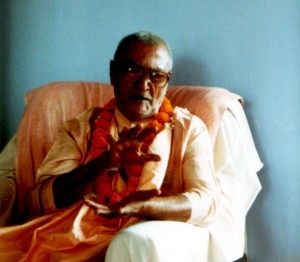 We should mainly couch ourselves in this mood: we should think of ourselves as the meanest of the mean. Srila Bhaktivinoda Thakura has given his analysis of the meaning of this verse as follows: even a blade of grass has its value, but we do not even have as much value as a blade of grass. We have no positive value. It is one thing if a man is not educated, but a madman is worse than uneducated. He can think but only abnormally. Therefore, Srila Bhaktivinoda Thakura says, “I have some consciousness, some intelligence, but it is all misdirected. A blade of grass has no misdirection. When trampled upon, it has no tendency to spring back in the opposite direction. A blade of grass can be blown here and there by a storm, or by the external environment, but I will always be reluctant to go in a particular direction. If the waves of the environment want to take me in a particular direction, I’ll try to oppose them. If you really consider my value, my position is lower than a blade of grass because I have an opposing tendency.” When we want to bring ourselves in a closer relationship with the infinite goodness, we should think, “I have no value. Rather, my value is negative. It is my tendency to oppose the Lord’s grace. If Krishna wants to grace me, I try to resist. I am constituted of such an element that I commit spiritual suicide. Krishna comes to grace me, but I oppose Him: the energy that is within me tries for suicide. This is my position, but a blade of grass won’t oppose anyone. I have such a nasty position.” We must realise that we are in such a predicament. With this concern we may accept the goodness of the Absolute Truth in the form of His Holy Name. We should not think that the path will be very smooth; so many troubles may come from outside. When the devotees go to chant Hare Krishna in the street, many people come and shout, “Hey, you monkeys! Red-faced monkeys!” So many forms of hindrances and opposition will come and try to affect us, to dissuade us from this path, but we must practice forbearance like that of a tree. Why has the example of a tree been given? It has been analysed in this way: if no one pours any water on a tree, it does not protest, “Oh! Give me water!” If anyone comes to disturb the tree, snatching its leaves, cutting its branches, or even chopping it down, a tree remains silent; it gives no opposition. We should try to see how insult, poverty, punishment, or other unfavorable dealings are necessary to purify us, and with minimal punishment we shall be released from material existence. Through Krishna consciousness we have connected with the highest object of life, the highest fulfillment of life—what price are we ready to pay for that? It is inconceivable. Whatever little demands may be expected from us, we must accept with a smiling face, considering the highest goal. If we are really confident, if we have faith in our bright future, then we can gladly pay what little price nature wants to take from us. Krishna—I Shall Teach You a Lesson!” Once, Srila Gaurakisora dasa Babaji Maharaja, the spiritual master of Srila Bhaktisiddhanta Saraswati Thakura, was going through the town of Navadwipa begging a little rice from different houses. The village people sometimes attack or insult devotees, and as he was going to his quarters they did not spare even such an exalted soul. Some boys were pelting him with stones and throwing dirt at him, and he remarked, “Krishna, You are cruelly dealing with me! I shall complain to Your mother Yasoda about You.” That was his outlook, and in that way he harmonised everything. We should learn to see Krishna in anything that comes to disturb or attack us. In philosophical calculation, of course, without God’s will nothing can happen. But in a concrete way, a devotee sees, “O, Krishna! You are backing these children, You are disturbing me, and I shall teach You a lesson. I know how to deal with You. I shall complain to Mother Yasoda, and she will chastise You.” The advanced devotees are established in the consciousness that Krishna is behind everything, and they take everything in that way. This attitude is our beacon light, for it will guide us to adjust ourselves with those things that are apparently unfavorable to us. A sweet adjustment is found there, and so we are advised to be more tolerant than a tree. We may not give any opposition; still, opposition will come to disturb us. And we must forbear. And we must show our respect to others. Prestige is the greatest and most subtle enemy of the devotee of Krishna. Pride is the worst enemy for the devotee of Krishna. And pride ultimately takes one to the conclusion of the mayavadis, the monists. They say, so ‘ham—“I am!” Not daso ‘ham, “I am subordinate,” but “I am of the Supreme Element; I am That: I am He,” eliminating from their consideration the fact that we are tiny and suffering in misery. All these practical things are ignored by the mayavadis, the impersonalists, but position, or ego (pratistha), is our worst enemy. In this verse, we are advised to deal with prestige and position in a special way. The Slave Area of Krishna Sri Chaitanya Mahaprabhu says, “You must not desire respect from anyone or even from the environment itself; at the same time, you must give prestige to everyone and everything in the environment according to its position. Show respect, but don’t desire any respect from outside.” We must be very particular about this, for pride is our hidden enemy, our worst enemy. If we can somehow avoid or conquer this enemy, we will be able to enter into the slave area of Krishna and join those who have given their lives wholesale in sacrifice to Him. The general meaning of this verse is, “Never seek position or prestige from any quarter. At the same time, give honour to one and all according to your understanding.” A Great Insult 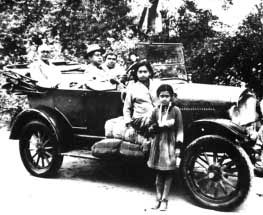 When our spiritual master, Srila Bhaktisiddhanta Saraswati Thakura, went to Vrndavana in the early 1930’s, he rode in a motorcar. In those days, this was unheard of for a saint. One day, a priest insulted our guru by deprecating the position of Srila Raghunatha Dasa Goswami, the preceptor of our highest conception of spiritual achievement. He boasted, “We are not only residents of the holy land, but members of the cast of high priests (brahmanas). Therefore we can offer our benedictions to Dasa Goswami. He was born in a low-class family, and he himself asked such a benediction from us.” Of course, in great humility, Dasa Goswami once prayed, gurau gosthe gosthalayisu sujana bhusuragane svamantre sri-namni vraja-nava-yuva-dvandva-sarane sada dambham hitva kuru ratim apurvam atitara maye svantarbhratas chatubhir abhiyace dhrta-padah “O mind-my brother! I fall at your feet and implore you: ‘Give up all pride and always taste ecstatic love while remembering the divine guide, the holy abode of Vrndavana, the cowherds and milkmaids of Vraja, the loving devotees of the Supreme Lord Sri Krishna, the gods on earth or pure brahmanas, the Gayatri mantra, the Holy Names of Sri Krishna and the divine youthful couple of Vraja, Sri Sri Radha- Govindasundara.” That priest remarked, “We are residents of the holy abode of Vrndavana, and brahmanas as well, so we are in a position to give benedictions to Raghunatha Dasa Goswami.” Upon hearing these words, our Guru Maharaja, who was at Radha-kunda at the time, began fasting. He remarked, “I have to hear this? This fellow is under the control of lust, anger, and greed, and he says that he can show his grace to Dasa Goswami, the most respected preceptor in our line! And I am to hear that?” Without retaliating against his remarks, he decided to fast. We also stopped eating, and our whole camp began fasting. Then a local gentleman who came to know that the whole camp was fasting managed to find the blasphemous priest and bring him to our Guru Maharaja. That priest begged to be pardoned. Our Guru Maharaja was satisfied and, after showing him some respect, finally broke his fast. At that time someone told our Guru Maharaja, “They are all ignorant fools. Why should we be so much affected by his words? You should ignore it.” Our Guru Maharaja said, “If I were an ordinary babaji and heard such a remark, I could simply cover my ears and go away. But I am playing the part of an acaryya, one who teaches by example. What justification do I have for riding in a motorcar if I do not oppose the remarks against my Gurudeva?” Repeatedly he used this expression: “Why am I driving a motorcar here in Vrndavana?” He said, “Had I been a niskinchana babaji, a saint living in seclusion and living only a loincloth, I would have given no opposition to this man. To save myself, I would simply leave the place and go elsewhere. But because I am riding in a big motorcar in the post of an acaryya, a teacher, I must defend the dignity of the great devotees. I have accepted this charge and can’t evade these circumstances. I must face it and do everything in my power that such things may not go on undetected or unopposed.” Humility must be adjusted or modified in its practical application. Once, when a Hare Krishna temple was attacked, a gun was used by the devotees to defend the temple. Later there was a complaint among the local people. They said, “Oh, they are humble? They are tolerant? Why have they crossed the advice of Sri Chaitanya Mahaprabhu to be humbler than a blade of grass and more tolerant than a tree? They can’t be devotees!” So many complaints were coming to me, but I defended them by saying, “No, they have done rightly. The instruction to be humbler than a blade of grass means one should be humble to the devotee, not to a madman.” The general class of men are ignorant. They are mad. They do not know what is good or bad, so their consideration has no value. Who is qualified to judge whether a devotee is offering respect to all and not expecting any for himself? Who will judge whether he is really humble and tolerant—madmen? Ignorant people? Have they any sense to judge who is humble, who is tolerant, and who is respectful to others? There must be a standard by which to judge humility. We are interested in the criterion given by higher thinkers, not the consideration of the ignorant masses. The Standard of Humility Of course, anyone may deceive the ordinary public with superficial humility. But a show of humility is not real humility. It must come from the heart, and it must have a real purpose. Everything-humility, tolerance, and pridelessness—must be considered by the judgement of a standard, normal person, not by the ignorant who are like elephants, tigers, and jackals. Should they be allowed to judge what is humility, what is audacity and impertinence? Of course not. Should a devotee think, “The Deity and the temple is about to be molested, but I shall stand by and do nothing. I should be humble and tolerant. A dog is entering the temple; I should show him respect.”? No. This is not real humility. We must have a normal conception of reality. We must not allow these anomalies to continue in the name of offering respects to others. We must not think that we may allow anyone to harm the devotees or molest the temple, that we shall allow the dog to enter the temple, and by doing this we are humble and tolerant, we are showing all respects to others. We are not interested only in the physical meaning of the Scriptures, but the real meaning. That I am humble means that I am the slave of the slave of a Vaishnava. With that consciousness we must proceed. If anyone comes to molest my master, I should first sacrifice myself, thinking, “Because I am of the least importance, my sacrifice is no loss; I must sacrifice myself to maintain the dignity of my guru, the devotees, and my Lord and His family.” We must always understand what is to be honoured. We offer our respects to the highest truth, the Lord of Lords; our dealings should be in consonance with that. If we always keep the highest conception of relativity within us, we will see that we are the lowest. If there is danger to our guardians, we shall sacrifice ourselves. All of this should be taken into account when trying to understand the meaning of humility, not physical imitation—but genuine humility; it is a question of practical realisation. Fame and honour must be given to the Lord and His devotees, not to anyone else. In the higher stages of devotion, of course, humility may have to be adjusted in another way for the paramahamsa babajis, the topmost swanlike saints who have given up all connection with this material world. But in the preaching stage, the second class devotee must accept things differently. As our Guru Maharaja said, “Had I been in the role of a babaji, a nonassertive, reclusive saint, I would have walked away from the place without offering any opposition. But when we are preaching and have taken the responsibility of leading so many souls to the domain of the Lord, our adjustment must be made accordingly.” Generally , we may be indifferent to those who are personally inimical to us, but when we preach on behalf of the Lord in an organised way, our duty changes: we cannot be indifferent to antagonists. It is mentioned in the scriptures by Jiva Goswami that according to one’s own particular status, these things should be taken into consideration and the necessary things should be done. He has given his decision that if the devotee has a position of power, if he is a king, and if someone repeatedly blasphemes a real Vaishnava, or saintly person, then the king should enforce corporal punishment by banishing the offender from his state or by cutting out his tongue (vaisnava nindaka jihva hata). That is not the duty for ordinary persons; if they act in such a way, there will be a riot. We should not be eager to inflict physical punishment upon anyone. Hanuman is a Vaishnava, but he is seen to destroy so many lifes. The same is true of Arjuna and so many other devotees. Even Krishna and Ramacandra are also seen to kill so many demons in war. Simply a physical show of meekness does not constitute the real meaning of humility. When there is an insult to the Guru or the Vaishnavas, a devotee will oppose the blasphemers according to his might. Bhaktivinoda Thakura, in one of his songs, says that we should not only tolerate the evil-doings of others and a disturbing environment, but we should do good to those by whom we are being tortured. The example is given of a tree. One who is cutting the tree gets shade and comfort from the tree even while cutting it down. In conclusion, he says that humility, mercy, respet for others, and renunciation of name and fame, are the four qualifications for chanting the Holy Name of Krishna. We are the meanest of the mean. We should always be conscious that we are beggars. We should think, “Although I am a beggar, I’ve come to beg for the highest thing; let no disturbance dissuade me from my attempt.” At the same time, our attitude toward the environment should be respectful. In this way, by becoming educated in the Krishna conception of divinity, everyone should be given respect accordint to his position. It is the guiding instruction in the worship of the holy name (nama-bhajana) that we must take the position of the slave of the slave of the slave of the Lord. If you want to chant the name of Krishna, then don’t waste your energy with the trifling things of this world. Don’t allow your attention to be disturbed by tiny acquisitions like prestige or gain which is relative to money or physical comfort. Remember, you are trying for the greatest thing, and all other things are very small in comparison to Krishna consciousness. So, don’t waste your energy and valuable time. Be economical. You have the chance to achieve the highest goal of life. | |||
| Oh Baba! Bolacche-re! |
(An article which was written by Srila Sridhara Maharaja, prior to his acceptance of sannyasa, for the Gaudiya Matha’s daily newspaper, Dainika Nadiya Prakasa on April 18th, 1928) One gentleman had a son, and like any parent, when his son was of age to begin formal learning, he endeavored to provide his child with proper tuition. However, the boy showed an extraordinary aversion towards receiving any type of education. The father became very anxious about his son’s future, but after much endeavor, he ultimately became completely disheartened. Finally, one experienced teacher came to know of his dejection and told him that he would tactfully teach the boy. On investigating, he came to know that the boy was very fond of various types of food and was greatly influenced by his taste buds. The teacher took advantage of this particular weakness of the boy, and mesmerized the child by discussing various types of food and their qualities. Continuously he made the boy utter the names of fruits like mango, jamun, jackfruit, banana etc. several times. Gaining confidence, the teacher then asked the boy, “Son – say ka!” (the first letter of the alphabet). Instantly the boy came to his senses. It came as a flash of lightning in the boy’s mind that this was all a ploy to make him study. The boy exclaimed, “Oh Baba! Bolacche-re!” (My God! He’s forcing me to spell!”) If we deliberate on this with a calm mind, we will find our condition more precarious than that of the aforementioned boy. The Vaisnavas, who are acaryas of the entire world, having seen the future destination of our souls with their divine vision and being very liberal by nature, have compassionately endeavored to give us an opportunity to honour varieties of maha-prasada in this mundane sphere of enjoyment to engage the souls in their constitutional occupation of devotional service. But what are we doing? Until we are unable to trace any mundane spirituality in our imaginary mental indulgence in gross matter for our own pleasure, then we are somewhat halfheartedly practicing devotional service in the association of sadhus. When our addiction to the fleeting and temporary aspects of life diminishes due to the infallible consequences of sadhu-sanga, we are taken aback. And in spite of realizing the insignificance of the lowliness of our self that we have served in the mental realm of our understanding of religiosity, which we have assimilated deeply in our inner being for various lifetimes, we are still unwilling to reject it. On the contrary, seeing the prospect of its disappearance, we tremble in fear at the extermination of our very deeply acquired self! Just like the boy who was oblivious to his own future, we also want to remain blind to the destiny of our souls. Yet if we compare the loss incurred in both cases, we find that we cannot compare our own deplorable circumstance to that of the boy’s condition. The boy is simply loosing something in exchange for something else. But whatever he looses or gains belongs to the same category – enjoyment of the tongue and discussion on mundane knowledge (whose aim is to achieve higher material enjoyment) are categorically the same. Both are worldly, transient and illusory. In spite of daily hearing the warning bells of the thunderous declarations from Sri Gaudiya Matha and witnessing all kinds of endeavors by the matha residents to instill and nurture within our hapless sick minds the seeds of nectarean hari-katha, and endeavoring to establish a loving connection with God – still there is a gulf of difference between that which we are knowingly rejecting in favor of some other illusory charm! One is of this world, while the other is eternal; one is insignificant and negligible, while the other is supremely beneficial; one is intimately connected to birth, death, old age and disease, while the other is eternal transcendental bliss; one is in the mode of illusion, while the other is purely spiritual, beyond the modes of material nature. To sum up, one is uninterrupted pain and toil while the other is incessant bliss. In such a situation, I would like to ask the intelligent and good-hearted readers that if we sincerely desire to reform our mentality, which is like that of the aforementioned boy, then considering that which is eternal and that which is temporary, what should the proper activity of the living entities be? Isn’t this the very conduct and preaching of Sri Gaudiya Matha? Pandita Sri Ramendra-sundara Bhattacarya B.A. | |||
| Utilize Every Moment to Attain True Well-being |
Śrī Bhagavān has said: “A truly intelligent person should shun evil company but seek the association of holy saints who, with their instructions, gnaw away the knot of our mind’s worldly attachments” (Śrīmad-Bhāgavatam, 11.26.26). This means that for our true well-being we should always accept the guidance of the true guru and not be misled by pseudo gurus. The guru never accepts preya-panthā, the path to pleasure, for he is a follower of śreya-panthā, the path to true well-being. And he instructs his disciples and others to walk along this real path as his own true guru instructed him. If a disciple asks the guru for permission to drink alcohol, the guru is sure to disapprove and never grant it. When the guru does not indulge the disciple in his prayer for the cravings of his mind, he might dismiss the guru. Such disciples accept only those gurus who are ready to supply fuel to their desire to indulge in sense enjoyment. These days, accepting a guru has become a fashion meant not for the disciple’s true well-being, but for getting one’s sensual pleasures approved of. Like selecting a barber or washer-man, such appointments only satisfy social or family customs. As soon as Truth is ascertained, it should be ardently put into practice then and there. Since the span of our life is very short, we should not misspend even a moment of what still remains of it in attending to worldly affairs. Rather, we should utilize it to perform our service to Śrī Hari. King Khaṭvāṅga attained his highest good by engaging in Lord Hari’s service for but one muhūrta (forty-eight minutes) and Ajāmila by serving Him just at the time of death. The following anecdote illustrates this point: Śivānanda Bhaṭṭācārya – by faith a Śākta, or worshipper of goddess Kālī, or Durgā – sent his son Rāma-kṛṣṇa to purchase some sacrificial animals like goats and buffalos and other necessary articles for the upcoming festival of Durgā-pūjā. When Rāma-kṛṣṇa was returning home after purchasing them, he met Śrīla Narottama Ṭhākura, a holy saint of the highest order. After Śrīla Narottama Ṭhākura talked with the youth instructively, the youth’s mind was changed altogether. He let the animals go in order to obtain initiation from the Ṭhākura, and went home empty-handed. Śivānanda was waiting expectantly for his son to return with the goats, buffalos and other articles for Devī-worship. Seeing that he returned without them, he anxiously asked about them. Śrī Rāma-kṛṣṇa replied that he had been blessed to have gotten the grace of the illustrious Vaiṣṇava, Śrīla Narottama. Upon hearing this, his father flared up with excessive wrath and called him a disgrace to the family for accepting a guru who had not taken birth in a brāhmaṇa family. Rāma-kṛṣṇa was fortunate enough that upon hearing the Truth from the mouth of Ṭhākura Mahāśaya he was roused from the worldly mire and at once gave up the duties of this world as deplorable and insignificant in order to engage in the service of Hari. Since we cannot rely on even the duration of a breath, for it may be our last, we should utilize even this moment for attaining our true well-being. For this end, we should not listen to anyone of this world who might give us contrary advice. In the Śrīmad-Bhāgavatam (5.5.18) Śrī Ṛṣabhadeva teaches us, “We are encompassed by death, and whoever does not deliver us from it cannot be obeyed as our well-wisher, even if he is a guru (like Śukrācārya to Bali), a near relative (like Rāvaṇa to Vibhīṣaṇa), a father (like Hiraṇyakaśipu to Prahlāda), a mother (like Kaikeyī to Bharata), a demigod (like Indra to Nanda), or a husband (like the yājñika-brāhmaṇas whose wives were devoted to Śrī Kṛṣṇa).” Such was the case with Śrī Rāma-kṛṣṇa Bhaṭṭācārya, who wisely courted his father’s certain displeasure to secure his true well-being. Adapted from The Gauḍīya, Volume 24, Number 10 CC-BY-SA Rays of The Harmonist No.19 (Gaur Purnima 2009) | |||
| Offering for the Worship of Sri Sri Vyasadeva |
My humble offering of the heart’s exclusive devotion at the holy feet of my affectionate and Divine Master. (From The Harmonist As it is, edited by Srila Bhakti Siddhanta Sarasvati Thakur Prabhupada No.1 XXV page 203) My Master, ON the occasion of this fifty-fourth anniversary of your advent into this world I lay at your holy feet this humble offering of my heart’s pure devotion. May the affectionate and Divine Master out of His infinite mercy vouchsafe to overlook its imperfections and be pleased to accept it. My Master, What I owe to you I can only know and express by your Divine grace and through submission at your holy feet. The greatest of mercies that you have vouchsafed to me has been this that you have taught me to submit to your holy feet and have kept me bound to your holy feet not-with-standing my persistent efforts to run away from you. I do not know, you, alone know, how ready I have always been to willfully misunderstand and oppose all your efforts on my behalf, and to you alone is known, and very dimly to me through your grace, to what extremities of exertion you have been driven in order to find the device for the allaying of my disloyal inclinations and leading me back to the shelter of your holy feet. You know my inmost heart and, even as I confess it, I stand most in need of your mercy. In thus trying to make me submit exclusively to your holy feet what a storm of universal opposition and calumnies have you not quietly and cheerfully ignored:—that also you alone know. This exclusive submission which you are always trying to teach me I offer at your holy feet. My Master, You have made me aware that this exclusive submission to your holy feet is the only true freedom. The emancipation of the spirit from the thralldom of this material world is indeed a mere secondary result of such submission. My Master, In the spirit there is no limitation. In the spirit absolute submission is the eternal condition of the most perfect freedom. It is the eternal nature of the jiva-soul, when it is unhampered by material complications, unceasingly to serve the Guru, the Divine Master, who is identical with God Himself. Absolute submission to Hari, the Preceptor and the Vaishnavas —all of which are the one and the same thing—can alone lift the bound jiva to his own really natural level of free spiritual service of the transcendental Reality. Submission to the Divine Master is not to be compared with submission to any worldly object. My Master, You are the Embodiment of the Word of God. The Word of God has been imparted by Sri Narayana Himself to Sri Brahma, by Sri Brahma to Sri Narada, by Sri Narada to Sri Yyasadeva and by him embodied in the Sattvata Shastras and most unambiguously, in the Srimad Bhagabata. It is Sri Vyasadeva who always and in every age teaches the Word of God to this world. My Master, You are the spiritual successor of Sri Vyasadeva and therefore, identical with him. You have received the Word of God in the preceptorial succession from him and you are imparting the same “to all the jivas of this world. The mighty current of the Word of God flows on eternally. You have made the bounteous current available to us. You have cleared our vision and purified our hearts and having thus made us capable of receiving it given away freely the Word of God. My Master, You are the Word of God. Those who do not realise that you are the Word of God naturally misunderstand our devoted worship of your holy feet. My Master, The worship of Sri Vyasadeva is identical with the worship of the Word of God. The Word of God is identical with God Himself. God Himself can alone give us the Word of God. In the form of Sri Vyasadeva, in the form of the Acharyya, it is God Himself who gives Himself away to those jivas who cherish eternal aversion against the Lord. Submission to Sri Gurudeva is submission to the Word of God, submission to Sri Vyasadeva who is no other than the Lord Himself in the form of the Acharyya. My Master, You are the living Word of God. You alone can give us the Word of God if we believe in the Word of God and, believing, submit to Him that is to your self, to Sri Vyasadeva, who declares the Truth to the bound jivas. My Master, We, fallen jivas, led astray by our limited, unspiritual experiences of this world, in our ignorance, make a distinction between you and the sattvata Sastras. We wrongly imagine that we can serve the Word of God without submitting to your holy feet. This is a blunder to which we are un-avoidably subject so long as we happen to be in the bound state. Because in the bound state we cannot at all realise that in the spirit there are no dividing lines like those that exist in this material world. The Shastras are unanimous on this point. But in the pride of empiricism, and so-called rationalism which in its current sense is the same as empiricism,—of egoism, we cannot understand this fundamental fact of spiritual existence although we may profess to be deeply versed in the scriptures. My Master, It is you alone who can free us from this ignorance of our real self. You are always trying to help us. But we in our ignorance, refuse to receive your offered help. We mistake abject slavery of the senses for freedom and freedom of the spirit for slavery. And, therefore, when you, out of your infinite mercy, offer us perfect freedom in the shape of exclusive devotion to your holy feet, that is to say, to the Word of God, to God Himself, we in the foolishness of our empiric wisdom refuse to accept the eternal and natural function of the jiva soul viz. the unceasing and free service of the Absolute, and prefer the state of perpetual bondage in the fetters of Maya. This is so because everything in this world, including our empiric knowledge is the perverted reflection of the Absolute. My Master, We have no option in this worship of Sri Yyasadeva. The worship of Sri Yyasadeva is the only function of the jiva-soul in the bound as well as in the free state. In this exclusive and continuous submission to the holy feet of the Acharyya who is the Embodiment of the Word of God lies our only hope of being restored to the state of grace while we are fallen and of continuing in it while we are free. It is not a mere complimentary ceremony performed for the nonce like the thousands of ceremonies of this world It is on the, other -hand absolutely and perpetually necessary for the attainment and preservation of our very spiritual-existence. It is verily a matter of life and death to us in the strictly real sense. It is not a tamasha. Neither is it an exaggeration. My Master, This public demonstration on such a magnificent scale of our devotion to you is a duty that is most emphatically and clearly enjoined by the scriptures. You are as merciful as the Word of God itself. And, therefore, you have graciously offered us, fallen jivas, this unique opportunity of obeying God, and. by such act of obedience, regaining the consciousness of the only eternal function of the jiva.soul – viz. the exclusive. devotion to your holy feet. May your grace help us to realise your unparalleled and perfect kindness in this and in every act of-yours. My Master, Between this worship of your holy feet and the God-less activities of fallen jivas there is all the difference that separates the worship of God from the worship of the ego. All ceremonials of this world are more or less the worship of the ego. We fallen jivas, have no taste for functions that do not minister directly or indirectly to the gratification of our senses. This worship of your holy feet holds out no prospect of selfish enjoyment. To bound jivas the function must, therefore, appear to be useless or even harmful. It seems to be harmful because such exclusive submission to your holy feet completely takes away the freedom for all sensuous activities. It is in fact diametrically opposed to the current of this world ; and this world is the limit of the vision of us, fallen jivas. This world provides ample gratification, in every gross and-refined form, to our senses. We consider it unprofitable to forego completely this excellent opportunity of selfish enjoyment. Anything that comes in its way appears to us to be opposed to our happiness and, therefore, harmful. My Master, As soon as we submit to your holy feet we are immediately and completely freed from this fatal delusion. The scales fall from our eyes. We live again in the spirit. With your own hands you wash off every impurity that clogs our vision. And, lo! the spells of Maya are broken forever ! We are taken out of the dark dungeon and breathe again the pure and bracing air of freedom. My Master, In proportion as our submission is complete and sincere this new vision that we receive from you becomes clearer. And, thereupon, you reveal yourself to us in an infinite variety of ways that are truely most wonderful. We meet you everywhere and in every act of our new life and on every occasion you wear a new form. My Master, As soon as we submit to your holy feet we regain the consciousness of our eternal life. And thus we are at once and for ever freed from all fear of death. We realise our true relationship to God and the nightmare of this limited existence ceases to trouble us any further. My Master, As soon as you are pleased to accept us as your servants we at once realise it is identical with the service of God. We also realise that in our true nature we are the eternal servants of God and that the service of God is eternally conditional on submission and obedience to you. You alone can give us the service of God and we can have it in no other way and can have it only just so long as we continue to be really obedient to you. We, therefore, owe to you not mere external and temporary obedience but exclusive and eternal obedience with mind, body and speech in return for the eternal service of God. My Master, As soon as we submit to you we are freed from all worldly, all transitory and impure hankerings. The heart is thoroughly cleansed of all impurities and becomes a fit abode for the transcendental Lord. You are revealed to us by this absolute purity of the heart that results from submission to your holy feet. My Master, You are not content with merely freeing your servant from the bondage of the world. You lead him by degrees towards the direct service, under yourself, of Sri Krishna Himself. My Master, As soon as we submit to your holy feet you impart to us the spiritual understanding and all our doubts are cleared up. The Word of God is then understood by us. We find ourselves face to face with the Absolute Truth. The Scriptures no longer appear to be full of contradictions. Their true meaning is revealed to us and they present to us the infinite Absolute Truth through every word in them. My Master, We are then enabled to realise, however dimly, the infinite mercy of Sri Krishna in sending you, His best beloved, into this world to save us, fallen jivas, from the clutches of Maya and restore us to our natural state of loving and free service of himself, relying on your help. The perfect wisdom of this Divine Dispensation is manifest in this that you enable us to serve the Lord by associating us in your service of Him. You make use of us as instruments in serving the Lord and you leave out none of us. We are purified by being thus used in the service of the Lord and as the crust of impurities is gradually softened and finally washed off the spiritual nature is laid bare and we are enabled consciously to serve the Lord. There could be no better method of carrying out the wish of the Lord to restore fallen jivas to the state of grace. The unconscious service of the Lord thus provided by you is the only method open to the bound jivas for regaining their lost spiritual freedom and the conscious service of the Lord. My Master, In fact, God Himself stretches out His own right hand to lift us from the abysmal depths of this mundane existence. The Absolute Truth is ever coming down to us in this way as we are unable, unaided by God Himself, to attain to it, Sri Vyasadeva tells us of this descent of the Absolute Truth in the Brahmasutra, in the Geeta and most unambiguously of all, in the Srimad Bhagabata. He tells us to believe in the Acharyya, to believe in Himself, to believe in the spiritual perceptional succession, as the channel provided by God Himself for the descent of the Word of God to the bound jiva. This is the Srauta method. My Master, Those who pretend to think that the Word of God,—the Brahmasutra, the Geeta, the Srimad Bhagabata,—can be understood without complete submission to your holy feet, disbelieve the clear injunctions of those very spiritual scriptures. To those who are devoid of reverence for the scriptures the Word of God is not revealed. My Master, There is no injustice or irrationality or whimsicality in this. The word of God is identical with God Himself. How can those who really profess the desire to serve God refuse to believe in the Word of God? It is this duplicity that clouds their understanding and shuts it out from the vision of the Truth. My Master, The jiva is part and parcel of God Himself. The will of the jiva is allowed as perfect freedom as that enjoyed by the will of God Himself. The nature of the jiva is spiritual like that of God, Himself. The difference between the two is that God is great and all powerful whereas the jiva is a tiny part of God and powerless, and also liable to succumb to the fatal and deceptive allurements of the illusory energy of God which is nothing but prostitution of the free will in souls. The jiva is a tiny particle of spirit exposed to the opposing influences of the spiritual and nonspiritual powers of God. It cannot stand on its own legs but must place itself under the protection of one or other of these two powers. The spiritual power is the Divine power proper. The illusory power, Maya, is the correlative of the real power. The spiritual power is superior to the illusory power which stands in much the same relation to the former as darkness does to light. The jiva-soul is free to choose to serve the spiritual or the illusory power of God. As it possesses no power of its own, it can never be itself the master. The spiritual power of God offers the jiva the direct service of the Lord which is the natural function of the jiva. But Maya offers to serve the jiva and promises it the enjoyment of all her treasures. My Master, Those jivas who prefer their own selfish enjoyment to the service of God fall into the meshes of Maya. For the fall of those jivas God is not responsible. The jivas are tiny and powerless particles of Spirit. They can properly function in the Kingdom of God only, so long as they behave in accordance with their eternal nature as servants of the Lord upheld by the spiritual power of God in the performance of the service of the Lord under your direction. But if being tempted by Maya they forget their relationship to God and their own real nature and become averse to the service of God under His own direction, they are at once endowed with limited material bodies and minds which obscure their vision of the Kingdom of God and substitute in its place this material world and make them think that they do ever belong to this material world of which they supposed themselves to be masters,—a pseudo-notion and creation of Maya by the will of the Lord. The belief induced by Maya that the jiva is the lord, is utter delusion. As a matter of fact, the bound-jivas are not the masters but the slaves of their material senses, the gift of Maya to her victims. My Master, But we are so enchanted by Maya that we never cease to hops for acquiring some day the real mastery over her and becoming like God, by our own effort. These Fancies give rise to two rival schools of thought. The duller people expect, as the sequel, unlimited material enjoyment of both gross and refined varieties. But those who are more logical find that the enjoyments provided by Maya are always of a limited character and more than balanced by positive misery and disappointments. They discover that the pursuit of such enjoyment is more a disease to be got rid of than a blessing to be cherished. They accordingly endeavour to attain a state in which they will be free from both pleasure and pain, and from all hankerings after worldly enjoyment. To the first group belong all communities of utilitarians. The second group is made up of all emancipationists who work up to their position by following the chain of negative reasoning described above. Both agree in their desire for an ideal existence for themselves built up by their constructive imaginations on the experience of this world. Both are really worshippers of the ego. Both regard the jiva in his present condition as the centre of all existence and everything is valued by reference to its present, selfish and temporary needs. The idea of God is necessarily secondary or even superfluous or the jiva himself is actually identified with God. My Master, This indifference or aversion to God, aversion to the service of God, aversion to submission to God, which the Almighty Father out of His infinite mercy is pleased to permit because He has ordained the eternal freedom of the choice of function for the jiva, is however, in the nature of things, necessarily and rightly overtaken by the terrible nemesis of his incarceration in the prison house of Maya. This disaster cannot be really prevented without taking away from the jiva all freedom in the choice of function. (To be continued.) | |||
| What is Rasa? |
Letter from Svami Sadananda Dasa to Vamandas 16.4.1956 The worldly rasa is dependent on a special technique of the poet, who himself experiences an aesthetic pleasure and whose work creates a pleasure in the reader. Whether the enjoyment incites sensuality or gives rise to a more subtle human emotion, it is still enjoyment (bhoga). The Divine rasa is the very opposite. The bhakta – who has got bhakti, the power to serve God, and is without a vestige of expectation of happiness or even of accepting happiness for himself – serves with his eyes, heart, ears etc. etc.; the actor here on the bhakta-stage has this very same power of service. The performance of the bhakti-drama or the poem is in itself service without any expectation or acceptance of happiness. In other words, the bhakta does not want to experience, to taste rasa etc., but to SERVE, nothing but SERVE. Krishna wants to serve the bhakta, the bhakta wants to serve Krishna, without expectation or acceptance of happiness. In the eternal realm, the hero is the cit-character Krishna and the heroines are the cit-shakti-characters, the gopis (observe the difference). The lila-situation changes every moment – every moment eager, new serving. In the eternal realm, in Goloka or in Vraja (visible on earth for a while), these lila-situations arouse certain reactions for the sake of the one who is the object of service (for Krishna: the gopis, for the gopis: Krishna). This Prema-SERVING becomes rasa. Neither Krishna nor the gopis “experience” rasa as an object of their experience; their service is rasa. The reactions to certain lila-situations are forms of service; joy, sorrow, dismay etc. are not different states of mind a person gets into, like here in this world, when someone stands in front of an object of experience and experiences something, but joy, sorrow etc. are WAVES of rasa, waves of actual SERVICE. The bhakta in the bhakta-drama doesn’t really serve in actu, he still serves indirectly. Either he has a body formed of the gunas of Maya or he is a parishada [eternal coplayer] who believes he possesses a body consisting of gunas. At best the bhakta has got prema-bhakti which makes him worthy that God, attracted by this prema-bhakti, the will to serve, reveals Himself to him as the object of his service. When he listens to or performs the drama, he still serves indirectly. But when the lila or Krishna Himself become visible – due to the identity between the word Krishna [and Krishna Himself] or between the words that describe or express the lila [and the lila itself] – in that moment the will to serve becomes actual service, rasa. The bhakta, however, does not experience rasa as an object, but his service has become rasa. Whether he experiences joy, ananda, he is not aware of it at all as he is not busy with himself, but with his service for Krishna. Note: not with experiencing Krishna or the lila, but with serving. He is “tanmaya”*1 , i.e. he is no longer aware of himself. He is only aware of the object of service and the [process of] serving. When the drama is over he does not experience: “Oh, this was a wonderful bathing in ananda”, but as serving has wholly become his nature – as his heart, his intellect, his senses, his atma are fully, exclusively aglow with the power of service (cf. the definition of bhava-bhakti in Bh.R.S.)*2 – he immediately continues his service, even though indirectly, and has no time to reflect upon himself. At the most he cries, because he is not worthy to serve better and more. ________________________________ *1 tat-maya: that-made = of the same nature; as a rod of iron, glowing red-hot, has become of fiery nature itself. *2 In the translation of Svami Sadananda Dasa (into English by Katrin Stamm): „Bhakti as bhavabhakti is completely independent of any mental function and yet it is revealed within the empirical character and the mental functions of man (manovrittau avirbhuya) and becomes one with his mind, character, individuality (fire takes on the form of an iron rod, even though the fire exists independently and doesn’t owe its power to any other source but itself). If you thought that as a result of or a reward for service the experience of bliss would follow, you forget that the BHAKTA, and even more the GOPI, are fully identical with their service, and as you know, the GOPI fully consists of service. PREMA or the Love of God is nothing but service – and it is not anything in addition to it. It is service that is based on the servant’s specific personal relation to God, a relation that corresponds with the respective shape, form, dress, behaviour and character. The worldly rasa of mundane objects or of mundane poetry etc., however, is the result of the realisation of selfish desire which is realized when the object we want to exploit for the sake of our own pleasure presents itself to our lust for exploitation. An experience that does not elevate, enrich, intensify ourselves, our feeling of being alive, does never become (worldly) rasa – it is simply uninteresting. While experiencing worldly rasa – during orgasm as sexual animal or in poetry [or drama] through a fictitious (imagined) identification with the hero of the play, our consciousness experiences a situation of temporary holiday from its ego. Here, experience of rasa is like oil into the fire of lust. In bhakti-rasa, however, not only the atma is awake since long, but he is uninterruptedly carried away by the stream of service. The parishada has a body and mind consisting of the power of service, which therefore cannot but serve. The premabhakta still on earth, and the eternal premabhakta, cannot do anything else but serve; while serving twenty-four hours a day, the thought just cannot cross their mind: “I want to experience, now I expect God to respond to my service and grant me joy.” Serving is happiness, even the suffering they experience when Krishna withdraws Himself from their service is happiness, because it isn’t (selfish) suffering due to the loss of one’s own happiness, as in the world, but suffering because of the fact that Krishna withdraws Himself from their service, which – as Krishna indefatigably emphasizes in the Shastrams – pleases Krishna Himself. The suffering of the bhakta, when he cannot serve Krishna, is suffering due to the fact that God deprives Himself of His Own joy. While realizing an experience devoid of bhakti someone may desire rasa, but never a bhakta who serves. The bhavuka [bhakta on the stage of bhava] and rasika [bhakta on the stage of rasa], to whom the invitation of the Bhagavatam is addressed: “to drink … the rasa of the Bhagavatam”, is someone who can no longer do anything but serve. He “drinks”, i.e. he listens to and understands how the bhaktas of the different stages serve HIM, he listens to and understands the rasa which is service, and in the centre of this service there is God for the bhakta and the bhakta for God. This “drinking” is a form of service; he listens, as he cannot do anything else, in order to please God. This “drinking” is not the enjoyment or experience of a spectator who enjoys and rejoices and sheds tears of joy as someone does who enjoys a drama or a poem, but the very opposite. Only those who have reached this high stage of service can understand and estimate what SERVICE actually means. Among the others, the realization of actual service (rasa) is out of the question. It would be a fundamental error to think that as a result of service the experience of rasa follows. No, service, bhakti in itself, becomes rasa. Service as rasa is never an object of experience, because service itself is what experiences the service as rasa. Service experiences service, rasa experiences rasa. As long as a person, through his service, has not yet fully become service, he cannot know anything about service and rasa, and when he has totally become service, he can even less experience rasa, because due to his service he hasn’t got the time and possibility to think of himself and what is going on in his mind. God couldn’t care less about those who want to serve God (???) in order to experience happiness and expect that God in that way shall please them. The word bhakti means service; “nirguna-bhakti starts with belief in serving ME”. It would be fundamentally wrong to think that later, on a higher level, this suddenly turns into an expectation and a wish that God shall serve me by giving me joy! All those who think like this are animals, according to Krishna’s Own words (Bha. X.32.20).*3 Rasa is SERVICE which becomes rasa when the object of service reveals itself to the service, it is REALIZATION of service. That is why it isn’t called rasa but bhaktirasa, not just prema, but premabhakti. The individual bhakta only serves [God] in one way, whereas God serves the bhakta, who doesn’t want anything but God’s pleasure, in innumerable ways. He serves the bhakta not because He wants to give him happiness, but real service, which is happiness. As soon as one experiences joy while reading or listening to rasa-texts one has gone astray, onto the path of sin, of God-lessness, and exploits the Shastrams. The bhakta hasn’t got any time to feel joy; his service of God is his joy and he is unsatiable in his service, because the power of service is infinite, is nirguna, God’s Own power. Daruka and others don’t curse their joy, as they don’t even know what joy actually is. They curse the fact that service in itself is joy and that the joy which is inherent in service sometimes disturbs the service; and the fact that the joy of service is experienced as disturbance of the service is a sign of genuine service. Consequently, those who have the slightest touch of the power to serve are never satisfied with themselves, and the more serving power they have, the less they think they do really serve. And this is the explanation of the fact that the bhakta normally, through the power of service, always speaks as if he wanted his own happiness. Only on the highest level of prema, called “Divine madness”, where God, in order to incite the gopis to an even higher degree of service, wants to send them away or make Himself invisible, they reveal their real attitude. __________________________________ *3 naham tu sakhyo bhajato ’pi jantun bhajamyamisham anuvritti-vrittaye, yathadhano labdhadhane vinashte taccintayanyannibhrito na veda. – “My dear friends, I for one do not serve those who live like animals without proper realization, even if they served – I do this so they may develop the proper inclination for adequate service (i.e. endeavour to serve the way I appreciate it), so that they begin to think only about this and nothing else; like a wealthy person who after losing his fortune can think of nothing else.” (X,32,20.) Walther Eidlitz: KrishnaCaitanya. The Hidden Treasure of India, page 130. Sadananda.com. (German: Krishna Caitanya. Sein Leben und Seine Lehre. Stockholm 1968.) Translation by Mario Windisch 2010. One must keep all this clear in one’s mind, every day and twenty-four hours, until service has become one’s very nature. One must be clear about why Krishna calls the love of the gopis irreproachable and what He says to them, and about them and Himself. The person who doesn’t have a clear concept of atma, Brahma etc. and to whom the inner and outer world have not since long become colourless (vairagya), cannot understand even a line of a passage in the Upanishads that deals with jnana. Those who lack the power of service cannot have the slightest idea of the rasa that God is, and that service itself is.  The Bhagavatam does not belong to a particular tradition. All Puranas etc. were delivered to the many rishis (from completely different traditions) in Naimisharanya. Each Purana has a certain subject of its own and several other Puranas praise the uniqueness of the Bhagavatam. The Caitanya-bhaktas have accepted that the Revelation itself declares that the Bhagavatam is the highest authority of the Word-revelation. Caitanya has rejected the philosophy of Shankaracharya and his followers, as well as all attempts to confine God to the jail of human laws of thinking, and emphasizes that Krishna and the Revelation are the only authority and not the poor human brain of an ever so advanced bhakta. When it says: HE is form, and yet this form is “vishnu”, i.e. unlimited by space, time and the laws of reason etc., it doesn’t mean that the Revelation contradicts itself. The Revelation only expresses what and how He IS. On the other hand, the jnanis and bhaktas don’t experience different things in the One; it is always the eternal forms of being which present themselves to the jnani, yogi and bhakta, either as attributeless Brahma or as Paramatma or as Bhagavan (and also as Isha). These three are eternal forms of being of the Absolute or Brahma in the full sense of the word. (Footnotes and annotations in square brackets by the publishers Into English and © Kid Samuelsson and Katrin Stamm 2011) | |||
| The Nature of Gopi-Seva |
(Into English, with bold letters and within square brackets: Kid Samuelsson; last changed 2.7.19..) […] Here [in the rasa-lila chapters of the Bhagavatam] we are given an insight into the nature of the lila and what service on the highest stage of prema in the circle of His eternal gopi-bhakta-s actually are – a form of service which is most exciting and incessantly intensified. This lila fills many persons with horror, even those who are bhakta-s of the Fullness of majesty and omnipotence [Narayana], and it is an indescribable and inconceivable wonder for everyone, yes, a wonder to Krishna Himself. Don’t forget that not only Krishna Himself is boundless and incapable of ever coming to an end of Himself, this also concerns the highest form of His Own shakti or potency, in the form of the formless potency [yogamaya] that shapes the lila and flows through the eternal co-players as [serving] love – or in the eternal form of Radha or Her female friends. Here we have service in extreme insecurity, without the awareness that Krishna is [also] the almighty Lord of all majesty [Narayana], and the feeling: what could happen to us? Here is the Fullness of loveliness [and exhilaration, i.e. Vraja-Krishna] – the service of Whom makes one forget, be confused, bewildered and hypnotized, so that it is not certain for a moment what is going to happen in the next moment – and a constant concern for His sake, He Who does nothing but play in complete exhilaration, heedless of Himself and the consequences. It is perfectly clear that there are only a few, very few, who are capable of understanding even a fragment of these things. Therefore, apart from moments when Mahaprabhu was not aware of the world, He never uttered a word of these things or sang of them before all groups of bhakta-s, only within the most intimate circle of the bhakta-s who belong to the gopi-lila in the fifth rasa of Krishna’s lila. Many, even the greatest bhakta-s of Dvaraka-Krishna, Rama, Narayana etc. are completely helpless when it comes to these things. Parvati was helpless already when it came to Rama’s lila. This serving in greatest agitation and excitement in the realm of loveliness and exhilaration, and even more when this realm manifests on earth, when the agitation and excitement intensify even more, to an exceptional degree, requires a particular, singular form of Divine Grace. It is extremely rare that a human being in this world is seized by these forms of service and then – while following God’s commands concerning the indirect form of service – is eager, once in a future life, to receive the Grace of longing for the will to serve these Krishna-gopi-s, who serve in extreme excitement and tension. But even when this Grace is not present, one must try to describe these things faithfully, as they are described [in the Word Revelation] – even though they are unattainable, i.e. are beyond every possibility to be worthy of them. In the Gita and the Bhagavatam you hear how few bhakta-s there are even of Narayana. Then you can imagine how few bhakta-s there are of this wildly exhilarated playful God of loveliness. In India it is hard to find even bhakti to Narayana. Where is real bhakti to Krishna to be found then? Who wants to listen to what service in the highest sense truly means, must attentively listen to what is here said about the gopi-s’ service, which, according to Krishna’s Own words, simply invalidates His Own promise that He shall respond to everyone’s seva in the same way as He is being served. […] What is tangibly described here is the acme of service through the greatest bhakta-s of the eternal realm; in these verses they serve with thoughts, arguments, rhetoric, despair, humility, with a certainty without bewilderment – in every moment a new wave of serving, in every moment a new wave of reaction to the situation of the lila, to a word, to an intimation. If you could convey some of this to the reader, so that he, in reverence, is amazed by this inaccessible realm of actual, fully alive and tangible service here in Vraja, so that he is struck by horror, then someone who is gifted can realize that those who have told him about Indian wisdom and “mysticism” have been cheating him out of the very best. Maybe there is some fool among the readers who becomes as enthusiastic as I over this truly great service and to whom all other religion, even the bhakti to Narayana becomes totally uninteresting, not to mention the wisdom of atma and [the formless] Brahma. The religions outside of the authority of the Word Revelation remain merely human. They give nothing but vague suggestions of the existence of something like God, and are therefore not in the least interesting. If you don’t thoroughly reflect upon what has been said above, you cannot understand some of the Gosvami-s’ distaste for the mere thought of Narayana, because of the security of service that is prevalent in His realm. I don’t know if I will have the strength to check and correct these hastily composed lines [of mine]. It often seems to me that my breath is taken away so that I do not say or write anything about these things, as if it were not the will of Krishna – yet I have no choice. The whole body is a wild hammering of pain. Stooping, I type these pages so that, if they get lost, the copy can be sent. I am simply obliged to give you all that is needed for your understanding, and all the more as you cannot free yourself from the influences of your mind. Thus I have to explain it clearly two, three times. I don’t know for how long I will be alive, and you, over there. But it is important that you understand these things correctly and that you have an idea of what is going on so that you do not have to start with the ABC again in the next life. Don’t be frightened by the thought of having to come back to earth again! It is agonizing in this yuga [age] and yet a joy. And the more one serves with His power of serving [bhakti-shakti], the more one forgets that this service with the greatest opposition truly is joy, because it is not service for the sake of one’s own happiness. […] (Sadananda, Corrections, page 222 ff.) | |||
| Real Darśana of Śrī Jagannātha-deva |
Śrī Jagannātha-deva is the possessor of all potencies and His form is saccidānanda Sent by Bhagavān, the eternally perfected mahā–bhāgavatas, who are aggrieved by the sufferings of others, serve only the transcendental, personal aspect of Puruṣottama, who is beyond the senses. The nirviśeṣa–vādīs’ service of Bhuvaneśvara or their display of faith in Śrī Ananta Vāsudeva is not at all included in the category of service. Śrī Jagannātha’s servants are proprietors of the service of Pūrṇabrahma, the fullest expression of the Absolute Truth, the eternal vāstava–vastu or Absolute Reality. Rather than showing eagerness for temporary, fleeting, provisional methods of worship, they occupy themselves in the eternal service of Śrī Bhagavān. Although Śrī Jagannātha’s full limbs are not externally visible, to think He is incomplete or missing limbs is particularly detrimental and fosters offenses. He is the primeval Parambrahma, with a form composed of eternity, knowledge, and bliss. From Him alone, the whole sentient and non-sentient world, as well as the jaiva–jagat, or realm of souls, is created and manifested. It is His echo we hear in the Vedas and Upaniṣads: “yato vā imāni bhūtāni jāyante tad-vijijñāsasva tad eva brahma—one should seek to know that brahma alone who yields all these beings” [Taittirīya Upaniṣad 3.1.1]. Hence, He is beautifully resplendent in an unparalleled manner, whole and complete unto Himself, with the specialities of His eternal holy name, form, qualities, pastimes, and associates. Therefore, He cannot be described by any adjective that is connected to the filth of the material world’s distinguishing features or absence thereof (saviśeṣa–nirviśeṣa). The advaya-jñāna-tattva’s acceptance of intimate service as the Lord of Nīlādri As the Lord of the Gauḍīyas, Śrī Kṛṣṇa Caitanya Mahāprabhu, who is identical to Vrajendra-nandana, was compelled by causeless mercy for the souls of the world and granted instructions on a process of sādhana–bhajana that is replete with the most immaculate ideology. He resided in Nīlācala, Śrī Kṣetra, and revealed His ultimate instructions on the practice of bhajana for the benefit of the world. Because the host of conditioned souls cannot identify or accept themselves as taking shelter of one-pointed, exclusive devotion, they are situated very far away from the kīrtana–yajña prescribed by Śrī Gaura. Śrī Bhagavān is, as advaya–jñāna–tattva—the non-dual Absolute Truth, Vrajendra-nandana. It is He who appears as Śrī Nīlādri-nātha and unreservedly grants His devotee servants the opportunity of serving Him. Accepting their intimate service thus, He presides there in full satisfaction. Determining who is really worthy of gaining darśana of Bhagavān’s śrī vigraha In Śrī Caitanya Mahāprabhu’s transcendental vision, darśana of Śrī Jagannātha is as follows: “pratimā naha tumi, sākṣāt vrajendra–nandana—You are not an idol; You are, before my very eyes, the son of the king of Vraja.” In the context of explaining this statement, Śrīla Bhaktisiddhānta Sarasvatī Prabhupāda has conveyed the following: “Śrī Jagannātha-deva is adhokṣaja–tattva, the Absolute Truth that exists beyond the grasp of our material senses. He is not an object to gratify anyone’s senses. We cannot behold Him by the power of our own wish and knowledge. Only if Śrī Jagannātha-deva showers His mercy on a person will he be worthy of beholding Him. Otherwise, if one goes to see Him with an ego of being the enjoyer, with a sense of enjoyment, then one will see Him without hands and feet. Individuals who are afflicted by the modes of passion and ignorance cannot have darśana of Bhagavān. As long as the jīva fails to abandon the enjoying mentality and become situated in viśuddha–sattva, the platform of superlatively pure existence, Bhagavān Śrī Vāsudeva’s manifestation will not appear in his heart. The purport and teaching of Ratha-yātrā Darśana, or direct vision, and realization pertaining to the attainment of Bhagavān’s grace, as experienced by one who has taken shelter of the śrauta–patha, are never matters that can be grasped by individuals with material conceptions. Only those who are bathed in the nectarean ocean of bhakti–rasa stand on the shores of this ocean of material existence as witnesses under the guidance of Śrī Rūpa and comprehend the real significance of the grand Ratha-yātrā festival of Mahāprabhu, who is Śrī Jagad-bandhu, the well-wisher of the whole world. What this festival really signifies is the sampradāya under the guidance of Śrī Rādhā drawing the son of the King of Vraja with the ropes of love from the realm of majestic aiśvarya pastimes, Śrī Kṣetra Nīlācala, to the land of sweet mādhurya pastimes, Sundarācala Vṛndāvana. This sampradāya under the guidance of Śrīman Mahāprabhu, who accepted the moods and complexion of Vārṣabhānavī, do not make the same effort at the time of Ulṭā-ratha (the return journey) as they do during the first Ratha-yātrā, when they are taking [Jagannātha] to the place that is theirs. They do not preoccupy themselves with dragging the wealth of their own home to the door of another. The gopīs of Gokula, who were overwhelmed in separation went to Kurukṣetra on the pretext of a pilgrimage for the occasion of a solar eclipse and were united with their Prāṇa Govinda (He who gives delight to their life and senses). That is what transpired for Śrīman Mahāprabhu’s devotees in this case. Separation or vipralambha is their bhajana. Śrīman Mahāprabhu’s visit or stay period at Alālanātha during anavasara–kāla [when Jagannātha is recuperating after Snāna Yātrā and not giving darśana] is particularly stimulative of vipralambha–bhajana. Śrī Gaurasundara would behold Śrī Jagannātha in this mood of the gopīs overwhelming separation. That darśana of Śrī Jagannātha, rather than fuelling Śrīman Mahāprabhu’s desire to enjoy meeting [in the mood of a gopī], would fuel His fire of separation, or His efforts to give pleasure to Śrī Kṛṣṇa in every respect. Translated from Śrīla Bhaktivedānta Vāmana Gosvāmī Māhārāja’s Prabandhāvalī | |||
| Ārti-nivedana (A painful Appeal) |
— Śrīla Saccidānanda Bhakti Vinoda Ṭhākura An Overview: “Ārti-nivedana (A painful appeal) is from which is an editorial pen first published in the ‘Sasaṅgini’ or ‘Kṣetra-vāsinī’ edition of Sajjana Toṣaṇī, Vol.15, Issue 1 in 1903. This is one of the last articles written by Śrīla Bhakti Vinoda Ṭhākura in which he laments about the poor condition of Śrī Vaiṣnava dharma (Śrīman Mahāprabhu’s sampradāya) in Bengal, and shares with the reader the advice that he was given by Śrīman Mahāprabhu Himself. In fact it was also a prediction and lamentation regarding the condition of the present bhajana-field. How much grief Śrīla Thākura has expressed for the poor condition of the Gauḍīya Vaiṣṇava Sampradāya! How much blood (absolutely honest efforts) he has given for our eternal emancipation! Still we are always ready to misunderstand and blaspheme those great mahājanas like Śrīla Saccidānanda Bhakti Vinoda Ṭhākura.” Today we are sitting in the bhajana-kuṭira at Śrī Puruśottama Kśetra. The readers may think that why we are taking place at this distant region leaving such a metropolitan city like Calcutta which is densely populated and served by so many intellectuals. So to make the readers understand the reason behind it, we would like to speak a few words regarding that. Long ago when we started publishing the Sajjana Toṣaṇī magazine, we had a hope inside our hearts that the more absolutely pure vaiṣṇava-dharma would get preached in this world through this magazine, the more the mangala of this world would prosper. We started everything with a very simple mood. From the land of Bengal many educated gosvāmīs, bābājīs , etc. came forward to help us. Some educated impersonalists also joined us and being overwhelmed by the beauty of the absolutely pure bhakti-dharma, started manifesting pure vaiṣṇavatā (nature of vaiṣṇava). Those servants of material saṃsāra (material householders) also got their minds captivated by hearing the charming series of instructions of vaiṣṇava-dharma. Those people who love material songs & musical instruments, they also started realising themselves as extremely successful by feeling their lives inundated in the current of pure Hari-kīrtana. Gradually from city to city and village to village many Hari-Sabhās (vaiṣṇava assemblies) got established. In this way as from when the dignity of the pure vaiṣṇava-dharma appearing inside the heart of almost all the residents of Bengal, started to captivate & ecstasize everybody with its own beauty & sweetness,— seeing such an unexpected (beyond expectations) mood of the land of Bengal, we with new-new moods of enthusiasm, started to preach about the pure vaiṣṇavatā. But then with the passage of time, suddenly an unexpected change of the bhava (mood) took place. The upa-dharmas (false dharmas) those all were like glowing-worms hiding from the intense heat emitting from the sunlike glowing vaiṣṇava-dharma suddenly took various forms and came out from all different directions. For some time, those demoniac dharmas in different forms of māyāvāda, which all were submerged in the fathomless abyss of forgetfulness, resurfaced and took shelter on the boat of the smārta teachers of Nyāyā (logic), whose deceptive words seemed to be the statements from the śrutis. At the same time, some indigenous and foreign yogīs also emerged as their collaborators and brought about a revolution (negative) in the world of dharma. Furthermore, some worthless people, who were sense-enjoyers, took shelter of those respective upa-dharmas and began creating a disruption in the society by dressing themselves as sahajiyās, bāulas etc. Displaying the heights of their evil intentions, a few worms in the stool of prestige (pratiṣṭhā), propagated themselves as avatāras of Bhagavān within the society of those fools. Some of them decorated themselves with beautiful and sweet names matching with a vaiṣṇava, ornamenting themselves with various titles befitting an ācārya and began expressing opinions opposed to vaiṣṇava-dharma in the name of vaiṣṇava-dharma. Seeing all these unimaginable events, our hearts began to be torn apart. As we began to search for the root-cause of such a sudden change of mood, this verse by Śrīla Prabodhānanda Sarasvatīpāda suddenly manifested within our hearts! kālaḥ kalir balinā indriya-vairi-vargāḥ śrī bhakti-mārga iha kaṅṭaka-koṭi-ruddhaḥ hā hā kva yāmi vikalaḥ kim ahaṁ karomi caitanya-candra yadi nādya kṛpāṁ karoṣi The Bengali poetic translation of the above version— kāla haila kali, bali indriya nicaya bhakti-patha ebe koṭi kaṅṭakādimaya kothā yāva, ki kariba, hoyechi vikala nā pāile gaura-candra tava kṛpā-bala Translation in English : In this age of Kali the enemies in the form of senses are very strong and the absolutely effulgent pure path of bhakti is covered & blocked by the net of countless thorns in the form of karma, jñāna, etc. therefore— O Lord Śrī Caitanya Candra if you do not bestow your mercy at this very moment, then alas ! being bewildered in such a puzzling condition (means, such a condition in this age of Kali, where the heart is confused to detect what is dharma and what is adharma,— as bhakti is curtained by various mana-dharmas or mental concoctions), what to do? Where to go? By saying this and constantly weeping, I went to the birthplace of my Prabhu in Śrī Māyāpura, yet still I could not be pacified. Then I left my native-land in search of my Prabhu and began to roll on the golden sands of the land of Śrī Kṣetra, where my Prabhu disappeared. Then the Lord spoke in my heart: “O Sajjana-toṣaṇī (one who gives satisfaction to the devotees)! May you attain peace! In this world, whatever nature those jīvas acquire, it is out of their past karma and which again engages them in karma. As long as their moods aversive to bhakti are not removed, till then they may be given plenty of good advices, yet that will get bounced back from their ears and can never get entry into their hearts. Therefore, no matter how much you preach about bhakti, no matter how much you speak about bhakti, but still it will be of no benefit to them due to their own bad karma; so there you can get no result from your discourses and discussions. This is My instruction to you, that— By staying at that place where by keeping my dear Hari Dāsa, I performed loud kīrtana, being benevolent to those poor helpless jīvas, constantly try to engage yourself in singing the glories of Śrī-Nāma. The sukṛti that will arise from hearing the glories of Śrī Nāma, and the faith they will achieve by hearing the absolute greatness of Sri Nāma Prabhu, will result in sincere śraddhā to develop absolutely pure- genuine bhakti-dharma in some birth after.” Following all these advices of Śri Kṛṣṇa Caitanya— the Lord of our hearts, we built a bhajana-kuṭīra on the beach encircled by big-big restless series of waves. O reader, who all are naturally generous! We will do our best to perform kīrtana of the priceless glories of Śrī Harināma for you all, and we will be blessed if you also kindly hear that. O open-hearted readers! I hope that, since you all are very cooperative by nature, surely you will not cast an arrogant glance upon our heart-rending honest crying, and consider this to be a natural feeling, arising from our simple heart. | |||
| Bhaktira prati aparādha (offenses unto Śrī Bhakti-devī) |
All glories Śrī Śrī Guru Gaurāṅga — Śrī Śrīla Saccidānanda Bhakti Vinoda Ṭhākura An Overview : Dear devotees this is the foolish conception of those common so-called devotees that by practicing nine-folds of bhakti (or any fold of bhakti out of the 64 limbs) fancifully can yield desired result without even paying any attention to the fact of not committing any offense unto the lotus feet of Śrī Bhakti Devī. So, Śrīla Saccidānanda Bhakti Vinoda Ṭhākura out of his endless causeless mercy wanted to clarify all those secret negative points so that we can avoid committing any offense unto the lotus feet of Śrī Bhakti Devī to ensure the nonstop improvement of our bhajana. ‘Bhaktira prati aparādha (Offences unto Bhakti-devi) by Śrīla Bhakti Vinoda Ṭhākura was first published in Sajjana Toṣaṇī, Vol. 8. Issue 10 in 1896. This is really a surprising fact. We are following different folds of bhakti. We are taking mantra from a sāmpradāyika brāhmaṇa-guru. Everyday we are doing tilakas on twelve different parts of our body to worship Śrī Kṛṣṇa. Following Ekādaśi, etc. According to our capacity we remember Harināma (nāma-smaraṇa). Travelling places such as Vṛndāvana, etc. But really this is a matter of bad luck that we never try to take care of avoiding offenses unto the lotus feet of Bhakti Devī. There have been many people nowadays, who don’t fear committing these types of offences. The symptoms of offense unto the lotus feet of Śrī Bhakti Devī already shown by Śrīman Mahāprabhu to all devotees (all of His followers) by keeping Mukunda in front of us, which we can find in Śrī Caitanya-Bhāgavata — kṣaṇe dante tṛṇa laya, kṣaṇe jāṭhi māre (“Sometimes he takes a straw in his teeth to show humbleness and sometimes beating Me with a stick. This brat who holds both a straw and a stick ( I mean who is having both the contradictory moods like serving mood & beating mood together) cannot see Me.” — Caitanya-Bhāgavata, Madhya-khaṇḍa 10.185) prabhu bale, – o beṭā yakhana yathā yāya (“Prabhu says – ‘Wherever this brat goes, he mixes freely with the people there and moulds his own speech in favor the opinion of those people (whomever he mixes with). vāśiṣṭha paḍaye yabe advaitera saṅge When he goes in the association of advaitins, he reads the yoga-vāśiṣṭha. On the other hand, when he goes to the association of devotees, then there also he sings and dances out of bhakti in bhakti-yoga, taking a straw between his teeth (signifying humility). anya sampradāye giyā yakhana sāmbhāya When he enters another sampradāya [the māyāvādi- sampradāya], he without accepting bhakti to be eternal, attacks the devotees in a war of dry arguments (as if beating those devotees with a stick)!”. (explanation by Śrīla Bhakti Siddhānta Sarasvatī Prabhupāda in his commentary— Gauḍīya-bhāṣya) — Caitanya-Bhāgavata, Madhya-khaṇḍa 10.188–190) bhakti-sthāne uhāra haila aparādha “So, he has committed an offence unto Śrī Bhakti-devī, therefore his offence has obstructed & deprived him of My daraśana.” —Caitanya-Bhāgavata, Madhya-khaṇḍa 10.192) Śrī Mukunda Datta is an intimate associate of Bhagavān (Śrī Gaurāṅga Mahāprabhu). Therefore these words spoken by Prabhu (the Lord) in relation to him are all mysterious (surely having some inner meaning). Though we know that the heart of Mahāprabhu is extremely deep (fathomless). Time to time whatever He has spoken, there is an instruction hidden in that. The instruction is this,– it is not that by simply accepting dīkśā and practicing the limbs of bhakti, Kṛṣṇa gets satisfied. Prabhu can only be satisfied with someone who has ananya-śraddhā (one-pointed faith) in ananya-bhakti (one-pointed bhakti). Anyone in whose heart this type of śraddhā has taken birth, such a person can have a rigid inclination towards śuddha-bhakti. Such personalities do not go or reside at such a place which is devoid of the topics of śuddha-bhakti. Wherever śuddha-bhakti is the subject of discussion, those personalities— they with full taste (or interest) can reside at such places. The nature of a pure devotee consists of simplicity (saralatā), rigidity (dṛḍhatā) and one-pointedness (ekāntatā). They never like to discuss such topics as are averse to śuddha-bhakti just for the satisfaction of the public-masses. Pure devotees are always nirāpekṣa (absolutely neutral & not at all related to any mundane object— exclusively inclined towards Bhagavān). By watching any ‘devotee,’ tears coming out of their eyes, sometimes they also feeling ecstasy when discussing ‘kathā’ (topics of Bhagavān). Even they are supporting those spiritual (ādhyātmika) beliefs while attending spiritual sabhās (assemblies). However, again, they become overwhelmed by mundane sense-objects and exhibiting insane behaviour in trying to attain those things. O readers! What kind of niṣṭhā (strong faith) lying with them– all those types of people? So we think, that simply for the sake of gaining some material pratiṣṭhā (recognition and fame), they display symptoms of devotional bhāva in front of the devotees. Sometimes it can be driven by the greed for pratiṣṭhā, and sometimes it is greed for other mundane things, and to attain them they behave in various ways. It is a matter of great regret that— they teach this type of conduct to the world, and not only do they commit offences against śuddha–bhakti, but also they create a means for the complete destruction of all the jīvas of this world. O readers! Come on – let us all be careful and act in such a way that we never make an offence unto Bhakti Devī. At the very beginning, let us take a vow of practicing Bhakti by becoming nirāpekṣa. Being influenced by any particular party or side, We will neither speak nor do anything against bhakti. In all activities we will remain simple and straightforward. Our external behaviour should not be different from how we are inside. We will not make any endeavour to gain pratiṣṭhā by making a show of artificial symptoms to those people – who are averse or unfavorable to bhakti. We will only favour śuddha-bhakti. Other than that, we will never support the side of any other type of siddhānta against bhakti. Let our hearts and external behaviour be the same! | |||
| My Advice |
(Published in “Sri Sajjana Toshani –or The Harmonist No.6 Vol.XXX, June1932) Editor’s speech at the farewell-meeting held at Sree Gaudiya Math, Calcutta, on March 18, 1933, in honour of the preachers going out to England. Mr. President of the farewell-meeting, you are a great well-wisher of Sree Gaudiya Math,—of this institution for the promulgation of the words of Sree Chaitanya. You have earned the grateful thanks of this Institution for accepting the chair at today’s farewell meeting which is an eloquent testimony of your great sympathy for the cause. This day our minds are experiencing also the high prerogative of complete immersion in the ocean of gratitude by being reminded of the kindnesses of other well-wishers of our undertakings. I am unable not to offer first of all the very best praises, in lieu of their magnanimity full of goodness, to my very great friends Rai Sakhi Charan Bhaktivijaya and the landowner of Baliati, Srijukta Manomohan Rai Choudhury. Their kind help may be mentioned as being at the root of our present undertaking. Various arrangements have been promoted by Bhaktivijaya Prabhu in fostering the expansion and glory of Sree Chaitanya Math, the institution which is the source of our propaganda. The full-blown flower of that bud of spiritual service may be said to constitute the first offering to this extension of the propaganda to countries outside India. I also consider it a timely performance to conceive and intimate in anticipation my thanks to those who may in the future follow in the foot, steps of these first helpers of the worldwide promulgation of the Message of Sree Gaursundar. The back-bone of our Maths, Mahamahopadeshaka Acharyyatrika Srimad Kunjabehari Vidyabhusan, Bhaktisastri and those numerous servitors of the Maths who are the propagators and helpers of his cementing methods with a single-hearted devotion to the cause, are the Body, Secondary Limbs, Wea pons and Associates of Sree Gaursundar, being the bed-rock basis of the propaganda to all parts of the world. The Words of instruction of Sree Gaursundar are verily His Beautiful Body ; the preachers of His Word through the Ages are His Secondary Limbs; the Teaching of Sree Gaursundar is His Weapon and Sree Hari’s own, established in the Word of Sree Chaitanya, are His Associates. Therefore, for the purpose of worshipping Sree Gaursundar by the only method viz , by worshipping the Gaudiyas of alloyed and unalloyed natures and their All, the Lord of the Gaudiyas, that I am submitting these few words of mine to the preachers who are about to proceed to countries beyond India. We find the following great precepts (mahavakya) in the body of the Teaching that has been vouchsafed to us by the Supreme Master of our Masters. To chant constantly the discourse of Hari by being (1) extremely more humble than the blade of grass, (2) by being as forbearing as the tree, (3) by seeking no honour for oneself and (4) by offering due honour to all entities, is the highest natural function of the unalloyed individual soul (jeeva), The lotus feet of my Sree Guru attracted me to his service by his manifestation as the living embodiment of these four great precepts. My friends will be in a position to attract all souls of the world to the footstool of the Real Truth by pursuing the same unfailing method. The crest jewel of the order of the sannyasins of the triple-staff, Srila Prabodhananda Saraswati Goswamipad, has taught the same process to those who assume the triple-staff of renunciation, in the following words. “I say this by holding the straw between my teeth, by falling at your feet and uttering hundreds of the humblest entreaties, ‘All ye good souls, by discarding everything from a distance, practise love to the Feet of Sree Chaitanya Who is so surpassingly Beautiful.” In pursuance of the foot- steps of all the former devotees I am making my submission to my friends for following the identical method of propaganda. Sree Krishna Chaitanya Deva is the Supreme Teacher of all teachers of this world and the Ideal Possessor of Intelligence that is the highest of all. It should be our only duty to constantly chant those words regarding the cleansing of the mirror of the heart of which He speaks in His Eight Precepts (Shikshastakam), by following in His Foot-steps. We are only the bearers of the Transcendental Word. There is no scope for any arrogance or vanity of our own. We should always bear this in mind. We shall never in any way hesitate to offer every honour and facility, for which they are eligible, to all persons of this world. We must pray to all for the boon of aptitude for the service of Krishna. We shall come across many persons in this world, possessing the endless variety of characters, disposed or hostile to the service of Krishna. But we should not slacken in our loving service of the Lord of our hearts by offering due honour to all persons. The instruction that is constantly recited to their own selves by the highest order of the denizens of Braja, and one which we should study closely, is this,— ‘Katyayani, Mahamaya, Great Yogini, Great Divine Power, Goddess, may thou be pleased to make the the Son of Nanda, the milk-man, my Husband. I make my prostrations to thee’, ‘All glory to Soma, crescented with the Moon, lord of the Realm of Vrindavana, worshipped of Sanandana, Sanatana and Narada, ruler of the milkmen (of Braja), may thou be pleased to bestow on me unceasing, transcendental Love for the Lotus Feet of the Divine Amorous Couple of Braja‘. It will be our opportunity as we approach different persons in all parts of the world with the vendor’s bag of the discourse of Hari, to see a good many sights, to hear much and to seek to derive much benefit from our experience. May we never forget that all entities of this world are condemned proteges of the Lotus Feet of Sree Guru for helping the expansion of His service. May we always remember that the experience of this world and all the highest excellences of mundane culture attain their true significance only if they are prepared to wait with the utmost eagerness on the particle of dust of the lotus feet of my Sree Guru and that otherwise they are merely the mirage devised by the deluding potency for our ruin. I wish to remind those friends of mine who are proceeding to the west for preaching the Words of Sree Chaitanya, the two precepts of my Master Sree Rupa that are written on the crown of the head of the Gaudiya. ‘The constant endeavour for cultivating relationship with Krishna of a person who, being free from all mundane affinity, enjoys the entities of this world, having due regard to the propriety of each case, in pursuance of his purpose, is called the proper kind of renunciation.’ ‘The abnegation, by persons desirous of liberation, of entities that have an affinity with Hari, in consideration of their mundane nature, is termed renunciation possessing little real value.’ It is my request to my friends by giving due honour to all persons to follow in their preaching the ideal of Sree Sanatan Goswami Prabhu in his exposition of the aphorism of the Vedanta viz., ‘cessation of mundane birth from (the transcendental) sound, cessation of further birth from sound,’ under the section of ‘result to be achieved,’ to be found in such slokas as ‘All glory to the Bliss of the Name of Murari…,’ etc. Those nations to whom you are going for the propagation of the chant of Hari are mounted on the summit of proficiency in all affairs of this world. They are practised in the exercise of of their rational judgment, are endowed with the quality of good manners and are superior and glorious in many respects. Therefore, we should maintain our hope unshaken that they will prove to be the worthiest recipients of the heard transcendental voice if we unlock to them the gates of the natural exhibition of abiding argument and enduring judgment. If we unpack our baggage of the genuine discourse of Hari by relying on the quality of forbearance it will cartainly receive the garland of welcome of the hearts of nations gifted with keen intelligence. We have not been actuated by any attempt of rivalry or hostility in undertaking this propaganda. This should always be borne in mind. We should call at the door of each and every seeker of the Truth, conveying on our heads the baggage of the Real Truth. It is no business of ours to be elated or discouraged by the praise or neglect of any person. We must be constantly alive to the duty of enhancing the Pleasure of our Master by serving Him with perfect sincerity. We must not look at the world by being weighed down with the mentality that is oppressed with the sense of deficiency or otherwise by the poverty or otherwise of the display of wordly erudition, rank, etc. by any particular person. This is the state of forgetfulness of our real selves. All persons of this world are really superior to us in every way as far as this world is concerned. All those matters are not any commodities that are fit to be coveted by us. We are merely beggars with the triple staff of renunciation devoted to the chanting of the words of Sree Chaitanya, We have no more nor any higher desirable object than the pleasure of serving Sree Hari, Guru and the Vaishnavas. We are not the operators of the instrument, but only the instruments. We must always bear this in mind. The triple staff Bhikshus are the living mridangas (clay drums) of Sree Chaitanya. We must constantly give forth our music beneath the lotus feet of Sree Guru. We should practise the function of the peripatetic preacher (paribrajaka) of carrying aloft the victorious banner of the Commands of Divine Sree Gaursundar by constant submission to Sree Guru and the Vaishnavas, fixing our eye on the polar star of the heard transcendental voice. We must always bear in mind that we have been initiated in the vow of the peripatetic preacher for the sole purpose of promulgating the Heart’s Desire of Sree Guru and Gauranga. If we are constantly inspired with the vow of discoursing the Truth under the guidance of the lotus feet of Sree Guru, no vain hankering for travelling, nor any veiled form of desire other than the chanting of Hari will, ever strike their terrors into our hearts. The vowed service of the Name, the Transcendental Abode and the Desire of Sree Gaursundar, is our only eternal function. We are bhikshus of the triple-staff. The in-gathering of the smallest alms, even such as are gathered by the bees, is our only means for serving the manifestation of the Manifestive Divine Form of Sree Chaitanya Math all over the world. We are neither enjoyers nor abnegators of mundane entities. We recognise as our highest desideratum the desire for carrying the shoes of the transcendental order of the Paramahansas. It will be our only duty by being infinitely humbler than the humble blade of grass to proclaim to all the people that complete reliance on the Transcendental Absolute Truth is by far the highest form, of freedom and one that is infinitely superior to the partial independent mastery over the distorted reflected entity in the shape of this mundane world. By holding the straw between our teeth in supplication we shall carry aloft the banner of that real freed am to all persons. We should be constantly engaged in the chanting of Sree Hari by adopting as our fundamental enlightening formula the voice of the path of submission endorsed by Sree Rupa which tells us to cherish the faith that He will protect us. In conclusion let me tell you, Sriman Sambidananda who are an object of our affection, that from the very first appearance of your faculty of knowledge, by virtue of being brought up by your most worthy elder brother, you have had the opportunity of listening to the tidings of the highest good all the time that you have been receiving your secular education. Recently, having felt the necessity for having still greater education, you are following the preachers of the Math for helping them in their activities. May you acquire your secular education by leading a life that is conducive to the highest good and may you always have your mind fixed on the thought that you might be in a position in the future to employ your learning in serving the Teaching of Sree Chaitanya Deva. | |||
| Samkeertana |
As published in The Harmonist (Sree Sajjanatoshani) DECEMBER 16, 1934 The word samkeertana calls up the picture of singing and dancing, to the tune of a particular type of music, in the company of group of persons. But the word does not bear any limited meaning. Dancing and singing in company was no doubt practised by the Supreme Lord Sree Krishna Chaitanya and His associates on particular occasions. This was the form of samkeertana that was performed by Mahaprabhu in the courtyard of Sreebas’s house. Sreenivas Acharyya, at a subsequent period, in association with Shyamananda Prabhu and Srila Narottama Thakur made this form the vehicle for preaching among the masses. The Gaudiya literature is particularly rich in Padavali or songs appropriate for such form of Samkeertana. The performances of Sree Gaurasundar in the courtyard of Sreebas Pandit are identified with the rasa dance of Sree Krishna in the company of the milkmaids. But those performances were not open to the public. The Supreme Lord danced in the view of all the people in the midst of samkeertana on the occasion of the demonstration against the Kazi. He also danced in front of the car of Sree Jagannathadeva and while circumambulating the temple of Sree Jagannathdeva at Puri. He danced in public on many other occasions also. But dancing and singing was not the only form of Samkeertana, although it certainly was the familiar method. The Teaching of Mahaprabhu was given to the world in a series of discourse in the form of conversations with His associates. There were besides informal talks or ‘Istagosthi’. The Supreme Lord often engaged in controversies with the teachers of the different religions that were current at the time. A great literature was produced under His instructions by the Goswamis of Vrindavana and also by several other principal followers. This literature or a part of it has come down to us and displays a very high standard of technical excellence also from the artistic point of view. Prakashananda, who was a leading sanyasi at Benares at the time, at first objected to singing and dancing as being unworthy of a sannyasi, and forbidden by the Shastras. He, however, recanted his opinion and accepted the Teaching and practice of Mahaprabhu. The pandits of Nabadwip also objected to the loud singing of the Name of Krishna by many persons in company. They were of opinion that it was an innovation of Sree Chaitanya and was not to be found in the Shastras. They were particularly opposed to the miscellaneous nature of the samkeertana group and to the boisterous character of the performance. They considered the method to be both vulgar and absurd. Music, dance and song do not, however, make any professional worldly performance an act of the highest form of worship of Godhead. On the contrary, a person who is addicted to music, song and dance is unfit to worship Godhead. The performance of Sree Chaitanya and His associates must not be considered on the level of ordinary musical performances by the people of this world. Sree Chaitanya and His associates were made to dance and sing by the realisation of unalloyed love to the feet of Sree Krishna. They had no attraction for the pleasures of the body and mind. Dance, song and music appeal to the people of this world as affording the gratification of their sensuous appetites in a gross or refined form. There is absolutely nothing spiritual in such performances by persons who are addicted to sensuous living. On the contrary it is only a method, probably the most powerful method, of cultivating the sensuous side of our mundane nature. This is proved by the terrible and unwholesome reaction of these performances on the character of those who indulge in them either as performers or as spectators and audience. These practices certainly increase our addiction to the things of this world. It is for this reason that the Shastras forbid a Brahmana to indulge in dance, song and music except for the purpose of serving Godhead. Prakashananda and the Pandits of Nabadwip supposed that the song and dance of Sree Chaitanya and His associates were performed for the gratification of their sensuous appetites. And it was for this reason that they strongly objected to the method. The admission of the lowest castes to these performances did not also increase their good will towards the practice. Those who think that Sree Chaitanya had made it easy for illiterate and immoral persons to worship God by ignoring the teaching of the Shastras, are wholly misinformed as regards the nature of the samkeertana that was practised and taught by the Supreme Lord. The samkeertana is the fulfilment of all the injunctions of the Shastras, for the simple reason that it is not a performance by the body or the mind but by the soul on the transcendental plane of the spirit. It is, of course, open to all persons to share the function on one condition viz. that its nature be not misunderstood. The transcendental nature of the Name of Krishna is the starting-point in the process. The Name has to be heard from the lips of pure devotees by the method of unconditional submission. Once the Name is thus heard by any person he is thereby freed from all addiction to the pleasures of the flesh. His body and mind are perfectly purified and become fit for chanting the Name of Krishna on the plane of the pure devotee. It is only on the lips of persons thus purified by the Mercy of the Name appearing on the lips of the sadhus that the transcendental Name manifests Himself in the Form of articulated Word or Sound. This mode of Appearance of the Absolute is testified to by all the Shastras. It is the Shrauta Pantha or the path of hearing. The Mantra or the Word or Name of God imparted by the preceptor, or the pure devotee, to a submissive person or disciple can alone deliver the conditioned soul from his unnatural affinity for the things and relationships of this material world. But the Mantra is not to be chanted with a loud voice. Although we have the authority of no less a person than Sree Ramanujacharyya that the Name of God or the essence of the Mantra must be communicated to all persons who are not unwilling to receive Him in the spirit of submission. Sree Ramanujacharyya was commanded by his Guru not to divulge the Mantra, imparted to Him, to any other person. But Sree Ramanujacharyya at once got together as many as seventy-four persons who were willing to receive the Mantra with submission and in their presence spoke out the Mantra with a loud voice. The difficulty is that insincere persons are more anxious about the letter of the statements of the Shastras than about the real spirit of their teaching and hence wilfully deceive themselves and others. The Mantra is the Name of God in the latent Form. For this reason no person to whom the Mantra has not yet disclosed His manifest Form is really in a position to communicate his nature to other persons. The injunction does not declare the unfitness of the audience but that of the person who receives the Mantra. During the period of pupilage, the student is not considered to be fit to be the teacher of other persons. The difference between the Name and the Mantra consists in this; that the Name is the fully manifest Absolute while the Mantra is potential Absolute. The Name directs the person whom He wants to favour to the Guru for receiving the Mantra by submission to the Guru. The function of pupilage is not curtailed or abolished. This truth is very clearly put by Srila Krishnadas Kaviraj Goswami in Sree Chaitanya Charitamrita (Adi. 7/73). “The bondage of the world will be unloosened By Krishna-Mantra and the Feet of Krishna will be obtained by Krishna-Nama”. The samkeertana can be properly performed only by those who are freed from the bondage of the world. It can also be performed by conditioned souls under the guidance of the sadhus by the method of unconditional submission to the Name appearing on the lips of the sadhus. But in neither case it has the character of ‘Taur-Yatrika’ or dissipating performance of music, song and dance that is practised by persons who are addicted to the pleasures of the senses. | |||
| Be Kind and Serve Vaishnavas IV |
By Prof. NARAYAN DAS BHAKTISUDHAKAR BHAKTISHASTRI M.A.
| |||
| Ardhodaya Yoga |
As published in The Harmonist (Sree Sajjanatoshani) APRIL 14, 1935 The third of February, 1935 when the last ‘Ardhodaya-Yoga’ took place, was a memorable day to the religious minded and pious Hindus of India, who took advantage of this auspicious moment, irrespective of their age and sex, to have a dip into the holy waters of the Ganges for acquisition of piety at an enormous cost of health, money and other sundry comforts, that beggar description. Like a stream gliding down the inclination with tremendous impetuosity, the concourse of the pilgrims, fully absorbed, literally ran towards the Ganges to have the touch of her sacred water. Where and why they were running thither was a question which probably found no place in the corner of the heart of most person but each instinctively followed the crowd often without rhyme or reason, only to have a dip in the Ganges. It was, indeed, a pretty sign of the times to behold that cares, anxieties and troubles lost all their bitterness to them when they were rushing towards the Ganges for their bath. There were other classes of persons who, though they did not join in the bath, offered their active help to the distressed pilgrims, by establishing medical and other organisations. And for such services rendered to humanity, the volunteers could not but feel satisfied for being able to do what they had done. The ‘Ardhodaya-Yoga’ is not an everyday occurrence. It takes place only when a certain relative position of the earth with reference to certain stars and planets is reached. These are matters with which we are not much concerned for our present purpose, and we can safely leave them as food for the astronomers. It is sufficient for our present purpose to say that this coincidence in the positions of the stars and planets is an augury of an auspicious moment, the effect of which, in the eyes of those who are seekers of worldly good equals that due to ten millions of eclipses of the sun. Over and above that, according to them, all waters acquire the properties of the holy water of the Ganges, all pure Brahmins acquire the potencies of Brahma and even a small gift made at the time helps the donor towards his salvation. Now, if all ordinary waters possess at the time the virtues of the Ganges water, then it should be a matter of serious consideration as to how all the more efficacious the latter can be expected to be. It is also said that a dip in the Ganges at this auspicious moment is productive of an effect equal to the combined effect of several baths in all the (river) pilgrimages of India. Some twenty seven years ago, the 2nd of February 1908, saw a similar occurrence; previous to that some seventeen years ago on the 8th of February, 1891, and on the 7th February 1864, reports of such occurrences are to be traced in the annals of the land. The aspirations of the people vary according to the difference of mentality. Hence such auspicious moments are taken advantage of by some for ‘Dharma (piety), some for ‘Artha’ (wealth), some for ‘Karma’ (gratification of their senses) and others for ‘Moksha’ (salvation). Even the deliberate and veteran sinners do not miss these golden opportunities to have dip in the Ganges to absolve themselves from all their sins. People who are in quest of wealth are not slow to open stalls and shops for the sale of various articles of necessity to the pilgrims at a much higher price than usual. People who are in quest of the gratification of their senses or fame or name, are found conducting Sankirtan parties to the banks of the Ganges or among the crowds. In a word, both the Elevationists and Salvationists are found conspicuous by their presence among these pilgrims and the bathers. One class of religionists abstain on principle from joining in such functions. The pure devotee or Bhakta is never to be found among the seekers of elevation and salvation why it is that this section of people show such utter apathy of functions in which cent percentof the orthodox Hindus of India take an emphatically active part? Or, is it likely that they have not the worth or merit either to join or to have a dip on this auspicious occasion? As a matter of fact not only had these persons no sympathy for the function but they were not slow to declare from the house tops that such sympathy was ruinous to the cultivation of devotion or the service of Godhead, the true and only function of all jivas. There is one other class of people who, being inimically disposed towards the smarta doctrines, openly declare that the religious functions of the type of baths during the Ardhodaya-Yoga, Kumbha-Yoga etc. are nothing more than superstitious practices. Of course, this distinctive feature of this set of people cannot be the criterion to place them on an equal footing with the followers of Bhagabat (Devotees), on the mere assumption that the latter are found to show apparently the same of apathy towards the doctrines of the smartas or towards functions like baths during the Ardhodaya-Yoga. Seeming faces being deceptive, one must dive deep under the surface in order to have a real and satisfactory grasp about the solution of this knotty problem, and that, too, with an open and unbiased mind. The special peculiarity of the devotees of Godhead lies in that they never run after anything meant for the gratification of their own senses or for anything to their own credit, save and except the service of Godhead. But they do not look down upon anything, however, trifling it may be, if it goes to the satisfaction of Godhead. There line of thought is this, that if dips in the Ganges can help them in the least towards the service of God, they (dips) are welcome not only in this but also in other million births. Such dips in the Ganges may be conducive to the attainment of piety or salvation, but if they do not contribute to the satisfaction of Godhead, the devotees keep themselves aloof from them. Now, if we make an earnest enquiry to know the ultimate goal of the Elevationists or the Salvationists, we will find that both of them are hunting after some sort of enjoyments, either in their gross or in their subtle form, of which they themselves are the ‘enjoyers’. The elevationists are the ‘enjoyers’ of piety and the Salvationists of salvation. There is no gainsaying the fact that piety is covetable by the sinners and salvation by the bound jivas. It is too true that mere recovery from disease is not the criterion to judge of a man’s good normal health, but it requires something more. By an analogy drawn from the mundane world, it may be said that mere redemption from sins and from bondage respectively cannot be considered to be the eternal function and the normal condition of jivas, because sin and bondage are only their casual and temporary conditions. And so-called religions that preach only for the above two kinds of redemption cannot be the eternal religion of an eternal soul. The enjoyments of a virtuous life in heaven may dazzle the eyes of a man on earth, and his duration of life there may appear, to all outward appearances, to be long. But ultimately it has its end. To seek pleasure a man hankers after salvation; but if by salvation one sacrifices his own self, then who will be there to enjoy any pleasure? Therefore, the salvation which strikes at the root of the effect to be attained after salvation viz., the eternal blissful service of Godhead, should not be worth having. And where lies the utility of salvation which does not tend to the gratification of the spiritual senses of the Supreme Lord? The servitors of Vishnu, whose only function is to serve Him, therefore, are apt to condemn the elevationists and salvationists on these grounds. Familiar instances from the scriptures may be easily mentioned to verify the truth of these statements, but we forbear for want of space. Bhukti (elevation) and Mukti (salvation), wherein a jiva plays the part of an enjoyer, are detrimental to the attainment of Bhakti (devotion) or the service of Vishnu which is the only natural function for the soul. It is but natural, therefore, that a devotee will always shun them from a distance. But a query may be made as to the reasons why our shastras are so overflooded with provisions for baths during the Ardhodaya-yoga, Kumbha-yoga etc. To an ordinary and superficial reader the shastras may appear contradictory and deceptive; but one who has eyes to see, ears to hear and the mind to learn, can arrive at the real truth with the help of the sadhus who are the only fit exponents of the Shastras. From that great Divine Book Srimad Bhagabatam, we learn that an elevationist ceases to be such as soon as he feels apathies for the fruitive effects of karma and as soon as he becomes regardful of the words about Godhead. The underlying principles of the Scriptures are a sealed book to the superficial observers; hence they are apt to misunderstand the Scriptures. Good doctors use sugar-coated quinine to make it more palatable and hence easily acceptable to the patient. So, like good physicians, the shastras with a deceptive but sweet exterior of Bhukti and Mukti, have made attempts to carry people to their ultimate goal, the path of devotion, the real summum bonum of life. In places, men are advised to become elevationists (karmins), but it should be understood that such advices are only meant for the purpose that, after having enjoyed the bitter fruits of karma, men will try to abstain therefrom. To return to our main point, with regard to baths in the Ganges to wash all our sins, we must not overlook this important consideration. Ganga Devi, having taken her birth from the Lotus Feet of Vishnu, is no other than a Vaishnava, and as such is an object of our worship. Therefore, to try to wash away the filthy dirt of a sinner by engaging her services will be adding more sins to his credit. A Vaishnava should always be the object of our worship and devotion. Now, what are the bathers out to do? They have their dips in the Ganges not to serve her but to have services done to themselves by her who should be the object of their worship at all times. This is not ‘Seva’ but ‘Bhoga’. The Vaishnavas alone are the only persons who know how to serve Ganga Devi. Sambhu, the best of all the Vaishnavas, has shown the ideal of service of Ganga-Devi by holding her upon his head. The devotees of God who have full faith in the influence of the association of Vaishnavas and in the Name of Godhead, have little interests in such baths ; because they know full well that while such baths cannot have the effect of eradicating the root cause of sins of a sinner, the mere reflection of the Name (in a sinner) and even an offence at the Feet of the Name (while chanting the Name), have got the said potency to uproot the causes of all to sins and to bring within easy reach the effects of Dharma, Artha, Kama and Mokhsa. The reason why the suddha bhaktas were not to be found among the large concourse of the pilgrims running towards the Ganges, heedless of all obstacles, difficulties and what not, can be gathered from the foregoing expositions. For their resolute apathy to the common concerns of the so-called religious Hindus of India, the Vaishnavas may be branded by the latter as bigoted persons and as unsympathetic to the cause of their fellow-brethren. But on close scrutiny, any impartial person should surely be convinced that these Vaishnavas were not in the least apathetic to the welfare of humanity at the moment; rather they seriously busied themselves and left no stones unturned to approach and try to convince these pilgrims, with all the emphasis they could command, that mere blindly following the blind in a sentimental mood is not the eternal religion of human beings, that there is something lying deeper under the super strata which requires to be enquired into and aspired for. And to achieve the desideratum, one must pause, hear and think about the doctrines laid down by the Supreme Lord Sree Krishna Chaitanya Deva, to make a full surrender of himself at His Lotus Feet to have the actual illumination of his soul and the deliverance from the bondage of Maya (Delusive Energy of Godhead)–a beatitude, fractional part of which cannot be attained by million such baths in million births. | |||
| THE GAUDIYA CREED |
From SREE SAJJANA-TOSHANI It is probably the most hopeful trait of the Western mentality, that it has been capable even now of expecting to be enlightened by “Men from the East”. There is a spiritual tradition behind this attitude, but the exploitation of the Scriptures of India by the well-meaning Savants of the West has not so far resulted in giving any really new angle to the thought and activity of the Western world. On the contrary it is India which has been palpably influenced not only by the material civilisation on the West but also, in no small measure, by the speculations of European scholars in the domain of Indian philosophical and religious thought. Apparently, therefore, the welcome extended to our preachers there indicates that Europe is not satisfied with the fashionable interpretations of Indian religion. They want to learn from those who possess living faith in what they profess to teach to others. Many scientific men in Europe suppose that the transcendental claims of religion are nothing more serious than the survivals of obsolete cultures. The so-called higher criticism of the Bible accordingly seeks to understand the teaching of Christ by reference to purely mundane affairs. Despite the teaching of Christ to the contrary his present-day followers seem to possess very little practical interest for aught that implies any subordination of the concerns of this life to any higher purpose. But the Bible abounds in passages that declare attachment to the possessions of this world to be not only of no value but as positive hindrances in the quest after Truth. There are hints in the Bible that Christ did not want to establish an order of things which would tend to make men love the possessions of this world. These are the deeper questions presented by the teachings of Christ. Mere material prosperity does not contain even the guarantee of its undesirable permanence. It is full of unwholesome conditions that are essential for its maintenance. Nothing is clearer than this to those very nations who have progressed most in material civilisation. The evil is found to have an irrepressible tendency to increase in the face of every effort to get rid of it. It has also the quality of quickly assuming the very form of the remedy that is devised for its cure. Much of the current forms of evil are in the forms of its old remedies. This irony overtakes all attempts devised by the brain of man for securing unmixed good in this world. It is perfectly keeping with the whole trend of our experience to hold the view that the new remedies that are being proposed, at the present moment, with so much confidence, will before long share the fate of the old remedies which they are intended to supplant. This deluding negative back-ground of the positive reality is quite familiar to everyone. But there must be somewhere a positive plane which offers the real anchor-ground that is denied by these negative conditions. It should also be practicable for every person to attempt their attainment. The different religions advocate apparently different methods for the achievement of this, and they are held in the greatest reverence by their respective followers. But the miseries of the world show no apparent signs of any diminution. May it not be possible that the evil has assumed the very forms of the religions which were originally intended to lift humanity to the positive plane of the higher life? We have been talking plainly and systematically on the plight of the religions in the hands of their pseudo-followers, in the pages of this Journal, for the last 30 years. We deprecate no religion, our remarks only apply to the principle of evil which is masquerading in the garb of religion. The pseudo-religionists have always attempted to prevent plain speaking specially on the subject of religion. They are the greatest enemies of religion. Intolerance of evil in the garb of religion must not be confounded with the intolerance of religion itself. We must seek the concrete Reality. We are not satisfied with methods which are not concrete and definite. To chase the shadow by the shadow was fatal indeed. We have no place for impersonalism and idealism in this matter-of-fact-world. The impersonalist and idealist avoid the real facts of life. We must not carry their attitude into the quest of the Absolute. For instance, we must not be startled when we are told that Krishna is the actual Name of the Absolute. But at the same time we must by no means avoid to try to understand the Personal Absolute. To study the Absolute it is not, however proposed to do away with the activities of this world. The activities of this world are the products of the convictions and capacities of man. The destiny of man, temporal as well as spiritual, is the result of his own Karma subject to the Divine dispensation Krishna does not interfere with the fullest freedom of choice of any person. There is always the possibility in every person of such a thing as causeless repugnance to the Truth. Such repugnance can only be deplored. This is also the only evil. It is perversity and offence against Krishna as well as against one’s own proper self. But every person is none the less entirely free to go against himself. Obviously, however, such a course will entail unpleasant consequences. The perverse person finds himself out of his element in every position, for which he himself is to blame. Sree Krishna Chaitanya says that the things of this world are neither false nor evil in themselves. They are very real and very good to one who cares to understand their proper nature, and to deal with them accordingly. One cannot know the real nature of anything unless he cares to know about Krishna. One cannot know even himself without seeking to know Krishna. The Truth can be known only on His terms. This is His Nature. It is our proper function to submit to be regulated by Him. Krishna is the Name of Godhead, and is one and the same with Him. We shall know this when we are fully disposed to seek the Absolute Truth. The Truth is only negatively present to our present faculties in this world. It cannot be approached by the faculties in the positive way by the faculties we now possess. Therefore, it is necessary to seek for His special Grace for knowing Him as He really is. The Name Krishna is the positive Absolute. He must not be confounded with any negative entity. For example, we must not bother about the etymological of historical associations of the word Krishna. Neither should we needlessly suppose that the Name of the Absolute is any mundane entity. There is also corresponding danger of an opposite kind. We must not admit that we know Krishna till He is actually pleased to show Himself to us. We must avoid all hypocrisy. The first thing necessary for us will be to associate with those persons who profess to be servants of Krishna by word and deed. If we cultivate close association with such persons with a view to learn about the Truth in the spirit of unchallenging humility towards the Truth, we would surely be blessed with His sight in a very short time. Krishna can be revealed to us only by His Name. We should, therefore, approach the Name by listening to Him from those who are fit to repeat Him. This sums up the teachings of Sree Krishna Chaitanya. This is the Gaudiya Creed. | |||
| Slow and Steady |
amāninā mānadena kīrtanīyaḥ sadā hariḥ We should take resort to kīrtan always, but Mahāprabhu recommends that our attitude should be such: tṛṇād api sunīcha, taror api sahiṣṇu, amānī mānada. It is generally upwards, all towards high. Our attitude will be humble, and if we think that we are being done wrong still also we shall take to patience. Amānī, under no circumstances shall we work for our own position and prestige. That should not be our aim. Amāninā mānadena, and we shall try to respect everybody. It is all mostly connected towards the upper world, towards the Vaiṣṇava world. Tṛṇād api sunīcha, taror api sahiṣṇu, amānī mānada. Our conduct will be always like that, and then only can we thrive well in our campaign. Slow and steady wins the race: it is a long journey, not a journey to finish within a few hours, or few days, or few years. It is a continued appointment. It is to go on a long way, so we are to adjust accordingly. It is not that we shall run quickly and then we shall stop and sleep, it is not a matter of that type. But it is a long way: we shall have to walk on, and so our attitude will be such, then we will be successful. Tṛṇād api sunīcha, we should not extend any cause for resistance, which will create resistance. We won’t create such circumstance that invite resistance. Taror api sahiṣṇu: still, if any resistance unexpectedly approaches me, I shall try my best to forbear, being conscious that my guardian’s eye is over me. He is also eager to help me in my campaign. I am not alone; I may go on confident that there is a person above to redress any wrong that can be shown to me. So I may not take initiative in the beginning. Amāninā, and I won’t allow any other object to come and pollute my aim, the pure purpose of my life. I will have such purity of purpose. The pratiṣṭhā will come, or any other temptation will come, and induce me to go ahead—I won’t, I should never allow anything other than the satisfaction of Guru, Gaurāṅga, Vaiṣṇava, etc. No other element can enter there on my path. The purity of purpose will always be maintained very scrupulously. Mānadena, and I won’t shrink to give proper conduct, to show proper conduct to my environment. That is, I won’t expect that they will come and help me. Amāninā mānadena, I won’t think, “Why are they not coming to help me?” No: “They are engaged in their own business. It is my own, alone I shall go on with my duty, I won’t be always searching that someone must come and help me.” Mānadena, “They are doing, let them do their own duty; this is mine, I shall go alone with this.” amāninā mānadena kīrtaniya sadā hariḥ With this attitude we shall go on. Only with this sort of adjustment may my concentration be more and more intense; my confidence in Kṛṣṇa will be more and more increased and my duty will be purer if I couch myself in such a way. Kīrtaniya sadā Hari. Hari kīrtan. This will also make us conscious that such sorts of hindrances, obstacles, are almost sure to come to attack us. So you are already given this instruction, that whenever you begin, all these things will come to attack you. But you are already being given this instruction that if they come on your way, and it is almost sure that they will come, you are to deal with them in such a way. Gaura Haribol, Gaura Haribol, Gaura Haribol. | |||
| God-realization |
The Mind: Unsteady and PrejudicedTo err is human. However learned and intelligent a man may be, he is prone to error and evil. The greatest philosopher should always remember that human nature is apt to make various errors at every moment, especially when we try to judge that which is spiritual and eternal using our empiric knowledge. Reason is undoubtedly the greatest of all human excellences, but it has its own jurisdiction. Nature has indeed favoured some persons with superior powers of intellect. Yet our mind is always prone to change. We accept a theory today and reject it a few days later. Everyone experiences the fallacy of theories established by renowned men. The great differences in quality we often perceive between works crafted by the mind of the same man should discourage dogmatism. The condition of the human body varies according to the time and weather, undergoing more transformations than the moon itself; so also must the state of the mind rise and fall like mercury in a tube. One hour the mind is as pure as ether, and the next moment it is as foul as the thickest fog. Where, then, is the reliability of the human intellect? Where are the grounds to boast its prowess? This fickleness of the mortal frame, this instability of human wisdom, should teach us humility and abate our pride. This point is overlooked by many philosophers, most of whom are found to be strongly prejudiced in favour of their own preferred opinions. Prejudice, or prepossession, generally stands like a stumbling block in the way of justice and does not allow our reason to look beyond it. It is this fatal propensity that shamefully misleads our judgment. To avoid being led astray by such a dangerous error, we must be very careful to deprive ourselves of acquired prejudices and hear impartially before we pass a sweeping remark on any subject. It is admitted on all counts that the powers of the mind depend upon the organs of the body, which alter over time. The mind, being inseparably connected with matter, cannot proceed beyond material phenomena. It therefore has no access to the spiritual world, the door to which is shut to all who want to enter with their prepossessions or dim light of worldly wisdom. The Divine SphereThe rules and laws of the material world have no access in that world of eternity. Material time and space have no place there. Material senses cannot approach that realm. Who can set landmarks to delimit its dimensions or find plummets to fathom the depth of that mighty, mysterious existence? What numbers can express and what line can measure the lengths and breadths of that eternal world? A theist cannot help but conceive of a single, spiritual Supreme Being present in this spiritual realm of eternity, in spite of all that the most obstinate atheist can say and devise through his own doubts. Be you the greatest intellectual giant, the most learned scholar, the best orator or the single most experienced man in the world, you will have to stop dead at the gate of the Divine Sphere of spirit and seek counsel of sound judgment as to how to proceed. You will have to drop everything before you face that world, and submit fully to the process of instruction. This is called civil death and it qualifies you to receive a glimpse into the mysterious principle of spirit. A light (i.e. empiric knowledge) may be useful to help us find something in a dark room (i.e. the material world), but it is of no use when the sun shines brightly upon us. It is simply ludicrous to try to see the sun with the help of a light, which owes its very origin to the sun. (All sources of heat and light in this universe are said in the Vedas to originate from the great celestial body of fire, the sun). God is self-effulgent. His powers are identified with His person. In the material sphere there is a difference between a person and his powers and between an object and its attributes, name, form and movements. But it is a spiritual truth that anything that is spirit is identical with its name, form, attributes and activities. Most Western philosophers have identified the mind as well as the perverted ego with the soul or spirit, and therefore have failed to rise beyond matter and that which is related to matter. Matter & SpiritThe demarcation line between the mind and spirit will be observed in the words of Krsna, the Lord of all lords, in the Bhagavad-gita (7.4). Therein He says that five elements form the physical body or outer case of a being, namely, (1) solids, (2) liquids, (3) fire, (4) air and (5) space. A further three elements compose the astral body or inner case of a man, and these are (6) the mind, (7) the intelligence and (8) the perverted ego. These eight substances are related to the creative principle of matter, whereas the soul, which is an atomic fragment of the Divine Soul, is of a different nature. He is of an energy that produces beings who are spiritual in nature but liable to be enthralled by maya (His illusory energy) when they forget their true and innate position as eternal servants of the Deity. God has infinite powers, but the scriptures describe the attributes of His powers in three divisions, viz. (1) That power that exhibits spiritual existence is called cit-çakti and the spiritual kingdom is called cit-jagat. (2) Maya-çakti creates the material phenomena, known as mayika-jagat. (3) Jiva shakti manifests souls who are naturally located between the cit-jagat and mayika-jagat. Such souls are so constructed that they are liable to be enthralled by maya-shakti. This is the consequence of their desire for power when unaided by the cit-shakti of the Deity. Those who prefer to serve their Master are protected from falling into the clutches of maya and undergoing troubles as a consequence. They are thus admitted to the cit-jagat as eternal servants. The soul engrossed in matter loses himself to his mind, which takes over the seat of its master, the soul, and acts through his senses to enjoy this world. In fact the soul is the proprietor of both the mind and the body. When, by good fortune, the sleeping soul is made to turn back to hear, think of or move towards its original position, the mind and body follow suit till the final objective of spiritual existence is attained. The mind engrossed in matter is doomed to wallow in the mud of this world, whereas the mind liberated from all the pressure of gross matter tends to go back to God, back to his home above. There is a wide gulf between mind and spirit that can only be bridged by spiritual cultivation. There are so-called great men or rational thinkers who deny the existence of spirit. But this truth is not subject to dry reason or barren arguments; it is only to be felt by sincere men as the intuitive truth. Here intellect fails and submission to God triumphs. Omnipotent God Beyond ErrorVaishnava philosophers have discovered that all the mistakes we are guilty of making originate from (1) error, (2) inebriation, (3) the shortcomings of our senses and (4) an inclination to deceive others, and by these our boldest and strongest thoughts are lost. (1) We mistake infamy for renown, and ruin for benefit. (2) We misunderstand something when the brightest rays of truth shine in vain upon our mind. (3) The senses we use for observation are always defective and incapable of giving us a perfect view of what we have observed. For instance, when our eyes look at a glass of water, we do not see any germs in the water unless and until a microscope is used. Nor do we see in darkness. (4) A general inclination for deception creeps into our heart when we take a one sided view and establish facts or theories with the greatest assurance. All people are subject to fall victim to these defects. The only exception is God Almighty and His associate counterparts, who remain within the Absolute Truth. God is all-knowing, all-powerful and all-blissful. He is omnipresent, omniscient and omnipotent, and none like Him can be found anywhere. He is one without a second and possesses infinite powers. Out of His own supreme power and prerogative He appears before us in His incarnations (avatäras) or in the Deity form (çré vigraha). He comes down from His ever-blissful abode to this world in the form of a man when we actually require His help. Sometimes He sends His parshadas, associate counterparts, who are fully empowered to act here on His behalf. When theism is forced to give way to pantheism, atheism, scepticism and agnosticism, then irreligion, unscrupulousness and duplicity bring about chaos on earth. Sin and its consequences surge around us, tumultuously clamouring to have their way against our wishes, and we find ourselves in the midst of a whirlpool. He comes to save us from their clutches and re-establish peace and order. He may remain here and at the same time remain everywhere, both inside and outside the universe. Mutually contradicting powers and attributes live in harmony within Him, ruled by His supramundane Self. With all His paraphernalia, majesty, might, glory, beauty, wisdom and supremacy, He reigns eternally in the spiritual world and exists simultaneously in every created object and place in His complete fullness. The omnipotent author of Nature is a supreme will unto Himself and is above Nature and her laws and rules, because everything has come from His will and power. The Spiritual GuideThe Supreme Lord Krsna Caitanya is at the centre of all spiritual and material phenomena. At that central point harmony shines eternally with her all-beautiful Lord, “the Absolute Truth”. His injunctions are universally true at all times and must be universally relied upon. They are embodied in the Vedas, the Gita, the Upaniñads, Srimad-Bhagavatam and other sastras, which must be accepted as the only evidence in spiritual affairs. Fortunate and blessed persons hear and obey them. They are not intended for any particular sect, caste or creed, but for all beings and all souls, be they animal, human or celestial. These injunctions are not based on partial or apparent truth, but on the absolute or unchallengeable truth. If brought to this platform by the grace of the Almighty, persons of conflicting interests and different sentiments become peaceful and live in eternal association with that Transcendental Being, a life of continuous joy, peace and success in this world and the next. Harmony lays her hand on the contending parties and brings all their differences to an amicable conclusion. Our first question should be, “How to arrive at this platform?” I cannot approach His divine abode if I am unaided by the spiritual light emanating from one who realizes the principle of spirit. Now comes the question of sat-guru, our spiritual guide, who is nearest and dearest to the Supreme Being. He comes to this world in the form of a man to save dormant souls from the clutches of maya (the Lord’s illusory energy), to infuse divine power into every man to navigate through life victoriously and successfully, and to give every erring being the power to be reinstated to his former position with all the rights and privileges of such a position – that is, eternal service of Godhead. Generous friends, do you feel the need of such a friend, staunch and true, who will stand by you through thick and thin, who will give you power to win when you are strongly tempted to wrong either in accordance with or in contradiction to the dictates of your own reason and judgment? Our next question should be, “Where can I find our spiritual guide? How to get Him to be interested in me?” If I am sincere and true in my desire, He will reveal Himself to me. He is ever ready to receive everyone who comes to Him. Many have found Him. Many are enjoying His friendship and living in close communion with Him. I should express my willingness to obey Him and then I will become conscious that He has heard my prayers. The next moment I shall find Him disguised before my eyes in a human form, a mahanta-guru or sat-guru. He welcomes me with outstretched arms and the gate to God’s realm opens.
A Genuine GoswamiIn the great land of Bharata, from distant Kashmir near the high peaks of the Himalayas to the banks of the Indian ocean, who does not know Bhakti Saranga Prabhu? Sri Bhakti Saranga Prabhu is the brightest jewel in the lineage of Sri Nityananda Prabhu. His detachment is the full manifestation of the path preached by Sri Nityananda. Although he adheres to the scripturally ordained duties of a householder, he is a genuine goswami and naturally detached from everything unrelated to Krsna. Every quality-appreciating servitor in Sri Caitanya Matha and the twenty-eight primary mathas of Sri Gaudiya Matha greatly respects him. Every Gaudiya preacher and the numerous supporters of the tridandi preachers from the ocean to the Himalayas throughout the land of the Aryans and the south know of Sri Bhakti Saranga Prabhu’s eloquence and capability in Sanskrit, English, and Bengali. Nearly every single fortunate resident of Gauda has seen, more or less, His holy character, his pure heart’s ecstasy, his earnestness for Krsna, and his profound love for Sri Gaurasundara. With his assiduousness, his constant, all-rounded endeavours from dawn until midnight for the benefit of the society of Gaudiya Vaisnavas, his unparalleled spirit of dedication to Krsna and His devotees, he is fulfilling his name ‘Atula’ [‘unparalleled’]. He has wiped away the moon’s imperfections and replaced them with the immense light from the moon of krsna-prema’s sole path. Thus, by reproaching even the pleasant, shining moon, his position as the unparalleled moon (‘atula-candra’) amongst Gauracandra’s exclusive followers has been realised. He is the teacher (‘upadhyaya’) of worshippable (‘vandya’) Vaisnavas. He is the sole reformer of the rsi’s laws. His heartfelt endeavours are the enlivening energy of Sri Caitanya Math’s Institute for Spiritual Education (Para-vidyapitha). He is a genius amongst the goswamis, and himself is a genuine goswami. The pure devotees have heard that he is renowned to be ‘Bhakti-Saranga’ (‘the embodiment of the essence of devotion’) on account of his expertise and excellence in devotion. Seeing the beauty of the holy lotus feet of this great transcendentalist, the world of pure Vaisnavas is enchanted. He is the secretary of the Sri Visva Vaisnava Raja Sabha. He is one of the editors of Sri Gaudiya Matha’s Srimad Bhagavatam. He is an exemplar in the world of the pure Vaisnavas, a follower of the Sri Rupanuga Vaisnavas, and thus worshippable to the world. (Translated from the Bengali article published in the 7th February 1929 issue of the daily Nadia Prakasa) | |||
| “Pleasing Śrīla Gurudeva Gives Me Life” |
“Many of the disciples of our Śrīla Gurudeva, jagad-guruparamārādhyatama Śrī Śrīla Prabhupāda, gave their bodies, minds, words and wealth to assist in fulfilling his heart’s deepest ambitions. Although he was immensely pleased by their service, or anuśīlana, it is seen that some of them, even after serving him in this way for so many years, were willing to abandon him, their own guru (guru-tyāga), and that others have developed gurubhoga, the propensity to exploit him. That is, instead of striving to imbibe the ideal and character of our Śrī Gurupāda-padma, who was perpetually rapt in bhajana, they have simply imitated his external activities and audaciously costumed themselves as gurus. Not even the first stage of bhakti has manifested in their hearts. If we contemplate the cause for this, we find that as they served him, they failed to maintain the attitude, “Śrīla Gurudeva will be pleased by accepting my service and pleasing him gives me life.” Since they served him with many other motives and not exclusively with the hope of pleasing him, they were cheated out of obtaining the principal fruit of serving a sādhu and have instead attained whatever they secretly desired. If someone’s purpose is genuine then as bhakti appears in his heart all its symptoms, which are mentioned in the scriptures, will manifest in him and all hankerings and aspirations opposed to bhakti will gradually diminish.” | |||
| The Lotus feet of Sri Guru |
If I disobey the law that has come down to me through the chain of preceptorial succession, the offense due to omission to carry out the command of the guru will sever me from the lotus-feet of Sri Gurudeva. If in order to carry out the command of the Vaishnava guru I have to be arrogant, to be brutish, to suffer eternal perdition, I am prepared to welcome such eternal damnation and even sign a pact to that effect. I will not listen to the words of other malicious persons in lieu of the command of the Gurudeva. I will dissipate with indomitable courage and conviction the currents of thought of all the rest of the world, relying on the strength derived from the lotus feet of Sri Gurudeva. I confess to this arrogance. By sprinkling a particle of the pollen of the lotus-feet of my preceptor, crores of people like you will be saved. There is no such learning in this world, no such sound reasoning in all the fourteen worlds, in no man-gods, that can weigh more than a solitary particle of the dust of the lotus-feet of my Gurudeva. Gurudeva in whom I have implicit trust can never spite me. I am by no means prepared to listen to the words of anyone who wants to hurt me or to accept such a malicious person as my preceptor. Lecture by Srila Bhakti Siddhanta Saraswati Thakur, “Assuming Responsibility of Being Guru” | |||
| Bhaktivinod –Gaura –Sarasvati Vani Seva Center already have started Nama Sankirtan Yagya on the eve of Akshaya Tritiya tithi |
The ceremony of the Nama Sankirtan Yagya together with Harinam Japa Yagya was observed at the Bhaktivinod –Gaura- Sarasvati Vani Seva Center on the auspicious occasion of Aksaya Tritiya tithi with full enthusiasm (It was éclat success). A lecture on the subject—“Sankirtan yagya in Kali Yuga” was delivered there by His Holiness Srila Shyam Das Babaji Maharaja. Srila Maharaj started with the sloka– samsara-sindhu-tarane hrdayam yadi syat [“If you cherish the desire in your heart to cross the ocean of material existence, if you have the desire to taste the sweet nectar of Harinam Sankirtan, if you have an intense eagerness to swim in the ocean of prema, then you have to grow your tremendous love (anuraga) unto the Lotus Feet of Caitanya Chandra.” (Sri Navadvipa-satakam, Verse 9, by Srila Prabodhananda Sarasvati Thakura] Gaudiya Gosti Pati Sri Srila Bhakti Siddhanta Sarasvati Gosvami Thakur Prabhupada told that—“ The whole world gradually going away from that Absolute truth, they are deviated so much from that Absolute truth that if somebody going to speak about that absolute truth in front of them , then they feel disgusted”. Immediately they start speaking like that—“Why this kind of discussion taking place.” They don’t like to hear about that absolute truth because they feel afraid of that absolute discussion. Srila Prabhupada also told that he did not expect his disciples who were for the first time send to the West, like Srila Bhakti Hridoya Van Gosvami Maharaj , Srila Bhakti Pradip Tirtha Gosvami Maharaj, Srila Saranga Gosvami Maharaja to immediately make spectacular progress, they were making the groundwork (foundation) of that Krsna prema tree, which might bear fruit centuries later. Only after a few hundred years they will be able to somewhat comprehend the true nature of bhakti. Western savants may to some extent appreciate Laksmi and Sitadevi, but it will take them much time to even begin to understand Sri Radha. Taking the shoes of Rupa and Sanatana on our heads, we are sending men to the West in hope of finding one genuine person through whom the Western world might someday or other be able to realize Mahaprabhu’s teachings and the elevated nature of worship of Sri Radha-Govinda. Srila Baba Maharaj also spoke about the Verse– kaler doṣa-nidhe rājann My dear King, although Kali-yuga is an ocean of faults, there is still one good quality about this age: Simply by chanting the Hare Kṛṣṇa mahā-mantra, one can become free from material bondage and be promoted to the transcendental kingdom. Srila Maharaj told that when Srila Bhakti Saranga Gosvami was send to continue his preaching seva on behalf of Gaudiya Mission (or Srila Prabhupada) in the West, Srila Prabhupada Bhakti Siddhanta Sarasvati Thakur Gosvami gave some special silas (Gandaki sila, Gomati sila and Goverdhan-sila) to Srila Saranga Gosvami Maharaja. Srila Prabhupada instructed him to worship those shilas every day, especially by Sankirtan. Srila Prabhupada also said that this Gomati –sila with a circular impressions is called a chakra tirtha and is mlecchadese pi pujita (suitable for worship even in countries of sinful persons), and added that it would bestow mukti on the inhabitants of such places. Srila Baba Maharaj also going to install Sadashiva NilakantaChandra Moule very shortly, the same way Srila Prabhupada also instructed Srila Saranga Gosvami Maharaja. He said that we also will offer everyday some Ganga water and Bell patra to Sadashiva ji Maharaja, but our main puja mode is through Nama Sankirtan Yagya. Srila Maharaj also said that Bhagavan (Sankirtan Pita Sriman Mahaprabhu) is not interested with Sweet rice, Sweetball etc., he is only interested in Nama Sankirtan. If we can do whole day Nama Sankirtan, then Bhagavan will be completely satisfied. He told that now we have invited Nama Sankkirtan Yagya Agni (fire) from Svananda Sukada Kunja (Bhaktivinod Asan) to our new place to preserve it forever, so that the fire can never go estiguished –we all have to promise for daily Nama Sankirtan Yagya (nonstop)—that fire never go extinguished. Next Slokas Srila Maharaj was reciting— nama-sankirtanam yasya sarva-papa pranasanam pranamo dukha samanas tam namami harim param (ŚB 12.13.23) TRANSLATION I offer my respectful obeisances unto the Supreme Lord Hari, the congregational chanting of whose Holy Names destroys all sinful reactions, and the offering of obeisances unto whom relieves all material suffering. kalau na rajan jagatam param gurum tri-loka-nathanata-pada-pankajam prayena martya bhagavantam acyutam yaksyanti pasanda-vibhinna-cetasah (SB 12.3.43) O King, in the Age of Kali people’s intelligence will be diverted by atheism, and they will almost never offer sacrifice to the Supreme Personality of Godhead, who is the supreme spiritual master of the universe. Although the great personalities who control the three worlds all bow down to the lotus feet of the Supreme Lord, the petty and miserable human beings of this age will not do so. The conclusion was that we all should not waste our time. Rather we should do Nonstop Nama Sankirtan up to our last breath with a very enthusiastic mode. He said that the sole object of Sri Gaudiya Matha is – “ Param vijayate Sri Krsna Sankirtanam”—supreme victory to the congregational chanting of Krsna´s Name. Gaura Hari Hari Bol! | |||
| Society – Community – Math |
By E. G. Schulze (Sadananda Svami) from The Harmonist (Shree Sajjanatoshani) VOL. XXXII, MARCH 19, 1936, No. 14 (1) Social life is made possible either by a mutual reasonable, general adjustment of differences accruing from the conflict of interests uphold by the individuals incorporated into the respective society, or by a voluntary or enforced submission to special laws and rules established by a minority or majority of people. But as soon as an individual, a group of people within the national social compound, or a nation amidst other nations is agitated by special extreme interests, the laws and rules are violated and liable to be upset. Therefore is the social system based on a latent balance of selfish interests and is not likely to supply the platform for a general peaceful living together of individuals, groups or nations. It is a seemingly stable system of organised selfish interests which is established by the necessities of the certainty of life and interests at a special time and may be broken down or revolutionised if it stands in the way of the extensive and progressive brute-force of special interests. Those who are tired of this kind of association, or better, isolated dissociation, take refuge in the so-called religious community. (2) A so-called religious community differs from the ordinary social system in that it presupposes the good-will of the individual to allow his brute-force to be sublimated and transformed into a permanent endeavour to shape the own life according to rules and laws which, either accepted as dictations of a higher authority than the general human consent or as promoting the eschatological benefit of the individual – are followed enthusiastically and make the individual and communal move be pointed towards a training-place or hot-house for religious sentiments and selfish ethical (?) meritorious (?) interests. To “serve” (?) others becomes the vehicle to attain personal religious benefit – as the egoistic brute-force is regulated and the religious interest stimulated – and to get reward at the same time for ecce-paradoxon (see how paradox) cultivating selfish interest in rewards. To associate with such a community means to give up some so much liked habits and interests, to do also some work. Why? Is it thought to be meritorious? The principle of a religious community is based on a form of sublimated selfishness covered under the mask of “love” for one’s “Godbrother” or even for “God”. But is it possible at all to call an attitude of expecting reward for some pseudo-renunciation of some selfish interests by the name of “love”? Practically everything is done on payment. Even religions that contain some hint at the implicit truth of nature of the spiritual Subject, objects and their relation, follow this method of ethical and emotional materialism in their practices. We are expecting material profit and are strengthened in the tendency by the injunctions of the Scriptures of these religions. The individual is even ready to undergo certain kinds of punishment ordained by the head of the institution or by representatives if he has been trespassing theological or communal restrictions – the only motive being fear of punishment after death or in course, the further life in the form of disease and all kinds of decay, and last but not least, the hope for reward by getting access to higher planes (i.e. those that are congenial to his present temperament) than that on which he is enjoying or suffering now. Strictly regulated routine life and work is the characteristic of the religious community’s automatism of attitude and inclination for the purpose of all training. As a matter of fact this kind of association is a hot-house for religious sentiment and neuroses. The individual soul has been curtailed for an absolute purpose and the movements have become automatical. Man becomes a machine, functioning very properly like a bull running if only sufficiently trained by whips and pulling the cart in expectation of food at the terminus. But also this kind of association cannot satisfy the longing of the soul or the living together with true servants of God. And by the Grace of God he may chance to hear from devotees about the true spiritual association, the Math. (3) In the religious community one whose nature proper is that of an infinitesimal absolute, has become dependent on non-absolute factors. His true functions are curtailed by secondary heterogene agents. The only explanation for these facts is the ignorance of the true function between the Absolute Subject and the absolute objects. If the knowledge is really acquired or the supposition agreed to that we are in our proper essence spirit, not matter or mind, then it becomes immediately unreasonable to follow the dictations of non-spiritual agents. Why should we submit to their dictations? Why should I believe in the authority of a man erring like myself only because he holds a special position in the so-called religious community? Why should I glorify the “meritorious” endeavours of hypocrites who make God a supplier of their so-called temporary “merits” in cash? Is it really rational to accept the command to repeat prayers to God as a form of punishment for certain trespasses? The Math is the spiritual association of those who serve or pray to be allowed to serve in surrendering mood under the Spiritual Absolute Agent and as such it is distinctly different from all sorts of so-called religious communities. Its structure is in the form of a pyramid the augmentation of which is established by new cells which have no other inclination than to be the lowest ingredients of the whole. The entelechia or the moving motive is the longing for being accepted as proper ingredients, fostered by the realised or heard eternal spiritual inclination of the spiritual object towards the Absolute Subject. Any one who introspects into the life of the Math will find the opposite of any automatisms and artificial growth. No “serving” attitude under the garb of selfish interests is producing a so-called “serving” attitude in the neophyte, but everyone is trying to regard himself as the most unworthy and unfit member, is avoiding to accept services from others under all circumstances, but striving after any form of service leaving aside all hierarchical considerations. That such an association of devotees can exist at all – facing the variegatedness of types – is to be explained by the fact that they incite each other by the conduct of submitting unconditionally to the will of the Spiritual Absolute Agent in the explicit knowledge or implicit faith that He alone knows one or the other to serve the Supreme Lord in such and such a way which may be quite intelligible to the objective person himself. Criticism is meant for regulating the non-absolute tendencies and agencies. It is not meant for the spirit itself. The Subject is the Spiritual Absolute Himself, full dependence on whom means full independence from all non-absolute influences of the mental or physical plane. Punishment as in the religious community is without question, because it is intelligible to everyone that to withdraw oneself from the inner prompting to serve means dependence on and slavery to the non-absolute. Such an association does not take place on the mundane sphere, though it seems to be like that. That we have still the fortune to see in an analogical way such an association is due to the fact that it is really spiritual and absolute and supported by the seeming mundane aspect by the analogy again. The spirituality is not to be understood but in the practical grades of advancement of unconditioned surrendering service; otherwise the spirituality would be exposed to the operation distorting human mentality. This process seems to be quite irrational for him who stands at the gate and waits to have a peep into the inner aspect. It is only numerically enclosed in the exoteric plane for his future benefit. It is to be realised by the causeless Mercy of the Transcendental Divine Master who is the medium who makes it an opaque act and fact transparent in directing the attitude of the individual who is willing to serve in this way through the agency of the Transcendental Sound. By listening and chanting in words, actions and deeds, the relative plane is transcended and the Math understood as permanent association of the spiritual loving serving attitude, as the association of the Devotee, whose temper has been described by the Supreme Lord Himself. “My own never accept the different forms of salvation, e.g., attainment of My realm, attainment of dwelling near Me, even the favour of becoming one with Myself; all of which privileges I offer them unreservedly. They want nothing but My Service.” | |||
| One Must Correctly Identify a Vaishnava |
(An article from Sri Gaudiya Patrika, Year 7, Issue 2, by Srila Bhakti Prajnana Keshava Gosvami Maharaja) Some Misconceptions :The mercy of Sri Guru and the Vaishnavas is the one and only means by which a jiva can attain the ultimate goal of life. Only by their mercy is it possible for him to obtain the merciful, sidelong glance of the most compassionate Sri Bhagavan. This we have heard repeatedly. We have also heard that the mercy of Sri Guru and the Vaishnavas is causeless. It is never brought about by anything of this world, nor by the impersonal, undifferentiated state of any such thing. We fail to grasp the nature of that mercy as independent of any material cause, and therefore we often ascribe imagined characteristics to it. We may think that there is no need for us to serve with resolute determination and careful, ardent endeavour; we can simply continue following our own fancies and, by the grace of Sri Guru and the Vaishnavas, all our cherished desires will one day suddenly come true. We may even think that to earnestly apply oneself in devotional service is but another expression of the mood to enjoy and a whimsical pursuit. Alternatively, we may imagine that bound jivas like us can realise our cherished desires independently, without the mercy of sadhus and Sri Guru. Those who hold such opinions are unable to understand that the mercy of sadhus and the jiva’s intent desire to serve are one and the same. Their deceitful words reveal that they are not truly yearning, with a heart full of remorse, to receive the mercy of sadhus. Why Identify the Level of a Vaishnava?The mahajanas, great realised souls, have explained the method to obtain the mercy of the Vaishnavas: ye yena vaishnava, ciniya laiya adara kariba yabe vaishnavera kripa yahe sarva-siddhi, avasya paiba tabe One who has become qualified to discern the level of eligibility (adhikara) of those who have taken to the path of devotion and to thereby differentiate between the kanishtha-bhakta (novice devotee), madhyama-bhakta (intermediate devotee) and uttama-bhakta (advanced devotee), is duty-bound to honour those three types of Vaishnavas appropriately. This is the meaning of the words ye yena vaishnava. It is improper to honour a kanishtha-adhikari in a way that befits only an uttama-adhikari, or to deal with a madhyama-adhikari as if he were a kanishtha-adhikari. Only when we respect Vaishnavas in a manner befitting their respective qualification can we become free from knowingly or unknowingly committing vaishnava-aparadha. Only then can we realise the transcendental, merciful form of the Vaishnavas, which bestows all desired perfection. Therefore, the ability to correctly identify a Vaishnava is indispensable. Simply by doing so, we are automatically filled with honour and affection for him. Upon recognising your brother, you are at once overcome by brotherly affection that is incomparably sweet. Our exclusive aim is to be able to recognise a Vaishnava and consider him our property, our own dear well-wisher, and to develop an affectionate bond with him. It is insufficient merely to dwell on how much the Vaishnavas love us or consider us to be their own. This is because the personal satisfaction that comes from thinking we are loved by the Vaishnavas is nothing but an external symptom of the desire for sense gratification, which lurks in the deepest region of our hearts. If, instead, we begin to measure how much we have become bound in affection to the Vaishnavas, it indicates that we are on our way to attaining the very perfection of all desires. Until we can identify Vaishnavas and develop an intimacy with them in which we regard them as our bosom friends, we will be unable to realise the true nature of their affection for us. Divine and Mundane Qualities :But before we can begin identifying Vaishnavas or developing close affection for them, there are many issues we need to examine first. While trying to classify a Vaishnava, we will discern, from the mundane perspective, many fine qualities in him, just as we will also chance to see his faults. Commonly, we are attracted by a Vaishnava’s modesty, affection, natural forbearance and generosity. We tend to assess someone’s eligibility as a Vaishnava solely by noting these virtues, which attract us and arouse in us a semblance of affection for him. It is important, and appropriate, for us to analyse and reflect upon the nature of these “external” virtues. By doing so we can determine whether or not we actually have darsana of a Vaishnava by observing such qualities in him and, as a result, becoming attached to him and showing him honour. A Vaishnava should be identified and honoured on the basis of his vaishnavata, or quality that best defines a Vaishnava. This quality is the Vaishnava’s exclusive dedication to the service of Sri Vishnu, and it is this that comprises his real nature. If we want to identify a Vaishnava, we need simply measure how dedicated he is to serving Sri Vishnu. Srila Kaviraja Gosvami Prabhu has listed the twenty-six qualities of a Vaishnava, among which the intrinsic characteristic (svarupa-lakshana) or defining quality is exclusive surrender to Sri Krishna (krishnaika-sarana). The remaining twenty-five qualities manifest under the shelter of this primary characteristic and further enhance its sweetness. These qualities will surely be present in Vaishnavas, along with their vaishnavata, or hallmark, exclusive surrender to Sri Krishna. One cannot find a Vaishnava who is not gentle and well-behaved; however, these virtues develop according to the strength of his vaishnavata. The point here is that in enumerating these different qualities, Srila Kaviraja Gosvami is not referring to our usual conception of them. From our mundane perspective, we may also detect the qualities of a Vaishnava that are listed by Srila Kaviraja Gosvami in persons who are not Vaishnavas, such as the followers of varnasrama-dharma. In truth, however, it is impossible for a non-Vaishnava to possess the qualities of a Vaishnava. Whatever is synonymous with the word vaikuntha, which denotes the abode of the Supreme Lord, is not limited, temporary and gross like the objects of this world. But everything else indicated by the words of this world is entirely worthless. Therefore, only extremely superficial observers will think that the qualities of a Vaishnava can also be found in non-Vaishnavas. For instance, Srila Kaviraja Gosvami has listed magnanimity (vadanyata) as a Vaishnava quality. An ordinary person can be “magnanimous” according to the conventional meaning (ajna-rudhi-vritti) of the word. But this adjective cannot be applied to anyone except a Vaishnava when it is given its truest and most profound sense (vidvat-rudhi-vritti). Our Misguided Vision :But who will look out for the superlative quality of a Vaishnava? Only he who has realised its supremacy. In other words, only that person who has himself developed a service attitude will appreciate the importance of honouring this defining characteristic of a Vaishnava. Only to he who has surrendered without duplicity are all the virtues of a Vaishnava revealed in their true aspect. Such a person alone beholds the transcendental and extraordinary qualities of a Vaishnava, without likening them to mundane qualities and thus inviting offences. But we are devoid of a service attitude; and therefore we cannot comprehend this secret of recognizing a Vaishnava by his vaishnavata. All too often we are attracted by a Vaishnava’s other qualities, like his ample affection. We praise his patience, tolerance and other “external” virtues, but we should bear in mind that a Vaishnava’s qualities are not objects for our sense gratification. If the qualities I detect in a Vaishnava, like affection and patience, do not inspire me to engage in the service of Sri Vishnu and the Vaishnavas, and do not lead me to become attracted to his vaishnavata, then it should be understood that I have been unable see their true aspect. In other words, I have simply been trying to satisfy my senses. All the qualities of a Vaishnava are certainly present in every Vaishnava. If according to our material vision we conclude that Srila Krishnadasa Kaviraja Gosvami Prabhu was a poet, but that Sri Sivananda Sena or Sri Govinda, the servant of Sriman Mahaprabhu, were not all that poetic, then we have not properly understood the Vaishnava’s quality of being poetic (kavitva). Rather, by considering Srila Kaviraja Gosvami to be an ordinary author, we merely see in him a rare and exceptional material talent – the gift of poetry. Those with material intelligence are unable to judge a Vaishnava by his exclusive surrender to Sri Krishna (krishnaika-sarana). They consider him an ordinary person, and end up seeing his faults and assessing his vaishnavata by looking at what is merely a semblance of his virtues. When they see the grave disposition of a particular Vaishnava, they will liken it to the gravity of a common man and praise him, considering this virtue to be the sole benchmark of his vaishnavata. But if another Vaishnava conceals his gravity, they will not consider him to be a Vaishnava or, even if they do, they will say that he is not as grave as that first Vaishnava. Their words are as meaningless as the statement “a stone container made of gold”. I begin my journey to hell by being envious of a Vaishnava, seeing in him the semblance of faults, which are unpleasant to my senses. And I suffer equally by being affectionate to a Vaishnava upon seeing in him the semblance of good qualities, which are pleasing to my senses. In both cases, my vision is limited to the mundane realm, and I am not fortunate enough to be able to recognise the transcendental Vaishnava. Hence, in trying to find a Vaishnava, we should not simply end up selecting someone who possesses mundane qualities or who is devoid of them. A ConcernThe mahajanas have stated: “vaishnava cinite nare devera sakati – it is impossible even for the demigods to properly identify a Vaishnava.” This may lead me to wonder how I – a helpless and feeble being who is ignorant and foolish – can ever hope to recognise a Vaishnava? How will I be able to understand his vaishnavata? As long as I remain ignorant of sambandha-tattva, the principle of one’s relationship with Sri Krishna, and continue to lack faith in the mercy of the Vaishnavas, I will be subject to various types of misgivings and be deprived of this mercy. One Vaishnava has given a very beautiful and remarkably logical answer to this question. It is indeed true, he said, that the demigods themselves are unable to recognise a Vaishnava, but why should this be cause for concern. The emperor may be unable to recognize my mother, but that will hardly prevent me from being able to recognise her, even if I were but a tiny baby. When I was an infant, I did not understand what relationship my mother had with me, nor was I able to realise her deep love and affection for me. Although I was ignorant, it does not follow that my mother was not my mother at that time or that I was deprived of her affection. I always remained related to her and did not forego her maternal affection, despite being unable to understand who she is. Nourished by her love I have now attained adulthood and am able to appreciate how she is related to me and what maternal affection is. During infancy, I did not understand my mother; therefore, I could not realise the sweetness of her affection, although she showered me with it. But I have now grown into an adult through her love and nurturing. By her affection and mercy, I am now able to realise who she is and have now developed a feeling of possessiveness (mamata) towards her. When the practising devotee attains madhyama-adhikara, he is able to ascertain the eligibility of a Vaishnava and show him due affection. Only then is he able to receive the mercy of the Vaishnavas. It is also by the mercy of the Vaishnavas that one reaches the madhyama stage. Indeed, their mercy is at play at all times. Only by the compassion of the Vaishnavas does the jiva who is averse to Bhagavan and full of anarthas develop the tendency to chant the holy name of Bhagavan in the kanishtha level. But the kanishtha-adhikari is unable to realise this, and this is what makes him a kanishtha devotee. The Vaishnavas shower their mercy upon the kanishtha-adhikari without his knowing it, and this mercy covertly and imperceptibly elevates him to the madhyama level. Then, only by the mercy of the Vaishnavas does he develop the ability to discern what level a Vaishnava is on and offer him due respect. We do not need to create our relationship with the Vaishnavas, for it is eternal. Our objective is simply to realise that relationship, and this is possible only by the strength of their mercy. Why, then, should we have any concern about being unable to identify Vaishnavas. We Really Made the Vaishnavas Our Own?The degree to which I have been able to make a Vaishnava my property and honour him can be measured by one criteria only: how indifferent or apathetic I have become towards non-Vaishnavas, realising that they have no relation with me. Unless one is wholly indifferent towards non-Vaishnavas, that is, has no relationship with them at all, one has no hope of ever developing a sense of kinship with the Vaishnavas. Our conviction that the Vaishnavas belong to us develops in proportion to our feeling that non-Vaishnavas are outsiders. This is not mere talk. If I really wish to be related to the Vaishnavas, I must first renounce my attachment to non-Vaishnavas. If my mother, father, brothers, friends and so-called close relatives become hostile to the service of the Vaishnavas and to the supreme conscious Entity, then I will have to become wholly indifferent to them, regarding them as unrelated to me in any true sense. This includes my very own body and mind. Until I attain such determination, to think of the Vaishnavas as my property is nothing but deceit. A person cannot have possessiveness towards or kinship with the Vaishnavas while considering non-Vaishnavas to be related to him – the two are mutually contradictory. Translated from | |||
| At present, there is a dearth of love, affection, and goodness |
By 𝑺́𝒓𝒊̄ 𝑺́𝒓𝒊̄𝒎𝒂𝒅 𝑩𝒉𝒂𝒌𝒕𝒊𝒗𝒆𝒅𝒂̄𝒏𝒕𝒂 𝑽𝒂̄𝒎𝒂𝒏𝒂 𝑮𝒐𝒔𝒗𝒂̄𝒎𝒊̄ 𝑴𝒂𝒉𝒂̄𝒓𝒂̄𝒋𝒂 “To tell the truth, seeing the present state [of the world] I do not have the desire to go anywhere anymore. Man’s heart is extremely polluted. No one is accustomed to seeing the good in others. Hatred, violence, envy, blasphemy, flattery, and hopes of profit, worship, and prestige have turned the life of the people upside down. There is at present a dearth of love, affection, and goodness amidst mankind. Self-absorption and bravado have gained solid establishment in every field. If there is no patience, tolerance, and simplicity among mankind, then what is sādhana-bhajana for? Seeing all of this, I have personally become very reserved. I am just trying to go forward with what little humanity I have. After great ordeal, by the blessings of Guru and Vaiṣṇavas, I have become human. Therefore, I do not wish to waste time with inimical people. Hence, my sole aspiration is to lead a solitary life. I am accustomed to leading a solitary existence even in the midst of many people.” (Patrāmṛta, Letter 48) [Herein is proven his limitless ability to remain unaffected. He would say, “I am in the middle of everything, but also not in the middle of anything—without adopting this sort of attitude, it is not possible to perform hari-bhajana.” He was the embodiment of this statement.] | |||
| Akṣaya Trītīyā and Candana-yātrā |
[May 14, 2021 is Akṣaya Trītīyā in Vṛndāvana, India. It is also the first day of Candana Yātrā. The following is an excerpt from a bhāva anuvāda of the kathā given by Śrīla Bhakti Vijñāna Bhāratī Gosvāmī Mahārāja on the same tithi on April 25, 2013 and April 4, 2015. Editors’ input: Additional text has been included in square brackets to facilitate the flow of content.] Today is Akṣaya Trītīyā, a very special tithi. It marks the beginning of Satya-yuga. In other words, Bhagavān created the universe on this tithi. EARLY MEMORIES OF AKṢAYA TRĪTĪYĀIn my pūrva-āśrama (life before joining the maṭha), there were three very beautiful stone temples [where I stayed] dedicated to the service of śāligrāmas. There were no deities in those temples, only śāligrāmas. From the first day of Vaiśākha month, which is four days prior to Akṣaya Trītīyā, the śāligrāmas used to be placed underneath a constant stream of water. How? A brass vessel with a tiny hole was placed above the śāligrāmas and arranged in such a way that the water would fall directly onto the śāligrāmas drop by drop all through the day. This water (caraṇāmṛta) would eventually collect in a big pot (25-30 liter capacity) placed below and would then be mixed with camphor and distributed to everyone in the evening. Bael fruit (wood apple) mixed with milk, paneer and jaggery, not sugar, would be distributed as prasāda along with roasted or fried chickpeas. And from today, the first day of Candana-yātrā, there used to be special prasāda. Varieties of laḍḍus made from chickpeas, groundnuts, coconut, and milk solids (khoyā) would be prepared, offered to Bhagavān and then distributed. As it is a scriptural injunction to offer bhoga prepared from jau sattu (roasted barley flour) to Bhagavān on this day, this sattu was mixed with milk and jaggery and made into balls, then offered and distributed in leaf cups to whoever came for darśana. GENERAL CONCEPTION OF AKṢAYA TRĪTĪYĀPeople with faith in karma-kāṇḍa (ritualistic fruitive activities) offer sattu made from jau (barley) as bhoga to Bhagavān. There is also a custom to offer water in charity (jala-dāna) on this tithi. I have witnessed this around Bengal, in Kolkata, Vṛndāvana and even Hyderabad. Especially the merchant community arranges for big earthen pots full of water to offer water to any passersby, and they also donate earthen pots along with a ladle for serving water and a cloth to filter it. In Bengal, they offer a water pot and a fan in the temple. On this tithi, even the Ādivāsīs (tribal community) who are not so well-versed in the scriptures offer mangoes to Bhagavān first and only then consume them. Even though mangoes may be widely available before this tithi, they will not consume them, being aware of the glories of this tithi. The belief of the general masses is that whatever auspicious ritualistic activities one performs on this tithi bears inexhaustible fruit. [By Vedic standards, any activity is to be performed with the consideration of an appropriate time in order to yield the best result. Hence by referring to an almanac, an auspicious time is identified to perform the activity because there are also inauspicious times during the day. However on Akṣaya Trītīyā, no such thing is applicable because the entire day is auspicious.] IS THE FRUIT OF ACTIVITIES DONE ON THIS DAY EVERLASTING?Mādhavapriyā Prabhu: What does it mean when they say anything done on Akṣaya Trītīyā becomes inexhaustible or everlasting? Do activities performed by fruitive workers (karmīs), impersonalists (jñānīs), and pseudo devotees become inexhaustible? Śrīla Mahārāja: If one seeks wealth and performs charity on this tithi [with this motivation], one will never experience any deficiency of wealth in his whole life. His wealth will become inexhaustible; but it does not mean he will attain Vaikuṇṭha. With respect to the example above, the term ‘akṣaya’ implies that such an individual will never experience any deficit of wealth in this life. But in reality, is there anything eternal or everlasting in this material world? In other words, since our lifespans are short, we cannot possibly experience all the results of our actions in one lifetime, and for this reason, many believe that the fruit they receive as a result of performing pious activities on Akṣaya Trītīyā is inexhaustible. But nothing in this material world is factually everlasting. [One may think that he will eternally remain ‘wealthy’ due to the notion that anyone who performs charity on Akṣaya Trītīyā accrues everlasting benefit. However, since nothing in this material world is eternal, the word ‘akṣaya’ too in regards to anything material can’t be taken as ‘eternal’ or ‘everlasting’ in the ultimate sense. Bhagavān is eternal, and hence, only any activity performed in connection to Him (bhakti) is truly eternal. Acts of charity, austerity or penance performed without any connection to Bhagavān, are simply temporary in themselves and bear only temporary results.] Mādhavapriyā Prabhu: So in reality, it is not everlasting? Śrīla Mahārāja: No. And that is applicable to the jñānīs and yogis as well. Nowhere has it been mentioned that they will attain hari-bhakti, Goloka or Vaikuṇṭha by performing pious activities on Akṣaya Trītīyā. AKṢAYA TRĪTĪYĀ FOR DEVOTEESMādhavapriyā Prabhu: What should a devotee do on this tithi? Śrīla Mahārāja: A devotee should do hari-bhakti – any activity that is pleasing to Hari, guru and Vaiṣṇavas. laukikī vaidikī vāpi yā kriyā kriyate mune hari-sevānukūlaiva sā kāryā bhaktim icchatā (Bhakti-rasāmṛta-sindhu 1.2.200) [“A devotee may act as an ordinary human being or as a strict follower of Vedic injunctions. In either case, everything he does is favorable for the advancement of devotional service because he is in Kṛṣṇa consciousness.”] Any activity which is favorable for hari-sevā is called bhakti. And what does one achieve by performing bhakti? By performing bhakti one achieves the fruit of bhakti, i.e. one attains Bhagavān! It has been said in Śrīmad Bhāgavatam (11.14.20): na sādhayati māṁ yogo na sāṅkhyaṁ dharma uddhava na svādhyāyas tapas tyāgo yathā bhaktir mamorjitā [My dear Uddhava, the unalloyed devotional service rendered to Me by My devotees brings Me under their control. I cannot be thus controlled by those engaged in mystic yoga, Sāṅkhya philosophy, pious work, Vedic study, austerity or renunciation.] Only by performing bhakti one will get bhakti. Nowhere is it mentioned that bhakti can be attained as an outcome of performing other activities, unrelated to bhakti. CANDANA-YĀTRĀMādhavapriyā Prabhu: Today is Candana-yātrā. This festival of Candana-yātrā has been celebrated since Satya-yuga for Lord Jagannātha and…? Śrīla Mahārāja: The actual context is that Bhagavān invents an excuse to give service to His devotees. What is the excuse? “Due to severe summer heat, My body is burning, so please smear Me with sandalwood paste.” Bhagavān only accepts service from His devotees, not from just anyone. He told His devotee, Indradyumna Mahārāja that starting from this tithi smear candana on My body for twenty-one days. This is the reason why Candana-yātrā is celebrated in Purī. In another instance, once Kṛṣṇa appeared to His devotee, Mādhavendra Purī, in a dream and told him how His previous servitor had fled after hiding Him in a grove, fearing an attack from the yavanas. The Lord could have also asked so many wealthy people for this sevā. Instead he chose Mādhavendra Purī, who didn’t even possess a fixed place of residence. Why? It was because of Mādhavendra Purī’s unprecedented love for Gopāla. When Gopāla instructed Mādhavendra Purī to fetch malaya-candana, he never thought, “How can I perform this service in my old age? Even my vision and ability to walk is impaired.” Instead, upon receiving the order, Mādhavendra Purī left immediately, without a second thought. As a rule, sannyāsīs are prohibited from meeting any king. Yet, for the service of Bhagavān, he met the King and begged one and quarter maund* of candana and twenty tolā** of camphor from him. He then brought the candana with him and on the way back to Vṛndāvana, Gopāla instructed him to smear the candana on Gopīnātha’s body (in Remunā) itself, assuring him that this would, in turn, make His body feel cool. So Mādhavendra Purī arranged to smear the candana on Gopīnātha’s body and after twenty-one days the supply was exhausted. He left his body there in Remunā where his samādhi can still be found.
** tolā – a unit of weight in India that equals 11.7 grams | |||
| Try to understand the difference between Bhaktivinoda-dhara and Non-Bhaktivinod-dhara |
śrī-caitanya-prabhuṁ vande bālo ’pi yad-anugrahāt taren nānā-mata-grāha- vyāptaṁ siddhānta-sāgaram (CC Ādi 2.1) I offer my obeisance’s unto to the Lotus Feet of Sri Caitanya Mahāprabhu, by whose mercy even an ignorant child can swim across the ocean of Siddhanta Sagar (conclusions) about the ultimate truth, which is full of the crocodiles, sharks, octopus etc. all dangerous aquatic animals of various conclusions (Hypothesis). By the mercy of the Supreme Personality of Godhead Śrī Caitanya Mahāprabhu, even a small boy having no educational Qualification can cross over the ocean of siddhanta sagar to reach the ultimate siddhanta vichar about that absolute truth. The ocean is full of various types of philosophical doctrines that are like dangerous aquatic animals (like shark, crocodile, octopus etc.). Nowadays, we can see that gradually one kind of dark covering of Non-Bhaktivinod-dhara is coming down in this world to cover up the absolute truth. Kali is the age of controversy, so cannot allow us to follow the track of absolute truth. Even we can see that– so called devotees, they want to reject all the pure and fine siddhanat-vichars of Srila Prabhpada Bhakti Siddhanta Sarasvati Gosvami Thakur. We think it is very dangerous. That’s why sometimes I am bound to say that—“I don’t want to live anymore, because day by day I find everything opposite. Still Harikatha is my life and soul, so I cannot stop speaking about that absolute truth. “Bhaktivinod-dhara can never be stopped” -this is the blessing of Srila Bhakti Siddhanta Saraswati Gosvami Thakur Prabhupada, so still today we can keep hope.” It is of the utmost importance to understand the difference between Bhaktivinoda-dhara and Non-Bhaktivinod-dhara. Bhaktivinod -dhara is the unadulterated, pure flow of philosophical conclusions (Siddhanta) given by Śrīla Bhaktivinoda Ṭhākura and Srila Prabhupada. No compromise can be made with Non- Bhaktivinod-dhara. The day we can realize the difference between Bhaktivinod-dhara and Non-Bhaktivinod-dhara, that day must be a green signal for us. This I can promise you blindly by touching the Lotus Feet of Srila Prabhupada and Bhaktivinod Thakur. Be sure that I am not going to speak anything out of Prabhupada. I am always going to speak what Prabhupada told, so there is no place to fight with me unnecessarily. Sometimes I am feeling very sorry, alone I am crying. I am always giving my blood, but still if I cannot save you all, then what can be the condition of my heart. You have to realize how I am trying my best to project all pure siddhanta vichars. I am always ready to answer all of your Questions, but any sensitive issue relating to any particular Sampradaya (other than Sarasvat Gaudiya Sampradaya) or any particular Acharya who is deviated from Srila Prabhupada i like to avoid, I like to keep silence mood, because I knowif I give perfect answer, then you cannot accept that absolute Truth because of your weakness. You can immediately go against me, but still you can do nothing, because I am speaking siddhanta. I am speaking the siddhanta of Siddhanta Sarasvati Thakur. If you go against me you can get lost in this infinite Universe. Srila Prabhupada also used to say that—“ Whether one is Brahmā, Śiva, Vāyu, or Varuņa, whether one is a great religious preacher or religious leader, if he deviates even an inch from Śrī Caitanyadev’s teachings, he will find himself in trouble.” Only those devotees should hear my Harikatha , those who have 100% faith in Prabhupada, Gaudiya Math or Gaudiya Mission, and Gaudiya Guruvarga. Others they should not go through my Harikatha. This is only my request. I have no objection, if they at all hear my Absolute Harikatha, but if they at all go through my Harikatha then they can lose faith in me, and Gaudiya Sampradaya. Also they can follow their mental estimation mood. If you can fulfill all those above conditions, then I promise you that you can get nectar through my Harikatha. I never expect thousands of people to hear my Harikatha, they cannot digest, they are habituated to hear false Harikatha Siddhanta vichar. I have tremendous love and affection for you all, I have no enmity with anybody or I cannot have any narrow divisive attitude. No jealousy, no hostility, nothing you can find in me. Please believe me, and with full faith you can hear my Bhakti Siddhanta Vani. It is not my personal siddhanta vichar, but all coming from Srila Bhaktivinod Thakur, Srila Prabhupada. Gaura Hari Hari Bol ! | |||
| Recognizing a Praṇayi-bhakta |
(Excerpt from the book “My Beloved Masters” by Srila Bhakti Vijñāna Bhāratī Gosvami Maharaja) The meaning of ‘praṇayi-bhakta’The term praṇayi has been used by Śrīla Bhaktivinoda Ṭhākura in his kīrtana: gaura āmāra, ĵe-saba sthāne In the company of praṇayi-bhaktas, I will behold all the places where my Gaura joyfully visited. Another term for praṇaya is ‘deep attachment,’ and so a praṇayi-bhakta is one who possesses a deep attachment in his heart for Bhagavān and His devotees. Because of this attachment, the praṇayi-bhakta possesses an inclination to glorify everything related to Bhagavān, and he therefore wishes to visit, glorify, and even reside in His pastime places, which have been blessed by His presence and the presence of His devotees: kṣāntir avyartha-kālatvaṁ āsaktis tad-guṇākhyāne When bhāva arises, the following nine symptoms are observed in a devotee: (1) forbearance, (2) the effective use of one’s time, (3) detachment, (4) an absence of pride, (5) the steadfast hope that Kṛṣṇa will bestow His mercy, (6) an intense longing to obtain one’s goal, (7) a constant taste for chanting the holy name, (8) attachment to describing and hearing about Kṛṣṇa’s qualities and (9) affection for Kṛṣṇa’s pastime places. Praṇayi-bhaktas are not situated on the material platform in which one misidentifies oneself with the body. Every activity they perform is exemplary, whether theyare eating, walking, sitting, or even sleeping. They engage in sevā at every moment, and never in mundane, self-gratifying activities. Praṇayi-bhaktas know well the glories of Bhagavān’s pastime places. The respective glories and pastimes of those places automatically manifest in their hearts by the divine mercy of the Lord. In this connection, Śrīla Bhaktivinoda Ṭhākura has written in his kīrtana, “dhāmera svarūpa, sphuribe nayane—the transcendental form of the dhāma will appear to my vision.” The use of the word sphūrti here indicates that the pastimes spontaneously manifest in their hearts. As a result, there is no need for them to meditate on what to speak at a particular place; hari-kathā relating the glories of that place comes very naturally. Praṇayi-bhaktas are concerned only with their absorption in the moods of sevāIn earlier times, during Ratha-yātrā, the festival management used to arrange a special area in front of the chariots where devotees could perform kīrtana without any disturbance; other common people were not permitted to enter there. Once, the Gauḍīya Maṭha devotees were performing kīrtana in that area under the guidance of my paramārādhyatama Guru Mahārāja, Śrī Śrīmad Bhakti Dayita Mādhava Gosvāmī Mahārāja. The sevakas of Lord Jagannātha on the chariot became so ecstatic by hearing the kīrtana that they lifted Guru Mahārāja on their shoulders and forcibly brought him onto the Lord’s chariot. At that same time, Śrī Śrīmad Bhakti Pramoda Purī Gosvāmī Mahārāja was dancing and singing in front of the chariot, absorbed in the mood experienced by the vraja-gopīs when they meet with Śrī Kṛṣṇa in Kurukṣetra: sei ta parāṇa-nātha pāinu Now I have gained the Lord of My life, in the absence of whom I was being burned by Cupid and was withering away. While Śrīla Purī Gosvāmī Mahārāja was fully absorbed in singing this kīrtana, all the devotees around him also experienced the same mood of meeting and were feeling jubilant. A pickpocket used this opportunity to steal Śrīla Purī Gosvāmī Mahārāja’s wallet from his bag. Most of the devotees were absorbed in the kīrtana and did not notice this, but one brahmacārī, having witnessed the theft, went forward and caught the pickpocket. The brahmacārī, while restraining the thief, tried to get the attention of Śrīla Purī Gosvāmī Mahārāja, but Śrīla Mahārāja was so absorbed in kīrtana that he didn’t pay any attention to the brahmacārī’s words. When the brahmacārī tried more insistently, Śrīla Mahārāja became very upset and chastised him, “Why are you disturbing me? Let him take the money. Money will come and go, but the mood that we are experiencing at this moment may not come again.” Who can recognize a praṇayi-bhakta?Of all the people in front of whom Śrīla Purī Gosvāmī Mahārāja was singing, who among them could truly understand his mood or the cause of his irritation? It is only when one is highly sincere and spiritually mature—or in other words, completely surrendered—that one will be able to even notice such a thing, what to speak of understand it. Therefore, although a praṇayi-bhakta may be present before us, and though we may personally witness his conduct, we will be unable to recognize him until we become completely sincere and surrender ourselves to his will. Without sincerity and surrender, we will not realize that his activities are those of a mahā-bhāgavata, and not of an ordinary devotee. It is only when we become sincere that a praṇayi-bhakta, out of his non-duplicitous mercy, reveals his true identity and exalted position. At such a time, we will be able to not only understand the conduct of the praṇayi-bhaktas, but also keep it in our mind and heart and preserve it by imbibing it ourselves. By the mercy of those elevated Vaiṣṇavas, we will be granted the vision to clearly understand the true form of their transcendental activities and deep moods behind them. There is no possibility that praṇayi-bhatkas will manifest their mercy in a place where a fault in surrender is present. In the absence of their mercy, we will remain unable to recognize such advanced personalities, and because of this, we will misconstrue their conduct as improper. mahat-kṛpā vinā kona karme ‘bhakti’ naya One cannot attain bhakti without the mercy of a great devotee. What to speak of kṛṣṇa-bhakti, one cannot even be relieved from the bondage of material existence. Therefore, it is only when one receives the mercy of praṇayi-bhaktas that one can identify both praṇayi-bhaktas and those who are sincere in their efforts to become praṇaya-bhaktas. We have seen that if anyone would give even a single rupee to Śrī Śrīmad Bhakti Pramoda Purī Gosvāmī Mahārāja, he would take it, touch it to his forehead and then very carefully keep it in his bag, saying, “This money has been sent by Śrīla Prabhupāda for the service of Bhagavān.” But in the above-mentioned incident, Śrīla Mahārāja has said, “Let them take my money, but do not bother me.” Why is it that he has in one instance shown deep respect for an object he considers to be sent by his Guru Mahārāja for the service of Bhagavān, but in another instance has exhibited disregard for that very same object? Through this, Śrīla Purī Gosvāmī Mahārāja is demonstrating that when one is absorbed in performing a higher service, a smaller service may be automatically neglected. There is no consideration of loss or harm in this. Many people were present when the pickpocket was stealing Śrīla Purī Gosvāmī Mahārāja’s money, and each reacted to the incident according to his respective qualification. The senior Vaiṣṇavas were fully absorbed in kīrtana and the divine moods of the Ratha-yātrā festival, and were therefore not at all agitated. The junior, neophyte devotees, however, wanted to apprehend and punish the pickpocket, and so they must have felt unhappy when Śrīla Purī Gosvāmī Mahārāja chastised them for disturbing his mood. When I witnessed this incident, I was reminded of a verse from Bhagavad-gītā: (2.69): yā niśā sarva-bhūtānāṁ Intelligence related to the soul is like night for common, materialistic persons. However, a steady and controlled person with fixed intelligence remains awake in that same intelligence. The common person remains awake when intelligence is engaged in sense objects, but for he who perceives the Absolute Truth, this same situation is like night. Materialistic persons are conscious only of things related to this material world, and their concern for collecting money is such that they may fight over a single penny. They have no time to think about their true, spiritual welfare (paramārtha), nor are they the least bit bothered to know about it. Inversely, those who are completely aware of ātma-tattva, or the truth about the soul, always endeavor to accrue their real, transcendental wealth; they do not waste even a single moment by caring for material possessions, knowing well that such things are without value. In accordance with this verse from Bhagavad-gītā, I could observe that the senior Vaiṣṇavas participating in Śrīla Purī Gosvāmī Mahārāja’s kīrtana were completely absorbed in a similar mood expressed by Śrī Caitanya Mahāprabhu during Ratha-yātrā. Due to their absorption, they were oblivious to the pickpocket. The neophyte devotees, however, were oblivious to the senior Vaiṣṇavas’ absorption, and so they gave priority to apprehending the pickpocket. Only a sincere student is qualified to assess the qualification of his teacherSuppose we come across two individuals: one is a praṇayi-bhakta, and the other is only claiming to be a praṇayi-bhakta. We may observe that the person pretending to be a praṇayi-bhakta is externally exhibiting all the symptoms of a praṇayi-bhakta and is forcing us to accept him as such, while the actual praṇayi-bhakta makes no endeavor to prove his position to others. If we are unqualified, insincere and not adequately intelligent or well-versed in the śāstras, how we will be able to differentiate between the two? A student in eighth standard was assigned a tutor by his parents. The tutor was highly qualified and possessed a PhD degree. However, after receiving lessons for some time, the student complained to his parents, “I am unsatisfied with this tutor; he is unable to teach me properly. It would be better if you could arrange for a new tutor.” Because of the student’s sincerity in his studies, he was easily able to realize that the tutor was not teaching him properly. Similarly, we will only be able to identify a praṇayi-bhakta if we too are completely sincere. If we are not sincere at heart, we will simply cheat ourselves, whether we happen to meet with a praṇayi-bhakta or a pretender. The true meaning of sincerityWhen used in normal speech, the word ‘sincere’ can have one of two meanings, the first of which indicates truthfulness: “Whatever I say is one hundred percent true.” When composing letters, we present ourselves as trustworthy individuals through the use of such sign-offs as ‘sincerely’ and ‘yours truly.’ The second meaning of the word ‘sincere’ relates to one’s serious and honest efforts to accomplish an assigned or consciously accepted commitment. A Sanskrit synonym for ‘sincere’ is found in Śrīmad-Bhāgavatam (2.7.42): yeṣāṁ sa eṣa bhagavān dayayed anantaḥ Anyone who is specifically favored by Bhagavān due to their sincere surrender—that is, surrender without pretention to the service of Bhagavān— can overcome the insurmountable ocean of illusion and can understand Him. But those who are attached to this body, which is fit to be eaten by dogs and jackals, cannot do so. Here, the concept of sincerity is indicated by the use of the word nirvyalīkam, which refers to a person who never nurtures desires belonging to this material world, and wishes only to remain constantly engaged in kṛṣṇa-bhakti. It is this second meaning that should be accepted when the word ‘sincere’ is used to describe individuals whose one and only desire is to serve Bhagavān and His devotees. Although temporary material desires may manifest in a devotee due to the presence of anarthas that have not yet been fully removed, he should be considered as sincere if he possesses in his heart genuine feelings of remorse and prays for the mercy of the Vaiṣṇavas to overcome his anarthas. Bhagavān Śrī Kṛṣṇa has said to Uddhava: tato bhajeta māṁ prītaḥ proktena bhakti-yogena bhidyate hṛdaya-granthiś Śrīmad-Bhāgavatam (11.20.28-30) A sādhaka who has developed faith in narrations about Me and is disgusted with all types of karma may still be unable to give up material enjoyment and the desire for such enjoyment. Knowing that such pleasures are actually sources of misery, he should condemn himself while attempting to enjoy them. Thereafter, in due course of time, he may be able to worship Me with love, faith and fixed determination. When the sādhaka constantly worships me by the method of bhakti-yoga that I have described, I come and sit in his heart. As soon as I am established there, all material desires and the saṁskāras on which his material desires are based are destroyed. When the sādhaka directly sees Me as Paramātmā situated in the hearts of all living entities, the knot of the false ego in his heart is pierced, all of his doubts are cut to pieces, and his desire to perform karma is completely eradicated. The use of the word prītaḥ here indicates that the sādhaka becomes completely engaged, and that the entirety of his efforts, which are full of sincere love and affection, are done solely with the aim to make kṛṣṇa-bhajana his life and soul. He does not engage in performing these activities as a matter of duty; rather, he performs them with complete sincerity out of true, intrinsic love, or prīti. Śrīla Bhaktivinoda Ṭhākura has expressed this idea in his kīrtana based on the fourth verse of Śrī Śikṣāṣṭakam, in which he prays in the mood of a sincere sādhaka: tviṣaye ĵe prīti ebe āchaye āmāra Whatever affection I have for worldly pleasures, may I develop the same affection for your lotus feet. Similarly, Śrīla Rūpa Gosvāmī has prayed: yuvatīnāṁ yathā yūni Just as young women take pleasure in thinking of young men, and young men take pleasure in thinking of young women, kindly let my mind take pleasure in You alone. In the aforementioned ślokas from Śrīmad-Bhāgavatam, Śrī Kṛṣṇa says that although devotees may possess certain shortcomings in their śādhana (such as the inability to control their senses) due to their remaining anarthas, He Himself cuts the roots of all the material desires of those who, while lamenting their anarthas, worship Him with sincerity—the same type of sincerity expressed by Śrīla Bhaktivinoda Ṭhākura and Śrīla Rūpa Gosvāmī—and have full faith and firm conviction in their hearts that they want to perform, at all costs, the sevā of Bhagavān and His devotees without concern for the material outcome. By this, the devotees will be free from all material hindrances. It is merely the desire to become sincere that ensures a devotee’s attainment of sincerity. With this sincerity, the devotee becomes eligible to perform the type of bhakti that will elevate him to the platform on which he can identify a true praṇayi-bhakta. | |||
| Harmonising Instructions of the Upper House |
From Golden Staircase; Chapter Two, The Eye to see Sri Guru, section: Devotee: It is said there are five principles for bhakti: associating with devotees, chanting Harinam, hearing Srimad-Bhagavatam, worshiping Tulasi, and residing in the holy Dham. In regard to residing in the Dham, is that for the general devotees, or just especially fortunate or more advanced devotees? Srila Sridhar Maharaj: Generally it means for madhyama-adhikari devotees, those who can discriminate. Kanistha-adhikaris cannot differentiate between the various positions of different personalities – who is advanced, who is neutral, or who is envious. But “religion means proper adjustment” – our Guru Maharaj used to say this now and then – and that “proper adjustment” requires sambandha-jnana, knowing what is what. Then one’s service will come accordingly, and one’s necessity, one’s destination, will be established from that. Sanatan Goswami is the Acharya of sambandha-jnana. “Who am I? Where am I? What am I?” All these questions – “Why am I troubled? What is the real purpose of my life?” – are answered when there is proper adjustment with the Absolute and the relative. Nothing can be sacrificed. And one thing we must always keep in mind is that we can’t investigate all of the subtle, higher knowledge as a subjective researcher. Rather, according to the degree of our saranagati, our surrender, the Truth will come down to make Himself known to us. We must always remember this, otherwise some spirit of imitation will be created in us. Knowledge of the higher domain is not under the jurisdiction of the intellect, and to think so is very dangerous. Intellectualism is dangerous, it will cause us to think that we have “caught the Infinite”. It will be negligence to the infinite characteristic, the infinite aspect of the Lord. He is Adhoksaja, beyond the grasp of academic research. One time I asked Prabhupad (Srila Bhaktisiddhanta Saraswati Thakur Prabhupad), “Srila Rupa Goswami gives his explanation of Lord Balaram’s Rasa-lila in one way and Srila Sanatan Goswami gives his explanation in another way, but both get their instruction from Mahaprabhu, so why is there this difference?” My Guru Maharaj said, “Why has Krishna been called Adhoksaja? Adhoksaja cannot be harmonised within our intellect. It is achintya-bheda-bheda, inconceivably and simultaneously one and different. Both explanations may be true simultaneously. It is achintya, inconceivable. The Acharyas have explained that when Baladev is performing Rasa-lila, He is actually conducting Rasa for Krishna in His heart. Externally Baladev is seen to be participating in Pastimes with the gopis directly, but internally He is making Krishna enjoy that Rasa. Baladev is not the enjoyer Himself.” These are the harmonising instructions of the upper house, and in this way we shall harmonise things. | |||
| Levels of God Realisation |
(From Search for Sri Krishna, Reality The Beautiful, Eighth Chapter by Srila Bhakti Rakshak Sridhar Dev Gosvami) The gradation of transcendental realisation has been explained by Srila Sanatan Goswami in his book Brhad Bhagavatamrta. There we find that in the course of the realisation of suddha-bhakti, pure devotional service, the great sage Narad Muni is visiting different places. First, he encounters karma-misra bhakti, or devotional service mixed with fruitive activities. asam aho charana-renu jusam aham syam | |||
| Darśana-Śāstra (Philosophical Treatise) |
(Darśana-Śāstra – Philosophical Treatise’ – was first published in Sajjana Toṣaṇi Vol.& Issue 1 in 1895 and translated into English by Swami B.V. Giri) The darśana–śāstra was born in India, of this there is no doubt. Although darśana (philosophy) is in fact multifaceted, through deliberation, gross and subtle matters (sthūla-sukṣma viṣaya) have been divided into six categories. In India these six categories are called ṣaḍ–darśana. These six darśanas were respected in Greece. Through intensive research, Professor Garbe of Prussia has ascertained that Aristotle was a follower of Gautama’s Nyāya-śāstra, Thales was a follower of Kanāda’s Vaiśeṣika–śāstra, Socrates was a follower of Jaimini’s Mīmāṁsā-śāstra, Plato was a follower of Vyāsa’s Vedānta, Pythagoras was a follower of Kapila’s Sāṅkhya-śāstra, and Xeno was a follower of Pataṅjali’s Yoga–śāstra. It will be gradually become known when and under what circumstances all these Greek paṇḍitas came to India for education. In the Chāndogya Upaniṣad, in the narrative of Prajāpati’s teachings to Indra and Virocana, it is clear that Virocana accepted the gross Mleccha mentality and considered this material body as the ātmā, teaching his students the system of preservation of the material body after death. Apparently, his Egyptian followers taught the practice of mummification in their homeland. In other Mleccha countries, by changing that custom a little, burial has become the general rule. As scientific śāstra develops, all these things will become clearer. | |||
| Bhakti is not for the weak, timid and cowardly |
(A letter written by Srila Bhakti Prajnana Kesava Gosvami Maharaj, Sri Kesavaji Gaudiya Matha, Kamsa-tila, Mathura (U.P.) , Date 27/01/1962) My dear — Maharaja, I was saddened to hear about the incident with—.“ Vira-bhogya vasundhara – the Earth is enjoyed by the valiant.” It is crucial to remember these words. It is not right to imagine that the servants of madhurya-rasa lack valour. Madhurya-rasa is the complete rasa, wherein dwell all twelve rasas. Where necessary, they all manifest in the servants of madhurya-rasa. Inactivity is the emblem of sloth. “To renounce what is actually favorable for the service of Sri Hari, considering it vice, is to blunder.” To protect one paisa belonging to Sri Krsna’s lotus feet, we may permit the destruction of hundreds of thousands. This is the teaching of exalted persons like Srila Prabhupada. “Nayam atma bala-hinena labhyah – one cannot attain Paramatma if one is lacking in strength.” Upon reflection on this statement from the Upanisads, it becomes clear that bhagavad-bhajana is not for the weak or timid nor for cowards. Thanks to the stupidity of phony sentimentalist sahajiyas, the dharma of the Gaudiya Vaisnavas – what Sriman Mahaprabhu came to preach – is lapsing into oblivion. Unlike the sahajiyas, we do not display the slightest hint of weakness in preaching the message of Mahaprabhu. Weakness of heart (hrdaya-daurbalya) is the foremost obstacle in performing hari-bhajana. Those thoroughly free of this flaw are most qualified to preach. They alone are worthy of making disciples the world over. Courage, symptomatically, is not passive. The function of consciousness is action. We have had the fortune to be born in the spiritual family of such valiant personalities as Srila Prabhupada and Srila Bhaktivinoda Thakura. Moreover, we maintain claim to the lineage of Sriman Madhvacharya, the veritable emblem of strength and courage. It is the weak cowardly, impotent and lazy who are following the efforts of those babajis, matajis and caste Gosvamis of today who are antagonistic to bhagavad-bhakti. We will not replicate the devotional blunders of the sahajiyas. The true purport of “trinad-api sunicena – feeling oneself lower than a blade of grass” is “tabe lathi mara tara sire upare – kick them in the head.” These words are found in the writings of Srila Vrndavana dasa Thakura. If you remember Srila Narottama dasa Thakura’s words: “krodha bhakti-dvesi jane – may my anger be channelled toward those inimical to the devotees”, then you may become more tolerant than a tree. What more to say? Can the house that—Babu donated not be used in the service of Hari? Read this letter to everyone. I conclude here. Your eternal well –wisher Sri Bhakti Prajnana Kesava | |||
| Affection and Reproach |
(By Sri Srimad Bhakti Vijnana Bharati Gosvami Maharaja) While a bona fide guru protects the sentiments of his bona fide disciple and even glorifies him at times, he also chastises him according to the dictates of necessity. The disciple who yearns only to receive praise from sri guru, in reality, limits himself to accepting only fifty percent of sri gurus affection. But the disciple who, by his thoughts, words and deeds, submits himself to sri guru’s independence to bestow upon him both praise and chastisement is fully accepted by him. Sri guru then accepts that disciple as an intimate associate and, at times, nurtures him with parental affection. Like a guardian, sri guru forcefully awards him vigorous training and, with the purpose of providing a firm foundation in spiritual life, arranges to instruct him through the medium of other devotees. Whenever necessary, sri guru stringently rebukes such a disciple with the sole desire to awaken that disciple’s ultimate auspiciousness. Sri guru’s affection is expressed in totality only when it is combined with chastisement. Only an extremely fortunate living entity is accepted by a pure and dear devotee of Bhagavan, by whose inspiration he is acting as guru. According to the sweet will of his beloved Lord, that guru then accepts complete responsibility for such a fortunate soul. A disciple who cheerfully and wholeheartedly accepts both the affection and chastisement of his guru, knowing them to be evidence of his good fortune, attains not only liberation from the clutches of material attachment, but also the qualification to obtain sri krsna-prema, which is most rare. | |||
| Dear Devotees, |
All Glories to Sri Sri Guru and Gauranga. Dear Devotees, Dandvat Pranam to you all. I beg for pardon to you all to speak out some secret of my bhajan life. Gaudiya Gosthipati Sri Srila Bhakti Siddhanta Sarasvati Goswami Thakur Prabhupada Jagad Guru wanted to sing the glories of Guru- Gauranga- Gandarvika- Giridhari Lal upto to the last breath of his life, same way I too want to leave my body. I like positive critisism, because this can give me the scope to rectify myself, also can give me rigidity. But negative critisism coming out of envious attitude, which can only destroy our Samprodayik Vaibhav. If I am unable to do anything good to others, then atleast I should not do any harm. This teaching I received from my parents in my Childhood. If I’m trying my best to do something concrete for the whole sampradaya as a whole, without any self interest, then who can go against me except a demon! That is a main question. If at all somebody can point out that I’m going against Srila Prabhupada or Srila Bhaktivinod Thakur, then and only then somebody can have the right to go against me, otherwise not. Your wrong judgement can try to prove that Srila Vrindavan Das Thakur Mahasaya is devoid of “Trinadapi Sunich” bhava because of his apparent strictness, but actually not that, just the opposite Srila Prabhupada told. He’s full of overflowing mercy and Trinadapi Sunich bhava. If common people grow wrong conception about Sri Chaitanya Lila Vyasadeva(Sri Vrindavan Das Thakur) then what we can do? Srila Gurudeva told me that- ” I like to give you such secret property, which can never be stolen by any thief, or can never be taken away by any robber. Let them run behind Labha-Puja-Prathistha, but you must avoid those apparent opulences of maya- which can ultimately put you into the ocean of illusion and misery”. If you have no objection against my strict Siddhanta Vichar, then and only then I can again start speaking pure Hari- Katha, otherwise not. I can learn all Superfine Siddhanta Vichar from Srila Sacchidanand Bhaktivinod Thakur and Srila Prabhupada Bhakti Siddhanta Sarasvati Thakur. I can learn full and final detachment from Srila Paramhamsa Acharya Varya Gaurakishor Das Babaji Maharaj. I can learn fearlessness from Srila Acharya Kesari Keshav Goswami Maharaj. I can learn special purity from Srila Paramhamsa Gurudeva Bhakti Pramod Puri Goswami Maharaj. I can learn extreme patiency and tolerance from Srila Bhakti Dayita Madhava Goswami Maharaj. I can learn Guru nistha from Srila Bhakti Rakshak Sridhar Dev Goswami Maharaj- from whom I learn that to fire at a robber who is going to abduct Sri Sri Radha Madhav Jiu or going to abduct Gaudiya Siddhanta Vani Vaibhava is called Bhakti. I can learn Naam nistha from Srila Niskinchan Krishna Das Babaji Maharaj, then how it is possible for me to learn falsity or duplicity from those traitors who are always habituated to enjoy false honour and Prathistha? Even they can sell Aprakrita Gaudiya Vani Vaibhava in lue(in exchange) of personal Labha-Puja-Prathistha. Degradation of humanity is highly regretted. All countless dirty things are happening all around our Bhajan field, but nobody can see, because they are blind like Owl, but their full attention is there on me just like a vulture. They are always trying to find fault with me to attack me. Srila Prabhupada and Guru Varga always giving me full protection.
Your Penniless Baba, | |||
| All Glories to Sri Sri Guru and Gauranga. |
Dear Devotees, I beg for pardon to you all for discontinuing Hari- Katha flow. I’m really surprised to see all of your positive response in favour of positive Hari- Katha from me. Due to some dirty situation created I was bound to stop my Hari-katha. Hari-katha is my life and soul- So how I can stop Hari-Katha! Time and tide wait for none. When I can go away from this material world- Who knows. Black forces always been there in the life of Sri Ramanujacharya or in the life of Sri Madhavacharya or in the life of Srila Prabhupada Sarasvati Thakur or even in the life of Supreme Lord Sri Krishna Chaitanya Mahaprabhu to stop there honest effort. So what to speak about me. We must go ahead with our Chaitanya Vani Mission with full enthusiasm. Who can stop us? Your Penniless Baba, | |||
| The Gravity of the Post of Ācārya |
By Srila Bhakti Vijnana Baharti Gosvami Maharaja Śrīla Mahārāja used to mention, “Prior to performing every significant activity, Guru Mahārāja would first call upon different devotees in private to seek their opinions and only later reveal his personal verdict on the matter. Once, Guru Mahārāja called for me and said, “With the objective that the functioning of Śrī Caitanya Gauḍīya Maṭha carries on uninterruptedly after my departure, my god-brother Śrī Bhakti Vicāra Yāyāvara Mahārāja has recommended appointing four ācāryas [as my successors]. Because, in his opinion, he cannot pinpoint any one particular qualified individual whose command will be obeyed by everyone. He also mentioned that he himself is about to appoint four ācāryas for his own maṭha. I have sought and heard the opinions of other devotees on this matter. What is your opinion on this subject?” I replied, “Although I am unqualified to offer any opinion on this matter, and besides, you haven’t yet disclosed the opinions of others with whom you have already discussed this matter, even still, it seems to me that appointing one ācārya, will allow for smooth functioning of Śrī Caitanya Gauḍīya Maṭha for some time to come. Otherwise, I feel that eventually a discord would arise amongst the disciples of the four ācāryas residing together in one place.” Guru Mahārāja further inquired, “Would you accept the responsibility of being the ācārya after I leave [this world]?” I replied, ‘“I have never contemplated whether I would accept this responsibility or not. But one thing I can say with certainty is that I have not yet developed so much affection for the living entities, as Śrī Prahlāda Mahārāja or Śrī Vāsudeva Datta, such that I would be prepared to go to hell for the sake of delivering them. For this reason, I am not keen on carrying out this responsibility at present.” “Secondly, I have heard from your lotus lips that when bhakti-latā, or the creeper of devotion, progressively grows, it eventually takes shelter of Śrī Kṛṣṇa’s lotus feet, which are compared to a kalpa-vṛkṣa (wish-fulfilling tree). Then, under the protection of this kalpa-vṛkṣa alone, fruits of prema begin to appear on that creeper. The sādhaka then personally relishes these ripened fruits. But as those fruits increase in number, there comes a time when the sādhaka is unable to consume them all by himself. Thus, fearing wastage, the desire to distribute those fruits of prema manifests in his heart. I have not yet attained this elevated position and hence I am presently not very enthusiastic to undertake this service of being ācārya.” śāstra paḍāiyā sabe ei karma kare śrotāra sahite yama-pāśe ḍubi’ mare Śrī Caitanya-bhāgavata (Ādi-khaṇḍa 2.68) Although a person may teach the scriptures, he and his students will be punished by Yamarāja, the king of death, if he, [not understanding the purport of those scriptures,] performs worldly activities [or spiritual activities without understanding their import]. Having heard me out, Guru Mahārāja replied, “In order to gain considerable expertise on this subject, you should minutely study and deliberate upon the section in the second part of Śrī Hari-bhakti-vilāsa that describes the symptoms of a guru and a disciple, as well as the relevant parts of Śrī Vedānta-sūtra. When the need arises, you will also have to accept the role of ācārya. Previously, I also had no intention to accept the responsibility of becoming guru-ācārya. However, due to the need of the hour, and for the sake of service, I was required to serve in this role as well.” | |||
| Vaishnava and Vaishnavism |
( From The Harmonist Vol. 2, page 203, by Bishweshwar Das, B. A., Emeritus Head Master, Shantipur Municipal H. E. School) Vaishnavism is pre-eminently the religion of transcendental Love. It embodies the essence of all philosophies nay it is the highest of all. It is a religion of total self-abnegation and of absolute self-surrender to that Supreme God-head in Whom “we move, live and have our being.”. It is the realization of the sublimest aspirations of the soul. By embracing Vaishnavism and by living up to its noble precepts, a man, whatever be his caste, creed or color, reaches the highest goal by slow but sure and sometimes unconscious steps. And what is true of man is of course true of woman too. Nay, Vaishnavism is peculiarly adapted to even the soft and tender nature of woman. For it is essentially a religion of loving tenderness, sweet love, and celestial mercy. A man must entirely kill the beast in him and thoroughly divest Himself of his awkward masculine sternness or feminine bashfulness before he can be a true Vaishnava. It is indeed the highest privilege of man to be able to call himself a Vaishnava. To be a true Vaishnava is to see God, to love God and to enjoy holy and blessed communion with God in his own eternal nature. A Vaishnava stands to God in the most endearing of all relations. In the highest stage of Vaishnavism, the devotee approaches his Beloved One, not as the servant approaches his master, nor as the son approaches his parent, nor as the disciple approaches his preceptor, nor as the friend approaches his friend, but as the bride approaches the bridegroom or as the sweetheart approaches the lover with all confidence. To a Vaishnava Godhead is the nearest and dearest of all beings. A Vaishnava is never happy unless and until he beholds the cherished idol of his heart face to face and indeed in all things apparently great and small, in all matters seemingly momentous or trifling. To a Vaishnava his Lord is the only doer, the only giver and the only saviour. He is the cause of all causes, the fountain of all delights, the life and light of all he sees. A Vaishnava knows and believes that from one standpoint God Almighty is Immanent within nature and that nature has no existence apart from that of God. He is the indwelling spirit of all for the benefit of the physical and mental exertion of the people of the world and even what is called matter is but a gross manifestation of the pure and supreme Divine Essence. From another standpoint, he sees that God is extra-cosmic and though nature or this phenomenal universe is liable to be annihilated, as is the case at “Mahapralaya” or at the time of universal destruction, He, although full of bliss Himself eternally rejoices in the company of His beloved devotees in the abode of supreme bliss, called in mystic language the “Goloka”. It does not matter whether “Goloka” be a particular locality or peculiar state of consciousness. For, in both cases, the happy transcendental consummation is one and the same. “Brindavan” is another term used to denote the facsimile of Goloka on the earth and the mystic dance of the Gopees with Sree Krishna, notably known as the Rasa Lila typifies the blissful communion of the Harmonising Energy followed by unfettered little souls in the form of milkmaids with the Divine Spirit. What that “Rasa” or blissful communion is can never be conceived by one unless one attains the requisite amount of spiritual culture. Suffice it to say, that the Vaishnava delights in calling his Godhead, Sree Krishna. He knows that Sree Krishna is properly speaking, One Who attracts towards Himself the minds of all. Thus Sree Krishna is the Universal Spirit Who lives in and through Eternal nature. A Vaishnava, however, knows full well that God-head is not merely a spirit, but is the loveliest of all beings, the most charming personality, ready to satisfy the reciprocal yearnings of those who long to serve Him as the Entity. The Vaishnava affirms this Charming God-head to be Sree Krishna. Ordinarily, however, Sree Krishna is considered by philanthropists as the Embodiment of the highest perfections representing in the most striking manner the seemingly harmonious but really incompatible blending and development of “Jnan” ( knowledge ), “Karma” ( work ), “Yoga” (spiritual communion) and “Bhakti” (devotion or love ). He is the central figure in the famous Hindu Epic, the Mahabharata, as well in Sreemad Bhagabata gathering round Himself all the interest contained in those grand works of “VedaYyasa”. This Sree Krishna, is the ideal of true Vaishnavas, though the books differ in their opinion when they take up different aspects of Rasa. Sree Krishna the highest spiritual King, Sri Krishna the highest spiritual Hero, Sri Krishna the transcendental Imperial Autocrat or Despot, Sree Krishna the Expounder of the Universal Religion embodied in the Geeta is the God of the true Vaishnava. To a true Vaishnava Sri Krishna is also exquisitely charming as being the darling of “Nanda” and “Yasoda” as being the playfellow of “Sudam”, “Sreedam” and others, as being the sweet lover of Sree Radhika, and a host of other confidential Gopees. To a true Vaishnava, Sree Krishna is all love, all smile, all bliss, to see Him, to love Him and to make a total self-surrender to Him for time and eternity. To enjoy the beatific vision of this God of love, the devotee must eschew as a meddler and enjoyer all earthly desires, all consciousness of knowledge, strength or power all mundane and transitory. In seeking his beloved God, the Vaishnava must forsake not only his own Bhukti or enjoyment but also Mukti or salvation. His love of Godhead must be love for His sake, wholly independent of any selfish motive or object. The highest embodiment of this love refined and “Free from Passion’s dross” is Sree Radhika, the mystic consort of Sree Krishna, representing the Ananda or Harmonising Energy of Him. It is by virtue of this “Hladini Shakti,” otherwise called Sree Radhika that God-head is capable of being pleased and pleasing others in their transcendental substance. To separate Sree Radhika from Sree Krishna is to separate fragrance from the sweet rose, beauty from the lovely rainbow, and radiance from the mild moon. It does not matter whether Sree Radhika according to the wrong ideas of philanthoropists merely typifies the progress of the human soul, or that she is an historical personage or imaginary entity. All that we are to remember is that she is the embodiment of pure and unselfish Divine Love and that She has everything to do with the Supreme Lord Krishna and His dependants as His sole Supreme Energy. The stories generally extant about Her do not do full justice to Her deep and mystic joy in Sree Krishna. She represents as has been already said, in the fullest measure the aspect or blissfulness of Godhead. The highest aspirations of the Vaishnava in his eternal female nature is to be allowed to tread in one particular track in the footsteps of Sree Radhika and to identify her soul in the eternal female form with one or other of her numerous maids. The Vaishnava in fact seeks to make a total surrender of himself to his beloved Godhead and to assist in the service towards the Divine couple connected by the ties of supremely rapturous love. A Vaishnava naturally considers himself even more insignificant than a straw, more humble than a tree and makes it his business to sing the glory of his Beloved, never seeking worldly honour himself, but ever conferring honour on others. This is what is Vaishnavisim from the Vaishnava’s point of view. There are indeed, many sects or sub-classes of Vaishnavas worshipping either Vishnu or Ramchandra but our present business is to set right the foolish and blasphemous ideas that creates difference between VishnuVigrahas and help others to follow this Vaishnavism which is also professed and practiced by the followers of Sree Gauranga Who is Krishna Himself and the Saviour of mankind, Who appeared more than 443 years ago and Whose teaching exemplified by His own practice were chiefly characterized by universal spirit of toleration, by kindness to all animate beings by maddening love for the sweet names of Hari (God) and by loving service to humanity, especially the saints and devotees. The Vaishnava’s love for Godhead or His Dependants is not, however, a sickly sentimentality. It is an essential function of His eternal nature. In relation to God, this love manifests itself in deep spiritual communion in beatific vision and in prolonged trance. In relation to man and other animals it displays itself in loving acts of charity and kindness. The reason why the Vaishnava love to serve his God not as his supreme father, mother or friend, but even as the sweet heart loves and serves her lover, is obvious to the thoughtful reader. In perfect love there is no fear, no sense of restraint. We all know how we sometimes find it difficult to bosom ourselves to our parents and even to our most intimate friends, being prevented, as it were, by a sense of modesty or restraint. Moreover, the depth and intensity of the love that a mistress displays for her lover is certainly the greatest that can, under ordinary conditions, be conceived by the human heart. There is another “reason why” the Vaishnava resorts to Madhur bhab ( i. e. love between the sweetheart and her lover) in preference to any other mode of worship. In the science of love, five bhabs or transcendental sentiments are generally recognized. The first is the shanta Rasa the chief”, characteristic of which is nistha or devotedness. The second is Dasya Rasa whose chief characteristic is service plus devotedness. The third is ‘Sakhya Rasa” whose chief characteristic is implicit faith, plus service and devotedness. The fourth is “Batsalya Rasa” whose chief characteristic is affection, plus, faith service and devotedness. The fifth, or the quintessence of love is termed “Madhur Rasa” which contains in itself all the different characteristics peculiar to each of the modes of worship detailed above plus one supreme characteristic which is the summum bonum of religious life—I mean self-surrender. Hence the superior Vaishnavas always prefer to “Madhur Bhab” or the relation of the mistress to the lover, to any four forms of divine worship. It, should, however, be always borne in mind that there is nothing like sensual passion in the Vaishnavas’ love for his godhead. With reference to the language used by the Vaishnava, in the worship of Godhead, His transcendental images are often worshipped, though they appear to apparent observers as gross and material, but those images are not to be considered as only symbols but to be recognized as the fountainhead of all deep spiritual truths and ideas. On the other hand the apparent and seeming features that are subject to our senses are not to be considered as symbols but to be recognized as the fountainhead of all deep spiritual truths and ideas, who is but the Absolute Godhead. Moreover, it is only the select few or the higher initiates that are permitted to use this form of worship. Ordinary mortals are strictly enjoined to have recourse to any one of the under-mentioned forms of worship. A Vaishnava should first of all confine his attention to rendering willing and unselfish service to holy men, and by degrees, as he advances, to all animated beings apparently men and beasts and indeed all forms of life taking care all the while not to confine himself to any gross outward perception of things. In other words, he should always adopt the “Dasya Bhaba” already referred to above. It should be distinctly noted here that a particular servant of the transcendental Absolute Godhead need not shift his position from Santa, Dasya, Sakhya, Batsalya or Madhur Rasa in order of gradation, but can prove himself qualified in a different rasa which is innate in his soul. It rarely falls to the lot of ordinary Vaishnavas to be worthy devotees for the practice of “Madhura Bhaba”, which, we regret to observe, has been much abused in these days of sensuality and corruption and which is first of all promptly embraced, more from dictates of passion, than from true spiritual instincts, by any and every man at the present day in order to profane Vaishnavism and therefore scarcely do they deserve the name. This, in short, is Vaishnavism, This pure form of transcendental worship was preached by Sree Chaitanya, the great Prophet of Nadia, more by His life than by any precepts or sermons. The life of Sree Chaitanya is an edifying study in itself. To understand Vaishnavism thoroughly men must carefully and reverentially study the Holy life and Character of this Divine Personage, We can hardly conceive what Sree Krishna or Sree Radhika is except through the divine light graciously vouchsafed unto the benighted world by that Divine Teacher, I mean, Sree Chaitanya Who, the Vaishnavas believe is identical with Sree Krishna, though displaying a distinct Lila of His own or more properly, the Embodiment of Sree Krishna and Sree Radhika in One. All true Vaishnavas draw and will continue to draw their inspirations from Him, as from a living fountain. His exalted mission of universal love was truly something Divine and the immense boon He has conferred on the fallen race of humanity, by His glorious Advent into this mortal world in an age of dry rationalism and lifeless dogmas, in an age of sensual rites and nefarious ceremonials, will be more and more appreciated as mankind advances in knowledge, faith, love and spirituality. The Christian reader may trace out points of similarity in the lines and teachings of these two great Saviours of Mankind—Sree Chaitanya of Nadia and Jesus of Nazareth, but the parallel does not indeed go very far. Faith, all-absorbing faith, faith which is the “evidence of things unseen, the substance of things hoped for,” forms indeed the turning point—the main characteristic of both Christianity and Vaishnavism. But blind faith is not meant or referred to as psilanthropists mean in as much as the faith in the Absolute is quite different from a blind faith due to ignorance in imaginary things. But the theism of Christianity is pre-eminently the religion of piety where ethical principles have got a predominance over the Absolute Truth, whereas Vaishnavism, as we have already pointed out, is strikingly the religion of Love or unadultered causeless service. In its lowest stage, however, it inculcates Service as well as knowledge. But Vaishnavism in its highest stage is only Love, pure and simple—a kind of Love that may be called sublime, supersensuous, high and transcendental. It is something beyond the ken of the ordinary run of human beings. A true Vaishnava is therefore, the much talked of “salt of the earth” or the ”light of the world” and true Vaishnavism is verily the “fulfillment of the law”. | |||
| The Real Acharyya and Our Duty |
(By Brahmachari Kirttanananda, from The Harmonist Vol.2. page 199) As truly said in the Bhagabata, one must, in order to know and realise the Absolute Truth, first of all serve and worship the Holy Feet of the Real and True Master ( Sat Guru ). To truly worship His Holy Feet, one must be nearest of Them, and to be nearest is to transcend Maya, or all mundane existence. This is a condition which is absolutely indispensable, but most difficult of fulfillment for fallen beings. For the Real Master ever lives by the inscrutable Will and Power of Personal Godhead in the Transcendental Region of Eternal Existence, Knowledge and Bliss, although simultaneously He seems or appears, in our materialised perception, to live and move in this phenomenal world of ours as a mortal man in material form. This is due to the misfortune of fallen souls embodied in matter when their spiritual form with spiritual senses lies hidden by their finer and grosser material forms. As they transcend matter and discover their spiritual eternal forms, their true perception and right worship of the true master with their spiritual senses, —and through Him that of Godhead,—commences. People in their fallen and ignorant state cannot properly understand and realise this transcendental character of the Vaishnava-Acharyya—the Nearest and Dearest Constant Servant of the Supreme Absolute Lord Sri Krishna the Personal God-head, and His Messenger, Preacher and Messiah in this world for the time. Does not then the worship of people fettered by Maya reach the Holy Feet of Sat Guru ? Yes, surely there is hope for them, and that a most encouraging one. For the Sat Guru comes down for them, and in His unbounded mercy He does accept their worship, however low and imperfect. And by His most gracious acceptance He purifies and makes it perfect,—only when they quite sincerely seek after and take refuge in the Holy Feet of the Acharyya and completely surrender themselves to His mercy. Full resignation again is a thing most difficult and inconceivable to people, worldly ignorant and wiseacres alike. For, in matters spiritual, they are both equally ignorant. They, in their empirical wisdom, are apt to reason that such surrender is nothing but foolish slavery and therefore self-strangulation ! To submit to the absolute mercy and control of a Guru, another human being (?), is but to impede all freedom, and hamper all onward progress of a man; it is the lowest depth of degradation and is nothing short of living death ! Ah ! the illusion of Maya ! Ah the darkness of Ignorance !! Here lies the crux of the whole thing. Here is the question to live or to die. This is how Maya or Nescience wages her eternal war against transcendental knowledge. But the Messiah of Harmony i. e. Sat Guru ever comes down when the world needs Him most, and He always comes down in the hour of its extreme need, to save lift and redeem the fallen people from the clutches of pedantic Ignorance, and to announce most emphatically once again to the world the Message of the Eternal Absolute Truth,—”That Maya or Illusive Power of Godhead is insurmountable by men by themselves; it is only when they take shelter in the Eternal and Transcendental Feet of Godhead that they can overcome her. That the question of submitting or not to an Acharyya that confronts a man is but the acid-test put by Maya to test the sincerity or otherwise of the man under her control who wants to free himself from her bondage to return back to his Eternal Home, and to live the eternal, life of unalloyed bliss. That submission to a Guru or Acharyya is no suicide,—it is but seeking to live a true and eternal life free from all misery, and full of permanent and ever-increasing transcendental Joy-in-Service.” Without submission to His transcendental light and guide, and without His assistance, how else can one dispel the gloom and travel the way? Even in this finite material world within the reach of their senses, people can hardly learn anything without any help of some sort or other from another, and yet how much little they know of the vast Nature! To think and to say that one can make his way, independently of any extraneous help, from matter to spirit, from this finite mortal to the infinite immortal region beyond the range of the material senses, and can know and perceive Godhead Who is the Discloser and Protector of the Infinite Universe, is certainly preposterous and sheer arrogance. It is only the exceptionally fortunate that realise the necessity of approaching or taking initiation from the Sat Guru and believe in His spiritual character. But this fortune is not the one of piling up riches and of beastly enjoyment in the material world. It is the fortune of sincere belief and reliance in the Personal God-head and His dear Devotees,— in the Supreme Lord Vishnu and the Vaishnavas,— a fortune earned by truly selfless and devotion inspiring deeds in the past. In short, it is a fortune of true theism or belief,—a rare treasure in this world where atheism in deluding garbs of all descriptions boldly treads all over. But the Acharyya comes down to free the world from this all-devouring atheism which is nothing but a trap beautifully and temptingly spread out by Maya to catch the unwary, and the psuedo-theistic masters and servants. He declares and preaches most assuredly and emphatically that theism proper consists of the belief in the Absolute Supremacy of Krishna, the Concrete Personal Absolute Godhead, His Eternal and Spiritual Name, Form, Qualities and Pastimes—all identical One Whole, as quite different from and opposed to material names, forms, qualities and actions of this world, which are different from one another, as well as of the complete submission and unconditional selfless service to God-head through perfect and implicit obedience to the Guru or Acharyya Who is the Trusted Representative of the Supreme God-head on the earth. And again lip-deep belief is no belief; it must be a living faith inspiring and moulding the whole life and all actions of the believer. Anything falling short of this standard in whatsoever degree will be a mixed thing and no true belief. To be a master and to enjoy the world i.e., to be served and not to serve, in whatever way if may be, is atheism pure and simple. To serve and not to be served is in the very constitution of a Jiva, and it is when he forgets his real nature that he proceeds to usurp the function of a proprietor and enjoyer of the world. In other words, he then becomes a master of the world or plays the role of Lord Krishna and tries to enjoy the world by means of his senses in all possible ways. But the world as well as he is, in substance, God-head’s possessions or properties and a possession or property of His has certainly no right to claim and enjoy it as his own. And yet enjoyment is not his lot. In his fancied enjoyment he only becomes an all-bound slave of the world of Maya. The more he strives after lordship and enjoyment, the deeper and worse becomes his bond of servitude. But alas! No amount of reasoning and admonition will deter the poor Jiva from the wrong path; for his perversion and ignorance clouds his vision. A seeker of the Absolute Truth has another great barrier to encounter. If he ever realises by the Grace of the Lord the supreme necessity of a true Guide to the Kingdom of Godhead— the Realm of the Absolute, where and how is he to find Him out? There is no dearth of so-called pseudo-Gurus in the world—particularly in India, the land of Dharma or Truth, where the noblest office of the Guru—which is at the same time the highest service of the Absolute Godhead and benevolence to all beings,—has been abused to the extreme and exploited for mean selfish ends by imposters and ungodly persons. Intelligent people have seen through the game and lost all faith in the institution. At this crisis the Real Guru comes down to rescue people from this distrust, to open their eyes to the sure characteristics of a true Guru, and to kindle their dormant faith in Him. He does not only leach and preach but demonstrates practically in His own actions that the true Guru is the truest and dearest servant of the Absolute Godhead and His Pararpharnalia ; He faithfully acts up to what He preaches ; He thinks, speaks and acts in terms of pure unalloyed theistic service of the Absolute Godhead only ; He breathes in Devotion and Service, and His very Life is a living and animated example of all-round ideal and perfect Service of the Supreme Godhead and His Owns alike, for every moment of His Eternal Life here and after. Such service premises a true and perfect knowledge of the Personal Godhead and constant presence before Him. So He is well conversant with the Absolute God-head and His Word, and is quite competent to dispel all darkness of ignorance and clear up all doubts of a sincere seeker, and to carry him along to the Holy Feet of the Absolute Godhead. He admits, acknowledges and honours the supreme and only authority of communion with God-head viz. the Vedas i. e., the legacy of transcendental Knowledge of God-head which has originally emanated from Himself, and has been preserved perfectly and uninterruptedly through the long unbroken undivided chain or line of accredited Gurus or Acharyyas from time immemorial down to the present day. When this true significance of Tradition and Guru unfortunately for the fallen sinks into oblivion, the Acharyya or Sat Guru resurrects it for their eternal good and benefit. Indeed the Acharyya or Sat Guru is truly an embodiment of the correct traditional knowledge of all Siddhantas or Principles. Here too the seeker’s long chain of obstacles does not terminate. It has been very truly observed —”The path of True Devotion towards and Disinterested Service of the Supreme Lord Krishna is beset with millions of thorns.” And it is said only in the fitness of the thing; for, we all know that a precious treasure is most cautiously guarded. Maya, the Illusive Power of the Absolute God-head and His ignored maid-servant, i. e. His lower Energy zealously protects the path of true devotion against casual intruders—those who are averse to the selfless service of Godhead, although she is ever a ready help to an earnest and sincere servant of her Master, the Supreme Lord Krishna. She will thrash out even the least and last of all impurities, i. e. selfish desires of the fallen lying concealed or disguised in their innermost recesses of mind escaping all human detection. The ever-kind heart of the Acharyya moves to see their plight, and He goes out personally to redeem and lift them up all without any distinction of rank, colour, caste, creed or sex. With this end in view He sends out in different directions preachers in different bands who are His trusted followers. They go from door to door and deliver to all ears, willing or unwilling, by entreaties and persuasions, the message of the Great Lord Sri Chaitanya-Deva — that all manifestations, both animate and inanimate in this world, are in substance eternal servants, possessions or properties of the Supreme Lord Sri Krishna, and belong to His Eternal Kingdom ; sincere and all-time service of God, and uninterrupted singing of His Transcendental Name — Hari, Krishna, Rama, all identified with His Person or Form—is the eternal and only function of all souls, and therein lies their Supreme Good and Bliss. Whenever this Message becomes long forgotten, and it loses its import where not forgotten, and is darkened with filth of abuses, the Sat Guru or Acharyya comes down to purge it of all impurities, and re-instate it in its real true colour and eternal glory. With this object in view He is advised to re-establish a really theistic mission for preaching the True and Eternal religion of Love and Harmony and establish under it many preaching centres for missionary activities at different places of the Globe. He often invites one and all and affords them opportunities to listen to inspiring and animating discourses, religious, patriotic and philosophical, to chant and sing uninterruptedly the Hari-Nama or to listen to the same, and to partake of the Maha-Prasada. For the same object He brings out publications of religious and scriptural books, and scatters broadcast the Holy Message of Peace and Harmony, of Devotion and Service to the Supreme Personal God-head in as many languages as possible and thereby affords ample opportunities to the people at large all over the world to hear, sing and realise Godhead. In short, all His energies and efforts are constantly and solely directed towards rendering real undying and non-evil-producing service to humanity. The ignorant but pedantic world’s belief —of course due to perversion and ignorance,—is that the religion of sacrifices to various gods, that are to be found in the Vedas, is the true Vedic and Sanatana Dharma ; that Vaishnavism like others is but a sectarian religion, and is an offshoot of much later growth of the Vedic Religion, if it is at all Vedic ; further, that it is a religion advocating corruption and immoral love, and prevails in the uneducated lower class people. People would sneer at the very name of Vaishnavism and at the sight of a Vaishnava. This is surely a great obstacle in the path of true devotion, for people generally ignorantly identify pure devotion of pure Vaishnavism with its prevalent perverted corruptions. Hence, even true Bhakti was quite at a discount in comparison with Karma, Yoga and Jnana. Under the circumstances there are very few people who would take to Bhakti and willingly court derision. But the preachings, teachings, writings and publications, and the last but not the least of all, the soul-inspiring example of the real and true Acharyya gradually dispel popular ignorant notions of pure Vaishnavism, the Religion of transcendental Devotion. Love and Service to the Supreme Lord Krishna. The Acharyya explores all the Shastras or Scriptures and particularly the devotional ones ; He often brings out their true significance and proper relation with one another, and puts them before the intelligent public. He shows and proves beyond cavil that the Eternal Vedic Religion is the Religion of Pure Unalloyed Devotion to and selfless service of Vishnu, or in other words, it is Vaishnavism. Vaishnavism is no offshoot but the main root. It is ihe Real Theism and absolutely pure monotheism The Vedanta, the cream of the Upanishads, expounds and establishes it. Corruptions are corruptions, and are but the sequence of illiteracy and immorality of ignorant people. Vaishnavism, the Religion of Pure Unalloyed Devotion and Selfless Service to the Absolute Personal God-head Vishnu is furthest above all such impurities of the earth,—it is the religion of purely divine and universal love. It does not tolerate the least of corruption and immorality of any sort. Where there is even a shadow of them, there is no Vaishnavism. It is no sectarianism,—it is the universal religion without the least distinction of time, space and individuals. It is the religion of all souls alike. For it is not created or built up by any human being upon empirical reasoning and imagination. It rests entirely on the transcendental realisation and observation of the Absolute which is soul’s infallible unerring reasoning. Vaishnavism is the panacea of all maladies and disturbances of the world. When the whole world will take refuge at the Holy Feet of the Supreme Lord Shri Krishna-Chaitanya, and His Holy Name will be sung on every lip in every household of all towns, villages, and countries of the world, then and not till then, the Kingdom of Himself will come on the earth, if it is ever to come. Shri Chaitanya-Deva Himself prophesied that His Name would spread throughout -the length and breadth of the world. He therefore sends His Own—His Associated Counterpart, the Holy Acharyya with the Mission and Message to fulfill His Prophecy. We with fervent hope look forward to that day when His words will be fulfilled! | |||
| Change of Environment |
Dear M., I had a piece of good news – you said a few words on occasion of the meeting in Goeteborg. They were much appreciated. I am so very glad your words were much appreciated. For many reasons I am not writing much to anybody these days, please do not mind it. As you see from my address – I am still living in the slums of Howrah. It is my experience that change of environment and place has no bearing on our (if we have it) real Love for Krishna in the service of the Gopis. We often think change of place or living at a so-called “holy” place can help us in some way – but that is quite wrong. The Realm of God is not limited to a certain place, it is everywhere – only we do not see it. We also forget the great lesson of the 1st part of the Bhagavatam – the story of Narada’s own life. A vision of the Divine, when it chooses to reveal its presence to us, may, in the life of an adept of highest order and highly blessed, happen once only in the present life and body. Afterwards we must loyally continue to live our normal lives in this present body. Then, when this life in its natural course gets to its end, the form of our soul or atma as a handmaid-girl attending a Gopi may flash forth and in that we can do direct service of the Gopi in the spiritual body. Our present body and mind has to remain what it is and the secret of our love for Divinity has to remain concealed carefully from everyone, even from the Guru!! As soon as it gets betrayed by our carelessness, it loses its value, efficiency, and beauty for Him and in Her eyes. The Bhagavatam has been often misunderstood and Caitanya Mahaprabhu therefore enjoined on His followers to remain as they are as family-men, only a few, for a special work, which at home could not be fulfilled, were asked to leave their houses. We must make serious the pledge to look on all persons and things we have and to whom we are bound by the laws of the mundane world as persons and things given to us by Her as His trustees, to look after their needs and welfare. Only then, gradually, the veil of ignorance or Maya becomes thinner and thinner. I may like my surroundings or not, that does not matter. To do what He likes, we must do. And what He likes, He has made clear and distinctive in His scriptures and His instructions to His followers. You have made much progress, but if you make a mistake now, you will get the displeasure of our Lady Radha, and ruin yourself. You must not believe that present India can give you a surrounding suiting better, rather the opposite. Radha’s Realm is not on the geographical earth or in the mind; it is the Realm of the free souls. Neither body nor mind can ever have access to Her or Her Realm. We may think in a devotion-saturated mind of Her etc., but in reality She and Her Realm is categorically different from what we experience or what we imagine now. Please do not make the mistake I made when I started to neglect the needs of the body and the duties to our dear and near ones. My own guru warned me much. We are not eternal associates of Radha who “came down” on this earth and had a special play with special roles – we can and should not think ever of imitating them. You may hear from Walther, how much I scolded him here when I found he got sentimental. Mental joy and mental dejection have nothing to do with our spiritual life. Whenever our thinking gets confused, we are sure to be on the road to ruin. We must remember, bhakti IS the energy power, which makes known what He is, what the world is, how we have to conduct us. Mysticism has NO place in the Bhagavatam and in bhakti. Why I write this – because you have started to tell people of bhakti. Please tell them what I write today in this letter. If bhakti makes us unfit for this life and this world, then it cannot be bhakti, but is only sentimentality. Please forgive; I hope you have already told it to the audience. Jay Radhe! Love and respects to you and all members of your family. Always Sada (Sadananda, letter to M. 30.10.54, © Kid Samuelsson 2008 last changed 26.4.15) | |||
| ‘Hindu’ |
This article, ‘Hindu’ was written by Bhaktivinoda Ṭhākura in 1874 for the Ananda Bazar Patrika newspaper. Bhaktivinoda discusses the origins of the word ‘Hindu’ and explains why it was not used in the Vedas, Purāṇas etc. For a long time there has been a debate in the community of paṇḍitas over the origin of the word ‘Hindu.’ Some say it stems from the river Sindhu, some say from the Hindu Kush mountains, some say the origin of the word ‘Hindu’ is from the word indu. Others say that out of hatred, the Yavanas call us Hindus. Some panḍitas have quoted this śloka from the Tantra śāstra to explain the word Hindu: hīnān dharmān parityajya hinduḥ sa parikīrtitaḥ (“Lower dharmas should be rejected and that of the Hindus should be glorified!”) There is no doubt about this. Recently we felt satisfied with the meaning of the following four ślokas about the word ‘Hindu.’ uttare bhāratas yāsya himādri divya-darśanaḥ etayors madhya bhāge yo vasatiṁ kurute naraḥ śuddhārya-kula-sambhūta śuddhācāra-parāyaṇaḥ pūjanīyaḥ sadā hinduḥ sarveṣāṁ dvipadām api Meaning: “In the northern part of Bhārata-varṣa, there is a mountain in the Himalayas called Divya-Darśana. In the south there is a beautiful tīrtha called Bindu-sara. Those persons who live between these two attain the greatness of the name ‘Hindu’ by connecting the first syllables of ‘Himalayas’ and the last syllables of ‘Bindu.’ The various divisions of Hindu varṇāśrama that produces pure āryan families and pure devotional conduct is found in Bhārata-varṣa. Only Hindus are revered as human beings and as teachers of all nations.” Everyone knows the location of the Himalayas, but it is necessary to determine where Bindu-sara is. In the 3rd Canto, Chapter 21 of Bhāgavata in the Conversation of Kardama-Prajāpati, it is said as follows: tad vai bindu-saro nāma sarasvatyā pariplutam (“Since it was mixed with the Lord’s tears, it was called Bindu-sara. Filled with the waters of the Sarasvatī, it was pure, auspicious and nectarean, and served by great sages.”) It seems that Bindu-sara is near the Sarasvatī River. Recently Bindu-sara can be seen in the state of Gujarat. In our opinion, Bindu-sara is the southern boundary of Hindustan. Within this boundary, Āryāvarta and Brahmāvarta are the two divisions of Hindustan. The reason why the word ‘Hindu’ is not mentioned in the śāstra is because the Vedas were written down before the Āryans came to Hindustan. At that time, all the Purāṇas and Dharma-śāstras were written when the Āryans crossed Āryāvarta and Brahmāvarta and settled in various places. For this reason, they did not use the name ‘Hindu’ in the Purāṇas, thinking that it would be inappropriate. The name ‘Hindu’ is only used in conversation. (‘Hindu’ was first published in Ananda Bazar Patrika in 1874 and translated into English by Swami B.V. Giri) | |||
| Subject: A Divine Declaration by the followers of Srila Prabhupada Bhakti Siddhanta Sarasvati Gosvami Thakur |
All glories to Sri Sri Guru and Gauranga To All those blessed souls Dear / Beloved Devotees Dandavat pranam to you all from the bottom of the heart. With folded hand, it is our earnest request to everybody, that before passing any remark, about Srila Shyam Das Baba Maharaj, we must think twice about him and about his solid background. Because we know, how his whole life is dedicated for Sampradaik Vani Vaibhava seva. He is the only personality who after Srila Prabhupada and Guruvarga always and every time trying his best to give full protection to Sampradaik Vani Vaibhava. Who is offender, and who is not, the future can speak, we have no right to pass any remark about him, about his strictness and about his strong firing Harikatha. He has given us a lot for our Sarasvat Gaudiya Sampradaya. We have nothing to pay him. The symptom of a Maha-Bhagavat is his “dhruba-anu-smriti” (constant remembrance of Bhagavat-tattva-vigyana), which we can find in Srila Shyam Das Baba Maharaj all the time, otherwise it would not have been possible for Srila Baba Maharaja to speak Hari-Katha like the flow of Ganga water continuously on different vital topics. We should not forget him so quickly like a traitor about his endless love and mercy. Out of envious attitude if somebody speaking all rubbish against him, still then Srila Baba Maharaj speaking that—“I am getting only my payment what was due with you all”. He is going to take this kind of serious incident as the full blessing of Sriman Nityananda Prabhu, by the order of whom his massive preaching going on, inspite of countless obstacles and opposition. He never wanted to go anywhere, we all came to him purposely to get his excellent association of Hari-Katha, which is really rare at present. He is the Kripa-Patra of all of our Gaudiya Guru-Varga, everybody know it, and they also speaking that way. Truly speaking they all have an exclusive respect and honor for Srila Baba Maharaja, no doubt in it. Only this is one kind of preaching strategy for which they all are apparently against Srila Baba Maharaj without any specific background. If somebody out of false ego and jealousy want to pass such a false remark about Srila Baba Maharaja (that his behavior is not good), then surely Srila Baba Maharaja can never be caught in such a network of false allegation made by Mayadevi. Without even any smell of self-interest who is going to take such a great responsibility of Sampradayik Vani Vaibhava protection, how he can be compared with a false leader of a broken society with broken heart. Those who under the shelter of false ego shouting like spiritual Mafio, they have no right to speak anything against Srila Baba Maharaja, because the platform on which he is situated is totally separate from the platform of Maya. Except playing dirty politics there was no alternative way open to stop the honest effort of Srila Baba Maharaja and– his exclusive Vani-seva. One unknown black force always working to stop his massive preaching process, this is the arrangement of Kali, but be sure that all the blessings of our Gaudiya Guruvarga are there on him which can never prove to be failure, specially he is the messenger of Sriman Nityananda Prabhu. All his writings and speeches are the direct evidence of that Absolute truth. Who can stop whom? If we cannot bear his unique and unparalleled way of representation of the Absolute truth, then we can avoid hearing him, that much we can do, but for that we have no right to misguide the whole world, which is a great offence. On the basis of falsity we can run up to certain point, but ultimately we know it very well that—“ Satyam eva jayatee (the victory of the absolute truth is a must). His life long Vani-seva effort is such a remarkable idealism that nobody can pass such a false allegation against him at all. Externally we can only watch his harshness, but we cannot see his unending love and affection for us all. In the name of Hari Bhajan he never wanted to cheat us. We should have hundred percent faith in him. Who can pass such a false remark about him except a demon? Nothing will go or come if we avoid him. It is our full responsibility to give full protection to our Sampradaik Vani Vaibhava jointly under the guidance of Srila Baba Maharaja. We have done nothing for the protection of sampradaik Vani Vaibhava, so we have no right to go against him. Those who are actually Mayavadi in the guise of Vaishnavas, they always like to establish the falsity of Guru-Vaishnava and Bhagavan, that is their dirty nature. What a massive energy already spent by Srila Baba Maharaja in his whole Bhajan life for the emancipation of those bonded souls like us, even this is beyond our imagination. Who is there to save us from Maya at present?. No amount of obstacle can stand in the way of his absolute Vani seva. Those blind peoples are always going to be guided by other blind people to go to hell. What to do? Look the pathetic case of jealousy mood shown against Srila Ramanuja Acharya the Great or against Srila Prabhupada Sarasvati Thakur. Srila Baba Maharaja going to ignore (avoid) us–our false society activities and functions for long time. Srila Prabhupada also used to avoid those Sahajiyas. Similarely Srila Prabhupada also never received any invitation from any Sahajiya group, which is quite natural. He is the genuine father of the whole Gaudiya Sampradaya in true sense, so this `mother and baby story` not applicable for him, but applicable for all those false spiritual leaders, those who all are acting as step-mother with us mercilessly to destroy our spiritual society like demon. Because they want to project their weakness as their highness. They all are always habituated to accept false honor and prathista. That is the chronic disease with them. Any Maharaja can speak apparently something negative, that’s not a big issue. Only and only a Siddha Mahatma, like Srila Bhakti Pramode Puri Gosvami Maharaja, or Srila Bhakti Rakshak Sridhar Gosvami Maharaja, or Srila Bhakti Vaibhava Puri Gosvami Maharaja they all can understand the heart of Srila Baba Maharaj perfectly, not everybody. Srila Prabhupada was also isolated by those Sahajiya groups. So what? Honesty is the best policy, and politics is the dirty policy. If the whole world going against Srila Baba Maharaja, still he is not going to make any compromise with those sahajiya groups, just like Srila Prabhupad. Srila Baba Maharaja speaking that—“ All the garbage gone from my life, what loss in it!”. For your kind information we are bound to publish this divine declaration. He is always interested to keep genuine association, all those duplicitous people they never feel comfortable with Srila Baba Maharaja. That is the main problem, nothing else. Jaya Jaya Sri Nrishinga Deva ki jay ho, Jaya Jaya Srila Prabhupada ki jay ho, Jaya Jaya Srila Gurudeva ki jay ho. Thanks a lot, Truly yours in the service of Guru-Gauranga and Go Mata. All the followers of Srila Baba Maharaja on behalf of all the society members | |||
| Intellect and Instinct |
Letter from Svami Sadananda Dasa, 1960s Intellect and instinct are like useless fireflies before the sun. To understand a little bit only, one must first forget all what one thinks, feels, has heard or learned from books, translations etc. In Sanskrit «desirous to hear» and «desirous to serve» are identical terms (cf. Gita 18, 67): «not to be spoken to an ashushrushu, to someone, who is not willing to listen, obey and to serve». | |||
| SUBJECT: ABOUT SADĀŚIVA INSTALLATION QUESTION |
By Śrī Śrīla Shyām Dās Bābā Mahārāj (The following letter was published by Śrī Śrīla Shyām Dās Bābā Mahārāj for the first time Feb 10, 2021) Gauḍīya Goṣṭhī Pati Śrī Śrīla Bhaktisiddhānta Sarasvatī Gosvāmī Ṭhākura Prabhupāda Jagat-guru told that: “One cannot even start Hari-bhajana if he is not established in Guru-tattva (Vaiṣṇava-tattva).” Vaiṣṇava-tattva or Guru-tattva are almost the same. Vaiṣṇava-sevā is more important than Bhāgavata-sevā, because: sādhu-saṅga, sādhu-saṅga — sarva-śāstre kaya lava-mātra sādhu-saṅge sarva-siddhi haya (Caitanya-caritāmṛta, Madhya-līlā 22.054) “The verdict of all revealed scriptures is that by even a moment’s association with a pure devotee, one can attain all success.” This is the open declaration by the Supreme Lord— that “My Bhakta Pūjā is much more important than My Pūjā”. Also from Śrī Caitanya Bhāgavata Antya-khaṇḍa we can get the following Ślokas regarding the Glorification of Śrī Śiva Jī Mahārāja. TEXT 476–477 sakṛt ye jana bale ‘śiva’ hena nāma seha kona prasaṅge nā jāne tattva tāṅa sei-kṣaṇe sarva pāpa haite śuddha haya vede śāstre bhāgavata ei tattva kaya “Even if one does not know the glories of Śiva, simply by chanting his name once, one will immediately be purified of all sinful reactions. This is the verdict of the Vedic literatures and the Śrīmad Bhāgavatam.” It is described in the Vedic literatures and in the Śrīmad Bhāgavatam that one who, in spite of not knowing Śiva’s glories, chants his name even once is, by the influence of his name, purified of all sins. Simply by the mercy of either Śrī Hari-Guru or Vaiṣṇava the living entities can become liberated from the sinful reactions that induce one to enjoy the material world. Those who consider the spiritual master and Śrī Śiva separate from the Supreme Lord commit an offense. As soon as one becomes averse to Hari, he is swallowed by sin. The worship of Śrī Guru and Vaiṣṇava is more essential than the worship of the Supreme Lord. These topics are confirmed by the Lord, who is known as bhakta-vatsala, He who is very affectionate to His devotees. TEXT 478 hena ‘śiva’ nāma śuni’ yāra duḥkha haya sei jana amaṅgala-samudre bhāsaya “One who becomes unhappy on hearing the name of Śiva floats in an ocean of inauspiciousness.” TEXT 479 yad dvy-akṣaraṁ nāma gireritaṁ nṛṇāṁ sakṛt prasaṅgād agham āśu hanti tat pavitra-kīrtiṁ tam alaṅghya-śāsanaṁ bhavān aho dveṣṭi śivaṁ śivetaraḥ “My dear father, you are committing the greatest offense by envying Lord Śiva, whose very name, consisting of two syllables, śi and va, purifies one of all sinful activities. His order is never neglected. Lord Śiva is always pure, and no one but you envies him. Alas, you are the personification of inauspiciousness!” TEXT 480 śrī-vadane kṛṣṇacandra bolena āpane “śiva ye nā pūje, se vā more pūje kene?” “Lord Kṛṣṇacandra has declared with His own mouth, ‘Why would anyone who does not worship Śiva worship Me?’” TEXT 481 mora priya śiva-prati anādara yāra ke-mate vā more bhakti haibe tāhāra “How can a person who disrespects My dear Śiva attain My devotional service?” TEXT 482 kathaṁ vā mayi bhaktiṁ sa labhatāṁ pāpa-puruṣaḥ yo madīyaṁ paramaṁ bhaktaṁ śivaṁ sampūjayen na hi “How can a sinful person who is envious of the Vaiṣṇavas attain devotional service if he does not respectfully worship My dear devotee Śiva?” TEXT 483 ataeva sarvādye śrī-kṛṣṇa pūji’ tabe prīte śiva pūji’ pūjibeka sarva-deve “Therefore one should first worship Lord Kṛṣṇa and then, after worshiping Lord Śiva with love, he should worship all the demigods.” TEXT 484 In the Skanda Purāṇa it is stated: prathamam keśavaṁ pūjaṁ kṛtvā deva maheśvaram pūjanīya mahābhaktyā ye cānye santi devatāḥ “First one should worship Śrī Kṛṣṇa, the Supreme Personality of Godhead and cause of all causes, then one should worship Maheśvara, the best of the demigods, thereafter one should worship all the demigods with full devotion.” TEXT 485 hena ‘śiva’ advaitere bale sādhu-jane seha śrī-caitanyacandra-iṅgita-kāraṇe “Because of Lord Caitanya’s indication, Advaita is accepted by saintly persons as that Śiva.” Śrī Caitanyadeva has revealed that Śrī Advaita Prabhu is Viṣṇu-tattva as the up- ādāna-kāraṇa (ingredient cause of creation), or the pure Maheśa-tattva. That is why the devotees accept Śrī Advaita Prabhu as equal to the Supreme Lord. The reason that unalloyed Vaiṣṇavas do not see or associate with Rudra is because the acceptance of Rudra as the Supreme Lord independent of the Supreme Lord is certainly an offense against the holy names. If one accepts Śiva as only a guṇa-avatāra and not as a devotee of the Supreme Lord, he commits a grave offense. TEXT 486 ihate abudha-gana maha-kali kare advaitera maya no bujiya bhale mare “Ignorant people who fight heavily on this point cannot understand Advaita’s glories are going to be destroyed by His Maya.” Also from Śrīmad-Bhāgavatam we know the following important śloka: nimna-gānāṁ yathā gaṅgā devānām acyuto yathā vaiṣṇavānāṁ yathā śambhuḥ purāṇānām idam tathā (Śrīmad Bhāgavatam 12.13.16) “Just as the Gaṅgā is the greatest of all rivers, Lord Acyuta the supreme Lord of all demigods and Lord Śambhu [Śiva] is superior to all Vaiṣṇavas, similarly Śrīmad-Bhāgavatam is the top most of all Purāṇas.” Also we must remember the following śloka regarding Śiva-tattva given in Brahma-saṁhita with the commentary of The Prabhupāda: kṣīraṁ yathā dadhi vikāra-viśeṣa-yogāt saïjāyate na hi tataḥ pṛthag asti hetoḥ yaḥ śambhutām api tathā samupaiti kāryād govindam ādi-puruṣaṁ tam ahaṁ bhajāmi (Brahma-saṁhita 45) “Just as milk is transformed into curd by the action of acids, but yet the effect (curd) is neither the same as, nor different from its cause, viz., milk, so I adore the primeval Lord Govinda, of whom the state of Śambhu is a transformation for the performance of the work of destruction.” PURPORT: (The real nature of Śambhu, the presiding deity of Maheśa-dhāma, is described.) Śambhu is not a second Godhead other than Kṛṣṇa. Those who entertain such discriminating sentiment commit a great offense against the Supreme Lord. The supremacy of Śambhu is subservient to that of Govinda; hence they are not really different from each other. The non-distinction is established by the fact that just as milk treated with acid turns into curd, so Godhead becomes subservient when He Himself attains a distinct personality by the addition of a particular element of adulteration. This personality has no independent initiative. The said adulterating principle is constituted of a combination of the stupefying quality of the deluding energy, the quality of nonplenitude of the marginal potency, and a slight degree of the ecstaticcum-cognitive principle of the plenary spiritual potency. This specifically adulterated reflection of the principle of the subjective portion of the Divinity is Sadāśiva, in the form of the effulgent masculine-symbol-god Śambhu, from whom Rudradeva is manifested. In the work of mundane creation as the material cause, in the work of preservation by the destruction of sundry asuras, and in the work of destruction to conduct the whole operation, Govinda manifests Himself as guṇa-avatāra in the form of Śambhu, who is the separated portion of Govinda imbued with the principle of His subjective plenary portion. The personality of the destructive principle in the form of time has been identified with that of Śambhu by scriptural evidences that have been adduced in the commentary. The purport of the Bhāgavata ślokas, viz., vaiṣṇavānāṁ yathā śambhuḥ, etc., is that Śambhu, in pursuance of the will of Govinda, works in union with his consort Durgādevī by his own time energy. He teaches pious duties (dharma) as stepping-stones to the attainment of spiritual service in the various tantra-śāstras, etc., suitable for jīvas in different grades of the conditional existence. In obedience to the will of Govinda, Śambhu maintains and fosters the religion of pure devotion by preaching the cult of illusionism (Māyāvāda) and the speculative āgamaśāstras. The fifty attributes of individual souls are manifest in a far vaster measure in Śambhu, and five additional attributes not attainable by jīvas are also partly found in him. So Śambhu cannot be called a jīva. He is the lord of jīva but yet partakes of the nature of a separated portion of Govinda. We are going to install Sadā Śiva Liṅga at our Avidyā Haraṇa Nṛtya Mandira (Aprākṛta Sarasvatī Śravaṇa Kīrtana Sadana). Why? “Śrī Nīlakaṇṭha Candra Mauli Sadāśiva” is actually Viṣṇu-tattva. Parātpara Akhileśvara Śrīman Mahāprabhu has shown extreme love and respect for Sadā Śiva Tattva (in the form of Bṛddha Śiva or Kāśī Viśvanātha or Rāmeśvaram or Gopīśvara Mahādeva etc.). Even at Śrī Śaila Hill, Śrīman Mahāprabhu (in course of His South India trip) was the special guest of Hara-Gaurī (there they used to stay on that hilltop as pure Brahman-Brahmaṇī). Supreme Lord and Śiva Jī Mahārāja are both very very friendly with each other. Vraja Gopikās—they also used to worship Gopīśvara Mahādeva to get the most loveful intimate association of Nandanandana Śrī Kṛṣṇa. Also Śrīla Sanātana Gosvāmī used to worship Gopīśvara Mahādeva daily; in this way each & everybody is bound to bow down in front of the great Sadā Śiva Tattva with extremely high reverence, because of His absolute Bhagavat-sevā mood. Even Supreme Lord Himself likes to sell Himself in front of Sadā Śiva Tattva— who is Kṛṣṇa-bhakti-śikṣā Guru and also no other than Advaita Gosāī (Viṣṇu-tattva). Śrīla Saccidānanda Bhaktivinoda Ṭhākura or Śrīla Prabhupāda Bhaktisiddhānta Sarasvatī Gosvāmī Ṭhākura or Paramahaṁsa Ācāryavarya—Śrīla Bhakti Pramoda Purī Gosvāmī Mahārāja or Śrīla Bhakti Hṛdaya Bon Gosvāmī Mahārāja (who took a special resolution in his life to worship Kāśī Viśvanātha Mahārāja with one Corer of Bilva-patra and Gaṅgā water at Vārāṇasī Kṣetra) they all installed Sadā Śiva Liṅga with this great and divine conception of Vaiṣṇava Rāja Pūjā (sevā). People are in confusion or in darkness about Sadā Śiva Tattva, so they are passing all dirty remarks on this very sensitive point of Śiva Pūjā. The curse of Bhṛgu Muni is only applicable for those “Bhava-vrata-dhārī” (those who are thinking Śiva as the Supreme Lord or as their supreme goal in their life), but we are “Śrī Kṛṣṇa-vrata-dhārī”. Nandanandana Śrī Kṛṣṇa—the Supreme Lord—His sevā is the ultimate goal in our life and anyway we are going to worship Sadā Śiva— Viṣṇu-tattva (Vaikuṇṭha-tattva). Countless examples we can find from authentic scriptures like Śrīmad-Bhāgavatam, Viṣṇu Purāṇa, etc. that by the exclusive mercy of Śiva Jī Mahārāja, so many bonded souls can cross over the painful ocean of misery. Any authentic Śāstra we can try to read, we can always meet with such words like—“Śrī Śiva uvāca” (Śiva Jī Mahārāja speaking). So very easily we can understand the excellent gravity of Sadā Śiva-tattva. Like my Guru Mahārāja, I too inborn have my love for Vaiṣṇava-rāja Śambhu. So I am bound to install Sadā Śiva Liṅga to insure a remarkable progress in the way of Hari-bhajana, specially because “He” (Sadā Śiva Viṣṇu-tattva) is always happy only with a drop of Gaṅgā water and Bilva-patra. Only this much sevā I can effort (I can continue). This kind of simple sevā I can continue with my loveful heart, because all the time I am busy with aprākṛta Gaura-vāṇī sevā, so I cannot make up my time to serve Him majestic way. After all everybody know that I have no man power or money power. Installation of Śrī Śrī Rādhā-Govinda Vigraha or Śrī Śrī Gaura-Gadādhara Vigraha can be done, but who can continue perfect nitya-sevā, that is the main question. Of course in a separate altar we must keep their pictures together with Guru-varga pictures to show our extreme love-respect and śaraṇāgati unto their lotus feet. So I never thought it necessary to establish temple and Deities. In this fearful Kali-kāla countless Maṭh-Mandira can show us the painful situation of avidyā (māyā). Also Śrīla Prabhupāda always wanted to show us the great importance of aprākṛta Gaura-vāṇī sevā in the following way: “Just as externally the Gauḍīya Maṭha has erected a great palace, multiple books must be written and published to establish internal Hari-bhajana in this world. A temple and kīrtana hall for cultivation of transcendental kīrtana, fashioned in the form of grantha-bhāgavata (Śrīmad-Bhāgavatam) and bhakta-bhāgavatas (pure devotees), are more important than a temple built with bricks and stones, because by creating the former kind of temple, Hari-kathā can be broadcast much farther on this plane. Now we have founded a seat. Notwithstanding having spent one man’s entire life’s earnings to build a fort for propagating bhāgavata-kathā, even so, only if herein we protect ourselves from the association of materialists and the tumultuous welter of Kali-yuga will Hari-kathā be preached from this place. Only by building ideal lives and a mansion of books can the message of bhagavad-bhakti remain permanently in this sphere.” As per the desire of Śrīla Gurudeva and Gauḍīya Guru-varga we are going to open our Aprākṛta Sarasvat Śravaṇa Kīrtana Sadana / Editorial Library (both hard and soft) for the massive publication sevā of Sarasvat Gaura-vāṇī. So long I was trying my best to do this sevā alone, but now I am very happy to get all of your positive responses. I am ever grateful for that. Thanks a lot. Truly yours in the service of Guru–Gaurāṅga and Go-mātā Guru-Vaiṣṇava-dāsa anu dāsa Baba Śyāma Dāsa (an aspirant) | |||
| Doer ship conception can never give us success in our Hari-Bhajan |
aprakrita vastu nahe prakrta gocar veda puranete ei kahe nirantar Perception of spiritual objects (apprakrita –vastu) is not within the range of the material senses and contemplating them is beyond the range of the mind. The Vedas and the Puranas proclaim this repeatedly. (C.C.Madhya-9.195) This apprakrita Siddhanta vichar–should it be there in the book only in written form, or we can try our best to realise this Siddhanta vichar with full sincerity to apply this excellent darshan vichar in our own life? Gaudiya Gosthi Pati Sri Srila Bhaktisiddhnata Sarasvati Gosvami Thakur Prabhupad—Jagat Guru told that –“ Any amount of any kind of seva by anybody (seva like Harikatha Kirtan seva or writing editing seva, or Guru- Vaishnava seva or Bikhsa seva or Puja seva etc.) can come to a flop end if at all there is any smell of doer ship conception inside our heart.” We are totally failure to apply this Vishuddha Siddhanta Vichar (apprakrita vastu nahe prakrta gocar….) in our devotional life. Only and only at the stage of trinad api sunica bhava one can do Apprakrita Nama Sankirtan and Harikatha. Also for us Guru-Vaishnava Darshan or Vigraha Darshan is not at all possible because of our dirty doer ship conception (I mean with the mood of material enjoyment it is not possible). We have seen the extreme humble mood of Sri Srila Paramahamsa Gurudeva or Guruvarga. Their apprakrita Vigraha Darshan or their mood of doing Vaishnava seva or Vani seva all are remarkable. To seek the complete satisfaction of the Supreme Lord was the only target in their life, nothing else. So naturally they were successful. “I am infinite small creature” or “I am nothing”—this kind of extreme humble mood can bring success in our devotional life, because apprakrita dainya can catch the attention of the great merciful Supreme Lord. The “Drishya-Drosta” darshan topic which was already explained by Srila Prabhupada Sarasvati Thakur many times in his life, which is so important –so important that without which everything is null and void (useless or zero). Srila Gurudeva – his Vigraha darshan -pranam, and also his extreme humble mood– we can never forget. Even at old age we have seen that Srila Gurudeva at the time of dandavat pranam of Sri Vigraha or during Parikrama of any holy apprakrita Lila spot like Lalita kund and Radha Kunda was not at all ready to take any external help (like Wheel chair, or any Riksha etc.). Also his exclusive humble mood to think himself nothing was really spectacular, as if he used to think himself guilty in front of Sri Vigraha, so at the time of dandavat pranam even he never used to look at Sri Vigraha like us with drostha bhava (false ego of seer mood), because our darshan is dirty material darshan, we always want to get enjoyment even by looking at Sri Vigraha (or Guru- Vaishnava). This is the tragedy with us. Long ago when I was engaged in the seva of Sri Dau Ji Maharaja at our Dau Ji Mandir at Sri Vrindavan (Gopishwara road)- then usually I used to go to different Temples to pay dandavat pranam and parikrama of Deities. Very often I used to find one very aged humble Gaudiya Vaishnava- who used to pay dandavat pranam to Sri Gokulananda Vigraha (even without looking at the Vigraha, as if like a guilty man) with extreme humble mood. I was really astound to see his mood of humbleness. Usually after paying dandavat pranam, he used to sit in a corner of the temple to start Gaudiya kirtan with very very humble mood, as if to give full satisfaction to Sri Gokulananda Maharaja he is trying his best. Not looking at any body, only with full attention and sincerity, he used to do nice Gaudiya Kirtan. Though externally the kirtan was not so sweet or even there was no musical Instrument except Kartals, but still I used to feel that as if my heart going to be melted by that kind of heart touching sweet devotional Gaudiya kirtan. From then onward I could realise how to do perfect seva of Sri Harinam Sankirtan and Harikatha. One historical evidence also I like to quote here. Long ago king Akbar Badsa wanted to hear a very popular kirtan (song) from Sri Tansen who was the topmost singer in his assembly. And according to the desire of Akbar Badsa (the king) he started singing the sweet devotional song which he originally got or learned from his Parmahamsa Gurudeva Sri Haridas Thakur, who was the sole sevak of Sri Banke Bihari Ji Maharaj at that time at Sri Vrindavan Dham. Really everybody was puzzled to hear that kirtan by Tansen, but King Akbar Badsa was bound to pass the following remarks—“Oh! Tansen, what to speak more, really it is wonderful, but still the song could not touch my heart like the song I heard directly from your Gurudeva secretly previously with you at Sri Vrindavan Dham. Then Tansen was bound to beg for pardon for that reason. He was bound to say—“Oh! King please excuse me, that kind of heart melting song is only possible for my Paramahamsa Gurudeva—Haridas Thakur, because he is always seeking the total satisfaction of the Supreme Lord—Nandanandan Krsna—Banke Bihari Ji Maharaj, where as I am going to satisfy you. That is the basic difference between aprakrita seva and prakrita seva.” ataḥ śrī-kṛṣṇa-nāmādi Therefore material senses cannot accept (or appreciate) Kṛṣṇa’s holy name, form, qualities and pastimes etc. When a conditioned soul is awakened to Kṛṣṇa consciousness and try to render service by using all sense organs (together with mind), then the taste of the holy name of the Supreme can touch his heart to allow him to chant Harinama. (CC Madhya 17.136) Gaura HariHaribol | |||
| The Necessity of Guiless Humility |
My friends who have greater aptitude of love for the All-love, Kṛṣṇa, will not despise me but will kindly count me as their humble friend by graciously allowing me to be blessed with an unalloyed devotion to and love for my own guru, who is identically the same with the predominated Counter-Whole of the predominating aspect of the All-love. I will therefore never be hostile and apathetic to those who have a tendency to be devoted to the All-love, but when I also have a humble position I will regard them as confidential members whom I should serve with all intimacy and love for their close services to Him. | |||
| Vaiṣṇavera Vyavahāra Duḥkha (The Worldly Difficulties of a Vaiṣṇava) |
This short article, “Vaiṣṇavera Vyavahāra Duḥkha” [ The Worldly Difficulties of a Vaiṣṇava ] was published in the 10th Volume, 2nd Issue of Sajjana Toṣaṇī in 1898. Herein, Bhaktivinoda Ṭhākura explains the difference between the difficulties encountered by a Vaiṣṇava and those of a non-Vaiṣṇava. Towards the end of the article he speaks about the Bubonic Plague which broke out at the end of 1897 and was still a huge threat in Kolkata at the time of writing. Here is the article: There are many human beings in the world and they are divided into two groups, Vaiṣṇavas and non-Vaiṣṇavas. Those who are bereft of bhakti, be they a scholar, a rich man, a strong man, a brāhmaṇa, a king or his subject – they are all non-Vaiṣṇavas. One who has bhakti, whether he is a householder or a sannyāsī, whether he is rich or poor, whether he is a scholar or a fool, whether he is weak or strong, he is a Vaiṣṇava. The various physical and mental activities of the Vaiṣṇvavas, just like the non-Vaiṣṇavas while journeying in the physical body, can be difficult. All such difficulties encountered by Vaiṣṇavas are not real difficulties, but are temporary, just like the difficulties of those travelling to Vaikuṇṭha – thus those difficulties are eventually severed. In this regard, Śrī Vṛndāvana Dāsa Ṭhākura has written: yata dekha vaiṣṇavera vyavahāra-duḥkha “Know for certain that whatever so-called worldly distress is seen in a Vaiṣṇava is actually the greatest happiness. People intoxicated with pride due to sense enjoyment know nothing. They cannot recognize a Vaiṣṇava due to pride born of knowledge and wealth.” (Caitanya-bhāgavata, Madhya-khāṇḍa 9.240-241) The meaning is that this mortal life of non-Vaiṣṇavas is everything. The pain they suffer is easily exacerbated. Despite their best efforts to alleviate this suffering, their pain cannot be eradicated. In this way, their lives are spent in torment. On the other hand, we should understand that the worldly life of exalted devotees is a temporary journey. Thus, the temporary worldly distress in their lives is spent with complete disregard since they are under the influence of pure spiritual happiness. Therefore, O brothers, in this world, only the gems of hari-bhakti have been collected carefully. Be counted amongst the Vaiṣṇavas and do not consider yourself as a non-Vaiṣṇava. Fearing this plague is the mentality of a non-Vaiṣṇava. Look brothers! What can this plague do to you? What real harm can the plague do by ending this useless life? If you desire some benefit, learn a lesson from the plague. If you are caught by the plague, then your life is over. Imagine where your wealth and happiness will go! Therefore, without wasting your time uselessly, constantly and sincerely chant hari-nāma with devotion. Then billions of plagues cannot do anything to you. (Vaiṣṇavera Vyavahāra Duḥkha’ -The Worldly Difficulties of a Vaiṣṇavas – was published in the 10th Volume, 2nd Issue of Sajjana Toṣaṇī in 1898 and translated into English by Swami B.V. Giri) | |||
| Proper adjustment does not mean that an elevated sadhu can come down to our low level, rather we will have to elevate ourselves up to that level—which is called actual Sadhu sanga |
Once Srila Prabhupada was speaking Harikatha at the bank of Radha Kunda –Sri Kunja Bihari Math in front of some educated professors and teachers. Those Professors after hearing the excellent Harikatha from Srila Prabhupada started requesting him to represent the topics in a very understandable way. They requested that way because they could not realize the topics fully, because of their poor spiritual knowledge. Srila Prabhupada answered—“ You see, if the speaker (the sadhu) can help you all to come up to the level of the speaker instead of coming down to your level then what wrong in it. If you can get habituated to hear and digest high thoughts and siddhanta of Hari-Bhajan then you can get more and more benefit.” | |||
| In the way of shuddha bhakti dhara Sri Srila Bhaktisiddhanta Sarasvati Thakur Prabhupada never approved any reconciliation mood |
| |||
| Don’t be in confusion to recognize pure Guru- Vaishnava |
If we are in confusion to recognize pure Guru-Vaishnava then this is a great offense, so we should remember this point very carefully. Sometimes we can find some extraordinary Qualities in some ordinary man, that is called pratibha. But pratibha is surely not bhakti. We must be very careful about this point. Because sometimes we are in confusion by watching some special Quality in somebody– like oratorship or speaking power or writing power or speculative power or technical power etc. We can see the example of Dig Vijayi Pandit. Surely he was enjoying full kripa of material Sarasvati, but in front of Sriman Mahprabhu he was just puzzled. Why? Because aprakrita Sarasvati is the vidya shakti of the Supreme Lord who is there always with her Lord. So how it is possible for Dig Vijayi Pandit to establish his own vidya Shakti in front of Sriman Mahaprabhu? Sometimes we see that some of our Guruvarga maybe they have not sufficient material education, but surely they are realized souls, but still sometimes we can see they are going to take some help from some material pratibha ban genius. Why? Because simply they want to utilize the special Quality for the cause of Guru and Gauranga seva. This is their causeless mercy upon them. We should remember that bhakti is the natural function of our soul, and aprakrita divya jnana can be found always there with Sadhu –Guru- Vaishnava. But material knowledge or capacity (some special pratibha) anyway can not stay for long with bonded souls. So anyway if Guruvarga somehow can utilize that particular pratibha of any jivattma for the cause of aprakrita seva, then what’s wrong in it? In that case we should not have this kind of miss conception that the pratibha ban genius is more important then Guru Vaishnava. Even those Yogis and Jnanis– somehow they must take help of Bhakti Devi to get success in their line of Bhajan, otherwise they can never come out successful, that is the excellent and unique divine glories of Bhakti Devi.
| |||
| The place where aprakrita Harikatha-Kirtan is going on there can not be any problem (danger) |
| |||
| Glorification of Srila Narahari Seva Vigraha Prabhu |
Glorification of Śrīla Narahari Sevā-vigraha Prabhu By Śrīla Bhakti Vedānta Vāmana Gosvāmī Mahārāja Param Pūjanīya Narahari Sevā-vigraha Prabhu had an affectionate view towards everyone from the old to the young in the maṭha. I had the fortune of watching him from close proximity when I joined the maṭha in 1931. He was literally the Metron or Ma (mother) of Caitanya Maṭha and the Gauḍīya Mission. He used to take care of the needs, of all the residents of the maṭha and took responsibility of the cooking, cleaning, serving etc. I never found him exhausted! He was always engaged in rendering service. There was never enough time left, but he also had to heed to the orders of his Gurudeva. Śrīla Prabhupāda had strict orders that everybody had to chant one lakh harināma every day. He never used to get enough time throughout the day to finish his rounds, hence he used to complete his rounds late at night. But after whole day’s of hard work he used to feel drowsy. I have heard from his own mouth that during those times he used to tie a rope to his śikhā and the other end to a wood (wood was used for cooking and kept in a wood stack). Whenever his śikhā used to get pulled, he would engage himself again in harināma. Such was the severity of his sādhanā. But in addition to all the service he engaged in, he had a special responsibility, at 12 o’clock in the night when everyone had gone to sleep, he used to walk with a torch in his hand and I used to follow him. Caitanya Maṭha has 50 bighas of land with around 10–12 gates, he used to check if all the gates were properly closed and used to put lock and key on them. Then we used to go to the latrines. There were around 25–30 sanitary latrines, by rotation every day 2–4 had to be cleaned, he used to hold the torch and we used to clean. Every day the latrines used to be spick and span, but nobody could ever see who cleaned it at night. Nowadays we can see there is a tendency among devotees not to engage in insignificant service. Service in the temple like washing utensils, cleaning drains, sweeping the floor—these are in general sense considered insignificant service. | |||
| The Divine Declaration by Srila Baba Shyam Das (Part 2) |
Though I have not seen any direct scriptural evidence or document about Jesus Christ, but still some of our Guruvarga speaking that –“Jesus Christ is Shakta Vesha Avatar”. Maybe by watching his havoc power of changing the hearts of common people -they told that way. Now point is that Shakta Vesha Avatar means some special power transmission by the Supreme Lord in some elevated jiva to get something special done by that Jivattma- according to time and situation (I mean if the situation demands so). Also remember that many times Jesus told that—“I am the son of that nectarine father Isvara (Supreme Lord) “. Though the dharma of Christian doctrine was established by him but still there is no such guarantee that we can get the same teachings as was spoken by him. Almost all of his original messages are missing or can be found in a very distorted form due to the lack of genuine successive followers of Jesus Christ. Due to lack of perfect disciple succession, there is no such surety that we can get the same teachings as was thought by him before. So there is a great confusion even among different groups of Christian societies about this matter. Anyway if we can take it as granted that at all he was a deputed messenger of the Lord as he himself proclaimed many times before, then what was the purpose? That is very important. We should look into the matter very carefully. When we can see clearly from the doctrine preached by him that he was busy to make people pious in general sense. To show them the way of heaven was his special teachings. Ok. But all the fourteen worlds or I mean the whole cosmic creation totally can come under the category of material creation (not aprakrita or transcendental), be it heaven or hell, that is not a big issue. So the question of actual spiritual development or the question of attaining spiritual perfection is not at all there in his teachings. But this is only available there with our Attma Dharma or Bhagavat Dharma or Sanatan Dharma , or Vaishnava Dharma. Now Question is that, if at all we can think that Jesus was send by the Lord as a messenger to deliver some general religious messages which was very urgent only for that time periode according to some critical situation developed at that time, then surely we cannot expect absolute benefit of the soul from him, still there can be such possibility that those who want to meet with Jesus by following him perfectly—can find him there at heaven, or at any suitable place where he would like to appear before them, though maybe the original svarupa of Jesus can be there anywhere in the spiritual sky (we have no clear information about that). Like the case of Shankar Acharya Avatar who is no other then Shankar Bhagavan. But Shankar Bhagavan staying at Shiva Loka, which is within this material creation (where all Ghosts and Witches they also staying with him), though the original Sada Shiva is there at Vaikuntha platform, but still we can find the sudden appearance of Shankar Bhagavan according to our Bhajan power. Now point is that if at all it is possible for somebody to meet with Shankar Bhagavan according to their Bhajan power, then surely somebody can also meet with Jesus Christ according to Bhajan power, what’s wrong in it? Brahma Samhita Text 43 : goloka-namni nija-dhamni tale ca tasya devi mahesa-hari-dhamasu tesu tesu te te prabhava-nicaya vihitas ca yena govindam adi-purusam tam aham bhajami TRANSLATION Lowest of all is located Devi-dhama [mundane world], next above it is Mahesa-dhama [abode of Mahesa]; above Mahesa-dhama is placed Hari-dhama [abode of Hari] and above them all is located Krsna’s own realm named Goloka. I adore the primeval Lord Govinda, who has allotted their respective authorities to the rulers of those graded realms. | |||
| The indirect kripa of Srila Bhaktivinod Thakur |
One year after Srila Bhaktivinod Thakur left this material world, one group of so-called devotees came in front of Srila Prabhupada and they started speaking that—“ Oh! you never allow us to do such Lila- kirtans by the group from Shantipur, but Srila Sacidananda Bhaktivinod always used to allow us such Lila-kirtans. Then Srila Prabhupada started giving answer to them with laughing mood in the following way that—“ You have never seen Srila Bhaktivinod Thakur, that is why you all are passing this kind of remark. Now only one year just over and in the meantime already so much confusion and misunderstanding arising about the teachings of Srila Bhaktivinod Thakur. Srila Prabhupada said to them that–” actually Srila Bhaktivinod Thakur never used to allow them to do that kind of Sahajiaya kirtan but be sure some secret motive was there behind this kind of external permission.” If we go into the life of Srila Bhaktivinod Thakur we can see how strict he was about Gaudiya Siddhanta Vicar, but at the same time he was clever enough to arrange kripa for those aversive people indirectly, so externally he used to arrange Lila kirtan to attract common masse. But he himself never used to hear that kind of Sahajiya Lila Kirtan. People when they used to come to attend that kind of Sahajiya Lila Kirtan then automatically they used to see Srila Bhaktivinod Thakur (the great devotee) doing Harinam in a very absorbing mood (as if lost somewhere else) with closing his eyes. Not even a single word of that kind of Sahajiya Kirtan could get entry into the aprakrita sravan indria (ear) of Srila Bhaktivinod Thakur, because always and every time he was found bussy in nitya seva. So we should not pass any kind of such unusual remark about such a great devotee like Srila Saccidananda Bhaktivinod Thakur. Only to bestow causeless kripa on those bondage souls, by giving them his aprakrita darshan he used to do that kind of unusual lila of arranging sahajiya lila kirtan. Gaura Hari Haribol | |||
| Such unique and absolute Acaryaship is really very rare |
Once upon a time Sri Saradendu Ray proclaimed about the big achievement of Gaudiya Math in front of Srila Prabhupada because by then 50 different centers of Gaudiya mission were already established all over the world by Srila Prabhupada. He said that your mission is very successful. Then Srila Prabhupada repliyed in a very enthusiastic way—that it is nothing, because I wanted to establish Gaudiya Math inside the heart of each and everybody. In place of fifty different branches of Gaudiya Matha it would be better if I could get fifty living Gaudiya Maths (I mean fully dedicated souls for the cause of Sri Chaitanya Mahaprabhu’s Mission). If I could get 50 living Maths which can be compared with living mridangas it would have been a great success of my Mission. By the absolute preaching of Gaudiya Matha those Sahajias were in great trouble, they were bound to lose their own status and position. By the tiresless preaching effort of Gaudiya Matha it was quite impossible for them to establish false Sahajiya Siddhantas in front of public. So they wanted to take revenge against Gaudiya Mission. They want to stop the preaching program of Gaudiya Math. They wanted to stop sankirtan or bhiksa etc., by Gaudiya Math, so it became quite impossible for devotees of Gaudiya Math to run their normal Bhajan life. Srila Prabhupada was informed about the critical situation created by those Sahajiyas. But Srila Prabhupada was so much confident about the causeless mercy of Gaura Sundar, that he took it as the testing by Sriman Mahaprabhu, so he was bound to give a strong instruction to the preachers to go on doing Nama- Sankirtan and Harikatha with full enthusiasm, even without madhukari bhiksa. Srila Prabhupada told who is going to stop you drinking water from Buri Ganga. So go on doing your seva with complete resolution, let me see the ultimate result. And it happened so that within a very short time all those common people went against those demons, and started hearing Harikatha with full believe from Gaudiya Mission preaching party. A huge amount of bhiksa they started giving to them. This way all problem was over. We learn from the above incident that fully dedicated souls can always get divine help from the supreme Lord, nobody can stop their divine endeavor. Gaura Hari Haribol | |||
| The participants assisting the lord may have to accept many hardships and pain externally |
In this connection, we can give the example of Jay and Vijay. They are eternal parshads in Vaikuntha jagat and their downfall truly speaking was actually not their fault, rather it was the arrangement of Sri Krsna. Krsna always likes to play, and also Jivas are enjoying it. This is one kind of drama. So he sends his eternal parshads down on lower levels to play with them, to taste vira-rasa. Externally we can see that Hiranyakashipu was killed by Nrishinga Deva and Ravan was killed by Ram, but Krsna has nothing to do with the external thing, he is only playing with the atma. We are thinking in terms of pain and pleasure, but that is related to maya not to atma. Atma can never be killed. Atma is nirvikar, without any change. Also, Bali Maharaj was given pain by Vaman Deva Bhagavan, but Bali Maharaj thought that it is one kind of kripa. We have to understand that all those participants of the Lord they are playing one role, like in a drama. Externally we think it is pain but there is no pain. Sri Krsna is the supreme enjoyer and the absolute master, and all the upakaran ( items in the form of matter ) and paraphernalia are fully under the control of that purusha. Whatever the purush thinks or wants, has to happen, and the participants they have to act accordingly, according to his will. Even Yashoda Ma does not get spared. We can see in Damodar Lila when she tried to tie Gopal. Krsna was not allowing her, so she had to suffer up to that point, and when Krsna thought ok enough of it then she could bind Him. Only when the will of Bhagavan and the will of Yashoda became one and the same then her effort was successful. Everything is under the control of the Supreme Lord. All the participants and the paraphernalia are fully under the control of the supreme Lord. CC Ādi 5.142 ekale īśvara kṛṣṇa, āra saba bhṛtya yāre yaiche nācāya, se taiche kare nṛtya Lord Kṛṣṇa alone is the supreme controller, and all others are His servants. They dance as He makes them do so. Each and everything should be utilized for the entire satisfaction for the Supreme Lord. Yet those condition souls they are usually going to misuse their free will, so they automatically invite countless problems in their life. So if anyone is to blame for that dilemma it is the jiva and definitely not Sri Krsna. This we should never forget. Gaura Hari Haribol | |||
| Why all jivas are not satisfied? |
Because knowingly or unknowingly they all are running in search of Supreme happiness. But they have no idea about how to get it or where to get it. Due to strong Maya they are going to misidentify themselves as material body (together with material mind). So naturally they are busy with material enjoyment, they can not think even anything beyond that. According to their karma phal they are going to take material bodies. In course of traveling fourteen worlds if somhow somebody is lucky then and only then one can get the chance to take kripa from Guru-Vaishnava to get Bhakti lata bija. brahmāṇḍa bhramite kona bhāgyavān jīva guru-kṛṣṇa-prasāde pāya bhakti-latā-bīja Chaitanya Caritamritam TEXT 151 “According to their karma, all living entities are wandering throughout the entire universe. Some of them are being elevated to the upper planetary systems, and some are going down into the lower planetary systems. Out of many millions of wandering living entities, one who is very fortunate gets an opportunity to associate with a bona fide spiritual master by the grace of Kṛṣṇa. By the mercy of both Kṛṣṇa and the spiritual master, such a person receives the seed of the creeper of devotional service. Shri Shyam Das Baba | |||
| What is the meaning of “ The Harmonist” |
Sajjan Toshani means an effort to satisfy Guru- Vaisnavas- those who are known as Sajjan. The word Sajjan can be only used for Guru-Vaishnavas. Sajjan means sat + jan. Sat means eternally present (nittya) + Jan means man. Sajjan- this word is only applicable for pure Guru- Vaishnava. This meaning was given by Srila Bhaktivinod Thakur. Those Sajjan –those pure devotees they are always satisfied with vishuddha Siddhanta and Harikatha. Srila Bhaktivinod Thakur wanted to make an effort to satisfy Gaudiya Vaishnavas, by establishing this Sajjan Toshani Magazin. Toshan –means to satisfy. Actually, the exact literal meaning of Sajjan Toshani is not “The Harmonist”, because the literal meaning you can not find that way. Srila Prabhupada wanted to give the inner meaning of Sajjan Toshani. Harmony means to get adjusted, now Question is that, to get adjusted with whom or what. The answer is that—All proper adjustment should be done with Guru-Vaishnava and Bhagavan. Vaishnavs are totally harmonised with infinite world, what to speak about Bhagavan. But bonded souls they want to attack them, because they can not find any harmony with Guru –Vaishnava- Bhagavan. Srila Rupa G. writing in his Bhakti Rasamrita Sindhu this words—“priyanam sarva jagatam”.This means a pure Vaishnava can satisfy the whole world, because they are successful to satisfy the Supreme Lord who is the original root cause of this total creation. That is why we can find the following sloka in Srimad Bhagavatm SB 4.31.14 yathā taror mūla-niṣecanena tṛpyanti tat-skandha-bhujopaśākhāḥ prāṇopahārāc ca yathendriyāṇāṁ tathaiva sarvārhaṇam acyutejyā As pouring water on the root of a tree energizes the trunk, branches, twigs and everything else, and as supplying food to the stomach enlivens the senses and limbs of the body, simply worshiping the Supreme Personality of Godhead through devotional service automatically satisfies the demigods, who are parts of that Supreme Personality. A Vaishnava if at all he is penniless, but still he can satisfy each and everybody (except Vaishnava apparadhi), by his darshan, by his Harikatha, by his merciful behavior, etc. The Harmonist means which can honestly try to harmonize each and everyone with Bhagavan. Vaishnavas they are actually aprakrita soundbox (because aprakrita Harikatha always dancing on their tongue). Also their powerful writings and pure acaran can put an influence into the heart of those bonded souls. To bring the whole world in the mainstream of Harmony– that is called – “The Harmonist”. Also when any song going on together with all different kinds of musical instruments, in that case, all those musical instruments should be played according to the indication of the main song, otherwise the whole system can break down and can not give any pleasure to any audience. If someone plays wrongly then the whole song is spoiled. All our Guruvarga their hearts are like musical Instruments, they are playing the divine tune as set by the Supreme Lord Sri Krsna according to His song being played on His flute. This is called perfect Harmony. The more we can adjust ourselves with that divine music, the more we are successful. The more we are deviated from Guruvarga or from their divine desires, then according to the proportion we can discover our fallen condition. Some or other way all our Guruvarga they have some specialty regarding their seva and siddhanta, but ultimately you can find all Harmony of their activities with Srila Prabhupada, though some external disparity you can discover. All of our Guruvarga they are trying their best to serve the Supreme Lord and offering Arti-puspanjali according to the way shown by Srila Bhaktivinod Thakur and Srila Prabhupada. Gaura Hari Haribol | |||
| Saranagati to Sat-Gurudeva is the vital factor |
Gaudiy Gosthi Pati Sri Srila Bhaktisiddhanta Sarasvati Gosvami Thakur Prabhupada told that—“ there are two procedures for those who are trying to realize the absolute truth, one is descending, and the other ascending. Which way you prefer that depends on your samskaras. Ascending means out of my own effort I can know the Absolute truth, and the other is descending procedure. Which means to depend upon the divine power to come in life to know that absolute truth, which is called full Saranagati. The most effective example given by Srila Prabhupada can help us understand both about the ascending procedure and descending procedure. Srila Prabhupada used to speak that ascending procedure is just like a monkey baby holding mother while mother jumping from one place to another. Here mother—she has no responsibility about the safety of the baby, because the baby need to hold mother very carefully, if there is any fall down of the baby then the mother is not at all responsible for that. But the example of cat baby is just fitting for the descending procedure, because the cat mother going to hold on baby cat by the help of mouth bite, so surely baby cat can not have any responsibility about how to go and where to go, because all the responsibility lying with the mother cat. Good or bad anything in our life can easily be controlled by Sat-Gurudeva who can guide us up to the ultimate goal of our Bhajan. Only we will have to rely on him, so here in this case our full and final Saranagati is the vital factor like the baby cat and the rest all responsibility lying on Sat Gurudeva. Gaura Hari Haribol | |||
| The Divine Declaration by Srila Baba Shyam Das |
Is there anyone on this earth who is going to pass a dirty remark about Jesus Christ after looking at him—this sober picture? The picture itself can unveil the mystery of his loveful heart. Surely there is no smell of cruelty or brutality inside his heart, actually those who are cruel in true sense they can only speak all rubbish against him, but anyway we are not at all ready to believe (because we have no such direct documents) that he was habituated with dirty food habit like fish, meat, or wine etc. because those items are strictly prohibited in any human dharma in general, though we know the ultimate human dharma (religion) is Atma-Dharma/ Sanatan Dharma/ Bhagavat Dharma/ or Vaishnava Dharma still people cannot understand this point, because they are always interested to find some facilities even in Atma-Dharma which is the original Religion of the spirit itself. As shown by the Supreme Lord Sri Krsna Chaitanya Mahaprabhu, who is Sri Krsna Himself, who wanted to show us the absolute prema dharma, we should follow that absolute Dharma (Religion), which was surely not there with Jesus Christ. Because the spiritual doctrine preached by him can lead us up to material peace and prosperity or maximum up to heaven, but not beyond that level. From the missing life of Jesus Christ we know it for sure that he came in India to collect more and more spiritual knowledge (information) about spiritual development (realization). Because India is the Land of spiritual cultivation, and those ancient sages after long deliberation have given us immense treasure of spiritual knowledge but we are so foolish, that we are not at all ready to take advantage of that secret treasure. Day by day our beastly conceptions going to put us down and down in hell. Degradation of humanity is not a matter of appreciation. For further clarification you can go through the divine Harikatha of Shri Baba Shyam Das.
| |||
| Why Do We Not Like to Love Krsna? |
by Srila Bhaktivedanta Trivikrama Maharaja [Mathura, India: October 1996] We want to do what pleases us most. The liking for that activity is called ruci. Why do we not like to love Krsna? Why do we not like to serve Him? This is the point of our discussion today. We like that which gives us pleasure through our senses; but Krsna is such that He cannot be known by our senses. He is transcendental, and therefore He transcends our senses. Our senses cannot know Him nor can they reach Him. Through our senses, we cannot taste if He is sweet or not. Because our senses can taste worldly things we either become attracted to those things or we reject them. We never try to attain something that is not pleasing to our senses. We do not like Krsna because we cannot perceive Him with our senses. Our eyes cannot see Him, our ears cannot hear His flute-playing, our nose cannot smell His flavor, and our tongues cannot speak His name or qualities. Because it is all beyond our senses and we are not tasting His attractiveness, we have no affection for Him. If we could taste Him, we could love Him. As long as we cannot taste His sweetness, we are not attracted to Him and we cannot know if He is good or bad. With our ears we hear from others that Krsna is very attractive and sweet, and that He is the best. Such hearing is devoid of realization, so we can either choose to believe what we hear or not. Those who believe it may attain Him after striving for Him, but those who do not believe it will never attain Him at any time. Is this not the truth? Therefore, what do those people who seriously want to attain Him have to do? tasmad gurum prapadyetajijnasuh sreya uttamam sabde pare ca nisnatambrahmany upasamasrayam (Srimad-Bhagavatam 4.29.55) Any person who seriously desires to achieve actual happiness must seek out a bona fide spiritual master and take shelter of him by initiation. The qualification of a spiritual master is that he must have realized the conclusion of sastra by deliberation and argument and thus be able to convince others of these conclusions. Such great personalities, who have taken complete shelter of the Supreme Godhead, leaving aside all material considerations, are to be understood as bona fide spiritual masters. If we want to know the best subject, Krsna, we should surrender to a person with complete knowledge of Him who is appointed to teach that subject. That person is Gurudeva. Gurudeva can explain Krsna to us because he is very near to Him and because he is serving Him. Gurudeva is Krsna’s very intimate potency. Unless and until we accept Gurudeva’s shelter, we cannot know the sweetness of Krsna. This is the reason why we do not like Him, or have no ruci for Him. maya-mugdha jivera nahi svatah krsna-jnana jivere krpaya kaila krsna veda-purana (Caitanya-caritamrta, Mad. 20.122) “The conditioned soul cannot revive his Krsna consciousness by his own effort. But out of causeless mercy, Sri Krsna compiled the Vedic literature and its supplement, the Puranas.” At our stage, we are so overpowered by maya that we have no knowledge of Krsna. Who is Krsna? We cannot explain. We have no idea of who He is. The human being overpowered by maya has no knowledge of Krsna or God. He cannot see Krsna. He can see an airplane and how it works, and he can describe this to others. But he cannot explain who Krsna is because he has no knowledge of Him.Why are we wise to material matters, but not transcendental matters? Krsna, prema and bhakti all are transcendental. Unless and until we take shelter of that person who is transcendental, we cannot know anything of the transcendental realm. tad-vijnanartham sa gurum evabhigaccet…….. (Mundaka Upanisad 1.2.12) “One must approach a bona fide guru to learn that transcendental knowledge.” Our scriptures give this instruction. One who wants to know Krsna should go to a person who knows Him. That person is Gurudeva, the Divine Master. You may say that one who endeavors with a sincere heart will receive everything, just as Ekalavya did. Although Dronacarya did not accept Ekalavya as his student, Ekalavya had a picture of Dronacarya in front of which he endeavored to perform the art of archery. Ekalavya was so successful that he possessed sabda bhedi bana, the skill of accurately shooting an arrow simply by hearing the sound of his target. Someone may quote the example of Ekalavya to ask why we can’t attain knowledge of Krsna. “If we try, surely we will get it, so what is the need of surrendering to a guru? Krsna is not purchased by just some people; He is for all. He is not partial. Why will He not bless me? I will surely get His blessings if I try to get them.” This sort of questioning is present in our knowledge. But why did Ekalavya succeed in his archery and we have not in the matter of attaining God? Why? The answer is that archery is a material science. By a material process we can attain material knowledge. But spiritualism is not materialism, and Krsna cannot be attained by a material process. He is spiritual and the process to attain Him must also be spiritual, but we have no knowledge of spirit. The education we received in school or college pertained to material subjects, not spiritual ones. They impart knowledge indirectly, not directly. They say that something exists that is spiritual but what that thing is, they cannot say. The physicians or the surgeons operate on this body but do not find the spirit. Until now, no instrument has been devised that can find it, that can know that spirit. However, everyone is bound to accept that when the spirit leaves the body, the body does not function. The presence of spirit is the main cause of the body’s functioning.The body is inert and material. It is always material. It is not sometimes spiritual and sometimes material. For example, I can move this stick. Has it become spirit just because it is moving? No. It is always material and inanimate. It has no sense, no feeling, no movement, etc. This body is just like that. But we think we are moving because of the presence of matter. No, the body moves because of the presence of spirit. What is that spirit? From where does it originate? Where does it reside? Our Vedas educate one in that spiritualism, sanatana-dharma. Spiritual culture is present in India but not in other parts of the world. Therefore, people come to India to learn spiritual science. The Vedas, the Upanisads, all are present here. But we are sorry to say that we are ignorant of our own sciences. This is described by one Bengali poet, Michael Madhusudana Datta, who went to England for an education, for higher knowledge, and became a Christian. At the end of his life he wrote this lamentation: he bharat bhandare tave vividaratan ta save avadani paradhamelobhe kodi bhavan paradesi dikha dikhi duhka ‘nyasu “What is not present in India? The best is here, but I am such a fool, I went to a Western country for a higher education.” So we are also foolish like that, going to England, America and Russia to get a higher education even though people from those countries admit that they are getting the best knowledge from India. We are so overwhelmed by maya, however, that we disrespect and disobey our superiors, our rsis and our scriptures, and we say that our scriptures are a myth. This true history is now called mythology. We consider it unnecessary to read our scriptures, thinking them good for nothing, and we educate our little boys accordingly. In this way they are becoming atheistic. nilakasera kauna khane, porira sab korche khela parijate phul bonemithya aulik kalpana. kam-dhenu svarna lata chalanaya bhulbo na “In which part of the blue sky are the angels playing? In the forest of parijata flowers. This is untrue and imaginary. ‘There are wish-fulfilling cows and golden vines ‘ I will never forget these cheating statements.” One Bengali lady poet named Man Kumari, said: “That there are angels in the blue sky is completely false. In what part of the sky are they present? It is said that they are playing there, but this is false. We have not seen them with our eyes; therefore they are not present.” Her thinking is like this: “I am blind. I have no power to see, and therefore everybody is blind.” She concludes that angels do not exist. She says, nilakasera kauna khane, porira sab korche khela. “In which part of the sky are they playing?” Parijata phul bone, “They are playing in the forest of parijata flowers. This is all false and imaginary; it is not true.” Kam-dhenu svarna lata “Wish-fulfilling cows and golden vines? These statements are false.”Regarding the kama-dhenu, a wish-fulfilling cow, a description is given in the Mahabharata about a fight to secure that kama-dhenu from the father of Parasurama and Jamu. But Man Kumari says they are all false and that our scriptures are full of false explanations and statements. Such education is imparted to our boys, and so they have no regard for our sastras. She says, “There is no svarna lata the creepers are not made of gold.”In Vrndavana the plants are called kalpataru. Whatever you want from them, they can give. They say this is false. The earth and the sand of Vrndavana is made of precious gems, cintamani. Whatever you pray to them for, they can bestow. The water of Vrndavana is amrta, nectar. If you drink it, you will not die, you will never again take birth from a womb. Such are the statements about Vrndavana. But because we cannot perceive these realities with our senses, we conclude they are false and can never be true. Can a seven-year-old boy lift Govardhana hill? We think it is a falsehood. Because we are overpowered by maya, we do not know who Krsna is. We think that because we cannot perceive God with our eyes and other senses He is shapeless. Such is our thinking. In the Upanisads it is stated: yato va imani bhutani jayante yena jatani jivantiyat prayanty abhisam-visanti tad brahma tad vijijnasasva (Taittiriya Upanisad 3.1) “You should understand brahma to be He from whom all living beings are born, by whose help they live and progress throughout life, and in whom they again enter.” This is a description and definition of brahma. All these creations, animals and beasts are created out of brahma. In this creation, of which He is the creator, we see that human beings and other beings have a shape. How, then, is it possible for God to have no shape? That a child, a son, has a shape proves that his father and mother have shape. Unless they have shape, the child could not have shape. Mustard oil comes by pressing mustard seeds. This proves that mustard seeds contain mustard oil. If you press rubbish no oil will come out, because the potency to produce oil is not present in that rubbish. That everything comes from brahma and that there are various shapes in this creation, proves that all shapes are present in the Creator. This is not only accepted in our sanatana-dharma, but in every dharma, as in the Christian religion. The Bible says: “God created man in His own image.” What does this mean? Your form is not shapeless. In Christianity there are two schools of thought. One admits God has a shape, and the other does not. This is also stated in the Muslim religion where we see that there are also two differing views. Their scripture says, ina allaha khalaka main surat hi. “Allah created human beings in His own image.”Therefore, God is not shapeless. He has shape. Furthermore, He has every shape perceivable by our senses. He is omnipotent, the possessor of all power. We cannot imagine the extent of His power. We could never imagine a seven-year-old boy being able to lift Govardhana Hill. Only Krsna can do this. He also killed the demon Putana, whose breasts were smeared with poison. Krsna sucked and Putana died. But if we had sucked her breasts, we would have died. Putana had killed so many children in this way and she wanted to kill Krsna like this, also. But Krsna is not like other babies. He is the Creator, the source of all creation, but Putana could not understand this. If Krsna appears before us like an ordinary boy, we will not recognise Him as the Supreme Lord, the Almighty, because our senses cannot understand Him. How, then, can He be understood? tad-vijnanartham sa gurum eva abhigacchet……… (Mundaka Upanisad 1.2.12) “To learn that transcendental subject matter, one must approach a spiritual master.” Dhruva went to the forest and cried, “O Madhusudana, come to me and fulfill my desire. I want to sit on my father’s throne.” To attain this, he gave up everything, even eating. With much endeavor he performed great austerities. Although Narayana was satisfied with Dhruva, He could not appear before him. He called his son Narada and said, “Narada, go and see how Dhruva is suffering.”Why did Narayana Himself not go to him? Narada could have said, “You go; he is calling You”, but instead he went personally to Dhruva. Why was it necessary for Narada to go to Dhruva when Dhruva was actually calling for Narayana? The reason is that if Narayana had gone to Dhruva, he would not be able to understand who He was. To enable him to understand, Narada was sent there as that Divine Master, that agent of God’s purpose, Gurudeva, who can bestow all knowledge about the reality of God. Unless and until we accept that agent, we cannot know and understand Sri Krsna, nor can we have ruci for Him. premanjana-cchurita-bhakti-vilocanena santah sadaiva hrdayesu vilokayantiyam syamasundaram acintya-guna-svarupam govindam adi-puru am tam aham bhaj mi (Brahma-samhita 5.38) “I perform bhajana of the primeval purusa, Sri Govinda, who is Syamasundara Krsna. His form has inconceivably unique qualities, and His suddha-bhaktas perpetually see Him in their hearts with the eye of devotion anointed with the salve of love. With these material eyes He is not visible. But the eyes must be smeared with that anjana, or salve. That salve is called prema. Therefore, devotional eyes are necessary. The highest stage of devotion is called prema. That sum of all knowledge is known through the subject matter of prema. Unless and until we apply that premanjana, it is not possible to know Him, to love Him or to get a sweet taste, ruci, for Him.This prema, however, is not easily attained. We have to progress through different stages. adau sraddha tatah sadhu-sango ‘tha bhajana-kriyatato ‘nartha-nivrttih syat tato nistha rucis tatahathasaktis tato bhavastatah premabhyudancatisadhakanam ayam premnahpradurbhave bhavet kramah (Bhakti-rasamrta-sindhu 1.4.15-16) “In the beginning one must have a preliminary desire for self-realization. This will bring one to the stage of trying to associate with persons who are spiritually elevated. In the next stage one becomes initiated by an elevated spiritual master, and under his instruction the neophyte devotee begins the process of devotional service. By executing devotional service under the guidance of the spiritual master, one becomes free from all material attachment, he attains steadiness in self-realization, and acquires a taste for hearing about the Absolute Personality of Godhead, Sri Krsna. This taste leads one further forward to have attachment for Krsna consciousness, which is matured in bhava, or the preliminary stage of transcendental love for Krsna. Real love for Krsna is called prema, the highest perfectional stage of life.” Since many stages are there, one must graduate from many classes. The first is sraddha. What is sraddha? sraddha’-sabde–visvasa kahe sudrdha niscaya krsne bhakti kaile sarva-karma krta haya (Caitanya-caritamrta, Madhya 22.62) “Sraddha is confident, firm faith that by rendering transcendental loving service to Krsna, one automatically performs all subsidiary activities. Such faith is favorable to the discharge of devotional service.” If one serves Krsna, all will be served. But we do not even believe in the very first stage. We think, “What is the value of serving Krsna in the temple when there are human beings suffering due to lack of food and clothing? What is the need of pouring milk on Govardhana Hill? Daily so much milk goes down the drain; there is such a waste of food. What is the necessity of pouring ghee on the fire? Why waste so many flowers? All these things are useless. If we offered them to the poor, it would be more practical.” This is the thinking of people who have no faith, no sraddha. But such thinking has no value. Krsne bhakti kaile sarva-karma krta haya, “by serving Krsna, everyone is served.” Tasmin tuste jagat tustah, “When one pleases Him, everyone is pleased.” But nowadays one prefers to give pleasure to the poor instead of giving pleasure to God. Their thinking is opposite to this conclusion of sastra, as is the doctrine they preach.These ideas also prevail in the political sphere. People are thinking, “It is not necessary to worship God and there is no need of our religion. There is no God.” It is a godless society. If we ask them where this phenomenal world comes from, they answer, “From nature”. But when we ask, “Where, then, does nature come from?” there is silence. However, Krsna has said: mama yonir mahad-brahma tasmin garbham dadamy aham “My prakrti, or material nature, is the womb which I impregnate with the jivas.” (Bhagavad-gita 14.3) bhumir apo ‘nalo vayuhkham mano buddhir eva ca ahankara itiyam mebhinna prakrtir astadha “My material external energy has eight divisions: earth, water, fire, air, ether, mind, intelligence and false ego.” (Bhagavad-gita 7.4) apareyam itas tv anyamprakrtim viddhi me param jiva-bhutam maha-bahoyayedam dharyate jagat “O Maha-baho, you should know that my external energy, which consists of eight divisions, is inferior. There is another potency of mine known as the jiva-svarupa, which is superior and which accepts this material world for the purpose of enjoying the fruits of karma.” (Bhagavad-gita 7.5) Krsna says, “Everything has been created by Me. “pitaham asya jagato mata dhata pitamahah vedyam pavitram om karark sama yajur eva ca“ I am the mother, the father, the maintainer and the grandsire of the universe. I am the object of knowledge and the purifier. I am the syllable om. I am also the Rg, Sama and Yajur Vedas.” (Bhagavad-gita 9.17) sarva-yonisu kaunteya murtayah sambhavanti yahtasam brahma mahad yoniraham bija-pradah pita O Kaunteya, the mahad brahma, great material nature, is the mother from whose womb all species of life are born, and I am the seed-giving father.” (Bhagavad-gita 14.4) Everything is created by Him. Pita He is the father of all beings. By serving Him, everything connected with Him is satisfied. Everything has a connection with Him. He is the shelter of all. Nothing can rest without His shelter. Tasmin tuste jagat tustah, “When one pleases Him, everyone is pleased. yatha taror mula-nisecanena trpyanti tat-skandha-bhujopasakhah pranopaharac ca yathendriyanam tathaiva sarvarhanam acyutejya “By giving water to the root of a tree one satisfies its branches, twigs and leaves, and by supplying food to the stomach one satisfies all the senses of the body. Similarly, by engaging in the transcendental service of the Supreme Lord one automatically satisfies all the demigods and all other living entities.” (Srimad-Bhagavatam 4.31.14) By watering the root of a tree, every part of the tree will be served. The root will distribute water to every part of the tree, according to its necessity. Our senses are functioning: our eyes are seeing, our ears are hearing, our hands are working, etc. What should we do to nourish them? Should we feed them separately by giving some butter and bread to the eyes and ears? No. That is not the proper process. Through the mouth we supply the stomach with food and the stomach distributes it throughout the body as necessary. Tathaiva sarvarhanam acyutejya, “In the same way, only by worshipping Sri Bhagavan is everyone worshipped.”I will serve Acyuta, who is the root. By serving the root everyone is served. This is stated in the Vedas and Puranas. We endeavour to serve everyone with our hearts and souls, but the result is opposite to what we expect. The more we try, the more opposite is the result. We think that by such service we will become increasingly happy, but instead we become more unhappy. Why? Because the process is wrong. In ancient days everyone worshipped God. Everyone tried to satisfy Him by their actions. But nowadays everyone thinks: “It is unnecessary to serve God. Instead serving of God, we should worship and satisfy the depressed and the poor.” We are now pursuing such thought, but Krsna says: “If you love Me, everyone will be served.” This is the teaching of sastra. avajananti mam mudha manusim tanum asritam param bhavam ajananto mama bhuta-mahesvaram “When I appear in My human-like form, foolish people with mundane intelligence disrespect me, because they cannot comprehend My nature as the Supreme Lord of all beings.” (Bhagavad-gita 9.11) This is the statement of Krsna. Avajananti mudha. “Those who are overwhelmed by maya have no proper knowledge. They regard Me as a mere man.” “Krsna is a cowherd boy,” they think. They do not know who He is. Sri Krsna says, “What of them, even Brahma could not understand Me. In My lila in Vraja, Brahma saw Me with the cowboys and thought,’This is My creation. I created Nanda Maharaja, and Krsna is his son.'” Later, Krsna revealed Himself to Brahma, and upon receiving such mercy Brahma prayed: sri-brahmovaca naumidya te ‘bhra-vapuse tadid-ambaraya gunjavatamsa-paripiccha-lasan-mukhaya vanya-sraje kavala-vetra-visana-venu- laksma-sriye mrdu-pade pasupangajaya “Lord Brahma said: “My dear Lord, You are the only worshipable Lord, the Supreme Personality of Godhead, and therefore I offer my humble obeisances and prayers just to please You. O son of the king of the cowherds, Your transcendental body is dark blue like a new cloud, Your garment is brilliant like lightning, and the beauty of Your face is enhanced by Your gunja earrings and the peacock feather on Your head. Wearing garlands of various forest flowers and leaves and equipped with a herding stick, a buffalo horn and a flute, You stand beautifully with a morsel of food in Your hand.” (Srimad-Bhagavatam 10.14.1) “O Lord You are worshipped by everybody. You are my worshipable object. I am not worshiped by You.” Uncountable times Brahmaji became perplexed before Krsna. This place where Brahmaji became bewildered is still present in Vrndavana and we shall go there. This pastime is not a myth, although our schools and colleges teach that it is. It is in fact the truth. This sort of education destroys our faith and should be revised and replaced with the traditional method of the olden days. We should not give up the education of our ancient Vedas and Puranas. Now we receive education according to Western teachings: “Eat, drink and be merry”. We think that if we dress in a coat and in trousers and speak English, we will be a high-class man. New ideas are introduced: “Why should we control marriages? Marriage should be performed anywhere and with anyone we like.” Everything has been destroyed and European and Western styles have been introduced. And we say: “See, we are like you, we are following you. We have become so free, we have become your slaves.”This tendency not to submit to and learn our Vedic knowledge and culture, is the main reason why we do not have sraddha and thus why we do not in turn develop a liking for Krsna. This should be considered. Hare Krsna | |||
| King Janasruti and Raikva Muni |
by Sri Srimad Bhaktivedanta Vamana Gosvami Maharaja In ancient times there was an exceptionally generous king named Pautrayana Janasruti. To ensure that everyone in his kingdom was adequately fed, he established charitable boarding houses throughout his empire. One day, pleased by his generous nature, which is rare even among the heavenly beings, a group of celestial saints assumed the form of swans and, during the night, descended to the king’s palace to give him their audience from the sky above. It was summer and the king was sleeping in the highest open terrace of his palace. As they flew above him, the swan flying behind all the others spoke to the swan at the front. “Do you not see the magnificent bodily effulgence of King Janasruti, glowing like bright daylight in the night sky? Do not pass through that radiance, as its blazing heat may scorch you.” Disregarding his praise, the swan flying ahead of him said, “To which fellow do you refer? You speak as if he is Sakatvan Raikva.” The former swan enquired, “Who is Sakatvan Raikva?” “Raikva is a great sage who is conversant with all that is worth knowing, for he has attained brahma-jnana (knowledge of the Absolute Truth). The pious activities performed by Raikva encompass every possible pious activity that can be performed. This is but a brief introduction of him.” King Janasruti listened in dismay as the swan decried him and glorified Raikva Muni. Disheartened by what he had heard, he restlessly reflected on the swan’s words for the remainder of the night. When he awoke the next morning, he narrated the entire incident to his charioteer and then ordered him: “Go now, and seek out Sakatvan Raikva. I would like to see him in person.” The charioteer searched throughout many towns and villages, to no avail. He then returned to the king. “Search for the exalted Raikva Muni on the banks of rivers,” ordered the king. “Search for him in deserted forest areas and in any other places unspoiled by the company of immoral men. These are the places where saintly personalities normally reside.” On the order of the king, the charioteer resumed his search. Finally, he came to a deserted place where he found a man sitting under a bullock cart, scratching the itches on his body. The charioteer sat down beside him and enquired from him, “O revered sage, are you Sakatvan Raikva?” “Yes, I am,” replied the muni. The charioteer returned to the king at once and informed him about the sage. Thereafter, King Janasruti went to Raikva Muni, bearing the gift of six hundred cows, one golden necklace and one chariot. He offered the gifts to the muni and addressed him, “Please inform me about the deity you worship.” The king’s gifts could not satisfy the saint. “O peasant,” said the muni, “you are in the grip of sorrow and envy. I would say, in fact, that you are a peasant and not a king. You can keep your necklace, chariot and all these cows for yourself.” The king became overwhelmed with anxiety and, after some time, returned to the saint. This time he came with one thousand cows, an even more opulent golden necklace, a chariot driven by the fastest horses and his own beloved daughter. Approaching the saint and with folded hands, he begged the muni, “Please accept all these gifts. Accept my daughter as your own wife and bless me by making this village a place for your asrama. O muni, mercifully instruct me about your worshipful deity.” Raikva Muni spoke to the king again, “O grief-stricken peasant, your host of gifts is not my impetus to instruct you. You have offered me your daughter simply to impel me to instruct you. But without first rendering service to the spiritual master, what profound knowledge can you hope to elicit from him simply by offering him some remuneration (daksina)?” After speaking in this way, Raikva Muni began instructing the king in spiritual science (brahma-vidya). He taught him to worship Vayu – the destroyer of the external world – together with Prana, or Paramatma (Supersoul) – the destroyer of the internal world – as the very form of spirit (brahma). In this way he imparted prana-vidya to the king. The place where Raikva Muni imparted these divine teachings to King Janasruti was later known as Raikvaparna, a village in the state of Mahavrsa. The above upakhyana (moral history) from sruti teaches us the following: Qualities and Abilities Dictate Societal StratumsFour stratums (varnas) have been created in society based on the various qualities and abilities of mankind. It is entirely scientific, natural and in accordance with the revealed scriptures to ascertain a person’s varna according to his actual qualities, and not simply according to his birth. Raikva Muni had initially addressed King Janasruti as a peasant (sudra) because even though the king was a generous and affluent aristocrat (ksatriya), he had become overwhelmed with grief. Moreover, the sole reason for his lamentation had been his envy of Raikva Muni’s superior fame. However, when the king understood the importance of serving the spiritual master, he was relieved from his sorrow and was subsequently granted brahma-vidya by the muni. Never Condemn a Vaisnava’s Apparent FlawsMore often than not, we will fail to ascertain the qualifications of the spiritual master if we judge him on the basis of the apparent flaws in his nature or body or in his social conduct and personal behavior. If someone considers the spiritual master, who knows the absolute truth, to be a man of worldly intelligence and subsequently disobeys him, he commits an offence. As a result, bhakti can never arise in his heart. Raikva Muni resided under a bullock-cart. His condition was extremely wretched and he had inflamed soars all over his body. He appeared to be just like an ordinary person who is attached to his body and bound to suffer the results of his activities. Yet, King Janasruti did not perceive his spiritual master as a mortal living being, and he was therefore qualified to learn the mystery of prana-vidya. Srila Sanatana Gosvami Prabhu was constantly absorbed in the ecstasy of his own internal realizations, and yet he manifested the pastime of suffering from a type of leprosy. To consider him an ordinary living being, bound by the results of his past activities, is a grave offence. Therefore the scriptures have forewarned the sadhaka: drstaih svabhava-janitair vapusas ca dosair This verse declares that it is wholly inappropriate to perceive a pure devotee as mundane or lowly based on the physical or behavioral flaws visible in him. There is no possibility that a pure devotee will ever be in bad association or that he will ever offend the Lord’s holy name. Here, the term “physical flaws” refers to unattractiveness, aches and pains, deformity and the infirmity of old age. The term “behavioral flaws” refers to birth in a low caste, rudeness, laziness and so on. Sometimes, during the rainy season, the water of the Ganga becomes filled with bubbles, foam and mud. Nonetheless, Ganga does not even slightly give up her nature as liquid transcendence. In exactly the same way, self-realized Vaisnavas are not polluted by any of the flaws arising from the birth and transformations of a material body. Surely therefore, if someone who is endeavoring to perform bhajana considers the apparent material flaws of the pure devotees (suddha-vaisnavas) to be contemptible, he will certainly become an offender. When a Disciple Does Not Accept DisciplineGentle punishments and reprimands by guru and Vaisnavas are highly beneficial for their disciples and servitors. The resolve to accept discipline finds its success in the title “disciple”. Even though I became the disciple of Sri Gurudeva, who is most compassionate, whenever he mildly disciplines me out of his causeless mercy and with the determination to eliminate all the obstacles from the path of my devotional practice, I find it totally unacceptable. At that time, I am even audacious enough to claim that he is heartless, that he lacks affection and that he is biased, unintelligent and so forth. I am willing to be humiliated, reprimanded and heavily beaten by maya hundreds of times, but I cannot accept or tolerate the affectionate, transcendental discipline of Sri Gurudeva. Consequently, I forever relinquish devotional service to Krsna and thus I commit spiritual suicide. At that time, with the intention of lording it over my Gurudeva and trying to approach Sri Bhagavan directly, I become entangled in transgressing proper etiquette and, as I begin to consider myself more intelligent than my Gurudeva, I fancy myself as his instructor. King Janasruti did not lose heart even after repeatedly hearing crude words from Raikva Muni. Therefore, Raikva Muni considered him a suitable disciple and imparted to him knowledge of the Absolute Truth. It was with this same intention that jagad-guru Srila Sarasvati Thakura Prabhupada used to chastise his most intimate disciples. He would tell all his disciples that the most important quality for anyone living in the temple is the ability to learn tolerance. Offer Everything to Sri Guru, Including YourselfIt is not possible for someone to obtain knowledge of the Absolute Truth from Sri Gurudeva if he does not offer him all that he possesses and, indeed, his very self. It is not possible to obtain Sri Gurudeva’s mercy simply by offering him material objects. Someone qualifies as a true disciple only if he becomes niskincana (without material possessions) by offering Srila Gurudeva everything he has, including his own self. If I simply declare, “O Gurudeva, everything belongs to you alone!” but I “keep the keys to my safe with me”, then I am revealing that I do not trust him, which is not at all indicative of the most elevated stage of genuine service to Sri Guru (guru-seva). When the disciple surrenders from within and keeps nothing as his own, then Srila Gurudeva considers that intimate and loving disciple (visrambha-snigdha sisya) as his own. diksa-kale bhakta kare atma-samarpana When the bhakta fully dedicates himself at the time of receiving diksa, Sri Krsna makes him as spiritual as Himself, permeating the bhakta’s body with transcendence and bliss. With his spiritual body, the bhakta then worships Krsna’s lotus feet. This is why Raikva Muni had said to King Janasruti that one cannot become the servitor of Sri Guru just by offering him material objects. Only if the disciple offers everything to Sri Guru, including his very self, can he attain spiritual knowledge (brahma-vidya). That is to say, he will be able to perform transcendental guru-seva.
| |||
| The Revolutionary Preacher of Truth |
The spiritually-minded will judge how many major revolutions in history compare to the revolutionary preaching by the Gaudiya Matha against the materialistic thought patterns of the world. Srila Bhaktisiddhanta Sarasvat inherited the urge to preach from his father and mentor, Srila Bhaktivinoda Thakura. Energized by the Thakura’s vision of suddha-bhakti diffusing throughout the globe, Srila Bhaktisiddhanta Sarasvati had an unrelenting drive to deliver suddha-bhakti to all jivas in the universe, and even to those beyond it. He wanted to capture the whole territory of maya and convert it to Krsna consciousness. He could not tolerate that there be any place devoid of Krsna-bhakti. Not restricted within the cultural horizon of Bengal, he wanted to annihilate misconceptions at all levels in all cultures of human society and implement “full-fledged theism” everywhere. Even though seemingly impossible, he took it as his duty to spread suddha-bhakti by all means and at any cost. To establish Lord Caitanya’s mission the fetters of caste, ritual, and indeed all preexisting stereotypes and dogmas would have to be demolished. Hence Srila Bhaktisiddhanta Sarasvati inevitably became a revolutionary. His efforts were concentrated in a Bengal where Gaudiya Vaisnavism had lost its original dynamism, and from the ethnological perspective had transmuted into yet another component of the vast heterogeneous mosaic known as Hinduism. Although widespread, Vaisnava dharma was enveloped by a thick fog of nescience, having become synonymous with artificial shows of ecstasy, mantras imparted for money, flesh-eating “devotees,” cheaters competing to be lauded as avatars, siddha-pranali initiation for the asking, and descriptions of the amorous pastimes of Sri Sri Radha-Krsna bandied about like cheap market gossip. In this way prakrta-sahajiyas had etiolated the movement of Lord Caitanya into a foolish and immoral travesty of Vaisnava dharma. Srila Sarasvati Thakura had to reestablish the genuine parampara, which had all but vanished. To purge the Gaudiya lineage of impurities, he publicly decried ecclesiastical and social conventions that were suffocating Caitanya Mahaprabhu’s sampradaya. Animated with the heroic spirit of Hanuman in opposing Ravana, Srila Sarasvati Thakura committed himself to a lifetime of struggle against the beneficiaries of the rotten status quo. Preaching meant fighting. Although Indian society had traditionally been deeply religious, Srila Bhaktisiddhanta Sarasvati insisted that mere theocentricity was not sufficient. Thus he openly criticized beliefs and practices held sacral by most Hindus, such as impersonalism and demigod worship. With unfaltering determination he uninhibitedly cudgeled various misrepresentations of Vaisnava dharma, business in the name of religion, caste-ism, atheism, Western cultural chauvinism, sensualism posing as spirituality, and innumerable forms of opinionative and deviant philosophies—whatever fell short of pure devotion to Krsna. This was in accord with the intrinsic purport of Srimad-Bhagavatam, which singularly among scriptures established the topmost understanding of the Supreme Lord and the individual soul’s relationship with Him, and expounded dharmah projjhita-kaitavah, “complete rejection of religious principles that are selfishly motivated.” Holding that every word of Srimad-Bhagavatam outweighs any other opinion past, present, or future, Srila Bhaktisiddhanta Sarasvati likened all religious processes save that given in Bhagavatam to jars of poison with a little milk floating on top, and composed a distich based on Bhagavatam’s rejection of motivated religious practices: prthivite yata katha dharma nama cale bhagavata kahe taha paripurna chale Bhagavatam states that whatever in the world is passing as dharma is actually wholesale deception. Srila Sarasvati Thakura lived for truth, and like a valiant warrior, never hesitated to attack the myriad manifestations of falsity. Personifying the spirit of Srimad-Bhagavatam by insisting that the highest truth is reality distinguished from illusion for the welfare of all, he effectively sifted out the real from the unreal, the servant of the real from the servant of the unreal, the Vaisnava from the non-Vaisnava. He never countenanced the slightest deviation from the truth, not even by the most eminent or nearest-and-dearest persons, and would detect, expose, and dissect even the subtlest presence of fallacy in theories and statements that to others appeared entirely plausible. He held that all prevalent so-called truths point only to a limited ideal formulated by subjective projection, and thus are actually untruths and impasses in realizing the truth. He exhorted: Do not try to discover the nature of truth by the exercise of your imagination. Do not endeavor to attain the truth through experience of this world. Do not manufacture truth in order to satisfy your erring inclinations, or hastily accept anything for the reason that it satisfies such inclinations. Do not regard as truth anything that has been “built up” or has the support of a majority of people like yourself, nor as untruth anything that is rejected by the overwhelming majority. According to the scriptures there will be found hardly one in a crore of human beings who really worships the truth. What is proclaimed by the united voices of all the people of this world as truth may turn out to be false. Therefore, cease to confront the truth in a challenging mood. The truth is not brought into existence by such arrogance. One has to approach the truth in the spirit of absolute submission. It is necessary to listen to truth. Truth is self-revealing, and only when it is pleased to reveal itself can its actual nature be known to us, and not otherwise. (The Harmonist 25.230 March 1928 ) He explained why broadcasting the truth was rare: Everyone is eager for adoration by others, not for the absolute truth. Those who make a show of being preachers do not disturb mankind, but rather maintain everyone’s present mentality while busily protecting their own existence. Therefore there is no propagation of the truth, since one’s popularity is not served by speaking or hearing the truth. Pure items are rare and not easily attainable, and so are not much appreciated. Similarly, there is no respect for those who do not misguide people but are busy trying through sankirtana and Hari-katha to turn them toward the Lord. At present it is fashionable to be cheated by those who in the name of dharma misguide people. Real devotees do not speak to satisfy their audiences. They do not cheat people. Rather, pure devotees reveal the defects of cheaters who love to compromise. Only fortunate persons learn to be cautious after hearing the words of saints. Although the words of genuine devotees may appear to contradict our present taste and experience, nonetheless they are most auspicious for us. Hence a major focus of Srila Bhaktisiddhanta Sarasvati’s preaching was to expose cheating in all forms, especially in the spheres of philosophy and religious practice. He denounced as hypocritical all varieties of religion practiced without the intention of surrendering to Krsna, such as those meant to improve moral, social, or intellectual life, or promote an irenic ambiance conducive to genteel sense gratification in this world, those aimed at enjoying enhanced sensual delights in a future birth, and even those aspiring for spiritual liberation but devoid of devotion to Krsna. He presented religion not as a palliative for the pangs of material existence, but as the required alternative to it. He was not interested in becoming famous or respected, in merely creating a good impression, or in becoming a religious icon. He preached to establish Gaudiya siddhanta, to uphold the dignity of the authentic Gaudiya sampradaya, and to convince others of the overwhelming necessity of accepting Krsna-bhakti. Srlla Sarasvati Thakura refused to be molded by popular demand into the stereotype sadhu of flowery beatitude passing a halcyon existence and doling out benedictions in exchange for contributions. Nearly all people who approach sadhus seek peace, reassurance, and relief from the bruises of life, expecting blessings for solving their material problems and to facilitate unobstructed sense indulgence. Such individuals do not want or expect a sadhu to force his way into their phantasmagoria and reveal their life to be in need of wholesale reform. But Srila Sarasvatl Thakura was a different grade of sadhu. Like a lotus, which lives in water but remains above it, he moved in human society but was unaffected by it. Even numerous sadhus of his day, most of whom sequestered themselves from the world and its turbulence, could not understand his approach to spiritual life. Srlla Bhaktisiddhanta Sarasvati considered that his responsibility as a sadhu was to slash others’ misconstructions. Although persons who lead serene lives of study and prayer but do not preach may be regarded as saintly, they cannot be compared to devotees who go out to confront all opposing elements and fight for Krsna. And even among preachers, many prefer to adopt a soft line, averting conflict by not disturbing others’ false egos. Sadhus were expected to be mild and nonjudgmental, avoiding causing annoyance to others, and promoting concord by recognizing all opinions as equally tenable. But Srila Bhaktisiddhanta Sarasvati deemed such liberalism another form of deception, a self-serving acceptance born of fear of retribution—in other words, refraining from pointing out others’ misdoings lest oneself become subject to assessment. He parodied the hypocrisy inherent in such mutual social acquiescence by saying, mein bhi cup, turn bhi cup: “I’ll be quiet, you be quiet.’” Srila Sarasvati Thakura was not for sectarian coexistence, conciliation, or syncretism. His sole means for bridging the abyss between others and himself was to exhort them to come to his side. He spoke against mushy tolerance of nonsensical ideas in the name of ecumenism, which he anyway took as a nebulous and impossible dream, unless people were prepared to forswear miscellaneous rubrics of cheating religion and simply surrender unto Krsna. He expostulated against that style of utopian concinnity so cherished by worldly idealists who aimed at attuning all streams of human thought within an inclusive, tolerant, pluralistic, open-minded ethos in defiance of Krsna—as capsulized in Ramakrishna’s catchy jingle yata mata tata patha: “All are approaching the absolute in diverse ways.” Srila Sarasvati Thakura countered this by stating that those who worship on assorted religious paths cannot possibly serve Bhagavan. He taught that real harmonizing is achievable only by aligning with Krsna, whereby everyone’s actual self-interest would automatically be fulfilled, and that any other attempts for consentaneity, however seemingly noble, would merely engender further envy, rivalry, and competition, and thus were actually disjunctive and ungodly. Srila Bhaktisiddhanta Sarasvati dubbed as “pseudo-latitudinarianism” the impersonalistic attempt to obfuscate or make light of meaningful differences, such as those between genuine and watered-down dharma, and considered it to be based on what he termed cit-jada-samanvaya-vada (trying to conflate material with spiritual), which he compared with the endeavor to inosculate gold and stone: How can sat and asat, devotee and nondevotee, pious and sinful, literate and illiterate, demigod and Supreme Lord, chaste and unchaste, dharma and adharma, light and darkness, constitutional and conditional, bhakti and abhakti, be homologous? Everything seems alright to those unmindful of the tidings of the internal reality, who cannot enter into its highly subtle understanding. An ignorant boy may claim that his illegible script has meaning because that of an intelligent person has meaning; and one who does not regard scrawl and meaningful writing as equal will be accused of sectarianism or partiality by the foolish. If we appeal to popularists who have no comprehension of Hari, Hari-katha, or satya-siddhanta, they will say that to promote genuine siddhanta is sectarian and to refute asat-siddhanta is blasphemy. They think, “When we know nothing, better to cook the accounts by calling everything equal. In this way everyone will stay satisfied and there will be no mutual bad feelings.” But truth and falsehood, devotion and nondevotion, can never be one. Persons devoid of devotional sentiment, who feel no necessity to serve the Supreme Personality of Godhead, who do not want actual benefit, who consider sensual enjoyment and fame desirable, will adjudge contaminated and pure as one. Srila Sarasvati Thakura never characterized himself as an apologist of a particular religious faith, not even Hinduism, for although in sociological terms Vaisnava dharma could be defined as part of the Hindu gestalt, in its pristine essence it transcended all exoteric attempts at definition. He stood above and apart from all terrestrial religions, which were but partial reflections of the eternal truth that he alone was delineating: We do not subscribe to the way in which Hindus, Muhammedans, Christians, etc., have been endeavoring to set forth their respective contentious views. Neither has the obsolete quarrel between the saktas and the Vaisnavas any bearing on the subject matter of our preaching. Our words will never die as long as time endures, nay, even after time itself has ceased to function. The fact is that once a person becomes really conversant with the message of Sri Caitanya- deva about the function of spiritual love, all little narrownesses are eliminated once and for all. (From The Harmonist 31.410 14.May 1935) When asked if Vaisnava dharma could be acceptable to all, Srila Sarasvatl Thakura replied: There is no dharma other than Vaisnava dharma. It is the eternal dharma of all jivas. Whatever else is propagated in the world as dharma is either a step toward or a perversion of Vaisnava dharma. There is no use in being a Christian, Muslim, Hindu, animal, bird, tree, stone, demigod, human, or demon. Let all become Vaisnavas and be situated in their eternal constitutional position. This is what Sri Mahaprabhu effected when He went to South India, where He loudly chanted the Lord’s glories while traveling. His chanting created many Vaisnavas. By His mercy, as He perambulated Jharikhanda forest even the birds, animals, trees, and creepers became Vaisnavas. Worshipers of Siva and Durga, atheists, Hindus, Muslims, Buddhists, impersonalists, materialists, mental speculators, yogis, ascetics, learned, foolish, sick, healthy—all became Vaisnavas. Mahaprabhu’s only weapon was the chanting of Krsna’s holy names. Those who became Vaisnavas in turn made others Vaisnavas, by acting as spiritual masters under Mahaprabhu’s order. (SriSri Sarasvati Samlapa– Allahabad) Srila Bhaktisiddhanta Sarasvati appreciated daring disciples who took risks in preaching and did not hedge or compromise. He referred to conciliators as “good-for-nothings,” or in Bengali, sander gobar (bull’s dung) , a disparaging term meaning “useless person.” He cautioned his disciples that “a flatterer can neither be a guru nor a preacher,” and told them, “Don’t speak to please the janata (people in general), but to please Janardana (Krsna). Declare that those who do not perform Hari-bhajana are foolish and butchers of their own souls. The public may not like our message, yet it is incumbent upon us to state the truth. It is our responsibility to strongly refute ideologies opposed to Vaisnava dharma. Our previous acaryas did so to a great degree, and our only duty is to follow in their footsteps.” He viewed the disinclination to correct others as being the sign of a cheater, and warned: Do not associate with so-called sadhus who by not chastising anyone do not act for others’ welfare. By associating with sadhus, the heart should become purified from sinful propensities. The present role of sadhus acting for others’ mundane happiness can render no wellbeing whatsoever. Srila Sarasvati Thakura thus personified Lord Caitanya’s statement ‘nirapeksa’ nahile ‘dharma’ na yaya raksane: “Without being nirapeksa (impartial, aloof from popular opinion, equitable) one cannot protect dharma.” (Cc 3.3.23) He explained that nirapeksa means being unaffected by anything material and remaining steady in the Lord’s service. He himself was never swayed by worldly predilections, and by his commitment to speaking only the unbiased truth he firmly protected dharma. Sarasvati Thakura spoke of “aggressive grace” and often quoted pasunam lagudo yatha—that obdurate inane rascals who cannot be persuaded by reasonable arguments deserve physical punishment, as do animals (although he never encouraged his followers to actually administer such chastisement). Many people deemed Srila Bhaktisiddhanta Sarasvati’s aggressive triumphalism alien to the all-accommodating spirit of Hinduism and unbefitting a saintly person. Hence they questioned his authenticity as a sadhu, opining that his bludgeoning was unnecessary and that it was better to appreciate the good in everyone. To objections that his approach was overly negative and that elaboration on bhakti as a positive process would be more fitting and effective, the Harmonist emphatically responded that negativity is required: The positive method by itself is not the most effective method of propaganda in a controversial age like the present. The negative method which seeks to differentiate the truth from non-truth in all its forms, is even better calculated to convey the directly inconceivable significance of the absolute. It is a necessity which cannot be conscientiously avoided by the dedicated preacher of the truth if he wants to be a loyal servant of Godhead. The method is sure to create an atmosphere of controversy in which it is quite easy to lose one’s balance of judgment But the ways of the deluding energy are so intricate that unless their mischievous nature is fully exposed, it is not possible for the soul in the conditioned state to avoid the snares spread by the enchantress for encompassing the ruin of her only too willing victims. It is a duty which shall be sacred to all who have been enabled to attain even a distant glimpse of the Absolute. (The Harmonist 29.72-73 ,September 1931) In numerous speeches and articles, Srila Bhaktisiddhanta Sarasvati insisted that an actual sadhu must speak strongly: The only duty of sadhus is to cut away all the accumulated wicked propensities of every individual. This alone is the causeless natural desire of all sadhus. Worldly persons possess a double nature; they express one kind of sentiment but internally cherish a different purpose. Moreover, they want to advertise this duplicity as a mark of liberalism, or love of harmony. Those who are unwilling to show any duplicity, who desire to be frank and straightforward, or in other words, to exercise unambiguously the function of the soul—such really sincere individuals are called “sectarian” and “orthodox” by those who practice duplicity. We will cultivate the association only of those who are straightforward, and avoid the company of others. By all means we must avoid bad company. We are advised to keep a distance of one hundred cubits from animals of the horned species, and should observe the same caution in regard to all insincere persons. (The Harmonist 28.243 , January 1931) Without doubt, a sadhu’s words possess power to destroy the evil propensities of one’s mind. In this way sadhus benefit everyone who associates with them. There are many things which we do not disclose to the sadhu. The real sadhu makes us speak out what we keep concealed in our hearts. He then applies the knife. The very word sadhu has no other meaning than this. He stands in front of the block with the uplifted sacrificial knife in his hand. The sensuous desires of men are like goats. The sadhu stands there to kill those desires by the merciful stroke of the keen edge of the sacrificial knife in the form of unpleasant language. If the sadhu turns into my flatterer, then he does me harm; he becomes my enemy. If he flatters us, we will be led to the road which brings worldly enjoyment but no factual well-being. (The Harmonist 28.287.264 , February 1931) He is a sadhu by contact with whom the weapon of his words can cause one to give up all mischievous behavior, all attachments to the non-absolute, and all imagined conceptions. (From Gaudiya 14.171.) The aggressive pronouncement of the concrete truth is the crying necessity of the moment, for silencing the aggressive propaganda of specific untruths that is being spread all over the world. ( The Harmonist 29.167-73 ( December 1931) Without cheating anyone, we should boldly proclaim the truth to everyone. Even if the truth is unpopular, if it bestows genuine auspiciousness on the living entities we must speak it. Unless we fearlessly speak the truth, Sri Sri Guru-Gaurariga will not be pleased. The more determined one is in devotional service, the bolder and more courageous he will be as a preacher. If I were to desist from speaking the impartial truth for fear that some listeners might be riled, I would be deviating frOm the path of Vedic truth to accept that of untruth. I would become inimical to the Vedas, an atheist, and would no longer possess faith in Bhagavan, the very embodiment of truth. (From the Gaudiya 5.25) He maintained that the Vaisnavas’ aggression is required to counter enemies of truth: The loyal servant of the Absolute Truth is required to be the active opponent of all violent enemies of the truth. It is his imperative duty to protest against the violence of nontheists in uncompromising terms and take all consequence of such protest. He is to give up his own life if he is not in a position to oppose the enemy of Visnu in an effective manner and cannot also avoid their society. And if he possesses the power it is his imperative duty to use it against violence. One who does not perform these imperative duties commits a grave offense against the truth. The theist is by no means enjoined by the scriptures to be a nonviolent passive spectator of the violent acts of aggressive nontheists against Visnu and His devotees. This is not the meaning of the teaching of the Supreme Lord Sri Krsna Caitanya by which the devotee is required to be humbler than a blade of grass and more tolerant than the tree. These qualities are to be exercised in upholding, and not for deserting the cause of the truth. ( From The Harmonist 29.113-14, October 1931) After his first major victory at Balighai, Siddhanta Sarasvati had been encouraged and blessed by Srila Bhaktivinoda Thakura with the potency to go on speaking in that unrestrained manner: You will be undefeated everywhere in presenting Vaisnava siddhanta. If in propagating the straightforward unbiased truth the entire anti-devotional misguided self-interested community unites to attack you, still no one will be able to muzzle your fearless voice. Never desist from preaching the truth. (From Nadiya Prakash 12.293.8, 19 February 1938) Srlla Sarasvati Thakura was more concerned with preciseness than politeness. He spoke what people needed to hear, rather than to nourish their perverted desires, and never employed euphemisms or other devices that might have softened his message and made it more palatable. He explained: A chanter of Hari-kirtana is necessarily the uncompromising enemy of worldliness and hypocrisy. It is his constant function to dispel all misconceptions by preaching the truth in its most unambiguous form, without any consideration of person, place, or time. The form to be adopted is that which is least likely to be misunderstood. It is his bounden duty to clearly and frankly oppose any person who tries to deceive and harm himself and others by misrepresenting the truth, whether due to malice or genuine misunderstanding. This will be possible if the chanter of kirtana is always prepared to submit to being trodden upon by thoughtless people, if such discomfort will enable him to benefit his persecutors by chanting of the truth in the most unambiguous manner. If he is unwilling or afraid of considerations of self-respect or personal discomfort to chant kirtana under all circumstances, he is unfit to be a preacher of the absolute truth. Humility implies perfect submission to the truth and no sympathy for untruth. Those who entertain any partiality for untruth are unfit to chant Hari-kirtana. Any clinging to untruth is opposed to the principle of humility born of absolute submission to the truth. Those who perpetually serve the truth with all their faculties, and who have no hankering for the trivialities of this world, are necessarily always free from malice born of competing worldliness. Thus they are fit to admonish those who are actively engaged in harming themselves and others by opposing or misrepresenting the truth for attaining rewards in the shape of a perpetuation of the state of misery and ignorance. The method employed by the servant of the good preceptor for preventing such misrepresentation of the truth is a part and parcel of the truth itself. It may not always be pleasing to the diseased susceptibilities of deluded minds, and may even be denounced by them as a malicious act with which they are only too familiar. But truthful words from the lips of a loyal and humble servant of Hari possess such beneficent power, that all effort to suppress or obstruct those words serves merely to vindicate to impartial minds the necessity of complete submission to the absolute truth as the only cure of the disease of worldliness. Humility employed in unambiguous service to the absolute truth is necessarily and qualitatively different from its perverted prototype, practiced by cunning people for worldly gain. The professors of pseudo-humility have reason to fear the preaching of Hari’s servant, one of whose duties is to expose the enormous possibility of mischief inherent in various forms of so-called spiritual conduct when they are prostituted for serving the untruth. (From The Harmonist 26.249-50 , April 1929) As His Divine Grace A. C. Bhaktivedanta Swami Prabhupada later wrote: No compromise—Ramakrishna, avatars, yogis, everyone was enemy to Guru-maharaja. He never compromised. Some godbrothers complained that this preaching was a chopping technique and it would not be successful. But we have seen that those who criticized fell down.(Letters from Svami Maharaja) Such a contentious stand was certainly at odds with the ecumenic current of the world and could not be substantiated merely by polite speeches. The extent of prevalent religious distortion necessitated a fittingly forceful response. Thus Srila Bhaktisiddhanta Sarasvati displayed no qualms about transgressing hallowed social norms by openly criticizing venerated religious leaders, and remained unruffled at being deemed profane by those concerned more with a sham of refined manners than with truth. His disciples, who had to bear the backlash provoked by his unabashed outspokenness, were forced to comprehend his position and articulately defend it from repeated upbraidings by indignant persons who demanded to know why Srila Bhaktisiddhanta Sarasvati spoke so demeaningly. His assertiveness, urging whomever he met to immediately accept suddha-bhakti as the sole purpose in life, left no scope for opponents to vacillate, and polarized Vaisnava society in Bengal into ardent supporters ready to do anything to assist him, and conscienceless enemies prepared to do anything to squelch him. He was quite aware that, despite its pretense of respectability, the powerful standpatter orthodoxy that he defied had nothing to gain but everything to lose from his endeavors, which it thus vehemently resisted. Accordingly, Srila Bhaktisiddhanta Sarasvati had temple doors closed on him in Vrndavana, stones hurled at him in Navadvipa, and had to face constant vindictiveness and confrontation, including even bids on his life. But despite taking all risks and provoking enmity, he remained unshakably confident and never wavered in his resolve, knowing that he could not be defeated, for his message had been received from the infallible source of sadhu-sastra-guru. He fully depended on Krsna’s protection, trusting that as their surrendered representative, all the parampara-acaryas and Krsna Himself were directly behind him, as had been revealed in the divine vision at Vrajapattana. With this conviction he was determined to execute their mission even by imperiling his life. He seemed to gain enthusiasm in proportion to the ferocity of opposition, and considered such resistance indicative that his efforts were taking effect. In a 1930 lecture he stated: Previously only foolish groups, not understanding the Gaudiya Matha teachings, in various tricky ways used to oppugn, imitate, and compete with us or just make monkey faces at us. But now it is clear that even bodies much esteemed by the educated community are also trying to attack our institution of spotless spiritual instruction. This is a very good sign. If this is happening in the beginning of our preaching activities, what could be more auspicious? Just as in homeopathic treatment if initially the aggravation increases and the thermometer rises, that means the medicine is having effect. Let us hope that next year we will get one hundred times more obstructions to our broadcasting of truth, one hundred times more strength to overcome such obstacles, and ten million times more enthusiasm for service. We also wish auspiciousness to those who oppose us. In accord with his wishing auspiciousness to opponents, and lest his followers imbibe his trenchant style sans the deep compassion from which it was born, Srila Sarasvati Thakura revealed to them his inner feelings: “Let me not desire anything but the highest good for my worst foes.” And factually, despite his fighting approach he bore no malice toward anyone. It was not his intention to become anyone’s enemy, for he was the genuine well-wisher of all. But as a propagator of the ultimate truth, which alone could bestow actual beatitude upon all, he was obliged to point out discrepancies in whoever contested his propagating that truth. As he explained, “If people would happily accept the truth, there would be no need to reprove them.” His chastisement was in the spirit of vasudhaiva-kutumbakam (seeing everyone in the world as dear), for he cared so deeply for all that he could not bear to see others misled or misleading.* He spoke caustically only to benefit persons whose perverse attitudes could not otherwise be altered, and to protect the sincere from being cheated. He clarified that although his approach might seem pugnacious, he was compelled to speak thus to avoid harming others, for the worst type of violence is to refrain from delivering Hari-katha. He explained that jiva-himsa (violence to or envy of jivas) included not only the conventional definition of killing, disturbing, or causing trouble to all categories of jiva, but more importantly consisted of apathy or miserliness toward preaching suddha-bhakti, or in encouraging Mayavadis, karmis, or anyabhilasis or speaking in a manner sympathetic to and accomodating of their outlook.- Hence he exhorted his listeners to patiently hear his message, notwithstanding any discomfort experienced in so doing: *The well-known phrase vasudhaiva-kutumbakam, “seeing the whole world as one’s family,” is from Hitopadesa: ayarh nijah paro vetti ganand laghu-cetasam udara-caritdnam tu vasudhaiva kutumbakam “Narrow minded persons calculate in terms of ‘this is mine, that is another’s,’ but those of noble character see everyone in the world as their kin.” Let us cast off the challenging temper, submissively offer our ear, and hear what the messenger says. We will clear up doubts by interrogatories. The messenger should not be regarded as our flatterer. He will speak in the most insolent way. By bitter words he will undeceive us. If we have any hankering for the truth, we should submit and hear. The first duty of the messenger of the absolute is to cut off our wrong impressions, to change our taste. It is an unpalatable duty. But we shall make progress by his regulation. You should be prepared for bitter words for the undoing of whatever you have learnt. In Vrndavana in 1932, a certain gentleman posited to Srila Sarasvati Thakura, “You have numerous respectable and educated followers and many first-class properties, and thus have acquired facilities to work with. I have not. So before speaking the truth I will have to gain much more momentum.” Srila Sarasvati Thakura responded, “Unless one is fixed in the truth, he cannot fearlessly present the truth.” Srila Bhaktisiddhanta Sarasvati advised his disciples to see the opposition they were sure to face as being God’s arrangement, and to develop the tolerance essential for preachers of Hari-katha: When Bhagavan is merciful to me, He arranges unlimited persons to speak sour words in uncountable ways, simply to teach me tolerance. One who cannot learn to tolerate the cavils of the world is ineligible to chant harinama. He exhorted his disciples to follow the example of Sri Radha in not giving up service to Krsna despite inviting public scorn by such adamancy. And he put in perspective the difficulty and thanklessness of his task: Millions of materially motivated speakers will go to hell, but someday someone will realize the independent truth spoken forthrightly and be saved. It may take hundreds of lives or millions of years before someone will be able to comprehend this confidential reality. It is not possible to make even one individual do so without spending hundreds of gallons of blood. We tell everyone, “You understand little.” Thus we have gained numerous enemies and friends. When one contradicts those conceptions opposed to bhakti—namely karma, jnana, and anyabhilasa—and establishes bhakti-siddhanta, it becomes necessary to buck the current thoughts of the world concerned with the body and mind. As the saying goes, “A dumb person has no enemies.” If one simply sits in one’s house silently, thinking of one’s own welfare, there will certainly be nothing of import to tell the world. But we cannot tolerate that people who have achieved the rare human birth, a birth suitable for worshiping the Lord, simply tread the path of misfortune, of non-devotion. We are obliged to repeatedly call others to topics of devotion. I will die soon, after which no one will come to prevent you from your enjoyment; at that time you will be able to enjoy to your heart’s content. In rejecting sense indulgence and instead talking of satisfying Krsna’s senses, I have become a source of disgruntlement for many. They have not missed a chance to attempt to kill me. Some of them think, “He scuttled our court case”; others opine, “Our position has become diminished.” One cannot help becoming the butt of dislike for people absorbed in greed, egoism, prestige, and duplicity. If Krsna protects a person, no one can do anything to him. May the actual truth prevail. Srila Sarasvati Thakura perfectly manifested the mood of Sri Prahlada Maharaja, the archetypal preacher, who had said: naivodvije para duratyaya-vaitaranyas tvad-virya-gdyana-mahamrta-magna-cittah soce tato vimukha-cetasa indriyartha- maya-sukhaya bharam udvahato vimudhan O best of great personalities, I am not at all afraid of material existence, for wherever I stay I am fully absorbed in thoughts of Your glories and activities. My only anxiety is for the fools and rascals who are making elaborate plans for mundane happiness and maintaining their families, societies, and countries. I am simply concerned with love for them. prayena deva munayah sva-vimukti-kama maunam caranti vijane na parartha-nisthah naitan vihaya krpanan vimumuksa eko nanyam tvad asya saranam bhramato ’nupasye Most saintly persons, desiring their own deliverance, go to the hills or forest to meditate with vows of silence. They are not interested in delivering others. But I do not wish to be liberated alone, leaving aside all these poor fools and rascals. I know that without Krsna consciousness, without taking shelter at Your lotus feet, one cannot be happy. Therefore I wish to bring them back to the shelter of Your lotus feet. (SB 7.9.43-44) To Srila Bhaktisiddhanta Sarasvati’s disciples several individuals proffered what they considered well-intentioned suggestions for improving his performance: “If he would just be a little more sensitive to public opinion and more positive in his outlook, if he would look for the good in others and not grouse so much, and not be so insistent on always speaking the straight facts, then surely today no other religious leader would have as many supporters as he”; “If he did not forbid all kinds of intoxicants, then right now thousands would surrender to him”; “He could have been tremendously successful by adjusting to smarta practices and not introducing new ideas about brahminism”; “If he had at least orally endorsed groups that he instead chose to berate, the gurus thereof and their unlimited followers would have submitted to him as their universal head.” Another common tactic of opponents unable to digest the raw truth presented by Srila Sarasvati Thakura was to take exception with his mode of delivery, thus dodging discussion of his actual message. But Srila Sarasvati Thakura was not to be inveigled by the apparent pragmatism of such self-serving cant. He knew that while among themselves such persons proclaimed loathing for everything he stood for, they feared to voice their opinions in the presence of even his junior disciples, lest they be philosophically demolished and exposed as the scapegraces they were. So rather than reconcile with those whose real intent was to continue with undisturbed sense enjoyment, he went on speaking the truth in a manner virtually guaranteed to invoke enmity, thus inviting upon himself untold troubles and inconveniences. Often as soon as he nullified one argument, his opponents would fabricate another, calling on seemingly unending reserves of warped imaginative intelligence for weaving convoluted theories. Yet as a committed soldier, Srila Sarasvati Thakura was not only bold but also unyielding. Remaining firm and equipoised on the battlefield, he shattered with the weapons of sastriya knowledge, insight, and conviction the barrage of verbal missiles ever fired at him. Despite the Gaudiya Matha’s multipronged, ingenious, sedulous, and widely acclaimed preaching campaign, relatively few were serious enough to wholeheartedly accept its teachings and the genuine devotional path: The Gaudiya Matha has been advertising its aims and objects and its methods in the most unambiguous manner, viz., by the words and deeds of all the inmates of its numerous branches and its wandering preachers. But in spite of its vigorous propagandist endeavors, the general public is hardly correctly informed of its character. The unique nature of its purpose and method has necessarily raised up a numerous body of opponents who believe in intellectual and humanitarian activities. It has been vehemently condemned by the orthodox sections of the Hindus. It has been supposed to be dogmatic, reactionary, and uncultured. The intellectual sections have kept aloof from it in sheer despair and in almost open contempt. The average so-called religious person feels scandalized by the open deprecation of all good work. Everybody is persuaded that an institution which goes against the opinion of the generality of mankind is automatically proved to be wrong and absurd. It is this inert self-complacency that has perverted most persons from lending their serious attention to the preachers of the matha. They have seemed to hear its message only out of their condescending courtesy. They have not listened to the message as to a matter of immediate practical importance. They have not felt the necessity of lending their really serious attention. ( From The Harmonist 33.92-93 , 24 december 1936) Yet Srila Sarasvati Thakura exhorted his followers not to be discouraged: The truth is always the truth, the genuine always genuine. Ordinary people may or may not accept it, but it never loses its glory or respectable position. Maybe it will happen that within many eons only one sincere truth-seeking person will appreciate the genuineness of the Gaudlya Matha. Yet such a person could effect auspiciousness for unlimited millions of people. And those who did allow bhaktisiddhanta-vani to enter their heart, surrendering their life for its propagation, became so charged with transcendental energy that each man performed the work of many. Thus the voice of the Gaudiya Matha was heard far and wide, making a significant and lasting impression on the cultural, religious, and philosophical life of Bengal and beyond. Srila Bhaktisiddhanta Sarasvati untiringly strove to transmit suddha- bhakti to as many as possible, yet his aim was not so much to collect numerous followers as to find but a single sincere person. He would often declare, “Even at the expense of all these properties, temples, and Mathas, if I could assist even one soul in becoming a pure devotee, my mission would be fulfilled.” Srila Bhaktisiddhanta Sarasvati avowed that even if the whole world were against him, or if not a single individual were to stay with him, or if those who had made a pretense of surrendering to him were to leave, still, under the protection of his gurudeva’s lotus feet, he would fearlessly and unceasingly preach the unadulterated truth until the last moment he remained in this world; and if some day that truth were to enter the ear of even one fortunate soul, then through that lone person the entire universe would attain the topmost benefit. Citing the stanza koti-mukta-madhye ‘durlabha’ eka krsna-bhakta—“Even among millions of liberated persons even one devotee of Lord Krsna is rare” (Cc 2.19.148)—he commented, “Considering that liberated persons are very rare, then what to speak of authentic Vaisnavas? So, if as a result of our activities five pure devotees were to emerge from among the fifty million people of Bengal, we could deem that an unexpectedly great success.” When asked disparagingly “How many people know of Vaisnava dharma?” Srila Bhaktisiddhanta Sarasvati responded, “How many postgraduates are being turned out? How many Newtons have there been? Is it a wise principle to give up the culture of science because there are not many Professor J. C. Boses?” A headmaster once petitioned Srila Sarasvatl Thakura, “You are speaking of very high matters, but we are now in a nightmarish state. Giving up fish and flesh is too hard for us. We are conditioned souls. Please give us an easy process.” Srila Sarasvatl Thakura replied, “You are fallen in the well. I should not go down; you should come up to me. Don’t try to pull me down; stretch out your hand and I will pull you up. Don’t try to make it too easy. We cannot give up our essential practices and allow eating of fish and flesh.” Such words indicated the implicit tenor of Srila Sarasvati Thakura’s message and mission: to set exemplary standards and uplift others so that they could derive actual benefit, not to become coopted by humdrum religiosity of no real value for anyone. Srila Bhaktisiddhanta Sarasvati never blenched at pointing out deviations from sastra and siddhanta. During the Gauda-mandala Parikrama in 1925, while visiting the birthplace of Isvara Puri in Kumarahatta, in a speech to his accompanying disciples he specified the discrepancies within the temple there. The deity form of Isvara Purl depicted him as an old man dressed in the white cloth of a grhastha. Before him was a deity of Nimai Pandita in a pose beseeching his mercy. Srila Bhaktisiddhanta Sarasvati explained that at the time of awarding initiation to Sri Caitanya, Isvara Puri was a sannyasi, and since he had not remained long in this world it was inaccurate to portray him as aged. Besides, although Isvara Puri had formally initiated Nimai Pandita, actually his mood was ever that of a servant to Caitanya Mahaprabhu, so to represent him as if the Lord’s master was certainly against the intent of sastra. Moreover, the imaginative writings inscribed in the temple, and that the puja was conducted with bael leaves and red hibiscuses (standard offerings to Lord Siva) further indicated the worshipers’ ignorance. Aggressive as he was toward all forms of hypocrisy, Srila Sarasvati Thakura sometimes recommended a tactful approach, such as suggesting gradual treatment of persons afflicted with the malaise of material life by dispensing “homeopathic doses in sugar-coated pills,” and that better than directly naming popular bogus missions or individuals was to expose the defects in their teachings and thus defeat them indirectly. To immediately identify rascals as such would cause others who were sentimentally attached to them to take umbrage and be unable to hear the intended message. Attacking on a personal level would unnecessarily engender acrimonious vendettas, thus dragging matters to a petty level and thereby sidelining philosophical understanding. Thus Srila Sarasvati Thakura sometimes advised his disciples, “Don’t say ‘cow,’ but rather ‘an animal with four legs, a tail, and two horns that gives milk.’” But in the company of his followers, Srila Bhaktisiddhanta Sarasvati unreservedly fulminated against charlatans and cheaters and the missions built around them. Bengalis were proud of their various celebrities in science, politics, philosophy, and religion; yet on the strength of Srimad-Bhagavatam Srila Bhaktisiddhanta Sarasvati dismissed them all as fools. And often the publications of the Gaudiya Matha named and openly criticized certain celebrities. For instance, the September 1929 Harmonist targeted both maverick philosopher J. Krishnamurti and Nobel Prize winner Rabindranath Tagore, the most famous and revered poet of Bengal, for their vague speculative approachs to spiritual life—the former outright discarding and the latter politely dodging srauta-pantha?Yet Srila Bhaktisiddhanta Sarasvati did not simply criticize or call ill names, or lash out whimsically or boorishly, or over trivial matters. He condemned the attacking of others with a “dissuading policy” as being the approach not of a pracaraka (preacher) but a prataraka (cheater). He explained on the basis of sastra and philosophy why whatever he was criticizing was certainly criticizable, and should—must—be criticized. His systematic sastriya presentation of the absolute truth was clearly far above both mere dogmatic censure and the slushy emotionalism associated with Bengali Vaisnavism, and attracted many thoughtful followers, whom he expected to assimilate on the strength of reasoned conviction the asceticism, dedication, and unbreachable preaching spirit inherent to himself. Srila Sarasvati Thakura never considered that he had accomplished enough and was entitled to retire comfortably. Having declared unmitigating war on maya, he established the paragon of a genuine preacher by fighting up to his last breath. Yet even while battling for Krsna, he ever remained a saint and gentleman. As a perfect Vaisnava, even in opposing others he retained intrinsic respect for them and always spoke on principles, never descending to the platform of personal feuding. Thus, many who were initially startled by his forceful speaking were gradually won over by the cogency of his teachings, his sincere concern for others as manifested in his unflinching adherence to truth, and his other extraordinary godly qualities. (Adopted from Sri Bhaktisiddhanta Vaibhava Vol.1) | |||
| The Bhakta in the Age of Discord |
(Svami Sadananda Dasa to Vamandas, in the camp hospital 31 December 1943
| |||
| Doctrines of Sri Chaitanya |
( By PROF. NISHIKANTA SANYAL. M. A.)From SREE SAJJANA-TOSHANI THE HARMONIST February 1931 The doctrines of Sri Chaitanya are identical with those of the revealed Scriptures. They are transcendental. They have come down to us through the eternal chain of the teachers of the Word. The Word is the Veda. It is not possible for us to approach the Word unless we are enlightened by the mercy of the teacher of the Word. The only way by which we may have access to the Word is by submissive listening to the exposition of the Word from the lips of his eternal teacher. There are books from the pens of great devotees that contain the true exposition of the doctrines of Sri Chaitanya. Sri Chaitanya practised the doctrines that He taught. It should, therefore, be possible to understand His teaching by a careful study of His biography. Sri Chaitanya Charitamrita presents us in detail the Life of Sri Chaitanya as sannyasin that is to say as Teacher of the people. Everyone should read that book. But the book itself is really unintelligible to the convinced empiricist. It is open to everyone to admire the book without really understanding anything of its contents. It is in the same way also practicable to model one’s life on those teachings without really understanding them. Such conduct will not, however, take us one step forward in the direction of the Truth. In the light of what has already been said on the necessity of receiving the Truth in the form of the transcendental sound from the lips of the bonafide teacher we should not also be discouraged by our failure to approach the absolute by the empiric method of studying the biography of the Lord. We require to be introduced to the proper method of study by the mercy of the teacher. He holds the key that will admit us to the plane to which the Life of the Lord belongs. It is necessary to know the nature of our real self. It is also necessary to preserve ourselves from the delusion, which has such a strong hold on us at present, that we are non-soul. We are now under the power of the physical body and the ignorant mind. We have forgot the nature of our real self. It is necessary for us to regain the knowledge of our own selves. We can do so by accepting the teaching of Sri Chaitanya. But in our present condition it is not really possible for us to accept His teaching. We cannot accept His teaching as long as we are ignorant of our own selves. It is for this reason that it is necessary to accept the teaching of the Lord by the method of submissive listening to the words spoken by the bonafide teacher in pursuance of the Vedic method. It is possible for our soul to understand the word of the teacher of the Truth. Our souls in the pure state possess consciousness which is fully open for receiving the Truth. Our souls are free from all hankering for ignorance. The soul is fully self-conscious. At present he is not so. He supposes that he is something else, that he is full of ignorance. This ignorance is of various kinds. They are either sattvic, rajasik, or tamasik. The deluded soul regards himself as capable of knowing everything and thereby getting rid of all ignorance; or he may think that his proper function is to do all kinds of work; or he may prefer to remain passively inactive and ignorant. As a matter of fact the soul is the possessor neither of empiric knowledge, activity nor of inactivity. These ambitions are possible only in the deluded condition. All these different mistaken ideas regarding the nature of oneself give rise to differences of opinion in religion. It is in this way that the different religious sects have been formed. Sects are the result of the attempts that are made by persons who are under the power of the physical body and ignorant mind, to understand and teach the Scriptures by their own efforts. These persons follow such method under the impression that thereby they will become happy. It is the apparently pleasant prospect promised by the method that appeals to them. But what is pleasant for the time being may not also be always for our benefit. Empiric controversy does not help in solving this difficulty. If I choose to think that ignorance is knowledge and that such knowledge makes me happy and if I also desire to be happy in this way, how can I be persuaded to give up my ignorance? The teacher of the Truth, who alone can realise my plight, is always anxious to remove my delusion. But it will not be possible for me to understand what he says, if I do not give up my habitual preference for untruth on the ground that it is likely to make me happy. The teacher of the Truth desires to serve my soul who is perfectly self-conscious. He does not want to serve my ignorance. But as I like to think that I am ignorant by my nature I suppose him to be my enemy. The teacher of the Truth does not want me to give up anything but only to serve the Truth. Everything is to be gained, and nothing can be lost, by the service of the Truth. But the mind in its ignorance does not understand the real nature of the spiritual function. It persists in confounding the function of the soul with a certain form of mental activity. But the function of the soul has nothing to do with the ignorant mind or the physical body, or with this phenomenal world. It is the function of the mind that now-a-days ordinarily passes, even with the most educated persons all over the world, for that of the soul or, at any rate, as being akin to that of the soul. This is the root-cause of all trouble. The mind is not the soul. The mind cannot understand the nature or the function of the soul. It is apt to attribute its own nature and function to the soul. The mind can serve only what is non-conscious. This is so because it cannot understand nor approach the entity that is termed unclouded consciousness. The mind has no cause to be dissatisfied by such service, as such service is in accordance with its own nature. The mind is thus enabled to dominate and dictate to the soul. This is, however, an abnormal state of things. The soul is higher than the mind. The mind is also always dimly aware of this. It, therefore, uses the method of persuasion in its dealing with the soul. Aversion to Truth leads the soul to agree with the mind and serve the latter. This service of mind is of two-fold nature. It is either an attempt to gratify the senses by the method of enjoyment or an endeavour to recoup the power of enjoyment by the method of abstinence. The latter method is also called the path of renunciation. It is the path of the pseudo-salvationists and liberationists. The method of enjoyment is the path of the elevationists. We can at once see how it is possible for liberationists and elevationists to understand the function of the soul which is the subject-matter of the spiritual Scriptures. The difference between the mind and the soul is substantive and is not capable of being brought home to the mind by the method of controversy that is intelligible to the mind. Such controversy is apt to confound the mundane with the spiritual. Or it may take the form of an attempt to reconcile the two. As a matter of fact, the mundane is wholly incompatible with the spiritual. Perfect ignorance is not in any sense compatible with perfect knowledge. It is this illogical trick of the mind that ordinarily passes for the quality of liberalism or toleration, with empiric thinkers. But this is really an uncompromising attitude of refusal to recognise the categorical nature of the difference between the Truth and non-truth and untruth. This is the chief obstacle in the way of empiric thinkers to accept the Scriptural method of search. They are apt to regard it as illiberal and dogmatic. This reservation prevents them from lending their whole attention to the representations of the other side in a really impartial manner. Sri Chaitanya teaches the function of the soul. It is natural for the soul to serve Godhead exclusively and uninterruptedly. The service of Godhead is neither enjoyable, nor abstemious of enjoyment which alternatives alone are possible for the mind. The natural eternal function of the soul has been revealed in the Vedas. Its nature can be realised by the soul who happens to be under the power of the physical body and ignorant mind by his own choice effected by Maya following the method that is laid down in the Vedas. That method is the srauta-pantha or the path of submissive listening to the transcendental sound appearing on the lips of the bonafide teacher of the Truth. There is no other method by which the fettered soul may be re-established in his natural condition of the willing service of Godhead. The Brahma-Sutra contains the systematic exposition of the revealed Scriptures. The Srimad-Bhagabatam is the genuine exposition of the Brahma-Sutra. It is not possible to understand the Brahma-Sutra without the help of the Srimad-Bhagabatam. Those who try to explain the Brahma-Sutra in any other way deviate from the method of exposition laid down in the Scriptures. Those who are enabled to understand the real meaning of Srimad-Bhagabatam by the mercy of the bonafide teacher of the Truth find the Bhagabatam to be the crest-jewel of all the Shastras. To such a person there is no longer any irrelevancy or inconsistency or obscurity in any part of the whole body of the revealed Scriptures. Sri Chaitanya taught the meaning of the Srimad-Bhagabatam by practising the pure service of Godhead as revealed in the Bhagabatam. This is the highest gift of Mahaprabhu. His Life has been made available to all persons by the biographers of the Supreme Lord. But the biographies themselves are also unintelligible unless one hears their exposition from the lips of the pure devotees of Godhead. The Bhagabatam or its exposition can be understood by no other method. Sri Chaitanya does not replace but only fulfils the Shastras. | |||
| Srila Sarawati Thakur “Interview by Albert Suthers of Ohio University” |
Published in The Harmonist (Sree Sajjanatoshani) January, 1929 Prof. Albert E. Suthers: What is Vedantism? Srila Bhakti Siddhanta Saraswati Tahakur: One-sided and biased critics may understand absolute monism by the term Indian Vedantism, but those who are impartial and who judge things from all angles of vision, find the transcendental personality of God-head as the settled conclusion of the Vedantic doctrine. The theory of non-distinction has been wrongly preached as propounded in the Vedanta, before a world which is averse to God, being disguised with the imperfect, partial and distorted conception of the Vedanta Philosophy of India which is the universal reality. In reality the doctrine of personality of God-head is the proper conclusion of the Vedanta and that is the true interpretation of the Vedanta by the unbiased learned scholars. The unique and genuine interpretation of the Vedanta, as contained in the Shrimad Bhagavatam, points at the true Vedantic doctrine. Shri Vyasadeva, the compiler of the Vedanta-sutras, has himself as commentator elucidated the true meaning of the Sutras or aphorisms compiled by him, in the Shrimad Bhagavatam which reveals their intrinsic import which equalises all sides, reconciles all diversities and is beyond all sectarian conflicts created by various professors of empiric knowledge, who give different shapes to the Vedanta in their laboratories of mental researches. It is only they that secure the true Vedantic principles from the Shrimad Bhagavatam who can save themselves from the danger of falling into the ditches of various imaginary principles and wrong sectarianism. To be brief, the difference between the followers of Mayavada, or absolute-monism and the Vaishnava Vedantics is that the former have a bias for the idea of Nirvisesha or non-distinction, whereas the latter accept the eternality of Personal God-head. The monists are atheists in disguise; on the other hand the Vaishnavas are sincere theists; the former are followers of the method of induction i.e. the process of reasoning from particular data to a general one, and the latter are followers of the deductive method of reasoning by which we arrive at the necessary consequences of admitted or established premises; i.e. a monist is inimical towards self-surrender to God, while a Vaishnava is inclined towards it. Most of the intelligentsia of the present day India are empiricists and as such, more or less, supporters of the Mayavada of the monists. Acharya Shankara has extensively propagated this Mayavada by dint of his exceeding intelligence and thus been able to captivate men’s minds. The supporters of Savisesha-vada, the doctrine of eternity of personal Godhead, are known as Vaishnavas or theists. We shall call any persons of any country and any era as Vaishnavas or theists to the same extent that this Saviseshavada is found in them. We think that the noble Jesus propagated Saviseshavada, as Acharyas Shri Visnuswami, Shri Ramanuja, Shri Madhva, Shri Nimbarka, etc., did in India. The Saviseshavada as propagated by all the teachers of the world, more or less, found perfection in the preachings of the different Indian Acharyas, which have attained the climax of mutual reconciliation of all souls of pure knowledge distinct from matter. This Savisesha is the conclusion of Mahaprabhu Shri Krishna Chaitanya Dev, Who, though God Himself, played the part of a Supra-human Professor of the University of Nadia. Prof. Albert E. Suthers: Did the worshippers of Krishna encourage the obscenity of the engravings on many Hindu Temples? Srila Bhakti Siddhanta Saraswati Tahakur: Those who are actual worshippers of Krishna are never in favour of indecencies. All decency and morality only are entirely confined to the Lotus-Feet of Shri Krishna. The highest sense of morality of the unadulterated soul consists in its love towards the Over-soul. And the culmination of this pure love is found only in the devotees of Krishna. The best of the moral rules as preached by the noble Jesus, do not come anywhere near the principle of the Amorous Love of the devotees of Krishna, for service thereof. Prof. Albert E. Suthers: Your Holiness seems to have taken a biased view in saying that the good moral precepts of Christ come nowhere near “the morality” of amorous love of the devotees of Krishna”. Srila Bhakti Siddhanta Saraswati Tahakur: Certainly not. We claim to be greater and better Christians than Westerners. Our judgment is not restricted only to secular morality. The morality of the object of spiritual love transcends the supra-natural morality, which again surpasses secular morality. If Christian morality is perfected thereby, then it may be said to receive proper nourishment. To a pure soul that remains situated on that transcendentally moral plane of love, the secular moralities appear reduced to the smallness of pygmies. But there is not found any feeling of apathy, nor attachment towards these secular moralities. On the other hand all moralities wait like maids behind the spiritual moralities to become glorified, being permitted to serve the Lord of transcendental Love. The character of a culturist of spiritual love is never devoid of morality. One hostile to morality or fallen from it can never be a spiritual man. In the blaze of the teaching of Shri Chaitanya Deva’s ideal, it has been propagated that dissoluteness is not devotion. Its palpable evidence is found when we reflect on the character of Shri Chaitanya Deva or the followers at His heel. The people of the realm of the secular morality concerned with the worldly enjoyments and their renunciation will not be able to grasp in their tiniest brains how fostered by the climax of morality and how adored in the highest degree by all the morality of the universe are the Amorous Sports of Krishna so much glorified by the noble clan of such high personages of strictly continent character as the devotees of Shri Chaitanya Deva like Shri Rupa, Shri Sanatana, Shri Raghunatha Dasa, Shri Raghun tha [sic] Bhatta, Shri Gopal Bhatta, etc. Prof. Albert E. Suthers: How can your Holiness’s statements be reconciled with the descriptions that are found about Krishna’s amorous sports? Srila Bhakti Siddhanta Saraswati Tahakur: Krishna’s Amorous Sports are not temporal like the lustful sports of dramatic heroes and heroines like Romeo-Juliet or even ideal spouses. Lust as prevalent in this world is only a mental passion; but the lust of the transcendental region of Krishna has its own form. Here lust is always goaded by the enemy (one of the six passions); where in the transcendenral [sic] region of Krishna, the loveliness of the spiritual Body of Krishna ever drives the Lust for Krishna, which takes form as sublimated love or the desire to gratify the immaculate senses of Krishna. The conductor of the worldly lust is the enemy (passion), and the conductor of love is Krishna. It is amorous Sports of Krishna that have appropriateness; but there is no such consistency in the lust born of the body and mind of jiva (creature). Krishna’s Amorous Sports are not to be called indecency, because it is Krishna Who is the only one unrivalled Enjoyer, Embodiment of the Real Truth and the Spiritual Despot. Prof. Albert E. Suthers: I cannot fully appreciate this; please let me understand a little more clearly. Srila Bhakti Siddhanta Saraswati Tahakur: Suppose there are some angles, two right angles, four right angles, etc. There is the contracted character of a corner in the acute, obtuse or right angle. But in the two right angles called the straight angle, even though called an angle, there is no contractedness or want of straightness, as is the case with angles in general. Such is the case with the Autocrat Krishna. There is no want or contractedness or despicable character or indecency in the Perfect Entity Krishna, like the circle of 360 degrees, though the communities of enjoyers or renouncers, championing morality or immorality, may, due to the meagreness of their intellect, wrongly regard the lustfulness of Krishna, the result of His depotism which is only His, as vulgar like that of common men and other creatures. Prof. Albert E. Suthers: In the scriptures of India, adorable Deities have been represented as creatures of the lower creation like fish, tortoise, boar, etc. Is this approved by the sense of decency of civilised humanity? Some again are in favour of supporting such representations as allegorical symbols. Srila Bhakti Siddhanta Saraswati Tahakur: Imagination does not find a place in Vaishnava Philosophy. In it or in the Shrimad Bhagavatam which is the highest scripture for all men in the universe has been described the topmost ontology about God, million times better than what the most civilised races of humanity five thousands years old, nay, as old as several millions of eras, can conceive of even in imagination. The eternal transcendental forms of God that descend or are manifested according to the gradual evolution of the aptitude for offering service by the totally purified soul quite aloof from the regions of the body and mind, when man becomes the worshipper of the ultimate Reality at the loftiest stage of civilisation, are never the idols of imagination or allegories like unreal things manufactured in the mental factory of man or like the imaginary animal deities of the barbarians such as the tiger-god, serpent-god, horse-god, etc. The worship of the Vishnu Incarnations, like Fish, Turtle, etc., is not fabrication of imagination like that of one of the five deities of the Henotheists formed out of imagination, based on the coinage of set speeches like the imaginary conception of the forms of Brahman (as in the Panchadasi of the monistic school). The Henotheists do not admit the Transcendental Personality of Godhead. The sects of figurative allegorists like the Theosophists are not real theists, cherishing, as they do, doubt against the Personality of God and for that reason they want to curtail god’s Omni-potentiality and his Transcendental Names, Appearances, Attributes, Sports by means of allegorical description. The Vaishnava philosophy or that of the ever-existent religion of India has never supported the atheistic doctrines of such professors of imaginary forms of Brahman, or figurative allegorists. It is about the doctrine of pure and real Avatara-vada (cult of Incarnation) that the philosophy of the ever-existing Indian religion has said. As the pure and real doctrine of Avataras of Fish, Turtle, etc. of the Vaishnavas is not a kind of imagination of the barbarian taste, nor the idolatry of the Mayavadins on the basis of their aphorism of forms of Brahman, imagined for the convenience of practicants, nor the allegorical description of the psychists, so it is not the Anthropomorphism (i.e. representation of the deity as having human forms), as devised by the so-called civilised section of the people, nor Therianthropism (i.e. representation of one’s tutelary deity in a combined man-and-beast form), nor even Apotheosis (i.e. elevating man to the dignity of deities). These are respective types of the idolatry of the menatal speculationists of the inductive school. In imitation of Mayavada, the evil fruit of the Indian civilisation, Anthropomorphsim was invented in Greece and Rome and Therianthropism in Egypt, etc. When the new doctrines got access in those countries along with the commodities produced by the Indian civilization which were based on the imagination of the anthrophysites like the Indian Mayavadins who exalted man or beasts to the status of God with the attribution of divinity to them calling jivas and the poor as ‘Narayana’ with gratification of the senses in the back ground, then the mental speculations of those respective countries adopted the cheap vitiated Indian dogmas and, labeling new names on them, passed these doctrinal commodities into the forum of religious tenets. But the true Vaishnava philosophy of India never indulged in any such doctrine based on imagination. Shri Chaitanya Mahaprabhu has refuted all such imaginative doctrines or idolatries and rejected both Anthropomorphism and Therianthropism. He vouchsafed the Shastric teaching, viz., that he must be a heretic and sinner who looks upon God Narayana as equal to deities like Brahma, etc. Anthropomorphism i.e., representation of the Deity with human form and attributes, resembles the tenet of the Bauls of Bengal attributing divinity to the head of their sect, professing, as they do, though wrongly, to have perceptorially descended from Shri Chaitanya Mahaprabhu. Such tenets are the mental imaginations of atheists like the Bouddhas and of the Bauls as above, running contrary to the teachings of Shri Buddha-Vishnu and Shri Chaitanya-Vishnu respectively. The Mayavadi sect too has adopted similar principles. The really scientific philosophy of the Shrimad Bhagavatam and the preachings of Shri Chaitanya Deva have, of course, accepted the human body [1] as the Divine Manifestation; but that human body is not the creation of anthropomorphism, nor of the Baul doctrine, but it is the eternal, transcendental Sachidananda Body, the Cause of all causes, the highest Sportive Entity. When the human soul can acquire the wealth of all the sciences in perfection, then only is opened the door of the foremost mystery of true science. According to the Vaishnava Philosophy, the Sportive Manifestation of God is of two kinds. One kind is the creation of the material and spiritual universe and its systematization with inviolable rules. The school of intelligent empiricists can to a certain extent experience this type of God’s Sportive Manifestation. The second kind is the Descent of God’s Transcendental Sport in this created universe. It is the jivas who are the attendants in His Sports. They become attached to matter having deviated from their own essential nature as the result of their desire for enjoyment. But when again the soul of a jiva, gains true wisdom of the transcendental region of God at the feet of a representative of His, i.e., a true devotee His, he begins to get back his pure essential nature gradually unfolded, and God’s Transcendental Eternal Forms appear as the objects of his worship according to the comprehension of His service in the graded evolution of acceptance of His protection, self-surrender or theism. So in such a case there remains no room, even in the slightest degree, for any form of imaginative doctrines of the so-called civilised or uncivilised human minds, whether apotheosistic, anthropomorphic, henotheistic, theosophic, theriomorphic or therianthropic. The real, eternal and transcendental Divine Forms reveal themselves to the pure souls according to the nature of their serving mood in the evolutionary growth there. The only cause of these Divine Descents is the intense Mercy of God towards jivas. In Europe the theories of physical evolution of Darwin and Lamarck have been considered. But it is in the Vaishnava Philosophy alone that we see the fully scientific and real conception of each eternal and transcendental Divine Form for worship by the freed souls according to their evolutionary growth of serving mood. We can notice the different stages of animal life from the invertebrates to the fully grown human beings. These stages have been classified by the Indian sages of a scientific outlook in ten orders, viz, (1) the invertebrate, (2) testaceous or shelly, (3) vertebrate, (4) erectly vertebrate (as in the combined form of man and beast), (5) mannikin, (6) barbaric, (7) civilised, (8) wise, (9) ultra-wise and (10) destructive. These are the historical stages of jivas. According to the gradation of these stages as indications of evolution of the serving mood of the jiva soul, there are manifested the ten Incarnations of God, viz., Matsya (fish), Kurma (Turtle), Varaha (Boar), Nrishmha (Man-Lion), Vamana (Dwarf), Parasu-rama, Rama, Krishna, Buddha and Kalki, as worshippable Deities with eternal transcendental Names, Forms, Attributes and Sports. Those who have acquired a true knowledge about Incarnations with a thorough culture thereof, will be able, with the grace of the philosophers trained in the school of Shri Chaitanya Mahaprabhu, to appreciate the ontology of Shri Krishna, specially the intense sweetness of His Sports at Braja (i.e. Vrindavana and the neighbourhood.) Prof. Albert E. Suthers: I have just listened to many subtle truths in the science and philosophy of religion. Please let me have a conception of these intricate matters. Srila Bhakti Siddhanta Saraswati Tahakur: The essential principle of Vaishnavism is that, how-so-ever great a scholar and intellectual giant a man may be, he will not be able to appreciate even the easiest points of the Vaishnava philosophy, until and unless he has entirely surrendered himself to an Acharya whose character is the embodiment of the Vaishnava Philosophy. You must have heard about the Indian scripture named “Gita”, which has been translated into different languages in the civilised world. There is a Shloka in it [2] which says that the Vaishnava Philosophy is understandable only with unconditional surrender, honest enquiry and serving temper. It is only to such an approach the professors of Vaishnava Philosophy with these three as the preceptorial fee, that they give instructions about the correct philosophical truths. These professors are never to be tempted by any type of worldly fees. Prof. Albert E. Suthers: The Gita has admitted the doctrine of the Transmigration of the soul. What does your Vaishnava Philosophy say about this? Srila Bhakti Siddhanta Saraswati Tahakur: The “Gita’ is not separate from the Vaishnava Philosophy. In the Shrimad Bhagavatam has been fully revealed the true import of the doctrine, viz., that of changes of births for the soul. Christianity has disregarded the principle of change of births on the alleged ground that if it is accepted, men will not restrain their sinful propensities, rather they will indulge in vices at their sweet will in their present life, on the expectation that they will be able to make good their sins, guilts, and wrong going of this life in the course of the following ones. But the Shrimad Bhagavatam has crowned the principle with its true significance, by means of a much fuller scientific and philosophical meaning, by giving the instruction about the urgent necessity for ardently taking up and culturing devotion to God even while the human life, not easily available in the after-lives, is at our disposal, without spending a single moment thereof in other useless pursuits. If we do not accept the doctrine of transmigration of the soul and adopt the instruction of the Shrimad Bhagavatam, we shall not be able to get over the all-devouring disaster of regarding matter as the sole object of our concern, which has kept its mouth wide open. Though most of the Christians do not admit transmigration, yet many instellectual glants [sic] of the Christian world have shown several instances of their acceptance of the doctrine. Even in the Bible [3] we find “And as Jesus passed by, he saw a man who was blind from his birth. And his disciples asked him, saying, ‘Master, who had commited the sin? This man or his parents, that he was born blind?” It is seen that even some Christian Fathers clearly gave instructions about transmigration. Origen said: “Is it not more in conformity with reason that every soul for certain mysterious reasons is introduced into a body and introduced according to its deserts and former actions?” [4] “I am sure that I, such as you see me here, have lived a thousand times and I have to come again another thousand times” says Goethe. What the Greeks called “Metempsychosis’ or what is “Transmigration’ in the English language, was at one time, more or less, admitted in ancient Greece, Egypt and many places in the west. Some say that the apostles of Christ the Great, failing to reconcile their previous and subsequent conclusions with the doctrine of Transmigration, were compelled to discard it. Yet no rationalist among the Christians has been able to refute the doctrine on the basis of sound reasoning; on the other hand, most of them have had to admit it even. Heredotus, Pindar, Plato etc., have all accepted it. Huxley, the illustrious scientist of the nineteenth century, has written in his religious work, ‘Evolution and Ethics’: “None but very hasty thinkers will reject it on the ground of inherent absurdity, like the doctrine of evolution itself, viz., that of transmigration which has its root in the world of reality and it may claim such support as the great argument of ‘Analogy’ is capable of supplying.” Professor Lutoloski has said, “I cannot give up my conviction of a previous existence on earth before my birth, and I have the certainty to be born again after my death, until I have assimilated all human experiences, having been many times male and female, wealthy and poor, free and enslaved, generally having experienced all conditions of human existence.” But such transmigration theories of the empiricists of the west or those of the western philosophers of the seventeenth and eighteenth centuries like Franciscus Mercurius Helmont, Leichtenburg, Lessing, Herder, Schopenhauer, etc., or of Jallaluddin Rumi of the Sufi sect of Persia, or of the Theosophists, or of the Indian Nyaya Philosophy under the aphorism: “From the desire for the mother’s breast-milk due to the habit of the previous life,” or of the Buddhistic doctrine of annihilation in matter – these are assailable by various hostile reasonings and, having their origin in inductive concepts are incomplete and imperfect. But the conclusion in this respect of the Shrimad Bhagavatam is fully flawless and significant. The Vaishnava Philosophy having shown the royal road to the acquirement of the highest blessedness even in the present life, there is no need for waiting for future lives. As such, the Vaishnava Philosophy is thoroughly aloof from all wrangling full of useless riddles over the doctrine of transmigration. Prof. Albert E. Suthers: I am able to feel the super-excellence of the Vaishnava Philosophy among the Indian Philosophies. But to my mind the acceptance of idolatry in the Vaishnava Philosophy like the other Indian philosophies seems to be a stigma in it. Srila Bhakti Siddhanta Saraswati Tahakur: Idolatry has never been accepted in the Vaishnava Philosophy: on the other hand, it has been more or less accepted in the other philosophies, at least mentally, if not in so many words. In the very word ‘Bhagavan’ (God) have accumulated all the excellences that are there in the human and supra-human conceptions. The existence of Majesty, viz. the furthermost limits of both vastness and minuteness, is a characteristic of God. The second characteristic is His Omnipotence. If one understands the word ‘omnipotence’ to mean what is conceivable by the human intellect or what is possible for man, one is wrong. God is Omnipotent, because what is impossible according to the human intellect is within the ambit of the inscrutable power of God. Due to His inscrutable power, He is simultaneously both with and without Form. It will be the denial of His inscrutable power, if you say that He cannot have His Form, or He has not His Eternal Form, only having a Form for the time being, none in the end. By dint of His inscrutable power, He is with His Eternal Sportive Form before a liberated soul conversant with the service of His Potencies. Contemplation only on formlessness is rather unnatural and devoid of differential excellence. God is always All-Good, All-Glory and All-Beauty. His Beauty is visible only to the transcendental eye. God is the Transcendental Reality, Pure, Full and Sentient in essence and Sentient Essence is His Form. It is true that God has no material body, but He has His Sat (Eternal) Chit (All-Sentient) Ananda (All-Blissful) Transcendental Body visible only to the eye that is clear (devoid of matter). To the material eye, God is Formless, but to the transcendental eye He is with His Body of Chit or All-Sentience. The Moortis (forms of body) prepared and worshipped by those who have not seen this Chit-Body of God with their true and eternal eye cleansed with the collyrium of the love of God are of course idols and all the worshippers of those idols must be idolaters. The worship of mooortis of God prepared from imagination may be called idolatry. Suppose I, who have not seen Jacob, make a Moorti of his [sic] out of imagination, this Moorti is not the replica of his form. Besides, if Jacob is a creature of this world, whose body, mind and soul are different from one another, his photograph being only the replica of his material body is different from his eternal and intrinsically true form. But God with His Sat-chit-ananda Body is not such a thing; His Body and Soul are not different from each other; nor are His Name and Soul, His Figure and Soul, His Attribute and Figure, His Attribute and Soul, His Sport and Soul, His Sport and Figure, His Sport and Attribute, different. If a pure entity or unmixed soul sees that Eternal Form of God and receives It in his own pure receptacle and then places this Transcendental Form in the world from his heart as illuming the intrinsically and essentially true Form of God, that never deserves to be called an idol. Just as even by coming down to this phenomenal world, God remains untouched by the influence of maya, by dint of His inscrutable power, so does His true Form, too, as revealed to the unmixed entity of His devotee, remain above it, even though brought down here. For this reason the Vaishnava Philosophy terms Shri-Moorti as His ‘Archavatara’ (Worshippable Descent). The conception of God without Form in contradistinction to His Essential Form is as calamitous as is the falsely imagined Form of God for one competent to see His True Form. Such insignificant processes occur before attaining to the Real Entity and do only grope in the darkness. The Shri-Vigraha of the Vaishanva Philosophy cannot but be the direct indication of the Essential Form of God. By way of an imperfect comparison it may be said to be the proxy of the essential Form of God which is beyond the cognisance of the material eye, just as there are, in art and science, crude representations of invisible matter. How can those, that have not in their heart love of God which is the true function of the soul and is the science of the true knowledge of realities, think of the Shri-Moortis (Shri Vigrahas) as other than idols? The deliberations of the Vaishnava Philosophy are very fine. These have shown by true scientific analysis that they are all, more or less, idolaters who declare themselves as partisans either of the doctrine of no Form of God or that of His material Form. Just as those who attribute God-ship to matter and worship it like the fire worshippers among the uncivilised people or the worshippers of the planets, such as Jupiter, Saturn, etc., of Greece, are crude idolaters, in a similar manner the others, who declare everything beyond matter as formless, and become exponents of the doctrine of non-distinction, are equal or even greater idolaters. The Henotheists or worshippers of one of the Vedic deities or the worshippers of the five deities (called Panchopasakas) worship imaginary icons, considering them as God. According to them, God has no Sat-Chit-Anand-Vigraha, and as without some form there can be no subject for contemplation, to make it easy to meditate on Him, some form has got to be imagined. They are all idolaters. So also is the conduct of some of the Yogis and others to be regarded as idolatry, who, for purifying their heart or improving the functions of the mind, imagine a God and perform practices of contemplation, etc., of some imaginary form of His. Those who consider jivas as God are the most blasphemous idolaters, because to imagine any worldly thing or form as God is idolatry. Prof. Albert E. Suthers: I have truly been astonished to hear from your Holiness these mysteries of the Vaishnava Philosophy and their scientific analysis with the most reasonable arguments. I could not even think before that there are in the Vaishnava Philosophy such excellent solution, corroboration and elucidation of the problems of Indian Philosophy. Srila Bhakti Siddhanta Saraswati Thakur: The Vaishnava Philosophy has spoken about true wisdom. True wisdom is not subject to an attack from any rival camp like the changeable and fluctuating knowledge of the empiricists; this is the special feature of the Vaishnava Philosophy. The philosophies that have been, are being and will be built on the foundation of empiricism will be abandoned, enlarged and altered along with the increase and decrease of experience. Before the civilization five-thousand years old, the three-thousand year old civilisation is imperfect; and the seven-thousand year old one is more enlarged; and in ten thousand years it will be still further changed and enlarged. The Vaishnava Philosophy built, as it is, upon the strong unalterable foundation, of true and perfect wisdom is not fit for change and reformation through scuffling and disputes even like the foot-ball being kicked to and fro. The Shrimad Bhagavatam which is the essence of the Vedas and Vedantas speaks of the real Truth. This scripture describes something which is beyond the regions of human civilisation and all the rules and regulations of society, and speaks about the attainment of another or spiritual body by the soul. Some empiricists of the inductive school do not recognize this change of body for the soul. There are others who try to prove such a change by various mundane reasonings. Some of them cite the example of the tendency of a newly born monkey to grasp the branch of a tree, or that of a new-born rhinoceros to fly away from the mother, considering which, they say, every one must have to admit the previous life of creatures and cannot disbelieve the transmigration of souls. As a baby-rhinoceros is born, it runs away from the mother lest the mother should lick its skin. Her tongue is so sharp that the bark of a tree licked by her is removed. The baby comes to the mother only when its hide gets hardened in the course of a few days. Seeing these, the empiricists realise that this habit of the baby rhinoceros is indicative of its previous birth. The Vedic scriptures, however, have given a scrutinising analysis of the mutual difference of the soul, the mind and the body as the atomic sentience, pseudo-sentience and matter. The soul (atma) is the owner of the body and the mind. These two are the properties of the soul which again is the property of the Supra-soul (paramatma). The Supra-soul is the casual sentience and the soul (jivatma) is the effectual sentience. The soul has two bodies or distinguishing properties; one is the subtle one or mind and the other the crude one i.e., material body. The outer body is the aggregate of atoms of the five elements of matter; the inner or mental body is the conductor of the outer body. The soul in its conditioned or bound state is connected with foreign properties through the mind. The soul is now asleep and inattentive to the service of the Supra-soul. Seeing the owner asleep, the subordinate workers, mind and body, are busy about their mean self-interest, instead of looking after the interest of their owner. All the universe, animate and inanimate, is included within the Supra-Soul; in reality every creation is animate. Our scriptures have proved this since time immemorial. Sir Jagadish Chandra Bose has proved, even by the inductive process, before the empiric school, that there exists animation even within grass shrubs, creepers, etc. Prof. Albert E. Suthers: I shall some time see Dr. Bose. Is the conception of our difference from the Supra-Soul born of our ignorance? Srila Bhakti Siddhanta Saraswati Thakur: We shall consider how in our conditioned state we have been enveloped by the two distinguishing properties, and how again we shall be liberated there-from. These two are non-souls. Even in this conditioned state we are animate, not insentient. The non-souls, viz. The body and the mind, are connected with the outer and mental worlds. We have yet to attain to what is beyond the body and the mind. By ‘jiva’ is meant ‘soul’, ‘mind’ and ‘body’. According to Shri Ramanujacharya the Supra-Soul is indeed one Sentient Body. He has two Bodies; in His mental Body there is the aggregate of jivas; the outer Body is the material world. The different parts of the mental Body of the Supra-Soul are the jivatmas or atomic sentience. When the jivatma or atomic sentience feels himself as a protege of the Full Sentience or Supra-Soul and becomes steady in His eternal service, his nescience or ignorance becomes extinct. It is this contact through service between the Supra-Sentience and the atomic sentience as the Asylum and the dependant respectively that amounts to the absence of the material conception of differentiation. In the all-world philosophical conception, the son-ship to Nanda of the Plenary God as found in the Vaishnava Philosophy is entirely a novelty. There is no such highest conception about God-ship, so nice in every respect, in any other philosophy. The other philosophies can conceive of only the Father-hood of God-head. But the excellence of the Son-hood of God-head in which has been manifest the climax of love of God, has not found place in the brain of any other philosopher. Prof. Albert E. Suthers: What other conception can be better than the Father-hood of God-head? It is only Jesus who has taught us to call God as ‘Father.” No other feeling can there be better in the religious world than the love that arises in the mind when God is called ‘O God, Thou the Great Father.’ Srila Bhakti Siddhanta Saraswati Thakur: Yes, it is true that the Father-hood of God is a special feature of Christianity. Why in Christianity alone, the Parent-hood of God is found in some Indian religious conceptions too. But if we consider with a scrutinising scientific analysis, we can find that this Parent-hood has been attributed to God from the inductive standpoint of view, i.e., out of gratitude to God whose kindly presence we admit on the analogy of the worldly father or from some desire to get some worldly benefit from Him. There is only to be traced the attitude of gratefulness of a being or that of an indifferent spirit of his, when the different religions of India too call Him as the ‘Creator’, ‘Sustainer of the Universe’, ‘Protector of the World’, ‘Controller of the Universe’, ‘Great Father’, etc., from the angle of vision of the attributes of Nature on the one hand, or Brahman, etc., from an angle contrary thereto, on the other. And so such conceptions are only indirect or secondary instead of being the principal or chief ones. But in the indirect conception there is no attachment or love. This point has rather got to be understood carefully. Though there is no connection between the attributes of Nature and the Names of God like “Narayana’, ‘Vasudeva’, ‘Hrishikesa’, etc., as prevalent in the Vaishnava Philosophy, yet they are indicative of His Majesty. There is a spirit of regard and reverence behind these. But where there is no such restriction of reverence, rather where, in spite of some reference to His Supreme Majesty, there is a want of the rise of such reverential spirit, the innate loving spirit remains steady and does not become slackened. The conception of Son-ship of God has its basis on the feeling of such sweetness of the highest Love. Vasudeva and Devaki were told by KrishnSrila Bhakti Siddhanta Saraswati Thakur “I reveal My Majesty before you that you may know Me to be God; or else you would have known Me as a human being.” God told Arjuna too: “Just see My Majestic Form.” Vasudeva told KrishnSrila Bhakti Siddhanta Saraswati Thakur “You are not our son, but the Over-Lord of Divine Spirit and Nature.” Arjune in the Gita [5] asked pardon of Krishna for having called Him his Friend, etc. In both these examples God’s Majesty has been indicated. But such was not the conception of Nanda and the ladies of Braja. They regarded even that God as their Son and Lover, as the case might be, whose Lotus-Feet are adored by all the scriptures, by deities like Brahma, Shiva, etc., men, gandarbhas, etc., and worshipped with low salutations. Nanda, Yasoda, etc., did not look upon Krishna as the Supreme Father or the Highest God. If a person becomes the overlord of the wealthiest millionaire of the world, his parents do not stand like other people before him with folded palms in awe and reverence, offering prayers and expressing gratitude, nor do his friends hesitate to be jocular as ever in his presence, nor does his wife deal with him with special veneration like the people of the outside world and stay at a respectable distance. When the cow-herd boys, His friends, reported to mother Yasoda, that He had put some earth into His Mouth, she rebuked Him. She could not do so, if she had the idea that Krishna, the Supreme Father, was the object of her reprimand. She was able to regard the Highest Entity as her own object of so close and affectionate love that due to the depth of that love she could chide or even beat Him and think of the Sole Maintainer of all maintainers as worth maintenance and nourishment at her hands. This is not intelligible to the mere theorists of gratefulness who are foreigners to affectionate love towards God. When chidden [sic] by his mother, Krishna, afraid, as it were, of her, opened His Mouth to prove His innocence; and she saw the limitless universe within It. Yet her feeling towards Him as her son was not removed, such was the depth of her affectionate love for God. Prof. Albert E. Suthers: So far it has been the effusion of emotionality only. Please convince me rationally how the conception of God’s Son-ship is superior to His Father-hood. Srila Bhakti Siddhanta Saraswati Thakur: It appears as if you were either inattentive for a while, or unable to closely follow me. I was all this time giving you scientific reasonings. In the Vaishnava Philosophy there is no place for material emotion of any kind. The ephemeral emotionality relating to matter is no devotion; it is only the property of the mind. Our conception is that of the property of the soul. I was so long adducing reasons and examples to convince you how the natural love of the soul for God reached its climax in the conception of His Son-ship as the Son of Shri Nanda. You will not be able to easily get that idea with the help of reasoning only. You should not think of material emotionality when the actual example is given. With innumerable reasonings I shall show you that the conception of the Father-hood of God emanates only from a sense of gratefulness. Father-hood has been attributed to God more or less in accordance with such conceptions as God has created us, He has been sustaining us with the various gifts of nature, and for these He is Father and we should be paying Him reverential homage on that account. Prof. Albert E. Suthers: Our Jesus Christ has called God as Father not exactly on these grounds; Jesus introduced himself as God’s son for something else. Srila Bhakti Siddhanta Saraswati Thakur: Yes, about Jesus’ son-hood you say: “The son is the complete revelation of the Father whose nature he shares, and of whose powers he is the sole heir, the only begotten son, and he is in absolute dependance [sic] on the Father. ‘My Father and I are one. My Father workest hitherto and I work.’ The son can do nothing except what he seeth the Father do. As son, he knows the Father; as God he can speak for God. As wholly dependant on the Father, and wholly obedient to His will, the message is true.” Now the ideal of regard based on the sense of gratitude of the son to the Supreme Father is not absent because of the conception of Jesus’ son-hood of God on account of his being His heir in respect of His nature, power and attributes. I think that you conceive of God as the Supreme Father in imitation of Christ, His son, and read hymns to Him with various praises indicative of gratefulness. In our Gaudiya Philosophy there is no sense of gratitude or any other cause at the root of the love or attachment towards God. Where there is some cause, the Gaudiya Philosophy does not call such love as causeless or motiveless. The attribution of Parenthood to God must have some cause behind it. Him or her whom we call father or mother and who are adorable, we cannot worship, when, averse to God, we stay in the mother’s womb; even after being born we cannot do so in our infancy or childhood. Rather we being their indulged pets treat them as our servants. There is no devotional piety during those periods when instead of worshipping them, we demand and accept service from them. It is no mean outrage on such adorable parents to convert them to servants. This is the effect of our desires. Thus we see that human or other beings do not acquire fitness for serving parents from the very beginning. Though with the growth of intelligence we show some efforts to serve them, generally this has its origin in a retributive sense of gratitude or dutifulness in return for the benefit received from them. Often we show such efforts in order to inherit the property earned by them with labour and left behind them. Under the circumstances it is in the sense of gratitude or obedience to established order originating from motives, that is at the root of the conception of parent-hood; there is absolute want in it of causeless or motiveless love. The offering of service to the master in consideration that if the money paid by him as wages is not discharged, there will be sin committed – amounts to trafficking. The service of God or attribution of Parenthood to Him or calling Him as the Sustainer, Protector, Saviour, Affectionate, Gracious, etc., arising out of the sense of awe, hope, dutifulness or gratitude, all these originate from some motive or cause and, as such, are far from His service and worship arising from the natural love of the soul towards Him. Prof. Albert E. Suthers: Do you recognize caste distinction? The caste Hindus look down upon the other classes with an eye of contempt and neglect. Do you too do so? Srila Bhakti Siddhanta Saraswati Thakur: As the judgment of the Vaishnava Philosophy is favourable towards the service of God, the technologies giving expression to it are also different from those of the ordinary judgments of moralists or other sects. You have already heard that the Vaishnavas have no regard for the morality or ethical principles of atheists. They do not also pay much respect to the reality of the moral principles of the theists in whose judgment worship of God is only of secondary importance. They say that the service of God or love of God is the principal matter. Other matters should be helpful and subservient to that principal matter. When the two things, viz., innate tendency and circumstance of man become ready to be helpful towards the principal matter viz., God’s service, then is established a good social order known as Daiva Varnasrama (Divine System of castes and stages of life). Till the natural tendency of the human soul is fully manifest, the violation of this order causes much disorder and difficulty both individually and aggregately. This caste system follows man’s nature and predilection. It is scientific to ascertain one’s caste in accordance with one’s natural predilection. Much disturbance is created, both individually and aggregately, on account of the non-acceptance of this inviolable scientific principle of natural predilection as observed and promulgated by our ancient sages of vast experience, and the wrong adoption of the seminal principle only i.e., the principle of determining caste by birth alone. It is due to the fact that this principle of caste determination was at one time perfect and nice at all points in India, that even this day the Indians are able to stand erect with a challenging mood before the world on the glorious foundation of the past. If we examine the present social system of the Europeans, we find that whatever beauty we find in that system has as its source the determination of the caste or social order according to natural predilection. There we find that a person having a martial tendency (i.e., that for the life of a Kshatriya) joins the army; another with a tendency of a Vaisya is engaged in improving commerce; those with the tendency peculiar to Shudras serve others. No society can work well, if it does not, more or less, adopt the caste system based on natural inclination in some form or another. Even among the European natives in marital relationships and during social feasts a distinction is made between the higher and lower forms of society governed by natural predilection to which the participants belong. Thought the natural caste system is to a certain extent adopted by the European Society, it has not yet acquired scientific perfection. It can do so alongside of the progress in civilization and knowledge. In India, however, this system attained to perfection on the basis of the determination of the natural predilection. The great history of India, viz., the Mahabharata, gives thousands of instances to prove this fact. It is on account of the fact that in India such a system was based on a scientific foundation that all other nations of the world adored the Indians as their spiritual guides. Even the people of Egypt, China, etc., received instructions in all matters with their heads bent down before Indians. We find in the ancient history of India that formerly there was only one caste and that later on society became most scientifically divined into the castes of Brahmanas, Kshatriya etc., according to disparity in the instinctive inclination for the service of Godhead. The Acharya placed one in the higher or lower grade of caste system according as the degree of liking for God’s service was high or low. Those who were attached towards this service with the strongest devout ardour and as such evinced the greatest intelligence became Brahmanas. They formed the head of the huge body of the society. According to the guidance of this head were conducted the hands, the thighs and the legs, viz., the Kshatriyas, Vaisyas and Shudras respectively. Please consider this. It is this head of ours that occupies the highest place in our body, and it is the propellant of all our senses. What need is there to say more, when all the senses, viz., the eyes, the ears, the nose, the tongue and the skin are all combined in the head. It is there that these along with the mind, intellect and egoism, are all settled. When any other limb becomes disordered, its work may be conducted in some other way; for example, when a hand is amputated, oftentimes its function is managed by means of fixing up an artificial hand in its place. But when the brain becomes defective or when the head is decapitated, none of the limbs like the hands, legs, etc., can work. In the same way, the head of the social body, which guides its intelligence indicates the faculty of the Brahmana. So prayer is offered for being directed with the mood for serving God in the Gayatri-mantra (Rig Vedic hymn) to be daily recited by a Brahmana with a worshipful spirit. The Brahmanas have no other intellectual aptitude than such an ardent mood of service to God-head. One is degraded to a Kshatriya, Vaisya or Shudra according to the degree of his fall from that ardent mood of divine service, under the guidance of some other motive. The Brahmanas represent the brain and the mouth. The function of the brain is to regulate all with the aptitude of devotion towards God, and that of the mowth [sic] is to propagate the accounts about God. It is these Brahmanas that are the real owners of everything; because they are the Goswamis or masters of the senses i.e., servitors of God. They do not misappropriate anything to their own use, but they appropriate everything to God. For this all persons of the society confide in them and choose them as their spiritual guides. They who, instead of accepting such a Brahmana, rather bear a grudge against him, fall off from the path of all good. After this brain and mouth comes the consideration of the arms to which are compared the Kshatriyas then that of the thighs which the Vaishyas represent, and then come the Shudras, who, on account of their base character and unsteady mind are likened to the feet. And those whose lives are altogether uncontrolled are known as Antyajas (untouchables) and regarded as outside the group of the four classes, as above. The Vaishnava Philosophy recognizes Daiva Varnasrama Dharma which implies classification according to the divine system by which men are divided into castes according to their natural predilection. In the present society is found its corrupted form. There arises no question of hating or disregarding any body according to the system of Varnasrama recognised by Mahaprabhu Shri Chaitanya Deva or according to the process of culturing devotion to God as shown by Him, which is ever beyond that system. In the teaching given by Him there is found instruction to show respect to every creature in its relationship with God. The judgment of Shri Chaitanya Mahaprabhu is far superior to the slight improvement of the condition of the lower castes as proposed by the modern social reformers, nay, it far excels even the impartial equality as taught in the Gita. The proposal of the worldly-minded moralists for slightly raising the status of the lower forms of society has some extraneous motive as its cause; there are various purposes hiding behind it, such as political objects, personal interests, motive for acquiring fame and such other ends. These subordinate principles have given rise to attempts for uplifting the lower castes, which are of an extremely worldly character and clearly betrary [sic] their hypocrisy. The instruction in the Gita to look on all as equal to the self from the principle that all are souls is several times more elevated than they and is free from the worldly dirt. But the teaching of Shri Chaitanya Deva is not merely prohibitive of worldliness and based on impartiality, but it is a positive one of the character of transcendentalism or of a supra-mundane type. Shri Chaitanya Deva wants to engage all jivas in the service of God and thereby to elevate them to the highest status. He converts a crow to Garuda (the prince of Eagles). The religion promulgated by Him is not meant for Bengal alone, nor for India even, but for all countries, all villages. His is the universal religion for all creatures. So has He said: “My Name will be propagated in all towns, all villages that exist in the world.” His universal religion of love attracted animals, trees, grass, shrubs, creepers and even the ferocious creatures like tigers, etc., from their outward identification to the inward one of the very essential constitution, having been spread among them too. The religion as promulgated by Him is that of the soul; and not that of the society, physical, mental and moral, and is not restricted to the usual form of devotion of the servant to the Majestic Lord. Every jiva is entitled to culture His religion, for it is property belonging to every jiva. His religion discovers the innate nature of the jiva soul and is manifested in the unabated plenary love for God. The message of love as propagated by Him is not merely the instruction of pseudo-love founded on gratitude. According to Him, Krishna is the Absolute Personality, the Spiritual Despot. The religion of love consists in the full gratification of His Senses. The jiva should be the fuel to the fire of the gratification of the Senses of the unrestrained Autocrat Whose Will is law. It is the service of that Autocrat under the guidance of those (devotees) who are well established in the eternal service of the gratification of the Senses of Krishna (Who is the very Figure embodying the succulence in pleasure) that is the object to be accomplished by a jiva and also the means to that end. The difference between the Vaishnava Philosophy and all the other philosophies of the world lies in the fact that in the former both the object for accomplishment and the means leading to it are identical without any distinction. The means when purified and matured reveal themselves as the Object. According to the Gaudiya Philosophy the chanting of the mellifluous Name of God constitutes both the end and the means for it. This doctrine concerning the Name of God is a main feature of this Philosophy. Prof. Albert E. Suthers: I do not know, how fortunate I am to have met your Holiness and got spiritually enlightened in this manner. FOOTNOTES [1] Bh. 111.2.12 [2] Vide IV, 34 [3] St. John, 9.1-2 [4] Origin contra celscea, I. Xxxii. | |||
| Esoteric Exposition of a Christian Text |
By Sj, Bishweshwau Das, B. A., From The Harmonist or SHREE SAJJANATOSHANI VOL XXVII JUNE 1929, Chaitanya-Era 445 NO. 3 “Call upon me in the day of thy trouble, and I shall deliver thee.” ( The Bible. ) How sweet and how cheering are the above words of the merciful creator. They are as balm to the hurt minds and beacon light to the be-nighted souls. In this world of grievious cares and misfortunes, in this life of neverending sorrows and trials, we look in vain for a faint ray of hope except in the faith that God Almighty will deliver us, for He is the last “anchor” that “holds” and friend and father to those who are friendless and fatherless. “Sorrow” it is said, “is at once the lot, trial and privilege of mankind” and though “uses of adversity” are also held to be “sweet but life would have been unbearable and we should have lacked an adequate amount of mental energy to bear the ills “flesh is heir to,” had not our hearts been cheered and animated by the hopes that we are under the watchful care of an All-wise providence and that “all is best though we often doubt”, what the unsearchable dispose of Highest wisdom brings about. Human wisdom and human resources often prove useless in the critical periods of our lives. The utmost that can be done by man is as nothing compared to that strength of mind which we acquire by our reliance on Divine help and guidance. This is proved daily and hourly by the united testimonies of the lives and experiences of thousands of men and women. Indeed there are men who would fain argue out God and who would look upon faith in religion as nothing short of folly and brain-weakness. These men may depend as much as they can upon their individual exertions and act as much as possible independently of God, but nevertheless there will be moments in their lives, when they will find themselves weak and helpless, and when they will naturally seek for aid and support, as it were, from some higher powers. It is generally seen that men who at other times entertain atheistic tendencies, and scout the very idea of Divine help, become hopelessly bewildered and nonplussed in the hour of danger or death and even go the length of confessing their follies and evincing faith in God in no mistakable terms. Such being the state of things at all times and in all places we can emphatically assert that it is impossible for man unless he be, under certain circumstances, devoid of all his desires and passions, to live peacefully in ”this vale of tears” without depending on God and calling upon Him in the day of calamity. Now why do calamities come at all ? If they are the dispensations of an angry God, how can we appease His wrath by calling upon Him ? Is Divine nature fickle and changeable as man’s ? If not, how is it possible that God should send us calamities and deliver us at the same time on account of our prayers and solicitations ? And lastly what is prayer after all ? Let us try to answer briefly some of these questions and get at the true import of the text we have quoted as the motto of our article. Those who are aware of the end and aim of life, firmly believe that calamities, such as they are, must come as the result of their transgressions or in fulfillment of the law of Karma. This law of Karma is nothing but the law of nature working as inflexibly and as forcibly in the moral and spiritual world as in the physical. Working with this law man gradually achieves’ his deliverance and working against it, he falls back in the race of eternal life and pays dearly for his disobedience. Whenever we violate this law of nature on the physical, moral, or spiritual plane, we engender certain Karmas which bring in their train, as a necessary consequence, evils or calamities. These calamities are of our own making, and they must come in the ordinary course of nature, bound as it were, in the chain of cause and effect. We cannot evade them, nor can they fail to produce their desired effects in the fullness of time. As we sow so we must reap. When our Karmas bring forth their fruits we are bound to take them. Many succumb to the overwhelming load of their evil Karmas, while others carry the load in a cheerful and submissive spirit, and in a manner triumph over their misfortune. The success of these latter is mainly due to an overabundance of calmness and fortitude which are the direct outcome of faith in the infallible justice and goodness of God. But this faith again, when properly analyzed, is found to be the result of good Karma. Unless a man tries to bring himself by prayer and meditation to believe in a just and merciful God, and unless that belief takes possession of his entire soul, so as to produce on it certain permanent impressions and fixed tendencies, he will have no faith in the true acceptation of the term. Sometimes it is seen that an unbelieving man, under adverse circumstances comes suddenly to show faith in God. In his case there seems to be no preliminary preparation for the possession of true faith. But we must bear in mind the fact that man, as he is, is but a bundle of habits, a sum total of the various tendencies both intuitive and acquired. If therefore an unbeliever happens suddenly to become a man of faith, we must look beneath the surface and try to trace his so called suddenness of faith to some latent possibilities in him, which he had been carrying all along ,it may be from birth to birth, and which could not find ample scope and opportunity of developing themselves until now. What then appears sudden and fortuitous will on careful consideration be found to be the result of a long series of previous actions. Thus we see there is nothing like what are called accidents. This view receives an additional weight when we remember that all Hindu philosophers, who alone may be supposed to have given a true and rational explanation of the deep problems of life and death, are unanimous in saying that our present lives with all their strange vicissitudes are but a result and continuation of our past and previous lives. Thus the ordinary expression ‘man is the architect of his own fortune’ bursts upon our mind’s view with a fresh flood of light. We come to know how the great Dispenser gives us rewards and punishments in the shape of prosperity and adversity or happiness and misery strictly according to our several merits and demerits. We have seen that calamities are merely the fruits of our own Karmas. Now, how can we avert them by calling upon God ? And what is the nature of God Himself ? Every philosophic enquirer knows and believes that Divine nature is always immutable. It can never be hardened by man’s ingratitude or softened by man’s prayer. If God is just and merciful, He is always so, irrespective of man’s behaviour towards Him. It is nothing short of spiritual blindness to suppose that God can act like fickle men, now smiling and now frowning, favouring certain individuals and casting away others. What we then achieve by prayer is not to pacify an angry or vindictive God, but to generate certain actions which have brought upon us calamities. It must be observed in this connection, that thoughts and prayers are no less potent, nay more so, in generating actions than our so called deeds on the material plane or those that are performed by means of our external senses. Indeed our mental actions are always more powerful and more lasting in their effects than our physical actions. We all know how much may be done by will-power, which is but another name for prayer,; for prayer truly means a particular attitude of the mind to have certain desires satisfied. Now the stronger is the prayer or mental force the greater is the result. This explains how our sincere prayer only and no wordy demonstration can win for us the grace of God or the fulfillment of our desires. For sincere prayer means nothing more than genuine Will force. Considering in this light we see that faith is nothing but vivid perception of the nature and working of the low of Karma, which is based on justice and has for its objects the deliverance of the Ego or self by re-establishing his relationship with the God-head. Prayer again is but an attempt toward producing certain Karmas, such as will have power to counteract the effects our past deeds. What is then the real meaning of the Text put into the mouth of God and serving as the motto of our article ? Well, it means nothing more than this :—‘Man, do not fret or murmur at thy present evils. They are the necessary results of thy past doings. Triumph over them, if thou can’st by prayer or will-force Abide by the laws I have made. They are intended to lead thee, to thy destination and to save thee, if properly acted upon.” The motto carries only this much assurance for man and no more. If we expect anything greater from it we are likely to be self-deluded. It then unmistakably teaches us to believe in the law of Karma and to take lessons for the future. It involves the inflexible justice of God and His saving mercy as well. His justice consists in dispensing the fruits of our actions with an unerring hand and His mercy consists in giving us chances after chances, both here and elsewhere, for reforming our ways and securing our final emancipation by getting rid of all wrong actions. The mercy of God as is commonly understood is an anomaly and an absurdity. We should not measure Divine Nature by our human standard. God’s mercy must be taken to mean that disposition in God which helps us by innumerable, unsearchable ways to reach the final goal—conscious relationship with Him and “calm of mind, all passions spent,” Calling upon God should therefore be explained, with an eye to man’s ultimate destiny, as involving firm faith in the law of Karma and genuine prayer or total abnegation of the lower self which is the author of all wrong actions. The day of trouble is certainly the day of the fruition of our bad deeds; and God’s delivering us is helping us to know our true ‘selves’ by His inscrutable dispensations of good and evil, whereby we are knocked up, as it were, from our sleep of ignorance and brought in a position to emancipate ourselves by breeding good Karmas or devoted service of God, Thus we come to understand the all importance of Karma and the nature of divine mercy. We also see what ‘faith’, and ‘prayer’ mean. The explanations we have given should be acceptable to devout men of all religious denominations. The Vaishnavas firmly believe in the inexorable law of Karma and the impossibility of redemption without the destruction of all seeds of bad Karma. | |||
| A possibility of mistaken distortions |
by Śrīla Bhaktisiddhānta Sarasvatī Ṭhākura Prabhupāda Question 1: If Jesus Christ was a jagad-guru, and his instructions capable of bringing us deliverance, why do we need a spiritual master? Answer: We accept both – jagad-guru and mahānta-guru. If only the jagad-guru-vāda [jagad-guru-ism] is accepted the result has many undesirable consequences (anarthas). If someone accepts such a great soul from the past – in this case Jesus Christ – as jagad-guru and wishes to follow in his footsteps in the present but considers that there is no need for any mahānta-guru, it is questionable to what extent he will be able to properly follow the views of Jesus. Only the succession of mahānta-gurus mercifully delivers to us the words of the Supreme Lord or of the jagad-guru ācāryas. The stream of water that originated in the Himalayas has travelled between Gaṅgā’s banks all the way here, to Navadvīpa. As a result, even though we are sitting at such a distance from her source, we are able to touch water from the Himalayas. In the same manner, mahānta-guru brings the current of the river of śuddha-bhakti – as pure and sacred as the waters of Mandākinī (Gaṅgā). He brings that current, which originates at the lotus feet of the Supreme Lord, all the way to us and showers it on our heads. Had the banks of the Ganges not existed, then a person as ordinary and weak as me, a person without resources, could never have been able to climb the Himalayas and touch the water there. And without those riverbanks, the concentrated flow of that pure source from the Himalayas would be scattered and we would often tend to accept some polluted stream as pure Himalayan water, inviting our own misfortune. If the teachings preached by Jesus Christ two thousand years ago are not carried forward through guru-paramparā into the present time, if Jesus Christ’s message is sought only in books and recorded instructions, then there is a possibility that we will mistakenly accept distortions of the truths preached by Him or even accept views that are opposite to his as his own. Mahānta-guru is also jagad-guru. He is the manifestation of the previous jagad-guru. He receives the teachings of the jagad-guru through disciplic succession and mercifully delivers them to us. He is not someone who would deceive us by not presenting the real truth or say things just to please us; He does not wish for any worldly thing from us. He is the unbiased deliverer of the truth. Amrita Vani | |||
| Sabdera Sakti |
The Potency of Transcendental Sound Vibration We know that one who has sakti, potency is indeed saktimana, the possessor of sakti. Therefore, that sound (word) which is endowed with sakti is saktimana Himself. What is the doubt in this? Since material sound is of an unconscious, inert nature, its potency is limited and it cannot act independently. However, sound vibration of the transcendental world has inconceivable sakti. Being free from any tinge or obstruction of maya, transcendental sound is non-different from the source of the sound Himself and, being unprecedentedly potent, can accomplish that which is extremely difficult to accomplish. In other words, it can make the impossible possible. It is said in the scriptures. nama cintamanih krsnas caitanya-rasa vigraha purnah suddho nitya-mukto ‘bhinnatvan nama naminoh 1 (B.R.S. Eastern Wave 2/108) 1 The holy name of Krsna is a transcendental blissful wish-fulfilling jewel, for it is Krsna Himself, the reservoir of all pleasures. Krsna’s name is complete, and it is the form of all transcendental mellows. It is not a material name, it is not subject to any material condition, and it is not less powerful than Krsna Himself. Since Krsna’s name is not contaminated by the material qualities, there is no question of its being involved with maya. This is because the name of Krsn and Krsna Himself are identical. kali-kale nama-rupe krsna-avatara nama haite haya sarva-jagat-nistara 2 In this age of Kali, Sri Krsna has incarnated as His holy name, the Hare Krsna maha-mantra. Simply by chanting the holy name one associates with the Lord directly. Anyone who does this is certainly delivered. Bhagavan Sri Krsna has manifested Himself in this world in the form of sabda-brahma. Sabda brahma Sri Hari is a completely nirguna entity. We humans born in this world of the material modes of nature are, therefore, not able to recognize Him, nor are we able to experience His unlimited sakti and sweetness. Being born of the material modes our material senses are specifically qualified to experience only material form, taste, smell, sound and touch. The substance which is born of material modes, the senses, cannot help us to approach the entity which is beyond the modes—Bhagavan. Therefore, by these material senses we only experience mundane and temporary objects. If, with our material senses, we remain absorbed in worldliness, then it is completely impossible for us to revive our conscious state. Therefore, while not transgressing the limits of the bare necessity of our association. With material objects it is proper for us to strive in the direction of realizing the nirguna entity. Is it improper for us to remain restlessly anxious to realize our own svarupa as well as that of our atma’s supreme relatives, Hari, guru and Vaisnavas? Will our fellow friends not give any consideration to these thoughts? If one cannot develop his consciousness to the state of his constitutional position, what is the benefit of his attaining human birth? It is said that realization of the nirguna-vastu transcendental reality, comes in only one way-through our ears. In order to bestow mercy upon us, the spiritually enlivening and potent hari-katha or vaikuntha-sabda from the lips of living and spiritually enlightened sadhus appears in this world (the realm of human perception). If we wholeheartedly receive that Bhagavan coming in the form of sabda through our ears, then, after passing through the path of the ears, this sabda-brahma enters the core of our heart. Then, having completely destroyed the dirt and darkness of the heart, He Himself undoubtedly established His transcendental pure throne therein. The nirguna entity or sound can come to this world of material modes out of His own sweet will. That entity or sound appears in this material realm for the supreme welfare of the whole world. This vaikuntha-sabda appears in this world by means of srauta patha, the guru parampara. It floods out as rivers through the lips of Sri Gurudeva or Vaisnava, both of whom are the embodiment of saccidananda (spiritual strength, knowledge and bliss). Therefore, the spiritualized tongue of the sadhu, which is chastely engaged in bhagavata kritana, is called the mother of Sri Nama. Many people have the opinion that when this nirguna sound comes to this world from the transcendental plane, It has to accept the form of an entity born of the material modes. However, one can easily understand that this speculative, unchaste conception is anti-devotional and opposed to conclusive scriptural truths. The efforts of such people to secretly establish the supremely beautiful and all-potent controller of maya as subordinate to may , or to doubt the unlimited all-potent nature of Sri Bhagavan, is the display of their foolishness. Therefore, it is said that since the supreme absolute reality as sabda-brahma is the supreme independent autocrat, His transcendental nature is never lost. The sound vibration emanating from the lips of a sadhu is fully conscious, spiritually enlivening, and unlimitedly powerful. On the other hand, whatever is spoken by people like us, whose senses are composed of inert matter and born of material energy, is all worldly. Material sound emerges from the material sky, remains there for some period of time, and finally merges back into the material sky. This sound vibration pervades the material sky for the purpose of sense gratification, and it manifests only to put us in trouble. Eating, drinking, sleeping, indulging in sex and after that dying are the only activities of this world. However, the sound which enters into our ears through the srauta patha, guru parampara . has such a super mundane and enchanting power that once it enters the heart through the medium of the ears it causes the constitutional spiritual nature of the human being to blossom. This transcendental sound comes to this universe of fourteen planetary systems, from Vaikuntha, after penetrating through Brahmaloka. It liberates the jiva from maya, and captivates him in the transcendental loving service of Sri Bhagavan. Passing through Viraja and Brahmaloka, it again takes him back to Vaikuntha. This is the sabda-sakti or potency of the nama. Transcendental sound alone is the worshipable entity, and the only support for each and every jiva. Apart from surrendering to this sabda-brahma, there is no other means of deliverance or welfare for the jiva. Therefore, Sriman Mahaprabhu has said: hare krsna hare krsna, ksna krsna hare hare hare rama hare rama, rama rama hare hare prabhu kahe, kahilama ei mahamantra iha jpaapa giya sabe kariya nirbandha 3 (C.B. Madhya 23.76-77) iha haite sarva-siddhi haibe sabar sarva ksana bala ithe vidhi nahi ara 4 (C.B. Madhya 23.78) ki bhojane ki sayane kiba jagarane aharnisa cinta krsna balaha vadane 5 (C.B. Madhya 28.28) 3 Sri Caitanya Mahaprabhu said, ‘I have given you this maha mantra. All of you should continue to chant a fixed number of rounds. 4 By chanting this maha-mantra, every one of you will attain all types of perfection. Continue to chant at every moment. There are no hard and fast rules for chanting. 5 While eating, sleeping or being awake, day and night, you should engage your mind in thinking about Krsna and your mouth in chanting His name. krsna-mantra haite habe samsara-mocana krsna-nama haite pabe krsnera carana 6 (C.c. Adi 7.73) kali-kali nama –rupe krsna –avatara nama haite haya sarva-jagat-nistam7 (C.c. Adi 17.22) nama bina kali kale hani ara dharma sarva mantra sara nama ei sastra marma 8 (C.c. Adi 7.74) kubuddhi chadiya kara sravana-kirtana acirate pabe tabe krsna-prema dhana 9 (c.c. Antya 4.65) By neglecting or remaining indifferent to this sabda brahma, and by showing one’s ‘courage’ by adopting the impure sound of this mundane world, one will definitely be put into trouble. If one is not fortunate enough, he cannot understand the glories of the sabda. Unfortunate persons think that they have heard hari-katha. In the real sense, however, they have not heard at all. They are completely deceived. If, by good fortune, we develop a service attitude for bhajaniya vastu Sri Bhagavan, only then will this hari-katha enter our ears. In other words, only then can we hear it, retain it, and understand it. Therefore, our foremost duty is to give full attention to that source, the self-realized soul (whose intrinsic function of loving Krsna has fully awakened) from whom the spiritually enlightening hari-katha is manifesting. In this world there are lakhs and lakhs of societies, whose members are simply exercising their tongues and minds inanu-svara-visarga, the matter of grammar and punctuation [i.e. they are wasting their energies in grammatical calculation]. They cannot realize the real meaning of the spiritually enlivening sound coming down from paravyoma –the spiritual sky. Despite acting as speakers of hari-katha , day by day they are drowning in the pool of sense enjoyment. Hence it is imperative to completely give up bad association, asadhu-sanga, and discuss scripture (sabda-brahma) in sadhu sanga. As the sastra says: tato duhsangam utsriya satsu sajjeta buddhiman santa evasya chindanti mano-vyasangam uktibhih 10 (S.B. 11.26.26) 6 By chanting the Krsna-mantra one can obtain freedom from material existence. By chanting Krsna’s name, one will attain His lotus feet. 7 In this Age of Kali, Sri Krsna has appeared as His holy name. By chanting the holy name, one associates with the Lord directly. Anyone who does this is certainly delivered. 8 In this Age of Kali, there is no religious principle other than the chanting of the holy name, which is the essence of all Vedic mantras. This is the purport of all scripture. 9 Sri Caitanya Mahaprabhu told Sri Sanatana Gosvami, “Give up all your illogical, anti-devotional thoughts, for they are unfavorable for getting shelter at the lotus feet of Krsna. Meticulously engage yourself in chanting and hearing. By this, you will very soon achieve the supreme wealth—Krsna prema. 10 An intelligent person should therefore reject all bad association, and instead take the association of saintly devotees whose words cut off the excessive material attachment of one’s mind.
| |||
| Associates of Shree Chaitanya |
SHREE Krishna Chaitanya is Shree Krishna Himself, The Associates of Shree Krishna Chaitanya are Constituents of Himself. It is our object in this short paper to study the implications of these doctrines. Shree Krishna’s Active Existence involves the undivided operation of the following six Divine Entities viz., Gurus, Devotees, Avataras ( Divine Descents ), Divine Manifestations, Divine Powers, and Godhead Himself. All these are jointly and severally Divine. As Shree Krishna Chaitanya is identical with Shree Krishna the Active Existence of Shree Chaitanya also implies the co-operation of the above six Divine Categories. When Shree Krishna Chaitanya was pleased to manifest His Appearance on this mundane plane all the six Constituents of Himself also necessarily made their appearance as part and parcel of Himself. In the marvelous work, “Gaurganoddesha dwipika”, we have the detailed identification of the several characters who are Divinely associated in the Performances of Shree Krishna Chaitany with the corresponding characters in the Dwapara-Leela of Shree Krishna. This correspondence is an essential part of the religion of pure devotion propounded by Shree Krishna Chaitanya. In the opening verses of his great work “Shree Chaitanya charitamrita” Shree Krishnadas Kaviraj Goswami accordingly makes his obeisance to Shree Krishna Chaitanya in His above sixfold Form, The Appearance of Godhead in this world implies the Co-Appearance of all His Divine Paraphernalia. Godhead must not be conceived as in any way separable from His Entourage. Godhead shorn of any of His Paraphernalia is a delusion. In the same way the Appearance of Divine Paraphernalia involves the Appearance of the Divinity. The Two are distinct yet inseparable Forms of the One Supreme. Shree Chaitanya is the Divine Personality Himself. His associates share His Divine Nature. Shree Krishna Chaitanya is an Extended Subject. All the six Divine Forms have to be worshipped if it is the intention to worship Shree Chaitanya. The Guru is one of His Constituents. It is necessary to receive initiation from him. It is also necessary to be instructed by him. As teacher the Guru has two forms. He guides from within. He also appears as a guide and instructor existing outside his disciple. Initiation is received from one person only. Instructions may be had from many Gurus. Shree Kaviraj Goswami himself was instructed by the famous six Goswaminis. The Guru is the Embodiment of the Manifestation of the Divinity to the pure receptive spiritual essence of the disciple. The Guru is the real and original recipient of the Truth. He communicates his knowledge, to the disciple. The disciple is a too small particle to be able by himself to receive the Whole Truth. He is enabled to receive Him through the power of the Guru. The Guru, as it were, takes the disciple by the hand and guides his every step on the plane of the Absolute. It is perpetual tutelage on the part of the disciple. This fact may be expressed in another way. The cognitive faculty of the individual soul can have no ground to stand upon unless the Divinity Himself condescends to be the legs as well as the ground on which he is to stand to function at all. This Function of the Divinity is performed by the Guru. As a matter of fact the Divinity actually reveals Him only to Himself. The individual soul is a separable constituent of the Guru. It is only when he happens to be associated by his own free choice with the Guru in a completely dependent manner that he can be on the plane of the Guru’s service of the Divinity. He may or may not choose to be so associated. The Guru may or may not choose to admit him to his association. When there is active willing assent to such association on the part of both that it is possible for the individual soul to attain to the service of the Divinity in the really conscious form. Every one who is cognizant of the true Nature of Krishna is alone fit to instruct another in the knowledge of Krishna. The Divine Paraphernalia are the Gurus of all individual souls. In this sense all the six Divine Categories are identical with the Guru, It can be so by reason of the fact that on the plane of the Absolute there is no separative difference. On that perfectly wholesome plane there is distinction without difference. But there is also the distinctive function of the Guru which must be considered as also simultaneously distinct from that of any of the other categories. One who neglects to seek the special favour of the Guru and to enter into the relation of discipleship with the spiritual guide will miss entry to the spiritual plane. Nityananda is the Primary Manifestive Constituent of the Divinity. Nityananda alone possesses the distinctive function of the Guru. In Nityananda the function is Embodied. Nityananda is the servant-God. He serves Shree Goursundar by the distinctiv method of reverential servitude. He is identical with Sree Balaram of Krishna Leela. Sree Balaram is not the chum of Krishna, but His respected elder brother. It is an intimate relationship characterised by becoming reserve on one side and respectful deference on the other. Individual souls are under the direction of Nityananda. They receive their service of Sree Goursundar i.e., of Krishna, at his hands. Nityananda is not a jeeva. He is Divinity. He is the ultimate Source of the jeeva. The jeeva is a potency of Nityananda. No jeeva can be the medium of the service of the Absolute to another jeeva. The Absolute alone may communicate His service to the separable constituents of Himself. This is the real nature of the function of the Guru. But all jeevas are not liable to be eclipsed by the Deluding Potency. Those who are so liable are again distinct from the eternally free jeevas. The eternally free jeevas are inseparable associates of Nityananda. They are integrated part and parcel of Himself. They never fall into the clutches of Maya. When Nityananda manifests His appearance on the mundane plane His inseparable constituents also appear in His Company. They sometimes manifest their function on this lower plane in a visible form on the errands of Nityananda. They are Vaishnavas whose subordination to Nityananda is natural and ingrained in their nature. It is not necessary for such souls to undergo the process of enlightenment for being restored to the spiritual plane. Unless this fact is borne in mind the conditioned soul may be tempted to undervalue the constant guidance of the Guru on the hypocritical plea of following (?) in the footsteps of the eternally free pure devotees. Those, therefore, who suppose that deliverance from the bondage of this world should be practicable without the constant guidance of the spiritual preceptor, confound the conditioned state with the free. The guidance of the Guru is no curtailment of one’s spiritual freedom. Those who are eternally free also follow his guidance by the spontaneous undeviating impulse of their perfectly pure nature. Guidance of the Guru is the only Divine Guidance. Only atheists who are by their choice opposed to the service of Godhead, can be consistent opponents of the obligation to serve the Guru in the same unconditional way as one should be prepared to serve Godhead Himself. There is no difference between the two functions. If the claim of the one is denied it necessarily involves the denial of the claim of the other. Nityananda and His companions form one of the five groups of the associates of Sree Krishna Chaitanya, Whose distinctive function is that of the Guru. But Nityananda does not directly instruct in the confidential service of Krishna. Srimatii Radhika is the Guru of the inner circle of the servants of Krishna. Srimati, however, accepts the offer of service of only those souls who are specially favoured by Nityananda and are deemed by him to be fit for Her service. There is, therefore, a most intimate relationship between the function of Nityananda and that of Srimati which is at once supplementary and inclusive of the former. The Guru admits to the Service of Krishna. The next Divine Category is the Bhakta or devotee. In this case also as in that of the Guru, Service of the Divinity, which is the distinctive function of the Bhakta, is not confined to him only. The servants have been divided into two classes viz,, (I) servants other than consorts and (2) consorts. The Guru has distinctive function as Master. The servant has no distinctive function as Master. This distinguishes the Guru from the Bhakta. The Bhakta is also Godhead in the distinctive form of this servant to whom the Guru manifests the Divinity. The mercy of the Bhakta enables the dissociable soul to receive the mercy of the Guru. The Guru and the Bhakta are the inseparable Divine counterparts of one another. The Guru and the Bhakta are thus two distinct entities forming the five categories. The Avataras (Descending Divinities ) are the third category. They have their distinctive functions in the maintenance and deliverance of jeevas inclined to Divine service. They have distinctive functions as master. The difference between the Avataras and the Divinity as Master consists in this that the Avataras are derivatives from the Divinity possessing the Plenary Divine Nature. The relation between the two is analogous to that between the original self existing source-light and other shining lamps that have been lighted from the source. There is no substantive or magnitudinal difference between the two. But there is distinctiveness in function. The Avataras have distinctive Natures of their own. But the Divinity is their common Source possessing all their distinctive functions in a synthesis which distinguishes Him from the Avataras without suffering any diminution of His Divinity by the eternal parallel Co-Existence of the distinctive Activities and Personalities of! the Avataras also as Divinities. Another Divine Category is the group of the Divine Manifestations. The Manifestations are Divine Forms Who are either identical with that of the Divinity or of a distinctive Nature. Krishna can appear simultaneously in the same form or in different forms to different persons and also simultaneously retain His Own Form. All these other forms are His Own Manifestations. The fifth Divine Category is Divine Power. Divine Power is the Predominated Moiety of the Divinity Who is Predominating Whole. Sree Radhika is the Predominated Counter-Whole of Sree Krishna. Sree Radhika has Her duplicates and constituents who are also of the nature of Plenary Powers of the Divinity. Sree Radhika is the Female Consort in the Supreme Divine Pair. She is the source of all the distinctive’ Divine Powers that, serve as the corresponding counter-wholes of the infinite Manifestations and Avataras of the Divinity. She also directly serves Sree Krishna in an infinity of ways in Her countless distinctive plenary and secondary forms. The associates of Sree Krishna Chaitanya are made up of the five Divine Categories. If any of these Categories be left out the Truth Who is indivisibly One, refuses to present Himself to the arrogant aptitude of the pedant who does not fully submit to be enlightened by grace regarding the necessity of serving the Divinity in and through the Distinctions. The pedant is disposed to be skeptical by reason of a lurking belief that it is the look-out of the Divinity to make Himself known to him. But the jeeva is a dissociable particle of the Divine essence with the onus of choosing for himself from among the alternatives of a serving, a neutral and a disobedient career, his own relationship to the Divinity. He cannot escape the privilege of exercising this responsibility except by conscious self-deception or by hypocrisy. The dissociable individual soul is distinct from the Divine Categories. He is a particle of the Marginal Potency of the Divinity. Sree Nityananda Who is identical with Balarama is the ultimate source of the jeeva. The conditioned soul is a particle of the Marginal Potency, who has been sent into this world by the Will of the Purusha, viz., Vishnu reposing in the Causal Ocean, Who is a Plenary Part of Nityananda exercising the Divine function of creator of all mundane existence including the conditioned state without Himself belonging to the mundane plane. | |||
| Śrī-Mūrti-sevā o Pautalikatā (Deity Worship and Idolatry) |
In this undated article, Śrī-Mūrti-sevā o Pautalikatā (‘Deity Worship and Idolatry’) which was published in the monthly Gauḍīya magazine, Bhaktivinoda Ṭhākura explains the fundamental difference between the worship of the genuine Deity and the worship of idols. The Supreme Lord’s form, qualities, and pastimes combine to reveal His nature. If we say that He is formless, then we negate His eternal, spiritual, conscious, joyful form. He is not formless because He has no material form; His qualities are inconceivable.* If we say that He is only all-pervading, then we are saying that His qualities are limited. Although He is medium sized, He is simultaneously present in full everywhere—this quality is extraordinary and inconceivable. If we say He is impersonal, then we are attributing to Him the one and only quality of being impersonal and in effect saying that He is limited. If we say that He is simultaneously personal and impersonal, then we recognise His quality of being extraordinary and inconceivable. “He creates all living beings in the wombs of their mothers and with them further develops the abode of joy that is this world; He bestows happiness on living beings to the extent that they perform actions that are pleasing to Him”—if we say that He created the world and all living beings according to this idea, then we speak in opposition to His inconceivable pastimes. If the omnipotent Lord, whose every wish is fulfilled, desired that the world would greatly improve from where it is now and become free from all deficiencies, then just by His desire the world would immediately become that way. “This has happened to a certain extent, and He will do part of this by way of the souls in the world”—those who think in this way consider the Lord limited like an unproductive goldsmith, blacksmith, or carpenter. * avyaktaḿ vyaktim āpannaṁ manyante mām abuddhayaḥ “The unwise think the unmanifest (Brahma) has become manifest as Myself. They do not understand My transcendental, super-excellent eternal nature. Covered by My spiritual energy (yogamāyā), I am not manifest to everyone. The foolish do not understand that I am unborn and eternal. Performers of virtuous acts, whose sins have been destroyed, become free from the illusion of duality and serve Me with firm resolve.” (Bhagavad-gītā 7.24–5, 28) na cāntar na bahir yasya na pūrvaṁ nāpi cāparam “The Lord has no interior and no exterior (He is all-pervading), no beginning and no end (He is eternal). He is the beginning and the end, the exterior and interior, of the universe. He is the universe.” (Śrīmad Bhāgavatam 10.9.13) By way of these feeble and inconsequential conclusions, many of the conceptions adored by the ignoble (non-Aryans) have spread throughout the world. Although, in all respects, the Lord by nature is one, He adopts difference appearances according to the qualifications of the souls who observe Him. Denying the Lord’s oneness based on one’s own vision of Him is also to oppose His quality of being the supreme controller. * Although He cannot be overshadowed, the Lord manifests brightly as the Deity through the practice of devotion; this is the work of His inconceivable power. Serving this brightly manifest Deity is the proper engagement for the life of a devotee. Those who reject this, conclude that the Absolute (Brahman) is formless and not innately personal, and create and worship a false form to attain formless Brahman are outright idolaters. The fruit of their worship is idolatry. Amongst them, some, considering themselves wise, reject such idolatry, and engage in the pursuit of self-realisation thinking om to be a bow, the self to be an arrow, and Brahman to be their target. ** So doing, they reason that when idolaters open their eyes, they see an earthen or wood replica, and when they close their eyes, they see a replica of that replica within their hearts and direct all their love towards that but do not attain Brahman thereby. They have spoken truthfully in this regard, but they themselves engage in something that is no different from this. * na te ’bhavasyeśa bhavasya kāraṇaṁ vinā vinodaṁ bata tarkayāmahe “O unborn Lord, we cannot understand the cause of Your birth to be anything other than Your play. O abode of fearlessness, the creation, maintenance, and destruction are carried out by Your illusion, which is sheltered in You.” (Śrīmad Bhāgavatam 10.2.39) ** praṇavo dhanuḥ śāro hyātmā brahma tallakṣyamucyate “Oṁ is the bow, the self is the arrow, and Brahman is the target. The target, Brahman, should be shot at with an undistracted mind, and like the arrow, the self should become one with it.” (Muṇḍaka Upaniṣad 2.2.4) A form made by anyone who has not seen the Supreme Lord’s form is necessarily an idol. For example, if I make a form of Sanātana Ṛṣi when I have never seen him, then that form will not be accurate. But whether or not I will feel Sanātana’s presence if I express love for that form is a subject that may be doubted. If someone has seen and taken a photograph of Sanātana, then when they see that photograph and close their eyes, they will see the real Sanātana in their heart. The photograph simply gives rise to genuine cognition. This is not a case of idolatry. Rather, this is a method accepted by the scientifically minded as authentic. The pursuit of self-realisation through the method of conceiving of om as a bow, the self as an arrow, and Brahman as the target is an elementary matter meant only for beginners.* The heart of a practitioner does not reach perfection thereby. So long as they have not seen the Lord’s form, such methods, which are for the most part elementary, should be practised by practitioners in that stage. Those who have seen the Lord’s form always meditate on that form within their hearts, and to extend the service of that form into the material world, they manifest a Deity of that form. This Deity is a stimulus for those who see Him; the Deity bestows spiritual wealth on sincere practitioners. As a falsely imagined deity is inauspicious to those who have seen the Lord’s form, so also meditation on formless Brahman is injurious. All such methods are common prior to the attainment of the real goal. In colloquial language, they are called “groping for the goal”. All such conceptions that are opposed to the Lord’s form should be rejected in all respects. *tvaṁ bhakti-yoga-paribhāvita-hṛt-saroja “O Lord, O path that is heard about and then seen, You sit on the lotus of Your devotee’s hearts, which are infused with devotion. O object of the highest praise, You manifest whatever form Your devotees meditate on out of mercy for them.” (Śrīmad Bhāgavatam 3.9.11) vidito ’si bhavān sākṣāt puruṣaḥ prakṛteḥ paraḥ “I have understood that You are the Lord Himself beyond material nature, the embodiment of pure conscious joy, the observer of all.” (Śrīmad Bhāgavatam 10.3.13) People who are blind to the truth and unable to understand the form of the Supreme Lord describe the devotees’ service to the Deity as idolatry and criticise it. When the incomplete dharma of the non-Hindus, the meagre conception of Christians, and the dharma based on Brahman that follows them corrupts the pure sense of dharma within the residents of India, disregard for the Deity arises amongst new schools of thought, and it is a sad fact that prior to criticising Deities, none of the members of such new schools give the subject proper consideration. In the teachings of Śrīman Mahāprabhu we learn that dharmas in which there is no service to the Deity are extremely dysfunctional. On the path of devotion, there is no better way to engage in the practice of dharma than serving the Deity. Analysing, to some extent, the conception of those who criticise it is extremely necessary. There is a vast difference between service to the Deity and idolatry. The Deity is served after acceptance of the eternal form of the Supreme Lord. The form of the Supreme Lord is seen through the eyes of the soul’s spiritual form. Vyāsa, Nārada, and other enlightened sages, as well as all pure devotees in general, see the eternal form of the eternal, conscious, joyful Lord when immersed in meditation (samādhi). They constantly meditate within their minds on this form. Seeing the Deity, the reflection of this eternal form, in the material world, they increase the joy of their eyes. In this case, the Deity is never something imagined or fabricated by humans. For those who have no devotion, the Lord has no form, but for devotees, the Deity is a worshippable manifestation of the Lord’s eternal, spiritual form. The Deity is certainly a direct illustration of the Lord’s form, but the Deity cannot be that form itself; as in all types of arts and sciences there are gross representations of unseen entities, so the Deity is a representation of the Lord’s form which is otherwise unseen by material eyes. Devotees are always verifying that this representation of the Lord’s form is authentic through the result of their worship: increased pure devotion. The real connection between electricity and an electronic device is seen only through the result, the production of the effects of electricity. In this regard, what will those who are inexperienced with electricity understand when they see an electronic device? What can those who have no devotion in their hearts call a deity other than an idol? The devotees’ conclusion is that those who serve the Deity are not idolaters. Let us now briefly analyse what idolatry is. Those who worship objects that have no connection with the Lord’s form are idolaters. They are of five types: (1) those who, lacking proper knowledge, worship matter considering it the Lord.* (2) those who deem matter insignificant and worship consciousness of its opposite, considering that to be the Lord.** (3) those who have decided the Lord has no form but, because nothing can be thought about other than form, imagine a material form of the Lord to make worshipping Him easier.*** (4) those who imagine and meditate on a form of the Lord to purify and elevate their own consciousness.**** (5) those who worship the soul, considering the soul to be the Lord. * yasyātma-buddhiḥ kuṇape tri-dhātuke “Those who think a corpse made of mucus, bile, and air is one’s self, one’s spouse and family are one’s own, earthen images are worshippable, and bodies of water are holy places, and never associate with the wise are nothing more than donkeys who serve cows.” (Śrīmad Bhāgavatam 10.84.13) **tasyāravinda-nayanasya padāravinda- “The breeze carrying the nectar mixed with tulasī from the stamens of the lotuses that are the feet of the lotus-eyed Lord entered the nostrils of the sages meditating on Brahman and delighted their minds and bodies.” (Śrīmad Bhāgavatam 3.15.43) ***prāduśchakartha yad idaṁ puruhūta rūpaṁ “O Lord who is always called upon, our eyes are delighted by seeing this form You have revealed. We offer our obeisance to You, O Lord, who have appeared before us although You are unmanifest even before those who have conquered their senses.” (Śrīmad Bhāgavatam 3.15.50) ****kāmais tais tair hṛta-jñānāḥ prapadyante ’nya-devatāḥ “The unintelligent, as a result of their respective desires, worship other gods and adhere to particular rules, being governed by their own natures. The attainments of these less intelligent persons, however, are temporary. The worshippers of the gods reach the gods, and My devotees reach Me.” (Bhagavad-gītā 7.20, 23) *****jīve ‘viṣṇu’ māni’ ei aparādha-chihna “Considering the soul to be Viṣṇu is an offence. Those who think the soul is Viṣṇu or consider Nārāyaṇa equal to Brahmā and Śiva are wicked.” (Śrī Caitanya-caritāmṛta, Madhya-līlā, 25.78–9) Uncivilised forest tribes, fire worshippers, and the Greeks who worshipped Jupiter, Saturn, and the other planets are in the first class of idolaters. When people have no understanding of the Lord’s form yet have natural faith in the Lord, then it is seen that, in ignorance, they worship the Lord through shiny objects. This is this the first class of idolatry. Considering the qualification of such persons, we should not criticise such idolatry. When the quality of being impersonal, the opposite of all material qualities, is believed to be the Lord through logic on the basis of extensive cultivation of material knowledge, the second class of idolatry begins. Idolaters of this class believe the Lord is only formless. The quality of being impersonal can never be the form of the Lord or a quality related to the form of the Lord. But if we say impersonality is one feature amongst the Lord’s innumerable features, then it can be a quality related to the Lord’s form. The Lord’s form is different from matter, but that form is not the opposite of matter. Those who aim ultimately at self-extinction (nirvāṇa) and imagine deities of Viṣṇu, Śiva, Prākṛtī, Gaṇeśa, and Sūrya to be means of reaching that do not acknowledge the eternal form of the Lord. Therefore, because they serve an imaginary deity, they are counted as the third class of idolaters. What is today called “fivefold worship” (pañcopāsana) is the idolatry of this class. How the opposite of a particular quality or the state of being free from that quality can be attained by immersing oneself in that quality is not intelligible. The yogis’ meditation on an imaginary deity of Viṣṇu is the fourth class of idolatry. Thereby, other types of attainment may be had, but the highest attainment of direct perception of the Lord’s eternal form cannot be. Those who worship the soul considering the soul to be the Lord are the fifth class of idolaters. According to the teachings of Śrīman Mahāprabhu, there is no greater offence than this. All souls are worshippable, and if we worship them as devotees of the Lord, then we do not make the offence of considering them to be the Lord. That worshipping the forms of Śrī Rāma and Śrī Nṛsiṁha is not idolatry can be understood by reading the book Śrī Kṛṣṇa-saṁhitā that I have written. It is not that the five types of idolaters I have mentioned only criticise the Lord’s form; they needlessly criticise one another as well. The first class of idolaters consider the sky’s quality of being all-pervading to be the foremost quality of the Lord, disregard the Lord’s form, and criticise all imaginary and appropriate forms of the gods. Amongst those of equal qualification, co-wife-like behaviour and the quarrel that results from it are inevitable. Only idolaters criticise idolaters. Non-idolaters and self-realised devotees of the Lord have no animosity towards idolaters. They simply understand that so long as someone has not realised the Lord’s form, what can they do other than imagine it? As they go on imagining, by virtue of the association of the sadhus, they will come to disregard such imagination and understand the Lord’s form. Then, they will no longer dispute the matter. (Śrī-Mūrti-sevā o Pautalikatā – Deity Worship and Idolatry – was translated into English by premadharma.org) | |||
| Paresanubhuti |
The knowledge that the jivas acquire at different levels of consciousness is not the same qualitatively nor is it the same quantitatively. Furthermore, knowledge gathered on one level will not necessarily help one’s knowledge on the next level. In fact, from the perspective of the knowledge acquired on one level, knowledge acquired at the previous level may be extremely insignificant, inferior and even harmful in one’s activities. However, there exists an ultimate level of knowledge, having acquired which there is no possibility of ever again becoming degraded. All types of learning gathered prior to this ultimate level are useless. The development of man’s superlative inner qualities take place only by striving to attain this ultimate level of knowledge. Such knowledge alone is known as sambandha-jnana. The jnana which Srila Rupa Gosvamipada is referring to in the phrase jnana-karmady-anavrtam when defining uttama bhakti, and the jnana that Srila Narottama Thakura has declared to be visera bhanda (pots of poison)* in his kirtanas are not this sambandha-jnana. That jnana which attempts to negate the knower (jnata), the knowable (jneya) and the knowledge (jnana) by annihilating them, in fact, only culminates in ajnana (ignorance). Only that jnana is rejected by them. Such jnana is not sambandha-jnana. It is simply the corrupt jnana which destroys sambandha. The jnana which is acquired at different levels of consciousness is divided into five categories: (i) indriyartha jnana – knowledge for the purpose of sense gratification, (ii) naitika jnana – moral knowledge, (iii) isvara jnana – knowledge of the supreme controller, (iv) brahma jnana – impersonal knowledge, and (v) suddha jnana – pure knowledge. (i) Indriyartha jnana – knowledge for the purpose of sense gratification. The mundane senses gather a conception of the external world and transmit that conception to the mind via the nervous system. The first tendency of the internal sense (the mind) is to gather ideas of the external world. The mind’s second tendency is to preserve these ideas in the memory. Then through its third tendency, the mind mixes and separates these ideas, and such functions as deliberation and imagination are produced. The mind’s fourth tendency is to ascertain particular groups or classes of these ideas, and by classifying them will make the concepts more manageable. Through the mind’s deliberation he will then either accept or reject those groups. Through the mind’s fifth tendency, a logical meaning emanates from those properly arranged ideas, and this is called yukti, logic or reasoning. Only by the assistance of this yukti have all types of psychological and material science been produced. Since this yukti is simply a tendency of the mind, it cannot comprehend the tattva which is beyond the mind and mundane words. Paresanubhuti is beyond the approach of such indriyartha jnana. (ii) Naitika jnana – moral knowledge Thoughtful consideration of mundane auspiciousness and inauspiciousness, accomplished with the help of indriyartha jnana, gives rise to naitika jnana, moral knowledge. Attachment for matters that are pleasing to the mind and disgust for those which are displeasing are the focus of this jnana. Taking all these features of the mind into consideration, the niti-sastras, which are based on yukti, are a product of the imagination*. They contain instructions for cultivating sense enjoyment and for restraining hatred for anything which happens to be opposed to such sense enjoyment. Since human nature has a still higher tendency, naitika jnana alone cannot satisfy man. Naitika jnana, while focusing on subjects related to the development of the body, mind and society, presents ideas of what is righteousness, and what is sin and vice. However, naitika jnana remains completely silent regarding realization of the supreme absolute reality in the eternal blissful dhama. (iii) Isvara jnana – knowledge of the Supreme Controller The thoughtful class of humanity who have carefully deliberated upon the constitution of all entities on earth, considering their mutual relationship, the proper rules to be followed by householders and all other asramas, collective cooperation to remedy all needs, and discussion for progressive development, have concluded on the basis of reason that this world cannot have come into existence by itself. Rather, they have accepted that it has emanated from one prominent tattva, which is intrinsically characterized as jnana, or jnana-svarupa-tattva. That tattva, worshipable for the whole world, is omnipotent, and it is obligatory to worship that reality with heartfelt gratefulness. Then, being pleased with us, He will arrange all types of facility for our sense enjoyment. On the other hand, there are those who maintain a different understanding about the omnipotent purusa. They believe that due to His celebrated and magnanimous nature after having created us, He has made all types of arrangements for the enhancement of our pleasure. That supreme person does not expect anything in return from us, so there is no specific purpose for us to worship Him. Then there are others, such as the saisvaravadis (theists), who say that by performing one’s prescribed duties, one achieves happiness, such as attaining Svarga, and by performing activities which are not prescribed, one attains hell. This type of isvara jnana can to some degree be accepted as jnana, but it is mainly mixed with karma. However, isvara jnana does not grant realization of one’s nitya siddha svarupa (eternally perfect spiritual form). Thus, paresanubhuti is much higher than this level of jnana. (iv) Brahma jnana – impersonal knowledge Man, not being satisfied by the above isvara jnana, again is impelled to apply his reason (yukti) to further cultivate higher jnana. However, at this point, he reaches the final limit of his reasoning. His reasoning, having been repeatedly pushed and finding no other means, then gives rise to the concept of negation, and he proceeds to take support of the laksana vrtti (the unintended or secondary meaning of the statements of Vedanta). In reality, the supreme absolute entity possesses characteristics such as form, variety, qualities, and so on. However, on the basis of yukti that has been stimulated by repeated pushings (and pressure), the conception of a supreme entity that is formless, unvariegated, quality less and undifferentiated manifests. The notion of brahma jnana, in the form of undifferentiated tattva, originates from an anadhikara (ineligible) exercise of the imagination by his reason (yukti). There is no possibility of attaining paresanubhuti, realization of the Supreme Absolute Truth, by such brahma jnana. (v) Suddha jnana – pure knowledge It is by these various types of jnana that ordinary people generally expect to attain paresanubhuti. However, paresanubhuti is far beyond the scope of all such knowledge, and this has been proved above. Now, the first question to arise is this – Are such realizations possible? And secondly, if they are possible then what are the means to attain them? The answer to the first question is – certainly there is a possibility. And in the Gita, Bhagavan Sri Krsna personally responds to the second question: tesam satata-yuktanam [“Upon those who perform bhajana to Me with love, yearning for My eternal association, I bestow the transcendental knowledge by which they can come to Me.” (Bhagavad-Gita 10.10)] Suddha jnana can only awaken in one who has completely given up all desires and efforts for anyabhilasa (desires other than to serve Krsna), karma and the four types of jnana which have been mentioned above. At that time, the jiva understands that “constitutionally I am the servant of Bhagavan and my sole function is to serve Him.” Being possessed of such suddha jnana, those who constantly engage in bhagavad bhajana with priti (affection) attain a ray of light in the form of eternal buddhi yoga from the sun of the supreme purusa. Only through this ray of light from the supreme sun can one attain paresanubhuti. To attain paresanubhuti, calmness, a steady mind, and patient longing for the ray of Bhagavan’s compassion are required. One cannot advance in a restless or fickle condition. However, this does not mean that one should become inactive, nor can one get any positive result by adopting an artificial means, such as astanga yoga, to make the mind steady. Therefore, the most desirable means is to perform bhajana, being constantly united with Him.
| |||
| Dharmāḍhambara (A Display of Religion) |
Dharmāḍhambara (A Display of Religion) was a short article published in Sajjana Toṣaṇī, Vol.9, issue 4 in 1897. Bhaktivinoda Ṭhākura targets those persons who make an external show of religion and briefly explains the verse ‘nitya-siddha kṛṣṇa-prema’ from Caitanya-caritāmṛta. Many make great endeavors to show their religiosity externally. People will call them devotees, they will call them pious, and the desire for this is strong within them. Indeed, there is very little religiosity within them internally, for truthfully, when they have no feelings towards Bhagavān, they introduce themselves externally as supremely pious. It seems that they are not doing much. But what a grave offence it is to be at the feet of Bhagavān, not realising even once how far one has fallen. There is one song in which Bhagavān says: ahaṅkārī pāpī yāra (“Those who are arrogant sinners do not see Me and never attain Me. Everyone knows Me as the friend of the fallen.”) But what kind of pride (ahaṅkāra) do we have? If the purpose is to attain the feet of Bhagavān, then will we be successful if religion is shown externally as hypocrisy? It matters little whether people call us a devotee or not, or if they say we are pious or not – that is what will come to us. Śrīman Mahāprabhu told the devotees: tṛṇād api sunīcena taror api sahiṣṇunā (“Considering oneself as lowly as a blade of grass and being as tolerant as a tree, without any personal pride and giving respect unto others, one can chant hari-nāma constantly.” – Śikṣāṣṭaka 3) If there is a desire to attain the feet of Bhagavān, if there is a desire to relish that pure bliss, O men! Then be lowly, be lowly, and chant śrī-nāma with a pure heart. Prema will arise in you, perform kīrtana, and those who think in this way should sing kīrtana loudly! There are many types of kīrtana. The Vaiṣṇavas say: nitya-siddha kṛṣṇa-prema sādhya kabhu naya (“The sādhya of kṛṣṇa-prema is eternally perfect and cannot be achieved through any other means; it awakens in a heart that has been purified through hearing, chanting etc.”- Caitanya-caritāmṛta, Madhya-līlā 22.104) That sādhya-vastu (desired objective) which is attained through sādhana, is temporary, therefore the pure prema of kṛṣṇa-dāsya (servitorship to Kṛṣṇa) cannot be the sādhya-vastu. It arises from within you.* The sun is eternally perfect, but it cannot be seen when covered by rain-clouds, similarly the pure prema of kṛṣṇa-dāsya in our heart is covered by the clouds of māyā. When the rain-clouds go away, the pure love of kṛṣṇa-dāsya manifests like the sun. If you chant śrī-nāma-kīrtana etc. with a pure heart, then when the heart becomes pure, that is, when the clouds of māyā disappear from the heart, then that sun-like pure prema will arise, but if you simply make an external show of religion, you will never relish pure bliss. May the devotees bless us so that we can become free from offences and chant śrī-nāma-kīrtana etc with a pure heart. * In other words, one cannot gain bhakti through the performance of sādhana because bhakti is already inherent within the heart of the jīva. Through hearing and chanting without offences, that bhakti becomes awakened. (Dharmāḍhambara – A Display of Religion- was first published in Sajjana Toṣaṇī, Vol. 9, issue 4 in 1897. This was translated into English by Swami B.V. Giri) | |||
| Śrī Śrīmad Bhakti Pramoda Purī Gosvāmī Mahārāja |
[November 29, 2020 is the disappearance day of Śrī Śrīmad Bhakti Pramoda Purī Gosvāmī Mahārāja in Vṛndāvana, India. Below is an excerpt of his glories from ‘My Beloved Masters’ by Śrī Śrīmad Bhakti Vijñāna Bhāratī Gosvāmī Mahārāja] UNPARALLELED SERVICE TO ŚRĪLA PRABHUPĀDA’S BRHAD-MRDANGA In 1922, at the age of twenty-four, Śrī Śrīmad Bhakti Pramoda Purī Gosvāmī Mahārāja (then Śrī Prāṇavānanda Brahmacārī) accepted complete shelter at the lotus feet of Śrīla Prabhupāda on the most auspicious day of Śrī Kṛṣṇa Janmāṣṭamī. On that day, he accepted both harināma and dīkṣā initiations and engaged himself exclusively in the service of the maṭha. Previously, he had been a science student who later switched to studying the arts. After finishing his secondary schooling and receiving his Indian School Certificate, he went on to study the arts at the university level and acquired a Bachelor of Arts degree. Knowing Śrī Prāṇavānanda Brahmacārī to be well educated, Śrīla Prabhupāda called him near and said, “I desire to publish a daily spiritual newspaper titled Dainika Nadiyā Prakāśa, and I want you to be its editor.” Śrī Prāṇavānanda Brahmacārī asked Śrīla Prabhupāda, “What are the duties of an editor?” Śrīla Prabhupāda replied, “When you begin your service and start publishing the newspaper, you will automatically understand what must be done. When a devotee accepts the responsibility of performing a service with the intention of pleasing Śrī Hari, guru and Vaiṣṇavas, then they themselves reveal all the necessary knowledge to him and invest him with the required competence to properly perform that service. There is no need to externally advise or instruct him on what must be done.” Under the editorship of Śrī Prāṇavānanda Brahmacārī, Dainika Nadīyā Prakāśa preserved and broadcasted the teachings of Śrīla Prabhupāda, and when it was distributed among the masses, it illuminated the whole world with its literary and spiritual excellence. Contemporary scholars were baffled that someone was publishing a spiritual newspaper, and that too on a daily basis. I heard the following instance from the lotus mouth of Śrīla Purī Gosvāmī Mahārāja himself. Once, while speaking with Śrīla Prabhupāda at Śrī Gauḍīya Maṭha in Bāgbāzār, Kolkata, Śrī Madana-mohana Malaviya, the founder of the world- famous Banaras Hindu University in Vārāṇasī, Uttar Pradesh, with great astonishment asked him, “For how long will you be able to run this Dainika Nadīyā Prakāśa? From where will you obtain the great number of spiritual articles needed to keep it in print every day?” Śrīla Prabhupāda replied, “Your astonishment pales in comparison to the astonishment I feel in seeing that you, a person regarded as foremost among the best scholars of India, is expressing wonder about these concerns. This material creation is merely the reflection of a quarter of the transcendental creation. “Across the globe, countless newspapers are published every day in different languages, and this earth planet is only one part of the fourteen-fold planetary system, which belongs to just one of the innumerable brahmāṇḍas in the material creation. Despite the mundanity of the articles in these newspapers, everyone feels they are ever-fresh. Therefore, why would you be astonished about the daily publishing of but one newspaper, the Dainika Nadīyā Prakāśa, which focuses on the transcendental spiritual world? In fact, we have enough transcendental content about the spiritual realm to publish numerous daily newspapers for all eternity.” For approximately seventy-five years of his life— from the time Śrīla Prabhupāda was physically present until well after Śrīla Prabhupāda’s departure— Śrīla Purī Gosvāmī Mahārāja experienced great internal bliss in his persistent and enthusiastic service of Śrīla Prabhupāda’s bṛhad-mṛdaṅga, his printing press. I personally witnessed how he engaged in publication services, even in his advanced age. In his later years, his bent back prevented him from sitting straight and from writing for long periods of time, and so he used a wooden plank to support his back and continue writing. Although his hands trembled from the effect of old age and his previously elegant handwriting gradually became less legible, he never stopped writing. Despite his advanced age, he never discontinued his service to the bṛhad-mṛdaṅga, for Śrīla Prabhupāda had personally entrusted this service to him. Śrīla Purī Gosvāmī Mahārāja’s untiring service has greatly benefitted each and every devotee among the Sārasvata Gauḍīya Vaiṣṇavas. During the time Śrīla Prabhupāda was physically present, Śrīla Mahārāja served as the editor of Dainika Nadīyā Prakāśa, wrote articles for the weekly Gauḍīya magazine, and rendered various services for the publication of different scriptures, including an edition of Śrīmad-Bhāgavatam with Śrīla Prabhupāda’s commentary and his own introductionary overviews of each chapter entitled Kathā-sāra. After Śrīla Prabhupāda’s disappearance, he became the editor of the monthly magazine Gauḍīya and, later, Śrī Caitanya- vāṇī, which was founded by my gurupāda- padma. Additionally, he wrote numerous articles for a number of other magazines, and he edited and published many scholarly books. Śrīla Purī Gosvāmī Mahārāja’s publication services presented each of the truly sincere followers of Śrīla Prabhupāda with an opportunity to obtain their highest spiritual welfare. For this, the Śrī Sārasvata Gauḍīya Vaiṣṇavas remain eternally indebted and forever grateful to him. Whether Śrīla Purī Gosvāmī Mahārāja is acknowledged or not, all the Gauḍīya Maṭha branches and sub-branches established in the wake of Śrīla Prabhupāda’s disappearance— as well as those that will be established in the future—bear a strong, unbreakable relation, whether direct or indirect, to the transcendental words (vāṇī) expounded in his literary contributions. No respectable, virtuous person will ever deny this. COMPLETE DEPENDENCE ON BHAGAVĀN The various disturbances that manifested within the Gauḍīya Maṭha institution following the disappearance of Śrīla Prabhupāda inspired Śrīla Purī Gosvāmī Mahārāja and his godbrother Śrī Ānanda-līlā-maya Prabhu to relocate to a place on the banks of the Gaṅgā in Kālanā, a town in the district of Bardhamāna. Kālanā was sanctified by the foot dust of Śrī Caitanya Mahāprabhu and Śrī Nityānanda Prabhu during Their visit there. During one of his preaching missions to England, Śrī Śrīmad Bhakti Hṛdaya Vana Gosvāmī Mahārāja met the king of Bardhamāna. In 1959, on the recommendation of Śrīla Vana Gosvāmī Mahārāja, the king donated the ancient Ananta-vāsudeva Temple in Kālanā to Śrīla Purī Gosvāmī Mahārāja. At that time, Śrīla Purī Gosvāmī Mahārāja had already been serving his personal deities Śrī Śrī Rādhā-Gopīnātha for a considerably long time. Honoring the king’s request, he then began serving both Ananta-vāsudeva and Śrī Śrī Rādha-Gopīnātha with great love and affection. The arcana (deity worship) performed by liberated personalities—for instance, the worship of Śrī Gopāla by Śrīla Mādhavendra Purīpāda, Śrī Govinda-deva by Śrīla Rūpa Gosvāmīpāda, Śrī Madana-mohana by Śrīla Sanātana Gosvāmīpāda, Śrī Rādhā-vinoda by Lokanātha dāsa Gosvāmī, śrī girirāja-śilā by Śrīla Raghunātha dāsa Gosvāmīpāda, Śrī Rādhā-ramaṇa by Śrīla Gopāla Bhaṭṭa Gosvāmīpāda, Śrī Vṛndāvana-candra by Śrīla Kavirāja Gosvāmī, Śrīman Mahāprabhu by Śrīla Narottama dāsa Ṭhākura, Śrī Syāmasundara by Śrīla Śyāmānanda Prabhu, Śrī Śrī Rādha-Gokulānanda by Śrīla Viśvanātha Cakravartī Ṭhākura, Śrī Rādha-vijaya by Baladeva Vidyābhūṣaṇa Prabhu and the many deities served by recent ācāryas—is not the same as the arcana performed by ordinary conditional souls. The difference between them is like that between heaven and hell. Liberated personalities are able to realize the transcendental non-difference between the three forms of Bhagavān: His name, His deity form and His intrinsic form (svarūpa). Therefore, they are able to serve Him in an appropriate mood. But the conditioned souls, lacking such transcendental realization, must abide by the prescribed rules and regulations when performing deity worship. Śrīla Purī Gosvāmī Mahārāja was fully renounced throughout his entire life. He always considered serving Śrīla Prabhupāda’s printing press, a service that was entrusted to him by Śrīla Prabhupāda himself, to be his primary objective. When the opportunity arose to perform other services, he would perform them with great sincerity, but he never developed such an attachment to them as he did to serving Śrīla Prabhupāda by publishing spiritual literature. Śrīla Purī Gosvāmī Mahārāja never directed even a fraction of his energy toward intentionally collecting money, attracting followers, garnering recognition or acquiring land. He would always say, “A person is lead to that in which he invests his energy.” As part of his daily deity worship, Śrīla Purī Gosvāmī Mahārāja would bathe the deities in water he personally fetched from the nearby Gaṅgā, offer Them bhoga and then perform āratī. When he would go out to collect bhikṣa (alms), Śrī Ānanda-līlā-maya Prabhu would serve the deities, and conversely, when Śrī Ānanda-līlā-maya Prabhu would collect bhikṣa, Śrīla Purī Gosvāmī Mahārāja would serve the deities. Once, Guru Mahārāja sent me a letter when I was in Kolkata. He wrote, “To commemorate the appearance day of Śrīla Narottama dāsa Ṭhākura, Śrī Purī Mahārāja is arranging for a festival to be held at the Ananta-vāsudeva temple in Kālanā on Maghī-pūrṇimā (the full moon day in January-February). It would be good if you could assist him. I have also asked Śrī Kṛṣṇa-keśava Prabhu, Śrī Madhu-mathana Prabhu, Śrī Vinoda-bihārī Prabhu and others in Māyāpura to join the festivities.” When I reached Kālanā one day before the festival, I saw that the devotees Guru Mahārāja had mentioned in his letter were already there. Also present were Dr. S.N. Ghoṣa and Dr. Navīna Rañjana Sena Gupta, both of whom were disciples of Śrīla Prabhupāda and residents of Kolkata. That evening, I asked Śrīla Purī Gosvāmī Mahārāja, “Śrīla Mahārāja, is something wrong? I noticed there is nothing to cook, nor are there any cooking utensils. There are not even flowers with which to decorate the temple for tomorrow’s festival. What has happened?” Śrīla Purī Gosvāmī Mahārāja replied, “Śrī Ānanda-līlā-maya Prabhu never mentioned anything to me. I suppose these things will be managed somehow.” Feeling dumbfounded, I thought, “Śrīla Mahārāja has invited so many people to this festival, but he is not the slightest bit worried that, as of yet, nothing has been arranged. Moreover, I do not understand why Śrīla Mahārāja has mentioned Śrī Ānanda-līlā-maya Prabhu’s name. To the best of my knowledge, Śrī Ānanda-līlā-maya Prabhu was never made responsible for arranging anything. Who knows what deep bhāva, what confidential mood Śrīla Purī Gosvāmī Mahārāja must be experiencing.” Although I tried, I was unable to ignore my concern. I asked Śrī Ānanda-līlā-maya Prabhu about the situation, but I was unconvinced by his reply. Thus, I returned to Śrīla Purī Gosvāmī Mahārāja and asked, “Mahārāja, when and from where are the ingredients for preparing bhoga to arrive?” Śrīla Mahārāja replied,“I cannot say, but I have firm faith that by the will of Bhagavān, everything will be just fine.” “Certainly,” I replied. I then asked, “Is it possible to borrow large pots and cooking utensils from someone nearby?” He replied, “Śrī Prakṛti Bhūṣana Datta lives close by. He is the chairman of the Kālanā municipality and has many such items. You can ask him.” Early the next morning, on the day of the festival, I went to the house of Śrī Prakṛti Bhūṣaṇa Datta and knocked on the door. When he sluggishly approached the entryway, I realized I had just woken him. I first offered my apologies and then explained the reason for my visit. Without asking any questions or saying anything, he called for his servant and gave him the keys to the room where the pots and utensils were kept. “Let him take whatever he needs,” he said. After I brought all the necessary pots and utensils to the maṭha, all the devotees cleaned them. In the meantime, a couple of persons had brought a few meager ingredients for cooking bhoga, but the amount was far from sufficient. After I placed large pots of water on the stoves to boil, I sat back and waited for more ingredients to arrive. Within a very short time, people began to arrive one after another, like a line of ants, offering scores of items, like jaggery, sugar, rice, pulses, flour, vegetables, milk and curd. Suddenly, there was no shortage at all; the maṭha appeared as if it were a grocery. Seeing the abundance, I was reminded of a verse from Bhagavad-gītā (9.22): ananyāś cintayanto māṁ ye janāḥ paryupāsate teṣāṁ nityābhiyuktānāṁ yoga-kṣemaṁ vahāmy aham For those who are devoid of other desires, who are always absorbed in contemplating Me and who always worship Me, I personally carry their necessities and preserve what they presently have. I considered myself fortunate to witness such a practical example of this verse manifest before me. My bliss knew no end. Seeing that no one was available to cook for the festival, I gratefully accepted the responsibility and cooked under the guidance of Śrīpāda Kṛṣṇa-keśava Brahmacārī, who used to cook for Śrīla Prabhupāda. Never before had I cooked for so many people at one time. I cooked all the preparations ordered by Śrīla Purī Gosvāmī Mahārāja, and did not stop until everyone was fully satisfied. Lunch prasāda was served the entire afternoon until evening approached. Innumerable devotees honored that prasāda. Many of them even took some prasāda home with them, but still there was no scarcity. In fact, the remaining ingredients were so plentiful that they lasted an entire month. Even so, Śrīla Purī Gosvāmī Mahārāja was as indifferent toward saving those ingredients as he was toward collecting them from the start. He was genuinely unconcerned for the future, and appeared to be the embodiment of the following verse: alabdhe vā vinaṣṭe vā bhakṣyācchādana-sādhane aviklava-matir bhūtvā harim eva dhiyā smaret Bhakti-rasāmṛta-sindhu (1.2.114) Even if a practitioner of devotion is unable to obtain the necessities of life or if he loses something after obtaining it, he should remain untroubled and continue remembering Śrī Hari. Organizing a festival after having first collected all the necessary items is not the same as organizing a festival without having collected anything in advance. One way or another, Bhagavān undoubtedly fulfills the desires of a surrendered devotee. By Śrīla Purī Gosvāmī Mahārāja’s mercy, I was able to attend this most memorable and distinctly unique festival and thereby, for the first time in my life, gain the opportunity to receive darśana of several deities, including Śrī Śrī Gaura-Nityānanda Prabhu served by Śrī Gaurīdāsa Paṇḍitajī; the deities established by Śrī Surya-kānta Sarakhela, the father of Śrīman Nityānanda Prabhu’s wives, Śrī Jāhnavā devī and Śrī Vasudhā devī; the tamarind tree associated with Śrī Caitanya Mahāprabhu’s pastimes; the deity of Śrī Nāma-brahma served by Śrī Bhagavān dāsa Bābājī Mahārāja; as well as a number of other worshipful deities and places in Kālanā. I attended many festivals organized by Śrī Gopīnātha Gauḍīya Maṭha, the maṭha established by Śrīla Purī Gosvāmī Mahārāja, both while he was present in this world and after his disappearance, when his disciple Śrī Bhakti Bibudha Bodhāyana Mahārāja began organizing the festivals. I can say that although modern convenience has made it relatively easy to arrange extravagant festivals, I never again saw a festival as remarkable as the one I experienced in Kālanā, for which no prior arrangements were made. Śrīla Purī Gosvāmī Mahārāja’s transcendental glories manifested at that festival, and witnessing them firsthand left a deep impression on my heart. SEEING ONLY VIRTUES, IGNORING FAULTS Once, Śrīla Purī Gosvāmī Mahārāja asked me to write a report about the spiritual activities happening at the Gokula branch of Śrī Caitanya Gauḍīya Maṭha, where I was staying at the time. The report was to be published in Śrī Caitanya Gauḍīya Maṭha’s monthly magazine, Śrī Caitanya-vāṇī. Although I had no previous experience in composing articles for publication, I followed Śrīla Mahārāja’s instruction, considering it to be non-different from that of my Guru Mahārāja. I sent my finalized report to him with a cover letter stating, “Śrīla Mahārāja-jī, although I have no prior journalistic experience, I have written this report to the best of my limited ability. Please accept whatever you deem adequate and reject the rest.” When the report was published in Śrī Caitanya-vāṇī, I noticed that he had published it exactly as I had sent it, with not a single word omitted or changed. The next time I met with Śrīla Mahārāja, he told me, “Your writing was quite erudite. I did not find anything out of place or in need of editing, so I kept everything as it was.” Hearing this reminded me of how Śrīla Kṛṣṇadāsa Kavirāja Gosvāmī described Śrī Haridāsa Paṇḍita, the pūjārī of the Śrī Govinda-deva temple, in Śrī Caitanya-caritāmṛta (Ādi-līlā 8.62) by saying, “Vaiṣṇavera guṇa-grāhī, nā dekhaye doṣa— He accepted the good qualities of the Vaiṣṇavas and ignored their faults.” Śrīla Purī Gosvāmī Mahārāja’s conduct—not only in this instance, but throughout his life—served as proof that he too possessed this special quality of seeing only the positive attributes of others. A PRAṆAYI-BHAKTA In earlier times during Ratha-yātrā, the festival management used to arrange a special area in front of the chariots where devotees could perform kīrtana without any disturbance; common people were not permitted to enter there. Once, while Gauḍīya Maṭha devotees were performing kīrtana in that area under the guidance of my Guru Mahārāja, the servants, or paṇḍās of Lord Jagannātha became so ecstatic by hearing the kīrtana that they lifted Guru Mahārāja on their shoulders and forcibly carried him onto the Lord’s chariot. Meanwhile, absorbed in the mood experienced by the vraja-gopīs when they meet with Śrī Kṛṣṇa in Kurukṣetra, Śrīla Purī Gosvāmī Mahārāja was dancing and singing the following song in front of the chariot: sei tô’ parāṇa-nātha pāinu ĵāhā lāgi’ madana-dahane jhuri’ genu Śrī Caitanya-caritāmṛta (Madhya-līlā, 13.113) Now I have gained the Lord of My life, in the absence of whom I was being burned by Cupid and was withering away. While Śrīla Purī Gosvāmī Mahārāja was fully absorbed in singing this kīrtana, all the devotees around him also became immersed in the same mood of meeting and were feeling jubilant. A pickpocket used this opportunity to steal Śrīla Purī Gosvāmī Mahārāja’s wallet from his bag. Since most of the devotees were absorbed in the kīrtana, no one noticed except one of my godbrothers, Śrī Nārāyaṇa Brahmacārī (later known as Śrī Bhakti Prasāda Purī Mahārāja), who rushed forward and caught the pickpocket. While restraining the thief, Śrī Nārāyaṇa Brahmacārī desperately tried to get the attention of Śrīla Purī Gosvāmī Mahārāja, but Śrīla Mahārāja was so absorbed in kīrtana that he didn’t pay any attention to his words. When Śrī Nārāyaṇa Brahmacārī tried more insistently, Śrīla Mahārāja suddenly became very upset and chastised him, “Why are you disturbing me? Let him take the money. Money will come and go, but the mood that we are experiencing at this moment may not come again.” Among the people who witnessed this, who could truly understand Śrīla Purī Gosvāmī Mahārāja’s internal mood or the cause of his irritation? It is only when one is highly sincere and spiritually mature—or in other words, completely surrendered—that one will be able to even notice such a subtle thing, what to speak of understand it. Therefore, although a praṇayi-bhakta may be present before us, and though we may personally witness his conduct, we will be unable to recognize him until we become completely sincere and surrender ourselves to his will. Without sincerity and surrender, we will not realize that his activities are those of a mahā-bhāgavata, and not of an ordinary devotee. It is only when we become truly sincere that a praṇayi-bhakta, out of his non-duplicitous mercy, reveals his true identity and exalted position. At such a time, we will be able to not only understand the conduct of the praṇayi- bhaktas, but also keep it in our mind and heart and preserve it by imbibing it in our lives. By the mercy of those elevated Vaiṣṇavas, we will be granted the vision to clearly understand the true form of their transcendental activities and the deep moods behind them. There is no possibility that praṇayi- bhaktas will manifest their mercy in a place where a fault in surrender is present. In the absence of their mercy, we will remain unable to recognize such advanced personalities, and because of this, we will at times misconstrue their conduct as being improper. mahat-kṛpā binā kona karme ‘bhakti’ naya kṛṣṇa-bhakti dūre rahu, saṁsāra nahe kṣaya Śrī Caitanya-caritāmṛta (Madhya-līlā 22.51) One cannot attain bhakti without the mercy of a great devotee. What to speak of kṛṣṇa- bhakti, one cannot even be relieved from the bondage of material existence. Therefore, it is only when one receives the mercy of praṇayi-bhaktas that one can identify both praṇayi-bhaktas and those who are sincere in their efforts to become praṇayi-bhaktas. We have seen that if anyone would give even a single rupee to Śrīla Purī Gosvāmī Mahārāja, he would take it, touch it to his forehead and then very carefully keep it in his bag, saying, “This money has been sent by Śrīla Prabhupāda for the service of Bhagavān.” But in the above-mentioned incident, Śrīla Mahārāja has said, “Let them take my money, but do not bother me.” Why is it that he has in one instance shown deep respect for an object he considers to be sent by his Guru Mahārāja for the service of Bhagavān, but in another instance has exhibited disregard for that very same object? Through this, Śrīla Purī Gosvāmī Mahārāja is demonstrating that when one is absorbed in performing a higher service, a smaller service may be automatically neglected. There is no consideration of loss or harm in this. Many people were present when the pickpocket was stealing Śrīla Purī Gosvāmī Mahārāja’s money, and each reacted to the incident according to his respective qualification. The senior Vaiṣṇavas, who were fully absorbed in kīrtana and relishing the divine moods of the Ratha-yātrā festival, were not at all agitated, whereas the junior, neophyte devotees who hurried to apprehend and punish the pickpocket must have felt disappointed when Śrīla Purī Gosvāmī Mahārāja chastised them for disturbing his mood. When I witnessed this incident, I was reminded of a verse from Bhagavad-gītā: (2.69): yā niśā sarva-bhūtānāṁ tasyāṁ jāgarti saṁyamī yasyāṁ jāgrati bhūtāni sā niśā paśyato muneḥ Intelligence related to the soul is like night for common, materialistic persons. However, a steady and controlled person with fixed intelligence remains awake in that same intelligence. The common person remains awake when intelligence is engaged in sense objects, but for he who perceives the Absolute Truth, this same situation is like night. Materialistic persons are conscious only of things related to this material world, and their concern for collecting money is such that they may fight over a single penny. They have no time to think about their true, spiritual welfare (paramārtha), nor are they the least bit bothered to inquire about it. Conversely, those who are completely aware of ātma-tattva, or the truth about the soul, always endeavor to accrue their real, transcendental wealth; they do not waste even a single moment by caring for material possessions, knowing well that such things hold no true value. In accordance with this verse from Bhagavad-gītā, I could observe that the senior Vaiṣṇavas participating in Śrīla Purī Gosvāmī Mahārāja’s kīrtana were completely absorbed mood similar to his. Due to their absorption, they were oblivious to the pickpocket. The neophyte devotees, however, were oblivious to the senior Vaiṣṇavas’ absorption, and so their priority was to apprehend the pickpocket. PARIKRAMĀ WITHOUT THE ASSOCIATION OF PRAṆAYI-BHAKTAS IS NOT PARIKRAMĀ I had the good fortune of performing parikramā of Śrī Navadvīpa-dāma, Śrī Vraja-maṇḍala, North India and South India with my Guru Mahārāja and many other disciples of Śrīla Prabhupāda Bhaktisiddhānta Sarasvatī Ṭhākura. They carried deeply intense feelings of separation within their hearts, and their words were so powerful that we would experience great bliss in their association, despite our being engaged in the physical labor of organizing the parikramā from morning until night. Once, during Śrī Vraja-maṇḍala parikramā in Govardhana, the parikramā party reached Govinda-kuṇḍa later than the scheduled time. Śrīla Purī Gosvāmī Mahārāja addressed the assembled devotees, saying, “Although it is very late and I am not a capable speaker, Śrī Bhakti Dayita Mādhava Mahārāja has given me the service of speaking about every place we visit by reading excerpts from Śrī Caitanya-caritāmṛta, Bhakti-ratnākara and other scriptures in which the glories of those places have been described. I do not mind speaking here, but it is late and there are still many other places we must go. You all must be feeling quite hungry. Therefore, I will speak only if you are willing to listen; otherwise, we will take darśana of the other places now and speak their glories when time permits, so that you may take prasāda sooner rather than later.” Everyone replied, as if in unison, “Food is plentifully available in our homes. We have come to perform parikramā and taste the nectar you are pouring into our ears. We are not here to simply eat, drink and sleep. Please kindly narrate the pastimes associated with these places we are visiting.” At that time, Śrīla Purī Gosvāmī Mahārāja began reading from Śrī Caitanya-caritāmṛta about the pastimes of Śrī Mādhavendra Purīpāda, as well as the glories of Govinda-kuṇḍa and the pastimes that took place there. Next, he spoke on the glories of Girirāja- Govardhana and recited Śrī Govardhana- vāsa-prārthanā-daśakam, composed by Śrīla Raghunātha dāsa Gosvāmī, in which Śrīla Dāsa Gosvāmī prays, “nija-nikaṭa-nivāsaṁ dehi govardhana! tvam—O Girirāja-Govardhana! Please give me residence close to you.” The entire assembly listened very attentively and remained so quiet that anyone could have heard a pin drop. Tears flowed from the eyes of many, and nobody experienced hunger or thirst; all were fully absorbed in hari-kathā. Nowadays, the devotees performing and arranging parikramā do not have to undergo the same level of strenuous labor as devotees did in the past; they have sufficient time to relax and hear hari- kathā. Despite this, we do not see the type of bliss we used to experience during parikramā manifesting in the current parikramā parties. When we perform parikramā in the association of praṇayi-bhaktas, there is never any time for nonsense; rather, we become completely focused on hearing, chanting and remembering. Only in the association of such exalted devotees can one understand and realize the real benefit of performing parikramā. HEARING THE GLORIES OF THE DHĀMA IS TRUE DHĀMA-PARIKRAMA Our parikramā party once stayed at Vṛndāvana Daravājā Dharmaśālā in Mathurā during Vraja-maṇḍala parikramā. It had rained heavily that particular year, and so Yamunā’s water level was much higher than normal. Due to his advanced age, Śrīla Purī Gosvāmī Mahārāja walked slowly and generally remained in the back of the parikramā procession. My service at that time was to trail behind and prevent pilgrims from becoming separated from the group. Fortunately, this gave me the opportunity to walk beside Śrīla Purī Gosvāmī Mahārāja and hear him comment on the glories of each place we passed. Noticing the locals passing urine and stool very close to the ghāṭas, many pilgrims in our parikramā party would spit in disgust as they walked past those places and remain fixated on it, keeping it as a topic of discussion for much of the parikramā. Seeing this, Śrīla Purī Gosvāmī Mahārāja expressed his displeasure with these pilgrims by saying, “These people have not come here to have darśana of the dhāma, but of stool and urine. The proper method of having darśana involves hearing the glories of the dhāma from the lips of a realized Vaiṣṇava sādhu. These pilgrims have yet to realize that actual, authentic darśana cannot be attained through one’s material senses.” THE SEVERITY OF OFFENDING VAIṢṆAVAS Once, my godbrother Śrī Viṣṇu dāsa (later known as Śrī Bhakti Viveka Paramārthī Mahārāja) and I accompanied Śrīla Bhakti Pramoda Purī Gosvāmī Mahārāja on a train from Kolkata to Purī. While the train was standing on the platform at Howrah Station in Kolkata, a wealthy man, in the presence of many other passengers, spoke to Śrī Viṣṇu Prabhu in a rude manner, cursing at him and calling him many derogatory names. The nature of Śrīla Purī Gosvāmī Mahārāja exactly mirrored scripture’s description of extraordinary personalities: “vajrād api kaṭhorāṇi mṛdūni kusumād api— harder than a thunderbolt and softer than a flower.” When the same wealthy man who had cursed Śrī Viṣṇu Prabhu tried to offer praṇāmī to Śrīla Purī Gosvāmī Mahārāja, in whom the qualities of sweetness and softness were prominent, Śrīla Purī Gosvāmī Mahārāja manifested his quality of forcefulness and strongly rejected his offer. He told the man, “You have committed vaiṣṇava-aparādha. What to speak of accepting an offering, I do not even want to speak to or keep any relation with a person like you.” The wealthy man said, “Mahārāja, I want to serve you. Please be merciful and accept this small offering from me.” Śrīla Purī Gosvāmī Mahārāja said, “If I accept service from you, I too will be implicated in your offense. I will never accept anything from you.” Despite his insistence, the wealthy man was unsuccessful in his attempts to persuade Śrīla Purī Gosvāmī Mahārāja to accept his offering. Unfortunately, he was unable to pick up on Śrīla Purī Gosvāmī Mahārāja’s subtle hint that he should ask forgiveness from Śrī Viṣṇu dāsa for his offence. GREAT EAGERNESS TO SERVE THE SUPREME LORD One night, the deity Śrī Gopīnātha-jiu of Agradvīpa, Śrī Gauḍa-maṇdala appeared to Śrīla Purī Gosvāmī Mahārāja in a dream. Previously, Śrī Gopīnātha-jiu was served and worshipped by the expert singers and eternal associates of Śrī Caitanya Mahāprabhu, Śrī Govinda Ghoṣa and his two brothers, Śrī Vāsudeva Ghoṣa and Śrī Mādhava Ghoṣa. In this dream, Śrī Gopīnātha-jiu expressed His desire to eat sweet rice cooked by Śrīla Mahārāja. Śrīla Purī Gosvāmī Mahārāja gave fulfilling Śrī Gopīnātha’s desire the highest priority. Without delay, he inconspicuously hired four rikśaws early that very morning with the help of Śrī Bhūpen Mitra and departed for Agradvīpa with great enthusiasm. Several devotees, including my godbrother Śrī Bhakti Nīlaya Maṅgala Mahārāja and myself, accompanied him. As soon as we arrived, Śrīla Purī Gosvāmī Mahārāja prepared sweet rice for Śrī Gopīnātha-jiu. Previous to this experience, I had no knowledge of that place, nor had I known Śrī Gopīnātha-jiu resided there. It is due to Śrīla Mahārāja’s mercy that I was able to have darśana of Śrī Gopīnātha-jiu. DHĀMA-PARIKRAMĀ IS A LIMB OF DIETY WORSHIP During Navadvīpa-dhāma parikramā, Guru Mahārāja would respectfully engage Śrīla Purī Gosvāmī Mahārāja in leading the parikramā party. In this way all the pilgrims could perform parikramā under Śrīla Mahārāja’s senior guidance. Every morning in the maṭha, before the parikramā party departed, a number of devotees and I would serve prasāda to the sannyāsīs, brahmacārīs and pilgrims. Śrīla Purī Gosvāmī Mahārāja and Guru Mahārāja, however, would not accept prasāda at that time; I noticed they would accept prasāda only after our parikramā reached Yogapīṭha and they had darśana of the deities. I requested Śrīla Purī Gosvāmī Mahārāja, “Please kindly explain the reason you and Guru Mahārāja have only now accepted prasāda here at Yogapīṭha, and not in our maṭha this morning. I am unable to understand the mysterious principle behind your conduct.” Śrīla Purī Gosvāmī Mahārāja replied, “Dhāma-parikramā is a limb of arcana (deity worship). Just as a pūjārī accepts prasāda only after completing his arcana, and is thereby not obliged to fast until the midday offering, we do not accept prasāda until our first darśana of the day and do not observe any further fasting.” EVERYTHING GIVEN BY VAIṢṆAVAS IS TRANSCENDENTAL Raw rice belongs to the mode of goodness and when it is cooked, it is suitable for offering to Bhagavān. Therefore, the only rice prasāda I would accept was that which had been cooked from raw grains. This habit was shared by Guru Mahārāja and Śrīla Purī Gosvāmī Mahārāja, as well. Once, during a deity installation festival I attended with Śrīla Purī Gosvāmī Mahārāja at Śrī Śrīmad Bhakti Saurabha Bhaktisāra Gosvāmī Mahārāja’s maṭha, we were served parboiled (processed) rice. As I hesitatingly stared at my plate, Śrīla Bhaktisāra Gosvāmī Mahārāja requested us to begin honoring prasāda. Knowing well that I would not accept processed rice, Śrīla Purī Gosvāmī Mahārāja looked at me and said, “A Vaiṣṇava has ordered us to accept prasāda. Everything offered by the Vaiṣṇavas is nirguṇa, or transcendental and free from the effects of the three modes of material nature.” He then began honoring prasāda. Humbled by Śrīla Mahārāja’s personal conduct, I decided to accept processed rice for the first time in my life. I began honoring the rice prasāda for the pleasure of the Vaiṣṇavas. Śrīla Purī Gosvāmī Mahārāja gave greater significance to a transcendental item given by a Vaiṣṇava than to his own personal vow. By observing this, I received a profound teaching: a person may strictly maintain vows in order to attain objects belonging to this fourteen-fold planetary system, but bhakti can be attained only by giving precedence to vaiṣṇava-sevā. Śrīla Purī Gosvāmī Mahārāja personally lived this teaching. HIS UNPRECEDENTED HONOR FOR ALL VAIṢṆAVAS One of the services I was assigned during Vraja-maṇḍala parikramā was to provide the disciples of Śrīla Prabhupāda Bhaktisiddhānta Sarasvatī Ṭhākura with hot water for their morning bath. Each time I would bring Śrīla Purī Gosvāmī Mahārāja his bucket of hot water, he would first sprinkle a few drops of that water on his head. I heard him explain, “This water has been brought by a Vaiṣṇava. Everything given by a Vaiṣṇava is prasāda, his mercy. How, then, can I use this water to wash my feet? Before using it, I must first honor it by touching it to my head. Only then will I use it to wash my body. I must treat this water in the same manner as the remnants given by senior Vaiṣṇavas, like clothes and other items. Such items are tangible manifestations of the Vaiṣṇavas’ mercy, and can be utilized to aid in our service if necessary.” That he treated me, an ordinary person who can be counted among his disciples, with the respect due a Vaiṣṇava attests to the immense veneration he possesses for his fellow godbrothers and senior Vaiṣṇavas. A REALIZED KĪRTANĪYA In the month of Kārtika during Vraja-maṇḍala parikramā, Śrīla Purī Gosvāmī Mahārāja would, according to the eight divisions of the day (āṣṭa-yāma), sing kīrtanas composed by Śrīla Bhaktivinoda Ṭhākura that are based on the eight verses of Śikṣāṣṭakam and relate to aṣṭa-kālīya-līlā. Additionally, he would sing the kīrtanas Śrīla Bhaktivinoda Ṭhākura composed as adaptations of verses from Śrī Kṛṣṇadāsa Kavirāja Gosvāmī’s Śrī Govinda-līlāmṛta. His voice was naturally sweet, and the various melodies he used, which were appropriately chosen according to the time of the day, were so enchanting that it was as if divine nectar was being poured into the ears of his listeners. As he would sing, his heart would rejoice, and his melodious voice would attract one and all, young and old alike. Upon hearing such a glorious sound, every single pilgrim would leave aside his or her chores and rush to participate in Śrīla Mahārāja’s kīrtanas; no one could remain absent. While Śrīla Prabhupāda was still physically present, Śrīla Purī Gosvāmī Mahārāja (then known as Śrī Praṇavānanda Brahmacārī) used to perform Śrīla Narottama dāsa Ṭhākura and Śrīla Bhaktivinoda Ṭhākura’s kīrtanas on the radio. In this way, he served Śrīla Prabhupāda by assisting him in his mission to expose the living entities to pure harināma-saṅkīrtana, which has the potency to deliver the entire world. Once, while Śrīla Prabhupāda was in Darjeeling, he listened to Śrī Praṇavānanda Brahmacārī sing Gopīnātha Mama Nivedana Śunô on the radio. The divine ecstasy Śrīla Prabhupāda experienced upon hearing this kīrtana was so immense that when he returned to Kolkata, he called Śrī Praṇavānanda Brahmacārī to his room and asked him to sing it for him in private. Perhaps this is why Gopīnātha Mama Nivedana Śunô was Śrīla Purī Gosvāmī Mahārāja’s favorite kīrtana. RECOGNIZING HIS HUMBLE POSITION IN ŚRĪLA PRABHUPADA’S MISSION In a letter addressed to Śrī Atendriya dāsa Adhikārī, the compiler of Śrī Gauḍīya Kaṇṭhahāra, Śrīla Prabhupāda wrote, “Śrīla Bhaktivinoda Ṭhākura has revealed a wonderful pastime by describing himself as a sweeper of Śrī Nāma-haṭṭa, the marketplace where śrī harināma is bought and sold. We, with our hundreds of collective mouths, will follow the footsteps of the great personalities who came before us. We will present ourselves as brooms to accomplish his task of prapañca-mārjana-līlā, or removing the dirt of ignorance born of materiality from the hearts of the conditional souls. In other words, we shall preach hari-kathā everywhere and endeavor with all sincerity to save others from harmful association. Although this activity may not appeal to the people of this world, it is the sole means by which they will attain true auspiciousness.” Each time Śrīla Purī Gosvāmī Mahārāja would recite this quotation, he would add, “Śrīla Prabhupāda has instructed us to become brooms to clean the dirt of ignorance from the hearts of the conditioned souls. Still, it is not by becoming an independent broom that I will consider myself most fortunate and my life to be successful. Rather, I wish to become just one of the twigs of Śrīla Prabhupāda’s transcendental broom.” THE HALLMARK OF HIGH-CLASS ASSOCIATION Once, the Māyāpura branch of Śrī Gopinātha Gauḍīya Maṭha organized a festival to commemorate the appearance day of Śrīla Purī Gosvāmī Mahārāja. My godbrother pūjyapāda Bhakti Vallabha Tīrtha Mahārāja and I were appointed as the assembly’s sabhāpatīs (chairpersons) for the first and the second days, respectively. During the assembly, Śrīla Purī Gosvāmī Mahārāja humbly said, “Although my bāndhavas (sincere friends), the servants of Śrī Gopinātha Gauḍīya Maṭha, have organized a grand festival today for my birthday, I am completely unqualified to accept this worship. “My most worshipful gurupāda-padma, Śrīla Bhaktisiddhānta Sarasvatī Ṭhākura Prabhupāda, is present here in the form of his portrait. He is the embodiment of all our previous ācāryas, and I am the most insignificant servant of his servants. In the book Śaraṇāgati (3.3.1), Śrīla Bhaktivinoda Ṭhākura has taught us: sarvasva tomāra, caraṇe sãpiyā, paḓechi tomāra ghare tumi tô’ ṭhākura, tomāra kukura, bôliyā jānahô more Having surrendered everything at Your lotus feet, I remain prostrated at Your house. You are my Lord. Kindly accept me as Your dog. * “Inspired by Śrīla Bhaktivinoda Ṭhākura’s example of the ideal mood of a servant, I hereby proclaim myself to be the pet dog of the servants of the servants of Śrīla Prabhupāda. “In my opinion, the root cause of your honoring and worshiping me is my relationship with my spiritual master. Therefore, your worship is actually directed to him, and not me. Because I am his servant, I am naturally seated at his lotus feet. It is only due to my proximity to him that the elements of this grand worship have happened to touch my body. This worship belongs not to this pet dog, but to my beloved master. This is my firm belief. I am extremely joyful when I see my master being worshiped. Therefore, it would greatly please me if you could understand that this is the subtle essence of the divine worship you are performing today.” The humble manner in which Śrīla Purī Gosvāmī Mahārāja presented his views indicated that he was firmly situated in the most exalted Vaiṣṇava association. In Śrī Caitanya-caritāmṛta (Ādi-līlā 3.21), Śrīla Kṛṣṇadāsa Kavirāja Gosvāmī has stated: āpane nā kaile dharma śikhānô nā ĵāya ei tô’ siddhānta gītā-bhāgavate gāya A person cannot instruct others in religious principles if he does not practice them himself. This is the conclusion of Bhagavad- gītā and Śrīmad-Bhāgavatam. Through his own conduct, Śrīla Purī Gosvāmī Mahārāja demonstrated that the conception of śrauta-paramparā, the divine disciplic lineage through which pure spiritual knowledge descends, becomes adulterated when one accepts the adoration shown by others as one’s own. It is only when one is firmly in line with the śrauta-paramparā that one is adorned with transcendental realization. Śrīla Purī Gosvāmī Mahārāja’s humble address on his appearance day reminded me of the divine humility demonstrated by Śrīla Kṛṣṇadāsa Kavirāja Gosvāmī, Śrīla Rūpa Gosvāmī, Śrīla Sanātana Gosvāmī and other exalted personalities in our Gauḍīya Vaiṣṇava lineage. It was then that I understood just how advanced and realized Śrīla Purī Gosvāmī Mahārāja was. AN EXCHANGE OF AFFECTION BETWEEN GODBROTHERS One day, Guru Mahārāja called me into his room and, after handing me flowers, fruits, sweets, a set of saffron-colored clothes and an envelope containing praṇāmī, he ordered, “Go and give these things to Śrī Bhakti Pramoda Purī Mahārāja and offer praṇāma to him with the utmost devotion. Offer praṇāma on my behalf, as well. I am sending you, because he may be hesitant to accept these items if I were to offer them personally.” According to Guru Mahārāja’s order, I went to Śrīla Purī Gosvāmī Mahārāja’s room, offered praṇāma and the items given by Guru Mahārāja, and then relayed the message that Guru Mahārāja also offers his praṇāma. Śrīla Purī Gosvāmī Mahārāja laughingly said, “According to the tithi, today is my birthday. All this is for me on my birthday! Even though he is so busy, Mādhava Mahārāja remembered my birthday.” This was the first time I came to know the date of Śrīla Purī Gosvāmī Mahārāja’s appearance day. In this way, Guru Mahārāja initiated the practice of honoring the appearance day of his dear godbrother. When I returned to Guru Mahārāja and informed him that I had given everything to Śrīla Purī Gosvāmī Mahārāja, he said, “One should worship the Vaiṣṇavas on their appearance days by remembering and serving them. We should hear the glorifications (kīrtana) of their most sublime qualities and divine character. Because Śrī Purī Mahārāja is my senior godbrother, I have taken a room directly below his, so that I may always honor him by keeping him on my head, and thus receive the shelter of his lotus feet.” In the core of my heart, I felt overwhelmingly pleased that I could become the medium to deliver Guru Mahārāja’s affectionate and loving gifts to Śrīla Purī Gosvāmī Mahārāja. HIS DISINTEREST IN VIEWING OTHERS AS HIS PROPERTY Whenever Śrīla Purī Gosvāmī Mahārāja was absorbed in service, he would often send devotees with spiritual questions to me, so that I could resolve their issues. This especially happened in his later years. He would tell such devotees, “My memory is weakening day by day. Please approach Śrīpāda Bhāratī Mahārāja. He will be able to answer any questions you may have.” We often see that many so-called gurus view their disciples as their own property and forbid them from seeking the guidance of qualified Vaiṣṇavas. But Śrīla Purī Gosvāmī Mahārāja never felt his disciples belonged to him. Rather, he firmly believed they belonged to Bhagavān and his gurupāda-padma, Śrīla Prabhupāda. Only those endowed with anyābhilāṣa-śūnyatā (the quality of being devoid of desires other than pleasing Śrī Kṛṣṇa) and the prerequisites for performing hari-kīrtana are able to hold such a view and non-duplicitously send their disciples and followers to others for instruction. A GODBROTHER’S GLORIFICATION Śrī Kṛṣṇa-keśava Prabhu, a disciple of Śrīla Bhaktisiddhānta Sarasvatī Ṭhākura Prabhupāda, would repeatedly tell us, “Even if a scholarly and realized Vaiṣṇava like Śrīla Purī Gosvāmī Mahārāja does nothing but sit and chant harināma in the maṭha, he brings about auspiciousness for conditioned souls like us. By his divine potency, many people from outside will be attracted and come to him. And by virtue of his mere presence, the residents of the maṭha will serve diligently. Even if we were to loudly beat our own drum, we could never attain even a fraction of the glories or the divine character with which he is adorned. Therefore, you should pray to always remain in his association.” In my life, I too have seen that the presence of an elevated personality causes his surrounding area to become elevated as well. It is natural for a disciple to glorify his spiritual master, but that a godbrother would glorify him is truly a testament to his extraordinary qualities. HIS EAGERNESS FOR BHAGAVAD-DARŚANA Once, my godbrother Śrī Brahmānanda dāsa Adhikārī came from Vanagrāma to Purī to have darśana of the dhāma. After Śrī Brahmānanda Prabhu repeatedly requested Śrīla Purī Gosvāmī Mahārāja to accompany him, Śrīla Mahārāja relented and agreed to go with him to have darśana of Śrī Ananta-vāsudeva in Bhuvaneśvara. Śrī Brahmānanda Prabhu, who was quite ignorant about how to accord due honor and respect to senior Vaiṣṇavas, spent a great deal of their time visiting other places along the way, like Khandagiri, Udayagiri and so on. By the time they reached Bhuvaneśvara, the temple of Śrī Ananta-vāsudeva had closed. They had no choice but to return to Purī. For the rest of the day, Śrīla Purī Gosvāmī Mahārāja fasted from even water. On the way to Bhuvaneśvara, he had mentioned to Śrī Brahmānanda Prabhu that he would not accept water or prasāda until they received darśana of Śrī Ananta-vāsudeva. It was only for Śrī Ananta-vāsudeva’s darśana that Śrīla Mahārāja had agreed to go to Bhuvaneśvara in the first place; he was uninterested in visiting many different places. Needless to say, he was quite upset. When they reached the maṭha, it was only after first bathing, applying tilaka and performing gāyatrī that Śrīla Purī Gosvāmī Mahārāja honored the śrī jagannātha-prasāda brought by my godbrother Śrī Navīna-madan Brahmacārī (later known as Śrī Bhakti Nirmalānanda Vana Mahārāja). Where can one find such eagerness and dedication for bhagavad-darśana or vaiṣṇava-darśana nowadays? Śrīla Purī Gosvāmī Mahārāja’s conduct made me realize he was not of this world; it made me understand that he was comprised not of the elements of this material world, but of the divine elements of the spiritual world. RECOGNIZING THE VALUE OF A FAULT-FINDER When the devotees of Śrī Caitanya Gauḍīya Maṭha would perform parikramā of South India under the guidance of Śrīla Purī Gosvāmī Mahārāja, Śrīla Mahārāja would earnestly inquire about the history of every place we would visit—the deities, their pastimes, their glories, the method in which they were worshiped, the procedure for receiving their darśana, and many other details. He would note all these details in his diary, and when we would return to Kolkata, he would write an elaborate report for Śrī Caitanya-vāṇī describing the parikramā. One day, I was sitting in his room reading a draft of one such report. Seeing that he had forgotten to mention a particular place we had visited, I mentioned it to him. “You are right,” he responded. “I will include that, also.” He continued, “It is my principle to accord more appreciation to those who notify me of mistakes in my work than to those who may notice but remain quiet. Yes-men are easier to come by, but it is rare to find a bāndhava, a sincere well-wisher with honest intentions. I do not consider those who simply agree with and praise whatever I may say or write to be my bāndhavas. I much prefer the company of a proofreader—or for that matter, any individual—who is unafraid to point out my mistakes than someone who remains excessively idle.” Almost immediately after this incident, Śrīla Purī Gosvāmī Mahārāja approached Guru Mahārāja and said, “If you wish to ensure that the publishing of Śrī Caitanya-vāṇī remains proficient, please allow Bhāratī Mahārāja to join its publication team. Though others may not appreciate his reluctance to readily agree with anyone and everyone, it is this reluctance that makes him qualified to serve on the publication team and help me to improve the quality of the magazine.” Guru Mahārāja replied, “This very quality is the reason I consider Bhāratī Mahārāja my right-hand man. If I were to allow him to work with you, I would not have anyone qualified to oversee other equally important services. I desperately need him for the new maṭha we are currently constructing. Please allow me to keep him with me for the time being.” Śrīla Purī Gosvāmī Mahārāja, who was like a simple, gentle child at heart, easily accepted Guru Mahārāja’s request without any protest. SEEING HIMSELF AS THE CAUSE OF OTHER’S HOSTILITY Once, when Śrīla Purī Gosvāmī Mahārāja went to have darśana of a godbrother, that godbrother, instead of meeting Śrīla Mahārāja, sent one hundred rupees as donation through his sevaka and sent Śrīla Mahārāja away. When Śrīla Mahārāja returned to the maṭha, he fasted for the entire day. He did not accept even water. Without keeping a single paisā of his godbrother’s donation for himself, he put the entire hundred rupees into Ṭhākura-jī’s donation box. When I asked him the reason why he was fasting, Śrīla Mahārāja replied, “I went for vaiṣṇava-darśana, but I was unable to attain it because I am an offender. I am fasting in order to atone for my offenses. Śrī Caitanya Bhāgavata (Madhya khaṇḍa 8.197) states, ‘sarva-mahā- prāyaścitta ĵe prabhura nāma—chanting the Lord’s names is the highest form of atonement.’ Therefore, I shall disengage myself from all activities today other than chanting the holy names of Bhagavān.” I said, “It appears to me that it was not you who committed an offense, but rather the person who refused to meet with you.” Śrīla Purī Gosvāmī Mahārāja replied by quoting a verse from a kīrtana in Śrīla Bhaktivinoda Ṭhākura’s Kalyāṇa-kalpataru (Ucchvāsa2.7.6). He said, “‘Vaiṣṇava-caritra, sarvadā pavitra—The Vaiṣṇavas’ character is ever-pure.’ If a Vaiṣṇava behaves maliciously with us, we should remain guided by the principle of the verse tat te ’nukampāṁ su-samīkṣamāṇo. We should remain dependent on Bhagavān’s mercy and consider such hostility to be the result of our past karma.” HIS VIEW ON VAISNAVA-APARĀDHA During the time of pāraṇa one Dvādaśī day, all the devotees were seated in a line waiting to honor prasāda. Just as prasāda was finished being served, one brahmacārī removed a particular sannyāsī’s leaf plate, threw it away and ordered the sannyāsī to leave that place and never return. Witnessing such behavior, Śrīla Purī Gosvāmī Mahārāja became gravely upset and said, “I cannot remain here any longer. For so many years I have stayed with Śrī Bhakti Dayita Mādhava Mahārāja, whose standards for diligently serving Vaiṣṇavas are renowned. Śrī Mādhava Mahārāja demonstrated those standards through his conduct, and he served even those who opposed him.” A few devotees tried their best to pacify Śrīla Purī Gosvāmī Mahārāja, but were unsuccessful. Śrīla Mahārāja then quoted Śrīla Kavirāja Gosvāmī: mahāntera apamāna ĵe deśa-grāme haya eka janāra doṣe saba deśa ujāḍaya Śrī Caitanya-cairtāmṛta (Antya-līlā 3.164) He explained, “The entire village must suffer if even one person living there insults a great personality. This can be seen in the life of Rāmacandra Khān. His offense to Haridāsa Ṭhākura later led to him offending Śrī Nityānanda Prabhu, and subsequently, his entire village was destroyed as a result. And when Devānanda Paṇḍita remained a mute spectator while his students dragged Śrīvasa Paṇḍita out of his assembly, he too was implicated in that offence and became deprived of Mahaprabhu’s mercy. “While narrating the instance of Dakṣa Prajāpati and Satī, Śrīmad- Bhāgavatam asserts that if one cannot punish a vaiṣṇava-aparādhī by either cutting out his tongue or publicly rendering him speechless through scriptural arguments, then one is required to leave that place.” This incident inspired Śrīla Purī Gosvāmī Mahārāja to write a multitude of essays on the subject of vaiṣṇava-aparādha, including the grave consequences of committing such offenses. THE ĀCHĀRYA OF ŚRĪ GOPĪNĀTHA GAUDĪYA MATHA Guru Mahārāja knew well that Gopīnātha Mama Nivedana Śunô was Śrīla Purī Gosvāmī Mahārāja’s favorite kīrtana, and also that he used to worship the deities of Śrī Śrī Rādhā-Gopīnātha. Hence, he referred to Śrīla Purī Gosvāmī Mahārāja as ‘the ācārya of Śrī Gopīnātha Gauḍīya Maṭha.’ Guru Mahārāja always used this title when printing invitations for events at which Śrīla Purī Gosvāmī Mahārāja was scheduled to speak. This was long before Śrīla Purī Gosvāmī Mahārāja formally established Śrī Gopīnātha Gauḍīya Maṭha. It was as if Guru Mahārāja was predicting Śrīla Mahārāja would later establish an institution with this name. Many years later when, by the desire of Bhagavān, Śrīla Purī Gosvāmī Mahārāja established a maṭha, he did not opt for a new name for his institution. Rather, he respectfully kept the name his godbrother had revealed. Thus, his maṭha is now known by all as Śrī Gopīnātha Gauḍīya Maṭha. OUR GUIDE ON THE PATH OF BHAKTI After Guru Mahārāja manifested his disappearance pastimes and entered nitya-līlā, it was Śrīla Purī Gosvāmī Mahārāja who, due to having resided in Śrī Caitanya Gauḍīya Maṭha for such a long time, acted as the foremost savior of Guru Mahārāja’s disciples. He was our main guide who helped us navigate the rugged road that lay ahead, and he advised us regarding what is proper and what is improper. The shelter of his lotus feet always provided us with the utmost tranquility. Nowhere else have we found such peacefulness. EXPRESSING THE GREIF OF SEPARATION FROM A DEAR FRIEND After the completion of the Śrī Navadvīpa-dhāma parikramā that followed Guru Mahārāja’s disappearance pastime, Śrīla Purī Gosvāmī Mahārāja addressed the final assembly as follows: “Śrī gaura-kiśora-keli-bhavana—Śrī Māyāpura, the place of Śrīman Mahāprabhu’s pastimes as a youth—was pūjyapāda Mādhava Mahārāja’s life and soul, just as it was for our most worshipful Śrīla Prabhupāda. Pūjyapāda Mādhava Mahārāja often enthusiastically discussed the glories of the dhāma with his dear associates, and he engaged everyone in revealing the brilliance of those glories by encouraging them to perform dhāma-sevā. “In Śrī Śrī Navadvīpa-bhāva-taraṅga (26–27), Śrīla Bhaktivinoda Ṭhākura has described Śrī Īśodyāna, a magnificent garden in Śrī Māyāpura: māyāpura-dakṣiṇāṁśe jāhnavīra taṭe sarasvatī-saṅgamera atīva nikaṭe īśodyāna nāma upavana suvistāra sarvadā bhajana-sthāna hauka āmāra In the southern part of Māyāpura on the bank of the Gaṅgā—near its confluence with the Sarasvatī River—is the enormous garden of Īśodyāna. May that garden always remain my place of bhajana. ĵe vane āmāra prabhu śrī śacīnandana madhyāhna karena līlā laye bhakta jana vana-śobhā heri’ rādhā-kṛṣṇa paḓe mane se saba sphuruk sadā āmāra nayane Seeing that garden, in which my Master Śrī Śacīnandana performed His midday pastimes with His devotees, I am reminded of Śrī Śrī Rādhā-Kṛṣṇa. May such places always appear before my eyes. “Pūjyapāda Mādhava Mahārāja, the servant of the servant of Śrīla Bhaktivinoda Ṭhākura, fulfilled the Ṭhākura’s ardent desire to manifest the glories of serving Īśodyāna to the whole world. Although there is ecstatic rejoicing on the spiritual plane in Iśodyāna today because pūjyapāda Mādhava Mahārāja now resides here eternally in the form of his samādhi, we on this material plane are experiencing unbearable distress in separation from him. Tears now fill the eyes of his godbrothers, his disciples and all those who have been attracted by his qualities. In his absence, the presence of the thousands assembled here and the resounding kīrtana they perform are as if meaningless to me.” Śrīla Mahārāja then ended his address by quoting the words through which Śrīla Raghunātha dāsa Gosvāmī, in his Śrī Stavāvalī (Śrī Prārthanāśraya-caturdāsakam 11), expressed the torment of his separation from Śrīla Rūpa Gosvāmīpāda: “śūnyāyate mahāgoṣṭhaṁ—the land of Vraja has become desolate.” Such was the strong, affectionate bond shared by Śrīla Purī Gosvāmī Mahārāja and Guru Mahārāja. Their intimate relationship was the reason Śrīla Purī Gosvāmī Mahārāja displayed deep parental love for Guru Mahārāja’s disciples. THE CORNERSTONE LAYING CEREMONY OF ŚRĪ GOPĪNĀTHA GAUDĪYA MATHA, MĀYĀPURA Śrīla Purī Gosvāmī Mahārāja entrusted his disciple Śrī Gopīnātha Prabhu with the responsibility of finding and acquiring land in Śrīdhama Māyāpura, where the first branch of Śrī Gopīnātha Gauḍīya Maṭha would be constructed. When Śrī Gopīnātha Prabhu had come to Māyāpura and narrowed his choice down to two plots, he asked for my opinion on which of the two plots he should purchase. I told him, “It is best to establish your maṭha on whatever land is in closest proximity to the other Gaudiya Maṭhas of Māyāpura. That way, devotees will always be nearby, and you need not be concerned about the maṭha’s security should you have to leave. Moreover, you can ask the nearby maṭhas for provisions when you are in need. Being near the other Gauḍīya Maṭhas is not only convenient, but is conducive for bhajana, as well.” Following my advice, Śrī Gopīnātha Prabhu acquired the land where the Māyāpura branch of Śrī Gopīnātha Gauḍīya Maṭha is presently located. Śrīla Purī Gosvāmī Mahārāja also gave his consent, saying, “Why seek any further? For what should we be concerned when a Vaiṣṇava has already selected a piece of land?” Once the date for the auspicious cornerstone laying ceremony was decided, Śrī Purī Gosvāmī Mahārāja wrote me a letter saying, “I want you to be present during the cornerstone laying ceremony.” When I reached Māyāpura two days prior to the ceremony, Śrī Kṛṣṇa-dhana Banerjee, a disciple of Śrīla Bhakti Hṛdaya Vana Gosvāmī Mahārāja, handed me another letter from Śrīla Purī Gosvāmī Mahārāja. Through that letter, Śrīla Mahārāja intimated his deep faith and affection for me and awarded me his mercy. Śrīla Mahārāja wrote, “The grandmother of my dear Gopīnātha Prabhu has left this world. She was also my disciple. Her funeral and related services will be held in Amata, near Kolkata, and I must attend. I am pleased to know you have already reached Māyāpura. I can completely rely on you to conduct the cornerstone laying ceremony in my stead. I wholeheartedly accept whatever you chose to do, as I trust it will be most auspicious.” As I processed Śrīla Purī Gosvāmī Mahārāja’s order, I found myself struck by his humble vaiṣṇava nature. I thought, “Since I joined the maṭha, I have seen Śrīla Purī Gosvāmī Mahārāja preside over formal ceremonies as per Guru Mahārāja’s desire. He is renowned as being an expert in these matters, and I have always considered myself fortunate to have served as his assistant during such functions. But today, by his mercy, I will perform the cornerstone laying ceremony for his maṭha on his behalf.” I invited Vaiṣṇavas from all the maṭhas in Śrī Navadvīpa-dhāma to attend. On the day of the ceremony, at an auspicious time, I reached the future site of Śrī Gopīnātha Gauḍīya Maṭha with a spade, bricks and other building tools and materials. The number of devotees assembled for the occasion was much greater than I had expected. Even devotees from Śrī Caitanya Maṭha, who generally never attended such functions, were present. As all the assembled devotees enthusiastically performed kīrtana, five bricks were worshipped according to the Vedic prescriptions for laying a cornerstone. Śrī Phanī Lāl, a disciple of Śrī Śrīmad Bhakti Vicāra Yāyāvara Gosvāmī Mahārāja, untiringly played mṛdaṅga for serveral hours. I distributed sandeśa and other sweets I had purchased from Navadvīpa, but they were quickly finished by the many devotees in attendance. We then purchased and distributed all the sweets available from the one sweet shop in Māyāpura. If I remember correctly, the turnout was so great that even after this, there were still some devotees left who did not receive prasāda sweets. It was due only to Śrīla Purī Gosvāmī Mahārāja’s reputation as one of the community’s most exalted Vaiṣṇavas that so many people devotedly attended the cornerstone laying ceremony. NON-ENVIOUSNESS BETWEEN GODBROTHERS Once when I was at Śrī Caitanya Gauḍīya Maṭha in Jagannātha Purī, the vice principal of Khadīrpura University, Dr. Nārāyaṇa Bandhopādhyāya of Behālā, Kolkata, came to stay in the maṭha with his wife for the month of Kārtika. I noticed that although his wife would attend hari-kathā daily, he never did. One day during hari-kathā, I was explaining the four main qualities of Bhagavān: He is vadānya (munificent), kṛtajña (aware of all activities), bhakta-vatsala (affectionate toward His devotees) and samarthā (capable of achieving everything). As I explained the meaning of the word kṛtajña—‘one who knows (jña) the activities (kṛtya) everyone performs’— Dr. Nārāyaṇa Bandhopādhyāya happened to walk by. This explanation piqued his interest, as he had never before heard it described in this way. He remained listening in the back of the hall. After I finished my lecture, he approached me and said, “Your hari-kathā was quite touching. I would like to hear hari-kathā from a devotee like you every day. Please accept me as your disciple and give me shelter.” “I do not give mantra-dīkṣā to anyone,” I replied. “You may accept dīkṣā from a pure devotee and thereby make your life successful.” After performing the month-long kārtika-vrata, Dr. Nārāyaṇa Bandhopādhyāya and his wife returned to Kolkata. There, in Behālā, they would daily visit Śrī Śrīmad Bhakti Kumuda Santa Gosvāmī Mahārāja’s maṭha, Śrī Caitanya Āśrama, to hear hari-kathā. By hearing from Śrīla Santa Gosvāmī Mahārāja, they gradually became familiar with the tenets of Gauḍīya Vaiṣṇavism. As they became increasingly convinced of the need to accept a guru, they went to Śrī Caitanya Gauḍīya Maṭha in Kolkata with the desire to accept mantra-dīkṣā from Śrī Śrīmad Bhakti Pramoda Purī Gosvāmī Mahārāja. When they introduced themselves to Śrīla Purī Gosvāmī Mahārāja, Śrīla Mahārāja asked, “Why haven’t you requested Śrī Santa Mahārāja for dīkṣā in Behālā? Why have you come here instead?” Dr. Nārāyaṇa Bandhopādhyāya explained, “Mahārāja-jī, we would like to accept dīkṣā from a brāhmaṇa-born Vaiṣṇava.” “This concept is improper,” Śrīla Purī Gosvāmī Mahārāja said. “Brāhmaṇatā, the quality of being a brāhmaṇa, is intrinsically present in vaiṣṇavatā; Vaiṣṇavas subsume all the qualities of brāhmaṇas. They are naturally and firmly established in ātma- dharma, the principle of identifying one-self as a soul. It is offensive to identify or distinguish them based on śarīra-dharma, on bodily considerations like caste and race.” He continued, “You are mistaken in considering Śrī Santa Mahārāja to be a non-brāhmaṇa. An intelligent person will never leave the nearby Gaṅgā to bathe in a faraway lake. You should therefore make your lives successful by accepting Śrī Santa Mahārāja’s shelter. Moreover, the scriptures declare that one must atone for the offense of distinguishing a Vaiṣṇava based on śarīra-dharma, or bodily considerations, by immediately taking shelter of that Vaiṣṇava.” ārcye viṣṇau śilā-dhīr guruṣu nara-matir vaiṣṇave jāti-buddhir viṣṇor vā vaiṣṇavānāṁ kali-mala- maṭhane pāda-tīrthe ‘mbu-buddhiḥ śrī-viṣṇor nāmni mantre sakala-kaluṣa- he sabda-sāmanya-buddhir viṣṇau sarveśvare tad-itara-sama- dhīr yasya vā nārakī saḥ Padma Purāṇa A person is bound for hell who considers the deity to be made out of wood, stone or any alloy; who considers the guru, who is an eternal devotee of Bhagavān, to be an ordinary human who is subject to death; who considers a Vaiṣṇava to belong to a particular caste or creed; who considers caraṇāmṛta, water which has washed the feet of Śrī Viṣṇu and the Vaiṣṇavas, to be ordinary water when in reality it destroys the evils of the age of Kali; who considers the holy name and the mantra of Śrī Viṣṇu, which destroy all types of sinful reaction, to be ordinary material sound vibrations; and who considers the supreme controller Śrī Viṣṇu to be equal to the many demigods. As per the advice of Śrīla Purī Gosvāmī Mahārāja, Dr. Nārāyaṇa Bandhopādhyāya and his wife took shelter at the lotus feet of Śrīla Santa Gosvāmī Mahārāja. The above incident prominently demonstrates Śrīla Purī Gosvāmī Mahārāja’s sincere vaiṣṇava humility, his ardent desire to bring about the welfare of those who approached him, as well as the deep faith and non-envious affection he possessed for his junior godbrother Śrīla Santa Gosvāmī Mahārāja. PERSISTENCE IN BHAJAN DESPITE ILLNESS Once, while Śrīla Purī Gosvāmī Mahārāja was staying in a room with a temporary asbestos roof at Śrī Gopīnātha Gauḍīya Maṭha’s newly acquired property at Cakra-tīrtha, Jagannātha Purī, he fell sick due to the cold weather. He was brought to Śrī Caitanya Gauḍīya Maṭha at Grand Road so that he could be provided comfortable facilities while he recovered. Upon his arrival at the maṭha, I immediately called for a specialist from the hospital. After examining Śrīla Mahārāja, the doctor advised us to admit him for a night in the hospital, where he would receive oxygen and a saline drip. My godbrother Śrī Gaurāṅga-prasāda Brahmacārī (now Śrī Bhakti Saurabha Ācārya Mahārāja) said, “Those who go to the hospital in Purī never return.” Hearing this comment, a few of Śrīla Purī Gosvāmī Mahārāja’s female disciples began crying, and many devotees became reluctant to admit Śrīla Mahārāja to the hospital. Śrīla Purī Gosvāmī Mahārāja, however, had faith in my counsel. He told his sevakas, “You should follow whatever Bhāratī Mahārāja feels is appropriate.” I said, “Mahārāja, it would be best for you to go to the hospital, for they are able to provide oxygen and saline drips there. Moreover, the doctor is recommending you be admitted for only one night.” Śrīla Purī Gosvāmī Mahārāja agreed, and we admitted him to the hospital. He felt a bit hot at that time, and so I personally brought two of the maṭha’s standing fans for him. I stayed with him through the night and brought him back to the maṭha when the doctor gave permission the following day. While in the hospital, he recited his daily stavas and stutis (verses of prayer and praise) just as he would in the maṭha. I was astonished that his condition had no effect on his conduct, his gentle temperament, his forbearance or his spiritual practices. A SOLEMN PRAYER TO REMAIN UNAFFECTED BY WEALTH To commemorate the one hundredth appearance day anniversary of Śrīla Purī Gosvāmī Mahārāja, Śrī Gopīnātha Gauḍīya Maṭha arranged a festival in Jagannātha Purī. When Śrīla Mahārāja arrived at the assembly, he respectfully requested Śrī Śrīmad Bhakti Kumuda Santa Gosvāmī Mahārāja, my godbrother pūjyapāda Bhakti Vallabha Tīrtha Mahārāja and me to sit on the dais. After we seated ourselves, Śrīla Mahārāja personally applied sandalwood paste to our foreheads and garlanded us. As he spoke hari-kathā that day, he mentioned one point that struck me as especially significant and remains fixed in my memory even today. He said, “The life we lead now is vastly different from the kind of life we used to lead. Previously, we considered a donation of two or three lakhs rupees to be enormous. But nowadays, such donations no longer seem significant, because by the grace of Śrīla Prabhupāda, devotees from both within India and abroad currently make such large contributions to our mission. “Now that our supporters are many and we are financially prosperous, I pray to the lotus feet of Śrīla Prabhupāda and to the lotus feet of Śrī Caitanya Mahāprabhu and His associates that my disciples may not fail to practically apply the principle of ‘tṛṇād api sunīcena— remaining humbler than straw,’ and that they do not become influenced by the false pride that comes with wealth and followers. I pray that the opulence we have acquired may not obstruct their bhajana, that they remain steadfast, that they shall not deviate from the path of bhakti, and that their life’s goal remains fixed. I pray that they remain unaffected by opulence, and that they may realize and follow the essential teachings in the following instructions of Śrīla Rūpa Gosvāmī.” Śrīla Mahārāja then quoted two verses: prāpañcikatayā buddhyā hari-sambandhi-vastunaḥ mumukṣubhiḥ parityāgo vairāgyaṁ phalgu kathyate Bhakti-rasāmṛta-sindhu (1.2.126) When sādhakas who desire liberation renounce that which is related to Hari, such as the scriptures, the deity, the holy name, mahā-prasāda, the spiritual master and Vaiṣṇavas, considering them material, their renunciation is called futile renunciation, phalgu-vairāgya. This is unfavorable to bhakti. anāsaktasya viṣayān yathārham upayuñjataḥ nirbandhaḥ kṛṣṇa-sambandhe yuktaṁ vairāgyam ucyate Bhakti-rasāmṛta-sindhu (1.2.125) A person without attachment to sense enjoyment who accepts whatever facilities are appropriate for the service of Śrī Kṛṣṇa is not bound by such activities. Such detachment is said to be yukta-vairāgya, renunciation through always maintaining a connection with Śrī Kṛṣṇa. HONORING ALL VAIṢṆAVAS BOTH SENIOR AND JUNIOR Because of his natural humility, Śrīla Purī Gosvāmī Mahārāja’s life and character demonstrated the full import of Śrī Devakīnandana dāsa’s words: hôiyāchena hôibena prabhura ĵatô dāsa sabhāra caraṇa vandõ dante kôri’ ghāsa Holding a straw between my teeth, I venerate the lotus feet of all the servants of my master who ever were or will be. Not to speak of his senior godbrothers, he would offer praṇāma even to those he inspired to join the maṭha, like Śrī Śrīmad Bhakti Kumuda Santa Gosvāmī Mahārāja, me—although I am so junior to him and like his disciple—as well as devotees who joined the maṭha much later than I did. He would clasp his hands and plead, “Please tell me the means by which I can repay the debt of your affection.” EXPRESSING GRATITUDE FOR A GODBROTHER In writing about his godbrother Śrī Śrīmad Bhakti Kumuda Santa Gosvāmī Mahārāja, Śrīla Purī Gosvāmī Mahārāja has said, “Śrī Santa Mahārāja’s inner moods match perfectly his external behavior. This quality of his is delightful and exemplary. This wretch is forever indebted to him for the mercy he has shown me. May he be victorious.” ŚRĪLA PRABHUPĀDA’S FINAL INSTRUCTIONS Śrīla Purī Gosvāmī Mahārāja would frequently mention the following in his hari-kathā: “The entirety of Śrīla Prabhupāda’s instructions and the example he personally set deserve perpetual scrutinization and implementation. This is certainly true. However, in keeping with the popular adage ‘pūrvaparayoḥ para-vidhi balavān—the latter directive trumps those preceding,’ I present to you now the instructions Śrīla Prabhupāda imparted to a group of devotees, just eight or nine days before he manifested his disappearance pastime. “He said, ‘In every place in this world there exists a scarcity of hari-kathā, which bestows ultimate perfection, the perfection of devotion. Our sole duty and dharma is to dispel this scarcity by preaching the service of Śrīmad-Bhāgavatam and Śrī Bhagavān. Every place where hari-kathā is present is to be considered a holy place. “ ‘We have not come to this world to be carpenters or masons. We are simply the carriers of the message of Śrī Caitanya-deva. Śrī Rūpa established the innermost desire of Śrī Caitanya-deva in this world. The dust of his lotus feet is the object of our life’s sole ambition.’ “In our attempts to follow these instructions, which Śrīla Prabhupāda repeatedly uttered in the final days before his disappearance, we must remember the following words of Śrīla Narottama dāsa Ṭhākura: guru-mukha padma-vākya, cittete kôriyā aikya, āra nā kôrihô mane āśā śrī guru-caraṇe rati, ei se uttama-gati, ĵe prasāde pure sarva āśā Prema-bhakti-candrikā (1.2) Make the words emanating from the lotus mouth of śrī guru one with your heart and aspire for nothing more. Attachment to the lotus feet of śrī guru is the ultimate attainment, for his mercy fulfills all desires. “I convey my gratitude to all the devotees sincerely striving to follow Śrīla Prabhupāda and preach the message of Bhāgavata, wherever and in whatever form they may preach it.” THE IMPORTANCE OF PUBLICATION SEVĀ Śrīla Purī Gosvāmī Mahārāja used to say, “I often heard from my most worshipful gurudeva, Prabhupāda Śrīla Bhaktisiddhānta Sarasvatī Ṭhākura, that the summum bonum of our lives should be to publish books and preach the message of Śrīla Bhaktivinoda Ṭhākura and other predecessor Gauḍīya Vaiṣṇava ācāryas. This is the only way in which the conditioned souls can ever hope to attain kṛṣṇa-prema, the highest goal of life.” Taking this instruction to heart, Śrīla Mahārāja always maintained that it is the duty of Sārasvata Gauḍīya Vaiṣṇavas to distribute all over the world magazines and books that illustrate the sublime teachings of Śrīman Mahāprabhu. To this end, he spent his entire life in publication services, and he encouraged devotees for the same, saying, “The teachings must be distributed throughout the world.” ON VRAJA-VĀSA AND RĀGĀNUGA-BHAKTI When Śrīla Purī Gosvāmī Mahārāja held a festival at the old Daujī temple he acquired in Vṛndāvana, he instructed me to speak on the glories of Śrī Vṛndāvana-dhāma. After my address, he spoke the following: “I am now in the very last phase of my life. My only wish is to spend the last few days of my life chanting harināma at the lotus feet of Śrīmatī Rādhārānī, the queen of Vṛndāvana. Without the blessings of the devotees, it is impossible to receive Rādhārānī’s blessings, for it is said, ‘vaiṣṇavera kṛpā ĵāhe sarva-siddhi—all perfections come through the mercy of the Vaiṣṇavas.’ “Śrīla Kavirāja Gosvāmī has expressed: jagāi mādhāi hôite muĩ se pāpiṣṭha purīṣera kīṭa hôite muĩ se laghiṣṭha I am more sinful than Jagāi and Mādhāi and even lower than a worm in stool. “Although in following the mahājanas, the great authorities, I may repeat similar expressions of humility, my statements will amount to nothing but mere deception if genuine humility has not appeared in my heart. Now, at the end of my life, I have no desire to make any pretense of humility. I am no longer capable of giving lectures. Still, you have all spent a great amount of money to bring me here and to construct an opulent new room for me. In addition to your collective wellbeing, I pray that I may not be affected by even a particle of egotism due to accepting this service of yours, for Śrīla Bhaktivinoda Ṭhākura has said: āmi tô’ vaiṣṇava’—e buddhi hôile, amānī nā ha’bô āmi pratiṣṭhāśā āsi’, hṛdaya dūṣibe, hôibô niraya-gāmī Kalyāṇa-kalpataru (Ucchvāsa 2.8.2) If I develop the idea that “I am a Vaiṣṇava,” then I will never become humble. My heart will become contaminated with the desire to receive honor from others, and I shall go to hell. “The purpose of residing in Vṛndāvana is to obtain the dust of the Vaiṣṇava’s lotus feet, follow in their footsteps, and chant śrī kṛṣṇa-nāma. “Our divine spiritual master has mercifully revealed his identity as Śrī Vārṣabhānavī-dayita dāsa, the servant of Śrīmatī Rādhārānī’s beloved. Śrīla Prabhupāda is eternally Rādhārānī’s personal associate. Without his mercy and the mercy of those Vaiṣṇavas who comprise his spiritual family, we cannot make our residence in Vṛndāvana meaningful. We must fervently pray for the ability to forever follow in their footsteps and constantly remember their lotus feet. “We cannot achieve the mood of Vṛndāvana through simply following vidhi- mārga, the path of regulative principles. Therefore, we must necessarily take up rāgānuga-mārga, the path of spontaneous, absorptive love. Śrīla Rūpa Gosvāmī has said: iṣṭe svārasiki rāgaḥ paramāviṣṭatā bhavet tanmayi yā bhaved bhaktiḥ sātra rāgātmikoditā Bhakti-rasāmṛta-sindhu (1.2.272) The intense and spontaneous absorption in the object of one’s adoration (iṣṭa) is called rāga. Devotion that is characterized by such rāga is called rāgātmika-bhakti. “Rāgānuga-bhakti is defined as devotion that follows the example of the Vrajavāsīs’ rāgātmika-bhakti. We must all strive for this kind of devotion.” HIS SAMĀDHI CEREMONY In the month of Kārtika, 1999, Śrī Caitanya Gauḍīya Maṭha’s month-long Śrī Vraja-maṇḍala parikramā culminated in a grand two-day festival beginning on Utthāna Ekādaśī to commemorate Guru Mahārāja’s appearance day. It was just after the completion of the festival that the sevakas of the Purī branch of Śrī Gopīnātha Gauḍīya Maṭha informed us that Śrīla Purī Gosvāmī Mahārāja had manifested his disappearance pastime and entered nitya-līlā. Upon hearing the news, I immediately decided I must attend Śrīla Mahārāja’s samādhi ceremony. Śrīla Purī Gosvāmī Mahārāja’s disciple Śrī Bhakti Bibudha Bodhāyana Mahārāja was preaching overseas at the time, but he spoke with my godbrother pūjyapāda Bhakti Vallabha Tīrtha Mahārāja by phone. Pūjyapāda Tīrtha Mahārāja then called me to his room and briefed me on his discussion with Śrī Bodhāyana Mahārāja. He said, “Śrī Bodhāyana Mahārāja is greatly distressed that he will be unable to reach Māyāpura in time for his gurudeva’s samādhi ceremony. He has humbly requested for at least one of us to attend the samādhi ceremony if we are unable to both go.” Pūjyapāda Tīrtha Mahārāja then requested me to go to Śrīdhāma Māyāpura without him and assist with the ceremony. He promptly arranged a plane ticket and gave me five thousand rupees to contribute toward Śrīla Purī Gosvāmī Mahārāja’s viraha-mahotsava (festival of separation). I left for Delhi in the evening, and from there flew to Kolkata early the next day. I reached Śrī Gopīnātha Gauḍīya Maṭha in Māyāpura around two o’clock in the afternoon, by which time the samādhi ceremony had almost been completed. After the ceremony, I accepted prasāda there in the maṭha. It was agreed that a viraha-mahostava would be held the following day and that I would act as sabhāpati (chairman) for the assembly. Śrī Bodhāyana Mahārāja arrived in Māyāpura on the day of the viraha-mahostava. During the assembly, I read aloud Śrīla Purī Gosvāmī Mahārāja’s will, wherein Śrī Bodhāyana Mahārāja was officially appointed the ācārya of Śrī Gopīnātha Gauḍīya Maṭha. HIS SURRENDER-INDUCING CONDUCT AND QUALITIES By Guru Mahārāja’s mercy, I received the fortunate opportunity to serve and associate with many disciples of Śrīla Bhaktisiddhānta Sarasvatī Ṭhākura Prabhupāda. My association with Śrīla Purī Gosvāmī Mahārāja was especially intimate and extensive, lasting approximately forty-five years. Throughout the course of our relationship, I was often astonished by his ideal conduct and his inexhaustible dedication toward serving Śrī Hari, guru and Vaiṣṇavas. His faith in performing parikramā of both Śrī Vraja-maṇḍala and Śrī Navadvīpa-dhāma was so firm that he insisted on walking even in his advanced age, when he required the assistance of devotees. He would perform parikramā slowly, stopping frequently to rest. Nevertheless, when he would finally arrive at a particular pastime place, he would narrate its glories, take the dust of that place on his forehead and, if he was visiting a body of water, perform ācamana. Whenever he narrated the glories of pastime places, his absorption was so intense that he would become completely oblivious to the external world. When he served the deities, his passion was such that anyone could understand he was serving someone dearer than his own self, and that he was prepared to offer everything for Their pleasure. When he glorified devotees connected with Śrīla Prabhupāda, his voice would choke up and he would weep. Though he tried his best, it was impossible for him to conceal his deep love and devotion for Śrīla Prabhupāda. Simply witnessing the gentle manner in which he dealt with other Vaiṣṇavas was enough to inspire anyone to sell his life at his lotus feet for all eternity. Hearing him perform kirtāna, especially the aṣṭa-kāliya-līlā yāma-kīrtānas sung during the month of Kārtika, felt as if someone was pouring nectar in our ears and transporting us to another world. His unwavering dedication to serving the bṛhad-mṛdanga demonstrated his firm faith in the service Śrīla Prabhupāda personally entrusted to him, as well as the faith he had in the order of his gurudeva. Such dedication inspires us to pray for similar niṣṭhā (determined conviction), toward śrī guru. He possessed deep insights into the conceptions of Gauḍīya Sārasvata philosophy. All that he spoke was based on the scriptures and the words of our previous ācāryas. He carefully listened to everyone’s questions with great seriousness before answering, even to inquires that seemed simple. From his conduct I learned that one should never make loose comments; he never spoke carelessly about anyone or anything. During the time he intentionally concealed his divine potency by leading a simple life and remaining under the guidance of his godbrothers, very few persons came forward to serve him. But after he manifested that potency, I heard a number of people who were previously absent from his association say things like, “I associated and served Śrīla Purī Gosvāmī Mahārāja so much.” Hearing such fabrications would remind me of Śrīla Bhaktivinoda Ṭhākura’s statement, “keśāva tuā jagata vicitra—O Keśava, strange is your world.” The nature of conditioned souls is to lie for the sake of fame and adoration. | |||
| Poem on Gadadhara Pandita |
(In remembrance of Srila Gadadhara Pandita’s disappearance we present this Bengali poem composed by Srila Bhakti Pramoda Puri Gosvami Maharaja which was first published in The Gaudiya, Vol.1, Issue 7. June 1950) Sri Srila Gadadhara Pandita Gosvami Prabhu (1) Gadadhara, the potency of Gaura, is immersed in love for Gauranga. He feels great separation from the Lord of his life. Due to this, his heart is flooded with tears from his eyes and he continuously laments, seeing the entire world as vacant. (2) He broke his promise and renounced his service – these two faults happened on the strength of his intense love for the Lord. Where is the strength to bear such agony of separation? Just by remembering it the heart feels pain. (3) Pandita Sri Gadadhara Prabhu is Sri Gauranga’s own potency and the very personification of radha-bhava. His effulgence has now entered into the eternal pastimes, and everyone is immersed in the darkness of a moonless night. (4) Neglecting sleep and food, he constantly laments, “Where can I find Gauranga-sundara? Still this shameless living being is still surviving – why I don’t know. What happiness does he wish to taste?” (5) At every instant he is swooning and has become almost mad, beating his own chest and head crying, “O my Lord, due to what fault did You remove me from Your association? Why did You not take me with You?” (6) Whatever he does, whatever he says, wherever he moves about and looks around – who can describe his divine madness? Only one whose heart is surrendered to Sri Gadadhara can understand a fragment of its essence. (7) Tears from his eyes constantly cover the verses of the Bhagavata, due to his state of divine madness arising out of prema. Hearing Gadadhara’s recitation about the loving pastimes of Gauranga, Sri Tota-Gopinatha is completely filled with happiness. (8) Srinivasa Acarya, mad with divine love, came to the side of Sri Gadadhara Pandita; when he saw the sacred texts, he wept incessantly and again and again embraced him, knowing him to be a great ocean of divine love. (9) Gadai is such an incomparable ocean of prema. He is Radha Thakurani Herself. If you are merciful unto me, then I will realize the service of Sri Sri Guru-Gauranga. I will be enriched by the wealth of the love of Holy Name. (10) One cannot recognize a Vaisnava by his external appearance and dress – as an acarya, he taught us this by his own example and begged to receive mantra-diksa from Srila Pundarika Vidyanidhi. By hearing this pastime, one can be rid of offences. (11) The gaura-prema of Gadai is like that of the Jambu River that flows through Jambudvipa. What can I understand with my immature intellect? My mind is attached to material possessions; it is always being deceived by lust and anger and it is devoid of any desire to please Krsna’s senses. (12) Tota-Gopinatha, sitting in padmasana on a jeweled throne, is always accepting the service of Sri Gadadhara. If one does not serve Gadadhara day and night, what else will give any benefit? (13) The Lord of Gadadhara’s life is my Gopinatha. By the mercy of Gadai, one can attain Him. O Gadadhara, if you show mercy to me, Gopinatha will look towards me. Without you, there is no hope. (14) All glories to Gaura-Gadadhara and Radha-Gopinatha. Please be merciful to me and accept this fallen soul as Your own. | |||
| The internal meaning of rathayatra and nama-bhajana: Part 2 |
(A lecture given in Srila Puri Maharaja’s room at Gopinatha Gaudiya Matha, Jagannatha Puri on the day of Hera Pancami, june 29th 1998) Continued from Part 1 Prathamam namnah sravanam antahkarana-suddhyartham. One has to first engage in hearing the Names of the Lord so that the mind and intelligence are purified. After this one can begin hearing about Krsna’s form through which one’s qualifications to visualize it becomes possible. I have heard about His form – Syamasundara. That is one of Krsna’s Names. So what is this syama, this blackish form? Once I know about Krsna’s form, I can start to hear about His qualities. What are His characteristics? For instance, he is affectionate to His devotees, and so on. We hear about His glorious nature. Only after this do we come to lila-katha. First rupa, then guna, and only afterwards lila. If we don’t follow this sequence and attempt to relish Krsna’s lila prematurely, then we might feel some temporary emotion, but it will not be permanent, fixed bhava. That is why Prabhupada told us, Mahaprabhu repeatedly heard the life-stories of Dhruva and Prahlada from Gadadhara Pandita Gosvami. Why did He set this kind of example? The reason was that He wanted us to renounce false emotion and become capable of experiencing the real mood. That is why He told us to do things this way. You may say, “I have heard Prahlada’s lila once. I may even have heard it several times. What’s the use of listening to it again? What will I gain from hearing it another time?” but haven’t you noticed that Mahaprabhu Himself set the example of listening to these stories repeatedly? He would go to Gadadhara Pandita Gosvami over and over again and ask him to recite Dhruva-lila and Prahlada-lila. This was the example that He gave. All this to teach us a lesson: we arrive at the Tenth Canto gradually, bit by bit.then we begin to relish Krsna’s lila. We have to earn the qualifications to hear the Tenth Canto. If we start prematurely, then our situation will be just like that of people watching a play, like the audience at a theater troupe’s performance, as I described earlier. However, in order that we might develop an idea of what our future prize will be, of what the ultimate goal of our spiritual practice is, Srila Prabhupada arranged for a special program to be held during Karttika month’s niyama-seva. So once again I am not saying, “Don’t do it.” Many people will create confusion after hearing what I have said. I am not saying not to do it, I am saying one has to give precedence to the Holy Name. Give precedence to the Holy Name. When your chanting becomes offenseless then you will experience the taste of sacred rapture in the Name itself. And you will come to the state of constancy with out deviation or distraction. After that, gradually, bit by bit, you will earn the qualification to relish Krsna’s lila. Is that not so my dear child? Even so, this doesn’t mean that we can go on without making an effort. Because in order to progress, we have to have greed or eagerness. We have a verse that says: krsna-bhakti-rasa-bhavita-matih “O friend, if you should find it anywhere, that heart absorbed in Krsna-rasa so rare be quick to buy, how much the soul’s in need! In that bazaar is posted just one price; millions of pious works will not suffice, the only cost is paid in coins of greed.” Krsna-bhakti-rasa-bhavita-matih – even millions and millions of lifetimes of pious activities will not give us this attitude of absorption in the sacred rapture of Krsna devotion. The words lalasa or laulya means greed or intense eagerness. This is the most essential factor. If someone should somehow develop this intense eagerness to hear Krsna’s pastimes, then there is nothing that I can say. That is why I repeat once again, that I am not saying, “Don’t do it”. But I am telling you that this is what our Prabhupada told us to do. Why did he tell me to stop discussing the Tenth Canto? I went on and started reading from the Eleventh Canto. Prabhupada told us that the nectar of Krsna’s lila is there in the Tenth Canto, but when will we gain the qualifications to relish them? So I take it that this is what is important for us to learn. If we want to attain real worthiness, then we have to give pride of place to the Holy Name, that we may chant without committing offenses. So that we can chant offensesly. After all, the Lord has invested the Name with all His potencies. Sarva-sakti dila name kariya vibhaga (Caitanya-caritamrta,Antya20.19). And there is no restriction as far as when or where one can chant the Holy Name. Nor does it matter whether one is pure or impure. In the morning I might be wearing a contaminated cloth, one that I have slept in all night, but the order remains, even in dirty clothes, “Chant the Holy Name.” khaite suite yatha tatha nama loya “One can chant the Holy Name in any condition at all, whether eating or lying down. There are no rules governing the time and place for chanting; one can attain all perfections in any case.” This is the contribution that Mahaprabhu made. One says I will get up early in the morning before sunrise, I will take my bath, clean my teeth, wash my face. I will put on tilaka etc. and only then will I sit down and chant. But Mahaprabhu is so merciful. What did He say? He said: chant wherever you are, in whatever state you find yourself. Our Paramananda prabhu came to Srila Prabhupada when he was very young so Prabhupada loved him very much. He came when he was just a child…we heard that he was only eleven years old. In an article about Bhaktivinoda Thakura he wrote that he came when he was thirteen, but I heard that in fact he was eleven. Anyway, when he took shelter of Srila Prabhupada, he was still very young and so Prabhupada always treated him with special affection, like his own child. He used to sleep in the same room with Srila Prabhupada, so we would hear Prabhupada call out, “O Paramananda! Get up! Get up and do some chanting!” He would groan and Prabhupada would say, “What will you gain by groaning?” So Prabhupada would get him up in this way. We have to make the necessary effort in order to develop a love for the Holy Name. We have to pray to the senior Vaisnavas, our guru-varga, that we can surrender our pride for there is no place for egotism in devotional life. “I have become a great bhajananandi. What other people are doing is not devotion. You call that bhakti? You chant, I’ll just listen.” We once had this attitude. “You chant, I’ll just listen.” You have to chant yourself too. The Holy Name is everything to us. That is why it is said – nama vina kali-yuge, nahe anya dharma “Of the various kinds of devotional practices, the best are the nine varieties of devotion, each of which possess great power to bestow on the practitioner love of Krsna and thus Krsna Himself. Of these nine practices, the best is nama-sankirtana. If one chants without offences, he will attain the treasure of prema.” (Caitanya-caritamrta, Antya 4.70-71) jayati jayati namananda-rupam murarer “All glories, all glories to the blissful form of Murari which is His Name, through which all my efforts to perform religious practices, meditation and ritual worship have come to a halt. Simply by uttering the Name once in any way at all brings salvation to any living being – it is the supreme nectar; it is all that keeps me alive; it is my only ornament.” Puri-dhama. Why did Mahaprabhu choose to live in Puri-dhama? While here, He was always absorbed in the mood of Radharani in separation, crying constantly. He came here at the age of 24, He then spent six years traveling the length and breadth of India, and then the last eighteen years of His life here. The first six of those years were spent in the company of the devotees, chanting, dancing and preaching. But the last twelve years were all in the Gambhira, in the intoxicated madness of Radharani’s divyonmada. He even jumped into the ocean and floated all the way to Cakra-tirtha where he was caught in a fisherman’s net. The fisherman thought that he had become a ghost, some kind of living-dead man. Meanwhile Svarupa Damodara and other associates of the Lord were looking for Him. They saw the fisherman, frightened out of his mind, saying, “A ghost! A zombie!” Svarupa Damodara said, “I am an exorcist. I know all the mantras to exorcise ghosts. I will take care of that zombie. Show him to me.” When they saw Mahaprabhu, He was lying there with all his limbs distended so that He was much taller than usual. The devotees started to sing the Holy Names in sankirtana until eventually Mahaprabhu came back to consciousness. All these events are absolutely true. None of it is made up. It is neither false, nor were these events a pretense for the sake of impressing the world. Whatever Mahaprabhu said is absolute truth. He taught by His words and His example. apani acari dharma jivere sikhaya. He Himself put into practice religious principles and only then did He instruct others. There is Mayapura He created a garden of love. An orchard which produces fruits of love. That’s what is said. He made an orchard of the fruits of prema – prema phala paki pare, mali asvadaya- when the fruits ripened and fell, the gardener Himself relished them (Caitanya-caritamrta, Madhya 9.162) And as He relished the fruits, He said: ekala malakara ami kahan kahan jabo “I am the only gardener. How many places can I go? How many fruits can I pick and distribute? It would certainly be a very laborious task to pick the fruits and distribute them alone, and still I suspect that some would receive them and others would not. Therefore I order every person within this universe to distribute these fruits of love everywhere.” He didn’t say, “You don’t have to give them in California” or “You don’t have to give them in Russia” did He? jahan tahan prema-phala deho jare tare “Therefore I order every person in this universe to distribute these fruits of love everywhere…let people eat these fruits and become free from old age and death…people will become happy and sing My praises…anyone who has taken a human birth in the land of Bharata-varsa should perfect his life and engage in welfare activities for the rest of the world.” prthivite ache jata nagaradi grama “My name will be glorified everywhere throughout this earth, in every town and village.” Nowhere did Mahaprabhu say that the fruits of love were to be distributed only in India and nowhere else – prthivite ache jata nagaradi grama. And not just on this earth planet of ours – there are so many other planets, is it not so?It is for this reason that we…first Bhaktivinoda Thakura prayed tearfully in this way, “Why should the English be left behind?” He himself wrote Sri Caitanya – His Life and Precepts. Do you have that book? It was written in a very abbreviated form, so many years ago. Our godbrother Svami Maharaja first found it in a library in Montreal. Bhaktivinoda wrote, “When will that day come when we will dance with our arms upraised, singing the Holy Name with our light-skinned brothers of Europe?” All these things are found in the eighteenth or nineteenth volume of Bhaktivinoda Thakura’s Sajjana Tosani. From that moment, the international preaching work was begun. Of course, people like Vivekananda went to the west, but their message was different. Our preaching of the Holy Names is entirely for the sake of pure devotion. These others were preaching mayavadi philosophy. Mahaprabhu gave no quarter to the mayavada doctrine. The Padma Purana has clearly criticized it: mayavadam asac chastram pracchanam bauddham ucyate “The unholy doctrine of mayavada philosophy is said to be a disguised form of Buddhism. I appeared as a brahmana in the age of Kali to promulgate this philosophy.” The Padma Purana calls it an’unholy doctrine’. Why? Because the Mayavadis say brahma satyam jagan mithya jivo brahmaiva naparah – the only truth is Brahman. The living entity is nothing but Brahman. This is their entire teaching summarized. The only truth is Brahman and the world is false. It has no real existence. And they say jivo brahmaiva naparah – every living being is in fact Brahman. Kaviraja Gosvami gives many arguments against this philosophy. The jivas existence comes out of the Supreme Lord, the Parambrahma. As Krsna Himself states: aham sarvasya prabhavo mattah sarvam pravartate – “I am the source of everything. Everything arises from Me.” All religions, actions -whatever exists has its origin in Him. Anyone who considers this will engage in the worship of the Lord – iti matva bhajante mama budha bhava-samanvitah (Bhagavad-gita 10.8). This is the spirit of devotion. Those who possess this spirit, those who are wise, worship the Lord with this devotional attitude. The Lord said this in the Bhagavad-gita. There, the Lord taught karma, jnana, gradually explaining everything. Then finally He said: sarva-guhyatamam bhuyah srnu me paramam vacah “Now hear My supreme teaching, the most hidden of all hidden treasures. You are extremely dear to me, and really this is why I am explaining this for your true benefit.” Then the Lord followed this by saying, sarva-dharman parityaja…sarvadharman, which Visvanatha Cakravarti explains means varnasrama dharma, so it is not only that the brahmanas will make others do and the ksatriyas will do everything. No. And Mahaprabhu Himself gave His identity as beyond varnasrama. One identity is sopadhikamor ‘with material qualities’, the other is nirupadhikam or ‘without material qualities’. Mahaprabhu gave the nirupadhikam identity, the transcendental identity of the soul. naham vipra na ca narapatir napi vaisyo na sudro ” I am not a brahmana, nor a ksatriya; I am not a vaisya nor a sudra, I am not a brahmacari, nor a householder, not a vanaprastha, not a sannyasi. But since Lord Sri Krsna, the maintainer of the gopis and the overflowing ocean of nectar, is the only source of universal, transcendental bliss, I claim to be a servant to the servant of the servant of His lotus feet.” This is the transcendental identity. The jiva is transcendental. This is the essence of the jiva. The material (sopadhika) identity of the self is “I am a ksatriya, I have a B.A., I am a king etc.” These are all upadhis, the disguises of the soul. sarvopadhi vinirmuktam tat-paratvena nirmalam “Bhakti is defined as the engagement of the senses in the service of the Proprietor of the senses. This service is to be free from any contamination by identity with the body, and pure through being exclusively fixed on Him.” All these superfluous designations have nothing to do with the soul itself. The real identity of the soul is gopi-bhartuh pada-kamalayor dasa-dasanu-dasah – ‘the servant of the servant of the servant of the lover of the gopis’ lotus feet’. This is the transcendental identity of the soul. I am not a brahmana, nor a ksatriya; I am not a vaisya nor a sudra, I am not a brahmacari, nor a householder, not a vanaprastha, not a sannyasi. My real identity cannot be found within the varnasrama-dharma. What is my true identity? gopi-bhartuh pada-kamalayor dasa-dasanu-dasah – ‘the servant of the servant of the servant of the lover of the gopis’ lotus feet’. I am the servant of Krsna’s servant’s servant. To be Russian or Indian – these are not pure identities. Do you understand? Everyone has such a pure identity: everyone from every nation has the same essential nature. There are not a multitude of different natures. Bhaktivinoda Thakura has written all this in his Siksamrta. “According to the pure character of the soul, all people of all countries have the same religion.” But the mundane identity causes one to think, I am a brahmana, I won’t take water that has been touched by that person for it will contaminate me – all this kind of thing. Is it not so? However, because we identify with the pure soul does not mean that we eat anything that is given to us by anybody. Why not? When we do so, their mentality affects us, enters into us. Yogis, yoga practitioners, don’t eat just anything they get from anyone. They will not eat everything that falls into their hands. Why not? Because their performance of yoga will be adversely affected. They are performing yoga with a particular objective and if they eat the food of a sensual or materialistic person, then those tendencies will have an affect on their thought processes. Do you follow me? But in your country these things go on. Why should we avoid eating other peoples food? Because if we do, their mentality will encroach upon ours. If we eat the food of a sexually indiscriminate person, then his promiscuity will enter my nature. Do you understand? Thus we do not, as a rule, eat the food of just any person. We only take maha-prasada, the food which has been offered to Krsna. And you will remark that the food offered to Lord Jagannatha has a special power. Bhaktivinoda Thakura especially praised the dahl-prasada. It is so wonderful, it does not cause any indigestion. I used to be afraid of eating urad-dahl at one time, because I tended to have severe stomach problems. So I used to avoid urad-dahl. But here, if you eat Lord Jagannatha’s urad-dahl prasada, you will have absolutely no digestion problems. So my dear child, if anyone has any problems understanding, then he should come and ask me. I will not consider it a disturbance. The point is that we don’t take food anywhere that is devoid of pure devotion. Wherever pure devotion is practiced, there is no need of any further consideration. For example, if someone comes with maha-prasada and I say, “No, you are a foreigner, I won’t eat anything that you have touched”, this is improper. I do not say that because he is bringing me maha-prasada which cannot be contaminated by anyone’s touch. Even Brahma and Siva ecstatically accept Jagannatha’s prasada; they are so happy that they dance while eating it. And in this book (Sri Ksetra by Sundarananda Vidyavinoda), it is said that Jagannatha Himself eats all the offereings here every single day. Of course, everything I have said about maha-prasada is not it true glory. That is found in the following verses of the Hari-bhakti-vilasa: brahmavan nirvikaram hi yatha visnus tathaiva tat “Visnu-prasada does not become transformed any more than Visnu Himself. Any brahmana who thinks so will become a leper and lose his wife and children, he will go to hell whence he shall never return.” Of course, this verse is trying to frighten people a little! But just think how many people have touched maha-prasada! Even so, no one says, “An outcaste or a low caste person has touched it, now I won’t eat it.” That is why the verse says, brahmavan nirvikaram. Do you think that if you were to touch Visnu that he would be transformed somehow? If a leatherworker touches him, does he become one? So Lord Jagannatha has come out onto the open road to allow everyone to see Him. So many people are coming and touching Him. Some climb onto His chariot. We normally don’t do that, but last time Singhaniya Mahasaya took me right up onto it. But if someone touches Jagannatha that doesn’t mean that He has become contaminated or lost His caste-status! He is the father of everyone, the father of the universe as it is said in Bhagavad-gita: pitaham asya jagato mata dhata pitamaha (Bhagavad-gita 9.17) Mahaprabhus’s religion is extremely generous, is extremely generous. His pastimes are the audarya-lila – supreme munificence. He embraced everyone – his religion is all-embracing. He would embrace everyone. He even embraced Vasudeva Vipra, who was afflicted with leprosy. Worms and insects were feeding off Vasudeva’s sores. If they fell out, he would put them back in. It is frightening to even think of these things. It is disgusting even to hear about it. Imagine if we were to see it! Still, Mahaprabhu embraced him and transformed him into a handsome young man. Then Vasudeva said to the Lord, ” Previously people used to hate me. Now I am afraid that I will be proud because of what You have done.” But Mahaprabhu answered: kabhu na badhibe tomara visya taranga – “The waves of material sense objects will never entangle you.” jare dekho, tare kaho krsna-upadesa “Instruct whomever you see in Krsna consciousness. By my command become a guru and deliver this land. The waves of material sense objects will never entangle you and one day you will have my association again in this very place.” (Caitanya-caritamrta, Madhya 7.128-9) That which then takes place has never before been seen. He was completely covered in leprous sores. This is al completely true. So many people criticize me. They say, “Maharaja doesn’t allow people to discuss the higher realms of devotional achievement. That is not the case. I am not holding back on that account. But you must be on the platform of naisthiki-bhakti. You explain all this, Baba. May everyone reach the stage of naisthiki-bhakti. Because, then as the Bhagavata says: tada rajas tamo bhavah kama-lobhadayas ca ye One may be a very learned person, but if one talks about the highest realms of spiritual life without the adhikara, it is dangerous. I am not objecting to someone doing that, but people must have the proper qualifications. adhikara na labhiya siddha-deha bhave “If someone meditates on his spiritual body without having the proper qualifications, he develops the wrong conception because he is insufficiently strong.” Have you ever heard this verse quoted? I have not criticized others who speak on these higher topics. Please understand this clearly. I have never criticized or blasphemed them. I would never do it because I would become an offender to a Vaisnava if I did so. But I do warn you all – first deserve, then desire, first deserve, then desire… | |||
| The internal meaning of rathayatra and nama-bhajana: Part 1 |
(A lecture given in Srila Puri Maharaja’s room at Gopinatha Gaudiya Matha, Jagannatha Puri on the day of Hera Pancami, june 29th 1998) Kaviraja Gosvami Prabhu has relished the great joy of Krsna’s pastimes in Vraja. He writes: anyera hrdaya-man, mora mana – vrndavana “For others, the sensuous mind is at the heart of their being, but my mind is Vrndavana. I consider both y mind and Vrndavana to be one. Were you to place Your lotus feet there in my Vrndavana-mind, I would deem it the fullest expression of Your mercy.” (Caitanya-caritamrta Madhya 13.137) “Otherwise, abandon all these attempts to deceive both us and Yourself. If You really want to be merciful to Me, then leave Your horses and elephants, these crowds of courtiers and Your kingly raiment. Don’t try to show off all Your finery to Me. If You want to come to Me, then put on Your cowherder’s dress! Come with Me to Vrndavana!” krsna lana vraje jai – e bhava antara – “I will take Krsna and go back to Vraja.” This mood was always in the gopis hearts. (Caitanya-caritamrta, Madhya 1.56) “If You want to come with Me, then put on Your cowherder’s dress! Come with Me to our old haunts by the Yamuna’s banks, at the base of the keli-kadamba tree. Stand there next to Me – then I will believe You have truly blessed me. Otherwise, I consider all this to be nothing more than a gross deception.” “Do You remember Me at all? What do You think we are – yogis? Masters of the yoga system? Do You think that by performing breathing exercises and torturous asanas, meditating and concentrating on You, we will be able to capture You in our hearts? Dear friend, just think a little. Why are You behaving in this way? Today is the day of the full-moon, let’s go down to the Yamuna.” As soon as Radha mentioned the word purnima, She became despondent. This is Radharani’s condition. What can we understand about Radha? For a moment there I got a little emotional while describing Her mood, but we have no real power to understand the extent to which the gopis’ hearts burned with desperation at not seeing Krsna. We are like children in a traveling theater party. You have never heard manohara-sahi kirtana. When I was a lad studying at school, Baruipur High School, a rasa-lila festival was held at the Raya Chauduris’ house. Many excellent performers came to sing there, some in the garana-hati style, others in the manohara-sahi. Some of them were just young boys, but they had been taught so well that one time, when the audience was disorderly, one of them started to sing so beautifully that tears filled everyone’s eyes. Our schoolmaster, who was an educated brahmana with an M.A. would go there and listen to the kirtana from beginning to end. We followed his example and would also attend. But this kirtana was such an amazing thing – it had such an incredible effect on everyone. Since I myself used to be able to sing a little, I would also experience the same. This often happens at plays and performances. But who amongst us, performers or audience, could truly understand what is being experienced by Radha and Krsna who are performing the lila itself? In expectation of meeting them, Krsna had told Daruka to decorate His chariot very nicely, to make it look opulent. And now, accompanying that opulently decorated chariot and horses and elephants, Krsna’s royal retinue. Krsna Himself has mounted the chariot dressed in an elaborate royal costume. As He sits there, watching and waiting, the people of Vraja approach Him and see Him for the first time in so many years. Krsna’s father Nanda and His uncle Upananda are standing there, waiting expectantly. They had prepared so many things to say while waiting to see Him again, but now that He is there before them, they cannot find the words to say anything. They merely repeat, “My child! Gopala!” But beyond that, they can say nothing. And even those few words are lost in a flood of tears. Nor can Krsna hold back the tears which start to flow in torrents over His cheeks. The other Vrajavasis also are overcome with emotion. Nanda Baba lets Krsna go – how much longer can he hold Him? No further words are possible. All Nanda and Krsna can do is shed tears and their tears mix as they fall. An exchange of words in which the tears falling from their eyes are the language. Nanda and Upananda finally let Krsna go and it is Mother Yasoda’s turn to greet her son. But she too is only capable of saying, “Dear child, Gopala!” and is then speechless. Now it is the turn of Krsna’s friends. They had intended to chastise Krsna – to say, “Brother, why did You forget us? Don’t You ever think about us at all?” this is what they had intended to say, but they are unable to speak. They think, “How can we tell our brother Kanai everything that we have gone through? What is the use of saying anything?” And so they say nothing. Then it came to Radharani’s turn to meet Krsna: This is when Krsna Dasa Kaviraja Gosvami writes what Radha says: anyera hrdaya-man, mora mana – vrndavana “For others, the sensuous mind is at the heart of their being, but my mind is Vrndavana. I consider both mind and Vrndavana to be one. Were you to place Your lotus feet there in my Vrndavana-mind, I would deem it the fullest expression of Your mercy.” (Caitanya-caritamrta Madhya 13.137) “The minds of other people are filled with the desire for riches. They desire one thing after another. They can do as they please; I have nothing to do with them. My mind is absorbed in the spirit of Vrndavana. All this mysterious deception of Yours has no place there. If You really want to be merciful to Me, put on Your cowherd garb and take Me back to Vrndavana. Throw off Your royal robes and raiment. We boil over when we see all these opulences, the royal elephants and steeds, the crowds of courtiers. We cannot bear to see them. Send them all away and come with us. Take on the appearance of a herdsman again. Wear the clothes You wore when you took the cattle to pasture and take us back home with You. Only then will we believe that You have given us Your complete blessings.” After She had finished saying this, Radharani started to cry. She continued speaking, “So You have come today to teach Me about yoga. Yogis perform various difficult breathing exercises and physical postures, meditating an concentrating so that they can hold You in their hearts. So now I have to start these practices before I can think of You? My every ingoing and outgoing breath cries out for You alone: everywhere I look, I see nothing but Your form. And now I have to learn yoga on top of this? This is what we already know about yoga. You sent Uddhava to teach us the path of knowledge, and now You have come personally to give us lessons in yoga.” With these words, Radha burst into tears. Then Krsna said, in order to console Her, “I have killed so many demons. There are still some left to be destroyed. Once they have been taken care of, I will come back to you.” But Radharani was in no state to accept these assurances. She turns to Her girlfriend, addressing her as sahacari, ‘companion’. Priyah so’ham sahacari – “Companion, this is the same person my beloved Krsna… ” Tad idam ubhayoh sangama-sukham – “and this is the same pleasure of union.” Tathapy-antah-khelan-madhura-murali-pancana-juse mano me kalindi-pulina-vipinaya sprhayati (Caitanya-caritamrta, Madhya 1.76) “You are the same person You were, and I the same person I was; and the joy of seeing each other is the same as that we had in the past, it is true. But still, all that I can think of are the kalindi-pulina-vipina, the banks of the Yamuna where You first stole My mind, the antah-khelan-madhura-murali-pancama-juse, the playing of Your flute on the fifth note. If You really and truly wish to console Me, then be united with Me as before on the banks of the Yamuna. Anyway, stop telling us to be this or that, to be yogis or something else that we are not.” Radharani then began to sob uncontrollably and Krsna was unable to remain silent. He tried to comfort Her once again by saying, “I have destroyed so many demons, killed so many enemies. There is only one left now. Once I have destroyed him, I will come back to You.” What wonderful language Krsna Dasa Kaviraja Gosvami uses! He can because he has true feelings arising from direct experience. We do not know how to feel these sentiments. We have only managed to get a peek, the slightest glimpse. But this is what bhajana – krsna-bhajana – is all about. Simply carrying a japa-mala around in your hand is not krsna-bhajana. True, I am carrying a japa-mala myself, but where are my thoughts? Where is my bhajana? What is the secret of bhajana? Srila Bhaktivinoda Thakura wrote the songs of Bhajana-rahasya, but we have not entered into that mystery. Of course, we were given some general directions by Srila Prabhupada to do asta-kaliya-lila-smarana, that is, remembering Krsna’s pastimes in Vraja according to the different times of the day, so no one should think that this is something outside our tradition. Some, like the people in Vrndavana, says, “The members of the Gaudiya Matha are dried up, withered people. Their bhajana has no dynamism, no pizzazz.” We, on the other hand, see that everything they are doing is simply for a momentary emotional experience, nothing more, what is the use of that? This is what I was trying to show when I talked about the boys in the traveling theater party. They had been taught how to do these things by their families. They had been told, “At this time you should cry. At this point you laugh, and so on.” Then when they came and put on the performance, they did as they had been taught, and we who were in the audience had an emotional response to them. But how will real spiritual experience take place? It will come as a result of chanting the Holy Name. By chanting the Holy Name, the time will come when tears automatically flow from the eyes. And if it is only a fleeting experience, or even if it doesn’t happen, it is still potent. Today, I had some feeling, but what can I do? It was only momentary. How much better it would be if this was our permanent condition in service to Krsna! Not that as soon as my heart gets a little soft and a little moisture comes into my eyes that I start to think what a great bhajananandi I am. And then I start to have a low opinion of others, thinking that none of them are doing any real bhajana. That no one but me is truly chanting the Holy Name. When all these thoughts enter my mind, I have to chastise myself: this is not really bhajana. Krsna-bhajana cannot take place without the Holy Name. Without the Holy Name it just cannot happen. Mahaprabhu glorified the Holy Name so extensively. And what is more, we need the grace of guru. naham ijya-prajatibhyam tapasopasamena va “I, the soul of al beings, am not as pleases by sacrifices and service to the family, nor austerities and renunciation, as I am by service to the guru.” (Srimad Bhagavatam 10.80.34) This verse refers indirectly to the four asramas or stations of life. If I perform all the duties of my particular station perfectly, I will still not bring full pleasure to the Lord. You may ask, “What then will satisfy Krsna if not that?” He says, tusyeyam sarva-bhutanam guru-susrusaya yatha, “The pleasure that I get from seeing someone engage in wholehearted service to his spiritual master is greater than the fleeting satisfaction of seeing him or her fulfill the duties of their station in life, commendable though this may be.” Thus Krsna showed by His own example how to serve guru. He and His friend spent an entire night carrying bundles of firewood on their heads. Incredible! We cannot even begin to imagine. The Supreme Lord Himself! The Supreme Lord is talking with His friend Sudama and says, “Sudama, do you remember? One day, Guru Ma (the spiritual master’s wife) said to us, ‘ Children, we have no more wood. How will I be able to cook?’ then I said, ‘Don’t worry, Mother. We will go off to the woods immediately to gather fuel.’ We went into the deepest jungle and collected firewood and made huge bundles which we helped each other place on our heads. Then suddenly, black clouds started to gather and the rain began to pour down. Before you knew it, the forest was flooded. And we two friends stood holding hands with the bundles on our heads and telling each other not to drop the wood. And the rain kept on thundering down.” So we too are disciples and that is what we would do. But is that why we came to the spiritual master? To carry bundles of wood on our head? But this is Krsna Himself, and He is not doing it just to impress people. These two friends are carrying a heavy bundle of firewood – no insignificant thing – they are standing there carrying bundles of wood in the midst of a heavy downpour, their clothes completely drenched. In the meantime, at the asrama, neither Sandipani Muni nor his wife, the guru-patni, were able to sleep a wink the whole night. She was thinking, “I sent the children out to fetch wood and now they are undergoing such difficulties.” In the middle of the night, Sandipani Muni got up and started looking for them. He cried out, “Where is Krsna? Where is Sudama? O Gopala, where are You?” Then he saw before him that wondrous sight. Oh, the tears from his eyes suddenly let loose and began to wash over his chest. Sandipani Muni praised the two disciples, “What can I say? You have set the standard for service to the standard of service to the spiritual master.” Then he gave them a benediction: “I bless you that you will never forget anything that I have taught you, neither in this life or the next.” Their spiritual master then further blessed them. nama vina kali-kale nahi naya dharma “In the age of Kali, there is no religion other than the chanting of the Holy Names. The Holy Name is the essence of all sacred utterances – this is the conclusion of all the scriptures.” (Caitanya-caritamrta, Adi 7.74) We do not have to memorize a large number of different mantras. There are just a few things to pay attention to with this, our essential mantra: you must chant it properly, avoiding offenses. But that will not happen simply by carrying a japa-mala around in your hand. Many people carry a mala but are busy gossiping with one another. Our motto is aviksepena satatyam – ‘chant constantly, without distraction.’ That is why when people ask me, ‘Are we to never meditate on Krsna’s pastimes? Are we to be bereft of this nectar forever?’ I answer, ‘Go ahead. Meditate on them. And instruct others to do the same. But the price of that meditation is steadfastness (nistha) in the Holy Name’ This is stated in the Bhakti-rasmarta-sindhu (1.4.15-17): Adau sraddha tatah sadhu-sangah – at the stage of sadhu-sanga you take shelter of the spiritual master’s lotus feet. Then bhajana-kriya follows – kona bhagya kona jivera sraddha yadi haya “If, by good fortune, a living entity develops faith (sraddha) in Krsna, then he begins to associate with devotees (sadhu-sanga). From the association of devotees, one begins devotional service by hearing and chanting about Krsna. This is called sadhana-bhakti and through it one becomes free from all unwanted contaminations (anartha-nivrtti). When one is freed from all unwanted contamination, he becomes steadfast in his devotional practices (nistha). When fixed in devotional practice, a taste (ruci) is awakened. After such taste is awakened, a deep attachment (asakti) arises, and from that attachment the seed of love for Krsna grows in the heart. When the ecstatic emotional stage intensifies, it is called love of Godhead. Such love is life’s ultimate goal and the reservoir of all pleasure.” (Caitanya-caritamrta, Madhya 23.9-13) Here the process is given in its entirety. Examine these steps carefully. So what is nistha, naisthiki bhakti? Jiva Gosvami defines it in his commentary to Bhakti-rasmarta-sindhu (1.4.15): aviksepena satatyam ‘consistency without distraction’ citta-viksepa-rahita jei nairantarya. I have observed that as I am meditating on the Holy Name, other thoughts come and go. I will start to thinking about who knows what. I see a crow and I start thinking about crows. I see a stork and I start thinking about storks. How many different ways there are for the mind to get diverted. But where is the constancy without distraction? Bhaktivinoda Thakura wrote in his Harimana-cintamani, “I have counted a hundred thousand Names, but krsna-prema eka bindu na haila guna-mani – not a drop of love for Krsna has manifested in me.” So where is that intense love? All I am concerned with is a number, a counting game. Ah! Hare Krsna. And what did the Namacarya, Haridasa Thakura do? He would chant his lakhs of Names sometimes silently, sometimes aloud, throughout the entire night. When the sun rose in the morning, he would say to himself, “What, the sun has already risen?” no one knew when he would close his eyes, day or night. Can we imagine that? So study the matter, this is naisthiki bhakti – aviksepena satatyam. So I am telling you all: ‘Do it! Do bhajana. Perform your bhajana and hopefully this mood, this emotional attitude, will come. But wait until you have achieved naisthiki-bhakti and then come and ask me. If you don’t have naisthiki-bhakti then how can you expect it to come?’ I will explain naisthiki-bhakti further. The Bhagavata says: tada rajas tamo bhavah kama lobhadayas ca ye Tada: When naisthiki-bhakti has arisen, then all the characteristics of passion and ignorance and other defects will disappear from the heart. When one is situated in the mode of pure goodness, then the mind is clear and contented. The contentment of the soul is not long in following. And if we don’t reach this point, then how can we attain something as pure as divine emotion? What is our goal? In order to make it clear to us what our ultimate destination is, Srila Prabhupada gave us general directions for the asta-kaliya-lila-smarana one Karttika month. He said, do it. But first chant the Holy Name. Let a little nistha in chanting arise first. aviksepena satatyam. Let that condition where the mind is fixed and free from distractions arise to some extent. All I see are distractions, the mind being distracted – citta viksepa. On the other hand, if through meditating on the Lord’s pastimes some benefit is derived, then that is another way of going about it. But if our mind is constantly being diverted to other things, then how can the intense eagerness for the esoteric realms of bhajana awaken? Therefore when my disciples become unhappy and ask, “Maharaja, are we going to continue in this dry, emotionless condition forever?” I answer, “If you have reached the stage of naisthiki-bhakti, then you can do as you will. And you can also instruct others to do the same. But if you have not arrived at the state of naisthiki-bhakti, then how do you expect to be able to advise others in that way? And other than the Holy Name, there is no other way of reaching that state.” It just doesn’t happen that your consciousness is purified by any method other than the Holy Name. You must have steadfastness in the Holy Name, you must have developed a fixed devotional attitude – naisthiki-bhakti. Do you understand what I am getting at? Are you going to insist, “We need to relish the nectar of Krsna’s lila?” Your heart has first to reach a certain level of purity before you can reach Krsna’s pastimes. As long as it is filled with many different kinds of desires, lust, anger and greed, do you think that you will be able to experience the transcendental mellows? Have you arrived at the platform of pure goodness, suddha-sattva? That is why the Bhagavatam has stated: tada rajas-tamo bhavah – consider this point carefully. Have you seen this verse? adau sraddha… “The word sraddha or faith means the firm conviction that all things are accomplished through devotion to Krsna.” (Caitanya-caritamrta, Madhya 22.32) This is where firm conviction comes in. First you need this faith, then you will get association with devotees. Through this association you come to take shelter of a pure devotee. Visvanatha Cakravarti has given two categories of association of devotees, one of which is service to the great saints. One starts with faith and then goes on to devotional association. This is followed by bhajana-kriya or engagement in devotional service. This consists of hearing and chanting and so on. kona bhagya kona jivera sraddha yadi haya When a devotee reaches the stage called jata-ruci, then he experiences certain ecstatic symptoms like tears in the eyes etc. In the Bhagavata, there is a verse – tad asma-saram hrdayam batedam (Srimad Bhagavatam 2.3.14). Asma-sara -nothing but stone, as hard as a thunderbolt. aparadha-phale mama, citta bhela vajra-sama “Due to offenses my heart is as hard as a thunderbolt, so when I chant I experience no emotional transport. O Hari, I have lost hope and so I loudly cry out Your Name again and again in my great distress.” So a certain amount of distress is necessary, don’t you think? dina-daya-maya karuna-nidan “O Lord, you are filled with mercy for the pitiful, You are a treasure house of compassion. Please keep me alive by giving me a drop of divine feeling. When will tears pour from my eyes as I utter Your Holy Name?” So where then can we find this spirit? tad asma-saram hrdayam batedam “Certainly that heart is made of stone when, in spite of one’s chanting the Lord’s Holy Names, it is not transformed upon the advent of ecstasies when tears fill the eyes and the hairs stand on end.” Consider this for a moment. If you haven’t attained ruci and you fake it; you manage to wring an itsy-bitsy tear out of your eye somehow. Once it has been shed, you think, “Oh! Now I can perform bhajana. Now I can relish the Lord’s pastimes.” When I was in Bagh Bazaar Gaudiya Matha, I used to give evening lectures on the Bhagavatam to which many cultured people came to listen. In the course of doing so, I started lecturing on Krsna’s childhood pastimes from the Tenth Canto. My godbrother Madhusudana Maharaja was in the audience and there were many others too, who came and relished all these topics. But word of these readings reached Srila Prabhupada – he was in Puri-dhama at the time. Prabhupada then said that relishing Krsna’s pastimes should not be done in all times and circumstances. prathamam namnah sravanam antahkarana-suddhy-artham apeksyam. suddhe cantah-karane rupa-sravanena tad-udaya-yoyata bhavati. samyag-udite ca rupe gunanam sphuranam sampadyate. sampanne ca gunanam sphurane parikara-vaisistyena tad-vaisistyam sampadyate. tatas tesu nama-rupa-guna-parikaresu samyak sphuritesu lilanam sphuranam susthu bhavati “First it is expected that one should hear the Lord’s names in order to purify the heart. Once the mind and intelligence have been purified in this way, one can hear about Krsna’s form, through which one’s qualification to visualize it is obtained. When the form of the Lord has been clearly visualized, one can experience His qualities. Once these have been clearly understood, one develops one’s own individual spiritual characteristics through the particular characteristics of the Lord’s associates. Thus, once the name, form, qualities and associates of the Lord have been realized, a clear realization of Krsna’s activities will follow.” Prathamam namnah sravanam antahkarana-suddhyartham. One has to first engage in hearing the Names of the Lord so that the mind and intelligence are purified. After this one can begin hearing about Krsna’s form through which one’s qualifications to visualize it becomes possible. I have heard about His form – Syamasundara. That is one of Krsna’s Names. So what is this syama, this blackish form? Once I know about Krsna’s form, I can start to hear about His qualities. What are His characteristics? For instance, he is affectionate to His devotees, and so on. We hear about His glorious nature. Only after this do we come to lila-katha. First rupa, then guna, and only afterwards lila. If we don’t follow this sequence and attempt to relish Krsna’s lila prematurely, then we might feel some temporary emotion, but it will not be permanent, fixed bhava. That is why Prabhupada told us, Mahaprabhu repeatedly heard the life-stories of Dhruva and Prahlada from Gadadhara Pandita Gosvami. Why did He set this kind of example? The reason was that He wanted us to renounce false emotion and become capable of experiencing the real mood. That is why He told us to do things this way. | |||
| Sri Guru Pranali — Siddha Pranali |
A conversation between Srila Bhakti Pramoda Puri Gosvami Maharaja and a sannyasa disciple, held on Durga Puja, Sept. 28, 1998, Gopinatha Gaudiya Matha, Cakra Tirtha, Jagannatha Puri. Gurudeva: Gopinatha (Gopinatha Dasa Brahmacari)! Please give me my Sabda-sara. And my copy of Gaudiya-kantha-hara, and Sriman Mahaprabhur Siksa. Look at me, I am completely bedridden. Well at least I can sit up… so I am only half-bedridden. Well, half-bedridden or completely bedridden. I can stretch my legs a little, that’s all. That’s how my time goes by… Devotee: Your posture may be unusual, but it is still very beautiful, in a different sort of way. Gurudeva: (laughs) Sit down, baba. Let’s talk. Om Visnu, om Visnu, om Visnu… (pause) I am looking into the meaning of the word sampradayika. Someone was saying that Guru-pranali… Devotee: siddha-pranali… Gurudeva: They were saying that there are many Babajis in Vrndavana who criticize us in various ways. They do not accept our disciplic line. I wanted to say something about that. Devotee: Please go on, Maharaja. Gurudeva: My position is the following: sampradaya-vihina ye mantras te nisphala matah ‘The mantra that is not received in disciplic succession does not produce results. Therefore in the Age of Kali there are four such disciplic successions. They are the Sri, Brahma, Rudra and Sanaka sampradayas. In the Age of Kali, these four disciplic lines will appear out of Purusottama in Orissa.’ (Padma Purana quoted in Prameya-ratnavali) All of the disciplic successions had their beginnings here in Purusottama-dham, or Puri. That is why it is said, hy-utkale purusottamat. Is it not so? So there are four lines of disciplic succession. Ramanujam srih svicakre—the goddess Laksmi chose Ramanujacarya as her representative. That is the Sri sampradaya. Madhvacaryam caturmukhah—Brahma selected Madhvacarya as the founder of his line. Sri-visnu-svaminam rudro—Rudra, who is considered the foremost of Vaisnavas (vaisnavanam yatha sambhuh), accepted Visnuswami as the founder of his line, while nimbadityam catuhsanah—the four Kumaras chose Nimbarka as their representative. Nimbarka’s commentary on the Vedanta is called Parijata-bhasya. Ramanuja of course wrote the Sri-bhasya. Madhvacharya’s exegesis is called the Anubhasya, or sometimes the Sutra-bhasya or Anubhasya. Visnusvami wrote the Sarvajna-sukti. Now what is the meaning of the word ‘sampradaya‘? A sampradaya is the instruction received through a disciplic succession of legitimate teachers. Find the definition in the Sabda-sara,1 will you? This copy of Sabda-sara is very old; it used to belong to my father. Devotee: I have found it, Guru Maharaja. The definition is given as ‘the instruction specific to a particular line of teachers.’ Synonyms given are samaja (‘a community’), dala (‘a sect’) and sajatiya (‘brotherhood’). Gurudeva: ‘The instruction received in a particular line of teachers.’ So what do we do? Srila Bhaktivinoda Thakura and Prabhupada said the same thing. We accept the authorities or Mahajanas—mahajano yena gatah sa pantha. Something that just springs up out of nowhere cannot be accepted as authoritative. The conditioned soul has four defects: (1) bhrama (‘the tendency to error’), (2) pramada (‘inattention’), (3) karanapatava (‘the inadequacy of the senses’) and (4) vipralipsa (‘the desire to deceive’). Any conditioned soul has these defects. Bhrama means the tendency to think something that is true to be false and vice versa. Whatever I perceive directly (pratyaksa) or whatever deductions I make on the basis of those perceptions will be full of error. The sun is more than a million times bigger than the earth. But when we look at the rising sun, our eyes tell us that it is about the size of a saucer. In fact, it is 1,400,000 times bigger than the earth. The word pramada means ‘inattention.’ Even when the senses do their job, the mind is not entirely attentive and so makes further errors. Karanapatava means the incapacity of the senses to properly perceive anything. And the last fault is quite devastating; it is vipralipsa, ‘the desire to deceive.’ Even though we don’t really know what the truth is, we say, ‘I have seen.’ Generally, I give the example of Columbus. When Columbus was on his voyage of discovery to America, the sailors were about to start a mutiny. ‘Where is Columbus taking us? He is leading us to certain death!’ When Columbus heard all these mutinous utterings, he suddenly cried out, ‘Eureka! Eureka!’ Eureka is a Greek word that means, ‘I have found it.’ He discovered a great continent like America. Then the sailors all stopped the mutiny. So vipralipsa means the cheating propensity. Even though I don’t see anything, I shout, ‘Eureka!’ I am using this just as an example. The idea is that it doesn’t do me any good to shout out ‘Eureka!’ as though I have actually found something out when I haven’t. So these are the conditioned souls’ four defects. The words of those who are free of such faults are considered authoritative or pramana. The word prama means ‘knowledge.’ So it is said, ‘Authoritative evidence is that which leads to real knowledge’ (pramano prama-jnana-janakam). Thus, the word prama means knowledge and pramana means that which leads to such knowledge. Why are the statements of the Mahajanas accepted as authoritative? It is because they have truly attained direct perception into the truth. There are also many sampradayas or schools of thought that are based on misconceptions of the truth. These cannot be considered as genuine sampradayas, or credible schools of thought. Those who follow the teachings of such disciplic successions will not engage in genuine sadhana or bhajana. True bhajana or worship of the Lord, and sadhana, or exercising the means of attaining the Lord, begins when one follows in the footsteps of the previous acaryas. Srila Prabhupada called our disciplic succession the Bhagavata-parampara. Why did he give it this name? Normally, people give a list of Gosvamis’ names—all those who belonged to that particular family of gurus. Sometimes these include women. Was every one of these people a perfected soul or siddha? What do we mean by siddha? There are sadhakas or aspirants for perfection and siddhas, or those who have attained perfection. The name is there, siddha-pranali, but it is not enough just to have a name. Have they all attained perfection on the path of devotion? Devotion begins with practices that we call sadhana. But when one becomes perfected in these practices, he is called siddha. The characteristics of someone who is on the platform of perfection are described in the Bhakti-rasamrta-sindhu. Amongst other things, the siddha is omniscient. avijnatakhila-klesah sada krsnasrita-kriyah ‘The siddhas have no awareness of any material suffering. All their actions are consecrated to Krsna and they are only engaged in constantly relishing the joys of love for Krsna.’ (Bhakti-rasamrta-sindhu 2.1.280) So our spiritual master has given directions according to the way that he worshiped. Bhaktivinoda Thakura also… Now take out my copy of Mahaprabhura Siksa. Tell me what is written here. Devotee: It says, [Reads] ”A discussion of authoritative statements (apta-vakya).’ Something special needs to be said about the concept of apta-vakya. Everything spoken by someone who has attained spiritual authority (apta) is considered reliable. There is no need to look for hidden meanings in their words. The meaning that arises immediately upon hearing a series of words is the direct meaning or abhidha vrtti. Take for example, ayam saci-nandanah saksan nanda-nandanah —’This son of Sachi is the same person as the son of Nanda.’ Gurudeva: Bhaktivinoda Thakura is here making the distinction between direct (abhidha vrtti) and inferred (laksana) meaning. Every word functions in both these ways. Sambandha, abhidheya and prayojana. With whom do we have an eternal relationship (sambandha)? Our existence comes from Krsna, so we have an eternal relationship with him. And as we advance in spiritual life, this relationship will develop into something substantial, like that between a father and son or whatever. These transcendental relationships are revealed to us in proportion to the intensity of our spiritual practice. Devotee: Here it is said that the words that come down through authoritative channels are reliable sources of knowledge. Then, Bhaktivinoda Thakura goes on to explain the concept of guru parampara. Gurudeva: Very good. Read on. Devotee: [reading] ‘What is an ‘authoritative channel’ (amnaya)?’ And he answers… Gurudeva: amnayah srutayah saksad brahma-vidyeti visrutah Devotee: That is exactly what is given here. Gurudeva: visva-kartur hi brahmanah, ‘beginning with Brahma, the creator.’ Devotee: [goes on reading, starting with the translation:] ‘Ämnaya or the authorized and sacred tradition is defined as the transcendental knowledge that is embodied in the sruti and received through the system of parampara beginning with Brahma, the creator.’ (Mahajana-karika, quoted in Gaudiya-kantha-hara, 1.62). This statement is further supported by the Mundaka Upanisad (1.1.1): brahma devanam prathamah sambabhuva ‘Lord Brahma is the foremost of the demigods. He is the creator of the universe and its guardian. He instructed his eldest son, Atharva, in the science of transcendental knowledge (brahma-vidya) and thus became the first teacher within the universe. All other knowledge is based on this transcendental knowledge.’ yenaksaram purusam veda satyam provaca tam tattvato brahma-vidyam ‘He spoke the transcendental knowledge by which one can truly know the imperishable Supreme Person.'(Mundaka Upanisad 1.1.13) Gurudeva: [repeats the verses] Bhaktivinoda Thakura is discussing the ten basic teachings of Sri Caitanya Mahaprabhu, the dasa-mula. These ten basic teachings include the sources of knowledge or pramana; the nine others are the prameya or elements demonstrated by these sources. So Bhaktivinoda Thakura is here explaining the first of the ten basic teachings or pramana. amnayah praha tattvam harim iha paramam sarva-saktim rasabdhim ‘Sri Caitanya Mahaprabhu instructed everyone in these ten basic teachings. The first is that the source of knowledge is the amnaya or sacred tradition arising from the Upanishads. This tradition teaches that the Supreme Truth is Hari, who possesses all potencies and is the ocean of divine relationship. The living beings are His separated parts and parcels, which have been swallowed up by the material energy but can be liberated through spiritual feeling. Everything that exists is simultaneously both one and different from the Lord. The means of attaining Him is pure devotion and the goal of devotional practice is to develop love for Him.'(Dasa-mula-siksa, 1) Now read on. What does it say about the disciplic succession? Devotee: About the parampara, Bhaktivinoda Thakura writes: ‘From this statement [in the Mundaka Upanisad], it is clear that a process of transmission of transcendental knowledge exists from the time of creation. This chain of transmission has preserved the purity of the teachings of the Bhagavata-dharma. This message is called amnaya. The Brahma sampradaya has been established in the scriptures by such passages as: paravyomesvarasyasic chisyo brahma jagat-patih ‘Brahma, the lord of the world, was the disciple of the Lord of Vaikuntha Himself.'(Gaura-ganoddesa-dipika) ‘Anyone who refuses to accept such statements is a promoter of heresy. Those who accept the authority of Sri Krsna Caitanya but secretly do not accept this disciplic succession of spiritual masters are nothing but Kali’s spies. Can there be any doubt of this? ‘Whatever the case may be, those who are fortunate accept the authoritative testimony of the disciplic succession and consider the knowledge received in this way to be superior to that from all other sources. This is Mahaprabhu’s first teaching. ‘In the Tattva-sandarbha, Jiva Gosvami has written: athaiva sucitanam sri-krsna-vacya-vacakata-laksana-sambandha-tad-bhajana-laksana-vidheya-tat-prema-laksana-prayojanakhyanam arthanam nirnayaya pramanam tavad vinirniyate | tatra purusasya bhramadi…’ Gurudeva: Bhaktivinoda Thakura is saying the following about the guru parampara, that all these people have accepted the disciplic succession… Devotee: Bhaktivinoda goes on: ‘Jiva Gosvami establishes the validity of the testimony of authorized persons (apta), the authority of the Puranas and that of the Srimad Bhagavatam in particular as the most authoritative source of knowledge. So, in the same way that he establishes the Srimad Bhagavatam’s glorious position as an authority, he also underlines the same for the scriptures composed by Brahma, Narada, Vyasa, Sukadeva, and then Vijayadhvaja, Brahma Tirtha, Vyasa Tirtha and the other Tattvavadis following Madhvacarya. From such statements, it is clear that the spiritual line of the servants of Lord Caitanya is the one that has come through Brahma. Kavi Karnapura confirmed this in his Gaura-ganoddesa-dipika where he wrote out the entire guru-pranali.’ Gurudeva: This is what I was about to say. Devotee: Yes. [continues reading] ‘Baladeva Vidyabhusana, the author of the Govinda-bhasya commentary on the Vedanta Sutras, also confirms the same disciplic succession. Is there any doubt that those who reject this connection are the greatest enemies of Sri Krsna Caitanya’s followers?’ Gurudeva: This is the principal thing. It is written here. Gopinath: [goes on reading] ‘Sri Kavi Karnapura accepted Baladeva Vidyabhusana’s disciplic succession.’ Gurudeva: Now read this. Kavi Karnapura has listed everyone in the disciplic succession and now Baladeva Vidyabhusana gives the same one. And Bhaktivinoda Thakura goes so far as to say that those who don’t accept this disciplic succession are Mahaprabhu’s enemies. Devotee: Quite so. And he goes on to write here: ‘The same Caitanya who revealed the eternal message of the Vedas in the heart of Brahma, the original philosopher (adi-kavi), appeared again in the Age of Kali in order to purify the auspicious Vedic doctrine and free it from the contaminations that had entered into it over the course of time. The four flaws, i.e., the desire to deceive, inattentiveness, the inadequacy of the senses, and the tendency to error, affect the judgment of every human being. Even the greatest scholars cannot free themselves of these defects when it comes to assessing transcedence. In these matters, the words of the Veda, which are not the product of human beings, are the only source of sure knowledge. The other sources of knowledge such as direct perception (pratyaksa), deduction (anumana), analogy (upamana), tradition (aitihya), etc., are all incapable of providing sure knowledge independent of sabda, or the divine sound vibration of the Veda.’ Then Bhaktivinoda Thakura goes on to write about Krsna as the supreme truth in the next chapter. ‘Here Sri Krsna… ‘ Gurudeva: No, read further about the disciplic succession. Read here… Devotee: ‘A discussion of authoritative statements (apta-vakya). Something special needs to be said about the concept of apta-vakya. Everything spoken by someone who has attained spiritual authority (apta) is considered reliable. There is no need to look for hidden meanings in their words. The meaning that arises immediately upon hearing a series of words is the direct meaning or abhidha vrtti. Take for example, ayam sacinandanah saksan nandanandanah—’This son of Saci is the same person as the son of Nanda.’ From this statement, it is quite clear that what is being said is that Gauracandra is one and the same as Krsnacandra. In the expression, ‘The village on the Ganges,’ however, the direct meaning cannot be accepted, [because no one builds a village on the water]… ‘ Gurudeva: In this case we have to go to the implied meaning or laksana vrtti. Devotee: [continues reading] ‘We understand the implied meaning that the village is on the banks of the Ganges. In the words of the Vedas, however, interpretation on the basis of such indirect meanings is not necessary. In the Chandogya Upanisad (8.13.1)… ‘ Gurudeva: That is syamac chabalam prapadye sabalac chyamam prapadye. Devotee: [continues reading] ‘syamac chabalam prapadye sabalac chyamam prapadye. Krsna’s personal energy or svarupa-sakti is called sabala. So the meaning of this line is, ‘I take shelter of Krsna through the essence of His personal energy and I take shelter of Krsna’s personal energy through Him.’ When the direct meaning of the Vedic scriptures is logical and easily understood.’ This part is underlined then why should we follow Sankara’s interpretation and say that syama means ‘Brahman within the heart’? Liberated souls have a natural tendency to worship the Divine Couple—Radha and Syamasundara. This is the real meaning of this statement from the Vedic literature. ‘Therefore the Caitanya-caritamrita (1.7.132) says, laksana haite svatah pramanata-hani ‘If one takes the indirect meaning of the Vedic texts, then the self-evident nature of the scriptures is lost.’ There are many different categories of indirect meaning… ‘ Gurudeva: Alright, you can stop here. We needn’t go any further into the indirect meanings. Now look in the Gaura-ganoddesa-dipika; there is something there. I cannot read it myself. Devotee: All right, Maharaja. Let’s stop here. Gurudeva: Now what is being said, here too… Whatever Srila Prabhupada has taught us about the disciplic succession is based on what is found here. Prabhupada has given a disciplic succession that is based on this Mahajana parampara. Look here, Prabhupada has given: sri-krsna-devarsi-badarayana-samjnakan ‘I praise Krsna, Brahma, Devarsi Narada and Vyasa, one after the other. I praise Sri Madhva, Padmanabha, Narahari, Madhava, Aksobhya, Jayatirtha, Jnanasindhu, Dayanidhi, Vidyanidhi, Rajendra, Jayadharma, Purusottama, Brahmanya, and Vyasa Tirtha. We devotedly praise Laksmipati and Madhavendra Puri whose disciples were Isvara Puri, Advaita Acarya and Nityananda Prabhu, the spiritual masters of the universe. I worship the ocean of mercy, Lord Sri Caitanya who accepted Isvara Puri as his guru and then personally saved the world, suffering in the Kali-yuga. ‘Svarupa Damodara was Mahaprabhu’s dear servant as were the two best of the Gosvamis, Rupa and Sanatana. Dear to Rupa were Sri Jiva and the wise Raghunatha. Very dear to him was Sri Krsnadasa Kaviraja, and most dear to him was Srila Narottama Dasa Thakura, so devoted in service. The great saint Visvanatha was devoted to him, and the great acarya of the Gaudiya Vaisnavas, Baladeva Vidyabhusana, was attached to Visvanatha. The emperor of the Vaisnavas, Jagannatha Prabhu followed him; he pointed out the birthplace of the Lord in Mayapura and thus became dear to all the saintly people.’ This is the disciplic succession up to Jagannatha Dasa Babaji. Then afterwards comes our Srila Prabhupada. Some people in Vrndavana said that Jagannatha Dasa lived 150 years, others 130 years. No matter, everyone accepts that he was a great saintly Vaisnava. He is three generations back. Bhagavata Dasa Babaji took diksa from Jagannatha Dasa Babaji and Gaura Kishor Dasa was his disciple, that is, he took bhek2 from him. Prabhupada took initiation from Gaura-kisora Dasa Babaji. Gaura-kisora treated Bhaktivinoda Thakura as a guru and would go to hear the Bhagavatam from him. It was there that Srila Prabhupada first saw Gaura-kisora and his extraordinary demeanor. Srila Prabhupada used to say that Gaura-kisora was just like Raghunatha Dasa, whose renunciation was as firm as a line engraved in stone. He saw him madly singing a song in which he kept repeating, ‘Where is my Radha, so full of divine love? Where is my Radha, so full of divine love?’ Prabhupada liked the song so much that he wrote it down. Babaji Maharaja was singing, ‘Where is my Radha, so full of divine love?’ and the tears were flowing down his face and onto his chest. Maharaja was so unaware of the world around him that he did not even see whether he was dressed or not. His cloth had come off and he was wandering around, completely naked, singing this song to Radha. When Prabhupada saw this level of renunciation, he went to Bhaktivinoda Thakura and asked his permission to take initiation from Gaura-kisora Dasa Babaji. So Bhaktivinoda Thakura gave him permission. This is the way the disciplic succession comes down to us. First, Jagannatha Dasa Babaji. Then Bhaktivinoda Thakura took daur-kaupina from him. And he was Gaura-kisora Dasa Babaji Maharaja’s guru and Srila Prabhupada took initiation from him. So our disciplic succession is coming down in this way. Now all these people in Vrndavana say that the Gaudiya Matha has no parampara. But we don’t accept what they say. Out of their ignorance they say that we have no disciplic succession. They say that what we have is something entirely new. They ask us whether we have a guru-pranali. But we ask them to study this matter carefully and then come back and tell us whether we have a guru-pranali or not. Then I said to him, sampradaya-vihina ye mantras te nisphala matah The point is that if you worship without following the instructions that come in a disciplic succession of bona fide spiritual masters, then it will not bear fruit. That’s why we repeat this verse, sampradaya-vihina ye mantras te nisphala matah So what are the four sampradayas? They are the Sri, Brahma, Rudra and Sanaka sampradayas. These four will appear in the Age of Kali out of the Purusottama in Orissa. So there are four lines of disciplic succession. Ramanujam srih svicakre—the goddess Sri chose Ramanujacarya as her representative. That is the Sri sampradaya. Madhvacaryam caturmukhah—Brahma selected Madhvacarya as the founder of his line. Sri-visnu-svaminam rudro—Rudra, who is considered the foremost of Vaisnavas (vaisnavanam yatha sambhuh), accepted Visnusvami as the founder of his line, while nimbadityam catuhsanah—the four Kumaras chose Nimbarka as their representative. So from each of these founders, preceptorial lines were begun. We do not accept the disciplic successions of anyone who is against these four Vaisnava sampradayas. Devotee: They haven’t been so influenced. But I have a question about this. Gurudeva: All these Babajis want to boycott Srila Prabhupada. Devotee: A most unfortunate matter. Gurudeva: Prabhupada was such a powerful personality. He spoke with such force that they would just sit in silence. Let them say whatever they want. Prabhupada’s philosophical conclusions are the highest. We must engage in worship according to these conclusions. Then they will understand. Everyone is trying to deviate from the truth in different ways. They try to deviate others and make them fall down from the path of spiritual life. The people on the other side of the river, in the current Navadvipa town, used to say, ‘Where are you going? To Mayapura? That’s so far away from here.’ They would try all kinds of things. Bhaktivinoda Thakura tried so hard to find the birthplace, but no one could tell him where it was. They only said maybe here, maybe there. Devotee: How much compassion he had for the world that led him to search so vigorously! Gurudeva: Bhaktivinoda Thakura saw it directly. He saw a building… Devotee: He saw a building in Godrumadvipa. Gurudeva: Prabhupada told us that about Bhaktivinoda Thakura, and this is absolute and no one should doubt it. Tell him that. I am a great fool, but two or three days before Srila Prabhupada left this world, I had the chance to hold his lotus feet on my chest, completely. Prabhupada was sitting on a chair and I held his feet on my chest. I have no other qualification. Prabhupada gave me his blessings. And Sridhara Maharaja and many of Prabhupada’s other dear disciples were also very affectionate to me. Everyone knows these things. Devotee: This is very true. You have no qualifications, that is, you are nirguna. You are free of all material qualities! Gurudeva: No, no. The venerable Sridhara Maharaja… Whenever I had any kind of doubt, I would go running over to see Sridhara Maharaja. Some people do not know what kind of relationship existed between us and so they say many things. So explain to Rama Dasa Baba, that the sampradaya Prabhupada has given us is called the Bhagavata-parampara. You have to memorize it. Baba, explain one other thing to him. Who is a siddha? If we engage in the practice in the way we should, then perfection is inevitable. What is the practice? Devotion. Bhakti is both the means and the end. But it is said, nitya-siddha krsna-prema sadhya kabhu naya ‘Ecstatic love for Krsna is eternally perfect and cannot be achieved through any effort; however, it manifests in the heart that has been purified by the acts of devotion such as hearing and chanting.'(Caitanya-caritamrta 2.22.104) Hearing and chanting are activities that purify the consciousness. Of all the devotional activities, chanting of the Holy Names is the best. Love for God appears to us when our consciousness has been purified by chanting the Holy Name. Rupa Gosvami described the process of devotional practice that leads to the development of prema. Mahaprabhu explained this to Sanatana Gosvami: kona bhagye kona jivera sraddha jadi haya ‘If by some great good fortune, a certain living entity develops faith in Krsna, he begins to associate with devotees. As a result of associating with devotees, he takes up practical devotional service beginning with hearing and chanting. Such spiritual practice frees him from all unwanted material contamination and that leads to constancy. When one has nistha or firmness in one’s practice, then a taste for hearing and chanting and other practices arises. The next step is the awakening of a deep attachment and from that attachment the first manifestations of love finally appear in the heart like a tree’s seedling. These first ecstatic manifestations are called bhava, which intensify to become love of Godhead or prema, the ultimate goal of life and the reservoir of all pleasure.’ (Caitanya-caritamrta 2.23.9-13) When loving feelings first start to manifest, the devotee starts to experience ecstasy. As these loving feelings intensify, one attains prema. Prema, or divine ecstatic love, is the ultimate goal of human life and ‘the reservoir of all pleasure.’ When one attains love, then, premanjana-cchurita-bhakti-vilocanena ‘I worship Govinda, the primeval Lord, who is Syamasundara, Krsna himself with inconceivable innumerable attributes, whom the pure devotees see in their heart of hearts with the eye of devotion tinged with the salve of love.’ (Brahma-samhita 5.38) This is what happens. So anyone who wants to experience love of God must start with chanting the Holy Name. And that must be done properly. But we cannot understand why our minds are still being distracted and wandering away from the Name. This is our own fault. This is why the sign of firmness in practice is given as aviksepena satatyam, or constancy without distraction. In this way, I may chant five million Names without experiencing even a drop of ecstatic love. So we have to chant the Holy Name, and we must do it properly. If we do so, then we will make advancement and develop a little affection for the Lord. It is often seen that as we chant, we may get feelings of extreme humility and perhaps tears will even come to our eyes. But this should not make us think that we have become great Vaisnavas. Watch out for that kind of egoism. We are presently only in the beginning stages of devotional life. There are three degrees of advancement—beginning, intermediate and advanced. In the beginning stage, our principal objective is to become free of defects, or anarthas. When we can rid ourselves of all these anarthas, then we will become fixed in our devotion. That is the stage known as nistha. Now what is going on, Baba, is that these people have not yet given up their sinful activities, their defects, and they are discussing all of these elevated aspects of spiritual life, thinking that they are quite advanced. Studying the lives of these Babajis is just creating a disturbance. It is not our concern whether someone is good or whatever. We don’t want to make any enemies. Why do you think I keep repeating these Bhagavata verses about fault-finding? The Bhagavata says that whether you go looking for the qualities or the faults, it all comes down to the same fault-finding spirit. It has condemned the practice: para-svabhava-karmani na prasamsen na garhayet ‘Knowing that this entire universe is the product of the one indwelling Supersoul and the combination of matter and spirit, one should not criticize or praise the activities of others, which are going on as a result of their nature. Anyone who either praises or criticizes the natural activities of others will quickly lose his position on the spiritual path because of his absorption in untruth.’ (SB 11.28.1-2) Ramacandra Puri had this particular tendency. It is natural for ants to wander everywhere, but when Ramacandra saw ants near the Gambhira, he said: ratrav atra aiksavam asit, tena pipilikah sancaranti aho! ”Last night there was sugar candy here and so today there are ants all about. How dreadful to see a renounced sannyasi attached to sense gratification in this way!’ After speaking in this way, he got up and left.’ (Caitanya-caritamrta 3.8.48) When you give up this faultfinding tendency, you actually become a human being. Devotee: The Bhagavata clearly says in the very beginning that this scripture is for the non-envious and the saintly—nirmatsaranam satam. Gurudeva: That is so. In the very beginning. What is religion? dharmah projjhita-kaitavo’tra paramo nirmatsaranam satam… We cannot accept someone who is envious to be a true sadhu. The question is, who pleases the Lord? Look at the end of the twelfth chapter of the Bhagavad-gita. Krsna says, yasman nodvijate loko lokan nodvijate ca yah ‘I love the devotee who is neither disturbed by anyone nor causes disturbance to any person, and who is free from the pulls of euphoria, anger and fear.’ (Gita 12.15) anapeksah sucir daksa udasino gata-vyathah ‘I love the devotee who has no expectation, is pure and skilled, indifferent, who has no worries and gives up all sense of self-centered activity.’ (Gita 12.16) yo na hrsyati na dvesti na socati na kaìksati ‘I love the devoted person who is free from elation, anger, sorrow and craving, who neither seeks the pleasant nor shuns the unpleasant.’ (Gita 12.17) samah satrau ca mitre ca tatha manapamanayoh ‘I love the devotee who is the same to friend and foe, unchanged by honor or insult, heat and cold, in pleasure as in pain, who is unmoved by praise or blame, silent, contented by whatever comes his way, unattached to home, and is steady in mind.’ (Gita 12.18-19) Krsna Himself tells us what kind of devotee is dear to Him. So we don’t want to create a relation of undying enmity with any man. Prahlada Maharaja prays for the happiness of even the envious person—svasty astu visvasya khalah prasidatam (SB 5.18.9). A devotee like Prahlada desires the welfare of everyone in the world. Devotee: The Vaisnavas are so merciful! Just look at their compassionate nature. They even seek the welfare and happiness of the evil and envious. Gurudeva: Why not? They are all spirit souls. They are covered over because they have been in bondage since time immemorial. But Mahaprabhu revealed the nature of the spirit soul when he is free from these material coverings. naham vipro na ca narapatir napi vaisyo na sudro ‘I am not a brahmana, nor a ksatriya, nor a vaisya, nor a sudra. Neither am I a brahmacari, a householder, a retired man or a renunciate. My real identity is that I am the most insignificant servant of the servant of the servant of the lotus feet of Krsna, the lover of the Gopis and overflowing ocean of supreme and immortal joy.’ This is our identity when we are in our pure state. This is true for every single jiva, whether coming from Europe or America. The soul is the same for everyone. There is only one Supreme Lord, Krsna. He is the father of the universe: aham sarvasya prabhavo mattah sarvam pravartate ‘I am the source of all things. Everything proceeds from Me. Believing this, the wise worship Me with great feeling.’ (Gita 10.7) All the moving and non-moving creatures—all the universes have come forth from Him. Europe, America, Africa—all these places have the same source. They are not different. Even so, the spiritual or mystical tendency is stronger in India. Ever since Vyasadeva, religious practices have always been stronger here. That is why we call our land, ‘spiritual India’ (paramarthika bharata). This is why Mahaprabhu never left India, even though He said, prthivite ache jata nagaradi grama ‘My name will be heard in every single town and village in the world.’ (Caitanya-bhagavat 3.14.126) And where were Bhaktivinoda Thakura’s books found? In a library. Svami Maharaja found Bhaktivinoda Thakura’s book in a library. Svami Maharaja went throughout the world— Europe, America, everywhere. Vivekananda also went, but he acted improperly, spreading incorrect doctrines. Only the Gaudiya Matha teaches the truth as given by Mahaprabhu. Vivekananda taught the equality of all religions, sarva-dharma-samanvaya. Somebody considers karma to be the best path, someone else jnana, someone else yoga. But Mahaprabhu pointed out that bhakti was the only way and that these others were ultimately ineffective. All these things—karma, jnana, yoga—have been explained in the Bhagavad-gita. But in the end, Krsna says, man-mana bhava mad-bhakto mad-yaji mam namaskuru ‘Always think of Me, worship Me by engaging in devotional service of hearing and chanting, serve Me in My Deity form, offer your very being unto Me, and you will surely reach Me. This is My sincere promise to you because you are My dear friend.'(Gita 18.65) And then He follows that by saying, sarva-dharman parityajya—abandon all these other paths. In particular, sarva-dharman means the practices related to varnasrama-dharma. This is stated in the commentary by Visvanatha Cakravarti. Varnasrama-dharma implies the worshiping of various gods and goddesses. So, Baba, memorize the disciplic succession that was given by Srila Prabhupada. Repeat it each day when you are performing your daily (ahnika) rituals after bathing. You will achieve everything by simply doing this. We are not without a proper disciplic succession. We worship according to the standards of the disciplic succession. For it is stated, mahajano yena gatah sa panthah. tarko’pratisthah srutayo vibhinna nasau rsir yasya matam na bhinnam ‘Argument alone has no solid foundation. The scriptures contradict each other. No one is considered a sage without having expressed an individual opinion. The truths about religious duty are concealed in the heart. Thus, the only true path is the one that has been followed by great authorities.’ (Mahabharata) This verse was spoken by Yudhisthira. Arguments alone cannot bring one to any firm conclusion. Argument depends on the use of deduction and so on, but these are insufficient to give a firm basis. The scriptures give varying opinions. There is a Bengali saying, nana muni nana mata—’Many philosophers, many opinions.’ No one can establish himself as a philosopher unless he presents an original opinion. So which way should I go? He goes on, dharmasya tattvam nihitam guhayam—’The truth of religions is concealed in the heart of a pure devotee.’ Therefore, in the story of Ajamila in the Bhagavatam, twelve great authorities are mentioned by name. The Yamadutas went to Yamaraja to complain about the Visnudutas. Yamaraja explained to them: dharmas tu saksad bhagavat-pranitam na vai vidur rsayo napi devah ‘Religious duties have been established by God Himself. Thus no one really knows them in full—not the rsis, demigods, perfected beings, demons or humans, what to speak of the Vidyadharas or the Caranas.’ svayambhur naradah sambhuh kumarah kapilo manuh ‘There are twelve of us who do know the religious duties prescribed by the Lord, the Bhagavata-dharma. We are Brahma, Narada, Siva, the four Kumaras, Kapila, Manu, Prahlada, Janaka, Bhisma, Bali, Suka and myself. Anyone who understands this secret, pure and mysterious teaching will attain immortality.’ (Srimad Bhagavatam 6.3.19-21) We are following the same path that was established by these great authorities. Prabhupada taught us all this. There are so many brahmanas’ names in the guru parampara lists. Prabhupada knew all this, but what was his vision? Externally, people may say so many things, but what is going on internally? Therefore he did not accept any of it. I mean Bhaktivinoda Thakura’s spiritual master… Srila Prabhupada was an extremely spirited and vigorous preacher, you know. Devotee: He refused to accept any deception in the name of religion. Gurudeva: Falsity, deception. He gave no quarter to any of these things. All these so-called siddhas! They are siddha (‘boiled’) like boiled potatoes or boiled vegetables. Just saying someone is a perfected being does not make it so. Perfect in devotion! How many people are actually engaged in cultivating devotional service? Simply carrying a fat string of japa beads does not mean that I am engaged in the proper practice of devotional service. This is all phony devotion, mere imitation. Devotee: Guru Maharaja, what about Vipina Vihari Gosvami? The way that Bhaktivinoda Thakura writes about him, it seems that he was very respectful toward him. Gurudeva: Bhaktivinoda Thakura accepted him as his guru. For this reason we should never disrespect him. We must be silent about this matter. But we can say that Prabhupada did not agree to follow in his footsteps. So it is not necessary for us to do so either. Devotee: Nowadays, all the Western devotees are coming along and trying to find out everything they can about the past history of the matha. They want to know who had what kinds of relations with whom and so on. Gurudeva: Yes, I know about that. When I went to Vrndavana, the Babajis would say that the Gaudiya Matha has no guru parampara. This or that is missing from the Gaudiya Matha’s tradition. But Srila Prabhupada was an extremely spirited and strong individual, you know. He never bothered with any of their criticisms. Devotee: He just blew them off like puffs of smoke. Gurudeva: Prabhupada used to say to me when I was taking notes, ‘Note this down carefully. These are things that you won’t hear again.’ I could say more, but I have been sick for the past five years. But don’t allow doubts to trouble you. Everything that I am saying I heard from Srila Prabhupada. Srila Prabhupada was jagat-guru. Whatever the Vrndavana Babajis say about us is completely unjust. Baba, just explain one thing to them: Firm devotion only comes after sinful contamination is removed from the heart. adau sraddha tatah sadhu-sago’tha bhajana-kriyah ‘First, one has faith. Then he can associate with devotees. This leads to the practice of devotional activities like hearing and chanting. The result of such practices is firm commitment to devotion.’ That is also explained in the Bhagavatam: tada rajas-tamo-bhavah kama-lobhadayas ca ye ‘When this state of naisthiki bhakti is reached, the effects of nature’s modes of passion and ignorance, such as lust, desire and hankering, disappear from the devotee’s heart. Thus established in goodness, the devotee becomes completely happy.’ (Srimad Bhagavatam 1.2.19) No one is hoodwinking you here. First rid yourself of your anarthas, then you will come to the stage of nistha. Devotee: And we get rid of our anarthas by determined practice of bhajana. Gurudeva: That’s correct. We must engage in the practices of devotion, bhajana. There is nothing to worry about. Everything that I am saying I heard from Srila Prabhupada. Srila Prabhupada was jagat-guru. No one can add to what Prabhupada said. His word is final. Prabhupada used to sing about being his spiritual master’s dog. I am like that. You know, Bhaktivinoda Thakura’s song? sarvasva tomara carana sampiya parechi tomara ghare ‘I have surrendered everything to your lotus feet and have fallen at your door. I ask you to recognize that I am your dog and you are my master. ‘You will tie me up nearby and take care of me. I will remain near your doorway and chase away thieves and other dangerous people, keeping them on the other side of the moat. ‘Every day, I will joyfully eat only the leftovers of the devotees who have eaten your prasada. ‘Whether sitting or lying down, I will only think of your lotus feet. Whenever you call, I will go dancing toward you. ‘I will never think of my own needs or maintenance, but will remain blissfully in the joy of my feelings for you. Bhaktivinoda officially accepts you as his protector.’ (Saranagati, 19) I go running to the Lord when He calls me, ‘Hey you!’ Devotee: Please be merciful to us that we may also become pet dogs like that. May we become your dog! Gurudeva: Let me give you some advice. Buy a copy of Mahaprabhura Siksa. Just see how Bhaktivinoda Thakura has written about the disciplic succession. I will not be able to give you this copy… Devotee: I will try to get hold of a copy. Gurudeva: You can get it at the Bagh Bazaar Matha. FOOTNOTES 1 Sabda-sara, a Sanskrit-Bengali dictionary by Girish Chandra Vidyaratna, professor Sanskrit College, Calcutta, 3rd edition, revised and enlarged. Calcutta: The Girish Vidyaratna Press, 1880. 2 Bhek is the sannyasa initiation of the babajis. 3 The loincloth that is characteristic of the Babaji stage of life, i.e., he was his sannyasa guru. | |||
| The Secret of the Destruction of Devaki’s Six Unborn Children |
In the book Śrī Hari-vaṁśa (2nd chapter of the Viṣṇu-parva) it is written that Haṁsa, Suvikrama, Kratha, Damana, Ripu-mardana, and Krodha-hantā, who are known as the ṣaḍ-garbha (six unborn children), are the sons of the demon Kālanemi. They performed intense austerities to worship the universal grandsire Brahmā, unbeknown to their own grandfather Hiraṇyakaśipu. Brahmā, being satisfied with their extreme penances, granted them the boon of protection from death according to their prayers. Later, when Hiraṇyakaśipu heard about this incident, he became enraged and said, “You have worshipped Brahmā without letting me know, thus I have no affection for impudent people such as you. Your father himself will kill all of you. In your next life all six of you will take birth in the womb of Devakī, and your father Kālanemi will be born as Kaṁsa. That very Kaṁsa will be your murderer.” Due to this curse of Hiraṇyakaśipu they took birth in the womb of Devakī and were killed by Kaṁsa, the incarnation of Kālanemi. Prior to this, they were well known by the names Smara etc. and were the sons of Marīci Muni. They laughed after seeing the universal grandsire Brahmā running after his own daughter. Due to this offense of looking down on a great personality, they had to take birth as demons. In the Śrīmad-Bhāgavata (10.85.47-57) it is mentioned that due to the prayer of Mother Devakī, Śrī Rāma and Śrī Kṛṣṇa brought back her six dead sons from Śrī Balirāja’s Sutala-purī: āsan marīce ṣaṭ putrā ūrṇāyāṁ prathame’ntare This means that after going to Sutala-purī Śrī Kṛṣṇa told Bali, the king of the Daityas, “O lord of the Daityas, during the manvantara of Svāyambhuva, six demigod-like sons were born in the womb of Ūrṇā-devī, the wife of Maharṣi Marīci. Seeing Brahmā running after his own daughter (namely Sarasvatī) they mocked him. As a result of this sin – hiraṇyakaśipu sākṣāt kālanemi-kṣetre – they took demoniac births as the sons of Kālanemi who was the son of Hiraṇyakaśipu. Again from there they were forced to take birth in the womb of Devakī through Yogamāyā and killed by Kaṁsa. Mother Devakī is mourning for them, considering them to be her own sons. Presently they are residing in your abode. To alleviate her maternal sorrow I will take them away from this place to meet their mother. Finally, they will go back to the planets of the demigods having been freed from their curse and from lamentation. These six sons of Marīci namely Smara, Udgītha, Pariṣvaṅga, Pataṅga, Kṣudrabhṛt and Ghṛṇi will eventually attain the Supreme Abode by My mercy.” Now, if we go back to the aforementioned incident, a question arises, “How is it possible that six mundane children could enter the womb of Mother Devakī, who is the personification of pure goodness (śuddha-sattva), who manifests the Supreme Lord and is the embodiment of the greatest potency?” In this regard, Śrīla Viśvanātha Cakravartī Ṭhākura refers to the previous incident and himself concludes: Although the entire expanse of the material world is situated within Śrī Bhagavān, who is the very personification of truth and pure goodness, still it is separate in existence – it is not directly connected to Him. Similarly, the entrance of the six children into the womb of Devakī should also be considered in that manner.” Bhagavān says in the Gītā: mat-sthāni sarva-bhūtāni na cāhaṁ teṣv avasthitaḥ “All the living beings in material existence are situated within Me, the personification of consciousness, but I am not situated in them. Again, all the living beings in material existence are not situated in My pure personal form (śuddha-svarūpa). Everything is situated under the influence of My illusory energy. This is due to My inconceivable mystic opulence.” It cannot be harmonized by the intelligence of ordinary jīvas. To display the fullness and completeness of bhakti, all these inconceivable pastimes of Śrī Bhagavān are manifested. Therefore, the real significance of this is – the symptoms of devotion such as śravaṇa, kīrtana etc. reside within the devotees. Within that womb based on its fruitive results are the six desires of material enjoyment that are its companions (the five knowledge-acquiring senses and the mental faculty). “Alas, all these will drag me into the dark well of material life”– when such fear arises in the heart of a devotee, the desire for material enjoyment will be vanquished in time, then the glories of the Lord, namely the devotional cultivation of hearing and chanting, attains immense maturity. Only at that stage of mature devotion will Bhagavān with His form, quality, and pastimes appear. Bhakti is the personification of pure goodness and reveals the Supreme Lord. Even the words of the śruti support this – bhaktir-evainaṁ darśayati etc. meaning that only devotion can reveal Bhagavān. Because the śruti states that, ‘Marīci manifests from the mind’ we may take it that Marīci is an incarnation of the mind. Marīci has six sons; hence they are the six sense objects of mental enjoyment (sound, touch, form, taste, smell and thought). Since Śrī Bhagavān appears from Devakī she is considered the avatāra of bhakti – the very personification of devotion. Because the śruti states, bhayāt kaṁsaḥ (‘the fear within Kaṁsa’), Kaṁsa is the personification of fearfulness, hence Kaṁsa is the avatāra of fear. Therefore, just as fear of the material world destroys the six material sense objects from the womb of bhakti, similarly Kaṁsa kills the six children of Devakī. The well-wishing mother of prema-bhakti arises along with the glories of the Supreme Lord within the womb of devotion when material desires are extinguished. Similarly, when the six sons of Devakī are eliminated, one should know that the seventh child appears as Anantadeva, who manifests as the abode, the resting place and the paraphernalia such as the bed, umbrella etc. of the Supreme Lord. Just as the Supreme Lord Himself appears after the appearance of prema-bhakti, so Śrī Bhagavān directly appears as the eighth son of Devakī. This is the purport of the appearance of the Supreme Lord within the womb of Devakī. Sattvaṁ viśuddhaṁ vāsudeva śabditaṁ – pure goodness is known as Vāsudeva. This Vāsudeva self-manifests as the Supreme Lord Vāsudeva. In the Śrīmad-Bhāgavata 1st Canto, 2nd Chapter: śṛṇvatāṁ sva-kathāḥ kṛṣṇaḥ puṇya-śravaṇa-kīrtanaḥ “Śrī Kṛṣṇa, who resides within everyone’s heart and is the benefactor of the truthful devotee, cleanses the desires for material enjoyment from the heart of that devotee who has developed the urge to hear His messages, which are in themselves virtuous when properly heard and chanted.” (Bhag. 1.2.17) naṣṭa-prāyeṣv abhadreṣu nityaṁ bhāgavata-sevayā “By regularly serving the Bhāgavata, all that is troublesome to the heart is almost completely destroyed, and devotion unto the Supreme Lord, who is praised with choice verses, is fully established.” (Bhag. 1.2.18) tadā rajas-tamo-bhāvāḥ kāma-lobhādayaś ca ye “At that time, one is not affected by the modes of passion and ignorance, such as lust and greed. Then the mind is established in goodness, and becomes fully satisfied.” (Bhag. 1.2.19) evaṁ prasanna-manaso bhagavad-bhakti-yogataḥ “Thus, the man enlivened by devotion to the Lord is freed from material association, and comes to know and realize the truth concerning the Supreme.” (Bhag. 1.2.20) If we discuss all these verses we come to know this – through the auspicious process of chanting and hearing, Kṛṣṇa, the well-wishing friend of the devotees, enters the heart of those who hear His name, form, qualities and pastimes and eliminates all mundane desires of material enjoyment that are present as sin within the heart. Under the care of the devotee bhāgavata and regularly hearing the book Bhāgavata from the mouth of that devotee, anarthas are eliminated in time. At that stage steady devotion (niṣṭhā), devoid of any mental disturbance, arises towards the Supreme Lord Śrī Kṛṣṇa, who is glorified by select verses. Then mental disturbances arising out of the modes of passion and ignorance and obstacles to bhajana such as lust, anger, greed, illusion, madness, envy etc. are eradicated with the manifestation of taste towards hearing topics about Kṛṣṇa and other devotional activities. Under the growing influence of the mode of goodness, the realization of the living entity continuously increases, and in the association of saintly personalities, continuously cultivating Kṛṣṇa consciousness leads to attraction towards the Supreme Lord, the personification of pure goodness. His mind attains satisfaction when it becomes fixed in pure goodness. In this way by the influence of bhāgavata-bhajana (worship of the Bhāgavata), the consciousness becomes content. Mukta-saṅga means that the sādhaka, being free of material desires such as lust etc. realizes the truth concerning the Bhāgavata or meets the Bhāgavata directly. With intense attachment, if one performs kṛṣṇa-bhajana at every moment, then the influence of kṛṣṇa-bhajana-rati (a taste or inclination towards Kṛṣṇa) arises within him and his mind becomes free from the influence of matter and achieves real satisfaction. After this, prema-bhakti gradually increases until prema reaches maturity when one feels or realizes the personal qualities, pastimes, opulence and sweetness of the reality of the Supreme Lord. This realization or feeling has been called sākṣātkāra by Śrīla Jīva Gosvāmīpāda, referring to the Bhāgavata śloka (1.2.7): vāsudeve bhagavati bhakti-yogaḥ prayojitaḥ “By rendering devotional service unto the Supreme Lord Vāsudeva one immediately acquires causeless knowledge and detachment from the world.” Devotional renunciation and the causeless attainment of knowledge mentioned here are in tandem with the aforementioned Bhāgavatam verse (1.2.20). Mukta-saṅgasya means the renunciation and realization concerning the truth of the Supreme that results from coming directly in connection with the Supreme Lord. When attachment arises towards Bhagavān, the mind is free from the influence of material desires. Until one develops distaste towards material things, realization concerning the truth about the Lord, or directly experiencing His presence is not possible. Śrī Kṛṣṇa’s appearance does not become the subject of realization in the heart. Without understanding the appearance of Kṛṣṇa, the life of the living entity is in vain. avismṛtiḥ kṛṣṇa-padāravindayoḥ kṣiṇoty abhadrāṇi ca śam tanoti “For one who remembers the lotus feet of Kṛṣṇa, all inauspiciousness soon disappears, and one’s good fortune expands. In other words, one becomes free from all material contamination, one attains liberation from repeated birth and death, and one’s real spiritual life begins. As one’s heart becomes gradually purified, one’s devotion for the Lord within the heart awakens, and one realizes the Paramātmā. Thus one gradually develops knowledge, realization and renunciation” (Bhag. 12.12.55) In this śloka of Śrī Bhāgavata the same meaning is also repeated. Therefore: sādhu-saṅge kṛṣṇa-nāma ei mātra cāya “The only thing required is chanting the holy name of Kṛṣṇa in the association of saintly devotees. By worshipping continuously, one obtains the lotus feet of Kṛṣṇa.” Śrīla Narottama Ṭhākura Mahāśaya has sung this prayer in the beginning of his Prārthanā: āra kabe nitāi-cāṅda karuṇā karibe viṣaya chāṛiyā kabe śuddha habe mana “When will Nitāi-cāṅda show His mercy to me? When will I feel the desire for material life to be insignificant? When will my mind be purified by rejecting material things? When will I be able to see Śrī Vṛndāvana?” This prayer has been sung thus. Śrī Baladeva is the very personification of the sandhinī-śakti that expands spiritual consciousness everywhere. Being non-different from his personal manifestation, in the form of Śrī Guru, He delivers the message of Kṛṣṇa for the aural reception of the living entities to purify their consciousness and free them from material contamination. Until this happens, the living entity will not develop eagerness to have darśana of the spiritual Vṛndāvana-dhāma and the lotus feet of Kṛṣṇa, the master of the dhāma. guru-kṛpā-jale nibhai viṣaya anala “By the water of the mercy of Śrī Guru I am able to extinguish the fire of material existence.” (Gītāvalī 5.2) viṣaya anale jvalice hṛdaya anale bare anala “The blazing fire of material existence is burning the heart, and that fire is always increasing. If one associates with saintly persons and performs bhajana of Hari, then such activities act like water and extinguishes that fire.” The sermons of pure devotional principles coming forth from the mouth of Śrī Guru will extinguish the fire of material existence and simultaneously urge the core of the heart to cry out, “Where is my Vṛndāvana? Where are the lotus feet of Rādhikā? Where is the treasure of the life of Rādhā, the life of the gopikas, Śyāmasundara, the son of Yaśodā?” When the mind is still contaminated by the filth of material desires, this intense cry does not arise in the heart. Until and unless we start crying like this – with intense hankering, with tears in our eyes and under the shelter of Śrīman Mahāprabhu who is in the mood of vipralambha: kāhā kṛṣṇa prāṇa-nātha muralī-vadana “Where is Kṛṣṇa, the Lord of my life, the one who plays the flute? What can I do to find him? Where is the son of Nanda?” (Cc. Madhya 2.15). – then we cannot get Him. bhaktasya bhajanottha śrāntis tad-darśanottha kṛṣṇa-kṛpā – without the combination of the devotees personal effort and the Lord’s mercy, the rope that binds Him will always be two fingers too short. Guru-kṛpā hi kevalam (Only the mercy of Śrī Guru can make it possible). | |||
| Sri Gaura-kisora Namaskara Dasakam |
by Srila Bhakti Raksaka Sridhara Dev-Gosvami Maharaja
| |||
| Gaurakisora Dasa Babaji Maharaja Biography |
IntroductionThe Western world is indeed very fortunate to receive information for the first time regarding the wonderful biography of Srila Gaurakisora dasa babaji. This compilation originally appeared in 1919 in a monthly periodical, Sajjanatosani, published in the Bengali language. A series of articles under the heading Amara prabhura katha were written and published under the guidance of Srila Bhaktisiddhanta Sarasvati Thakura, the sole disciple of Srila Gaurakisora dasa babaji. In 1934 the disciples of Srila Bhaktisiddhanta Sarasvati Thakura composed the serial articles and other narrations they directly heard from Srila Bhaktisiddhanta Sarasvati in biography form entitled Paramaguru Sri Gaurakisora. The present attempt in the English language is a direct rendering of that biography with the hope that the thirst of the sincere seekers of India’s spiritual wealth will be partially quenched. Srila Gaurakisora dasa babaji’s personal life draws a permanent line which separates those divinely inspired from the impostors in his own school of thought, and provides a crystal clear conception of how this uttama-adhikari, or most advanced soul, perceived reality. Persons who limit the spiritual master to his particular literary contributions may not be interested to read this biography because Srila Gaurakisora dasa babaji was illiterate. But the sincere aspirant of divine truth will find immense value in this book Srila Gaurakisora dasa babaji lives today in the hearts of those devotees who can feel the inner urgency of his priceless message. The interested reader should not study these accounts with the view to know so many stories simply to insure that he may give a good lecture. Rather, one must surrender to Srila Gaurakisora dasa babaji’s instructions in order to escape the jaws of false renunciation and offensive imitation which place us in a precarious condition of life. Because of lack of faith and knowledge, we can easily fall prey to these dangerous pitfalls of illusion. However, if true spiritualists can come to devotionally appreciate the renunciation of Srila Gaurakisora dasa babaji, then their own level of advancement will become obvious. Unguard yourselves, conditioned souls, by laying down the impenetrable shields of sense gratification, false renunciation, or cheap mockery in the name of spirituality. In his introduction to this series of articles, Srila Bhaktisiddhanta Sarasvati Thakura humbly describes his realizations after his first meeting with Srila Gaurakisora dasa babaji. “For so long I have been living in this material world, trying to bring sense gratification within the grasp of my hand. I often thought that the sense objects would fulfill all my shortcomings. I even attained different facets of enjoyment that were indeed rare, but my personal needs were never met. I had the association of aristocratic persons, but seeing their different faults, I could not praise them. The most merciful Lord, Sri Gaurasundara, seeing me in this lamentable condition of adversity, permitted His two most intimate associates to bestow their blessings upon me.” “I was always intoxicated with worldly false ego and the desire for name and fame, I deprived myself of my real benefit. But because of the influence of the devotional service rendered in my previous lives, I came into the association of Srila Bhaktivinoda Thakura, who is my spiritual well-wisher. My spiritual guide, Srila Gaurakisora, would come and visit Srila Bhaktivinoda many times and often live with him. Srila Bhaktivinoda, out of his compassion for me, pointed out my spiritual master, Srila Gaurakisora. After glancing upon the divine figure of my master, the extent of my false ego was diminished. I knew that all the other souls who have taken birth as humans were also fallen and low like myself. But by gradually observing the wonderful spiritual qualities of my master, Srila Gaurakisora dasa babaji, I realized that a Vaisnava could live in this material world and be of exemplary character.” Srila Gaurakisora’s Internal and External IdentitySrila Gaurakisora dasa babaji appeared over one hundred years ago in the district of Pharidapura, next to the place called Tepakhola in the village of Vagyana, which is situated on the shore of the Padma River. Srila Gaurakisora was born in a mercantile family, and was nicknamed Vamsidasa by his father (not to be confused with Vamsi dasa babaji). During boyhood, his mother and father arranged for an early marriage. He remained in household life until he was twenty-nine years old. As a householder he worked as a broker in the grain business. After the death of his wife, Srila Gaurakisora left his business and approached Srila Bhagavat dasa babaji in order to accept the traditional Vaisnava babaji dress. After taking babaji initiation from Srila Bhagavat dasa babaji, who was a disciple of Srila Jagannatha dasa babaji, Srila Gaurakisora travelled from village to village in Vrndavana, continually performing solitary worship of Lord Krsna for thirty years. During this time he would sometimes travel to the holy places in northern India as well as in the nine islands of Navadvipa. He associated with other famous devotees such as Sri Svarupa dasa babaji in Jagannatha Puri, Sri Bhagavan dasa babaji in Kalana, and Sri Caitanya dasa babaji in Kuliya. Srila Gaurakisora dasa babaji became very famous among the paramahamsa devotees in Vrndavana during that peroid, and was recognized as a bhajananandi, or solitary worshipper. Although Srila Gaurakisora dasa babaji received such exalted honor, he never secretly endeavored for even a drop of material sense gratification. Babaji Maharaja entirely rejected such inclinations and simply performed his pure, unalloyed devotional pastimes in the deepest mood of renunciation. In March, 1894, when the Yoga Pitha in Mayapura was revealed, Srila Gaurakisora dasa babaji took the permission of Srila Jagannatha dasa babaji to go to Navadvipa Dhama from Vrndavana Dhama. From this time until his disappearance, Srila Gaurakisora stayed in the area of Sri Navadvipa Dhama, living in different holy villages, realizing them to be non-different from Vrndavana. He would gather dry foodstuffs from the householders of the holy dhama by begging, and offer them in his hand to the Lord. To cook, he would often collect dry wood from the pathways and wash discarded pots he found along the roadside near the Ganges. To meet his practical necessities such as clothing himself, he would go to the shore of the Ganges River and collect and wash the discarded cloth that had been used to cover the corpses in the burning grounds. In this way he always remained independent of others by using rejected items that served no purpose for anyone. Srila Bhaktivinoda often related the behavior of Srila Gaurakisora dasa babaji as an example of “nirapeksa”, or total indifference to worldly existence. He often discussed the matchless renunciation, pure dedication, and spontaneous attachment to Krsna that Babaji Maharaja displayed. Sometimes Babaji Maharaja would visit Godrumadvipa, one of the nine islands of Navadvipa where Srila Bhaktivinoda spent his last days in retirement. Srila Gaurakisora dasa babaji would often go there to the charming garden known as Svananda-sukhada-kunja and hear discourses on the Srimad-Bhagavatam and other topics concerning the intimate conclusions of devotional service. This enhanced his mood of dedication. His entire wealth included a necklace of Tulasi beads and a set of Tulasi mala he kept in his hand for counting the Lord’s names. He also cherished a few Bengali literatures, such as Narottama dasa Thakura’s Prarthana and Prema-bhakti-candrika. Sometimes Srila Gaurakisora would not even wear Tulasi mala around his neck, but instead would be seen undressed, holding a torn knotted cloth in his hand for chanting, and uttering harsh sounds in disgust for no apparent reason. Although externally Srila Gaurakisora was not a learned Sanskrit grammarian, the purport and conclusions of all the scriptures radiantly illuminated his heart and character. It was impossible for anyone to secure an opportunity to serve him. He was never eager to accept any manner of service from anyone. Whenever anyone saw his genuine state of renunciation, they could only remember the exemplary life of Srila Raghunatha Dasa Gosvami. Grandeur and opulence of every kind was always waiting with folded hands to serve him. He was always able to expose the cheating tendencies lying within the hearts of the imitationists. Although a person may have lived far away, Srila Gaurakisora could scrutinizingly reveal the falsehood which they perpetrated in the name of the Lord’s service, and save others from the hands of insincerity. But the ability to communicate with the Lord in the heart was not Srila Gaurakisora’s principal virtue. Babaji Maharaja exhibited the highest mood of pure dedication to the Supreme Lord because his perfect character was the personification of deep separation realized in Lord Krsna’s service. This mood of separation actually distinguished him from the other Vaisnavas, and is what eternally spreads the luster of his lotus feet. The Vaisnava ImpostorSrila Bhaktisiddhanta Sarasvati Thakura has written as follows in connection with Srila Gaurakisora :”Many types of persons—clever, judicious, young, old, foolish, scholarly, and proud—came into contact with Srila Gaurakisora , yet could not realize his real identity. This is the mystic opulence of the Lord’s pure devotee. Hundreds came and consulted with Srila Gaurakisora about their insignificant material desires. He would always give them suggestions which were in fact meant to deceive them. Innumerable men accepted the babaji dress and pretended to be exalted devotees of the Lord. However, my master, Srila Gaurakisora , never accepted a devious mode of life, as the sincerity in his activities were self-evident. His affectionate nature was matchless, and whenever he would obtain opulent offerings, he remained fixed in his renunciation.” Srila Gaurakisora never displayed any distaste for his rivals, nor did he exhibit any special affection for those who were attached to him. He would often say, “I am not inimical or overly affectionate towards anyone. Everyone is worshippable by me.” Another noteworthy point is that many foolish and devious materialists, who were in opposition to the conclusions of pure devotion would come and surround him, considering themselves the dearmost objects of his affection. Although they engaged themselves in the pursuit of worldly things, Srila Gaurakisora never displayed any intention of driving them away, yet at the same time he showed no symptoms of compromise. The Charming Garden of Svananda-sukhada-kunjaIn 1898, when Srila Bhaktisiddhanta Sarasvati Thakura was staying in Godrumadvipa, just after the garden of Svananda-sukhada-kunja had been built, he first met his spiritual master, Srila Gaurakisora . One day, humbly following the direct instruction of Srimati Radharani, and chanting in a sad voice, Srila Gaurakisora , the chief of the followers of Srila Rupa Gosvami, arrived in the beautiful garden of Svananda-sukhada-kunja. This transcendental crown jewel of the renounced order was wearing a tigerskin cap and carrying a basket containing various paraphernalia used in his personal bhajana. Srila Gaurakisora had previously received the basket and cap from his spiritual master, Srila Bhagavata dasa babaji, in Kalana. After his arrival, he offered Srila Bhaktisiddhanta four or five sets of Tulasi beads, a wooden stamp with the words “Hare Krsna”, the tigerskin cap, and his other personal items which he used when worshipping. In January, 1900, Srila Gaurakisora initiated Srila Bhaktisiddhanta in Svananda-sukhada kunja. The great devotee, Srila Gaurakisora , often came to the garden Svananda-sukhada-kunja to hear Srila Bhaktivinoda Thakura’s explanations of the Srimad Bhagavatam. He usually arrived at around three o’clock in the afternoon and left at five. On several occasions he spent the night in a corner of the garden in a small hut, and sometimes he would stay at Pradyumna-kunja in Bardhaman at the home of Sri Ksetranatha Bhaktinidhi and Sri Bipina Bihari Bhaktiratna. Cattopadhyaya Bhakti Bhrnga would also regularly come to Navadvipa to hear Srila Bhaktivinoka’s lectures. Sometimes Srila Gaurakisora honored prasadam from Svananda-sukhada-kunja and sometimes he fasted, while other times he cooked for himself. Sometimes he acted as if he was afflicted by a disease called ‘siroroga’, insanity and blindness. Srila Bhaktivinoda arranged a proper diet for him, but to his dismay, Babaji Maharaja continued to remain couched in a grave mood of renunciation, refusing to pay any attention to the diet. By 1908 Srila Gaurakisora had seemingly lost his external vision. The following year he stopped travelling and decided to reside in a bamboo hut in Navadvipa for performing his solitary bhajana. Srila Gaurakisora would live in Pradyumna kunja, which was previously owned by Saratcandra Vasu of South Calcutta, and from there, visit or stay at Svananda-sukhada-kunja, where he would remember the Lord’s holy names in solitary worship. Being free from gross physical consciousness, Srila Gaurakisora often failed to recognize whether he was dressed or not. Thus, he often went unclothed to bathe at the Sarasvati River. After bathing, he would enter his small bhajana kuthira and begin calling the cowherd maidens of Vrndavana in a deep voice. Calcutta, the World of IllusionWhile Srila Gaurakisora was enacting his divine pastimes as if his eyesight were becoming weak, Srila Bhaktisiddhanta asked him to go to Calcutta for proper medical treatment. Srila Bhaktivinoda also requested him many times to go there, but Srila Gaurakisora said, “I will never go to the world of ‘maya’, Calcutta.” Srila Bhaktivinoda then assured him that his servant, Srila Bhaktisiddhanta , would remain there with him in Calcutta so he would undergo no inconveniences. Upon hearing this, Srila Gaurakisora answered, “I will never accept his service. I will first drown myself in the Ganges River. If I drown myself, maybe I can take birth as a ghost.” Srila Gaurakisora stood up and began to quickly run towards the Sarasvati River which flowed in front of Svananda-sukhada-kunja. Srila Bhaktisiddhanta , running behind him, humbly requested again and again that he come back, but he disappeared and was neither seen nor heard from for forty-five days. Then suddenly, he arrived one day and said, “By committing suicide I will not attain to the lotus feet of Lord Krsna. Nevertheless, I cannot tolerate anyone directly serving me.” Although requested hundreds of times to accept medicine, Srila Gaurakisora never consented. He always strictly followed Ekadasi without accepting even water. On days other than Ekadasi, he would often eat mud from the banks of the Ganges River, or cracked rice with dried peppers soaked in Ganges water. Because his renunciation was genuine, it gave pleasure to the Supreme Lord. Sri MayapuraFrom 1903-1904, Srila Bhaktisiddhanta lived in Mayapura at the present day Yoga-Pitha, where the Adhoksaja Visnu Deity was uncovered when the construction of the Sri Caitanya Matha began. At that time the Yoga-Pitha was known as Kanthala-tala. Srila Gaurakisora would often spend much of his time there. This period serves as an unprecedented chapter in the world of pure devotion as exemplified by the unique relationship shared by the spiritual master Srila Gaurakisora and his disciple, Srila Bhaktisiddhanta. Although apparently blind, Babaji Maharaja once arrived alone at Sri Mayapura at the Yoga-Pitha at two o’clock in the morning. Later that morning, Srila Bhaktisiddhanta, amazed to see his spiritual master, inquired, “When did you arrive, Gurudeva?” Babaji Maharaja replied, “I arrived at about two this morning.” Astonished, Srila Bhaktisiddhanta asked, “Who brought you here last night? How did you find someone to show you the path?” Srila Gaurakisora replied,”Oh, someone showed me the proper way.” Srila Bhaktisiddhanta then said, “Externally, you appear to be blind. If someone had not brought you that long distance by hand, then how could you have come ? Was it Krsna who brought you here last night?” Hearing this, Babaji Maharaja could only smile. Srila Bhaktisiddhanta, sharing an internal relationship with his spiritual master, realized the purport of this exchange. In those days there were no footpaths to walk from Kuliya to Mayapura and no landing places for a boat. Srila Bhaktisiddhanta again inquired, “Who could have brought you across the river in the dead of night?” Srila Gaurakisora, in the same amused way, said, “One person took me across the river.” His disciple then realized that the person was none other than Lord Krsna, the son of Nanda Maharaja. The Sri Brhadbhagavatamrtam LectureOnce, for the entire month of Vaisakha, Srila Bhaktisiddhanta explained the ‘Sri Brhadbhagavatamrtam’ of Srila Sanatana Gosvami at the Yoga Pitha. Srila Gaurakisora and Sri Yukta Ksetranatha Sarakara Bhaktinidhi attended. The Genuine and Imitation BhajananandiWhile Srila Gaurakisora was residing at a dharmsala in the village of Kuliya, Srila Bhaktisiddhanta came and asked him many questions regarding the residents of Vrndavana and the various devotees who were performing solitary worship there. Srila Bhaktisiddhanta especially asked about the famous solitary worshippers who were considered to be perfectly realized souls in the estimation of the general public. Srila Gaurakisora laughed again and again at his query, and said,”They are all impostors.” One babaji residing at Kusuma-Sarovara was renowned as a great bhajananandi. In addition, he even had one or two disciples who were reputed to be perfectly realized devotees. But Srila Gaurakisora did not even slightly recognize them as genuine babajis. After some time, the so-called exalted soul in Kusuma-Sarovara became afflicted with leprosy of the throat and died after extreme suffering. He lived in the holy dhama, but his behavior was offensive toward Srila Gaurakisora because his mind was bent on sense enjoyment. Deception and Actual Residence in the Holy DhamaOne day, a doctor, very anxiously desiring to stay in the holy dhama of Navadvipa and serve the Lord, came and revealed his intentions to Srila Gaurakisora. The young devotee had made arrangements to remain in the holy dhama as a doctor and treat sick persons. He planned to beg from the residents of Navadvipa, and with the profit, buy medicine. He would then be able to give free medical treatment. He considered that in this way he would perform his bhajana and at the same time perform the highest welfare activity for the community. To confirm his plans, he went to get the advice of Srila Gaurakisora. When he arrived and presented his proposal, he quoted the following verses spoken by Murari Gupta in the Caitanya-caritamrta: (Adi Lila 10:50-51):
“Srila Murari Gupta never accepted charity from his friends, nor did he accept money from anyone. He practiced being a physician and maintained his family with his earnings. As Murari Gupta treated his patients, by his mercy, both their bodily and spiritual diseases ceased.” Srila Gaurakisora could understand the restless nature of the doctor and his inner motives for wanting to live in the holy dhama for his so-called devotional service. Srila Gaurakisora made this very evident to him when he explained, “Murari Gupta is an eternal associate of Lord Caitanya, and always lives in the transcendental world of Navadvipa Dhama. He never suggested any intentions of living in the Supreme Lord’s holy dhama by supporting himself through some clever means to materially enjoy there. He never supported his family at the expense of any temple, nor was he ever interested in earning money to keep his belly full. He would never accept charity or wealth from his friends or others. He was a direct storehouse of love of Godhead, and by his mercy, anyone would obtain the mercy of Caitanya Mahaprabhu. Whomever he treated would become cured from all disease and obtain loving affection unto the Supreme Lord. If one does not follow his exemplary lifestyle, but imitates his activities for sense indulgence in the name of pure bhajana, then one must eternally suffer the miseries found in the diseased state of material existence. “You are a patient suffering from the disease of material existence. How can you properly cure others? Crying, you must seriously pray for the mercy of Srila Murari Gupta. Then you will be able to understand what is the actual benefit for others. Sri Caitanya Mahaprabhu simply taught that one should seriously chant the holy names of Lord Krsna. Anything contrary to that is less intelligent. Just give up your bad intelligence and begin the process of hearing and chanting the glories of the Supreme Lord. If someone performs devotional service with other intentions, everything will be lost, including service to the holy name. Administering free medical treatment for worldly prestige and living in the holy dhama have nothing in common. A person who wants to enjoy the fruits of his activities can never actually live in the holy dhama.” Hearing the instruction of Srila Gaurakisora, the doctor asked, “Then what is my duty?” Srila Gaurakisora replied, “If you actually want to live in the holy dhama, you should first completely give up this idea you are entertaining. Abandon the misconception that benefiting materialistic persons by distributing free medical treatment is favorable for your worship. Any services you offer, or any religious practice which is not in connection with saintly persons who are factually performing bhajana, will be the cause of deep material bondage. As of now, it would be better if you returned home and chanted the holy name and maintained your livelihood. If this is what you really want then go home. Don’t deceitfully maintain yourself in the holy abode of Navadvipa by some clever means.” The New BabajiA new devotee who had just taken up the dress of babaji would often come and talk with Srila Gaurakisora. Finally he decided to live in the holy dhama, and so he approached a landowner queen to purchase three-quarters of an acre of land. After hearing this, Srila Gaurakisora said,”The supreme abode of the Lord is transcendental. How is it possible that this queen has become the owner of the holy dhama? How is it that she is entitled to sell that new babaji a portion of land in the holy dhama? All the jewels within the universe are not valuable enough to purchase even one speck of dust from the holy dhama. So how can any landowner amass enough wealth to become the owner of a plot of the transcendental abode of Sri Navadvipa Dhama? Has this new baba, by the exchange of his devotional magnimity, become entitled to a portion of land in Navadvipa Dhama? Let anyone who has such a materialistic mentality remain living at a distance from the holy abode. An attitude like that will certainly be offensive. Anyone who thinks the holy dhama is material is considered by the true devotees of the Supreme Lord to be a prakrta sahajiya or cheap impostors.” Deception and Devotional ServiceOne day a resident of Bangladesh who was a very wealthy landlord, scholar, brahman, and great devotee of the Lord, came with his friend to see Srila Gaurakisora. The landowner was apparently so deeply absorbed in devotional ecstasies that his friend had to assist him by holding him as he walked. When they arrived before Srila Gaurakisora, the landowner was holding the shoulder of his friend in order to walk as his body was trembling in ecstasy. Several of the assembled devotees recognized the landowner and knew he was respected as an advanced devotee in the devotional community. The devotees very reverently arranged a sitting place for the visitor and requested him to please be seated. At that time Srila Gaurakisora was enacting his divine pastime as a blind person. When he heard the devotees respectfully greeting the visitor, he asked,”Who has come?” The landowner’s friend introduced his companion by elaborately describing his erudition, devotion, and non-attachment to the material world and its temptations in spite of him possessing unlimited wealth. He then described how only one fortnight before, a thief had broken in and stolen forty-five thousand rupees from the landowner’s house. Although suffering such a setback, the landlord, knowing that devotion should be one’s ultimate attachment in life, had come for Srila Gaurakisora’s divine association. The friend added, “I am his only friend. He has left all other material association and now only associates with me. You will be able to realize his greatness just by talking with him. He once asked me a question about a confidential exchange between Sri Caitanya Mahaprabhu and Sri Ramananda Raya from the Caitanya-Caritamrta. I told him that only you, Srila Gaurakisora, could properly answer his questions. We have already been to see many scholarly persons in Navadvipa, yet we cannot come to any agreement regarding the inner meaning of this conversation. We think that only you can explain it properly.” After the friend of the great devotee completed his introduction, Srila Gaurakisora replied,”I will tell you how you can understand the conclusion of this conversation. But before trying to understand these confidential topics between Lord Caitanya and Ramananda Raya, you should renounce the association of this rascal impostor landowner and take shelter of a pure devotee of the Lord. You should hear the Caitanya-caritamrta one hundred times from beginning to end in the association of advanced devotees of the Lord. In this wasy, crying and being absorbed in devotional ecstasy, you will be able to realize the purport of these conversations. At present all the devotees here want to congregationally chant the Lord’s holy names. We don’t have time to discuss anything else.” Then Srila Gaurakisora loudly requested that everyone perform Hari Nama Sankirtana. Everyone began to chant the holy name of Krsna. After hearing this, the landowner and his friend immediately left. Later that evening, when almost everyone had left, one or two persons told Srila Gaurakisora, “That very learned landowner was so absorbed in devotional ecstasy that we saw no trace of wordly consciousness in him.” Another person sitting nearby also spoke up in defense of the landowner, “That person was so immersed in various loving devotional ecstasies that he could not even walk by himself. How can you say he was not on the highest level of Bhava-bhakti?” Srila Gaurakisora then replied,”After speaking with him a few moments, I could understand that he had no good intentions in his performance of devotional service. One cannot measure a person’s devotional advancement by the popular vote of ordinary people. If a person is not serious in his devotional practice, then even if he displays external signs of renunciation, material indifference, or ecstatic symptoms in spontaneous devotion, he should not be considered to be actually renounced and experiencing devotional moods. As soon as a difficult test comes, false renunciation will not endure. At the first opportunity, detachment searches out the shelter of practitioners who are seriously fixed in their intentions to execute devotional service. In our practical devotional service, we never show anyone our devotional ecstasies. One should perform devotional service in such a way that deep attachment to the Lord will internally blossom in the heart. Even if one makes an external show of symptoms of attachment to the Lord, he will not receive the Lord’s causeless mercy if he does not actually develop internal loving attachment. When there is an actual deep loving attitude, Krsna Himself will approach the advanced devotee. A person who lacks even a trace of sincerity and unflinching devotion, and whose heart is filled with material desires, simply decorates himself with some nice dress. Krsna remains proportionally aloof or available according to the degree of one’s surrender. On the other hand, if one is spontaneously immersed in devotional attachment to Lord Hari, then even if he externally appears to be suffering from leprosy, Krsna becomes spiritually overjoyed by the slightest trace of his transcendental loving service. When we can fast and chant Hare Krsna day and night, always crying out for the service of Srimati Radharani without offering any external show to others, then Sri Krsna, who is the very wealth of Srimati Radharani’s life force, can be captured.” The Grains of the MaterialistOnce, a lawyer named Bhattacarya came to visit Srila Gaurakisora in Kuliya, Navadvipa. He was living nearby and was renting a room from a certain caste gosvami on a monthly basis which included his meals. When the gentleman approached, Srila Gaurakisora asked him, “What arrangement have you made for your meals?” The lawyer replied,”I have arranged to take my meals in the house of a certain gosvami who is a Vaisnava brahmana.” Srila Gaurakisora then instructed, “Kindly give up eating cooked rice from his hand. Cook for yourself and accept that. Those so-called Vaisnavas from whom you are accepting your meals are fish-eaters, and they maintain their ‘service’ to Lord Caitanya by various deceptive ways. Their activities are the most offensive because of being in knowledge of what they are doing. Such rascal persons who do not fear committing offenses to the Supreme Lord should never be spoken to, for by speaking with them, one’s devotional service will be destroyed.” Some time later, the lawyer brought several sweets he had offered to Lord Caitanya, and he prayed to Srila Gaurakisora to please accept his offering. Srila Gaurakisora then told him, “I never take sweets.” The lawyer replied, “But there is nothing higher than accepting prasadam offered to the Lord.” Immediately, Babaji Maharaja said, “Lord Caitanya does not accept foodstuffs from the hands of deceitful fish-eaters or others who make devotional offerings in name only. Such foodstuffs can never be considered the Lord’s remnants. Whoever has no attachment for real saintly Vaisnavas can never distinguish between a devotee and a non-devotee. When such a person, who lacks the ability to properly discriminate, brings foodstuffs before Lord Caitanya, they are not accepted. “If someone offers banana flowers because he likes the taste, his offering is not accepted by the Supreme Lord. Offering foodstuffs to the Supreme Lord that have been contaminated by one’s lusty desires is considered a great offense. However, if a self-realized soul is offered his favorite preparation, the Lord accepts the offering. Krsna tastes foodstuffs that have been tasted by the lips of His pure devotees. But when you accept the grains of a sinful person, your mind becomes impure. With a repentant heart, one should feel that his worship to the Lord has not fructified, and consider how he can serve the pure devotee of the Lord. Then, when banana peels and the discarded skins of eggplants are boiled without salt and offered with a sincere, anxious heart filled with an attitude of full surrender, such foodstuffs become mahaprasadam. The pure devotees of the Lord accept the nicest foodstuffs. But what will happen to one’s devotion if one continues eating nicely and wearing such nice clothes?” Srila Gaurakisora’s Love for Sri Mayapura DhamaThe pure character of Srila Gaurakisora remarkably harmonized everything opposing the real conclusions of pure dedication, bhakti. If one does not faithfully follow in the footsteps of the followers of Srila Gaurakisora, and lead a life of only pure bhajana, then all attempts to understand the inconceivable personality, example, and teachings of Srila Gaurakisora will meet with frustration. Some persons approached him hundreds of times and received no blessings, whereas others experienced his mercy abundantly. One day, a householder devotee from Mayapura went to Kuliya for the association of Srila Gaurakisora. At that time Srila Gaurakisora was inside his grass hut. When the householder devotee approached him, Srila Gaurakisora closed and fastened the door. From outside the hut the person prayed to Srila Gaurakisora for the opportunity just to see him. Srila Gaurakisora replied, “If you want to have a glimpse of me, you must give two rupees.” A resident who lived nearby collected the money from the visitor and then informed Srila Gaurakisora that he had the two rupees in hand. Babaji Maharaja then opened the door of his hut and said, “Kindly have a look.” Remaining some distance from the grass hut, the gentleman offered his obeisances. Srila Gaurakisora allured him closer and took the man’s hands within his own and said, “You have just come from Mayapura, the place where my supreme Master, Sri Krsna Caitanya Mahaprabhu appeared. Sri Caitanya Mahaprabhu has sent you here, so I will speak to Him on your behalf. Sri Caitanya will certainly listen to this wretched beggar. For your part, you should always take shelter of Krsna’s holy name by always chanting. Then there will be no further obstruction in your life.” Whenever Srila Gaurakisora would see the residents of Mayapura, he would very affectionately say, “These are the residents of my Lord’s sweet home.” Srila Babaji Maharaja, who had an extremely independent nature, would often refuse people who tried to donate wealth or other articles. Then again, he would often personally beg in order to render service to the Vaisnavas in Navadvipa. Of course, he never accepted anything for himself, but used everything in the service of the Lord’s devotees. Superficial Symptoms of EcstasyOnce, in Navadvipa, Srila Gaurakisora was sitting where he performed his bhajana, chanting Hare Krsna very loudly. Other devotees who had also assembled there were chanting with him. Just then, someone came and began to display different emotional symptoms such as crying with their hairs standing on end. Some devotees began to say, “Just see! He has attained the highest mood of devotional ecstasy by chanting the glories of the Lord.” Srila Gaurakisora immediately requested the visitor to leave the area. Several devotees assembled there became disturbed upon seeing this and also left. Srila Gaurakisora then said, “One who has actually attained love of Godhead will never display it to anyone. An advanced soul will always keep any advanced symptoms hidden, just as a chaste wife always keeps her body carefully covered out of natural shyness, and feels embarrassed to show her body.” The Devotee’s Disturbing ExplanationSrila Gaurakisora always gave beneficial instructions to all the faithful living entities. One person regularly came to Srila Gaurakisora to hear topics about the Supreme Lord. One day he heard Srila Babaji Maharaja speak in a very harsh manner. This disturbed him at heart so he decided to stop coming. Afterwards this same person suddenly appeared one day and it was obvious he was in mental anguish. Srila Gaurakisora realizing this, asked him, “Leaving the association of the devotees, where topics of the Supreme Lord are discussed, are you living in a solitary place, carrying on your own worship? When one hears the topics of the Supreme Lord in the proper association of the devotees of the Lord, maya, the illusory potency, can no longer cause any hindrances on the path of devotion. But if one performs his bhajana in a solitary place, without proper association, he becomes more entangled by the illusory energy. Consequently, instead of spiritual topics glorifying the Supreme Lord in your heart, materialistic subject matters will rule over and possess you.” The person explained to Srila Gaurakisora, “I thought it was better to live in a solitary place and perform my own private worship rather than become disturbed at heart by hearing another sadhu’s sharp words.” Srila Gaurakisora replied, “Those devotees who speak sharp words to drive away the witch of the illusory energy are actually the only real devotees and the true friend of the conditioned living entities. The miserable living entity hears the harsh words of his wife and abusive language of his relatives until the end of his life, yet he never desires to leave their association. On the other hand, he absorbs himself in trying to please them by offering his service. But when a devotee of the Lord, who is always desirous of the living entity’s ultimate welfare, speaks just one instruction to drive away the illusory energy, maya, that same conditioned soul immediately makes plans to abandon the devotee’s company for the rest of his life. If you want to perform proper bhajana, then you must accept the harsh language of the devotees as the curing medicine by which maya can be abandoned. Then you can become advanced enough to purely chant the Holy Name.” The Householder VowOne newly-married devotee and his wife once came to pray for the mercy of Srila Gaurakisora . Srila Gaurakisora said to the husband, “If you actually want to perform devotional service, you must live separately from your wife. Not depending on each other you can chant the Lord’s holy names.” After hearing the instructions the newly-wed devotee left and did as he was instructed A few days past, and he came again to Srila Gaurakisora, who asked, “Are you and your wife taking your meals together or separately?” The husband told him, “We are living separately and carrying on our worshop as you instructed, but we take our meals together.” Srila Gaurakisora then asked him, “What foodstuffs did you have today?” The newly-wed man answered, “We had very nice vegetables, the tastiest dhal, and fried eggplant.” Srila Gaurakisora added, “It is not enough to only give up your external connection with your wife, because you are internally associating with her. You have not been able to give up the finest tasty dishes prepared by your wife so how will you be able to worship the Lord? Your wife is communicating with you through the medium of the tasty dishes she has prepared. Shame on you! Although you are pretenciously acting as if you are chanting the Lord’s holy name, still you are desiring to taste the finest vegetables. Do you think that after a person suffers a loss of one million rupees, he will be satisfied by accepting only a handful of rice? Although he may gradually become accustomed to accepting the rice as a daily practice, he will always think about the money he lost. Even if you give such a person the nicest rice he will have no taste for it due to being in anxiety over what he has lost. Similarly, you have lost the most precious jewel of devotional service to the Supreme Lord. So, how can you become absorbed in simply eating nice foodstuffs? Externally you are disassociated from your wife yet you are maintaining internal attachment for her !” Renunciation for Krsna’s PleasureA householder who was present during Srila Gaurakisora’s conversation with the newly-wed devotee asked Babaji Maharaja, “We see there are many Vaisnavas living together with their wives who perform service unto the Supreme Lord. Won’t there be any benefit for them?” Srila Gaurakisora replied, “The living entity is the eternal servant of the Supreme Lord Krsna, but in the conditioned state he cannot recognize this. He only sees the illusory form of his wife and children. If this is the case, then his vision is illusory. One who has no eyes to see through the medium of devotional service, can never realize his real identity as an eternal servant of Lord Krsna. The tendency to enjoy materialistically is always present in the association of one’s sons and wife. These days the householders who do not hear the topics of the Supreme Lord in the association of the Lord’s devotees, will become attracted to their wives and children and will not attain the spiritual energy revealed by the chanting of the holy name of the Lord.” “Then again, some persons, like falsely renounced monkeys, act unattached towards their wives and children. Such householders are only making a show of renunciation. An actual Vaisnava in married life never enjoys sense gratification with his wife in any way whatsoever. He will always see his wife as a servant of Krsna and respect her as the representative of the spiritual master. Those householders who actually desire to purely worship the Supreme Lord, yet are weak-hearted due to their attachment to wives and offspring should always associate with the advanced devotees, Maha-bhagavatas. By hearing the glories of the Lord they can quickly become free from their exploitative intelligence towards the family. Gradually they will realize that full surrender to Lord Krsna is the highest benefit for the spirit soul. Body consciousness obstructs self surrender and the causeless mercy of Lord Hari. An extended form of bodily awareness is depicted as attachment for wife and children.” The Highest HappinessOnce a person saw a follower of Srila Gaurakisora’s begging in the scorching summer sun at noon, during the month of March. Approaching Srila Gaurakisora, that person asked him, “Why is your servant begging in the hot sun? Everyone begs in the morning so they can return to their residence early.” Srila Gaurakisora told him, “Srila Bhaktivinoda Thakura instructed his servant as follows:
‘Whatever distress comes about in your devotional service, is actually the highest happiness for you. Both happiness and distress in devotional service are our real claim to wealth. Accepting both of these will destroy the suffering arising from ignorance.” Srila Gaurakisora always instructed those persons who were desiring their highest benefit to accept and tolerate the difficulties which arise in devotional practices in order to benedict the soul. One should understand that tolerating the dualities of happiness and distress in ones service is the ultimate way to destroy miseries arising from ignorance. Therefore one should always remain engaged in the service of Lord Hari, the spiritual master and the exalted devotees of the Lord. Whoever comes to worship the Lord in search of a comfortable situation can never become delivered from the hands of ignorance. Rather he becomes further entangled in obstacles on the path of devotional service. Different Forms of MayaOnce during the rainy season, Srila Gaurakisora left the grass hut he was residing in and moved to a nearby lodging house. He began to reside on the outer veranda there. One day when prasadam was being served to Srila Gaurakisora a poisonous snake slid up the veranda near the plate, touched it and slithered away. Seeing the snake, an old widowed woman nearby came running and yelled, “A snake has bitten Babaji Maharaja!” Srila Gaurakisora, who was blind, beat his hand upon the ground and asked, “Where is the snake? Where is the snake?” By that time the snake had gone. The woman exclaimed, “Babaji Maharaja, have you gone mad? That snake could have bitten your hand. He passed just next to your hand. If you had moved your hand just a little more to the right the snake would have bitten you. We are not going to let you remain here on this veranda anymore.” Babaji Maharaja told her, “Please don’t stand there any longer. You are inconveniencing yourself by standing so long.” The old woman refused to go, saying, “As long as you do not go to a room, I will remain here.” Srila Gaurakisora said, “First I am going to honor prasadam and go to my room later. Still, the old woman persisted, “That prasadam you are about to take might have been touched by the lips of the snake. You cannot accept it because if it is poisonous, you will die. Wait, I will bring you some more offered foodstuffs right now.” Then Srila Gaurakisora remarked, “I never accept foodstuffs that have been offered to the Deity in the temple but only prasadam that has been obtained through begging.” Turning to a nearby servant, the old woman instructed, “Please go and arrange more rice for Babaji Maharaja.” Srila Gaurakisora then told her, “My dear mother, if you do not leave here now, I will not listen to anything else you say.” Feeling obliged, the woman left. After some time, Srila Gaurakisora asked a nearby servant, “Has she left yet?” When he knew that she had left, he told the servant, “Did you see the illusory energy, maya acting? Just see how the illusory energy tries to gradually enter, using her different deceptive ways. Accepting different forms she knows many different ways to trick the living entity. She never lets the living entity serve the Supreme Lord. Look at how maya is speaking: “Go to your room, that snake will bite you, don’t take that prasadam or you will die.” If I would have died it would have been better. What is the use of my body remaining alive if I cannot worship Lord Krsna?” Then Srila Gaurakisora began to sing the following song:
“Not having worshipped the lotus feet of Lord Gauranga, I have met only death. I have lost the jewel of love of Godhead due to my own negligence. I have only given attention to useless things, abandoning the real treasure. I have sunk within this material world by the reactions of my own karma. Having left real devotional association, I am performing materialistic activities. For that reason I have become bound by the rope of my past fruitive activities. I have simply eaten the terrible poison of material sense gratification over and over again, and not become absorbed in the nectar of the glorification of Lord Gauranga. Why do I remain alive? What is this so-called happiness? Why haven’t I, Narottama dasa, given up my life?” Srila Gaurakisora and the SupersoulOne night, at about ten o’clock, Srila Gaurakisora suddenly woke up, shouting, “Did you see that? Did you see that? A professional Srimad Bhagavatam reciter just went to the district of Pavana and spoiled the chastity of a widow who lives there! This is abominable! These rascals are performing so many scandalous activities in the name of religion.” Srila Gaurakisora spoke as if he were directly witnessing the lecturer’s mischievous activities. Srila Babaji Maharaja continued, “Caitanya Mahaprabhu reveals many things to me. There is one so-called scholar who often comes here and travels to other places establishing himself as being very learned. In the name of giving Srimad-Bhagavatam class, he simply collects money to support himself. The ordinary people do not know his real devious nature. He always keeps a widow with him and whenever anyone asks him if she is his wife, he says yes. The money he earns by ‘preaching’ the Srimad-Bhagavatam is used to purchase bracelets, oils, and so forth for her. Is there any greater offender and hypocrity than him?” General InstructionsOne day Srila Gaurakisora wrapped his feet and body with a cloth. Covered by the shawl he said, “Many persons, having been informed by others, come here to collect the dust from my feet. I tell them, ‘I am not a Vaisnava. But if you go to a place where there are Vaisnavas who openly extend their feet to everyone, and are ready to give their foot dust and water used to bathe their feet, caranamrta, then won’t you get more foot dust? At that time, a person named Bhattacarya came from Vrndavana with his friend to see Srila Gaurakisora. Approaching Babaji Maharaja, he said, “You are my spiritual master. Please be merciful unto me.” Srila Gaurakisora told him, “I have no rasagullas, sandesha, luci, puris, money, sweet rice, or sweet words. So how can I bless you? Those spiritual masters who can nicely feed their disciples lucis, sandesa and pretentiously praise them by telling them they are advanced devotees are fit to become gurus and benedict their disciples. Present-day learned persons define the word anukulya (favorable) as receiving wealth, a beautiful wife, and complimentary words.” Bhattacarya then remarked, “Our minds are filled with different misconceptions. Whatever you instruct, we will follow.” Srila Gaurakisora replied,”I can see what is most favorable for your devotional worship. You should eat chipped rice soaken in water and live in a straw hut. You should eat food that even a dog would not accept. You should wear clothes that even a thief would hate to wear. You must remain in the association of devotees and always chant the holy name of the Lord. However if you become a monkey like renunciate then your devotional service will be spoiled. Monkeys sometimes sit in one place and remain quiet. But as soon as they get a chance they steal something from someone else. As long as one acts like a monkey, his devotional service will never become resolute.” Astakala LilaA so-called Gosvami approached Srila Gaurakisora to learn the most intimate pastimes of the Lord, called Astakala Lila, so that he could systematically worship the Lord at given periods during the day and night. The first day he came, Srila Gaurakisora told him, “Right now I have no leisure time at hand. When I find the opportunity I will explain it to you.” Whenever the caste Gosvami would come, he would get the same answer. Finally the Gosvami became disturbed and stopped coming. That night at 10 o’clock Srila Gaurakisora said to himself, “Will a person who becomes impatient over losing a false coin learn the most intimate pastimes of the Lord? The pastimes of Krsna cannot be realized simply by reading a book. One may understand the literature but from where will he secure his spiritual body? You cannot realize your spiritual body simply by theoretical understanding. When the Lord’s intimate pastimes are printed in ordinary books it causes turmoil in the material world. The ordinary people are building a high wooden platform, two stories high. Afterwards they climb to the top of the platform and simply pass stool. Many different persons come to see me, but they all come to deceive me. Before one can learn about the most intimate pastimes of the Lord, he should abandon all bad association and continuously chant the holy names of the Lord in the association of pure devotees. If one wants to worship the Lord according to his own whim in a solitary place, he becomes strangled by the witch of the illusory energy. The name, form, and pastimes of the Lord are revealed in the heart within the association of devotees. Unfortunate persons who do not have full faith in the divine potency of the holy name create an inauspicious situation for themselves because they nourish their corrupt intelligence with some misconceived understanding of the Lord’s intimate pastimes.” Householder Life and Goloka VrndavanaOnce Srila Gaurakisora said, “If one remains in contact with stool, then worship of the Supreme Lord will not be possible.” Srila Gaurakisora, after remarking in such a way, saw that the persons present before him could not understand exactly what he meant. He explained, those different households that are filled with the sounds “Eat and Drink” and where various lusty activites are performed may externally appear to be fit for the demigods, but are not suitable for the Lord’s devotees. Although persons may pretend they are living in the heavenly planets, they are actually residing within a deep pool of excrement. However, if one very seriously worships the highest, subjective reality, taking full shelter of the Supreme Lord, then wherever he resides, will be the same as Sri Radha-kunda.” Several days later, a man named Girisha Babu, who was the owner of the lodging house and landowner in Navadvipa came to Srila Gaurakisora with his wife.The wife of Girisha Babu sadly asked Srila Gaurakisora, “Please instruct us how we can assist you in your personal bhajana. We wish to construct a small grass hut so you can perform your worship. You pass through the rainy season, and hot summer, with almost no shelter. You must be suffering very greatly. We have felt this within our hearts.” Srila Gaurakisora then replied,”I am feeling no anxiety whatsoever, living in my small hut. I have only one problem, if both of you could just tolerate hearing of it. Many persons come to me and deceptively again and again ask, ‘krpa kara.krpa kara (Bestow your mercy upon me)’ In this way my worship is interrupted. They are not interested in their own real benefit, and their presence here simply disturbs my solitary worship to Lord Krsna. If both of you could just give me some of your stool, placing it where I perform my worship of the Lord, that would be very favorable. Then I could chant Hare Krsna day and night. No-one would want to come here. If you can’t do this, then don’t come here and waste the human form of life by speaking so much nonsense.” Upon hearing this, the wife of Girish Babu said, “Oh Babaji Maharaja, we should certainly take to heart the instruction you have given us, but if we pass stool and offer it to you in the place where you perform worship won’t that result in unlimited sinful reactions?” Srila Gaurakisora then said, “I am not a devotee. Those devotees who are the owners of large temples, and who wear long matted hair, are actually devotees. I haven’t realized anything tangible from the performance of my devotion. Thus, the place where I reside is fit to receive your stool. If both of you could just offer me your stool, then please speak up. Otherwise I have nothing to say to either of you.” Girish Babu and his wife, agreed to his proposal not to build a straw hut, but said, “Even if you won’t stay in a new hut, if we can construct two other huts, then your servants can stay there.” Having no other alternative Girish Babu and his wife then cleansed an area and arranged for a carpenter to come and build some new huts. When Srila Gaurakisora realized what they had done he refused to set foot in the new huts Girish Babu had constructed. Srila Gaurakisora wanted to point out that the stench of false prestige, lust for women, and desird for wealth under the pretense of service rendered unto the Lord emits a more impure odor than ordinary stool. Babaji Maharaja relayed this message when he began to reside in a latrine ditch behind a nearly lodging house where people would urinate and defacate. Devotional HeresyThe hut where Srila Gaurakisora would stay, was so small inside, that there was only space enough for him. Srila Gaurakisora would enter his tiny bhajana kuthira, and lock himself in. Adjacent to the bhajana kuthira of Srila Gaurakisora was another grass hut which was in a dilapidated condition. Once a man named Sankara came there to live in that hut. He brought sheets of tin with him with which he constructed a fence. In this was he built a bhajana kuthira, imitating Srila Gaurakisora. One day Srila Gaurakisora asked him,”What do you do all day when you sit alone in your solitary hut? What do you think about? If you never spend your time in taking the association of devotees and inoffensively chanting the holy name of the Lord, then as you sit inside your room, you will only be able to see the fence outside. Is this what you see as you are sitting inside the room? Are you thinking of women? Or are you thinking of self-prestige and accumulating wealth? If you stay in this place, different types of havoc will come upon you.” Srila Gaurakisora, who was in direct contact with Supersoul within his heart, was able to expertly expose the cheating mentality of that person. Many people often came and informed Srila Gaurakisora that the imposter would collect miscellaneous articles and money in the name of the Lord’s service from different persons who came to visit him and misappropriate them. He would also engage in illicit sex with different girls in Navadvipa. Finally, the imposter became very ill and one of his relatives came and dragged him back into the kingdom of illusion, maya. Srila Gaurakisora pointed out that a person who imitates the spiritual master, and the great devotees of the Lord will, as a result of their offenses, sink into the muck of worldly illusion. In this pastime, Srila Gaurakisora points out, how in the name of spirituality those who are opposed to proper religious principles, live within the stoolhole of material existence. In this connection he also disclosed that wherever the intimate associates of Srimati Radhika reside, the eternal service rendered in the gardens of Sri Radha-kunda is simultaneouusly being carried out. Srila Gaurakisora enacted this pastime for his personal followers. In Touch With A Paid ScholarThere was one celibate student by the name of Ayatra who came to Srila Gaurakisora to perform devotional service. Srila Gaurakisora told him, “You should give up your offenses to the lotus feet of the Vaisnavas of the Lord, and in the association of pure devotees, always chant the holy name of the Lord.” The brahmacari disliked Srila Gaurakisora’s chastisement and later left for south India without informing anyone. He resided there and collected money by giving discourses on the Srimad-Bhagavatam. Ayatra, in the meantime, claimed himself to be a disciple of Srila Bhaktisiddhanta Sarasvati Thakura. After returning from the south, Ayatra began to learn sanskrit grammar from one scholar who lived in Navadvipa. Ayatra brahmacari, considering himself a fool thought that if he learned sanskrit grammar he would become respected by all the devotees. He also began to think that since Srila Gaurakisora was illiterate he could become more advanced than him. One day Ayatra approached Srila Gaurakisora who inquired, “Are you reading sanskrit grammar to obtain wealth, women, and prestige?” The brahmacari answered, “I had no such intention. I am simply studying sanskrit in order to understand the purport of Srimad Bhagavatam.” Srila Gaurakisora responded, “You have observed how some people in south India earn their living by professionally reciting Srimad-Bhagavatam and you have become greedy to make your living in the same way. You should give up such undesirable association, and simply take to the chanting of Hare Krsna with devotees of the Lord.” The brahmacari did not obey the instructions of Srila Gaurakisora. Some days later the brahmacari again came to Srila Gaurakisora and humbly asked him, “Please be merciful unto me.” Srila Gaurakisora, remaining quiet for some time, finally requested him, “Don’t try to fulfill that desire which is overwhelming your mind.” At that moment no one present could understand exactly what his instruction meant. Ayatra also couldn’t follow the obscure meaning of Srila Gaurakisora’s statement. The brahmacari left and continued as before. After several days passed a few devotees approached Srila Gaurakisora and informed him that Ayatra brahmacari was having illicit sex with a widow. Srila Gaurakisora then told those who were sitting before him the following instructions: “One should never engage others into the field of his own sinful activities. If any of you ever want some material object to fulfill, kindly come visit me because that desire may return again.” Srila Gaurakisora then explained that approaching another man’s wife is very sinful and strictly prohibited. When such illicit activity and deceitfulness is enacted in the outward dress of a devotee it is more sinful and offensive. Srila Bhaktivinoda Thakur, Srila Bhaktisiddhanta Sarasvati, and Srila Gaurakisora’s characters particularly exemplify the non-support of any form of deceitful activity. The Devotee and The HypocriteDipaka was a resident who lived near Srila Gaurakisora for some time. Because of his close relationship with Srila Gaurakisora the people naturally displayed a high devotional regard for him also. Dipaka had previously resided in Orissa. Once Dipaka’s father came to Navadvipa. He used to carry a hand written copy of the Srimad-Bhagavatam with him wherever he went. This inspired the people in general to give him charity. Dipaka’s father would offer large sums of money to Dipaka for Srila Gaurakisora to use in his service. Now and then, Dipaka would hide some money away and give it back to his father who was a pauper. Srila Gaurakisora, who was in contact with the Supersoul, knew this was going on. Eventually he stopped talking to Dipaka altogether. Previous to that Dipaka would boil and serve rice for Srila Gaurakisora. However, after this incident, Srila Gaurakisora would never accept anything that touched the hands of Dipaka. Instead, as before, Srila Gaurakisora would take some cracked rice, soak it in the water of the Ganges River, and accept that as his prasadam. This scared Dipaka and caused anxiety in the other devotees. Dipaka began to fast. When Srila Gaurakisora heard that Dipaka was not eating he said, “If that person does not leave immediately, I will give up my life in the Ganges river.” Then one day while walking along the bank of the Ganges, Srila Gaurakisora threw himself in. Many people gathered to draw him from the water. Srila Gaurakisora began to yell very loudly, “Leave me alone! Leave me alone! Because I have been unable to perform my worship of the Supreme Lord properly, I must give up this body.” Many persons immediately grouped together and were able to rescue Srila Gaurakisora from the river and bring him up onto the bank. After Srila Gaurakisora had come to his external senses, he said,”Why did all of you bring me up from the waters of the Ganges? My servant, Dipaka, has given everything I have to his father.” Then everyone consoled him, saying, “We will bring as much money as you need. We will immediately bring you four times as much money as Dipaka wasted.” Srila Gaurakisora then said, “Wealth is not important to me. I only want to avoid living in the association of people like Dipaka, because in the association of deceitful persons, worship of the Supreme Lord becomes obstructed.” Many people had thought that Srila Gaurakisora had thrown himself into the Ganges because of attachment to money. Now they could understand that Srila Gaurakisora was not just any ordinary beggar looking for wealth. He would never tolerate rascaldom in the name of devotional service. Krsna has a monopoly over despotism. A deceitful natured person can only imitate the Lord and at best become a cheap imposter, baula. A Vaisnava is always straightforward and simple in all his activities. The Enjoyment of WealthOnce Srila Gaurakisora entrusted Srila Bhaktisiddhanta Sarasvati Thakura with one hundred rupees. Srila Bhaktisiddhanta Sarasvati, in order to keep the money safely, put it in the bank. Srila Bhaktisiddhanta then travelled to another place. Suddenly one day Srila Gaurakisora approached Srila Bhaktivinoda Thakura and asked him for his one hundred rupees. Bhaktivinoda Thakura then said, “My son has put that monet in the bank. As long as he is gone, it will be impossible to withdraw your money from the bank.” Although Bhaktivinoda Thakura told this to Srila Gaurakisora he could understand that it was essential to give Babaji Maharaja the necessary funds. At the first opportunity Srila Bhaktivinoda Thakura gave Srila Gaurakisora one hundred rupees from his own private savings. Srila Gaurakisora gave the money to a friend and sent him to Vrndavana. Srila Gaurakisora said, “Many persons come to me thinking that I am a Vaisnava, and therfore give money for my foodstuffs. But actually, I am not a Vaisnava. I have heard that there are real devotees in Vrndavan. So therefore, I am sending the money for their service.” Whenever Srila Gaurakisora would receive any donations from admirers who considered him to be a Vaisnava, he never used the money for his own sense gratification, but always gave it for the service of other exalted devotees. Srila Gaurakisora would say, “Any foodstuffs collected by begging is pure and can be utilized in bhajana to maintain ones sustenance. Any money accepted if utilized for non-devotional purposes will contaminate the mind and create different impediments on the path of devotional service.” Desire for WealthOne day in Kuliya, Navadvipa, a Gosvami came with several other persons who were dressed as renounced Babaji vaisnavas. Approaching Srila Gaurakisora, he said, “Oh, Baba! For many days I was unable to have your association because I went to Pravasa.” Srila Gaurakisora then said, “Why have you left Navadvipa? You found a nice house with a good bathroom . What is the need of you travelling to so many distant places and mixing freely with the public?” Then one of the Gosvami’s companions explained, “He went to another province in order to deliver the people in general. If he doesn’t travel and preach, then what will be the future of those places?” Hearing this, Srila Gaurakisora became irritated and said, “If you want to actually do good for the people in general, then why are you so interested in accepting money from foreigners? Why are you interested in the heads of the Caucasions which appear printed on the currency notes. I have understood your inner desires. You are simply making plans to build yourself a nice brick house, so that you can live comfortably. If you actually want to serve the Supreme Lord in bhajana, you must give up the idea that you are the master, prabhu. When you can do that I will personally tell Nityananda Prabhu to build you fifty brick houses. But if you simply want a nice brick house as a place to enjoy your wife and sons, then Nityananda Prabhu will grant all these materialistic desires of yours and then discard the possibility of your ever obtaining pure love of Godhead. If you are really searching after false prestige and material acquisition, yet making a show of delivering the material universe, then let the material universe continue as it is because you will fall down and deceive the material world.” Saying this, Srila Gaurakisora began to absorb himself in kirtana very loudly until late that afternoon. Srila Gaurakisora made it clearly evident that if someone becomes offensive toward the Lord’s pure name or offensive in his service, he will instead obtain the results of mundane religiousity, economic development, and sense gratification. This is the epitome of misfortune for the living entity. Our spiritual master Sri Nityananda Prabhu cheats the deceitful, by fulfilling their material desires. Gauranga Gauranga or Rupee RupeeOnce several visitors began to eulogize the son of one famous caste Gosvami because of his expertise in explaining the Srimad Bhagavatam. They told Srila Gaurakisora,”This lecturer always chants “Gaura! Gaura!”, and exhibits many devotional moods in devotional service which attract many disciples.” Srila Gaurakisora then revealed the nature of the householder Gosvamis’ son to the people who had gathered there. “That Gosvamis’ son who appears to be so expert does not know how to properly describe the scriptures of the Six Gosvamis of Vrndavana. He is expert in superficially explaining their literatures. Actually, he does not loudly scream “Gaura! Gaura!”, but “Rupee! Rupee!” (Money! Money!). If one performs devotional service like this, simply crying very loudly for wealth, then his devotional attitude is meaningless. This is the reason why actual Vaisnava practices have become covered. This behavior reaps havoc in human society. This kind of activity will never benefit anyone.” Karma BoundOnce a young man, named Bala came to Srila Gaurakisora and told him that he wanted to worship the Supreme Lord. Upon hearing this, Srila Gaurakisora said, “If you want to perform real devotional service then you should give up the association of those Vaisnavas accepted by the ordinary people and the non-devotee section of society. Just live here in our association. We wear the discarded shoes of the Navadvipa residents, make our earthen pots with the holy dust of Navadvipa and clothe ourselves with discarded cloth collected from corpses. By following this lifestyle you should consider that when you mix with other pious people they will think you to be untouchable. So if you touch them, that will be offensive on your part.” Hearing this, Bala agreed, “I will follow these instructions which you have given me.” But, after some time, Bala unconsciously became absorbed in listening to the sound of his own voice, when he was singing with Srila Gaurakisora. After singing in kirtana with Srila Gaurakisora he would take prasadam with the devotees there. In this way, Bala associated with the devotees. Once, after taking a pair of karatalas from the devotees, he started chanting his own kirtana every evening, so that Babaji Maharaja could hear him. One morning he went to take bath at the Ganges. While walking to the Ganges and playing the karatalas he started chanting prayers in glorification of the Vaisnavas. Later on that day, after Bala had gone out to beg alms, Srila Gaurakisora called one local resident over and said, “This Bala, who stays here, secretly goes to his own house. There he is developing many misconceptions about devotional service. Then, upon returning, he tries to implement them here. Actually, in the name of bhajana, he is simply committing offenses.” One person listening asked Srila Gaurakisora, “Who told you that he has been doing this?” Srila Gaurakisora answered, “By hearing the tune of his kirtana in glorification of the Vaisnavas I could understand his inner motivation. Therefore we cannot allow him to stay here any longer. A person who has contacted bad association, and chanted the glories of the Vaisnavas in such bad company, will never listen to anyone. They will only teach deceitfulness to others.” Shortly following this, Bala sudddenly left to go to Jagannatha Puri without telling Srila Gaurakisora. Srila Gaurakisora showed that he was unhappy that he had left. He said, “Bala has run away, because he has become lusty for nice foodstuffs. I could not save him. The living entity is independent, and must suffer according to the past results of his activites. He was sent here by Lord Krsna, but secretly he would take the association of others, and thus, he became entangled in this most dangerous situation. Now, he is accepting the traditional Vaisnava dress, and decorating himself with the name Vaisnava. In this way, defferent persons in the material world are bringing about unwanted practices in devotional service. They give the sacred babaji dress to everyone, turning them into mere frogs. Ordinary cunning persons recognize a Vaisnava these days if they find someone accepting obeisances from many people and by one who is lusty to eat the nicest foodstuffs. Great Vaisnavas are becoming known by these symptoms. The chanting of such deceitful devotees is like the croaking of a frog. The amount these frog like devotees croak decides to what degree the snake of sense gratification will devour them.” A few months later, Bala returned from Jagannatha Puri, after he had accepted the sacred dress of a babaji. He began to reside at a nearby homestead. Once a Mr. Banu, the owner of the place where Bala lived, came to Srila Gaurakisora and offered his obeisances. He said, “Your dearest disciple Bala, who has just come from Jagannatha Puri, is fortunate indeed. He rendered some service there to Haridasa Thakura, and is now performing his solitary bhajana with deep emotion.” Srila Gaurakisora then said, “I don’t understand. How can he be my disciple? I have never viewed anyone as my disciple in this world. I am unfit even to become a proper disciple. How is it possible for me to become the spiritual master of another? Just because someone is able to maintain frogs, is it possible for him to become a Vaisnava? The croaking of a frog can never be accepted as the Lord’s holy Name or His worship. A frog’s emotion is simply for worldly pleasure. But the frog cannot enjoy because he is ultimately swallowed by the materialistic snake of time. Is service to Srila Haridasa Thakura only lip deep? You are in the position of a great estate-holder. Why are you wasting your entire life? Forget all this nonsense and simply execute pure devotional service!” The estate holder then said, “I have no desire to become a great estate-holder. I simply want to see that the devotees are nicely served, and that all their grass and bamboo huts are well-kept. The different places where they perform their solitary worship have all become overgrown with jungles. I simply go to those places and clean up the area.” Hearing this Srila Gaurakisora became disturbed and would no longer carry on a conversation with the landholder. After the estate-holder left, Srila Gaurakisora said, “The trees in Navadvipa Dhama are all kalpa-vrksa, desire trees and this hypocritical rascal has cruelly cut them down. Now he has come and forced me to hear this. Shame! Shame! Just see! Just see! If anyone even cuts a dead tree in Navadvipa Dhama, I feel pain in my heart. The different trees and vines in Sri Navadvipa Dhama are our eternal friends and associates. They are a background part of the pastimes of Lord Gauranga. Even after one’s friends and associates have died, is it possible for someone to come and cut their dead bodies to pieces? This cruel rascal will never be able to perform devotional service. He will simply enact the role of a Vaisnava, which will result only in his own inauspiciousness, and the inauspiciousness of others.” Atonement For Having Illicit SexOnce, a man named Hiranya came to Srila Gaurakisora several times and prayed to live in the same area in which he lived. At that time, the owners of the homestead had granted Srila Gaurakisora the right to allow others to live in the adjacent small huts. No one could live there without his permission. After taking permission from Srila Gaurakisora, Hiranya began living in a nearby straw hut. Srila Gaurakisora instructed Hiranya that those who want to worship the Supreme Lord should never associate with undesirable persons. He said, “Those cheaters who think they will secretly enjoy the company of materialists or show bottlists and at the same time act as a devotee will become victimized by more and more impediments in devotional service. Many cheaters have approached me in this frame of mind and I have witnessed their utter ruination. Always tolerate the unlimited inconveniences in devotional service. If you can always remain in proper association and be engaged in purely hearing and chanting, then your service to the holy name of the Lord will be protected.” After hearing this, Hiranya, would go and secretly associate with spiritual show bottlists. Knowing this, gradually, Srila Gaurakisora became annoyed. After some time, Hiranya became seriously ill. Seeing that Hiranya was in a very distressed condition, Srila Gaurakisora compassionately sent a nearby resident to attend to him. After two or three days it was observed that a young woman came there, and began to ask about Hiranya. Srila Gaurakisora, who was in direct contact with Supersoul, could understand the situation, and asked the gentleman he had sent to assist Hiranya, “Who is taking care of Hiranya?” The man replied, “I am attending to him.” Srila Gaurakisora in a deep voice like thunder asked, “You mean no one else has come to assist him?” Then the gentleman answered, ‘Actually, one lady occasionally comes, to offer him service.” Then Srila Gaurakisora said to him, “The next time she comes to see him, give up Hiranya’s association completely.” Srila Gaurakisora then called for Hiranya to come, and said to him, “If you cannot give me fifteen rupees right now, then there is no possibility for you to remain here. Because if you die while you are here, the necessary arrangements to get rid of your body will cost fifteen rupees.” After this, Srila Gaurakisora began to speak to himself, “If you don’t allow him to stay here, then that woman will gradually take him away to her own house. This is what she desires. In this way she can whimsically engage in his service.” After Hiranya had suffered for a long time he finally became better and left for Vrndavana. Srila Gaurakisora, acting indifferent, showed no opposition to Hiranya’s going to Vrndavana. Hiranya began to live in the beautiful place of Kusuma-Sarovara in Vrndavana, next to another babaji named Nadiya, who also knew Srila Gaurakisora. One day Hiranya approached his new companion Nadiya and said, “I have accepted the renounced order of a Vaisnava, and yet, I had illicit sex with another woman. What is the proper atonement I must undergo for this sinful activity?” Nadiya said, ‘The best thing for you to do, is to give up your body. Suicide is the atonement Mahaprabhu has arranged for such offenses.” He then agreed, and so he collected a small amount of opium from Govardhana and brought it back to his hut where he consumed it. After eating the opium, he went to Nadiya, shaking and heavily perspiring and informed him he had taken opium to kill himself. For some time Hiranya’s body squirmed back and forth on the ground until he died. Shortly following this, Nadiya also became very ill. Then one so-called Gosvami arrived in Vrndavana, and treated Nadiya until he became well. After he recoverd, he returned to Navadvipa where he met with Srila Gaurakisora. When Srila Gaurakisora saw him, he said, “You cannot stay here. You must find another place of residence, because if you reside here you will meet your death. Besides, right now two dacoits named Jayasaci and Nitai aare living in this quarter. They think they are rendering service unto me so they go outside and preach that they are residing with me. However, I am never quite sure where they stay at night. Once wanting water, I called them in the dark of the night loudly again and again, yet I received no answer. The following morning I sent for them and asked where they had been the night before. Their only excuse was that had heard nothing.” Not being favored by Srila Gaurakisora, Nadiya dasa left and went to take shelter at the house of one woman nearby. After some time, a man came and told Srila Gaurakisora about the situation in which Nadiya was living. He reported that Nadiya dasa was receiving the intimate service of several young women. Becoming angry, Srila Gaurakisora said, “Please don’t mention these things to me.” Previously Nadiya also had another babaji friend who lived in Kusuma-saravara that had been rejected by Srila Gaurakisora. Thieves came during the night and gorged out his eyes, later killing him by hacking his body into many pieces. That babaji was secretly keeping several stolen articles in his possession. Because of this, dacoits came there and cruelly murdered him. The Offenses for Imitating a VaisnavaWe can understand from these different activities that describe the immortal character of Srila Gaurakisora, that persons who came to serve this mahabhagavat with a cheating mentality received in return terrible reactions for their sinful activities. A person who disregards the instructions of a pure devotee of the Lord, but associates instead with show bottelists and deceitful persons dressed as Vaisnavas and renunciates can never have the real benefit of life. Rather their actions result in a fearsome and terrible state of ruination. Those who engaged in any type of deceptive activity in the presence of Srila Gaurakisora, or who were attached to the sense objects or others engaged in illicit sex, became degraded due to their offenses. Offenses committed to the holy name and the Vaisnavas often devastates the practitioner. Srila Gaurakisora and Manindra CandraOnce the renowned and aristocratic Sri Manindra Candra Nandi, who was a great landholder, invited Srila Gaurakisora and Srila Bhaktisiddhanta Saraswati Thakura to join in an assembly of Vaisnavas at his palace in Kasim Bazaar. He knew that Srila Gaurakisora and Srila Bhaktisiddhanta were highly elevated devotees of the Supreme Lord. Upon hearing the request of Mr. Nandi, Srila Gaurakisora tender heartedly said, “If you want my association, then you must put all of your wealth in the hands of the rent collecter and come and live with me. You should build a bhajana kutira here on the banks of the Ganges and we shall live together. There is no need for you to worry about what foodstuffs you will eat. I will daily collect whatever you need when I bed and feed you myself. Then, I will always be impelled to visit your place of solitary worship. But if I agree to accept your invitation and leave the transcendental abode of the Supreme Lord, Sri Caitanya Mahaprabhu, and come to your castle, which is as good as Lord Indra’s, then after some time, I will begin to think that I should also amass a great amount of land. The result of all this will be that the desire for sense gratification will enter my heart and replace my worship to Lord Krsna. After amassing large amounts of land, I will become an object of your envy. If you want to become very dear to me, and really bestow your mercy upon me, like a Vaisnava friend, come here to the spiritual world of Visvambara, Lord Caitanya, and maintain yourself by the activity of begging so you can always perform solitary adoration to Lord Hari.” Secretly EnjoyingSrila Gaurakisora, totally disgusted with the background character of one highly renounced and learned renunciate that lived in Kuliya, Navadvipa, cast aside his simple loincloth one day, and shaving his beard in a fashionable style, dressed himself in the most elegant dhoti and shawl money could buy. Wrapping the fine chaddar around his shoulders, he went to garden svananda-sukhada-kunja, the place where Bhaktivinoda Thakura resided. When he arrived before Srila Bhaktivinoda, he asked Srila Gaurakisora why he was wearing such opulent clothing. In answer, Srila Gaurakisora said, ‘We have accepted the renounced dress as followers of Lord Caitanya so there is no restriction to secretly enjoying connection with others’ wives. Therefore the renounced dress is actually in our favor for engaging in illicit sex. But if I accept the dress like that of sensuous women’s husband, I can eventually become freed from the hands of insincerity.” In this way Srila Gaurakisora cleverly took the role of a hypocrite, in order to criticize the disciplic successions of show bottle religionists who are devoid of all moral principles in their behavior. Offenses Unto The Spiritual MasterThere was once a devotee named Parvat who spent some time in Mayapura. He would often come from Sri Mayapura to visit Srila Gaurakisora in Kuliya. Once when collecting alone, he came to Srila Gaurakisora. Babaji Maharaja asked him about the news of Sri Mayapura Dhama. Parvat replied, “I will never return to Mayapura because Srila Bhaktisiddhanta and others like him, are all residents of Vaikuntha. Their prevailing attitude of worship is in opulence. We are strict worshipers of Lord Krsna in the mood of Vrndavana. We have no need to associate with them.” Hearing this, Srila Gaurakisora became very much disturbed, and said, “If a parrot tries to cross over the expansive ocean, he becomes an object of laughter. If you actually want to live, then offenselessly with humility and tolerance at hand always chant the pure name of Krsna day and night. First of all give up all of your offenses to the devotees of the Lord. How is it possible for you to understand the message of Vraja-dhama, while you are living in hell? Srila Bhaktisiddhanta Sarasvati resides in Vaikuntha, as well as Vrndavana. The witch of maya is harnessed and riding upon your shoulders. How is it that someone like you can understand the activities of person like Srila Bhaktisiddhanta, and his pastimes of residing in Vrndavana dhama?’ Then Parvat said, “I would like to remain with you in Navadvipa Dhama.” Srila Gaurakisora said, “You cannot remain here in Navadvipa Dhama, because of your offenses to the lotus feet of the Vaisnavas. It is impossible for anyone who offends the Lord’s devotees to remain in Navadvipa Dhama. You have offended the lotus feet of Yoga Pitha (the birthplace of Lord Caitanya) in Sri Mayapura Dhama. It is inevitable that you will take the lowest kind of birth. I am also in Mayapura, and simultaneously in Navadvipa. Whoever shows any form of dislike towards Sri Mayapura Dhama will never be able to reside in Navadvipa. Sri Mayapura Dhama is where the son of Sacidevi has taken birth. It is completely transcendental in nature. It is very wonderful how Srila Bhaktisiddhanta and Srila Bhaktivonoda Thakura set the exemplary standard of bhajana to the Supreme Personality of Godhead in Mayapura Dhama! Yet you have not obtained the spiritual vision to see that. You have offended one devotee of the Lord, and yet you deceitfully come to another devotee praying for causeless mercy.” Following this, Parvat fell into association with loose women and irreligious persons. In the guise of a beggar, he would have illicit sex with the wives of others. This is the clear result of an offense to the lotus feet of the pure devotee. A Lusty Person’s VisionOne dear associate of Srila Gaurakisora named Mr. Pari came to see Srila Gaurakisora to complain about a great devotee. He said, “That person who you accept as an exalted devotee and who you address as “Prabhu” is exhibiting symptoms of attachment to sense gratification. Most probably he will become deeply absorbed and entangled in wordly sense enjoyment.” Hearing this, Srila Gaurakisora remained silent, couched in deep gravity. Mr. Pari who was sitting before him, became very afraid to see his condition. Immediately they drove Mr. Pari away from Srila Gaurakisora place of bhajana. On that day Srila Gaurakisora showed by his practical example the instruction of Srila Bhaktivinoda Thakura which states, Vaisnava caritra, sarvada pavitrta, yei ninde himsa kari, bhativinoda na sambhase tare thake sada mauna dhari. After that person had left, Srila Gaurakisora still shaking from anger said, “That atheistic person is under the dictations of his own sense gratification. Therefore, he is saddling his own impediments upon the shoulders of the exalted devotees. Devotees of the Lord are never lusty to obtain anything which is unrelated to Lord Krsna. Even if someone is only slightly attached to material sense gratification, it is impossible for pure love of God to manifest in his heart. When a person is deeply attached to everything in relation to Lord Krsna he can purely understand the nature of love of God. Only a devotee deeply attached to Srimati Radharani and Lord Krsna in pure love will naturally manifest symptoms of profound attachment in favorable service towards the Lord and His devotees. The actual devotees of the Lord only serve in a favorable way and never become overly attached to their own sense gratification or that of their relatives. Renunciationists and exploitationists think that the exalted devotees are more attached than the materialists when they see them engaging favorable articles in the Lord’s service. Someone who claims to be renounced, but has no attachment to engaging things which can be used in Krsna’s service, is simply an imposter. One should give up contact with anyone who offends the devotees of the Lord, even if the offender is a very dear associate. Therefore, I shall never again look upon the face of that atheistic person who has commited this great offense.” Attachment Of The Pure DevoteeOnce, a householder came to Srila Gaurakisora and offered him a very expensive shawl. Srila Babaji Maharaja accepted the shawl, and very carefully placed it to his side. After accepting it, he began to praise the person who had given it. Then another householder devotee came and offered Srila Gaurakisora some money. Babaji Maharaja very carefully opened his hand and accepted the money placing it next to him. He then carefully wrapped the money in string, tying the string securely, four or five times. After setting the money aside, Srila Gaurakisora would periodically place his hand to his side to see if the money was properly situated there. At this time there was one very wealthy materialist from Calcutta who noticed this. Upon seeing this, he lost whatever faith he had in Srila Gaurakisora. Srila Gaurakisora, after some time gave the shawl and money to some other Vaisnavas for their service. Later when that materialistic person visited Srila Bhaktisiddhanta Sarasvati Thakura in Calcutta, he said, “I went to see Srila Gaurakisora, but I saw that he was very much attached when a person gave him a shawl and some money. He also highly praised the persons who presented these things. What is his level of advancement? I cannot understand this.” Upon hearing this from such a materialistic person, Srila Bhaktisiddhanta Sarasvati said, “You have deceived yourself. What you have seen is simply a pastime. Actually the devotees are never attached to anything which cannot be used in the service of the Lord. They may show great attachment to different things, but only for service to the Lord. Just consider how we view attachment to our material sense pleasure. One who is greatly attached to amassing wealth, and extremely foolish, will think that Srila Gaurakisora is attached to wealth. Srila Gaurakisora shows his favor toward persons who enable favorable service to the devotees to be carried out. However we praise persons those who regularly supply our physical pleasure. Those who are extremely lusty, always see the material world through their perverted vision. Similarly exploitationists and renunciationists think that the attachment shown by the Lord’s devotees for those things they require for their service to the Supreme Lord Krsna, is on the same platform as ordinary worldly attachment.” Srila Bhaktisiddhanta Sarasvati’s Prayer For InitiationSrila Gaurakisora,and Srila Bhaktisiddhanta Sarasvati Thakura, manifested one pastime which shows how unflinching devotional service to Lord Krsna is situated far above mundane morality and scholarship. Srila Bhaktisiddhanta Sarasvati was very pure in nature, a strict follower of Vaisnava principles, and very learned in all the scriptural conclusions. He was instructed by Srila Bhaktivinoda Thakura to take initiation from Srila Gaurakisora. He went to Srila Gaurakisora and prayed to him. Srila Gaurakisora, hearing his prayer, said to him, “I must first ask Sri Caitanya Mahaprabhu whether or not I can be merciful unto you. Only then will I be able to give you my decision.” The next day Srila Bhaktisiddhanta Sarasvati, again approached Srila Gaurakisora. Srila Gaurakisora answered him, “I have forgotten to ask my Lord.” In great anxiety and distress, Srila Bhaktisiddhanta Sarasvati said, “If you do not bestow your mercy upon me, then I will be unable to live any longer.” On the third day, Srila Bhaktisiddhanta Sarasvati approached Srila Gaurakisora for initiation. Srila Gaurakisora replied,”I asked Caitanya Mahaprabhu if I could bestow my mercy upon you, but He replied,” The quality of mundane morality and academic scholarship is considered insignificant in light of pure devotion.” Hearing this, Srila Bhaktisiddhanta Sarasvati boldly replied, “You are the crown jewel of all deceptors who worship Lord Krsna, and now you will also try to deceive me? If I do not receive the mercy of your lotus feet, then I will certainly give up my life. Srila Ramanujacarya approached Gosthipurna eighteen times for initiation, and later received his mercy. So I will continue to approach you, until one day I will certainly receive your causeless mercy. This is my most serious promise.” Upon hearing this, Srila Gaurakisora became very pleased to see the determination of Srila Bhaktisiddhanta Sarasvati,and bathed him with the dust of his lotus feet. On that day, within the island of Godruma, in the beautiful garden of Svananda-Sukhada-kunja, Srila Gaurakisora initiated Srila Bhaktisiddhanta Sarasvati as his disciple. The Pride Of The False RenunciantOne day, in Sridham Mayapura at the holy birthplace of Sri Caitanya Mahaprabhu, a proud disciple of Srila Bhaktivinoda Thakura named Gopal dasa Babaji, began to imitate the renunciation of Srila Gaurakisora. Gopal dasa, who seemed to be absorbed in devotional service, always sat in one place performing his bhajana. He neglected his other service, always sat in one place performing his bhajana. He neglected his other service of watching the garden. Horses, cows and goats would wander into the area and destroy the garden. Gopal dasa always had a very indifferent attitude towards this. Gopal would chant the Holy name of Krsna incessantly. Since he was so absorbed in devotional service, all these external activities seemed less important to him. He was not very much attached to performing his relative duties. Once he proudly approached Srila Bhaktisiddhanta Sarasvati and told him that Srila Gaurakisora lacked the qualities of a true renunciant. Srila Bhaktisiddhanta Sarasvati harshly chastised Gopal for his ultimate benefit. He began to describe the unearthly character of Srila Gaurakisora and the way he was so absorbed in Krsna consciousness. He glorified the magnanimous renunciation that Srila Gaurakisora displayed. After some time, Gopal dasa approached Srila Bhaktivinoda Thakura and complained about how Srila Bhaktisiddhanta Sarasvati had chastised him. Srila Bhaktivinoda Thakura informed Gopal dasa,”Whatever Srila Bhaktisiddhanta Sarasvati told him was for his own benefit.” It is said that in Mayapura, even the Muslims knew that the renunciation of Srila Gaurakisora was genuine, whereas Gopal dasa was known as a cheap imitationist. A person who imitates advanced devotees of the Lord by making a show of renunciation, can never actually become a real renunciant, or perform solitary worship of the Supreme Lord in devotional ecstasy. A Devious Prayer for Causeless MercyOnce, a cheater named Syama, in the guise of a devotee approached Srila Bhaktisiddhanta Sarasvati in Mayapura as if interested in worshipping the Lord. This person would often come to speak with Srila Gaurakisora, but Srila Gaurakisora would never pay any special attention to him. Syama had heard that Srila Bhaktisiddhanta Sarasvati was very dear to Srila Gaurakisora, so he approached him with a special request. He said, “If you could just please ask Srila Gaurakisora to be merciful unto me, then I could become most fortunate.” Many times, he would come, and make this request to Srila Bhaktisiddhanta Sarasvati. In time Srila Bhaktisiddhanta Sarasvati went to see Srila Gaurakisora and asked him to bestow special mercy upon Syama. Srila Gaurakisora discussed the pretentious nature of Syama with Srila Bhaktisiddhanta Sarasvati and told him that because he was a resolute devotee of Lord Krsna it was not good to request for the benediction of a rascal like Syama. Srila Gaurakisora discussed this with Srila Bhaktisiddhanta Sarasvati for a long time. After some time, Srila Gaurakisora took some dust from his own feet and rubbed it on the head of Srila Bhaktisiddhanta Sarasvati. He blessed him saying, “You are a nondifferent representative of Nityananda Prabhu as your soft heart melts when you observe the distresses of the living entities. But this person Syama, who has come to you, is actually a deceitful hypocrite. He does not wish to fulfill his real self-interest. Simply for the purpose of deceiving me he is pretending to ask for my mercy.” After some time, Syama displayed his deceitful nature. Once he went to Srila Bhaktisiddhanta Sarasvati, holding a human skull in his hand. Lifting it, he began to drink water out of it. Then he exclaimed to Srila Bhaktisiddhanta Sarasvati, “Just see, I am even more renounced than Srila Gaurakisora. Can he drink water from the skull of a human being like me?” Hearing this, Srila Bhaktisiddhanta Sarasvati said, “You rascal! Leave immediately! Why are you speaking such hateful words about my spiritual master? You are a demon and an atheist! Therefore you have no taste for the activities of devotional service. You will definately descend to the hellish planetary systems.” After some time, because Syama had commited a great offense to Srila Gaurakisora and was very conceited, he became a victim of illicit sex. He spent his time caring for the prostitutes of Navadvipa by begging for coconut oil to condition their hair. Resolute Worship Of The Holy NameThere was an old Vaisnava in the vicinity of Srila Gaurakisora in Kuliya who began to engage himself in full-hearted Deity worship in place of harinama-bhajana. Srila Gaurakisora commented on this one day in the presence of Srila Bhaktisiddhanta Sarasvati. “That old Vaisnava is spending his last days in worshipping the Deity!” Srila Bhaktisiddhanta Sarasvati then said, “What? Are you trying to deceive me? It is impossible for this Vaisnava who lives in Kuliya to deviate in any way whatsoever?” Srila Gaurakisora then replied, “O, if that’s the case then I have nothing else to say.” Srila Gaurakisora was pointing out that exclusive remembrance of the Lord’s holy name which was previously the main object of the exhalted vaisnava’s worship might be minimized if importance was placed on Deity worship in his last days. Pure Love And Worldly LustOne person, who was the child of a scholarly Gosvami, came to Kuliya in Navadvipa and began to lecture on the Tenth Canto of the Srimad-Bhagavatam called Bhramara-gita. (The chapter describing Srimati Radharani conversing with Lord Krsna in the form of a bumblebee). After two or three days of lecturing, news reached Srila Gaurakisora that the visitors discourse was so wonderful that no one had ever previously heard such descriptions within Navadvipa. Srila Gaurakisora then replied, “You should never go back and hear these lectures again. Whenever it rains, the seeds of unwanted weeds begin to sprout first. Next those seeds which have been carefully planted, begin to sprout, but a portion of them soon die after germination. One whose heart is transcendental to the modes of material nature, free from material lust and always engaged in resolute devotional service to the guru and Vaisnavas is the fit recipient. Love of Godhead can actually sprout in the hearts of such persons who are free from the impediments in devotion. This takes place by congregationally hearing and chanting about the pastimes of the Supreme personality of Godhead. When those who have materialistic desires hear the pastimes of Sri Sri Radha and Krsna, the seeds of material lust will fructify. While they are hearing the pastimes of Sri Sri Radha and Krsna only lust will sprout and grow in their hearts. Because they imitate the pastimes of Sri Sri Radha Krsna, it is only natural that the lusty desire seeds in their hearts grow and flourish even more. Conditioned souls think the pastimes of Sri Radha and Govinda are material affairs like an actor and actress because their minds are covered with lust. Whoever thinks that he has faith in the pastimes of Sri Sri Radha- Krsna lila, and that he knows that their pastimes are spiritual and not material can nevercheck their lusty attachments due to the infuence of the illusory energy, maya. It is not sufficient to claim that one knows that Their pastimes are spiritual or that one has faith in those pastimes.” After hearing this, one person told Srila Gaurakisora “I saw with my own eyes that some of the devotees present during the discourses on the Bhramara-gita began to cry and loudly shout in ecstasy,’Ah, Radhe! Ah, Krsna!’ With great emotion they discussed the different pastimes of the Lord.” Srila Babaji Maharaja then said,”What you have seen is not actually spiritual emotion. It is a by-product of the intoxicating effects of lusty desires. This stands as the reason why this material world is doomed. You mean to say you have understood just by looking at their tears that they are absorbed in love of God! How is it possible for a person that has never been absorbed in love of Godhead to recognize it when they view everything through the medium of the illusory energy? Go and tell those persons who are so immersed in ecstasy to give up their homes and all such big assemblies and go to live on the bank of the Ganges river. In this way by surrendering to the Supreme Lord, they should seriously give up all of their attachment to sense gratification and worship the Supreme Personality of Godhead . If they can do this for a year or so, we will see them become very eager to hear the explanations of the Bhramara-gita.” The Real MendicantOne landowner, known as Mr. Saha, once whimsically sent Srila Gaurakisora some rice. Other persons would also come and give rice to Srila Gaurakisora. All the rice to be found in Navadvipa at that time, was stored in the boarding house of one queen. Mr. Saha regularly sent rice to Srila Gaurakisora every day for a period of two months. Once, Srila Gaurakisora sent someone to go and tell Mr. Saha, that he should no longer donate the rice. When Mr. Saha found out that Srila Babaji Maharaja no longer wanted to accept the rice he immediately came there and asked,”What offense have I committed unto you? Why is it that you have discontinued accepting my rice donations?” Srila Babaji Maharaja answered,”My guru gave me the instructions, ‘Never become a pala-garu or a dharmera-sanda’. Hearing Srila Babaji Maharaja speak in this way, one person did not understand the meaning of pala-garu and inquired about the word’s significance. Srila Babaji Maharaja explained, “A domesticated cow that is nourished, bathed and attended by a householder is called a pala-garu. Similarly a devotee who accepts foodstuffs to fill his stomach from only one person, is on the same level as a cow, pala-garu and becomes dependant on that person. When the householder falls into debt, then he may sell the cow to his creditor to pay off his debt. Dharmera-sanda or pious bull, refers to a renunciate that does not become dependent upon one person for the maintenance of his body. Like the pious bull he freely wanders from place to place. The bull simply moves from one place to another nourishing his body. Sometimes the bull may even get beaten by someones fist but still he doesn’t become dependent and bound up in one place like the domesticated cow, pala-garu. Often a person who raises a mischevious bull has to pay a fine because of its rowdyism. When a bull is bound up like a domesticated cow, pala-garu he becomes desirous to eat many nice things. At the present day, we see many persons who call themselves madhukaris or religious mendicants. Many so called renunciate babajis claim themselves to be spiritual beggers. But the real madhukari, transcendental begger, is free from the modes of material nature. Those who are factual beggers are perfectly surrendered unto the Supreme Lord, Sri Krsna and devoid of any external consciousness of their gross material body. Real madhukaris are never eager like the materialists who are always disturbed by the urges of the tongue and the genitals. They gradually lose all desire to remain in the material world. Persons who live in Vrndavana or Navadvipa and are inclined towards enjoying the foodstuffs of the ordinary people are actually like domesticated cows, pala-garus. Others who travel from one house to another in the holy abodes of Navadvipa and Vrndavana with the intention to collect very nice foodstuffs are called dharmera-sanda. Srila Bhaktinovinda has composed the following devotional poem to describe the real Vaisnava mendicant.
Household DutiesA newly-wedded man, who was a wealthy and famous disciple of Srila Bhaktivinoda Thakura, came to Srila Bhaktisiddhanta Saraswati Thakura to understand how to correctly follow the process of devotional service in married life. Srila Bhaktisiddhanta Saraswati Thakura made it very evident to the visitor that persons who are married face many different kinds of impediments in the execution of their devotional service. After hearing this explanation the married guest became unhappy. Sometime later the same gentleman went to Kuliya in Navadvipa, where Srila Gaurakisora was residing. When Srila Gaurakisora heard that he was discussing married life he said, “Oh, very good. This is very good. Daily he can cook an offering for Lord Visnu with his own hands. After he prepares the offering for Lord Visnu’s satisfaction, then he may accept it as maha-prasadam along with his religious wife. Instead of an exploitative mentality he must always consider his wife a servant of Lord Krsna and a representative of his guru. If this is done, then everything will become very auspicious for him. Everything in this material world is meant for the Lord’s service whether it be wealth, jewels, wife, or ones’ husband. Engage everything in Krsnas’ service. You should always understand that your wife is not your servant, but she is a servant of Lord Krsna. In this way, she should always be respected.” Return TicketOnce one person by the name of Sri Yukta Vandyopadhyaya, who was an M.A. and a B.A., came from Calcutta to see the lotus feet of Srila Gaurakisora in Navadvipa. When he arrived there, one of his associates introduced him to Srila Gaurakisora who said, “Oh, very nice, I am glad that you have come here. Now you should stay and worship the Supreme Lord.” Mr. Vandyopadhyaya said, “Before I left Calcutta I got a return ticket.” When Srila Babaji Maharaja heard this, he became very amazed and said, “You mean you made arrangements for a return ticket before you even came? Then why have you come here to see me? Simply coming here to see me and then returning to Calcutta is useless. I would have thought that whoever wants to carry out devotional service comes to the holy abode of Navadvipa.” By this example, Srila Gaurakisora taught that going to see the holy persons to satisfy one’s curiosity, or with some motive, or for the purpose of seeing other holy places, is no way to take the association of the devotees of the Lord. One should travel to the holy places of pilgrimage in order to take shelter of the pure devotees of the Lord who reside there, and not to satisfy any material motive. One can never actually take the association of higher Vaisnavas until he surrenders unflinchingly unto a pure devotee of the Lord. Real Vaisnava association means surrendering everything to the lotus feeet of the pure devotee by offering obeisances, inquiring submissively, and rendering devotional service unto him and always following his example. The real meaning of sanga is to wholeheartedly approach. If someone entertains the prospect of further sense enjoyment and purchases a return ticket before approaching the lotus feet of the Vaisnava then self surrender is impossible. Explanations pertaining to real devotional worship unto Lord Hari can never enter such a person’s ear. External PurityOne day in Navadvipa, a very famous professional reciter of the Srimad-Bhagavatam, who was a Gosvami by caste, came to visit Srila Gaurakisora. He was dressed in fine woolen garments. In the course of their conversation, the topic of purity in devotional service was discussed. When Srila Gaurakisora was asked about this, he said, “If a person maintains materialistic intentions such as the desire for women, wealth, or position, then even the different rules for attaining pure consciousness become another form of impurity. A small spot of leprosy gradually contaminates the entire body. If someone thinks I will remain pure by wearing wool cloth while evacuating or go to bathe in the Ganges to become pure, and yet maintains material desires in mind and heart, will remain impure. Such a person is so contaminated that even if you explain how contaminated he is, he can never understand his impure condition. One who wears wool or silk cloth, takes only rice that has been dried in the sun, takes bath in the Ganges river, or superficiously accept all the processes in Vaisnava tradition for becoming pure, can never become purified as long as he is only thinking of his wife, children, money, and self-esteem. Whoever has no affinity towards serving the Vaisnavas can practice whatever purifying principles they want, but Krsna will never be pleased with their external purity.” Lord Caitanya’s BirthplaceOnce, during the festive season, a visitor came to Navadvipa and constructed a small tin house underneath a Nim tree on the southwest side of a large temple in Navadvipa. He installed the Deity form of Lord Caitanya as the small boy Nimai in the tin hut. When the festival arrived he began to preach to everyone that his Deity was the actual place where Lord Caitanya appeared. He requested everyone there to give donations liberally in order to excavate the lost place of pilgrimage. The pilgrims who visited him generously contributed large sums of money to the proprietor of the so-called birth place. In this way, the charlatan was conducting business. In that area, there was a devotee named Srila Vamsi dasa Babaji, who was renowned as a self-realized Vaisnava and topmost paramahamsa. The business minded man knew how famous Srila Vamsi dasa Babaji was so he brought him to his tin house. He also tried to convince Srila Gaurakisora that he had dreams in which it was revealed that his hut was the original site where Lord Caitanya appeared. The visitor claimed that Caitanya Mahaprabhu had appeared to him within a dream and revealed that place as the original place of His transcendental appearance within this material world. The actual place, known as Mayapura today, was accepted by Srila Gaurakisora and Srila Bhaktivinoda Thakura as being Lord Caitanya’s birthplace and is backed with historical evidence. For example the names of the places in that area such as Banikpada, Sankharipada, and Malancapada are still present today. Srila Gaurakisora said, “We must accept the proofs of those great personalities who have discovered the birthplace of Lord Caitanya Mahaprabhu while absorbed in deep devotional contemplation. The dreams of a charlatan can never reveal a lost place of pilgrimage or the Lord’s appearance place. Those great souls who realize the holy places of pilgrimage never collect money on the pretense of excavating lost holy places. Only the perfect followers of Lord Caitanya, are actually qualified to reveal the Lord’s holy birthplace. Sri Advaita Prabhu, who is none other than Lord Siva, caused Lord Caitanya to reveal HImself in this world. Similary Srila Bhaktivinoda Thakura and Srila Jagannatha dasa babaji discovered this holy place where Sriman Mahaprabhu appeared.” The following day, after Srila Gaurakisora said this, Srila Vamsi dasa Babaji Maharaja, taking a small shovel in his hand, went to the place of that charlatan who was preaching that he was representing the “original” birthplace of Lord Caitanya and began to chop down the fence in the front of his tin hut. He showed the people how this hypocrite was imitating the exalted devotee of the Lord. The Feast Of The ParamahamsasThe day before the Disappearance of Srila Sanatana Goswami, Srila Babaji Maharaja called one devotee and said,”Tomorrow is Srila Sanatana Goswami’s disappearance day. Therefore we will have a grand festival. The caste Gosvami’s here in Navadvipa never have a festival.” The devotee then said, “How will we be able to arrange all the necessary paraphernalia for the feast?” Srila Babaji Maharaja answered, “Don’t tell anyone. Tomorrow we will fast all day and chant Hare Krsna. We are insignificant beggars. It will be the grandest of all festivals.” How Can I Know A Vaisnava?Once, someone approached Srila Gaurakisora, and asked “We see many narrations in the Srimad Bhagavatam, and other scriptures which describe the realized devotees of the highest order. But these narrations are often contradictory with the persons we see today who are called Vaisnavas. Sometimes we see that the so-called great devotees of today seem to have just the opposite symptoms of the devotees described in the scriptures. Therefore, mercifully instruct us so we can identify the real devotees of the Lord.” Srila Gaurakisora replied “When the sweet will of a pure devotee is combined with personal inspiration from Lord Krsna, such a compassionate soul, without consideration of birth, time and place, liberates the fallen souls and those adverse to the Lord. Revealing his personal wealth of pure love of Godhead, the great mahabhagavat devotee attracts the living entities so they can begin their search for pure dedication unto Lord Krsna. When this happens Lord Krsna apprahensively thinks,”There are so many fallen souls that are whole heartedly surrendering unto my pure devotee, who is as dear to Me as My very life. Now I am becoming so indebted to them. It will be very difficult for Me to clear My debt to them. Being their dependent, I will become captured simply by the desire of those devotees who have surrendered to My dearmost servants, those close servants who reside next to my heart.” For this reason, Krsna covers the eyes of the ordinary people in general, so that they cannot realize the qualities of his pure devotee. Krsna also tests the other living entities in this way, to see how attached they are to Him. Those symptoms which characterize Krsna’s material energy, are a perverted replica of the traits exhibited by the pure devotees of the Lord. Therefore it is only by the independent desire of the pure devotees of the Lord who are so compassionate, that their real symptoms and spiritual form can be realized, even through the scriptures. “Sometimes it is seen that a pure devotee will offer an important position to a conditioned soul. In this way such a person is carefully kept at a distance from them. At other times the pure devotees of the Lord may become alarmed at attracting too many followers, and thus keep their natural qualities hidden. Sometimes the elevated devotees externally accept disciples always remain surrounded by them, consult them in every activity, and apparently accept service from them. However they cover their spiritual identity from them.” Srila Gaurakisora continued, “I have seen with my own eyes, a devotee in Vrndavana who would perform his bhajana in a solitary place. He lived in a village just north of Sri Radha-kunda. When anxiety ridden persons would aproach him he would pray to Lord Krsna for the removal of their mental and physical distress. Because of fulfilling their desires, he became famous and well-known as a great devotee. This brought about a great disturbance in his life. He was free from the desire for wealth, women and presitige, always compassionate to all living entities, and exemplary in character. Gradually, along with the fame of a pure devotee, he became very annoyed. Some time later that great soul had one of his very wealthy followers in Calcutta employ a young, beautiful wife of a sweeper a monthly salary to sit in front of his solitary place of bhajana. Consequently, people would come and think the elevated soul was having illicit sex with the young girl and collecting money out of greed. Others would come but because their material desires remained unfulfilled they would discontinue meeting him. He was actually a great Vaisnava devotee of the Supreme Personality of Godhead. When pure devotees of the Lord compassionately manifest their mercy the faithful are attracted and surrender unto them. Eventually the surrendered soul realizes the spiritual identity of guru-deva. Extremely fortunate persons are not deprived of the Lord’s and His devotees mercy. Real Vaisnavas often deceive persons in various ways in order to obscure their spiritual identity. If you want to know the spiritual identity of the mahabhagavat devotee then with the deepest sincerity and heart-felt aspiration, pray unto the lotus feet of Lord Nityananda and Lord Caitanya. By the causeless mercy of Lord Gauranga and Nitai Prabhu your heart becomes free from pride and filled with humility. Sri Sri Goura Nitai then reveals the pure vaisnavas spiritual identity in such a pure heart. The pure Vaisnava makes Sri Sri Gaura Nitai known to all and Sri Sri Gaura Nitai introduces the self realized Vaisnava. Therefore in the Caitanya Caritamrta the author Srila Krsnadasa Kaviraja has stated,
Imitating The Pure DevoteeOne celebate student, brahmacari who was born in a brahmana family came to see Srila Gaurakisora pretending to be interested in bhajana. Shortly following this many persons came to offer respect to the celebate student. The brahamacari, after some time, decided he would also begin to live in the same way as Srila Gaurakisora. He secretly collected money which he used to build a small grass hut for his bhajana like Srila Gaurakisora’s on the bank of the Ganges river. The brahmacari thought that he would approach Srila Gaurakisora and get his permission to begin his solitary bhajana. When he approached Srila Gaurakisora, who was in direct contact with Supersoul, Srila Gaurakisora stood up and said, “If you want to perform bhajana, then it is very good. But if you enter into the house of maya, then you will be captured by even more impediments then now. You should give up your idea of living in that hut, and just live under the nearby trees in the area.” One proud devotee who considered himself a follower of Srila Gaurakisora asked, “You first told us to lock ourselves up in small huts and to perform our worship of the Supreme Lord. But now you are giving the instruction that we should leave our huts and live under the trees in order to perform proper worship. What is this?” Srila Gaurakisora then manifested his pastime of anger, and said, “I have given the correct instructions. The body is like a hut and the eyes are like the window shutters. A person who closes the wooden shutters of his hut in order to imitate the activities of the elevated devotees by simply copying what he sees them doing is not factually closing the shutters. The only alternative for such a person is to take shelter beneath a tree. If you follow the instructions of the devotees and the Lord, then you will be able to obtain what is to your real benefit. In this way, if one is faithful to the service of the devotees and the Lord he will be able to carry out those instructions. But if one imitates the character of the great devotees of the Lord, he will quickly be checked and fall down.” Later on, after the brahmacari had left, Srila Babaji Maharaja said, “Just see how the ordinary public’s intelligence has become spoiled. They simply want some cheap adoration from the people in general by living in a secluded hut on the side of the road. But after a short time they become attracted to gaining wealth, and must leave. Persons who are not even properly acting in the lower stages of devotion, want to obtain to the higher stages of realization as exemplified by the pure devotee paramahamsas!” Not long after this, the brahmacari wanted to return to his previous home. Afterwards one person came to Srila Gaurakisora and asked about the whereabouts of the brahmacari, “Why did that brahmacari become influenced by maya? How is this possible after he received the association of the devotees of the Lord? If one contacts the devotees of the Lord, how can he fail to reap the beneficial results of their association?” Srila Gaurakisora replied, “It is not enough to only act like one is associating with the Lord’s devotees. If someone abandons the association of the elevated devotees before the desired result, he will remain deprived of the ultimate attainment. Maybe that brahmacari will not eat meat or fish, and maybe he will follow some external codes of moral conduct, but he will never be able to enter into the realm of pure dedication, hari-bhajana. Other DesiresThe day before the Rathayatra car festival Srila Gaurakisora called over some nearby residents and asked, “Will all of you attend the Rathayatra car festival tomorrow? There will be a grand festival at the Podamatala in Navadvipa with a large chariot. Another car festival will be held at the residence of a famous landowner in Purvashali. If you go there, you will able to eat various sweets such as rasagulas and flat rice with sweet yogurt.” In this way, Srila Gaurakisora told different persons in five or six places about the Rathayatra festival which would take place the following day. The people began to think that Srila Gaurakisora was inviting them to attend the Rathayatra festival. Several literatures such as the Sri Caitanya-caritamrta, Sri Caitanya Bhagavat and the Srimad Bhagavatam were read daily by varying residents in the presence of Srila Babaji Maharaja. Srila Babaji Maharaja would comment on the ultimate conclusions of these literatures. Srila Gaurakisora used to like to hear the pastimes of Prahlada Maharaja again and again. He often said that Lord Caitanya Mahaprabhu also used to relish hearing the pastimes of Prahlada Maharaja. Sometimes Srila Gaurakisora would hear the Premabhakti-candrika and Prarthana of Narottama dasa Thakura and explain their deep devotional siddhanta. Persons would come and read these different books, but it was Srila Gaurakisora who would actually explain their purport. The next day everyone assembled at the festival of the Rathayatra. Because everyone was gone to the festival there was no one to read from any of the literatures. On that day Srila Gaurakisora came outside and sat before his small hut with a sweet smile on his face. He commented, “Today I have found new life. Everyone has gone. Those who are offenders of the holy name leave the association of the devotees and the glorification of the Lord’s names and qualities to go and see the Rathayatra festival. There they will see many beautiful young women and have a chance to associate with ordinary people. Persons simply enact a drama in the association of pure devotees but because they are not loyal to them, they drift away with the current of their material desires.” All alone, Srila Gaurakisora began to loudly chant the glories of the holy name of the Lord. After seeing the Rathayatra festival, the residents gradually returned. They came before Srila Babaji Maharaja who was sitting in the gravest mood, not speaking to anyone. The Devotees DeceitWhen Srila Bhaktivinoda Thakura was enacting his pastimes of illness at his home in Calcutta at Bhakti-bhavan, a materialistic Goswami came to Navadvipa to visit Srila Gaurakisora for some deceptive purpose. In order to put the gentleman off, Srila Gaurakisora said, “You should go to Calcutta, place Srila Bhaktivinoda on your head and bring him back to the holy abode of Navadvipa. Kindly go there and rescue him from Calcutta.” The caste Goswami, who was materialistic in nature, was not perceptive to the exchange that these two self-realized personalities and intimate associates of Lord Caitanya were enacting.
The Supreme Lord Govinda resides in the hearts of His exhalted devotees. Wherever the great Vaisnavas reside is the same as the holy abode of Vrndavana. The residence of the exhalted devotees is the abode of untold joy. By appearing in this world, the vaisnava automatically brings the paraphernalia of the divine abode of Goloka and engages himself twenty four hours in the service of the Divine Couple. The prayer written by Srila Bhaktivinoda containing the lines, “grhete goloka bhaya” depicts his personal bhajana with the intimate associates of Lord Caitanya Mahaprabhu. Those who have become free from the delusion of the fleshy eye can directly realize this spiritual example. The worldly Goswami went to meet Srila Bhaktivinoda in Calcutta and told him what Srila Gaurakisora has requested. Srila Bhaktivinoda, hearing this, simply indicated that he extended his full blessings for Srila Gaurakisora’s devotional bhajana. Later, Srila Bhaktisiddhanta Prabhupada elaborately explained to the Goswami who was unable to interpert these exchanges as follows, “When the great devotees notice our crooked intelligence they deceive us as mentioned by the logic in the verse,
The great devotees recognize the mentality of those who approach them. They know that such persons are not interested in their real spiritual interests. Therefore, the mahabhagavata devotee will often speak with self-interested persons in such a way to favorably appeal to their worldly tastes. In this manner the pure devotee continues his internal solitary engagement in the Lord’s service with no impediment. When materialistic persons would approach Srila Gaurakisora and express their different fruitive interests they would be deprived of their real interests when they would hear what satisfied their mundane endeavors. Some persons received the opportunity to become more involved in material affairs when they heard ordinary stories concerning rice, wheat, mustard oil, betel nut, potatoes, and kitchen vegetables. Devotional association cannot be obtained if an exploitive mentality based on insincerity accompanies the practitioner. The pure devotee exclusively eulogizes divine and eternal truth in the presence of those who are devotionally inspired and self surrendered. Srila Gaurakisora’s BlessingOnce, Sripad Bhakti Pradipa Tirtha Maharaja in accord with the direction of Srila Bhaktisiddhanta Saraswati Thakura went to visit Srila Bhaktivinoda in Godrumadvipa. Honoring the permission of Srila Bhaktivinoda, Sripada Tirtha Maharaja periodically approached Srila Gaurakisora on the opposite side of the Ganges. During this period Sripad Tirtha Maharaja was living in household life and uninitiated by Srila Bhaktivinoda. One day Sripad Tirtha Maharaja brought Srila Gaurakisora a watermelon when he went to visit him. Generally Srila Gaurakisora would never take any offering from anyone but because he knew Sripad Tirtha Maharaja was coming from Srila Bhaktivinoda he mercifully accepted it. Srila Gaurakisora then asked Sripad Tirtha Maharaja to chant a devotional song from the literature Prarthana of Srila Narottama dasa Thakura. After the householder had chanted,
Srila Gaurakisora instructed him, “Remain faithful to the devotees and the spiritual master. Being more humble than a blade of grass and tolerant as a tree, simply chant the holy names of the Lord. Don’t engage your mind, body and words in the association of non-devotees.” The householder replied, “I have not taken shelter of a spiritual master.” Srila Gaurakisora answered, “But you have met Srila Bhaktivinoda in Mayapura. Sri Mayapura is where one surrenders his soul to the Lord. Since you’ve offered yourself at his lotus feet haven’t you accepted the shelter of Sri Gurudeva? Srila Bhaktivinoda is waiting there for you. Just go there and accept his causeless mercy.” After hearing this the visitor shaved his head in Kuliya. Then Srila Gaurakisora told that great devotee, “In the future you will have to accept the renounced order of life and travel from province to province, village to village preaching the glories of the Lord’s holy names.” The devotee offered his obeisances and touched the feet of Srila Gaurakisora. Ordinarily Srila Gaurakisora would not allow anyone to touch his feet. When someone would approach him to touch his feet he would say, “If you touch my feet your entire family will be destroyed.” However he did not object to this visitor. The household devotee returned to Godruma dvipa that day and received the Kamabija and Kamagayatri mantras from Srila Bhaktivinoda. Later this householder fulfilled the prediction of Srila Gaurakisora when he accepted the renounced order from Srila Bhaktisiddhanta Saraswati Thakura and was named Bhakti Pradipa Tirtha Maharaja. He later became famous in India for his extensive propagation of Srila Bhaktivinoda’s and Sriman Mahaprabhu’s divine message. The Disappearance of Srila GaurakisoraIn the Bengali year 1322,1914, on the 30th day in Kartika, at nights end, Srila Gaurakisora left this world and entered into his eternal loving pastimes with the Supreme Lord. Srila Bhaktisiddhanta Saraswati Thakura went to Kuliya from Mayapura when he heard of Srila Babaji Maharaja’s departure. At that time different persons from different temples in the area began to fiercely argue with one another as to where the spiritual body of Srila Gaurakisora should be placed. They knew, that if the samadhi of Srila Gaurakisora were to be placed in their locality, in the future they would be able to earn large amounts of money from pilgrims coming to see his divine tomb. But, Srila Bhaktisiddhanta Saraswati Thakura obstructed the so-called renounced babajis from doing so. The inspector of police in Navadvip arrived upon the scene. At that time, Commissioner Sri Yupta Yathendranatha Singh was the inspector of police. The local temple owners of that area after discussing amongst themselves what to do, came and proclaimed, “Srila Bhaktisiddhanta is not actually a sannyasi. Therefore, the body of Srila Gaurakisora who was a renunciate of householder life, cannot be taken by Srila Bhaktisiddhanta. He does not have that qualification.” In answer to this Srila Bhaktisiddhanta Saraswati Thakura in a voice as deep as thunder said, “I am the only disciple of Om Paramahamsa Srila Gaurakisora. Even if I haven’t accepted sannyasa I have been a strict celebate brahmacari all my life. By the mercy of Srila Gaurakisora, I have never acted like a monkey-like renunciate, seceetly engaging in sense gratification by various abominable activities. Placing Srila Babaji Maharaja’s sacred shoes upon my head, I can proudly say this: Is there anyone among you who is actually pure in character and renounced from household attachments? If so that person place Srila Gaurakisora in his samadhi tomb.I have no objection whatsoever. If anyone here has not had illicit sexual connection within one year, six months, three months, one month, or at least within the last three days, then he may touch the divine form of Srila Gaurakisora. Otherwise he will be completely devestated.” Hearing this, the superintendant of police Yathendranatha Babu asked,”Can you prove this?” Srila Bhaktisiddhanta Saraswati Thakura replied, “I will believe whatever they have to say.” Gradually one by one the so-called babajis turned around and left the presence of Srila Bhaktisiddhanta Saraswati Thakura. The superintendant was wonderstruck to witness this. Just then one person spoke up and said, “When Srila Babaji Maharaja was living he requested that his body be dragged through the holy dust of Navadvipa. Therefore we should follow his instructions.” Srila Bhaktisiddhanta replied, “Even Lord Krsnacandra thinks He is highly priviledged to carry my spiritual master on His shoulders. What he humbly said is to destroy the pride and arrogance of the people who are opposed to the Supreme Lord. Although we are fools, offenders and inexperienced persons, still we will not become adverse to the purport of his instructions. Sri Gaurasundara embraced the divine form of Srila Haridasa Thakura after he departed and ecstatically danced with him. Just see what glories adorn his personality! Following in the footsteps of Sriman Mahaprabhu, we will place and carry the divine form of Srila Babaji Maharaja upon our heads.” In the Bengali year 1322, 1914A.D., on Utthana Ekadasi Srila Bhaktisiddhanta performed the purifictory rites for placing Srila Babaji Maharaja in his divine tomb according to the Sat Sanskara Kriya Dipika. When the samadhi tomb was being installed a Mr. A. Poddara from the district of Yasohara who lived in the village of Lohagada claimed that the tomb site was not under the jurisdiction of Srila Bhaktisiddhanta. In time the sacred place where Srila Babaji Maharaja’s tomb was installed became infested with sinful and abominable activities. The caretakers even became offensive and arrogant towards the followers of Srila Gaurakisora. In response Mother Ganges current slowly changed and due to their offences approached the tomb of Srila Gaurakisora. It was on the 5th of Bhadra 1339 that Sri Ganga devi wanted to bring Srila Babaji Maharaja’s tomb into her currents embrace. However by the desire of the Lord, Srila Bhaktisiddhanta, the most intimate associate of Srila Gaurakisora, had the samadhi tomb removed from Kuliya to Mayapura on the opposite side of the Ganges. There in Sri Mayapura, where the Caitanya Math stands today, the samadhi tomb was reinstalled personally by Srila Bhaktisiddhanta on the banks of Sri Radha Kunda. | |||
| Srila Gaurakishoradas Babaji Maharaj |
( From the Harmonist or SHREE SAJJANATOSHANI VOL XXXI JULY 1935, Chaitanya-Era 445 NO. 7 ) The conduct of the devotees of the highest order is not amenable to any of those rules of propriety that are devised by man for the regulation of the affairs of this world. The affairs of this world are quite safe in the hands of Providence. But man in his ignorance cannot realise the fact that it is not given to him to set them right. Man is always afflicted with his never-ending wants and fears. He is pleased to suppose that he has no protector other than himself. The proverb that Heaven helps those who help themselves does not mean that God has no initiative in the affairs of this world. As a matter of fact all power belongs to God. He is the sole possessor of power. There cannot be two masters. Nothing can, therefore, happen in this world without the Absolute Initiative of Godhead. God is also All Good. How can, therefore, anything, but unalloyed good flow from Him ? So man must be mistaken if he finds anything wrong in the ordering of the affairs of this world. The ethical instinct is certainly part and parcel of the nature of man. He is always anxious to distinguish between right and wrong. Is this ethical instinct unreal and illusory ? Even if it be so how can such illusion itself originate from the Source of All-Good ? Srila Gaurakishoradas Babaji regarded everything of this world with an equal eye. He resided for a considerable time inside a public latrine in the town of Nabadwip. Every person had practically free access to him at all time. A Vaishnava has no association with anything temporal. Did Babaji Maharaj associate with all persons without troubling about right and wrong ? Srila Gaurakishoradas Babaji’s own conduct does not bear out such ultra liberal purpose behind his activities. He was opposed to the professional readers of the Bhagavatam. He hid himself in the public latrine fur avoiding association with the Godless people of Nabadwip. He warned the Editor of this journal against the objectionable practices and opinions of the sects who led an immoral life by professing that it was in conformity with the Teaching of Sree Gaurasundara. He, however, spoke of those mischievous street boys, who threw dust at him, as being identical with Sree Krishna Himself. How are these differences in his conduct to be reconciled ? There were persons at Nabadwip who supposed that they could be benefited by imitating the conduct of Babaji Maharaj. Some of them began actually to live in the public latrines. By such arrogance they were plunged into the depths of degradation. It is never possible to obtain the mercy of the pure devotee by undergoing physical hard, ships. The pure devotee is approachable by the method of sincere submission. It is not possible to submit in all sincerity to the servant of God except in the spiritual plane of service. It is only by the special Grace of Sree Krishna that one is blessed with the disposition that can unreservedly seek for the mercy of His devotee. Srila Gaurakishoradasa Babaji also expressed his disapproval of the practices of the so-called Samjogi Vaishnavas who live in the company of women outside the sanction of wedlock. He did not permit any person to touch the feet by way of salutation. He lived in a tiny shed of split bamboo. He was always in the exclusive state of his intimate service of Sree Krishna and did not wear any clothing. He once proposed to Maharaja Manindra Chandra Nandi Bahadur of Kasimbazar when the latter visited Him in his shed to stay at His side in another similar shed by giving up his earthly possessions, for the purpose of serving Sree Krishna. He was found to eat raw earth, grain, etc., without any inconvenience. His conduct was one of the severest asceticism. This conduct was displayed to the time of His disappearance. He once surprised Srila Thakur Bhaktivinode by appearing to Him in the dress of a foppish dandy wearing a well trimmed beard. He said that He had changed His dress as a protest against the wrong assumption of the garb of a paramahansa by a number of persons at Kulia (Nabadwip town). He often came to Sree Mayapur and was an object of deepest affection to Srila Thakur Bhaktivinode. Srila Gaurakishoradasa Babaji came to Nabadwip from Vrindavana when Thakur Bhaktivinode revealed to the world Sree Mayapur the Transcendental Birth-place of Sree Ganrasundara. Editor was directed by Srila Thakur Bhaktivinode to seek for the mercy of Srila Gaurakishoradasa Babaji. The conduct of the highest order of devotees exihibited by Srila Gaurakishoradasa Babaji, is never comprehensible to those who are not enabled by the Grace of Sree Krishna Himself to seek for the mercy of Srila Babaji Maharaj with sincere unreserved submission. It is an offence at the feet of the transcendental servitor of Godhead to suppose him to be subject to mundane birth and death. It is no less an offence to hold the profane view that his appearance and disappearance in this world are similar to the birth and death of mortal man. It is only by the causeless mercy of the pure devotee that it is possible to realise his transcendental nature by the unmasking of the spiritual nature of our own real selves. The evidence of this is supplied by our own pure selves. We are perfectly oblivious of our real entity as long as we are in the conditioned state. We are not then anxious to know ourselves. We are told by the Scriptures that we can never know the nature of the sadhu so long as we continue to be in the state of utter ignorance of our own real selves than when nothing can be nearer or more directly known to us. The apparently inactive conduct of the paramahansa, exhibited by Babaji Maharaj, must not be considered as in any way less beneficial to the world than the activity of preaching the Word in a visible form that is sometimes displayed by the eternal servitors of Sree Krishna by their auspicious descent to the mundane plane. Neither the one nor the other can be truly understood except by the mercy of the paramahansa. The apparent non-activity of the paramahansa is the perfection of transcendental activity. This cannot be understood by those who have no access to the plane of transcendence. The active propaganda of Srila Thakur Bhaktivinode for spreading the Knowledge of the Teaching of the Supreme Lord is in no way different from the practice of devotion of Srila Giurakishoradasa Babaji. Srila Thakur Bhaktivinode accordingly directed the Editor of this journal to seek for the real Knowledge of the Teaching of the Supreme Lord from Srila Gaurakishoradasa Babaji, although He was to all outer seeming devoid of the knowledge of the alphabet. It will do no real good to us if we choose to be confused in the choice of our course by such apparently contradictory modes of life of the paramahansas who are the Godsent transcendental saviours of all fallen souls. It is the only thing needful for us to seek in all humility to be enlightened about the real significance of their appearance in this world by accepting with faith the assurance of the Scriptures that the appearance of the sadhu is always for the redemption of all conditioned souls specially those who are the most unworthy. There is no humility except the sincere disposition to submit unconditionally to the servant of the Supreme Lord. All other show of humility is hypocritical being a function of the conditioned state when we do not know the Truth. Until we know the Truth how can we avoid to be hypocritical in all our professions of duty ? The proper attitude in such circumstances is the one exhibited by Srila Sanatana Goswami Prabhu when he approached the Supreme Lord with his sincere enquiry for being enlightened ab initio regarding the nature of his self and his duty. Editor was directed by Srila Thakur Bhaktivinode to receive the knowledge of Truth from Babaji Maharaj who was unread in the Shastric literature of this country. But Srila Gaurakishoradasa Babaji was realised by Srila Thakur Bhaktivinode as the Acharya of sambandhajnana that is exercising the function of Srila Sanatana Goswami Prabhu for imparting to fallen souls the realisation of the nature of their real selves. The Shastras declare the spiritual unity of the Divine Master manifesting themselves as the Line or Medium of the Descent of the Revelation in the form of the Word of God. The mode of Appearance of the Word exhibits a three-fold distinction according as He shows Himself as the Knowledge of relationship, as the Function of relationship and as Love to the Feet of the Absolute Person Sree Krishna. The Age is distinguished for advancement of scientific knowledge and for its readiness to explore the Truth by all the resources at its disposal. The realisation of Srila Thakur Bhaktivinode was that Editor could receive the Knowledge of the Truth only from the hands of Srila Gaurakishoradasa Babaji who did not apparently possess any training in scientific modes of investigation. The Age, proud of its scientific knowledge, cannot be expected to appreciate any proposal that does not fall into line with its methods and convictions. But unless we are prepared to submit to the paramahamsa on his own terms we can have, according to the Shastras, no chance of being relieved of the state of utter ignorance by all our scientific knowledge. The conduct of the teacher of real Knowledge should not also be expected to conform in any way to the hopes and convictions of utterly ignorant persons. We cannot be eligible for the discipleship of Srila Thakur Bhaktivinode, whom we may be disposed to honour on account of his display of scientific scholarship, unless we are cured of all our scholastic vanities through the realization of the knowledge of transcendence by unconditional submission to the feet of Srila Gaurakishoradasa Babaji. It is the purpose of the Harmonist, by the grace of Srila Babaji Maharaj, to make available to the whole world His teaching of the knowledge of our relationship with the Absolute as far as this is permitted by His mercy. But it is not possible for any of us to really benefit by His teaching unless we voluntary seek for His mercy. He is the eternal servitor of Sree Krishna. His function for bestowal of enlightenment is for all time. He can never die nor does He refuse to be accessible to the humble seeker of His mercy. May the transcendental personality of Srila Gaurakishoradasa Babaji be pleased to manifest Himself to the eclipsed cognition of our souls through these discourse inspired by the sacred tithin of His disappearance. Gaura HariHaribol | |||
| The Srimad Bhagavad-Gita and the Sacredness of All Cows |
Lord Krishna states in Srimad Bhagavad-Gita: chapter 10, verse 28 dhenunam asmi kamadhuk Among cows I am the wish fulfilling cow. In this verse Lord Krishna reveals that among cows He is manifested as the kamadhuk meaning kamadhenu the original wish fulfilling cows known as the surabhi cows. Just who and what are the surabhi cows and how the surabhi cows attained such an elevated and exalted position that they are able to represent a portion of the energy of the supreme Lord Krishna will be revealed in the following information given in the Anusasana Parva of the Mahabharata by Krishna Dvaipayana Vyasa. The surabhi cow descended from the spiritual worlds and manifested herself in the heavenly spheres from the aroma of celestial nectar for the benefit of all created beings. The direct descendants of the surabhi cows are the sacred cows from the continent India which are uniquely distinguished the same as the surabhi by the beautiful hump on their backs and the wonderfully soft folds of skin under their necks. Since all cows in existence in the world today are factual descendants of the sacred cows of India they are all holy as well and should always be lovingly cared for and protected with the highest esteem and greatest respect. One should never cause harm to cows in any way even in a dream and one should never ever even think of eating the flesh of cows as there is no action more sinful in all of creation then cow killing. Cows are the mothers of all creatures. Cows are verily the mothers of the 33 crores of demigods that administrate creation in the material existence throughout all the universes. Cows are the goddesses of the gods and the refuge of all auspiciousness. Cows bestow every kind of happiness and for these reason they always are worshippable. Cows are the support of all the worlds for by their milk they nourish terrestrials beings and by their ghee offered in sacrifice they nourish the denziens of the celestial realms. Nothing superior to cows. A cow should not be owned by one who is a killer of cows or a seller to killers of cows, by one who is unrighteous, by one who is sinful, by one who is untruthful in speech, and by one who is outside of the Vedic culture nor should cows ever be given to one such as these. Gifts of cows should be made after ascertaining and determining the qualification of the receiver. Cows should never be given unto those whose residence they are likely to suffer from fire or sun. Cows should always be given away accompanied by their calves. Those cows who have been rescued from situations of distress or have been received from humble farmers unable to continue to take care of them properly are considered to be most auspicious. One should never show disrepect for cows in any way nor should one feel any repugnance towards the urine and dung of a cow because these things are also pure. When cows are grazing or laying down relaxing one should never disturb or annoy them in any way. Cows should never be killed in any type of sacrifice or slaughtered in any way for food as the killing of cows constitutes the most heinous of all sins in existence. Cows are the foremost of all creatures in all the worlds. It is from cows that the means for sustaining the worlds has established. Cows are auspicious and sacred and the bequeathers of every blessing. Cows benefit humans with milk, yoghurt, cheese, butter and ghee. The Vedas have stated that the milk of a cow is equivalent to ambrosial nectar and that ghee derived from cows milk is the best of all libations poured onto the sacred fires of brahmins. Cows of various kinds and diverse colors are always worshippable. They are the foremost of all creatures existing in all of creation. Morning and evening one should bow ones head in reverence to cows. One should never show any disregard to cows in any way but should always show them respect. When one awakes in the morning one should always remember cows. Before falling to sleep at night one should always remember cows. Cows are always auspicious. Cows are also fragrant. The wonderful scent of the amytis agallochum emantes from out of their sacred bodies. Cows are the great refuge of all creatures. Cows constitute the greatest source of blessings for all creatures. Cows are the past. Cows are the future. Cows are the source of evolution and eternal growth. Cows are the root of prosperity. Whatever is given to cows always produces good fortune and is never in vain. It is solely and exclusively from the ghee of cows that the sacred rituals prescribed and authorised in the Vedas are empowered and able to be performed. Without the presence of cows ghee there is no possibiity of performing sacred rituals that will gratify the 33 million demigods who are responsible for universal management. Neither will the Supreme Personality of Godhead, Lord Krishna be pleased and satisfied. Ghee comes exclusively only from cows from whom flow offerings of milk and milk products. Thus cows verily establish the purity of all sacred rituals and constitute the very essence of performing all sacred activities being the very source of sacred activities. Cows represent sacred acts themselves and without cows there can be no performance of any sacred act. This is the pure, sublime and supremely exalted position and pre-eminence of cows above all creatures in all the worlds. One who knows the pre-eminence of cows and the selfless service cows render to all creatures and does not protect them affectionately is a sinner and offender and their destination is certainly hell. Cows are equal to the rays of the sun that travel through the universe giving light, warmth and nourishment. In previous yugas the Vedic injunction was given jiyaite pare yadi tabe mare prani veda-purane ache hena ajna vane that means in the Vedic scriptures known as Puranas there are injunctions declaring that one can take the life of a living being only if they are able to revive it back to life again by chanting Vedic mantras. But we find that this injunction has been terminated in todays age of kali yuga by the Brahma-Vaivarta Purana where it is stated that in the present age of kali yuga it is forbidden to kill cows under any circumstances. Cows are equivalent to our mothers for when the mothers milk has dried up the cow gives her milk unselfishly to noursih and strengthen us. How can one who has ever drunk cows milk justify the killing and eating of such a mother as the sacred cow. One should never even in one’s mind do injury to a cow or ever think of harming cows as well as bulls. One should show all respect and compassion for cows and sincere reverence should be offered unto them all without reservation. Those who fail to give cows reverence and protection and choose to foolishly oppose and whimsically ignore the injunctions of the Vedic scriptures by selling a cow for slaughter, by killing a cow, by eating cows flesh and by permittings the slaughter of cows will all rot in the darkest regions of hell for as many thousands of years as there are hairs on the body of each cow slain. There is no atonement for the killing of a cow. In Sri Caitanya Caritamrita adi lila, chapter 17 verse 166 Caitanya Mahaprabhu confirms: go-ange yata loma tata sahasra vatsara go-vadhi raurava-madhye pace nirantar Cow killers and cow eaters are condemned to rot in hell for as many thousands of years as there are for each hair on the body of every cow they eat from. In comparison to the contrary, sanctified living beings with purified souls that make gifts of cows to worthy twice born in the three higher ashrams established in the Vedas attain celestial realms for as many years as there are hairs upon the body of the cows given away in charity. There is no gift higher in merit than the gift of cows to a Vaisnava or duly initiated brahmana of the Vedic culture in one of the four authorised sampradayas. Cows constitute the highest good. Cows are the root of great blessing for all living beings. Cows are the source of eternal growth. Cows are the past and the future. Evolution itself depends upon cows. The mantras used for Vedic rituals such as Swaha and Vashat without which no Vedic rites are complete are eternally established in cows. Cows verily are the fruit of all Vedic rituals because all Vedic rituals are dependent upon the ghee from cows for the performance of sacred rituals which benefit all of creation. Thus the protection of cows is the greatest dharma or eternal duty for all living beings. There is no wealth that is equal to cows. To talk about cows, to hear others speak about cows, to offer gifts of cows to worthy people and to see cows are all auspicious activities. There is never any inauspiciousness in cows. On Earth cows represent high energy and are endued with the elements of strength and energetic exertion. There are also elements of great wisdom in cows and they are bestowers of great happiness upon all creatures. The country or nation where cows are protected and live without fear of slaughter becomes exalted and the sins of that country are evaporated. Cows constitute the stairs that lead to heaven. Cows are adored in heaven. Cows are goddesses competent to grant every righteous wish and desire. Verily there is nothing in the worlds more elevated or superior to cows. Cows are superior to all yogis and ascetics and because of this liberated divine being perform their austerities in the company and presence of cows. Cows do not feel cold or heat nor can rain afflict. Cows are never to be sacrificed they are to be given as gifts to worthy brahmanas. The ruler who gives gifts of cows to the foremost of brahmanas is sure to overcome every calamity he encounters. It is ordained in the eternal Vedas that ghee from the cow is the best of all ingredients offered as libations into the sacrificial fire. For this reason one who makes a gift of a cow to worthy brahmanas who will then use the ghee from this cow to perform Vedic ceremonies, that fortunate gifter is regarded as making a gift of a libation for sacrifice. A bovine bull is considered to be the embodiment of heaven. One who offers a bovine bull to an accomplished brahmana has factually reserved themselves a place in heaven. Cows that have been rescued and protected and cared for in distress give even more merit as well as cows received from persons in distress due to an inability to properly take care of their cows. A cow must never be given to a tiller of soil. Only a bovine bull may be given to a tiller of soil but never a cow. Neither a cow or a bull should ever be given unto one who will kill them. Nor should a cow or a bull be given unto an atheist or one who makes a business selling or trading cows. The Vedas have stated that one who gives away cows or bulls to such sinful persons suffers interminably in a hellish condition. There is no gift that is higher in merit than the gift of cows. A cow lawfully acquired if given away in charity protects the whole dynasty of the giver. Cows are the source of that immortality which Vedic sacrifices prescribe. They have within them the nature of both the sun and the moon. Cows verily constitute and determine the eternal destiny of creation. Cows are the life breath of all living creatures therefore one who makes a gift of a cow is said to be making a gift of life breath to all living creatures. Cows are also constituted as the great refuge of all living creatures thus one who makes a gift of a cow is said to be making a gift of that which is the great refuge of all living creatures. When the surabhi cows first manifested from the aroma of ambrosial nectar they performed severe penance for 100,000 years for the purpose of acquiring the spiritual merit to be the foremost of all things needed for the performance of Vedic rituals and ceremonies; thus only from cow milk exclusively is sanctified ghee produced for the performance of Vedic rituals. Whatever is produced from any and all other types of milk is not authorised by Vedic scriptures and thus not being sanctioned by the Vedas can never be used in any Vedic rituals or ceremonies. At the conclusion of the surabhi cows austerities Brahma himself appeared before them and granted their wishes blessing them with the benediction that cows would eternally be the sustainers of all creatures. This is why cows are sacred and most holy and the foremost of all creatures in creation and verily the refuge of all the worlds. The cow is extremely important regarding the destiny of the total human species in all the worlds and creation itself that her value is impossible to overestimate. The name for cow in the Vedas is known as aghyna which means invioable. Another name is ahi which means not to be killed and another is aditi which means never to be cut into pieces. Some scholars and indologists in India as well as from western countries without having ever experienced the Vedic culture as a way of life have speculated that cows and other animals were sacrificed in Vedic ceremonies. They take unorthodox interpretations of obscure verses in the Vedas, out of context to postulate this point of view. Two examples of this we are giving as follows. First in the Satapatha Brahmana, 3.1.2.21 there is a gross interpolation from western scholars echoed by indolologists around the world that the great sage Yajnavalkya would eat the tender meat of cows and bulls. The word dhenu which they translated as cow factually refers to the milk products of the cow only and not the cow herself and the sanskrit word anaduh factually refers to the grains produced by the bull from ploughing the fields. What exactly Yajnavalkya has stated in this verse is that he can eat what is amsala. The interpolators, some being ignorant and some not so ignorant of the rules of Panini have translated amsala as being tender flesh. Panini is the authority on all matters concerning the rules of Sanskrit grammar and according to sutra 5.2.8 of Panini the word amsala can only mean nourishing and strength bestowing. Also in the Amarakosa 2.6.44 it states that amsala is mamsala which never applies to flesh tender or otherwise. Mamsala specifically aplies to cream and sweets made from milk products as well as fresh and dried fruits. So there is no basis according to sastra for translating amsala as flesh. Secondly some scholars with an extremely limited fund of knowledge want to postulate that meat was an essential ingreient of madhuparka because of one verse in the Rig Veda VI.44.21 which equates Indra as having the strength of a bull and also mentions the sweet drink madhupeya. So they then interpolated the translation to say that bull meat was a part of madhuparka. In this way due to their academic status they are able to mislead the public. The root word madhu means sweet and is sometimes even referred to honey. In the Monier-Williams Sanskrit-English Dictionary page 780 the meaning of madhuparka is offerrings of honey and milk also sometimes containing equal parts of curds and ghee to a respected guest. No where in the Vedas can be found any reference to meat being an ingredient of madhuparka. So other examples like the previous two interpolators have found useful for their obscure translations; but the clear, direct, unequivocal statements found throughout the Vedas against cow killing they ignore. We will give a few relevant examples now. In the Rig Veda X.87.16 we find: One who partakes of human flesh, the flesh of a horse or of another animal and deprives others from milk by slaughtering cows ; if such a fiend does not desist then even cut off their heads by your powers Oh king. In the Atharva Veda VIII.6.23 we find: Those who eat cooked or uncooked flesh, who eat eggs and embryos are following an evil addiction that must be put to an end In the Srimad Bhagavatam, Canto 11, chapter 5, verse 14 we find: Those who are ignorant of the absolute truth and believe they are virtuous although wicked and arrogant who kill animals without any feeling of remorse or fear of punishment are devoured by those very same animals in their next birth. In the Mahabharata, Anusasana-parva, 115.43 -116.45 we find: That wretch among men who pretending to follow the path of righteousness prescribed in the Vedas, would kill living creatures from greed of flesh would certainly go to hellish regions. In the Manu-samhita, chapter 4, verse 162 we find: A guru, a teacher, a father, a mother, a brahmana, a cow and a yogi all should never be killed. Even in the Old Testament of the Bible which applies to both Christians and Jews in Issaih, chapter 66 verse 3 we find: He that killeth an ox is as if he slew a man. He that sacrifices a lamb is as if he slit a dogs neck, he that offereth it as an oblation is as if he offered swines blood, he that burneth it as incense as if he blessed an idol. Yea they have chosen their way and their soul delighteth in their abominations. In the Mahabharata, Anusasana-parva, 114.6, 115.6 it states: As the footprints of all moving, living beings are engulfed in those of the elephant, even thus all religions are to be understood by ahimsa which is non-violence to any living being by thought, words or actions. So from these examples it can be clearly understood that cow killing and cow eating were definitely not sanctioned by the Vedic scriptures to the contrary they were condemned; and also according to the authority of the Bible cow killing is not sanctioned in the Christian religion either. Just recently in the year 2000 the publication Scientific America reported a complete Cow Human Genome comparison had been completed. Among the 768 genes on the cattle RH map, 687 genes or 89.5% had putative human orthologs. Among the 687 mapped genes, 548 genes had human GB4 RH mapping information. 22 were mapped exclusively on the G3 panel and 68 had human cytogenetic assignments exclusively. All cow chromosomes with the possible exception of BTA9 and BTA23 have centromere repositioning relative to human chromosomes. Four cattle chromsomes show complete conservation of syntegy with their human homologs. The four are: BTA12 and HSA13, BTA19 and HSA17, BTA24 and HSA18, BTAX and HSAX . For all of these chromosomes multiple rearrangements were observed. BTA3 was the only cow chromosome that showed no internal rearrangments when compared with the homologous segment on HSA1. Fifteen cattle chromosomes are seen to be comprised of genes found on only one human chromosome. Cow milk is the most compatible with human mothers milk then any other species in existence. This is because the DNA of the cow was specifically constructeds to be harmonious with mammalian human DNA. So it can be clearly understood that cow DNA was designed so humans could benefit from cows products being milk, cheese, butter, cream and yoghurt. We will end our treatise now as we do not want this discourse to be to voluminous. This knowledge is highly esoteric and confidential and incomprehensible to those outside the purview of the Vedic culture. It can only be known by that segment of society that is spiritually developed enough to completely abstain from all animal killing and flesh eating while understanding that the soul is eternal and exists in all living beings. Swami Bhakti Vedanta Varaha Sri Gaudiya Vedanta Samiti Brahma Madhva Gaudiya Vaisnava Sampradaya | |||
| Sri Gauranga Samaja – The Society of Sri Gauranga |
Only those who have faith in After thorough deliberation we have concluded that mankind will greatly benefit through Sri Gauranga Samaja, the society of Sri Gauranga. Srila Vrndavana dasa Thakura has said “ye va mane, ye na mane, saba tanra dasa– Everyone is a servant of Sri Caitanya, even if some accept Him as Bhagavan and others do not.”* Indeed, every Gaudiya Vaisnava accepts that Sri Gauranga Mahaprabhu is Sri Krsna Himself, the Absolute Truth. _____________________ Constitutionally, every living being is a servant of Sri Krsna. However, many do not accept this because they are afflicted by offences. Such people will certainly neglect this Sri Gauranga Samaja, so what will the society do but remain indifferent to them? Those who hold Sri Gauranga Mahaprabhu in high regard will participate in this society with one-pointed focus. What doubt can there be in this? Three types of people have faith in Sri Gauranga Mahaprabhu: (1) those who have faith that He is the Supreme Lord, (2) those who have faith that He is the topmost devotee, and (3) those who categorize Him as a great personality. However, as all three types respect Sri Gauranga Mahaprabhu, they can be included within His society.
Those who perform bhajana of Sri Gauranga Mahaprabhu, knowing Him to be the Supreme Lord, are His one-pointed devotees who are counted among His intimate associates. This category is further divided because even though some people know Sri Gauranga to be the Supreme Lord, they may not consider Him the object of their bhajana. Nonetheless, there is no doubt that everyone in this particular category demonstrates love for Sri Gauranga. Those who consider Sri Gauranga to be the topmost devotee will certainly propagate love for Sri Gauranga Mahaprabhu (gaura-prema) from time to time, even if they belong to another sampradaya. Persons in this category can never become disinclined to the promotion of Sri Gauranga Samaja. And those who consider Sri Gauranga Mahaprabhu to be an ordinary devotee and a native social reformer also belong to His community. If the second and third categories are not included in the society of Sri Gauranga, then this society cannot be said to benefit the public at large. Taking care to bring them within the community of Sri Gauranga is thus an intelligent act. Accordingly, the conclusion is that the society of Sri Gauranga comprises those great souls who hold Sri Gauranga as an ideal.
One question must be considered here: Does Sri Gauranga approve of such a society or not? If we examine the sastras pertaining to bhakti we will observe that Sri Gauranga personally established the foundation of such a society during His prakata-lila, or manifest presence. O reader, do you remember that in the holy place of Varanasi a grand assembly was held in honour of Sri Gauranga Mahaprabhu? It was organized by the brahmana from Maharastra, who was an exceptional devotee and an associate of Mahaprabhu. He invited all the Sankarite sannyasis and other paramahamsas of Kasi and specifically requested Sriman Mahaprabhu to join that assembly so that Mahaprabhu would bestow His mercy upon them all, as well as manifest some of His opulence. Astonished upon beholding Sriman Mahaprabhu’s grandeur, those sannyasis rose from their seats and offered Him – the Lord of our hearts – the most elevated sitting place. In that assembly Sriman Mahaprabhu preached suddha-svabhakti, or pure devotional service to Himself, and thus became worshipful by all of those present there. The sannyasis, their eyes brimming with tears, took shelter of His lotus feet. All varieties of people participated in that grand assembly, which was made more glorious by the presence of paramahamsa sannyasis, a multitude of brahmanas who were engaged in fruitive activities, countless worldly minded people, devotees from every sampradaya, and the most elevated pure devotees such as Sri Sanatana Gosvami, Sri Candrasekhara Acarya, Sri Tapana Misra and Sri Paramananda Kirtaniya. This is described in Sri Caitanya-caritamrta: ara dine gela prabhu se vipra-bhavane Sri Caitanya-caritamrta (Adi-lila7.58) The next day Sri Caitanya Mahaprabhu went to that brahmana’s residence and saw the sannyasis of Varanasi sitting there. vasiya karila kichu aisvarya prakasa Sri Caitanya-caritamrta (Adi-lila7.60) Sitting on the ground, Sri Caitanya Mahaprabhu revealed His mystic power by manifesting extremely effulgent bodily lustre as bright as millions of suns. prabhave akarsila saba sannyasira mana Sri Caitanya-caritamrta (Adi-lila7.61) Sri Caitanya Mahaprabhu’s brilliant bodily effulgence attracted the minds of the sannyasis, and they respectfully rose, giving up their sitting places. apane prakasananda hatete dhariya Sri Caitanya-caritamrta (Adi-lila7.65) Prakasananda Sarasvati, however, personally caught Sri Caitanya Mahaprabhu by the hand and with much honour seated Him in the midst of the assembly. prabhura mista-vakya suni’ sannyasira gana Sri Caitanya-caritamrta (Adi-lila7.99) After hearing the sweet words of Sri Caitanya Mahaprabhu, the minds of the Mayavadi sannyasiswere moved, and thus they spoke pleasing words. ye kichu kahile tumi, saba satya haya Sri Caitanya-caritamrta (Adi-lila7.100) “Dear Sri Caitanya Mahaprabhu, all You have said is completely true. Only one whose good fortune has awakened attains krsna-prema.”
By reading this narration, we can certainly understand that the original Sri Gauranga Samaja in the house of the brahmana from Maharastra was manifested by the desire of Sri Gauranga Mahaprabhu. If He bestows His mercy upon us, the present society of Sri Gauranga will achieve similar success. If those who honour Sri Gauranga constantly cultivate an understanding of His glories they will become supremely pure Vaisnavas within no time. Moreover, even if those who do not honour Him at all attend the society’s assemblies and thereby regularly hear sweet narrations about Him, they will also become gentle at heart. Moreover, they will eventually relinquish the impurity of their adherence to other sampradayas and become wholly pure bhaktas of Gauranga. As Srila Kaviraja Gosvami says in Sri Caitanya-caritamrta (Madhya-lila2.87): yeba nahi bujhe keha, sunite sunite seha, If one does not understand Sri Caitanya Mahaprabhu’s wonderful life and pastimes but nonetheless continues to hear about them again and again, love for Krsna will be aroused. Gradually one will come to understand the tradition of rasa, the loving affairs between Krsna and the gopisand other associates of Vrndavana. Thus, simply hearing about Sri Caitanya Mahaprabhu awards the highest benefit.
According to the scriptures, there are three categories of Vaisnavas: uttama, madhyama and kanistha. Among them, the uttama-vaisnava, or topmost devotee, does not belong to any society. Nonetheless, his merciful presence in Sri Gauranga Samaja will bring it much benefit. He inherently sees all beings in relation to Bhagavan and therefore he does not differentiate between what belongs to him and what belongs to someone else. Because he sees every living entity as situated within the Supreme Absolute Truth, He does not distinguish between friend and enemy, or devotee and non-devotee. Sri Haridasa Thakura, the topmost Vaisnava, possesses all these bhavas, or moods. Nonetheless, he has particular affection for the bhakta-gosthi, the community of bhaktas, and He is devoted to the preaching of bhakti. As stated by Srila Sanatana Gosvami in Sri Caitanya-caritamrta (Antya-lila4.100?): avatara-karya prabhura – nama-pracare Sri Caitanya Mahaprabhu descended with the mission to propagate the importance of chanting the holy name. Now He is accomplishing His own mission through you [Sri Haridasa Thakura]. pratyaha kara tina-laksa nama-sankirtana Daily you are chanting 300,000 holy names and speaking the glories of the holy name before all. apane acare keha, na kare pracara Some persons behave properly but do not preach the glories of chanting sri nama, whereas others preach but do not behave according to the principles. ‘acara’, ‘pracara’, – namera karaha ‘dui’ karya In relation to the holy name you both behave in an exemplary way (acara) and preach to others (pracara). You are the guruof all, for you are the topmost devotee in this world.
The Vaisnavas on the madhyama, or intermediate, level remain under the guidance of uttama-vaisnavas, and are the benefactors of kanistha-vaisnavas, neophyte devotees. Therefore, uttama- and madhyama–bhaktas are qualified for the bhajana section of Sri Gauranga Samaja.* Although they may occasionally participate in the activities of the working section, they do not manifest their competence in such work like the kanistha devotees, who are fond of it. However, with the assistance of the kanistha–vaisnavasthey accomplish whatever work needs to be done. _____________________ Vaisnavas in the bhajana section of Sri Gauranga’s society commonly take pleasure in nirjana-bhajana, or solitary absorption in the holy name, and in istagosthi (a gathering of like-minded devotees in which they discuss their ista, worshipful Lord, and thus attain much satisfaction and pleasure). There are two types of istagosthi: personal practice (acara) and missionary work (pracara). To maintain their practices, such Vaisnavas remain engaged in reciting and hearing scriptures like Srimad-Bhagavatam, and in performing harinama–kirtana. At the time of preaching, they impart knowledge of bhagavat-tattva, jiva-tattva, rasa-tattvaand the glories of the holy name of Sri Hari, according to the qualification of the listener.
The general society of Gauranga was founded during the Lord’s manifest pastimes in Varanasi, and the istagosthi process was also established at that time. Vaisnavas participated in some form of istagosthi even before the advent of Sri Gauranga. At Mahaprabhu’s time also those istagosthis were known as the “Assembly of Gauranga” or the “Vaisnava assembly”. Once, while in an istagosthiwith all His associates at Siddha-bakula (in Puri-dhama), Mahaprabhu spoke to Sri Rupa Gosvami: prabhu kahe, – “kaha, kene kara sankoca-laje? Sri Caitanya-caritamrta (Antya-lila1.130) Mahaprabhu encouraged Rupa Gosvami, saying, “Why are you hesitating out of shyness? You should recite the good fruit of your writing to the Vaisnava assembly.”
Without the association of suddha-bhaktas*, or pure devotees, there is no question of holding an istagosthi. _____________________ The word ista means “desired subject”, and gosthi means “assembly”. These two words combine to form the term istagosthi, which refers to an assembly of sadhus who are devoted to suddha-bhakti, or the practice of pure devotion. Suddha-bhaktas are rare in this world, and therefore only a few suddha-bhaktas can be found in any single istagosthi. Even a gathering of just three Vaisnavas constitutes an istagosthi. This is described in Sri Caitanya-caritamrta (Antya-lila4.52): prabhu asi’ prati-dina milena dui-jane Every day Sri Caitanya Mahaprabhu would come to meet them both (Sri Svarupa Damodara and Sri Raya Ramananda) and in their istagosthi they would discuss krsna-kathafor some time. A meeting of only two Vaisnavas is called a krsna-katha-gosthi. This is stated in Sri Caitanya-caritamrta (Antya-lila4.136): dui-jana vasi’ krsna-katha-gosthi kaila When Jagadananda Pandita and Sanatana Gosvami sat together for a krsna-katha-gosthito discuss Krsna’s pastimes, Sanatana Gosvami submitted to Jagadananda Pandita the cause of his sorrow.
The purport is that when all types of people congregate in assemblies organized by devotees or faithful people, a general assembly of Gauranga is formed. A congrega-tion consisting solely of devotees is called a Vaisnava assembly, or an istagosthi of Vaisnavas. When two suddha-bhaktas meet, a krsna-katha-gosthi takes place. And when a single suddha-bhakta resides somewhere to exclusively chant the holy name, it is a place of nirjana-bhajana, or solitary devotional practice. The people in all these categories are included in Gauranga’s society. It can therefore be concluded that the purpose of Sri Gauranga’s congregation is to cultivate activities related to the eternal, constitutional occupation of the living entity (jaiva-dharma) throughout the universe.
By the inspiration of Sri Gauranga Mahaprabhu, Sri Gauranga Samaja has been established in the vast city of Kalikata (Kolkata). This is a matter of extreme good fortune for the public. Now it is the responsibility of every noble-hearted, genuine seeker of the Truth to work on promoting and preserving it. This society will not remain undisturbed unless its members vigilantly avoid selfishness, hypocrisy and the desire for honour and prestige. In the land of Bengal, these three faults pollute whatever grand mission is inaugurated, and consequently that mission is eventually ruined. With folded hands we humbly beg the big-hearted leaders of this society to remain ever conscious of this. If the members of this society can follow all the ancient rules and regulations of sat-dharma, or true religion, while remaining unaffected by the three improprieties mentioned above, the society will flourish. Unity alone is the life of any community. The introduction of a new opinion or the divergence of opinion will destroy the unity of its members and eventually ruin the very life of the society. We, however, will perform kirtana of Gauranga Mahaprabhu’s glories and never be envious of the opinions and activities of the other sampradayas. The most venerable Haridasa Thakura has said: suna, bapa, sabarai ekai isvara Sri Caitanya-bhagavata (Adi-khanda16.76–78, 80–81) Dear father, the Supreme Lord is one for all living entities. The difference between the Muslim God and the Hindu God is in name only. All scriptures, whether the Koran or the Puranas, state that there is only one Supreme Lord. He is the non-dual, eternal, transcendental Absolute Truth, infallible and perfectly complete, and in that capacity He resides in everyone’s heart. The Supreme Lord’s transcendental name and qualities are glorified throughout the world by various scriptures. The Lord accepts each individual’s mood of surrender. When you are violent to others, you are being violent to the Lord Himself. khanda khanda hai’ deha yaya yadi prana Sri Caitanya-bhagavata (Adi-khanda16.94) My body may be cut into pieces or I may lose my life, but I will never abandon uttering the holy name.
The society of Gauranga is certain to develop if its noble-hearted members adhere to the above guidelines. It is essential that they follow certain time-tested principles. In the general meetings of Sri Gauranga Samaja,* recitations, explanations, scriptural discourses and nama-sankirtana can be performed, but it will be offensive to hold discourses imbued with rasa or to sing rasa-kirtana in such assemblies. This can take place only in an istagosthi. It is essential to observe certain principles, as witnessed in the character of Mahaprabhu: _____________________ dine nrtya-kirtana, isvara-darasana Sri Caitanya-caritamrta (Antya-lila11.12) During the day, Sri Caitanya Mahaprabhu performed nrtya-kirtana, dancing and chanting, and He also took darsana of Lord Jagannatha. At night, along with Raya Ramananda and Svarupa Damodara Gosvami, He tasted the nectar of rasa. This implies that there is no pleasure in discussing rasa in the association of general people, and that such discussions will substantially impede one from relishing rasa. This hindrance does not appear in an istagosthi. It is necessary to preserve the etiquette of kirtana when nama-kirtana is performed. In this regard it is also necessary to decide what is most effective. If the members of the Vaisnava society themselves perform kirtana, that kirtana will bear the most fruit. Listening to the kirtanaof hired musicians who perform for remuneration is both offensive and fruitless.
It is vital that Sri Gauranga Samaja exercises great care in its preaching. Discourses and instructions should be strictly in accordance with the teachings Sri Gauracandra, bestowed upon the jivasof Kali-yuga out of His boundless compassion. The responsibility to preach is best given to the members of the bhajana section. Mere eloquence cannot make one a preacher of Sri Gauranga’s teachings. If some young, learned great souls attend istagosthis of the bhajanasection and therein discuss in a simple-hearted way the teachings of Sri Gauranga, they will quickly become adept preachers. If the society of Gauranga consists of preachers who do not have the understanding that the Lord’s name (nama) and the Lord Himself (nami) are non-different, and if they do not have faith that this non-different reality is the Supreme Absolute Truth, parama brahma-tattva, they will not confer any welfare to others. Rather, their preaching will only have a negative effect. This is most vital. The only qualified preachers are those who have acquired knowledge about the intrinsic nature of suddha-bhakti, and who relish nama-rasa, the nectar of the holy name, being completely free from offences. It is essential for all preachers to be fully acquainted with nama-aparadha, offences to the holy name of the Lord. Those who are aware of these offences are qualified to preach the glories of the holy name. In disseminating the glories of the holy name, one must also give instructions about the necessity of consciously avoiding nama-aparadha. Preachers who do not do so will themselves become offenders to the holy name.
Previously, we explained that a society of Sri Gauranga that does not accommodate all types of Vaisnavas will be short lived. That said, the fact is that a society founded with visuddha-vaisnavas, or pure devotees on the transcendental platform, as members is to be regarded as the true Sri Gauranga Samaja. Among the various Vaisnavas in such a congregation, the visuddha-vaisnavas are immersed in the bliss of bhajana, and are mostly inactive in developing their worldly life. Until those who have an inclination for bhajana become specifically immersed in the bliss of bhajana they can engage in activities to advance their worldly life. However, if they do not get the association of Vaisnavas who are immersed in the bliss of bhajana, they will become completely materialistic within no time. For such people, it is nothing but self-deception to establish and promote themselves as representing the society of Sri Gauranga, without associating with suddha-vaisnavas.
One may certainly be engaged in spreading the holy name of Sri Krsna Caitanya while living with extremely materialistic people. But without having the association of Vaisnavas who are deeply absorbed in the bliss of bhajana, one’s life will go in vain and gradually one may fall down. Those in the society of Gauranga may see this happening to certain members. However, if they still do not seek the association of those devotees who are deeply absorbed in the bliss of bhajanaand include them within their society, what will become of their society? We cannot say.
Nowadays it is seen that the members of Sri Gauranga Samaja are not performing any special activities beyond celebrating the festival of Mahaprabhu’s appearance. It does not seem that by holding assemblies in the homes of two or three materialistic people anything significant will be accomplished. If they simply try to satisfy the materialists, anarthaswill gradually arise in them. By agreeing with the opinion of materialistic people they will continue to float on the unending wave of impersonalism. To propagate bhakti to Sri Gauranga, it is essential that in taking the help of materialistic people, one is not obliged to agree with their understanding. To accept conceptions that oppose the teachings of Sri Gauranga in order to satisfy the minds of materialistic people is utterly inappropriate. Respect all beings in this world. Try to remove the suffering of every living entity. While living with others, try to act for their welfare. Never forget, however, to follow the supremely ideal character and absolutely essential instructions of Sri Gauranga. In every city, perform sri krsna-sankirtanaand propagate Sri Gauranga’s teachings.
O devotees in Sri Gauranga Samaja, go from door to door with the scripture Sri Caitanya-caritamrtain your hands and spread the name and teachings of Sri Caitanya Mahaprabhu. Just as Sri Mahaprabhu ordered Sri Nityananda Prabhu and Sri Haridasa to travel everywhere and preach, you also become the servant of Sri Gauranga and go to every country, engaging honest people in circulating Sri Gauranga’s message. This preaching mission cannot be accomplished by dishonest people. Immediately establish a Vaisnava school for this purpose. Educate some selfless people of good character and give them the responsibility of itinerant preaching in every town and village. Most blessed indeed are they who can do this. Those who do not follow such a formula will simply be imitating the supremely pure character of Sri Mahaprabhu. Translated from Sri Gaudiya Patrika, Year 8, Issues 8 and 10 | |||
| The worship of the Govardhan-sila |
By Srila Bhakti Raksak Sridhar Dev-Gosvami Maharaj Student: I would like to ask your blessings to worship the Govardhan-sila. I thought that it would help me in my chanting, my kirtan. Srila Sridhar Maharaj: A Govardhan-sila was given by Sriman Mahaprabhu to Raghunath Das Goswami. As the Salagram-sila is respected amongst the brahmans in the varnasram system, so the Govardhan-sila is worshipped amongst the Vaisnavites. The Salagram-sila is also called the Gandaki-sila. Naturally, we know through revelation that the silas found in the river Gandaki are natural forms of Lord Narayan. In different ways, this has been revealed, and those who have faith in that revelation accept the path of worshipping Narayan in the Gandaki-sila, the Salagram. So also, Krishna expressed Himself in Bhagavatam and other places: “I am Govardhan. Govardhan and Myself are inseparably connected. So, anyone who worships Govardhan worships Me.” With this idea, Mahaprabhu, who knew this Himself, gave the Govardhan-sila to Das Goswami Prabhu. Since then in the Gaudiya Vaisnava school, the worship of the Govardhan-sila has continued, and it gives us entrance into raga-marg, direct entrance into the line of divine love for Krishna. To worship the Narayan-sila, that is, the Gandaki-sila, the Salagram, is in vidhi-marg. It is very hard and very steep. There are very strict methods for worshipping Narayan in vidhi-marg. Raga-marg is liberal. It wants the heart and not much formality. So, for the Gaudiya Vaisnavas who want to attain their position in the land of divinity, the worship of the Govardhan-sila is very advantageous, guiding, and fruitful. This is in nutshell what I say about the Govardhan-sila to you. It helps us to enter the domain of divine love, avoiding the domain of legal devotion, lawful devotion, the rules and regulations according to the orders of the sastra. If there are any flaws in our adherence to that, then we will be damaged; our prospect will be damaged. Very strictly one has to observe the rules and regulations of worship in vidhi-marg. They are very strict. So, Mahaprabhu wanted that we may avoid that path. Our faith is somewhere else, that is, above this land of vidhi-upasana [regulated worship]. So, worshipping the Govardhan-sila will be more safe and more fruitful for our purpose because we want to have service in the Vrndavan area, in the domain of love divine. That is the purpose and the utility of having our diksa, initiation, in the line of worshipping the Govardhan-sila. Student: Is it said that sannyasis should not worship the silas? Srila Sridhar Maharaj: They also may do so, but sannyas is not necessary to worship or serve the Govardhan-sila. Sannyas is mainly taken for preaching. It is for the purpose of preaching that the sannyas-asram is necessary. Student: Maharaj, could you perhaps give some specific and detailed instructions about the worship of the Govardhan-sila? Srila Sridhar Maharaj: It is very simple. Mahaprabhu advised that the minimum will be with a little water and tulasi. And generally, whatever we take, without splendour and grandeur, in a simple way whatever we are to take, we must offer that. If possible, bathing, and then offering a flower, tulasi, and some food, bhoga. Then anything else may be done. As we can do for the Deity of Krishna, so also everything may be done for the Govardhan-sila. But the simple and the short way of honouring Him will be with water and tulasi. Who is He? He is self-satisfied. The minimum that we have found, water and tulasi, is sufficient. But as you can accommodate in that regard, very easily you can do that also. Student: Would I have to maintain every day anything that I would institute extra? Srila Sridhar Maharaj: No. As will suit you in the circumstances, you may do that. Gaura Hari Haribol | |||
| The Festival of the Peak of Food |
The Harmonist or SHREE SAJJANATOSHANI VOL XXVIII JUNE 1930, Chaitanya-Era 445 NO. 4 The festival of the Peak of Food was celebrated in the new Buildings of the Gaudiya Math on the 22nd of October. An immense variety of the choicest kinds of food in vast quantity was offered to the supreme Lord on the occasion. The remains of the Lord’s meal were then distributed among all the people. The most well to-do persons competed for a particle of the Mahaprasad (the great favour) on this most auspicious occasion. The offering of the Peak of Food is essentially different both as regards its object and procedure from poor feeding. Feeding of the poor has for its object the appeasement of hunger of those who are in want of food.This is a meritorious form of activity and has its advantages if it be considered from the point of view of the material and moral well-being of society. It is not our purpose here to go into that subject. It will suffice to observe that the object as well as the method of “feeding the poor’ refer exclusively to the temporary amelioration of the physical and mental state of the persons who are fed. The relief sought and offered is limited and questionable. The offering of the Peak of Food to the Supreme Lord is not inspired by any considerations of mental or physical well-being. It is a performance on the plane of the soul who is free from all physical and mental wants and defects. Those who do not believe in the soul and spiritual activity will not therefore, be able to understand or sympathise with the principles of the devotional function. If they try to abbreviate it from the utilitarian point of view they will commit blunders for which they should thank only themselves. The institution is the revival of a practice established by Sri Madhabendra Puri when he organised the worship of Gopala (Boy Krishna) at the Mount of Gobardhan. Madhabendra Puripad was a Tridandi Sannyasin of the order of Sri Madhvacharya. He was directed by the Divine Child in a dream to establish His worship. The Holy Form was according to this direction recovered from a grove in the midst of the dense forest, and the inhabitants of the surrounding villages were invited to undertake to arrange the regular daily service of the Lord. Gopal had told Madhab that He was indeed, very hungry and had been looking forward to the day when Madhab would make his appearance for relieving His hunger. Acting on this suggestion Madhab told the villagers to make the offering of a Peak of Food to Gopal on the occasion of the installation of the holy form in the Temple which was hastily made by putting a few blocks of stone. The response to the Madhab’s invitation was marvellous. All the people of the surrounding country came with their offerings. Every variety of food was quickly prepared on an immense scale and offered to the Lord. The supreme Lord was so hungry that he ate up all the food with the greatest satisfaction. But this was seen only by Madhab. Others could not see this because the touch of the Lord’s hand, as He ate the food, restored the piles as soon as they were eaten up. The remains of the meal were distributed among the people. The villagers thereupon undertook to continue the forms of worship thus initiated by Madhab. The inhabitants of each separate village taking upon themselves to provide the offering of food for each day in succession, the offering of the Peak of Food continued daily. In the code of devotion there is no place for appeasement of the hunger of the worshipper. Bodily needs are completely ignored for the reason that the soul who alone can worship Gopala, is wholly free from all bodily cravings and infirmites. The acceptance of the remains of the Lord’s meal by the devotee is not an act of eating for the appeasement of hunger but the reverential acceptance by the soul of the favour of the Lord. The soul has no want of his own. It is his nature to desire perpetually to please the Supreme Lord by means of all his faculties. The Lord is pleased to accept the homage of the soul. There is no question of want in the unwholesome mundane sense in such affair. It would be sacriligious to seek to find the idea of bodily hunger in devotional activity. In this spirit the remains of the Lord’s meal are honoured by his devotees. There is no question of rich and poor, hunger or thirst. The quality of the food as food does not interest the devotee. The Lords remain is his great favour. It is not food that can be eaten. It is no longer any earthly eatable. It is a spiritual entity. It is an object of worship. It is served with the tongue. It is not eaten for the appeasement of hunger or for the gratification of the palate. If it is served in this manner it rewards its votary by relieving him from the clutches of all sensuous appetites. If the question is nevertheless asked why the remains of the Lord’s meal should be regarded as a spiritual entity ? The answer is that it is so laid down in the scriptures. It is not possible for conditioned souls like ourselves to worship the Lord on the plane of the soul. The Lord is merciful. He accepts our offerings which are things of this world when they are offered to Him. But His acceptance of them makes them acquire the spiriritual quality. He accepts the offering of food for the purpose of favouring His devotee. The devotee also in his turn accepts the favour of the Lord with submission and respect and distributes this favour among all the servants of the Lord. This affords a chance for the conditioned soul to avoid the function of eating and drinking. The act of eating and drinking is the root cause of all sensuousness. It is necessary to control this function if one is anxious for the regulation of his sensuous appetites. The clamorous demands of the senses make it impossible for the conditioned soul to attend to the needs of himself. The act of eating and drinking cannot, however, be got rid of altogether. So the Shastras counsel the practice of moderation. They tell us to avoid indulging the palate. It is only the simplest kinds of food that do not unduly excite the palate that are recommended for those who desire to acquire proper control over the senses. But no arrangement can undo the consequences of eating and drinking which is a sensuous act and is bound to re-act on the senses by way of stimulation. This stimulation will be mild if one practices plain living. But certain reliance can really be placed on the method. It is found that no form of eating can wean us from the state of sensuousness in the long run. The person who lives on the simplest of food may in a moment of temptation launch on a career of the modest dissipation. Such re-action is by no means rare and is a part and parcel of the law of Nature. The sensuous appetite grows by indulgence as also by the practice of enforced self denial. The senses may be artificially brought under one’s seeming control for the time being. But no manipulation of food and drink can produce a lashing and natural disinclination to sensuousness. It is beyond the power of any object of this world to do any thing but augment the tendency to sensuousness. The abstemious method involves the sure risk of a violent reaction in no distant future. Such artificial treatment only serves to aggravate the malady. The method of regulated living is nevertheless of value as it serves to keep the appetite within bounds and postulates a desire for salutary control of the senses. The method of eating plain and bland food is recommended by the scriptures for producing a habitual disposition in favour of total abstinence. But the goal of total abstinence cannot really be re-acted by the method itself. There is a process by which the object of regulated eating is properly realised. This process is no other than that of honouring the remains of the Lord’s meal. The food must not be taken for any earthly purpose. For example it must not be eaten for the purpose of nourishing the body or the mind. It must not be taken even for the purpose of maintaining life. It is not the act of eating in itself which is really the cause of bodily or mental health or preservation of life. Had it been so there would have been no loss of health or life. No manner of regulation of the process of eating can prolong either health or life to eternity. These processes operate successfully only so long as it is the desire of Krishna that they should. This underlying and real cause of all well-being is stubbornly overlooked by most people in practice, although all of us admit the operation of the Divine Will in theory. The attitude that chooses to regard the act of eating as a necessity which is mechanically productive of good result by means of a little intelligent regulation, misses the real object of the activity. Such attitude tends to confirm us in the atheistic outlook which may at first be adopted through sheer thoughtlessness. The connection with Krishna must not be overlooked. Nay, the process of eating must be actually regulated in such a way that it may help us to be confirmed in the theistic attitude. This can be attempted with or without the consciously received help of Krishna. But it is necessary to realise His constant and conscious connection. It is also possible to do so. As soon as this connection is properly realised the act of eating automatically ceases to be a sensuous operation involving sensuous consequences. The recollection of our relationship with Krishna in every act however trivial is the only method of setting rid of its mundane consequences. This is not contrary to our present experience. If no result can be produced except by the will of the Divinity the eternity and self-sufficiency of the causal principle need not be admitted. At this point the value and necessity of scriptural testimony becomes of positive help. Is it really the desire of Krishna that we should adopt a particular method and should attempt thereby to realise the ideal of our conditional existence. The scriptures claim to be the Word of godhead. It is, of course, open to us to accept or reject this claim of the scriptures. It is the function of the devotees who are privileged to realise the truth of the scriptural claim to try to produce the same conviction in us. As soon as we pay our serious attention to the teaching of real Sadhus we find that it has power to solve all our doubts and difficulties by making the knowledge of the real Truth available to us. It is by the grace of the servants of the Supreme Lord that we learn to realise the connection with Krishna in every act of our ordinary worldly life. As soon as this connection is consciously realised we are relieved for good from the evil consequences of sensuous living. The ceremony of the offering of the Peak of Food to the Supreme Lord emphasizes the necessity of the universal adoption of the spiritual process to be enabled in our individual as well as communal intercourse to carry out in a conscious way the Will of Krishna. There cannot be a greater Divine Mercy than this. The remains of the Lord’s meal are, therefore, appropriately named Mahaprosad or the great favour. But this great favour itself is made available to us only by the even greater mercy of the servants of the Lord. The Lord does not accept any offering that is made by one who -does not possess the perfectly pure heart which is the free from the least taint of selfseeking. In other words the Supreme Lord only accepts the offering made by His devotees. The Acharya is the best of devotees. By the acceptance of the Acharya any offering is rendered fit for the Lord’s acceptance. By accepting from the people their offering of the Peak of Food to the Supreme Lord the Acharya affords all persons a chance of learning to make the offering to the Lord with a pure heart by associating them in his service of the Lord. By the distribution of the remains of the Lord’s meal among all persons the Acharya enables all associated worshippers to attain to the level of doing real good to all animate beings. This is the real significance of the ceremony of the Supreme Lord originally instituted by offering of the Peak of Food to the the grace of Srila Madhabendra Puri. Gaura HariHaribol | |||
| His attention was always towards the basis, and the fruit will come of itself |
By Srila B.R. Sridhar Maharaja, from the article “Fools Rush In Where Angels Fear to Tread” There are many things below, but the charm and reasonableness of the higher plane, that is enough to convince a person to come this side, and these high Lilas should be left high above your head. Very cautiously we are to handle all this Lila, especially Madhurya-lila. Just the other day I was thinking, about a year after joining the Mission, Prabhupada arranged for the full Karttik month to preach in Vrndavana. He asked the Maharaja, Bharati Maharaja at that time, to explain the Seventh Canto of Srimad Bhagavatam : the story of Prahlada, not the story of Krsna, Radha-Krsna, Yasoda or anything of Vrndavana, but, “Preach suddha-bhakti of Prahlada first. They are ripe in sahajiya. Just try to make them understand that ‘Enter the plane of bhakti; what to speak of Krsna lila- that is far, far above’.” So, in Vrndavana the people rather wonder, “What is this? They are explaining Bhagavatam, but leaving the Tenth Canto they are explaining the Seventh Canto, the Prahlad-lila, the lower portion of bhakti. That is wonderful and strange.” Again, I found later on that Srila Prabhupada himself gave a lecture between Radha Kunda and Syama Kunda. There is a boundary line between the two. There he used to explain for a few days. The Upadesamrtam of Srila Rupa Goswami was read by him and explained. He did not explain about Srimati Radharani, nor about Krsna, but about that Upadesamrtam – the basis. His attention was always towards the basis, and the fruit will come of itself: “Poor water onto the root; poor water onto the root, and the fruit will come up itself.” He himself explained this while sitting in the middle between Radha Kunda and Syama Kunda. He explained not only Bhagavatam, but Upadesamrtam, Upadesamrtam is the substance of Mahaprabhu and the language of Rupa Goswami. Gaura HariHaribol |

 Reload document
  Open in new tab